By Rai Haider
September 16, 2026
The Complete Guide to Fragrance Packaging: Types, Materials, and Design Ideas for Perfume Brands
In the fragrance industry, packaging is often the first interaction customers have with a perfume brand. Before experiencing the scent itself, buyers notice the perfume bottle, the fragrance box, the materials, and the overall presentation. A well-designed package creates expectations about the quality, personality, and value of the product inside.
Quick Summary: Custom fragrance packaging integrates primary glass perfume containers, secondary rigid boxes, and protective structural inserts to create a high-end unboxing experience. Utilizing FSC-certified paperboard, non-toxic inks, precision die-cutting, and decorative foil stamping ensures chemical stability, prevents transit damage, and builds strong consumer brand equity.
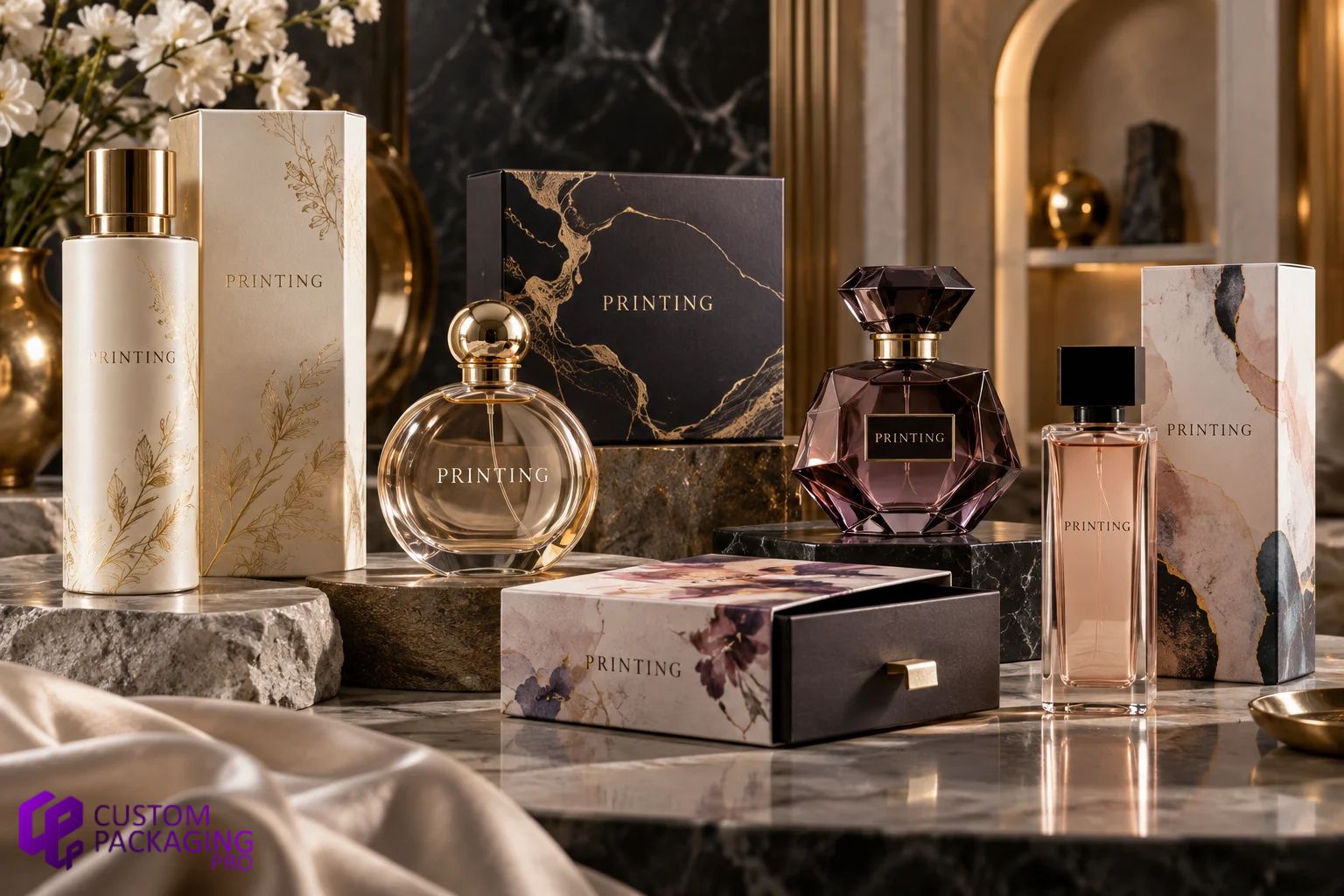
Fragrance packaging is more than a protective layer around a perfume bottle. It combines functional protection, visual identity, and brand storytelling to create a complete customer experience. From luxury perfume boxes with premium finishes to custom glass fragrance bottles designed for niche brands, every packaging element contributes to how customers perceive a fragrance.
For perfume manufacturers, cosmetic companies, and emerging fragrance brands, choosing the right packaging solution can influence shelf appeal, customer recognition, and product positioning. Custom packaging allows businesses to select materials, structures, printing styles, and finishing techniques that match their brand identity.
Whether a brand creates luxury perfumes, niche fragrances, colognes, or everyday beauty products, the right packaging helps communicate the story behind the scent while protecting the product throughout storage, shipping, and retail display.
What Is Fragrance Packaging?
Fragrance packaging refers to the complete packaging system used to store, protect, present, and promote perfume products. It includes both the primary packaging that holds the fragrance and the secondary packaging that improves presentation and protection. The main components of fragrance packaging include:
- Perfume bottles: Glass containers designed to preserve and dispense fragrances while reflecting the brand’s visual identity.
- Perfume boxes: Outer packaging that protects bottles and provides space for branding, product information, and decorative elements.
- Bottle inserts: Internal supports that keep perfume bottles secure during transportation.
- Protective packaging: Materials and structures designed to prevent damage during handling and shipping.
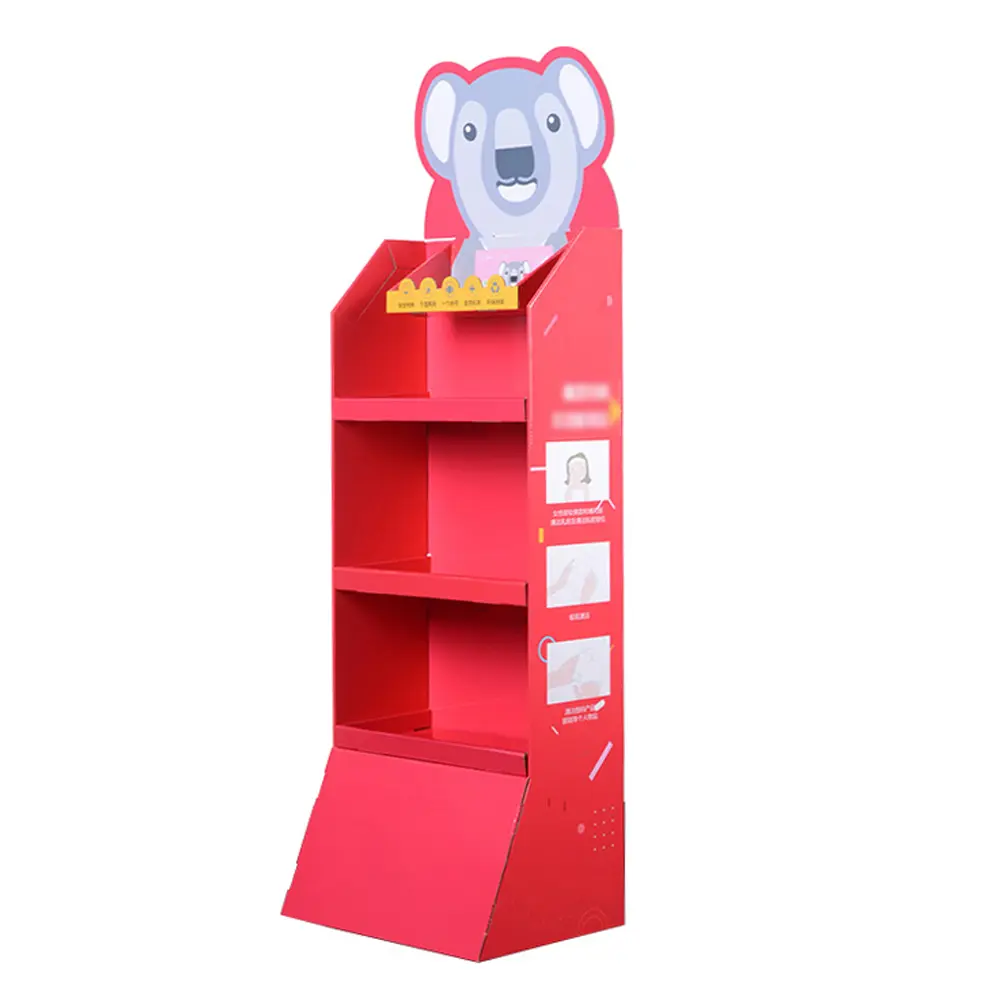
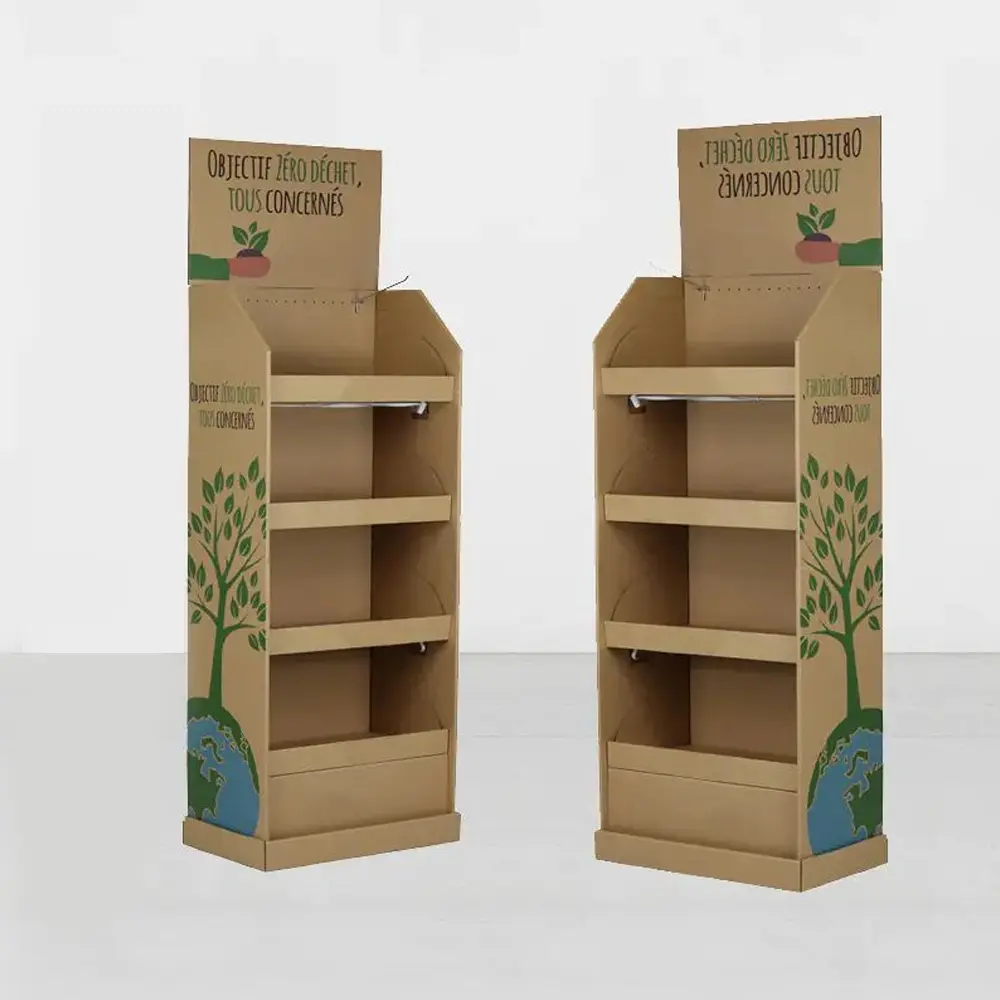
- Display packaging: Packaging created to improve product visibility on retail shelves.
For fragrance brands, packaging serves multiple purposes:
| Purpose |
Role in Fragrance Packaging |
| Product protection |
Protects perfume bottles from impact, light exposure, and handling damage |
| Brand presentation |
Communicates luxury, quality, and brand personality |
| Customer experience |
Creates a memorable opening and unboxing experience |
| Retail appeal |
Helps products stand out among competing fragrances |
| Marketing support |
Provides space for logos, artwork, and brand messaging |
Unlike standard product packaging, fragrance packaging requires a balance between aesthetics and functionality. A perfume package must look premium while also protecting delicate components such as glass bottles and fragrance formulas.
Why Fragrance Packaging Matters for Perfume Brands
The fragrance market is highly competitive, with brands competing not only through scent quality but also through visual presentation. Customers often make purchasing decisions based on how a product looks and feels before they experience the fragrance itself. A thoughtfully designed package helps perfume brands create a stronger connection with customers and communicate their positioning.
Creates a Strong First Impression
Packaging acts as the first physical interaction between a customer and a fragrance brand. A premium perfume box, elegant bottle design, and carefully selected finishing details can immediately communicate quality. Luxury fragrance brands often use packaging elements such as:
- Custom bottle shapes
- High-quality glass containers
- Metallic accents
- Embossed logos
- Premium paper stocks
- Magnetic closures
- Soft-touch finishes
These details help create a sense of exclusivity and differentiate products in a crowded beauty market.
Protects the Fragrance Product
A perfume formula can be sensitive to environmental conditions such as light, heat, and air exposure. Proper packaging helps maintain product quality during manufacturing, storage, transportation, and retail handling. Effective fragrance packaging may include:
- Durable glass perfume bottles
- Secure bottle caps and closures
- Protective inner inserts
- Strong outer cartons
- UV-resistant packaging options
The right packaging structure reduces the risk of damage while ensuring customers receive the product in excellent condition.
Builds Brand Identity
For perfume companies, packaging is an extension of their brand identity. Colors, typography, materials, and structural design choices help communicate whether a fragrance is positioned as luxury, modern, natural, minimalist, or artistic.
For example:
- A luxury perfume brand may choose rigid boxes with foil stamping and premium textures.
- A natural fragrance company may prefer recyclable materials and minimalist designs.
- A niche fragrance brand may use unique bottle shapes and artistic packaging concepts.
Custom fragrance packaging gives brands the flexibility to create packaging that matches their target audience and market position.
Types of Fragrance Packaging
Fragrance packaging includes multiple components that work together to protect the product and create a strong visual identity. The right combination of bottles, boxes, materials, and design elements depends on the fragrance type, target customers, brand positioning, and sales channel.
From luxury perfume collections to emerging niche fragrance brands, companies can customize packaging structures and materials to create a memorable product experience.
Custom Perfume Boxes
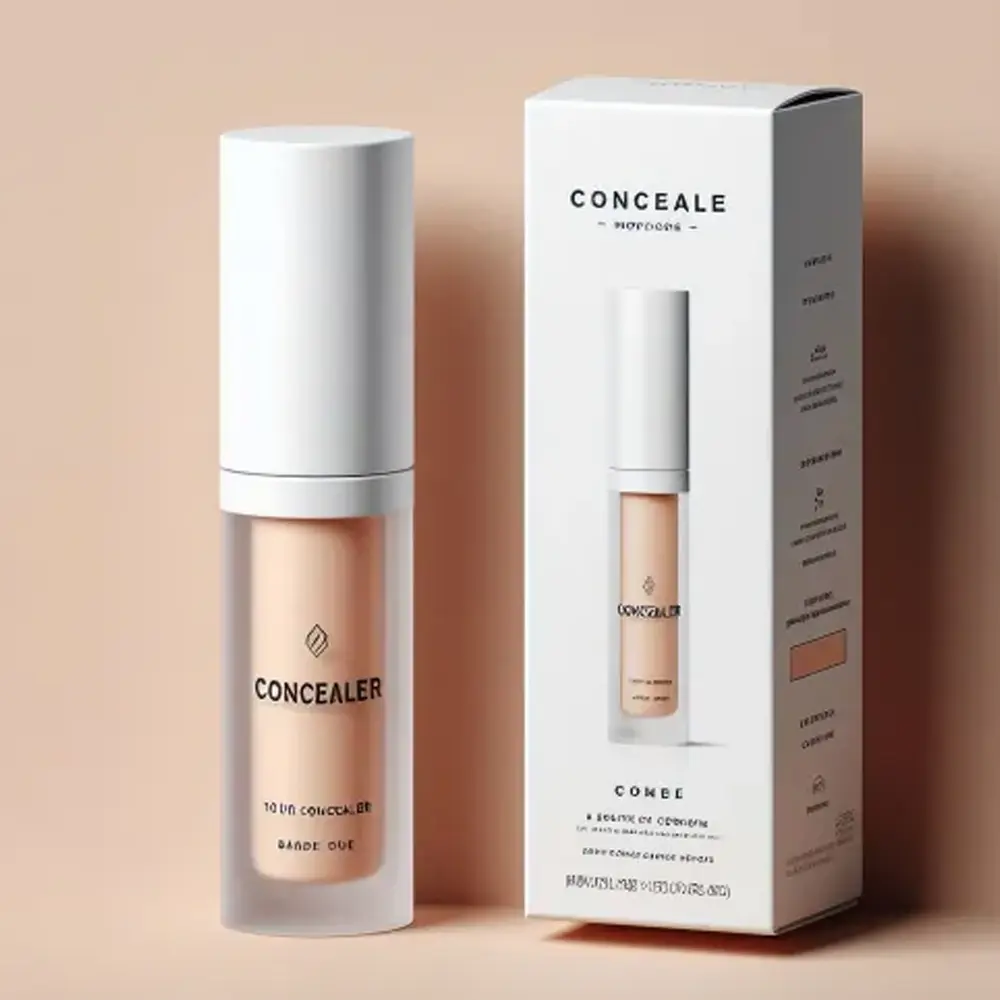
Perfume boxes are one of the most important elements of fragrance presentation. They protect the perfume bottle while providing valuable space for branding, product information, and creative design. Custom perfume boxes allow brands to choose:
- Box structure
- Material thickness
- Printing style
- Finishing options
- Interior protection
- Opening experience
Common perfume box styles include:
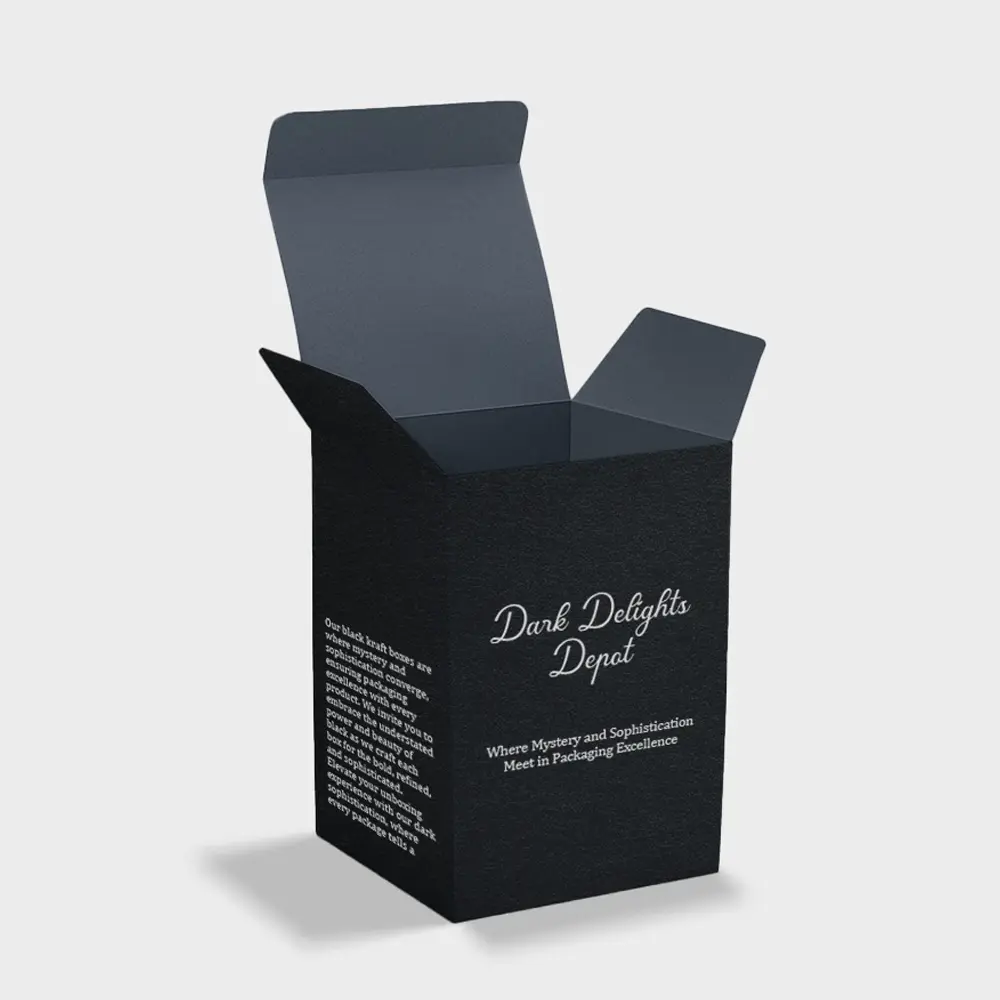
Folding Carton Boxes
Folding carton boxes are widely used for perfume packaging because they are lightweight, cost-effective, and highly customizable. They allow brands to add:
- Custom artwork
- Brand logos
- Product details
- Decorative finishes
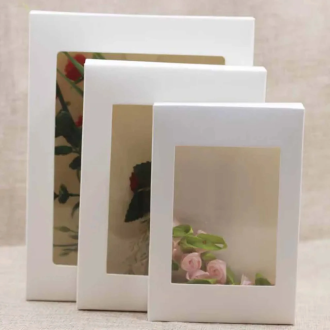
- Window cutouts
These boxes are suitable for both established fragrance companies and smaller perfume businesses looking for professional packaging solutions.
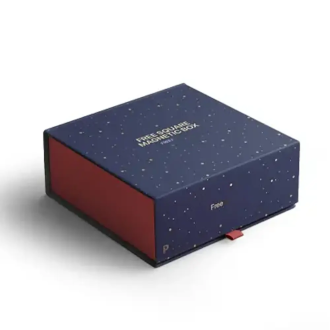
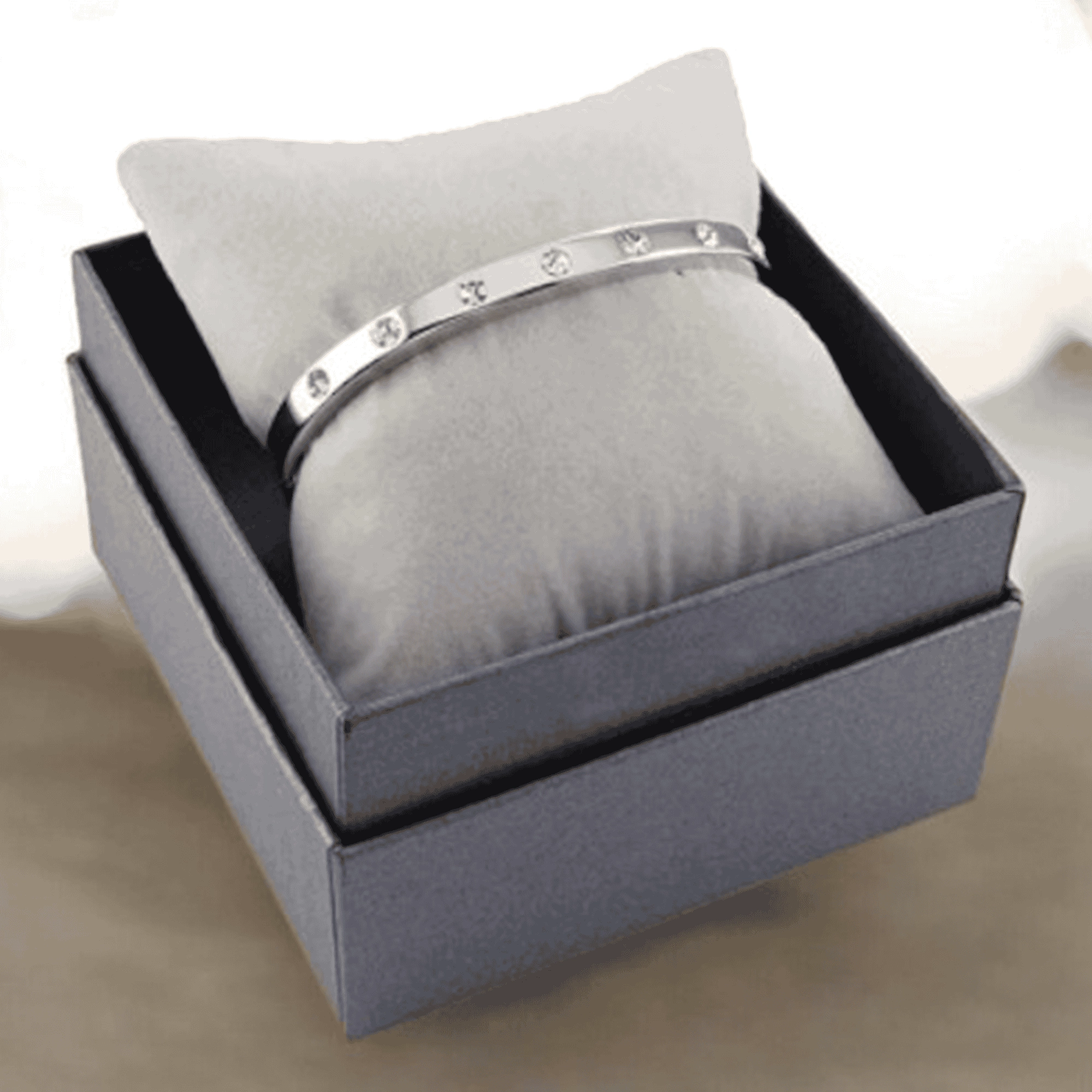
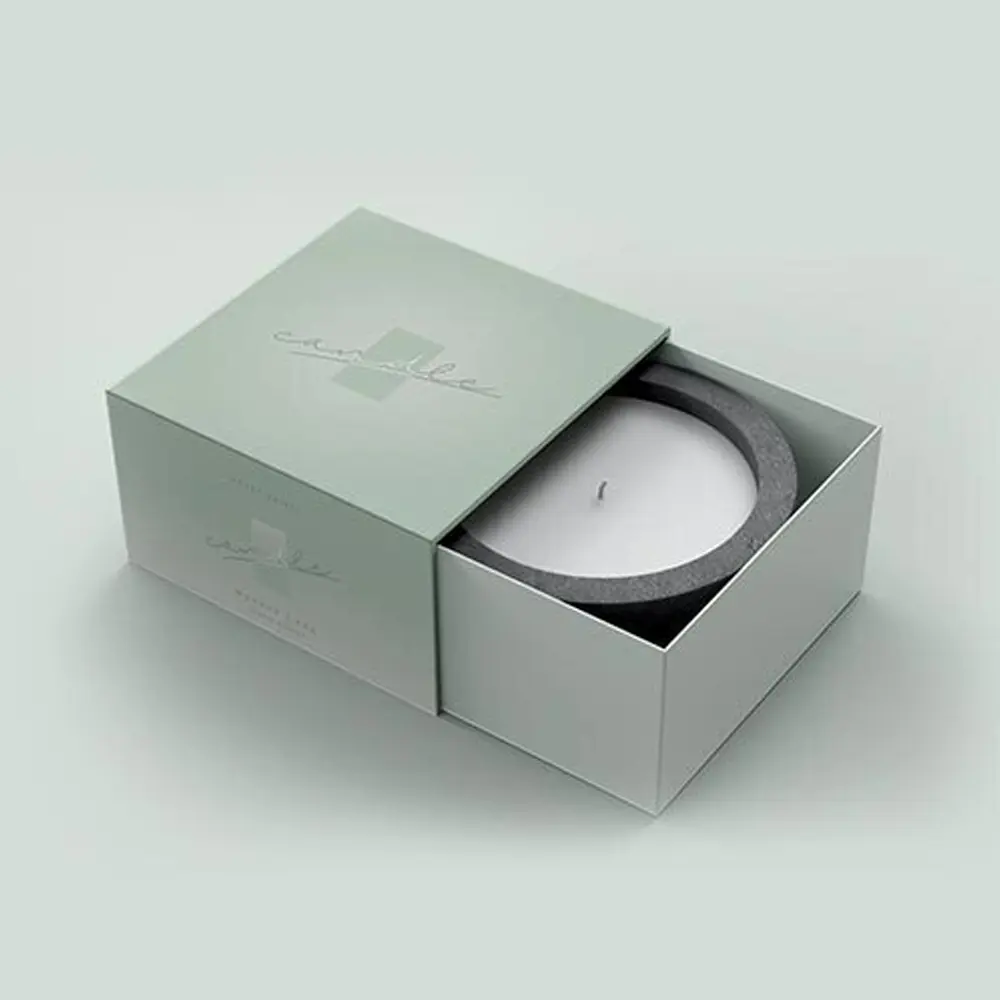
Rigid Perfume Boxes
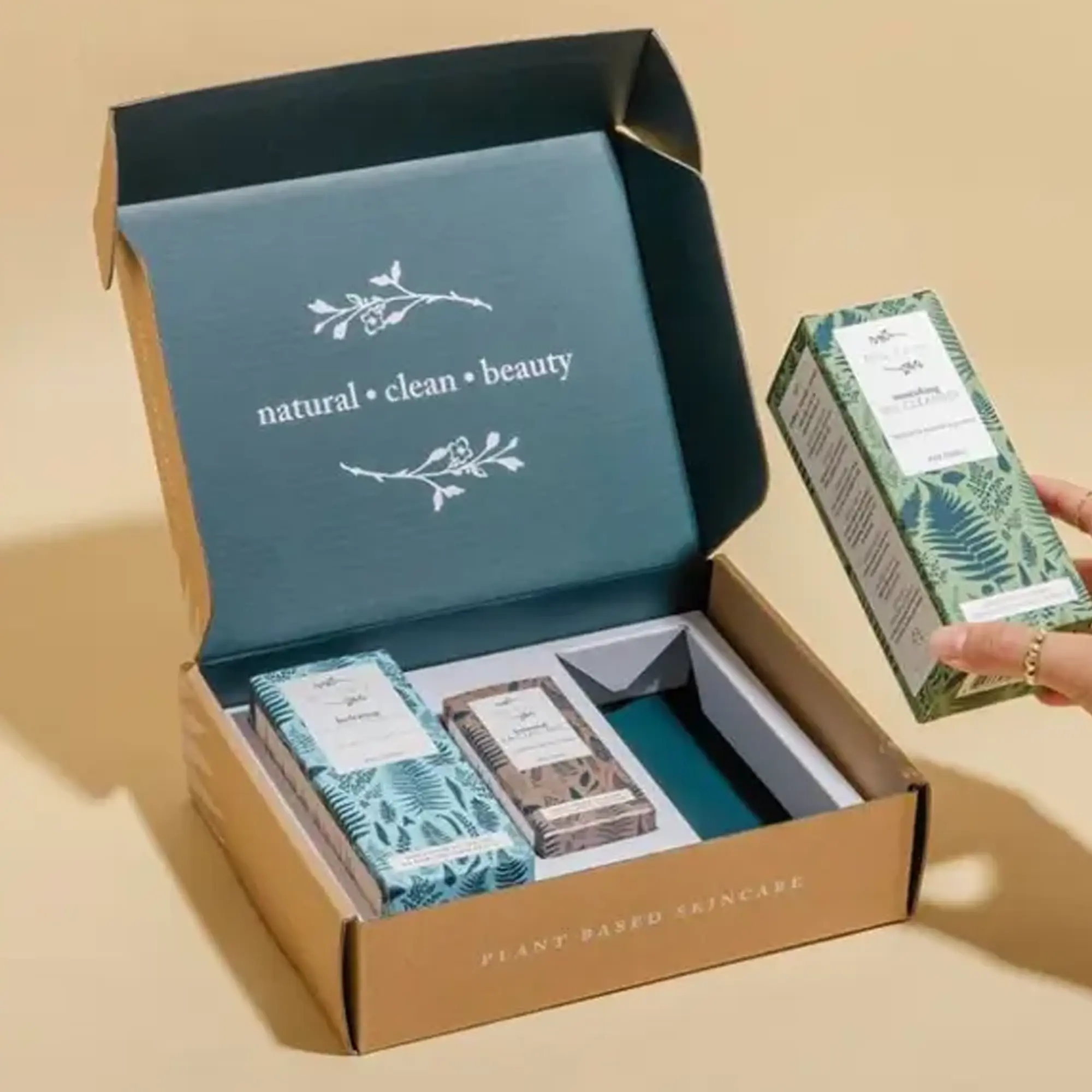
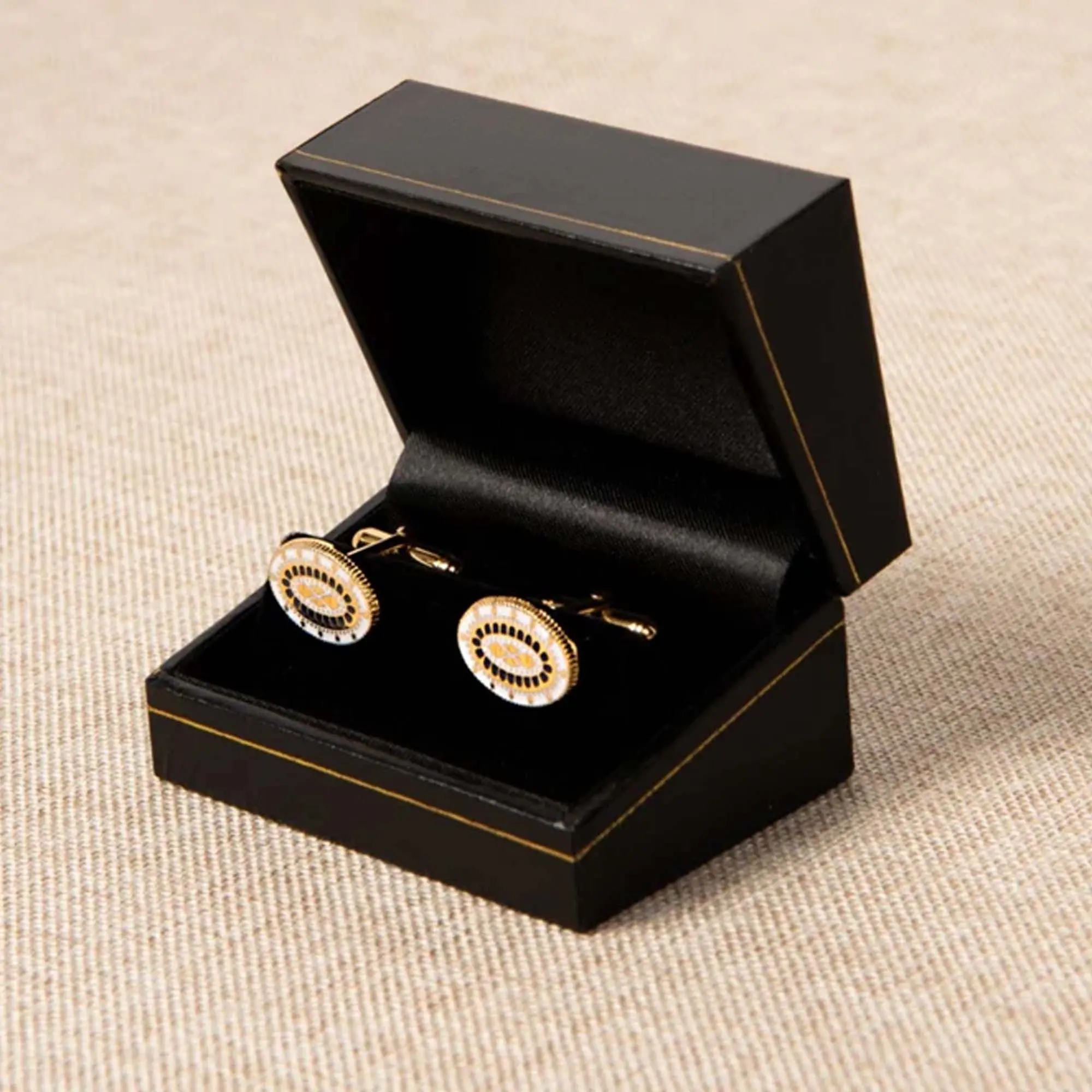
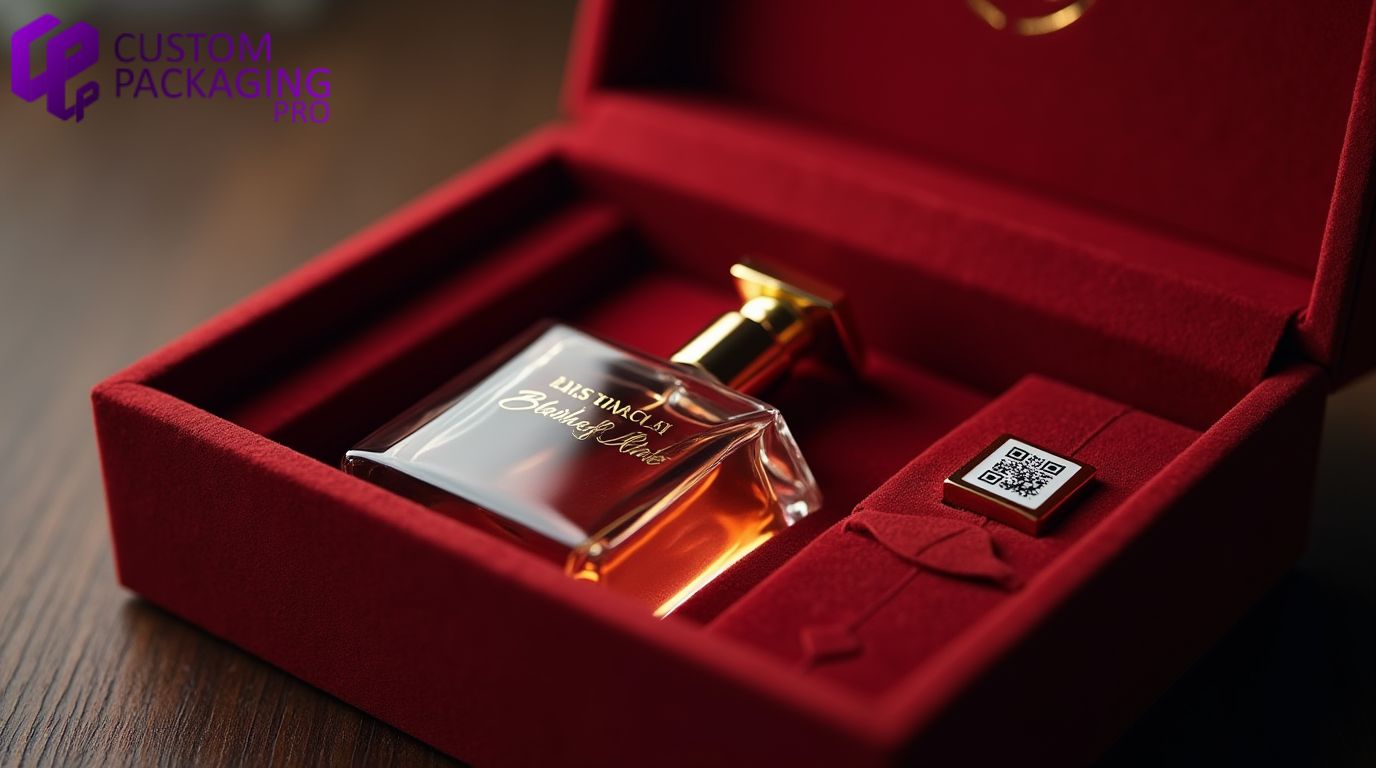
Rigid boxes are commonly associated with luxury fragrance packaging because of their strong structure and premium appearance. They are made using thick paperboard and often include:
- Magnetic closures
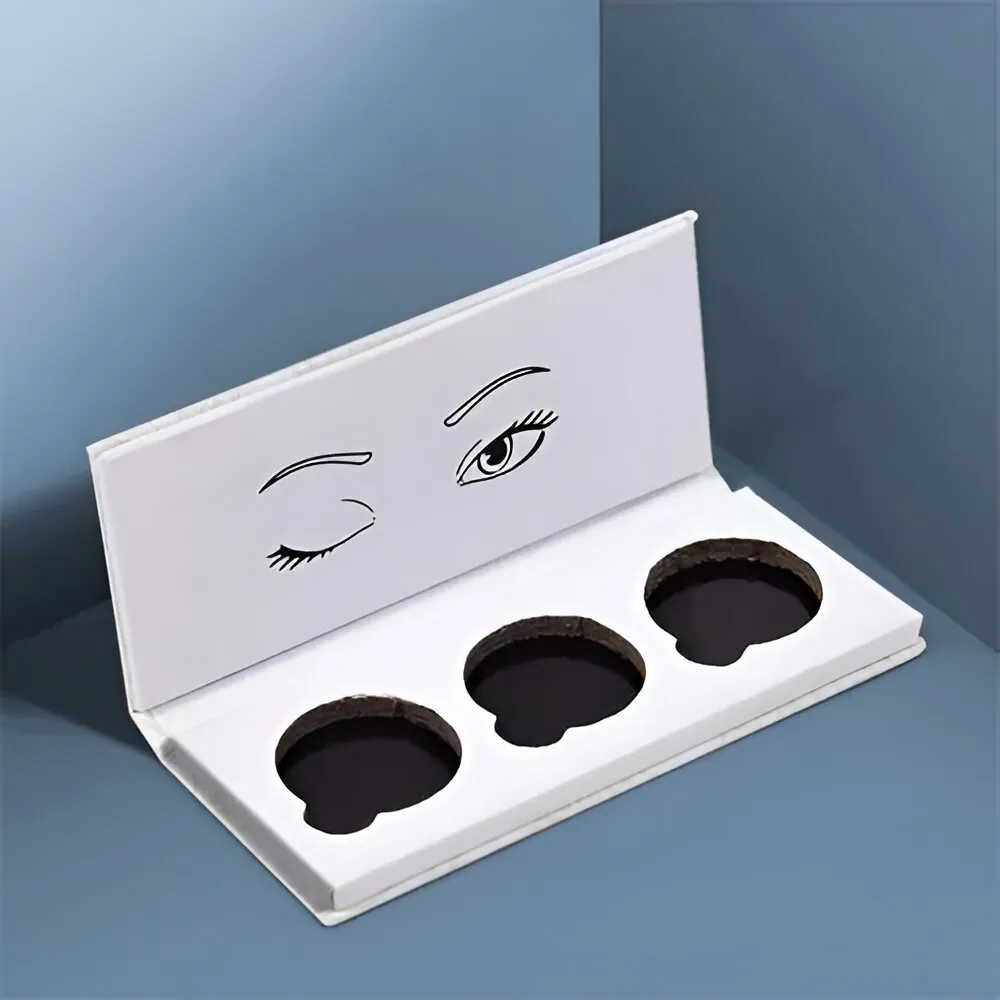
- Custom inserts
- Fabric or textured finishes
- Foil stamping
- Embossed branding
Luxury perfume brands often choose rigid packaging to create a high-end unboxing experience and increase perceived product value.
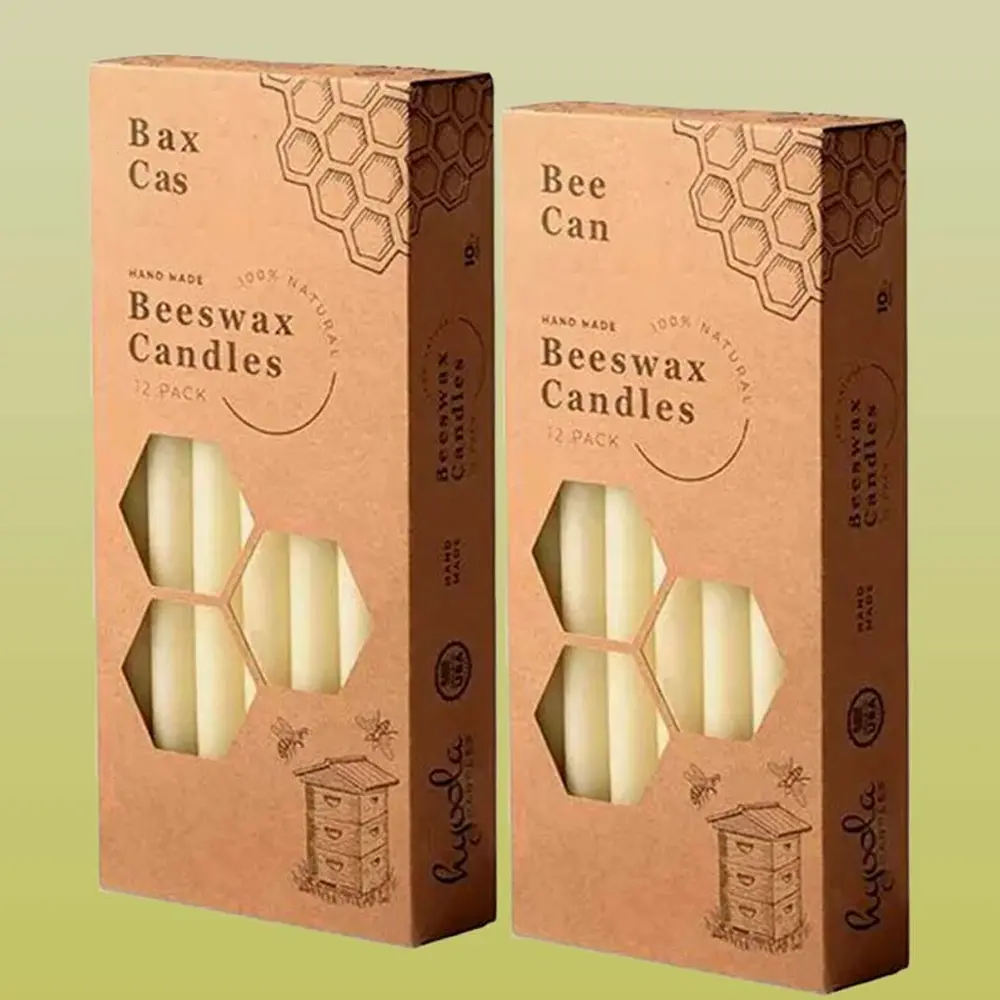
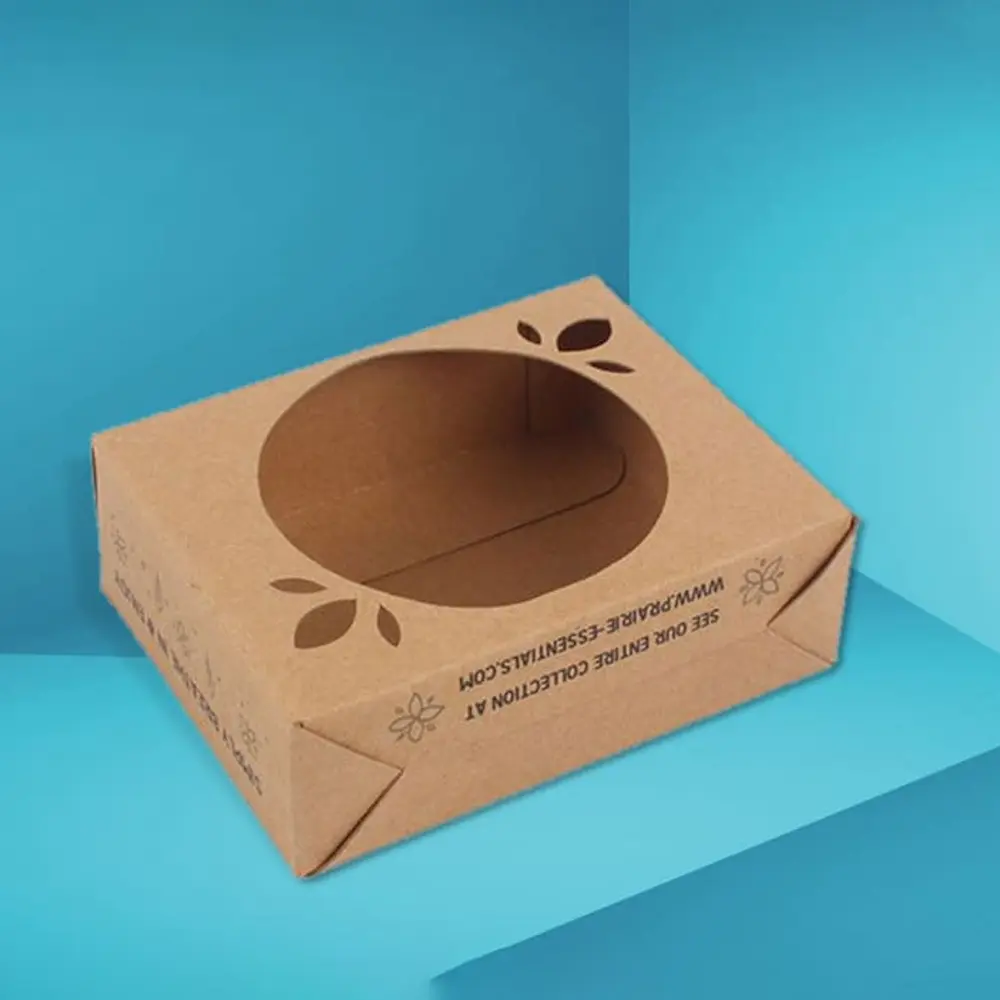
Window Perfume Boxes
Window boxes allow customers to see part of the perfume bottle without opening the package. This design works well for retail environments where visual product appeal influences purchasing decisions. Benefits include:
- Improved shelf visibility
- Better product presentation
- Increased customer interaction
- Enhanced brand display
Perfume Bottles and Fragrance Containers
The perfume bottle is the primary packaging component because it directly holds the fragrance formula. Beyond functionality, the bottle design represents the personality and identity of the perfume brand.
Glass Perfume Bottles
Glass perfume bottles are one of the most popular choices in the fragrance industry due to their premium appearance, durability, and ability to preserve fragrance quality. Brands choose glass bottles because they offer:
- Elegant appearance
- Chemical resistance
- Premium customer experience
- Multiple customization options
Custom glass perfume bottles can be created in different shapes, colors, and finishes to match a brand's concept. Examples include:
- Clear glass bottles for minimalist designs
- Frosted glass bottles for luxury aesthetics
- Colored glass bottles for distinctive collections
- Decorative bottles for premium fragrance lines
Custom Fragrance Bottles
Custom fragrance bottles help brands create a recognizable product identity. Instead of using standard bottle designs, companies can develop unique shapes and details that represent their fragrance concept. Customization options may include:
- Unique bottle shapes
- Custom caps
- Colored glass
- Engraved details
- Decorative elements
- Customized labels
For niche fragrance brands, a distinctive bottle design can become a major part of the customer experience.
Additional Fragrance Packaging Components
A complete fragrance packaging system often includes additional elements beyond the bottle and outer box.
Bottle Inserts
Bottle inserts provide internal support and keep perfume containers secure inside the package. They help:
- Prevent movement during shipping
- Reduce breakage risks
- Improve presentation when opening the box
- Create a premium unboxing experience
Common insert materials include:
- Paperboard
- Molded pulp
- Foam
- Custom cardboard structures
Protective Packaging
Fragrance products require reliable protection because glass bottles can be fragile during transportation. Protective packaging solutions may include:
- Strong outer cartons
- Custom-fit inserts
- Cushioning materials
- Secure closures
For e-commerce perfume brands, protective packaging is especially important because products travel through multiple handling stages before reaching customers.
Choosing the Right Materials for Fragrance Packaging
Material selection plays a major role in both appearance and performance. The best packaging materials should protect the fragrance while matching the brand's visual identity and sustainability goals.
| Material |
Benefits |
Common Applications |
| Glass |
Premium appearance, durability, fragrance protection |
Perfume bottles, fragrance containers |
| Paperboard |
Lightweight, printable, versatile |
Folding carton boxes for perfume |
| Rigid Board |
Strong structure and luxury feel |
Premium perfume boxes |
| Kraft Paper |
Natural appearance and recyclable qualities |
Eco-friendly packaging |
| Specialty Papers |
Unique textures and finishes |
Luxury packaging designs |
| Metal Elements |
Premium decorative appeal |
Caps, accents, closures |
Sustainable Fragrance Packaging Materials
Sustainability has become an important consideration for many beauty and fragrance brands. Companies are increasingly exploring packaging options that reduce waste while maintaining premium presentation. Popular sustainable approaches include:
- Recyclable paperboard boxes
- FSC-certified paper materials
- Minimal packaging designs
- Refillable perfume bottles
- Reduced plastic usage
- Eco-friendly printing methods
For brands targeting environmentally conscious customers, sustainable fragrance packaging can support both product presentation and brand values.
Fragrance Packaging Trends: Sustainability, Customization, and Future Innovations
The fragrance industry continues to evolve as brands look for packaging solutions that combine luxury, functionality, and environmental responsibility. Modern consumers expect more than an attractive perfume bottle. They want packaging that reflects brand values, provides a memorable experience, and aligns with changing sustainability expectations.
For perfume manufacturers and cosmetic brands, staying updated with fragrance packaging trends can help create products that stand out in competitive retail and e-commerce markets.
Sustainable Fragrance Packaging Solutions
Sustainability has become an important consideration for many beauty and fragrance companies. Brands are exploring packaging options that reduce environmental impact while maintaining premium presentation. Modern sustainable fragrance packaging approaches include:
- Recyclable paperboard perfume boxes
- Responsibly sourced packaging materials
- Reduced material usage
- Refillable perfume bottles
- Minimal packaging structures
- Eco-friendly printing methods
Sustainable packaging does not mean sacrificing luxury. Many premium brands are combining environmentally responsible materials with elegant designs to create packaging that appeals to conscious consumers.
Refillable Perfume Packaging
Refillable fragrance packaging is becoming increasingly popular among brands that want to reduce packaging waste while maintaining a premium product experience. Refill systems allow customers to:
- Keep the original perfume bottle
- Purchase fragrance refills separately
- Reduce single-use packaging waste
- Continue using premium bottle designs
For luxury and niche fragrance brands, refillable concepts provide an opportunity to combine sustainability with long-term customer engagement.
Minimalist Fragrance Packaging Design
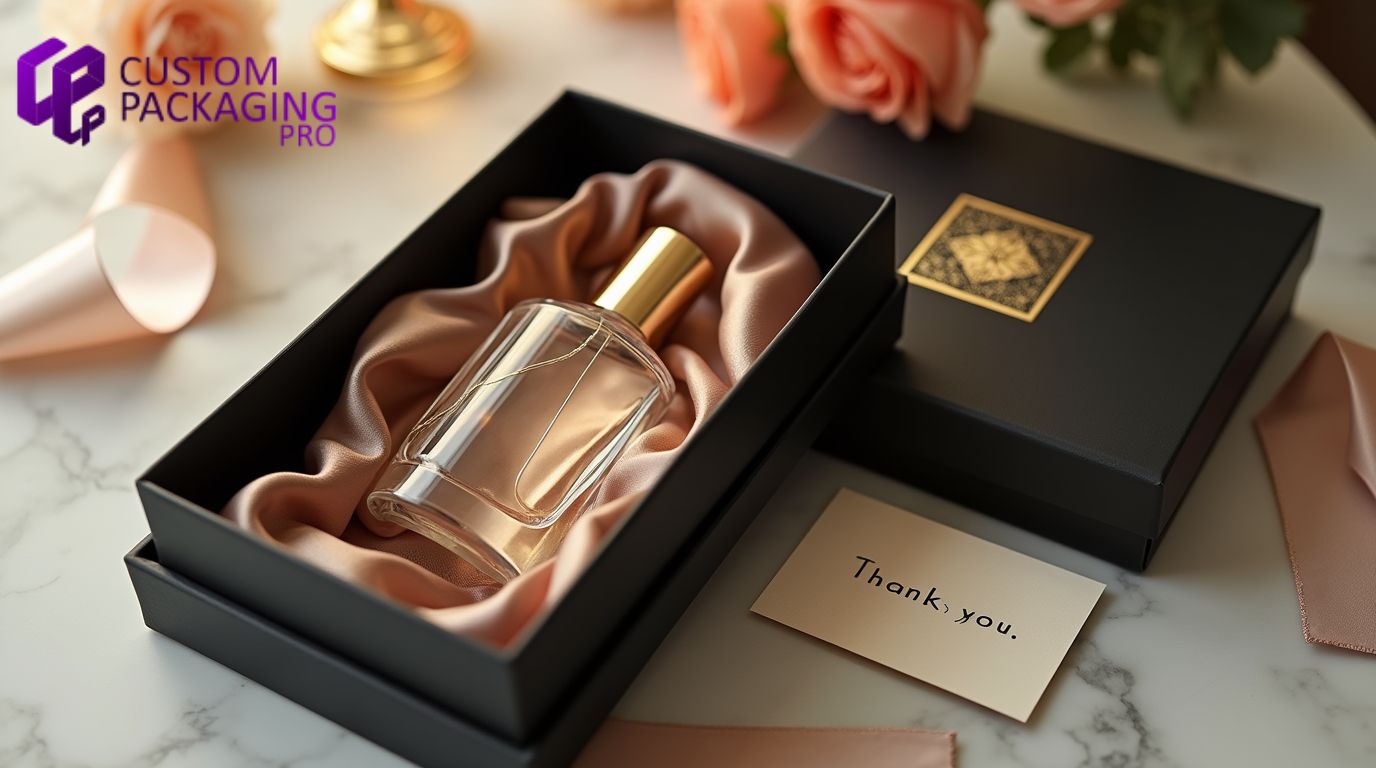
Minimalist packaging has become a popular direction for modern perfume brands. Instead of using excessive decorative elements, minimalist designs focus on simplicity, balance, and premium details. Common characteristics include:
- Clean typography
- Neutral color palettes
- Simple structural designs
- High-quality materials
- Limited but impactful branding
Minimalist perfume packaging can communicate sophistication and confidence. Many contemporary fragrance brands use simple designs to create a premium appearance while maintaining a strong visual identity.
Customization and Personalization in Fragrance Packaging
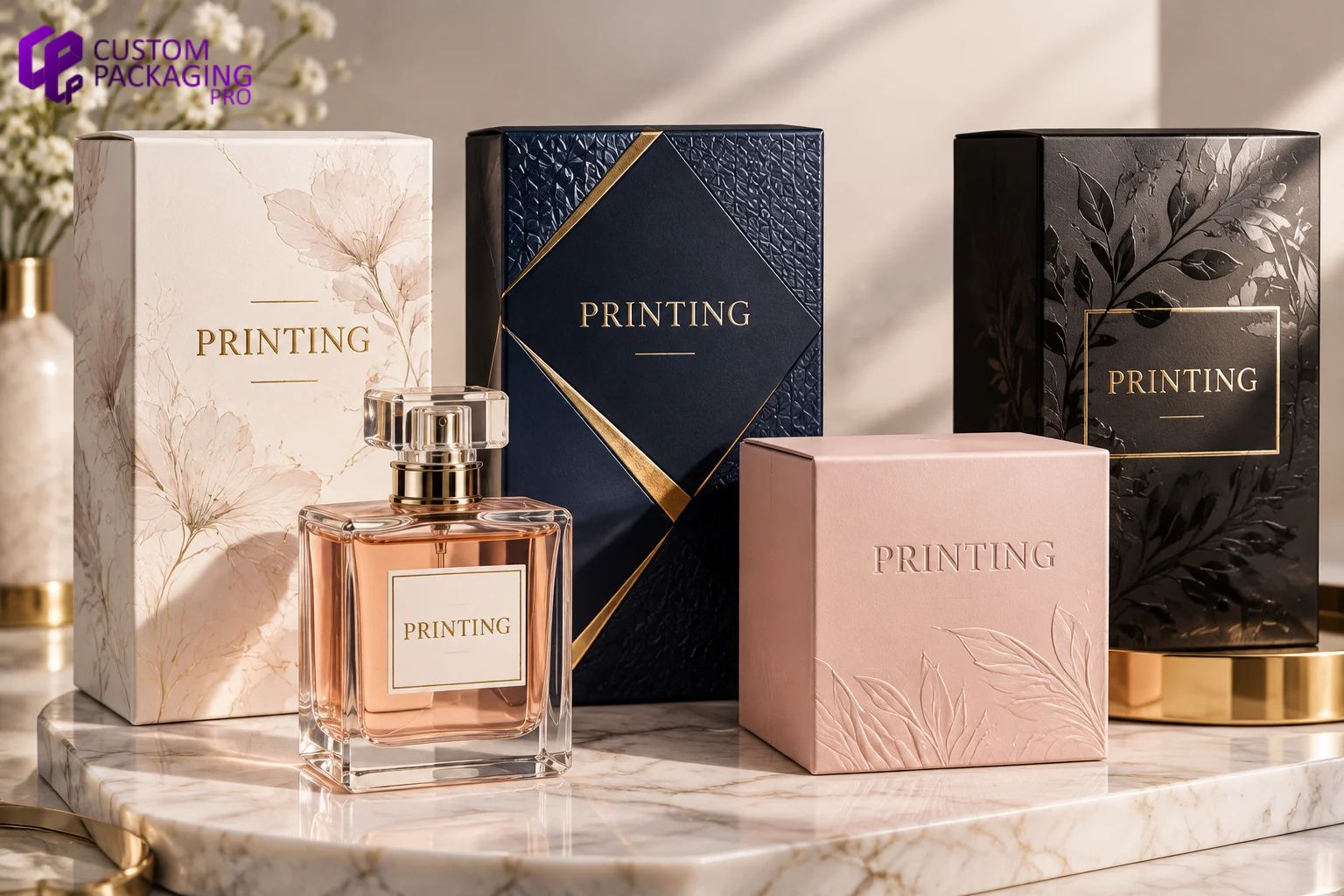
Customization allows perfume brands to create packaging that reflects their unique identity rather than using generic solutions. Custom fragrance packaging options include:
- Custom perfume boxes
- Unique bottle shapes
- Brand-specific color schemes
- Personalized printing
- Special finishing techniques
- Custom inserts
For emerging perfume companies, customized packaging can help create recognition and differentiate products from competitors.
A unique package design can become part of the brand experience, helping customers remember the product even after purchase.
Technology Integration in Perfume Packaging
Technology is creating new opportunities for brands to connect with customers through packaging.
Modern fragrance packaging may include:
- QR codes for product information
- Digital brand experiences
- Interactive storytelling
- Authentication features
- Smart packaging solutions
For example, a QR code printed on a perfume box can direct customers to information about:
- Fragrance ingredients
- Brand history
- Sustainability practices
- Product usage instructions
These features transform packaging from a simple container into an interactive communication tool.
How to Choose the Best Fragrance Packaging for Your Brand
Selecting the right packaging requires understanding your product, customers, and brand goals. The best packaging solution should protect the fragrance while creating a strong visual and emotional connection.
Consider these factors when choosing packaging:
Understand Your Target Audience
Different customers respond to different packaging styles.
Luxury buyers may prefer:
- Premium materials
- Detailed finishes
- Rigid boxes
- Elegant bottle designs
Eco-conscious customers may value:
- Recyclable materials
- Minimal packaging
- Sustainable production methods
Understanding customer expectations helps brands create packaging that matches their market.
Consider Product Protection Requirements
Perfume bottles are often made from glass, making protection an important factor.
Effective packaging should include:
- Secure bottle placement
- Durable outer boxes
- Protective inserts
- Appropriate material thickness
This is especially important for brands selling through online channels where products experience multiple transportation stages.
Balance Design and Production Costs
While premium packaging can increase perceived value, brands should also consider production requirements and order quantities.
Important factors include:
- Material selection
- Printing methods
- Finishing options
- Packaging quantity
- Manufacturing capabilities
Working with an experienced custom packaging supplier can help brands select solutions that meet both design and budget requirements.
Wholesale Fragrance Packaging for Growing Brands
For businesses producing fragrances at scale, wholesale packaging options provide consistency and cost efficiency.
Wholesale perfume packaging solutions may include:
- Bulk perfume boxes
- Perfume bottles wholesale
- Custom printed packaging
- Large-volume production
- Coordinated packaging components
Bulk packaging orders can help manufacturers maintain consistent branding across product collections while managing production costs.
When selecting a wholesale packaging partner, brands should evaluate:
- Manufacturing experience
- Customization capabilities
- Material quality
- Printing technology
- Production capacity
How to Choose a Custom Fragrance Packaging Supplier
Selecting the right packaging supplier is an important decision for perfume manufacturers and beauty brands. A reliable packaging partner should understand the requirements of fragrance products, provide customization options, and deliver packaging that matches the brand’s quality standards.
The right supplier can help transform a packaging concept into a finished product through design support, material selection, printing, and manufacturing expertise.
When evaluating a custom fragrance packaging supplier, consider the following factors:
Customization Capabilities
Every fragrance brand has a different identity, so packaging should not feel generic. A capable supplier should offer customization options that allow businesses to create packaging aligned with their brand image.
Important customization options include:
- Custom perfume boxes
- Custom fragrance bottles
- Unique packaging structures
- Brand-specific artwork
- Custom inserts
- Personalized finishing options
Customization helps brands create packaging that stands out in retail displays and online product listings.
Material Quality and Durability
High-quality materials are essential for protecting delicate fragrance products. Since many perfumes are packaged in glass bottles, the outer packaging must provide sufficient support and protection.
A professional supplier should provide access to materials such as:
- Premium paperboard
- Rigid box materials
- Sustainable packaging materials
- Protective inserts
- Specialty papers
The selected materials should support both product safety and the desired visual appearance.
Printing and Finishing Options
Packaging details can significantly influence how customers perceive a fragrance product. Advanced printing and finishing capabilities allow brands to create premium designs.
Common finishing options include:
- Foil stamping
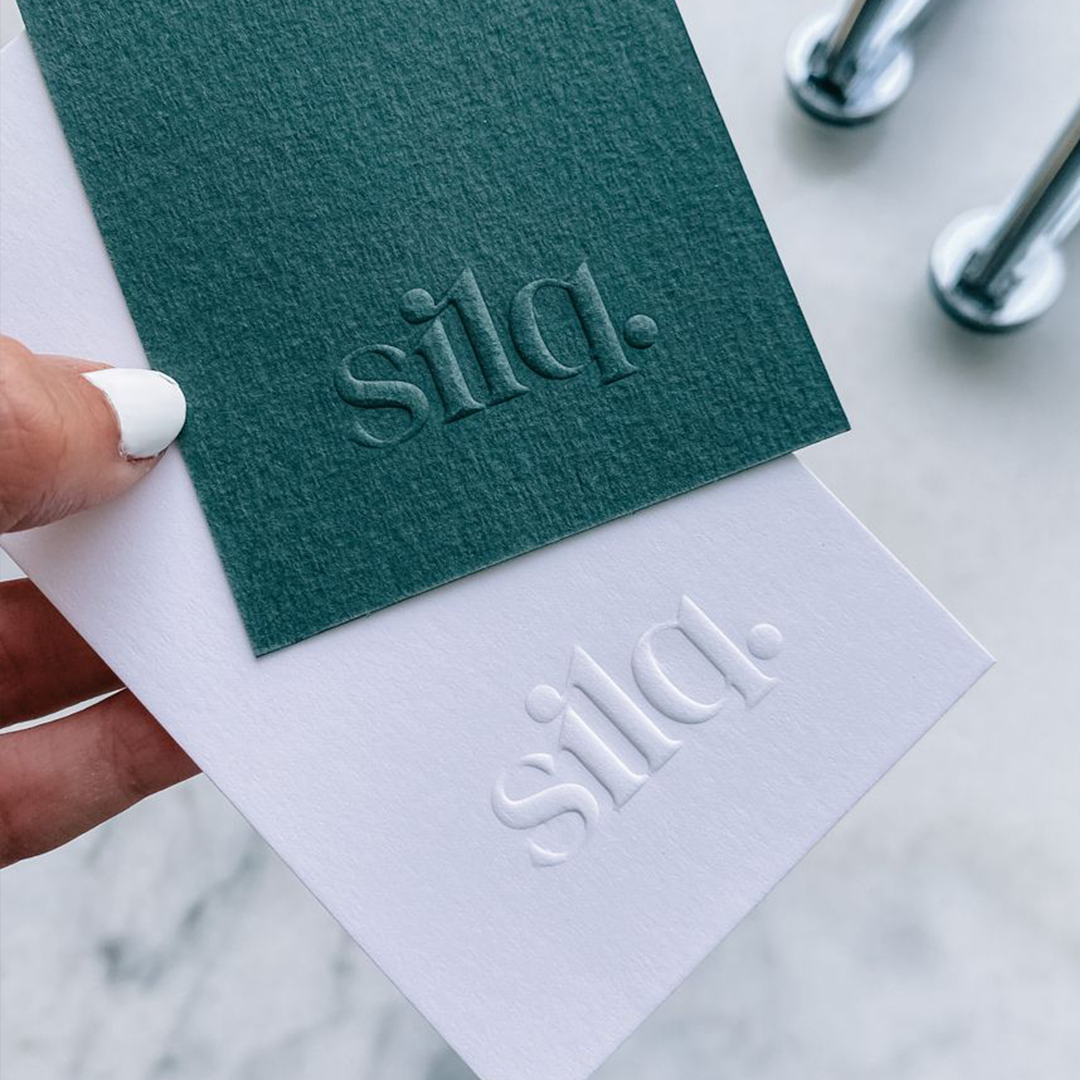
- Embossing
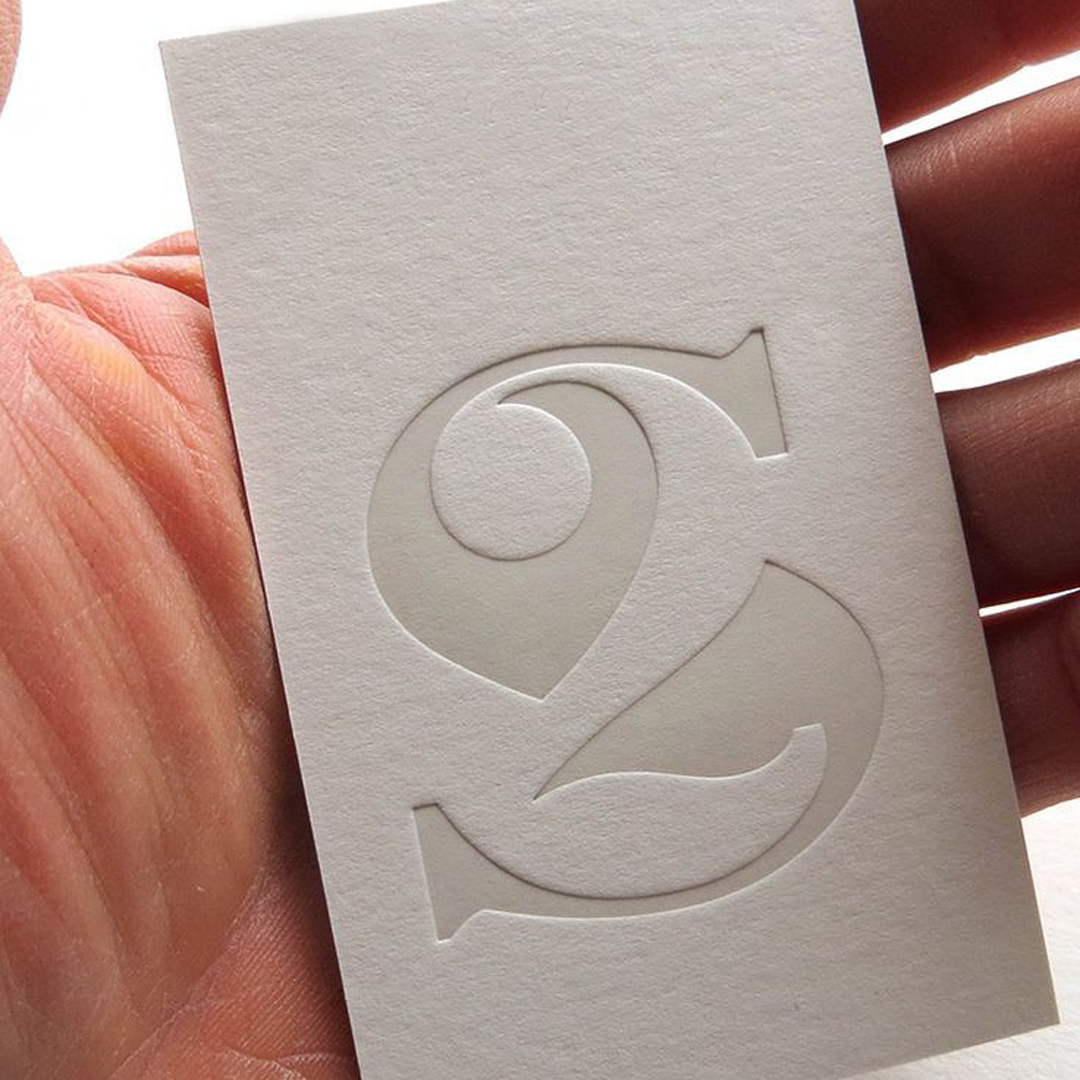
- Debossing
- Spot UV coating
- Matte lamination
- Gloss finishes
- Textured surfaces
These techniques can enhance brand logos, decorative elements, and product details.
Prototype Development and Testing
Before moving into large-scale production, brands should consider testing packaging prototypes.
A prototype allows companies to evaluate:
- Bottle fit
- Box structure
- Material quality
- Design appearance
- Opening experience
- Shipping protection
Testing helps identify potential issues before full production begins and ensures the final packaging meets brand expectations.
Essential Equipment and Manufacturing Machinery for Fragrance Packaging
Manufacturing high-precision custom perfume boxes, rigid packaging, and glass containers requires advanced industrial machinery:
- Automated Glass Bottle Blow-Molding Machines: High-precision glass forming machinery engineered to produce custom perfume bottle shapes and uniform wall thicknesses.
- Automatic Rigid Box Wrapping Line: High-speed automated assembly units that wrap eco-friendly cover paper precisely over heavy rigid chipboard frames.
- Computer-Guided Rotary Die-Cutters: Precision die-cutting units engineered to execute intricate custom folds, structural window cutouts, and inner inserts.
- Precision Hot Foil Stamping & Embossing Presses: Machinery designed to apply high-definition metallic accents and 3D tactile branding.
- Automated Custom Insert Cutting Systems: CNC laser and die-cutters optimized to shape foam, molded pulp, and paperboard inserts for exact bottle fitment.
Scientific & Operational Considerations: Fragrance Stability & Structural Integrity
Developing custom fragrance packaging involves evaluating chemical compatibility and mechanical transit protection:
1. Chemical Inertness & UV Barrier Protection: Utilizing non-reactive glass and UV-blocking coatings to protect volatile essential oils and alcohol-based fragrance formulas from light degradation.
2. Closure Leakage Prevention & Atomizer Testing: Calibrating spray pump fitment and bottle neck threads to withstand pressure changes and prevent fragrance leakage during air transport.
3. Cushioning Dynamics & Impact Resistance: Engineering high-density foam or molded paperboard inserts to absorb drop shock and eliminate glass-on-glass friction during shipping.
Material Selection & Sustainability Compliance in Fragrance Packaging
Selecting suitable raw materials ensures structural durability while satisfying modern environmental standards:
- Recyclable High-Clarity Flint Glass: Premium, chemically inert glass providing exceptional transparency and chemical stability for fine perfumes.
- FSC-Certified Heavy Rigid Greyboard: High-density recycled chipboard providing rigid structural support for luxury perfume gift boxes.
- Solid Bleached Sulfate (SBS) Board: Smooth white paperboard engineered for vibrant graphic reproduction on folding carton packaging.
- Organic Soy & Vegetable-Based Inks: Environmentally safe inks formulated from renewable crops that deliver rich color saturation without toxic emissions.
- Molded Paper Pulp & Eco-Inserts: 100% biodegradable interior trays designed to secure perfume bottles firmly without plastic waste.
Advanced Custom Printing & Surface Decorative Enhancements
Integrating specialized surface finishing options elevates custom fragrance boxes into high-end luxury statements:
- Precision Hot Metallic Foil Stamping: Applying gold, silver, or rose gold foil to logos to project timeless elegance on retail shelves.
- Targeted Spot UV Resin Coating: Applying localized gloss finishes over specific artwork elements to create striking contrast against matte box backgrounds.
- Tactile Embossing & Debossing: Molding paperboard surfaces to raise or indent brand logos and intricate graphics for rich sensory feedback.
- Velvety Soft-Touch Matte Lamination: Applying a protective coating that delivers a silky texture while guarding against fingerprints and scuffs.
- Custom Die-Cut Windows: Engineered cutouts fitted with eco-films to display bottle designs directly through outer boxes.
Strategic Procurement & Blueprint for Fragrance Packaging Implementation
Follow this operational step-by-step checklist to design, prototype, and manufacture custom fragrance packaging:
Step 1: Measure Bottle Footprint & Draft CAD Dielines: Establish exact glass bottle dimensions to engineer precise box dielines and internal insert cutouts.
Step 2: Prototype Physical Structural Samples: Build unprinted structural prototypes to test bottle fitment, closure security, drop resistance, and unboxing flow.
Step 3: Execute Mass Production & Quality Assurance: Initiate full production with continuous inline checks for glass clarity, printing color fidelity, die-cutting precision, and box gluing.
Common Fragrance Packaging Mistakes to Avoid
Creating successful perfume packaging requires careful planning. Some packaging decisions can negatively affect product presentation, protection, or customer experience.
Choosing Appearance Over Protection
While attractive packaging is important, fragrance packaging must also protect the product.
A visually appealing perfume box that does not properly secure the bottle can increase the risk of damage during storage and shipping.
Brands should balance:
- Aesthetic design
- Structural strength
- Product safety
- Transportation requirements
Ignoring Brand Consistency
Packaging should match the overall identity of the fragrance brand.
Inconsistent choices between:
- Bottle design
- Box design
- Colors
- Typography
- Finishing styles
can make products appear disconnected.
A consistent visual identity helps customers recognize the brand across different fragrance collections.
Using Generic Packaging Designs
Standard packaging may be suitable for some products, but custom packaging provides more opportunities for differentiation.
Generic designs may make it harder for brands to:
- Stand out on shelves
- Build recognition
- Communicate premium value
- Create memorable experiences
Custom fragrance packaging allows companies to develop packaging that represents their unique positioning.
Not Considering E-commerce Requirements
Online fragrance sales require packaging that can handle shipping while still creating a premium customer experience.
E-commerce perfume packaging should focus on:
- Strong outer protection
- Secure bottle placement
- Reduced movement inside the box
- Attractive unboxing experience
A customer’s first physical interaction with an online fragrance purchase is the package they receive.
Why Custom Fragrance Packaging Helps Brands Stand Out
In the competitive perfume industry, packaging plays an important role in how customers discover, evaluate, and remember products.
Custom fragrance packaging allows brands to control:
- Product presentation
- Brand messaging
- Customer experience
- Retail appearance
- Packaging functionality
From luxury perfume boxes to custom printed packaging solutions, the right design approach helps businesses create products that feel distinctive and professional.
For perfume manufacturers, cosmetic companies, and emerging fragrance brands, investing in thoughtful packaging is an opportunity to strengthen brand identity and create a memorable connection with customers.
Final Thoughts
Fragrance packaging is an essential part of building a successful perfume brand. It protects the product, communicates brand identity, and shapes the customer experience before the fragrance is even used.
From glass perfume bottles and custom perfume boxes to sustainable materials and luxury finishing techniques, every packaging decision contributes to how customers perceive a fragrance.
For perfume manufacturers and beauty brands, choosing the right packaging approach can help create stronger product recognition, improve presentation, and deliver a memorable experience that customers associate with the brand.
Frequently Asked Questions About Fragrance Packaging
- What is the best packaging for perfume?
The best fragrance packaging depends on the brand’s goals, product type, and target audience. Many perfume brands combine high-quality glass perfume bottles with custom boxes that provide protection and premium presentation. Luxury fragrances often use rigid boxes, specialty finishes, and custom designs, while other brands may choose lightweight folding cartons with creative printing.
- What materials are commonly used for fragrance packaging?
Common materials used for fragrance packaging include glass for perfume bottles, paperboard for folding cartons, rigid board for luxury perfume boxes, kraft materials for sustainable packaging, and specialty papers for premium finishes. The ideal material depends on product requirements and brand positioning.
- Can perfume boxes be customized?
Yes, perfume boxes can be customized in many ways, including size and structure, printing design, colors, finishing techniques, interior inserts, and opening style. Custom perfume packaging helps brands create packaging that matches their identity and product concept.
- What makes luxury perfume packaging different?
Luxury perfume packaging usually focuses on premium materials, detailed craftsmanship, and a memorable customer experience. Common features include rigid box structures, custom bottle designs, embossed logos, foil finishes, magnetic closures, and high-quality textures.
- How do brands choose perfume bottles and boxes?
Brands usually consider several factors when selecting perfume packaging, including target customers, product positioning, fragrance type, budget, retail requirements, shipping needs, and brand identity. A successful packaging solution should protect the fragrance while creating a strong connection with customers.
- Can small fragrance brands order custom packaging?
Yes, many packaging suppliers offer customized solutions for both established companies and smaller fragrance brands. Businesses can select packaging styles, materials, and designs based on their production needs and brand goals.

 Custom Boxes
 Mailer Boxes
 Shipping Boxes
 Display Boxes
 Product Boxes
 Retail Packaging
 Luxury Packaging
 Sustainable Packaging
 Mylar Bags
 Labels & Stickers
 Inserts & Dividers
 Acrylic Signs
 Mylar and Zipper Bags
 Cosmetic Boxes
 Custom Candle Packaging Boxes
 Food and Beverage
 Display Packaging
 Pharma Packaging
 Custom Blister Packaging
 Stand Up Displays
 Kraft Boxes
 Cereal Packaging Boxes
 Bakery Packaging Boxes
 Eco-Friendly Boxes
 Electronics Packaging Boxes
 Custom Vape Boxes & Packaging
 CBD Packaging Boxes
 Rigid & Luxury Packaging Boxes
 Gift Boxes
 Custom Soap Boxes & Packaging
 Metalized Boxes
 Retail Boxes
 Subscription Boxes
 Invitation Boxes
 Corrugated Shipping Boxes
 Matte Finish
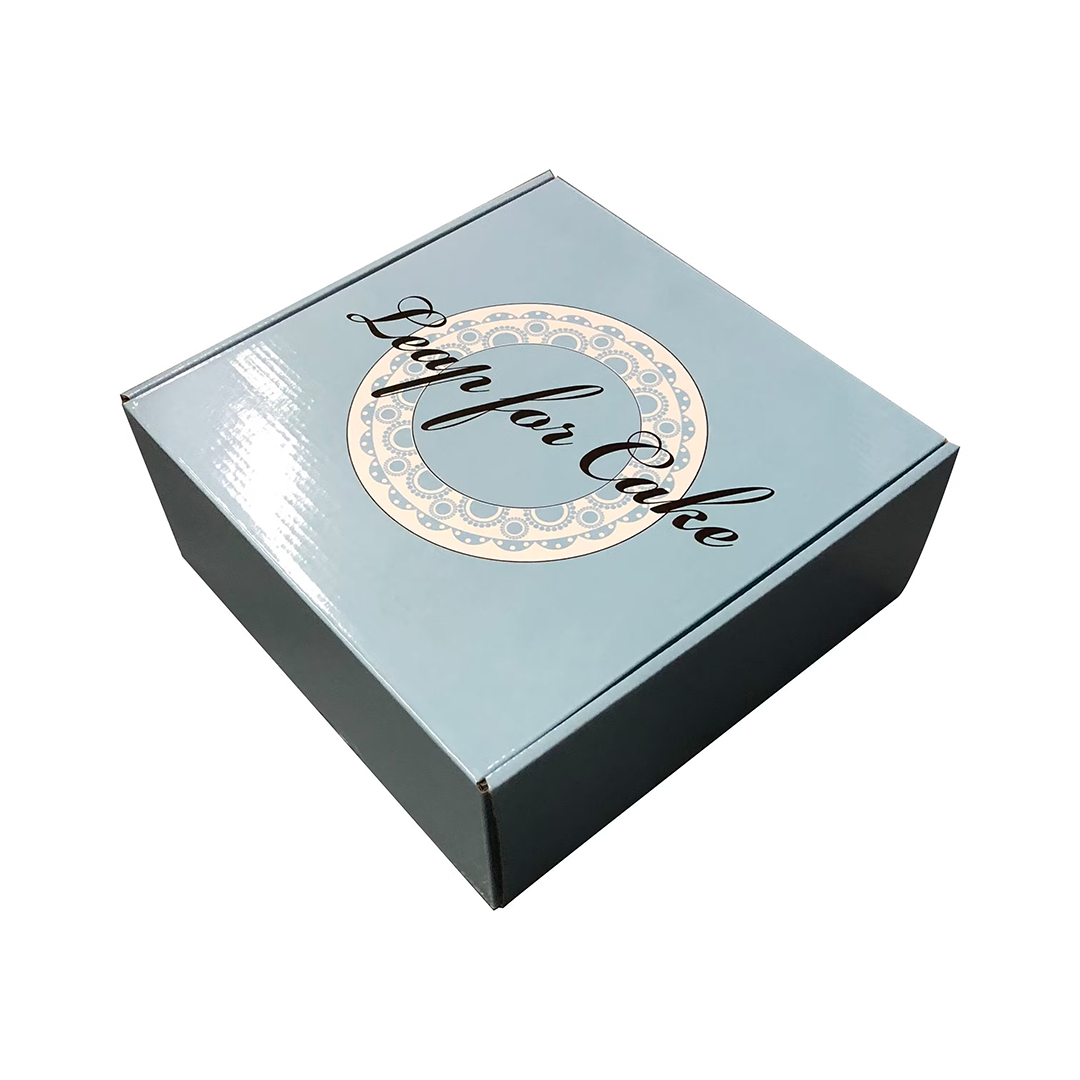 Gloss Finish
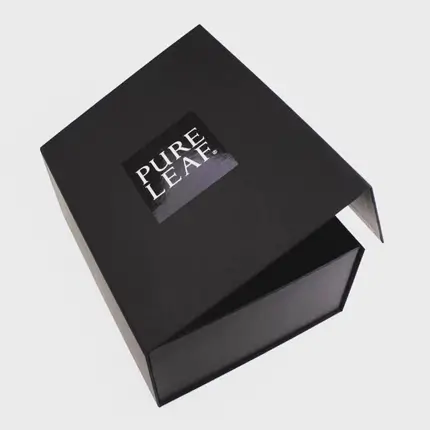 Soft Touch
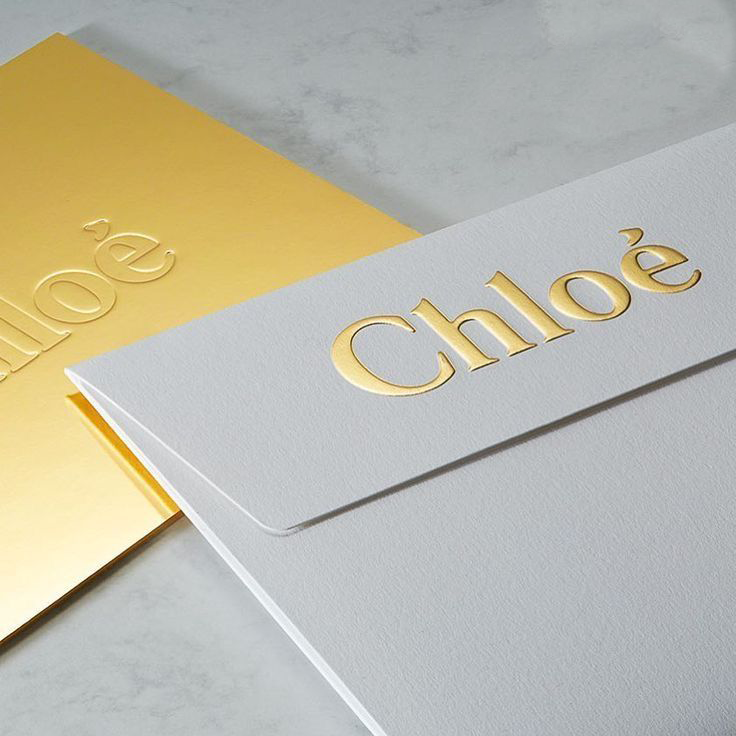 Foil Stamping
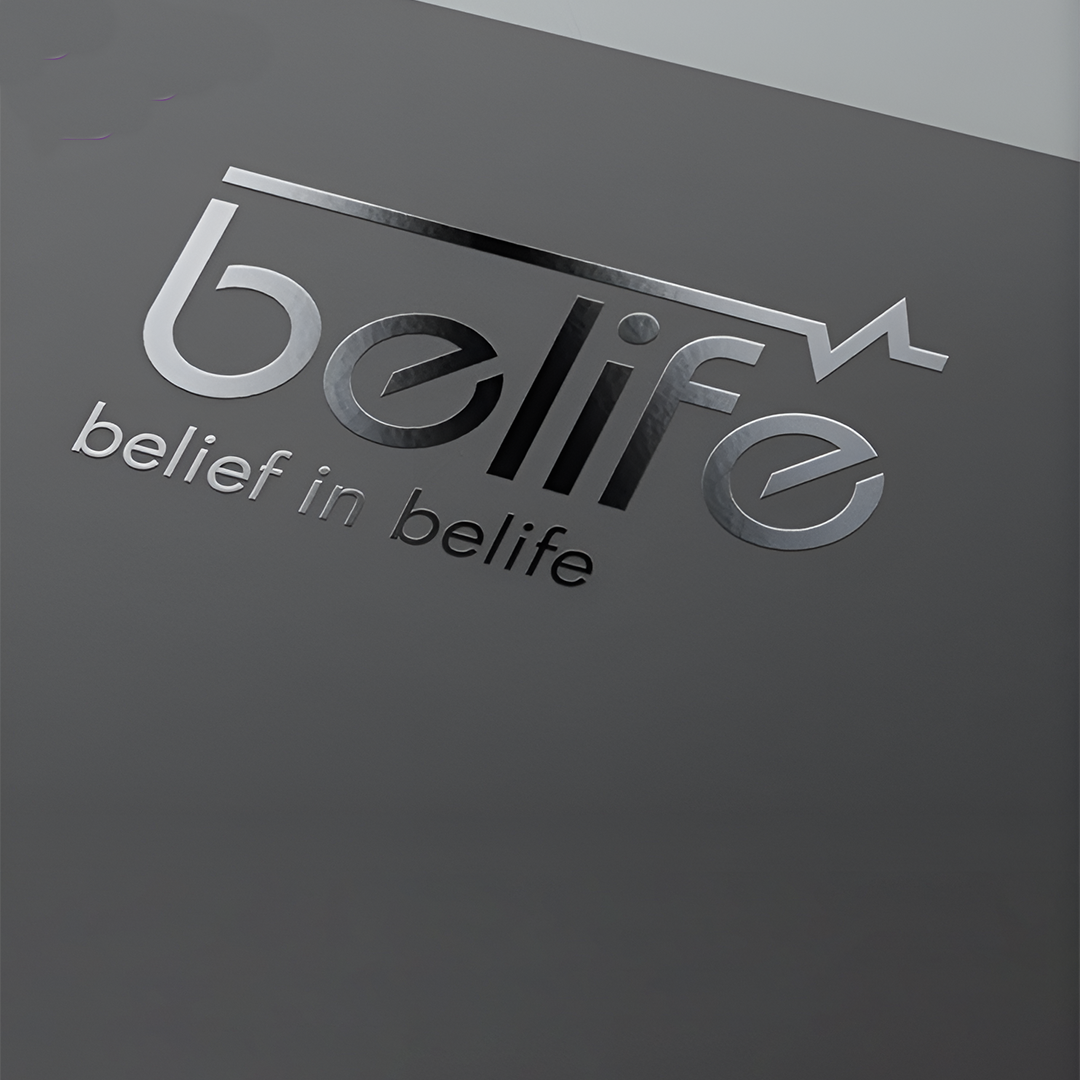 Spot UV
 Embossing
 Debossing
 Window Cutouts