By Rai Haider
September 17, 2026
Milliliters to Ounces: Complete ML to OZ Conversion Guide
Understanding liquid volume measurements is essential across multiple everyday situations and commercial operations. From adjusting cooking recipes and standardizing beverage quantities to administering exact medical dosages, formulating cosmetics, and engineering consumer product packaging, volume conversion forms the backbone of accurate product management. Among the various mathematical conversions routinely performed, converting milliliters to ounces (and vice versa) remains one of the most frequently searched and utilized global operations across diverse sectors and domestic settings.
Whether you need to convert ml to ounces, translate ml to ounces, or understand precisely how many ml to oz, possessing a comprehensive understanding of the governing mathematical formulas, conversion factors, and practical applications guarantees seamless navigation between different volumetric systems. Accurate volume translation ensures that consumers receive what they expect, businesses stay compliant with local and international guidelines, and health professionals accurately prescribe or administer liquid compounds.
Milliliters (ml) are commonly used in countries that follow the metric system, while ounces (oz) are frequently used in the United States and other regions that use imperial or US customary measurements. Since both units measure liquid volume, converting between them helps businesses, consumers, and professionals accurately compare quantities. The metric system relies on standardized decimal powers, whereas the US customary system derives from historical standards, making direct conversion knowledge critical for anyone managing international products or recipes.
For businesses, accurate liquid measurements are especially important when creating product packaging for international markets. Industries such as beverage packaging, cosmetic packaging, fragrance packaging, and food packaging often require clear volume information so customers can easily understand product quantities. In confusing market spaces, providing clear units builds trust instantly and eliminates friction during purchasing decisions.
Brands that sell products globally may display measurements in both milliliters and ounces on their labels, custom printed boxes, and retail packaging to improve customer experience and avoid confusion. This dual-unit approach allows brands to maintain a uniform design worldwide while easily conforming to regional regulatory requirements. This guide explains milliliters to ounces conversion, including the formula, conversion charts, common examples, and practical uses.
What Are Milliliters and Ounces?
Before learning how to convert ml to ounces, it is important to understand what these measurement units represent. Liquid measurement systems have evolved over centuries, leading to the distinct standards used today in global commerce, science, and domestic life.
What Is a Milliliter (ML)?
A milliliter is a metric unit used to measure liquid volume. It is equal to one-thousandth of a liter. In formal physical terms, one milliliter corresponds exactly to the volume of one cubic centimeter (1 ml = 1 cm³). Because it is part of the International System of Units (SI), it integrates smoothly with other metric scales, making mathematical scaling straightforward.
Milliliters are commonly used for:
- Water and beverages
- Medicine measurements
- Essential oils
- Cosmetic products
- Fragrance products
- Food ingredients
- Laboratory liquids
Different industries rely on milliliters when creating and selling liquid products. For example, beverage companies use ml measurements on bottles, while cosmetic and fragrance brands use ml to define product sizes for skincare, perfumes, and personal care products. Laboratories use milliliters because precise liquid management is required for chemical reactions, pharmaceutical research, and medical testing.
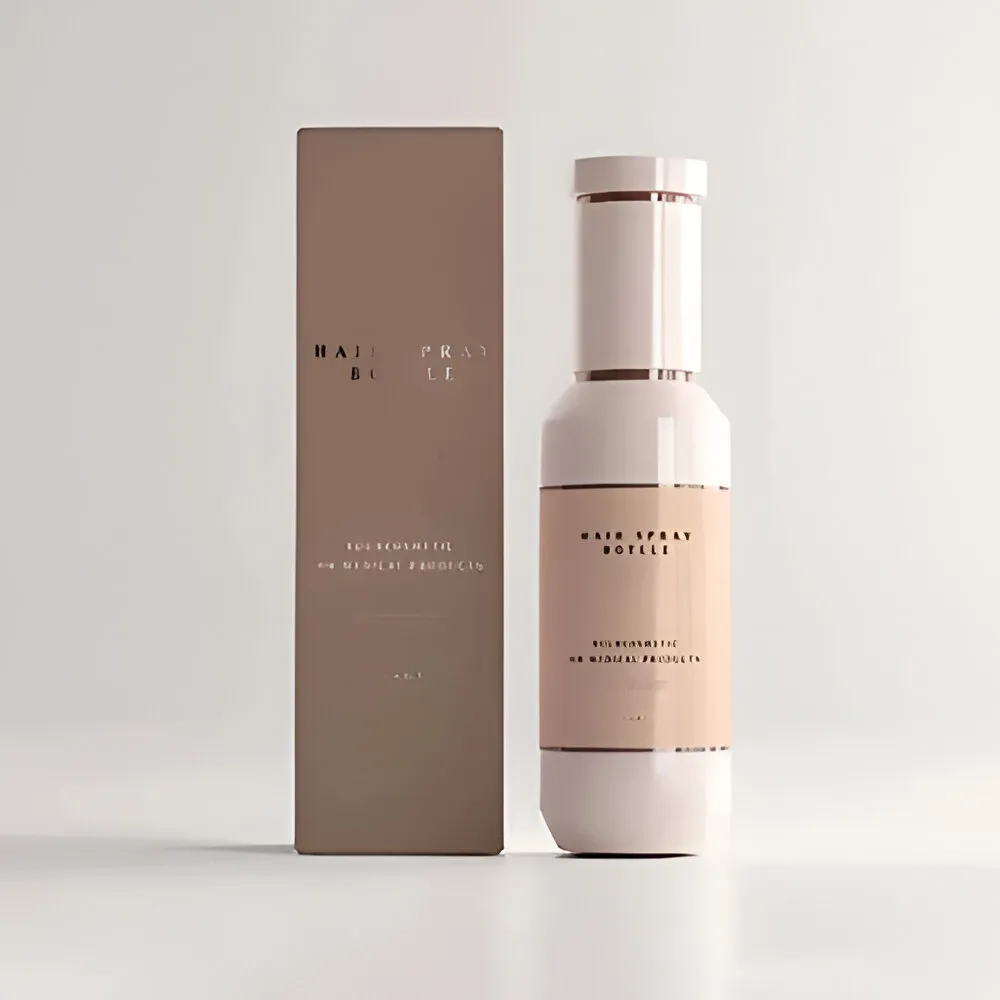
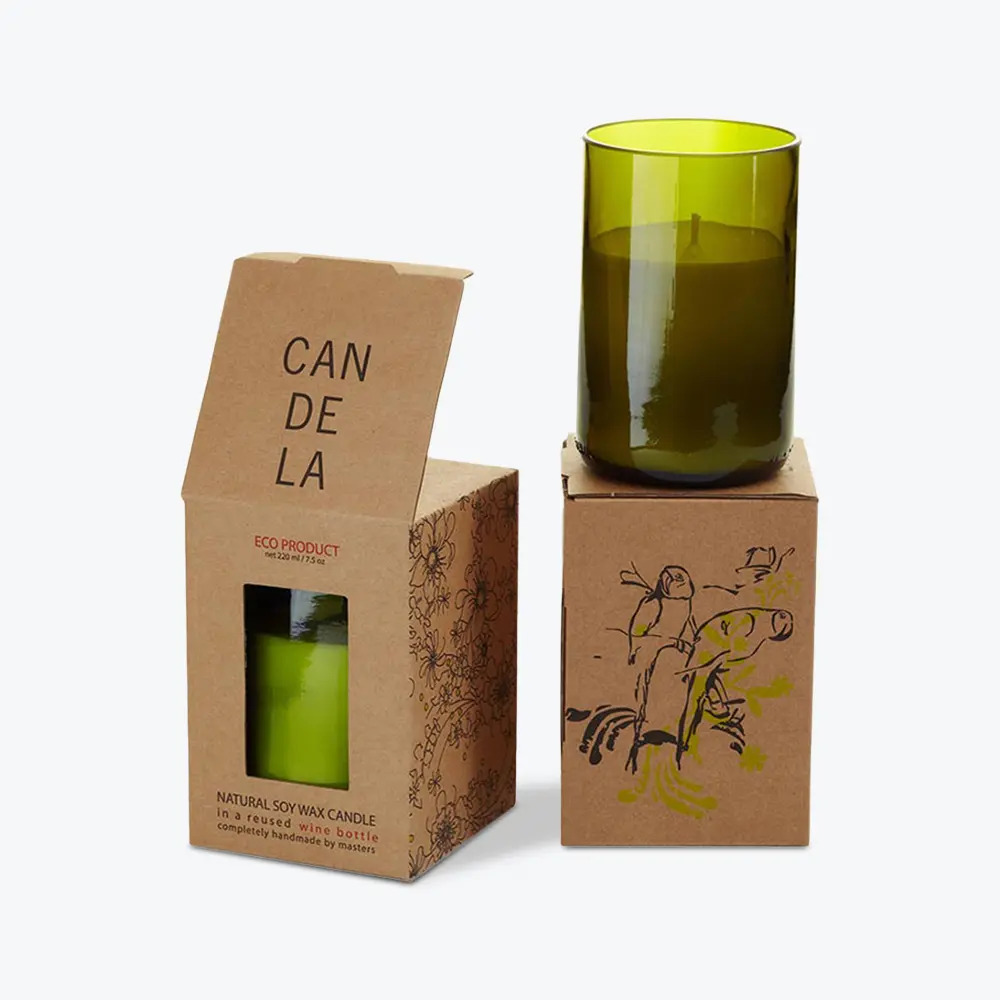
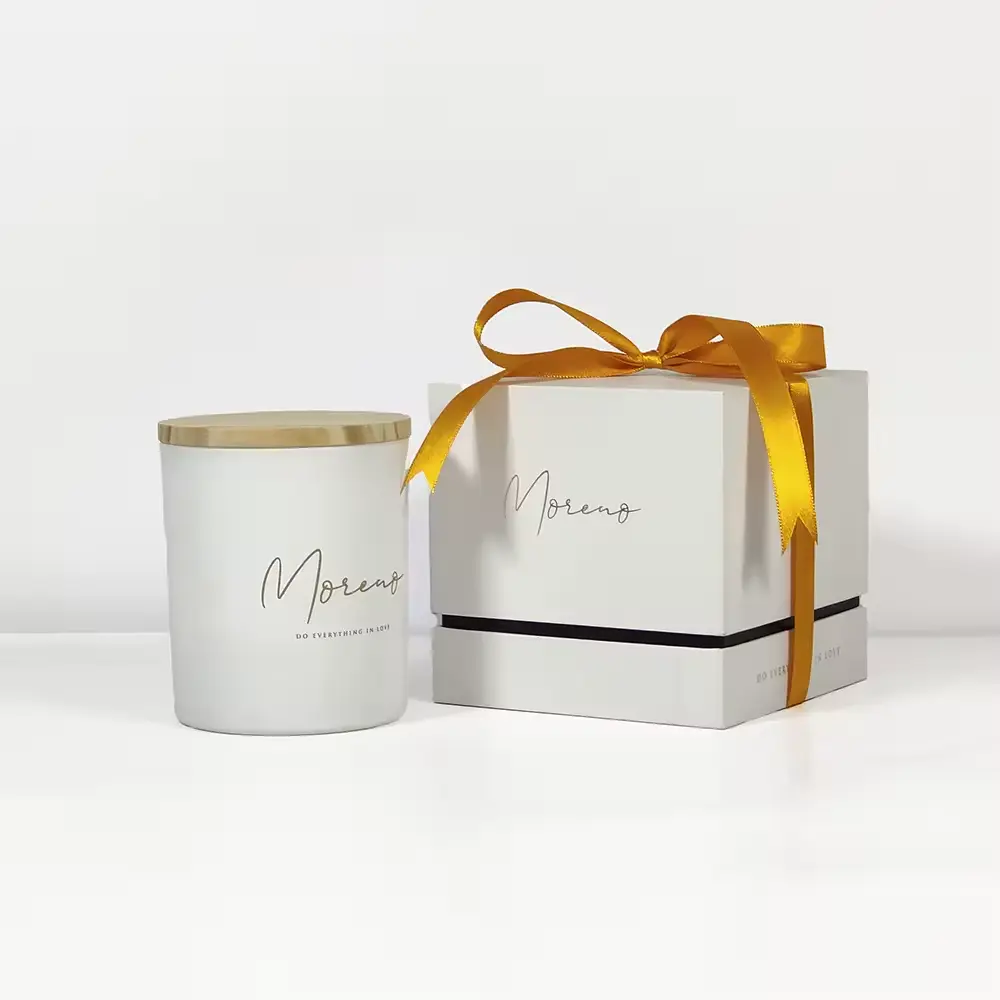
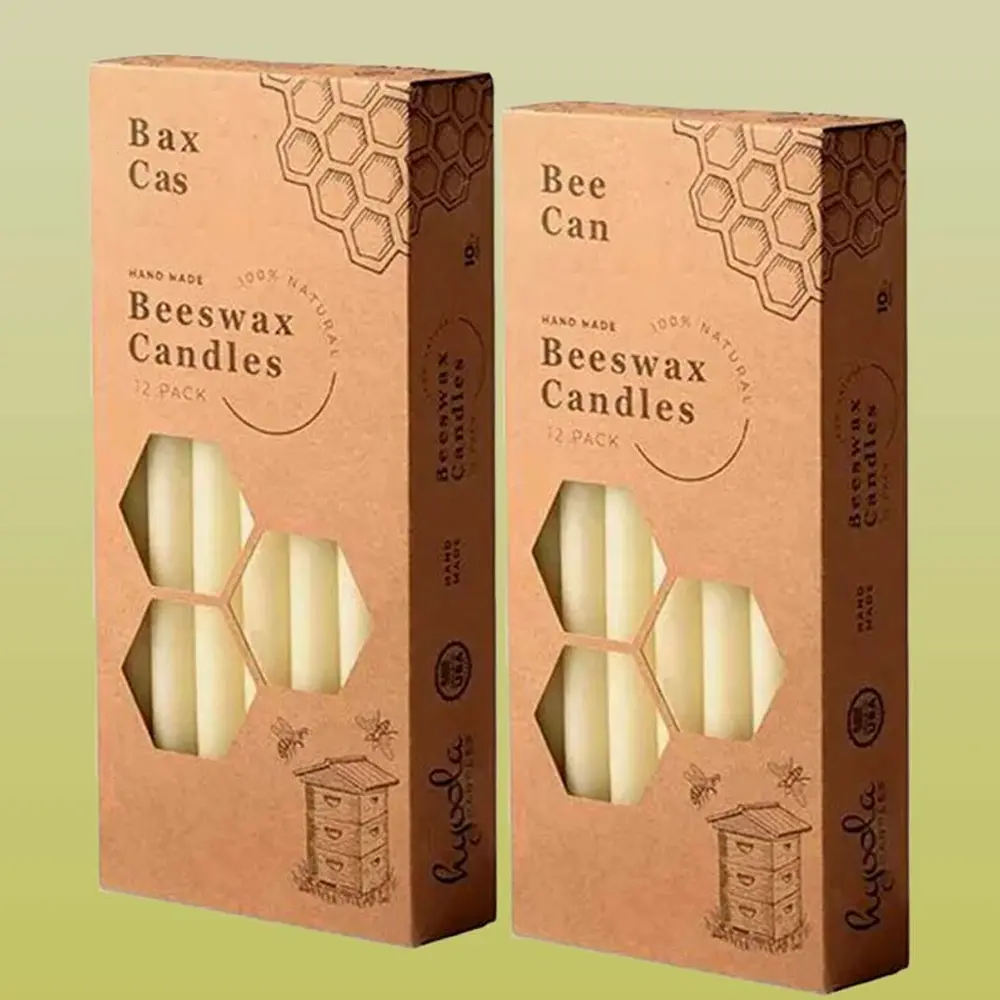
For businesses developing products, accurate measurements also support better packaging decisions, including selecting suitable custom packaging solutions and designing product labels that provide clear information. Structural packaging design relies on precise metric volumes to calculate material strength, bottle tolerance, and outer box dimensions.
For example, many cosmetic and fragrance products display their volume in milliliters, such as:
What Is an Ounce (OZ)?
An ounce is a unit of volume commonly used for liquids in the United States. When measuring liquids, it is usually called a fluid ounce (fl oz). The fluid ounce system is rooted in the US customary system, which differs slightly from the British Imperial system, making precise definitions essential when shipping products across borders.
Fluid ounces are commonly used for:
- Drinks
- Cooking liquids
- Personal care products
- Household liquids
- Medical liquids
The use of ounces is common in markets where customers are familiar with US measurement standards. Many international product manufacturers include both ml and oz measurements on packaging to make products easier to understand. This ensures that American consumers can quickly gauge product volume without doing mental math in store aisles.
This approach is widely used in industries such as beverage packaging, food packaging, cosmetics, and fragrance products where products are sold across multiple regions. Providing both values eliminates confusion and reduces return rates or negative product reviews stems from size misunderstandings.
It is important to remember that liquid ounces measure volume, while ounces can also refer to weight measurements. For liquid conversion, we use fluid ounces. Confusing volume ounces with mass ounces is one of the most common mistakes in commercial formulation and kitchen scaling.
Milliliters to Ounces Conversion Formula
The standard conversion for ml to ounces is based on the official definition of the US fluid ounce. One US fluid ounce is defined legally and scientifically as exactly 29.5735295625 milliliters.
Before using any conversion formula, it is important to understand that different countries use different measurement systems. A simple ml to ounces conversion helps consumers, manufacturers, and businesses compare liquid quantities accurately.
Whether you are measuring a beverage bottle, cosmetic container, perfume bottle, or food product, using the correct formula ensures that product information remains consistent across all customer touchpoints, digital storefronts, and physical labels.
1 milliliter = 0.033814 US fluid ounces
To convert milliliters to ounces, multiply the number of milliliters by 0.033814.
Formula:
Ounces = Milliliters × 0.033814
For example:
100 ml × 0.033814 = 3.3814 ounces
So:
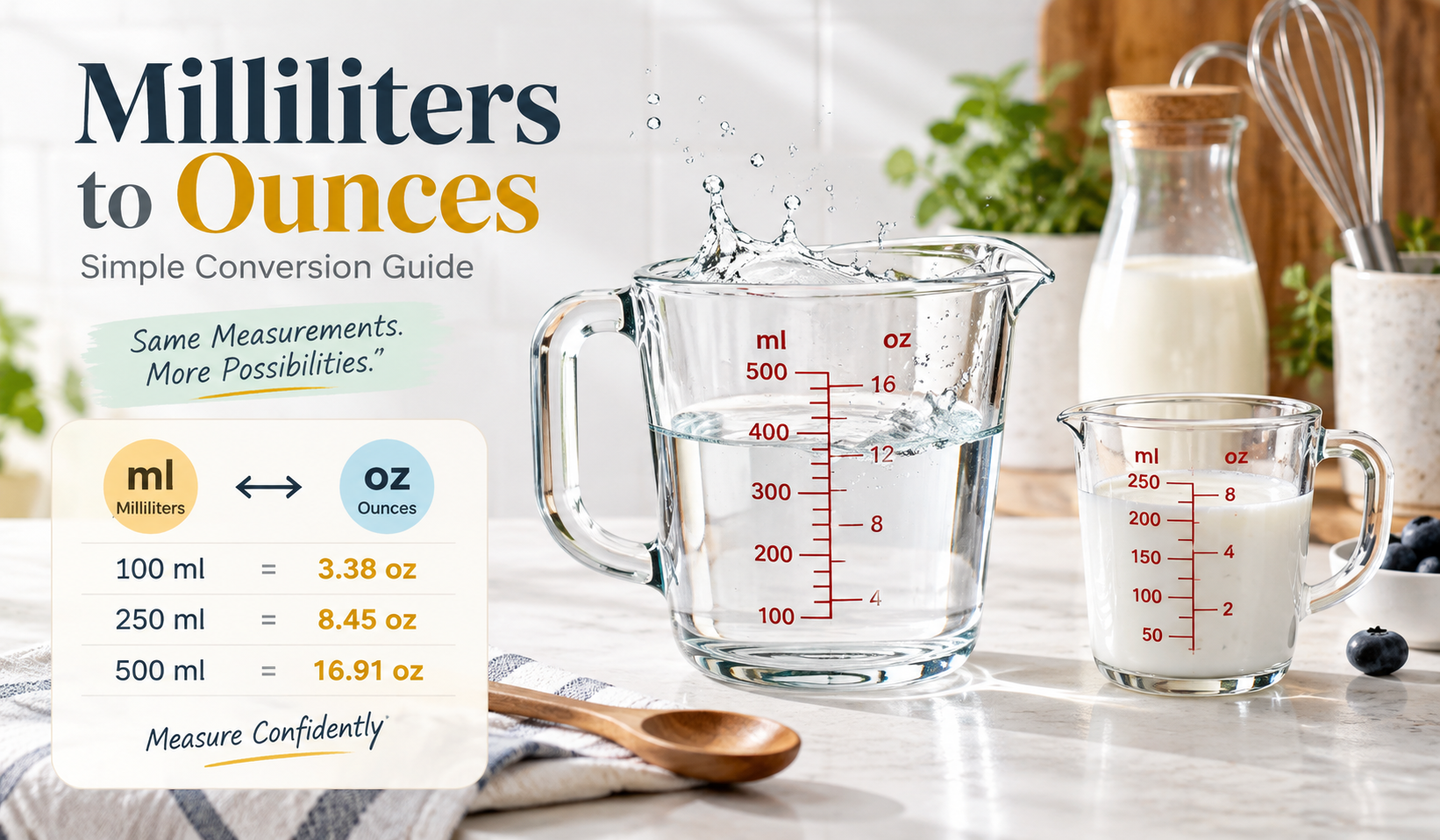
100 ml = approximately 3.38 oz
This formula can be used to quickly convert ml to oz, change ml to ounces, or calculate any milliliters to ounces conversion effortlessly.
This calculation is useful for product manufacturers who need accurate measurements on packaging labels. For example, brands producing beverage boxes, cosmetic packaging, or custom fragrance packaging often include volume conversions to serve customers in different markets while upholding full regulatory compliance.
How to Convert ML to Ounces
If you want to convert milliliters to ounces liquid measurements, follow these simple steps:
Converting liquid measurements becomes easier when you understand the relationship between milliliters and ounces. This process is commonly used by consumers, manufacturers, and businesses that sell liquid products in different countries.
For industries such as beverage packaging, cosmetic packaging, fragrance packaging, and food product manufacturing, accurate volume conversion helps maintain consistency between product labels, online listings, and customer expectations.
Step 1: Identify the Amount in Milliliters
Find the liquid quantity you want to convert.
Example: 250 ml
Before converting any measurement, make sure you are using the correct liquid quantity. Many products display their size in milliliters, especially skincare products, beverages, perfumes, and food-related liquids.
For businesses preparing custom packaging solutions, identifying the correct product volume is important because packaging size, labeling, and customer information depend on accurate measurements.
Step 2: Multiply by the Conversion Rate
Use: ml × 0.033814
Example: 250 × 0.033814 = 8.4535
The multiplication method provides a precise conversion result. Companies that sell products internationally often use these calculations when preparing product information for retail packaging, custom printed boxes, and online product pages.
Step 3: Round the Result
250 ml is approximately: 8.45 fluid ounces
Rounding makes measurements easier for everyday customers while still providing a clear understanding of product quantity.
For commercial products, brands may display both exact and rounded measurements depending on packaging requirements and customer preferences. Keeping standard two-decimal precision is standard for most retail goods.
This method works for any liquid measurement, whether you need to calculate ml in oz, ml in an ounce, or how many ml to oz.
Milliliters to Ounces Conversion Chart
The following chart provides common ml to ounces conversion values. Conversion charts make it easier for users to quickly compare common liquid quantities without calculating every measurement manually during production or shopping.
These references are useful for industries where product sizes vary frequently, including beverage products, cosmetic containers, fragrance bottles, and food packaging solutions.
| Milliliters (ML) |
Fluid Ounces (OZ) |
| 1 ml |
0.034 oz |
| 5 ml |
0.17 oz |
| 10 ml |
0.34 oz |
| 15 ml |
0.51 oz |
| 30 ml |
1.01 oz |
| 50 ml |
1.69 oz |
| 100 ml |
3.38 oz |
| 150 ml |
5.07 oz |
| 200 ml |
6.76 oz |
| 250 ml |
8.45 oz |
| 500 ml |
16.91 oz |
| 750 ml |
25.36 oz |
| 1000 ml |
33.81 oz |
A conversion table is especially helpful for businesses designing product packaging because customers often compare different product sizes before making a purchase. Having immediate clarity allows purchasers to choose between various volume offerings confidently.
For example, a customer choosing between a 50 ml fragrance bottle and a 100 ml bottle can quickly understand the difference when both ml and ounce measurements are displayed clearly on the packaging.
Common Milliliters to Ounces Conversions
Different products use different volume sizes depending on their industry and purpose. Understanding common ml to oz conversions helps customers and businesses select the right product quantities.
From perfume bottles to beverage containers and cosmetic products, these measurements are commonly used across multiple markets globally.
1 Milliliter to Ounces
A common question is "how much is 1 milliliter to ounces?"
The answer: 1 ml = 0.034 fluid ounces
Since one milliliter is a very small amount, it is often used for precise measurements such as medicine, ingredients, or fragrance samples. Small volume measurements are important for products that require accuracy, including essential oils, cosmetic samples, and concentrated liquid products.
30 ML to Ounces
A 30 ml bottle equals: 30 ml = 1.01 oz
This size is common for:
- Perfume bottles
- Cosmetic products
- Travel-size skincare products
30 ml packaging is popular among brands offering sample sizes, travel products, and premium product collections. For companies creating custom perfume packaging or cosmetic packaging, understanding this measurement helps in selecting suitable box dimensions and product presentation styles.
Businesses selling products in different markets often need accurate conversions when preparing product information and custom packaging labels.
50 ML to Ounces
A 50 ml container equals: 50 ml = 1.69 oz
This measurement is commonly found in:
- Beauty products
- Fragrance bottles
- Personal care items
50 ml is a common retail size because it provides a balance between product quantity and portability. Many cosmetic and fragrance brands use this size for premium products displayed with custom printed boxes and specialized retail packaging.
100 ML to Ounces
A 100 ml product equals: 100 ml = 3.38 oz
This is one of the most common product sizes for:
- Perfumes
- Liquid cosmetics
- Skincare products
100 ml products are widely used because they provide customers with a larger quantity while remaining convenient for storage and transportation. Furthermore, 100 ml is internationally recognized as the maximum liquid container size allowed in carry-on luggage under TSA and international aviation travel regulations.
Brands that create custom printed boxes often include both ml and oz measurements to serve international customers seamlessly.
500 ML to Ounces
A 500 ml container equals: 500 ml = 16.91 oz
This measurement is commonly used for:
- Water bottles
- Beverage packaging
- Household liquids
Large liquid quantities are frequently used in beverage industries and food-related products where clear measurement information helps customers compare sizes efficiently.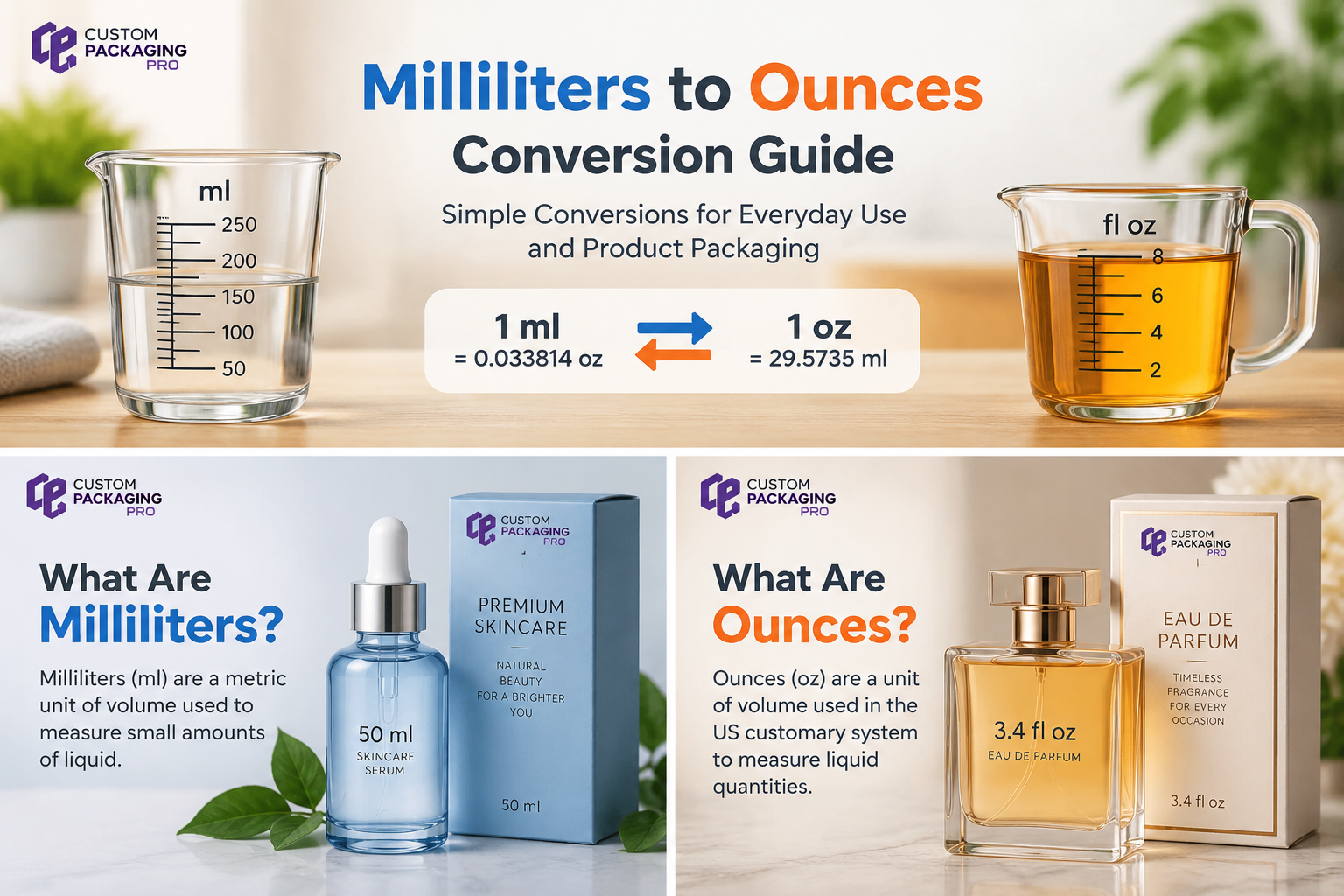
How ML to Ounces Conversion Is Used in Different Industries
Understanding milliliters to ounces conversion is useful in many industries where accurate liquid measurements are required. From product manufacturing to everyday usage, converting between ml and oz helps maintain consistency and clear communication.
Liquid measurement conversion is not only useful for personal calculations but also plays an important role in commercial product development. Businesses need accurate volume information when creating labels, selecting containers, and preparing packaging for different markets.
Industries such as beverage manufacturing, cosmetics, food production, fragrance companies, and healthcare products regularly use ml to oz conversions to ensure customers receive clear product information regardless of location.
ML to Ounces Conversion for Cosmetics and Beauty Products
The beauty industry frequently uses milliliters to describe product quantities, while many international customers are familiar with ounces. This dual exposure makes standard conversions essential for product packaging and marketing collateral.
Cosmetic products are commonly sold in different sizes depending on customer needs and product categories. Accurate volume information helps customers compare products and understand how much product they are purchasing.
Common examples include:
- Perfume bottles
- Skincare products
- Face serums
- Essential oils
- Hair care products
For cosmetic brands selling internationally, displaying both measurements can improve customer understanding and boost purchasing confidence.
For example:
- 30 ml = 1.01 oz
- 50 ml = 1.69 oz
- 100 ml = 3.38 oz
Cosmetic brands often use professional cosmetic packaging to display product details clearly. Proper packaging design allows companies to include measurements, ingredients, branding elements, and product information while maintaining an attractive presentation.
Accurate volume information is also important when designing custom packaging for beauty products. Proper labeling helps customers understand product sizes and creates a more professional presentation on retail shelves.
ML to Ounces Conversion for Fragrance Products
Perfume and fragrance products commonly use milliliters because fragrance bottles are produced in specific volume sizes using metric glass molds worldwide.
Fragrance brands often sell products in multiple bottle sizes, allowing customers to choose based on usage, budget, and preferences. Understanding ml to oz conversion helps international customers compare fragrance sizes more easily.
Popular perfume sizes include:
| Perfume Size |
Ounces |
| 15 ml |
0.51 oz |
| 30 ml |
1.01 oz |
| 50 ml |
1.69 oz |
| 75 ml |
2.54 oz |
| 100 ml |
3.38 oz |
When creating custom perfume packaging, brands often include both ml and oz measurements to meet international packaging requirements and legal standards.
This helps customers compare product sizes easily, especially when shopping online where physical product inspection is impossible.
Luxury fragrance brands often combine accurate product information with premium fragrance packaging, custom perfume boxes, and high-quality printing finishes to create a better overall customer experience.
ML to Ounces Conversion for Cooking and Food Measurements
Many recipes use milliliters, while others use fluid ounces. Knowing how to convert ml to ounces makes it easier to follow recipes from different countries without making ruining dishes.
Food and beverage industries frequently require accurate liquid measurements because product quantities directly affect customer expectations and nutritional calculations. Clear volume information is especially important for packaged foods, sauces, drinks, and culinary ingredients.
Common kitchen conversions include:
| Milliliters |
Fluid Ounces |
| 15 ml |
0.51 oz |
| 30 ml |
1.01 oz |
| 60 ml |
2.03 oz |
| 120 ml |
4.06 oz |
| 240 ml |
8.12 oz |
This conversion is useful for measuring:
- Milk
- Cooking oils
- Sauces
- Syrups
- Liquid ingredients
For food brands, accurate measurements also support better food packaging decisions. Whether a company sells sauces, beverages, or packaged ingredients, clear product information helps improve customer trust.
Brands creating products for retail shelves may also use specialized packaging solutions such as custom printed boxes and branded food packaging to communicate product details effectively.
ML to Ounces Conversion for Medicine and Healthcare
Medical products often require precise liquid measurements. Small differences in volume can affect dosage accuracy and overall treatment efficacy.
Healthcare products depend heavily on accurate measurements because customers need reliable information when using liquid medicines and supplements.
Common medical liquids measured in ml include:
- Liquid medicines
- Syrups
- Supplements
- Drops
Healthcare instructions may provide measurements in milliliters, while some users may need to understand the equivalent amount in ounces for domestic administration tools.
For example: 30 ml = approximately 1 fluid ounce
Always follow the measurement instructions provided with medical products and consult certified healthcare professionals when measuring precise medical dosages.
Difference Between Fluid Ounces and Weight Ounces
One common mistake when converting measurements is confusing fluid ounces with weight ounces.
Understanding the difference between these measurements is important for businesses that manufacture different product types. Liquid products such as beverages, cosmetics, and fragrances require volume measurements, while solid products require weight measurements.
Fluid Ounces (FL OZ)
Fluid ounces measure liquid volume (the physical space occupied by a fluid).
Examples:
- Water
- Juice
- Perfume
- Oil
- Cosmetic liquids
When you convert ml to oz liquid, you are converting milliliters into fluid ounces.
Weight Ounces (OZ)
Weight ounces measure mass (how heavy an object or substance is on a scale).
Examples:
- Powder
- Solid ingredients
- Food products
The conversion between milliliters and weight ounces depends on the specific density of the material being measured. For liquid volume measurements, always use: 1 ml = 0.033814 fluid ounces.
How Many ML Are in an Ounce?
A frequently searched question is: How many ml to oz?
Understanding the relationship between milliliters and ounces helps consumers and businesses quickly compare liquid quantities. This conversion is commonly needed for products sold internationally, where packaging labels may display measurements using different systems.
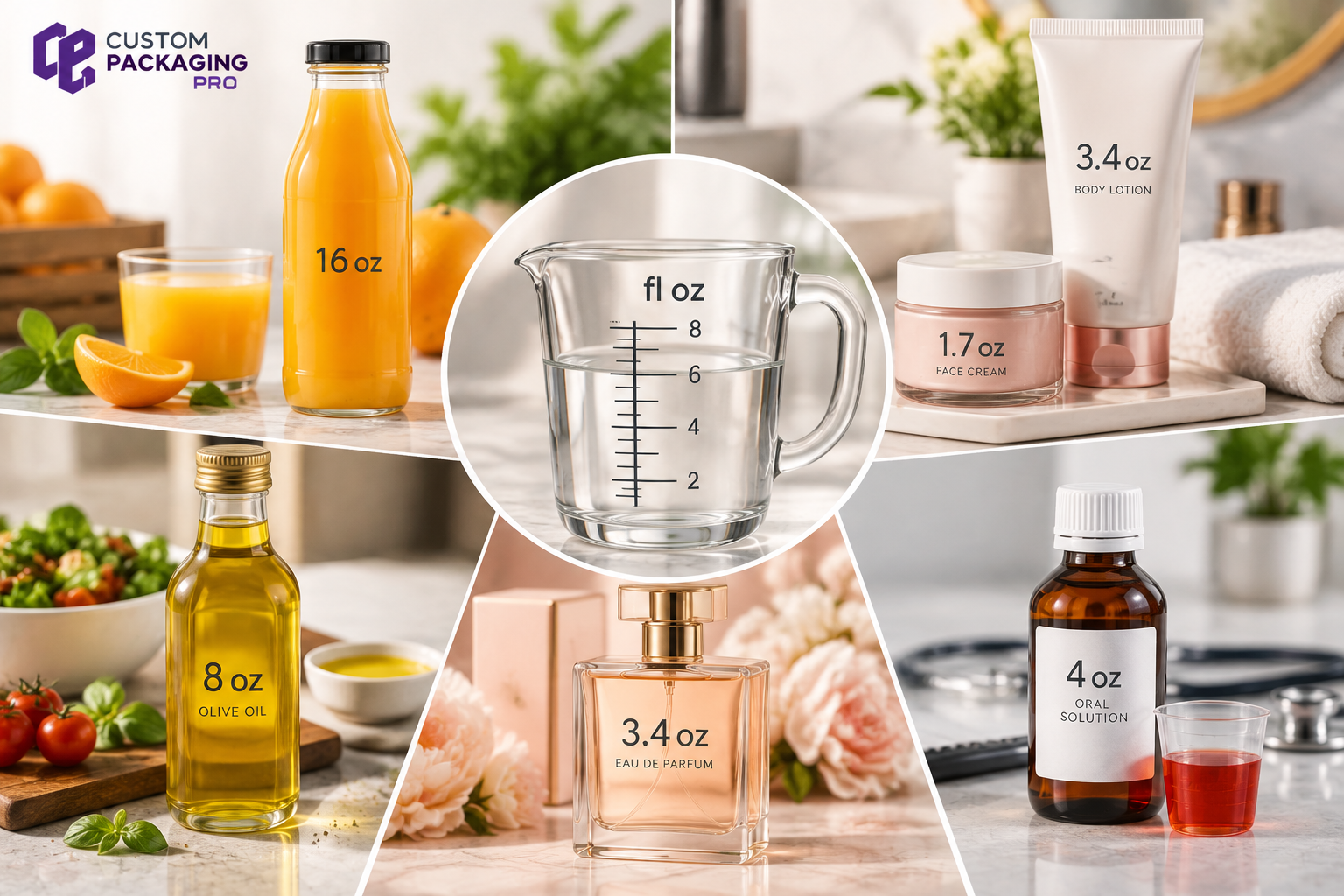
The standard conversion is: 1 US fluid ounce = 29.5735 milliliters
For easier calculations: 1 oz ≈ 30 ml
This simple rounded conversion is often used for everyday measurements, while businesses may use the exact conversion rate when preparing product labels, packaging information, or technical product details.
This means:
- 1 oz = approximately 30 ml
- 2 oz = approximately 60 ml
- 4 oz = approximately 120 ml
- 8 oz = approximately 240 ml
This simple conversion is often used for everyday measurements.
For brands selling liquid products, these conversions are especially useful when creating product packaging for different regions. Beverage companies, cosmetic brands, and fragrance manufacturers often display both measurements to improve customer understanding.
Quick ML to OZ Conversion Table
A quick conversion table helps users identify common measurements without manually calculating each value every time.
These reference points are useful for product manufacturers, retailers, and consumers who need fast comparisons between metric and US liquid measurements.
| ML |
OZ |
| 10 ml |
0.34 oz |
| 20 ml |
0.68 oz |
| 30 ml |
1.01 oz |
| 40 ml |
1.35 oz |
| 50 ml |
1.69 oz |
| 60 ml |
2.03 oz |
| 100 ml |
3.38 oz |
| 200 ml |
6.76 oz |
| 300 ml |
10.14 oz |
| 500 ml |
16.91 oz |
| 750 ml |
25.36 oz |
| 1000 ml |
33.81 oz |
Businesses that manufacture liquid products can use these common measurements when planning packaging sizes, product labels, and retail presentation.
For example, a beverage brand may need accurate measurements for bottle labels, while a cosmetic company may require ml and oz information for skincare containers and custom packaging designs.
Tips for Accurate Milliliters to Ounces Conversion
When you need to change ml to ounces, keep these tips in mind:
Accurate conversion is important because incorrect measurements can create confusion for customers and affect product information. Whether you are preparing a recipe, measuring a product, or creating packaging labels, using the correct conversion method ensures better accuracy.
Use the Correct Conversion Type
Make sure you are converting liquid volume, not weight.
Use: 1 ml = 0.033814 fluid ounces for liquids.
Different products require different measurement approaches. Liquid products such as beverages, perfumes, cosmetics, and sauces should be measured using volume conversions, while solid products require weight-based measurements.
Using the correct measurement system helps brands maintain accurate information across product packaging, online listings, and marketing materials.
Round Numbers When Needed
For everyday use, rounded values are usually easier.
Examples:
- 30 ml ≈ 1 oz
- 100 ml ≈ 3.38 oz
- 500 ml ≈ 16.91 oz
Rounded measurements make it easier for customers to quickly understand product sizes. However, businesses may use more precise measurements when creating professional product labels and packaging materials. For commercial products, exact measurements may be required by local enforcement agencies.
Check Regional Measurement Standards
Different countries may use different ounce measurements. The most common conversion for online products and international packaging is based on US fluid ounces.
International brands should consider regional measurement preferences when preparing product information. Clear labeling helps customers understand product quantities regardless of their location.
This is especially important for companies selling through e-commerce platforms, where customers may come from different countries and use different measurement systems.
Why Accurate ML to OZ Conversion Matters for Product Packaging
Accurate measurements are important for businesses that sell liquid products internationally.
Product packaging is not only about appearance; it also communicates important product details to customers. Volume information helps buyers understand the quantity they are purchasing and compare different product options.
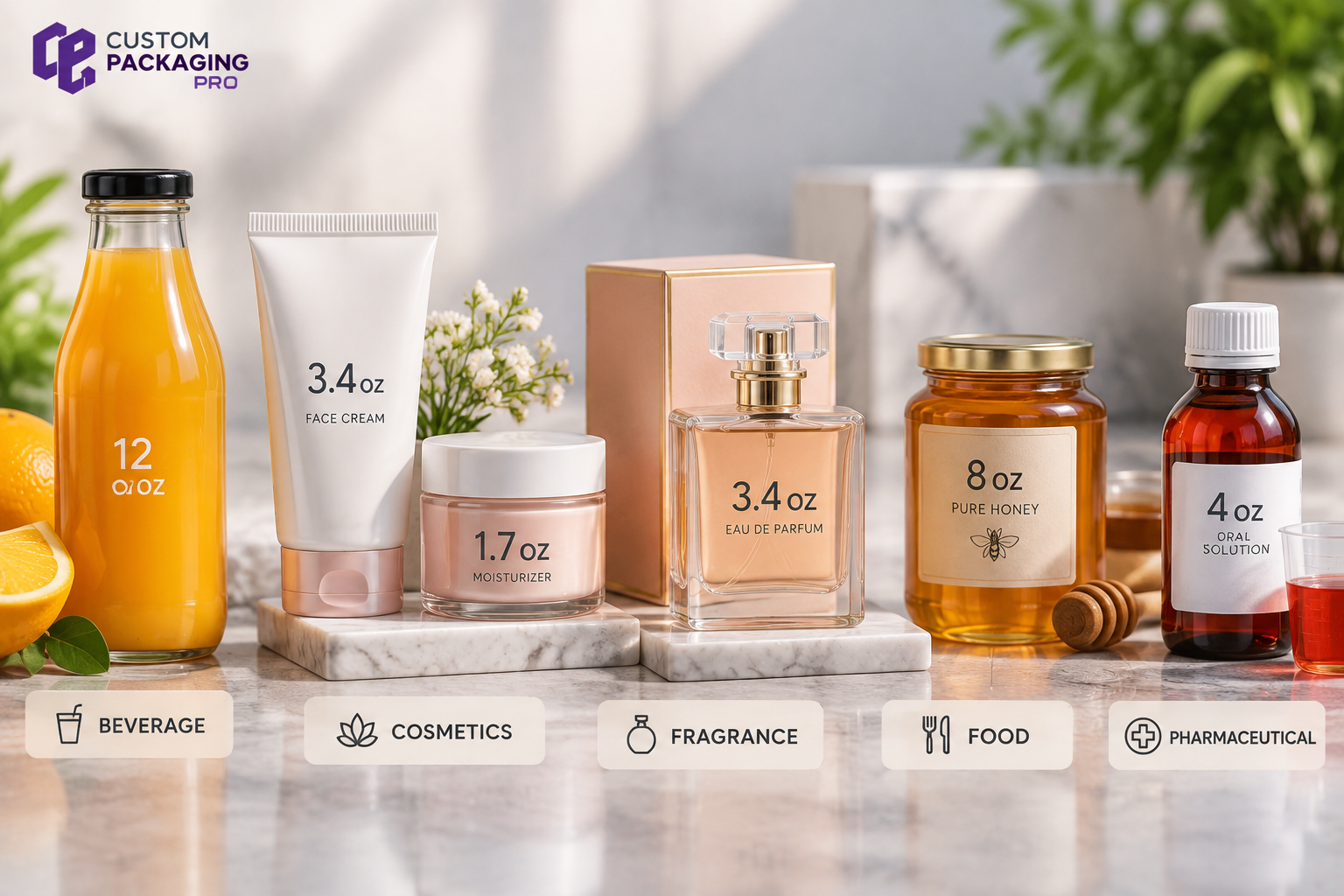
Product categories that require clear volume information include:
- Fragrances
- Cosmetics
- Beverages
- Food products
- Healthcare products
Packaging labels should clearly communicate product quantity to avoid customer confusion and return requests.
For brands developing products, choosing the right custom packaging solutions helps ensure that product information, branding, and required details are displayed professionally.
Companies often use custom printed boxes and specialized packaging designs to create consistent product presentation across different markets.
For industries such as beverage packaging, cereal boxes, food packaging, and cosmetic packaging, accurate measurements combined with professional packaging design help products appear more reliable and market-ready.
Frequently Asked Questions About Milliliters to Ounces
Understanding common questions about milliliters to ounces conversion helps users quickly find accurate answers without repeating calculations. These FAQs are also useful for customers researching product sizes, especially when comparing beverages, cosmetics, fragrances, food products, and other liquid items that display measurements differently.
How Many ML Are in an Ounce?
One US fluid ounce equals approximately 29.57 ml.
For simple calculations, many people use: 1 oz ≈ 30 ml.
This quick conversion is commonly used when comparing liquid quantities for everyday products. It is also useful for businesses preparing product information for packaging labels, online stores, and international customers.
How Do I Convert ML to Ounces?
To convert ml to ounces, multiply the milliliter amount by 0.033814.
Example: 200 ml × 0.033814 = 6.76 oz
This calculation can be applied to different liquid products, including beverages, skincare products, fragrances, cooking ingredients, and healthcare liquids. For brands selling products in different regions, accurate measurement conversion helps maintain consistency between packaging information and customer expectations.
What Is 1 Milliliter to Ounces?
1 milliliter = 0.034 fluid ounces
This is a small liquid measurement commonly used for precise quantities. Small-volume measurements are often important for products such as fragrance samples, essential oils, cosmetic products, and concentrated liquid items where accurate quantity information is required.
How Many ML Are in 8 Ounces?
Since 1 oz = 29.5735 ml, 8 ounces equals: 8 × 29.5735 = 236.59 ml (or approximately 237 ml).
This conversion is useful for larger liquid quantities such as beverage containers, food products, and household liquids.
Is ML the Same as OZ?
No. Milliliters and ounces are different measurement units:
- Milliliters are part of the metric system.
- Fluid ounces are part of the US customary measurement system.
They measure the same thing, which is liquid volume, but use different scales. Understanding this difference is important for businesses creating product packaging because customers in different countries may use different measurement systems. Using both measurements on packaging labels, custom printed boxes, and product descriptions helps improve clarity.
Can I Convert ML to OZ Liquid Measurements?
Yes. You can convert liquid milliliters into fluid ounces using: Ounces = Milliliters × 0.033814.
This works for water, beverages, cosmetics, fragrances, and other liquids. Industries such as beverage packaging, food packaging, cosmetic packaging, and fragrance packaging often rely on these conversions when preparing accurate product details.
How Many ML Are in an Ounce of Perfume?
A standard fluid ounce of perfume equals 29.57 ml. Many fragrance products use common sizes such as:
- 30 ml = approximately 1 oz
- 50 ml = approximately 1.69 oz
- 100 ml = approximately 3.38 oz
Perfume brands often display both ml and oz measurements because customers may shop from different countries. Clear measurements combined with premium fragrance packaging and custom perfume boxes help create a better product experience.
How Many ML Are in a Beverage Ounce?
For liquid beverages, 1 US fluid ounce = approximately 29.57 ml. Common beverage conversions include:
- 8 oz = approximately 237 ml
- 12 oz = approximately 355 ml
- 16 oz = approximately 473 ml
Beverage brands often use these conversions when designing product labels, bottles, and beverage boxes for different markets.
Why Do Products Show Both ML and OZ Measurements?
Many international products display both measurements because customers are familiar with different measurement systems. Including both ml and oz helps:
- Improve customer understanding
- Support international sales
- Provide clear product information
- Reduce confusion during purchasing
This is especially useful for products such as fragrances, cosmetics, beverages, food products, and personal care items.

 Custom Boxes
 Mailer Boxes
 Shipping Boxes
 Display Boxes
 Product Boxes
 Retail Packaging
 Luxury Packaging
 Sustainable Packaging
 Mylar Bags
 Labels & Stickers
 Inserts & Dividers
 Acrylic Signs
 Mylar and Zipper Bags
 Cosmetic Boxes
 Custom Candle Packaging Boxes
 Food and Beverage
 Display Packaging
 Pharma Packaging
 Custom Blister Packaging
 Stand Up Displays
 Kraft Boxes
 Cereal Packaging Boxes
 Bakery Packaging Boxes
 Eco-Friendly Boxes
 Electronics Packaging Boxes
 Custom Vape Boxes & Packaging
 CBD Packaging Boxes
 Rigid & Luxury Packaging Boxes
 Gift Boxes
 Custom Soap Boxes & Packaging
 Metalized Boxes
 Retail Boxes
 Subscription Boxes
 Invitation Boxes
 Corrugated Shipping Boxes
 Matte Finish
 Gloss Finish
 Soft Touch
 Foil Stamping
 Spot UV
 Embossing
 Debossing
 Window Cutouts