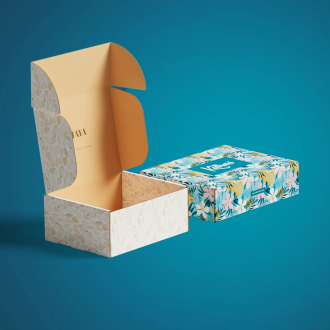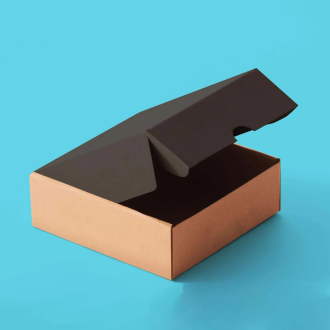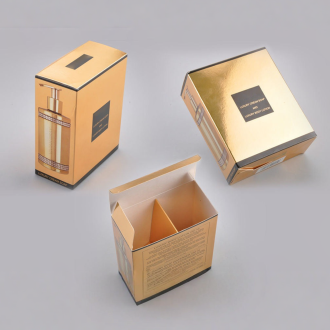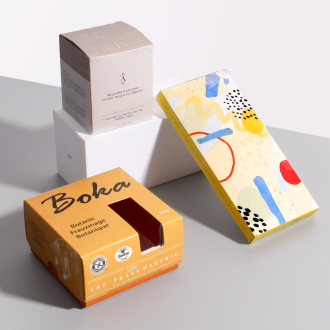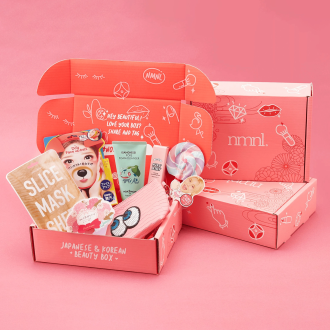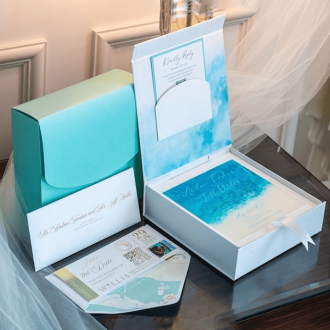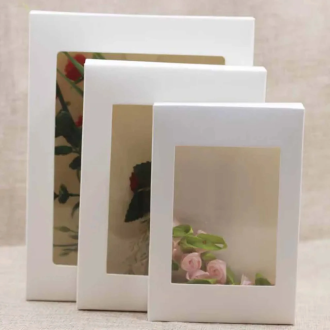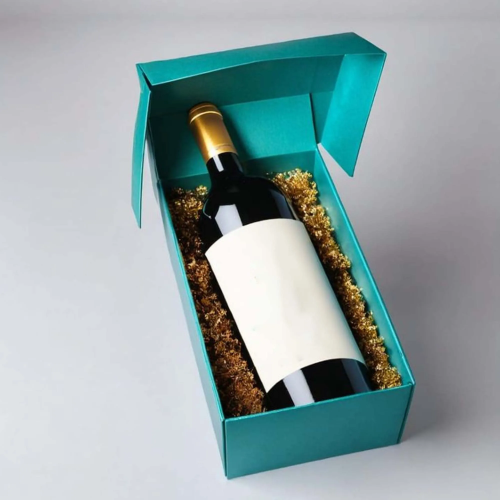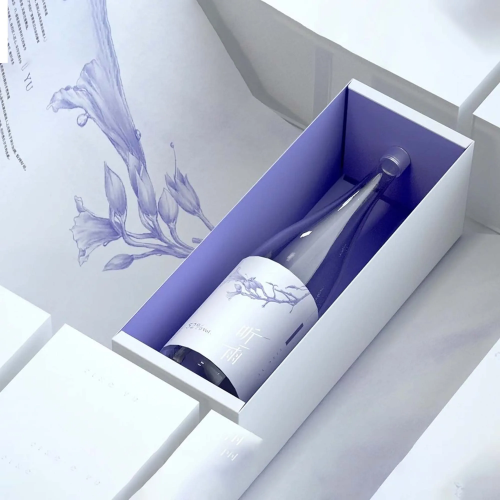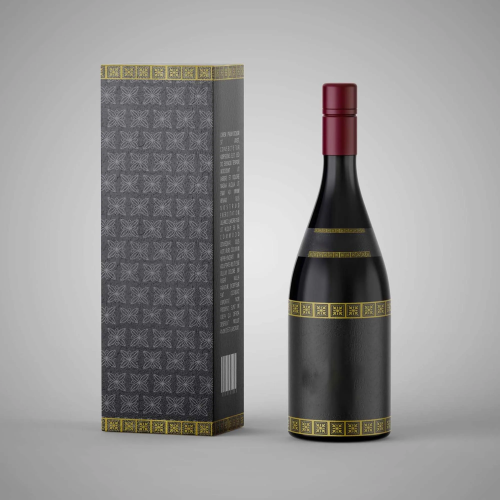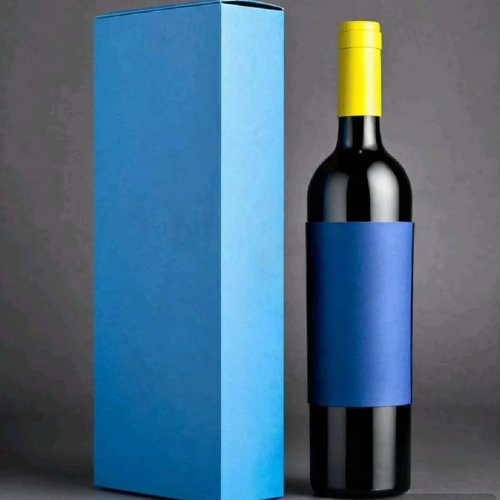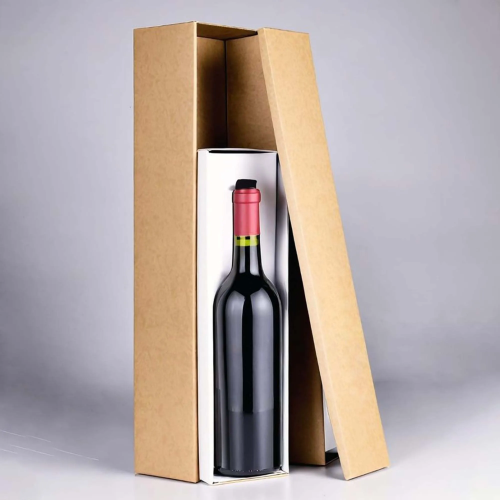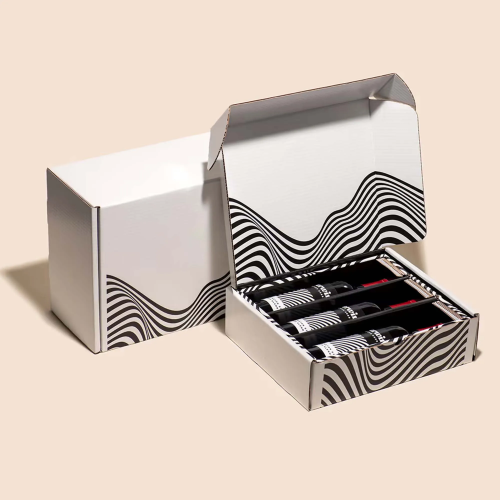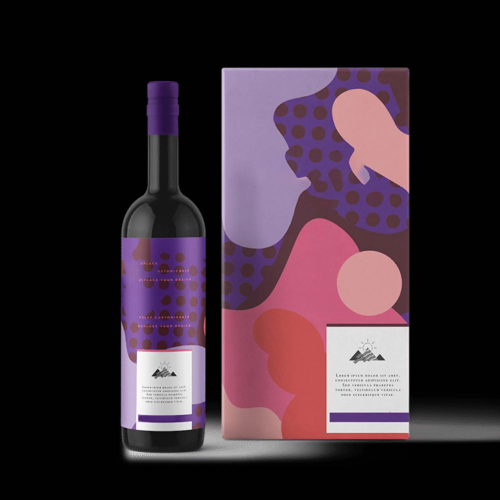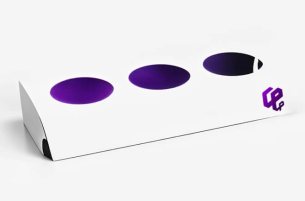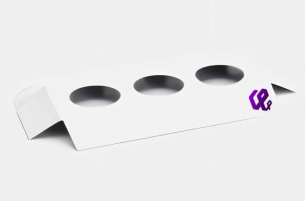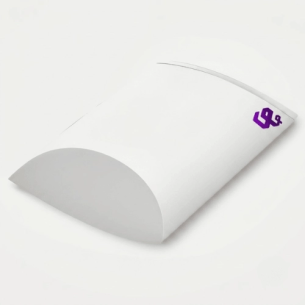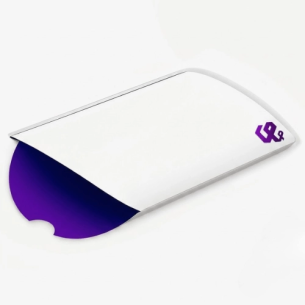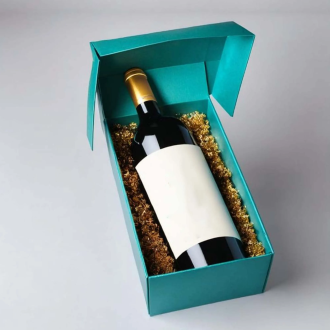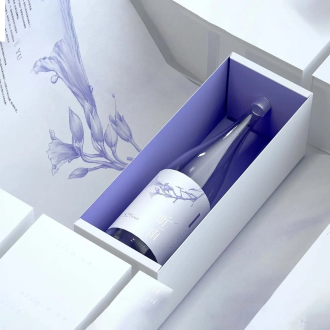
Custom Printed Wine Boxes are crafted with precision and creativity to capture the essence of the wine inside. However, they can attract the eyes of viewers.
Books contain priceless knowledge and stories, and therefore, deserve a display packaging that reflects their true value. Our slipcases perfectly blend protection with elegance to make books stay in pristine condition. At the same time, the slipcases add a luxury touch during the book presentation.
More Than +5000 Satisfied Clients Worldwide
Get your custom boxes made in the required size, shape, and style.
Upload your artwork and get it superbly printed the way you want.
Order any quantity, enjoy a wholesale price, pay no extra for die plates.
Elevate your packaging with our premium add-ons. Choose from lamination, foiling, coatings, and other finishing options to create packaging that reflects your brand's elegance and style. Tailor your order to your exact preferences for a distinctive and eye-catching presentation and make a lasting impression
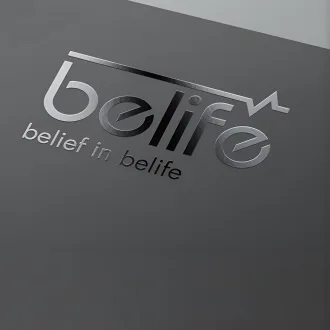
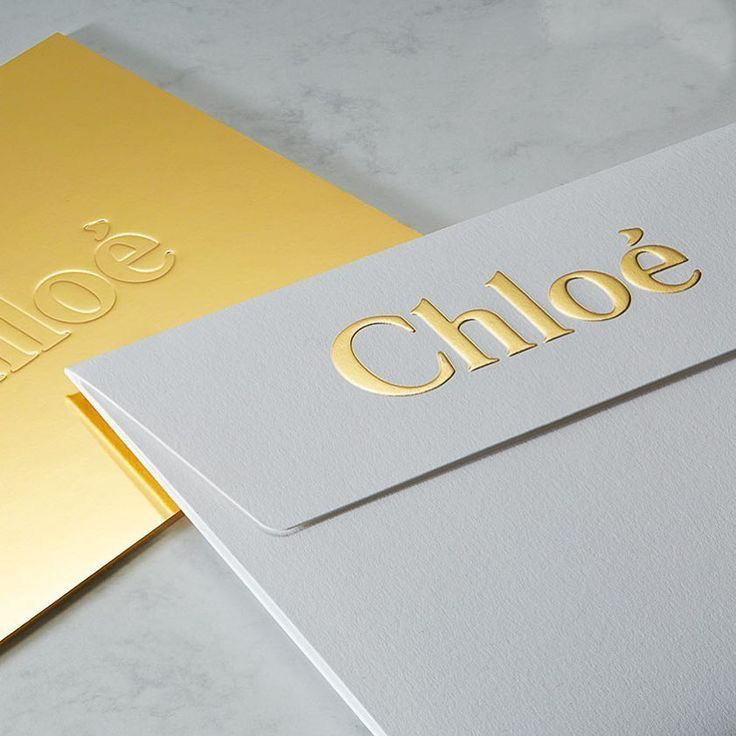
Decorate a wide range of your product packaging with our foil stamping.
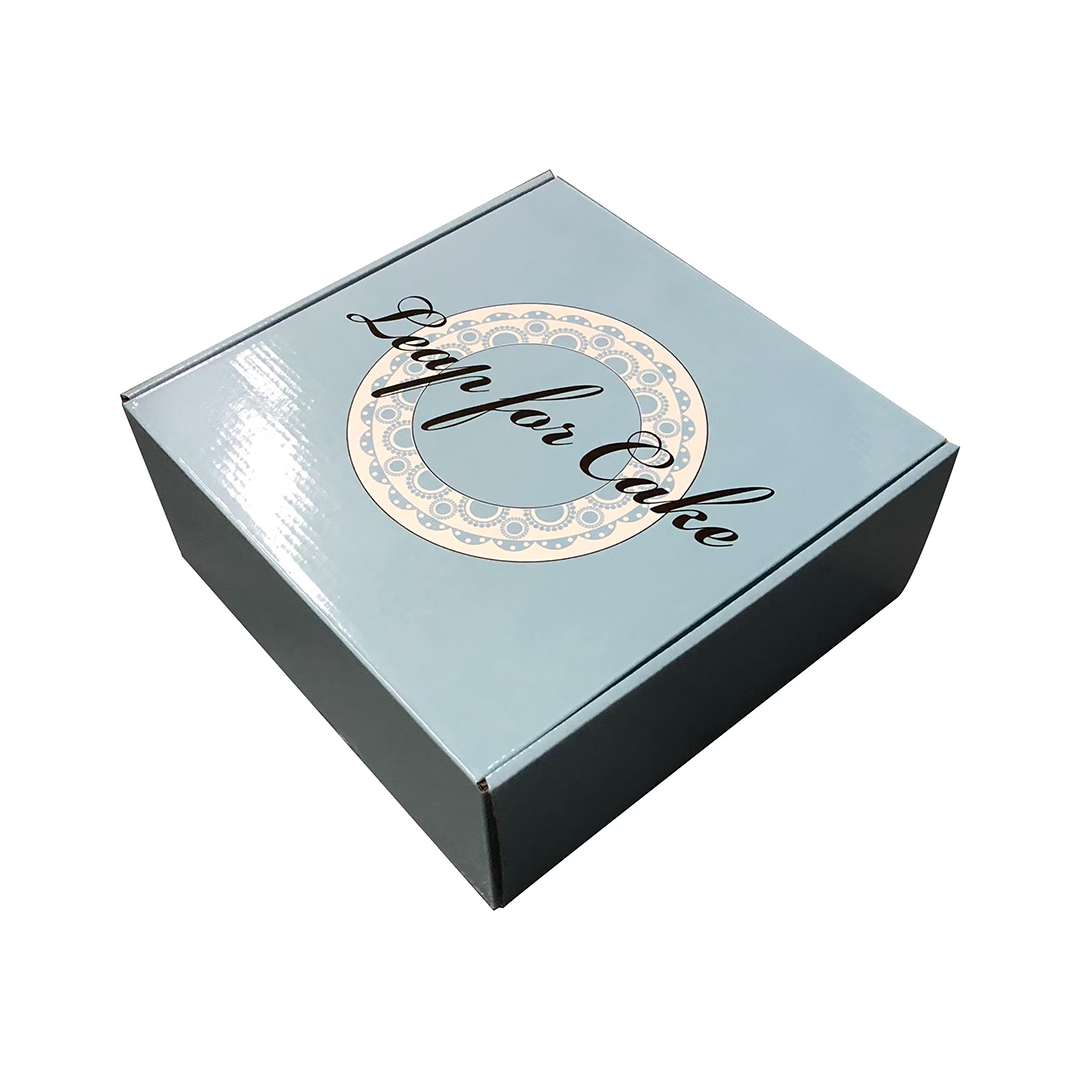
Our high-gloss UV coating gives light and shine to cure the printed material's varnish.
Our glossy finishing gives your packaging an extra layer of shine.
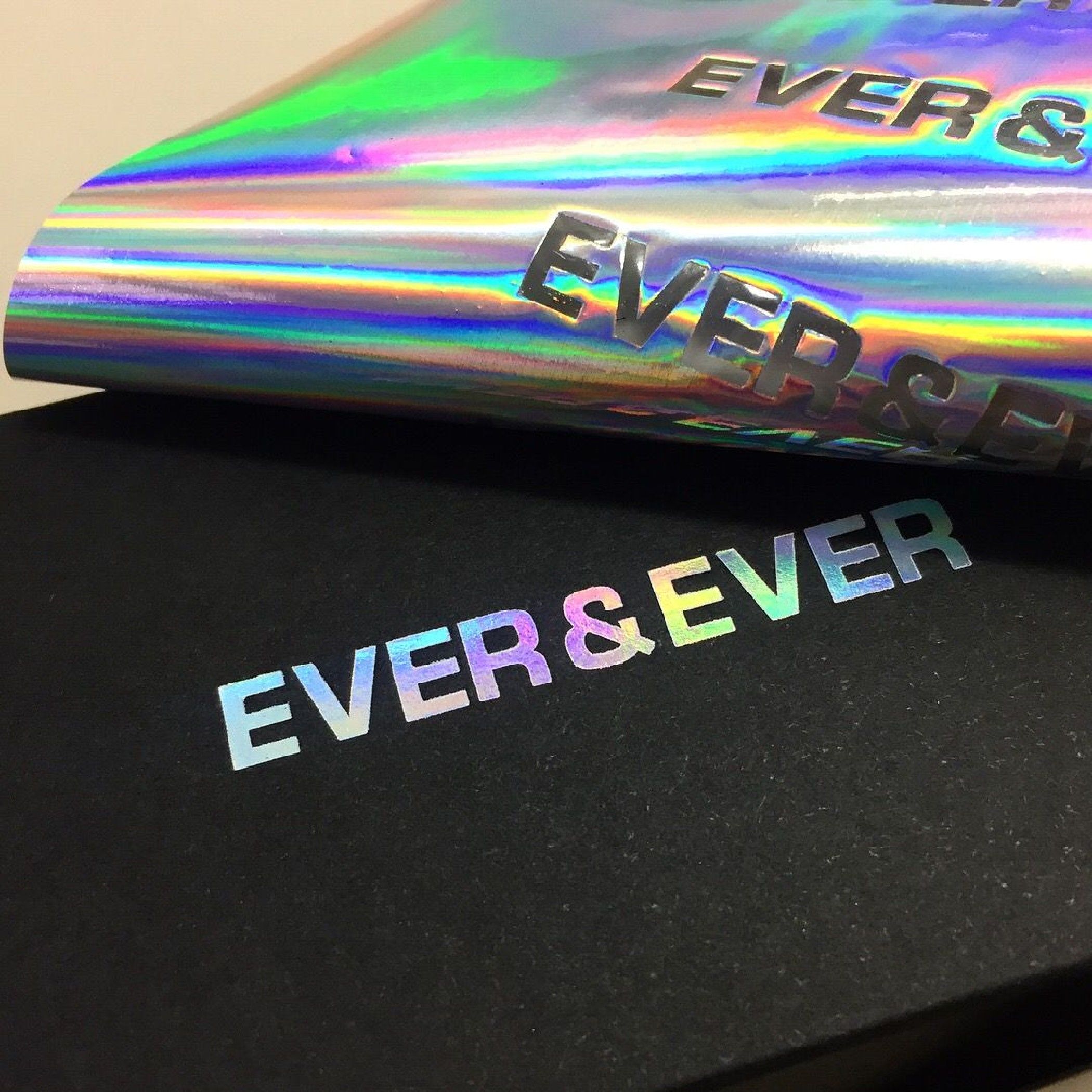
Holographic foil diffracts light and reveals the colors of the rainbow at various angles.
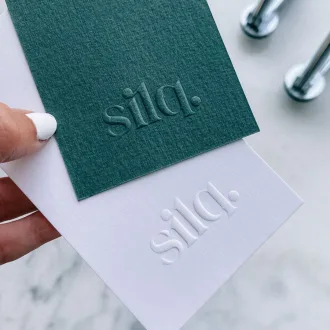
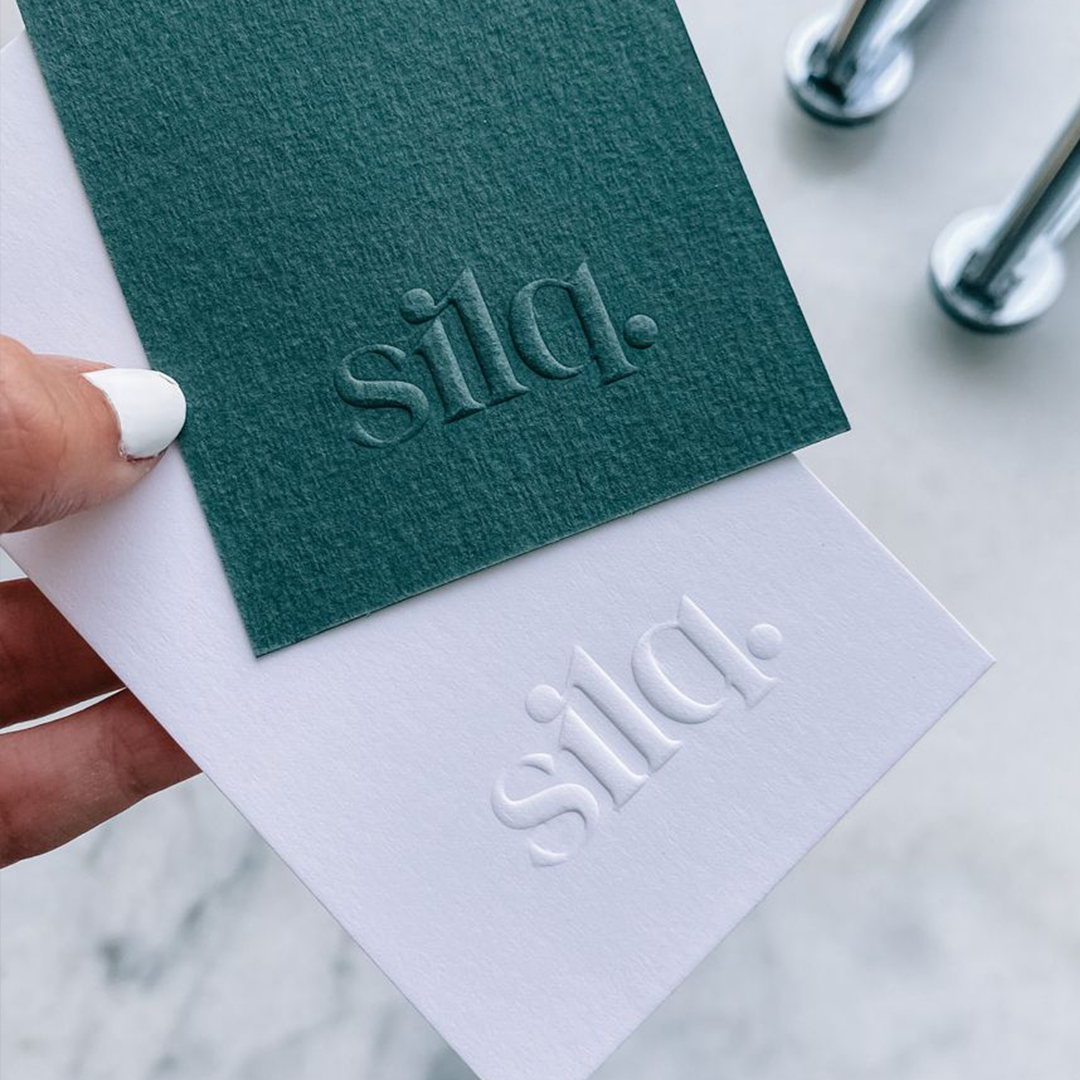
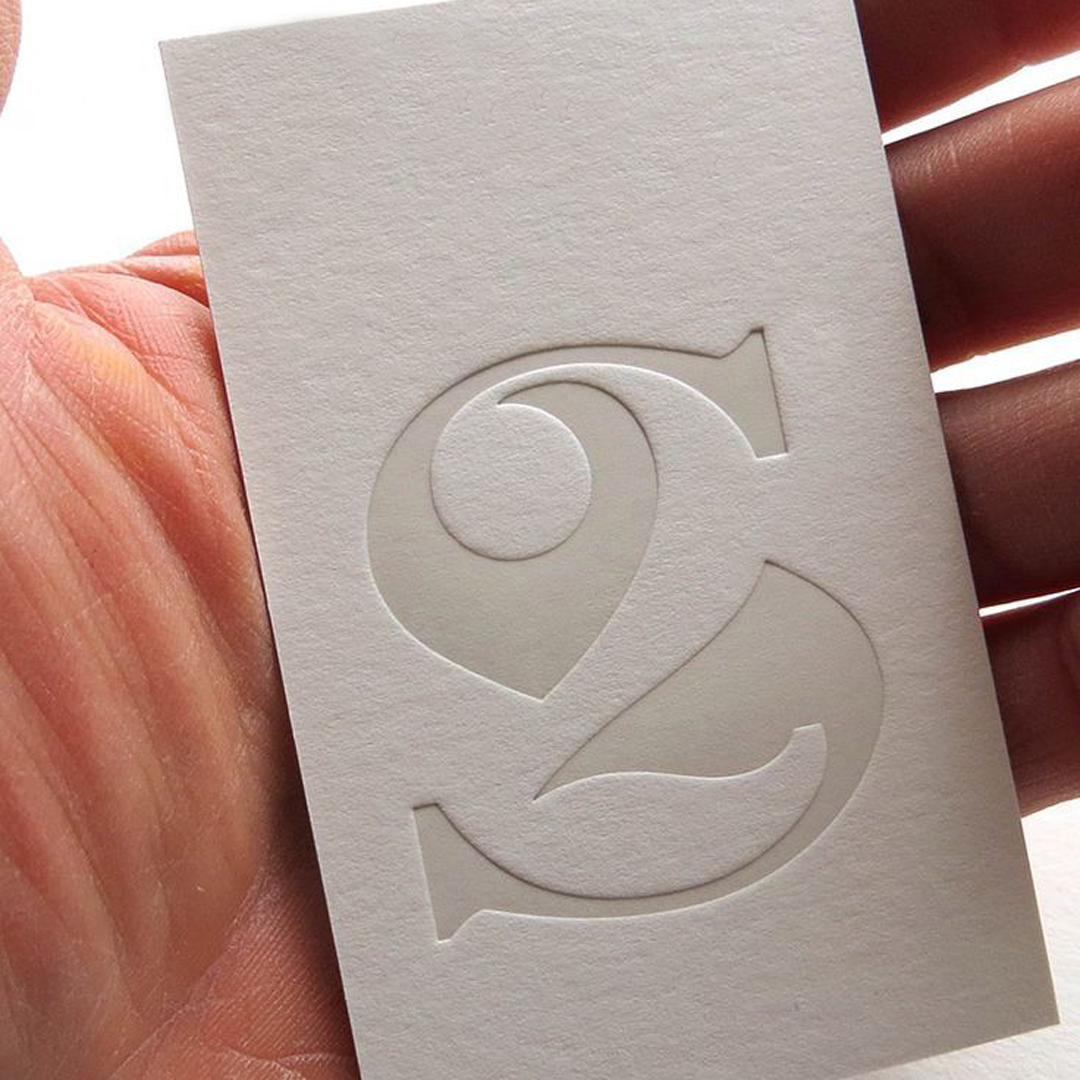
With our embossing technique, we transfer the finest details of your product on packaging.
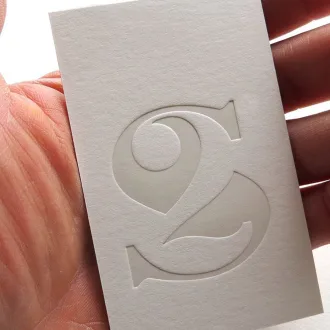
We use debossing technique to add unique graphics into your packaging.
With our matte finish, fingerprints and smudges will now be less visible on the packaging.
We add additional layer of protection with soft touch lamination from toner chipping.
Discover our range of high-quality packaging materials designed to tailor your packaging order to perfection. From sturdy cardboard boxes to eco-friendly options, we have the ideal materials for your unique needs. Elevate your brand and protect your products with our customizable packaging solutions
We use cardboard material with the least environmental impact and minimizes waste generation.
Rigid is highly protective, affordable and recyclable material. These boxes provide maximum protection.
Corrugated material is easy to customize, cost effective and sustainable. It is also great for branding purposes.
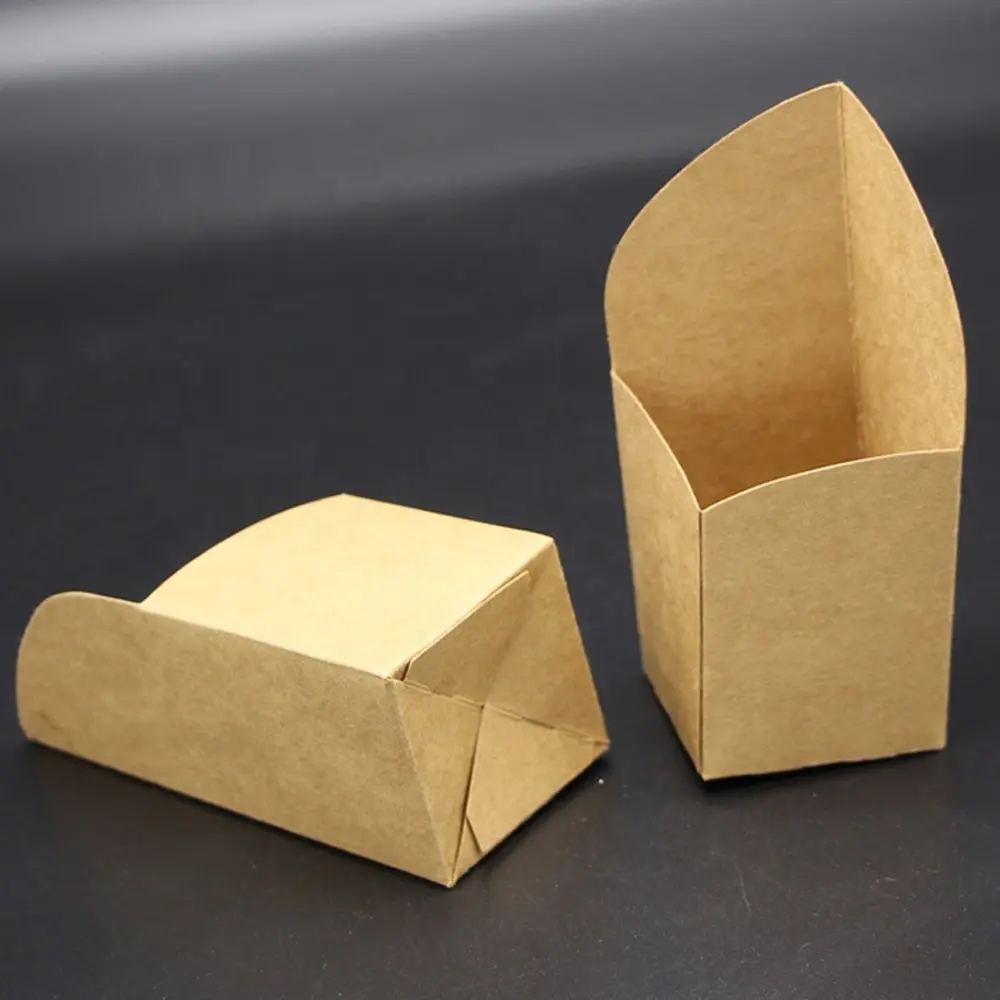
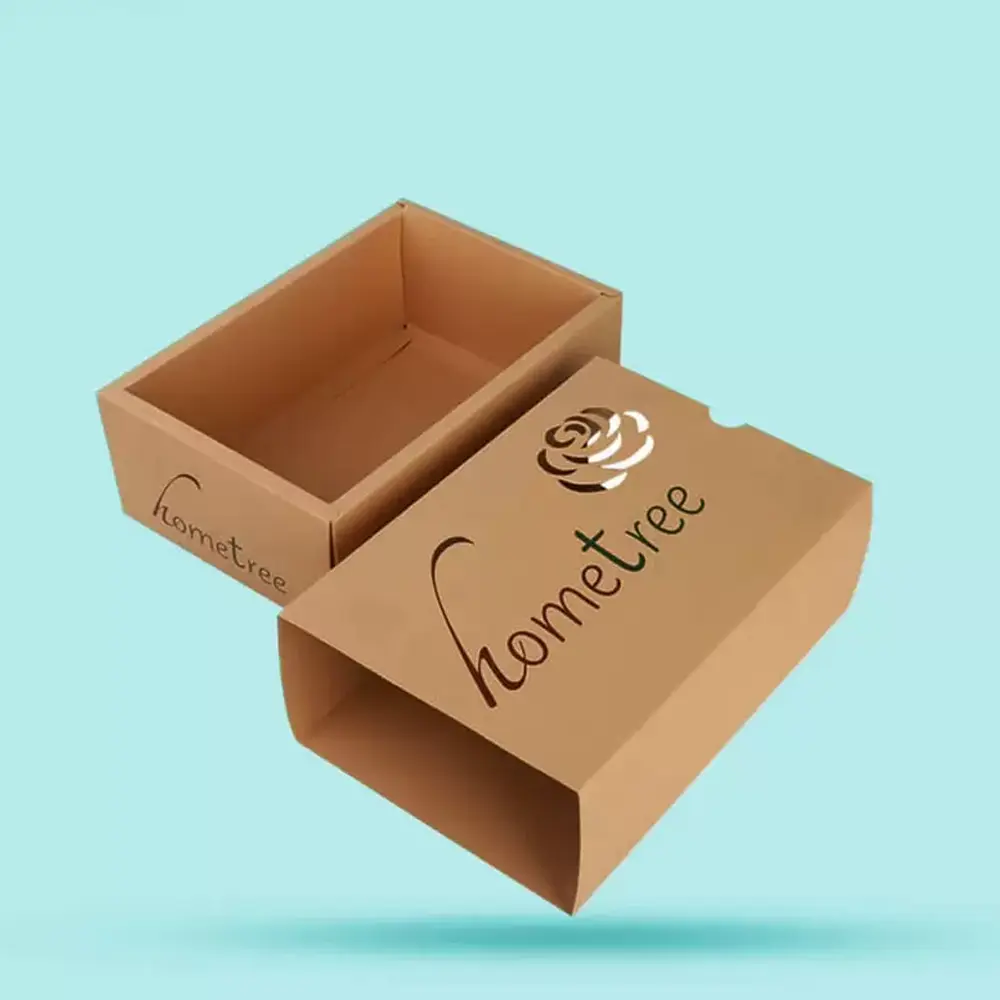
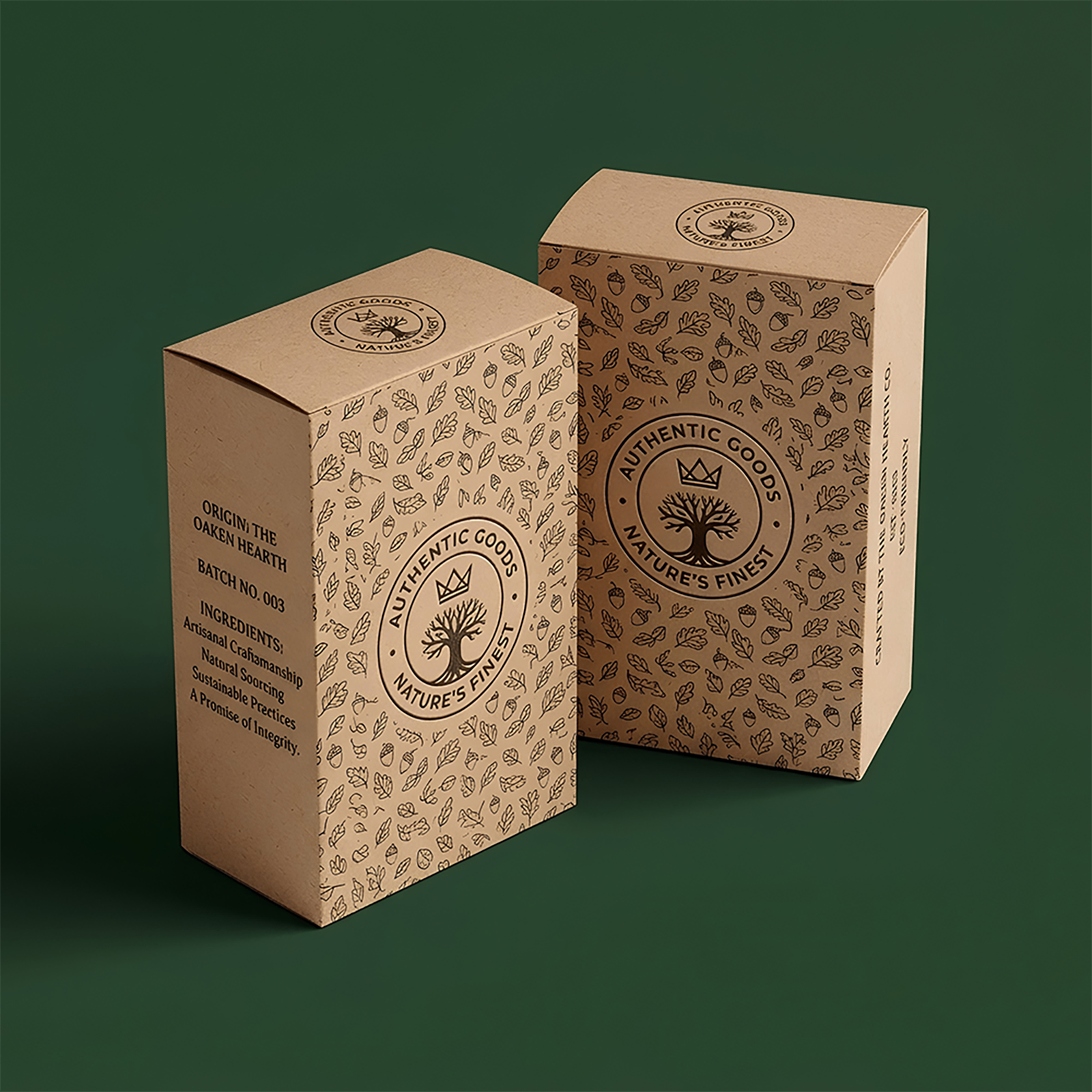
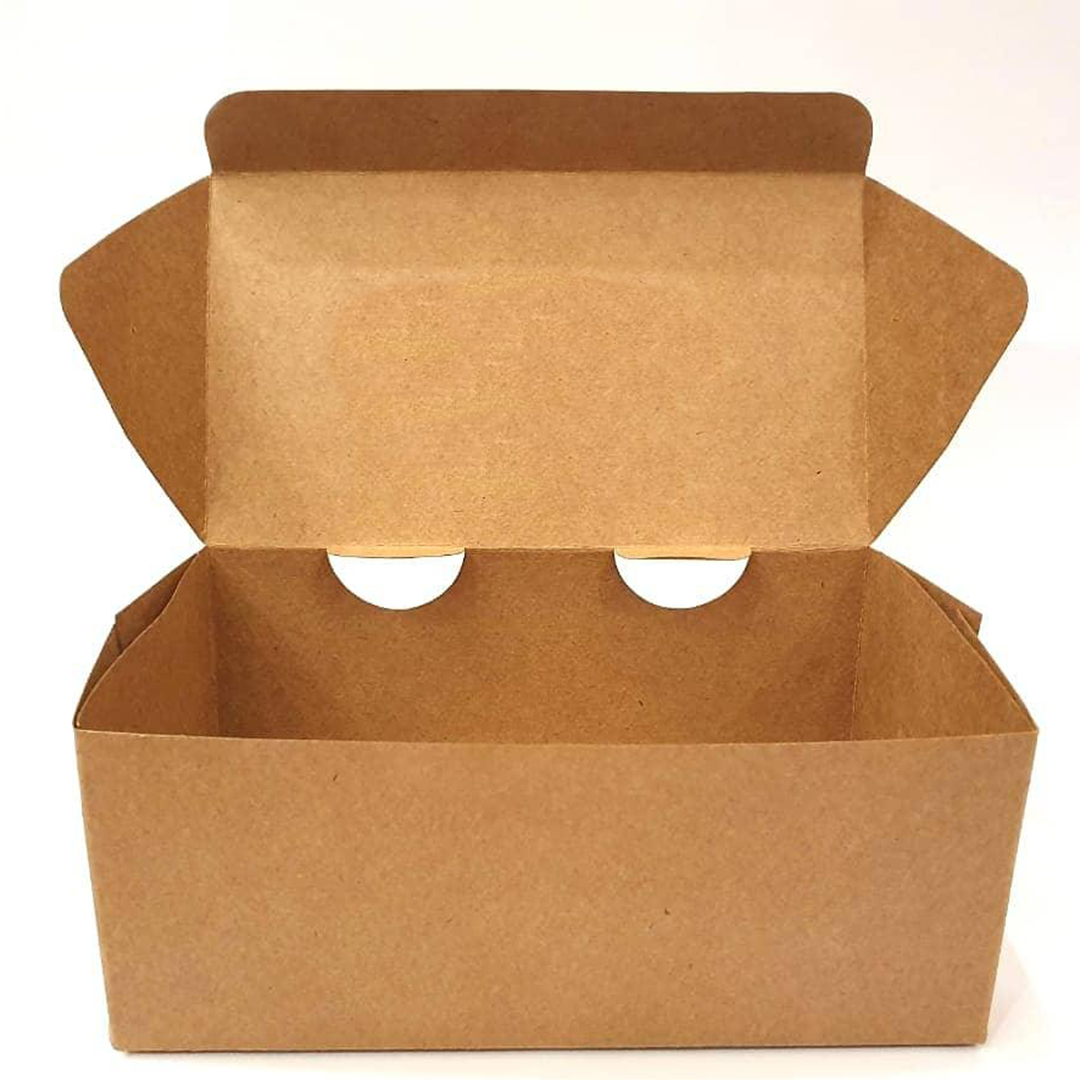
Kraft paper is a strong, durable and reliable material that is widely used across many different industries.
Beyond their practical use, these understated receptacles demonstrate how tradition and skill may coexist in the industry. Wine Boxes are vital to maintaining and elevating the beauty of the bottled nectar they nurture. Therefore, they are frequently disregarded in the vast scheme of viticulture. They can initially seem like just another transportation device, a practical casing to protect fragile bottles from the erratic nature of travel. But if you look closer, you'll find a complex tale of creativity and pragmatism coming together harmoniously. Made from various materials, including cardboard, wood, and even creative Eco-friendly alternatives, they are customized to meet various requirements and preferences.
Boxes inspire a sense of antiquity and workmanship with their ageless appeal. Wine Boxes offer a tangible link to the wine's maturing vineyards and cellars, embodying the spirit of winemaking traditions. Conversely, cardboard is a more contemporary and environmentally friendly method. These boxes are adaptable and lightweight, fitting the modern environmental consciousness movement. They demonstrate that progress does not have to mean sacrificing the essence of tradition by providing a practical solution without sacrificing their purity. They have a complex design that balances usefulness and beauty. Their exteriors are embellished with labels, logos, and other details, turning them into canvases that tell the vineyard's narrative and highlight its distinct place.
Beautifully designed boxes that tell the story of the grape from the vine to the bottle become an extension of the winery's character—their internal mechanisms as they are a symphony of preservation and protection beyond their aesthetic appeal. Custom Wine Boxes with carefully crafted construction ensures the bottle is held in place without undue movement, which could upset the delicate alchemy inside. It is also possible to integrate temperature control measures to protect the wine from the unpredictable nature of the transportation environment. They become essential to the wine-tasting experience, serving a purpose beyond mere conveyance.
The packaging silently tells the grape's journey from the vineyard to the customer's glass. The bottle itself is one of the main things to think about. With its graceful curves and long neck, the traditional wine bottle has come to represent the beverage. Wine Packaging conveys a feeling of refinement and heritage in addition to holding the liquid inside. The bottle's size, color, and shape can all give away details about the origin and style of the wine. It is more than simply a vessel; it's a tactile and visual experience. They may either heighten or lessen the sense of the wine they hold. Its art is a careful balancing act between storyline, usability, and beauty.
Labels act as storytellers on wine bottles, giving customers important details and stirring feelings. A wine label's design strikes a careful balance between drawing attention to itself on the shelf and expressing the personality of the Wine Packaging. An image, color, and typeface create a visual story. While an elaborate, vintage-inspired label might indicate a more complicated and traditional product, a minimalist label with clear lines might indicate a modern and approachable wine. The materials employed in it enhance the experience beyond appearances. The decision between screw caps and cork closures, for instance, can affect how the wine remains perceived. Screw caps remain connected to ease and modernism, but cork closures also frequently remain associated with heritage and workmanship.
Boxes and bags serving as secondary packaging give the wine's presentation an additional touch. Expensive boxes often remain used for both practical and decorative reasons. Wine Packaging Boxes shield the bottle from damage while in transit and improve the customer's unboxing experience. Contrarily, they provide wine accessible for various events and appeal to individuals looking for a more laid-back and portable solution. Additionally, the sustainability movement has influenced it. As consumers grow more aware of the environmental impact of their purchases, recyclable glass, lightweight bottles, and alternative options are becoming more and more popular.
Beyond their practical use, these understated receptacles demonstrate how tradition and skill may coexist in the industry. Wine Boxes are vital to maintaining and elevating the beauty of the bottled nectar they nurture. Therefore, they are frequently disregarded in the vast scheme of viticulture. They can initially seem like just another transportation device, a practical casing to protect fragile bottles from the erratic nature of travel. But if you look closer, you'll find a complex tale of creativity and pragmatism coming together harmoniously. Made from various materials, including cardboard, wood, and even creative Eco-friendly alternatives, they are customized to meet various requirements and preferences.
Boxes inspire a sense of antiquity and workmanship with their ageless appeal. Wine Boxes offer a tangible link to the wine's maturing vineyards and cellars, embodying the spirit of winemaking traditions. Conversely, cardboard is a more contemporary and environmentally friendly method. These boxes are adaptable and lightweight, fitting the modern environmental consciousness movement. They demonstrate that progress does not have to mean sacrificing the essence of tradition by providing a practical solution without sacrificing their purity. They have a complex design that balances usefulness and beauty. Their exteriors are embellished with labels, logos, and other details, turning them into canvases that tell the vineyard's narrative and highlight its distinct place.
Beautifully designed boxes that tell the story of the grape from the vine to the bottle become an extension of the winery's character—their internal mechanisms as they are a symphony of preservation and protection beyond their aesthetic appeal. Custom Wine Boxes with carefully crafted construction ensures the bottle is held in place without undue movement, which could upset the delicate alchemy inside. It is also possible to integrate temperature control measures to protect the wine from the unpredictable nature of the transportation environment. They become essential to the wine-tasting experience, serving a purpose beyond mere conveyance.
The packaging silently tells the grape's journey from the vineyard to the customer's glass. The bottle itself is one of the main things to think about. With its graceful curves and long neck, the traditional wine bottle has come to represent the beverage. Wine Packaging conveys a feeling of refinement and heritage in addition to holding the liquid inside. The bottle's size, color, and shape can all give away details about the origin and style of the wine. It is more than simply a vessel; it's a tactile and visual experience. They may either heighten or lessen the sense of the wine they hold. Its art is a careful balancing act between storyline, usability, and beauty.
Labels act as storytellers on wine bottles, giving customers important details and stirring feelings. A wine label's design strikes a careful balance between drawing attention to itself on the shelf and expressing the personality of the Wine Packaging. An image, color, and typeface create a visual story. While an elaborate, vintage-inspired label might indicate a more complicated and traditional product, a minimalist label with clear lines might indicate a modern and approachable wine. The materials employed in it enhance the experience beyond appearances. The decision between screw caps and cork closures, for instance, can affect how the wine remains perceived. Screw caps remain connected to ease and modernism, but cork closures also frequently remain associated with heritage and workmanship.
Boxes and bags serving as secondary packaging give the wine's presentation an additional touch. Expensive boxes often remain used for both practical and decorative reasons. Wine Packaging Boxes shield the bottle from damage while in transit and improve the customer's unboxing experience. Contrarily, they provide wine accessible for various events and appeal to individuals looking for a more laid-back and portable solution. Additionally, the sustainability movement has influenced it. As consumers grow more aware of the environmental impact of their purchases, recyclable glass, lightweight bottles, and alternative options are becoming more and more popular.