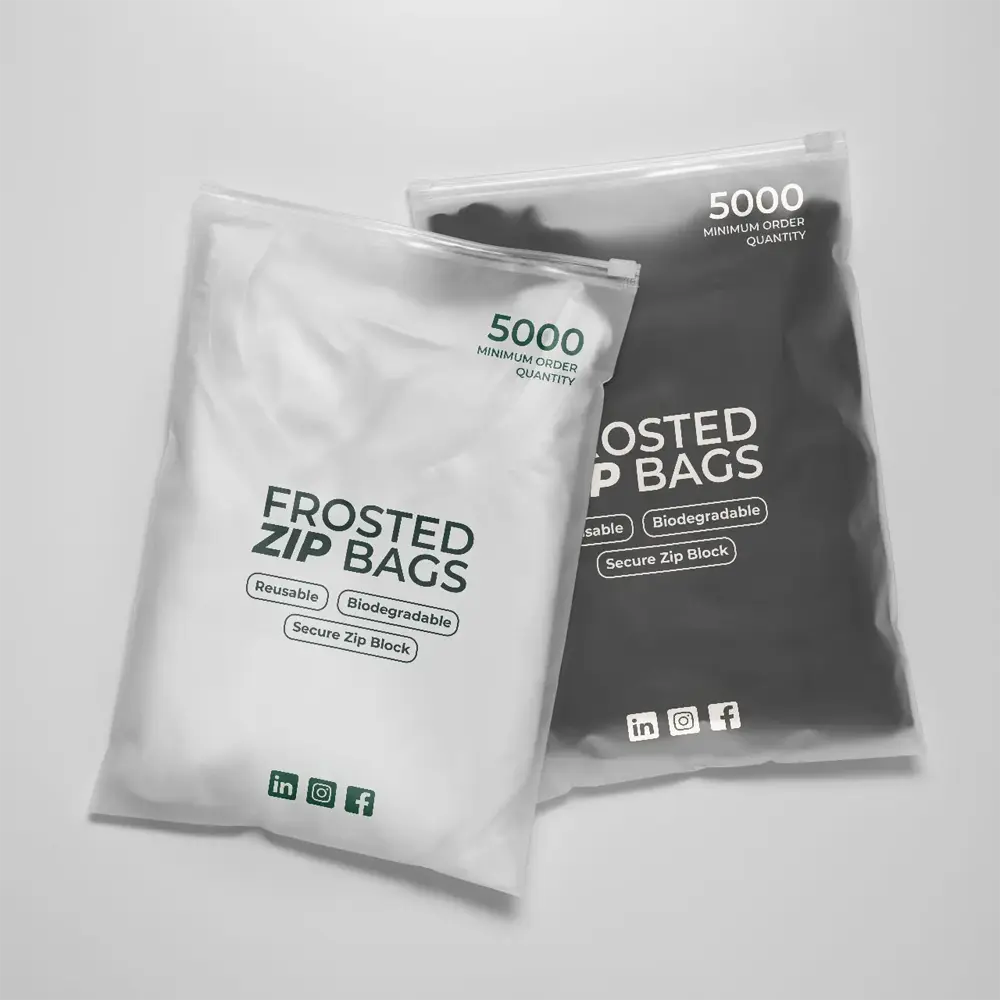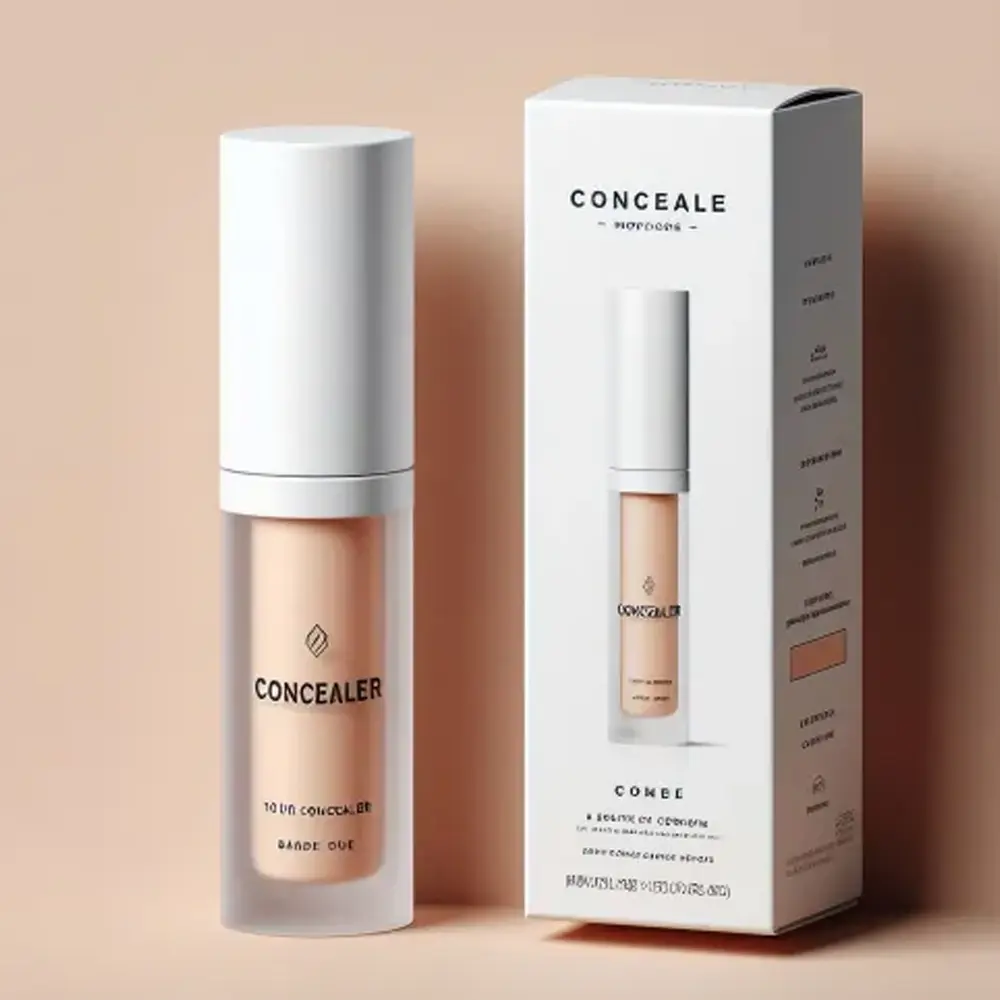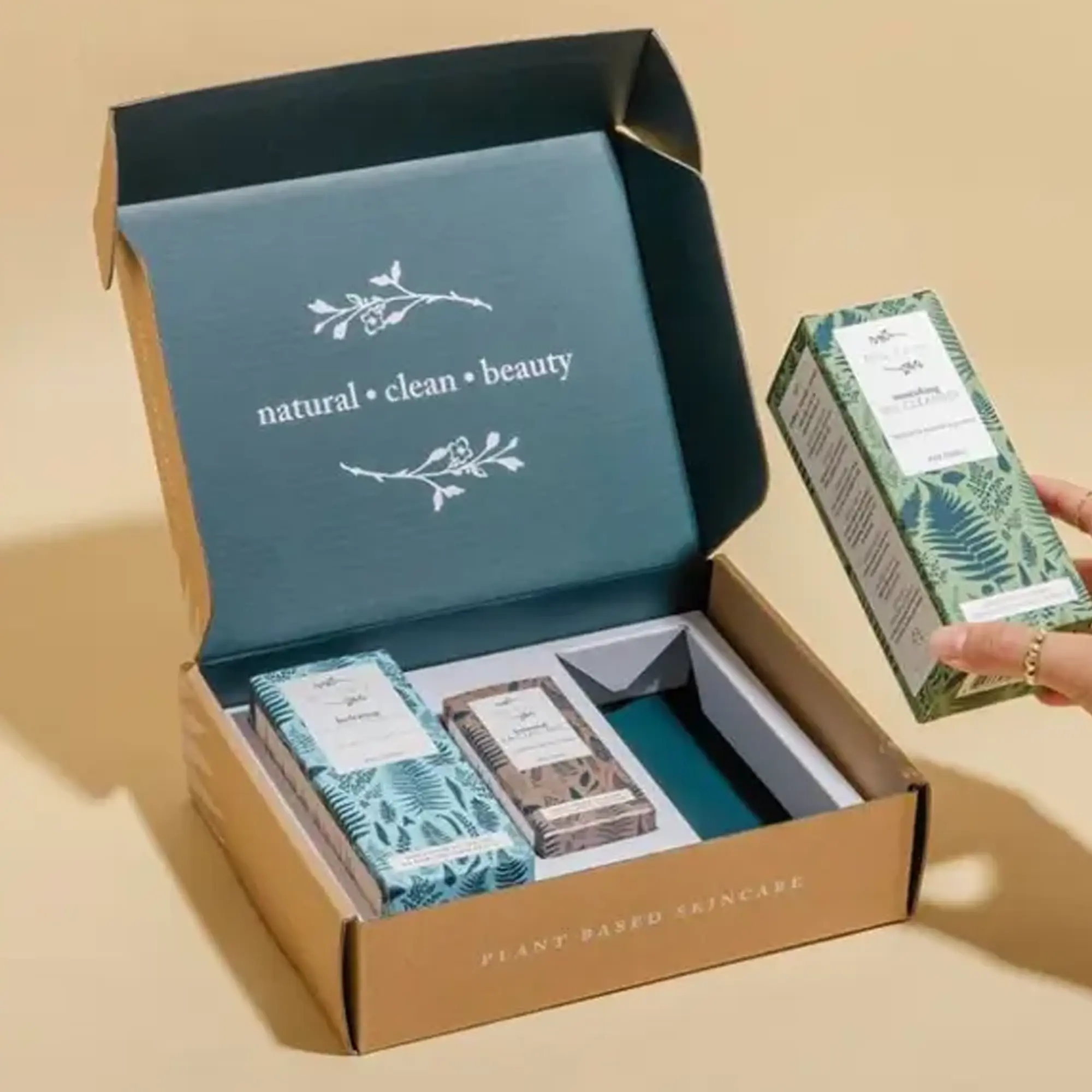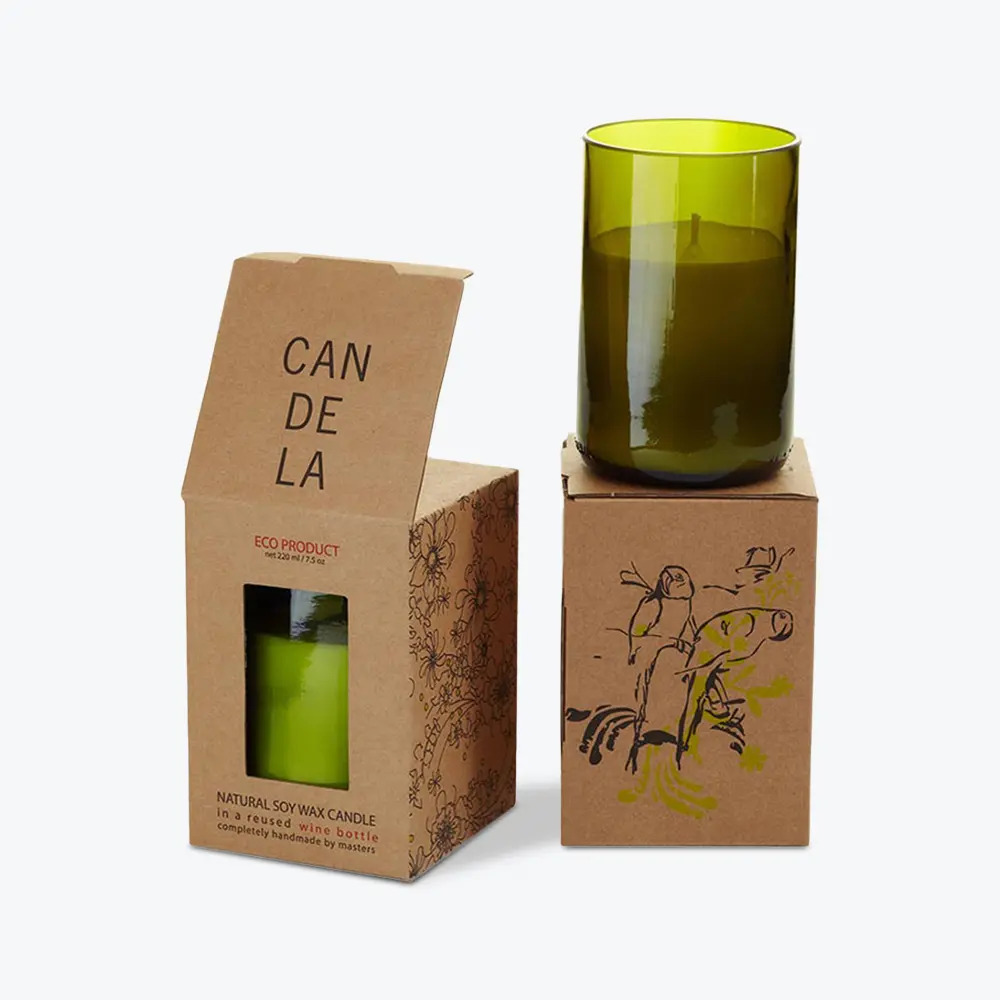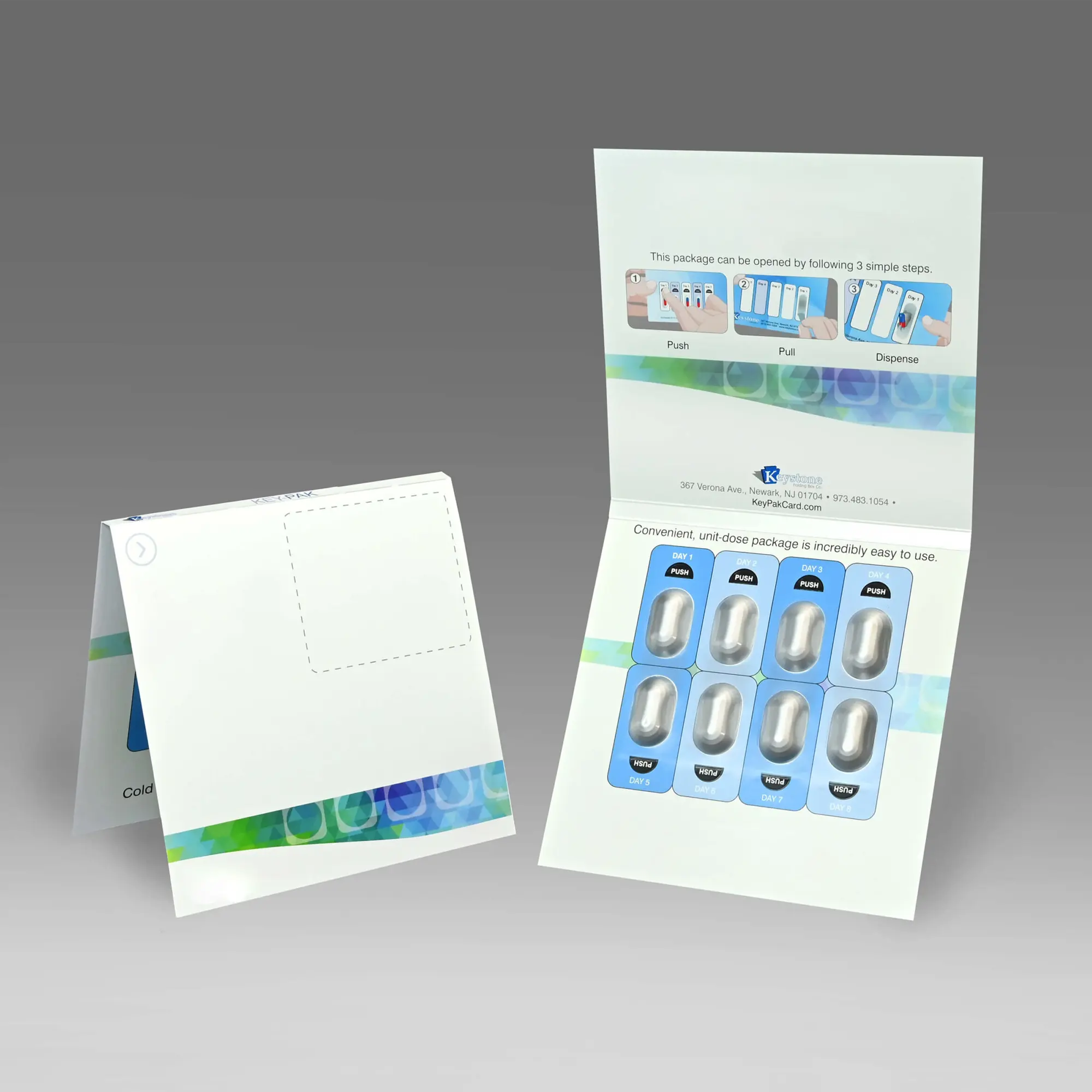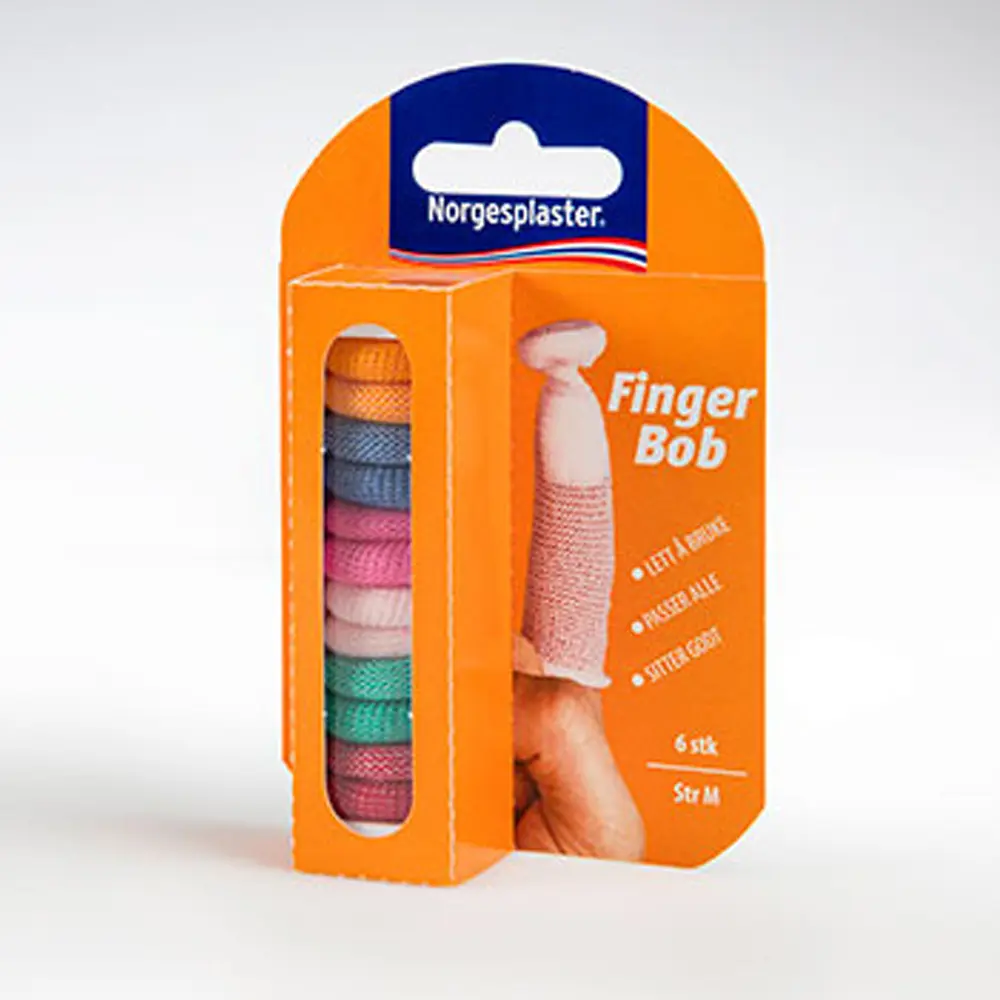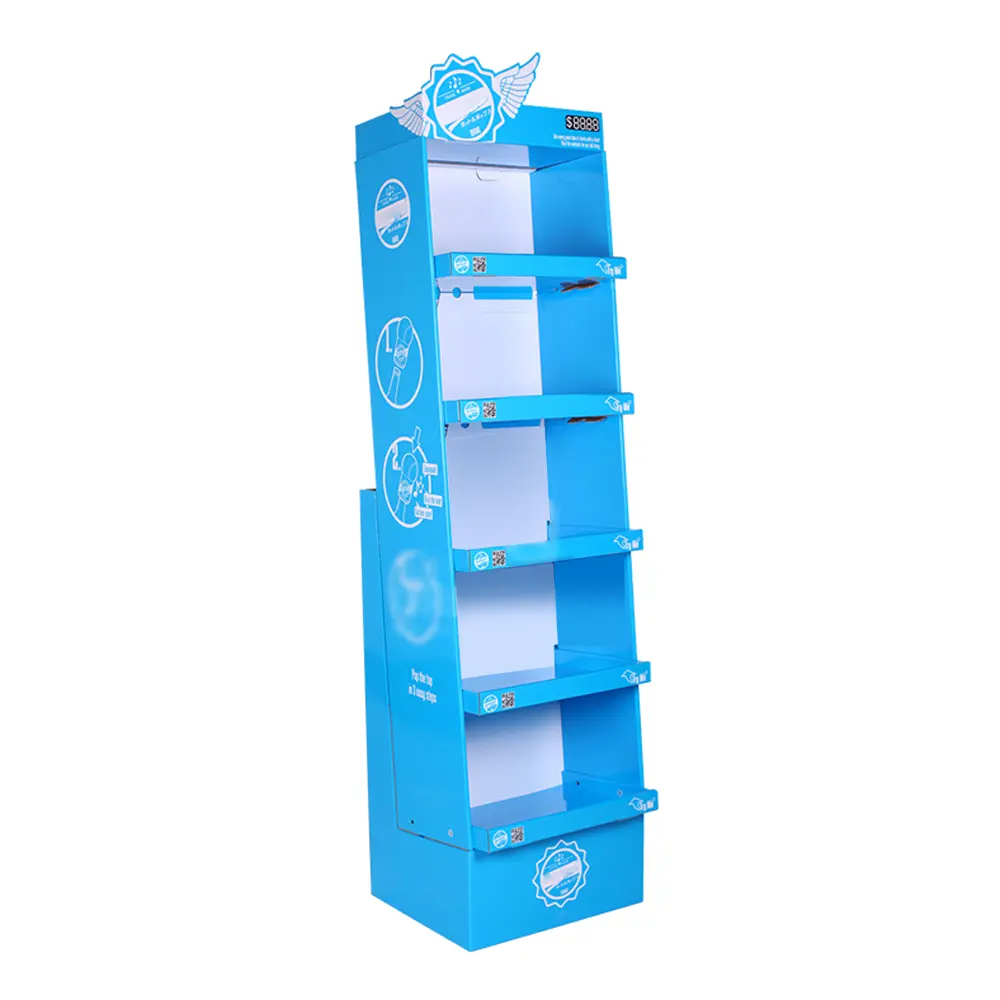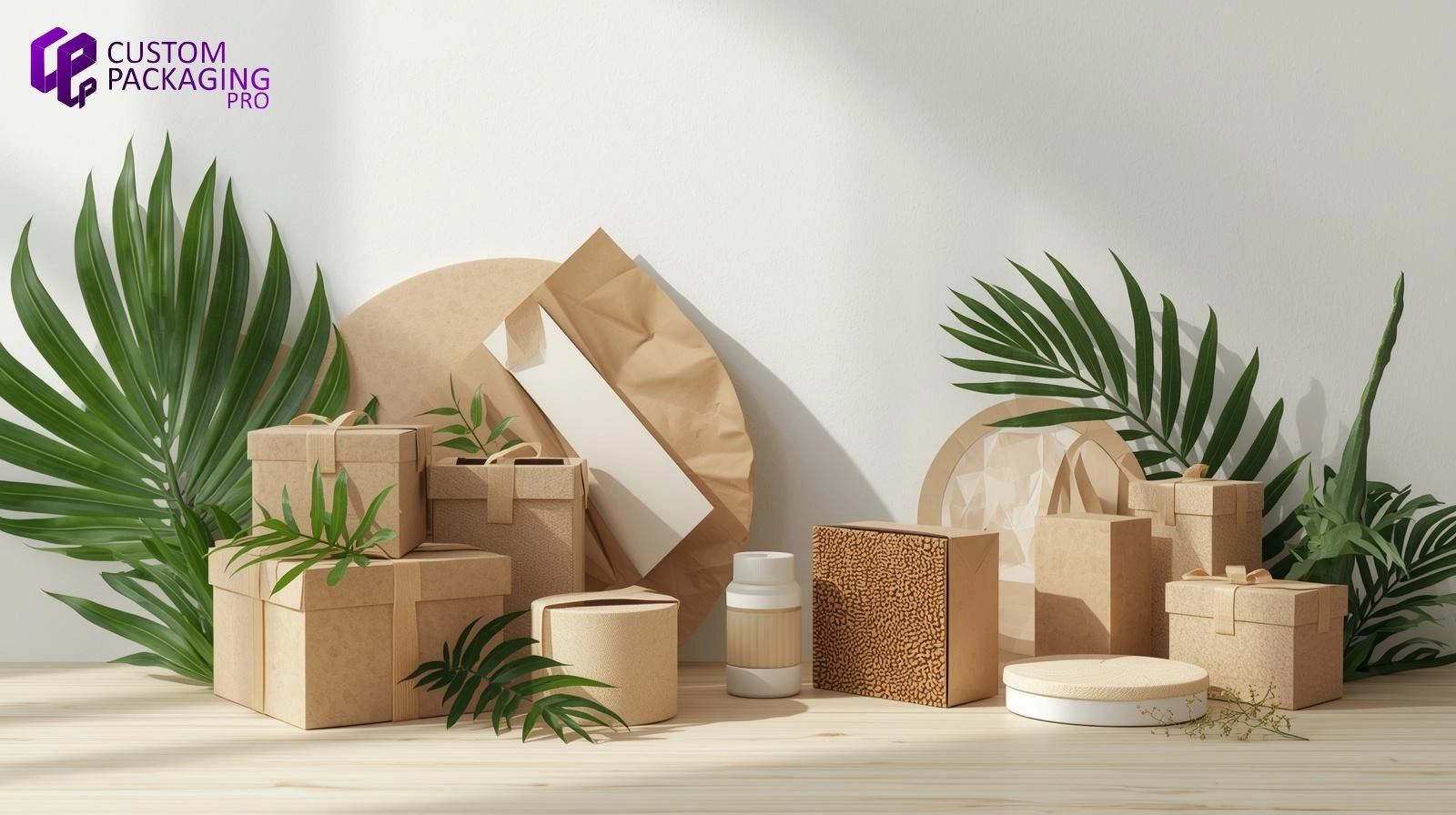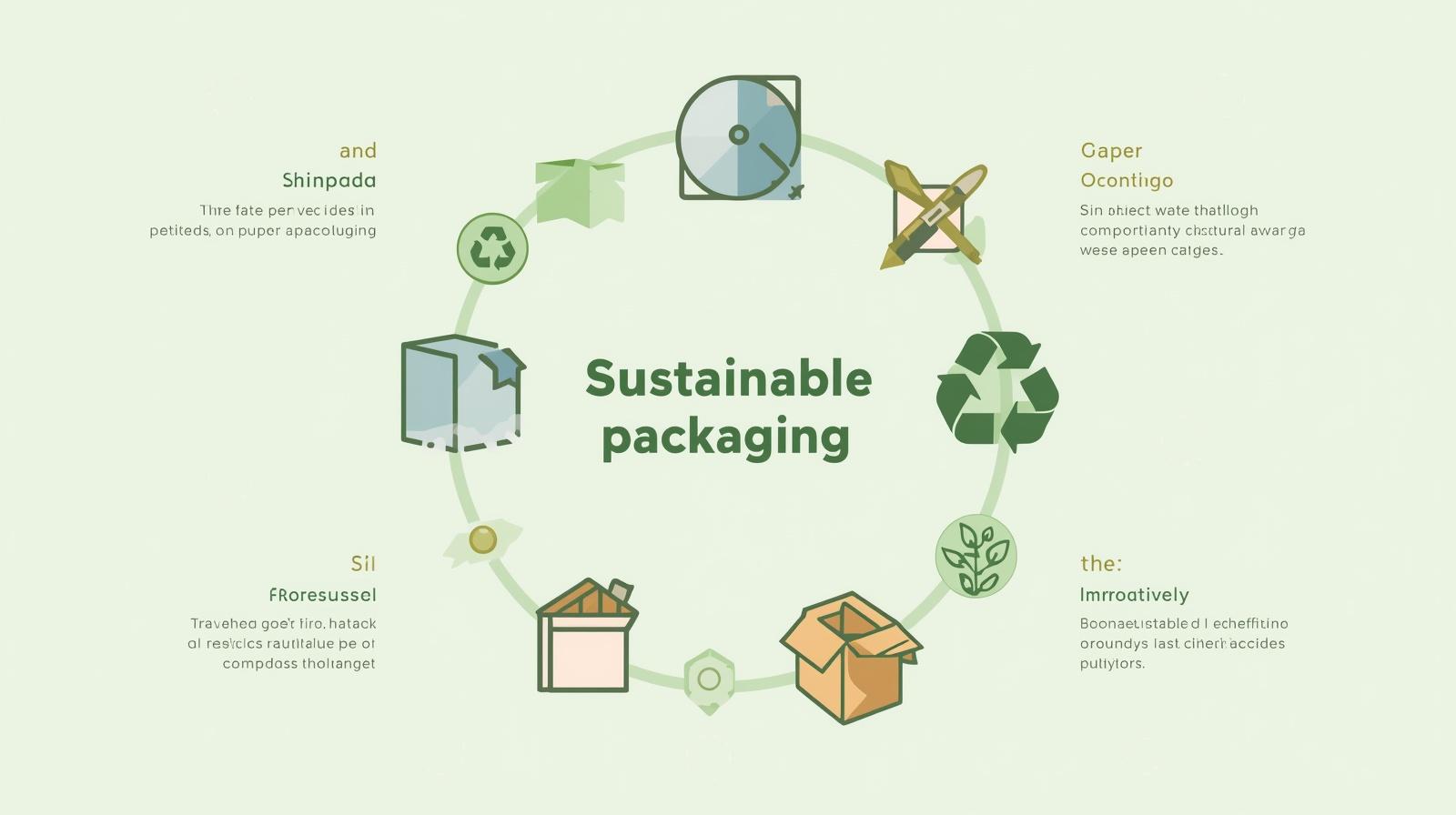
Sustainability has become a major priority for both businesses and consumers. As environmental awareness grows, brands are increasingly shifting toward sustainable packaging to reduce waste and lower their environmental impact.
Packaging that once focused only on protection and transportation is now expected to support responsible production and eco-friendly practices.
Consumers today actively look for products packaged in biodegradable packaging, recyclable packaging materials, or compostable packaging boxes. In many industries, sustainability is no longer optional—it has become a competitive advantage. Businesses that adopt eco packaging solutions often gain customer trust and strengthen their brand image.
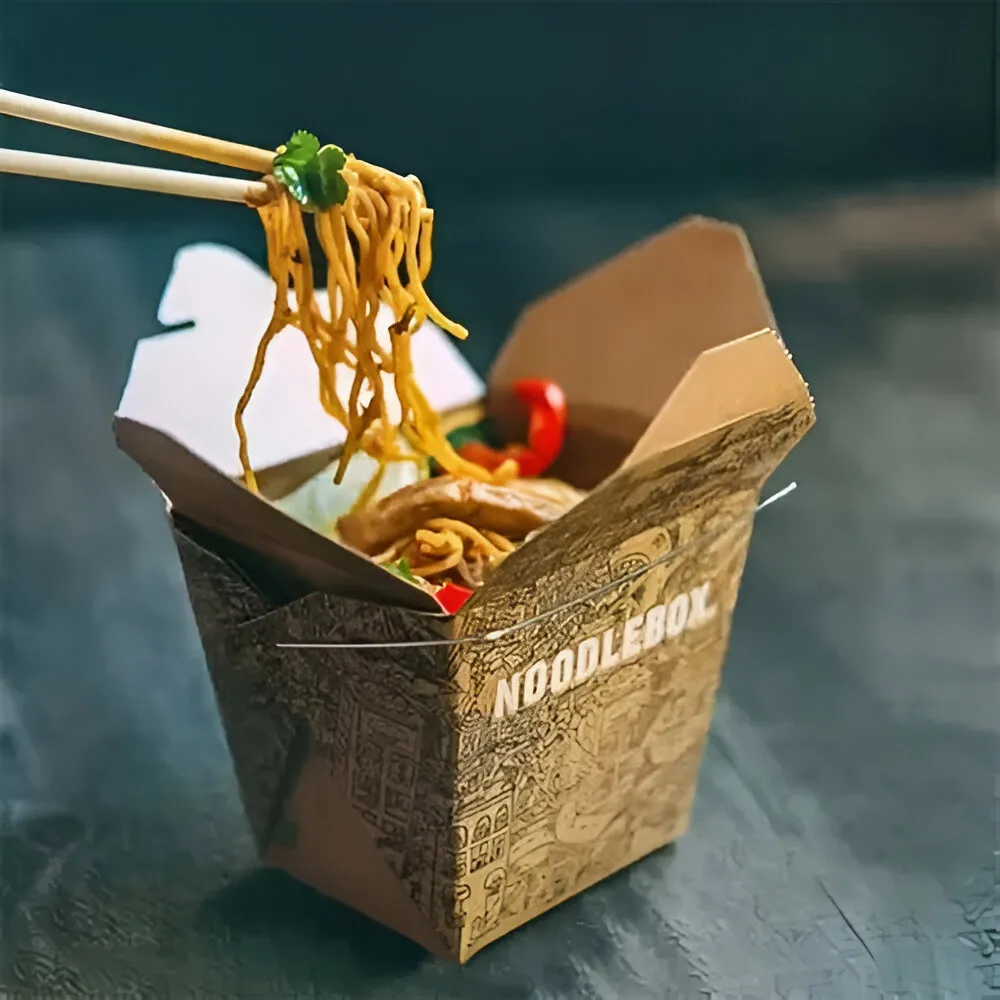
This guide explores everything you need to know about sustainable packaging, including material comparisons, sustainability certifications, consumer expectations, and the real cost versus benefit of eco-friendly packaging choices.
Sustainable packaging refers to packaging designed to minimize environmental impact throughout its lifecycle. This includes the sourcing of raw materials, manufacturing processes, transportation, usage, and disposal.
Eco-friendly packaging typically focuses on three main goals:
Unlike traditional packaging, which often relies heavily on plastic and non-renewable resources, sustainable alternatives prioritize materials that support long-term environmental health.
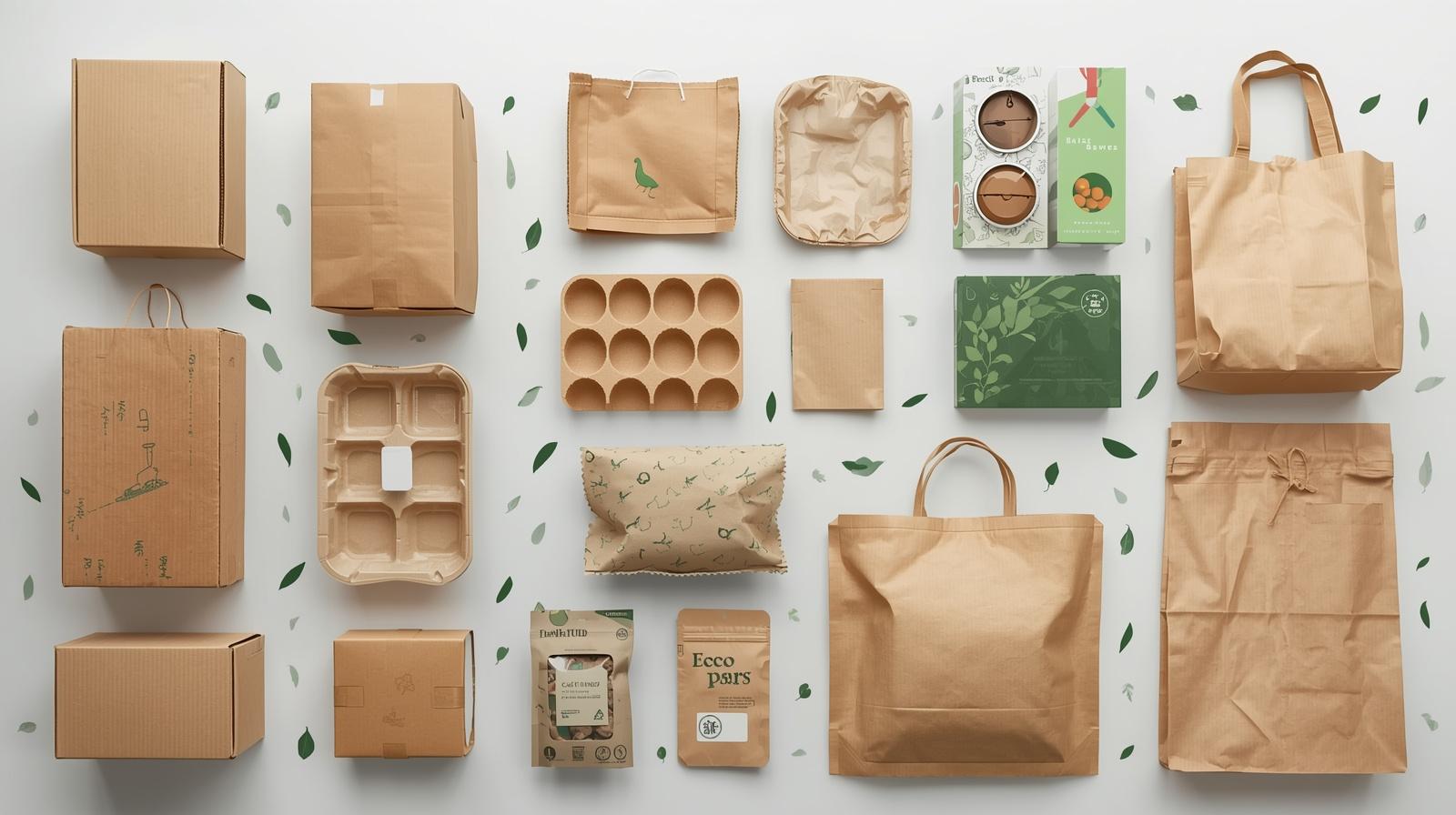
Several materials are commonly used in eco packaging solutions, each offering different sustainability advantages.
Recyclable packaging materials are designed to be collected, processed, and reused to create new products. Common examples include cardboard, paperboard, aluminum, and certain plastics.
Recyclable packaging is one of the most accessible sustainability options because many recycling systems already support these materials. Cardboard boxes, paper packaging, and molded pulp trays are widely used recyclable options.
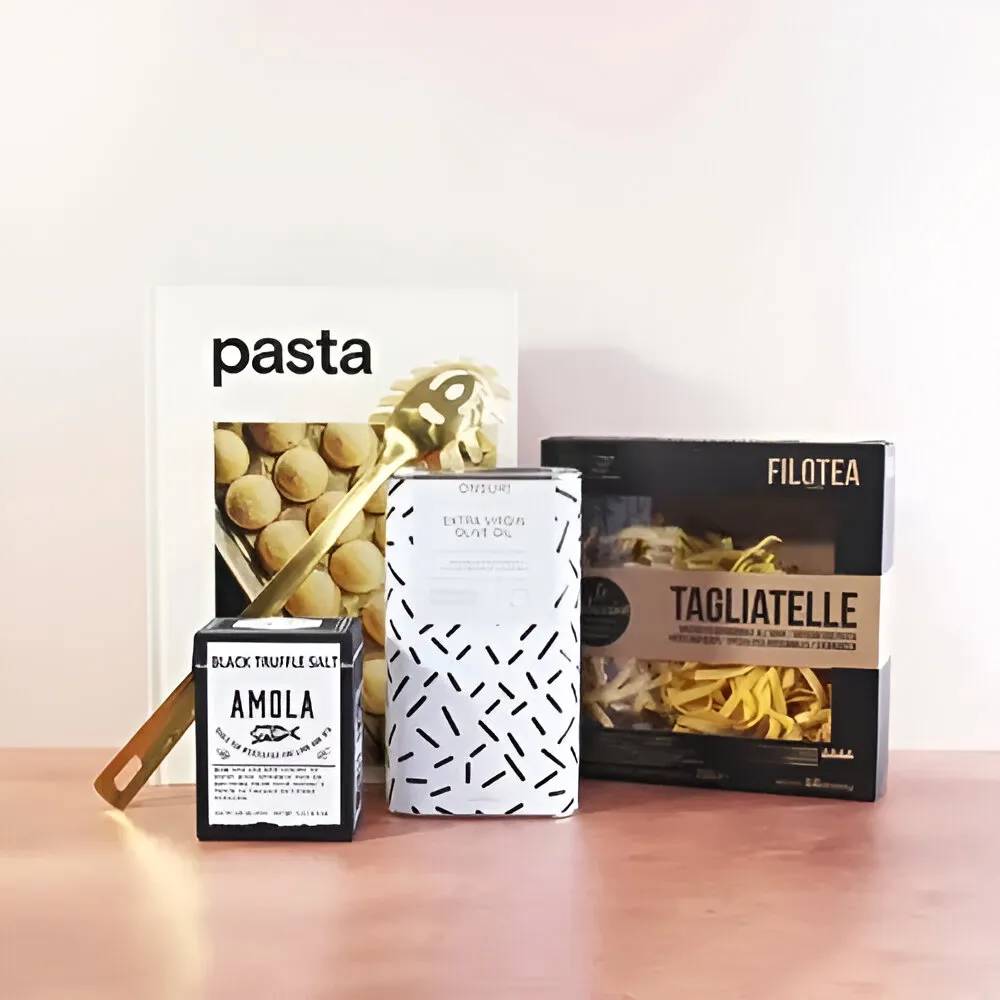

Biodegradable packaging breaks down naturally over time through the action of microorganisms. Materials such as plant-based plastics, starch-based films, and certain natural fibers fall into this category.
While biodegradable packaging reduces long-term waste, its effectiveness depends on proper environmental conditions, such as moisture and microbial activity.
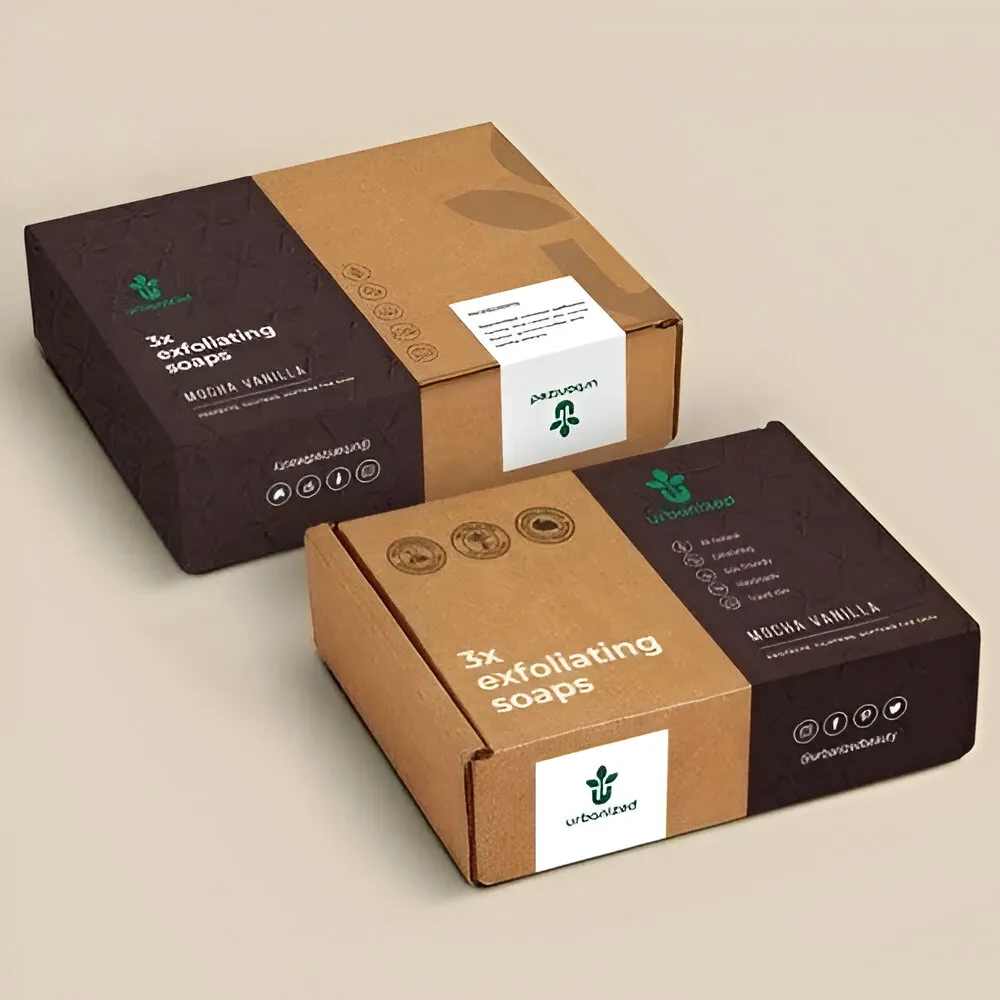
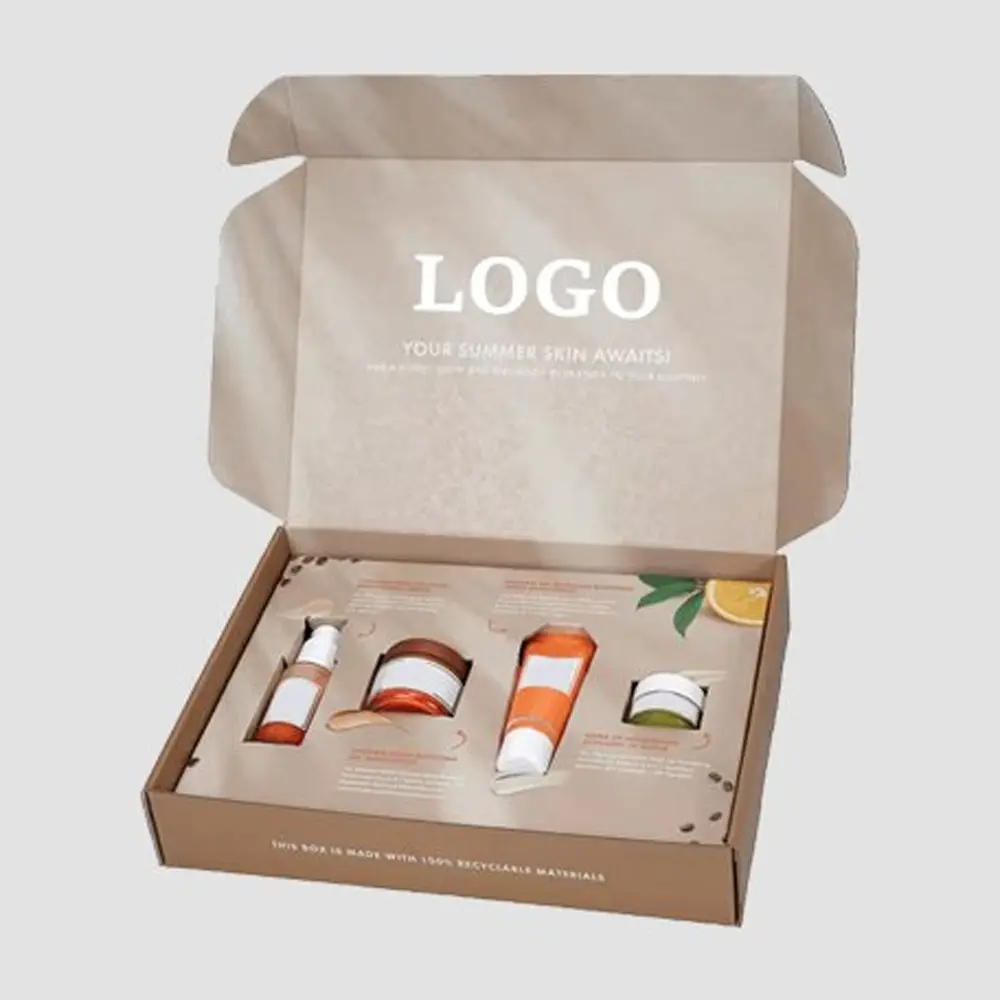
Compostable packaging boxes go a step further than biodegradable materials. They break down completely into organic matter without leaving harmful residues. These materials often include kraft paper, plant fibers, bagasse (sugarcane waste), and cornstarch-based materials.
Compostable packaging works best in industrial composting facilities, though some materials can break down in home compost systems.
Reusable packaging is designed to be used multiple times before disposal. This includes durable containers, refillable packaging, and returnable shipping boxes. Reusability significantly reduces packaging waste over time.
When choosing eco-friendly packaging, businesses must consider several factors beyond environmental impact.
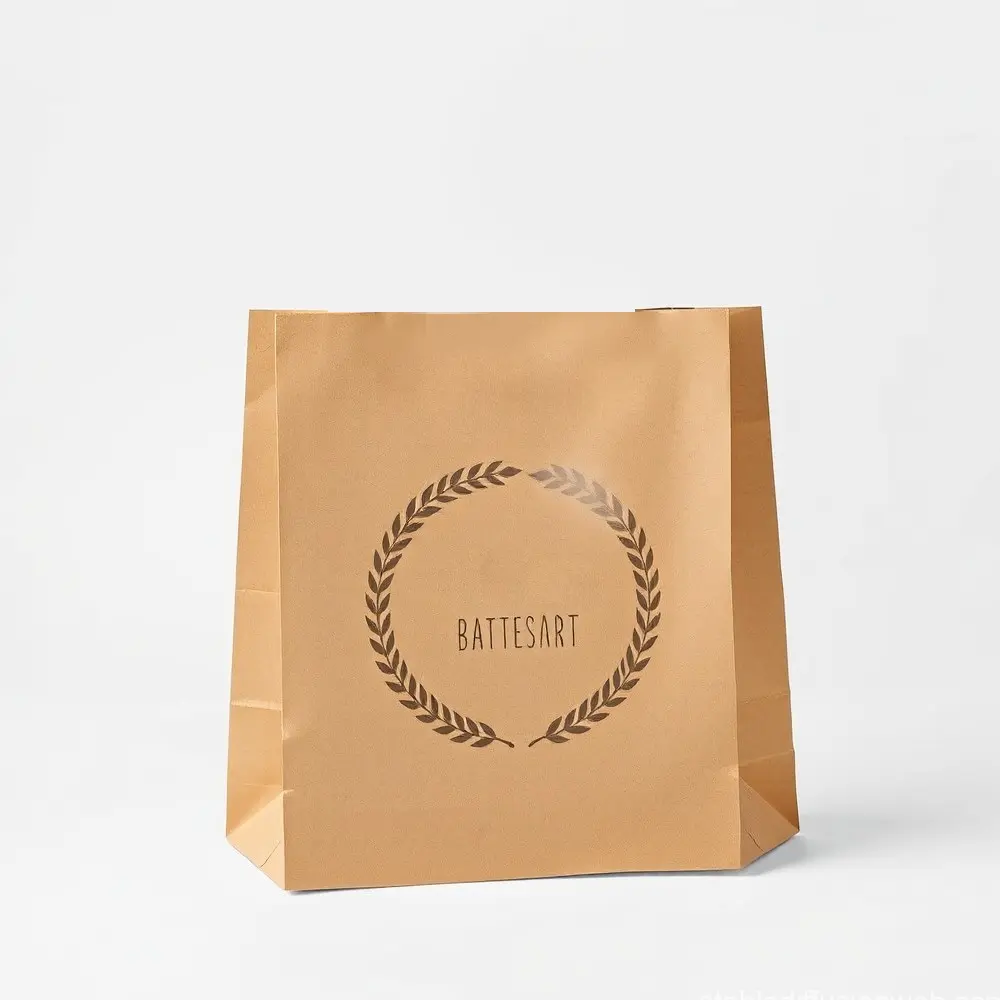
Paper-based materials are among the most widely used recyclable packaging materials. They are renewable, biodegradable, and compatible with most recycling systems.
However, excessive coatings or laminations can reduce recyclability, so minimal processing is often preferred.
Plant-based plastics derived from corn or sugarcane offer a renewable alternative to petroleum plastics. These materials can be biodegradable or compostable depending on their composition.
While promising, they may require specialized composting facilities to break down effectively.
Molded pulp packaging is made from recycled paper fibers and is commonly used for protective packaging. It is recyclable, biodegradable, and cost-effective.
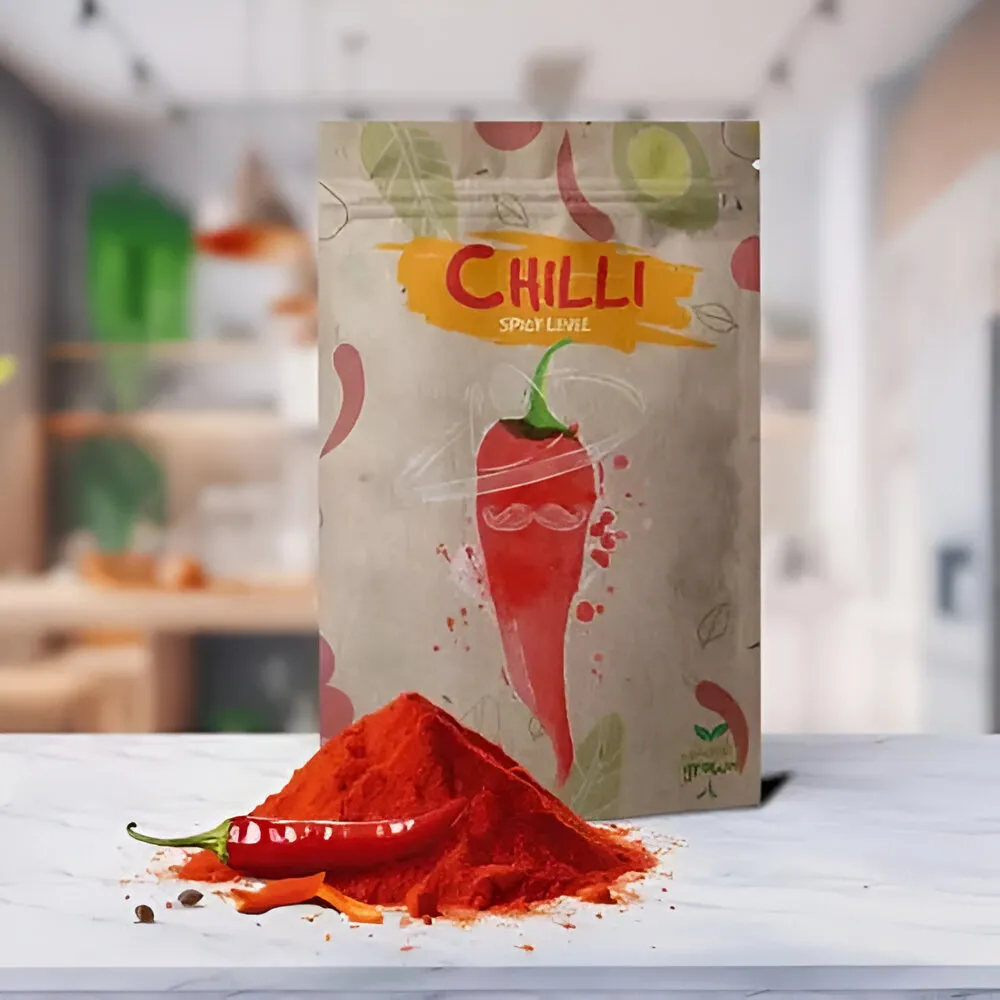
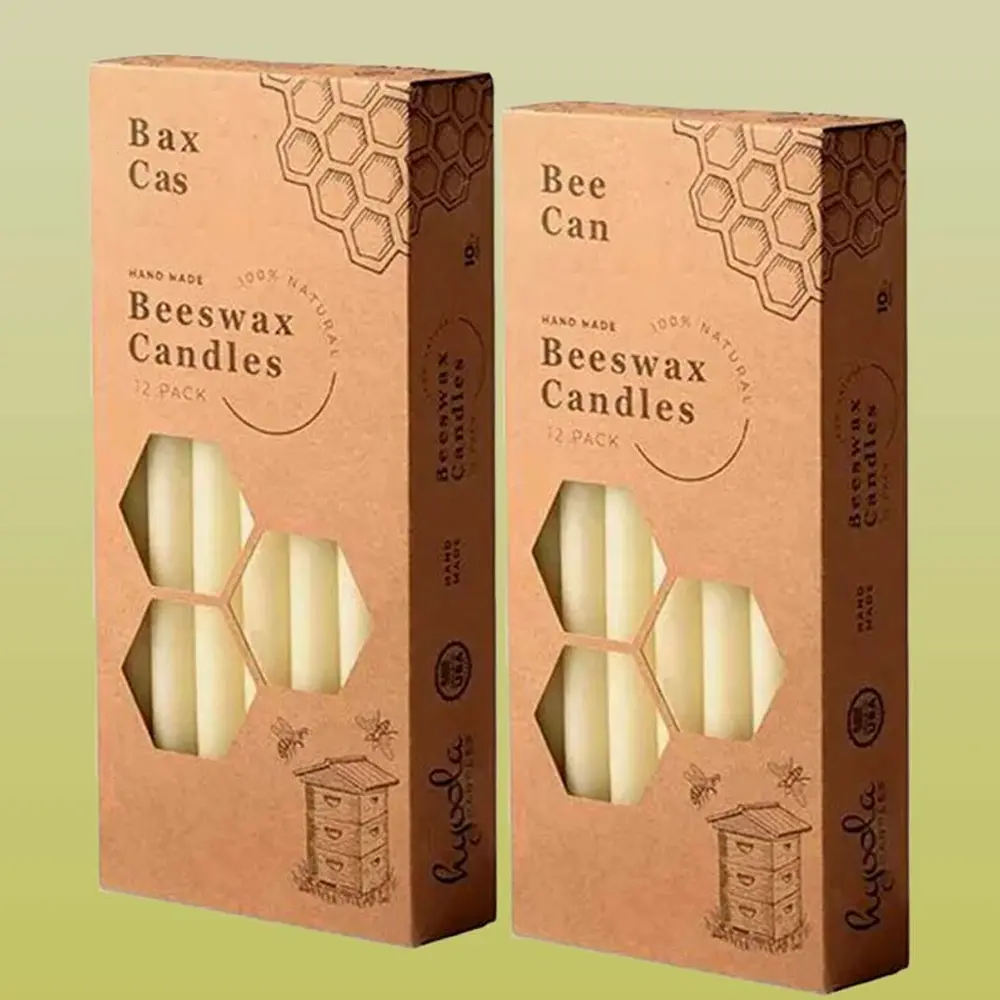
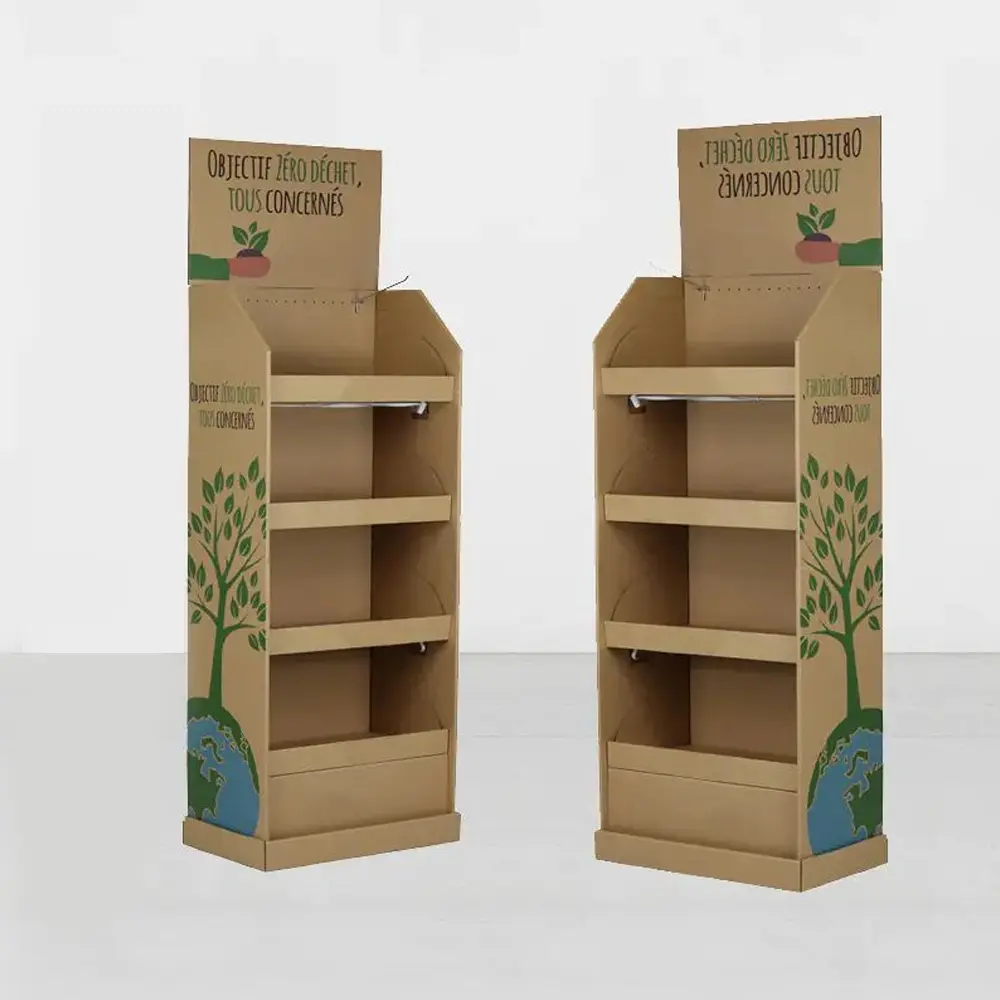
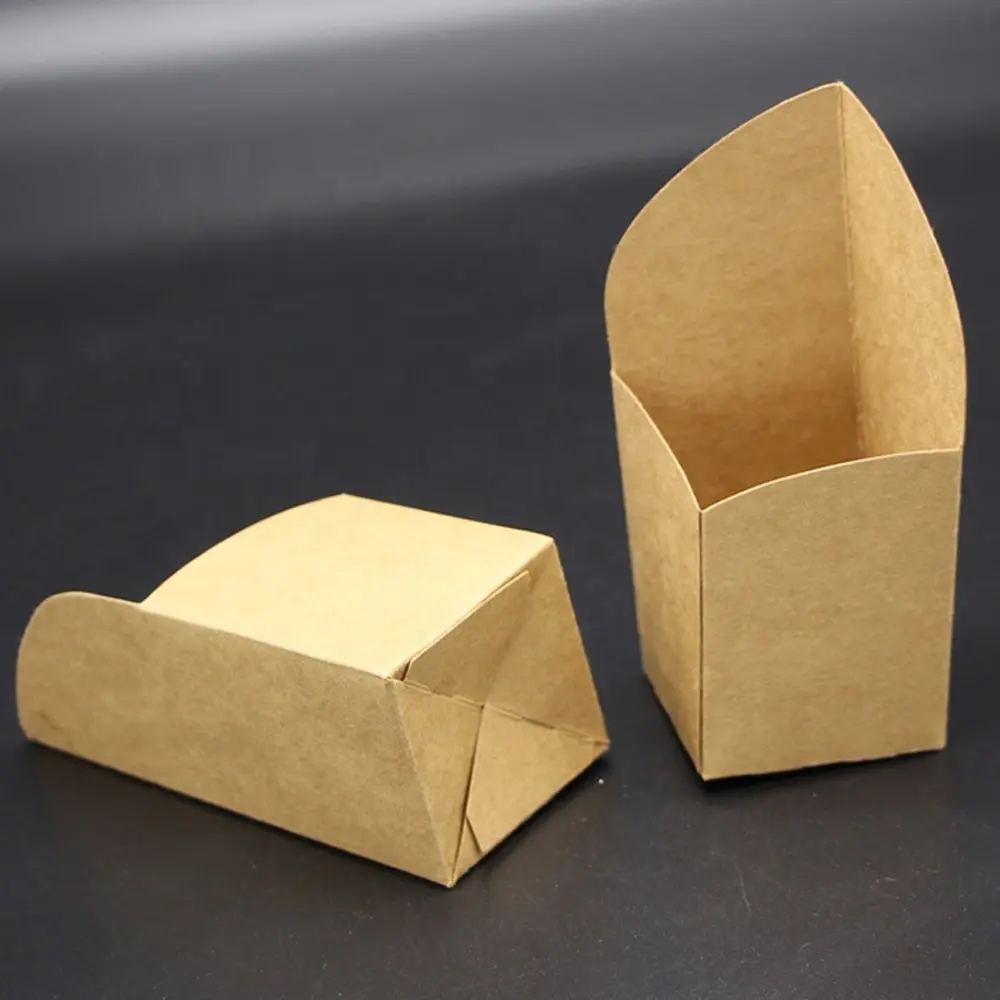
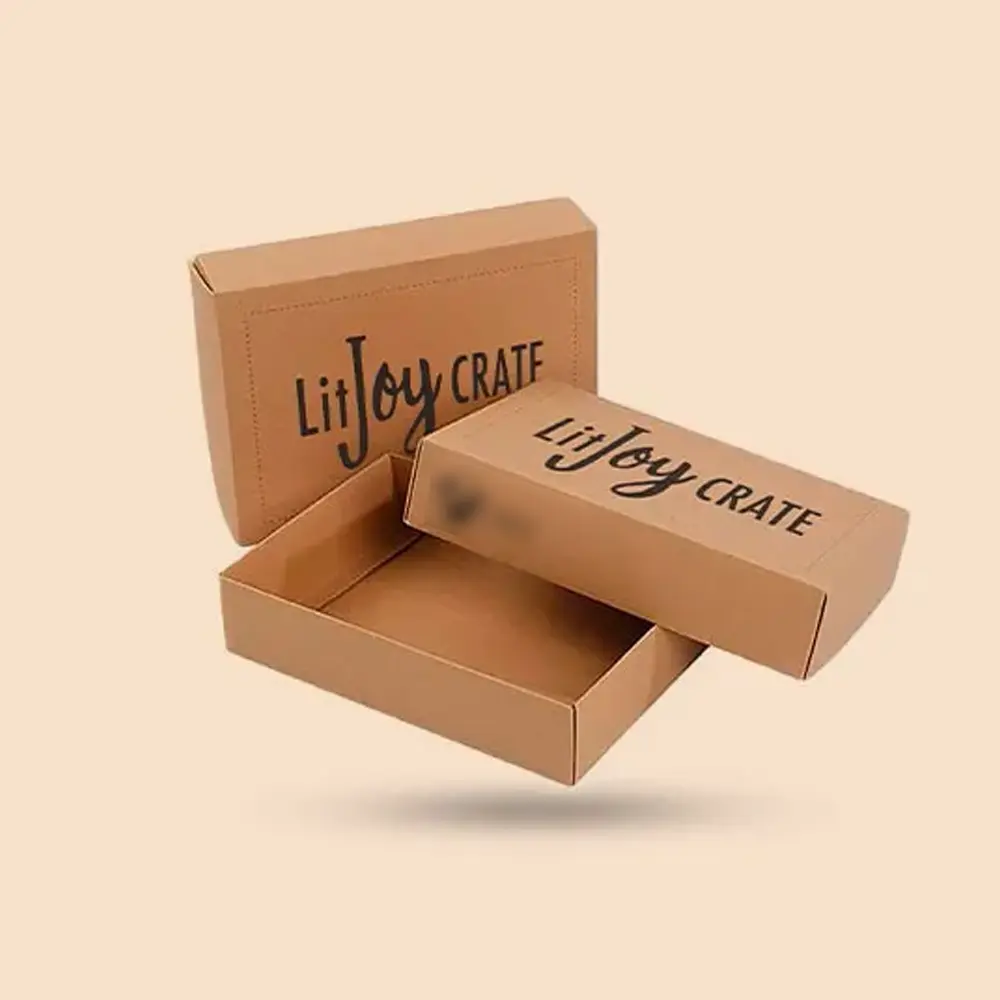
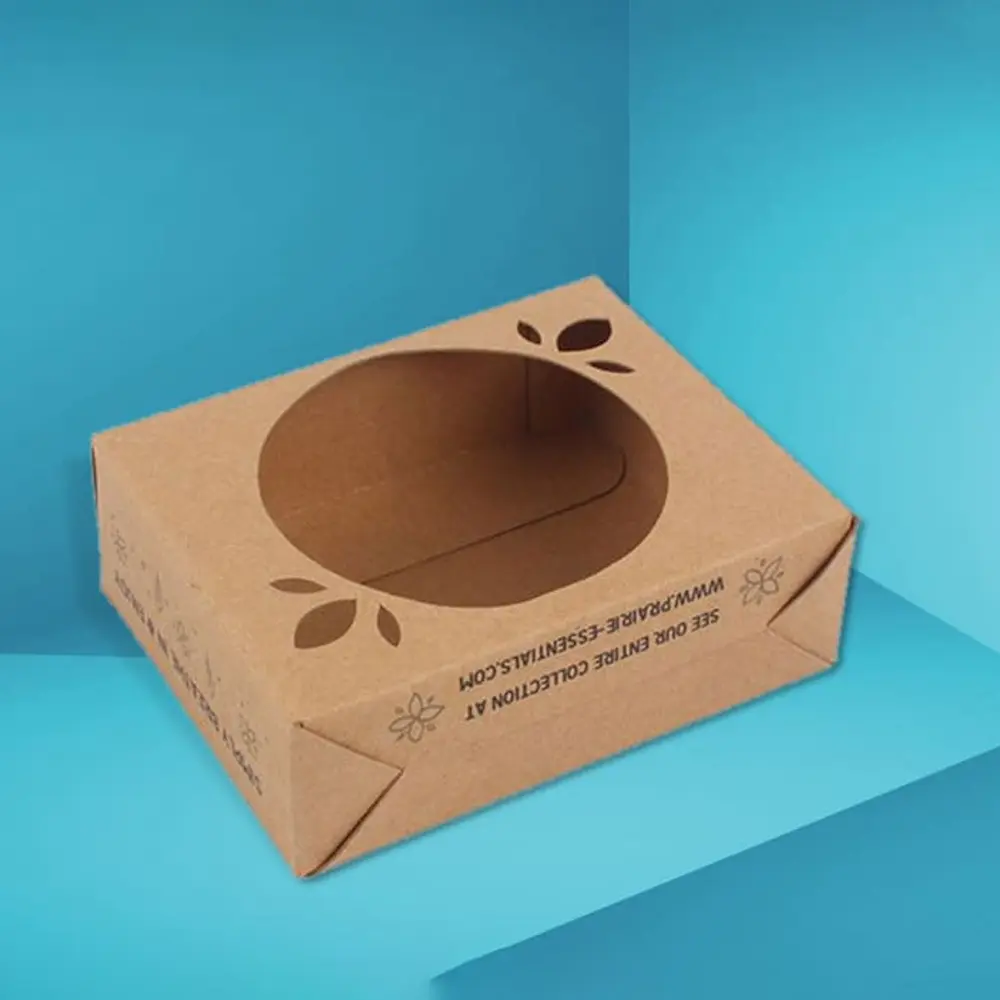
Kraft packaging is popular among brands looking for natural and eco-friendly aesthetics. It is durable, recyclable, and widely used for compostable packaging boxes.
Each material offers different advantages depending on the product type, shipping requirements, and environmental goals.
Certifications help businesses and consumers verify that packaging meets recognized environmental standards.
The Forest Stewardship Council (FSC) certification ensures that paper and cardboard materials come from responsibly managed forests.
BPI Certification
The Biodegradable Products Institute (BPI) certifies compostable packaging products that meet specific composting standards.
This certification evaluates products based on environmental safety, material reuse, renewable energy use, and water stewardship.

The How2Recycle label helps consumers understand how to properly recycle packaging materials.
Using certified materials strengthens consumer trust and demonstrates genuine sustainability efforts.
Modern consumers increasingly prioritize environmental responsibility when choosing products. Surveys consistently show that many buyers prefer brands that adopt eco packaging solutions.
Key expectations include:
Consumers are also becoming more aware of “greenwashing,” where brands falsely claim environmental benefits. Clear labeling and verified certifications help businesses maintain credibility.
One of the biggest concerns businesses have about sustainable packaging is cost. Eco-friendly materials sometimes have higher initial prices compared to conventional packaging.
However, the long-term benefits often outweigh these costs.
Brands that prioritize sustainability often build stronger customer loyalty and positive brand perception.
As consumers demand environmentally responsible products, sustainable packaging can help attract new customers.
Many regions are introducing regulations that limit plastic waste and encourage recyclable packaging. Adopting sustainable materials early helps businesses stay compliant.

Lightweight materials, efficient designs, and recyclable packaging can reduce shipping costs and waste management expenses.
In many cases, sustainable packaging becomes both an environmental and economic advantage.
Businesses transitioning to eco-friendly packaging can follow several practical strategies.
Minimizing packaging dimensions reduces material use and shipping weight.
Using one recyclable material simplifies recycling processes and reduces contamination.
Materials derived from plants or recycled fibers help reduce dependence on fossil fuels.
Clear instructions on how to recycle or compost packaging encourage responsible disposal.
These steps help brands build effective and credible sustainability strategies.
Innovation continues to drive the development of new eco packaging solutions. Researchers and manufacturers are exploring alternatives such as seaweed packaging, mushroom-based materials, and advanced biodegradable polymers.
Technology is also improving recycling systems and packaging design processes, allowing companies to create packaging that is both environmentally responsible and commercially practical.
As sustainability becomes a global priority, packaging will continue evolving to support circular economies and reduced environmental impact.
Sustainable packaging is no longer just a trend—it is becoming an essential part of responsible business practices. By choosing biodegradable packaging, recyclable packaging materials, and compostable packaging boxes, businesses can significantly reduce their environmental footprint.
While eco-friendly packaging may require thoughtful planning and investment, the benefits extend far beyond cost savings. Brands that adopt sustainable practices build stronger customer trust, improve brand reputation, and contribute to a healthier planet.
Ultimately, the shift toward sustainable packaging reflects a broader commitment to innovation, responsibility, and long-term environmental stewardship.

What is sustainable packaging?
Sustainable packaging uses eco-friendly materials and processes that reduce environmental impact and support recycling, reuse, or composting.
What materials are used in biodegradable packaging?
Biodegradable packaging is commonly made from plant fibers, cornstarch, kraft paper, and other natural materials that break down naturally.
Are compostable packaging boxes better than recyclable ones?
Compostable boxes decompose into organic matter, while recyclable packaging is processed to create new products; both reduce waste in different ways.
Why do businesses choose eco packaging solutions?
Businesses adopt eco packaging to reduce environmental impact, meet consumer expectations, and improve brand reputation.
Is sustainable packaging more expensive?
Eco-friendly packaging can cost more initially, but it often provides long-term benefits through brand trust and reduced environmental impact.