By Rai Haider
July 29, 2026
Embossing Packaging: The Complete Guide to Premium Raised Finishes for Luxury Product Boxes
Packaging is often the first physical interaction a customer has with a brand. Before the product is opened, the texture, appearance, and overall feel of the box already communicate a message about quality and value. Among the many premium finishing techniques used in modern packaging, embossing packaging remains one of the most effective ways to create a luxurious and memorable impression.
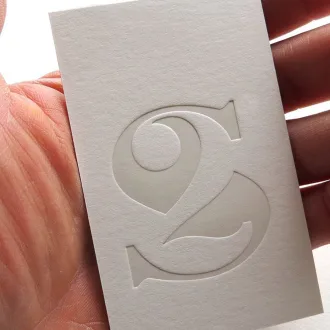
Embossing adds a raised, three-dimensional effect to selected areas of a package, allowing logos, patterns, and text to stand out both visually and physically. Unlike standard printing, embossing engages the sense of touch, making packaging feel more sophisticated and carefully crafted.
From cosmetics and perfumes to electronics, jewellery, chocolates, and high-end retail products, embossed packaging helps brands create stronger shelf appeal and reinforce premium positioning. This guide explains how embossing works, its benefits, applications, design considerations, and why it continues to be a preferred finish for luxury packaging.
What Is Embossing in Packaging?
Embossing is a finishing process that creates a raised design on the surface of packaging materials. A custom metal die and counter-die are used to press the material from both sides, pushing specific areas upward to form a three-dimensional effect. The raised design can be subtle or highly pronounced depending on the depth of the emboss and the thickness of the packaging material. Embossing is commonly applied to:
- Custom packaging boxes
- Rigid boxes
- Folding cartons
- Cosmetic packaging
- Gift boxes
- Luxury retail packaging
- Labels and sleeves
Because embossing physically changes the surface of the package, it creates a premium tactile experience that printing alone cannot achieve.
How the Embossing Process Works
The embossing process begins with the creation of a custom metal die that contains the desired artwork. A matching counter-die is then produced to support the material during pressing.
The packaging sheet is placed between the two dies, and pressure is applied. This pressure reshapes the paperboard or packaging material, creating a raised impression on the front surface. Embossing can be performed as a blind finish, where no ink or foil is added, or it can be combined with other techniques such as foil stamping, spot UV, or printing to create even more striking effects.The precision of the die and the quality of the material are critical for achieving clean, sharp embossing results.
Why Brands Choose Embossing Packaging
Premium brands invest in packaging finishes because they influence customer perception. Embossing is particularly valuable because it adds dimension without relying on excessive colour or graphics. A raised logo or pattern immediately feels more refined than a flat printed surface. Customers often associate embossed packaging with craftsmanship, exclusivity, and attention to detail. Embossing is also versatile. It can support minimalist luxury designs, classic elegant packaging, or modern premium branding depending on how it is used.
Key Benefits of Embossing Packaging
- Creates a Premium Tactile Experience
One of the biggest advantages of embossing is that customers can feel the design. The raised texture makes packaging more interactive and memorable, which is especially important for luxury and gift products.
- Enhances Brand Recognition
Embossed logos and brand names stand out visually and physically, making them easier for customers to notice and remember. Consistent embossed branding across product lines strengthens overall brand identity.
- Improves Shelf Appeal
In retail environments, embossed packaging catches light differently from flat surfaces, creating subtle shadows and highlights that add depth and sophistication.
- Works Beautifully with Minimalist Designs
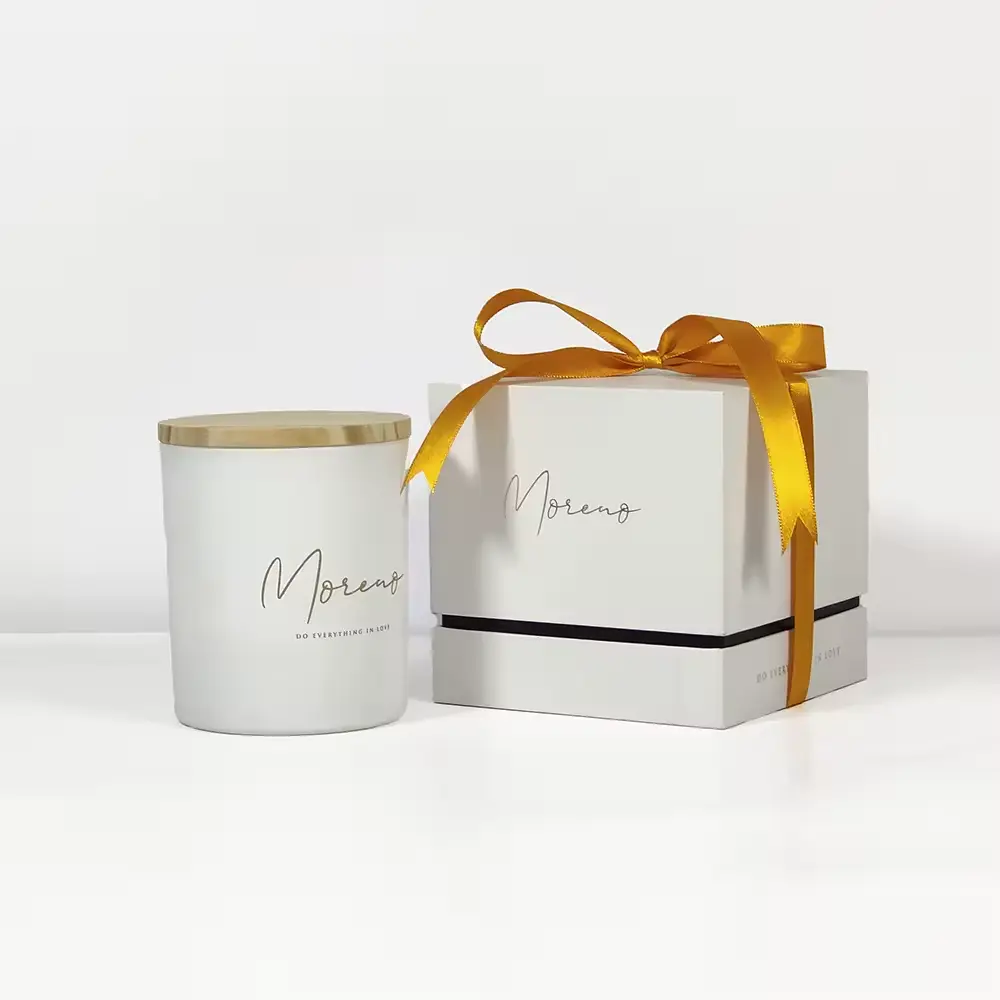
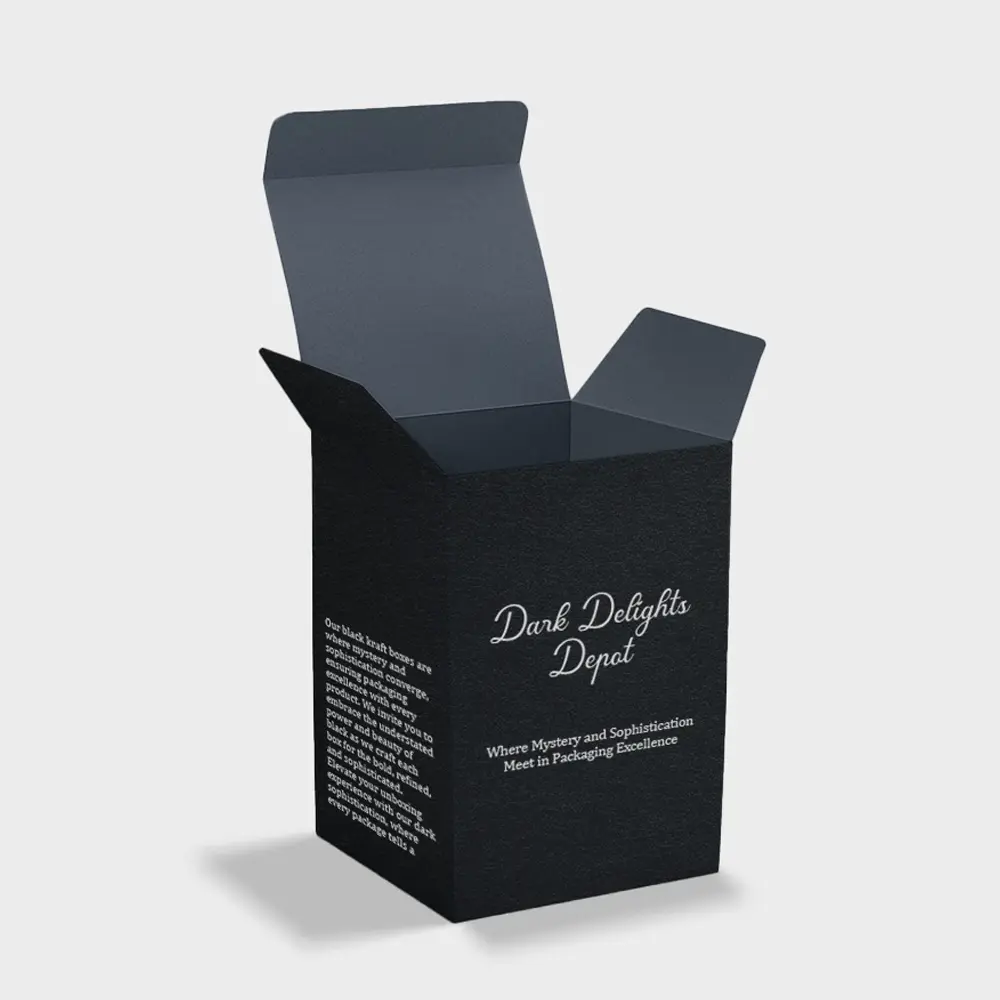
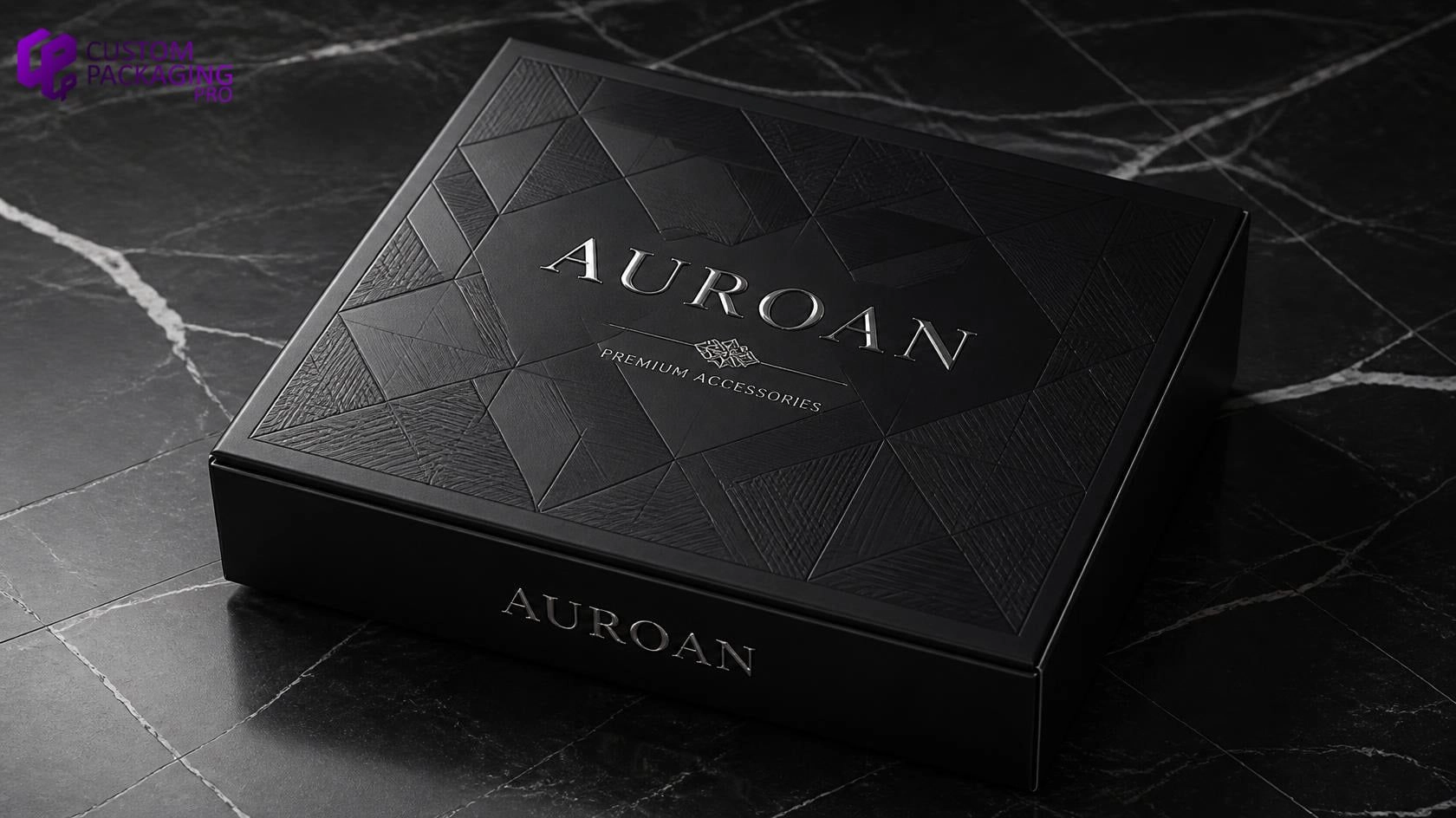
Embossing allows brands to create high-end packaging without overcrowding the design. A simple embossed logo on a matte box can often appear more luxurious than a heavily printed package.
- Adds Perceived Product Value
Customers frequently associate textured, dimensional packaging with higher-quality products. This can support premium pricing and improve the overall perception of the brand.
Types of Embossing Used in Packaging
- Blind Embossing
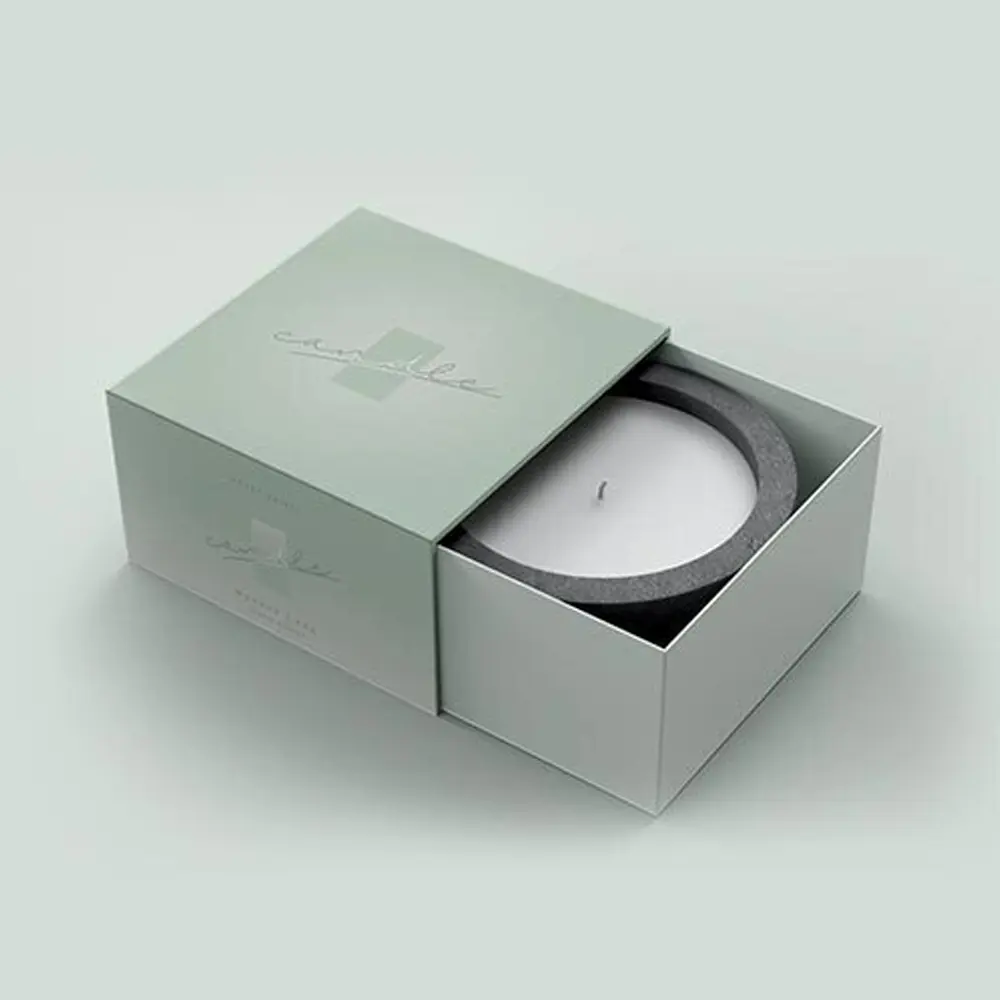
Blind embossing creates a raised effect without any ink or foil. The design relies entirely on light and shadow, making it ideal for elegant and understated packaging.
- Registered Embossing
Registered embossing aligns the raised effect with printed artwork, allowing colours and textures to work together for a more detailed design.
- Combination Embossing
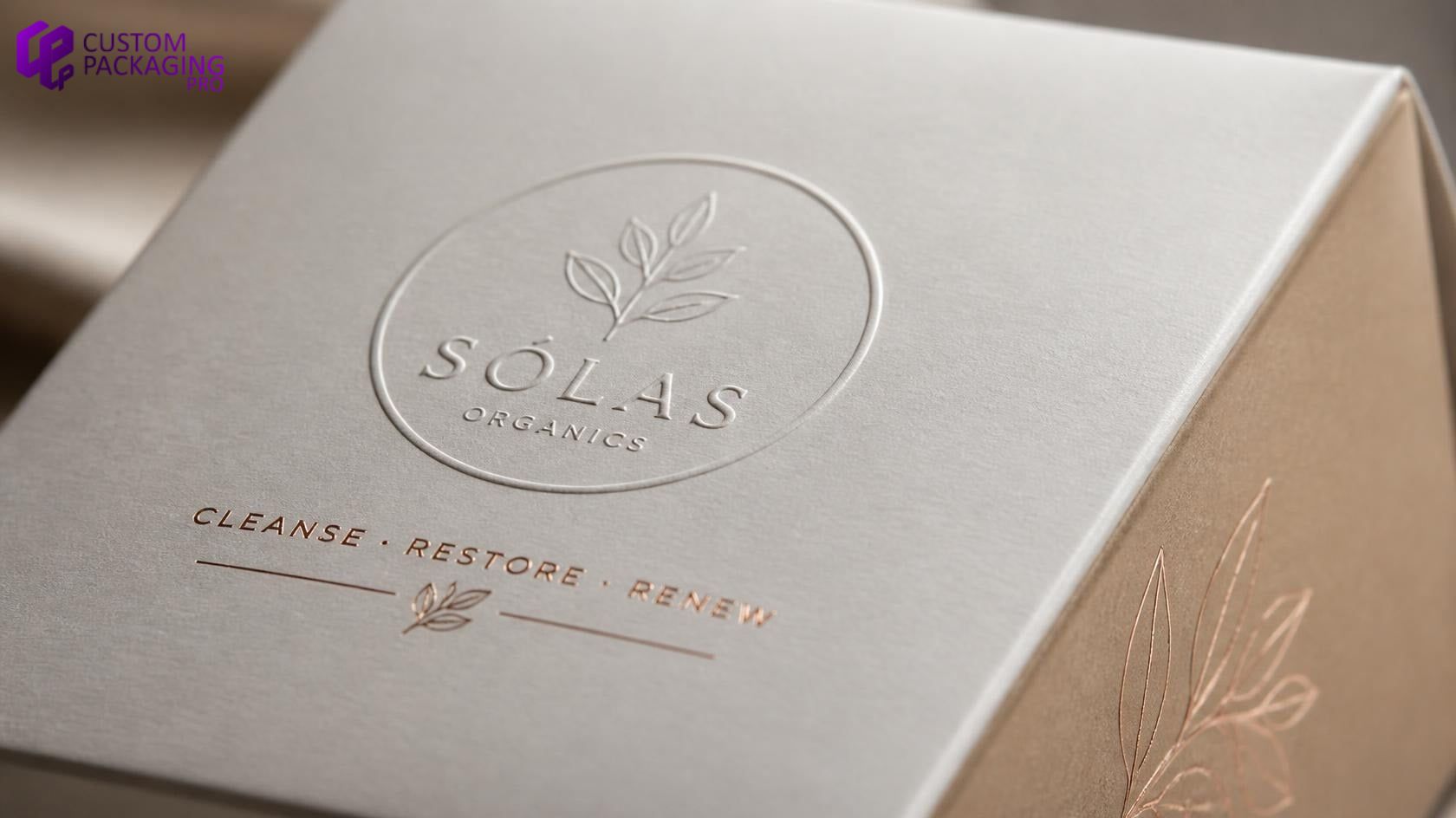
This technique combines embossing with foil stamping in a single operation, producing a raised metallic effect that is commonly used for luxury packaging.
- Multi-Level Embossing
Multi-level embossing creates different heights within the same design, adding depth and complexity to intricate artwork or logos.
Embossing vs Debossing: Understanding the Difference
Although the two techniques are related, they create opposite effects.
| Feature |
Embossing |
Debossing |
| Surface Effect |
Raised upward |
Pressed inward |
| Tactile Feel |
Elevated texture |
Indented texture |
| Visual Style |
Bold and prominent |
Subtle and refined |
| Common Use |
Logos, titles, patterns |
Minimalist branding |
Many premium packaging projects use both techniques together to create sophisticated layered effects.
Best Packaging Materials for Embossing
Embossing works best on materials that have enough thickness and flexibility to hold the raised shape.
- Rigid Board
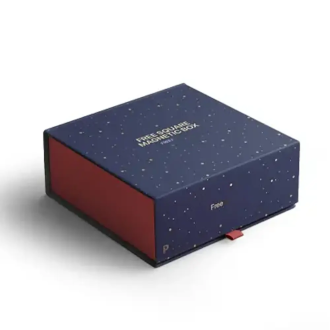
Rigid boxes provide excellent embossing results because the thick material supports deep, well-defined impressions.
- Coated Paperboard
Smooth coated paperboard produces sharp embossing details and is commonly used for retail cartons and cosmetic packaging.
- Kraft Paper
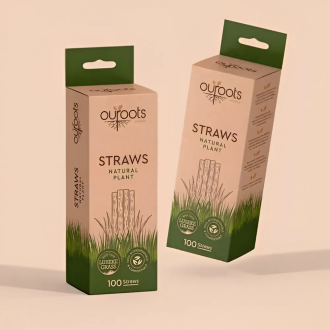
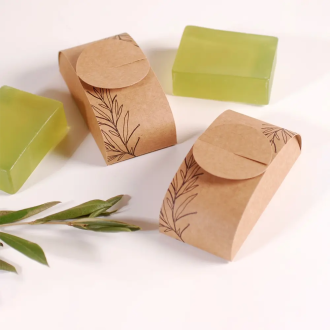
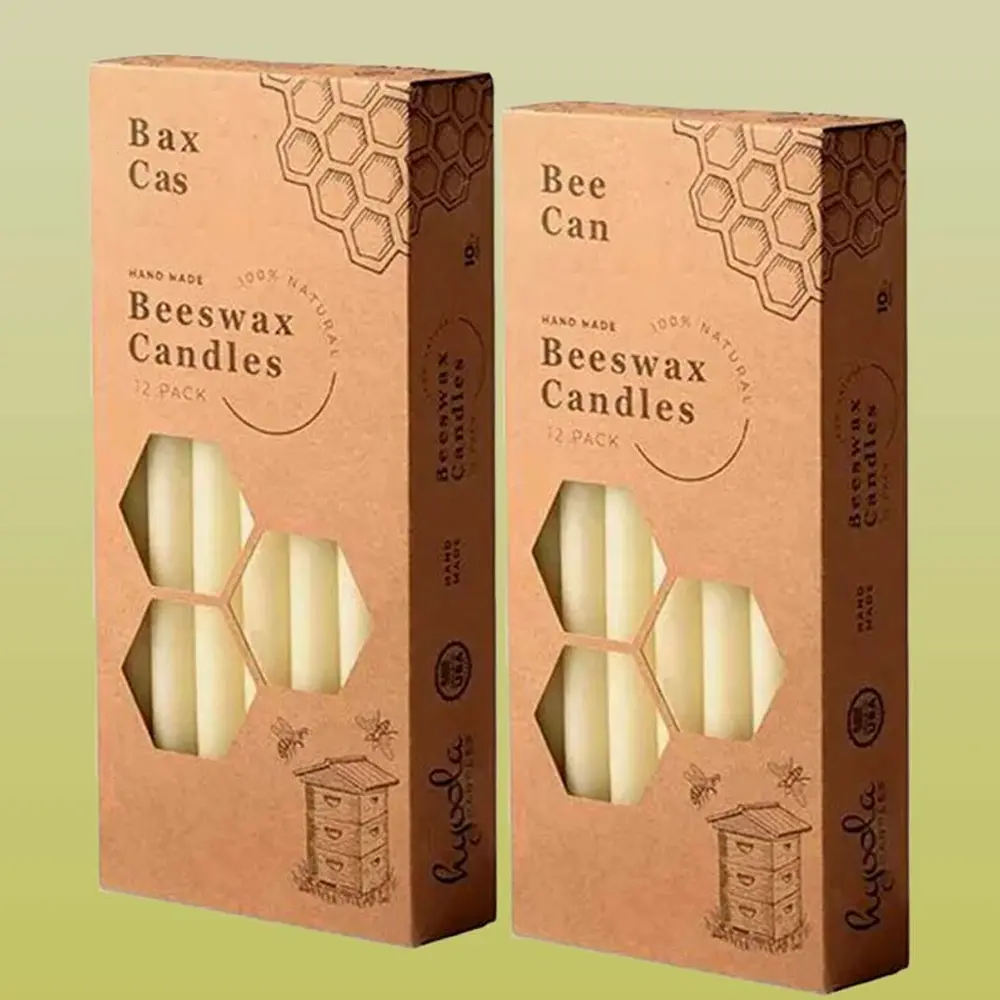
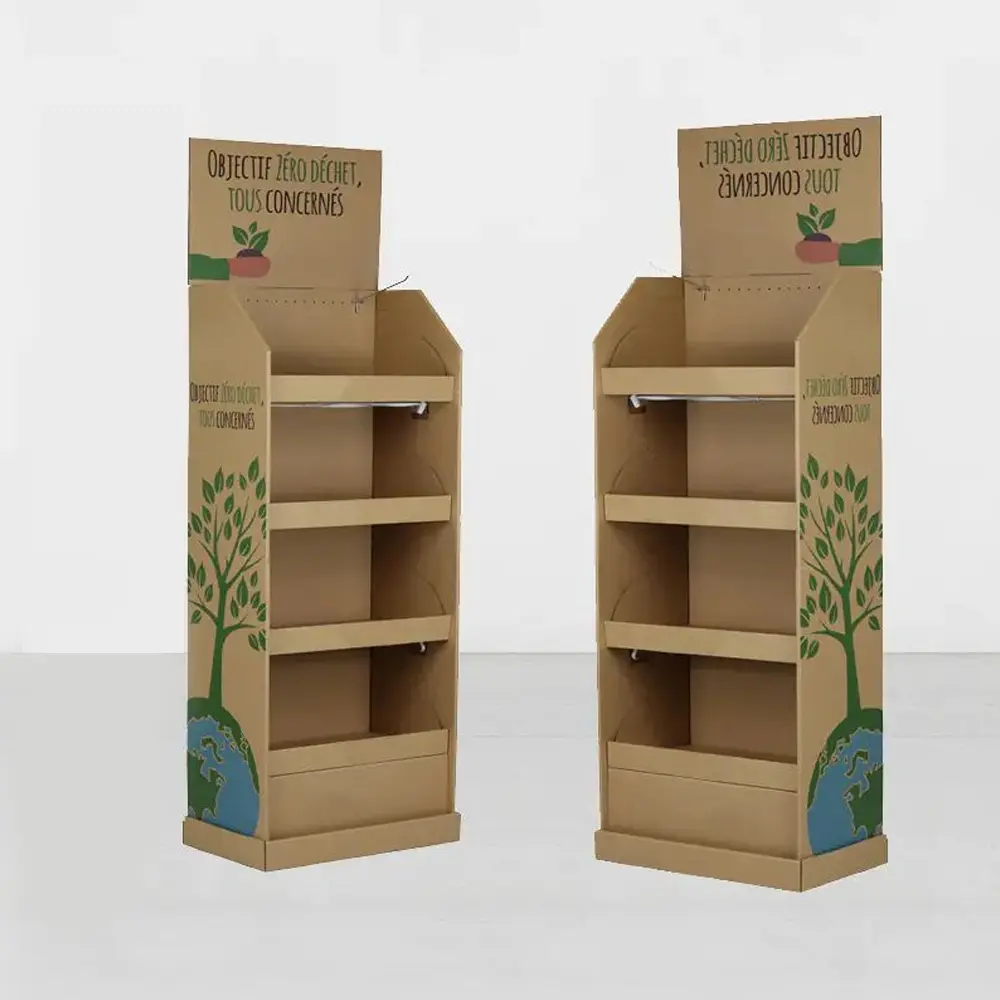
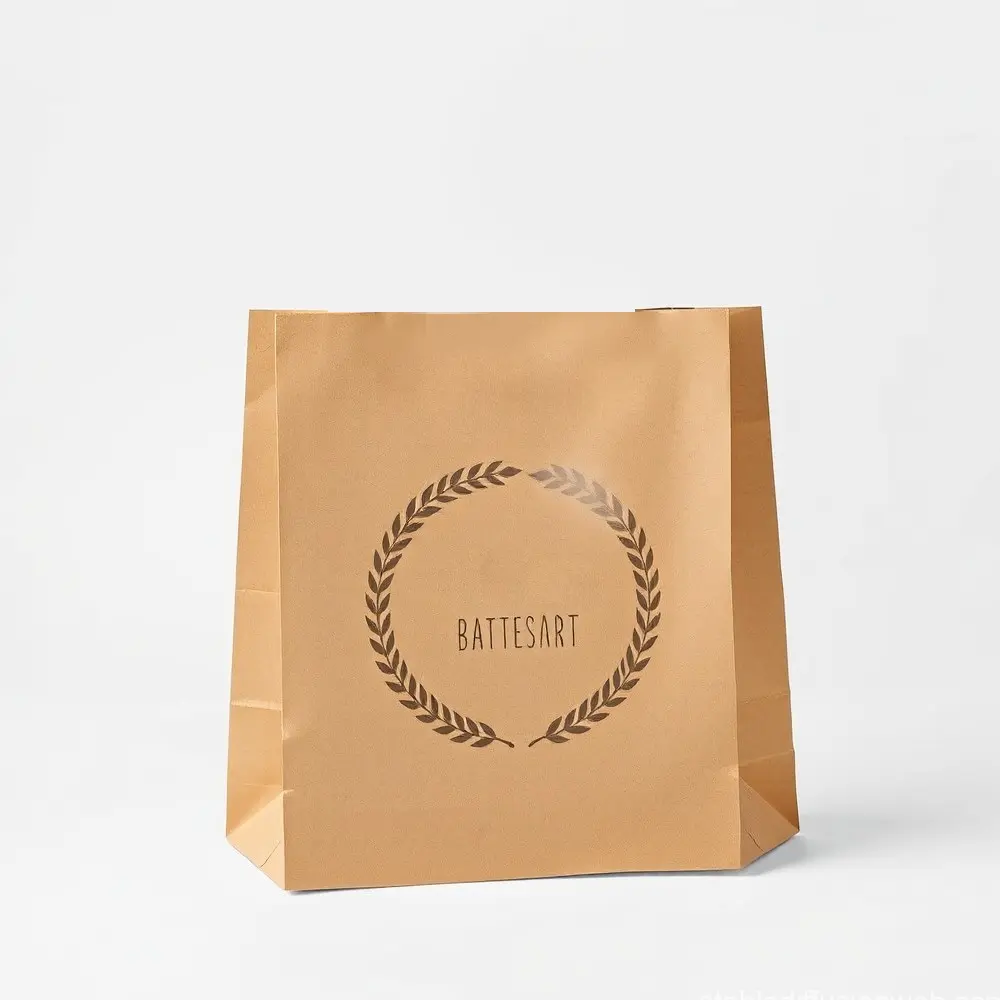
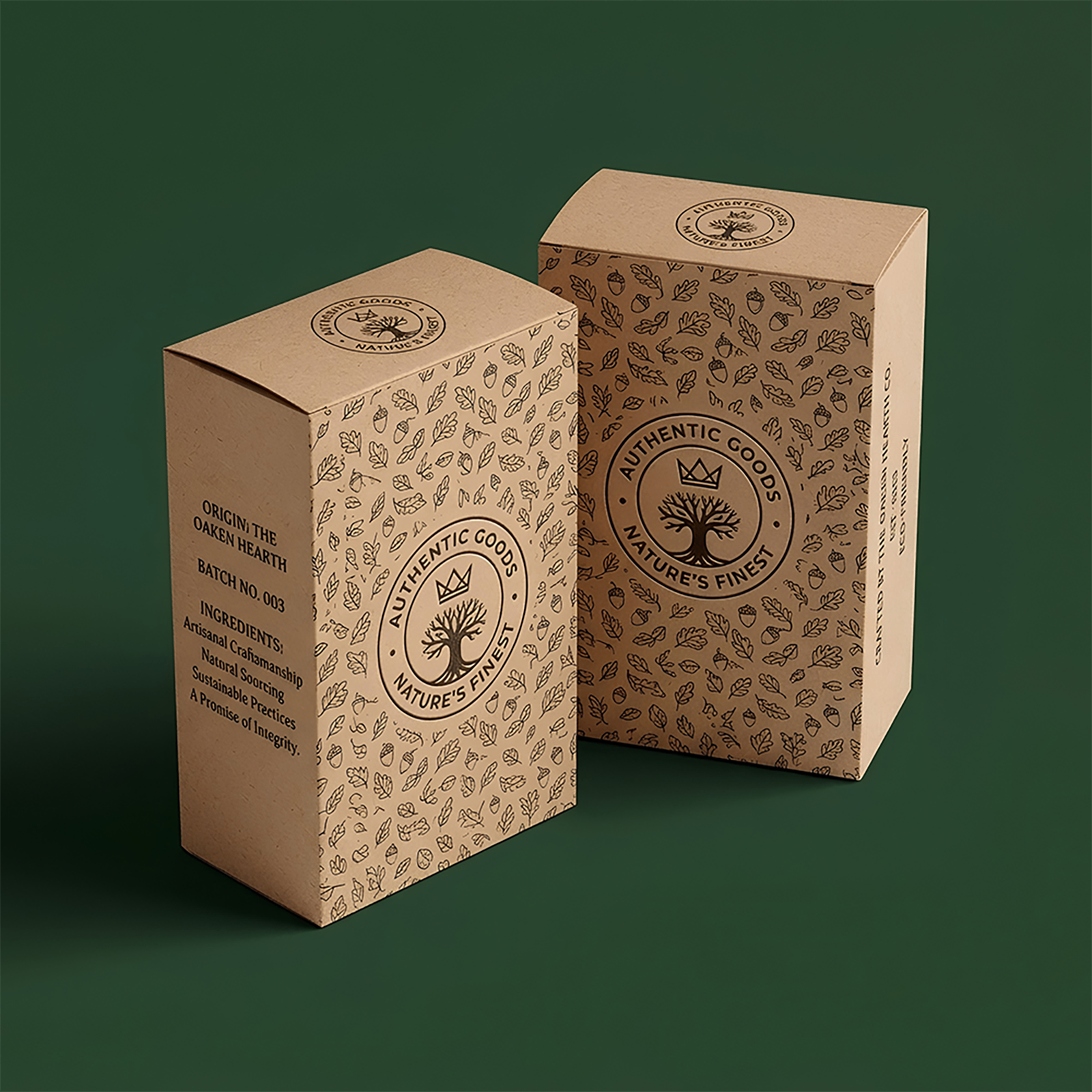
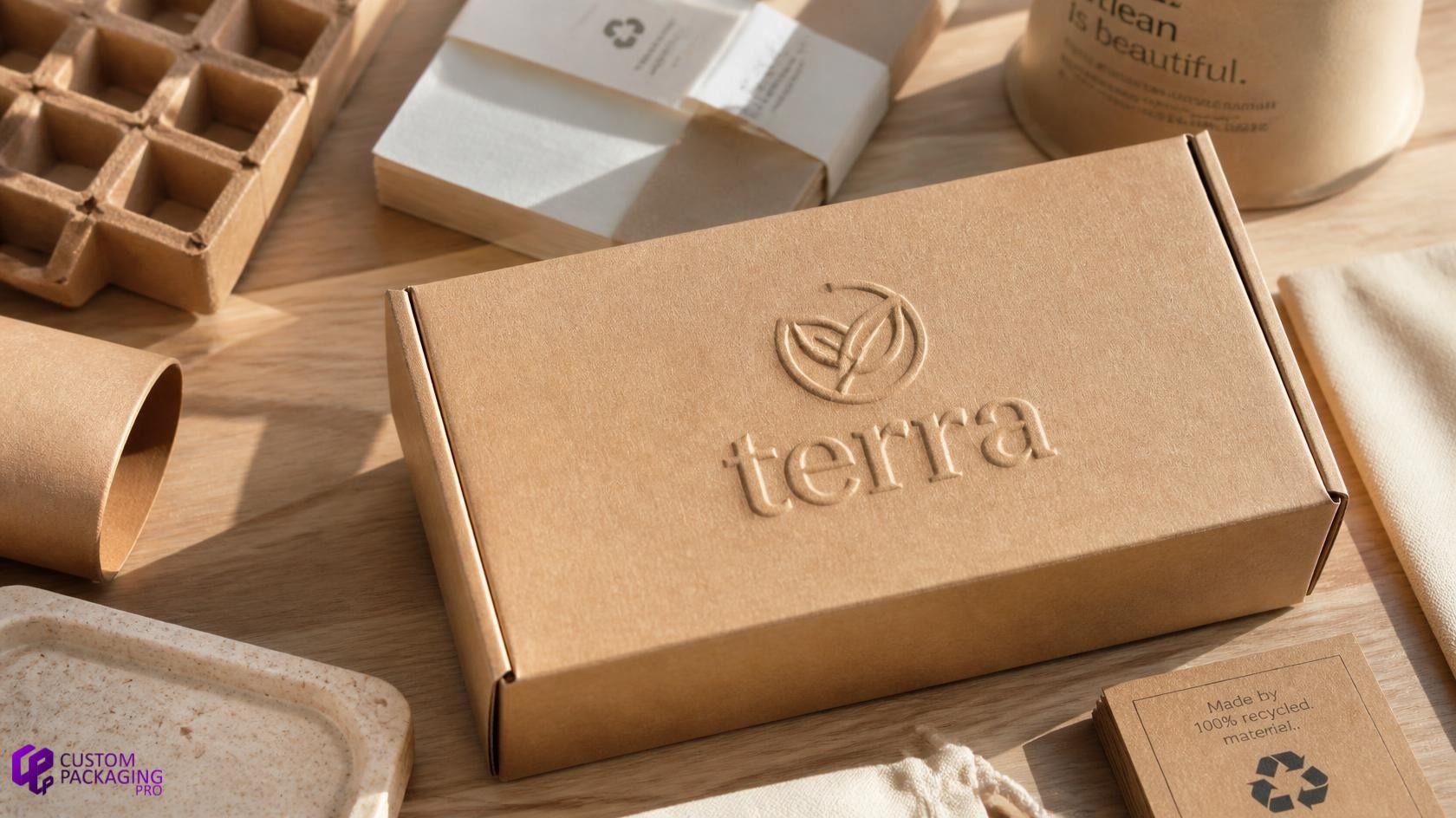
Kraft packaging can be embossed to create a natural yet premium appearance, especially for organic and sustainable brands.
- Textured Specialty Papers
Specialty papers add an additional tactile dimension, though very deep textures may reduce embossing sharpness.
Eco-Friendly Embossing: Sustainable Luxury Solutions for Modern Brands
As consumer demand for environmentally responsible packaging continues to rise, luxury brands are searching for sustainable alternatives to traditional plastic laminates and synthetic foils. Embossing offers a uniquely eco-friendly solution for creating high-end packaging. Because blind embossing alters the physical structure of paperboard using heat and mechanical pressure alone, it delivers a striking 3D aesthetic without introducing non-recyclable chemical coatings or metallic plastics.
Environmental advantages of sustainable embossed packaging:
- 100% Recyclability: Blind-embossed kraft paperboard and uncoated paper stocks remain fully curbside recyclable, avoiding the sorting issues caused by heavy plastic lamination films.
- Biodegradable Materials: Combining embossing with unbleached FSC-certified kraft board creates an organic, earth-friendly package that naturally decomposes in municipal composting facilities.
- Non-Toxic Printing Inks: Pair textured embossing with soy-based or water-based inks to eliminate volatile organic compounds (VOCs) during the manufacturing process.
- Reduced Plastic Waste: The physical texture of an embossed logo creates high visual contrast on plain paperboard, reducing the need for plastic void fills or glossy synthetic wrappers.
Adopting eco-friendly embossed packaging allows conscious brands to communicate environmental stewardship while maintaining a high-end, sophisticated market presence. Using FSC-certified recycled stocks adorned with crisp, raised typography proves to consumers that luxury presentation and sustainability can coexist seamlessly. Highlighting your commitment to green packaging practices on exterior box panels builds brand authenticity, increases customer retention, and appeals directly to eco-conscious demographics in competitive markets.
Industries That Benefit Most from Embossed Packaging
- Cosmetics and Skincare
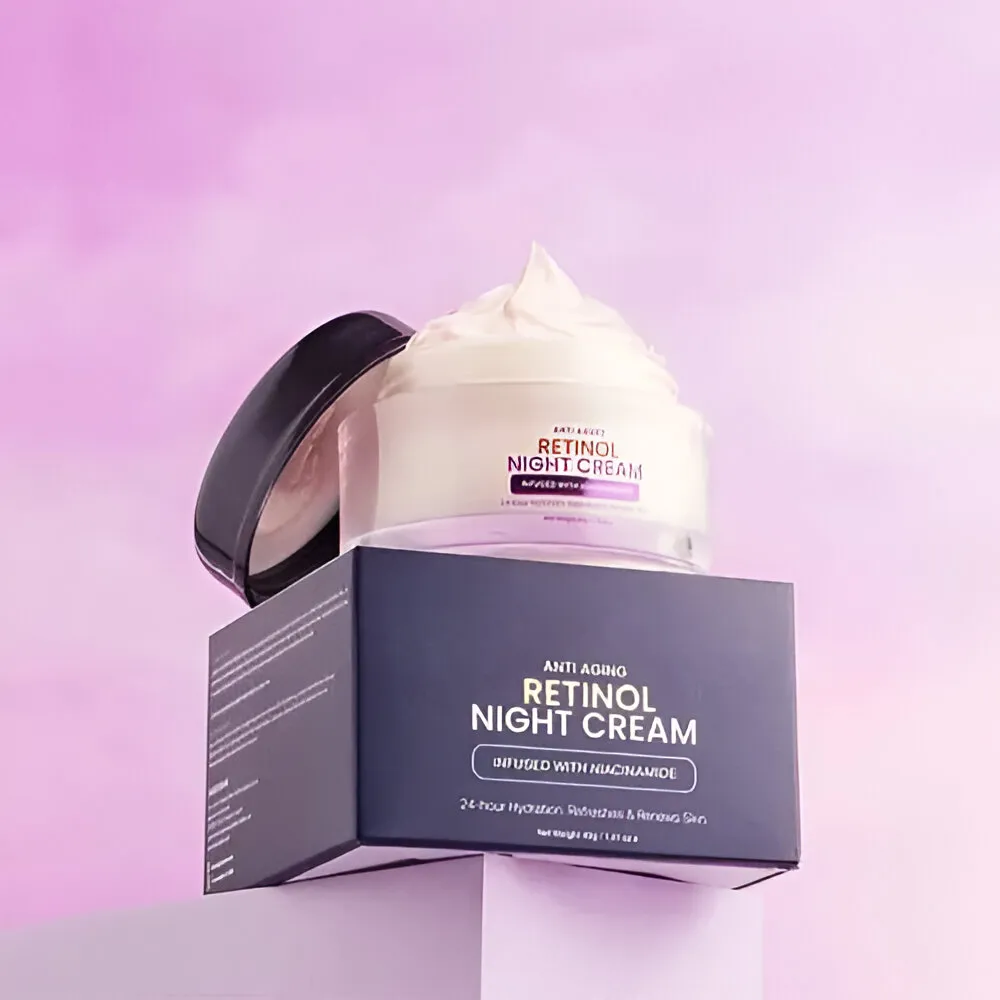
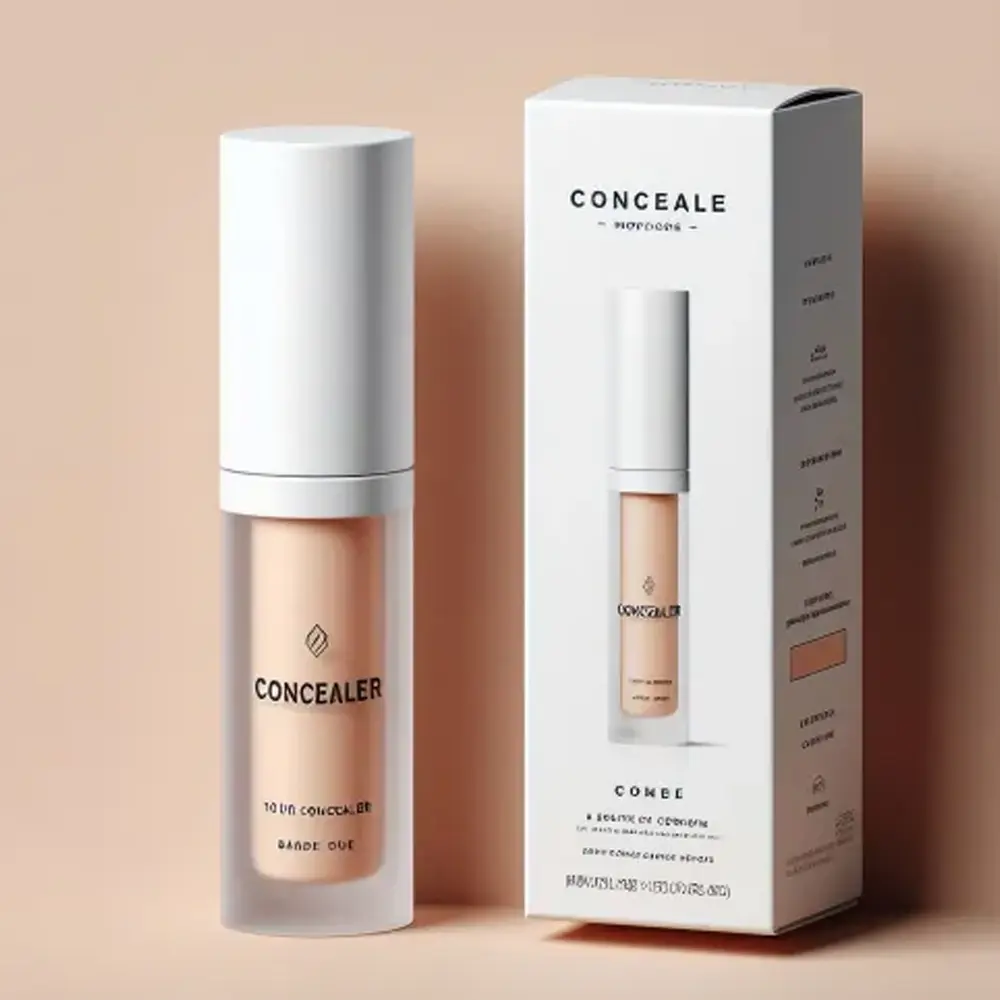
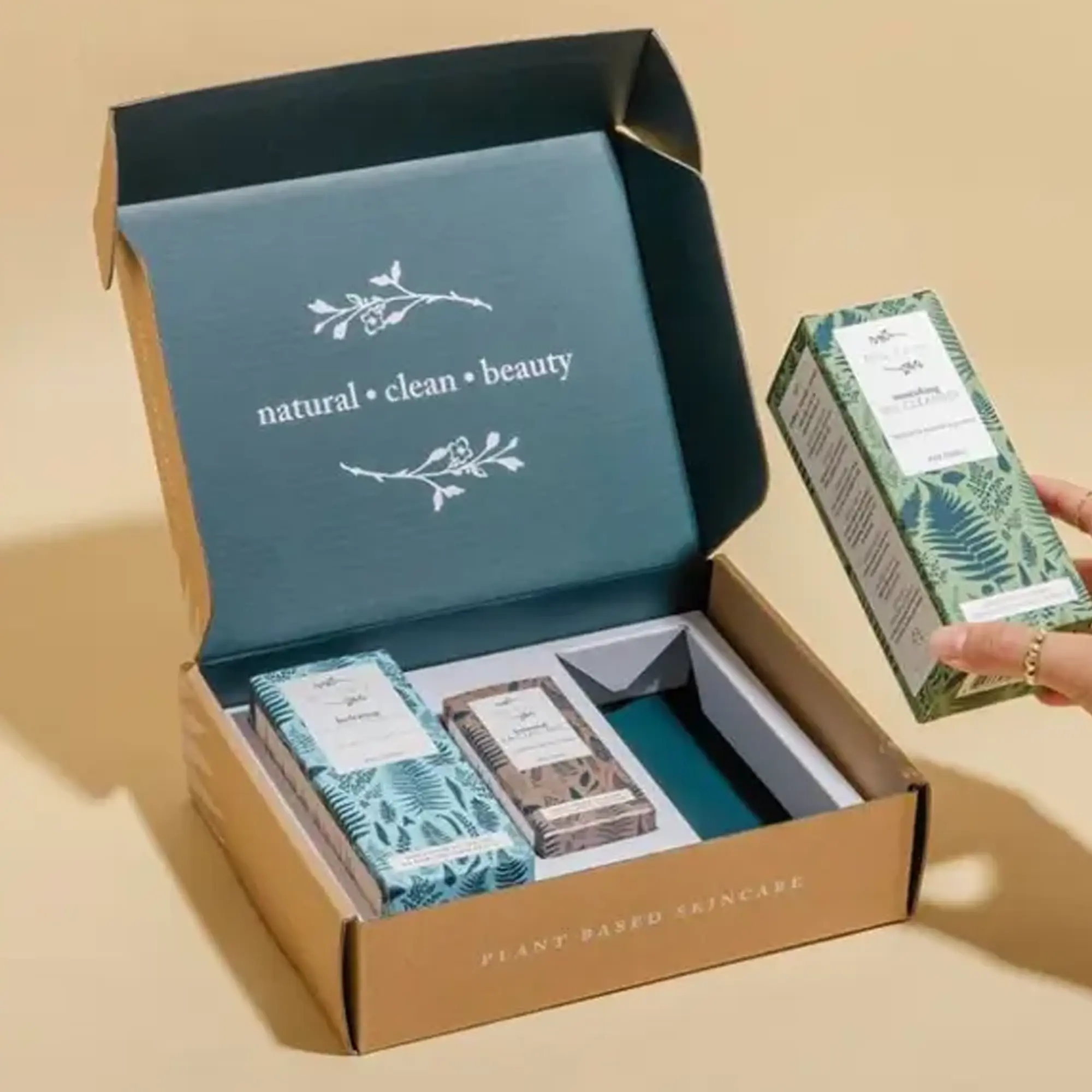
Embossed logos and patterns enhance the luxurious feel of beauty packaging and help products stand out in competitive retail environments.
- Jewellery and Watches
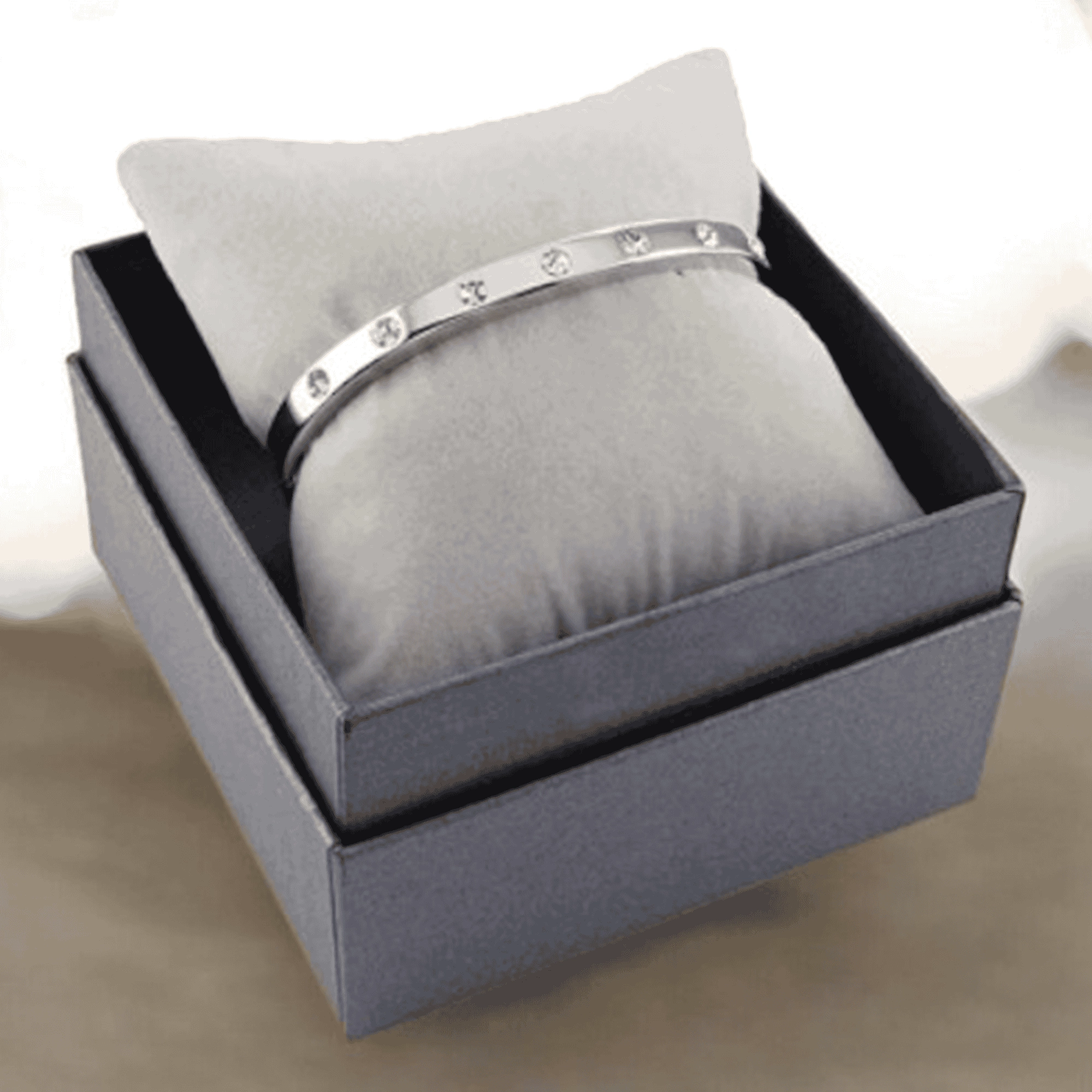
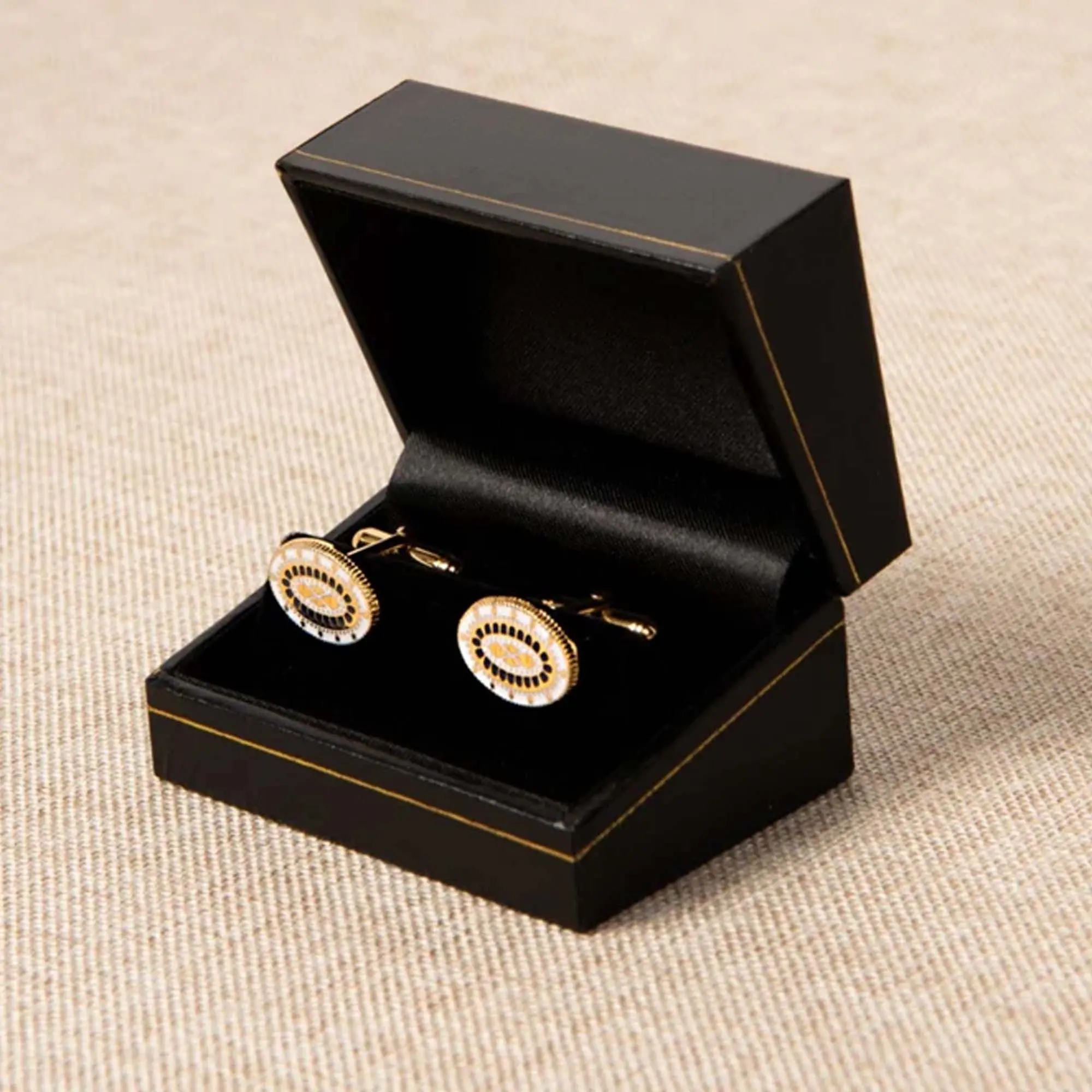
High-value products benefit from embossed rigid boxes that communicate elegance and craftsmanship.
- Premium Food and Confectionery
Chocolates, tea, coffee, and gourmet products often use embossing to create gift-worthy packaging.
- Electronics
Minimalist electronics brands frequently use subtle embossing to add sophistication without cluttering the design.
- Fashion and Accessories
Embossed shopping bags, boxes, and presentation packaging reinforce premium brand positioning.
Combining Embossing with Other Packaging Finishes
Embossing becomes even more powerful when paired with complementary finishes.
- Embossing and Foil Stamping
A raised metallic logo is one of the most popular luxury packaging combinations.
- Embossing and Matte Lamination
The contrast between a soft matte surface and a raised design creates a sophisticated tactile effect.
- Embossing and Spot UV
Glossy raised areas on a matte background add both texture and visual contrast.
These combinations help brands create packaging that feels truly premium and distinctive.
Design Tips for Effective Embossing
Successful embossing depends on thoughtful design rather than excessive decoration. Keep important elements such as logos and product names relatively simple. Avoid extremely fine lines or tiny text that may lose clarity during embossing. Use sufficient spacing around embossed areas to allow the raised effect to stand out. Testing the design on the actual packaging material is also important, as different boards respond differently to pressure and depth.
Artwork and File Preparation Guidelines for Flawless Custom Embossing
Achieving crisp, high-definition embossed packaging requires precise prepress artwork preparation. Unlike standard 2D offset or digital printing, embossing physical paperboard relies on physical die clearance and material tolerance. Properly formatting vector files ensures that custom metal dies execute intricate artwork, fine lines, and logos without tearing paper fibers or blurring structural details during high-pressure press runs.
Essential artwork preparation steps for custom embossing dies:
- Use Pure Vector Artwork: Submit all die-line artwork in clean vector formats (such as Adobe Illustrator EPS or AI) rather than raster images to guarantee sharp CNC die carving.
- Maintain Minimum Line Thickness: Keep line weights at a minimum of 0.5pt to 1pt. Extremely thin strokes may fail to push paperboard fibers upward evenly, resulting in faint or shallow impressions.
- Incorporate Proper Text Kerning: Apply generous spacing between letters in embossed typography to prevent adjacent raised paper surfaces from overlapping or collapsing under die pressure.
- Separate Die Spot Colors: Place embossing elements on a separate dedicated artwork layer labeled as a vector spot color to streamline counter-die manufacturing.
Before launching full wholesale production runs, structural packaging designers recommend creating 3D digital renderings or ordering physical press proofs. Reviewing physical prototypes helps evaluate die depth, paperboard flexibility, and registration alignment on your selected stock. Following these prepress standards minimizes production delays, eliminates costly die re-engraving fees, and guarantees that your custom embossed packaging meets luxury retail standards.
Cost Factors in Custom Embossing: How to Optimize Your Packaging Budget
Understanding the financial variables of custom embossing allows retail brands to achieve high-end visual appeal without exceeding packaging budgets. While embossing adds a premium finish, manufacturing costs depend heavily on structural die creation, material thickness, and production volumes. Evaluating these key variables upfront ensures that your packaging investments deliver maximum return on investment (ROI) across retail and e-commerce channels.
Primary cost drivers for embossed packaging projects:
- Custom Die Fabrication: Initial tooling fees depend on die complexity. Single-level brass or magnesium dies are cost-effective for standard logos, whereas multi-level CNC-sculpted dies require higher upfront engineering investments.
- Packaging Material Selection: Thicker paperboard and high-density rigid boards require higher press pressures and specialized calibration, which can slightly increase unit production costs compared to thin folding cartons.
- Production Order Volume: Because die creation represents a fixed setup cost, scaling your order to wholesale quantities significantly reduces the per-unit cost of custom embossing.
- Secondary Finishing Passes: Combining embossing with registered hot foil stamping or spot UV varnish requires multi-stage manufacturing passes, which increases labor and setup overhead.
To optimize packaging expenditures, e-commerce businesses should plan seasonal production runs in bulk. Ordering custom embossed boxes in larger volume tiers lowers freight overhead and minimizes per-unit manufacturing costs. Furthermore, utilizing standardized box dimensions across multiple product lines allows you to reuse a single custom embossing die across different box sizes. Partnering with experienced structural packaging engineers ensures your die artwork is optimized for high-speed automated runs, eliminating material waste and guaranteeing consistent depth across thousands of retail units.
Is Embossing Worth the Additional Cost?
Embossing is more expensive than standard printing because it requires custom dies and an additional finishing process. However, for premium products, the increased perceived value often justifies the investment. Brands selling luxury goods, gifts, cosmetics, or high-end retail products frequently find that embossed packaging strengthens customer perception and supports premium pricing. For budget-oriented products, simpler finishes may provide better cost efficiency.
Common Mistakes to Avoid with Embossed Packaging
Over-embossing large areas can weaken the material and reduce elegance. Using overly complex artwork may result in unclear raised details. Choosing thin packaging material can also limit embossing depth and durability. Another common mistake is combining too many premium finishes, which can make packaging appear busy rather than sophisticated. A balanced approach usually produces the most effective results.
How Custom Packaging Pro Helps Brands Create Premium Embossed Packaging
Creating high-quality embossed packaging requires expertise in structural design, material selection, die production, and finishing techniques.
Custom Packaging Pro helps businesses develop custom packaging boxes with premium embossed finishes that enhance both visual appeal and customer experience. From luxury rigid boxes and cosmetic packaging to retail cartons and gift packaging, the team provides guidance on embossing depth, material compatibility, foil combinations, and overall packaging design. The goal is to create packaging that protects the product while delivering a refined and memorable brand presentation.
Final Thoughts
Embossing packaging is one of the most effective ways to add sophistication, texture, and perceived value to product packaging. By creating a raised three-dimensional effect, embossing transforms ordinary boxes into premium brand experiences that customers can both see and feel. Whether used subtly on a minimalist logo or combined with foil stamping for a dramatic luxury effect, embossing helps products stand out in competitive markets while reinforcing quality and craftsmanship.
When paired with the right materials and thoughtful design, embossed packaging becomes much more than a finishing technique—it becomes a powerful tool for brand differentiation and customer engagement.
FAQs
- What is embossing in packaging?
Embossing is a finishing process that creates a raised design on packaging surfaces using pressure and custom metal dies.
- What is the difference between embossing and debossing?
Embossing raises the design above the surface, while debossing presses the design into the material.
- Which packaging materials are best for embossing?
Rigid board, coated paperboard, kraft paper, and many specialty papers are excellent materials for embossed packaging.
- Can embossing be combined with foil stamping?
Yes. Combination embossing with foil stamping is widely used for luxury packaging because it creates a raised metallic effect.
- Is embossed packaging more expensive than regular packaging?
Yes, embossing adds additional production costs, but it significantly enhances perceived value, brand recognition, and premium presentation.

 Custom Boxes
 Mailer Boxes
 Shipping Boxes
 Display Boxes
 Product Boxes
 Retail Packaging
 Luxury Packaging
 Sustainable Packaging
 Mylar Bags
 Labels & Stickers
 Inserts & Dividers
 Acrylic Signs
 Mylar and Zipper Bags
 Cosmetic Boxes
 Custom Candle Packaging Boxes
 Food and Beverage
 Display Packaging
 Pharma Packaging
 Custom Blister Packaging
 Stand Up Displays
 Kraft Boxes
 Cereal Packaging Boxes
 Bakery Packaging Boxes
 Eco-Friendly Boxes
 Electronics Packaging Boxes
 Custom Vape Boxes & Packaging
 CBD Packaging Boxes
 Rigid & Luxury Packaging Boxes
 Gift Boxes
 Custom Soap Boxes & Packaging
 Metalized Boxes
 Retail Boxes
 Subscription Boxes
 Invitation Boxes
 Corrugated Shipping Boxes
 Matte Finish
 Gloss Finish
 Soft Touch
 Foil Stamping
 Spot UV
 Embossing
 Debossing
 Window Cutouts