By Rai Haider
July 23, 2026
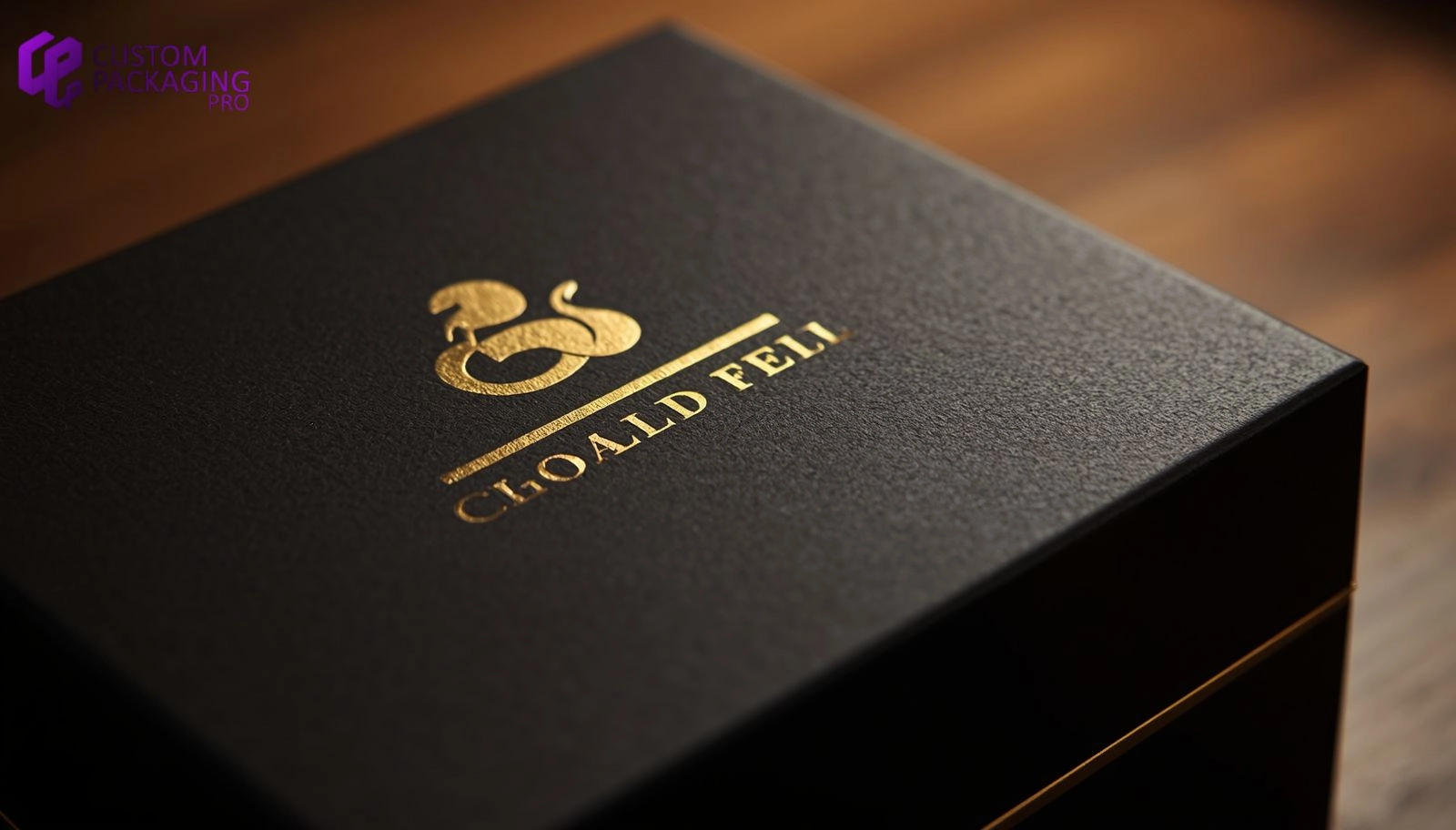
In today's competitive US retail and eCommerce markets, product packaging has become much more than a protective layer. It is often the first interaction customers have with your brand, making it a powerful marketing tool. While structural design and printing play important roles, premium finishing techniques are what truly elevate packaging and create a lasting impression. Among these finishes, foil stamping packaging remains one of the most popular choices for businesses looking to communicate quality, sophistication, and exclusivity.
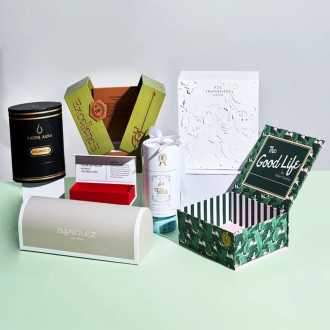
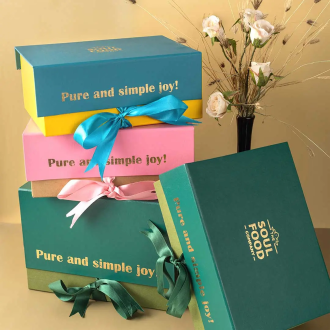
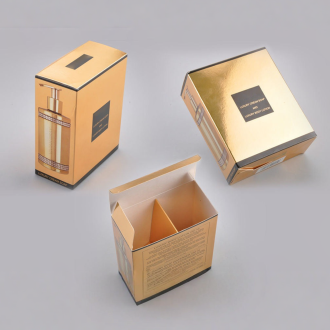
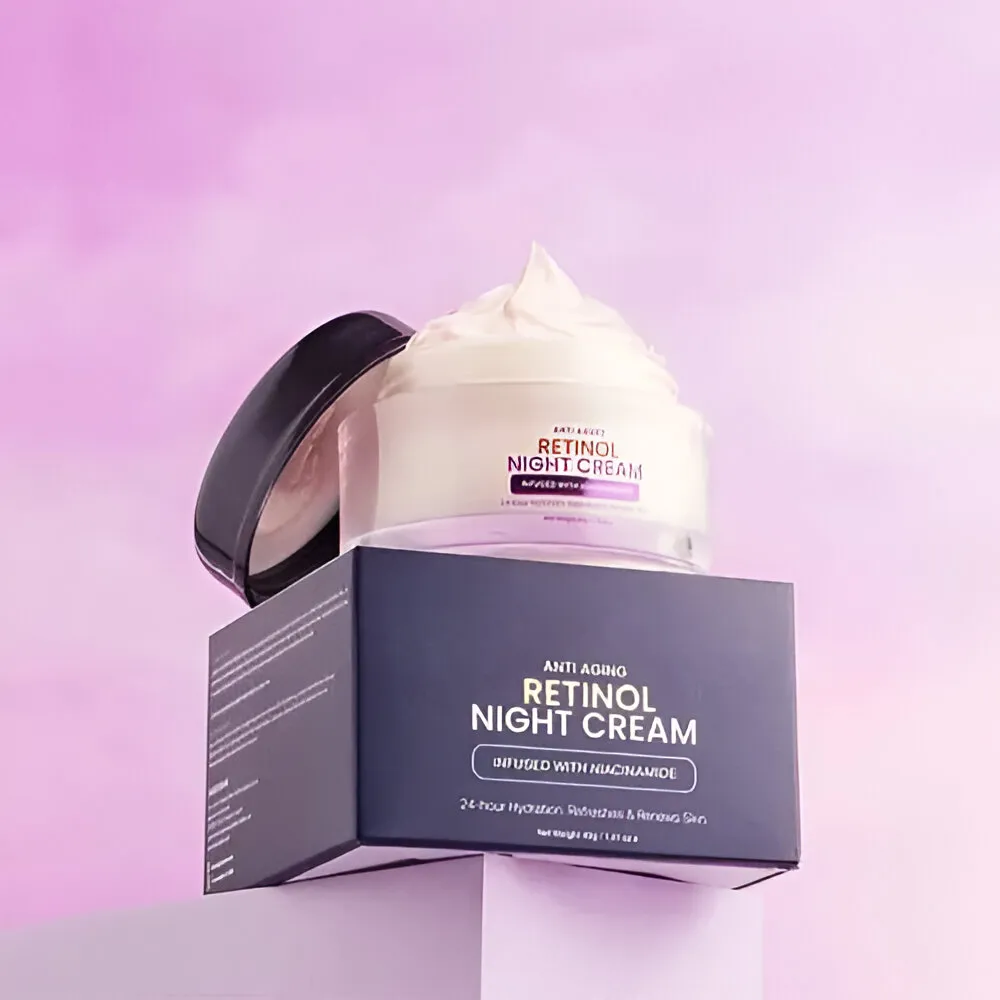
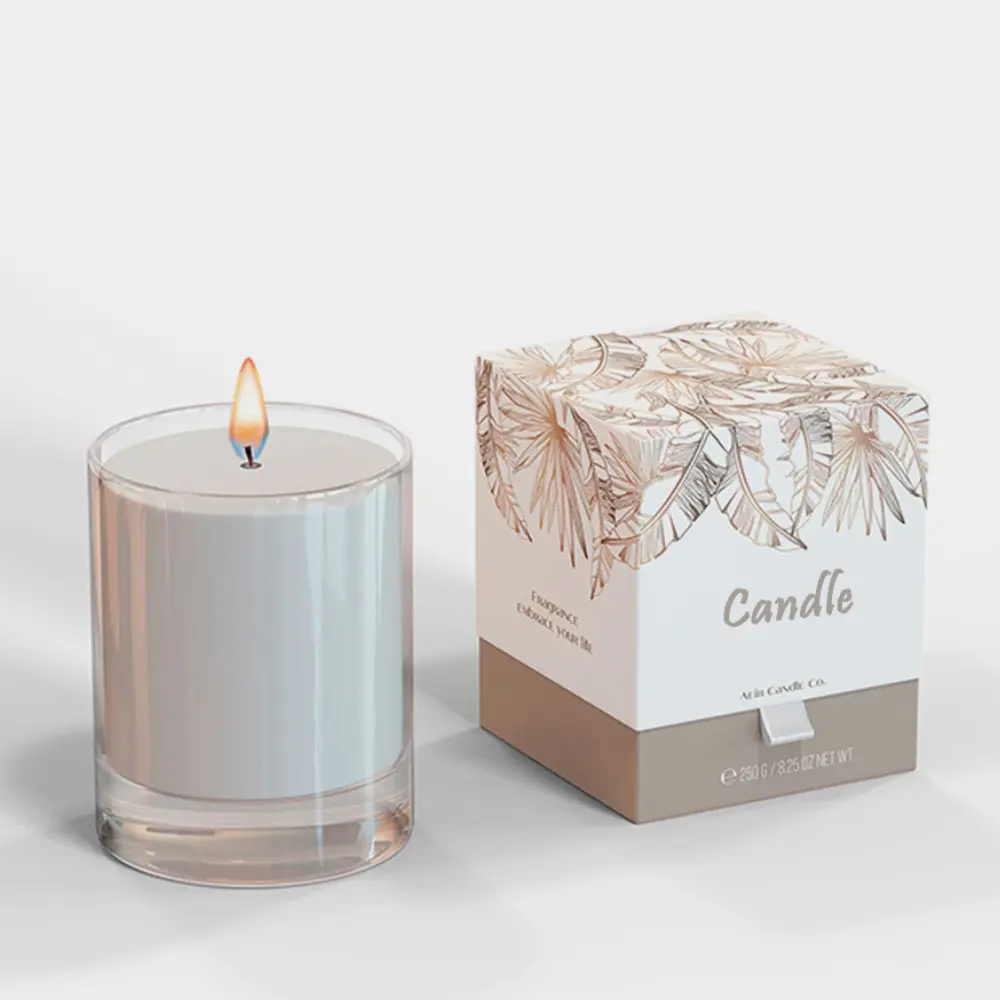
From luxury cosmetics and perfumes to electronics, gourmet chocolates, jewelry, and premium gift boxes, foil stamping adds an elegant metallic finish that instantly catches the eye. It enhances logos, typography, and design elements without overwhelming the overall package. When combined with thoughtful branding, foil stamping transforms ordinary custom packaging boxes into premium packaging that customers remember.
This guide explains everything you need to know about foil stamping in packaging, including how it works, its benefits, available foil types, design considerations, industry applications, and how US-based partners like Custom Packaging Pro help you choose the right finish for your brand.
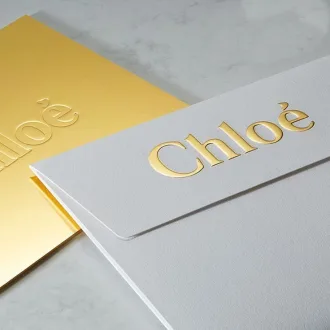
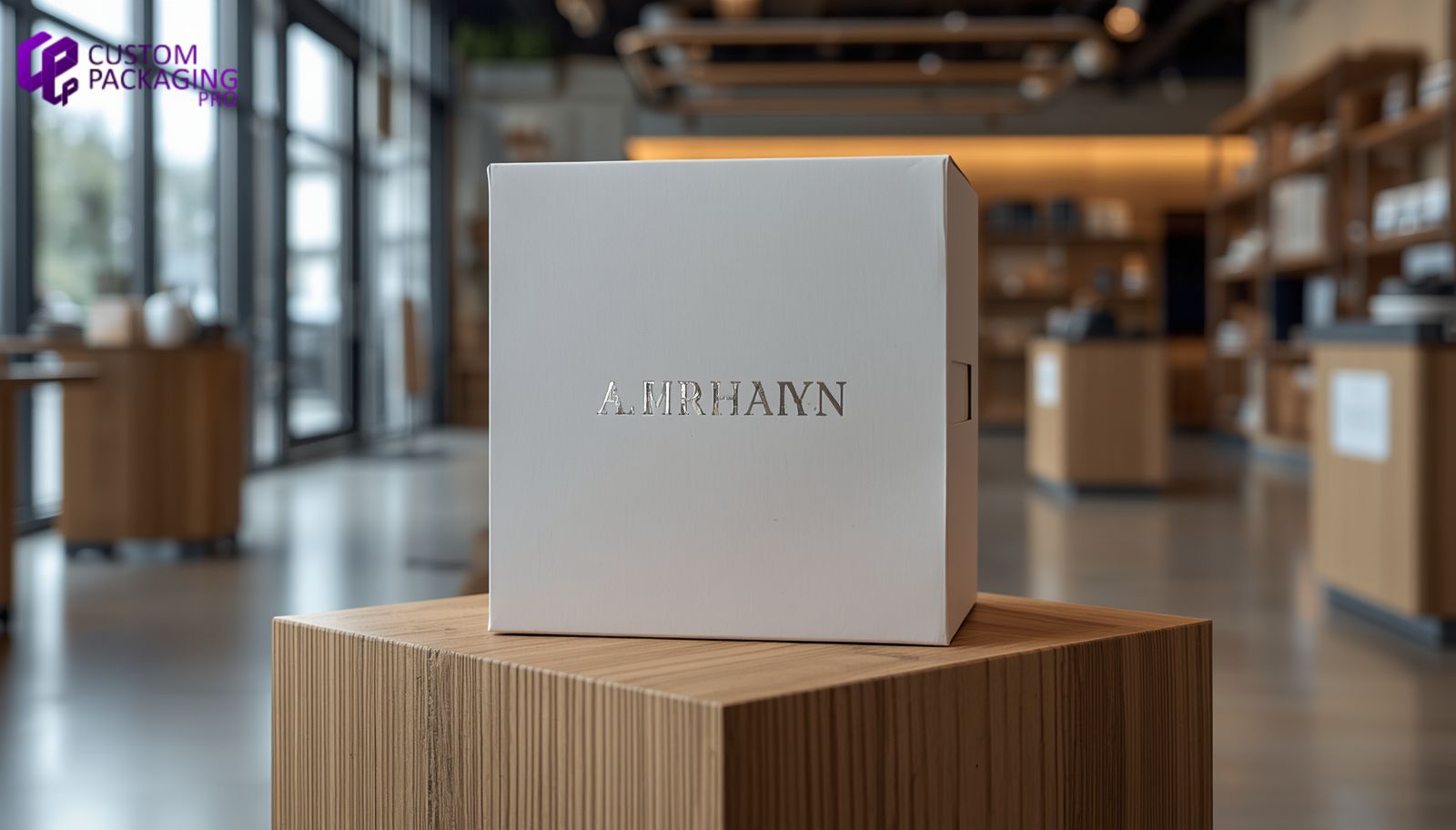
Foil stamping is a premium printing and finishing technique that applies a thin layer of metallic or pigmented foil onto packaging using heat, pressure, and a custom metal die. Unlike traditional printing, foil stamping does not use liquid ink. Instead, the foil adheres only to selected areas of the packaging surface, creating a sharp, reflective, and luxurious appearance. This process allows businesses to highlight key branding elements such as logos, product names, borders, patterns, or decorative artwork.
The result is packaging that feels more refined and visually distinctive, helping products attract attention both on retail shelves and online storefronts. Foil stamping is widely used on custom packaging, custom packaging boxes, folding cartons, rigid boxes, labels, shopping bags, and premium retail packaging.
The foil stamping process begins with the creation of a custom metal die engraved with the desired design. During production, the die is heated and pressed against the packaging material along with a specialized foil film. Heat and pressure transfer only the foil layer to the selected design area, leaving behind a crisp and durable finish. Unlike conventional printing methods, foil stamping creates a tactile and reflective effect that cannot be achieved with standard inks.
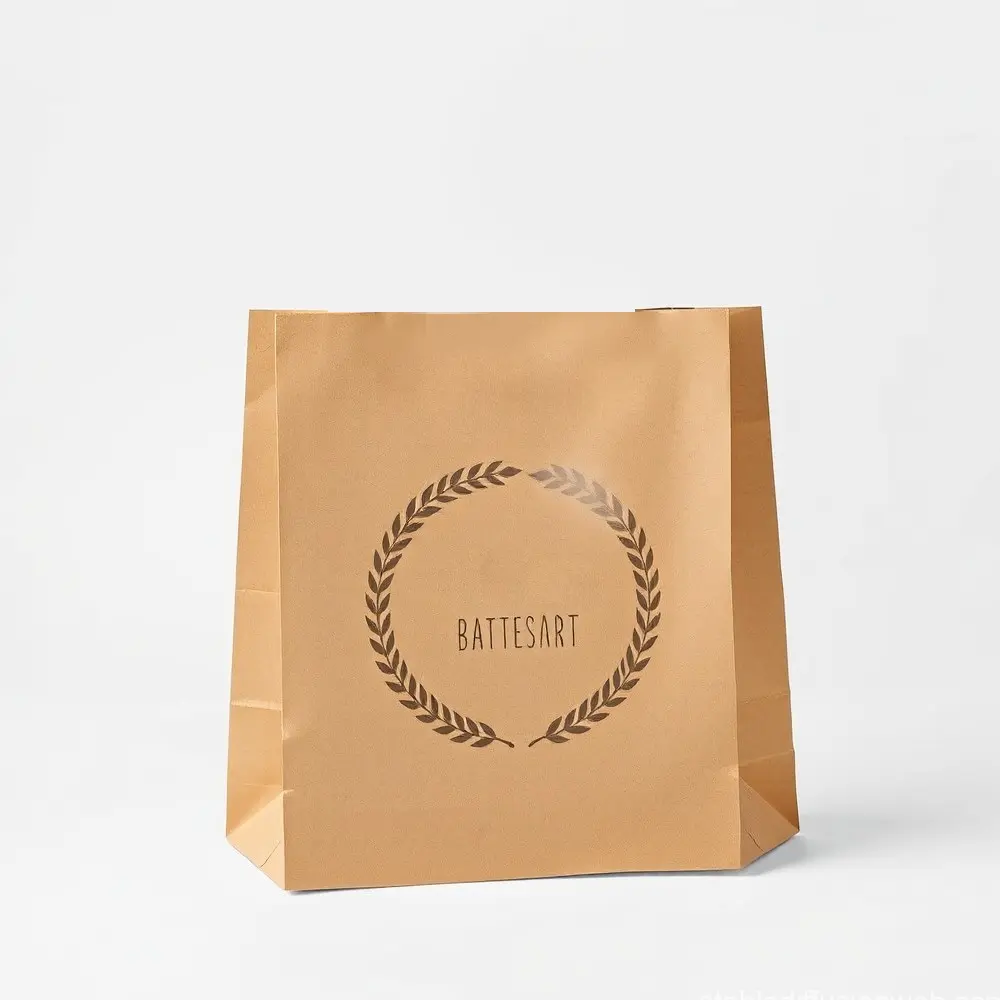
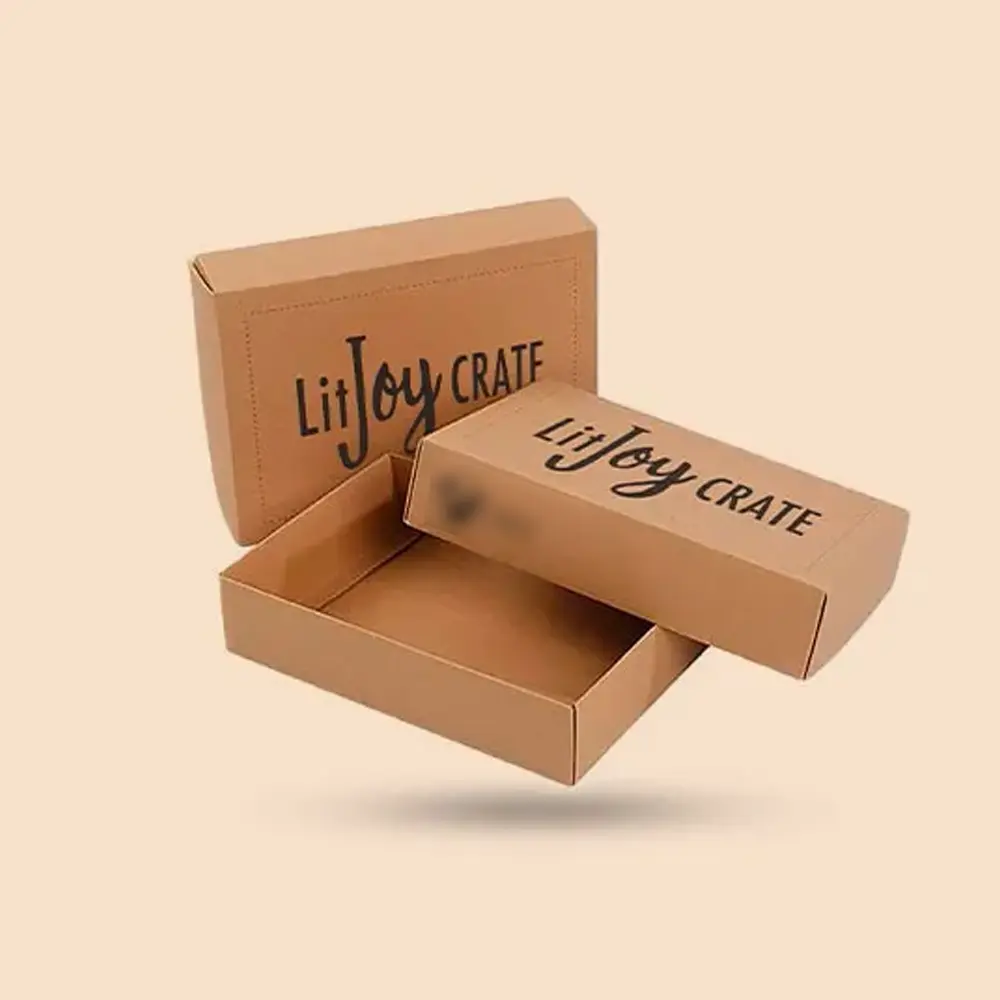
Because the foil sits on the surface rather than being absorbed into the material, it delivers exceptional shine, clarity, and durability. This process can be applied to paperboard, kraft paper, rigid packaging boxes, labels, specialty papers, and many other packaging materials.
Brands invest heavily in first impressions because packaging directly influences purchasing decisions. Foil stamping helps products communicate quality before customers even open the box. One of its greatest advantages is its ability to draw attention without making the design appear overly complicated. A simple logo enhanced with gold or silver foil often creates a stronger visual impact than a package covered with excessive graphics.
Beyond aesthetics, foil stamping also strengthens brand recognition by creating a consistent premium appearance across multiple product lines. Customers often associate metallic finishes with luxury, craftsmanship, and higher product value, making foil stamping a worthwhile investment for growing US businesses.
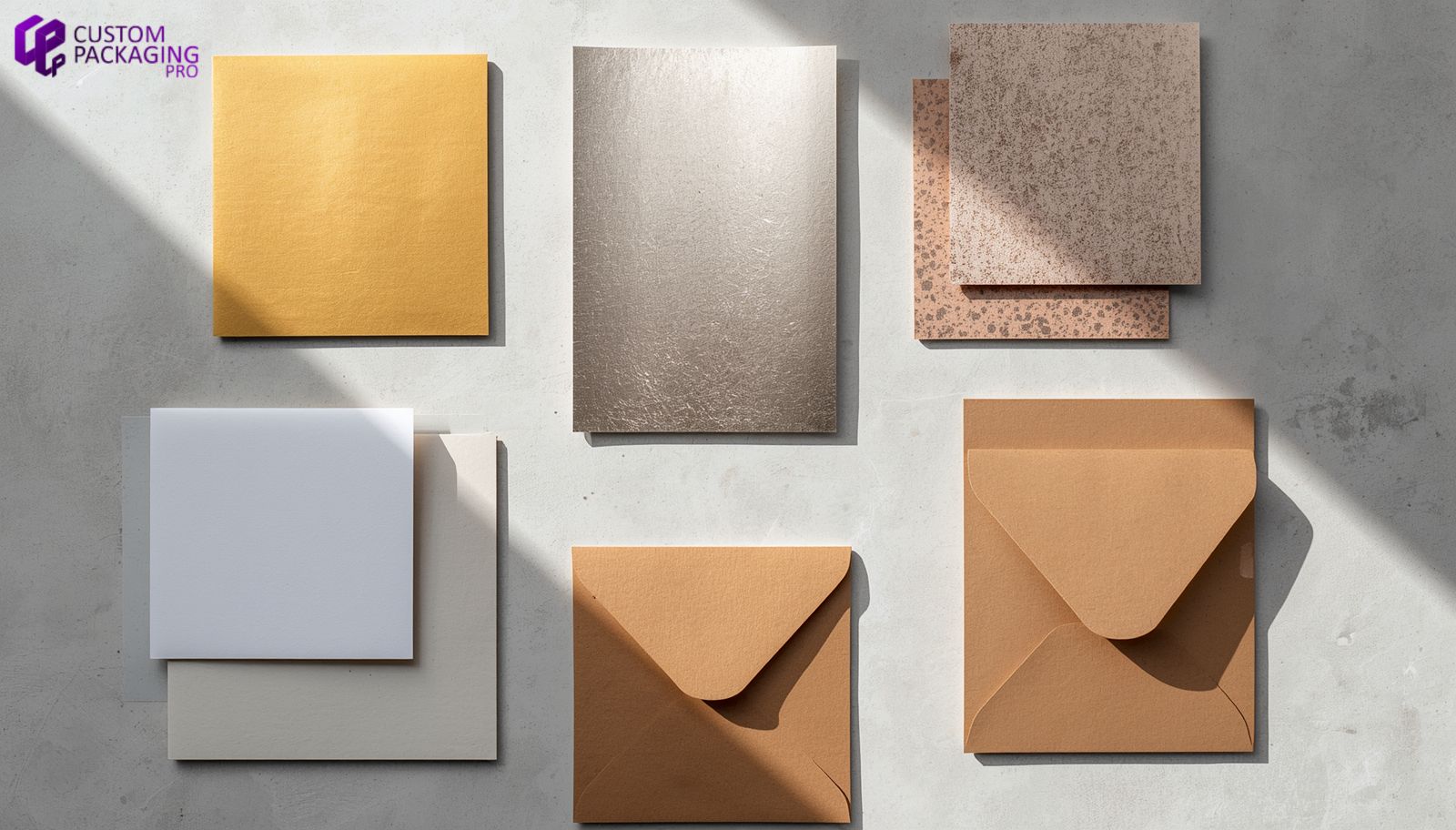
One of the advantages of foil stamping is the wide variety of finishes available to suit different branding styles:
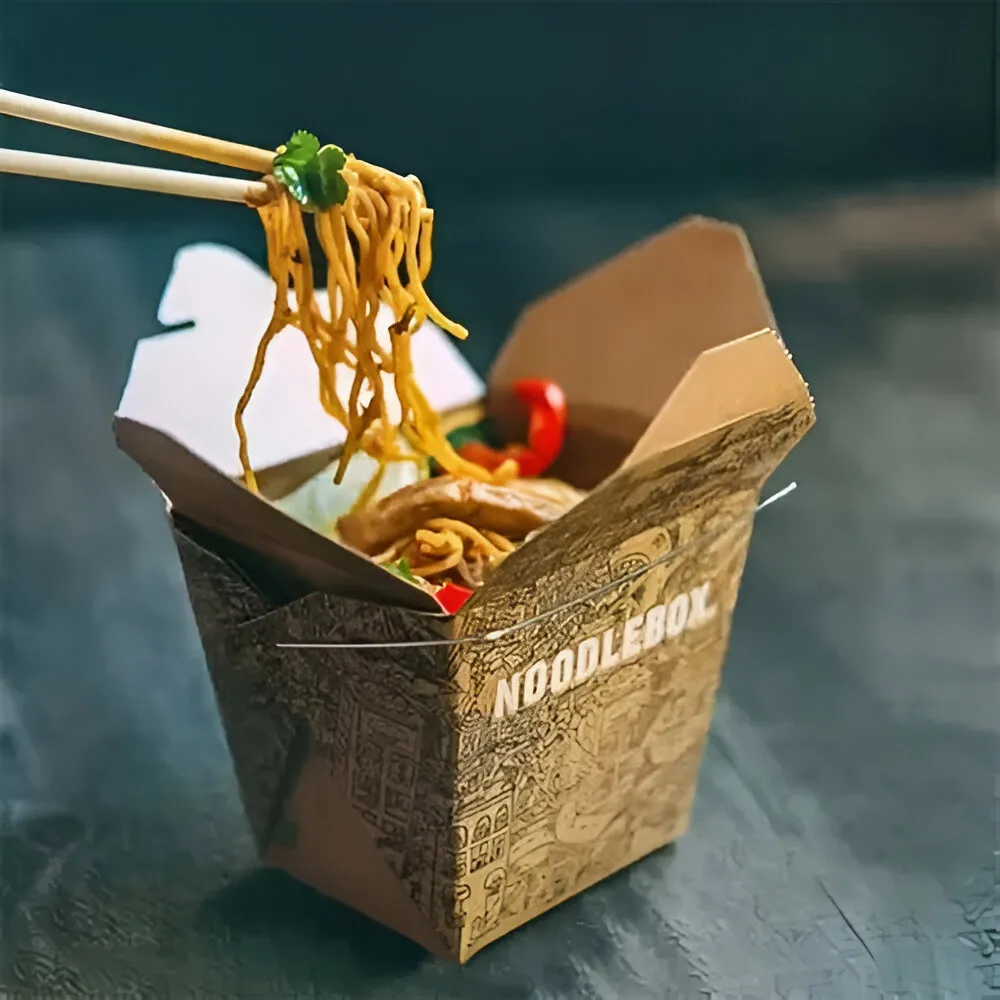
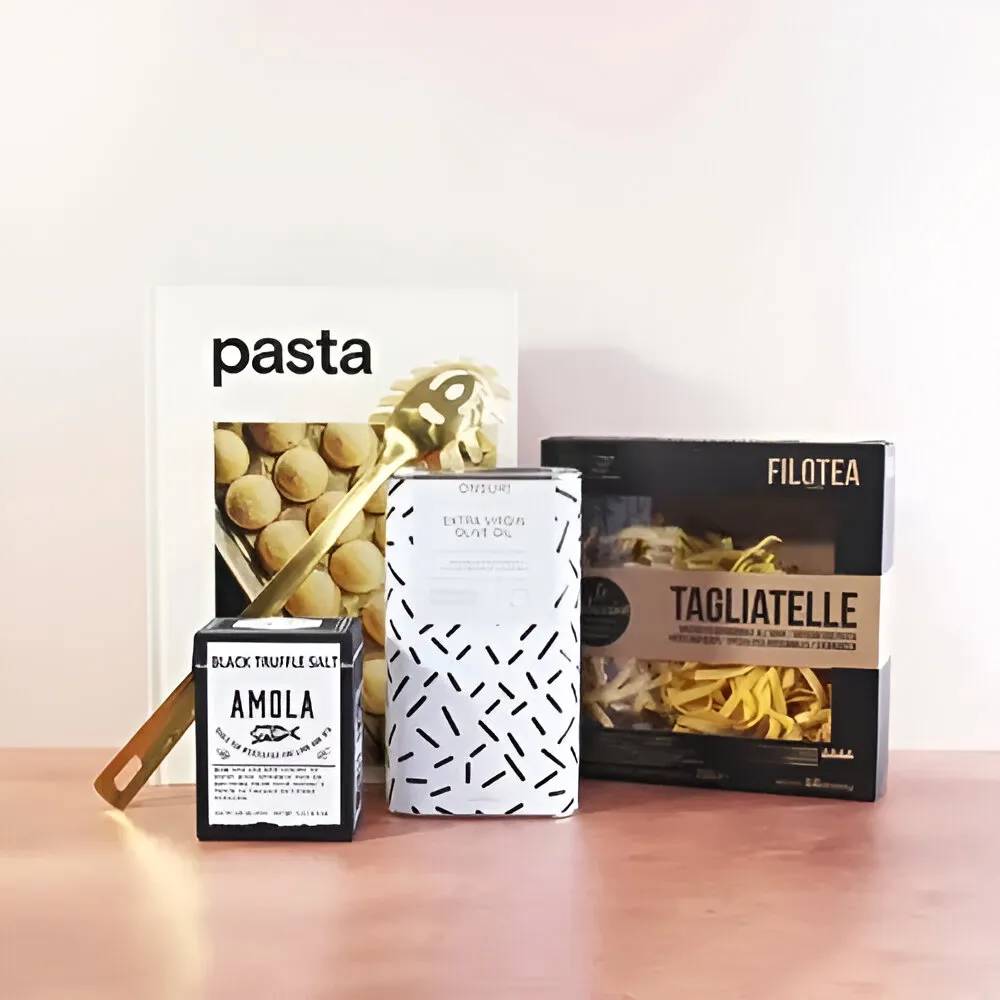
Foil stamping works exceptionally well across many packaging materials. Surface quality plays an important role in the final appearance. Smooth coated papers generally produce sharper foil finishes, while textured papers create more distinctive visual effects. Understanding why sustainable packaging matters is also crucial when choosing materials like recyclable kraft or paperboard to balance high-end finishes with eco-friendly goals.
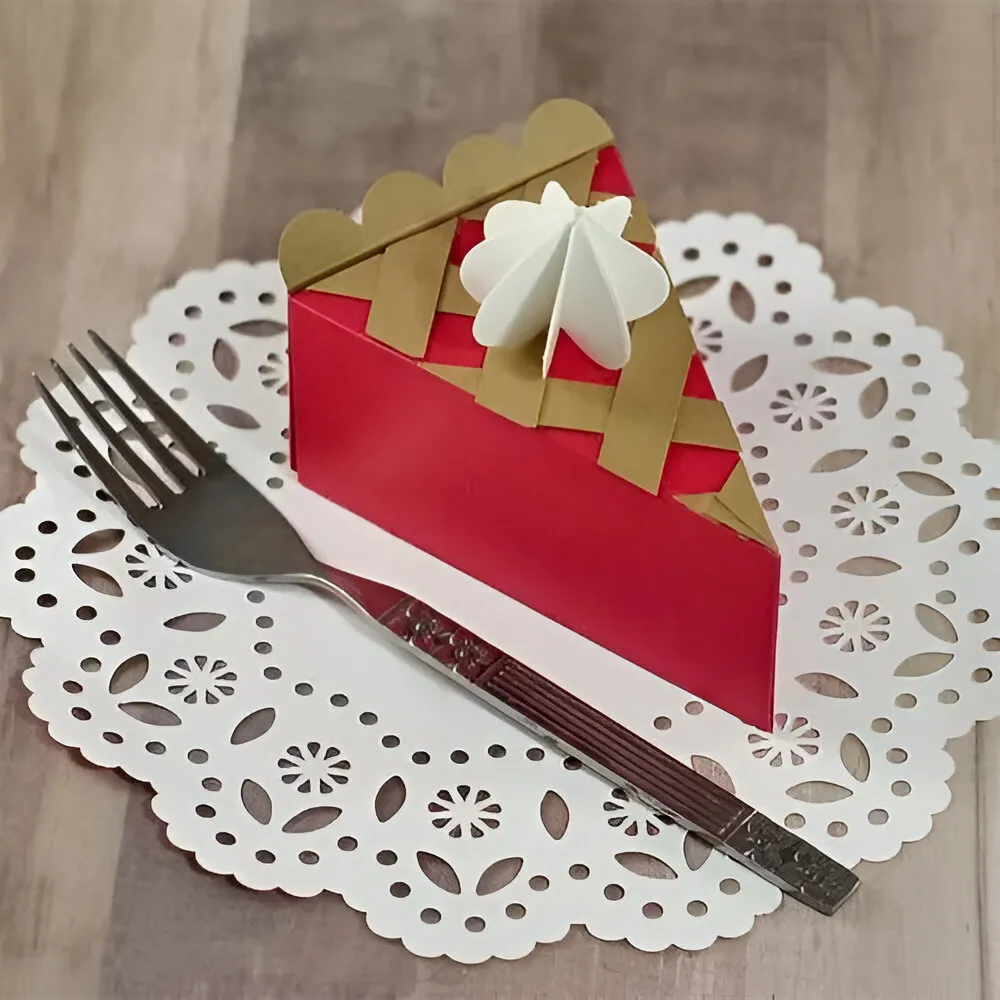
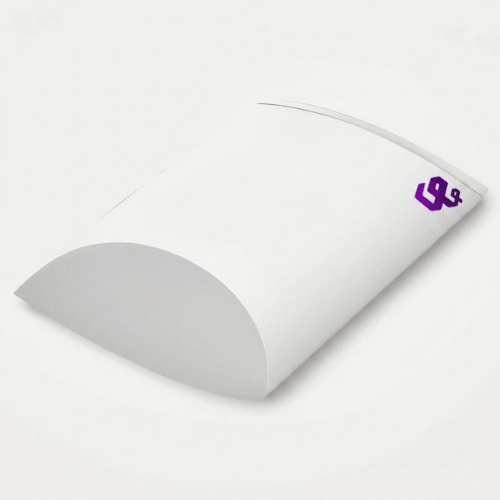
Common materials include:

Although both techniques improve packaging appearance, they serve different purposes:
| Feature | Foil Stamping | Digital Printing |
|---|---|---|
| Finish | Metallic or specialty foil | Ink-based printing |
| Visual Impact | Premium and reflective | Standard color reproduction |
| Texture | Slightly raised surface | Flat surface |
| Best For | Logos, titles, luxury branding | Images, gradients, photographs |
| Cost | Higher (die setup involved) | Economical for full-color artwork |
Successful foil stamping depends on thoughtful design rather than excessive decoration. Keep branding elements clean and uncluttered. Reserve foil stamping for logos, product names, or important decorative accents instead of covering large areas. Pair metallic finishes with matte laminations or textured papers to create elegant visual contrast. Consistency across different packaging products also helps reinforce brand recognition while maintaining a professional appearance.
Foil stamping generally costs more than standard printing because it requires specialized dies, equipment, and additional production steps. However, for premium products, the increased perceived value often outweighs the additional investment. Luxury packaging influences purchasing decisions, strengthens customer confidence, and supports premium pricing strategies. Businesses selling high-end products frequently recover the added cost through stronger brand perception and improved customer experience.
For products positioned as affordable everyday items, simpler printing methods may provide better overall value.
Businesses sometimes reduce the effectiveness of foil stamping by applying it incorrectly. Overusing metallic finishes can make packaging appear busy rather than premium, while selecting foil colors that clash with brand colors weakens visual consistency. Applying foil to overly detailed artwork may also reduce clarity, especially with very small text or intricate graphics. The best foil-stamped packaging uses restraint, allowing metallic accents to highlight key design elements without overpowering the overall presentation.
Achieving high-quality foil stamping requires expertise in packaging design, material selection, and finishing techniques. Custom Packaging Pro helps US businesses develop custom packaging boxes that combine premium printing with carefully applied foil stamping to create packaging that reflects brand quality and professionalism.
Whether you need luxury custom rigid boxes, folding cartons, cosmetic packaging, or retail presentation boxes, the team provides guidance on foil selection, structural design, printing methods, and finishing options. The result is custom packaging that not only protects products but also creates a memorable first impression and enhances the overall customer experience.
Foil stamping continues to be one of the most effective finishing techniques for premium packaging because it combines elegance, durability, and strong visual appeal. Its ability to highlight logos, typography, and design elements helps brands communicate quality while creating memorable customer experiences. Whether used on luxury cosmetics, gourmet foods, electronics, or premium retail products, foil stamping transforms standard packaging into a sophisticated branding tool.
By combining quality materials, thoughtful design, and the right foil finish, businesses can create packaging that stands out in competitive markets and reinforces long-term brand value.