By Rai Haider
September 14, 2026
Packaging Prototypes: Why You Should Test Custom Boxes Before Production
Custom packaging is an important investment for businesses that want to protect their products and create a professional brand experience. However, a box that looks right on a computer screen may not always work as expected when it is physically produced and filled with the actual product.
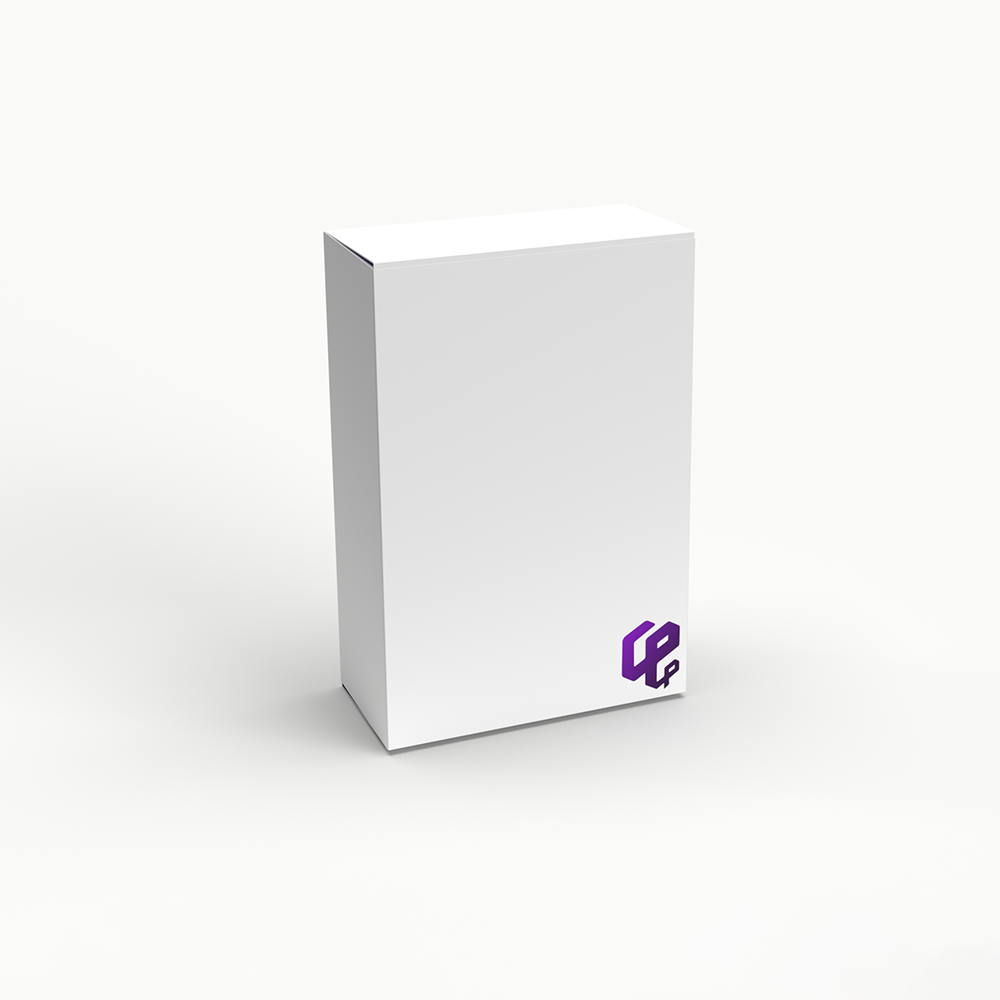
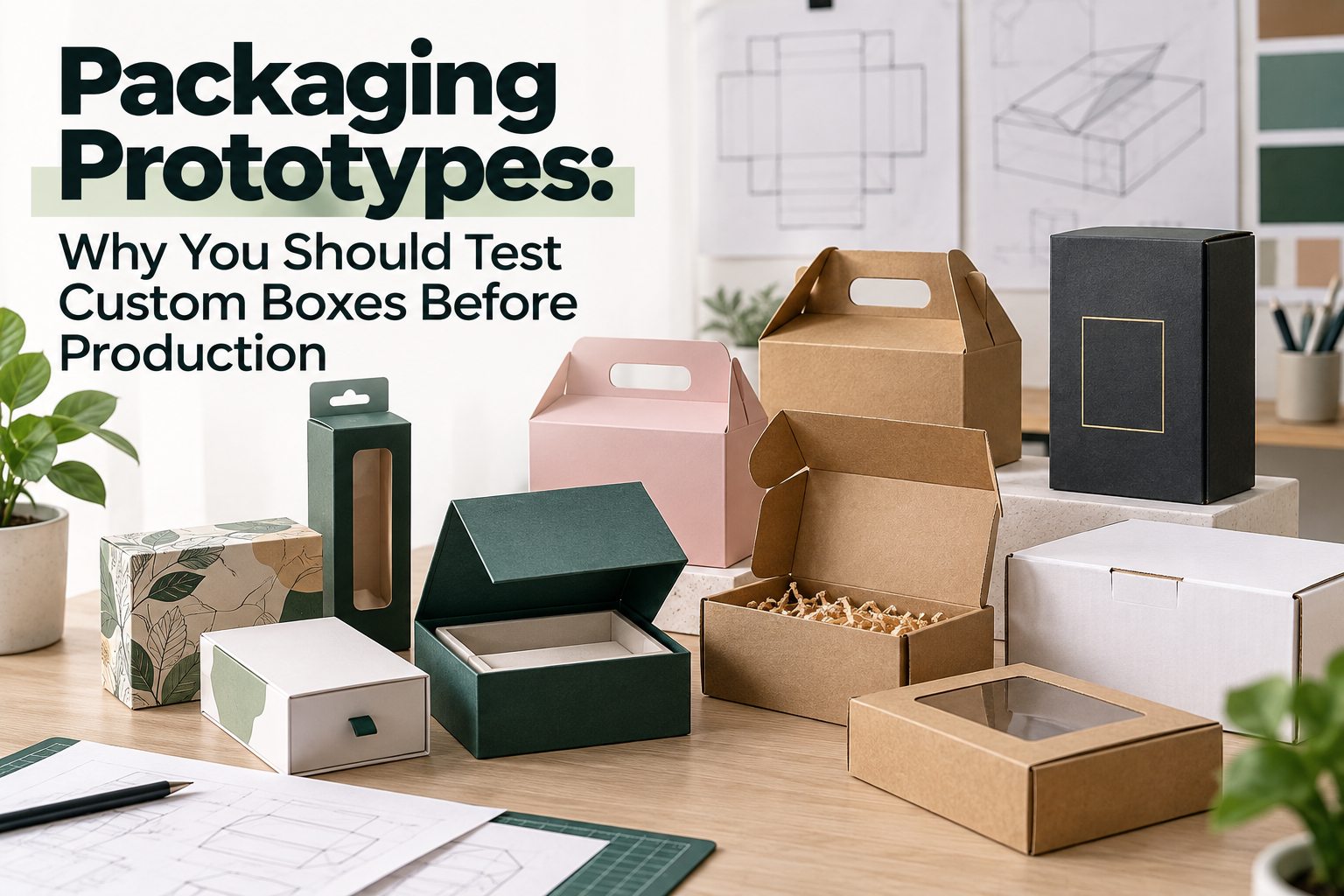
This is where packaging prototypes become valuable. A physical prototype allows businesses to evaluate a custom box before committing to a full production run. It provides an opportunity to check product fit, dimensions, structure, materials, artwork, finishing, and overall presentation.
Testing a sample before production can help identify problems while changes are still easier to make. Whether you are developing packaging for ecommerce, retail, food, cosmetics, apparel, or another product category, a prototype can provide greater confidence before the final order is manufactured.
What Is a Packaging Prototype?
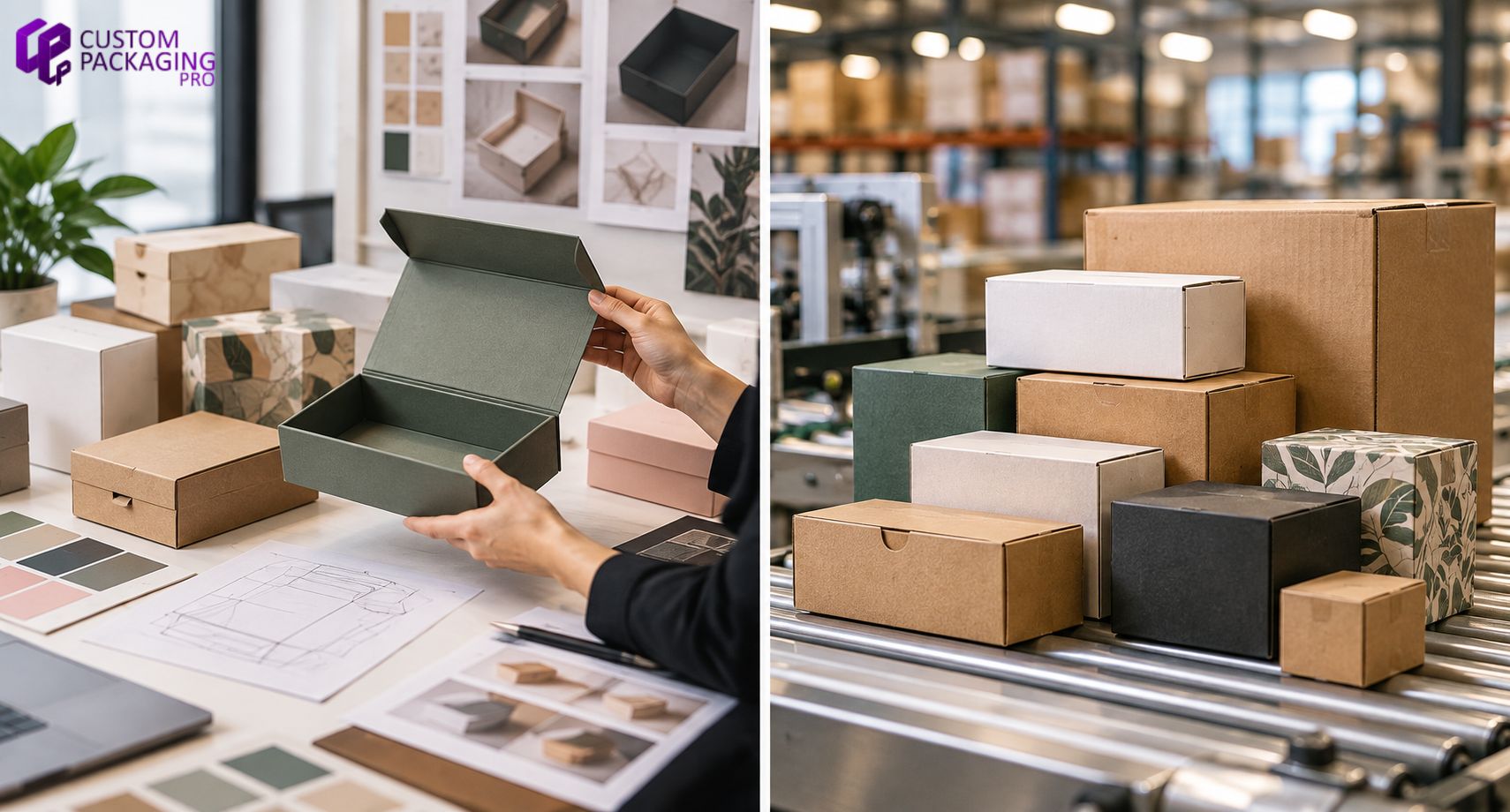
A packaging prototype is a physical sample of a proposed box or packaging structure created before the final production run. It gives a business a tangible version of its packaging that can be handled, filled, opened, closed, and evaluated.
Unlike a digital rendering, a physical prototype allows you to see how the packaging performs with the actual product. Depending on the project, a prototype can be used to evaluate:
- Box dimensions
- Product fit
- Structural design
- Opening and closing
- Material selection
- Printing and artwork
- Finishing details
- Internal inserts
- Product presentation
- Shipping suitability
In simple terms, a packaging prototype helps confirm that your custom box looks and works as intended before you order it in larger quantities.
Why Should You Test Custom Boxes Before Production?
Custom packaging combines several different decisions into one product. The dimensions need to accommodate the contents, the structure needs to function properly, the material needs to provide suitable support, and the artwork needs to appear correctly on the finished package.
A problem with any one of these elements can affect the final packaging. Testing a prototype gives businesses a chance to review the complete package before production begins.
Confirm the Product Fits Properly
Product fit is one of the first things to check when reviewing a packaging prototype. A box that is too small may damage the product or make packing difficult, while excessive space can allow the contents to move unnecessarily.
Use the actual product when testing the prototype whenever possible. Include any inserts, accessories, tissue paper, dividers, or protective components that will be part of the final packaging.
This provides a more realistic view of how the finished package will look and function.
Check Box Dimensions
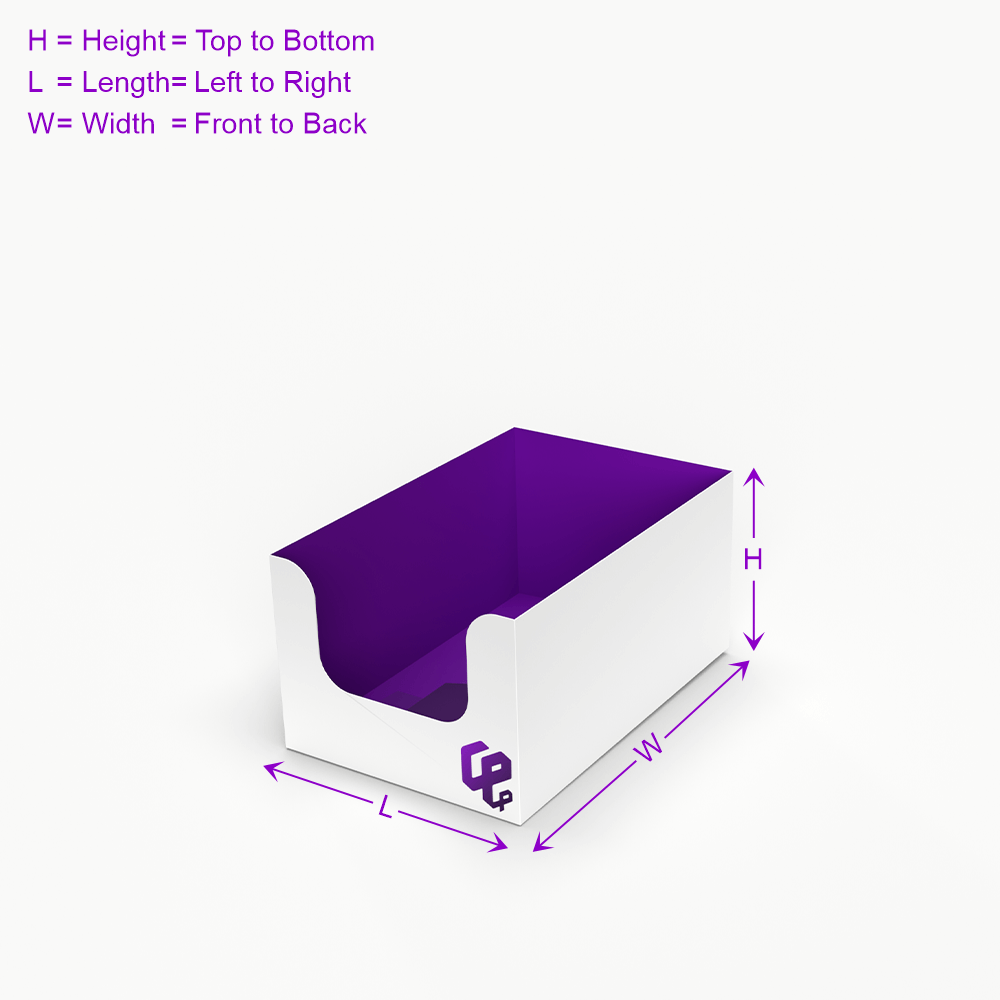
Accurate measurements are essential when developing custom boxes. Check both the internal space available for the product and the external size of the finished package where shipping or storage requirements are relevant.
Before approving the prototype, check:
- Internal length
- Internal width
- Internal height
- Product clearance
- Insert dimensions
- Closure space
- Overall external dimensions
Correct dimensions can help create a better product fit and prevent unnecessary packaging space. Businesses developing custom boxes can also review the length, width, and height measurement guide when preparing packaging specifications.
Test the Structural Design
A packaging design may look impressive but still have functional issues. The prototype gives you an opportunity to test how the structure behaves when it is assembled and filled.
Check whether:
- The box folds correctly
- The lid closes securely
- Locking tabs fit properly
- The structure remains stable when filled
- Handles provide adequate support
- Inserts remain in position
- The box can be assembled efficiently
Structural testing becomes particularly important when a package uses an unusual shape, multiple components, special closures, or a custom insert. For premium presentations, businesses may also consider rigid luxury boxes when evaluating how structure and presentation work together.
Review Printing and Artwork
Artwork can appear different on a physical package than it does on a computer display. A prototype allows you to inspect the actual placement and appearance of your branding before production.
Review details such as:
- Logo placement
- Artwork alignment
- Colour appearance
- Text positioning
- Image quality
- Print coverage
- Bleed and safe areas
If your design includes special effects or premium finishes, review those details on the physical sample as well. Custom printed cardboard boxes can also be reviewed at the prototype stage to confirm artwork placement and print presentation. This can help ensure that the finished appearance matches the intended brand presentation.
Evaluate the Packaging Material
The material used for a custom box affects its appearance, structure, weight, and overall feel. A prototype gives you the opportunity to assess whether the selected material is suitable for the product and intended use.
Consider:
- Does the material feel strong enough?
- Does it support the box structure?
- Does the surface work well with the artwork?
- Is the appearance appropriate for the brand?
- Does the material suit the expected shipping or retail environment?
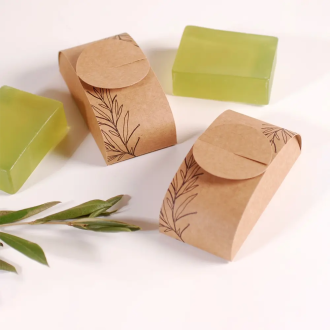
A lightweight retail package may have different requirements from packaging designed for direct shipping. Material selection should therefore be considered alongside the product, box structure, and intended use. For businesses considering paper-based options, kraft boxes can be evaluated as part of the material selection process.
Test Opening and Closing
The opening experience is part of the customer's interaction with your brand. A prototype lets you test whether the package is simple and intuitive to open while remaining secure during handling.
Open and close the prototype several times. Check whether:
- The package opens without unnecessary effort
- The closure remains secure
- The box maintains its shape
- The product is easy to remove
- Internal components remain in place
- The packaging can be closed properly after opening
A well-designed package should balance protection with usability.
Check the Unboxing Experience
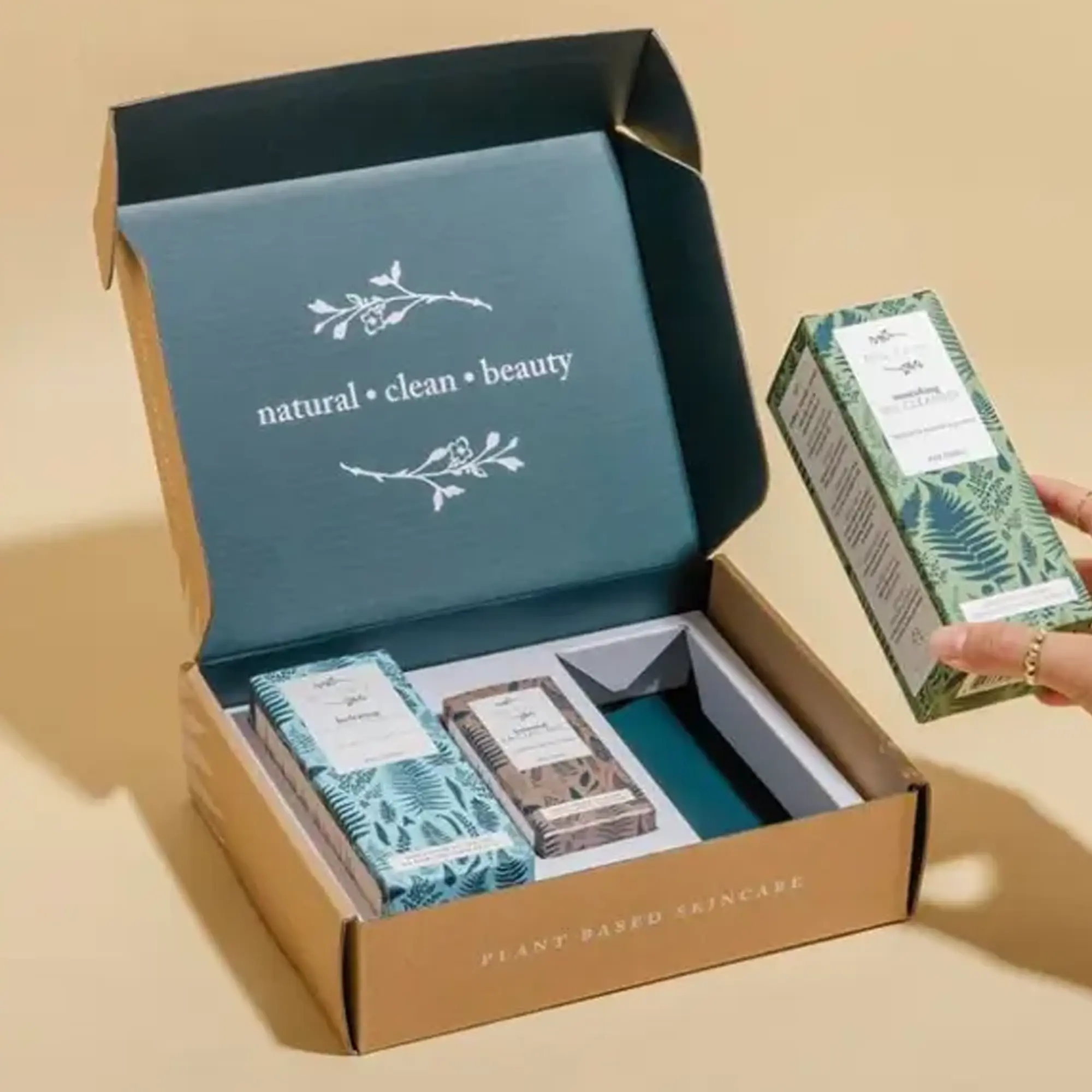
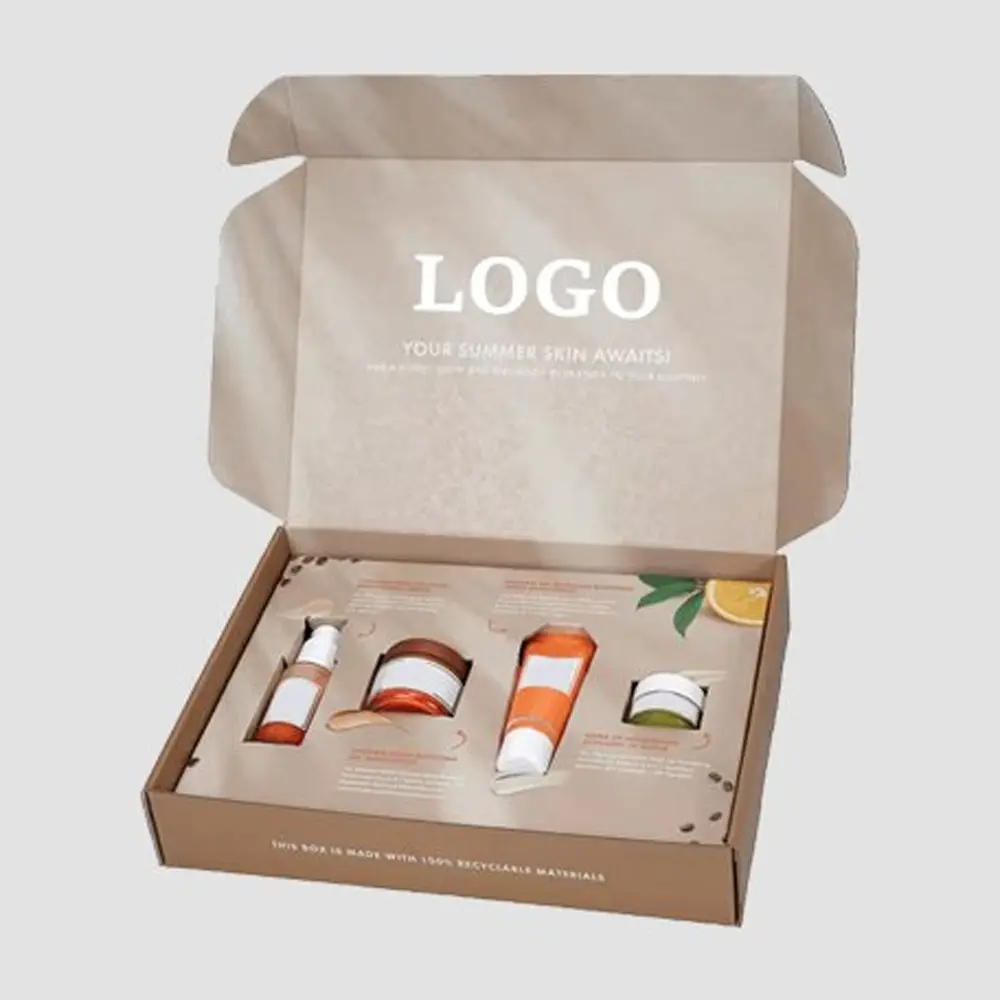
For many ecommerce and retail brands, packaging is part of the product experience. A prototype allows you to view the package from the customer's perspective rather than simply judging the design on a screen. In physical stores, display packaging can also influence how the finished product is presented to shoppers.
Pack the prototype as you would prepare the final order. Then open it from the customer's point of view.
Consider:
- What does the customer see first?
- Is the brand immediately visible?
- Is the product presented neatly?
- Are inserts positioned correctly?
- Is the package easy to understand?
- Does the overall presentation match the brand?
Small adjustments to the arrangement of the product, inserts, or printed elements can make the final experience feel more considered.
Test Shipping and Handling
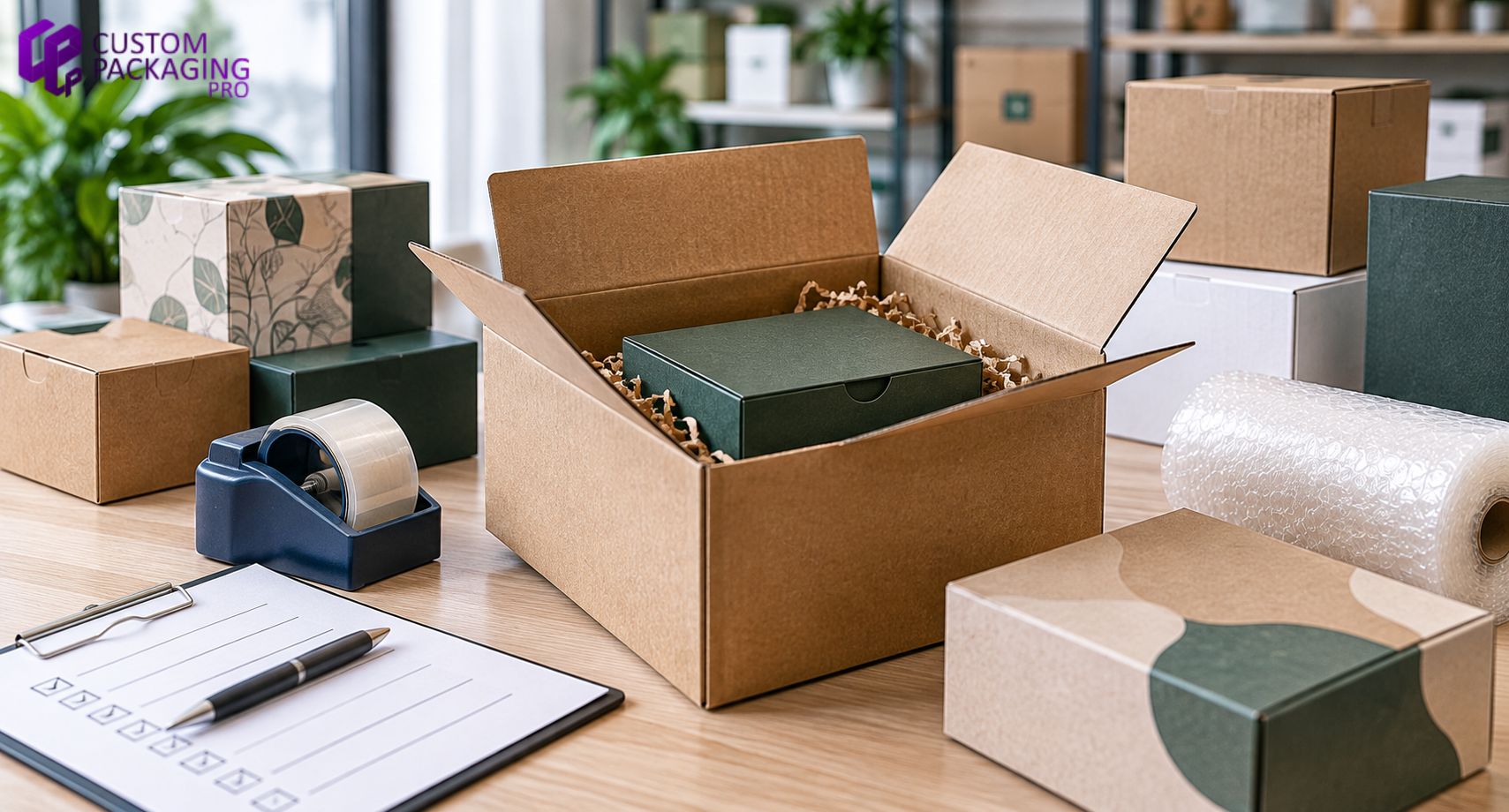
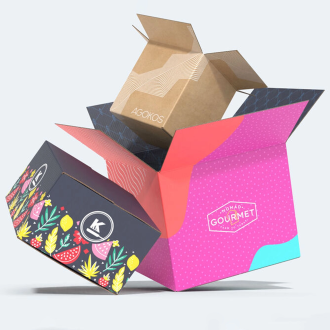
If your custom box will be used for ecommerce deliveries, it should be evaluated as part of the complete shipping setup. The package needs to protect its contents while remaining practical for handling and transportation. Corrugated shipping boxes can be considered when stronger shipping protection is required.
Where appropriate, test the complete packing arrangement, including:
- The product
- Internal inserts or protective materials
- The custom box
- Any outer shipping packaging
Check whether the product moves excessively inside the box and whether the structure remains secure during normal handling.
Packaging Prototype vs. Digital Mockup
A digital mockup and a physical prototype are useful at different stages of packaging development. A digital mockup is helpful for reviewing the visual concept and artwork, while a physical prototype provides an opportunity to evaluate the actual package.
| Feature |
Digital Mockup |
Physical Prototype |
| Artwork review |
Yes |
Yes |
| Visual concept |
Yes |
Yes |
| Product fit |
Limited |
Yes |
| Structural testing |
Limited |
Yes |
| Material feel |
No |
Yes |
| Opening and closing |
No |
Yes |
| Insert testing |
Limited |
Yes |
| Physical presentation |
No |
Yes |
| Shipping assessment |
No |
More realistic |
A digital rendering can help communicate the intended design, but physical testing provides information that cannot be fully judged from a screen.
What Should You Check Before Approving a Packaging Prototype?
Before giving final approval, review the prototype from several perspectives. A simple checklist can help your team avoid overlooking important details. Businesses producing specialized products can also compare their packaging requirements with options such as electronics packaging boxes when evaluating product fit and protection.
Product Fit
- Does the product fit comfortably?
- Is there enough clearance?
- Does the product move too much?
- Do accessories and inserts fit correctly?
Structure
- Does the box assemble correctly?
- Does the closure work?
- Are the inserts positioned properly?
- Does the structure remain stable?
- Is the logo positioned correctly?
- Does the artwork look sharp?
- Are colours acceptable?
- Are important design elements aligned?
Materials and Finishes
- Does the material feel suitable?
- Is the structure strong enough?
- Does the finish match the design?
- Does the final appearance reflect the brand?
Customer Experience
- Is the package easy to open?
- Is the product presented neatly?
- Are inserts easy to understand?
- Does the packaging create the intended first impression?
Shipping
- Does the package suit the intended shipping method?
- Is the product adequately protected?
- Is there unnecessary empty space?
- Does the box remain secure during handling?
Common Packaging Prototype Mistakes to Avoid
- Approving a Prototype Without the Product
An empty box cannot show how the packaging will behave when it contains the actual product. Whenever possible, use the real product during your testing process.
- Checking Appearance but Not Function
A visually attractive box may still have problems with its closure, structure, product fit, or opening experience. Review both appearance and functionality before approval.
- Ignoring Internal Dimensions
External dimensions alone do not confirm whether the product will fit correctly. Internal measurements should be checked against the product and any components placed inside the box.
- Testing Only Once
Use the prototype more than once. Repeated opening, closing, packing, and handling can reveal issues that may not be obvious during a single inspection.
- Treating a Digital Rendering as Final Approval
A digital rendering is useful for visual review, but it cannot fully demonstrate the physical material, structure, product fit, or opening experience of the final box.
When Should You Request a Packaging Prototype?
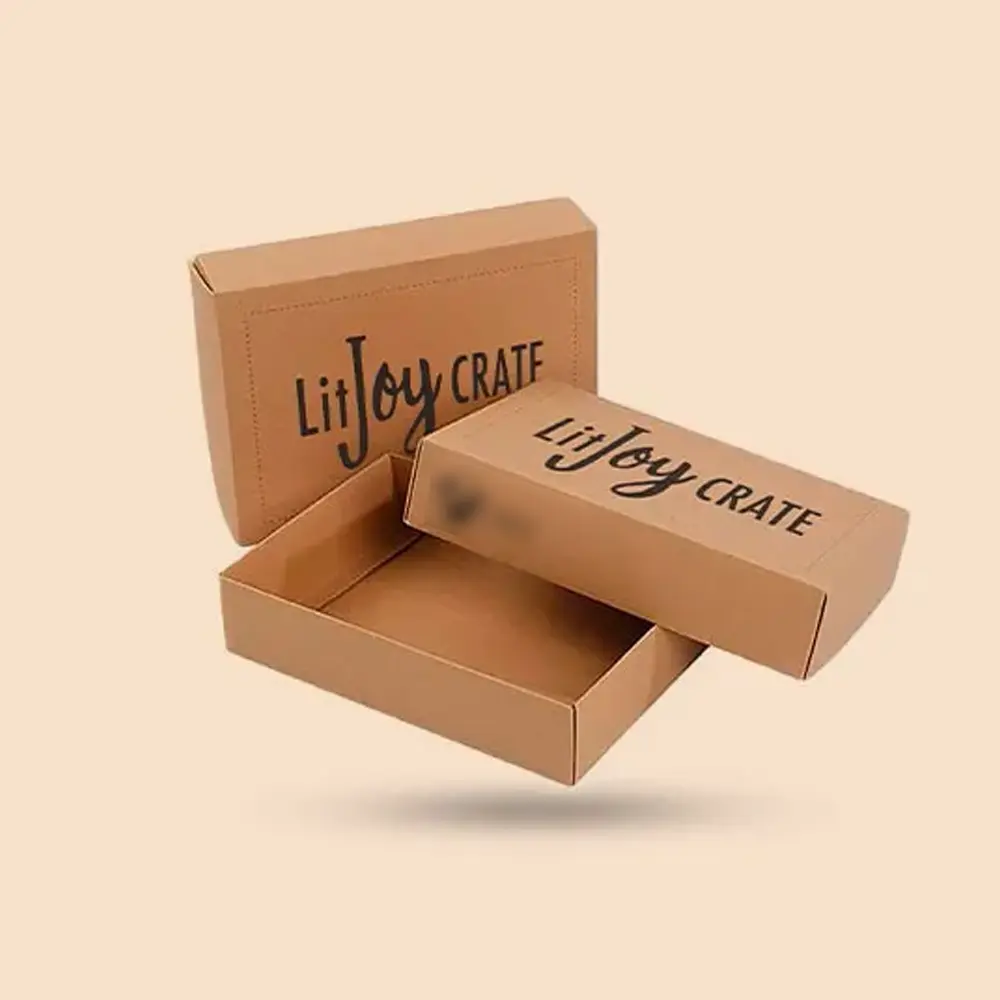
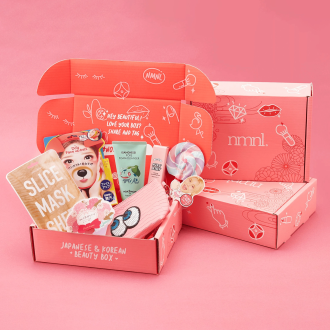
A physical prototype can be particularly useful when you are developing a new package or making significant changes to an existing design. This can be especially useful for businesses developing subscription boxes or other packaging formats that require a specific structure and customer presentation.
Consider requesting a prototype when:
- You are using a new box structure.
- The product has unusual dimensions.
- The package includes custom inserts.
- You are adding premium finishes.
- You are placing a large production order.
- The package will be shipped directly to customers.
- Multiple packaging components need to work together.
- The design is being produced for the first time.
For an established package that has already been tested and approved, another prototype may not always be necessary. However, significant changes to dimensions, materials, structure, artwork, or finishing should be reviewed before production.
How Packaging Prototypes Can Reduce Production Risk
The main value of prototyping is that it gives businesses an opportunity to identify problems before they become full production issues.
For example, discovering a sizing problem in one physical sample gives the business an opportunity to adjust the specifications before production. Discovering the same problem after a large quantity has been manufactured can create additional work, delays, repacking requirements, or unwanted inventory.
Prototyping therefore provides an additional quality-control step between the initial packaging concept and the final production order.
How to Prepare for a Packaging Prototype
Good preparation can make the prototype development process more efficient. Before contacting a packaging supplier, gather the information needed to define the packaging requirements. For product-specific projects, reviewing packaging categories such as cosmetic boxes can also help businesses consider the fit, presentation, and protection requirements of their products.
This may include:
- Product dimensions
- Product weight
- Product photographs
- Number of products per box
- Preferred box style
- Material preferences
- Artwork or logo files
- Insert requirements
- Expected order quantity
- Shipping requirements
Accurate information gives the packaging team a clearer starting point and helps ensure that the prototype reflects the intended final application.
Choosing the Right Packaging Partner
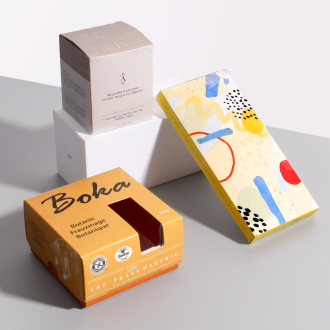
Choosing a packaging supplier is about more than finding a company that can manufacture a box. Businesses should look for a partner that can understand their product requirements and translate those requirements into a practical packaging solution. For retail-focused businesses, custom retail boxes may be one of the packaging formats to discuss during the planning process.
Before selecting a supplier, consider their experience with custom structures, material options, printing, finishing, prototypes, and production requirements. Clear communication during the prototype stage can also help reduce misunderstandings before the final order is approved.
For businesses developing custom packaging in the United States, Custom Packaging Pro provides custom packaging solutions for different industries, products, and branding requirements.
Final Thoughts
A custom box should do more than look good in a design file. It needs to fit the product, function correctly, provide suitable protection, represent the brand, and work within its intended shipping or retail environment.
A packaging prototype provides an opportunity to test these details before committing to full production. By reviewing product fit, dimensions, structure, materials, artwork, finishes, and the customer experience, businesses can make more informed packaging decisions.
If you are developing a new custom box or making major changes to an existing package, testing a physical sample before production can be a practical way to identify problems early and improve confidence in the final packaging.
FAQs About Packaging Prototypes
- What is a packaging prototype?
A packaging prototype is a physical sample of a proposed package created before full production. It allows businesses to evaluate dimensions, product fit, structure, materials, printing, and presentation.
- Why are packaging prototypes important?
Packaging prototypes help businesses identify potential design, fit, structural, material, and presentation issues before a larger production order is manufactured.
- Should I test a custom box with my actual product?
Yes. Testing a prototype with the actual product provides a more realistic assessment of fit, clearance, protection, and overall presentation.
- Is a digital packaging mockup enough?
A digital mockup is useful for reviewing artwork and visual concepts, but it cannot fully demonstrate physical fit, material feel, structure, or opening and closing performance.
- What should I check in a packaging prototype?
Check product fit, dimensions, structure, closures, materials, artwork, finishes, inserts, opening experience, presentation, and shipping suitability.
- Can a packaging prototype help reduce production costs?
Testing can help identify problems before a full production run. Correcting an issue during the sample stage may help businesses avoid unnecessary production changes, delays, or unusable packaging.
- When should I request a packaging prototype?
A prototype is particularly useful for new box structures, unusual product dimensions, custom inserts, premium finishes, large production orders, and packaging being produced for the first time.
- What information do I need to provide for a packaging prototype?
Useful information includes product dimensions, weight, photographs, preferred box style, material preferences, artwork, insert requirements, order quantity, and shipping requirements.

 Custom Boxes
 Mailer Boxes
 Shipping Boxes
 Display Boxes
 Product Boxes
 Retail Packaging
 Luxury Packaging
 Sustainable Packaging
 Mylar Bags
 Labels & Stickers
 Inserts & Dividers
 Acrylic Signs
 Mylar and Zipper Bags
 Cosmetic Boxes
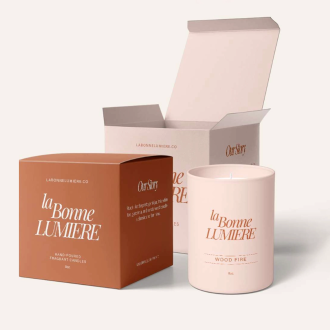 Custom Candle Packaging Boxes
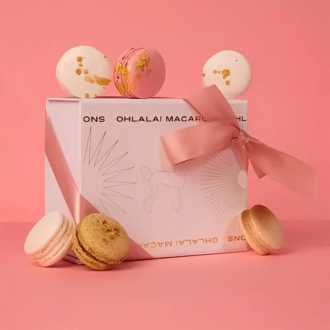 Food and Beverage
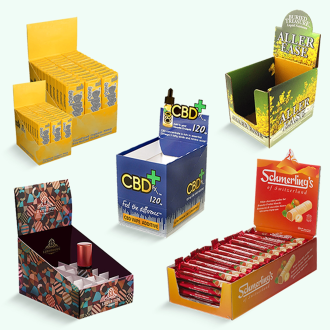 Display Packaging
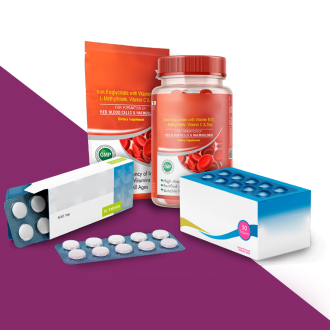 Pharma Packaging
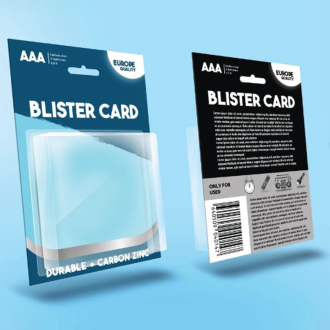 Custom Blister Packaging
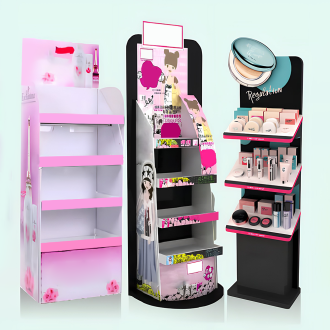 Stand Up Displays
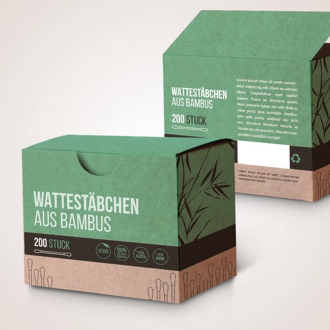 Kraft Boxes
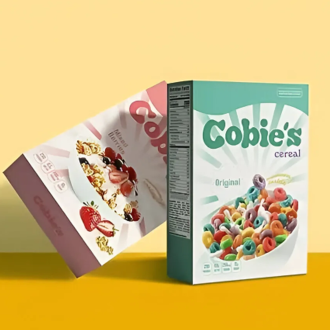 Cereal Packaging Boxes
 Bakery Packaging Boxes
 Eco-Friendly Boxes
 Electronics Packaging Boxes
 Custom Vape Boxes & Packaging
 CBD Packaging Boxes
 Rigid & Luxury Packaging Boxes
 Gift Boxes
 Custom Soap Boxes & Packaging
 Metalized Boxes
 Retail Boxes
 Subscription Boxes
 Invitation Boxes
 Corrugated Shipping Boxes
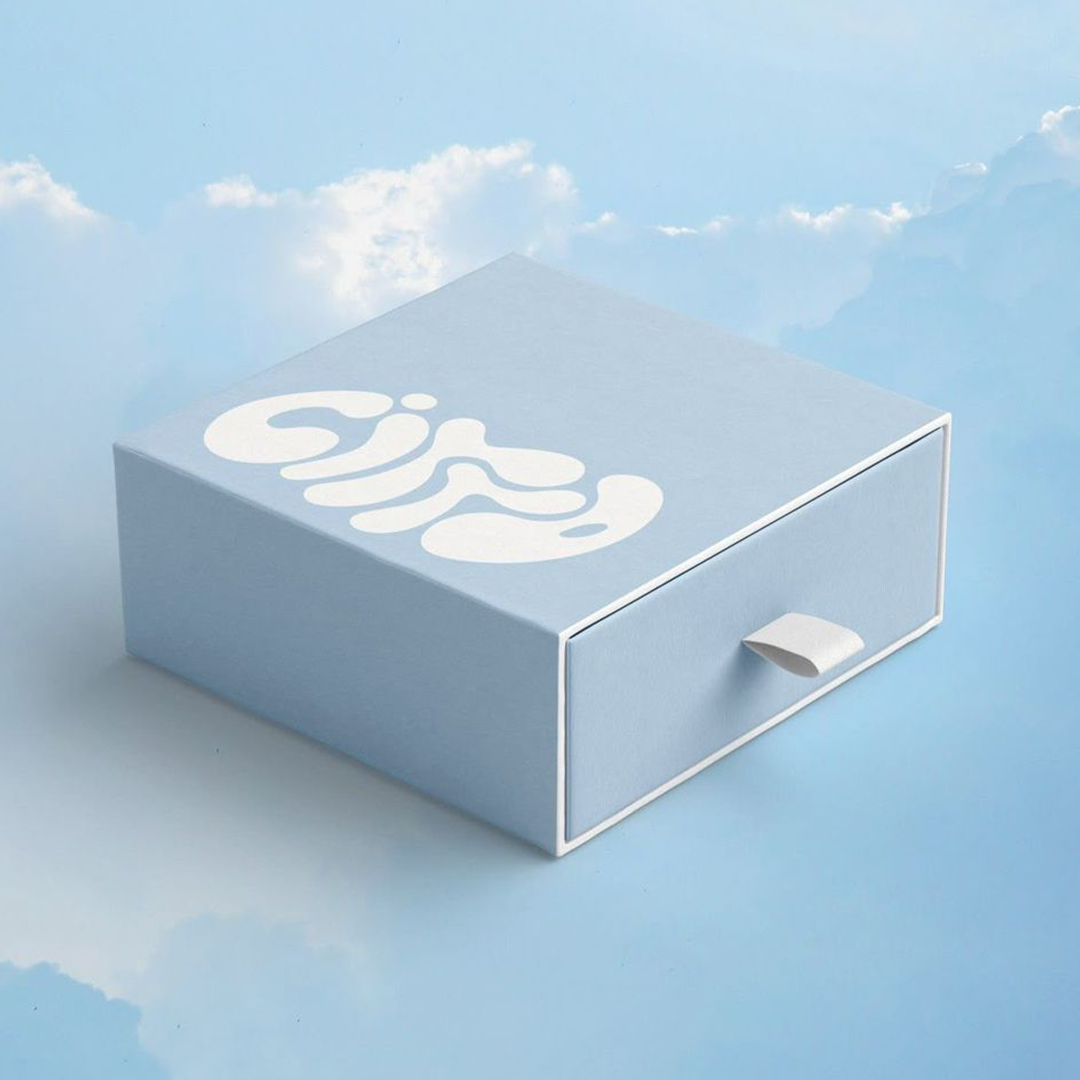 Matte Finish
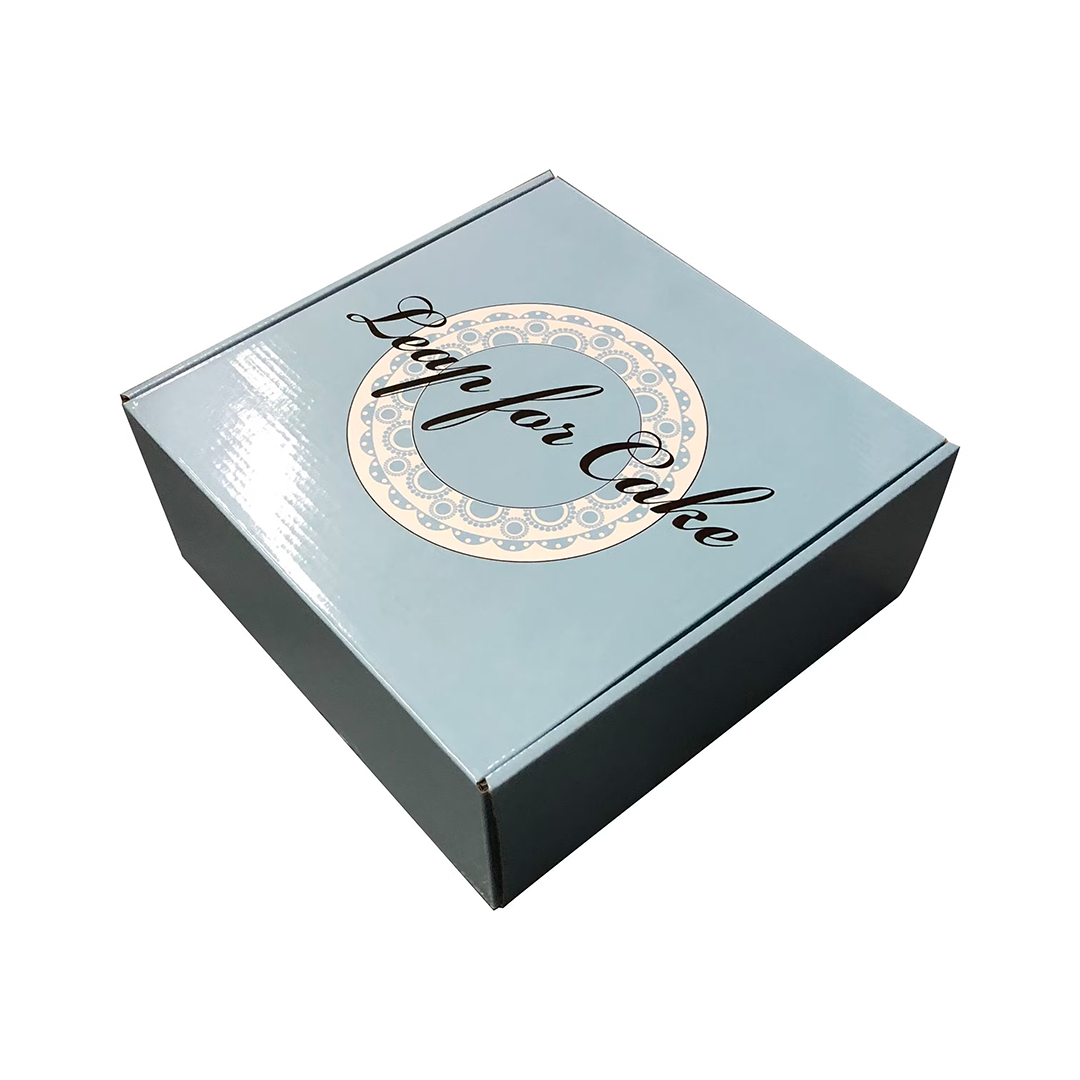 Gloss Finish
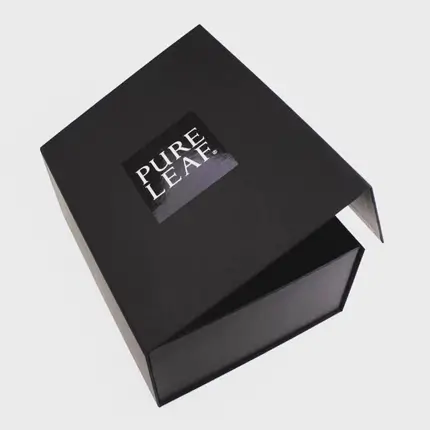 Soft Touch
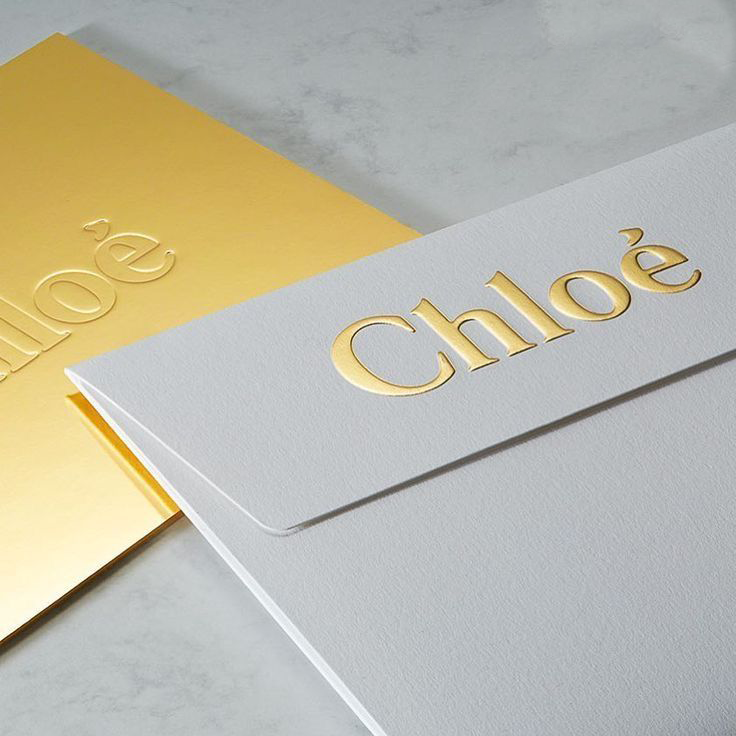 Foil Stamping
 Spot UV
 Embossing
 Debossing
 Window Cutouts