By Rai Haider
July 09, 2026
Corrugated Packaging: The Complete Material Guide for Strong, Sustainable, and Reliable Product Protection
Shipping products safely is vital for any business. The right packaging material makes a big difference. Corrugated packaging is strong, affordable, and flexible. E-commerce brands and large factories rely on it daily. It protects goods during shipping and lowers product loss. Many retail businesses use custom shipping boxes to secure products in transit. Proper outer boxes reduce returns and keep buyers happy.
Quick Summary: Corrugated packaging is a lightweight yet durable packaging material made of a wavy fluted paper core sandwiched between two flat outer linerboards. It provides high shock absorption, stacking strength, and customizable print surfaces, making it the preferred choice for e-commerce, electronics, food delivery, and industrial transit.
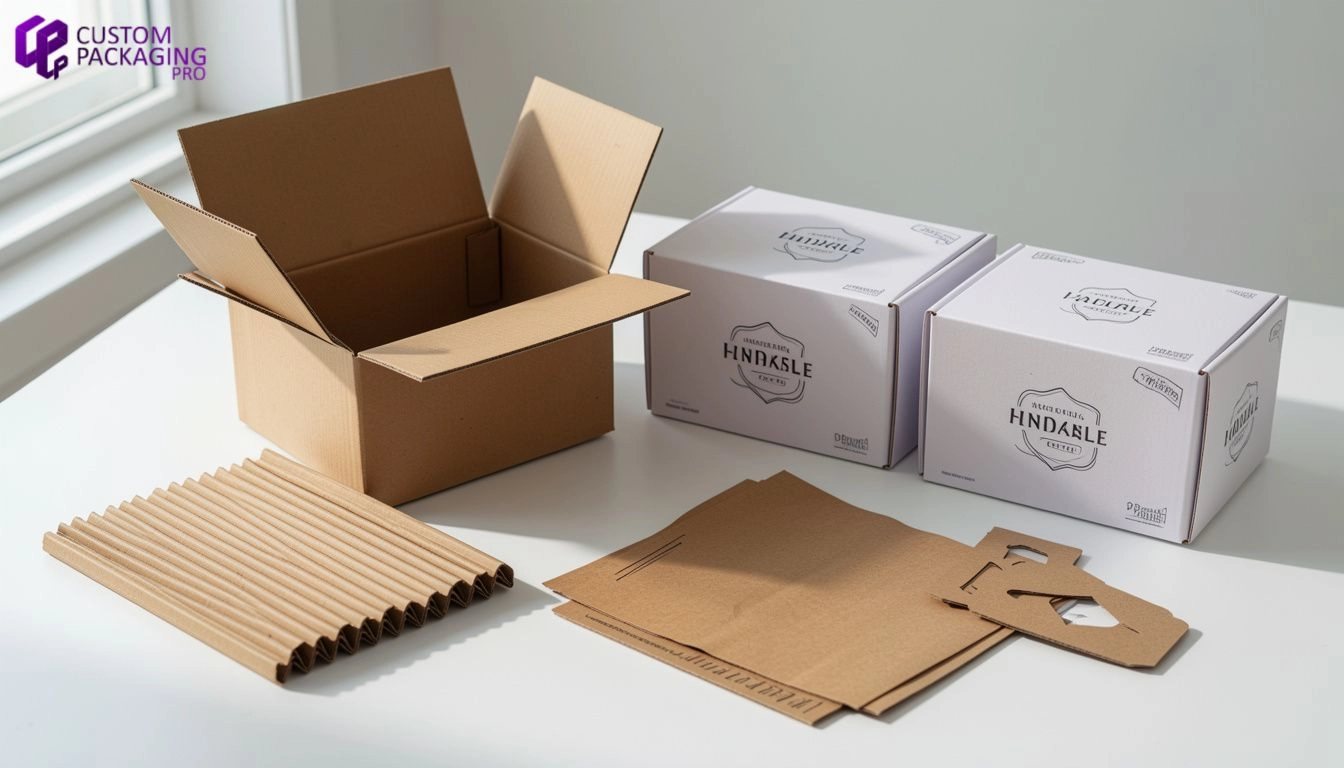
Corrugated boards use multiple layers for extra strength. Yet, they remain light in weight. This structure suits fragile electronics, food items, and industrial tools. It also supports clear custom printing. Brands can create attractive custom corrugated packaging to boost their image. Good packaging leaves a solid impression on every new buyer.
This comprehensive guide covers how corrugated boxes are made. You will learn about flute types, benefits, and eco-friendly features. We also compare corrugated boards with standard cardboard sheets. Discover why corrugated boxes remain the top choice for secure shipping worldwide.
What Is Corrugated Packaging?
Corrugated packaging is a paper-based shipping material built for tough journeys and rigorous transportation cycles. It features three distinct layers working together to deliver structural integrity. Two flat outer sheets, known as linerboards, hold a wavy inner paper sheet called the corrugated medium. This wavy center acts like a natural cushion by absorbing mechanical shocks, sudden drops, and heavy stacking pressure. As a result, the outer carton stays surprisingly lightweight while offering high durability and structural rigidity.
Many business owners frequently confuse plain cardboard with engineered corrugated board, yet they serve very different purposes in supply chain management. Standard cardboard is typically a single flat paperboard sheet, making it suitable for lightweight retail cartons or cereal boxes. In contrast, corrugated board is explicitly engineered for long-distance transit, heavy stacking in warehouses, and protecting delicate goods against ambient compression.
How Corrugated Boxes Are Made
The manufacturing process begins with heavy rolls of kraft paper derived from natural wood fibers. Specialized corrugator machines apply heat, steam, and intense pressure to bend the inner paper sheet into continuous wave arches known as flutes. Next, natural cornstarch adhesives bind the top and bottom fluted arches directly between two flat linerboards. This adhesive process creates a rigid, unified paperboard panel with exceptional strength-to-weight performance.
Once the corrugated sheets cure, high-speed automated factory machinery trims, scores, prints, and cuts them into finished box blanks. Packaging manufacturers carefully adjust the paper weight, kraft fiber density, and flute profiles based on the client's specific load requirements. This highly versatile production workflow ensures that every box delivers dependable protection tailored to its intended cargo.
Key Benefits of Using Corrugated Material
Corrugated packaging provides a unique balance of structural strength, low unit cost, and extensive design flexibility. The fluted interior core acts as an integrated shock absorber, cushioning contents against continuous transit vibrations and rough handling. Because the internal arch design generates immense vertical stacking strength without adding unnecessary physical mass, businesses benefit from significantly lower parcel delivery fees across long domestic and international shipping routes.
Furthermore, the outer paper liners provide a smooth, highly receptive canvas for custom branding and high-definition printing. Modern packaging equipment can easily score, die-cut, and construct corrugated sheets into virtually any custom dimension to fit specialized products tightly. Coupled with its outstanding environmental sustainability and ease of recycling, corrugated material remains the single most practical choice for modern commercial shipping.
Understanding Corrugated Flute Profiles
Fluting refers to the wavy paper arches structured within the interior wall of the corrugated sheet. The precise height, thickness, and quantity of flutes per linear foot dictate the box's overall compression strength, cushioning capabilities, and printing clarity.
A Flute Profile (4.8mm thickness): Featuring the thickest standard single-wall profile, A flute offers maximum shock absorption and top-to-bottom compression strength. It is ideal for fragile glass items, heavy industrial components, and long-term warehouse storage stacks.
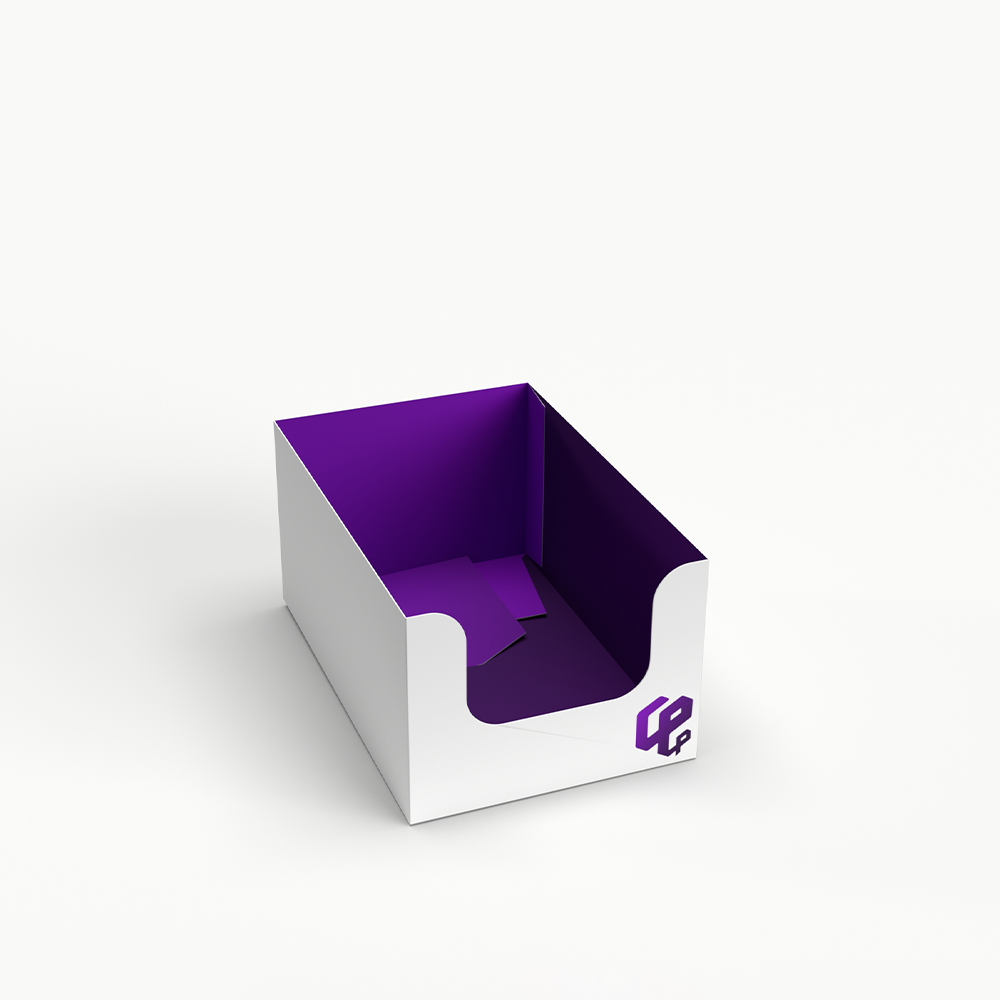
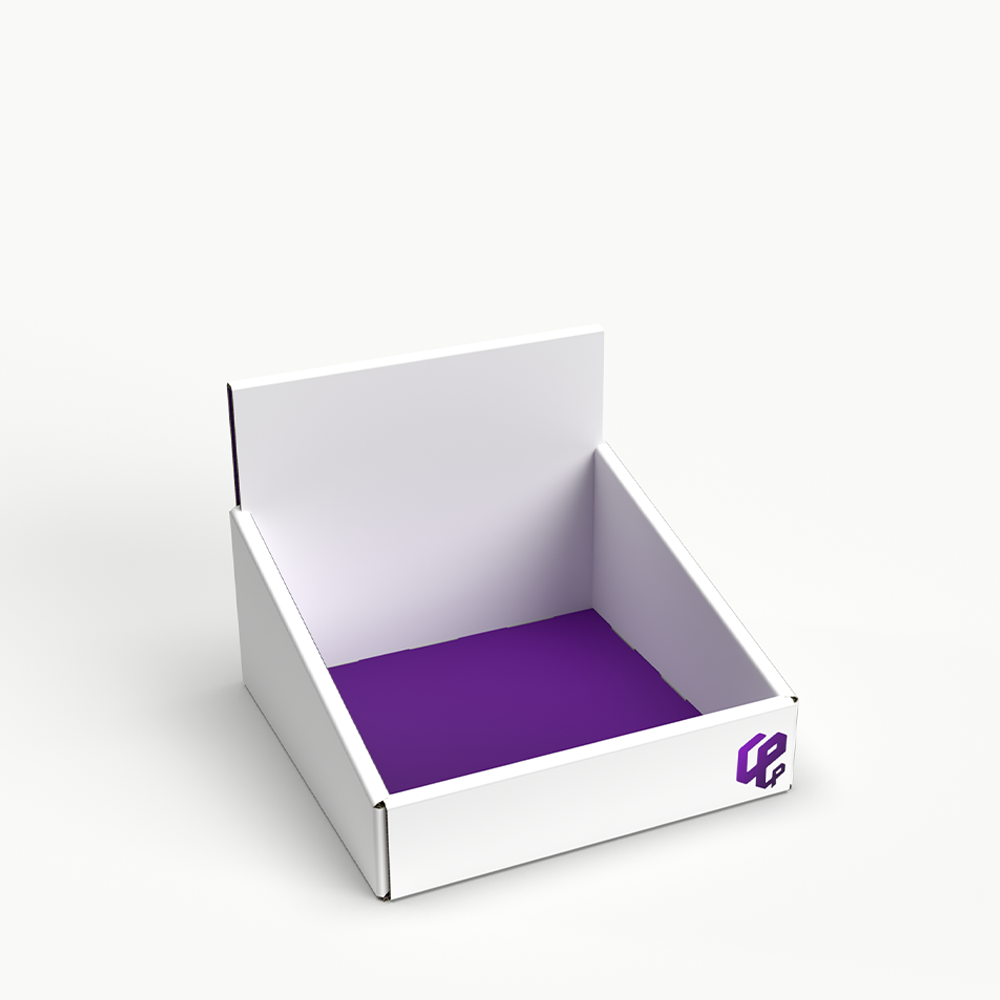
B Flute Profile (3.0mm thickness): Engineered with dense, tightly spaced arches, B flute provides excellent resistance against punctures, crushing, and surface impact. Its flatter exterior surface makes it a popular choice for vibrant retail packaging, inner product dividers, and counter display boxes.
C Flute Profile (3.8mm thickness): As the industry standard and most widely utilized profile globally, C flute strikes an ideal middle ground between vertical stacking durability, shock protection, and high-quality printing capabilities. It powers the majority of standard e-commerce shipping boxes.
E Flute Profile (1.6mm thickness): Thin, compact, and lightweight, E flute features a high number of flutes per foot. This creates an exceptionally smooth surface for crisp offset graphics, making it perfect for custom subscription mailers, cosmetics, and premium retail displays.
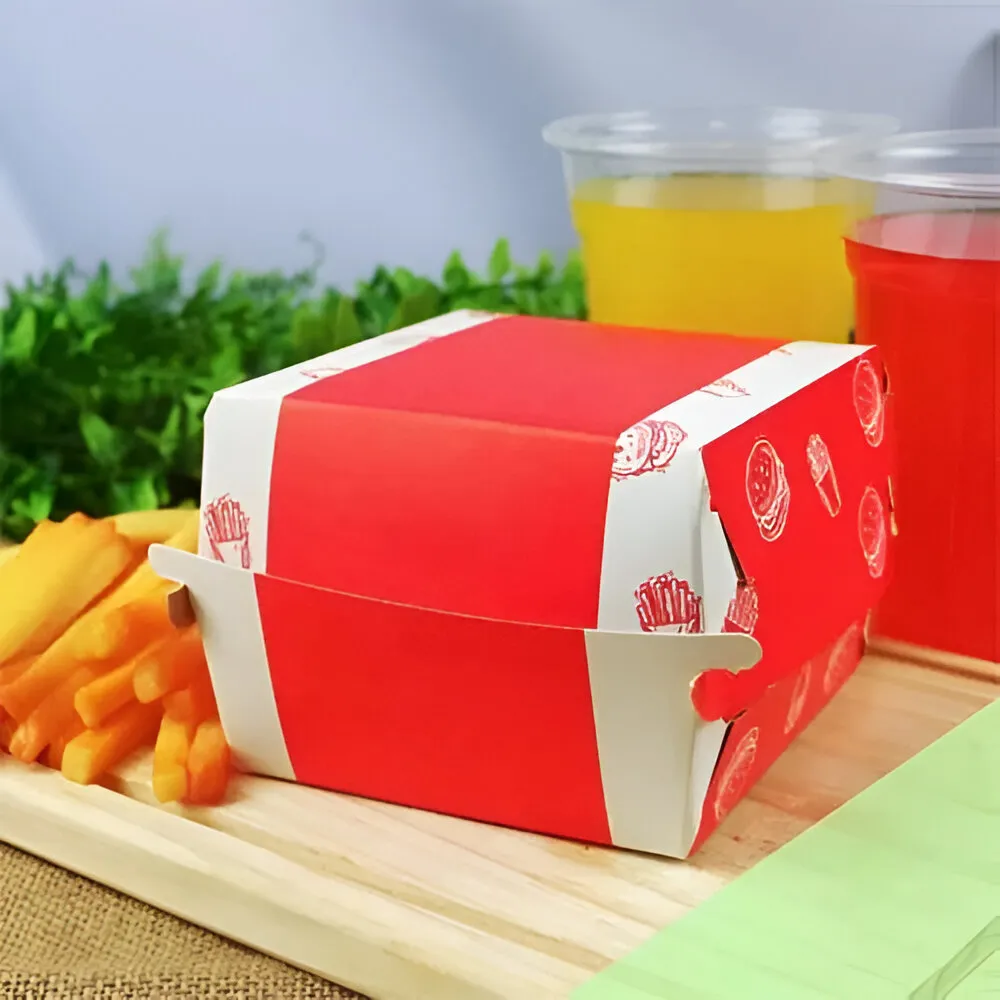
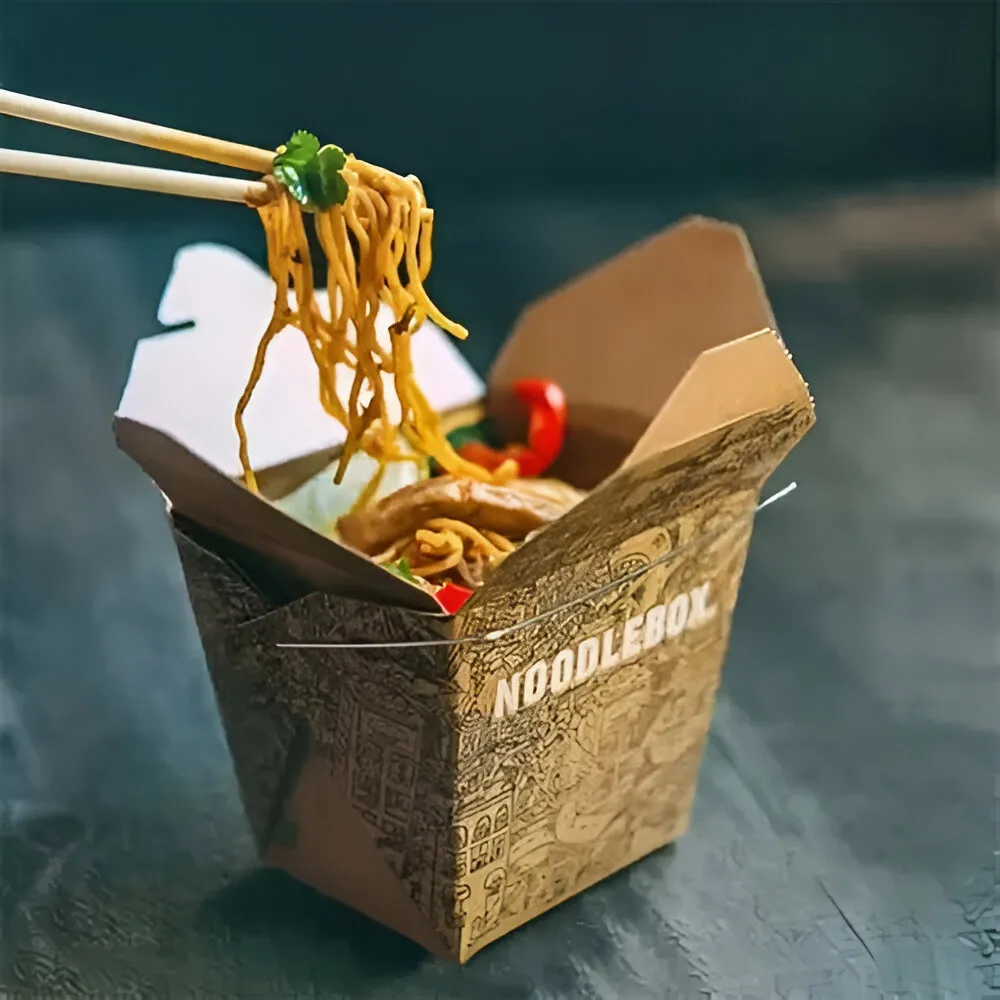
F Flute Profile (0.8mm thickness): Designed as an ultra-thin micro-flute profile, F flute is widely used for luxury folding cartons, compact jewelry boxes, and fast-food takeaway containers that require structural stiffness without bulk.
Main Types of Corrugated Board Constructions
Selecting the correct wall construction depends entirely on your product's total weight, fragility level, and overall transport distance.
1. Single-Face Board
This basic construction consists of one flat liner sheet bonded to a single fluted wavy sheet. It remains extremely soft, flexible, and pliable. Businesses rarely use single-face board to construct complete boxes; instead, it is primarily used in continuous rolls to wrap fragile items individually before placing them inside outer shipping cartons.
2. Single-Wall Board
Single-wall board features one wavy fluted layer glued securely between two flat outer linerboards. It represents the most common packaging style worldwide, delivering an affordable blend of protection and light overall weight. It is widely used for e-commerce parcel shipping, standard retail product cartons, custom subscription mailers, and food packaging delivery boxes.
3. Double-Wall Board
Double-wall construction merges two fluted paper layers between three flat liner sheets, creating a substantially thicker barrier. This configuration provides superior resistance to side impacts, heavy compression, and frame distortion. It is strongly recommended for shipping heavy consumer electronics, industrial tools, large home appliances, and international export cargo.
4. Triple-Wall Board
Triple-wall board combines three fluted interior layers sandwiched between four durable linerboard sheets. It delivers structural strength comparable to solid timber. Consequently, heavy equipment manufacturers and automotive exporters frequently utilize triple-wall cartons as an eco-friendly, cost-effective replacement for traditional wooden crates.
Industries That Rely on Corrugated Boxes
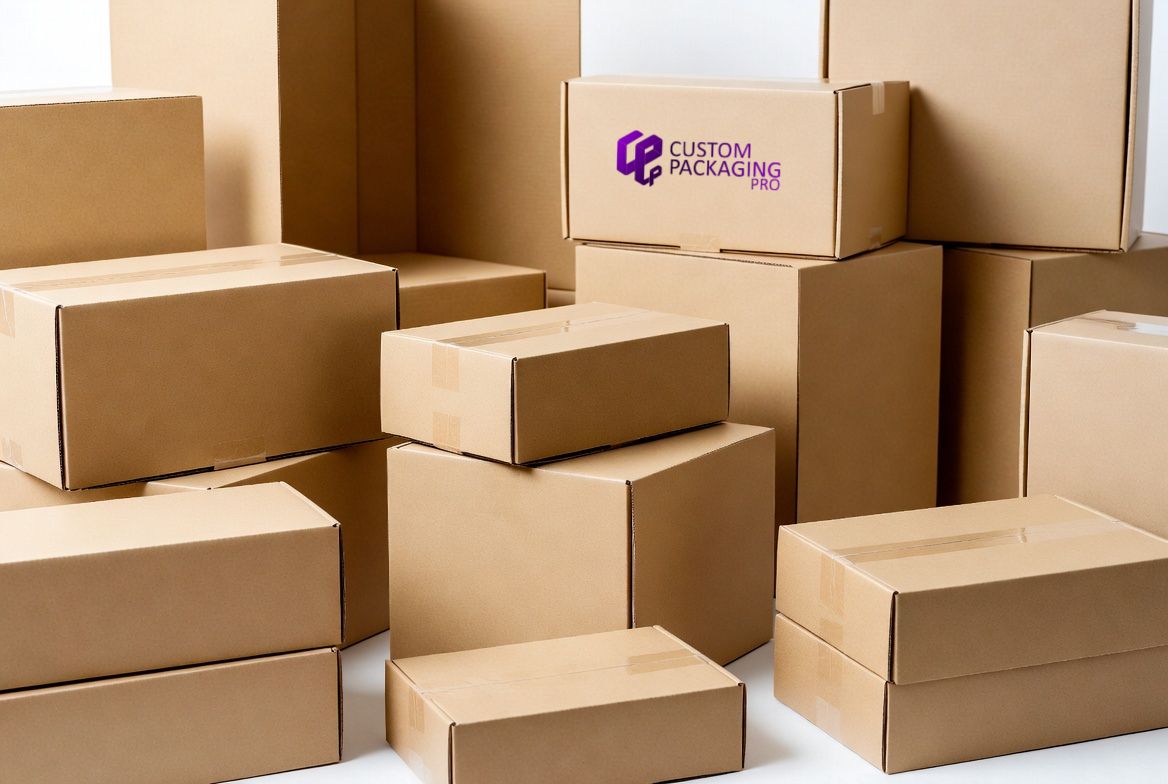
Modern e-commerce brands rely extensively on custom mailer boxes to transport online customer orders safely across thousands of miles. Beyond physical protection, these branded boxes establish an exciting, high-touch unboxing experience that builds lasting customer loyalty. Similarly, the commercial food and beverage sector requires clean, food-safe corrugated boxes that withstand ambient moisture, grease, and heavy vertical stacking inside cold storage warehouses.
In the electronics and medical hardware industries, sensitive components require specialized packaging that shields them against kinetic shocks, drop impacts, and electrostatic discharge during shipping. Furthermore, heavy industrial sectors such as automotive manufacturing depend on rugged double-wall corrugated containers to keep heavy metal spare parts from bursting open during long-haul freight transport.
Eco-Friendly Features and Sustainability Benefits
Corrugated paperboard stands out as one of the most eco-friendly packaging materials available to modern commercial enterprises. Most corrugated boxes are manufactured using 70% to 100% recycled paper fibers. Unlike synthetic plastic packaging materials that persist in landfills for centuries, natural paper fibers decompose completely within a few months without leaching toxic chemicals into surrounding soils or waterways.
Additionally, repulping used corrugated boxes requires significantly less water and electrical energy compared to producing paper from virgin tree timber. Because corrugated containers offer maximum physical protection while keeping tare weight minimal, freight trucks consume less fuel during transit, resulting in a significantly smaller overall carbon footprint across your supply chain operations.
Corrugated Board vs. Standard Cardboard
Understanding the fundamental structural differences between corrugated board and standard paperboard allows business owners to make informed purchasing decisions:
| Feature |
Corrugated Board |
Standard Cardboard |
| Internal Layer Structure |
Fluted paper core sandwiched between flat outer liners |
Single thick, dense layer of paperboard sheet |
| Structural Durability |
High vertical stacking strength and drop protection |
Low to moderate bending resistance; buckles easily |
| Primary Business Application |
Shipping, master freight cartons, and outer parcel protection |
Retail shelf boxes, shoe boxes, and light folding cartons |
| Cushioning Performance |
Exceptional drop, shock, and vibration absorption |
Minimal impact protection against heavy physical drops |
| Reusability & Recycling |
Easy to collapse, re-assemble, reuse, and recycle |
Fully recyclable but tears faster under structural strain |
Customization Options for Modern Brands
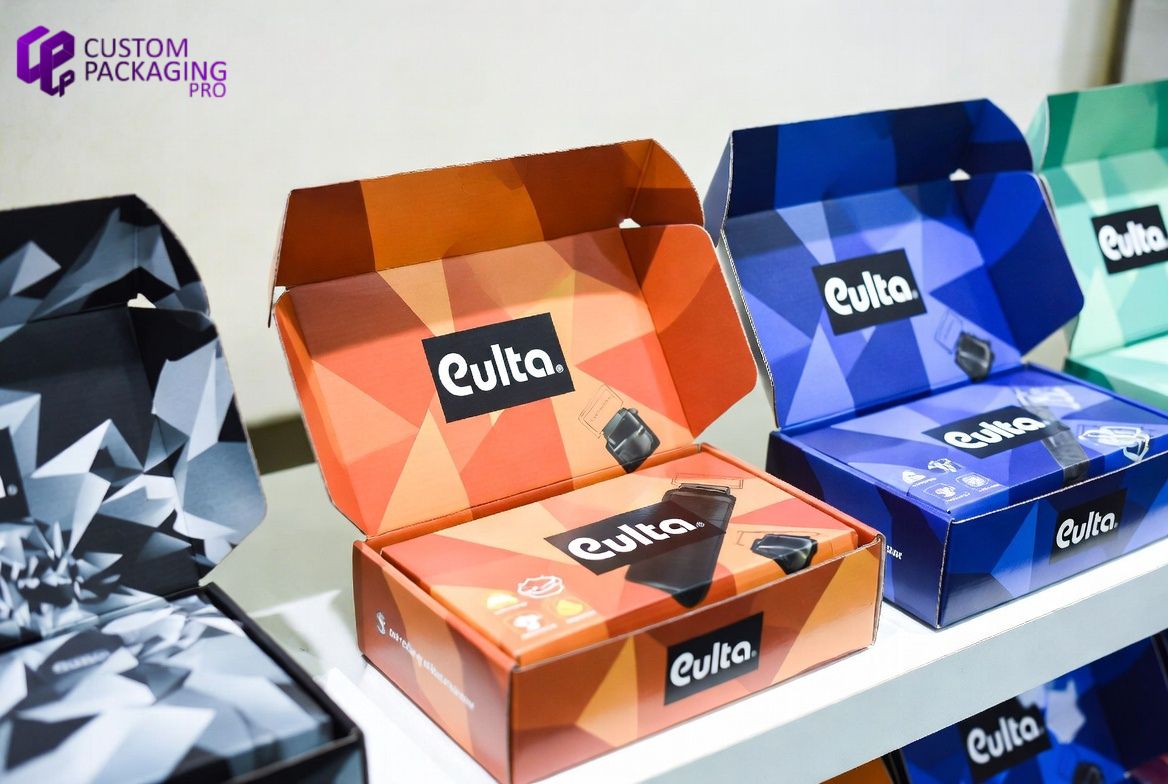
Modern packaging acts as a powerful offline marketing channel that directly reinforces brand value. Ordering custom box sizes tailored precisely to your product's dimensions eliminates wasted interior space, cutting down on unnecessary void-fill peanuts and lowering overall dimensional freight charges. Advanced printing methods, including flexographic, offset, and high-resolution digital printing, enable brands to showcase vibrant full-color artwork, logos, and promotional messages on every shipment.
To further enhance shelf presence and unboxing appeal, companies can apply premium finishing options such as foil stamping, spot UV gloss, matte lamination, or tactile embossing. Additionally, custom corrugated partition inserts can be integrated to keep delicate multi-piece items securely organized and prevent internal collisions during transit.
How to Choose the Right Packaging Box for Your Business
Selecting the ideal packaging solution requires analyzing your product's physical characteristics, fragility, and distribution journey. Heavy or dense items demand heavy-duty corrugated walls to prevent seam tears, whereas fragile goods like glass bottles or delicate electronics necessitate shock-absorbing flute profiles like A or C flute. If your fulfillment network involves long international sea freight or multi-stage transit hubs, choosing double-wall or moisture-resistant coated corrugated cartons is essential.
You must also account for warehouse humidity levels, applying wax or aqueous coatings if boxes face damp conditions during cold storage. Finally, balance your functional protection needs with brand presentation by choosing smoother micro-flutes like E or F flute whenever your design calls for intricate, high-definition printing.
Why Partner with Custom Packaging Pro?
Navigating the technical details of flute profiles, paper basis weights, burst strength ratings, and box construction styles can feel overwhelming. Custom Packaging Pro simplifies this process by designing and manufacturing custom corrugated packaging tailored specifically to your operational demands and budget constraints.
Our experienced packaging specialists work closely with your team to engineer custom box sizes, apply stunning high-definition printing, and select structural materials that guarantee maximum product protection. We strike the perfect balance between high structural integrity, eye-catching visual aesthetics, and competitive wholesale pricing. Partner with Custom Packaging Pro today to elevate your brand's packaging standards and secure your products across every shipment.
Frequently Asked Questions
- What materials make up corrugated packaging?
Corrugated packaging consists of two flat paper liners attached to an arch-shaped fluted paper layer in the center using eco-friendly starch adhesive.
- Are custom corrugated boxes fully recyclable?
Yes. Corrugated boxes are 100% recyclable and biodegradable because they are made from natural paper wood fibers.
- Why is fluting essential in shipping boxes?
Flutes act as internal arches that absorb mechanical shock, add vertical stacking strength, and protect box contents from damage.
- What is the difference between single-wall and double-wall boxes?
Single-wall boxes feature one wavy layer and suit standard shipping. Double-wall boxes feature two wavy layers for extra strength with heavy items.
- Can I print custom logos on my corrugated shipping boxes?
Yes. You can print custom colors, brand logos, product details, and marketing messages directly onto the outer paper liner.
- How do corrugated boxes reduce overall shipping costs?
Corrugated material provides high durability without adding excessive weight, keeping parcel shipping fees as low as possible.

 Custom Boxes
 Mailer Boxes
 Shipping Boxes
 Display Boxes
 Product Boxes
 Retail Packaging
 Luxury Packaging
 Sustainable Packaging
 Mylar Bags
 Labels & Stickers
 Inserts & Dividers
 Acrylic Signs
 Mylar and Zipper Bags
 Cosmetic Boxes
 Custom Candle Packaging Boxes
 Food and Beverage
 Display Packaging
 Pharma Packaging
 Custom Blister Packaging
 Stand Up Displays
 Kraft Boxes
 Cereal Packaging Boxes
 Bakery Packaging Boxes
 Eco-Friendly Boxes
 Electronics Packaging Boxes
 Custom Vape Boxes & Packaging
 CBD Packaging Boxes
 Rigid & Luxury Packaging Boxes
 Gift Boxes
 Custom Soap Boxes & Packaging
 Metalized Boxes
 Retail Boxes
 Subscription Boxes
 Invitation Boxes
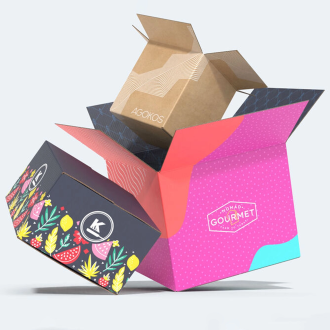 Corrugated Shipping Boxes
 Matte Finish
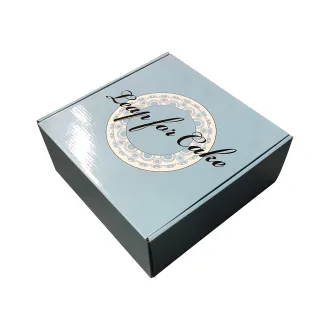 Gloss Finish
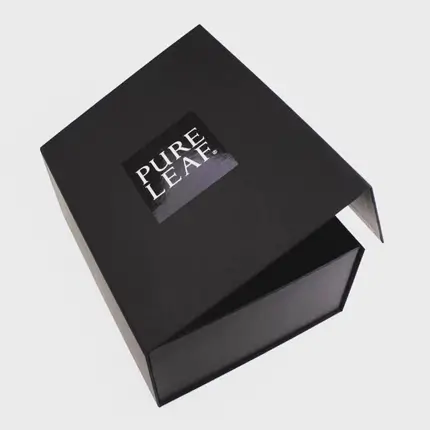 Soft Touch
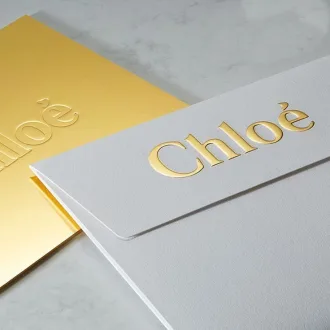 Foil Stamping
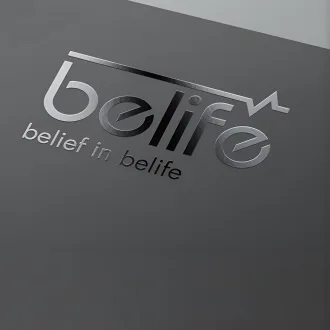 Spot UV
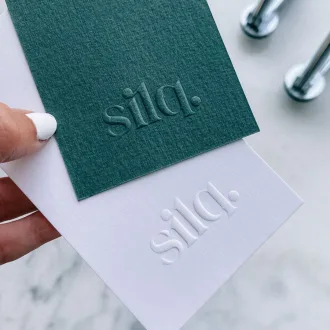 Embossing
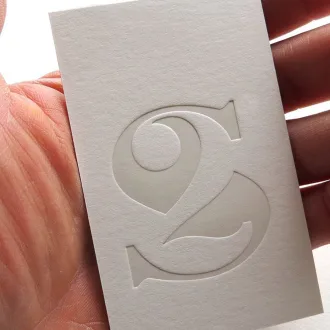 Debossing
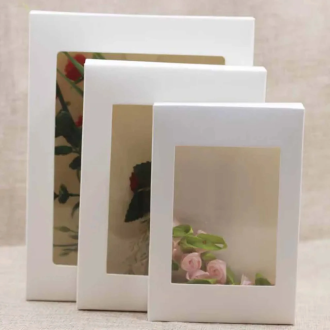 Window Cutouts