By Rai Haider
October 22, 2026
Paperboard vs Cardboard: Differences, Grades, and When to Use Each
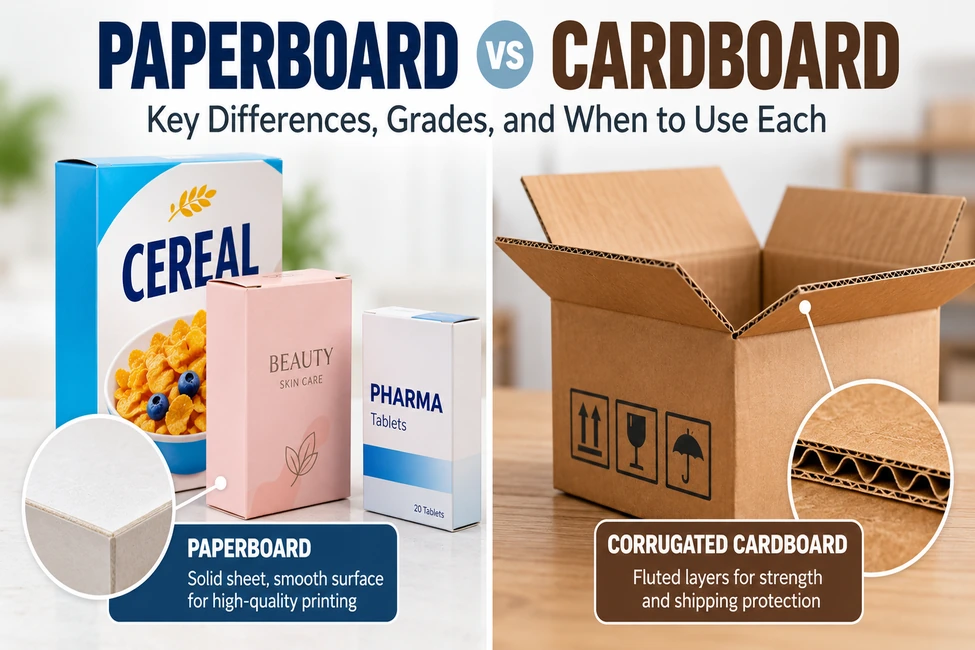
Paperboard and cardboard are not the same material. Paperboard is a thin, solid board, measured in points (thousandths of an inch), that folds cleanly into retail cartons and takes sharp print. "Cardboard" is an everyday word, and in packaging it usually means corrugated board: a fluted medium glued between two linerboards and built for shipping.
That one distinction shapes almost every line on a packaging spec: the substrate, the printing method, the strength rating, and whether the box is meant for a store shelf or a delivery truck. This guide explains each material, the grade codes that show up on quotes (SBS, CRB, CUK, chipboard), and how to decide between paperboard folding cartons and corrugated shipping boxes for your product.
Comprehensive Guide to Paperboard, Cardboard, and Packaging Materials
Paperboard vs Cardboard at a Glance
| Feature |
Paperboard |
Corrugated cardboard |
| Structure |
Solid sheet, single-ply or multi-ply |
Wavy, fluted medium glued between flat linerboards |
| How thickness is specified |
Caliper in points (1 pt = 0.001 in) |
Flute size (A, B, C, E, F) and wall type |
| Strength rating |
Caliper and stiffness |
Edge Crush Test (ECT) or Mullen burst |
| Surface |
Smooth, often clay-coated |
Textured kraft liner or white-top liner |
| Best printing |
Offset lithography, foil stamping, embossing |
Flexo or digital print, or a laminated printed sheet |
| Main role |
Primary and retail packaging |
Secondary and tertiary (shipping) packaging |
| Everyday examples |
Cereal boxes, cosmetic cartons, pharmaceutical cartons |
Shipping boxes, mailer boxes, moving boxes |
Is Paperboard the Same as Cardboard?
No. Paperboard is a defined class of paper-based material. "Cardboard" is a catch-all term with no technical definition, and people use it interchangeably for both paperboard and corrugated board.
Even official sources use the word loosely. The EPA's waste data groups "paper and paperboard (cardboard)" together, while the American Forest & Paper Association (AF&PA) reports a "cardboard recycling rate" that specifically tracks old corrugated containers, or OCC. Same word, two different materials.
The real difference between paperboard and cardboard is construction:
- Paperboard is solid fiber pressed into one continuous sheet, sometimes built from several plies bonded together.
- Corrugated cardboard has three or more layers with air space inside, created by the wavy inner layer.
That trapped air gives corrugated its cushioning and stacking strength. Paperboard gives up some of that protection in exchange for a flat, smooth surface with better printability and cleaner folds. On a purchase order, write "paperboard" or "folding carton" for retail boxes and "corrugated" for shipping boxes, and leave "cardboard" out of the spec.
What Is Paperboard?
Paperboard is a paper-based material that is thicker and stiffer than ordinary paper, made from wood pulp that can be virgin fiber, recycled fiber, or a blend. International standards vocabulary notes that, for some purposes, material under 225 g/m² is treated as paper and material at 225 g/m² or above is treated as board.
US buyers rarely specify by grams, though. Paperboard is ordered by caliper. One point equals 0.001 inch, so 16 pt board is 0.016 inches thick and 24 pt board is 0.024 inches thick. Retail folding cartons are commonly specified somewhere around 14 to 28 pt, depending on product weight and the feel a brand wants.
During manufacturing, pulp is formed into one or more plies, pressed, dried, and usually calendered (run through heavy rollers) to smooth the surface. Many grades get a thin clay coating on the print side. Multi-ply construction lets a mill put bright fiber on the outside and lower-cost fiber in the core. A cereal carton is the classic example: two white outer layers over a gray recycled middle layer.
Carton paperboard, also called cartonboard or folding boxboard, is the portion of paperboard made specifically to be scored, folded, and glued into cartons without cracking along the creases.
Paperboard Grades Buyers See on Quotes
| Grade |
What it is made from |
Appearance |
Typical uses |
| SBS (solid bleached sulfate) |
Bleached virgin kraft pulp, usually clay-coated |
Bright white on both sides |
Cosmetics, pharmaceuticals, frozen food, premium retail |
| CRB (coated recycled board) |
100% recycled fiber with a clay-coated print side |
White face, gray back |
Cereal, dry food, toys, household goods |
| CUK (coated unbleached kraft) |
Unbleached kraft pulp with a coated face |
Coated face, brown back |
Beverage carriers, cartons needing extra strength |
| FBB (folding boxboard) |
Mechanical pulp core between chemical pulp layers |
White, bulky for its weight |
Food and pharmaceutical cartons, more common outside the US |
| Chipboard (uncoated recycled board) |
100% recycled fiber, uncoated |
Gray or brown |
Rigid box cores, backing boards, inserts |
SBS Paperboard Meaning
SBS stands for solid bleached sulfate. "Sulfate" refers to the kraft (sulfate) pulping process, "bleached" means the fiber is whitened, and "solid" means the same bleached fiber runs through the whole sheet instead of only the surface. US industry classifications describe solid bleached packaging paperboard as made from pulp containing at least 80% bleached virgin wood fiber.
Because the surface is bright, smooth, and consistent, SBS is the go-to grade for offset printing, foil stamping, embossing and debossing, spot UV, and soft-touch coatings.
CRB Meaning: Paperboard Made From Recycled Fiber
CRB stands for coated recycled board. It is made from 100% recycled fiber, which can include old corrugated containers and mixed office paper, then coated with a thin clay layer so it prints well. Expect lower brightness than SBS and a gray reverse side. CRB is widely used for dry food cartons, cereal boxes, and household products where recycled content matters and premium finishing does not.
What Is Cardboard?
There is no standard that defines "cardboard" as a material. In everyday speech it covers almost any stiff paper-based board: a shoebox, a cereal box, a moving box, a notepad backing.
When people search for "paper cardboard" or "paper like cardboard," they are usually describing paperboard. It feels paper-like because the surface is smooth and printable, and it behaves cardboard-like because it is stiff enough to hold a box shape.
When a packaging supplier hears "cardboard box," the first question back is almost always: do you mean a folding carton for the shelf, or a corrugated box for shipping? Answering that early prevents a quote built on the wrong substrate.
What Is Corrugated Board?
Corrugated board (also called corrugated fiberboard) is made from two kinds of paperboard. Flat linerboard forms the inner and outer faces. A corrugating medium is formed into a series of arches, called flutes, and glued between the linerboards with a starch-based adhesive.
The arches resist bending and pressure from the sides, while the vertical walls of each flute act like columns that resist crushing from above. That is why corrugated handles stacking on pallets and drops during transit far better than solid paperboard of similar weight.
Corrugated is built in several wall types:
- Single face: one liner plus one fluted medium, often used as a wrap.
- Single wall: two liners with one fluted medium. This is the standard corrugated shipping box.
- Double wall: three liners with two fluted mediums, for heavier loads.
- Triple wall: four liners with three fluted mediums, for bulk and industrial shipping.
Common Corrugated Flute Sizes
| Flute |
Approx. flutes per foot |
Approx. height |
Typical use |
| A |
33 |
about 3/16 in |
Maximum cushioning for fragile items |
| B |
47 |
about 1/8 in |
Die-cut boxes, canned goods, retail trays |
| C |
39 |
between A and B |
General-purpose shipping boxes |
| E |
90 |
about 1/16 in |
Mailer boxes and printed retail boxes |
| F |
125 |
about 1/32 in |
Small retail boxes that compete with folding cartons |
The letters reflect the order in which each flute was developed, not its size. Exact flute counts and heights vary slightly between producers, so use the figures above as typical values.
Corrugated vs Cardboard: Is There a Real Difference?
The corrugated vs cardboard question is mostly about vocabulary. Corrugated describes a specific structure. Cardboard is the umbrella word that people stretch to cover it.
So when comparing corrugated cardboard vs cardboard, the answer depends on what the "cardboard" actually is:
- If it is a cereal box or a tissue box, it is paperboard, and the difference is structural: no flutes, no cushioning layer.
- If it is a moving box or a shipping carton, it is corrugated, and the two terms describe the same thing.
The difference between cardboard and corrugated boxes on a spec sheet is precision. A "corrugated box" can be specified exactly by flute, wall type, and strength rating. A "cardboard box" cannot. For the corrugated box vs cardboard box decision, always use "corrugated" when ordering shipping packaging. Recyclers do the same: in the recycling trade, used corrugated boxes are called OCC (old corrugated containers).
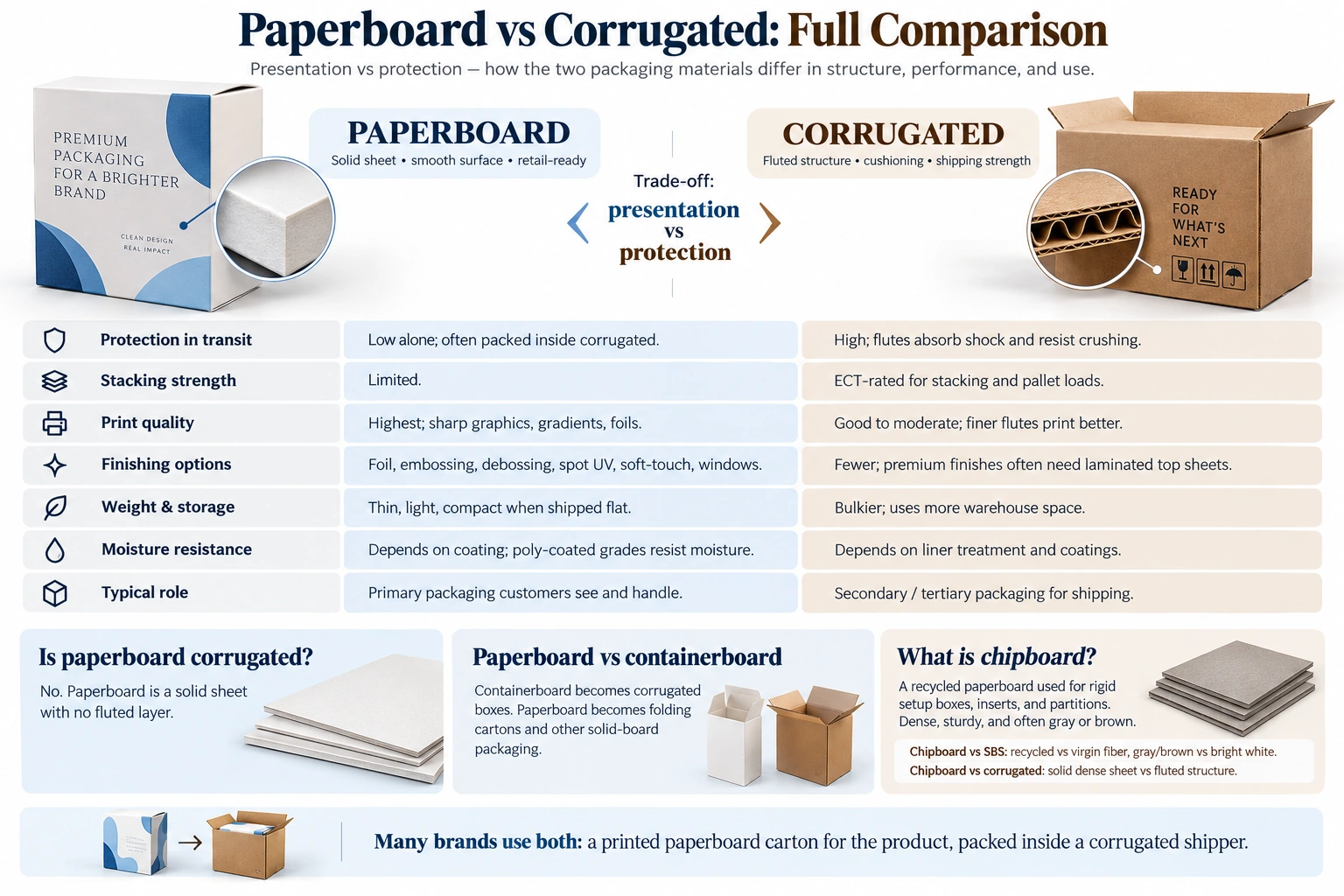
Paperboard vs Corrugated: Full Comparison
| Factor |
Paperboard |
Corrugated |
| Protection in transit |
Low on its own; usually shipped inside a corrugated outer box |
High; flutes absorb shock and resist crushing |
| Stacking strength |
Limited |
Rated by ECT for stacking and pallet loads |
| Print quality |
Highest; fine type, gradients, metallic foils |
Good to moderate; finer flutes print better |
| Finishing options |
Foil, embossing, debossing, spot UV, soft-touch, windows |
Fewer; premium finishes usually need a laminated top sheet |
| Weight and storage |
Thin and light; very compact when shipped flat |
Bulkier; takes more warehouse space per unit |
| Moisture resistance |
Depends on coating; poly-coated grades resist moisture |
Depends on liner treatment and coatings |
| Typical role |
Primary packaging the customer sees and handles |
Secondary and tertiary packaging for shipping |
In short, paperboard vs corrugated is a trade-off between presentation and protection. Many brands use both: a printed paperboard carton for the product, packed inside a plain corrugated shipper.
Is Paperboard Corrugated?
No. Paperboard is a solid sheet with no fluted layer. The overlap is that corrugated board is assembled from paperboard grades (linerboard and medium), and the two can be combined. In a process often called litho-lam, a printed paperboard or paper sheet is laminated onto E-flute or F-flute corrugated, giving a box carton-quality graphics with corrugated strength.
Paperboard vs Containerboard
This is where the industry's own definitions help most. US federal regulations for the paper and packaging promotion program (7 CFR §1222.17) separate the two clearly:
- Containerboard is linerboard and medium used to manufacture corrugated boxes and shipping containers.
- Paperboard (in the trade sense) is solid bleached kraft board, recycled board, and unbleached kraft board that is converted into folding boxes, food and beverage packaging, tubes, cans, and drums.
So paperboard vs containerboard comes down to the end product. Containerboard becomes corrugated shipping boxes. Paperboard becomes folding cartons and other solid-board packaging.
Containerboard is also the biggest destination for recycled fiber in the US. According to AF&PA, nearly half of all paper recycled in 2025, about 20 million tons, went into making containerboard.
What Is Chipboard?
Chipboard is a recycled paperboard made from 100% recycled fiber, usually left uncoated, which gives it a gray or brown appearance. In packaging, it has nothing to do with the wood particleboard that some regions also call "chipboard."
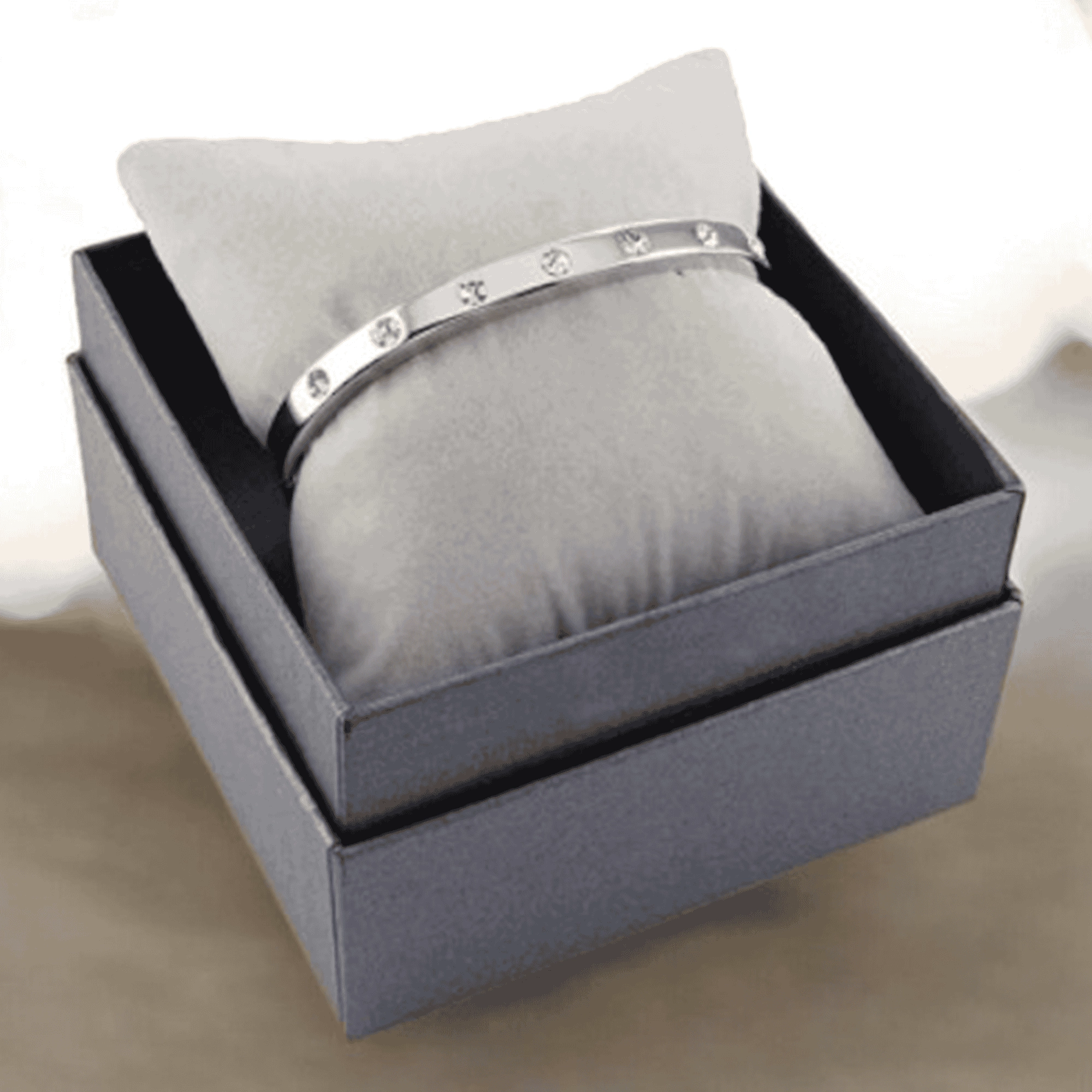
Its most visible job is as the core of rigid setup boxes. Thick chipboard is cut, assembled, and wrapped in printed or specialty paper to create the stiff, non-collapsible boxes used for jewelry, electronics, and luxury gifts. Chipboard also shows up in notepad backings, product inserts, and partitions. Custom Packaging Pro produces chipboard packaging boxes for brands that want a recycled, sturdy base.
Chipboard vs Paperboard
Chipboard is a type of paperboard, not a separate material. In the chipboard vs paperboard comparison, the real contrast is usually chipboard versus SBS:
- Fiber: chipboard is 100% recycled; SBS is mostly bleached virgin fiber.
- Look: chipboard is gray or brown; SBS is bright white.
- Print: chipboard is rarely printed directly at high quality, so it is often wrapped or laminated; SBS prints directly with sharp detail.
- Cost: chipboard generally costs less than virgin grades, which is one reason it is common for inserts and box cores.
Chipboard vs Cardboard
For chipboard vs cardboard (meaning corrugated), the difference is structure again. Chipboard is a solid, dense sheet. Corrugated has a fluted, air-filled middle layer. A rigid chipboard box feels heavier and more premium in the hand, but corrugated handles shipping impacts better, which is why rigid boxes usually travel inside a corrugated outer carton.
Cardboard vs Boxboard
Boxboard is the paperboard used to make folding cartons and rigid setup boxes. Industry classifications split it into three groups: folding boxboard, setup boxboard, and milk carton or food service board.
In the cardboard vs boxboard comparison, boxboard is the precise term and cardboard is the casual one. A cereal box is made from boxboard. A shipping box is made from containerboard that has been converted into corrugated. Both get called "cardboard" at home.
Cardstock vs Cardboard
Cardstock is a heavy printing paper, also called cover stock, sold mainly by basis weight in pounds. It sits at the light end of the scale and overlaps with the thinnest paperboards.
| Cardstock basis weight |
Approx. caliper |
Common use |
| 65 lb cover |
about 8 pt |
Light cards, flyers |
| 80 lb cover |
about 10 pt |
Standard cards, postcards |
| 100 lb cover |
about 12 to 14 pt |
Invitations, hang tags |
| 110 lb cover |
about 14 to 16 pt |
Heavy cards, header cards |
The cardstock vs cardboard difference comes down to purpose. Cardstock is made to be printed and used flat: business cards, invitations, inserts, and hang tags. Paperboard is made to be scored, folded, and glued into boxes. Corrugated cardboard is a different class entirely, built for shipping strength. Caliper conversions vary by paper finish, so confirm points with your supplier when matching an existing piece.
Cardboard vs Corrugated vs Kraft
Kraft is not a third material that competes with the other two. "Kraft" (German for strength) names the kraft, or sulfate, pulping process, and in everyday use it also describes the natural brown color of unbleached kraft fiber.
| Term |
What it actually describes |
Packaging example |
| Cardboard |
Informal name for stiff paper-based board |
Anything from a cereal box to a moving box |
| Corrugated |
A structure: fluted medium between linerboards |
Shipping boxes, mailers |
| Kraft |
A pulping process and the brown, unbleached look |
Kraft linerboard, kraft corrugated boxes, kraft bags |
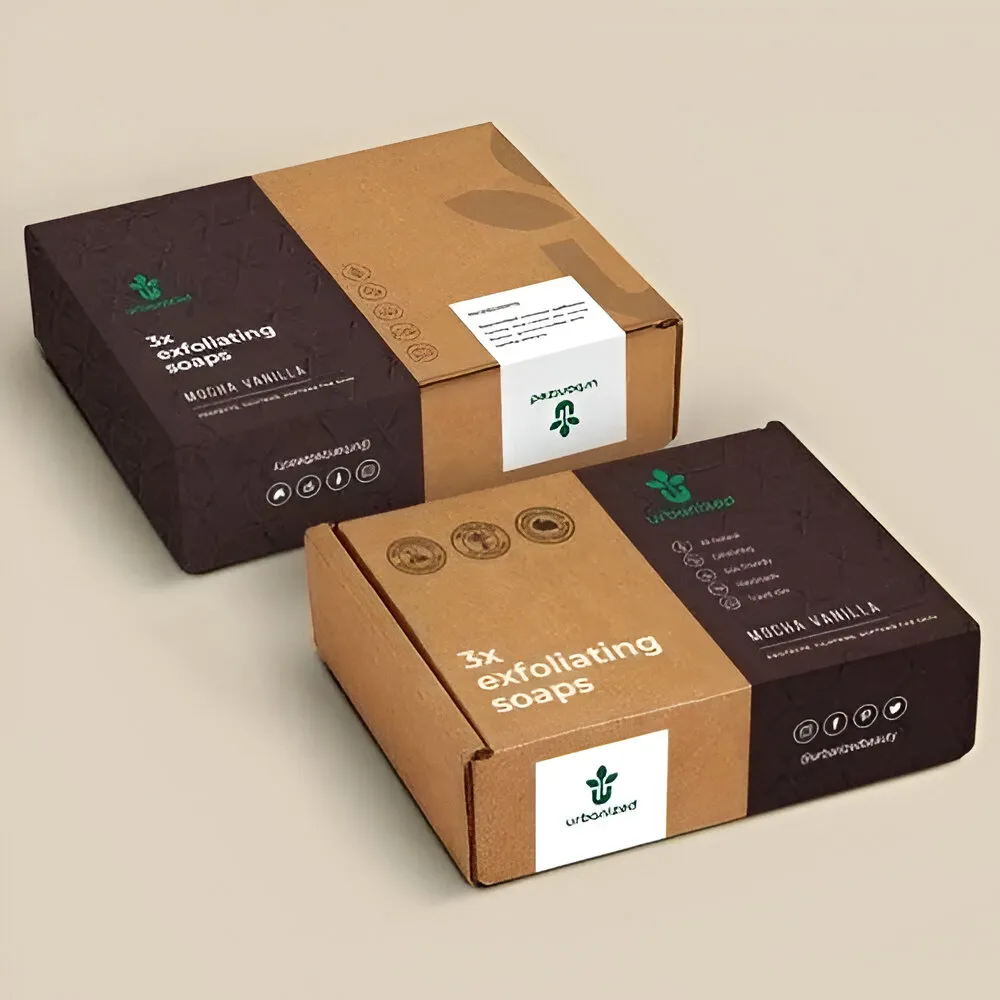
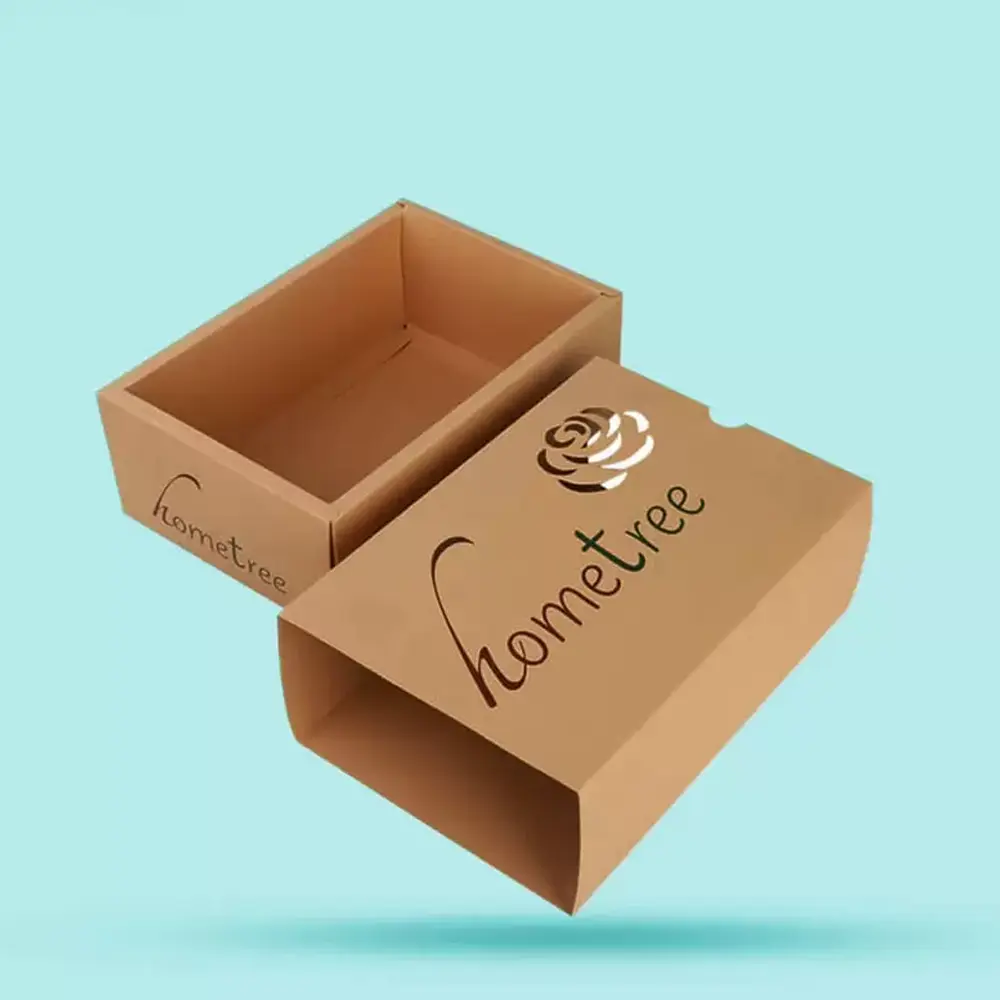
That means kraft can appear on either side of the paperboard vs cardboard divide. A corrugated mailer with brown kraft liners and a folding carton made from unbleached kraft paperboard can sit side by side on the same shelf. Brands often choose kraft boxes for the natural look regardless of which structure is underneath.
Carton vs Cardboard Box: What Buyers Mean
The difference between carton and cardboard box depends on context. In retail packaging, "carton" almost always means a folding carton made from paperboard. In warehouses and shipping, people also say "shipping carton" or "master carton" when they mean a corrugated box.
The difference between corrugated and carton box, in the strict packaging sense, is the flute. A corrugated box has one; a folding carton does not. The EPA's packaging data reflects this split by tracking corrugated boxes separately from folding cartons such as cereal boxes and frozen food boxes, and from setup boxes such as shoe, cosmetic, and candy boxes.
Corrugated Box vs Non-Corrugated Box
For the corrugated box vs non-corrugated box choice, non-corrugated options include:
- Folding cartons: paperboard boxes for retail shelves.
- Rigid setup boxes: thick chipboard wrapped in printed paper.
- Solid fiber boxes: dense, laminated board used for heavy-duty applications.
Choose corrugated when the box has to survive shipping on its own. Choose a non-corrugated box when presentation matters most and the product will be protected by an outer shipper or will travel in bulk.
Strength: How Each Material Is Rated
Paperboard and corrugated use completely different strength measurements, which is another reason the two should not be confused on a spec.
| Rating |
What it measures |
Reported as |
Applies to |
| Caliper (points) |
Thickness of the sheet |
pt (0.001 in) |
Paperboard |
| Edge Crush Test (ECT), TAPPI T 811 |
Edgewise compression strength, linked to stacking strength |
Pounds per linear inch, e.g. 32 ECT |
Corrugated |
| Mullen burst, TAPPI T 810 |
Force needed to rupture the board face |
Pounds, e.g. 200# |
Corrugated |
Industry charts commonly pair a 32 ECT single-wall box with a 200# Mullen box, but the two tests measure different things and are not interchangeable. ECT predicts how well boxes stack in a warehouse. Burst strength reflects resistance to punctures and rough handling. Most corrugated boxes carry a Box Maker's Certificate, usually printed on a bottom flap, stating the rating.
Recycling and Sustainability
Both materials come from renewable wood fiber, both are widely recyclable, and both are common replacements for plastic packaging. The numbers behind US paper recycling are strong:
- AF&PA reports that in 2025, 61% to 65% of paper and 70% to 75% of cardboard available for recovery was recycled in the US.
- Around 45 million tons of paper was recycled in 2025, including more than 33 million tons of cardboard.
- About 29% of recycled paper was exported to mills in other countries.
- The US now recycles nearly 60% more paper than it did in 1990, according to AF&PA.
- AF&PA's 2021 Access to Recycling Study found that 94% of Americans have access to a community paper recycling program.
AF&PA President and CEO Heidi Brock said the 2025 figure "demonstrates the staying power of America's paper recycling system." Abigail Sztein, AF&PA's executive director of recovered fiber, noted that "the paper recycling system is functioning as designed, and the system held steady."
Corrugated has long been the leader. In the EPA's 2018 data, corrugated boxes had a 96.5% recycling rate, while other paper containers and packaging came in at 20.8%. That older figure uses a different method than AF&PA's current ranges, so treat the two as separate measurements. The Fibre Box Association also reports that box fibers are reused at least seven times to make new boxes.
A few practical notes for brands:
- Paperboard cartons are often collected with mixed paper, while corrugated goes with cardboard. Local rules vary, so check your customers' main markets.
- Heavy poly coatings, plastic windows, and some laminations can make recycling harder. Ask about recyclable coating options early in design.
- FSC, SFI, and PEFC certifications verify responsible fiber sourcing and are available on many paperboard and corrugated grades.
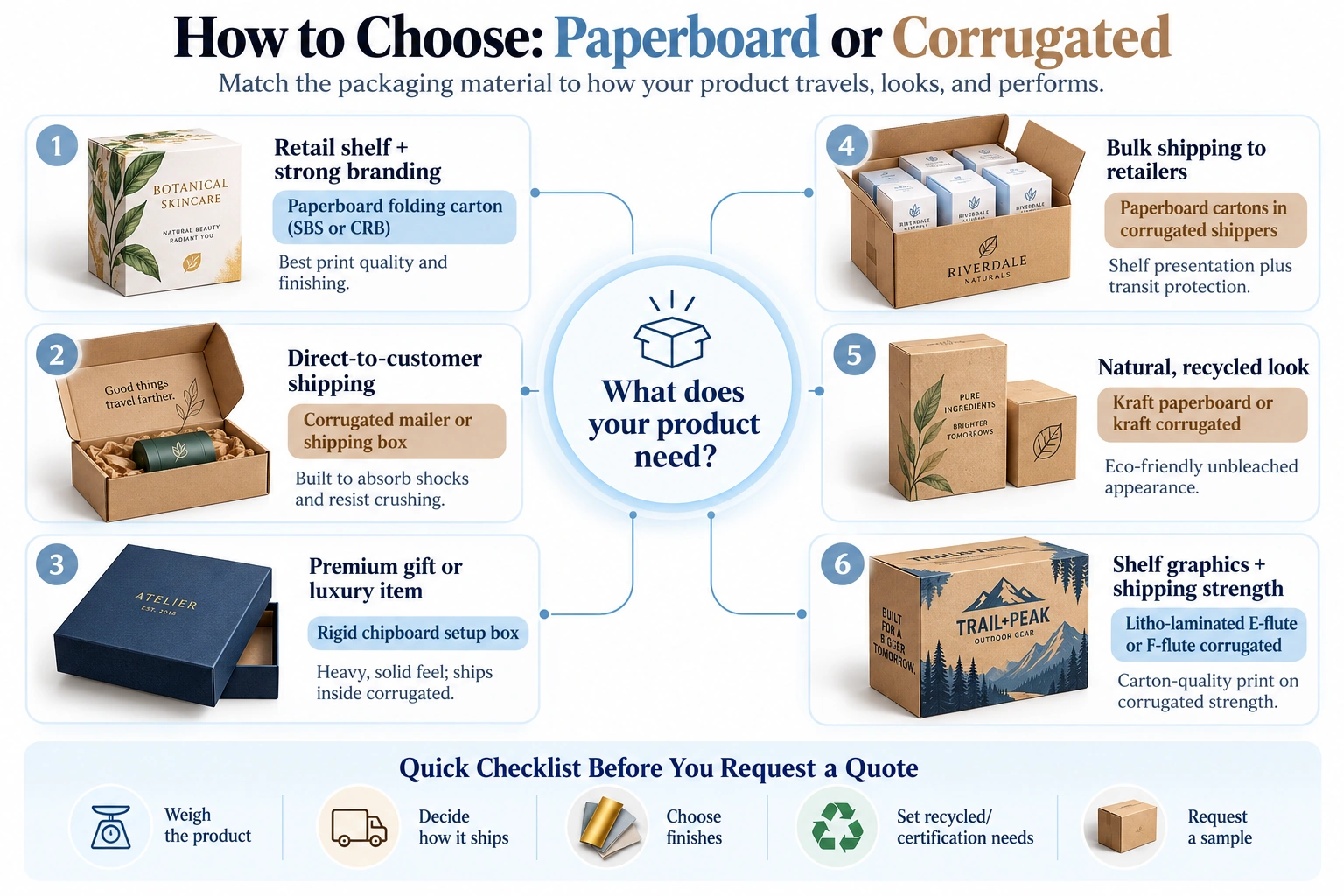
How to Choose: Paperboard or Corrugated?
Start with how the box will travel and what it needs to communicate.
| If your product... |
Choose |
Why |
| Sits on a retail shelf and needs strong branding |
Paperboard (SBS or CRB) folding carton |
Best print quality and finishing |
| Ships directly to customers |
Corrugated (E-flute or B-flute) mailer boxes or shipping boxes |
Built to absorb shocks and resist crushing |
| Is a premium gift or luxury item |
Rigid chipboard setup box |
Heavy, solid feel; ships inside corrugated |
| Ships in bulk to retailers |
Paperboard cartons packed in corrugated shippers |
Shelf presentation plus transit protection |
| Needs a natural, recycled look |
Kraft paperboard or kraft corrugated |
Unbleached brown fiber with an eco-friendly appearance |
| Needs shelf graphics and shipping strength in one box |
Litho-laminated E-flute or F-flute corrugated |
Carton-quality print on corrugated structure |
A quick checklist before you request a quote:
- Weigh the product and note any fragile parts.
- Decide whether the box ships alone or inside an outer shipper.
- Pick the finishes you need (foil, embossing, windows) and confirm they work on your chosen board.
- Set recycled content and certification requirements.
- Ask for a physical sample to check feel, fit, and print before a full run.
Custom Packaging Pro builds both paperboard and corrugated packaging for US businesses, and our team offers free design support to help match the board, structure, and finish to your product.
Frequently asked questions
- Is paperboard stronger than cardboard?
Not for shipping. Corrugated cardboard is far stronger in stacking and impact resistance because of its fluted middle layer. Paperboard is stiff for its thickness and strong enough for retail cartons, but it usually needs a corrugated outer box for transit.
- Can you ship products in a paperboard box?
Light, durable items can sometimes ship in paperboard alone, but most paperboard cartons travel inside a corrugated shipper. For direct-to-customer shipping, corrugated mailers made from E-flute or B-flute are the safer choice.
- Is a cereal box paperboard or cardboard?
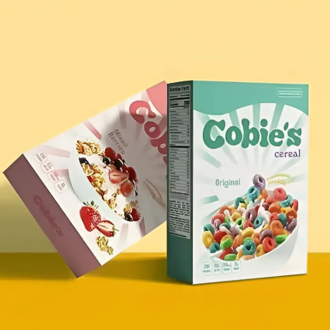
A cereal box is paperboard, usually a recycled or combination boxboard with white printed outer layers and a gray recycled core. People call it cardboard, but it has no flutes and is not corrugated.
- What does "cardboare" mean?
"Cardboare" is a common misspelling of cardboard, not a separate material. Whichever spelling you search, the answer is the same: decide whether you need solid paperboard for retail or corrugated board for shipping.
- Is chipboard recyclable?
Yes. Chipboard is made entirely from recycled fiber and can usually be recycled again with mixed paper. Rigid boxes that combine chipboard with magnets, foam, or plastic parts may need those parts removed first.
- What thickness of paperboard is used for retail boxes?
Folding cartons are commonly made from paperboard in roughly the 14 to 28 point range, which is 0.014 to 0.028 inches. Lighter products often use 16 to 18 pt, while heavier items or premium boxes move toward the upper end.
- Which is more eco-friendly, paperboard or corrugated?
Both are renewable and recyclable. Corrugated is one of the most recycled packaging materials in the US, while paperboard uses less material per box. The more sustainable option is the one sized correctly for the product, made with recycled or certified fiber, and finished with coatings that do not block recycling.

 Custom Boxes
 Mailer Boxes
 Shipping Boxes
 Display Boxes
 Product Boxes
 Retail Packaging
 Luxury Packaging
 Sustainable Packaging
 Mylar Bags
 Labels & Stickers
 Inserts & Dividers
 Acrylic Signs
 Mylar and Zipper Bags
 Cosmetic Boxes
 Custom Candle Packaging Boxes
 Food and Beverage
 Display Packaging
 Pharma Packaging
 Custom Blister Packaging
 Stand Up Displays
 Kraft Boxes
 Cereal Packaging Boxes
 Bakery Packaging Boxes
 Eco-Friendly Boxes
 Electronics Packaging Boxes
 Custom Vape Boxes & Packaging
 CBD Packaging Boxes
 Rigid & Luxury Packaging Boxes
 Gift Boxes
 Custom Soap Boxes & Packaging
 Metalized Boxes
 Retail Boxes
 Subscription Boxes
 Invitation Boxes
 Corrugated Shipping Boxes
 Matte Finish
 Gloss Finish
 Soft Touch
 Foil Stamping
 Spot UV
 Embossing
 Debossing
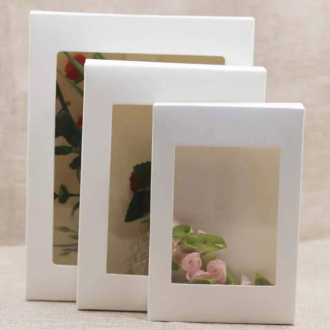 Window Cutouts