By Rai Haider

September 25, 2026

Greeting Card Dimensions: Standard Sizes Guide

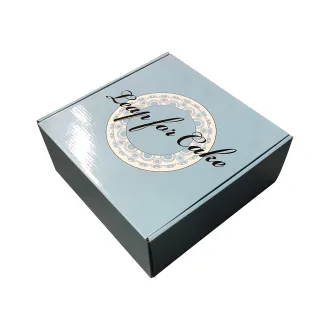
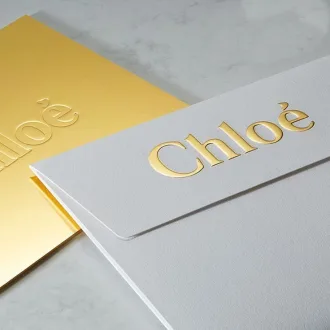
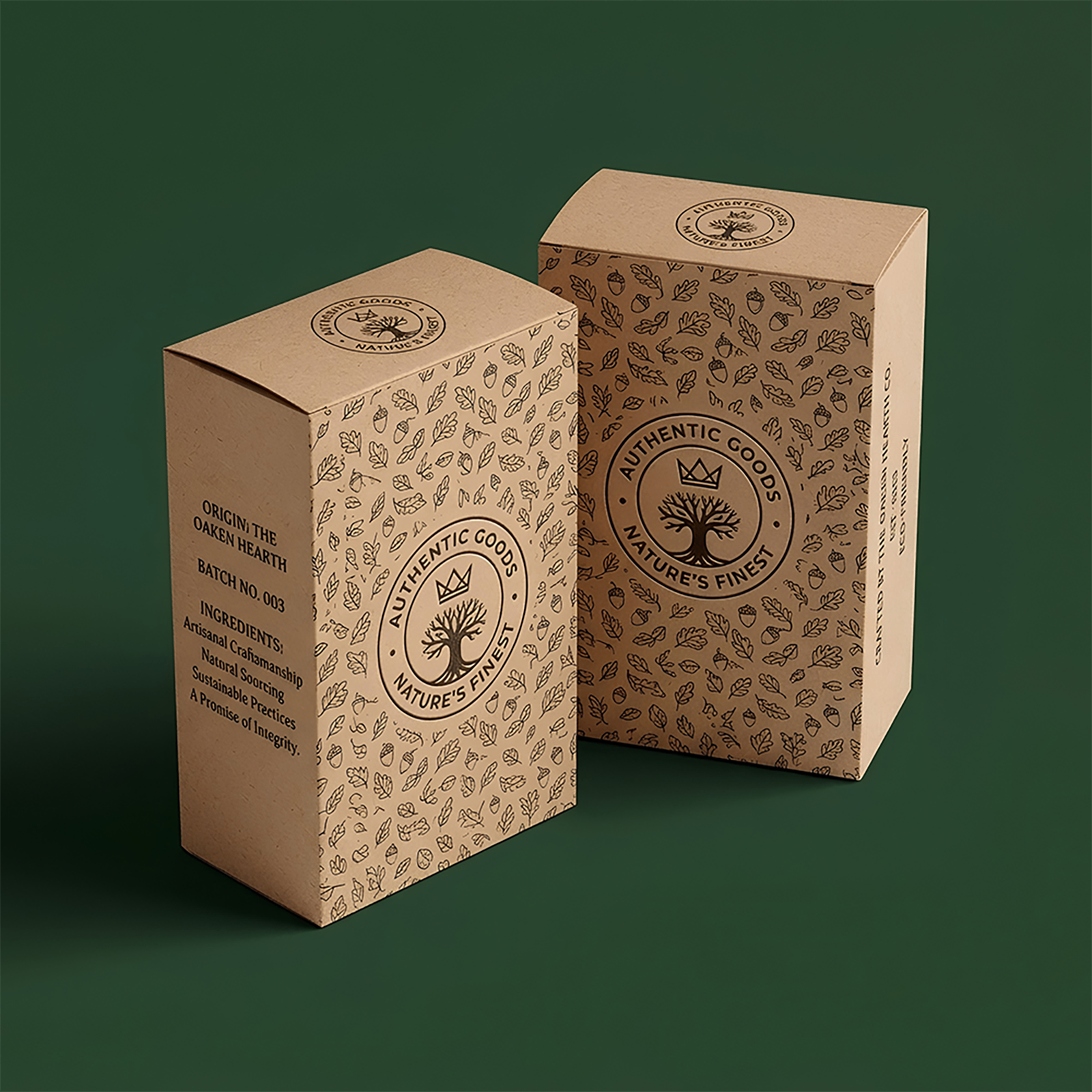
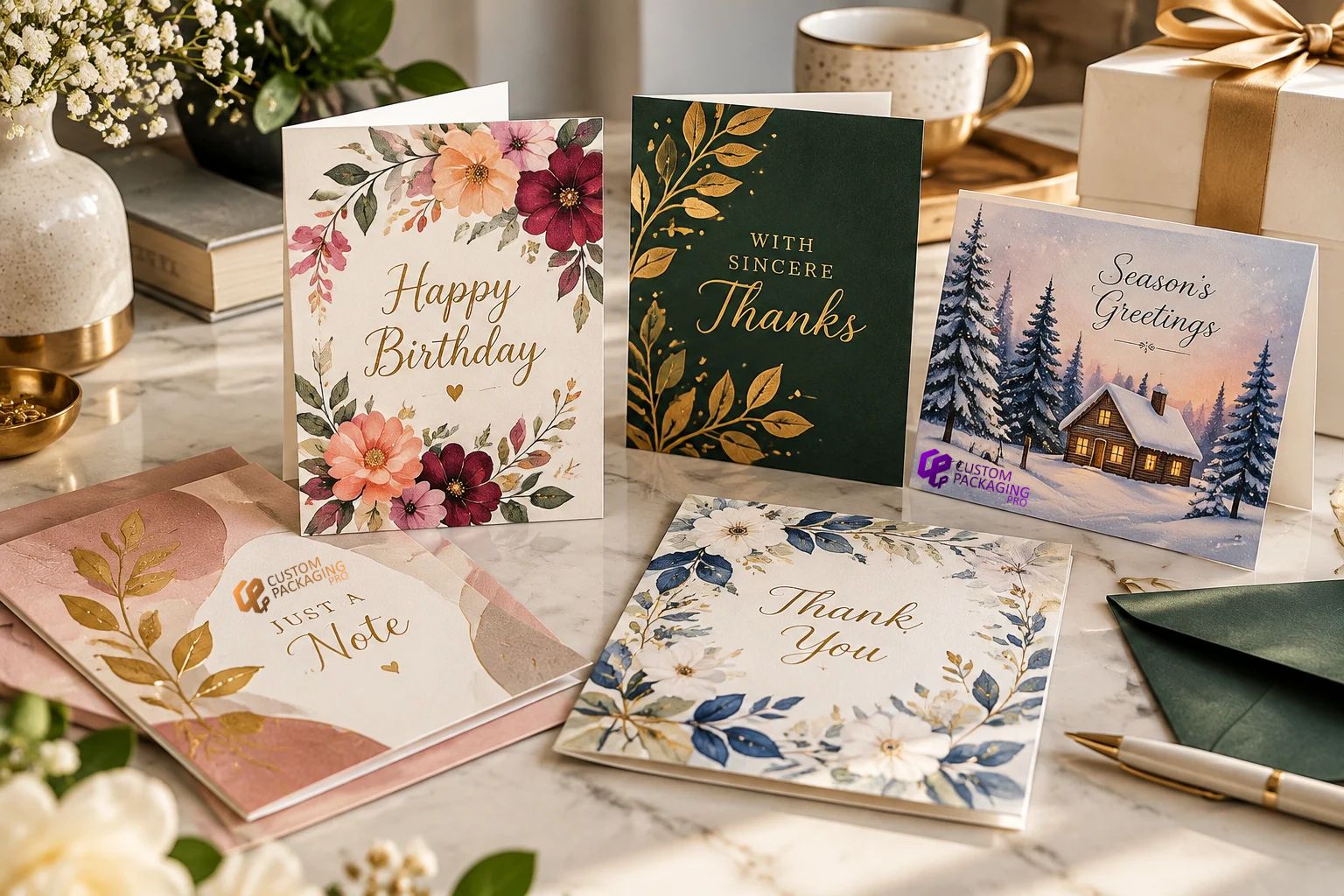
Premium greeting card designs with floral artwork, foil details, and luxury printing finishes for branded card presentation

Choosing the right greeting card dimensions is an important part of creating a card that looks professional, feels balanced, and delivers the intended message effectively. While the design, artwork, and message inside a greeting card are important, the physical size of the card also affects how customers experience the final product.

A card that is too small may limit the available design space, while a larger format can provide more room for detailed artwork, branding elements, and personalized messages. For businesses, designers, and printing professionals, understanding the correct greeting card size helps ensure better layouts, accurate printing, and a polished final result.

From personal occasions like birthdays and holidays to business thank-you cards and promotional materials, choosing the right measurements plays a major role in the overall presentation.

The correct greeting card dimensions depend on several factors, including:

Whether you are creating traditional greeting cards, branded cards, or printed materials for packaging campaigns, understanding standard measurements helps you achieve a professional outcome.

Complete Guide to Greeting Card Dimensions and Printing

What Are Greeting Card Dimensions?

Greeting card dimensions refer to the physical measurements of a card, usually represented by its width and height. These measurements determine the overall size of the card before and after folding.

When discussing the dimensions of a greeting card, designers usually consider:

For folded cards, the measurement can be viewed in two ways:

Understanding this difference helps designers prepare accurate artwork and avoid layout issues during production.

Why Greeting Card Size Matters for Printing and Design

The size of a greeting card affects much more than its appearance. It influences how the design elements, text, images, and finishing options work together. A properly selected card size provides enough space for:

For professional printing, designers also need to consider technical requirements such as bleed area, trim size, safe margins, and print-ready files. These details ensure the final card matches the original design concept.

For businesses, card dimensions also influence product presentation. A premium-sized card combined with quality printing finishes can create a stronger impression, especially when included with gifts, products, or branded packages.

Standard Greeting Card Dimensions

Although greeting cards are available in many custom sizes, some formats are commonly used in commercial printing because they work well with standard envelopes and production processes.
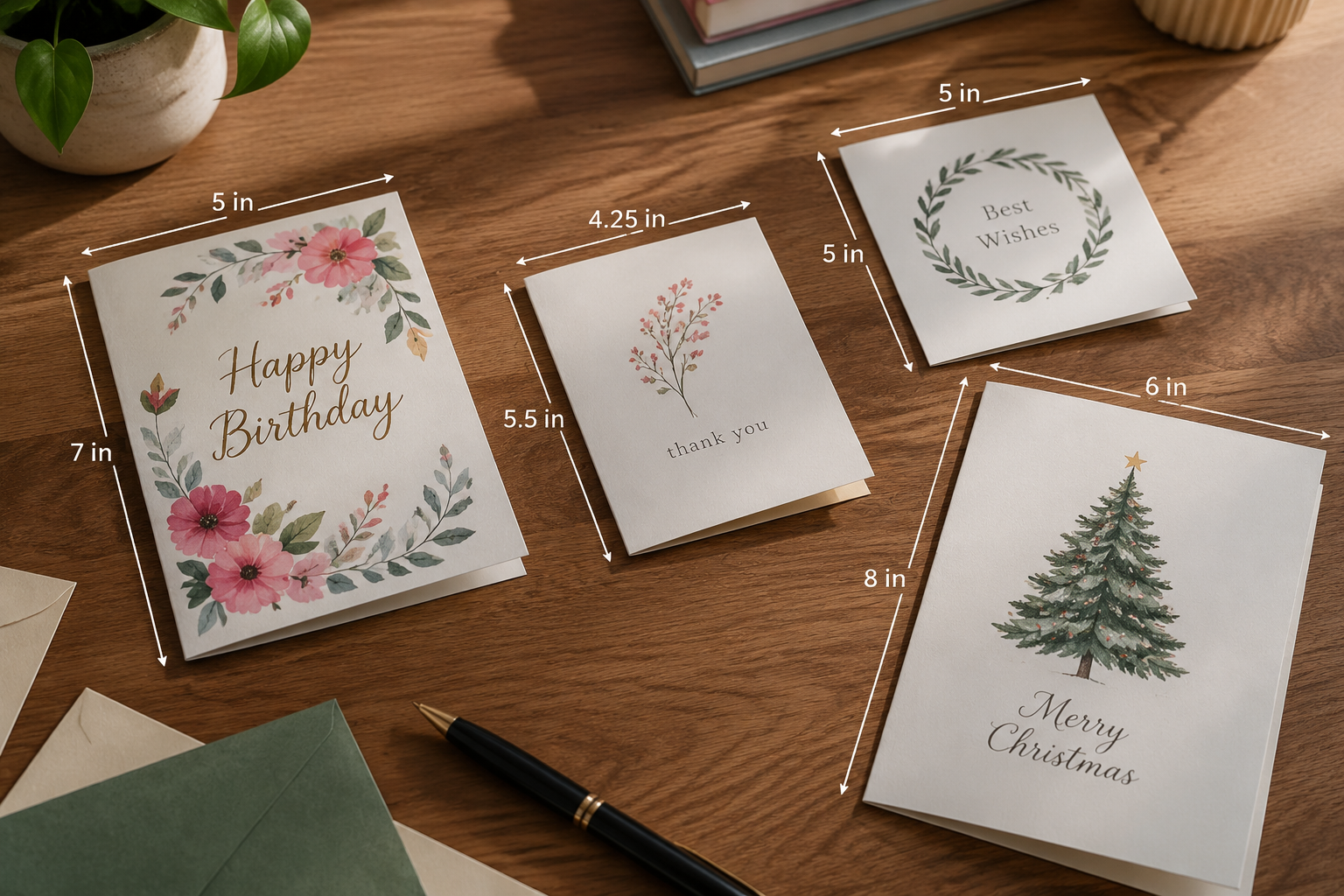
Standard Greeting Card Size Chart

Greeting Card Type Dimensions (Inches) Dimensions (CM)
Standard Greeting Card 5 × 7 inches 12.7 × 17.8 cm
Small Greeting Card 4.25 × 5.5 inches 10.8 × 14 cm
Square Greeting Card 5 × 5 inches 12.7 × 12.7 cm
Large Greeting Card 6 × 8 inches 15.2 × 20.3 cm

The standard greeting card size of 5 × 7 inches is one of the most popular options because it provides enough space for creative designs while remaining easy to handle and mail.

Standard Greeting Card Size in CM

For international printing requirements, greeting card measurements are often converted into centimeters. Common sizes include:

Knowing both inches and centimeter measurements helps businesses work with different printing suppliers and international markets.

Greeting card dimensions guide showing different card sizes, measurements, and layouts for professional printing

What Size Is a Greeting Card?

The answer depends on the type of greeting card being created. There is no single universal size because greeting cards are produced for different purposes. However, the most commonly used greeting card size is 5 × 7 inches (12.7 × 17.8 cm).

This size is widely preferred because it provides:

Smaller cards may be preferred for simple messages or gift attachments, while larger cards are often selected for premium designs or detailed artwork.

Greeting Card Measurements Explained

Understanding greeting card measurements helps designers and businesses create cards that are visually balanced and suitable for professional printing. While the overall card size is usually the first consideration, other measurements also affect the final appearance and functionality of the design.

A properly planned greeting card layout considers different areas, including:

Width and Height of a Greeting Card

The width and height determine the overall shape and appearance of a card. For example:

Portrait vs Landscape Greeting Cards

Folded vs Flat Greeting Card Dimensions

One common mistake during the design process is confusing the flat size with the final folded size.

Birthday Card Dimensions

Birthday cards are among the most commonly printed greeting cards, and they are available in a variety of sizes depending on the design style and purpose. The most popular birthday card size is 5 × 7 inches.

Standard Birthday Card Size Options

Common birthday card dimensions include:

A small birthday card may work well for a simple message attached to a gift, while a larger card can create a more premium experience with detailed artwork and additional writing space.

Designing Birthday Cards for Better Presentation

Brands may use birthday cards for customer appreciation, loyalty programs, special promotions, gift packaging, and personalized orders. A well-designed card combined with attractive packaging can make a product delivery feel more personal and memorable.

Christmas Card Dimensions and Holiday Card Sizes

Seasonal cards require careful planning because they often include detailed artwork, decorative elements, and special printing effects. The most common standard Christmas card size is 5 × 7 inches.

Standard Holiday Card Sizes

Commonly used holiday formats include:

Professional Printing Standards for Christmas Cards

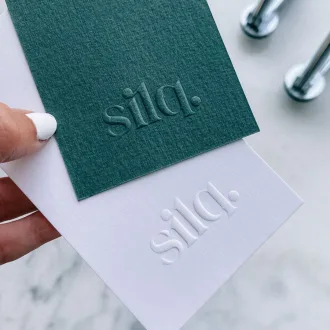
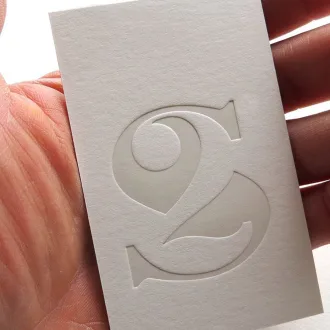
When producing holiday cards commercially, designers should consider paper selection, print quality, folding style, envelope compatibility, and finishing options. Many premium holiday cards use foil details, embossed patterns, gloss coatings, or special textures to create a luxurious feel.
Choosing the Right Greeting Card Size for Your Brand

The best greeting card size depends on how the card will be used and what message it needs to communicate.

  1. Purpose of the Card: Customer thank-you cards may use compact formats, premium brand cards may require larger sizes, and packaging inserts may need smaller measurements.
  2. Amount of Content: Cards with longer messages, multiple images, or promotional details require more space and benefit from larger formats.
  3. Printing and Mailing Requirements: The selected size should always align with available envelope formats, printing equipment, and shipping budgets.

Greeting Card Printing Considerations

Selecting the right dimensions is only one part of creating a professional printed card. Important technical factors include artwork resolution, bleed area, trim lines, safe zones, paper thickness, folding accuracy, color consistency, and finishing techniques.

Understanding Bleed Area and Safe Margins

How Premium Finishes Enhance Greeting Card Designs

Special finishing techniques can transform a simple card into a luxury product:

Greeting Card Dimensions for Businesses and Brands

Many businesses use printed cards for customer appreciation, thank-you notes, holiday messages, product inserts, and loyalty programs. The card size should always align with the brand image and packaging workflow. Combining printed cards with custom product boxes, gift packaging, or subscription boxes creates a stronger, more personal unboxing experience.
Common Mistakes When Selecting Greeting Card Sizes

Final Thoughts: Choosing the Right Greeting Card Dimensions

Selecting the right greeting card dimensions helps create a balance between design, printing quality, and the overall customer experience. While the standard 5 × 7 inch format remains a popular choice, the ideal size depends on the purpose of the card, design requirements, and how it will be presented.

For businesses, greeting cards can be more than simple printed messages. They can become part of a complete brand experience when combined with thoughtful design, premium finishes, and professional packaging solutions. A well-designed card included with a product shipment, gift package, or promotional campaign can help brands create a more personal connection with customers.

At Custom Packaging Pro, we understand that every printed element contributes to how customers experience a brand. From selecting the right card format to creating packaging materials that support product presentation, proper design choices help businesses deliver a consistent and memorable brand message.

Whether you are creating birthday cards, holiday greetings, customer appreciation cards, or branded inserts, choosing the right dimensions and printing approach ensures your final product looks professional and represents your brand effectively.

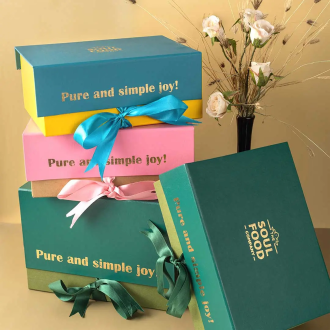
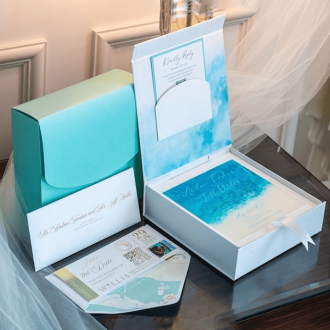
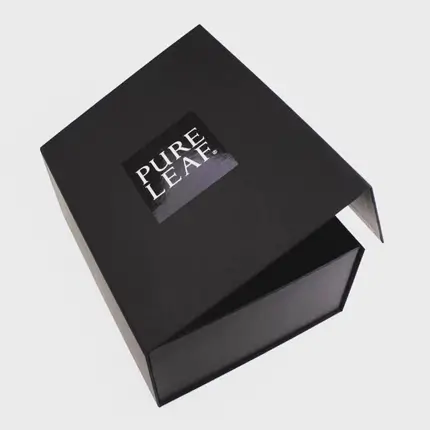
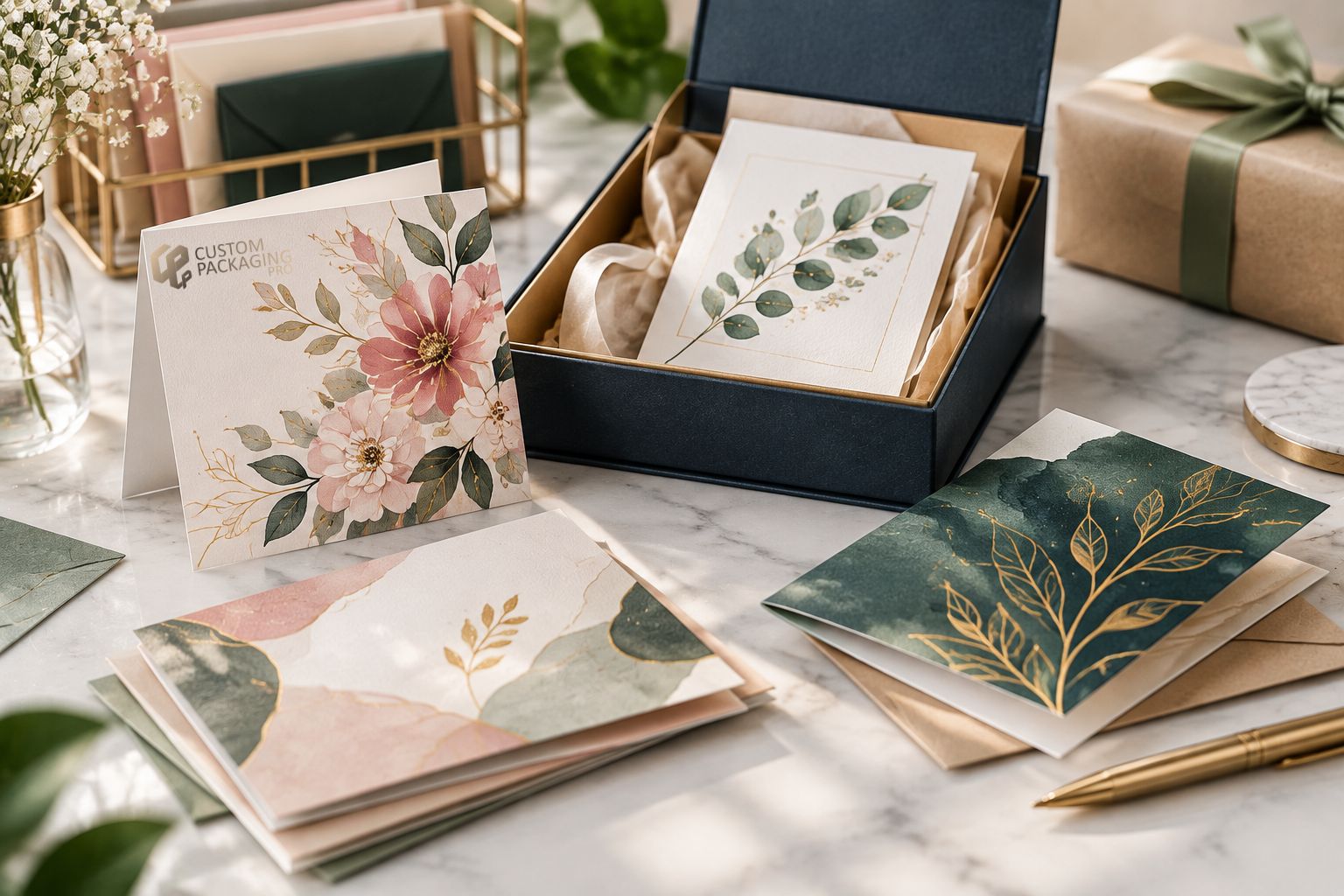
Luxury greeting cards with premium printing finishes, gift packaging, envelopes, and elegant designs showcasing professional card presentation

Frequently Asked Questions About Greeting Card Dimensions

  1. What are the standard greeting card dimensions?
    The most common standard greeting card dimension is 5 × 7 inches (12.7 × 17.8 cm).
  2. What size is a greeting card?
    The most common size is 5 × 7 inches, though cards are also produced in smaller, square, and larger formats.
  3. What is the most common greeting card size?
    The 5 × 7 inch format is the most popular because it balances design space, readability, and envelope compatibility.
  4. What are standard greeting card sizes in inches?
    Common sizes include 5 × 7 inches, 4.25 × 5.5 inches, 5 × 5 inches, and 6 × 8 inches.
  5. What is the standard greeting card size in cm?
    The standard 5 × 7 inch size converts to approximately 12.7 × 17.8 cm.
  6. What size is a typical birthday card?
    A typical birthday card measures 5 × 7 inches.
  7. What are the dimensions of a Christmas card?
    Standard Christmas cards commonly measure 5 × 7 inches or 4.25 × 5.5 inches.
  8. Are greeting cards usually folded or flat?
    Most traditional greeting cards are folded. Dimensions usually describe the final folded size.
  9. How do I choose the right greeting card size?
    Base your choice on the card's purpose, text volume, design layout, envelope availability, and shipping method.
  10. What paper size is used for greeting cards?
    Printers use larger commercial paper sheets sized to allow proper spacing for cutting, folding, and trim margins.
  • Delivery Box
    5,000+ Orders Delivered
  • Experience
    15+ Years Experience
  • Free Shipping
    Free Shipping
  • Free Shipping
    No Minimum

Our Print Experts are Happy to Provide you with a Custom Quote for Just About Anything you Can Dream Up. It will Just Take your few Minutes.

Get Instant Quote