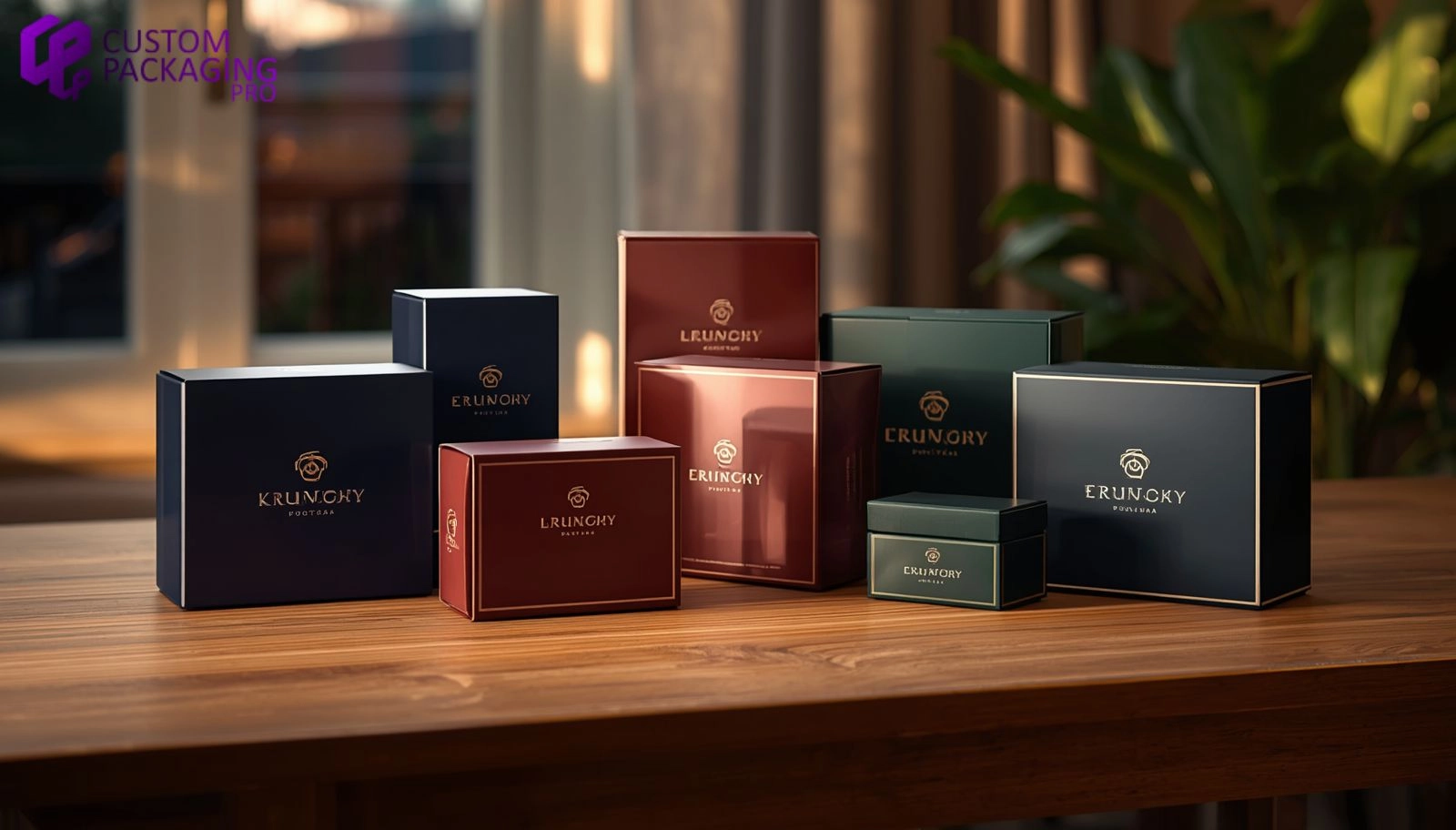
By Rai Haider
July 27, 2026
Gloss Finish Packaging: The Complete Guide to Creating Bright, Durable, and Premium Product Packaging
In today's competitive retail and eCommerce markets, packaging does much more than protect a product during shipping. It creates first impressions, strengthens brand identity, and influences purchasing decisions. While structural design and printing play important roles, the finishing applied to packaging often determines how premium and professional the final product looks. One of the most popular finishing options across industries is gloss finish packaging.
A gloss finish enhances packaging by creating a smooth, reflective surface that makes colors appear richer, graphics sharper, and branding more eye-catching. Whether used for cosmetics, electronics, food products, apparel, or luxury retail items, glossy packaging immediately attracts attention and communicates quality.
Businesses choose gloss finishes because they combine aesthetics with functionality. Besides improving appearance, gloss coatings also add a protective layer that helps packaging resist scratches, moisture, fingerprints, and everyday handling. In our technical experience delivering custom packaging solutions, we have observed that selecting the appropriate finish directly impacts shelf velocity and brand perception. This guide explores everything you need to know about gloss finish packaging, including how it works, its advantages, applications, customization options, and how it compares with other packaging finishes.
Complete Guide to Gloss Finish Packaging
What Is Gloss Finish Packaging?
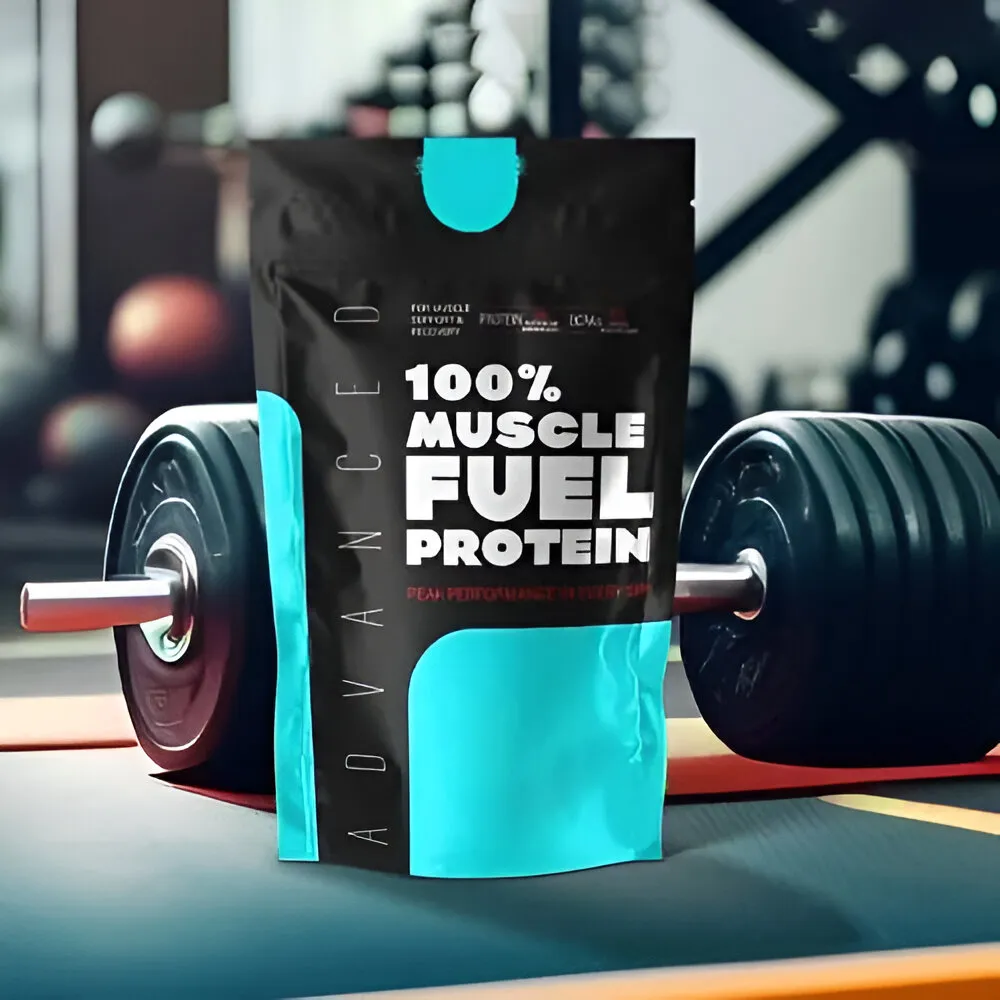
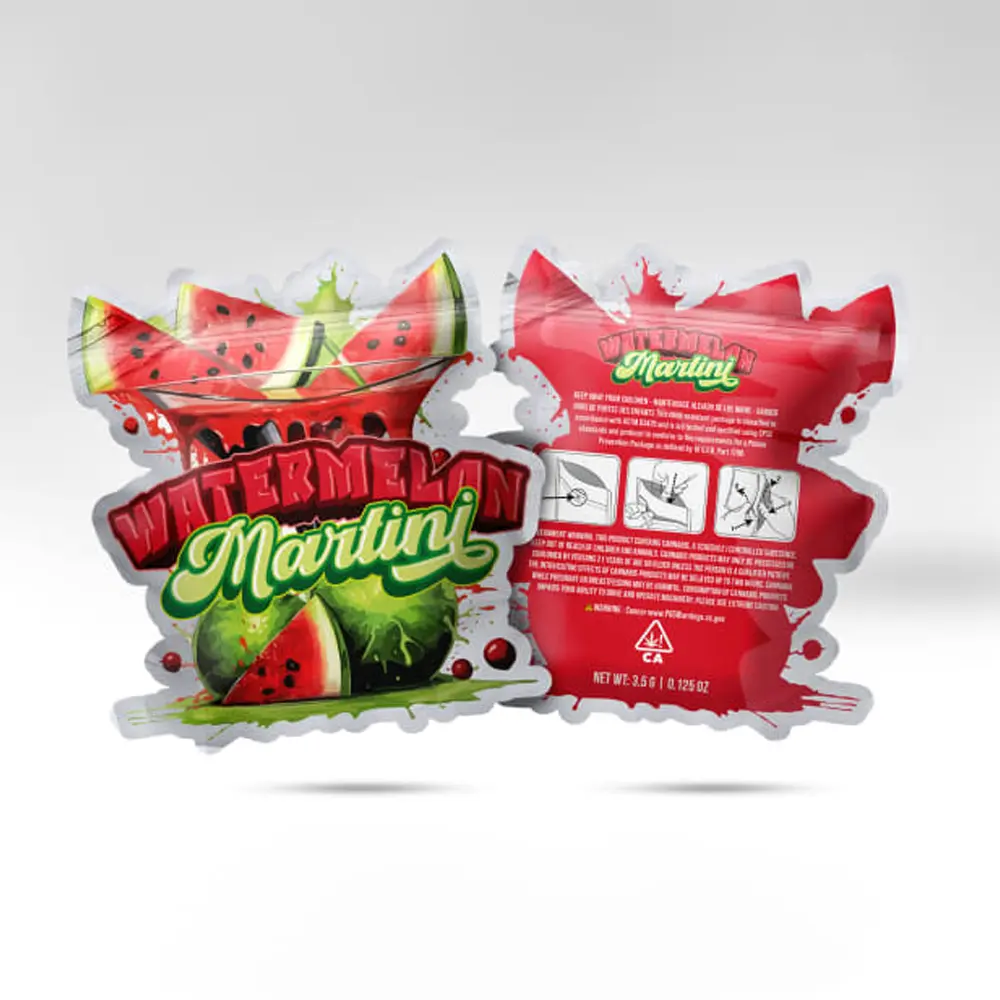
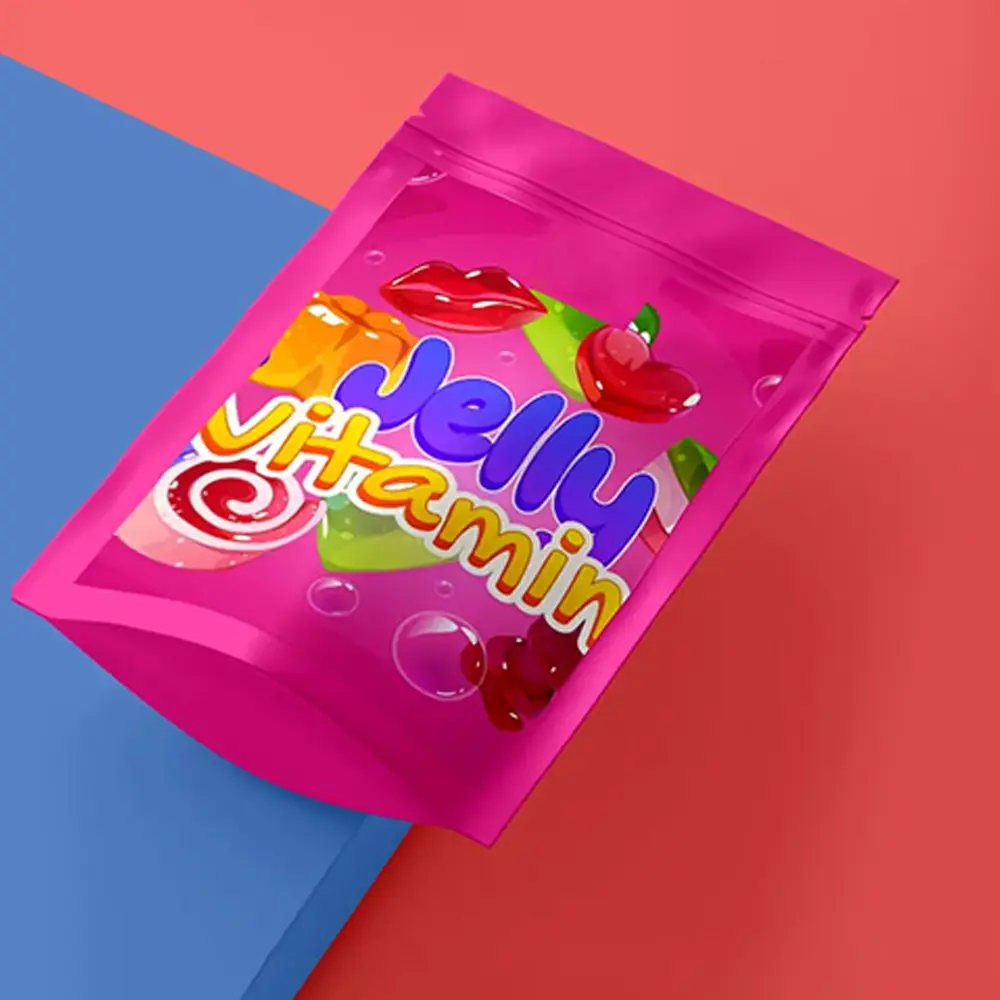
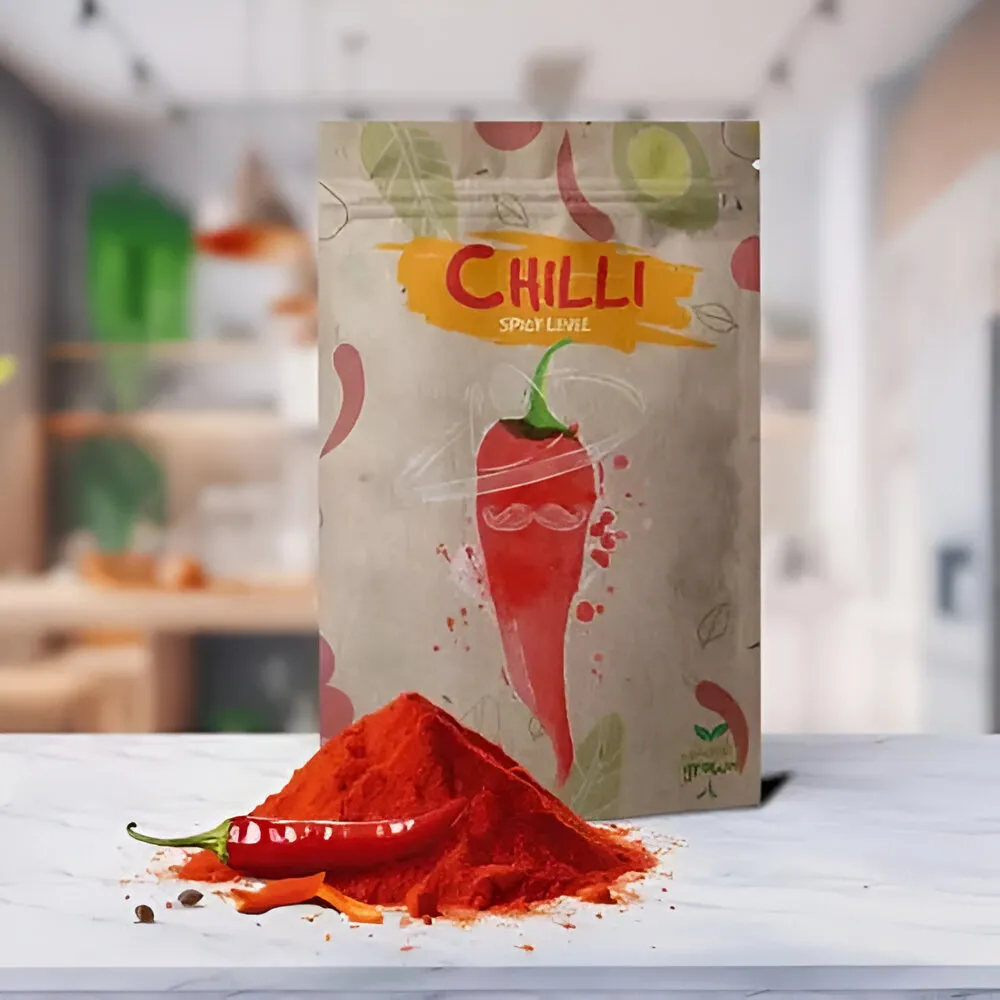
Gloss finish packaging refers to packaging that has been coated or laminated with a smooth, shiny surface designed to enhance both appearance and durability. The finish reflects light, giving printed graphics greater depth and vibrancy while creating a clean, polished look. The gloss effect can be achieved through different finishing methods, including gloss lamination, gloss varnish, or spot UV gloss coating. Each technique produces a slightly different appearance, but all share the same purpose of making packaging more visually appealing and durable.
Gloss finishes are commonly applied to:
- Custom packaging boxes
- Folding cartons
- Rigid boxes
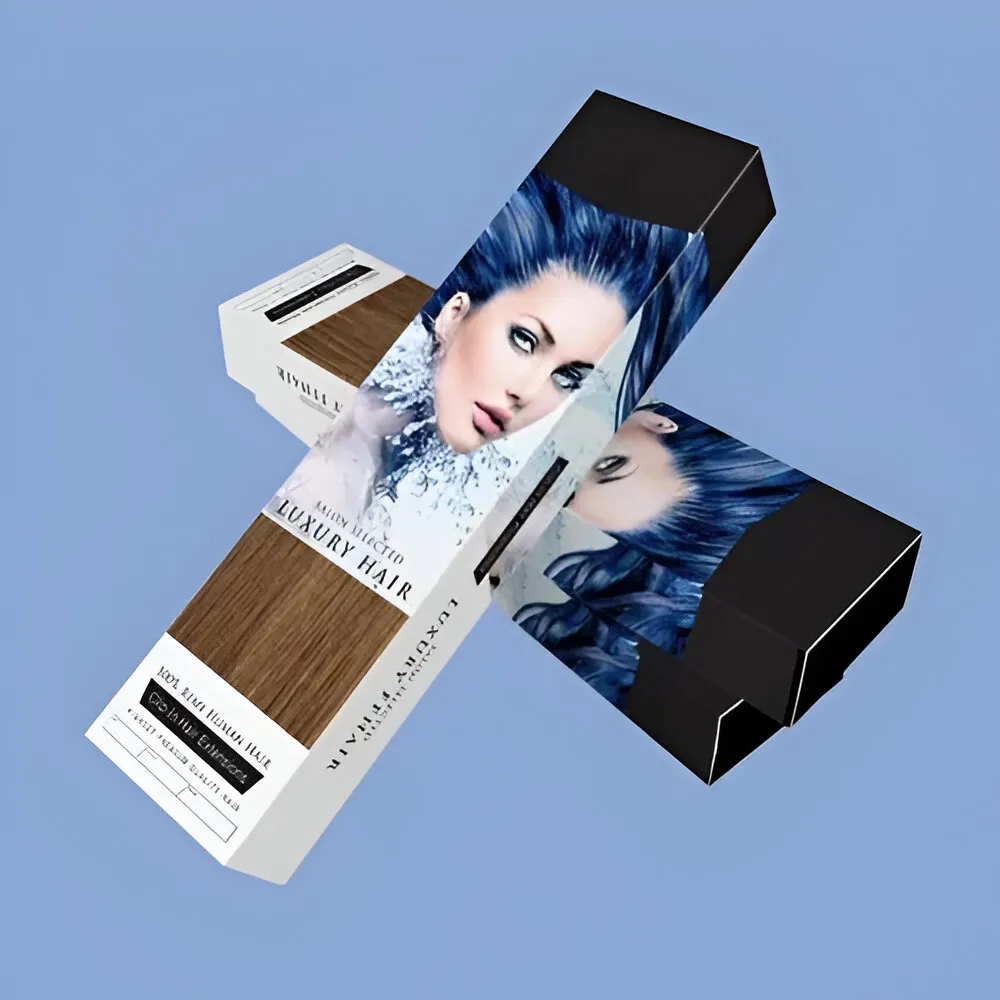
- Retail packaging
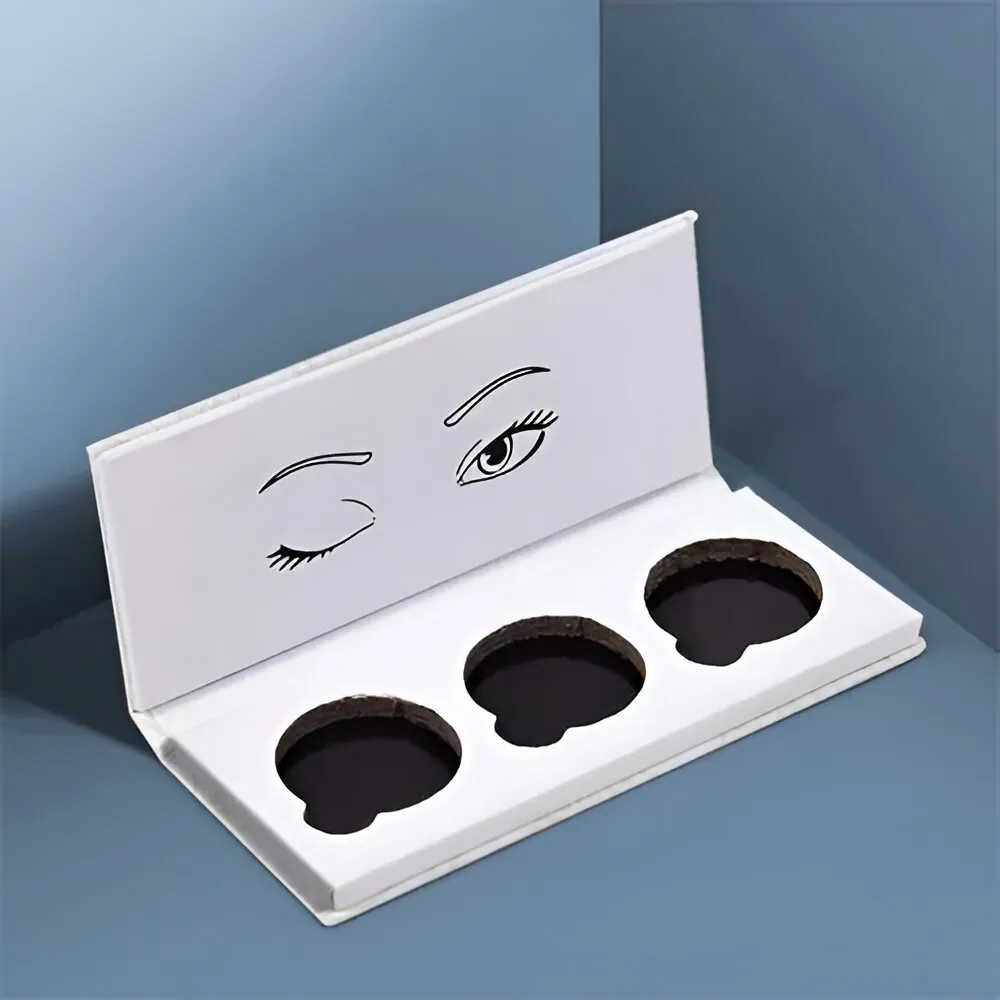
- Cosmetic packaging
- Product sleeves
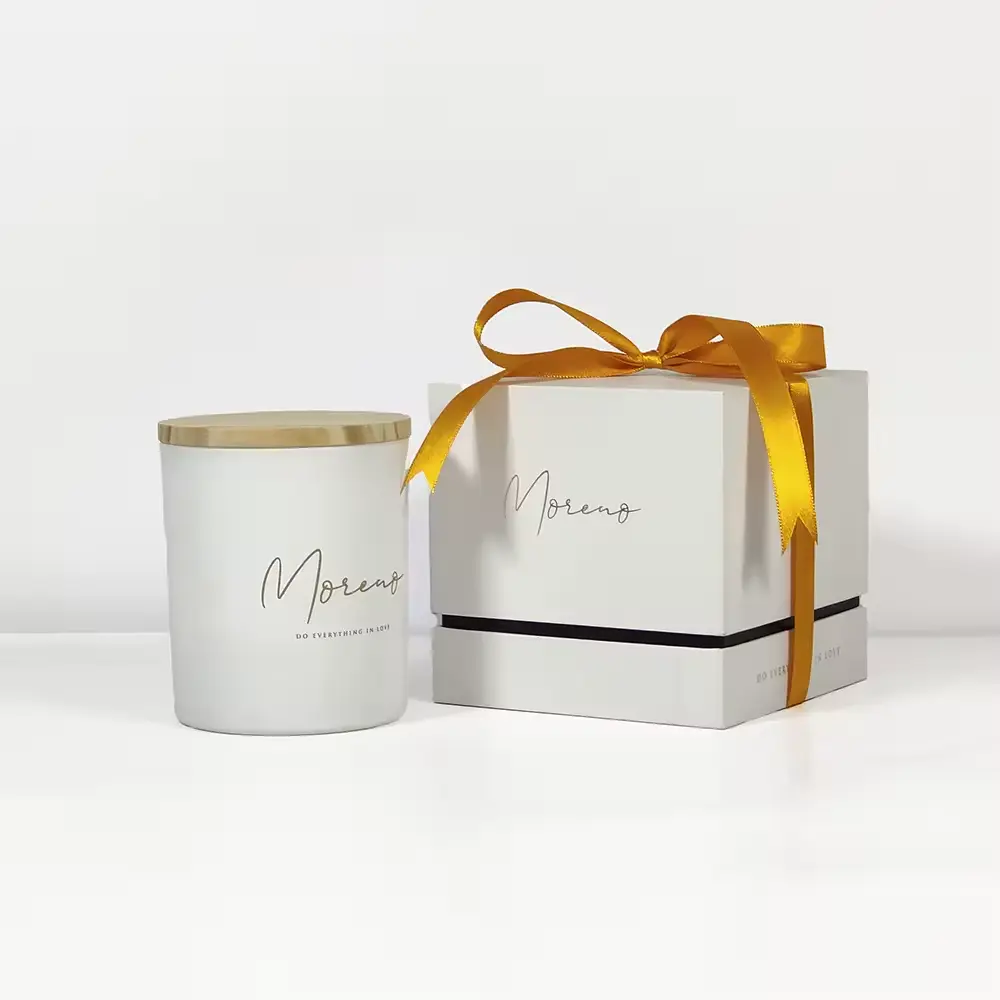
- Gift boxes
- Luxury packaging
Because of its versatility, gloss finishing remains one of the most widely used packaging enhancements across nearly every industry.
How Does a Gloss Finish Work?
After the packaging artwork has been printed, an additional transparent layer is applied to the surface. This layer may be a laminate film, varnish, or UV coating depending on the production method and desired finish. The transparent coating smooths the printed surface while increasing light reflection. As a result, colors become brighter, black tones appear deeper, and images gain greater clarity. Besides enhancing appearance, the protective layer also helps shield printed designs from everyday wear caused by shipping, storage, and customer handling.
Why Gloss Finish Packaging Is So Popular
Modern consumers often make purchasing decisions within seconds. Packaging that immediately catches the eye has a significant advantage over products with dull or unremarkable presentations. Gloss finishes naturally attract attention because their reflective surface creates visual depth and brightness. Whether displayed under retail lighting or photographed for online stores, glossy packaging tends to appear more vibrant than uncoated packaging.
Brands also appreciate the versatility of gloss finishes. They complement both minimalist packaging designs and highly colorful artwork, making them suitable for a wide range of products.
Key Benefits of Gloss Finish Packaging
Enhances Color Vibrancy
One of the biggest advantages of gloss finish packaging is its ability to make printed colors appear more vivid. Rich reds, deep blues, bright greens, and bold graphics become more striking because the glossy surface reflects light evenly. This makes products more noticeable on crowded retail shelves and in online product photography.
Creates a Professional Appearance
Gloss packaging gives products a polished and refined look that customers often associate with quality and reliability. Whether selling luxury cosmetics or consumer electronics, a glossy finish helps reinforce the perception that the product has been carefully designed and professionally manufactured.
Improves Packaging Durability
Packaging experiences considerable handling before reaching customers. During transportation, storage, and retail display, printed surfaces can become scratched, faded, or damaged. A gloss finish provides an additional protective layer that helps reduce:
- Surface scratches
- Minor scuff marks
- Moisture exposure
- Fingerprints
- Dust accumulation
This protection helps packaging maintain its attractive appearance throughout the supply chain.
Supports High-Quality Product Photography
For businesses selling products online, packaging often appears in product listings, advertisements, and social media content. Gloss finishes enhance printed graphics, making packaging more photogenic and visually appealing across digital platforms.
Offers Excellent Print Clarity
Detailed artwork, fine typography, and complex graphics often appear sharper when protected by a gloss coating. This improved clarity benefits products requiring high-quality branding or detailed product information.
Types of Gloss Finishes Used in Packaging
Several finishing methods can create a glossy appearance depending on production requirements.
Gloss Lamination
Gloss lamination involves applying a thin plastic film over the printed packaging surface. This method provides:
- Excellent durability
- Strong moisture resistance
- Rich color enhancement
- Smooth premium texture
Gloss lamination is commonly used for luxury retail packaging and custom packaging boxes.
Gloss UV Coating
UV gloss coating uses ultraviolet light to cure a liquid coating instantly. Compared with lamination, UV coating provides:
- High shine
- Faster production
- Excellent print enhancement
- Smooth finish
UV gloss is particularly popular for folding cartons and retail packaging.
Gloss Varnish
Gloss varnish is a liquid coating applied during the printing process. Although thinner than lamination, it still improves:
- Surface appearance
- Color richness
- Print protection
It is often selected for cost-effective retail packaging.
Technical Comparison: Gloss Coating vs. Gloss Lamination vs. Gloss Varnish
Choosing the correct glossy finishing method requires a deeper technical understanding of how each application behaves during high-volume production. While all three options create visual shine, their chemical compositions, physical thickness, and protective barrier levels differ significantly.
Gloss lamination utilizes a thin, continuous film layer (typically polypropylene or polyester) bonded to paperboard using heat and adhesive pressure. This mechanical layer provides the maximum tear resistance, structural rigidity, and liquid barrier among all gloss options. Consequently, laminated pouches & boxes resist heavy moisture and friction better than liquid-coated alternatives. However, because it introduces a synthetic polymer layer, lamination requires specific processing considerations during recycling.
In contrast, Gloss UV Coating relies on liquid acrylic polymers that instantly cure into a solid state when exposed to intense ultraviolet light. This chemical cross-linking creates an ultra-high gloss level, often exceeding that of standard lamination in sheer optical reflection. UV coatings cure within milliseconds, making them ideal for rapid turnaround printing runs. While highly scratch-resistant, fully cured UV coatings are less flexible than plastic films and can occasionally micro-crack if folded over thick box creases without precise creasing setup.
Gloss Varnish operates as a traditional oil-based or aqueous liquid seal applied directly via standard printing press units. It serves as the thinnest coating option available. Because varnish absorbs partially into uncoated or lightly coated paper fibers, its overall gloss level is softer and less reflective than UV or lamination. Nevertheless, aqueous gloss varnishes offer superior eco-friendliness, lower unit costs, and complete compatibility with standard paper repulping streams. Understanding these technical nuances allows product managers to optimize both performance and production budgets effectively.
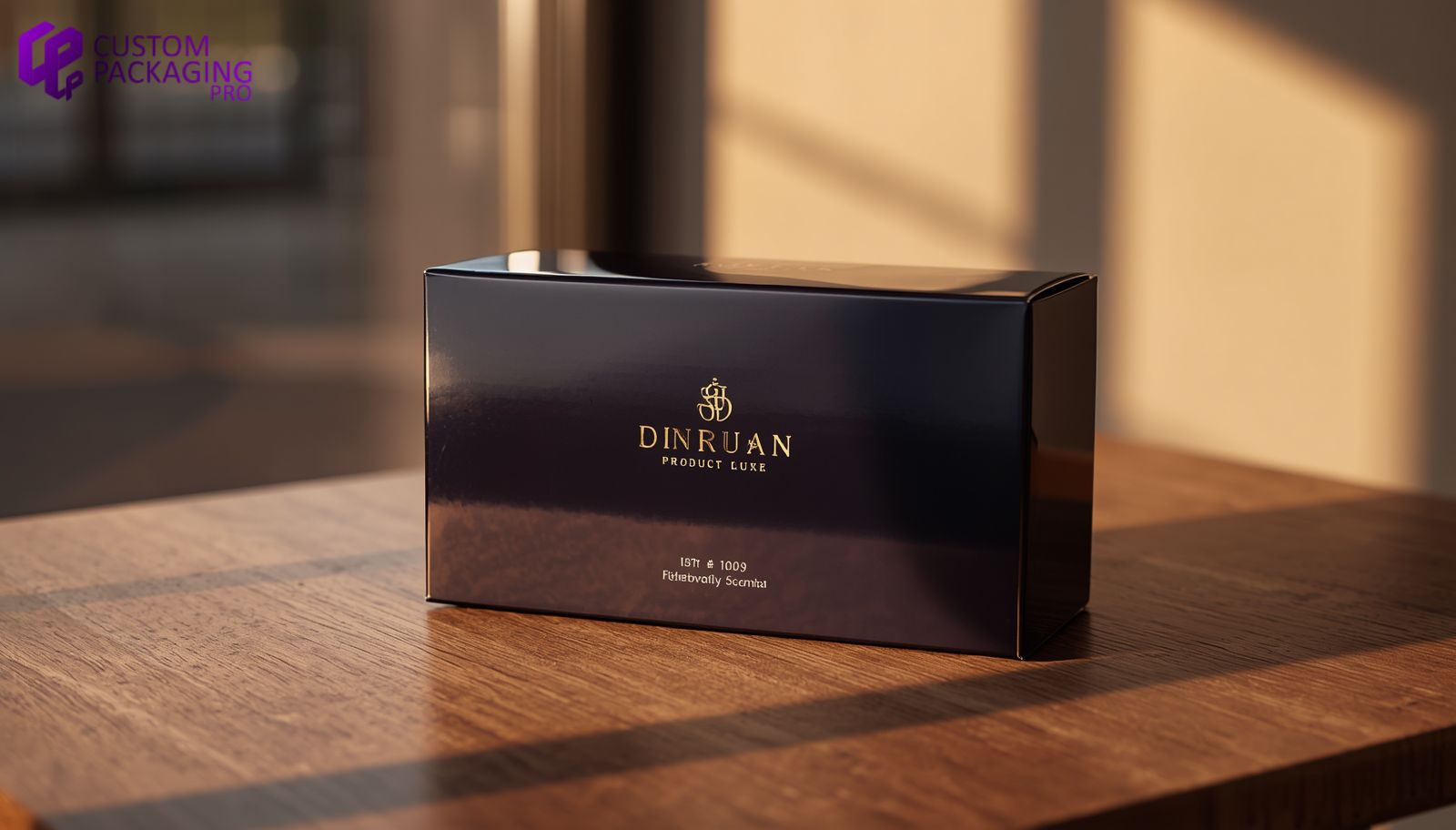
Industries That Commonly Use Gloss Finish Packaging
Because of its versatility, gloss finish packaging serves numerous industries.
- Cosmetics and Beauty: Beauty products rely heavily on attractive packaging. Gloss finishes make skincare, makeup, and fragrance boxes appear more luxurious while emphasizing vibrant colors and elegant graphics.
- Food and Beverage: Premium chocolates, coffee, beverages, snacks, and gourmet foods frequently use glossy packaging to increase shelf appeal and communicate freshness.
- Consumer Electronics: Technology companies often combine clean packaging designs with glossy finishes to create a modern and premium appearance.
- Toys and Consumer Goods: Bright packaging is especially important for children's products. Gloss finishes help colorful designs stand out while protecting printed graphics during handling.
- Fashion and Lifestyle Brands: Gloss-coated shopping bags, product boxes, and presentation packaging help fashion brands reinforce premium positioning and enhance the overall customer experience.
Sustainability and Eco-Friendly Factors in Gloss Packaging
As modern consumer preferences shift toward sustainable retail practices, brands frequently evaluate how high-shine decorative finishes align with environmental standards. Historically, glossy packaging faced criticism due to plastic lamination layers that complicated traditional municipal paper recycling. However, recent manufacturing innovations have made eco-friendly gloss solutions widely accessible for environmentally conscious businesses.
Today, water-based (aqueous) gloss coatings represent one of the most sustainable finishing choices in the custom packaging sector. Formulated without harsh chemical solvents, water-based gloss formulations emit negligible volatile organic compounds (VOCs) during production. When these boxes enter paper recycling facilities, the aqueous gloss layer dissolves cleanly during repulping, allowing original paper fibers to be reclaimed without contamination.
Furthermore, bio-based gloss laminations produced from plant-derived materials—such as cellulose, cornstarch, or polylactic acid (PLA)—are rapidly replacing petroleum-derived plastics. These bio-laminations provide comparable moisture barrier protection and crystal-clear reflective depth while remaining fully industrially compostable. When combined with sustainably sourced FSC-certified paperboards and non-toxic soy-based printing inks, modern glossy packaging achieves an optimal balance between premium visual presentation and environmental responsibility.
Brands planning sustainable packaging lines should consult closely with their manufacturing partners to verify repulpability ratings and regional recycling guidelines. By selecting biodegradable films or aqueous gloss coatings, companies can achieve vibrant, durable shelf presence without compromising their eco-friendly brand commitments.
Gloss Finish vs. Matte Finish Packaging
Businesses often compare gloss and matte finishes before selecting a packaging style.
| Feature |
Gloss Finish |
Matte Finish |
| Appearance |
Bright and reflective |
Soft and non-reflective |
| Color Vibrancy |
Excellent |
Slightly muted |
| Luxury Feel |
Modern and vibrant |
Elegant and sophisticated |
| Fingerprint Visibility |
Higher |
Lower |
| Photography |
Highly reflective |
Low glare |
| Best For |
Retail products, food, cosmetics |
Luxury brands, premium packaging |
The decision largely depends on brand personality. Gloss packaging works well for energetic, colorful brands, while matte packaging suits minimalist and luxury aesthetics.
Designing Effective Gloss Packaging
A gloss finish performs best when combined with thoughtful graphic design. High-resolution artwork, bold typography, and carefully selected brand colors allow the glossy surface to maximize visual impact. Large color areas often appear richer, while photographs become sharper and more vibrant.
Many businesses combine gloss lamination with foil stamping or spot UV to create layered premium effects that improve packaging without overwhelming the design. Simple, well-balanced packaging usually produces stronger results than overly complicated graphics.
Is Gloss Finish Packaging Right for Your Business?
Gloss finish packaging is an excellent choice for businesses seeking bright, professional, and highly visible product presentation. It is particularly effective when:
- Products compete on crowded retail shelves.
- Packaging contains colorful graphics.
- Online product photography is important.
- Packaging requires added durability.
- Brand image emphasizes energy, innovation, or premium quality.
For brands focused on understated elegance, matte finishes may provide a more suitable alternative.
Common Mistakes to Avoid with Gloss Packaging
While gloss finishing offers numerous benefits, improper use can reduce its effectiveness. Applying gloss to poorly designed artwork may exaggerate design flaws rather than improve them. Excessive reflections can also make certain packaging difficult to photograph under strong lighting. Choosing gloss for highly textured papers may reduce the smooth reflective appearance that customers expect.
Businesses should also ensure that the finish complements the overall brand identity rather than selecting gloss simply because it is popular. Careful planning helps achieve packaging that is both attractive and functional.
Quality Control and Production Considerations for Gloss Packaging
Executing high-quality glossy packaging requires stringent quality control standards during prepress, press, and post-press finishing stages. Because reflective coatings amplify surface characteristics, even minor production flaws become noticeably visible under direct retail lighting. Working with an experienced custom packaging manufacturer ensures that potential manufacturing issues are identified and mitigated prior to mass production.
One primary technical consideration is ink drying and curing time before applying a gloss film or coating. If wet ink is sealed prematurely beneath a gloss lamination, trapped solvent moisture can cause delamination bubbles, cloudy surface hazing, or ink smudging. Press operators must ensure complete drying cycles or utilize UV-curable inks that solidify instantly to prevent trapped moisture underneath the gloss layer.
Another crucial factor involves folding endurance along score lines and structural box edges. Ultra-gloss coatings—especially high-build UV coats—can become brittle once fully cured. When die-cut boxes are folded into shape, rigid coatings without proper creasing parameters may crack along stress lines, exposing raw paperboard underneath. Utilizing rounded creasing matrix tools and adjusting score depth allows the glossy substrate to bend smoothly without cracking.
Additionally, static electricity management plays a key role during the lamination process. High-speed roll laminators generate static charge that attracts floating airborne dust particles onto paperboard sheets right before film application. Implementing anti-static bars and operating within clean room environments keeps the substrate pristine, preventing unsightly pinholes or trapped dust specks beneath the clear gloss finish.
How Custom Packaging Pro Helps Businesses Create Premium Gloss Finish Packaging
Selecting the right packaging finish requires understanding how materials, printing techniques, and coatings work together. Custom Packaging Pro helps businesses create custom packaging boxes with premium gloss finishes that enhance both product presentation and long-term durability. From retail boxes and cosmetic packaging to luxury rigid boxes and eCommerce packaging, our specialists provide guidance on gloss lamination, UV coatings, specialty printing, and structural design.
By combining quality materials with professional finishing techniques, businesses receive packaging that strengthens brand identity while protecting products throughout the supply chain.
Final Thoughts
Gloss finish packaging remains one of the most effective ways to improve product presentation while protecting printed packaging from everyday wear. Its ability to enhance colors, increase shelf visibility, and create a polished professional appearance makes it a preferred finishing option across numerous industries.
Whether launching a new product or refreshing an existing packaging design, a well-executed gloss finish can help packaging communicate quality, attract customer attention, and strengthen brand recognition. When paired with thoughtful design and high-quality materials, gloss packaging becomes much more than a protective layer—it becomes a valuable marketing asset that supports long-term business growth.
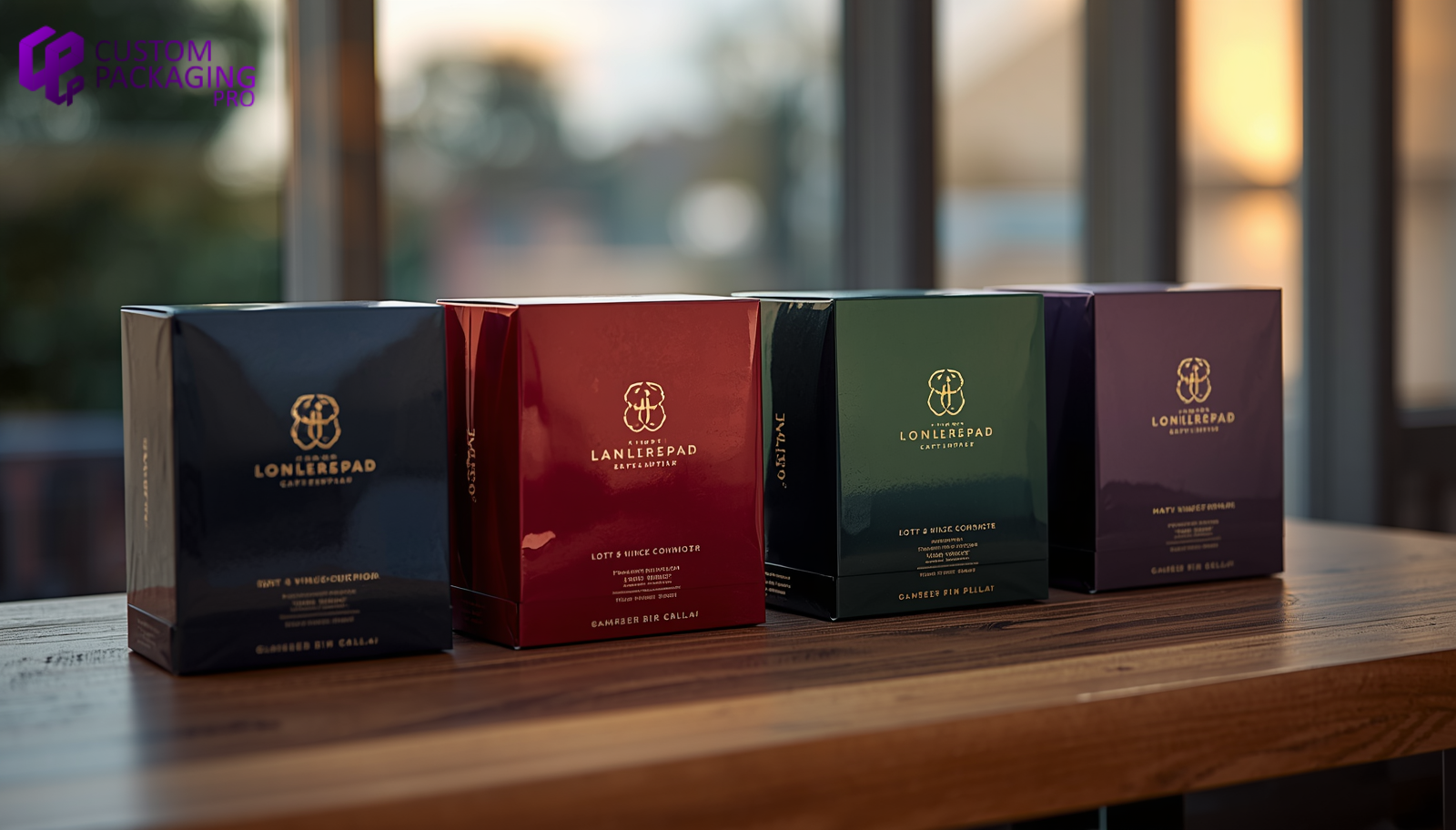
FAQs
- What is gloss finish packaging?
Gloss finish packaging is packaging coated with a shiny protective layer that enhances colors, improves durability, and creates a polished appearance.
- Is gloss lamination better than matte lamination?
Gloss lamination is ideal for vibrant colors and eye-catching designs, while matte lamination offers a softer, more elegant appearance.
- What products are best suited for gloss finish packaging?
Gloss finishes are commonly used for cosmetics, food, electronics, toys, retail products, and consumer goods that benefit from bright, attractive packaging.
- Does a gloss finish protect packaging?
Yes. Gloss coatings help protect packaging from scratches, moisture, fingerprints, and minor surface damage during handling and shipping.
- Can gloss finish be combined with other packaging finishes?
Yes. Gloss finishes are often combined with spot UV, foil stamping, embossing, and other premium printing techniques to create distinctive and high-end packaging.

 Custom Boxes
 Mailer Boxes
 Shipping Boxes
 Display Boxes
 Product Boxes
 Retail Packaging
 Luxury Packaging
 Sustainable Packaging
 Mylar Bags
 Labels & Stickers
 Inserts & Dividers
 Acrylic Signs
 Mylar and Zipper Bags
 Cosmetic Boxes
 Custom Candle Packaging Boxes
 Food and Beverage
 Display Packaging
 Pharma Packaging
 Custom Blister Packaging
 Stand Up Displays
 Kraft Boxes
 Cereal Packaging Boxes
 Bakery Packaging Boxes
 Eco-Friendly Boxes
 Electronics Packaging Boxes
 Custom Vape Boxes & Packaging
 CBD Packaging Boxes
 Rigid & Luxury Packaging Boxes
 Gift Boxes
 Custom Soap Boxes & Packaging
 Metalized Boxes
 Retail Boxes
 Subscription Boxes
 Invitation Boxes
 Corrugated Shipping Boxes
 Matte Finish
 Gloss Finish
 Soft Touch
 Foil Stamping
 Spot UV
 Embossing
 Debossing
 Window Cutouts