By Rai Haider
October 09, 2026
What Is Chipboard? Types, Uses, Thickness & Packaging Benefits
If you have ever pulled the cardboard back off a notepad, opened a cereal box, or lifted the lid of a rigid gift box, you have handled chipboard. It is one of the most common packaging materials in the US, yet the name causes real confusion. Ask a packaging buyer in Houston and a furniture maker in London what chipboard is, and you will get two different answers.
This guide explains what chipboard is, how it is made, the grades and thicknesses you will see on a spec sheet, and how to pick the right one for your product. It is written for brands and buyers who need to order packaging, not just define a word.
What Is Chipboard?
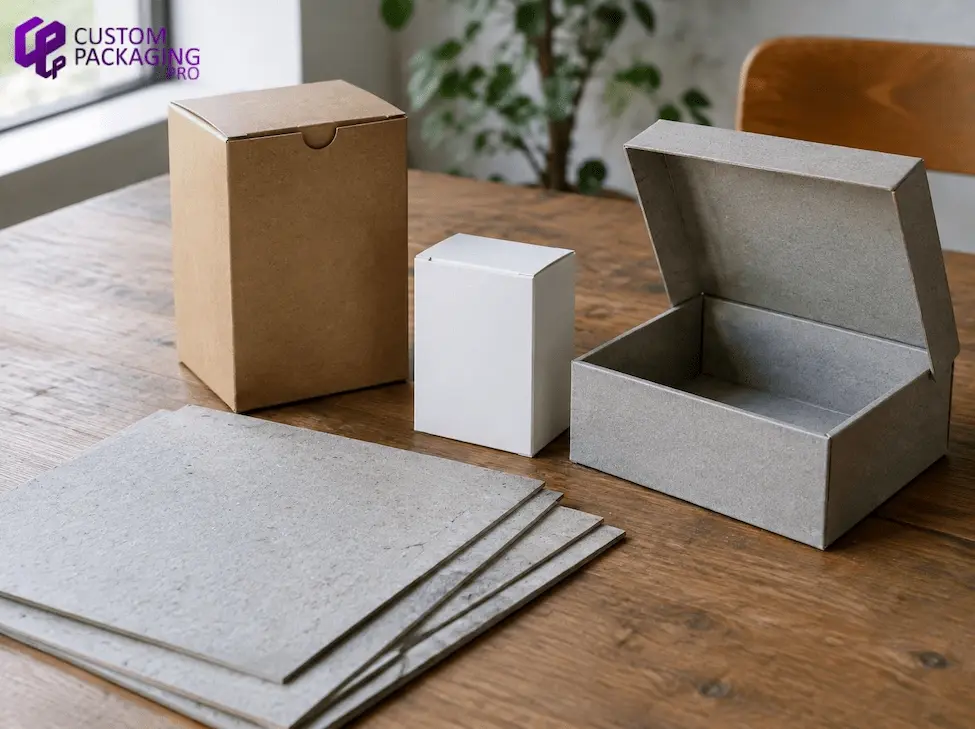
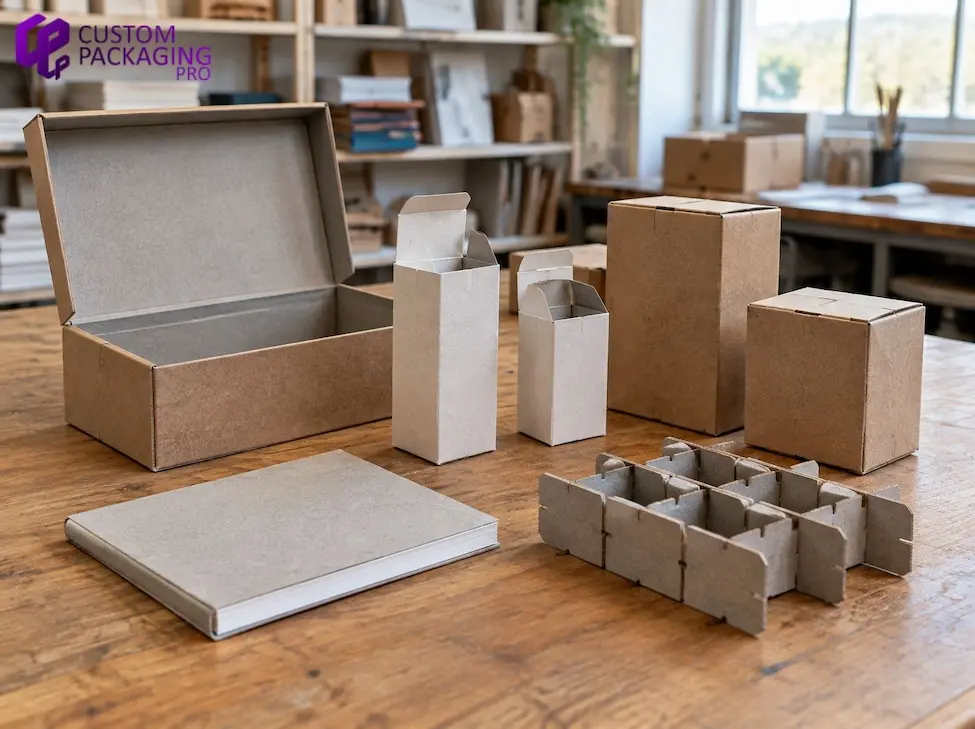
Chipboard is a thin, rigid paperboard made mostly from recycled paper fibers. It is pressed into flat sheets that are stiffer than paper but have no fluted inner layer like corrugated cardboard. In packaging, chipboard is used for folding cartons, rigid boxes, inserts, dividers and backing boards.
In the US packaging industry, chipboard always means paperboard. The trade has several names for it depending on grade and finish:
- Uncoated recycled board (URB): plain gray or brown chipboard with no coating.
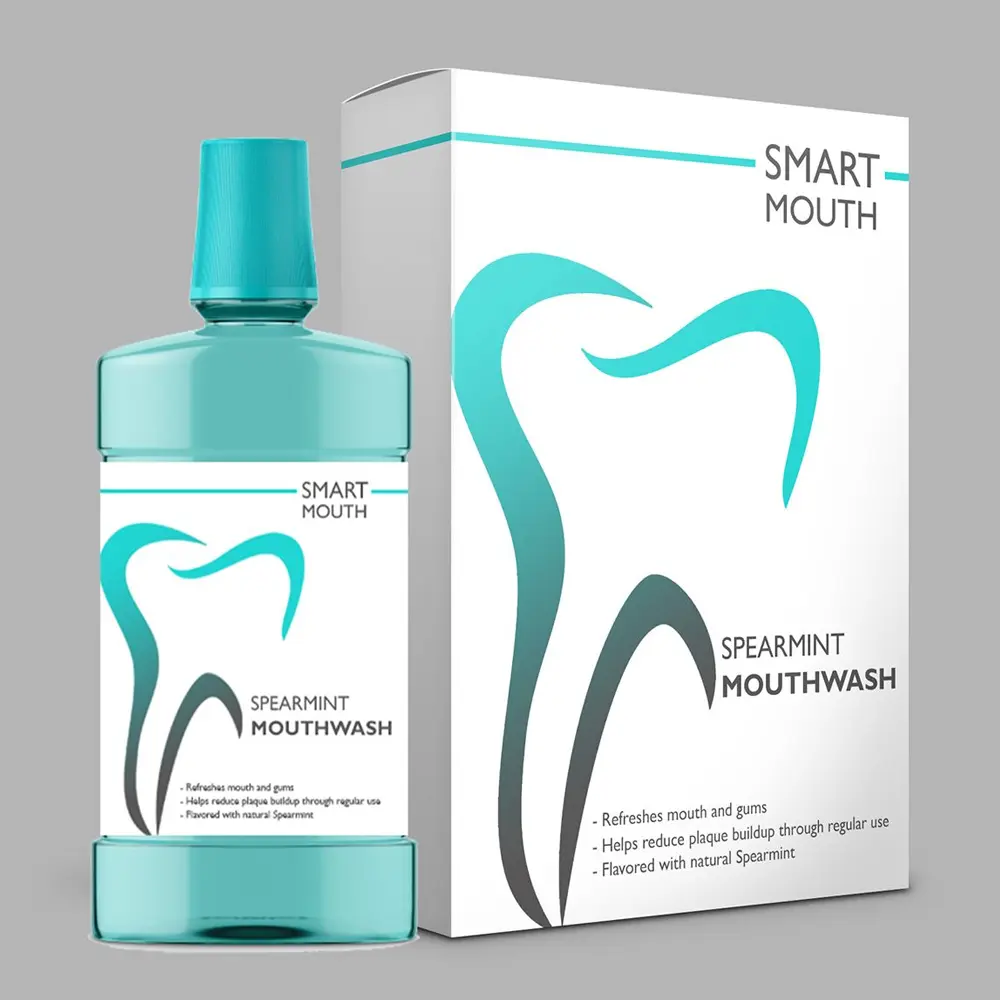
- Clay-coated newsback (CCNB): chipboard with a white clay coating on one side for printing. This is the board inside most cereal and snack cartons.
- Grayboard or greyboard: dense gray chipboard used to build rigid boxes and book covers.
- Binder's board: a very dense, hard-pressed chipboard used in hardcover books and premium rigid boxes.
- Paperboard, boxboard or pasteboard: general terms that include chipboard along with other board grades.
What does chipboard mean?
The name comes from how the board looks. Recycled fibers are short and mixed, so uncoated board has a speckled, "chipped" appearance with visible flecks of old paper and ink. That texture is the easiest way to spot raw chipboard.
Is chipboard paper or cardboard?
Neither label is quite right. Paper is generally under 0.012 inch thick, and board starts above that. Chipboard is a paperboard, so it sits between paper and cardboard. People often call it cardboard in casual speech, and that is fine in conversation. On a packaging spec sheet, though, "cardboard" usually means corrugated board, which is a different material.
What Is Chipboard Made Of?
Chipboard is made from recovered paper: old newspapers, office paper, magazines, used cartons and corrugated box clippings. Most packaging-grade chipboard is 100% recycled fiber, and a large share of that is post-consumer waste. It contains no wood chips, glue resins or plastic in its base form.
How chipboard is manufactured
- Pulping. Bales of waste paper go into a large pulper with water and are broken down into a fiber slurry.
- Cleaning. Screens, cleaners and magnets remove staples, plastic, tape and sand. Some mills also remove ink, but most chipboard is not de-inked, which is why it stays gray.
- Refining. The fibers are mechanically brushed so they bond better when the sheet forms.
- Forming. The slurry is laid onto a moving wire or cylinder in several layers (plies). Building the board in layers is how mills reach heavy thicknesses.
- Pressing and drying. Rollers squeeze out water, then steam-heated drums dry the web.
- Calendering. Polished rollers smooth the surface and set the final caliper (thickness).
- Coating (optional). A clay layer is added for white-lined grades, or a colored or kraft liner is laminated on.
- Finishing. The board is wound into rolls or cut into sheets for printers and box makers.
Because the fibers have been recycled before, they are shorter and weaker than fresh wood pulp. Mills make up for that with thickness and density. This is the main trade-off with chipboard: it is economical and stiff for its weight class, but it has less tear and fold strength than virgin-fiber board.
Types of Chipboard Used in Packaging
Chipboard grades differ by surface finish, color and density. The table below covers the six types buyers see most often.
| Type |
What it is |
Surface |
Best for |
| Recycled chipboard (URB) |
Plain, uncoated board from 100% recycled fiber |
Gray, speckled, matte |
Pad backs, partitions, hidden inserts, rigid box cores |
| White-lined chipboard (CCNB) |
Recycled board with a clay coating on one side |
Smooth white top, gray back |
Printed folding cartons, food and retail boxes |
| Kraft chipboard |
Recycled board with a brown kraft-colored liner or dyed surface |
Natural brown |
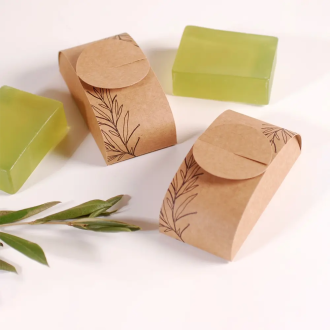
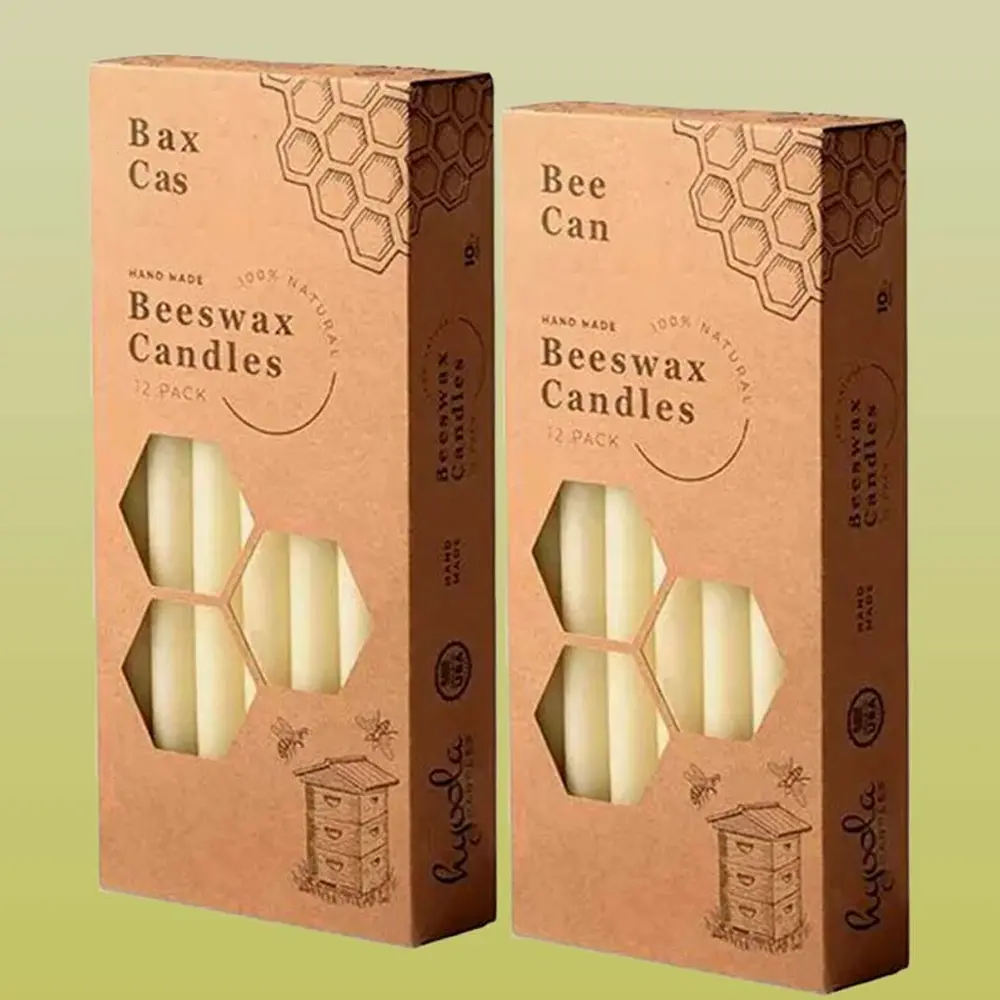
Eco-look retail boxes, tags, inserts |
| Rigid chipboard (grayboard) |
High-density, thick board that does not fold |
Hard, flat gray |
Rigid gift, cosmetic and jewelry boxes, book covers |
| Light chipboard |
Thinner calipers, usually under 30pt |
Flexible enough to score and fold |
Cartons, backing cards, shirt boards |
| Heavy chipboard |
Thicker calipers, usually 50pt and up |
Very stiff, hard to fold |
Rigid box walls, game boards, display bases |
What is recycled chipboard?
All standard chipboard is recycled, so the term mostly points to plain uncoated board (URB). It is the most economical grade. It is often hidden inside a package or wrapped in printed paper, since the raw surface does not print sharp images.
What is white-lined chipboard?
White-lined chipboard has a thin clay coat on the outside face. The coating gives ink a smooth, bright surface, so full-color graphics, logos and barcodes print cleanly. The inside stays gray. Most printed folding cartons on US store shelves use this grade.
What is kraft chipboard?
Kraft chipboard has a brown face that reads as natural and unbleached. Be aware that it is still recycled chipboard underneath. True kraft board is a separate material made from long virgin fibers (covered in the comparison section below).
What is rigid chipboard?
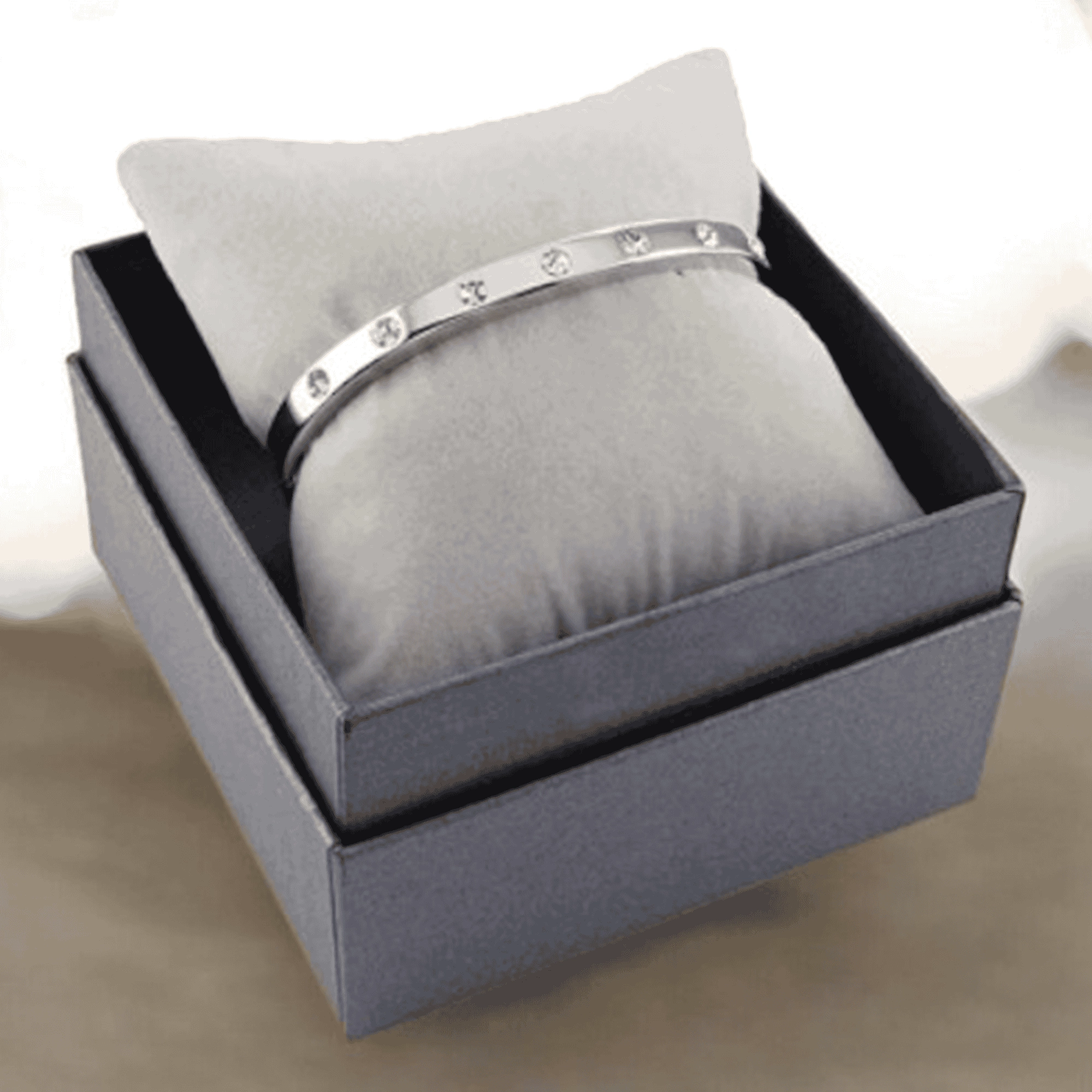
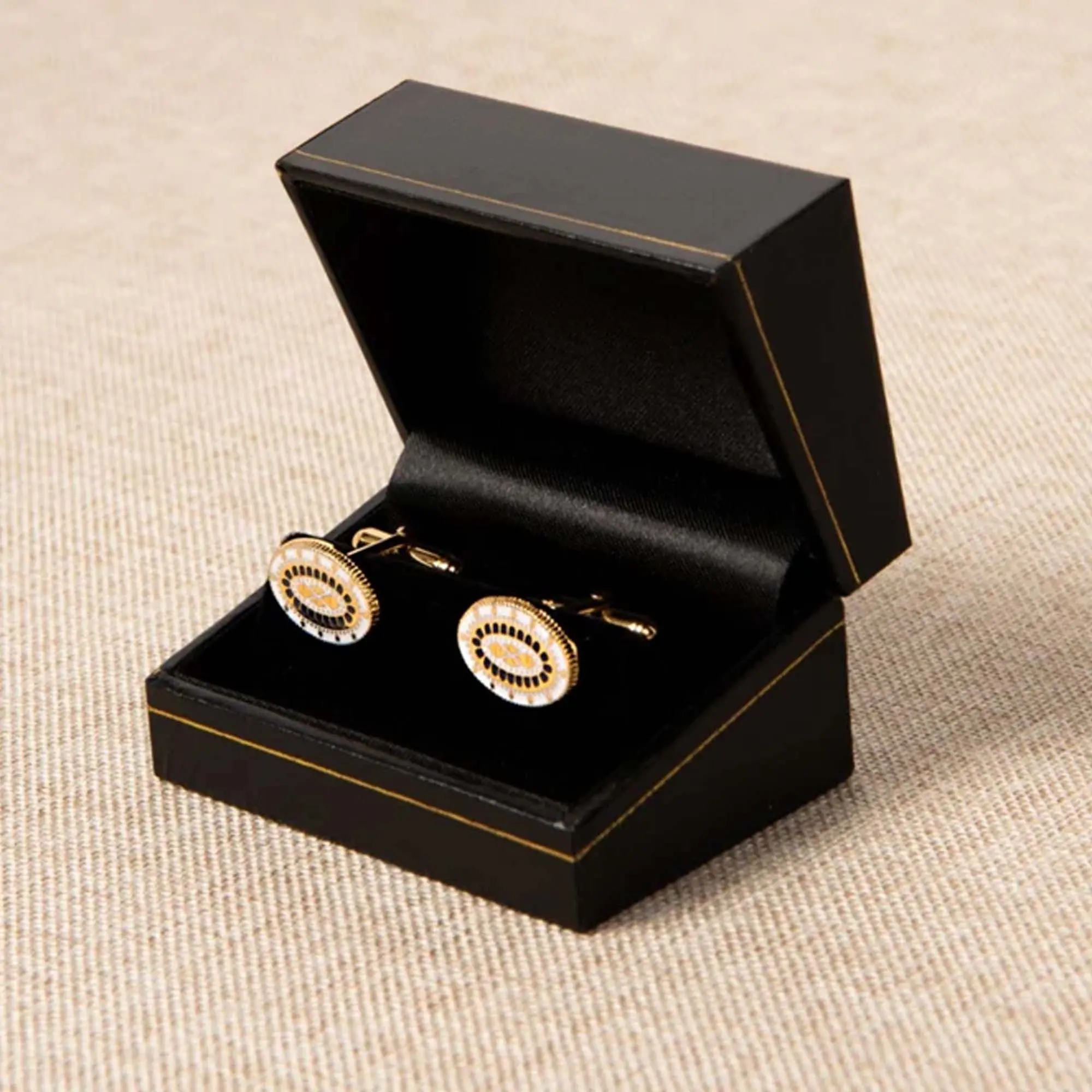
Rigid chipboard is dense, heavy board that holds its shape without folding. Box makers cut it into panels, wrap it in printed paper or fabric, and glue it into setup boxes. It is the structural core of most rigid luxury boxes.
What Is Chipboard Used For?
Chipboard is used wherever a product needs a stiff, printable, low-weight board that does not have to survive heavy shipping on its own. Its main packaging uses are below.
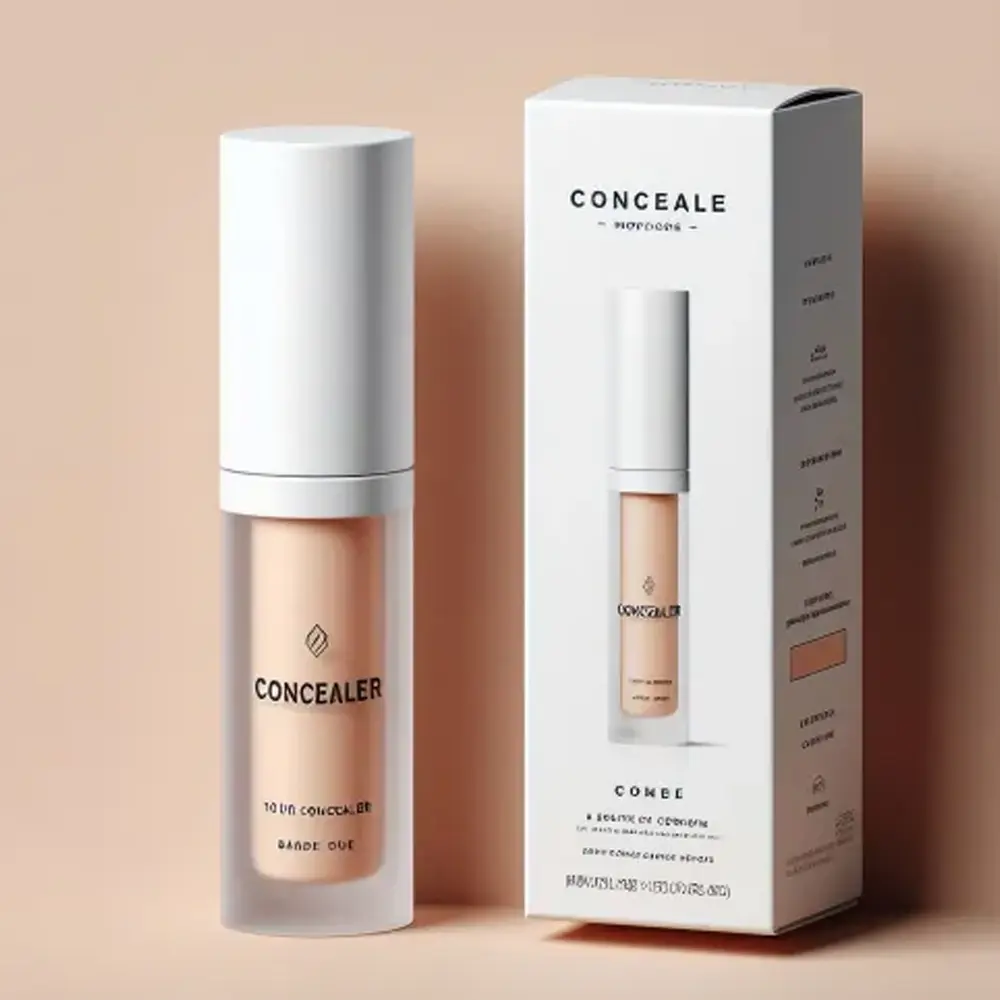
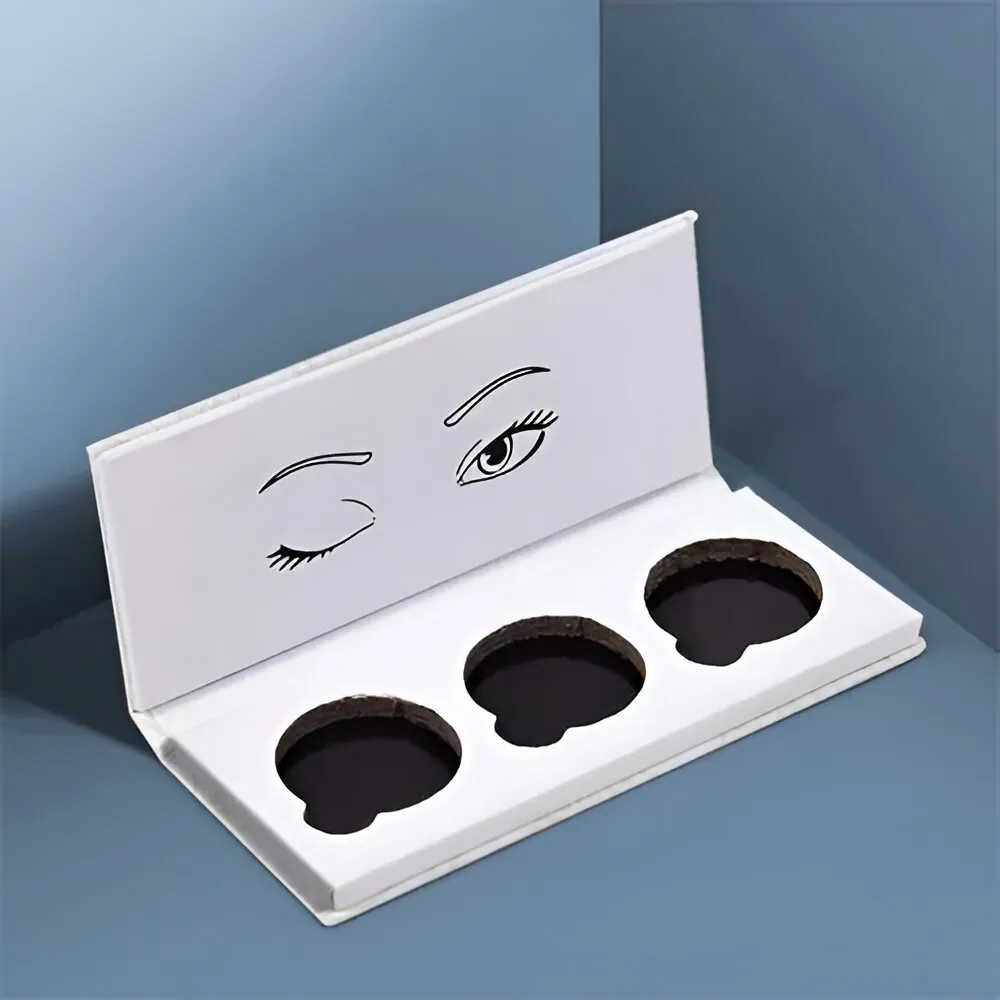
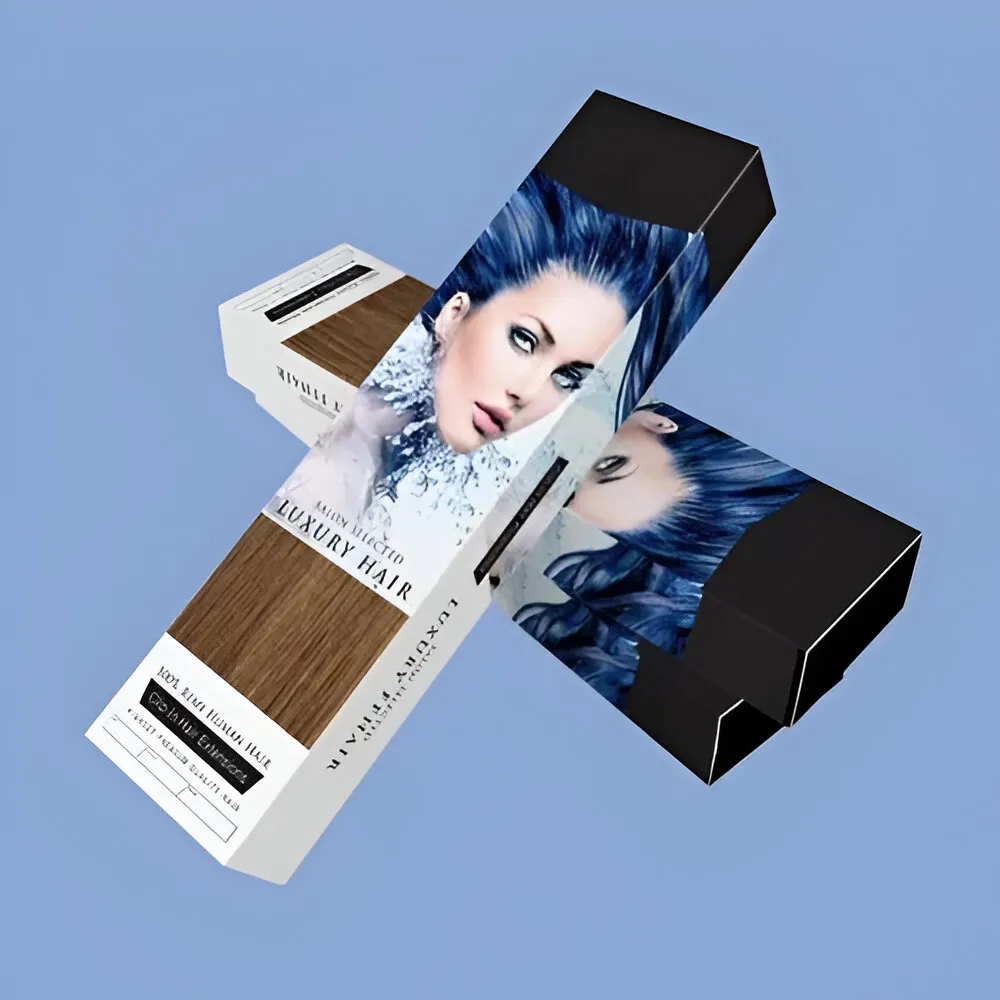
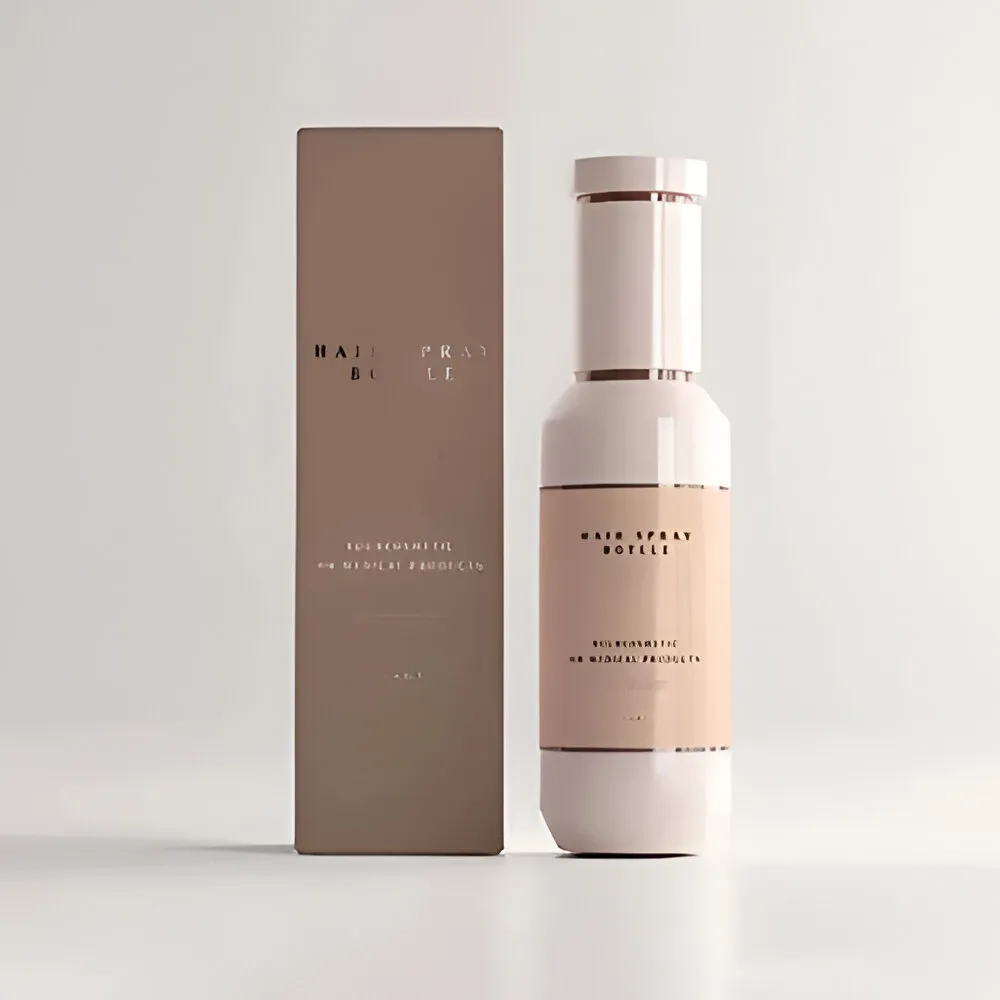
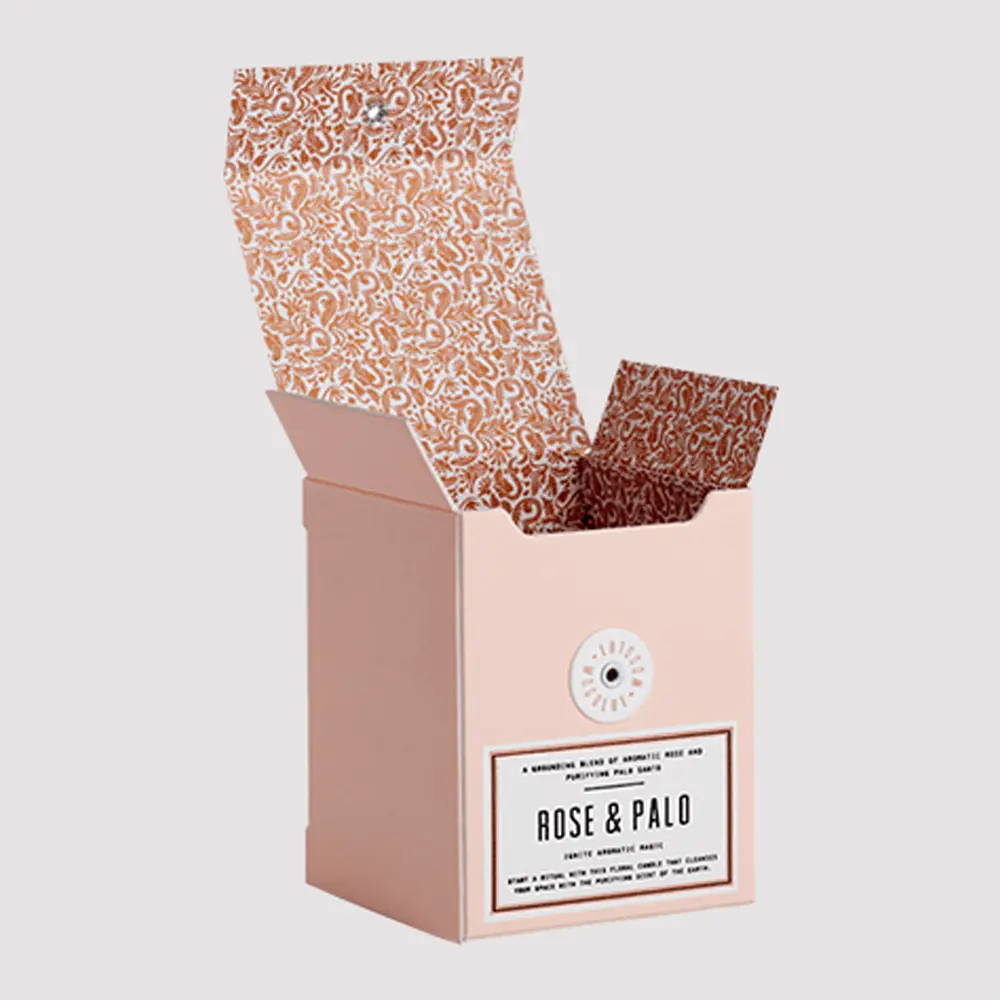
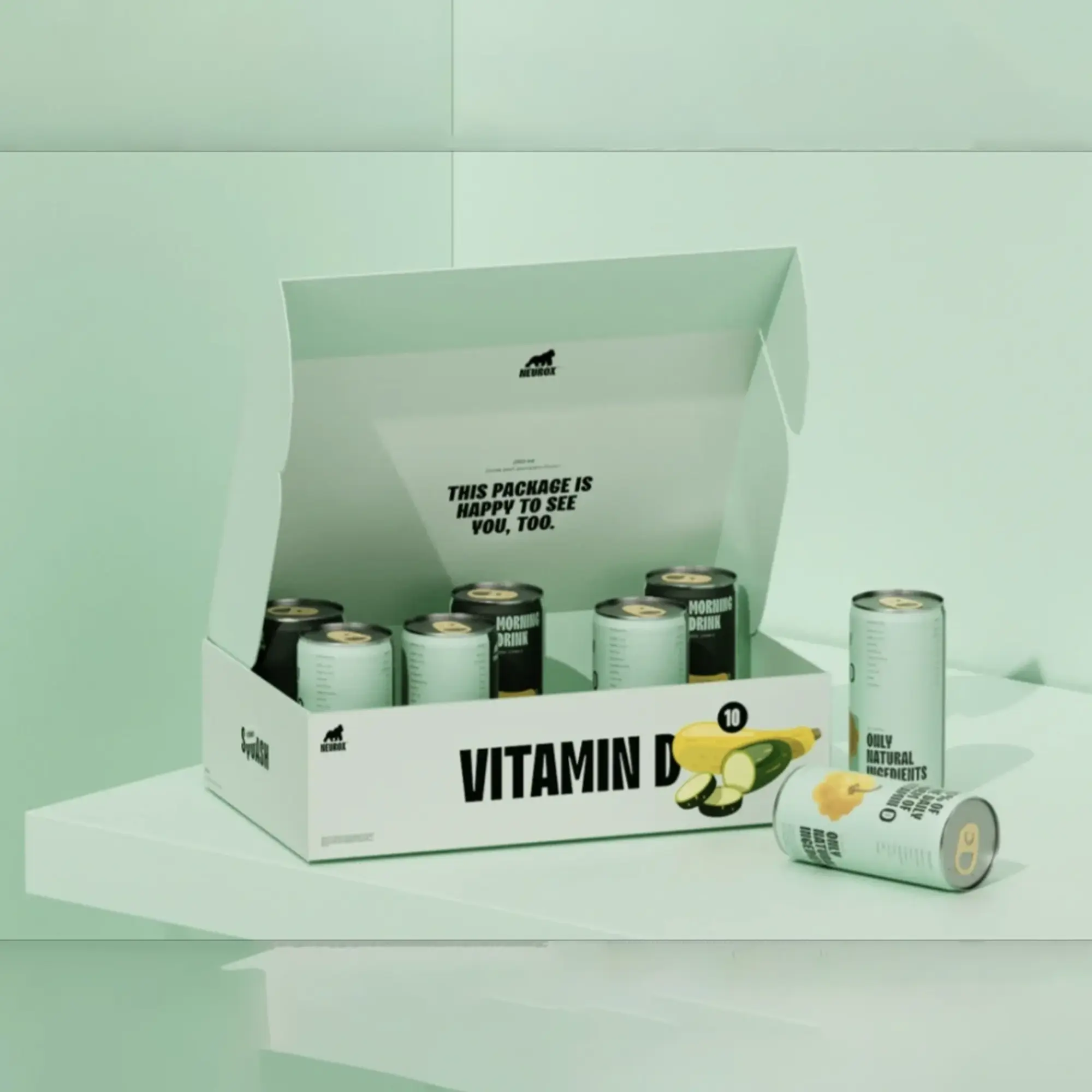
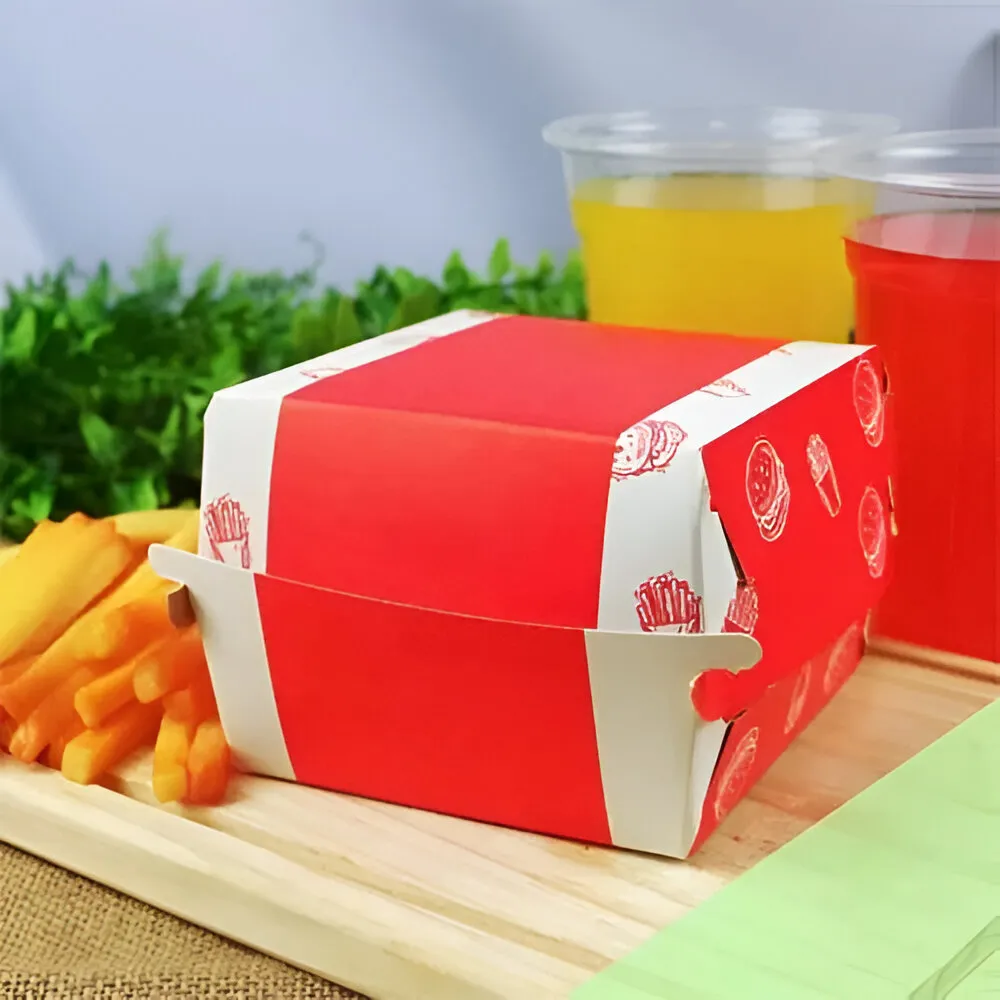
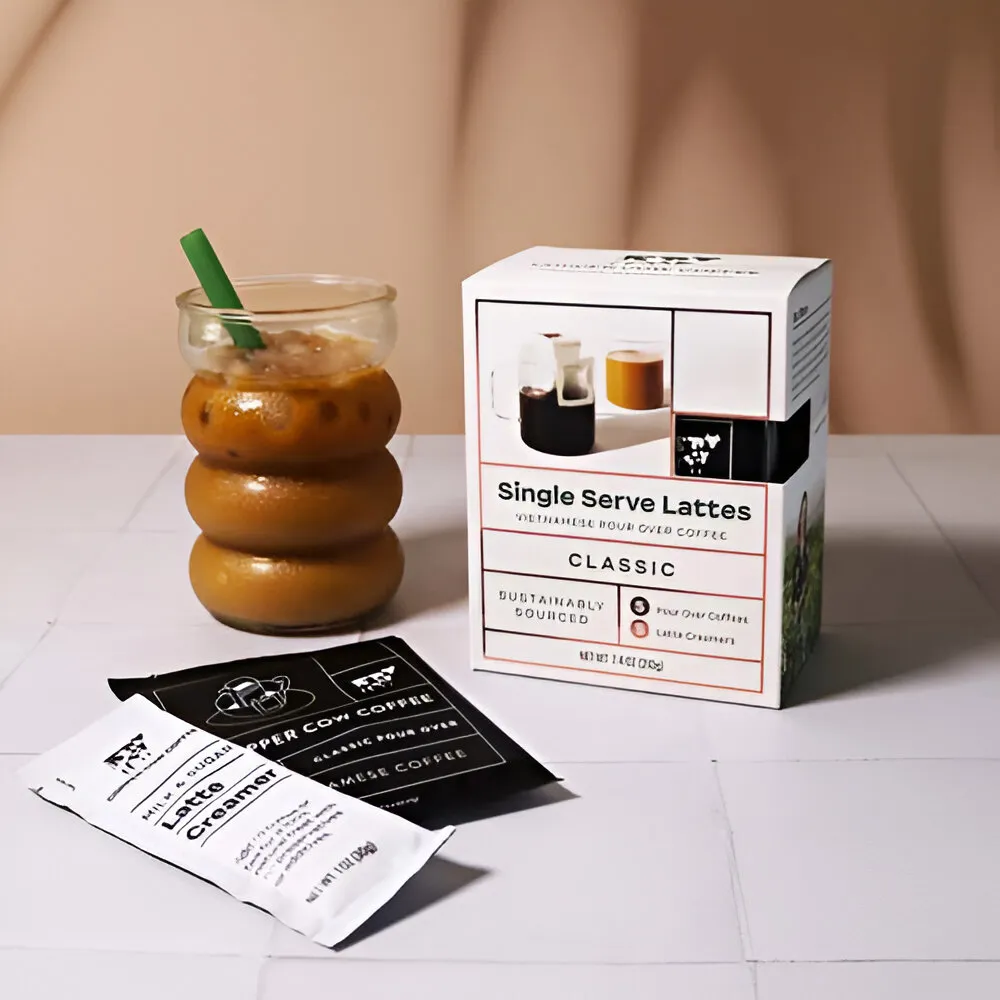
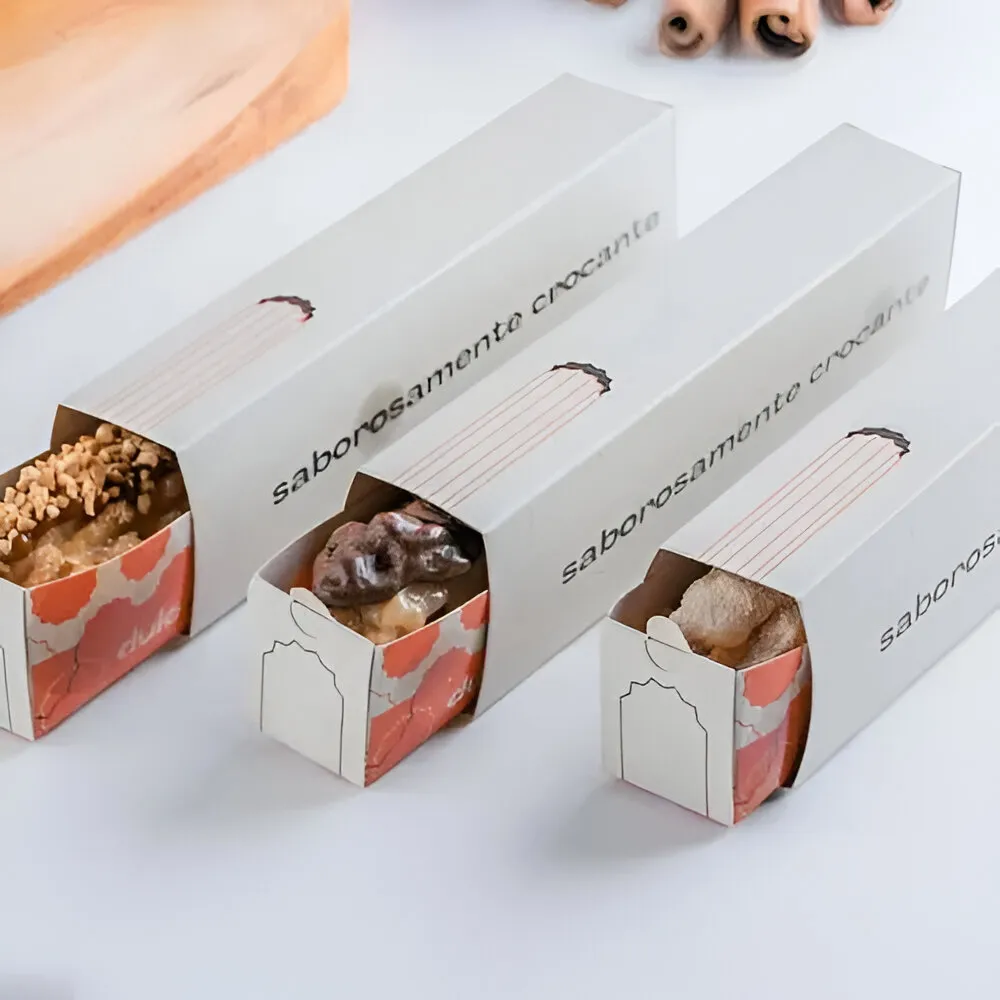
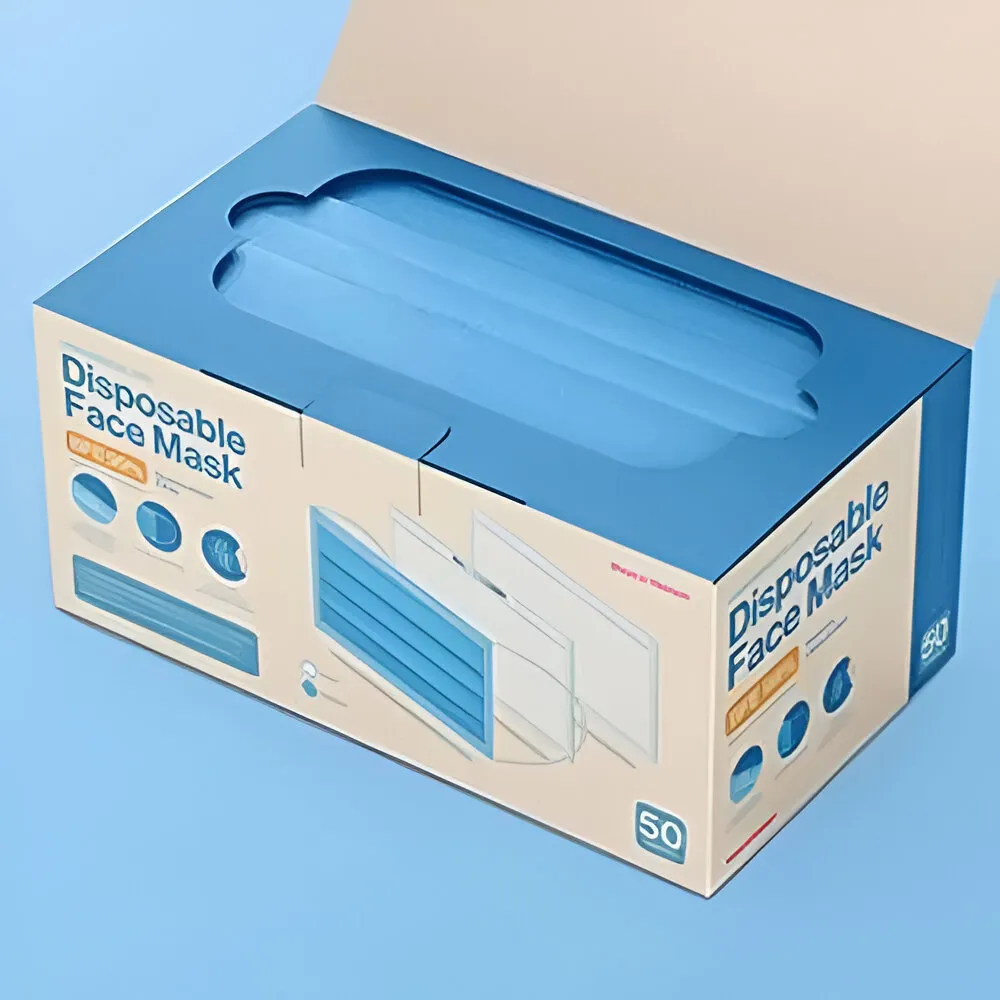
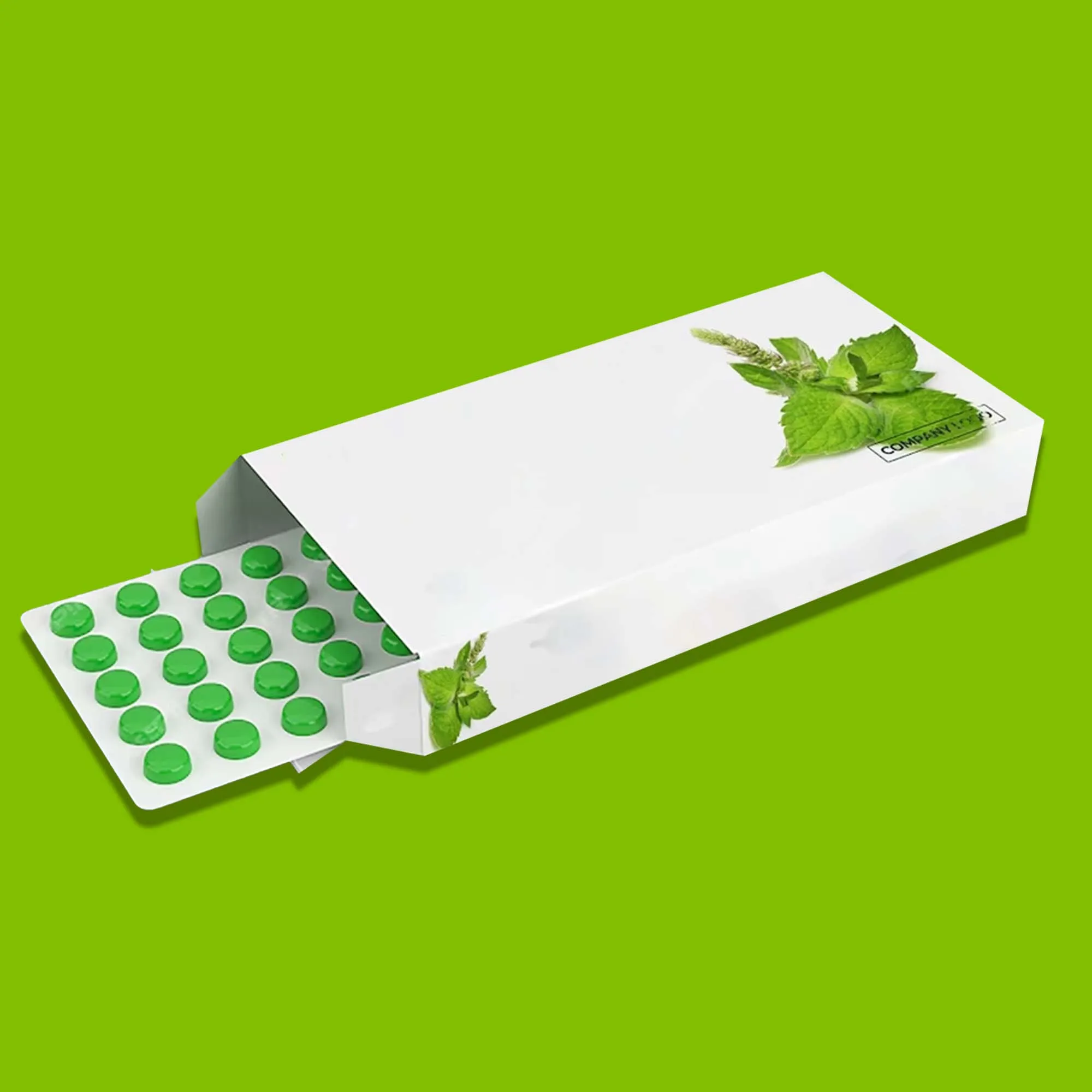
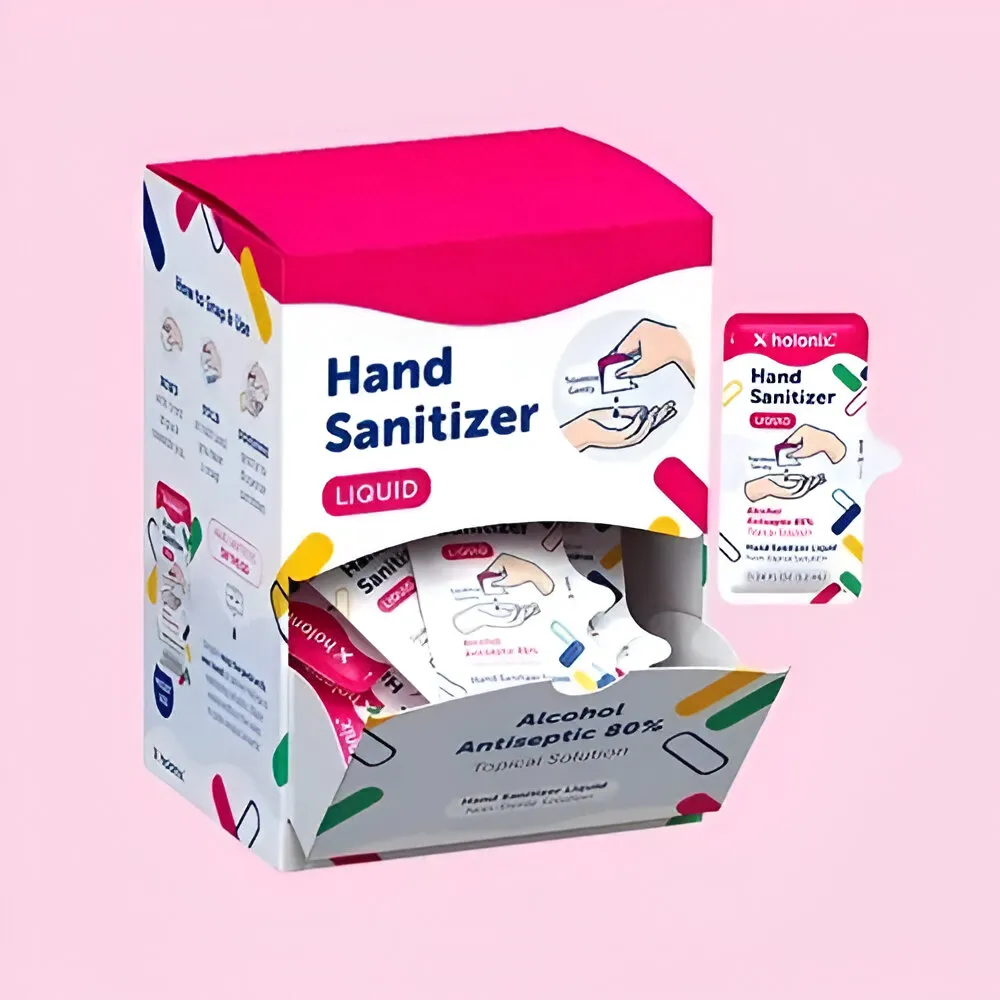
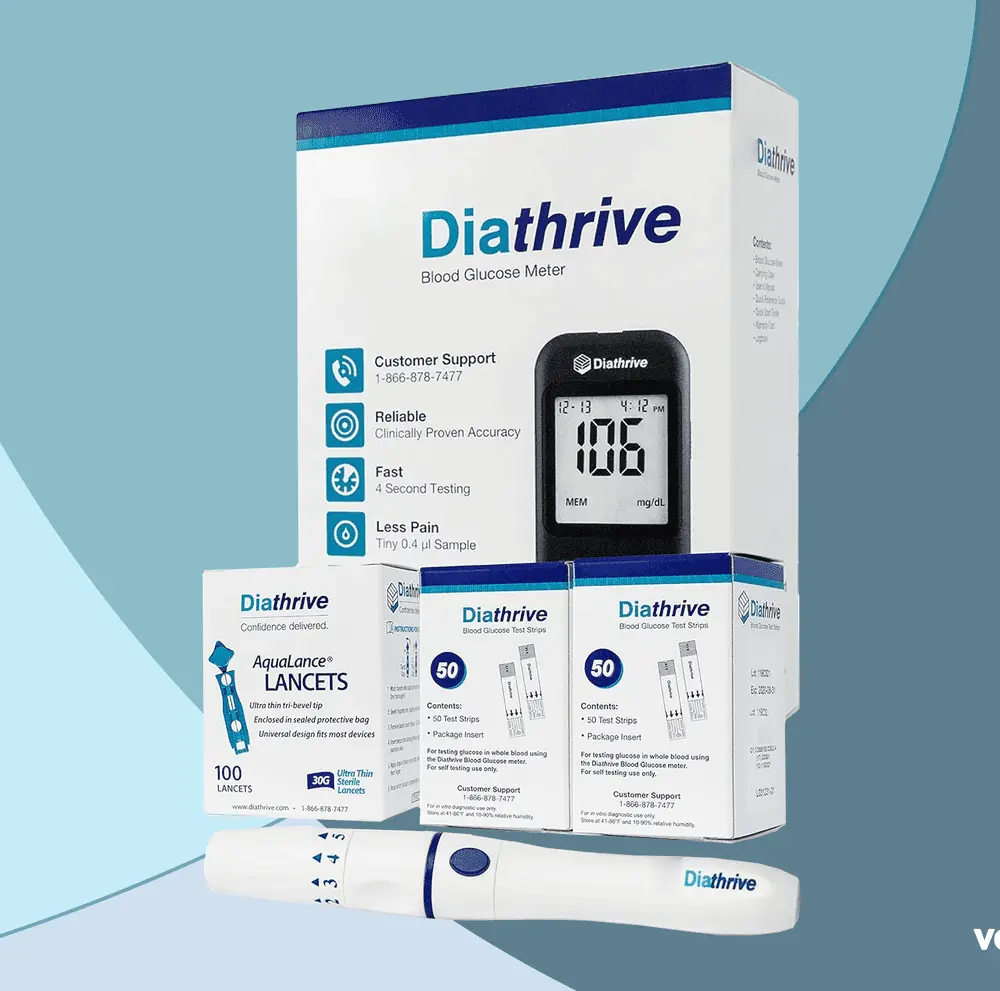
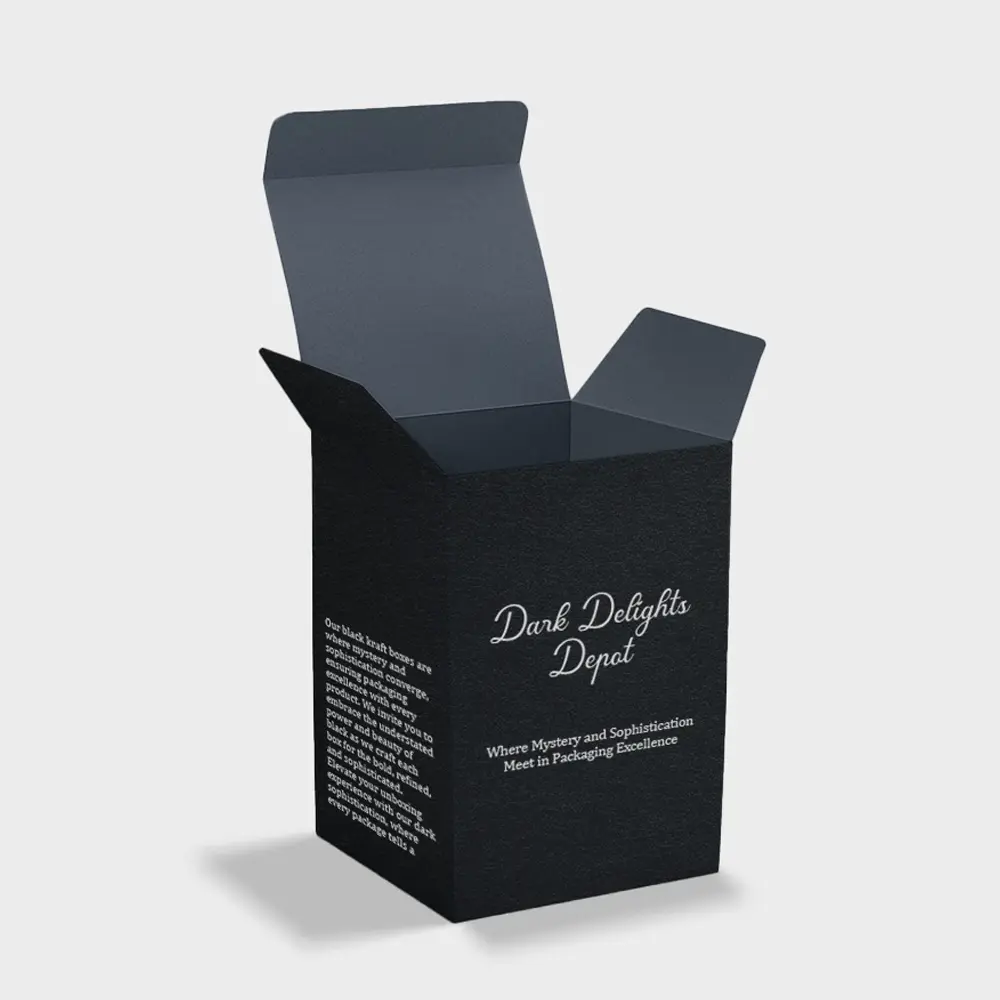
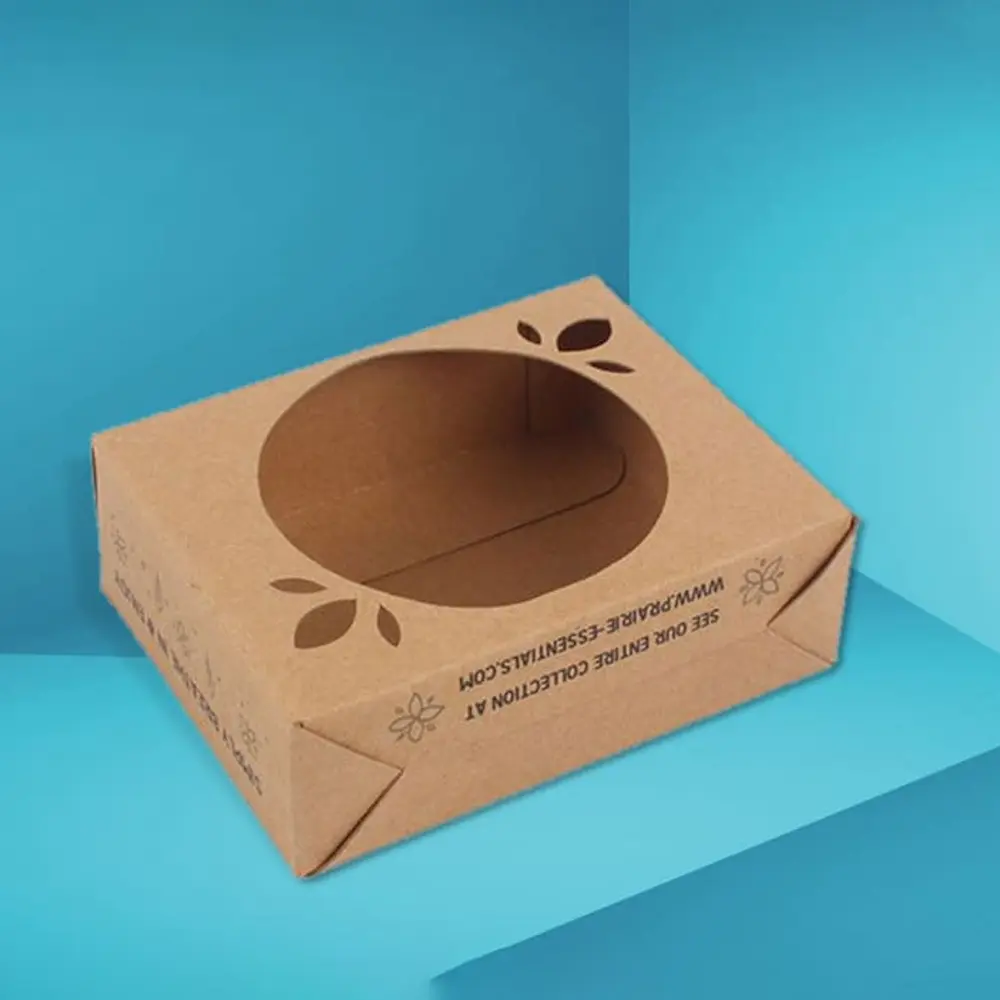
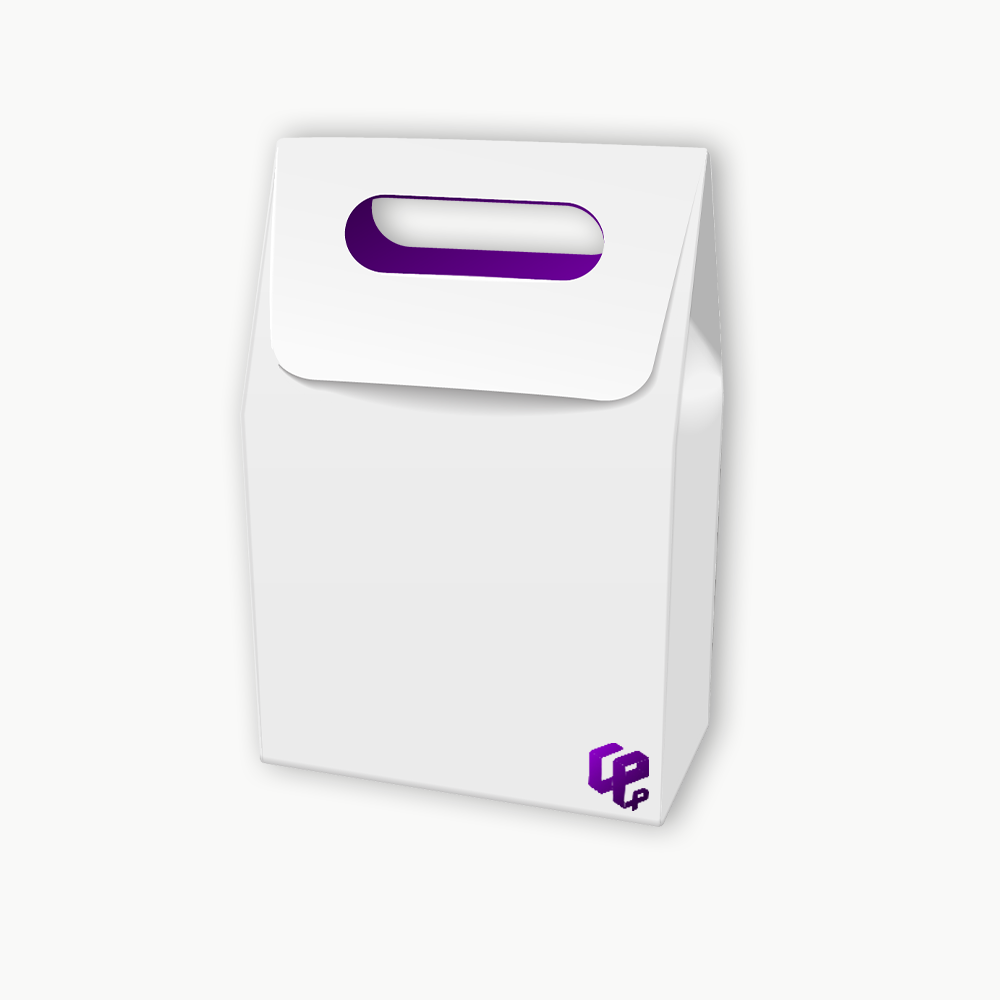
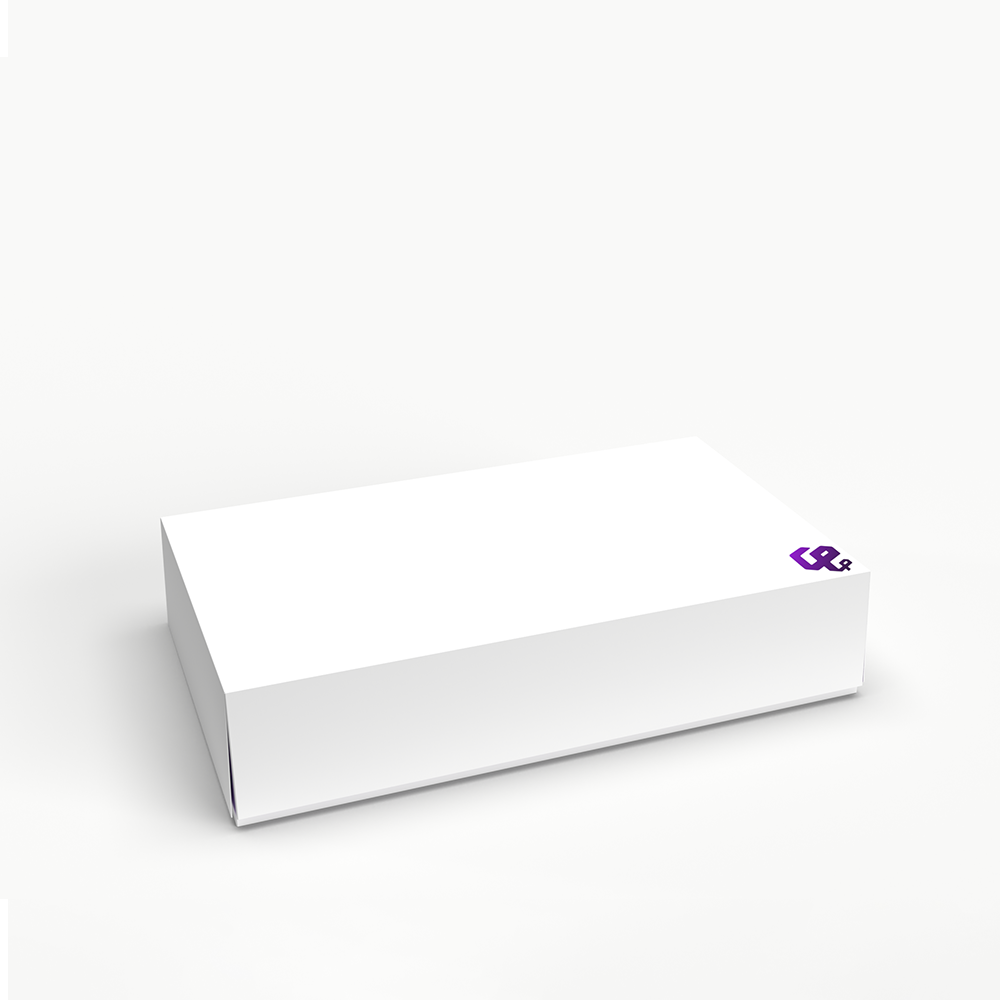
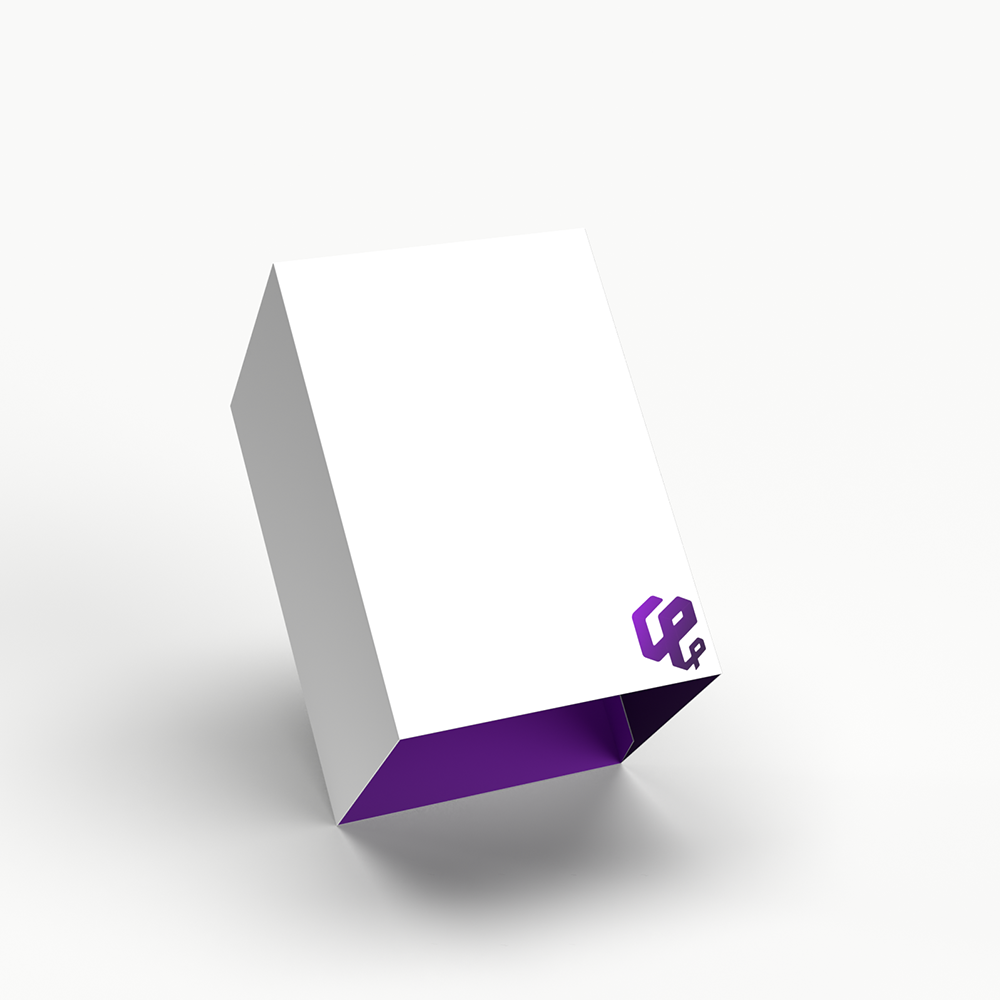
- Chipboard boxes (folding cartons). White-lined chipboard is cut, creased and folded into tuck-end, sleeve and display boxes for cosmetics, food, supplements, toys and small electronics. See custom chipboard boxes.
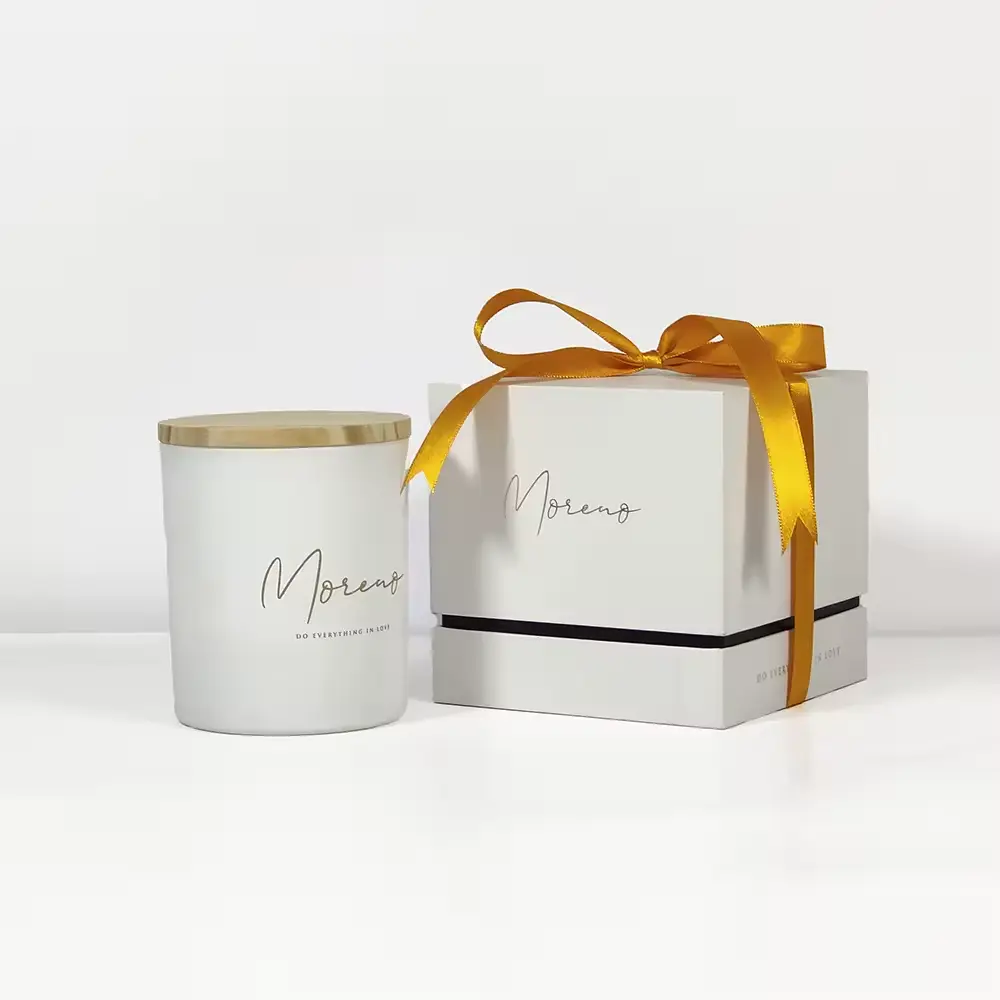
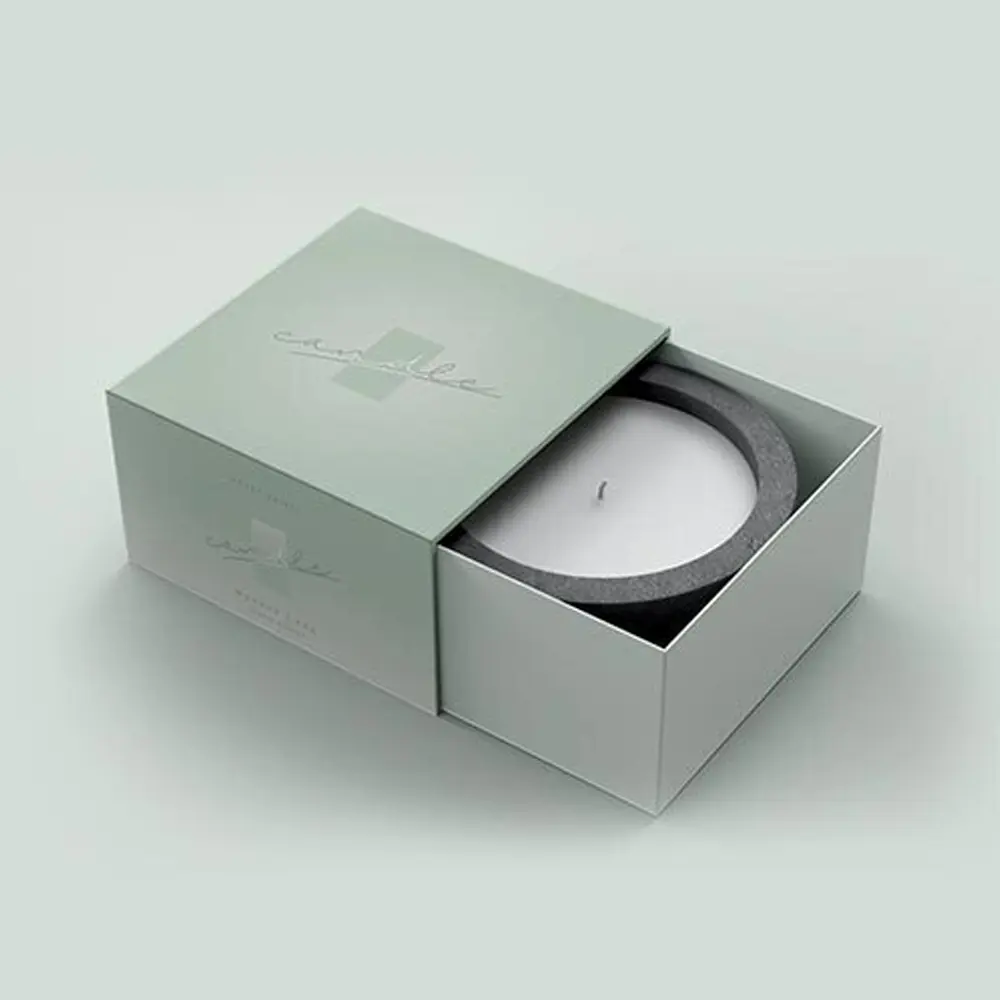
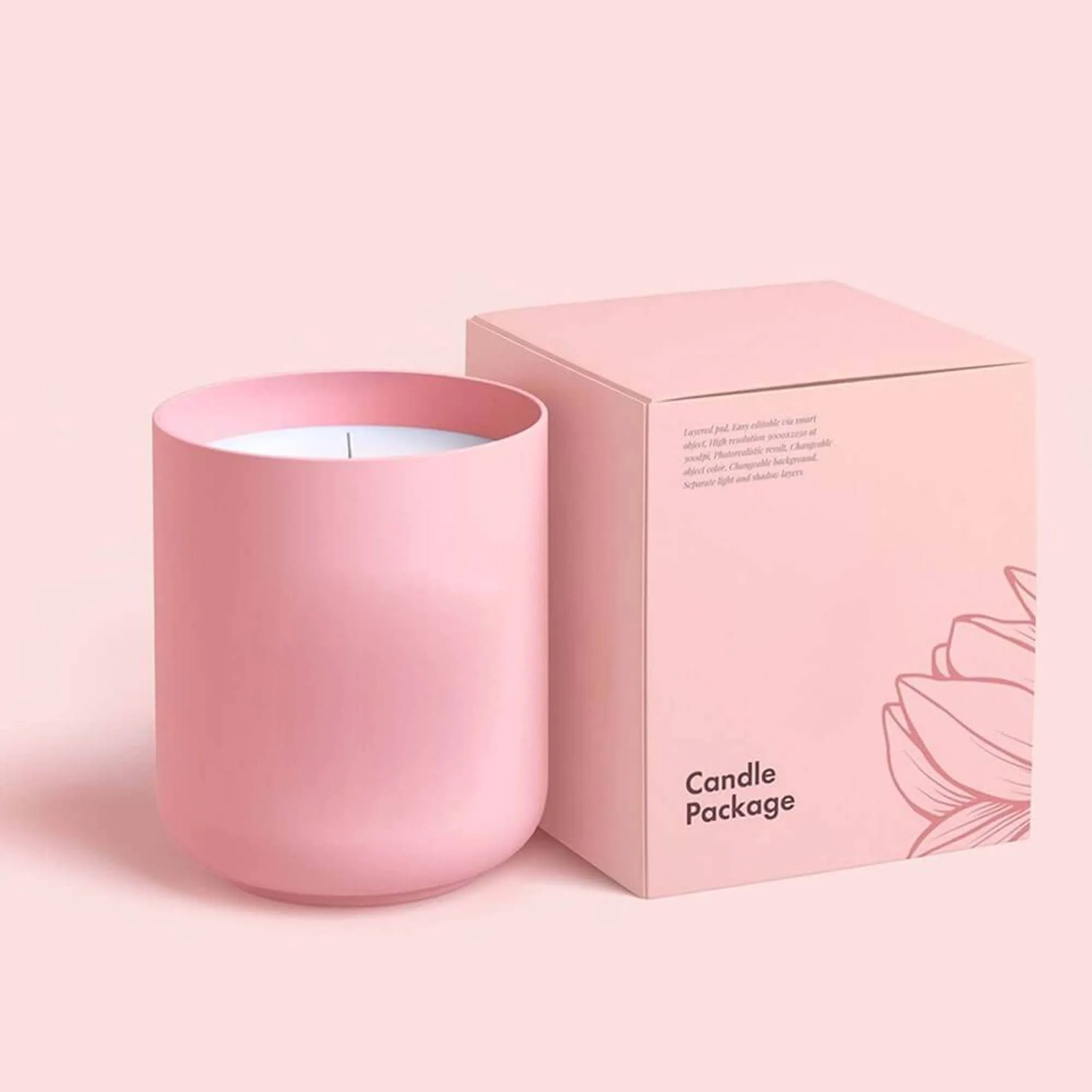
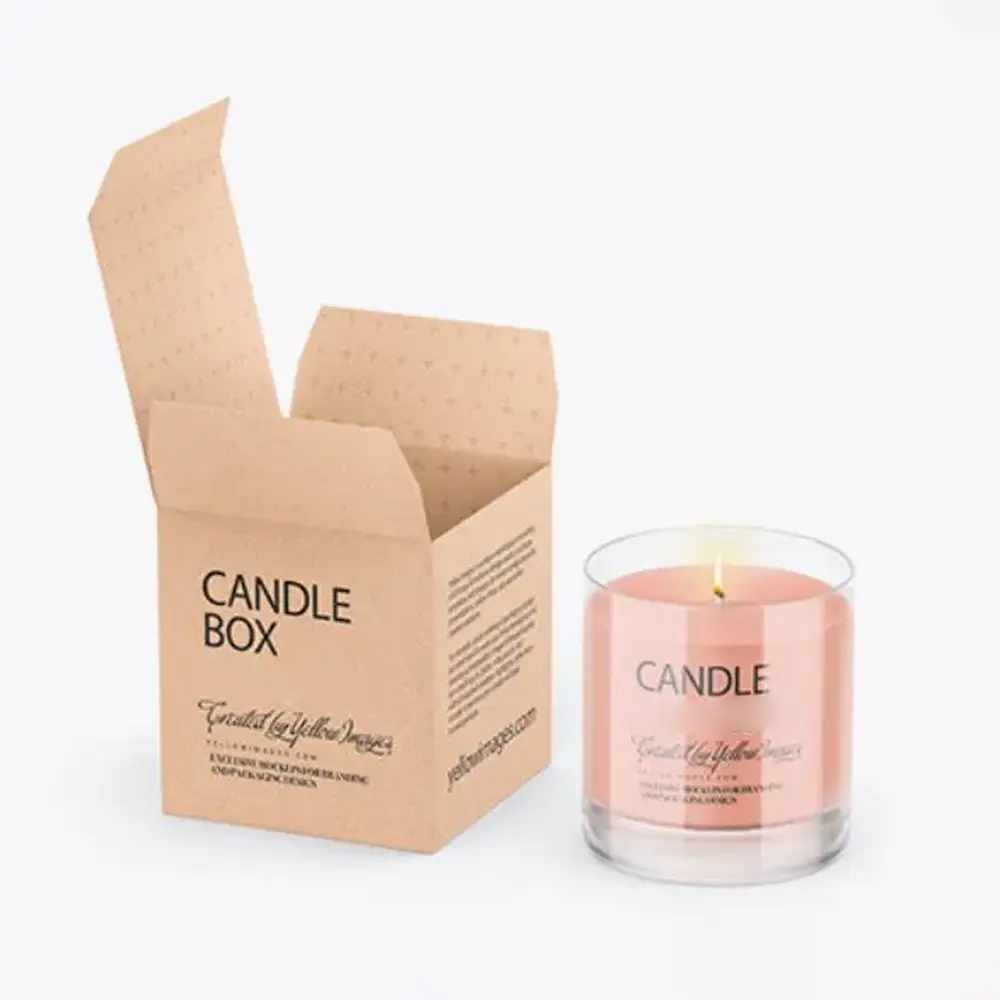
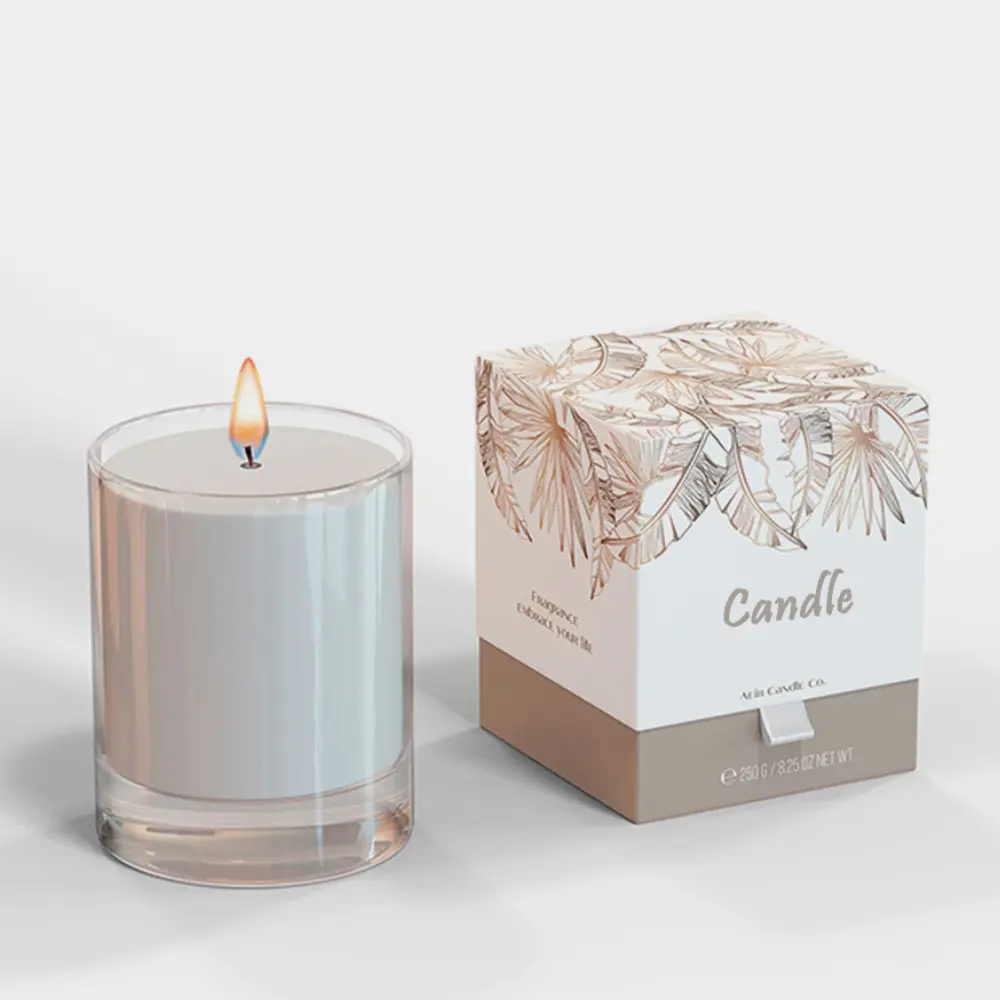
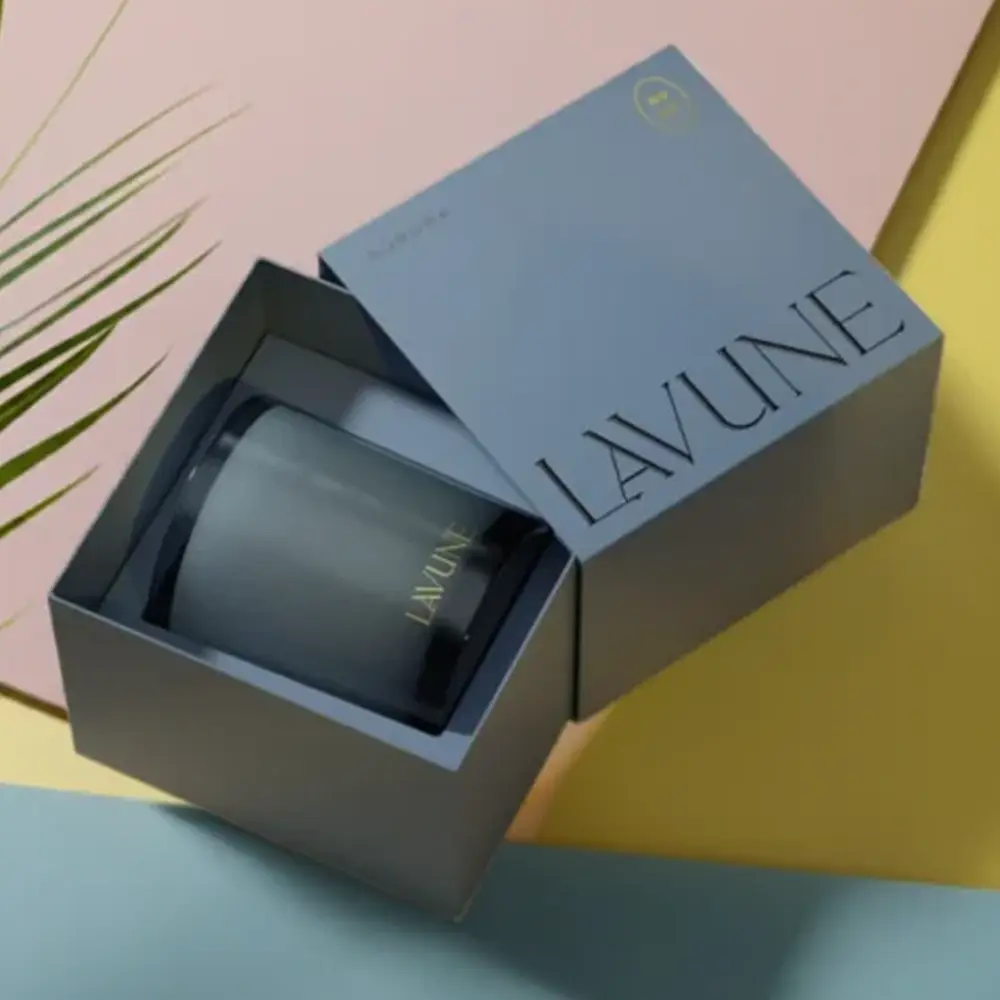
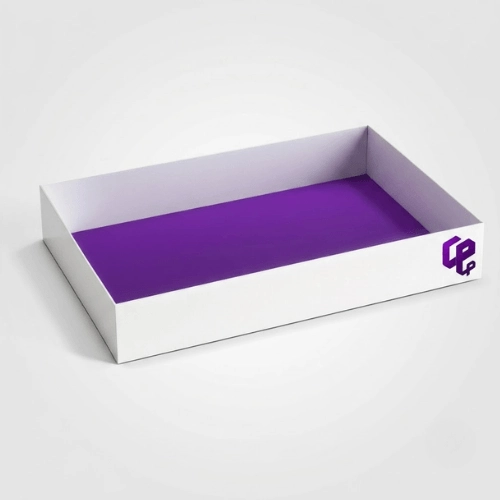
- Rigid setup boxes. Thick grayboard forms the walls and lid of premium boxes for jewelry, watches, phones, candles and gift sets.
- Inserts and dividers. Die-cut chipboard holds products in place inside a box and separates bottles or jars. See box inserts.
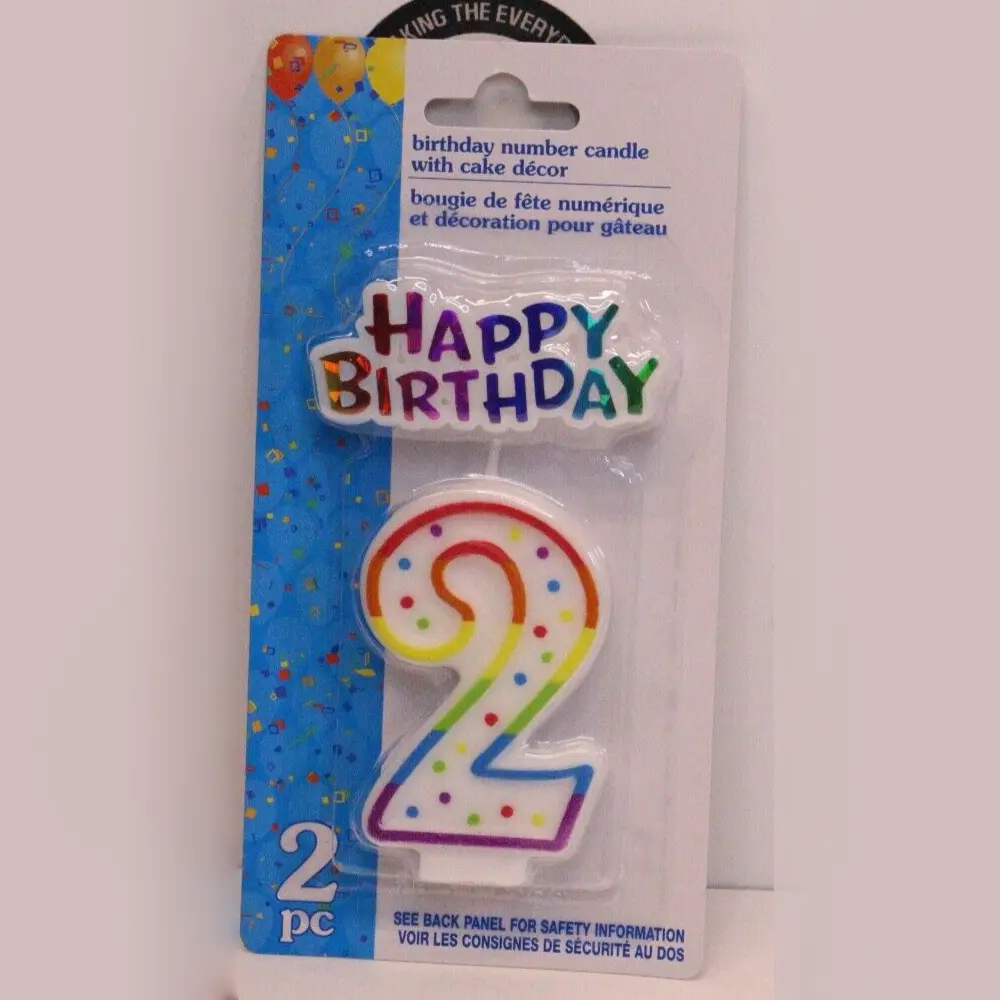
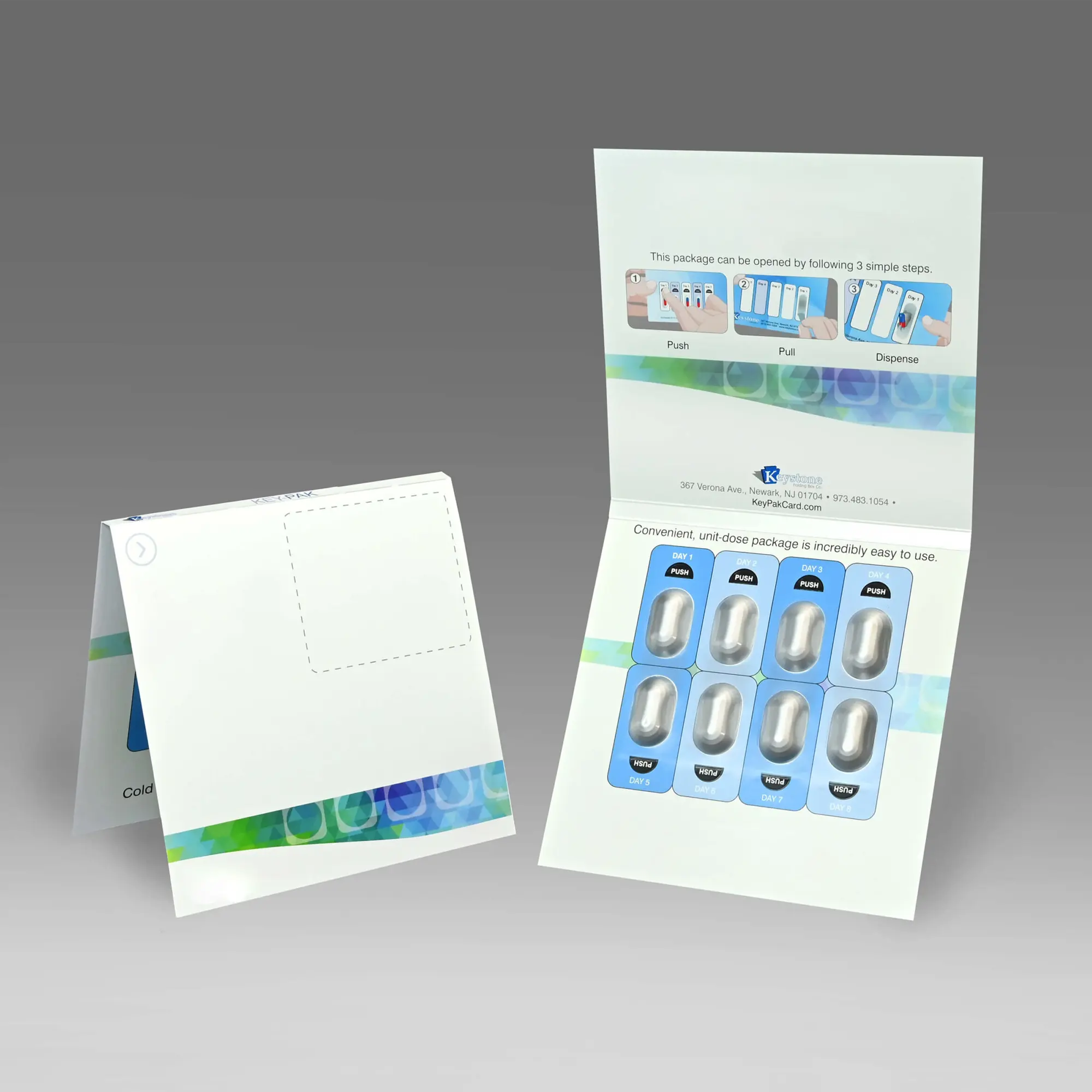
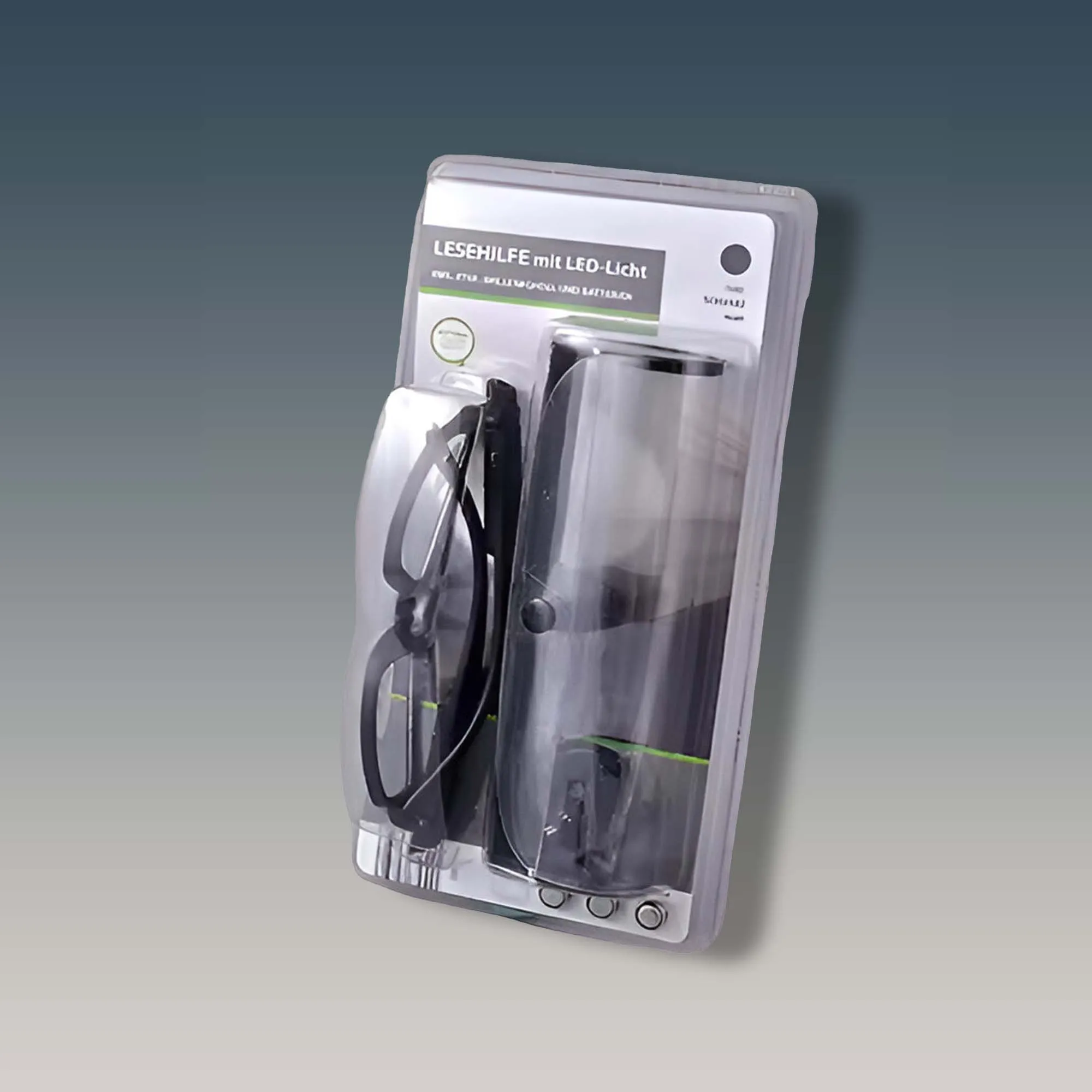
- Chipboard backing. Stiff backing cards support blister packs, hang-tab retail cards, apparel, socks and calendars.
- Chipboard pads. A chipboard pad is a flat sheet placed between product layers or on top and bottom of a stack. Printers also use "chipboard pads" to mean the backers on notepads and writing tablets.
- Mailer stiffeners. Flat sheets inside envelopes keep photos, prints and documents from bending.
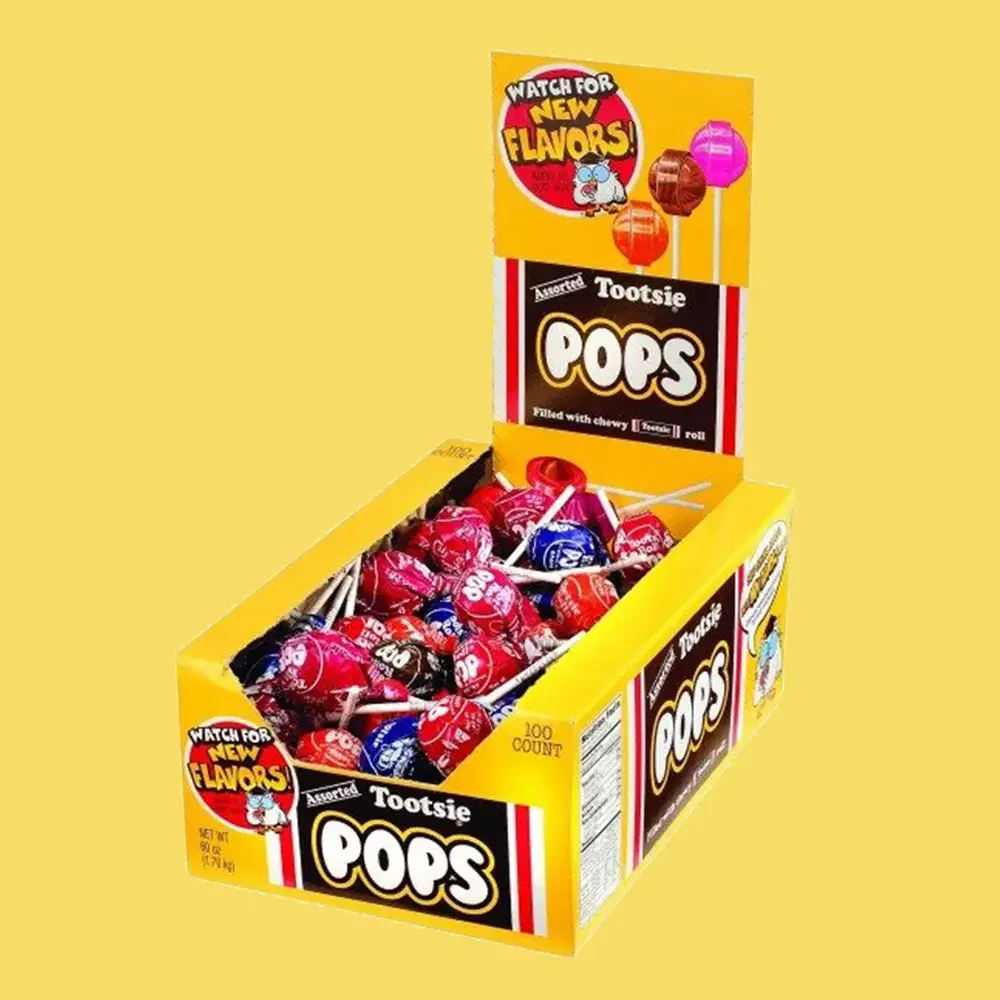
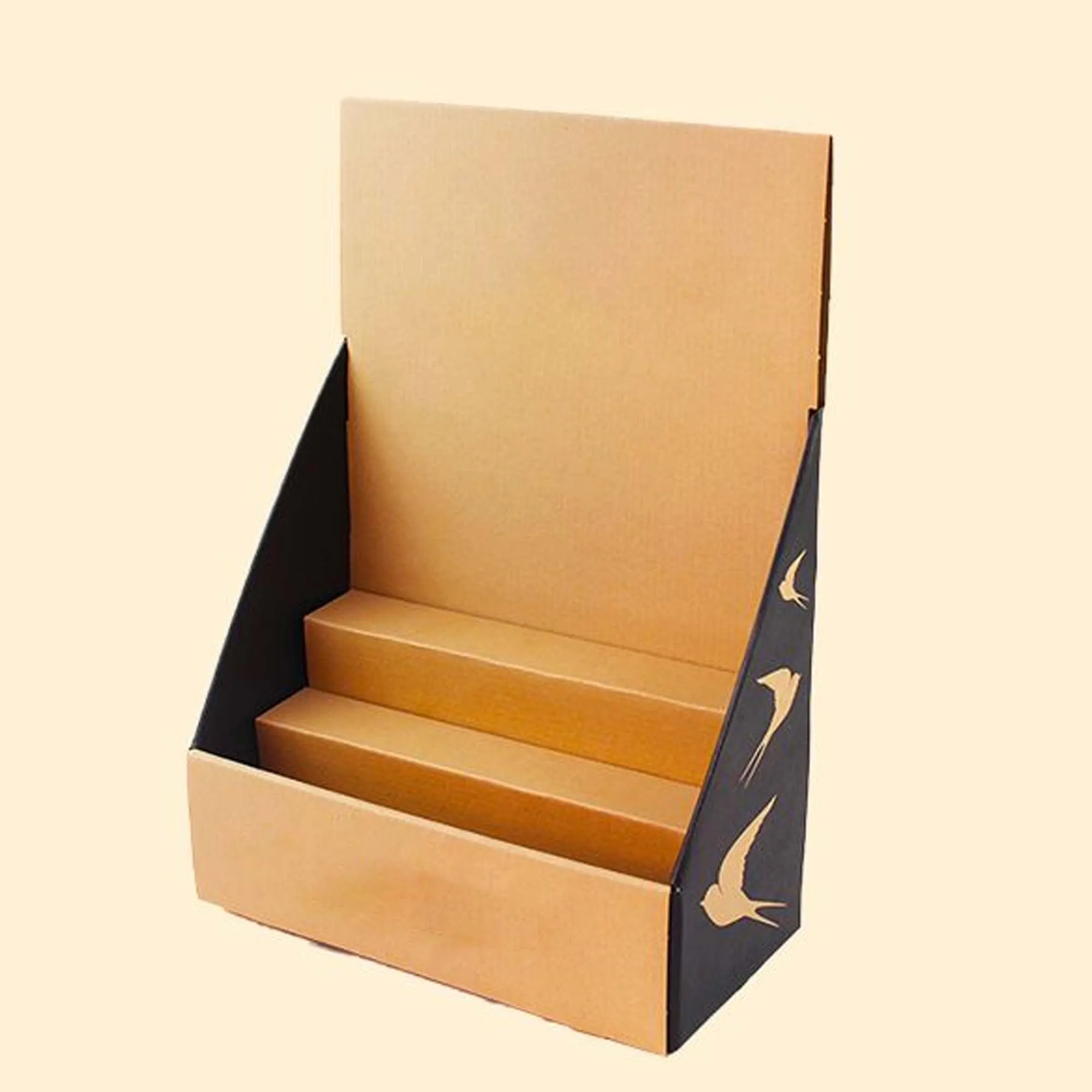
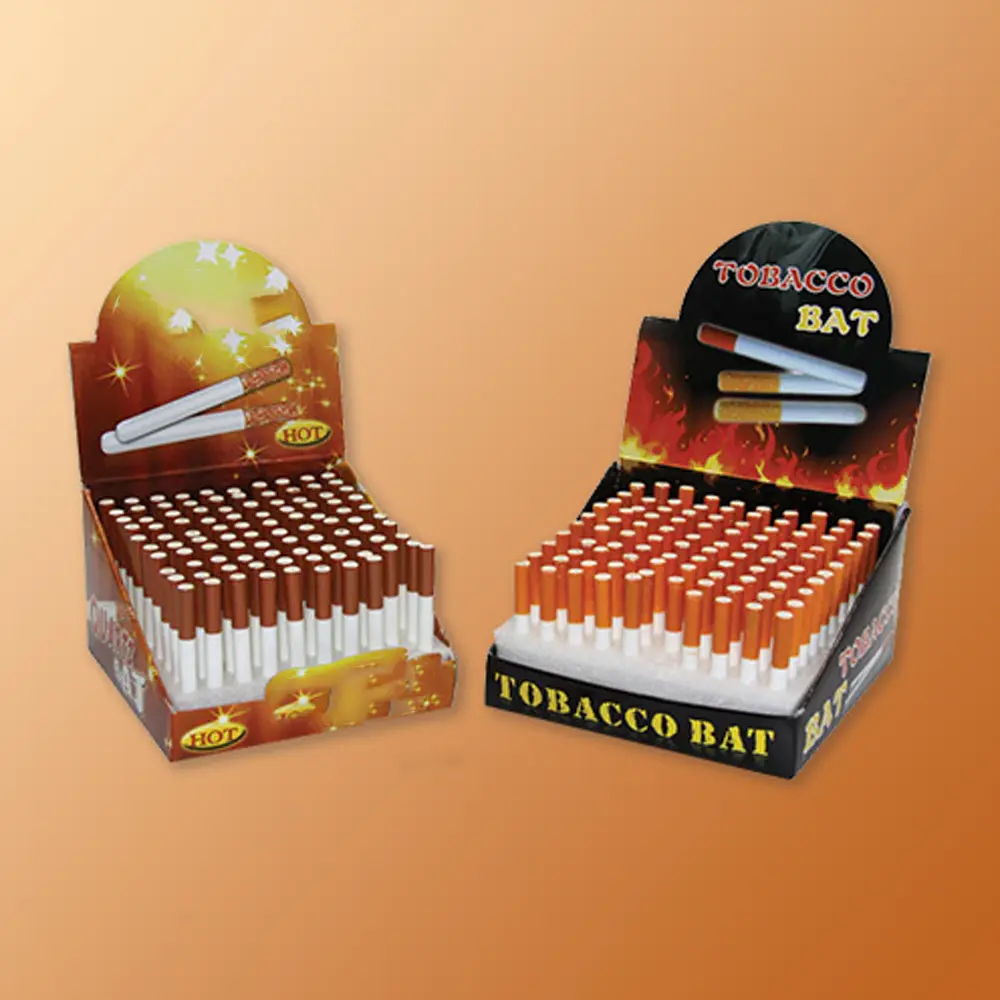
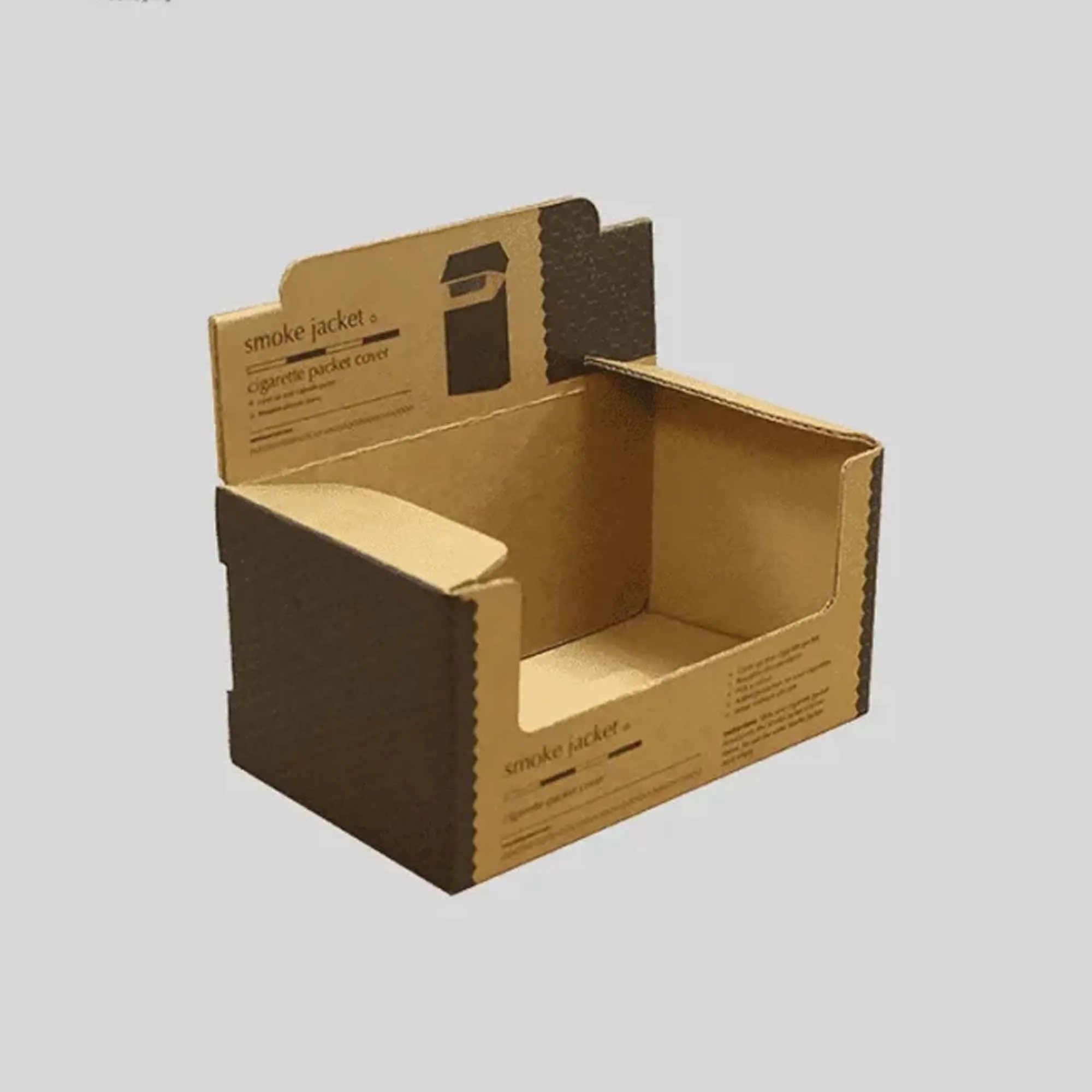
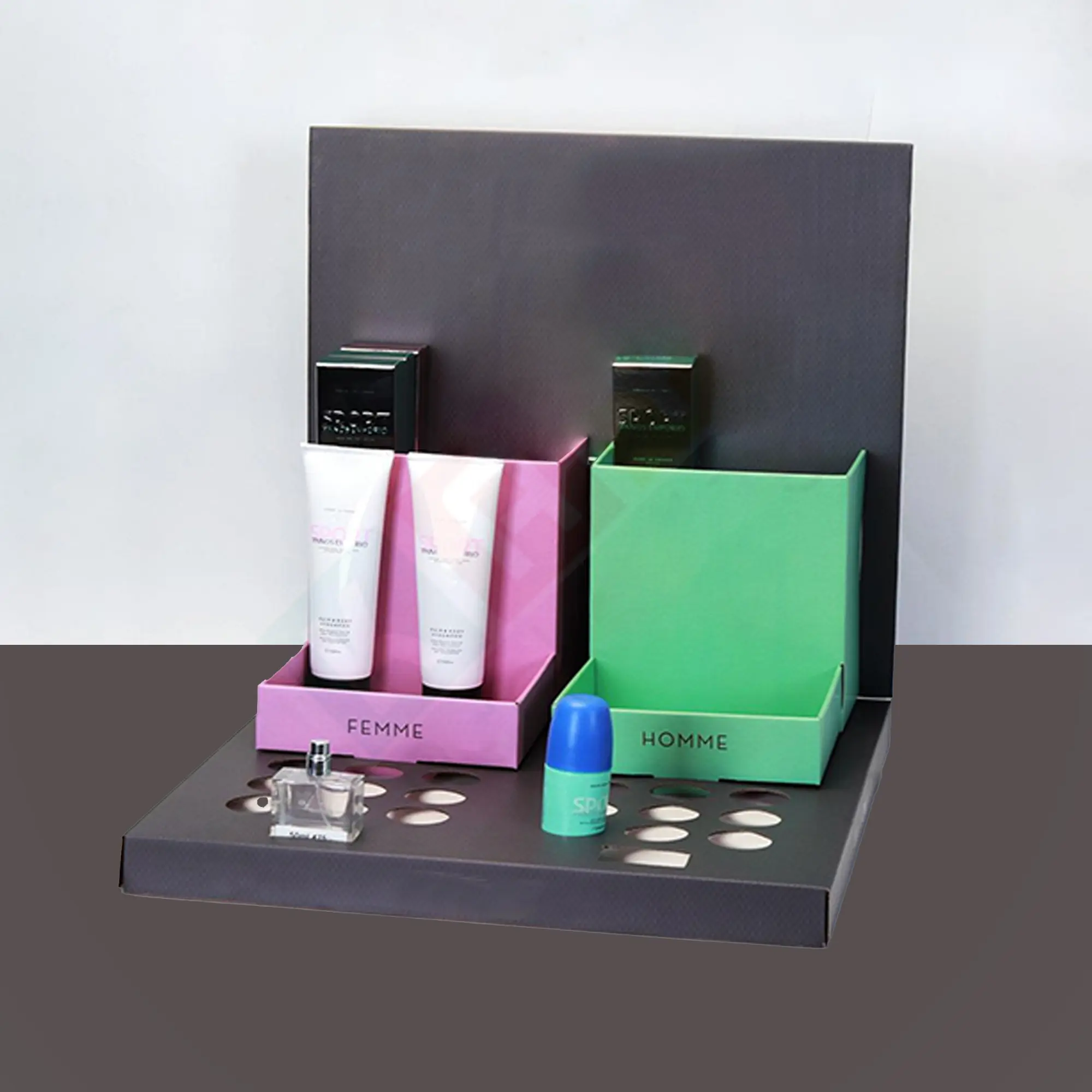
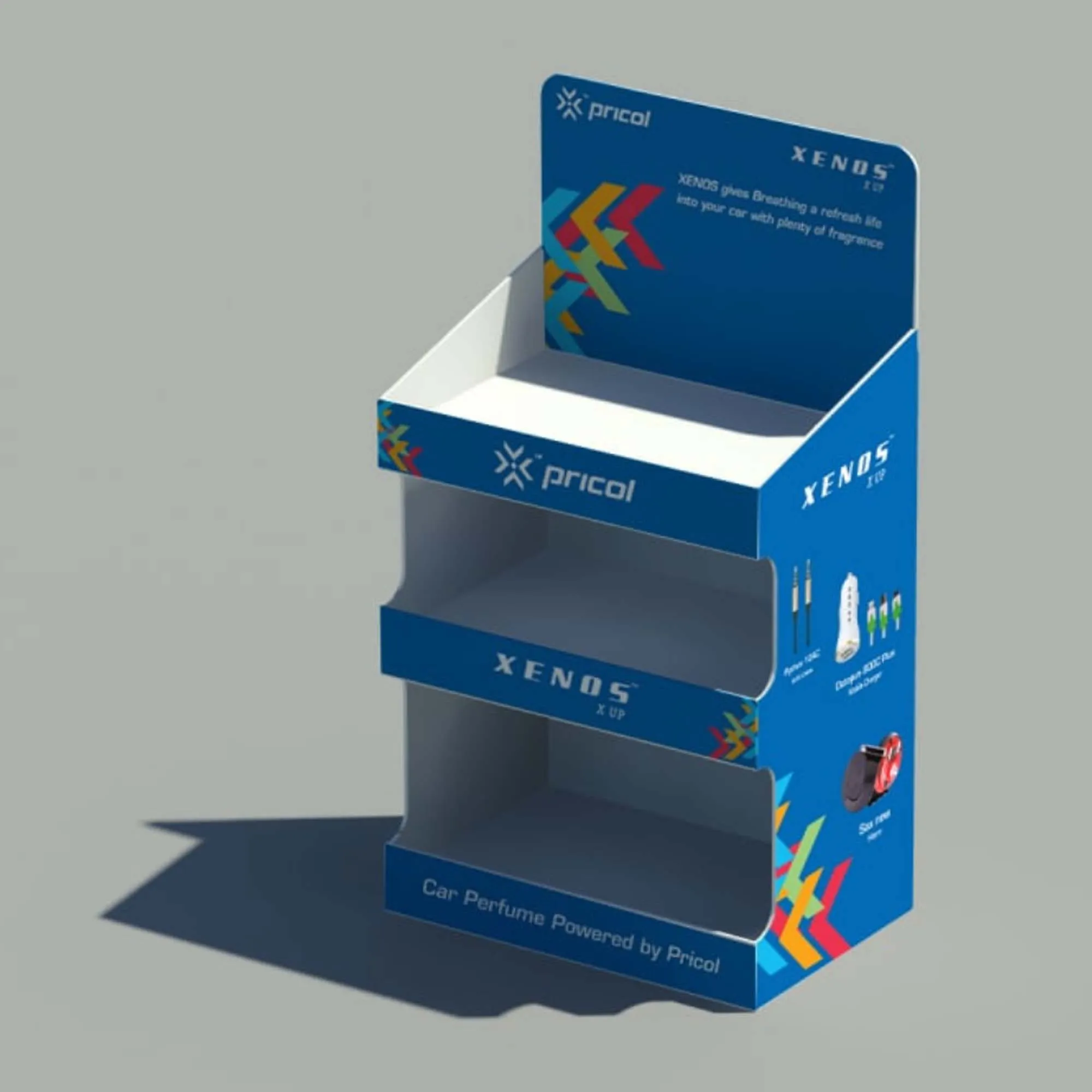
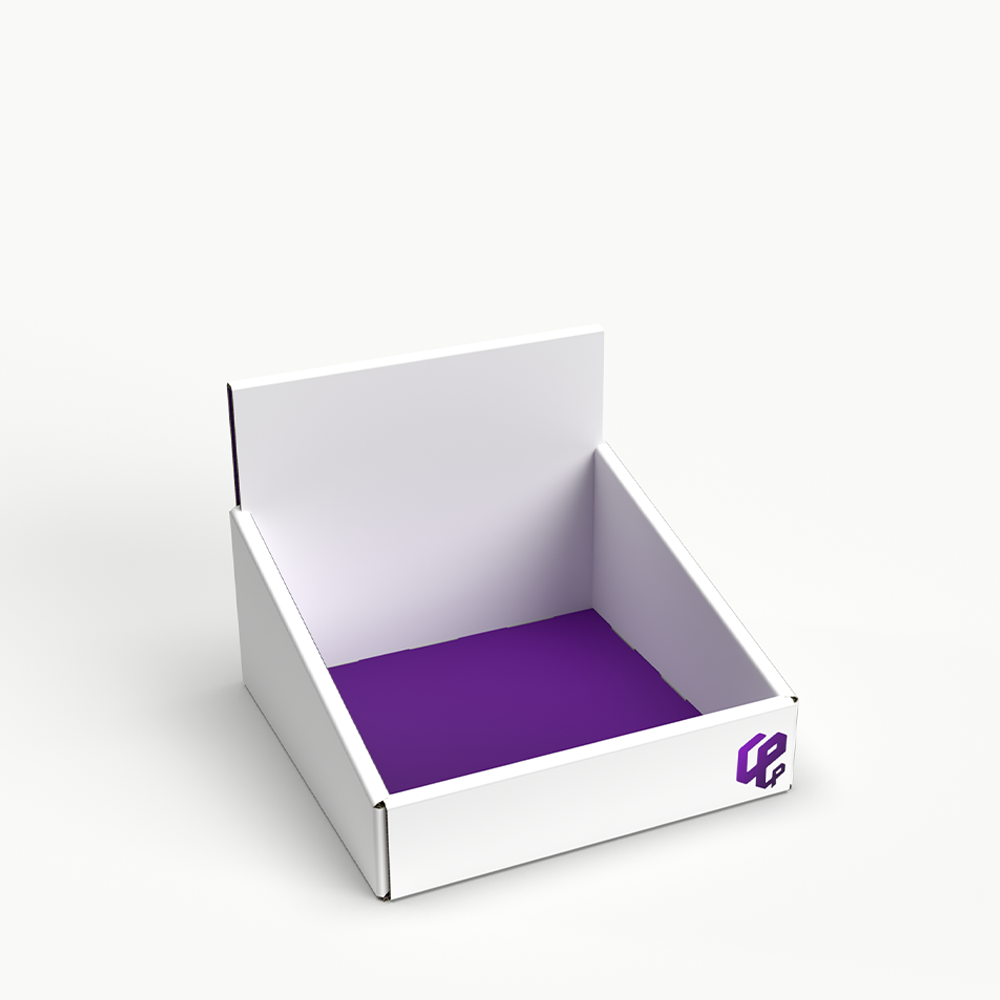
- Retail displays. Countertop display trays and shelf dividers often use chipboard where loads are light.
What is chipboard good for, and where does it fall short?
Chipboard is good for presentation, product positioning and stiffness. It is not a shipping material for heavy items. A chipboard carton protects a lipstick on a shelf, but it needs a corrugated shipping box around it to survive a parcel network.
Chipboard vs. Cardboard vs. Cardstock vs. Kraft Board
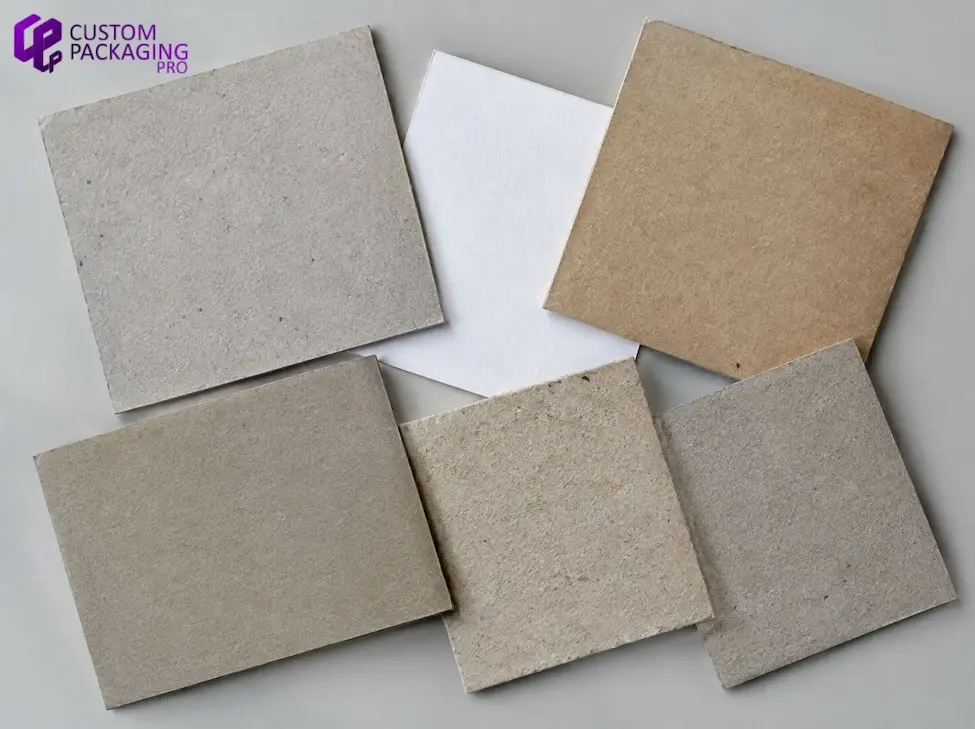
The short answer: chipboard is a solid recycled board, cardboard (corrugated) has a fluted middle layer, cardstock is a heavy paper, and kraft board is a strong virgin-fiber board. Each one solves a different packaging problem.
| |
Chipboard |
Corrugated cardboard |
Cardstock |
Kraft board |
| Fiber |
Recycled |
Recycled and virgin mix |
Mostly virgin |
Mostly virgin, unbleached |
| Structure |
One solid sheet |
Wavy flute glued between two liners |
One thin sheet |
One solid sheet |
| Typical thickness |
15pt to 120pt+ |
1/16 to 1/2 inch |
About 8pt to 14pt |
About 14pt to 30pt |
| Strength |
Stiff, low tear strength |
Best crush and impact resistance |
Low |
High tear and fold strength |
| Print surface |
Good when white-lined |
Fair, better with a printed liner |
Very good |
Good for one or two colors |
| Typical uses |
Cartons, rigid boxes, inserts, backing |
Shipping boxes, mailers |
Cards, tags, invitations |
Retail boxes, sleeves, food trays |
Chipboard vs. cardboard
Corrugated cardboard has a fluted core that acts like a row of small arches. That shape absorbs impact and resists crushing, which is why it is the standard for shipping. Chipboard is flat and solid all the way through. It is thinner, smoother and easier to print, but it gives far less cushioning.
Chipboard vs. cardstock
Cardstock is a thick paper, not a board. It is usually made from virgin fiber and is much thinner than most chipboard. Use cardstock for printed cards, hang tags and invitations. Use chipboard when the piece has to hold its shape or support weight.
Kraft board vs. chipboard
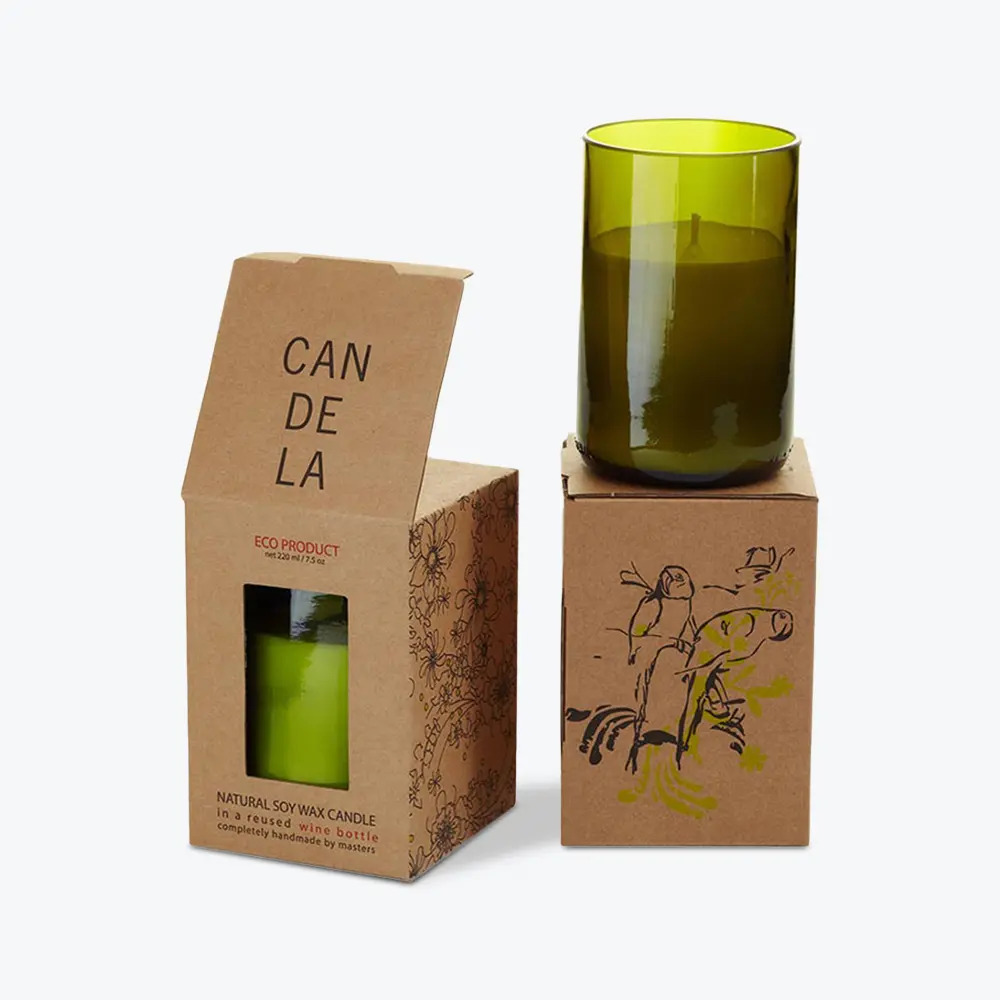
Kraft board is made by the kraft (sulfate) pulping process from fresh wood fiber. Those long fibers give it much better tear and fold strength than chipboard at the same thickness. Chipboard is the better value when stiffness matters more than toughness, and kraft board is the better pick for boxes that get opened and closed often or carry heavier items. Browse kraft boxes to compare.
Chipboard Thickness and Sizes Explained
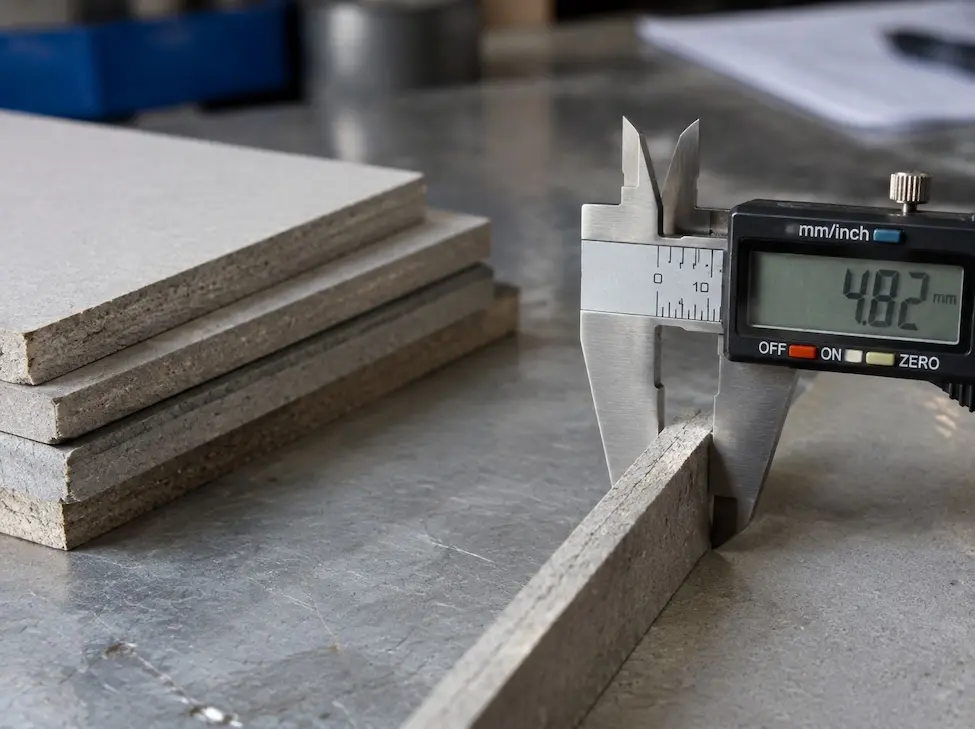
Chipboard thickness is measured in points (pt), and 1 point equals 0.001 inch. So 22pt chipboard is 0.022 inch thick, slightly thicker than a typical cereal box. To convert points to millimeters, multiply by 0.0254.
| Grade |
Inches |
Millimeters |
Feel |
Common packaging uses |
| 22pt |
0.022 |
0.56 |
Light, folds cleanly |
Notepad backs, folding cartons, shirt boards, backing cards |
| 30pt |
0.030 |
0.76 |
Light to medium |
Heavier notepad backs, mailer stiffeners, inserts |
| 50pt |
0.050 |
1.27 |
Heavy, resists bending |
Rigid box panels, dividers, tablet backs, display bases |
| 80pt |
0.080 |
2.03 |
Very heavy, does not fold |
Premium rigid boxes, book covers, game and puzzle boards |
How thick is chipboard?
Packaging chipboard usually runs from about 15pt to 120pt. Thin grades (under 30pt) can be scored and folded into cartons. Medium grades (30pt to 50pt) work for inserts and light rigid parts. Heavy grades (50pt and up) are for rigid box construction and stiff backers.
Points, ply and gsm are not the same thing
Some art and framing suppliers sell chipboard by "ply." Ply is not a standard measurement and varies by mill, so never treat 2-ply as a fixed caliper. European suppliers often list board in gsm (grams per square meter), which measures weight, not thickness. When you order packaging, always ask for the caliper in points or millimeters.
What is the standard size of chipboard?
There is no single standard size. Craft and office suppliers commonly stock sheets such as 8.5 x 11, 11 x 17, 12 x 12 and larger poster sizes in inches. Packaging mills and printers buy board in rolls or large press sheets and cut it to the dieline of each box. If you are ordering custom boxes, the size is set by your product, not by a stock sheet.
Chipboard vs. Particleboard and MDF: Are They the Same?
No. In US packaging, chipboard is paperboard. In the UK, Europe and Australia, "chipboard" usually means particleboard, an engineered wood panel. This is the biggest source of confusion around the term, and it is why search results mix box guides with furniture guides.
| |
Chipboard (packaging, US) |
Particleboard (UK "chipboard") |
MDF |
| Made of |
Recycled paper fibers |
Wood chips and sawdust bonded with resin |
Fine wood fibers bonded with resin under heat |
| Thickness |
Fractions of an inch |
Usually 1/4 to 1 inch |
Usually 1/8 to 1 inch |
| Weight |
Light |
Heavy |
Heavier than particleboard |
| Used for |
Boxes, inserts, backing |
Flat-pack furniture, shelving, flooring |
Cabinet doors, trim, painted furniture |
So, is chipboard made of wood? Indirectly, yes. Paper comes from wood pulp, so packaging chipboard traces back to trees. But it contains no wood chips and no resin binders. If a supplier quotes you a 3/4 inch "chipboard" panel, you are looking at a building product, not packaging material.
Benefits and Limitations of Chipboard Packaging
Chipboard is the right choice for many retail and presentation boxes, but not for every job. Here is an honest look at both sides.
Benefits
- Economical. Recycled fiber keeps material costs lower than virgin-fiber boards like SBS or kraft.
- Lightweight. Thin grades add little to shipping weight, which helps on high-volume orders.
- Prints well when coated. White-lined chipboard takes full-color offset and digital printing, foil, embossing and spot UV.
- Easy to convert. It cuts, scores and folds cleanly on standard die-cutting equipment, so custom shapes and inserts are simple.
- Stiff for its weight. Heavy grades give rigid boxes a solid, premium feel.
- Recycled content. It turns waste paper back into a usable product.
Limitations
- Moisture sensitivity. Uncoated chipboard absorbs water and warps or loses strength in humid storage or cold-chain use.
- Lower tear and burst strength. Short recycled fibers make it weaker than kraft board or corrugated at the same thickness.
- Limited impact protection. It does not cushion drops. Fragile or heavy items need corrugated outer packaging.
- Gray back side. Uncoated surfaces show flecks, which may not suit a premium interior unless lined or wrapped.
- Food contact needs care. Recycled board can carry trace contaminants from old inks, so direct contact with fatty or moist food calls for a barrier or a grade certified for food contact.
Is Chipboard Sustainable and Recyclable?
Yes, plain chipboard is one of the more sustainable packaging boards. It is usually made from 100% recycled fiber, and it can be recycled again with other paper and cardboard in most US curbside programs. How green a finished box is, though, depends on what is added to it.
The environmental advantage of making and using chipboard
- It keeps waste paper out of landfills by turning it into new board.
- It reduces demand for fresh wood pulp, because the fiber has already been harvested once.
- Recycled board mills generally skip the bleaching step, since most chipboard is left gray.
- Its light weight cuts the fuel used to ship finished packaging.
What limits recyclability
Paper fibers can only be recycled a limited number of times before they get too short to bond. Beyond that, these add-ons make a chipboard box harder to recycle:
- Plastic film lamination or heavy plastic coatings
- Metallic foil wraps and glitter papers
- Magnets, ribbons, foam and plastic windows glued in place
- Fabric or leatherette wraps on rigid boxes
Small amounts of ink, clay coating and water-based glue are normally fine in paper recycling. If recyclability is part of your brand story, choose aqueous coating over film lamination and keep closures paper-based. Check the eco-friendly box range for options.
Is chipboard safe or toxic?
Packaging chipboard is not considered toxic in normal handling. It is paper and contains no resin binders. The formaldehyde concerns you may read about apply to particleboard furniture panels, not paperboard. For direct contact with food, ask for a grade that complies with FDA rules for recycled fiber, or add a food-safe liner or bag. Dry, wrapped or packaged food inside a chipboard carton is standard practice.
How to Choose the Right Chipboard for Packaging
Start with what the product weighs and how the box will be used, then pick thickness, surface and finish in that order. The table below is a practical starting point.
| Product and use |
Suggested grade |
Surface |
Notes |
| Light retail items under 8 oz (cosmetics, tea, cards) |
18pt to 24pt folding carton |
White-lined |
Full-color print on the outside |
| Medium items, 8 oz to 2 lb (candles, supplements, small electronics) |
24pt to 30pt carton, or rigid box |
White-lined or wrapped |
Add an insert to stop movement |
| Premium or gift items (jewelry, watches, perfume) |
50pt to 80pt rigid board |
Wrapped in printed paper |
Magnetic or two-piece lid styles |
| Product supports and dividers |
30pt to 50pt |
Uncoated or kraft |
Die-cut to the product shape |
| Backing cards and pad backs |
22pt to 50pt |
Uncoated or white-lined |
Heavier for clip-free writing |
| Shipping heavy or fragile items |
Not chipboard alone |
Corrugated outer |
Chipboard can still be the inner carton |
Questions to answer before you order
- Weight and fragility. Heavier or breakable products need thicker board, an insert, or a corrugated shipper.
- Storage conditions. Humid warehouses, bathrooms and fridges call for a moisture-resistant coating.
- Brand look. White-lined board suits bright graphics. Kraft suits a natural look. Wrapped rigid board suits luxury.
- Finish. Matte or gloss lamination, aqueous coating, foil stamping, embossing and spot UV all affect cost, look and recyclability.
- Unboxing. Decide how the box opens (tuck end, sleeve, drawer, magnetic lid) before you lock the board grade, since rigid styles need heavier board.
If you are unsure, order a sample or a plain white prototype first. Testing the real product in the real box catches fit and strength problems before a full print run.
Final Thoughts
Chipboard is a recycled paperboard that gives brands a stiff, printable and economical box material. Light grades fold into retail cartons, heavy grades become rigid gift boxes, and plain board works quietly as inserts and backers. Its limits are real: it does not like moisture and it is not a shipping box on its own. Choose the grade by product weight first, then by look and finish.
At Custom Packaging Pro, our team helps US brands match the right chipboard grade to each product, from 22pt cartons to 80pt rigid boxes. Every order includes free design support, so your dieline, insert and artwork are checked before production. Explore custom chipboard boxes or request a quote to get started.
Frequently Asked Questions
What is another name for chipboard?
Chipboard is also called paperboard, boxboard, grayboard (greyboard), pasteboard or newsboard. In the trade, plain chipboard is uncoated recycled board (URB), and white-lined chipboard is clay-coated newsback (CCNB). In the UK, "chipboard" usually means particleboard instead.
What is the difference between chipboard and cardboard?
Chipboard is a single solid sheet of recycled paperboard. Cardboard, in packaging terms, is corrugated board with a fluted layer between two liners. Corrugated is stronger and better for shipping, while chipboard is thinner, smoother and better for printed retail boxes.
What is the difference between chipboard and cardstock?
Cardstock is a heavy paper, usually about 8pt to 14pt and made from virgin fiber. Chipboard is a thicker recycled board, usually 15pt and up. Cardstock is for cards and tags, and chipboard is for boxes, backers and inserts.
What is 22pt chipboard?
22pt chipboard is 0.022 inch (about 0.56 mm) thick. It is a light grade that folds cleanly, so it is widely used for notepad backs, folding cartons, shirt boards and backing cards.
What is the best chipboard for notepads?
22pt to 30pt works for most notepads and memo pads. Choose 50pt for writing tablets or legal pads that people use without a desk, since the heavier board will not flex under a pen.
Is chipboard made of wood?
Packaging chipboard is made from recycled paper, which originally came from wood pulp. It contains no wood chips or resin. The wood-chip panel sold as "chipboard" in the UK is particleboard, a different product.
What is chipboard commonly used for?
Chipboard is most often used for folding cartons, rigid gift boxes, box inserts and dividers, backing cards, notepad backs and mailer stiffeners.
Is chipboard sustainable?
Yes. Most chipboard is made from 100% recycled fiber and is recyclable with paper in most US curbside programs. Plastic lamination, foil wraps and glued-in magnets or foam reduce recyclability, so keep add-ons paper-based where possible.

 Custom Boxes
 Mailer Boxes
 Shipping Boxes
 Display Boxes
 Product Boxes
 Retail Packaging
 Luxury Packaging
 Sustainable Packaging
 Mylar Bags
 Labels & Stickers
 Inserts & Dividers
 Acrylic Signs
 Mylar and Zipper Bags
 Cosmetic Boxes
 Custom Candle Packaging Boxes
 Food and Beverage
 Display Packaging
 Pharma Packaging
 Custom Blister Packaging
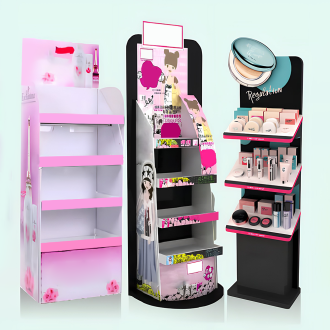 Stand Up Displays
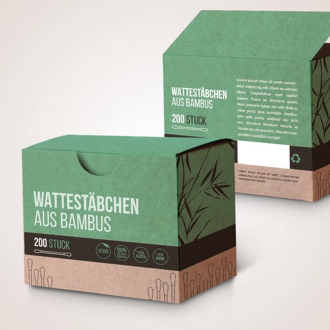 Kraft Boxes
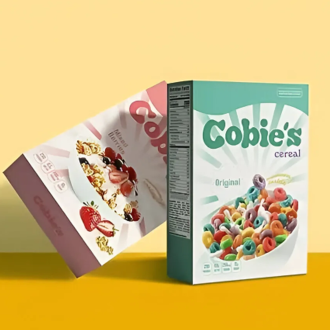 Cereal Packaging Boxes
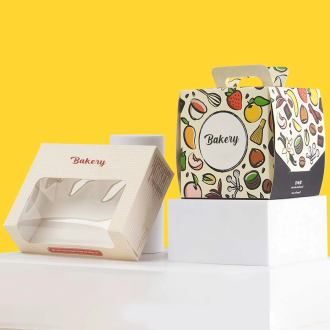 Bakery Packaging Boxes
 Eco-Friendly Boxes
 Electronics Packaging Boxes
 Custom Vape Boxes & Packaging
 CBD Packaging Boxes
 Rigid & Luxury Packaging Boxes
 Gift Boxes
 Custom Soap Boxes & Packaging
 Metalized Boxes
 Retail Boxes
 Subscription Boxes
 Invitation Boxes
 Corrugated Shipping Boxes
 Matte Finish
 Gloss Finish
 Soft Touch
 Foil Stamping
 Spot UV
 Embossing
 Debossing
 Window Cutouts