By Rai Haider
September 28, 2026
Tin Packaging: How Custom Tins Support Product Branding
Packaging does more than hold a product. It protects what is inside, communicates the character of a brand, and can influence how a product is perceived when it reaches a customer. Tin packaging is one option that brings these functions together through a rigid metal format that can be shaped, printed, and finished for different products.
From cookies and confectionery to tea, gifts, promotional products, and specialty goods, tins can be designed around the dimensions and presentation requirements of the item they contain. Unlike packaging that is treated as disposable after opening, a well-made tin can also become something customers keep and reuse.
For brands, this creates an interesting opportunity. The container can continue representing the product even after its original contents have been used.
Choosing between different tin packaging formats requires more than selecting a shape. Businesses need to consider the product, required capacity, closure style, artwork, printing method, storage, shipping, and the experience they want the package to create.
What Is Tin Packaging?
Tin packaging refers to rigid metal containers designed to protect, store, present, or transport products. These containers are commonly produced in tinplate or similar metal materials and can be manufactured in a wide range of shapes and sizes.
Unlike flexible pouches or ordinary paperboard cartons, a metal tin creates a firm outer structure around the product. Depending on its construction, it can be designed with a removable lid, hinged closure, sliding mechanism, or other opening style.
Businesses use tins for packaging for many different purposes, including:
- Food and confectionery
- Cookies and biscuits
- Tea and coffee
- Candles
- Cosmetics
- Gifts
- Promotional products
- Collectibles
- Specialty retail products
The design possibilities also make tins useful for brands that want packaging to become part of their visual identity. Custom graphics, logos, colors, illustrations, and finishing details can be incorporated into the exterior.
For businesses comparing packaging formats, tins are therefore not simply containers. They can function as a combination of product protection, brand presentation, and reusable product storage.
What Materials Are Used in Tin Packaging?
Most commercial tin containers use tinplate, a steel sheet coated with a thin layer of tin. The underlying steel provides structural strength, while the tin coating helps protect the surface.
This construction makes metal suitable for rigid packaging applications where businesses need a container that maintains its shape during handling.
The exact material and internal construction should be selected according to the product being packed. Food products, for example, may have different packaging requirements from decorative items or promotional products.
When selecting metal tin packaging, businesses should consider:
- Product compatibility
- Container thickness
- Internal coating requirements
- Closure design
- Intended use
- Storage conditions
- Printing requirements
The material decision should always be based on the product and its intended application rather than appearance alone.
Why Do Businesses Choose Tin Packaging?
There are several reasons a brand may choose a tin instead of a conventional paperboard or flexible format.
Product Protection
A rigid metal structure can provide physical protection around the contents. This can be particularly useful when the product needs additional resistance against crushing or rough handling.
The exact level of protection depends on the tin's construction, dimensions, closure, and the product placed inside it.
Reusable Format
One of the distinctive characteristics of a tin is that customers can continue using the container after the original product has been removed.
A cookie tin might later become storage for small household items. A decorative gift tin may be kept for another purpose. This gives the package a life beyond its initial purchase.
Strong Shelf Presence
Metal has a different visual and tactile character from paper-based packaging. The solid structure and reflective or specially finished surface can help a product create a distinctive presence on a retail shelf.
For brands competing in crowded categories, packaging that looks and feels different can contribute to product recognition.
Premium Product Presentation
A custom metal container can support a premium positioning when its shape, artwork, printing, and finishing are carefully coordinated.
This is particularly useful for:
- Gift products
- Specialty foods
- Limited editions
- Corporate gifts
- Collectible products
When packaging is designed as part of the overall product experience, the container can become an important part of the brand presentation.
Different Types of Tin Packaging
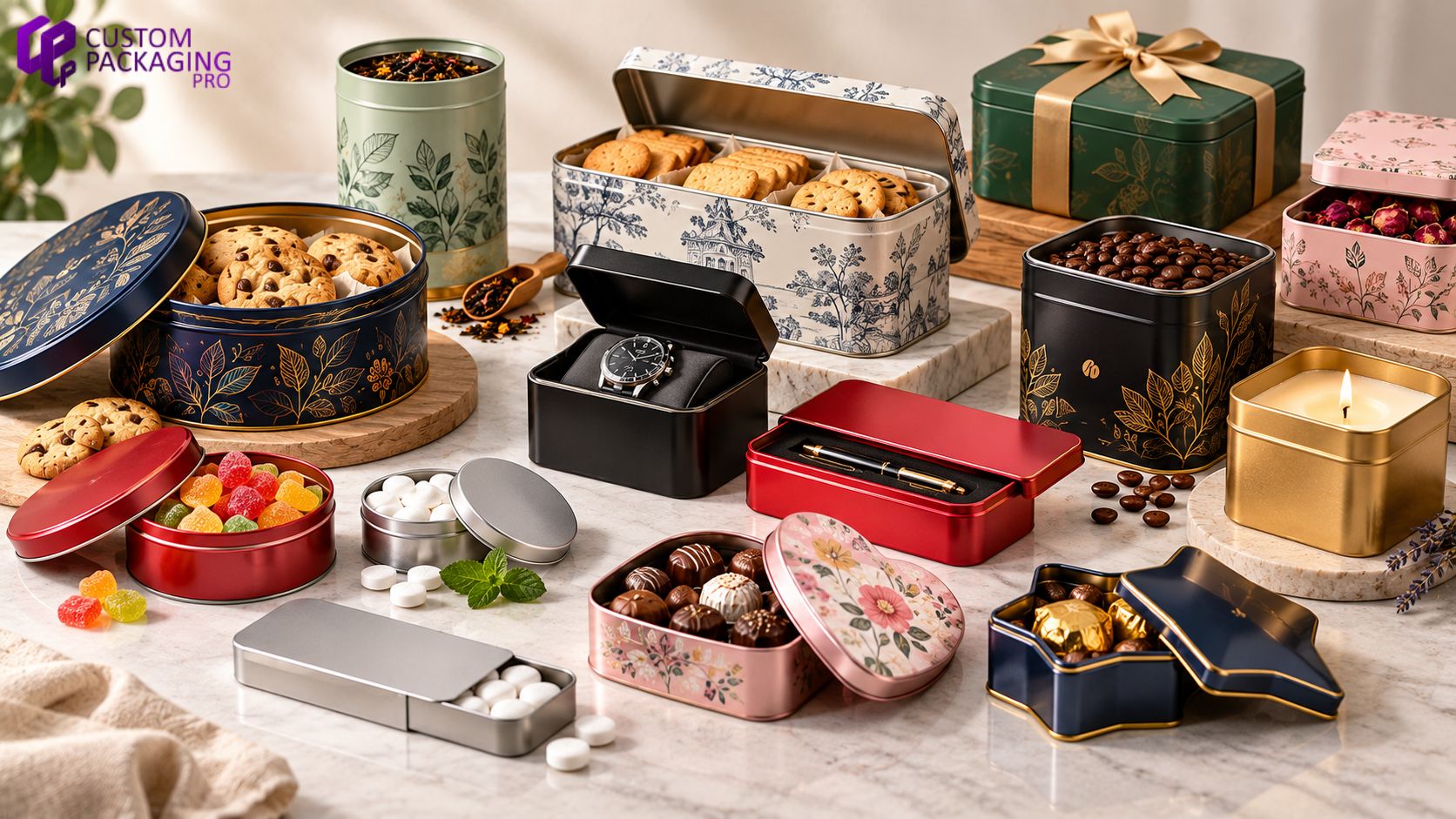
Tin containers are not limited to one standard shape or opening mechanism. Different products require different structures, which is why manufacturers offer multiple formats.
Round Tin Boxes
Round tins work well for products that suit a compact, cylindrical presentation.
They can be used for:
- Mints
- Candies
- Cookies
- Tea
- Small gifts
- Specialty products
- tin spice packaging
Their curved profile also gives brands a different visual option from conventional rectangular packaging.
Square and Rectangular Tins
Square and rectangular formats provide straightforward use of internal space and can accommodate many product shapes.
They are commonly considered for:
- Biscuits
- Confectionery
- Gift products
- Promotional items
- Food products
These formats also provide broad surfaces for printed branding.
Hinged Tin Boxes
Hinged tins have a lid connected to the main container, making them convenient when customers are expected to open and close the package repeatedly.
Because the lid stays connected to the main body, customers can open and close the container repeatedly without having to keep track of a separate lid.
Slide-Top Tins
Slide-top designs use a lid or panel that moves across the container.
They can create a distinctive opening experience and are often suitable for smaller products where compact packaging is desirable.
Specialty-Shaped Tins
Brands are not always limited to basic geometric shapes. Custom manufacturing can allow companies to create containers that support a particular product concept or visual identity.
This can be useful for promotional campaigns, seasonal products, collectibles, and products where shape is part of the branding.
What Products Can Be Packed in Tins?
One of the biggest advantages of tin containers is their versatility. Different sizes, shapes, and closures allow businesses to adapt metal packaging to a broad range of products.
Food and Confectionery
Tins are frequently associated with food products because they provide a rigid container with strong visual appeal.
Potential applications include:
- Candy
- Mints
- Chocolates
- Biscuits
- Cookies
- Specialty snacks
For food products, the packaging construction and internal materials must be appropriate for the intended application.
Cookies and Bakery Products
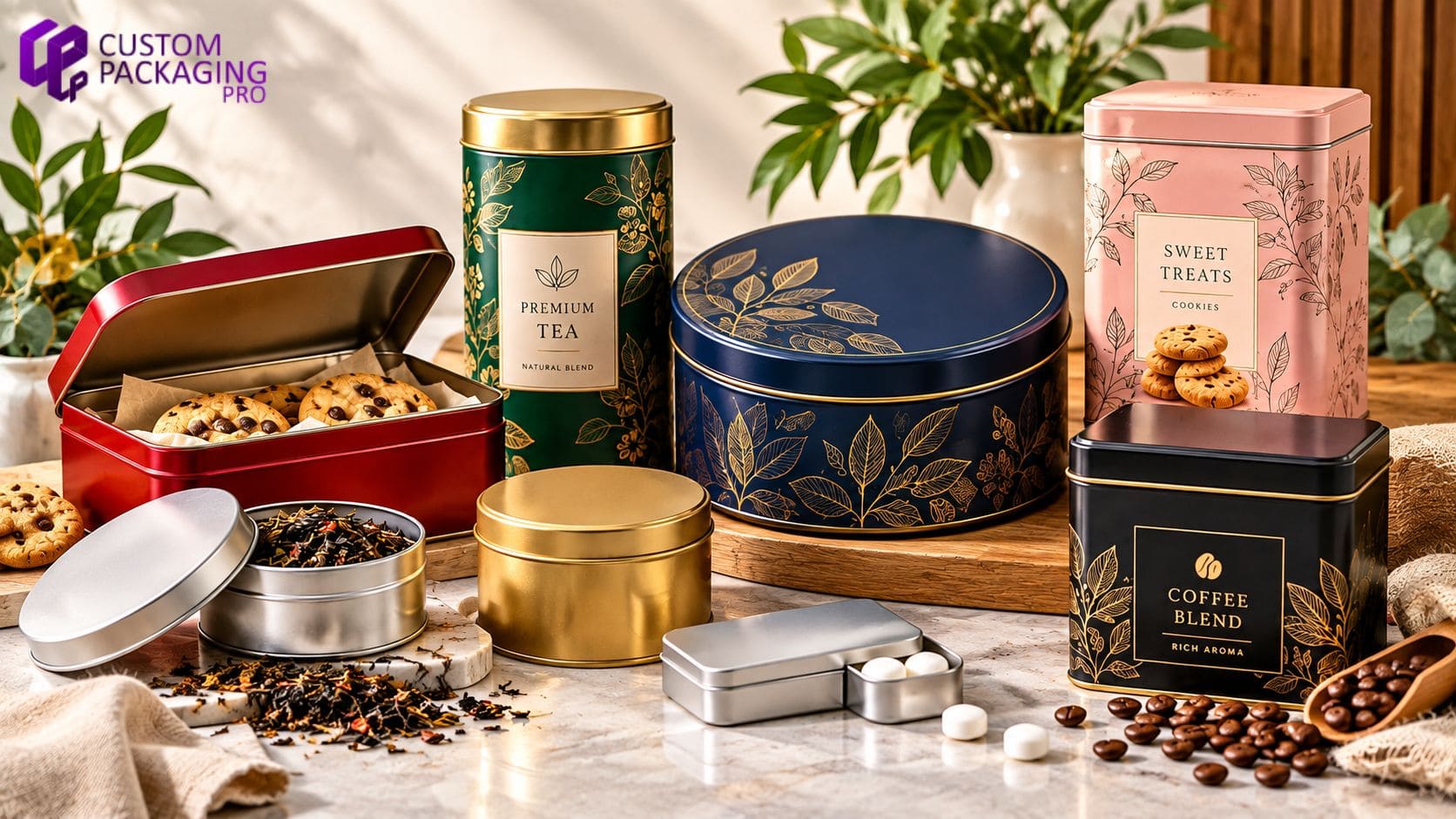
Cookies and biscuits are particularly well suited to decorative tins because the package can become part of the gifting experience. A brand can use illustrations, seasonal artwork, or distinctive graphics to turn an ordinary food container into a recognizable product package.
This approach can complement other bakery packaging formats, including cookie boxes, when a business offers products in different packaging styles.
Tea and Coffee
Tea and coffee brands can use tins to create a more substantial presentation for their products. The design can communicate:
- Heritage
- Premium positioning
- Specialty blends
- Regional identity
- Gift appeal
The appropriate internal packaging should still be selected according to the product's storage and protection requirements.
Candles and Specialty Products
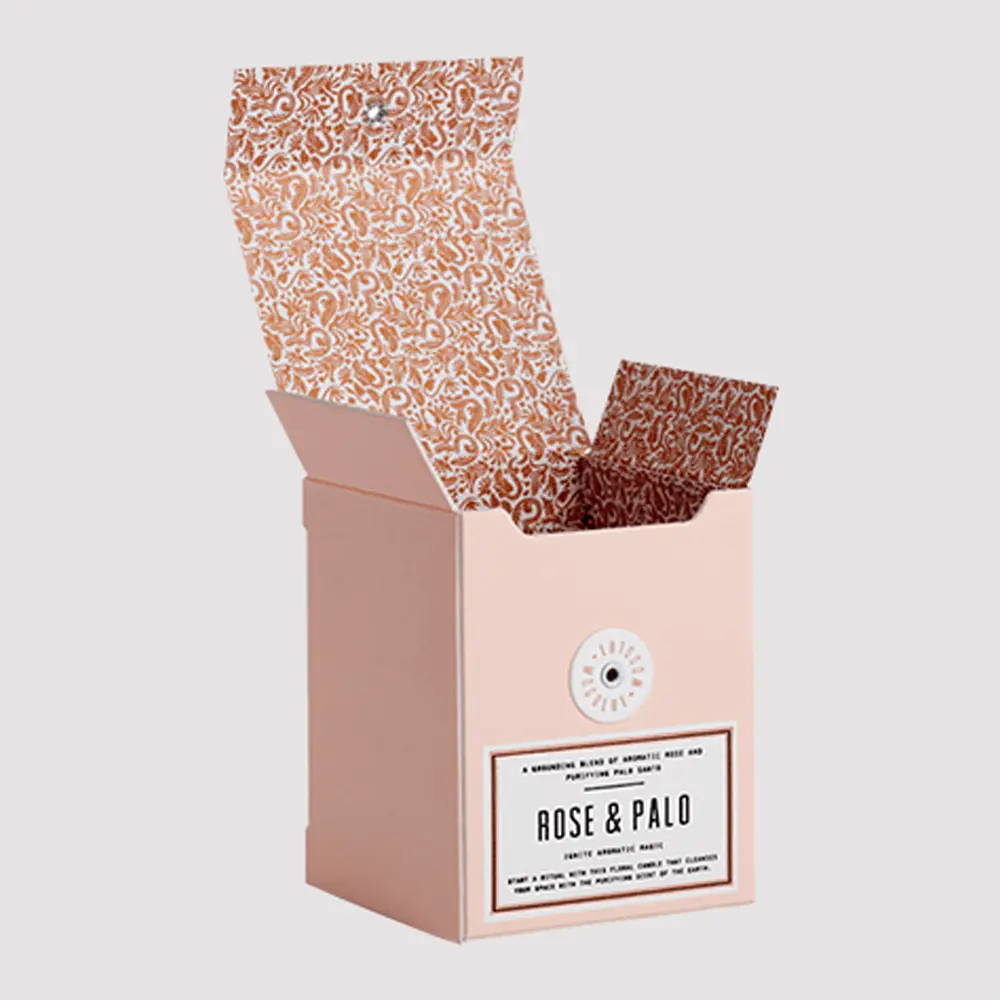
Small candles, accessories, collectibles, and other specialty products can also be presented in metal containers.
For these products, the tin's appearance may be just as important as its protective function. A well-designed container can reinforce the product's visual identity while providing a reusable package.
Gifts and Promotional Products
Tins can also be used for promotional campaigns and corporate gifting. A business could create a branded tin containing:
- Promotional merchandise
- Small food products
- Seasonal gifts
- Marketing items
- Customer appreciation products
The container itself can then remain with the recipient, extending the visibility of the branding.
Custom Tin Packaging Options
Standard containers may work for some products, but brands with specific dimensions or visual requirements may need a more tailored solution. Custom tin packaging can involve changes to the container's:
- Shape
- Dimensions
- Lid
- Color
- Artwork
- Printing
- Finish
- Internal arrangement
The objective is to make the package work with the product rather than forcing the product into an unsuitable standard container.
Custom Tin Box Design
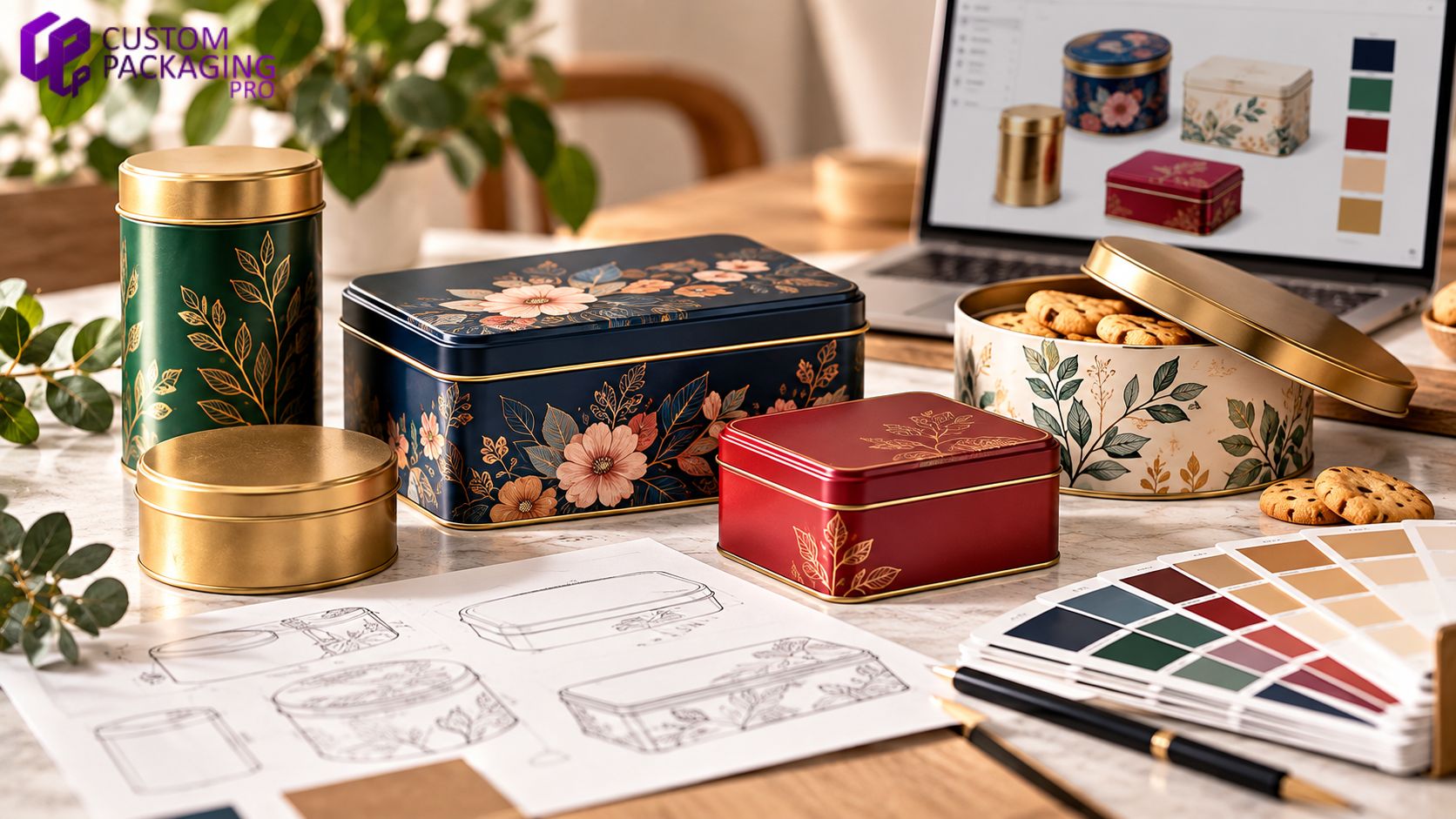
A custom tin box can be designed around a particular product's measurements and presentation requirements. For example, a company may require a shallow container for small products or a deeper format for items that need additional internal space. The outside can also be developed around the brand's identity using:
- Logo placement
- Brand colors
- Illustrations
- Product photography
- Typography
- Decorative patterns
This makes custom tin boxes particularly useful for brands that want packaging to look distinctive rather than generic.
Choosing Custom Tin Sizes
Custom tin sizes should be selected based on the actual product rather than choosing dimensions simply because they look attractive. Before finalizing a size, consider:
- Product dimensions
- Required internal clearance
- Number of items per container
- Protective requirements
- Closure style
- Storage space
- Shipping considerations
A package that is unnecessarily large can waste space, while one that is too tight may make filling and product removal difficult. Good packaging design starts by understanding the product first.
How Tin Packaging Is Printed
The outside of a tin provides a substantial surface for presenting a brand, so printing is an important part of the design process. Unlike a plain container, a printed tin can carry the visual elements that customers associate with the product, including logos, illustrations, colors, patterns, and product information.
The printing approach depends on the container material, artwork, production requirements, and desired appearance.
Before production begins, businesses should also make sure their artwork is prepared correctly for the selected tin format.
Common considerations include:
- Artwork dimensions
- Color specifications
- Logo placement
- Background coverage
- Fine details
- Registration accuracy
- Surface finish
A well-planned design helps the printed artwork work naturally with the shape and construction of the container.
Offset Printing for Metal Tins
Offset printing is commonly considered when detailed, full-color artwork needs to be reproduced across a metal surface. It can be suitable for designs containing:
- Multiple colors
- Detailed illustrations
- Brand graphics
- Product imagery
- Decorative patterns
For brands ordering larger quantities, the printing method should be discussed with the tin packaging supplier before production because minimum quantities, setup requirements, and available finishes can vary.
Digital Printing and Shorter Runs
Digital printing can be useful for projects where flexibility is more important than very large production volumes. It may be considered for:
- Smaller product launches
- Promotional campaigns
- Limited editions
- Test packaging
- Multiple artwork variations
The appropriate process depends on the supplier's equipment and the type of tin being produced, so businesses should confirm the available printing options before approving artwork.
Premium Finishes for Custom Tin Boxes
Printing creates the basic visual identity, but finishing can add another layer of detail to a custom tin box. Different finishes can change how the surface reflects light, how the design feels visually, and how prominently particular elements appear.
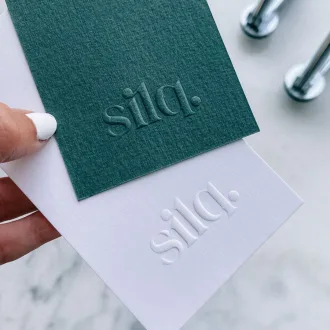
Embossing
Embossing raises selected artwork above the surrounding surface. It can be used for:
- Logos
- Brand names
- Borders
- Decorative patterns
- Product illustrations
A raised design can give a metal container a more tactile appearance and make important branding elements easier to notice.
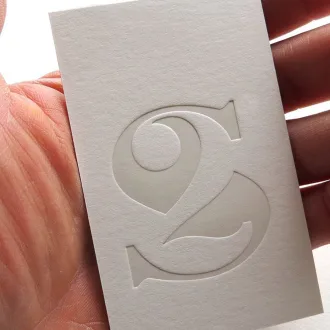
Debossing
Debossing works in the opposite direction by pressing a design into the surface. It can create a subtle, dimensional effect that works particularly well with:
- Minimal branding
- Luxury designs
- Monograms
- Decorative details
Businesses already using debossing packaging can apply similar visual thinking when developing premium metal containers.
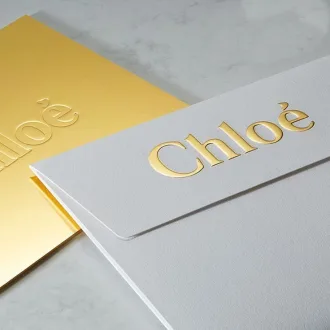
Foil Effects
Metallic foil can add reflective accents to selected parts of a package. Gold, silver, and other metallic effects can be used around:
- Logos
- Product names
- Decorative borders
- Illustrations
The goal should be controlled contrast rather than covering every part of the package with metallic elements.
Matte and Gloss Finishes
Surface finishes can significantly change the appearance of printed tins. A matte surface creates a softer, more understated appearance, while gloss can make colors and selected graphics appear brighter. Brands can select a finish according to their visual identity and the type of product being packaged.
Tin Packaging for Retail and Brand Presentation
Packaging needs to work in the environment where customers will encounter the product. For retail products, a tin may need to communicate the brand quickly while also making the product easy to identify.
Important visual elements can include:
- Brand logo
- Product name
- Product imagery
- Supporting information
- Color palette
- Decorative graphics
The rigid structure of a tin can also create a different tactile experience from conventional paperboard packaging. For premium products, the combination of a distinctive container shape, carefully prepared artwork, and appropriate finishing can create a more memorable presentation.
Tin Packaging vs Other Packaging Materials
Tin is not automatically the right choice for every product. The best material depends on the product, budget, production volume, distribution method, and desired customer experience.
Tin vs Cardboard
Cardboard packaging is lightweight and offers extensive printing flexibility. It is commonly used for products that require economical outer packaging.
Tin, by comparison, provides a rigid metal structure and can be reused after the original product has been consumed.
A business may choose cardboard when lightweight shipping and straightforward printed presentation are priorities, while a tin may be more suitable when durability, reuse, or a distinctive physical presentation is important.
Tin vs Plastic
Plastic packaging can be manufactured in many shapes and is used across numerous product categories. Tin provides a different visual and tactile experience and can offer a strong surface for decorative printing. The decision between the two should take into account:
- Product requirements
- Packaging structure
- Production costs
- Intended lifespan
- Recycling considerations
Tin vs Flexible Packaging
Flexible packaging, such as pouches and bags, generally takes up less space and can be lightweight for transportation. A tin has a completely different structure. It maintains its shape and can provide a more substantial package.
For products where portability and minimum material volume are priorities, flexible packaging may be appropriate. For brands looking for a rigid container with reusable potential, tins may offer a different solution.
Are Tin Containers Recyclable and Reusable?
One reason businesses consider metal packaging is its potential for continued use and recycling. A tin can often be kept by the customer for storage after the original contents have been used. This gives the container another practical purpose rather than ending its role immediately after the first opening.
Metal can also enter established recycling systems where appropriate. However, businesses should avoid treating sustainability as a simple claim based only on the material. The complete packaging system matters, including:
- Material sourcing
- Manufacturing
- Transportation
- Product lifespan
- Reuse
- Local recycling infrastructure
For brands discussing environmental benefits, specific and verifiable claims are more useful than broad statements.
How to Choose a Tin Packaging Supplier
Finding the right supplier involves more than comparing the appearance of sample tins. Businesses should evaluate the supplier against the actual requirements of the project.
Review Available Tin Sizes
Ask whether the supplier provides standard formats, custom tin sizes, or both. If the product has unusual dimensions, confirm whether custom tooling is available.
Check Printing Capabilities
Confirm:
- Available printing methods
- Number of colors
- Artwork requirements
- Metallic effects
- Surface finishes
- Proofing process
A supplier should be able to explain how your artwork will translate onto the selected metal surface.
Ask About Minimum Order Quantities
Minimum order quantities can vary significantly between suppliers. This matters particularly for:
- Small businesses
- New product launches
- Seasonal collections
- Limited editions
Understanding the MOQ before finalizing the design helps prevent unexpected production limitations.
Request Samples
A physical sample can reveal details that are difficult to judge from digital artwork alone. Check:
- Color reproduction
- Lid fit
- Edge quality
- Surface finish
- Print alignment
- Overall construction
Sampling is particularly valuable when the tin will represent a premium product.
Confirm Production and Delivery Requirements
Lead times can depend on tooling, printing, order quantity, and manufacturing schedules. Businesses should confirm production timelines before committing to a launch date.
When Should a Business Choose Custom Tins?
Custom tins can make sense when packaging needs to perform both a protective and branding role.
They may be worth considering for:
- Premium food products
- Specialty confectionery
- Gift collections
- Seasonal products
- Promotional campaigns
- Limited editions
- Products designed for reuse
The format is especially useful when the package itself is intended to remain part of the customer's experience. For a simple product that requires the lowest possible packaging cost, however, another format may be more practical.
Final Thoughts: Choosing the Right Tin Packaging
The right tin packaging should be selected according to the product, brand identity, production requirements, and customer experience rather than appearance alone.
From basic round containers to highly customized metal boxes, tins can support many applications. Their rigid construction, reusable potential, broad printing surface, and customization possibilities make them an interesting option for businesses looking for something beyond conventional packaging.
Custom Packaging Pro approaches packaging as part of the wider brand experience. Whether a business is evaluating product presentation, retail packaging, gift packaging, or branded packaging components, the structure and visual identity need to work together.
For brands considering a custom tin box, the process should begin with the product itself. Determine the required dimensions, choose an appropriate structure, prepare the artwork, evaluate printing and finishing options, and then confirm production requirements with the chosen supplier.
When these decisions are made together, the finished package can protect the product while giving customers a clear and consistent impression of the brand.
Frequently Asked Questions About Tin Packaging
- What is tin packaging?
Tin packaging refers to rigid metal containers used to store, protect, present, or transport products. They can be produced in different shapes, sizes, closure styles, and printed designs.
- What products can be packed in tins?
Tins can be used for products such as cookies, candy, tea, coffee, candles, cosmetics, gifts, promotional items, and other specialty products, depending on the container specifications.
- What is custom tin packaging?
Custom tin packaging is designed around a brand's specific product and presentation requirements. It can involve custom dimensions, shapes, artwork, printing, closures, and finishes.
- What are custom tin boxes used for?
Custom tin boxes can be used for food products, gifts, promotional products, specialty items, collectibles, and products where reusable or distinctive packaging is desirable.
- What are the common tin packaging shapes?
Common formats include round, square, rectangular, hinged, slide-top, and other specialty shapes. The appropriate shape depends on the product and intended presentation.
- Can tin packaging be printed with a logo?
Yes. Tin surfaces can be printed with brand logos, product artwork, illustrations, colors, patterns, and other visual elements using suitable production methods.
- What are custom tin sizes?
Custom tin sizes are dimensions developed around a particular product rather than being limited to a supplier's standard container formats. They can be useful when a product has unusual dimensions or specific presentation requirements.
- Is tin packaging reusable?
Many tins can be reused after the original contents have been consumed. Customers may use them for storage or other purposes, although the suitability of reuse depends on the container and its original application.
- Is tin packaging recyclable?
Metal packaging can generally enter recycling systems where appropriate facilities are available. Businesses should consider local recycling infrastructure and the complete packaging lifecycle when making sustainability claims.
- How do I choose a tin packaging supplier?
Compare suppliers based on available sizes, customization options, printing capabilities, minimum order quantities, sample quality, production timelines, and quality control requirements.

 Custom Boxes
 Mailer Boxes
 Shipping Boxes
 Display Boxes
 Product Boxes
 Retail Packaging
 Luxury Packaging
 Sustainable Packaging
 Mylar Bags
 Labels & Stickers
 Inserts & Dividers
 Acrylic Signs
 Mylar and Zipper Bags
 Cosmetic Boxes
 Custom Candle Packaging Boxes
 Food and Beverage
 Display Packaging
 Pharma Packaging
 Custom Blister Packaging
 Stand Up Displays
 Kraft Boxes
 Cereal Packaging Boxes
 Bakery Packaging Boxes
 Eco-Friendly Boxes
 Electronics Packaging Boxes
 Custom Vape Boxes & Packaging
 CBD Packaging Boxes
 Rigid & Luxury Packaging Boxes
 Gift Boxes
 Custom Soap Boxes & Packaging
 Metalized Boxes
 Retail Boxes
 Subscription Boxes
 Invitation Boxes
 Corrugated Shipping Boxes
 Matte Finish
 Gloss Finish
 Soft Touch
 Foil Stamping
 Spot UV
 Embossing
 Debossing
 Window Cutouts