By Rai Haider
July 31, 2026
In a competitive market where customers make quick purchasing decisions, packaging has become an essential part of brand communication. A product box is no longer just a protective layer; it represents the quality, personality, and values of a brand. While printing adds colour and visual appeal, premium finishing techniques create a deeper connection by adding texture and uniqueness. One such technique that has gained popularity among luxury and premium brands is debossing packaging.
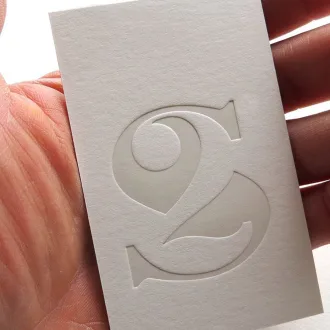
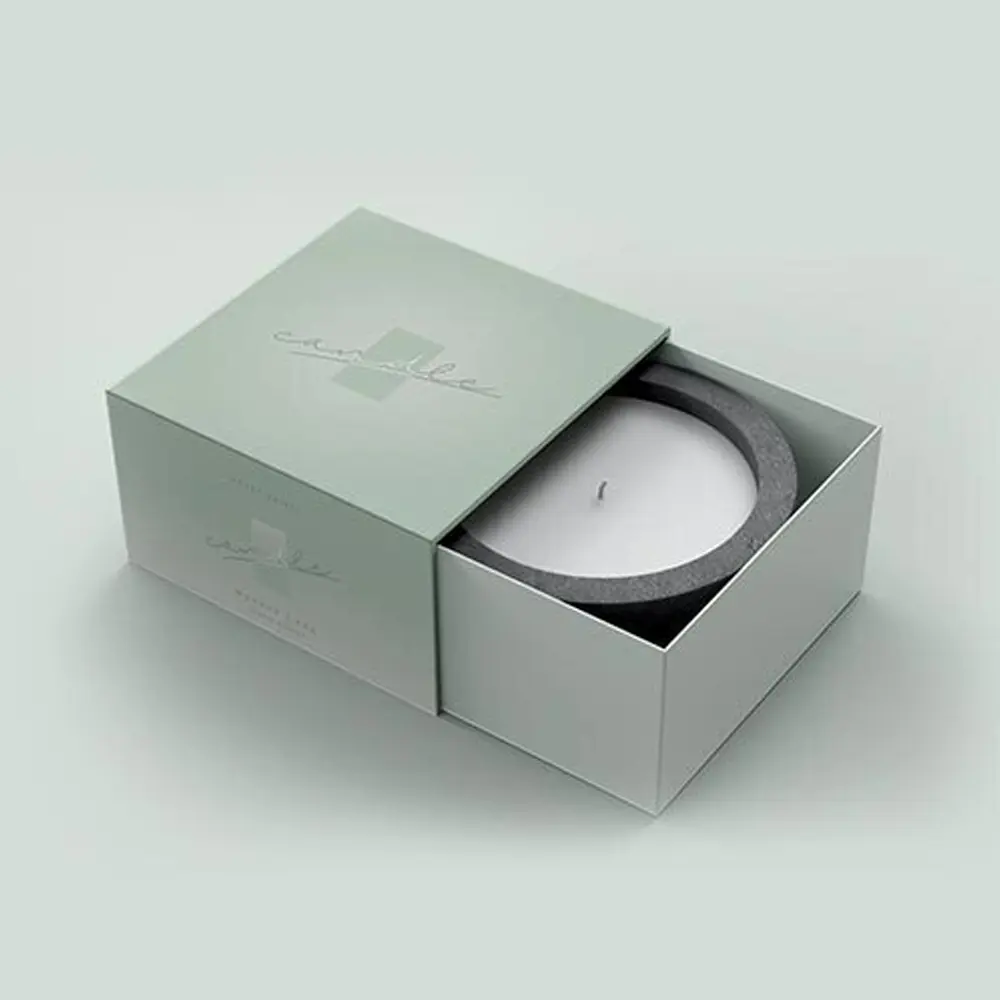
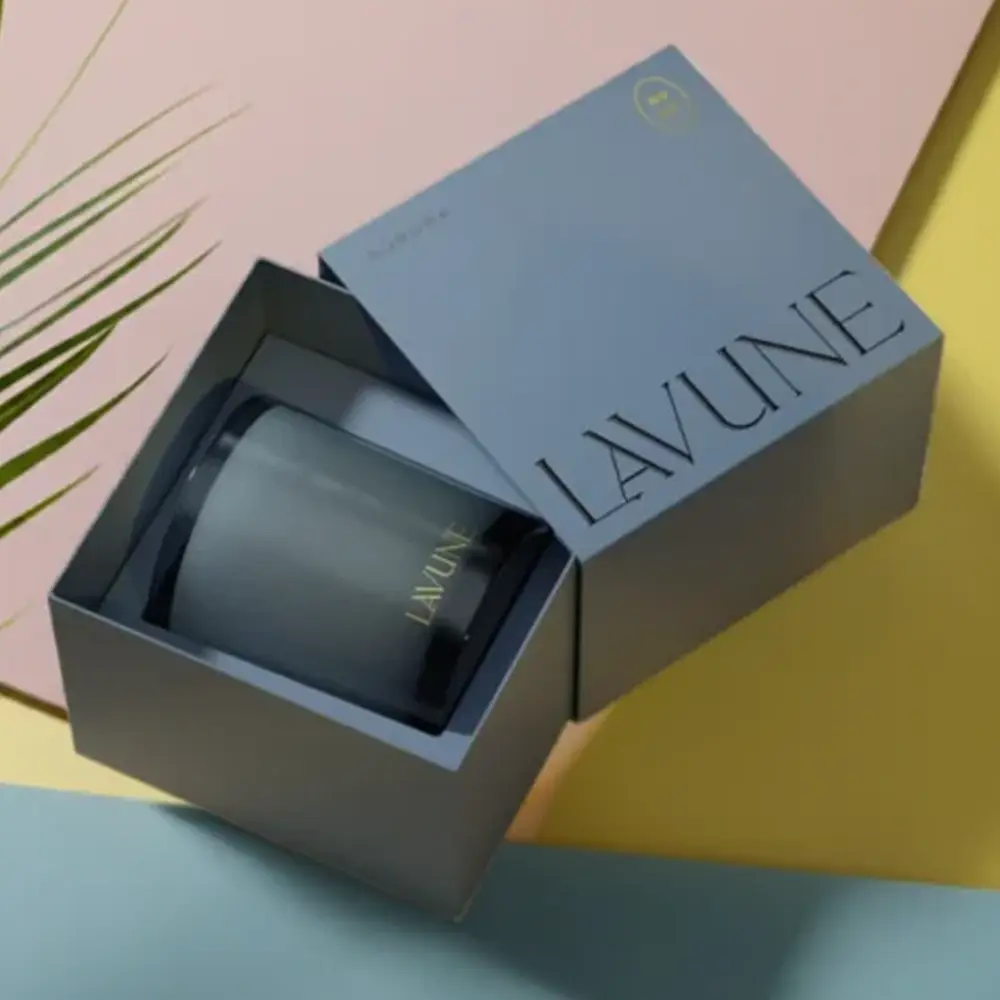
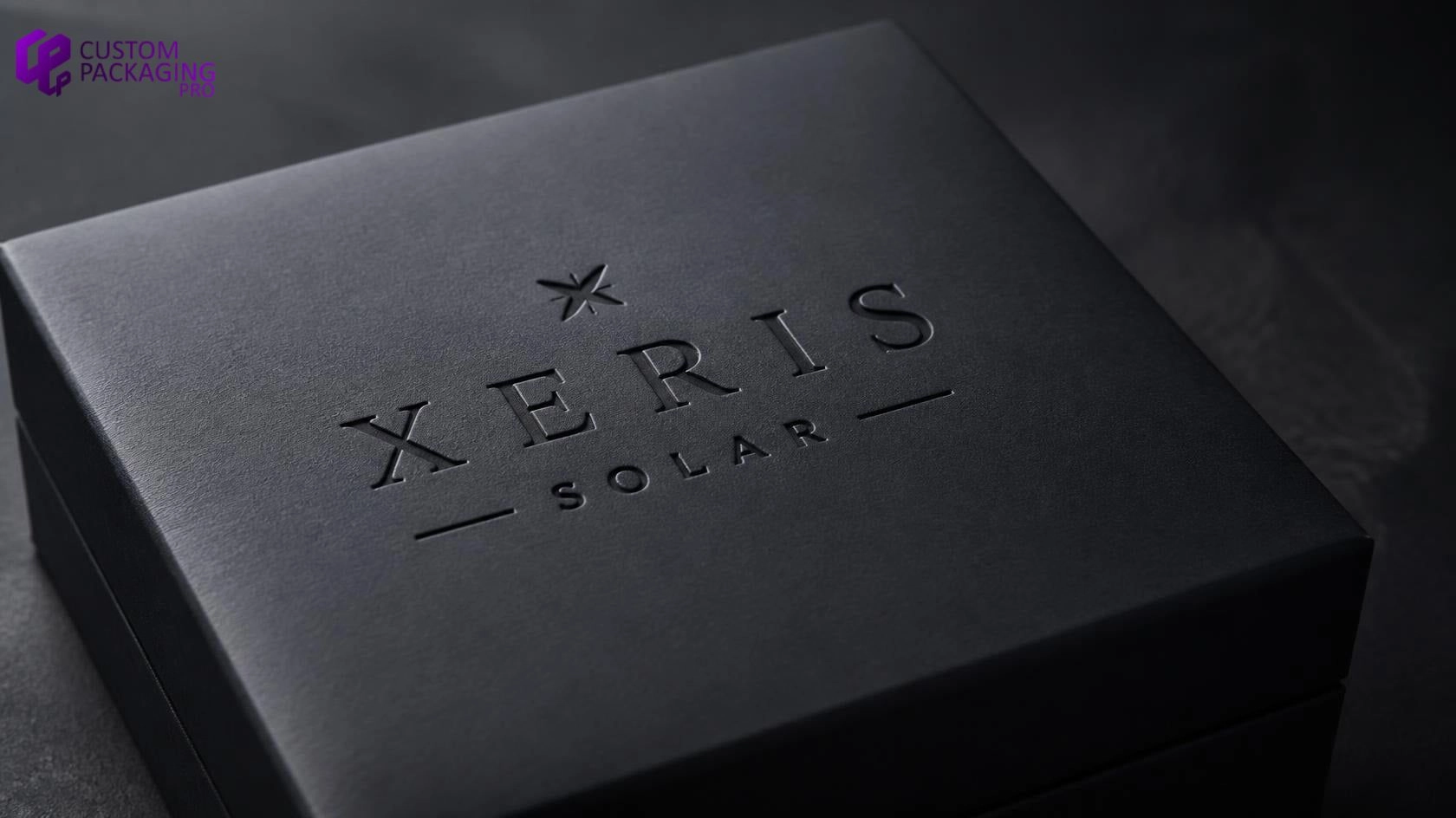
Debossing creates a recessed or pressed-in design on the surface of packaging, giving boxes a subtle yet sophisticated appearance. Unlike traditional printing, this finish allows customers to physically feel the brand elements, creating a more memorable unboxing experience.
From luxury cosmetics and jewellery to electronics, fashion products, and premium gifts, debossed packaging helps businesses communicate elegance and attention to detail. This guide explains what debossing is, how the process works, its benefits, applications, materials, design considerations, and why brands choose this refined packaging finish.
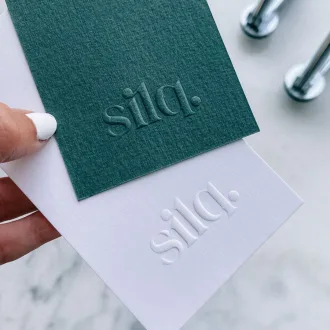
Debossing packaging is a finishing technique where specific areas of a box surface are pressed inward to create a recessed design. The process uses a custom-made metal die that pushes the artwork into the packaging material, leaving behind a permanent indentation.
Unlike embossing, which creates a raised effect, debossing produces a sunken impression that sits below the surface of the packaging. This creates a clean, minimal, and premium look that works especially well for brands focused on elegance and simplicity. The debossed area can include:
Debossing can be used as a standalone finish or combined with other techniques such as foil stamping, ink printing, and spot UV coating to create a more detailed packaging design.
Modern consumers increasingly value product experiences, and packaging plays a major role in creating those experiences. A package that looks and feels premium creates stronger emotional connections and improves brand perception.
Debossing packaging is popular because it delivers a sophisticated appearance without appearing excessive. Instead of using bright colours or heavy graphics, brands can create a luxurious identity through subtle texture and craftsmanship. Many high-end brands prefer debossed packaging because it reflects qualities such as:
A simple debossed logo on a quality box can often communicate more luxury than an overly designed package.
One of the biggest advantages of debossed packaging is its ability to create a refined visual effect. The recessed design interacts with light and shadows, adding depth to the packaging surface. This subtle appearance is especially valuable for luxury brands that want their packaging to feel exclusive without looking overly decorative.
Packaging is experienced through more than just sight. Customers touch boxes while opening, handling, and using products. Debossing adds a physical element that makes packaging more engaging. The recessed texture creates a memorable interaction that helps customers associate the packaging with quality and professionalism.
A debossed logo creates a distinctive brand signature. When customers repeatedly see and feel the same packaging style, it improves recognition and builds stronger brand recall. For businesses investing in custom packaging boxes, debossing provides a long-lasting way to highlight important branding elements.
Minimalist packaging has become increasingly popular because customers appreciate clean and elegant designs. Debossing fits perfectly into this trend by adding sophistication without unnecessary visual elements. A simple box with a subtle recessed logo can create a premium appearance while maintaining a modern aesthetic.
Consumers often connect premium packaging with premium products. A well-designed debossed package creates the impression of higher quality and craftsmanship. This makes debossing particularly useful for businesses selling luxury, gift, or high-value products.
Blind debossing creates a recessed design without adding ink, foil, or additional colour. The effect relies entirely on texture and shadow. This technique is popular for minimalist luxury packaging where subtle branding is preferred.
Registered debossing combines the recessed effect with printed artwork. The debossed area aligns with specific colours or graphics to create a more detailed design. This option works well for brands that want both visual impact and texture.
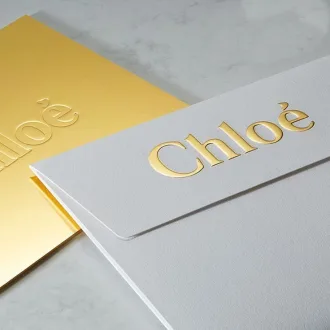
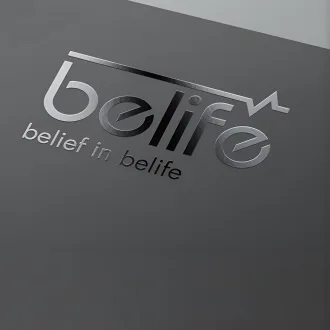
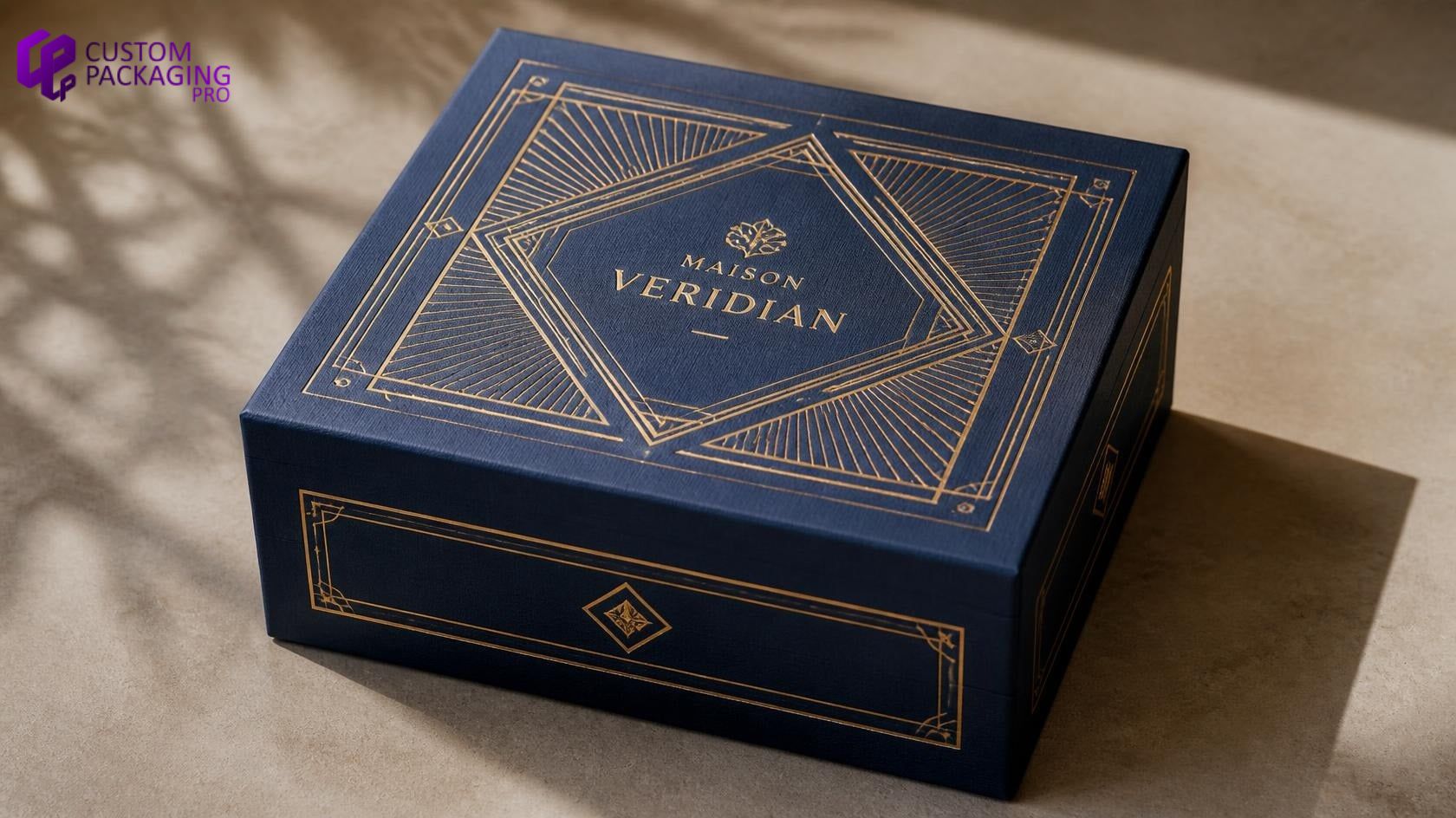
Foil debossing combines a pressed-in design with metallic foil application. The result is a recessed logo or pattern with a luxurious metallic appearance. Gold, silver, copper, and holographic foils are commonly used for this finish.
Combination debossing uses multiple finishes together, such as printing, foil stamping, embossing, or spot UV. This creates layered packaging designs with different textures and visual effects.
The success of debossing depends heavily on material quality. Packaging materials need enough thickness and strength to hold the recessed design clearly.
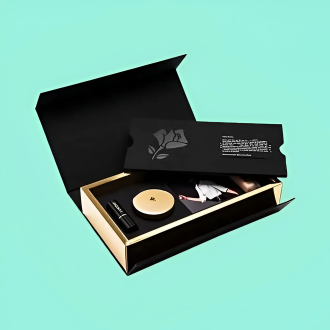
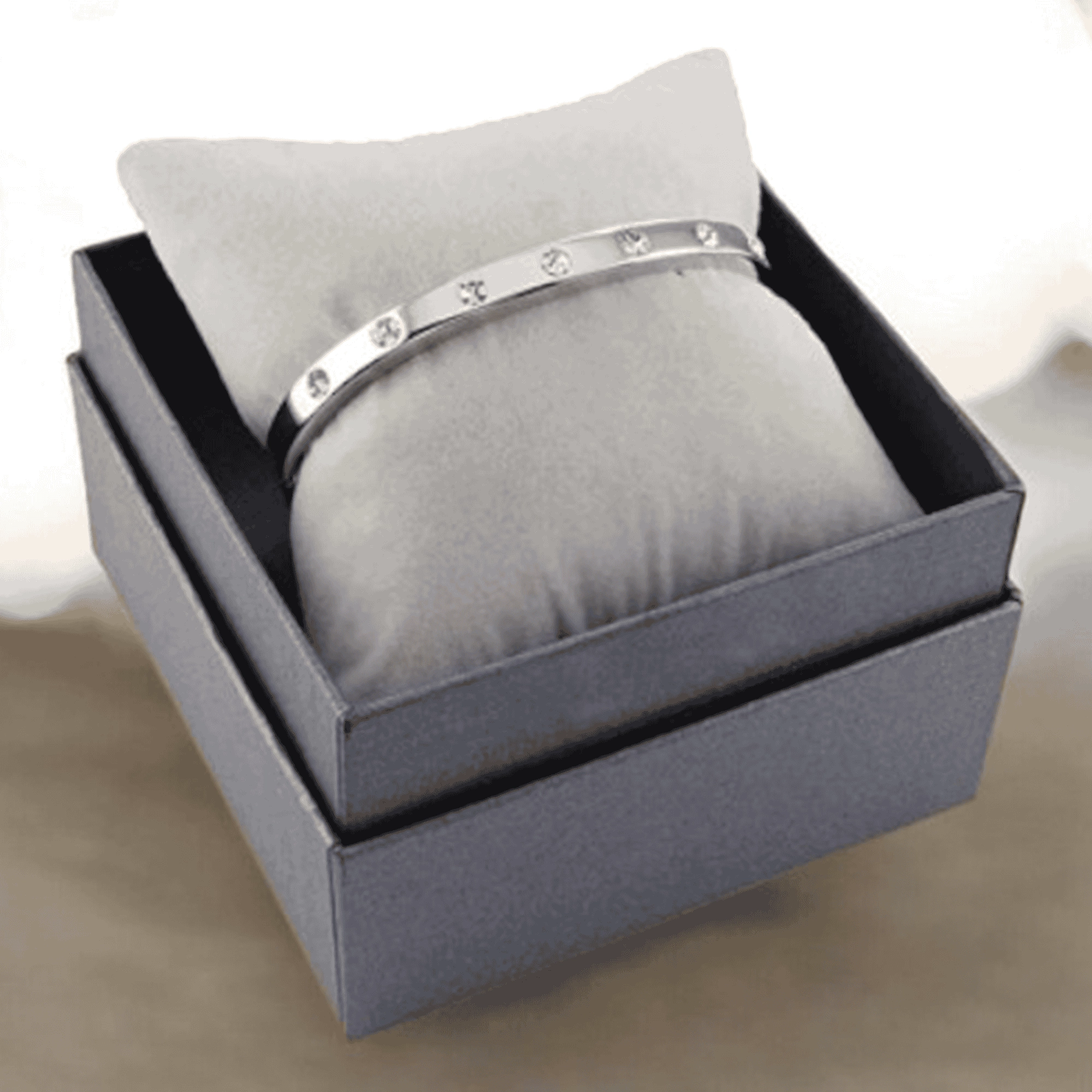
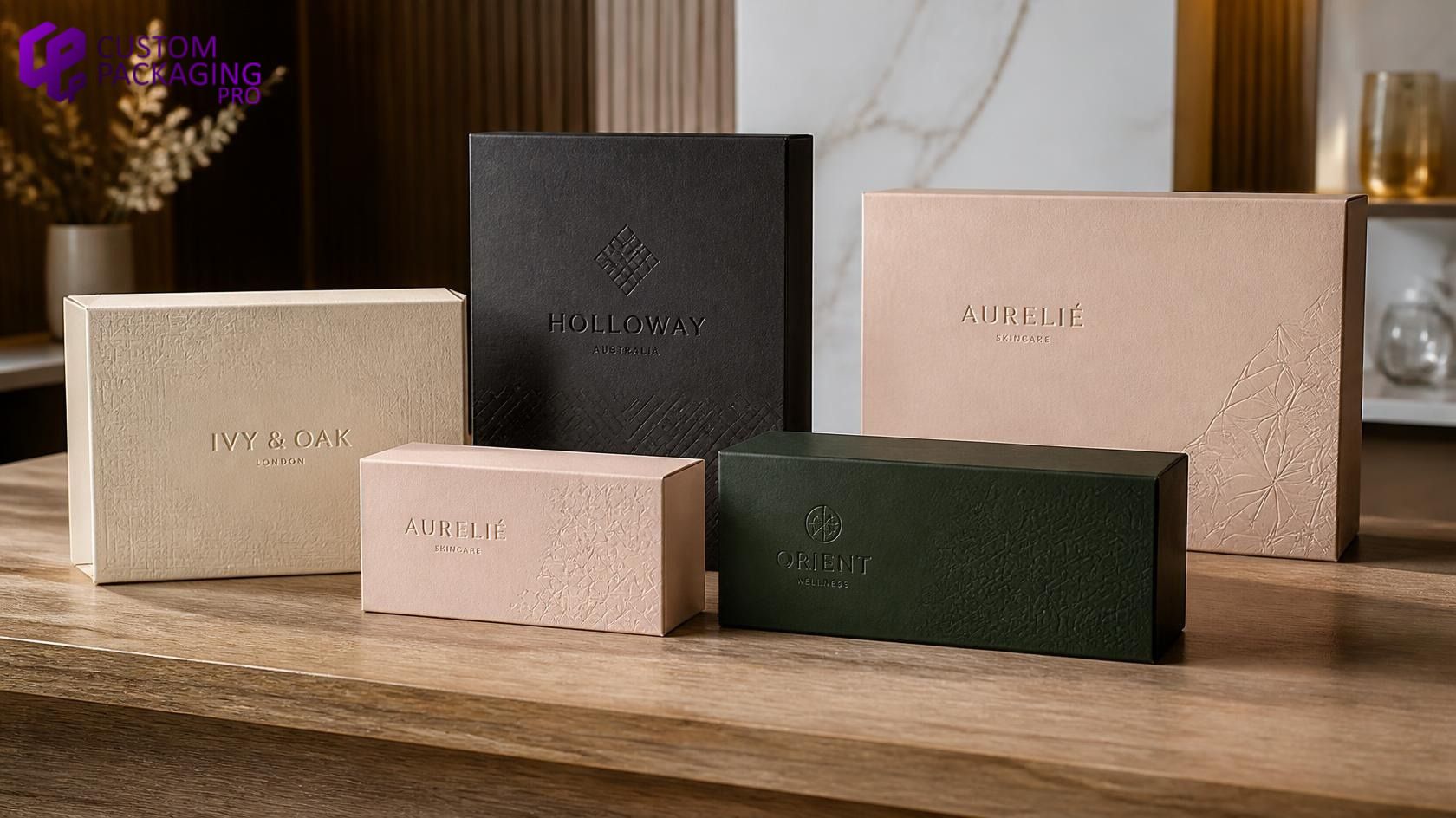
Rigid boxes are among the best materials for debossing because their thick structure allows deep and precise impressions. They are commonly used for gift boxes, electronics, jewellery, and luxury cosmetics.
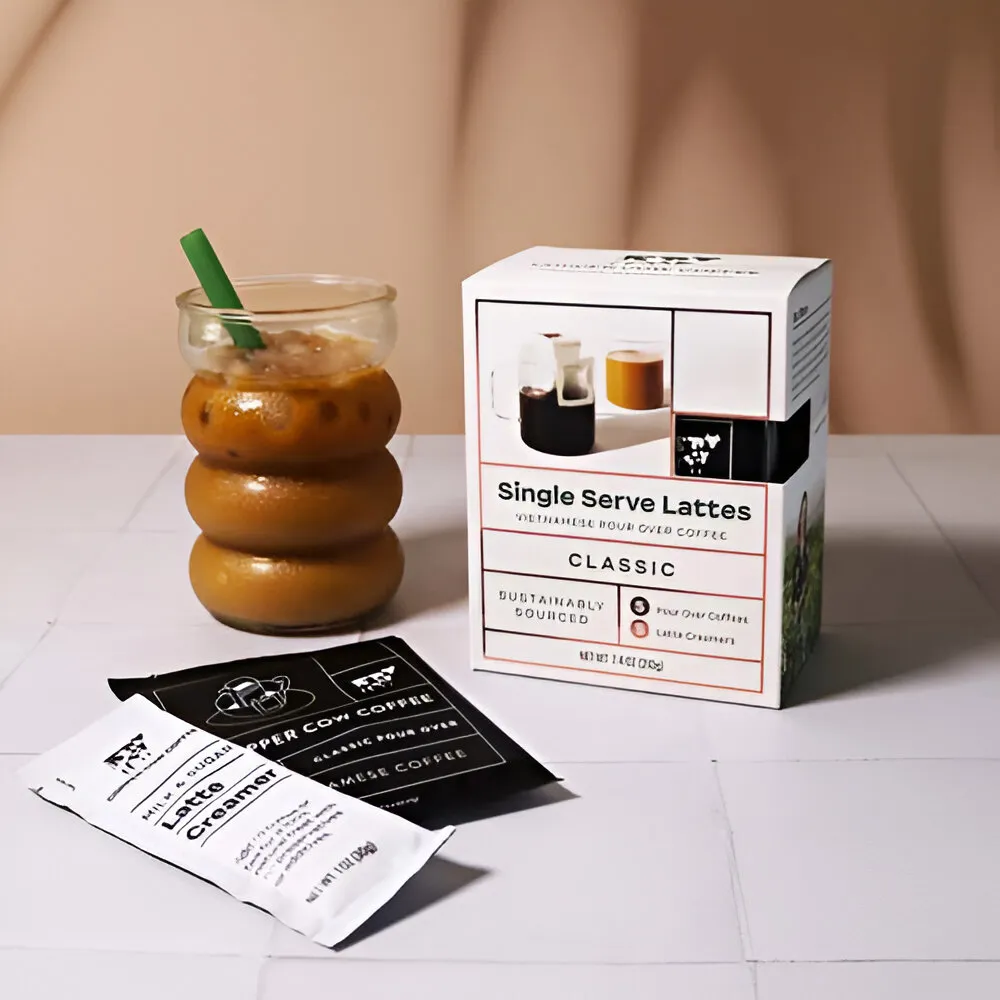
Paperboard is widely used for retail packaging and folding cartons. It provides a smooth surface that supports clean debossed details.
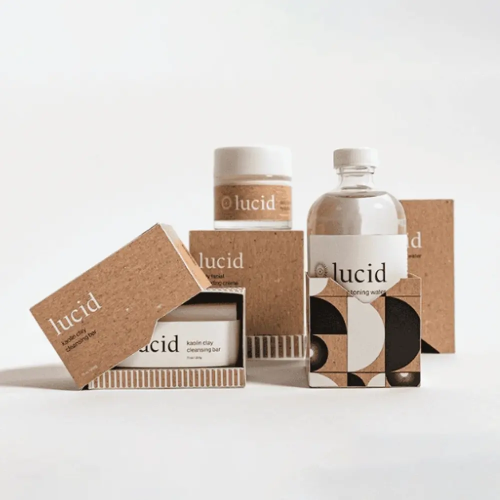
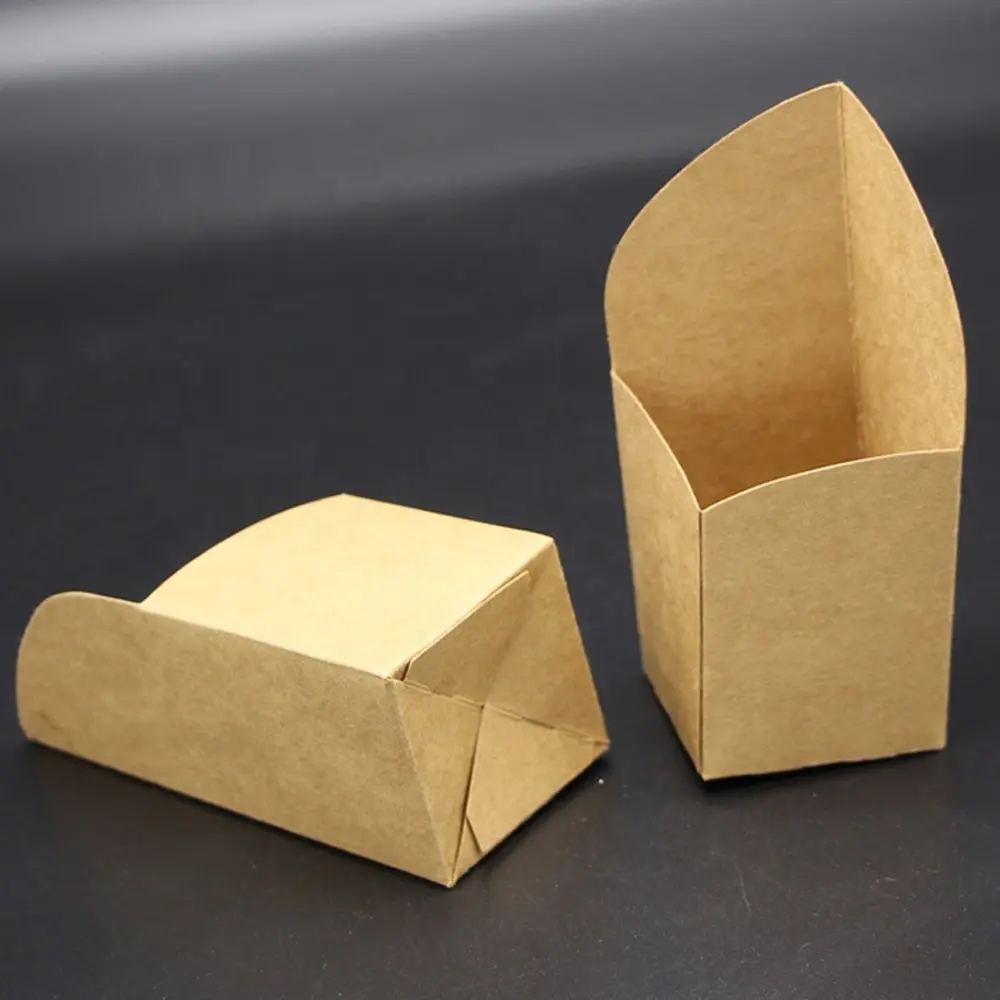
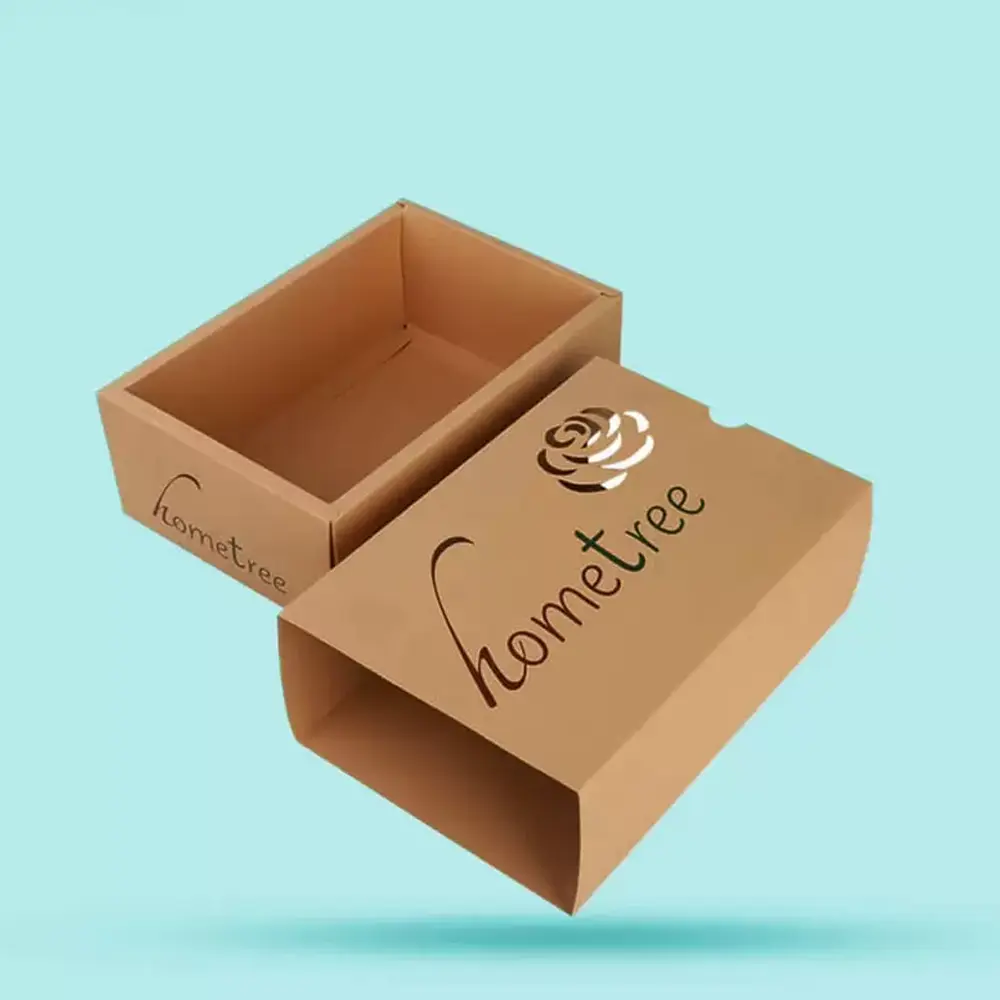
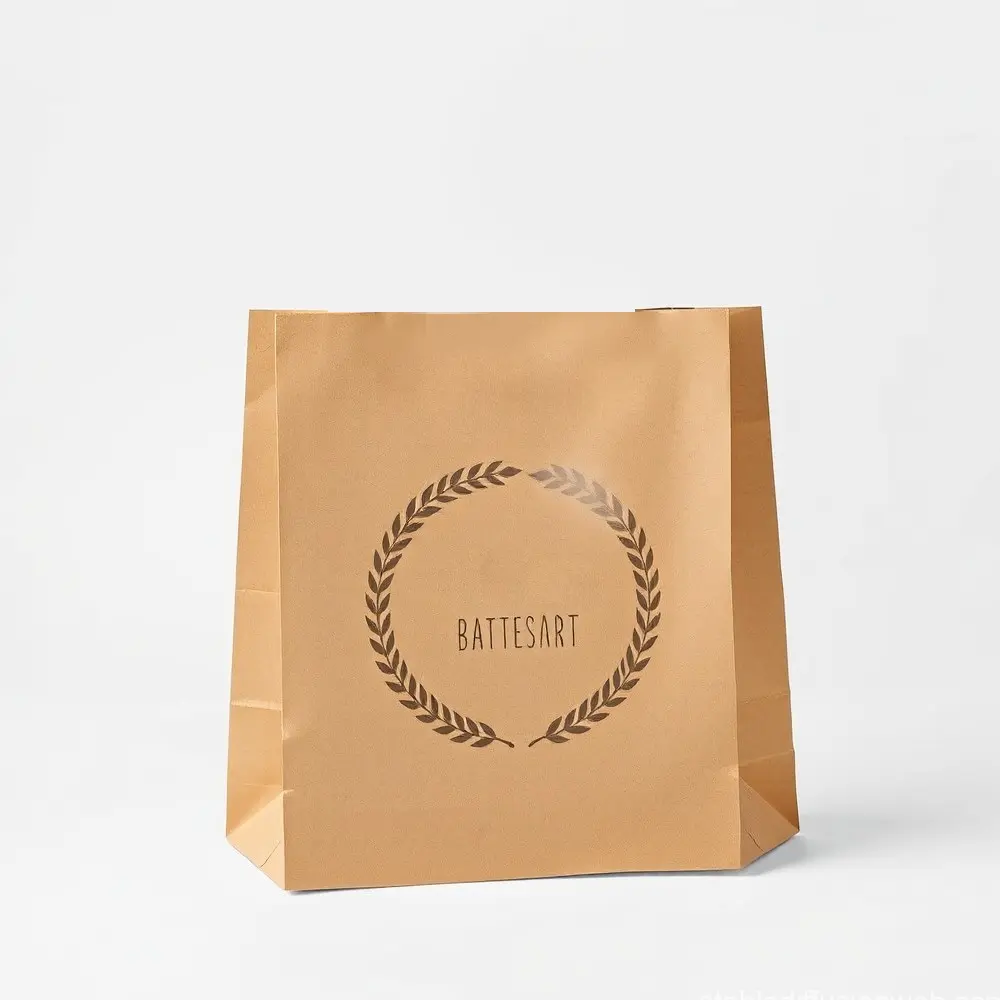
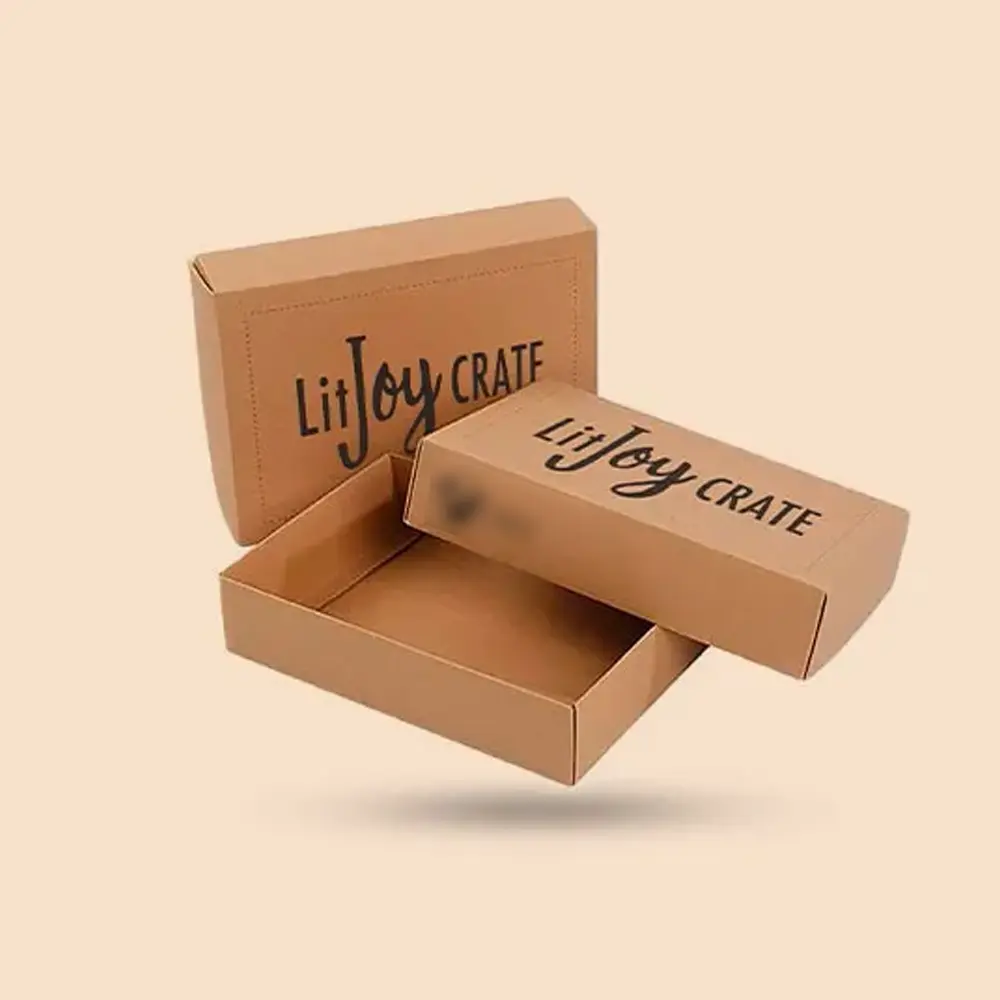
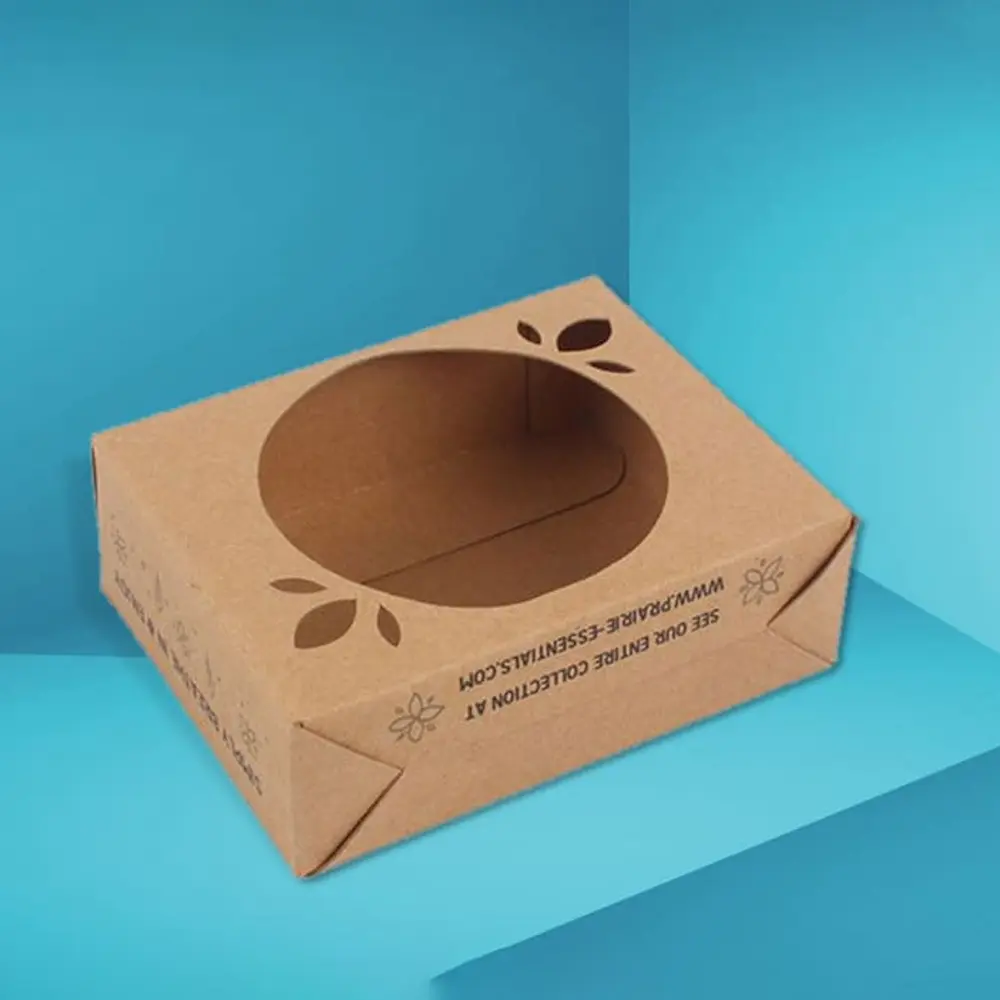
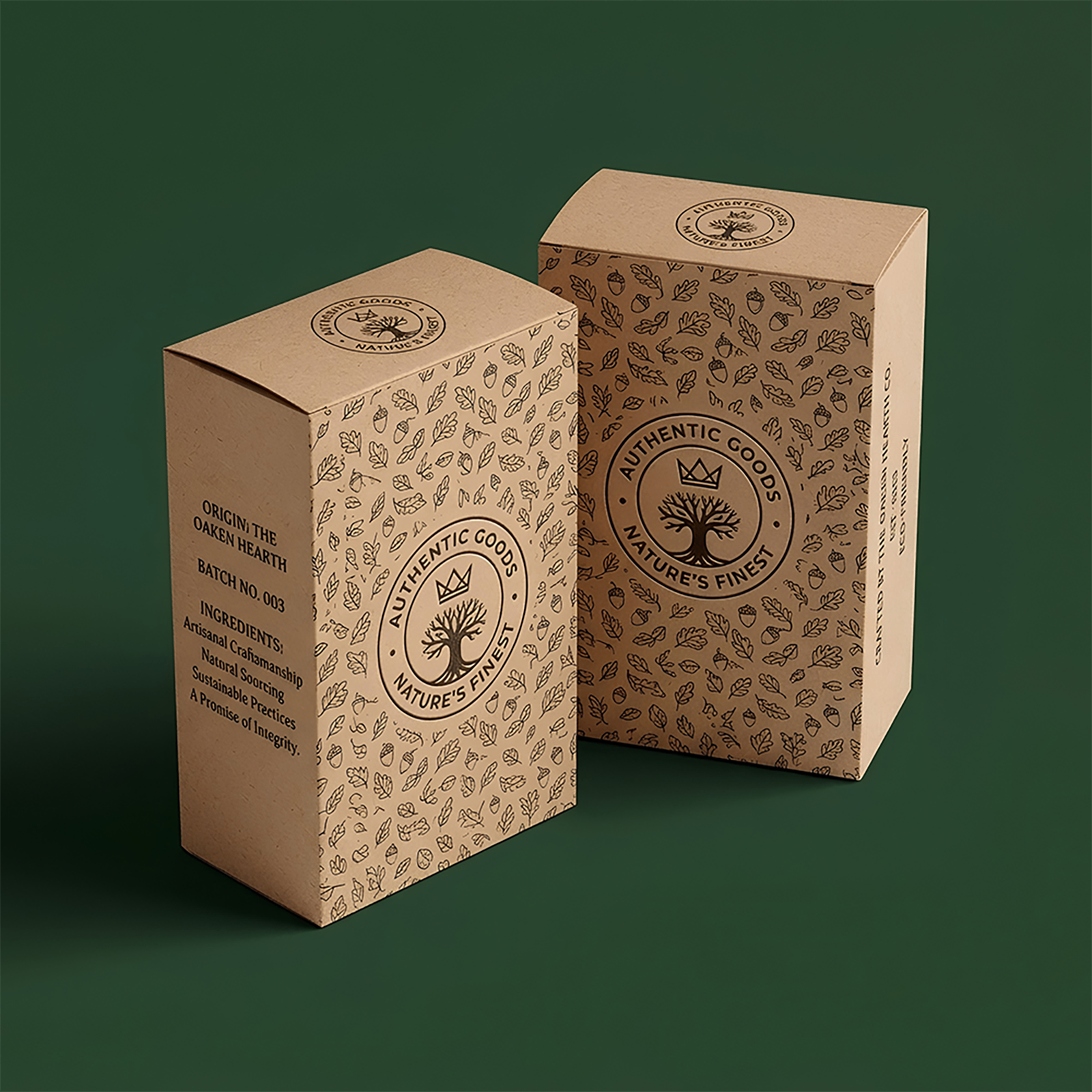
Kraft paper can be debossed to create a natural and handcrafted appearance. This combination works especially well for organic brands, handmade products, and sustainable packaging.
Textured and premium papers can add another layer of sophistication when combined with debossing. However, the material texture should be considered carefully to maintain design clarity.

Because of its versatility, debossed packaging serves numerous high-end sectors:
Although these techniques are often discussed together, they create opposite effects.
| Feature | Debossing | Embossing |
|---|---|---|
| Surface Effect | Pressed inward | Raised outward |
| Appearance | Subtle and elegant | More noticeable and dimensional |
| Brand Style | Minimalist luxury | Bold premium |
| Common Use | Logos and refined details | Decorative elements and prominent branding |
The choice depends on the brand identity. Businesses seeking a quiet luxury appearance often prefer debossing, while brands wanting stronger visual impact may choose embossing.
Printing adds colour, images, and information to packaging surfaces, but it remains a flat design element. Debossing creates physical depth, allowing customers to interact with the packaging through touch. Many premium brands combine printing and debossing because each technique serves a different purpose. Printing communicates information, while debossing adds craftsmanship and exclusivity.
Successful debossing requires careful planning. Simple logos, clean typography, and balanced layouts usually produce the best results. Highly detailed artwork with extremely thin lines may not translate well into a recessed design. Brands should also consider the thickness and texture of the packaging material before finalizing artwork. For a stronger premium effect, debossing can be paired with finishes like foil stamping, matte lamination, or spot UV.
One common mistake businesses make is choosing packaging materials that are too thin for proper debossing. Weak materials may not hold the recessed design clearly. Another mistake is overcrowding the packaging with too many design elements. Debossing works best when used strategically to highlight important branding features. Poor alignment between printing and debossing can also reduce the professional appearance of the final packaging. Working with experienced packaging specialists helps avoid these issues.
Debossing generally costs more than standard printing because it requires custom dies and additional production steps. However, for premium products, the added investment can significantly improve packaging perception.
Brands that rely on luxury positioning, gifting experiences, and premium presentation often benefit from debossed packaging because customers associate tactile details with quality. For everyday low-cost products, simpler packaging finishes may provide better value.
Creating high-quality debossed packaging requires expertise in material selection, structural design, and finishing techniques. Custom Packaging Pro helps businesses develop custom packaging boxes with premium debossing finishes that enhance brand presentation.
From luxury rigid boxes and retail packaging to cosmetic packaging and presentation packaging, the company provides solutions focused on quality materials, precise finishing, and professional design execution. Businesses can combine debossing with printing, foil stamping, and other finishes to create packaging that reflects their brand identity while delivering a memorable customer experience.
Debossing packaging is a powerful finishing technique that adds elegance, texture, and premium value to product presentation. By creating a recessed design, it allows brands to communicate sophistication through subtle details rather than excessive decoration.
Whether used for luxury cosmetics, jewellery, electronics, fashion products, or premium gifts, debossed packaging helps businesses create stronger connections with customers. When combined with quality materials and thoughtful design, debossing transforms ordinary boxes into memorable brand experiences that support recognition, trust, and long-term customer loyalty.