June 02, 2026

Eco Friendly Packaging Materials for Food & Beverage Brands

Eco Friendly Packaging for Food & Beverage

Food and beverage brands are under pressure from every direction right now. Customers want sustainable packaging. Shipping costs keep rising. Regulations around plastic waste are becoming stricter. At the same time, brands still need packaging that protects freshness, survives transport, and actually looks good on shelves. That combination is forcing businesses to rethink the materials they use.

A few years ago, eco friendly packaging was mostly treated like a branding bonus. Something companies added to sound modern or environmentally aware. That has changed fast. Today, sustainable packaging directly affects customer trust and purchasing decisions, especially in the food and beverage industry, where packaging waste is impossible to ignore.

People notice when products arrive wrapped in layers of unnecessary plastic. They also notice when brands make smart, thoughtful packaging choices that feel cleaner and more responsible. That is exactly why demand for better eco-friendly packaging materials continues growing across restaurants, beverage companies, bakeries, snack brands, cafes, and direct-to-consumer food businesses.

Why Sustainable Packaging Matters More in Food & Beverage

Packaging in the food industry does more than present products attractively. It protects freshness, prevents contamination, supports transportation, and extends shelf life. The challenge is balancing all of that while reducing environmental impact. And honestly, many brands still struggle with that balance.
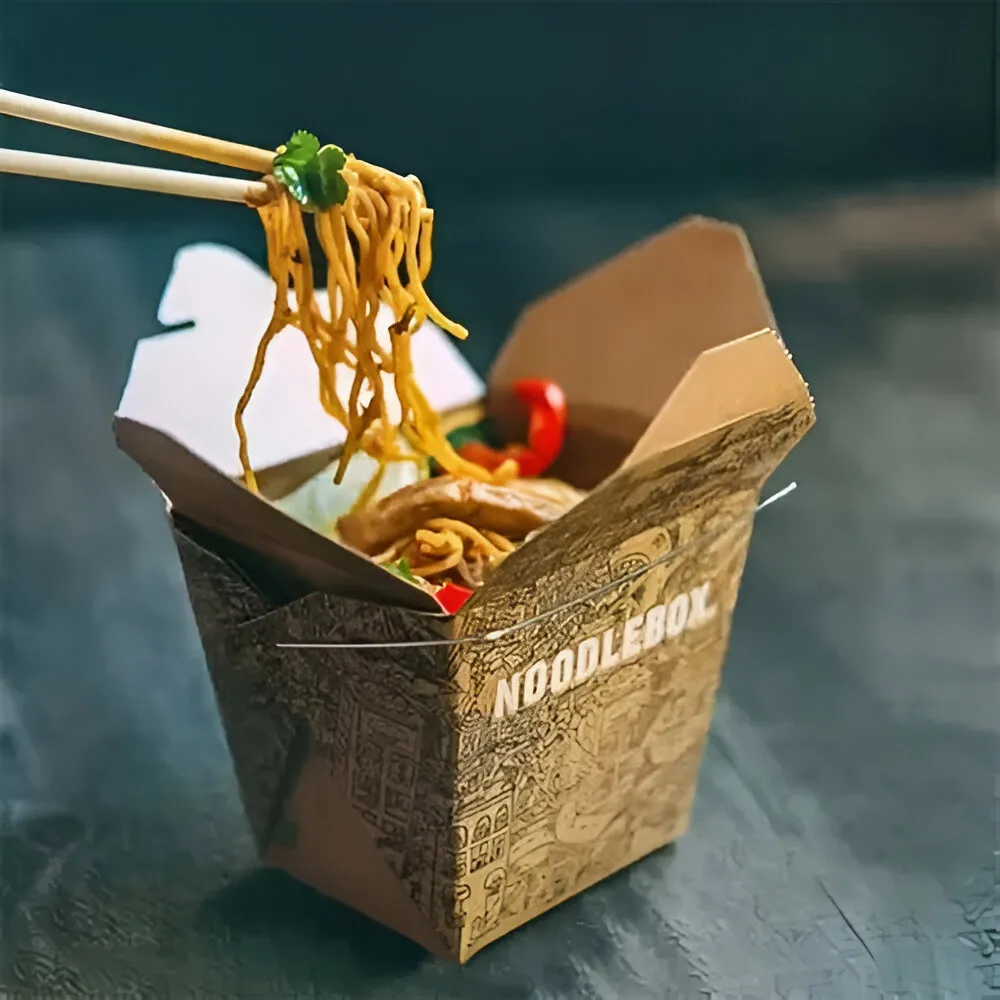
Some companies switch to “green packaging” too quickly without testing durability or food safety properly. Others avoid sustainable materials entirely because they assume eco-friendly options are weak or expensive. The reality sits somewhere in the middle. Modern sustainable packaging materials have improved significantly over the last few years. Many now offer excellent durability, strong product protection, and attractive presentation without relying heavily on plastic-based systems.
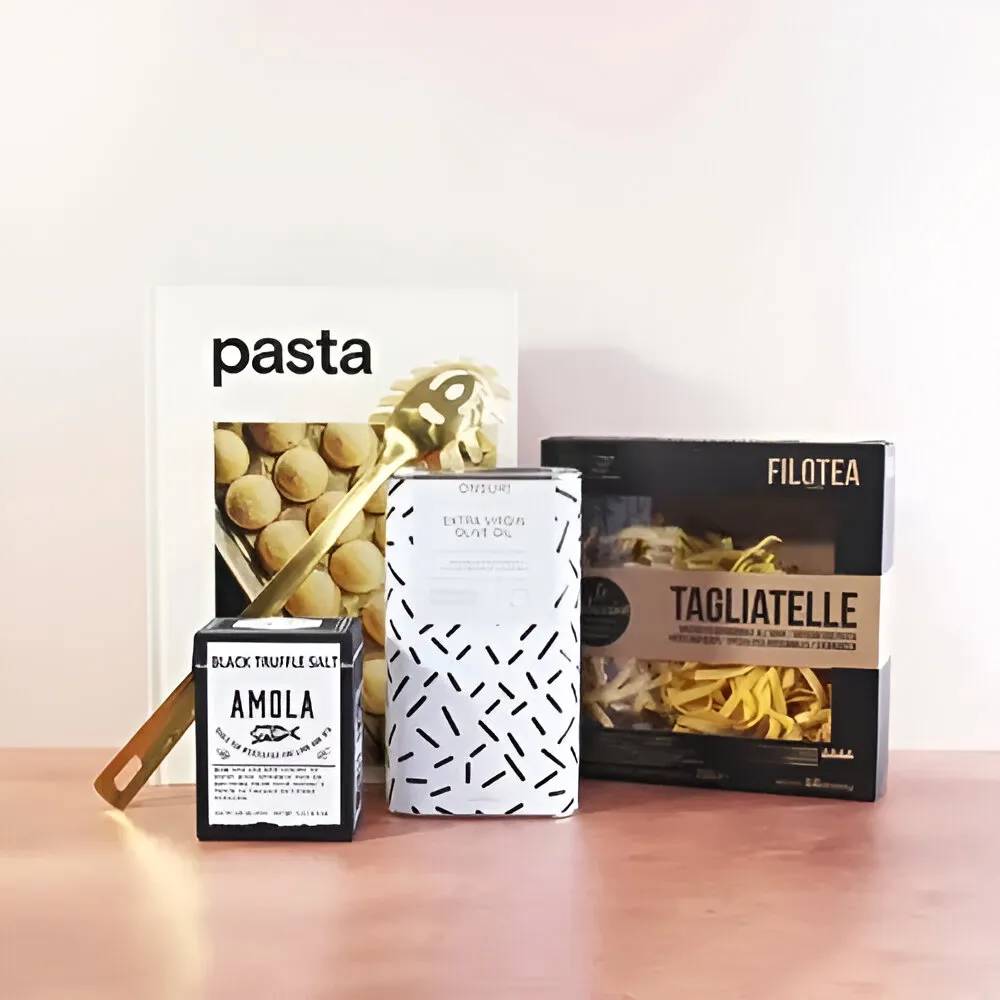

Customers are rewarding brands that make the effort too. Eco-conscious packaging helps businesses build stronger reputations, especially among younger consumers who actively pay attention to sustainability practices. For food and beverage businesses, packaging is no longer just operational. It has become part of the brand story itself.

Kraft Packaging Remains One of the Strongest Options

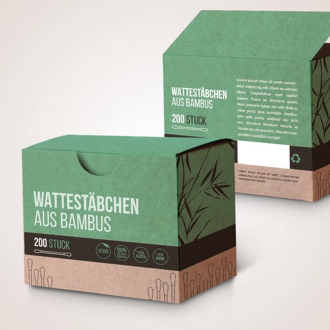
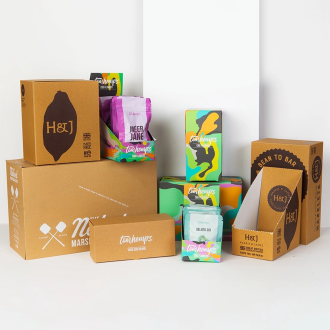
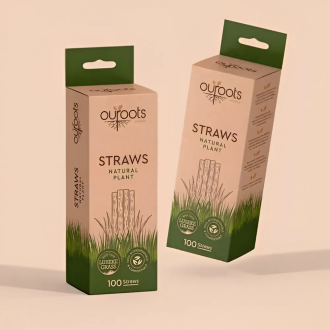
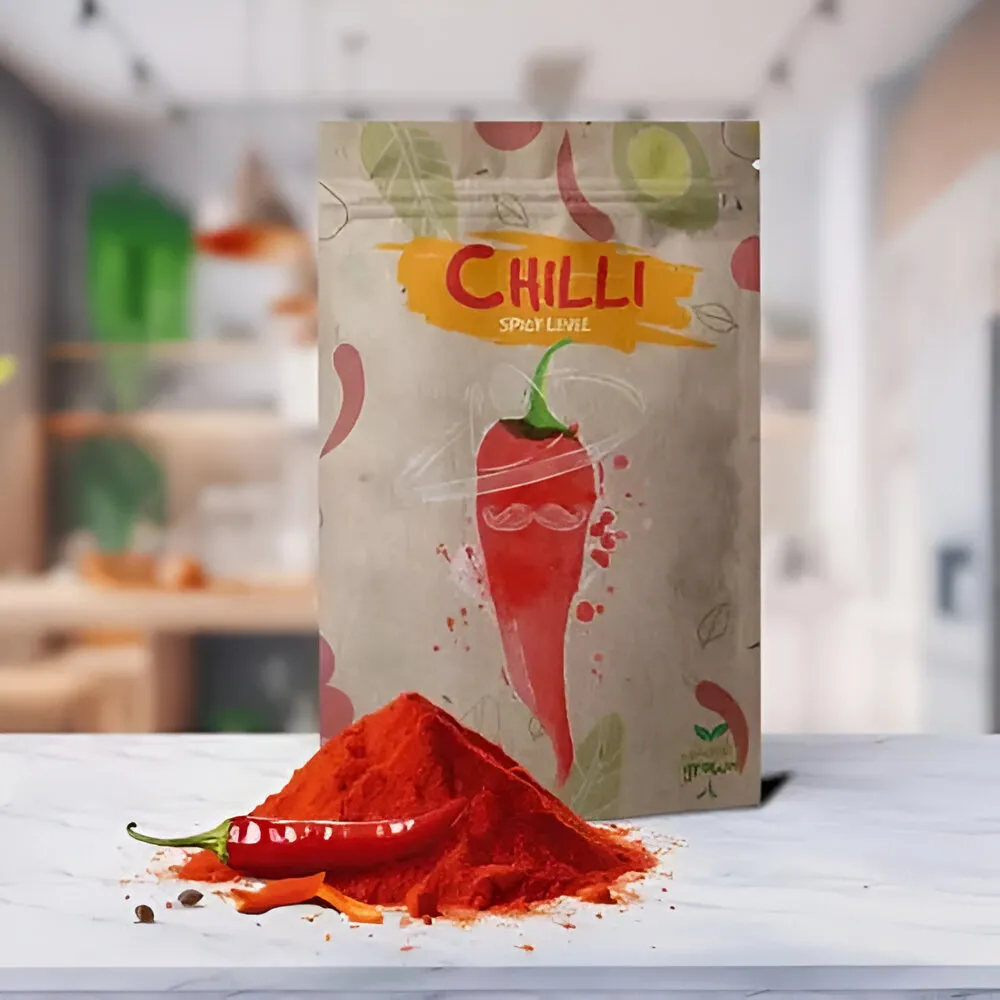
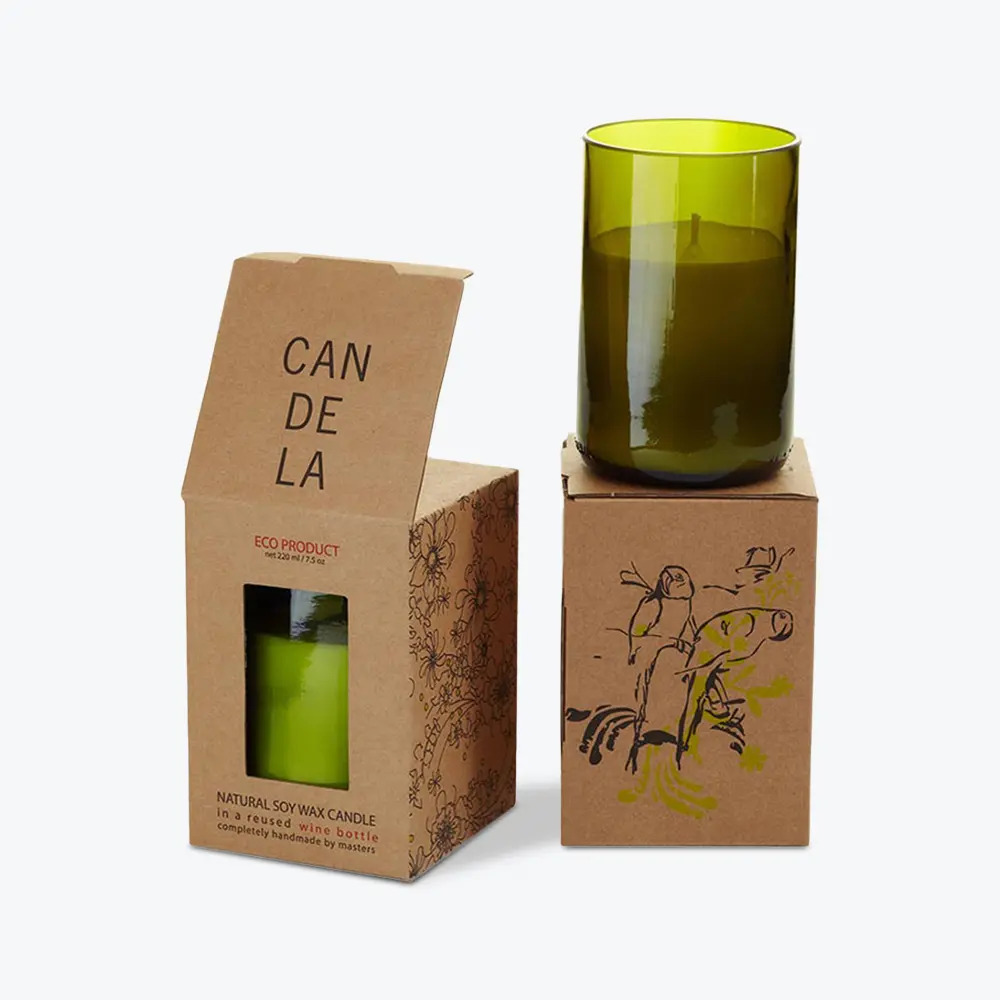
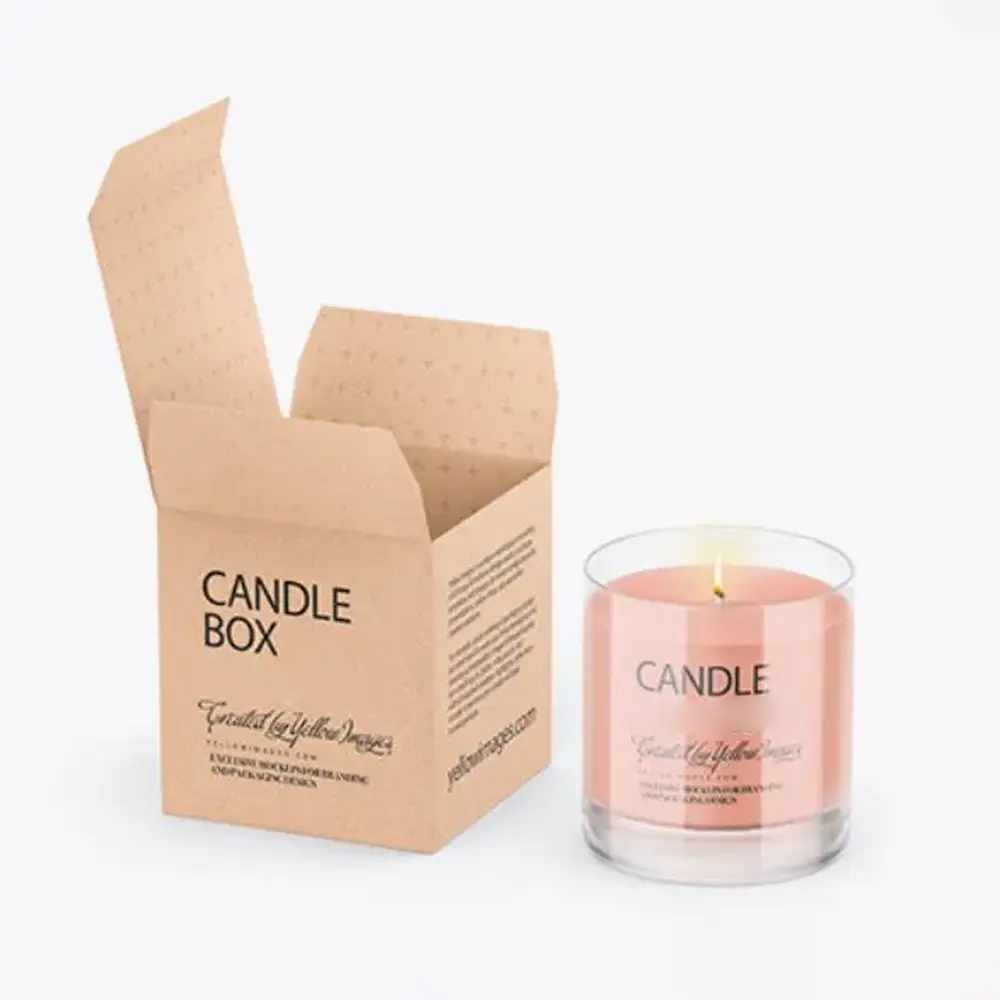
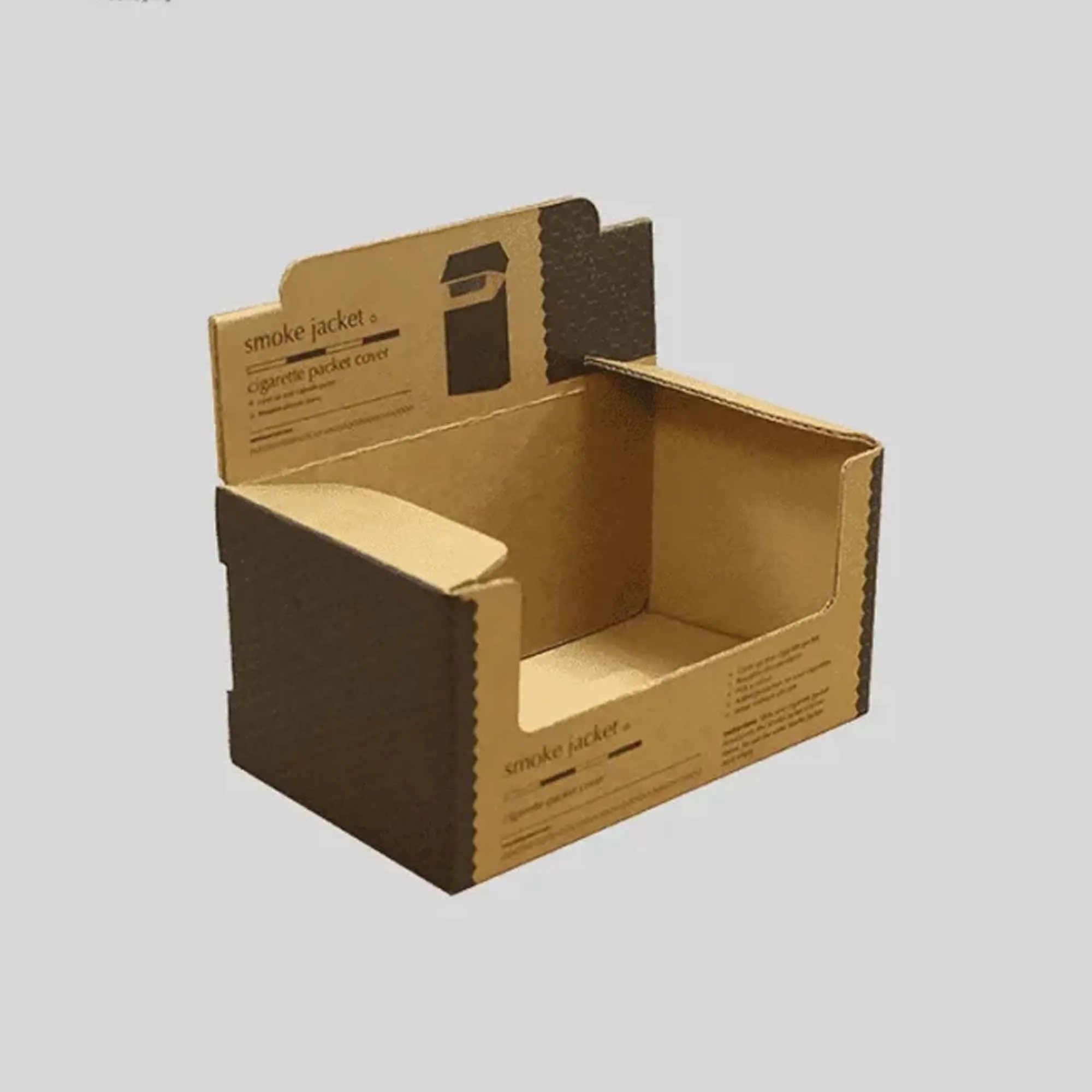
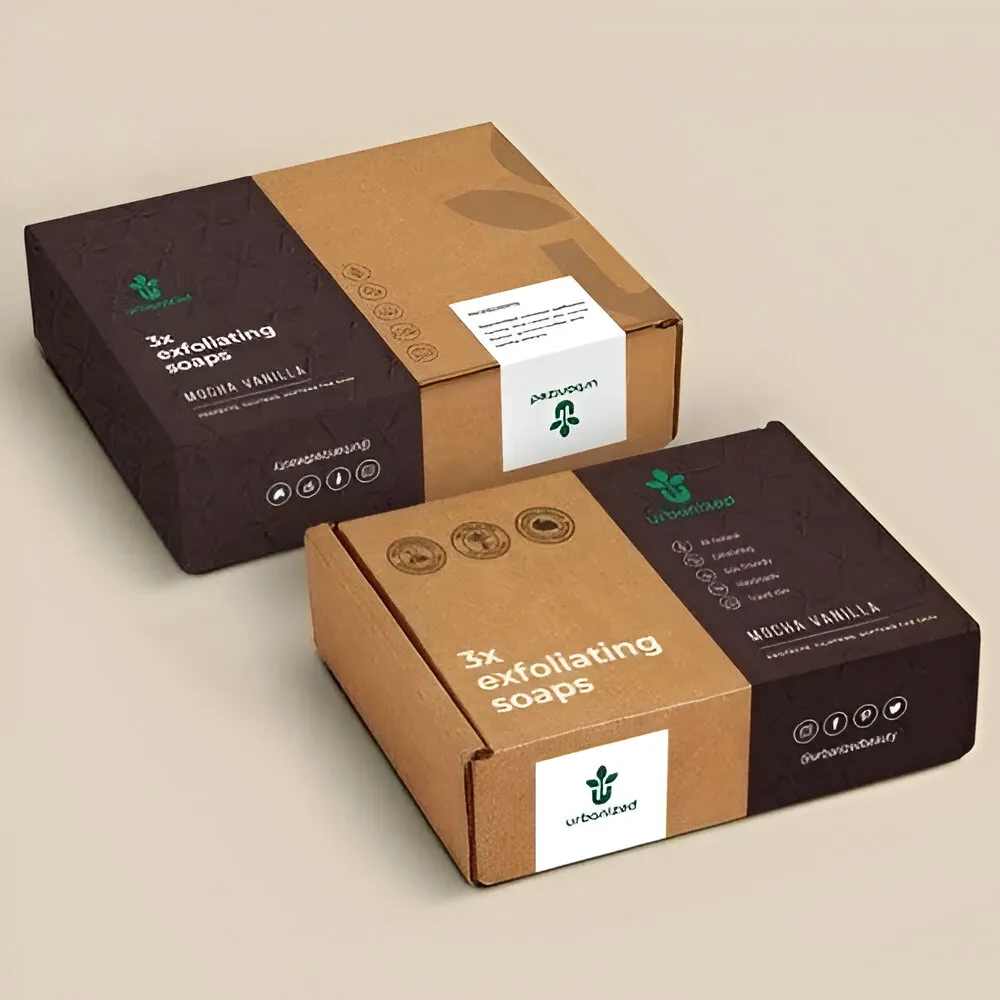
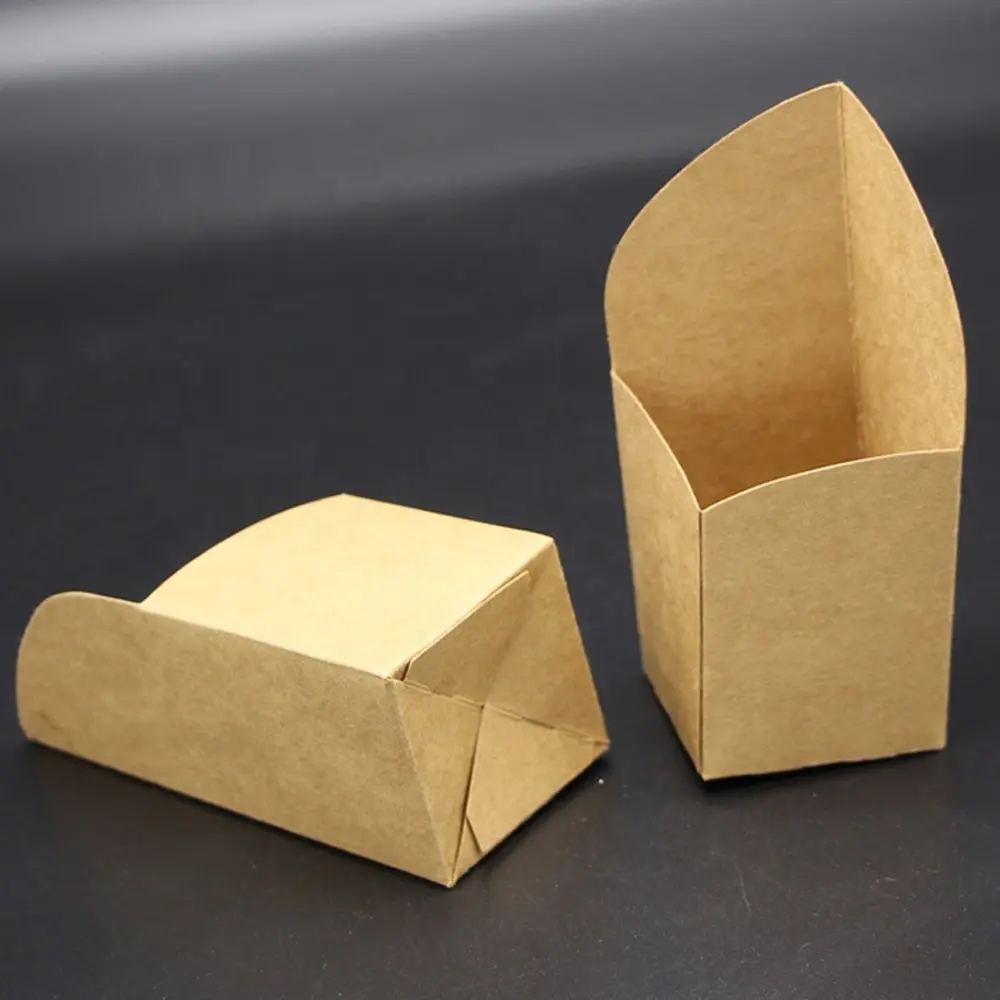
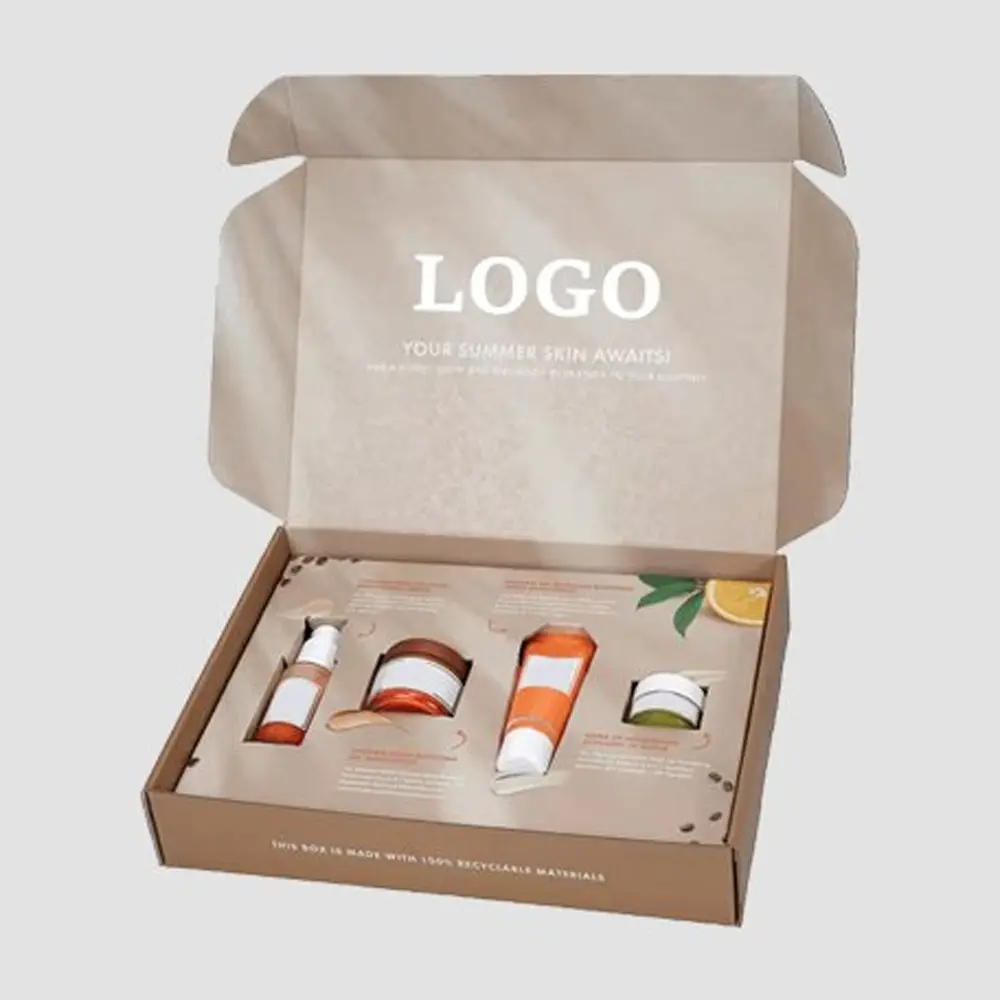
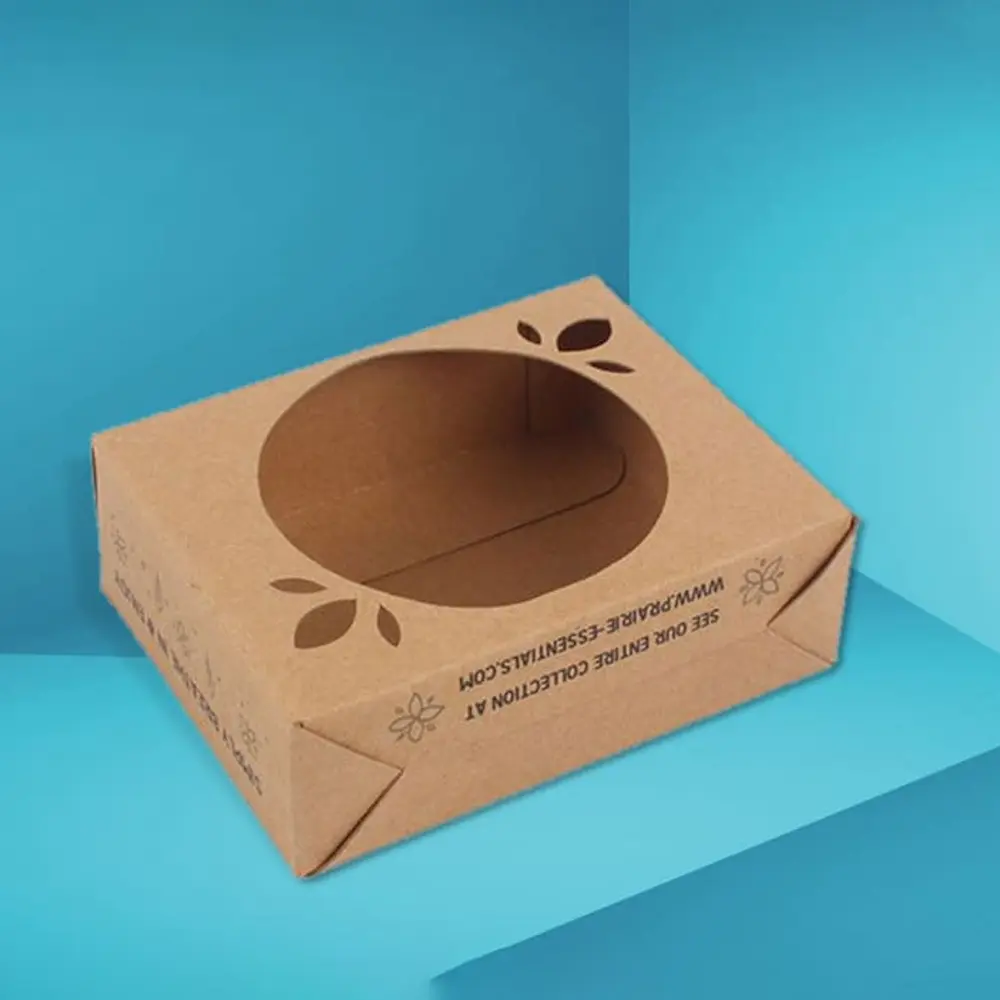
Kraft packaging continues to dominate the eco-friendly packaging space for good reason. It is simple, durable, recyclable, and visually appealing without trying too hard.

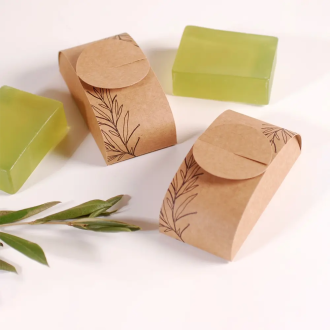
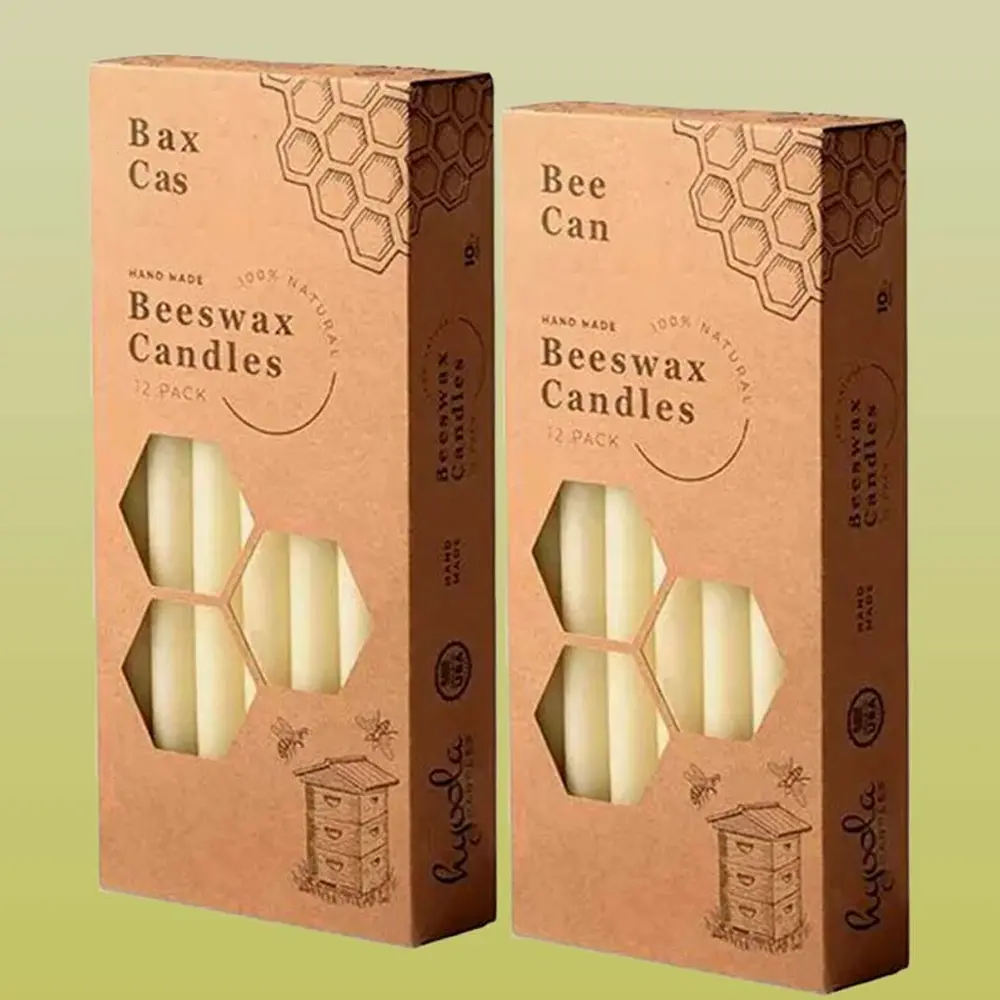
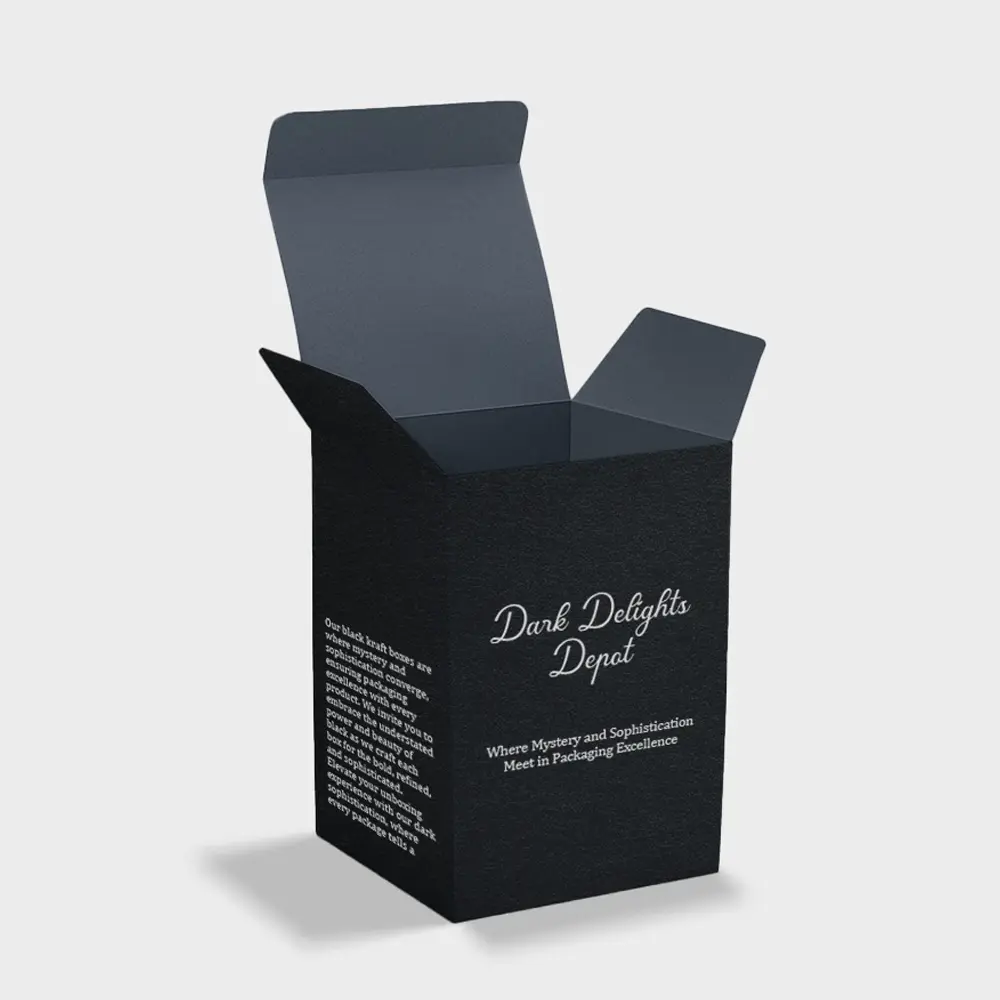
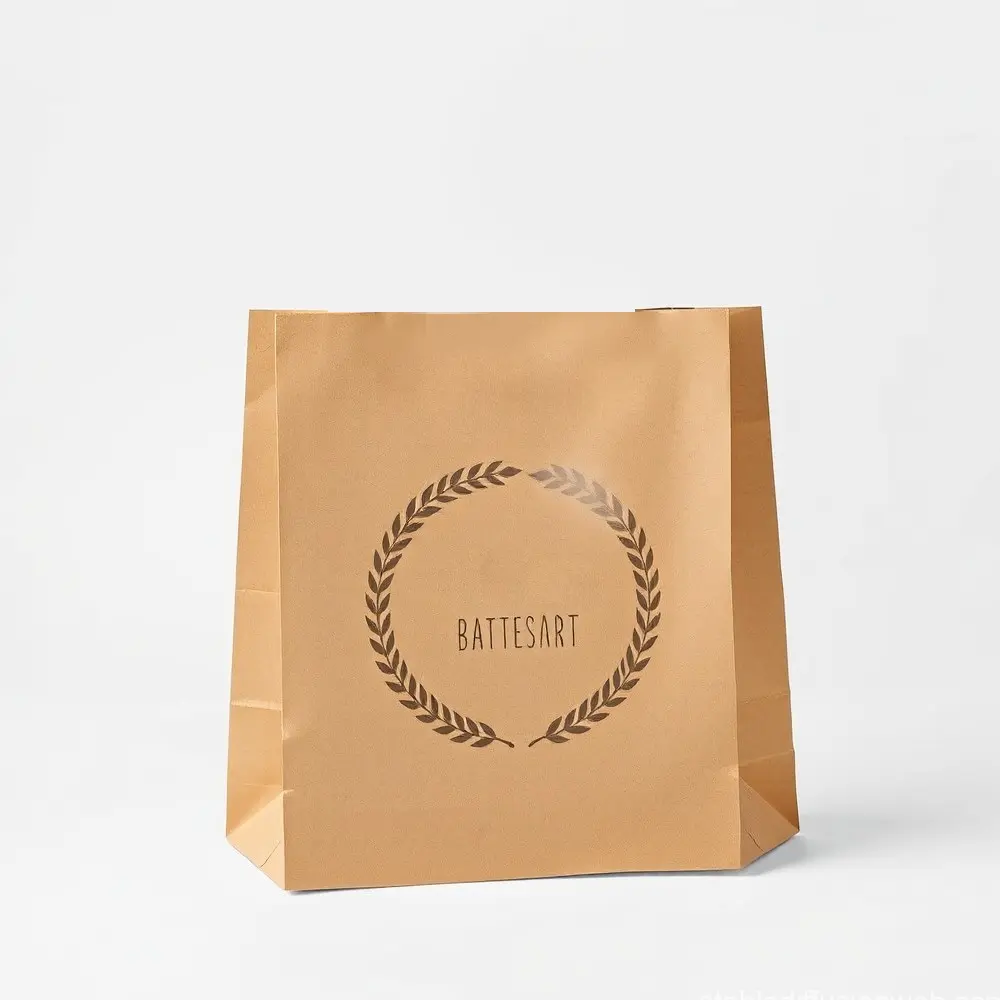
There is also a natural authenticity to kraft packaging that works especially well for food brands. Customers often associate kraft materials with freshness, handmade quality, and environmentally conscious business practices. That perception matters. Kraft materials are commonly used for:

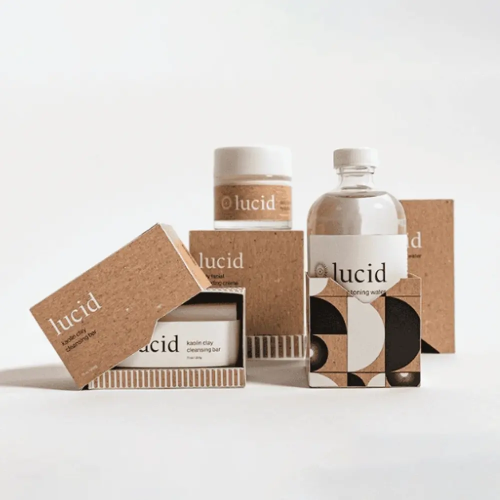
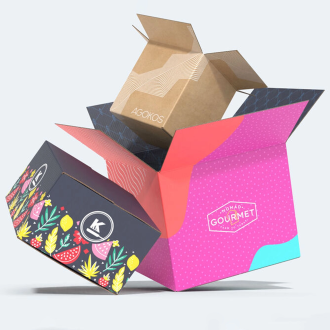
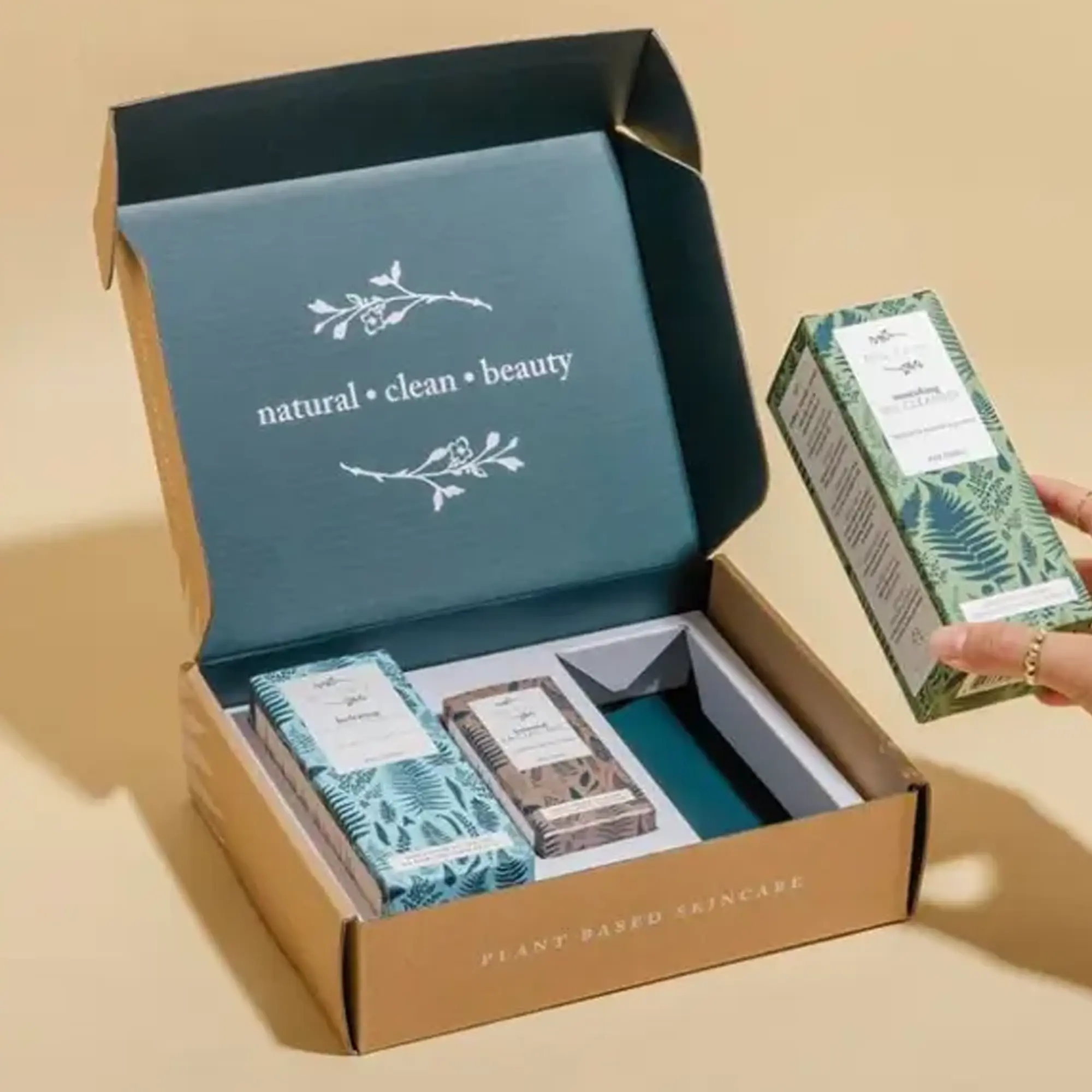
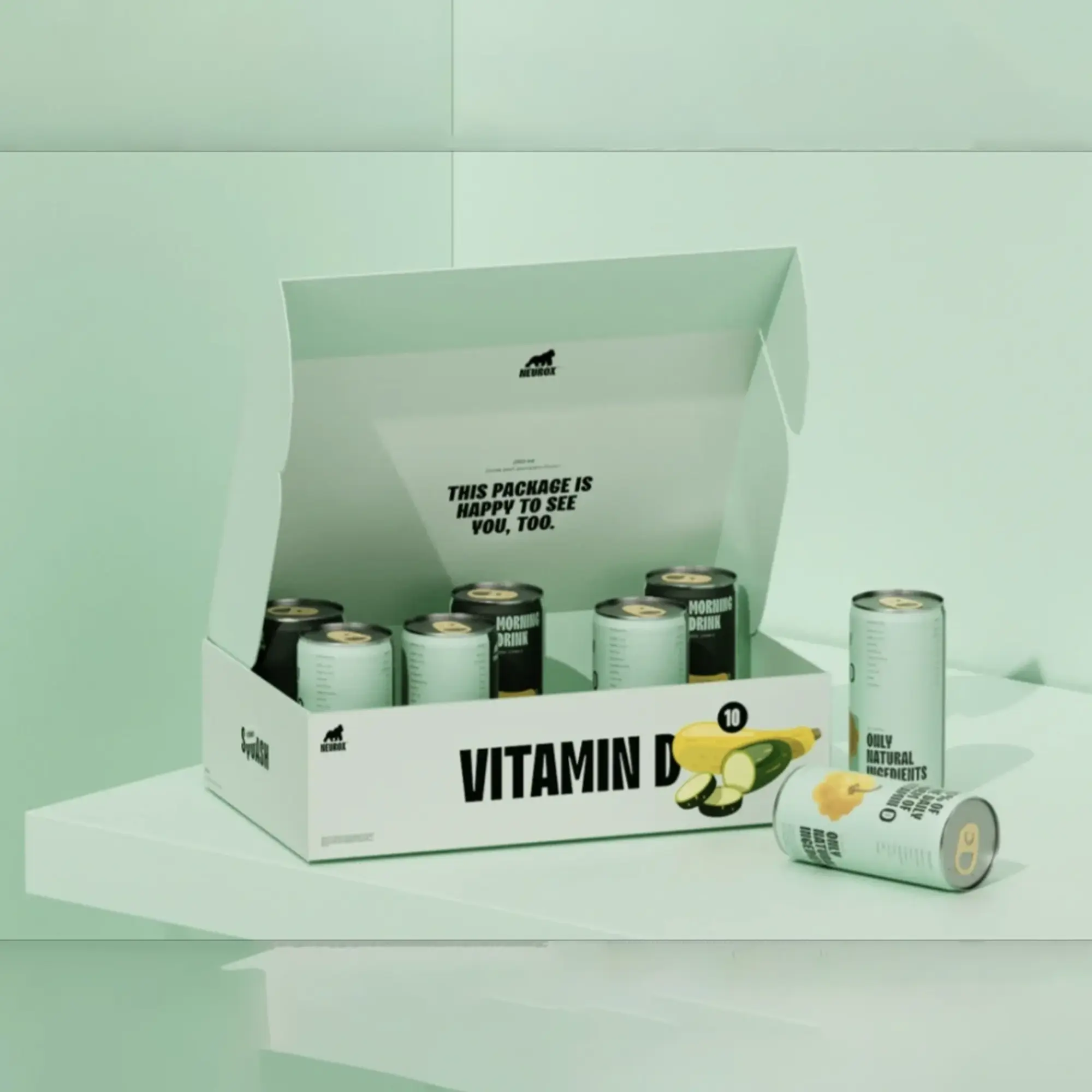
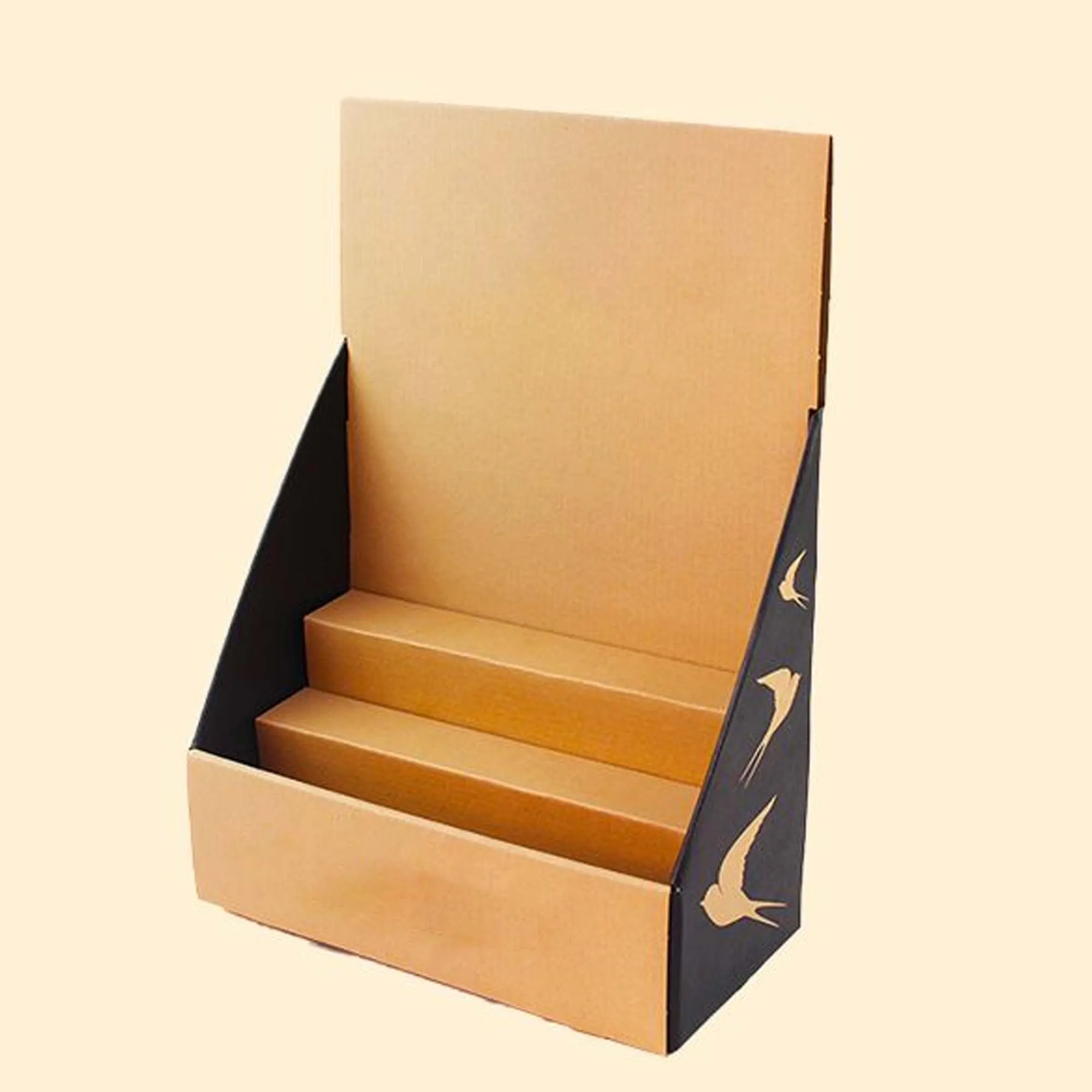
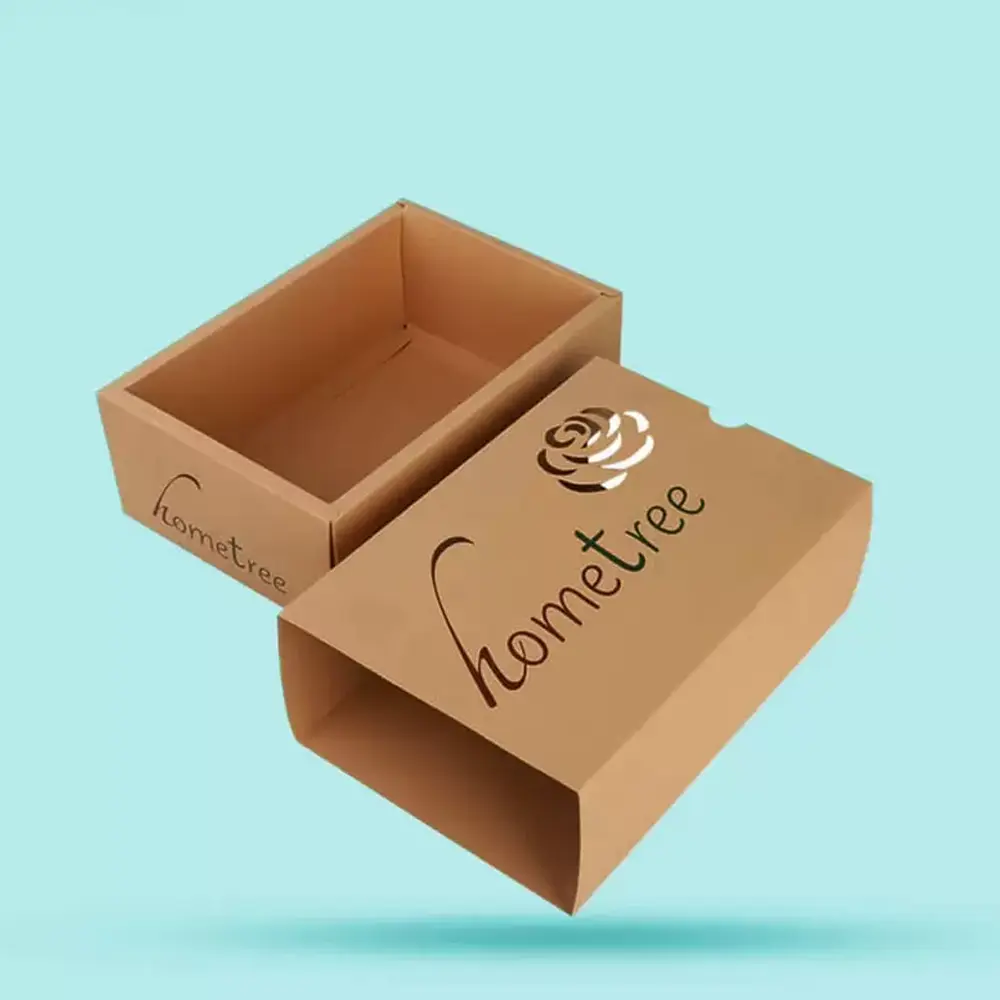
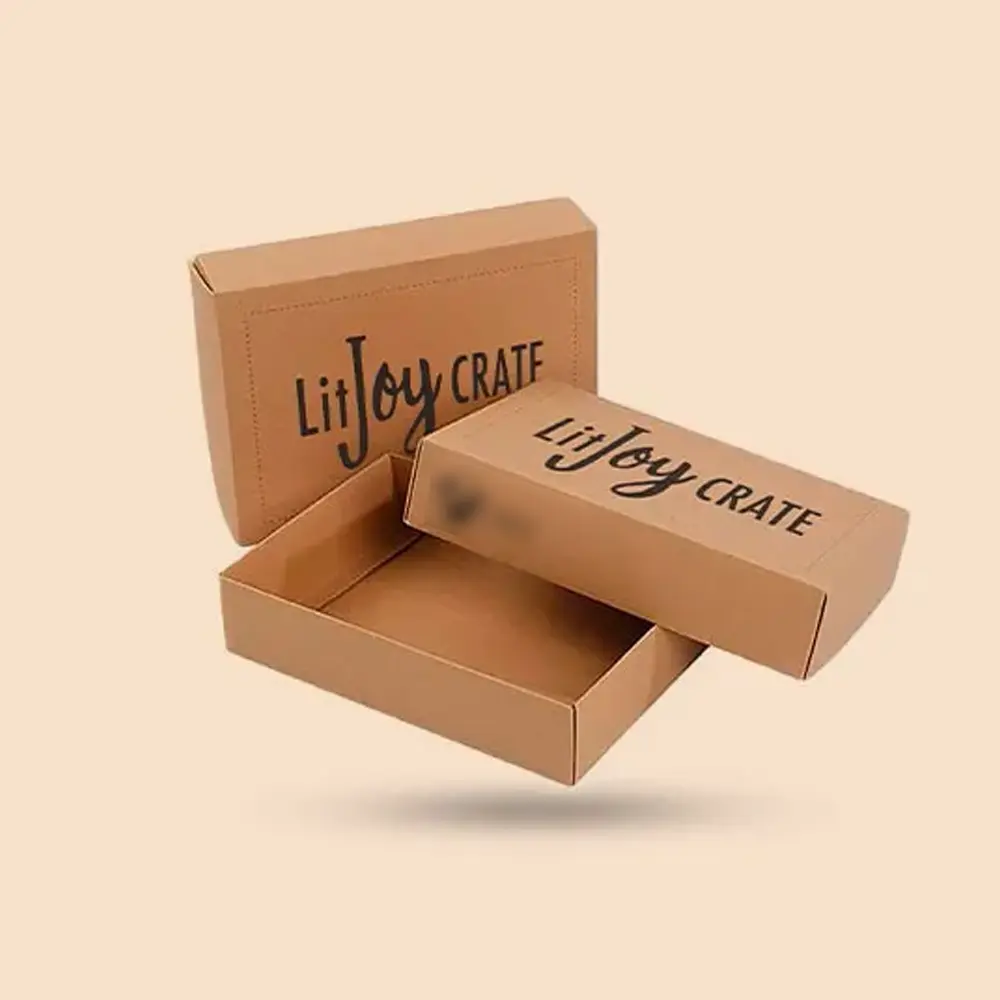
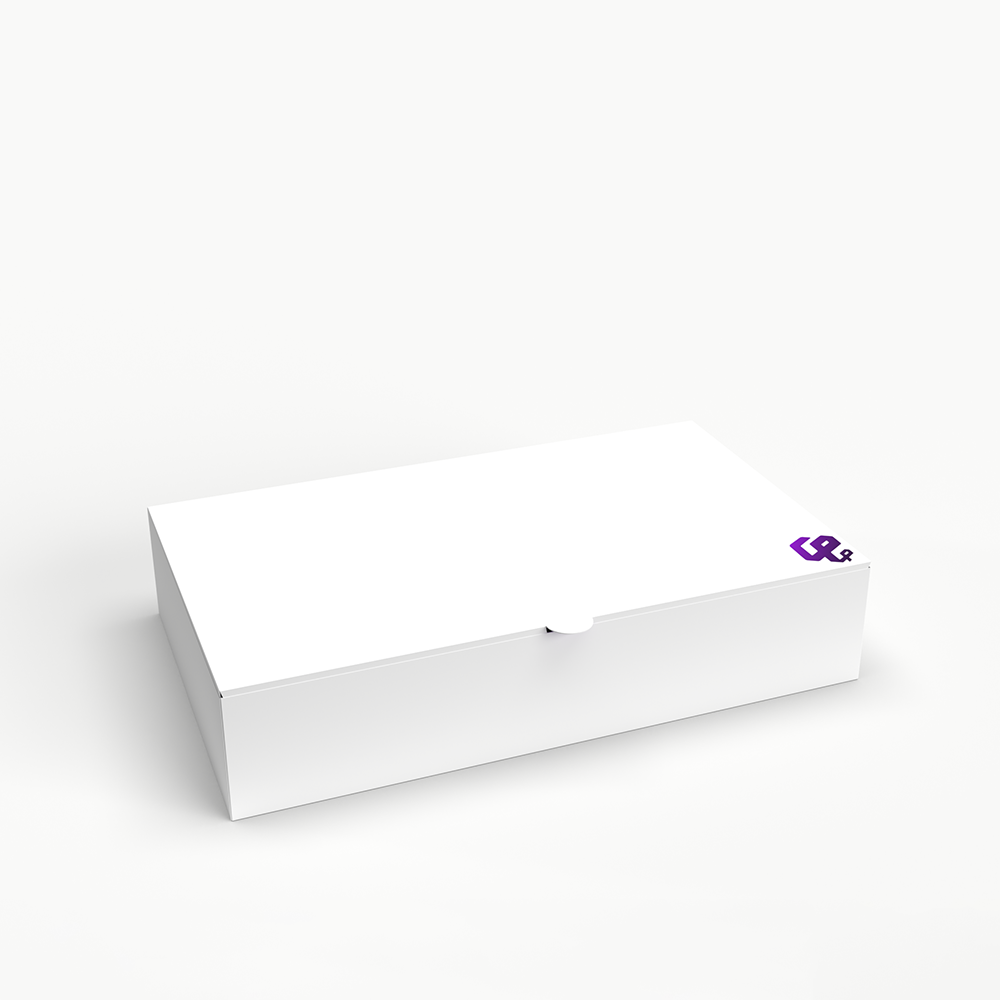
The flexibility makes it practical for both small businesses and large-scale food operations. Another advantage is branding versatility. Kraft packaging works beautifully with minimalist printing styles, stamped logos, and earthy color palettes that modern consumers tend to trust more than overly glossy designs. For brands exploring sustainable solutions, Custom Packaging Pro’s Eco-Friendly Packaging Boxes offer customizable options designed for different product categories.

Corrugated Cardboard for Shipping and Delivery

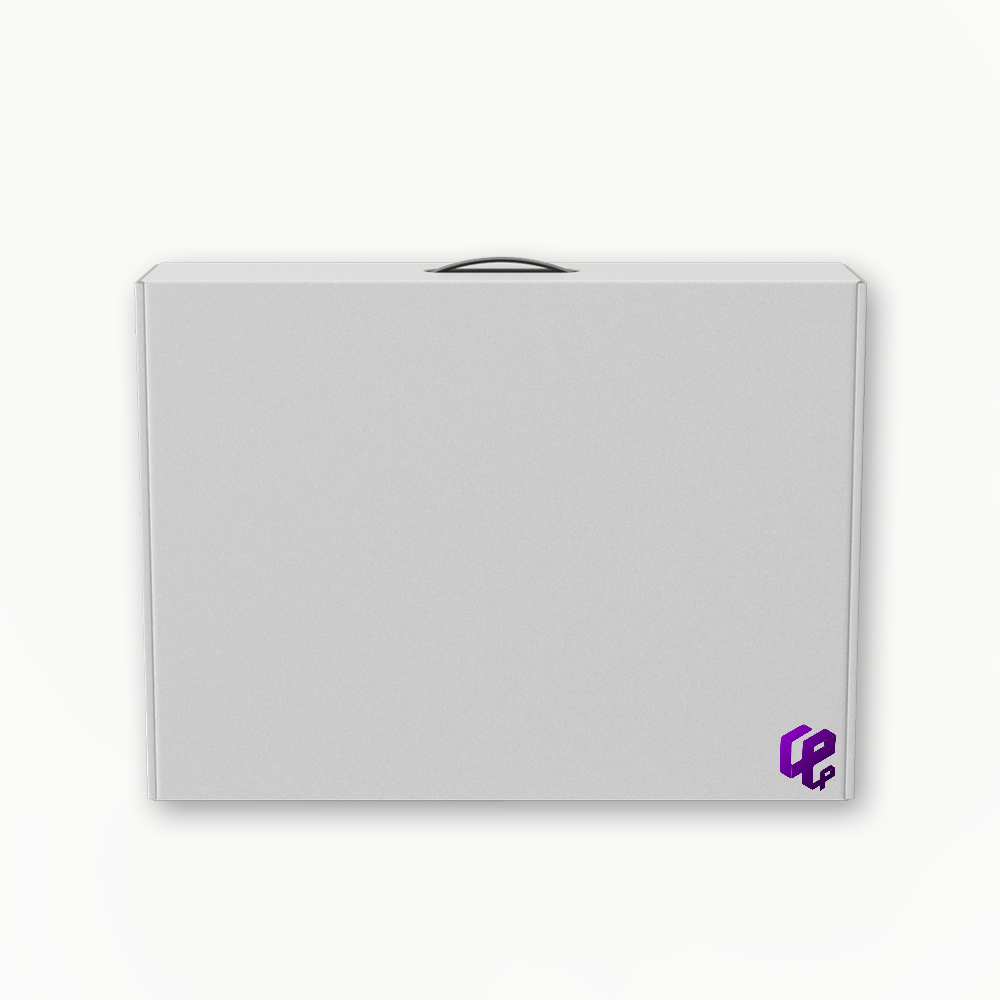
Food delivery and ecommerce food businesses rely heavily on corrugated packaging because durability matters during transportation. No customer wants crushed bakery items or leaking beverage containers showing up at their door. Corrugated cardboard provides strong structural support while remaining recyclable and widely accepted in sustainable packaging systems. It is especially useful for subscription food boxes, meal kits, beverage shipments, and wholesale food distribution.

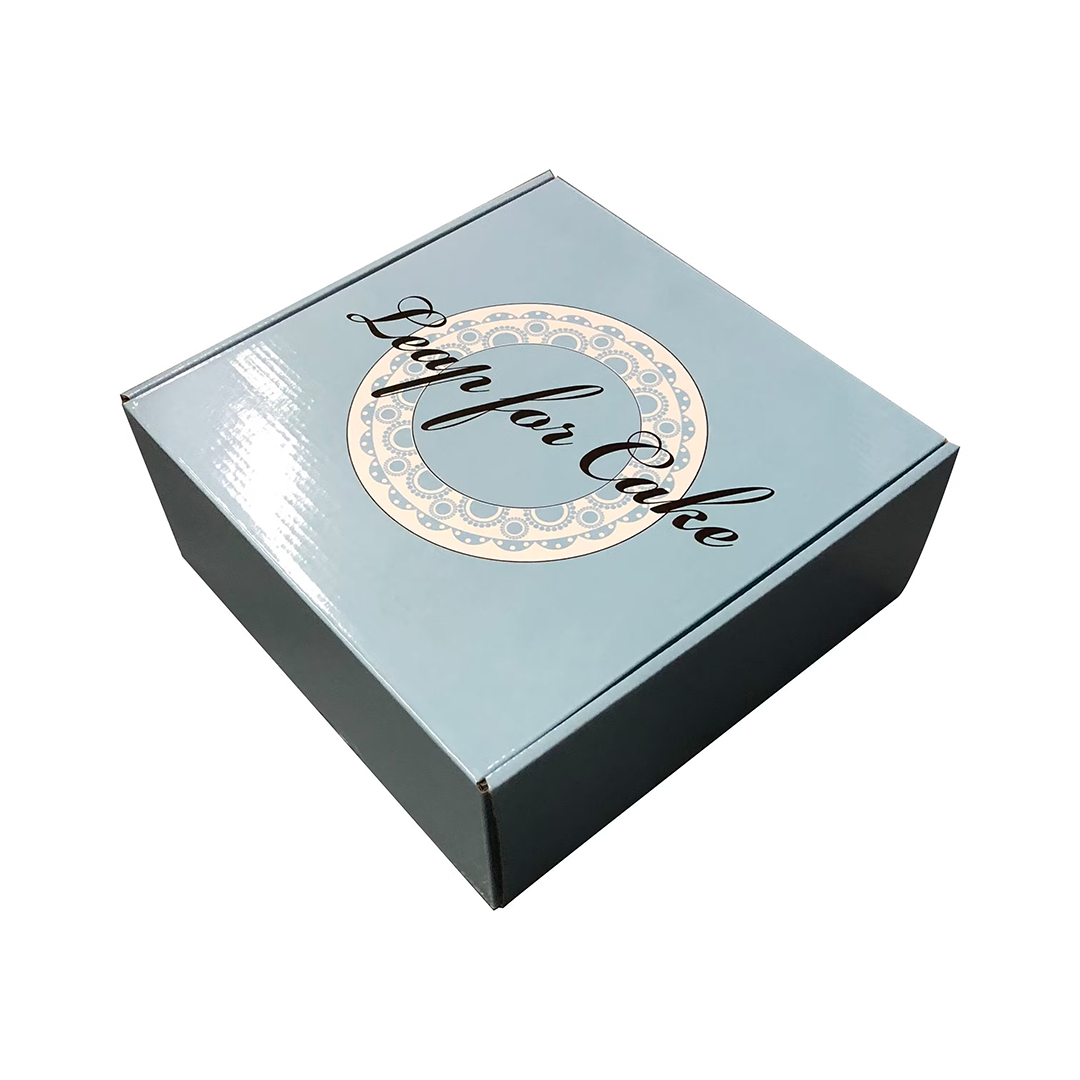
The best part is that corrugated packaging has evolved beyond plain brown shipping boxes. Modern printing methods allow brands to create packaging that still feels polished and professional while maintaining eco-conscious materials. A lot of businesses mistakenly think sustainable packaging means sacrificing presentation quality. That simply is not true anymore.

Compostable Packaging Is Growing Fast

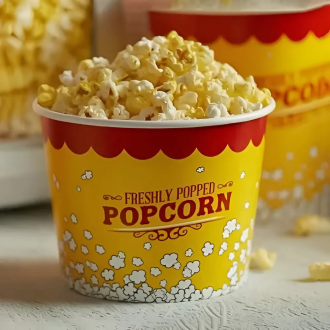
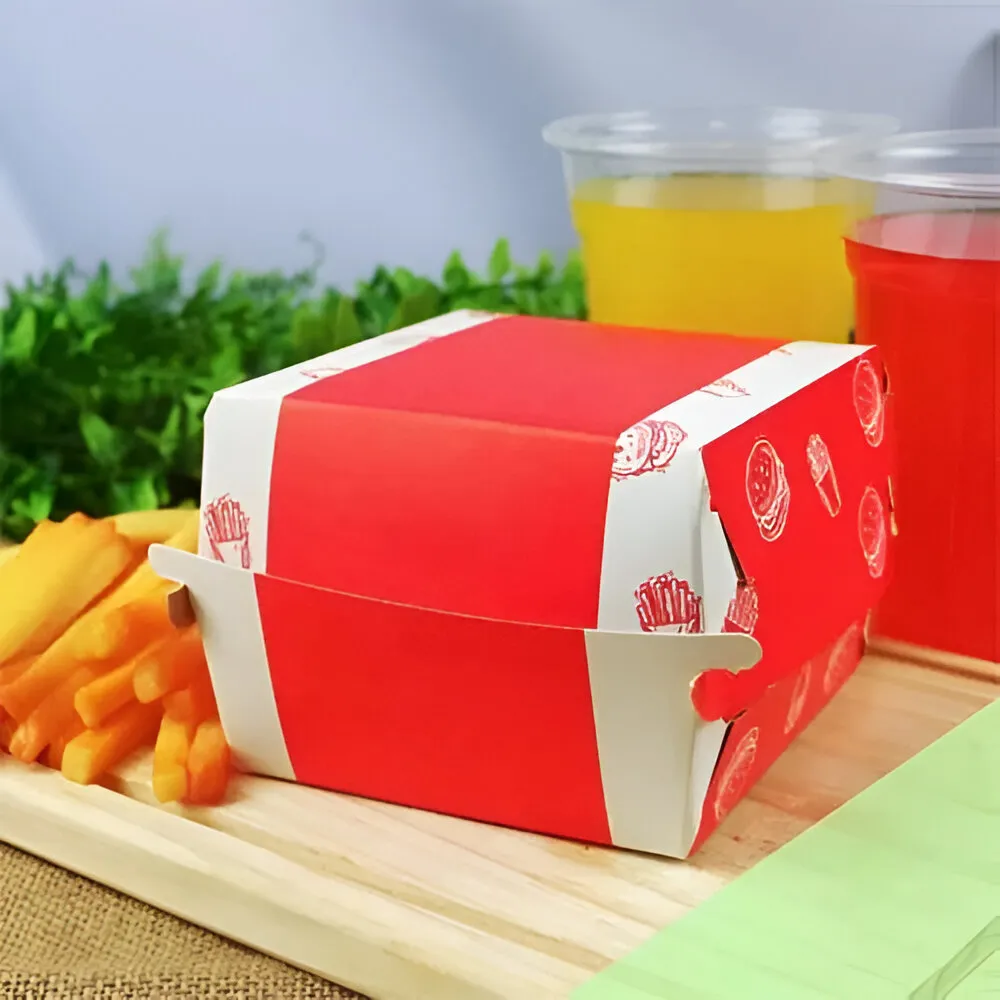
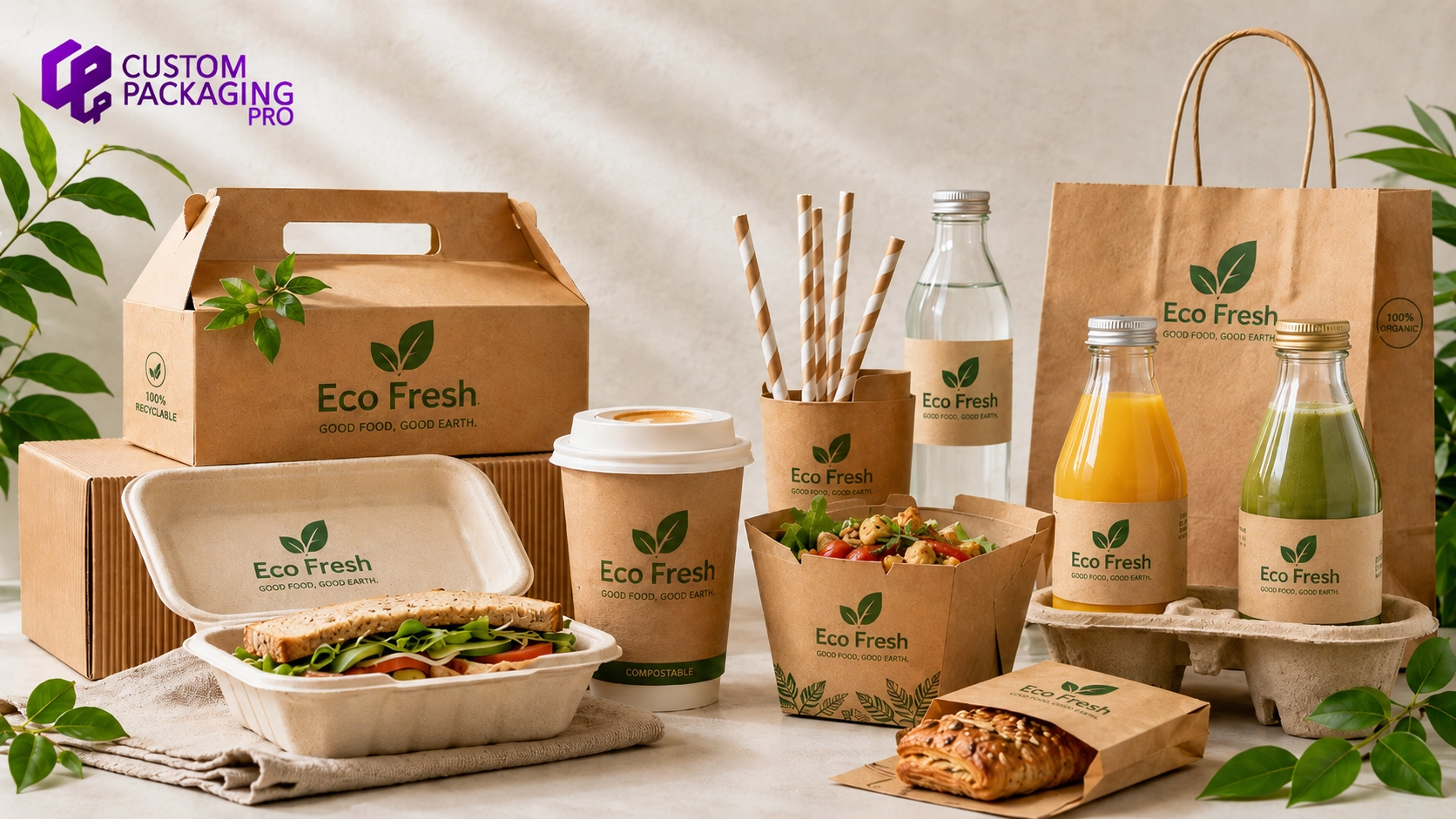
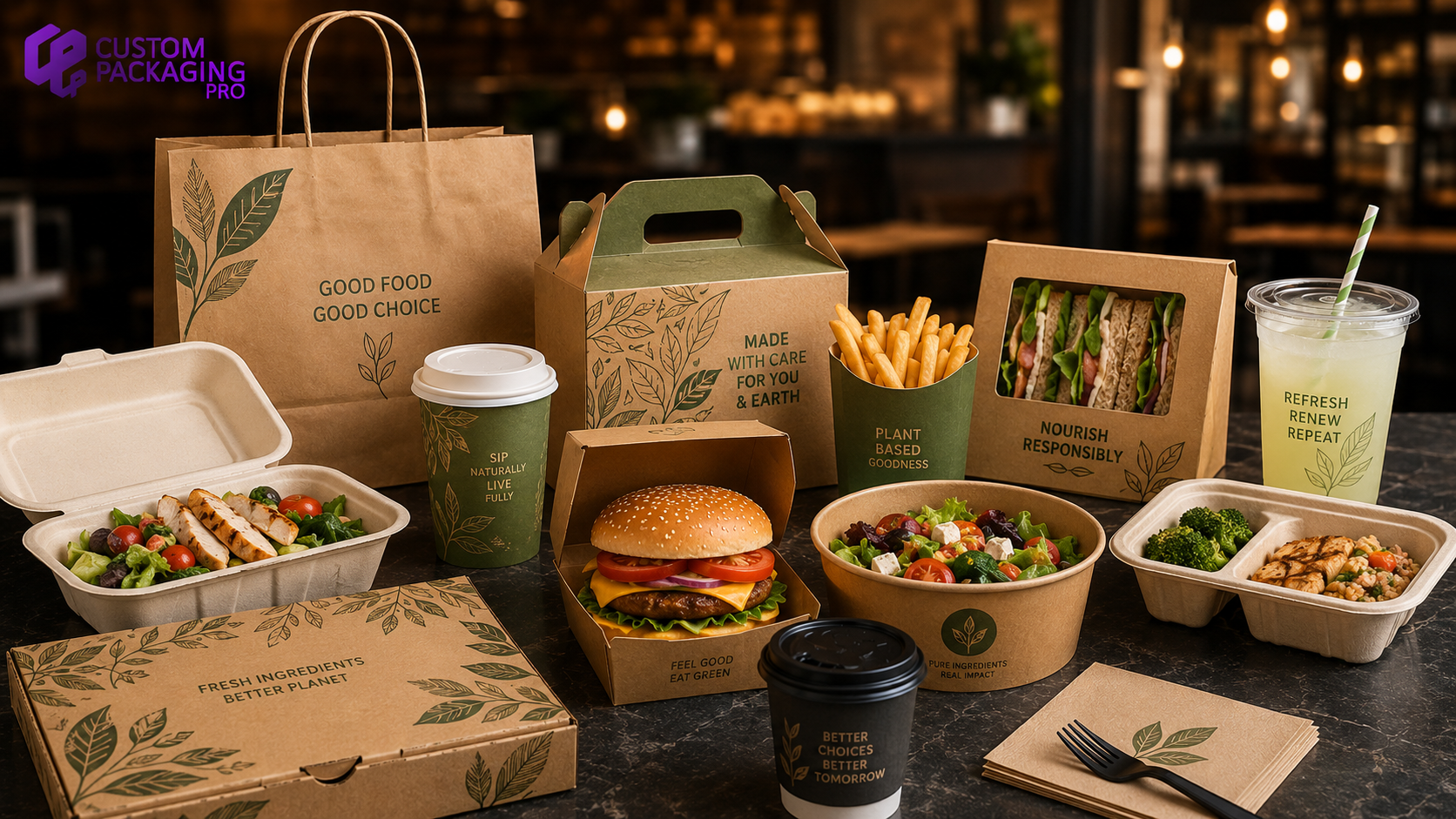
Compostable packaging has gained serious traction in the food and beverage industry, particularly among cafes, organic brands, and environmentally focused restaurants. Unlike traditional plastics, compostable materials break down naturally under proper conditions, reducing long-term waste buildup. Common compostable packaging materials include:

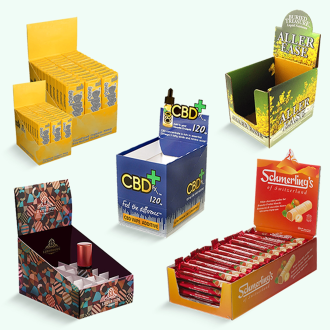
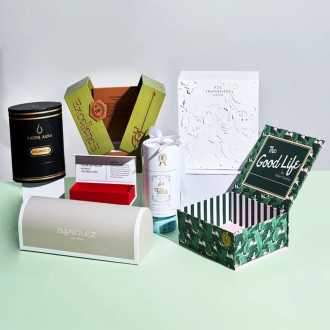
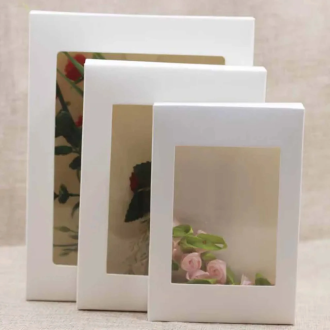
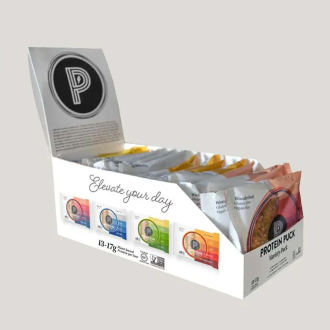
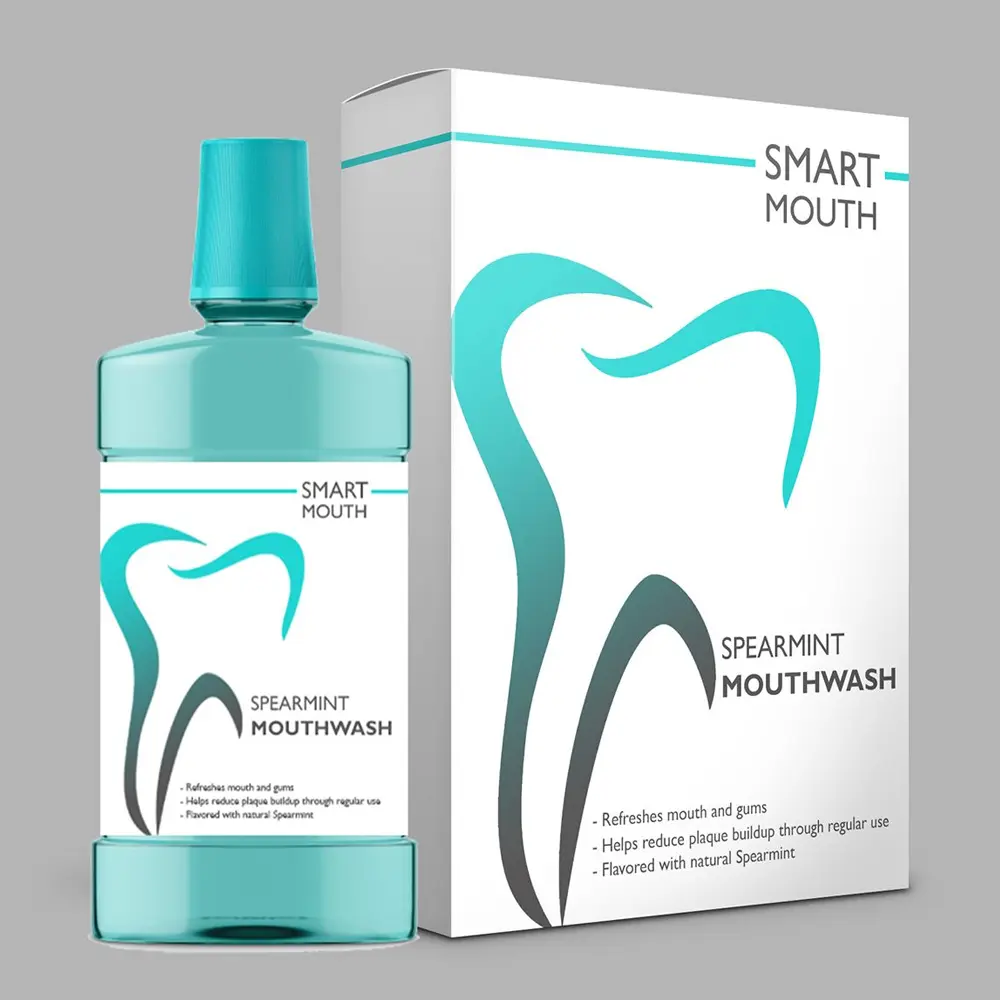
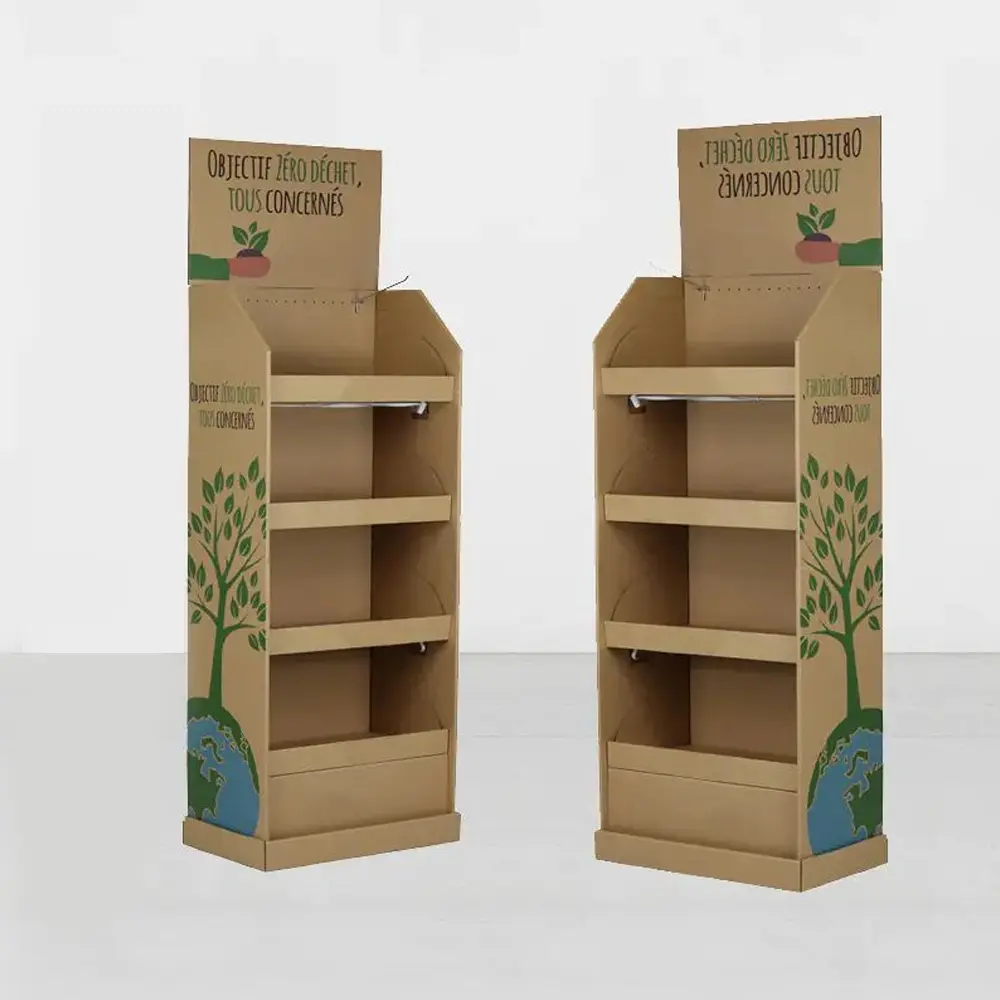
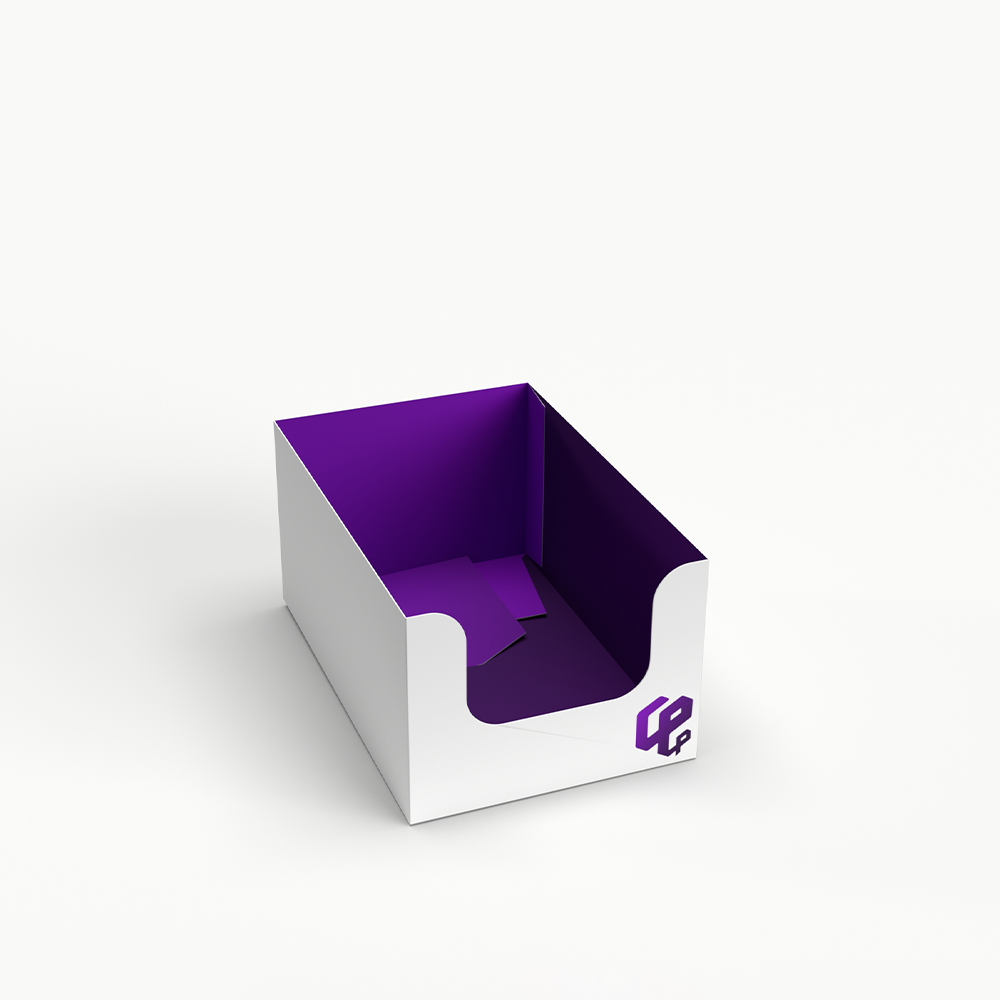
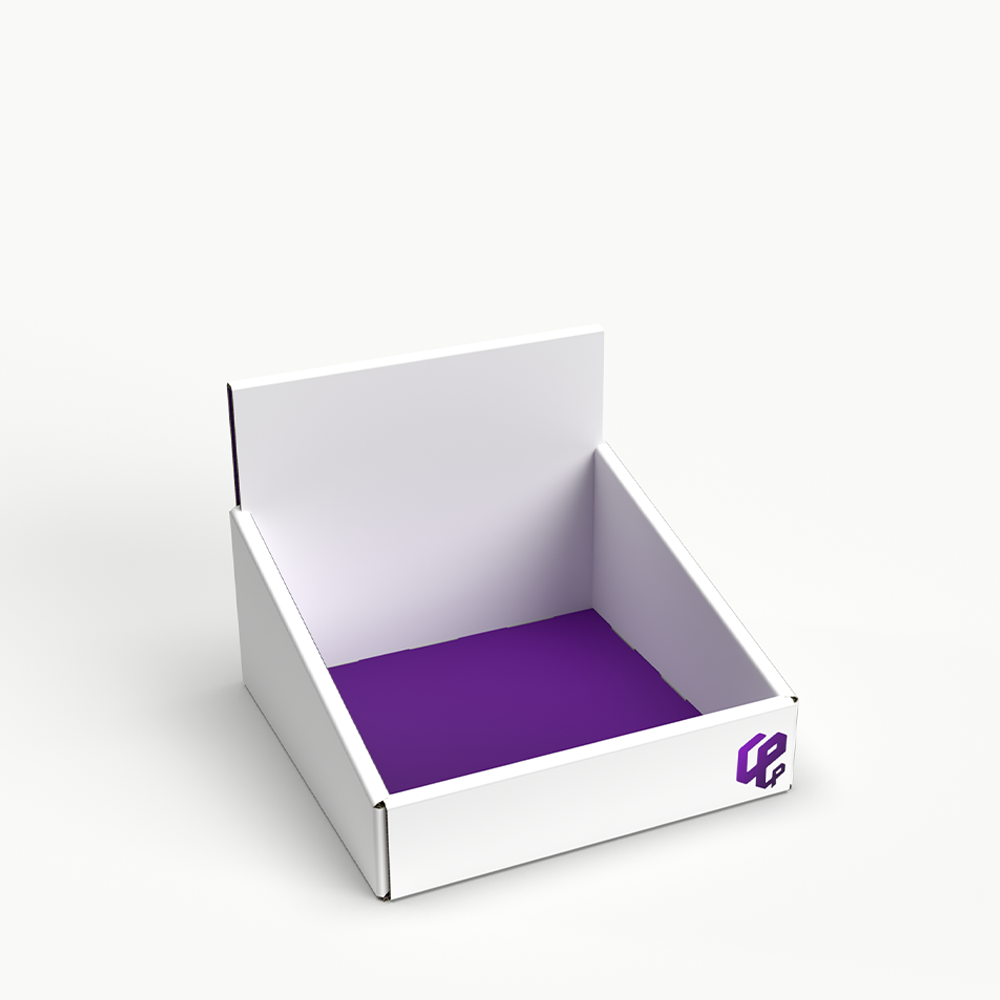
Eco-friendly food packaging display

These materials work particularly well for disposable food-service items like cups, trays, bowls, and takeaway packaging. That said, compostable packaging works best when businesses clearly educate customers on disposal methods. A lot of consumers still confuse biodegradable, recyclable, and compostable packaging, which creates unnecessary waste contamination.

Recyclable Paperboard Packaging

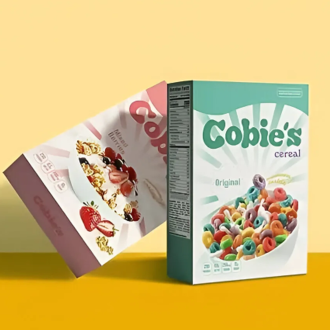
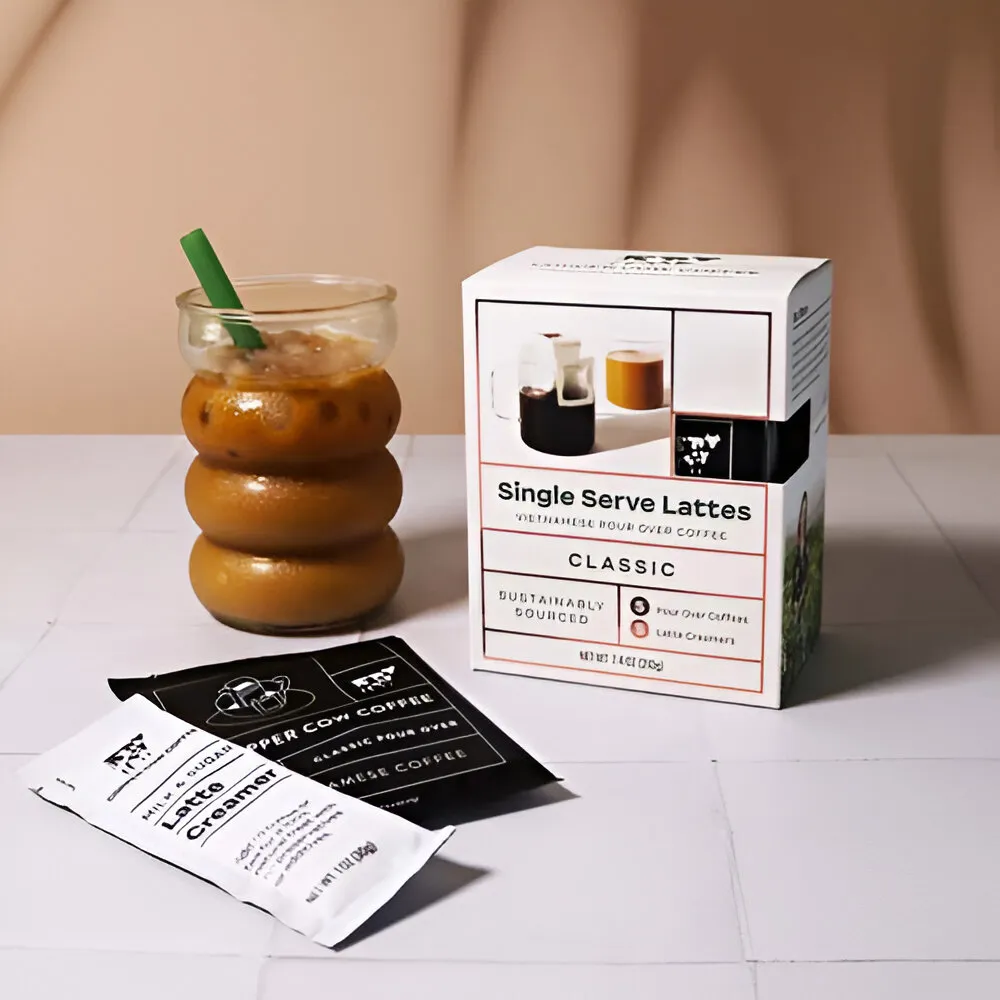
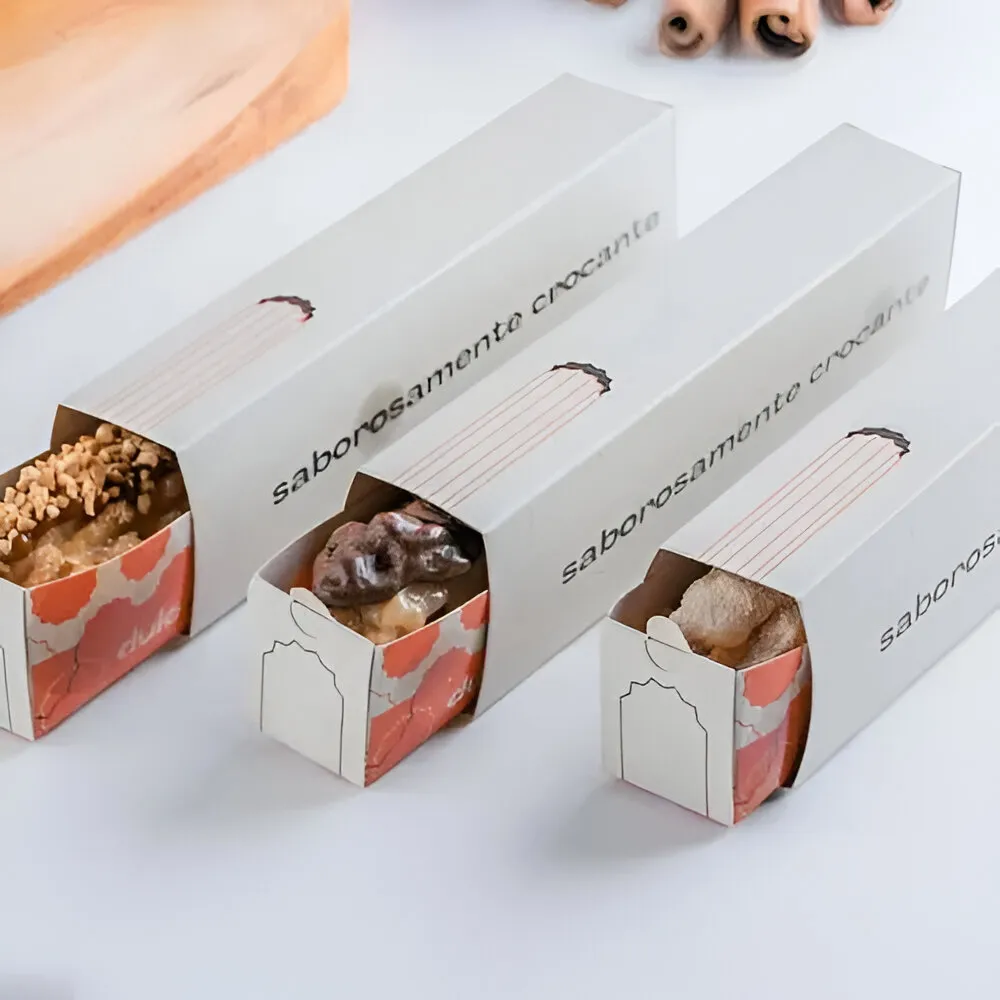
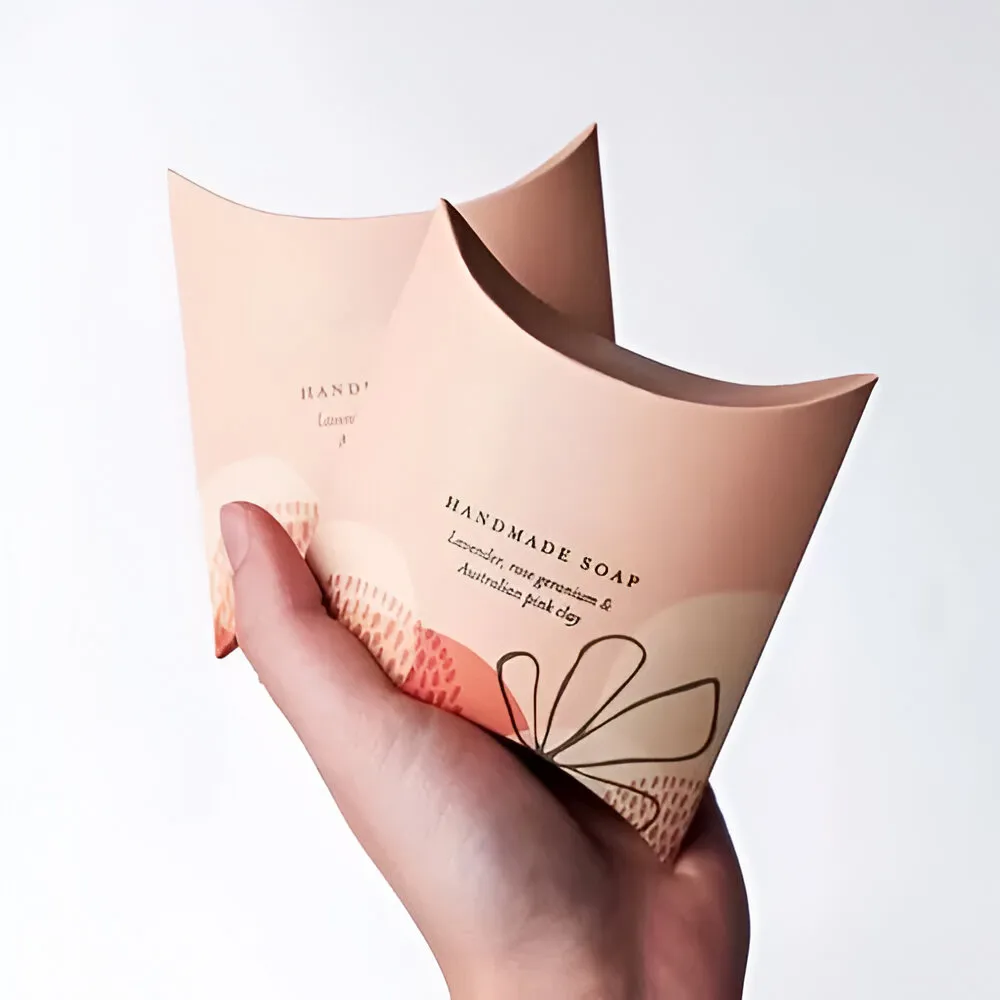
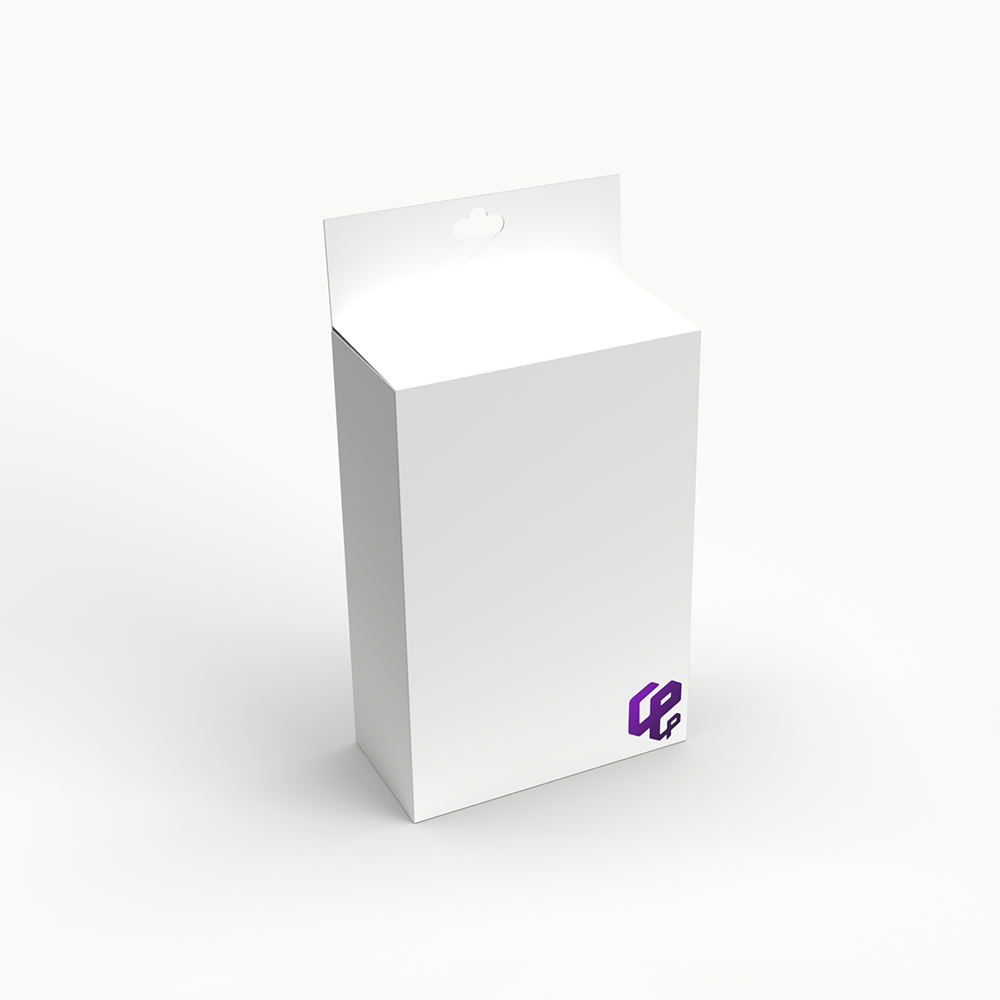
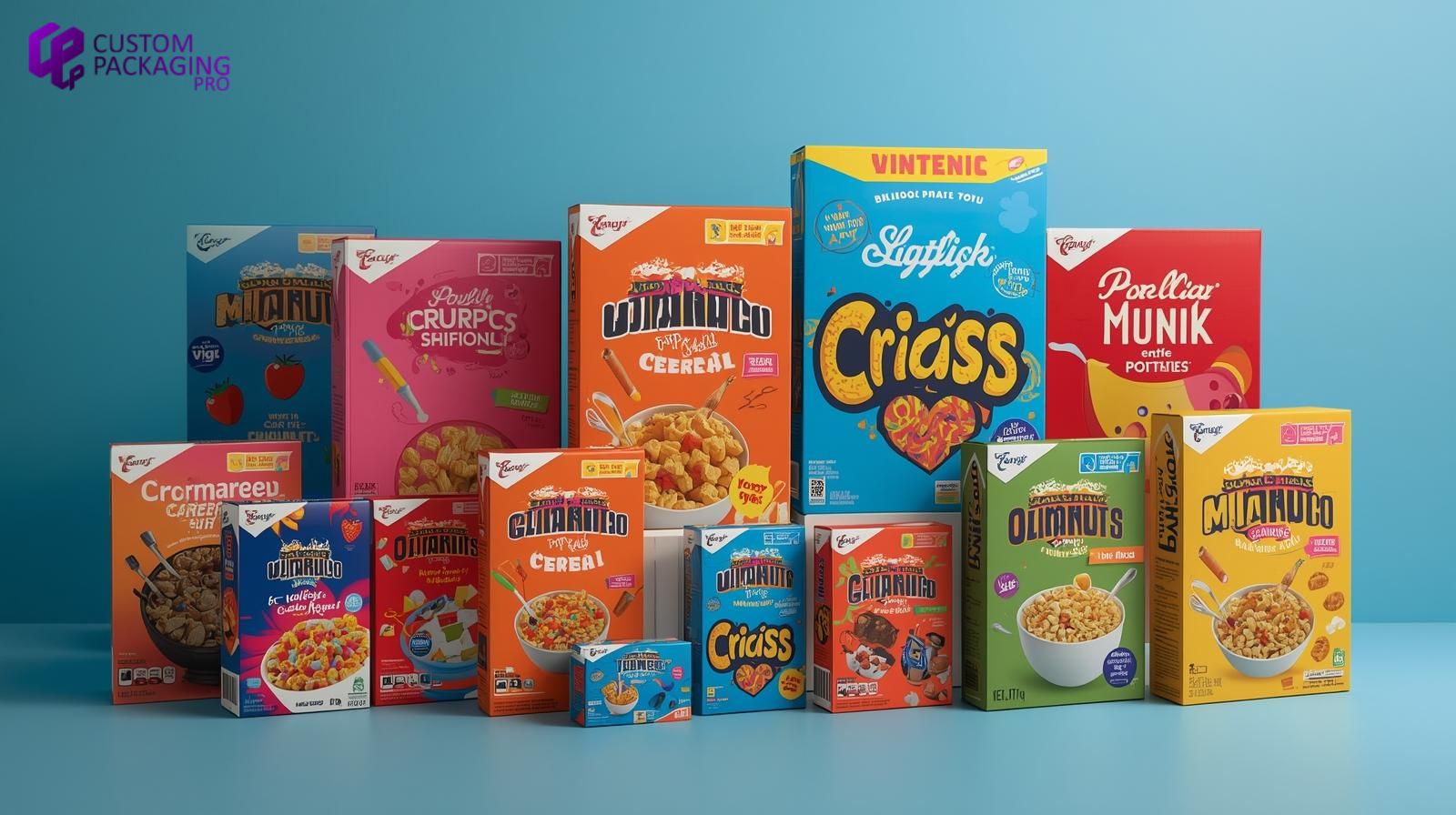
Paperboard packaging remains one of the most practical choices for lightweight food and beverage products. Cereal boxes, tea packaging, frozen food cartons, and dry snack packaging often rely on paperboard because it balances affordability, print quality, and sustainability relatively well.

Paperboard also creates cleaner shelf presentation compared to some flexible plastic packaging formats. That visual simplicity has become increasingly attractive to modern food brands trying to create a more premium or natural appearance. Many companies now combine recyclable paperboard with soy-based inks and water-based coatings to create even more environmentally responsible packaging systems. The shift may seem small, but customers are paying closer attention to those details now.
Flexible Packaging With Sustainable Improvements

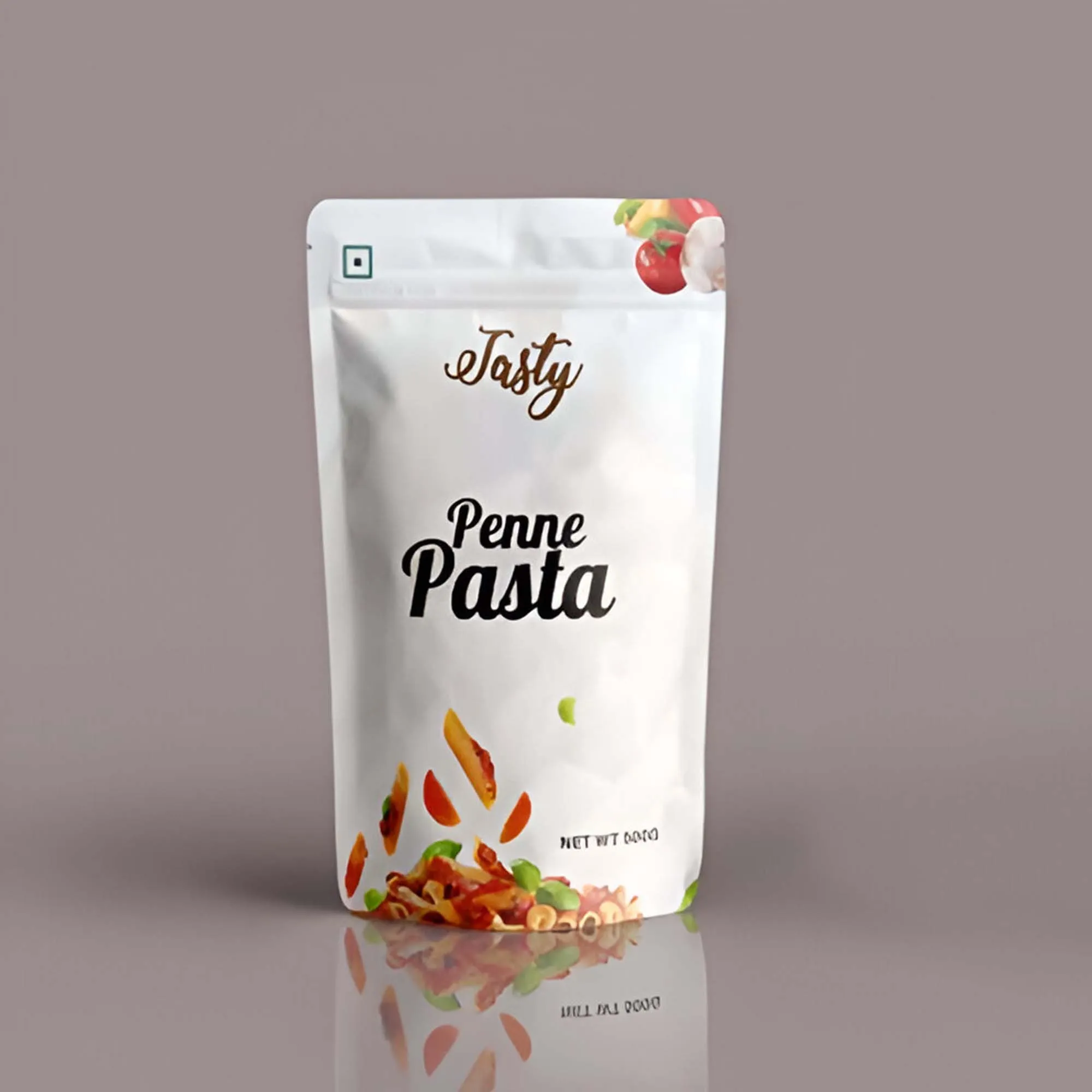
Flexible packaging sometimes gets criticized in sustainability discussions, but the industry has been improving quickly. Modern flexible packaging solutions now include recyclable films, reduced-plastic structures, and lightweight designs that minimize transportation emissions. For food and beverage brands, flexible packaging offers practical benefits:

The challenge is choosing flexible packaging materials that align with realistic sustainability goals instead of relying on misleading “green” claims. Customers are becoming much more skeptical about vague environmental marketing. Brands need transparency if they want credibility.

How Food & Beverage Brands Should Choose Eco Friendly Packaging Materials

Choosing sustainable packaging should never be based on trends alone. A material may sound environmentally friendly, but perform poorly for certain products. Food safety and functionality still come first. Businesses need to evaluate:

One of the biggest mistakes brands make is selecting eco-friendly packaging that cannot realistically survive their shipping or storage conditions. Damaged products create waste too, sometimes even more than traditional packaging systems. The smartest approach is balancing sustainability with practical performance.

Cost also matters, of course. Some businesses assume sustainable packaging automatically means extreme pricing. While certain premium materials are expensive, many eco-friendly options have become surprisingly cost-effective as demand continues increasing. In many cases, businesses can improve sustainability significantly without completely rebuilding their packaging systems.

Customers Expect Sustainability Now

The conversation around packaging has shifted permanently. Customers are not only buying food products anymore. They are paying attention to the values behind the brand itself. Packaging has become one of the clearest ways businesses communicate those values visually.

And honestly, consumers can tell when sustainability efforts feel fake. Overcomplicated “green marketing” often creates skepticism instead of trust. Simpler packaging, cleaner materials, and honest sustainability efforts usually connect better with customers than exaggerated environmental claims. That is why many successful food and beverage brands are moving toward packaging that feels minimal, functional, and genuinely responsible rather than overly polished or wasteful.

Sustainable Packaging Is Becoming the Standard, Not the Exception

Sustainable packaging is no longer a niche preference reserved for eco-focused startups. It has become a serious business consideration for food and beverage brands trying to stay competitive in a rapidly changing market. The good news is that modern eco friendly packaging materials now offer far better durability, presentation, and flexibility than many businesses realize.

From kraft packaging and recyclable paperboard to compostable containers and corrugated shipping boxes, brands have more sustainable packaging options available today than ever before. For businesses looking to improve both customer perception and environmental responsibility, investing in smarter packaging solutions is becoming less of a trend and more of a necessity.

For customizable sustainable solutions tailored to food products, beverages, takeout, and retail packaging, businesses can explore Custom Packaging Pro’s Food & Beverage Packaging Solutions designed for modern packaging needs.

compostable packaging materials

FAQs

  1. What are the best eco friendly packaging materials for food products?
    Kraft paper, corrugated cardboard, recyclable paperboard, compostable materials, and biodegradable packaging are among the most commonly used eco friendly packaging materials for food products.
  2. Why is sustainable packaging important for food and beverage brands?
    Sustainable packaging helps reduce environmental waste, improves brand reputation, and meets growing customer demand for eco-conscious business practices.
  3. Is eco friendly food packaging durable enough for shipping?
    Yes. Modern eco-friendly packaging materials are designed to provide strong protection during shipping while still supporting sustainability goals.
  4. What is the difference between recyclable and compostable packaging?
    Recyclable packaging can be processed and reused through recycling systems, while compostable packaging naturally breaks down into organic material under proper composting conditions.
  5. Can eco friendly packaging be customized for branding?
    Yes. Businesses can customize eco-friendly packaging with logos, printing, inserts, and branded designs while still maintaining sustainable packaging standards.
Featured On:

Our Print Experts are Happy to Provide you with a Custom Quote for Just About Anything you Can Dream Up. It will Just Take your few Minutes.

Get Instant Quote