By Rai Haider
July 07, 2026
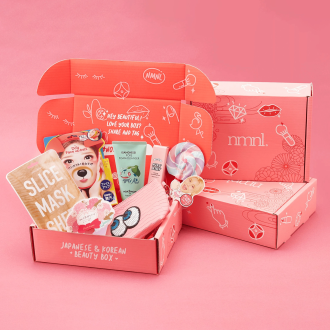
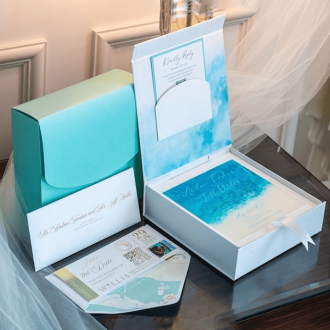
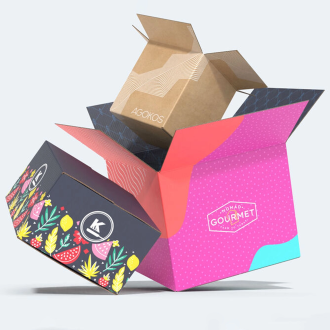
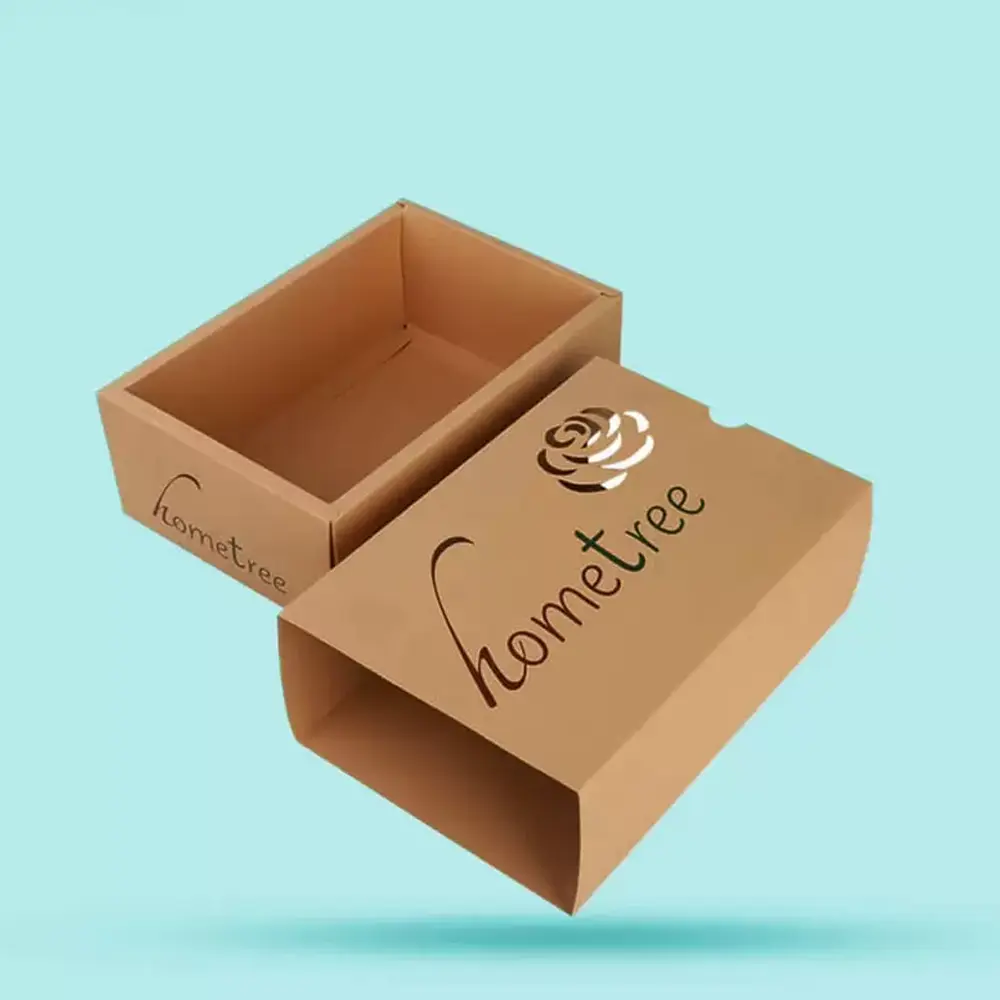
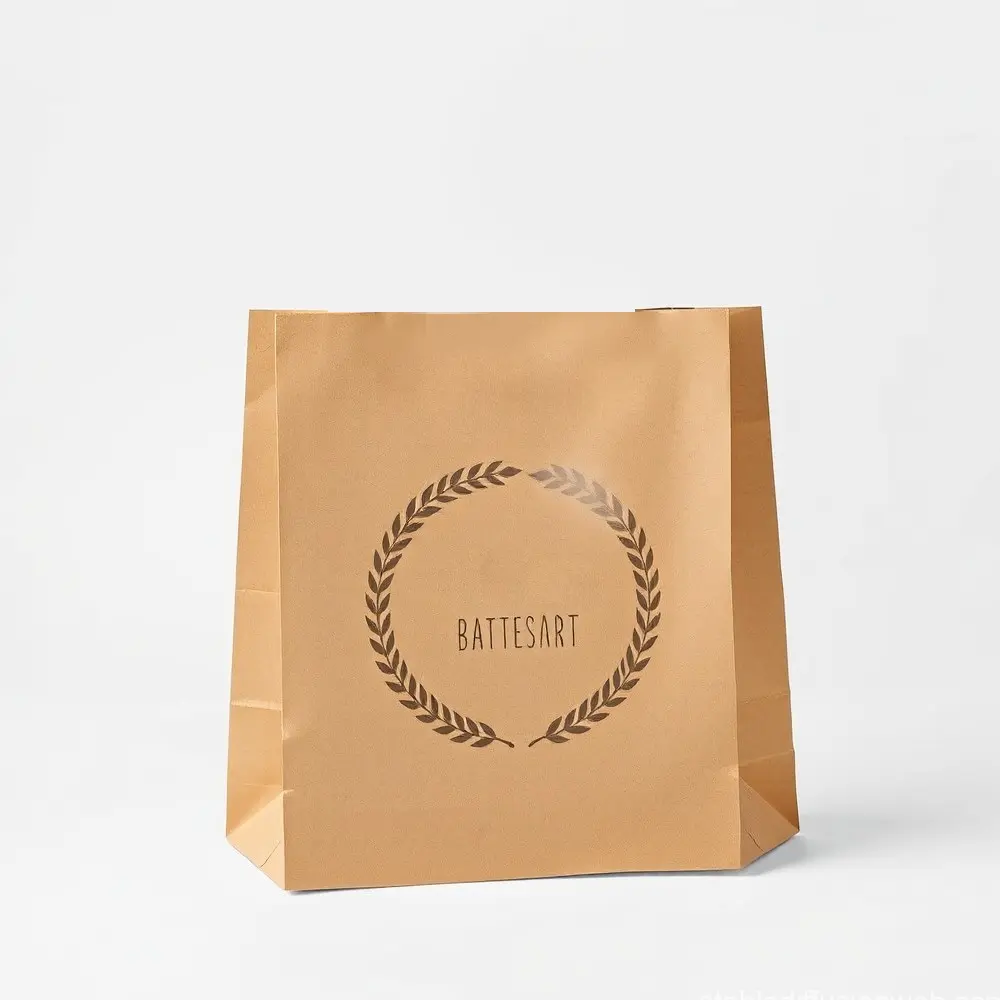
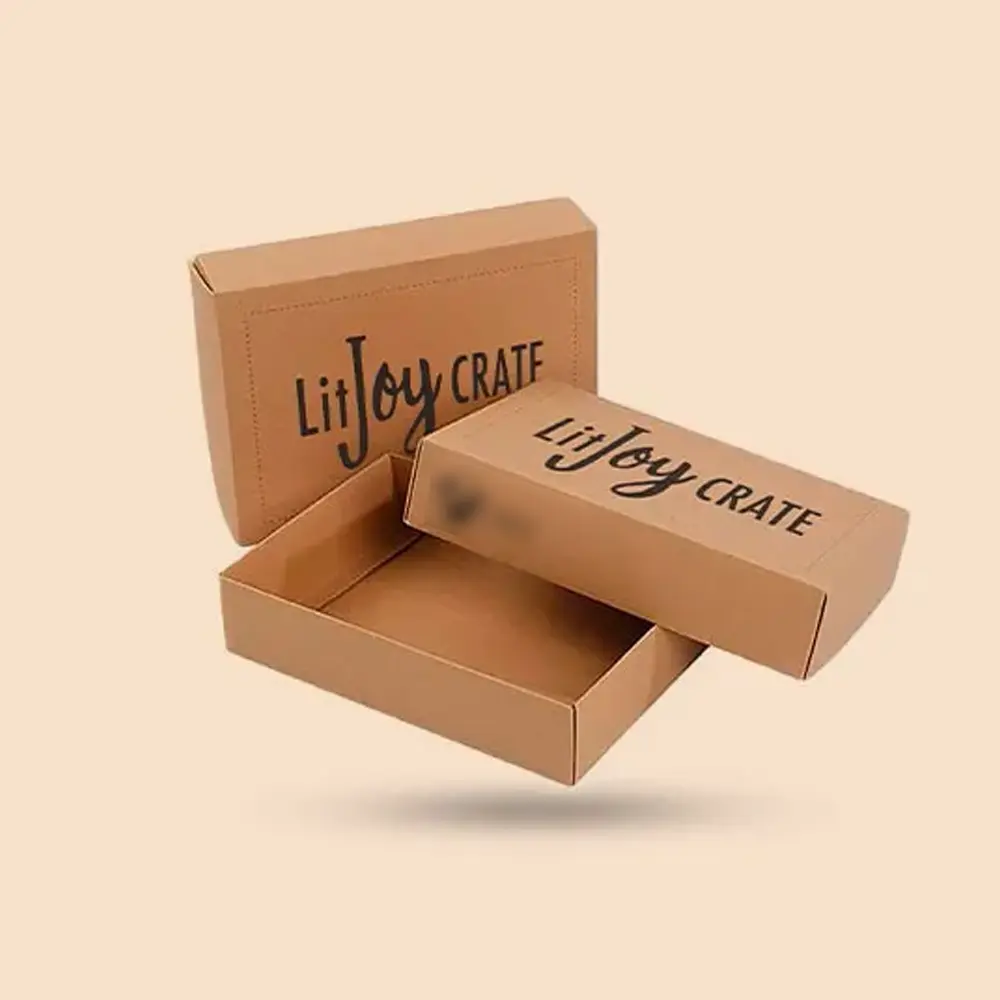
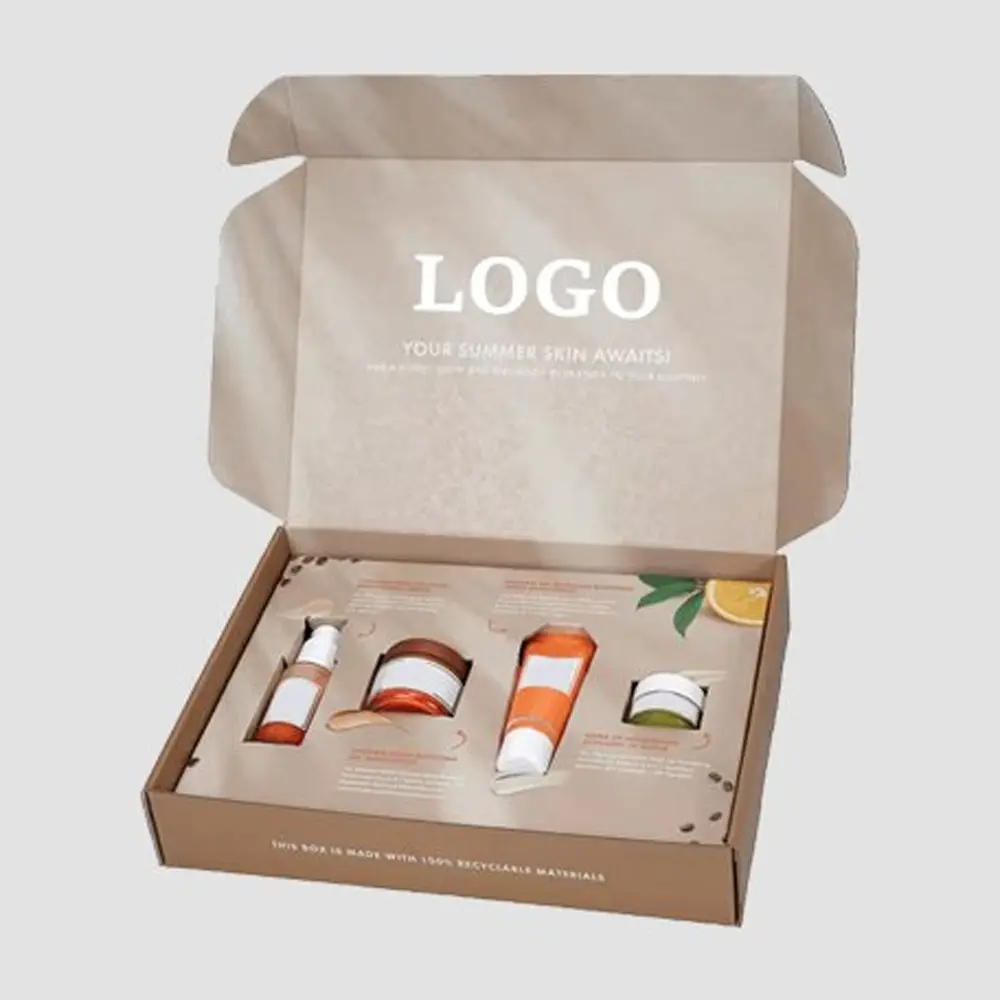
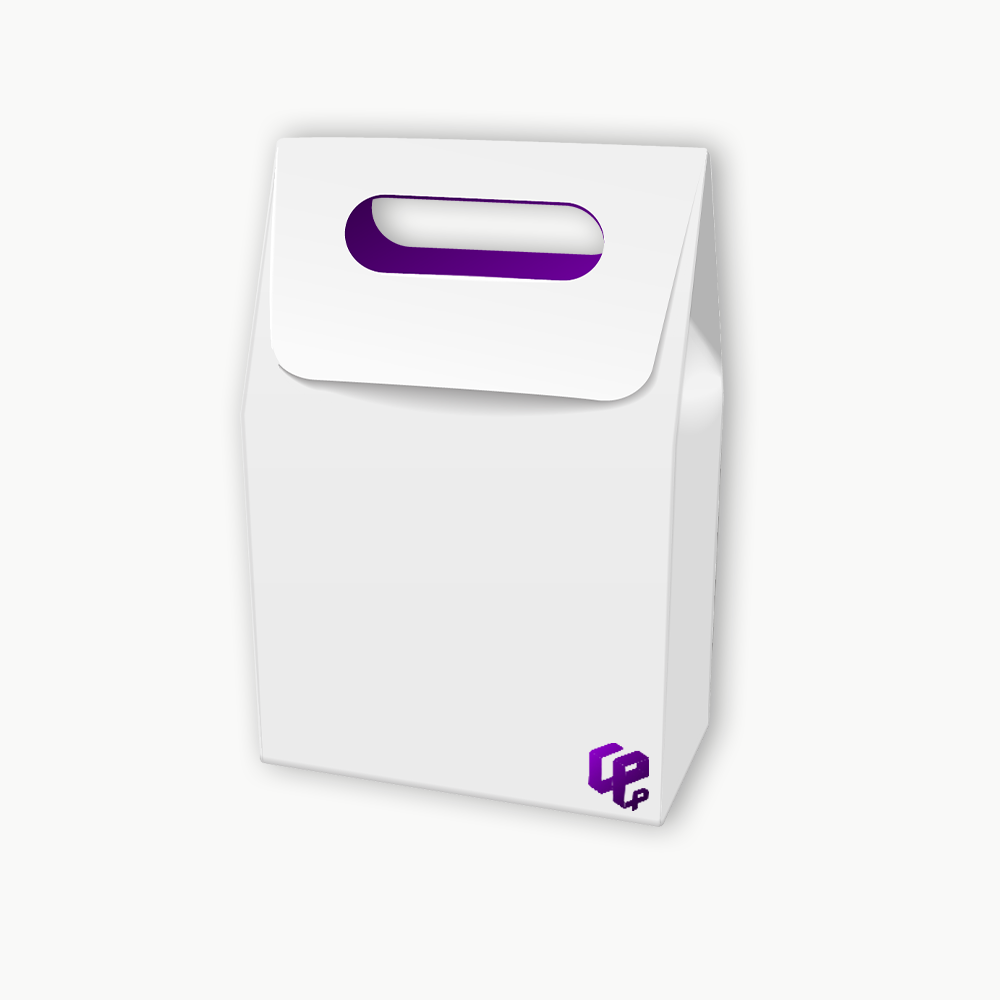
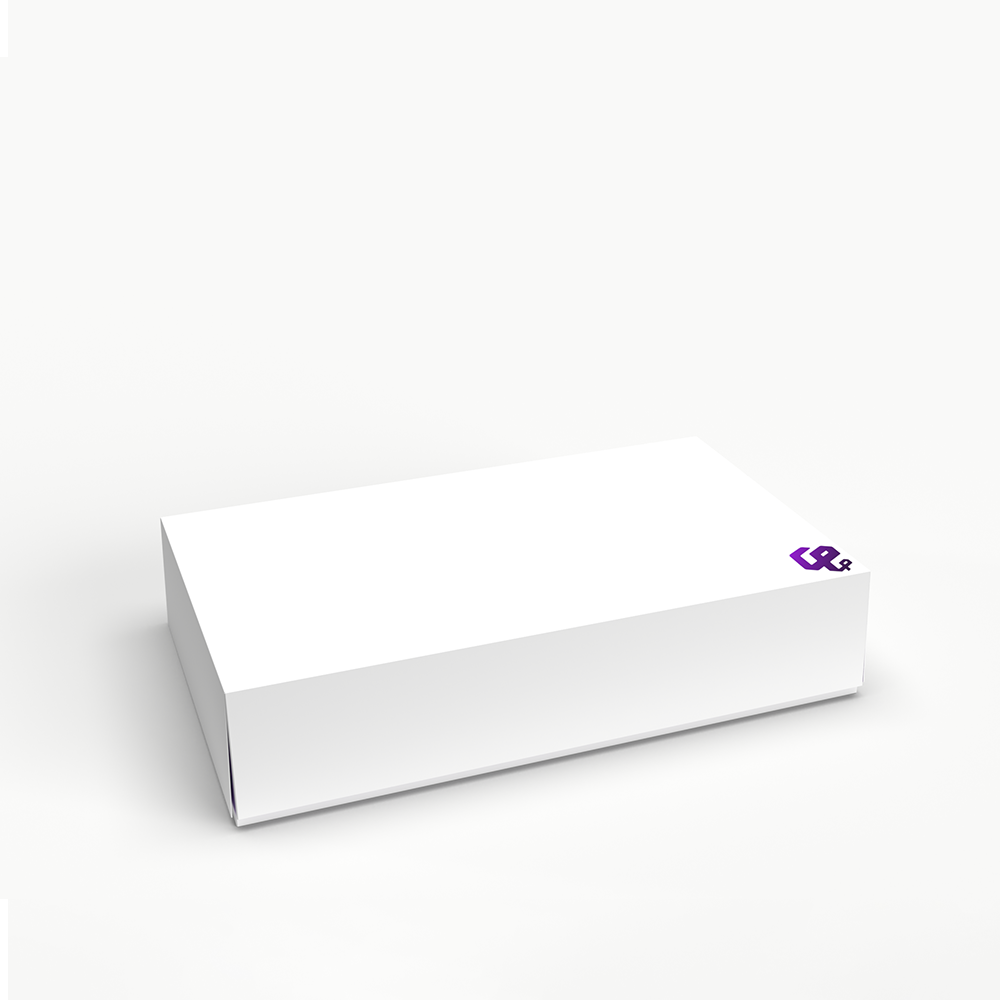
Cardboard is one of the most widely used packaging materials in the world, and for good reason. It is lightweight, durable, cost-effective, and adaptable enough to package everything from cosmetics and food products to electronics and e-commerce shipments. As businesses continue to prioritize sustainability and customer experience, cardboard packaging has become more than just a protective layer, it is now an essential part of branding and product presentation.
Whether you're launching a new product or upgrading your existing packaging, understanding how cardboard works can help you make smarter decisions. The right cardboard packaging not only protects products during storage and shipping but also enhances shelf appeal, improves the unboxing experience, and reflects your brand's commitment to quality. This guide explores everything you need to know about cardboard as a packaging material, including its types, benefits, applications, sustainability, and how to choose the best option for your business.
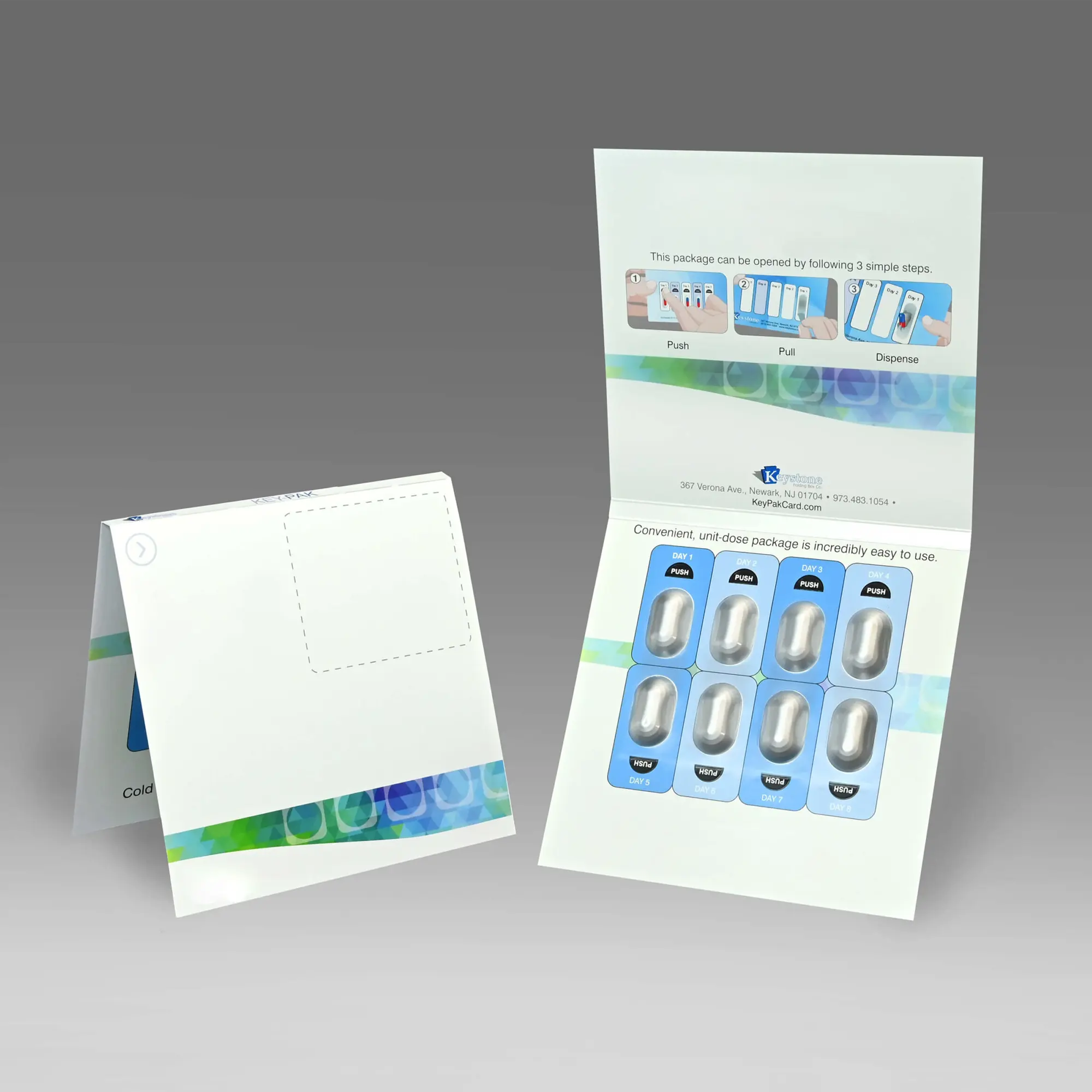
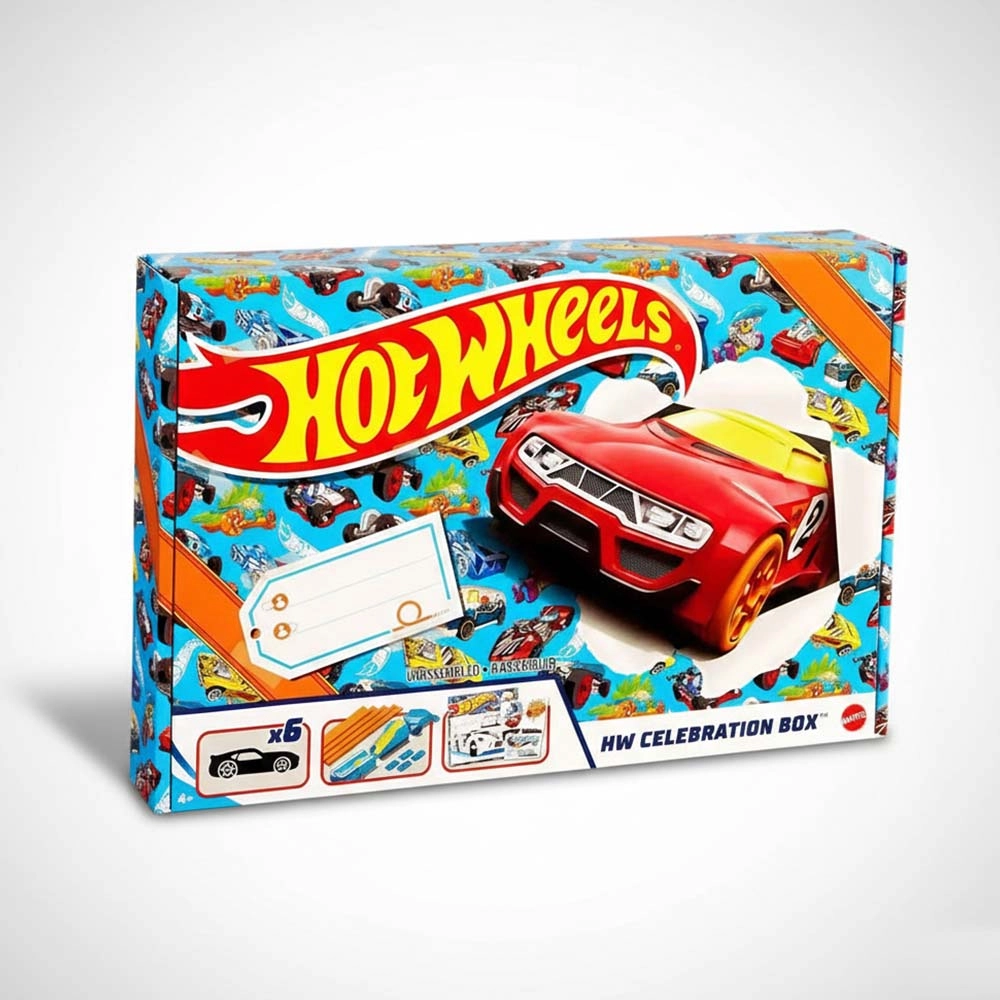
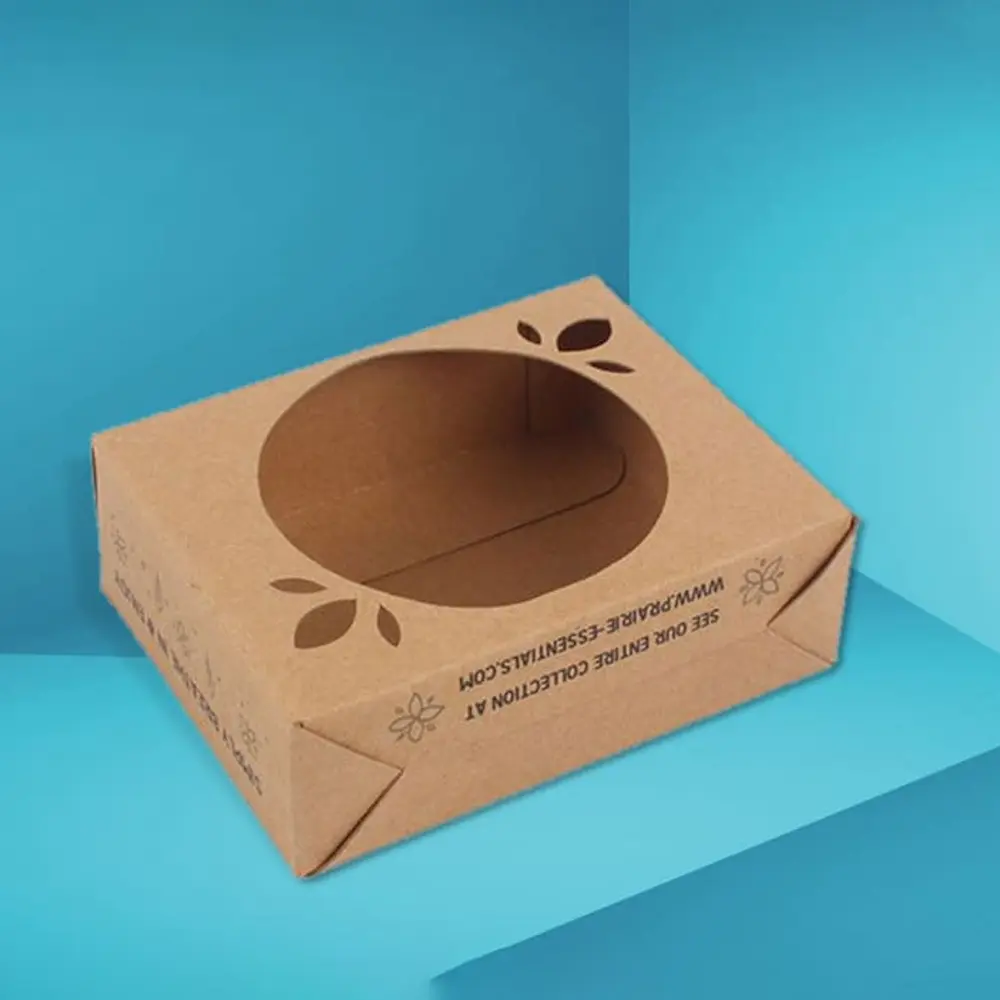
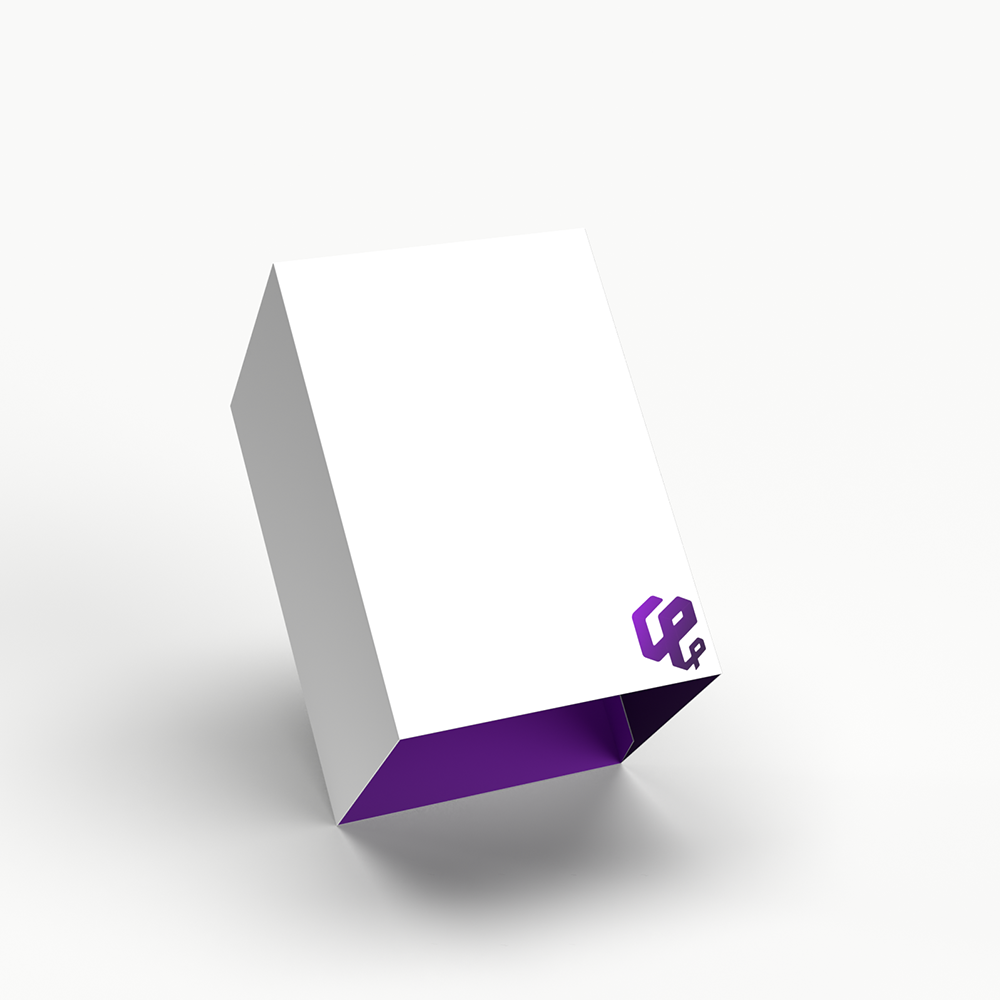
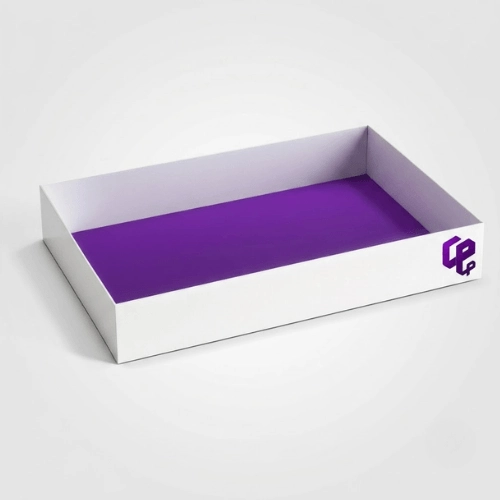
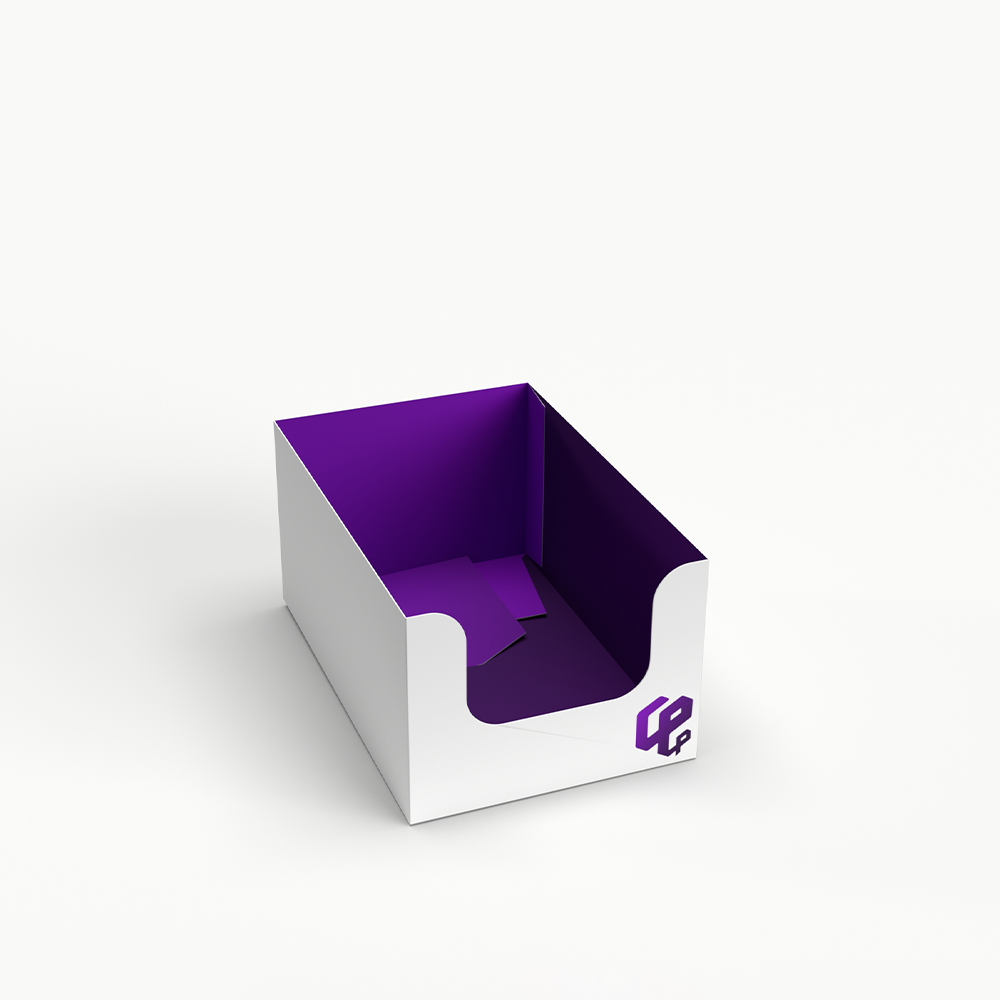
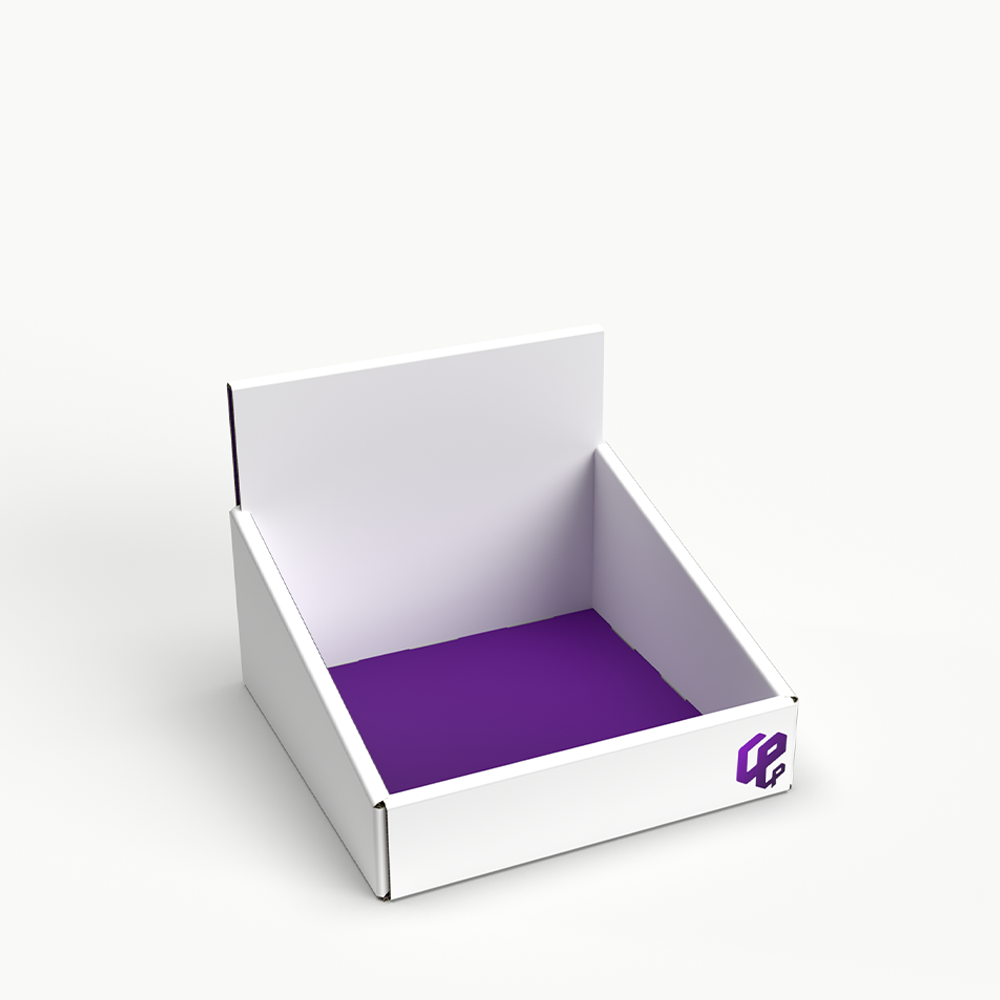
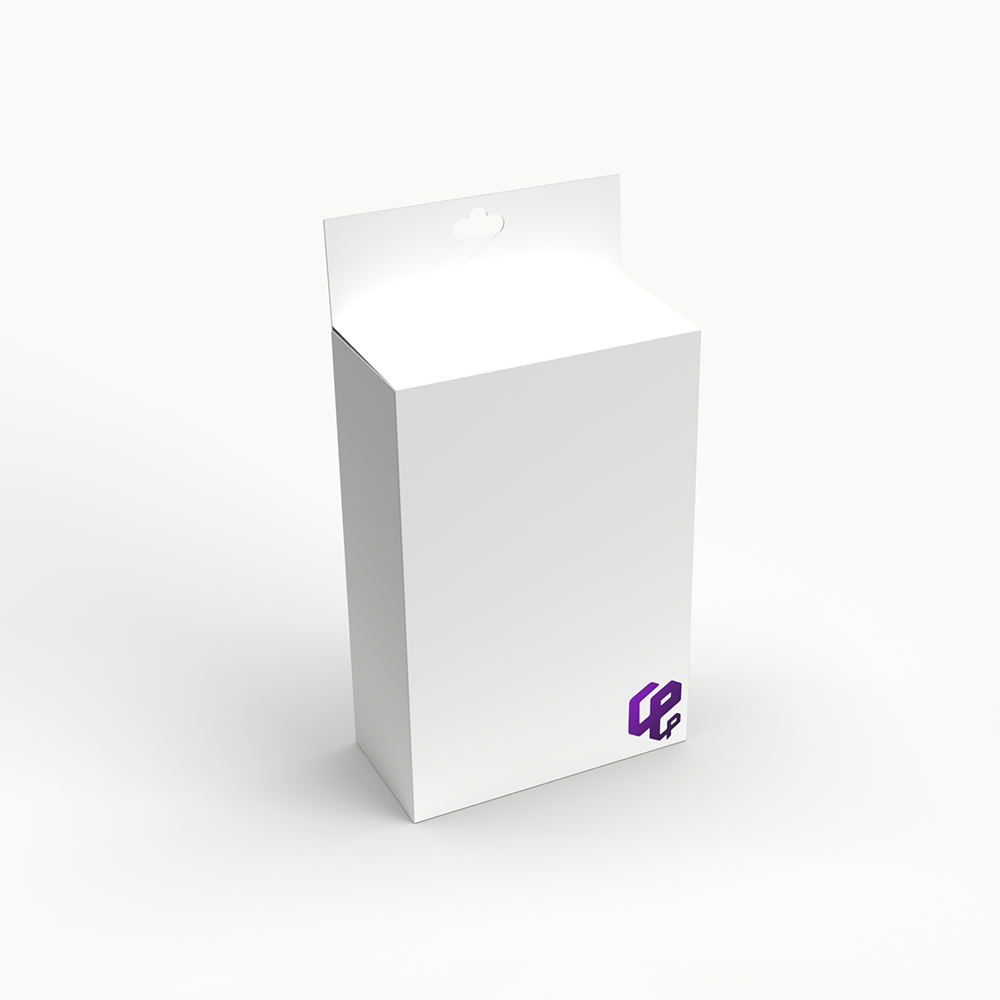
Cardboard packaging refers to packaging made from paper-based materials that are designed to protect, store, and present products. Although the term "cardboard" is commonly used to describe many paper packaging materials, it generally includes both paperboard and corrugated cardboard, each serving different packaging purposes.
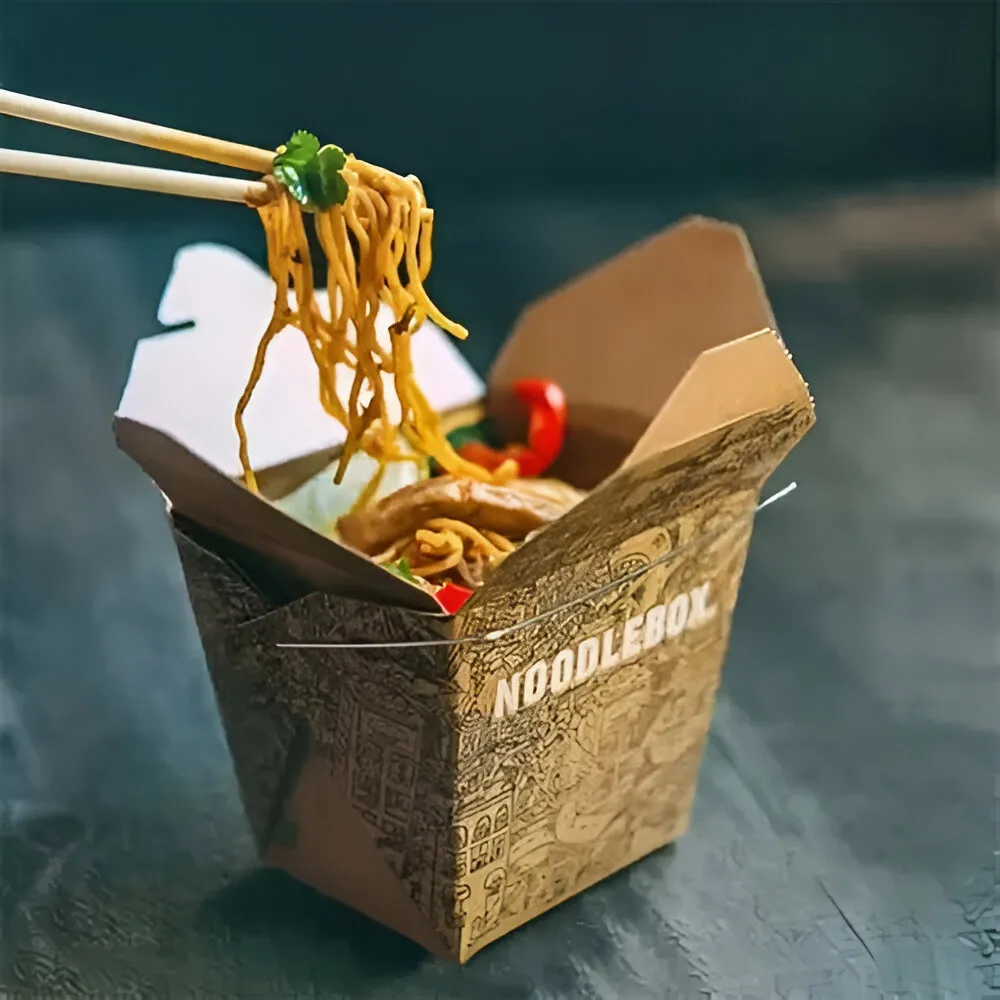
Paperboard is typically used for lightweight retail packaging, while corrugated cardboard features a fluted middle layer that provides additional strength for shipping and transportation. Together, these materials meet the needs of businesses across nearly every industry. Because cardboard is easy to cut, fold, print, and customize, it has become one of the most versatile packaging materials available today.
Paperboard
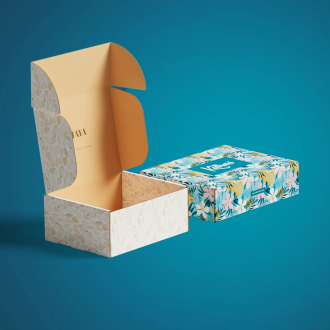
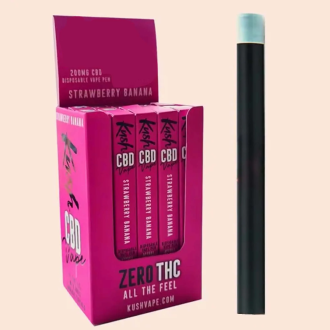
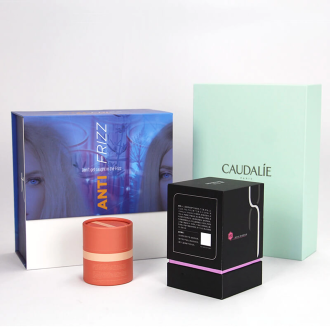
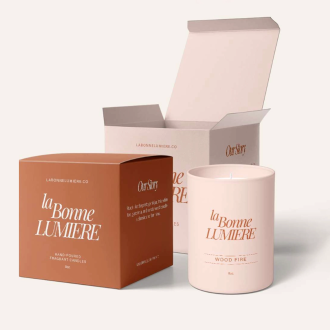
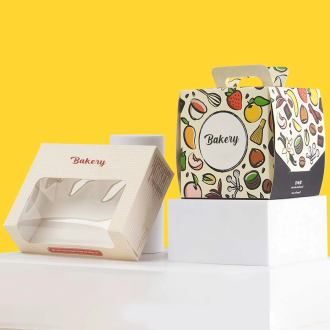
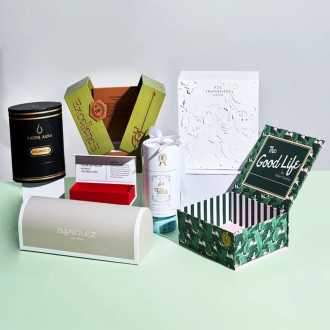
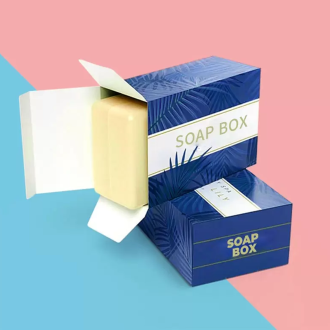
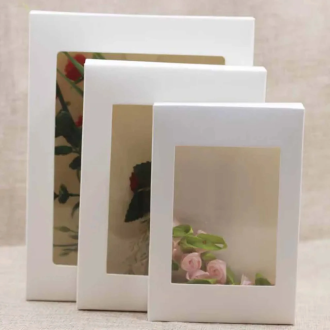
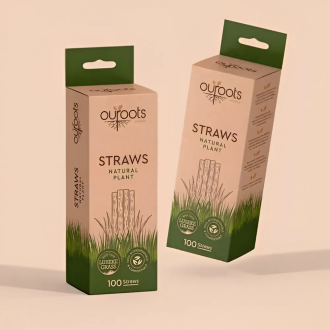
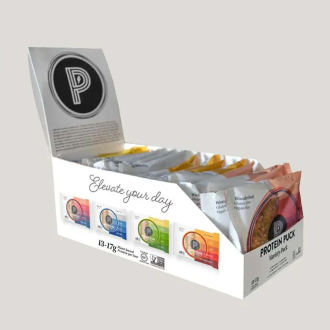
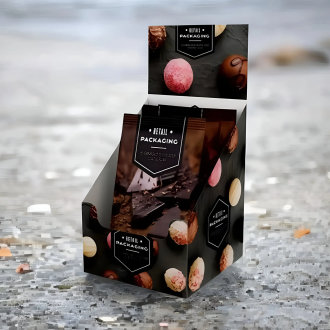
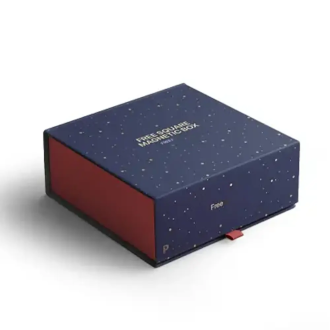
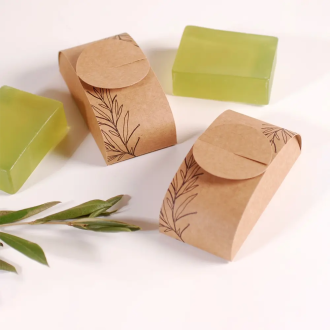
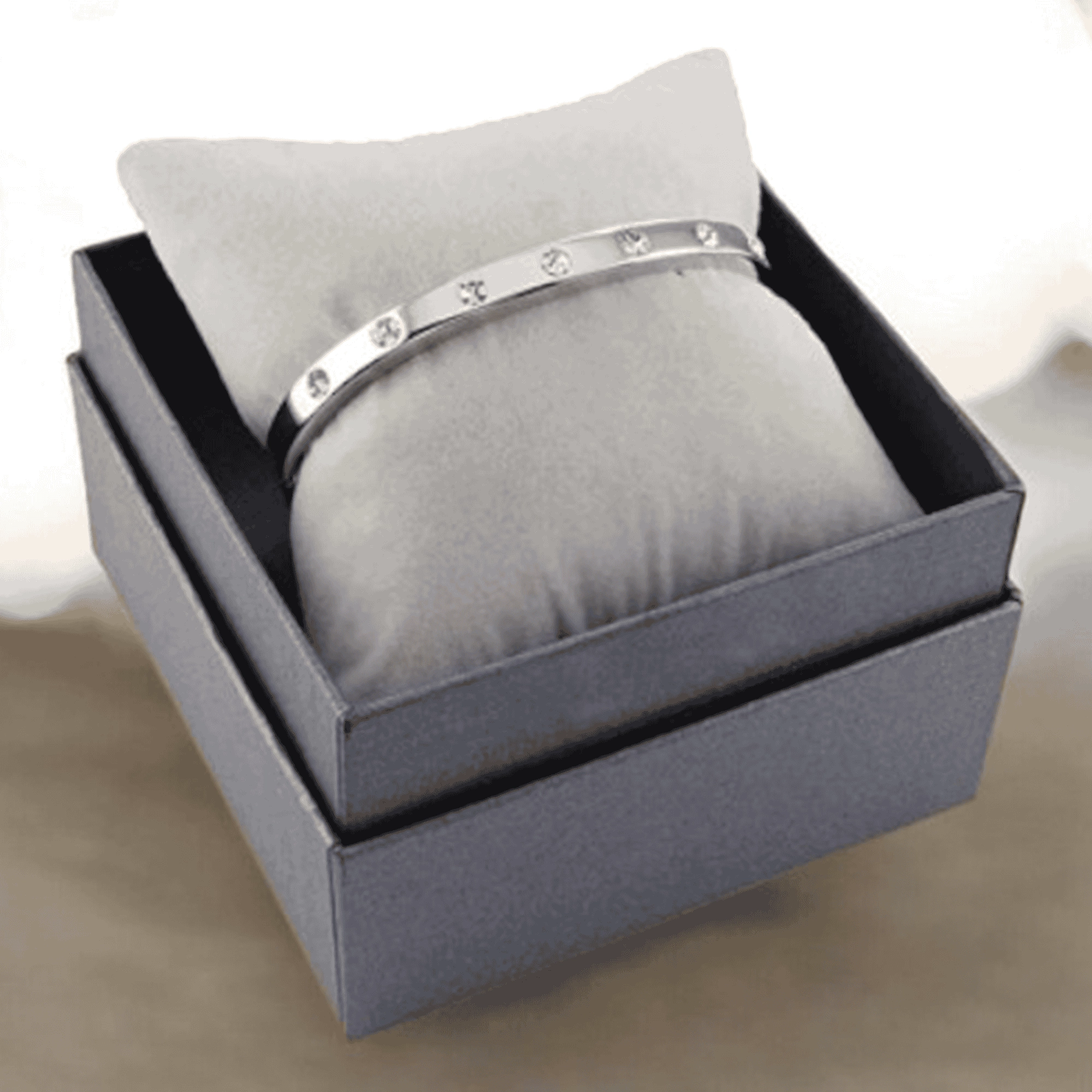
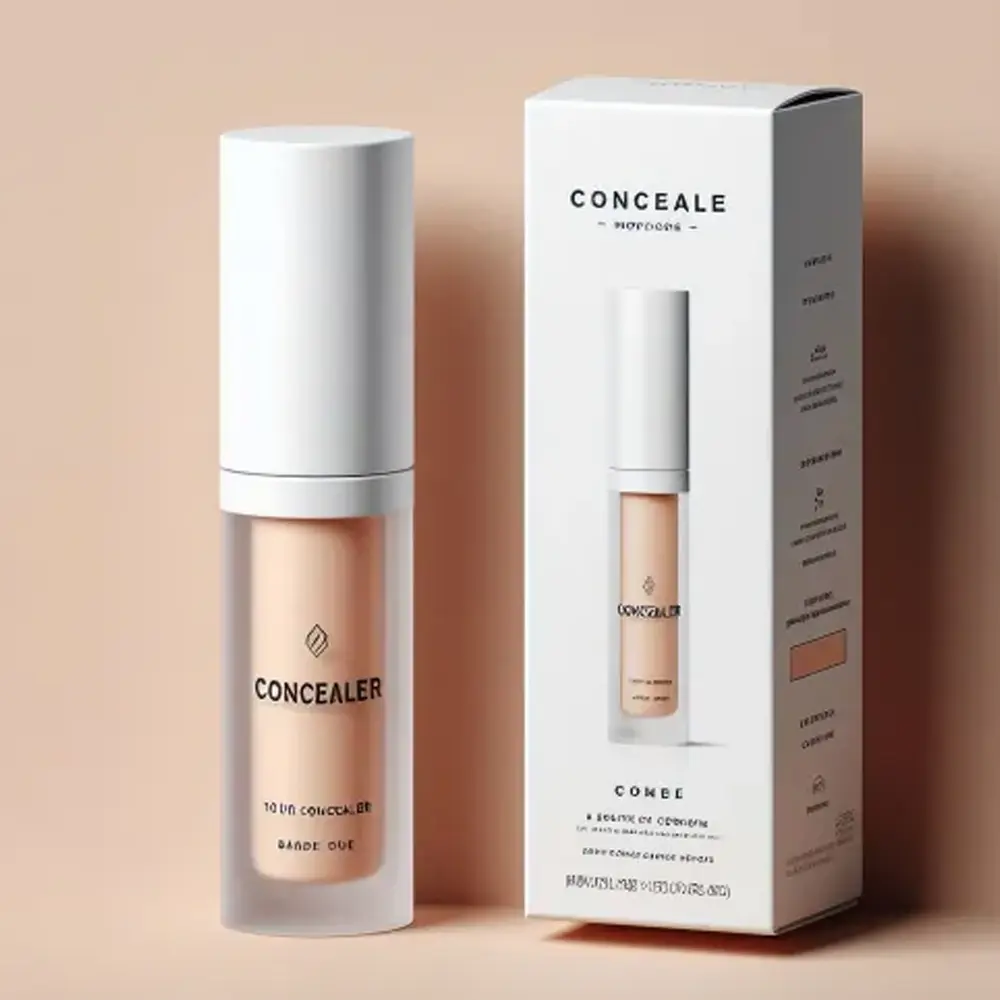
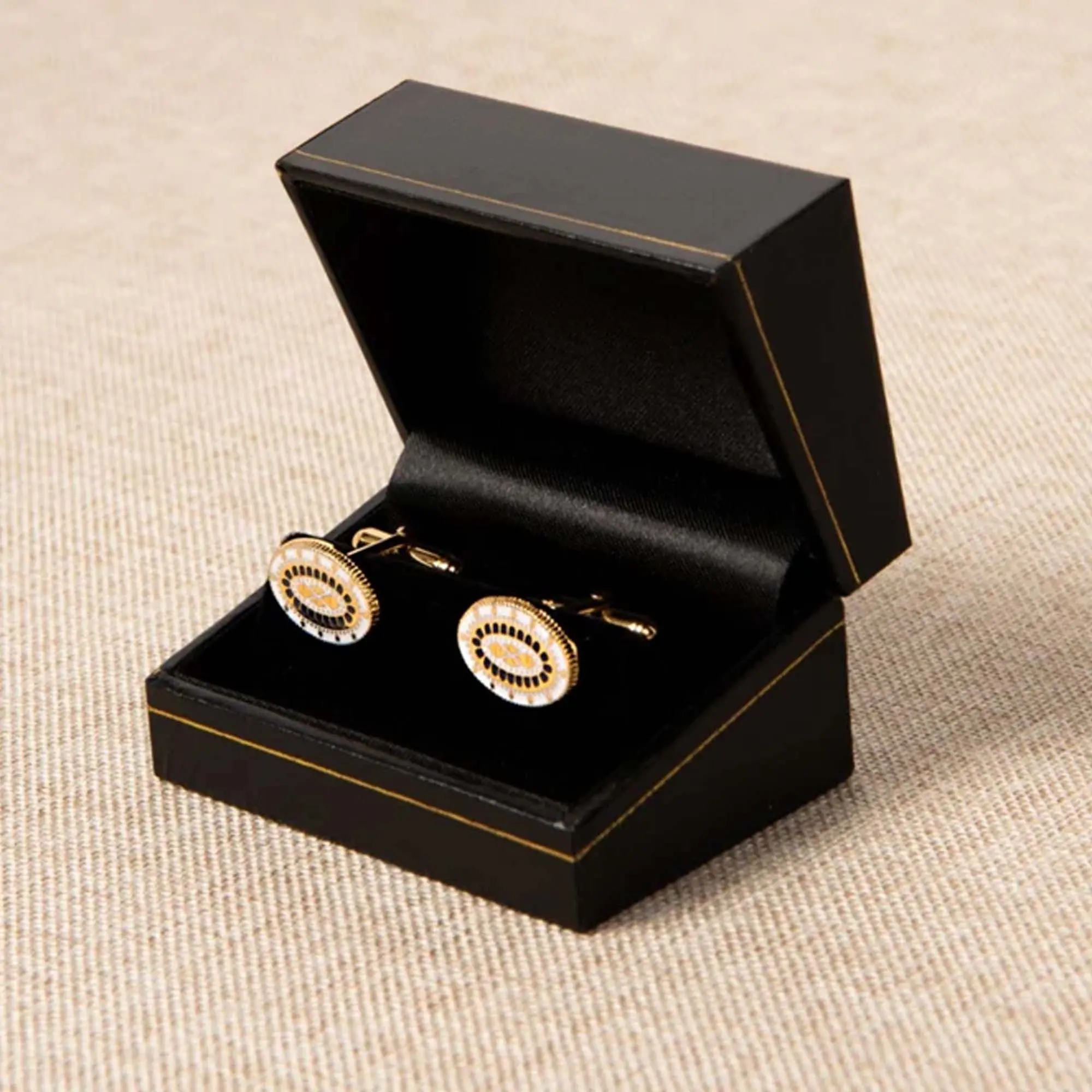
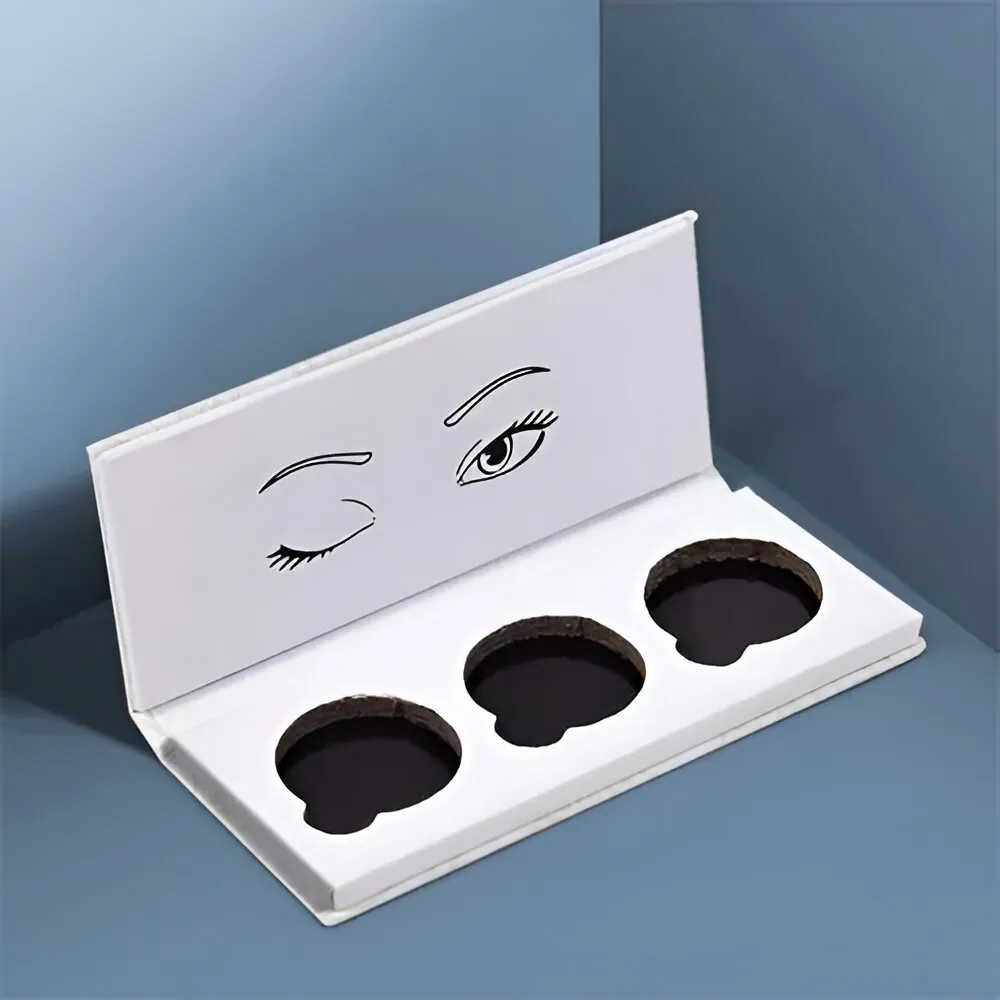
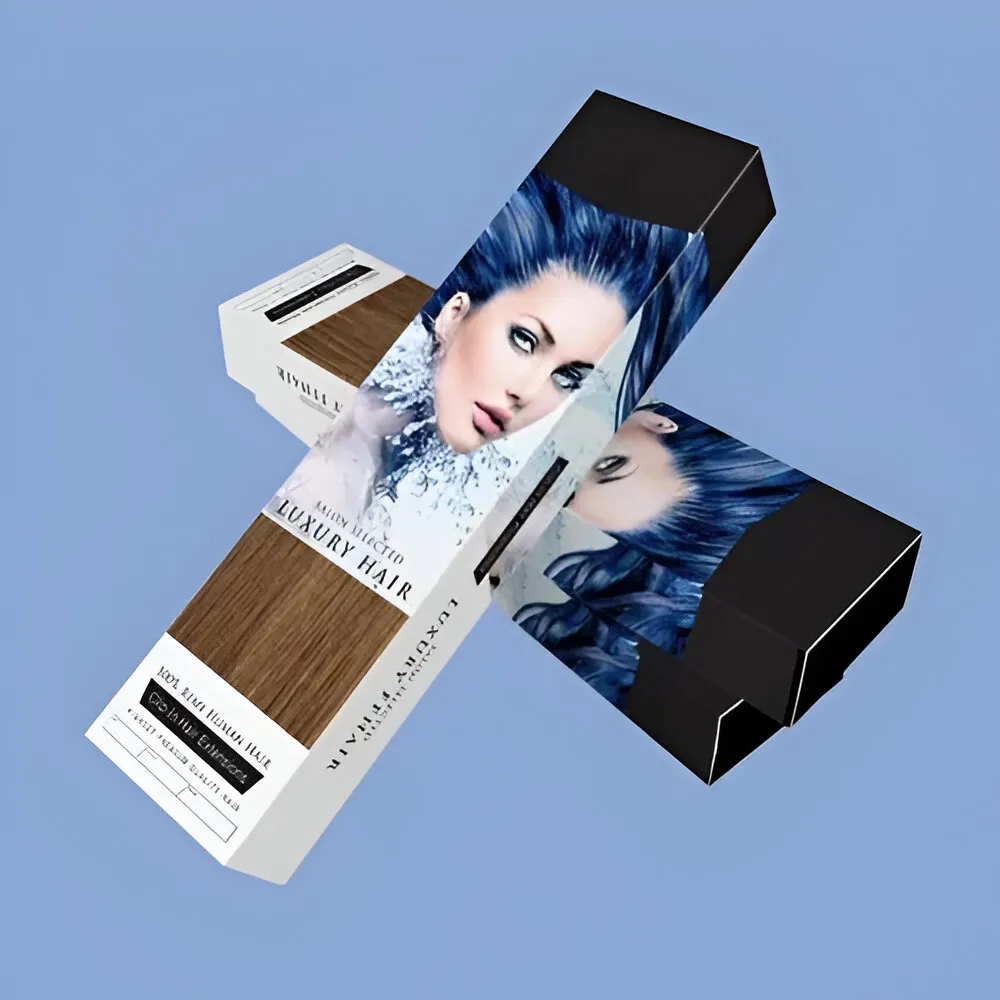
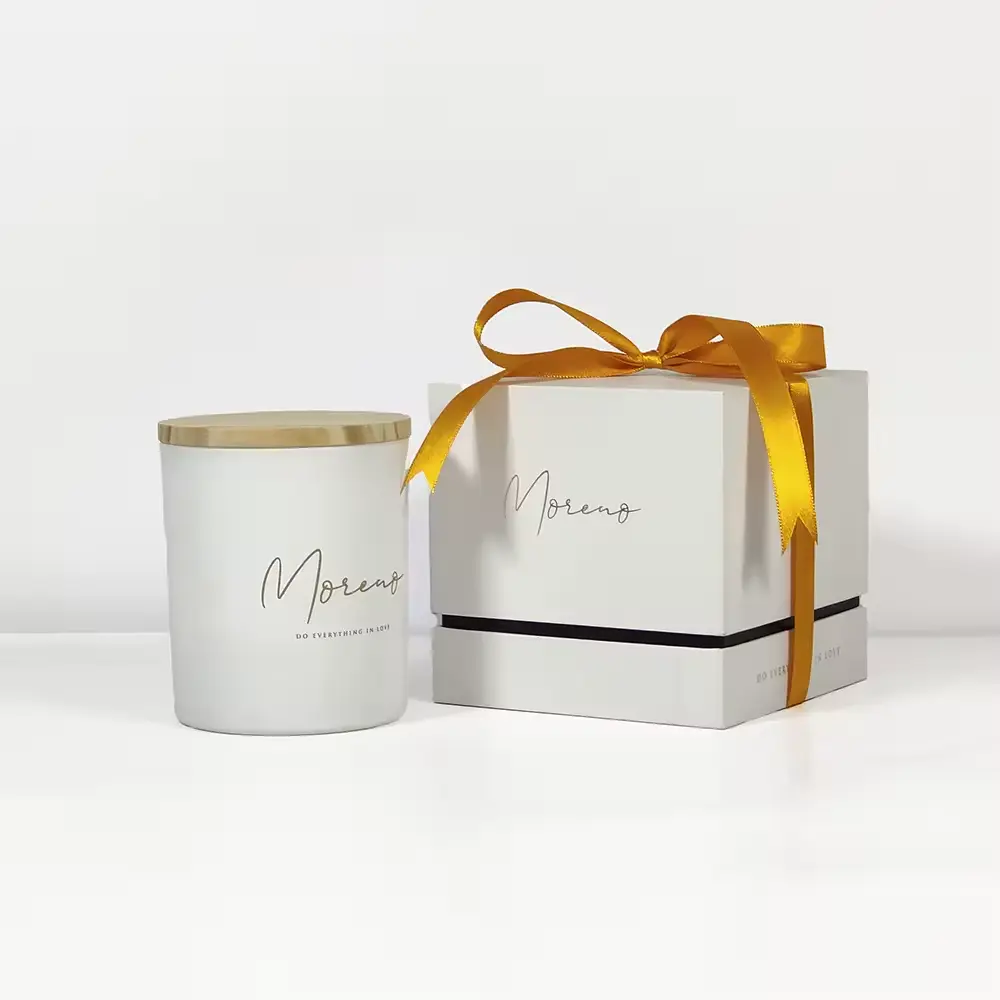
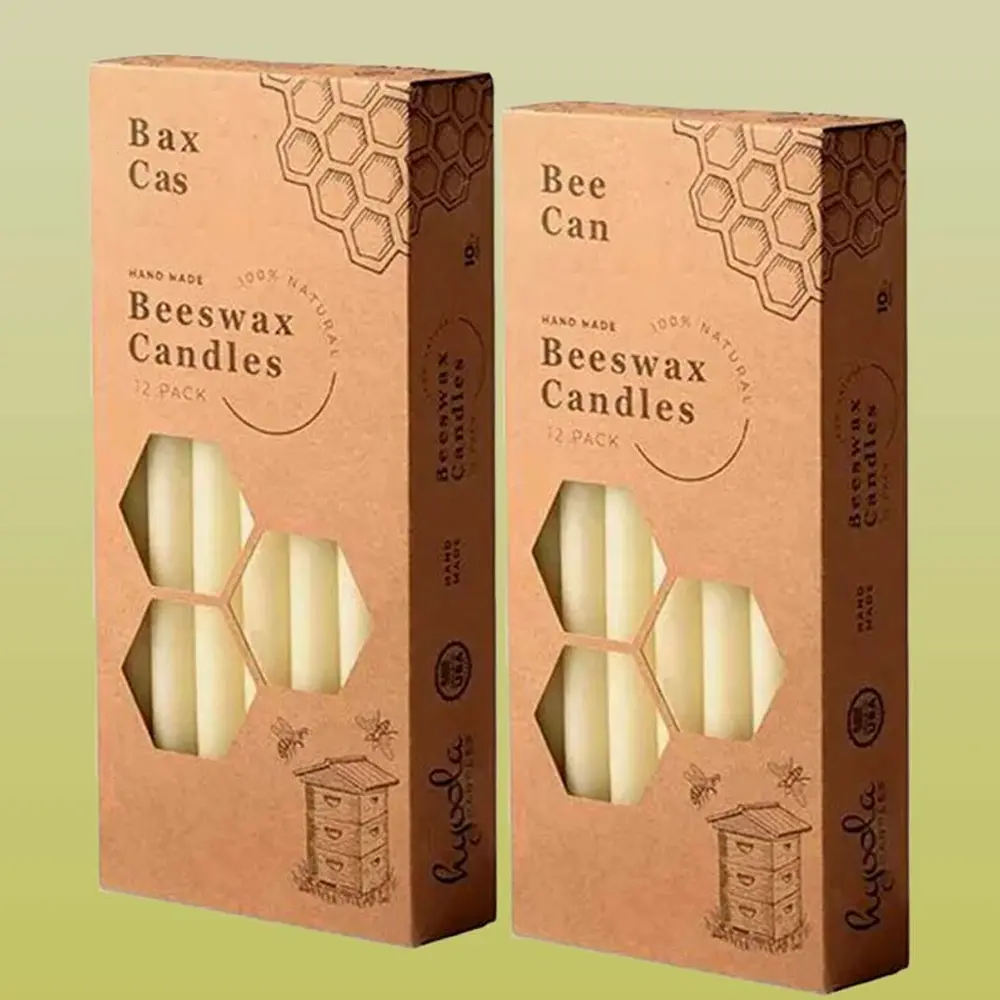
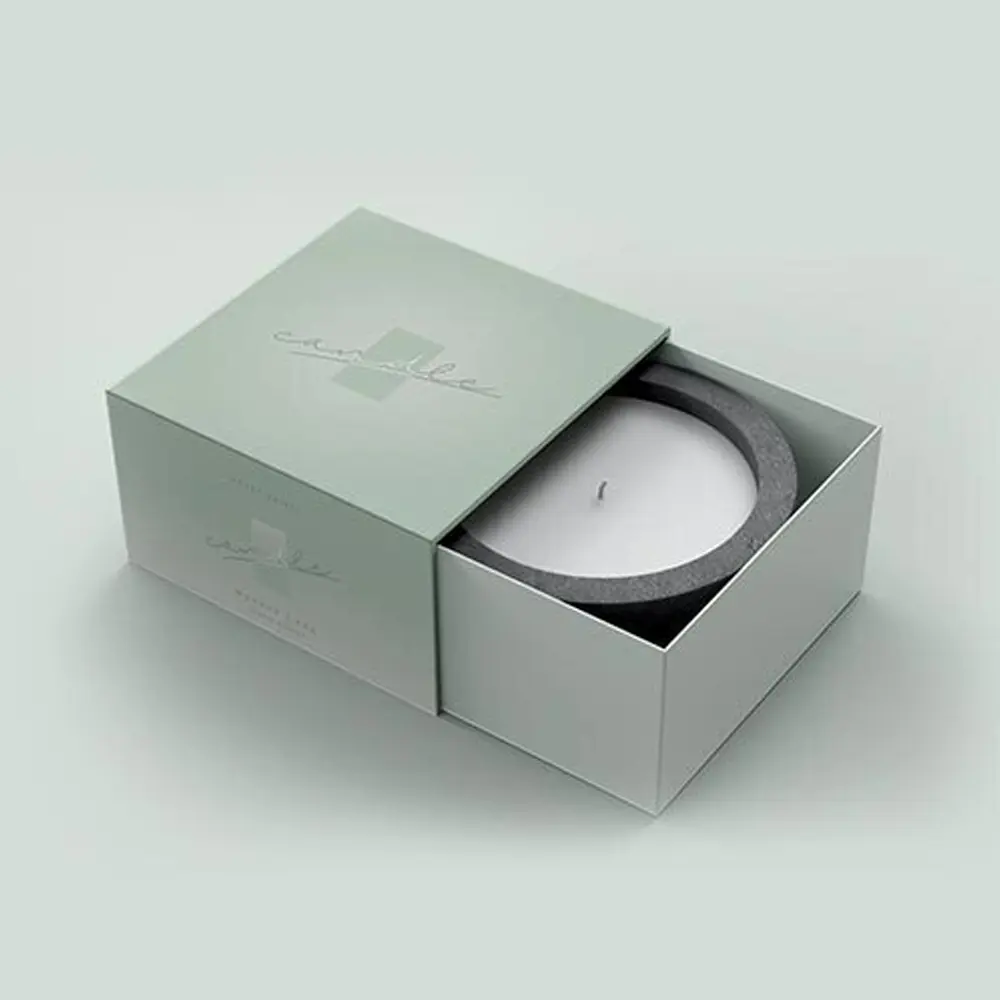
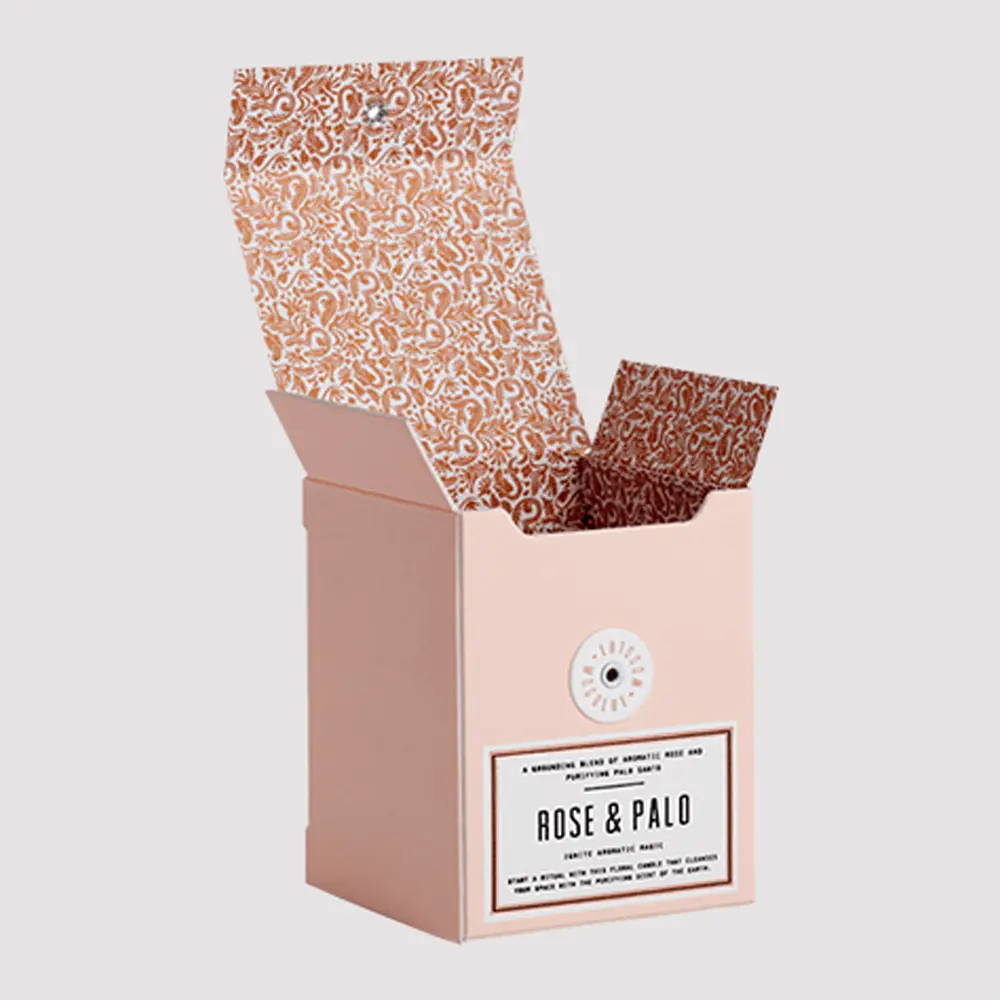
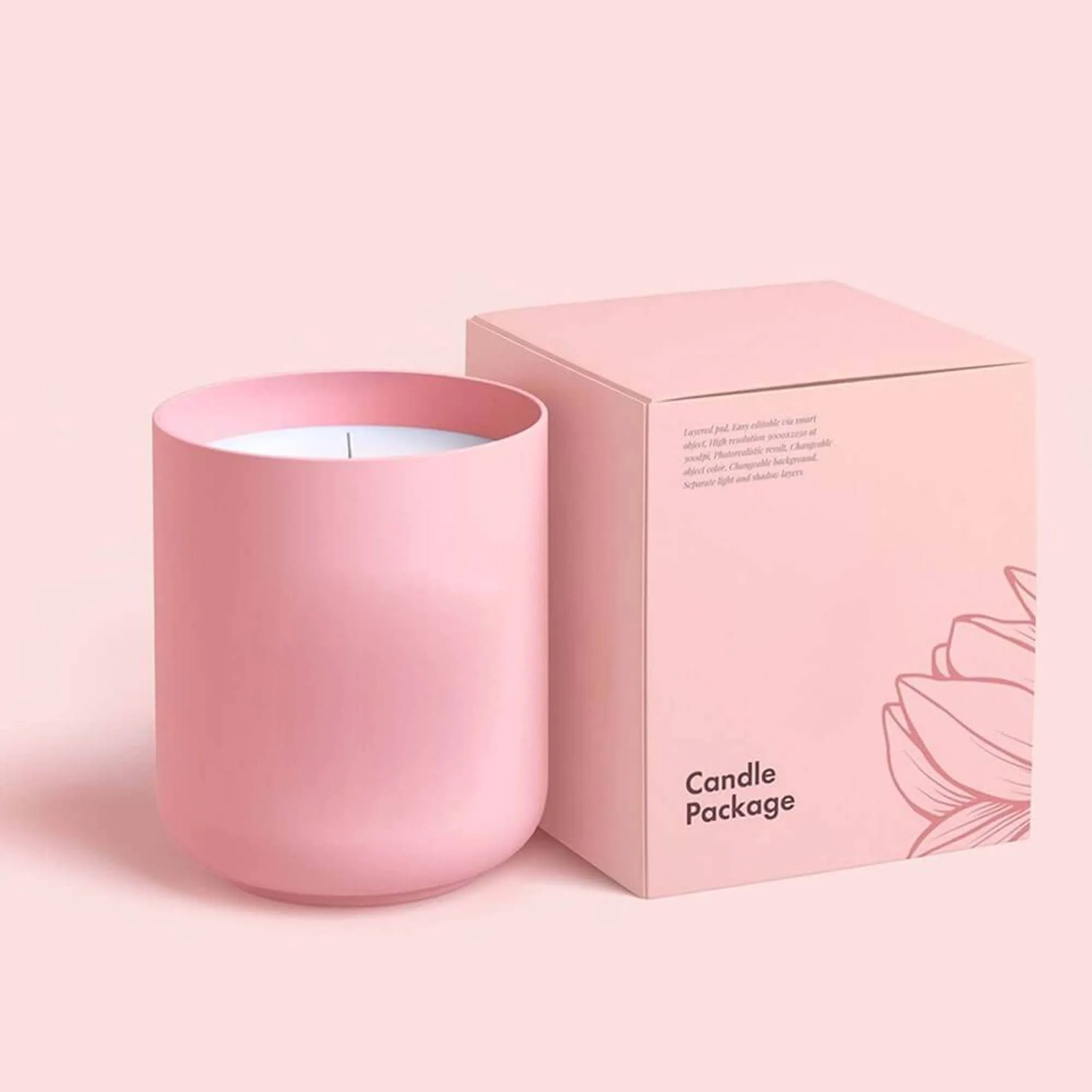
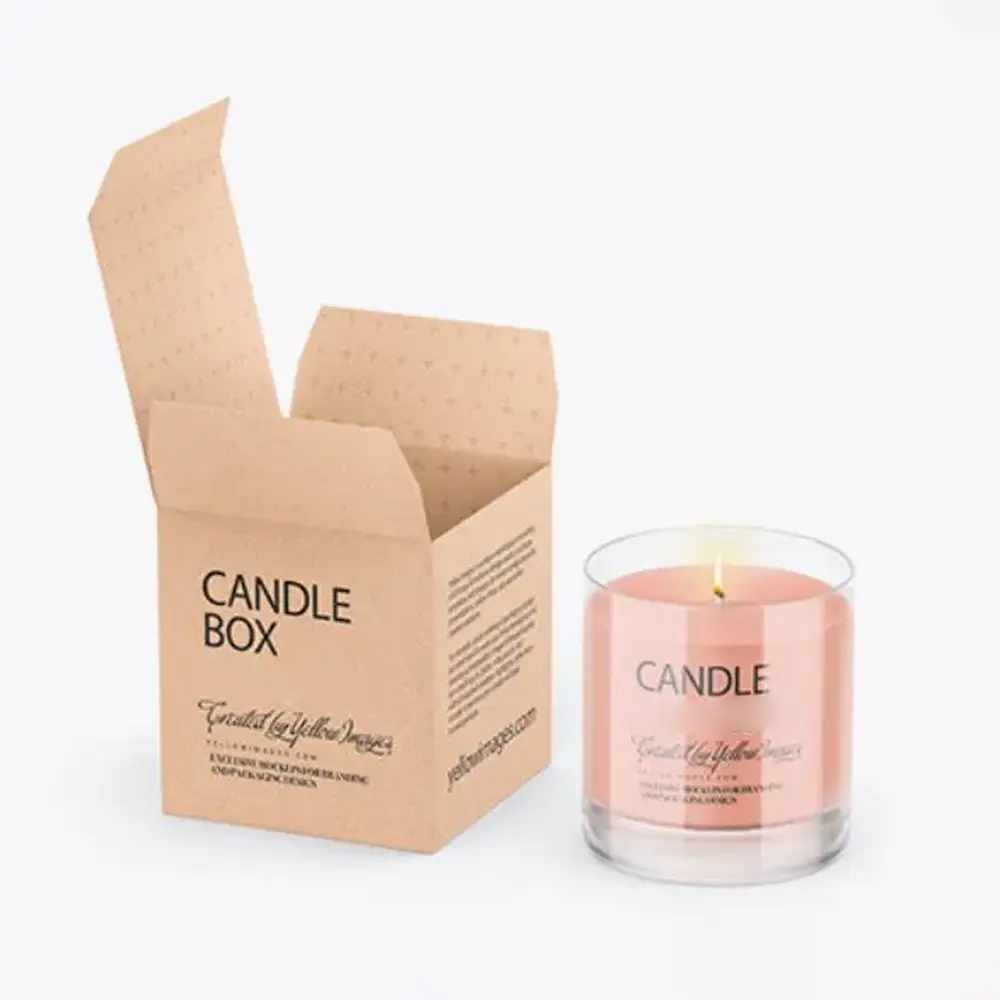
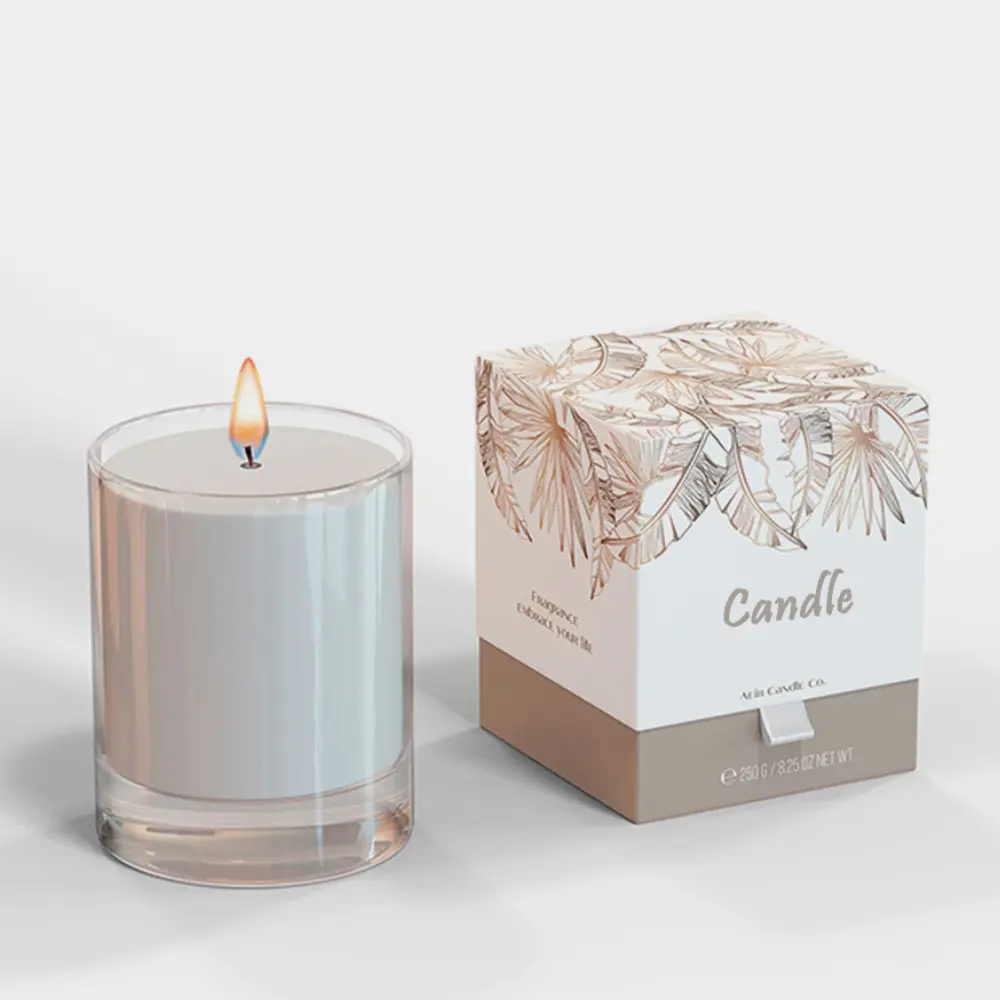
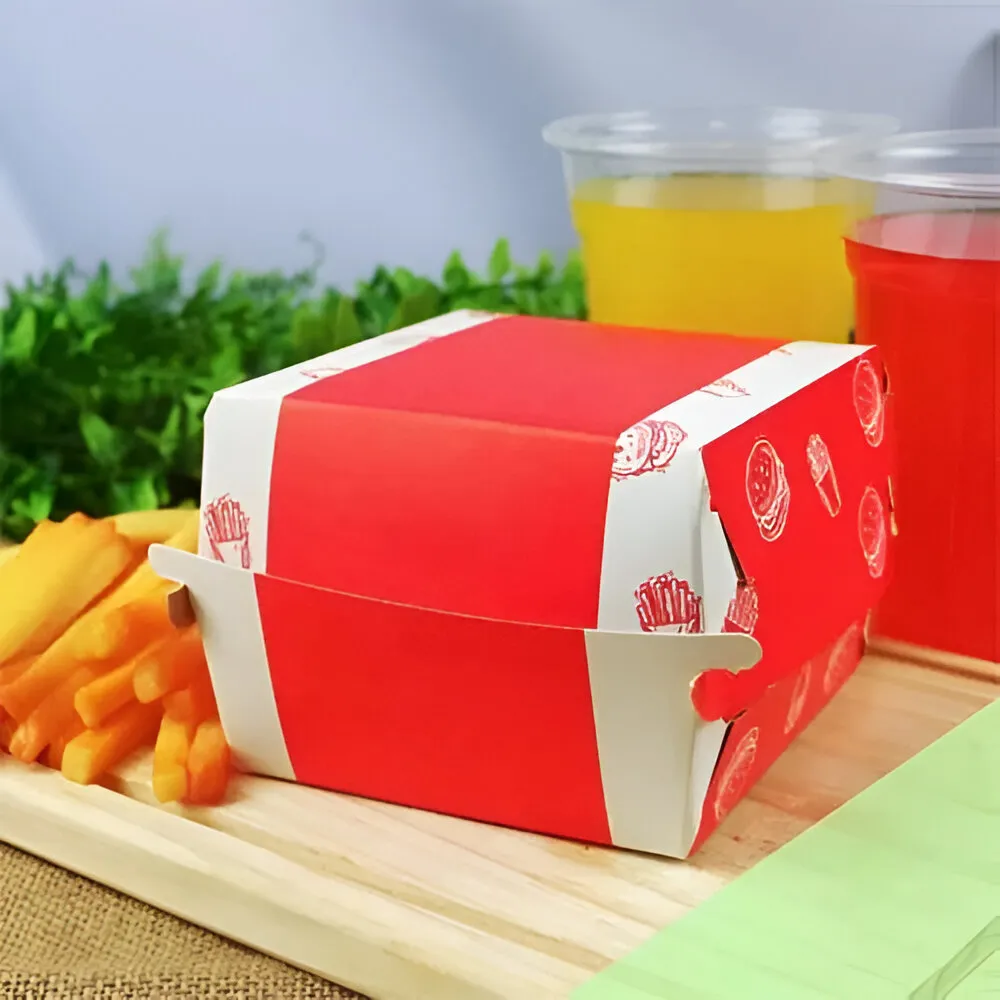
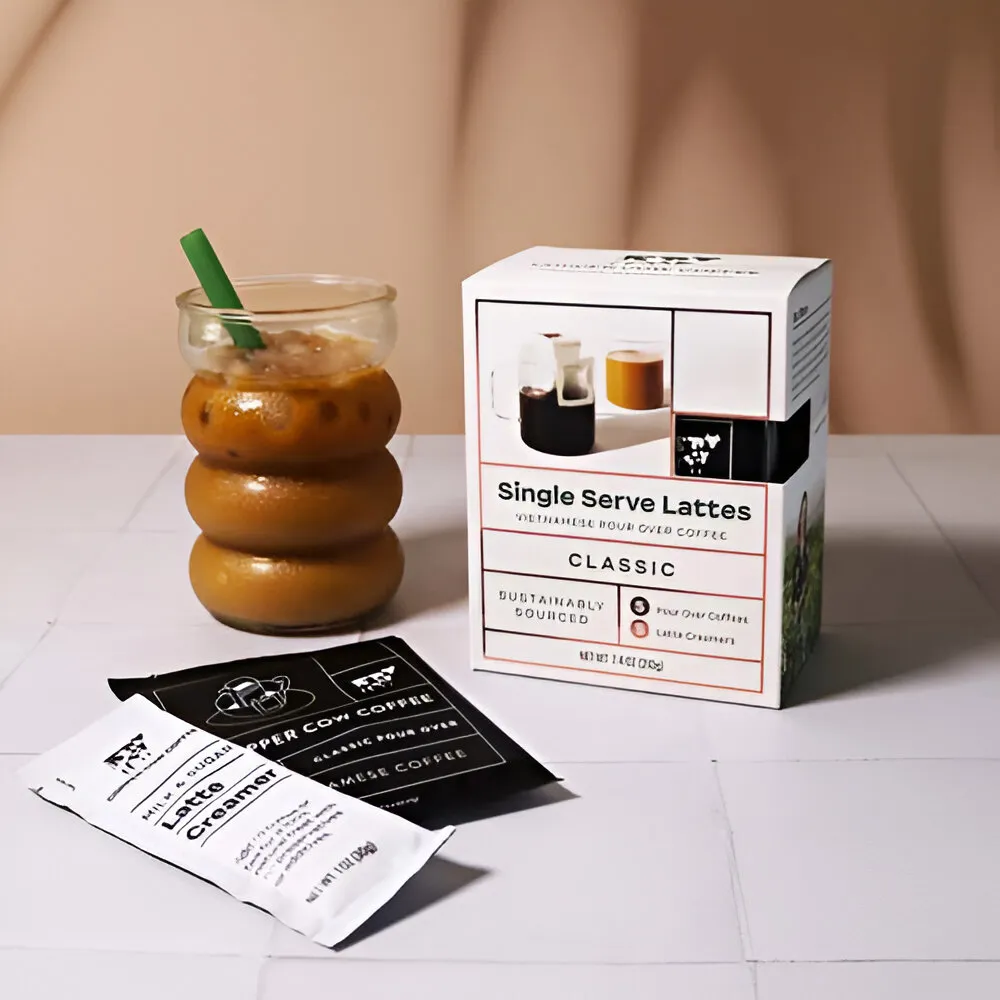
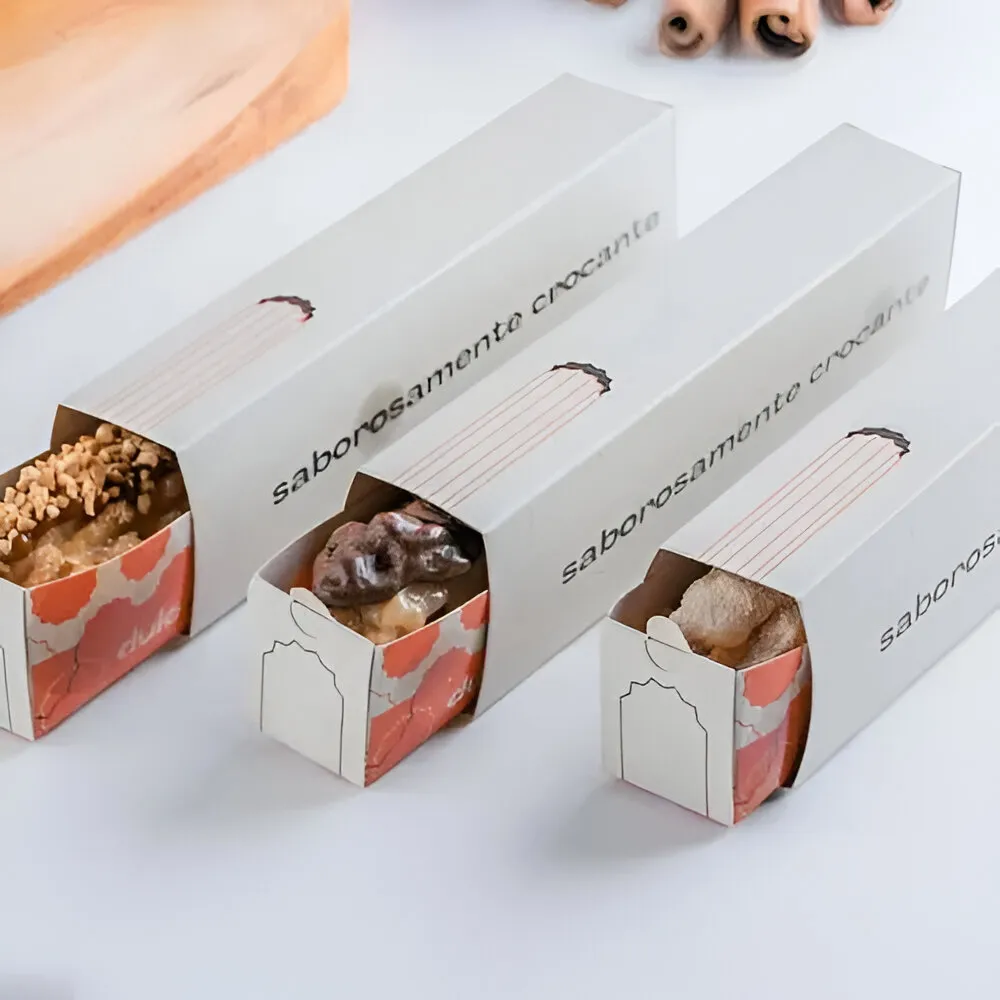
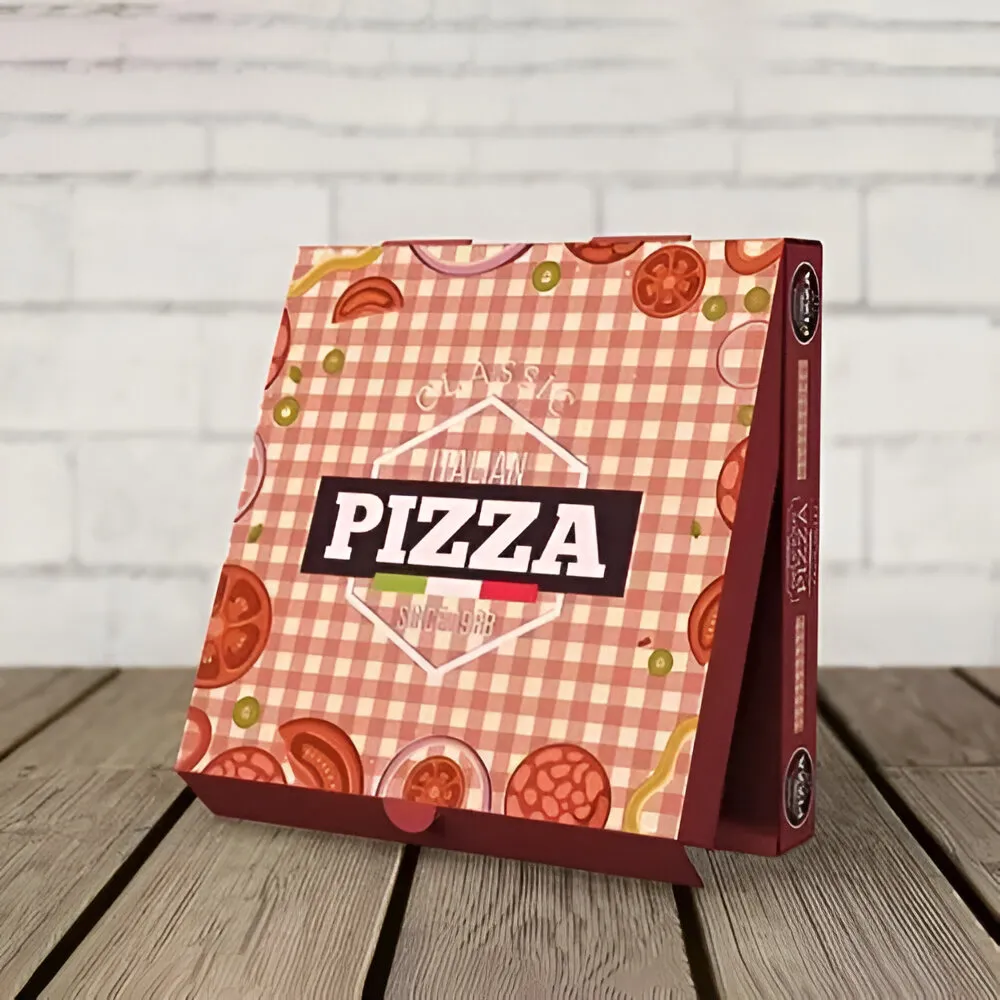
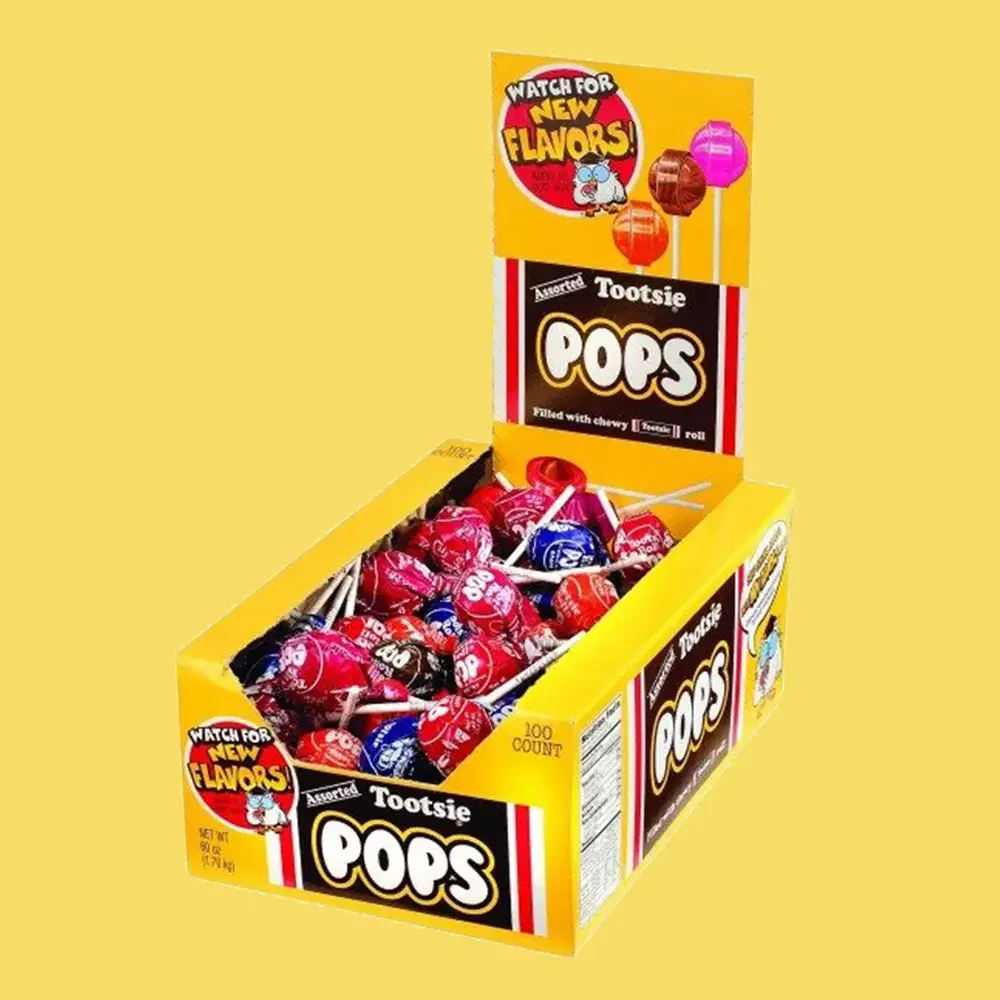
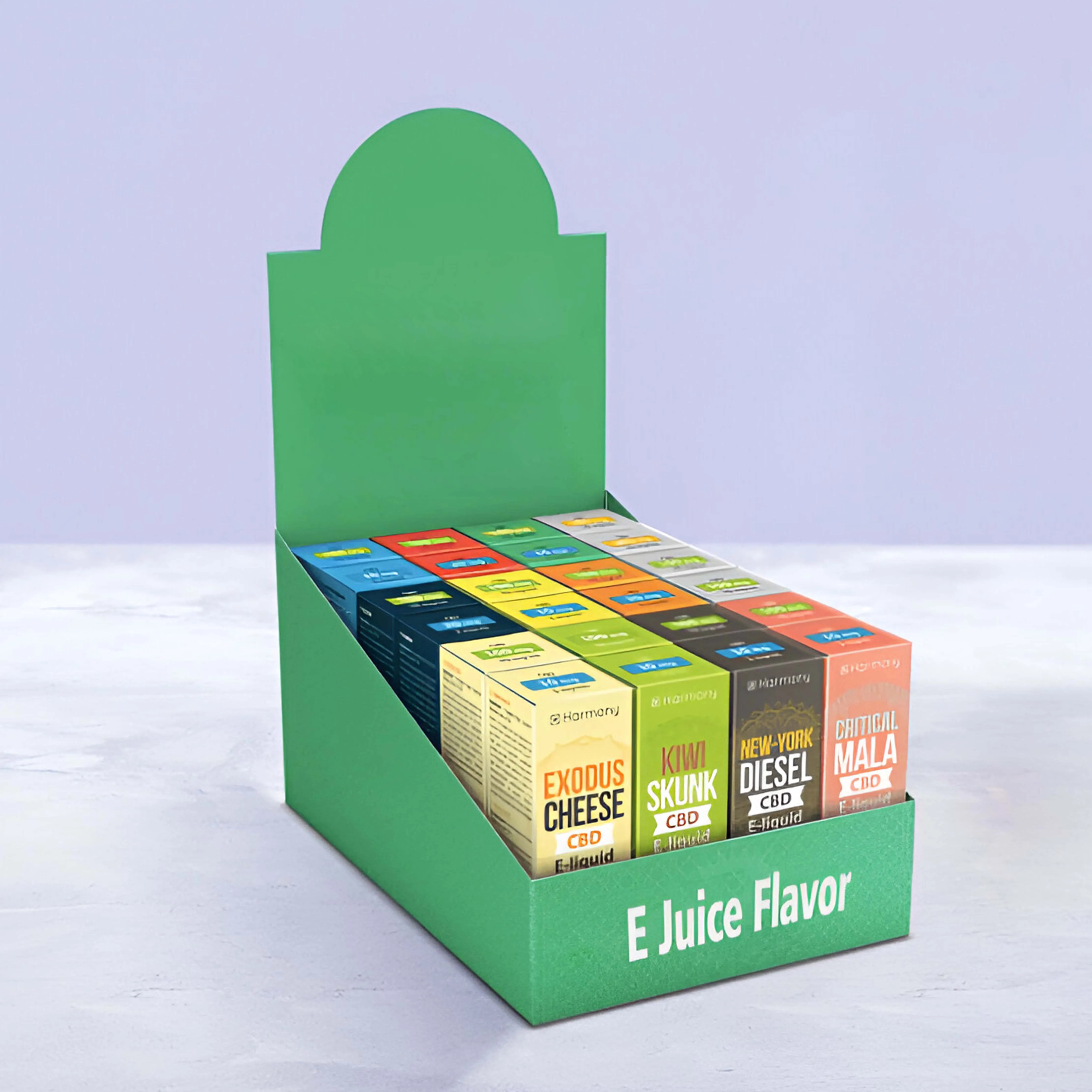
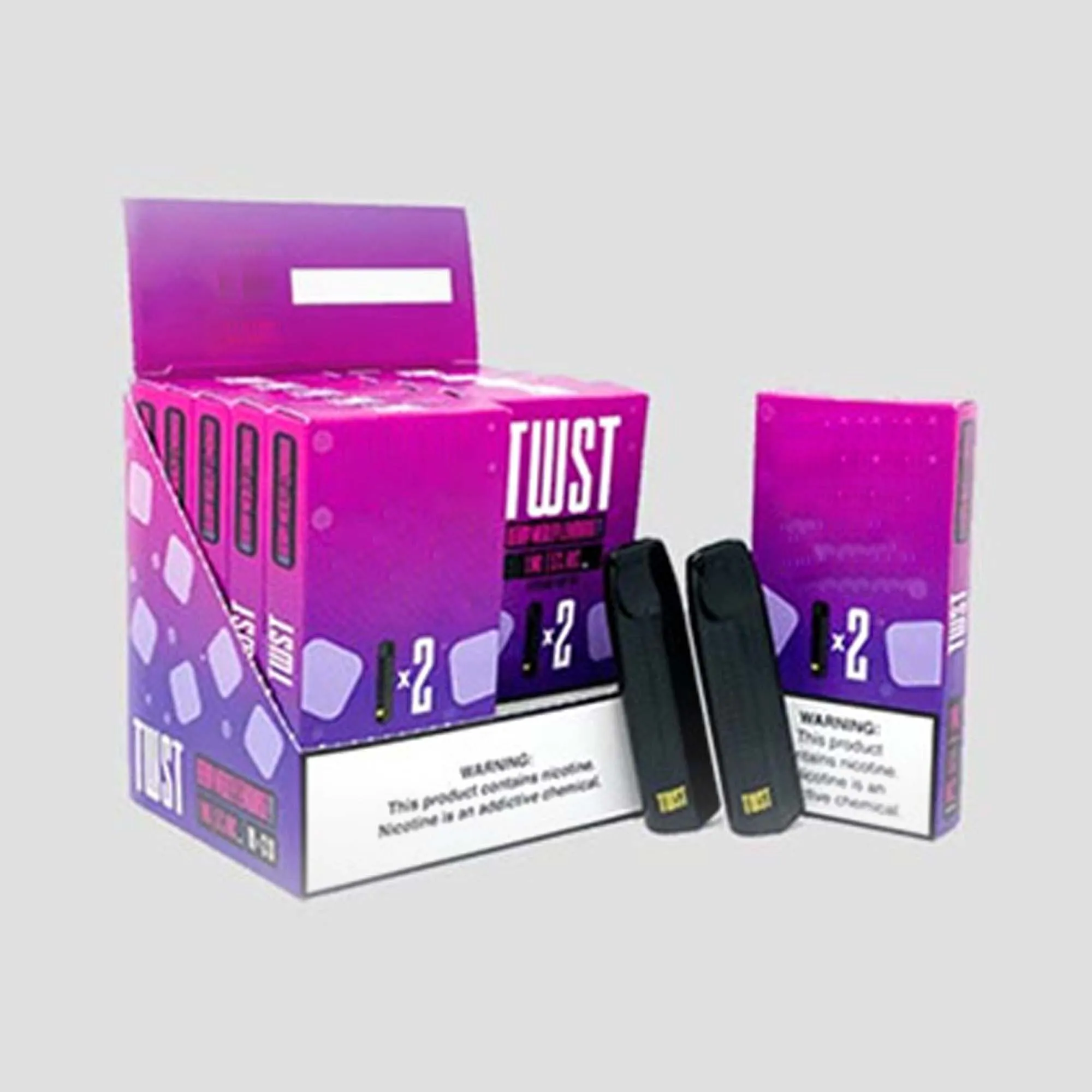
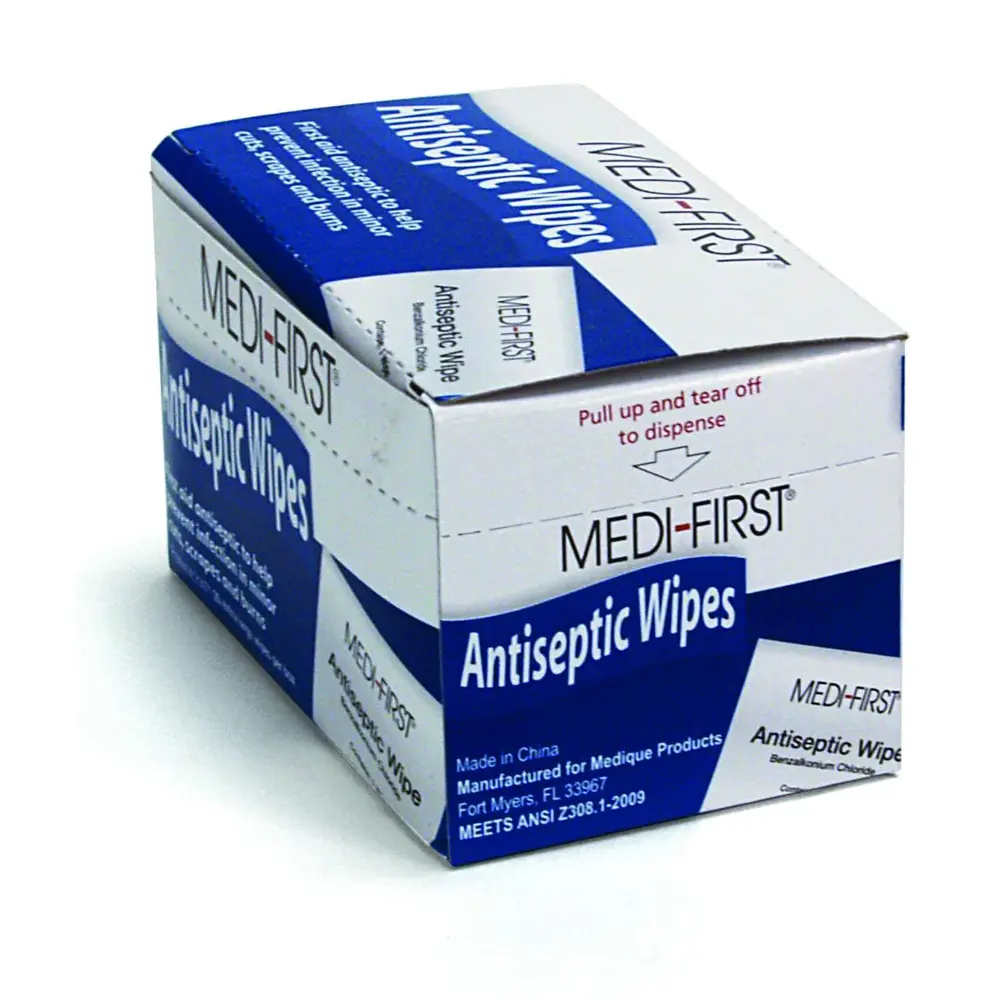
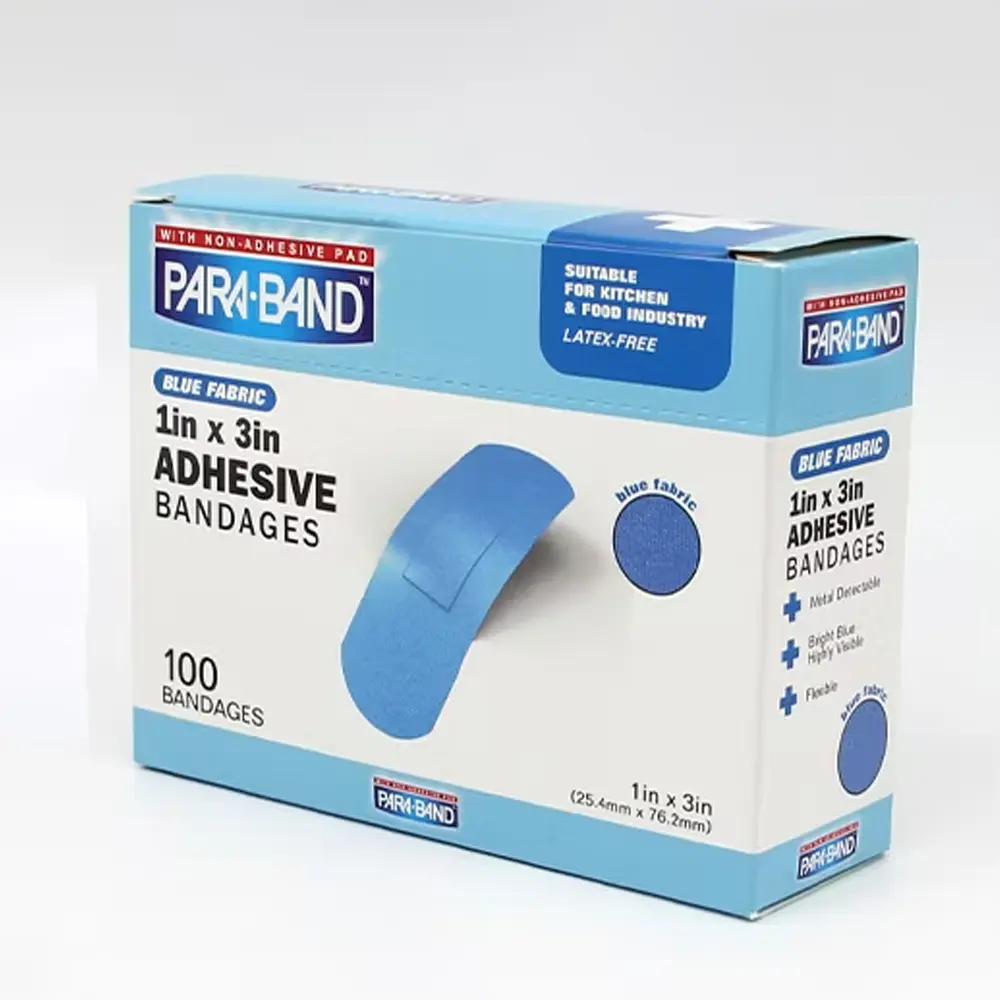
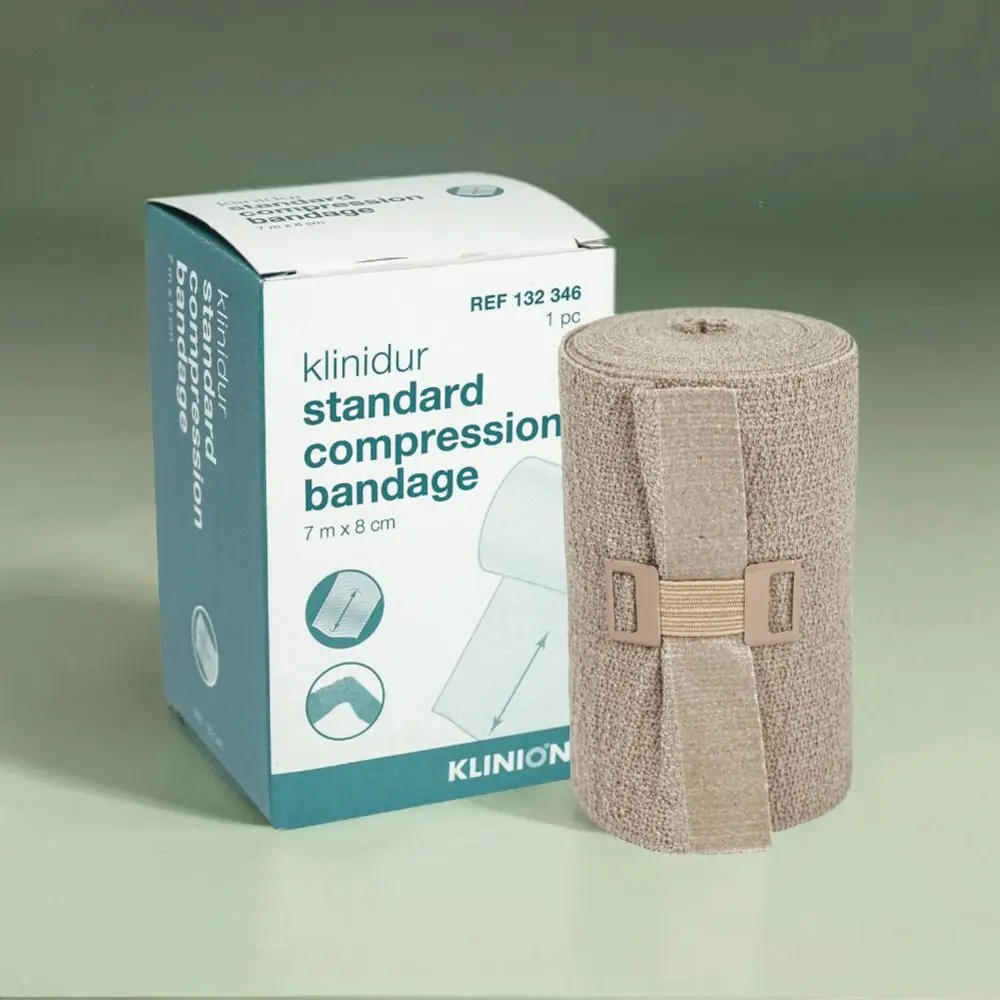
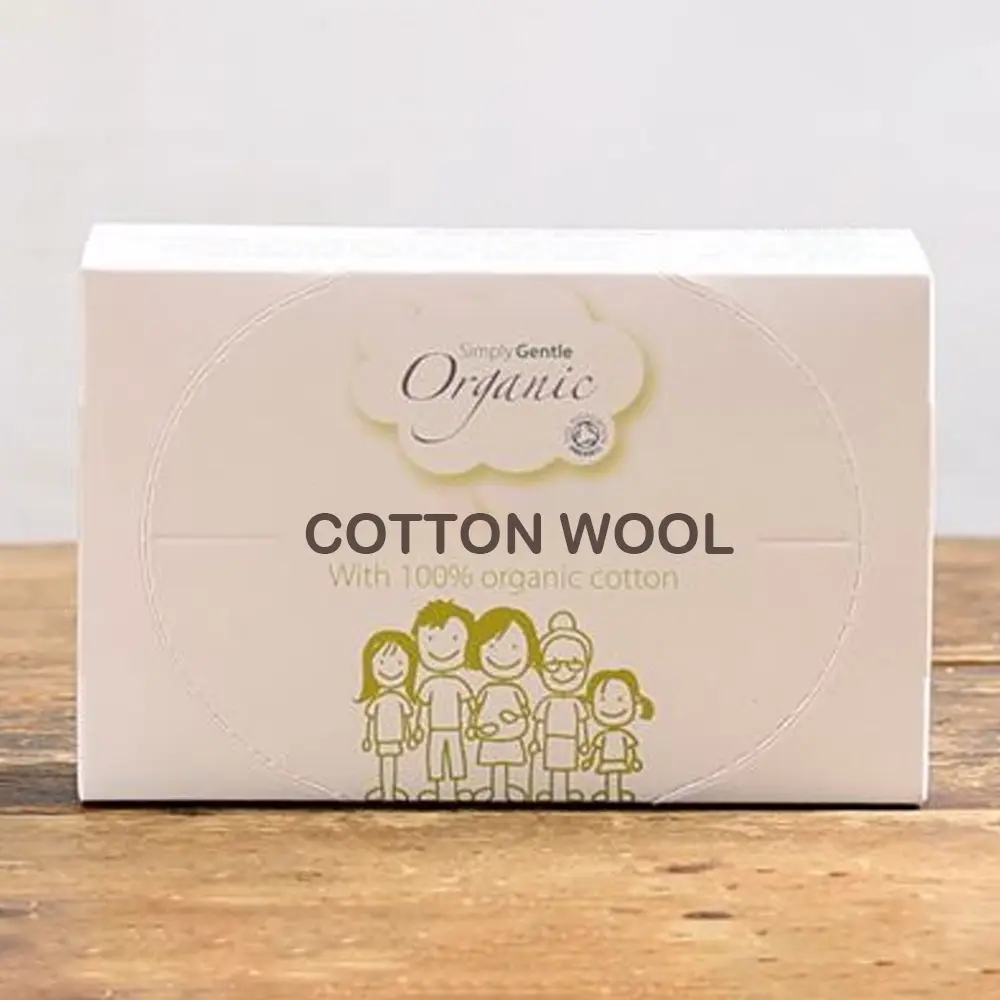
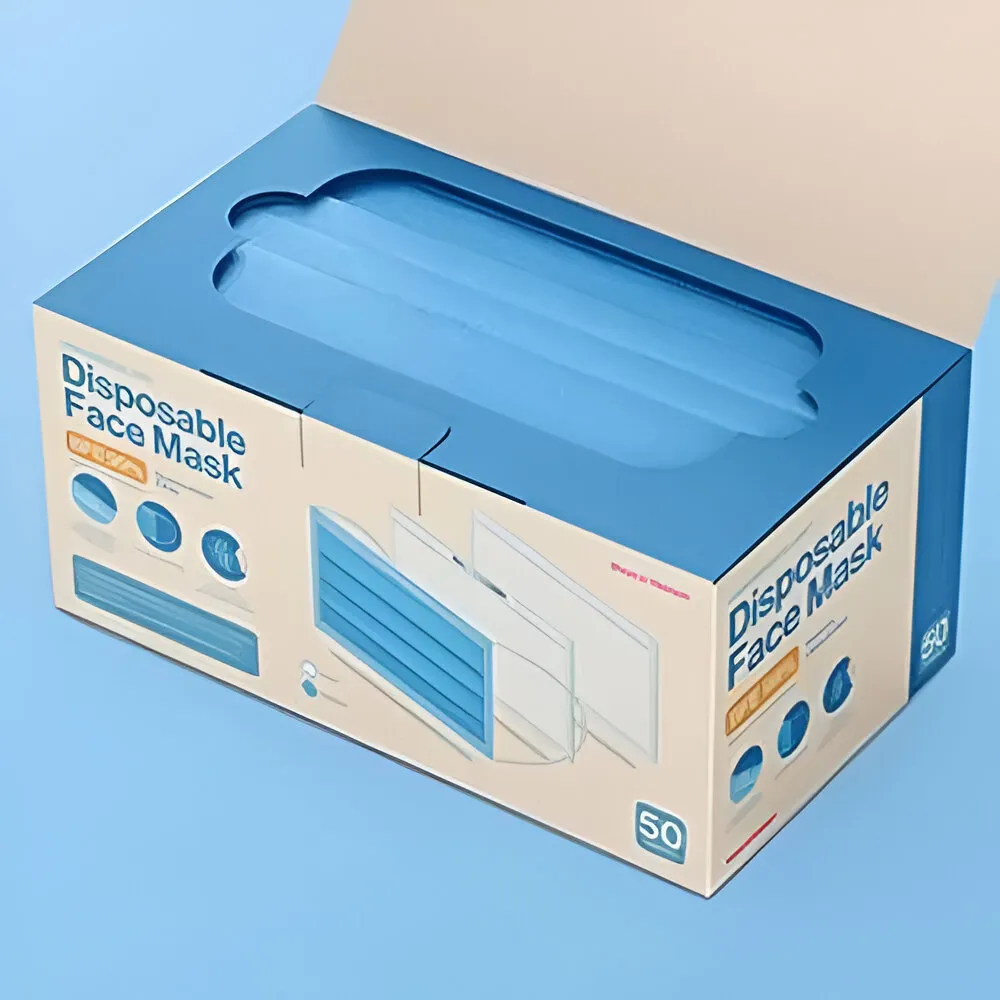
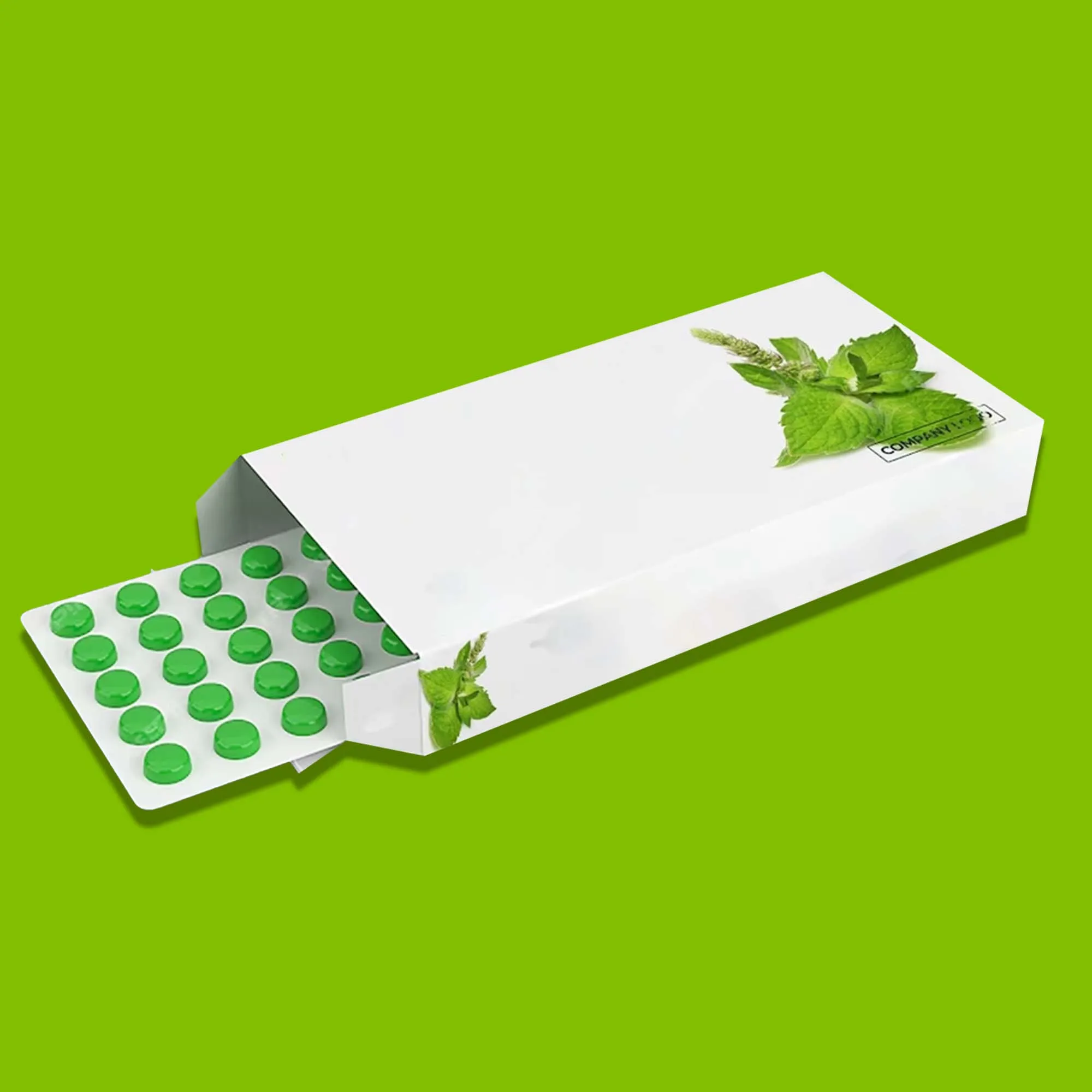
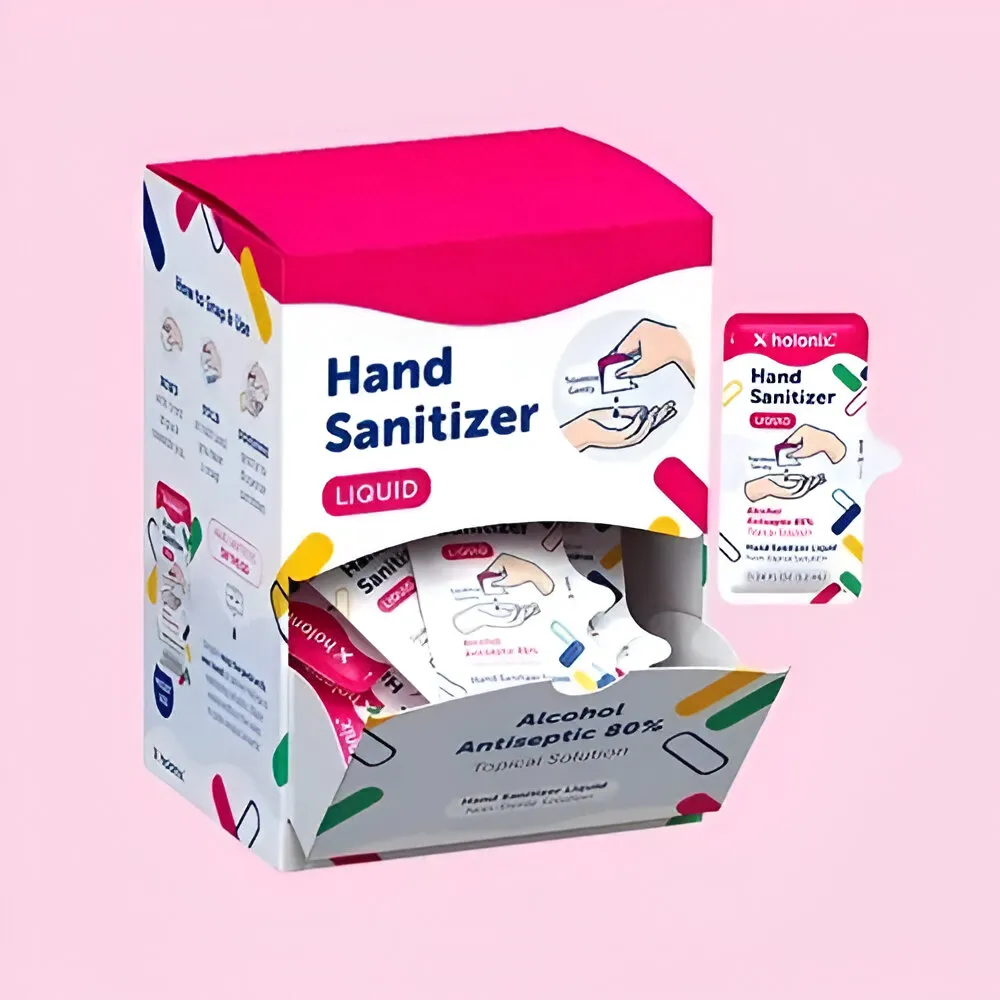
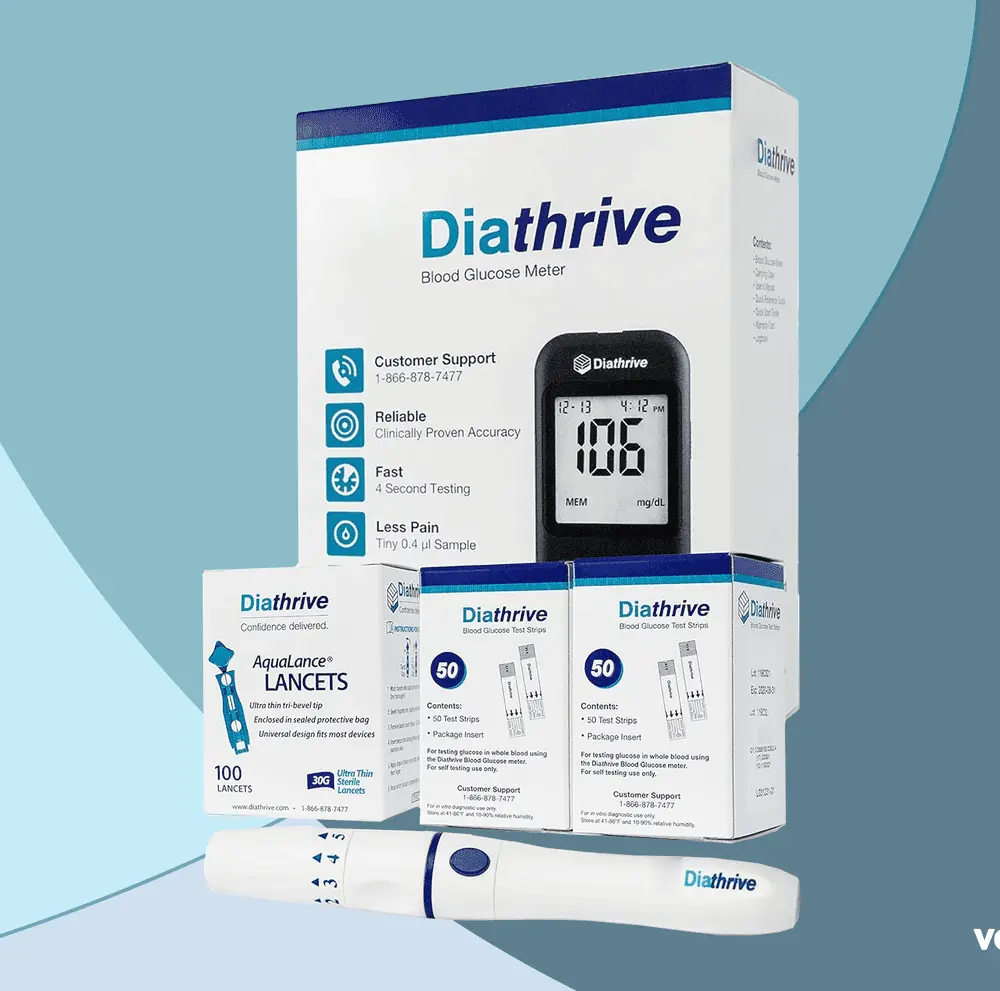
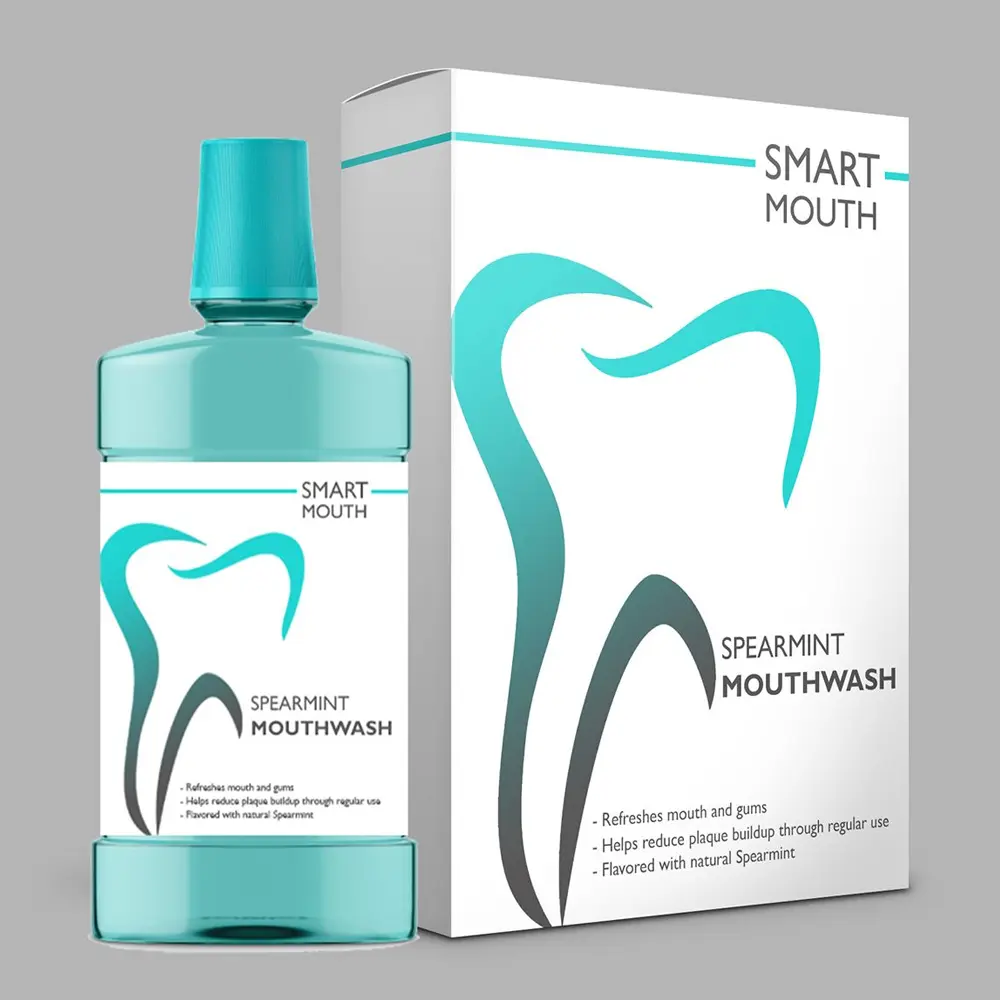
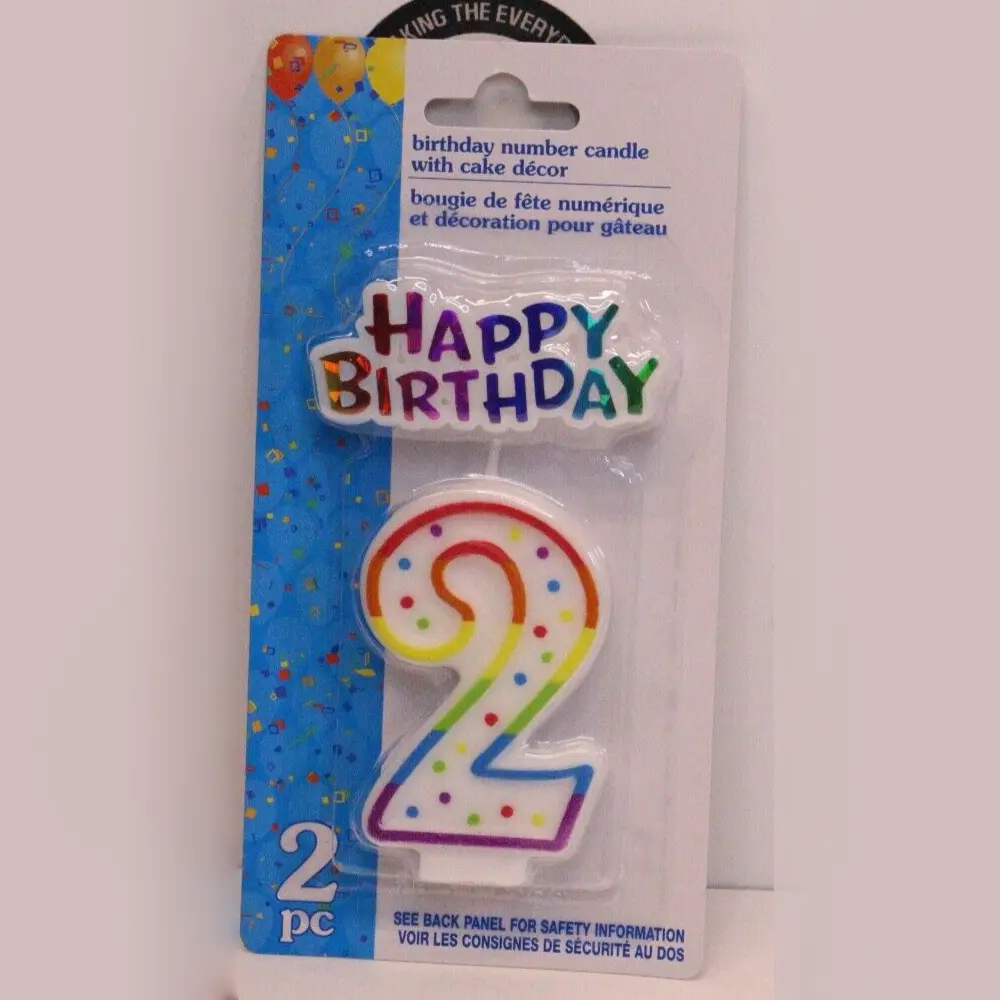
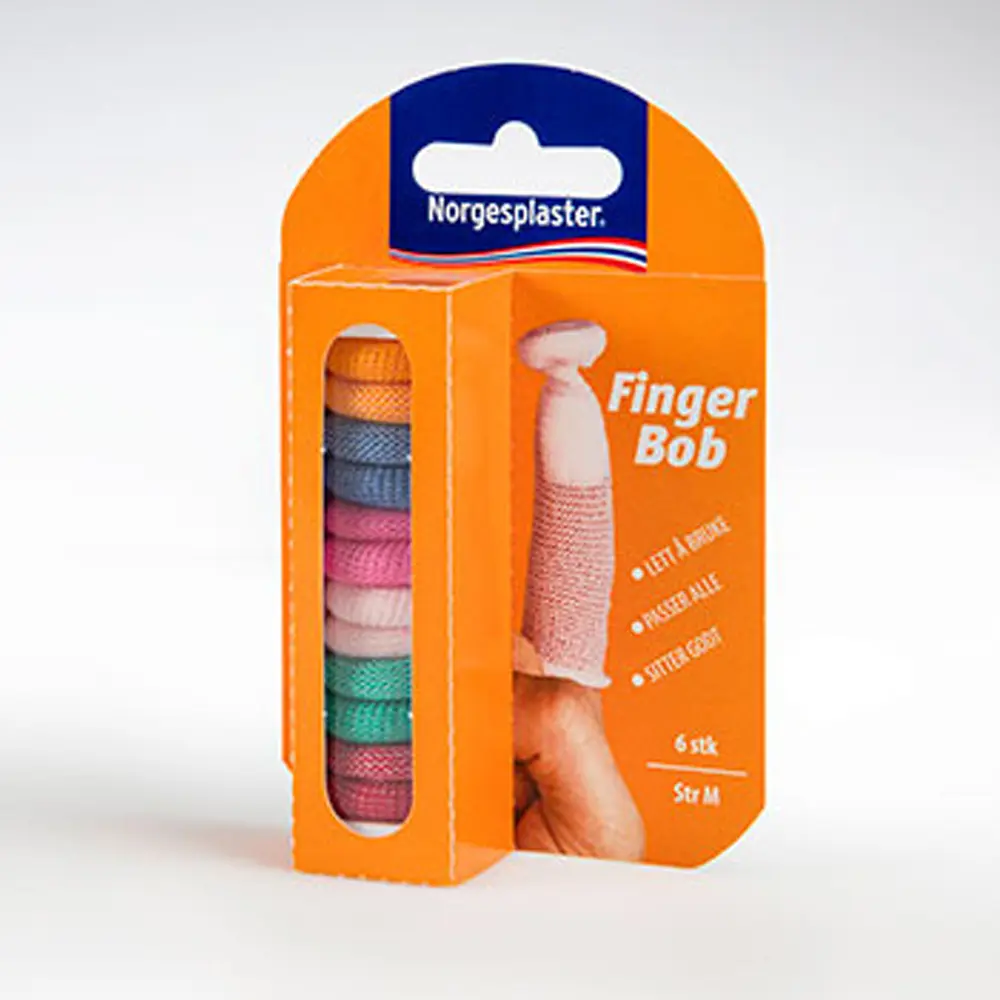
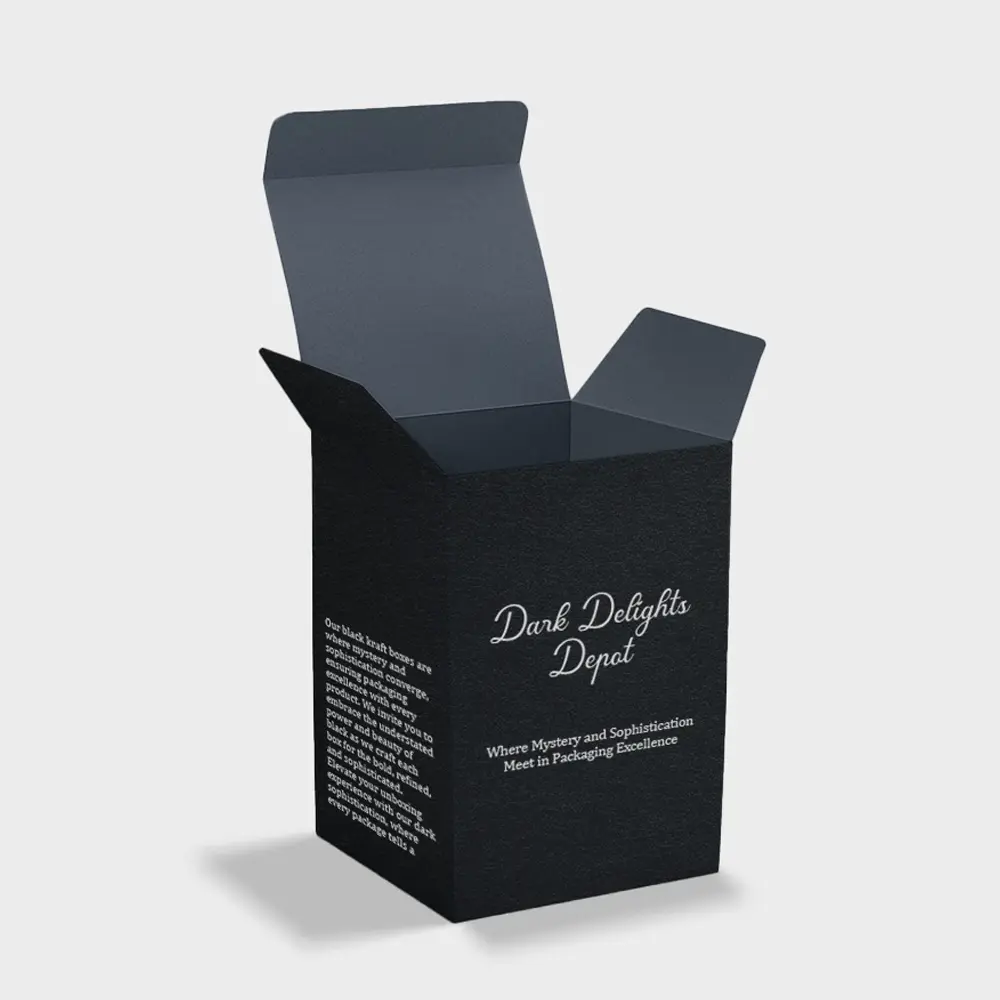
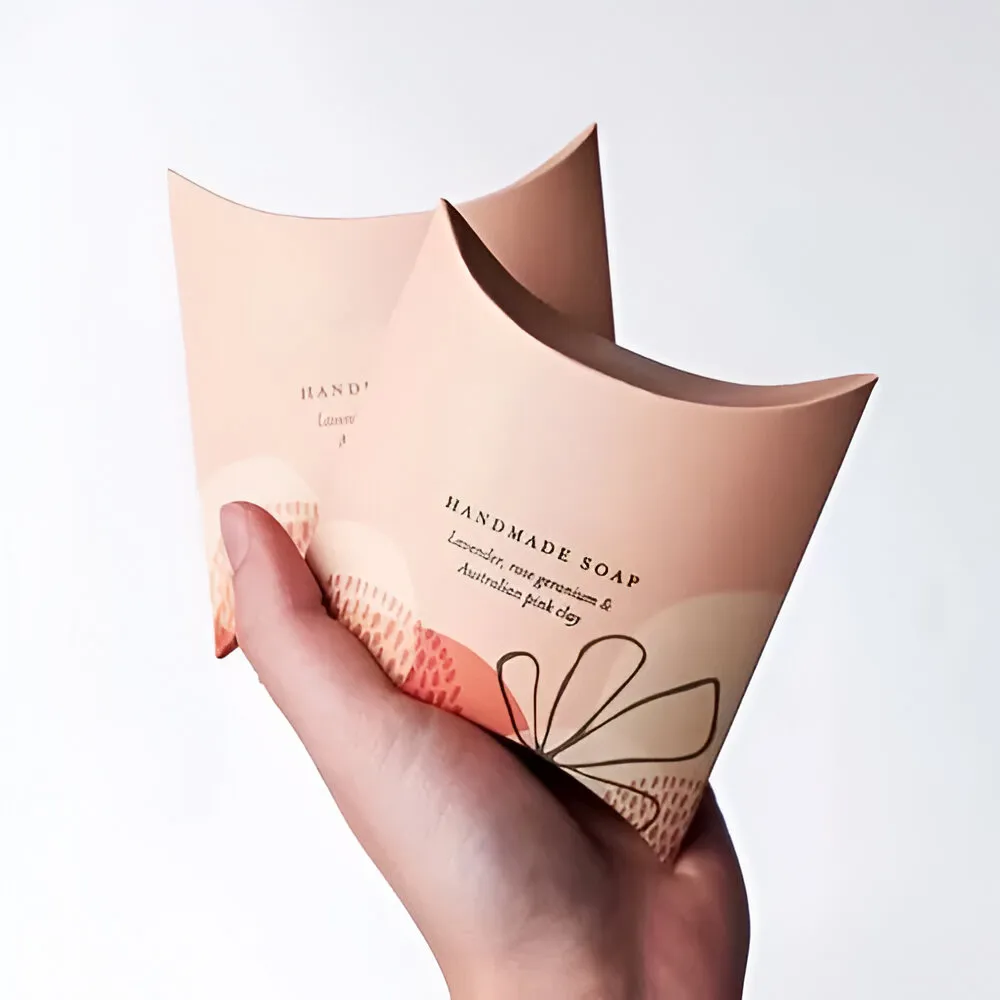
Paperboard is a smooth, lightweight material commonly used for retail packaging. It offers excellent print quality, making it ideal for product boxes that require attractive graphics and detailed branding. Common applications include:
Its clean surface allows businesses to create premium-looking packaging while keeping production costs manageable.
Corrugated Cardboard
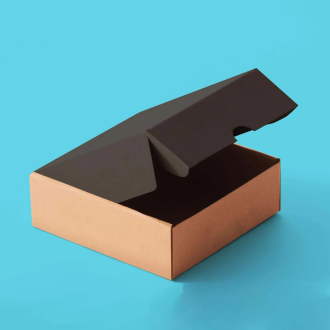
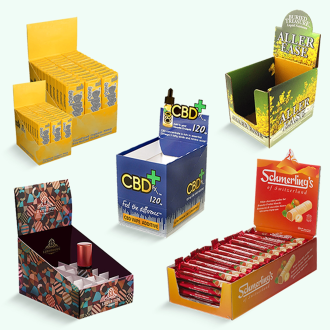
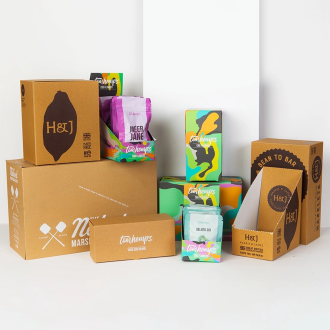
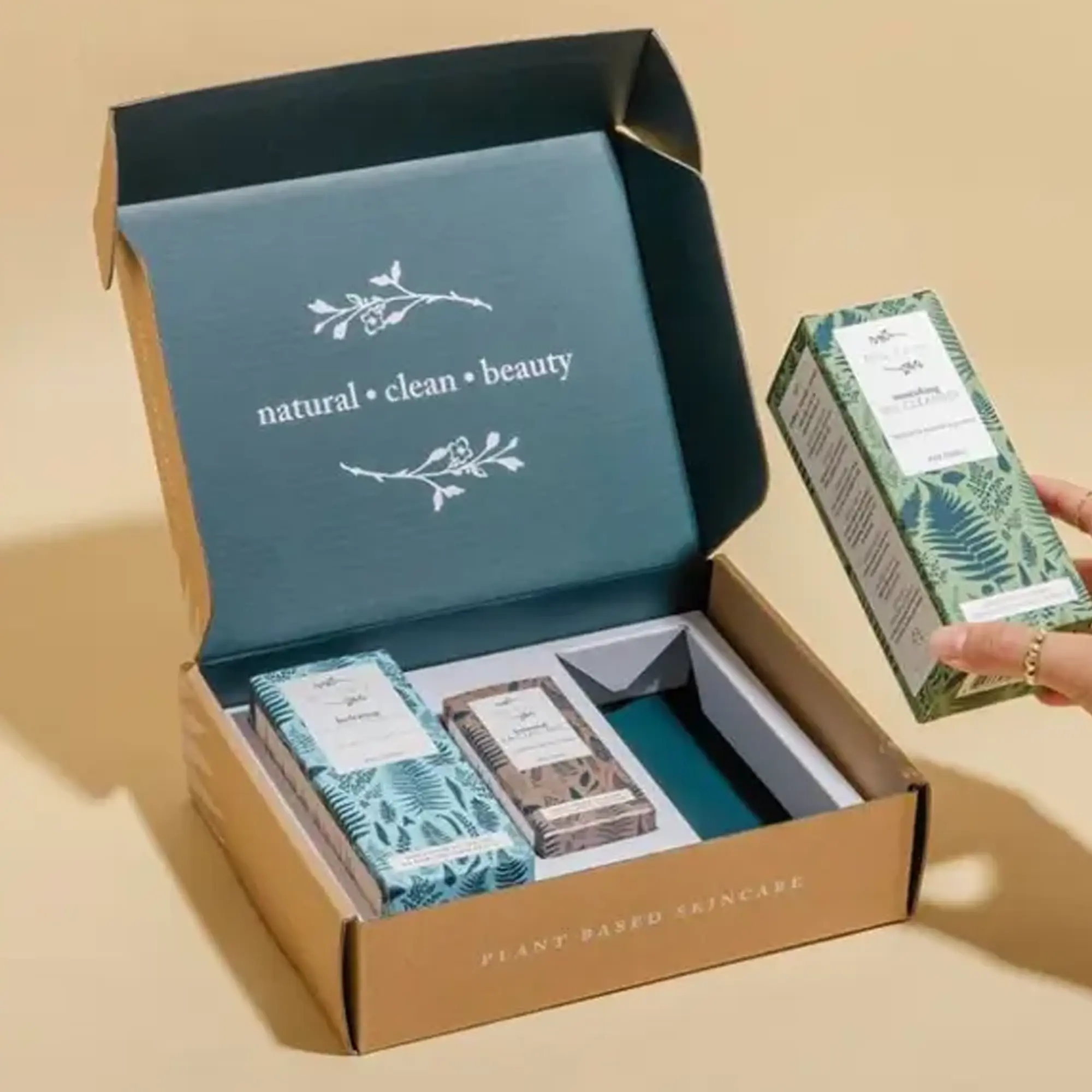
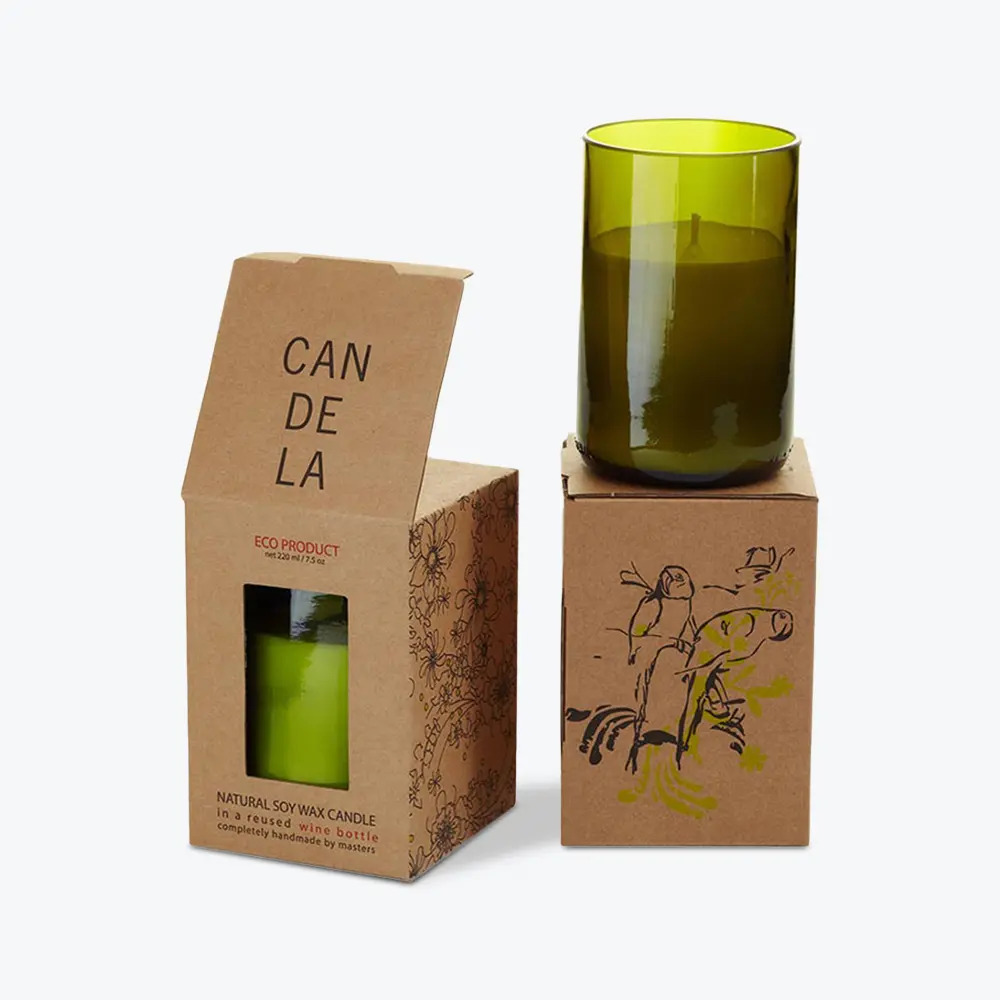
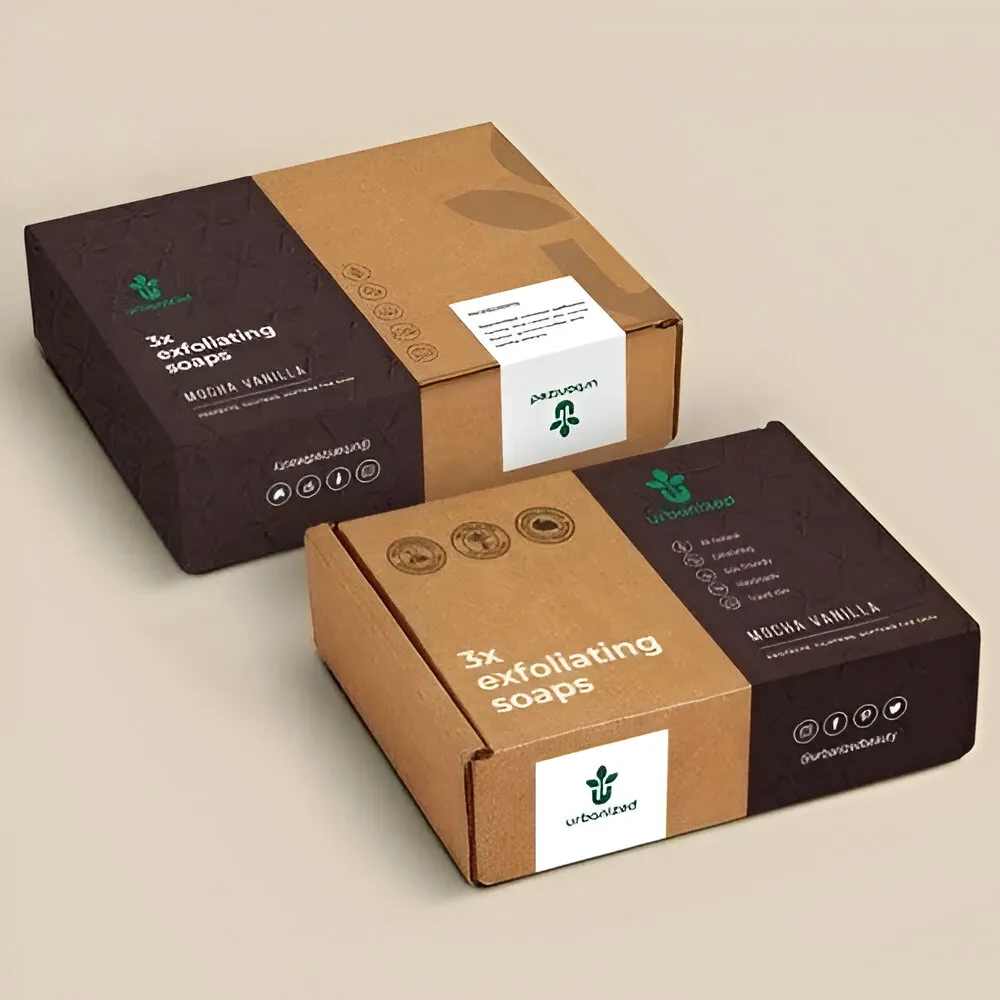
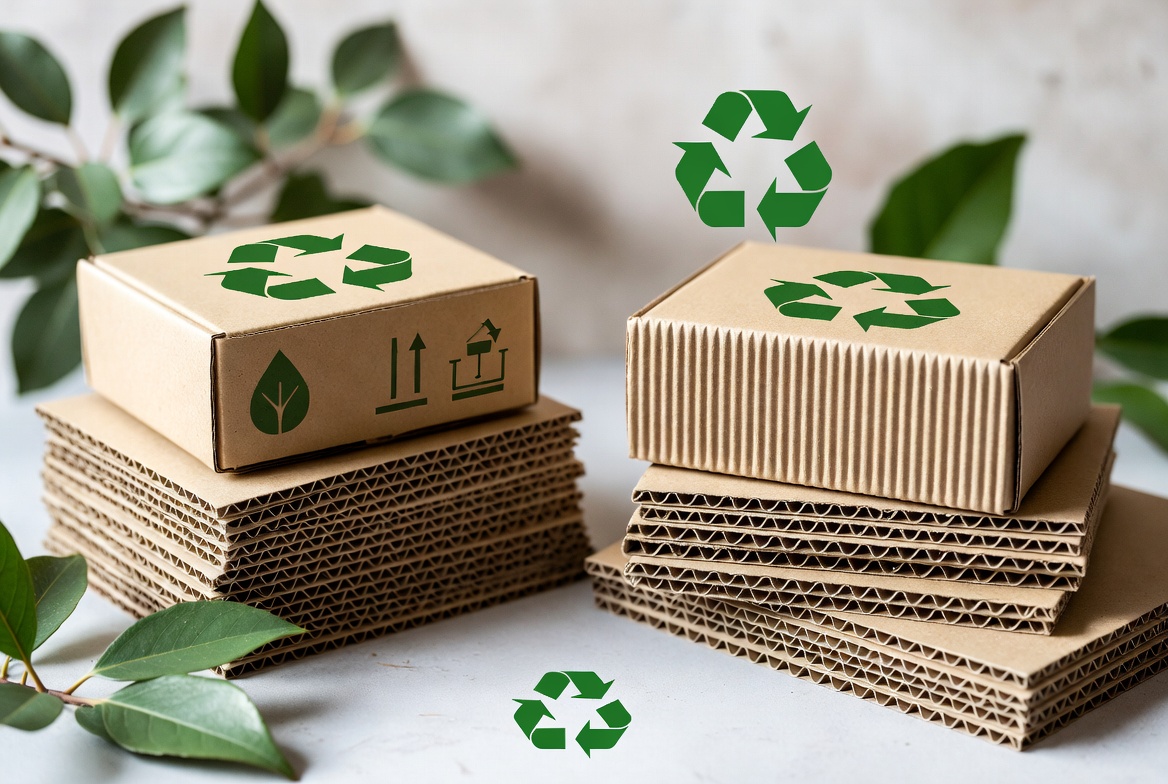
Corrugated cardboard consists of three layers: two flat linerboards with a fluted layer in between. This structure provides excellent cushioning and compression strength. Corrugated packaging is commonly used for:
Different flute sizes and board grades allow manufacturers to customize the strength based on the product's weight and shipping requirements.
Excellent Product Protection
One of cardboard's biggest advantages is its ability to protect products from external damage. Corrugated cardboard absorbs impacts during handling and transportation, reducing the risk of breakage, scratches, or crushing. This makes it particularly valuable for online retailers, where products often travel long distances before reaching customers.
Lightweight Yet Durable
Cardboard offers an excellent balance between strength and weight. Businesses can reduce shipping costs without sacrificing product protection, making it an economical choice for both small businesses and large manufacturers.
Highly Customizable
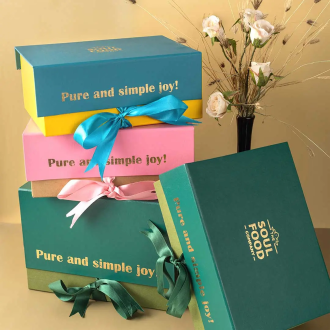
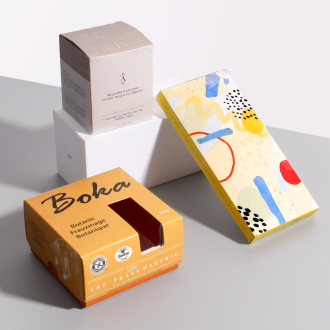
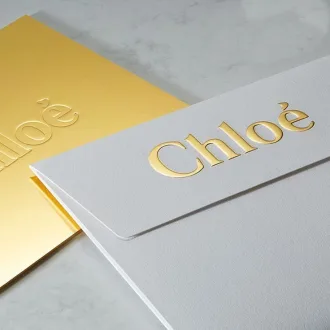
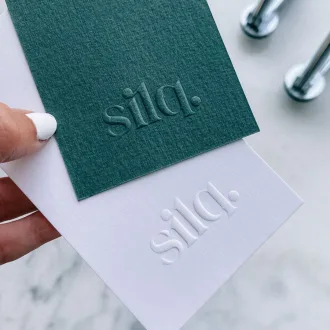
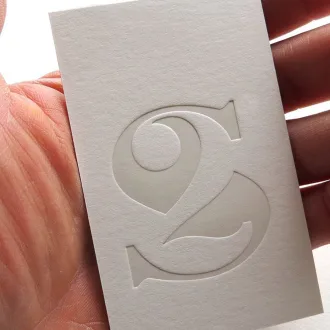
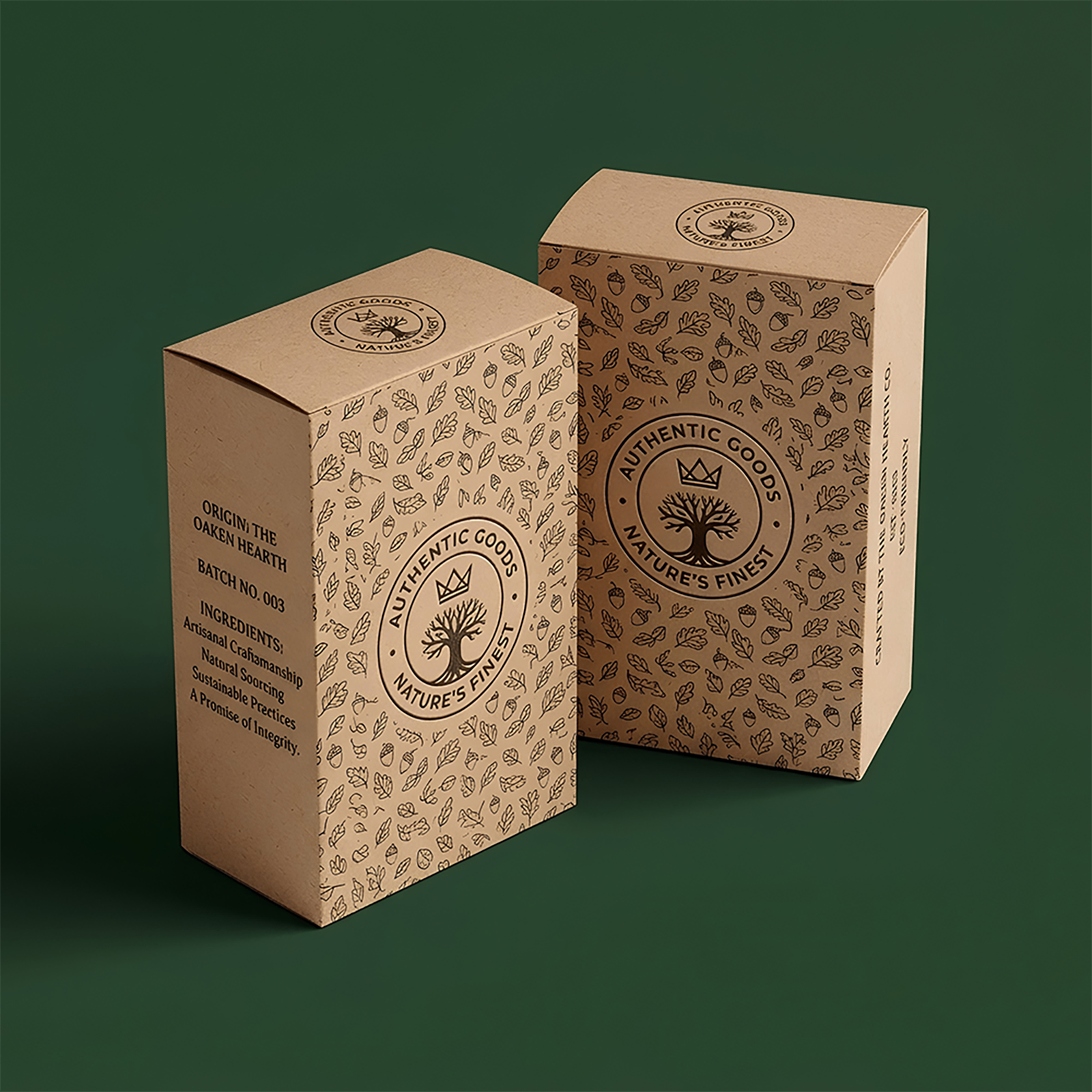
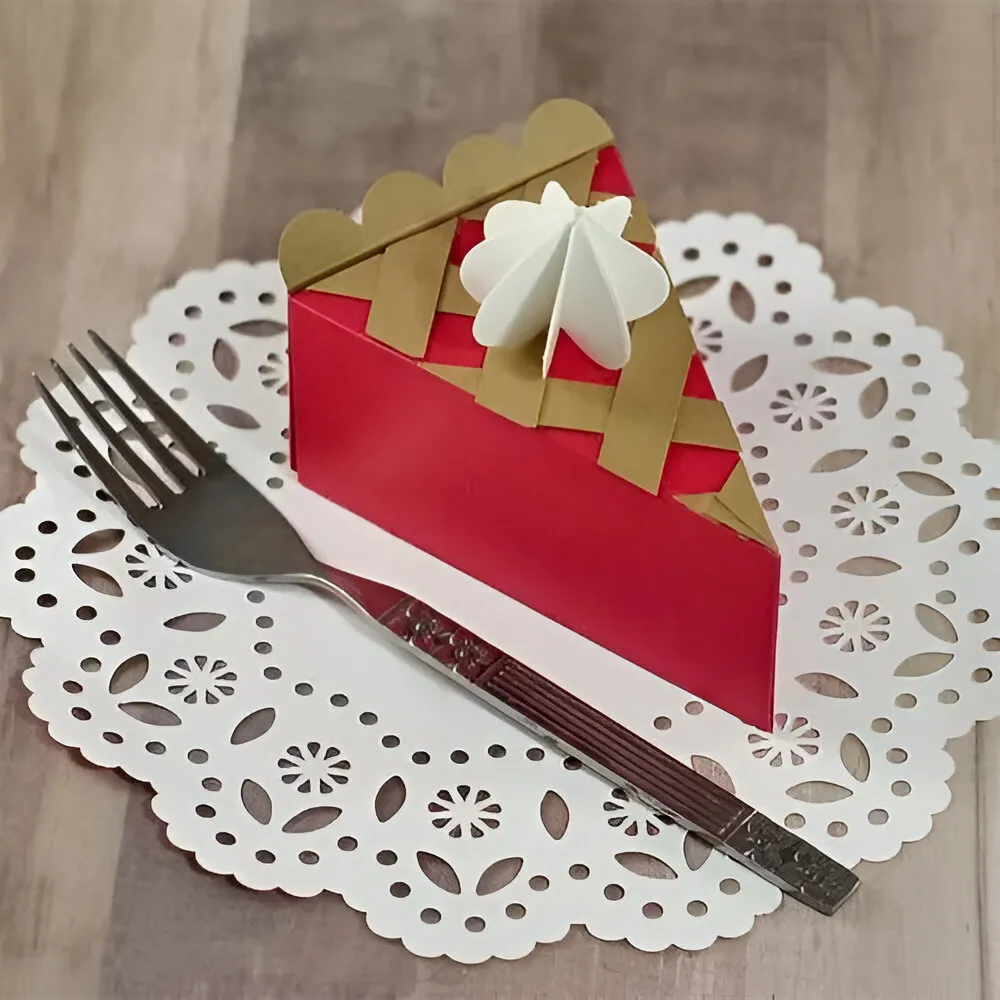
Cardboard is incredibly flexible when it comes to packaging design. It can be produced in virtually any size, shape, or style to match a product's specific requirements. Businesses can customize cardboard packaging with:
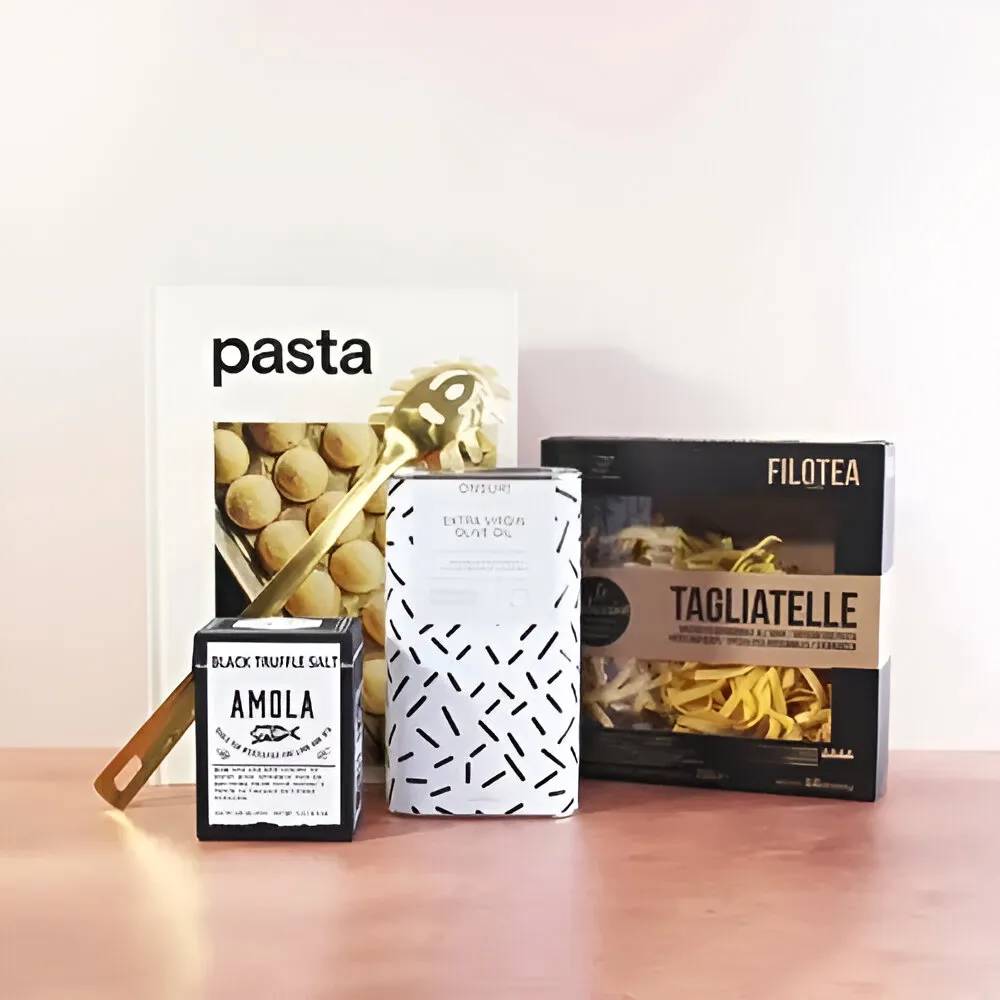
These features help create memorable packaging that reinforces brand identity.
Cost-Effective for Every Business
Compared to rigid materials like plastic, metal, or wood, cardboard is much more affordable to manufacture and transport. Its relatively low production cost allows startups and established brands alike to invest in high-quality custom packaging without exceeding their budgets.
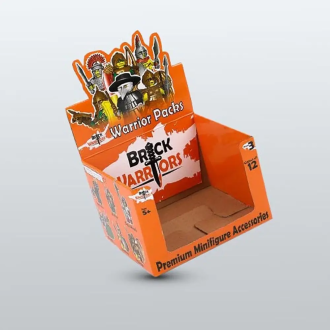
Cardboard packaging serves businesses across almost every industry because of its versatility. Some of the most common applications include:
Environmental responsibility has become a priority for both businesses and consumers. Cardboard supports these goals because it is one of the most sustainable packaging materials available. Key environmental benefits include:
Many consumers actively prefer brands that use recyclable cardboard packaging instead of plastic alternatives, making sustainability a competitive advantage.
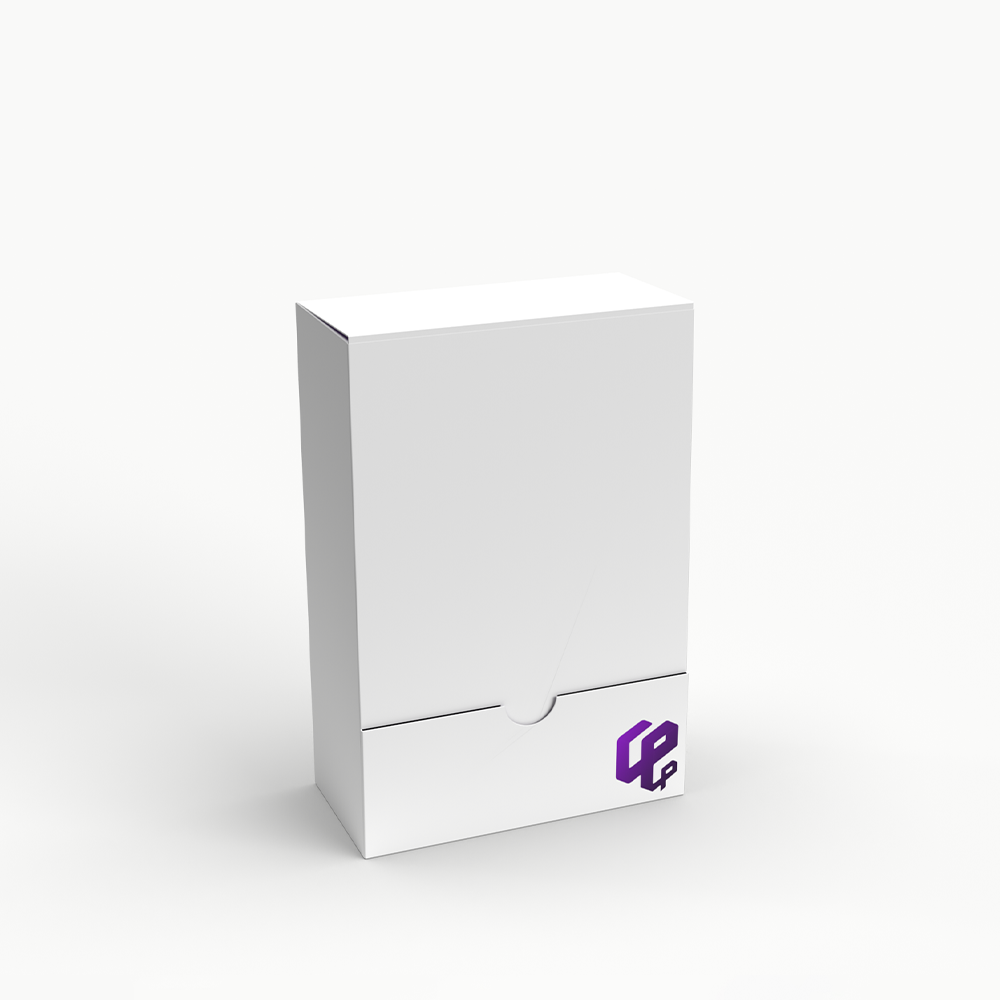
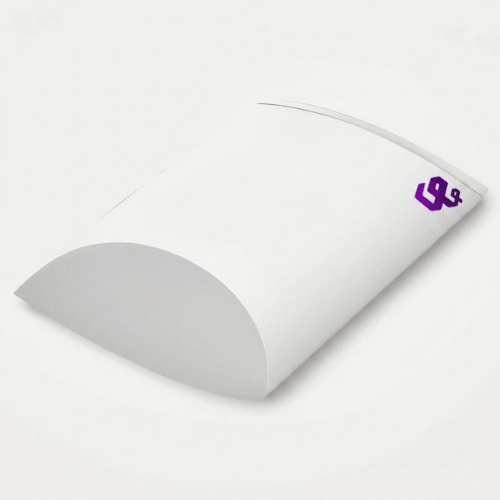
Although these terms are often used interchangeably, they serve different purposes.
| Feature | Paperboard | Corrugated Cardboard |
|---|---|---|
| Weight | Lightweight | Heavy-duty |
| Structure | Single-layer | Multi-layer with fluting |
| Best Use | Retail packaging | Shipping and transportation |
| Print Quality | Excellent | Very good |
| Protection | Moderate | High |
Businesses often combine both materials by using paperboard for retail presentation and corrugated cardboard for outer shipping cartons.
Selecting the right cardboard packaging depends on several important factors. Consider:
For lightweight retail products, paperboard is often sufficient. For heavy or fragile items, corrugated cardboard offers superior protection throughout the supply chain.
A well-designed cardboard package does much more than protect the product. It also communicates quality and strengthens brand identity. Some practical design recommendations include:
Thoughtful design transforms simple cardboard boxes into effective marketing tools.
Even though cardboard is highly versatile, poor packaging decisions can reduce its effectiveness. Avoid these common mistakes:
Working with experienced packaging professionals helps prevent these issues and ensures packaging performs as intended.
Custom cardboard packaging allows businesses to create packaging that fits their products perfectly while strengthening brand recognition. Custom solutions offer benefits such as:
Whether you're a startup or an established company, customized cardboard packaging supports long-term growth by combining functionality with professional presentation.
Choosing the right cardboard material is only part of creating effective packaging. Custom Packaging Pro helps businesses develop packaging solutions tailored to their products, industry, and branding goals. From custom cardboard packaging boxes and retail cartons to durable corrugated shipping boxes, the team provides guidance on material selection, structural design, printing, and finishing options.
Whether a business needs eco-friendly packaging for a new product launch or high-strength cardboard boxes for e-commerce shipping, Custom Packaging Pro focuses on delivering packaging that balances durability, visual appeal, and cost efficiency.
Cardboard remains one of the most reliable and versatile packaging materials available today. Its combination of durability, affordability, printability, and sustainability makes it suitable for businesses across virtually every industry. From retail shelves to e-commerce deliveries, cardboard packaging protects products while creating valuable opportunities to strengthen brand identity.
As consumer expectations continue to evolve, investing in well-designed cardboard packaging is no longer just about protecting products, it is about delivering a better customer experience and building long-term trust. By selecting the right type of cardboard and pairing it with thoughtful design, businesses can create packaging that performs efficiently, supports sustainability goals, and leaves a lasting impression on every customer.