Efficient packaging is essential for businesses that ship, store, or distribute products. Whether operating an eCommerce store, retail business, or manufacturing company, having the right packaging supplies ensures products remain protected while presenting a professional brand image.
From shipping and packing materials to protective packaging supplies, every component plays an important role in safe product delivery. Businesses that manage packaging efficiently can reduce shipping damage, streamline operations, and improve customer satisfaction.
However, many companies struggle with organizing their packaging inventory. Without a clear checklist, it is easy to run out of essential materials or overstock unnecessary items. This guide provides a complete checklist of packaging supplies businesses need, including bulk packaging supplies, shipping essentials, and warehouse packaging tools.

Packaging supplies are more than just materials used to ship products. They help protect items during transportation, support branding, and maintain operational efficiency.
Well-chosen shipping and packing materials can:
Businesses that regularly ship products must maintain a reliable inventory of protective packaging supplies to ensure consistent packaging quality.
Every business that ships products requires a set of essential packaging supplies. These basic materials form the foundation of most packaging operations.
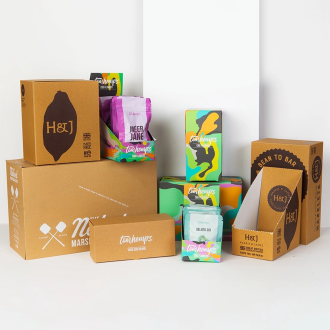
Shipping boxes are the most fundamental packaging supply. Corrugated cardboard boxes are widely used because they provide durability and protection during transportation.
Businesses often order bulk packaging supplies to reduce costs and maintain consistent inventory.
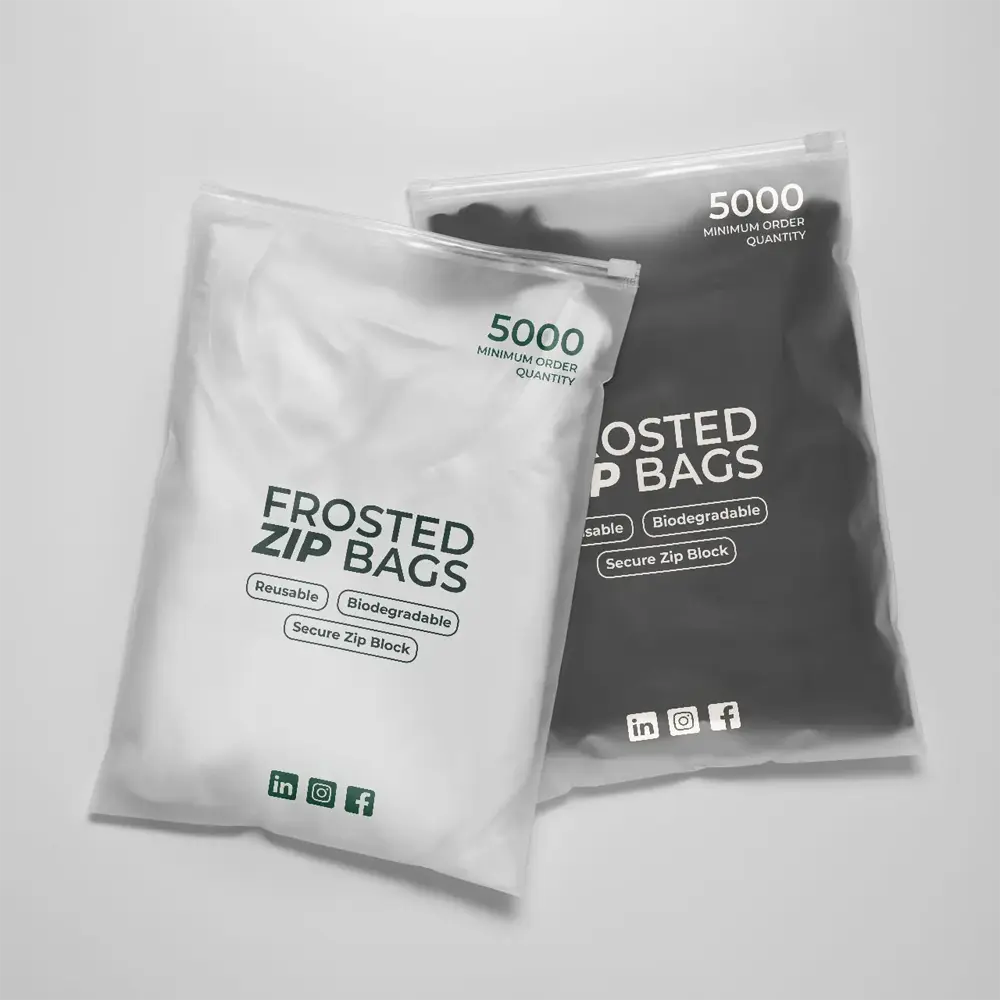
Mailer boxes are commonly used by eCommerce businesses for branded packaging and subscription shipments. Poly mailers are lightweight plastic envelopes used for non-fragile items like clothing.
Both options help reduce shipping costs while protecting products.
Packaging tape is essential for sealing boxes securely. Strong shipping tape prevents boxes from opening during transit and ensures safe delivery.
Many businesses use heavy-duty adhesive tape for stronger sealing performance.


Shipping labels, barcode stickers, and address labels ensure accurate delivery and smooth logistics. Clear labeling helps warehouses track shipments and avoid delivery errors.
Protective materials help prevent damage during transportation. Fragile items especially require additional cushioning.
Bubble wrap is one of the most common protective packaging supplies. It cushions fragile products and absorbs shock during shipping.
Packing paper is often used to wrap items or fill empty spaces inside boxes. It is an eco-friendly alternative to plastic-based cushioning.
Air pillows are lightweight cushioning materials that protect products without adding extra shipping weight.
Foam inserts are used for delicate products such as electronics, glass items, or cosmetics. They keep products securely in place during transportation.
In addition to boxes and cushioning materials, businesses require several supporting packaging supplies to maintain efficient operations.
Warehouse workers often rely on cutting tools, tape dispensers, and measuring tools to speed up packaging processes.
Stretch wrap is commonly used to secure products on pallets during shipping. Shrink wrap helps protect products from dust and moisture.
Shipping scales allow businesses to measure package weight accurately, which helps calculate shipping costs and avoid overcharges.
Many businesses include branded labels or thank-you stickers as part of their packaging presentation.

Ordering bulk packaging supplies is one of the most effective ways for businesses to reduce operational costs.
Bulk purchasing offers several advantages:
Businesses that ship large volumes of products benefit significantly from maintaining a steady supply of essential packaging materials.

Small businesses often need a streamlined packaging setup that balances cost and efficiency. A simple checklist helps ensure all essential supplies are available.
Basic packaging checklist for small businesses:
Maintaining this checklist helps small businesses manage packaging operations smoothly.
For businesses managing larger inventory volumes, warehouse packaging operations require additional supplies.
Pallets are used to transport large quantities of products efficiently. Pallet wrap secures shipments during warehouse handling and transportation.
Proper storage systems help organize packaging supplies and maintain efficient workflow.
Inventory tracking systems ensure businesses always know when to reorder packaging supplies.
Efficient warehouse organization reduces delays and improves overall logistics performance.
Managing packaging supplies effectively helps prevent operational disruptions.
Businesses should track supply levels to ensure essential materials are always available.
Reliable suppliers ensure consistent access to quality packaging materials.
Proper organization helps warehouses store packaging materials efficiently without clutter.
During peak sales seasons, businesses should stock additional packaging supplies to avoid shortages.
Having the right packaging supplies is essential for businesses that ship or distribute products. From basic shipping and packing materials to advanced protective packaging supplies, every component plays a role in protecting products and improving operational efficiency.
By maintaining a well-organized checklist of packaging materials and ordering bulk packaging supplies, businesses can streamline their packaging processes while reducing costs. Proper planning, inventory management, and warehouse organization ensure that packaging operations run smoothly.
Ultimately, a reliable packaging supply system helps businesses deliver products safely, maintain customer satisfaction, and support long-term growth.

What are packaging supplies?
Packaging supplies are materials used to pack, protect, and ship products, including boxes, tape, cushioning materials, and labels.
What protective packaging supplies are commonly used?
Common protective supplies include bubble wrap, packing paper, foam inserts, and air pillows.
Why do businesses buy packaging supplies in bulk?
Buying bulk packaging supplies reduces costs, ensures consistent availability, and improves operational efficiency.
What shipping and packing materials are essential for small businesses?
Small businesses typically need shipping boxes, mailers, packing tape, cushioning materials, and shipping labels.
How can businesses manage packaging supply inventory effectively?
Regular inventory tracking, organized storage systems, and reliable suppliers help maintain consistent packaging supply levels.