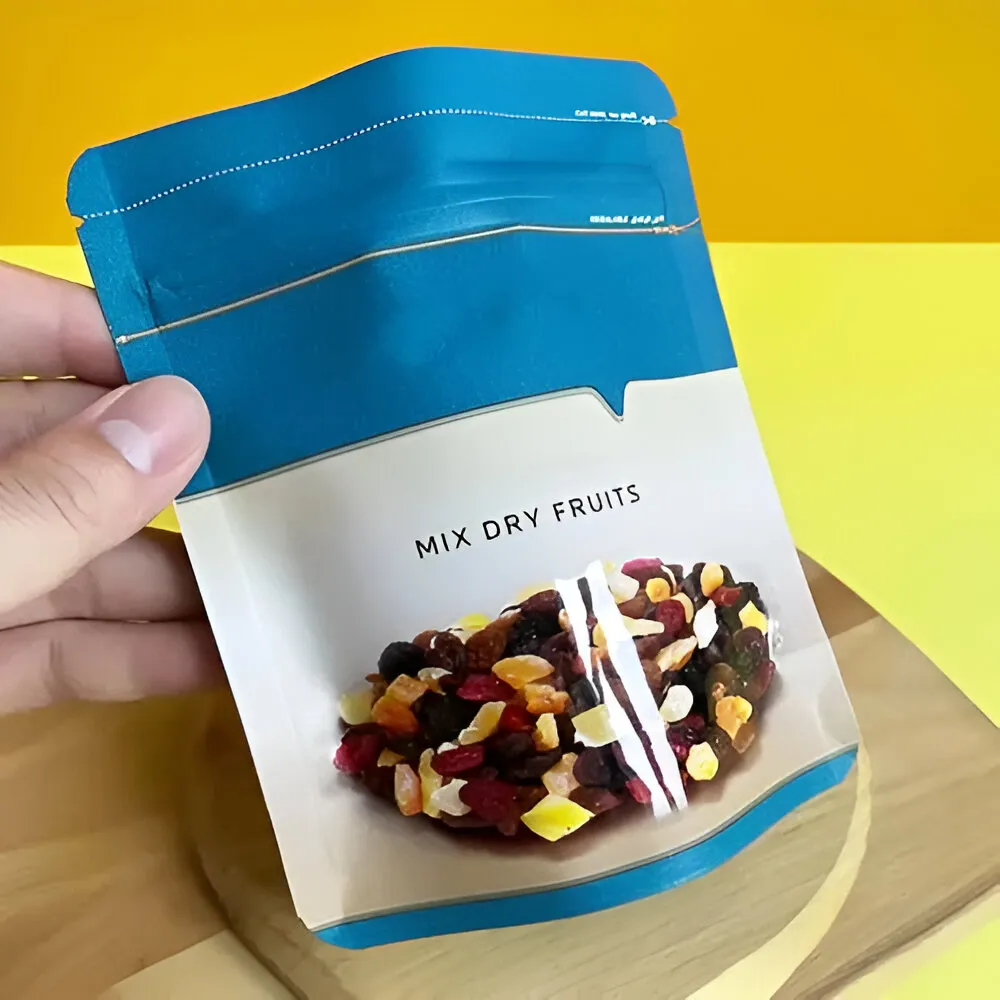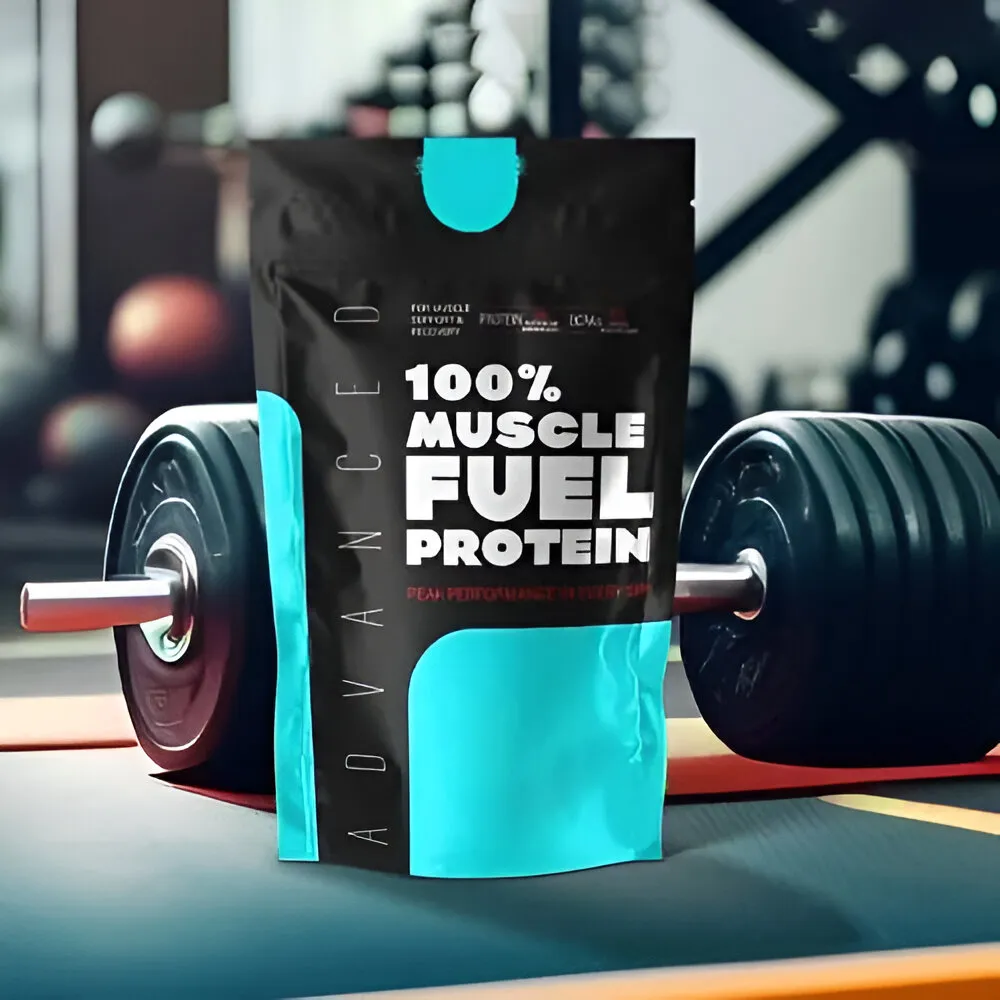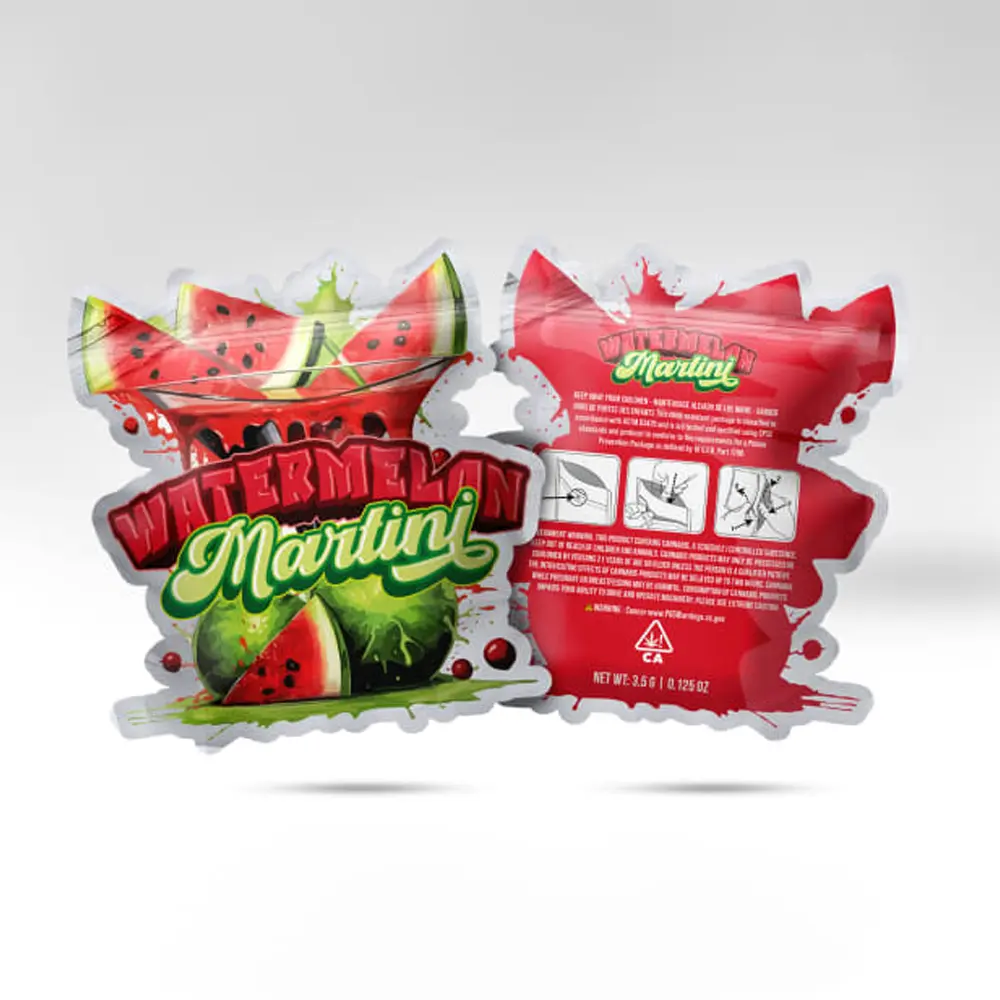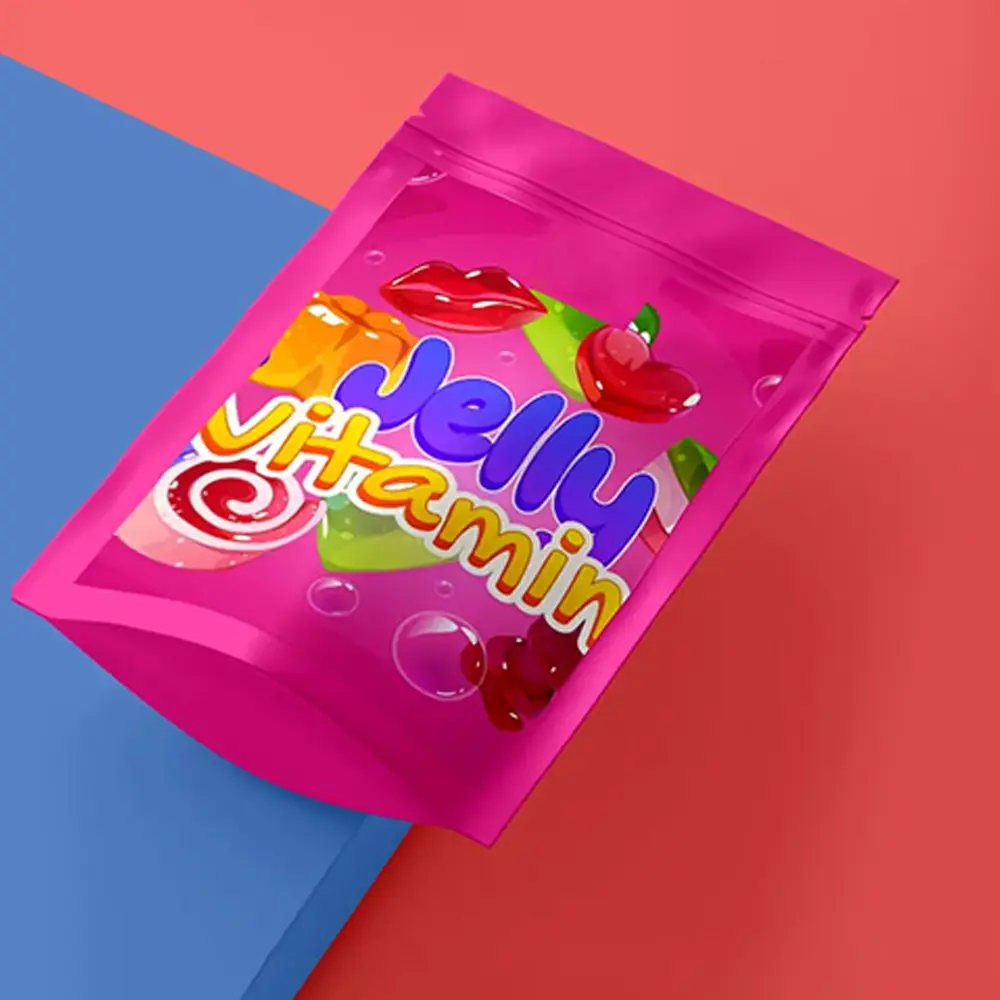
Running an online store comes with challenges most customers never see. Marketing, fulfillment, shipping delays, product handling, returns. It all adds up fast. Somewhere in the middle of all that, packaging often gets pushed aside like it is just another shipping expense. That approach usually backfires.
The truth is, packaging shapes customer perception almost instantly. Before someone even touches your product, they are already forming opinions based on the box sitting in front of them. A damaged package creates doubt. Cheap packaging lowers perceived value. Oversized boxes packed with waste frustrate customers more than brands realize.
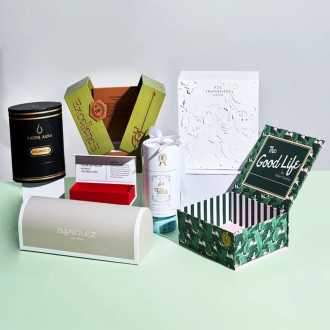
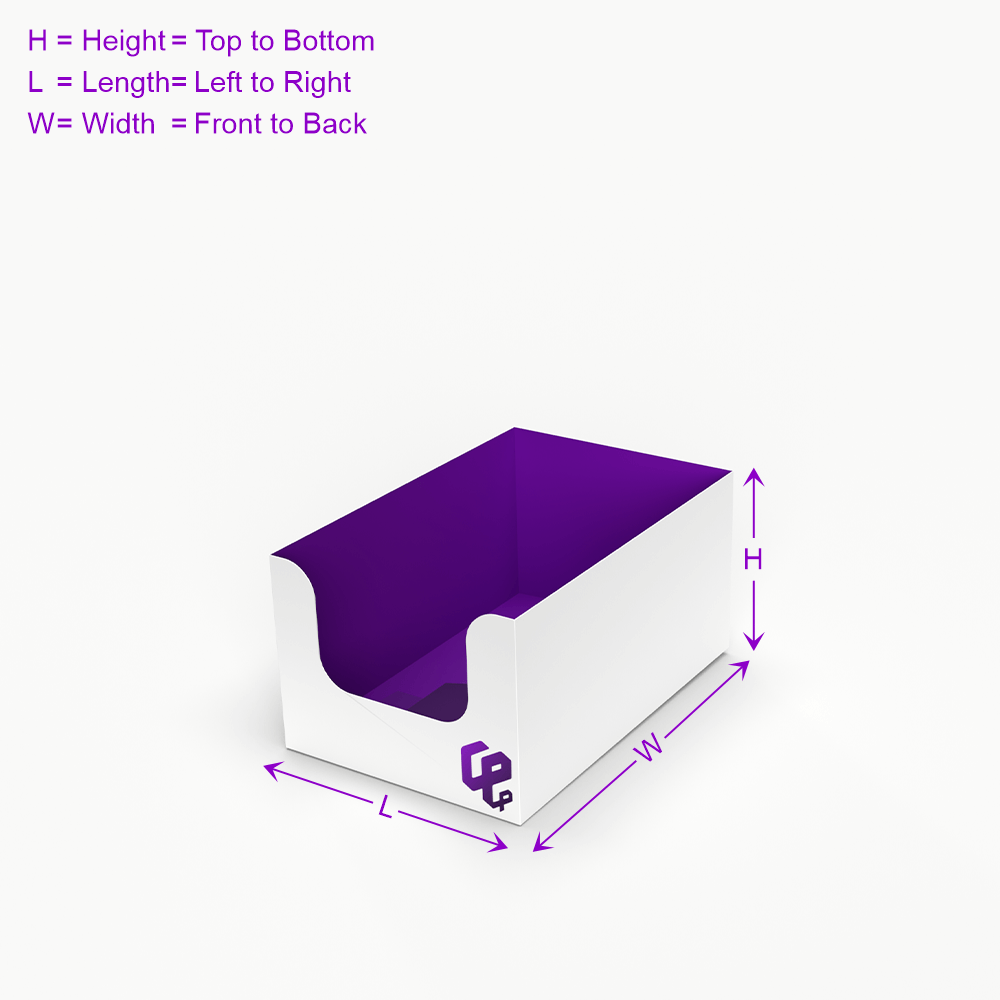
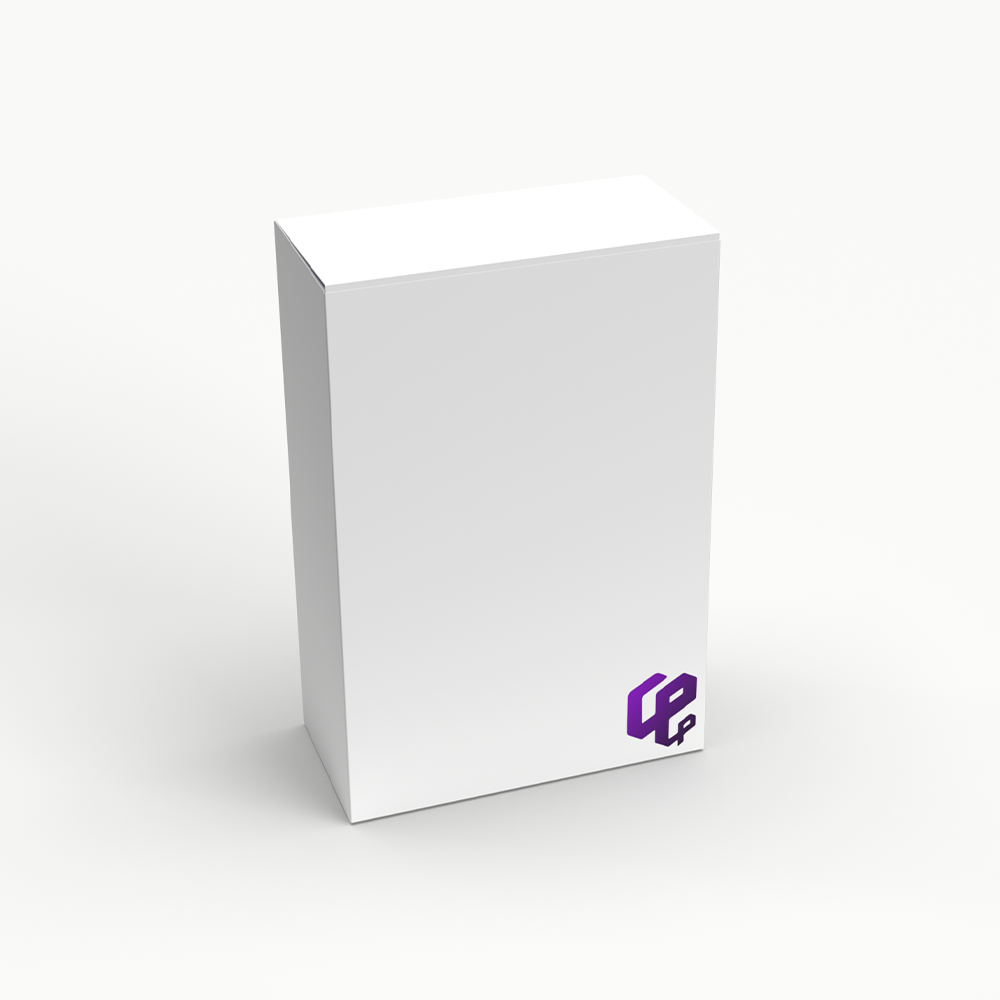
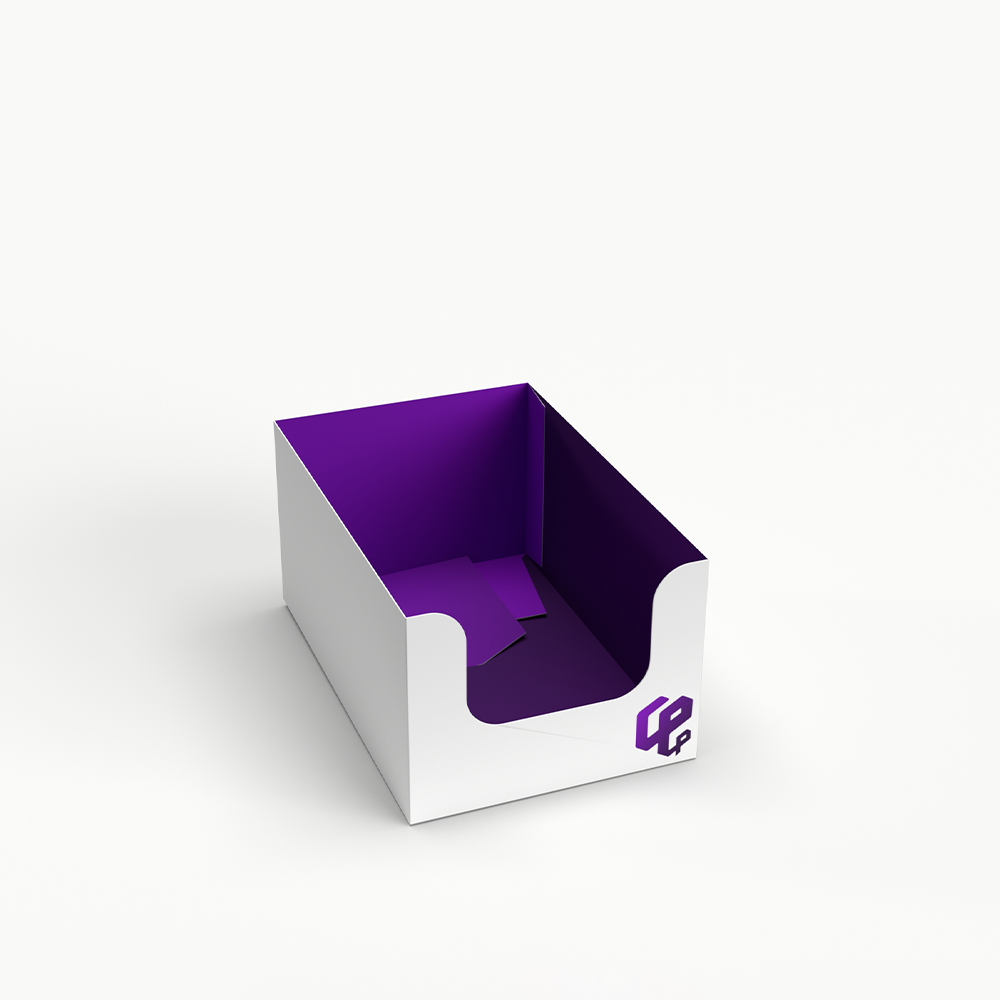
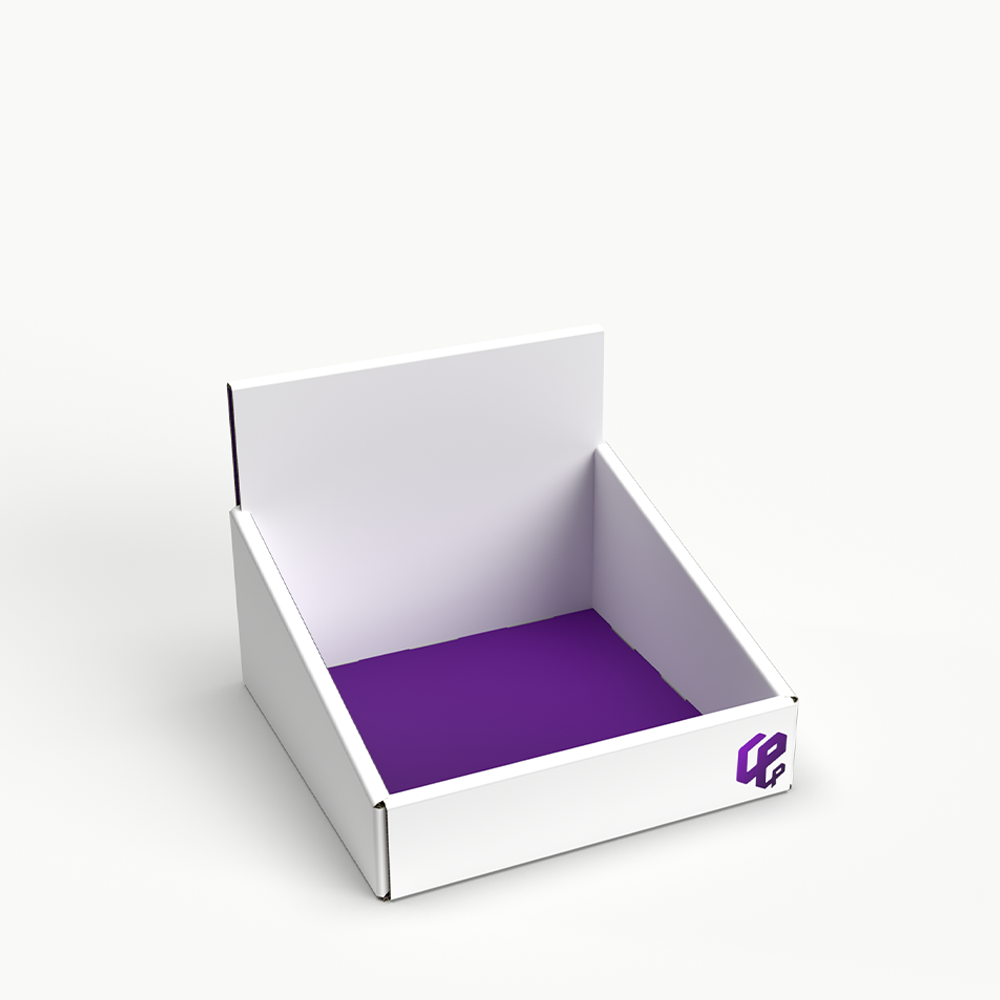
Good ecommerce packaging does the opposite. It protects products, strengthens branding, and quietly improves the customer experience without needing flashy gimmicks. That is why smart businesses are paying closer attention to better ecommerce packaging or E-Commerce Mailer Boxes and investing in more reliable ecommerce packaging solutions instead of relying on generic shipping materials.
A few years ago, customers mainly cared about getting their orders delivered. That standard has changed. Today, people expect packages to arrive safely, look professional, and feel intentional from the moment they open them. This shift is especially noticeable in ecommerce because packaging becomes part of the shopping experience itself.
Physical retail stores already have atmosphere, displays, and customer interaction. Online stores only get one physical touchpoint. The package. That single moment carries a surprising amount of weight.
Well-designed packaging helps customers feel more confident about the brand they purchased from. It can increase repeat purchases, encourage social sharing, and reduce complaints about damaged products. Poor packaging creates the opposite effect almost immediately. Many growing ecommerce businesses underestimate how much packaging influences brand trust.
They spend heavily on ads, websites, and influencer campaigns while shipping products in plain, flimsy boxes that feel rushed and forgettable. Customers notice that disconnect right away.
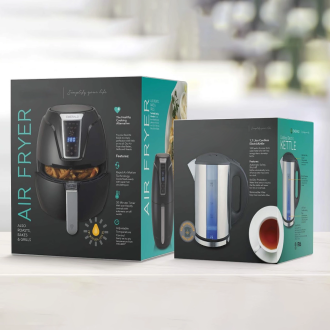
Not every business needs the same packaging style. A clothing brand has completely different requirements than a company shipping electronics or fragile glassware. Choosing the right solution starts with understanding how different packaging types actually function in real-world shipping environments.
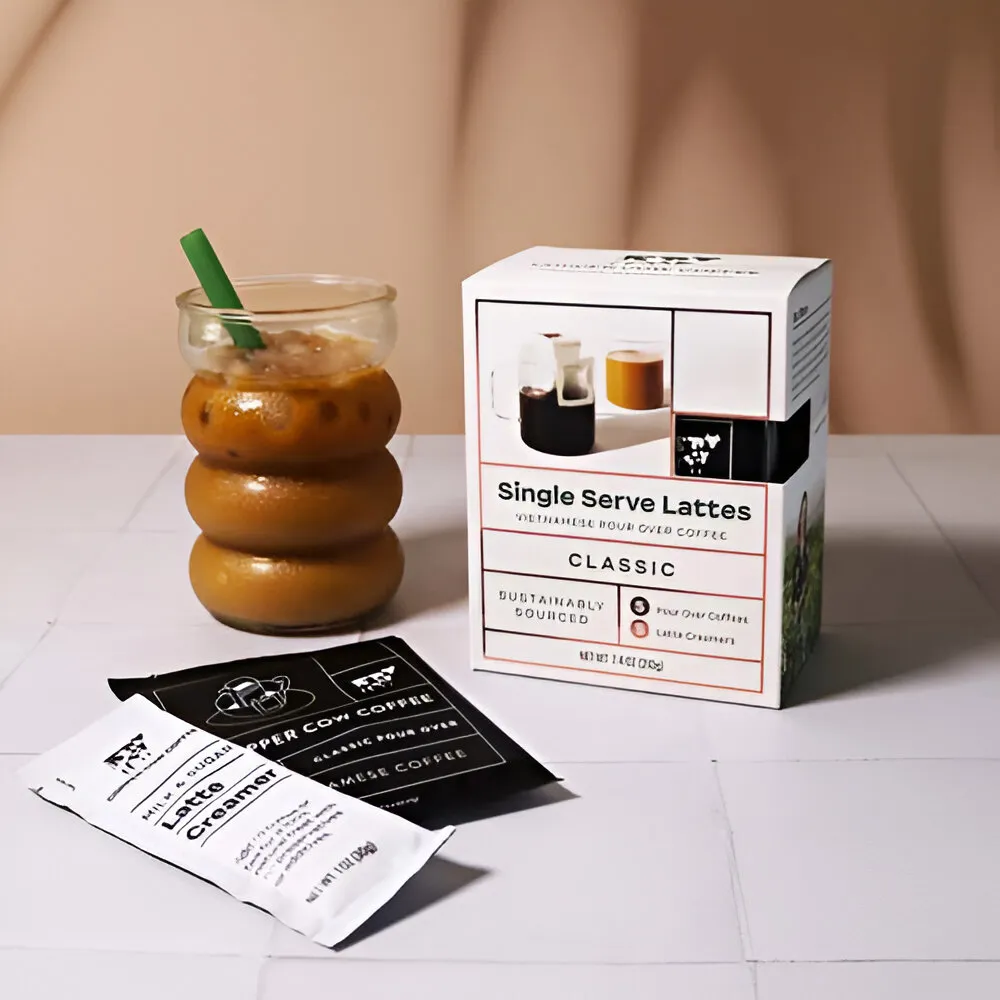
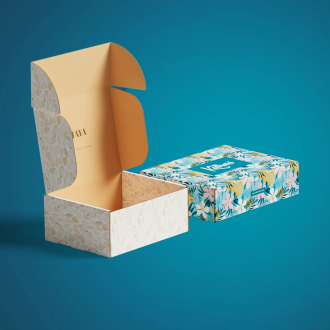
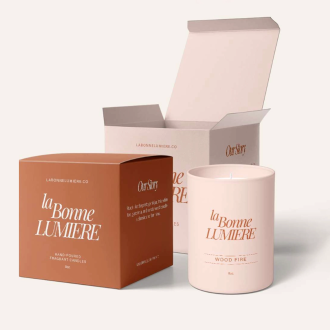
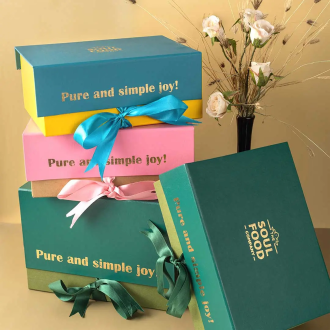
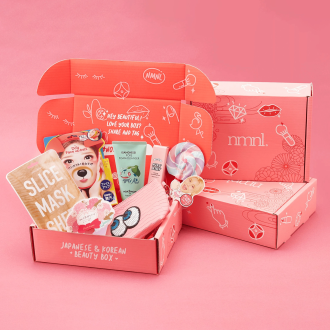
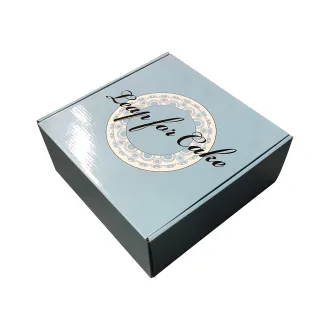
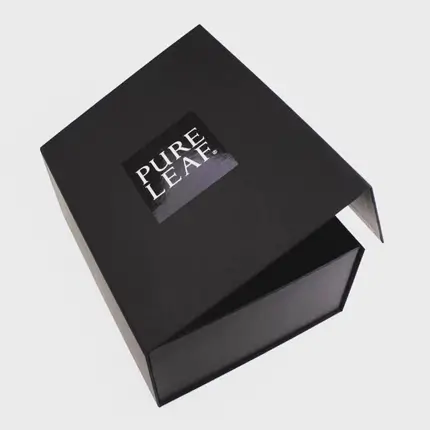
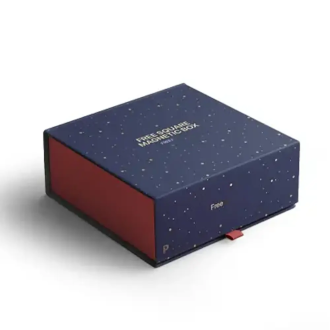
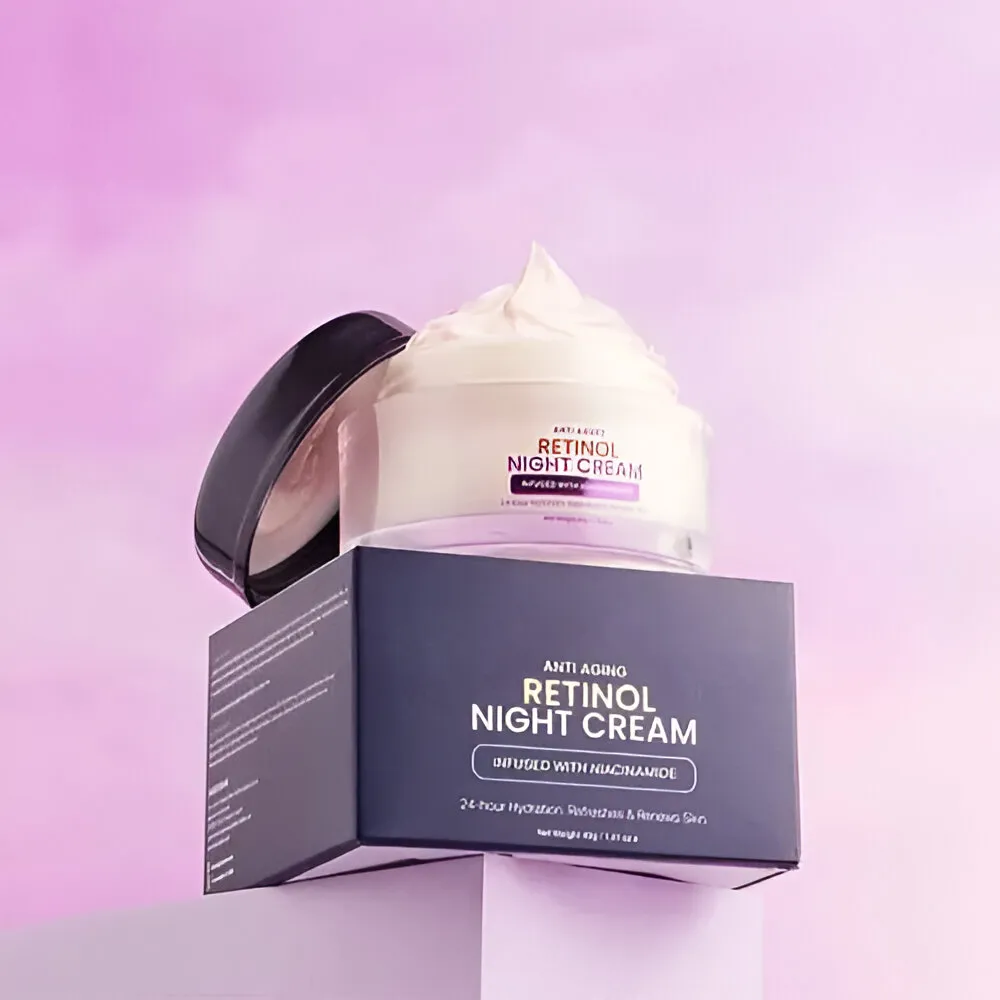
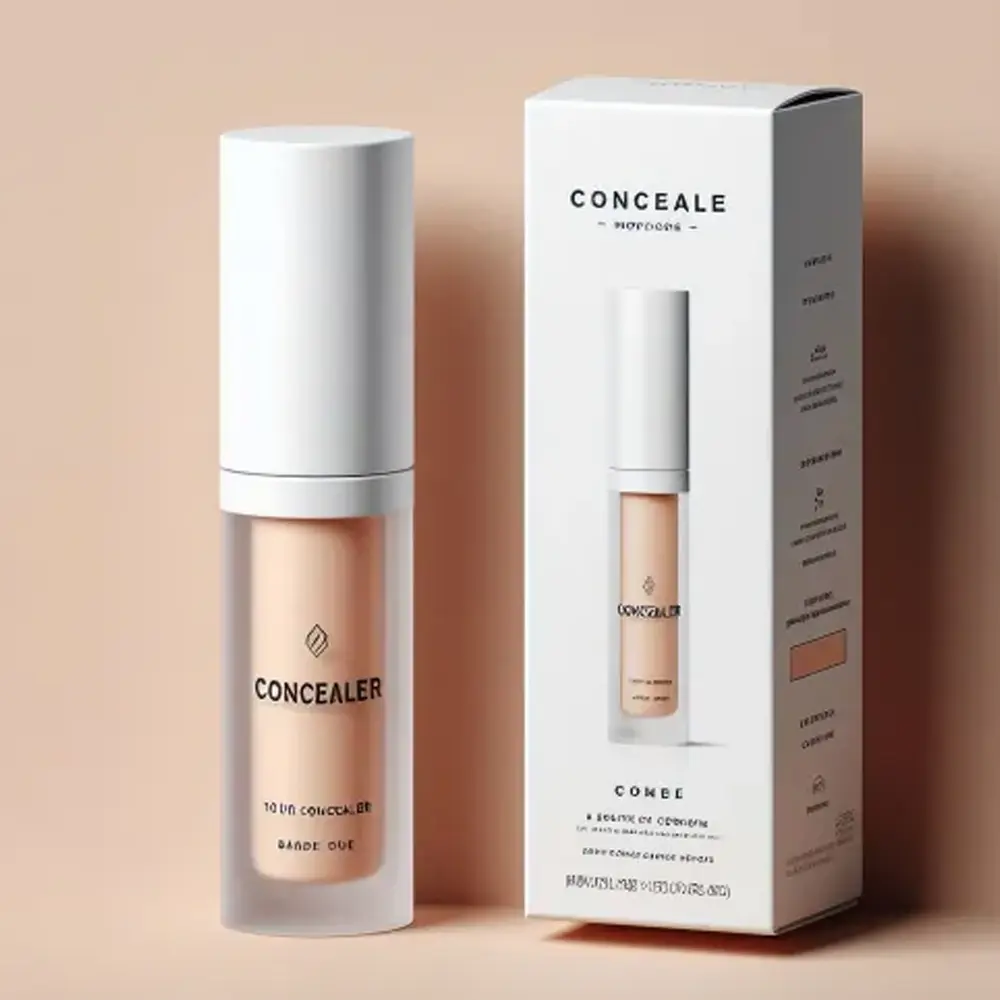
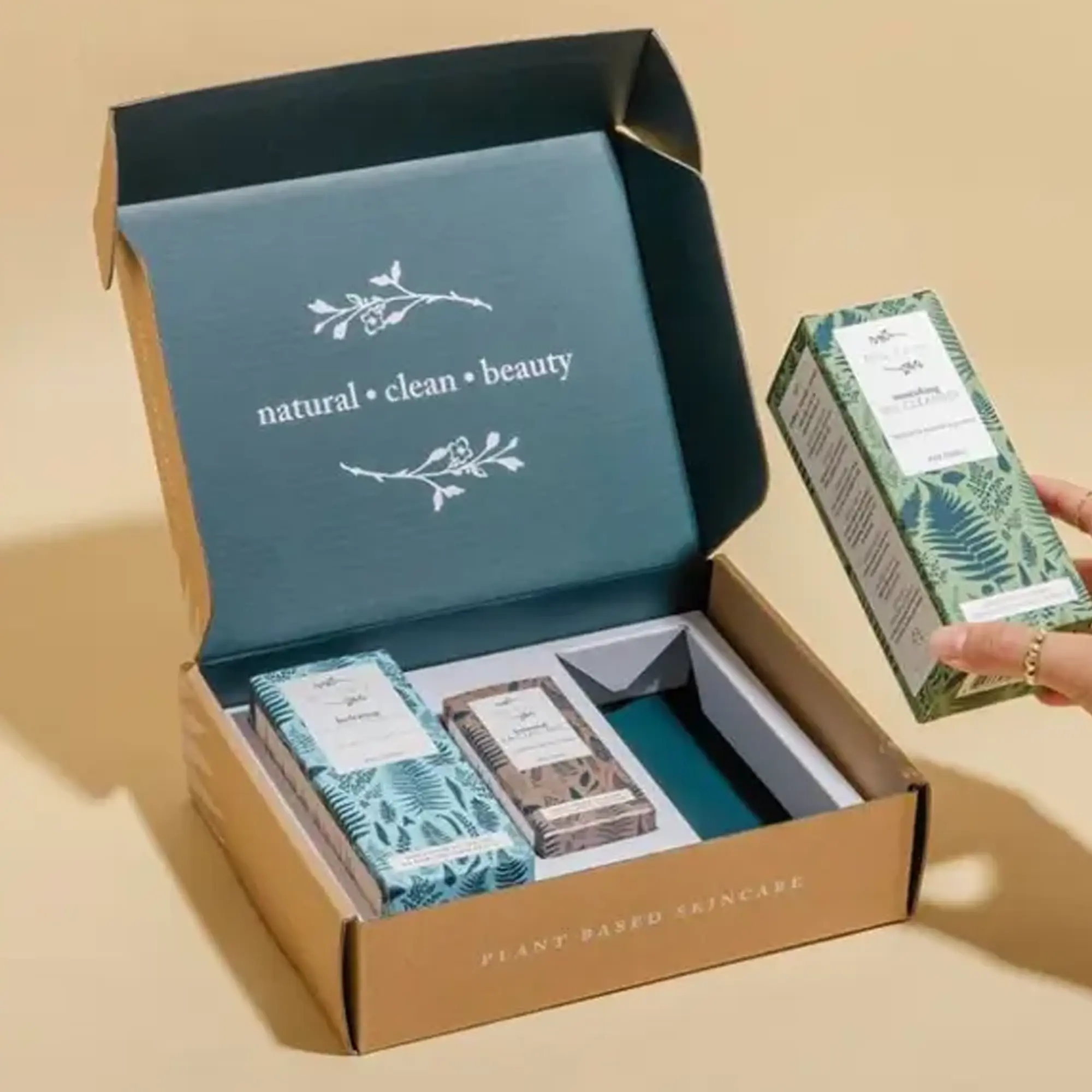
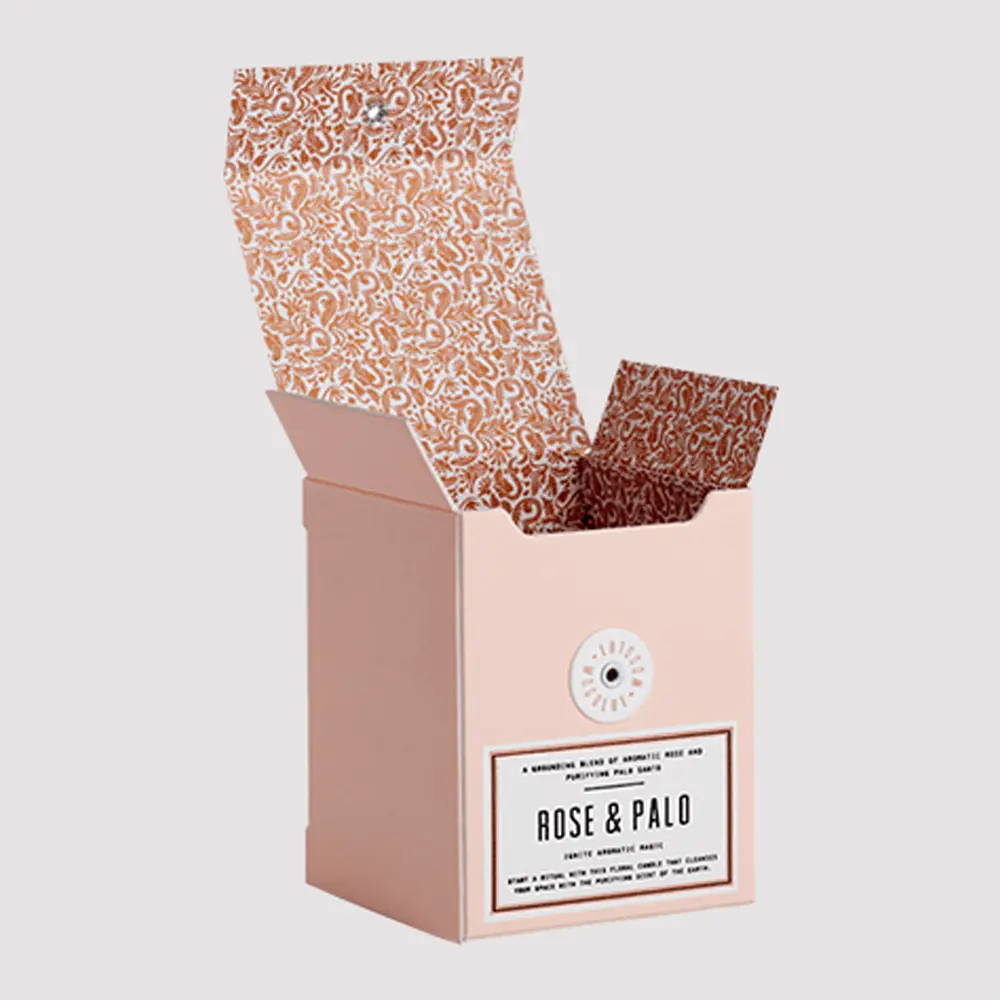
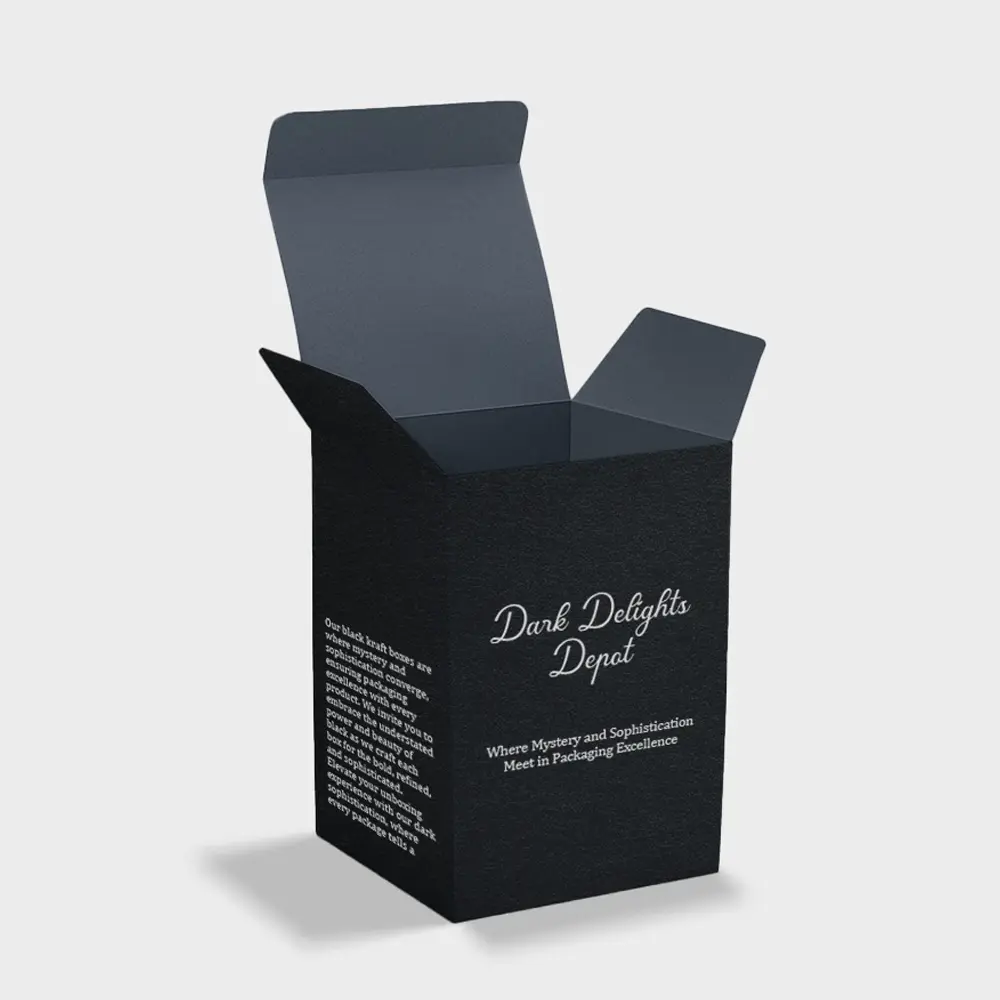
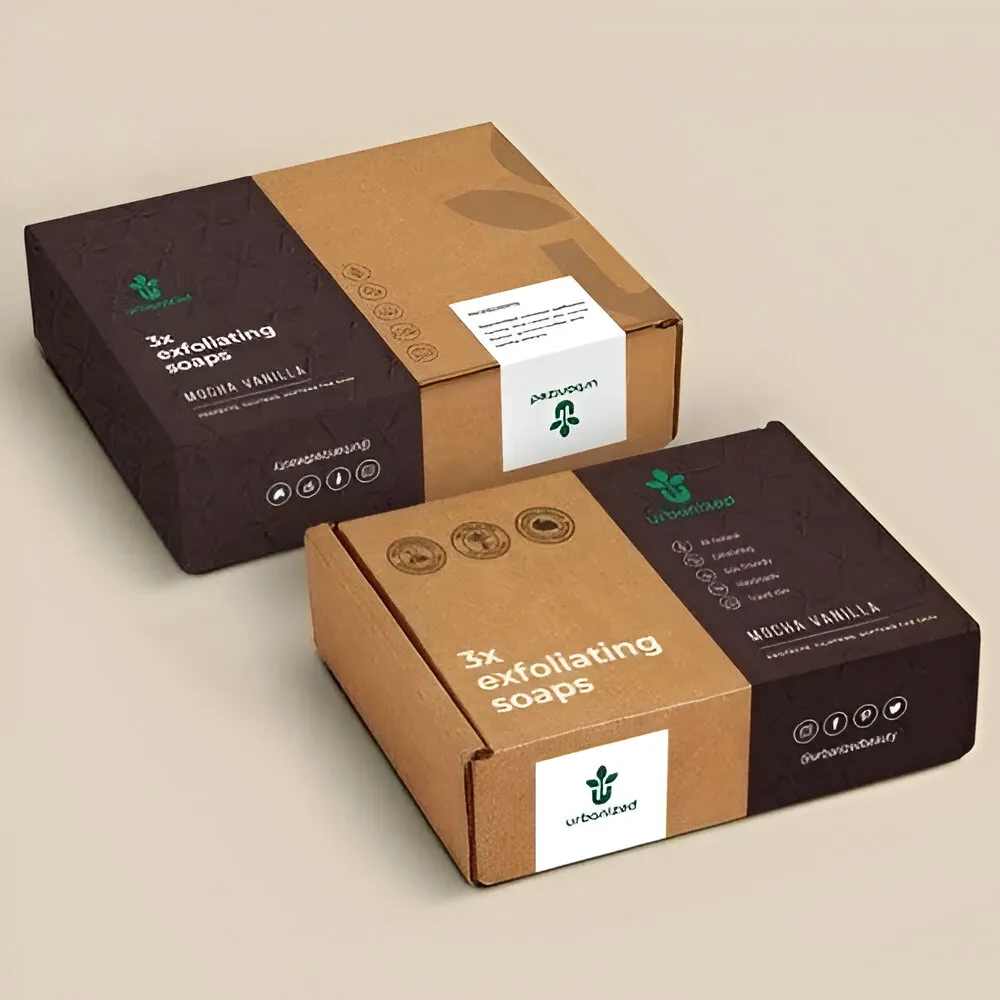
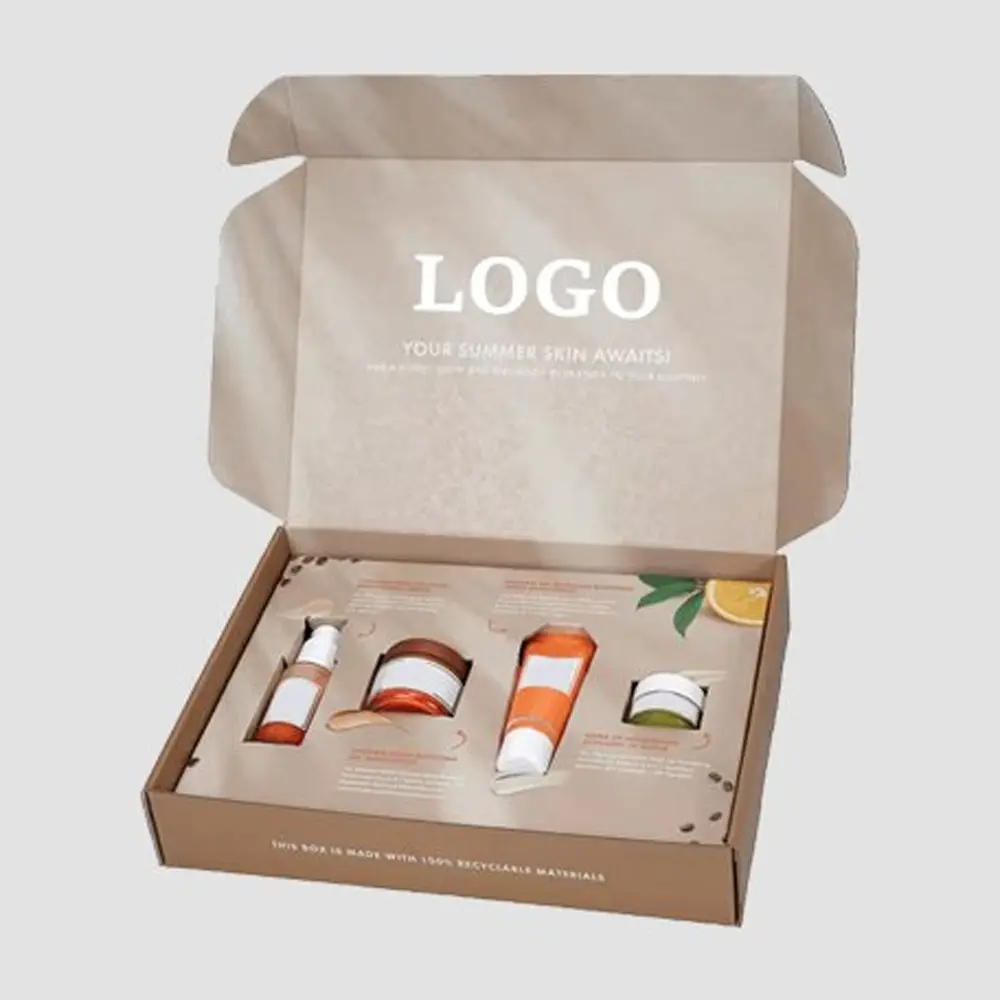
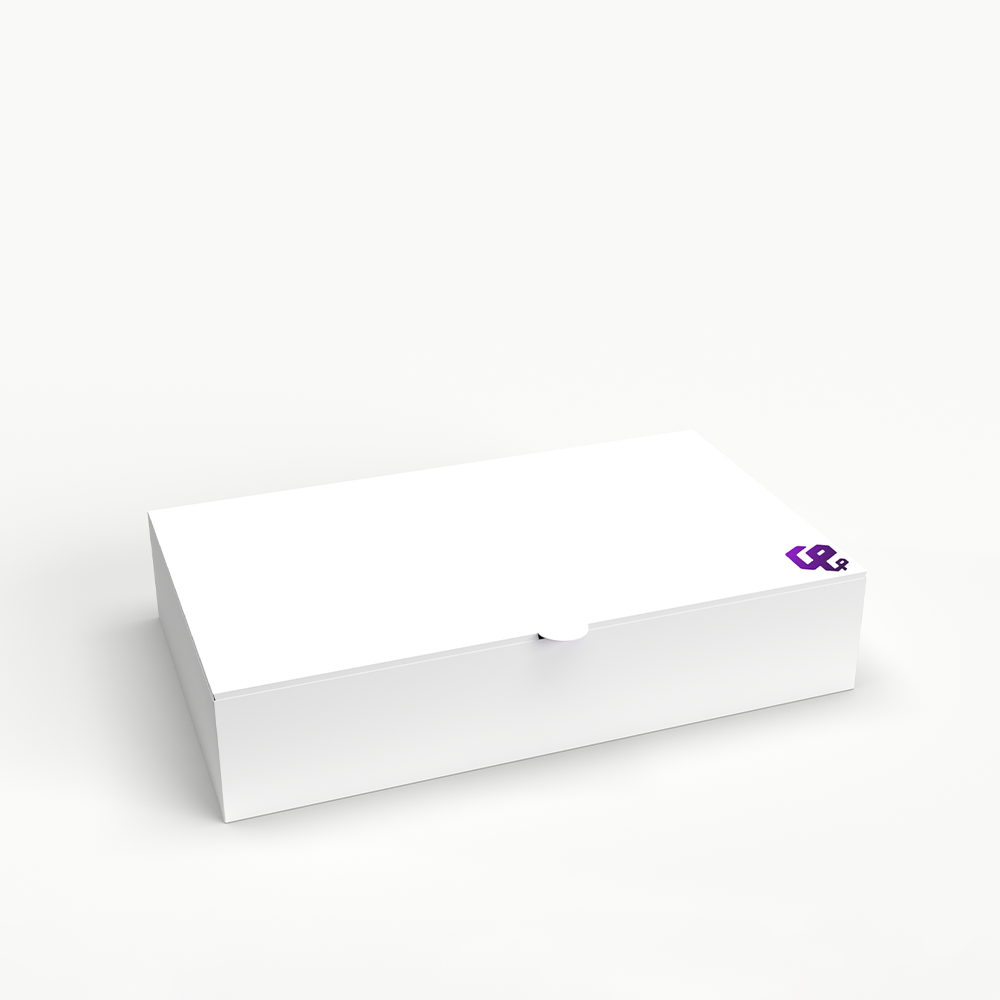
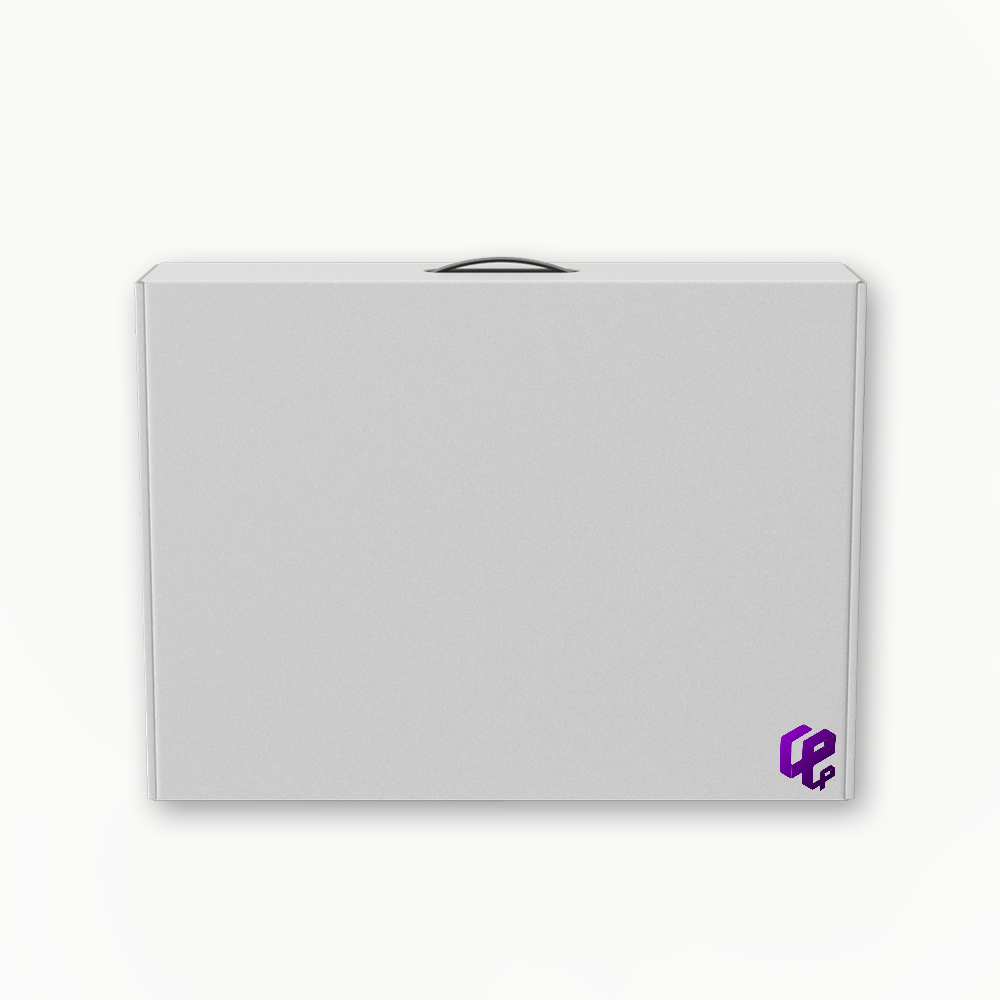
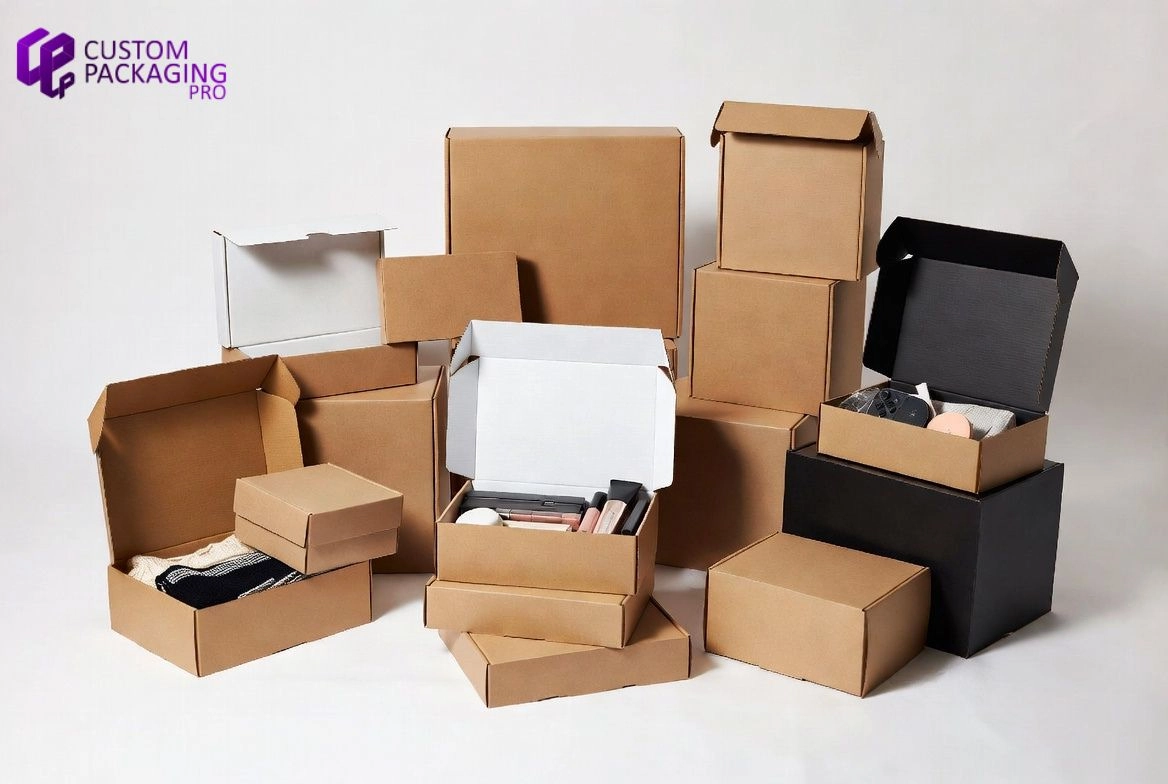
Mailer boxes have become one of the most popular choices for modern ecommerce brands, and honestly, it is easy to see why. They offer a strong balance between durability, presentation, and customization. These boxes work especially well for subscription products, apparel, cosmetics, promotional kits, and direct-to-consumer brands trying to create a polished unboxing experience. Unlike standard shipping cartons, mailer boxes feel more branded and intentional. Customers instantly recognize the difference when they open one.
A well-designed mailer box can elevate even simple products. Interior printing, inserts, and custom finishes help businesses create a stronger identity without overcomplicating the packaging itself.
For brands looking for customizable shipping solutions, Custom Packaging Pro’s E-Commerce Mailer Boxes provide flexible options for different product categories and shipping needs.
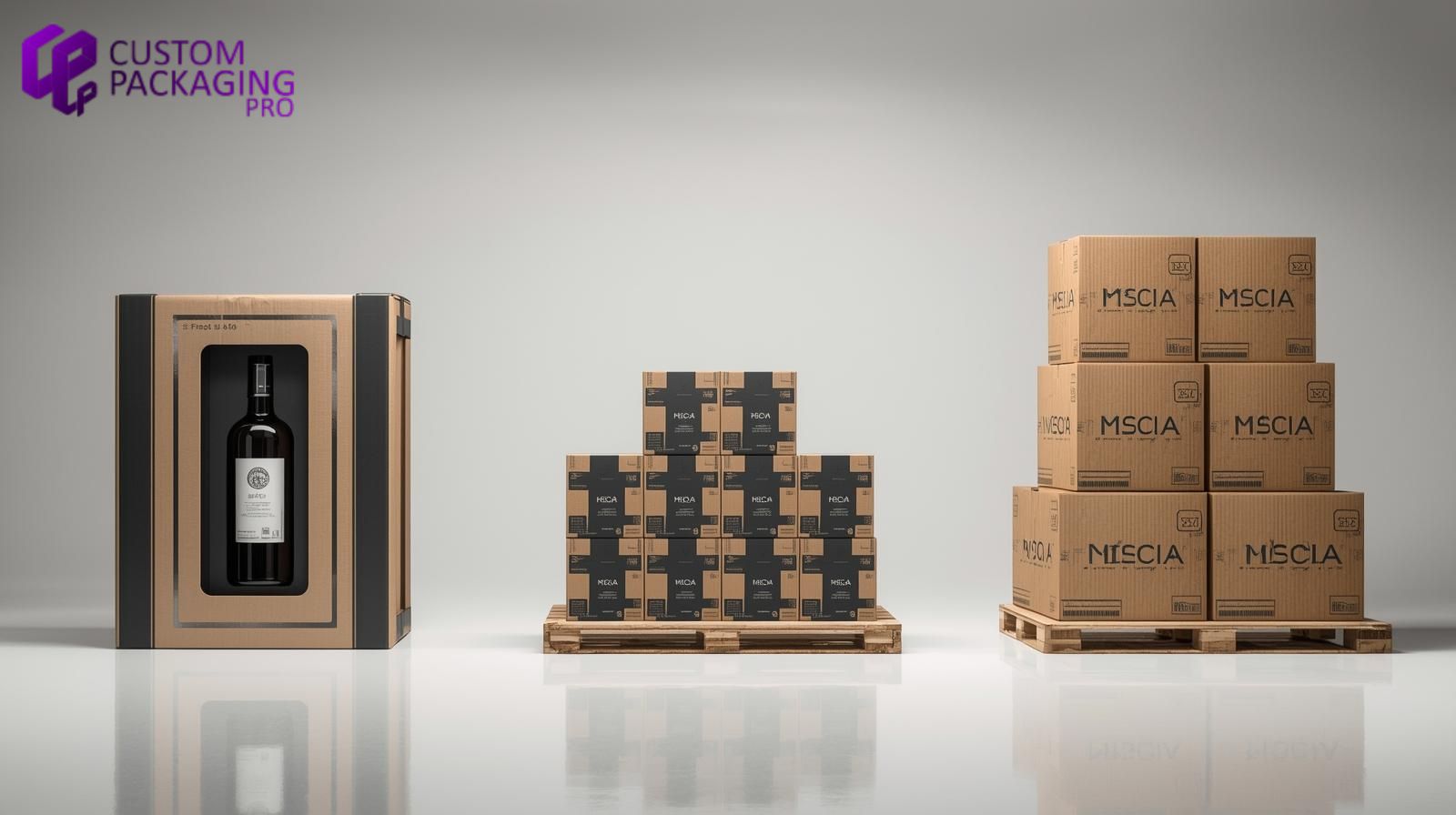
Corrugated shipping boxes remain the backbone of ecommerce logistics for one reason. They work. The layered structure adds durability that helps products survive rough handling during transit. If you are shipping fragile items, heavier products, or bulk orders, corrugated packaging is usually the safest route.
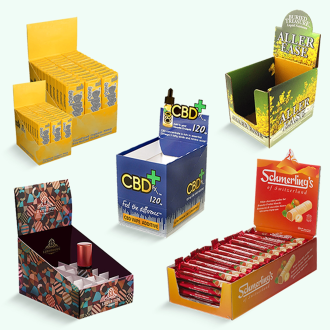
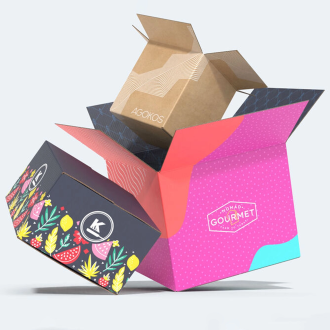
Some businesses avoid corrugated boxes because they think they look too plain. That concern is understandable, but practicality matters more when products are traveling across multiple shipping facilities. Damaged products cost far more than simple-looking packaging ever will. At the same time, corrugated packaging does not have to feel boring. Custom printing and branded designs can still create a professional presentation while maintaining strong protection.
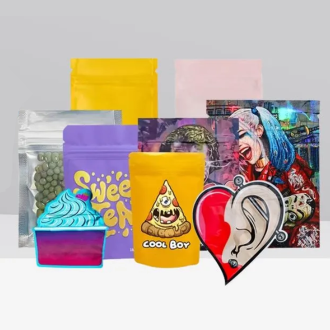
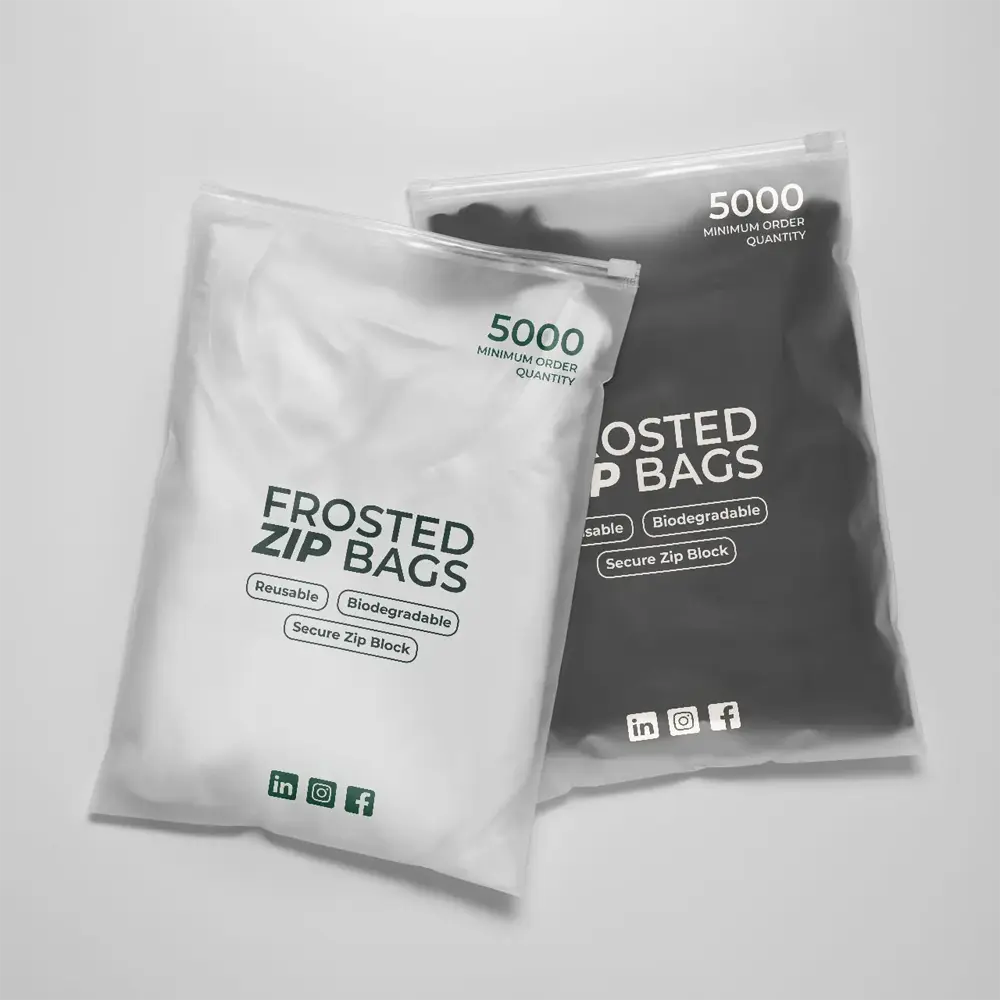
Poly mailers are lightweight shipping bags commonly used for apparel and soft goods. Ecommerce brands like them because they reduce shipping weight, take up less storage space, and cost less than rigid packaging options. For certain businesses, they make perfect sense.
Still, not every brand benefits from poly mailers. Premium ecommerce stores sometimes hurt their image by relying on thin, generic mailers that feel cheap the second customers pick them up. That disconnect matters more than many businesses expect. Customers are also becoming more aware of sustainability concerns surrounding plastic packaging.
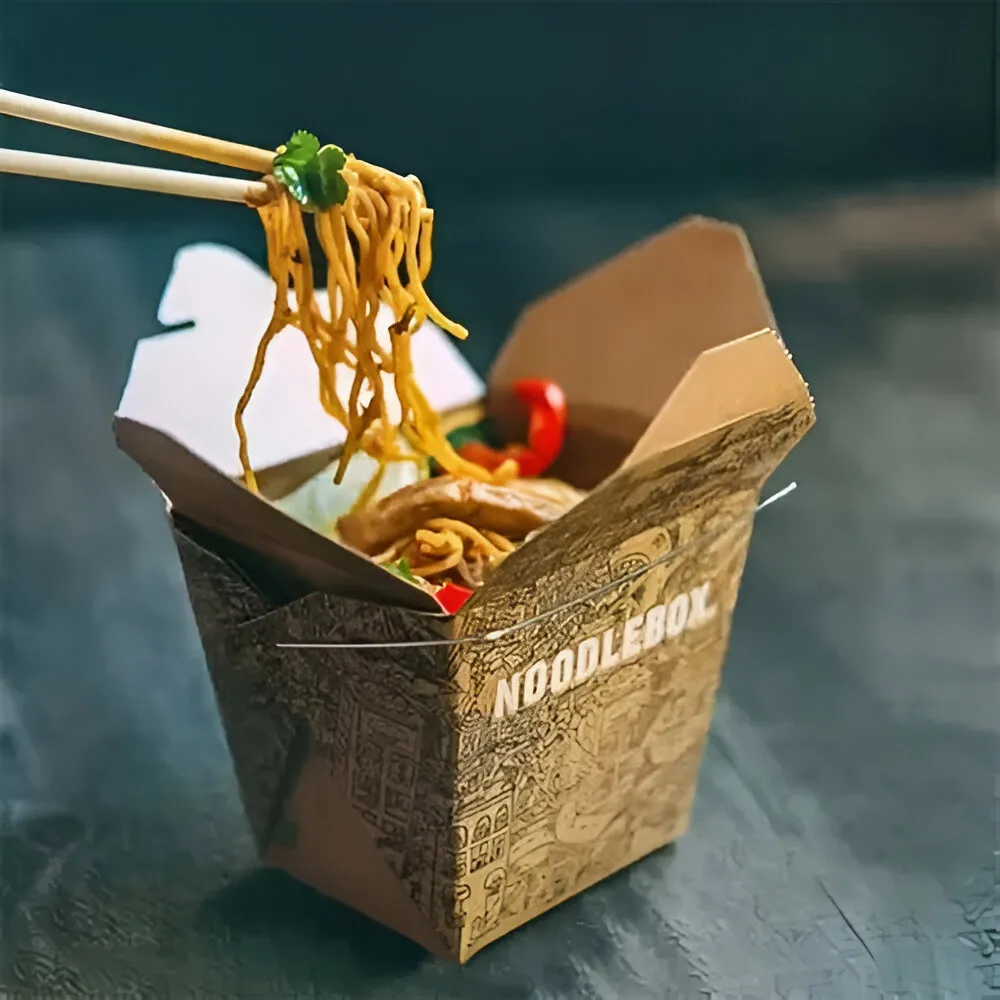
Brands using poly mailers should think carefully about recycled or eco-conscious alternatives if environmental positioning is part of their identity.

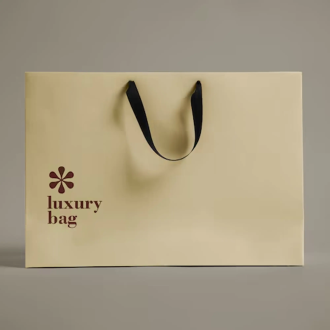
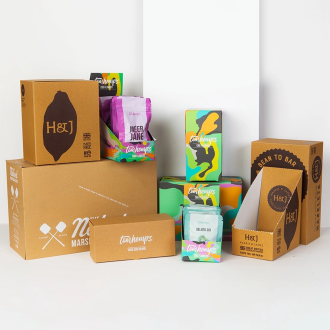
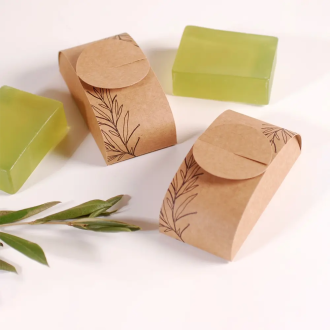
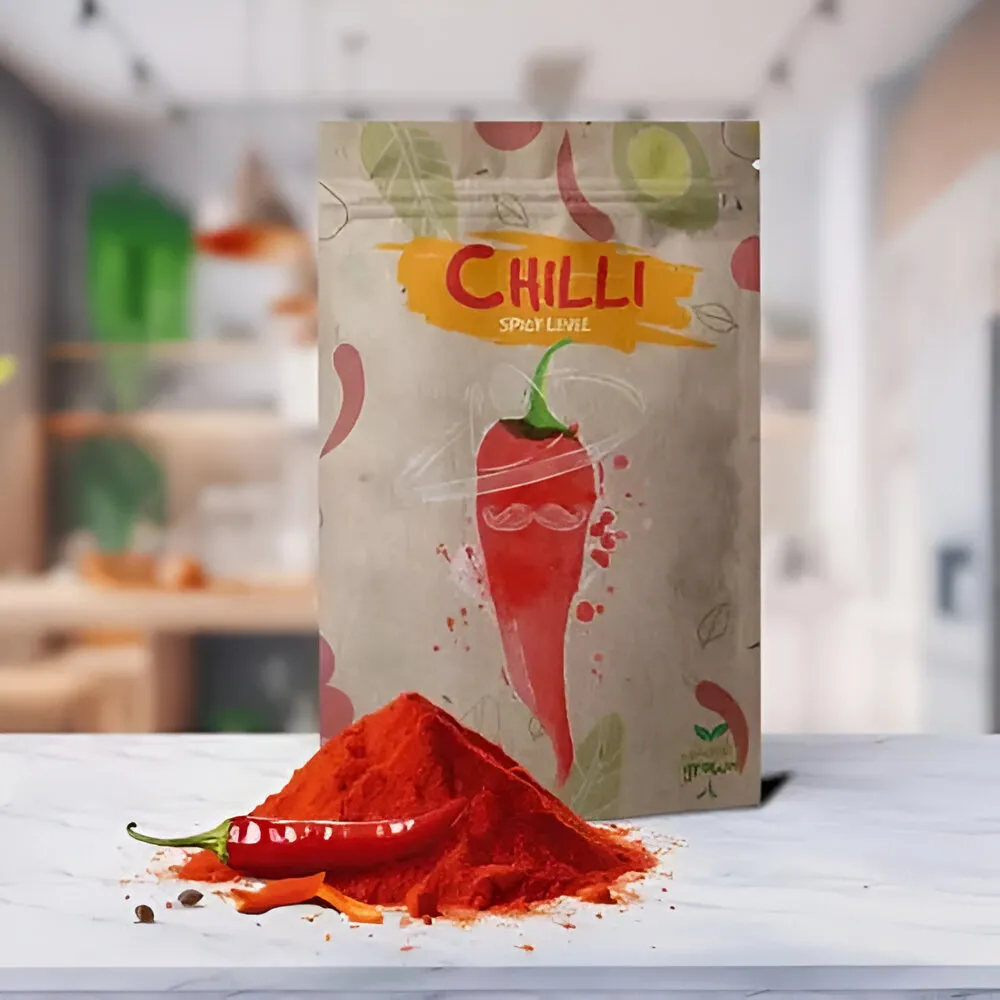
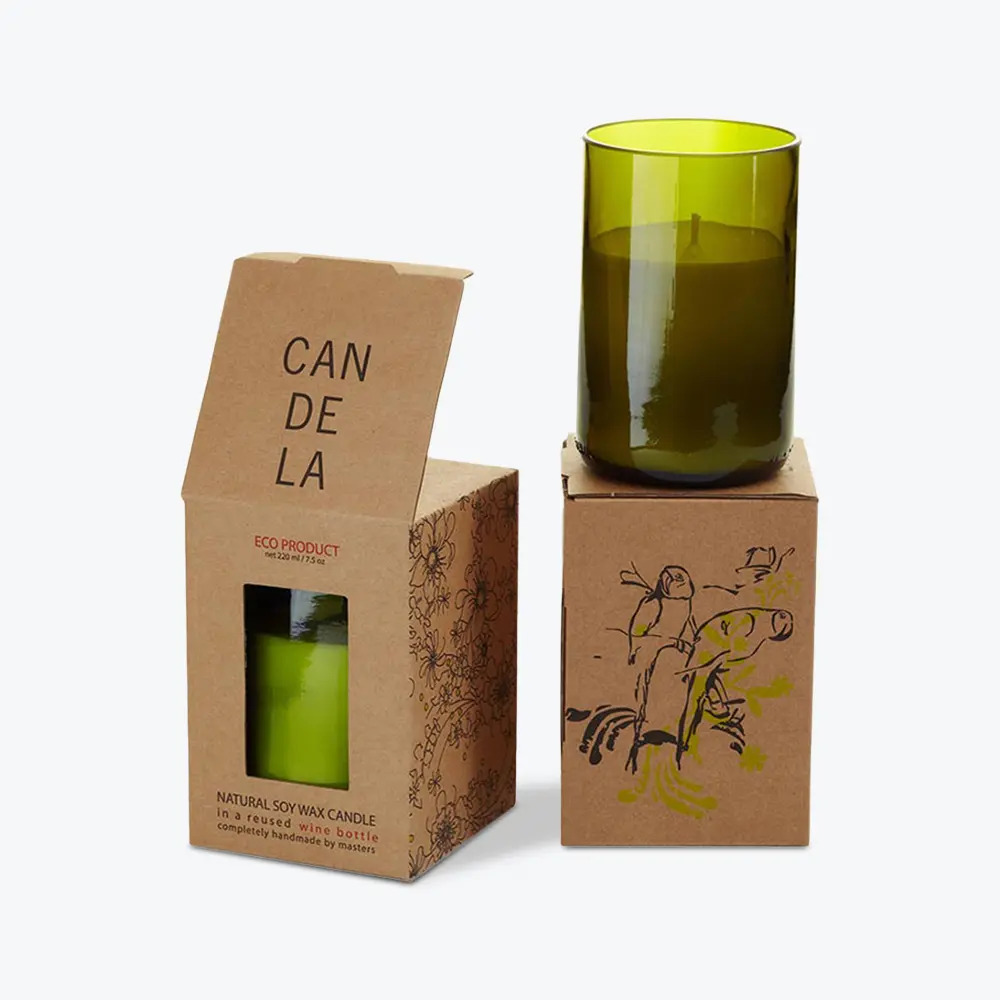
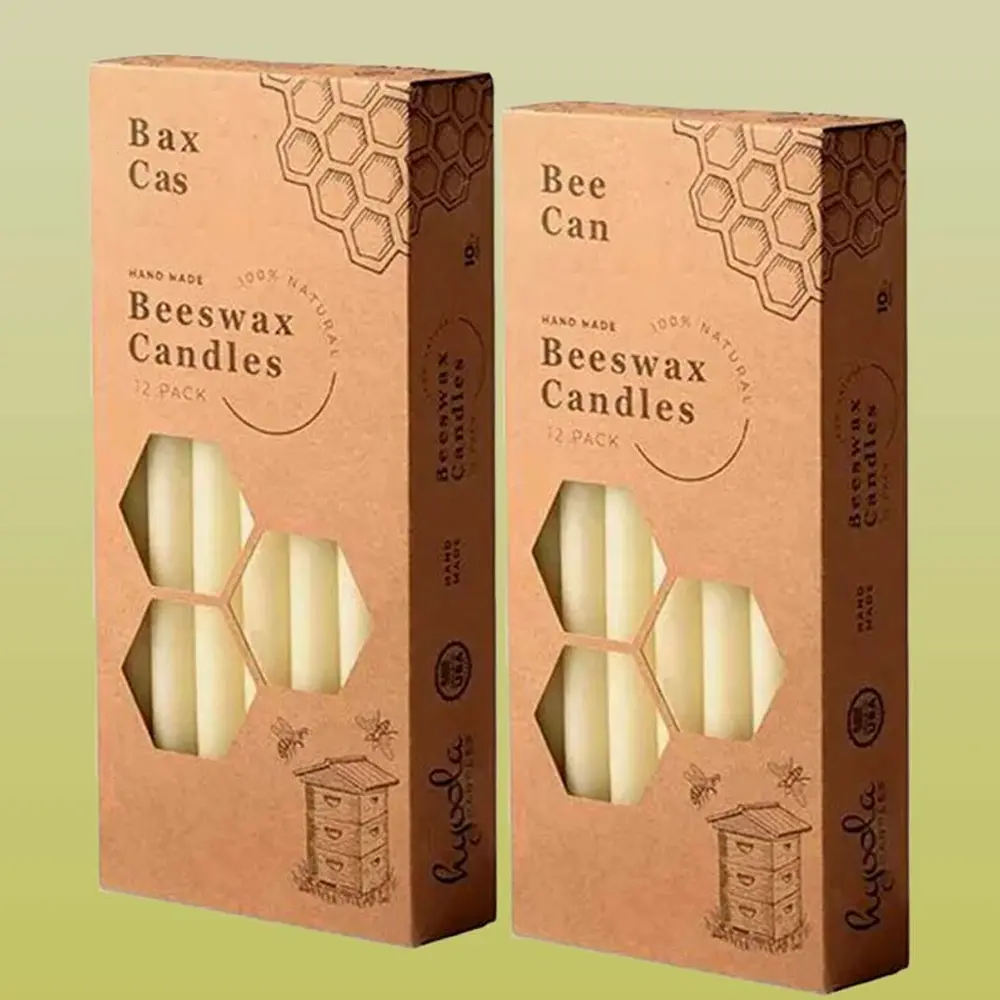
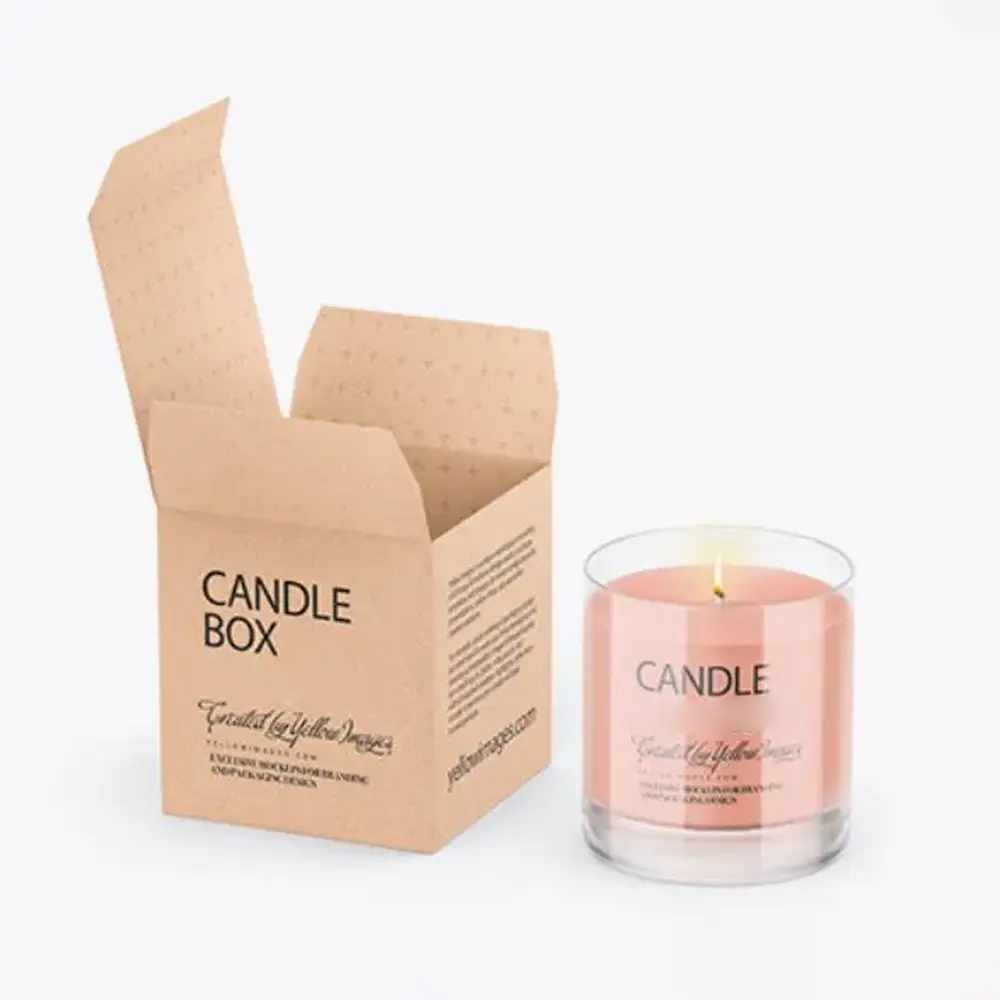
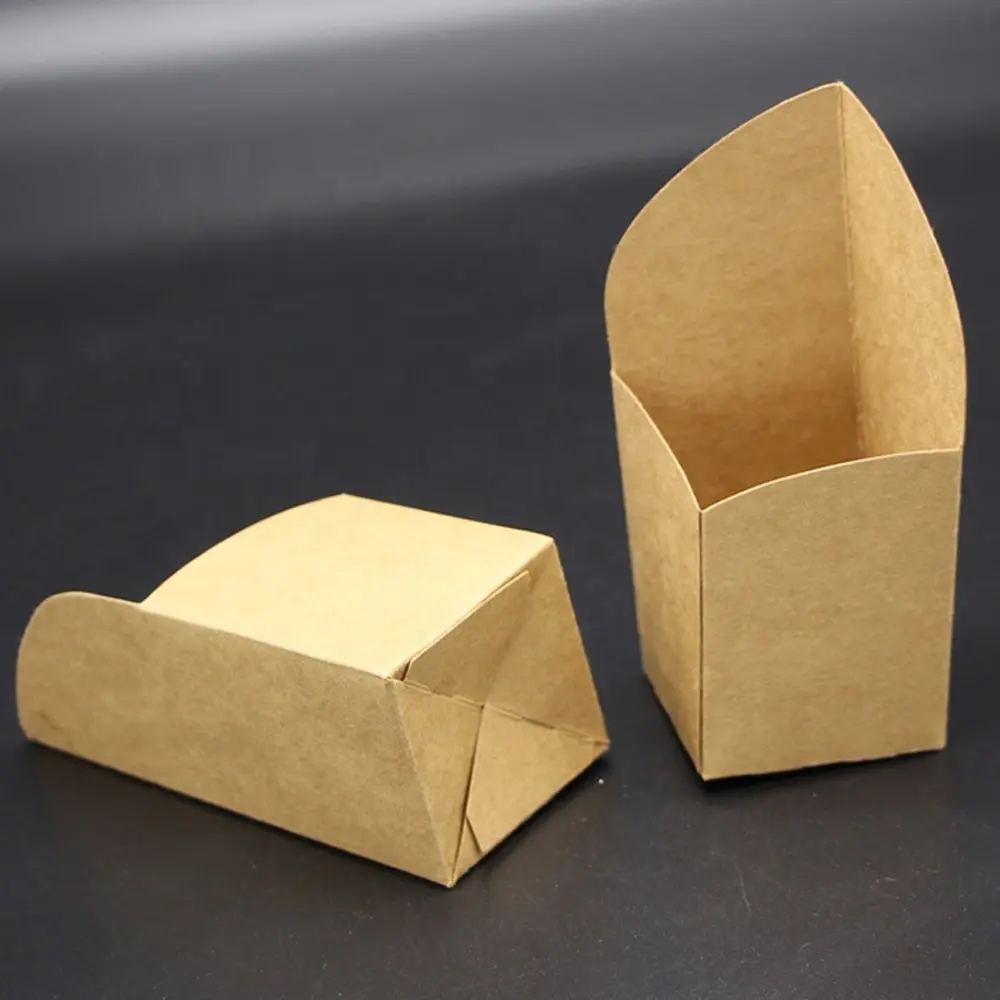
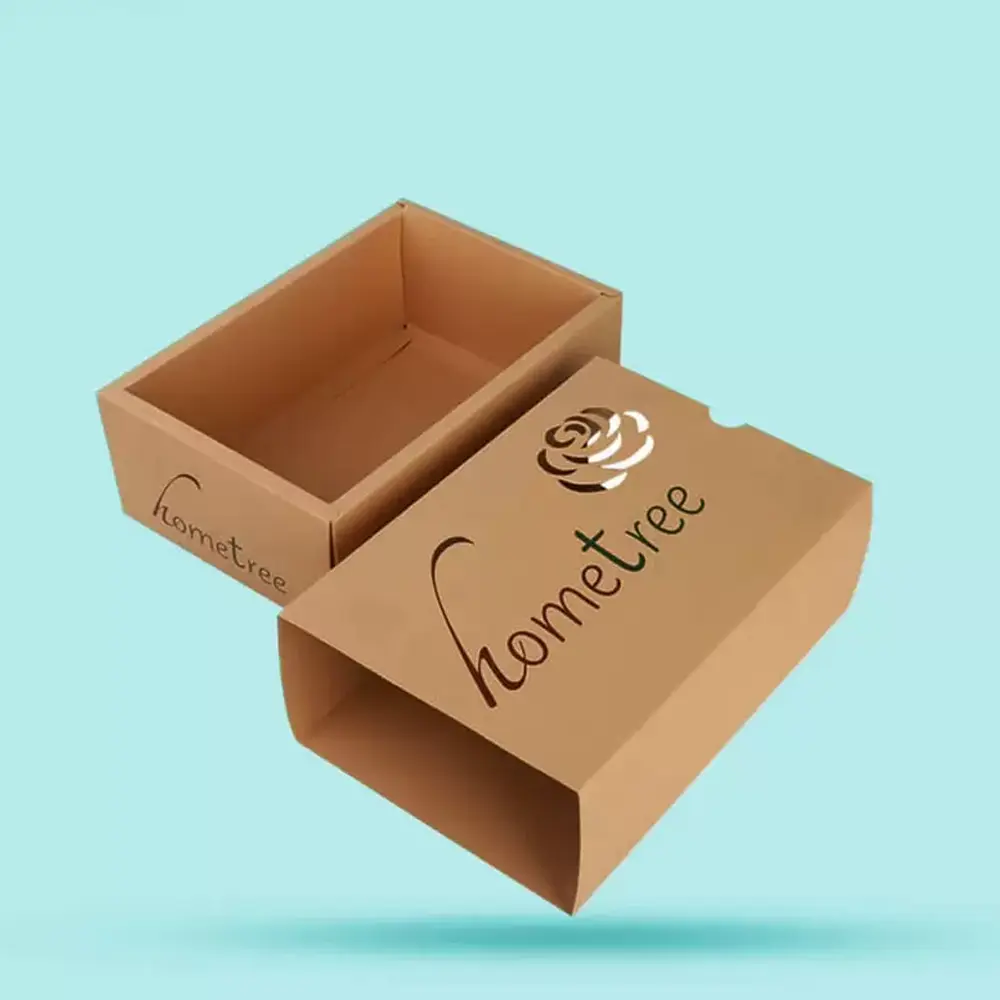
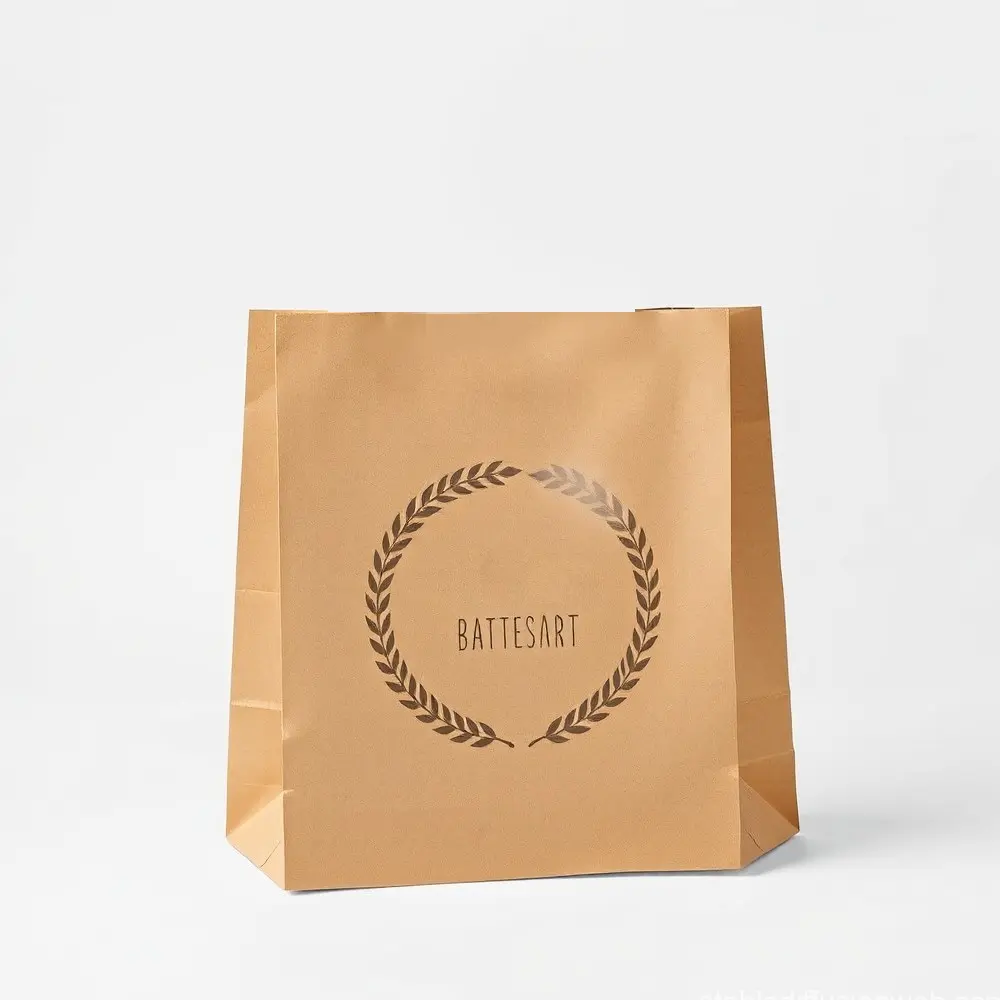
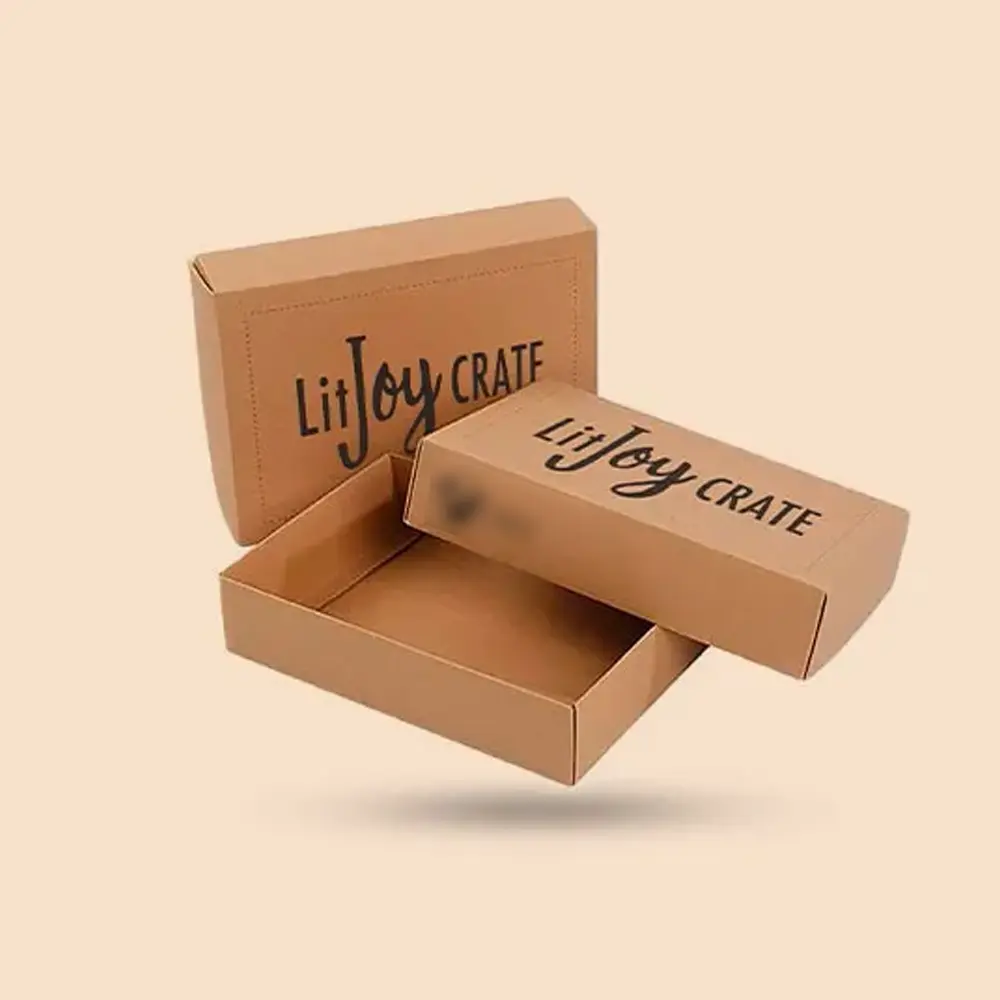
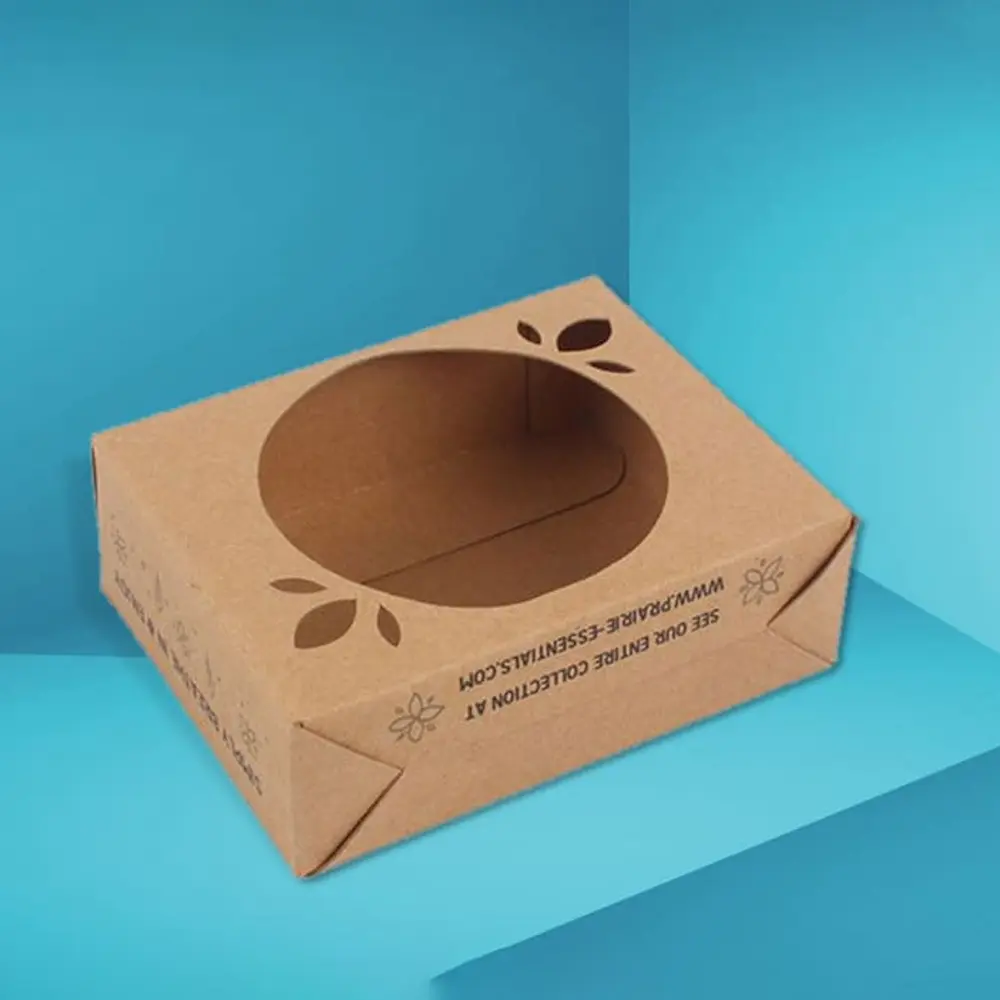
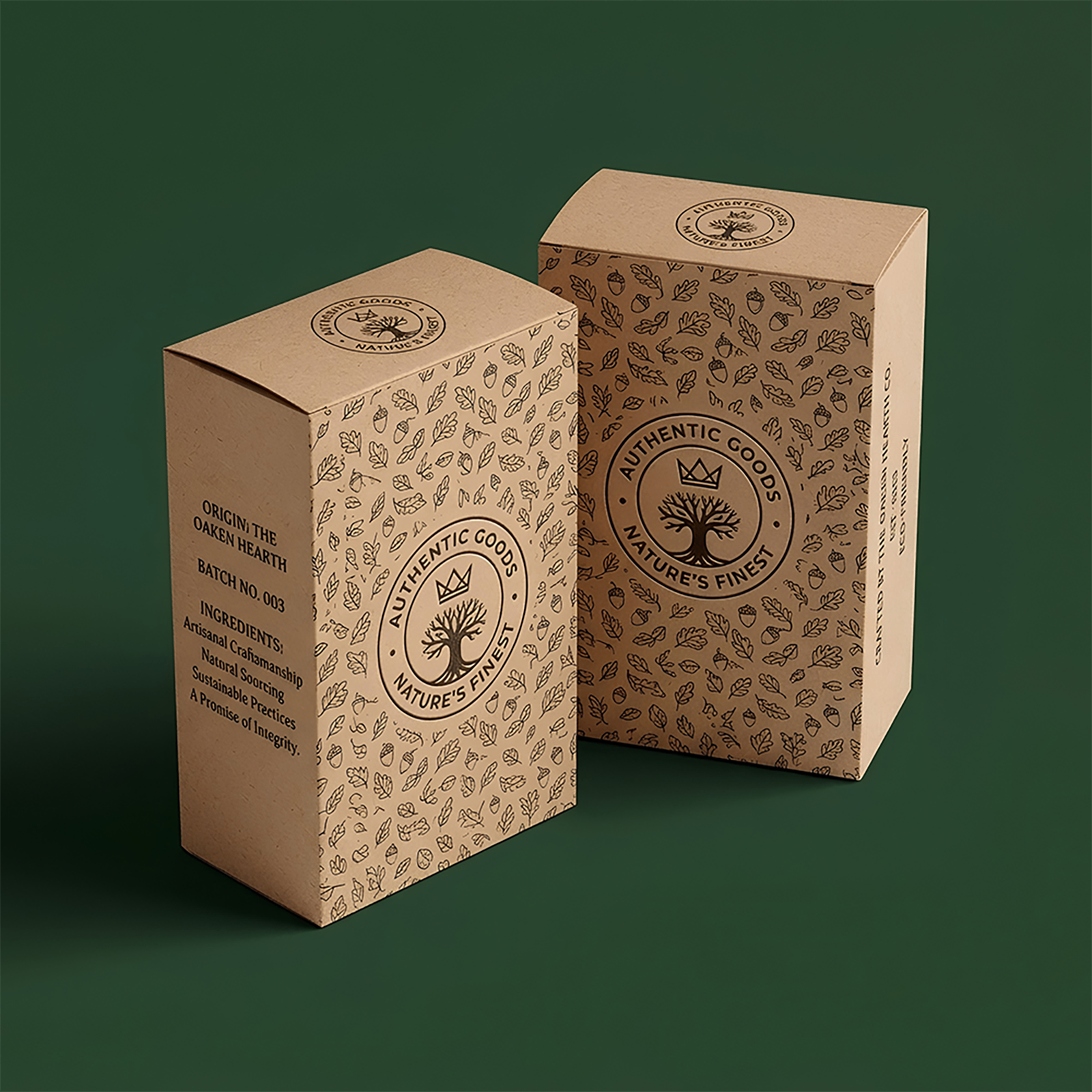
Kraft packaging has become extremely popular among modern ecommerce businesses, especially brands that want a clean, natural, or eco-friendly presentation.
There is something approachable about kraft packaging. It feels less corporate and more authentic. Customers often associate it with sustainability and thoughtful branding, even before reading a single word on the package. That perception is valuable.
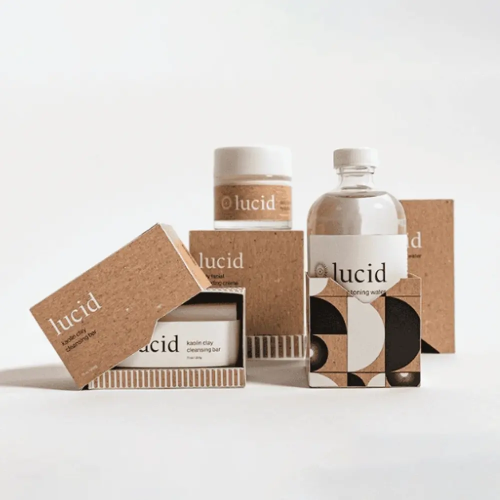
Kraft materials work particularly well for handmade products, skincare brands, boutique stores, organic products, and businesses that want a softer, minimalist aesthetic. The visual simplicity often creates a stronger impression than glossy over-designed packaging.
Padded mailers sit somewhere between lightweight mailers and protective boxes. They are commonly used for smaller products that still need some cushioning during transit. Jewelry, cosmetics, accessories, books, and small electronics are common examples. They help reduce shipping bulk while still offering moderate protection.
That balance makes them useful for businesses trying to keep fulfillment costs manageable without completely sacrificing product safety.
Still, presentation can become an issue depending on the brand. A padded mailer alone may not create the experience luxury or premium brands are aiming for. In those situations, businesses often combine padded mailers with custom sleeves, inserts, or branded inner packaging.
The packaging material itself matters just as much as the packaging style. Material choices affect shipping costs, product safety, branding, storage efficiency, and environmental impact all at once. Corrugated cardboard remains one of the most trusted materials in ecommerce because it balances strength and affordability so well. It handles shipping stress effectively without driving costs too high, which is why so many businesses continue relying on it for daily operations.
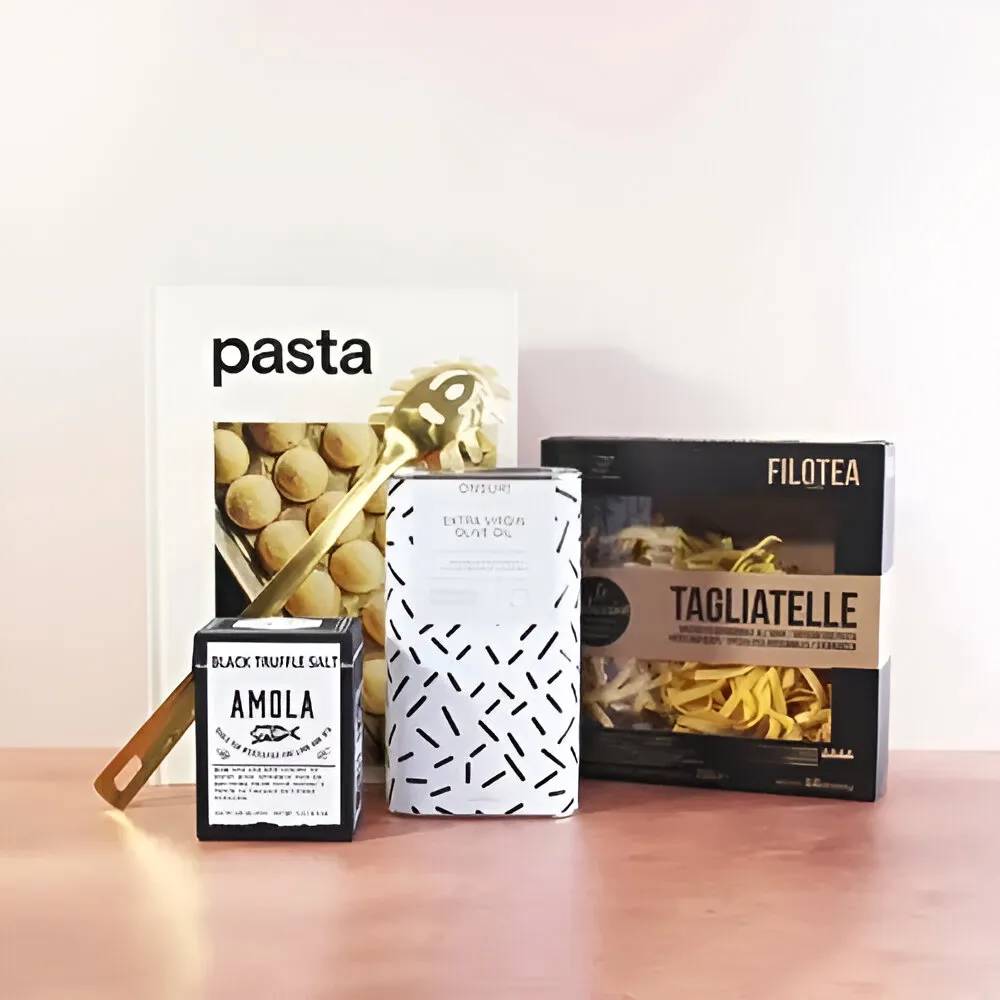

Kraft paperboard offers a different kind of appeal. It is lighter, visually cleaner, and aligns naturally with sustainability-focused branding. Many direct-to-consumer companies prefer kraft packaging because it creates a more organic and modern feel that customers respond to positively.
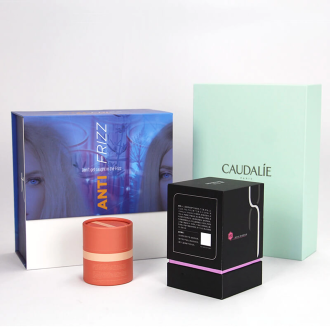
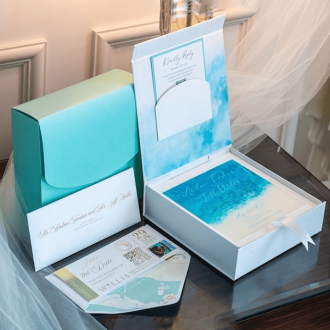
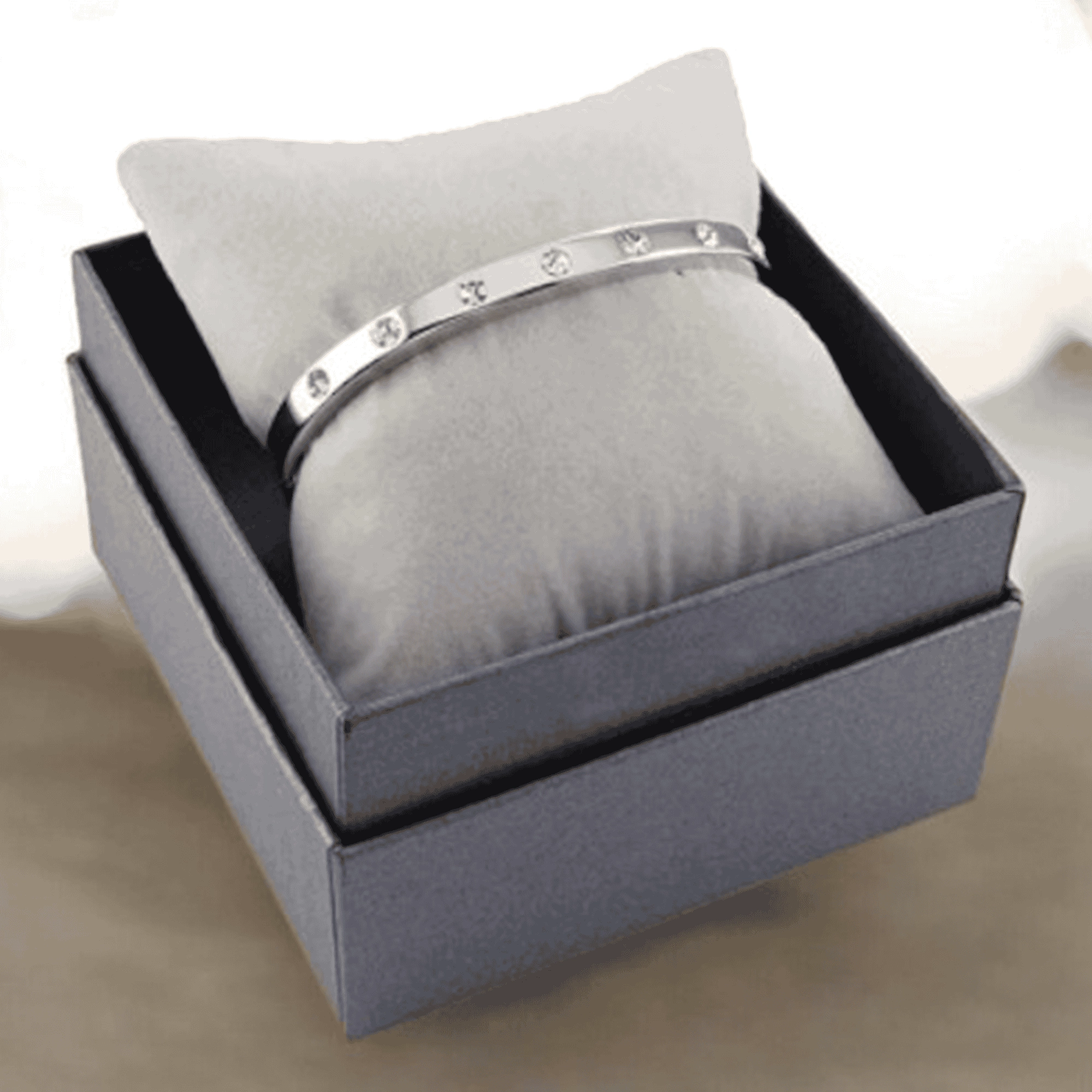
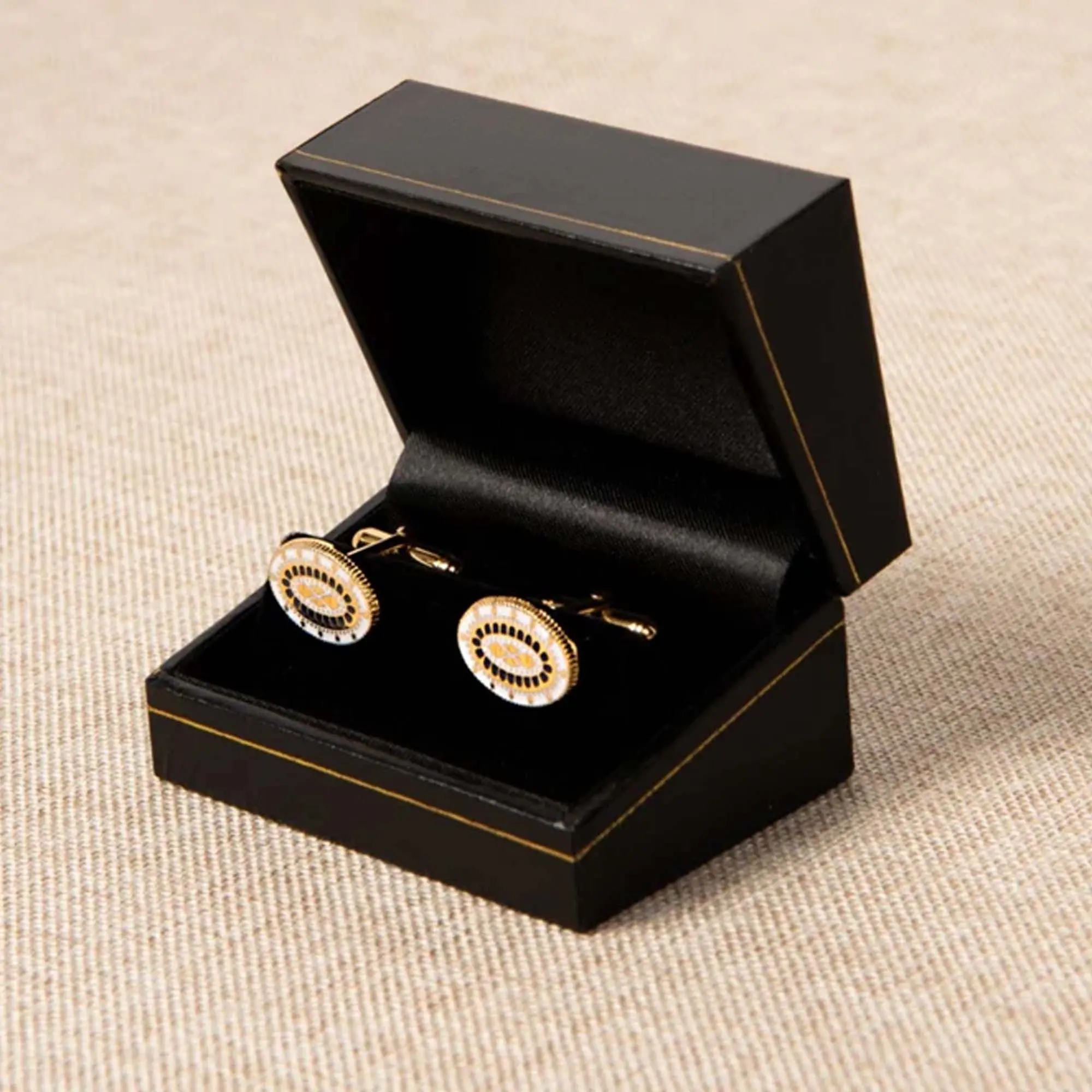
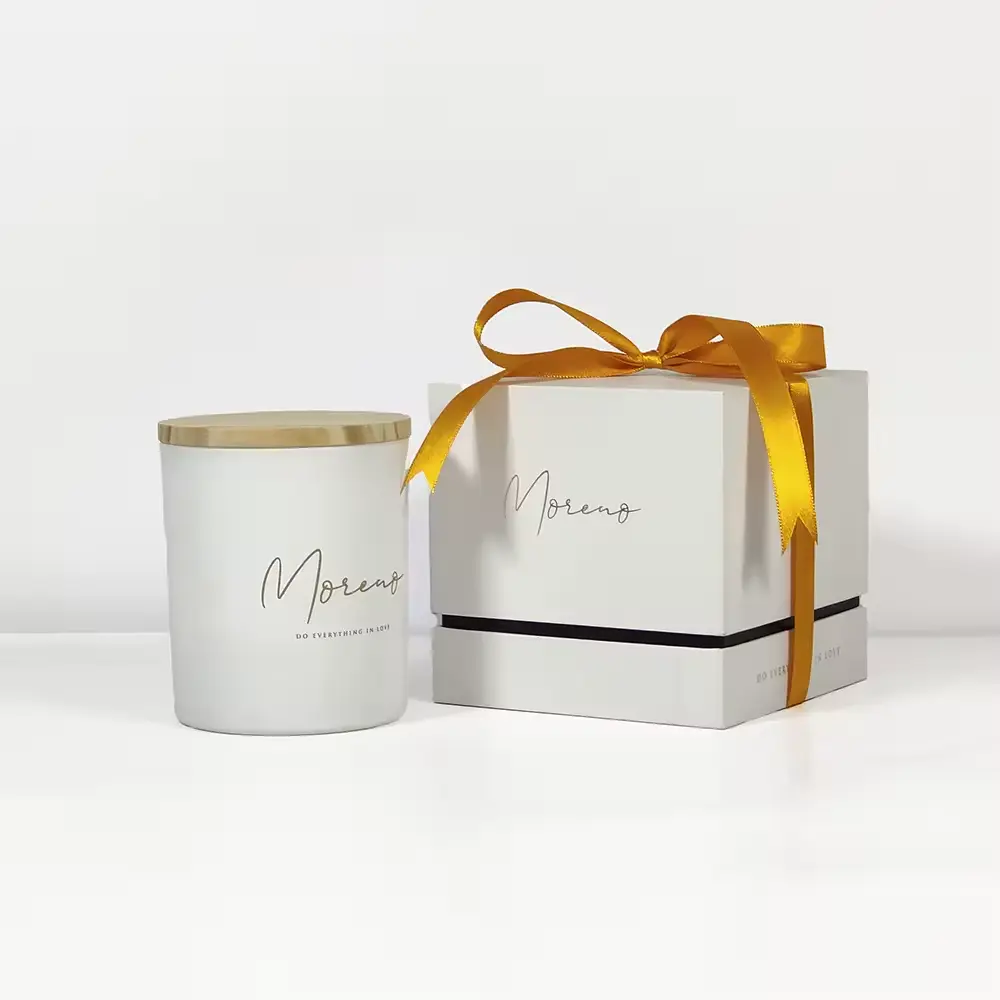
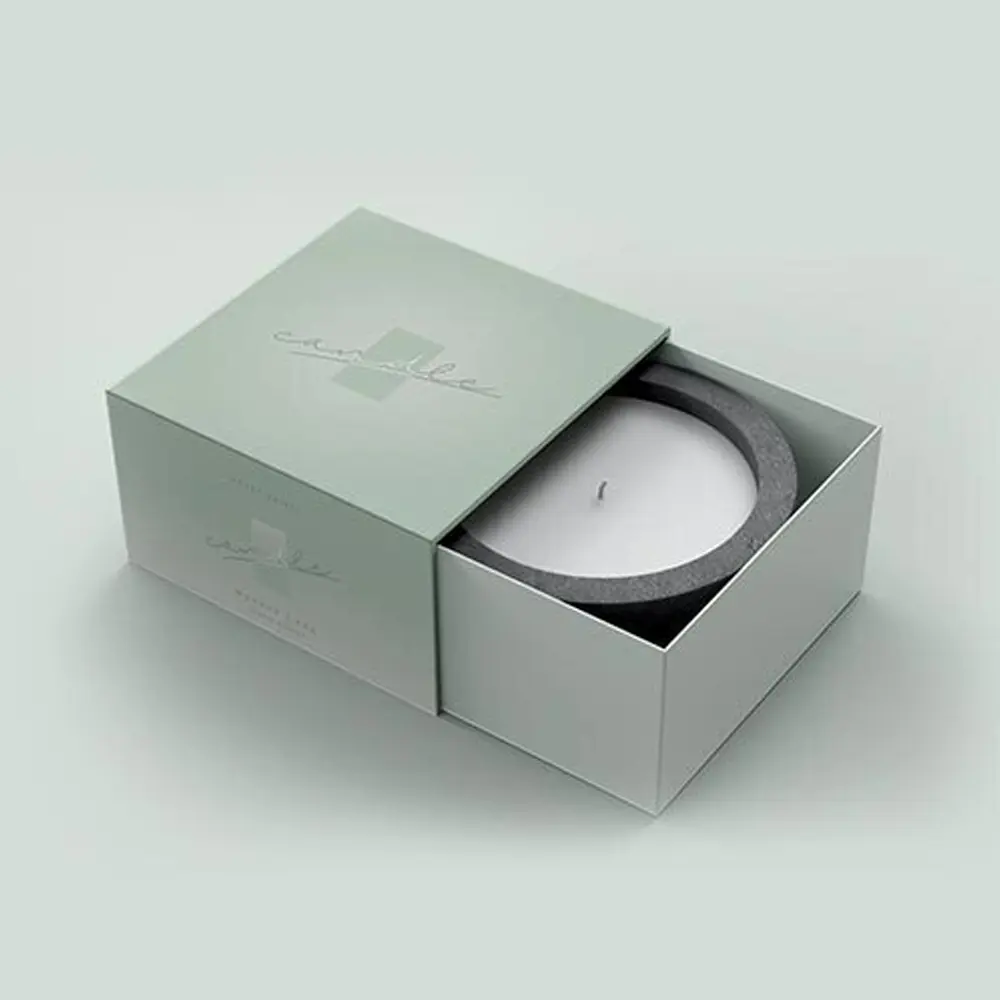
Rigid box packaging sits at the premium end of the spectrum. These boxes create a luxury presentation that feels impressive immediately, especially for products like jewelry, electronics, or high-end cosmetics. The downside is obvious though. Rigid packaging costs significantly more, and not every ecommerce business actually benefits enough from the upgrade to justify the expense. A lot of brands fall into the trap of chasing luxury aesthetics before building operational efficiency first.
In many cases, sturdy custom mailers deliver better long-term value than overly expensive rigid packaging systems.
Sustainable packaging materials are also becoming harder to ignore. Customers pay attention to waste now. Excessive plastic fillers and oversized packaging often create frustration instead of excitement. That is why many ecommerce brands are moving toward recyclable cardboard, compostable mailers, minimal packaging systems, and water-based printing methods. Customers appreciate sustainability most when it feels genuine rather than performative.
Choosing packaging should never be based purely on appearance. Some businesses make that mistake early and end up dealing with damaged products, rising shipping costs, and frustrated customers. Protection comes first. Always. If products arrive broken, even beautiful packaging becomes meaningless. Businesses need to think realistically about how products will move through shipping systems, how fragile the items are, and whether additional cushioning is necessary.
Shipping efficiency matters just as much. Oversized boxes quietly increase fulfillment costs through dimensional weight pricing, wasted storage space, and excessive filler material usage. Many ecommerce companies spend far more on shipping than they need to simply because their packaging sizes are poorly optimized. Brand consistency also plays a major role. Packaging should feel connected to the identity of the business itself.
Luxury brands need cleaner presentation and stronger materials. Minimalist brands should avoid cluttered designs that feel visually overwhelming.
The best ecommerce packaging feels intentional rather than random. Customer experience matters too, even if businesses do not want to admit it. Small details shape perception more than people realize.
A neat presentation, clean printing, and thoughtful packaging structure often leave a stronger impression than expensive extras. And honestly, simplicity usually wins. Overdesigned packaging packed with unnecessary inserts and layers can feel exhausting instead of premium. Customers increasingly appreciate packaging that looks professional without creating unnecessary waste.
The ecommerce industry has become incredibly competitive, which means businesses can no longer afford to treat packaging like a secondary decision. Customers notice everything now. They notice damaged corners, oversized boxes, weak materials, blurry printing, and poor presentation. At the same time, they also remember packaging that feels clean, secure, and thoughtfully designed.
That is where smart ecommerce packaging solutions create real value. The goal is not just to ship products anymore. The goal is to create an experience that customers trust from the moment the package arrives at their door. For ecommerce brands looking to grow long-term, investing in stronger, better-designed packaging is rarely wasted money. In most cases, it becomes part of the reason customers come back.