By Rai Haider
November 06, 2026
Standard Shipping Box Sizes: Small, Medium and Large Box Dimensions Chart
Box size decides more than whether a product fits. It affects how much cushioning you need, how well the box stacks, and, since every major US parcel carrier now bills bulky packages by dimensional weight, how much each shipment costs. Knowing the common stock sizes helps you order the right cartons, or decide when a custom shipping box made to your product's dimensions makes more sense.
Whether you are shipping lightweight cosmetics, apparel, or heavy bulk items, knowing what are standard box sizes for shipping ensures you select the correct board strength and volume for your product.
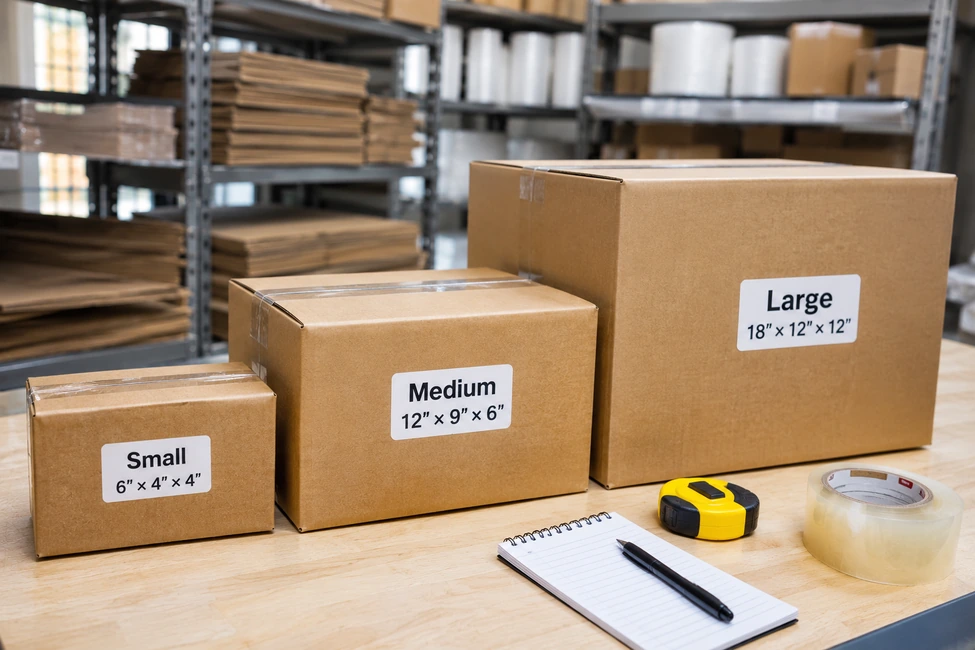
Quick answer: There is no single official set of standard shipping box sizes in the US, but stock cartons cluster around common dimensions. Standard box sizes small run from about 6 × 4 × 4 in to 10 × 8 × 6 in; box sizes medium range from about 12 × 9 × 6 in to 16 × 12 × 8 in (including the popular 12 × 12 × 12 in cube); and standard box sizes large range from about 18 × 12 × 12 in to 24 × 18 × 18 in and beyond. Box sizes are listed as inside dimensions, length × width × depth. Choose a box that leaves about 2 inches of cushioning around fragile items, or close to 1 inch for sturdy ones.
What Are Standard Box Sizes?
When asking what are standard box sizes or what are standard cardboard box sizes, "standard" box sizes are the dimensions that packaging suppliers keep in stock because so many products fit them. No US regulation or industry body sets a single list, so one supplier's "medium box" can differ from another's by an inch or two in each direction.
Most stock shipping boxes are regular slotted containers (RSCs): the familiar corrugated carton with four flaps on the top and bottom, where the long flaps meet in the middle. Stock sizes tend to follow even-inch steps (8, 10, 12, 14, 16 inches and so on), and many sizes come in both single-wall and double-wall board.
Packaging manufacturers provide a wide variety of standard options, including classic slotted containers and specialized mailers:
- Custom shipping boxes for tailored branding and structural dimensions
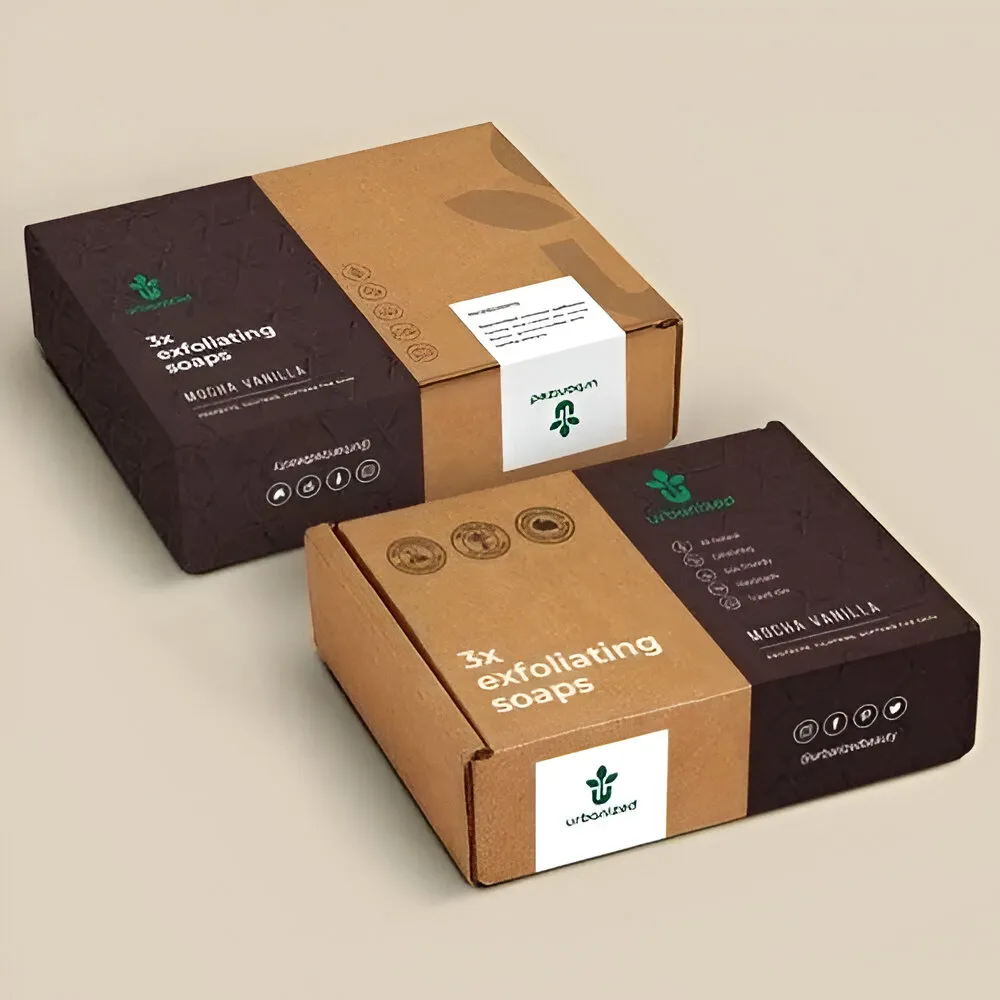
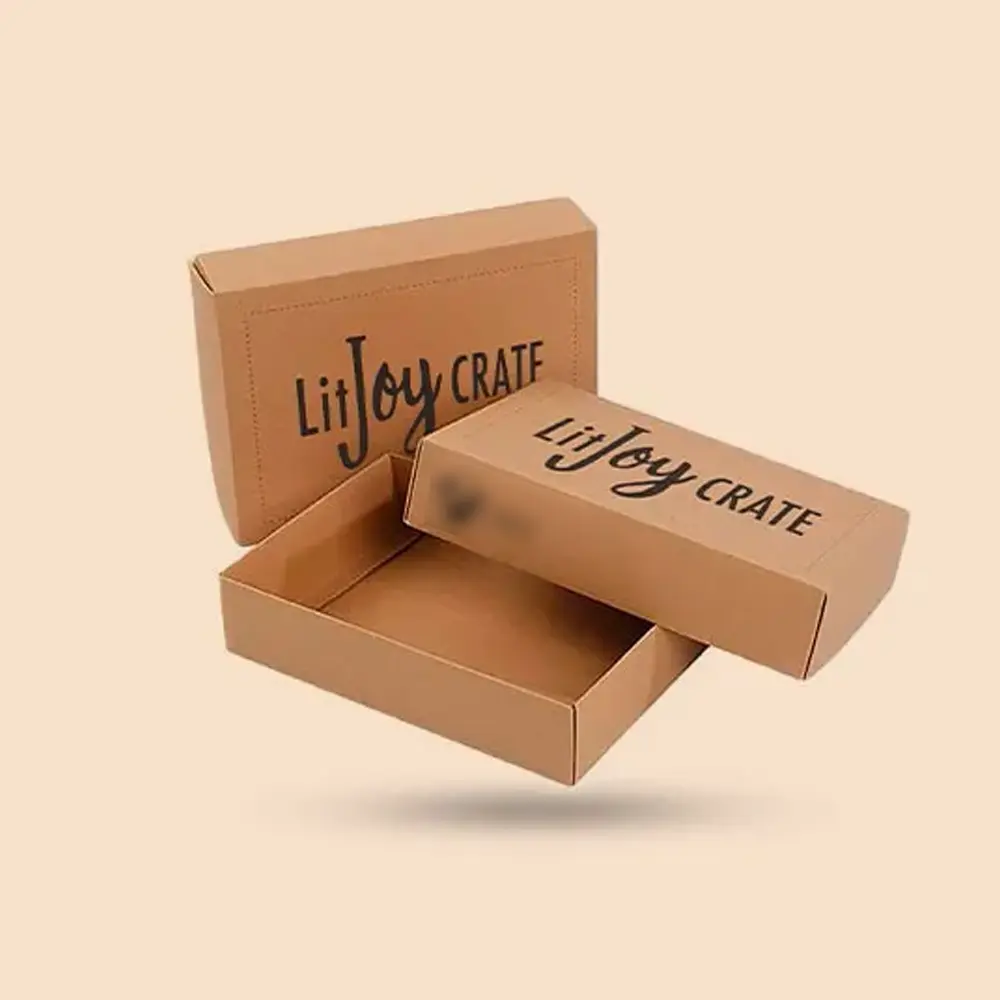
- Mailer shipping boxes ideal for subscription kits and retail unboxing
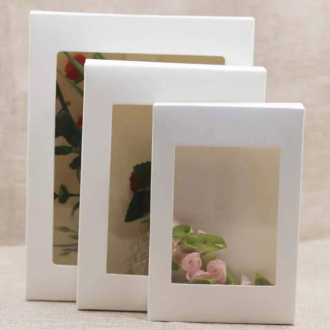
- White shipping boxes for a clean, premium retail appearance
- E-commerce mailer boxes engineered for direct-to-consumer parcel transit
- Cardboard mailer boxes offering lightweight structural protection
- Custom printed corrugated boxes for high-impact brand storytelling
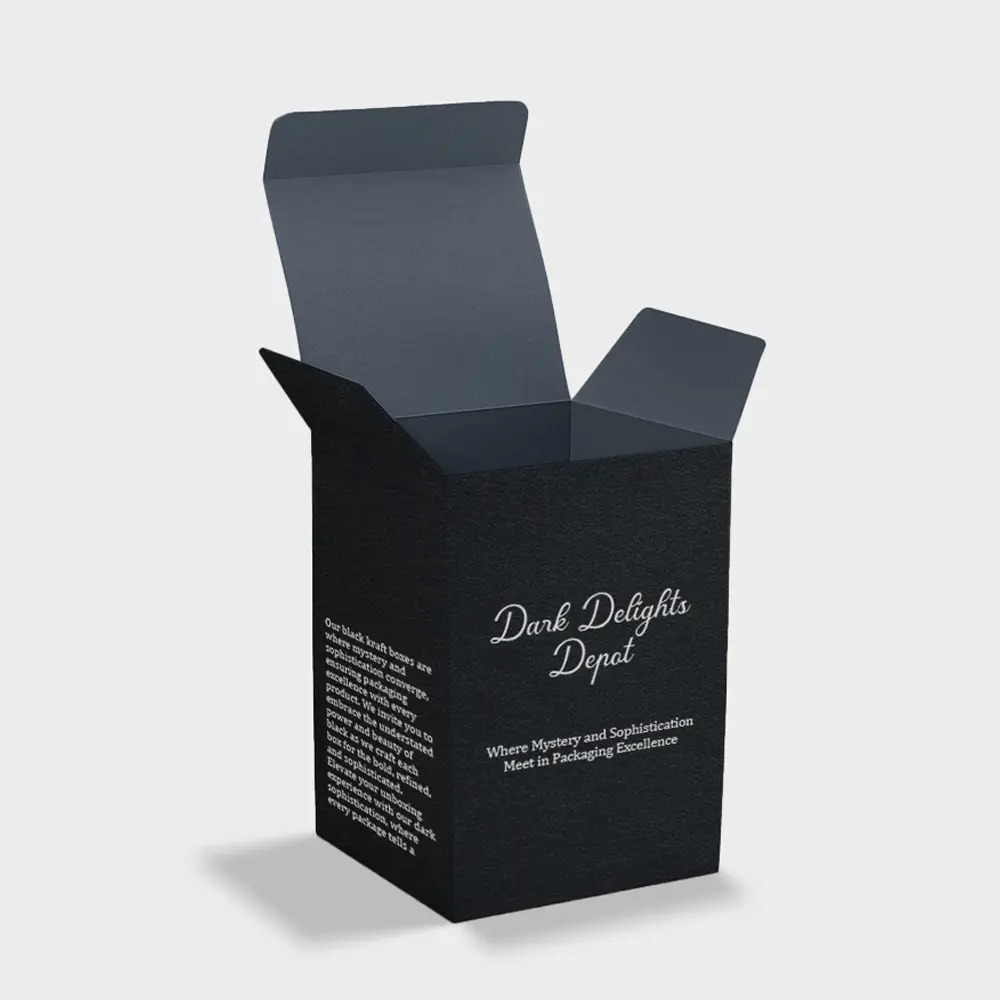
- Black corrugated shipping boxes for high-end luxury products
- Dry ice shipping boxes for cold-chain temperature-controlled logistics
- Regular slotted flap box (RSC) formats for general freight and heavy stacking
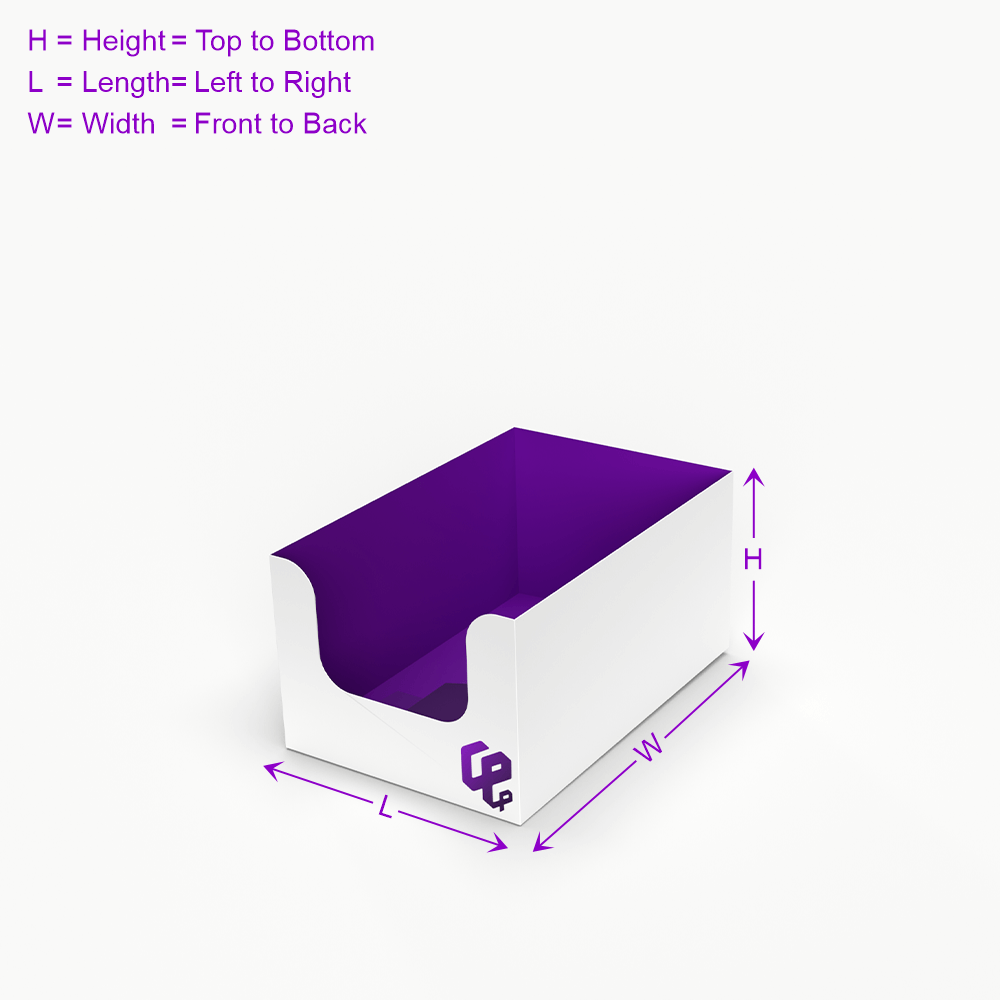
How Box Dimensions Are Measured
Box sizes follow an industry convention:
- Order: Length × Width × Depth (height).
- Length and width: Length is the longer side of the box opening, and width is the shorter side.
- Depth: Depth is the distance from the opening to the bottom of the box.
- Inside dimensions: Box makers list inside dimensions, the space available for your product.
The outside of the box is larger because of board thickness. Corrugated flutes range from about 1/32 inch (F-flute) to about 1/4 inch (A-flute), and double-wall board is thicker still, so outside dimensions run roughly 1/4 to 1/2 inch larger per side, depending on the board.
That difference matters because carriers measure the outside of the box. They round each dimension up to the next whole inch and use those numbers for dimensional weight and size limits. Always check outside dimensions before you estimate shipping costs.
Length plus girth
Carriers also use length plus girth for size limits: length + girth = L + 2W + 2D.
Here L is the longest side, and W and D are the other two sides. A 20 × 16 × 12 in box has a girth of 2(16) + 2(12) = 56 in, for a length plus girth of 76 in.
Standard Shipping Box Sizes Chart
Refer to this standard box size chart to compare common shipping box sizes across small, medium, and large tiers. The box sizes chart below lists common stock sizes, in standard shipping box sizes in inches (inside dimensions), with their volume and dimensional weight using the 139 divisor that major US parcel carriers and the US postal service now use.
| Size class |
Dimensions (L × W × D, in) |
Volume (in³) |
DIM weight at 139 (lb, rounded up) |
Typical contents |
| Small |
6 × 4 × 4 |
96 |
1 |
Jewelry, cosmetics, small accessories |
| Small |
8 × 6 × 4 |
192 |
2 |
Phone accessories, skincare sets, small gifts |
| Small |
9 × 6 × 3 |
162 |
2 |
Paperbacks, flat goods, apparel accessories |
| Small |
10 × 8 × 6 |
480 |
4 |
Candles, small electronics, supplements |
| Medium |
12 × 9 × 6 |
648 |
5 |
Folded apparel, books, small kitchenware |
| Medium |
14 × 10 × 8 |
1,120 |
9 |
Shoes, board games, home goods |
| Medium |
16 × 12 × 8 |
1,536 |
12 |
Multi-item orders, small appliances |
| Medium (cube) |
12 × 12 × 12 |
1,728 |
13 |
Gift sets, bottles, mixed orders |
| Large |
18 × 12 × 12 |
2,592 |
19 |
Bulk apparel, bedding, larger electronics |
| Large |
18 × 18 × 18 |
5,832 |
42 |
Bulky light goods, multi-unit orders |
| Large |
24 × 18 × 18 |
7,776 |
56 |
Large home goods, wholesale packs |
| Large |
20 × 20 × 20 |
8,000 |
58 |
Lighting, décor, cushions |
| Extra large |
24 × 24 × 24 |
13,824 |
100 |
Furniture parts, bulk shipments |
These DIM weights use inside dimensions as a guide. Your real billable weight is based on the outside dimensions, rounded up, so it may be a pound or two higher. The US postal service applies dimensional weight only to packages larger than 1 cubic foot (1,728 in³), while major parcel carriers apply it to packages of any size.
If no stock size fits your product well, a made-to-size box closes the gap, and you can add your branding at the same time with custom printed corrugated boxes.
Detailed Breakdown of Shipping Box Tiers
Small Box Sizes
Small boxes generally fall between 6 × 4 × 4 in and 10 × 8 × 6 in. They are the workhorse of e-commerce for light, compact products.
| Common small size (in) |
Good for |
| 4 × 4 × 4 |
Single jars, small candles, sample kits |
| 6 × 4 × 4 |
Jewelry, lip care, small accessories |
| 6 × 6 × 6 |
Mugs, small candles, gift items |
| 8 × 6 × 4 |
Skincare, phone accessories, supplements |
| 9 × 6 × 3 |
Paperback books, flat accessories, cards |
| 10 × 8 × 6 |
Small electronics, bottles with cushioning, gift sets |
When asking what are the dimensions of a small box, there isn't one fixed size, but 8 × 6 × 4 in is one of the most common small shipping box sizes in stock catalogs.
Small boxes have a hidden benefit: below 1 cubic foot, the US postal service bills by actual weight, not dimensional weight. Major parcel carriers apply dimensional weight to every package, though, so a small box saves money there too.
Medium Box Sizes
When exploring options for box sizes medium, medium boxes typically range from 12 × 9 × 6 in to 16 × 12 × 8 in, with cubes such as 12 × 12 × 12 in in the same class.
| Common medium size (in) |
Good for |
| 12 × 9 × 6 |
Folded apparel, books, small kitchenware |
| 12 × 10 × 8 |
Shoes, toiletry sets, small appliances |
| 12 × 12 × 12 |
Gift baskets, multiple bottles, mixed orders |
| 14 × 10 × 8 |
Shoe boxes, board games, home goods |
| 14 × 14 × 14 |
Bulkier products, multi-item orders |
| 16 × 12 × 8 |
Laptops with padding, small appliances, bundles |
The 12 × 12 × 12 cube is one of the most widely stocked sizes, because it fits a wide range of products. It is also exactly 1 cubic foot (1,728 in³), the point where US postal dimensional weight starts applying.
Standard Mailer Box Sizes
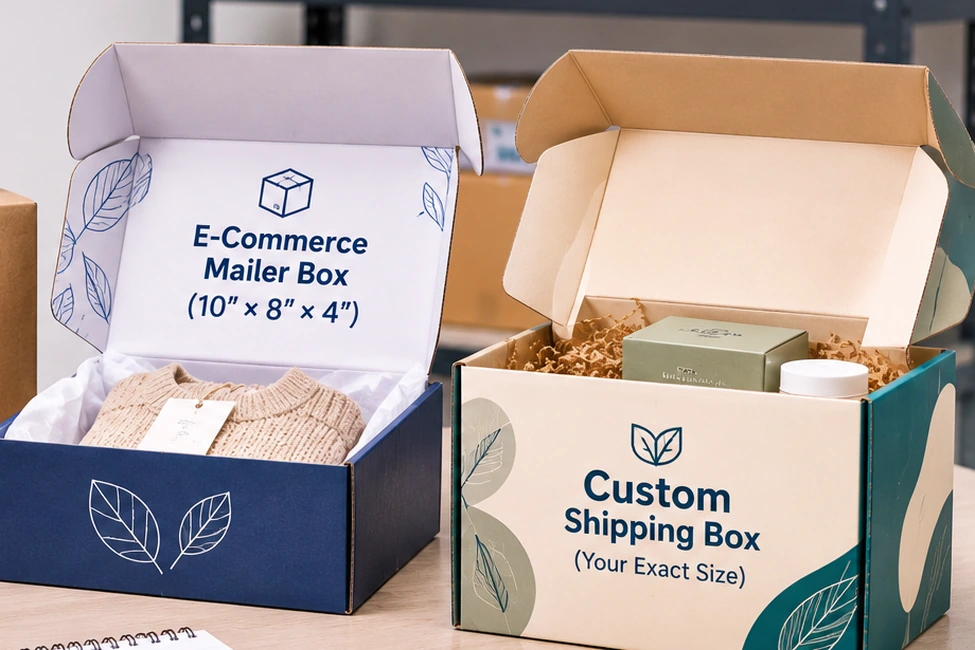
Mailer boxes (die-cut, roll-end tuck front boxes) are built for direct-to-consumer shipping and unboxing. Exploring standard mailer box sizes, they are usually shallower than RSC cartons, so depth is often 2 to 4 inches.
| Common mailer size (in) |
Good for |
| 6 × 4 × 2 |
Jewelry, small cosmetics |
| 8 × 6 × 2 |
Accessories, skincare minis |
| 9 × 6 × 4 |
Cosmetics sets, small gifts |
| 10 × 8 × 4 |
Apparel, subscription boxes |
| 12 × 9 × 4 |
Folded clothing, books, kits |
| 14 × 10 × 4 |
Larger apparel and bundles |
Because mailers are a branded unboxing format, many brands choose mailer shipping boxes or e-commerce mailer boxes made to their exact product size instead of a stock size. A snug mailer needs less void fill and arrives looking finished. You can also consider cardboard mailer boxes for lightweight structural protection.
Large Box Sizes
Standard box sizes large generally start around 18 × 12 × 12 in and run to 24 × 18 × 18 in, with cubes up to 24 × 24 × 24 in and beyond. When determining what is standard carton size for master shipping containers, 24 × 18 × 18 in is widely used for bulk distribution.
| Common large size (in) |
Good for |
| 18 × 12 × 12 |
Bedding, larger electronics, bulk apparel |
| 18 × 18 × 18 |
Bulky light items, multi-unit orders |
| 20 × 20 × 20 |
Lighting, décor, cushions |
| 24 × 18 × 18 |
Home goods, wholesale packs |
| 24 × 24 × 24 |
Furniture parts, bulk shipments, moving |
Large boxes carry a real cost risk: dimensional weight climbs quickly. An 18 × 18 × 18 in box bills as at least 42 lb under a 139 divisor, even if the contents weigh 10 lb. Before choosing a large box, check whether two medium boxes or a right-sized custom box would bill less.
Common Shipping Box Styles
Size charts usually assume the standard RSC, but the box style changes how the dimensions work and what the box is best for.
| Style |
How it's built |
Best for |
| Regular slotted container (RSC) |
Four top and four bottom flaps; long flaps meet in the middle |
Most shipping, storage, and moving |
| Full overlap (FOL) |
Long flaps overlap across the full width |
Heavy items that need a stronger top and bottom |
| Roll-end tuck front mailer |
Die-cut, one piece, lid tucks into the front |
E-commerce, subscriptions, branded unboxing |
| Half slotted container (HSC) |
RSC with flaps only on the bottom; uses a separate lid or open top |
Display trays, bulk storage |
| Telescope box |
Separate top and bottom pieces that slide over each other |
Long, flat, or heavy items |
| Folder or flap box |
Scored flat sheet that wraps around the product |
Books, flat and long items |
How to Choose the Best Box Size for Shipping
To select the best box sizes for shipping, follow these essential steps:
- Measure the product at its largest points. Include any handles, caps, or packaging the product already has.
- Add room for cushioning. Fragile items need about 2 inches on every side, so add about 4 inches to each dimension. Sturdy items in a protective inner pack need much less, often about 1/2 to 1 inch. Specialty shipments may also require specialized temperature-controlled dry ice shipping boxes.
- Find the nearest stock size. Pick the smallest stock box that fits the product plus cushioning. If the nearest stock size leaves several inches of empty space, consider a custom size.
- Check dimensional weight. Multiply the outside dimensions (rounded up) and divide by 139. If the result is higher than the actual weight, you'll be billed for that dimensional weight.
- Check carrier size limits. Make sure the box stays inside the carrier limits.
- Match board strength to weight. Heavier contents need stronger board.
- Choose the finish. Plain kraft is the default, but white shipping boxes and printed finishes help when the box doubles as presentation. You can also choose sleek black corrugated shipping boxes for a luxury presentation.
How dimensional weight changes the best size
Dimensional (DIM) weight is how carriers charge for space: DIM weight (lb) = L × W × H (in) ÷ 139.
Carriers bill the greater of actual weight and DIM weight. Since July 12, 2026, the US postal service also uses a 139 divisor for packages larger than 1 cubic foot, the same figure most parcel carrier accounts use, and it rounds each measurement up to the next whole inch. A lower divisor means that empty space in an oversized box now costs more on every major network.
A quick example: a 4 lb product in a 16 × 12 × 12 in box bills at 17 lb (2,304 ÷ 139 = 16.6, rounded up). The same product in a 12 × 10 × 8 in box bills at 7 lb. That is why right-sizing usually saves more than any other packaging change.
Carrier size and weight limits
| Network |
Max weight |
Max length |
Max length plus girth |
| Major US parcel carriers (ground) |
150 lb |
108 in |
165 in |
| US postal service, Priority Mail |
70 lb |
Not stated separately |
108 in |
| US postal service, Ground Advantage |
70 lb |
Not stated separately |
130 in |
Packages near these limits often face large-package or oversize surcharges well before they reach the maximum, so check your carrier's current surcharge thresholds for large boxes.
Box Strength and Weight Limits by Size
Size and strength go together. A bigger box has longer, less supported walls and usually carries more weight, so it needs stronger board.
Corrugated boxes are certified with a Box Maker's Certificate that lists the board grade, a maximum gross weight, and a maximum size in united inches (length + width + depth). The freight classification rules pair these limits:
| Board grade |
Max gross weight |
Max size (L + W + D) |
| Single wall, 32 ECT or 200# burst |
65 lb |
75 in |
| Single wall, 44 ECT or 275# burst |
95 lb |
95 in |
| Double wall, 48 ECT or 275# burst |
100 lb |
95 in |
| Double wall, 61 ECT or 400# burst |
140 lb |
110 in |
These limits come from freight classification, which is built around palletized shipping. Parcel networks are rougher, and common carrier guidance rates a 32 ECT single-wall box for about 30 lb in small-parcel shipping. Add up your box's dimensions as a quick check: a 24 × 18 × 18 in box is 60 united inches, within a 32 ECT box's size limit, but the weight still has to suit the board.
As a working rule:
- Small and medium boxes with light products: 32 ECT single wall is usually enough.
- Medium boxes with dense products, or anything stacked high or stored for weeks: step up to 44 ECT single wall.
- Large boxes with heavy contents: use double-wall board.
Stock Sizes vs Custom Box Sizes
| Factor |
Stock sizes |
Custom sizes |
| Fit |
Close, often with extra space |
Made to the product, with planned cushioning |
| Void fill |
Usually needed |
Minimal |
| Dimensional weight |
Often higher because of unused space |
Usually lower |
| Branding |
Plain, or labels and stickers |
Printed inside and out |
| Availability |
Quick, from inventory |
Produced to order |
| Best for |
Mixed products, low volume, testing |
Repeat products, branded shipping, fragile items |
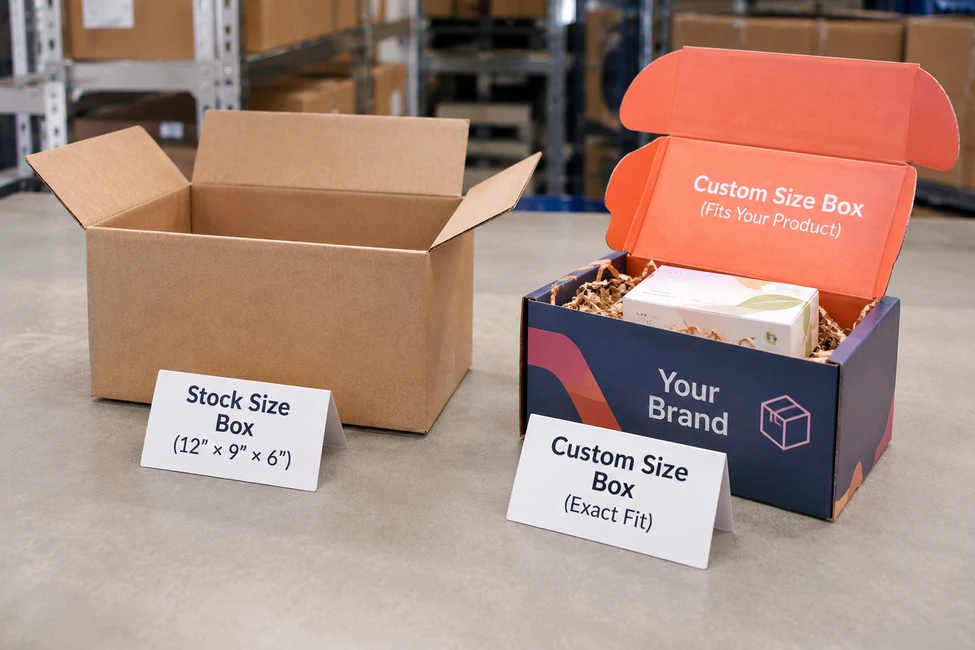
Stock sizes are a good starting point when you ship many different products or low volumes. Once a product ships repeatedly, the extra space in a stock box adds up in void fill, dimensional weight, and damage risk. Custom Packaging Pro makes shipping boxes and mailers for US businesses in any size, with free design support, so the box fits the product rather than the other way around.
Frequently Asked Questions
- Is it cheaper to mail 2 small boxes or 1 large box?
It depends on the billable weight of each option. Calculate the dimensional weight and actual weight of one large box and of the two small boxes, then compare the carrier's rates for each billable weight. A large box with a lot of empty space often loses, but two boxes also mean two labels and two handling events.
- What are the standard sizes of boxes?
There's no official standard, but stock boxes cluster around common sizes: small boxes from about 6 × 4 × 4 in to 10 × 8 × 6 in, medium from about 12 × 9 × 6 in to 16 × 12 × 8 in, and large from about 18 × 12 × 12 in to 24 × 18 × 18 in, plus cubes such as 12 × 12 × 12 in and 18 × 18 × 18 in.
- What is the size of a standard medium box?
A medium shipping box is usually between 12 × 9 × 6 in and 16 × 12 × 8 in. Many suppliers treat 12 × 12 × 12 in as a standard medium cube.
- What is the most popular box size?
The 12 × 12 × 12 in cube is one of the most widely stocked sizes because it fits a wide range of products. For small e-commerce orders, sizes such as 8 × 6 × 4 in and 10 × 8 × 6 in are very common.
- What are the typical shipping box sizes?
Typical shipping box sizes vary by category: small boxes (6 × 4 × 4 to 10 × 8 × 6 in), medium boxes (12 × 9 × 6 to 16 × 12 × 8 in), and large boxes (18 × 12 × 12 to 24 × 18 × 18 in).
- What are the three types of boxes?
In packaging, the three broad types are corrugated boxes (shipping cartons and mailers), folding cartons (paperboard retail boxes), and rigid boxes (thick, non-folding presentation boxes). For shipping, corrugated is the standard choice.

 Custom Boxes
 Mailer Boxes
 Shipping Boxes
 Display Boxes
 Product Boxes
 Retail Packaging
 Luxury Packaging
 Sustainable Packaging
 Mylar Bags
 Labels & Stickers
 Inserts & Dividers
 Acrylic Signs
 Mylar and Zipper Bags
 Cosmetic Boxes
 Custom Candle Packaging Boxes
 Food and Beverage
 Display Packaging
 Pharma Packaging
 Custom Blister Packaging
 Stand Up Displays
 Kraft Boxes
 Cereal Packaging Boxes
 Bakery Packaging Boxes
 Eco-Friendly Boxes
 Electronics Packaging Boxes
 Custom Vape Boxes & Packaging
 CBD Packaging Boxes
 Rigid & Luxury Packaging Boxes
 Gift Boxes
 Custom Soap Boxes & Packaging
 Metalized Boxes
 Retail Boxes
 Subscription Boxes
 Invitation Boxes
 Corrugated Shipping Boxes
 Custom Apparel Boxes