By Rai Haider
October 02, 2026
Pet Food Packaging: A Complete Brand Guide
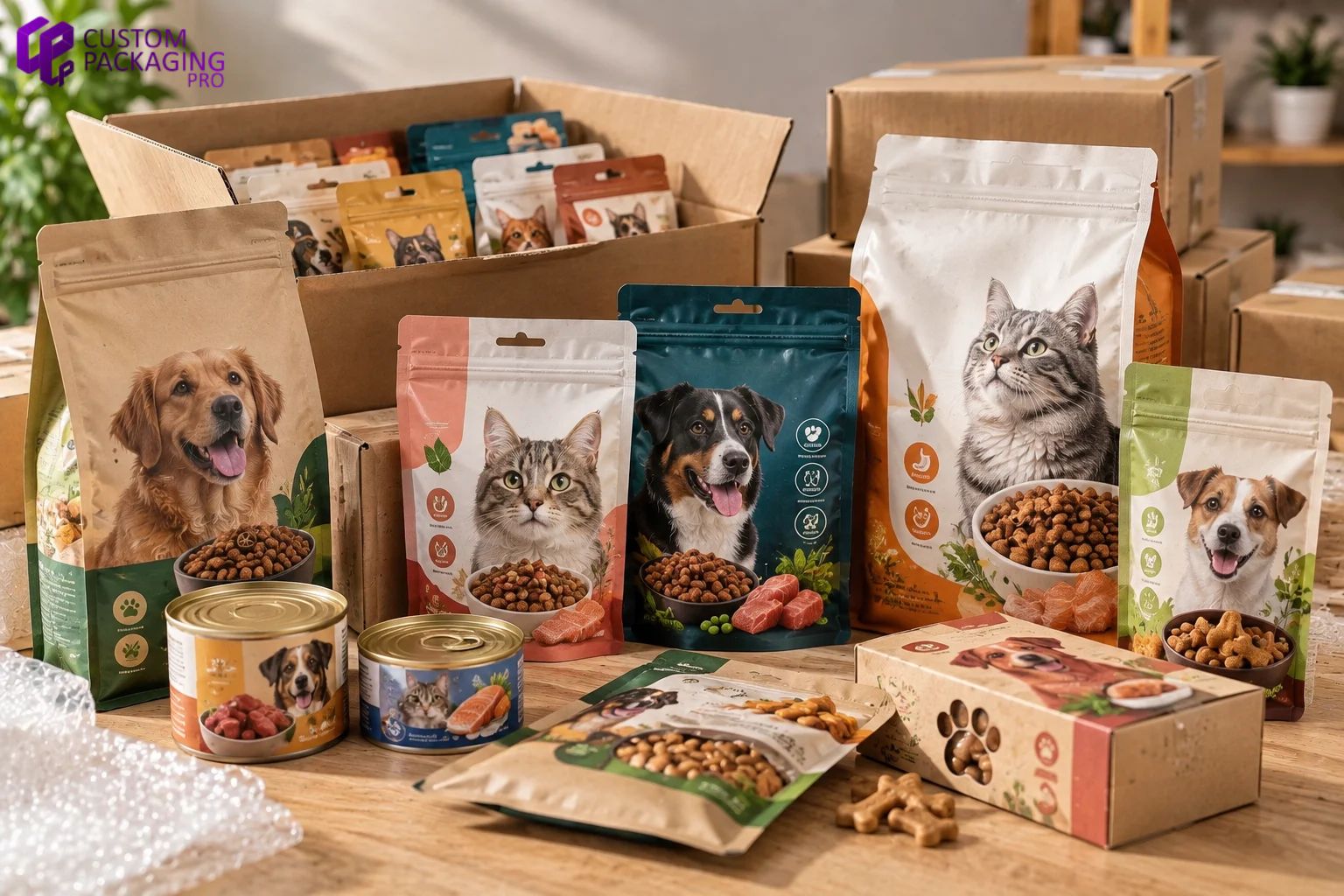
Pet food packaging has to serve more than one purpose. It needs to hold the product securely, support protection during storage and transportation, communicate essential information, and give the brand a recognizable appearance.
The right format can vary depending on whether a business sells dry kibble, treats, wet food, supplements, or specialty nutrition. A large bag of dog food has different requirements from a small pouch of cat treats, while a subscription product may need additional consideration for shipping and repeated delivery.
Today, pet food packaging includes boxes, cartons, flexible bags, pouches, tins, and combination structures. Brands can also customize dimensions, printing, finishes, closures, and other details to create packaging that fits their products and customers.
For a new pet food business, the packaging decision should begin with the product itself. Weight, food type, storage requirements, distribution method, customer use, and brand positioning all influence which format makes practical sense.
What Is Pet Food Packaging?
Pet food packaging refers to the containers and materials used to contain, protect, present, store, and distribute food intended for animals.
A basic pet packaging definition, material, uses overview can be understood through three areas: the structure holds the product, the material provides the required performance, and the finished package communicates the product to the customer.
Depending on the application, animal food packaging may include:
- Folding cartons
- Pet food boxes
- Flexible bags
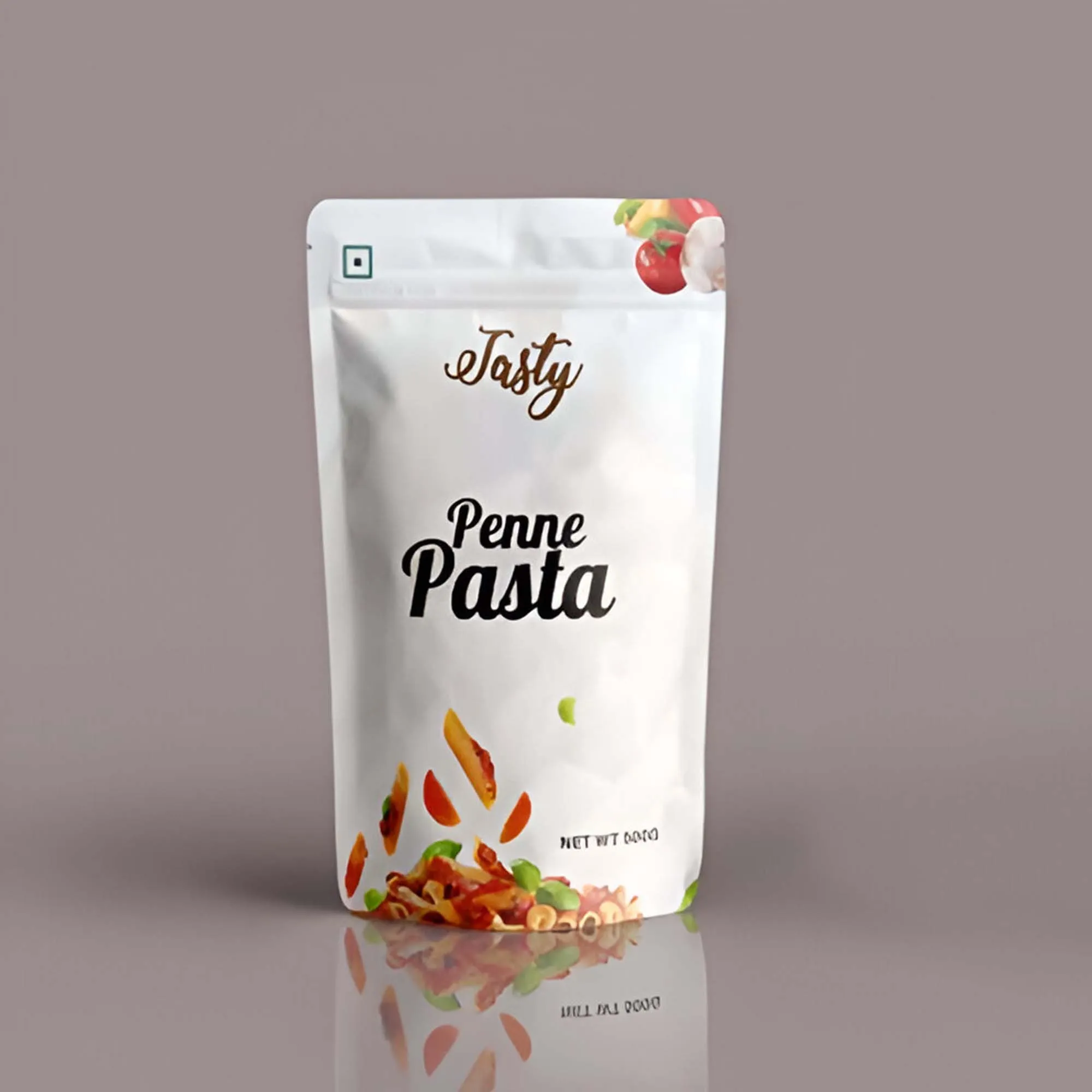
- Stand-up pouches
- Flat-bottom bags
- Gusset bags
- Tins
- Mylar-style pouches
- Multi-layer flexible packaging
- Boxes with inner bags
The selected structure should match the product rather than simply follow a packaging trend.
Dry kibble may need a larger bag with a reliable closure, while treats may work well in smaller pouches or boxes. A premium product may also use an outer carton to create a more substantial retail presentation.
Packaging also carries important product information. In the United States, pet food labels are subject to federal requirements, while additional state requirements may apply. The FDA identifies elements including product identification, net quantity, manufacturer or distributor information, and an ingredient statement among animal-food labeling requirements.
Why Does Pet Food Packaging Matter?
A package begins working before the customer ever sees it on a shelf. During production, it may be filled and sealed. During distribution, it can be stacked, transported, handled, and stored. Once it reaches the customer, it needs to remain practical to open, close, carry, and store.
This creates several important packaging considerations.
- Product Protection
The package should be designed around the characteristics of the food and its expected storage conditions. Depending on the product, protection against moisture, oxygen, light, odors, contamination, and physical handling can be important.
- Product Identification
Pet owners may encounter several formulas from the same brand. Packaging should make differences such as species, recipe, flavor, life stage, weight, and product type easy to recognize.
- Brand Recognition
A package also represents the brand. Typography, photography, illustrations, colors, and layout can work together to create a recognizable product family.
- Customer Convenience
A package that looks good but is difficult to open or store can create unnecessary frustration. Closure systems, handles, pack size, and overall structure should therefore be considered during development.
For businesses selling several food-related products, a coordinated Food & Beverage Packaging strategy can help maintain a consistent visual identity across different product categories.
Different Types of Pet Food Packaging
There is no single structure suitable for every pet food product. Each format provides a different combination of presentation, protection, storage, production, and convenience.
Pet Food Boxes
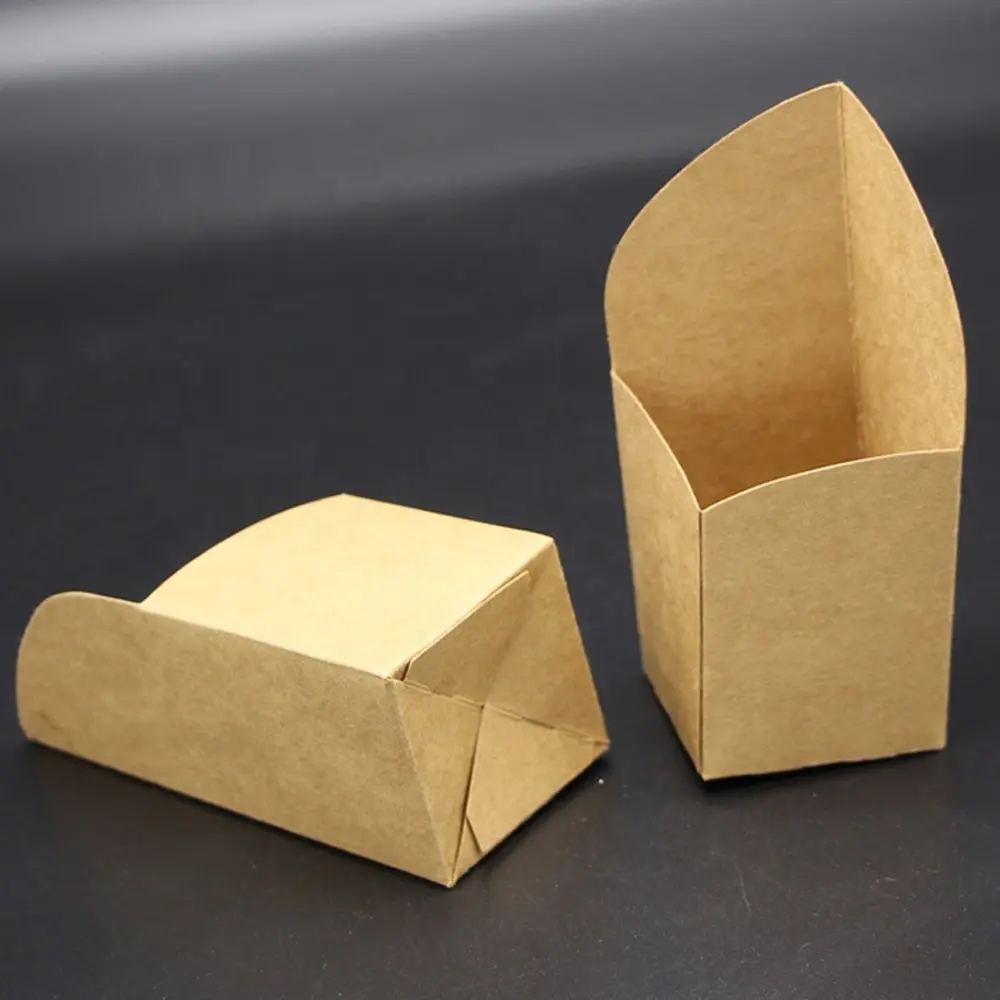
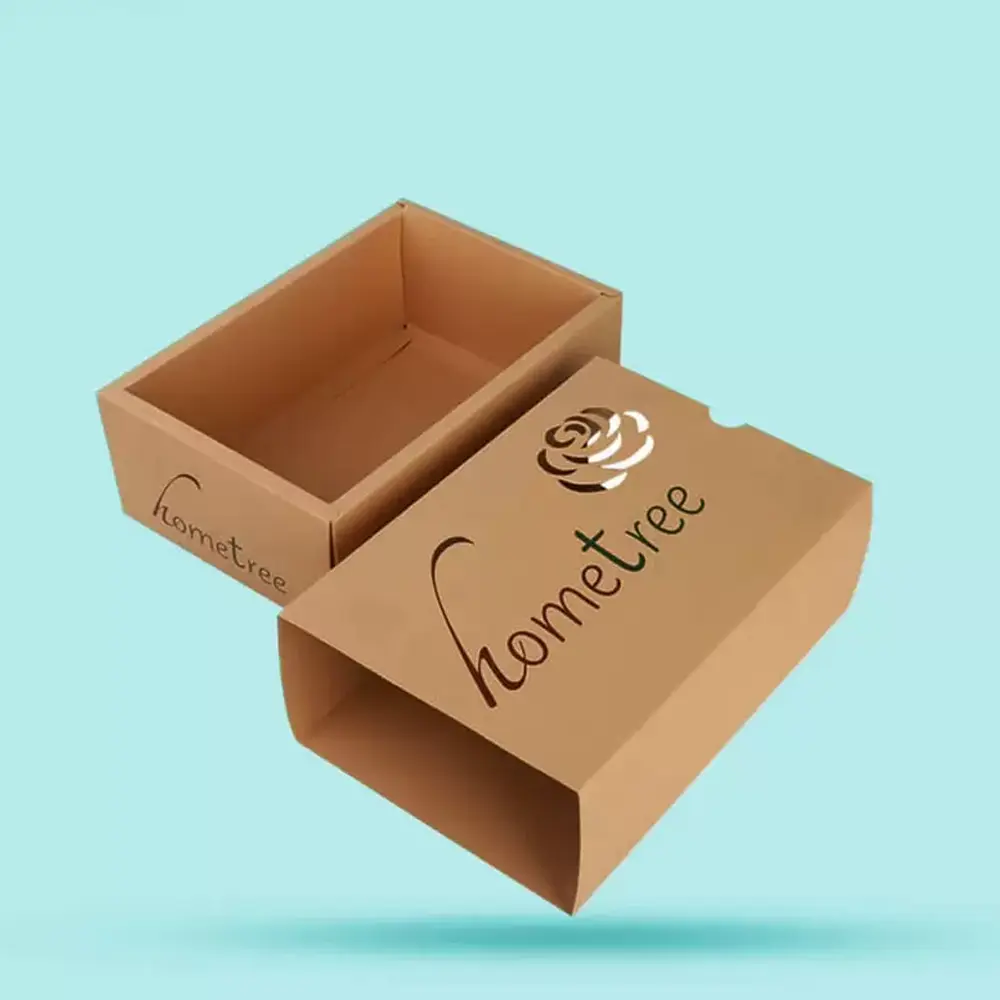
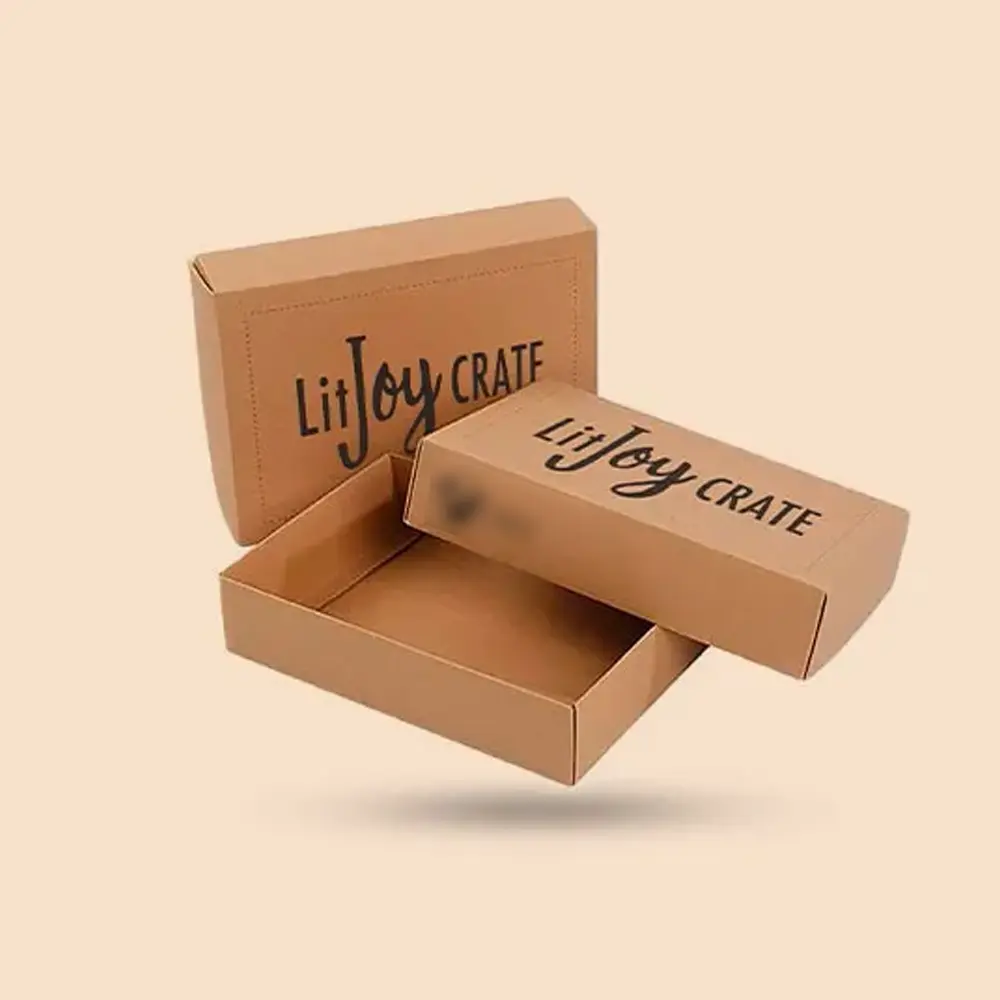
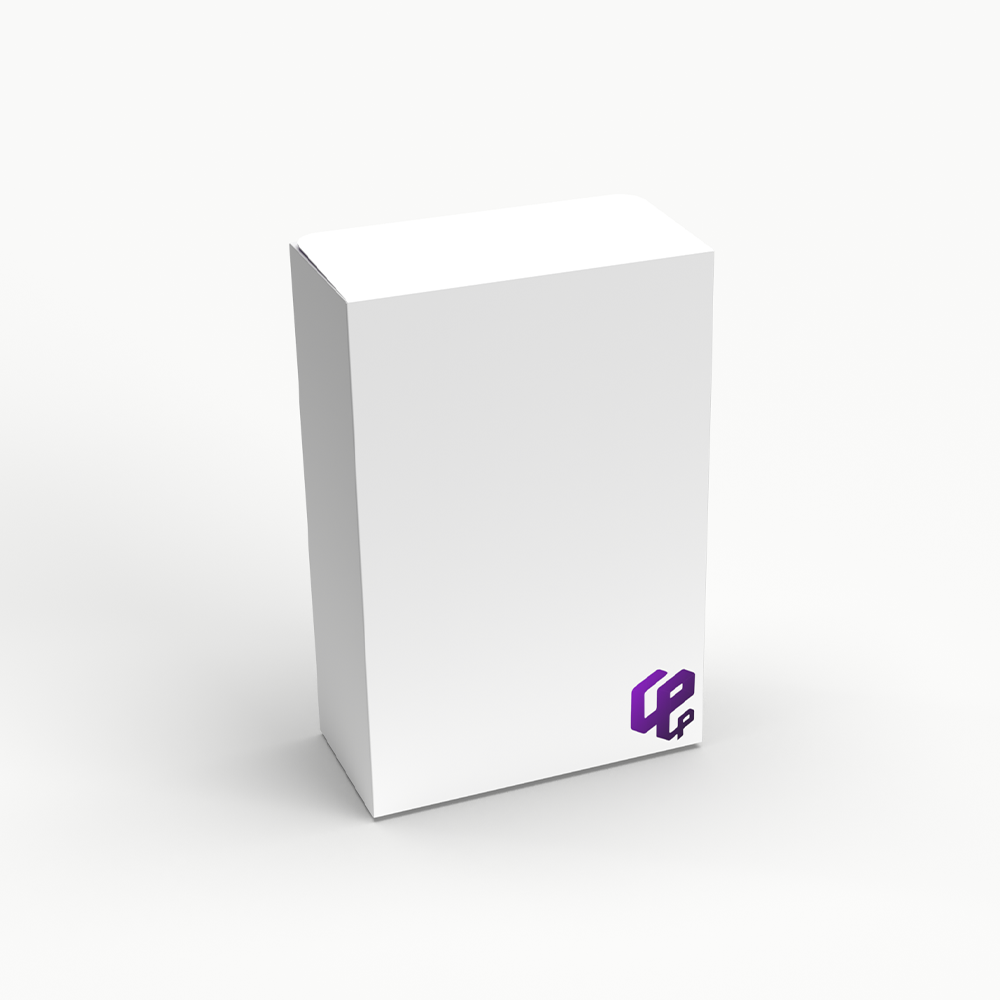
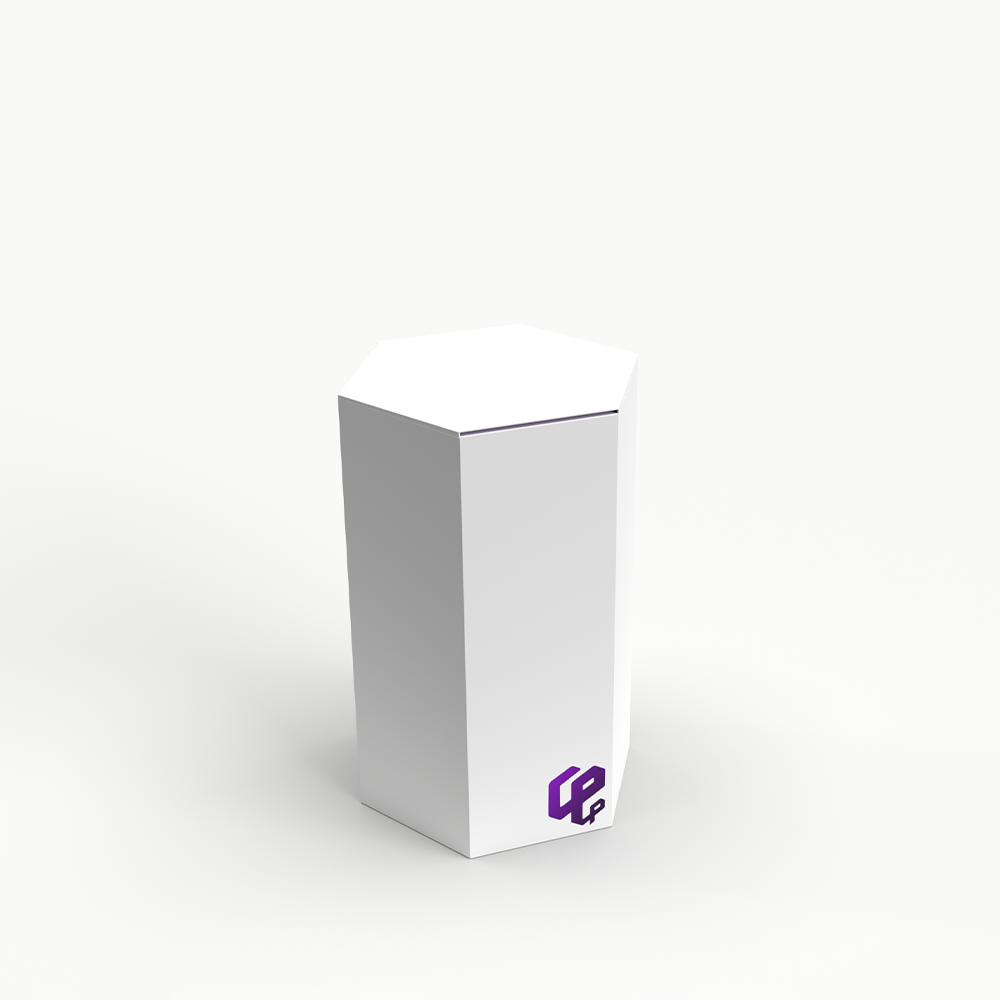
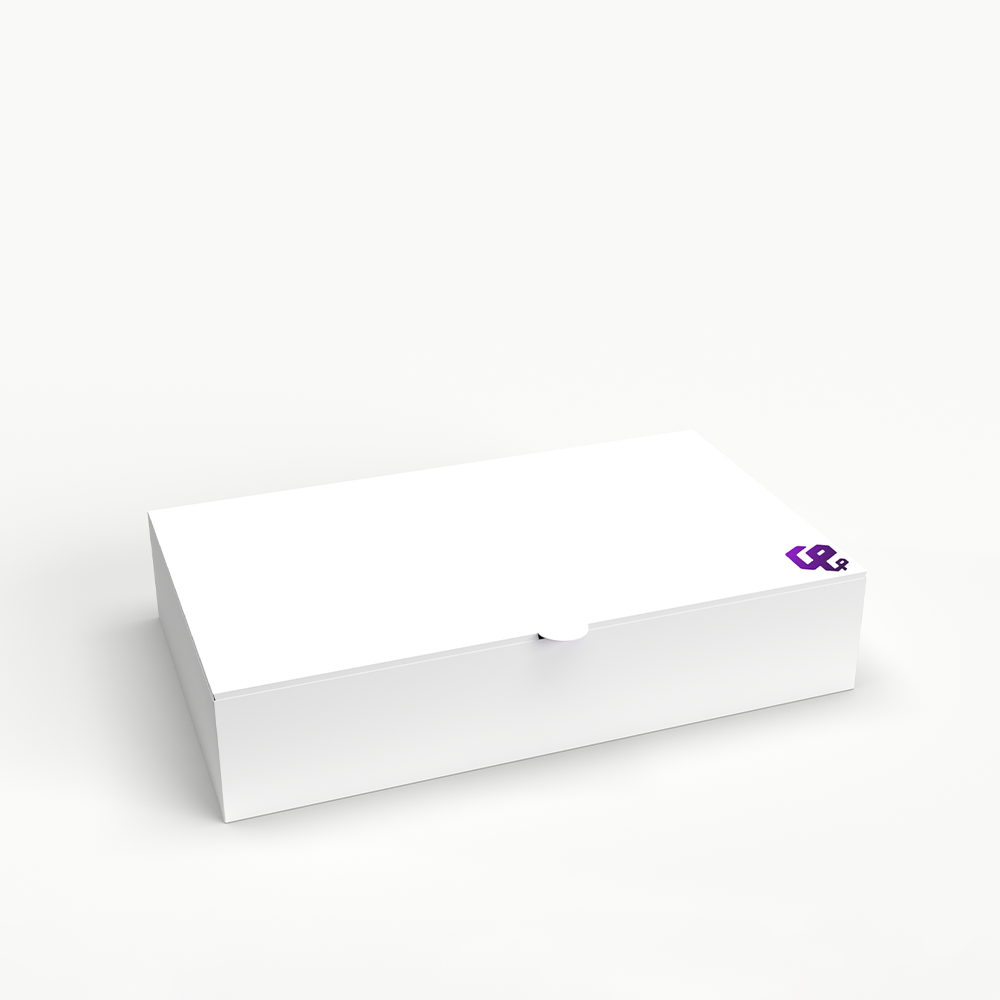
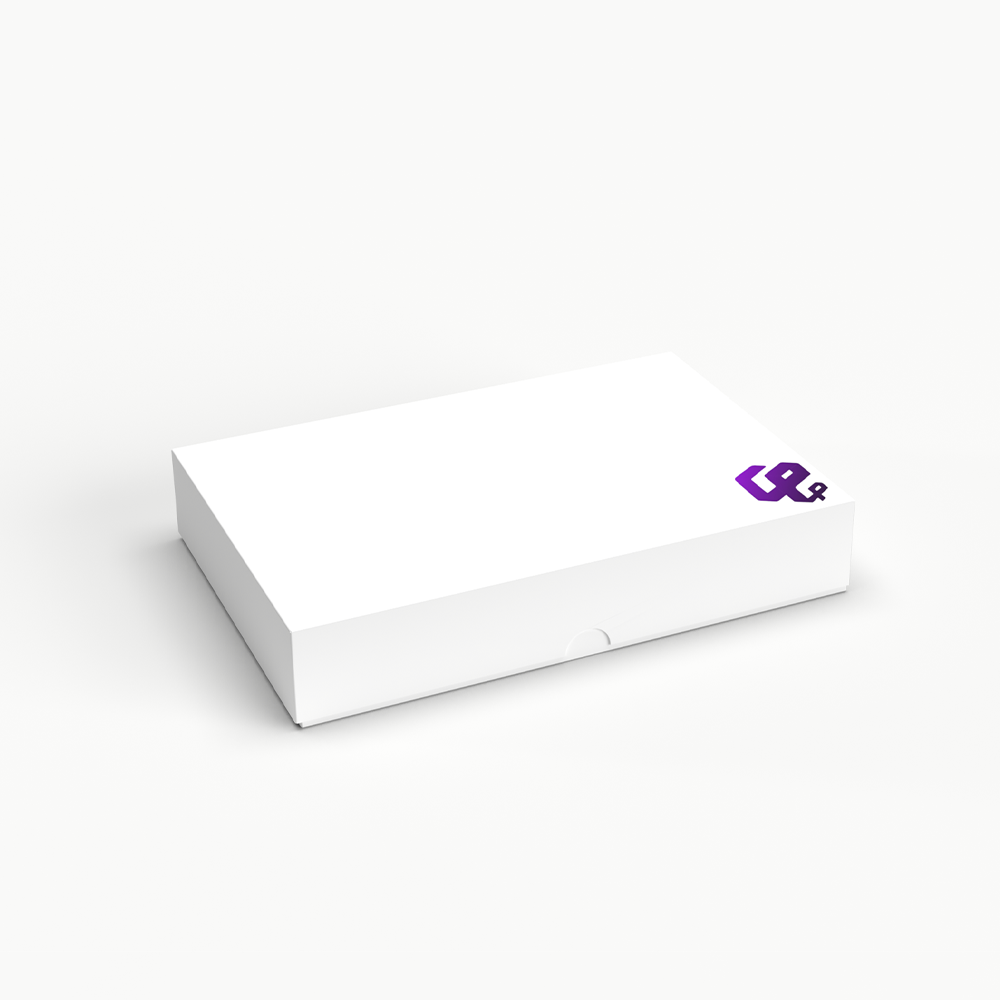
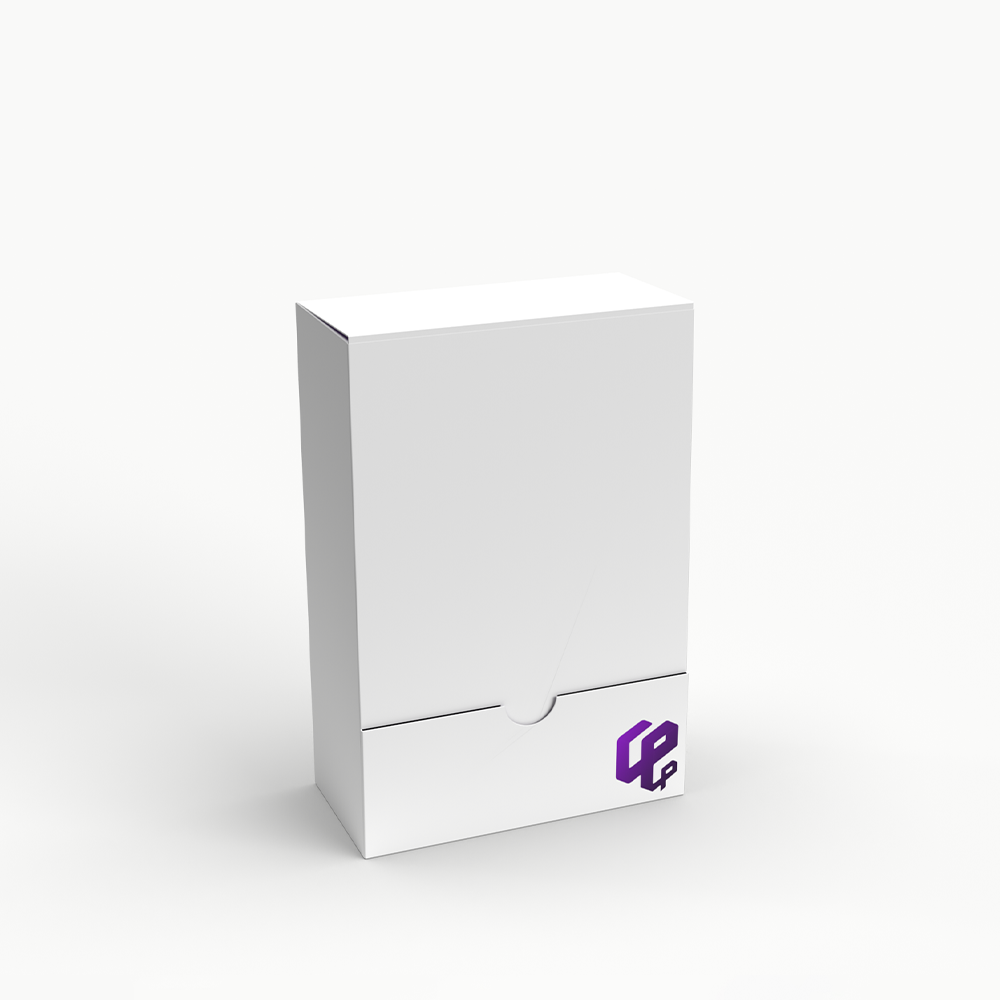
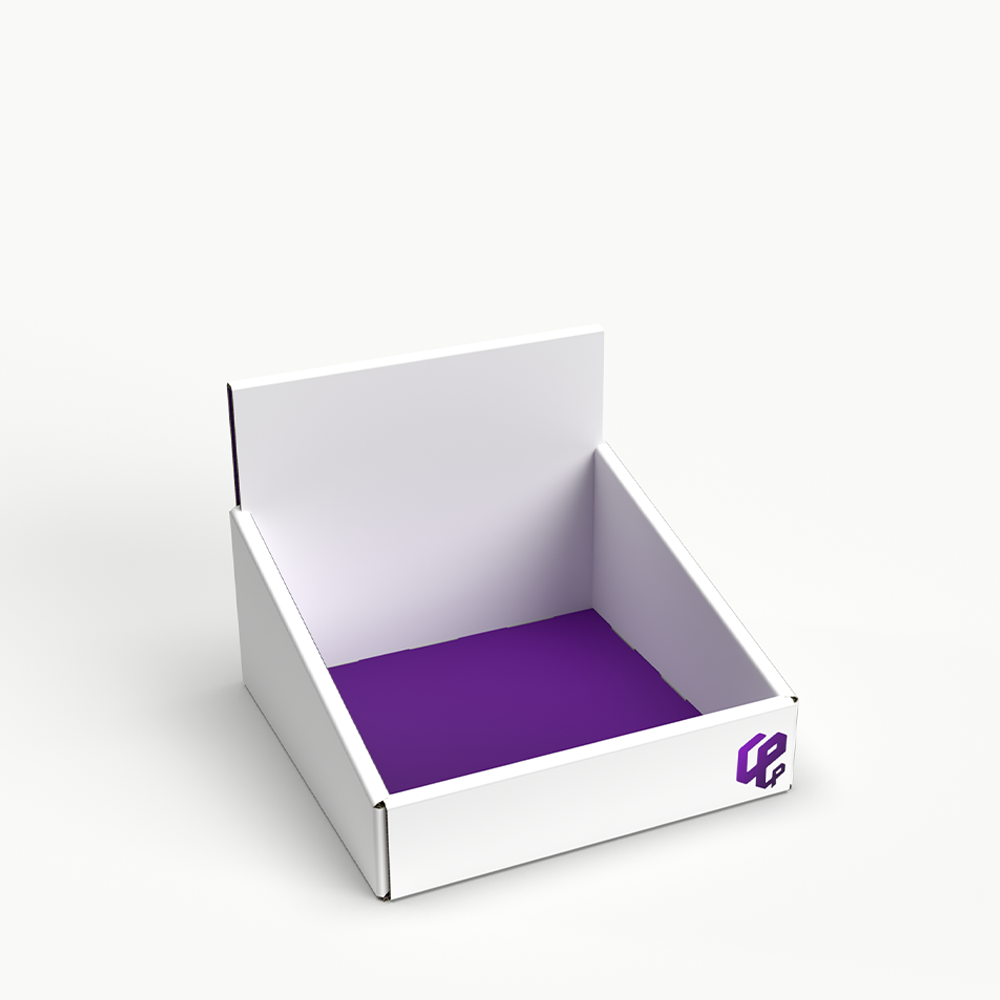
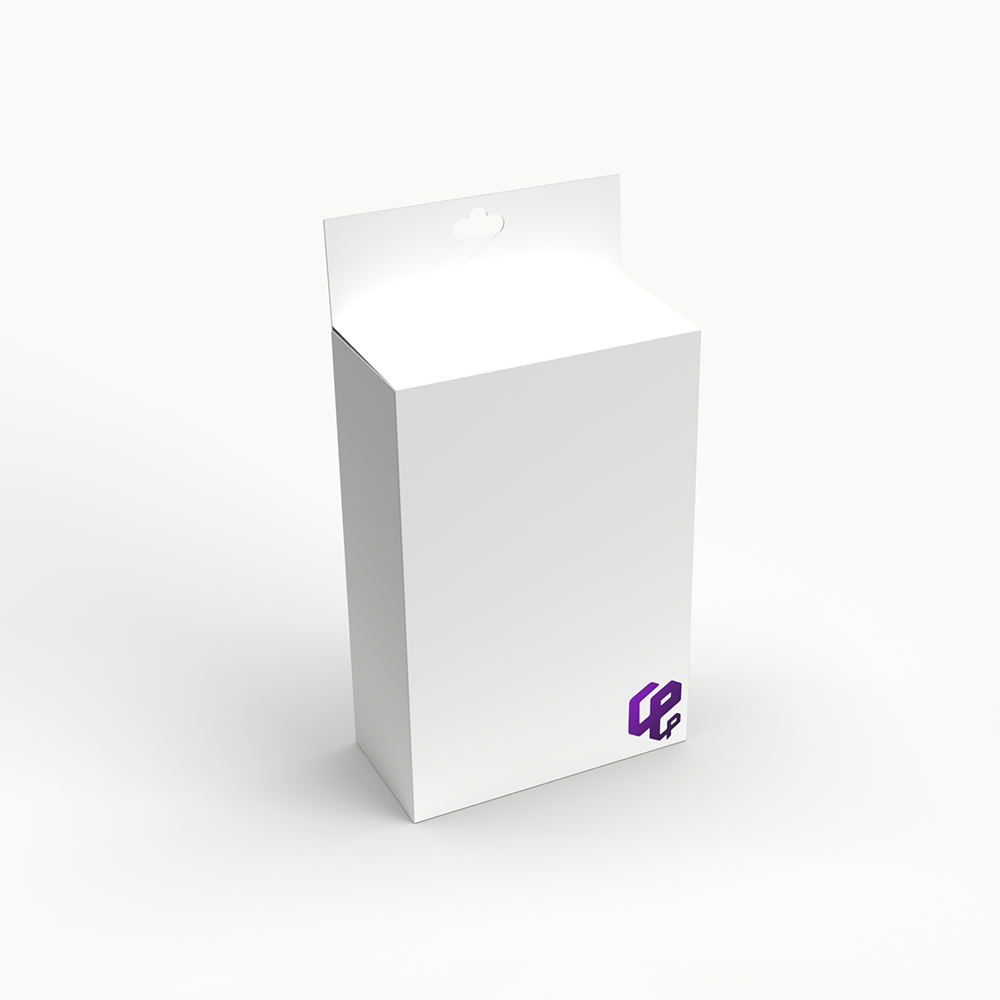
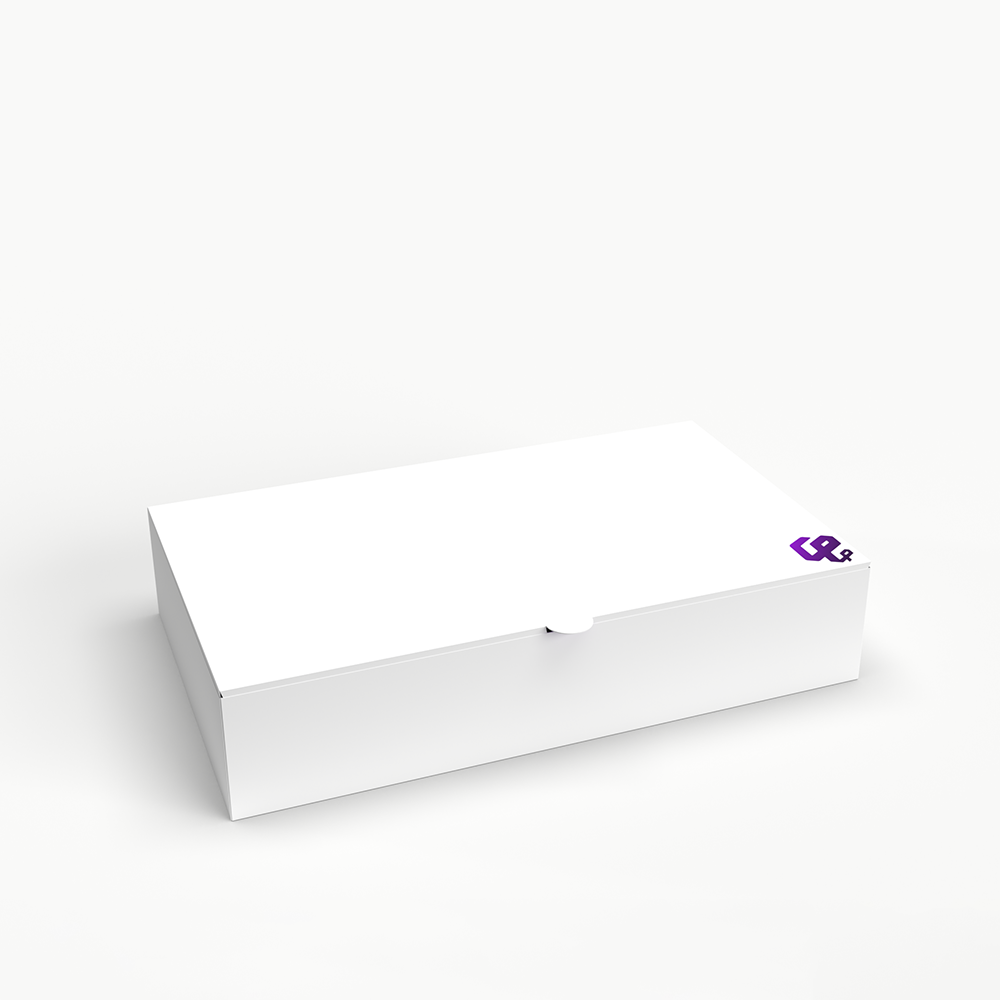
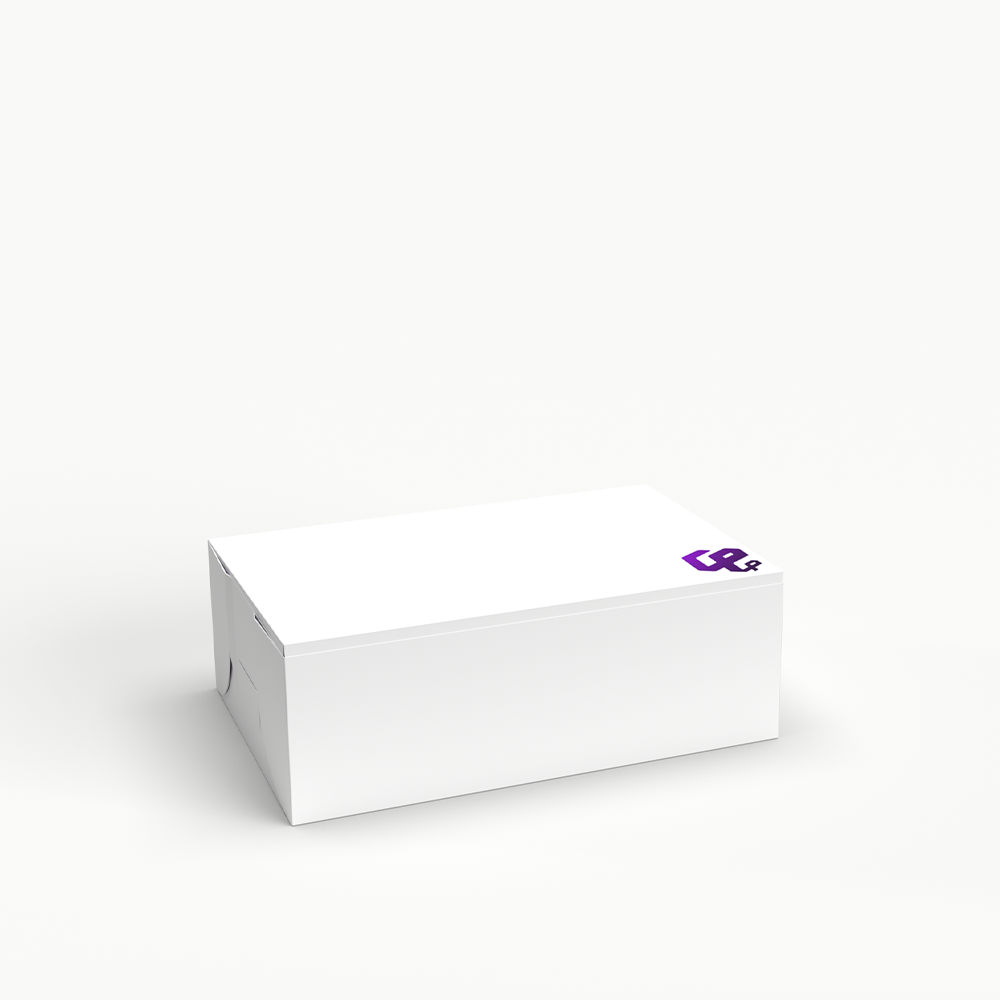
A pet food box provides a rigid structure with broad surfaces for printing.
Boxes can be used for:
- Dry pet food
- Treats
- Specialty nutrition
- Samples
- Gift sets
- Promotional products
A dog food box or cat food box can be designed around a specific quantity and product format. Custom dimensions can also help brands avoid unnecessary empty space.
For brands looking for a dedicated custom structure, Custom Pet Food Boxes can be developed around the product's dimensions and presentation requirements.
Stand-Up Pouches
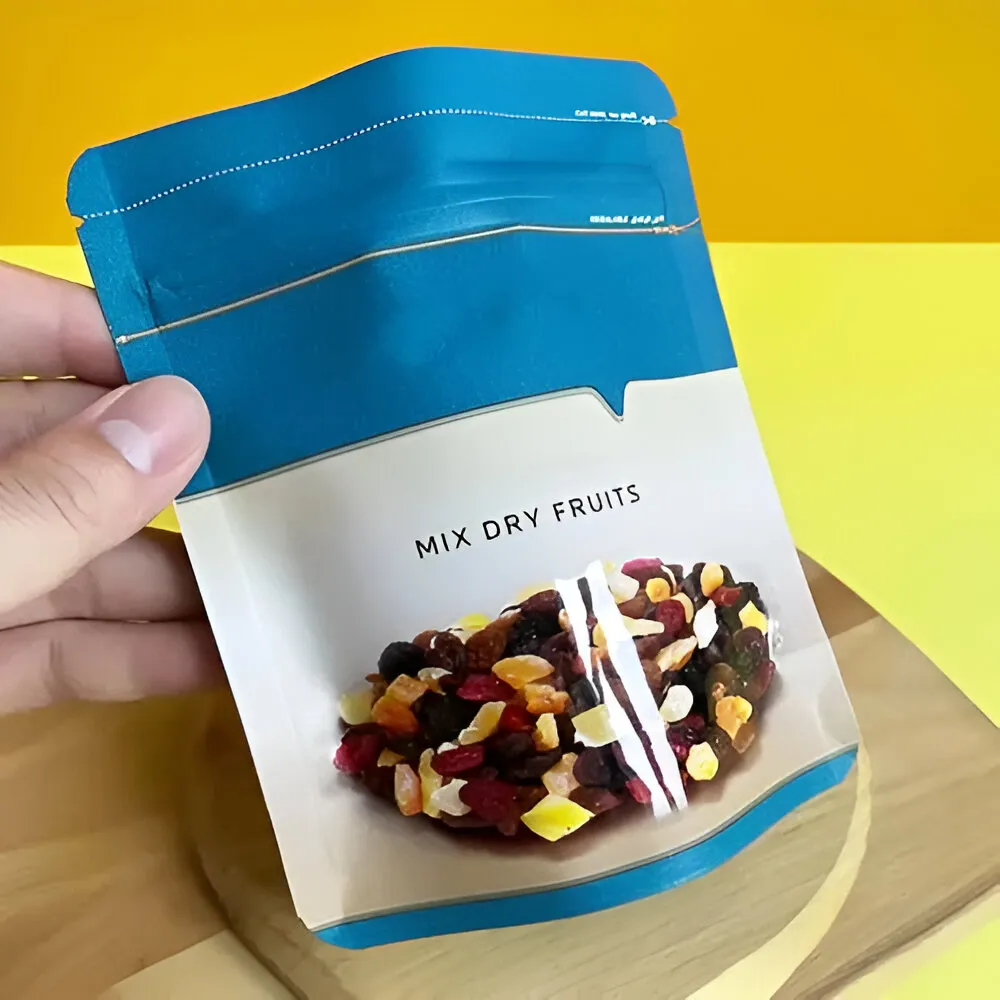
Stand-up pouches are flexible packages designed to remain upright when placed on a surface.
They can work well for:
- Dog treats
- Cat treats
- Smaller food quantities
- Samples
- Specialty products
Depending on construction, they may include resealable zippers, tear notches, windows, or hang holes.
Flat-Bottom and Gusset Bags
Flat-bottom bags can provide a stable base and create a more structured appearance, while gusset bags expand to accommodate larger quantities.
These formats can be useful for dry food where pack capacity and shelf presentation are both important.
Tins
Metal tins can provide a rigid package for selected treats, specialty products, and promotional applications. Their reusable character can also become part of the customer's experience.
Dry Pet Food Packaging
Dry pet food packaging needs to account for both the food and the quantity being sold.
A small trial pack has different requirements from a large household bag. Larger packs may require additional attention to carrying convenience, structural strength, closure design, storage, and transportation.
Common formats include:
- Flexible bags
- Stand-up pouches
- Flat-bottom bags
- Gusset bags
- Box pouches
- Cartons with inner bags
Flexible structures can provide a large printable area without adding the weight associated with some rigid formats.
For businesses selling dry kibble, the package should also be easy for customers to identify and use. A large bag may benefit from a practical closure, while smaller products may prioritize portability.
The material structure should be selected according to the food's requirements rather than simply choosing the package with the most attractive appearance.
Pet Food Packaging Materials
The pet food packaging material affects the package's strength, appearance, printing, barrier characteristics, and intended use.
- Cardboard and Paperboard
Cardboard and paperboard are common choices for boxes and custom cartons. They provide printable surfaces and can be converted into different structural styles.
- Kraft
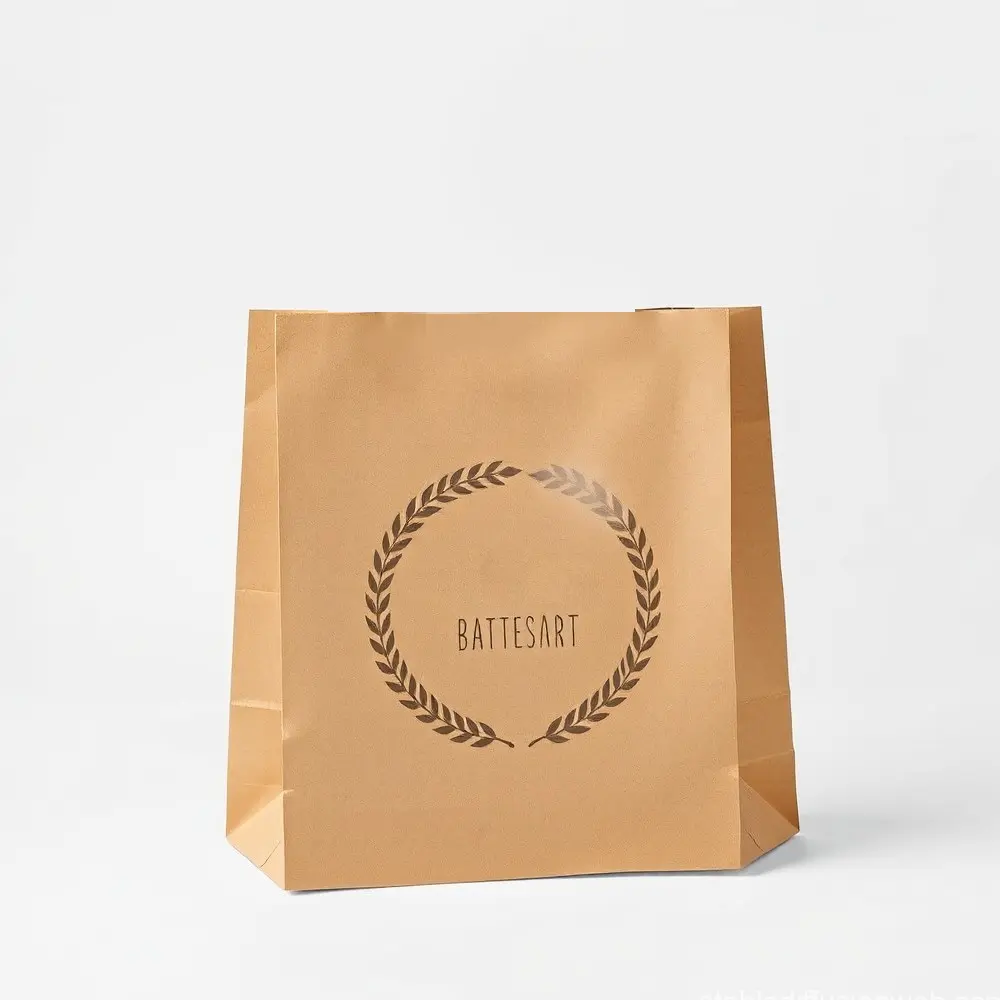
Kraft can create a natural visual appearance and works well with earthy, minimalist, or handmade brand aesthetics.
However, using a kraft appearance does not automatically make packaging sustainable. The complete material, coating, manufacturing process, transportation, and end-of-life pathway should be considered.
- Corrugated Material
Corrugated board can provide additional structural support and may be useful when shipping or outer protection is important.
- Flexible Materials
Flexible packaging can combine multiple layers to provide particular strength, sealing, and barrier characteristics.
Material selection should therefore begin with the product's actual needs.
Pet Food Packaging and Barrier Protection
Barrier performance can be an important consideration for many pet food products.
Depending on the food, the package may need to help limit exposure to:
- Moisture
- Oxygen
- Light
- Odors
- External contaminants
This is particularly relevant when environmental exposure can affect product quality.
Multi-layer flexible packaging may combine different materials to provide specific performance characteristics. Some structures can incorporate layers such as PET, BOPP, nylon, EVOH, or foil, depending on the intended application.
The correct construction depends on factors such as product characteristics, required shelf life, filling conditions, sealing method, transportation, and storage.
This is why pet flexible packaging should be evaluated according to performance rather than choosing a material simply because its name is familiar.
Pet Food Packaging Design
A strong pet food packaging design should communicate quickly without making the package visually crowded.
The front panel may need to establish:
- Brand name
- Product name
- Dog or cat suitability
- Product variety
- Key product information
- Net quantity
- Supporting imagery
The most important information should receive the strongest visual hierarchy.
Dog Food Packaging Design
Dog food packaging design can use photography, illustrations, patterns, color coding, or a combination of these elements.
A premium nutrition brand may use restrained photography and sophisticated typography, while a playful treat company might use brighter graphics and illustrated animals.
Different formulas can use different accent colors while maintaining the same logo placement, typography, and overall design language.
Cat Food Packaging Design
Cat Food Packaging can follow the same approach.
A product line might use a consistent layout while differentiating formulas through colors, photography, illustrations, or product descriptors.
This helps customers understand that different products belong to the same brand without making every package look identical.
For brands creating a wider retail range, Retail Packaging can support a consistent approach across boxes, bags, and other branded formats.
Packaging for Pet Owners
The person purchasing pet food is generally the pet owner, so the package must communicate clearly with the buyer while protecting the product intended for the animal.
This means packaging needs to balance:
- Product information
- Brand personality
- Readability
- Shelf appeal
- Functionality
- Storage convenience
Animal photography can establish an immediate visual connection, but brands can also use ingredient photography, illustrations, paw motifs, botanical imagery, minimal graphics, or character artwork.
The strongest approach depends on the product's positioning.
A premium nutritional product may benefit from an understated visual system, while a playful treat range may use more expressive artwork.
Sustainable Pet Food Packaging
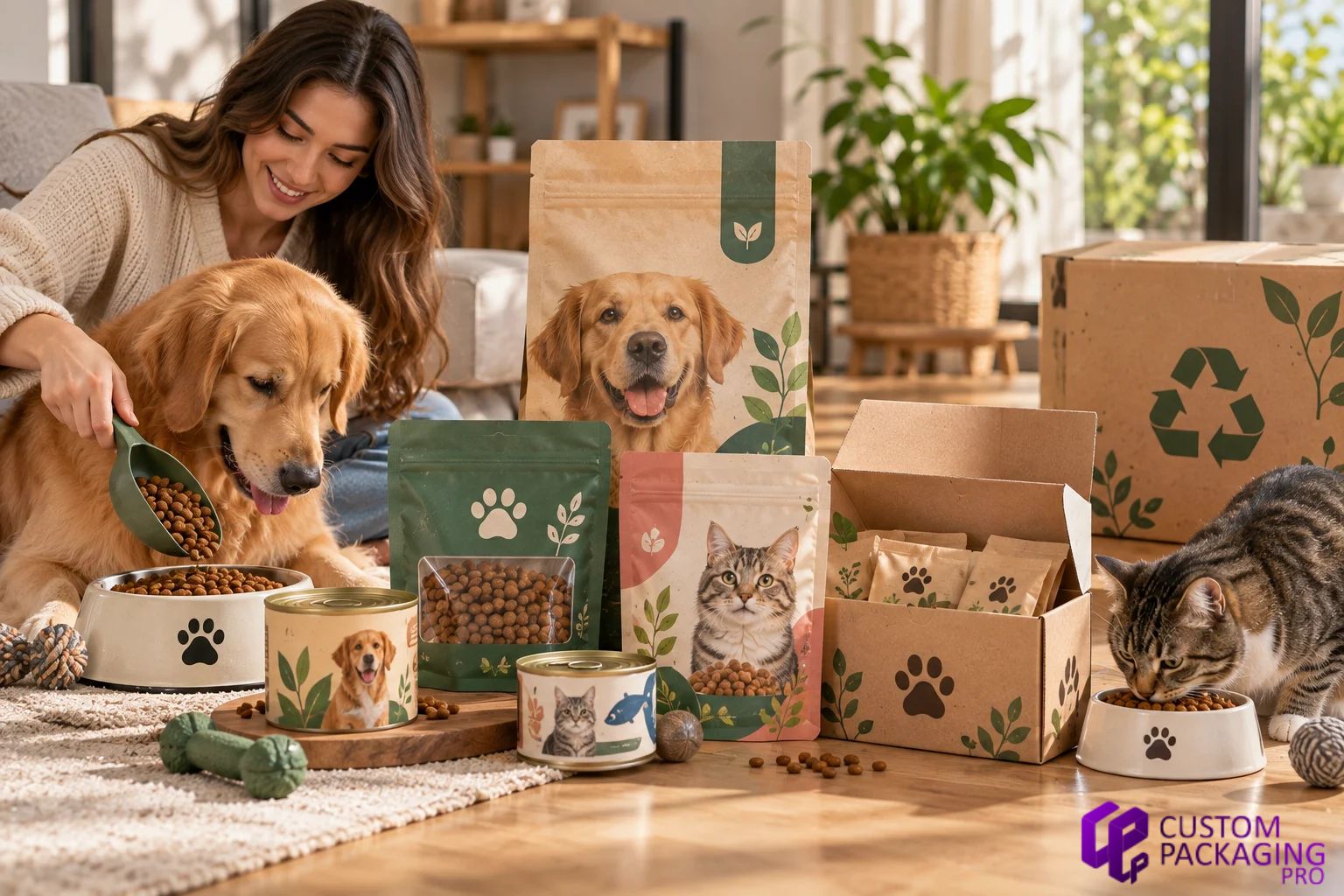
Sustainable pet packaging is becoming an important consideration for brands evaluating their packaging systems.
However, sustainability is broader than simply selecting a particular-looking material. Packaging formats such as eco-friendly boxes can be part of a broader approach, but the complete packaging system still needs to be considered.
Businesses may consider:
- Material reduction
- Recycled content
- Recyclability
- Reusable structures
- Package weight
- Shipping efficiency
- Material combinations
- End-of-life options
Sustainable pet care packaging should be assessed across its complete lifecycle.
A lighter package may reduce material use, but it still needs to provide the protection required for the product. Likewise, recyclability depends on the actual material construction and whether suitable recycling infrastructure exists.
Brands should therefore avoid making broad environmental claims without understanding the complete packaging system.
Pet Food Packaging for Different Products
Different products naturally lead to different packaging decisions.
- Dog Food
Dog food packaging can include large bags for dry kibble, smaller pouches for treats, cartons, and specialty boxes.
Large packs need to consider weight, storage, handling, closure, and distribution. Smaller packs may place more emphasis on portability and shelf presentation.
- Cat Food
Cat food can be packaged in pouches, boxes, bags, tins, and other structures depending on the product.
Since cat food often comes in multiple varieties, packaging should make the formula and product type easy to distinguish.
- Dog Treats
The best packaging for dog treats depends on the treat itself, quantity, storage requirements, and brand positioning.
Small pouches, flexible bags, boxes, and tins can all be considered.
Resealable features can also be useful when customers consume the product over several occasions.
- Specialty Nutrition
Specialty products need especially clear product communication. When a product is positioned around a particular nutritional purpose, important information should remain easy to read instead of being overwhelmed by decorative design.
Custom Pet Food Packaging Solutions
Custom pet food packaging gives businesses more control over the package than standard stock formats.
A package can be developed around:
- Product dimensions
- Weight
- Quantity
- Shape
- Storage needs
- Brand identity
- Distribution method
Customization may include:
- Custom sizes
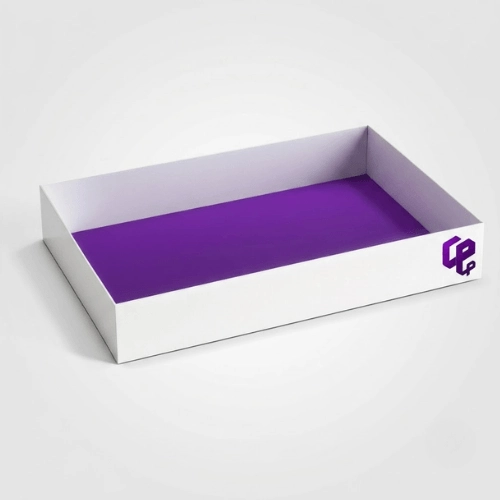
- Box structures
- Materials
- Printing
- Surface finishes
- Die cutting
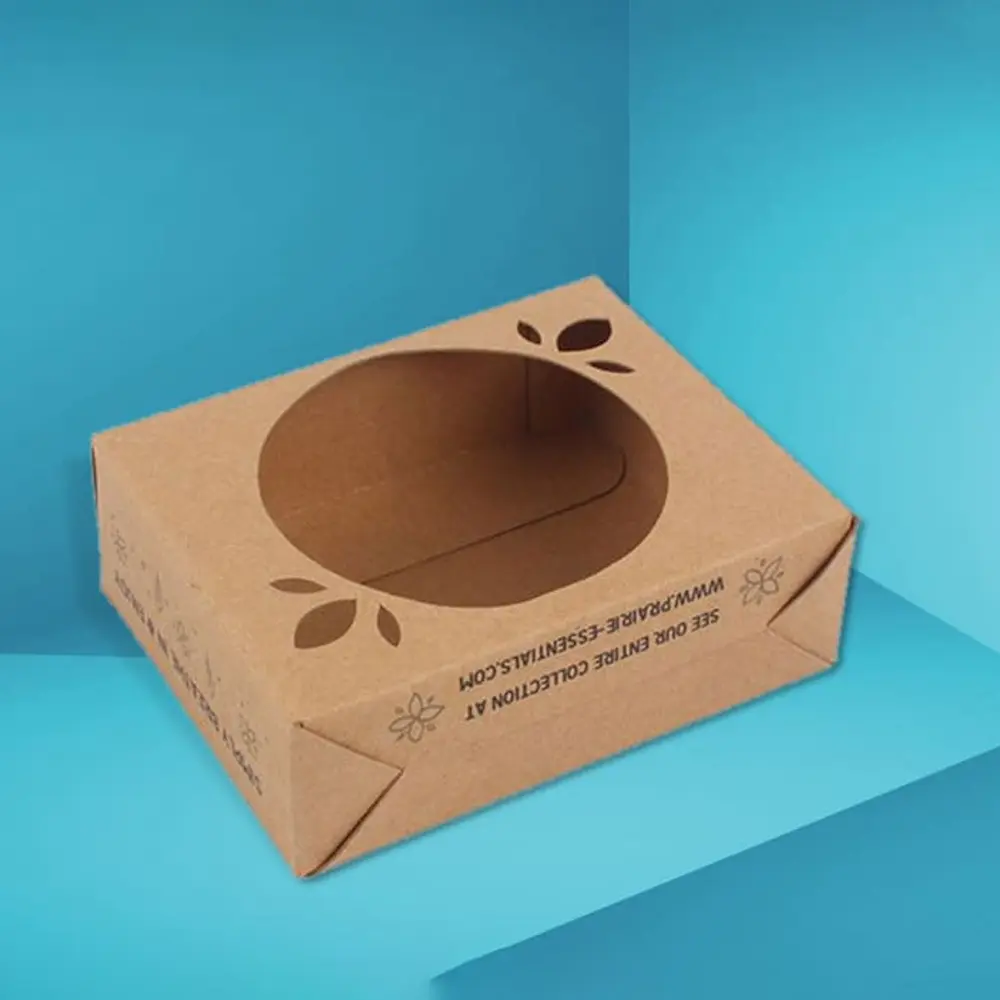
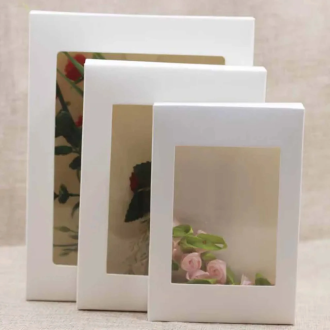
- Windows
- Closures
- Inserts
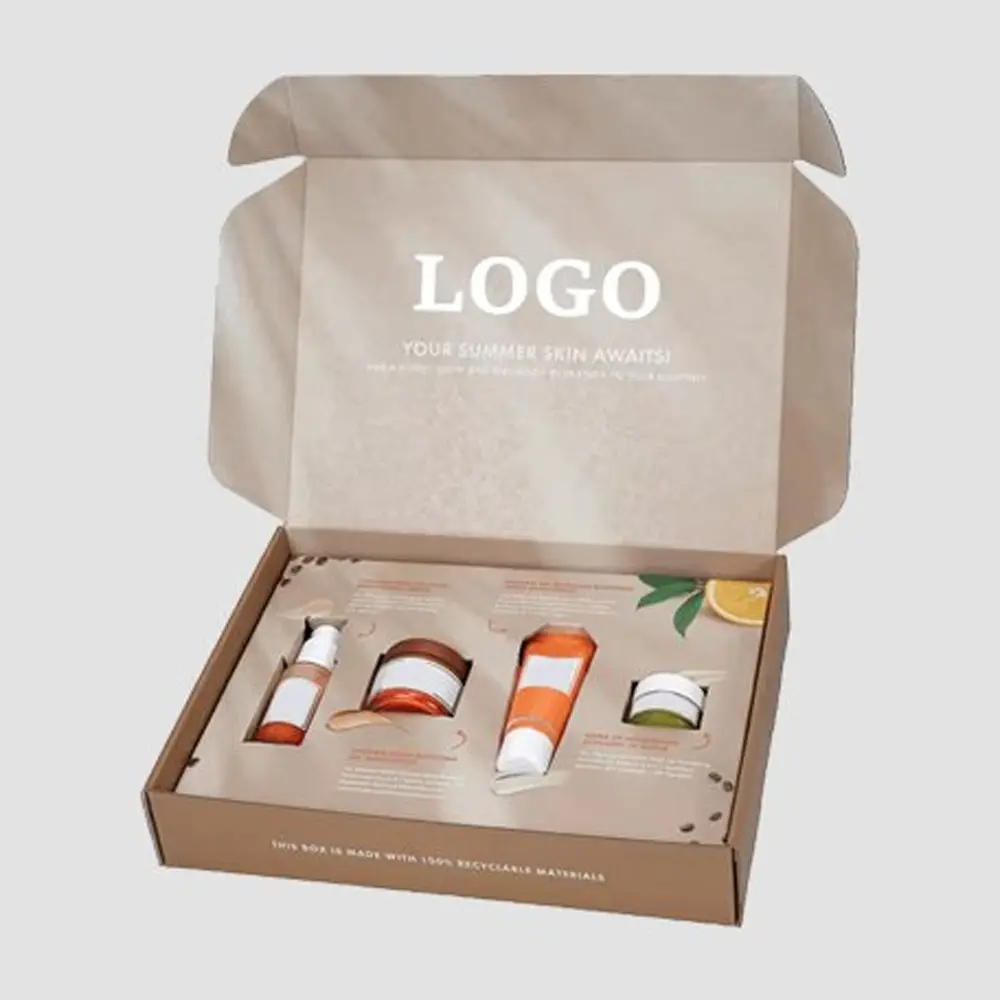
A custom dog food box can therefore be developed around a particular product rather than forcing the product into a generic container. The same principle applies to a custom cat food box, treat box, or specialty animal food package. Custom packaging can also help brands maintain consistency when several products need to look like part of one product family.
Pet Food Packaging Mockups and Prototypes
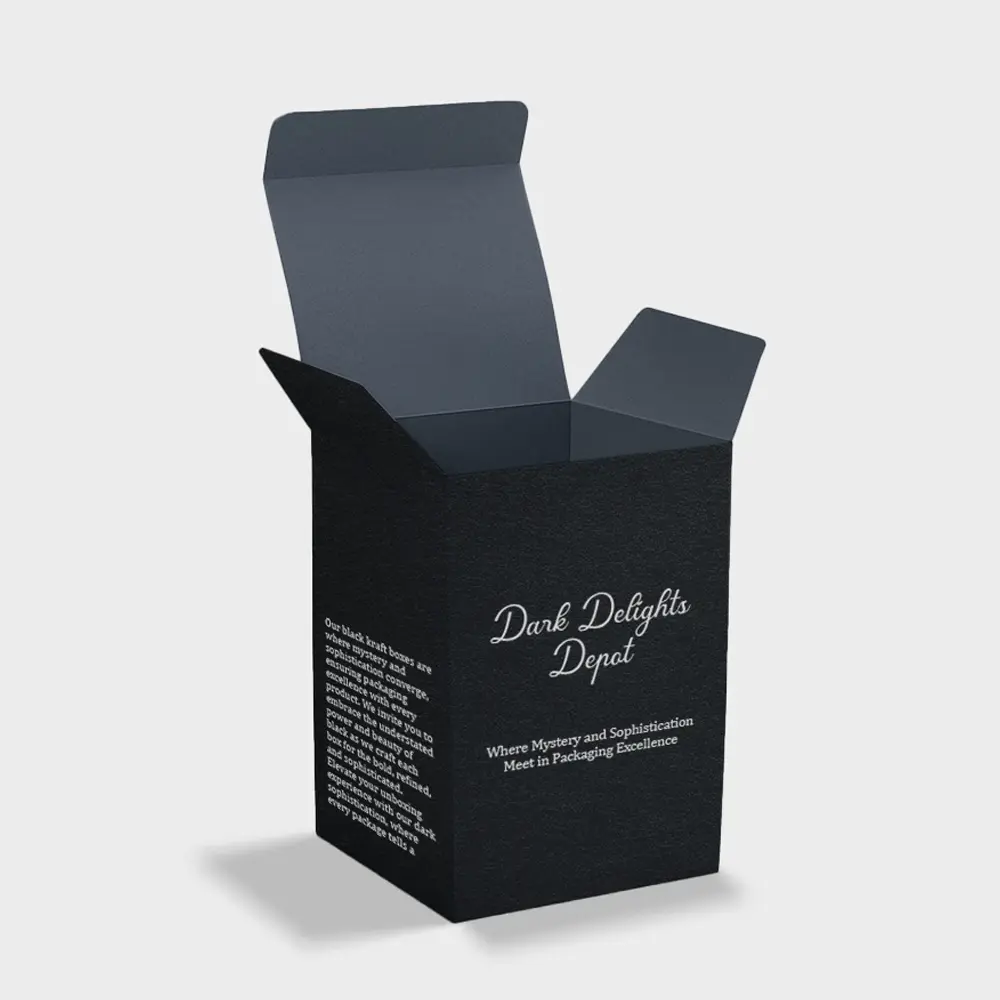
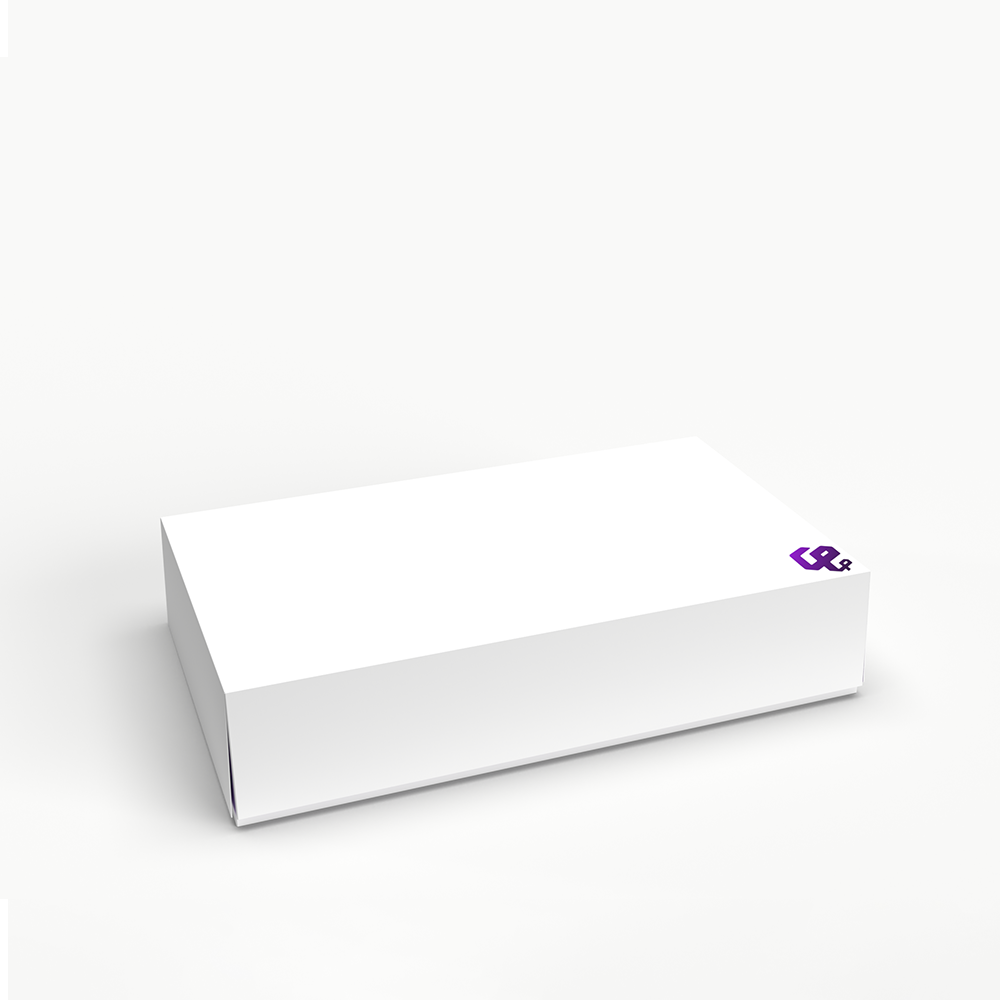
A pet food packaging mockup provides a visual representation of how artwork may appear on the final structure.
Mockups can help businesses review:
- Logo placement
- Color combinations
- Product hierarchy
- Front-panel design
- Side-panel information
- Package proportions
A pet food packaging mockup free can be useful during the concept stage when a brand is comparing different ideas.
However, digital artwork cannot show every physical characteristic.
A physical sample can reveal:
- Actual proportions
- Material feel
- Structural strength
- Print appearance
- Closure performance
- Folding behavior
For a new product, reviewing both the artwork and physical package before committing to a large order can reduce avoidable production changes.
Pet Food Packaging for Shipping and Delivery
Online sales create additional packaging considerations.
A package sold through e-commerce may travel through warehouses, fulfillment centers, courier networks, delivery vehicles, and multiple handling points before reaching the customer.
A dog food box delivery system should therefore consider:
- Product weight
- Shipping movement
- Stacking
- Outer protection
- Storage
- Package dimensions
- Unboxing
The retail package does not always need to be the shipping container.
A brand can use a presentation-focused primary package inside a stronger outer shipping box.
Subscription businesses have another consideration. A dog food box subscription needs to work repeatedly, which makes consistent branding and reliable packaging performance especially useful.
For recurring shipments, Subscription Boxes can be considered as part of the wider packaging system.
Pet Food Packaging for Storage
The packaging experience continues after the product reaches the home.
Pet owners may need to open the package repeatedly, so closure and storage convenience can be important.
Useful features can include:
- Resealable zippers
- Secure lids
- Tear notches
- Fold-over closures
- Compact shapes
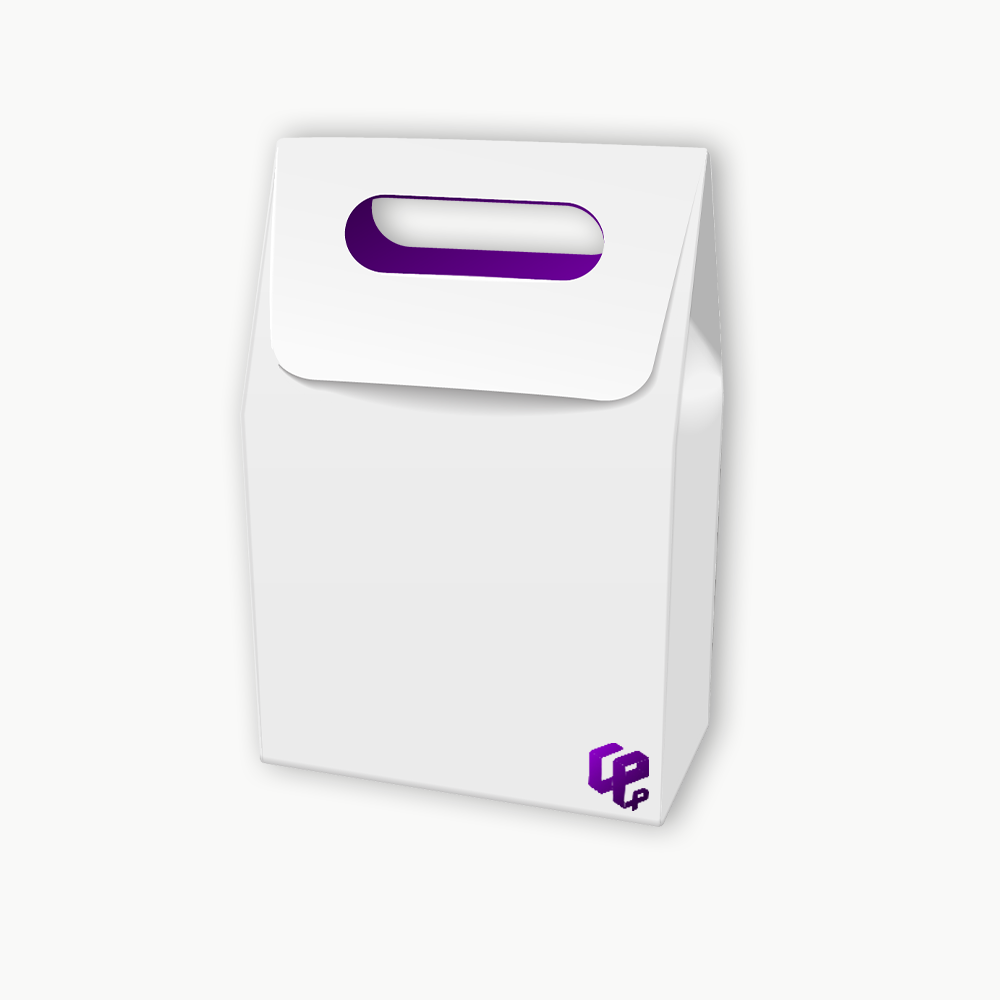
- Handles
- Rigid storage structures
Dog food box storage should also be considered during design. A package that fits easily into a cupboard or designated storage area may be more convenient than one that is difficult to handle.
The same applies to cat food box storage, especially when customers purchase multiple varieties at once.
Some customers may also transfer food from the original package into another storage container. Brands should provide appropriate storage guidance where necessary.
Pet Food Packaging Machine and Production
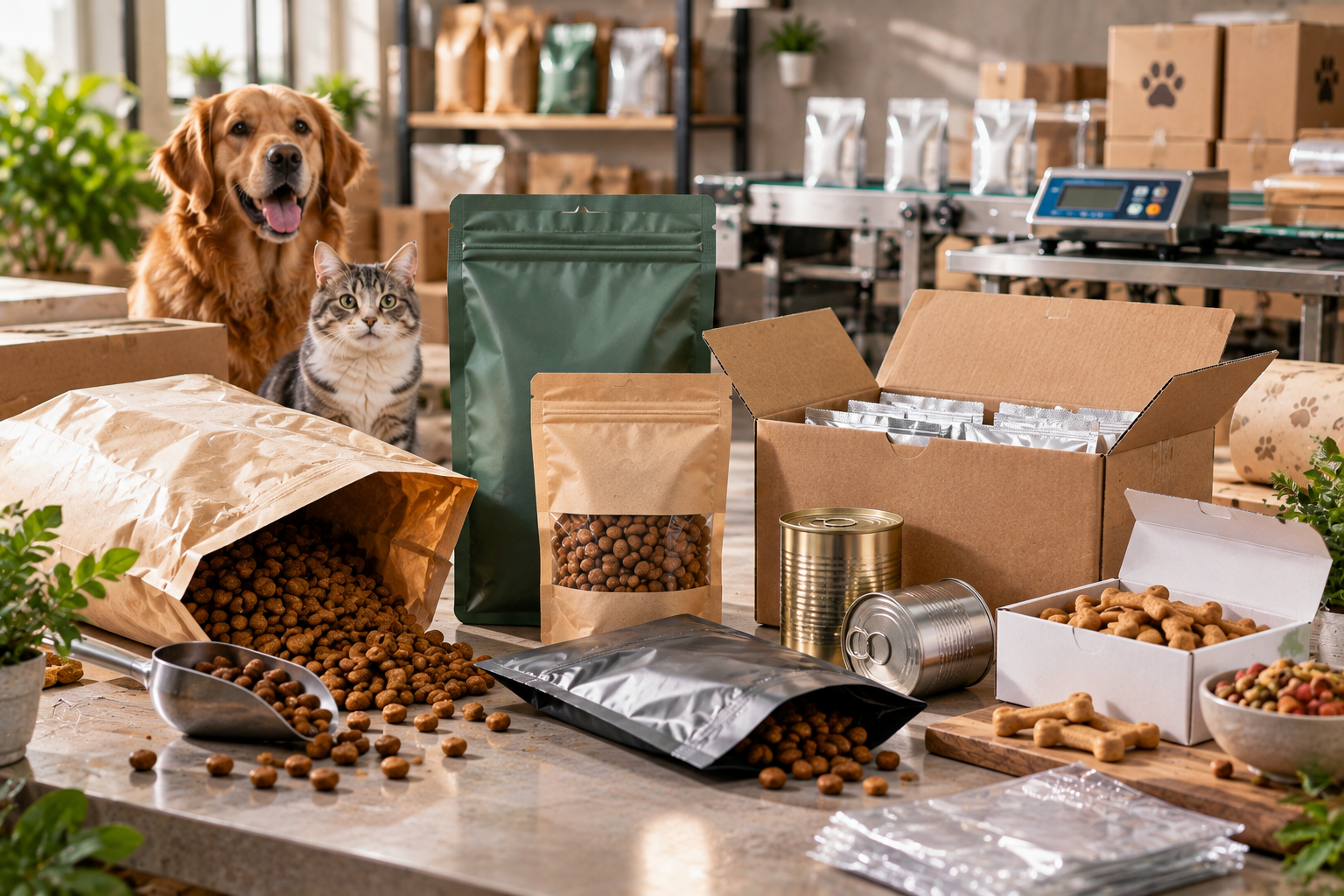
A pet food packaging machine can influence which packaging format is practical for a production line.
Depending on the product and scale, machinery may be used for:
- Filling
- Weighing
- Sealing
- Bag forming
- Cartoning
- Labeling
- Coding
- Case packing
The packaging structure should be compatible with the filling and sealing process. For example, a flexible pouch designed for manual filling may have different requirements from a bag intended for automated high-volume production.
This is one reason businesses should discuss packaging requirements with their manufacturing and packaging suppliers before finalizing the structure.
Pet Food Repack and Empty Dog Food Bags
Some businesses purchase packaging separately from the food production process.
The term pet food repack can refer to transferring or repackaging food into another package format. In these situations, the new package needs to be appropriate for the product and its intended use.
Businesses may also search for empty dog food Pouch bags when looking for packaging to fill themselves.
However, an empty bag is not automatically suitable for every type of pet food. Material construction, barrier performance, sealing method, dimensions, and intended food application should all be evaluated.
The same principle applies to an animal food box. The box should be designed around the product rather than treated simply as an attractive outer container.
Pet Food Packaging Market and USA Considerations
The pet food packaging market includes a wide range of packaging structures because pet food itself is sold through many channels and product categories.
Brands may sell through:
- Grocery retailers
- Pet stores
- Specialty retailers
- E-commerce
- Subscription services
- Direct-to-consumer websites
For businesses targeting the US market, pet food packaging USA projects need to account for applicable federal and state labeling requirements.
The FDA states that animal-food labels need required identifying information, while claims made about products can create additional regulatory considerations. Businesses should verify their final packaging against the rules applicable to their specific product and market.
Pet Food Packaging Recycling
Pet food packaging recycling depends heavily on the actual package structure.
A simple single-material package can have different recycling characteristics from a multi-layer structure made from several materials.
Businesses considering recycling should evaluate:
- Material composition
- Coatings
- Laminations
- Closures
- Labels
- Local recycling systems
- Package size and collection requirements
This is another reason why sustainability claims should be based on the complete packaging system.
A package can be lightweight and efficient while still requiring specialized disposal or recycling infrastructure.
Choosing Pet Food Packaging Companies
When comparing pet food packaging companies, businesses should evaluate more than price.
Important factors include:
- Material Options: Does the supplier offer materials suitable for the intended product?
- Custom Sizes: Can the package be produced around the actual dimensions and quantity?
- Printing Capabilities: Can the supplier reproduce the brand artwork, photography, colors, and product information accurately?
- Finishing: Are options such as matte, gloss, foil, Spot UV, embossing, or soft touch available when required?
- Sampling: Can the business review a physical sample before approving a larger production run?
- Production Capacity: Can the supplier handle the required order quantity and production schedule?
For brands searching for a pet food bag manufacturer or dog food bags manufacturer, it is especially important to discuss material structure, filling requirements, closure options, printing, and intended distribution.
A supplier should be able to explain how the proposed package fits the product and production process.
Pet Food Packaging Factory and Manufacturing Considerations
A pet food packaging factory may support different stages of packaging production depending on the supplier's capabilities.
Before selecting a manufacturer, businesses should clarify:
- Minimum order quantities
- Production timelines
- Available materials
- Printing methods
- Finishing options
- Quality control
- Sampling
- Packaging dimensions
- Shipping arrangements
The manufacturing process should be considered alongside the packaging design.
A beautiful package that cannot run efficiently through the intended filling or sealing equipment can create production difficulties.
Common Search Terms That Need Context
People searching for packaging online do not always use precise industry terminology.
For example, searches such as pet store box hill, pet lunch box, or even sheet labels near me can refer to very different products and locations rather than pet food packaging itself.
Likewise, terms such as dog food box storage, cat food box storage, and dog food box subscription describe specific use cases rather than one universal packaging format.
Understanding search intent is important for businesses creating packaging content because not every phrase containing “pet,” “box,” or “food” represents the same customer need.
For a packaging brand, the focus should remain on matching the package structure to the product and the intended customer journey.
How to Choose the Right Pet Food Packaging
- Start With the Product: Identify the food type, weight, dimensions, texture, and storage requirements.
- Select the Structure: Compare boxes, pouches, bags, tins, cartons, and combination formats.
- Choose the Material: Consider protection, appearance, printing, handling, and distribution.
- Plan the Artwork: Create a clear hierarchy so customers can quickly understand the product.
- Consider Customer Use: Think about opening, closing, carrying, storage, and disposal.
- Review Production: Make sure the structure works with the intended filling, sealing, and packaging process.
- Evaluate Sustainability: Consider material efficiency, recyclability, reusable potential, and the complete lifecycle.
- Test Before Mass Production: Review a mockup and, when appropriate, approve a physical sample before committing to a large production run.
Final Thoughts: Building Better Pet Food Packaging
The right pet food packaging brings product requirements and brand presentation together.
A large dry-food bag may need a different solution from a small treat pouch, while a premium product may benefit from a custom box, rigid structure, or combination package. The choice should be based on the product, quantity, storage, distribution, production process, and customer experience.
Material selection matters just as much as structure. Cardboard, kraft, corrugated board, flexible materials, and metal tins each provide different characteristics. For flexible packaging, barrier requirements can also influence the final construction.
Design should then build on those functional decisions. Clear product identification, readable information, consistent branding, strong photography or illustrations, and appropriate finishing can help a pet food range look professional and recognizable.
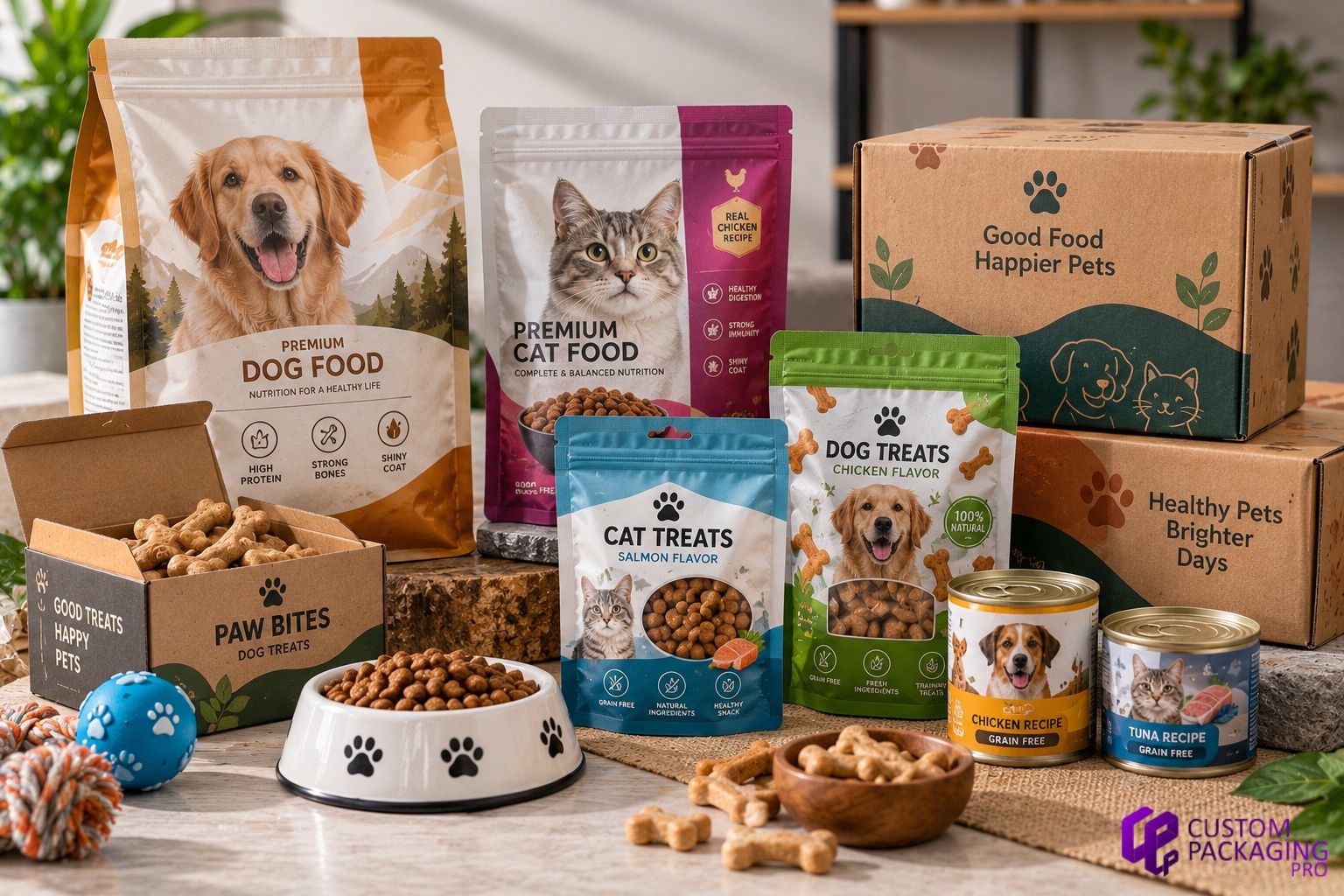
At Custom Packaging Pro, packaging can be developed around a product's dimensions, structure, material, printing, and finishing requirements. The company's Pet Food Boxes offering supports custom sizes and shapes along with multiple material, printing, and finishing options.
For a growing pet food brand, the package should not be treated as an afterthought. It is part of the product experience from the moment the customer sees it to the point where the package is opened, stored, and eventually disposed of.
Whether the requirement is dog food packaging, Cat Food Packaging, flexible pet food packaging, a custom pet food box, or packaging for treats and specialty nutrition, careful planning can help create a package that performs its practical role while supporting the identity of the brand.
Frequently Asked Questions About Pet Food Packaging
- What is the best packaging for dog treats?
There is no single format that suits every dog treat. Pouches, flexible bags, boxes, and tins can all work depending on the treat type, quantity, storage requirements, branding, and distribution method.
- What are the labeling requirements for pet food?
In the United States, FDA requirements include product identification, net quantity, manufacturer or distributor information, and an ingredient statement. Additional state requirements may apply, and businesses should verify the rules relevant to their specific product.
- What does PET stand for in packaging?
PET stands for polyethylene terephthalate. It is a type of plastic used in various packaging applications and can also appear as one component within some multi-layer flexible packaging structures.
- Is PET a safe plastic for packaging?
PET is widely used in food-related packaging applications. Whether a particular PET-based structure is suitable depends on its complete construction, intended use, and applicable requirements rather than the material name alone.
- What are the disadvantages of PET plastic?
Potential considerations include its fossil-based origin, recycling challenges in some applications, and the fact that PET may be combined with other materials in multi-layer packaging, which can affect end-of-life processing.
- What's the best container for dog food?
The appropriate container depends on the type and quantity of dog food. Flexible bags, stand-up pouches, boxes, tins, and other rigid formats can be considered according to protection, storage, closure, handling, and distribution requirements.
- What is the 95% rule in dog food?
The 95% rule is a pet-food labeling concept associated with products where a named animal ingredient or combination of named animal ingredients represents at least 95% of the product by weight, subject to specific regulatory calculations and exclusions. Businesses using such claims should verify the applicable requirements before printing them on packaging.
- Why shouldn't you store dog food in a plastic container?
A suitable food-storage container can be useful, but the container should be appropriate for the product and storage conditions. Pet owners should also keep food bags away from animals because the FDA warns that some snack and food bags can create a suffocation hazard if a pet gets its head inside.

 Custom Boxes
 Mailer Boxes
 Shipping Boxes
 Display Boxes
 Product Boxes
 Retail Packaging
 Luxury Packaging
 Sustainable Packaging
 Mylar Bags
 Labels & Stickers
 Inserts & Dividers
 Acrylic Signs
 Mylar and Zipper Bags
 Cosmetic Boxes
 Custom Candle Packaging Boxes
 Food and Beverage
 Display Packaging
 Pharma Packaging
 Custom Blister Packaging
 Stand Up Displays
 Kraft Boxes
 Cereal Packaging Boxes
 Bakery Packaging Boxes
 Eco-Friendly Boxes
 Electronics Packaging Boxes
 Custom Vape Boxes & Packaging
 CBD Packaging Boxes
 Rigid & Luxury Packaging Boxes
 Gift Boxes
 Custom Soap Boxes & Packaging
 Metalized Boxes
 Retail Boxes
 Subscription Boxes
 Invitation Boxes
 Corrugated Shipping Boxes
 Matte Finish
 Gloss Finish
 Soft Touch
 Foil Stamping
 Spot UV
 Embossing
 Debossing
 Window Cutouts