By Rai Haider
September 24, 2026
Cereal Mascots: How Iconic Characters Build Stronger Cereal Brands
Walk through any supermarket cereal aisle, and you will notice something interesting. Before customers read ingredients, compare prices, or check nutritional information, they often notice the characters displayed on the front of cereal boxes.
A friendly animal, a cartoon character, or a memorable fictional figure can instantly communicate a brand’s personality. These characters are known as cereal mascots, and they have played an important role in making breakfast brands recognizable for generations.
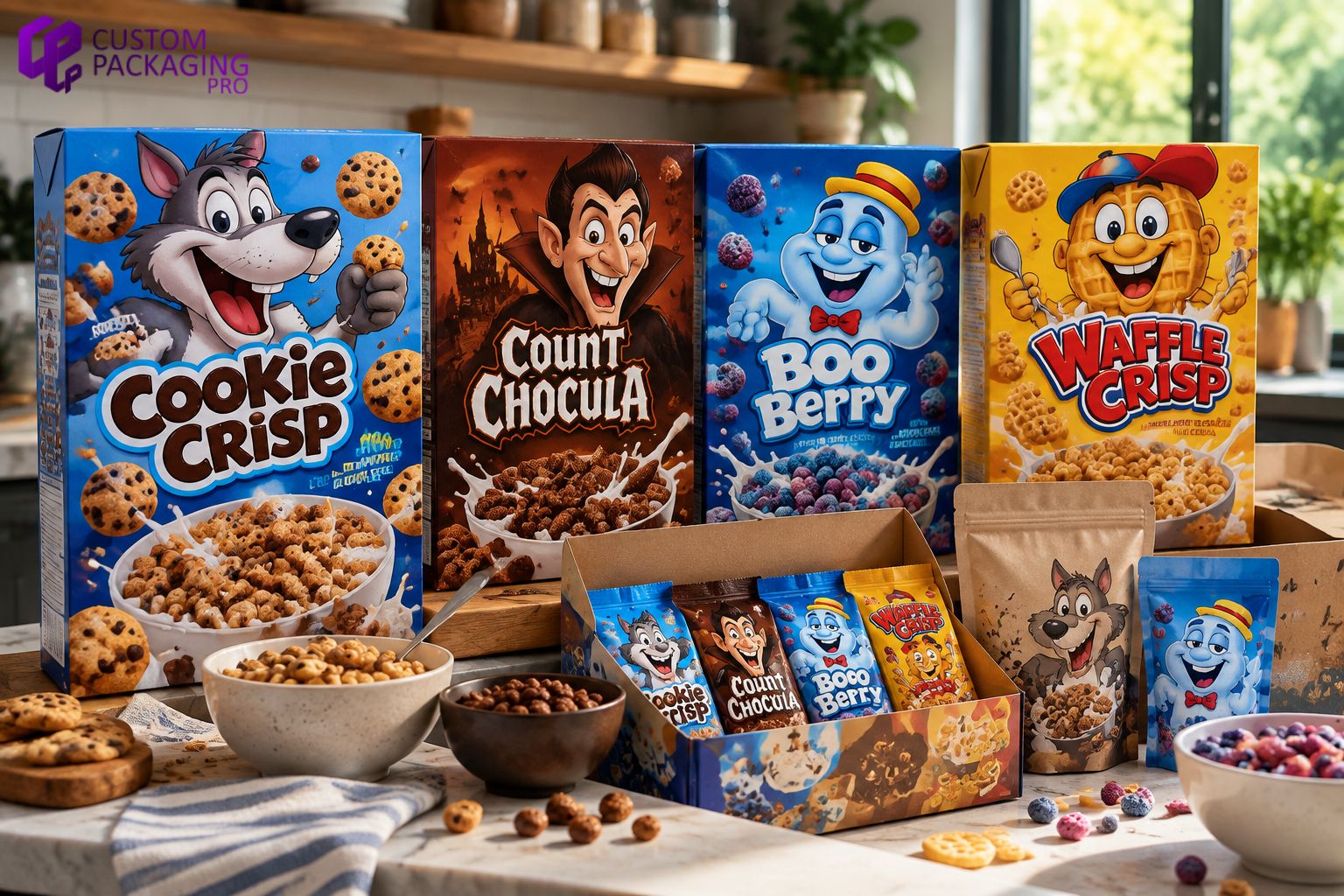
Cereal mascots are not just illustrations placed on packaging. They are carefully designed brand elements that help companies create emotional connections, improve shelf visibility, and make their products easier to remember. From the playful character behind Cookie Crisp cereal to the classic monster-themed personalities of Boo Berry cereal and Count Chocula cereal, mascots have helped transform ordinary cereal packaging into memorable brand experiences.
For modern food brands, a strong mascot combined with effective cereal packaging can influence purchasing decisions and create a stronger identity in a competitive retail environment.
Complete Guide to Cereal Mascots and Packaging Design
What Are Cereal Mascots?
Cereal mascots are fictional characters, animals, animated figures, or brand personalities used to represent a cereal product and communicate its identity to customers.
These characters usually appear on:
- Cereal boxes
- Retail packaging
- Promotional materials
- Advertisements
- Digital campaigns
- Brand merchandise
A mascot gives a product a recognizable personality. Instead of customers seeing only a box of cereal, they begin to associate the product with a specific character, story, or feeling.
For example, a fun cartoon character can make a cereal brand appear playful and family-friendly, while a bold character design can create excitement and help the product stand out on crowded retail shelves.
The purpose of a cereal mascot is not only entertainment. It supports branding by helping businesses:
- Build recognition
- Create customer loyalty
- Communicate brand values
- Improve packaging appeal
- Make products easier to identify
For food companies, mascots become part of the overall brand identity, working together with colors, typography, packaging design, and product presentation.
Why Do Cereal Brands Use Mascots?
The cereal market is highly competitive. Many products compete for attention in the same retail space, which makes packaging design an important factor in customer decisions. Mascots help brands create a unique visual identity.
Creating Instant Brand Recognition
A memorable character allows customers to recognize a product quickly. Instead of relying only on a logo or product name, brands can use a mascot as a visual shortcut. When customers repeatedly see the same character on cereal boxes, advertisements, and promotions, the character becomes connected with the brand. This recognition is especially valuable for products targeting families and younger audiences.
Building Emotional Connections
Characters create stories around products. A cereal box with a friendly mascot feels more engaging than plain packaging with only text and product information. The character creates personality and helps customers form a stronger connection with the brand. This emotional connection can influence:
- Brand familiarity
- Customer preference
- Repeat purchases
- Product loyalty
Improving Shelf Appeal
Retail shelves contain hundreds of competing products. A strong mascot can help a cereal box attract attention through:
- Unique character design
- Bright visual elements
- Expressive illustrations
- Memorable storytelling
For many shoppers, the package design becomes the first visual connection they make with a product before they decide to purchase. A recognizable mascot can help a cereal brand stand apart from competitors.
Famous Cereal Mascots That Became Brand Icons
Many cereal mascots have become well-known because of their distinctive designs and long-term presence in marketing.
Cookie Crisp Mascot
Cookie Crisp cereal is known for its playful connection between cookies and breakfast cereal. The brand has used character-based marketing to communicate fun, imagination, and a sense of excitement. The concept behind Cookie Crisp focuses on making the cereal experience feel different from traditional breakfast products. Character-driven branding helps reinforce the idea that the product is enjoyable and memorable.
For packaging designers, Cookie Crisp demonstrates how a mascot can support a product concept by visually connecting the character, product name, and customer experience. Similar character-focused strategies can also be applied to other food packaging formats, such as cookie boxes, where creative illustrations and memorable designs help brands create stronger recognition.
This placement keeps cookie boxes relevant without making it feel forced.
Count Chocula Cereal
Count Chocula cereal is a well-known example of themed cereal branding. The character uses a monster-inspired design to create a unique identity that separates the product from traditional cereal brands.
The combination of:
- Character storytelling
- Seasonal appeal
- Distinctive packaging
- Memorable visual style
has helped create a recognizable product personality. Count Chocula shows how a creative mascot can make packaging feel like more than a container. It becomes part of the brand story.
Boo Berry Cereal
Boo Berry cereal uses a ghost-inspired mascot to create a playful identity connected with fun and imagination. The character approach helps the product stand out through:
- Unique visual themes
- Cartoon-style branding
- Recognizable packaging elements
This type of design strategy demonstrates how brands can use fictional characters to create a stronger emotional connection with customers.
Waffle Crisp Mascot
Waffle Crisp represents another example of how cereal brands use characters and creative visuals to communicate product personality. A mascot helps transform a simple food product into something more memorable by giving customers a recognizable image associated with the brand experience.
Cartoon Characters and Cereal Branding
Cartoon-style characters have influenced cereal marketing for decades. Many brands use animated designs because they are visually engaging and easy for audiences to remember.
The influence of:
- Cartoon Network characters
- Network cartoon characters
- Animated brand personalities
shows how entertainment and food marketing often overlap. Characters make cereal or food packaging more interactive and can help brands create stronger connections with younger audiences and families.
How Cereal Mascots Influence Packaging Design
A cereal mascot is not only a marketing character. It is also an important part of packaging design because it helps shape how customers see and remember a product. When a customer looks at a cereal box, the mascot often becomes the first visual element they notice. The character’s expression, colors, personality, and placement all work together with other packaging elements to create a complete brand experience.
For cereal companies, effective mascot-based packaging should balance creativity with clear product communication.
Important design elements include:
- Character placement
- Brand colors
- Product visibility
- Typography
- Storytelling graphics
- Packaging structure
A well-designed mascot can turn ordinary packaging into something customers recognize instantly.
The Role of Mascots on Cereal Boxes
Cereal boxes provide a large visual area where brands can showcase their identity. A mascot helps use this space effectively by creating a central design element that attracts attention. A successful cereal box design often combines:
- A recognizable character
- Clear product information
- Eye-catching illustrations
- Brand messaging
- Consistent visual style
For example, a mascot placed prominently on the front panel can help customers identify a product quickly while shopping. This is especially important in retail environments where many products compete for attention. A unique character can help a brand create a stronger shelf presence.
How Character Design Creates Brand Personality
Every mascot communicates something about the product. A playful character may suggest:
- Fun
- Energy
- Creativity
- Family appeal
A classic or premium character design may communicate:
- Tradition
- Quality
- Brand heritage
- Trust
The design choices behind a mascot influence how customers perceive the entire product. Elements such as facial expression, character style, clothing, colors, and illustration technique can help establish a specific brand personality. For cereal brands, this personality becomes part of the customer experience. The mascot represents more than the product itself; it represents the feeling associated with choosing that product.
Using Mascots Across Different Packaging Formats
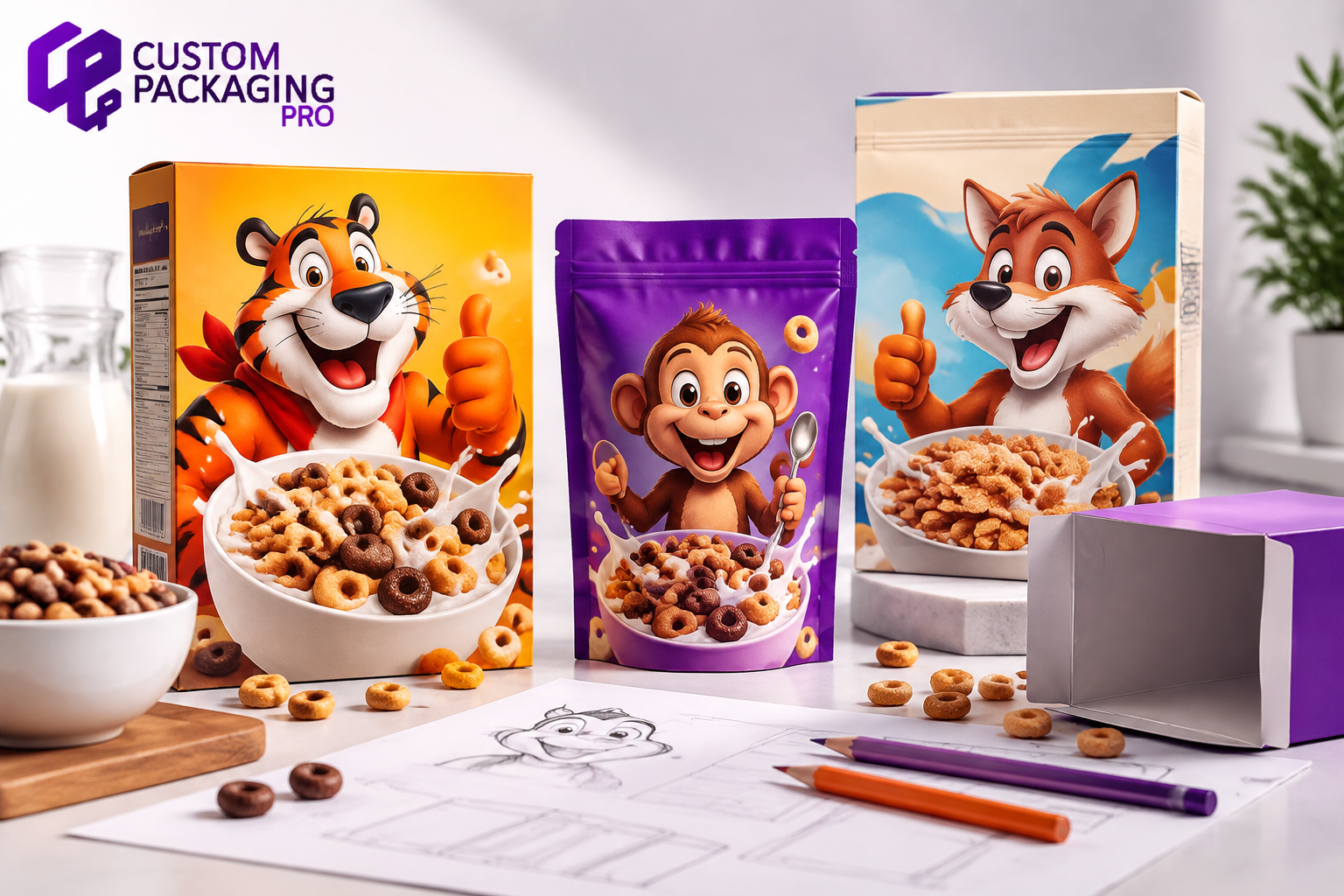
Modern food brands are no longer limited to traditional cereal boxes. Many companies use multiple packaging formats to reach different customers and markets. Mascots can be adapted across different packaging solutions while maintaining brand consistency.
Custom Cereal Boxes
Custom cereal boxes remain one of the most effective ways to showcase mascot-based branding. A cereal box allows brands to feature large character illustrations, product stories, brand messages, fun visual elements, and promotional details. Because the front panel has significant visibility, mascot placement can strongly influence customer attention. For new cereal brands, custom cereal boxes provide an opportunity to create a recognizable identity from the beginning.
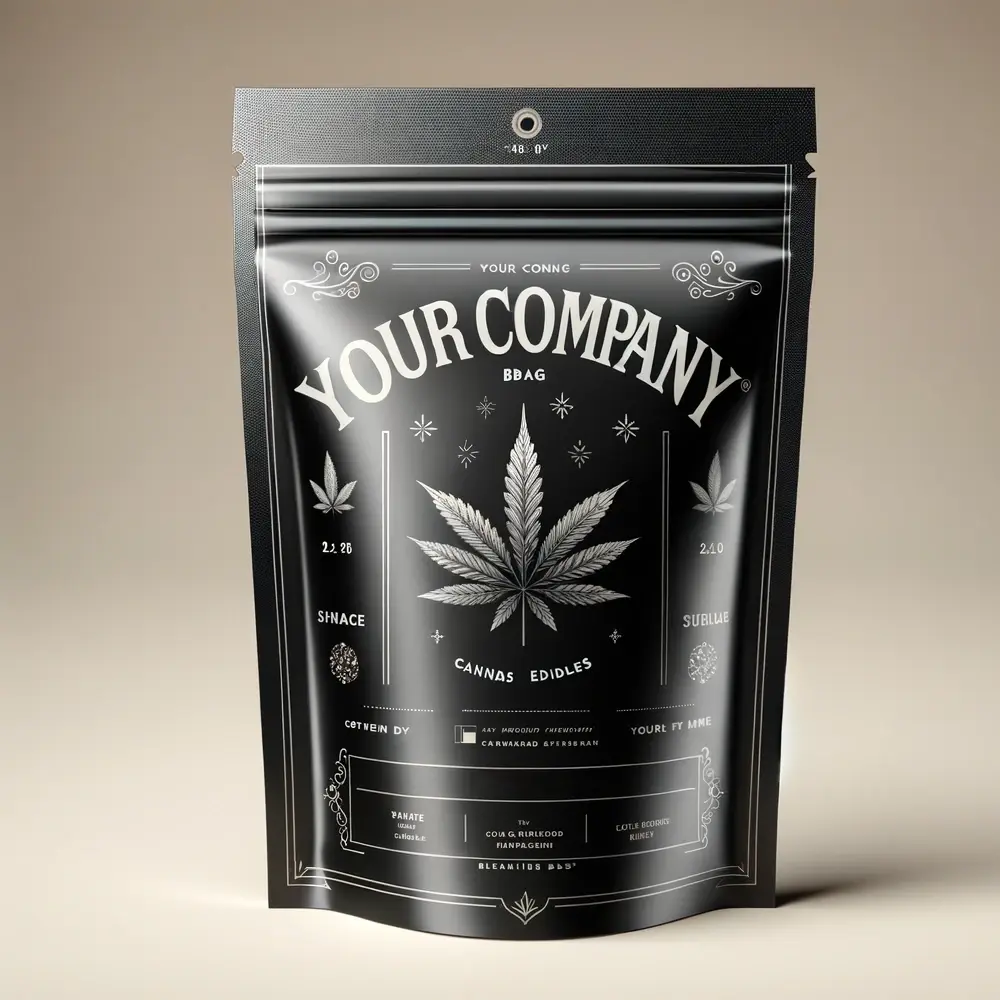
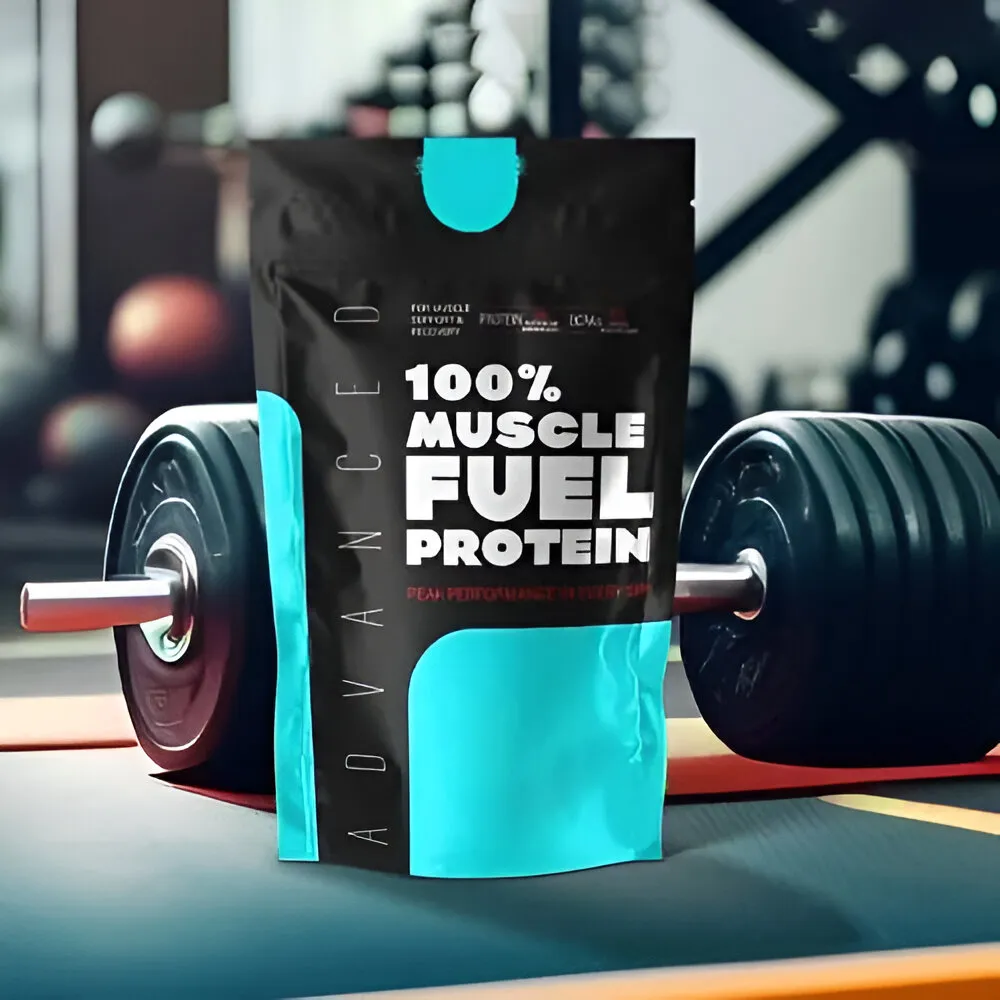
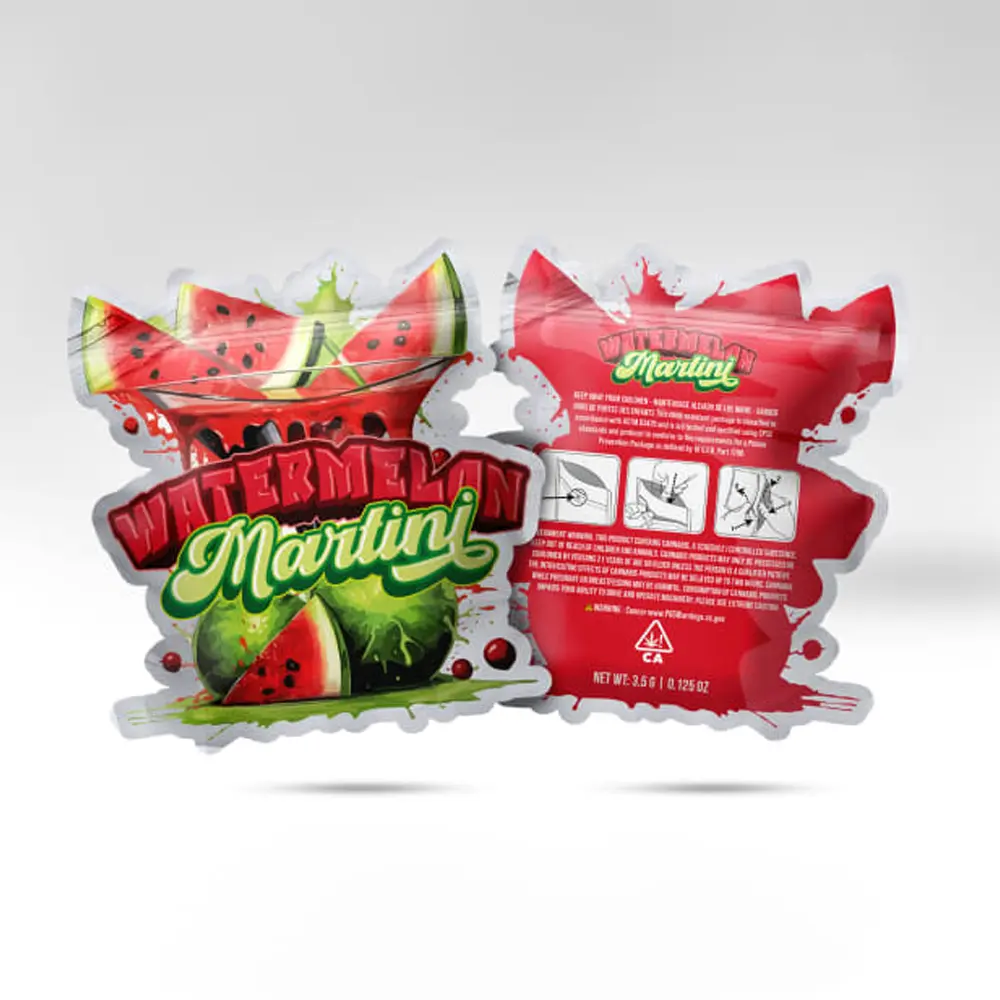
Mylar Bags
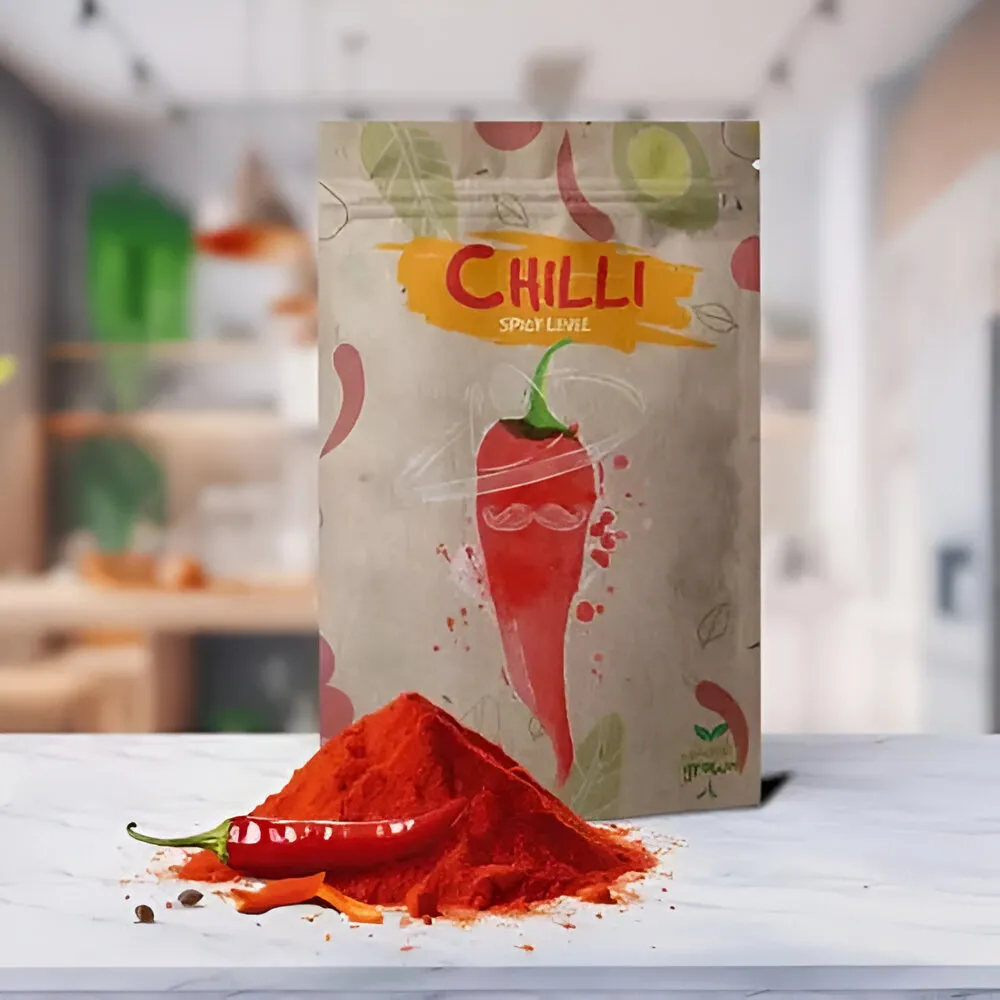
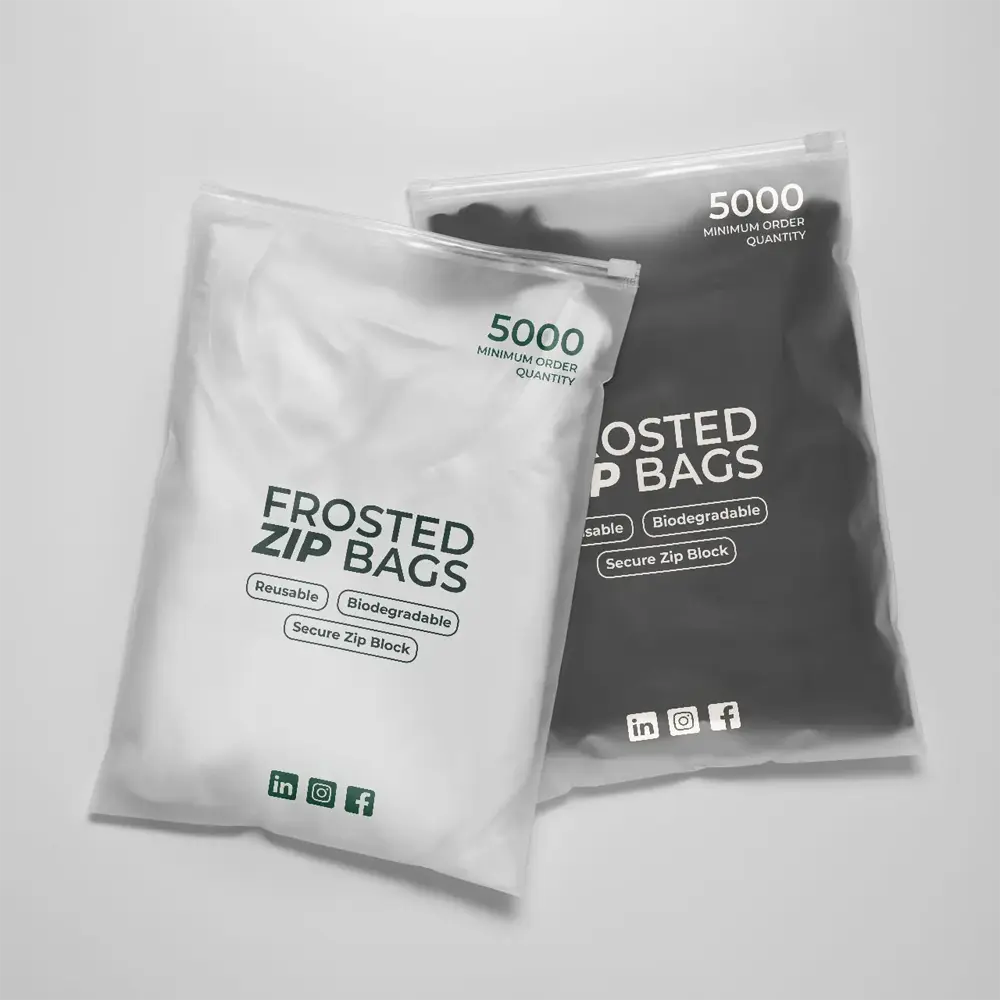
Mylar bags are commonly used for products that require lightweight and durable packaging. For cereal brands, mascot designs can be printed on Mylar bags to create a portable version of the same brand experience. Benefits include:
- Flexible packaging options
- Strong visual printing capabilities
- Protection for the product
- Convenient storage
A consistent mascot design across cereal boxes and Mylar bags helps customers recognize the brand regardless of packaging format.
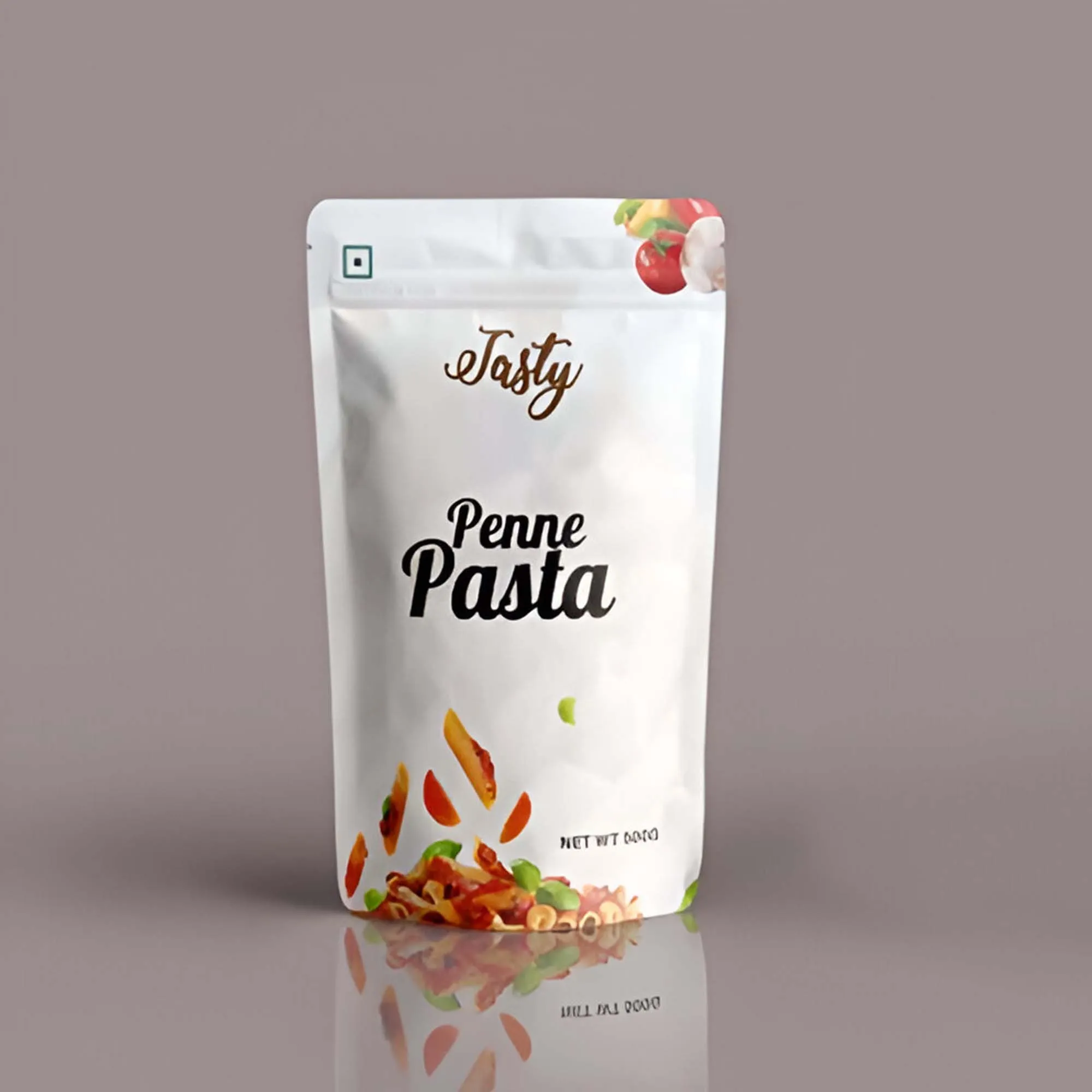
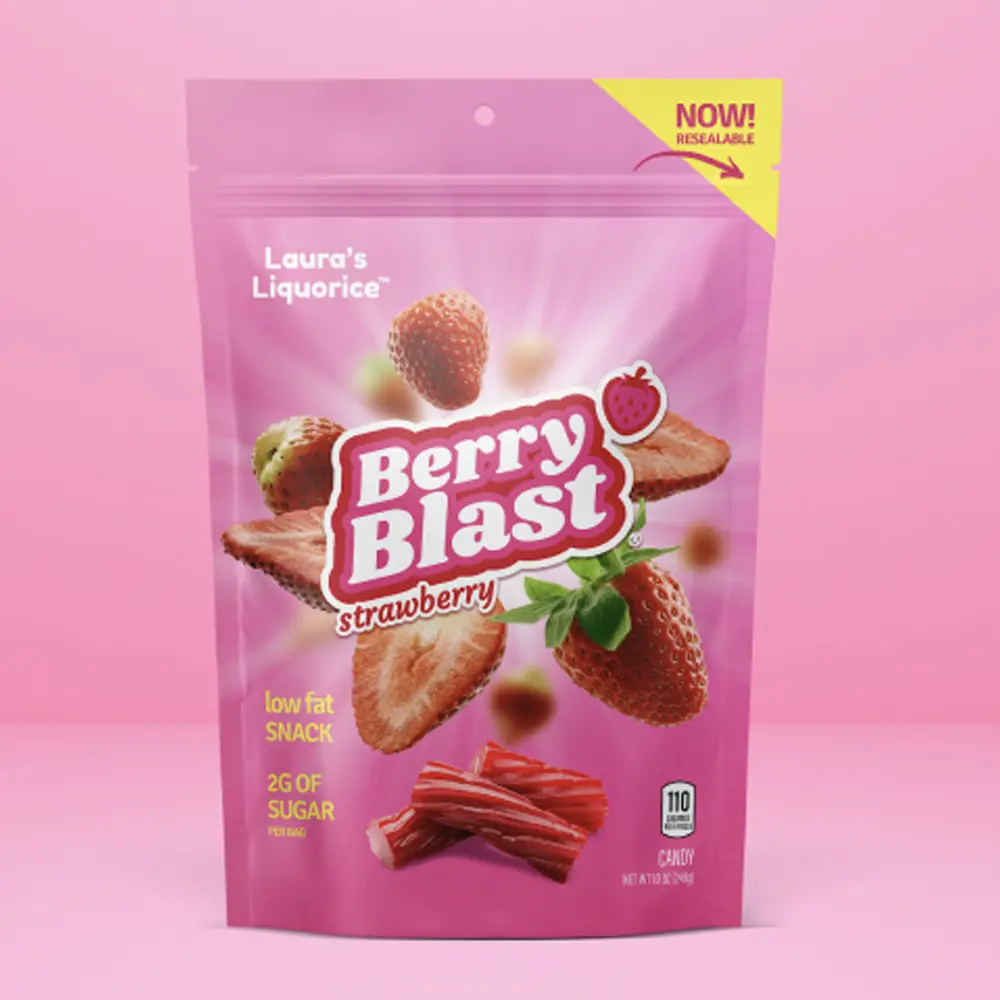
Pouch Bags
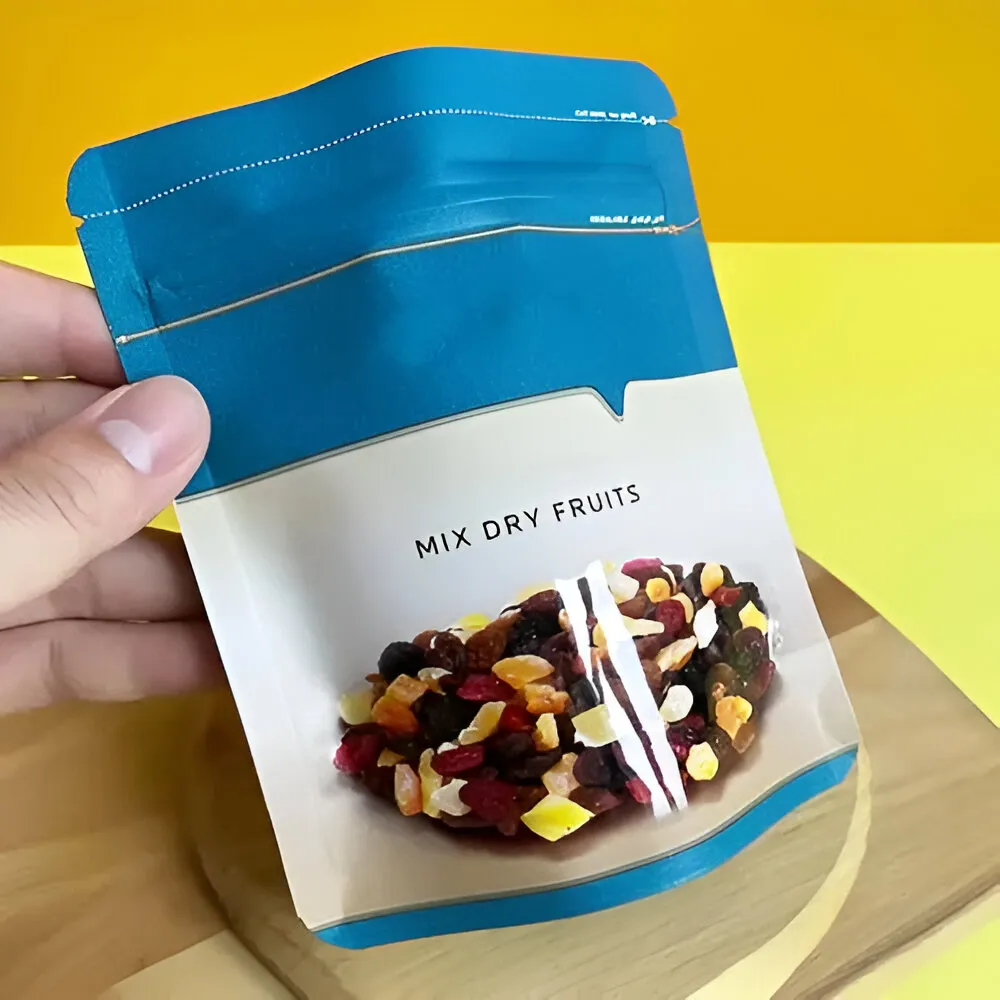
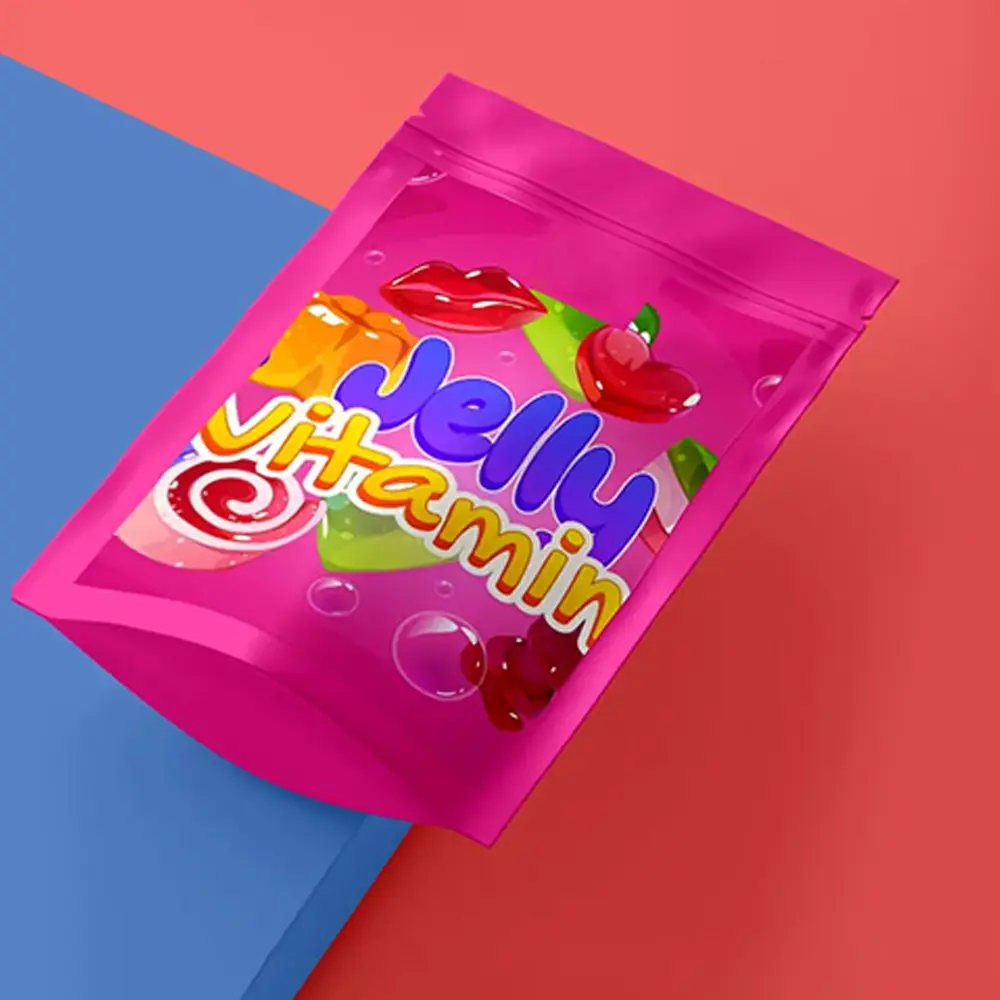
Pouch bags offer another flexible packaging option for modern cereal products. They are often used for snack cereals, small portions, subscription products, and specialty food items.
Mascot graphics can make pouch packaging more engaging by adding personality to a smaller package format. A well-designed pouch can use the mascot as a primary visual element while maintaining important product details.
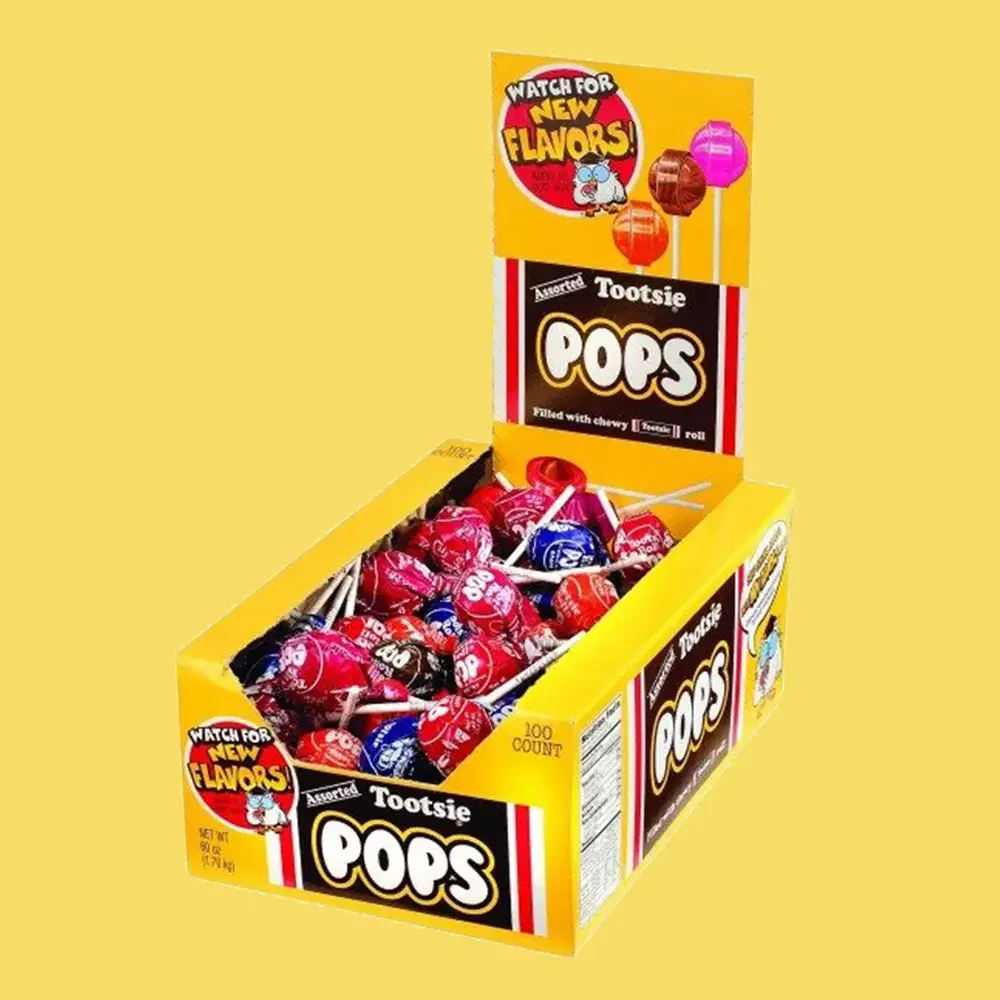
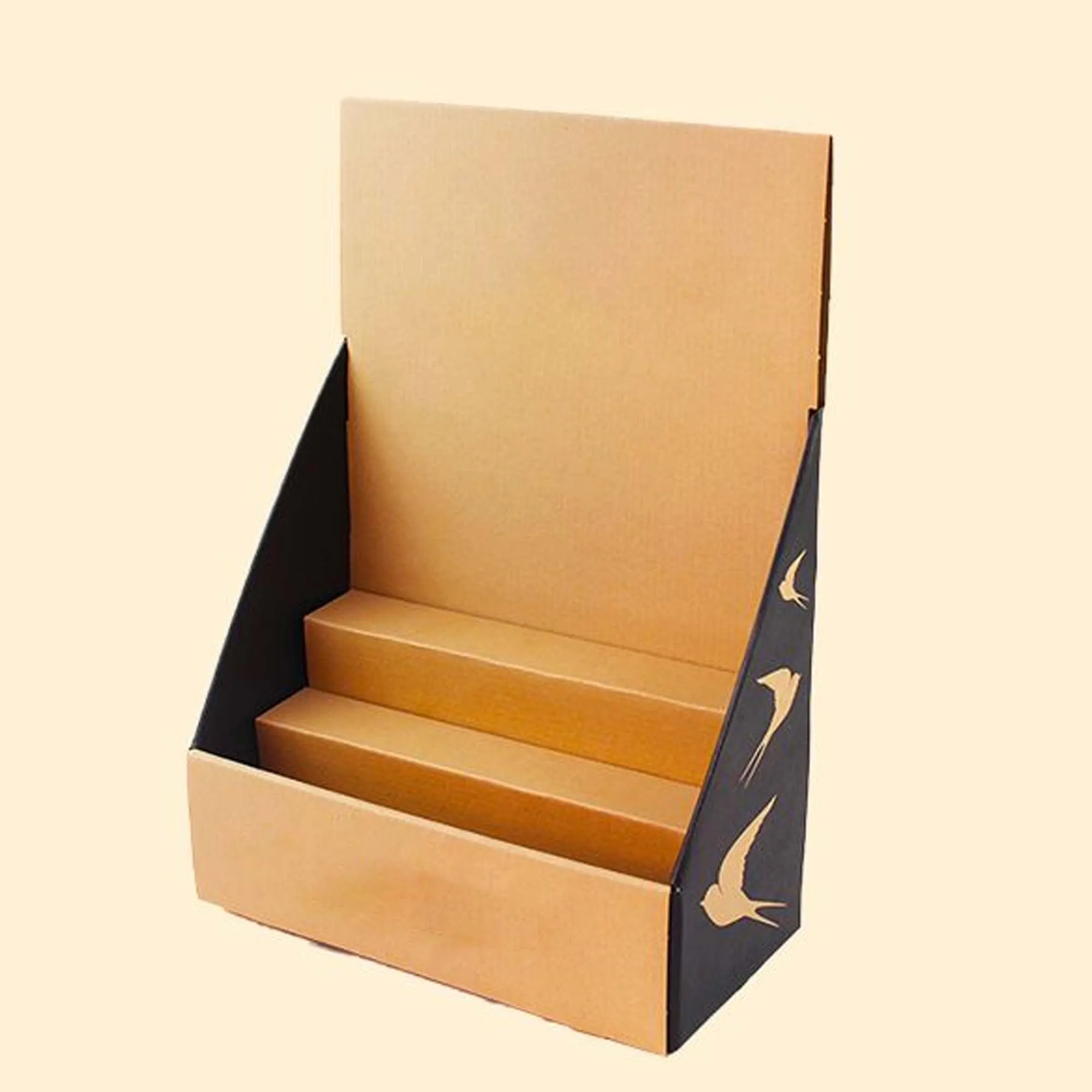
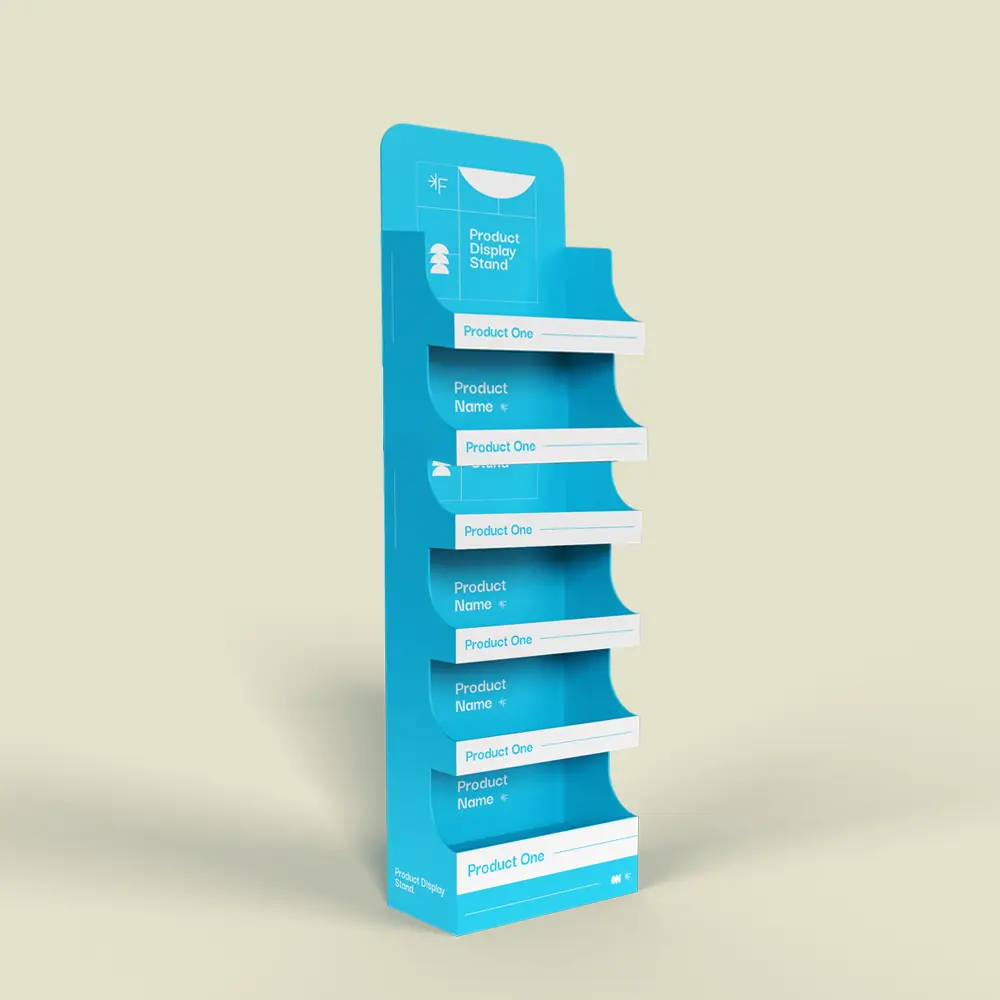
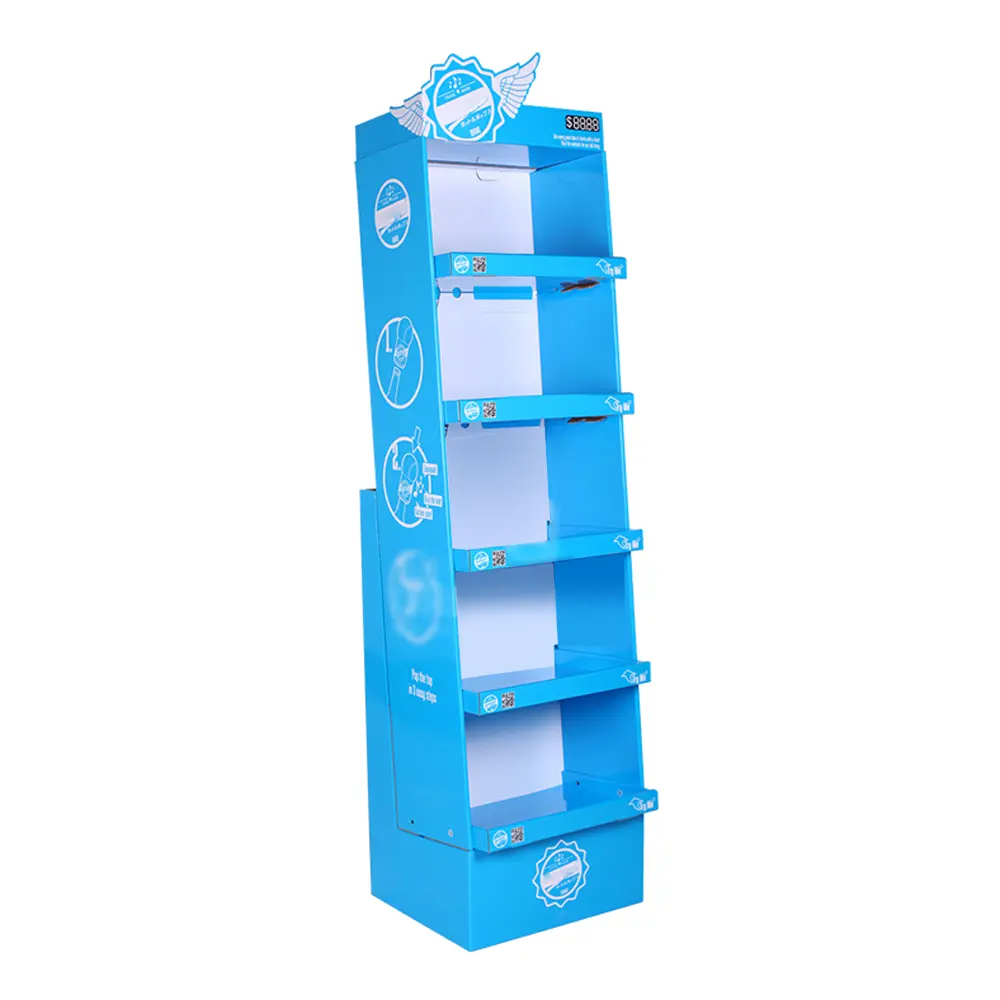
Display Boxes
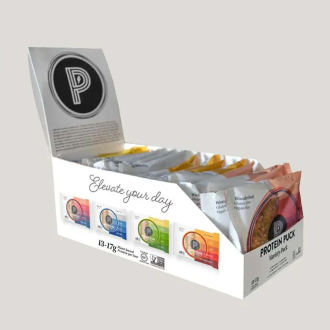
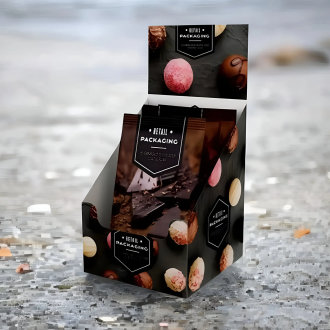
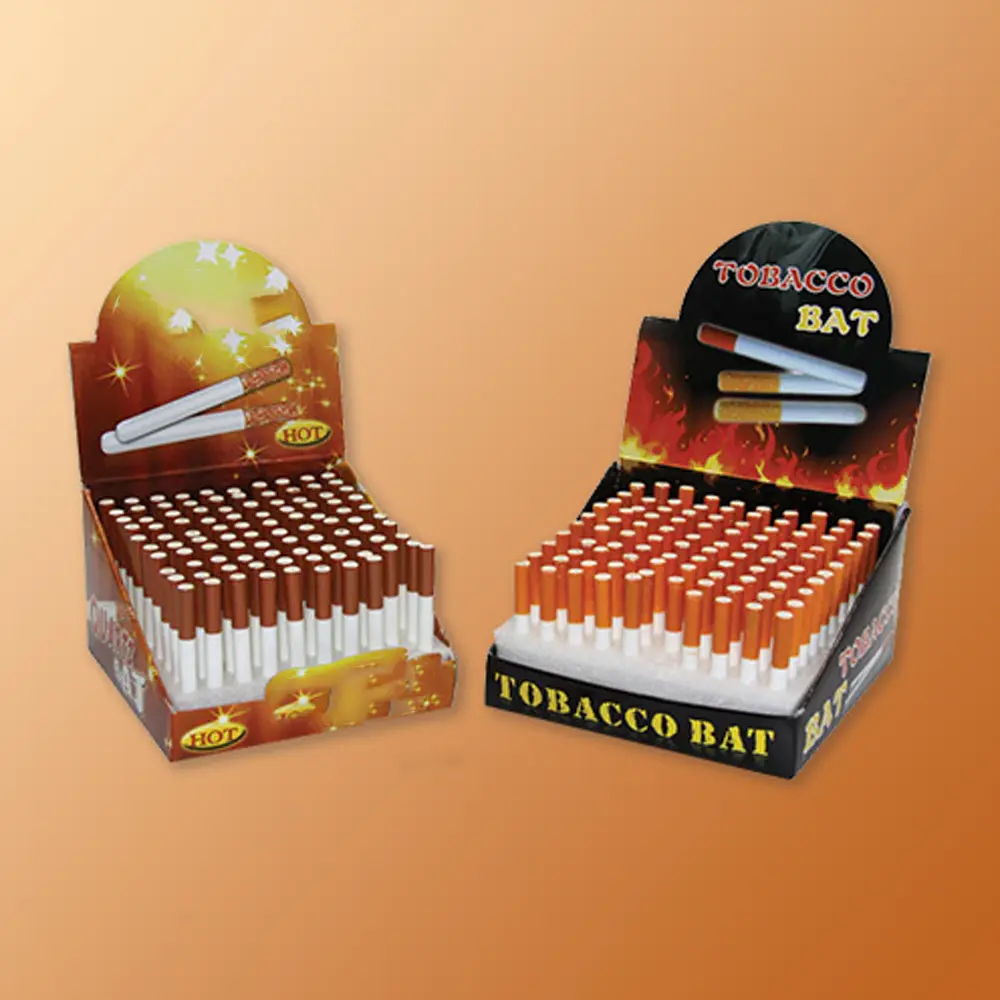
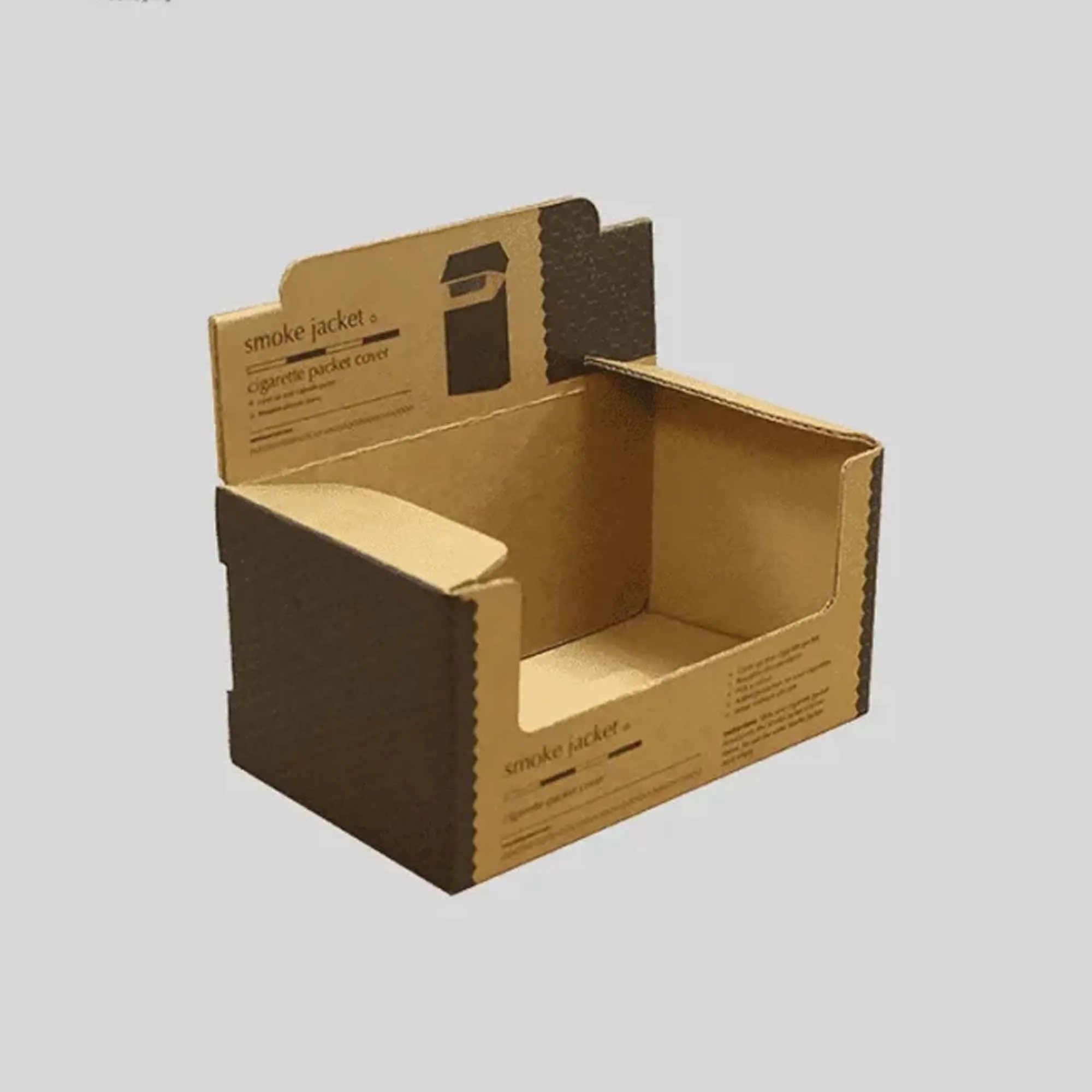
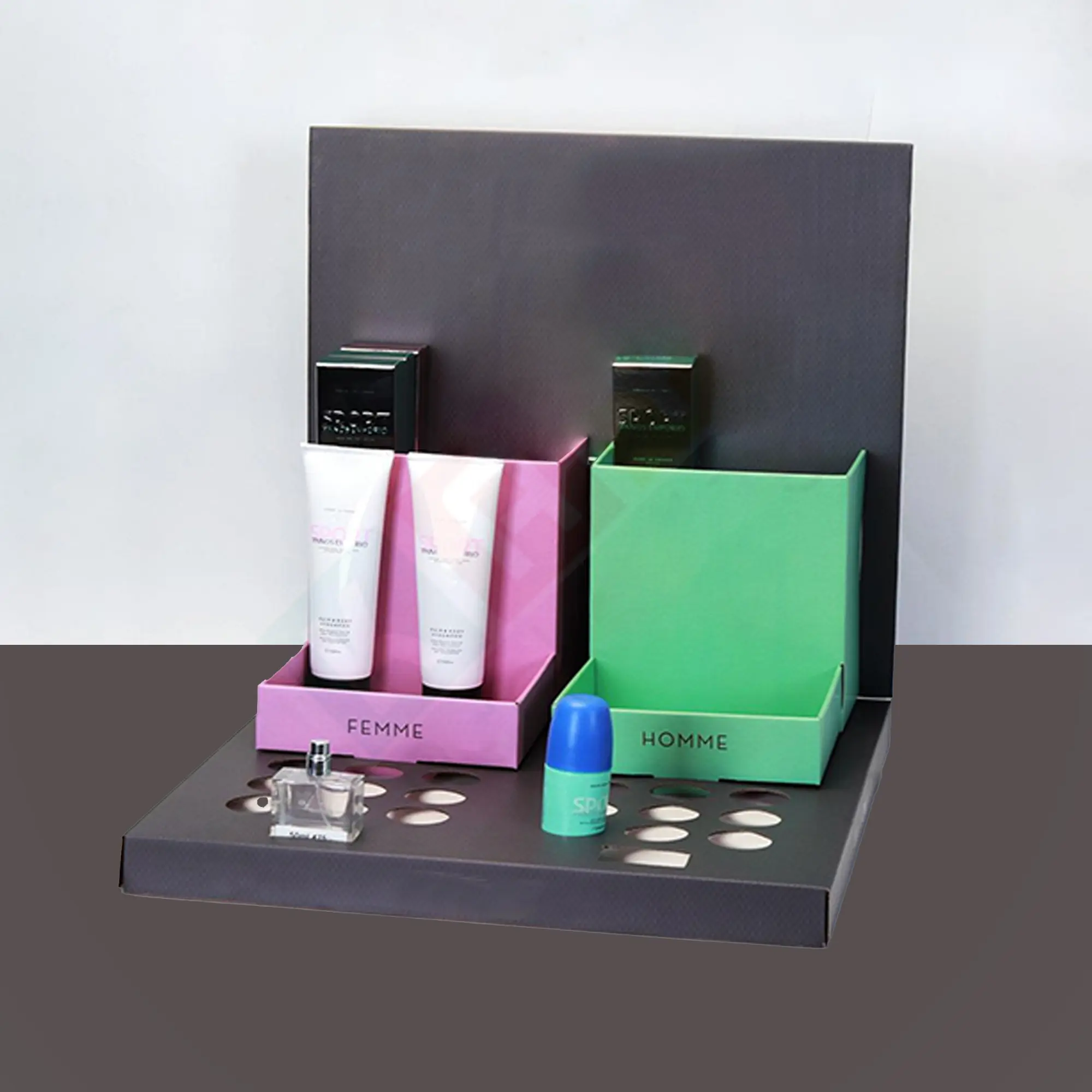
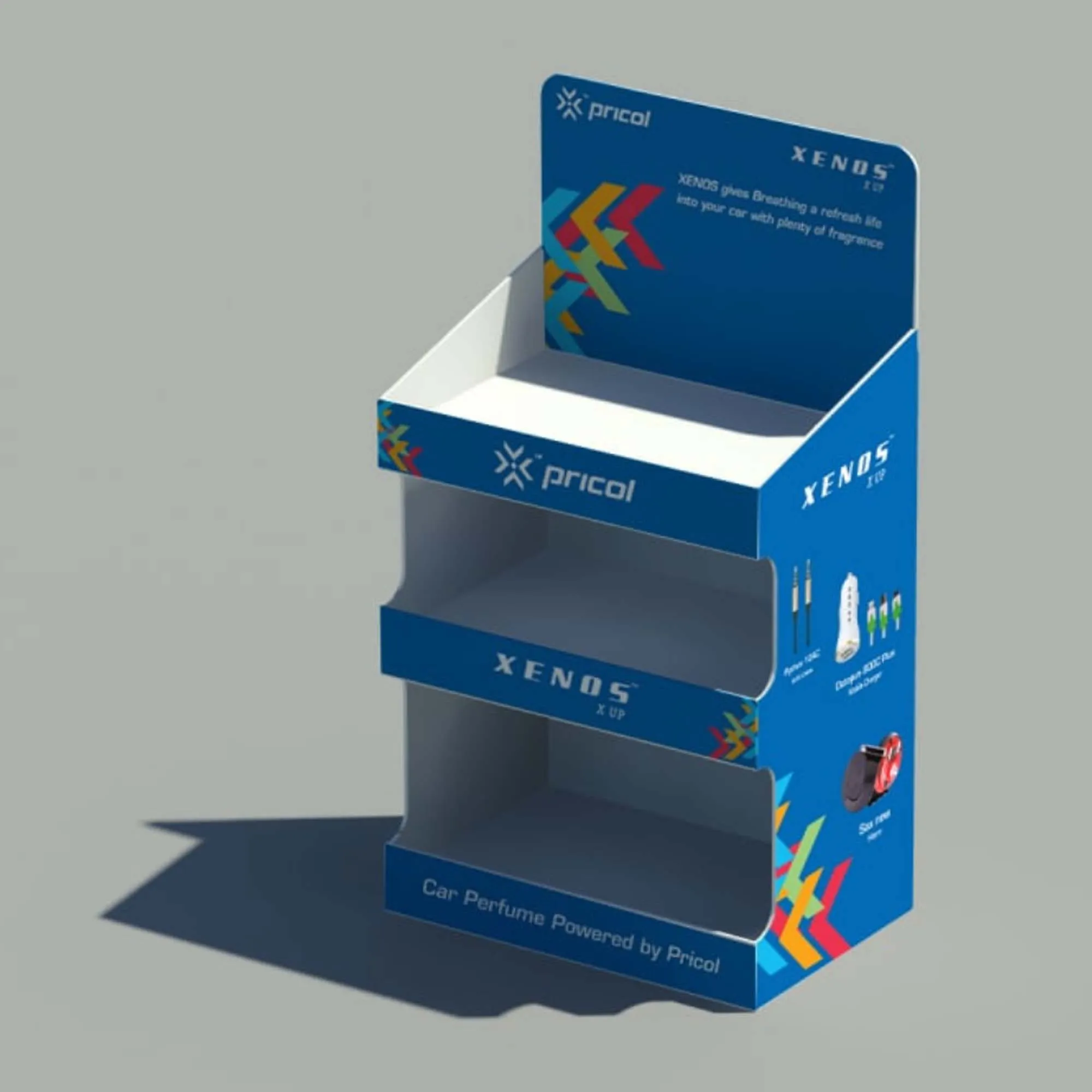
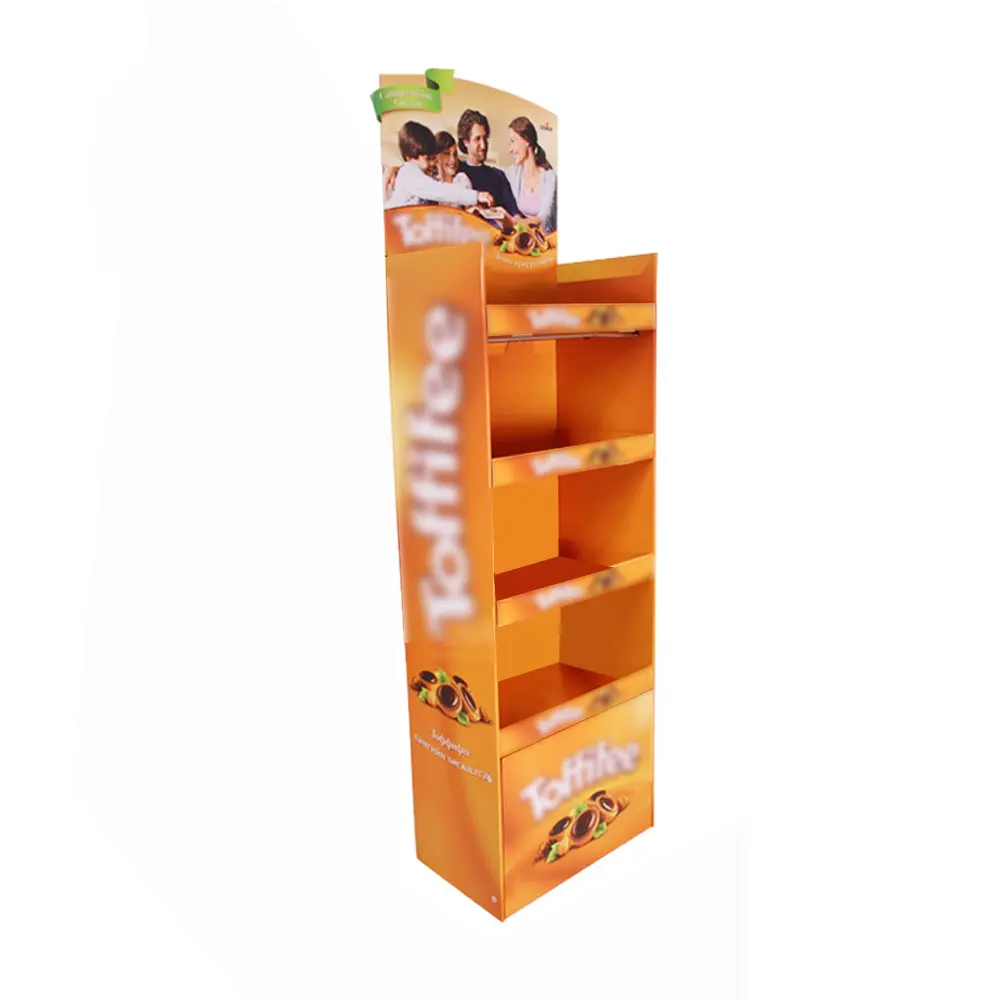
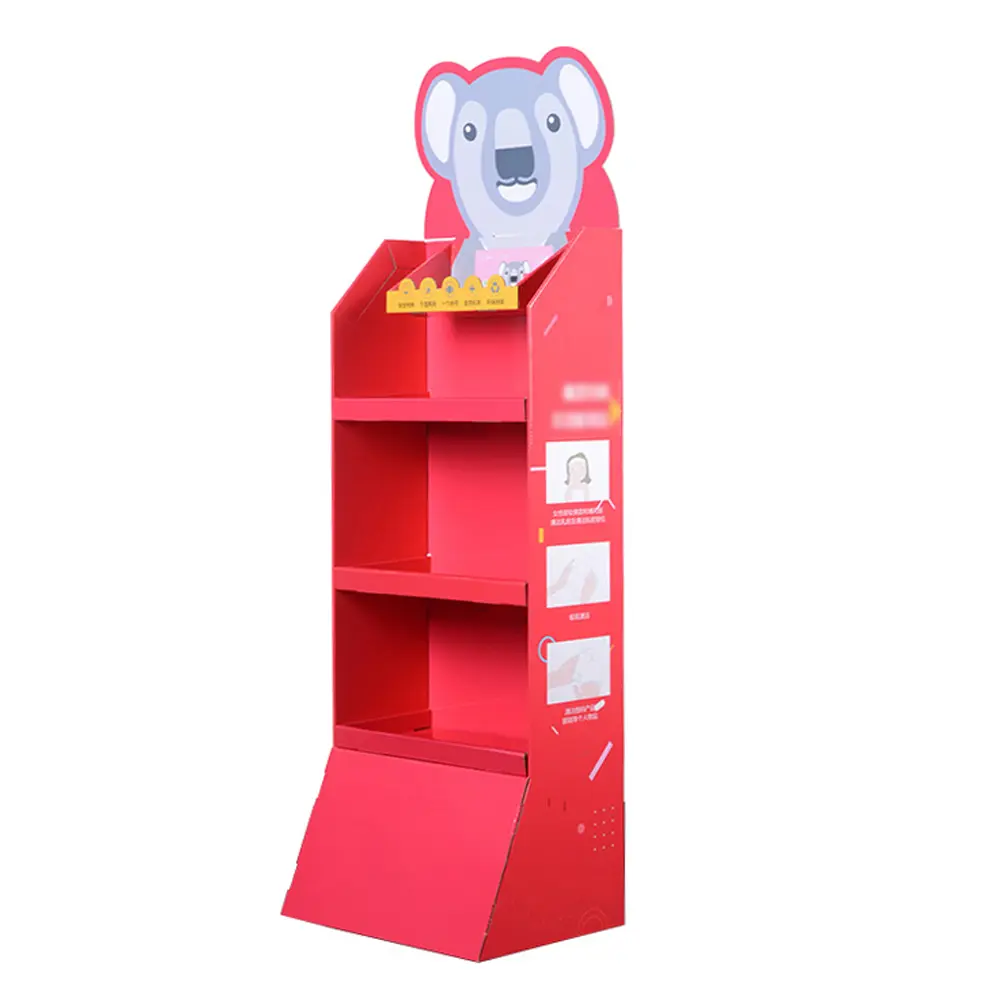
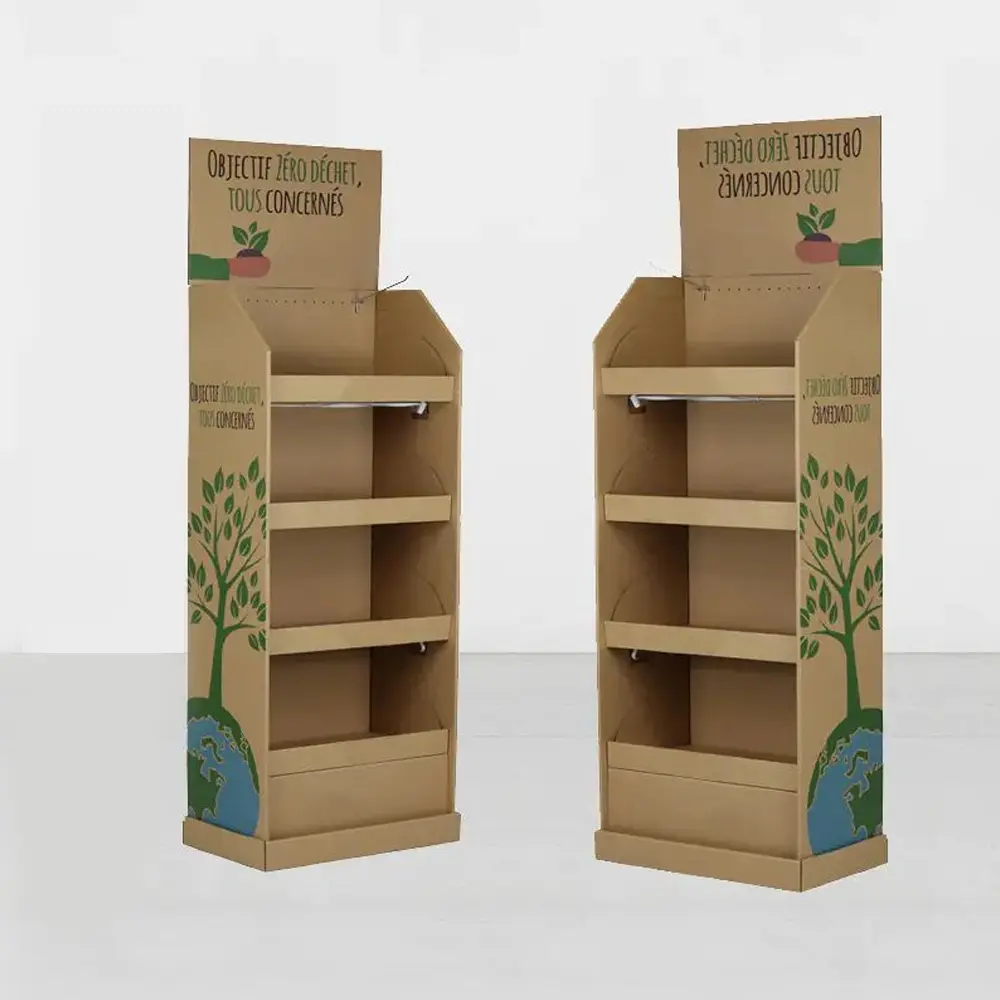
Retail display boxes are designed to attract customer attention in stores. For cereal brands, display packaging can use mascots to create a stronger visual impact by combining character graphics, product arrangements, brand colors, and promotional messaging.
Display boxes are especially useful for product launches, special editions, retail promotions, and limited-time offers. A memorable mascot can help transform a display area into a stronger brand experience.
Subscription Boxes
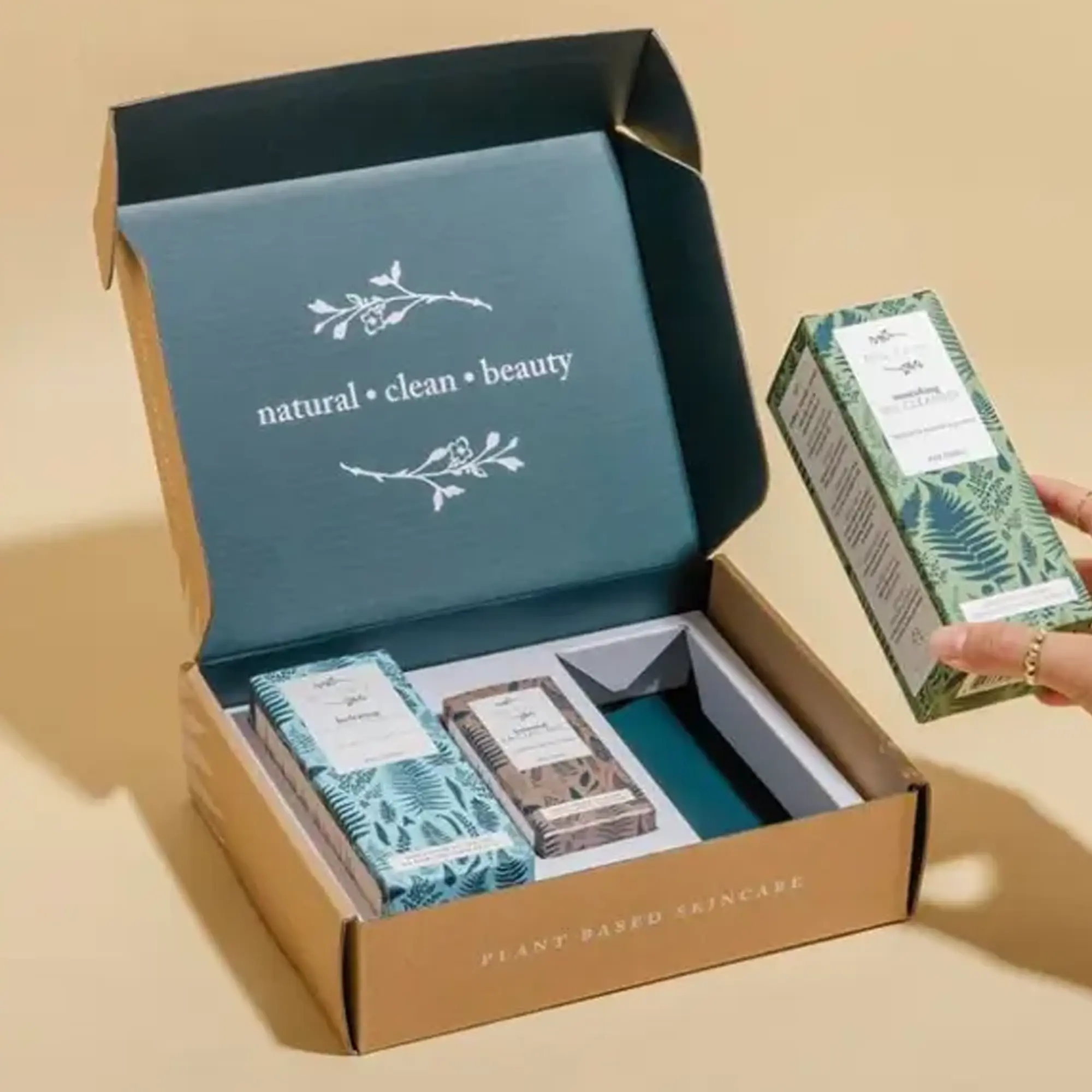
The growth of subscription-based food products has created new opportunities for mascot-driven packaging. Subscription boxes allow brands to create a complete unboxing experience through character storytelling, custom inserts, themed packaging, and promotional materials.
A cereal mascot can appear on outer boxes, product cards, stickers, and printed inserts. This helps customers feel more connected with the brand beyond the first purchase.
The Psychology Behind Mascot-Based Cereal Packaging
Mascots work because people naturally connect with recognizable characters and visual stories. A cereal package featuring a character can create:
- Familiarity
Repeated exposure to the same mascot helps customers remember the product. Over time, the character becomes linked with the brand name, product quality, and customer experience.
- Emotional Appeal
Characters can make products feel more approachable and enjoyable. For family-oriented products, mascots often help create a sense of fun, comfort, childhood memories, and positive experiences.
- Stronger Brand Recall
In a crowded retail environment, customers may remember a character before they remember specific product details. A unique mascot can become a visual shortcut that helps customers identify a brand quickly.
Designing Modern Cereal Packaging Around a Mascot
Creating a successful cereal package requires more than placing a character on the front of a box. Modern brands need to make sure their mascot works together with the entire packaging design system. A strong cereal mascot should support the product message while making the package visually appealing.
Important factors include:
- Character placement
- Color selection
- Packaging material
- Brand consistency
- Product visibility
- Customer expectations
When these elements work together, the mascot becomes a powerful branding tool rather than just a decorative illustration.
Character Placement and Visual Balance
The position of a mascot on packaging can influence how customers interact with the product. Most cereal brands place their characters where customers can immediately notice them, especially on the front-facing area of the package.
A good mascot placement should:
- Support the brand logo
- Highlight the product name
- Avoid covering important information
- Create a natural visual flow
For example, a character looking toward the product name or featured ingredients can guide the customer’s attention across the package. Packaging designers carefully consider these details because every element contributes to the overall shopping experience.
Color Psychology in Mascot-Based Packaging
Colors play an important role in how customers perceive cereal brands. Bright and energetic colors are commonly used for products targeting families and younger audiences because they create a sense of excitement.
A mascot’s colors should match the overall packaging identity. Examples include:
- Warm colors for energetic and playful brands
- Cool colors for fresh and modern designs
- Bold contrasts for stronger shelf visibility
The combination of mascot design and color selection helps create a recognizable visual identity.
Creating a Story Around a Cereal Mascot
The most memorable cereal mascots are often connected with a story. A character can represent a brand personality, a fictional world, a product adventure, or a lifestyle message. Storytelling helps customers remember the product beyond the packaging itself.
For example, a cereal character can appear in:
- Social media content
- Advertisements
- Promotional campaigns
- Limited-edition packaging
- Brand merchandise
This creates consistency between physical packaging and digital marketing.
Cereal Mascots and Retail Packaging Strategy
Retail packaging plays an important role in how products compete in stores. A cereal package needs to communicate quickly because customers often make purchasing decisions within seconds.
A mascot can improve retail packaging by helping brands achieve:
- Better Shelf Recognition
A unique character can make a product easier to identify among similar items. When customers repeatedly see the same mascot, recognition increases over time.
- Stronger Brand Identity
A mascot becomes a visual representation of the company. When used consistently across cereal boxes, display packaging, promotional materials, and online content, the character strengthens overall brand identity.
- Improved Customer Experience
Packaging is part of the product experience. A creative mascot can make opening and using the product feel more enjoyable, especially for family-focused brands.
Cereal Mascots vs Other Food Brand Characters
Mascots are widely used across the food industry, including cereals, snacks, beverages, and fast food brands. A fast food mascot often focuses on restaurant identity and customer interaction, while cereal mascots usually focus more on:
- Breakfast routines
- Family connections
- Imagination
- Product enjoyment
Both approaches use characters to create familiarity, but cereal mascots often have a stronger connection with packaging because the character appears directly on the product consumers bring home.
How Brands Can Create Memorable Cereal Packaging
For new cereal companies, developing a mascot requires careful planning. A successful mascot should be:
Easy to Recognize
Customers should be able to identify the character quickly. Simple but distinctive designs often perform better because they are easier to remember.
Connected With the Product
The character should match the product personality. For example:
- A fun cereal may use a playful character
- A healthy cereal may use a natural or energetic design
- A premium cereal may use a sophisticated character style
The mascot should support what the product represents.
Flexible Across Packaging Formats
A strong mascot should work across different packaging materials. The same character design should look effective on custom cereal boxes, Mylar bags, pouch bags, display boxes, and subscription packaging. This consistency helps customers recognize the brand wherever they see it.
The Future of Cereal Mascots in Packaging
Cereal mascots continue to evolve as brands adapt to changing customer expectations. Modern packaging strategies now combine traditional character branding with:
- Digital experiences
- Interactive campaigns
- Limited-edition designs
- Social media content
- Personalized packaging
Brands can use mascots to create stronger connections with customers beyond the supermarket shelf. As packaging technology improves, businesses have more opportunities to create unique cereal packaging experiences through creative printing, custom structures, and engaging character designs.
For companies entering the cereal market, a well-designed mascot combined with professional packaging can help establish recognition and create long-term brand value.
Final Thoughts: Building a Stronger Brand With Cereal Mascots
Cereal mascots have remained an important part of food branding because they give products personality and help customers remember them. From classic characters like Cookie Crisp, Boo Berry cereal, and Count Chocula cereal to modern character-based packaging strategies, mascots show how storytelling can influence consumer perception.
For cereal companies, packaging is not only about protecting the product. It is also about creating a memorable experience. A carefully designed mascot can improve shelf presence, strengthen brand identity, and make packaging more engaging. Whether a brand chooses traditional cereal boxes, flexible Mylar bags, pouch bags, or custom display packaging, the mascot should remain consistent across every touchpoint.
When character design and packaging strategy work together, cereal brands can create products that customers recognize, remember, and connect with.
Frequently Asked Questions About Cereal Mascots
- What are cereal mascots?
Cereal mascots are fictional characters, animals, or brand personalities used to represent cereal products. They appear on packaging, advertisements, and marketing materials to help customers recognize and connect with a brand.
- Why do cereal brands use mascots?
Cereal brands use mascots to create stronger brand recognition, improve packaging appeal, and build emotional connections with customers. A memorable character can help products stand out in competitive retail environments.
- What is the most famous cereal mascot?
Many cereal mascots have become recognizable over the years, including characters associated with popular cereal brands. Their success comes from consistent use across packaging, advertising, and brand storytelling.
- What cereal has a cookie mascot?
Cookie Crisp cereal is one example of a cereal brand that uses cookie-themed character branding to create a playful identity around its product.
- Is Cookie Crisp a cereal brand with a mascot?
Yes, Cookie Crisp has used character-based marketing to support its brand identity and make its packaging more recognizable.
- What is Boo Berry cereal mascot?
Boo Berry cereal uses a ghost-inspired character as part of its themed branding approach. The mascot helps create a unique identity connected with fun and imagination.
- Why are cartoon characters used on cereal boxes?
Cartoon characters are used on cereal boxes because they attract attention, create familiarity, and help brands communicate personality through visual storytelling.
- How do mascots improve cereal packaging?
Mascots improve cereal packaging by increasing recognition, creating emotional appeal, and helping products stand out on retail shelves.
- Can brands create custom cereal boxes with mascots?
Yes, brands can create custom cereal boxes featuring original mascots, unique illustrations, and personalized packaging designs to build a stronger product identity.
- What packaging options work best for character-based cereal brands?
Character-based cereal brands can use different packaging options depending on their goals, including cereal boxes, Mylar bags, pouch bags, display boxes, and subscription boxes.

 Custom Boxes
 Mailer Boxes
 Shipping Boxes
 Display Boxes
 Product Boxes
 Retail Packaging
 Luxury Packaging
 Sustainable Packaging
 Mylar Bags
 Labels & Stickers
 Inserts & Dividers
 Acrylic Signs
 Mylar and Zipper Bags
 Cosmetic Boxes
 Custom Candle Packaging Boxes
 Food and Beverage
 Display Packaging
 Pharma Packaging
 Custom Blister Packaging
 Stand Up Displays
 Kraft Boxes
 Cereal Packaging Boxes
 Bakery Packaging Boxes
 Eco-Friendly Boxes
 Electronics Packaging Boxes
 Custom Vape Boxes & Packaging
 CBD Packaging Boxes
 Rigid & Luxury Packaging Boxes
 Gift Boxes
 Custom Soap Boxes & Packaging
 Metalized Boxes
 Retail Boxes
 Subscription Boxes
 Invitation Boxes
 Corrugated Shipping Boxes
 Matte Finish
 Gloss Finish
 Soft Touch
 Foil Stamping
 Spot UV
 Embossing
 Debossing
 Window Cutouts