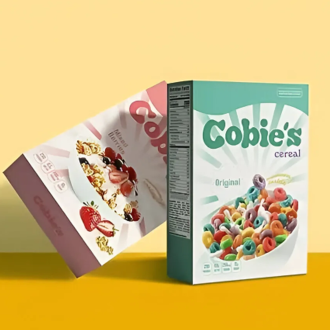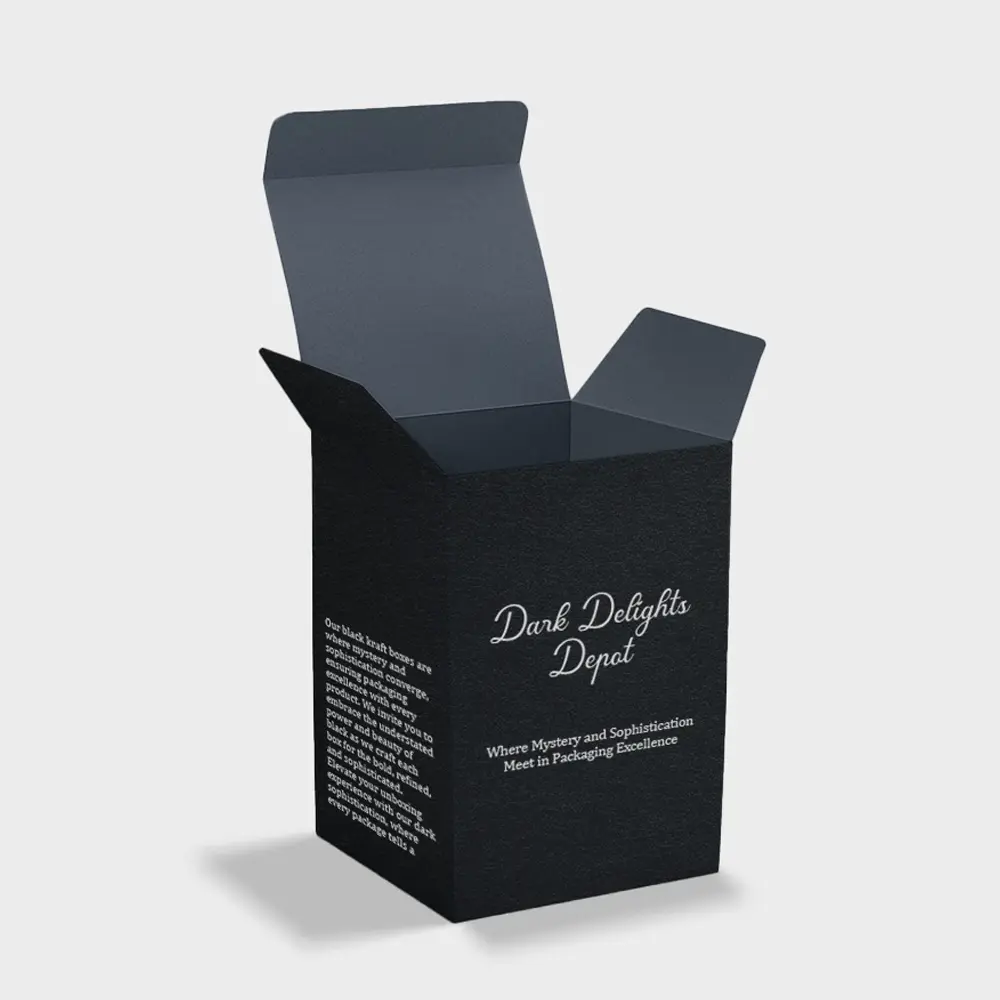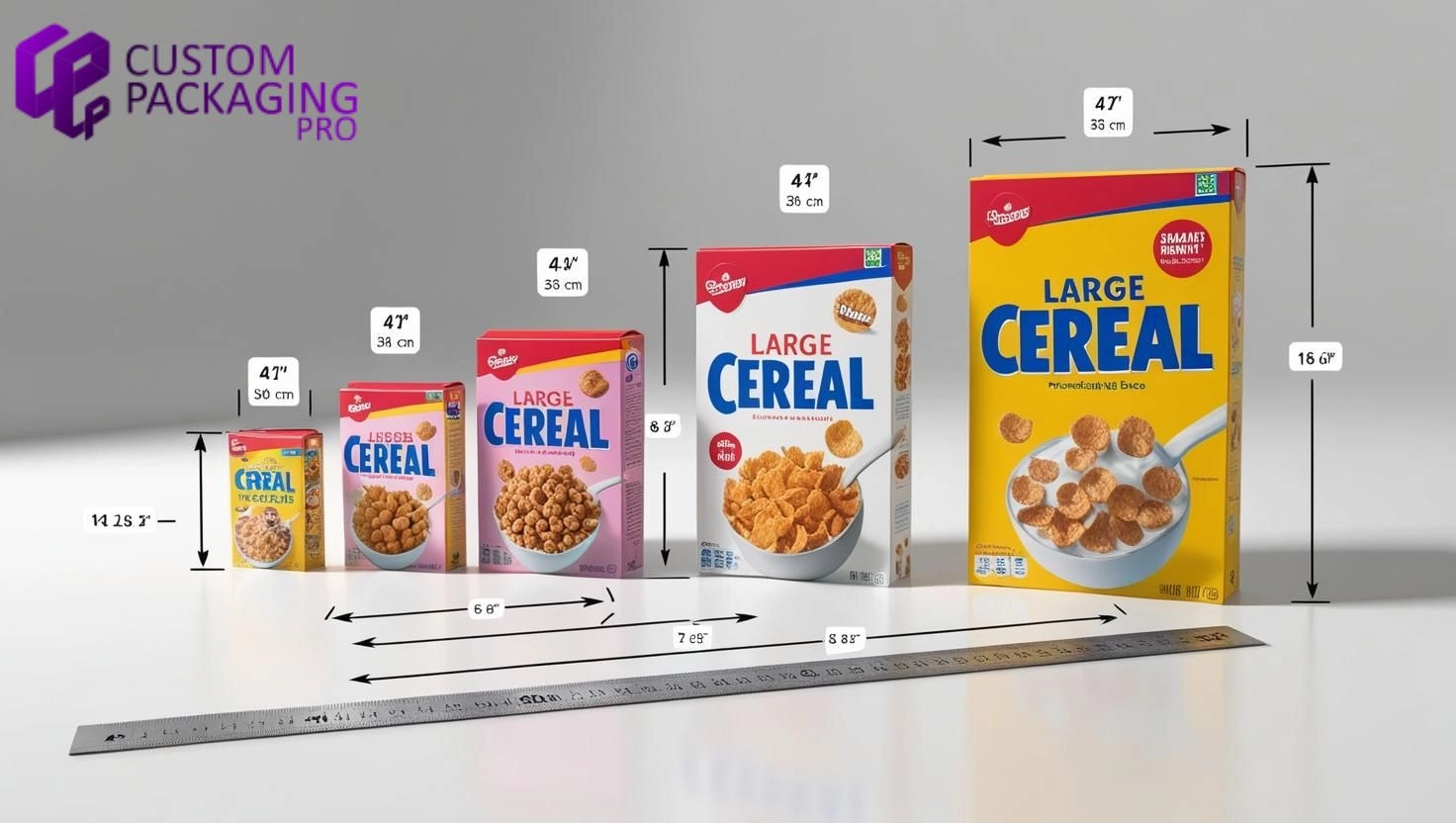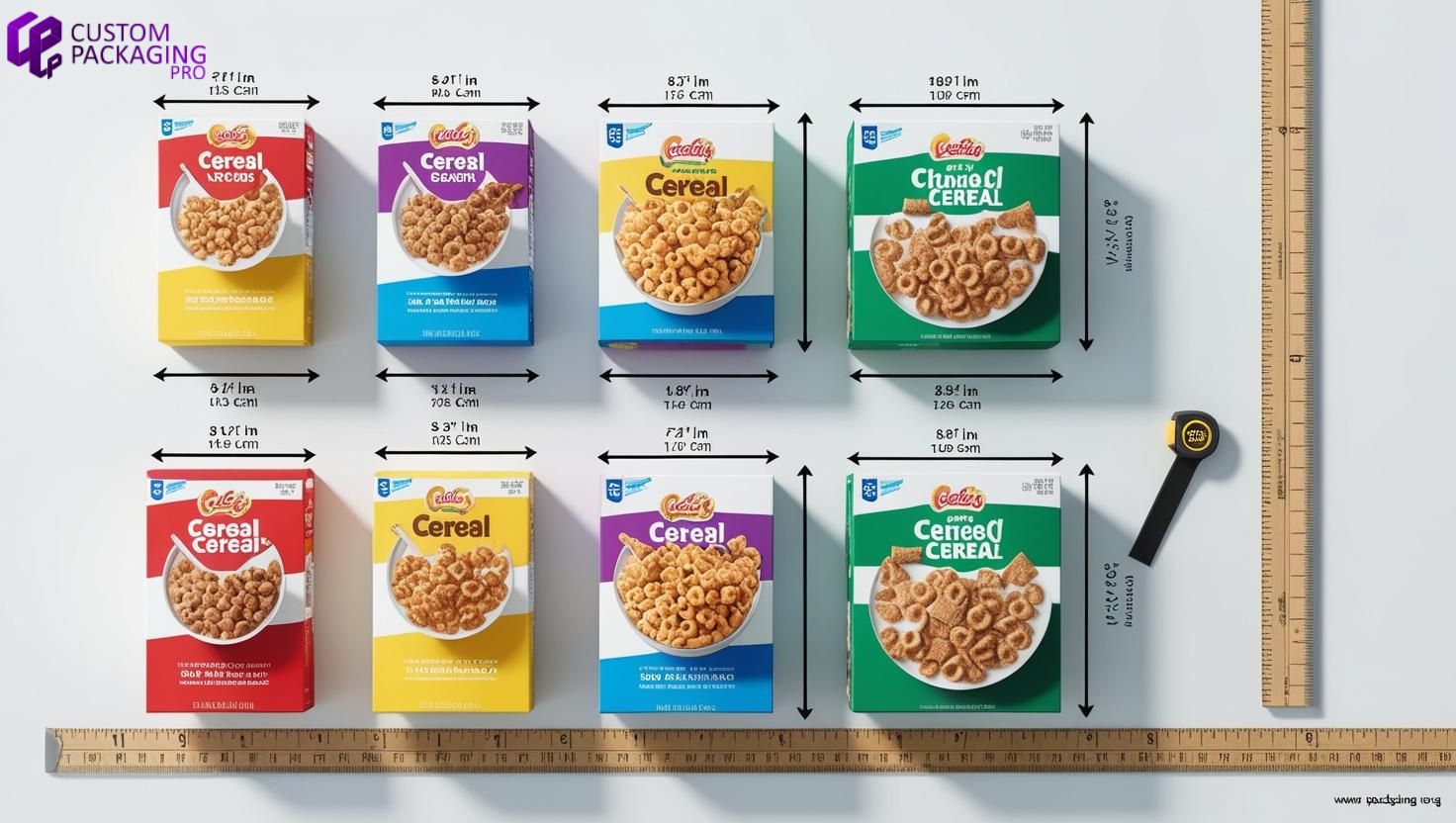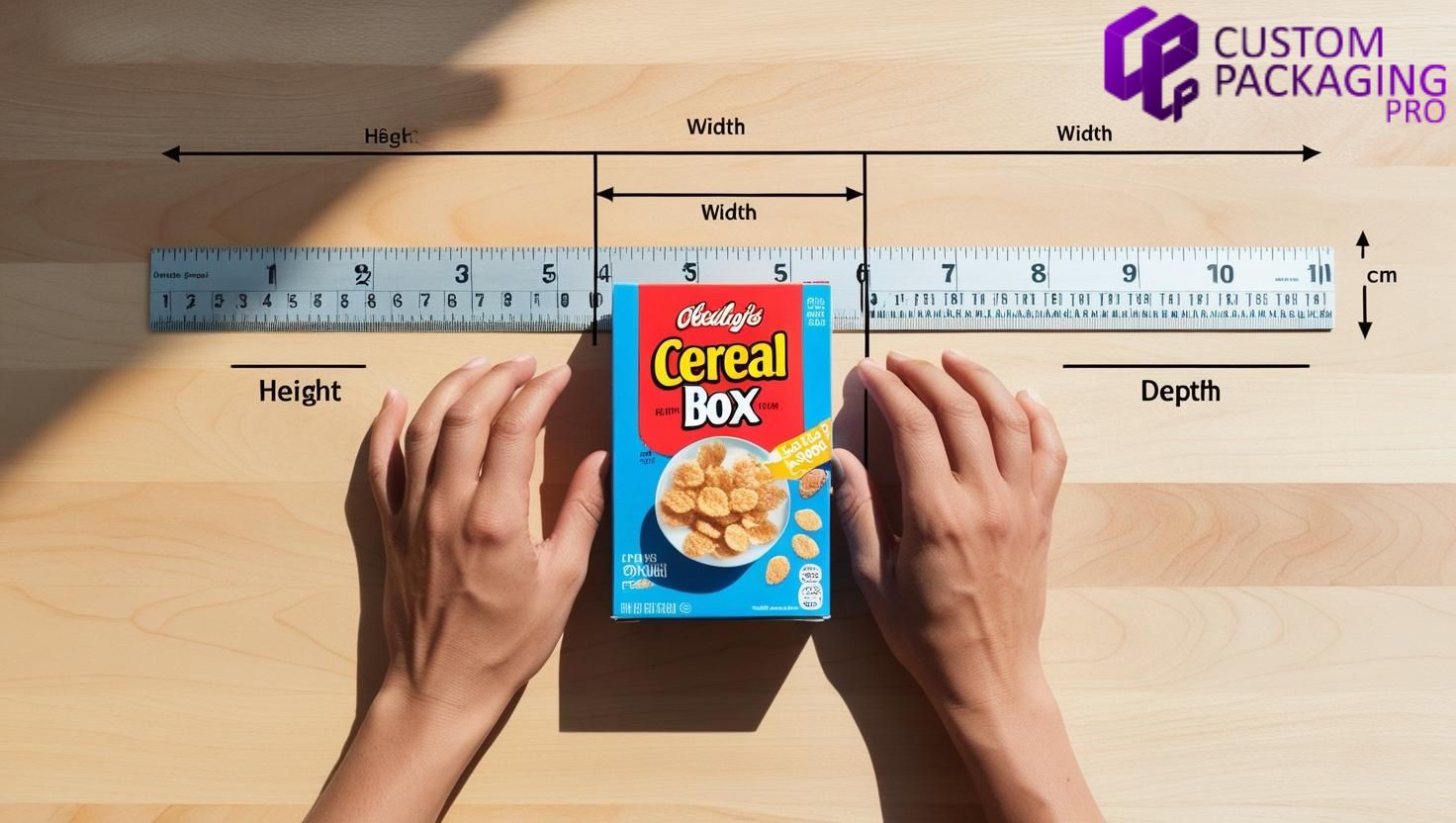
When discussing the cereal boxes, the cereal box dimensions is essential in determining size and shape. The box size is necessary for comfortable fitment and easy usage when buying or creating a cereal box.

If you are not sure about the right measurement for your custom cereal boxes, relax! We, as packaging experts, are available here to assist you with our blog. You will learn about cereal box dimensions and how to create the perfect cereal box. So, let’s just begin and learn the art of finding the accurate custom cereal box size.
The box size of cereal impacts several aspects, including US grocery store shelf space, interstate shipping, and pantry storage. Whether it is a big box for family packs or a small one-serve box, the size matters when it comes to logistics, shipping costs, and shelf appeal across US retailers.
The size of a cereal box indicates the complete packaging dimensions, generally in terms of length x width x height. The regular sizes of cereal boxes in US supermarkets are within 9 to 12 inches tall, 6 to 8 inches wide, and 2 to 3 inches deep. However, some vary based on the brand and product type, where some US brands use shorter, wider, or taller custom boxes.
The typical box of cereal on US grocery shelves contains 12 to 15 ounces (340g to 425g) of product and is approximately 12 inches high, 8 inches wide, and 2 inches deep. However, brands may use slightly different box dimensions for promotional reasons or to fit specific store planograms. Let’s figure out some of the common sizes and how to measure them.
The typical height of a US cereal box is approximately 12 inches (30.48 cm). The size can differ from one brand to another, but the majority of American cereal producers adhere to this standard height for standard retail shelves. How tall a cereal box is may not always correlate directly to net weight—some producers increase box height during US promotional campaigns to increase shelf visibility or offer a free item inside.
Therefore, it is not a rigid rule for cereal boxes to be exactly 12 inches tall, but most US cereal companies follow these dimensions for shelf alignment. You can measure the height of a cereal box by placing it upright on a flat surface. Use a measuring tape or ruler to measure from the base straight up to the top edge.
The width of a large or small cereal box varies based on contents, but standard US boxes typically measure 8 inches (20.32 cm) in width. This width provides sufficient space for the inner liner bag, preventing grain breakage during freight transit. For US marketing promotions, wider front panels are often used to increase branding space. To measure width, measure from the left to the right side of the front Principal Display Panel (PDP) while the box is upright.

The overall volume of a typical 10-ounce to 12-ounce cereal box in the US market is approximately 182 to 192 cubic inches. The total volumetric capacity varies depending on cereal density, bag fill ratio, and box dimensions. To calculate the volume of a cereal box, use the standard formula:
Volume = Height × Width × Depth
Box depth affects side-panel print area and shelf depth utilization in retail stores. Standard US cereal boxes feature a depth between 1.75 inches and 2.5 inches. To measure depth, place the box upright and measure the distance from the front panel to the back panel along the narrow side edge.
While box depth determines 3D volume, material thickness in the US packaging industry is measured in points (1 pt = 0.001 inch). Standard US cereal boxes utilize 0.018 to 0.022-inch (18 pt to 22 pt) SBS (Solid Bleached Sulfate) or CRB (Coated Recycled Board) food packaging paperboard. This ensures structural strength while keeping freight weight low.
When engineering cardboard cereal boxes for US manufacturing standards, dimensions are specified in two distinct ways:
Standard retail cereal boxes in the US generally carry a net weight between 12 oz and 18 oz (approx. 340g to 510g). Including paperboard packaging, total gross shipping weight ranges around 1.1 to 1.4 lbs. Accurately measuring weight and dimensions is essential for calculating domestic shipping and logistics costs.
Major US logistics carriers (UPS, FedEx, USPS) bill commercial shipments based on dimensional weight rather than actual scale weight when packaging is bulky. Dimensional Weight (DIM Weight) is calculated as follows:
US Carrier DIM Weight (lbs) = (Length × Width × Depth in inches) ÷ 139
Designing optimal dimensions for your custom cereal boxes prevents paying for empty shipping space, lowering bulk distribution costs across the US.
Packaging designed for the US market must adhere to US Food and Drug Administration (FDA) regulations under the Fair Packaging and Labeling Act (FPLA) and 21 CFR Part 101. Below is a breakdown of US market sizes and regulatory requirements:
| Box Category (US Market) | Standard US Dimensions (H × W × D) | Net Weight Range (US / Metric) | FDA & Retail Requirements |
|---|---|---|---|
| Single-Serve / Variety Pack | 5.5" × 2.75" × 1.5" | 1.0 oz - 1.5 oz (28g - 42g) | Individual US Nutrition Facts panel required; common in school lunch programs and US hotel breakfast bars. |
| Standard US Retail Box | 12" × 8" × 2" | 12 oz - 15 oz (340g - 425g) | Fits standard 12" store shelf spacing. FDA mandates Net Quantity statement on the bottom 30% of the front PDP. |
| Family Size / Value Size | 14" × 9.5" × 2.5" | 18 oz - 24 oz (510g - 680g) | High volume US supermarket SKU. Requires food-contact compliant interior barrier film liner. |
| Mega Size / Wholesale Club | 15.5" × 10" × 3" | 26 oz - 34 oz (737g - 963g) | Designed for US wholesale stores (Costco, Sam's Club). Uses heavy-duty 24pt+ paperboard to support pallet stacking. |
Before custom production, US packaging manufacturers create a flat CAD template called a Dieline. It outlines precision cut, score, and bleed lines for printing and folding:
Packaging engineers modify custom cereal box dimensions to cater to market demands, such as larger family-size boxes or single-serve convenience packaging. Different US brands may also utilize unique box geometries, tall profiles, or wider bases to stand out on retail shelves.
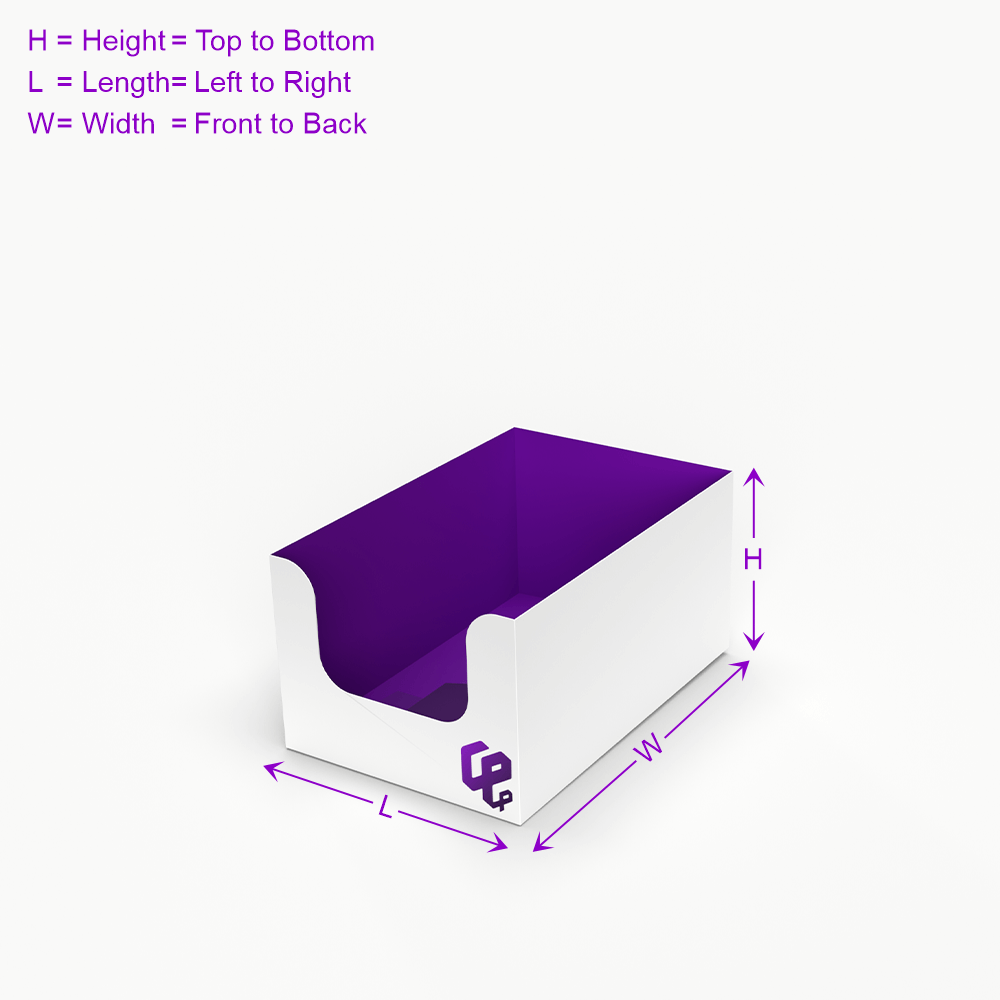
To measure cereal box dimensions correctly, place the box on a flat surface and use a standard ruler or measuring tape to record Length (Width), Depth (Gusset), and Height (L x W x H). Accurate dimensions ensure proper shelf placement, inventory management, and shipping calculation.
For a complete step-by-step breakdown of measuring packaging dimensions correctly, explore our guide on understanding length, width, and height.
Cereal box dimensions vary across US product categories. A standard US supermarket cereal box typically measures 12 x 8 x 2 inches, offering around 180 to 192 cubic inches of volumetric space and weighing approximately 12 to 18 ounces in net product content.
You can use SBS paperboard, recycled board, or eco-friendly Kraft stock for your packaging needs. You can order high-quality custom cereal packaging at Custom Packaging Pro. Let us craft custom boxes engineered for US retail specifications.
Order a free quote now and get customized size options for your retail packaging!