By Rai Haider
November 16, 2026
What Is the Best Custom Corrugated Packaging for Brand Experience?
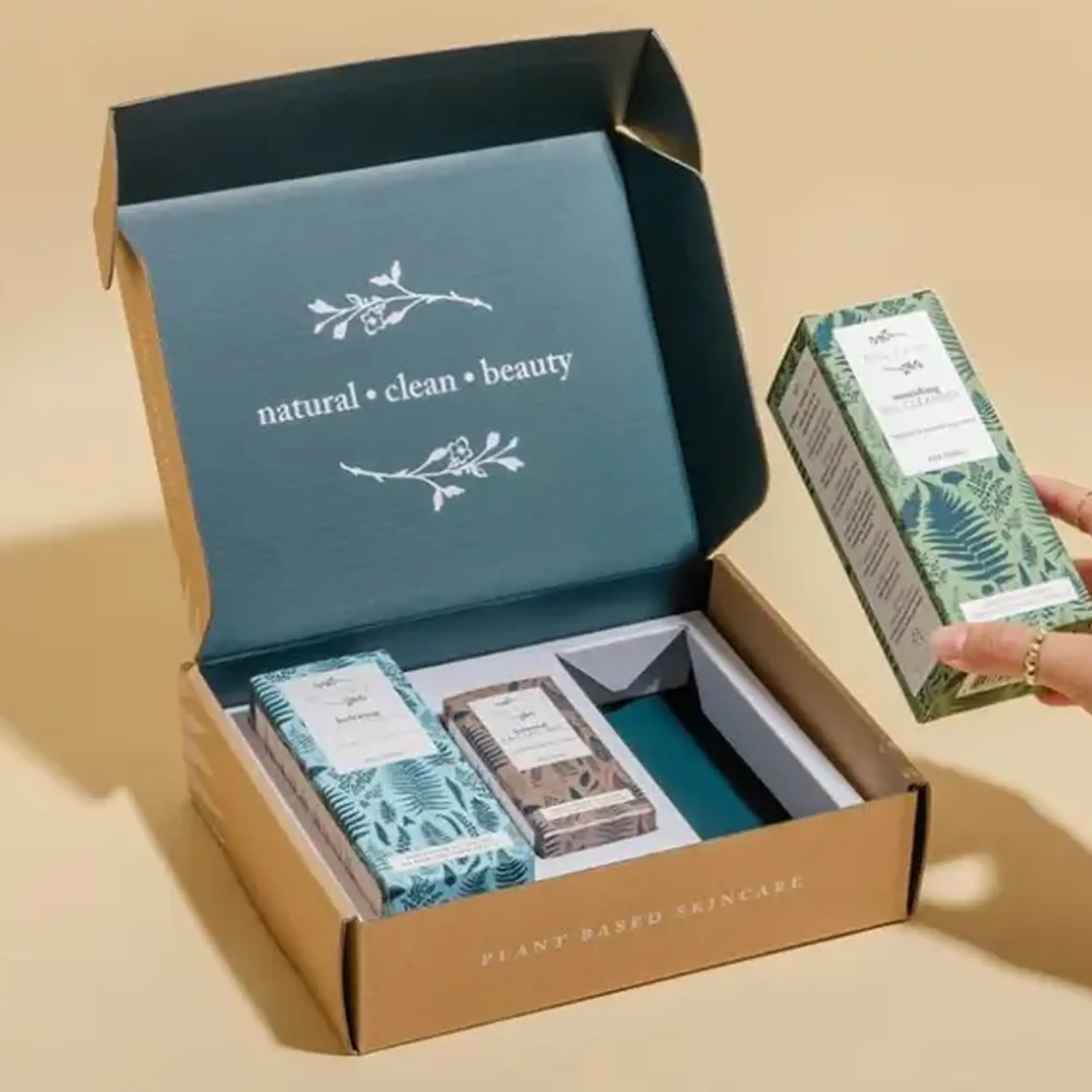
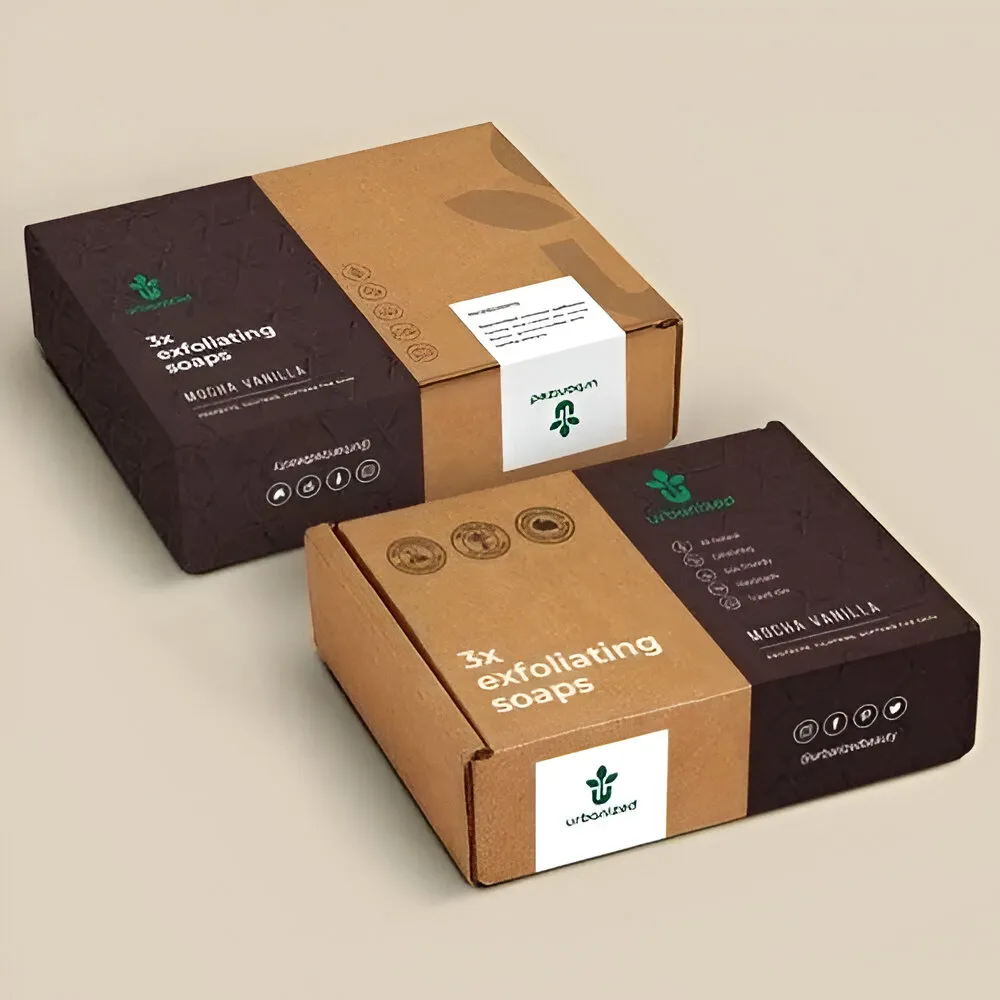
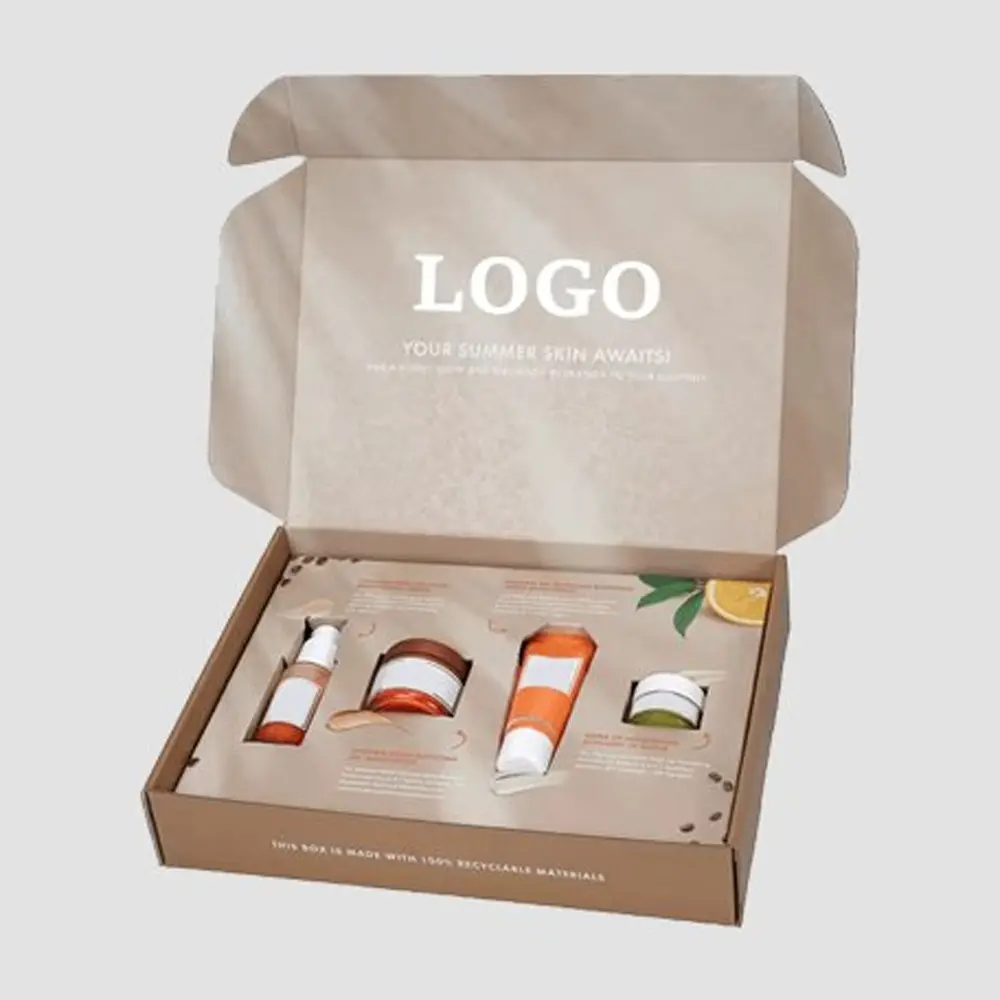
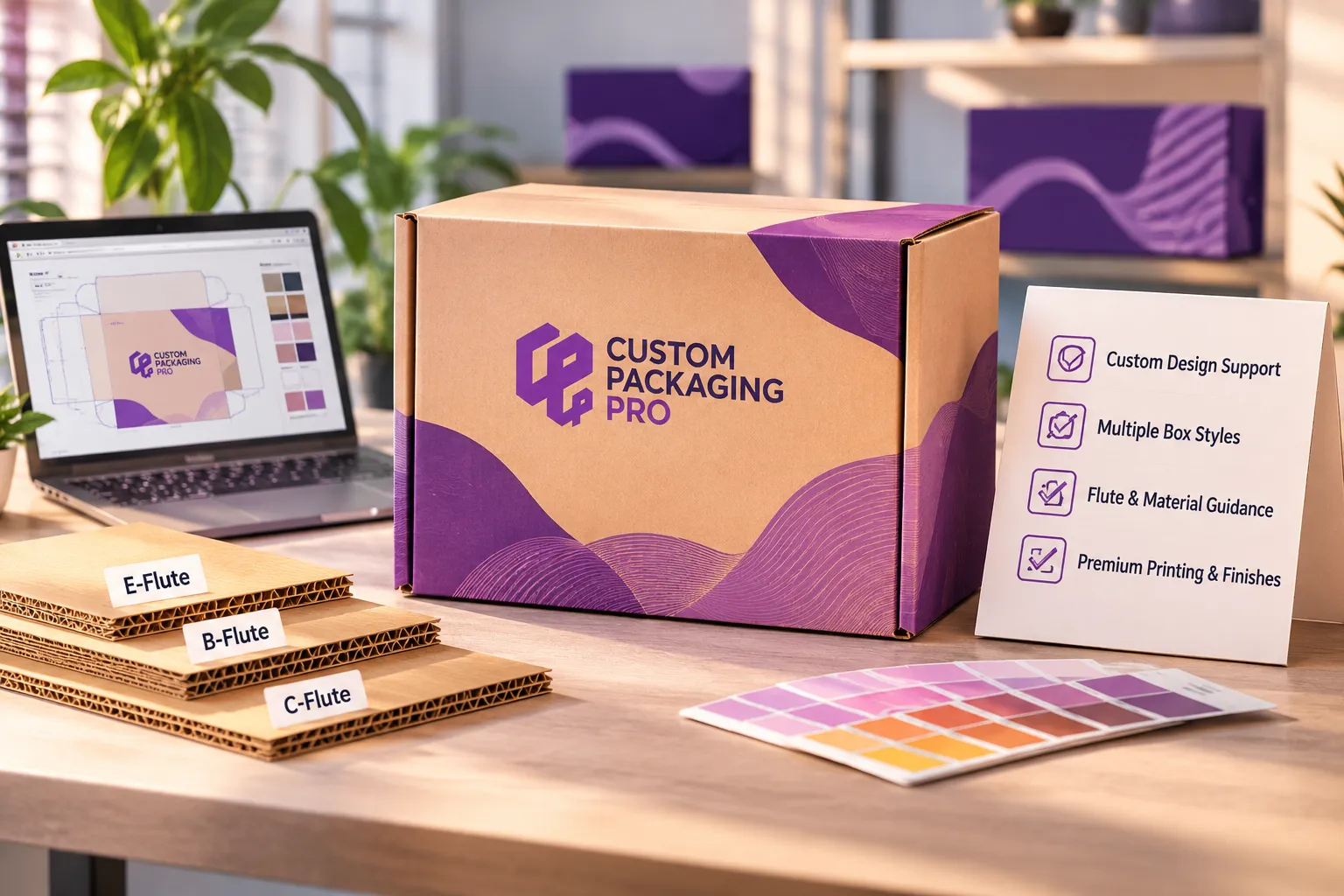
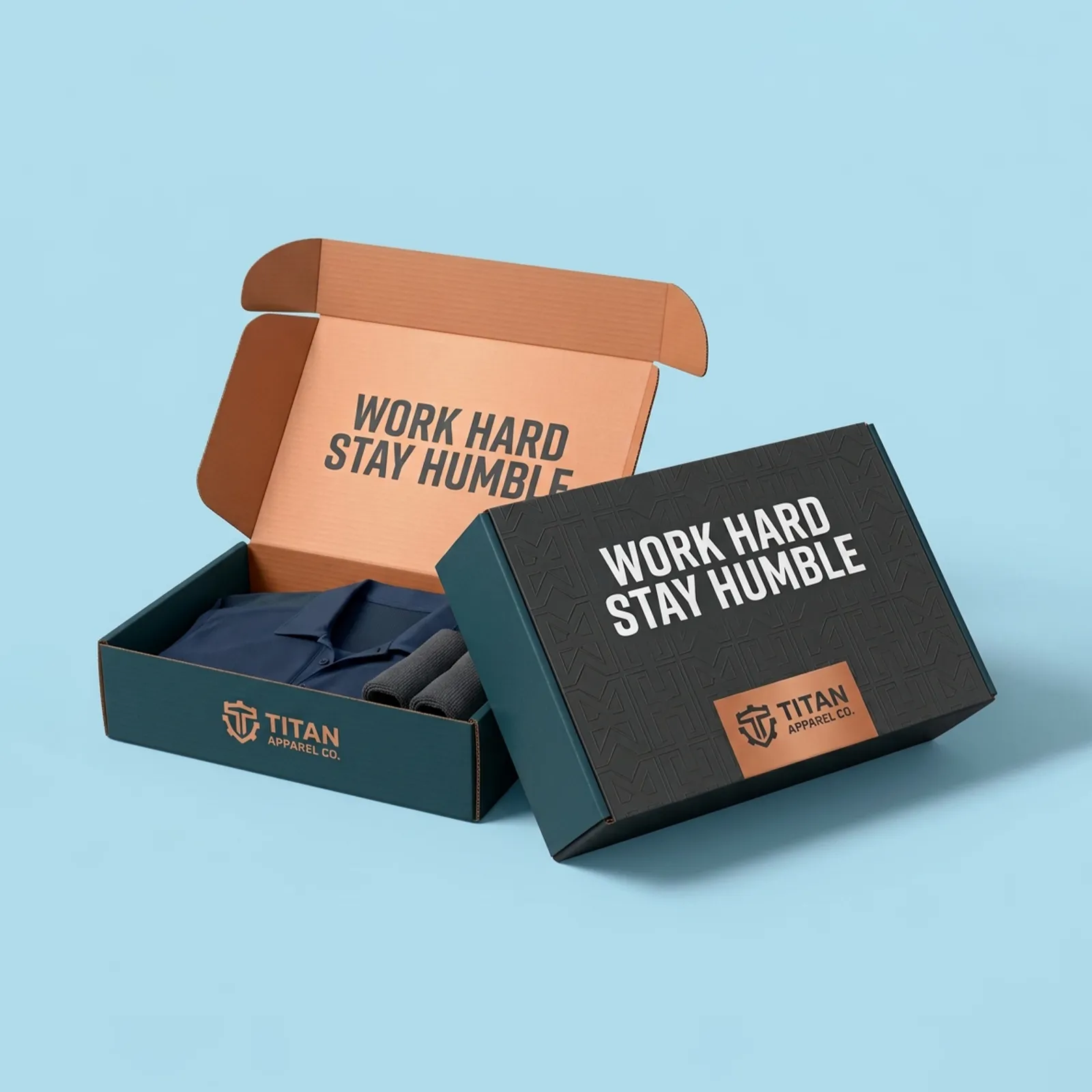
For most brands, the best custom corrugated packaging for brand experience is a custom printed corrugated mailer box made from E-flute or B-flute board, printed on the outside and inside, and fitted with a custom insert that holds the product in place. This one box does three jobs at once: it survives shipping, it looks like your brand on the doorstep, and it creates a small reveal when the customer opens the lid.
That is the short answer. The right version for your products depends on what you ship, how much it weighs, how many boxes you need and how premium you want the experience to feel. This guide walks through each decision, from flute type and printing method to finishes, inserts and sustainability, so you can choose with confidence.
Quick answer: The best custom corrugated packaging for brand experience is a custom printed corrugated mailer box made from E-flute (for sharp graphics and lightweight items) or B-flute (for heavier, fragile goods), featuring inside-and-outside printing and a fitted custom insert for a memorable unboxing reveal.
What Is Corrugated Packaging?
Corrugated packaging is made from corrugated board: a wavy, fluted sheet of paper (the medium) glued between flat sheets of paper called linerboards. The arches in the flutes act like small columns, which is why a light board can carry weight and absorb knocks.
There are two common constructions:
- Single wall: one fluted medium between two liners. This is the standard for most mailer boxes and everyday shipping boxes.
- Double wall: two fluted layers and three liners. It is thicker and stronger, and is used for heavier or more fragile products.
Corrugated board is different from paperboard (the thin board used for cereal boxes and cosmetic cartons) and from rigid board (the thick chipboard used for luxury setup boxes). Corrugated sits in the middle: tougher than paperboard, lighter and less costly than rigid boxes, and built for shipping.
How Packaging Affects Brand Experience
When a customer buys online, the box is often the first physical contact they have with your brand. Every stage of its journey shapes how they feel about the purchase:
- On the doorstep: a printed box looks intentional and easy to recognize. A plain brown carton looks like every other delivery.
- Opening: a box that opens cleanly, without a knife or a fight with packing tape, feels considered.
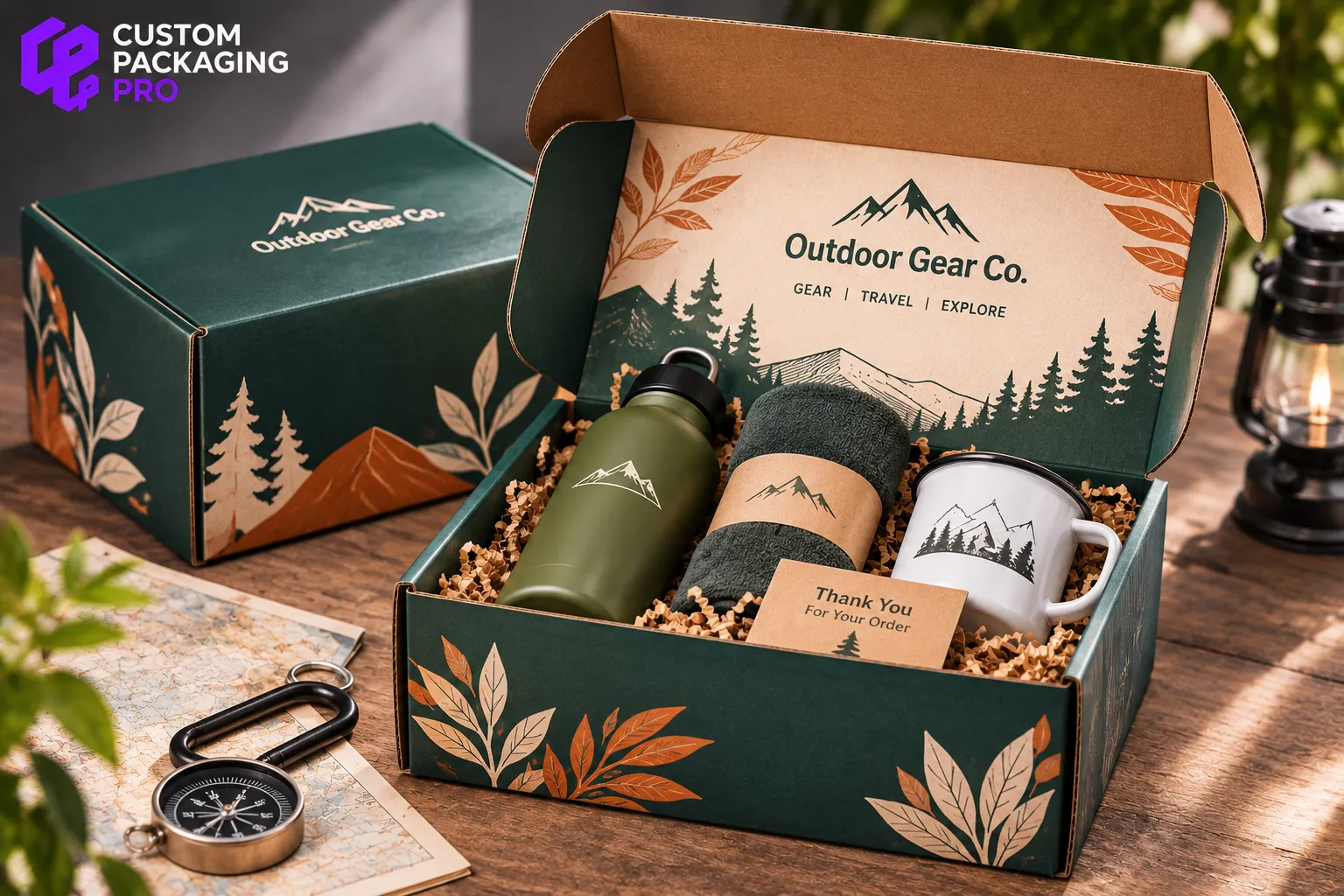
- The reveal: printing inside the lid, a neat insert and a thank-you card turn a few seconds into a moment.
- After the purchase: a sturdy, attractive box is more likely to be kept, reused or photographed and shared.
Corrugated packaging is well suited to this journey because it can be printed, shaped and finished like retail packaging while still protecting products in the mail.
The Best Option: Custom Printed Corrugated Mailer Boxes
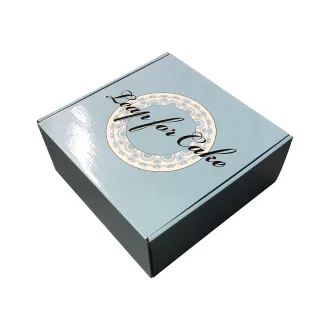
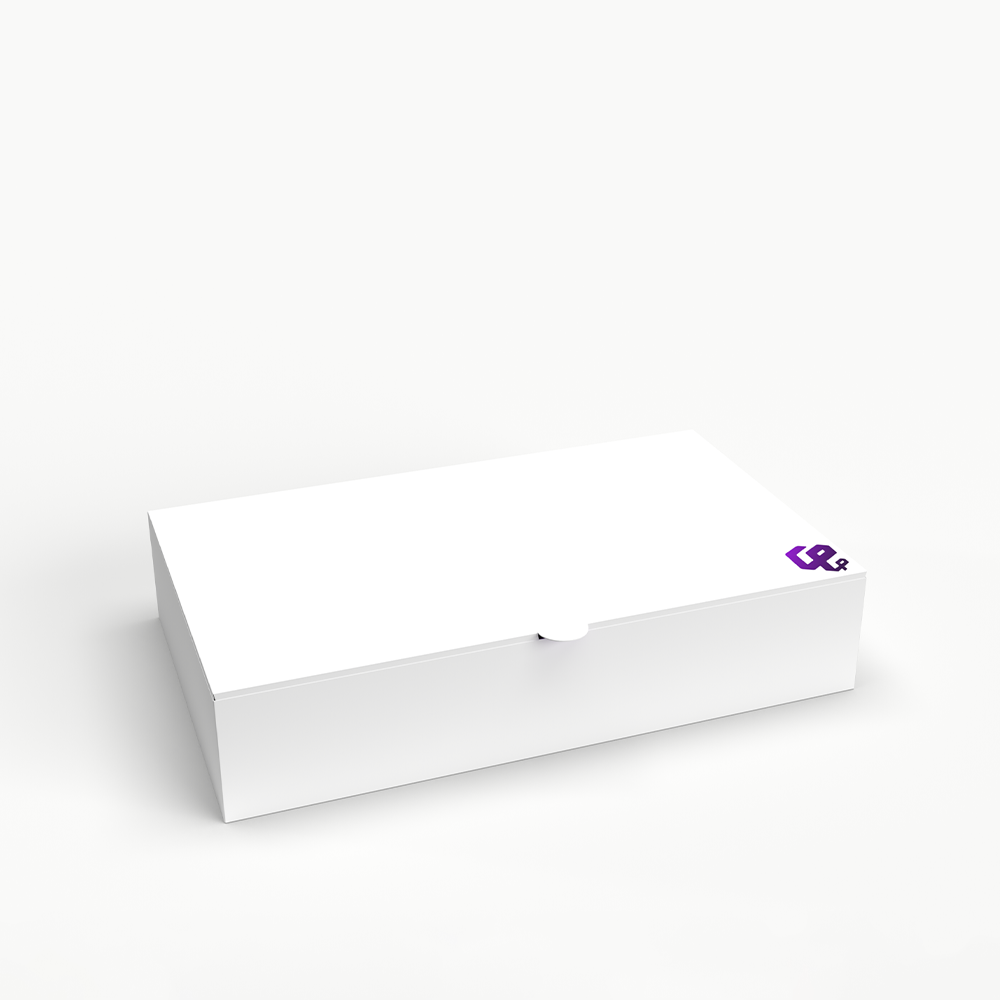
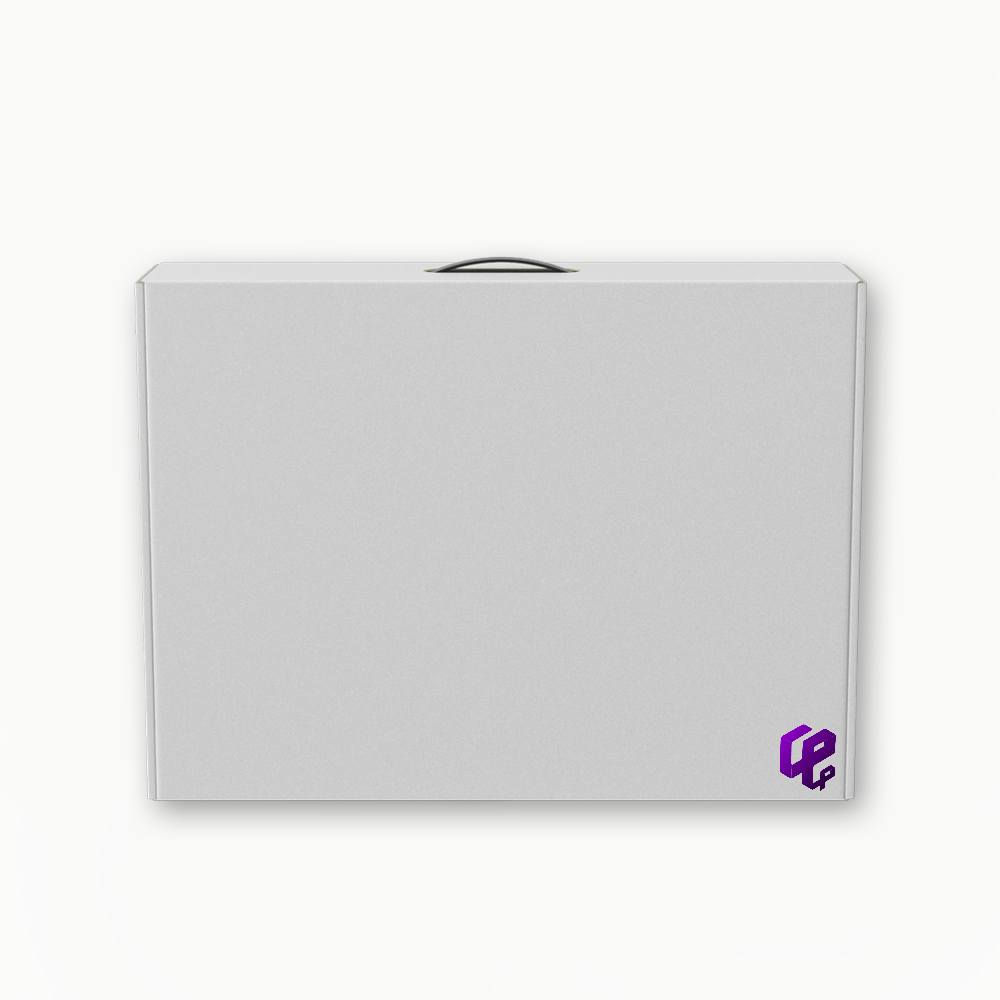
A corrugated mailer box (often called a roll end tuck front box) is a one-piece box with a hinged lid that folds over and tucks into the front. The side panels roll over and lock in place, so the box holds together without tape.
Here is why it is the strongest all-round choice for brand experience:
- It opens like a gift. The lid lifts in one motion and reveals the product from the top, which feels much more deliberate than cutting open a taped shipping carton.
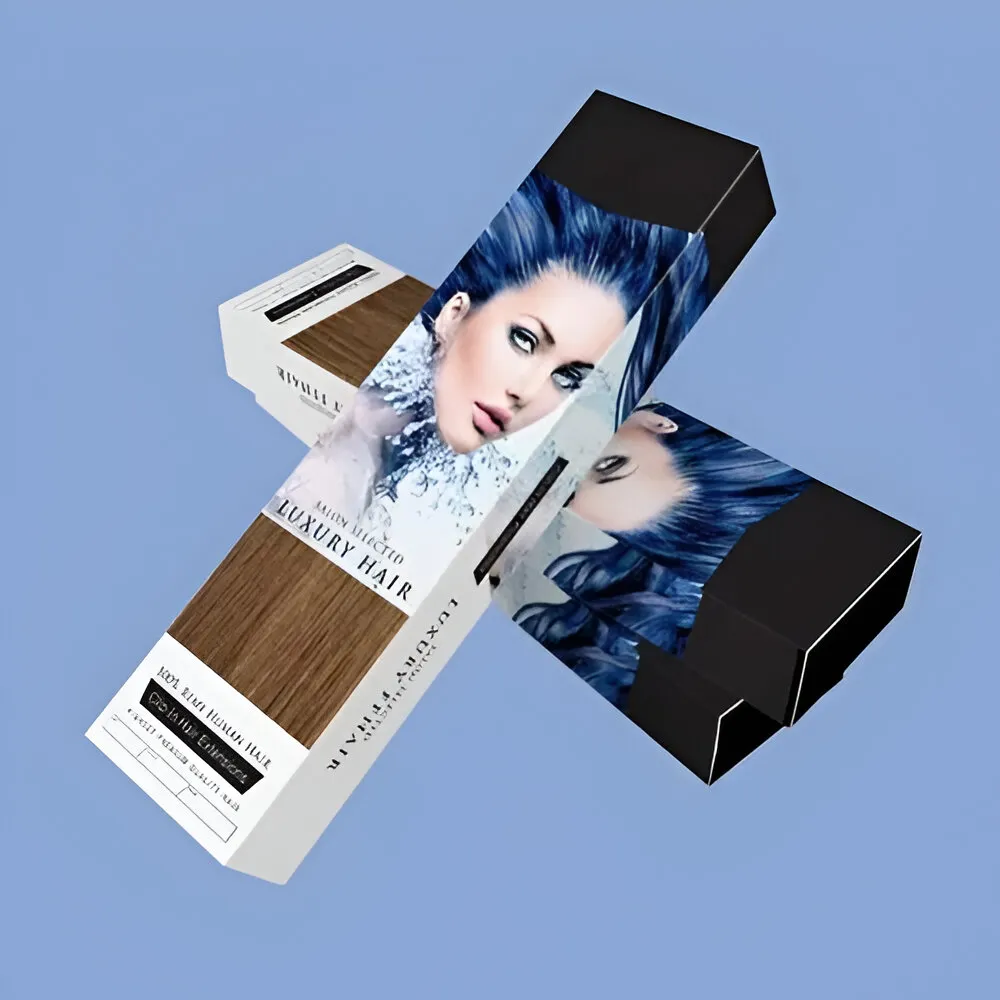
- It offers large printable surfaces. The lid, sides and full interior can all carry your branding.
- It protects the product. Corrugated board absorbs impact and resists crushing during transit.
- It ships and stores flat. Mailer boxes arrive unassembled, which saves space in your warehouse.
- It works for many products. Apparel, cosmetics, candles, subscription kits, accessories, small electronics and gift sets all fit the format well.
Our custom mailer boxes and e-commerce mailer boxes are built on this structure.
Comparing Corrugated Box Styles for Branding
The mailer box is the best default, but other corrugated styles make more sense for some products and channels.
| Box Style |
Best For |
Brand Experience |
| Printed mailer box |
E-commerce orders, gift sets, subscription kits |
Highest: clean opening, top-down reveal, print inside and out |
| Printed shipping box |
Larger or heavier orders, bulk shipments |
Moderate: strong branding outside, but opening is less refined |
| Mailer carton |
Lighter products and flat items |
Good: neat presentation in a slimmer format |
| Subscription mailer |
Recurring boxes with several items |
High: designed around repeat unboxing and themed inserts |
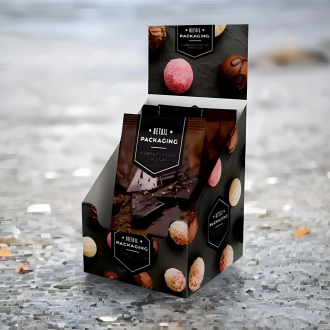
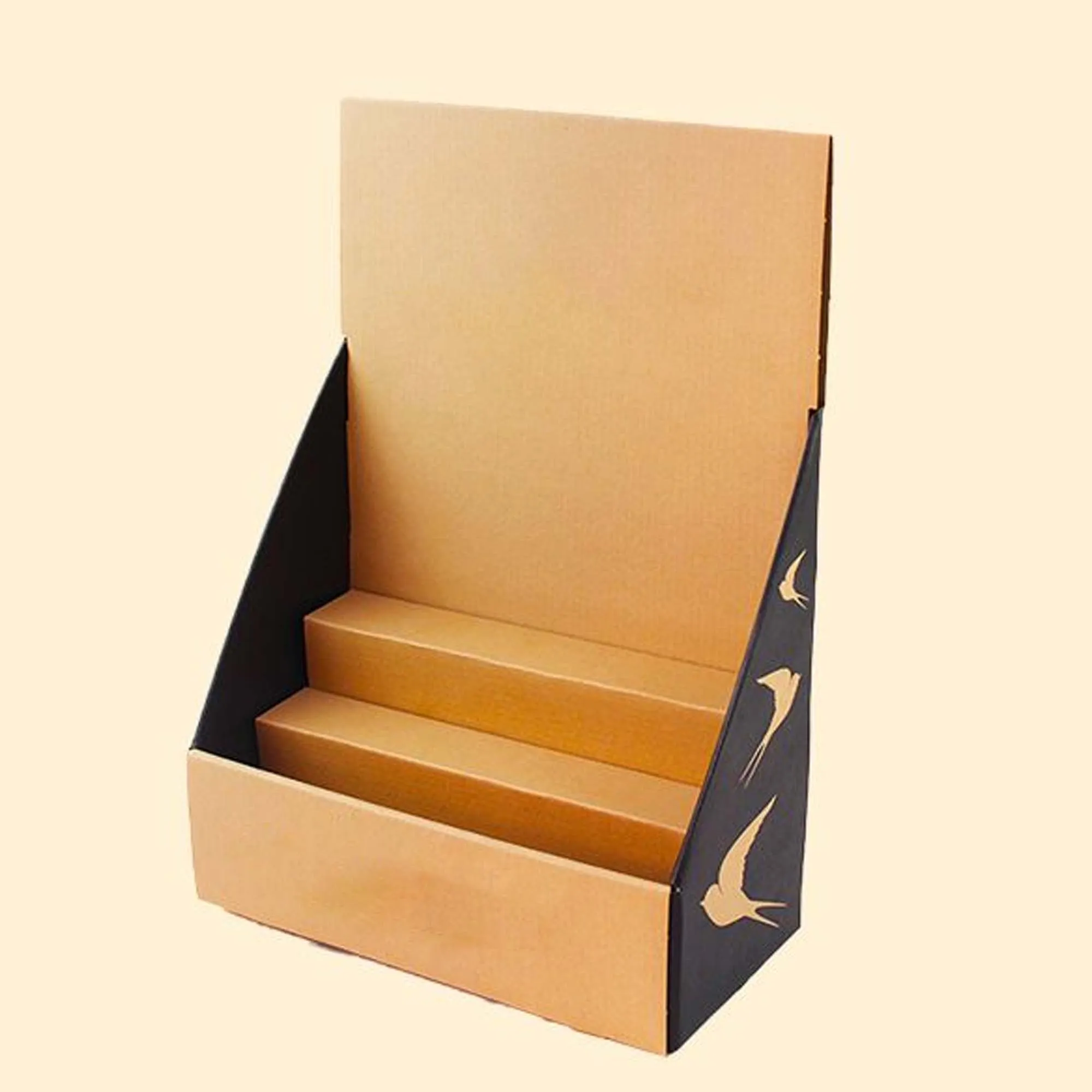
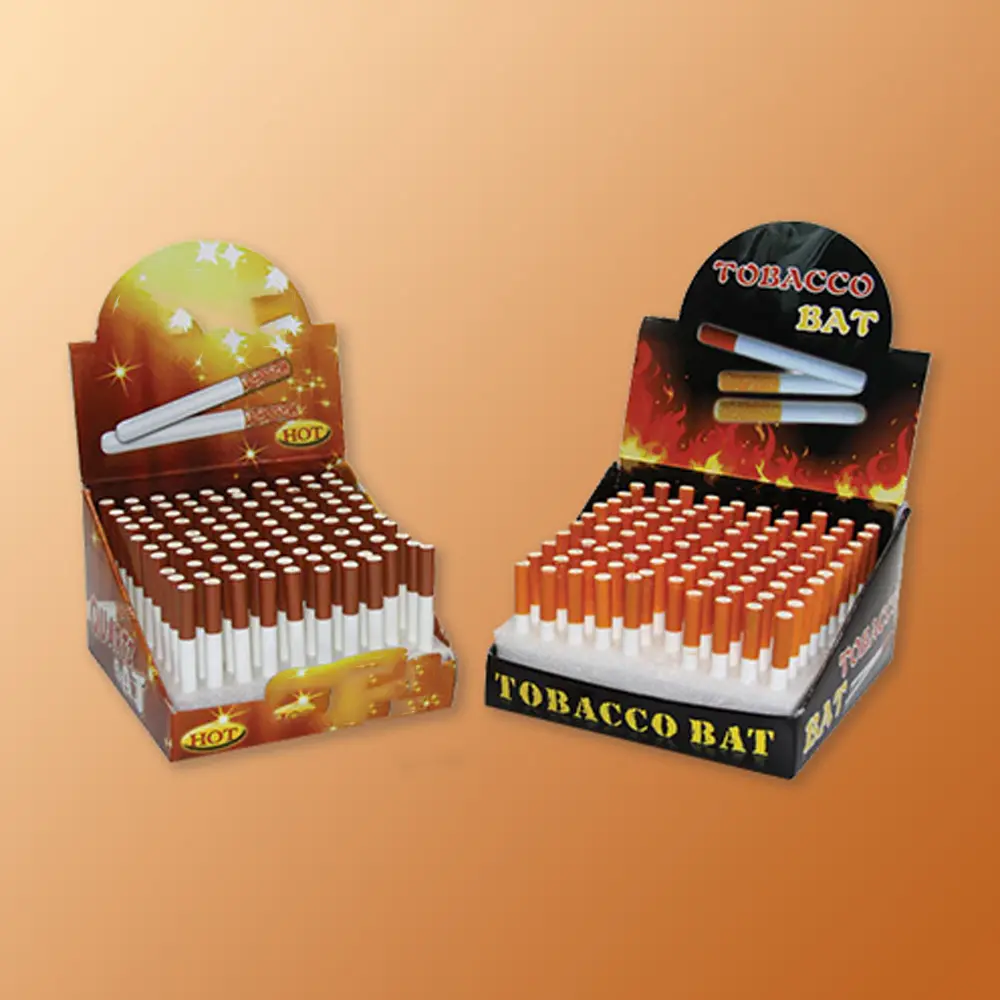
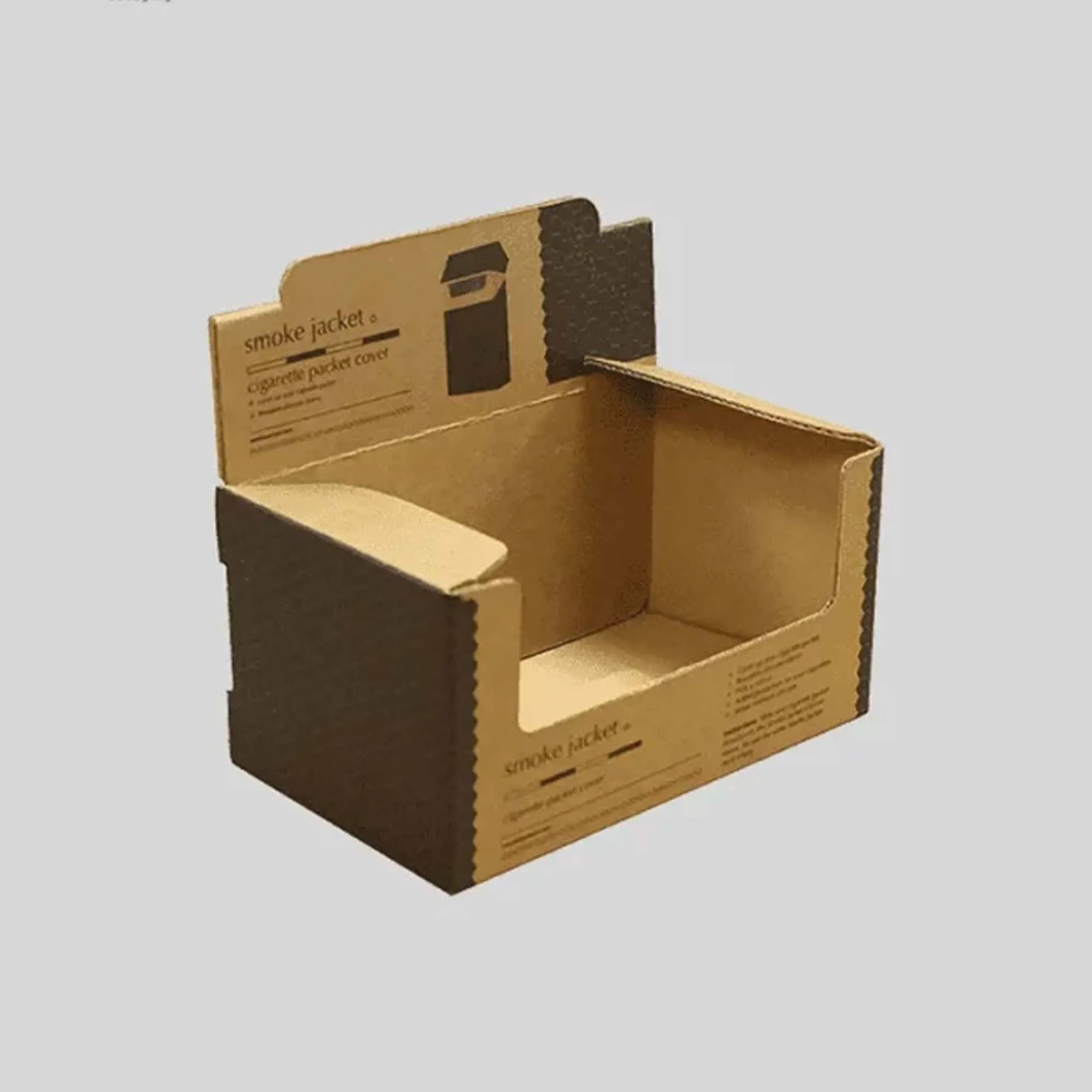
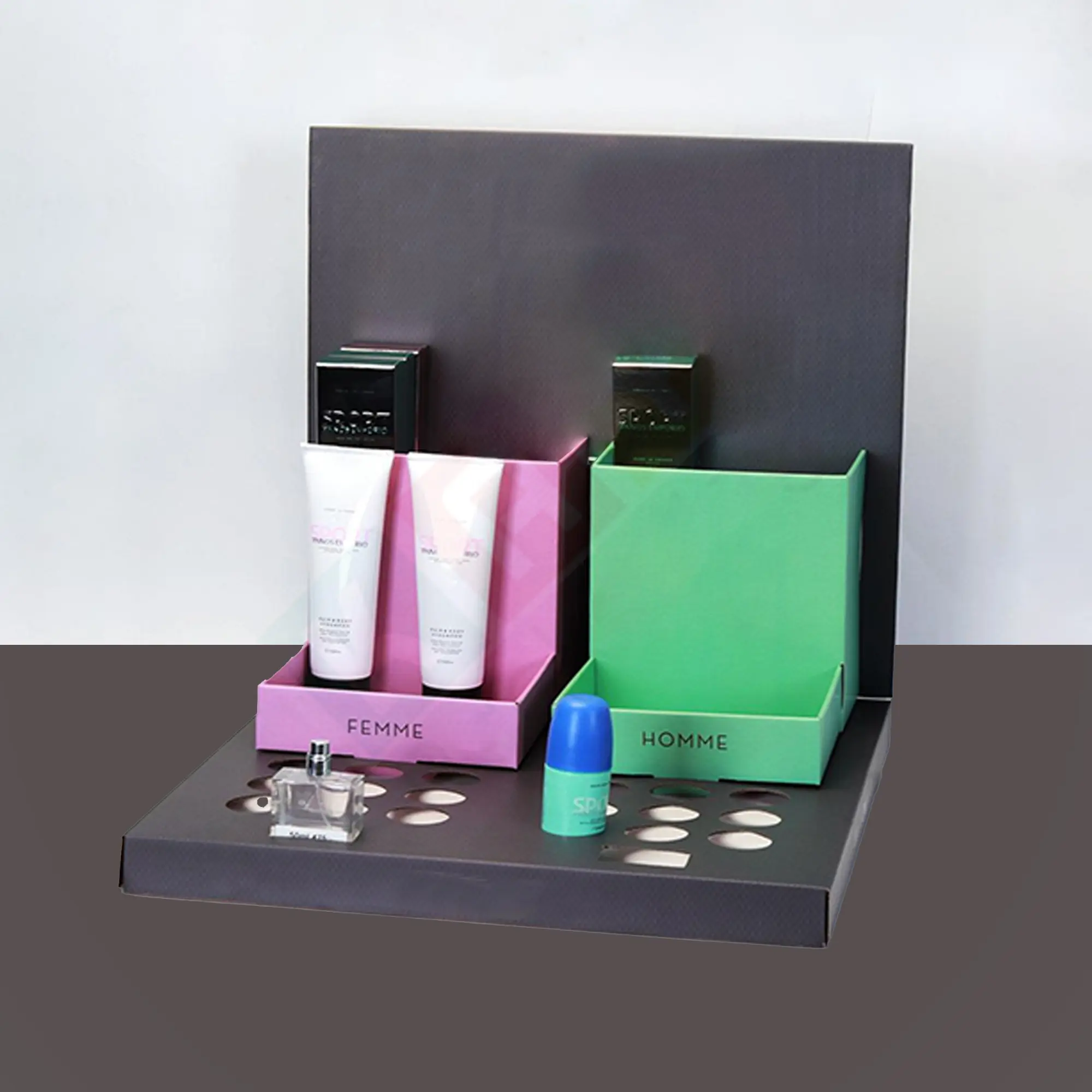
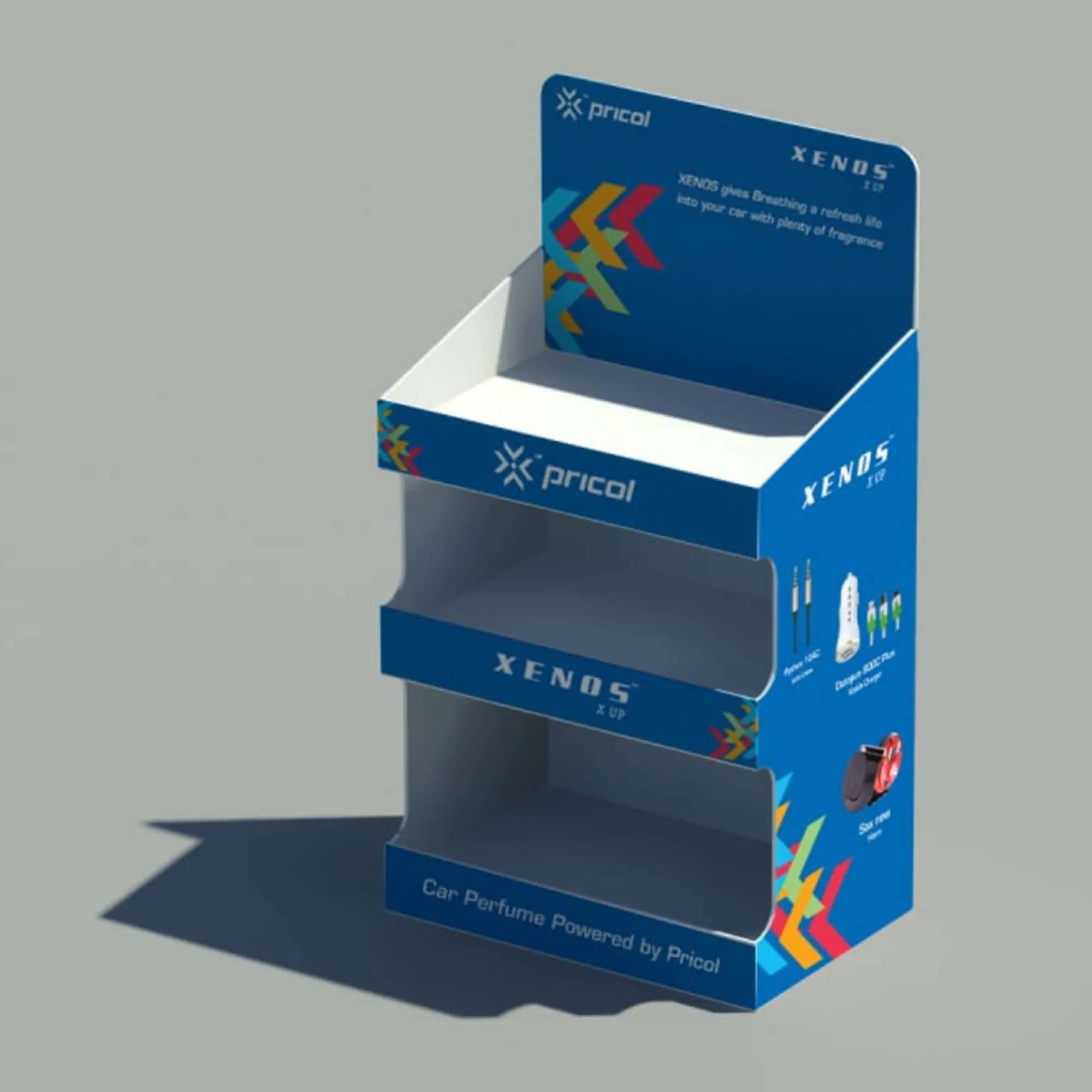
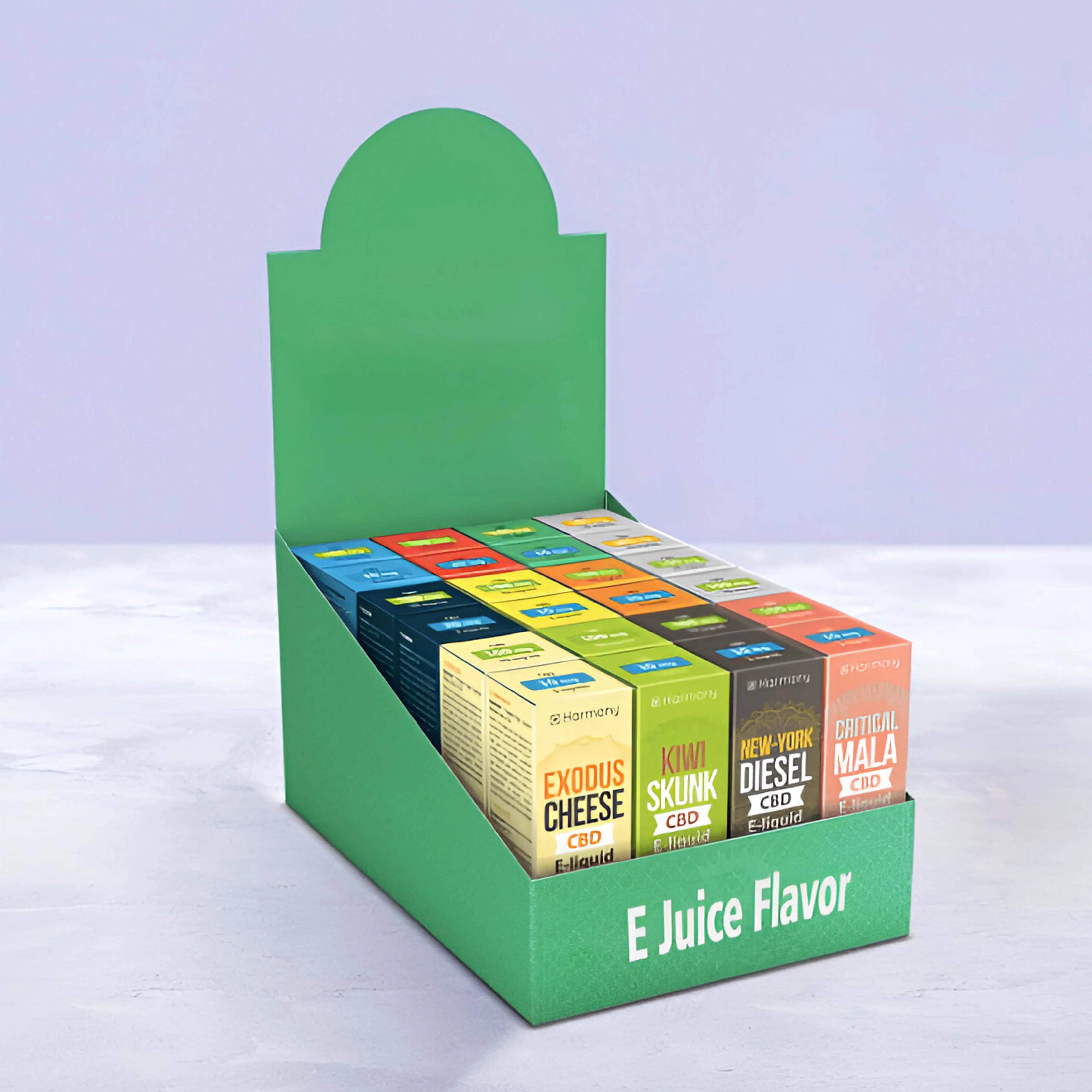
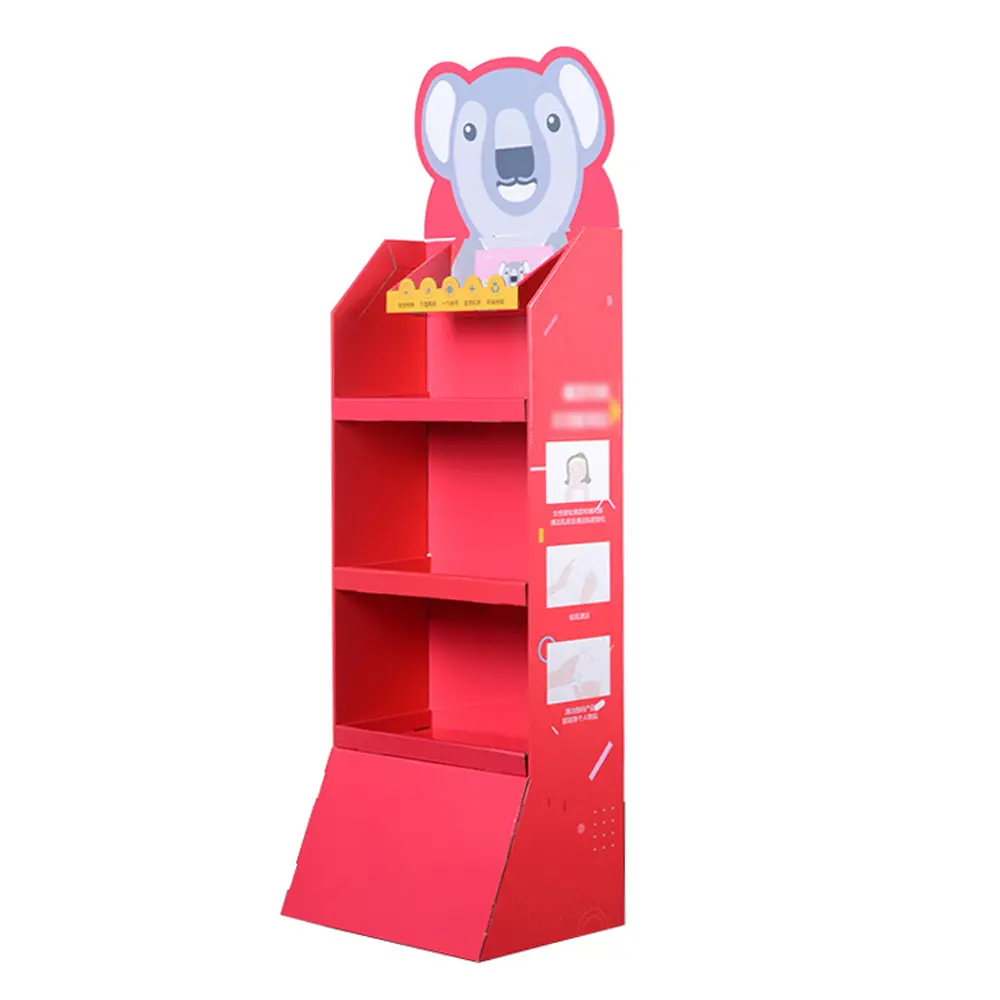
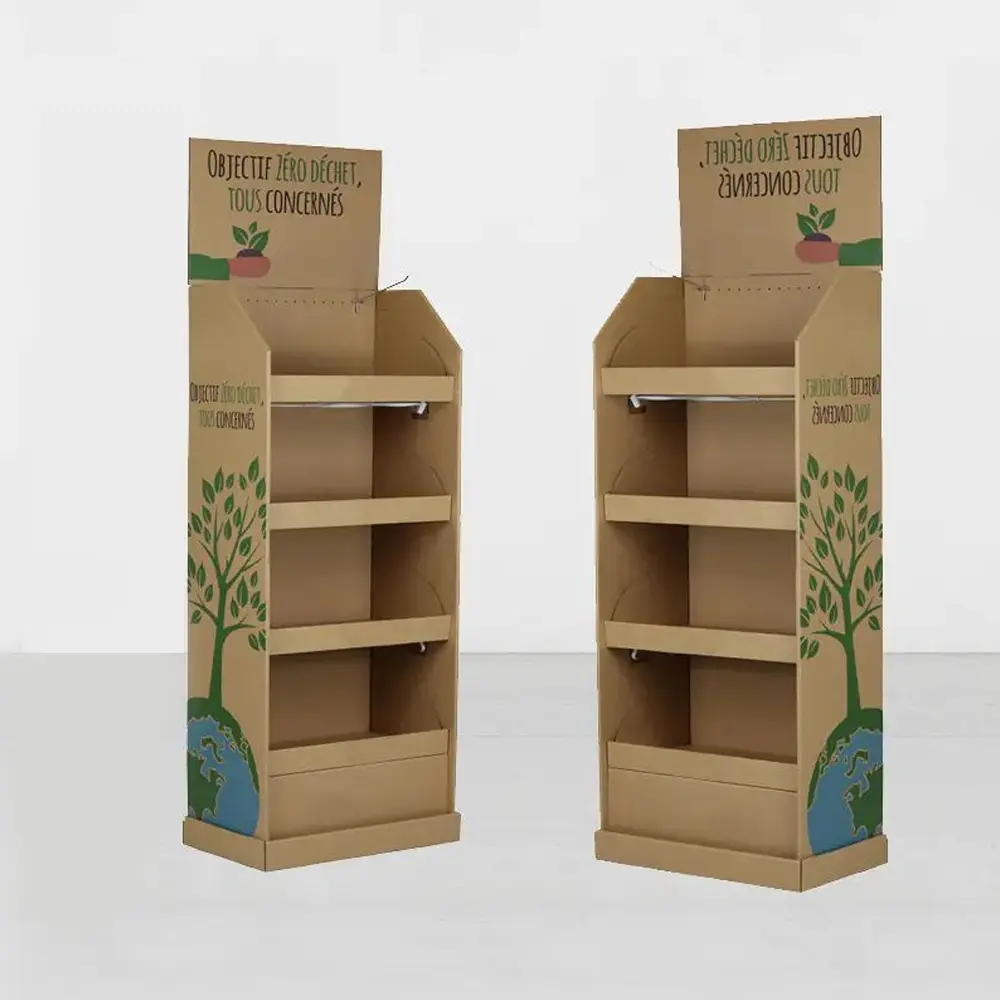
| Corrugated display box |
Retail shelves and countertops |
High in store: the box becomes part of the display |
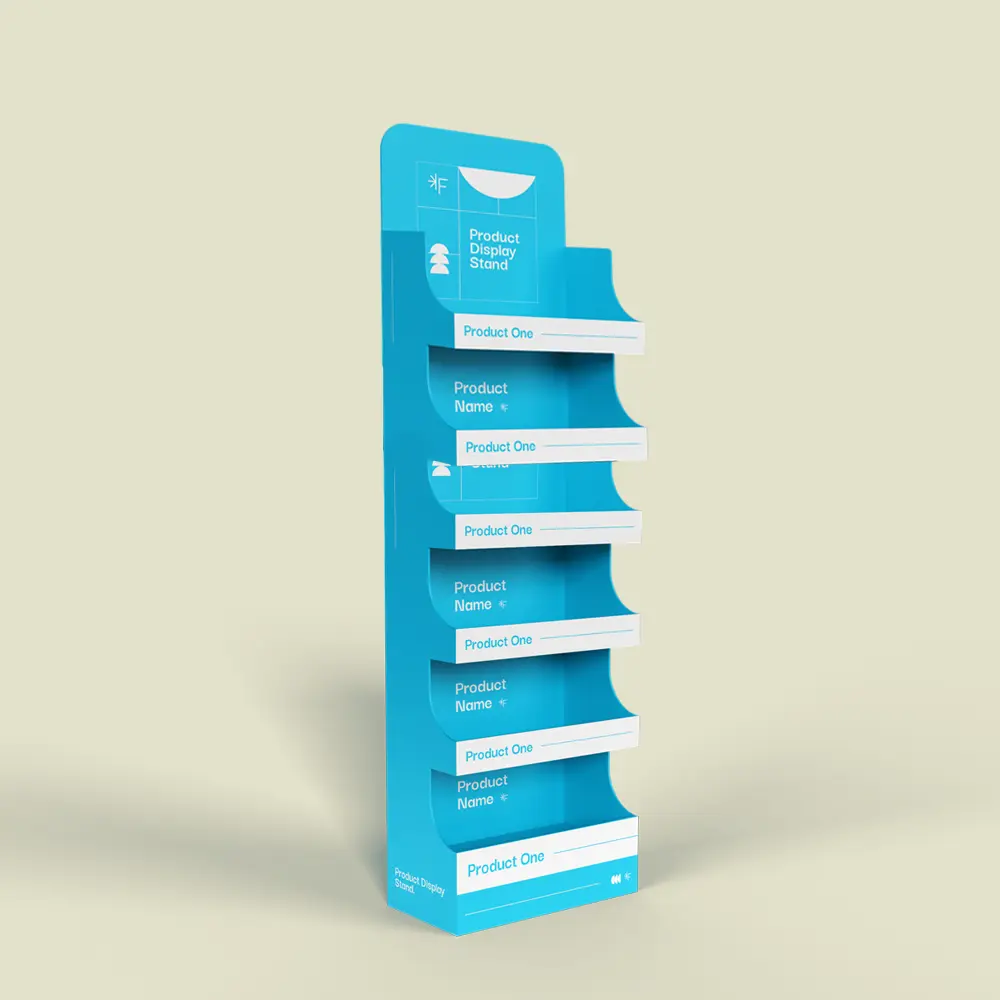
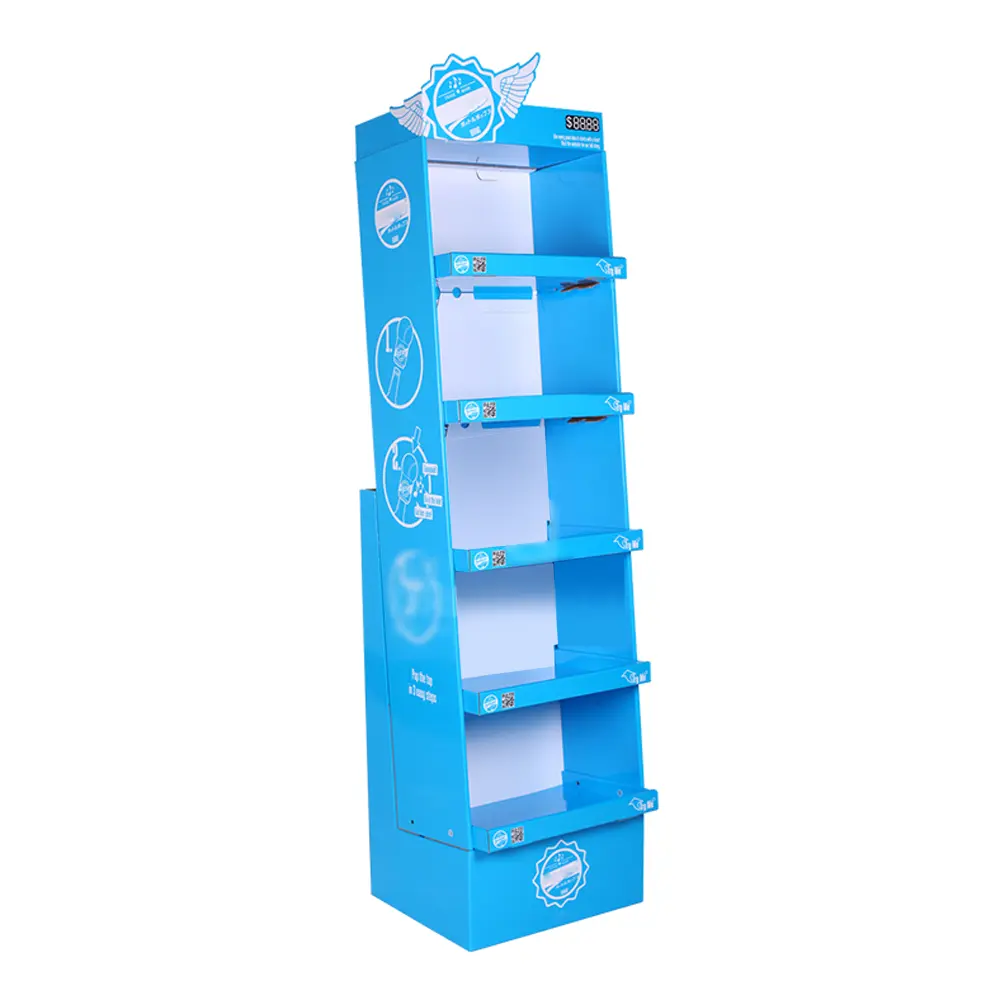
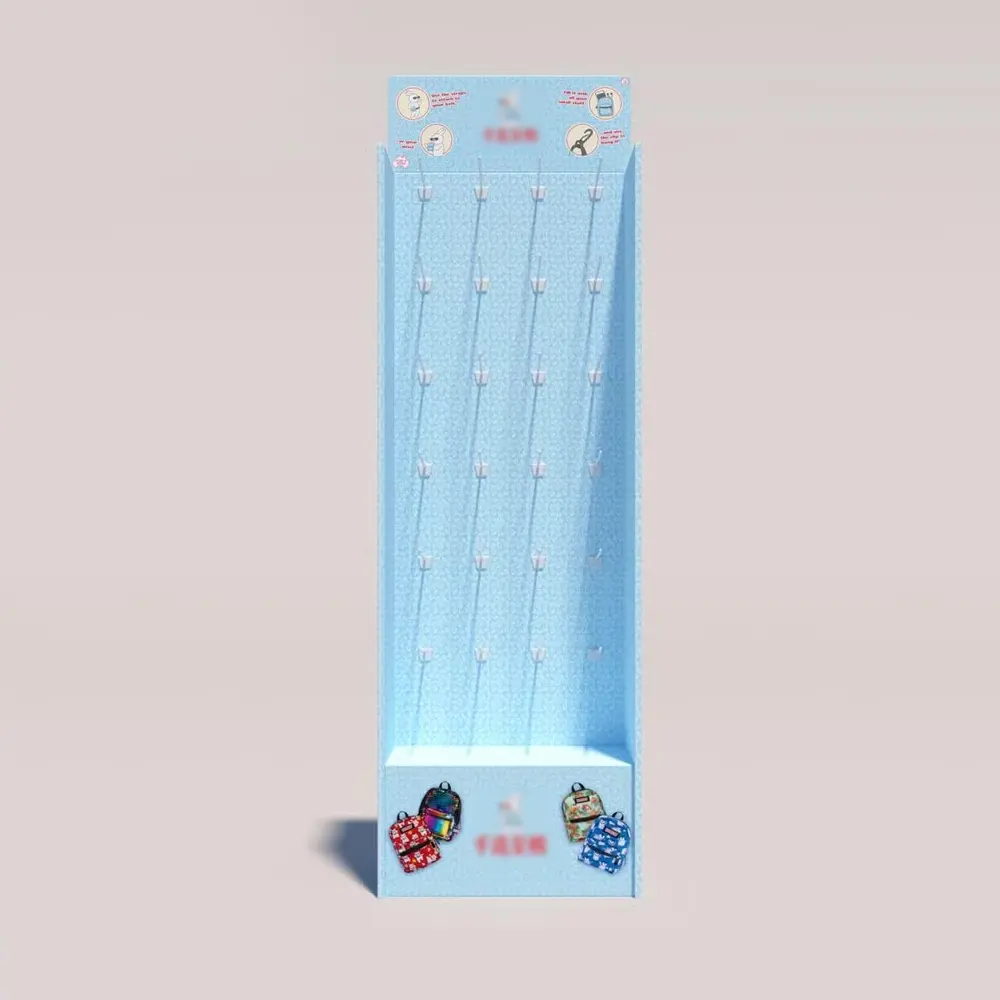
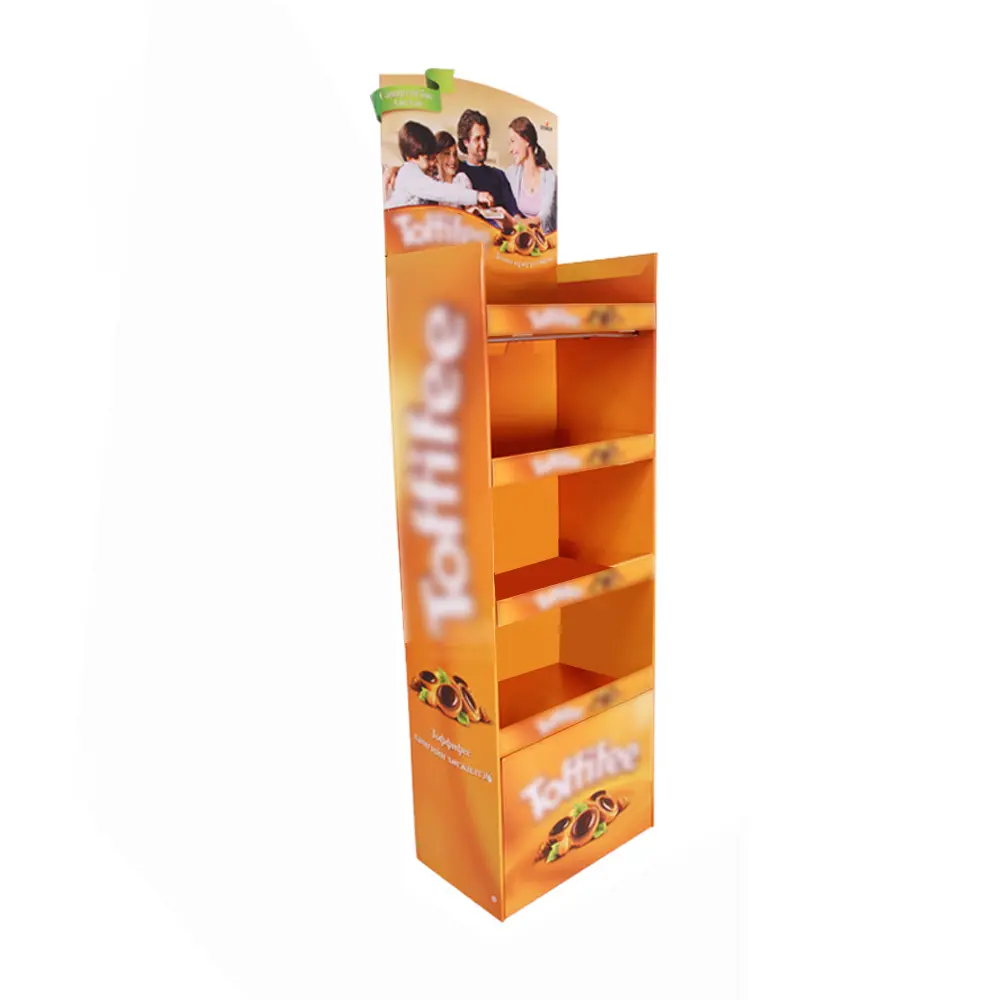
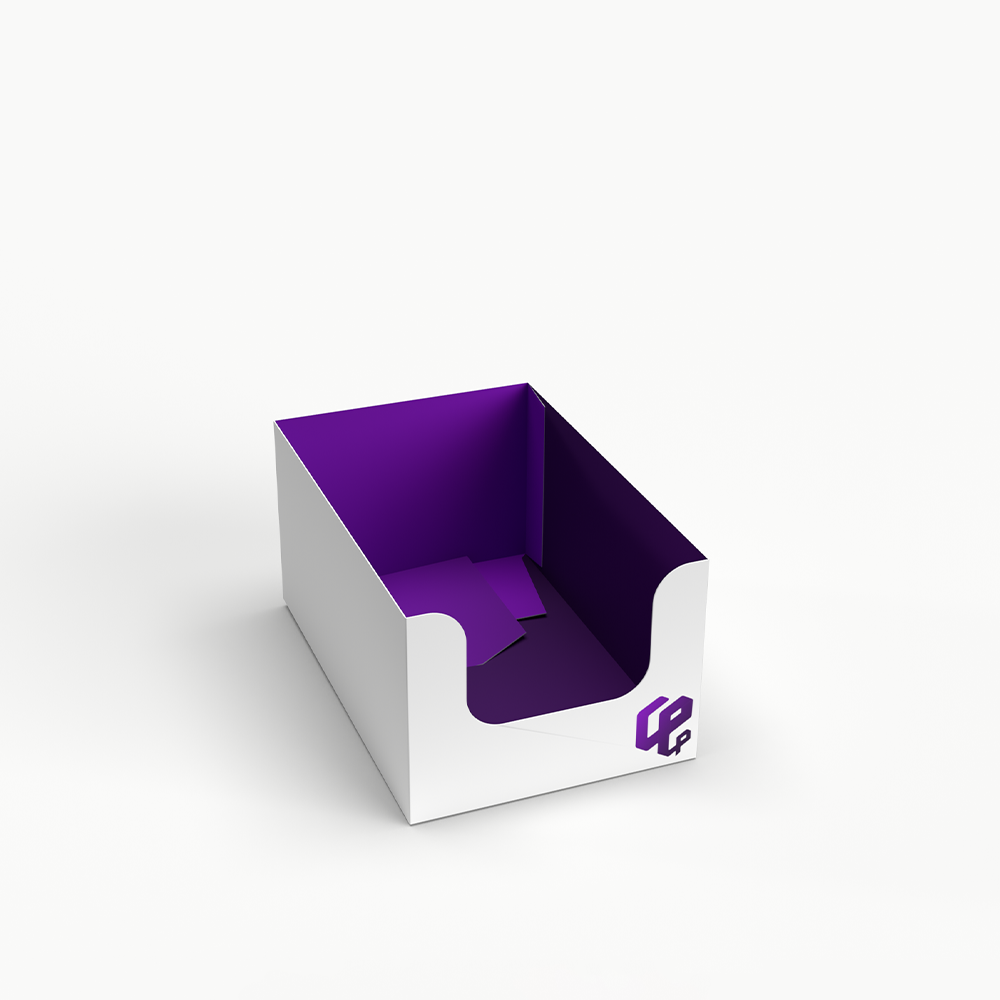
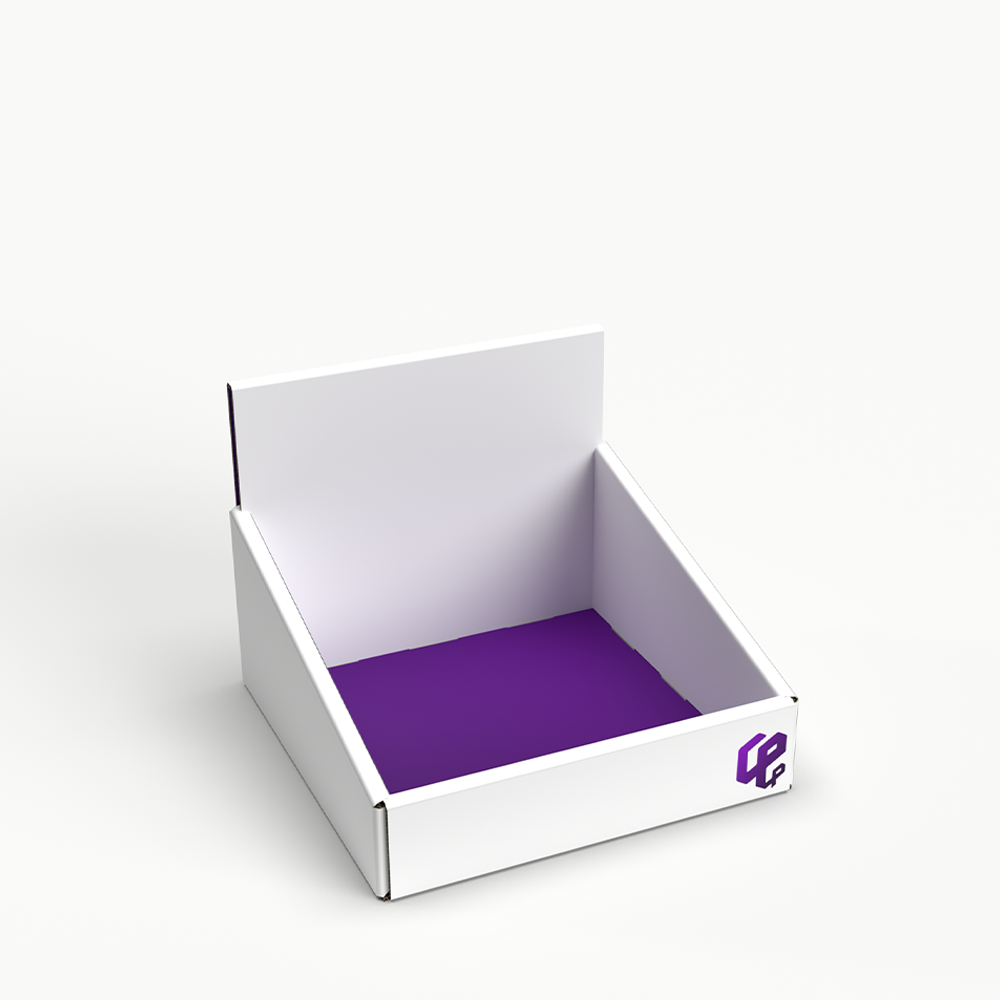
You can explore corrugated shipping boxes, mailer cartons, subscription boxes and corrugated display boxes for each of these uses. If you are unsure which suits your orders, our guide to the difference between mailer boxes and shipping boxes explains it in more detail.
Choosing the Right Flute Type
The flute is the wavy layer inside the board, and its size changes how the box looks, feels and performs. Flute letters refer to the order in which each profile was developed, not to their size.
| Flute |
Approx. Thickness |
Approx. Flutes per Foot |
Best For |
| A-flute |
3/16 in (about 4.8 mm) |
33 |
Maximum cushioning for fragile items |
| B-flute |
1/8 in (about 3.2 mm) |
47 |
Sturdy mailers, heavier products, good print surface |
| C-flute |
5/32 in (about 4.0 mm) |
39 |
General shipping cartons, a common all-round choice |
| E-flute |
1/16 in (about 1.6 mm) |
90 |
Branded mailers, retail boxes, sharp printing |
| F-flute |
1/32 in (about 0.8 mm) |
125 |
Small retail packaging with a near-carton finish |
Exact figures vary slightly by mill, so treat these as typical values and confirm the board specification with your supplier.
E-Flute vs B-Flute: Which Is Best for Mailer Boxes?
For most branded mailer boxes, the choice comes down to E-flute or B-flute.
Choose E-flute when presentation comes first. More flutes per foot create a smoother surface for crisp graphics, and the thinner board folds into clean, sharp edges. It suits cosmetics, apparel, accessories and lightweight products.
Choose B-flute when protection comes first. The taller flute adds cushioning and puncture resistance, making it a better fit for heavier items, glass, candles and products that travel long distances.
A simple rule: if the product weighs little and the box is the hero, start with E-flute. If the product is heavy or fragile, start with B-flute.
Single Wall vs Double Wall and Box Strength
Most branded mailer boxes use single-wall board, which offers plenty of strength for typical e-commerce orders. Double-wall board is worth considering for heavy products, multi-item kits and boxes that will be stacked in transit or storage.
Box strength is usually described with one of two ratings:
- Edge Crush Test (ECT): measures how much pressure the board's edge can take before crushing. It relates closely to stacking strength and is the most common rating for shipping boxes.
- Burst strength (Mullen test): measures how much pressure it takes to puncture the board's face. It relates to how well the box resists rough handling.
You do not need to master these tests. Share your product weight, dimensions and shipping method with your supplier, and ask them to recommend a board grade that matches.
Printing Options for Corrugated Boxes
Printing has the biggest effect on how your box looks. The three main methods suit different needs.
| Method |
How It Works |
Best For |
Look |
| Digital printing |
Prints directly onto the board without plates |
Short runs, full-color designs, testing new designs |
Full color with good detail |
| Flexographic printing |
Uses flexible printing plates on the press |
Large runs with simpler logos and limited colors |
Clean, bold graphics at a low unit cost on volume |
| Litho lamination |
A sheet is offset-printed, then laminated onto corrugated board |
Premium retail and gift packaging |
Photographic, high-end print quality |
Don't Forget the Inside
Inside printing is one of the most effective ways to improve a mailer box. A printed interior turns the moment the lid opens into a surprise: a pattern, a thank-you message, a social handle or simple instructions. It costs more than printing the outside alone, but it adds a lot of impact to the unboxing.
Finishes That Make Corrugated Feel Premium
Corrugated boxes can carry many of the same finishes used on retail packaging:
- Matte or gloss coating protects the print and changes how the surface looks and feels.
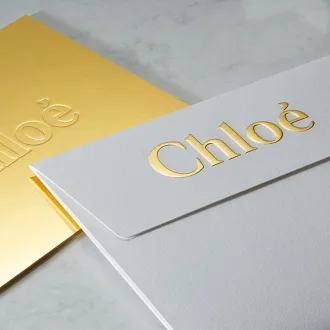
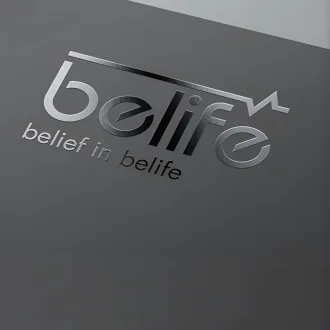
- Foil stamping adds a metallic logo or detail that catches light.
- Spot UV creates a glossy highlight on a matte surface.
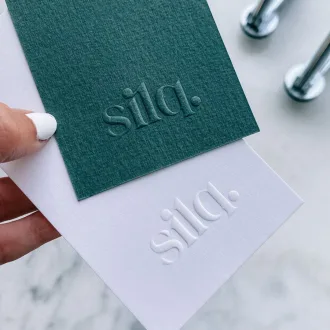
- Embossing or debossing adds a raised or pressed texture, which works best on litho-laminated or smoother boards.
Use finishes sparingly. One standout detail, such as a foil logo on the lid, usually looks more refined than several effects competing for attention. Some heavy coatings and plastic laminates can also make a box harder to recycle, so ask your supplier about recycling-friendly finish options if sustainability is part of your brand story.
For more ideas, see our post on creative finishing options for custom boxes.
Board Color: Kraft, White or Black
The color of the board sets the tone before any printing is added.
| Board Color |
Brand Feel |
Works Well For |
| Kraft (natural brown) |
Natural, honest, eco-minded |
Sustainable brands, handmade goods, food and wellness |
| White |
Clean, bright, modern |
Full-color designs, beauty, tech and lifestyle brands |
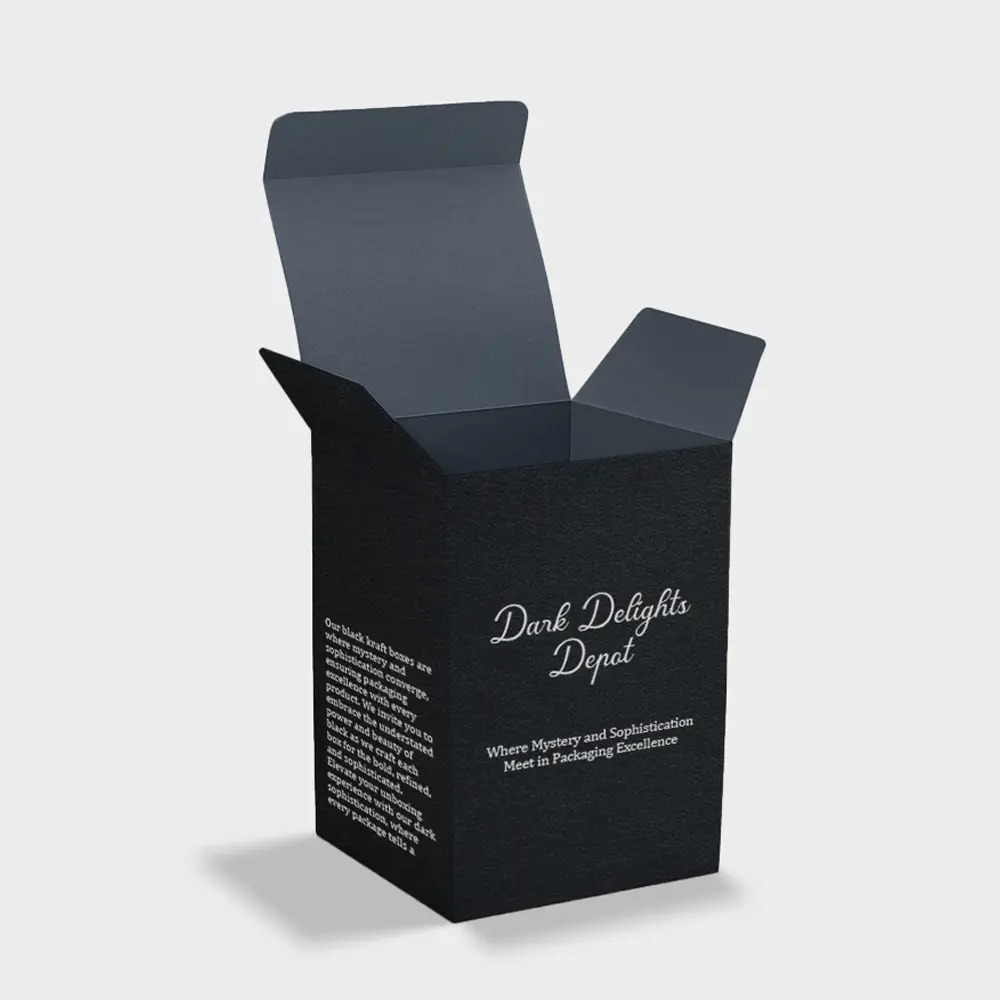
| Black |
Bold, premium, dramatic |
Luxury, fashion, fragrance and high-end gifts |
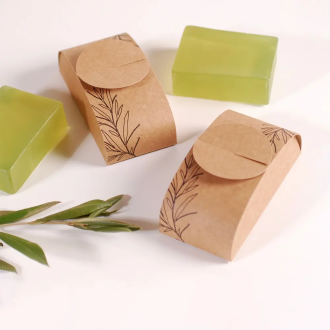
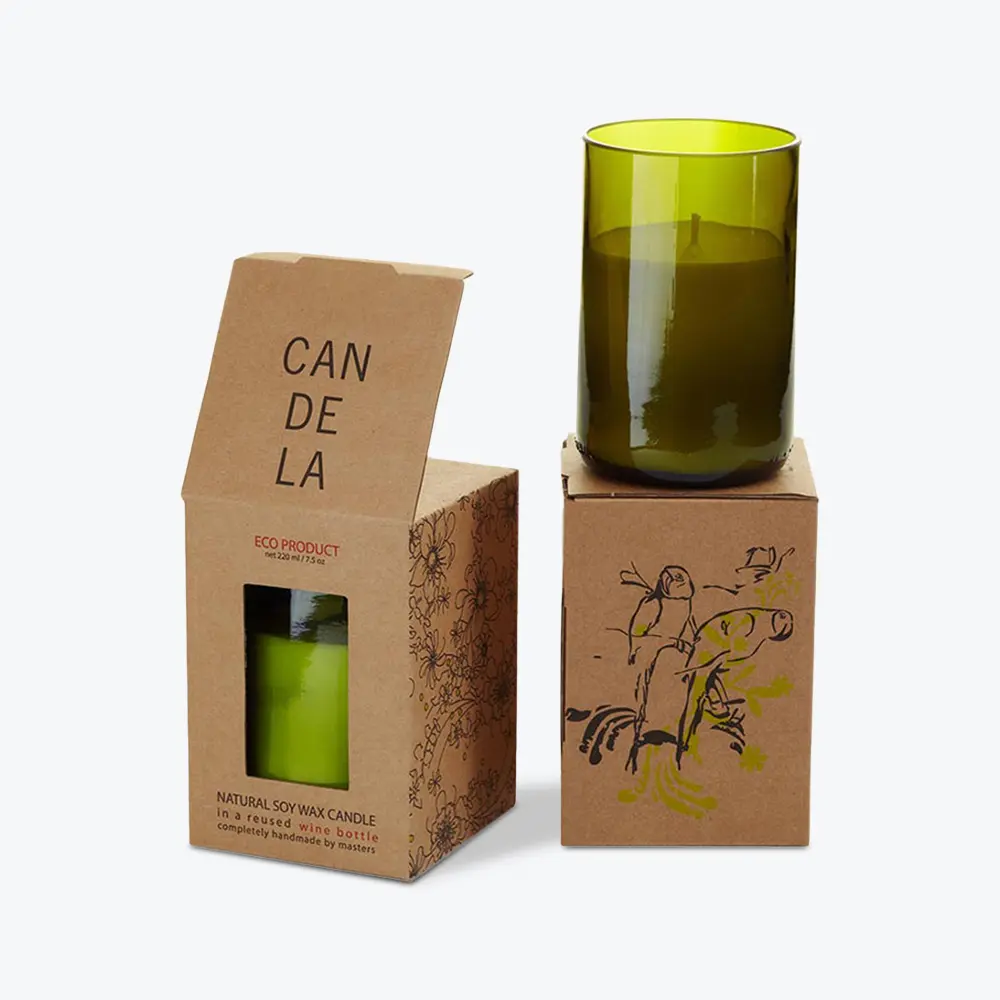
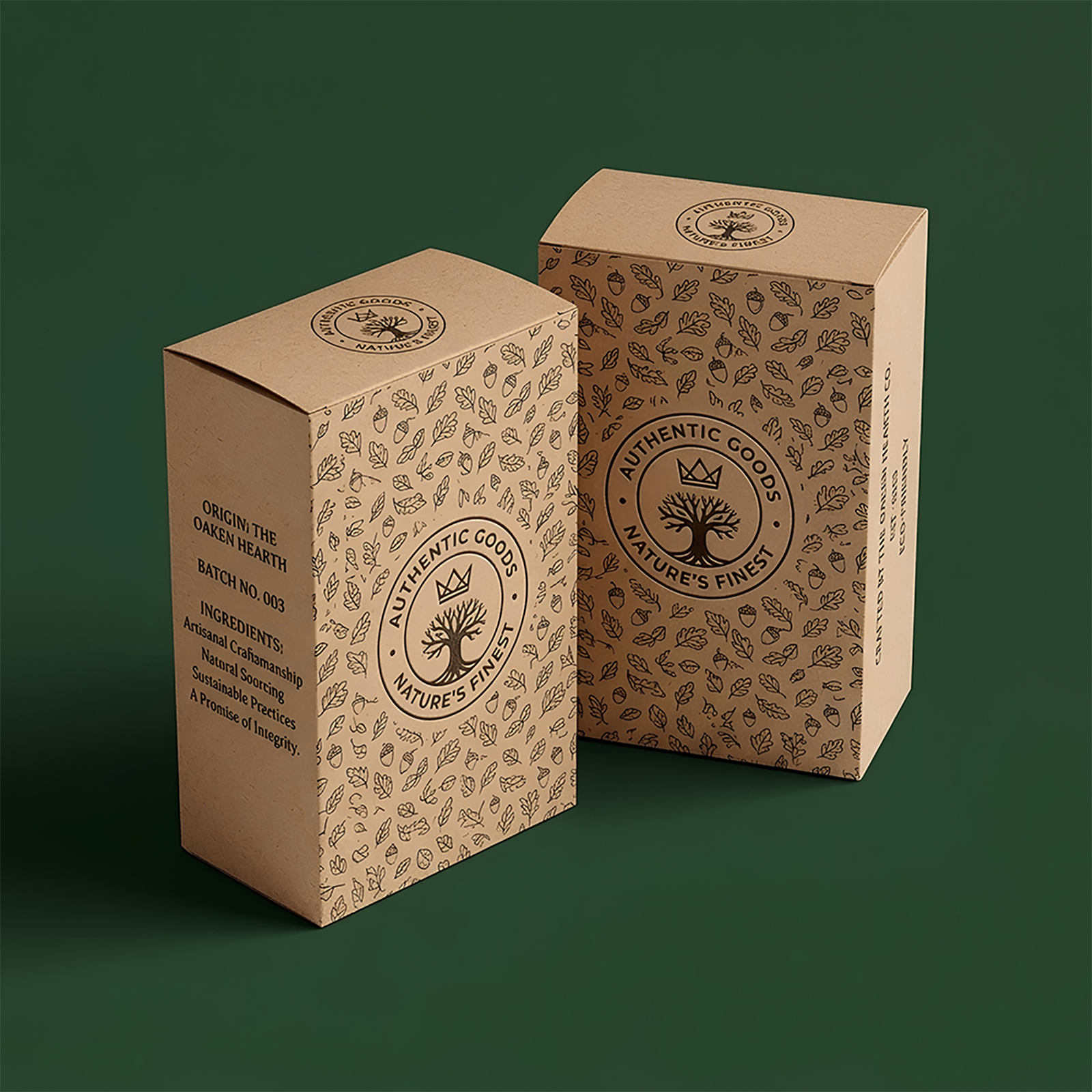
Kraft corrugated boxes keep printing costs down because even a one-color logo looks intentional on natural brown board. Black corrugated shipping boxes create a premium first impression, which we cover in our guide to black shipping boxes for e-commerce brands.
Custom Inserts: Where the Experience Comes Together
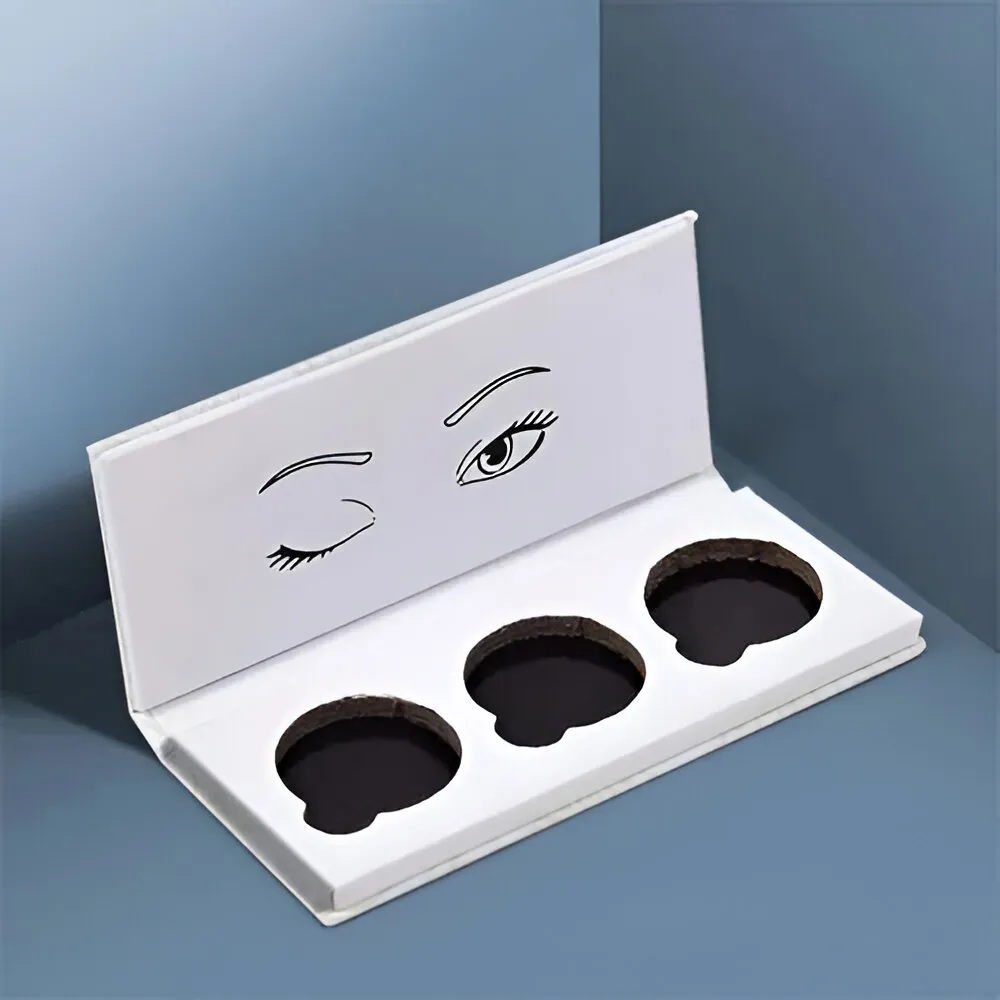
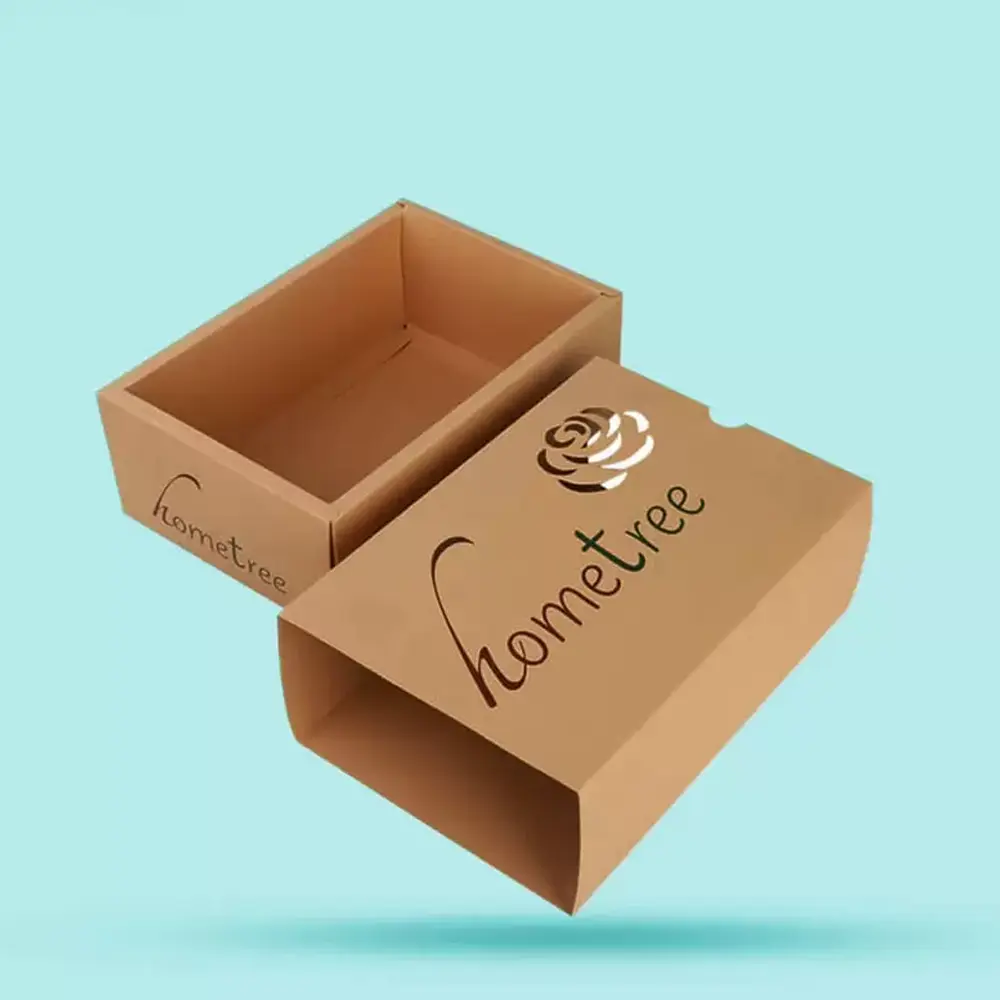
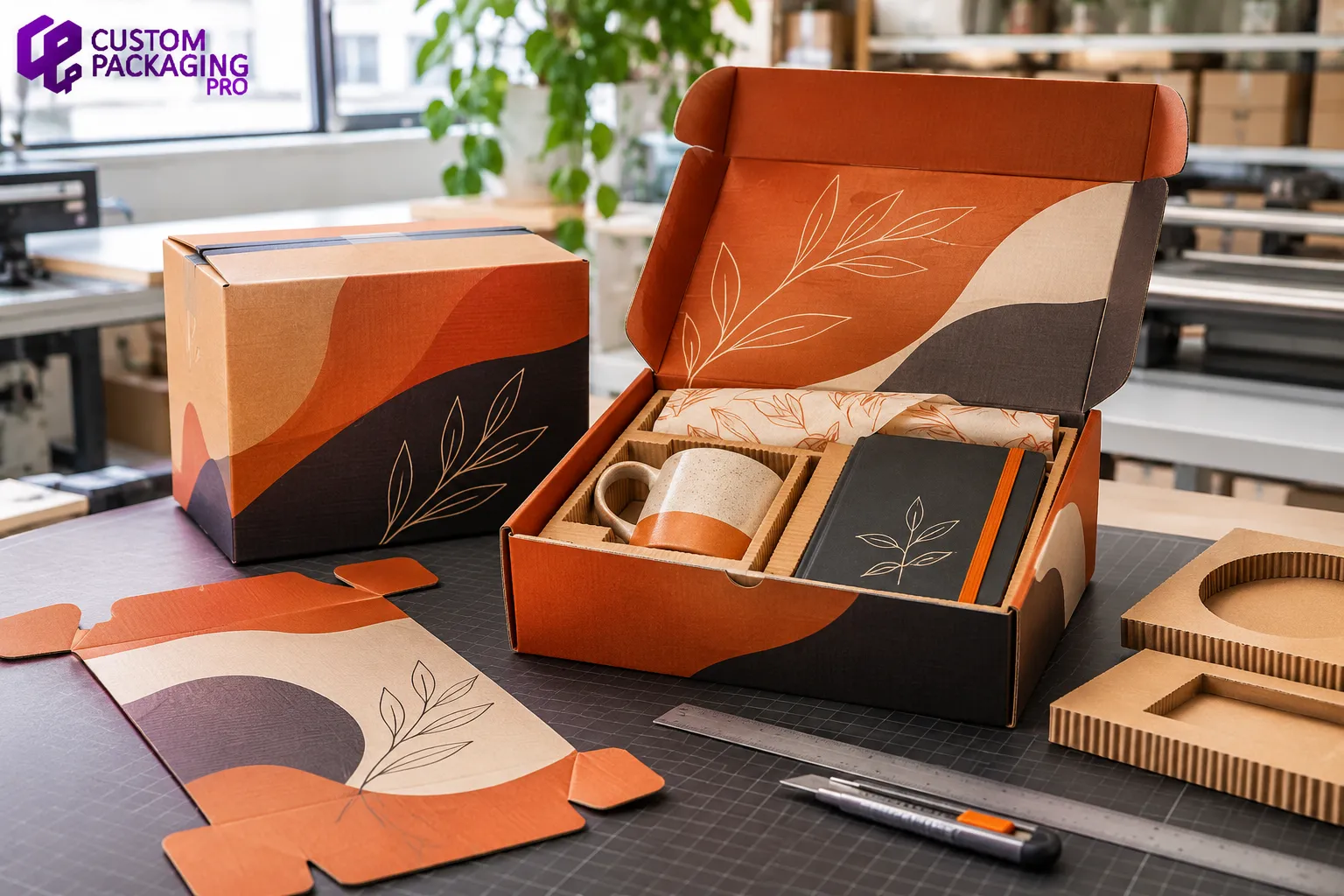
An insert holds the product in a fixed position, prevents rattling and presents everything neatly when the lid opens. Without one, even a beautifully printed box can arrive with the product shoved into a corner.
Common insert options include:
- Corrugated or paperboard inserts: die-cut to fit, easy to recycle with the box.
- Molded pulp: a fiber-based option that cushions well and suits eco-focused brands.
- Foam inserts: maximum protection for electronics, glass and high-value items.
- Dividers: separate several items in kits and subscription boxes.
Design the insert around the exact product dimensions and leave a small notch so the customer can lift the product out easily. See our box inserts for options.
Is Corrugated Packaging Good for Luxury Brands?
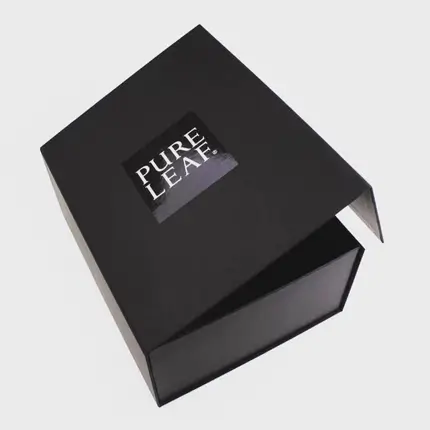
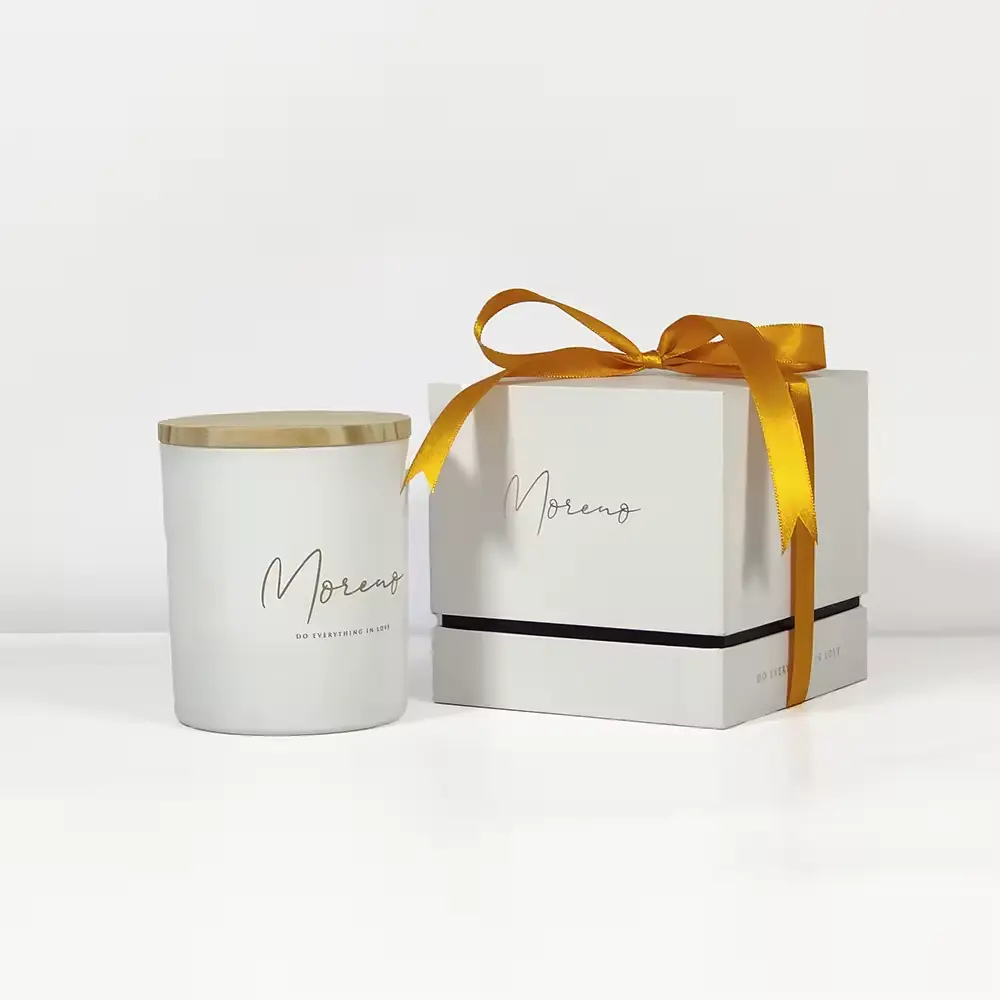
Yes, when it is specified carefully. Corrugated boxes will never feel quite as heavy as rigid setup boxes, but a well-made corrugated mailer can still look and feel premium, and it ships far better.
Luxury brands often get the best result by combining:
- E-flute board for crisp edges and a refined profile
- Black or white board, or litho lamination for photographic print quality
- One premium finish, such as foil or spot UV
- Full interior printing and a fitted insert
Some brands use both: a rigid box as the product packaging and a printed corrugated mailer as the outer shipper. If you are weighing the options, read our comparison of corrugated vs kraft vs rigid packaging.
Sustainable Corrugated Packaging
Corrugated board is one of the most widely recycled packaging materials in the United States. According to the American Forest & Paper Association, 69% to 74% of cardboard available for recovery was recycled in 2024, which amounted to more than 33 million tons.
To keep your packaging as sustainable as it looks:
- Right-size the box so you use less material and less void fill.
- Choose paper-based inserts where they give enough protection.
- Ask for recycled content in the board.
- Limit plastic laminates and heavy coatings that can complicate recycling.
Be careful with recycling claims. Under the FTC's Green Guides, an unqualified "recyclable" claim is appropriate only when recycling facilities are available to a substantial majority (at least 60%) of consumers or communities where the item is sold.
How Much Do Custom Corrugated Boxes Cost?
There is no single price, because cost depends on several choices:
- Size and board grade: larger boxes and double-wall or heavier board use more material.
- Printing method and coverage: inside printing, full-color designs and litho lamination add to the cost.
- Finishes: foil, spot UV and embossing each add a step.
- Inserts: custom inserts add material and assembly.
- Quantity: unit price usually falls as order quantity rises, because setup costs are spread across more boxes.
To compare suppliers fairly, request quotes for the same specification at two or three quantities. For a price based on your exact box, request a quote.
Quick Checklist: Choosing Your Branded Corrugated Box
- Measure your product and decide how much space the insert needs.
- Pick the box style. A mailer box suits most e-commerce brands.
- Choose the flute. E-flute for presentation, B-flute for heavier or fragile items.
- Select the board color. Kraft, white or black, based on your brand feel.
- Decide on printing. Outside only, or outside and inside.
- Add one finish if you want a premium touch.
- Design the insert around the product.
- Order a sample and test it with real products and real shipping.
Custom Corrugated Packaging From Custom Packaging Pro
Custom Packaging Pro produces custom printed corrugated boxes for brands across the USA, from e-commerce mailers and shipping cartons to subscription and display boxes. Our team offers free design support to help you choose the right structure, flute, printing and finishes, then turn your artwork into a print-ready design.
Tell us your product, box quantity and the experience you want customers to have, and we will recommend a box that balances protection, presentation and budget.
Frequently Asked Questions
What is corrugated packaging?
Corrugated packaging is made from board with a fluted paper layer glued between flat liners. The flutes give the board strength and cushioning, which makes it ideal for shipping boxes, mailer boxes and retail displays.
How does packaging affect brand experience?
Packaging is often the first physical contact a customer has with an online brand. A printed box that opens cleanly and presents the product neatly makes the purchase feel more valuable, while a plain or damaged box can undermine an otherwise good product.
Is corrugated packaging good for luxury brands?
Yes. With E-flute board, black or white stock, litho lamination or a single premium finish, plus interior printing and a fitted insert, corrugated mailers can deliver a premium experience while protecting products better in transit than many retail boxes.
Which flute is best for mailer boxes?
E-flute is the most popular choice for branded mailer boxes because it prints well and folds into crisp edges. B-flute is better for heavier or fragile products that need extra cushioning.
What is the difference between single wall and double wall boxes?
A single wall box has one fluted layer between two liners and suits most e-commerce products. A double wall box has two fluted layers and three liners, making it stronger for heavy items and stacking.
How much do custom corrugated boxes cost?
Cost depends on box size, board grade, printing method, finishes, inserts and quantity. Unit prices usually drop as quantities increase, so request quotes at more than one quantity to compare.
Are corrugated boxes recyclable?
Corrugated boxes are widely accepted in US recycling programs. Remove plastic tape, foam inserts and other non-paper parts where possible, and keep coatings and laminates to a minimum if recyclability is a priority.
How do I get custom packaging for my product?
Start with your product dimensions, weight and expected order volume. Choose a box style and material, prepare your artwork or work with a designer, approve a digital proof and, ideally, test a sample before full production. Custom Packaging Pro can guide you through each step.
What are the corrugated packaging trends for 2027?
Brands are continuing to focus on right-sized boxes that cut waste and shipping costs, paper-based inserts in place of plastic, inside printing that improves the unboxing, and simple kraft or minimalist designs that signal sustainability. These directions reflect growing customer interest in packaging that looks good and is easy to recycle.

 Custom Boxes
 Mailer Boxes
 Shipping Boxes
 Display Boxes
 Product Boxes
 Retail Packaging
 Luxury Packaging
 Sustainable Packaging
 Mylar Bags
 Labels & Stickers
 Inserts & Dividers
 Acrylic Signs
 Mylar and Zipper Bags
 Cosmetic Boxes
 Custom Candle Packaging Boxes
 Food and Beverage
 Display Packaging
 Pharma Packaging
 Custom Blister Packaging
 Stand Up Displays
 Kraft Boxes
 Cereal Packaging Boxes
 Bakery Packaging Boxes
 Eco-Friendly Boxes
 Electronics Packaging Boxes
 Custom Vape Boxes & Packaging
 CBD Packaging Boxes
 Rigid & Luxury Packaging Boxes
 Gift Boxes
 Custom Soap Boxes & Packaging
 Metalized Boxes
 Retail Boxes
 Subscription Boxes
 Invitation Boxes
 Corrugated Shipping Boxes
 Custom Apparel Boxes