January 19, 2026

Types of Packaging Explained – A Complete Guide for Modern Businesses

custom packaging

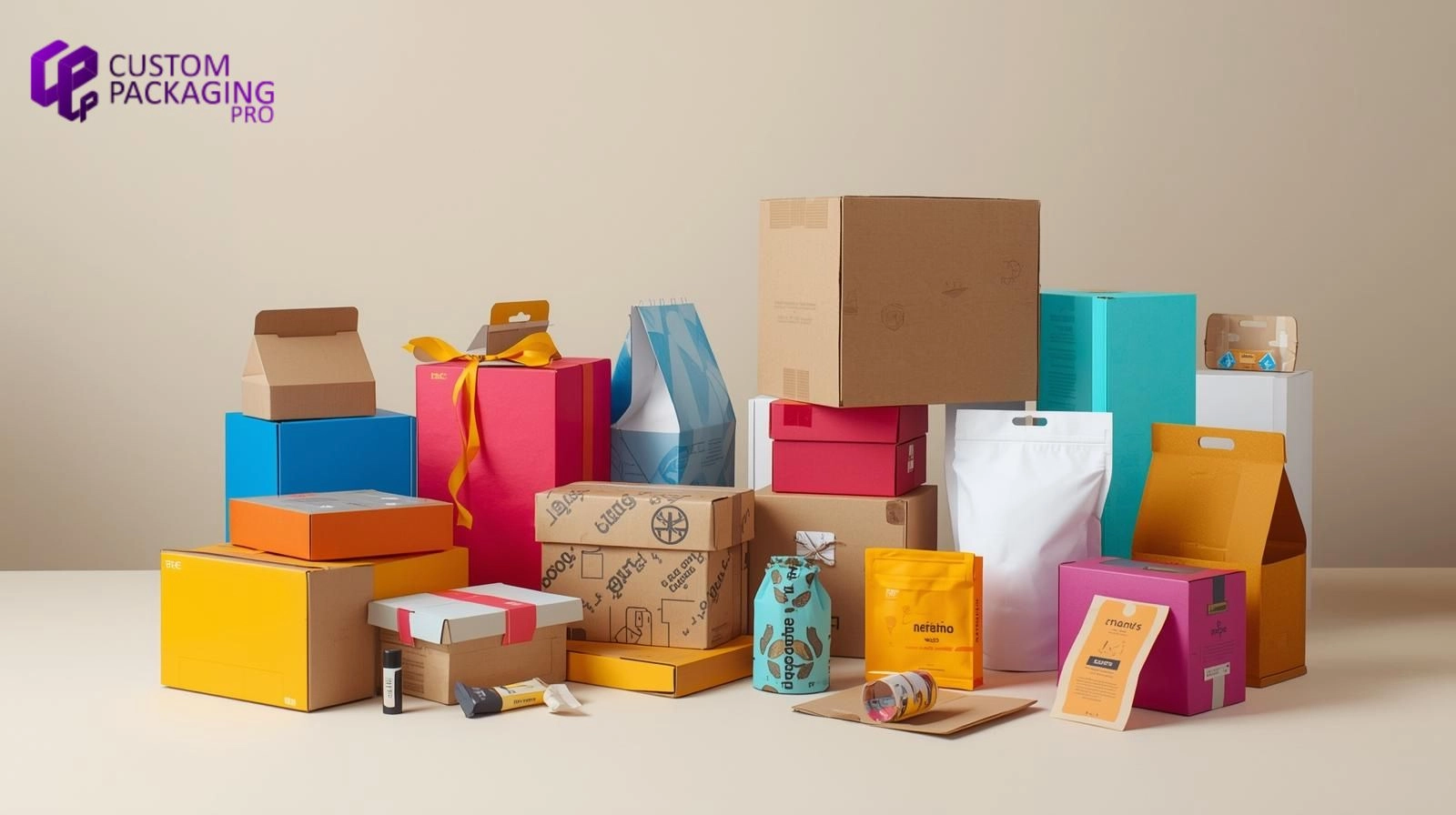
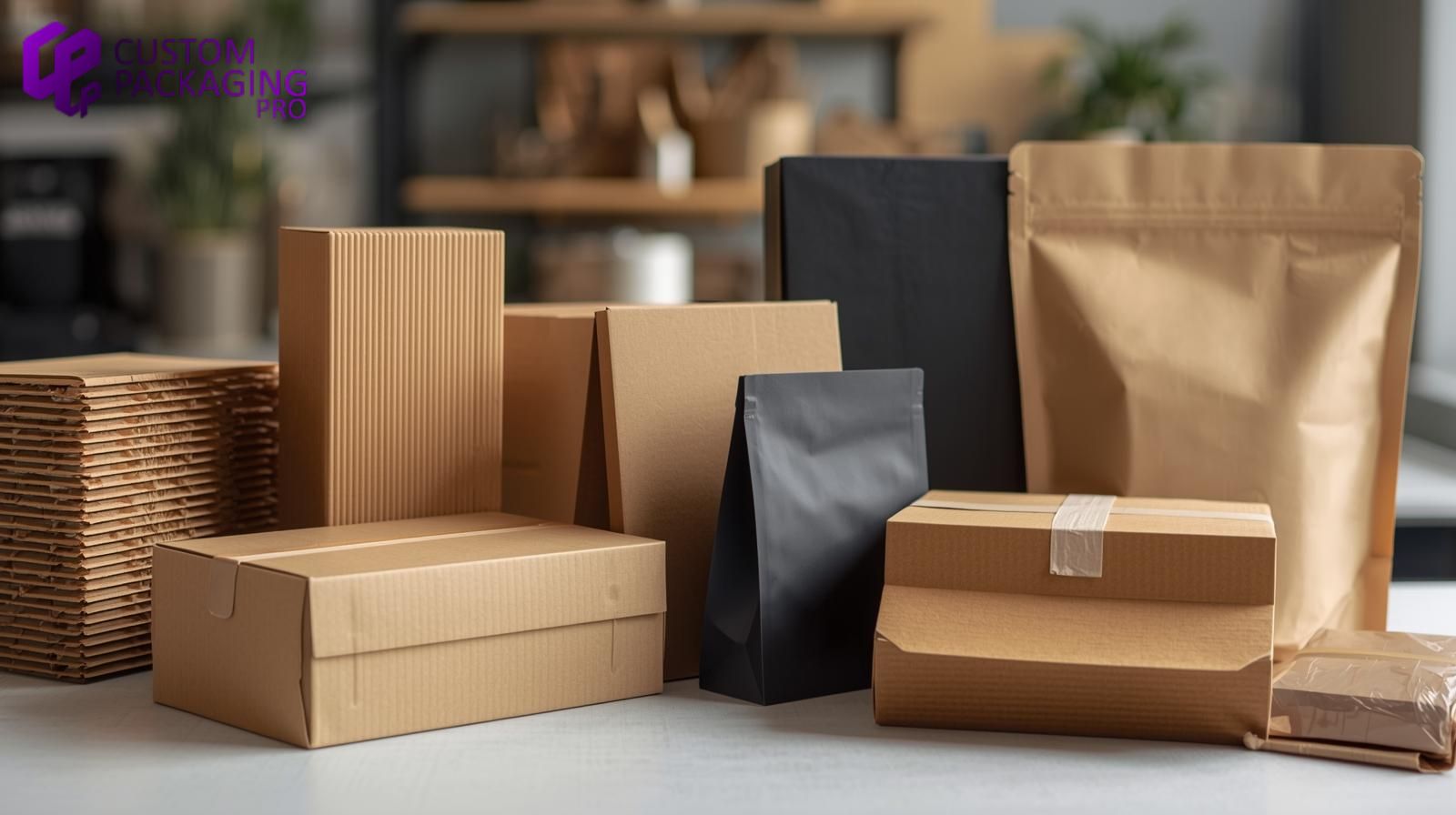
In modern business, packaging plays a far more strategic role than simply enclosing a product. Understanding the different types of packaging has become essential for brands operating in competitive markets where customer attention is limited and expectations are high. Packaging now influences how a product is protected, how efficiently it moves through the supply chain, how it is perceived on shelves or screens, and how customers emotionally connect with a brand.

As eCommerce and direct-to-consumer models continue to expand, packaging has become one of the few physical touchpoints between a brand and its audience. The right packaging can reduce damage, improve logistics, strengthen branding, and elevate the overall customer experience. This is why many businesses now view custom packaging not as an operational expense, but as a strategic investment.
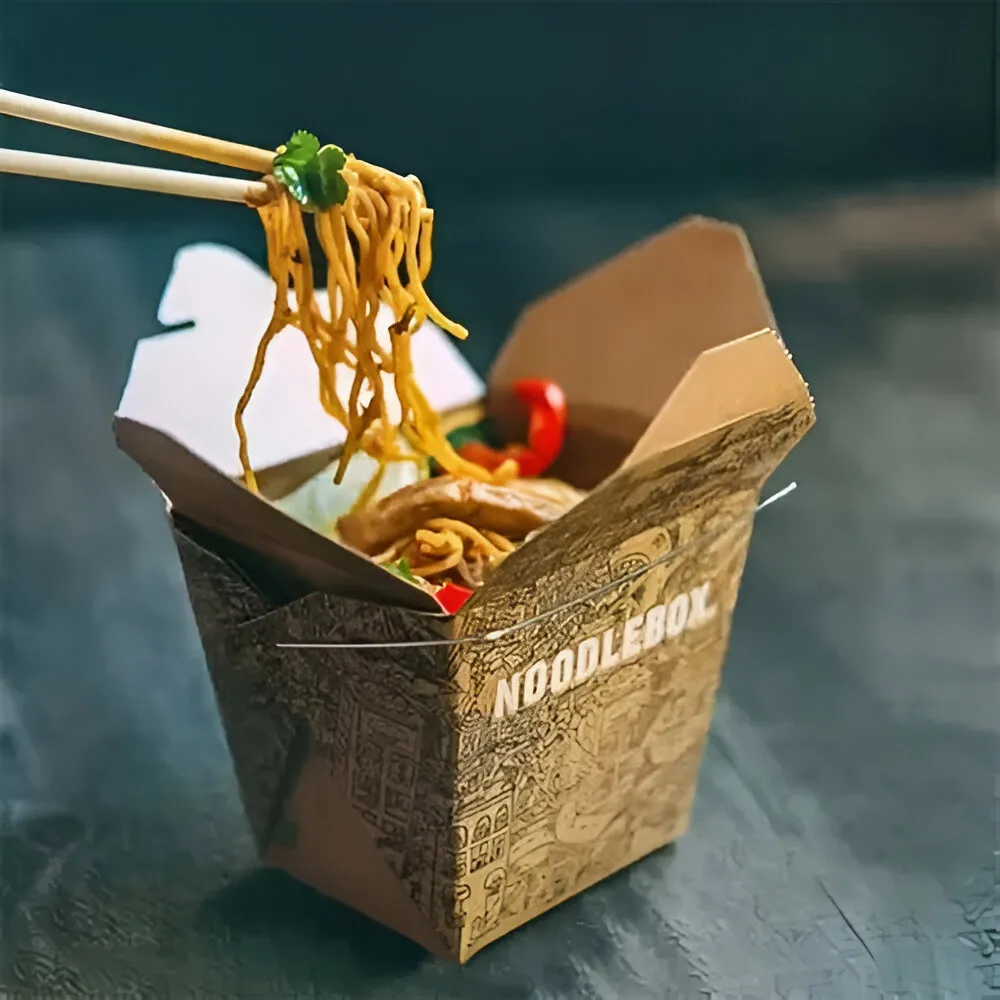
From packaging materials to packaging boxes types and fully customized packaging solutions, understanding packaging options helps businesses make smarter decisions that support growth, credibility, and long-term success.

What Is Packaging and Why Does It Matter?

Packaging as Protection, Branding, and Communication

Packaging serves multiple critical purposes in business. Its most basic function is protection. Packaging shields products from physical damage, moisture, contamination, and environmental factors during storage and transportation. Without proper protection, even high-quality products can fail to meet customer expectations.

Beyond protection, packaging plays a vital branding role. Visual elements such as color, typography, structure, and logo placement turn packaging into a storytelling tool. Custom boxes with logo designs communicate brand identity instantly and consistently across all touchpoints.

Packaging also communicates trust. Customers subconsciously judge product quality based on packaging. Professional packaging signals reliability, care, and legitimacy, while poor packaging raises doubts and reduces confidence.

The Evolution of Packaging in Modern Commerce

Packaging has evolved from simple containers to carefully engineered brand assets. Historically, packaging focused on function alone. Today, it must balance protection, aesthetics, sustainability, and marketing impact.

The rise of eCommerce and DTC brands has accelerated this evolution. Packaging now needs to perform well during shipping, photograph well for online platforms, and create memorable unboxing experiences. As a result, custom packaging for business has become a core part of brand strategy rather than a backend decision.

Main Types of Packaging Based on Function

Primary Packaging – The First Customer Touchpoint

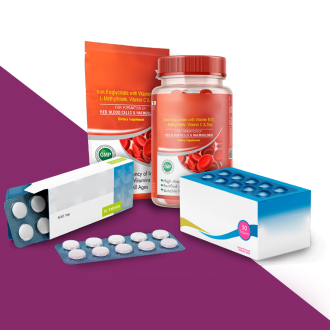
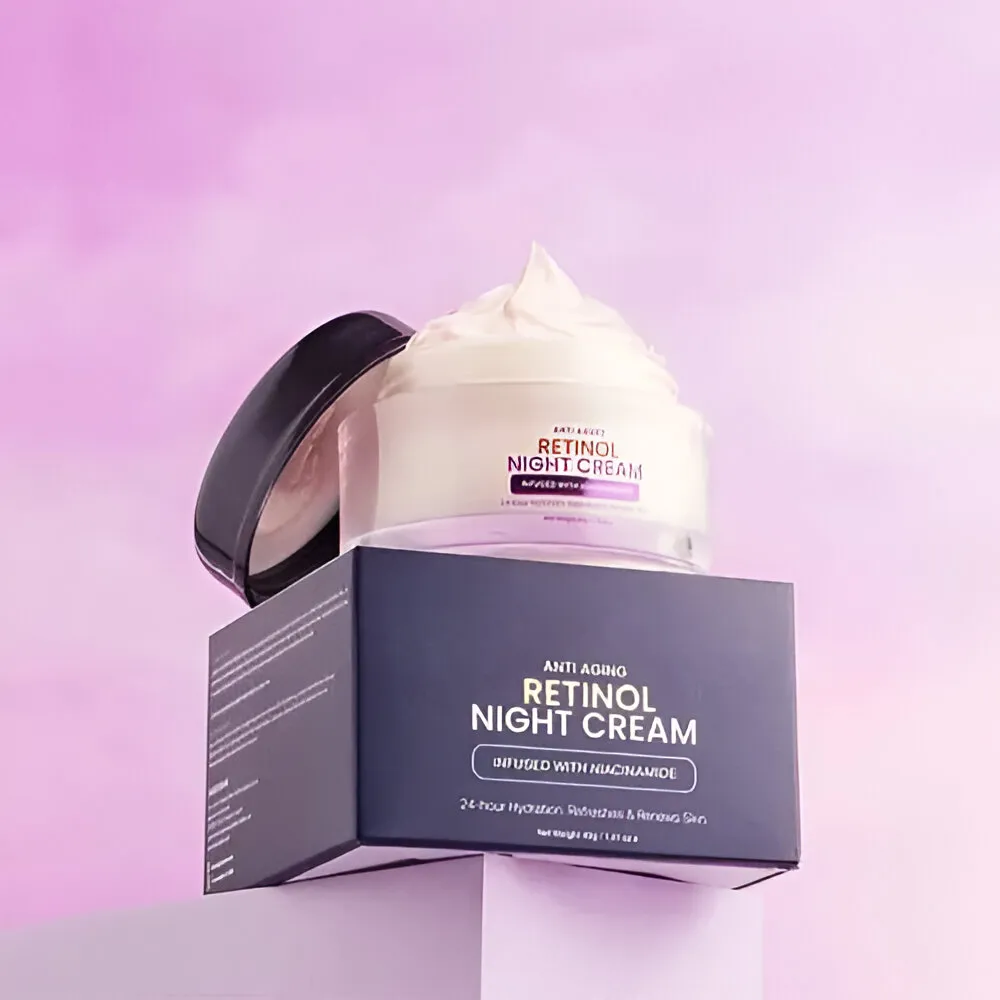
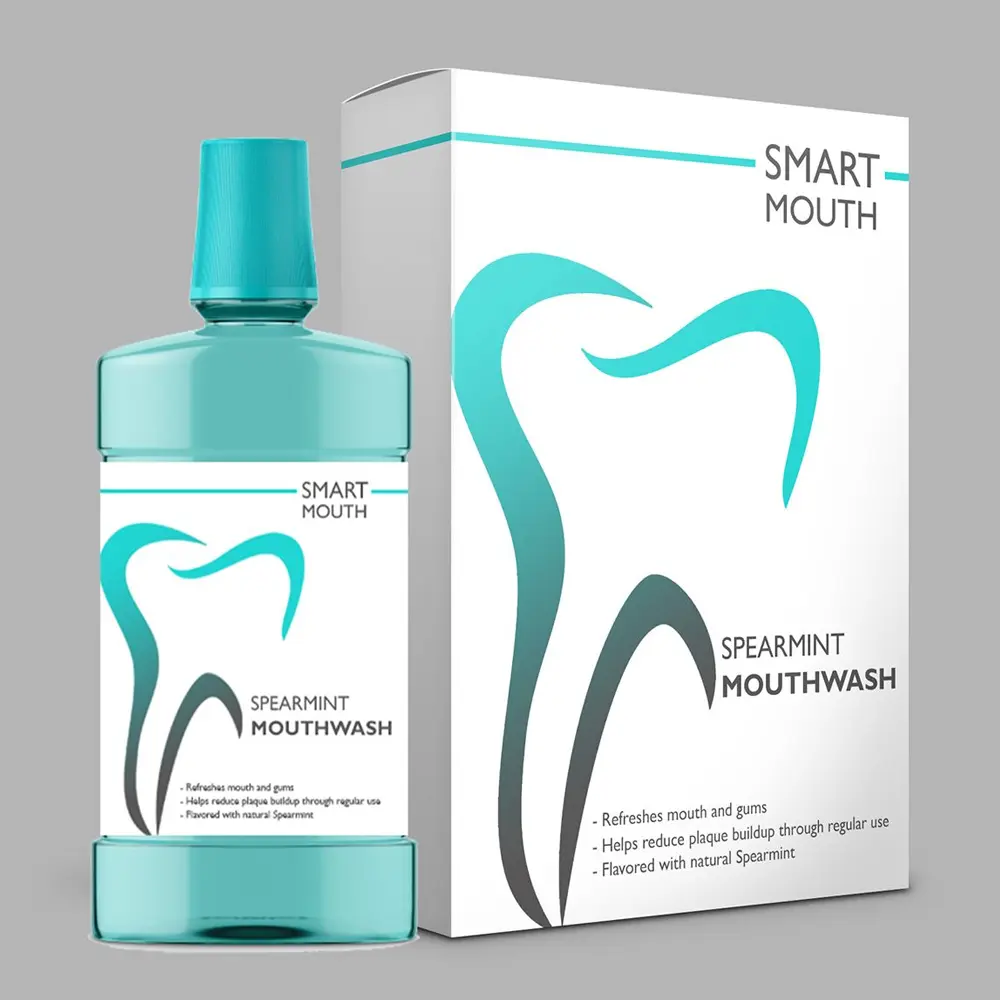
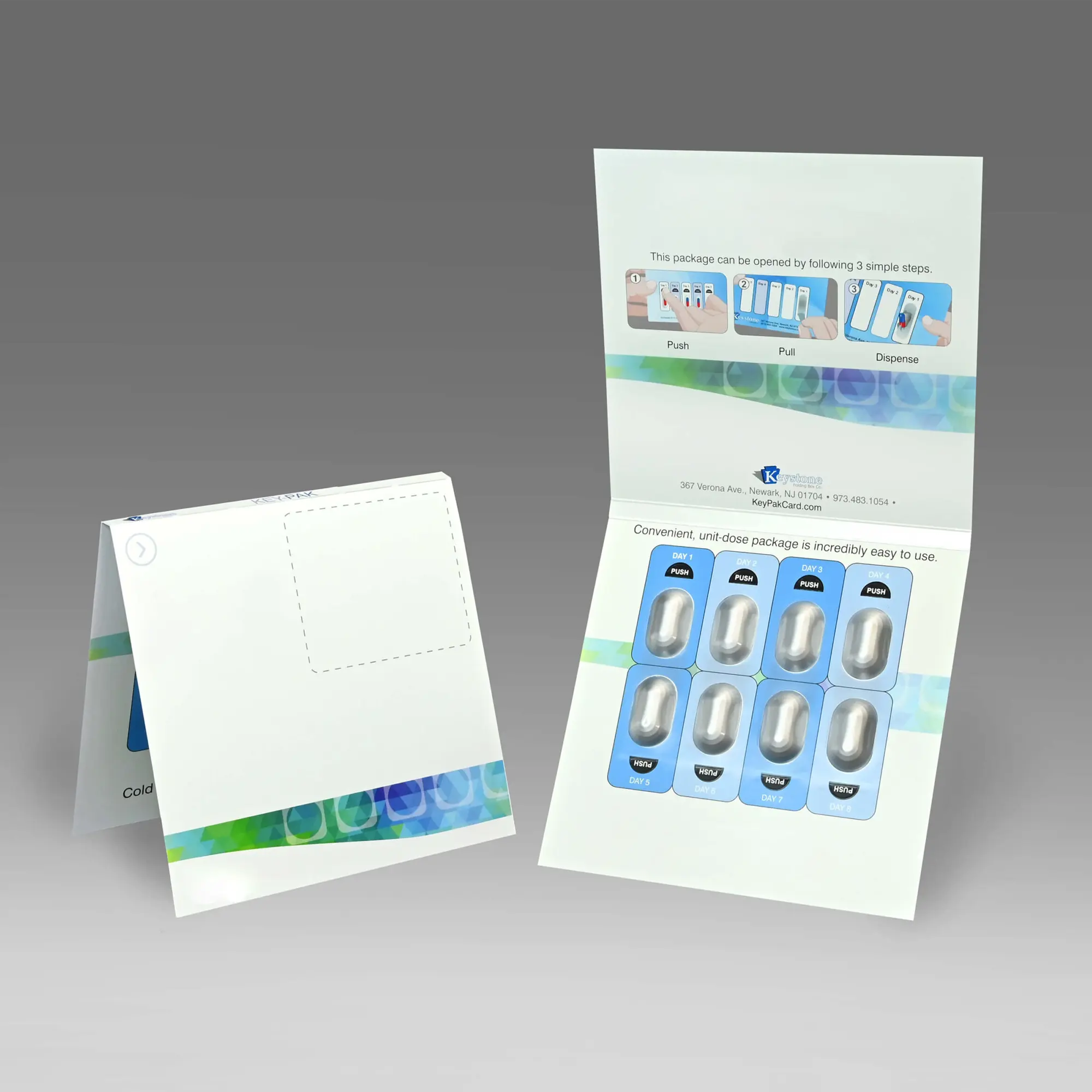
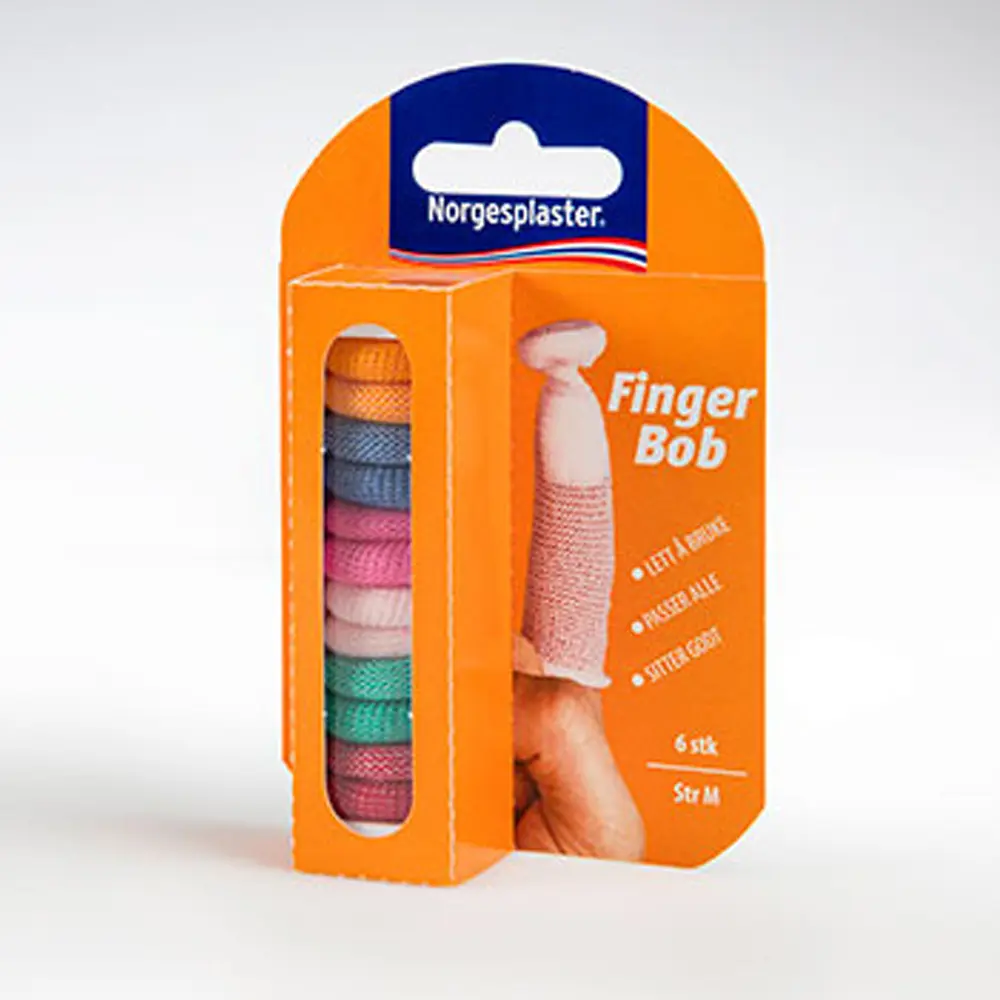
Primary packaging is the layer that comes into direct contact with the product. This includes bottles, jars, wrappers, tubes, or inner boxes. It plays a crucial role in product safety, usability, and first impressions.

This packaging must protect the product while clearly displaying essential information such as ingredients, usage instructions, and compliance details. In industries like cosmetics, food, wellness, and pharmaceuticals, primary packaging strongly influences trust and perceived quality.

Secondary Packaging – Branding and Grouping

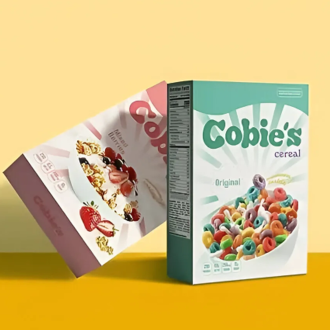
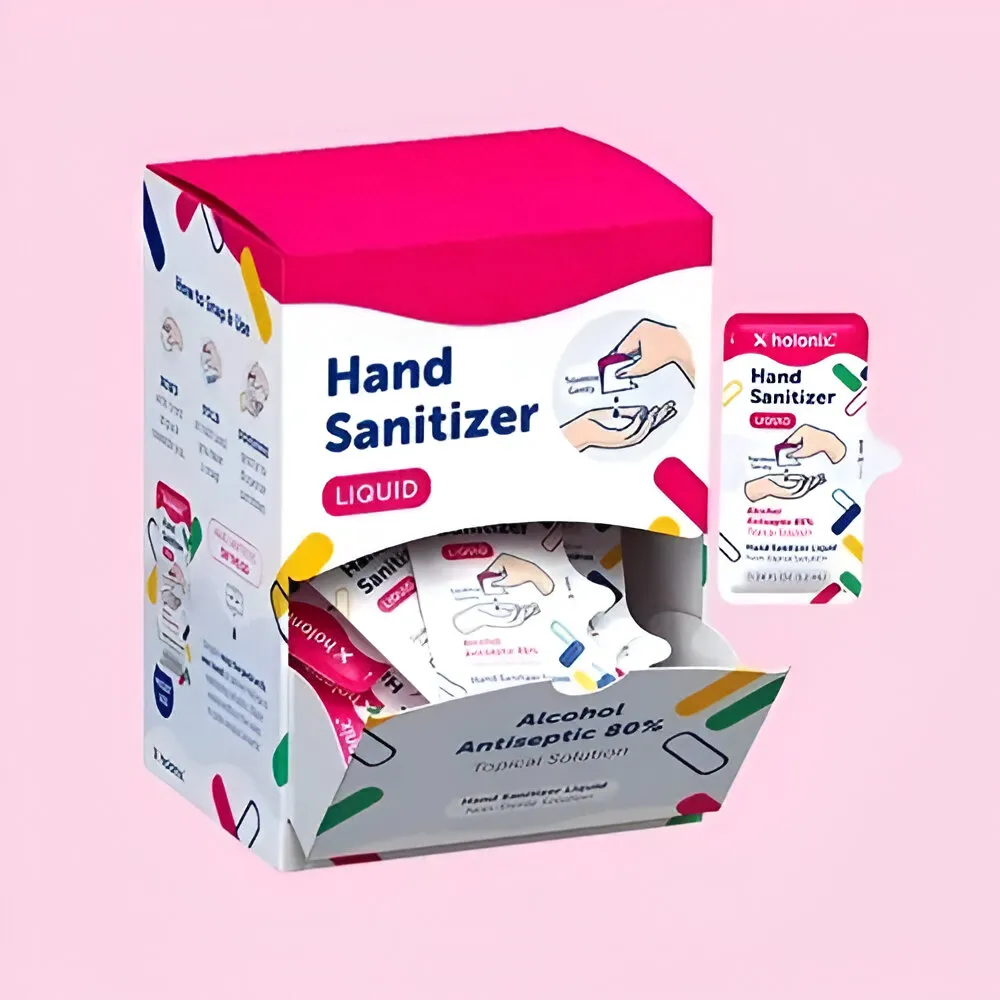
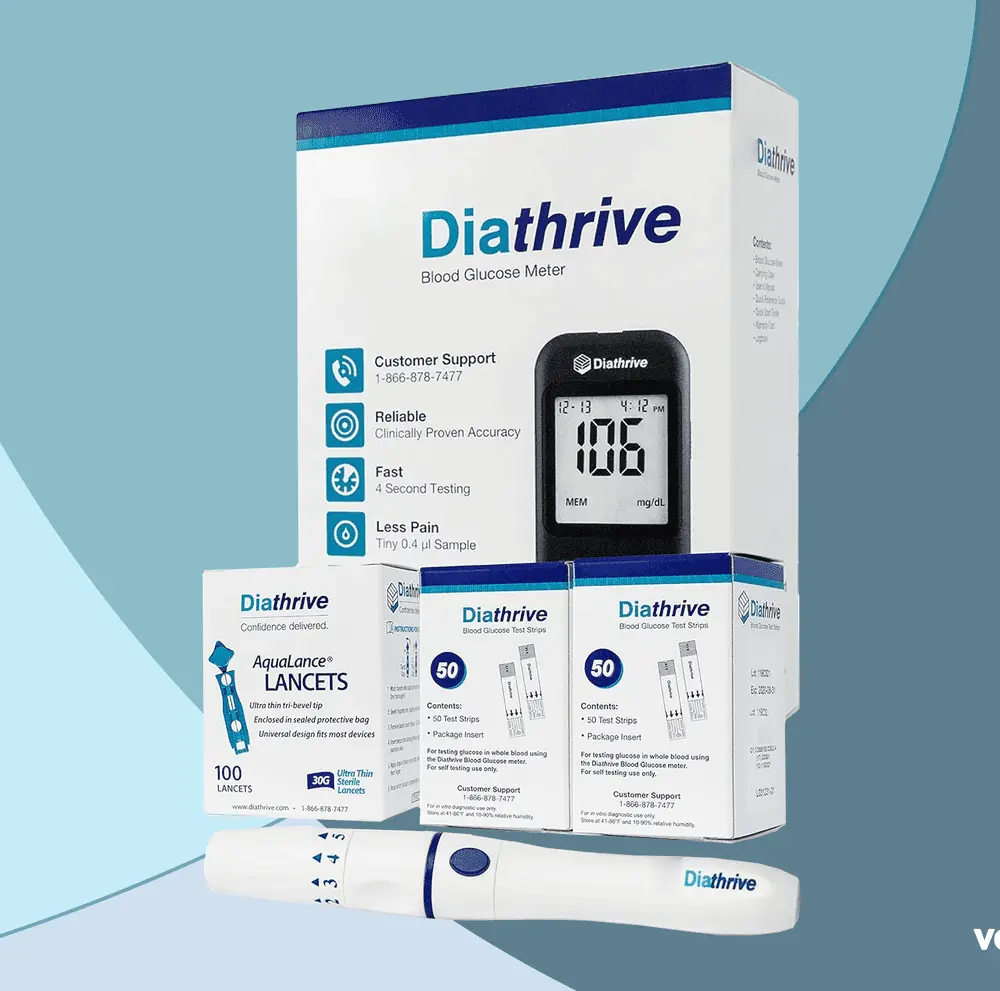
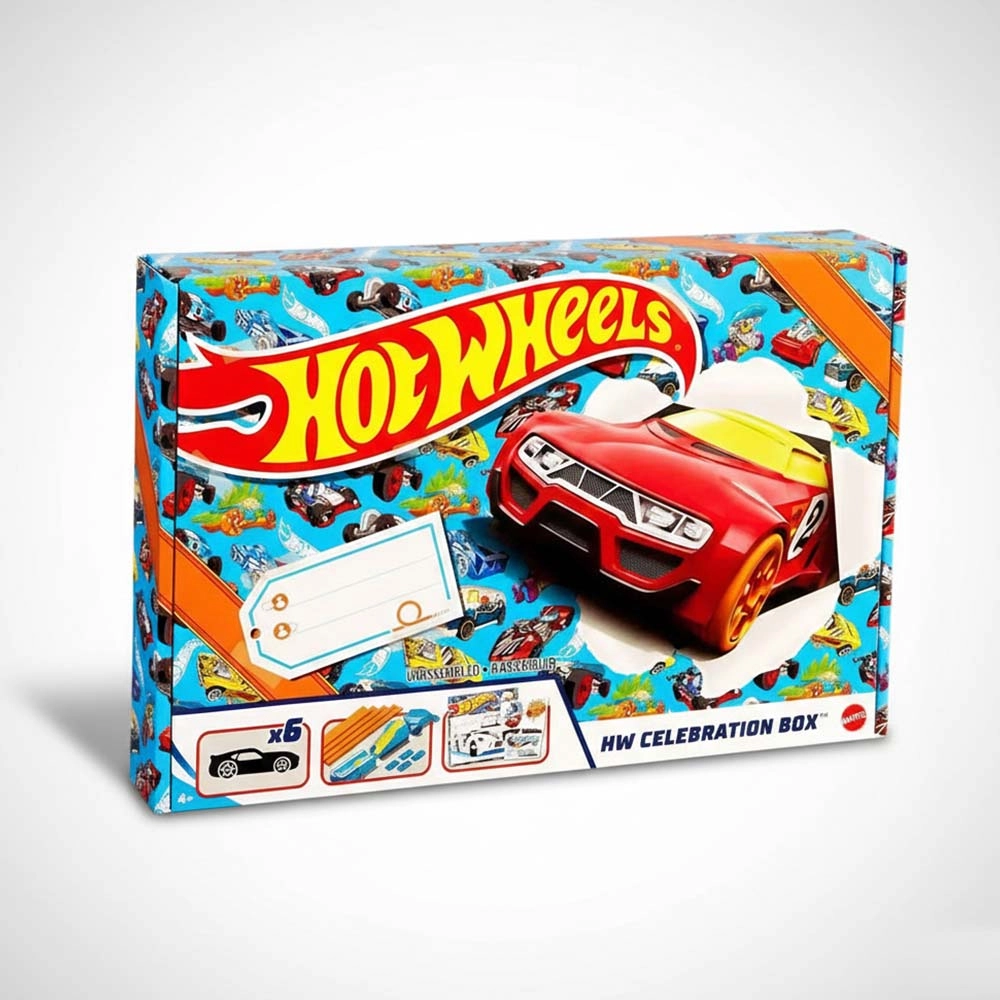
Secondary packaging groups one or more primary packages together. It is often the most visible branding layer, especially in retail and eCommerce.

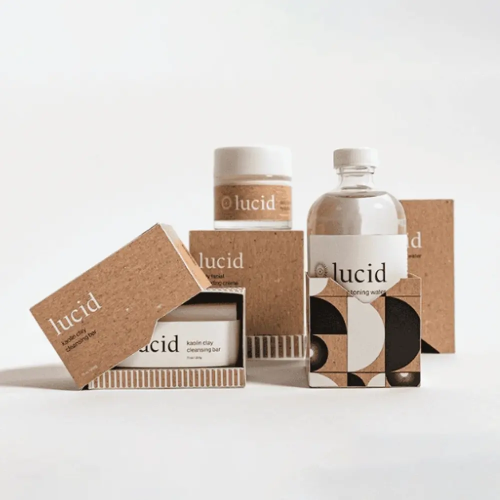
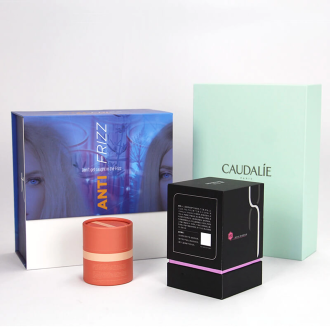
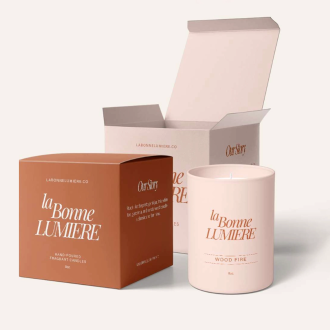
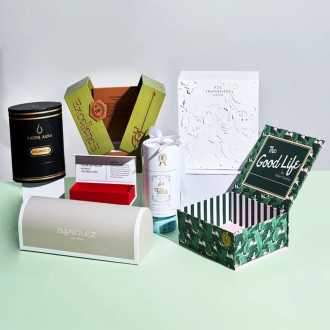
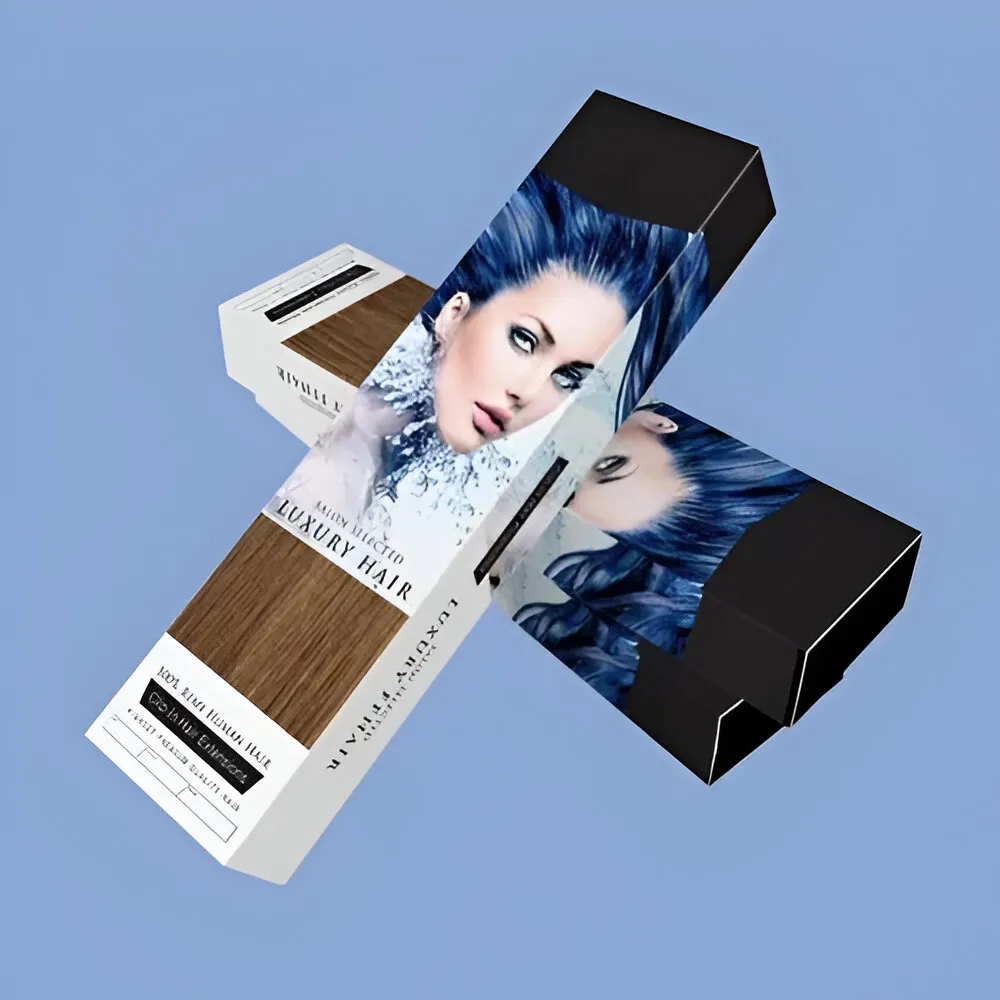
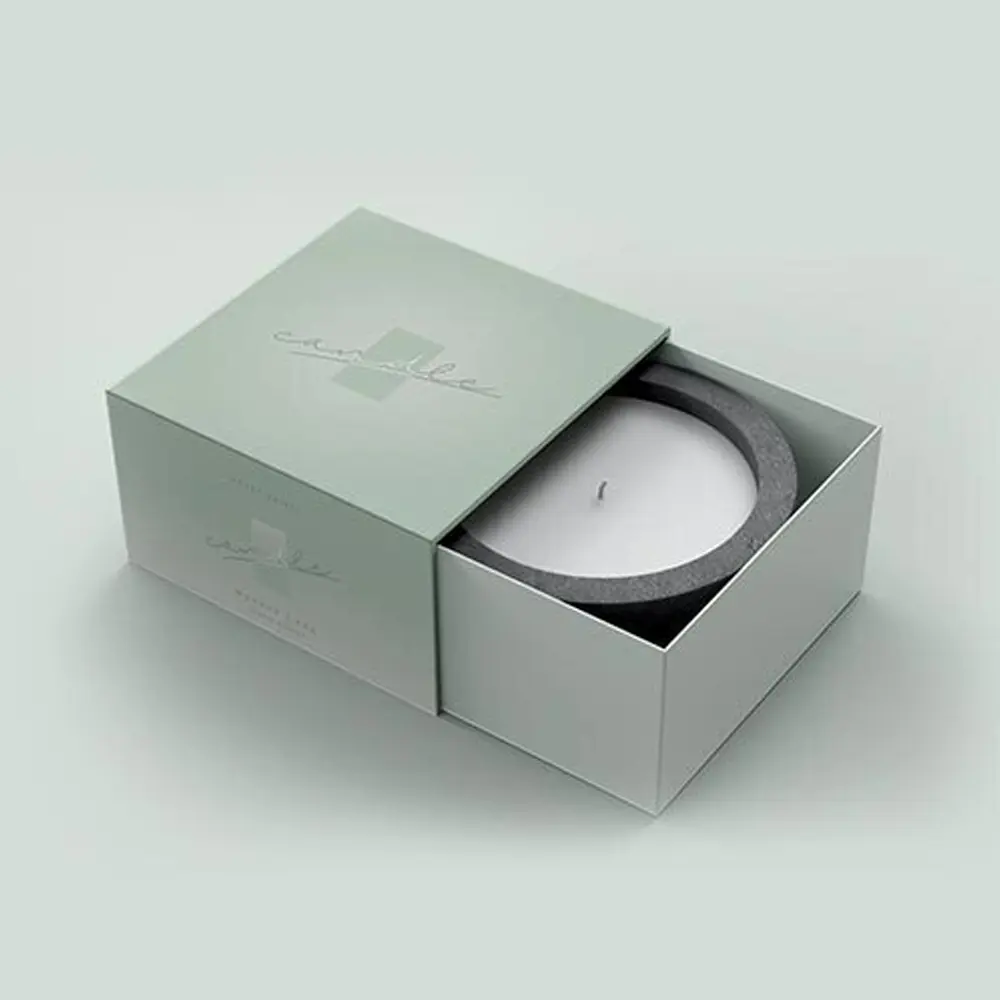
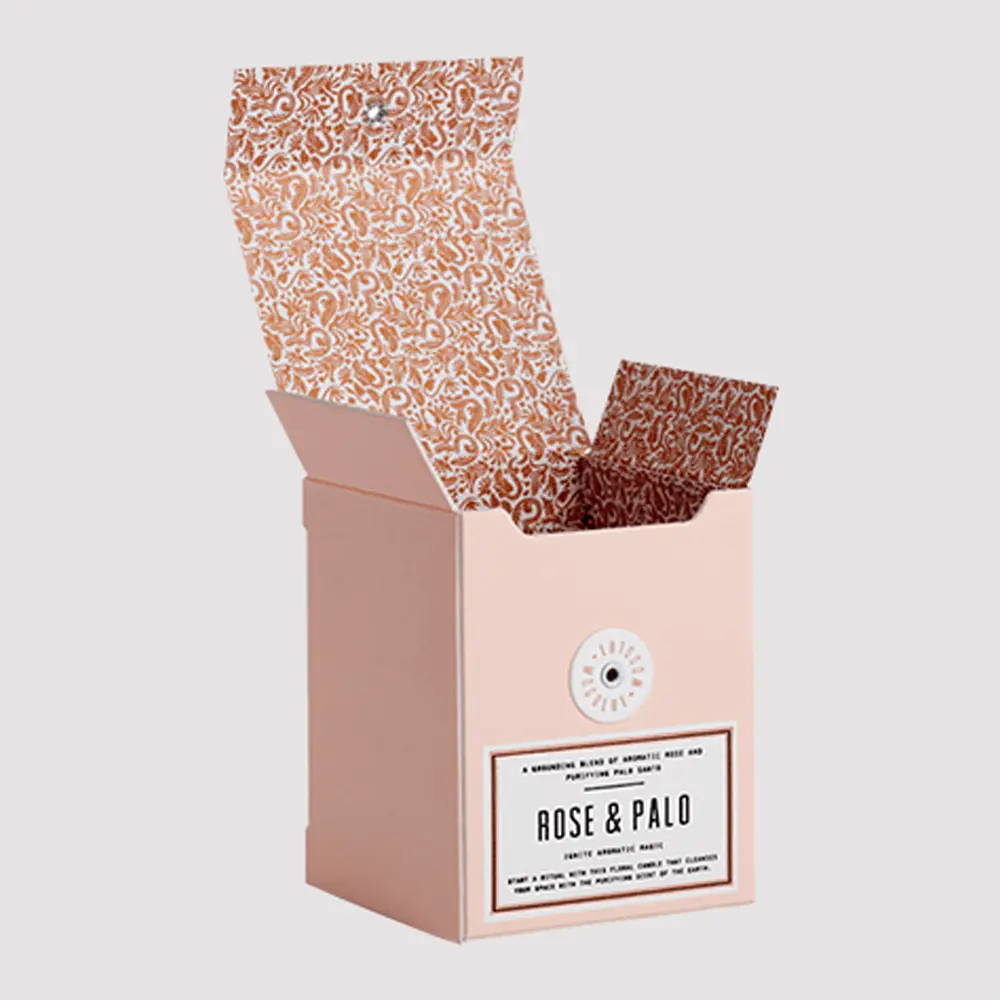
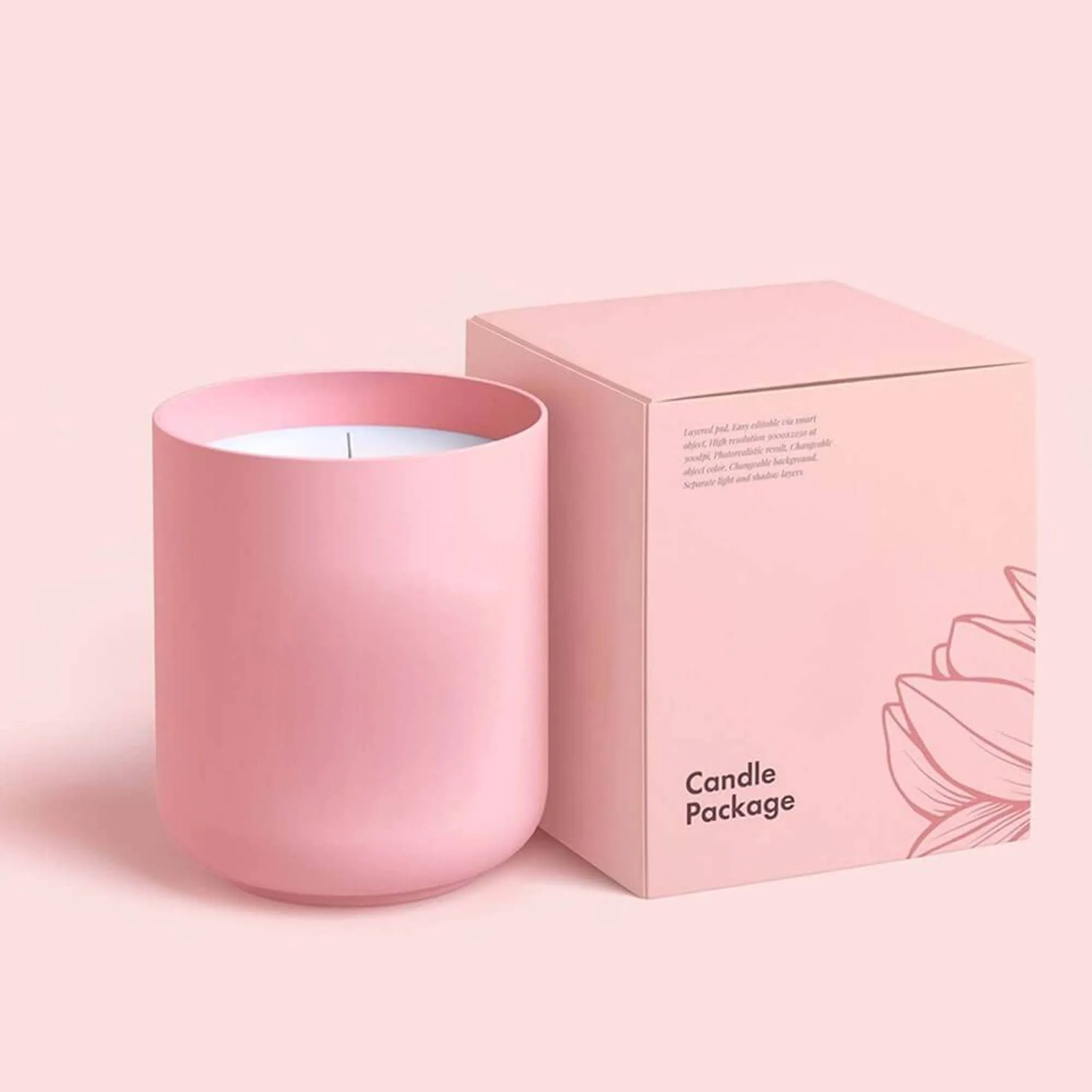
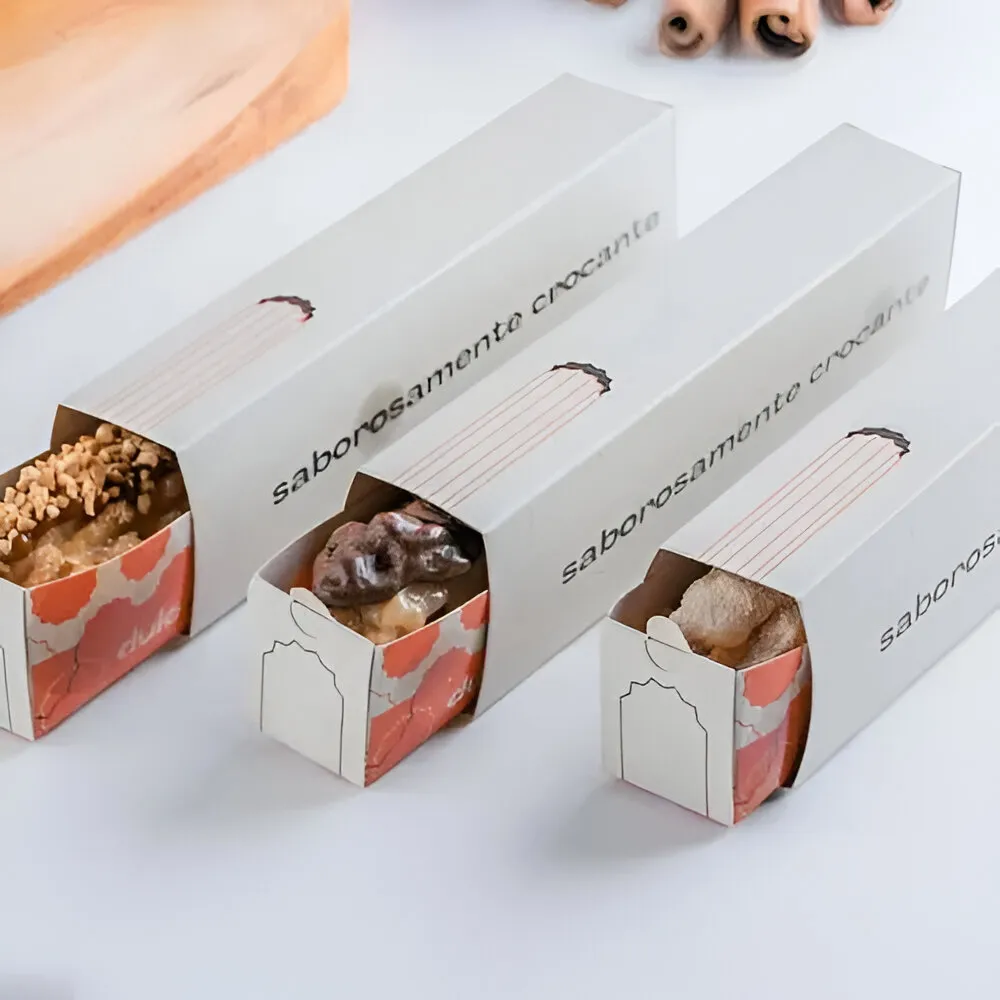
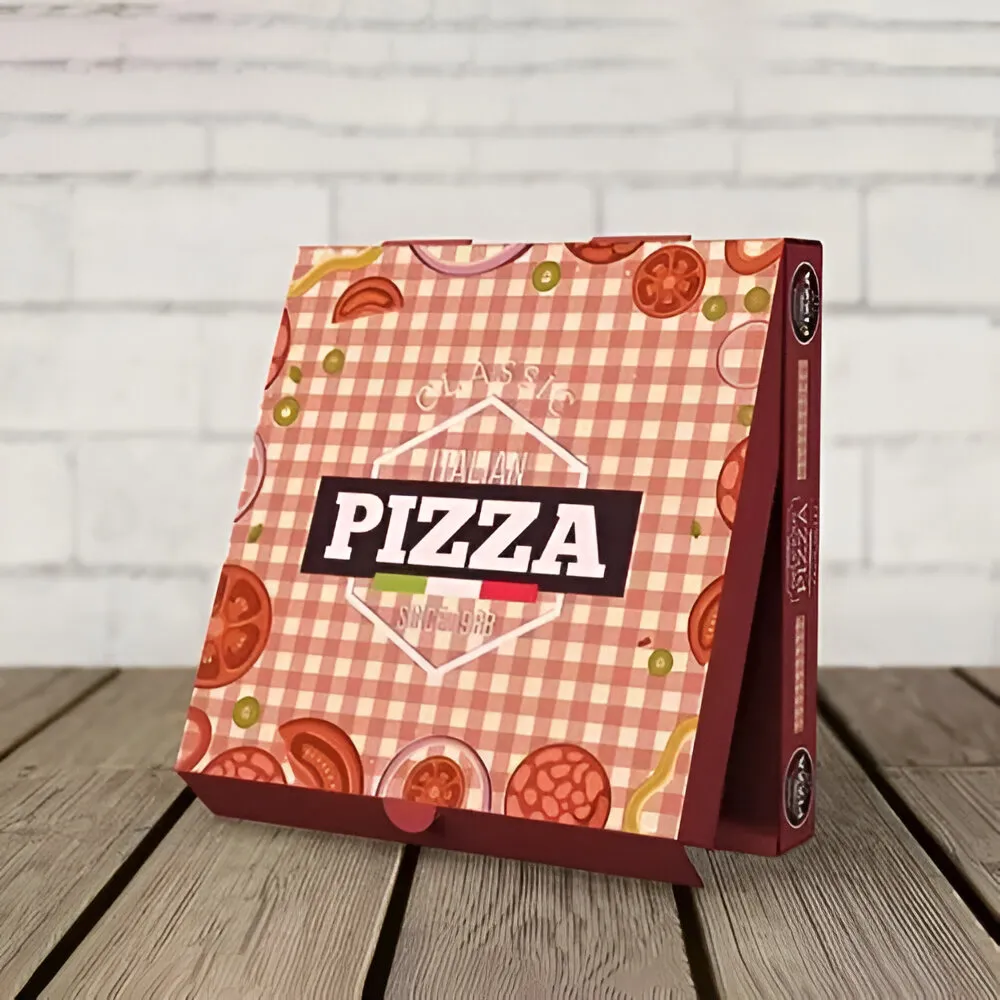
Custom packaging boxes used for shelf display or online orders fall into this category. This layer supports marketing, enhances visual appeal, and reinforces brand identity. Custom printed boxes and personalized packaging boxes are commonly used here to create differentiation and recognition.

Tertiary Packaging – Storage and Transportation

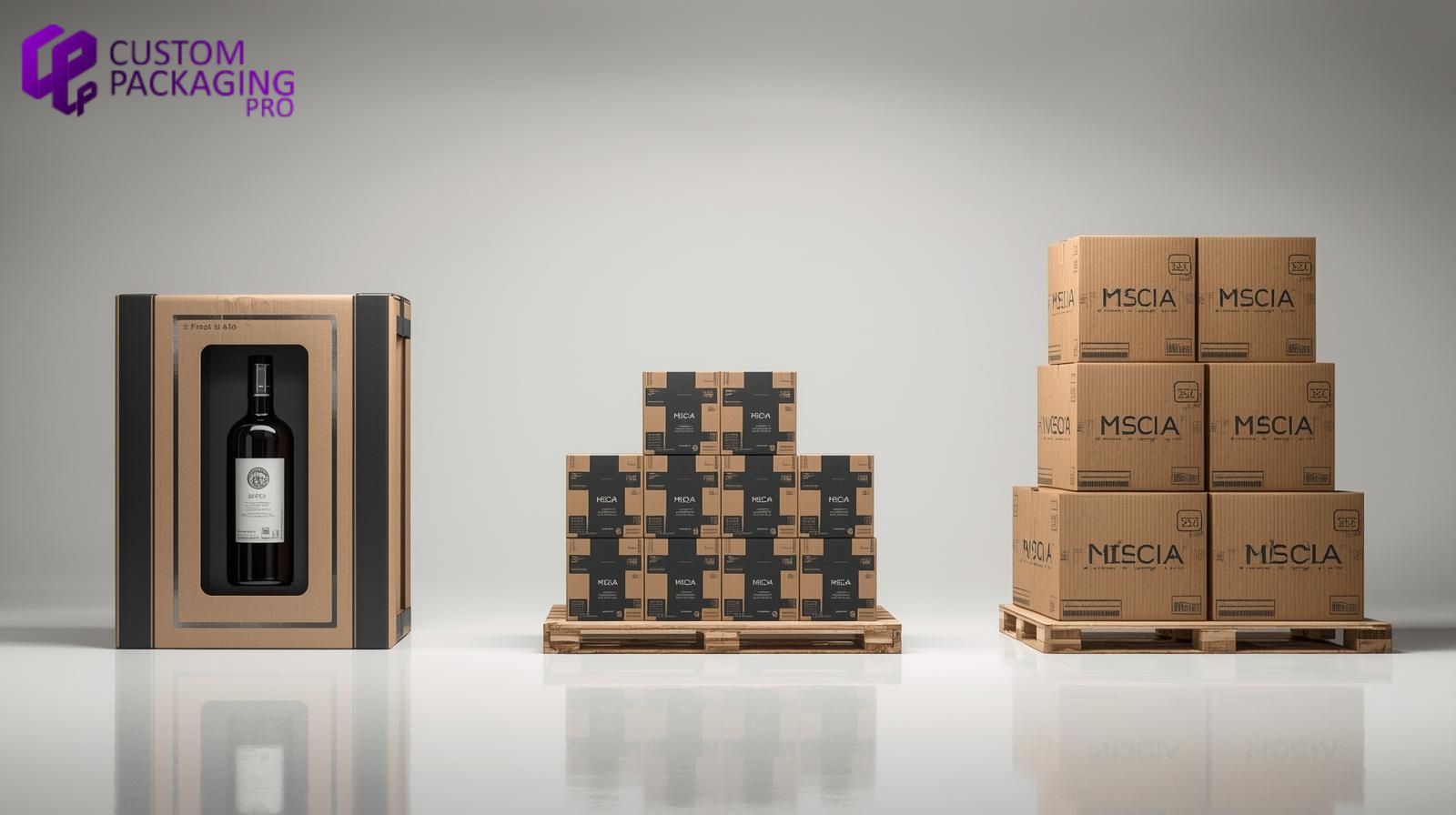
Tertiary packaging is designed for logistics and bulk handling. It includes shipping cartons, pallets, and protective materials used during storage and transportation.

Although customers rarely see this packaging, it plays a major role in reducing damage, improving efficiency, and controlling costs. Well-designed tertiary packaging supports smoother supply chain operations and fewer returns.

Types of Packaging Based on Materials

Paperboard and Cardboard Packaging

Paperboard and cardboard are among the most commonly used packaging materials. They are lightweight, versatile, and easy to customize.

These materials support high-quality printing, making them ideal for custom packaging boxes and customized packaging designs. Their recyclability and eco-friendly appeal also align with sustainability goals, making them popular across industries.

Corrugated Packaging

Corrugated packaging is known for its strength and durability. Its layered structure provides excellent cushioning and shock resistance.

This material is widely used for shipping boxes and heavy-duty packaging. Many custom boxes wholesale solutions rely on corrugated packaging to ensure safe delivery and scalability for growing businesses.
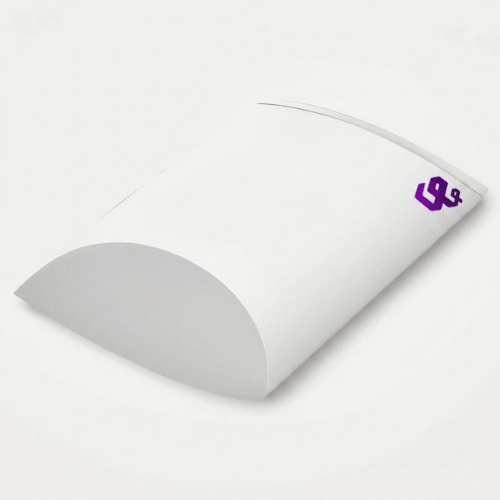
Rigid Packaging

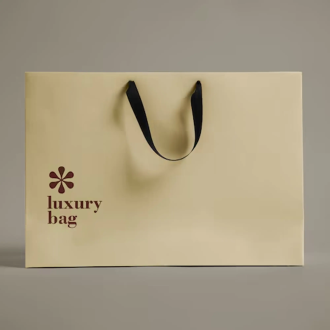
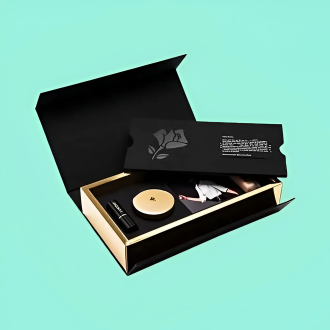
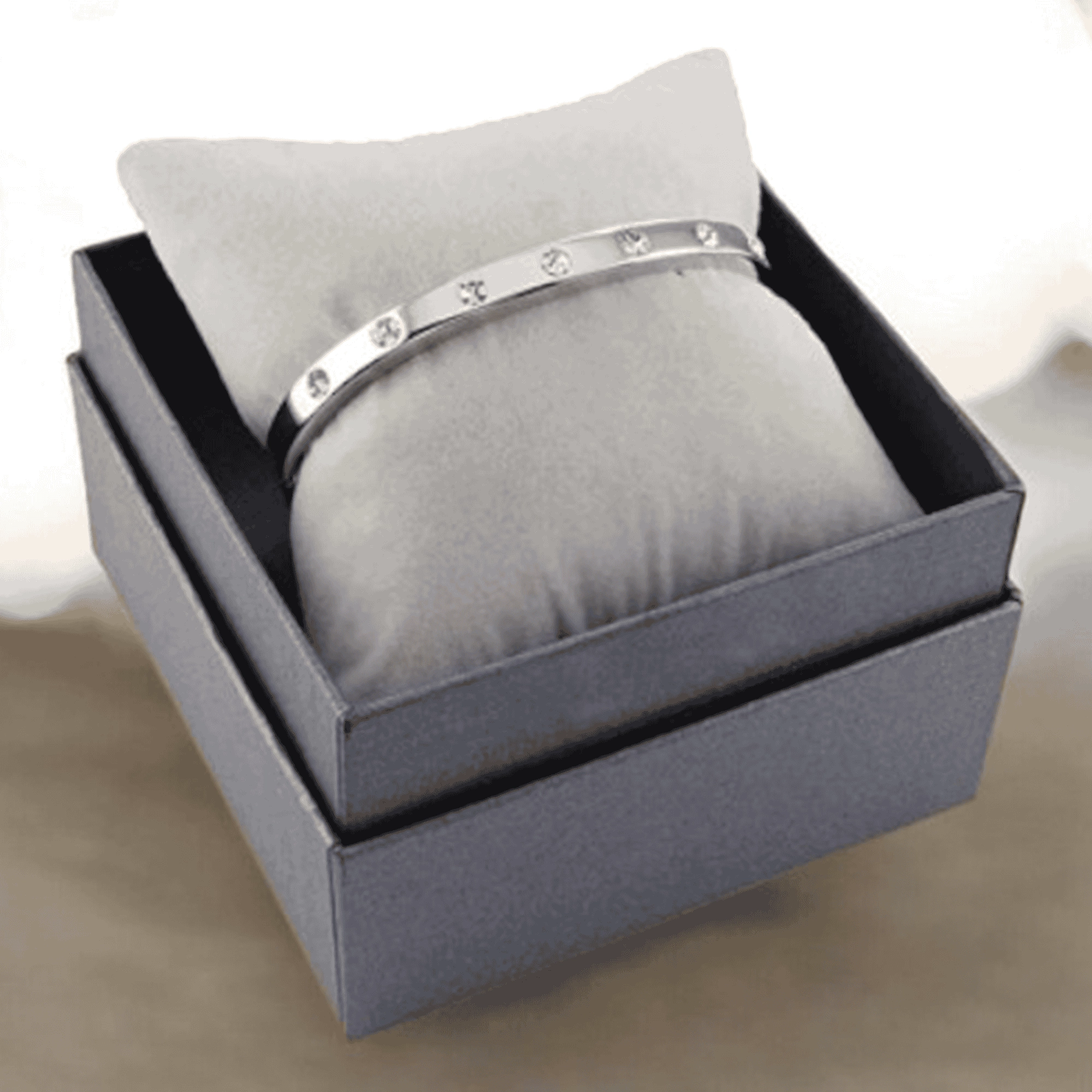
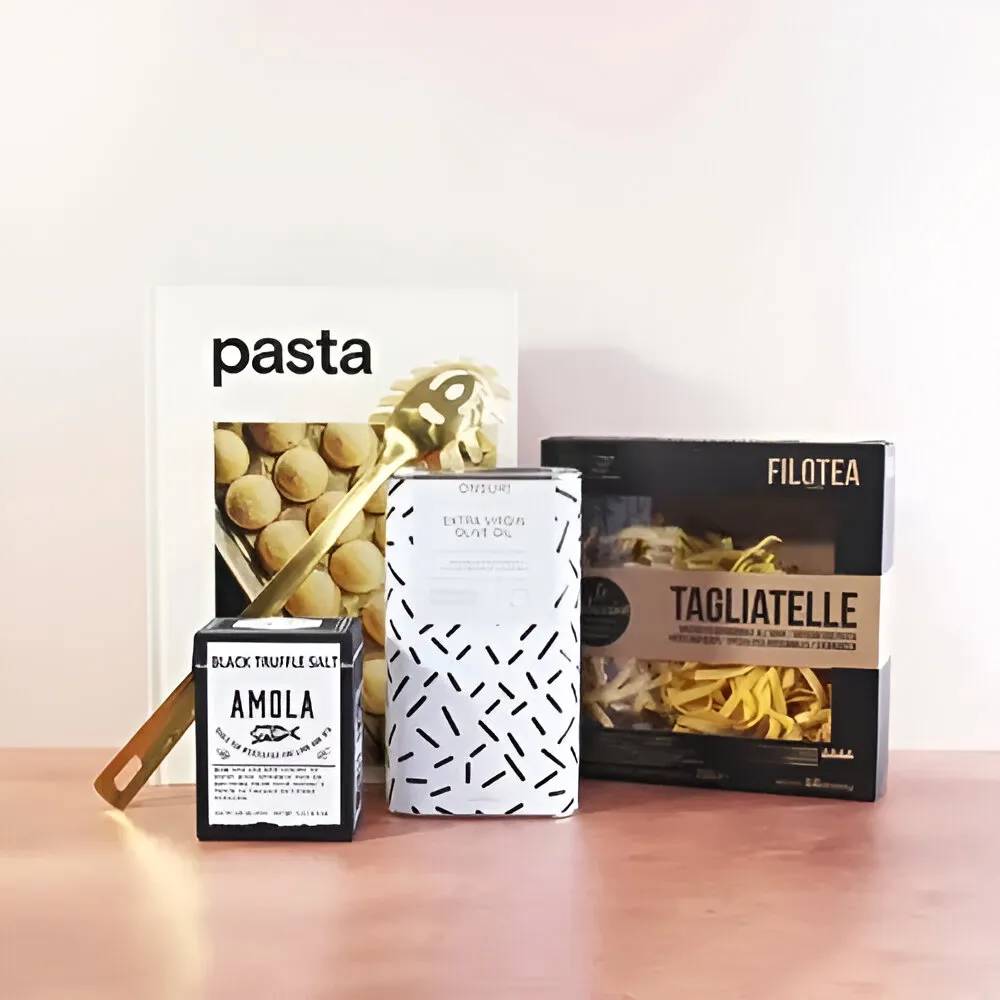
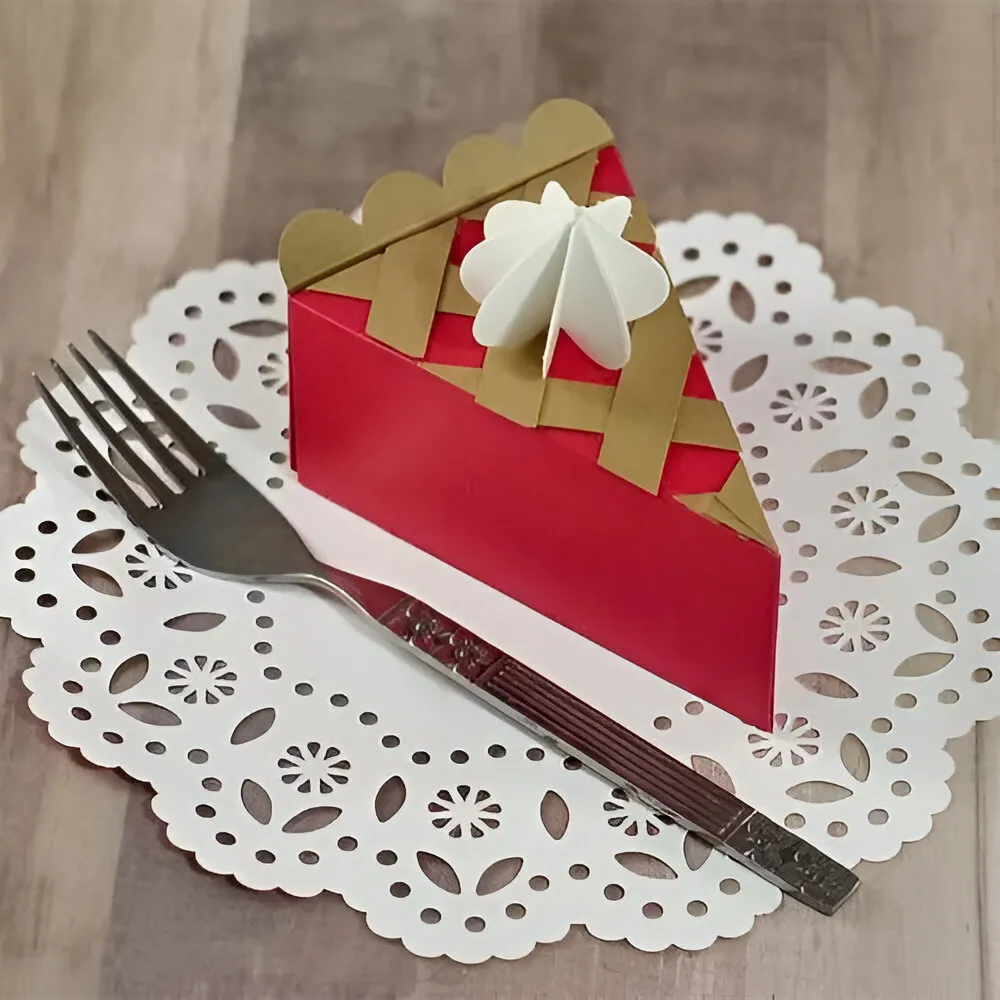
Rigid packaging offers a premium look and feel. It is typically used for luxury products, electronics, gift items, and high-end cosmetics.

Because of its sturdy construction and refined presentation, rigid packaging enhances perceived value and supports premium pricing strategies.

Flexible Packaging

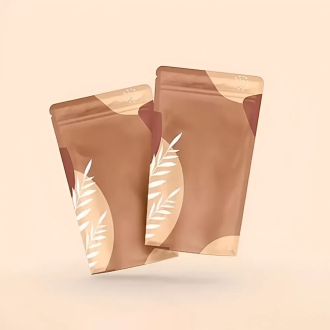
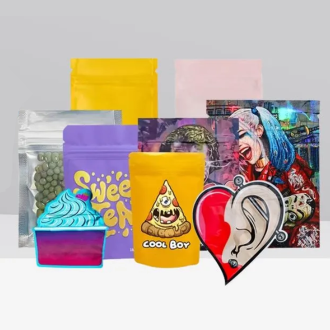
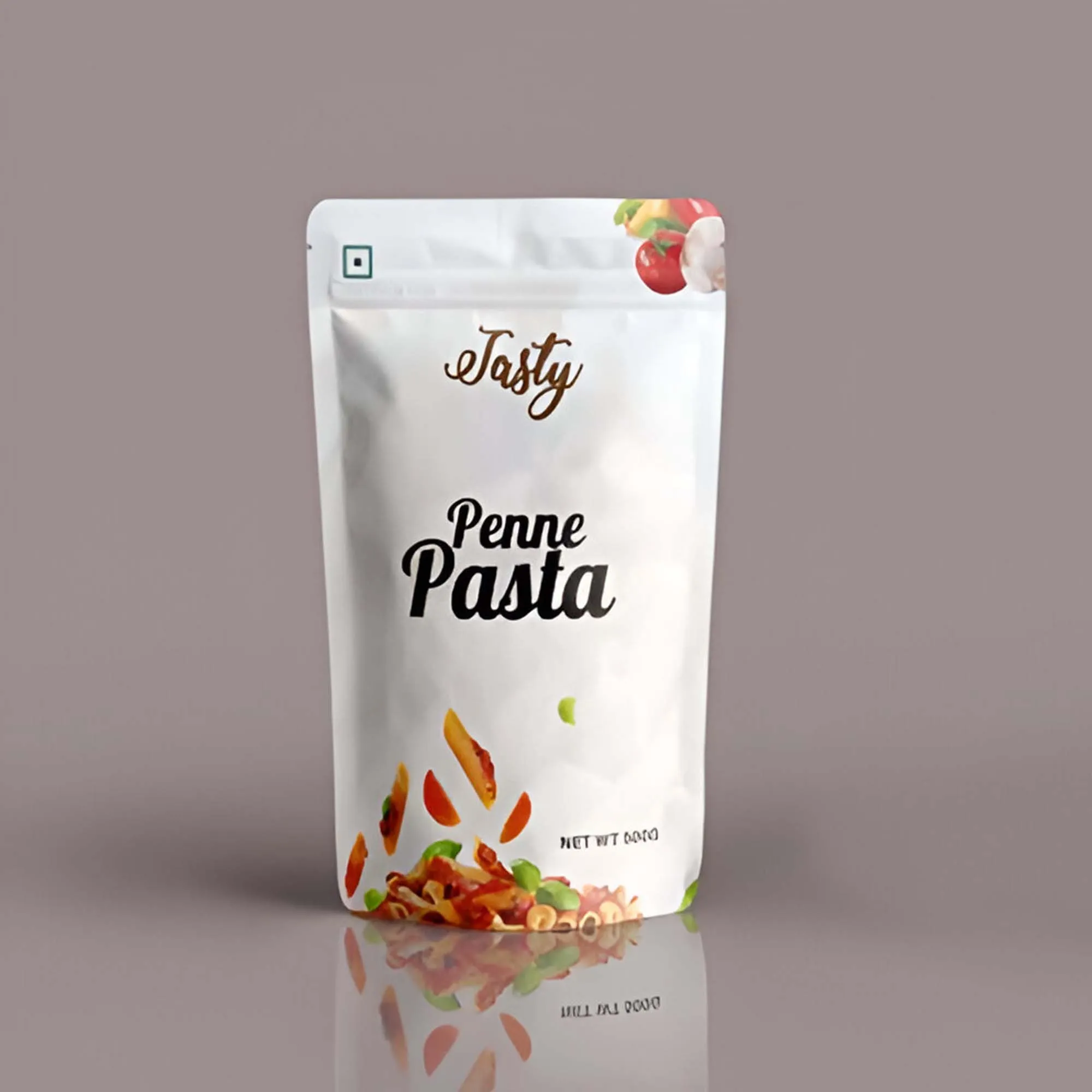
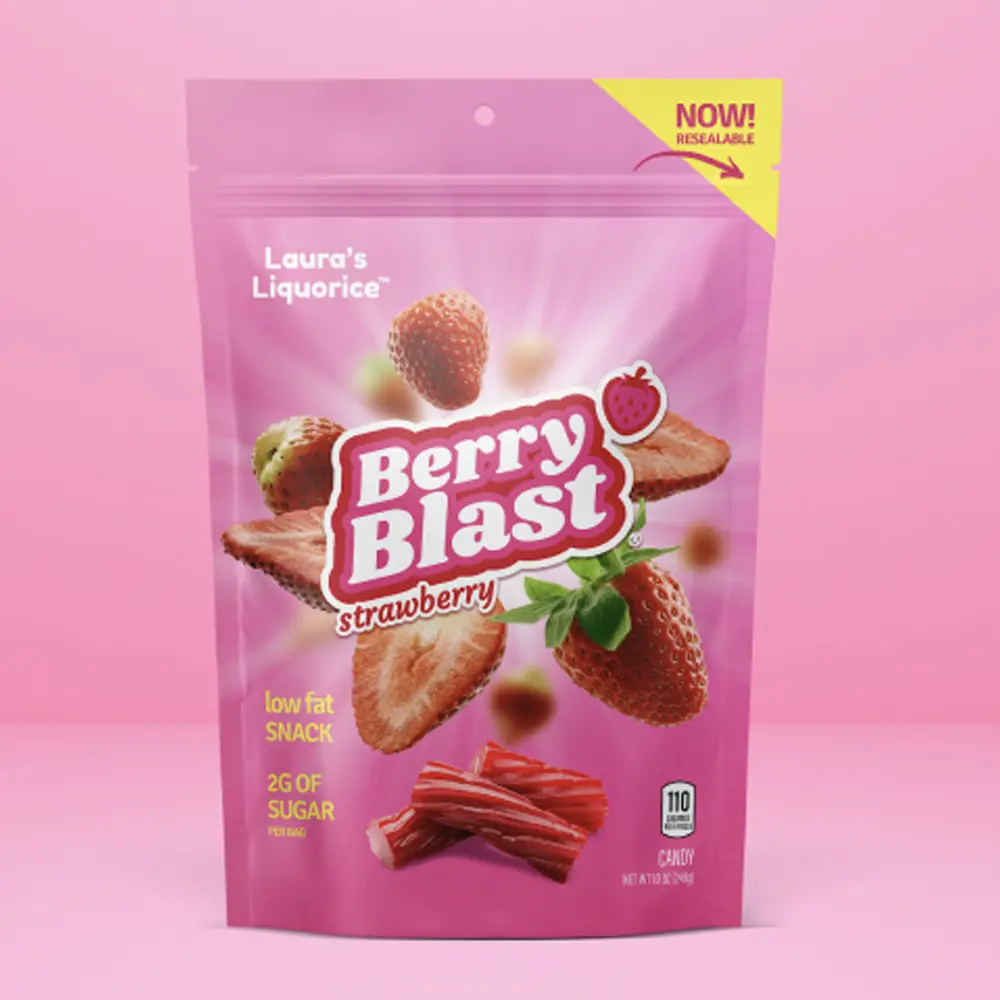
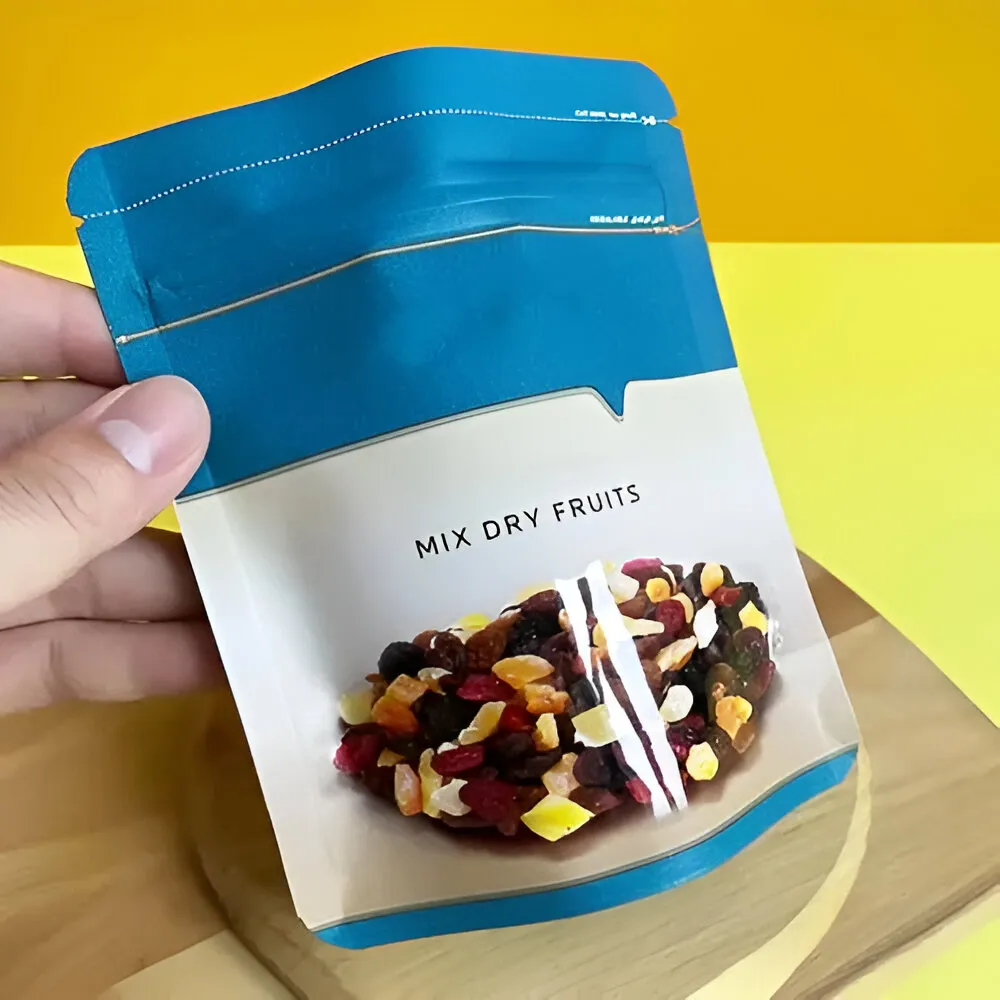
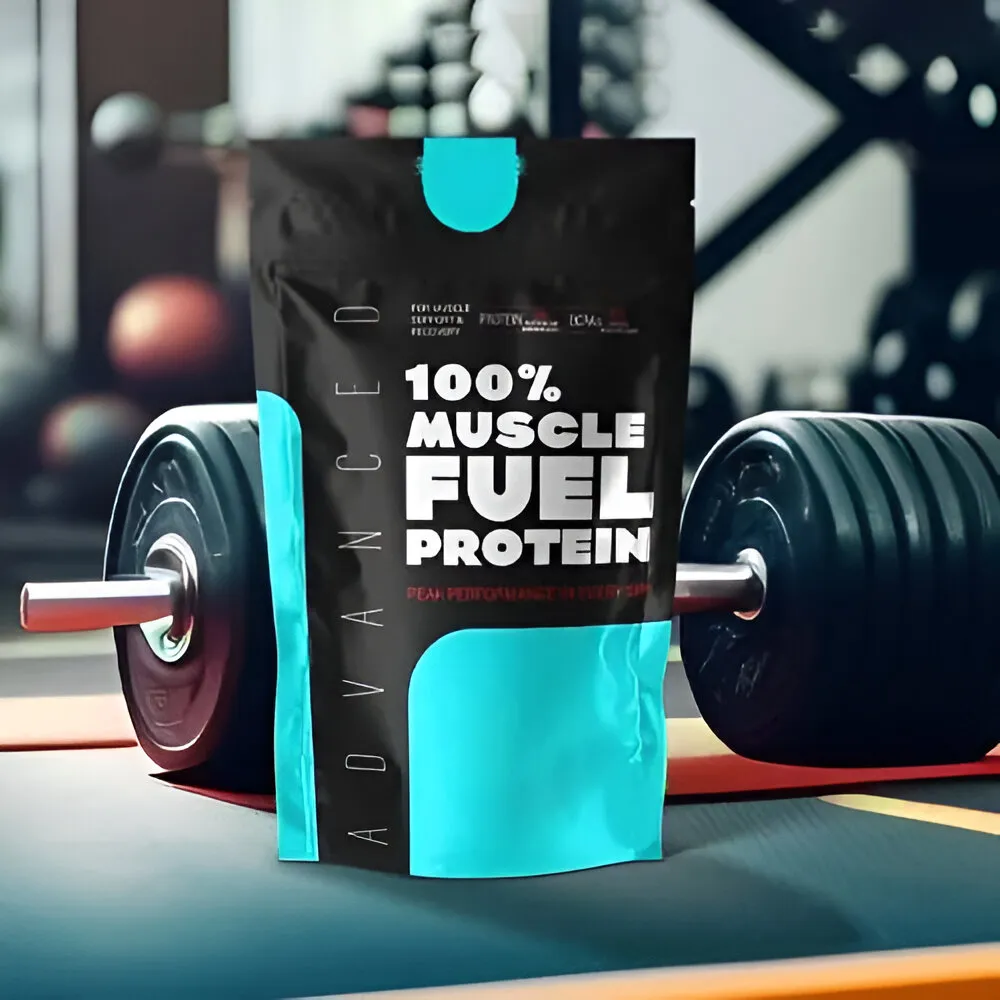
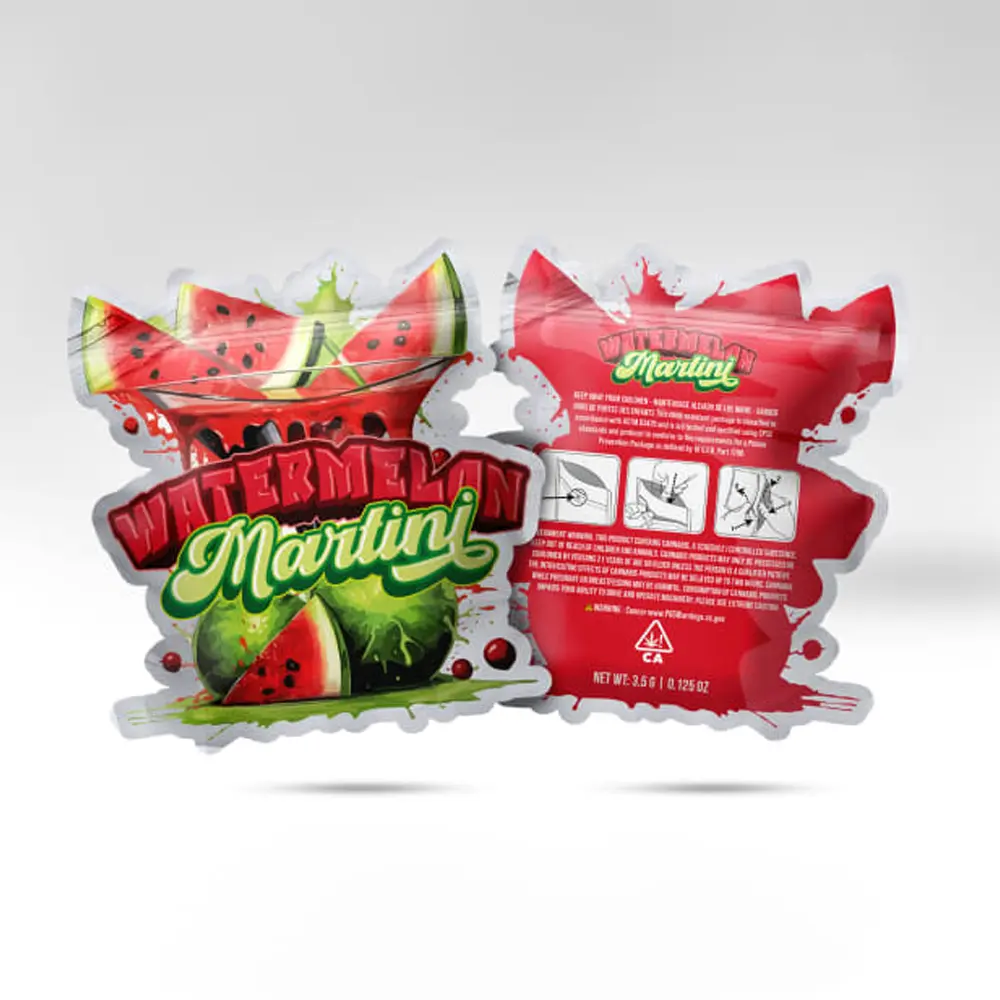
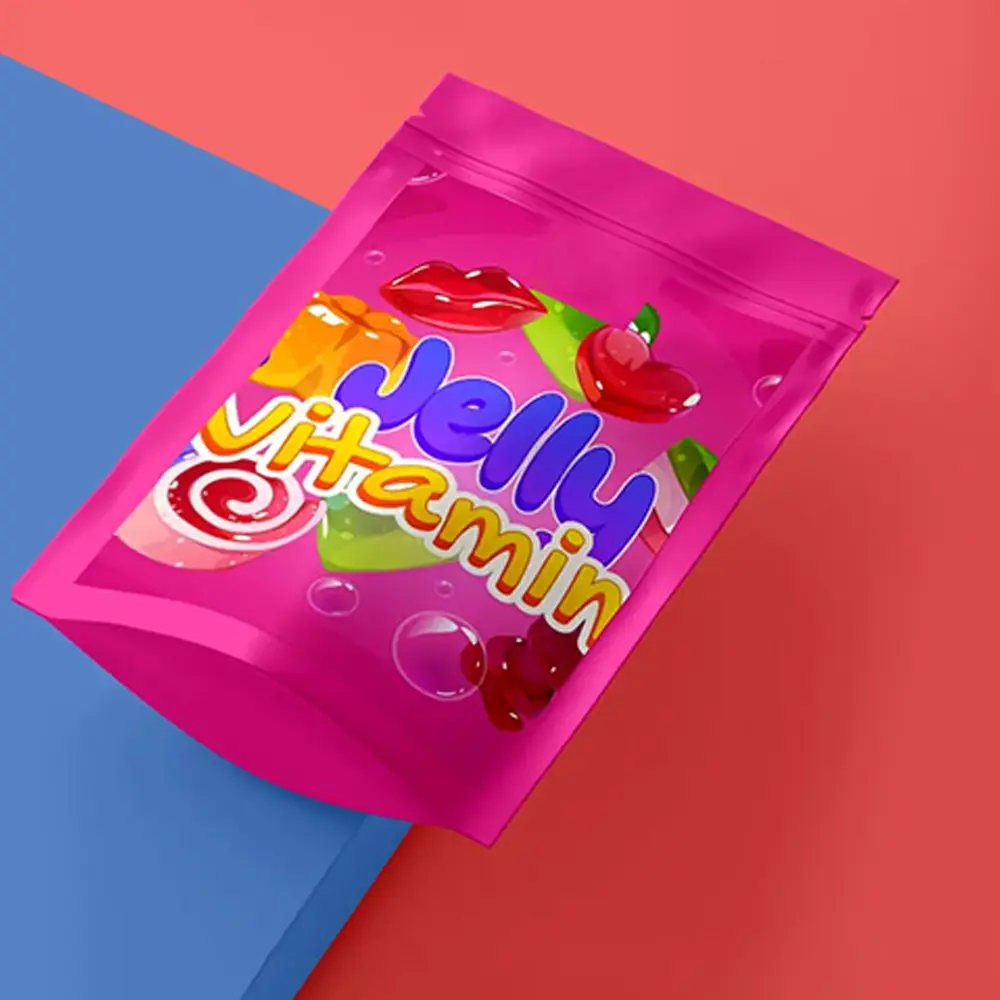
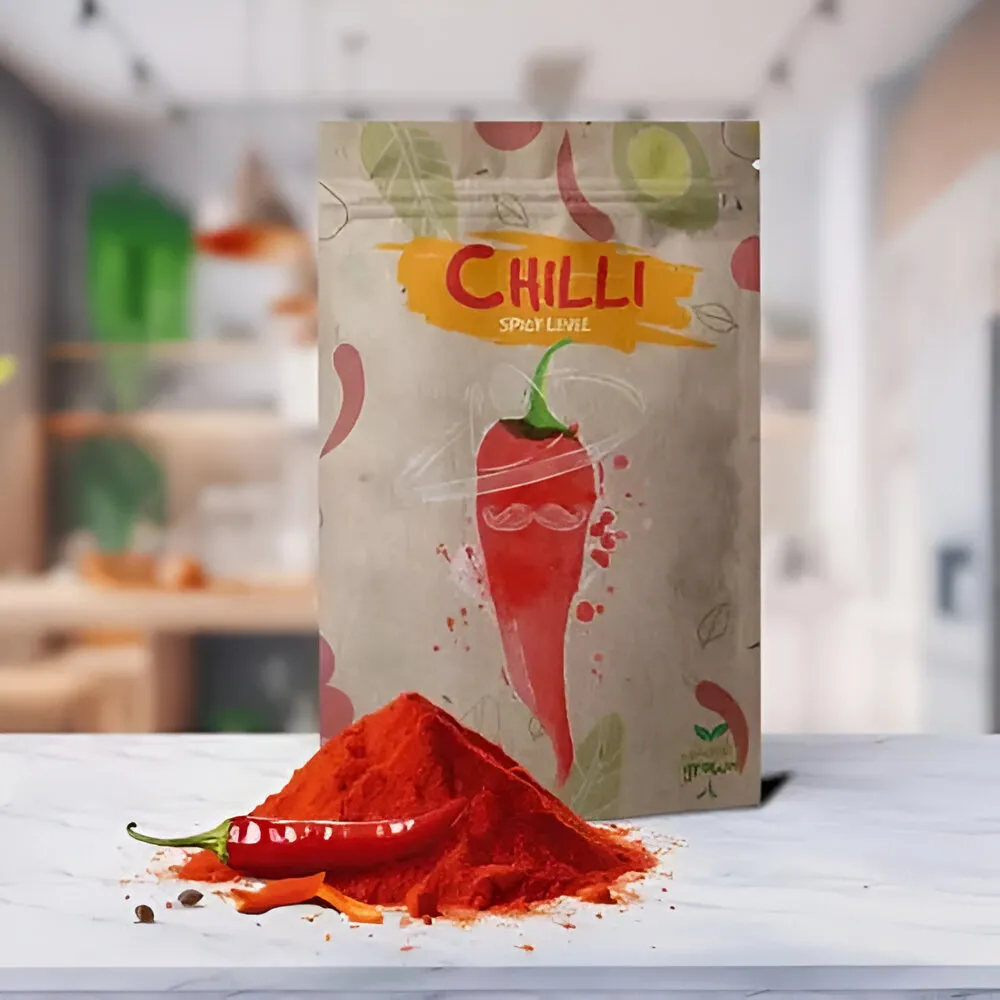
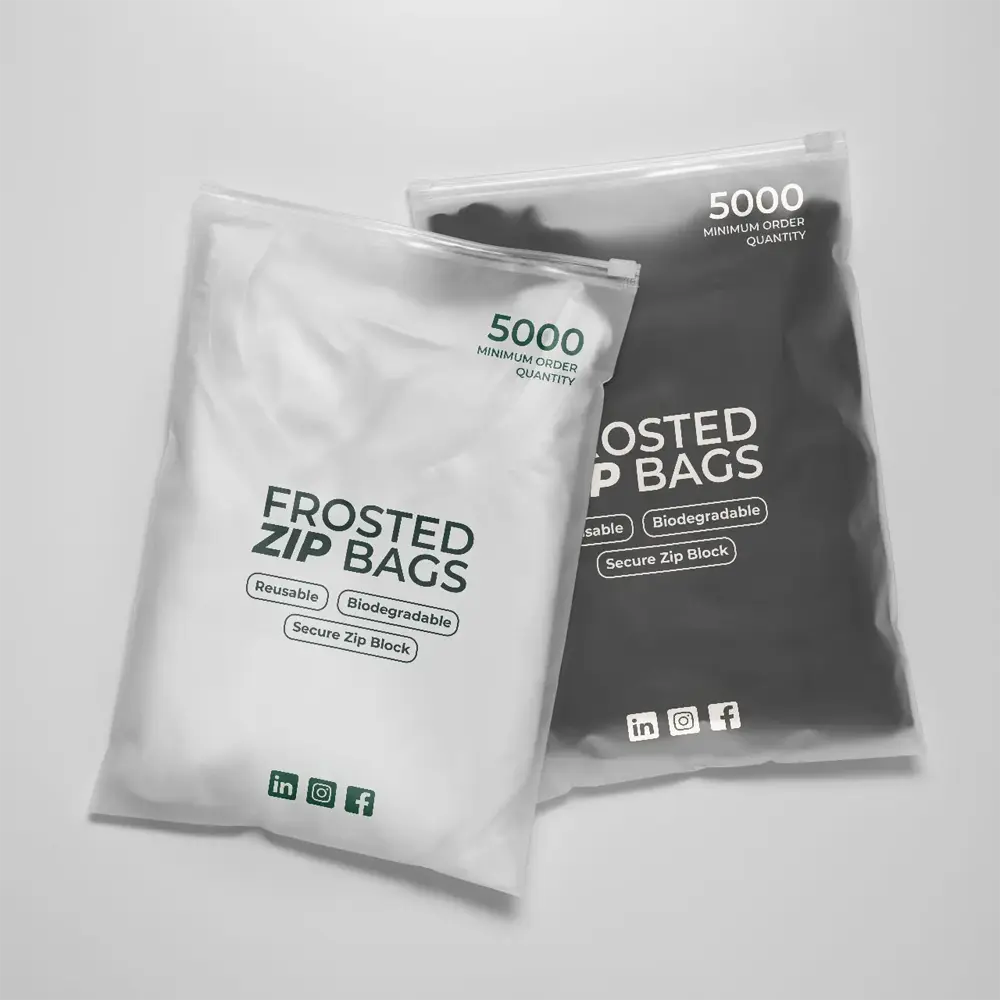
Flexible packaging includes pouches, wraps, and bags. It is lightweight, cost-effective, and space-saving.

This type of packaging is commonly used in food, wellness, and personal care industries due to its efficiency, convenience, and reduced shipping costs.

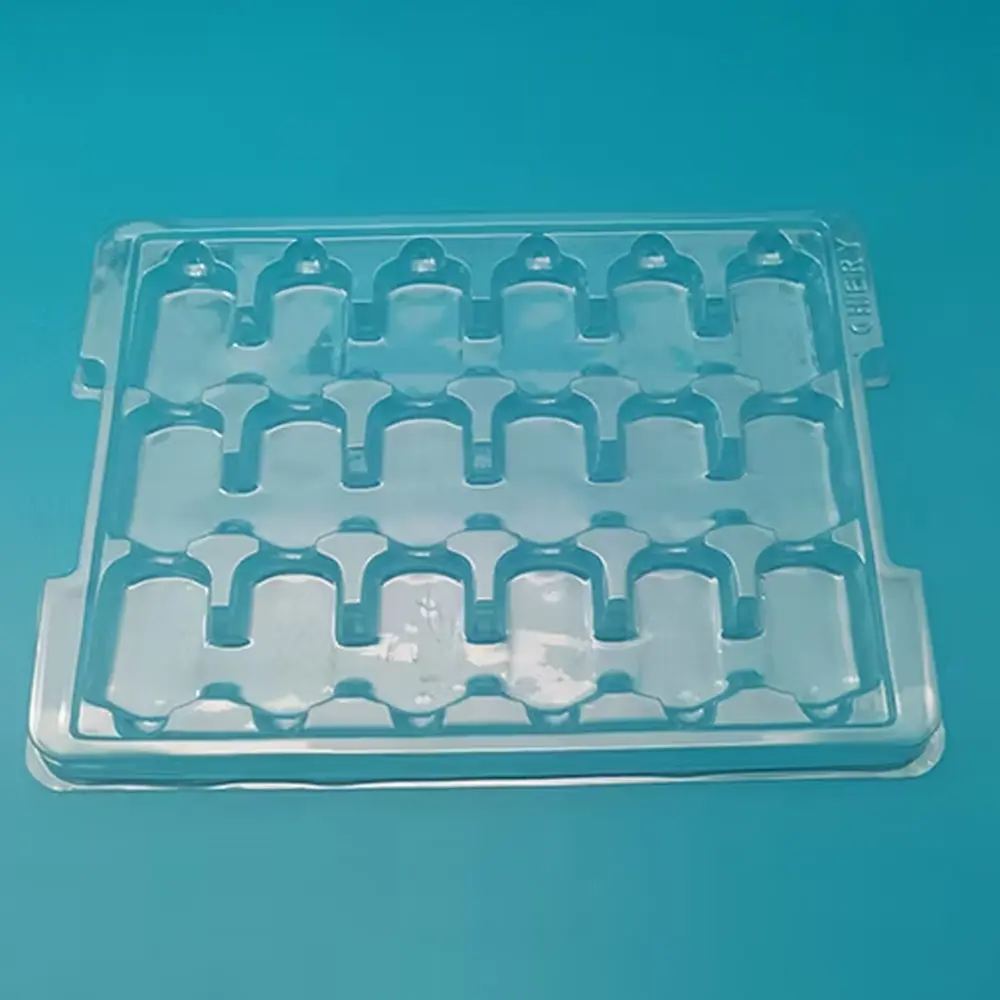
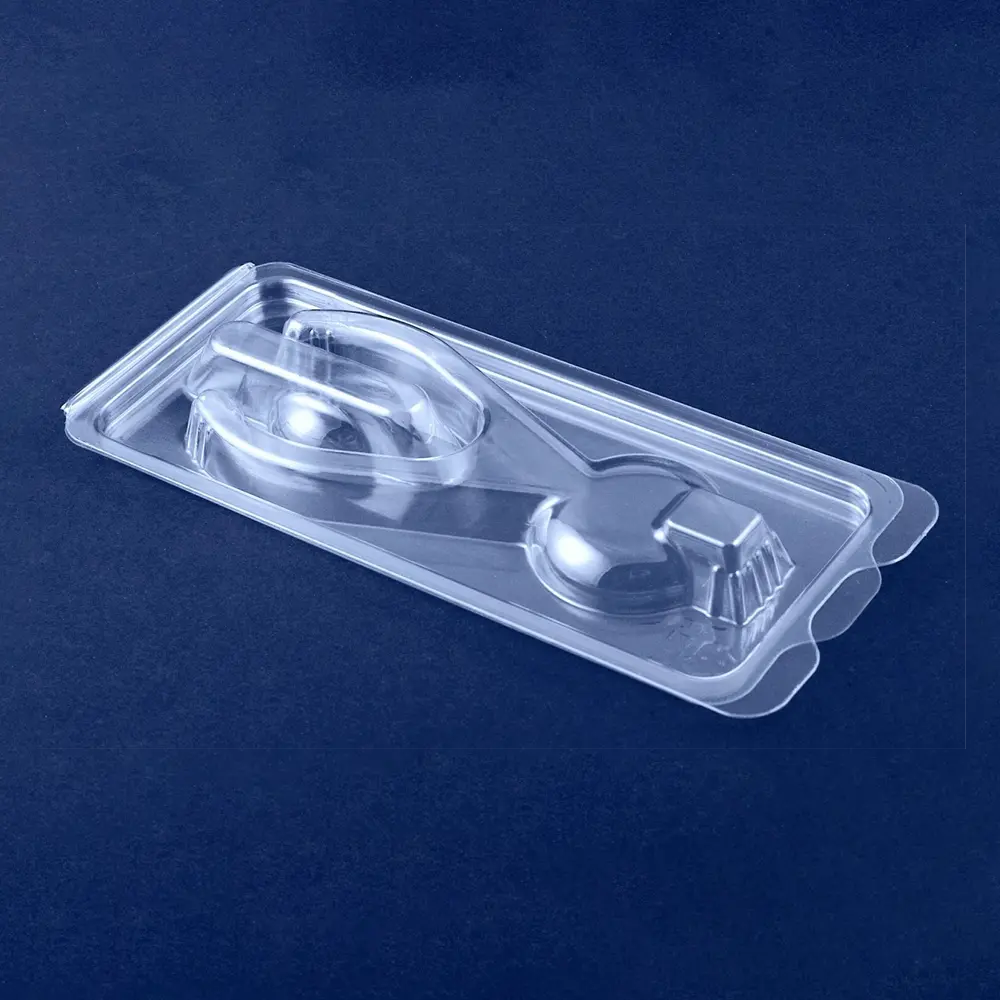
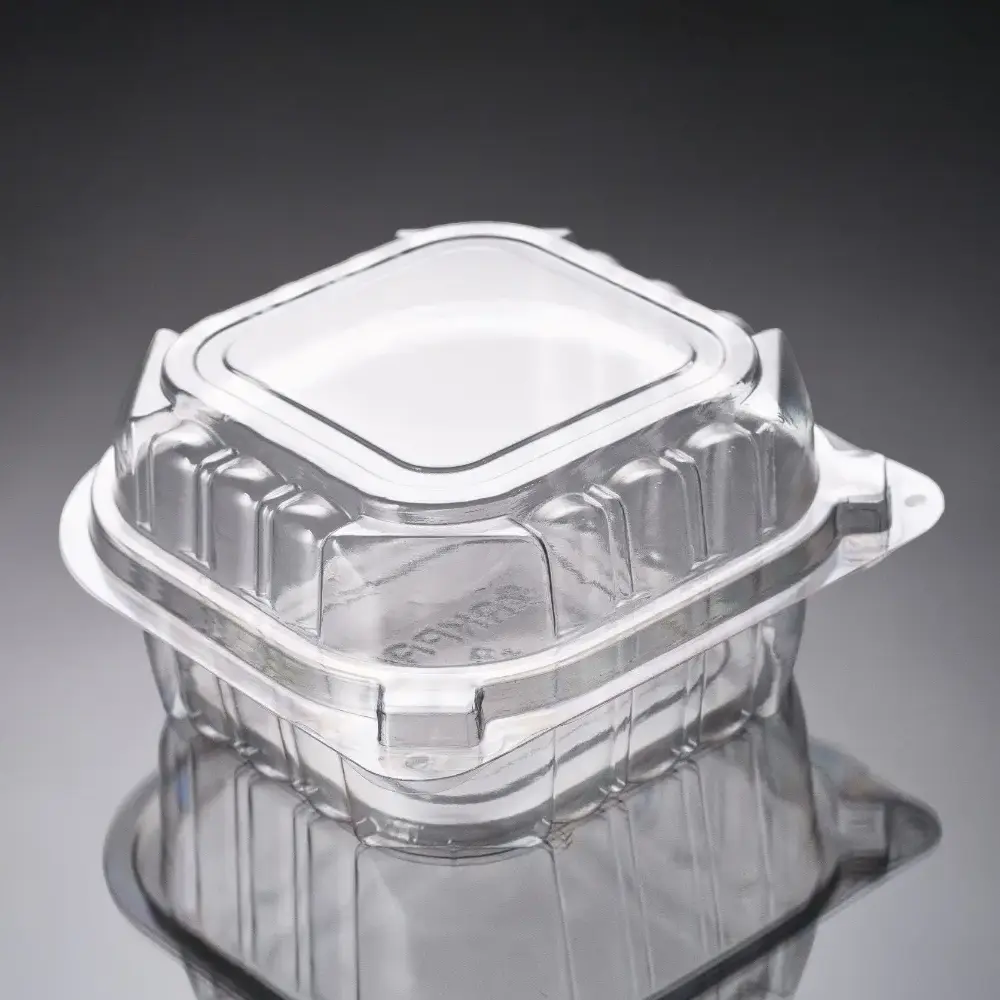
Plastic Packaging

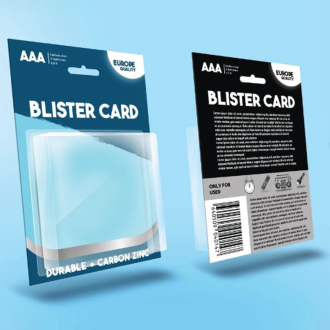
Plastic packaging provides transparency, moisture resistance, and strong product protection. It is often used where visibility and durability are required.

However, plastic packaging must meet regulatory requirements and is increasingly being replaced or modified due to environmental concerns.

Types of Custom Packaging Boxes and Their Uses

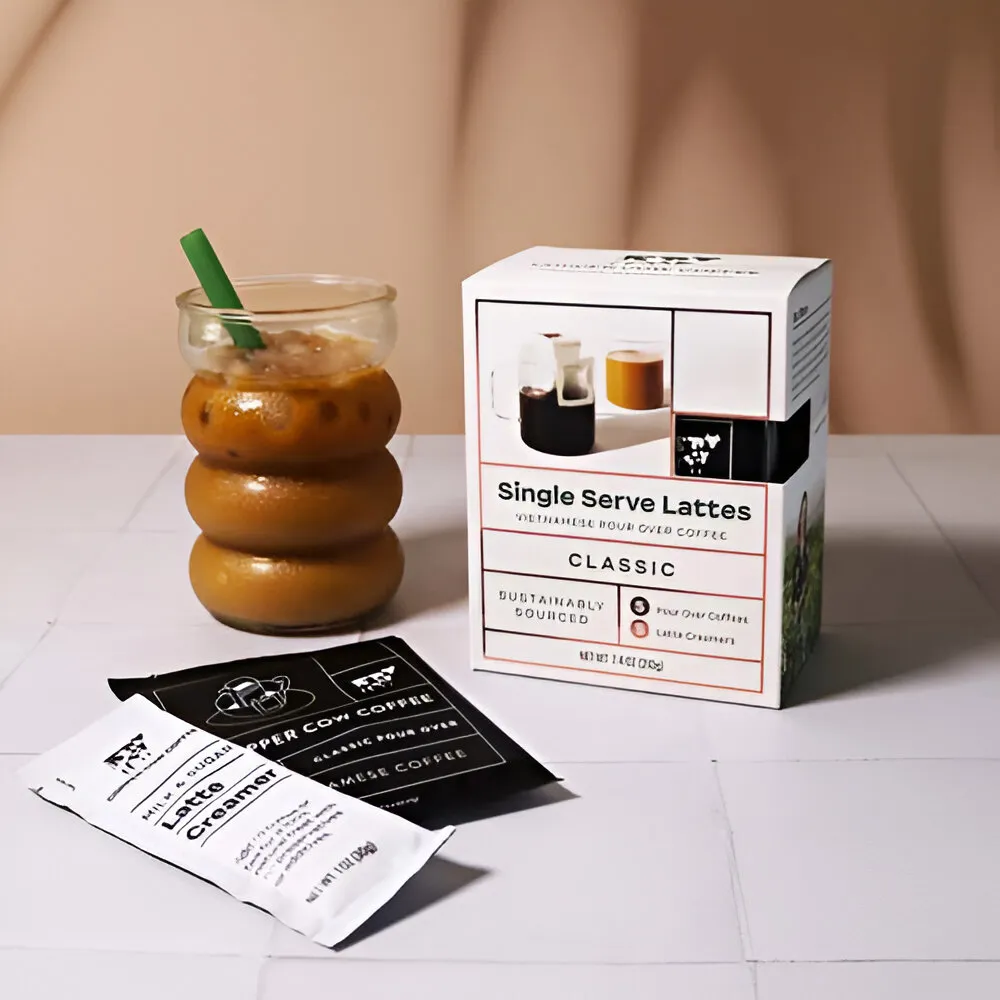
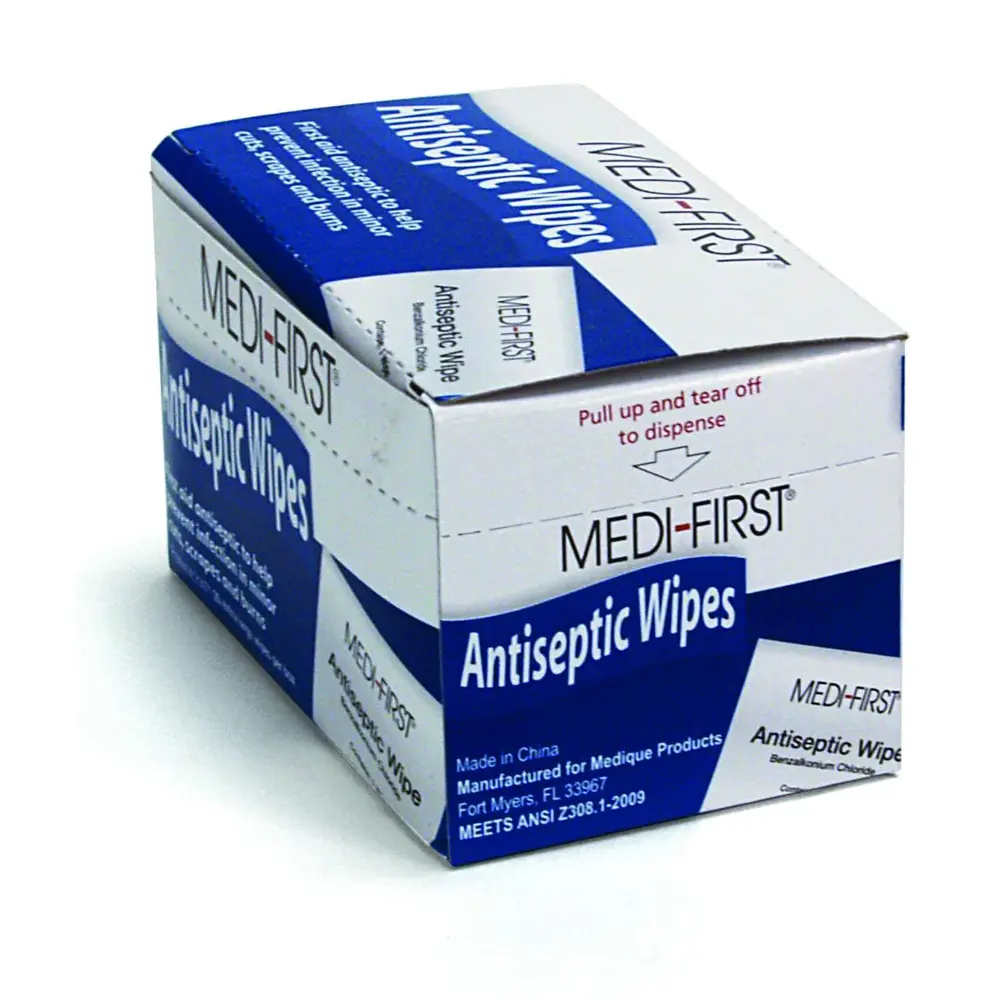
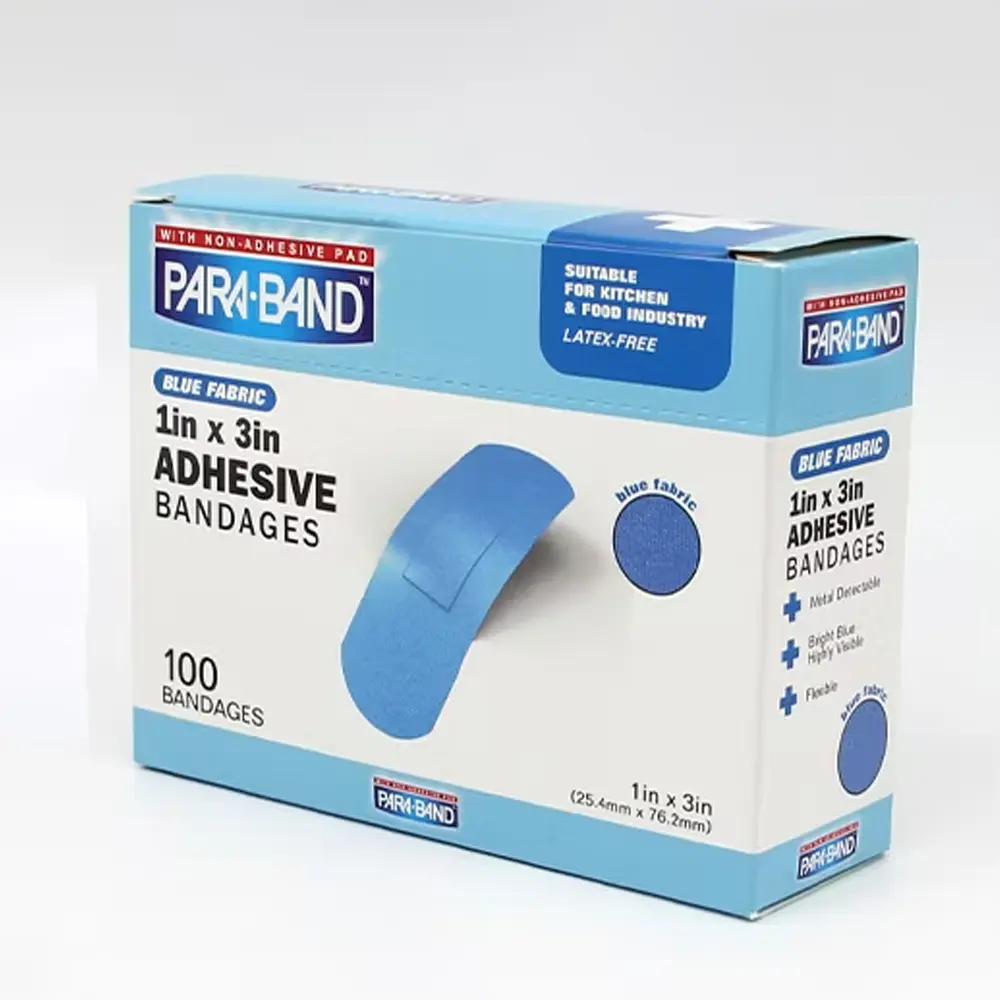
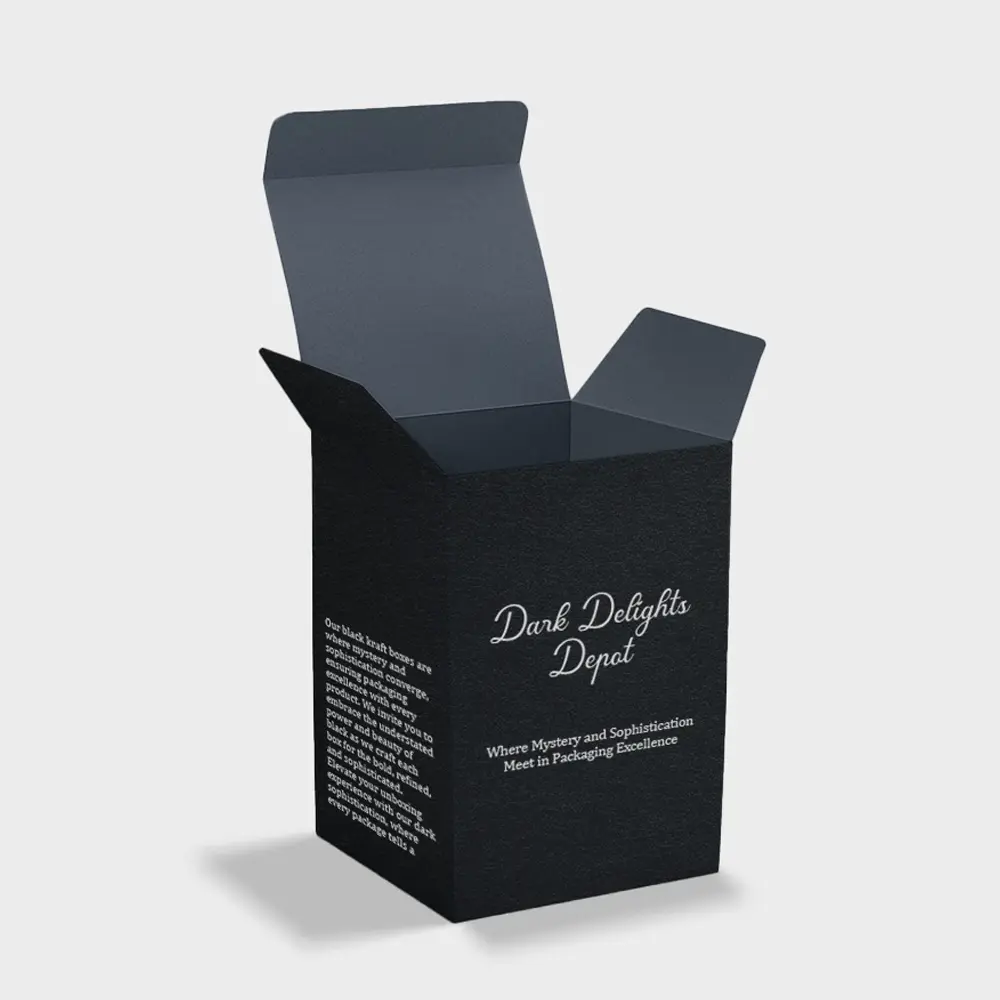
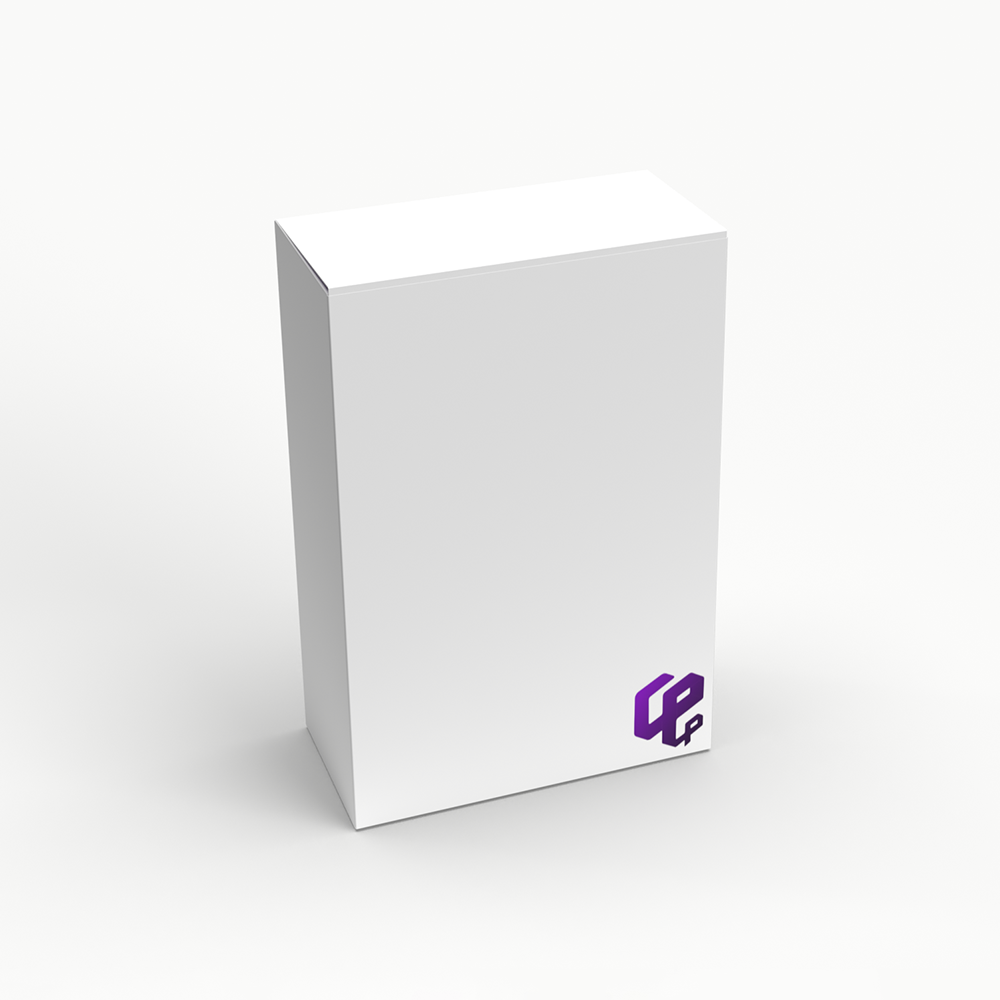
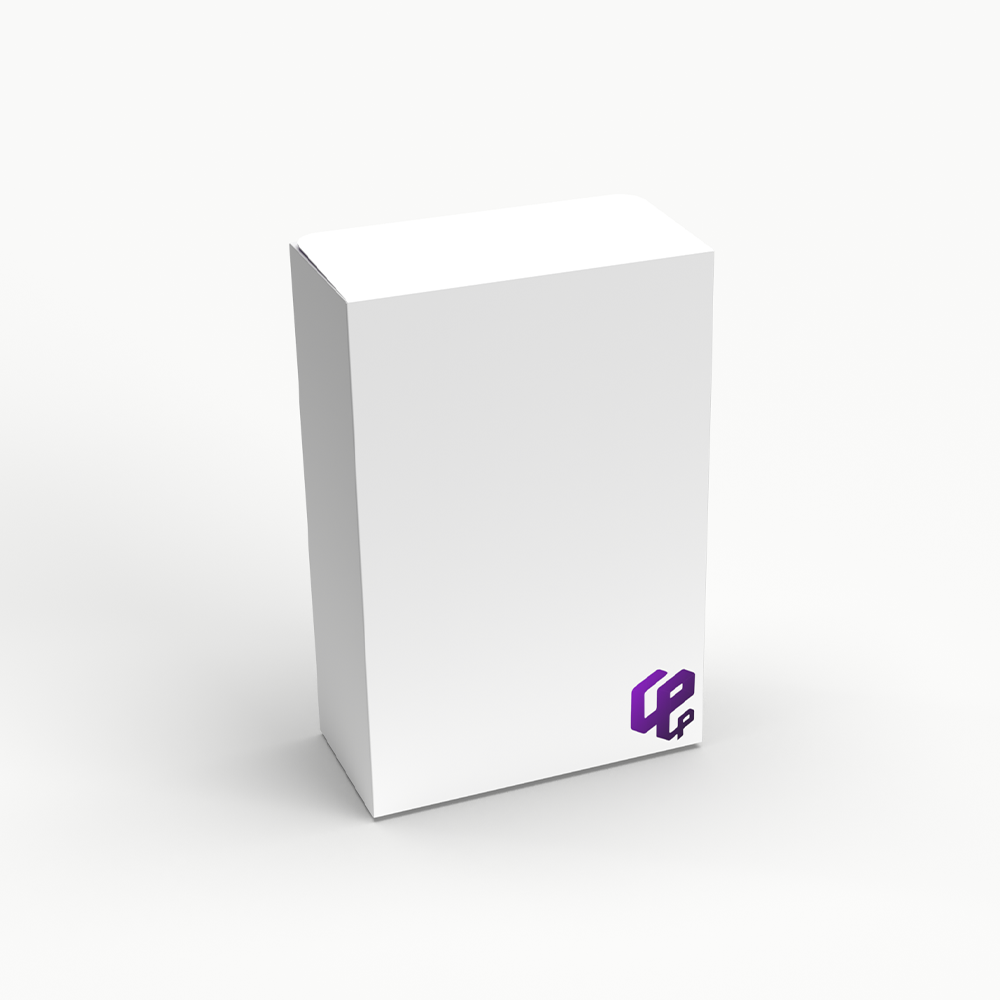
Folding Cartons

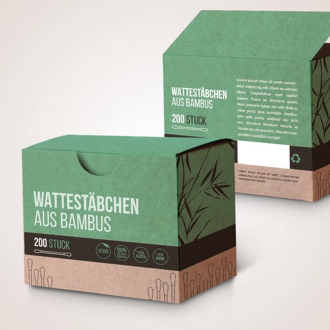
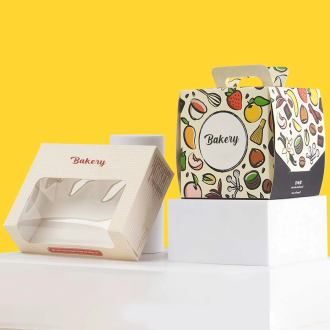
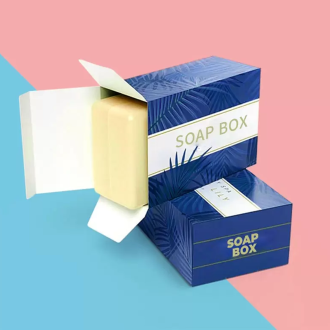
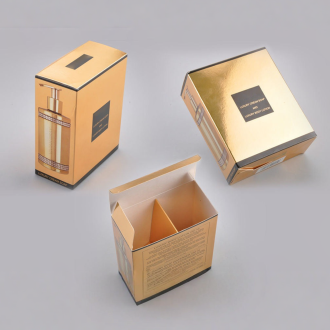
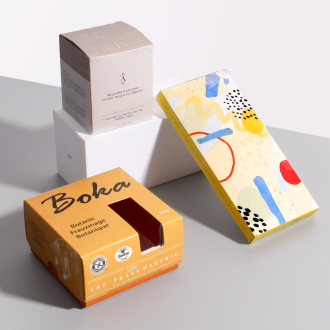
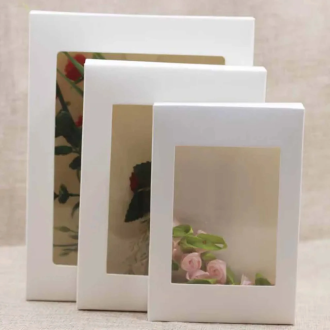
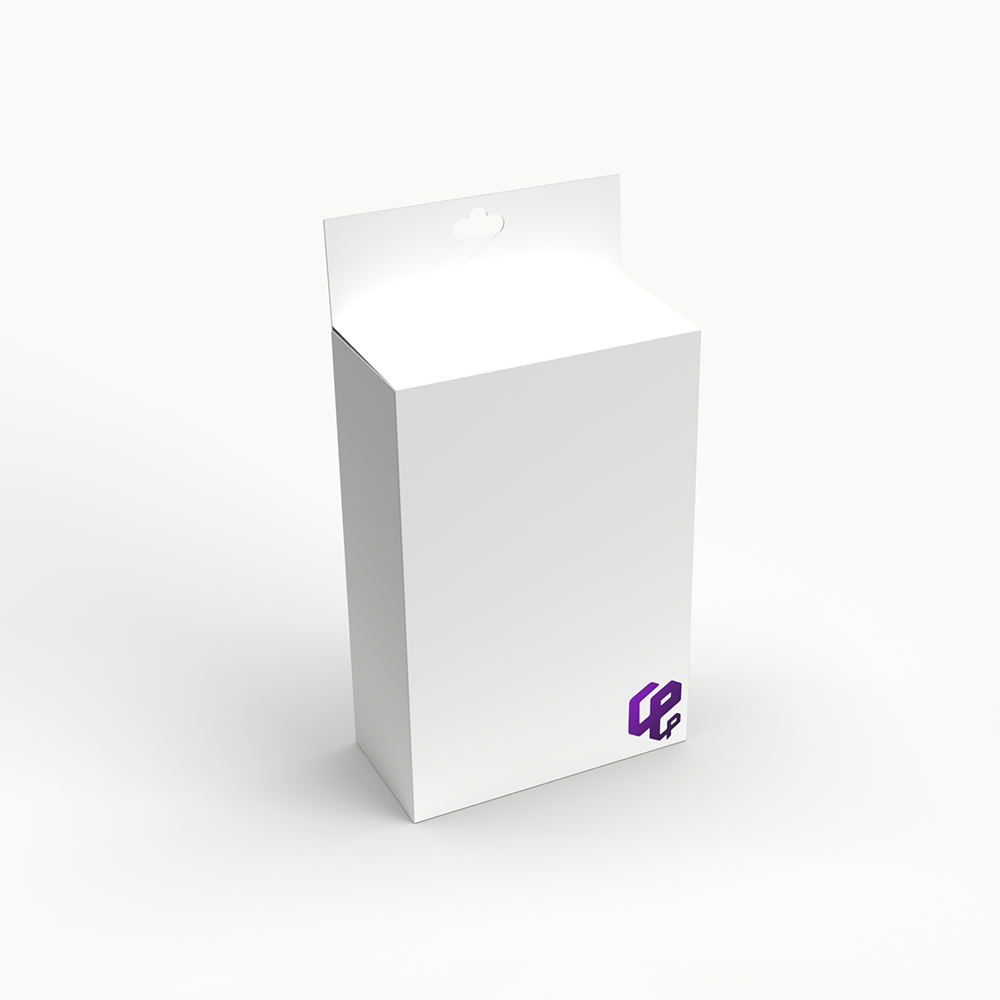
Folding cartons are widely used in retail environments. They are lightweight, cost-effective, and easy to customize.

Their adaptability makes them a popular choice for customized packaging and custom packaging boxes US brands use across various industries.

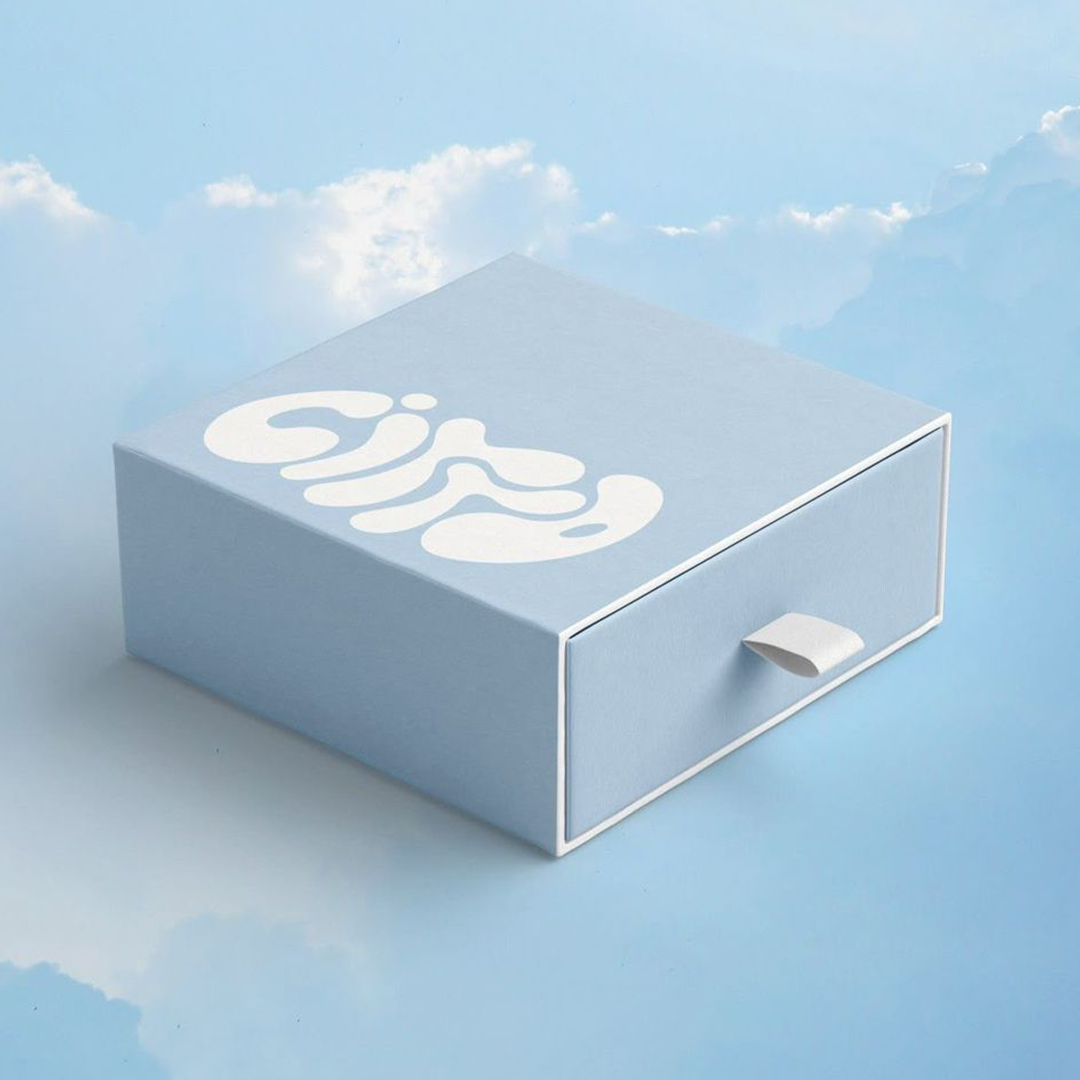
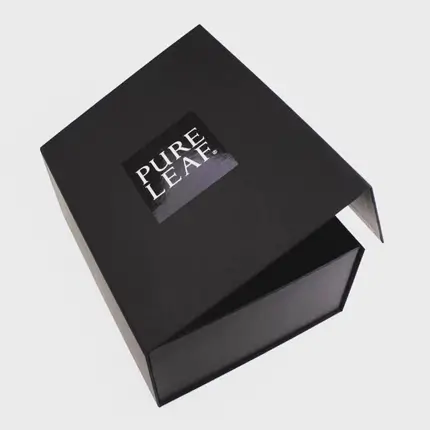
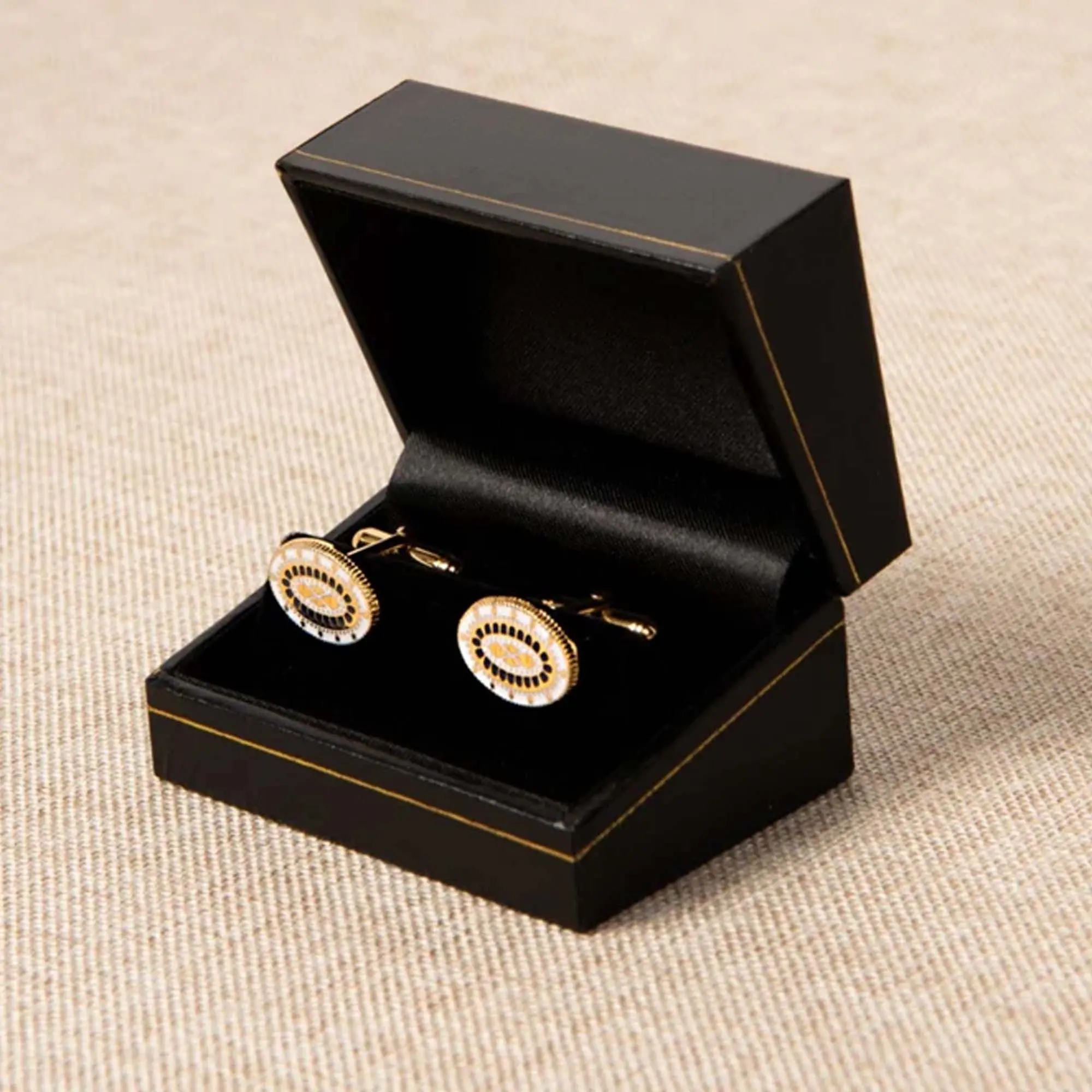
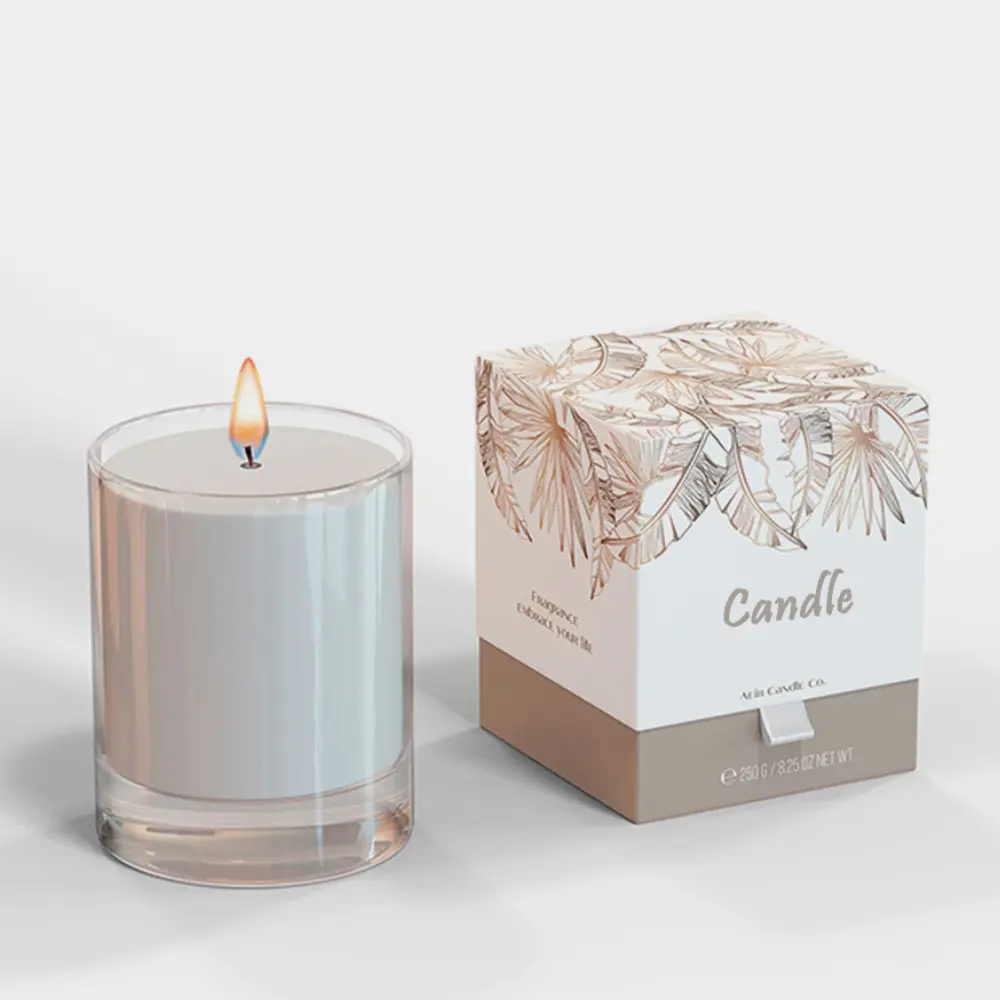
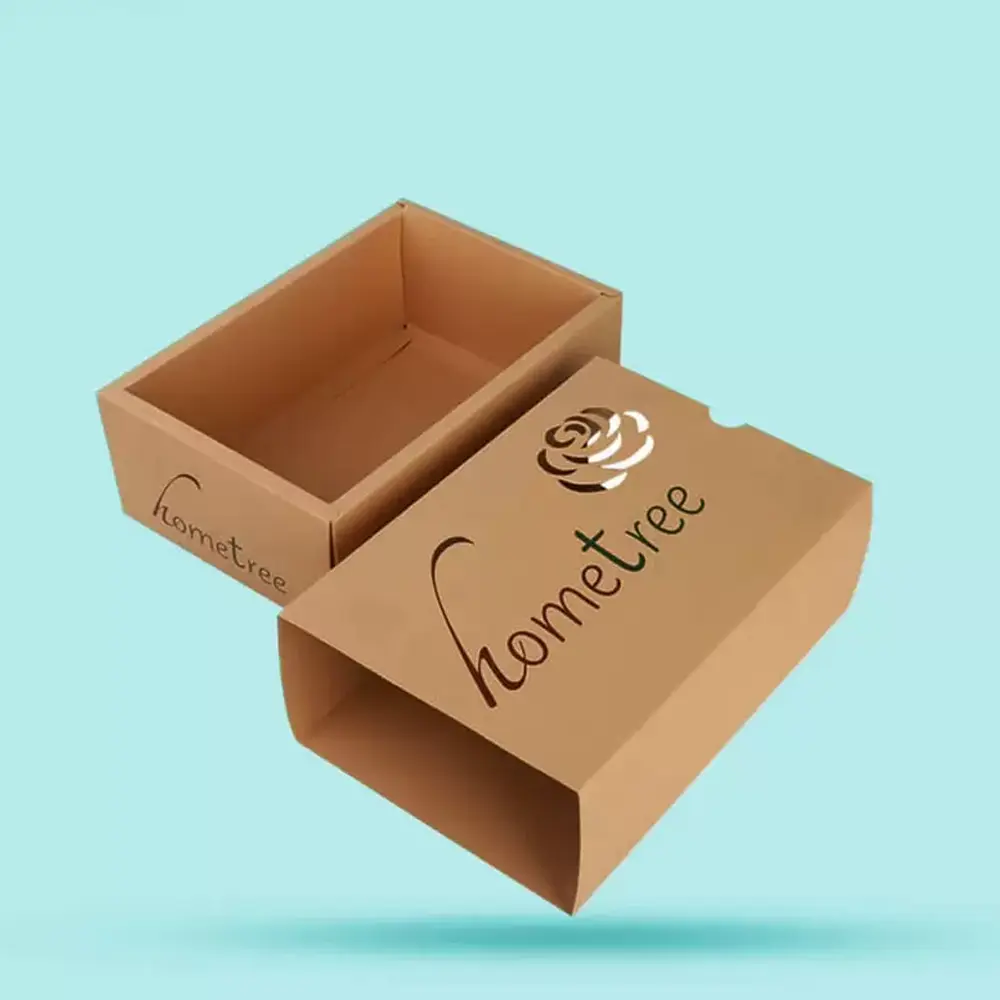
Rigid Boxes

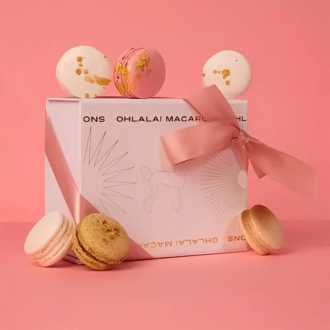
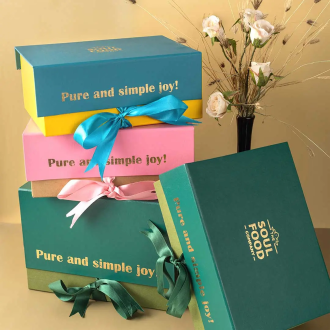
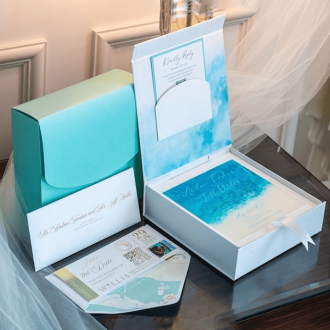
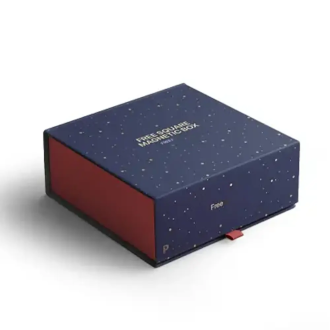
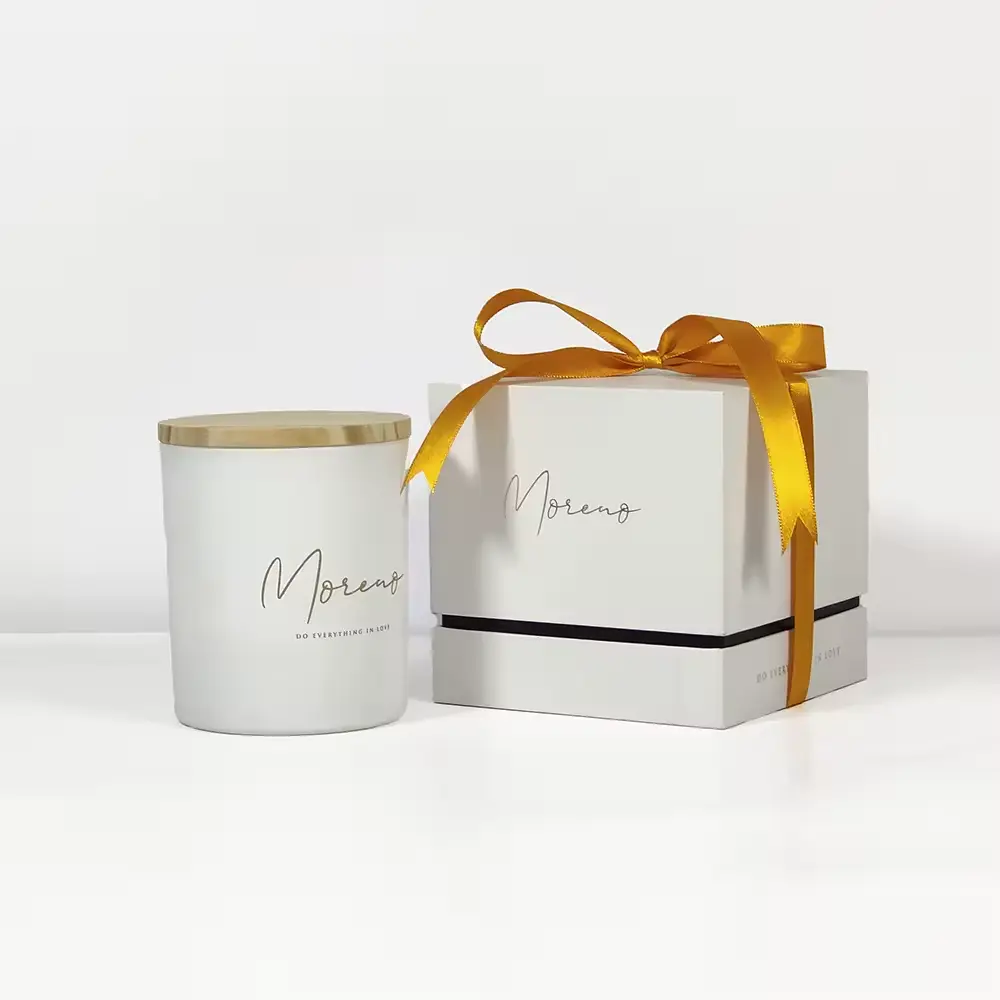
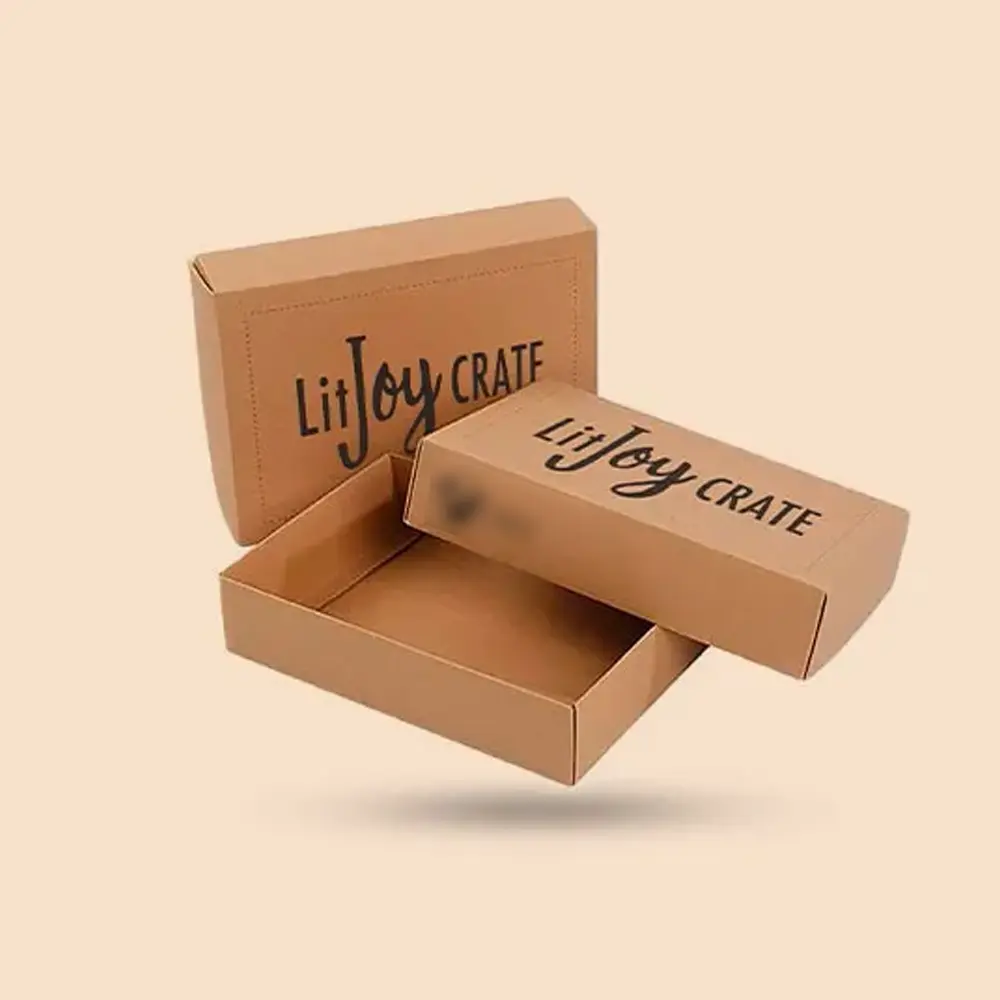
Rigid boxes are associated with luxury and premium presentation. They are often used for gift packaging, electronics, and high-value retail products.

Their solid structure enhances unboxing experiences and reinforces brand prestige.

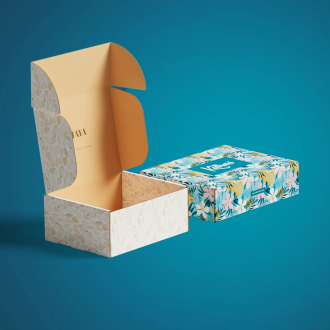
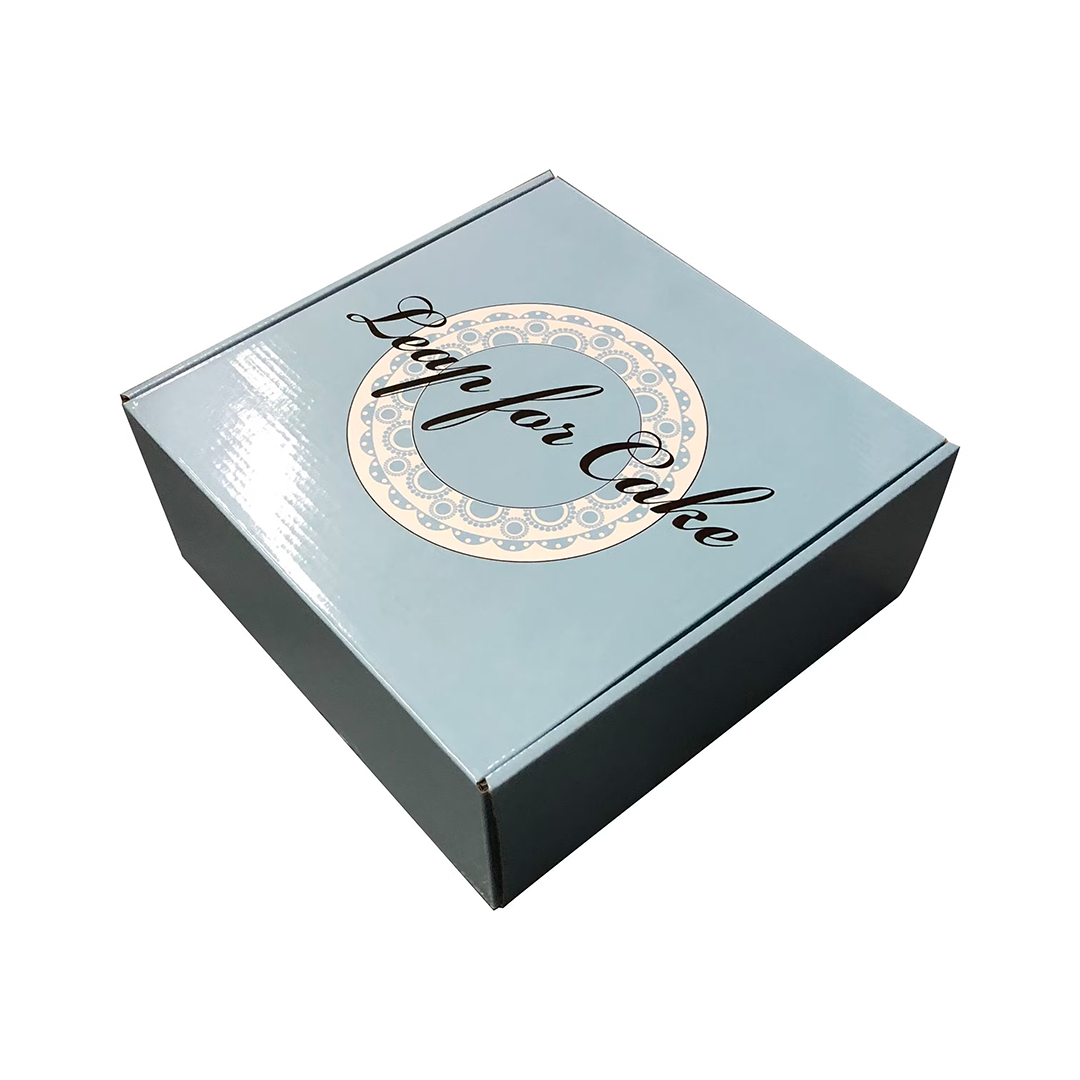
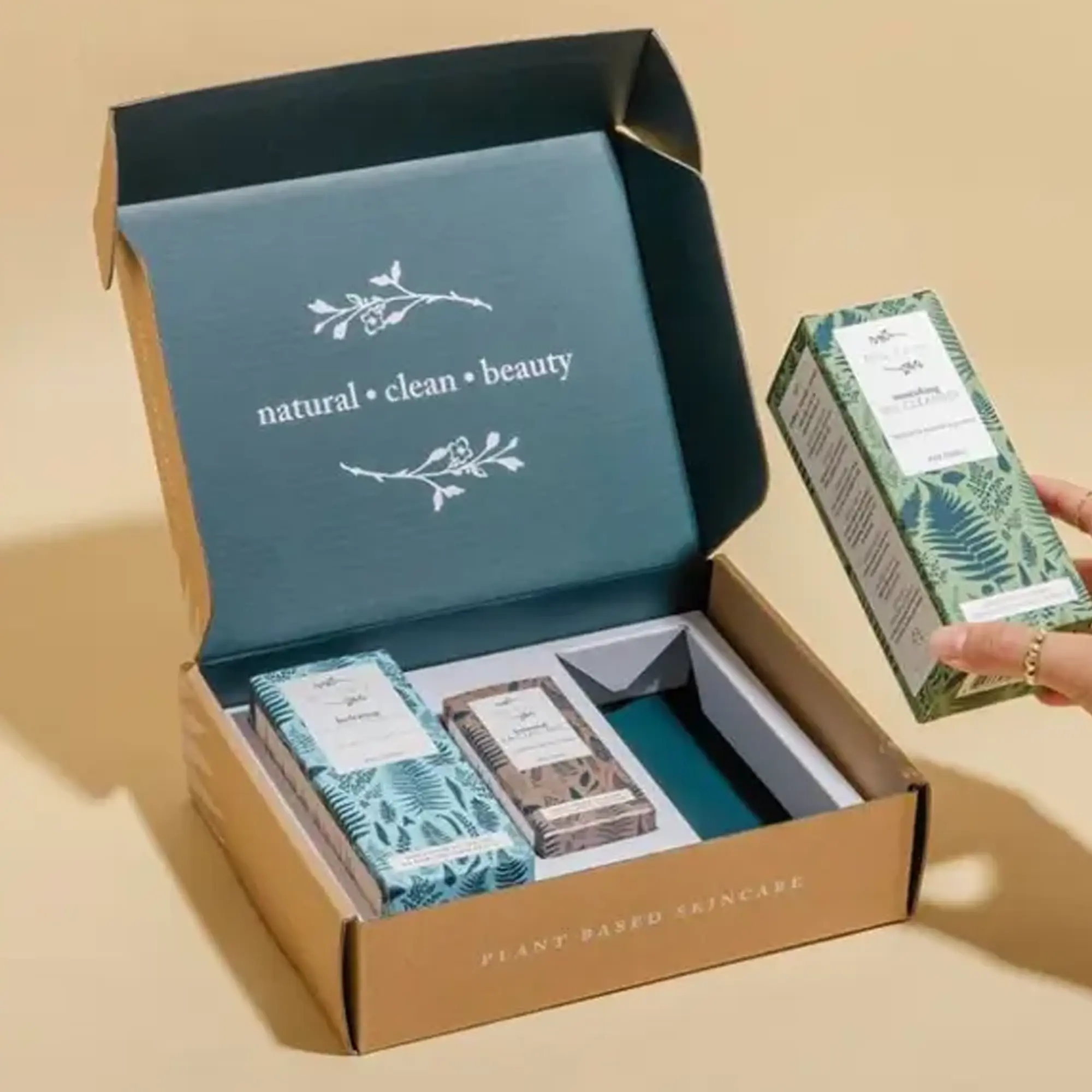
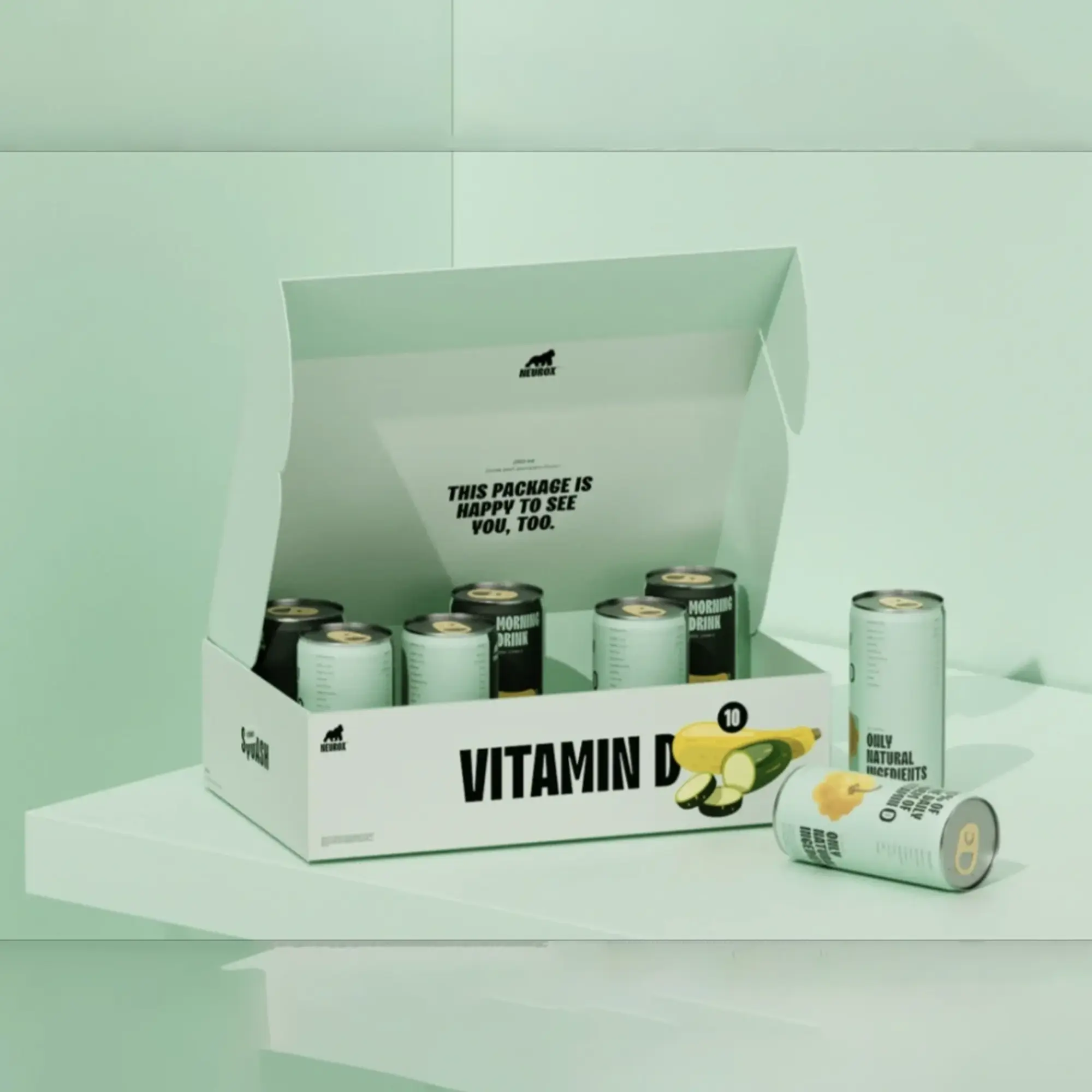
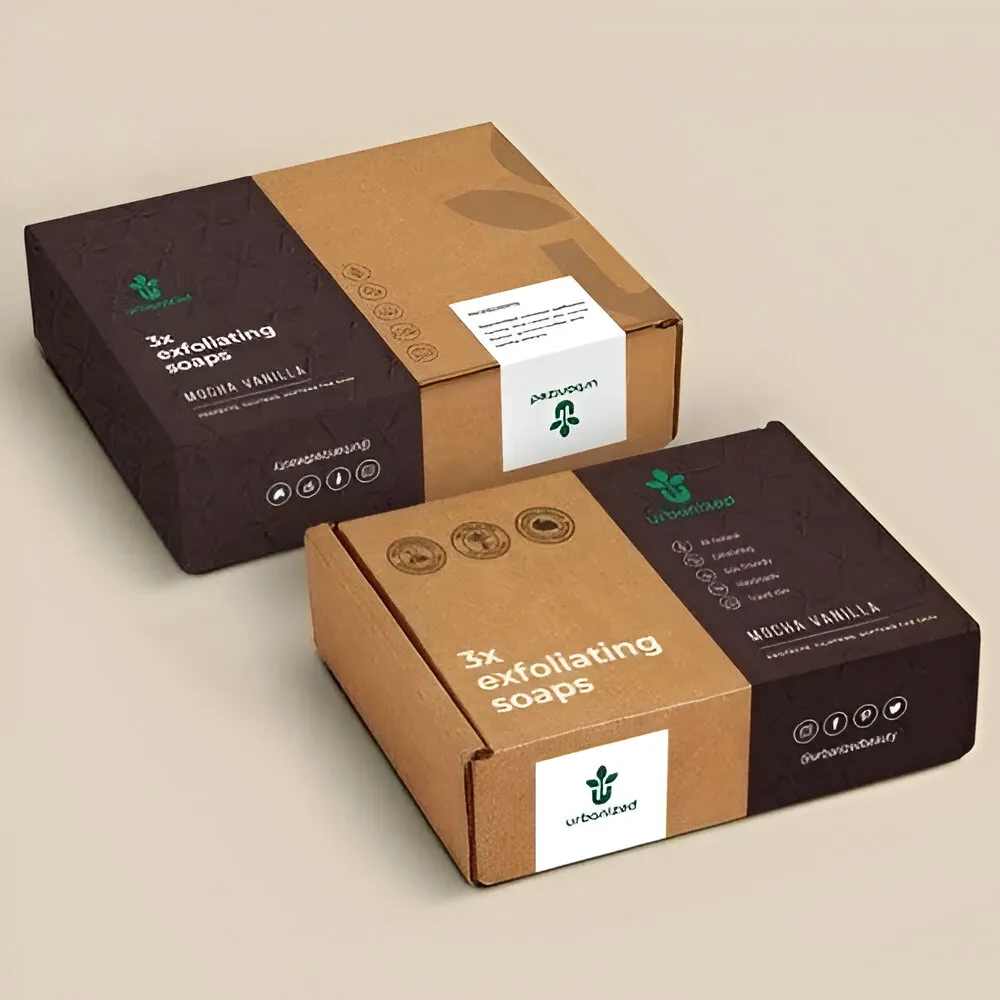
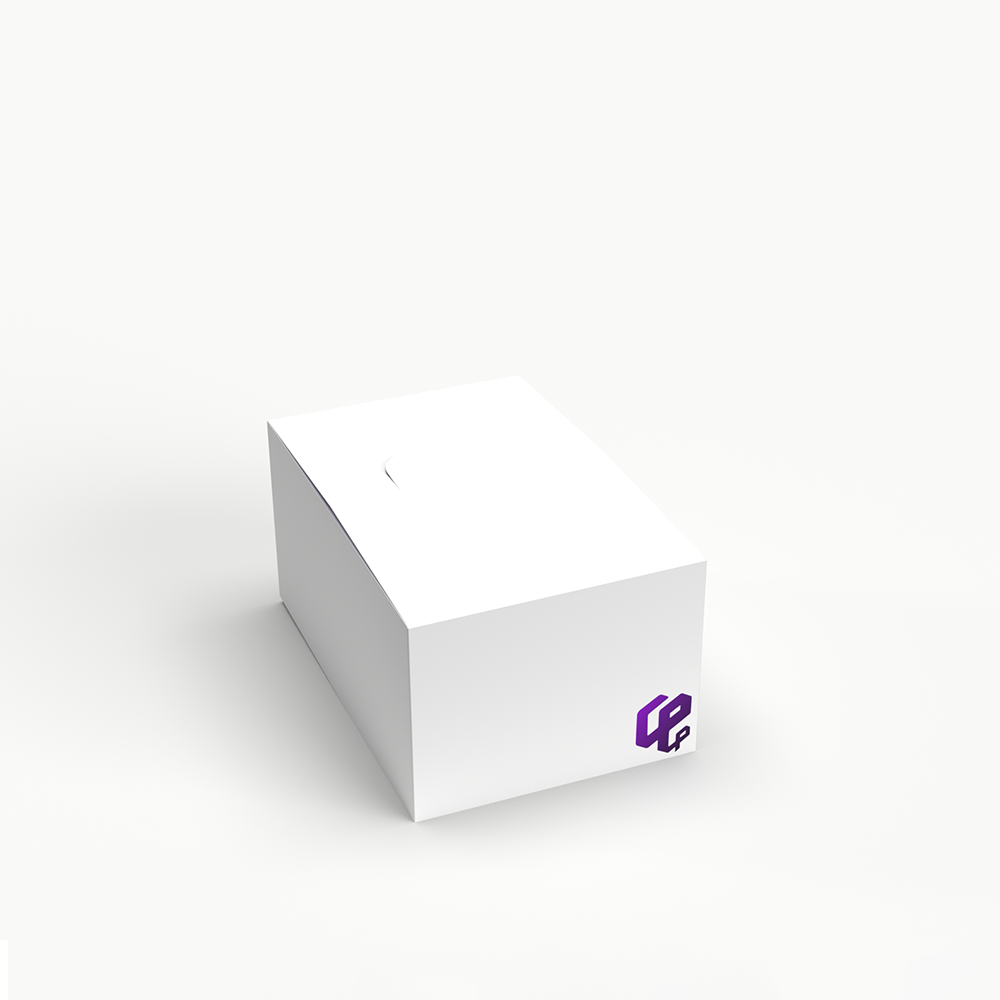
Mailer Boxes

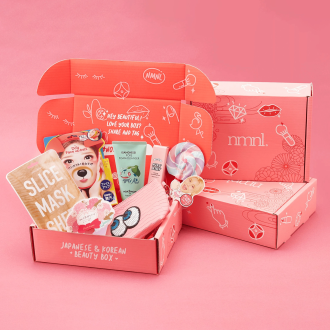
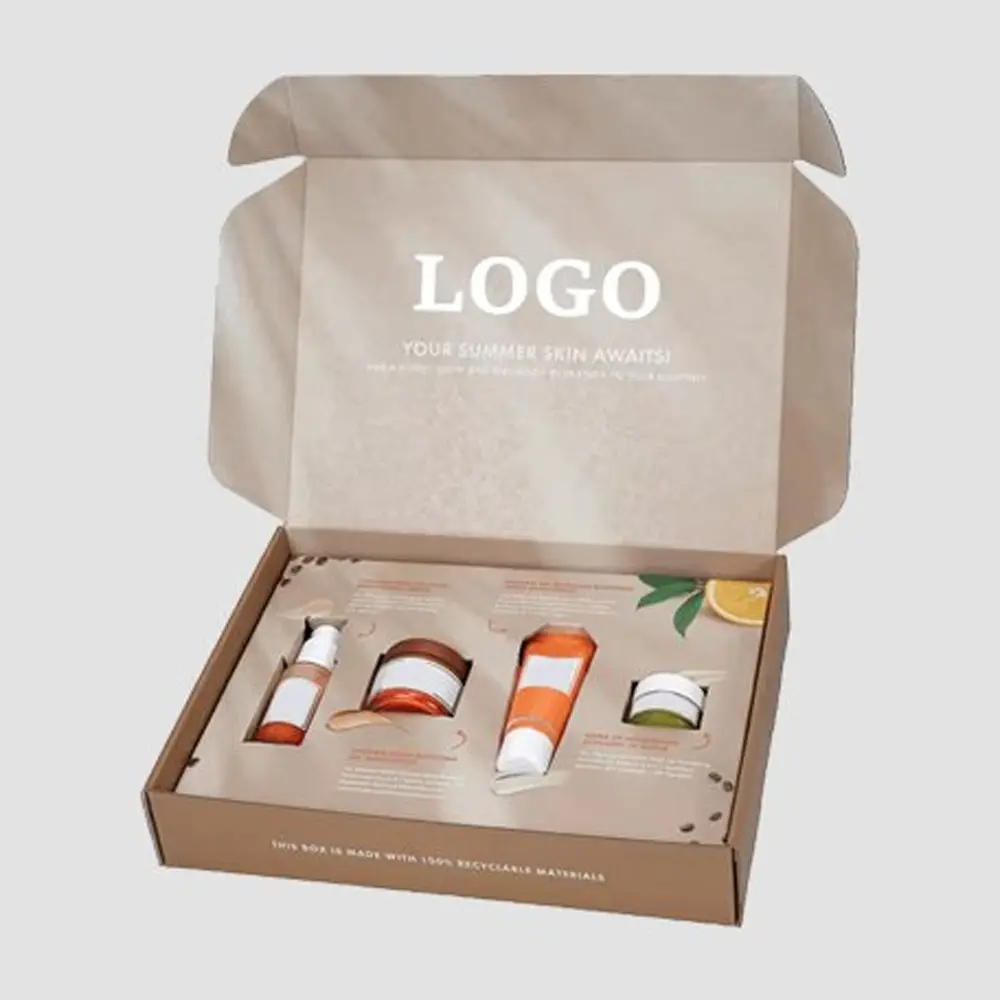
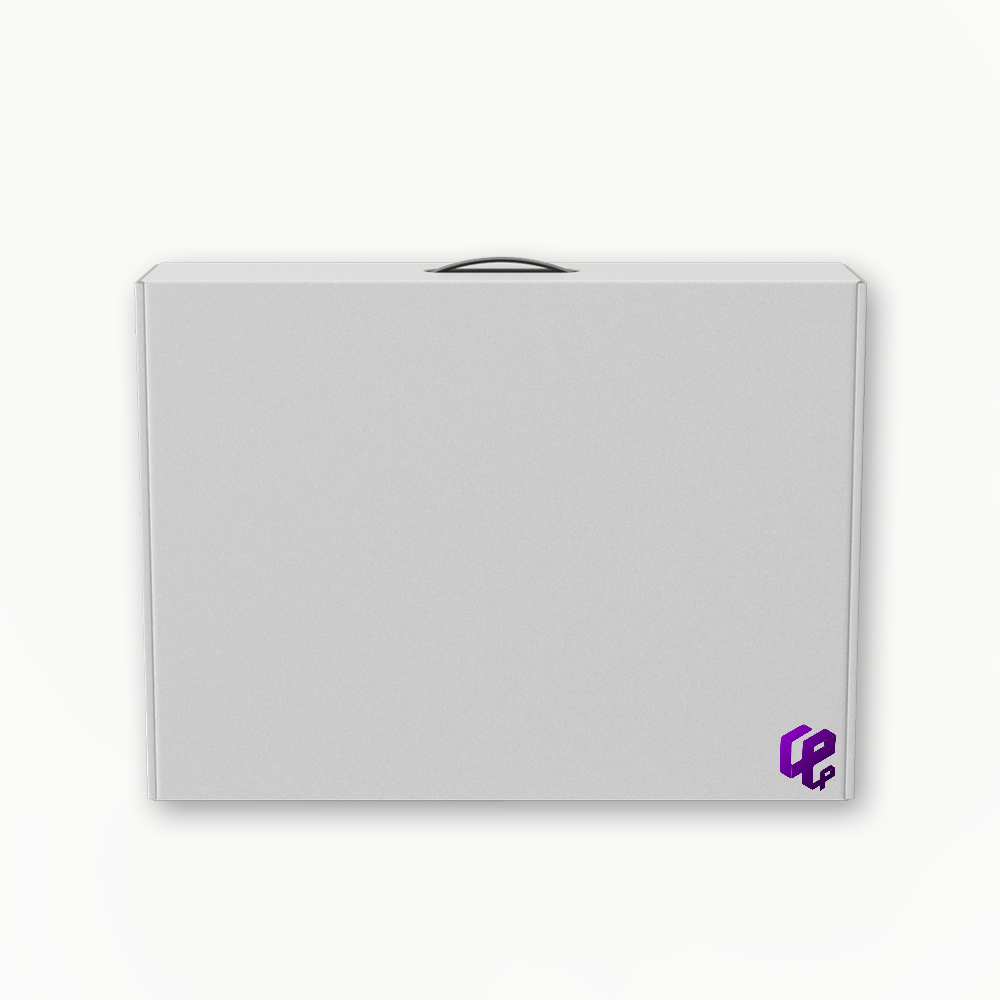
Mailer boxes are especially popular among eCommerce and subscription brands. They are designed to be durable while offering strong branding opportunities.

Personalized packaging boxes and printed custom boxes in mailer formats often encourage social sharing and repeat purchases.

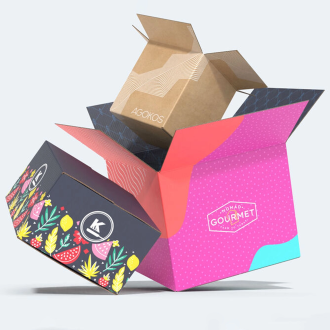
Shipping Boxes

Shipping boxes focus on strength and protection. They are designed to withstand handling, stacking, and transportation challenges.

Proper shipping box design reduces damage, returns, and customer dissatisfaction.

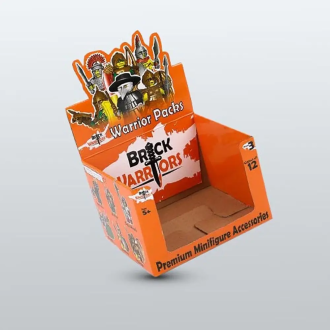
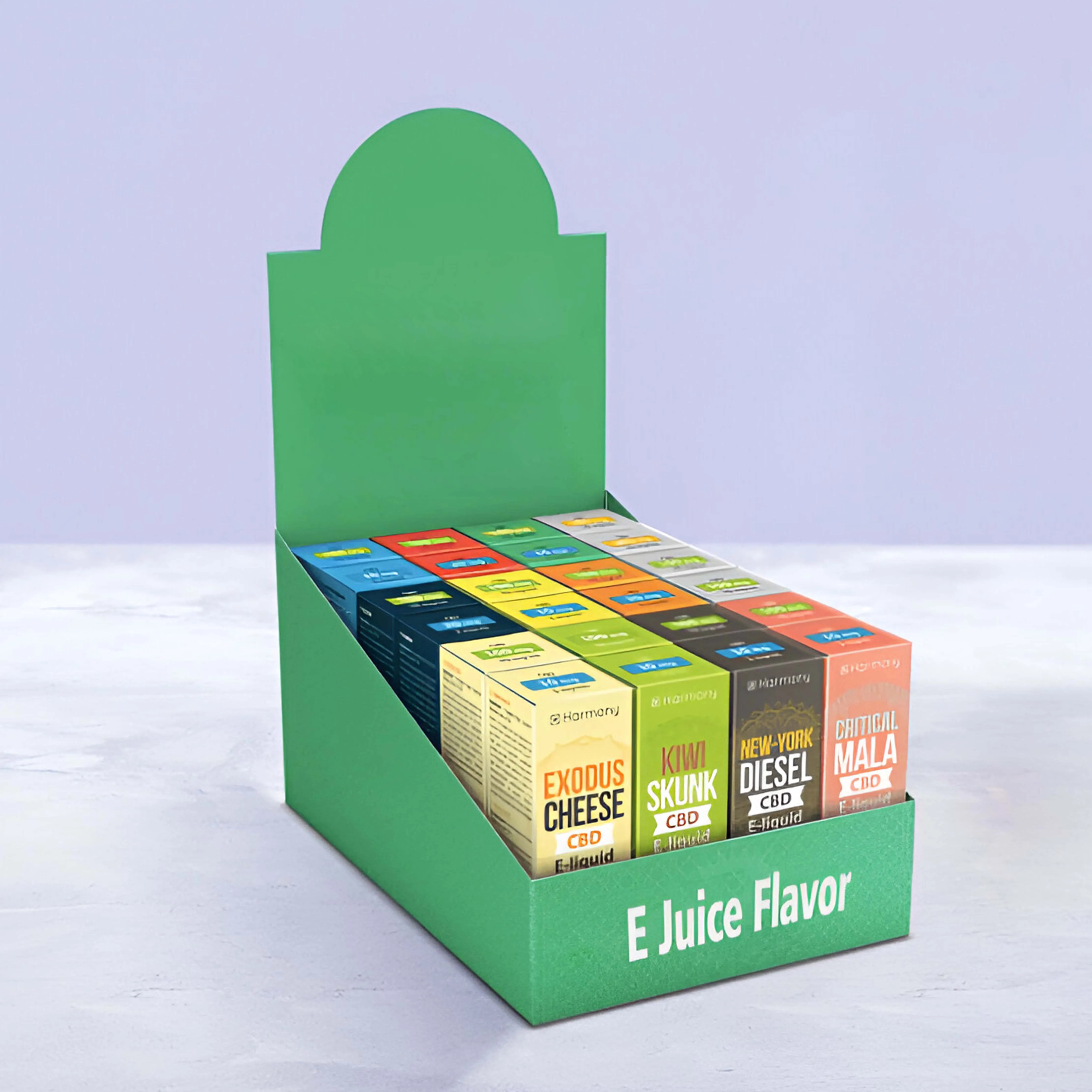
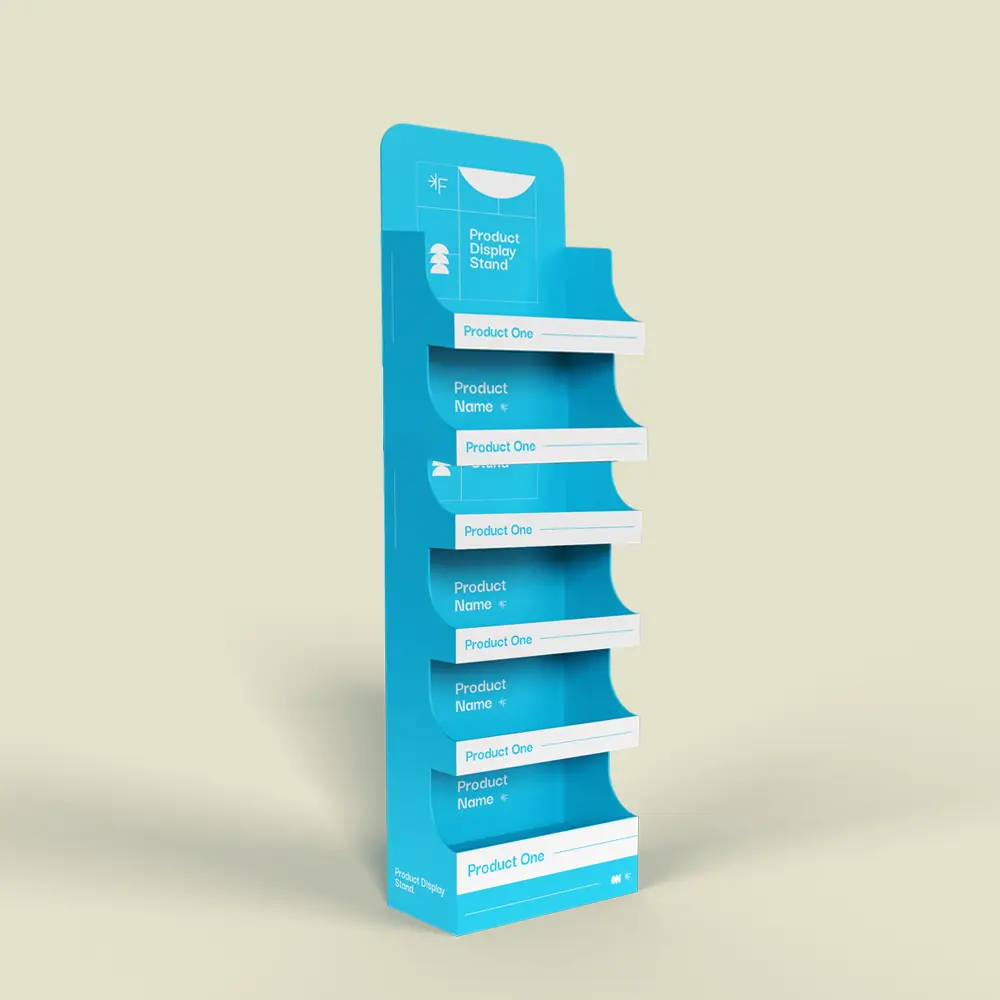
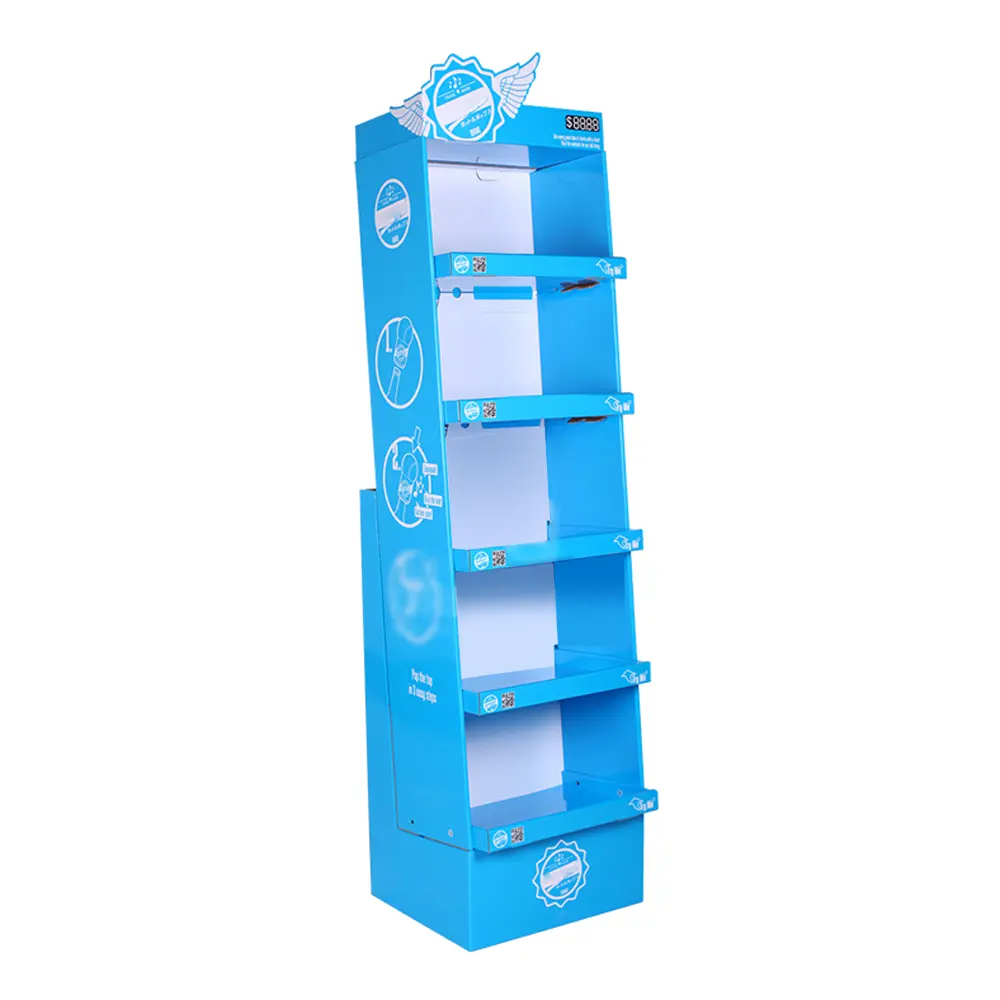
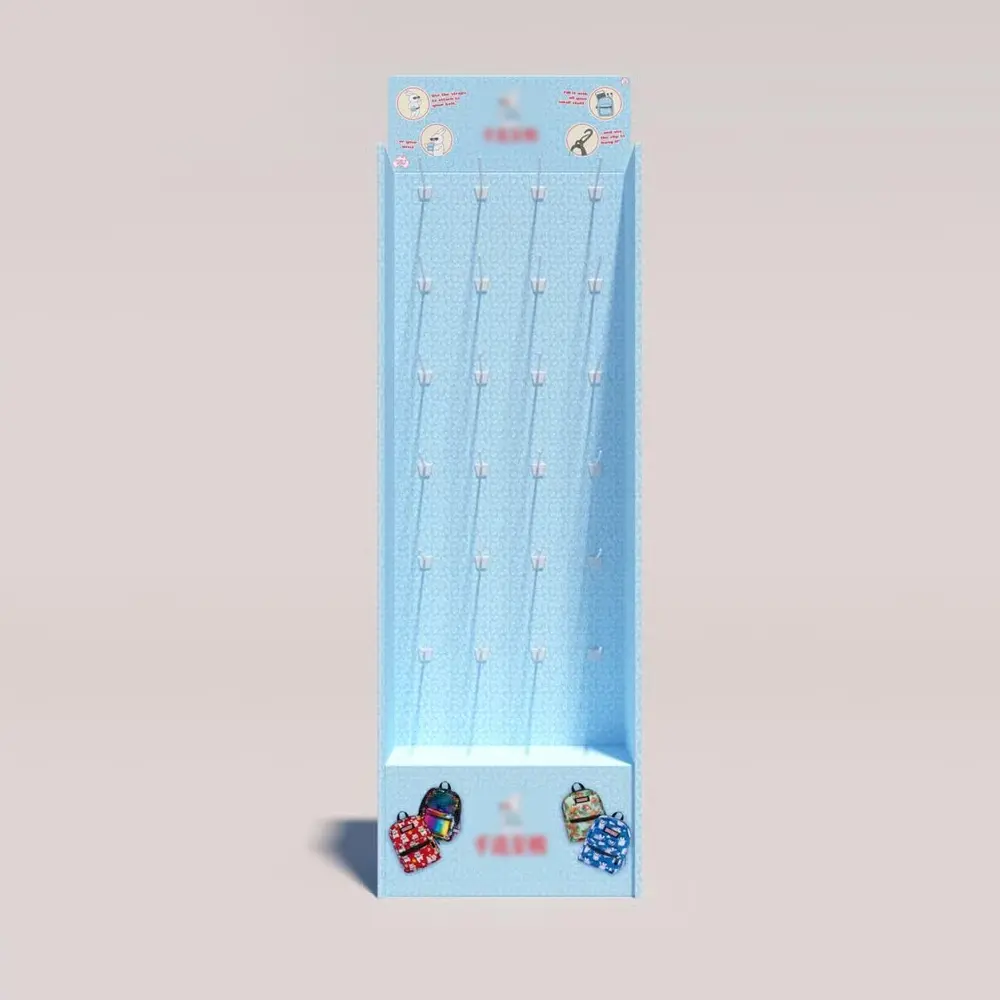
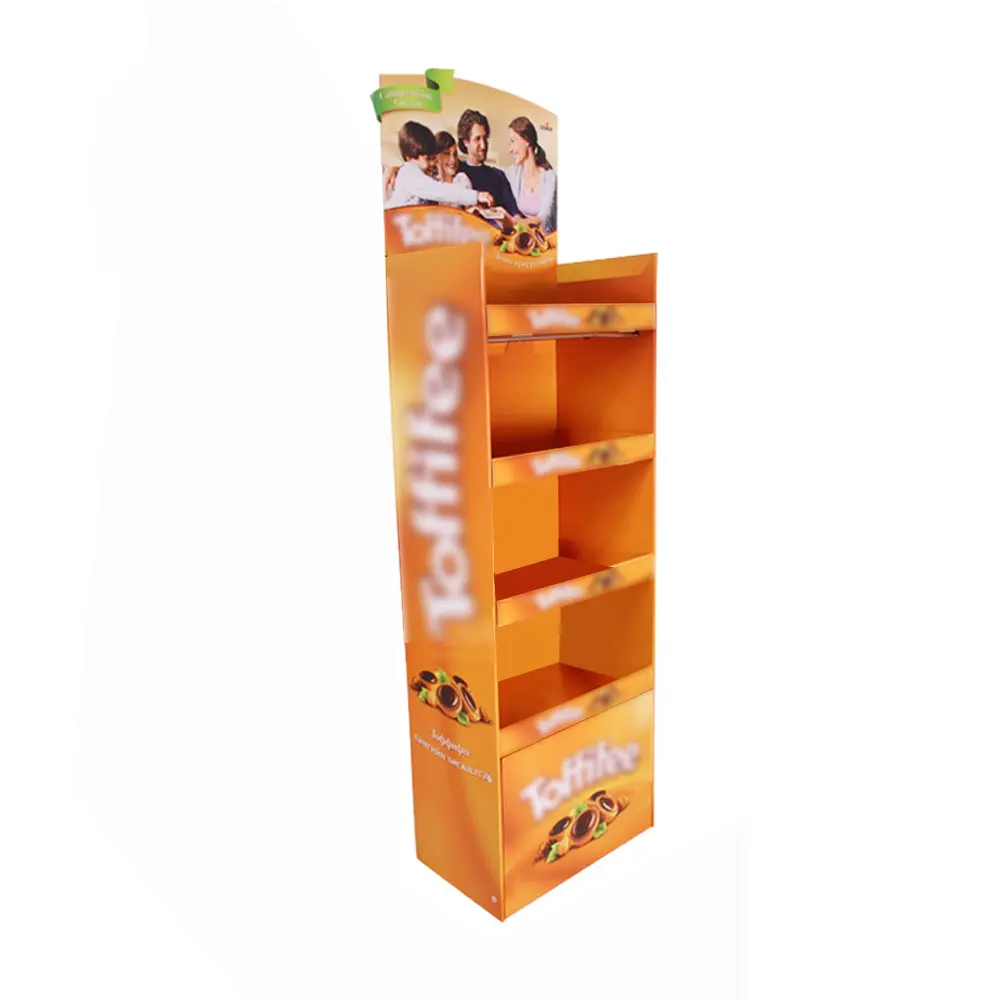
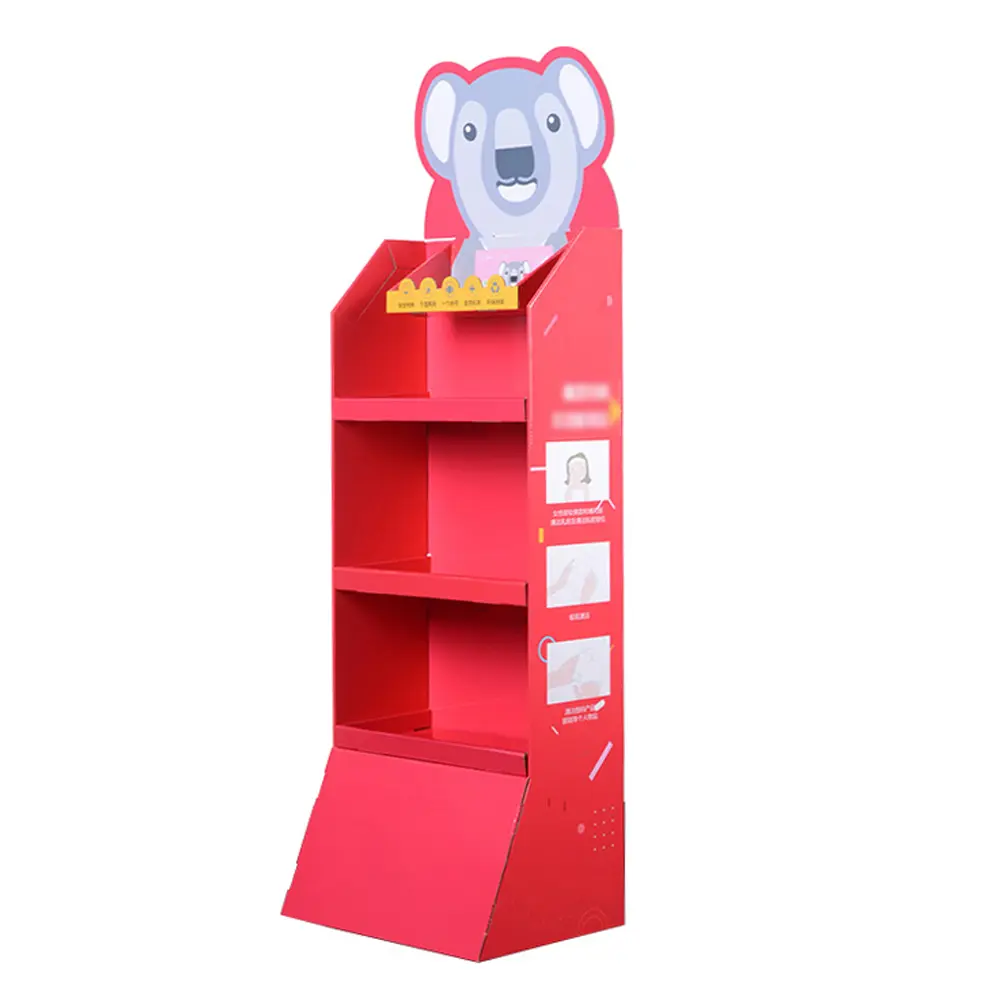
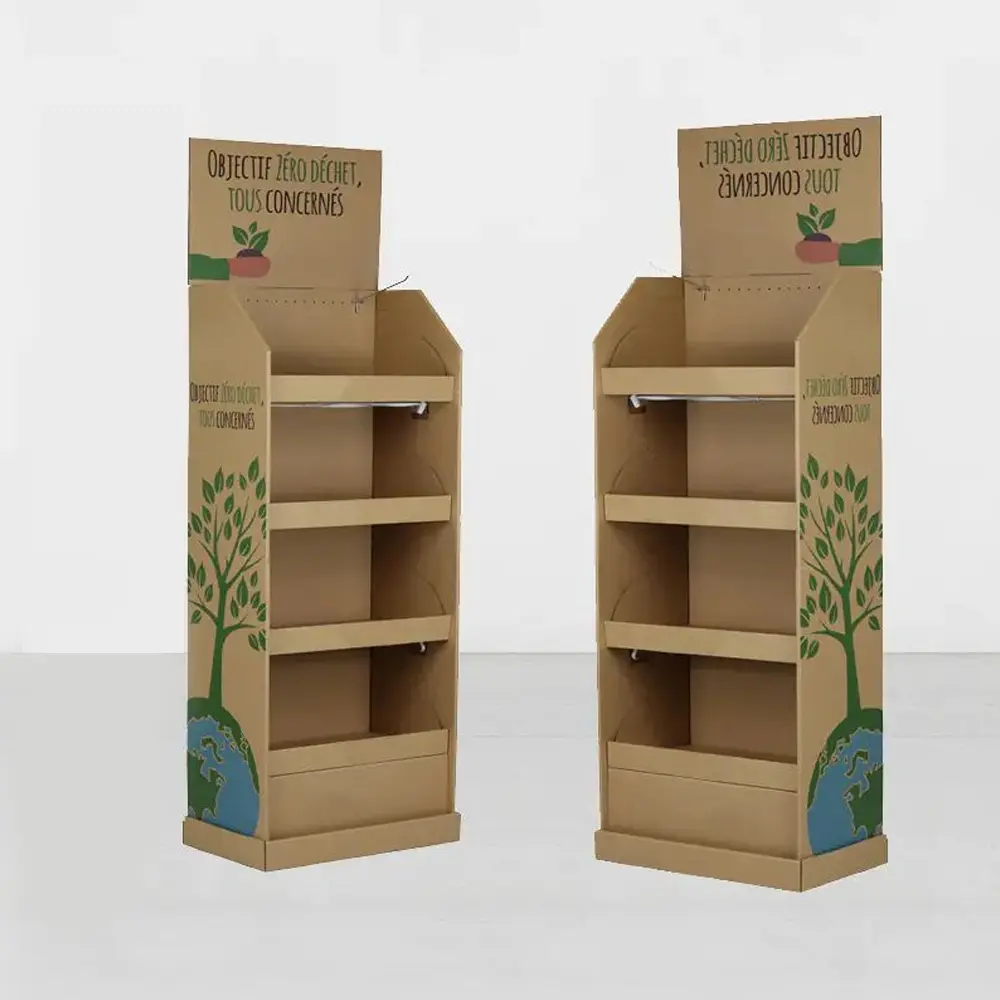
Display Boxes

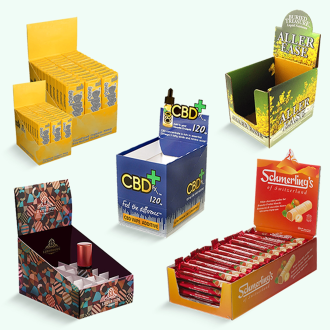
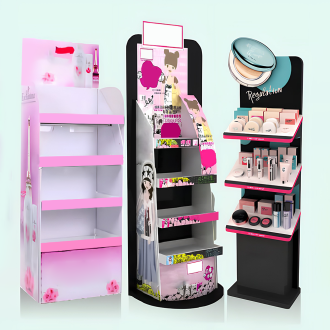
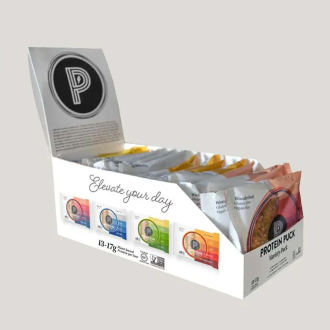
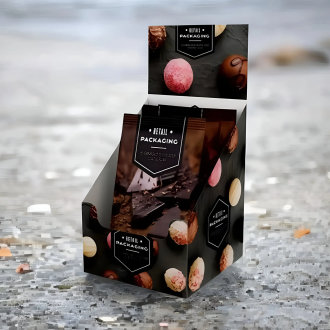
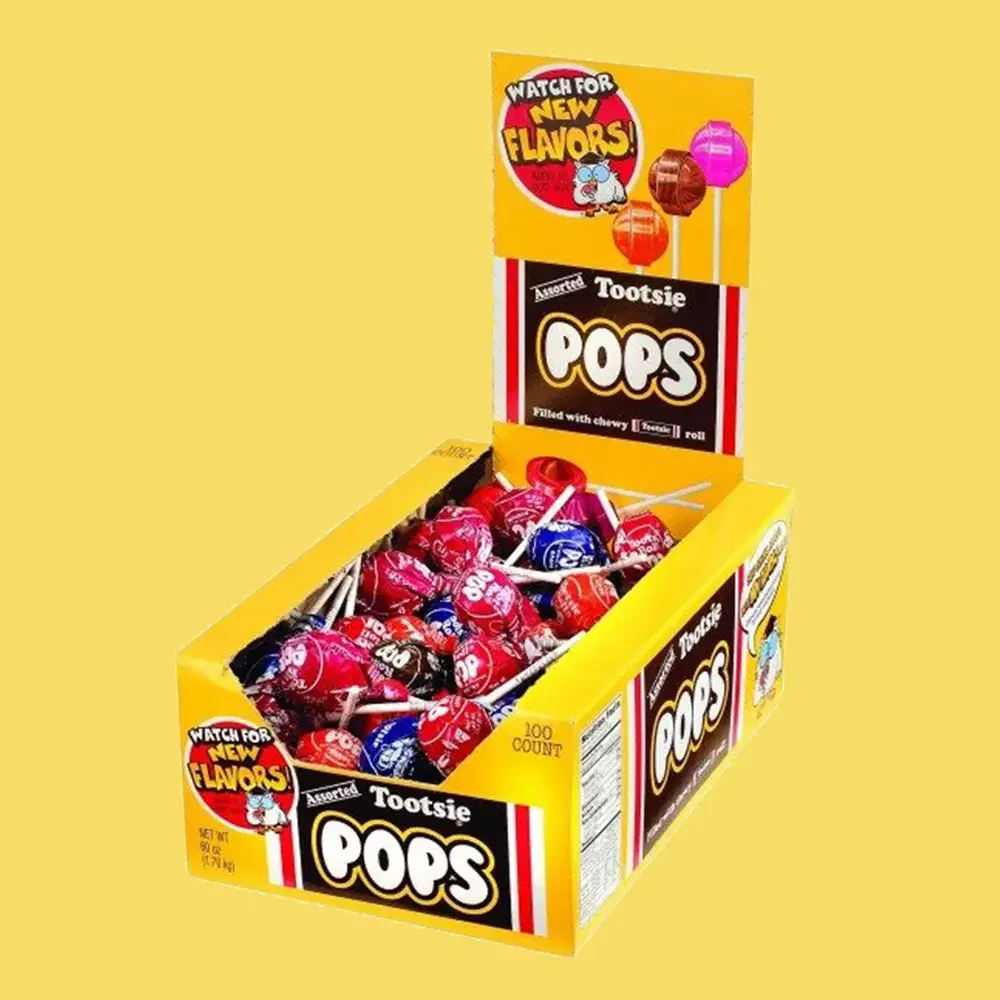
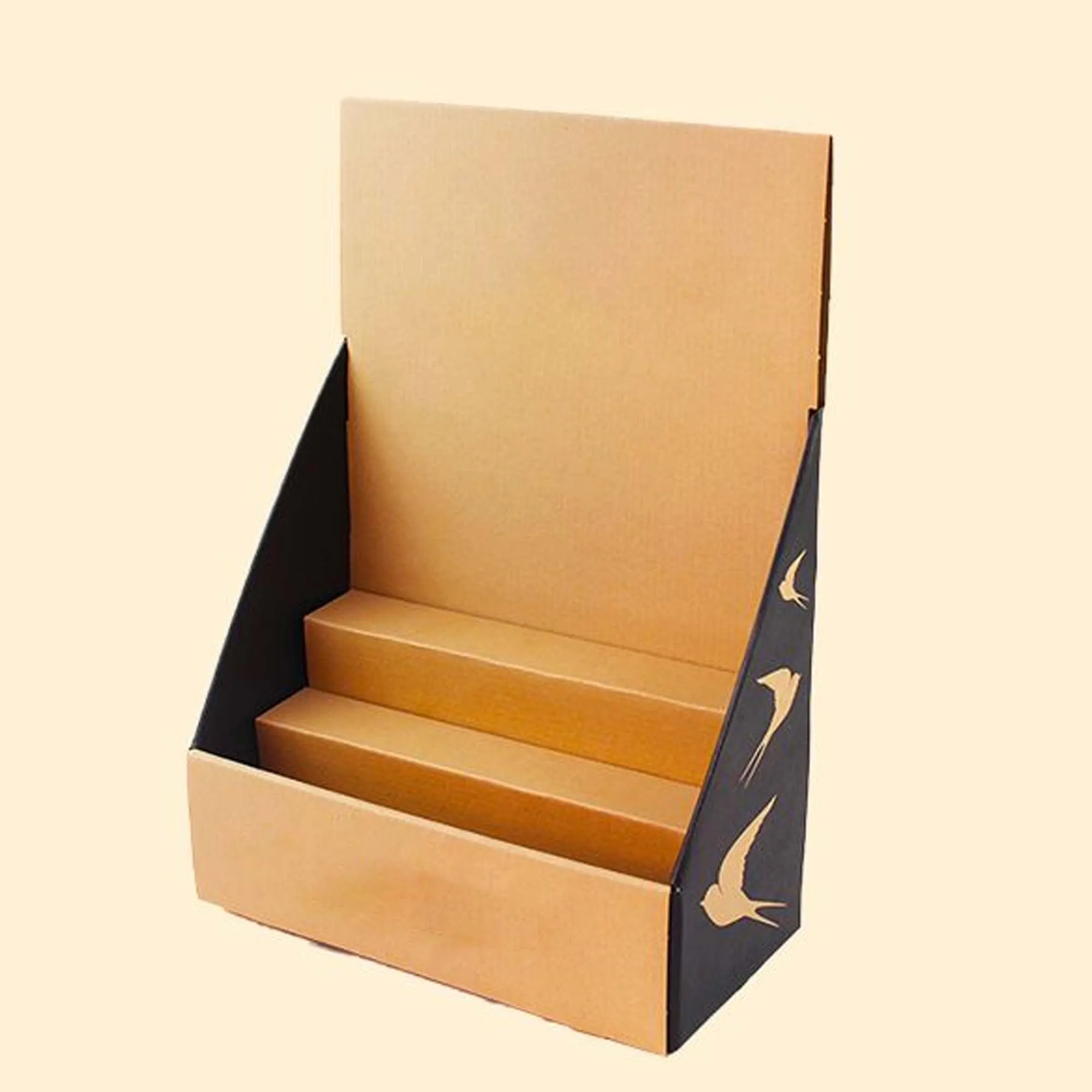
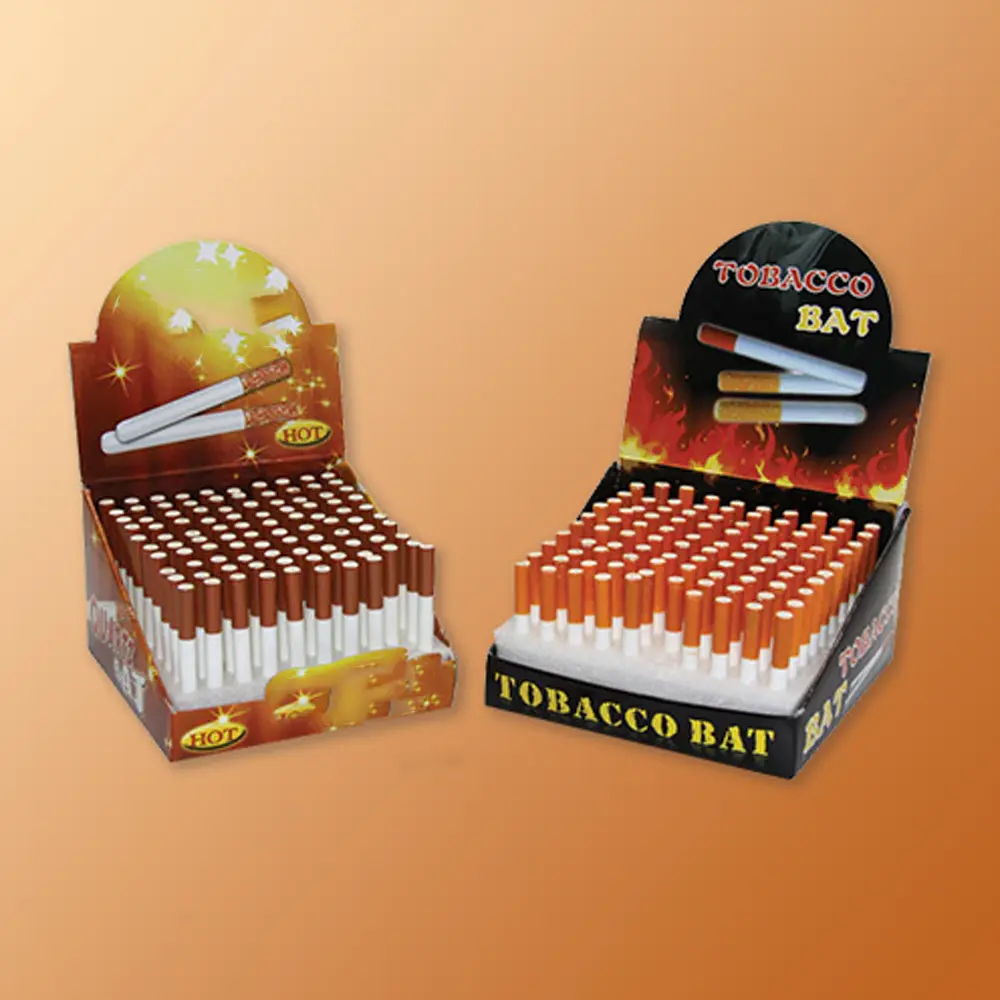
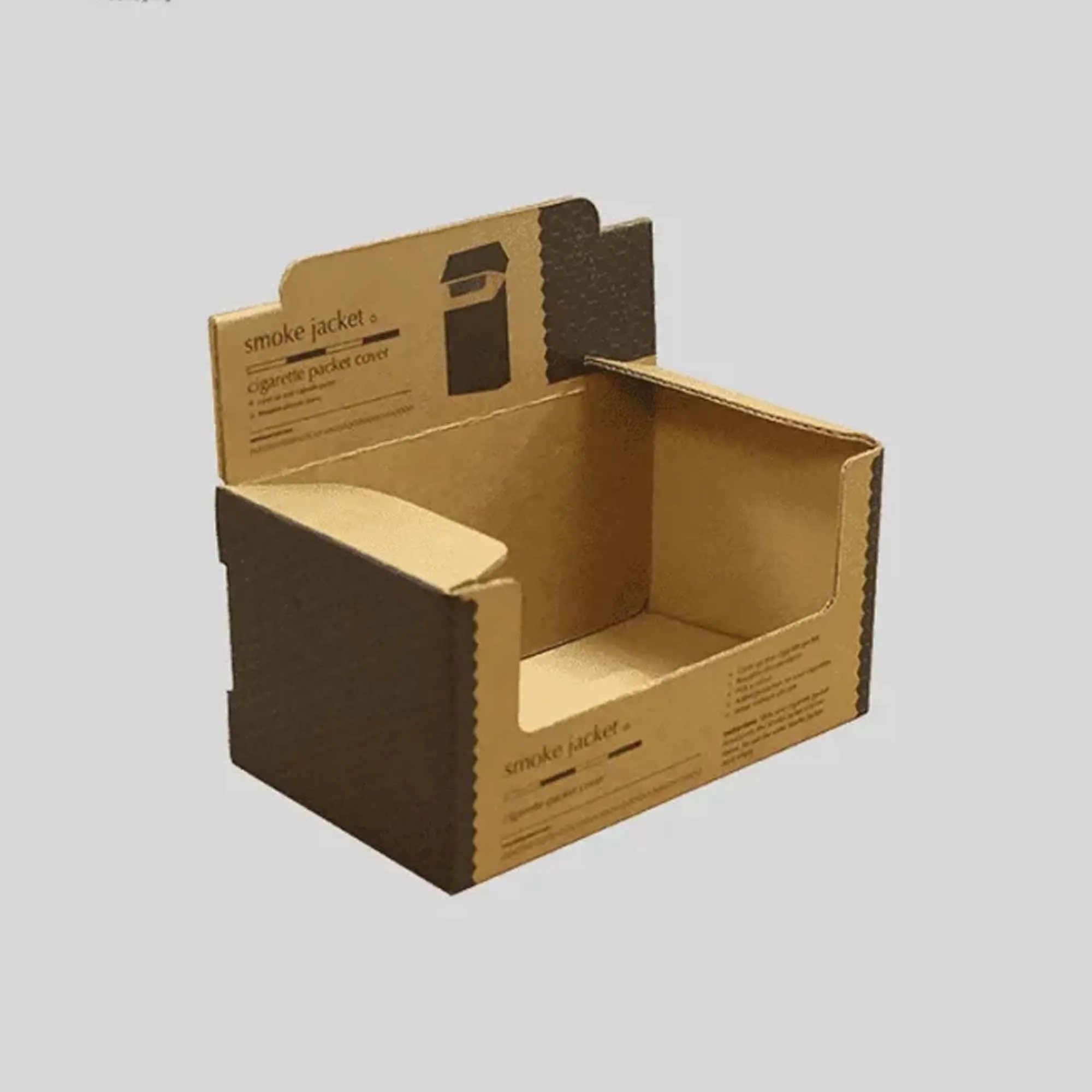
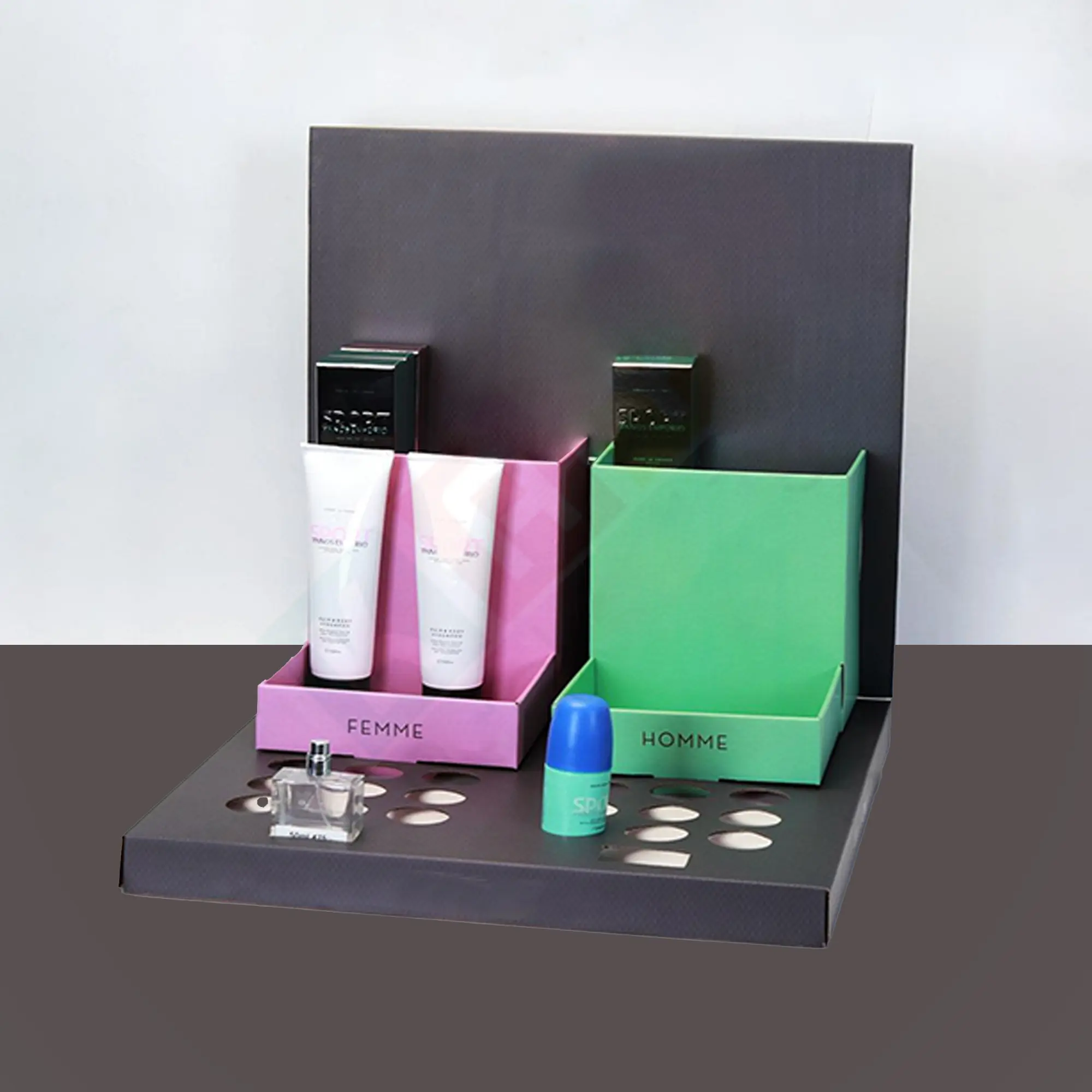
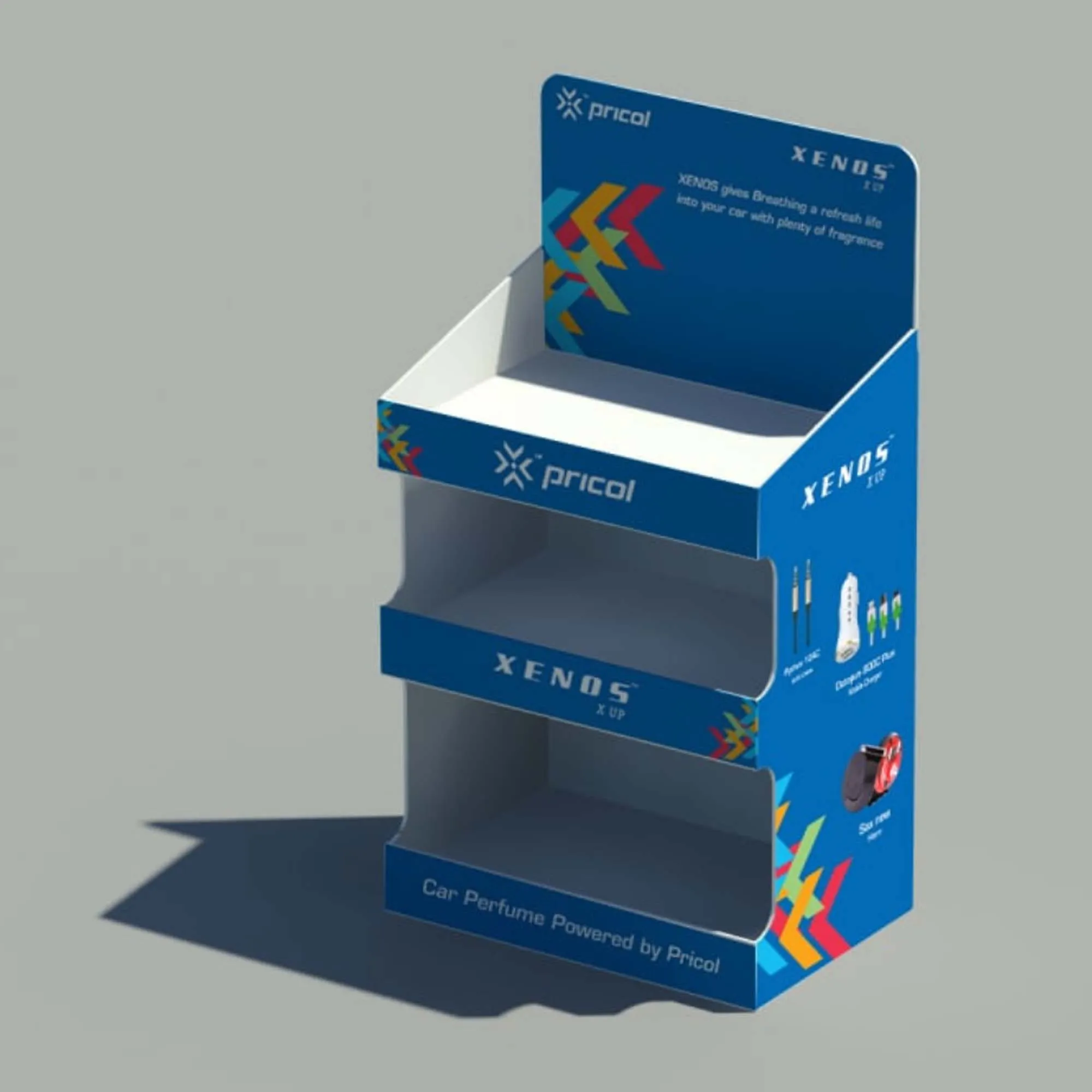
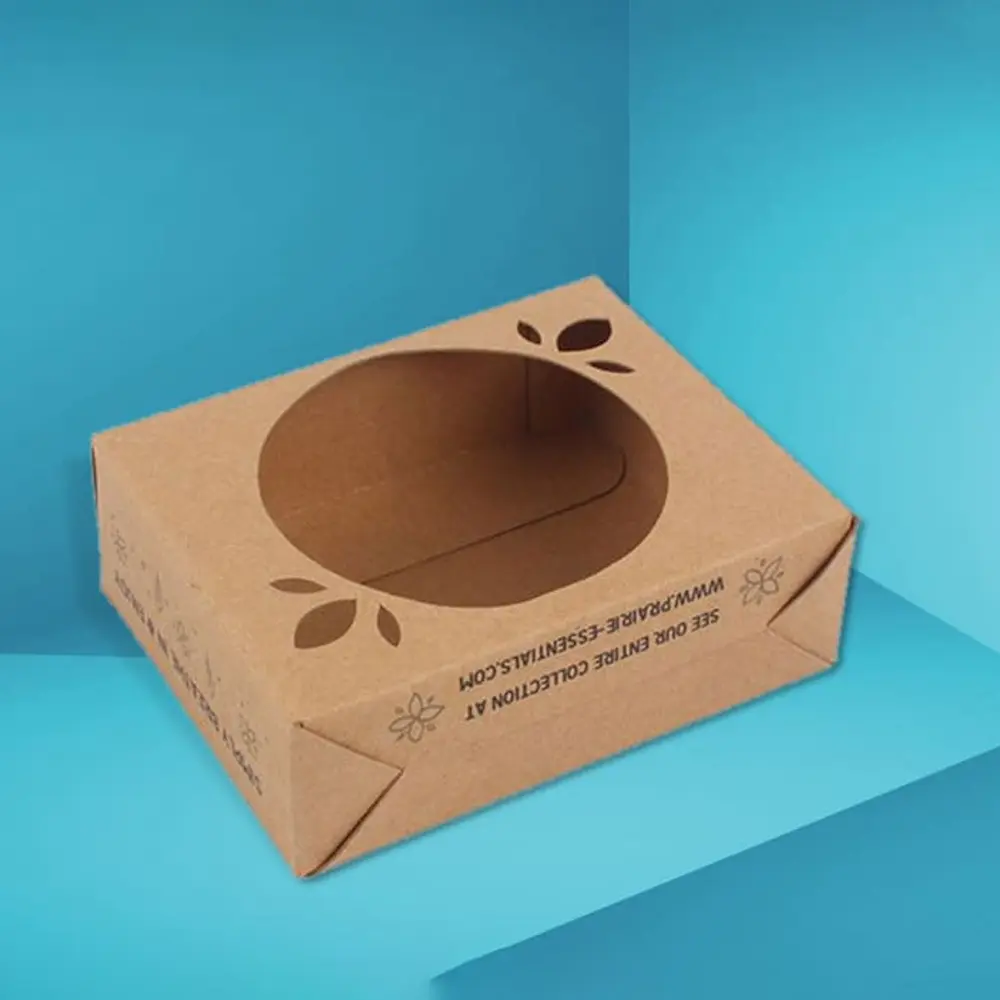
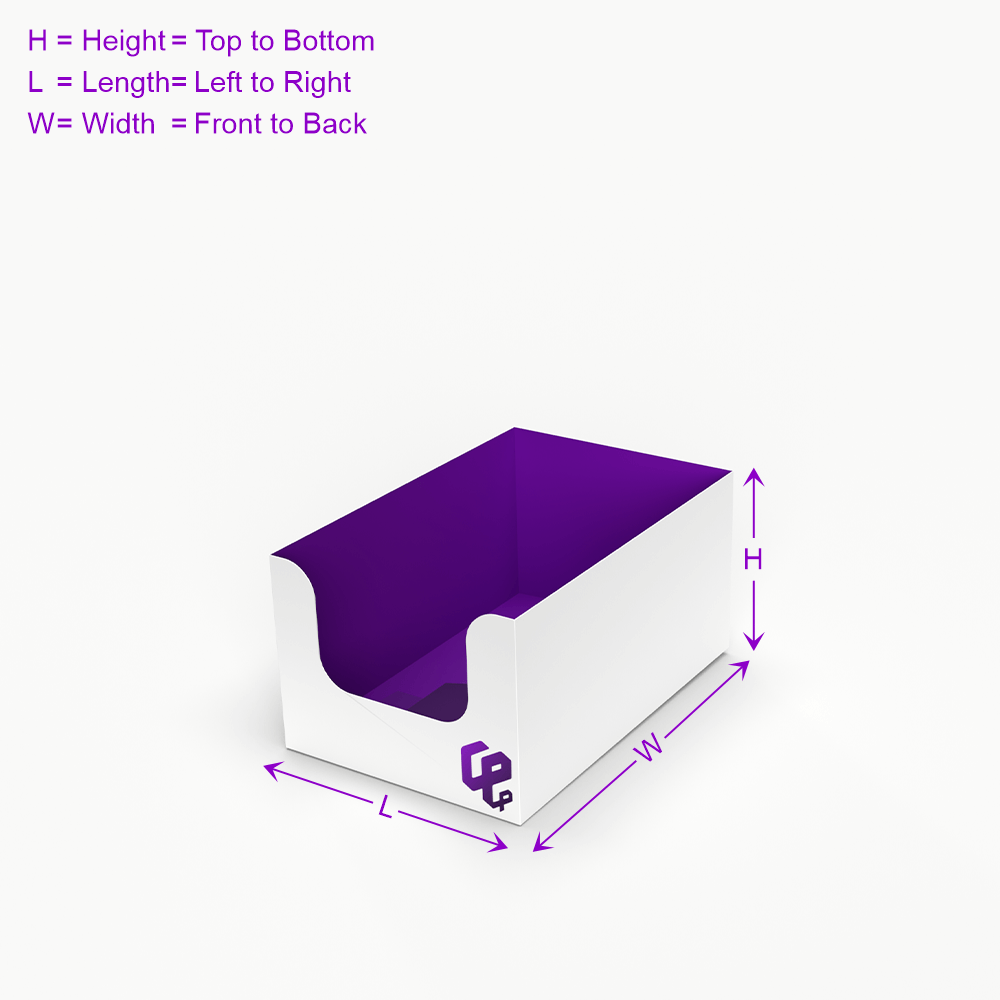
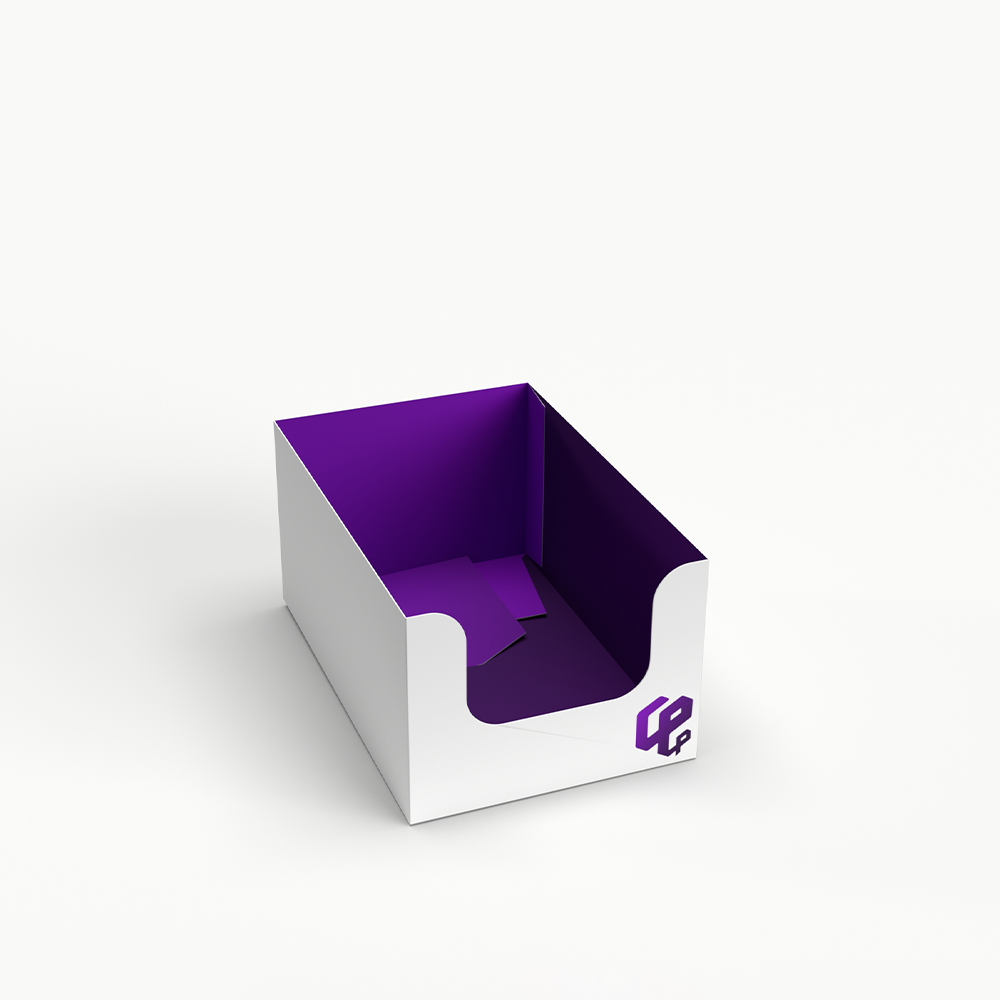
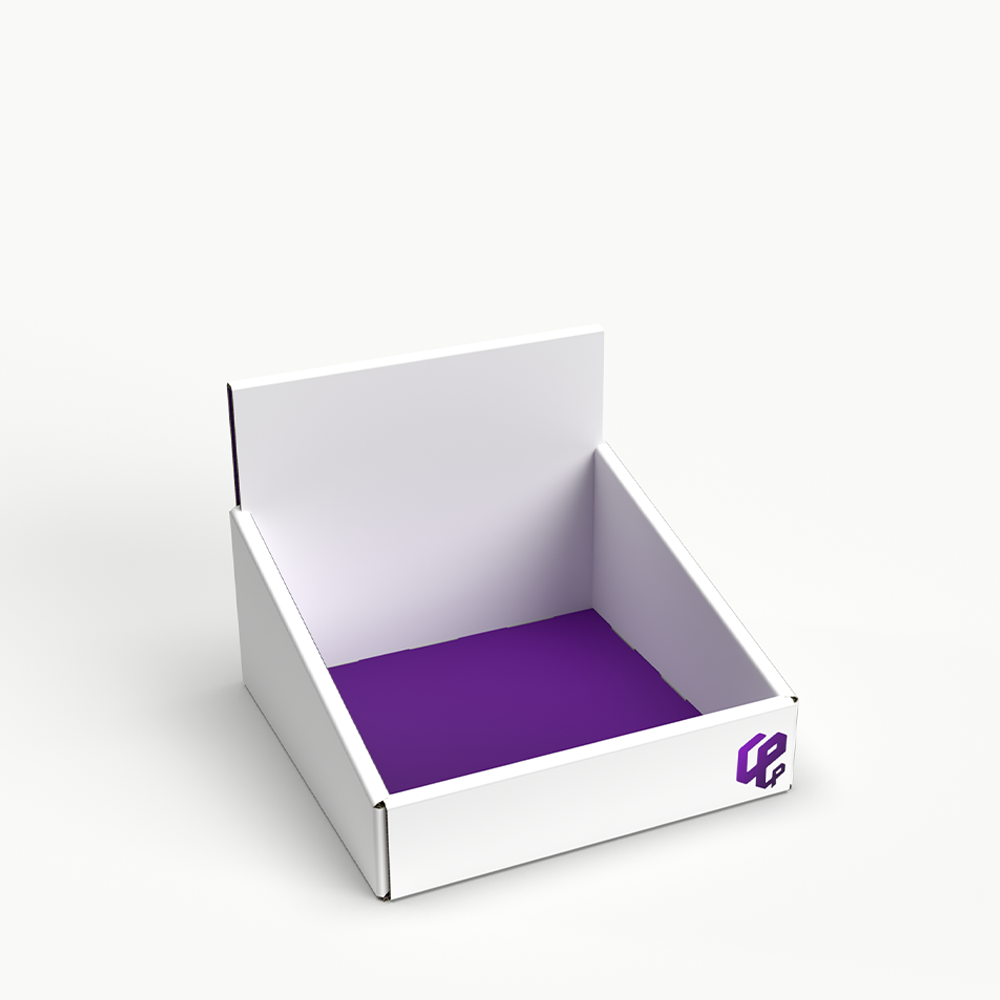
Display boxes are used at point-of-sale locations to enhance visibility and support impulse buying. They help products stand out in retail settings.

Industry-Specific Types of Packaging

Retail and Consumer Goods Packaging

Retail packaging prioritizes shelf appeal and branding consistency. Visual differentiation is essential in crowded retail environments.

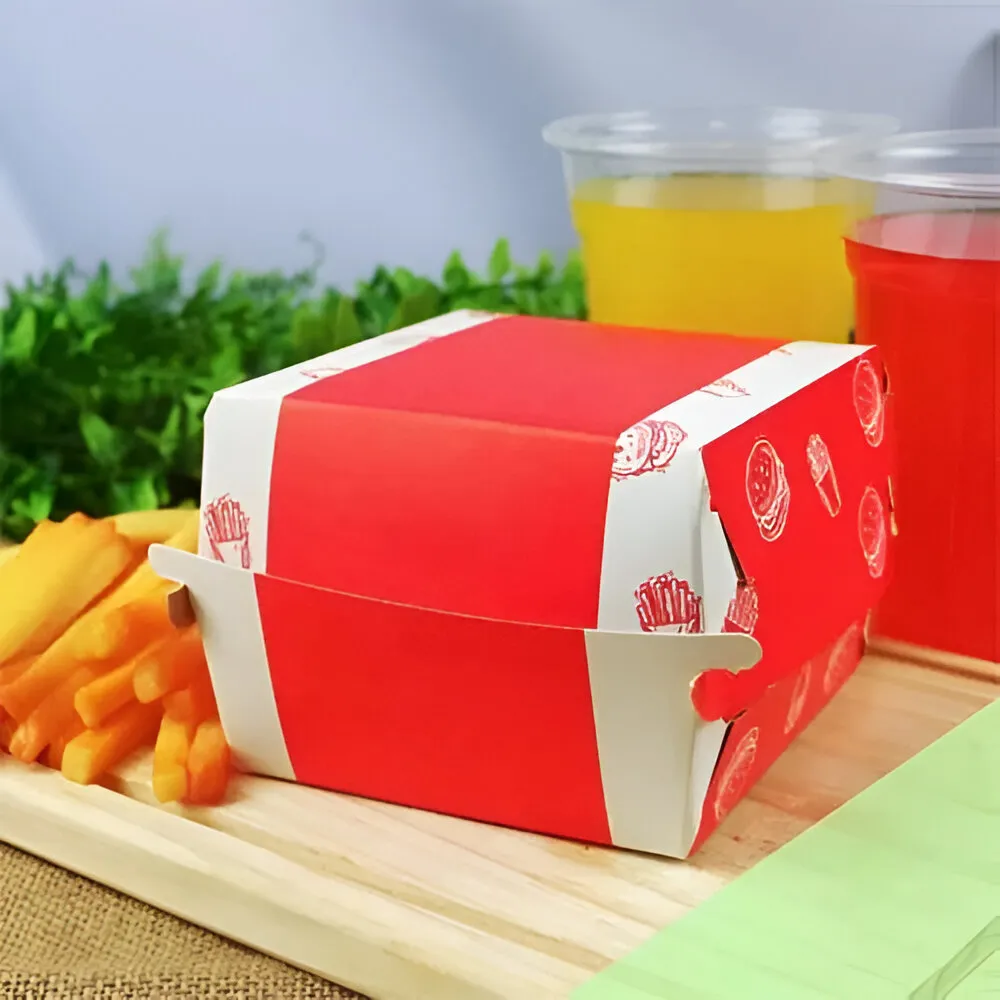
Food and Beverage Packaging

Food packaging must meet strict safety and compliance standards while preserving freshness. Material selection and labeling accuracy are critical for consumer trust.

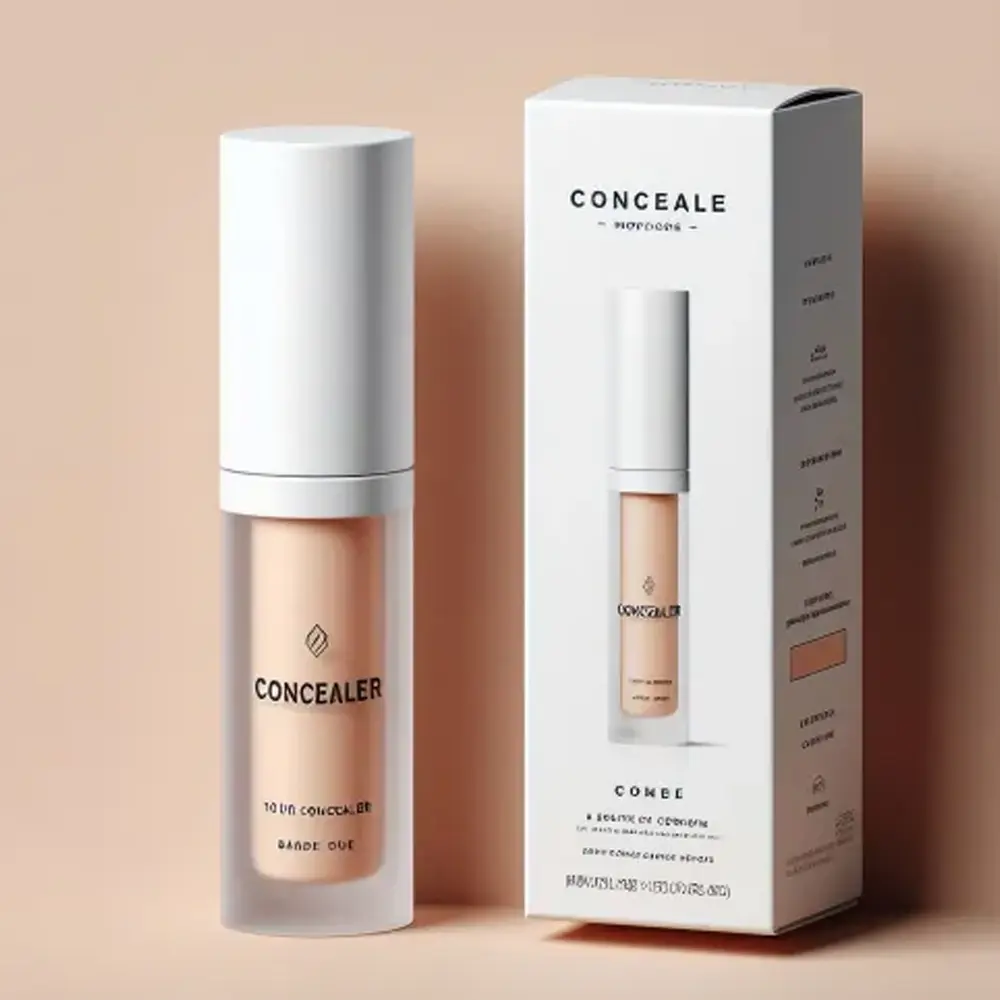
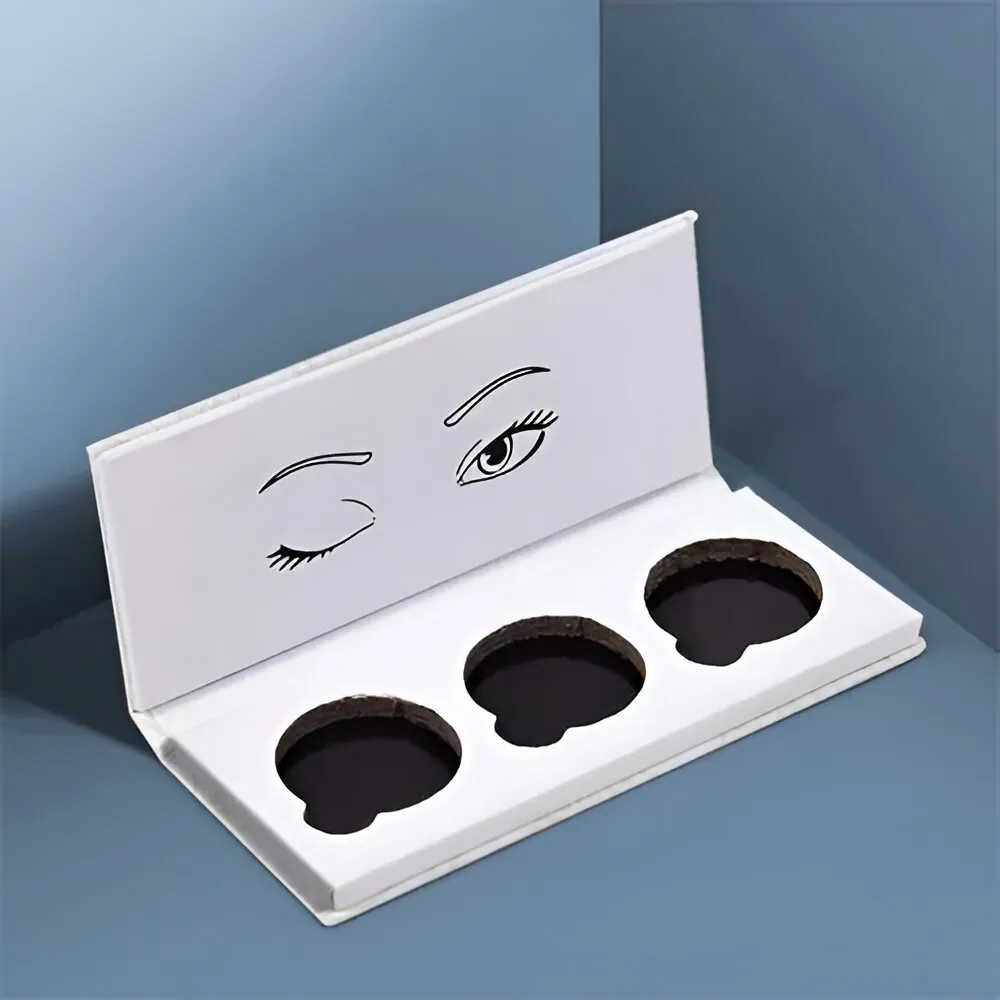
Cosmetic and Skincare Packaging

Cosmetic packaging is heavily aesthetic-driven. Brands rely on custom product packaging to communicate luxury, quality, and identity.

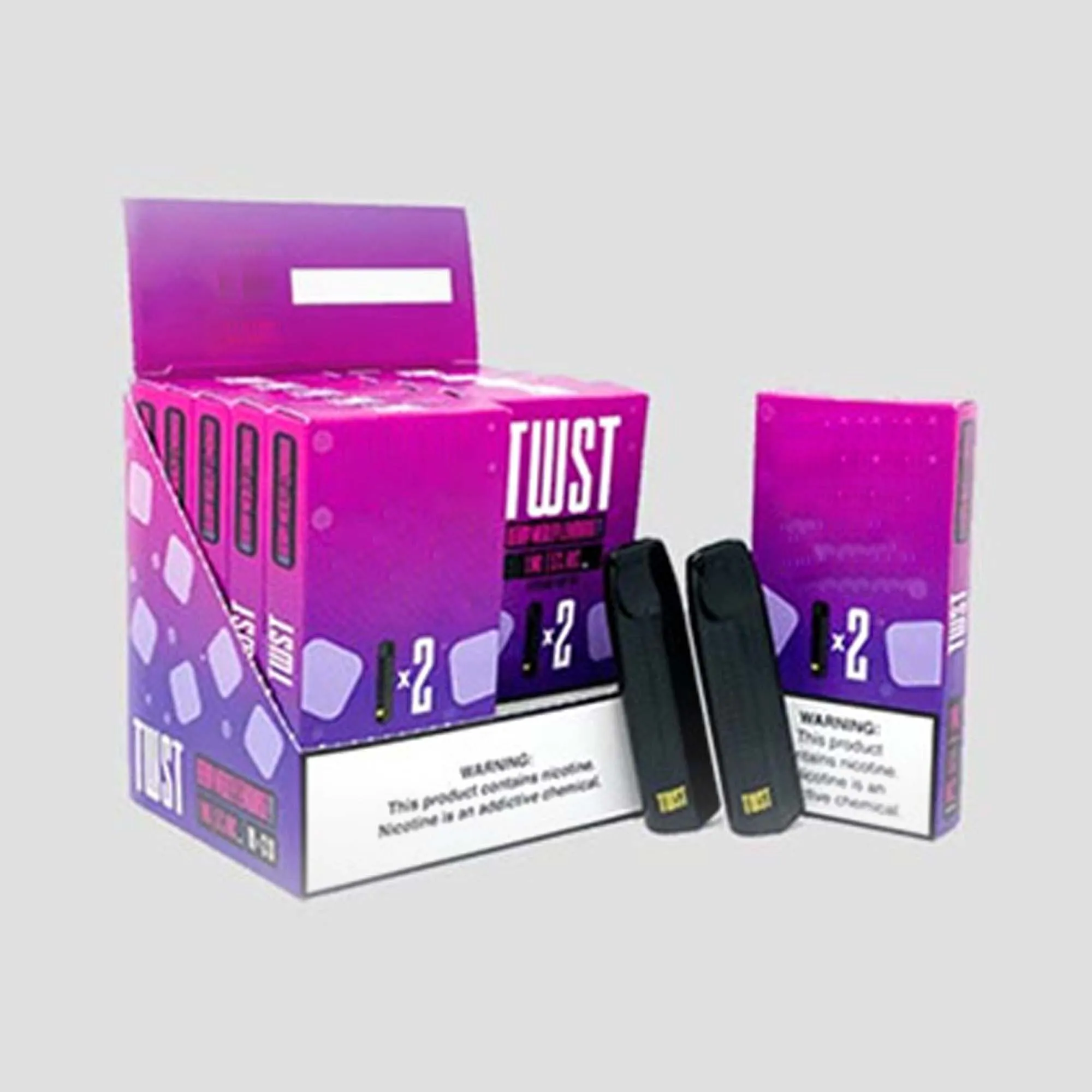
CBD and Wellness Packaging

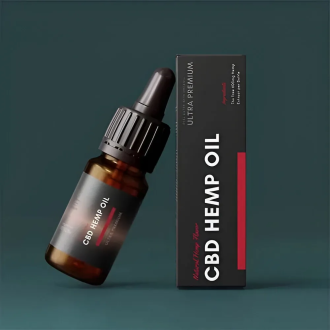
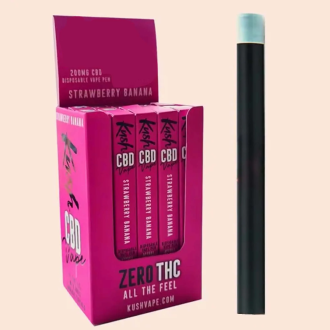
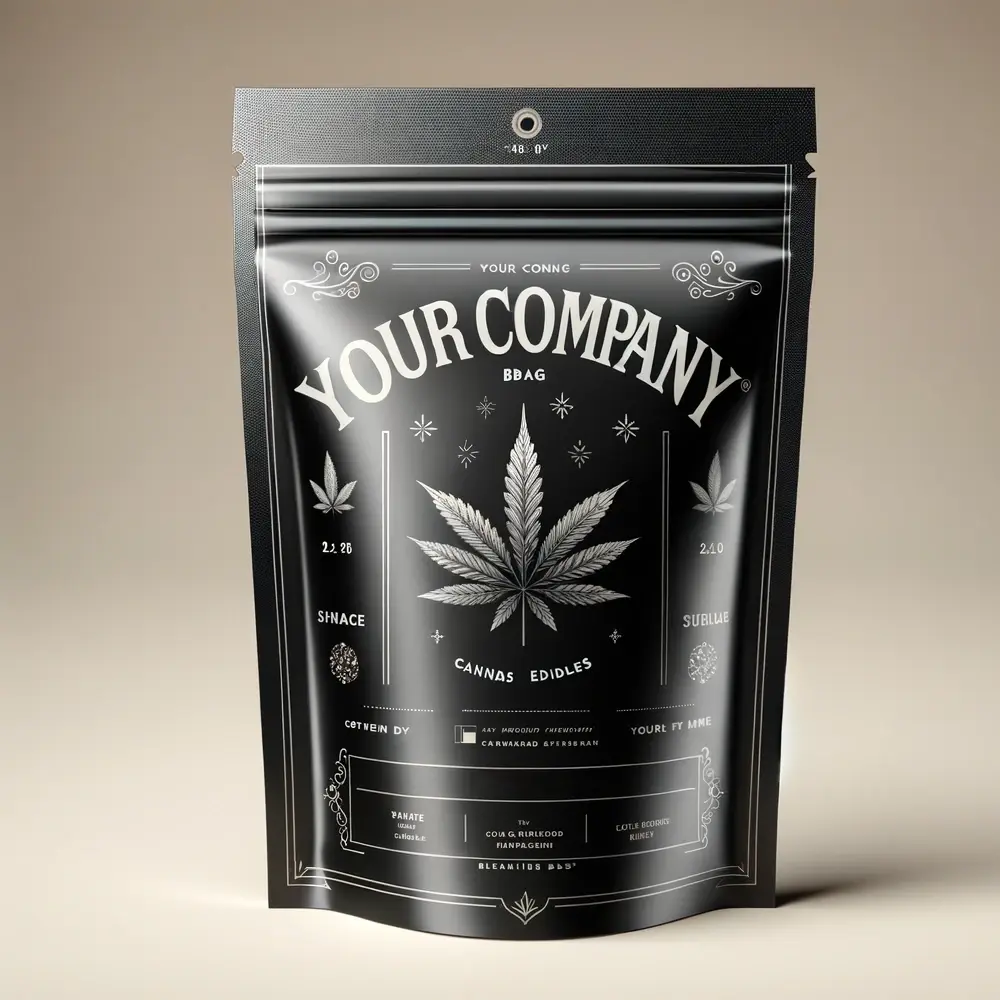
CBD and wellness packaging requires compliance-focused labeling and trust-building design. Clear information and professional presentation are essential.

Electronics and Fragile Item Packaging

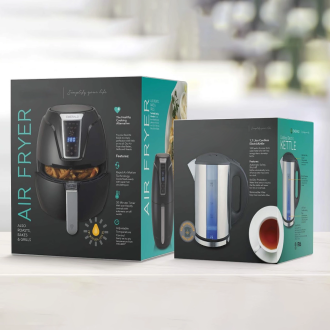
Electronics packaging focuses on protection. Inserts, cushioning, and shock resistance are used to prevent damage during transit.

Customise Packaging Boxes

Custom Packaging vs Standard Packaging

What Makes Custom Packaging Different?

Custom packaging is designed specifically for a product and brand. It offers tailored sizing, visual alignment, and better functionality.

Standard packaging is generic and limits branding and differentiation opportunities.

Benefits of Choosing Custom Packaging for Your Business

Custom packaging improves brand recognition, enhances protection, and reduces long-term costs by minimizing waste and returns.

Custom packaging for small business US brands also helps establish professionalism and credibility.

Sustainable and Eco-Friendly Packaging Types

Recyclable and Biodegradable Packaging Options

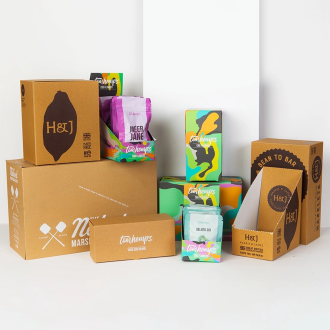
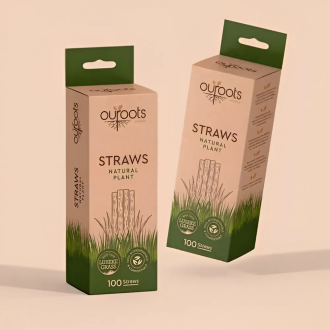
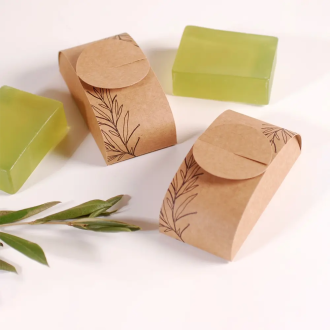
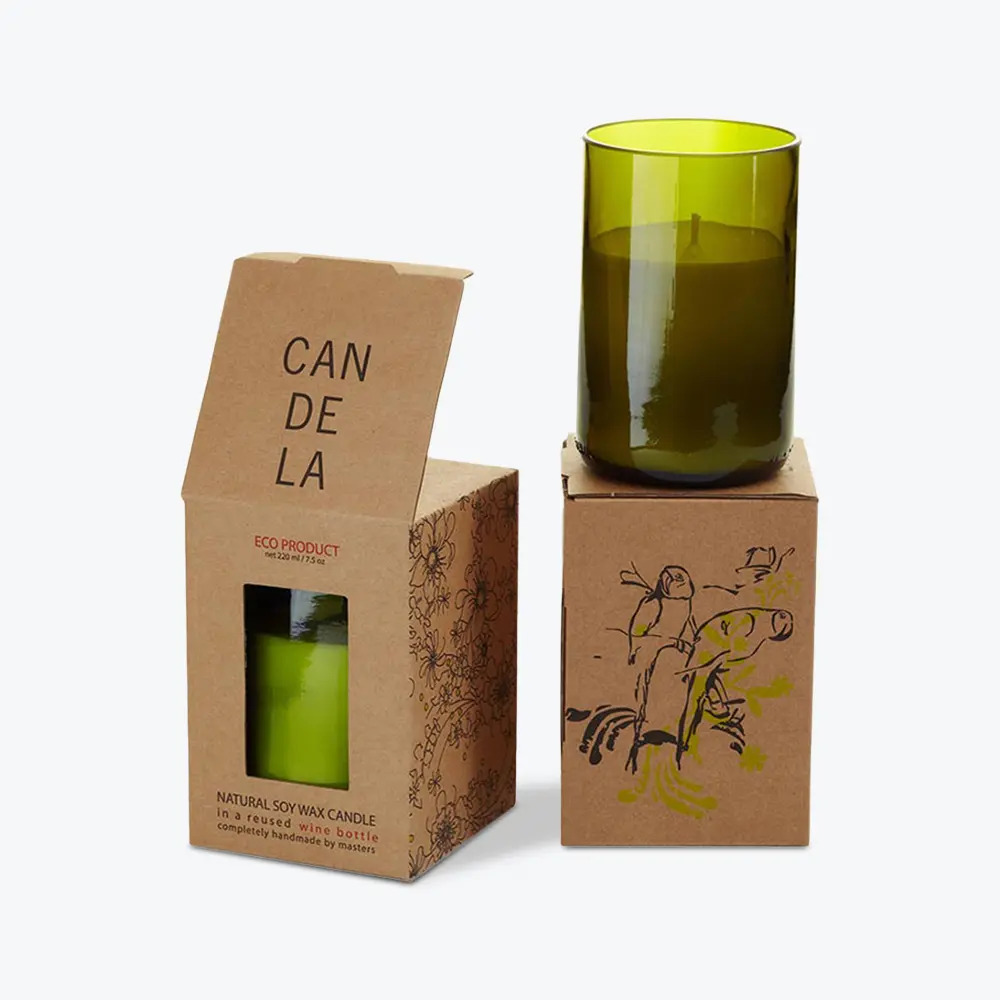
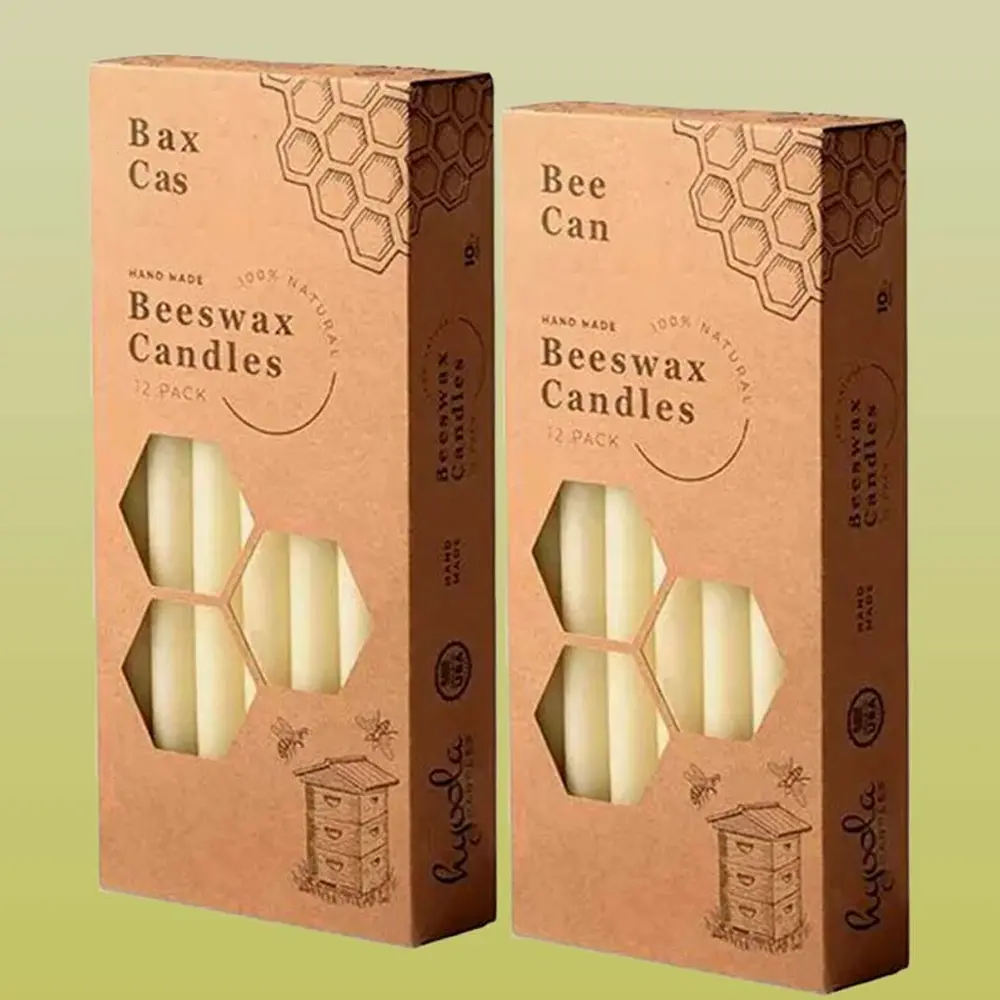
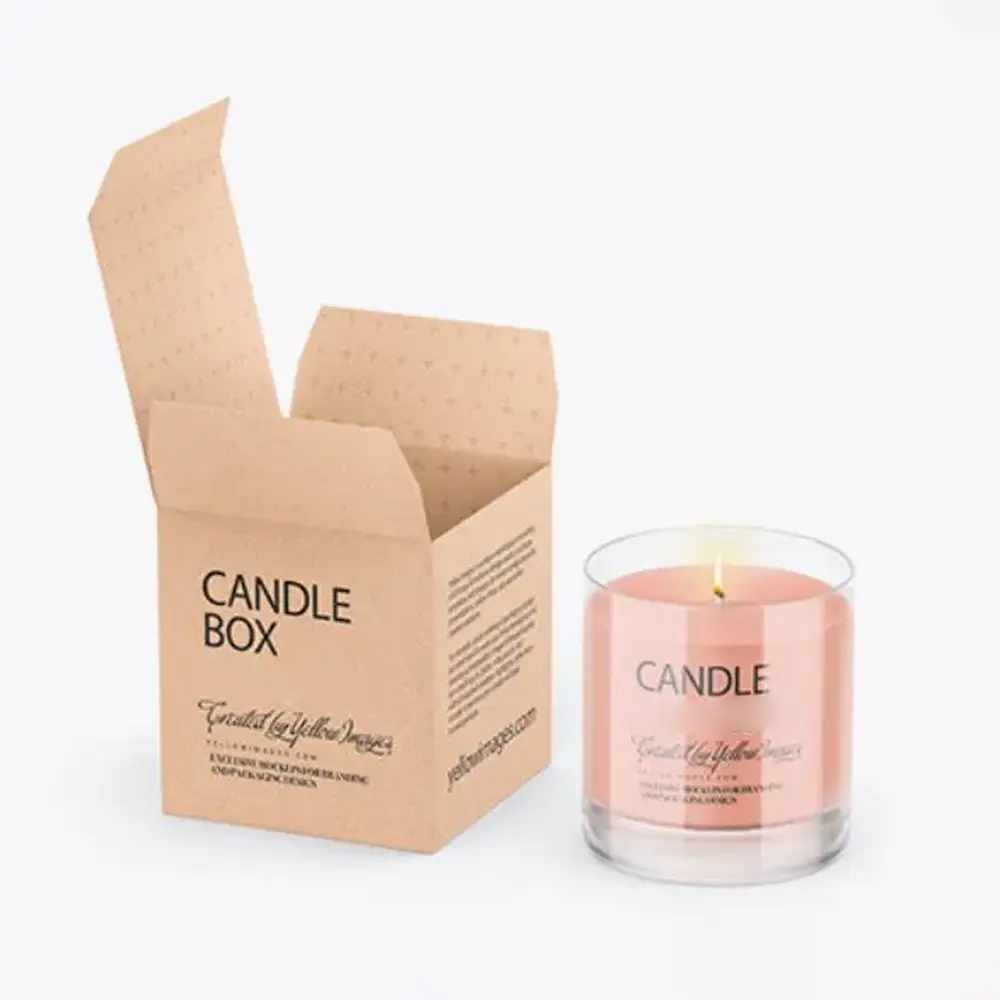
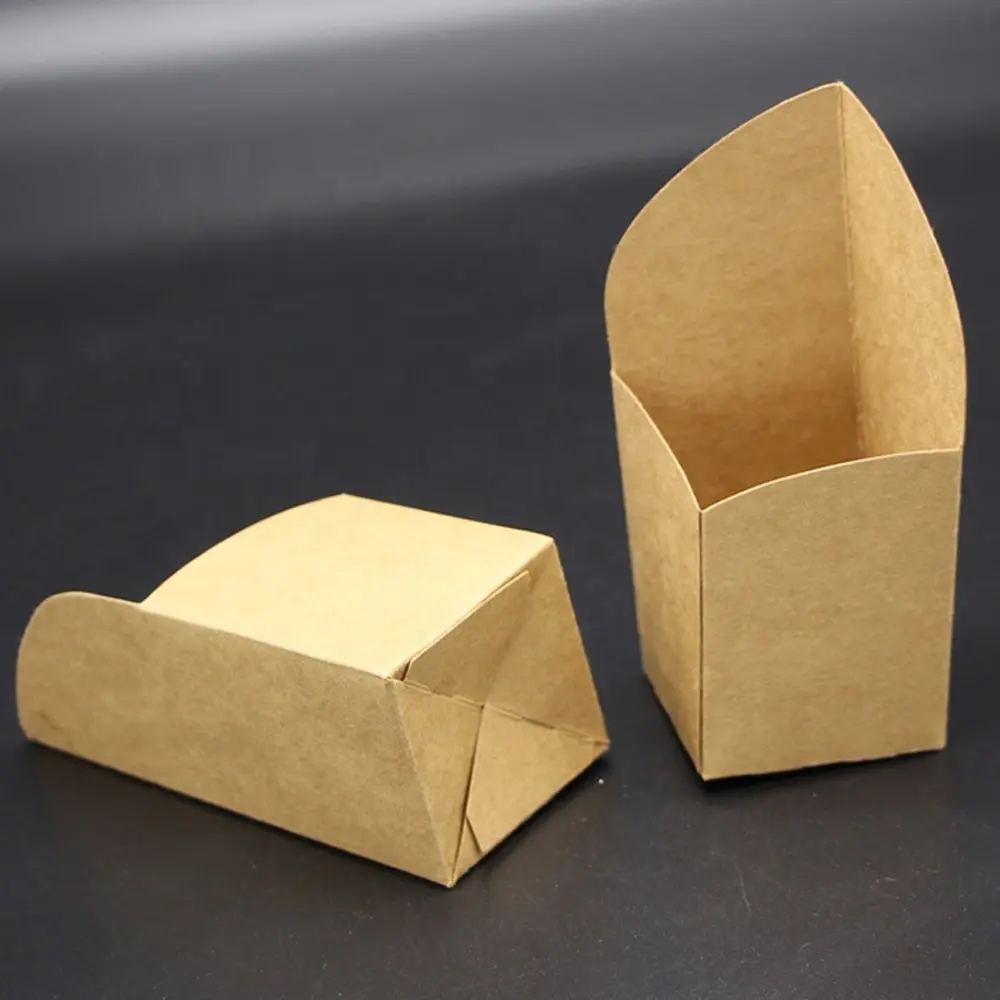
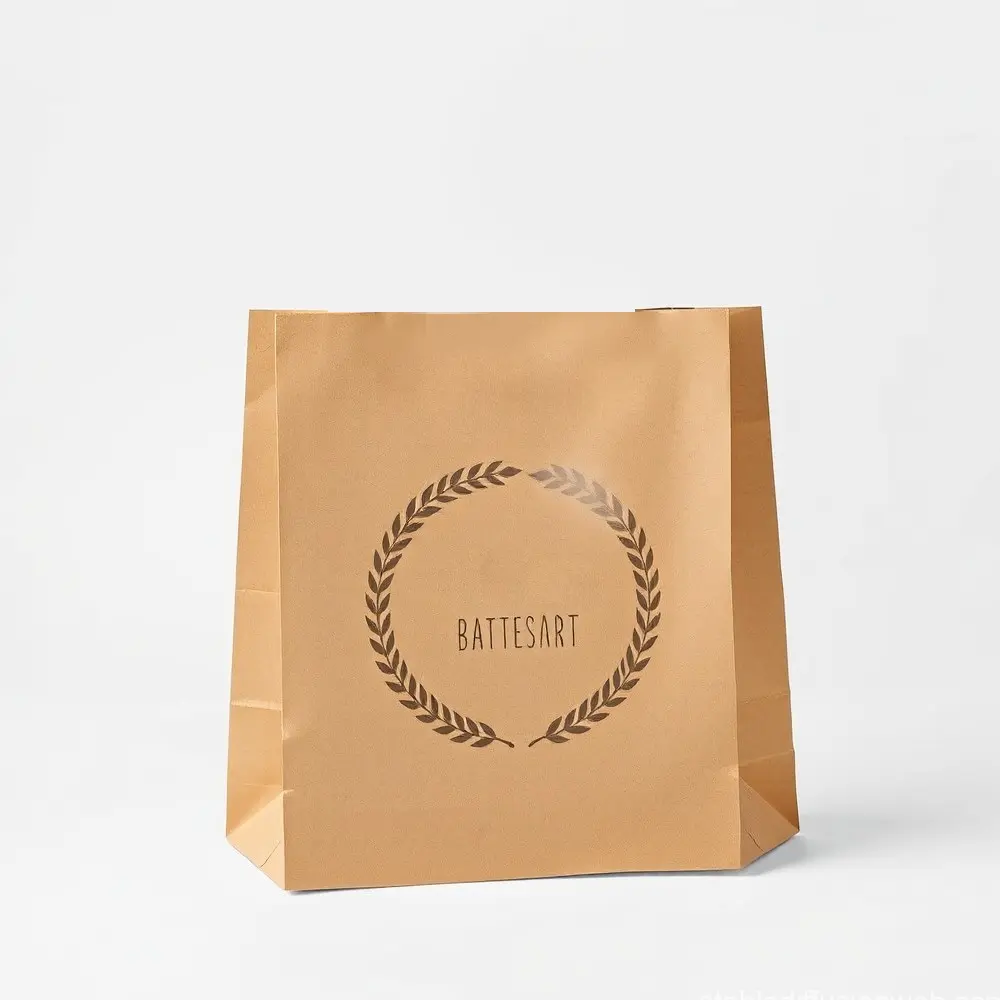
Eco-friendly packaging includes kraft boxes, paper-based materials, and biodegradable options that reduce environmental impact.

How Sustainable Packaging Impacts Brand Image

Sustainable packaging builds consumer trust and demonstrates environmental responsibility. It also helps brands stand out in competitive markets.

Choosing the Right Type of Packaging for Your Product

Factors to Consider Before Selecting Packaging

Businesses must consider product type, target audience, distribution channels, and shipping conditions before choosing packaging.

Balancing Cost, Durability, and Design

Effective packaging balances affordability, strength, and branding. Scalable packaging solutions support growth without sacrificing quality.

Common Packaging Mistakes Businesses Should Avoid

Using the Wrong Packaging Material

Selecting incorrect packaging materials can result in product damage, higher return rates, and compliance issues. Materials must match the product’s weight, fragility, and regulatory requirements. Poor material choices also affect perceived quality and customer trust.

Ignoring Branding Opportunities

Packaging is one of the most consistent branding surfaces a business has. Failing to use it for logo placement, brand colors, and messaging weakens recognition and forces brands to rely more on paid marketing.

Overlooking Shipping and Storage Requirements

Packaging must perform well during shipping and storage. Poor structural design increases damage risk, shipping costs, and customer dissatisfaction. Considering logistics early helps prevent these issues.

How Custom Packaging Pro Delivers the Right Packaging Solutions

Wide Range of Custom Packaging Types

Custom Packaging Pro offers custom packaging boxes, materials, finishes, and tailored product packaging solutions for various industries.

Why Businesses Choose Custom Packaging Pro

Brands value custom sizing, premium printing, scalable production, and industry expertise delivered in a consultative, non-sales-heavy manner.

Future Trends in Custom Packaging

Smart and Functional Packaging

Interactive packaging features such as QR codes and smart labels are becoming more common.

Minimalist and Premium Design Trends

Clean, minimal designs combined with premium finishes continue to dominate modern packaging.

Sustainability-Driven Innovation

Brands are investing in innovative materials and waste reduction strategies to meet environmental expectations.

Final Thoughts – Understanding Packaging Types Is Key to Business Growth

Understanding the different types of packaging empowers businesses to make informed decisions that support branding, protection, and growth. Packaging is no longer just a container. It is a strategic business tool that influences perception, trust, and profitability.

By selecting the right packaging materials, box types, and custom box packaging solutions, businesses can improve customer experience, reduce costs, and strengthen brand identity. Thoughtful packaging choices create long-term value and position brands for sustainable success in competitive markets.

Custom Packaging

FAQs

Why is product packaging important for a business?
Product packaging protects the product, builds brand identity, and influences buying decisions. It also helps businesses stand out, improve customer trust, and reduce product damage during shipping.

How does packaging affect consumer buying decisions?
Packaging impacts first impressions through color, design, and material quality. Visually appealing and well-structured packaging increases perceived value and encourages customers to choose one product over competitors.

What role does packaging play in brand recognition?
Consistent packaging design helps customers instantly recognize a brand. Logos, colors, and typography used on packaging reinforce brand memory and build long-term trust.

Does sustainable packaging really matter to consumers?
Yes, modern consumers actively prefer eco-friendly packaging. Sustainable materials enhance brand credibility, attract environmentally conscious buyers, and improve brand loyalty.

Can good packaging increase profitability?
Effective packaging can reduce returns, improve shelf appeal, and support premium pricing. When packaging adds value and improves customer experience, it directly contributes to higher sales and profitability.


Featured On:

Our Print Experts are Happy to Provide you with a Custom Quote for Just About Anything you Can Dream Up. It will Just Take your few Minutes.

Get Instant Quote