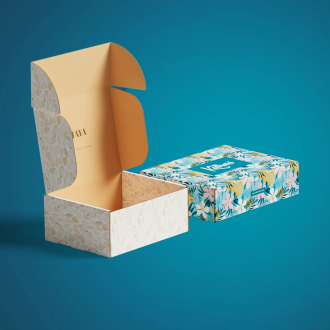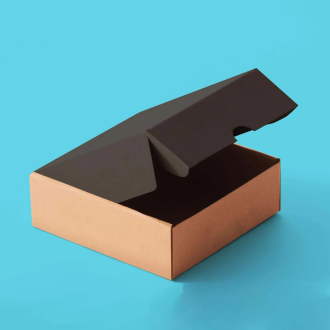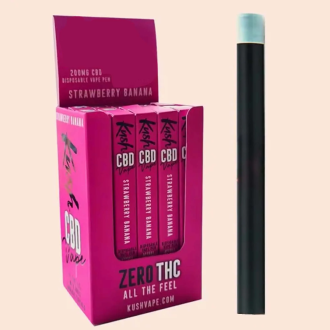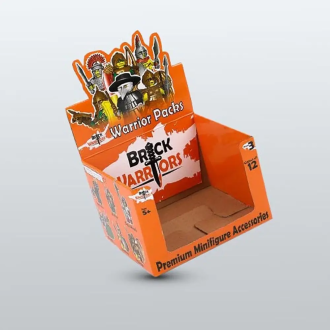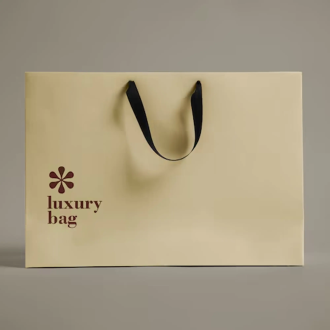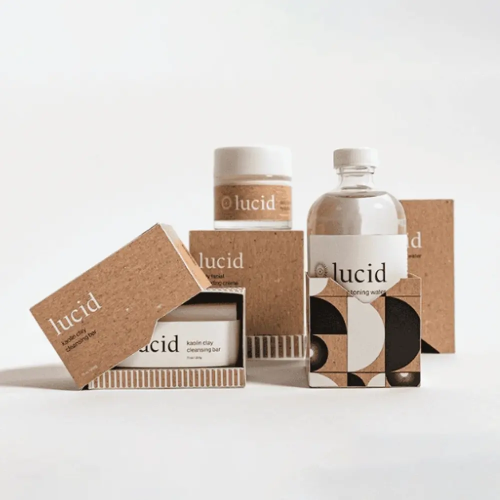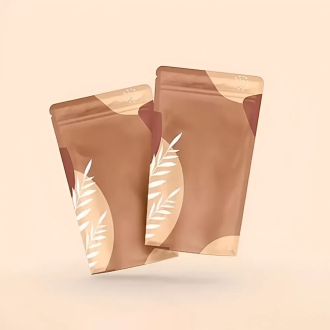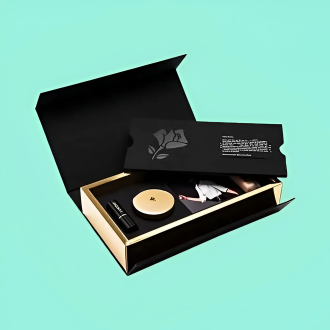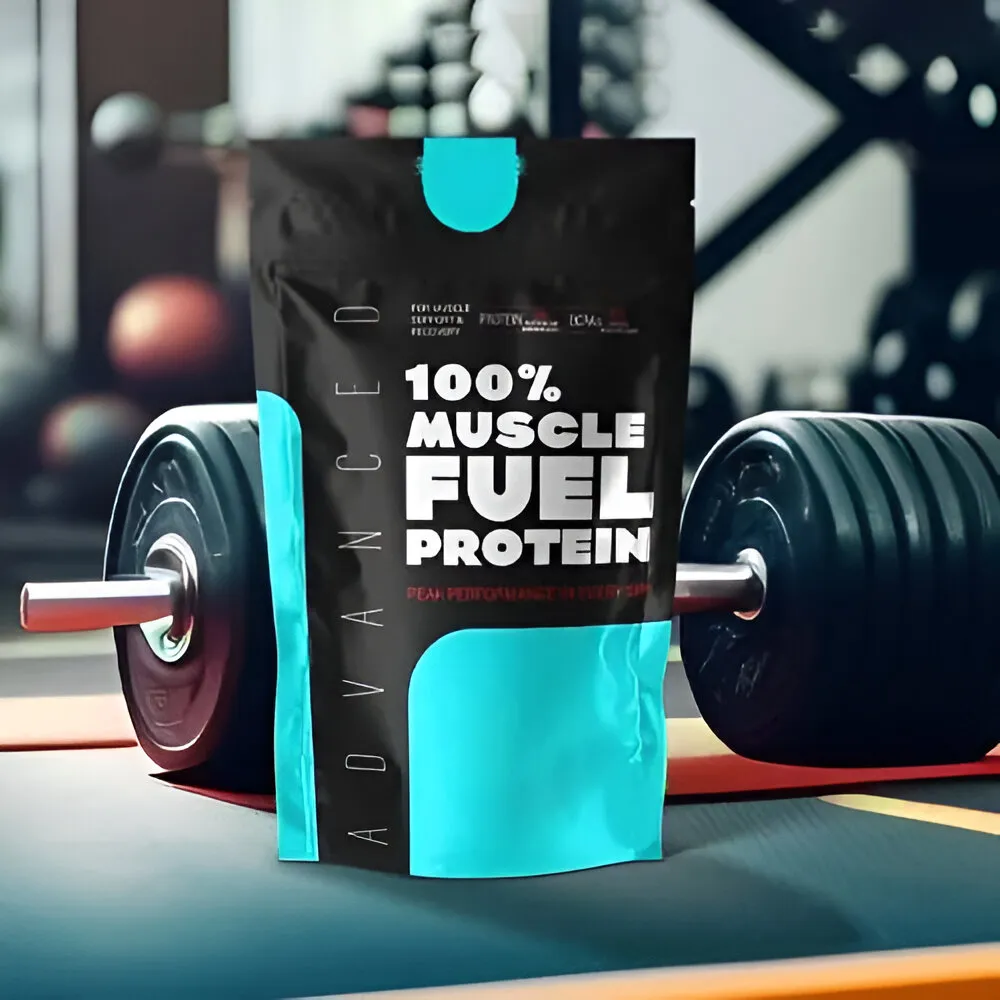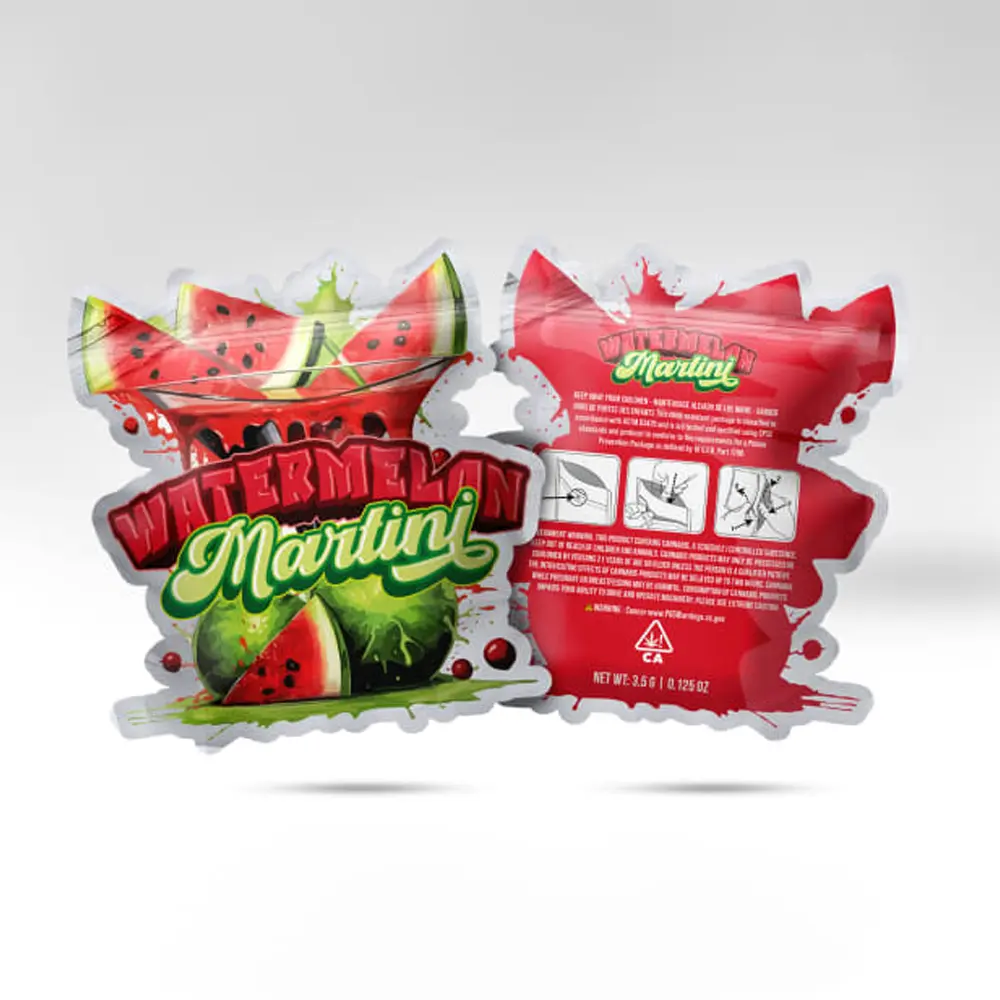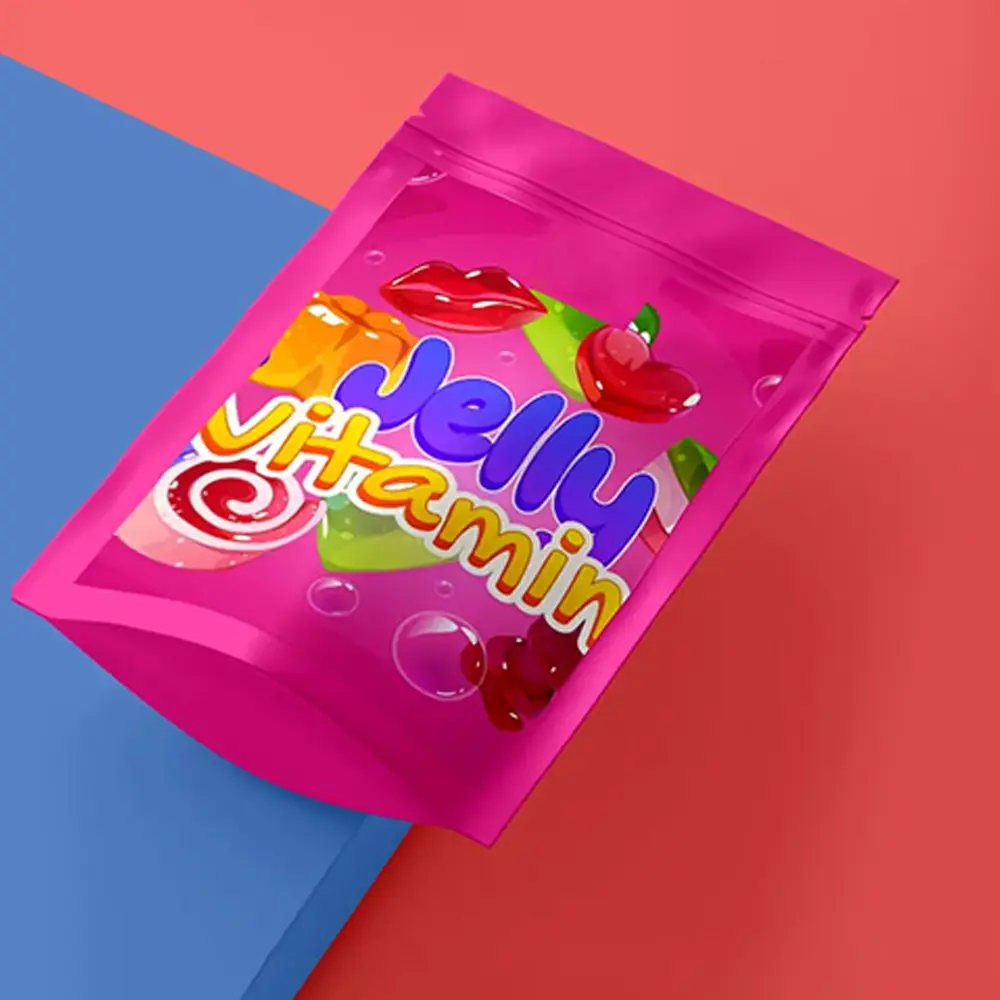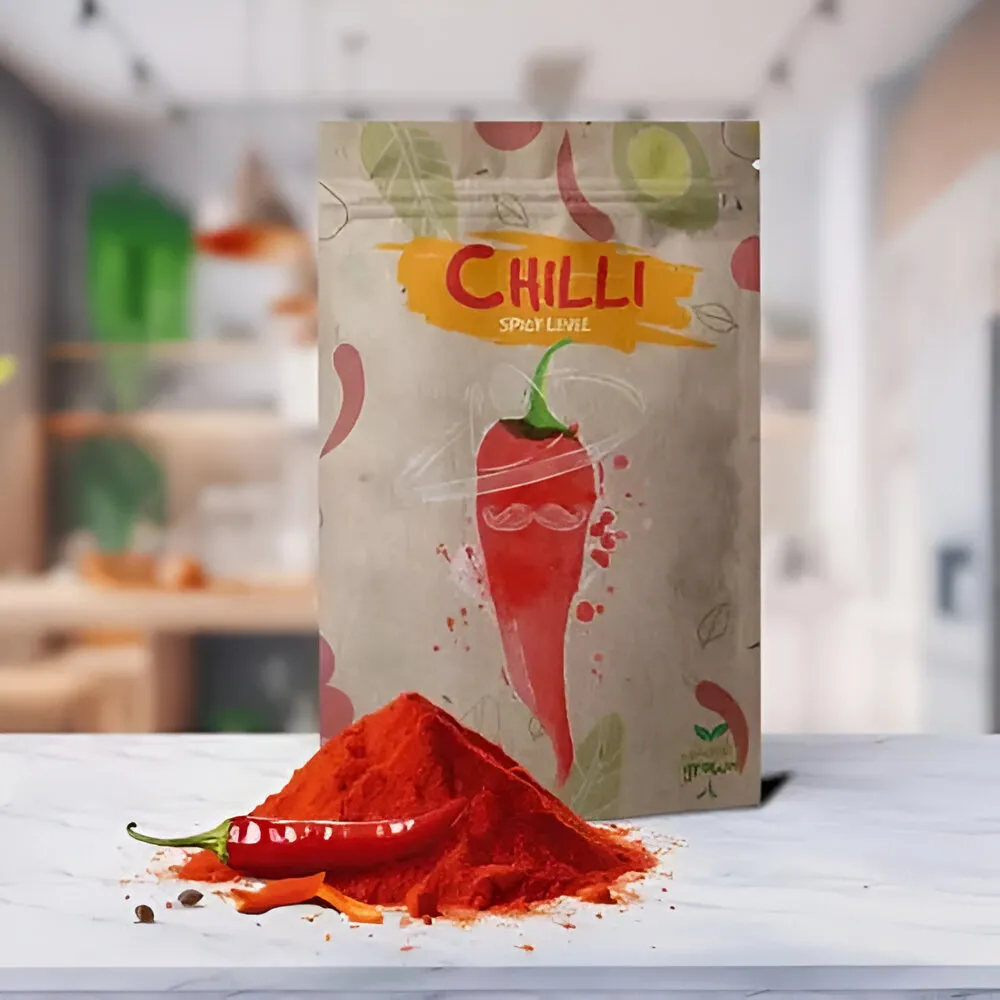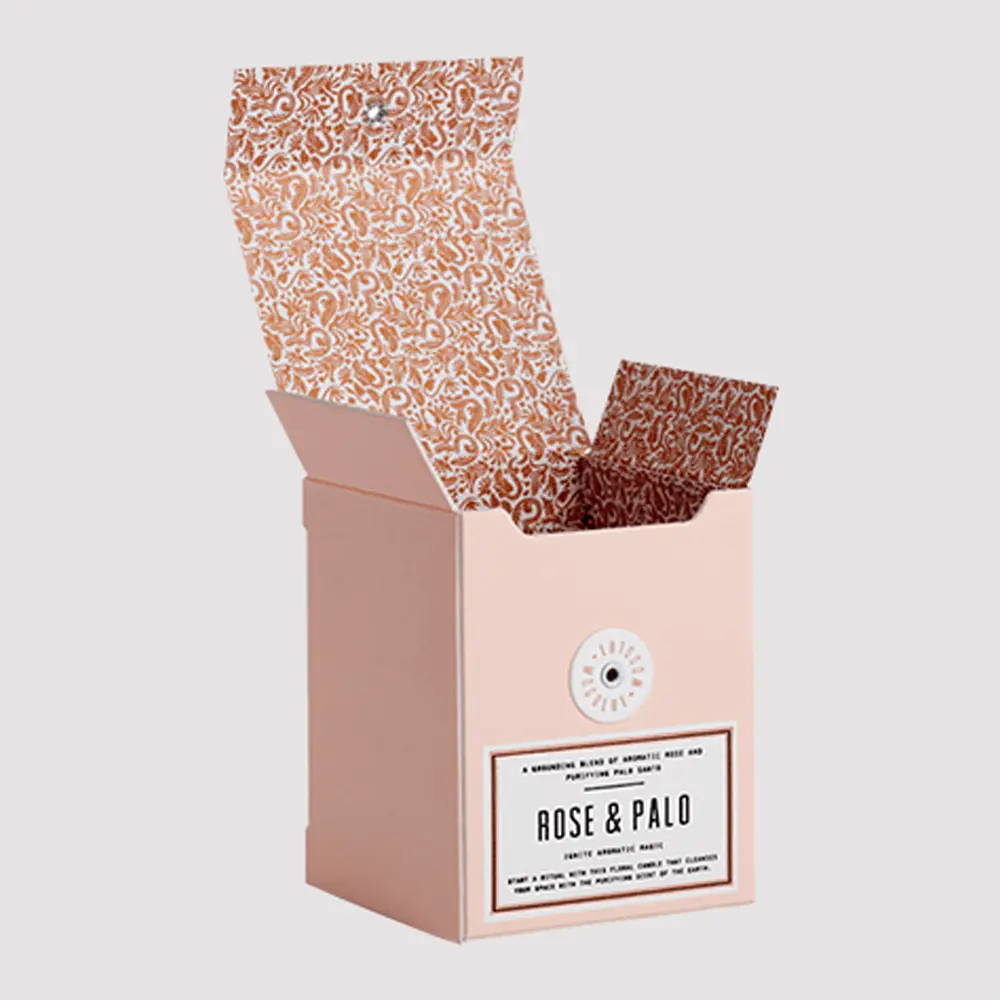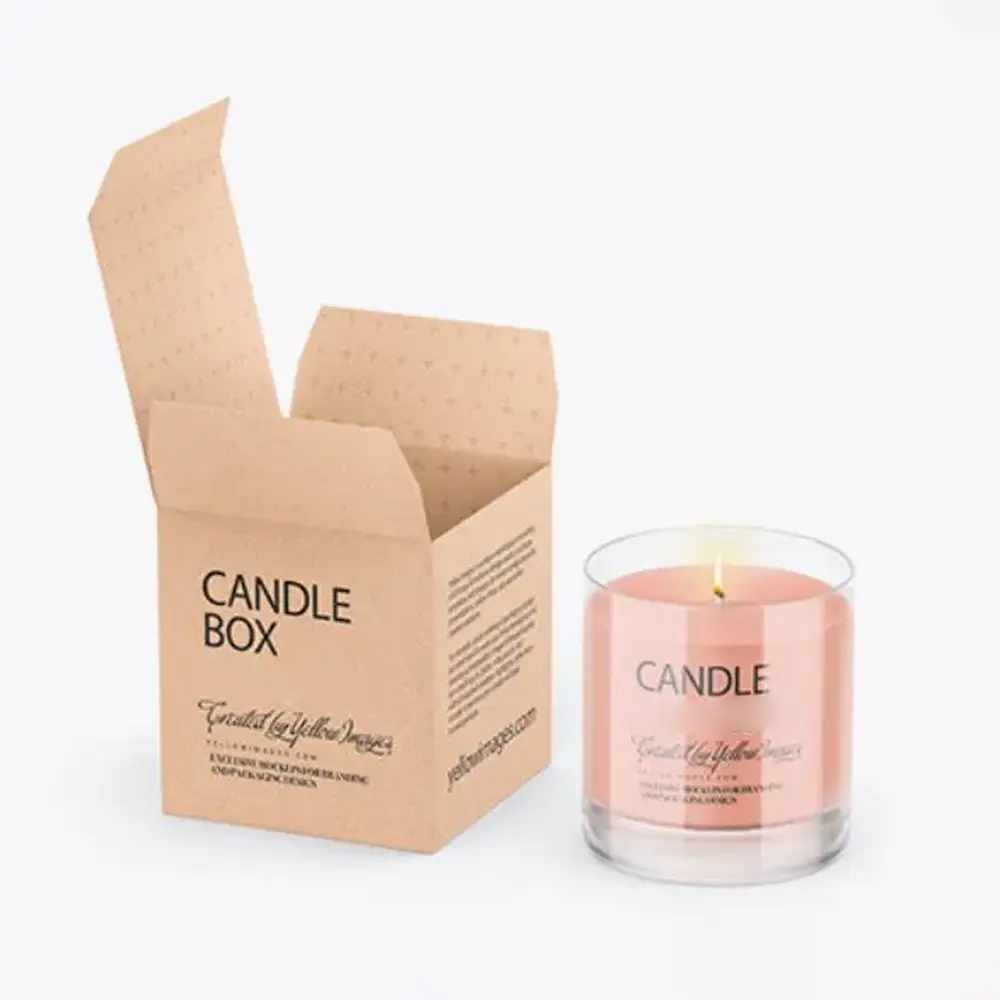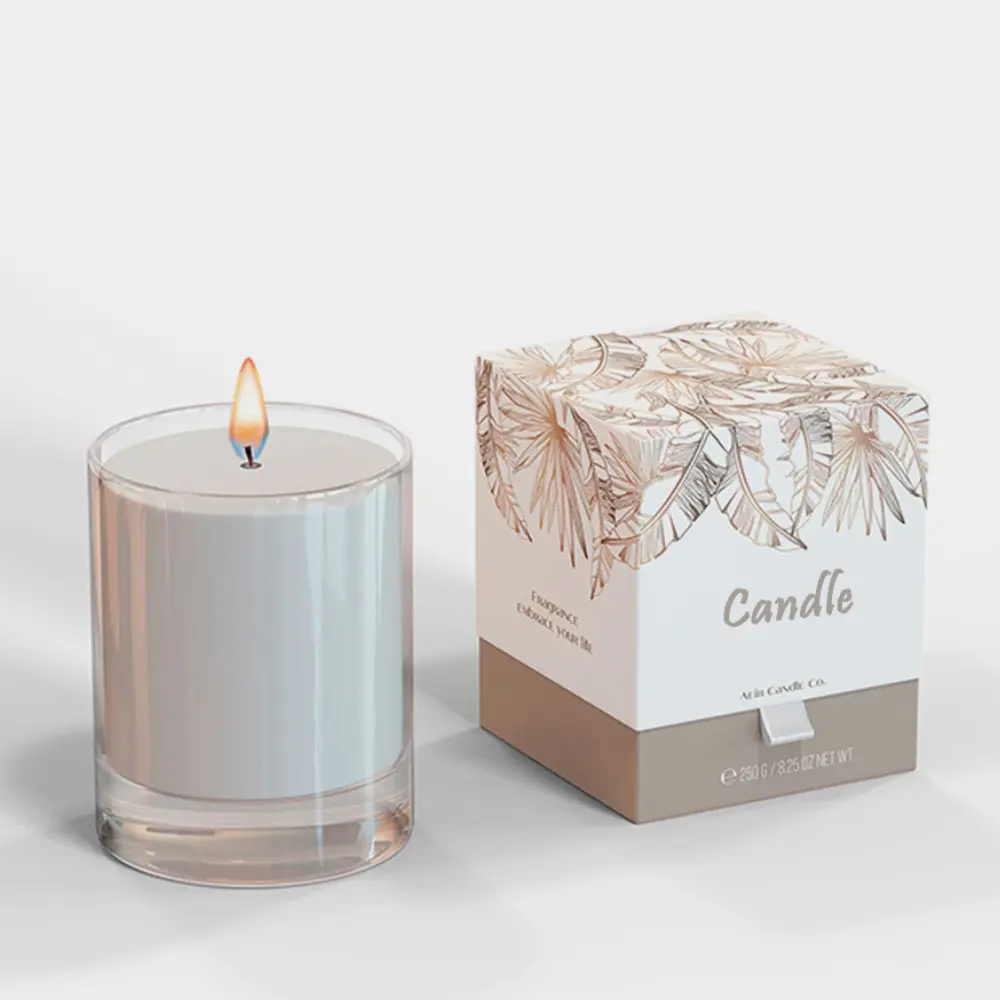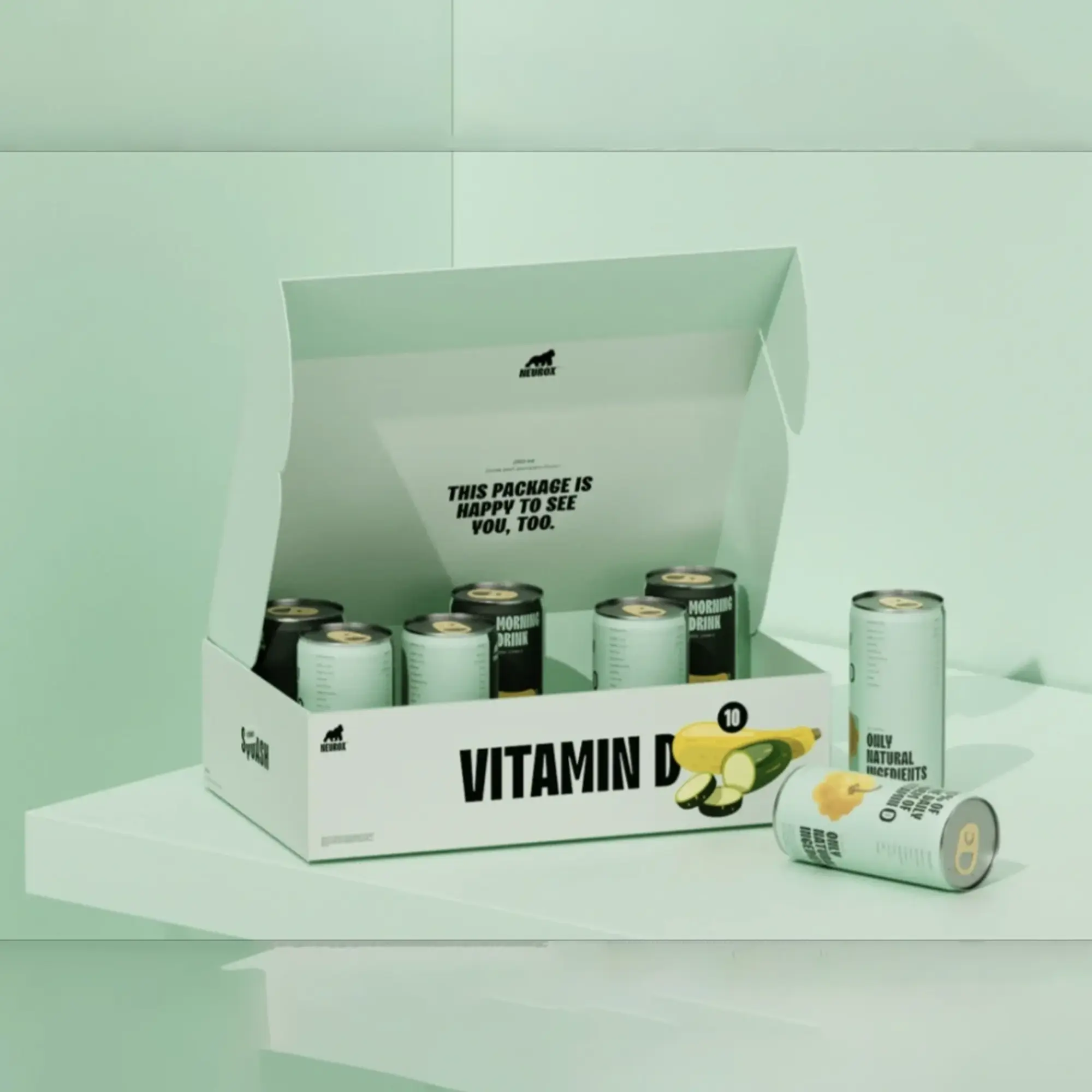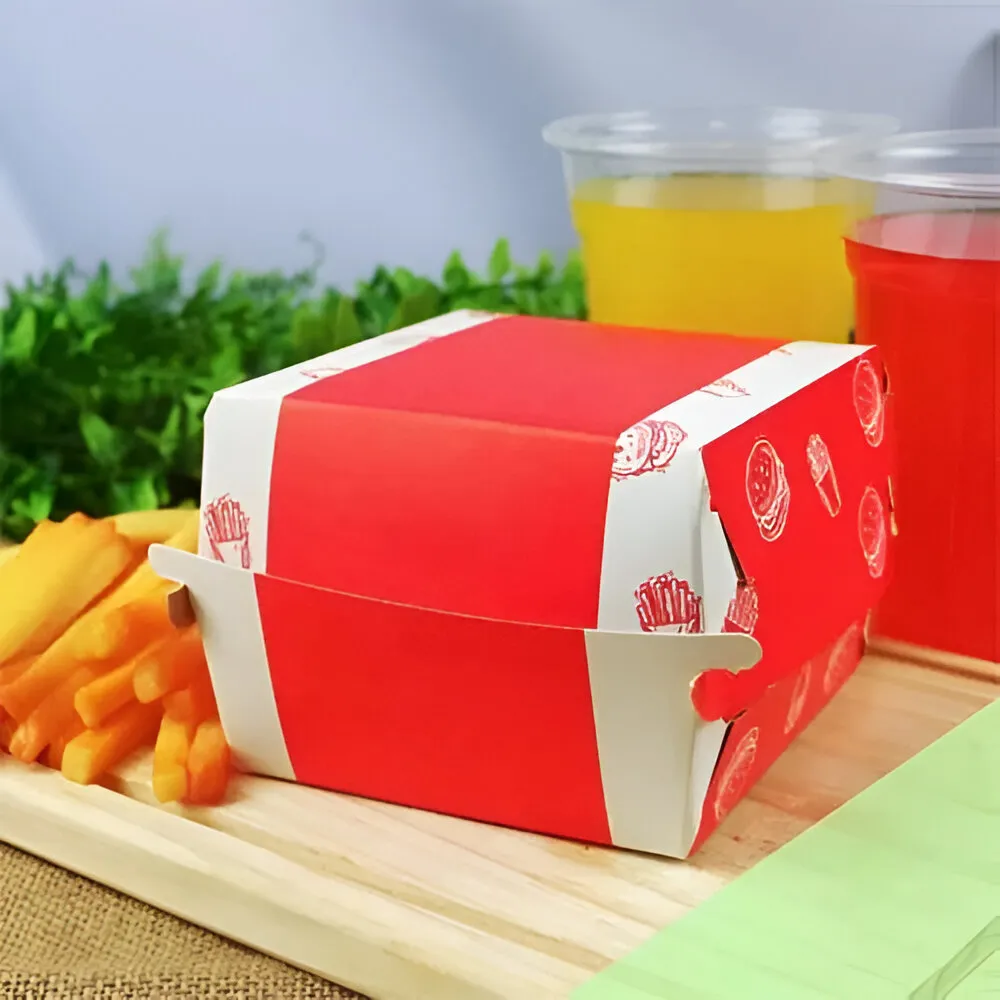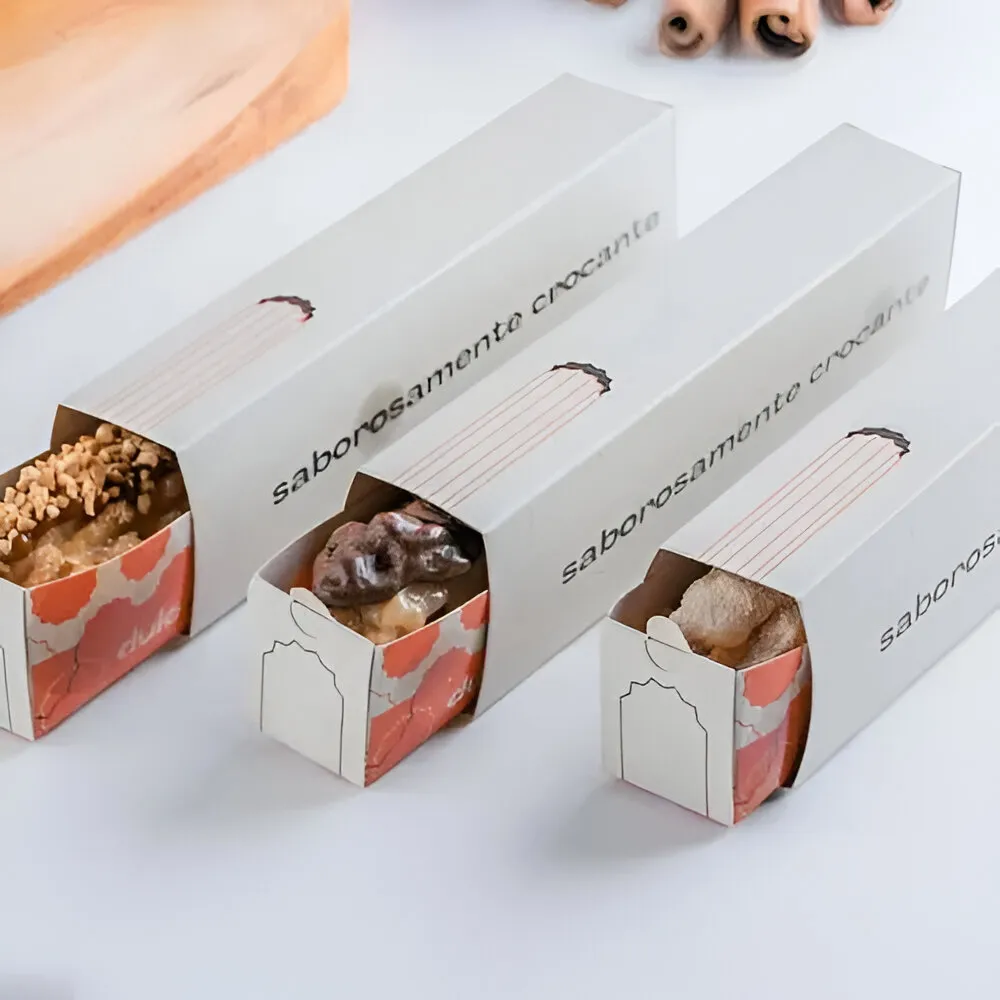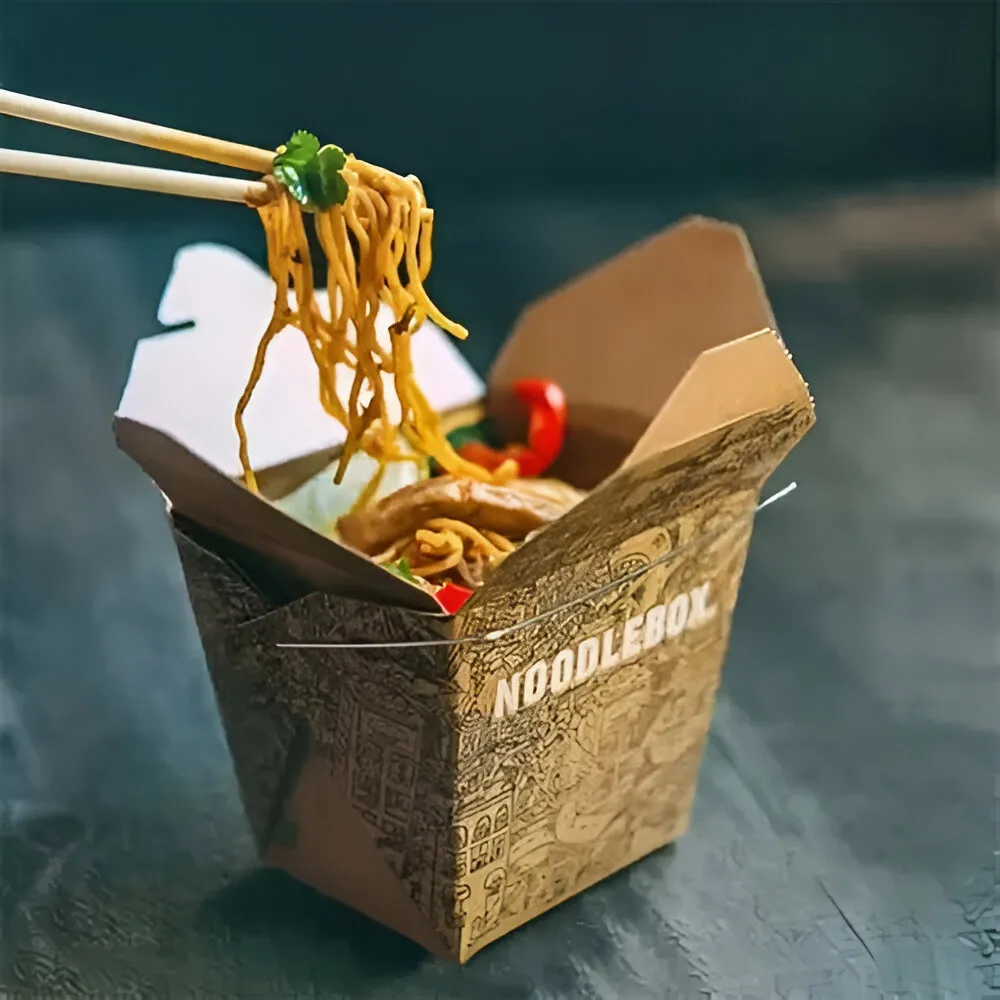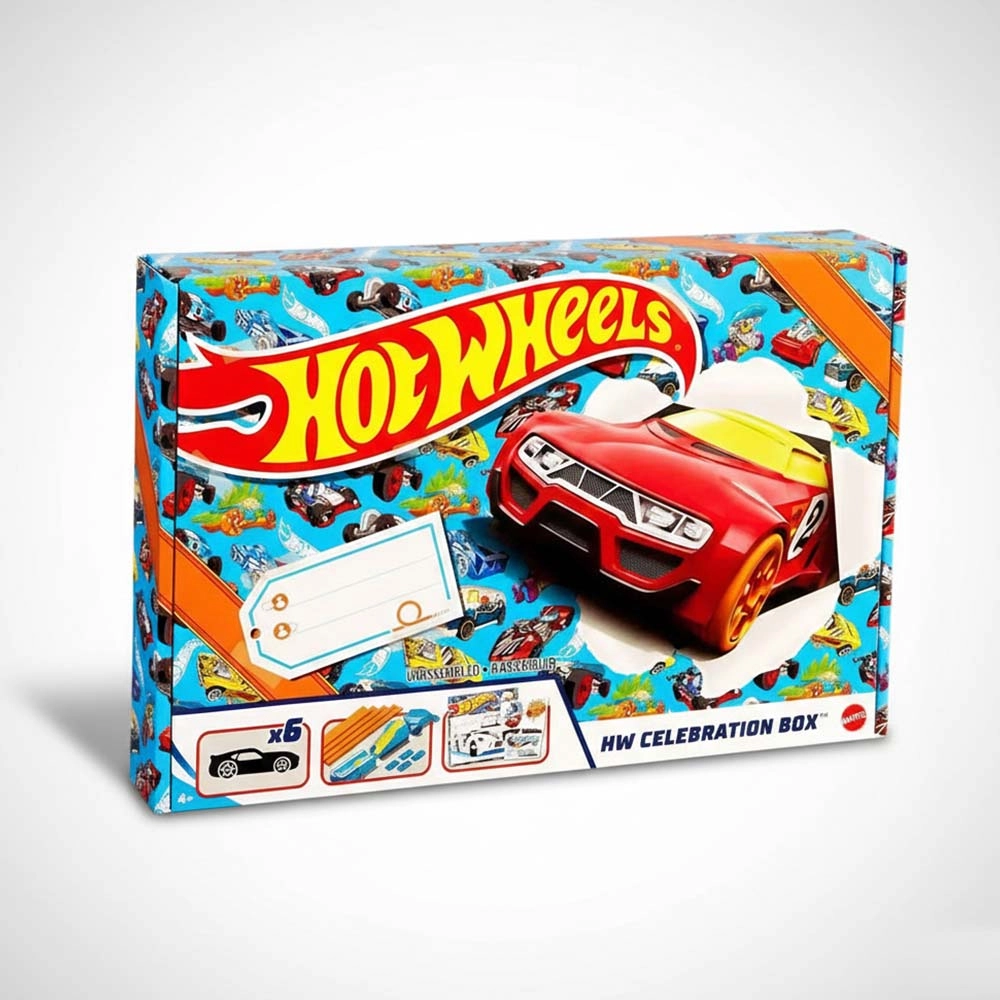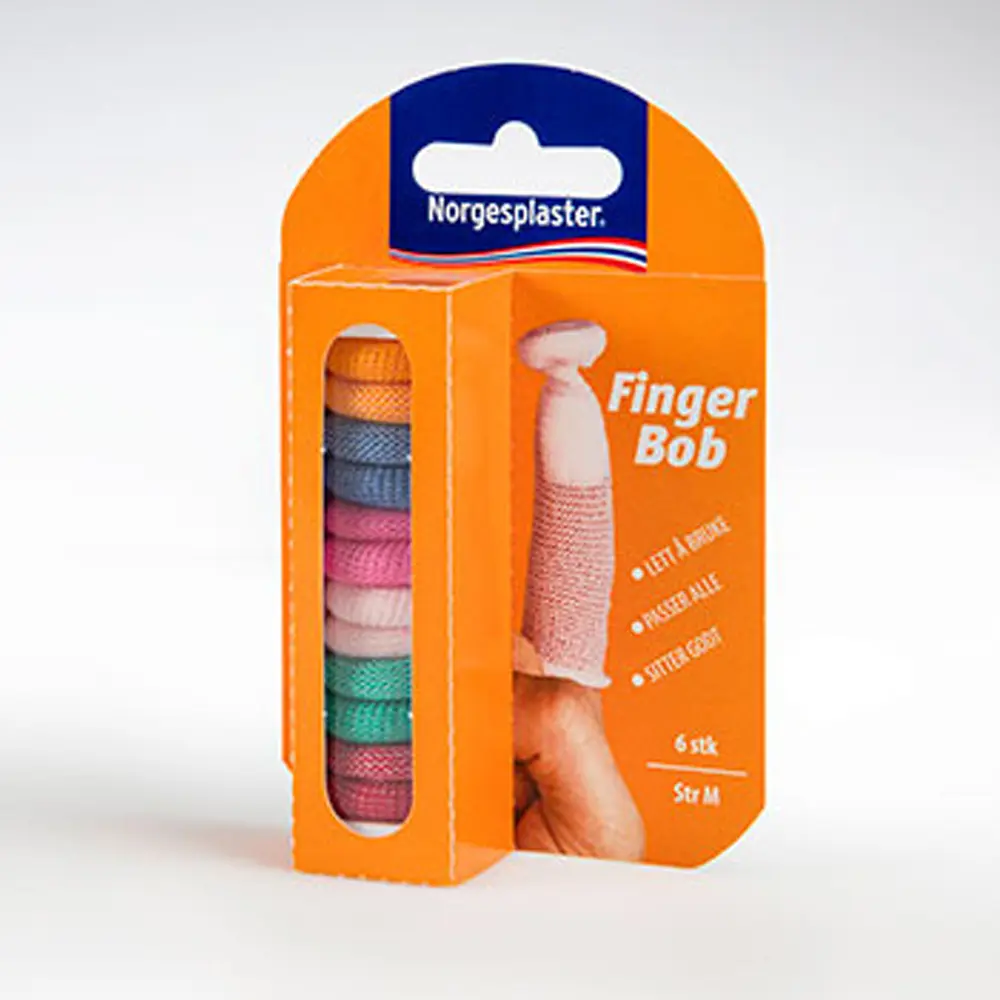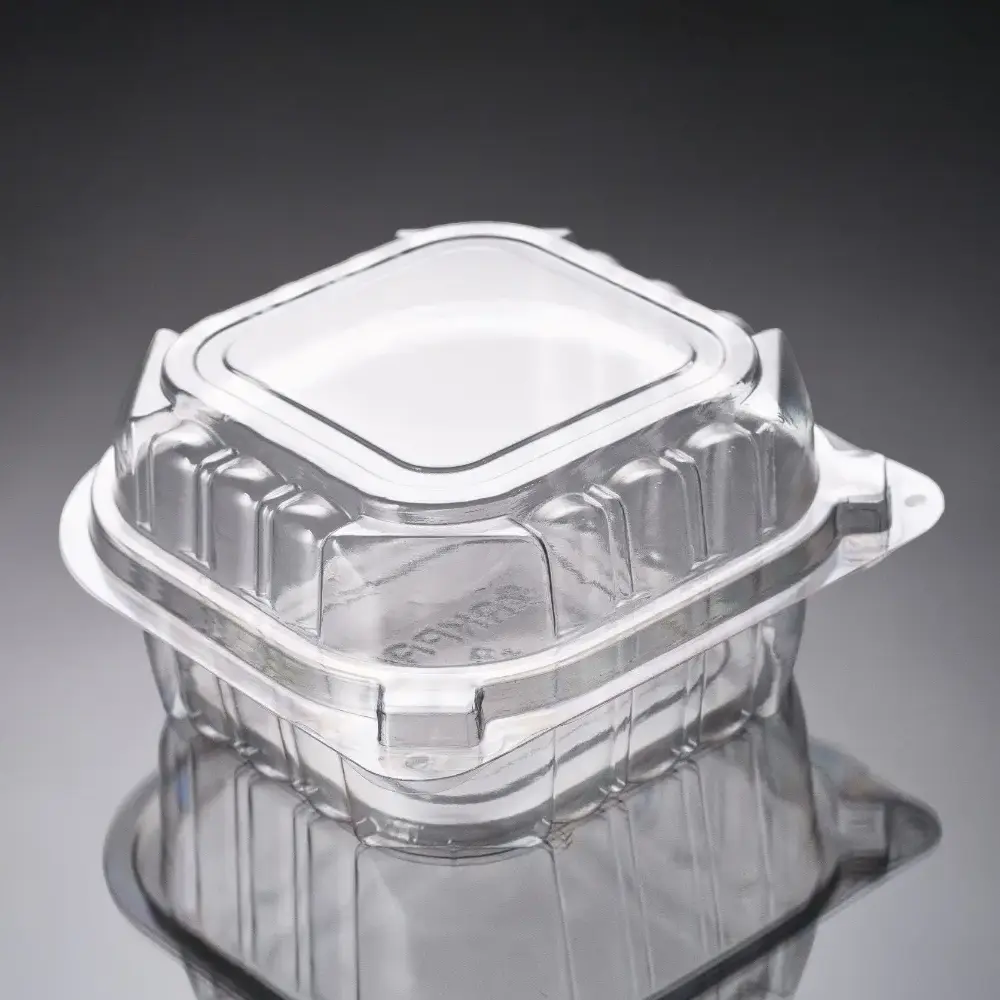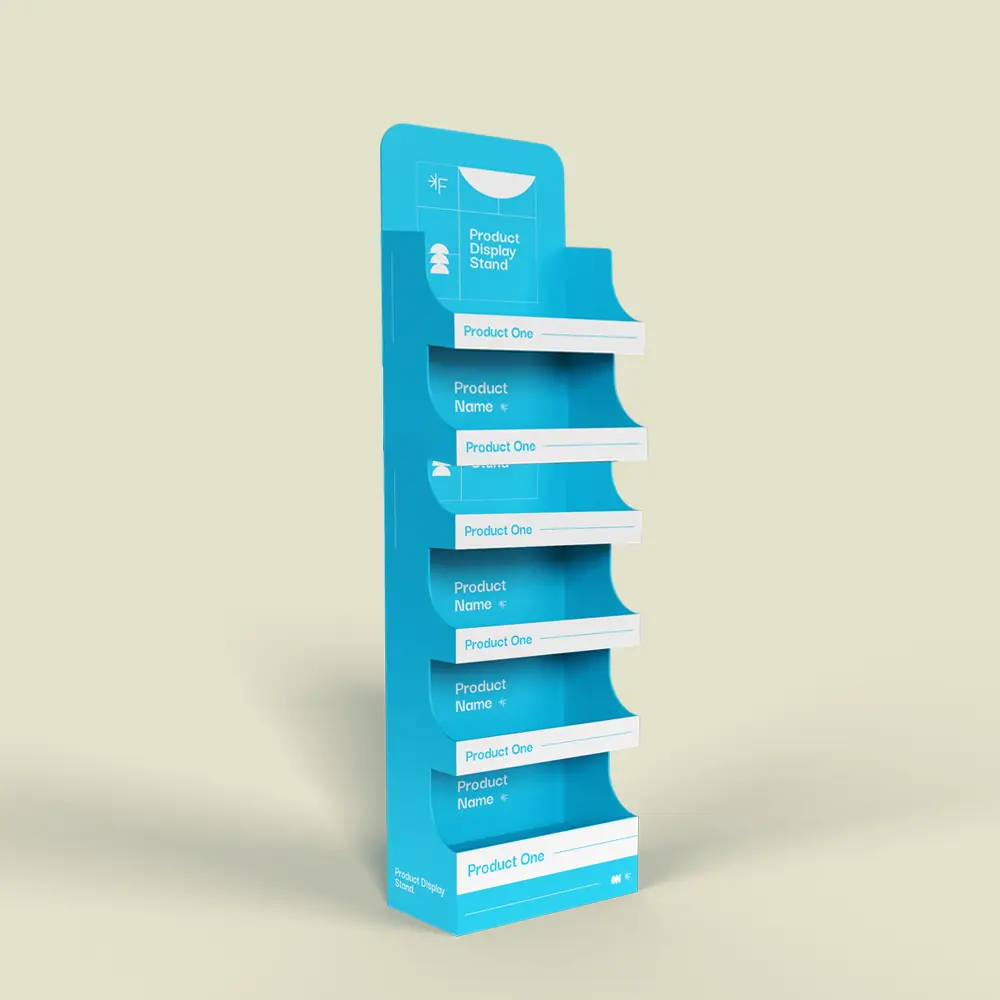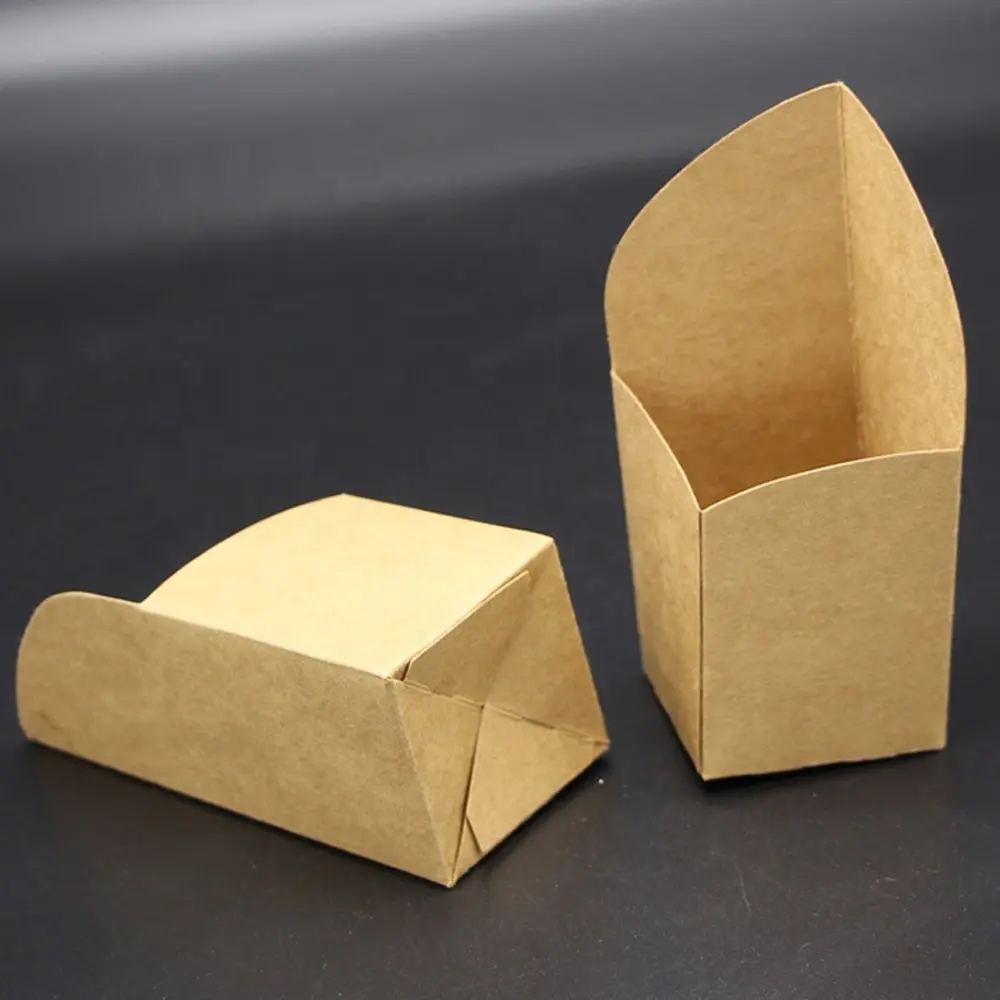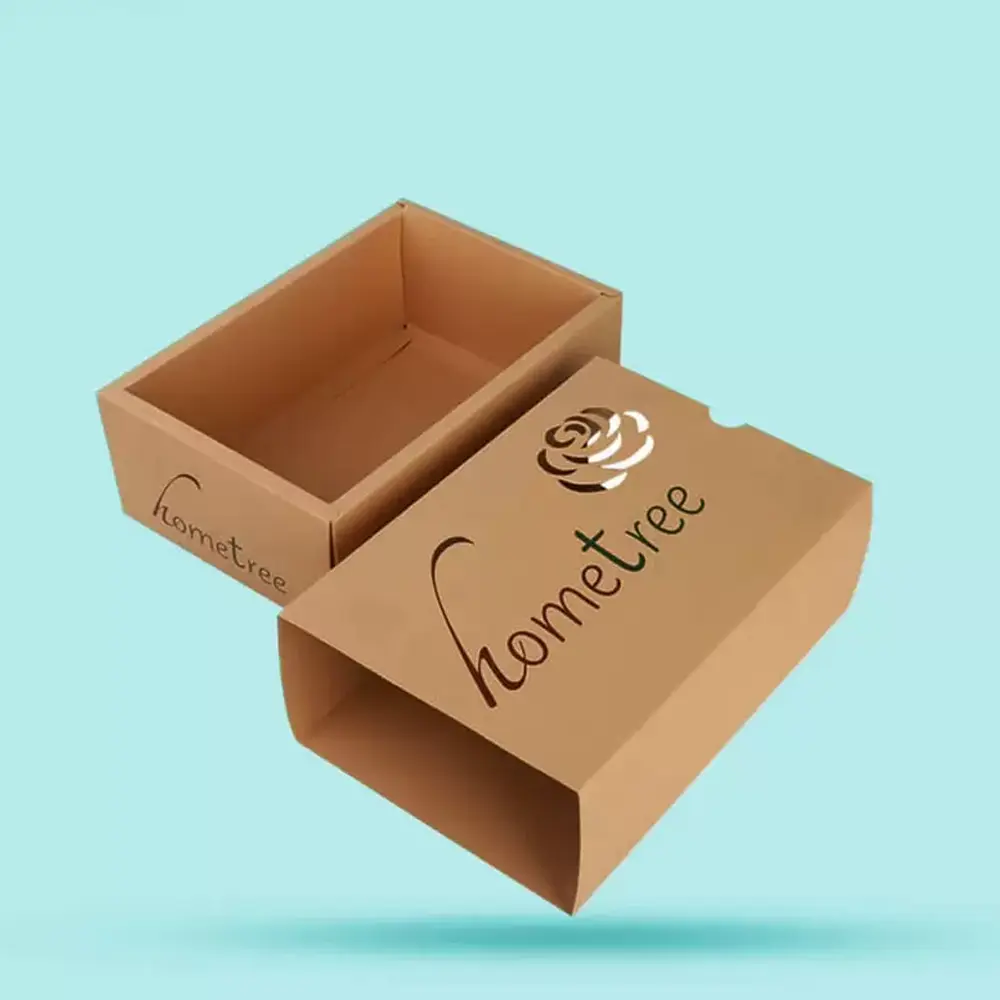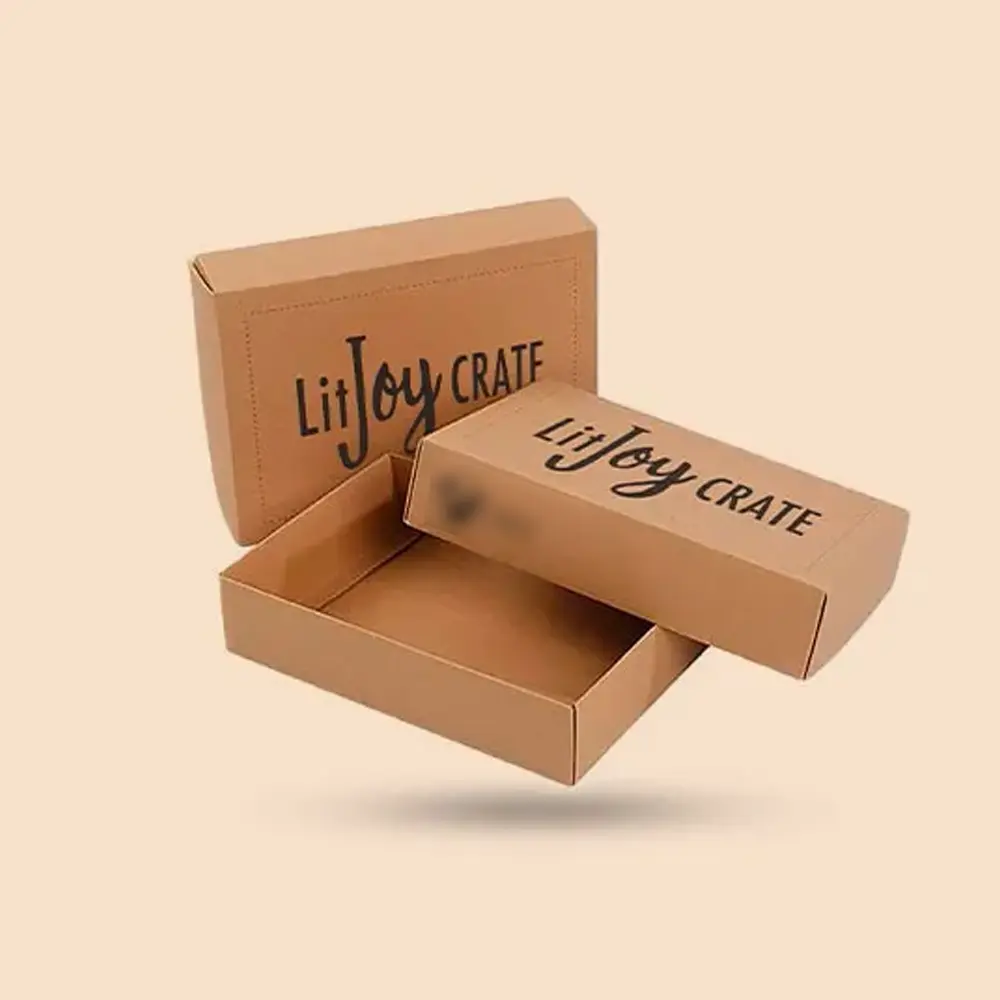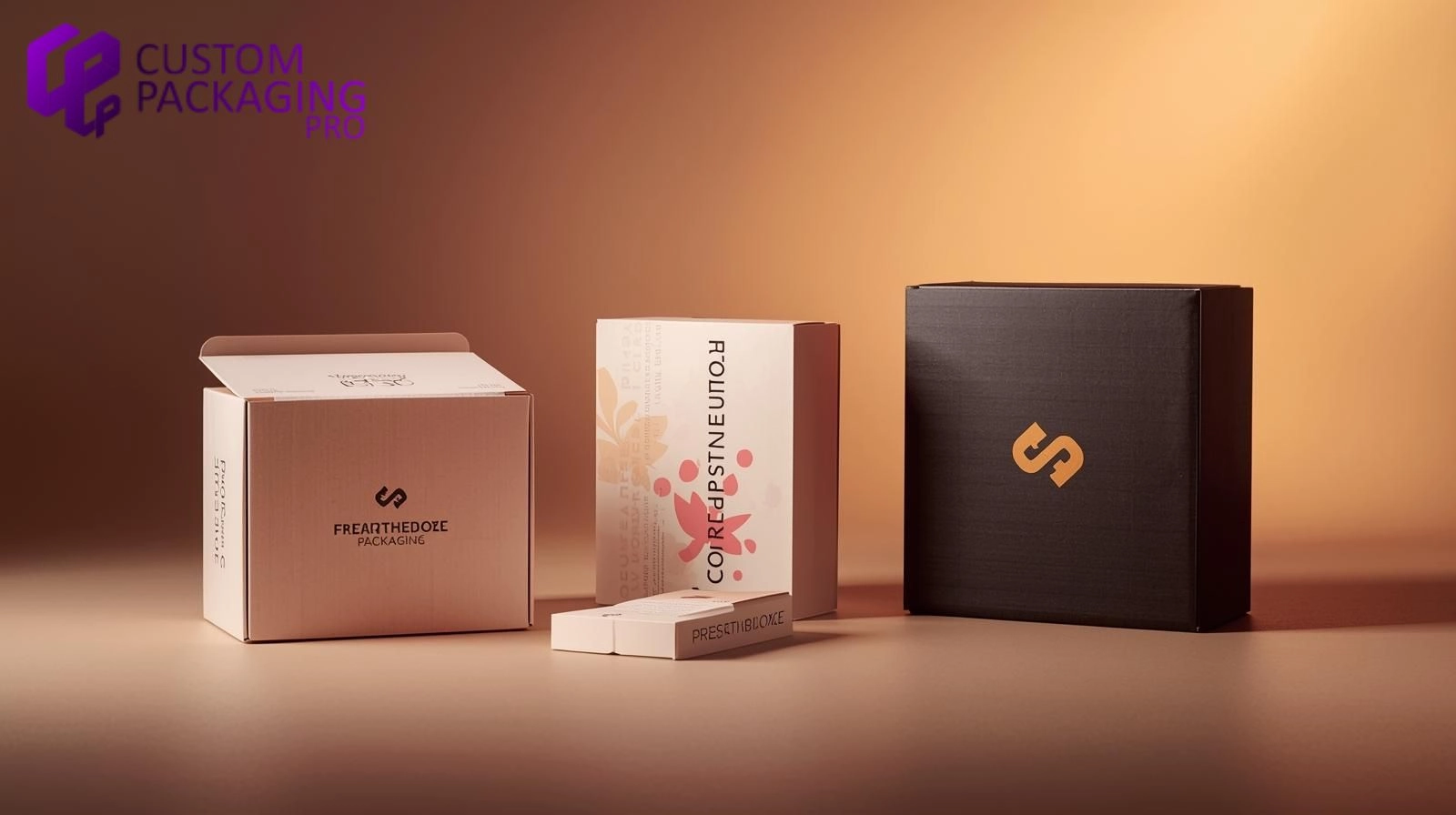
Custom box packaging has evolved far beyond its traditional role of simply enclosing a product. In today’s competitive ecommerce and retail landscape, packaging is a strategic branding asset that influences customer perception, purchase decisions, and long-term loyalty. From the moment a customer receives a package or sees a product on a shelf, the box itself communicates quality, professionalism, and brand values.
Mailer boxes, folding boxes, and rigid boxes have become the dominant packaging choices across industries because they offer distinct advantages in protection, presentation, and customization. Ecommerce brands rely on durable mailer boxes for safe shipping, retailers favor folding cartons for shelf efficiency, and luxury brands turn to rigid boxes to create unforgettable unboxing experiences.
This guide breaks down each custom box packaging option in detail, helping businesses choose the right solution based on product needs, budget, branding goals, and customer expectations. Whether you are a startup exploring custom packaging for small business or an established brand seeking professional packaging solutions, this blog provides clarity for making informed decisions.
Custom box packaging refers to boxes that are designed specifically for a product’s dimensions, branding requirements, and functional needs. Unlike generic stock boxes, custom packaging boxes are tailored to fit the product precisely while reflecting a brand’s identity through colors, logos, messaging, and finishes.
Brands invest in custom boxes and packaging because it enhances product safety during shipping, reduces wasted space, and minimizes damage-related returns. Proper sizing alone can significantly lower shipping costs and improve logistics efficiency. Beyond functionality, customized packaging creates a strong visual impact that helps businesses stand out in crowded markets.
Personalized packaging boxes also strengthen brand recall. When customers consistently receive products in well-designed custom printed boxes, it reinforces trust and professionalism. As consumer expectations rise, companies across the US and global markets are shifting toward customised packaging to create more meaningful customer experiences.
Among the many packaging formats available today, mailer boxes, folding boxes, and rigid boxes dominate modern packaging strategies. Each serves a specific purpose and aligns with different business models.
Mailer boxes are designed for shipping and direct-to-consumer deliveries, offering durability and branding opportunities. Folding boxes focus on retail efficiency, affordability, and versatility. Rigid boxes deliver a premium feel and are often used for high-value or luxury products.
Understanding how these box types differ helps businesses select packaging solutions that align with their product positioning, audience, and operational needs. The sections below explore each option in depth.
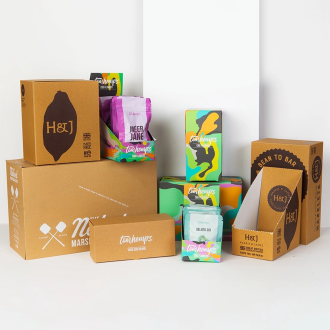
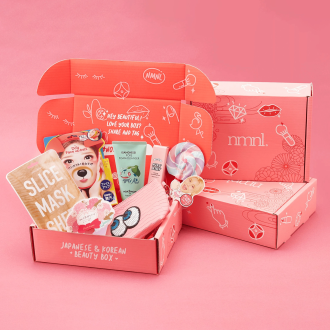
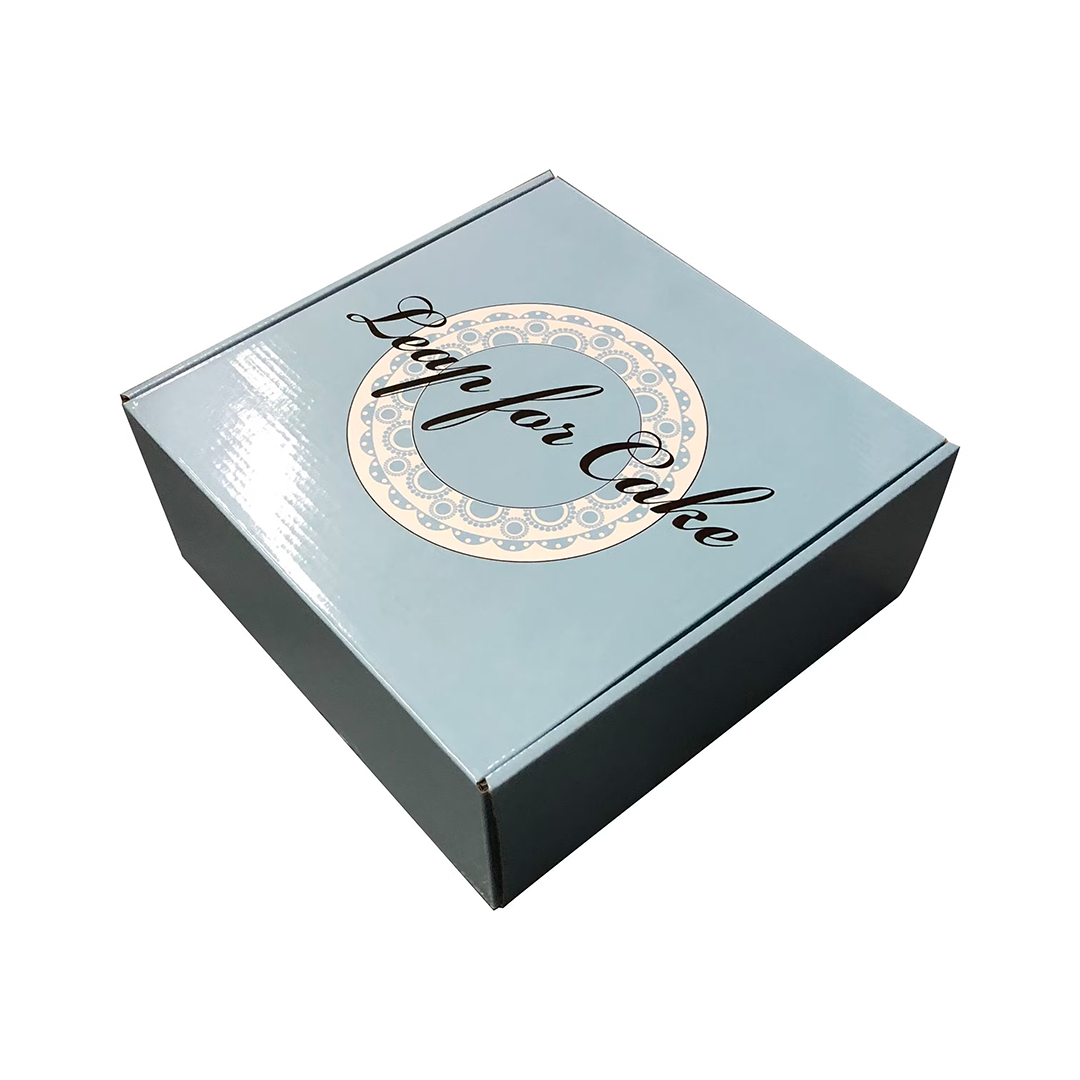
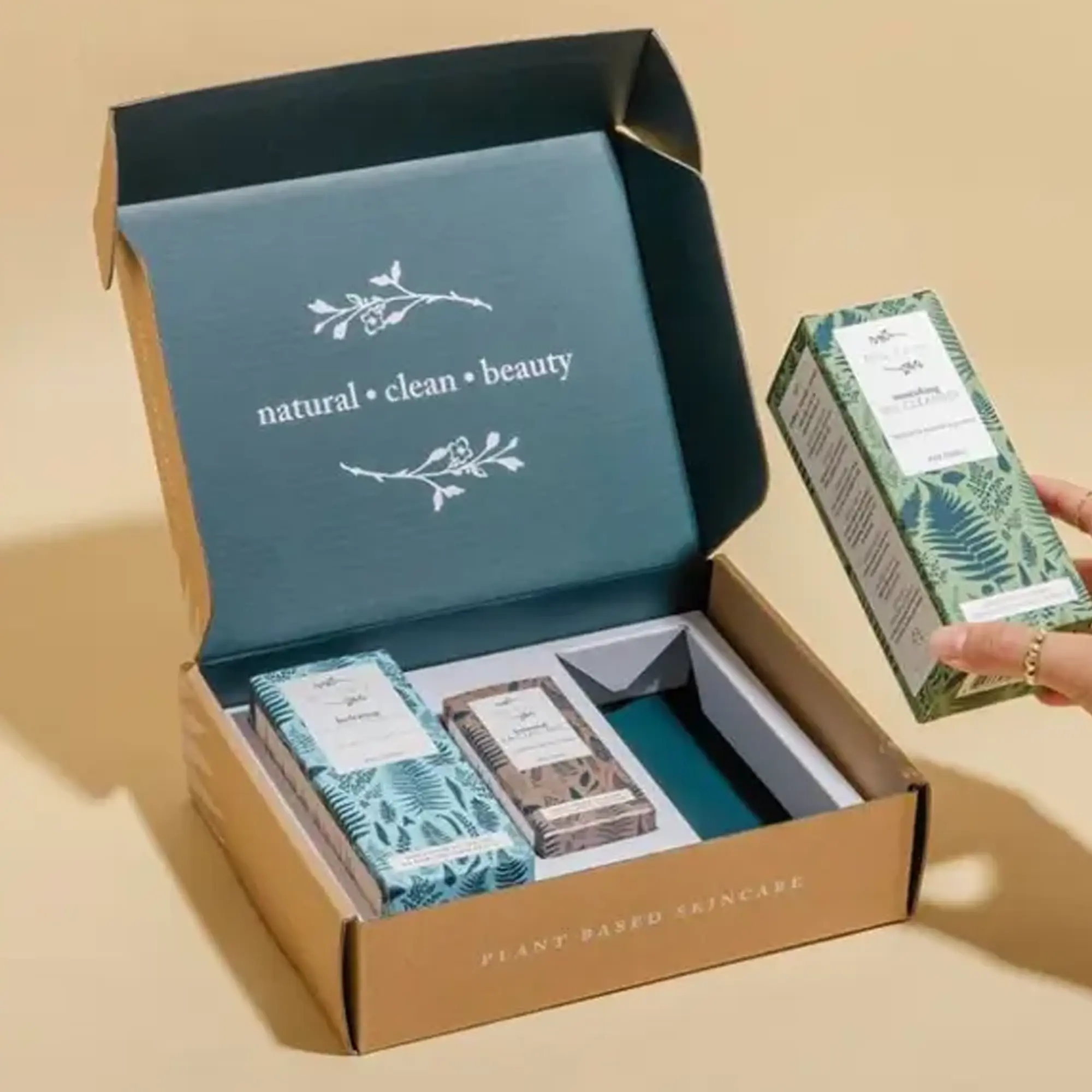
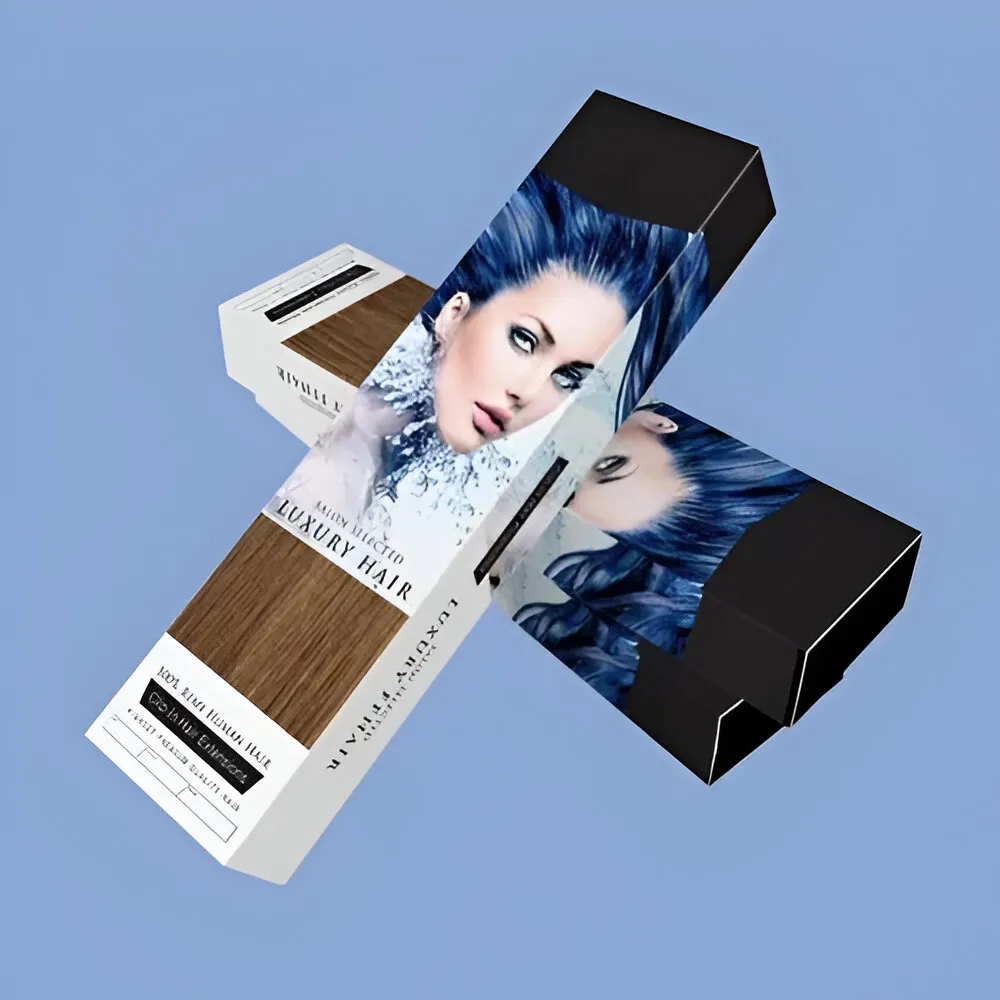
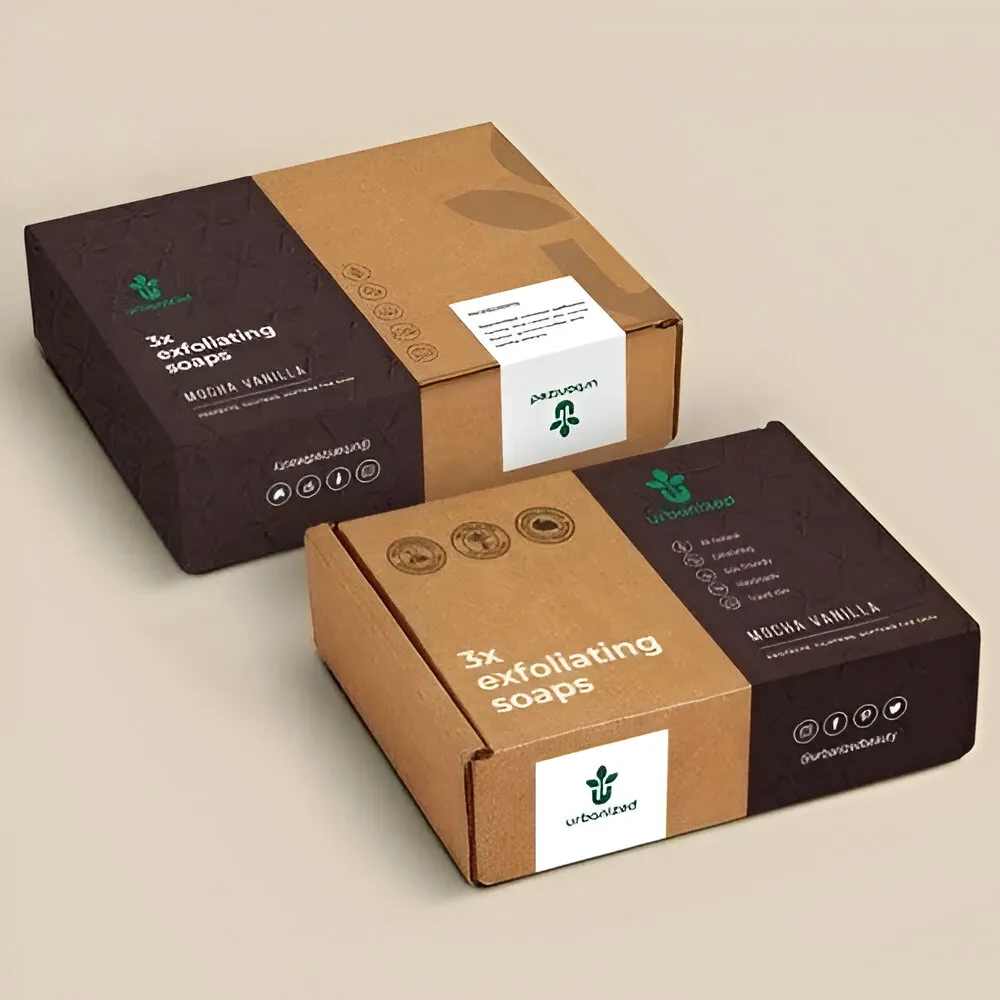
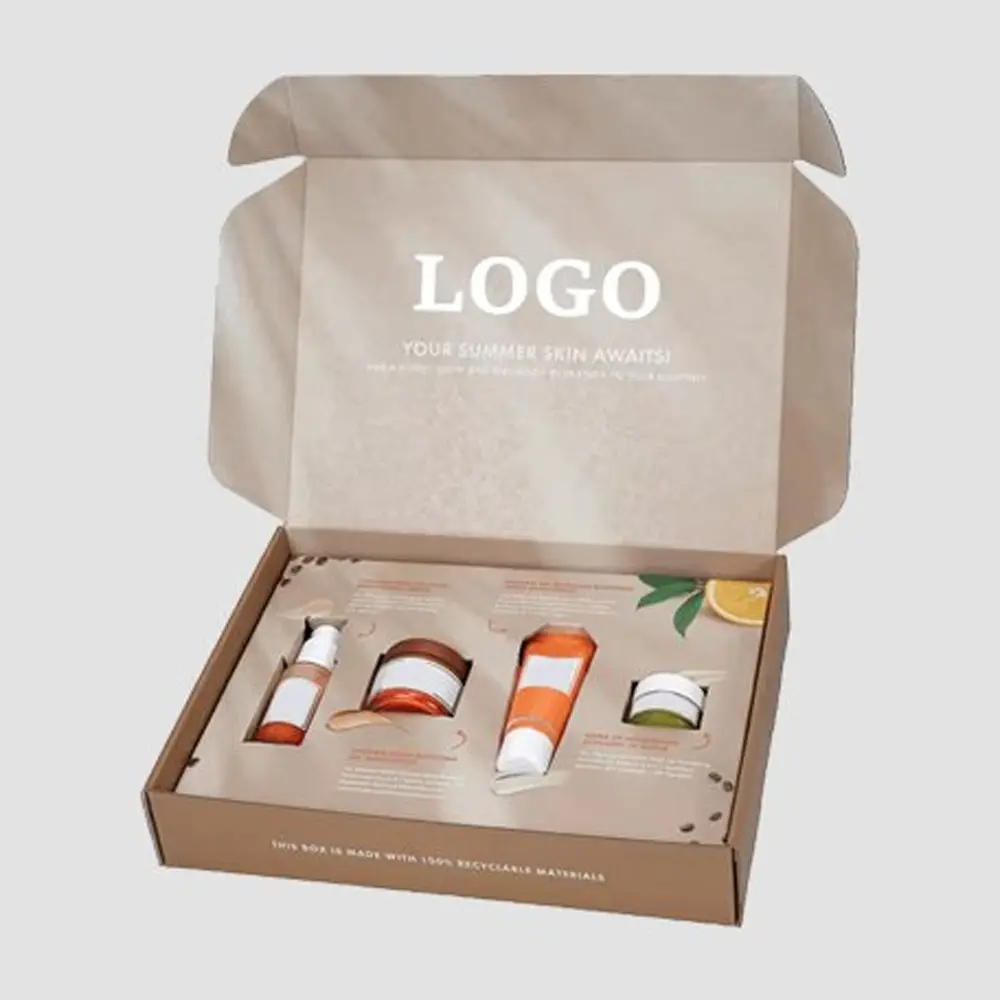
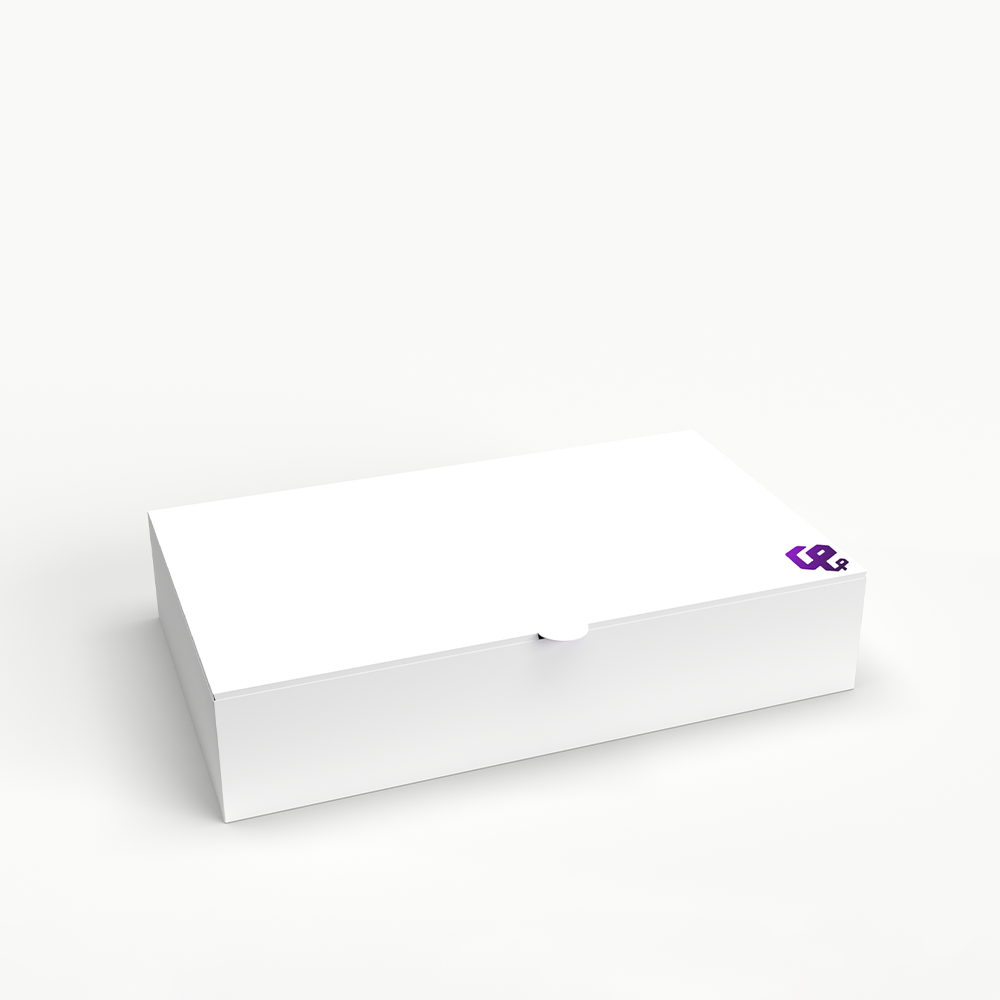
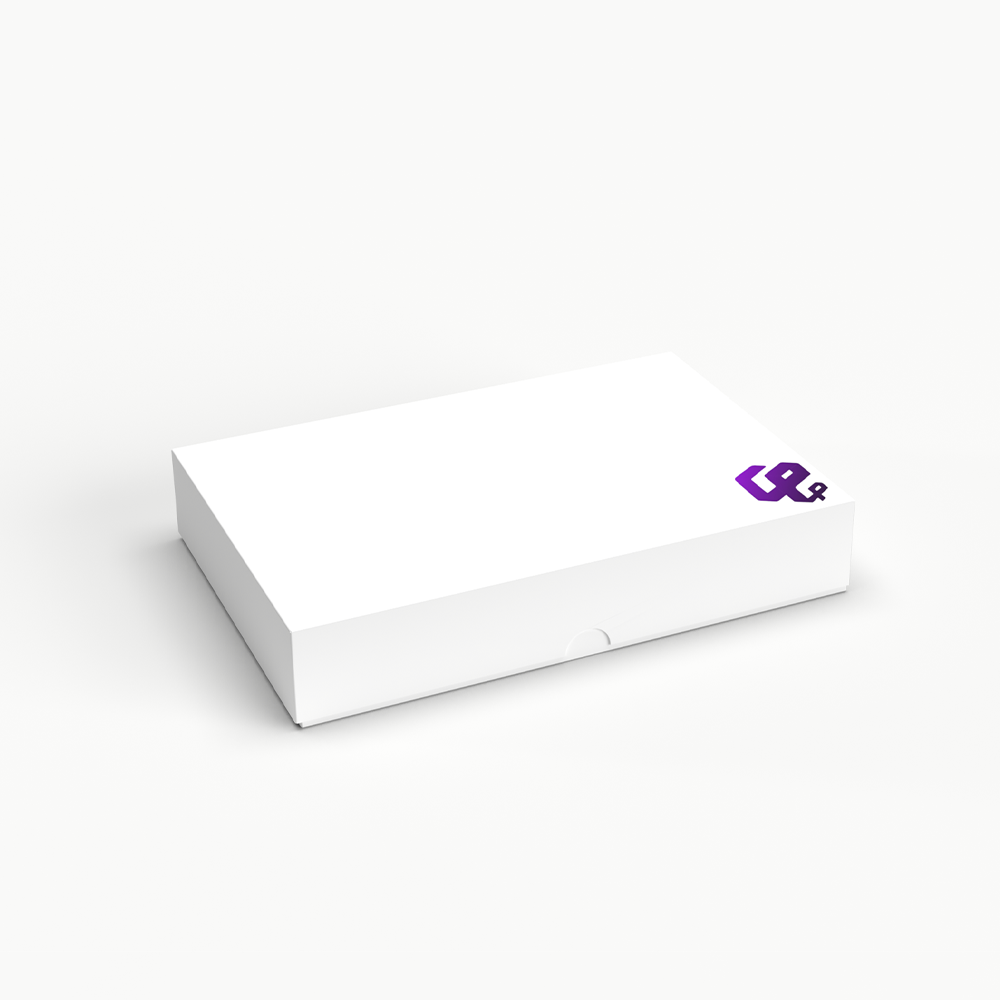
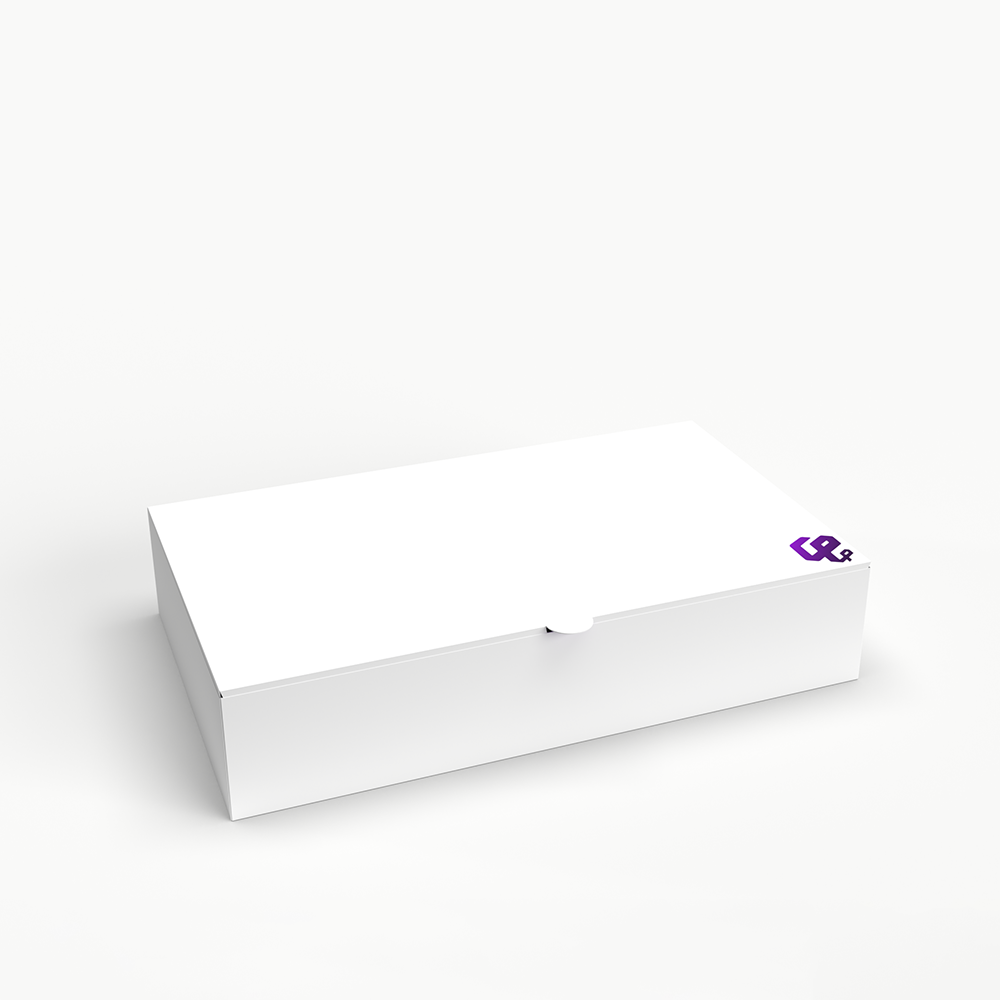
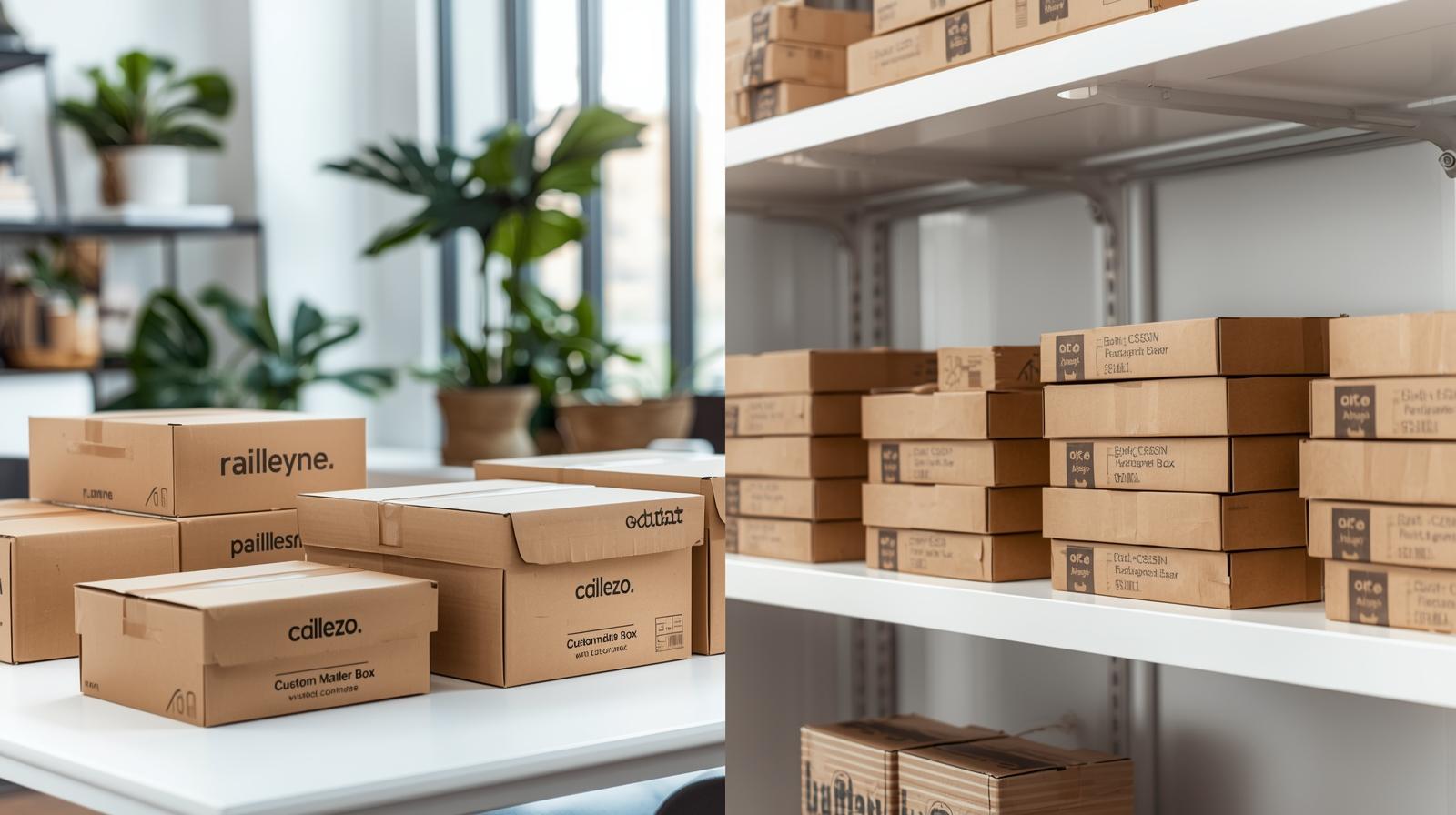
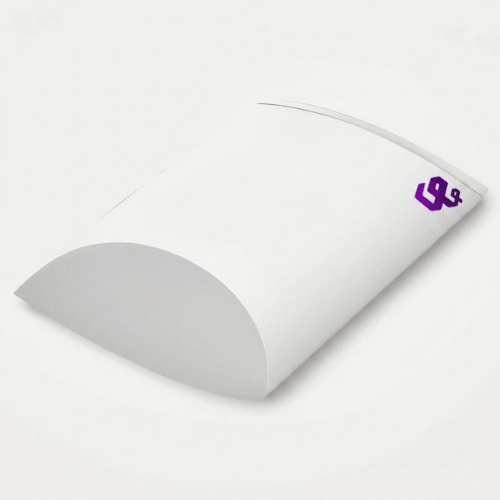
Mailer boxes are self-locking, corrugated boxes built specifically for shipping and handling. Their structure provides excellent protection while remaining lightweight, making them ideal for ecommerce brands and subscription-based businesses.
One of the biggest advantages of mailer boxes is their durability. Corrugated material absorbs impact during transit, protecting products from damage. This makes them a preferred choice for brands shipping across the US and internationally.
From a branding perspective, mailer boxes offer extensive customization options. Businesses can use custom boxes with logo placement on the exterior, interior printing for storytelling, and inserts for promotions or instructions. These features turn standard deliveries into memorable unboxing experiences.
Custom packaging for small business owners often starts with mailer boxes because they balance cost, protection, and visual appeal effectively. They are widely used by apparel brands, cosmetics companies, tech startups, and subscription services.
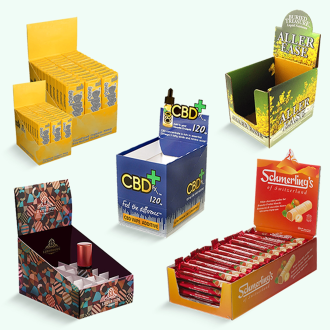
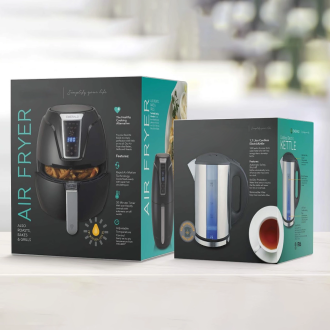
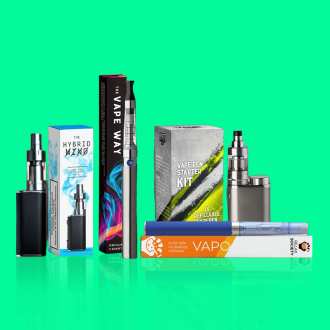
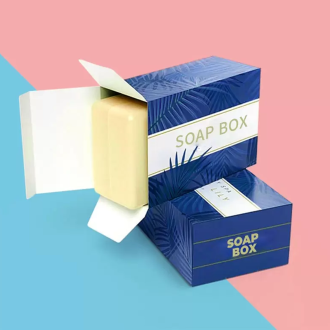
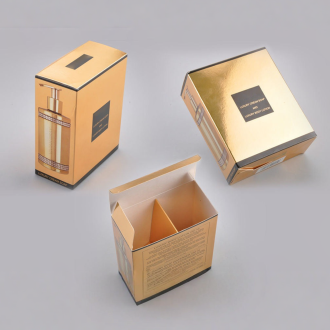
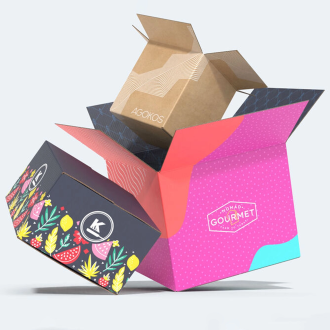
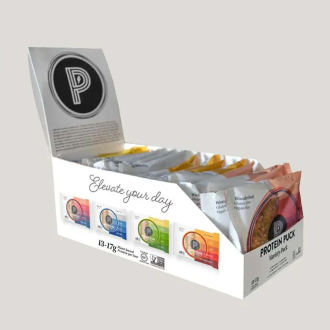
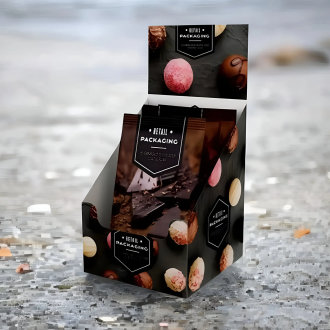
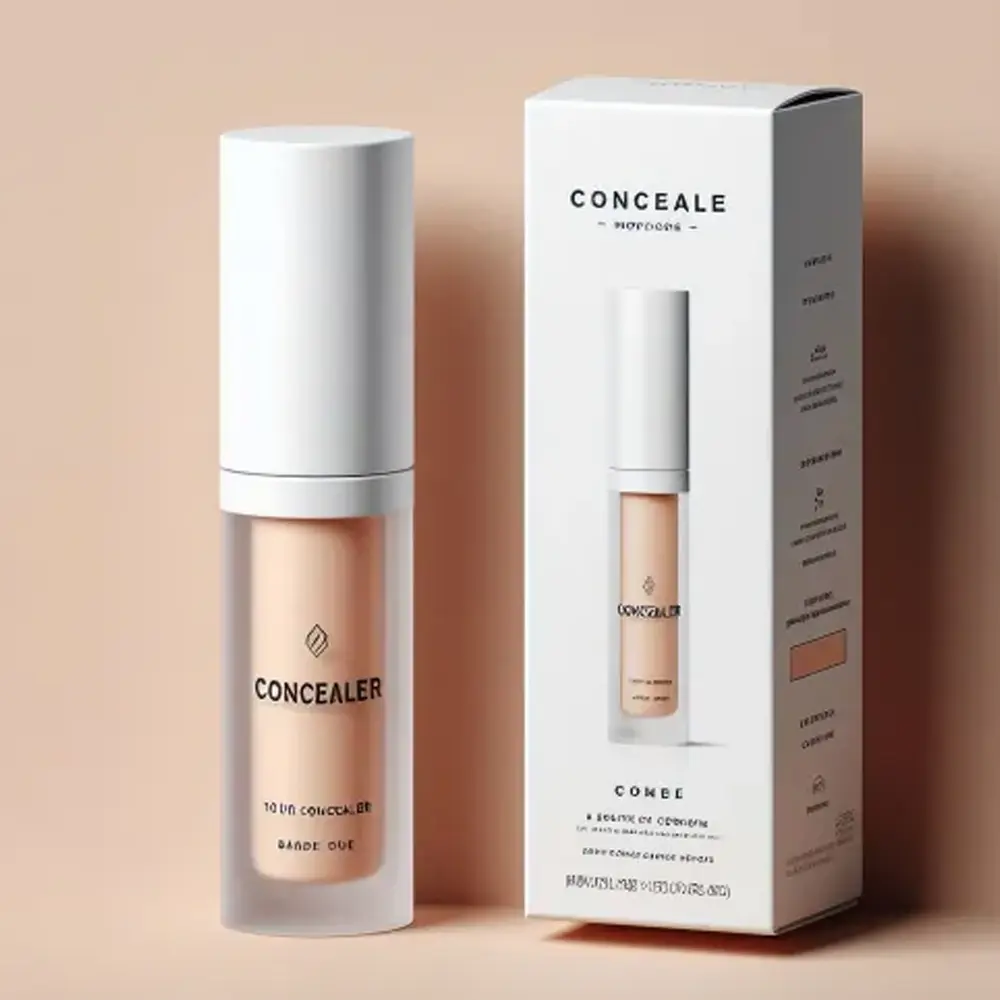
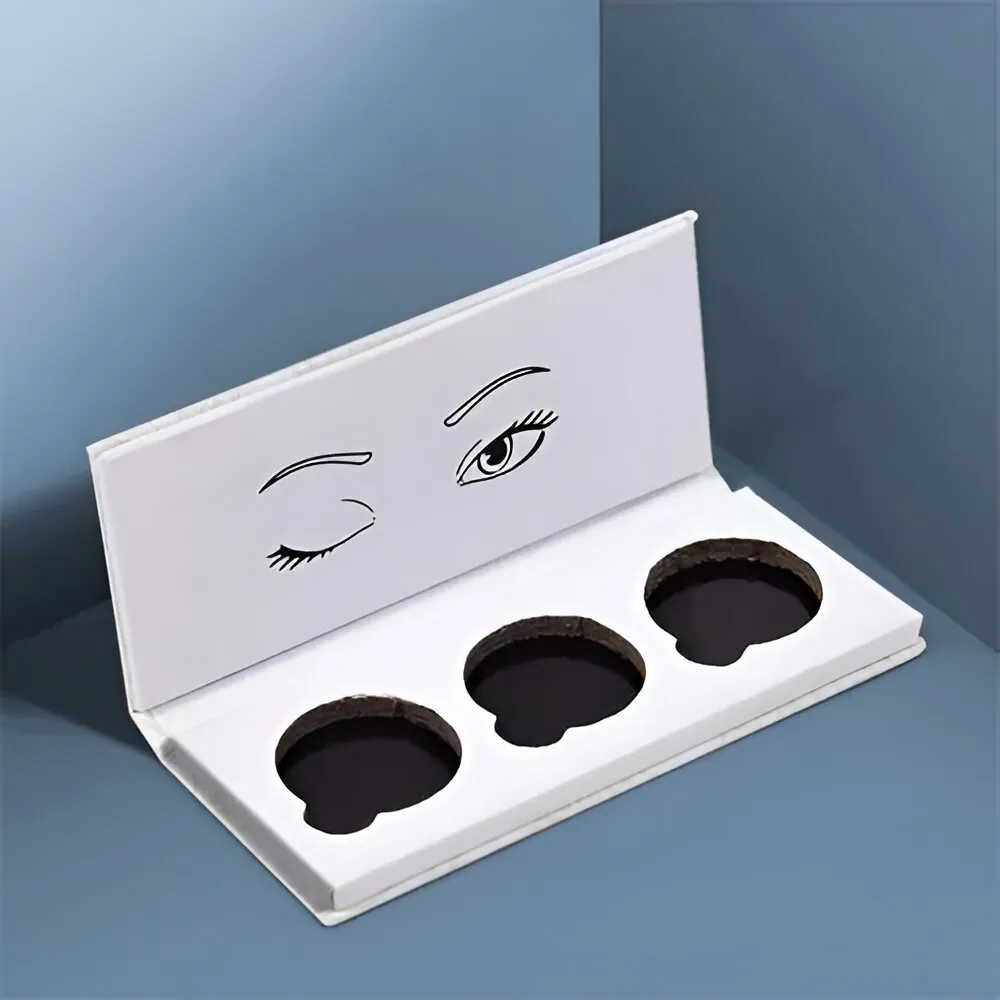
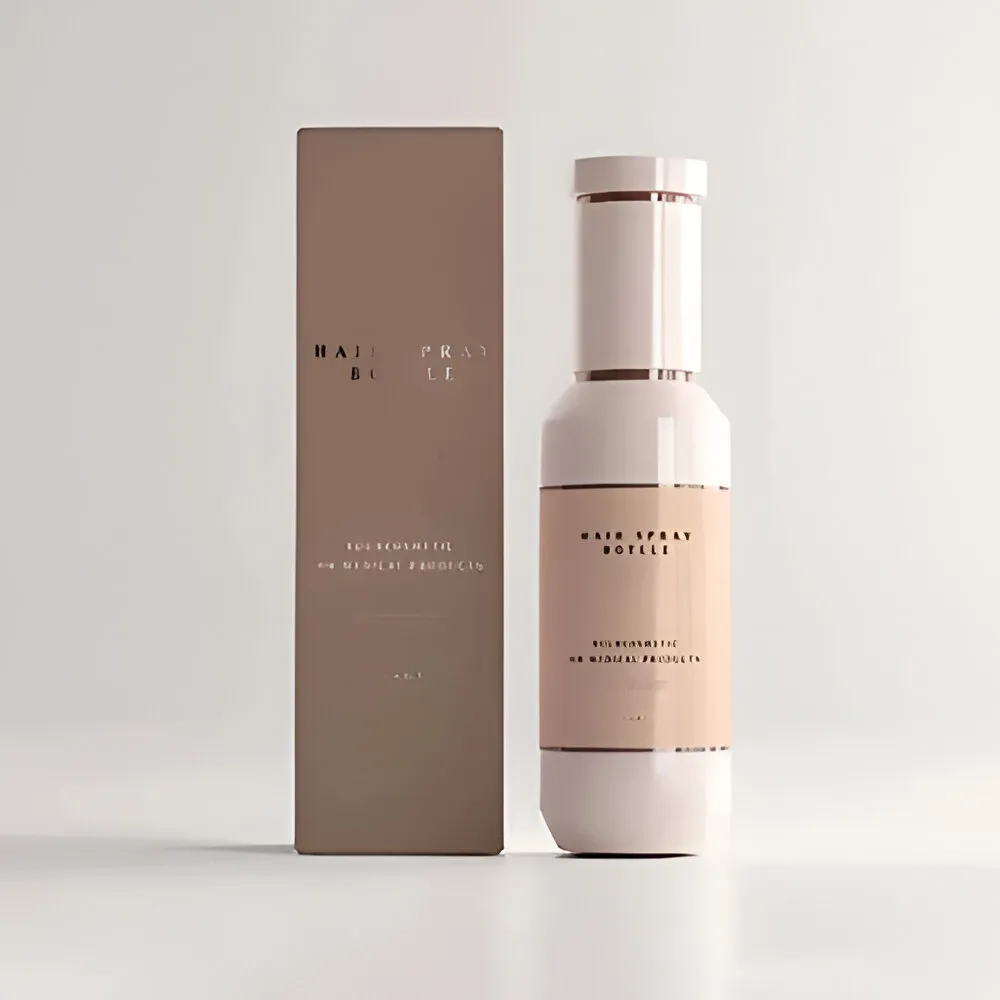
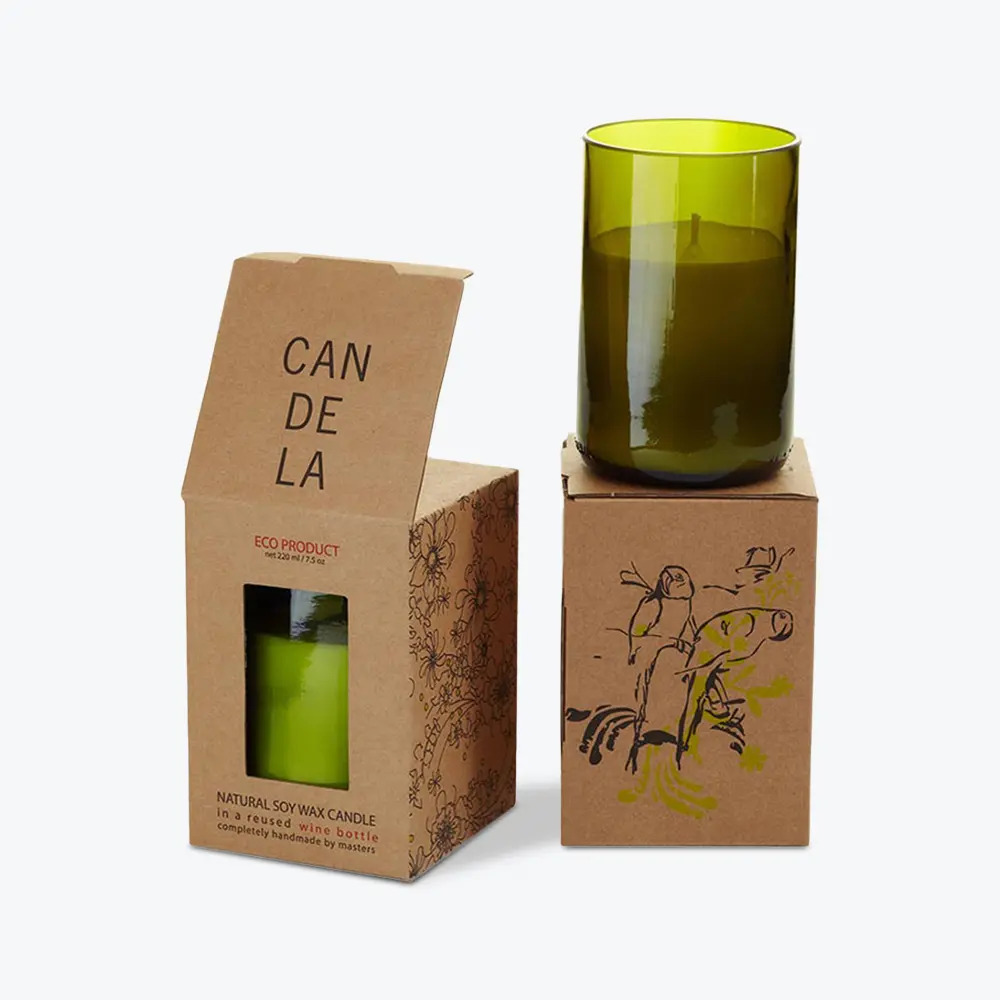
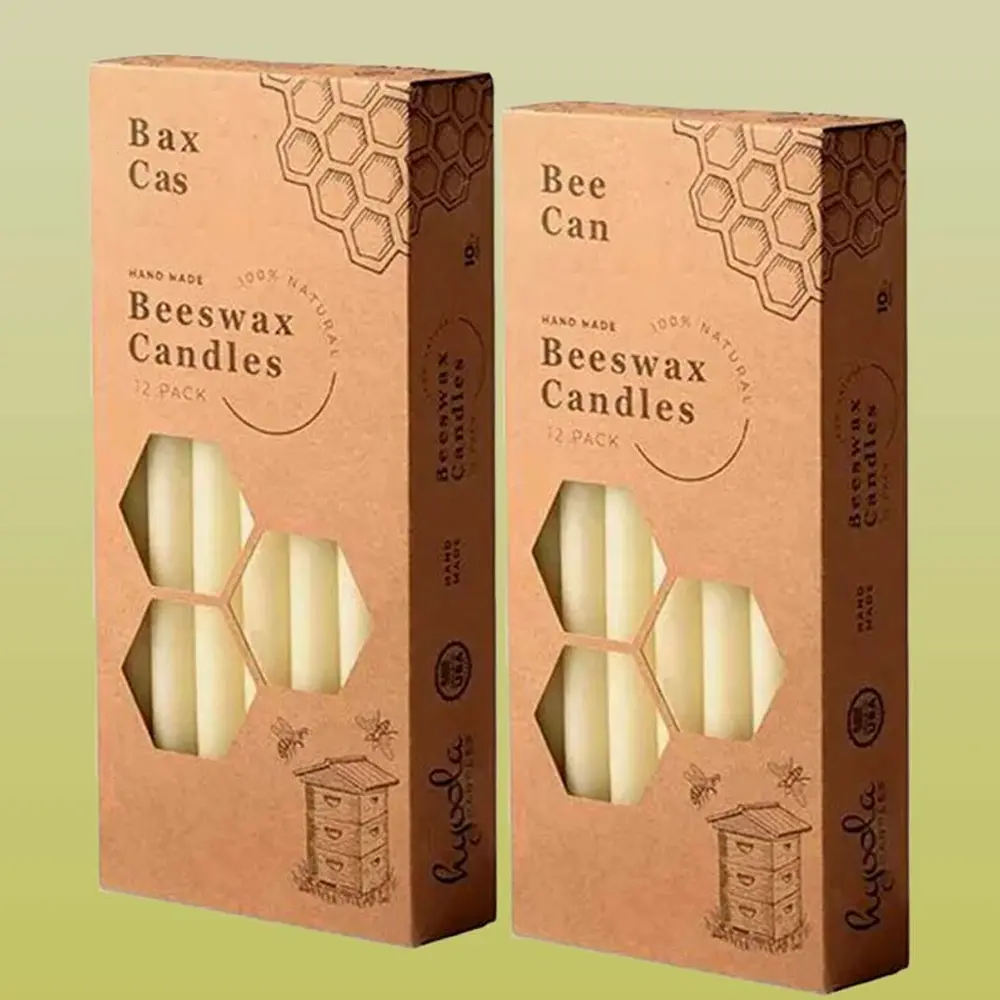
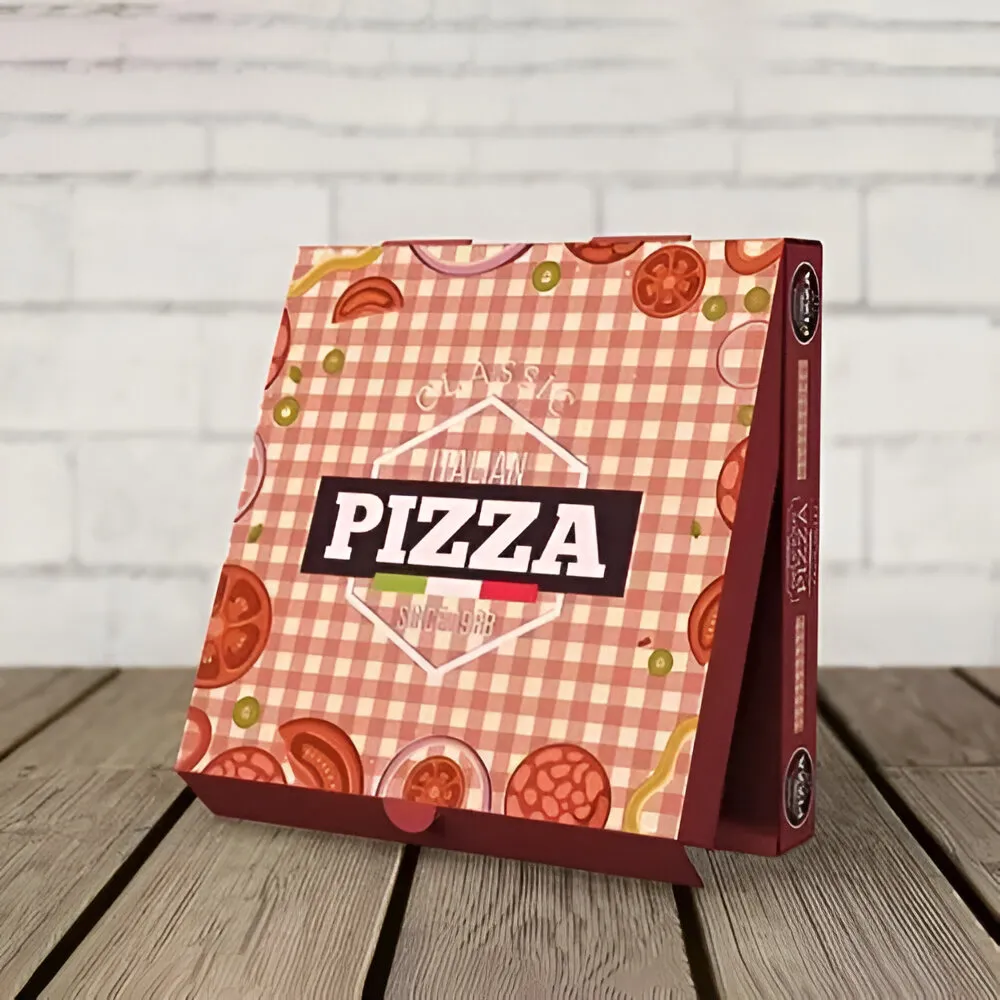
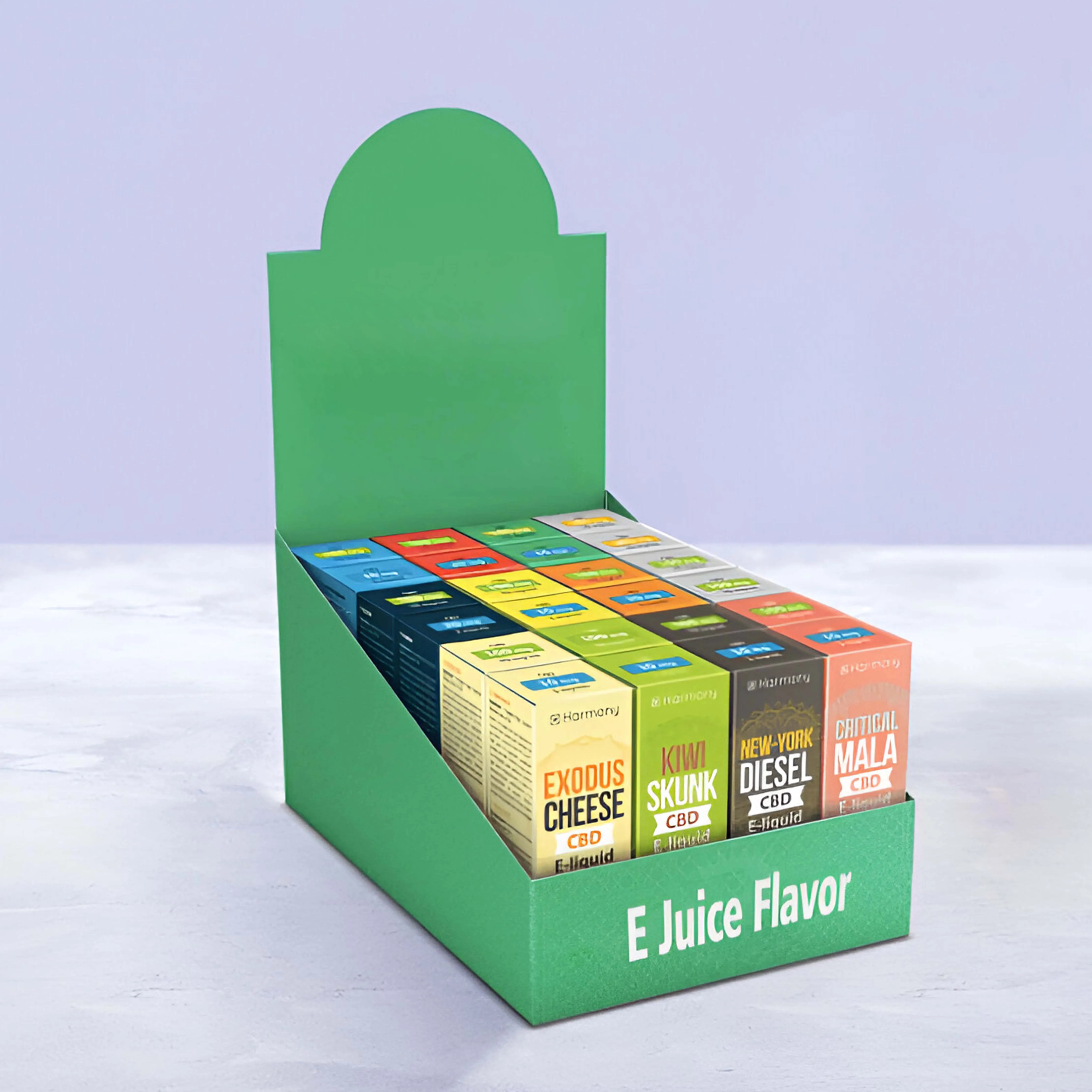
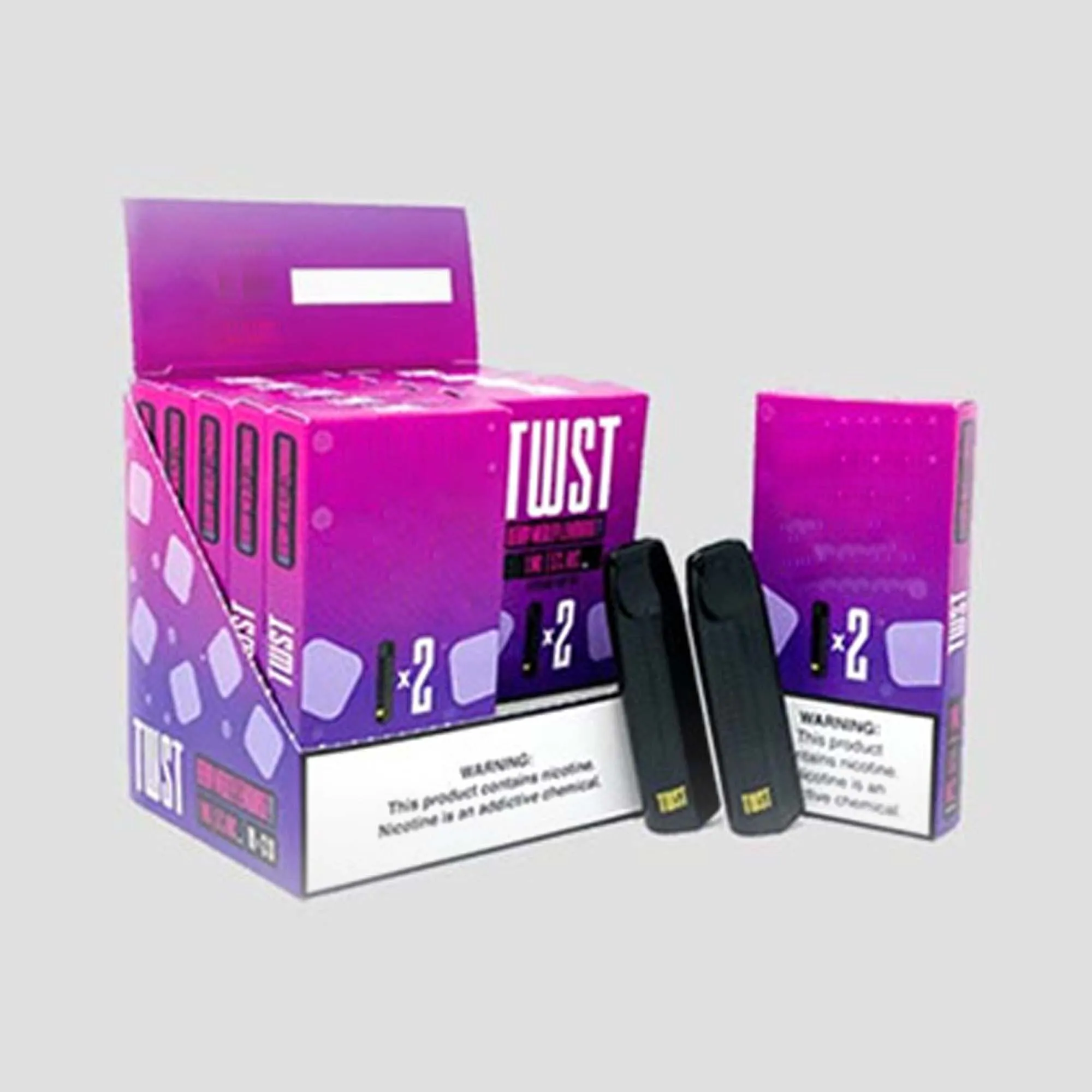
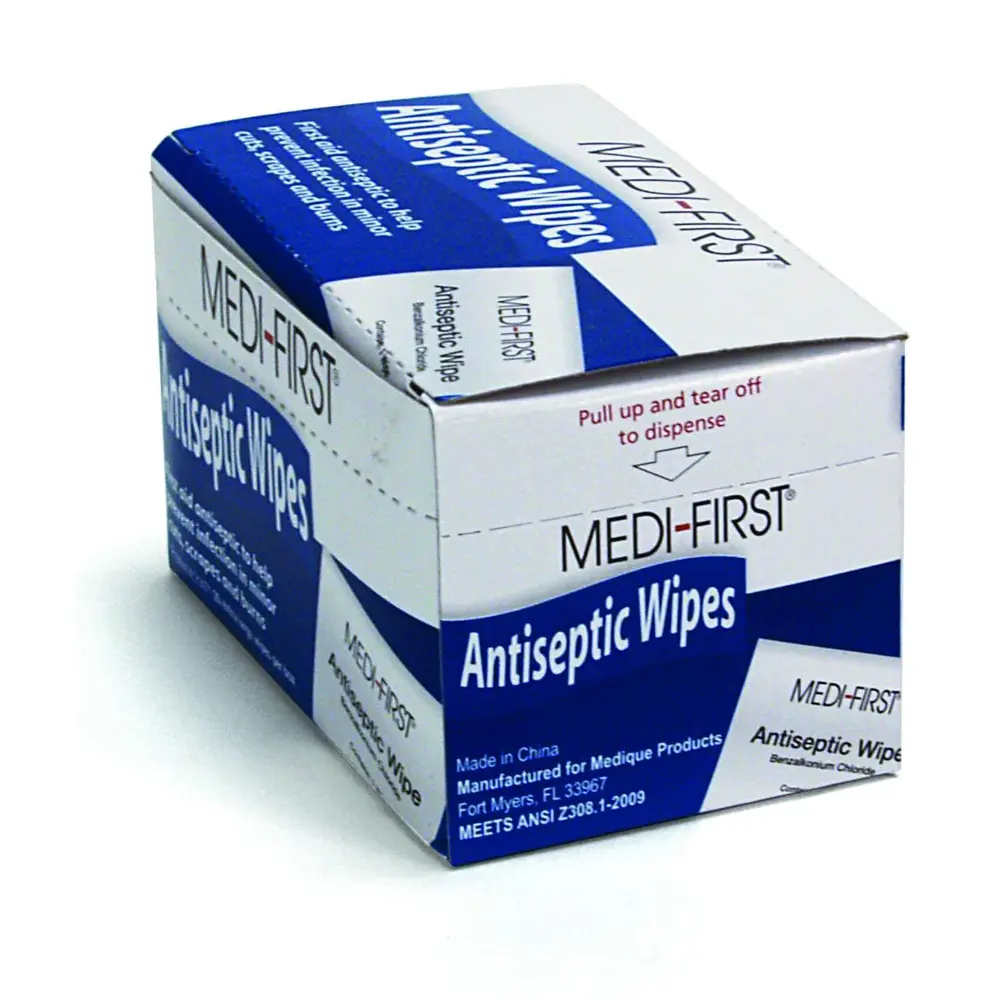
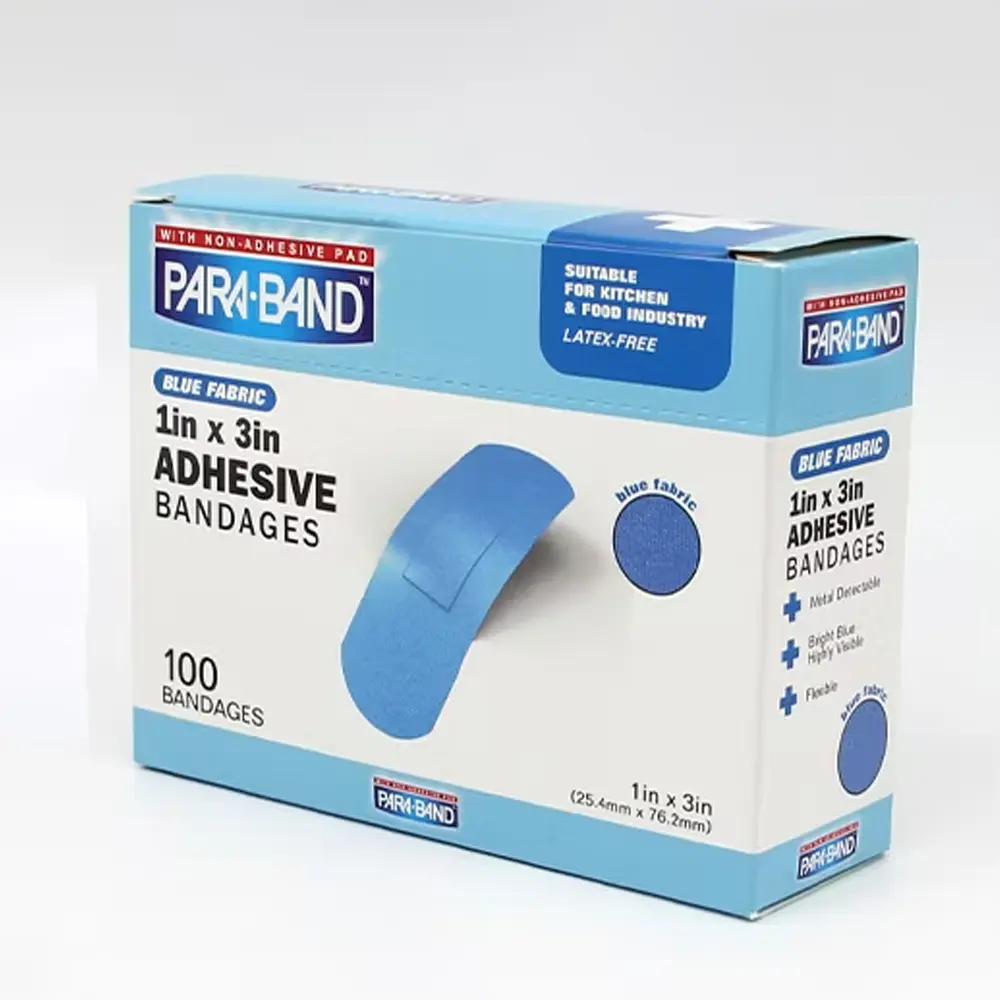
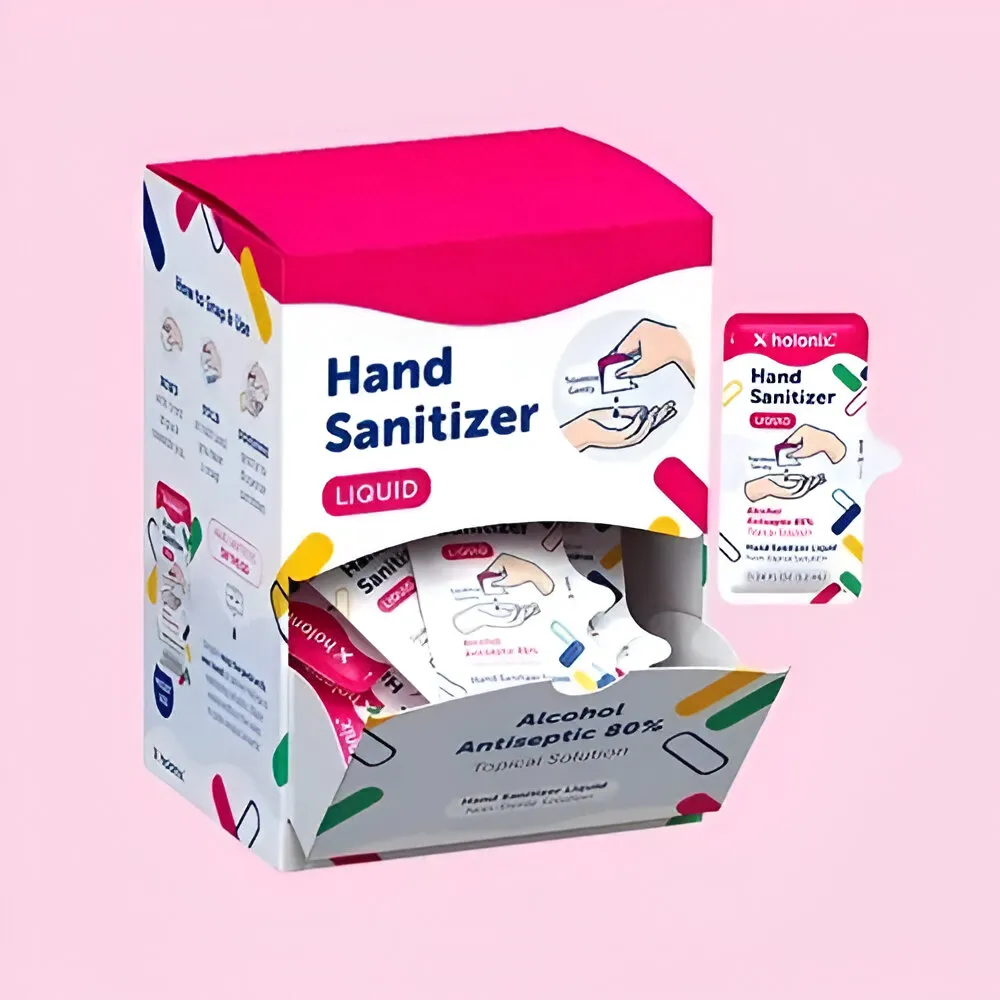
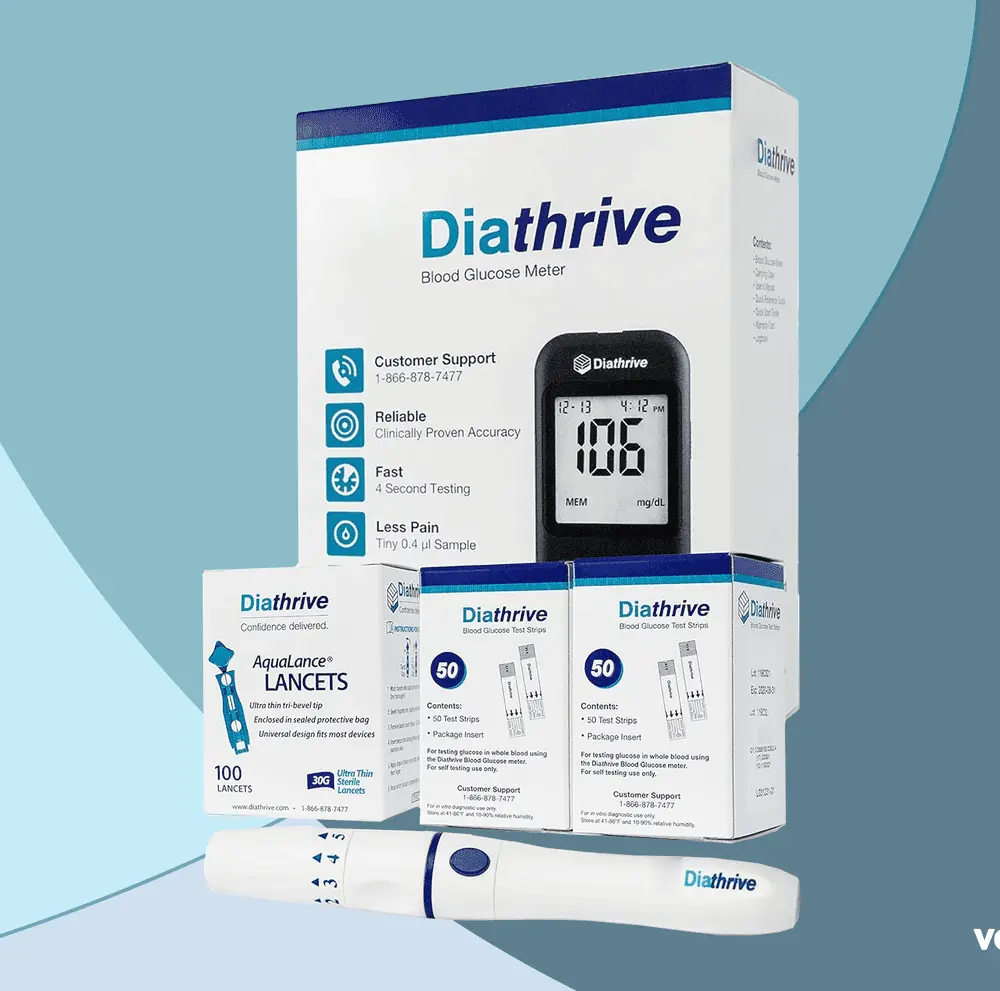
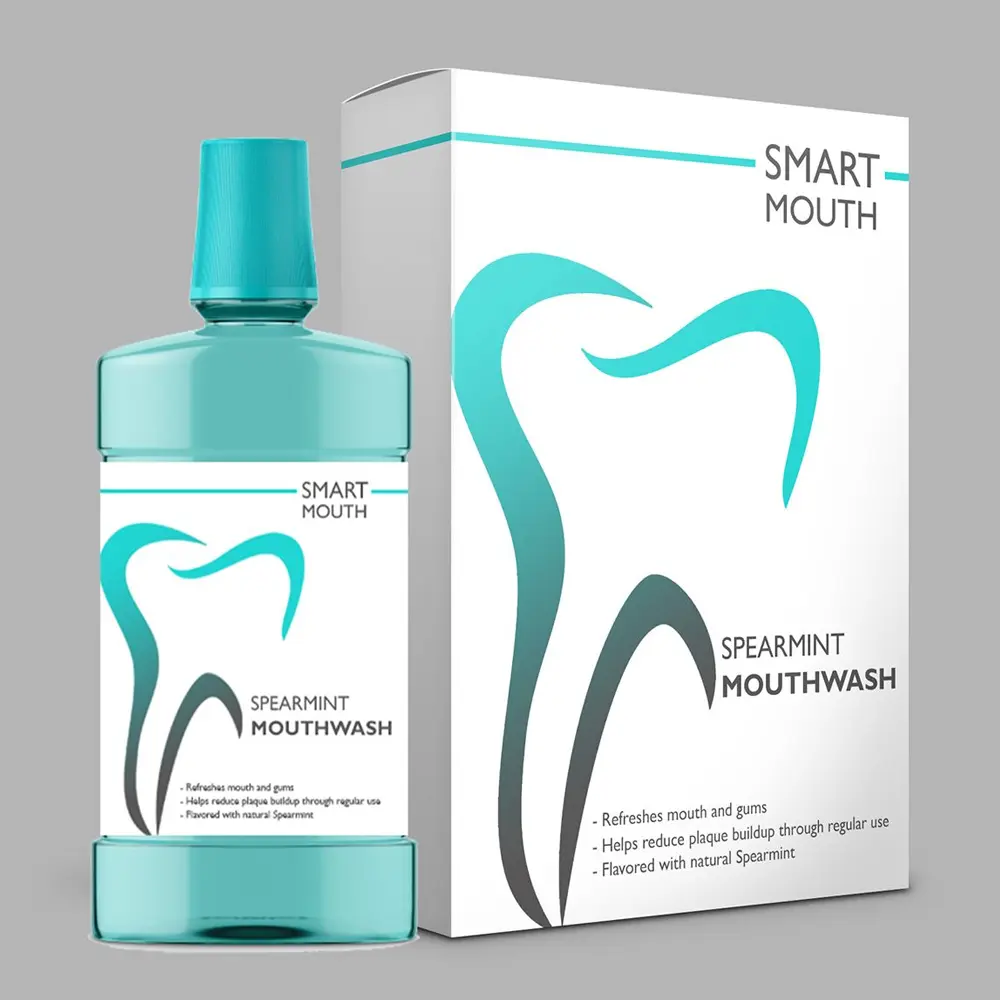
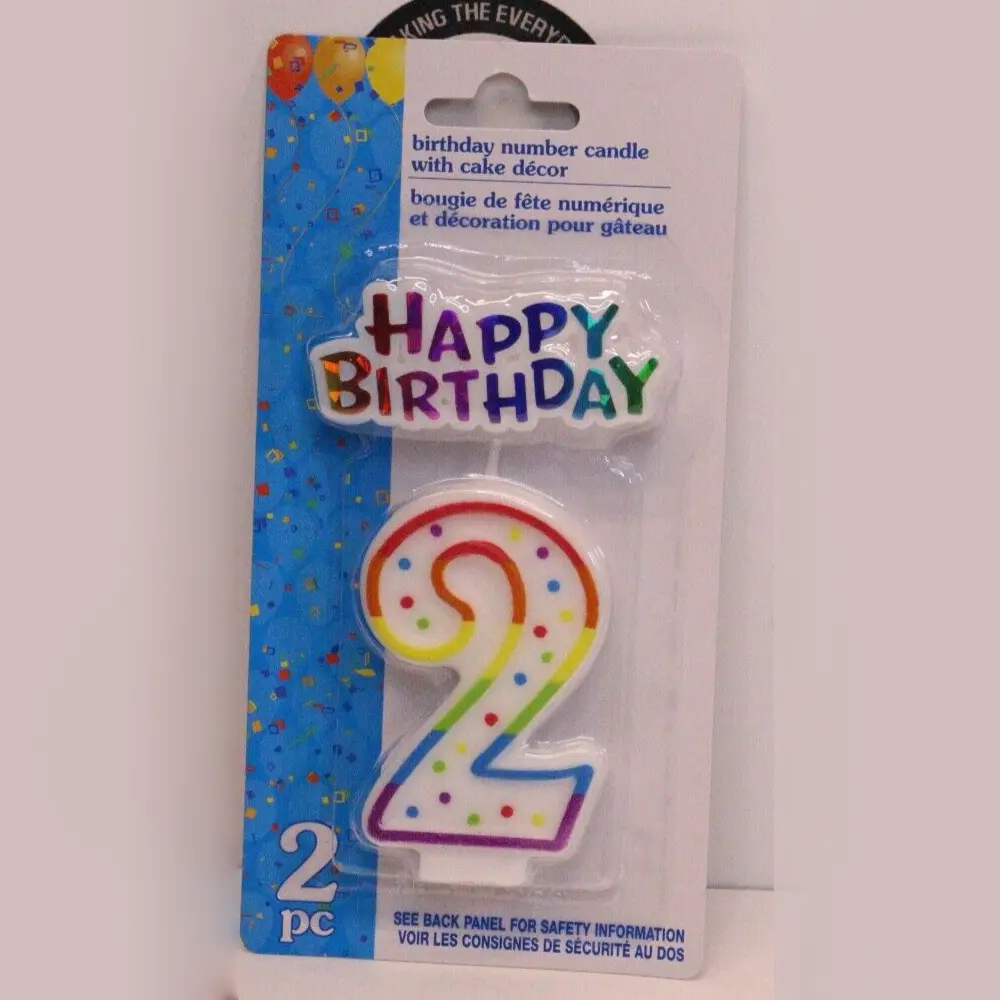
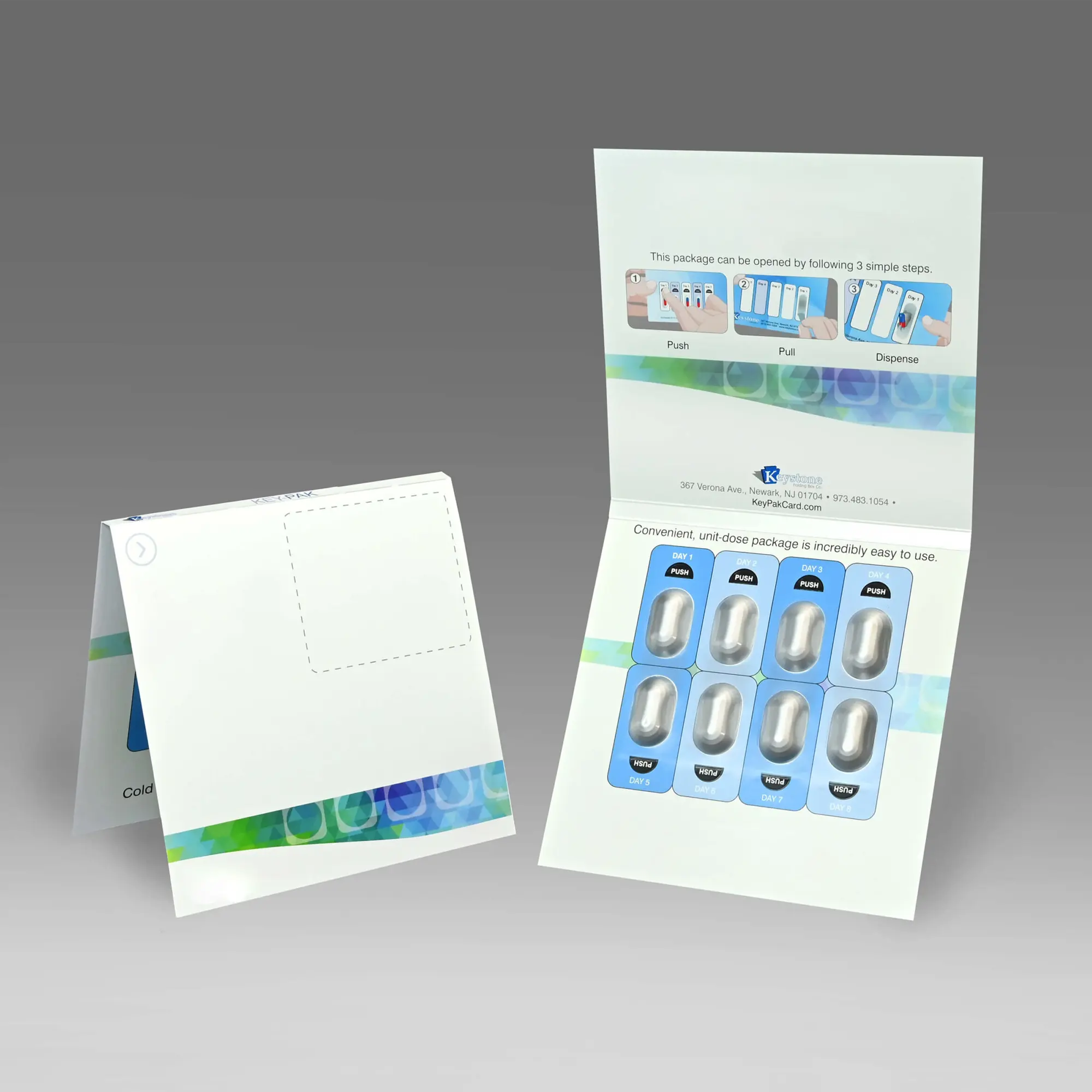
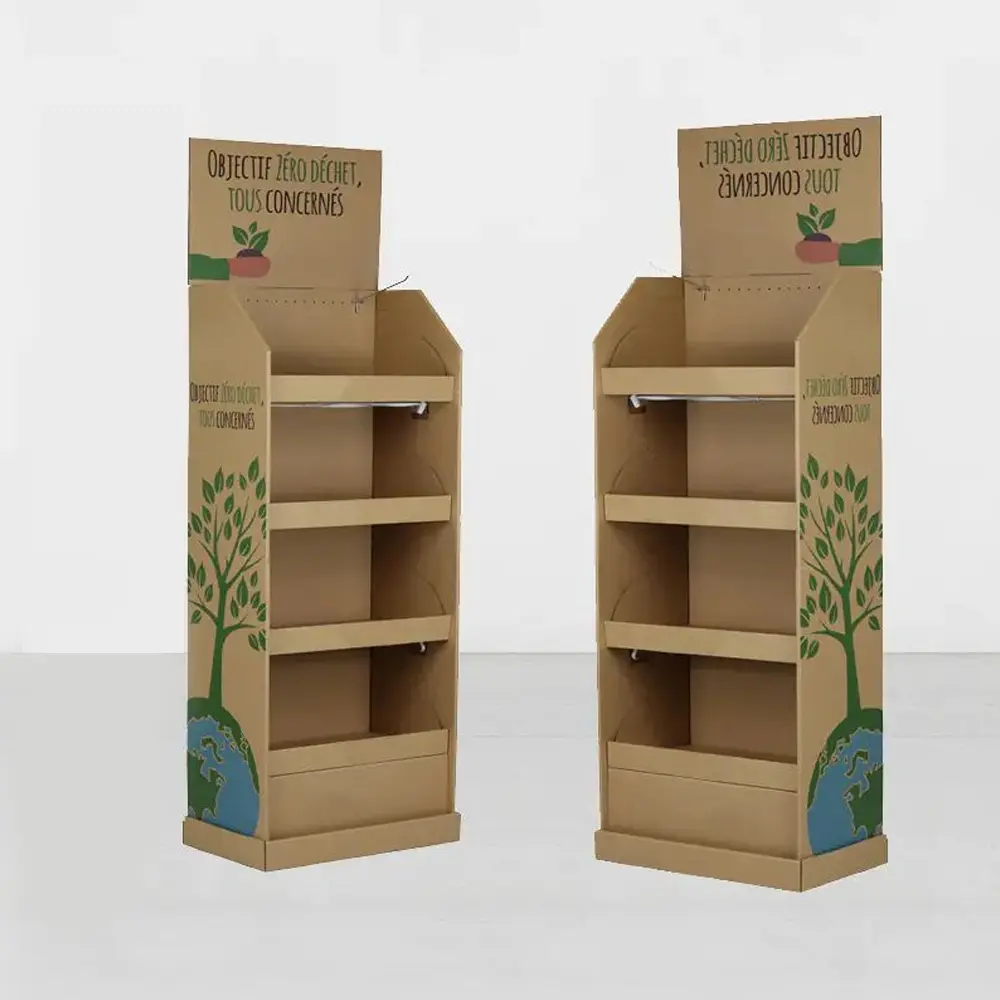
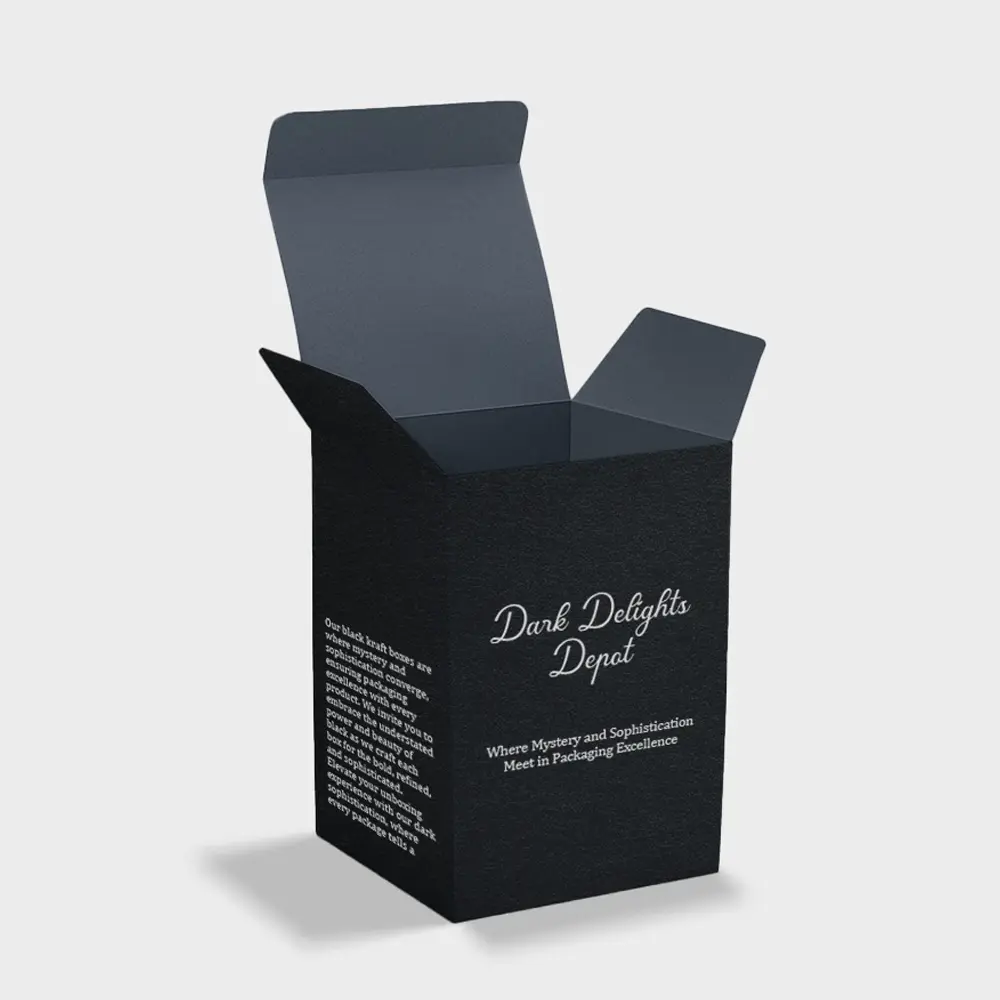
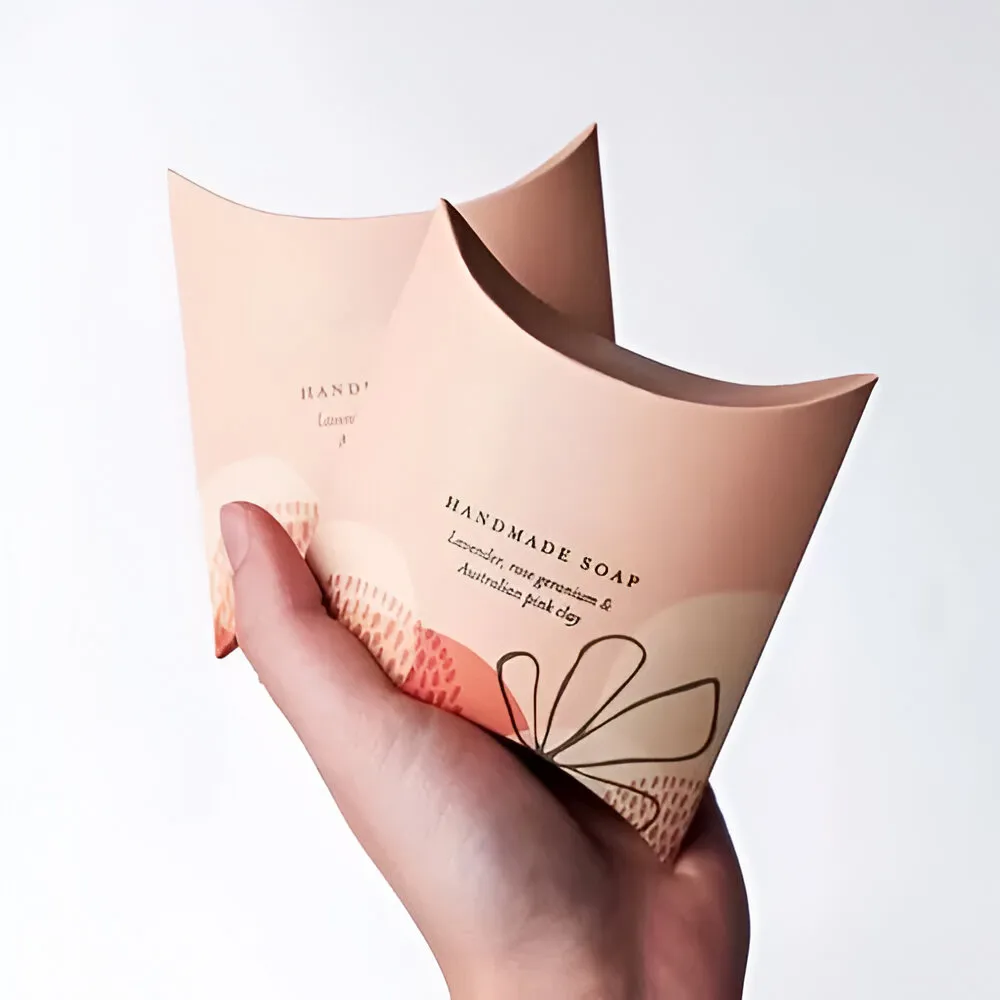
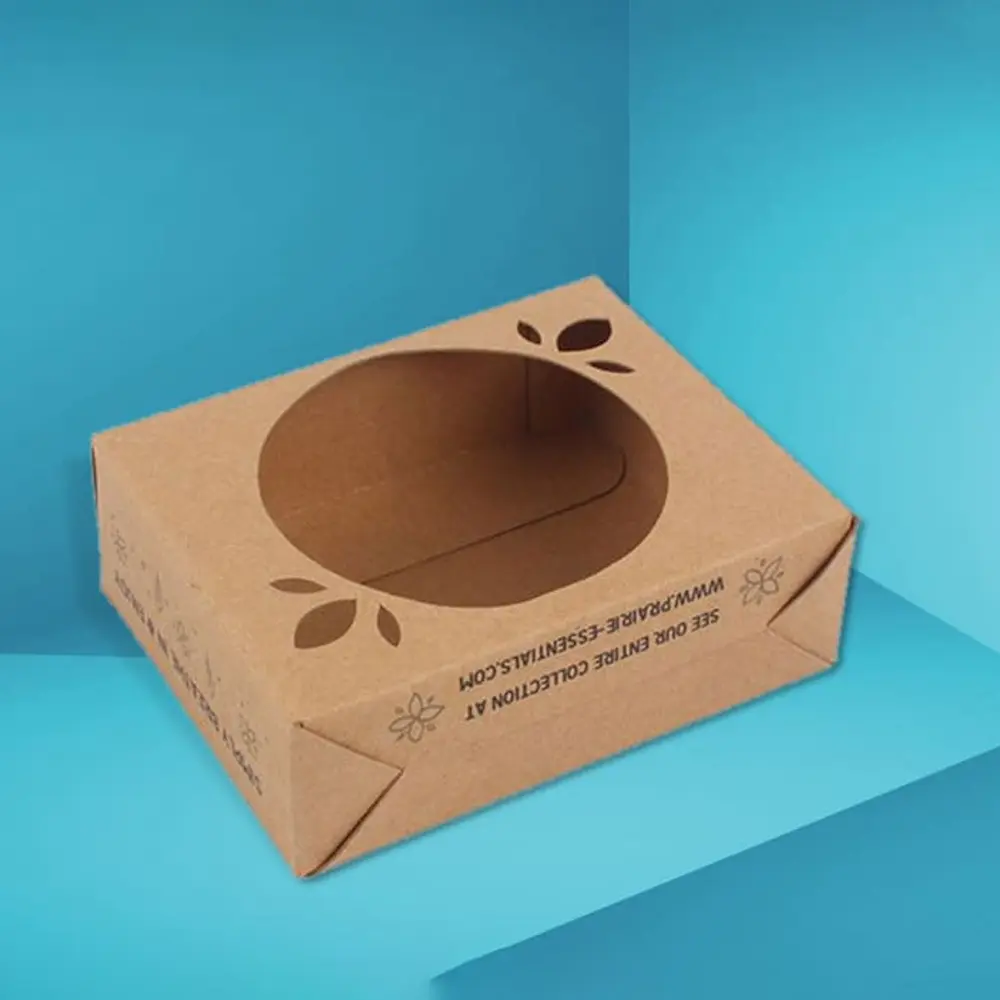
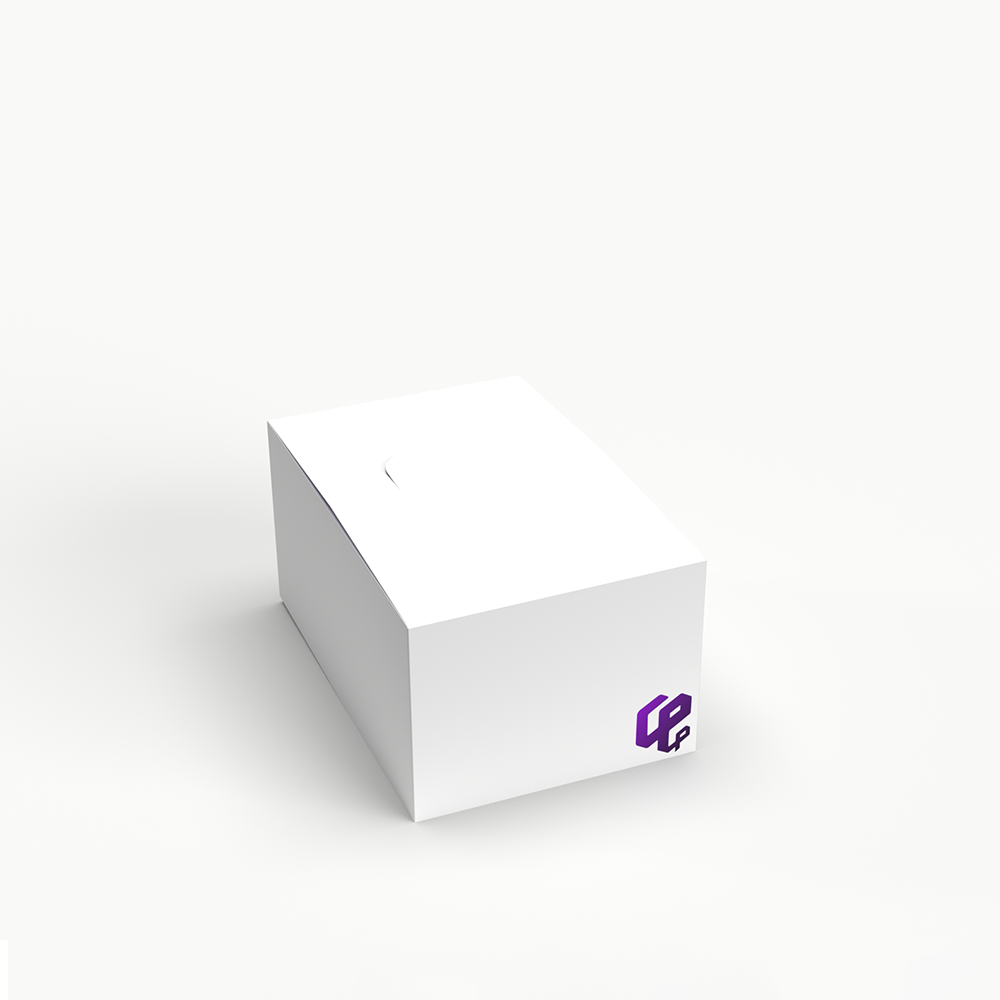
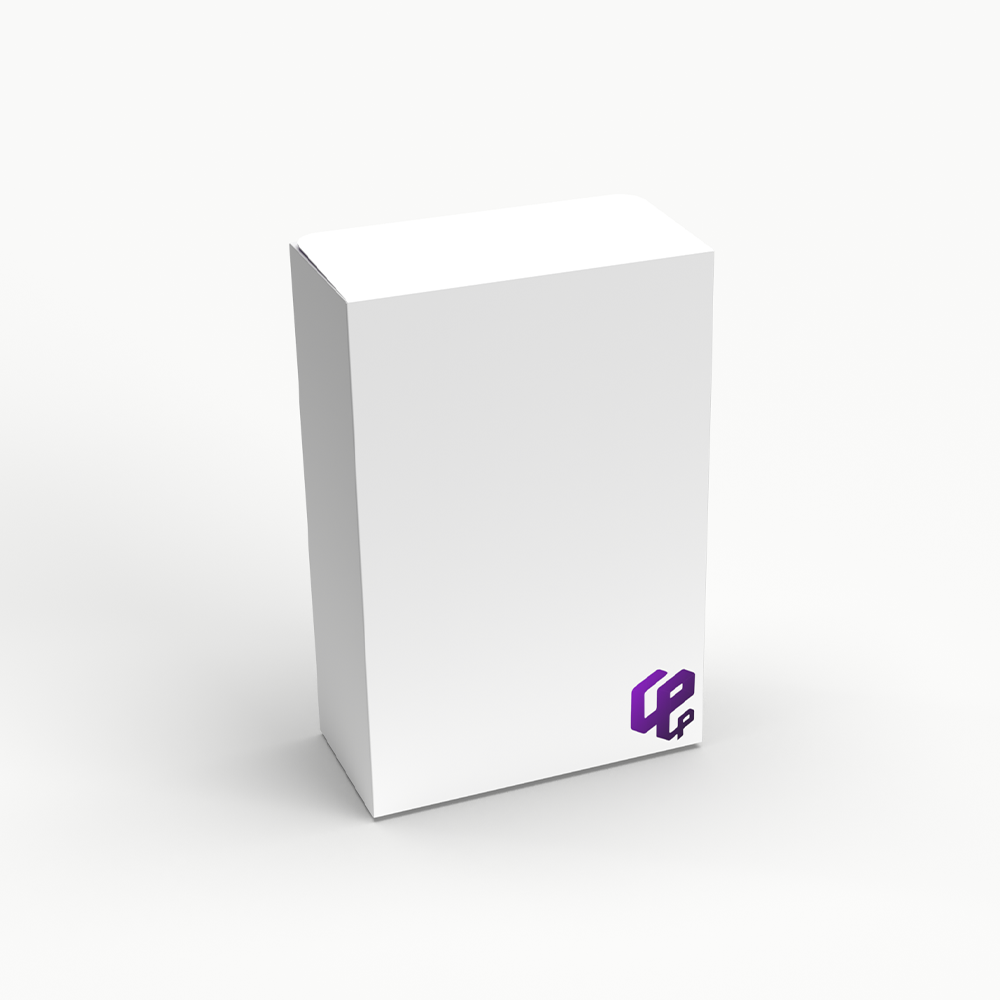
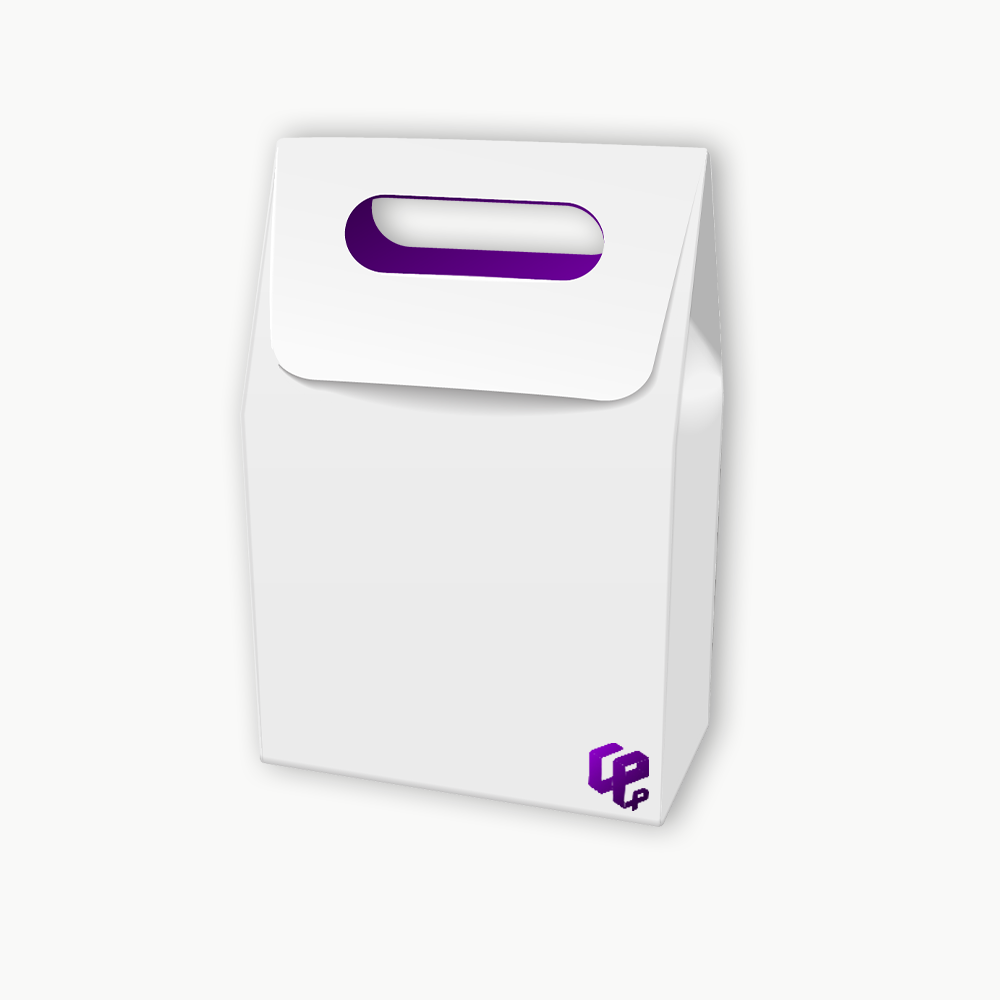
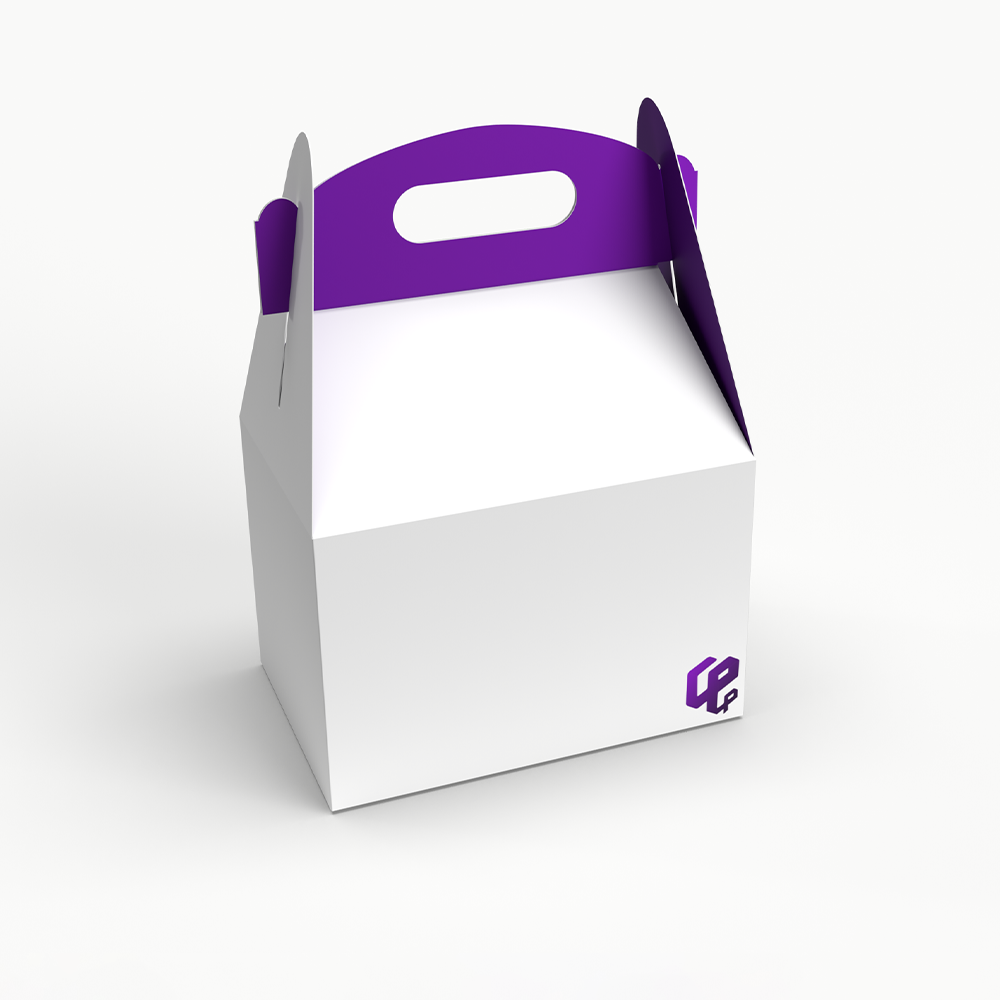
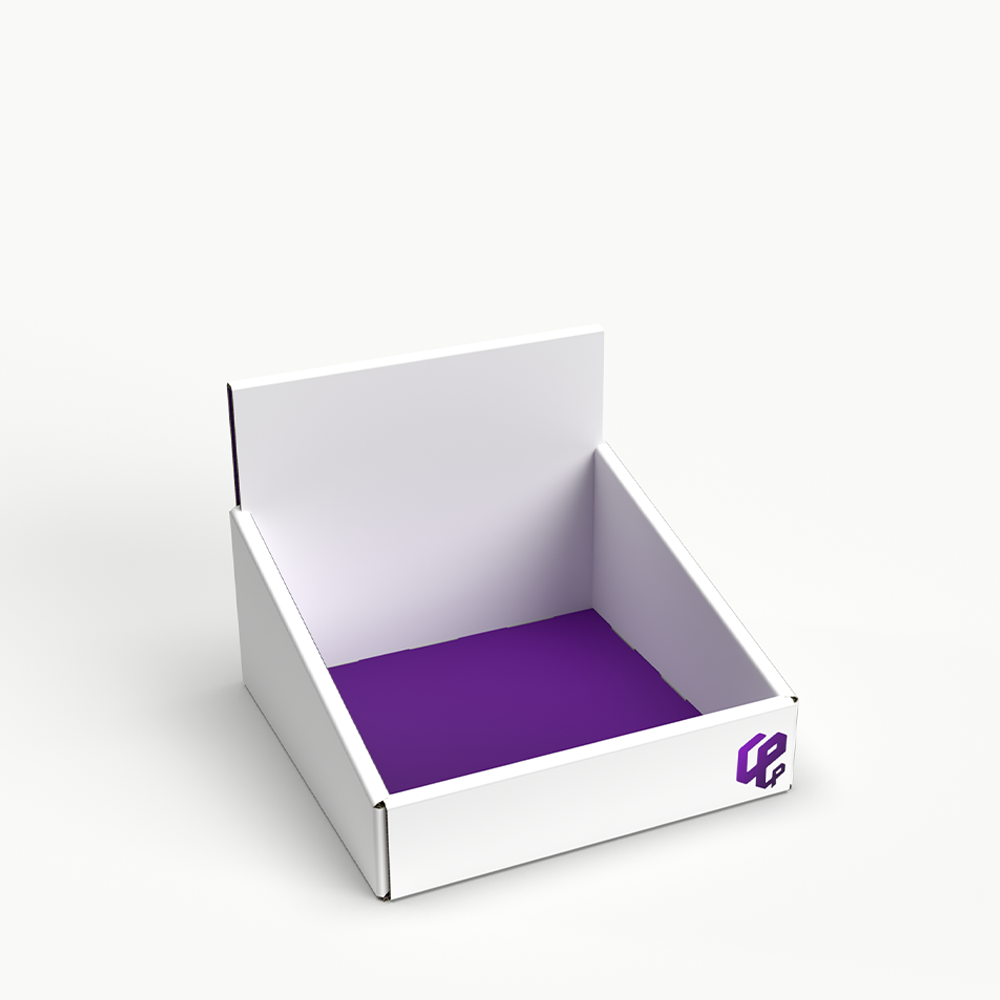
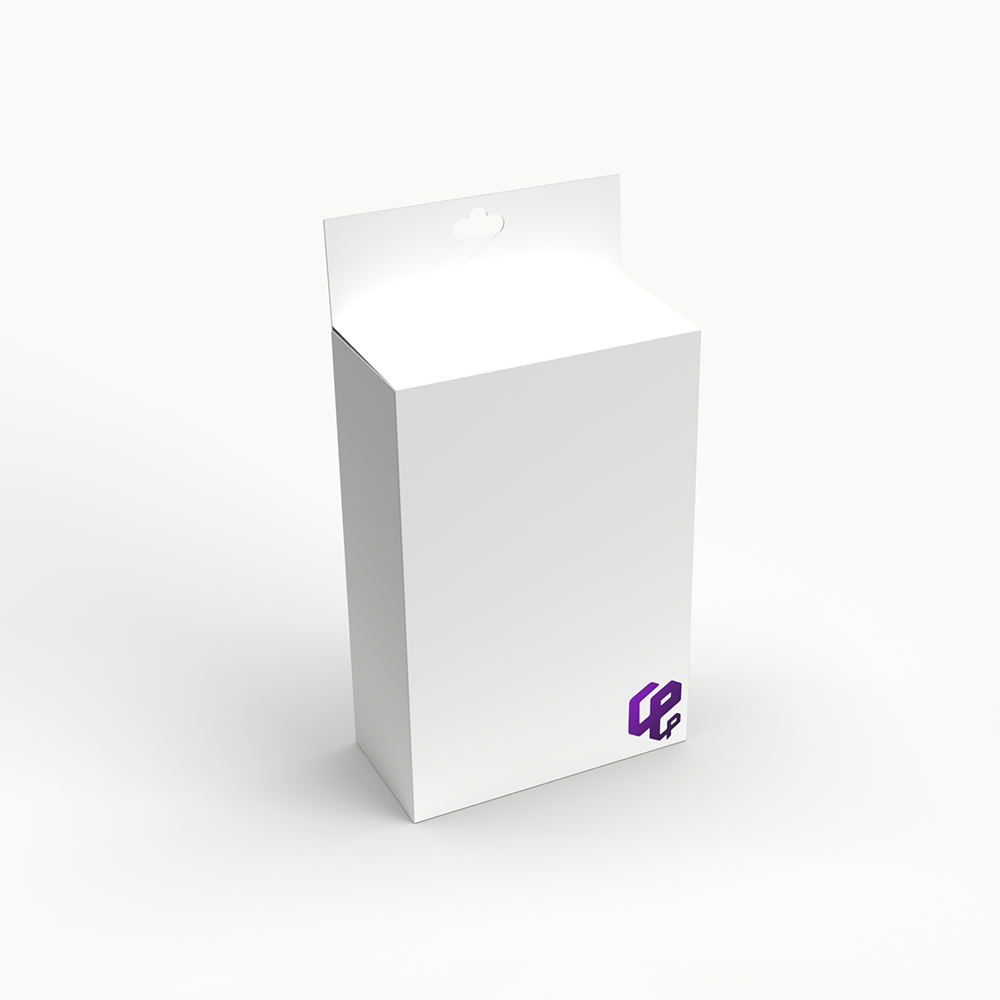
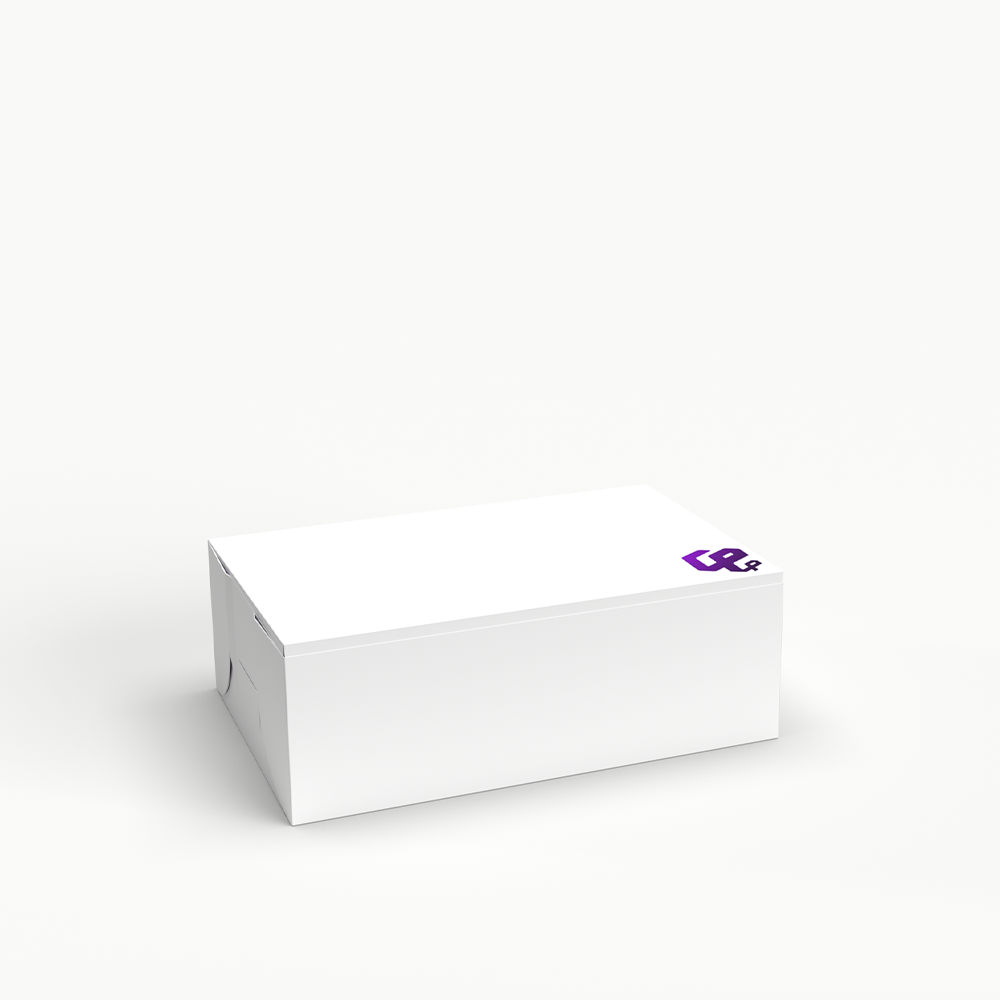
Folding boxes, also known as folding cartons, are lightweight boxes made from paperboard and shipped flat for easy storage. They are commonly used for retail packaging due to their affordability and flexibility.
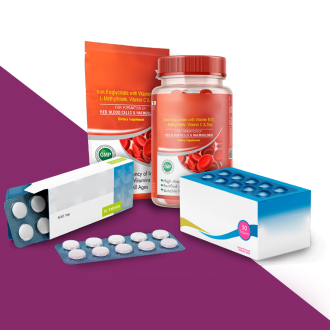
These boxes are ideal for products that do not require heavy protection but need strong shelf presence. Cosmetics, food items, supplements, apparel, and consumer goods frequently rely on custom packaging boxes US manufacturers offer in folding carton formats.
Folding boxes allow for high-quality printing and branding while keeping production costs manageable. Businesses can incorporate custom printed boxes with detailed graphics, product information, and compliance labeling. Their flat-shipped design also reduces storage space and shipping expenses.
For companies seeking custom packaging solutions that combine branding with cost efficiency, folding boxes remain a practical and scalable option.
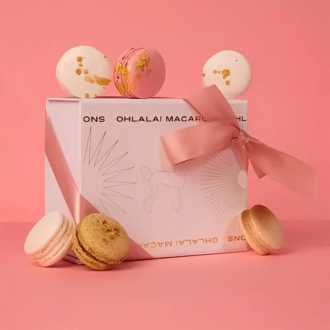
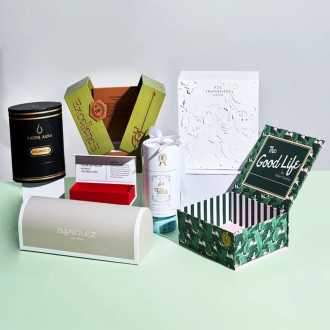
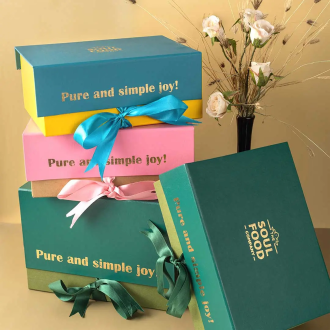
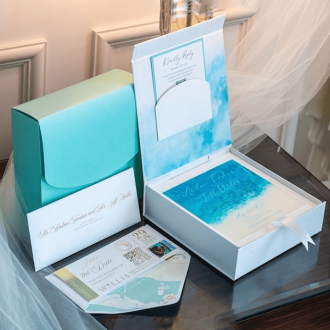
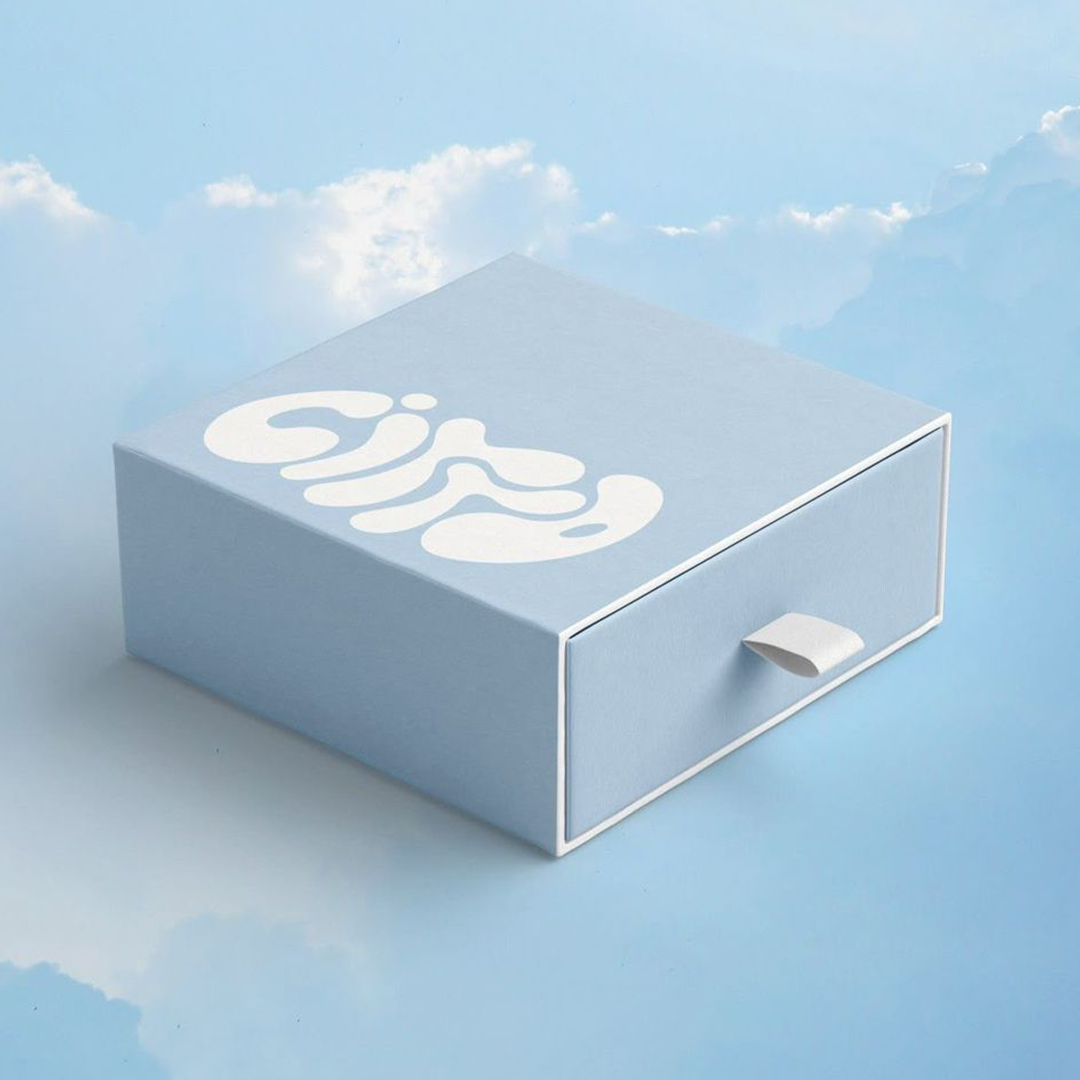
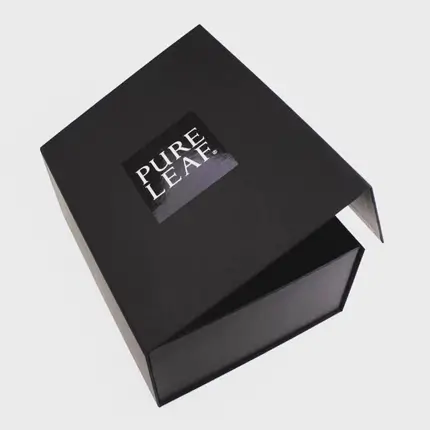
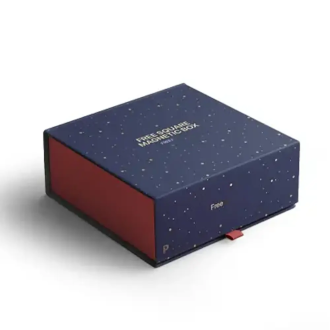
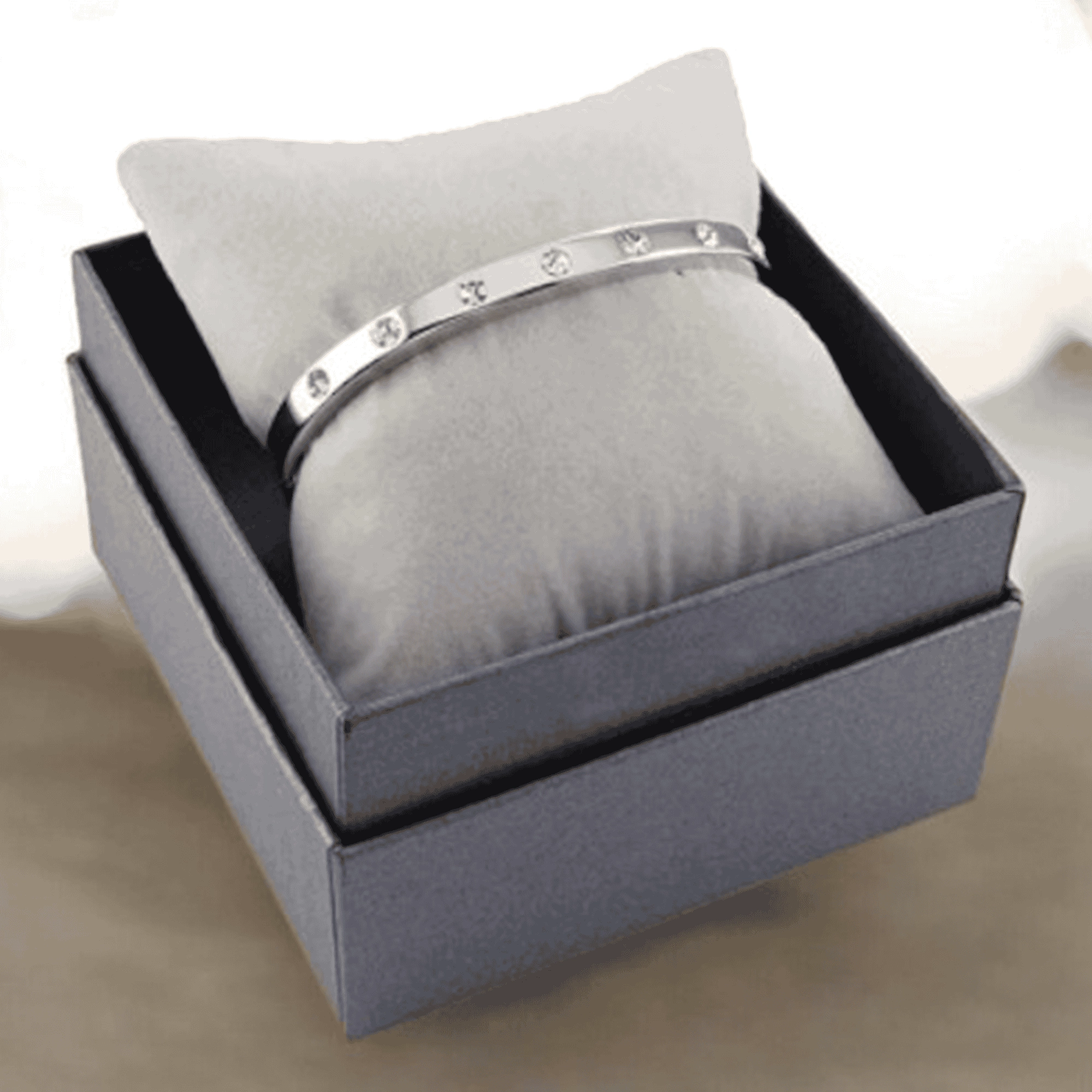
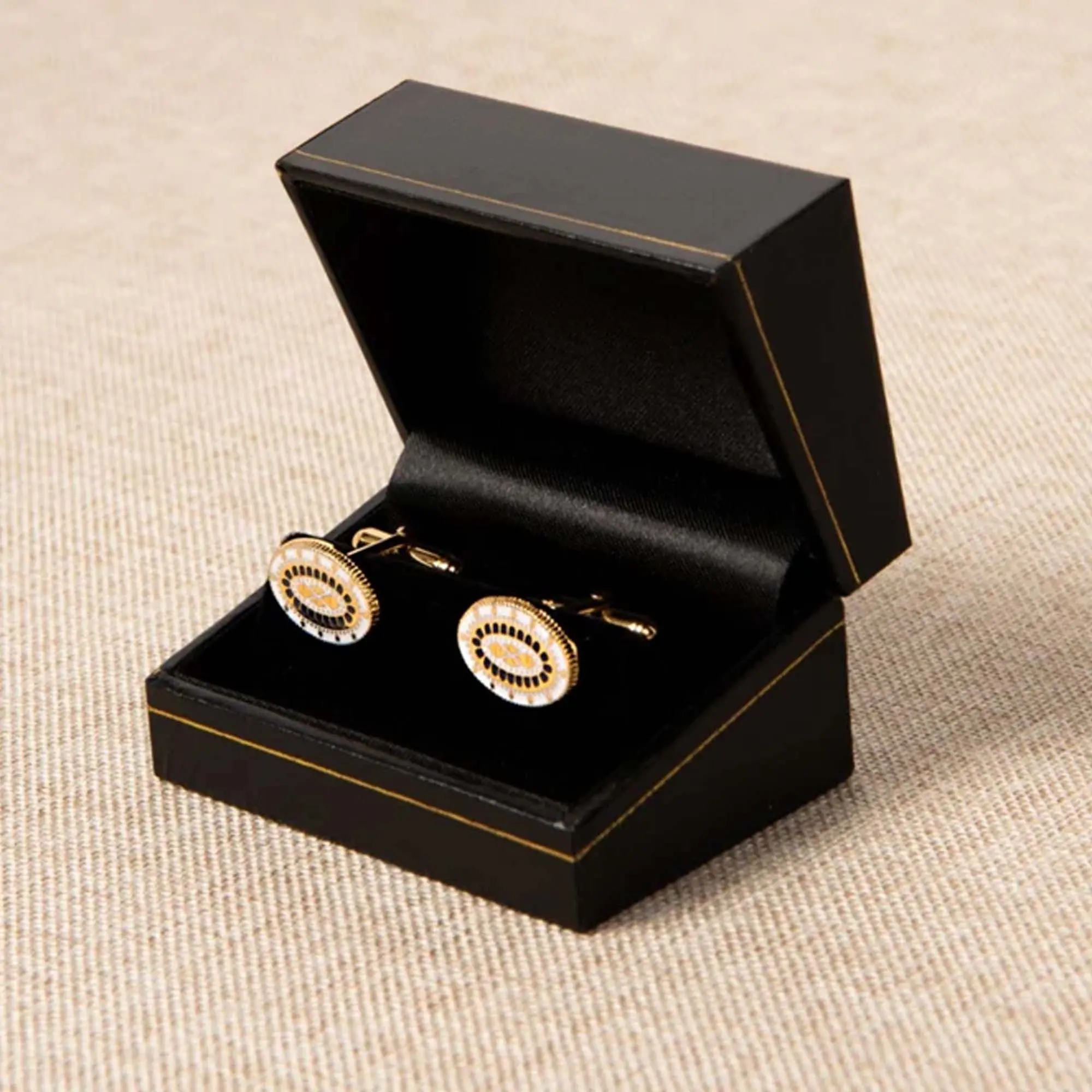
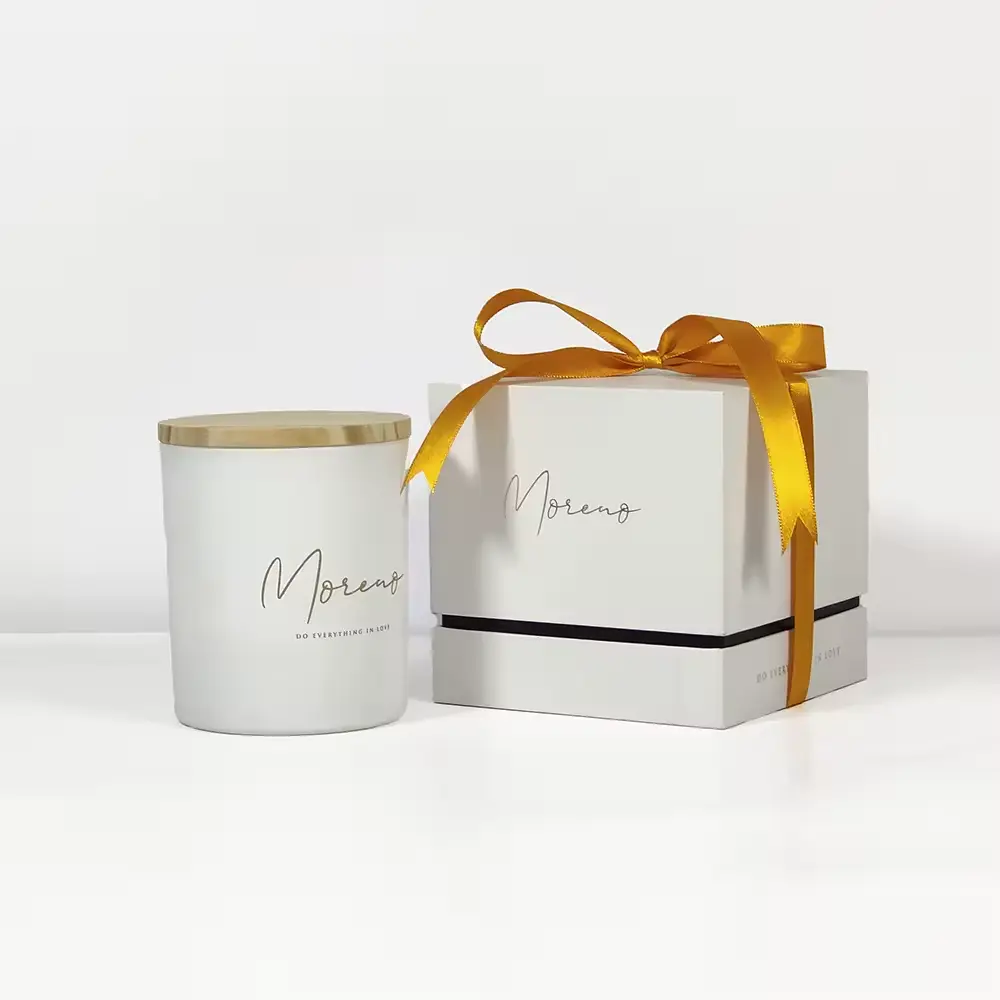
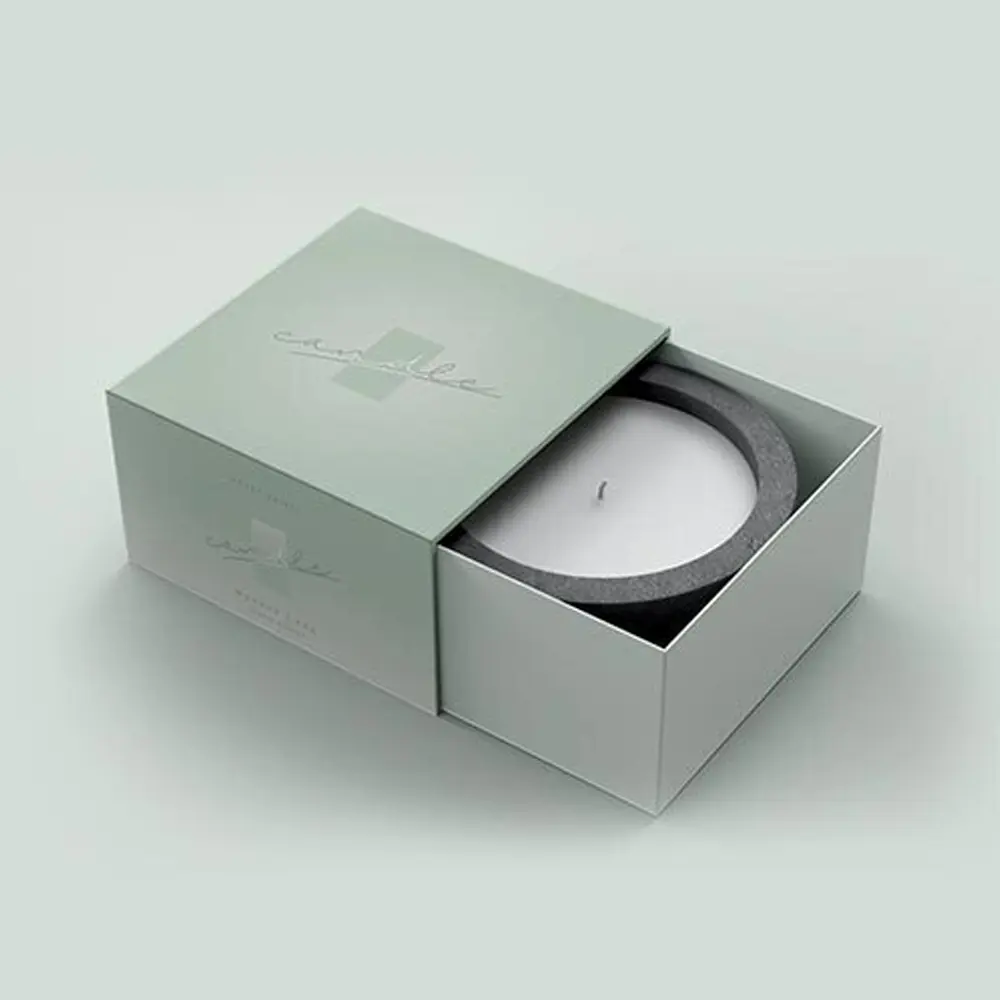
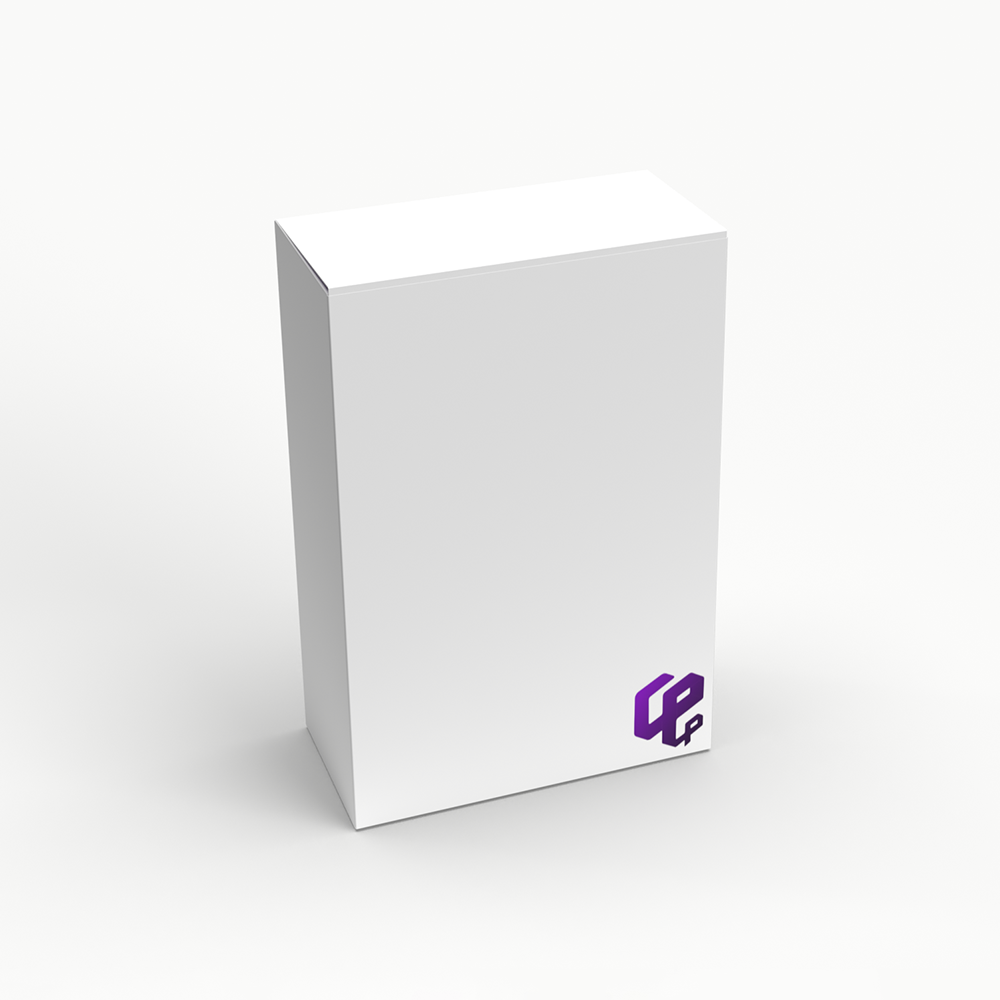
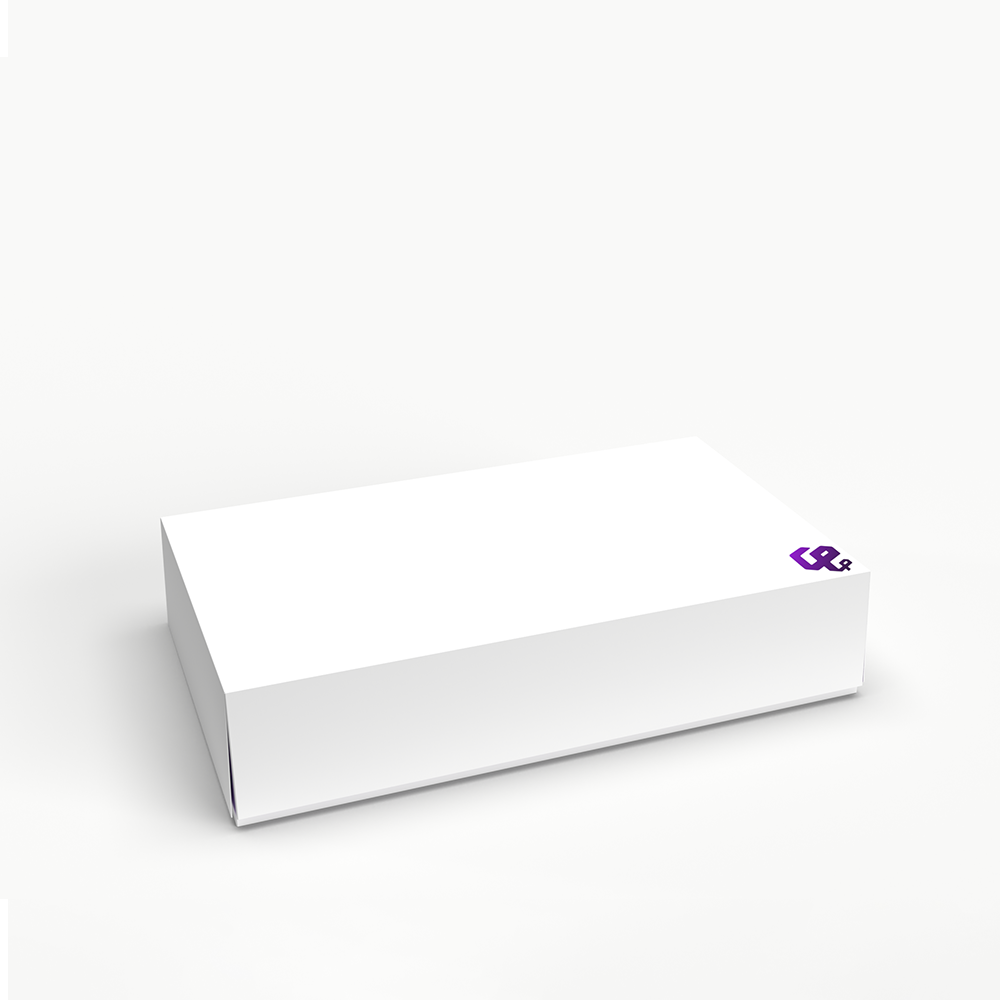
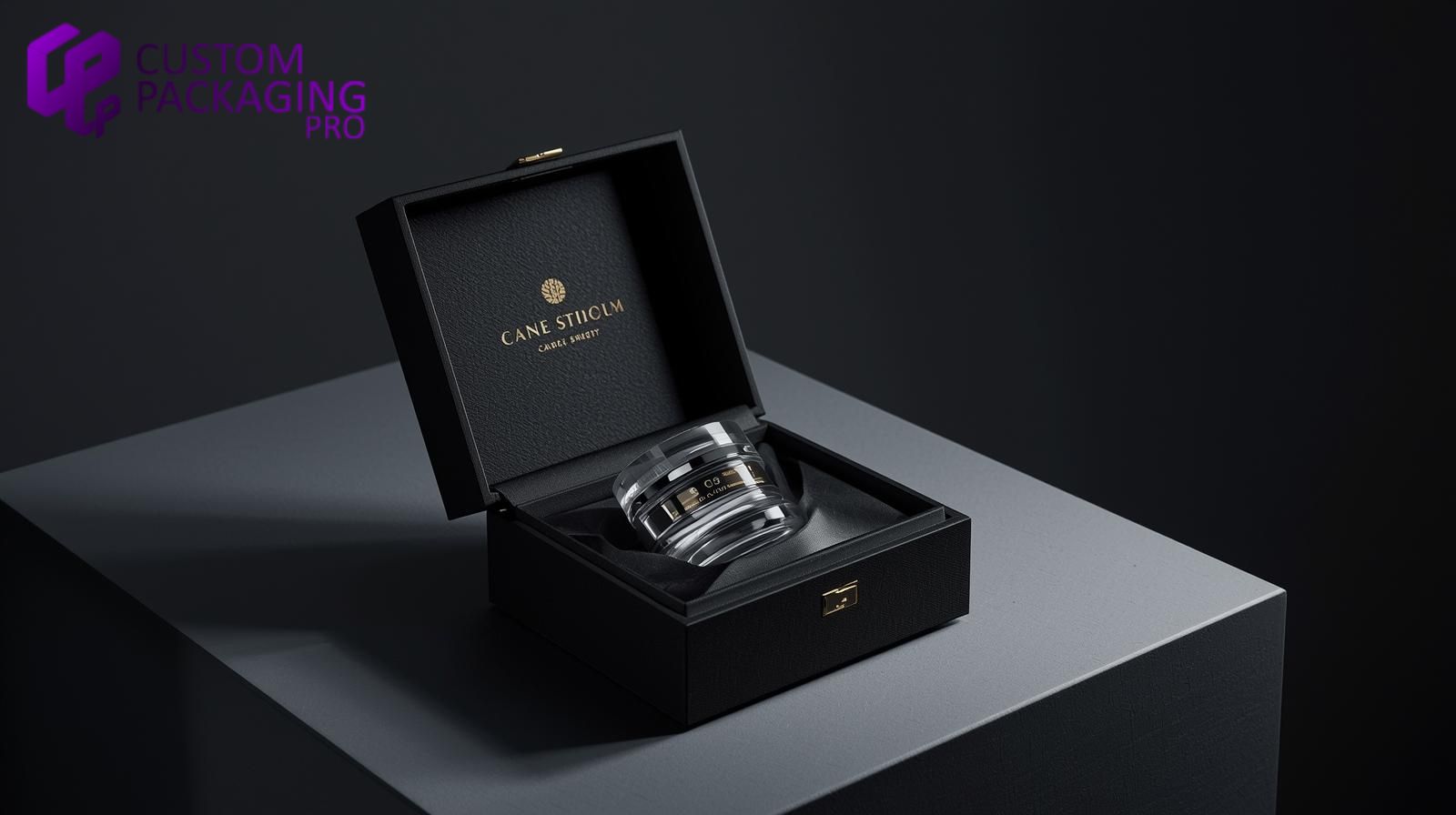
Rigid boxes represent the pinnacle of custom product packaging. Made from thick chipboard, these boxes are non-collapsible and designed to convey luxury and exclusivity.
Often associated with high-end electronics, cosmetics, jewelry, and gift items, rigid boxes create a strong first impression. Magnetic closures, lift-off lids, and custom shapes elevate the unboxing experience, making the product feel more valuable.
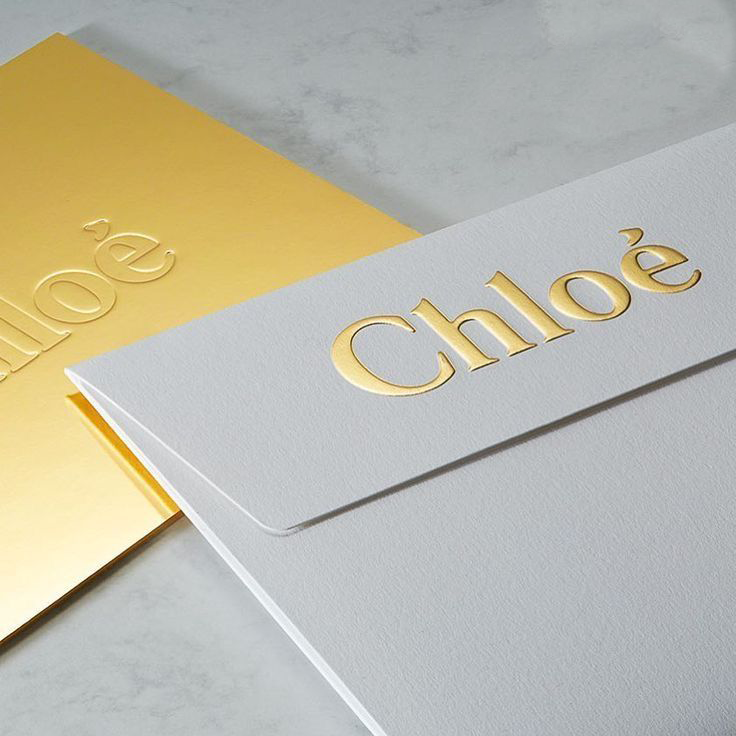
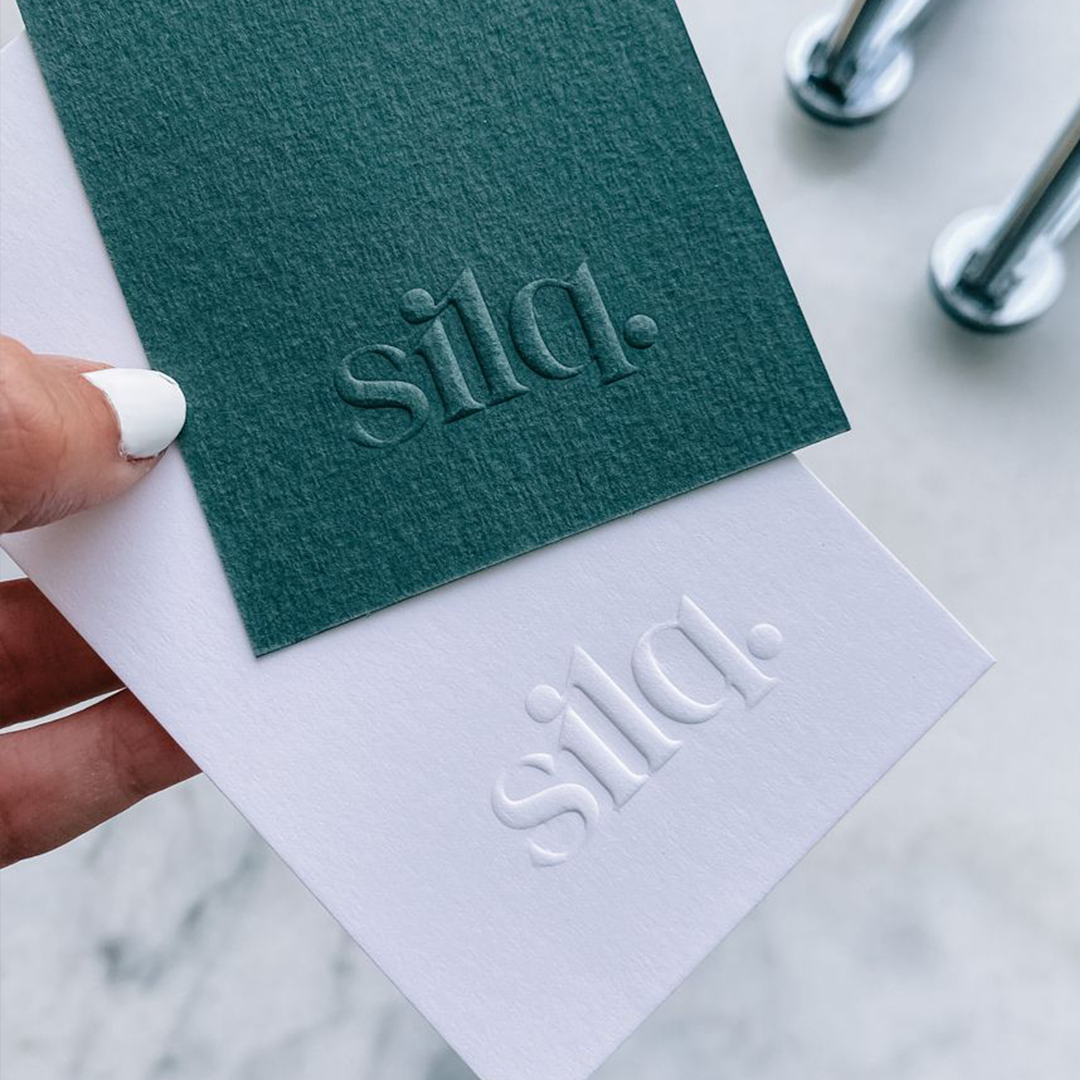
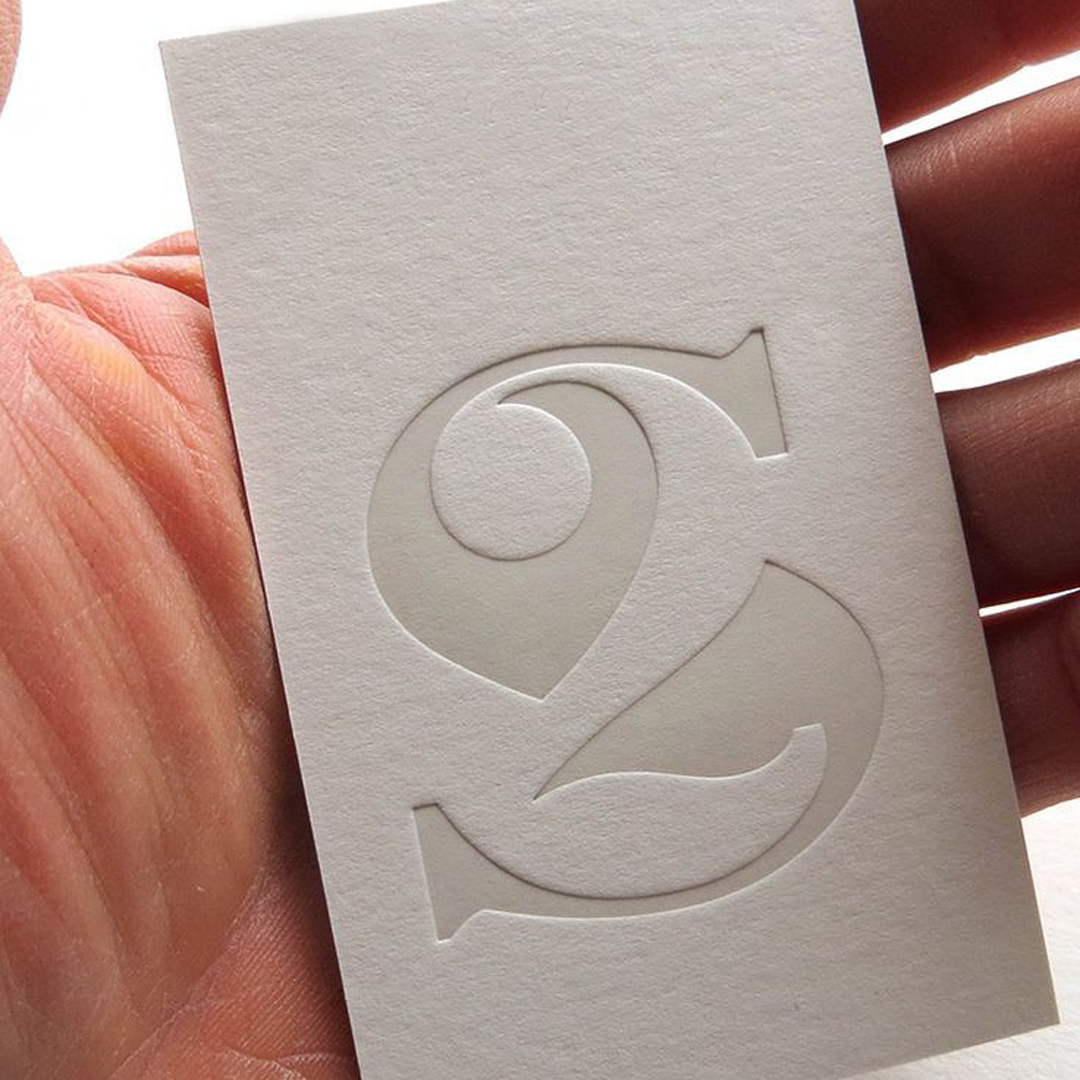
Premium finishing options such as foil stamping, embossing, and soft-touch lamination further enhance presentation. Brands using customised packaging boxes US suppliers produce in rigid formats often position themselves as premium or luxury-focused.
While rigid boxes cost more than mailer or folding boxes, their impact on customer perception and brand prestige often justifies the investment.
The primary difference between these box types lies in durability, cost, and customer perception. Mailer boxes are designed for shipping strength and unboxing impact. Folding boxes focus on efficiency, affordability, and retail display. Rigid boxes prioritize luxury presentation and long-term brand value.
Mailer boxes offer moderate cost with strong protection. Folding boxes are the most economical and storage-friendly. Rigid boxes are premium-priced but deliver unmatched visual appeal.
Choosing the right option depends on whether the brand prioritizes logistics, shelf presence, or experiential marketing.

Material selection plays a critical role in custom packaging US businesses rely on. Corrugated cardboard is commonly used for mailer boxes due to its strength and cushioning. Paperboard is ideal for folding cartons that require high-quality printing and lightweight structure.
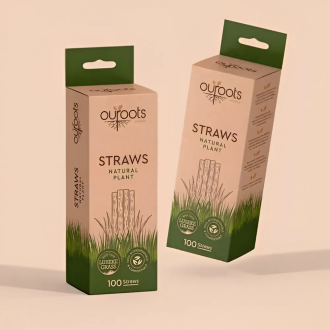
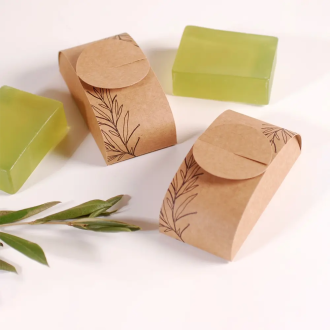
Rigid chipboard is used for luxury packaging, offering durability and a premium feel. Kraft stock is often chosen for sustainable or eco-friendly branding due to its natural appearance and recyclability.
The right material depends on product weight, shipping distance, sustainability goals, and desired aesthetics.
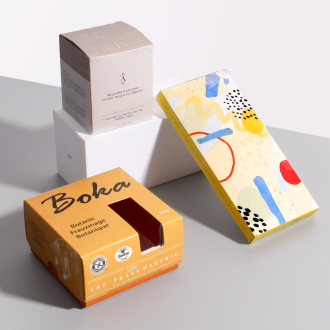
Printing and finishing transform simple boxes into powerful branding tools. Digital printing suits short runs and personalized packaging boxes, while offset printing is preferred for large-scale production with consistent color accuracy.
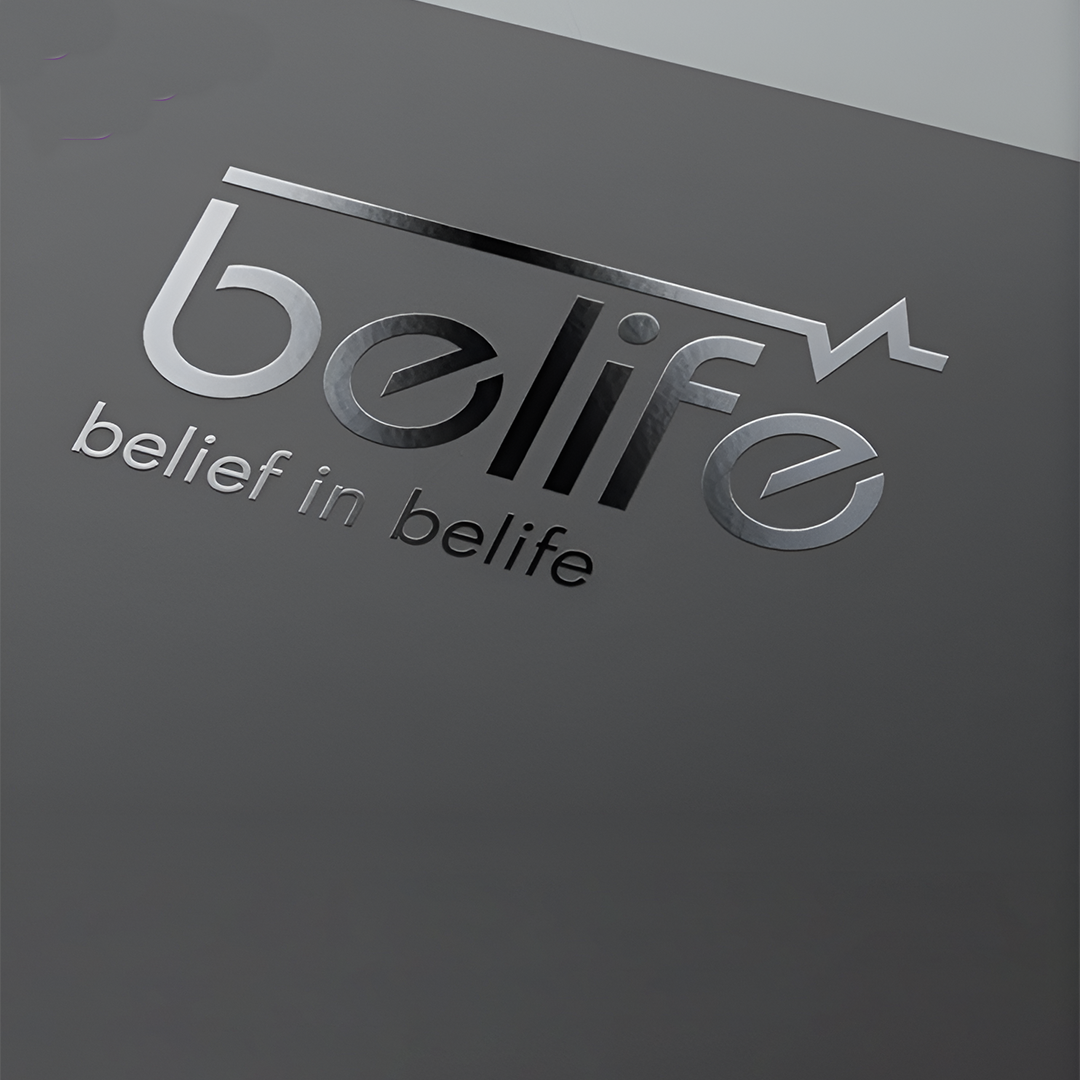
Finishing options such as matte or gloss lamination protect designs and enhance visual appeal. Spot UV adds contrast, embossing and debossing create texture, and foil stamping adds a premium touch.
These enhancements increase perceived value and help custom boxes wholesale buyers differentiate their products in competitive markets.
Selecting the right packaging starts with understanding the product’s size, fragility, and shipping method. Lightweight retail items may only require folding cartons, while fragile products benefit from mailer boxes or rigid packaging.
Budget also plays a role, but brands should avoid prioritizing cost over quality. Packaging that aligns with branding goals, logistics, and customer expectations reduces returns and improves satisfaction.
Professional packaging decisions are strategic investments, not just operational expenses.
Ecommerce brands prioritize protection and unboxing experiences, making mailer boxes the preferred option. Retail brands focus on shelf appeal and compliance, relying heavily on folding cartons.
Luxury brands emphasize presentation and emotional connection, choosing rigid boxes to elevate perceived value. Each industry uses packaging differently, but the goal remains consistent: creating positive customer experiences.
Sustainability is no longer optional. Many brands now choose recyclable materials, biodegradable stocks, and minimalist designs to reduce environmental impact.
Customised packaging made from kraft or recycled paperboard appeals to eco-conscious consumers and supports long-term brand credibility. Sustainable packaging also aligns with regulatory trends and consumer expectations across global markets.
One common mistake is selecting the wrong box size, leading to wasted space and higher shipping costs. Another is ignoring branding opportunities, treating packaging as an afterthought rather than a marketing asset.
Some businesses also overlook logistics requirements, resulting in damaged products or increased returns. Balancing cost, quality, and functionality is essential for effective packaging.
Custom Packaging Pro specializes in delivering tailored custom boxes US businesses depend on across ecommerce, retail, and luxury sectors. With expertise in material selection, printing techniques, and scalable production, the company supports brands seeking reliable and professional packaging.
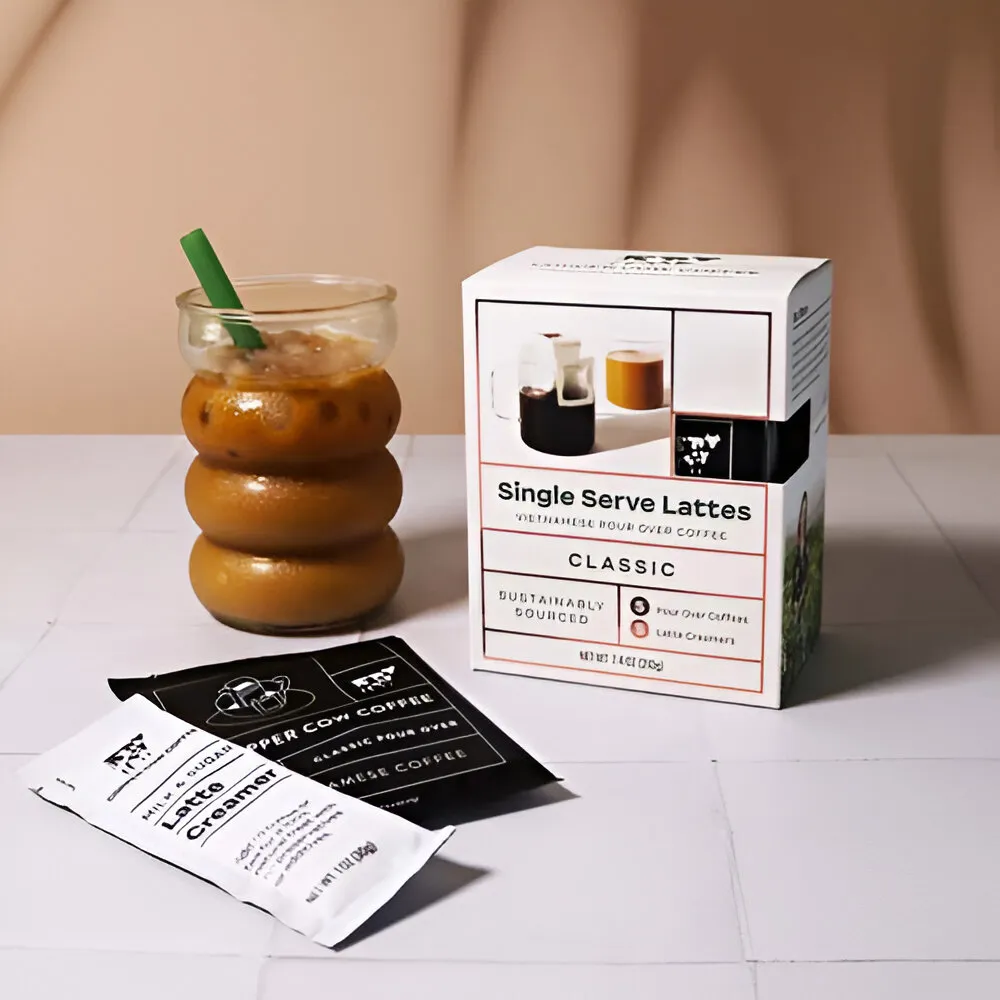
Their approach focuses on functionality, branding, and long-term value rather than one-size-fits-all solutions, making them a practical choice for businesses of all sizes.
Minimalist luxury, personalization, and sustainable innovation are shaping the future of packaging. Brands are investing in custom packaging solutions that enhance unboxing experiences while reducing environmental impact.
Smart packaging designs and premium finishes will continue to influence customer expectations and brand differentiation.
Choosing the right custom box packaging is a strategic decision that directly impacts brand perception, customer satisfaction, and operational efficiency. Mailer boxes, folding boxes, and rigid boxes each serve distinct purposes, from shipping durability to retail presentation and luxury branding.
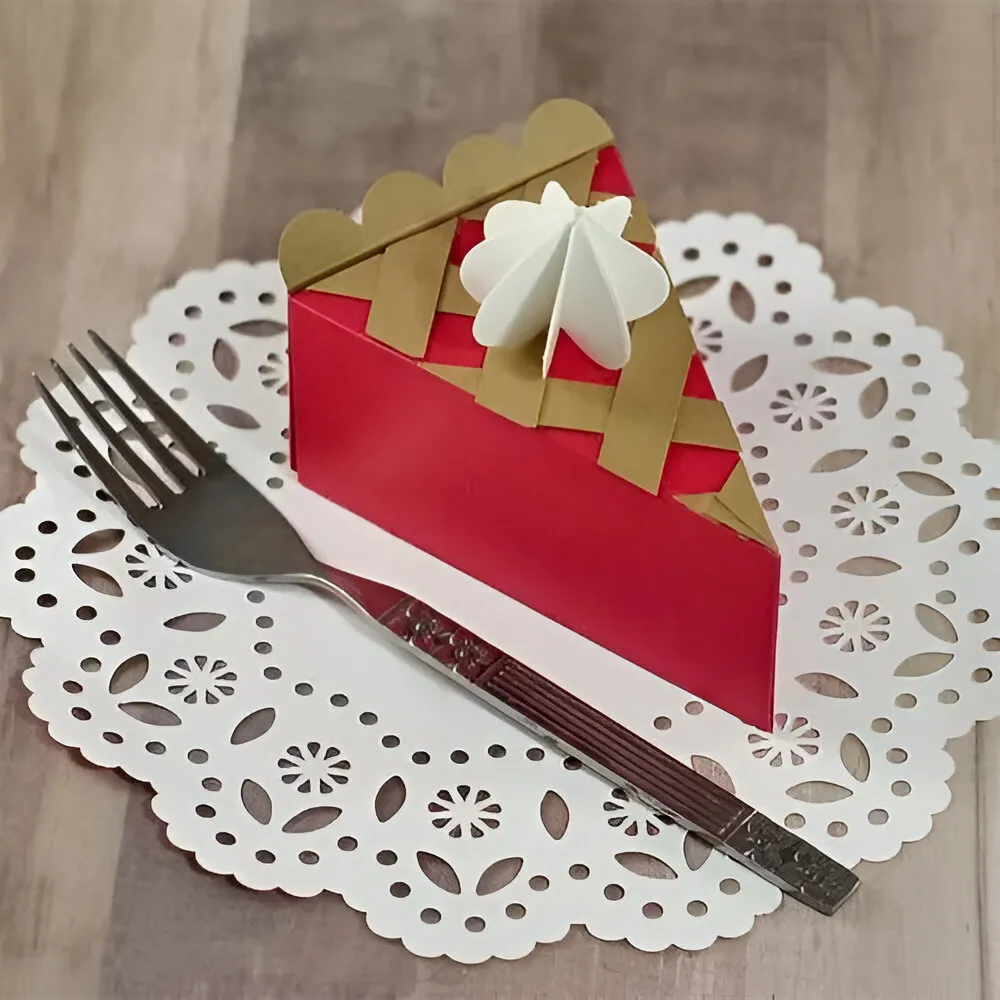
Businesses that align packaging choices with product needs, audience expectations, and long-term goals gain a competitive edge. Whether investing in custom packaging for small business growth or scaling with professional packaging solutions, thoughtful packaging decisions support brand trust and customer loyalty in an increasingly competitive market.

What is the difference between mailer boxes, folding boxes, and rigid boxes?
Mailer boxes are corrugated and designed for shipping and ecommerce protection. Folding boxes are lightweight paperboard cartons ideal for retail display and cost efficiency. Rigid boxes are premium, non-collapsible boxes used for luxury and high-value products where presentation is critical.
Which custom box packaging is best for ecommerce businesses?
Mailer boxes are the best option for ecommerce businesses because they provide strong protection during shipping, reduce product damage, and support branded unboxing experiences through custom printing and inserts.
Are custom boxes better than standard stock boxes?
Yes, custom boxes are better than standard stock boxes because they are sized specifically for the product, improve brand visibility, reduce shipping costs, and create a more professional and memorable customer experience.
What materials are commonly used in custom box packaging?
Common materials include corrugated cardboard for shipping boxes, paperboard for folding cartons, rigid chipboard for luxury packaging, and kraft stock for eco-friendly and sustainable packaging solutions.
How do I choose the right custom packaging box for my product?
To choose the right custom box, consider your product’s size and fragility, shipping method, target audience, branding goals, and budget. The right packaging balances protection, visual appeal, and cost efficiency.