April 16, 2026
Reagents Packaging for Pharma & Labs: What You Need to Know
In pharmaceutical and laboratory environments, accuracy and reliability are non-negotiable. Every experiment, formulation, and diagnostic process depends on the quality of materials being used, and that includes how they are stored and handled. This is where reagents and packaging become critically important.
Reagents are highly sensitive chemical substances that can easily degrade if exposed to unfavorable conditions such as air, moisture, light, or temperature fluctuations. Packaging, therefore, is not just a container; it is a protective system that preserves chemical integrity, ensures safety, and supports compliance with strict industry standards.
With increasing regulatory pressure and growing demand for precision in labs and pharma industries, businesses must adopt smarter and more reliable packaging solutions. This guide explores everything you need to know about reagent packaging, from materials and design considerations to compliance, sustainability, and best practices for long-term performance.
Understanding Reagents and Packaging in Pharma and Labs
Reagents are chemical compounds used in laboratory testing, diagnostics, research, and pharmaceutical manufacturing. Their effectiveness depends entirely on their stability and purity. Even minor contamination or degradation can lead to inaccurate results, failed experiments, or compromised products.
The concept of reagents and packaging goes beyond simple storage. It involves designing packaging systems that protect the chemical composition of reagents while allowing safe and efficient handling. In modern labs and pharma settings, packaging must perform multiple roles at once. It must act as a barrier against environmental factors, provide clear information, and ensure safe transportation. As industries evolve, packaging is increasingly seen as an integral part of product quality rather than an afterthought.
Why Proper Reagent Packaging Matters
- Protecting Chemical Integrity
Reagents are often sensitive to environmental exposure, and even slight contact with air or humidity can alter their composition. Proper packaging creates a controlled environment that preserves chemical stability over time. For example, airtight seals and moisture-resistant materials prevent oxidation and degradation, ensuring that reagents deliver consistent results when used.
- Preventing Contamination
In laboratory and pharmaceutical applications, contamination can lead to serious consequences, including inaccurate data and product recalls. High-quality packaging acts as a protective barrier against external contaminants such as dust, microbes, and airborne particles. Tamper-evident seals and sterile packaging further enhance protection and maintain product purity.
- Ensuring User Safety
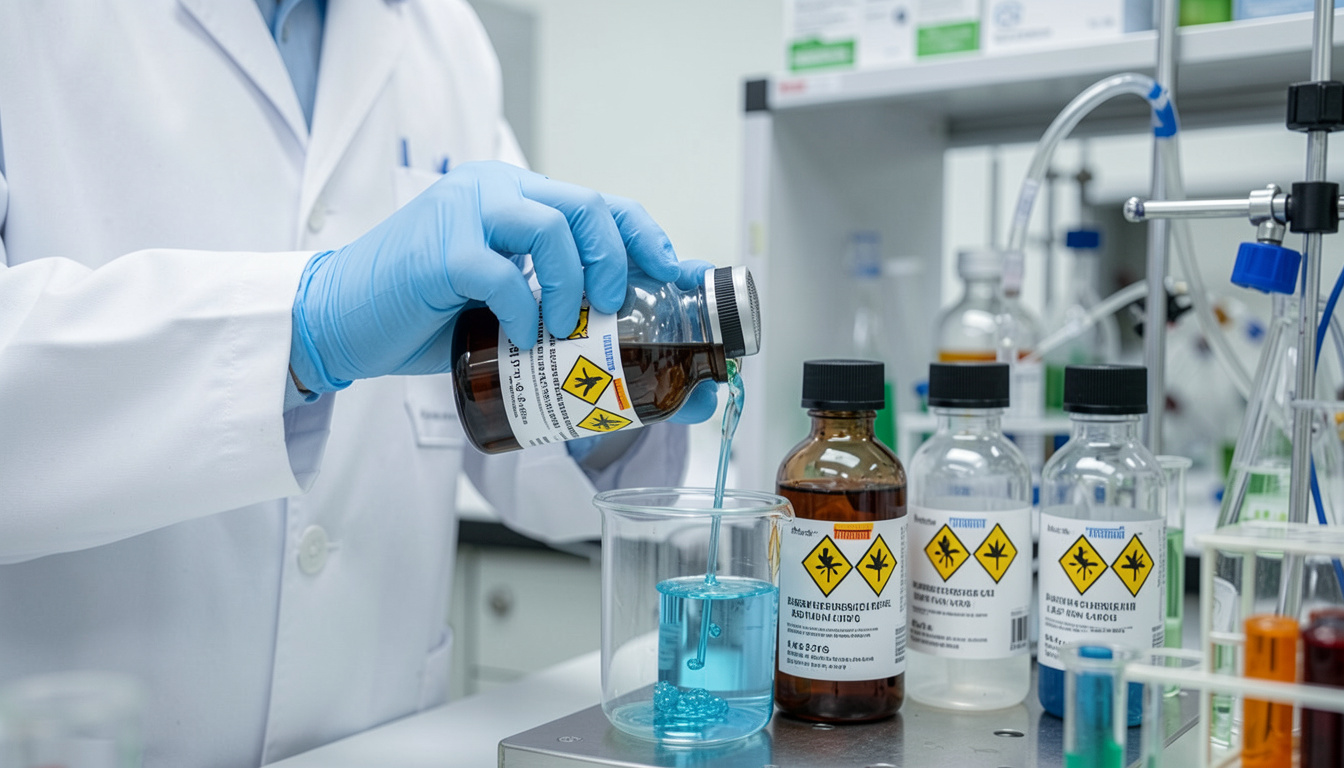
Many reagents are hazardous or reactive, requiring careful handling. Well-designed packaging reduces the risk of leaks, spills, or accidental exposure. Features like secure caps, chemical-resistant materials, and clear hazard labeling help protect users and create a safer working environment.

- Supporting Regulatory Compliance
Pharma and lab industries must comply with strict regulations regarding packaging, labeling, and transportation. Proper packaging ensures that all required information is clearly displayed and that materials meet safety standards. This not only helps avoid legal issues but also builds trust with customers and regulatory bodies.
Types of Reagent Packaging Used in Pharma and Labs
- Glass Bottles and Vials
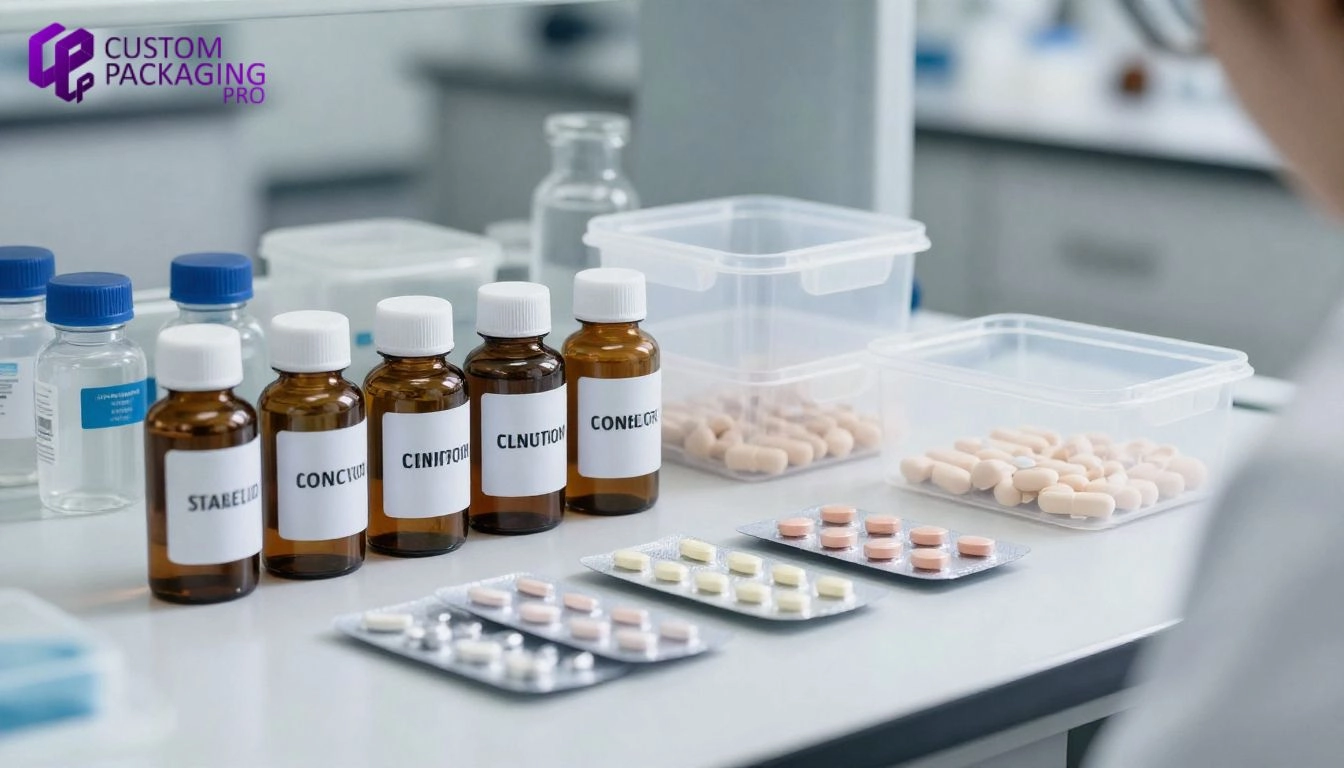
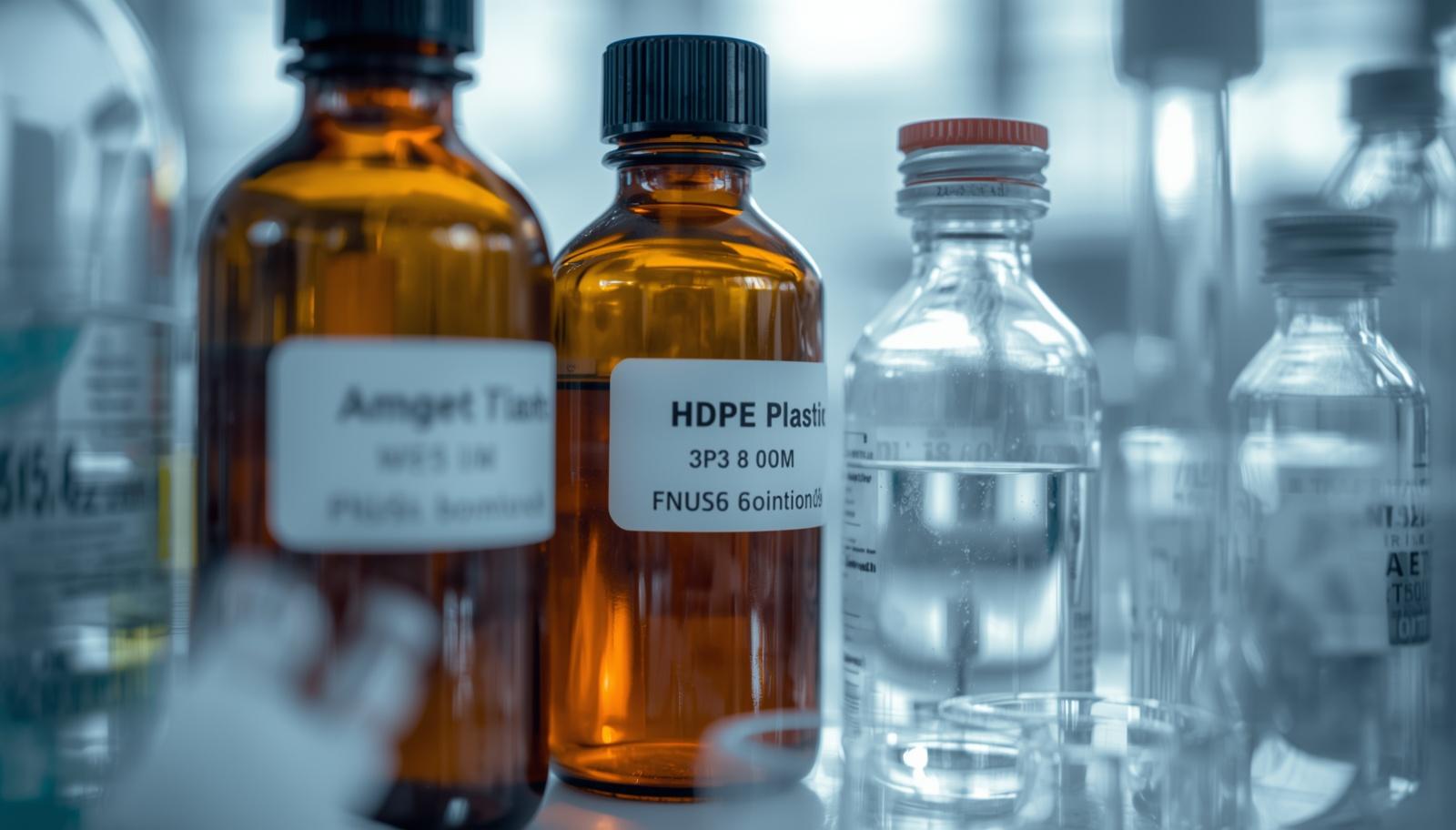
Glass is widely used because it is chemically inert and does not react with most reagents. It is ideal for storing sensitive chemicals, acids, and solvents. Amber glass bottles are commonly used for light-sensitive substances, as they help block harmful UV rays.
- Plastic Containers
Plastic packaging, such as HDPE and polypropylene, is lightweight and durable. These containers are less prone to breakage and are suitable for many non-reactive chemicals. They are often used in high-volume applications where ease of handling and transport is important.


- Ampoules
Ampoules are sealed glass containers designed for single-use applications. They provide an airtight and sterile environment, making them ideal for highly sensitive or high-purity reagents. Once opened, the contents must be used immediately, which helps prevent contamination.
- Drums and Bulk Containers
Large-scale pharmaceutical operations often use drums or bulk containers to store and transport reagents. These containers are designed for durability, easy handling, and efficient logistics, especially when dealing with high volumes.
Key Materials Used in Reagent Packaging
- Glass Packaging
Glass offers excellent chemical resistance and prevents interactions with the stored substance. It is ideal for high-purity applications but can be fragile and requires careful handling.
- Plastic Polymers
Plastics like HDPE, PET, and polypropylene provide flexibility, durability, and cost efficiency. However, compatibility testing is essential to ensure that the material does not react with the reagent.
- Metal Containers
Metal packaging or matel tins is used for specific industrial chemicals that require extra protection from environmental factors. These containers are strong and durable but are less commonly used in standard lab applications.
Selecting the right material depends on the chemical properties of the reagent, storage conditions, and transportation needs.
Packaging Design Considerations for Reagents
- Airtight Sealing
Airtight packaging prevents exposure to oxygen and moisture, which can degrade chemical compounds. Secure closures ensure that the reagent remains stable throughout its shelf life.
- Light Protection
Many reagents degrade when exposed to light. Packaging solutions such as amber glass or UV-protective coatings help preserve their effectiveness.

- Temperature Resistance
Reagents often require controlled temperature conditions. Packaging must withstand both high and low temperatures without losing its structural integrity or compromising the seal.
- Ease of Handling
User-friendly packaging improves efficiency in lab environments. Easy-to-open lids, controlled pouring mechanisms, and clear labeling reduce the risk of spills and errors.

Regulatory Requirements for Reagents Packaging
- Labeling Standards
Packaging must include detailed labeling, such as chemical composition, hazard warnings, storage instructions, and expiration dates. Clear labeling ensures safe handling and compliance.
- Compliance with Global Regulations
Organizations like the FDA and other international bodies set strict standards for packaging materials and processes. Compliance ensures product safety and market acceptance.
- Safety Certifications
Packaging must meet safety certifications to ensure it can handle hazardous substances without risk of leakage or contamination.
Adhering to these requirements is essential for maintaining quality and avoiding regulatory issues.
Role of Packaging in Transportation and Storage
Reagents often travel long distances before reaching end users. Packaging must protect them throughout this journey.
- Shock Resistance
Durable packaging materials and cushioning systems help protect reagents from physical damage during transportation.
- Temperature Control
Temperature-sensitive reagents require insulated packaging or cold-chain solutions to maintain stability.
- Secure Sealing
Leak-proof designs prevent spills and ensure safe handling during shipping and storage. Proper packaging ensures that reagents arrive in optimal condition, ready for use.
Sustainability in Reagents Packaging
Sustainability is becoming a major focus in the packaging industry, including pharma and labs.
- Eco-Friendly Materials
Many companies are adopting recyclable and biodegradable packaging materials to reduce environmental impact.

- Reducing Packaging Waste
Optimized packaging designs minimize material usage while maintaining protection and functionality.
- Reusable Packaging
Reusable containers help reduce waste and lower long-term costs, especially in large-scale operations. Balancing sustainability with safety and compliance is essential for modern packaging strategies.
Common Challenges in Reagent Packaging
- Chemical Compatibility
Ensuring that packaging materials do not react with reagents is a complex but critical task. Incompatible materials can compromise product quality.
- Cost Management
High-quality packaging can be expensive, especially for smaller businesses. Finding cost-effective solutions without compromising safety is a common challenge.
- Regulatory Complexity
Different regions have different packaging regulations, making compliance difficult for global businesses.
- Maintaining Consistency
Consistency in packaging quality is essential to ensure reliability and build customer trust.
Best Practices for Effective Reagent Packaging
- Choose the Right Material
Selecting materials based on chemical compatibility and storage conditions is essential for maintaining reagent stability.
- Implement Quality Control
Regular testing and inspections ensure packaging integrity and prevent failures.
- Train Staff
Proper training helps reduce handling errors and improves safety.
- Work with Experts
Collaborating with experienced professionals in reagents and packaging helps businesses develop reliable and compliant solutions.
Future Trends in Reagents Packaging
- Smart Packaging
Advanced technologies now allow packaging to monitor temperature and environmental conditions in real time.
- Improved Barrier Materials
New materials provide better protection against moisture, oxygen, and contamination.
- Automation
Automation in packaging processes improves efficiency and reduces human error. These innovations are shaping the future of packaging in pharma and lab industries.
Packaging as a Critical Component of Lab and Pharma Success
Reagents are essential to pharmaceutical production and laboratory research, and their effectiveness depends heavily on how they are packaged. The role of reagents and packaging extends far beyond storage; it ensures safety, preserves quality, and supports compliance.
By investing in the right materials, thoughtful design, and proper handling practices, businesses can protect their products and improve operational efficiency.
In an industry where precision is everything, high-quality packaging is not just important; it is indispensable. If you are looking for secure, impactful reagent & Pharma packaging, you can definitely contact Custom Packaging Pro.

FAQs
- What is reagent packaging?
Reagent packaging refers to specialized containers designed to safely store, protect, and transport chemical substances used in labs and pharma.
- Why is packaging important for reagents?
It preserves chemical stability, prevents contamination, and ensures safe handling and compliance with regulations.
- What materials are commonly used for reagent packaging?
Glass, plastic polymers like HDPE, and metal containers are commonly used depending on the reagent type.
- How are temperature-sensitive reagents packaged?
They are stored in insulated containers or cold-chain packaging to maintain stable temperatures during transport.
- Is reagent packaging environmentally friendly?
Many companies now use recyclable and sustainable materials while maintaining strict safety standards.