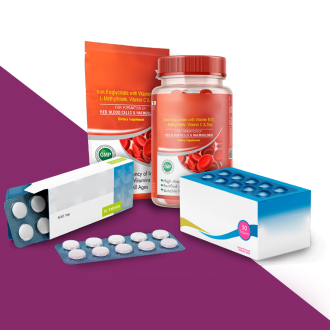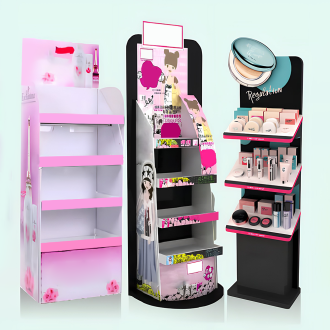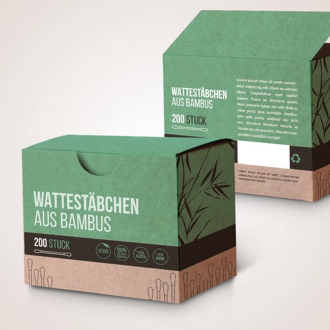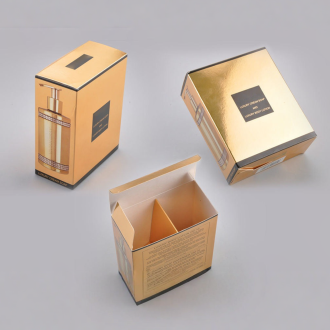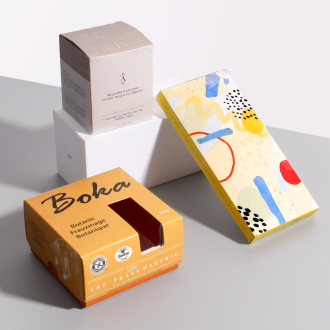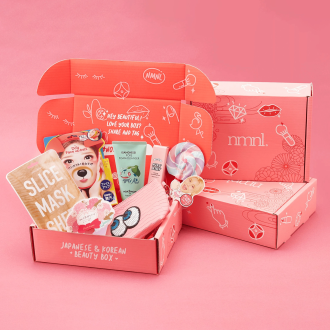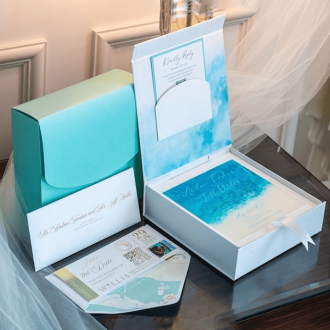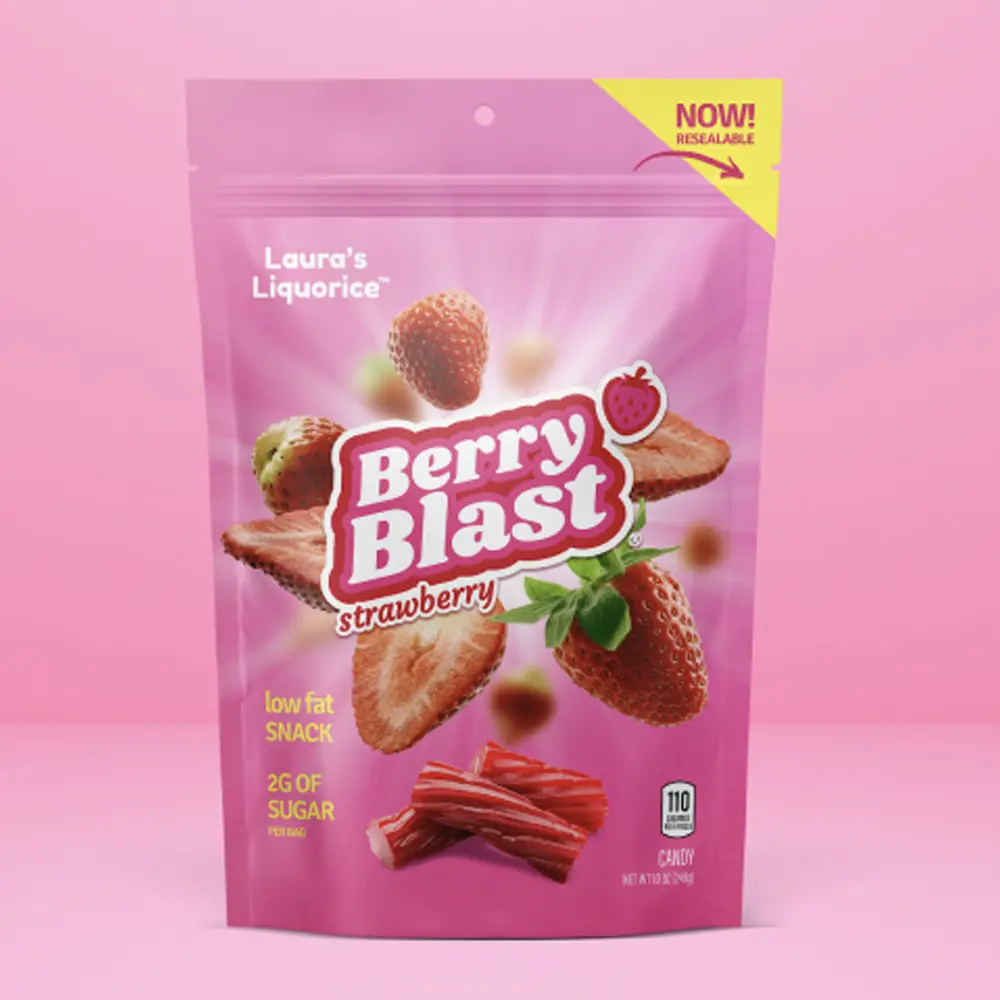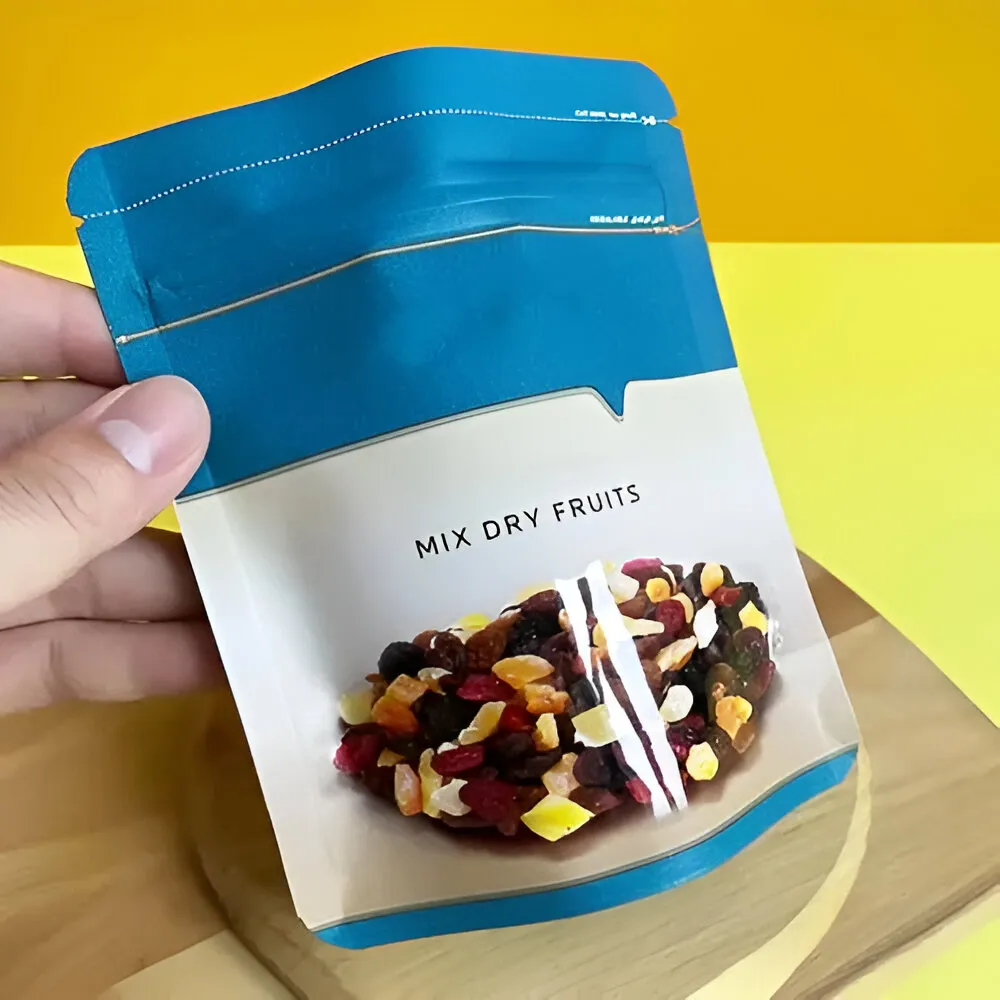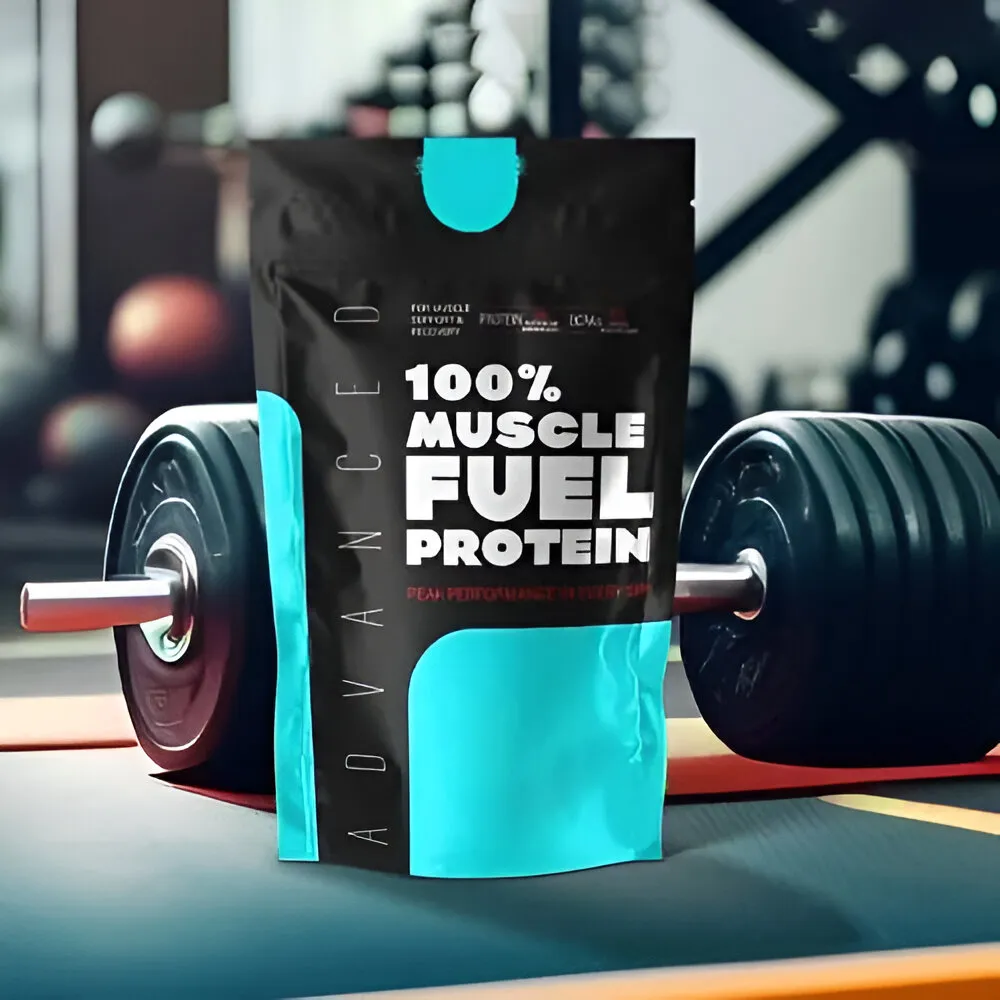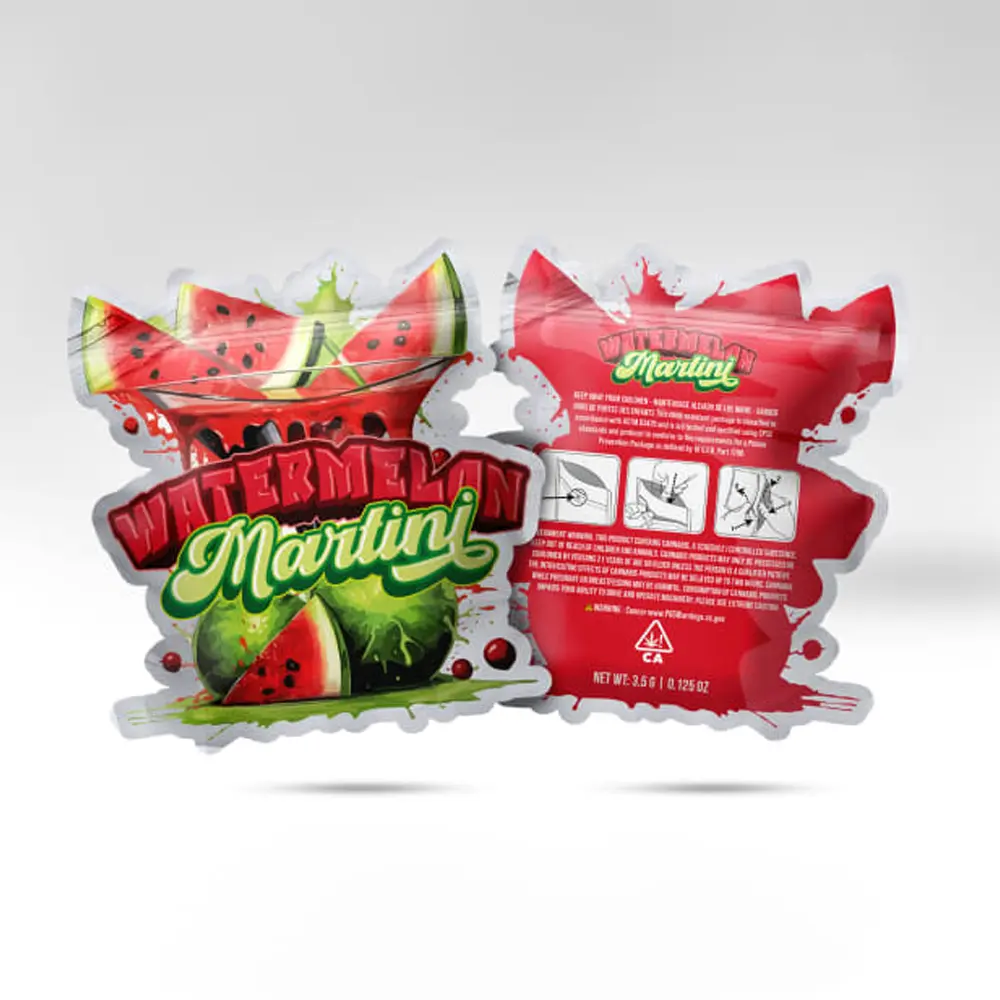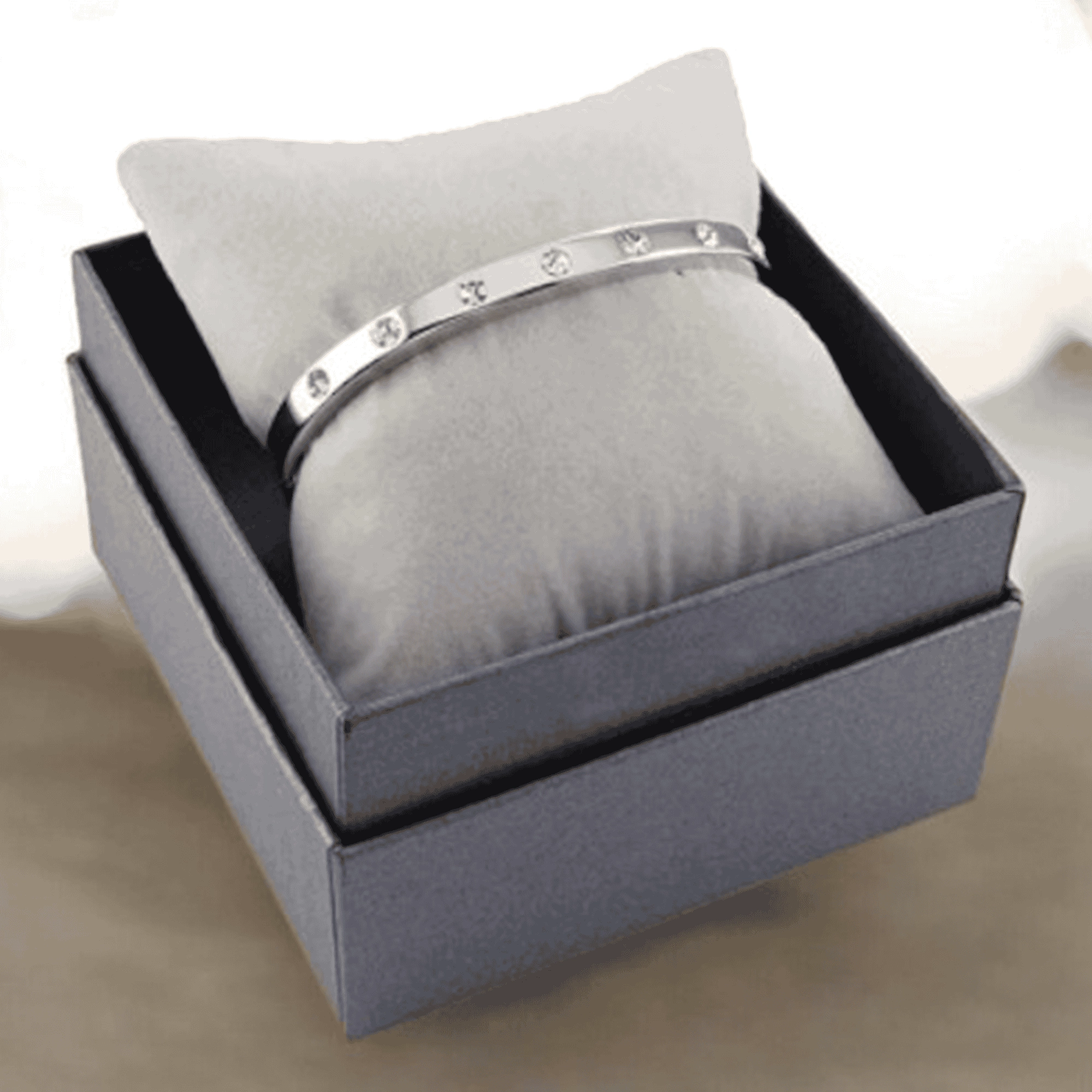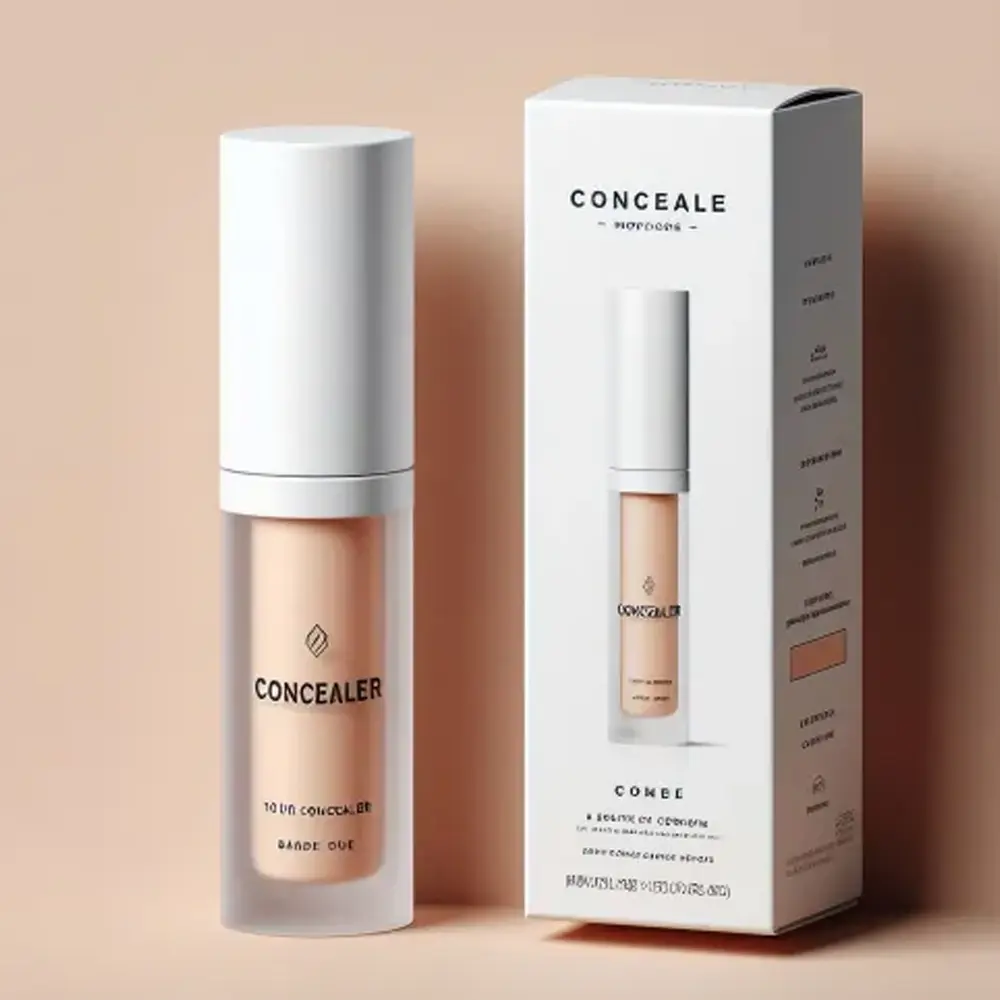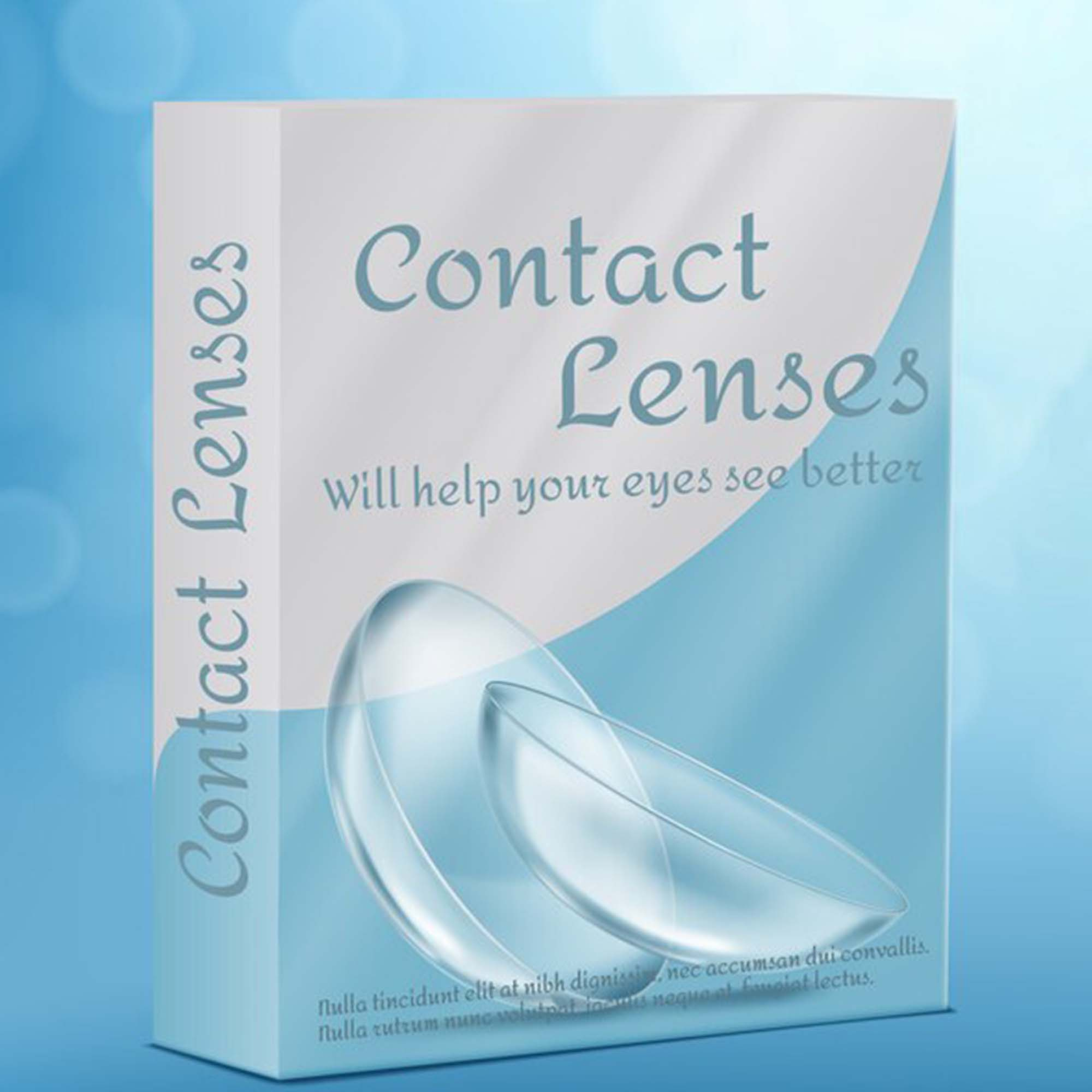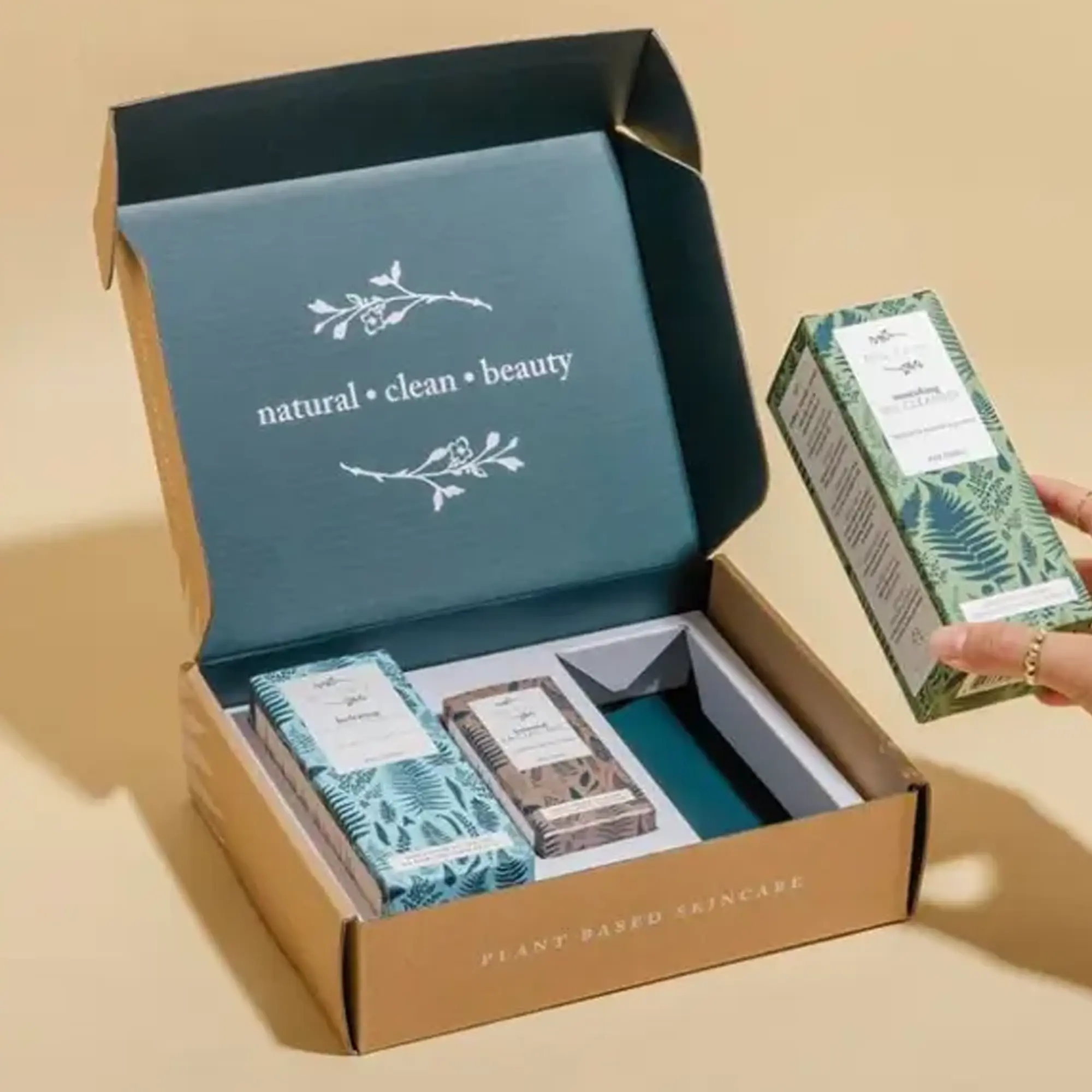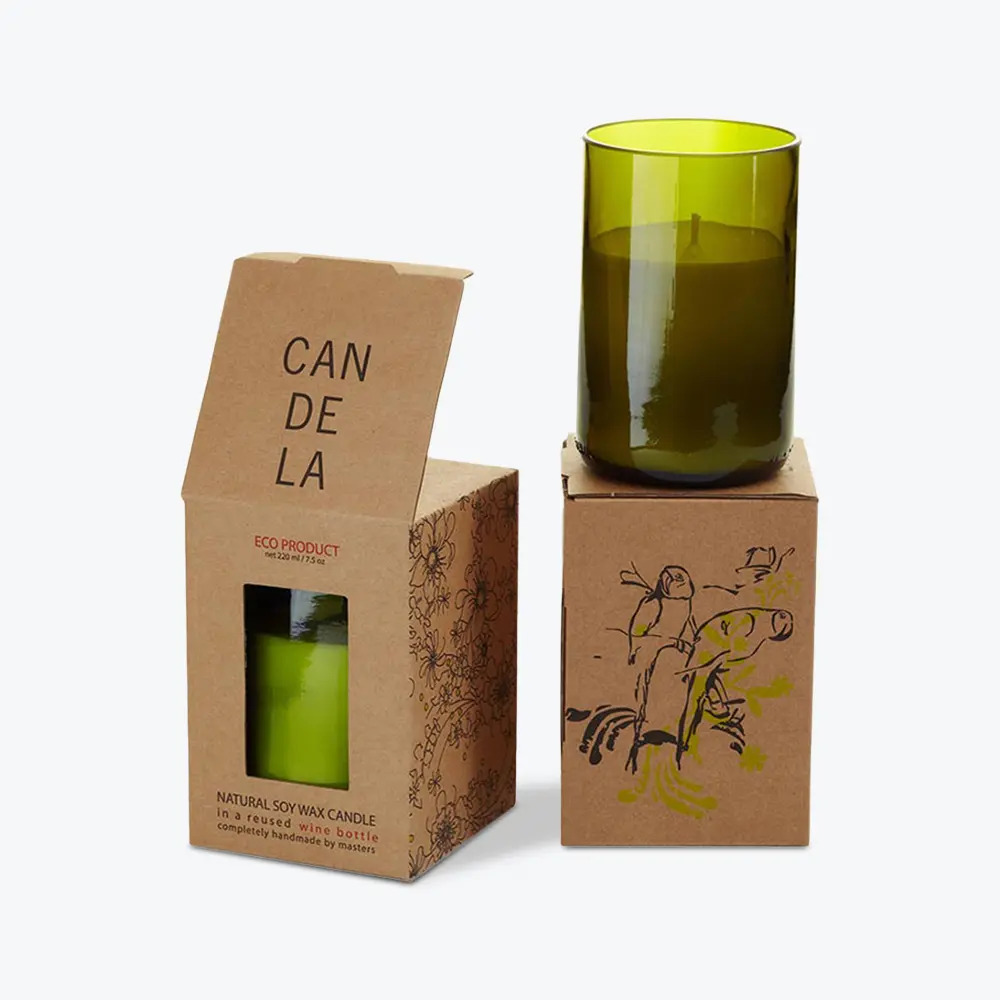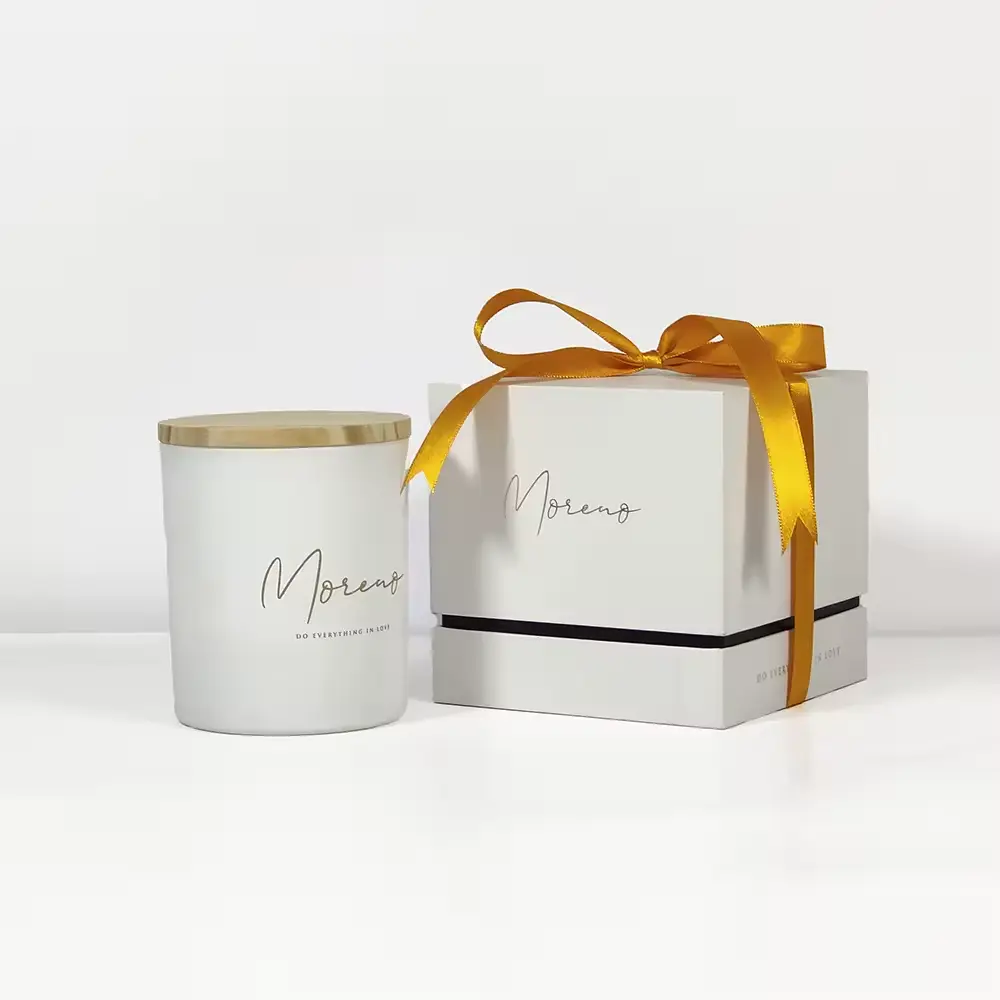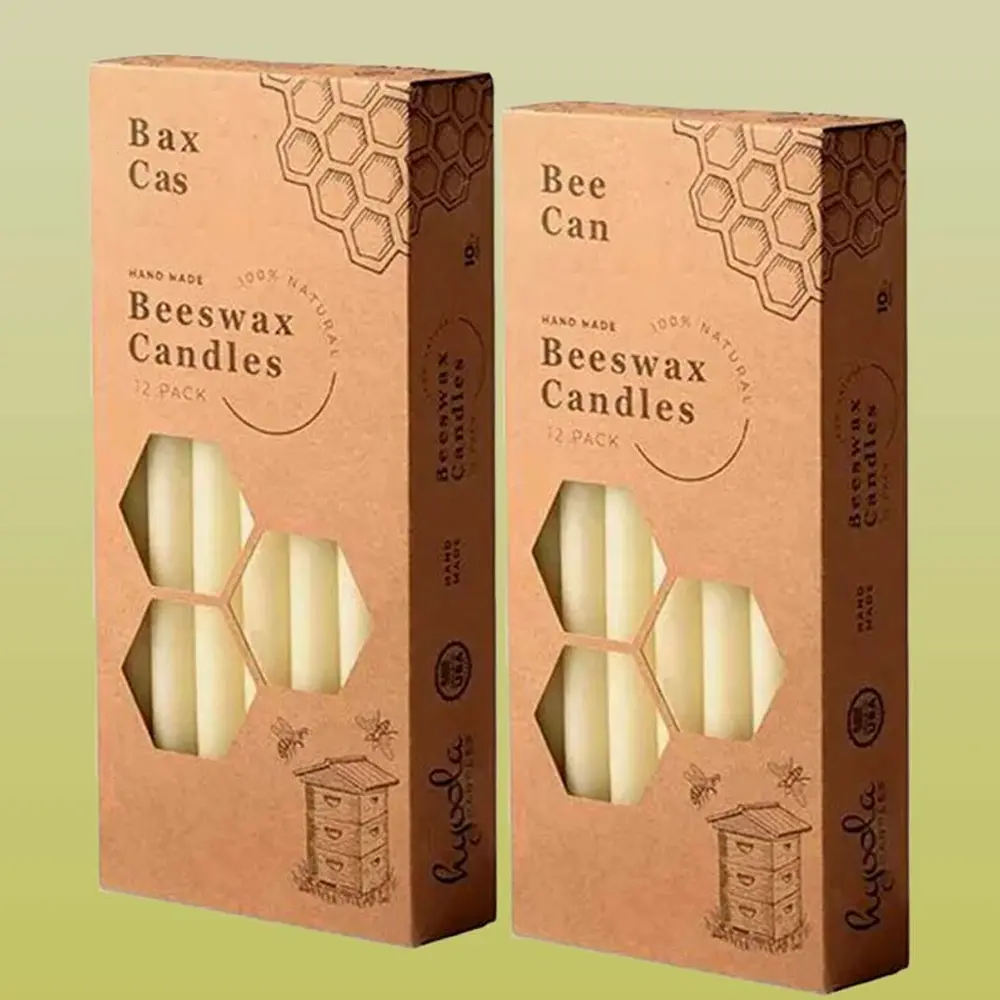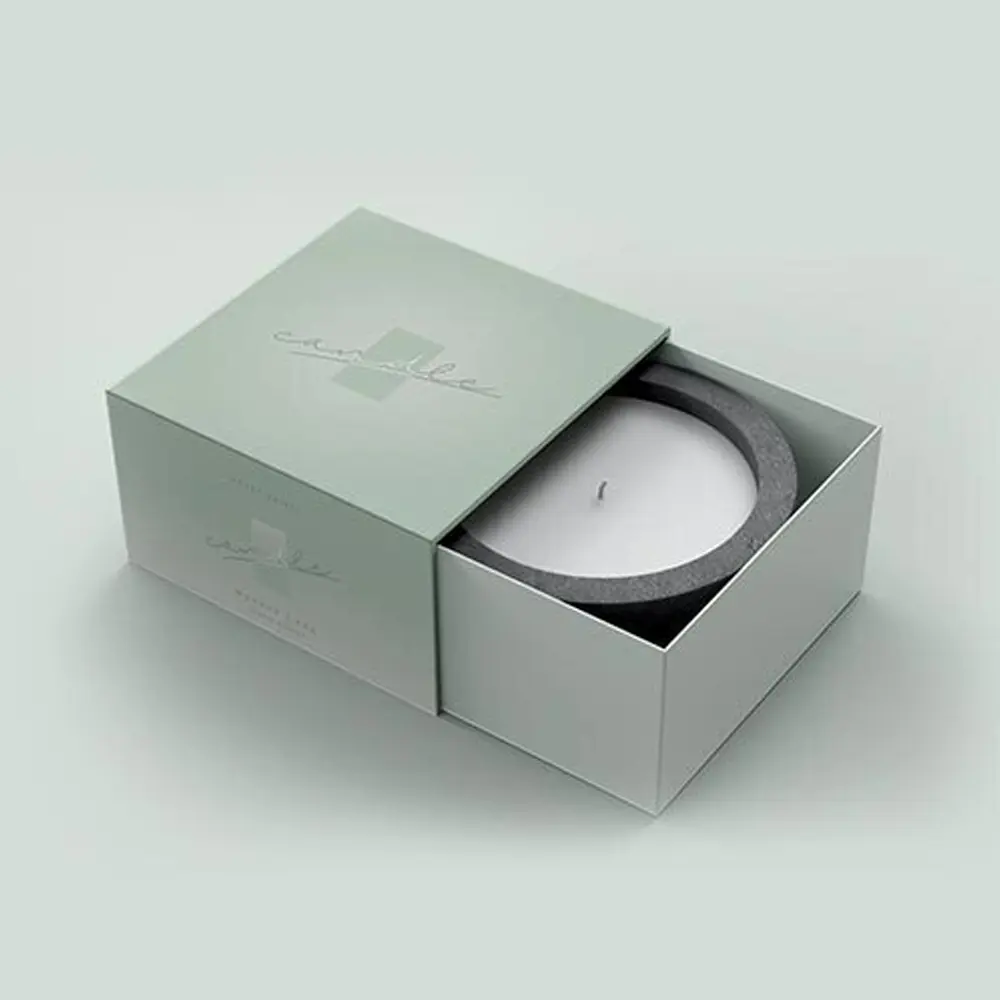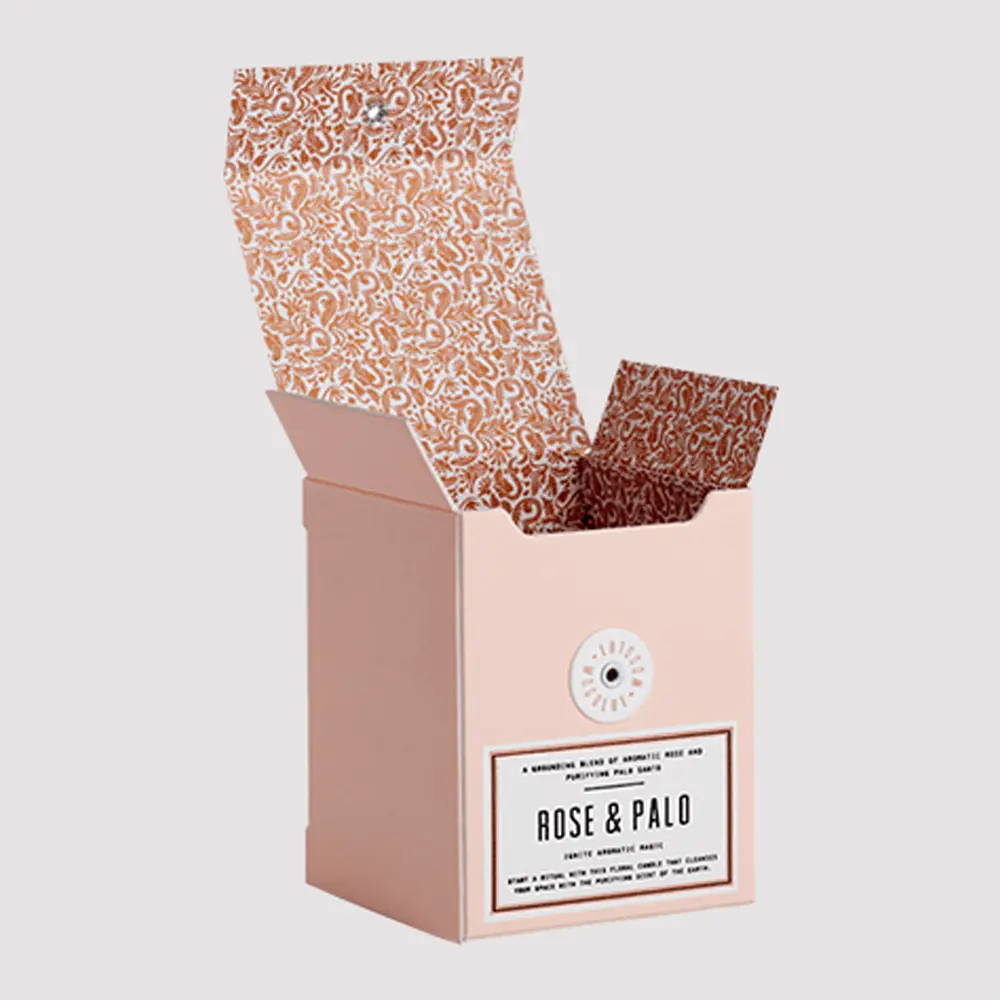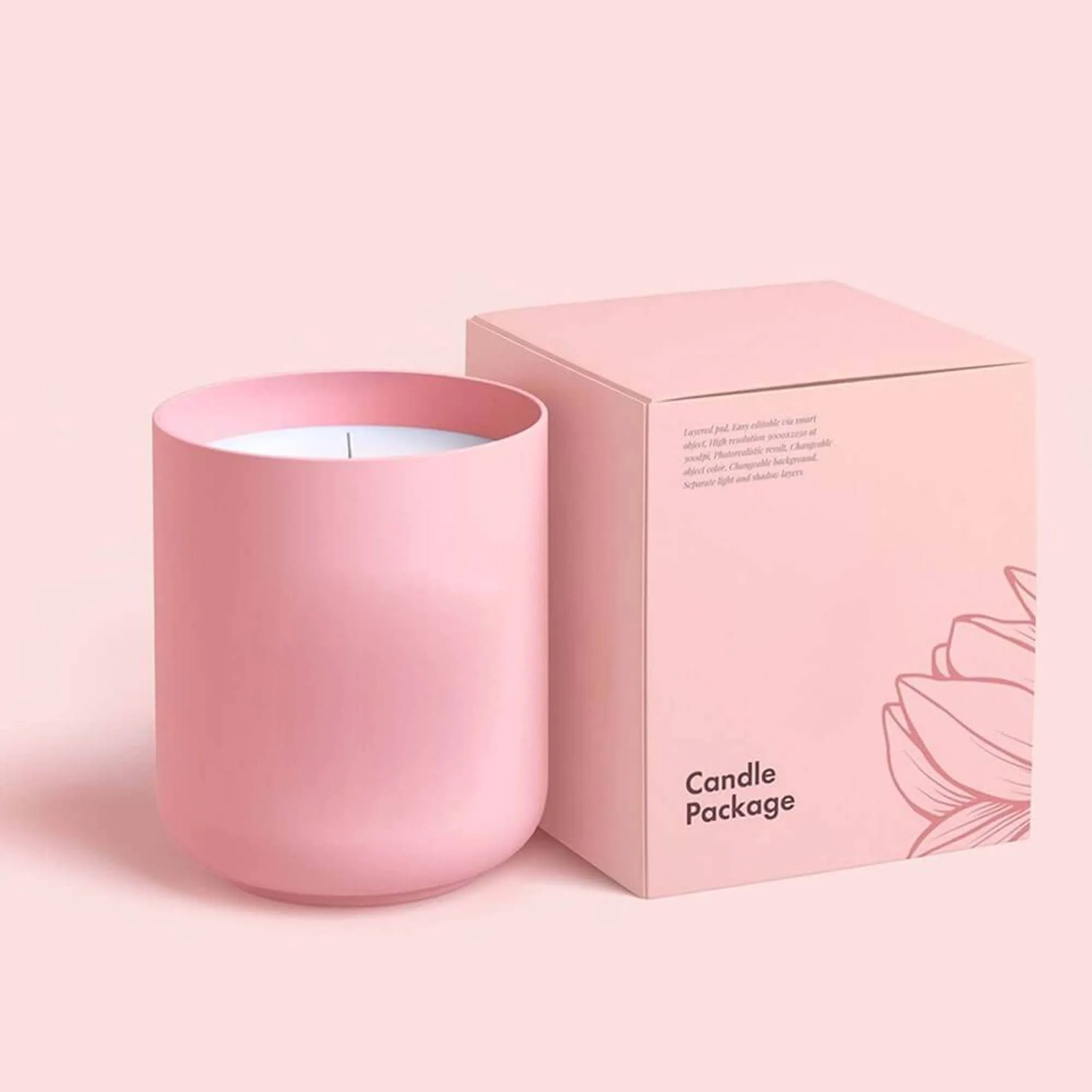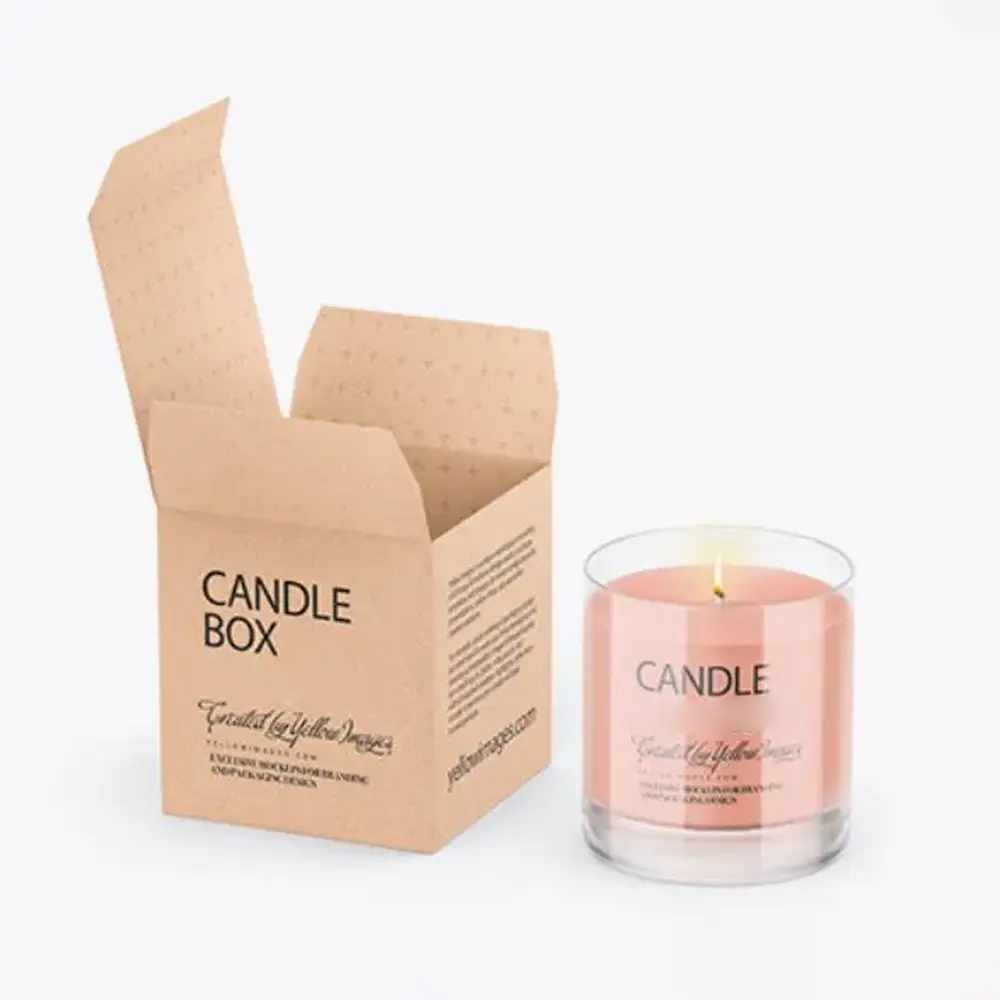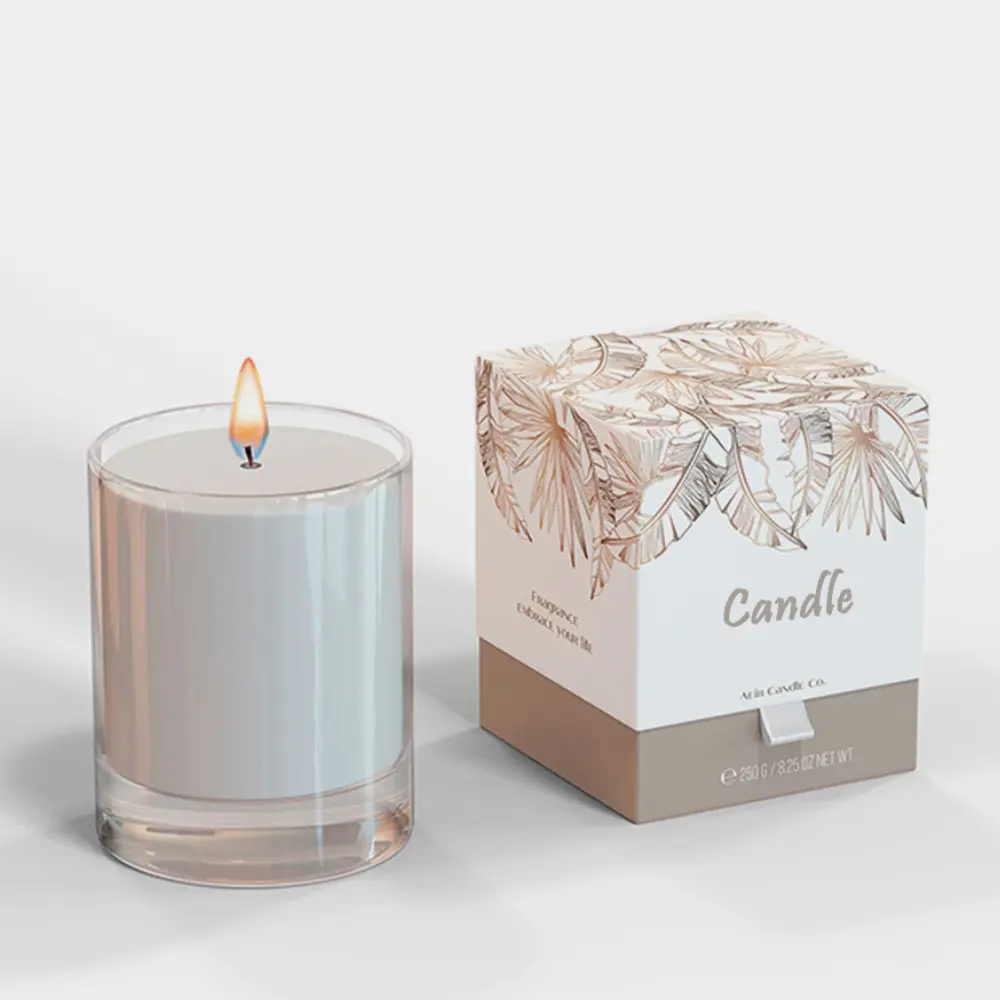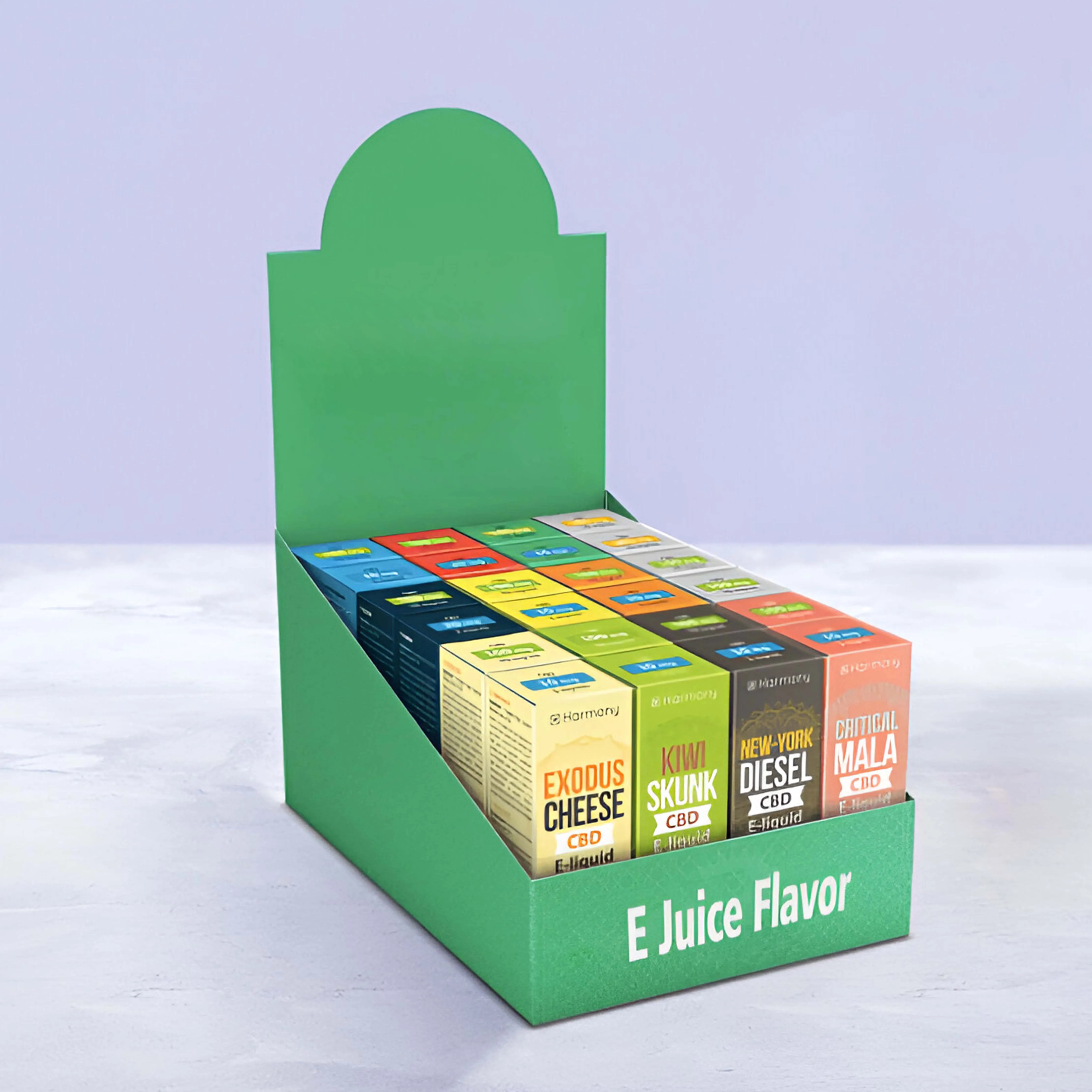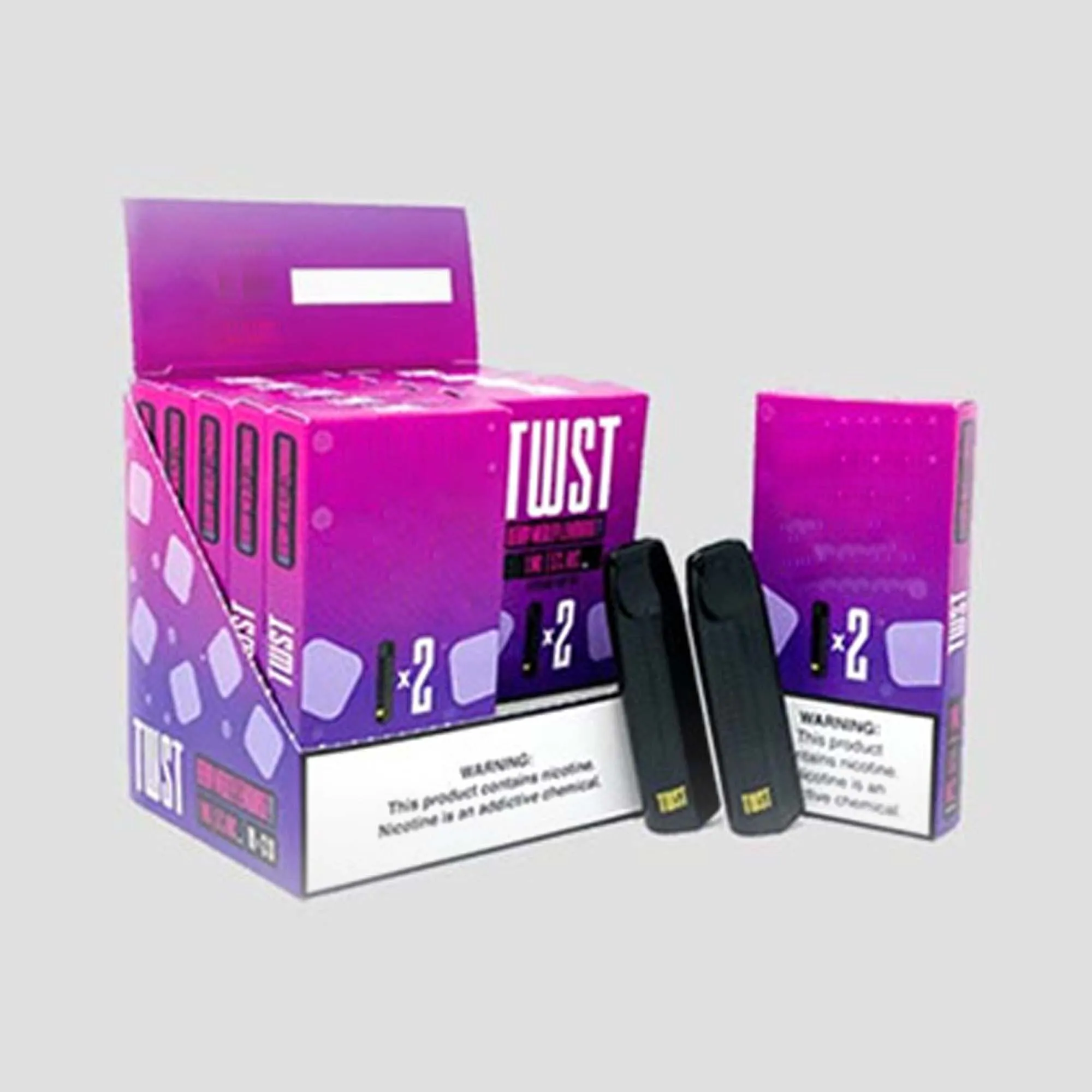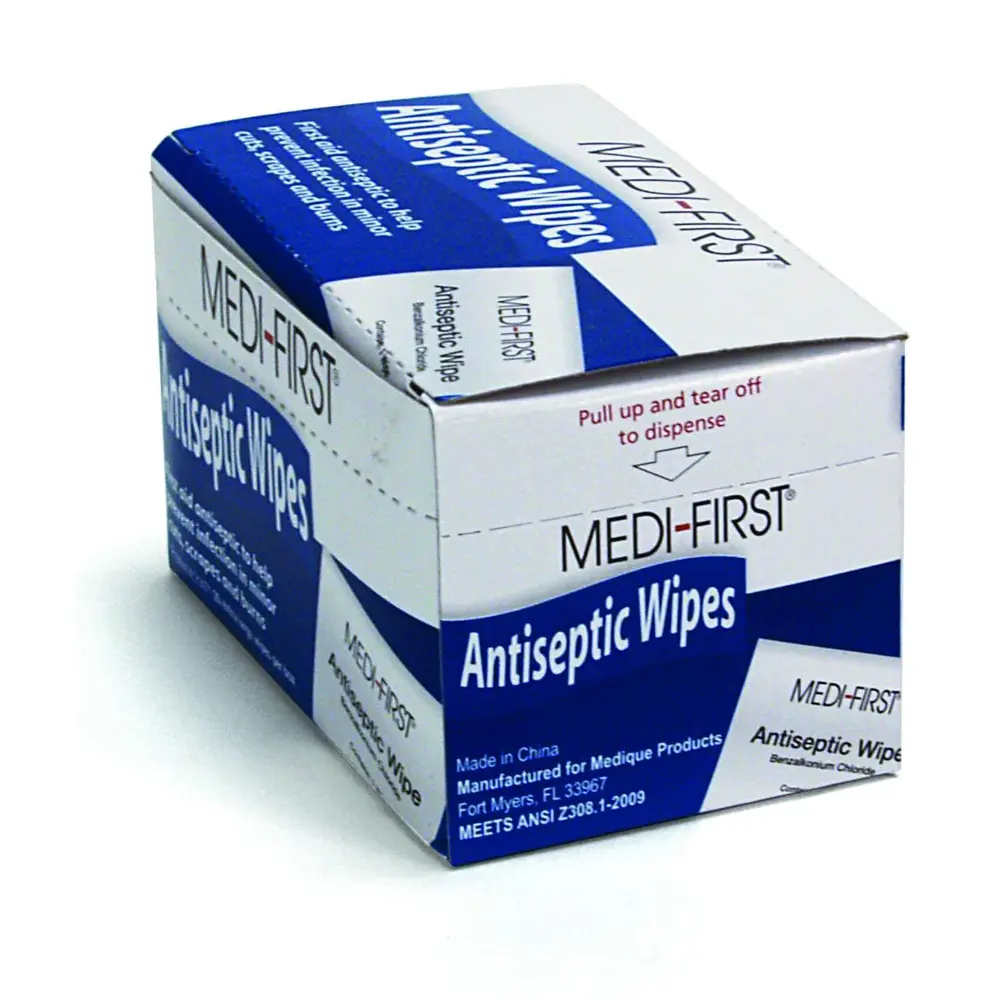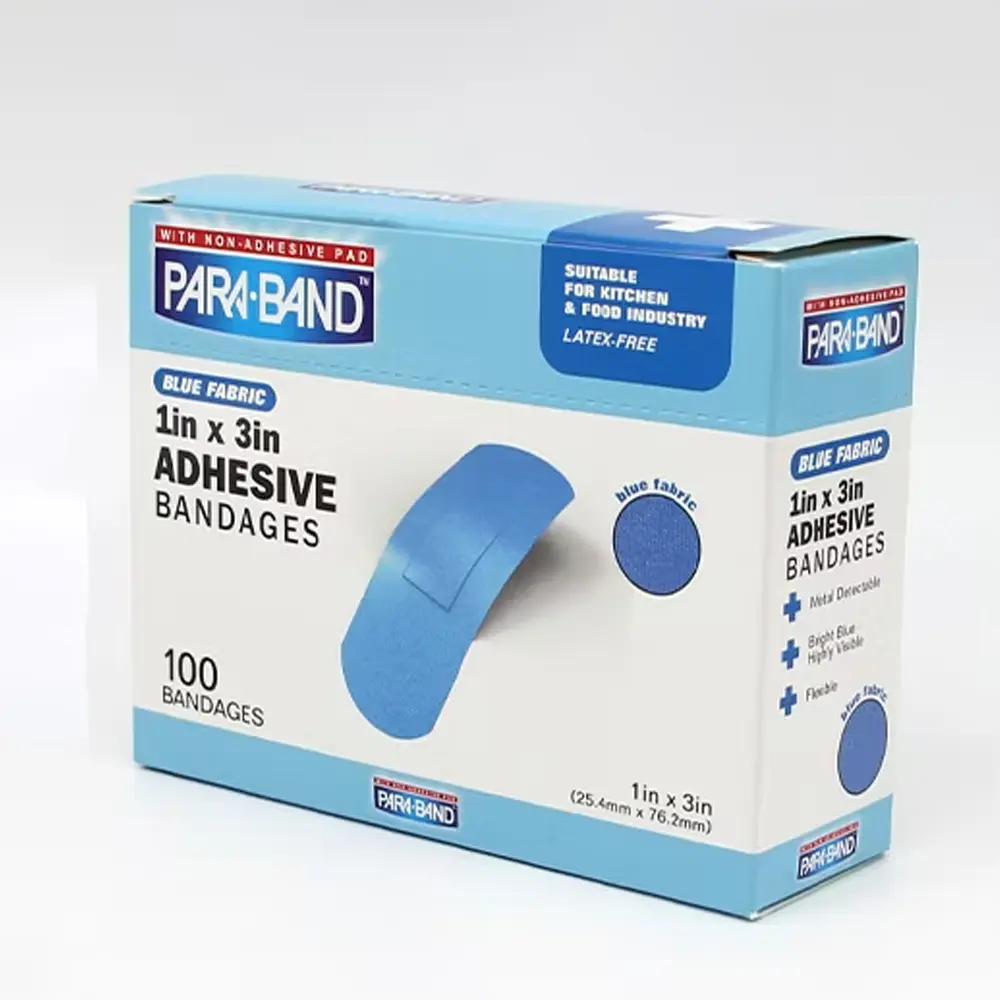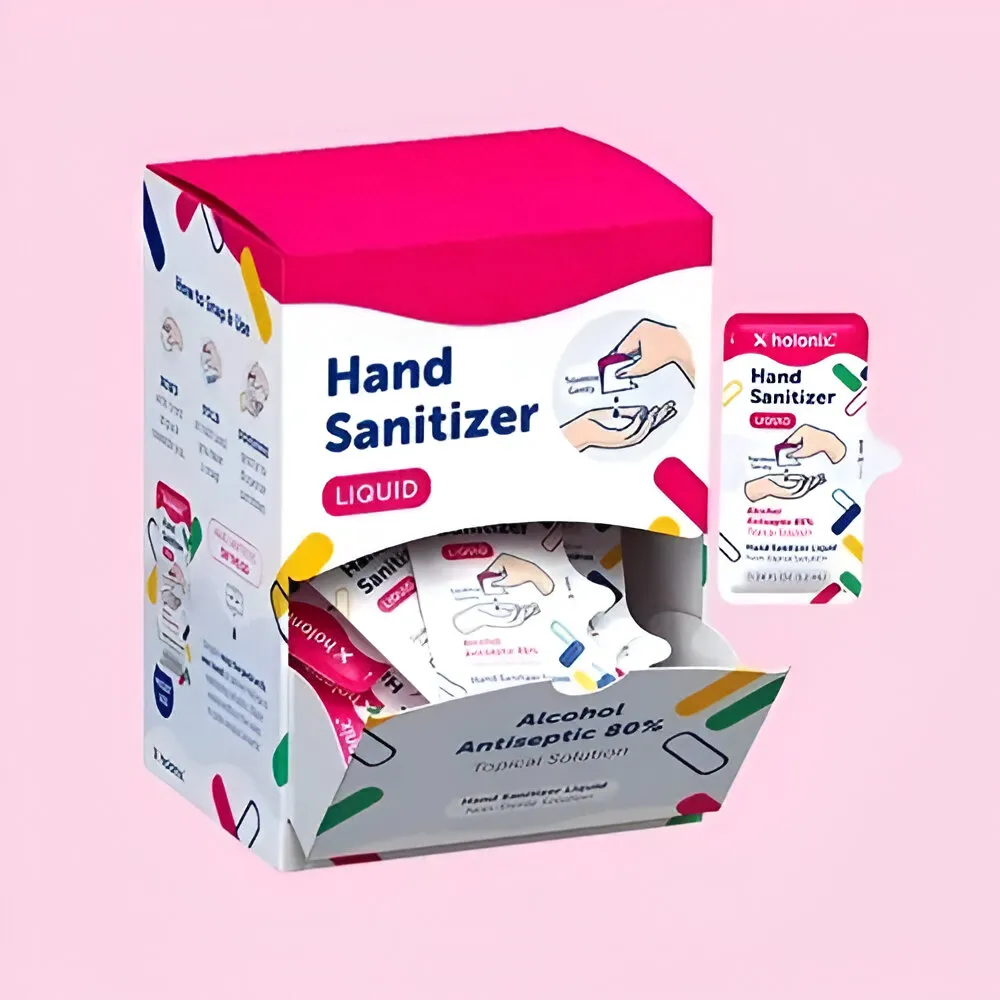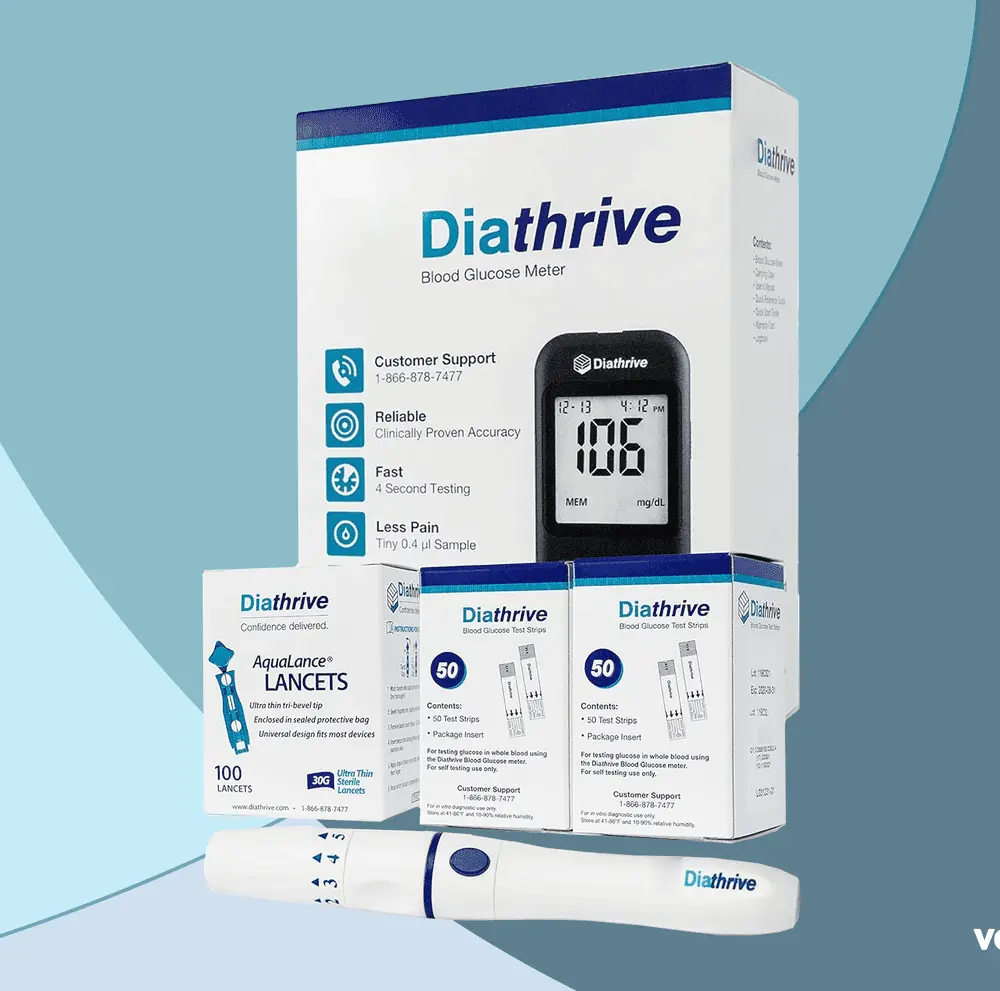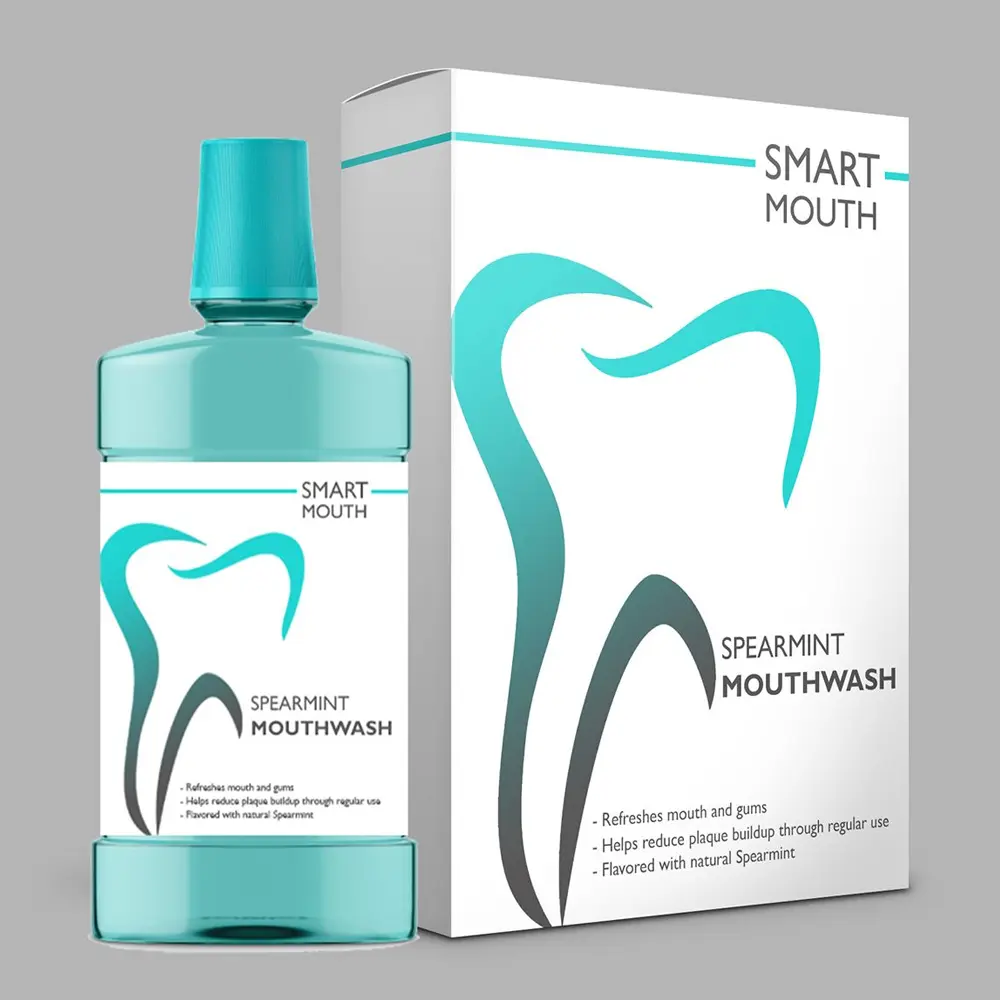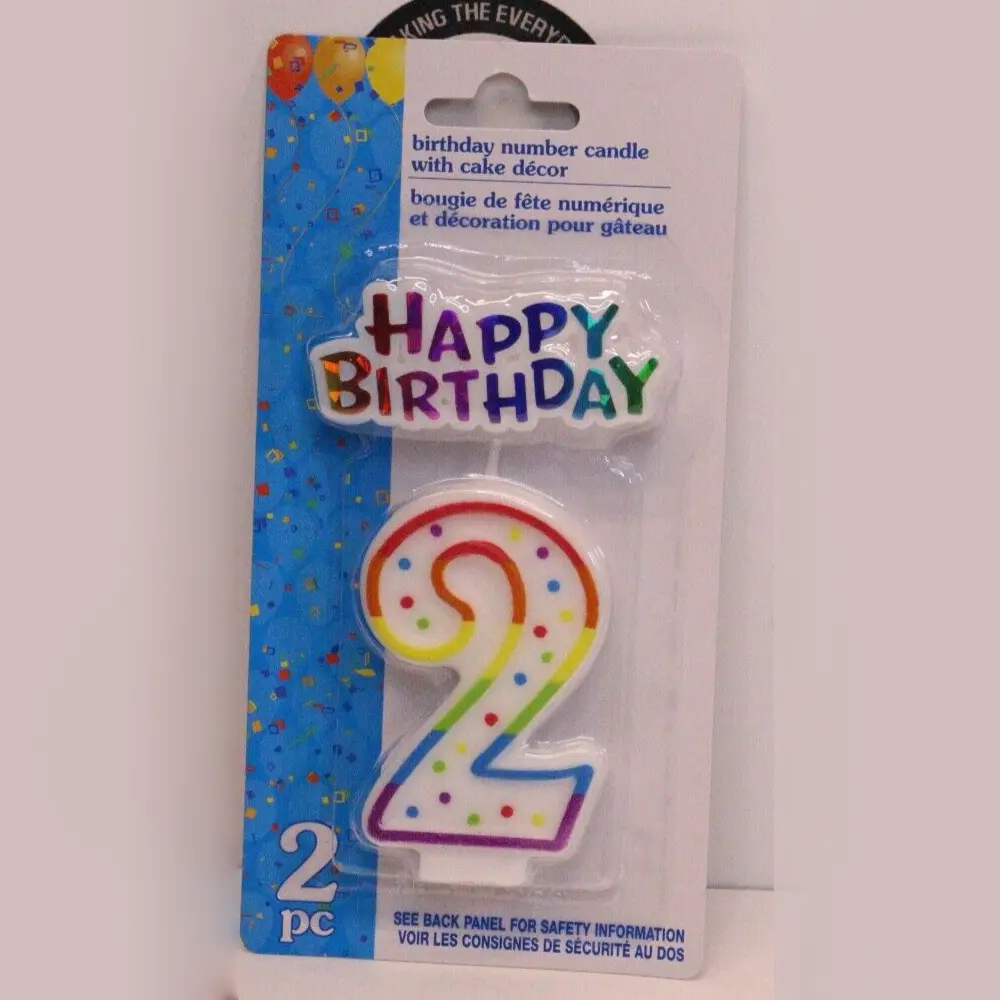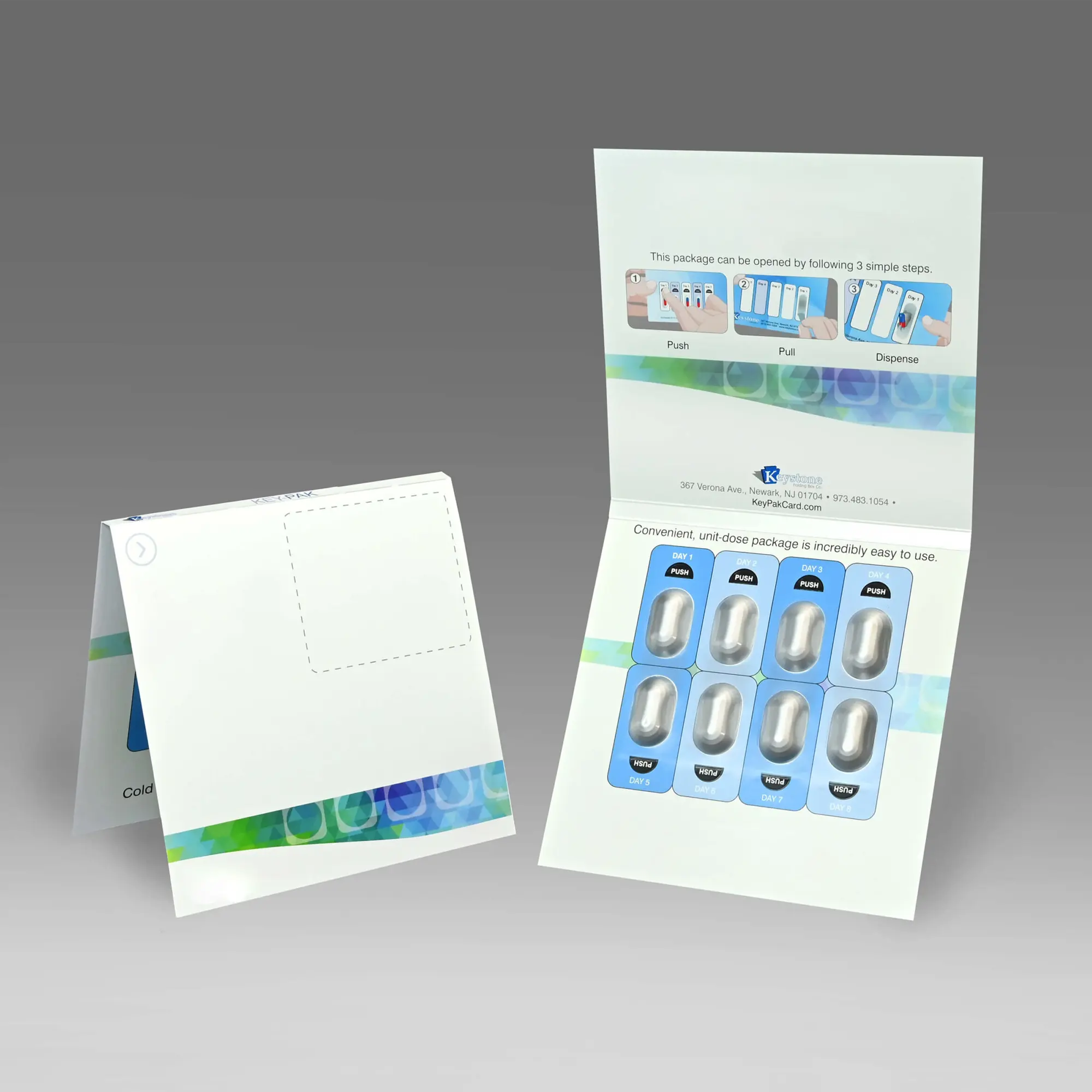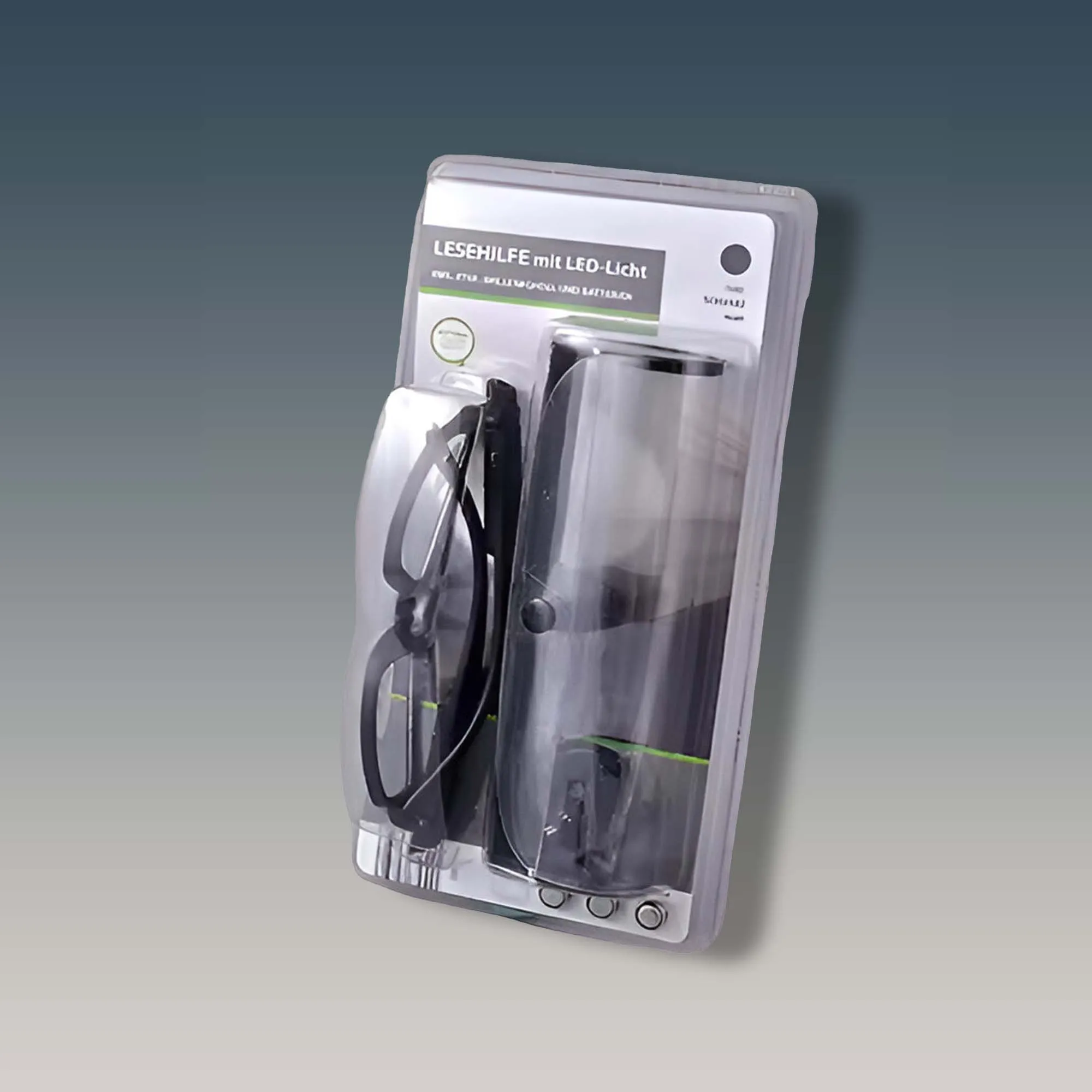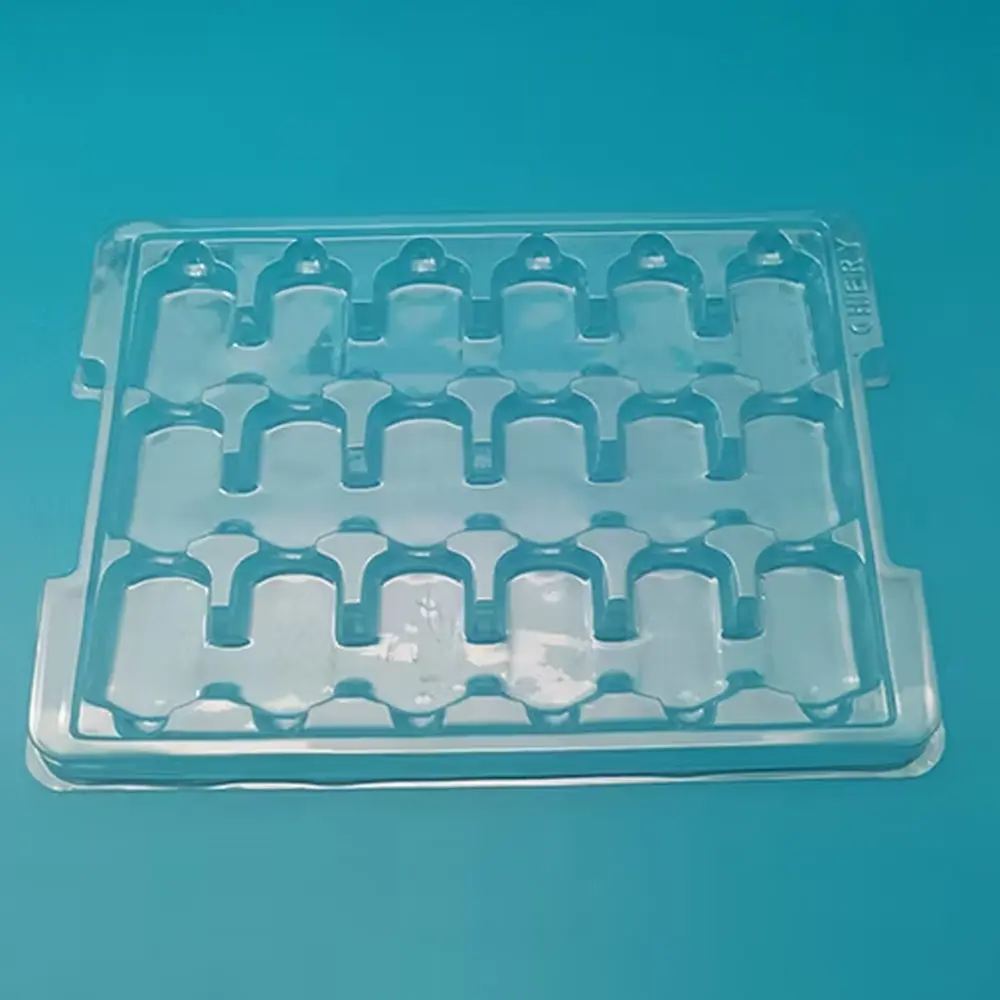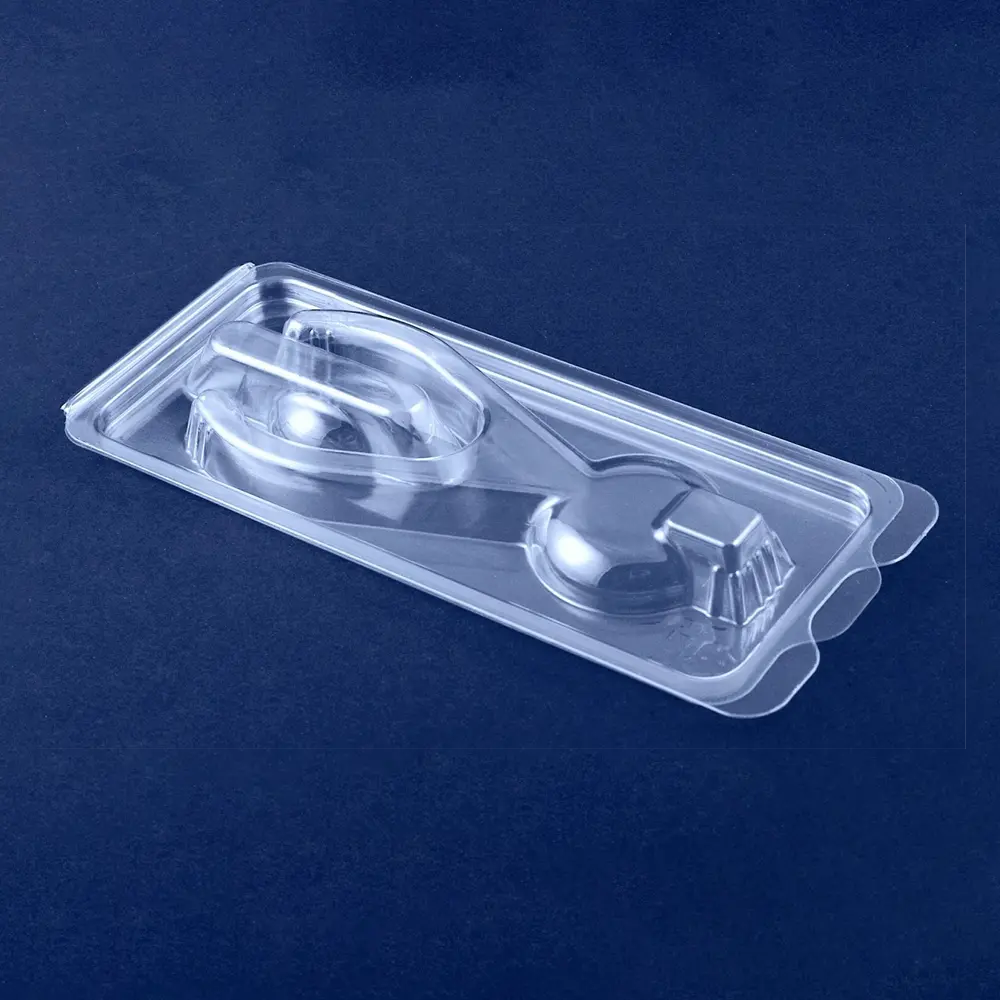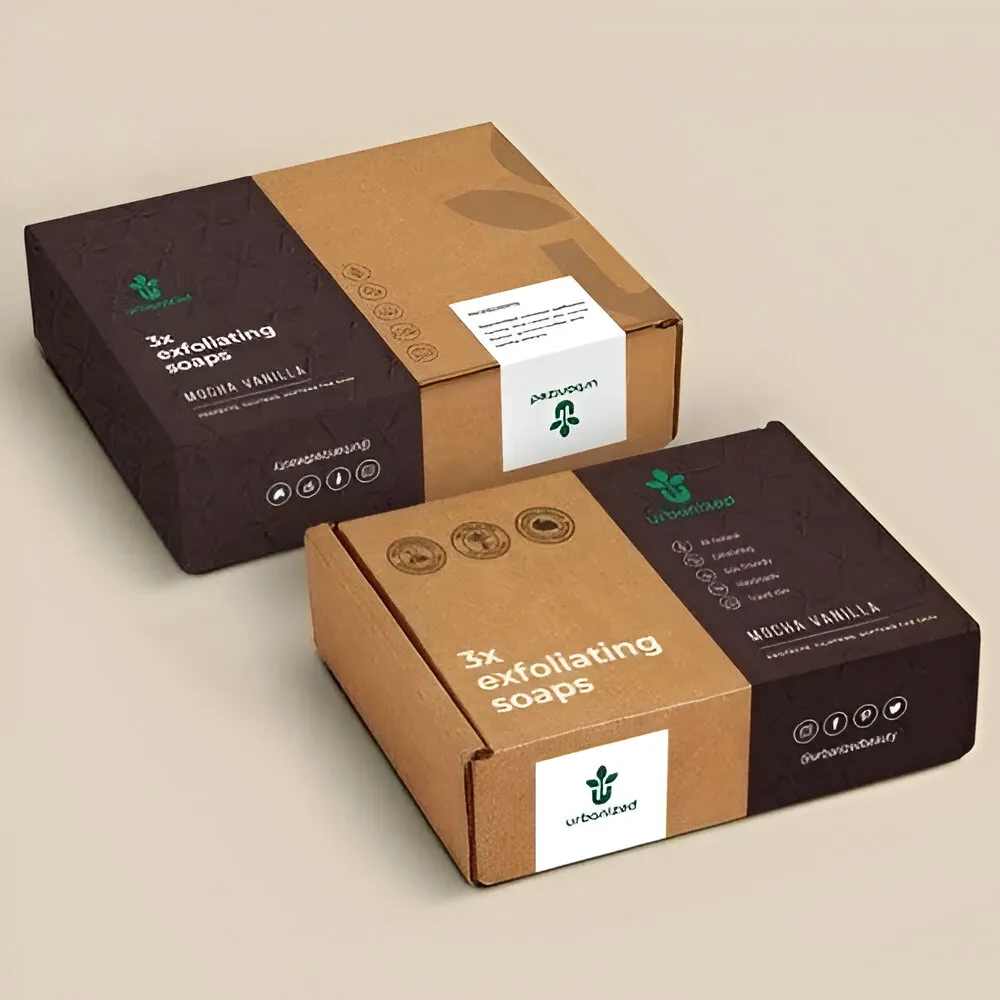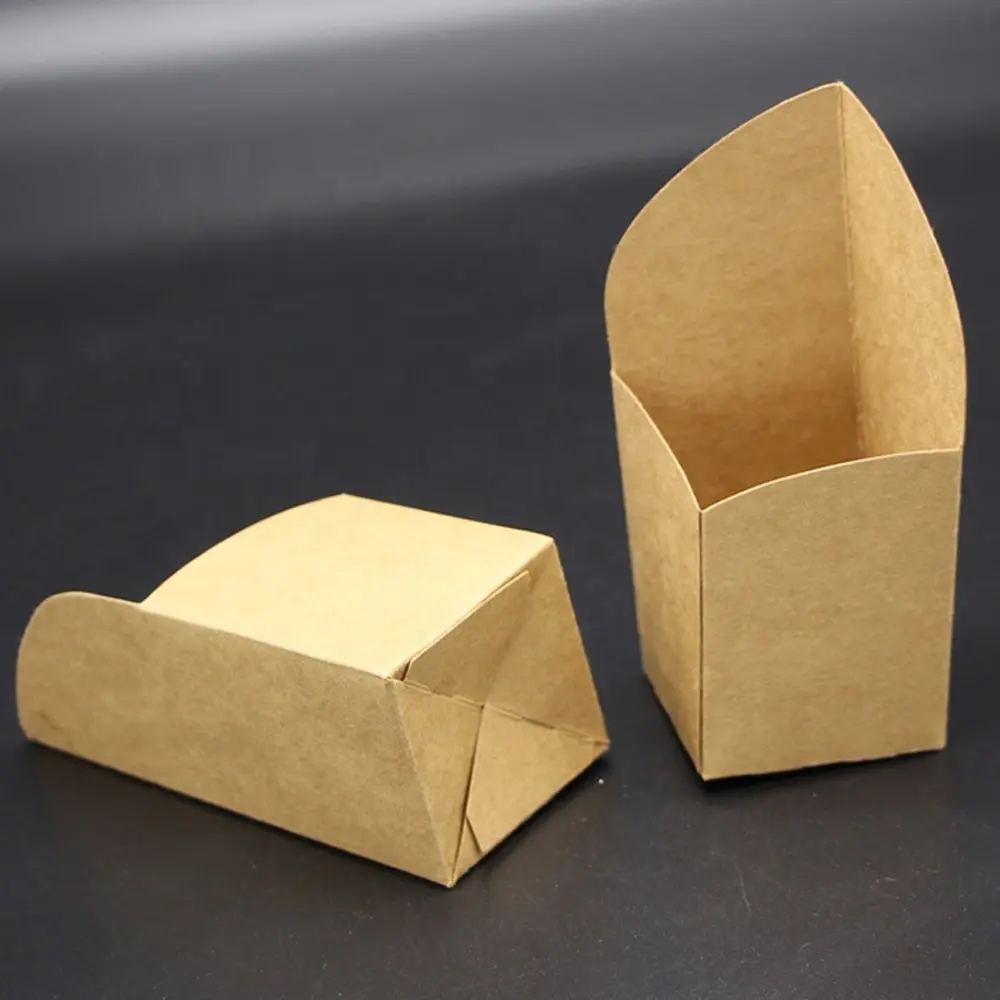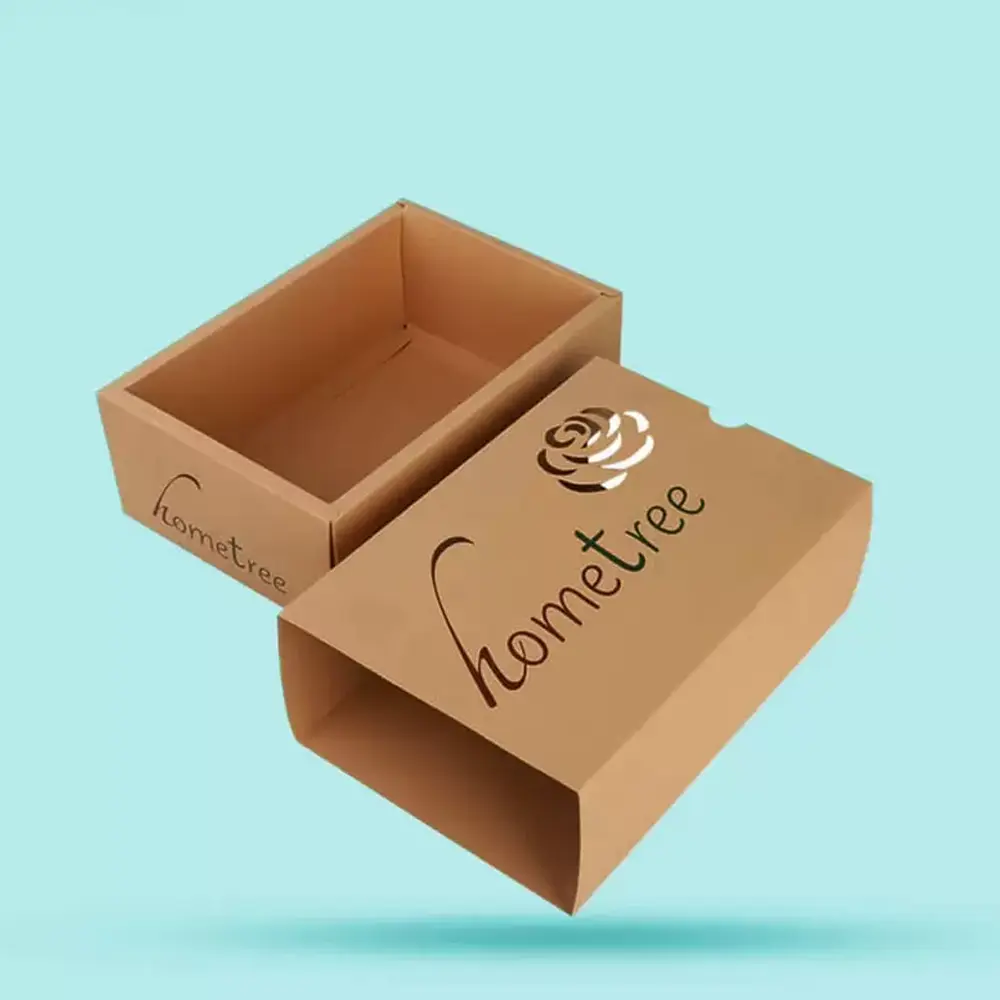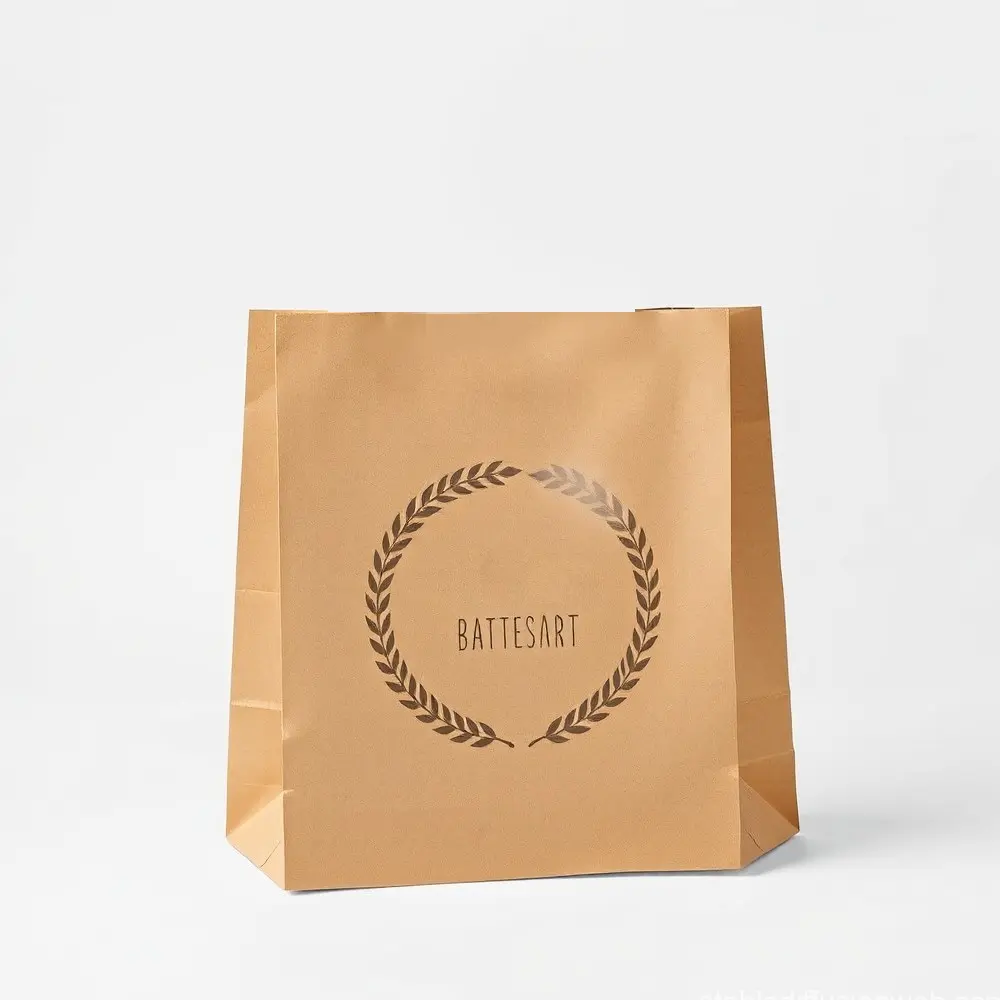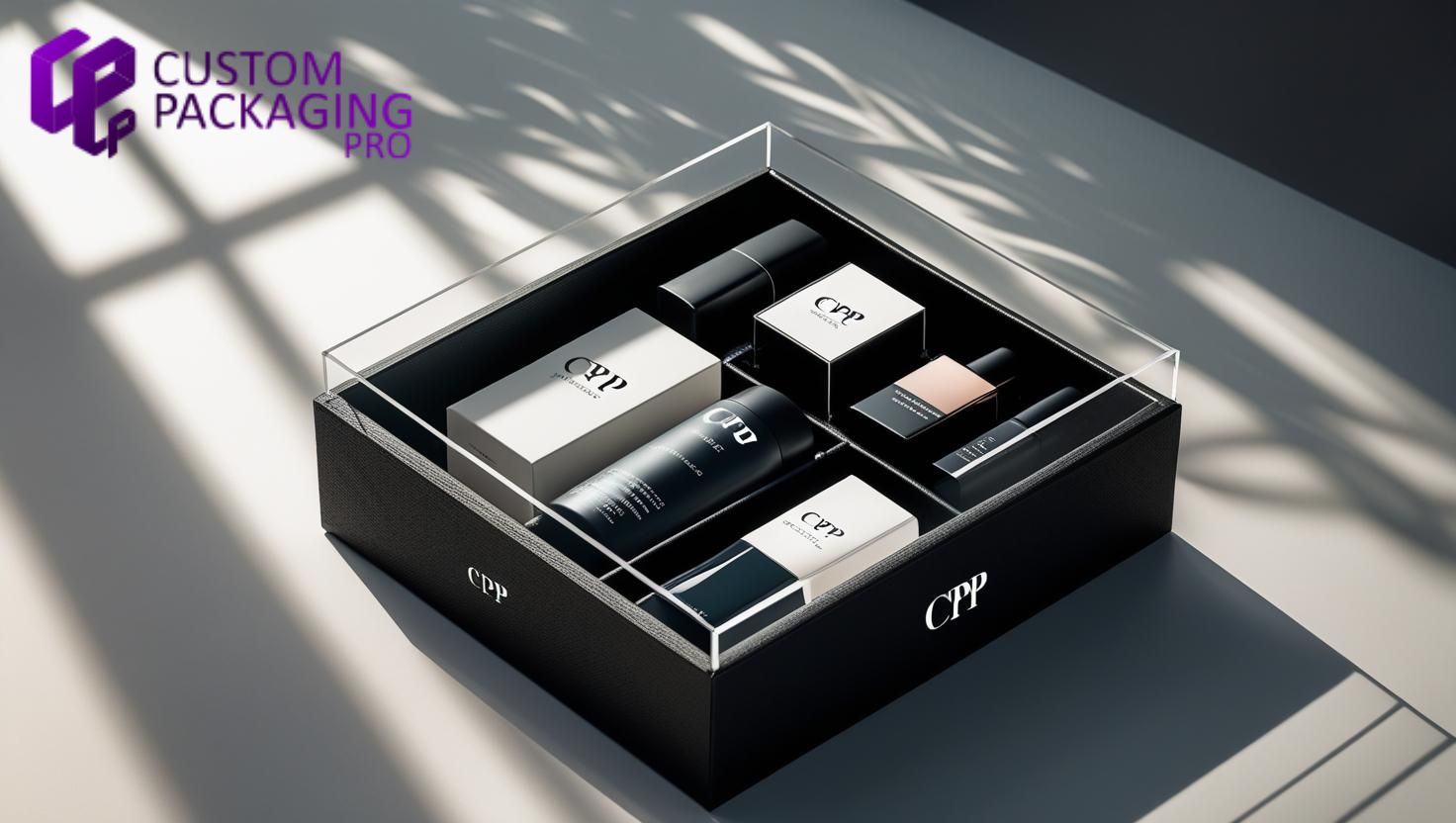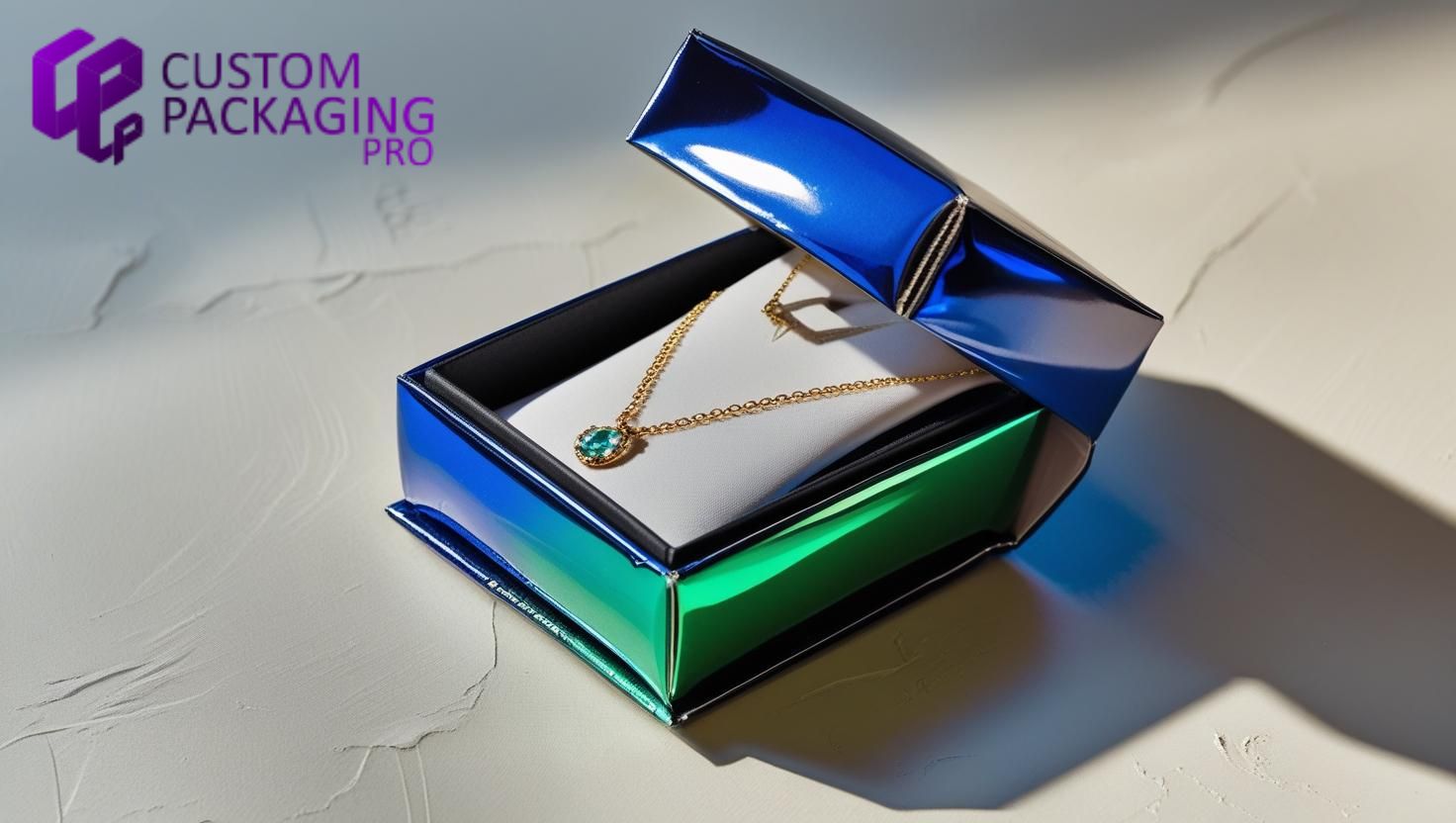
But with so many packaging styles available, how do you pick the one that aligns with your product’s needs and your brand’s personality? That’s exactly what we’ll explore in this guide.
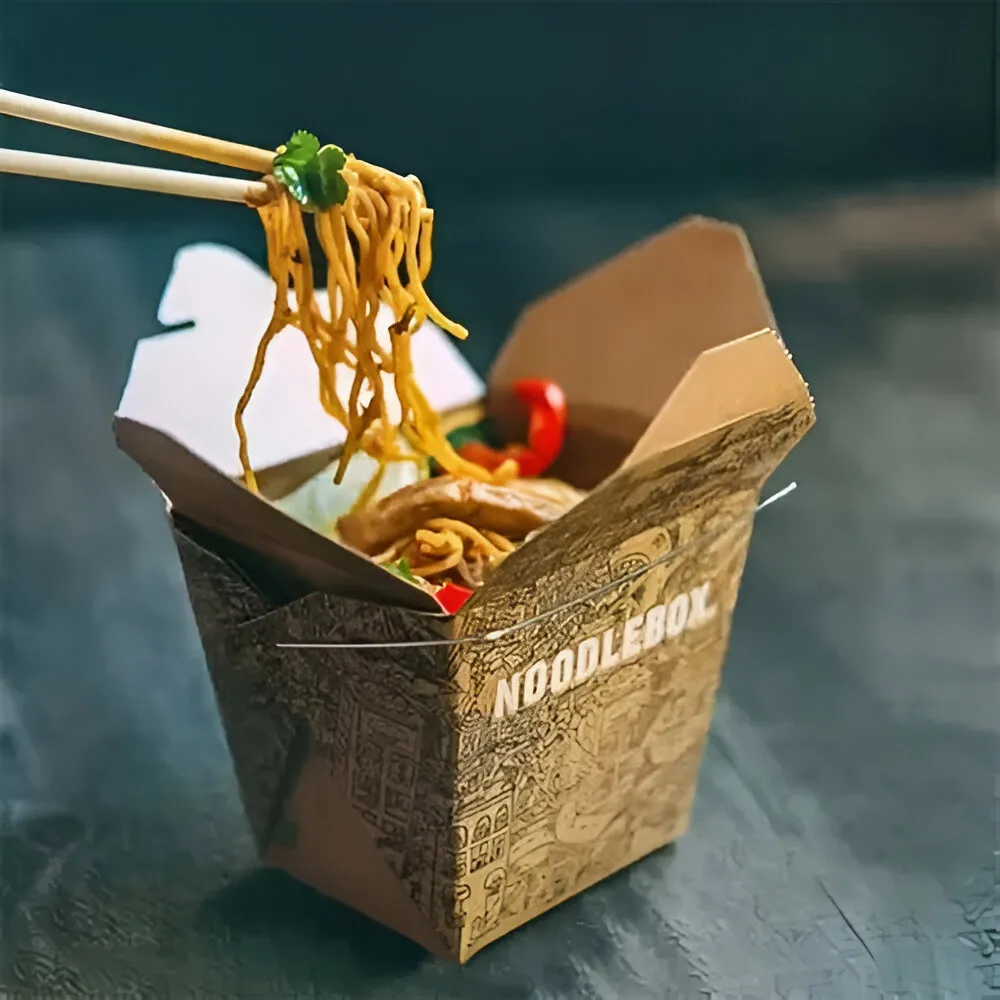
Whether you’re packaging food, cosmetics, electronics, or promotional items, choosing the right box style is key. Let’s break down some of the most functional and eye-catching packaging styles—featuring the best picks from Custom Packaging Pro (CPP).
Before we dive into specific styles, let’s highlight why this decision is important.
Now, let’s explore the various box styles available at CPP and help you determine which is the best fit for your product.
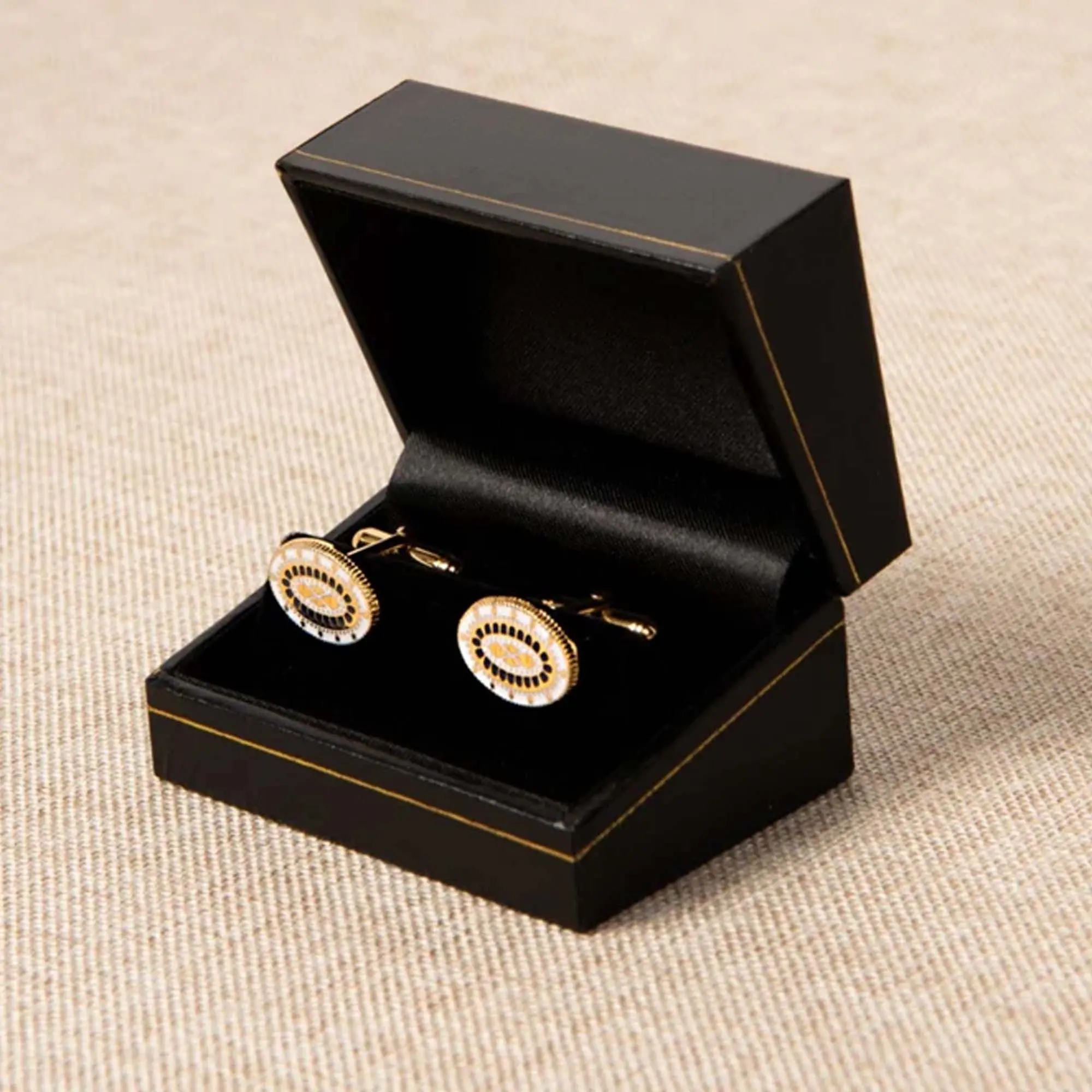
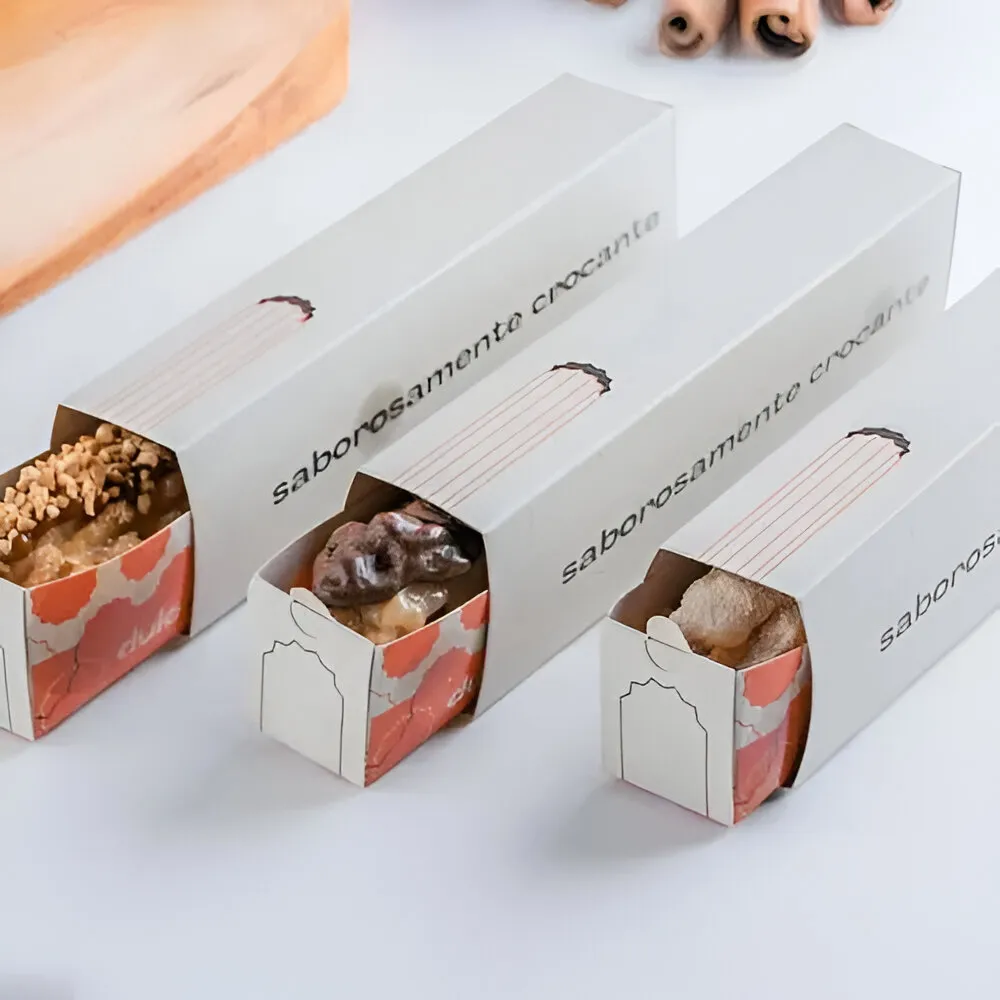
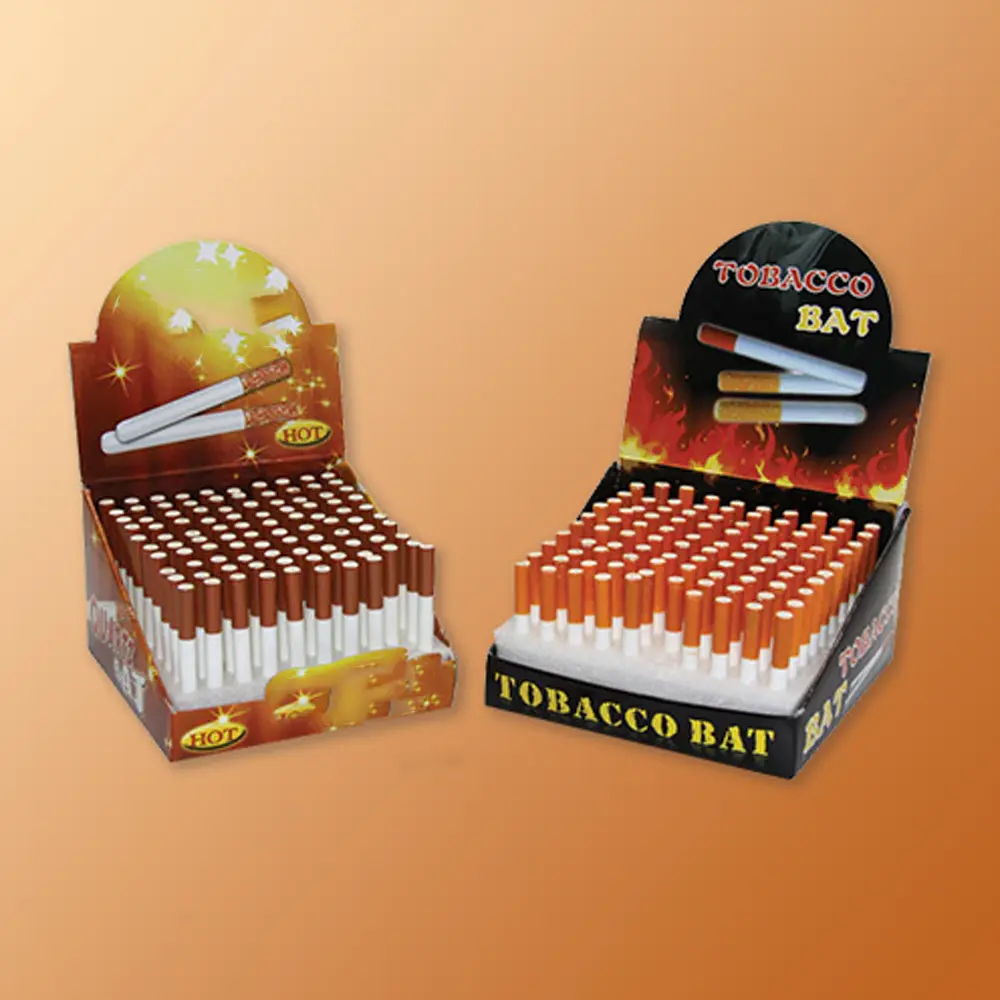
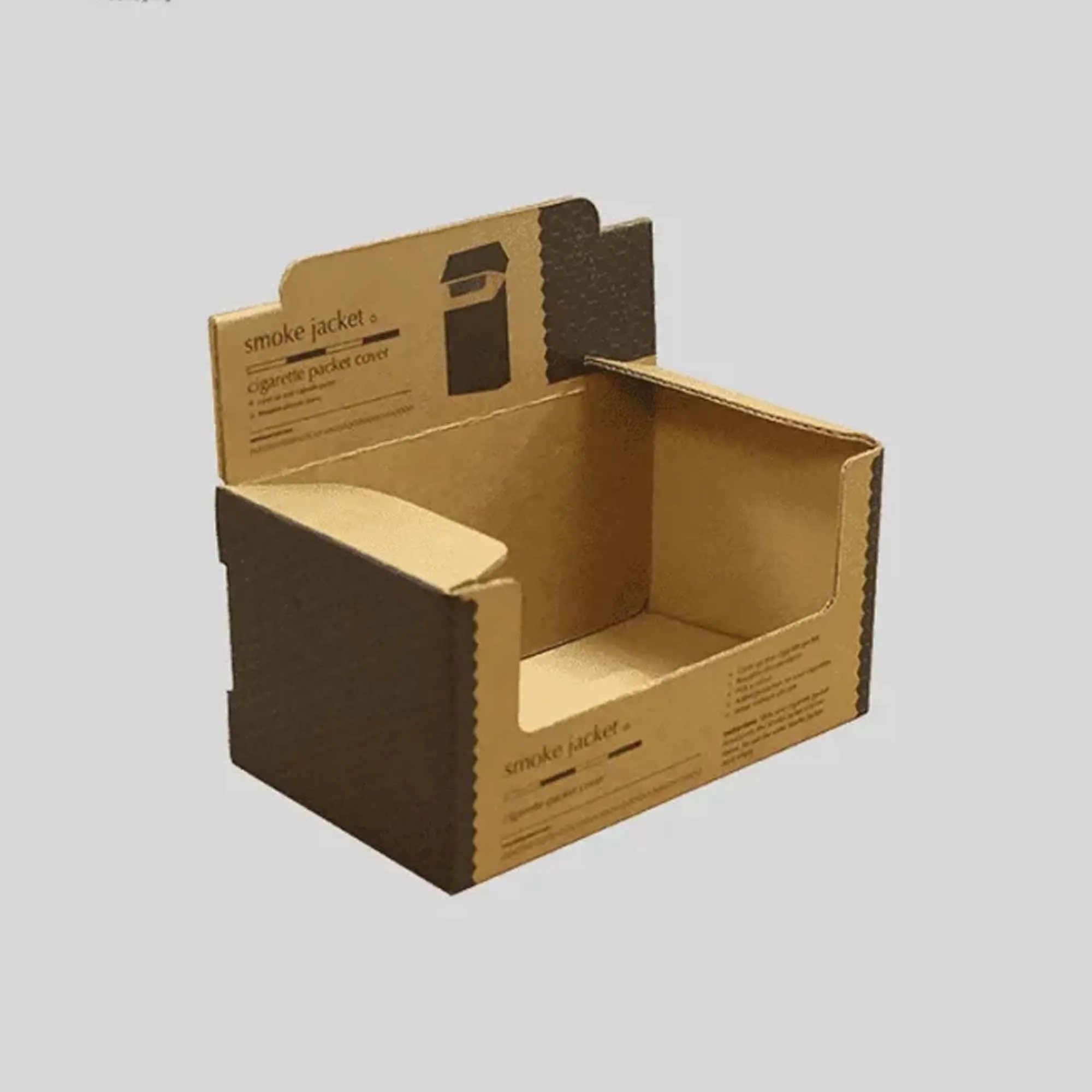
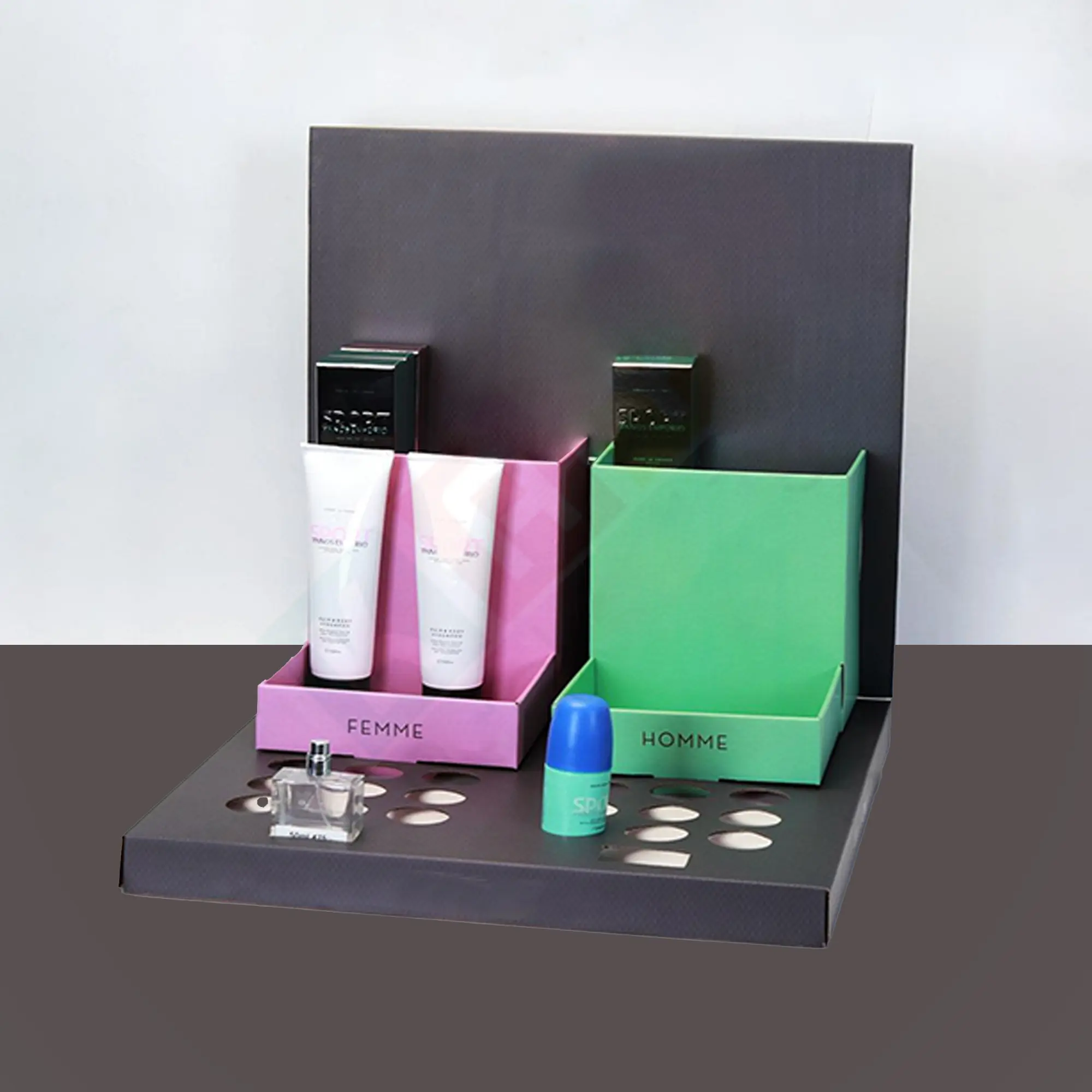
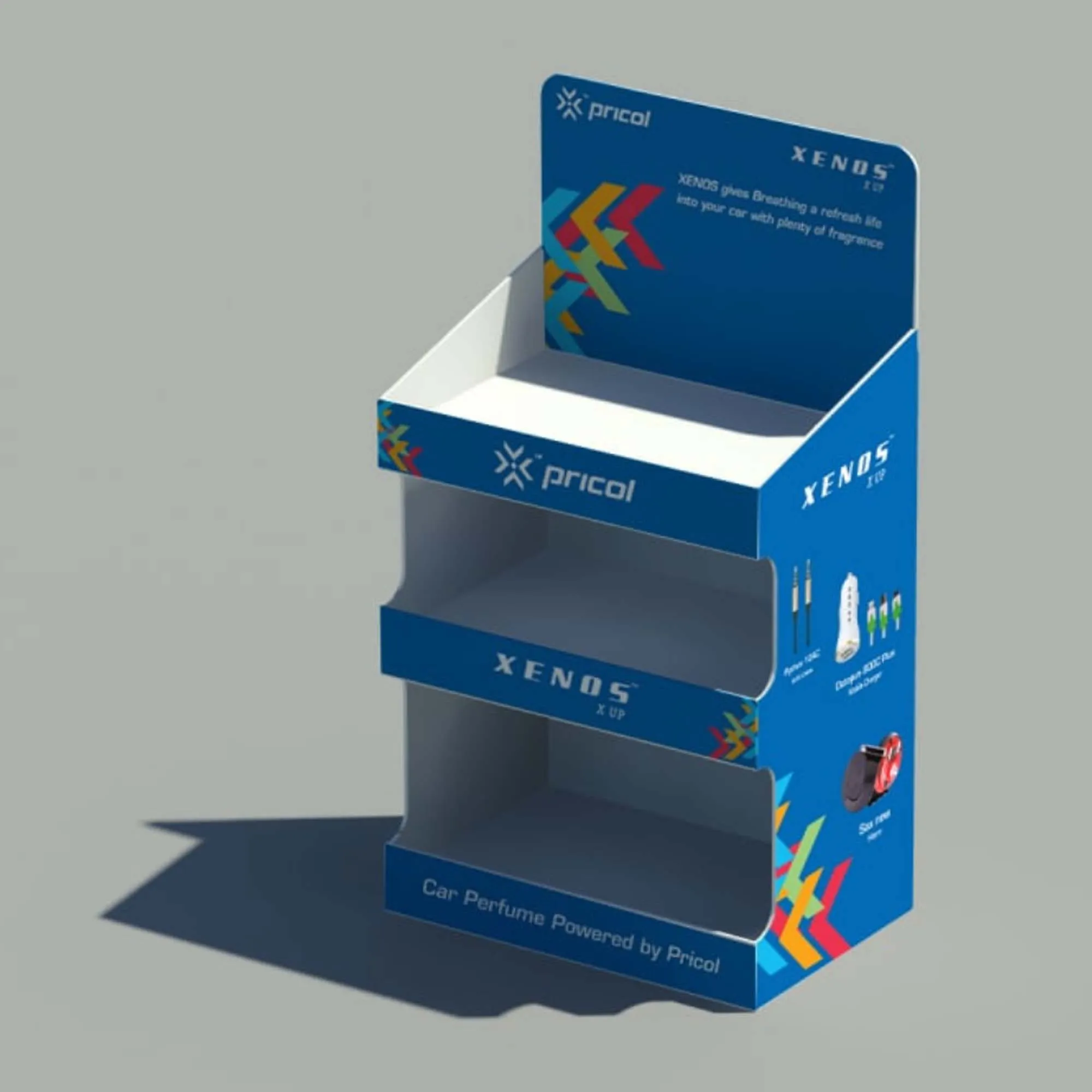
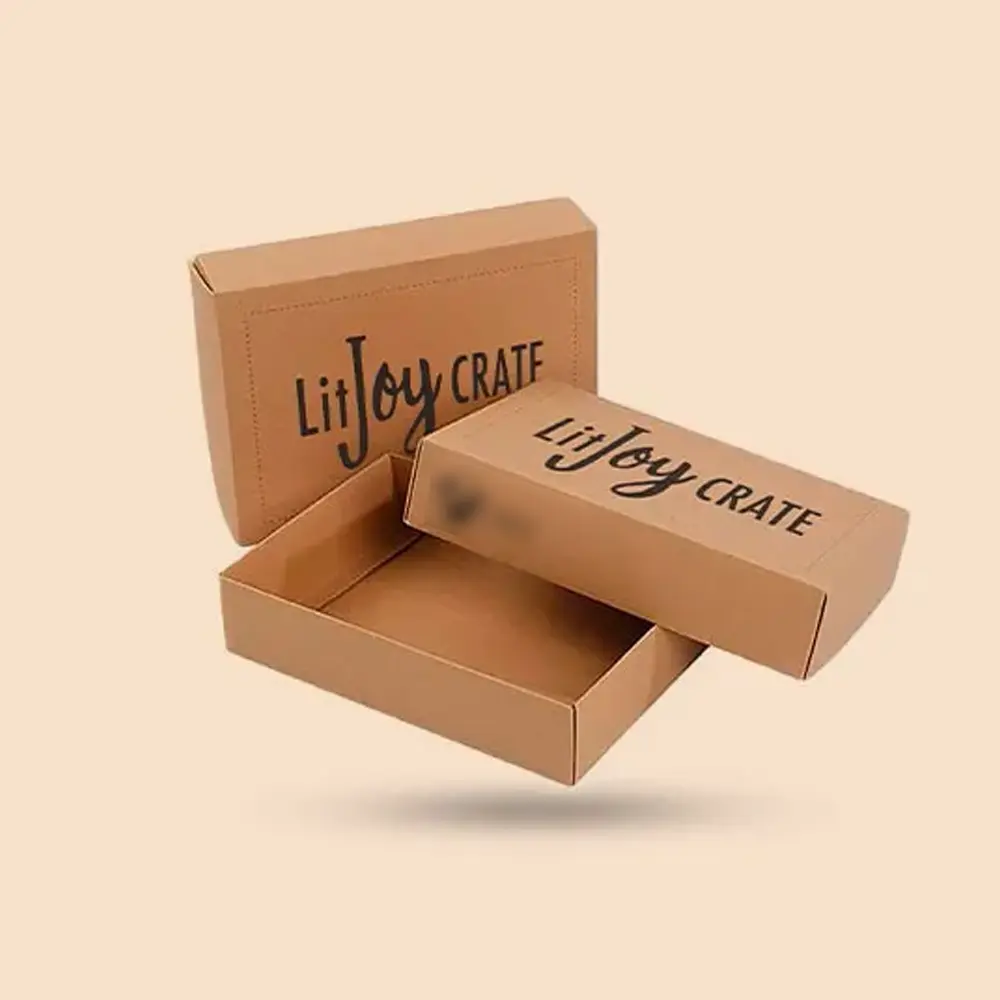
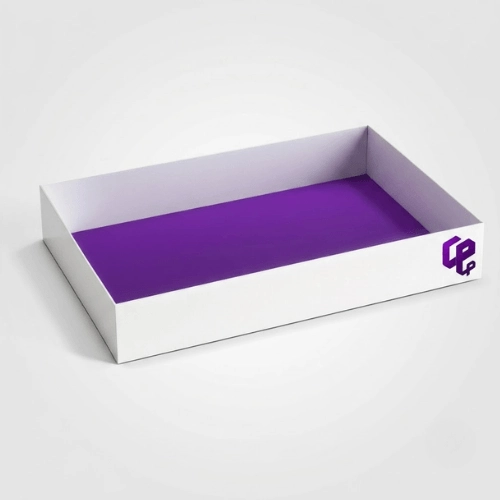
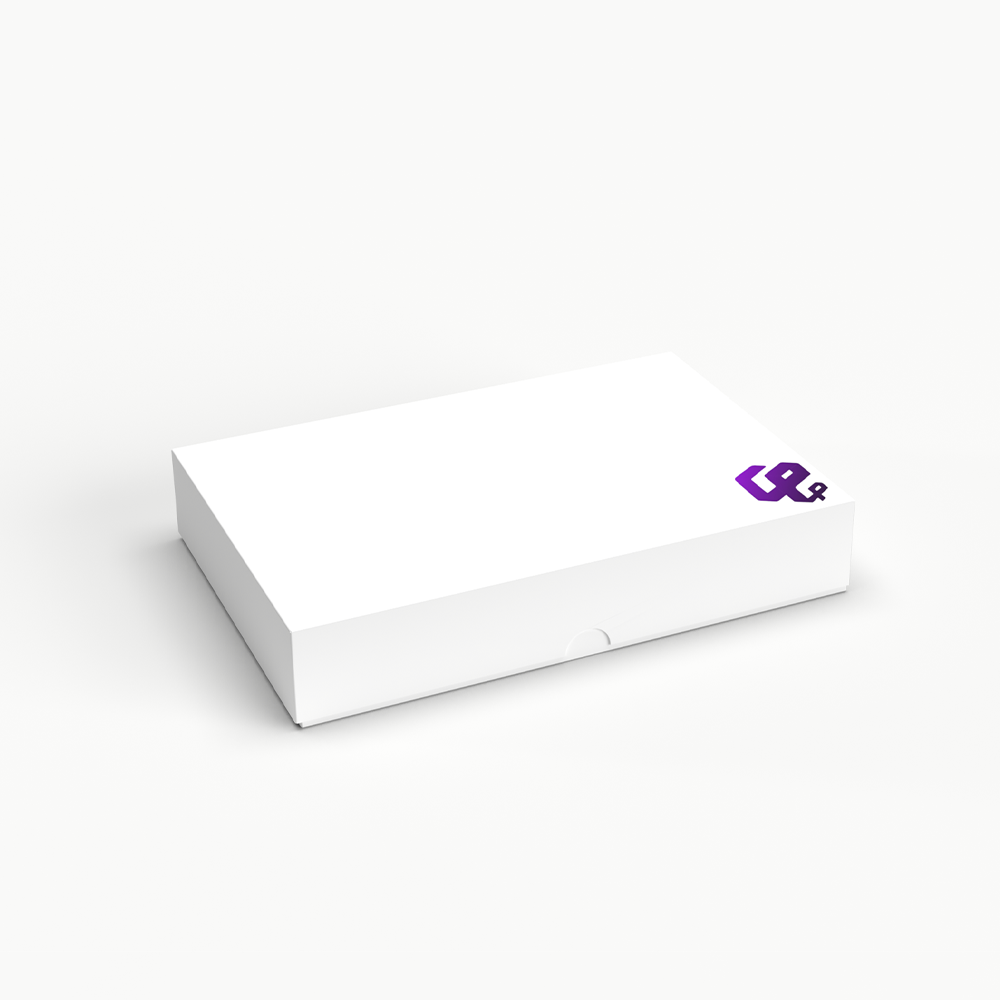
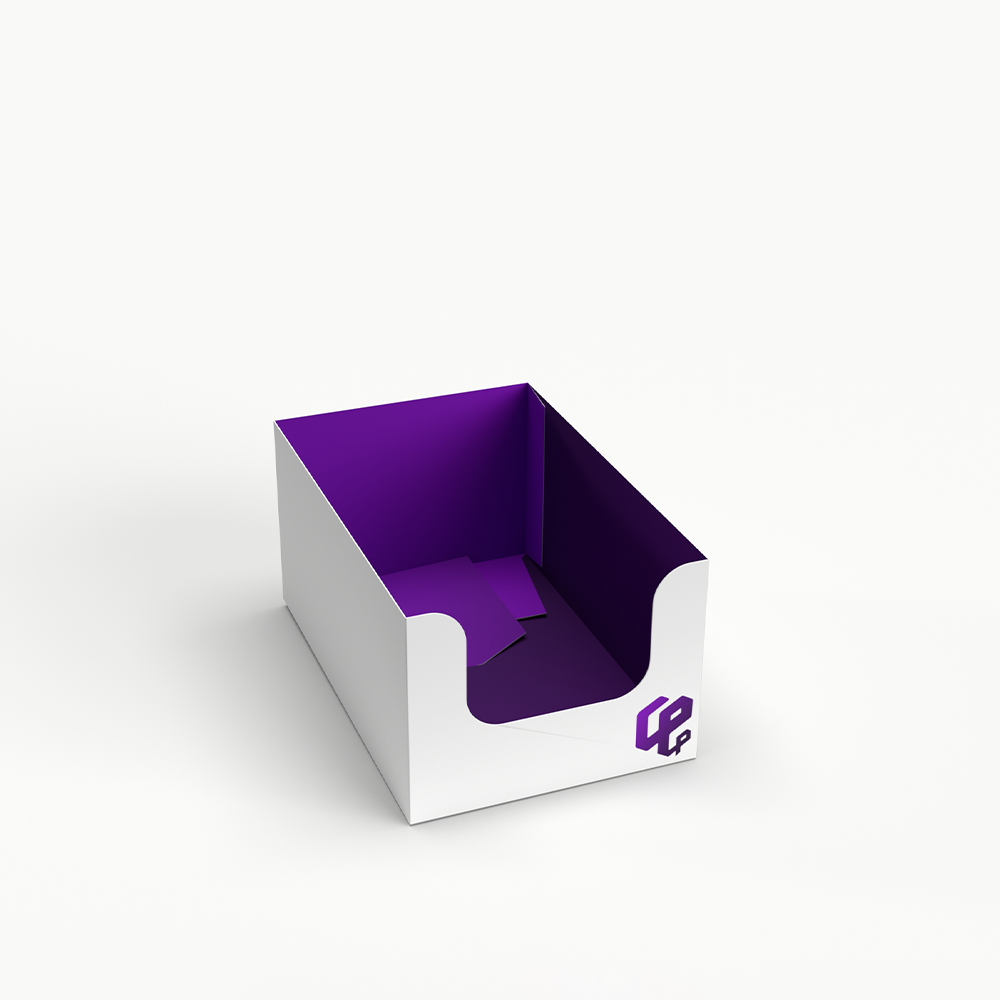
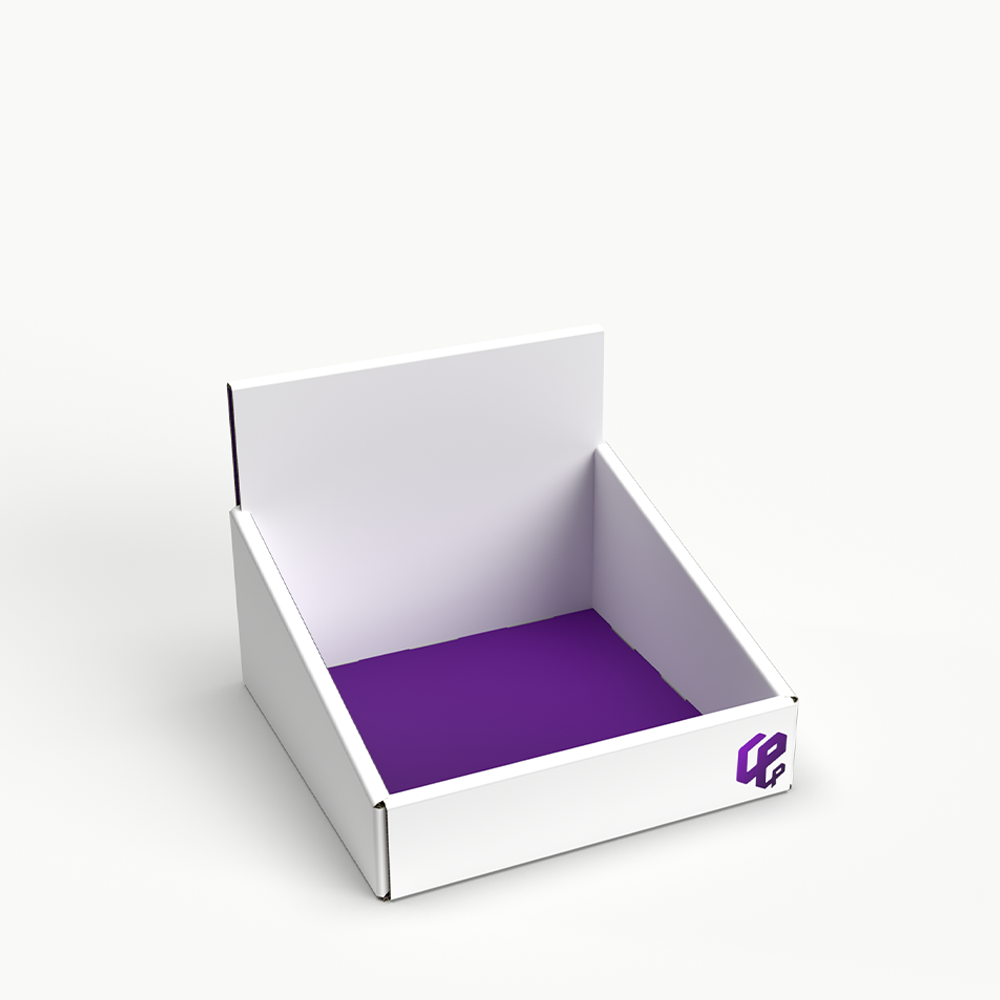
Tray boxes are a timeless favorite in packaging. With an open-top design, they are perfect for displaying products while keeping them organized. Commonly used in retail displays, bakery packaging, and storage solutions, tray boxes are known for their simplicity and strength.
When to choose Tray Boxes
At CPP, our tray boxes can be customized in various sizes and finishes to match your branding effortlessly.
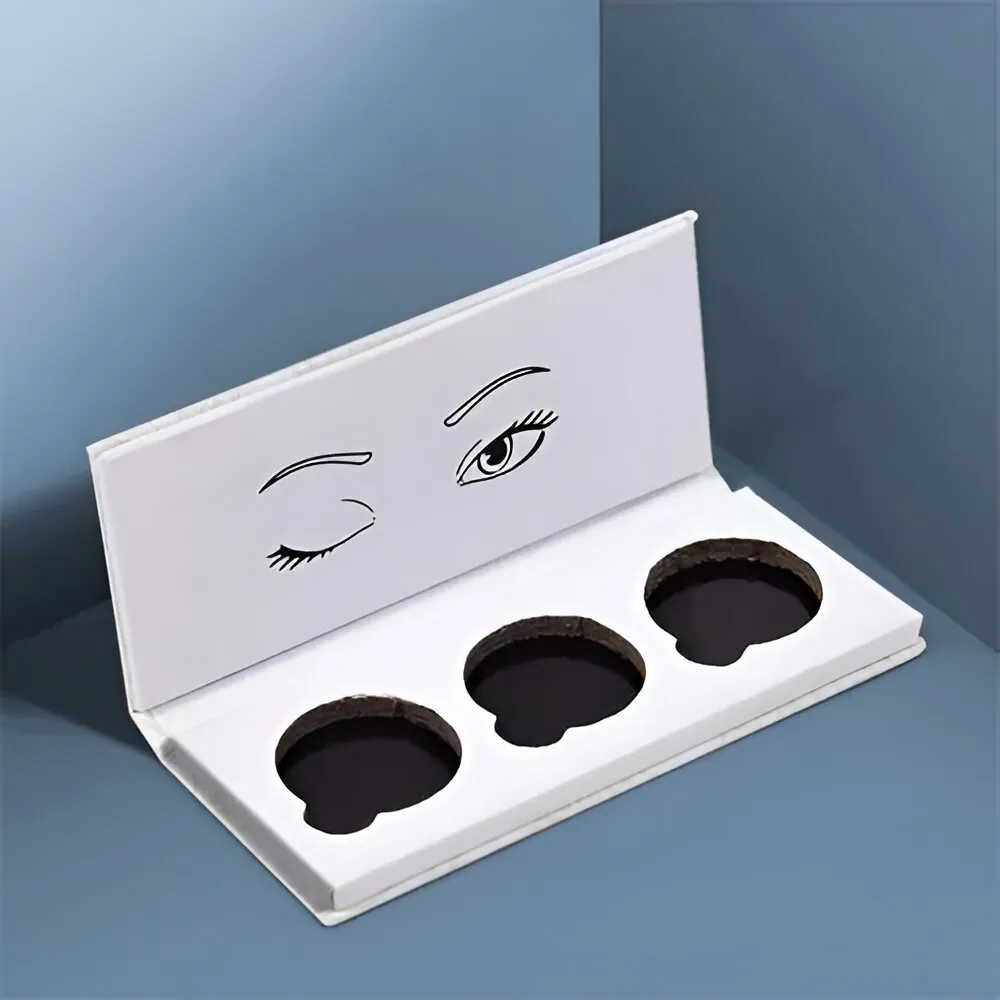
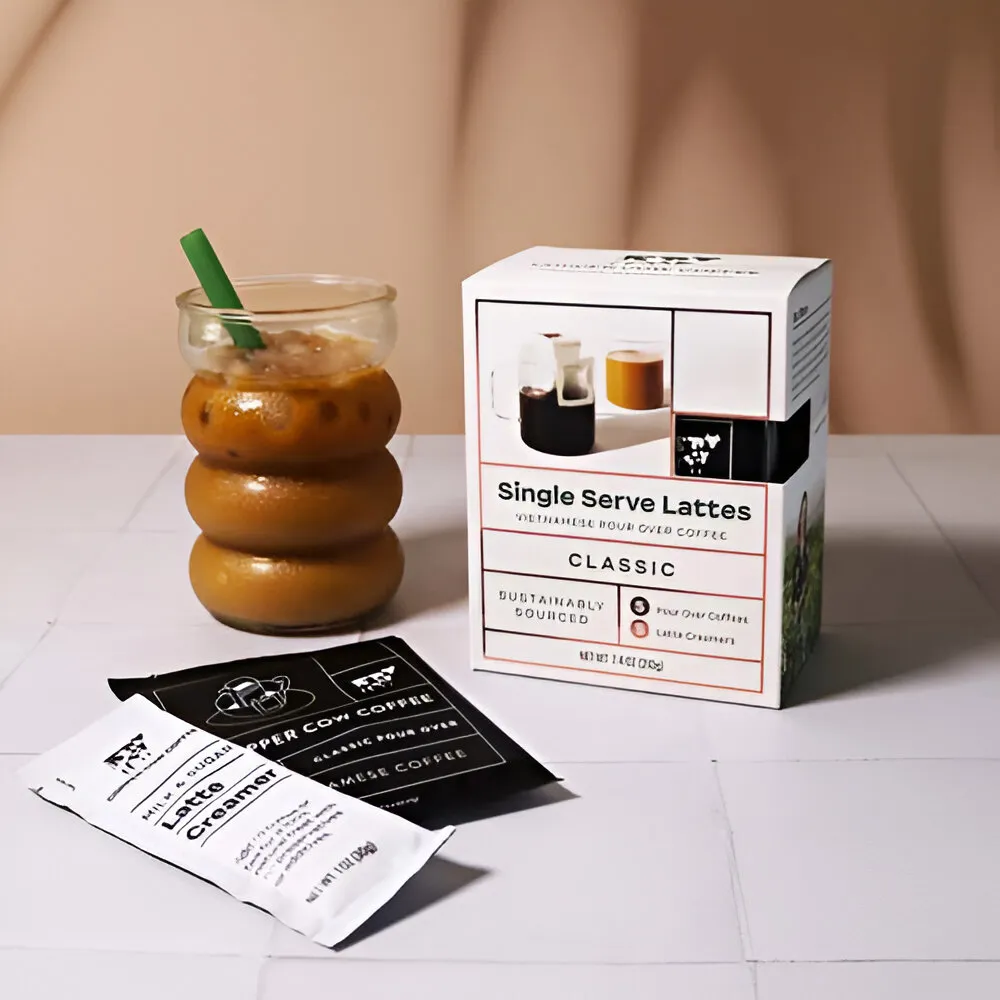
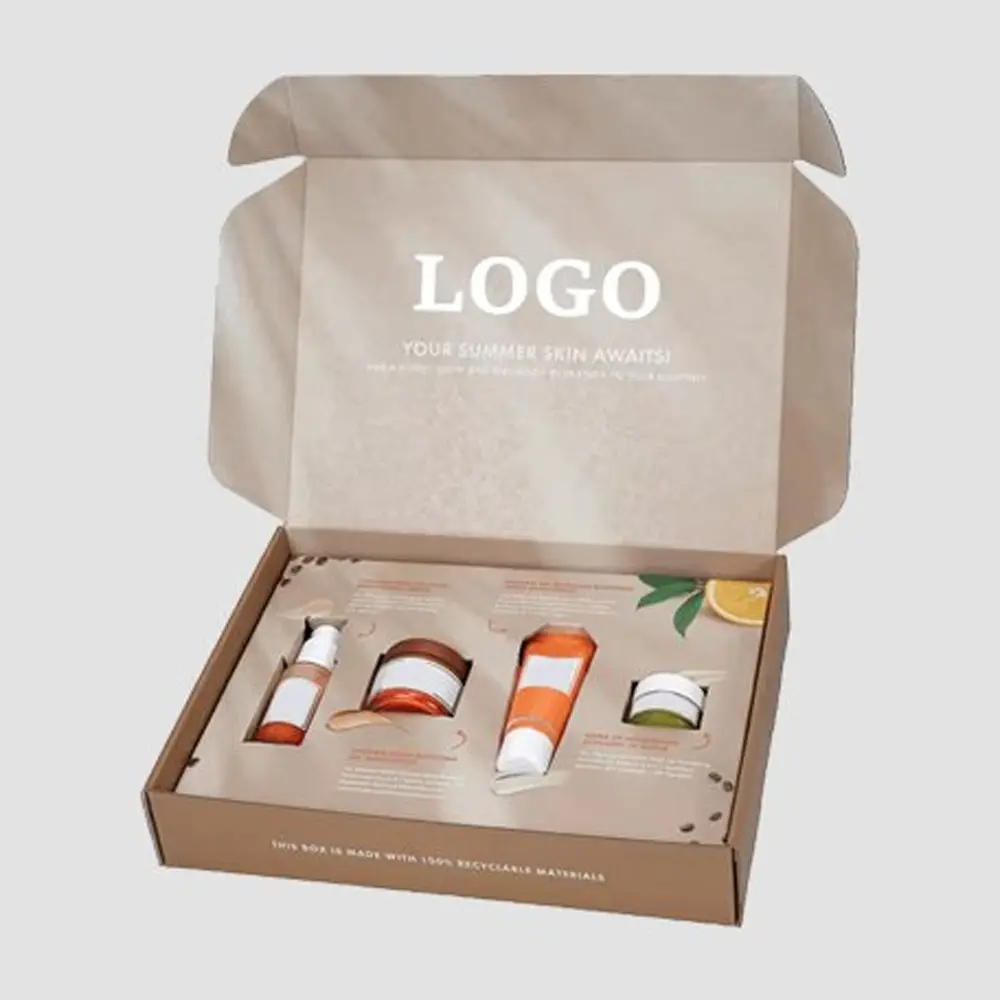
Punch partitions are not standalone boxes but rather inserts designed to securely hold multiple items within a single box. With pre-cut circular or custom-shaped slots, these partitions are perfect for products like bottles, jars, candles, or any fragile items that need individual compartments.
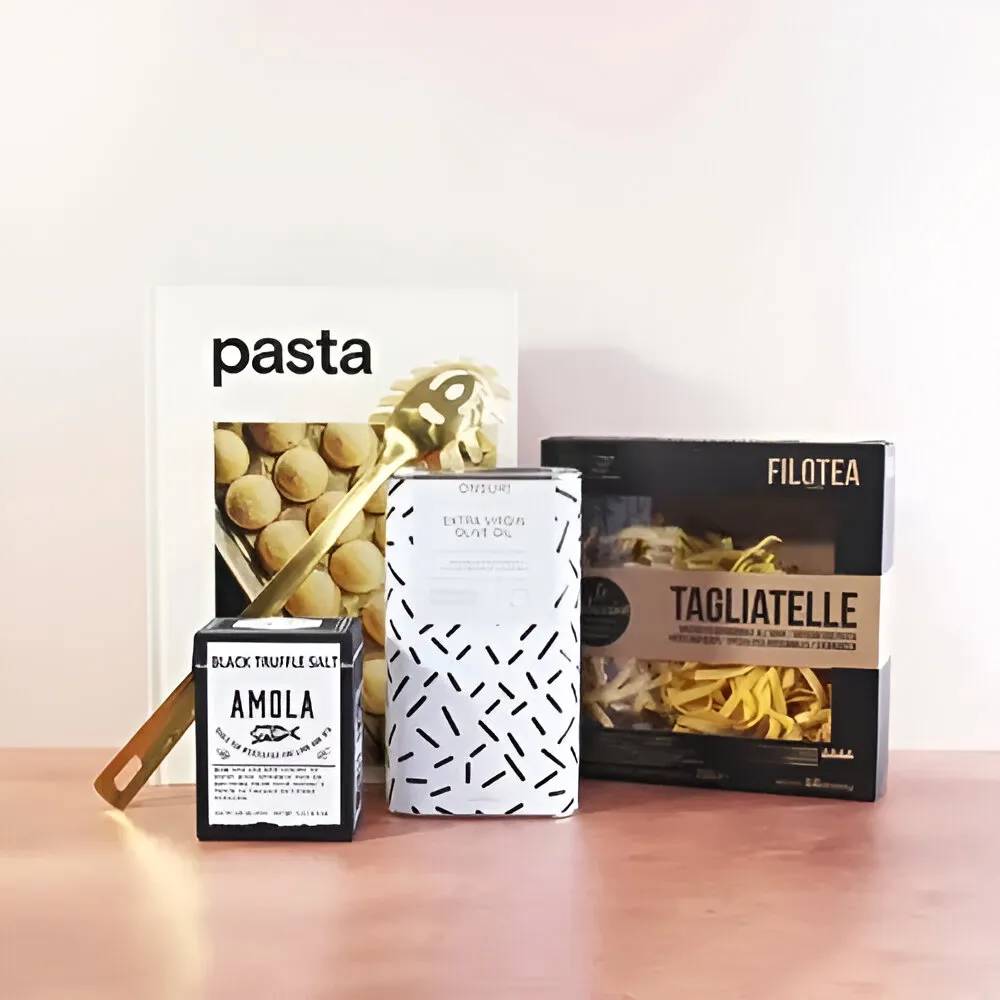
Why Punch Partitions Work
Pair these with tuck boxes or mailer boxes for maximum efficiency. CPP offers durable, custom-fit punch partitions tailored for every industry.
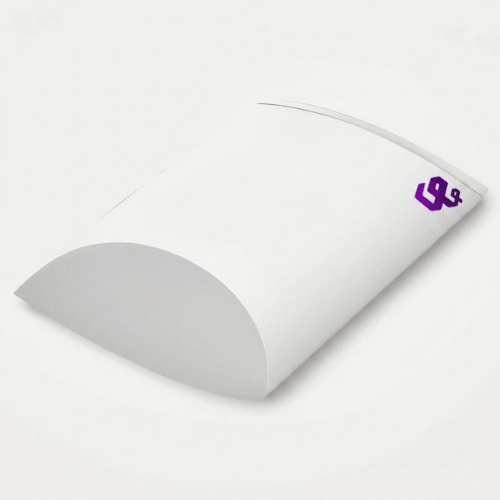
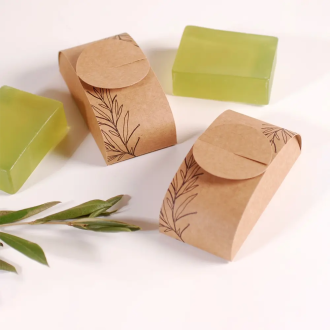
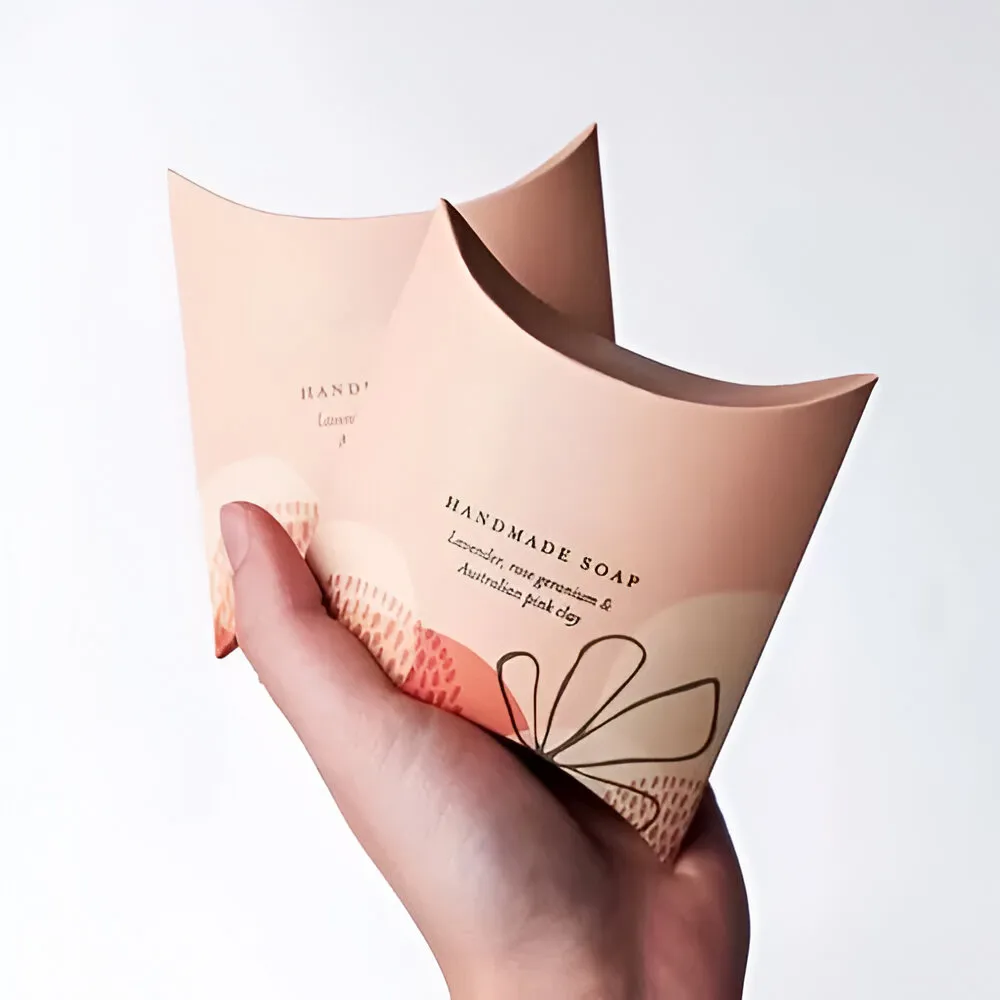
If your product is small and you want your packaging to be elegant yet playful, pillow boxes are a go-to option. Their curved, pillow-like shape makes them ideal for items like jewelry, cosmetics, soaps, or promotional giveaways.
Why Pillow Boxes Are Popular
These boxes are not just functional—they’re part of your brand’s storytelling. At CPP, we offer pillow boxes in glossy, matte, and textured finishes to match every aesthetic.
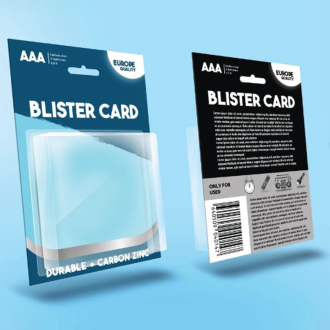
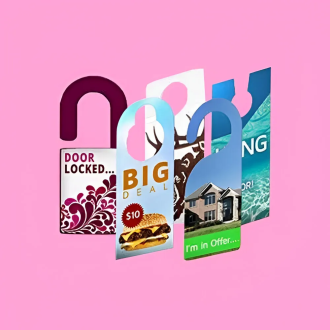
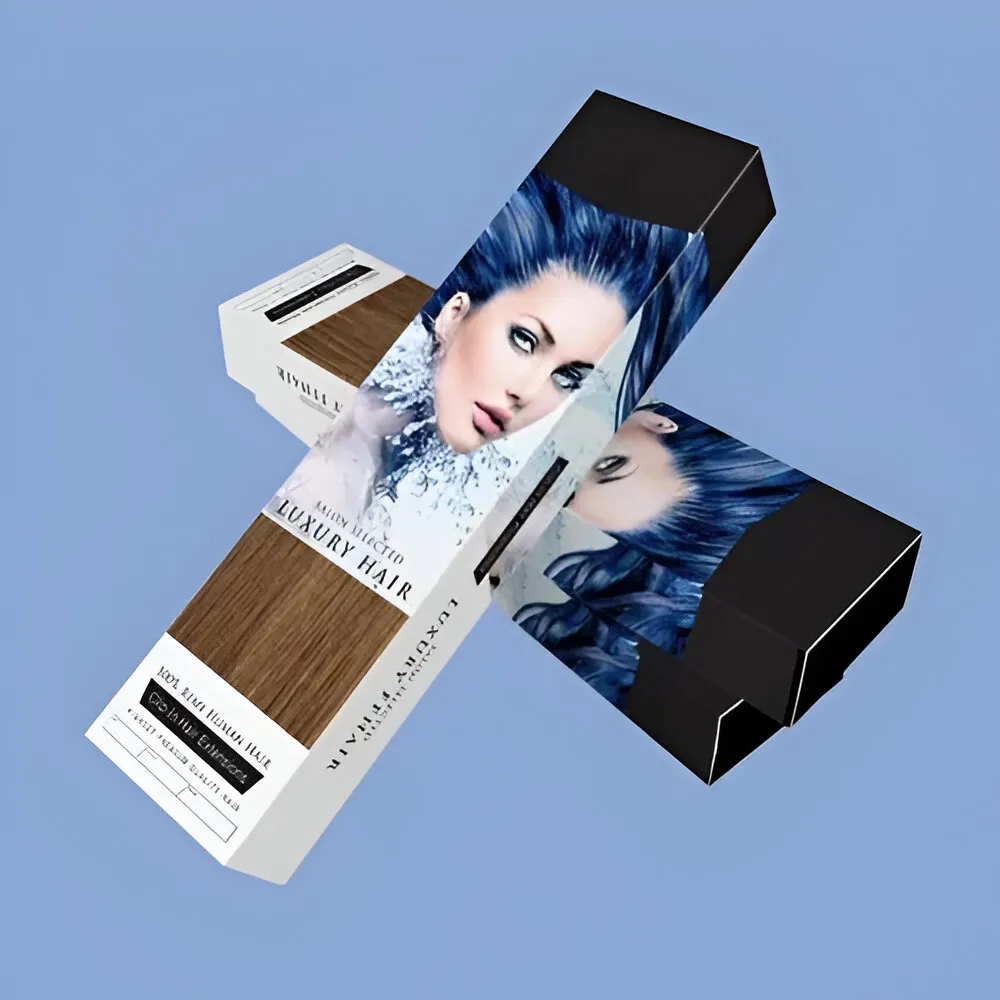
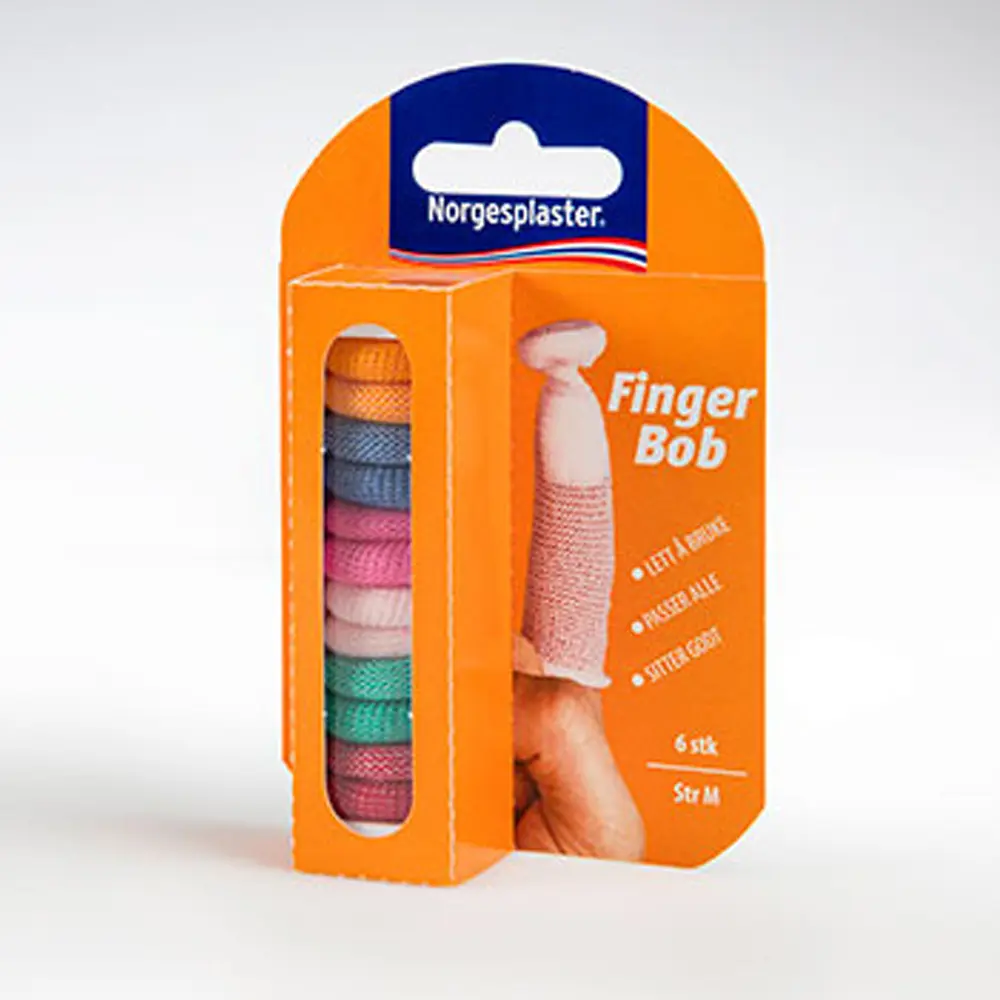
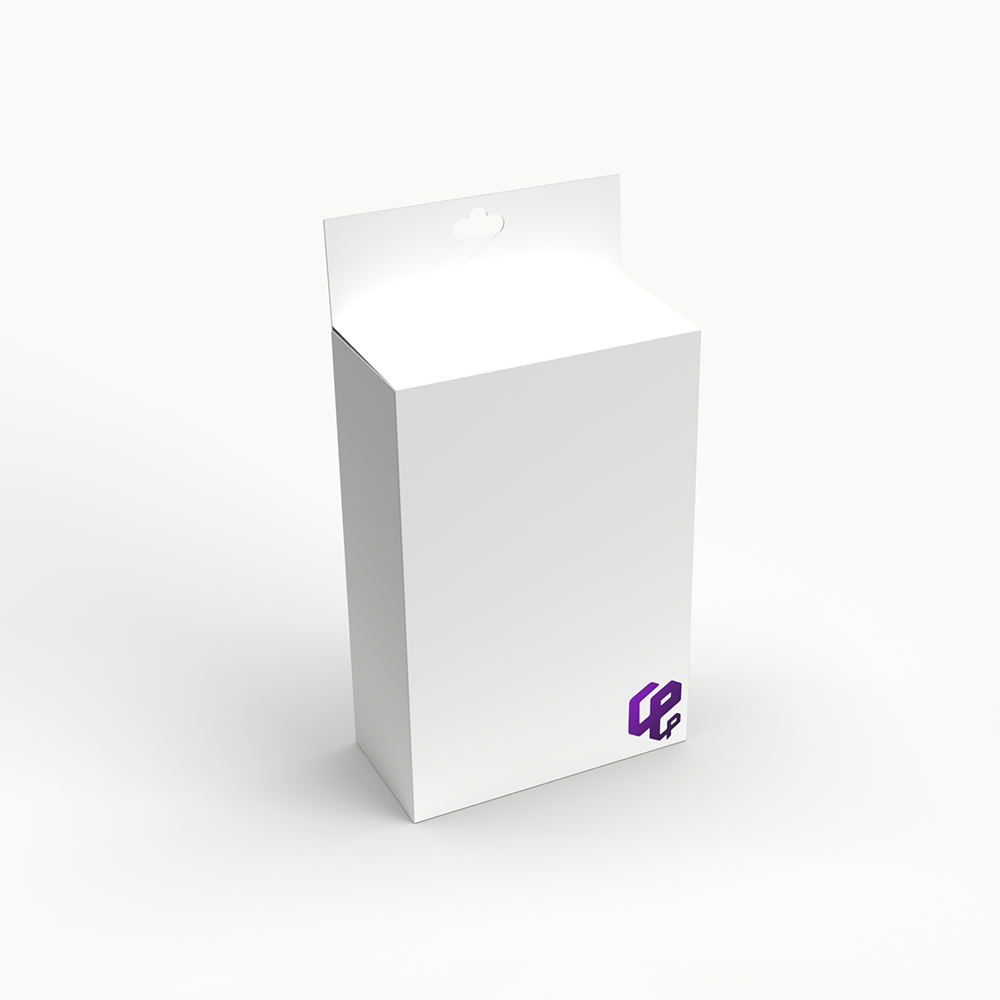
Header cards are an economical and practical way to package lightweight items, especially for retail environments where vertical display matters. They’re typically used with polybags and sealed with heat or staples. Think hardware accessories, small toys, or handmade crafts.
Benefits of Header Cards
CPP’s header cards come in various die-cut shapes and finishes, allowing you to showcase your product professionally and affordably.

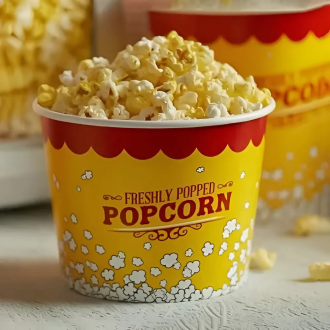
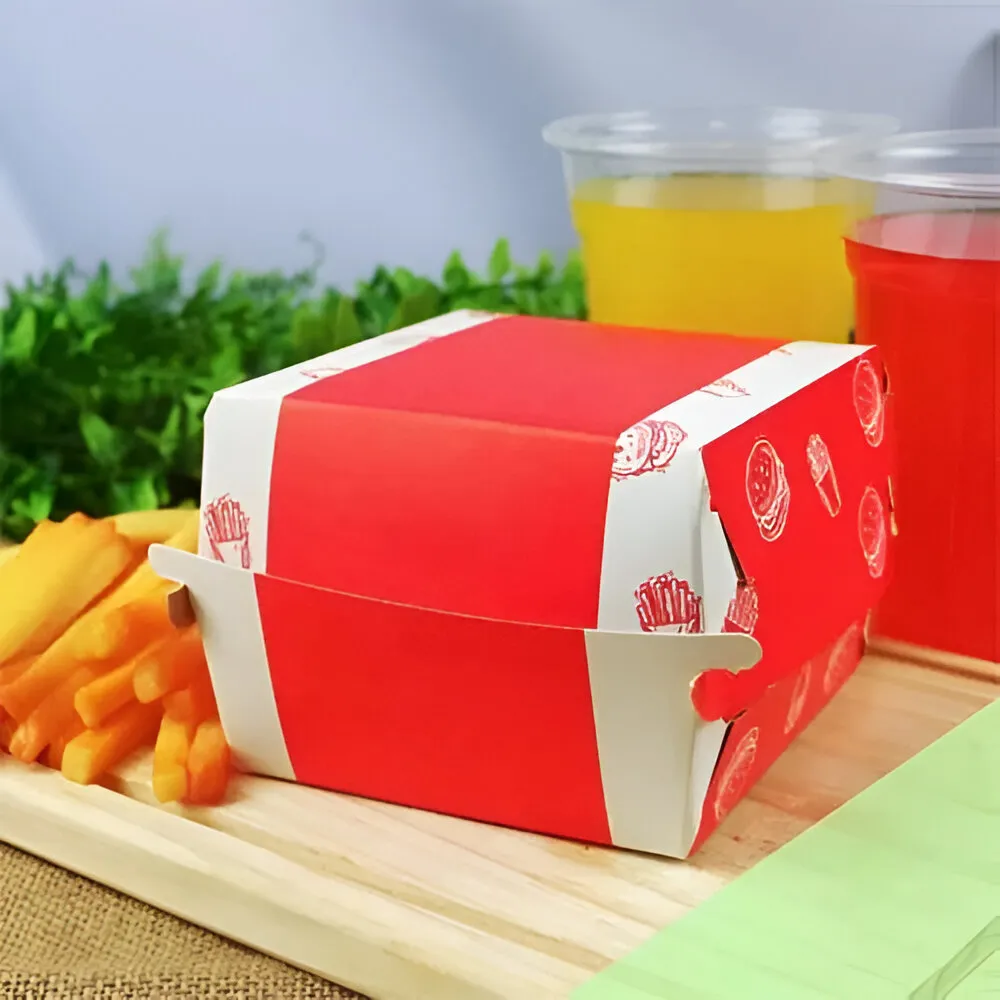
Not just for fries—these boxes are perfect for on-the-go food items, party favors, or small promotional goodies. Their curved top and open design make them easy to grab and eat from, while still offering ample space for branding.
Use French Fry Boxes For
CPP offers custom sizes and coatings to keep your fry boxes grease-resistant, sturdy, and full of personality.
Like punch partitions, fence partitions are interior box inserts used to organize and protect products. Instead of circles or cut-outs, they use a grid-like design—great for square or rectangular items such as skincare jars, food containers, or electronics.
Why Fence Partitions Matter
CPP manufactures precise, snug-fitting fence partitions that can be added to most standard or custom boxes.
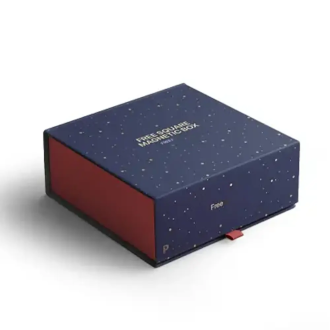
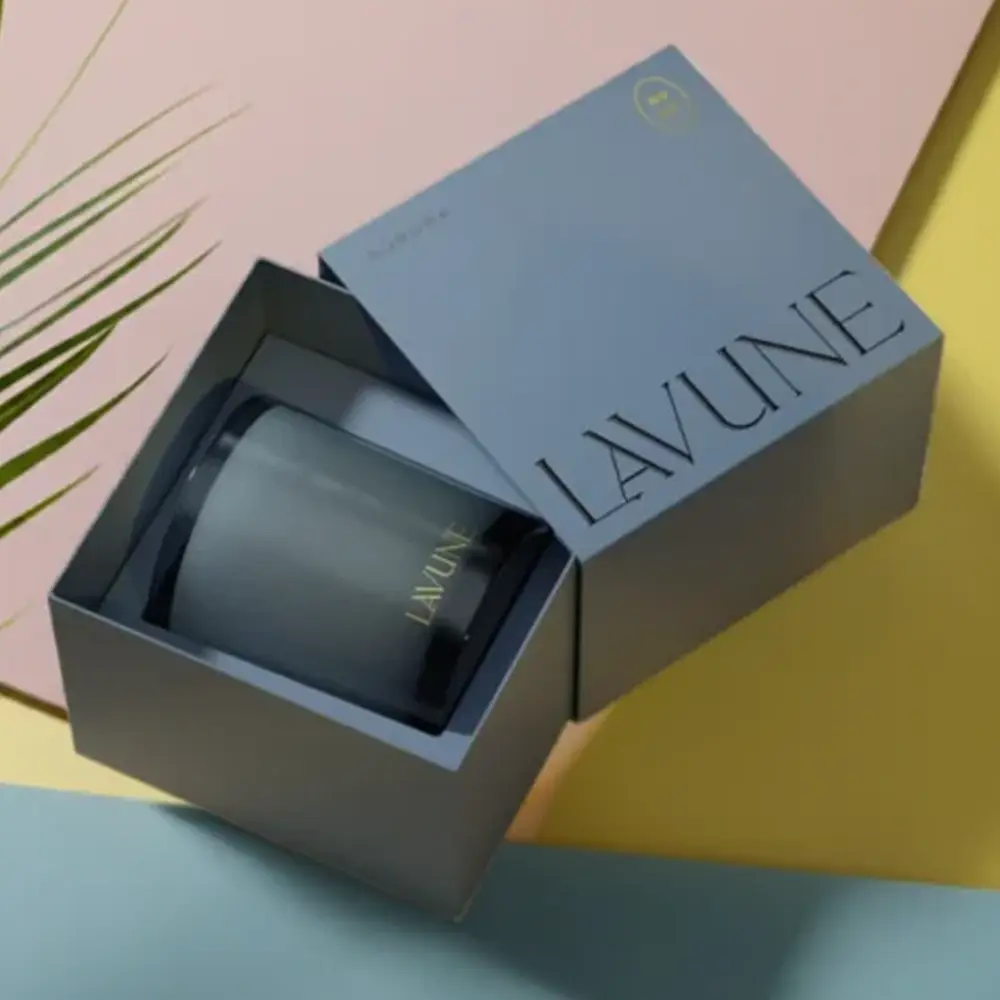
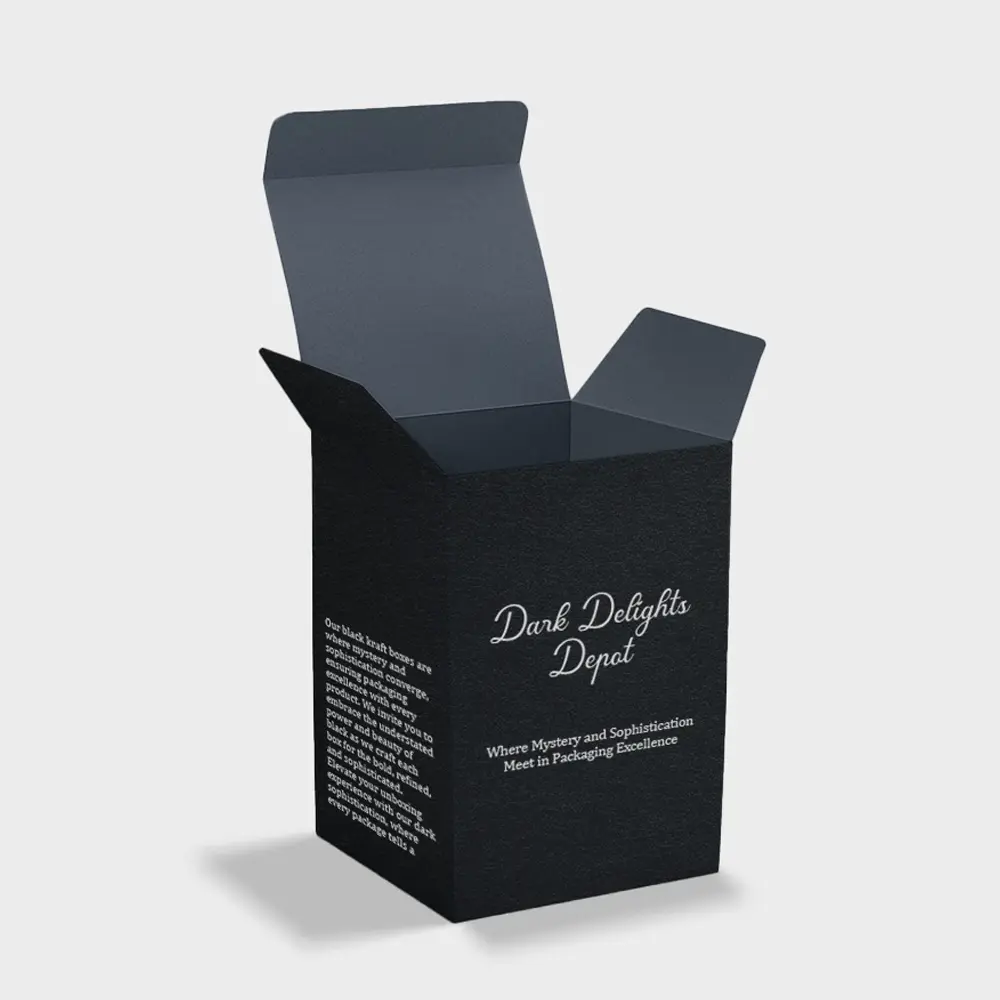
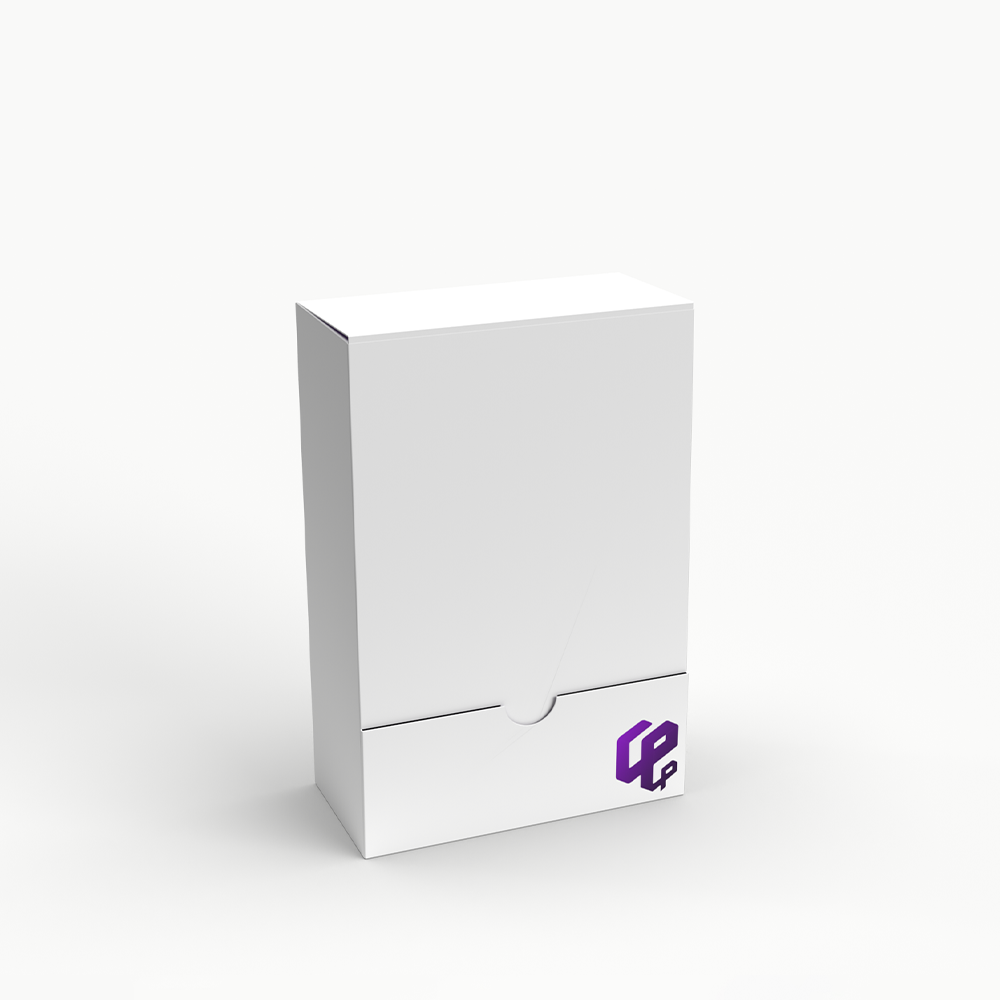
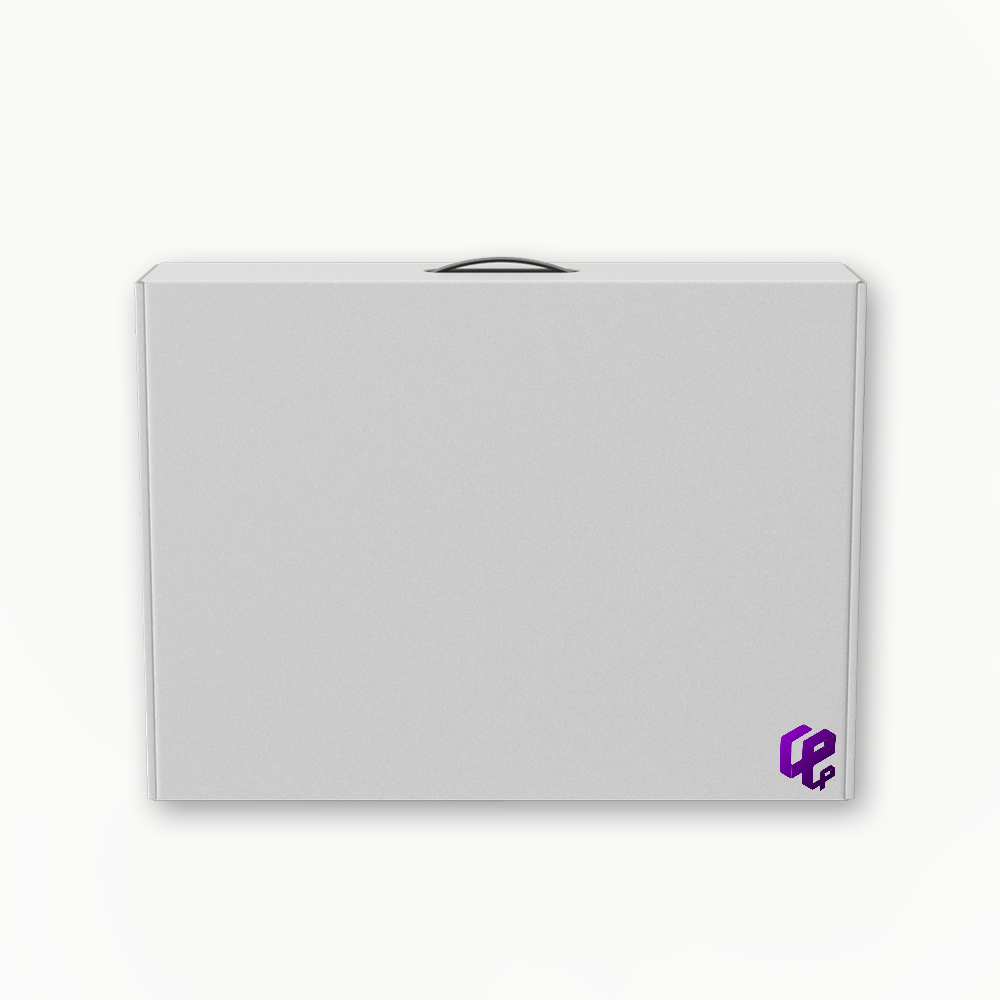
If you’re shipping premium or heavy items, the Double Wall Tuck Front (DWTF) box style is built to perform. With double side walls and a front flap that tucks securely into the box, DWTF offers superior structural integrity and tamper-resistance.
Perfect For
CPP’s double wall tuck front boxes can be enhanced with magnetic closures, embossing, and custom inserts for that extra layer of premium appeal.
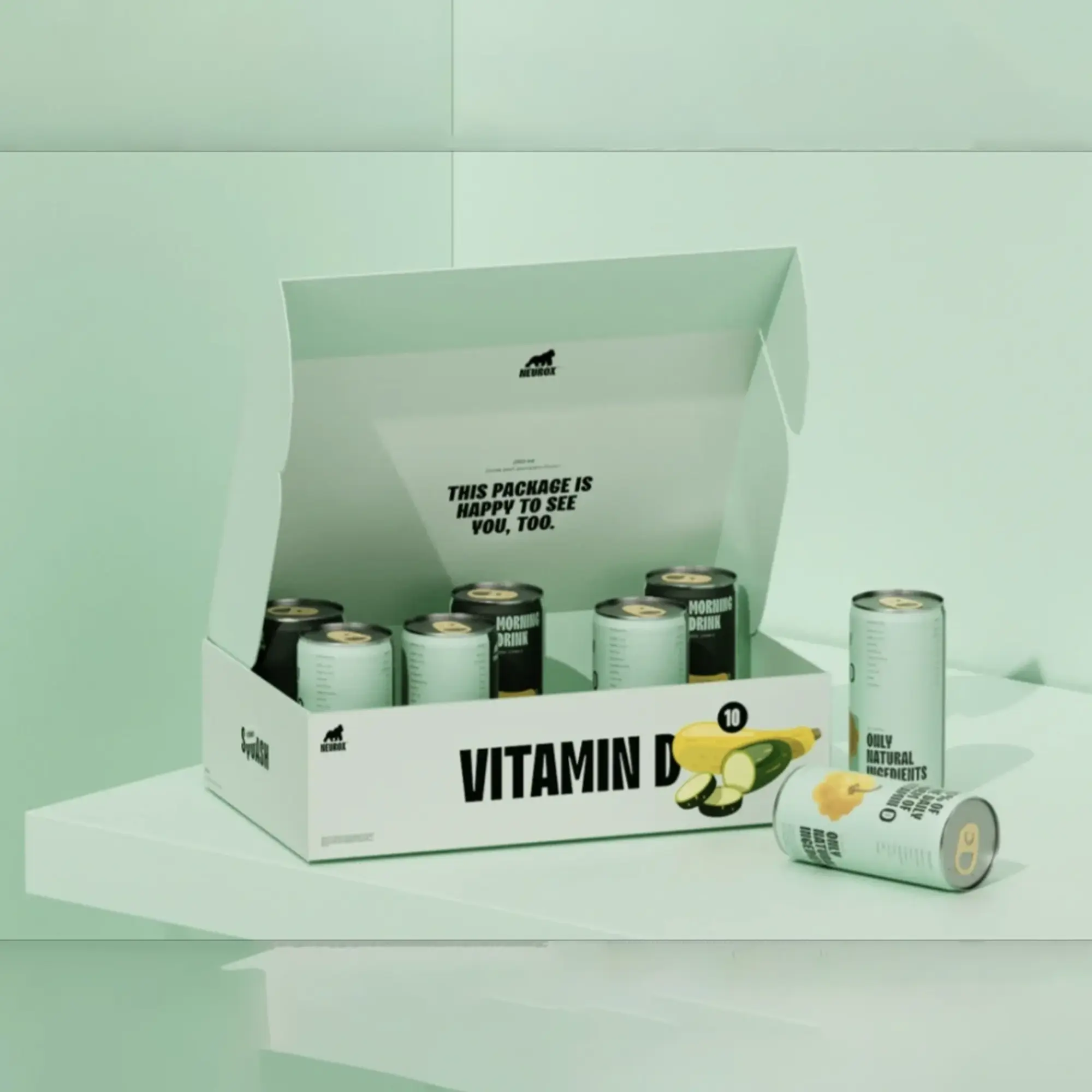
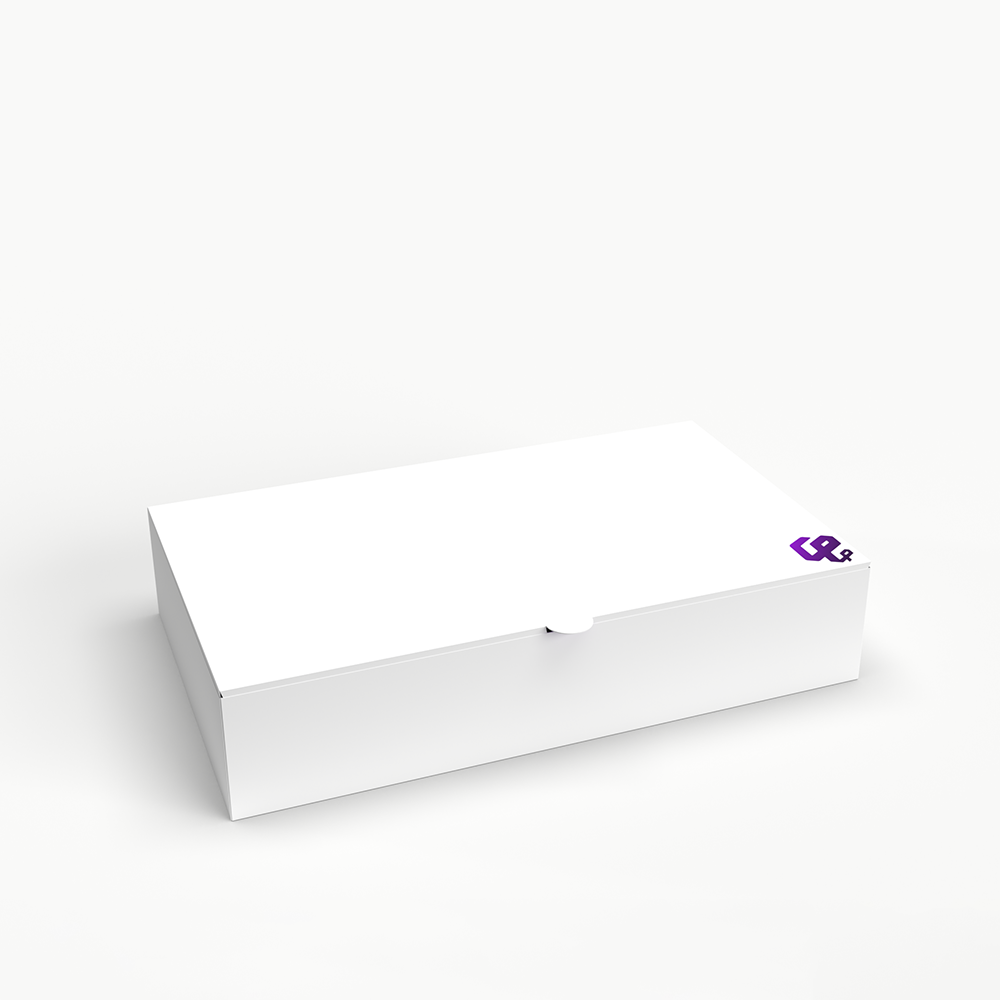
Bottom trays are the go-to packaging for products that need to be stacked or displayed horizontally. They are commonly used in combination with lids or for items that need protection at the base, like bottles, canned goods, or cosmetics.
Use Bottom Trays For
CPP can customize bottom trays to your exact specifications, ensuring they fit seamlessly into your packaging ecosystem.
Selecting the right box comes down to evaluating your product’s needs
You can also mix and match these styles—for example, using a double wall tuck front box with a fence partition inside.
At Custom Packaging Pro (CPP), we don’t just sell boxes—we offer complete packaging solutions. Our wide variety of box styles is backed by
Whether you’re launching a new product or rebranding your current line, CPP gives you the creative freedom and technical support to make your packaging unforgettable.

Packaging is more than protection—it’s presentation, personality, and performance rolled into one. Choosing the right box style ensures your product arrives safely, looks appealing, and connects with customers.
Explore the full collection of box styles at Custom Packaging Pro and let us help you build packaging that’s as unique as your brand. With our commitment to quality, creativity, and customer satisfaction, CPP is your trusted partner in packaging innovation.
Ready to get started? Contact us today or browse our complete catalog to find the perfect product box for your product.
Q1. How do I choose the best box size for my product?
A. Always measure your product’s dimensions accurately and leave space (generally 10–15%) for protective inserts; the right-sized box avoids extra shipping costs and prevents damage.
Q2. What box materials should I use for fragile or heavy items?
A. For lightweight products, single-wall or paperboard works well; but for heavier or fragile items, choose double- or triple-wall corrugated boxes with the appropriate flute type.
Q3. How important is choosing the right flute profile?
A. Flutes (A, B, C, E, F) determine cushioning and strength—A and B are better for heavy-duty protection, while C or E flutes balance durability with a lightweight design.
Q4. Should I use partitions or inserts inside my box?
A. Yes—partition inserts (like punch or fence partitions) keep items organized, prevent collision, and enhance protection, especially for multiple-piece or fragile product shipments.
Q5. How can I make my packaging eco‑friendly without compromising performance?
A. Opt for recycled or recyclable corrugated materials (e.g., kraft), minimize waste by using snug designs, and choose higher recycled content to reduce carbon footprint.