By Rai Haider
January 15, 2026
Why Product Packaging Matters More Than Ever in Brand Success
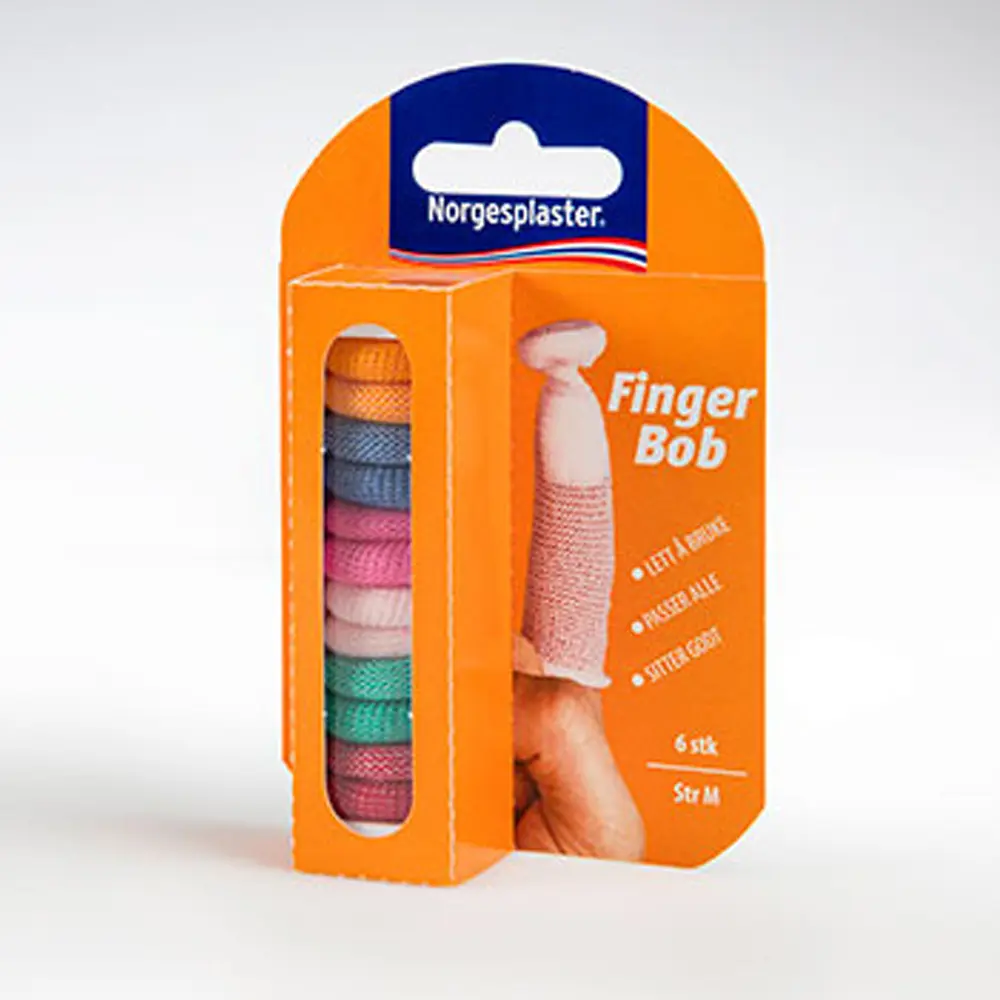
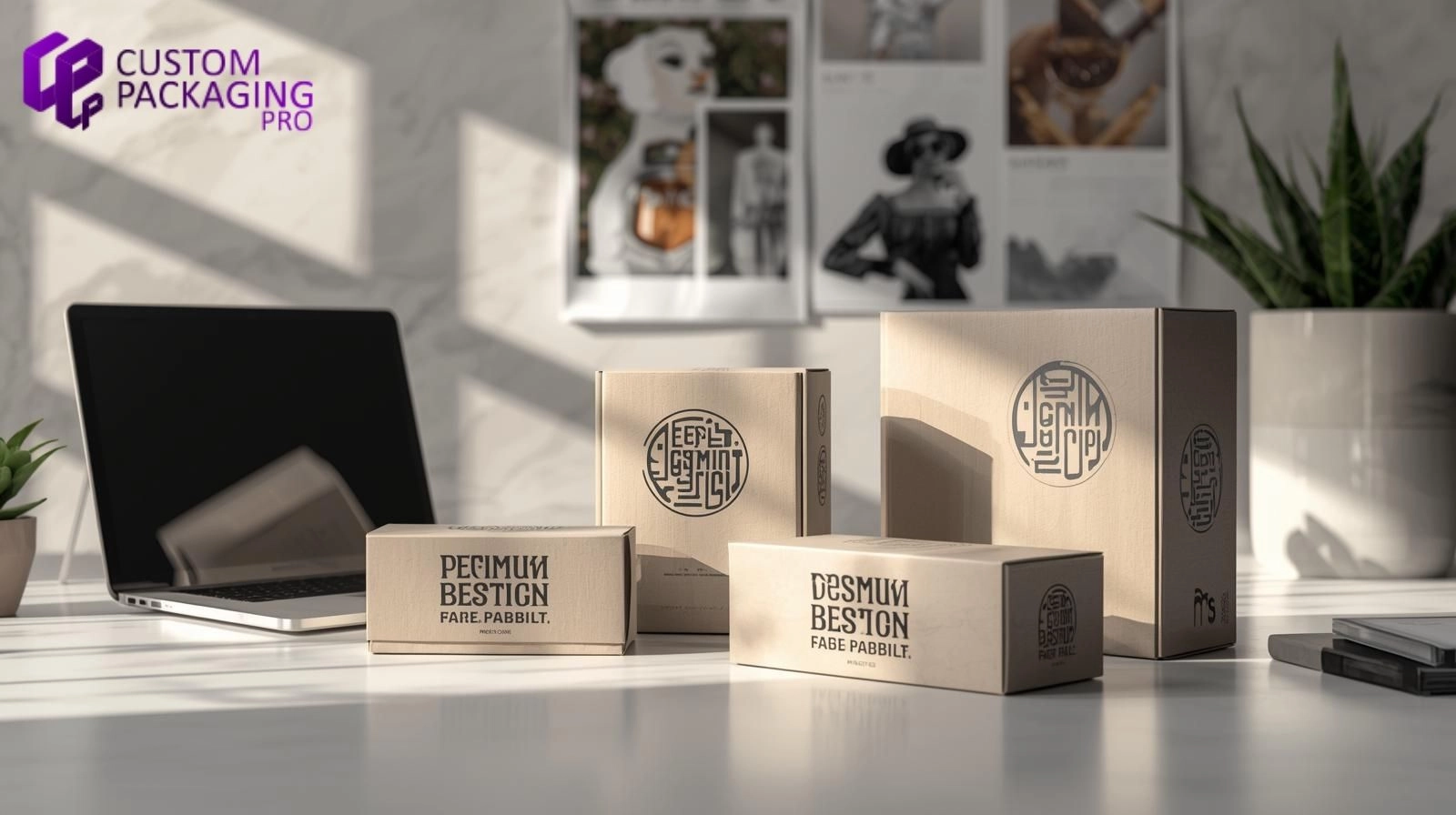
Product packaging has come a long way from being a simple protective layer around goods. In today’s highly competitive and fast-moving market, packaging is no longer just about safeguarding a product during transit. It has evolved into a powerful branding, marketing, and psychological tool that directly influences buying decisions. With the rapid rise of eCommerce, social media driven shopping, and heightened consumer expectations, brands now compete not only on product quality but also on presentation.
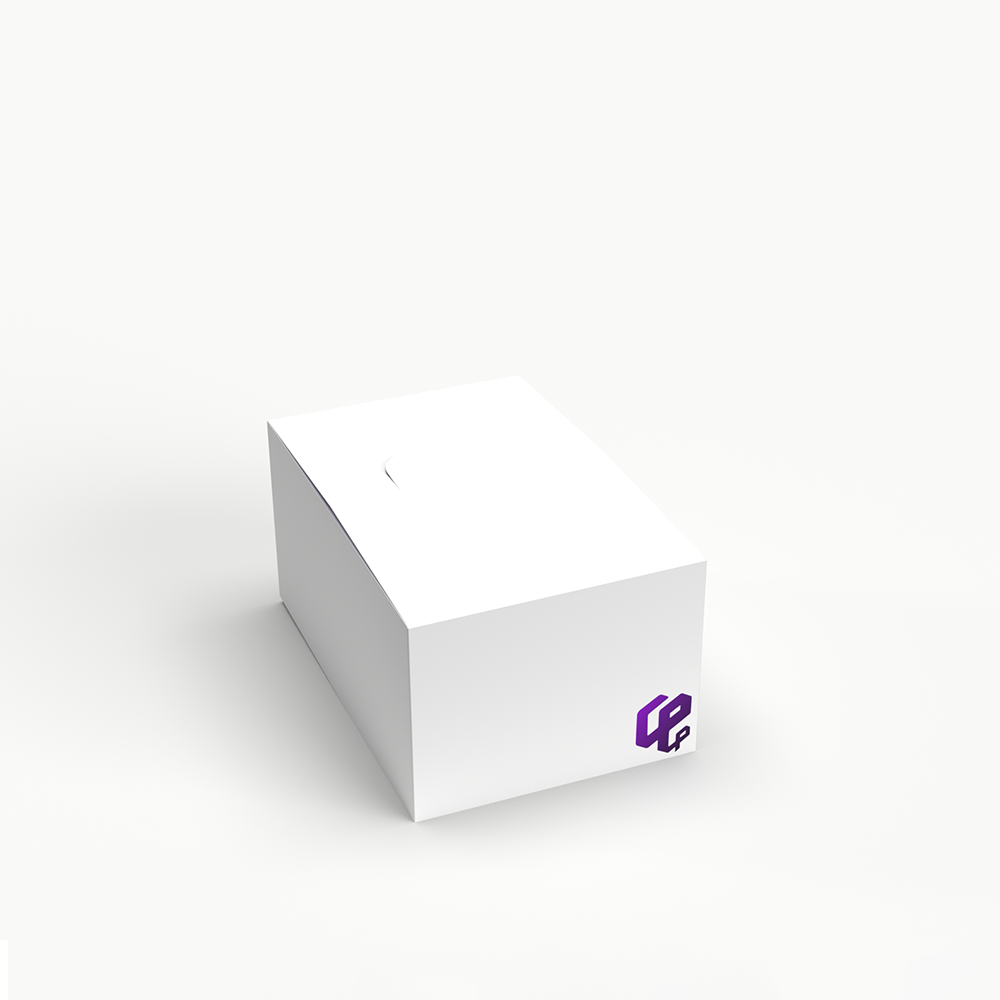
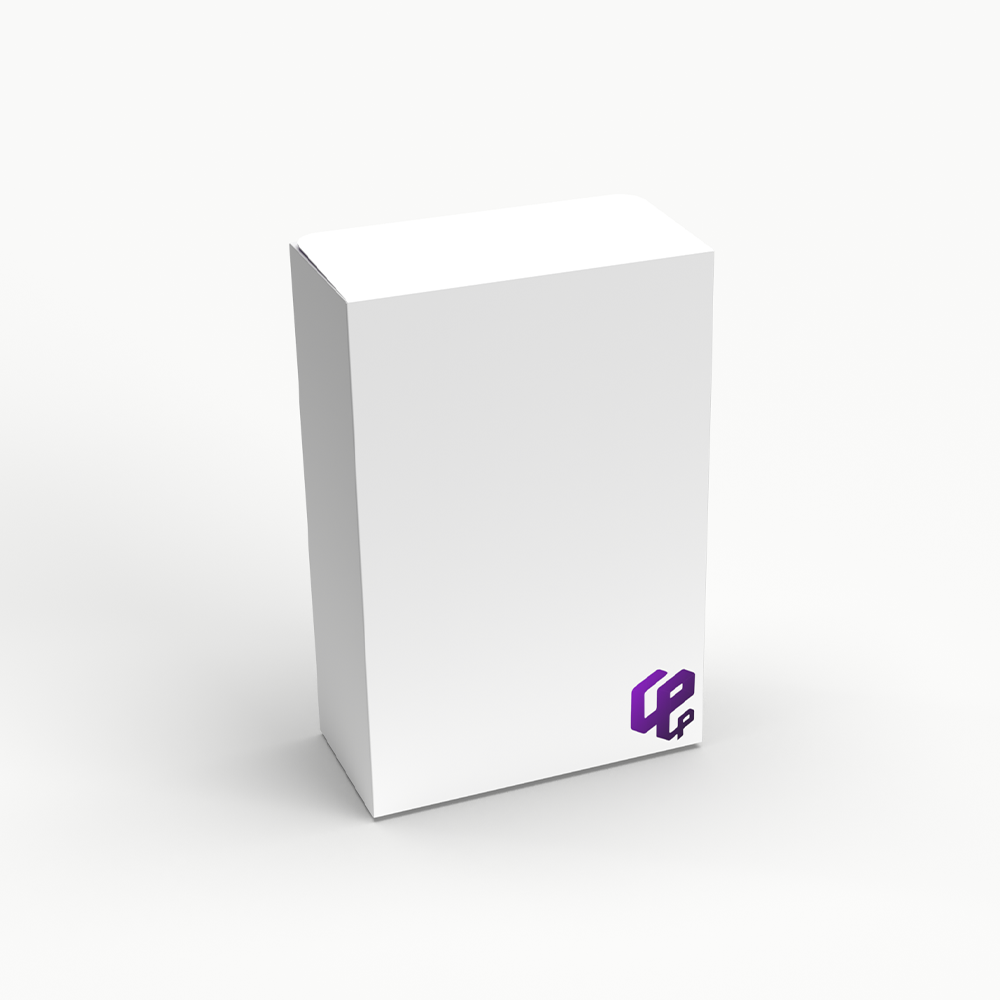
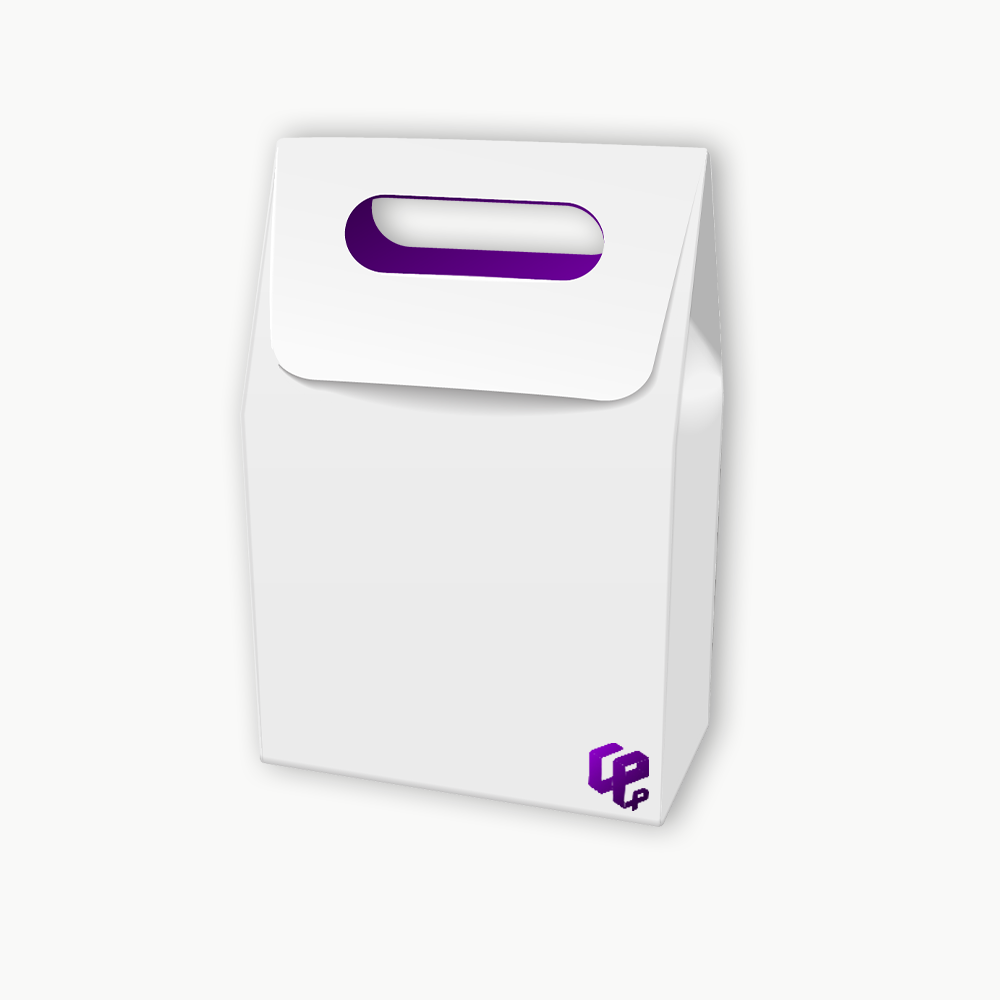
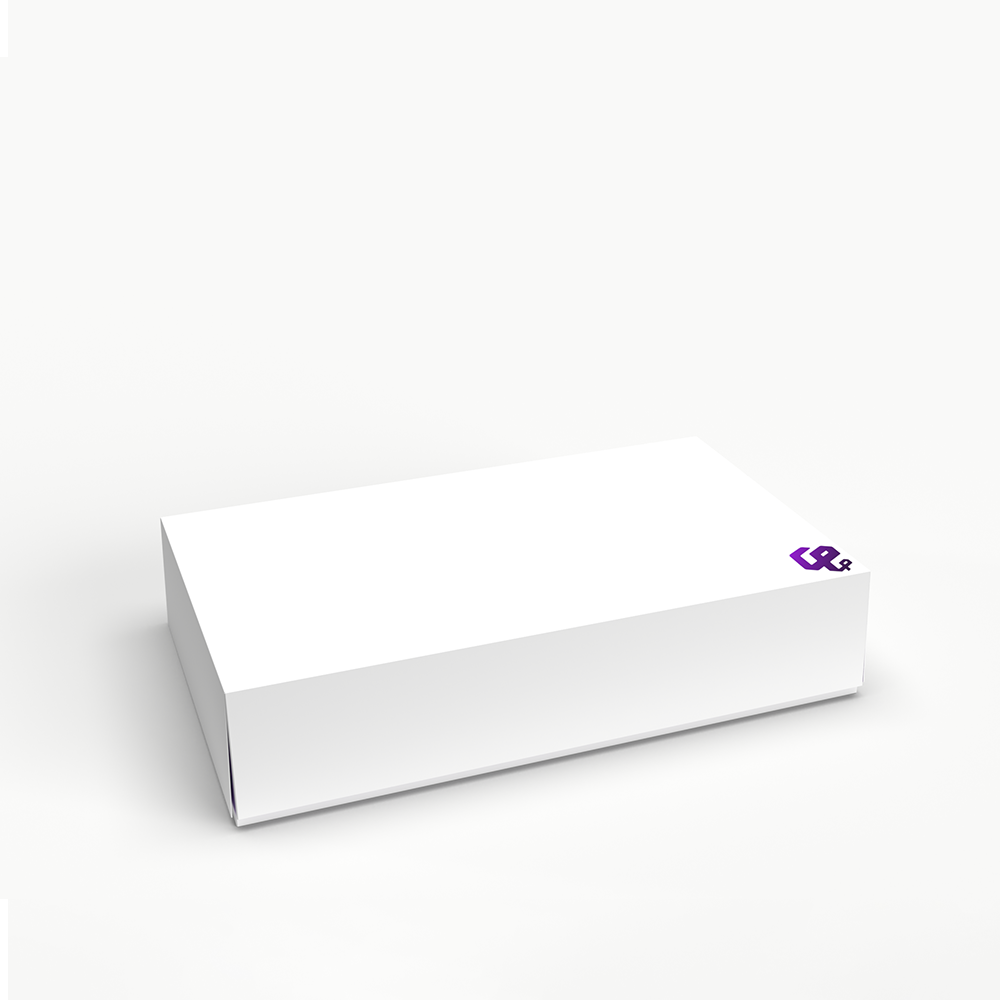
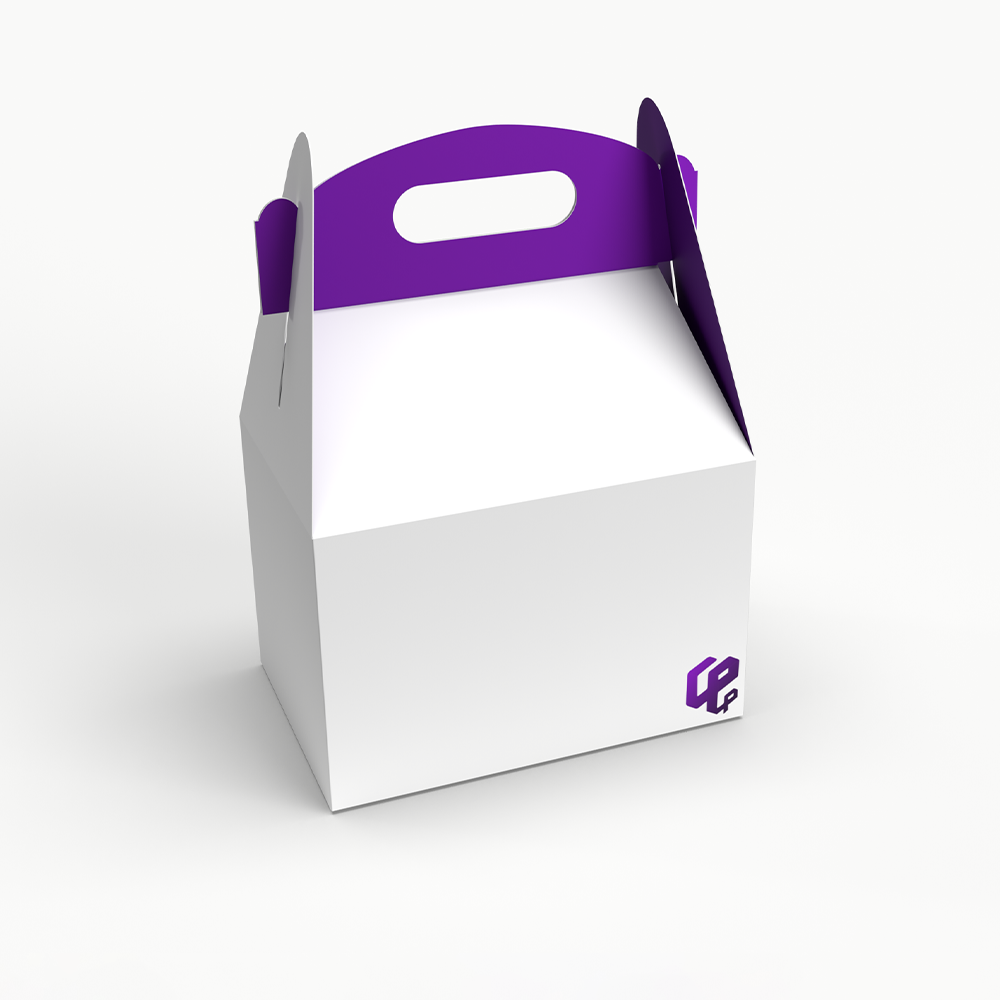
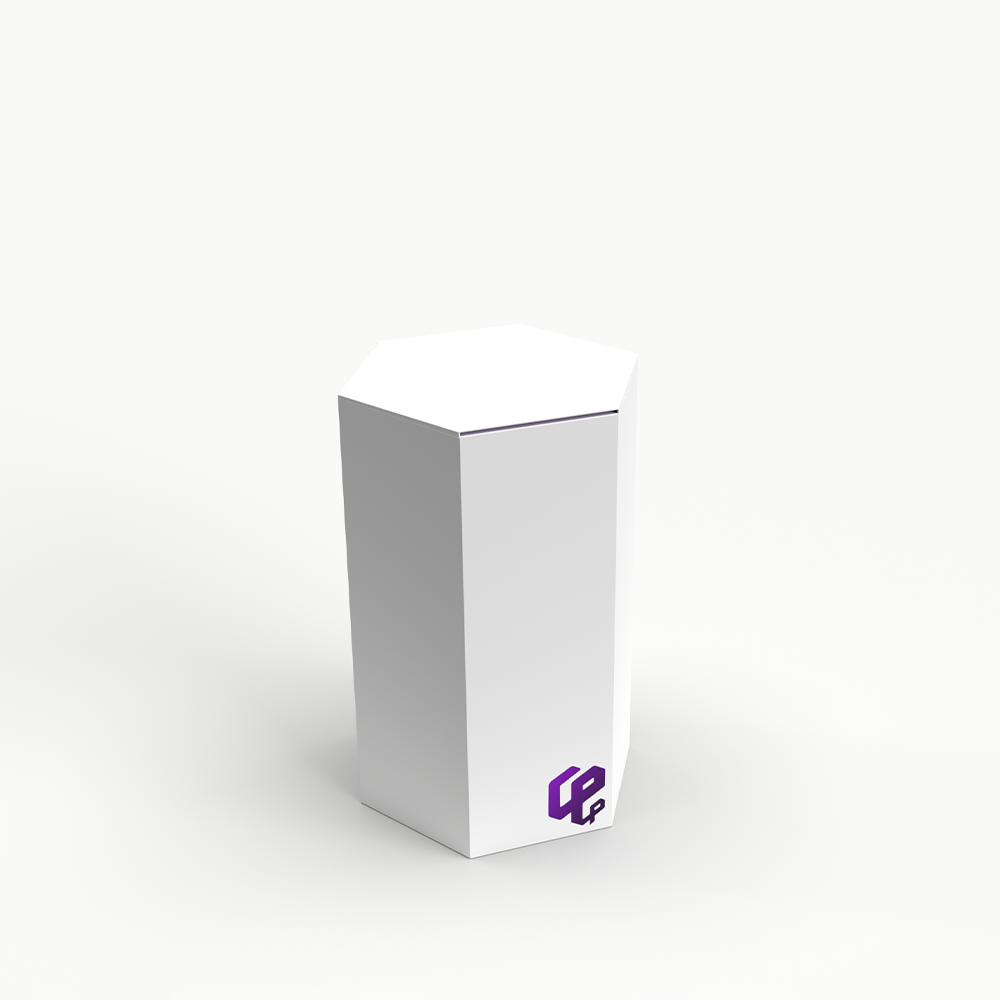
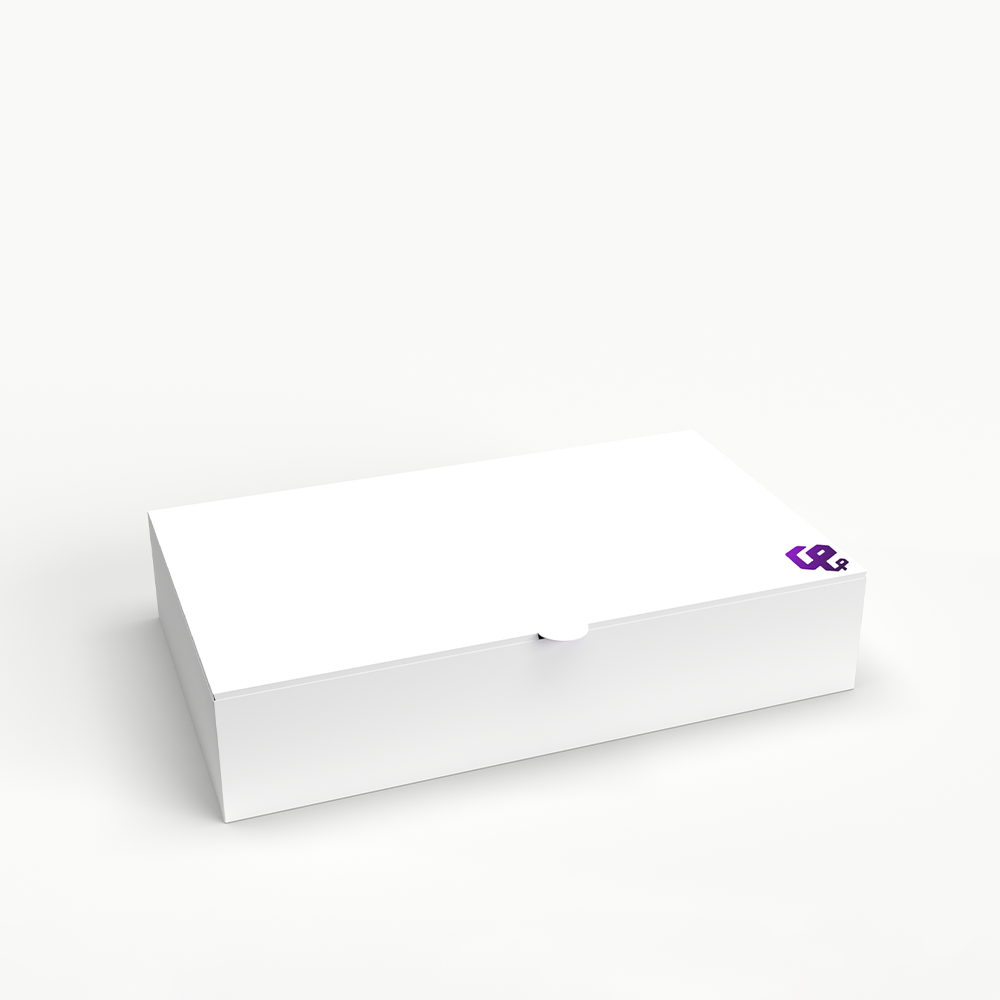
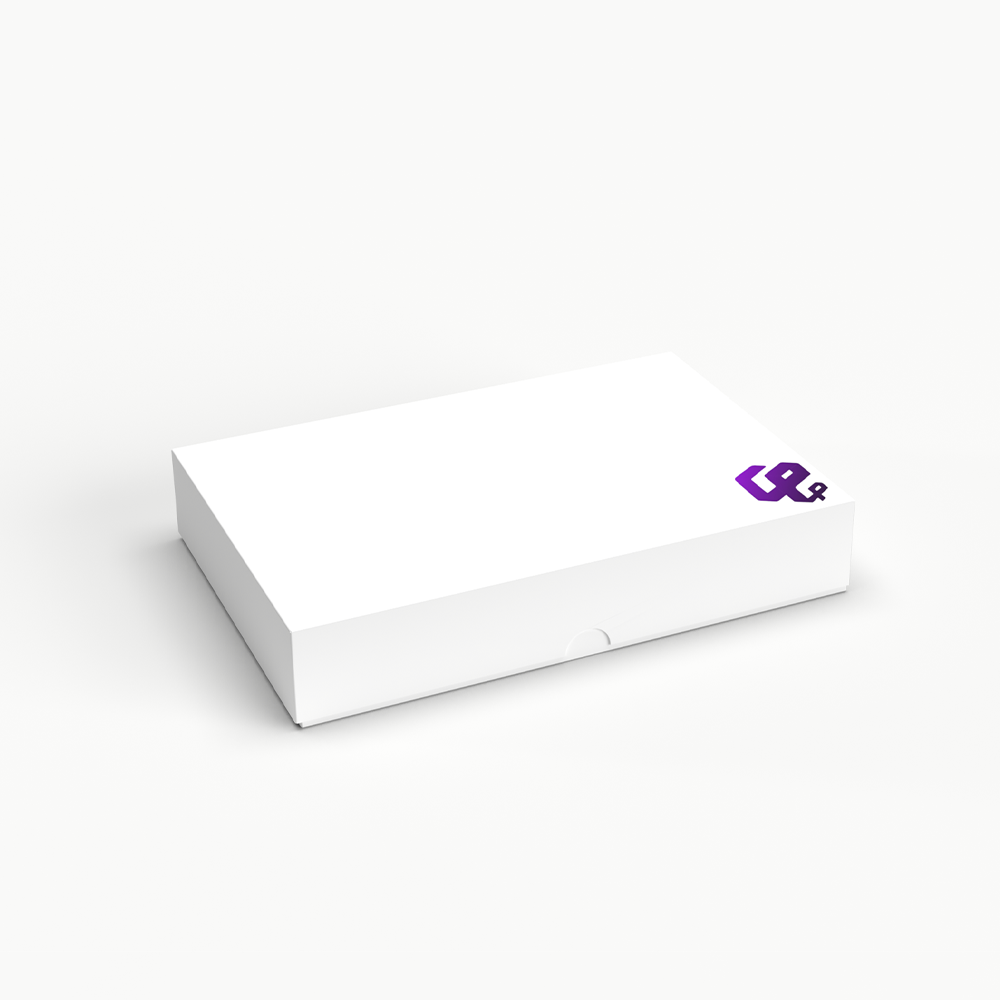
Modern consumers judge products within seconds, often before reading descriptions or reviews. In many cases, packaging becomes the first physical interaction a customer has with a brand. Strategic product packaging design builds trust, creates emotional connections, and reinforces brand identity long before the product itself is used. From custom packaging boxes to personalized packaging boxes with logos, thoughtful packaging plays a vital role in shaping brand perception, boosting sales, and driving long-term business growth.
Understanding the importance of product packaging is no longer optional. It is a business necessity.
What Is Product Packaging in Modern Business?
Product packaging in modern business goes far beyond simply holding or protecting a product. It serves as a strategic tool to communicate brand values, enhance customer experience, and influence purchasing decisions.
- Beyond Protection – Packaging as a Brand Asset
In modern business, product packaging is far more than a protective shell. While its functional role includes protecting products from damage, contamination, and tampering, its emotional role is equally critical. Packaging now serves as a silent ambassador for a brand, communicating values, quality, and personality without saying a word.
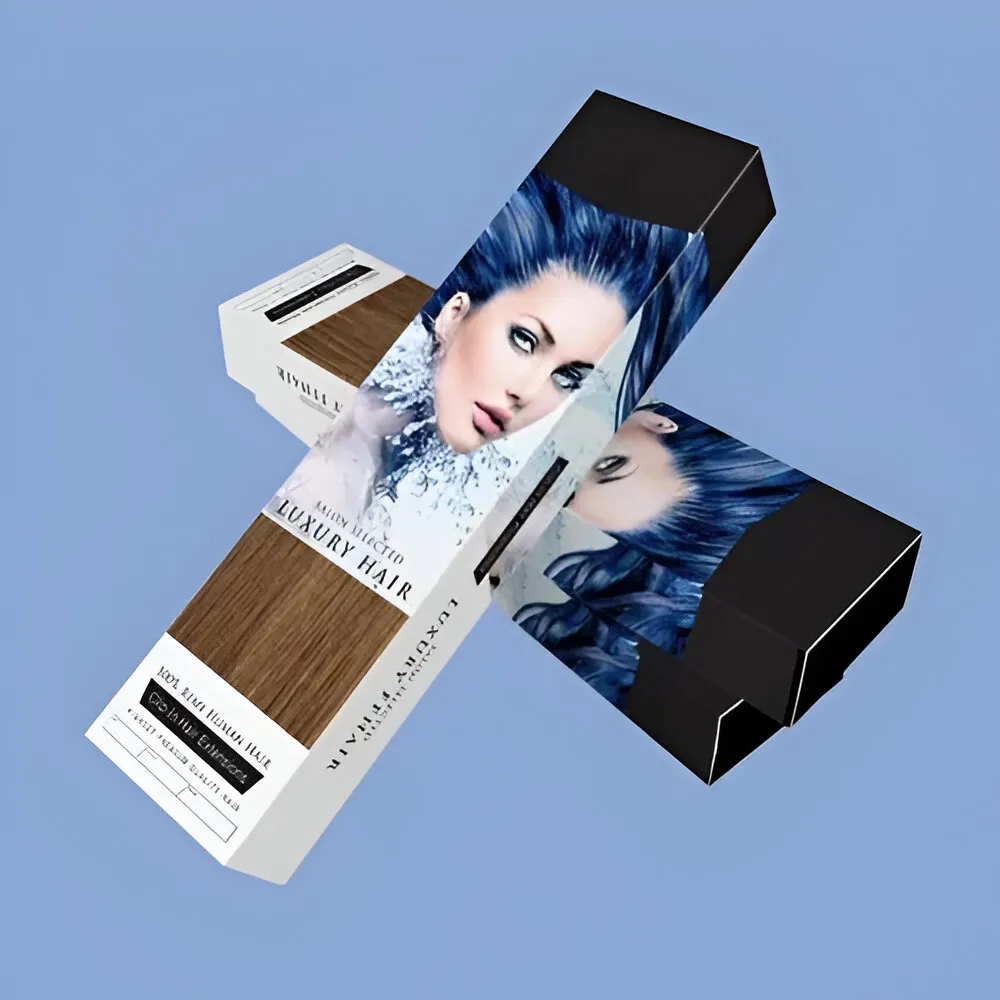
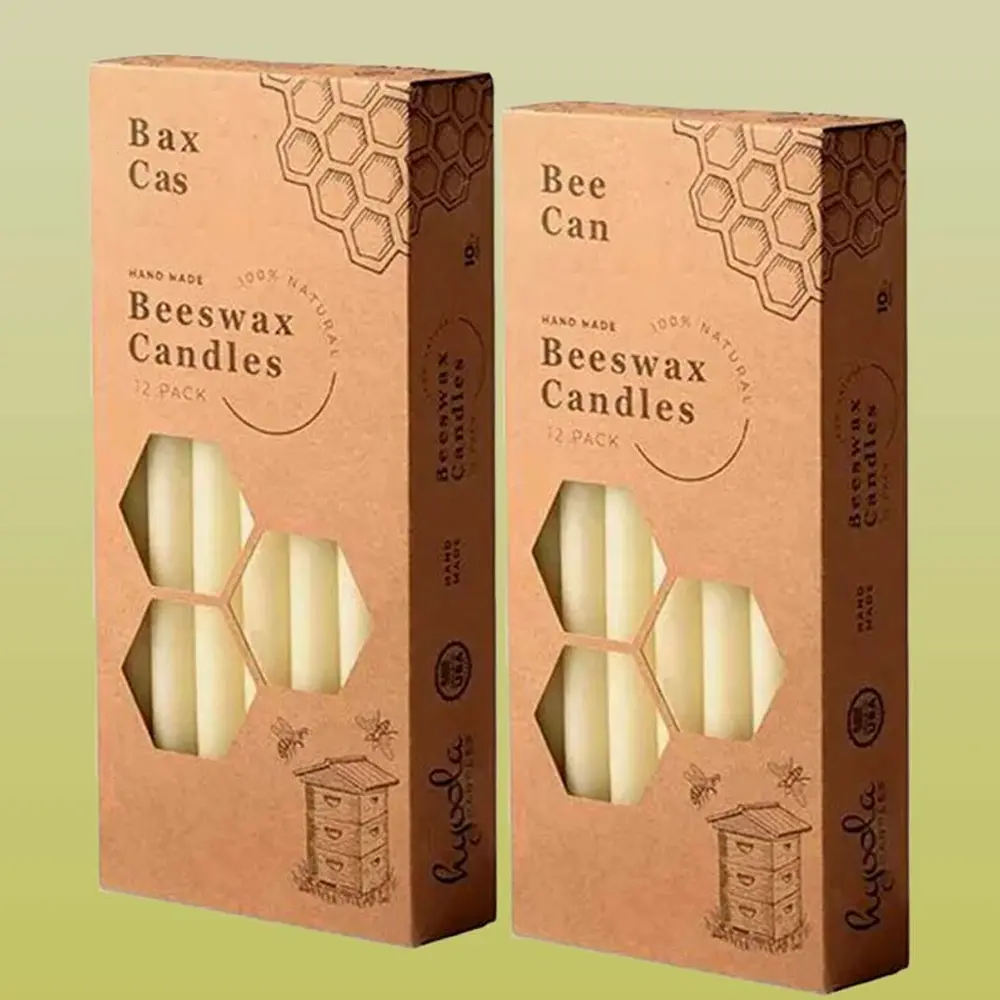
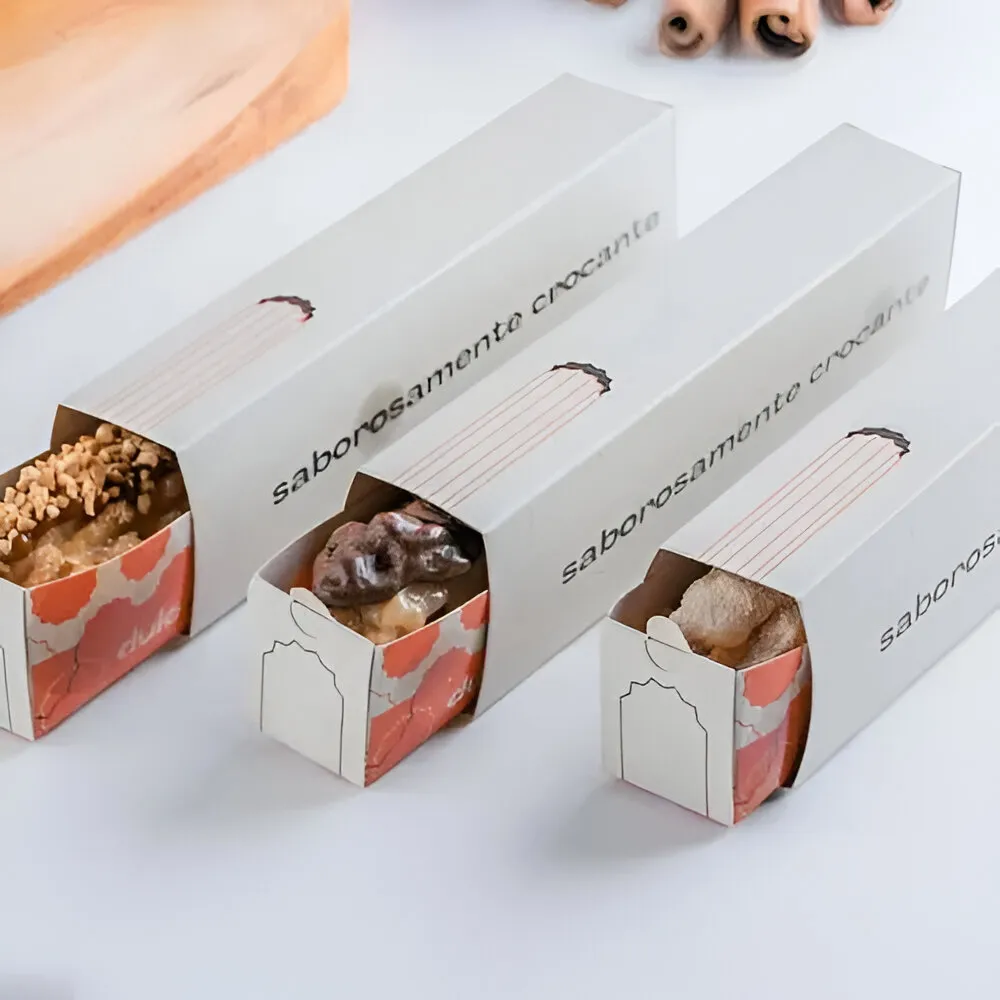
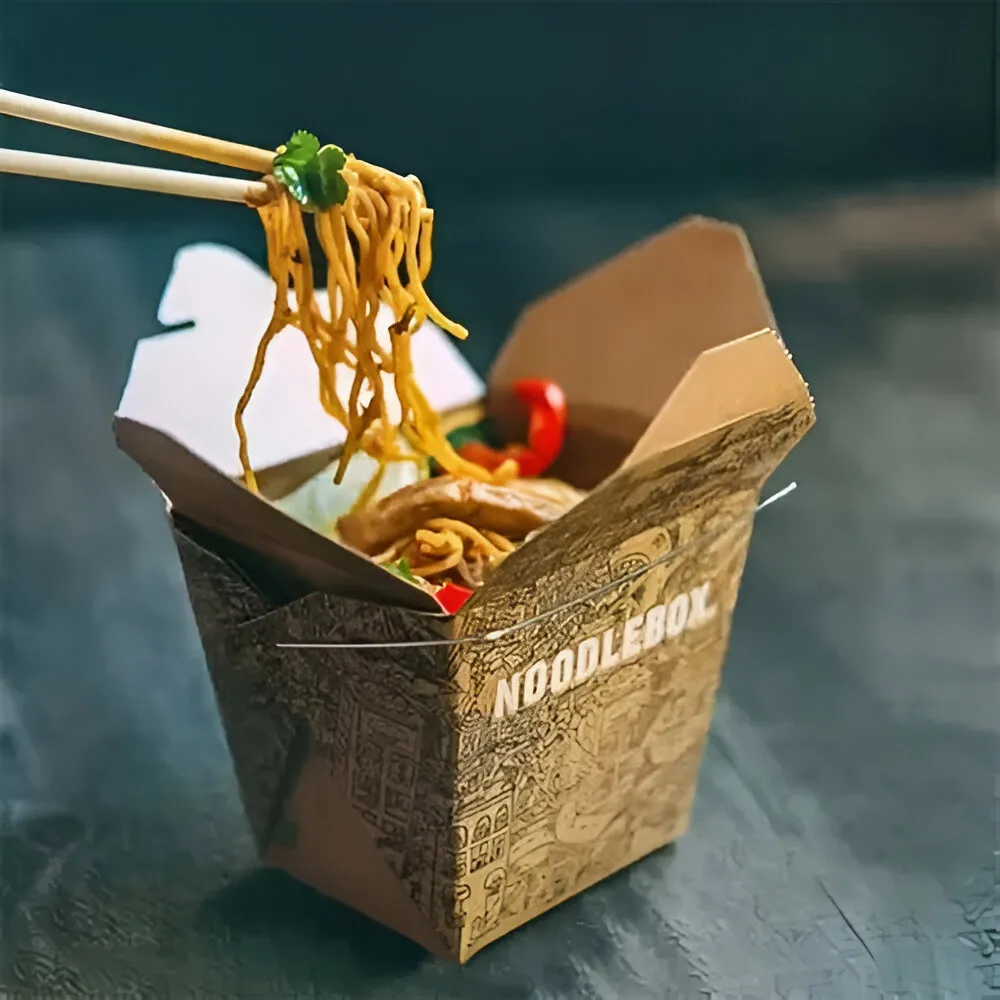
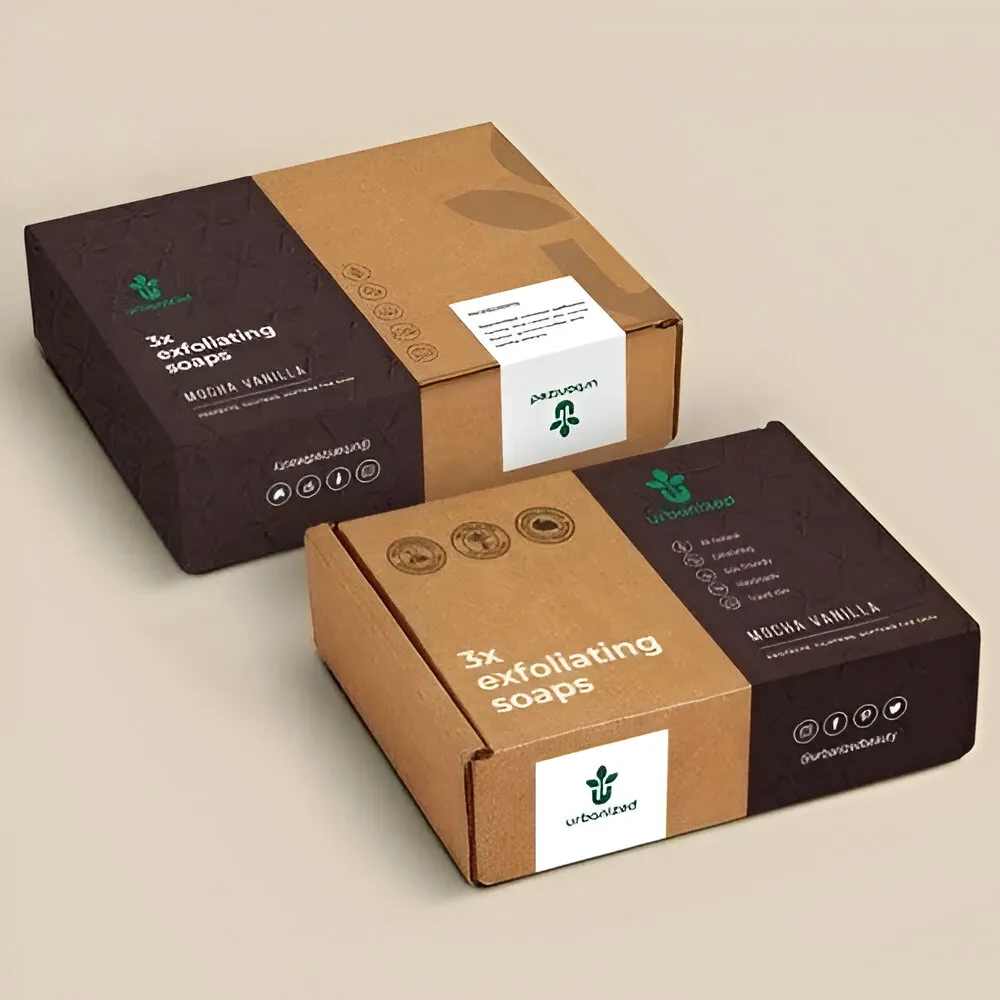
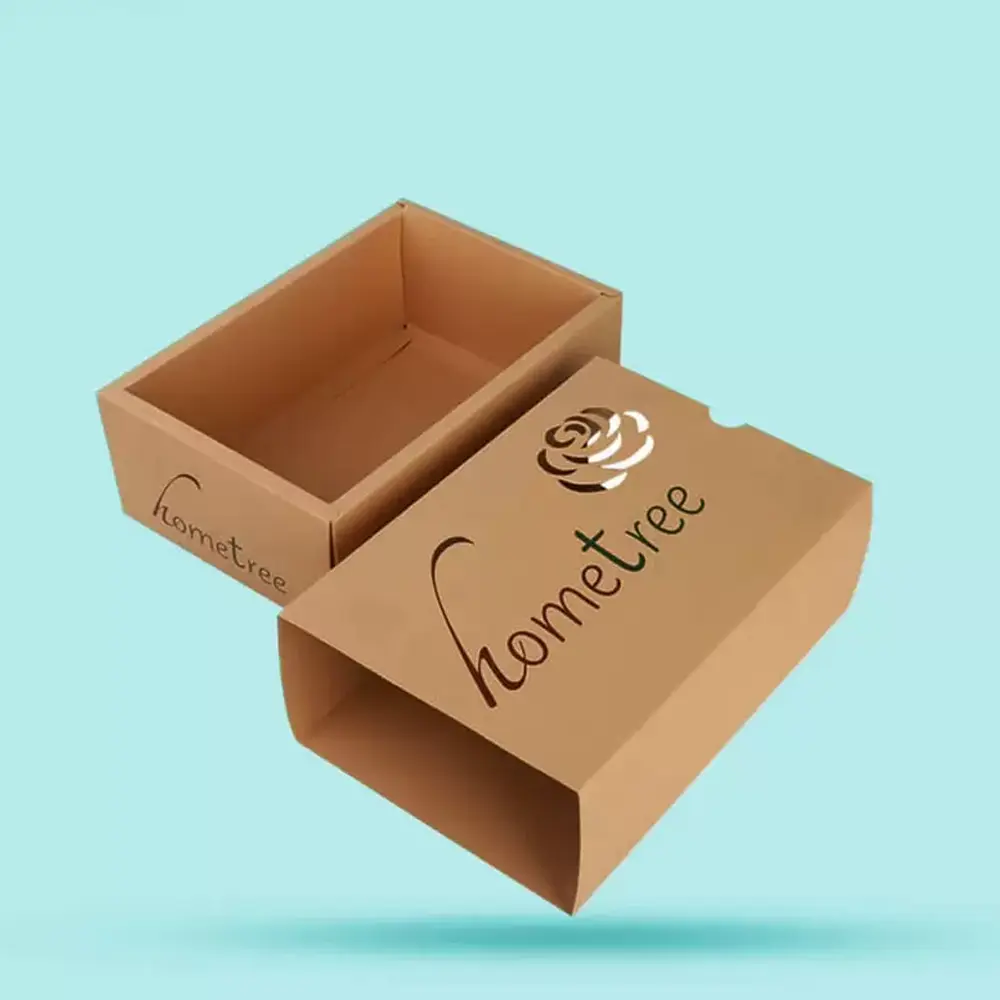
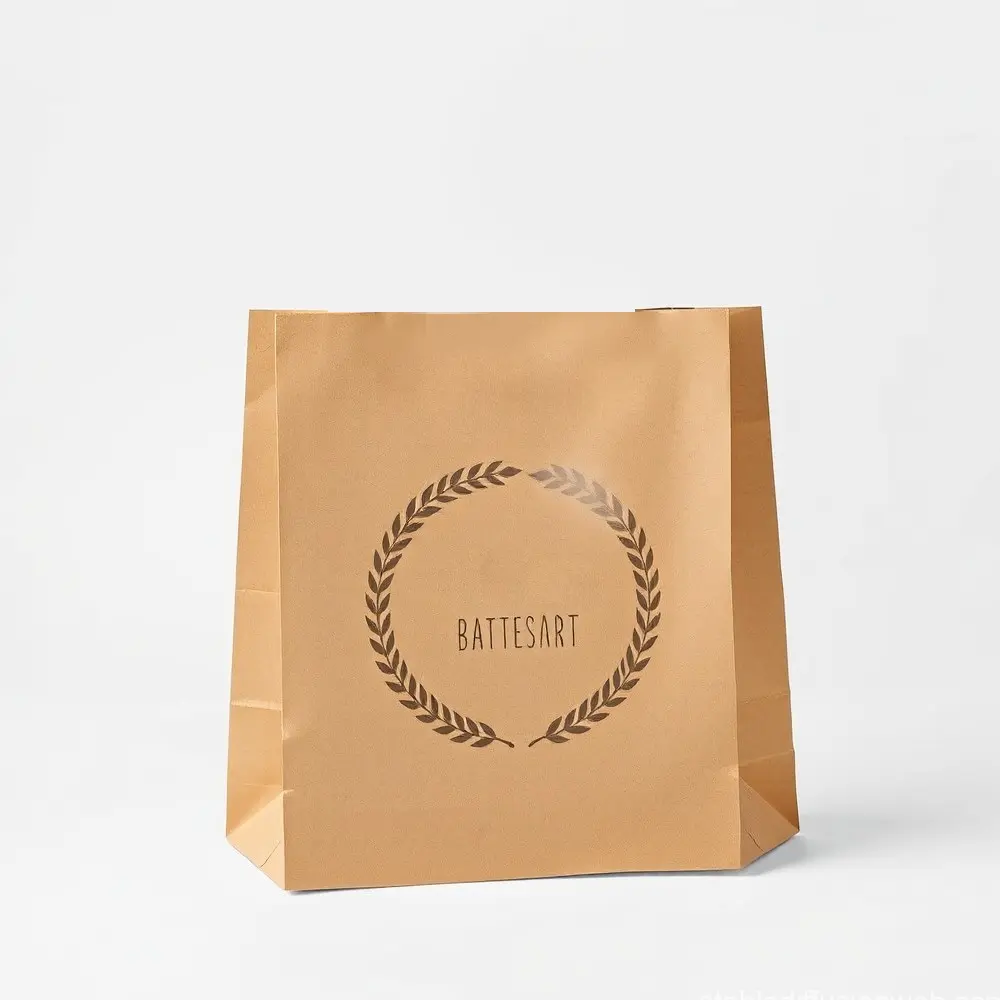
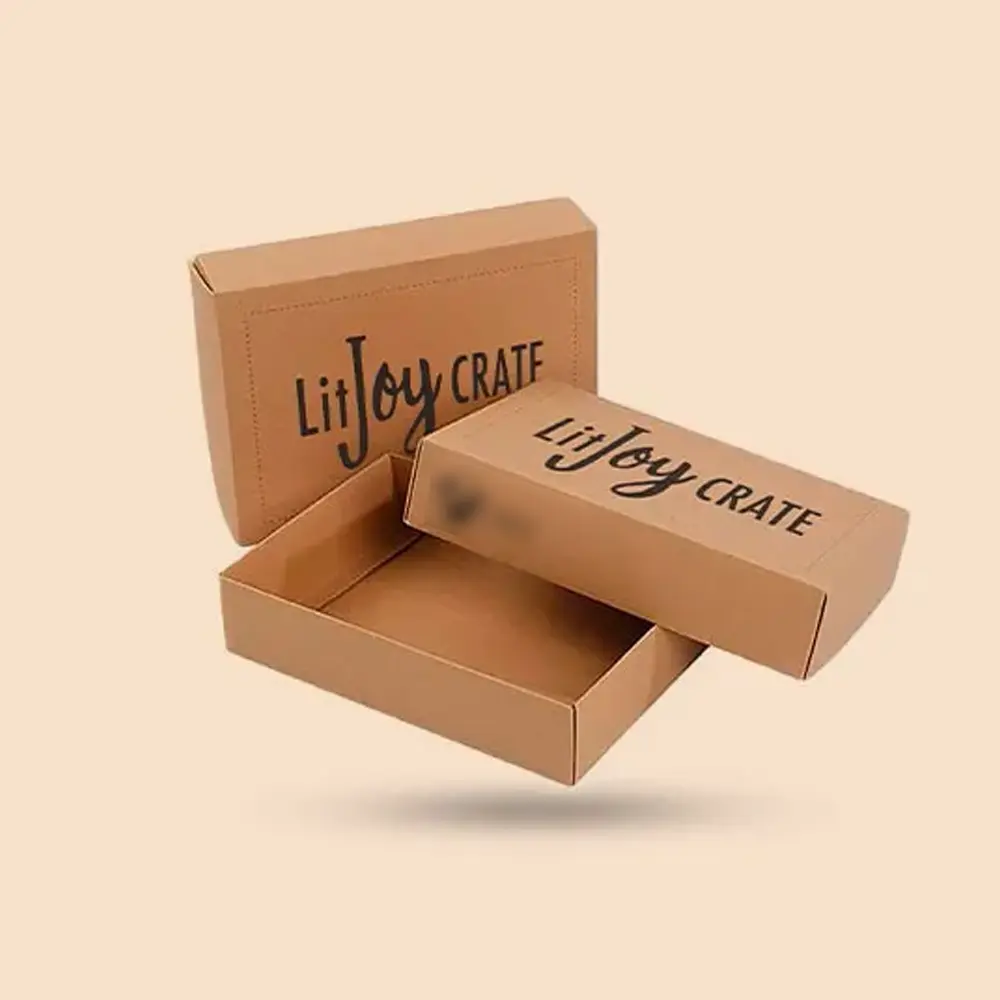
Custom packaging, customized packaging, and customized packaging boxes allow brands to tell their story visually. Colors, typography, materials, and finishes instantly signal whether a product is premium, eco-conscious, playful, or professional. This immediate communication helps brands stand out in crowded markets and build emotional connections with customers. When done right, packaging becomes a tangible brand asset that strengthens recognition and loyalty over time.
- Primary vs Secondary vs Tertiary Packaging
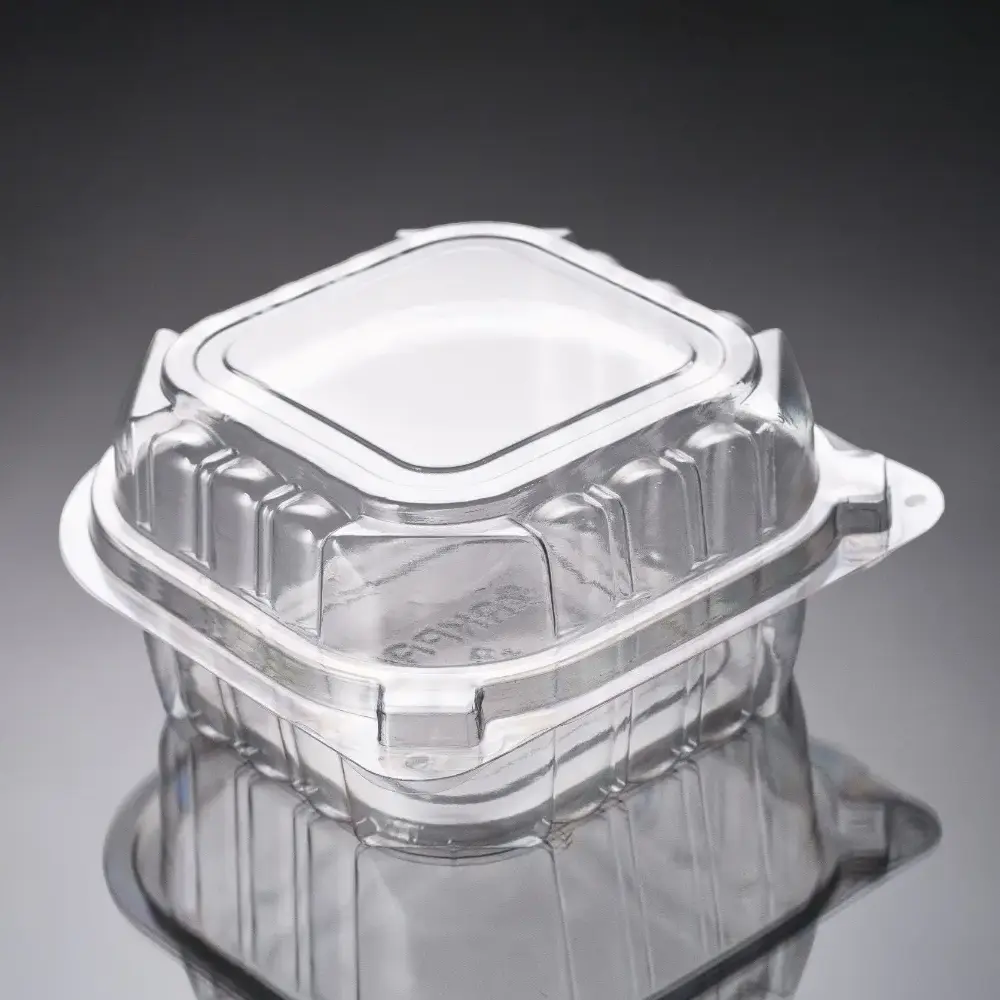
Understanding packaging layers is essential for building a cohesive packaging strategy. Primary packaging is the layer that directly holds the product. This includes bottles, jars, wrappers, or boxes that customers interact with first. It must balance aesthetics with functionality.
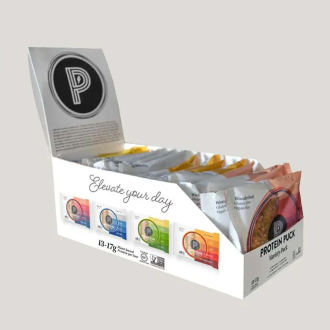
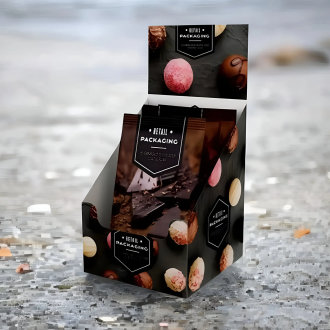
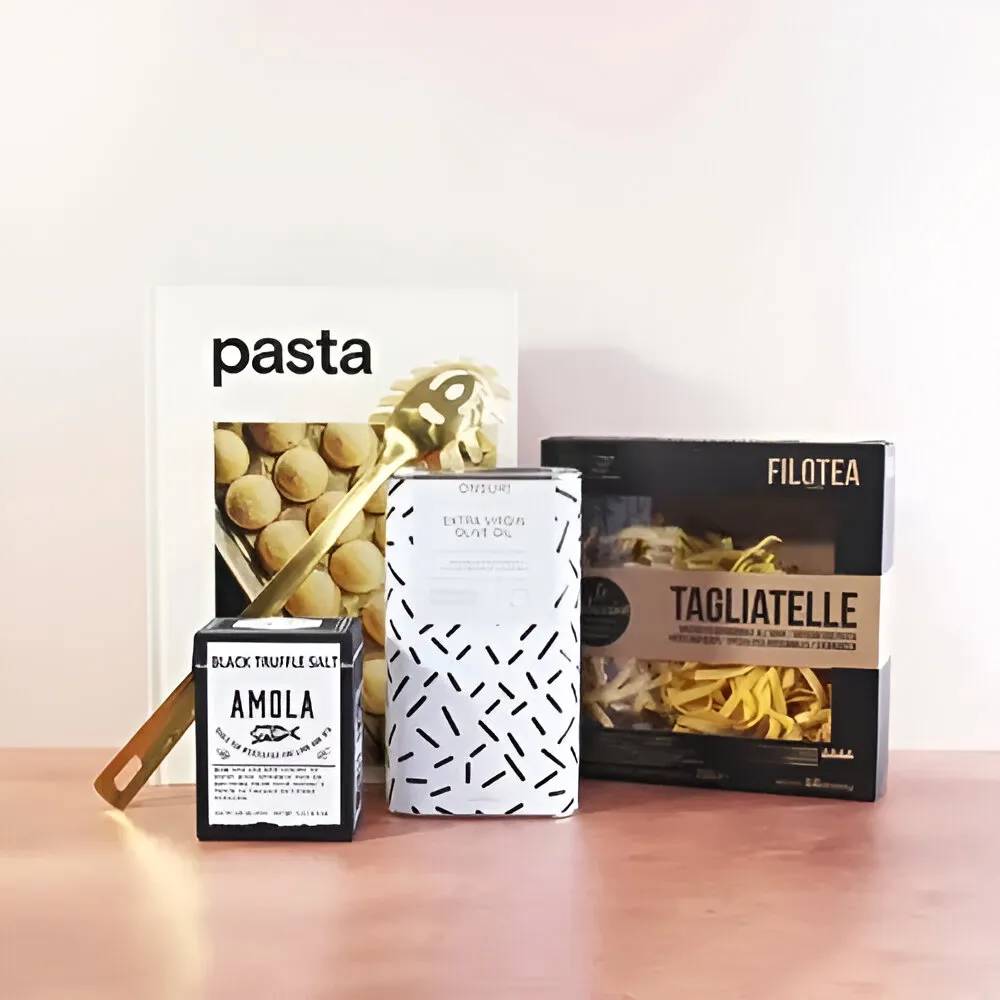
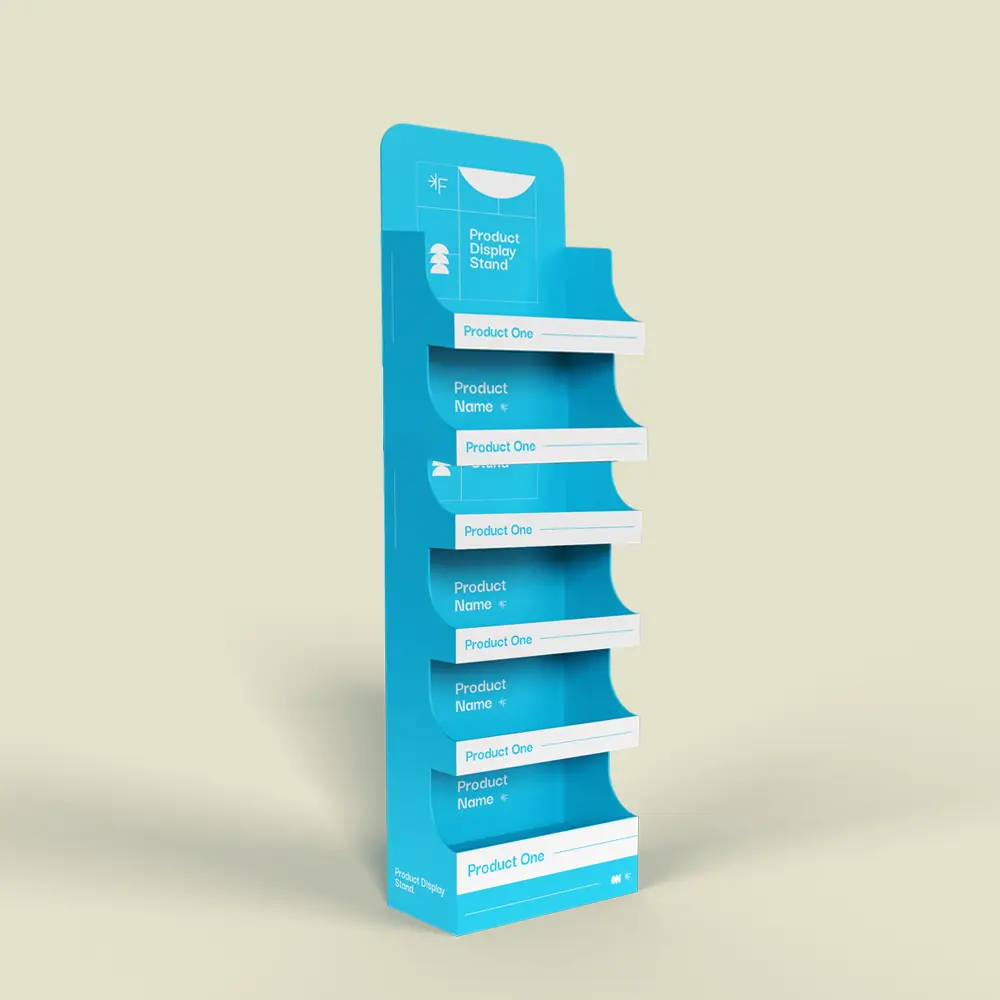
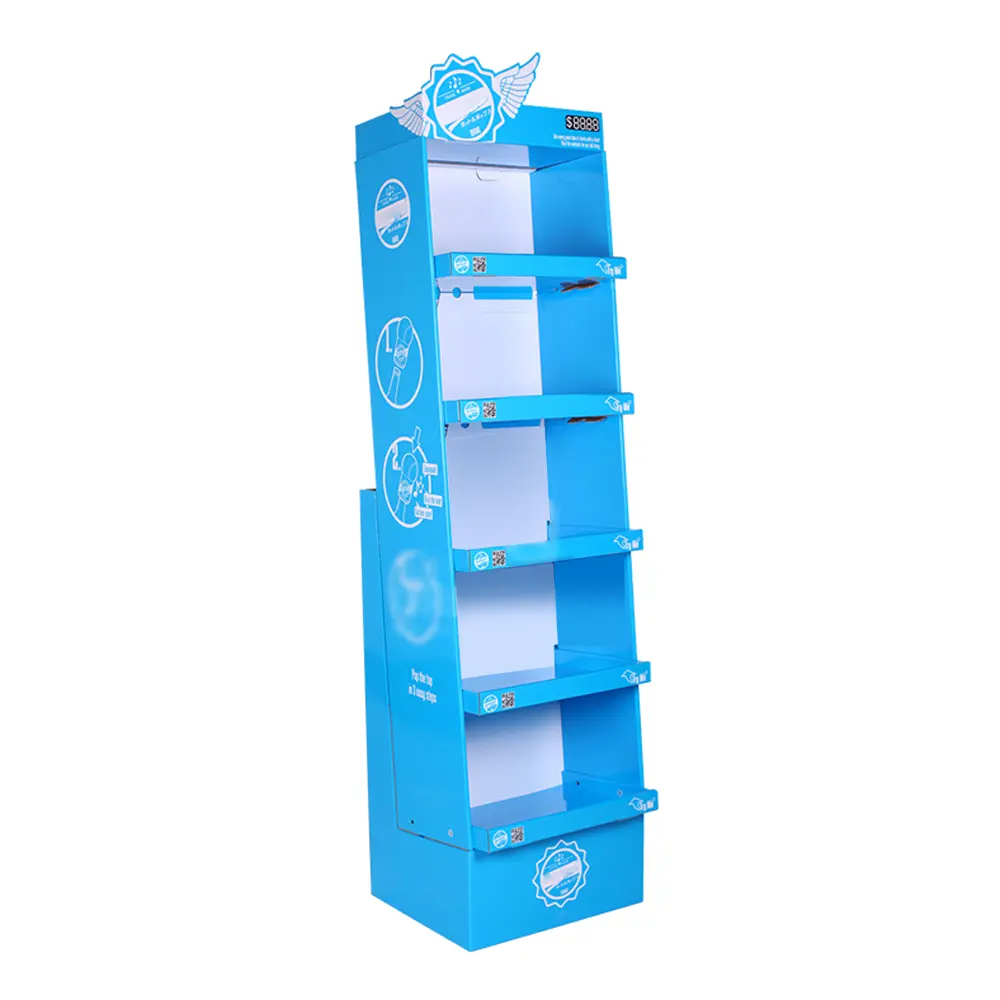
Secondary packaging groups primary packages together. Examples include custom printed boxes used for retail shelves or branded cartons for eCommerce orders. Tertiary packaging is used for logistics and bulk shipping. It includes corrugated cartons, pallets, storage boxes and protective materials designed for safe transportation. Consistency across all three layers reinforces brand identity and ensures a seamless customer experience across retail, eCommerce, and wholesale channels.
The Psychology of Packaging and Consumer Buying Decisions
The psychology of packaging explores how design elements like color, shape, and materials influence consumer behavior. Packaging can subtly guide buying decisions by creating emotional connections and shaping perceptions of quality and value.
- How Colors, Shapes, and Materials Influence Perception
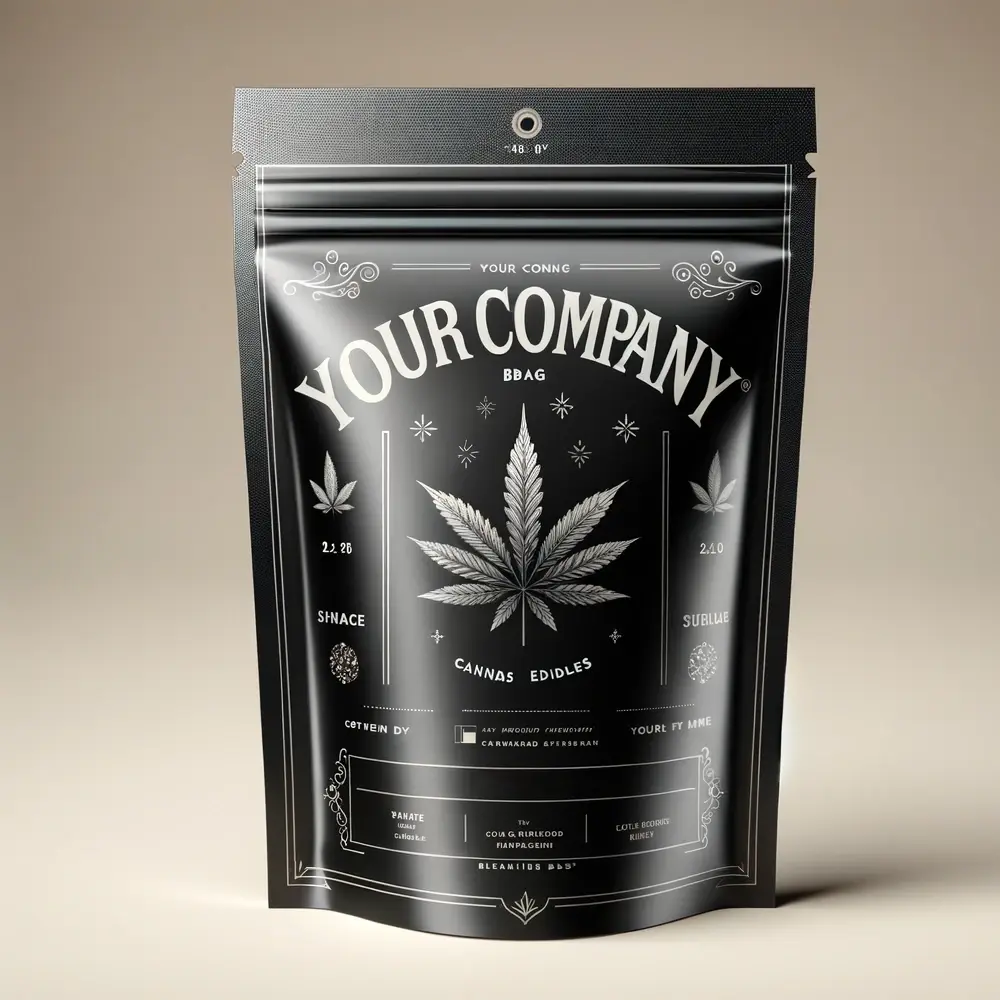
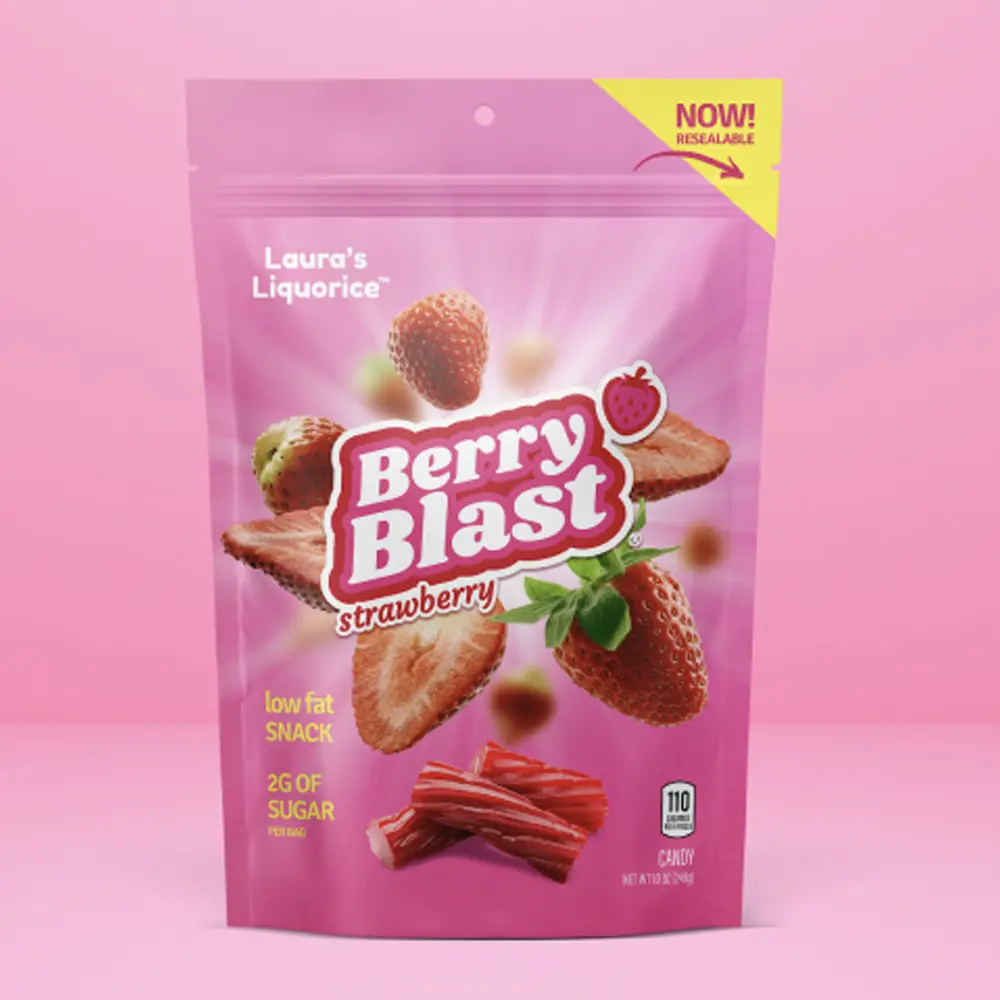
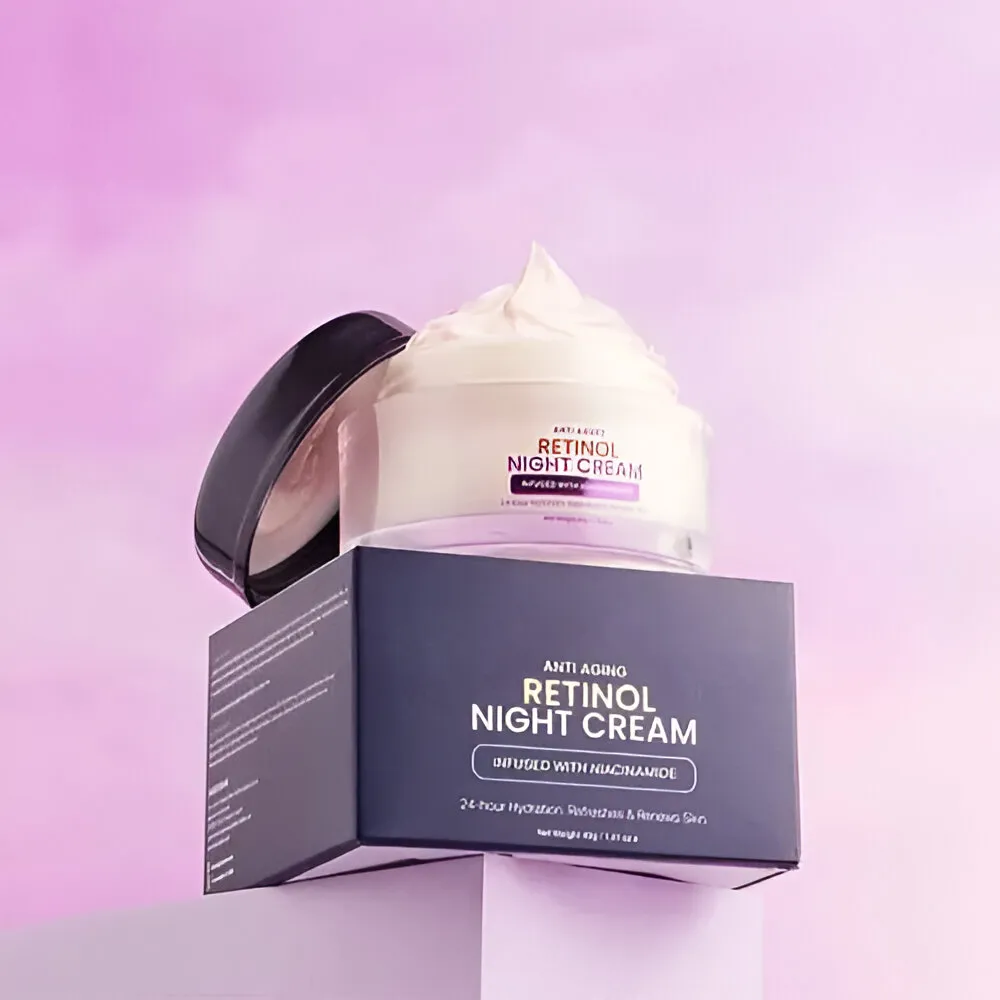
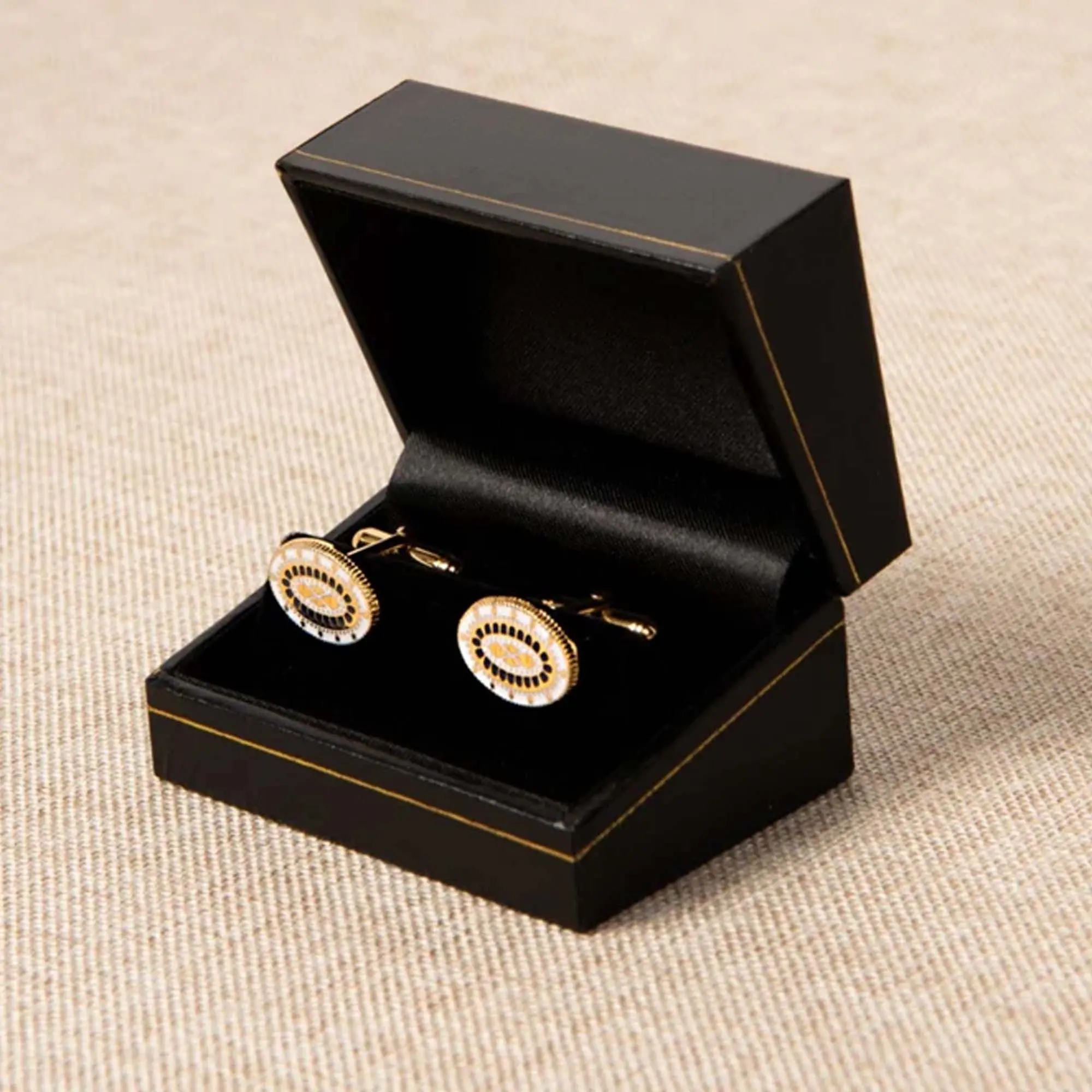
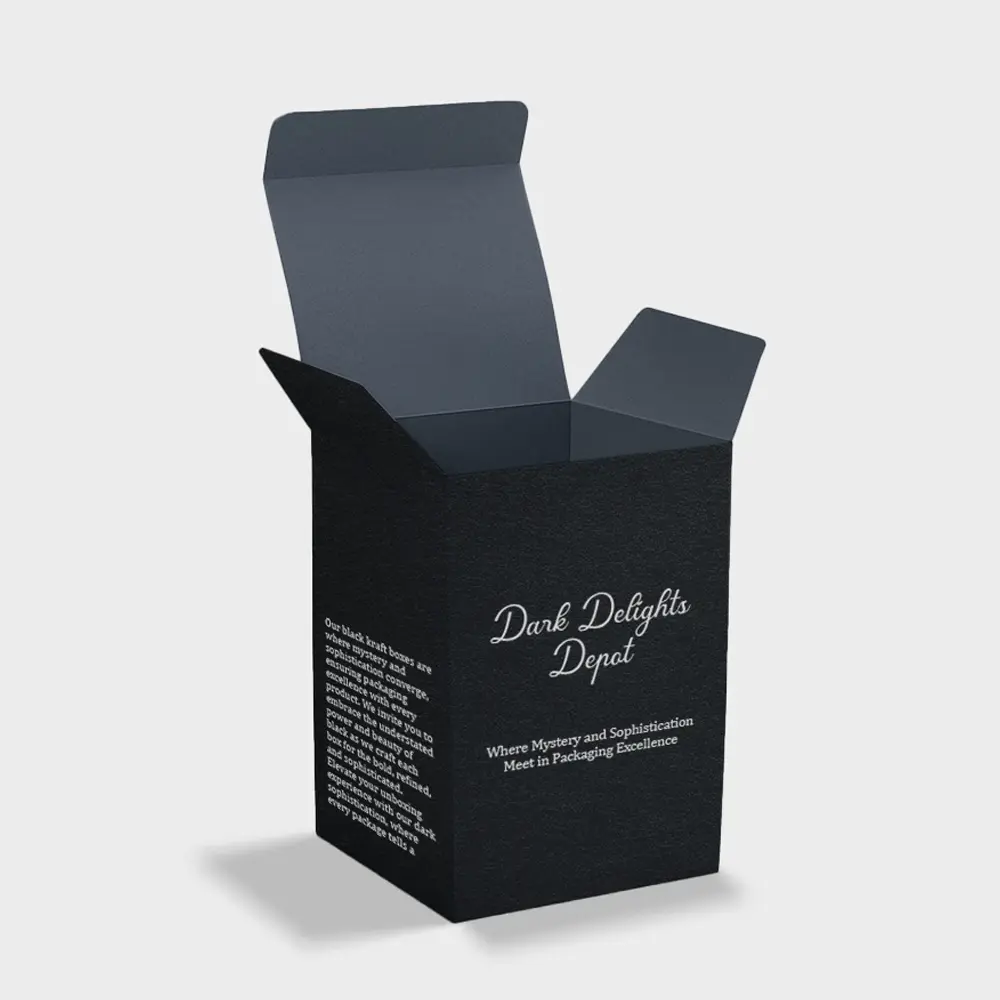
Packaging psychology plays a significant role in consumer behavior. Color psychology alone can influence mood, expectations, and purchasing intent. For example, black and gold suggest luxury, green signals sustainability, and bright colors often convey fun or energy.
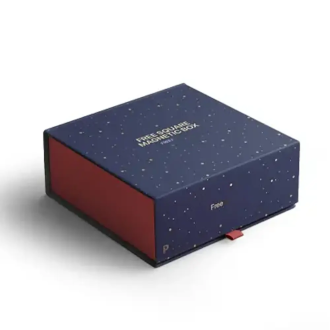
Packaging materials also affect perceived value. Rigid boxes, textured finishes, and premium papers instantly elevate a product’s status, while flimsy packaging can undermine even high-quality products. Shape and tactile experience further influence perception. Unique box structures, smooth coatings, or embossed logos create sensory engagement that customers remember. These subtle psychological cues work together to influence buying decisions without conscious effort.
- Packaging as a Silent Salesperson
Packaging often sells the product before a salesperson or product description ever does. On retail shelves, visually striking packaging grabs attention and encourages interaction. In eCommerce, packaging influences purchasing through unboxing videos, reviews, and social media posts.
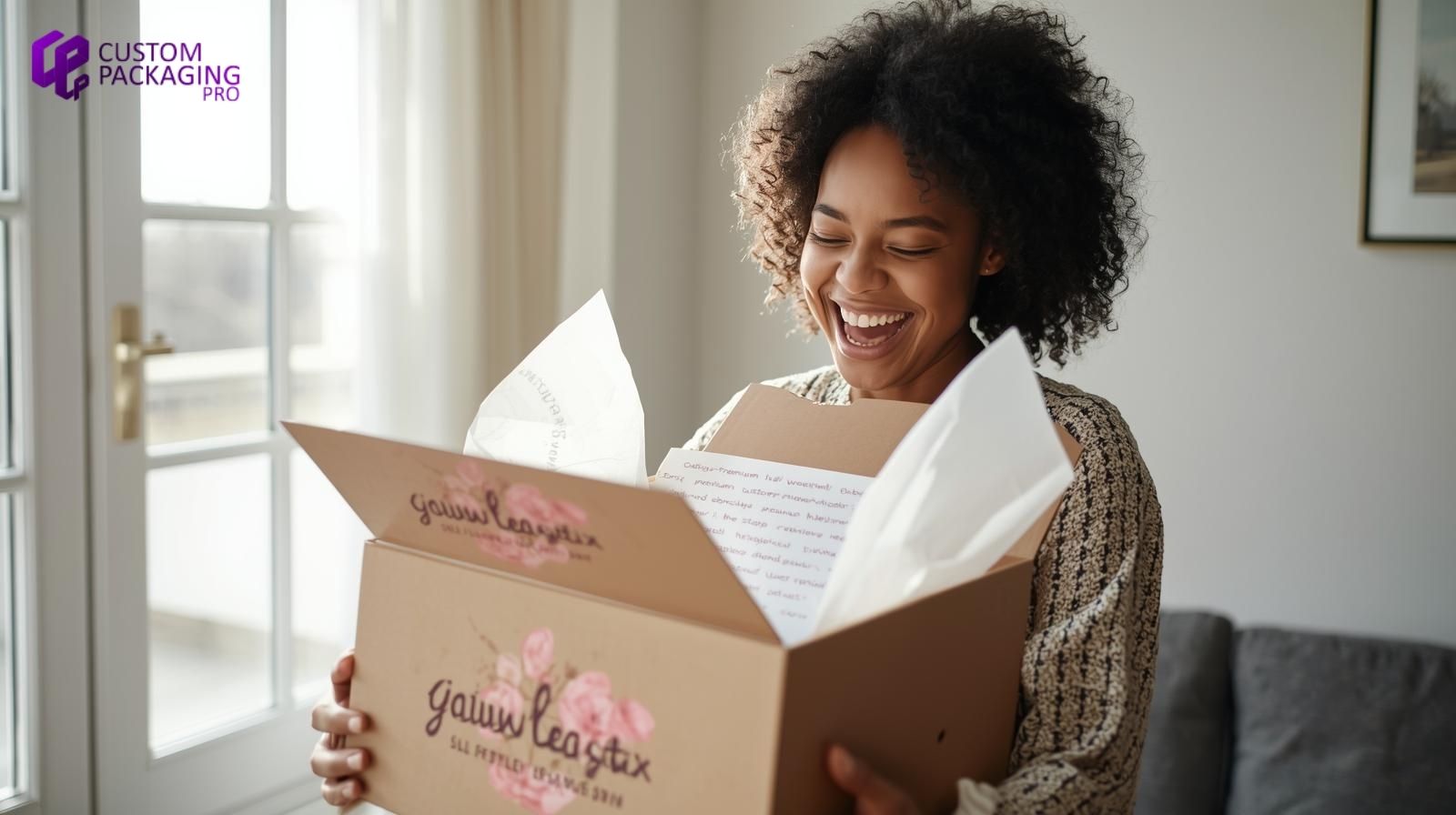
The unboxing experience has become a marketing moment of its own. Thoughtful packaging creates emotional reactions such as excitement, satisfaction, and trust. Brands that invest in custom boxes with logo and professional packaging design often benefit from organic exposure through user-generated content and social sharing.
Why Packaging Matters for Brand Recognition and Trust
Packaging plays a crucial role in building brand recognition and establishing consumer trust. Consistent, high-quality design signals professionalism and helps customers remember and rely on a brand.
- Consistent Packaging Builds Brand Recall
Consistency is key to building brand recognition. When customers repeatedly see the same colors, logo placement, and design language across packaging, their brains associate those visuals with the brand. Over time, this repetition strengthens brand recall and recognition. Custom packaging boxes US brands use often become part of their identity. From packaging London boutiques to custom boxes US eCommerce brands rely on, consistency builds familiarity and trust.
- Trust Signals Hidden in Packaging Design
Customers subconsciously assess credibility through packaging quality. Clean printing, sharp graphics, and durable materials signal professionalism and attention to detail. Poor print clarity or cheap materials can raise doubts about product quality and authenticity. Professional packaging acts as proof that a company values its product and customers. This is especially important for industries like cosmetics, CBD, food, and wellness, where trust plays a critical role.
The Role of Packaging in Marketing and Profitability
Packaging is a powerful marketing tool that promotes a brand every time a product is seen or handled. Smart packaging not only enhances brand visibility but also increases perceived value, driving profitability.
- Packaging as a Cost-Effective Marketing Channel
Unlike traditional advertising, packaging works continuously. Every time a product is seen, handled, or shared, it promotes the brand. Custom product packaging turns each unit into a marketing asset without ongoing ad spend. Printed custom boxes and personalized packaging boxes provide long-term visibility at a fraction of the cost of paid campaigns. Over time, this results in higher brand recognition and stronger customer loyalty.
- How Smart Packaging Increases Perceived Product Value
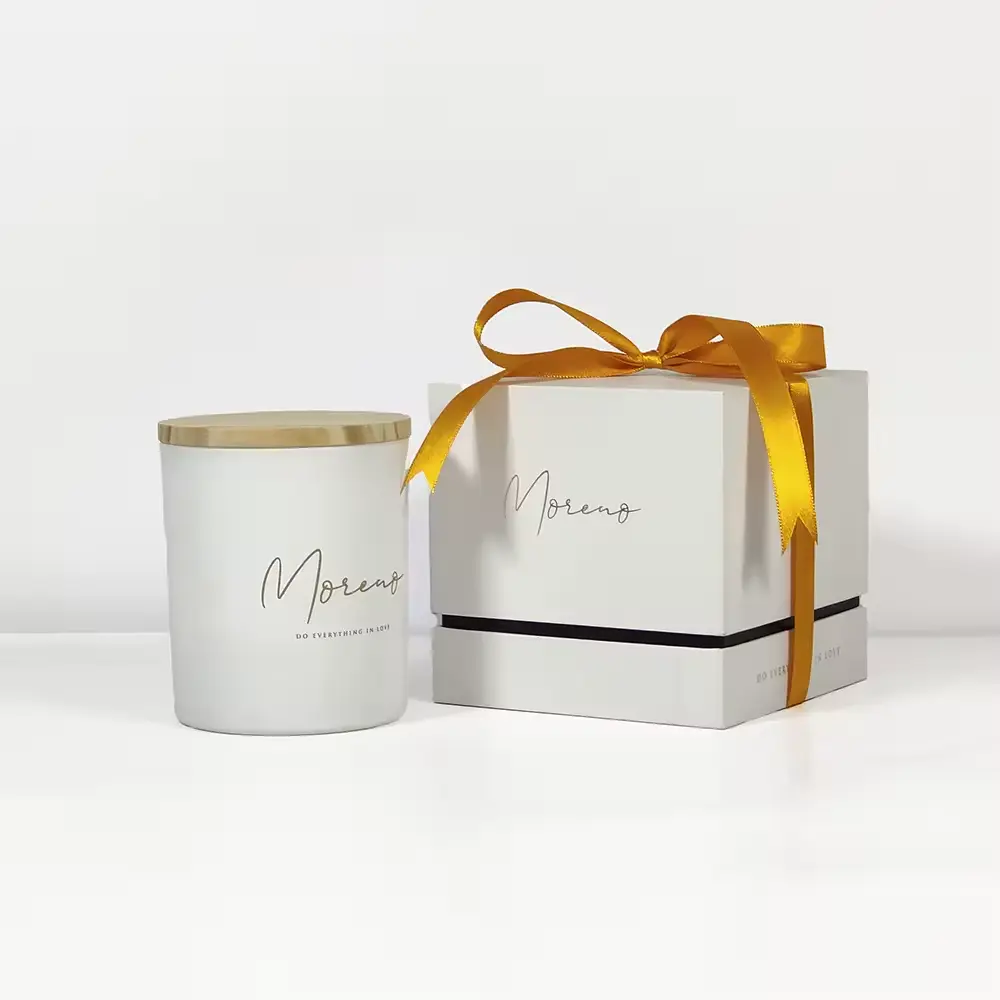
Premium packaging allows brands to command higher prices. Luxury finishes, custom inserts, and high-quality materials justify premium positioning and pricing psychology. Consumers are often willing to pay more when packaging communicates quality and exclusivity. This makes packaging a direct contributor to profitability rather than an expense.
Product Packaging and Customer Experience
Product packaging shapes the overall customer experience, from the moment they see the product to unboxing it. Thoughtful design creates excitement, satisfaction, and lasting emotional connections with the brand.
- The Unboxing Experience in the Age of eCommerce
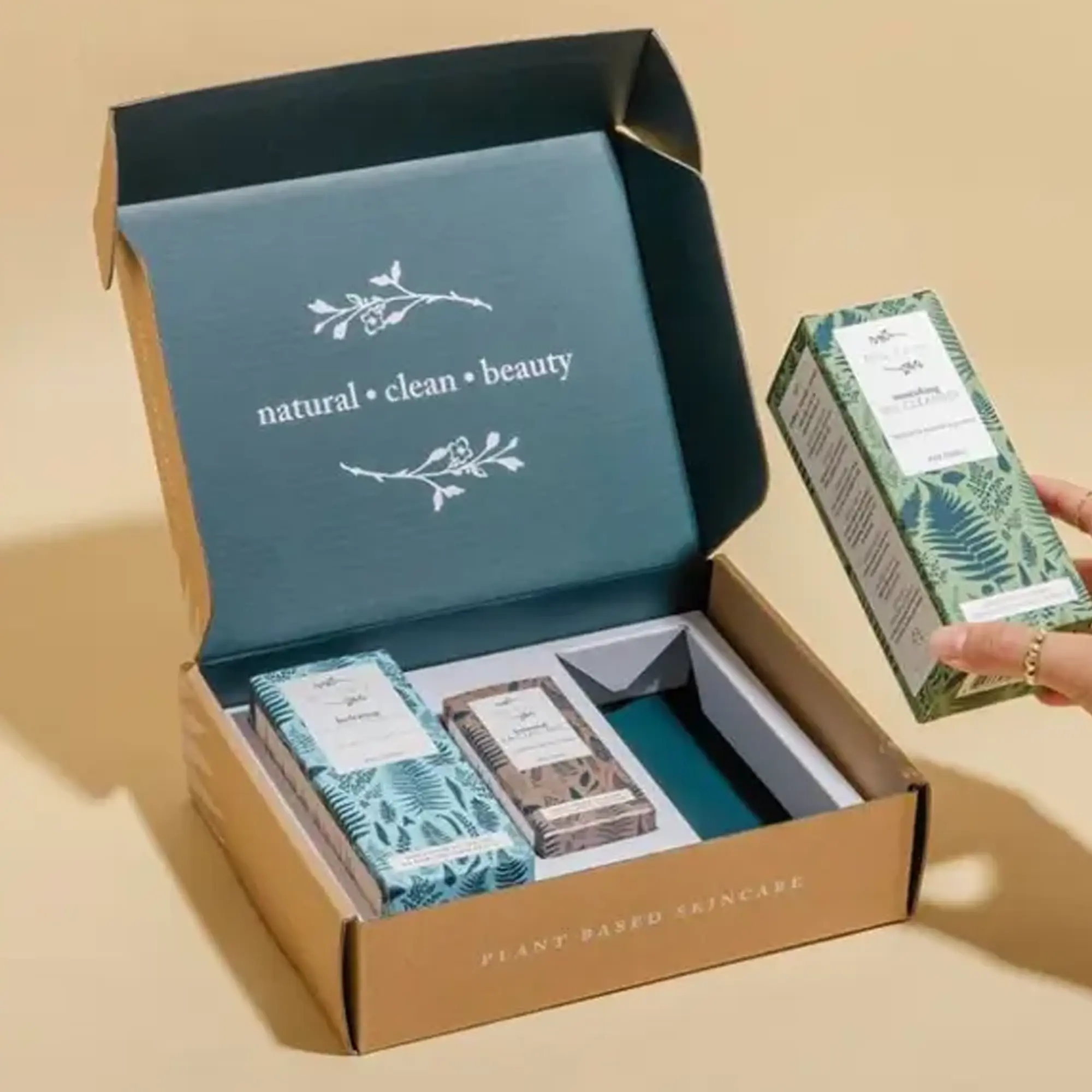
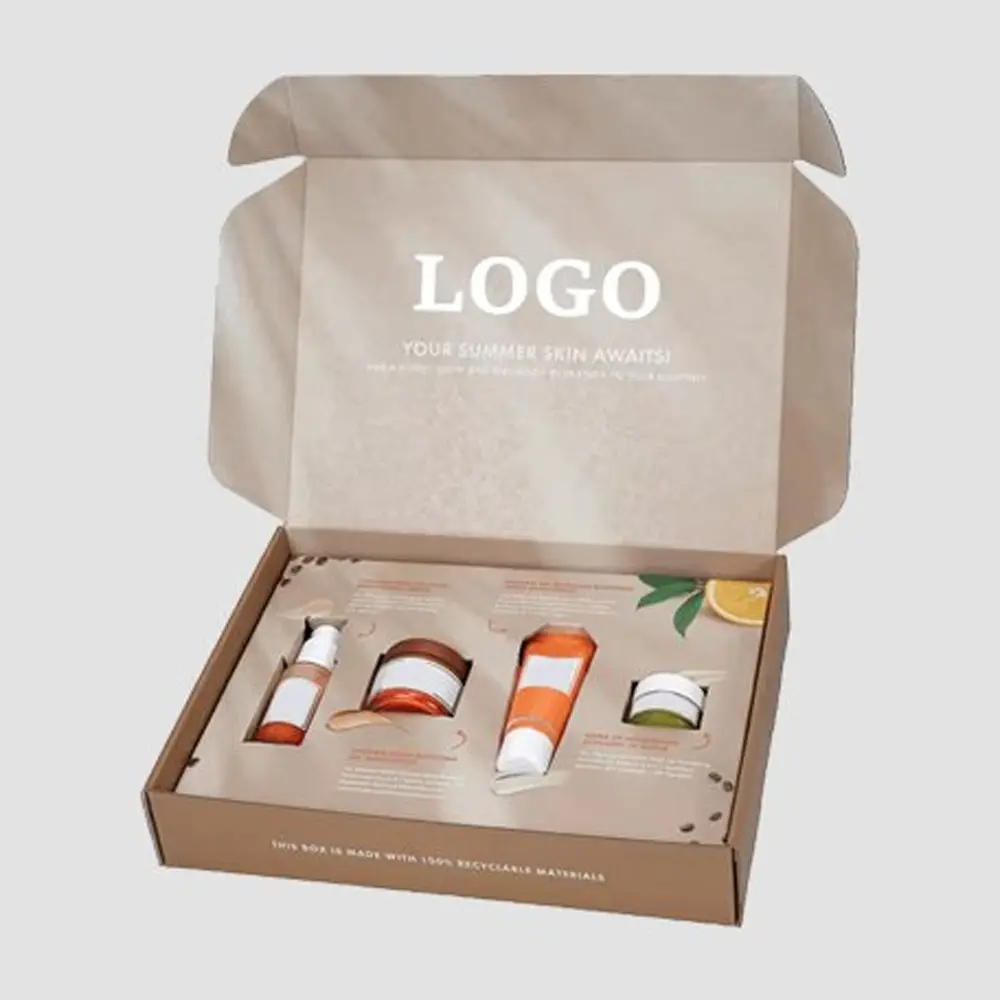
The unboxing experience has become a defining moment in customer journeys. Well-designed custom packaging solutions create excitement and emotional engagement. This positive experience increases repeat purchases and strengthens brand relationships. Influencers and customers frequently share memorable unboxings online, providing authentic exposure that paid ads struggle to replicate.
- Packaging That Encourages Customer Loyalty
Packaging that feels thoughtful and well-designed leaves a lasting impression. When customers feel valued, they are more likely to return and recommend the brand. Packaging becomes part of brand storytelling, reinforcing values and creating emotional bonds that extend beyond the product itself.
Sustainable Packaging and Its Impact on Modern Consumers
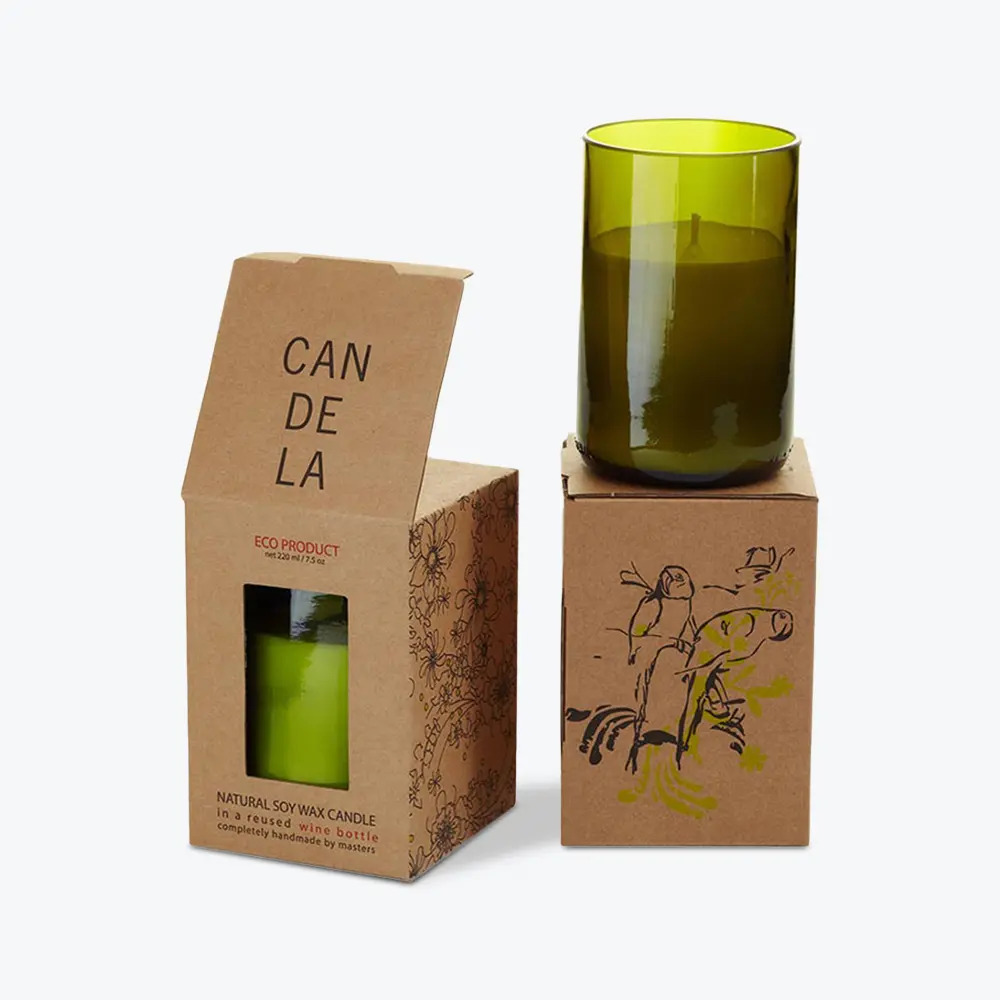
Sustainable packaging reflects a brand’s commitment to the environment and resonates with eco-conscious consumers. Using eco-friendly materials not only builds trust but also strengthens brand loyalty in today’s market.
- Why Eco-Friendly Packaging Is No Longer Optional
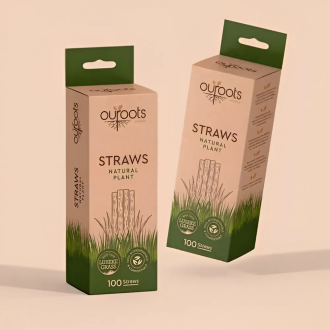
Sustainable packaging has shifted from a trend to an expectation. Consumers increasingly prefer brands that demonstrate environmental responsibility. Eco-friendly materials, reduced waste, and recyclable packaging are now key purchasing factors. Brands that ignore sustainability risk losing relevance and trust among conscious consumers.
- How Sustainable Packaging Strengthens Brand Image
Sustainable packaging communicates ethics, transparency, and long-term thinking. It differentiates brands in competitive markets and builds goodwill with customers. Over time, sustainable practices also lead to cost savings, regulatory compliance, and stronger brand loyalty.

Packaging as a Competitive Advantage in Crowded Markets
Effective packaging helps a brand stand out in crowded markets, both on shelves and online. Unique, well-designed packaging differentiates products, attracts attention, and gives businesses a competitive edge.
- Standing Out on Shelves and Online Marketplaces
In retail environments, packaging determines visibility. On eCommerce platforms, packaging influences thumbnails, reviews, and brand perception. Custom packaging boxes help brands stand out visually, making them easier to recognize and remember.
- Custom Packaging vs Generic Packaging
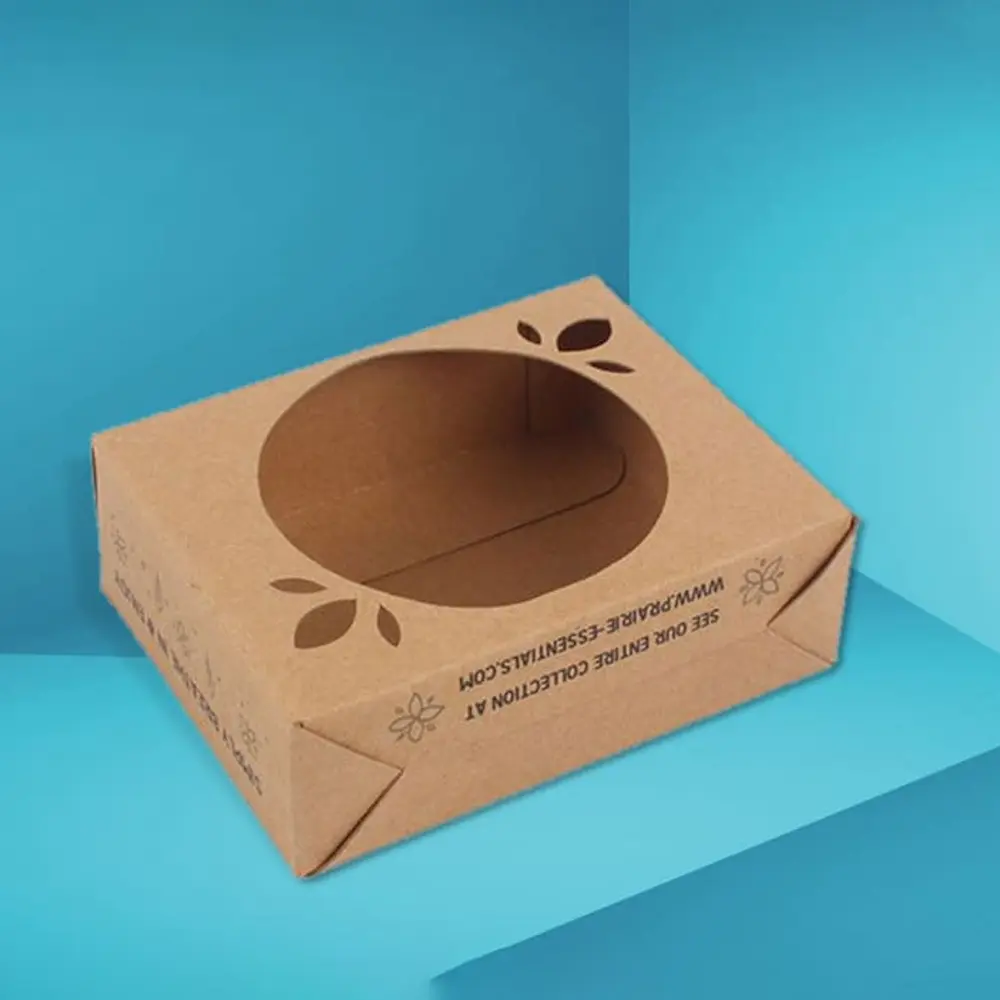
Generic packaging blends into the background. Custom packaging for small business US brands allows differentiation, scalability, and stronger brand positioning. Customised packaging boxes US businesses use can evolve with growth while maintaining consistency and identity.
The Importance of Packaging in Product Protection and Logistics
Packaging is essential for protecting products during storage and shipping. Well-designed packaging minimizes damage, reduces returns, and ensures a smooth logistics process.
- Damage Prevention and Cost Reduction
Poor packaging leads to damaged products, returns, and customer dissatisfaction. Investing in well-designed packaging reduces replacement costs and protects brand reputation.
- Packaging Designed for Safe Shipping
ECommerce-friendly packaging prioritizes structural integrity and durability. Custom boxes wholesale solutions help businesses ship safely while maintaining presentation quality.
How Strategic Packaging Drives Business Growth
Strategic packaging goes beyond aesthetics to support long-term business growth. It strengthens brand equity, boosts customer loyalty, and ensures scalability as a company expands.
- Packaging as a Long-Term Brand Investment
Packaging should be viewed as an investment, not an expense. Over time, strong packaging builds brand equity, customer loyalty, and market recognition. The return on investment extends beyond individual sales to long-term brand value.
- Scaling Your Business with the Right Packaging Partner
As brands grow, packaging consistency becomes critical. The right partner ensures flexibility, scalability, and industry-specific expertise. Many brands turn to experienced providers like Custom Packaging Pro when seeking professional packaging that balances quality, customization, and growth readiness.
Key Elements of an Effective Packaging Strategy
- Branding, Functionality, and Compliance
Effective packaging combines branding with practicality. Clear logo placement, readable information, and compliance with regulations are essential for credibility and trust.
- Balancing Cost, Quality, and Sustainability
Smart material choices and efficient designs allow brands to balance budget, durability, and sustainability without compromising quality.
Common Packaging Mistakes Brands Should Avoid
- Ignoring Target Audience Preferences
Packaging that fails to resonate with the target audience weakens brand impact and reduces conversions.
- Choosing Style Over Function
Aesthetic appeal should never compromise protection or usability.
- Underestimating Print and Material Quality
Low-quality printing and materials can damage brand perception and credibility.
How Custom Packaging Pro Helps Brands Succeed Through Packaging
- Tailored Packaging Solutions for Every Industry
Custom Packaging Pro supports brands across industries including retail, eCommerce, food, CBD, and cosmetics by offering customized packaging solutions that align with business goals.
- Why Brands Trust Custom Packaging Pro
With custom sizing, premium materials, scalable production, and strict quality assurance, Custom Packaging Pro provides reliable packaging support without overpromising or overselling and faster turnaround time.
Packaging Is a Business Growth Tool, Not an Afterthought
The importance of product packaging extends far beyond aesthetics. Packaging influences consumer psychology, builds trust, supports sustainability, and directly impacts profitability. In today’s competitive landscape, brands that treat packaging as a strategic asset gain a significant advantage over those that treat it as an afterthought.
From branding and protection to marketing and customer experience, packaging plays a central role in business growth. Investing in well-designed custom packaging, customized packaging boxes, and professional packaging strategies helps brands stand out, scale confidently, and build lasting relationships with customers. For businesses focused on long-term success, thoughtful packaging is not optional. It is essential.
FAQs
- Why is product packaging important for a business?
Product packaging is important because it protects the product, communicates brand identity, and directly influences buying decisions. Well-designed packaging builds trust, improves brand recognition, and increases perceived value, making customers more likely to choose and repurchase a product.
- How does packaging influence consumer buying behavior?
Packaging influences buying behavior through color, material, structure, and overall presentation. These elements trigger emotional responses and shape perceptions of quality and credibility. In many cases, customers decide whether to buy a product based on packaging before evaluating features or price.
- What role does packaging play in brand success?
Packaging plays a central role in brand success by reinforcing visual identity, creating consistency, and delivering a memorable customer experience. Consistent and professional packaging helps brands stand out, build recognition, and establish long-term trust with their audience.
- Is custom packaging worth the investment for small businesses?
Yes, custom packaging is worth the investment for small businesses because it helps differentiate the brand, improves customer experience, and supports long-term growth. Even simple custom boxes with logos can increase brand recall and make small businesses appear more professional and credible.
- How does sustainable packaging impact customer trust and loyalty?
Sustainable packaging positively impacts trust and loyalty by showing environmental responsibility. Customers increasingly prefer brands that use eco-friendly materials and reduce waste. Over time, this commitment strengthens brand image, encourages repeat purchases, and builds emotional loyalty.

 Custom Boxes
 Mailer Boxes
 Shipping Boxes
 Display Boxes
 Product Boxes
 Retail Packaging
 Luxury Packaging
 Sustainable Packaging
 Mylar Bags
 Labels & Stickers
 Inserts & Dividers
 Acrylic Signs
 Mylar and Zipper Bags
 Cosmetic Boxes
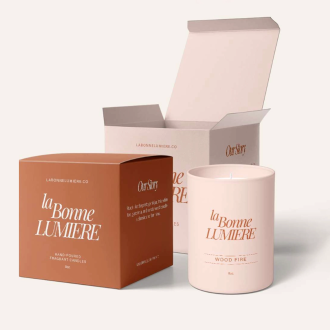 Custom Candle Packaging Boxes
 Food and Beverage
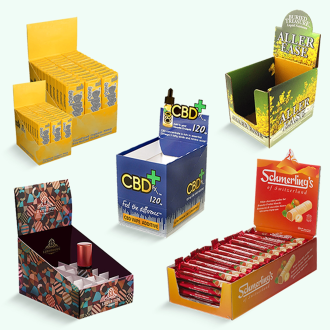 Display Packaging
 Pharma Packaging
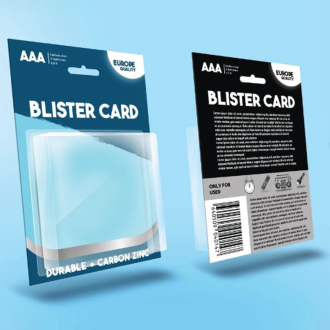 Custom Blister Packaging
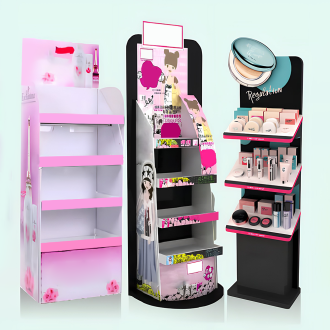 Stand Up Displays
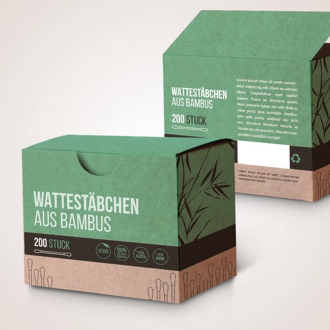 Kraft Boxes
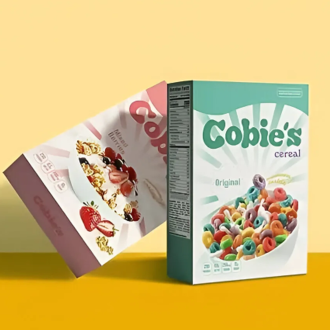 Cereal Packaging Boxes
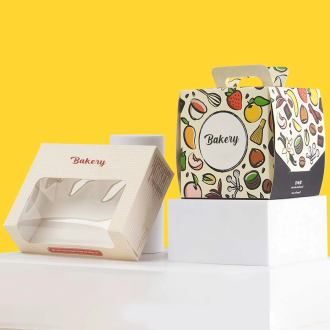 Bakery Packaging Boxes
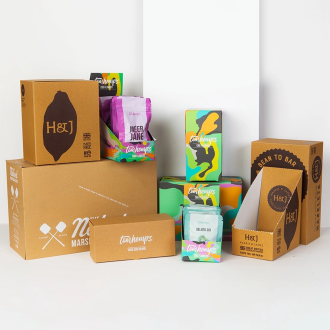 Eco-Friendly Boxes
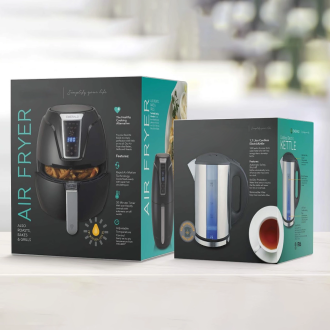 Electronics Packaging Boxes
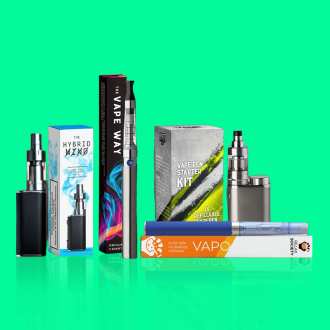 Custom Vape Boxes & Packaging
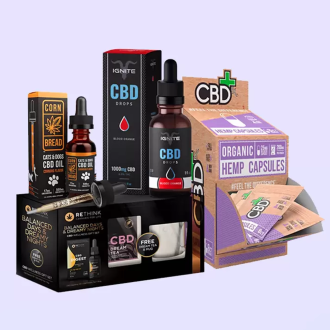 CBD Packaging Boxes
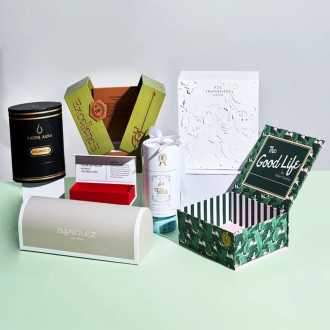 Rigid & Luxury Packaging Boxes
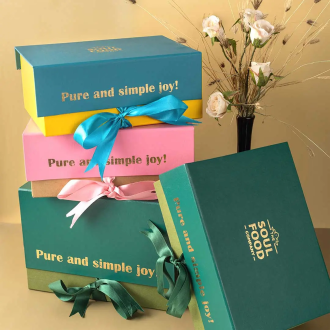 Gift Boxes
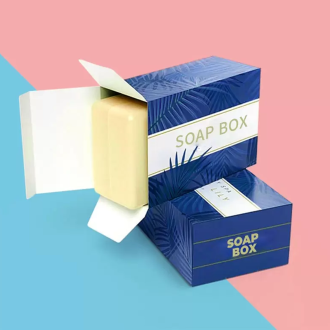 Custom Soap Boxes & Packaging
 Metalized Boxes
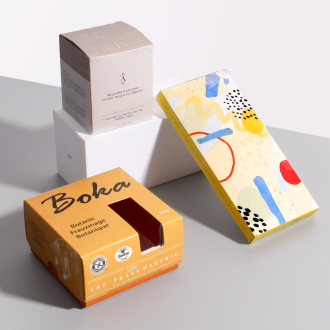 Retail Boxes
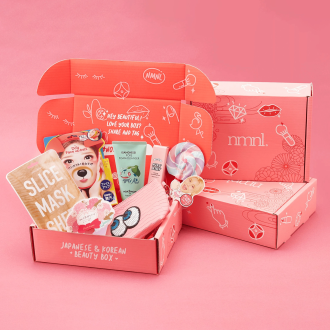 Subscription Boxes
 Invitation Boxes
 Corrugated Shipping Boxes
 Matte Finish
 Gloss Finish
 Soft Touch
 Foil Stamping
 Spot UV
 Embossing
 Debossing
 Window Cutouts