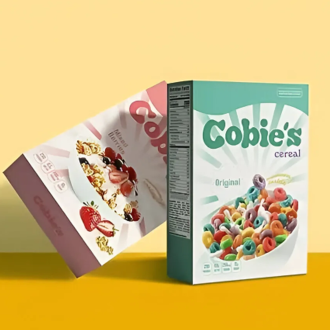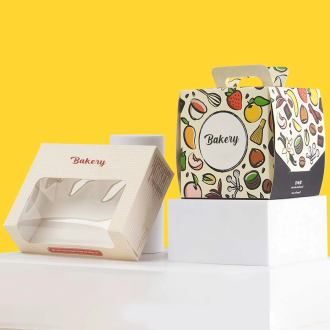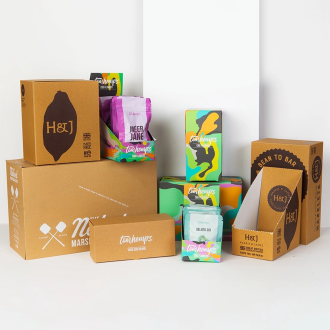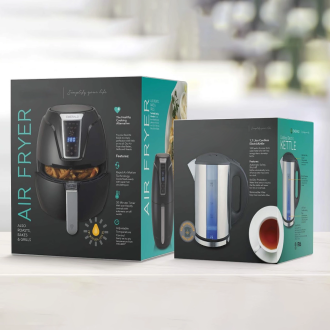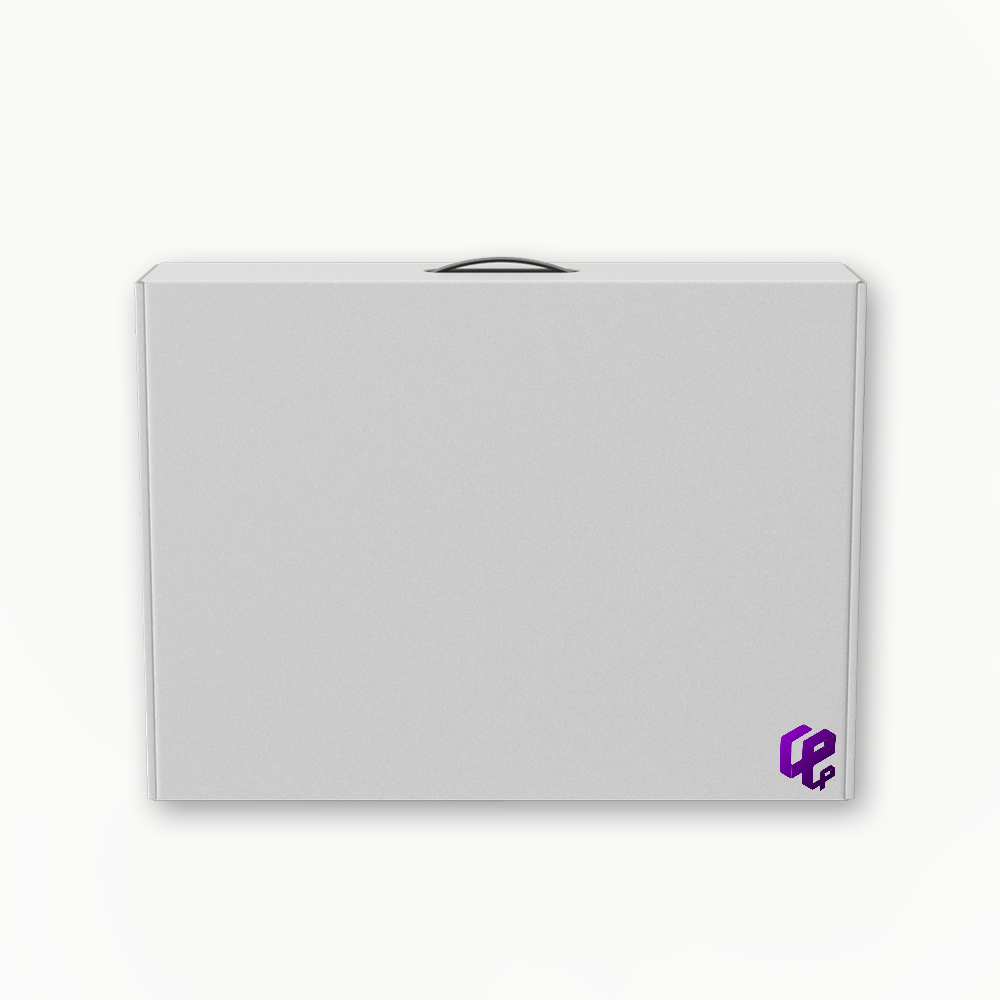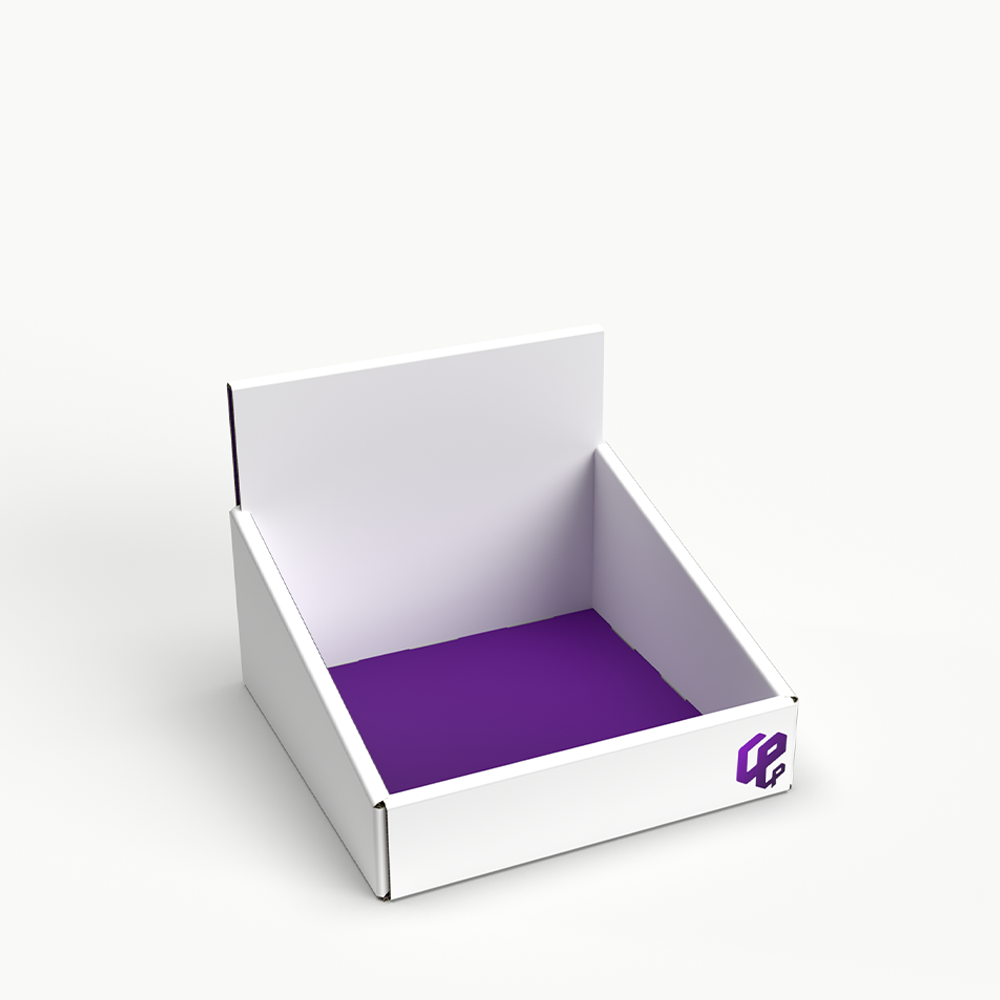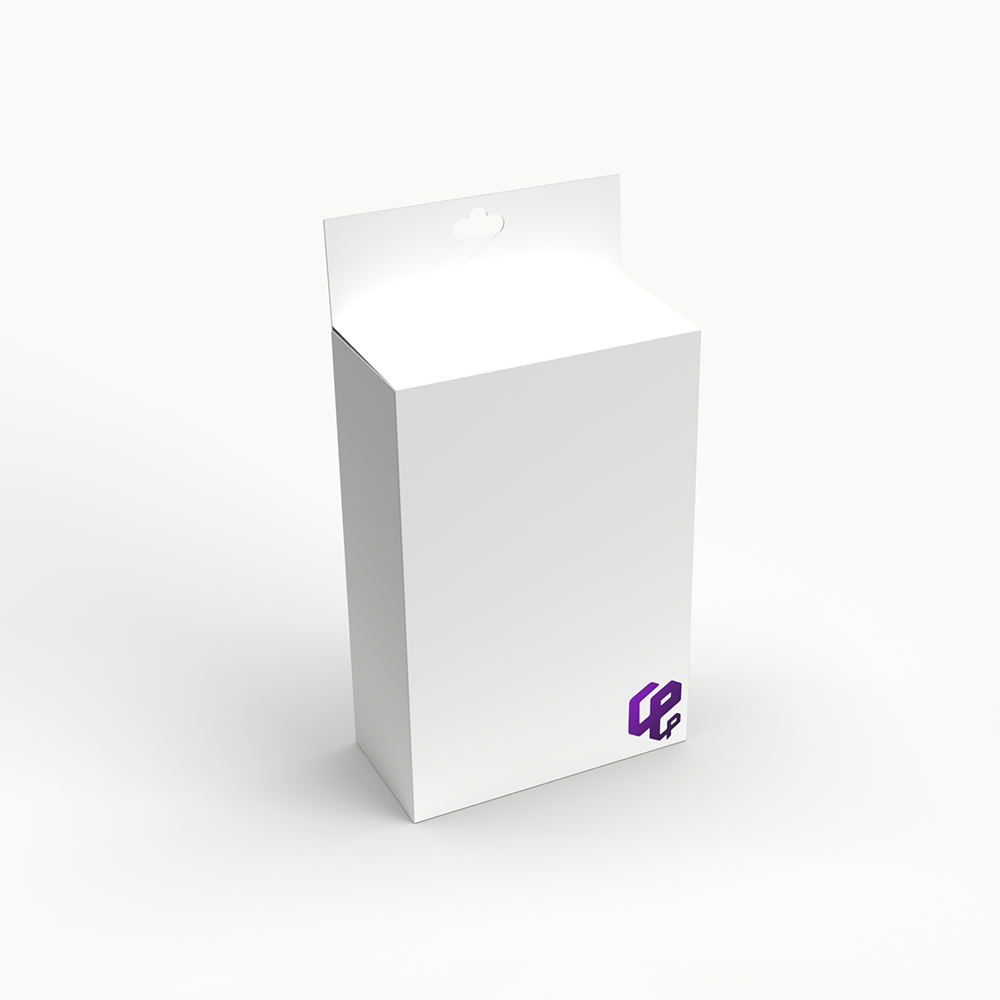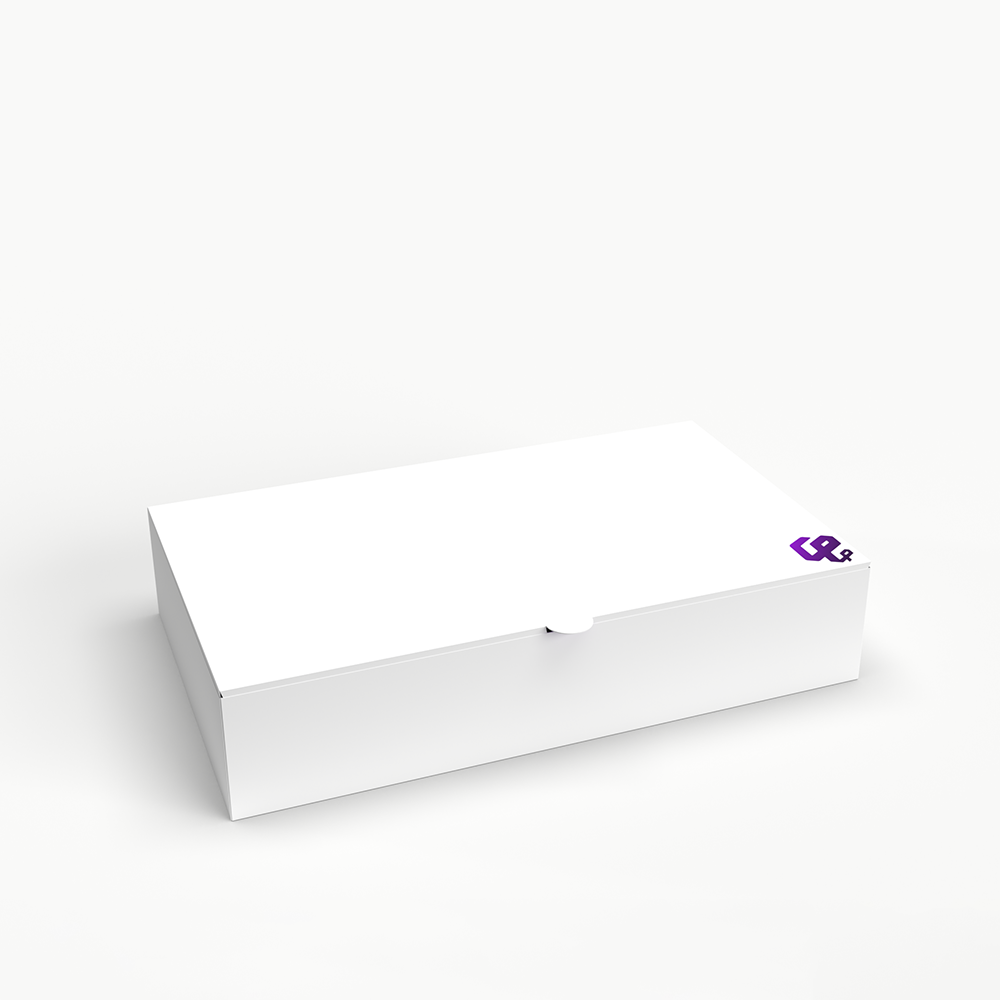
In today’s fast-paced eCommerce world, packaging is more than just a container. It’s a crucial part of the customer experience, a representation of your brand, and a means of protecting your products. When it comes to choosing the right packaging, many businesses struggle to understand the difference between mailer boxes and shipping boxes.
Both might look the same at first sight. Both are, after all, used for the delivery of goods. Yet each has particular application in mind and poses different benefits based on your shipping requirements, branding objectives, and item type. Knowing them could help you make better business decisions, enhance customer satisfaction, as well as lower logistics expenses.
Let’s break down what sets mailer boxes apart from shipping boxes, and explore when and why each option makes sense.
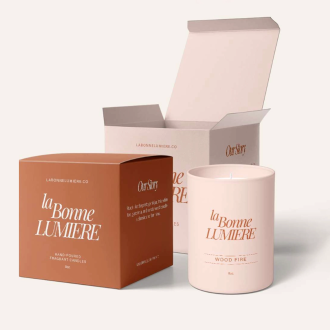
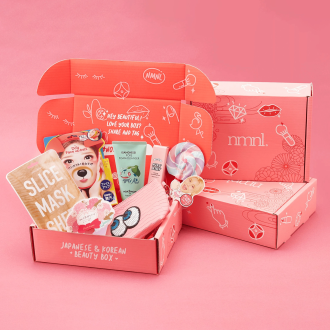
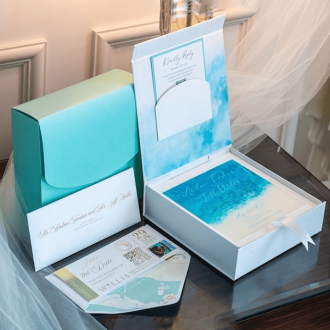
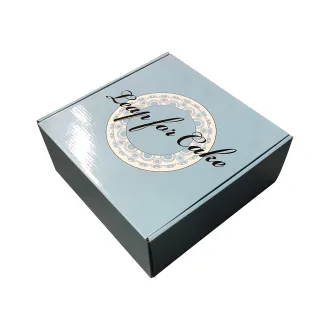
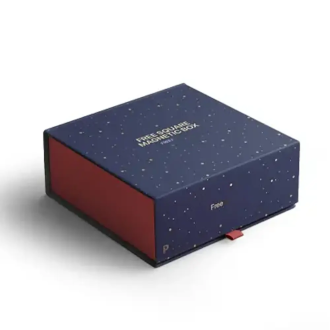
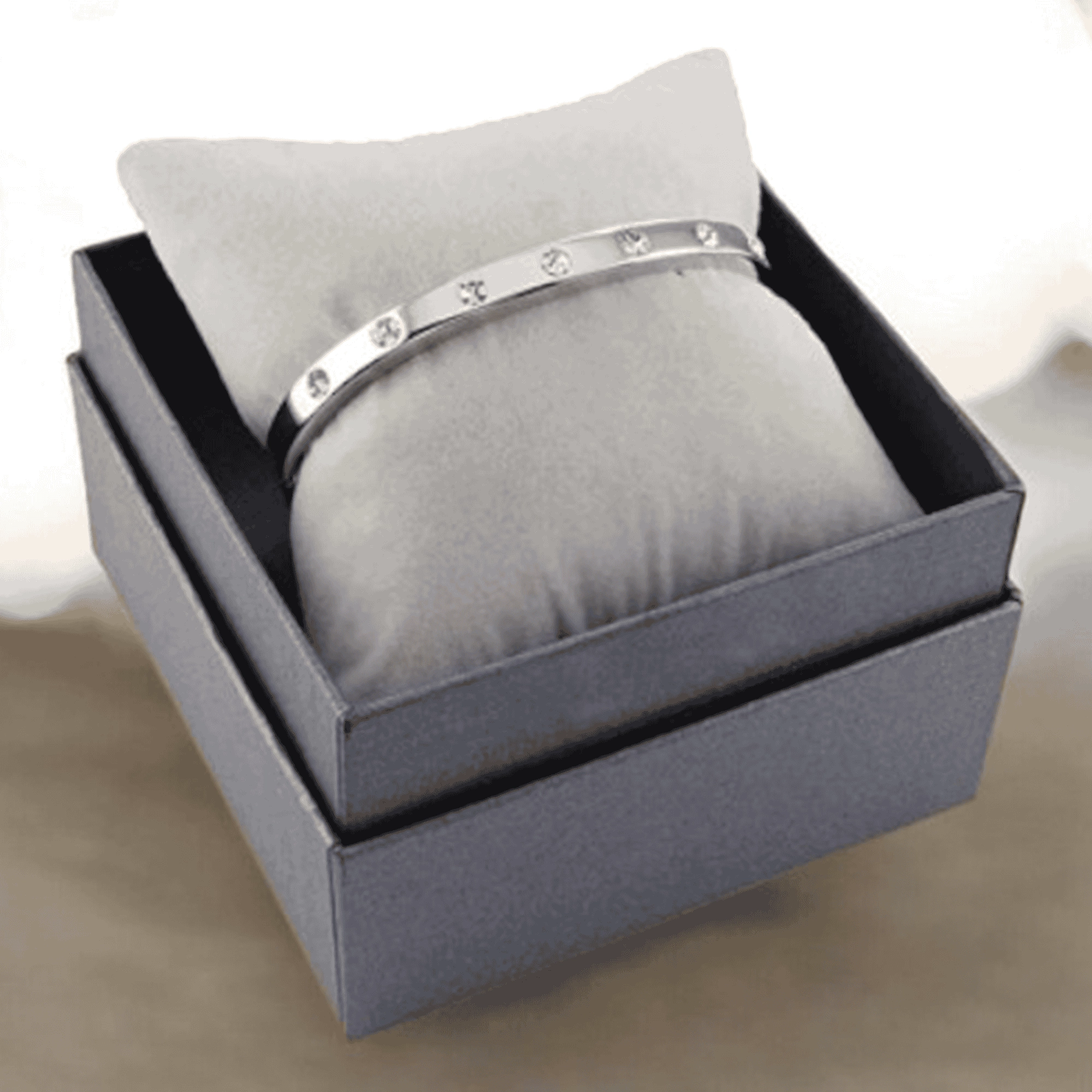
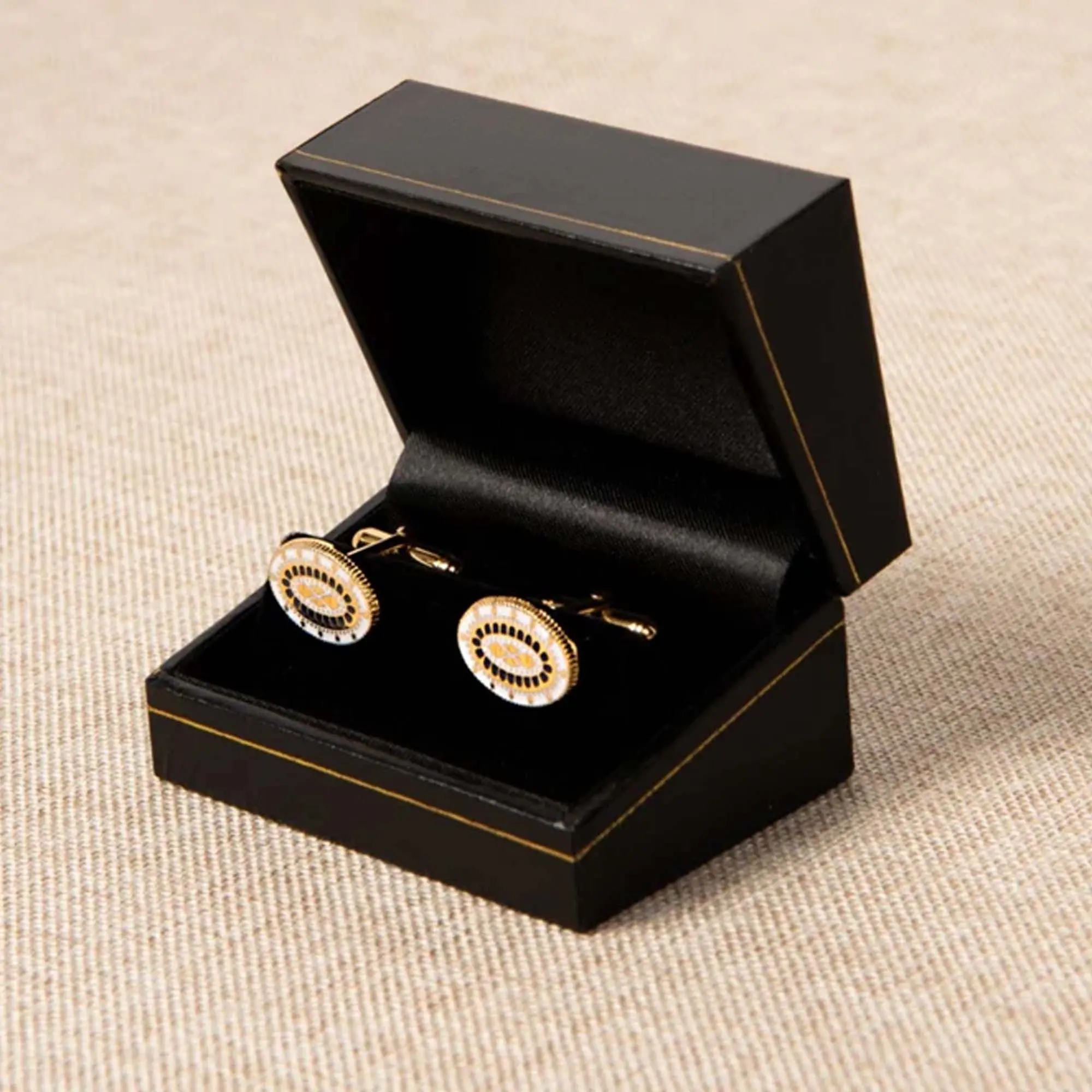
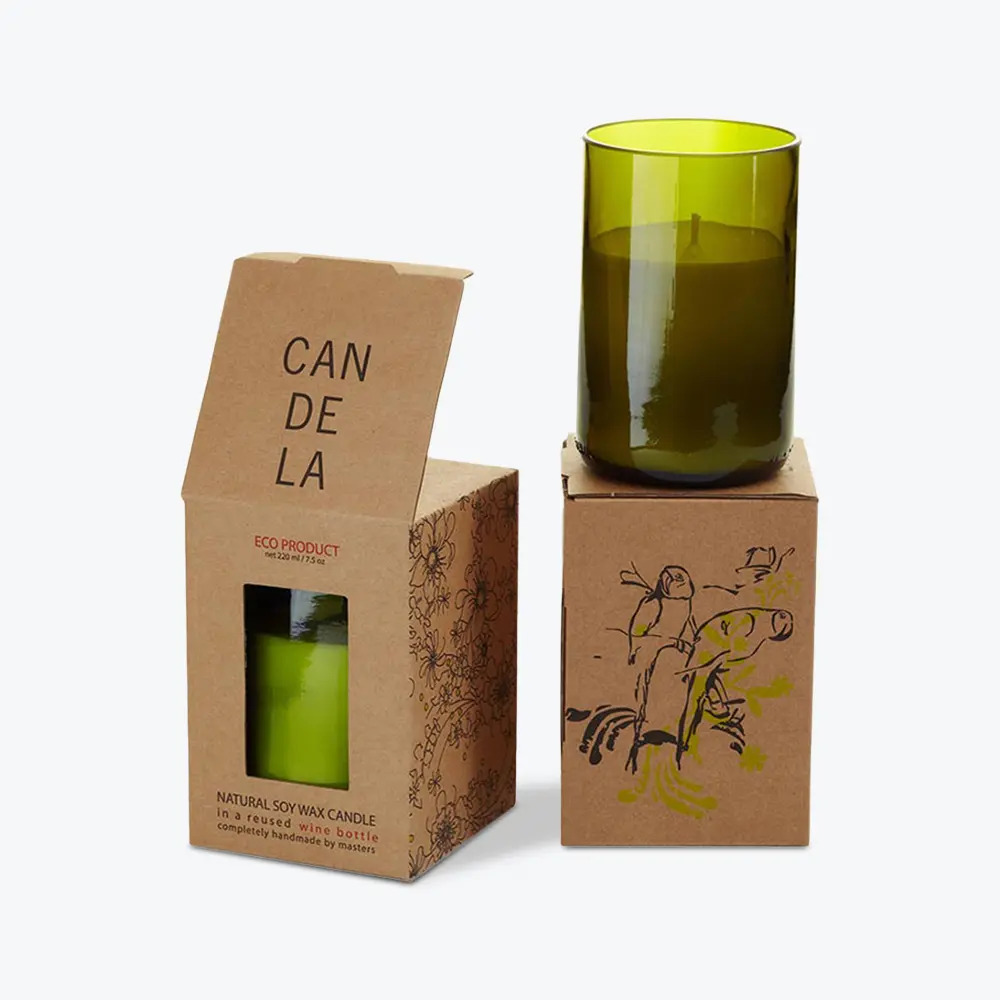
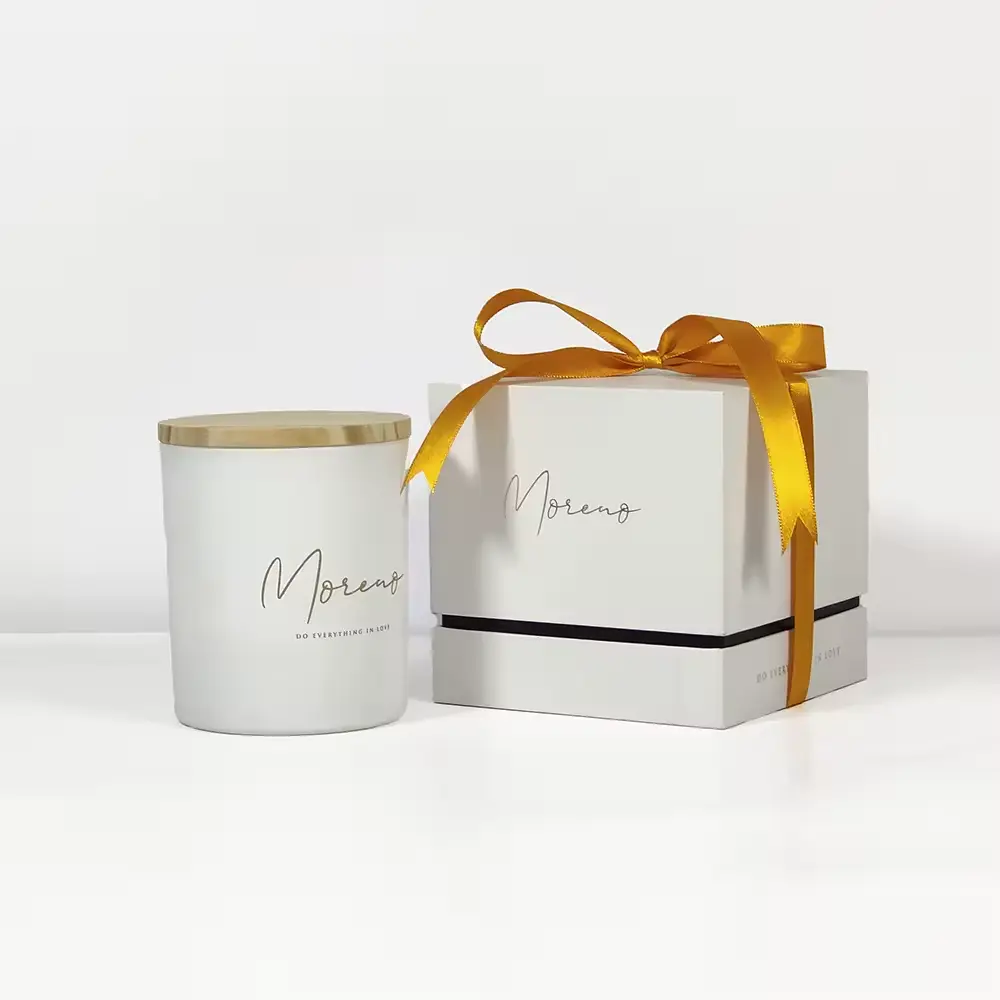
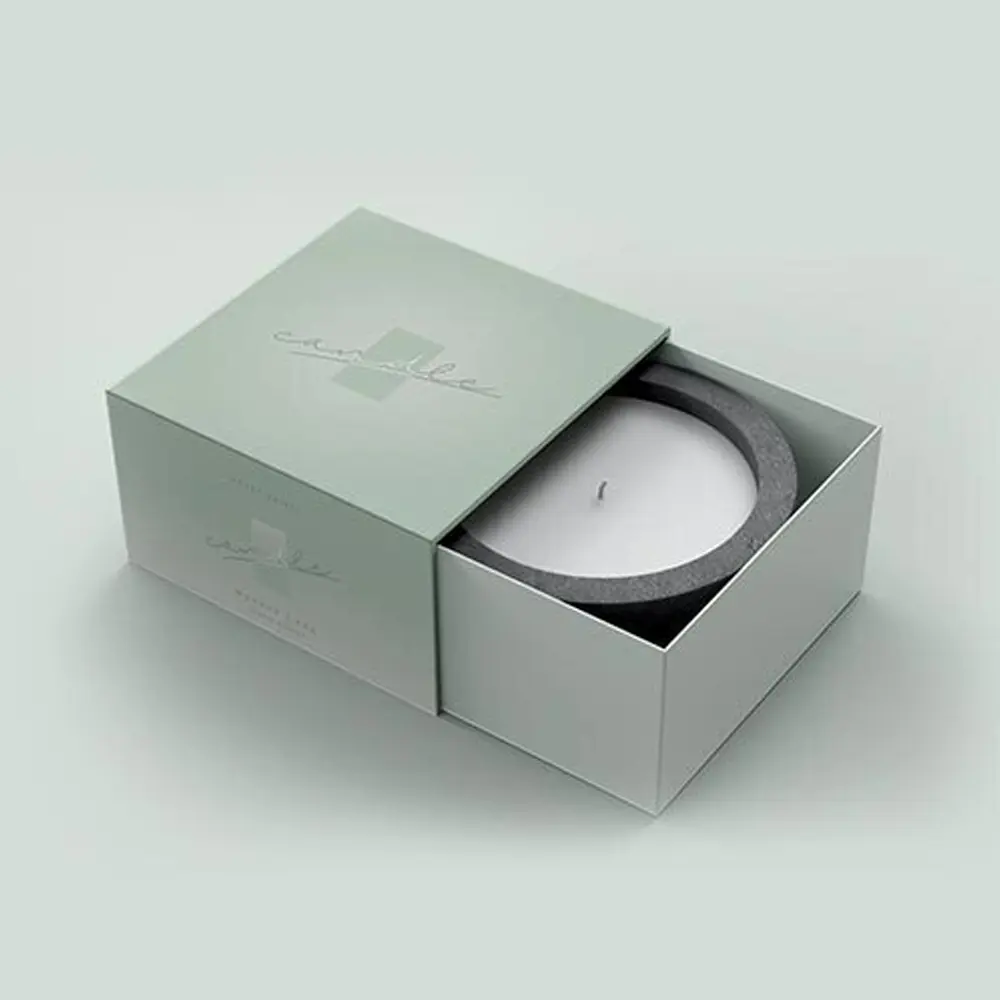
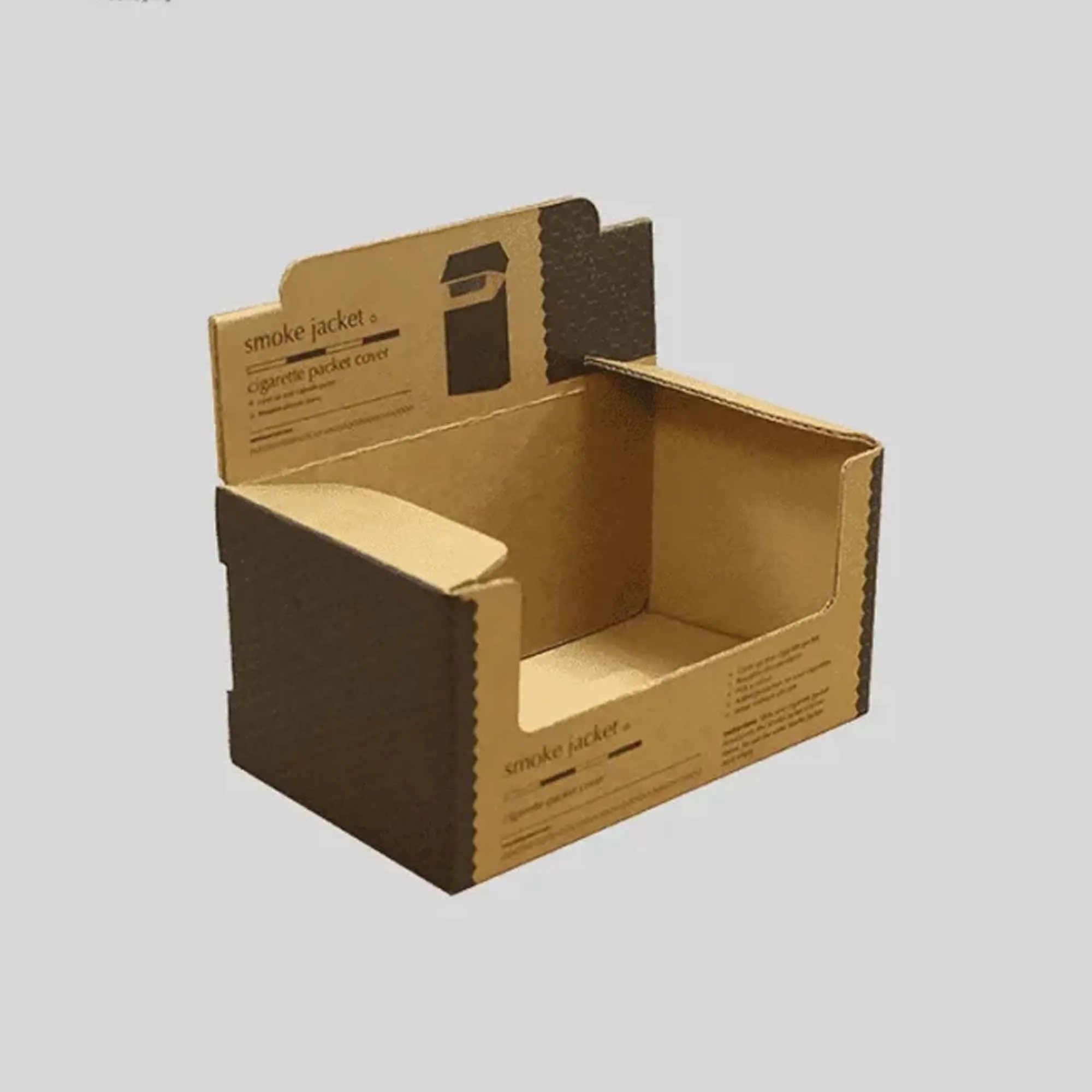
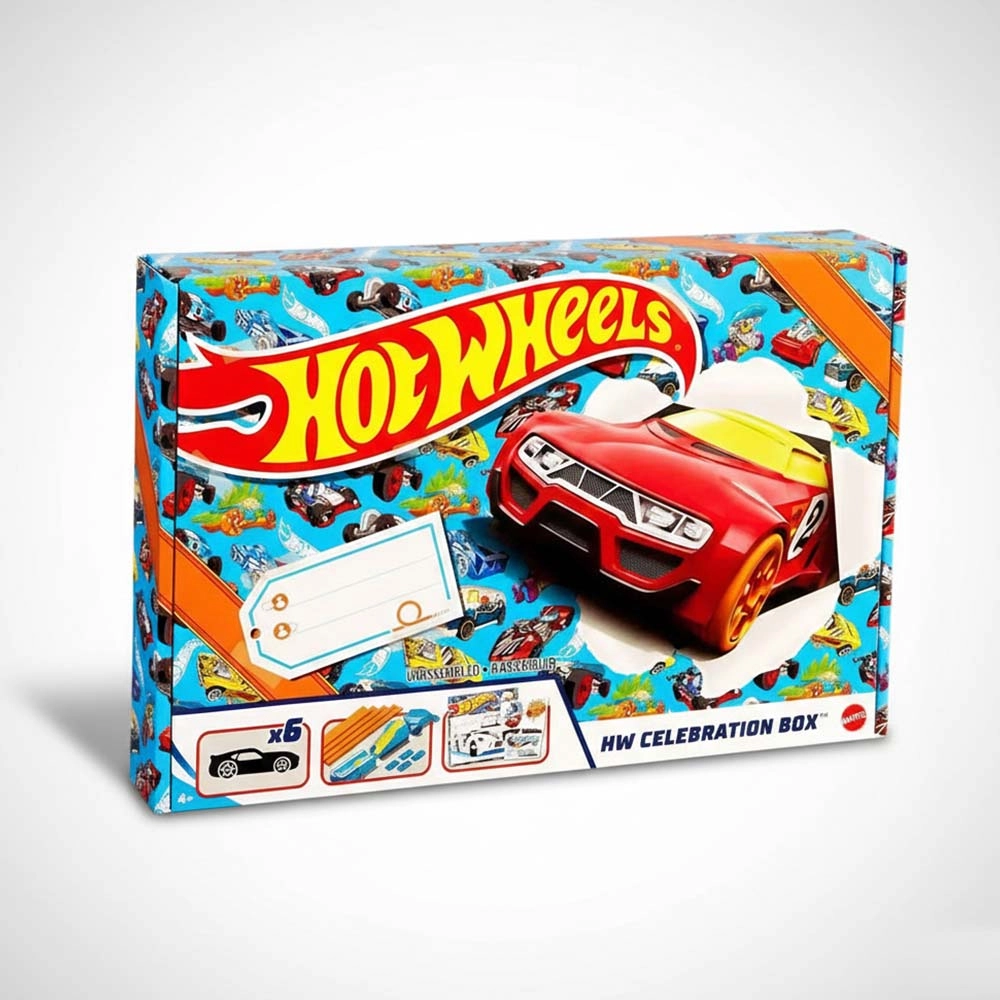
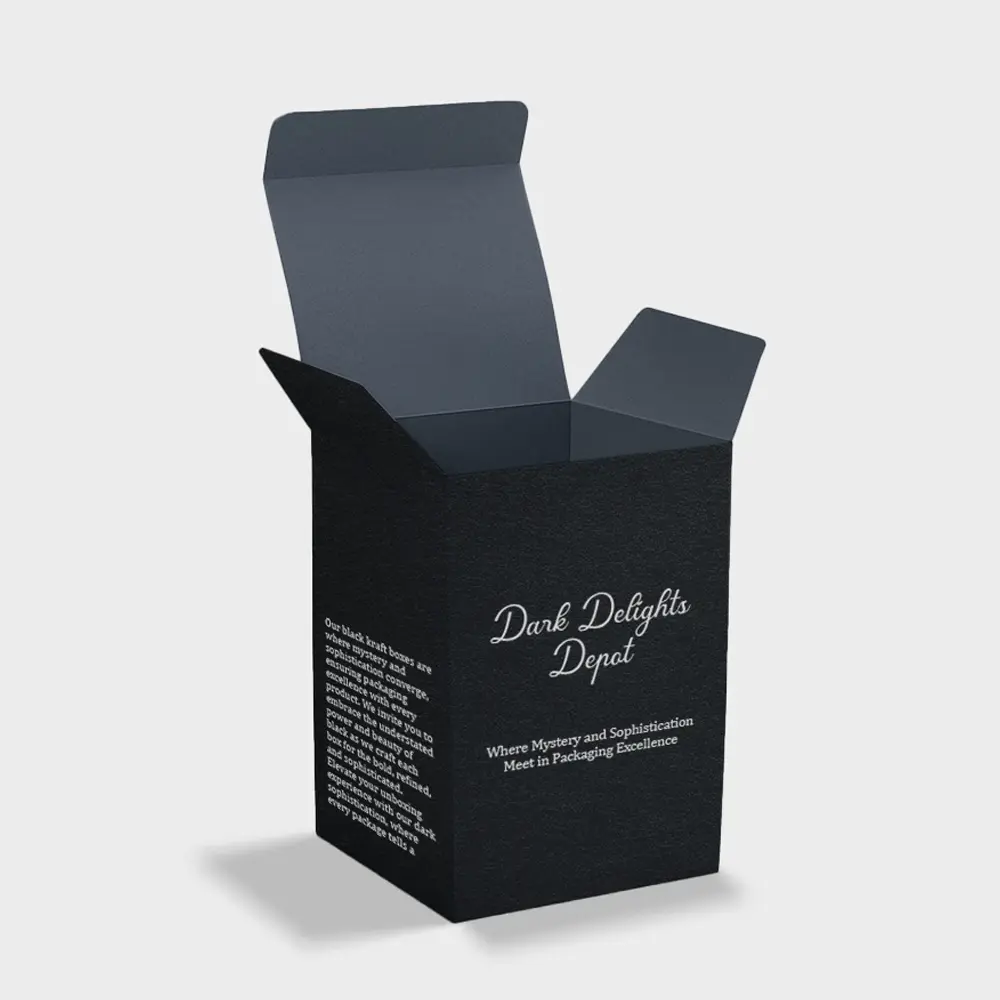
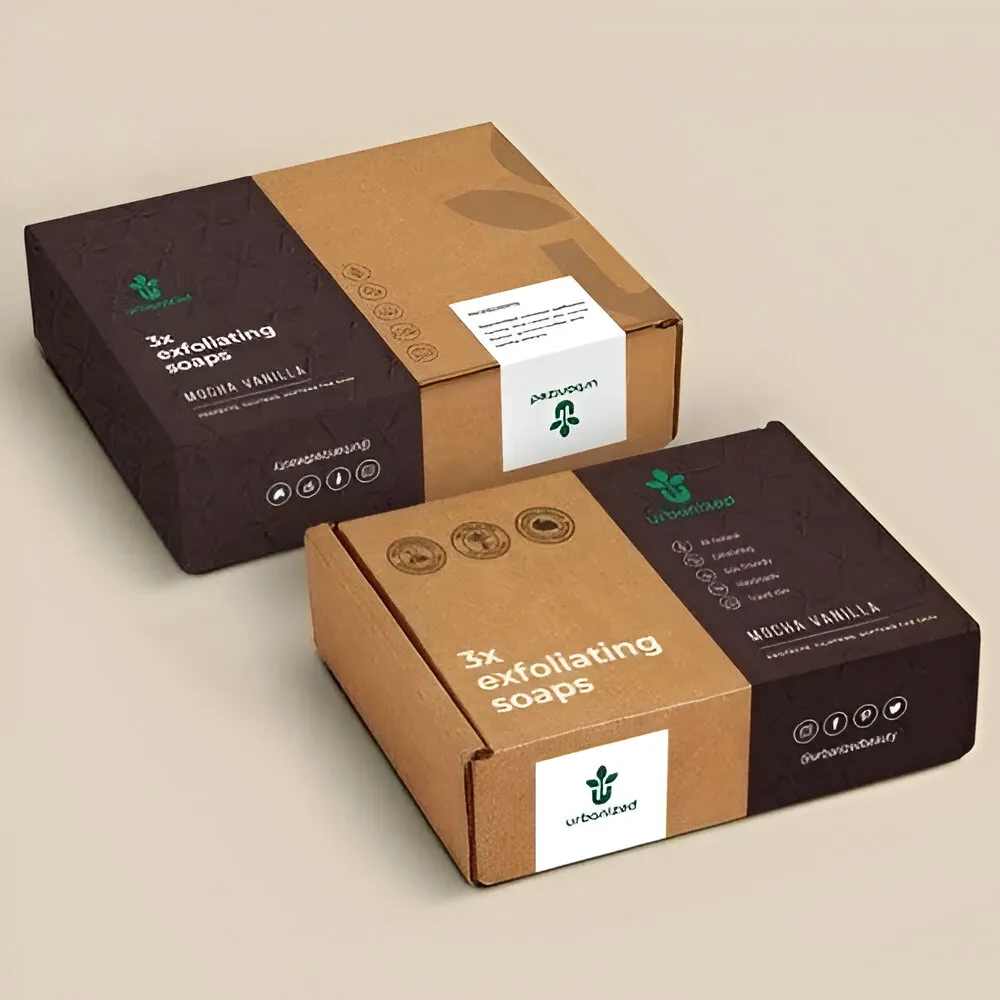
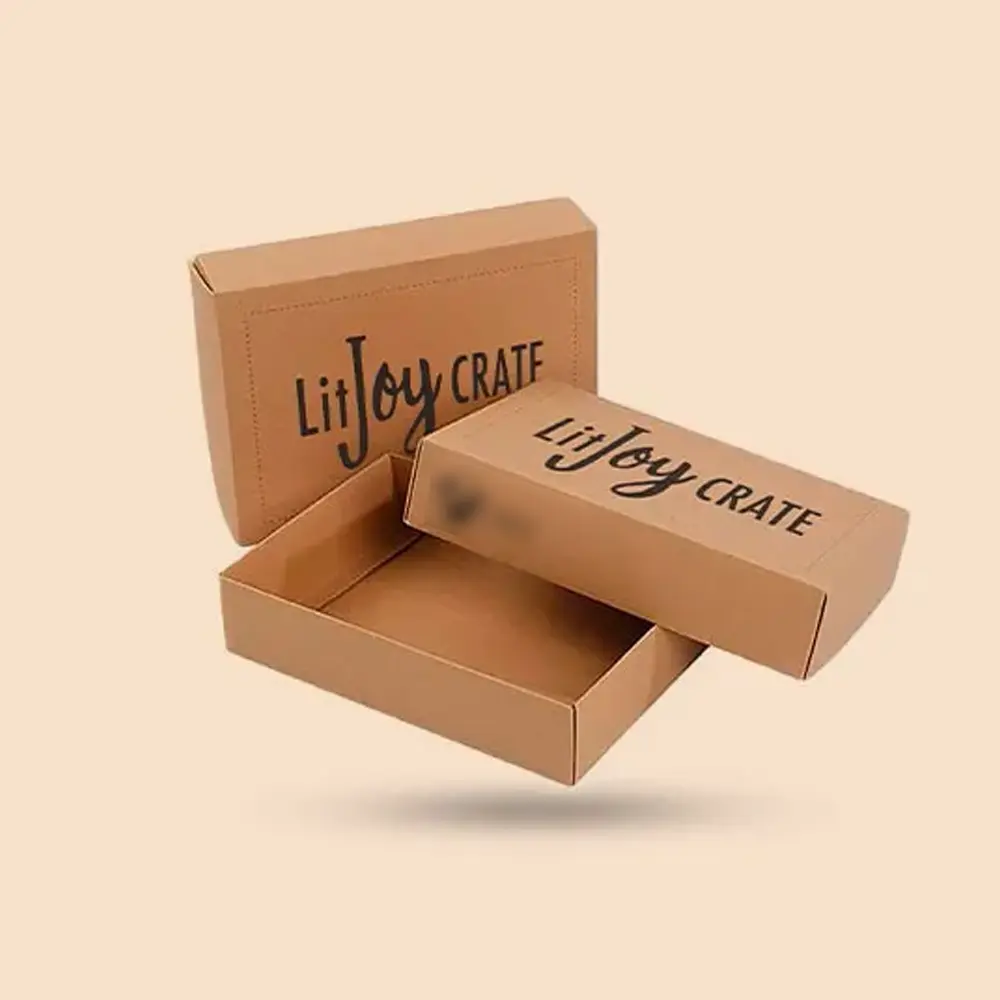
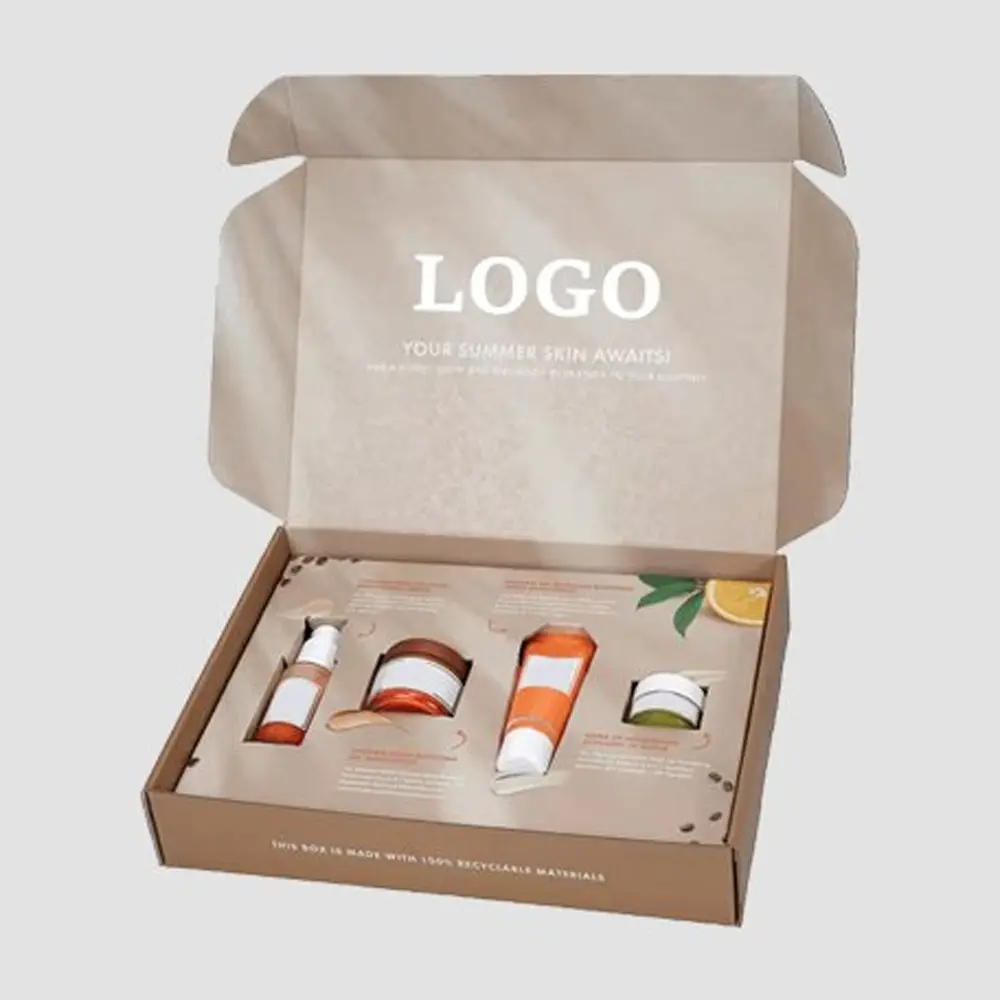
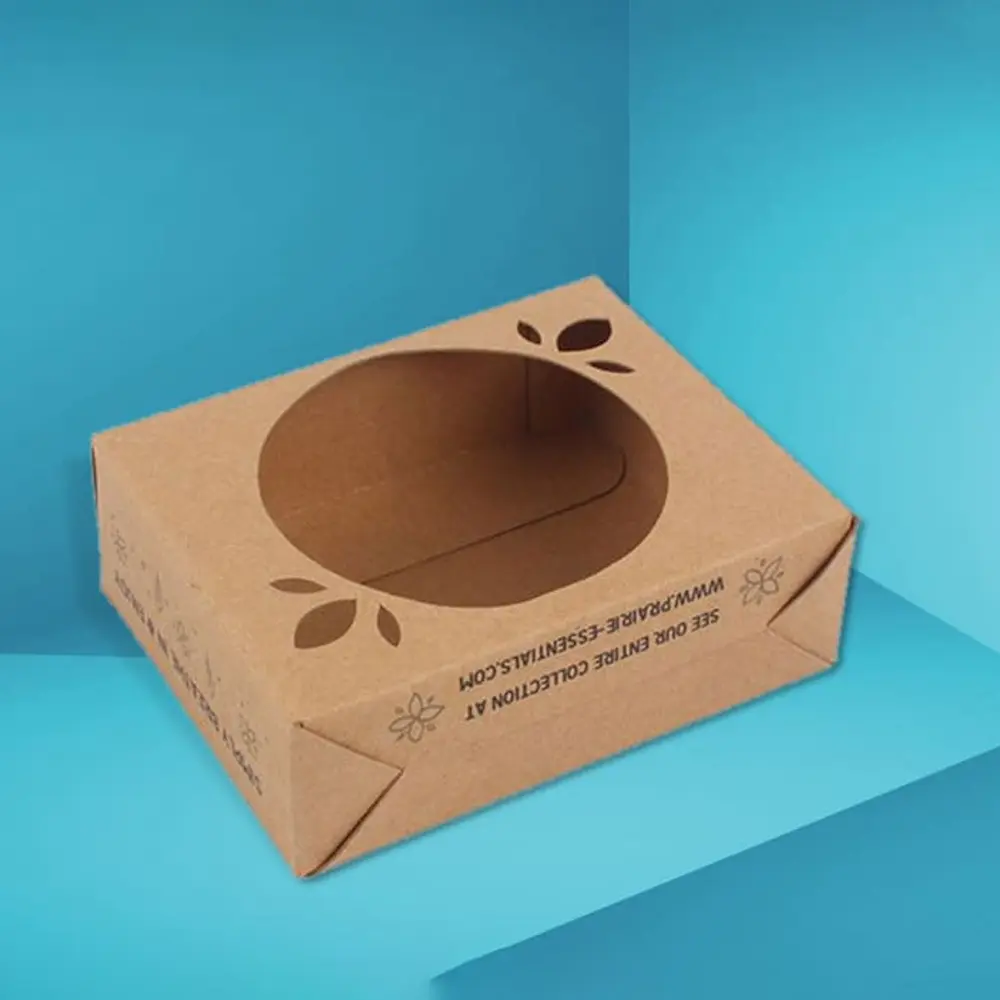
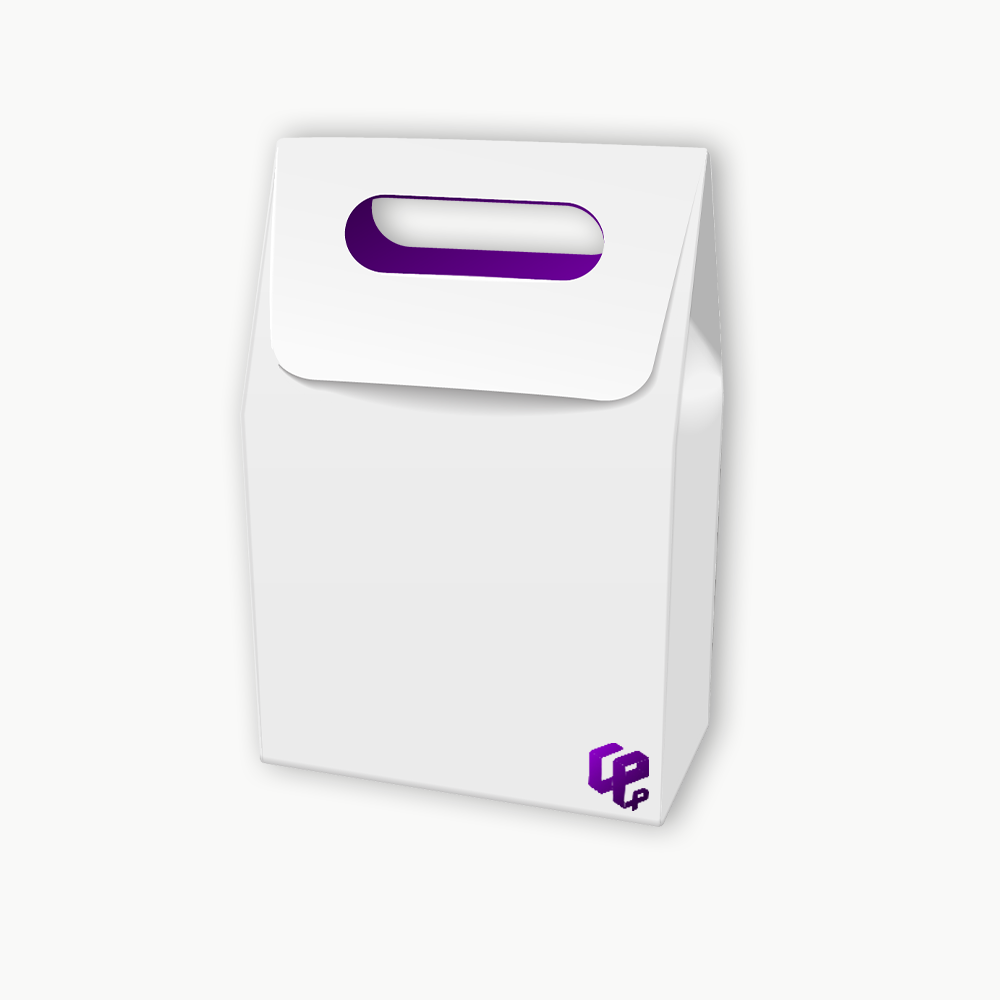
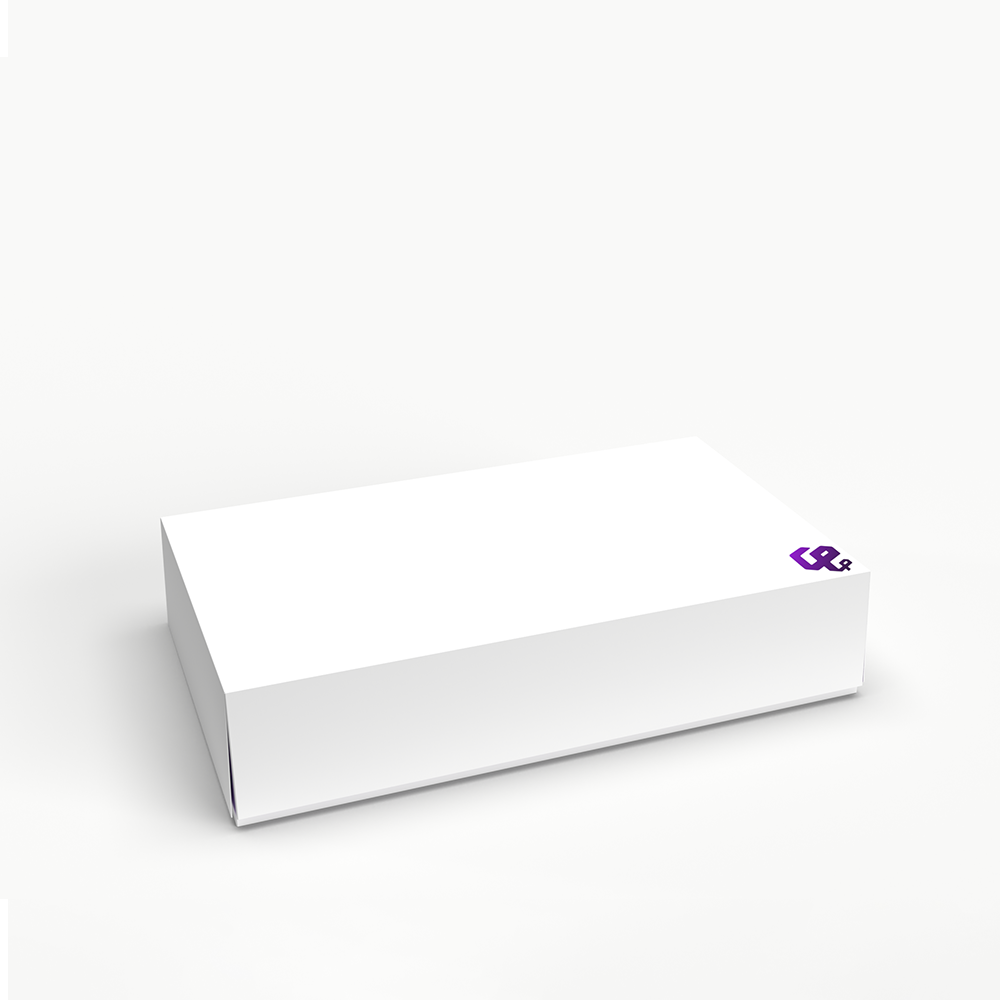
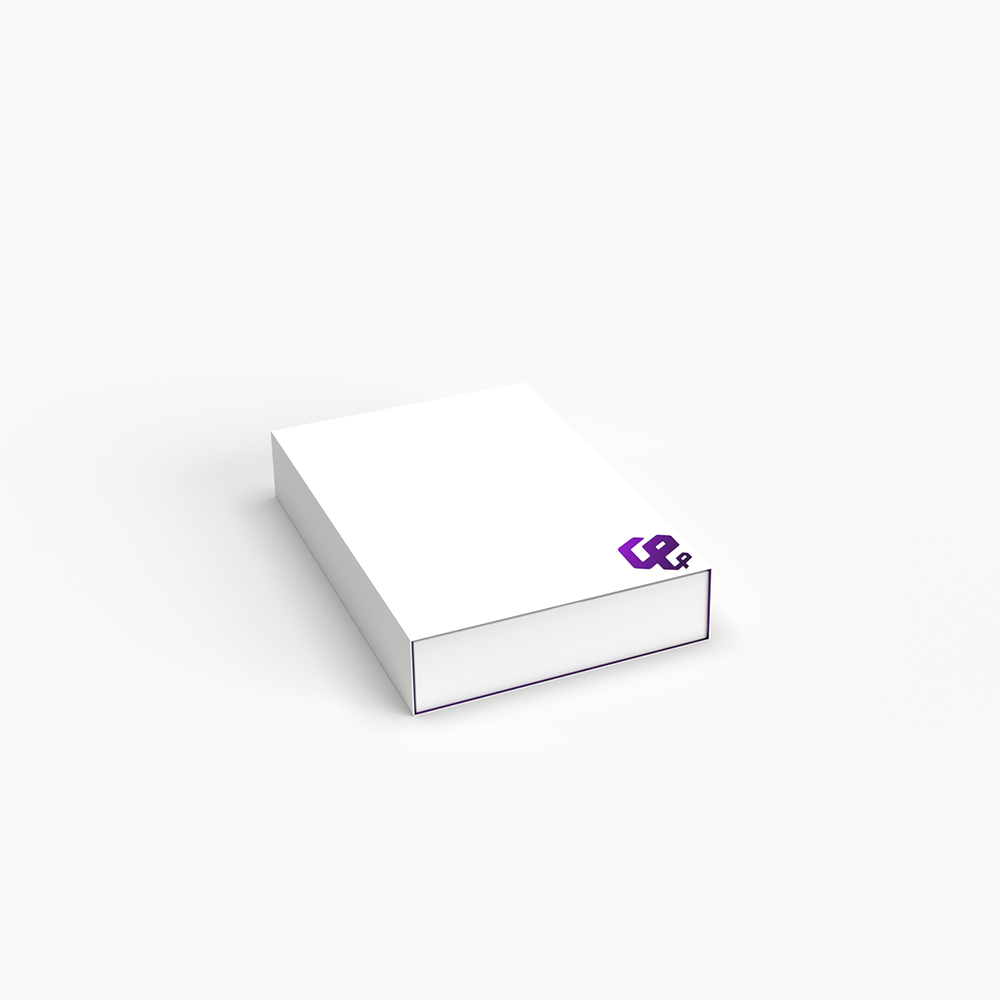
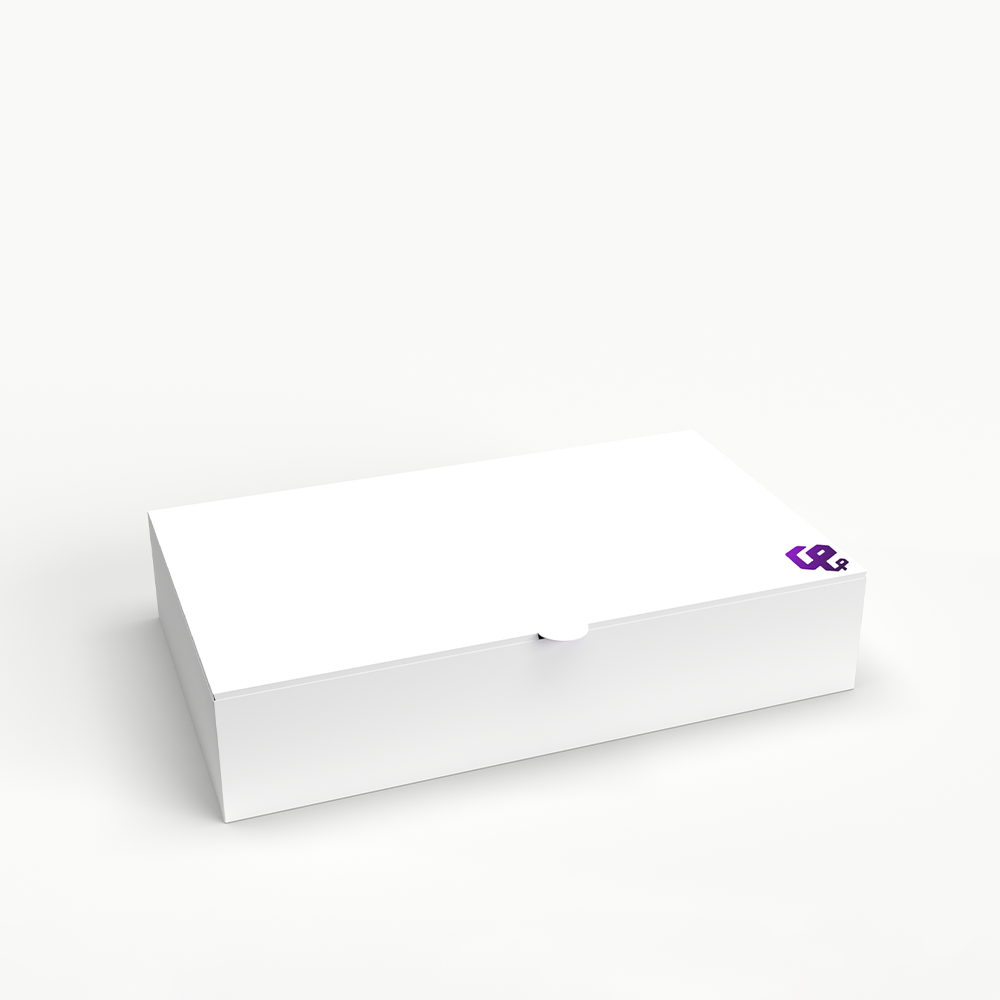
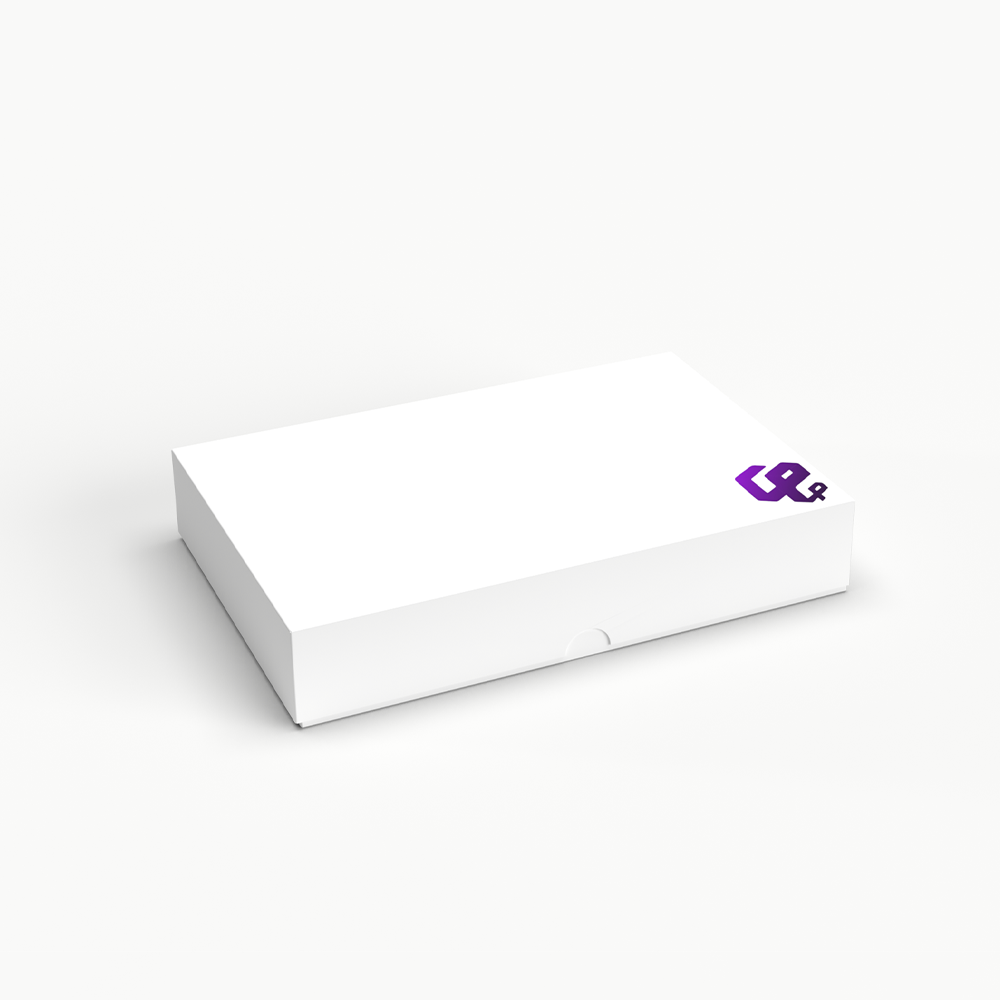
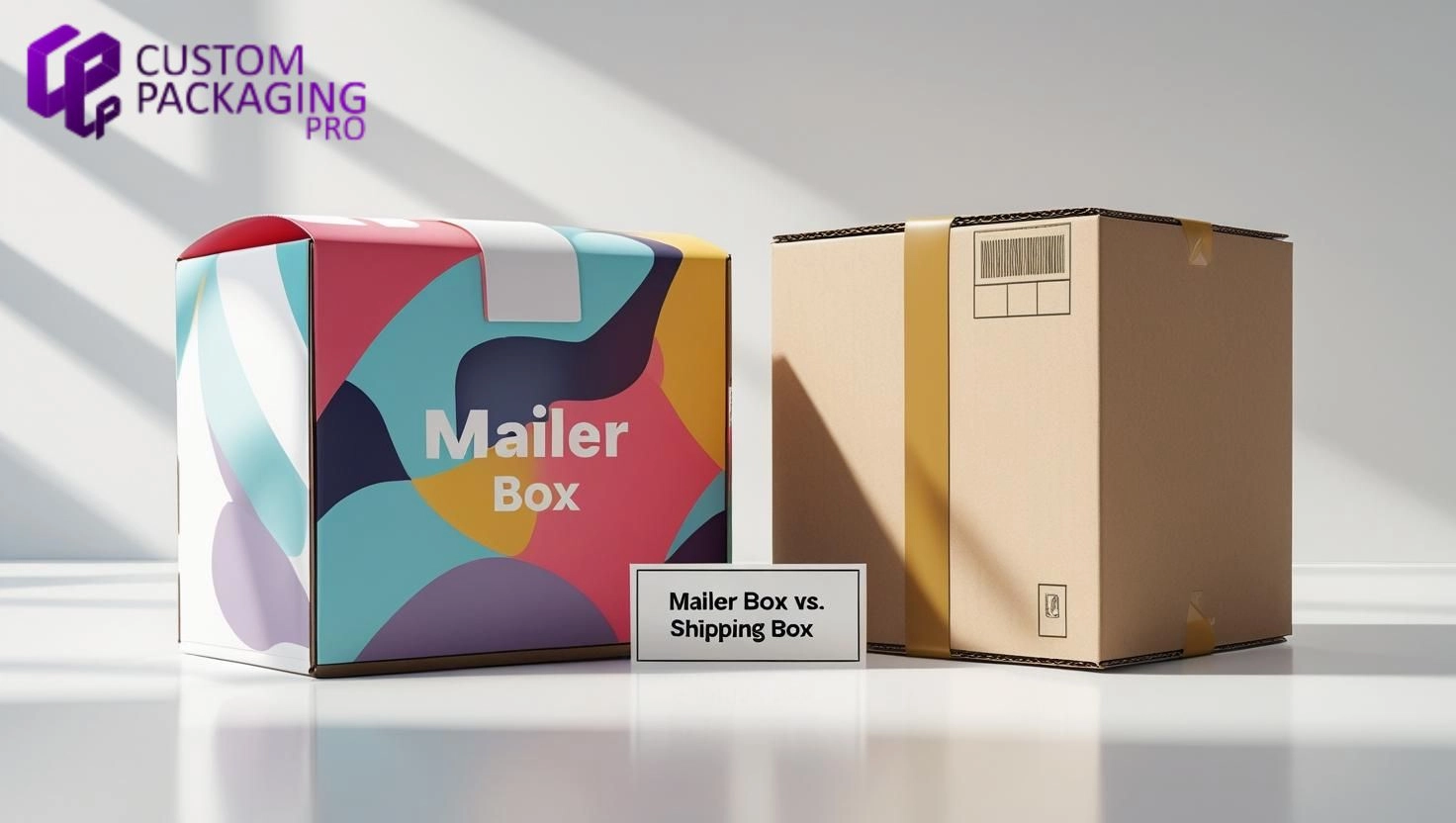
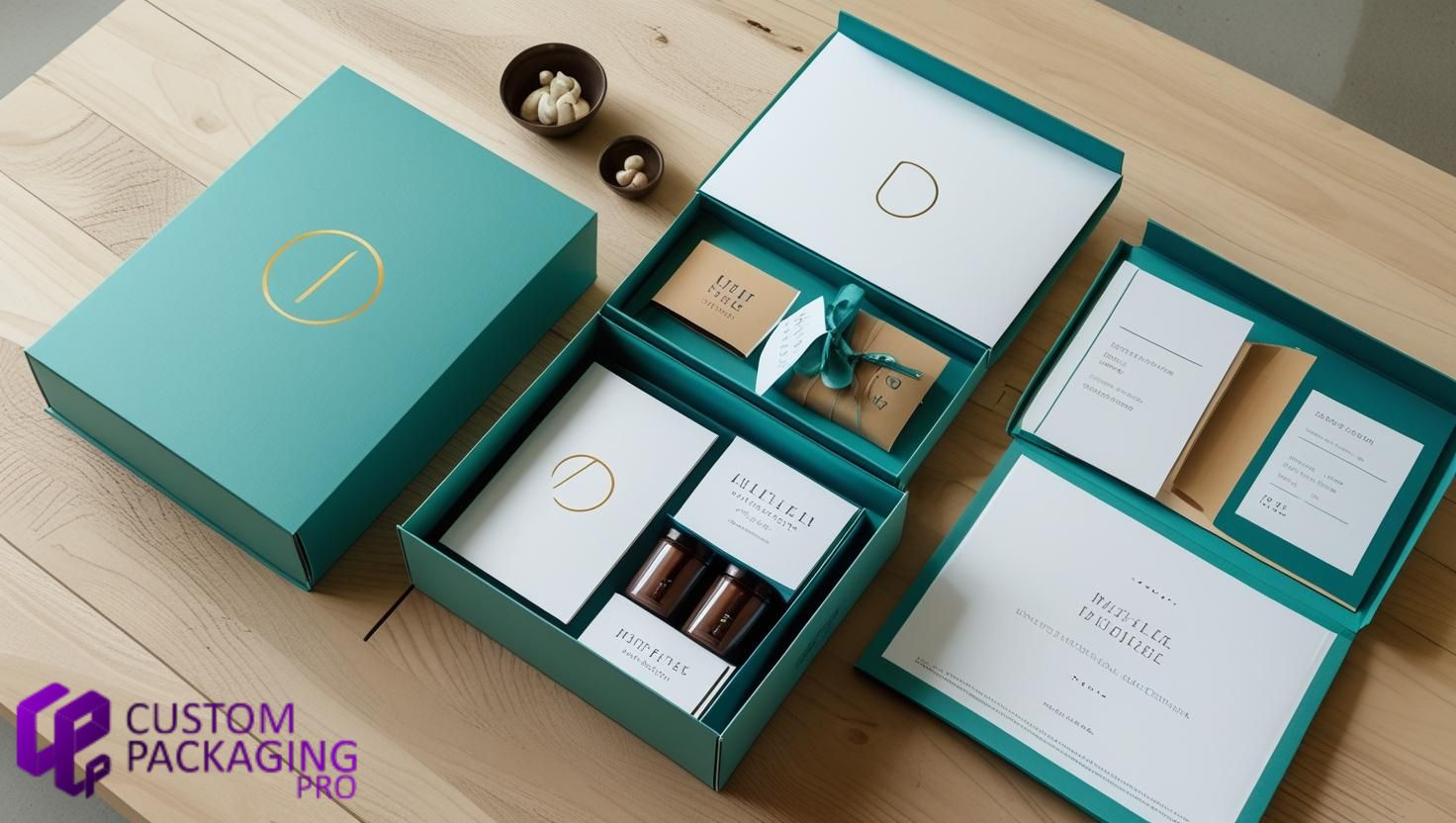
Mailer boxes are typically made from high-quality corrugated cardboard and are designed with a built-in lid that tucks in for easy assembly and closure. These boxes are most commonly used for subscription products, gifts, and branded deliveries.
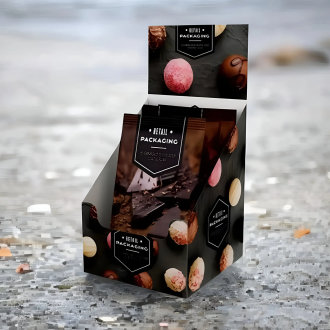
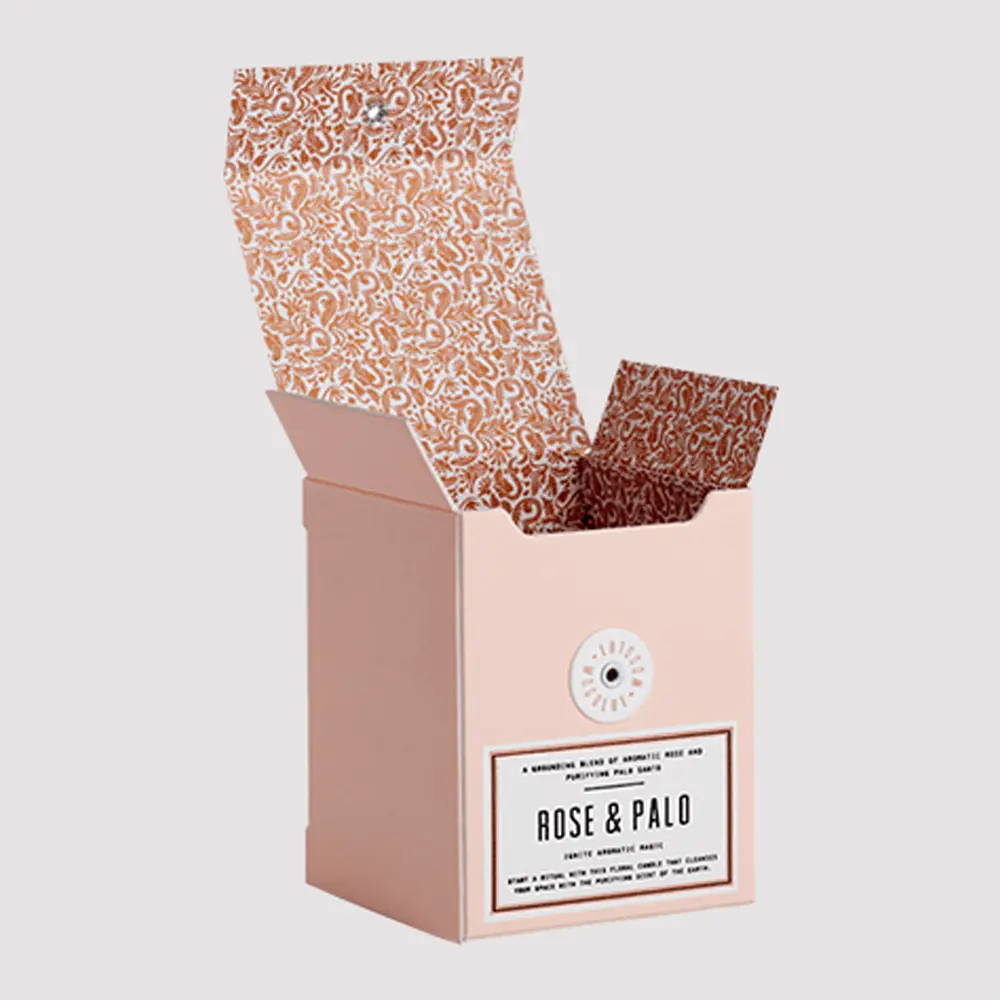
What makes them stand out is their visual appeal. Mailer boxes offer a canvas for creativity, making them perfect for custom packaging. Whether you're a boutique skincare brand or a niche subscription service, mail boxes give you the chance to wow your customer the moment they receive their order.
Mailer boxes also have structural benefits. Their interlocking flaps provide secure closure, eliminating the need for extra tape or adhesives. This gives them a clean, premium finish and helps reduce packaging time.
They are ideal for:
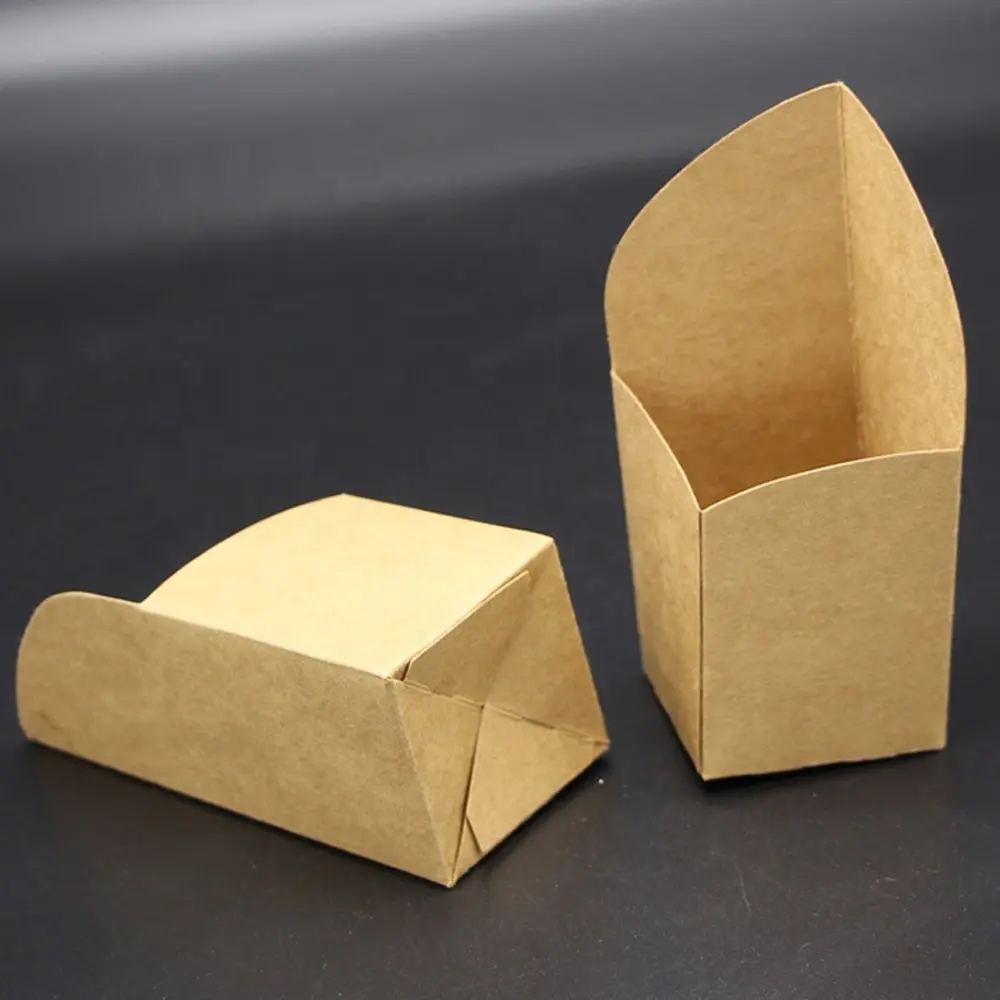
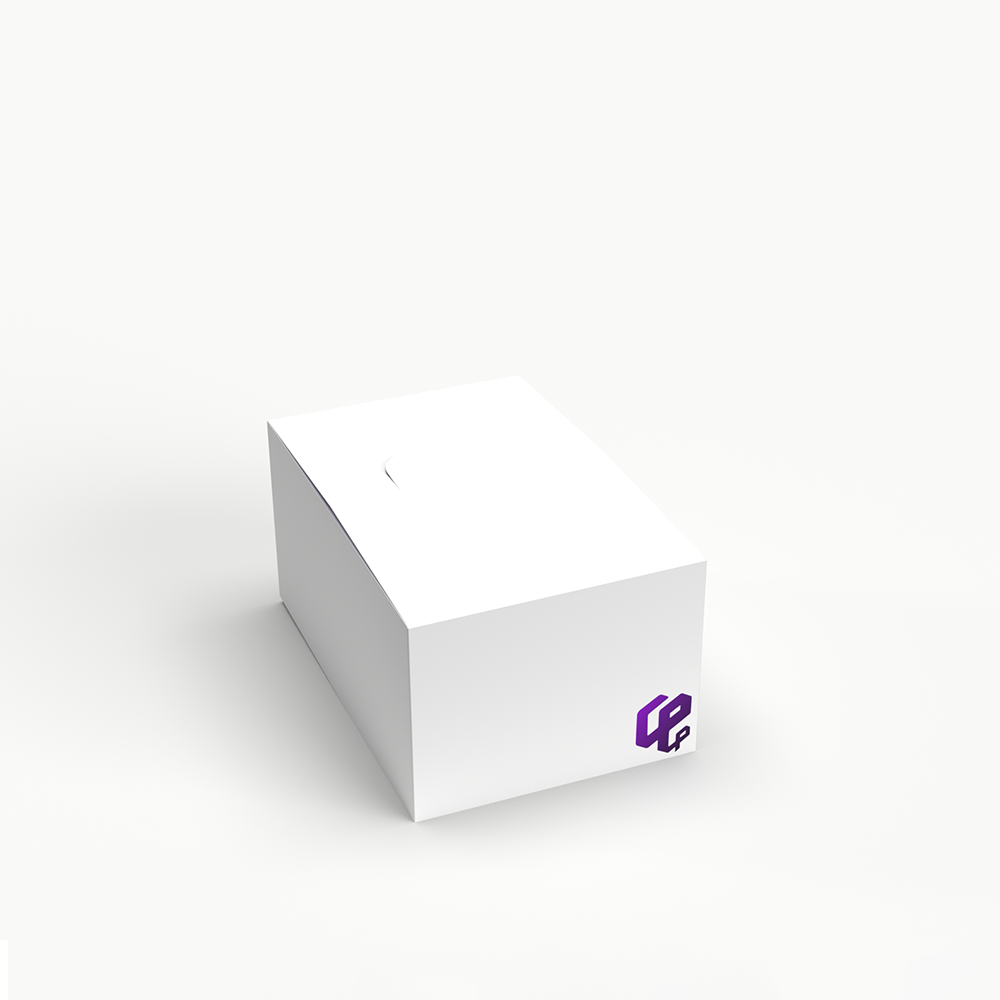
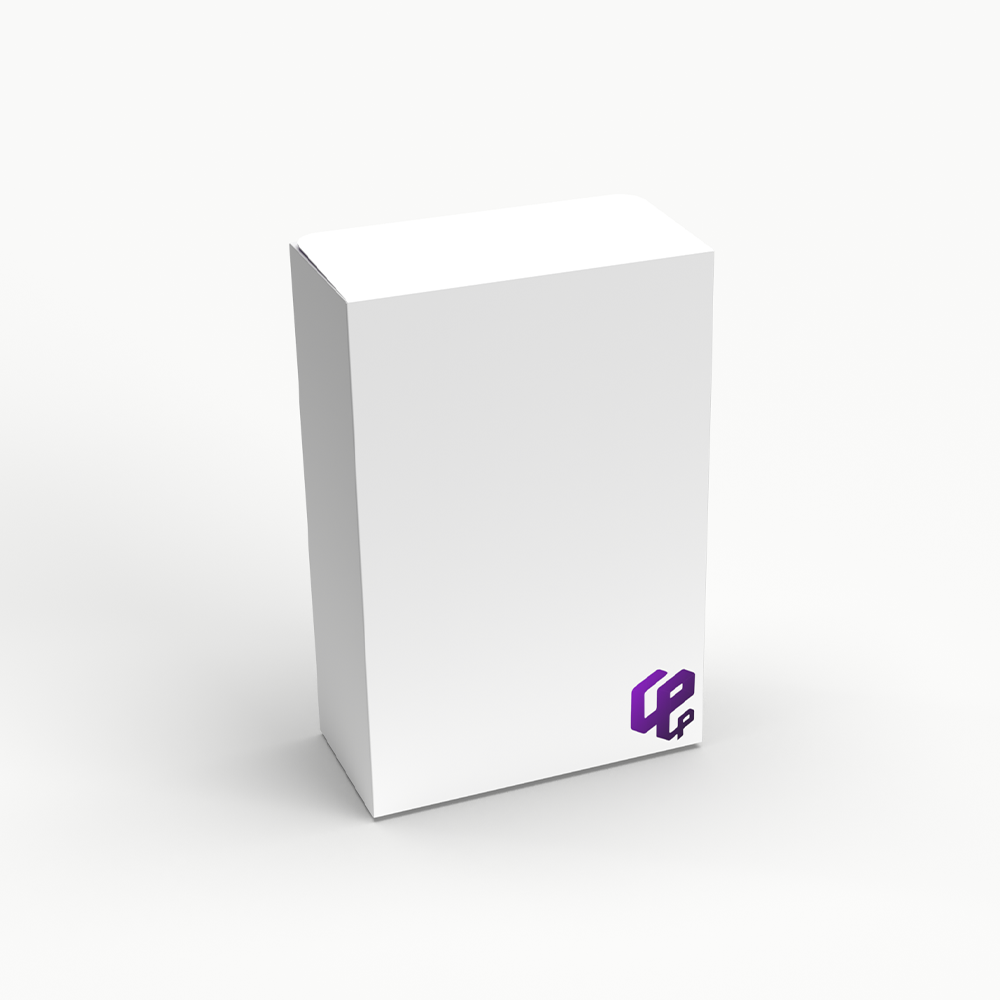
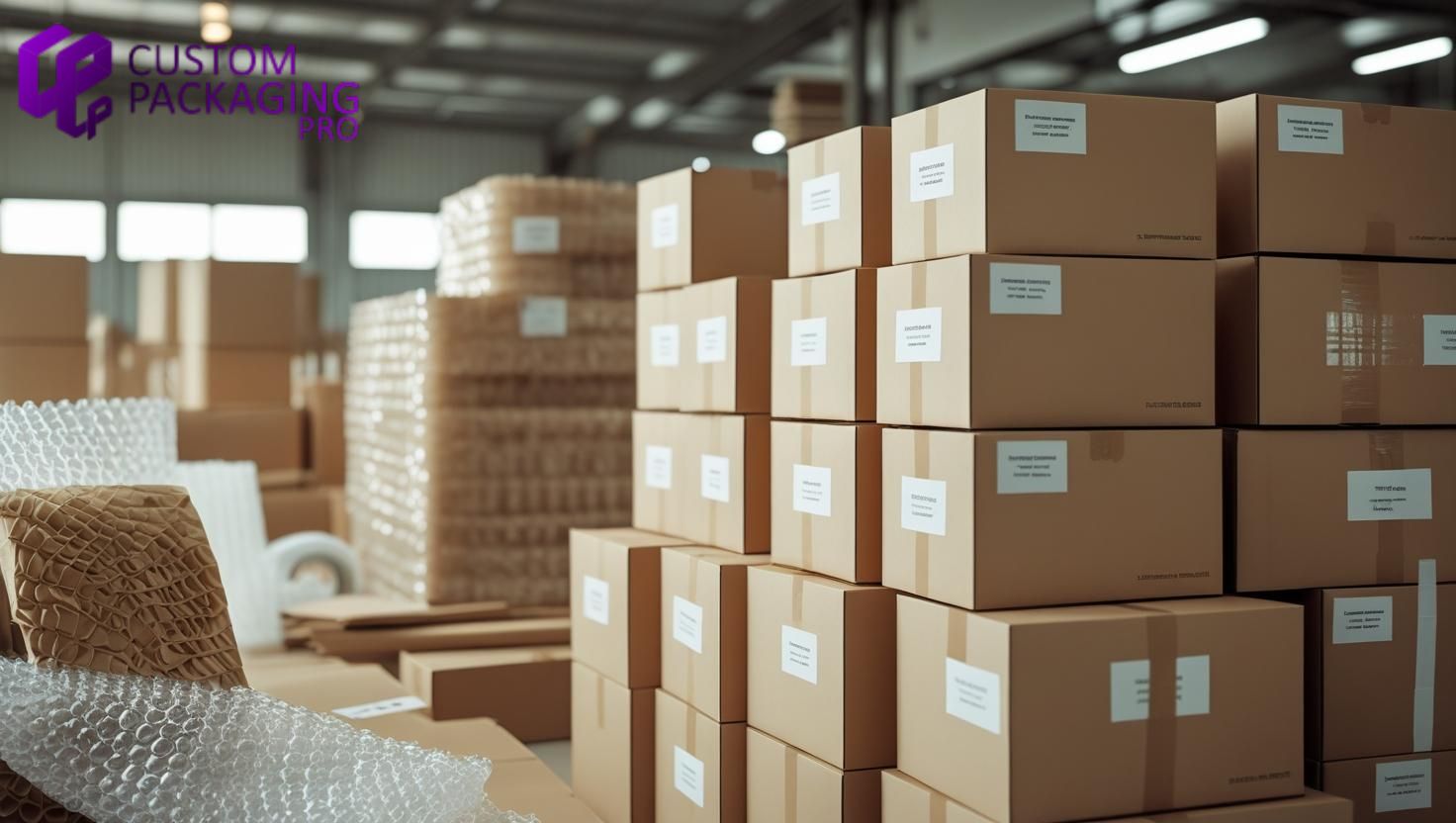
Shipping boxes, on the other hand, are designed primarily for protection. These are the typical corrugated cardboard boxes seen in USPS shipping, large-scale retail, and warehouse logistics. They are usually square or rectangular and sealed with tape. These boxes are built to handle heavier loads and provide extra cushioning.
Whether you’re sending electronics, bulk orders, or fragile items, shipping boxes are your go-to solution. Available in a wide range of sizes including small shipping boxes and large shipping boxes, they are a practical choice for businesses needing to transport items over long distances or through complex shipping networks.
You’ve probably encountered custom shipping boxes that come with double-wall corrugation, added inserts, or reinforced flaps. These enhancements make them suitable for industrial-grade use and high-volume shipping scenarios.
Shipping boxes are best used for:
The key differences lie in design and construction. Mailer boxes are die-cut with built-in flaps that close without the need for tape, creating a snug and elegant package. Shipping boxes, by contrast, are generally regular slotted containers (RSC) that require taping for secure sealing.
While both are made from corrugated cardboard, shipping box construction prioritizes protection, while mail box design leans into branding and user experience. If your goal is to deliver a delightful unboxing moment, mailer boxes are ideal. If your priority is secure transit across rough logistics chains, shipping boxes are a better fit.
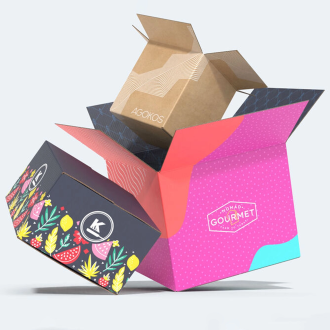
Packaging plays a major role in brand storytelling. A beautifully printed custom mailer box with your logo, tagline, and vibrant colors can turn a regular delivery into a memorable brand experience. For small businesses and startups, eCommerce mailer boxes are an affordable way to stand out in a competitive market.
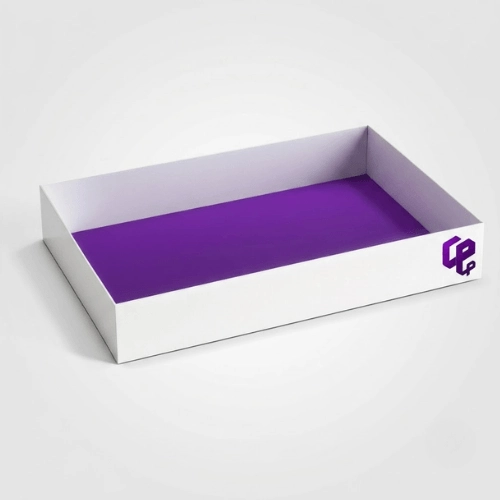
Mail boxes can be tailored inside and out, offering ample opportunity to include brand elements like thank-you notes, coupons, or inserts. This level of customization makes them popular among eCommerce brands focused on presentation and customer loyalty.
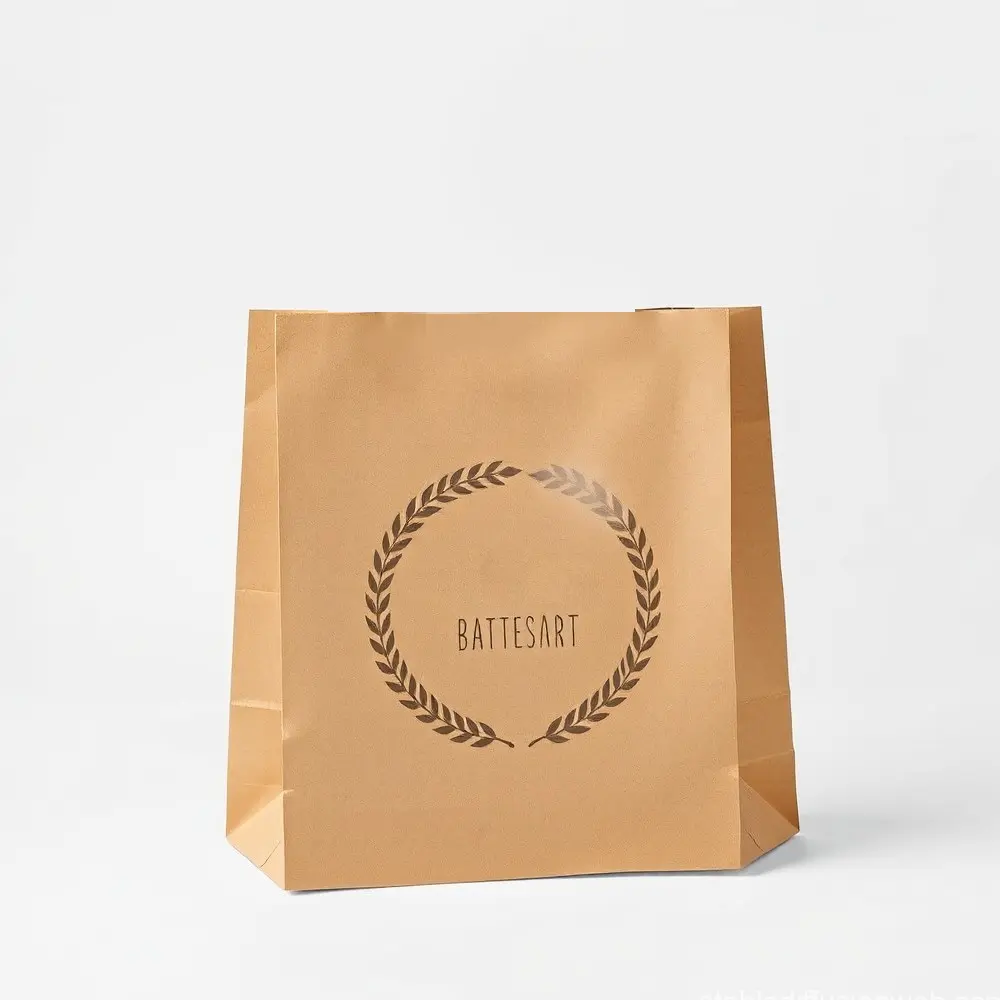
While shipping boxes can also be custom-printed, they are usually more standardized and utilitarian. For high-volume shipping, especially where branding isn’t the main focus, plain boxes for shipping may suffice.

Price is always a key consideration in packaging choices. Mailer boxes tend to cost more per unit because they have a complex design and custom print capabilities. But they can offset costs in marketing and customer retention, particularly if your company depends on repeat sales.
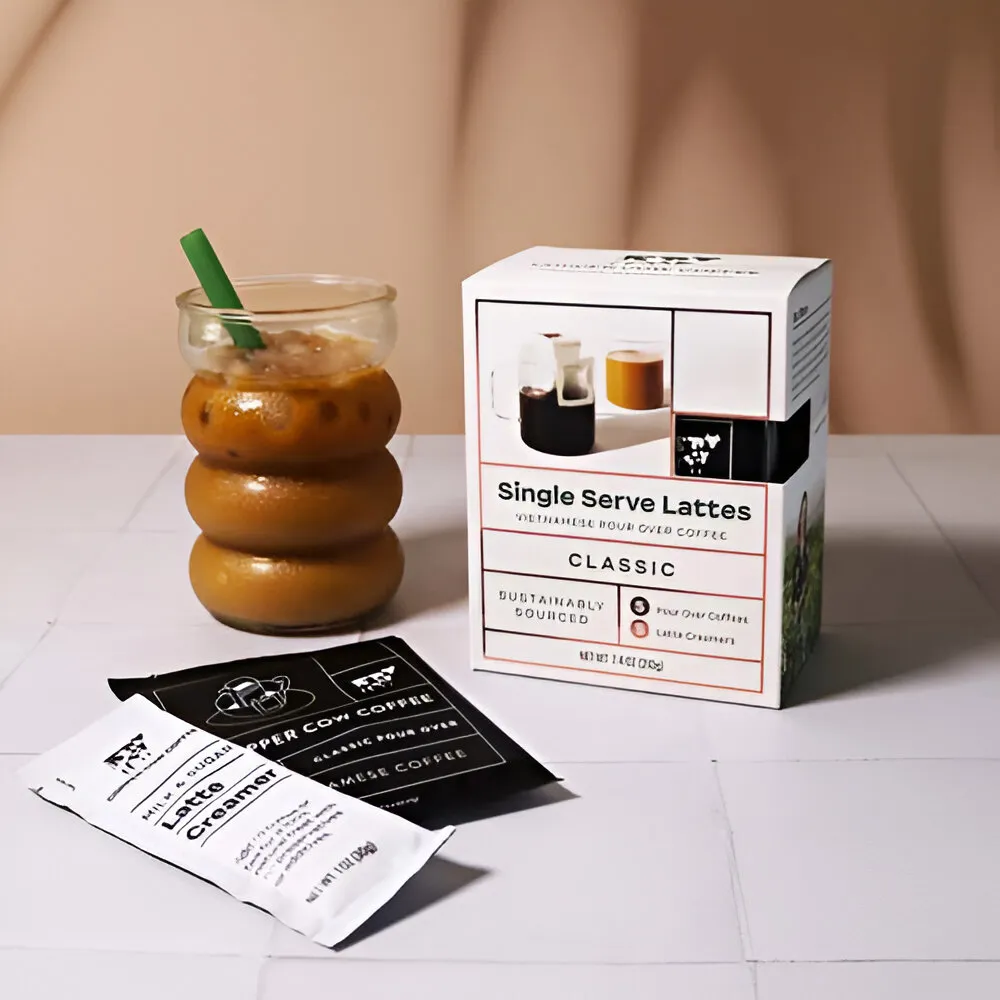
Shipping boxes, though cheaper, can call for more packing supplies such as bubble wrap, filler paper, or inner cartons. When cutting expenses, consider more than just the box itself. Think in terms of total cost that includes protection, branding, fulfillment time, and shipping weight.
In fact, small shipping boxes can be surprisingly cost-effective for lightweight items, especially when ordered in bulk. Large shipping boxes offer volume flexibility, but you’ll need to consider dimensional weight pricing when shipping via carriers like USPS, UPS, or FedEx.
If your product requires maximum protection—think glass bottles, tech gadgets, or anything fragile—shipping boxes offer superior durability. They are engineered to withstand compression, drops, and impacts during transit.
USPS shipping boxes, for example, meet strict shipping standards and offer consistent performance in cross-country logistics. For small business owners handling fragile or high-value goods, choosing the right box means fewer damaged returns and happier customers.
That said, mailer boxes are no slouch when it comes to protection. With the right corrugation strength and snug fit, they can be surprisingly durable for medium-weight items. For local or short-distance deliveries, they offer a strong balance of protection and style.
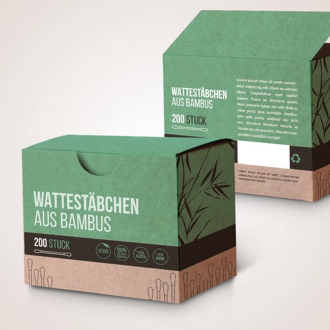
Both mailer boxes and shipping boxes can be made from recycled materials and are generally recyclable themselves. Many brands today are opting for eco-friendly mail boxes that align with their sustainability values.
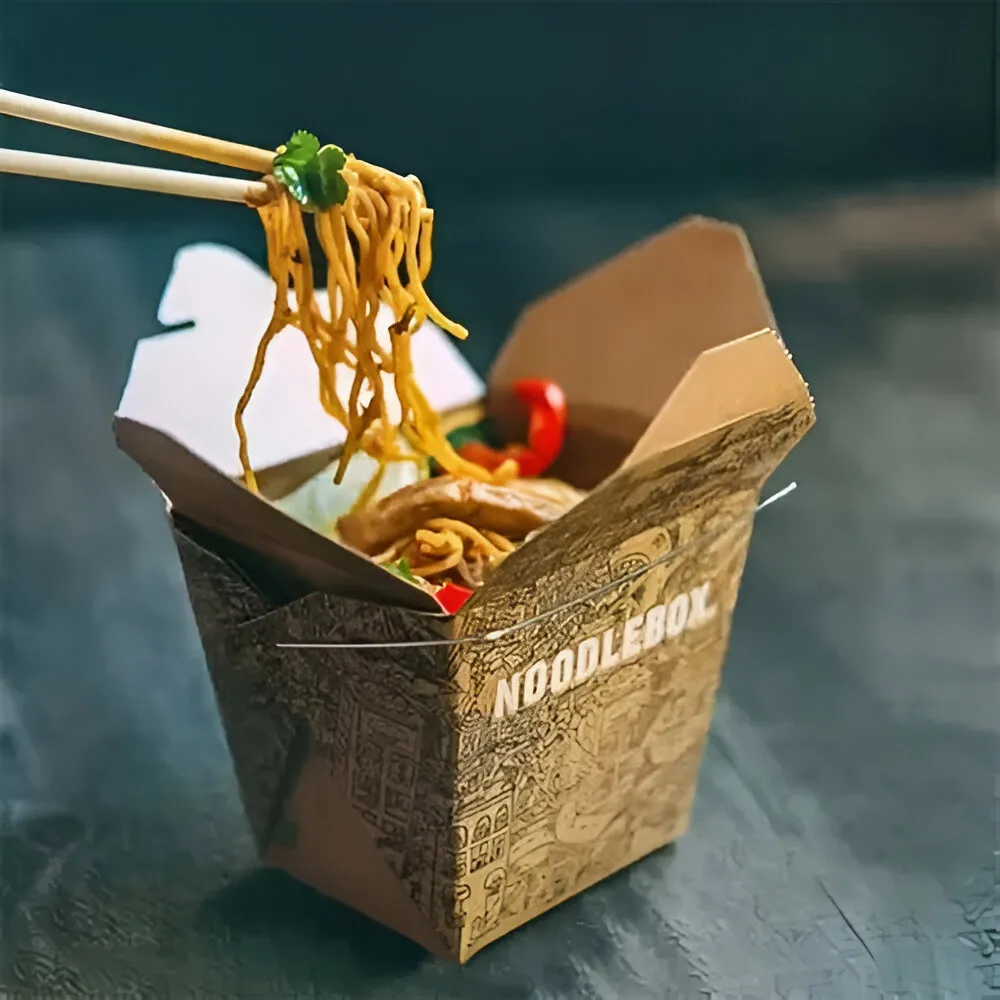

Mailer boxes typically require less filler material, reducing packaging waste. Their efficient design also saves storage space and shipping costs. However, when shipping larger items that require additional cushioning, shipping boxes may end up using more protective material.
For brands focused on green packaging, choosing the right box style and supplier can make a real difference. Look for FSC-certified materials, soy-based inks, and packaging suppliers that offer environmentally responsible manufacturing.
At Custom Packaging Pro, we offer tailored solutions whether you need elegant custom mailer boxes for your boutique products or durable custom shipping boxes for high-volume fulfillment.
You can choose from:
We work with businesses of all sizes, offering wholesale packaging with flexible minimums, fast turnaround, and no compromise on quality.
Here’s a quick rule of thumb:
If your business uses both models—say, you sell both online and wholesale—there’s no reason you can’t integrate both types of boxes in your logistics setup.
The right packaging is about more than cost or appearance. It’s about delivering your product safely, creating brand impressions, and supporting business growth. Whether you need branded mail boxes for eCommerce or tough shipping boxes for your warehouse, aligning your packaging choice with your business goals is key.
Custom Packaging Pro helps you bridge the gap between design, durability, and delivery. Explore our wide range of custom shipping boxes, mail boxes, and packaging solutions tailored to every industry and scale.
Contact us today for expert advice, free mockups, and a quote that fits your needs.

Q1. Are mailer boxes good for shipping fragile items?
A. Mailer boxes work well for lightweight, non-fragile items. For fragile products, it's best to add protective inserts or opt for sturdy shipping boxes.
Q2. Can mailer boxes be customized inside and out?
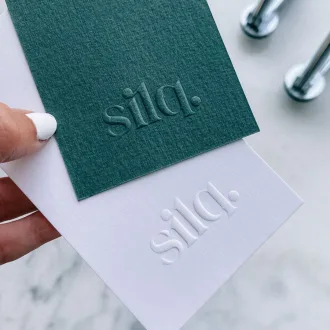
A. Yes, mailer boxes offer full customization, including interior printing, inserts, and finishes like embossing or spot UV.
Q3. What’s the difference between a mail box and a shipping box?
A. A mailer box is typically used for direct-to-consumer branding with a built-in lid. A shipping box is designed for durability and requires sealing with tape.
Q4. Are USPS shipping boxes free?
Yes, USPS offers free flat-rate shipping boxes, but these are standardized and not customizable for branding.
Q5.How do I choose between small and large shipping boxes?
A. Base your choice on product dimensions, weight, and how much protective padding is needed. Custom sizing is often best to minimize shipping costs.