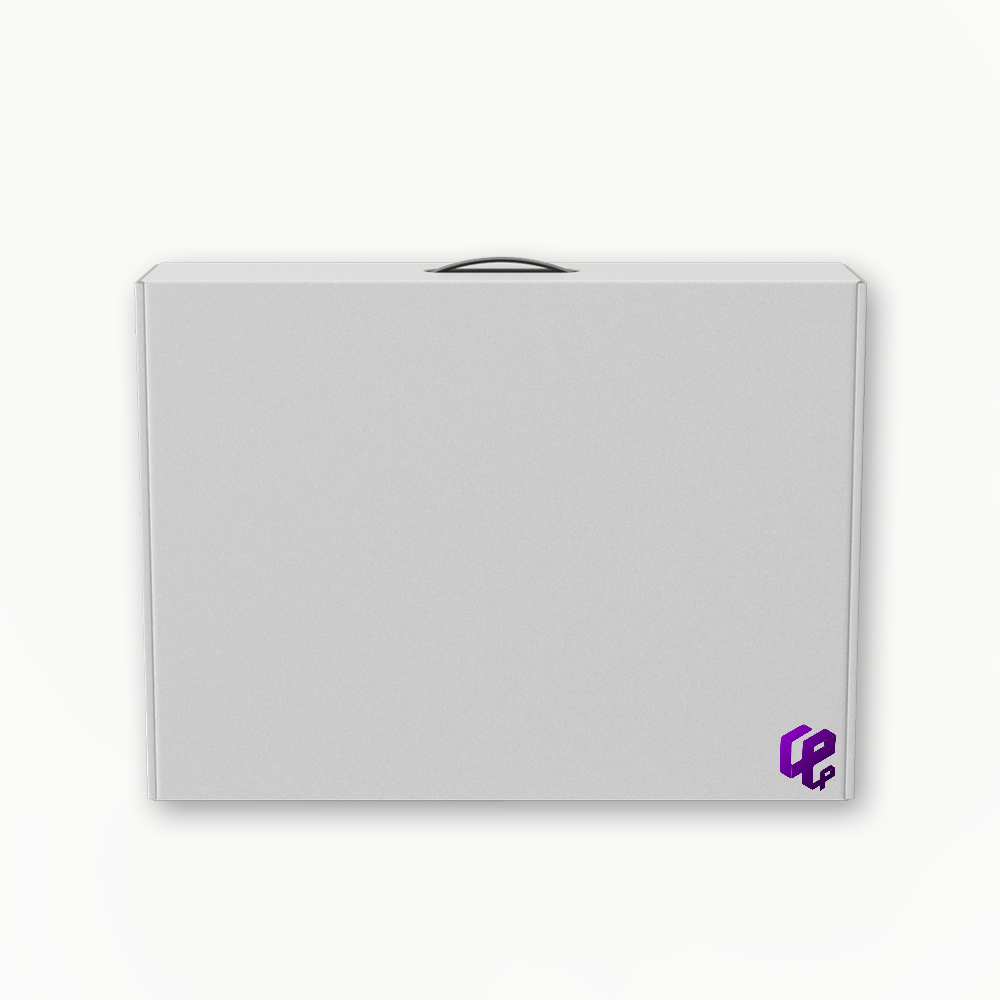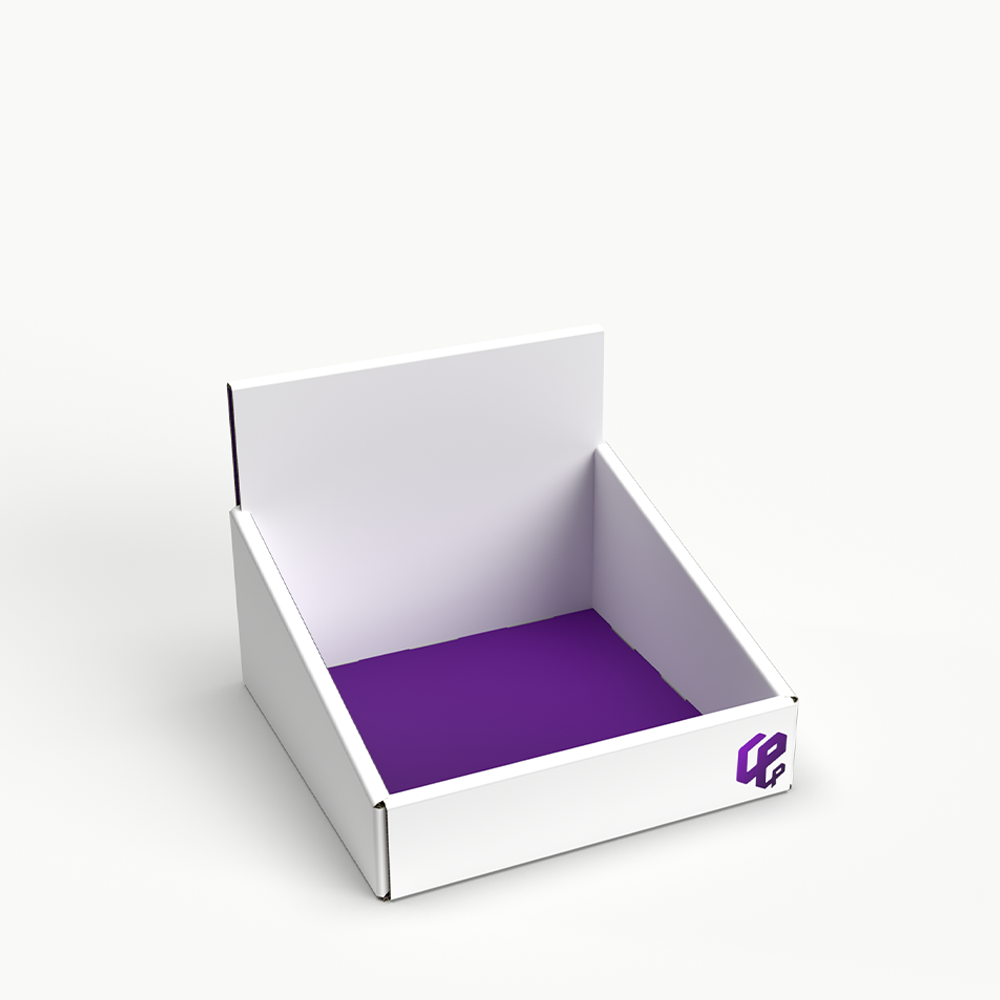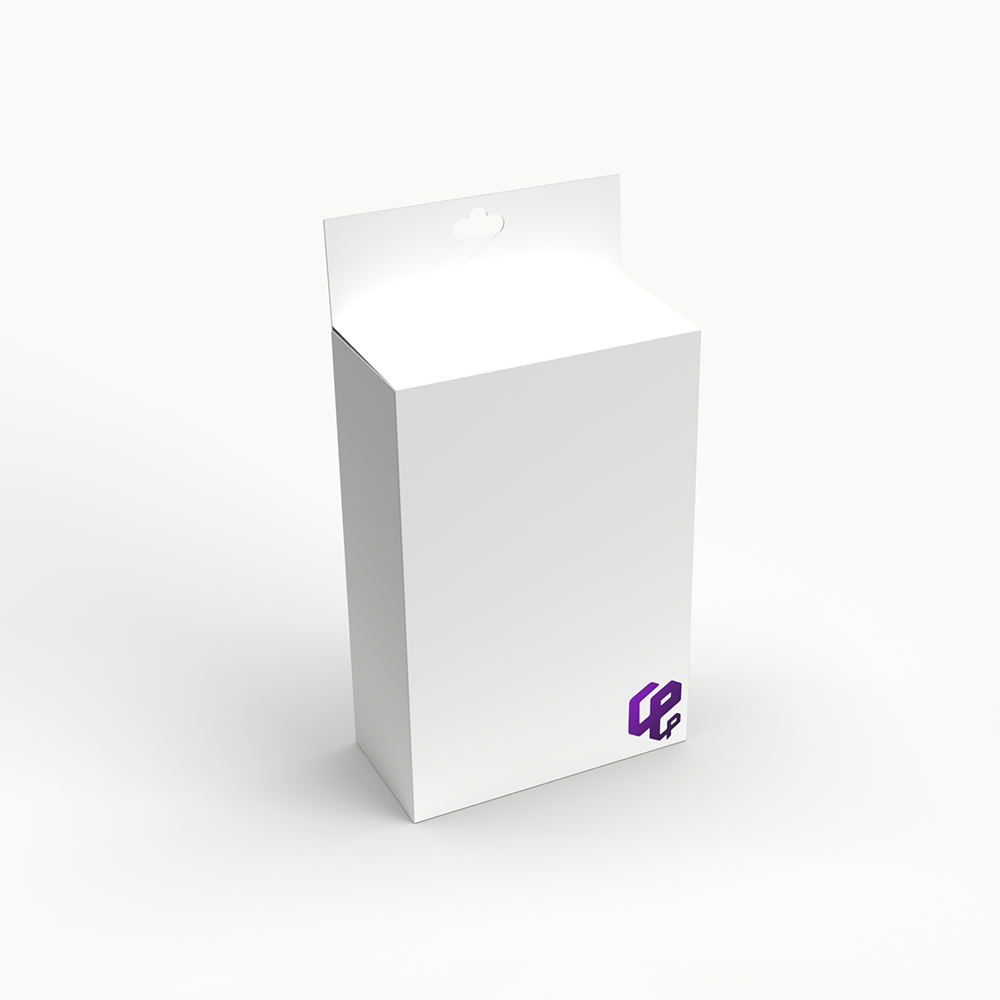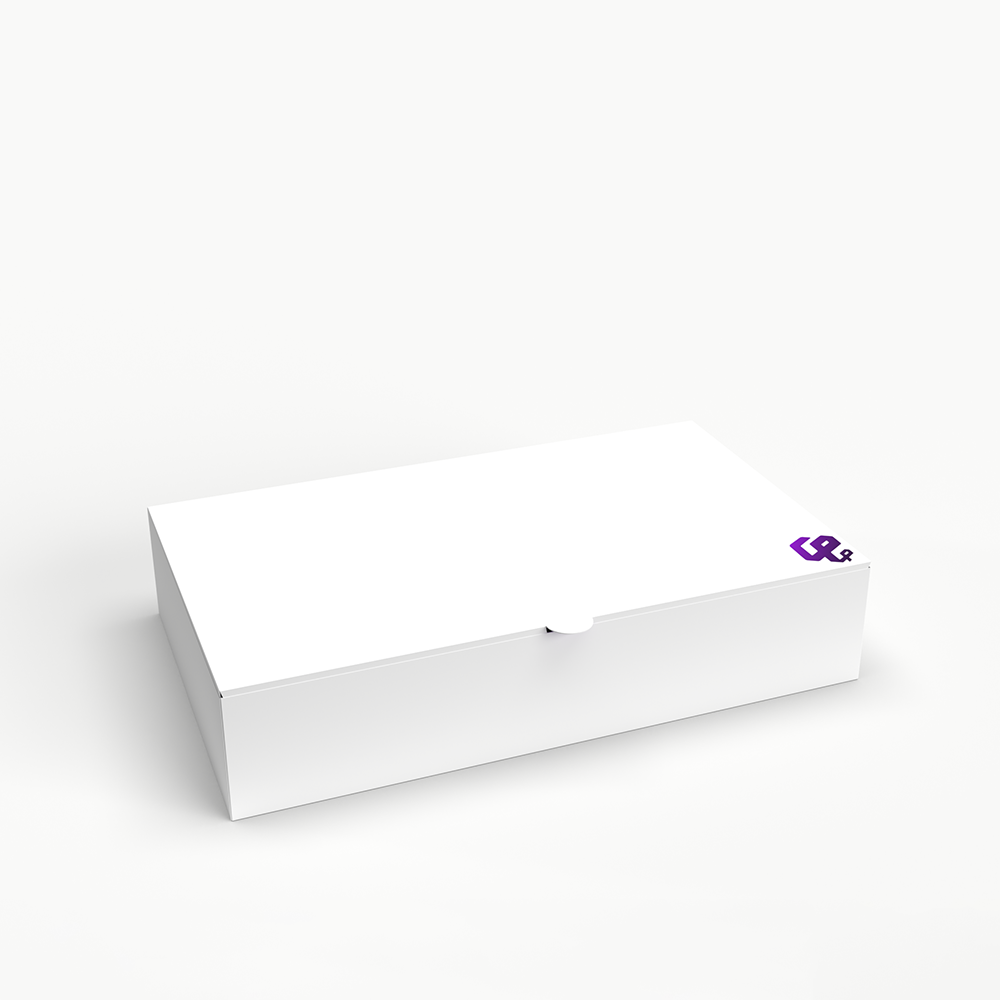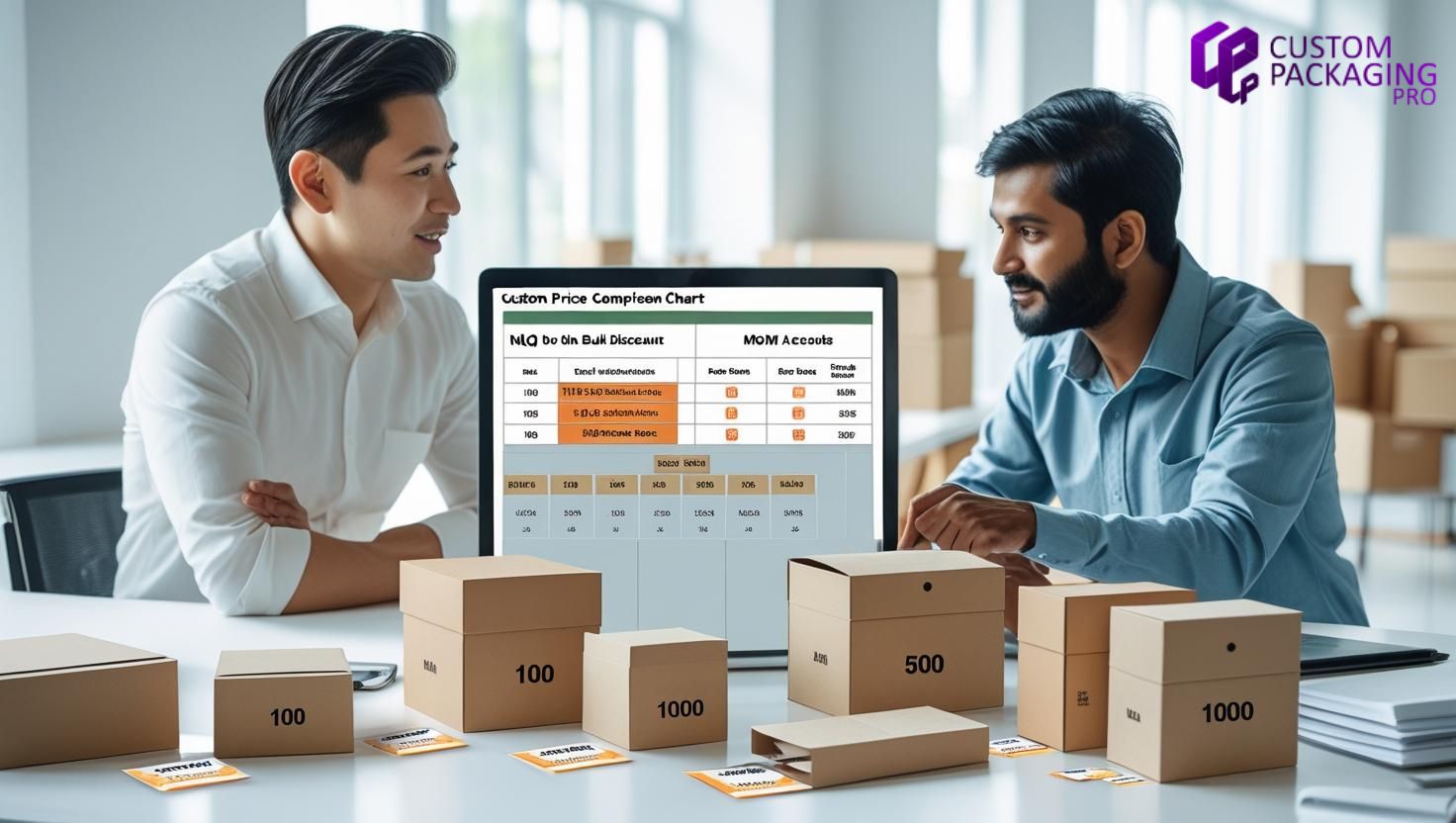
When you're growing a business, especially one that sells physical products, packaging costs can feel like a major puzzle. Two terms you’ll frequently see are MOQ (Minimum Order Quantity) and bulk discounts—but understanding how they balance is the key to smart budgeting. At Custom Packaging Pro, we’ve helped countless businesses—from startups to seasoned brands—get packaging that's both affordable and tailored to their needs. Let me walk you through how MOQ and bulk discounts really work, and what to look for when ordering your custom packaging.
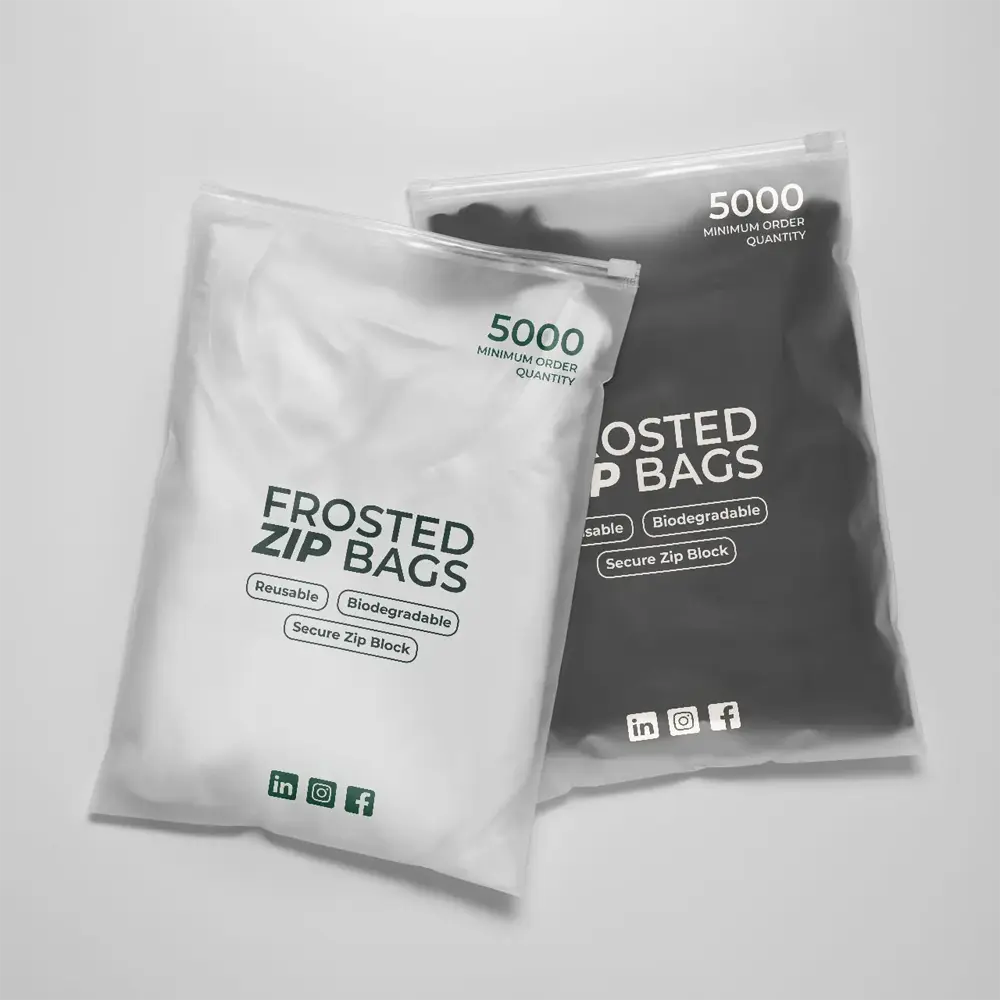
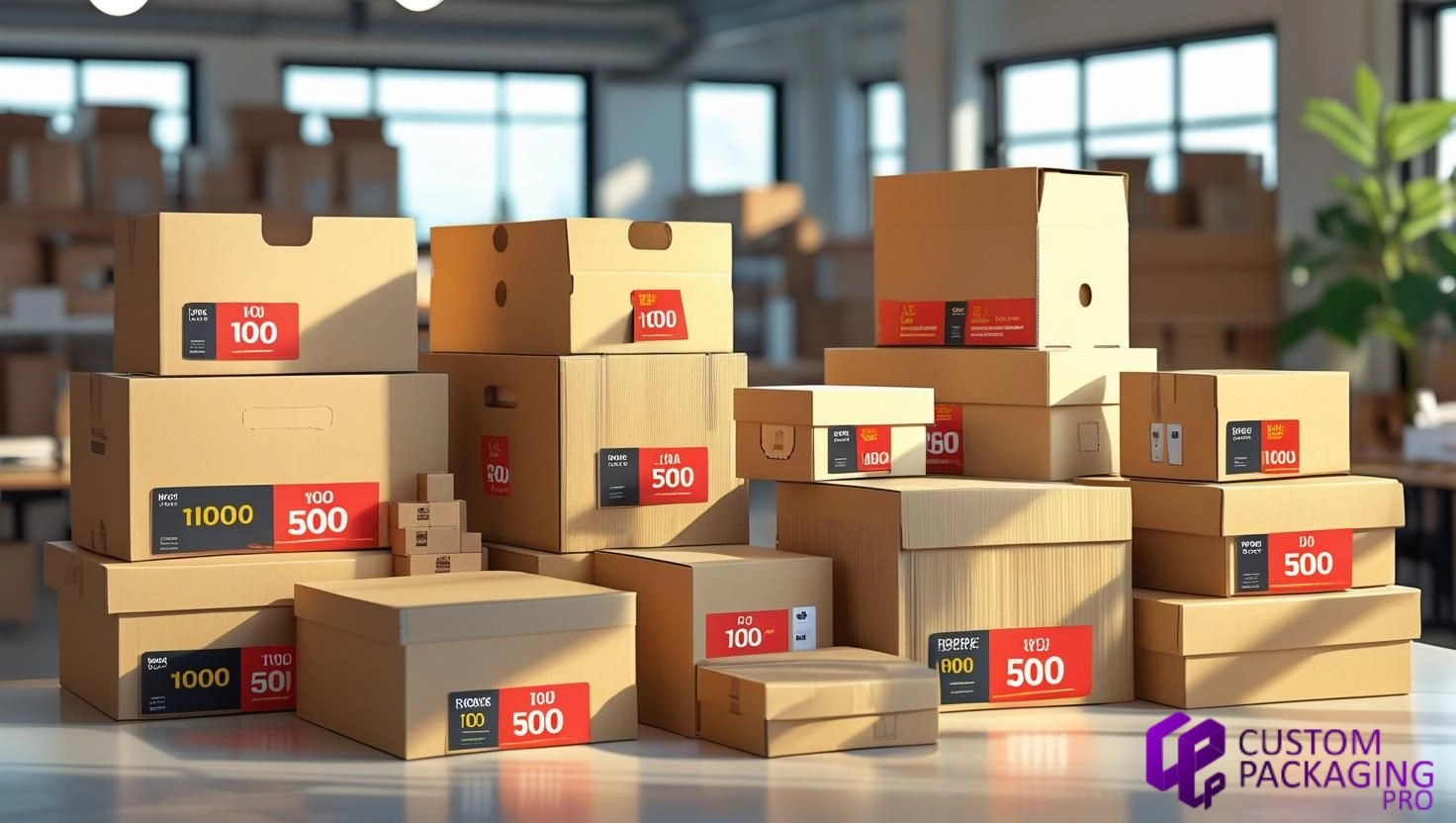
MOQ stands for Minimum Order Quantity. In simple terms, it's the smallest number of boxes or packages you can order in one run. Most packaging companies don’t do single units because setting up the machinery, creating tools like die‑cuts, and doing print proofs costs time and money. When you order 100 boxes or 1,000, that setup cost is spread out, making each unit cheaper.
Think about it like this: if you’re baking cookies, prepping the oven and ingredients costs time—so you might as well bake a whole batch rather than just one or two. MOQ works the same way for packaging.
Let’s say your supplier has an MOQ of 500 units, but you're just launching and only need 200. If you order fewer than the MOQ, you typically have two choices:
In both cases, smaller runs tend to cost more per unit because of fixed setup expenses. However, you’re not without flexibility. Some suppliers offer options:
At Custom Packaging Pro, we have MOQs starting as low as 100 units for many packaging styles—ideal for startups testing a new product.
How do you decide on the right order size? Here’s a practical approach:
If you need 750 units, and ordering 1,000 saves you 10%, you might choose the higher volume—and store or stagger release of the extra 250.
Here’s how we make MOQ and bulk pricing work in your favor:
That means you can test, refine, and grow without overcommitting—or overpaying.
"MOQ is just a sales tactic."
Not really. MOQ covers real costs: printing plates, setup, and quality checks—but you’re right to question if it’s aligned with your needs. Some suppliers do use it to upsell, so transparent pricing is key.
"Bulk always means best price."
Not always. If you buy more than you'll sell quickly, you might tie up capital, pay interest on inventory, or risk product or design changes before you use them. Smart planning helps avoid this.
"Low MOQ means low quality."
No. Digital presses and modern workflows let us maintain brand-level quality even at small runs. At Custom Packaging Pro, every print is checked the same way—whether 200 or 20,000.

Let your supplier know what your goals are—volume, speed, branding, cost—and they'll work with you.
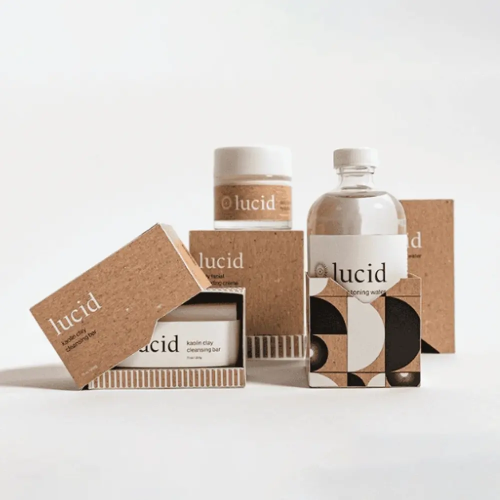
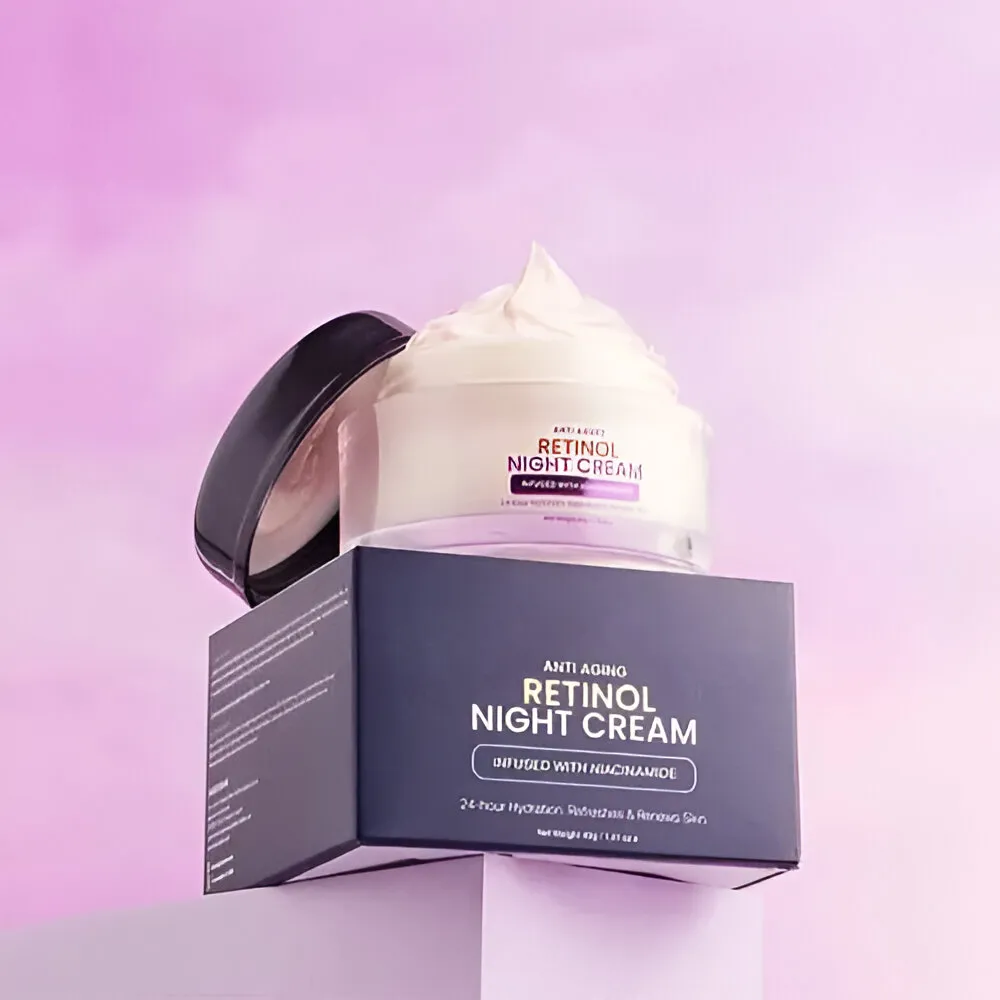
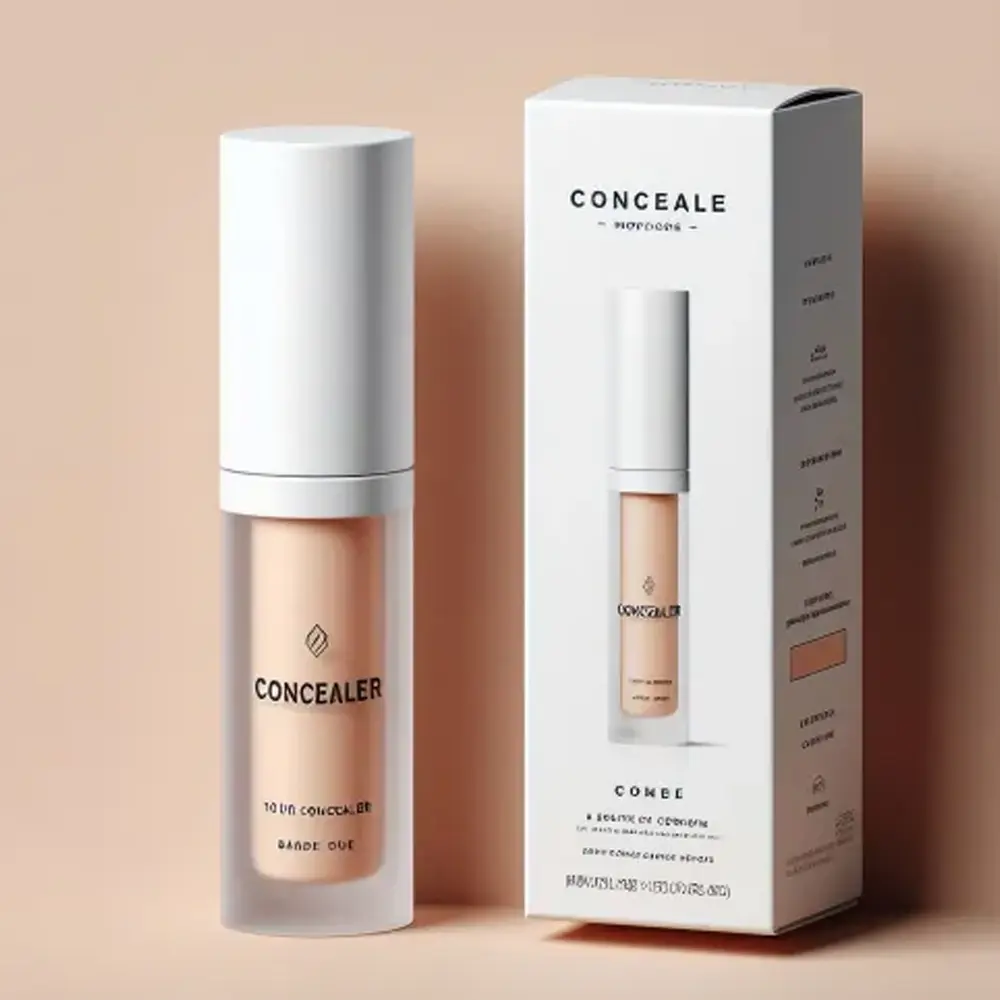
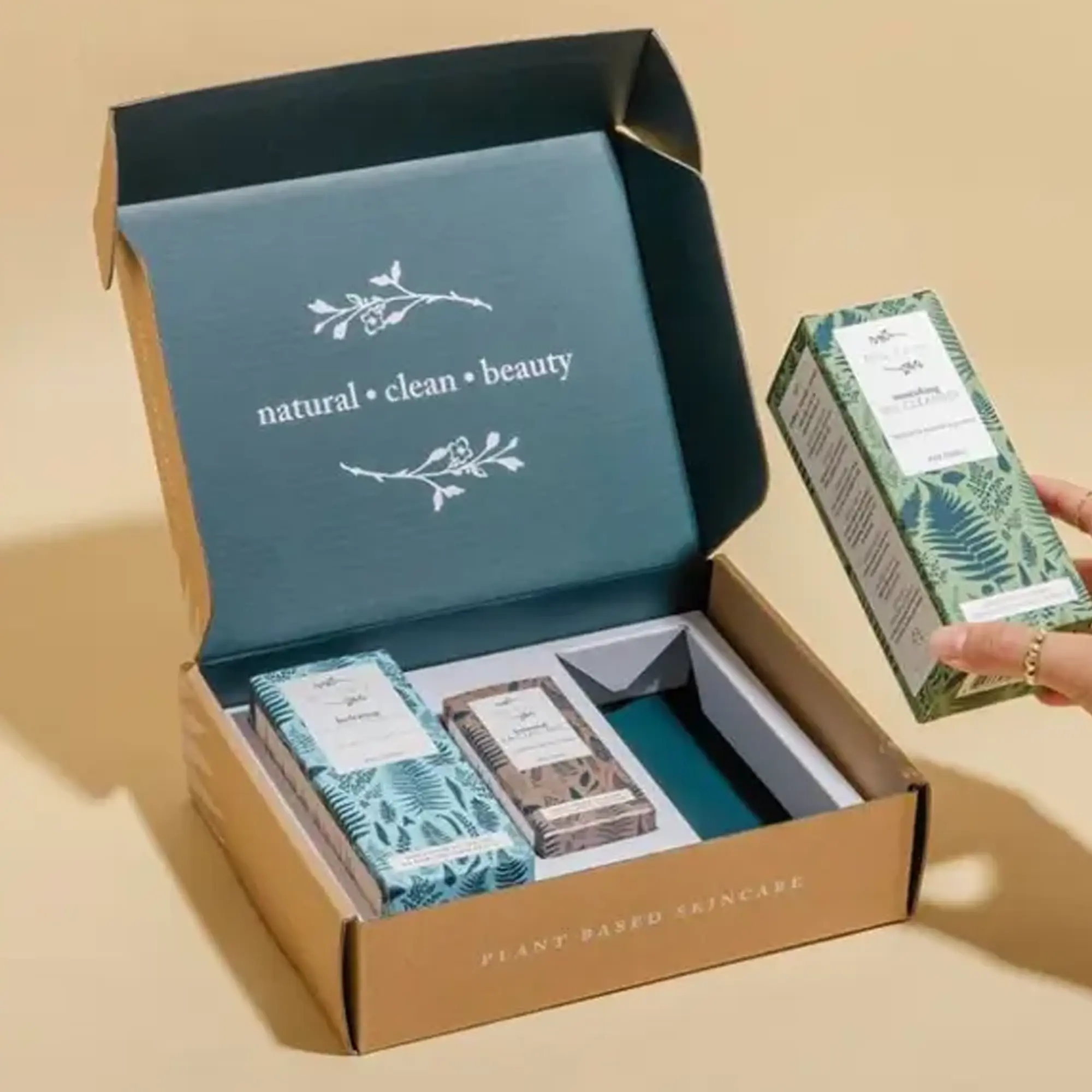
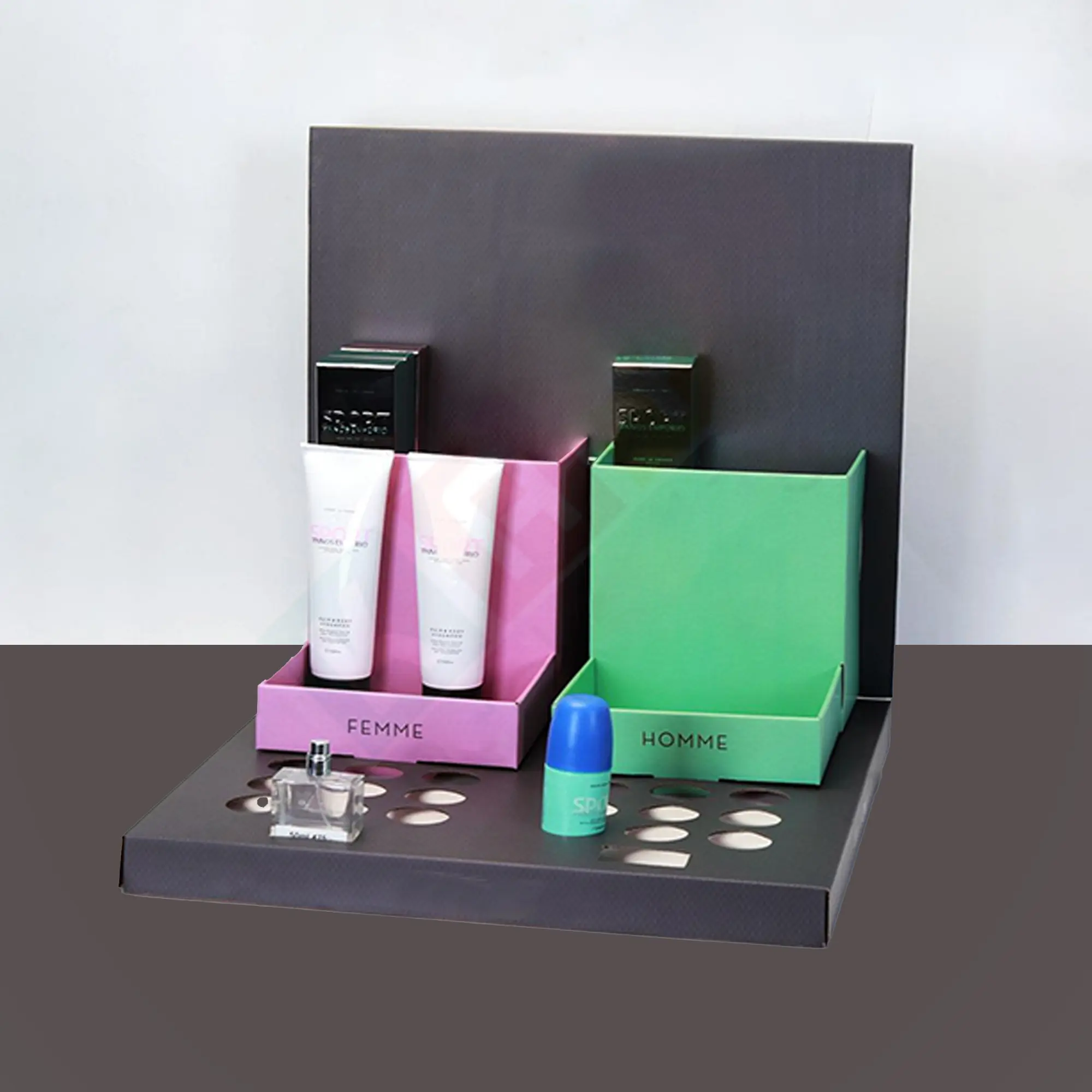
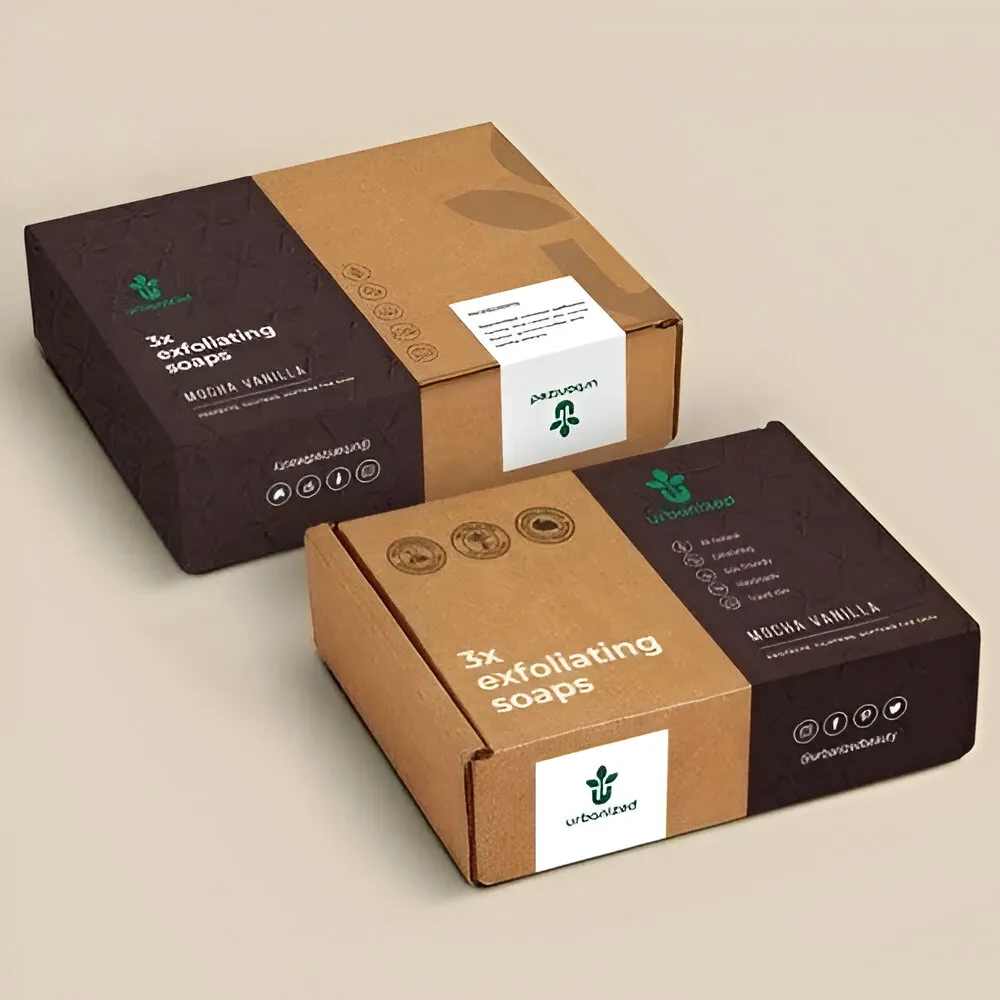
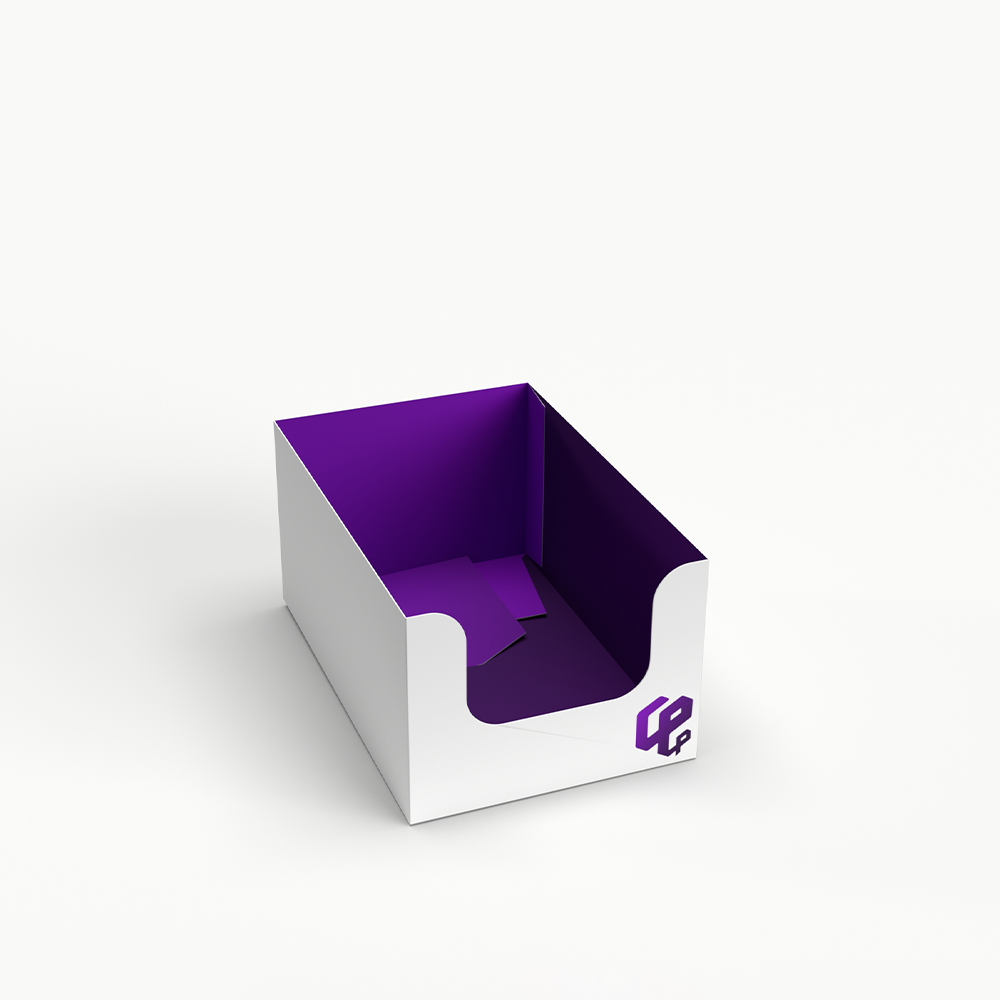
One of our clients, a new skincare brand, launched three products and needed ready retail boxes. They projected selling 1,000 units across all SKUs in six months, but didn’t want to hold 3,000 in stock.
We recommended one combined run of 2,000 units (order larger to hit the 10% discount), then a reorder of 1,000 a few months later when initial inventory sold. That plan reduced per-box cost from $1.50 to $1.35, saving $300 upfront, and freed up usable cash. They also stored packaging flat with minimal space and they were always ready for relabels or reorders—no rush fees.
At Custom Packaging Pro, our production and fulfillment teams follow a clear yet flexible order management system:
This means you’re never stuck in the middle—MOQ is not a trap but a planning tool.
There are times when lower volumes make sense—like product testing or limited-edition packaging. We handle these situations thoughtfully:
You can grow your brand step by step, without prematurely going big.
As you grow and order more, bulk discounts compound. We lock in tiered pricing ahead of time, so ordering 5,000+ units reduces costs further—not just per unit, but also in shipping and handling.
We also revisit your designs to optimize layout and materials every 1–2 years, helping you reduce waste and costs while ensuring you stay on-trend.
Understanding MOQ and bulk pricing isn’t complicated, but it does require smart planning—and a supplier you can trust.
With Custom Packaging Pro, you get:
Whether you're ordering 100 boxes or 10,000, your custom packaging is a tool for brand growth—not a financial headache. We’re here to make packaging predictable, scalable, and aligned with your business.
If you're unsure about how many boxes to order—or how to price for bulk tiers—just reach out. We’ll help you run cost models, projected savings, and storage timelines. Let’s find the sweet spot that works for your launch, your budget, and your next step.
Want to get a quote, see samples, or plan a reorder strategy? Just let us know—we’re ready when you are.
Q1. What does MOQ mean in custom packaging orders?
A. MOQ is "Minimum Order Quantity." In custom packaging, it's the minimum amount of units a supplier makes you order. This helps to maintain efficient production and pricing.
Q2. Why do custom packaging companies offer bulk discounts?
A. Bulk discounts help reduce production costs per unit when packaging is ordered in higher volumes. It’s a win-win—clients save money, and manufacturers streamline operations.
Q3. Is it possible to get custom packaging with a low MOQ?
A. Yes, some companies offer low MOQs for startups or small runs. However, unit costs are typically higher than bulk orders due to setup and material expenses.
Q4. How can bulk packaging benefit small businesses?
A. Bulk custom packaging reduces long-term costs and ensures consistent branding. It also helps small businesses stay prepared for seasonal spikes or wholesale orders.
Q5. What should I consider before placing a large packaging order?
A. Evaluate storage space, projected sales volume, and design finalization. Always ensure the packaging design meets your brand’s needs before committing to bulk quantities.