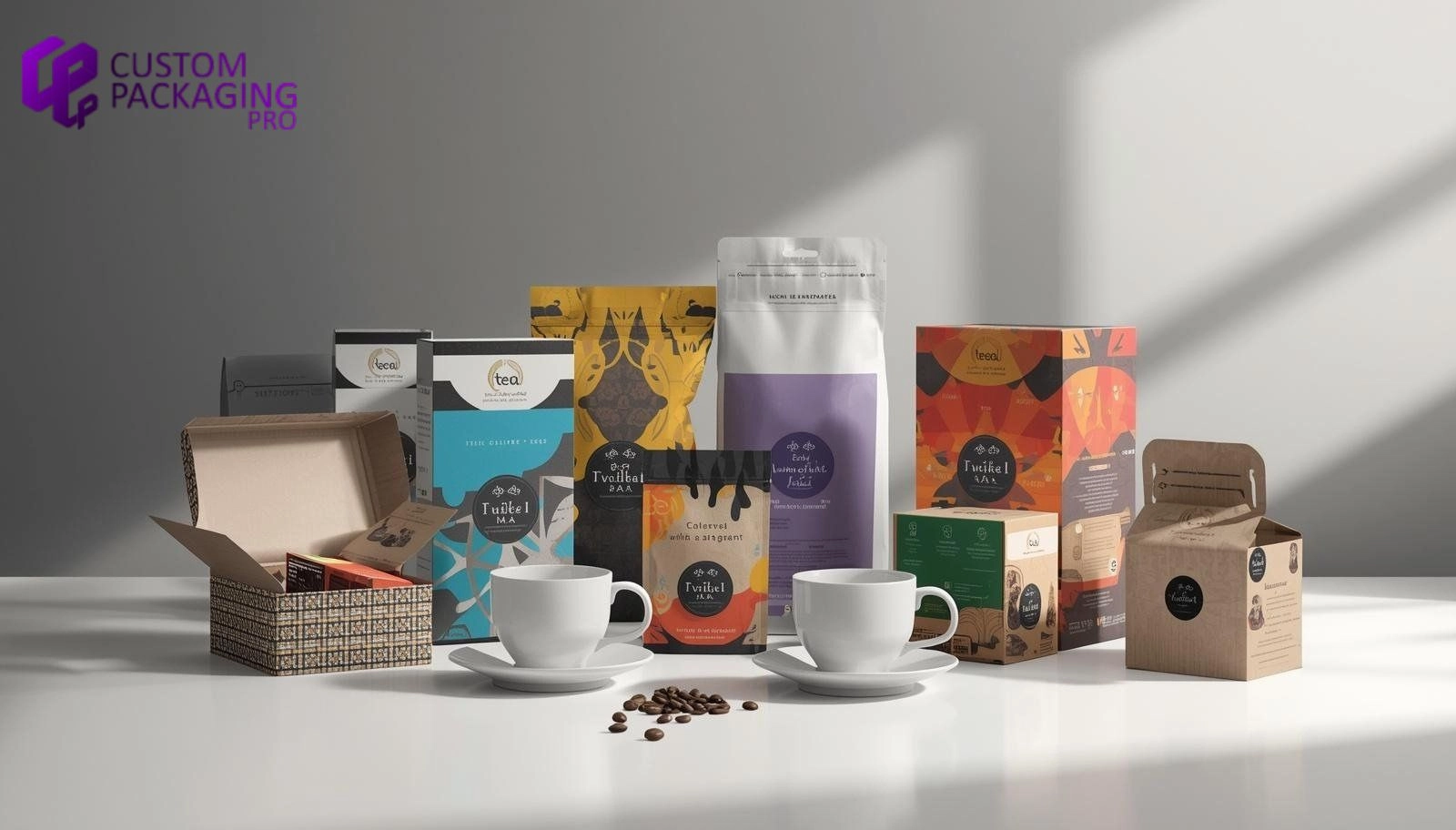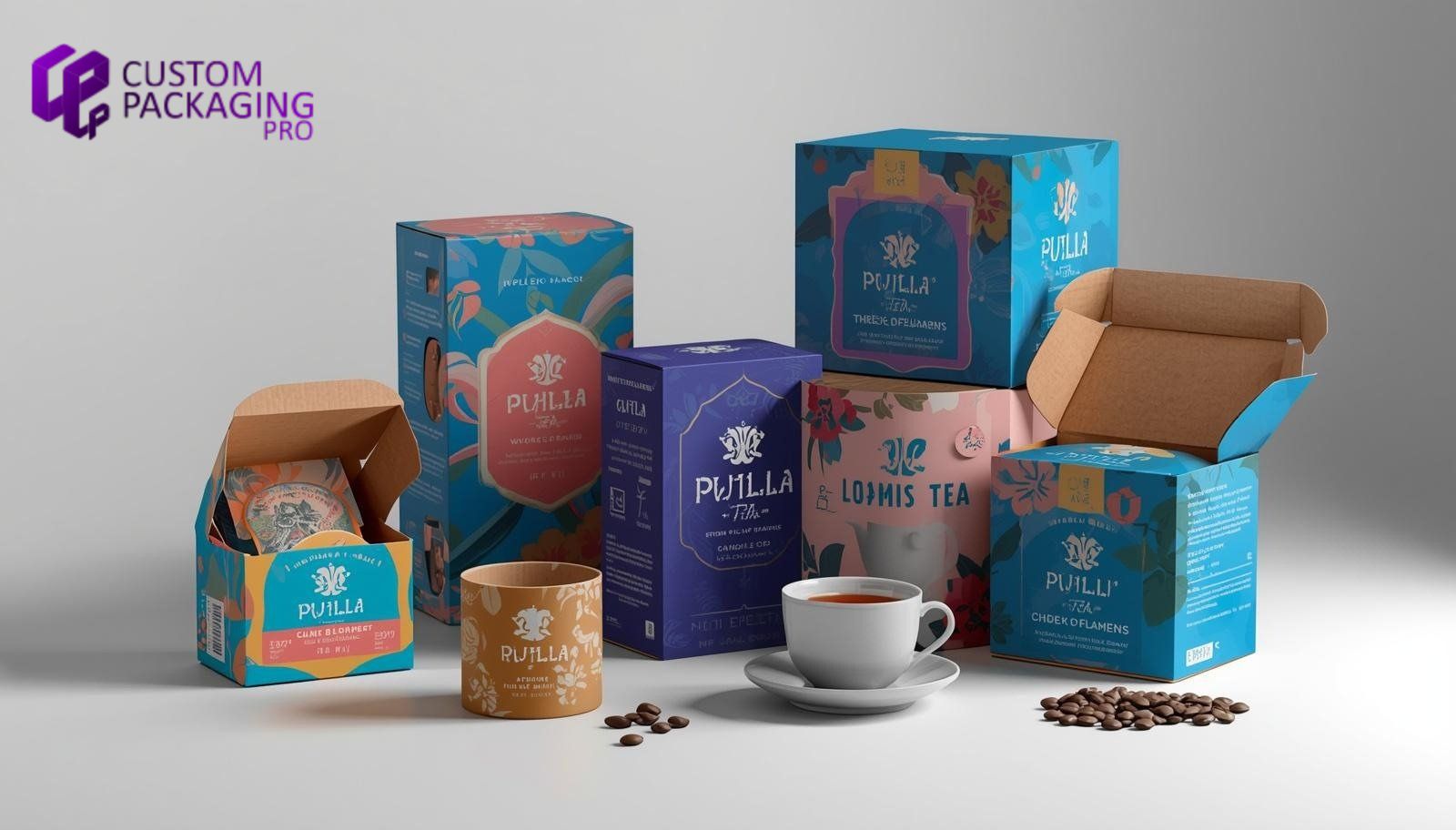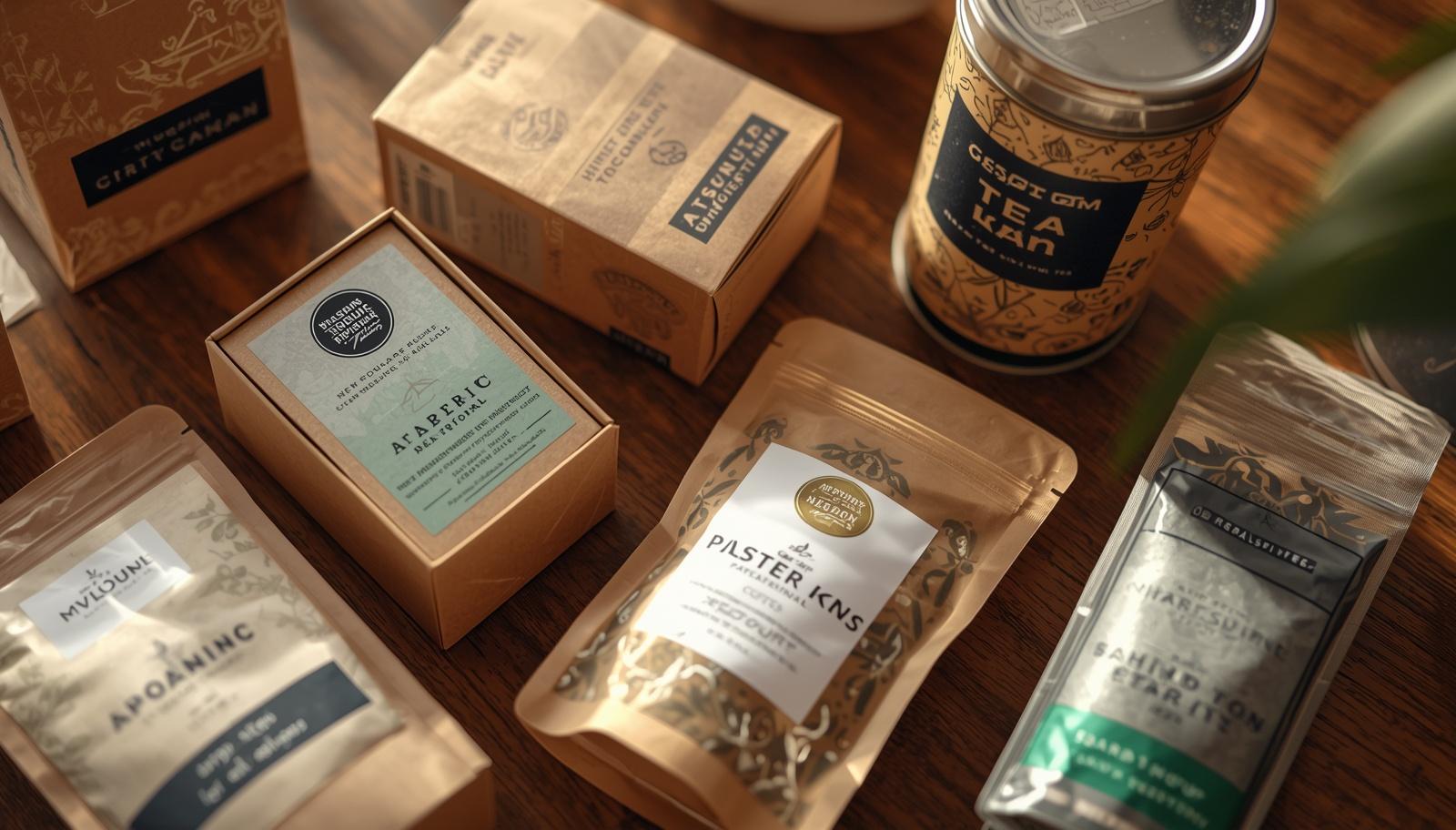
Tea is more than just a beverage. It is a daily ritual, a wellness habit, and for many brands, a growing business opportunity. Whether you sell premium herbal blends, classic black tea, or specialty infusions, one factor plays a bigger role than most businesses realize: tea bag packaging size.
Choosing the right packaging size is not just about fitting tea bags into a box. It directly affects shelf appeal, storage, shipping costs, customer convenience, and even how your brand is perceived. For both retail and wholesale businesses, the right size of tea packaging can improve sales, reduce waste, and enhance the overall customer experience.
This guide explores everything you need to know about tea bag packaging sizes, including standard options, retail vs wholesale considerations, materials, and practical tips to help you choose what works best for your business.
Packaging size is one of the first things customers notice when they pick up a tea product. It influences their buying decision, especially when comparing value, convenience, and freshness.
For retail buyers, smaller and neatly designed boxes are often more appealing because they are easy to store and try. On the other hand, wholesale buyers such as cafes, offices, and hotels prefer larger packaging sizes that offer better value per unit. Beyond customer preference, the tea bag packaging size also impacts:
A well-chosen packaging size ensures your tea stays fresh, looks attractive, and meets customer expectations.
Tea brands typically use a range of standard sizes depending on their target market. Understanding these sizes helps you position your product effectively.
Understanding the difference between retail and wholesale packaging is essential when selecting the right tea bag packaging size.
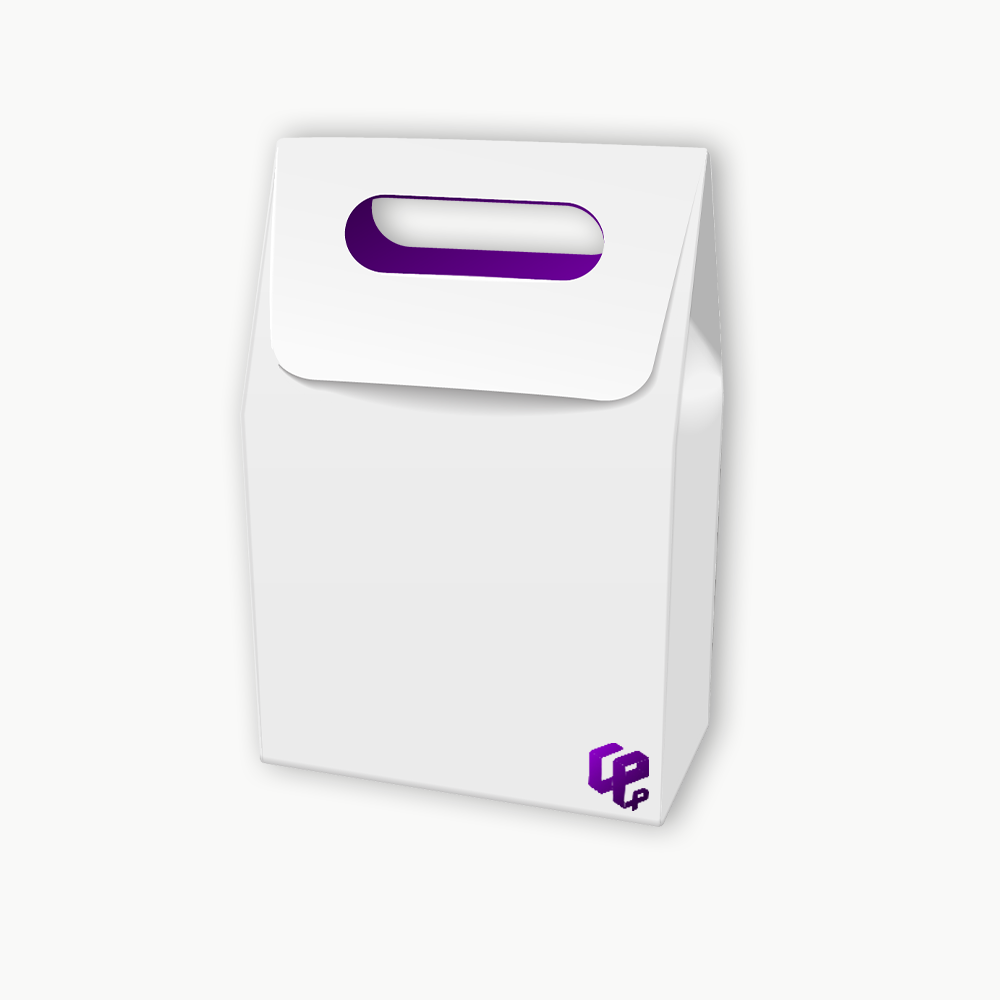
Retail packaging focuses on presentation, branding, and convenience. Customers shopping in stores or online are drawn to visually appealing boxes that clearly communicate product quality. Retail packaging sizes are usually smaller and designed for:
In this segment, packaging design and size work together to create a strong first impression.
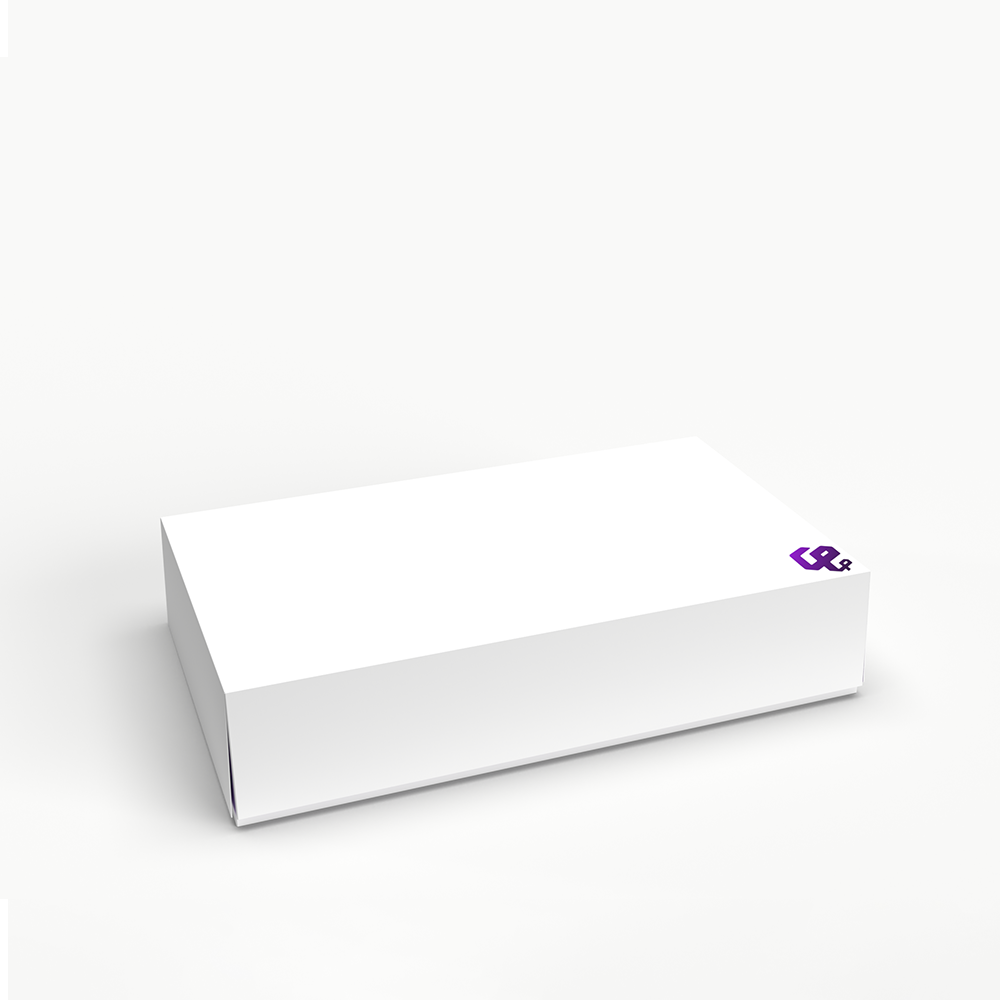
Wholesale packaging, on the other hand, prioritizes functionality and cost efficiency. Buyers in this category are less concerned about decorative elements and more focused on quantity and value. Wholesale packaging sizes are larger and designed for:
For wholesale, practicality always outweighs aesthetics.
Selecting the ideal packaging size depends on several factors. Businesses should evaluate their target audience, pricing strategy, and distribution channels before making a decision.
If your brand targets casual tea drinkers or gift buyers, smaller packaging sizes may work best. For regular consumers or businesses, larger packs provide better value. Understanding customer behavior helps you choose a size that aligns with their needs.
Different types of tea may require different packaging sizes. Premium or specialty teas are often sold in smaller quantities to maintain exclusivity and freshness. Everyday tea blends, however, can be offered in larger packs since they are consumed more frequently.
Tea is sensitive to moisture, air, and light. Larger packaging sizes must be designed carefully to preserve freshness over time. If your packaging does not protect the tea properly, even the best product can lose its quality before reaching the customer.

The material used for packaging also plays a significant role in determining the ideal size.
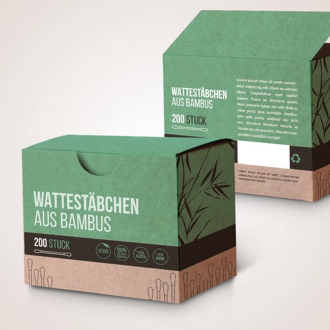
Paperboard is one of the most common materials used for tea packaging. It is lightweight, customizable, and suitable for both small and medium packaging sizes.
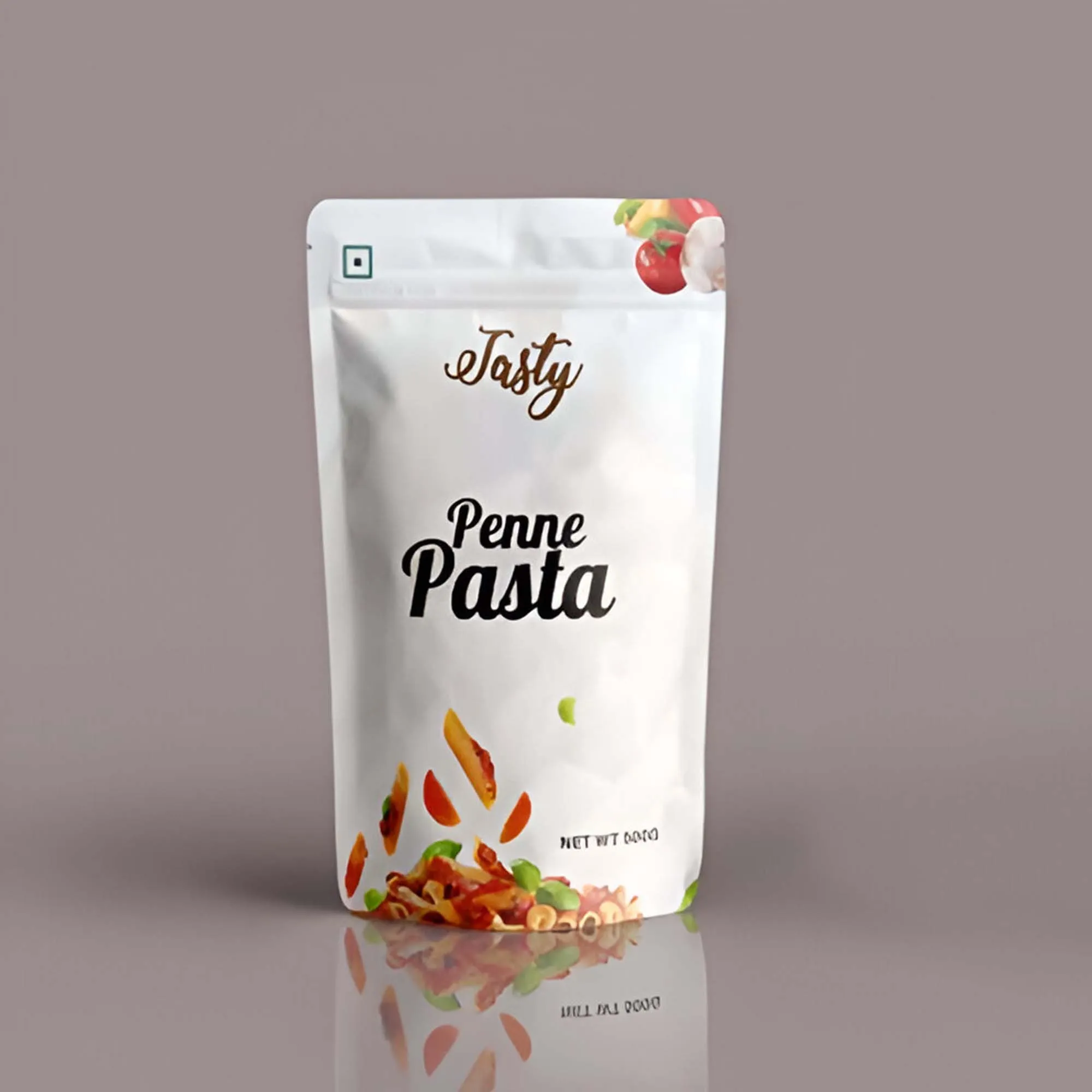
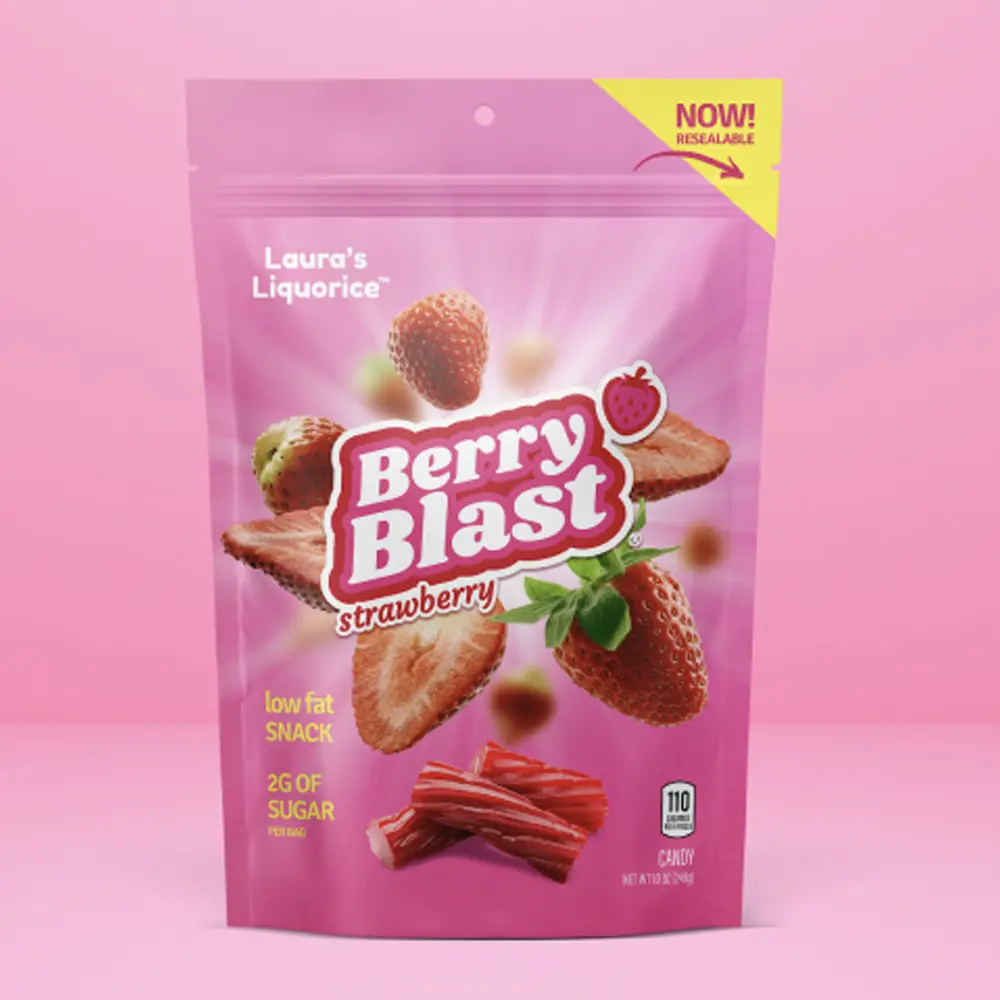
Flexible pouches are often used for larger quantities. They take up less space and are easier to store compared to rigid boxes. Resealable bags or pouches are especially useful for maintaining freshness in bulk packaging.
Premium tea brands often use tins for packaging. While these may not always follow standard sizes, they provide excellent protection and enhance brand value. The choice of material should complement the packaging size and ensure product safety.
Packaging size and design go hand in hand. A well-designed box can make even a small pack look premium, while poor design can reduce the perceived value of a larger pack.
The size of the packaging should match the design elements such as logos, colors, and typography. Overcrowded designs on small boxes can look unappealing.
Customers should easily understand how many tea bags are included. Transparent labeling builds trust and avoids confusion.
If you offer multiple sizes, maintaining a consistent design across all packaging helps strengthen brand identity.
Cost is a major factor when choosing packaging sizes, especially for businesses operating at scale.
Smaller packaging sizes may have higher costs per unit due to increased material usage and printing requirements. Larger packaging sizes reduce the cost per tea bag but may require more investment upfront.
Packaging size affects shipping expenses. Compact packaging reduces shipping volume and costs, especially for eCommerce businesses. Bulk packaging may increase shipping weight, but it can still be cost-effective for wholesale orders.
Larger packages require more storage space. Businesses should consider warehouse capacity when deciding on packaging sizes.
Sustainability is becoming increasingly important in the tea industry. Customers prefer brands that minimize waste and use eco-friendly materials.
Choosing the right tea bag packaging size helps avoid unnecessary material usage. Oversized boxes can lead to waste and negatively impact brand perception.
Paper-based packaging and biodegradable materials are popular choices for sustainable tea packaging.
Some brands provide refill packs for larger packaging sizes. This reduces waste and encourages repeat purchases.
To get the most out of your packaging strategy, consider these practical tips:
Think About Distribution Channels Different sales channels may require different packaging sizes. What works for retail may not work for wholesale.
Many tea brands make avoidable mistakes when selecting packaging sizes.
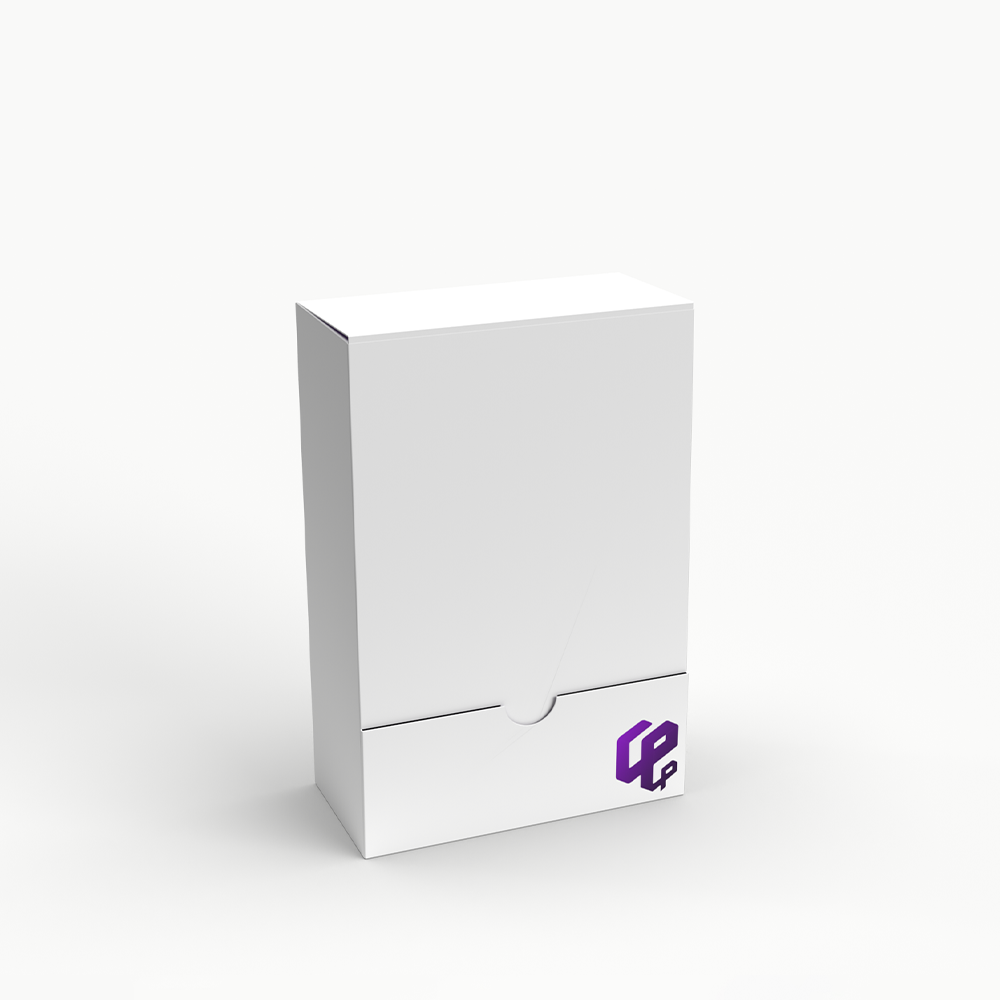
Avoiding these mistakes can save costs and improve customer satisfaction.
The right tea bag packaging size is not a one-size-fits-all decision. It depends on your audience, product type, and business model.
For retail, smaller and medium-sized packaging works best to attract customers and encourage trial purchases. For wholesale, larger packaging sizes provide better value and efficiency.
By carefully balancing size, material, design, and cost, businesses can create packaging that protects their product, enhances brand appeal, and meets customer expectations.
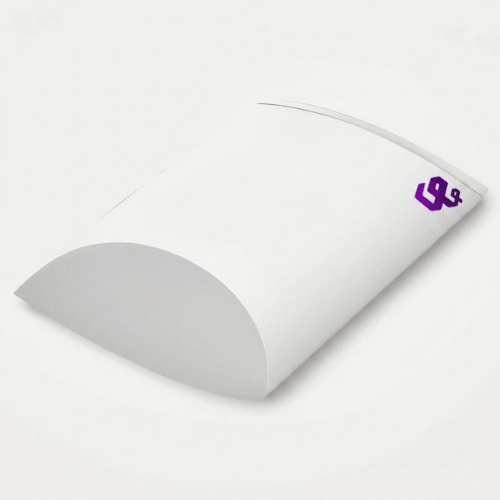
In a competitive tea market, thoughtful packaging decisions can make all the difference. When done right, your customize packaging does more than hold tea; it tells your brand story, builds trust, and keeps customers coming back for more.