December 05, 2019

Right Custom Packaging Can Make Retailers a Huge Success

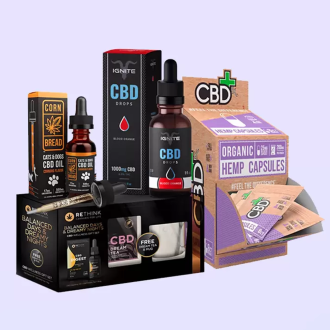
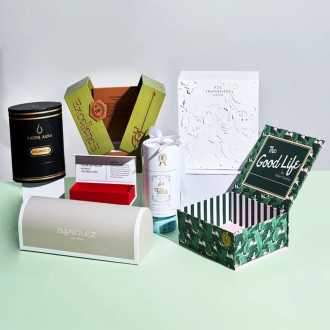
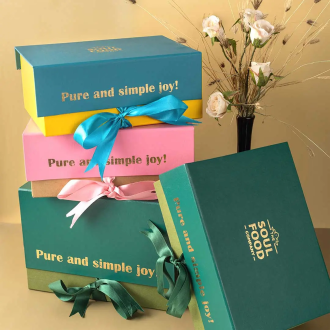
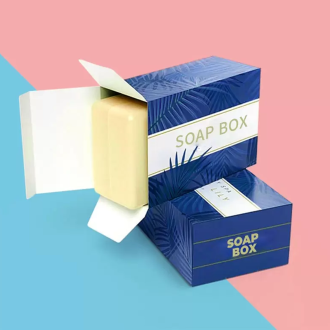
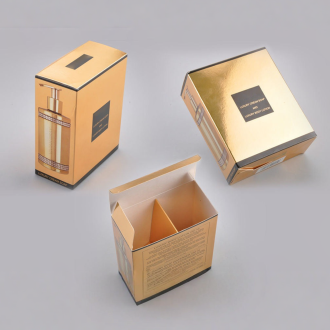
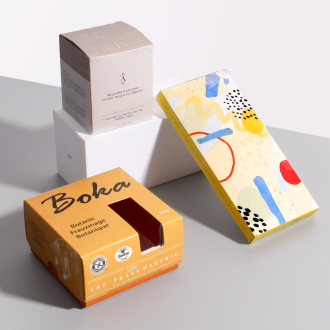
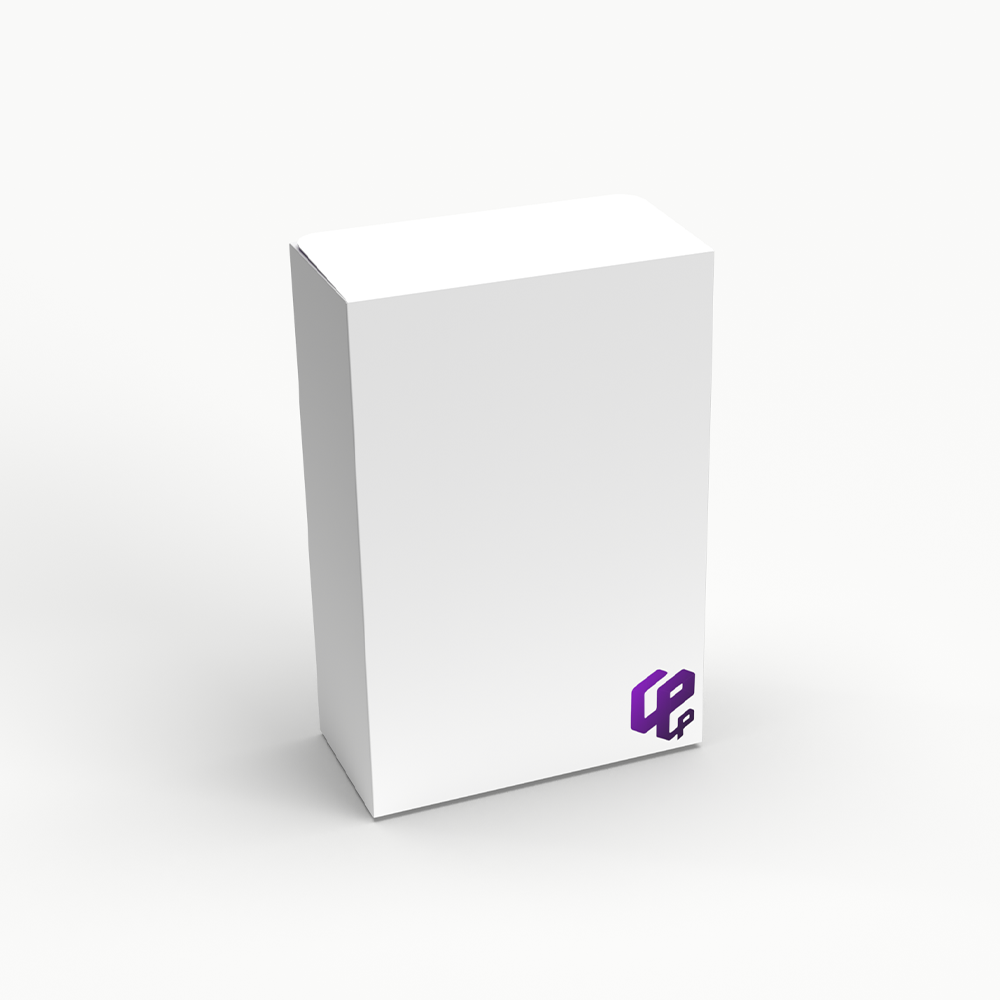
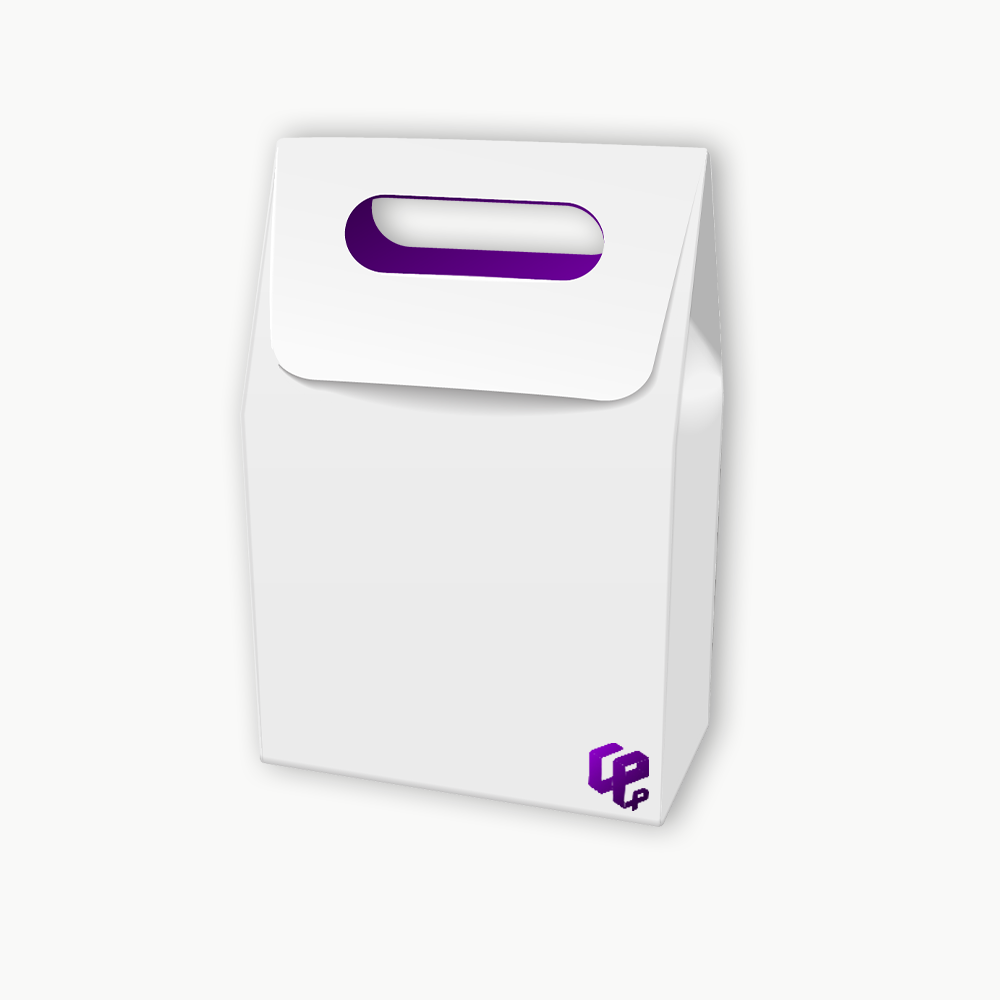
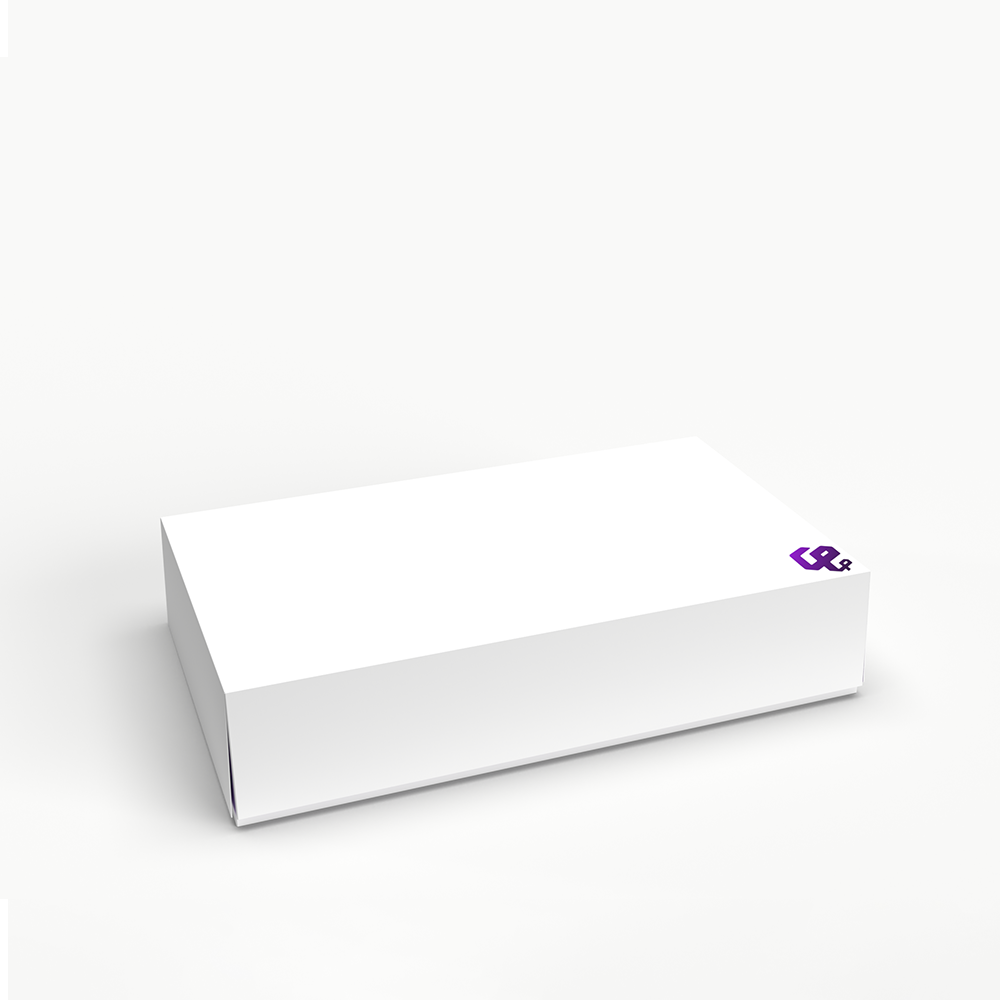
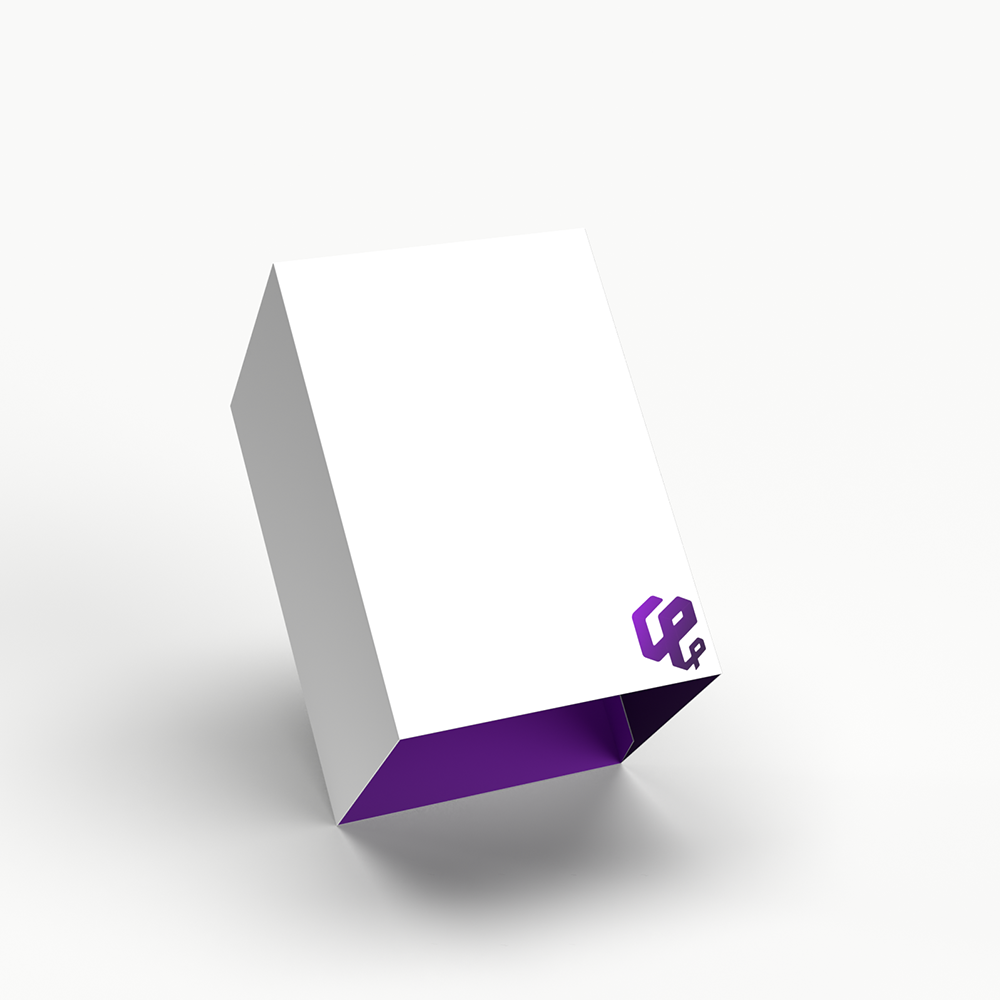
Custom Packaging

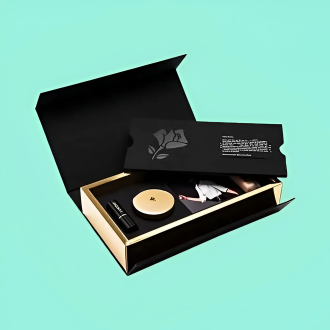
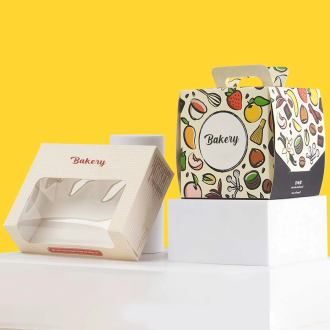
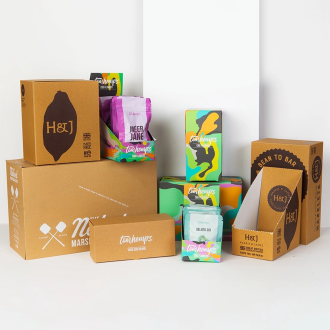
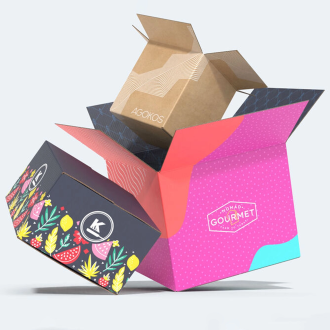
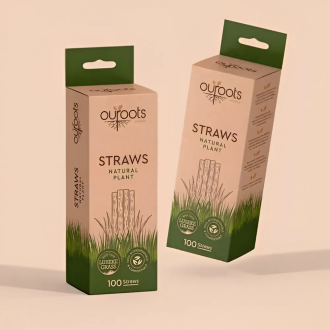
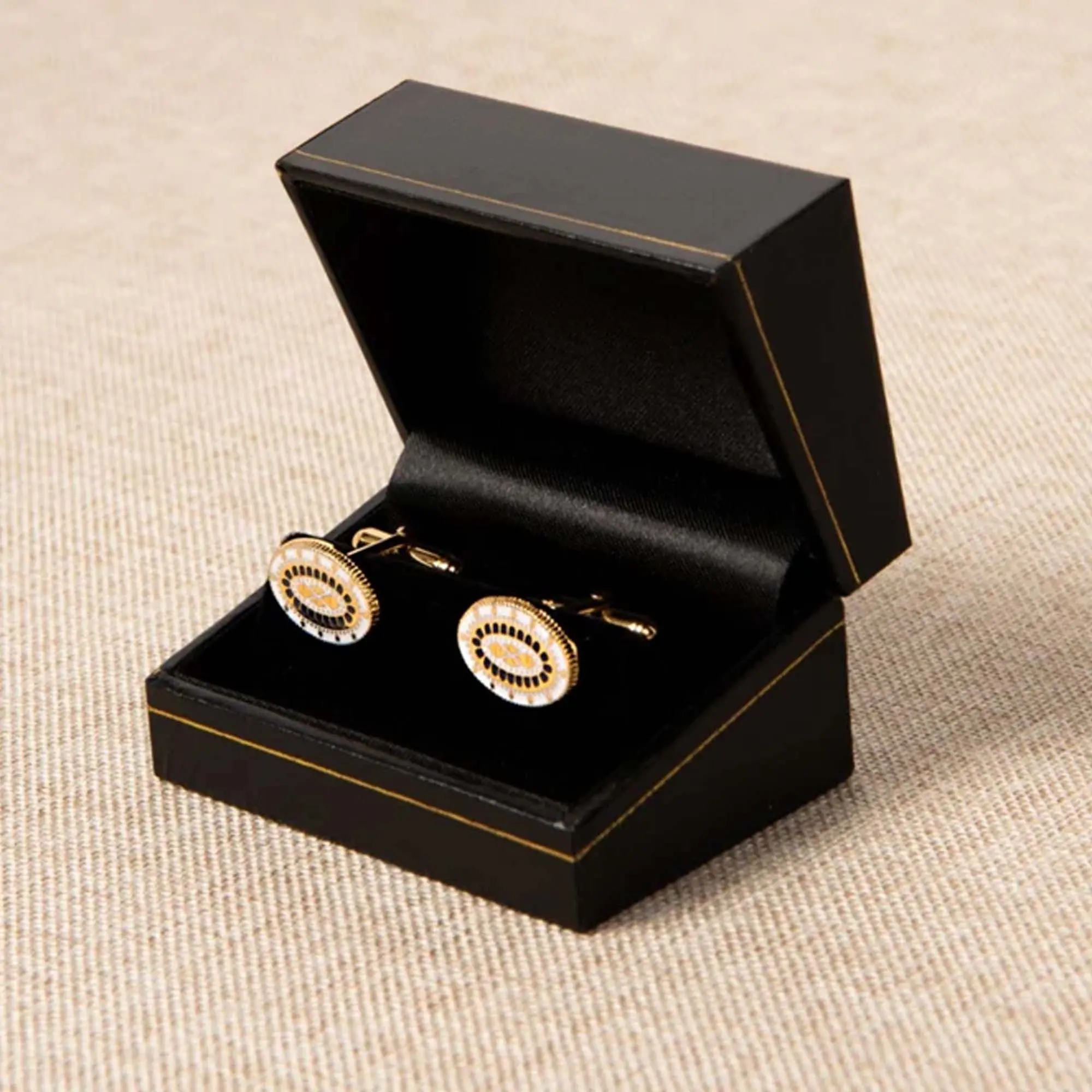
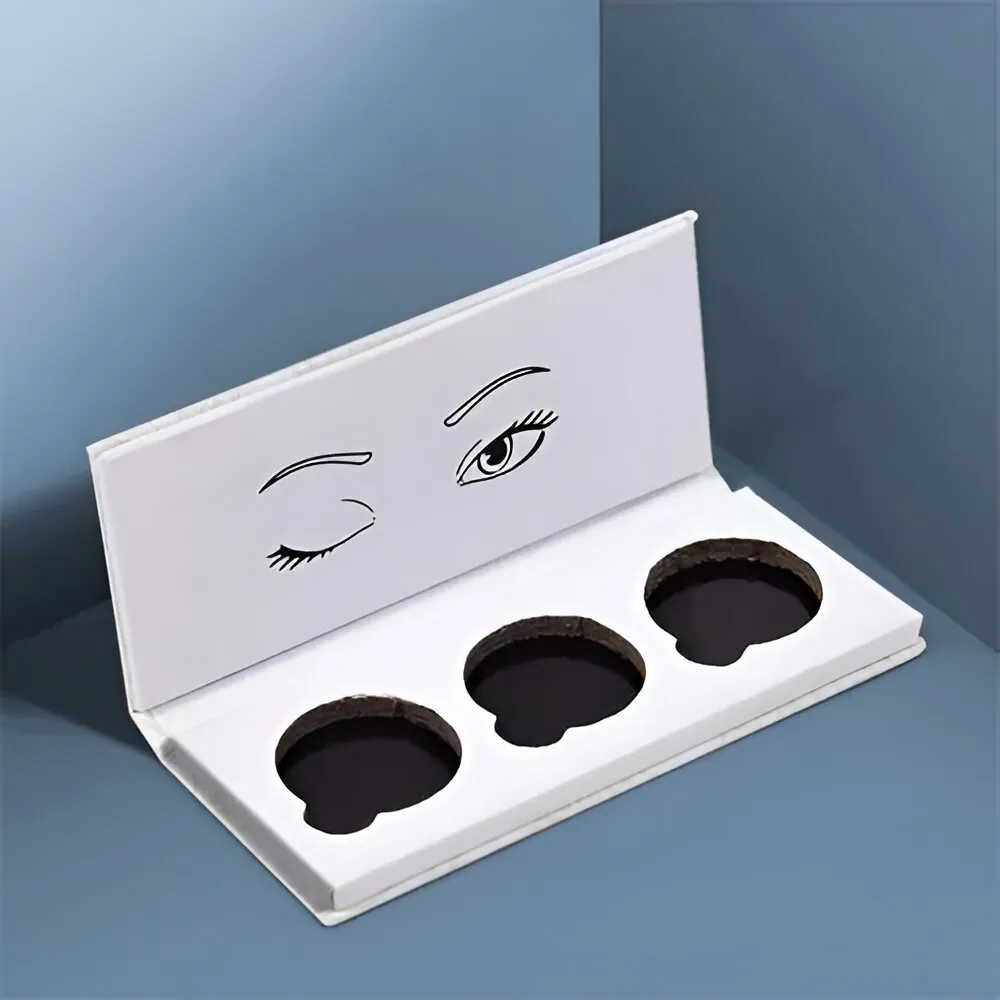
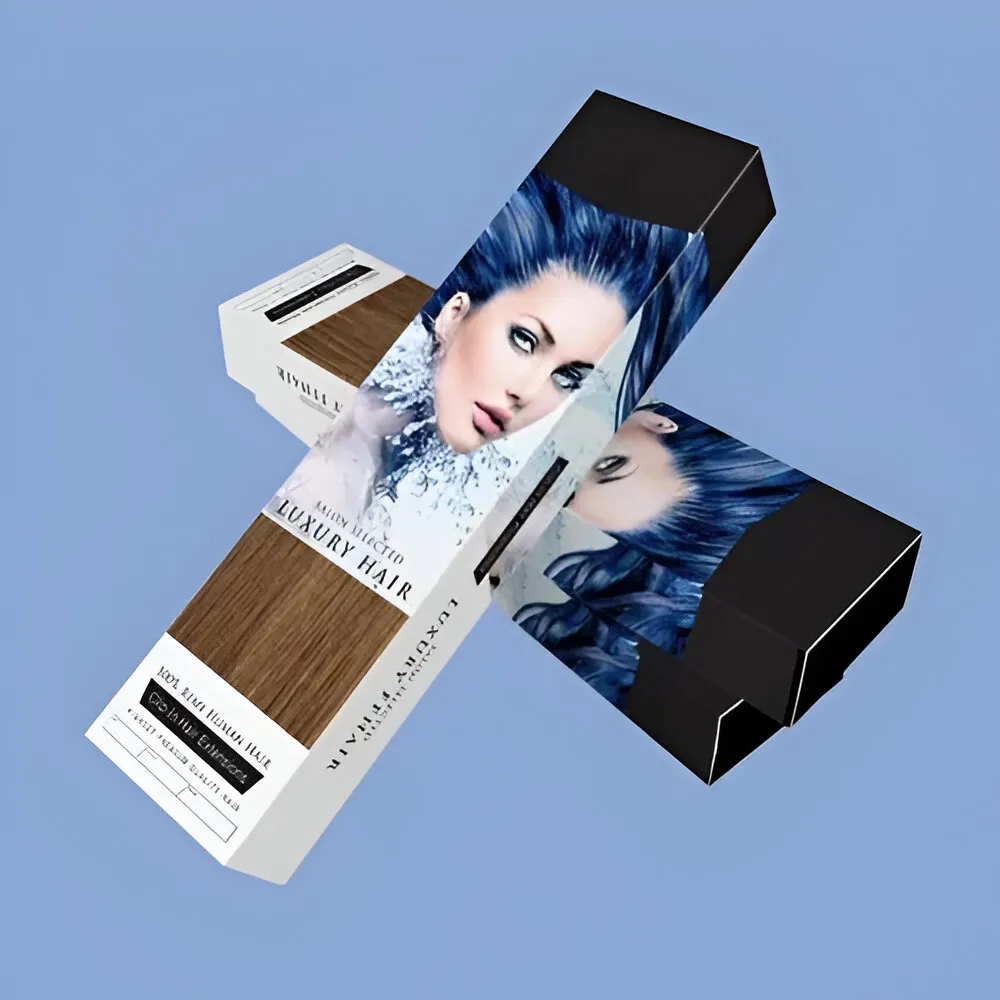
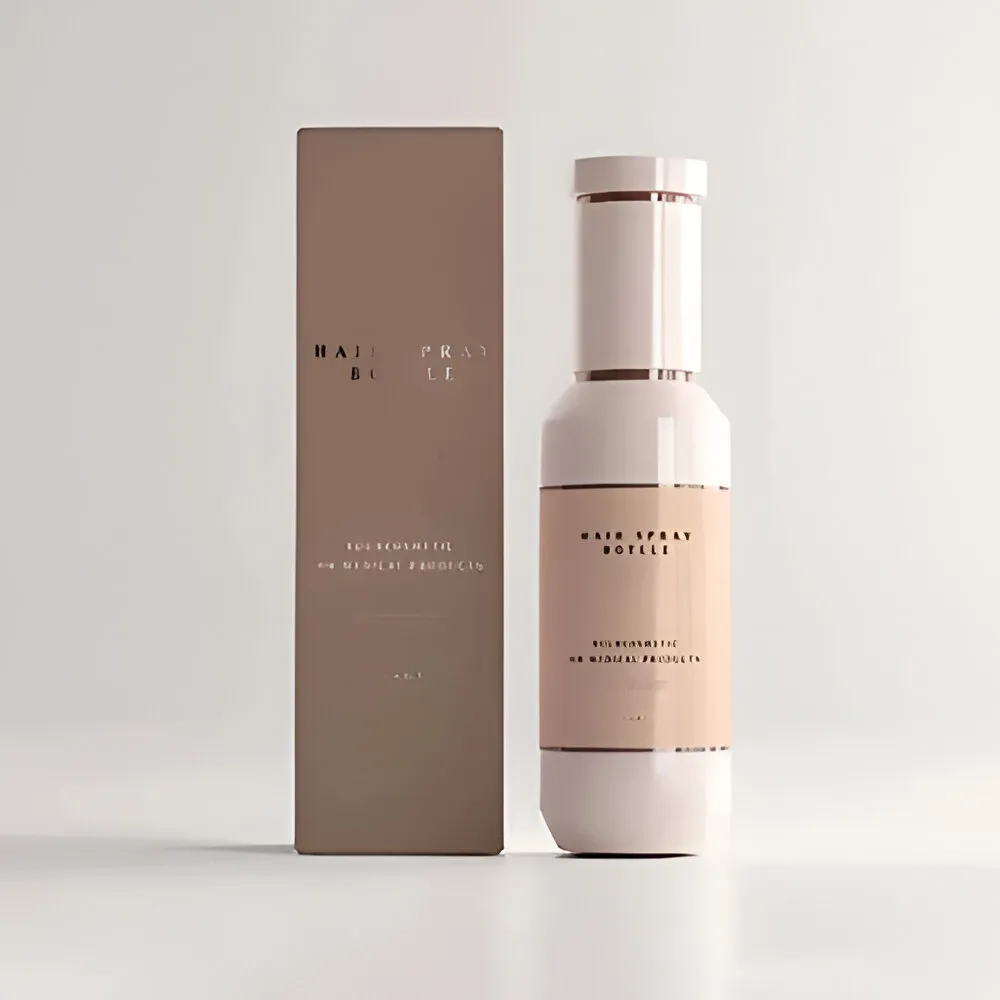
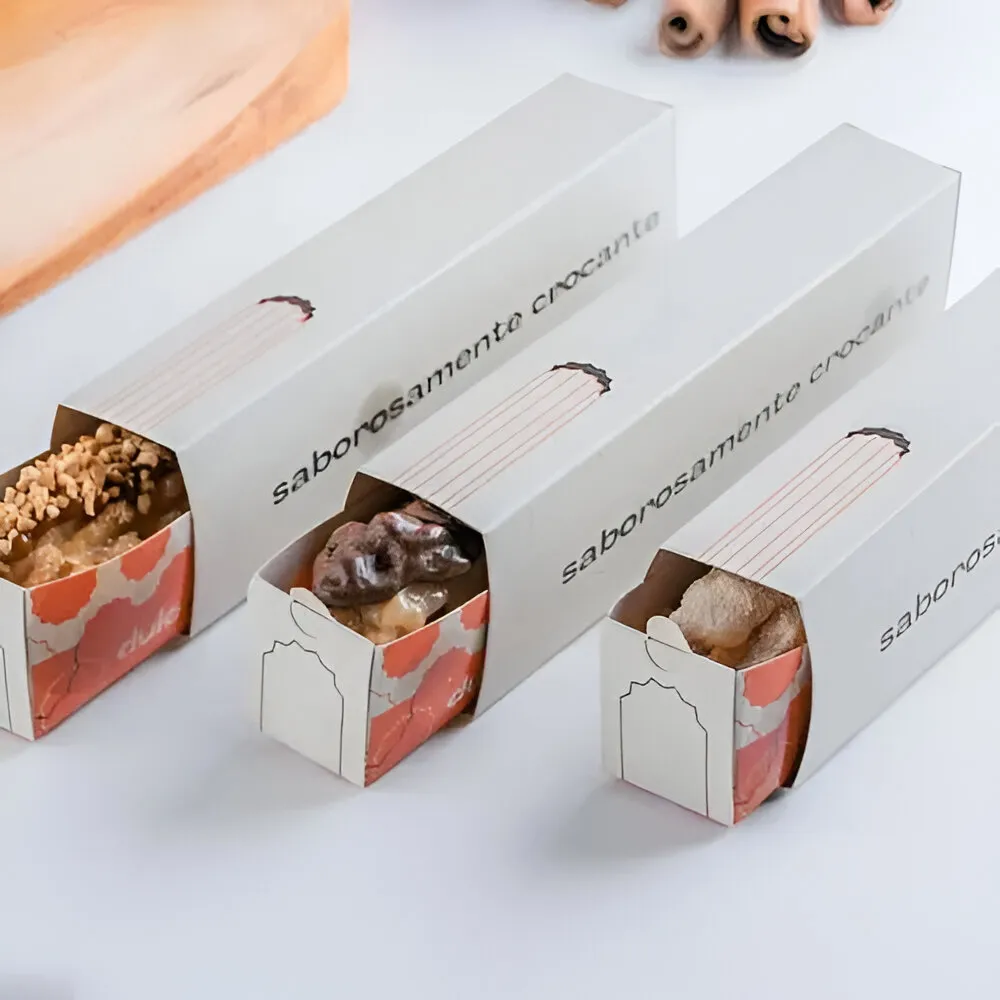
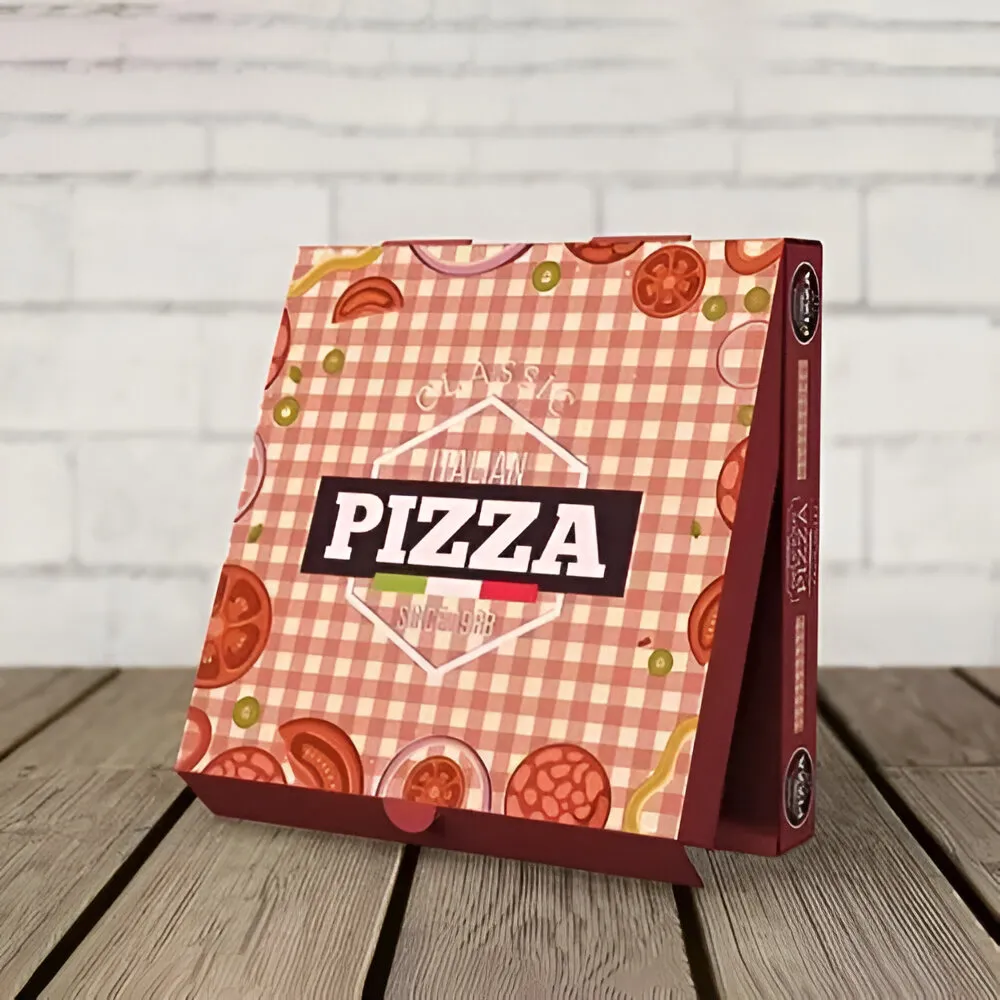
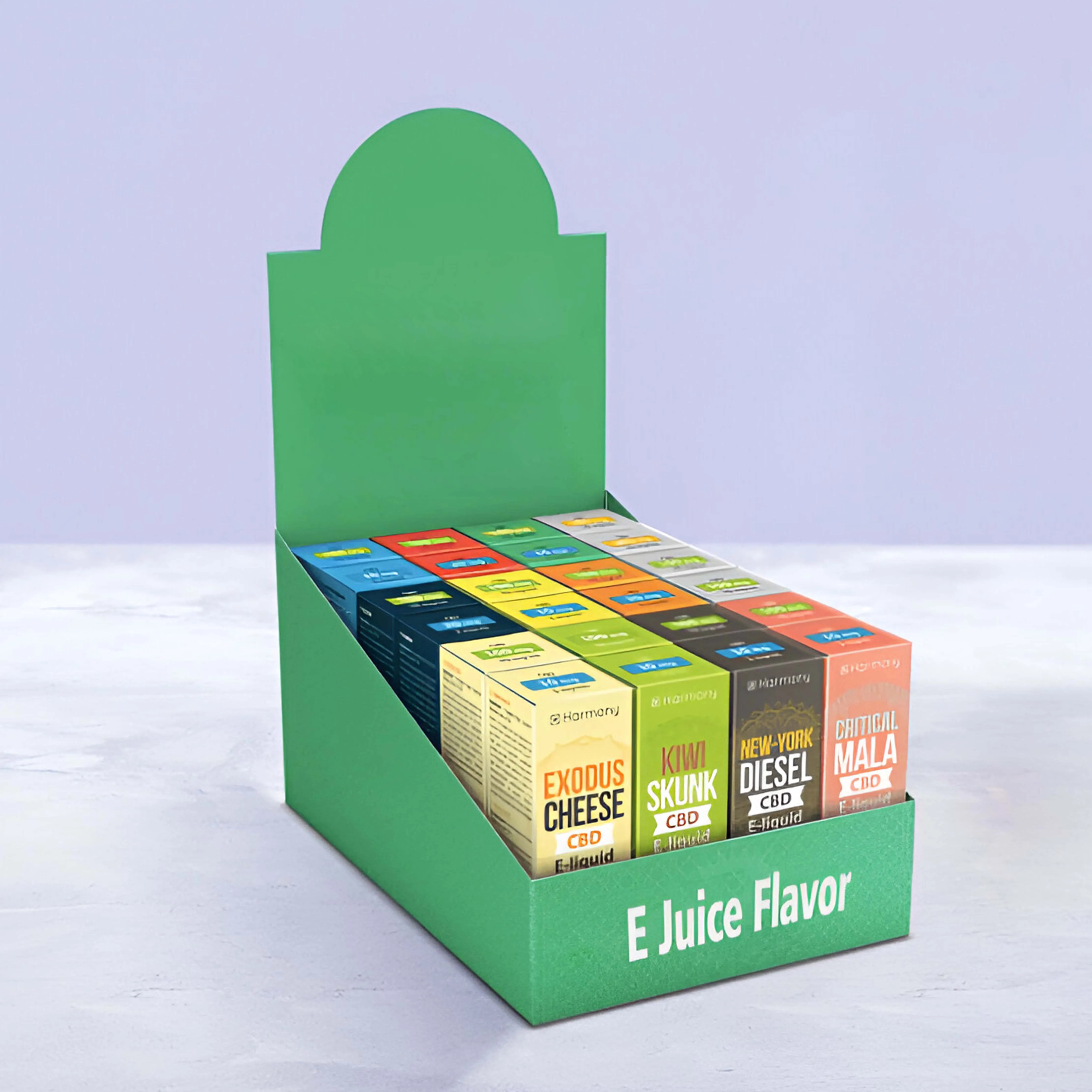
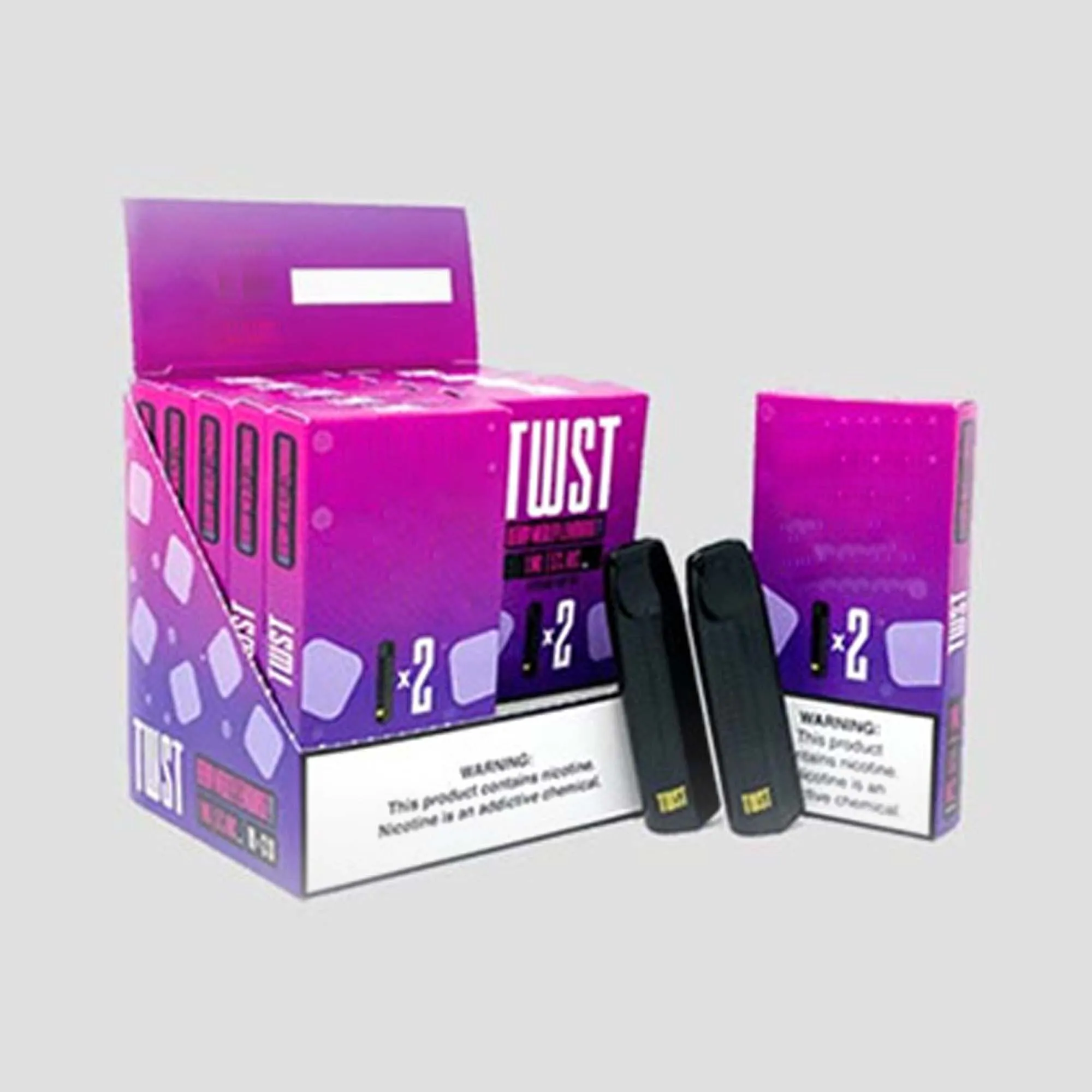
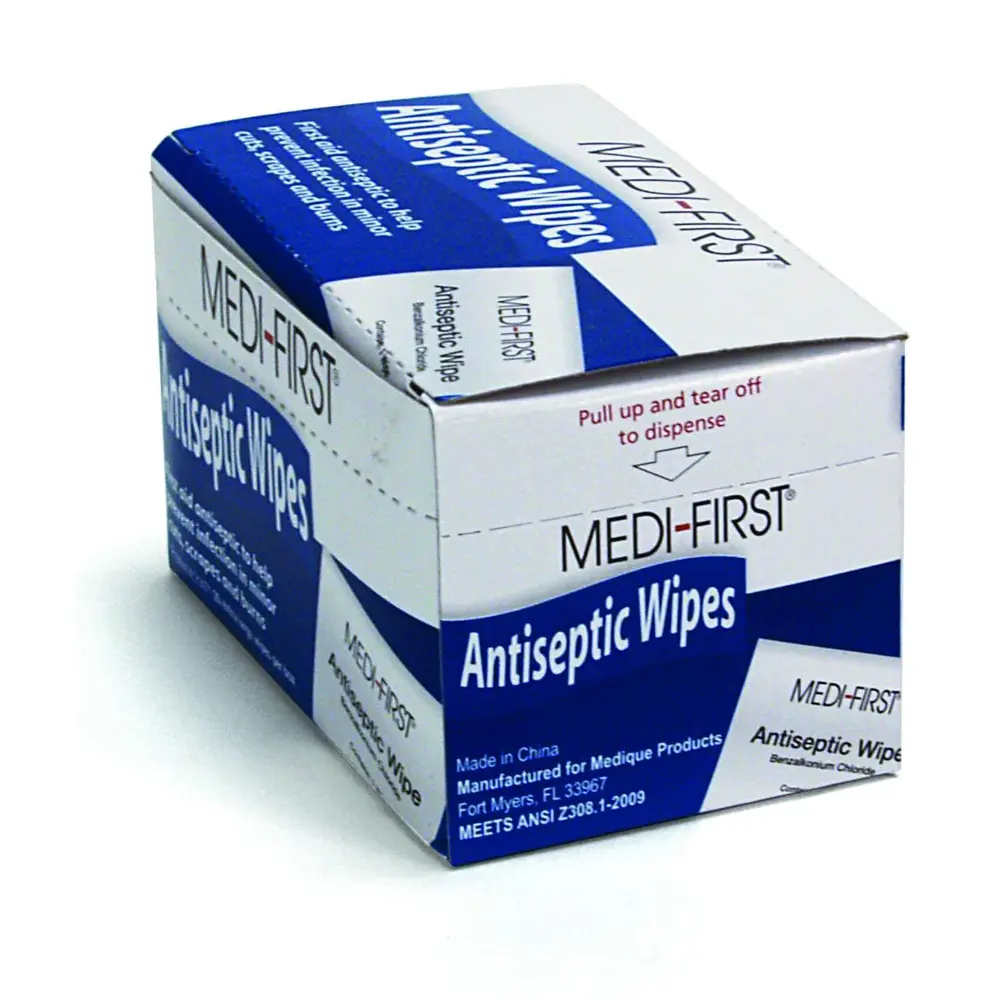
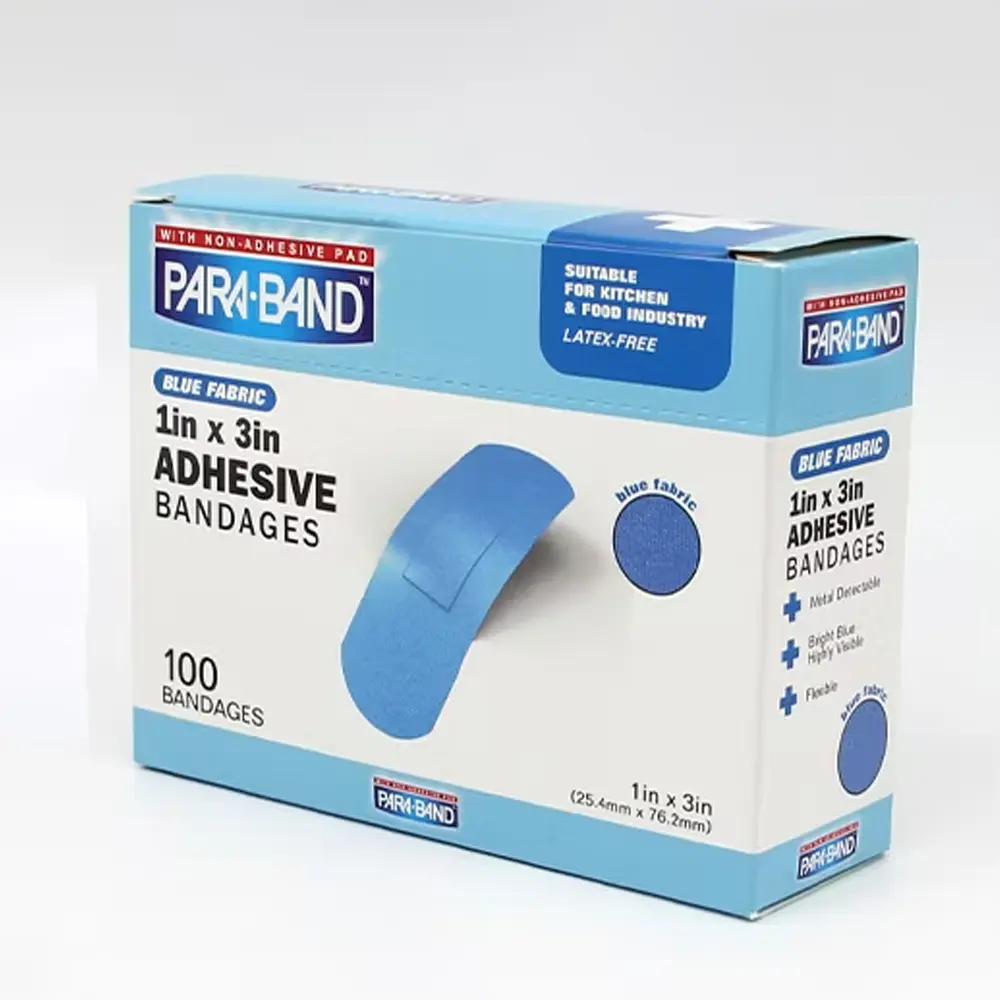
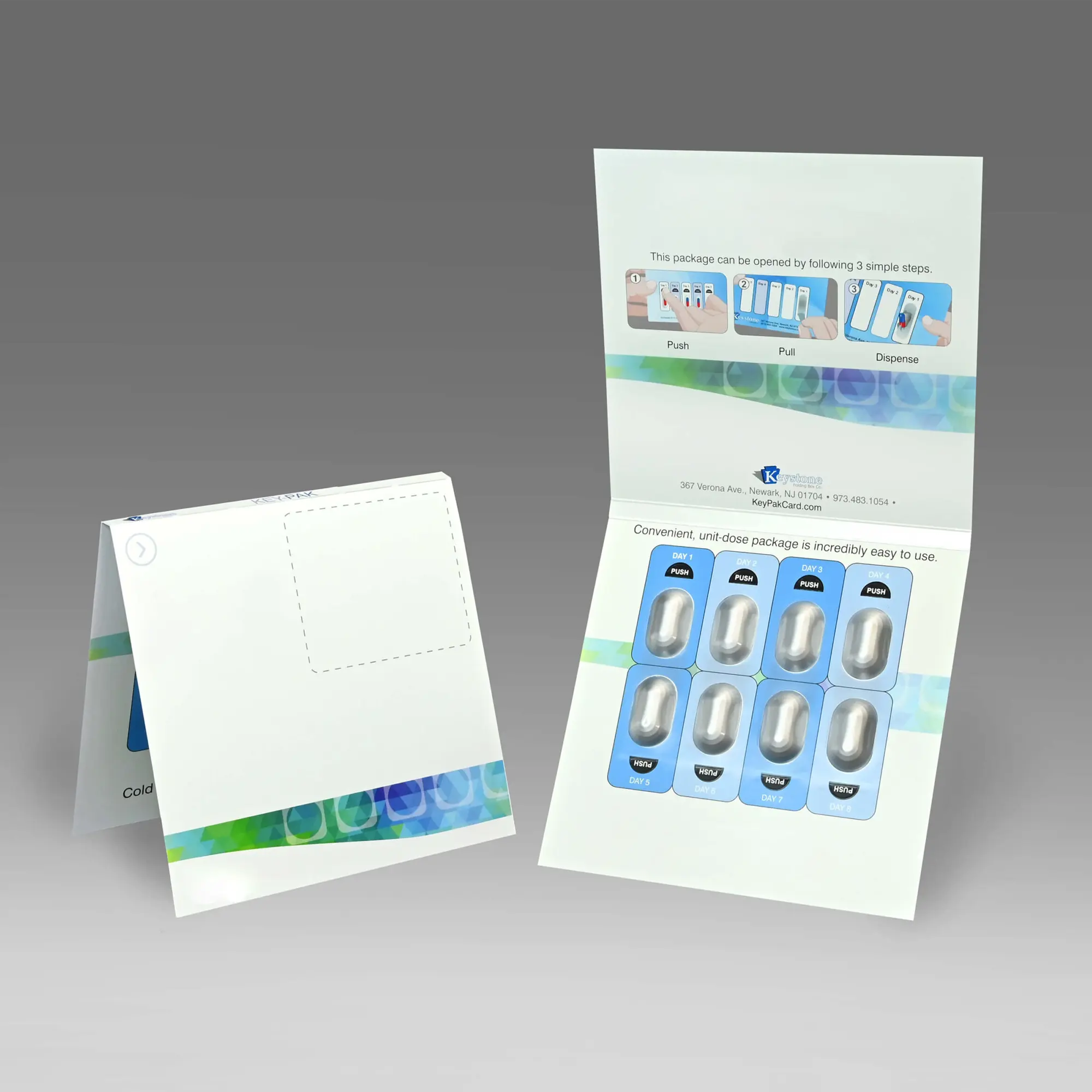
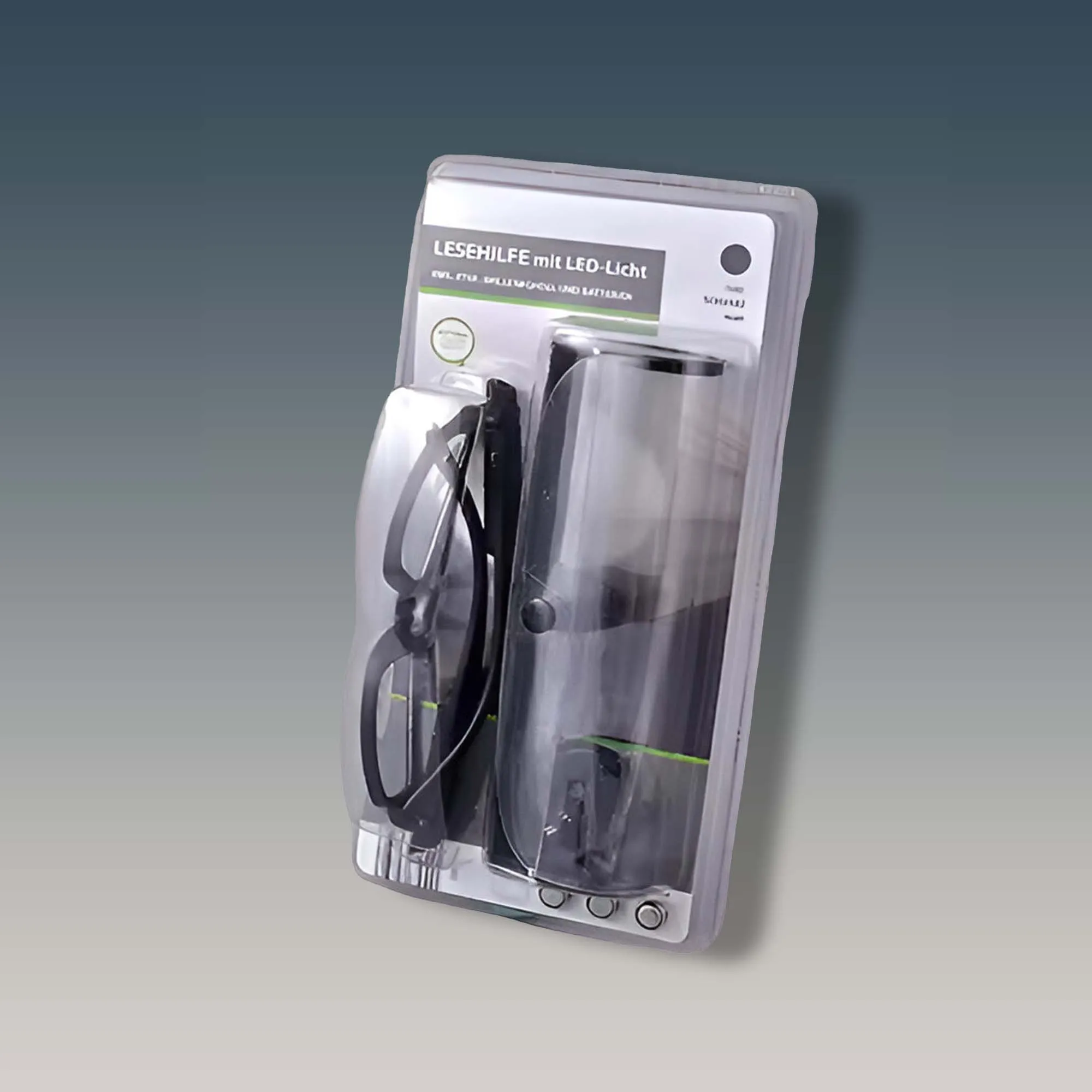
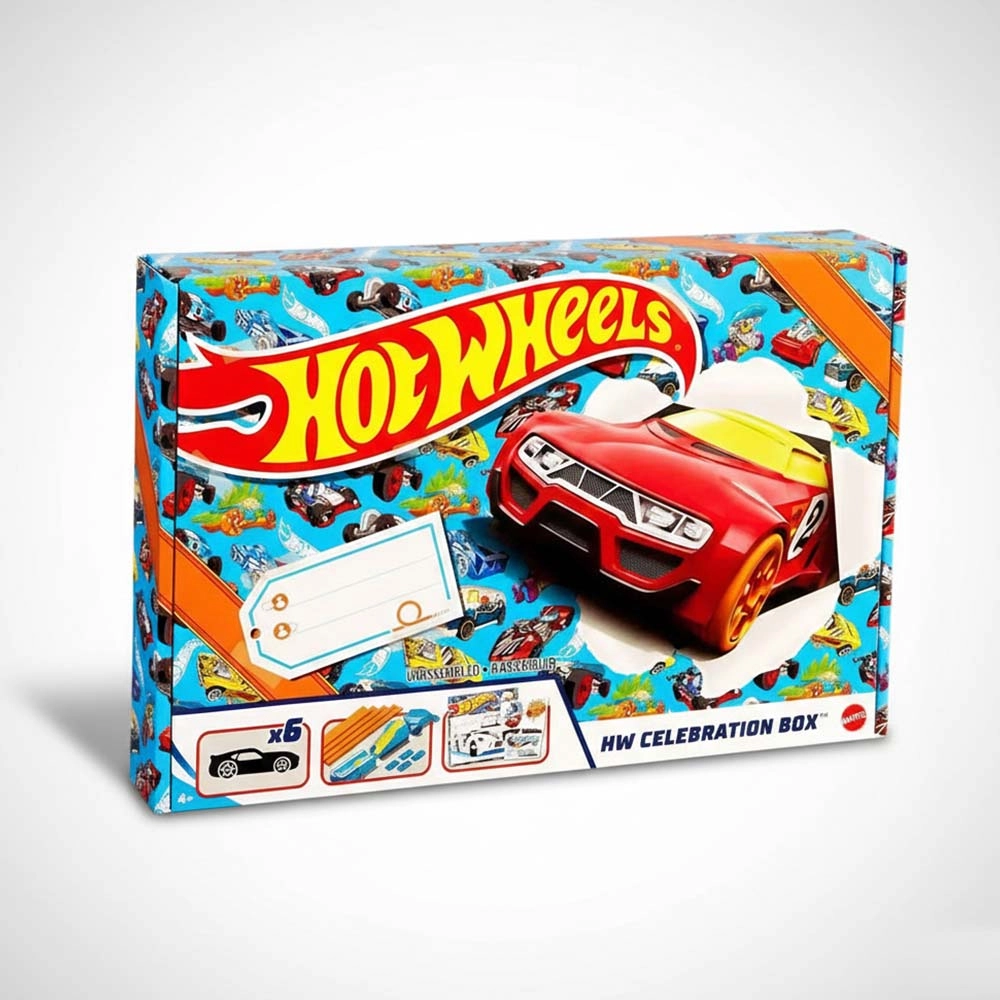
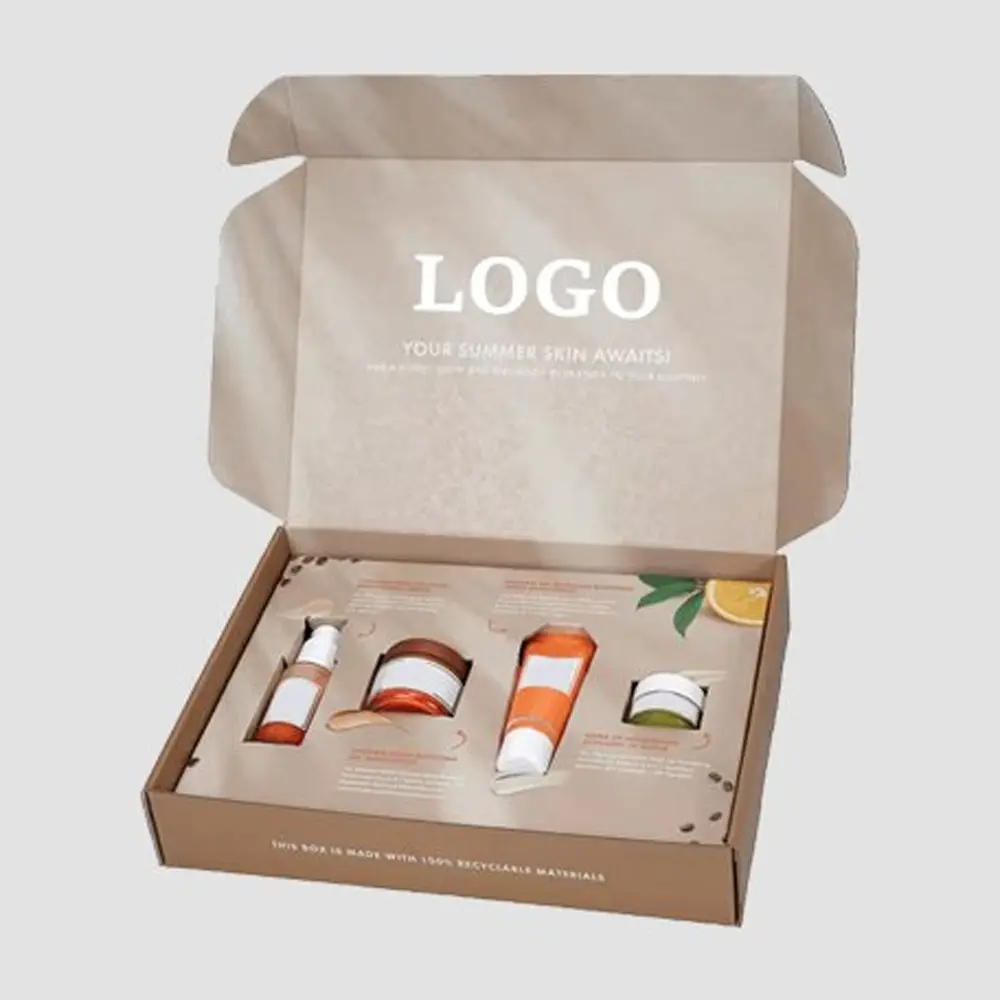
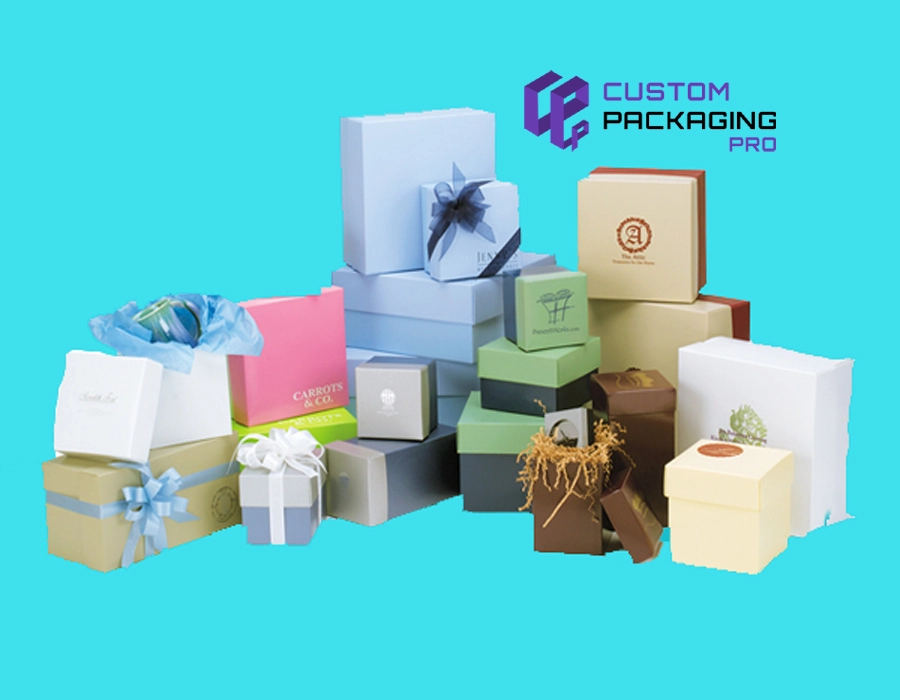
Every business you see in the U.S. retail market is competing for attention. Whether it’s a supermarket shelf, a big-box store like Walmart or Target, or an online retail display, brands are constantly trying to promote their products in the most effective way possible. However, strong marketing alone is not enough. To truly stand out, businesses must invest time, strategy, and creativity into their packaging.

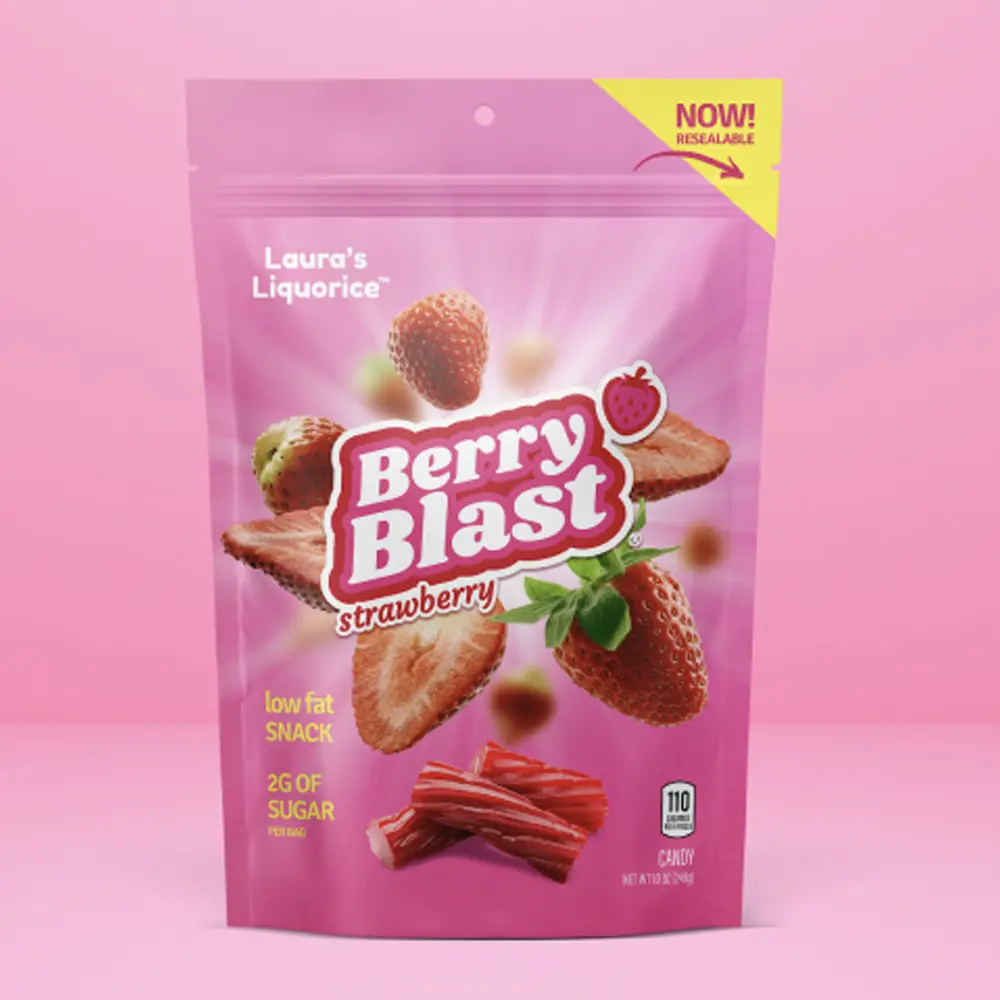
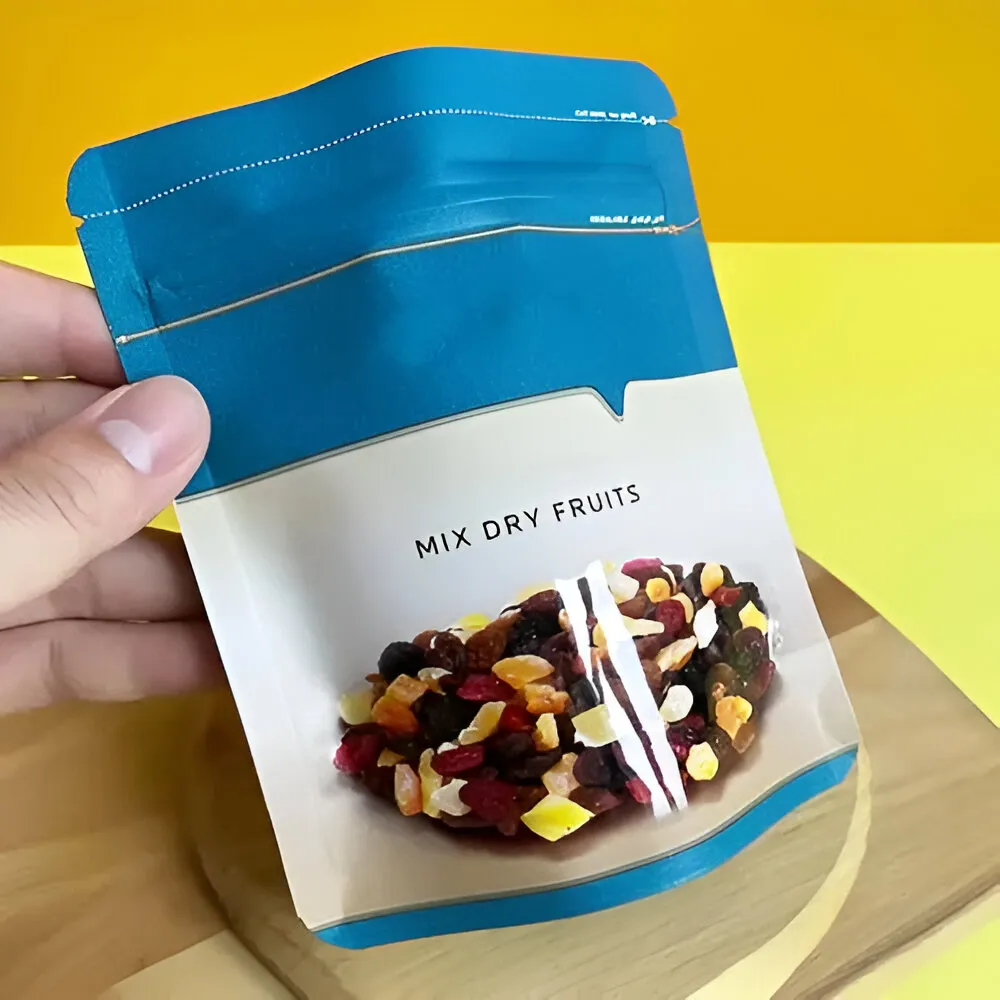
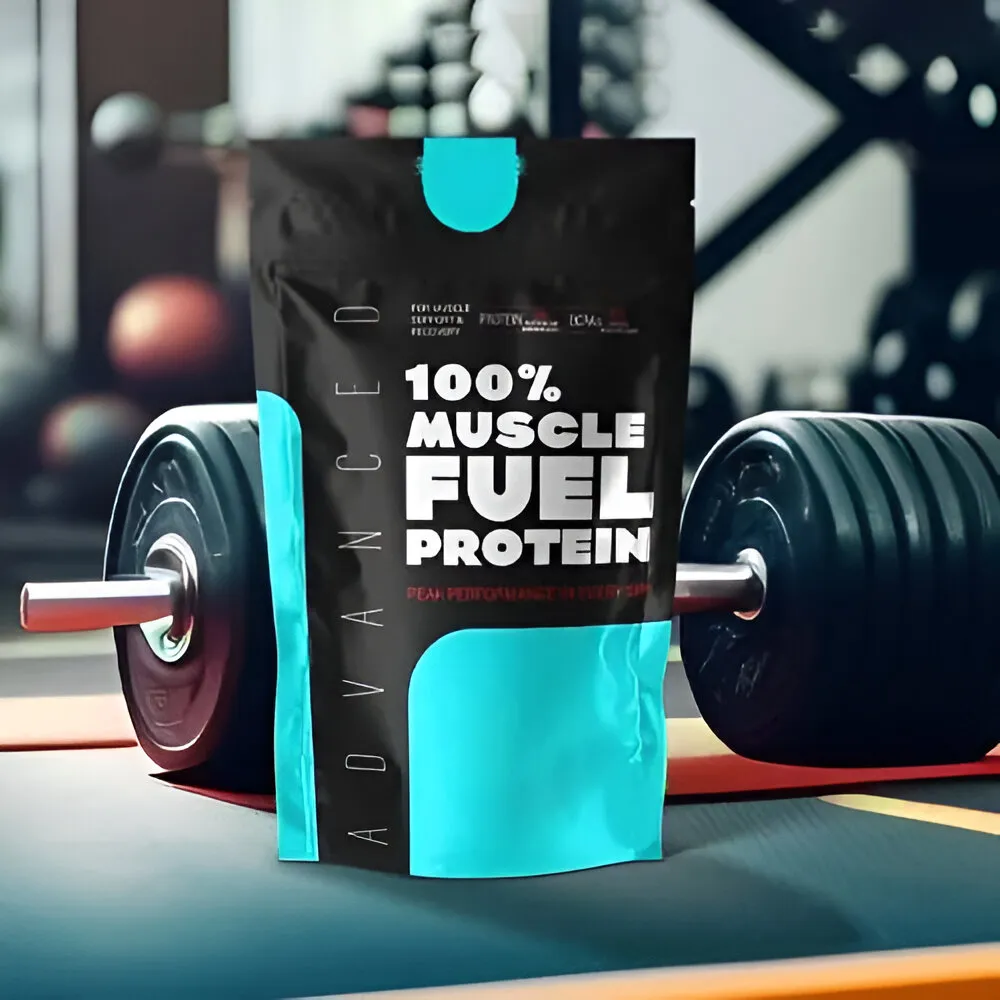
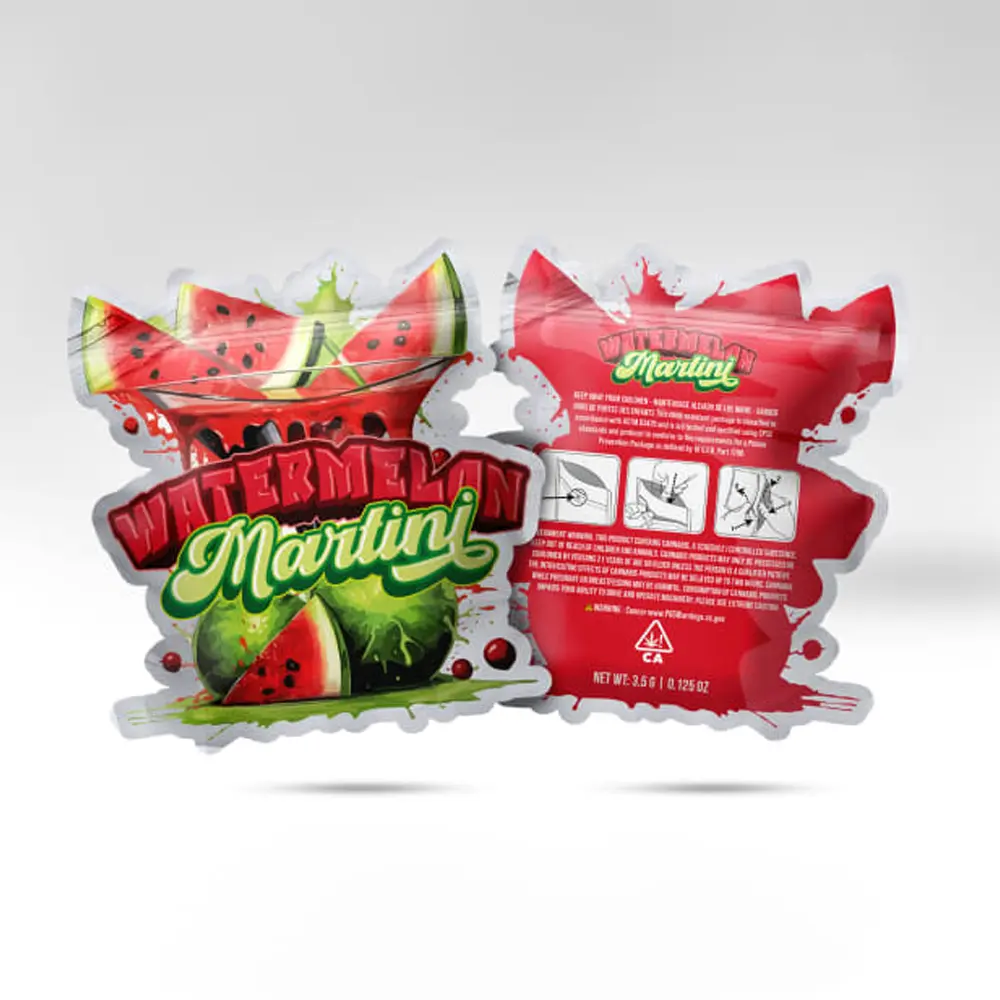
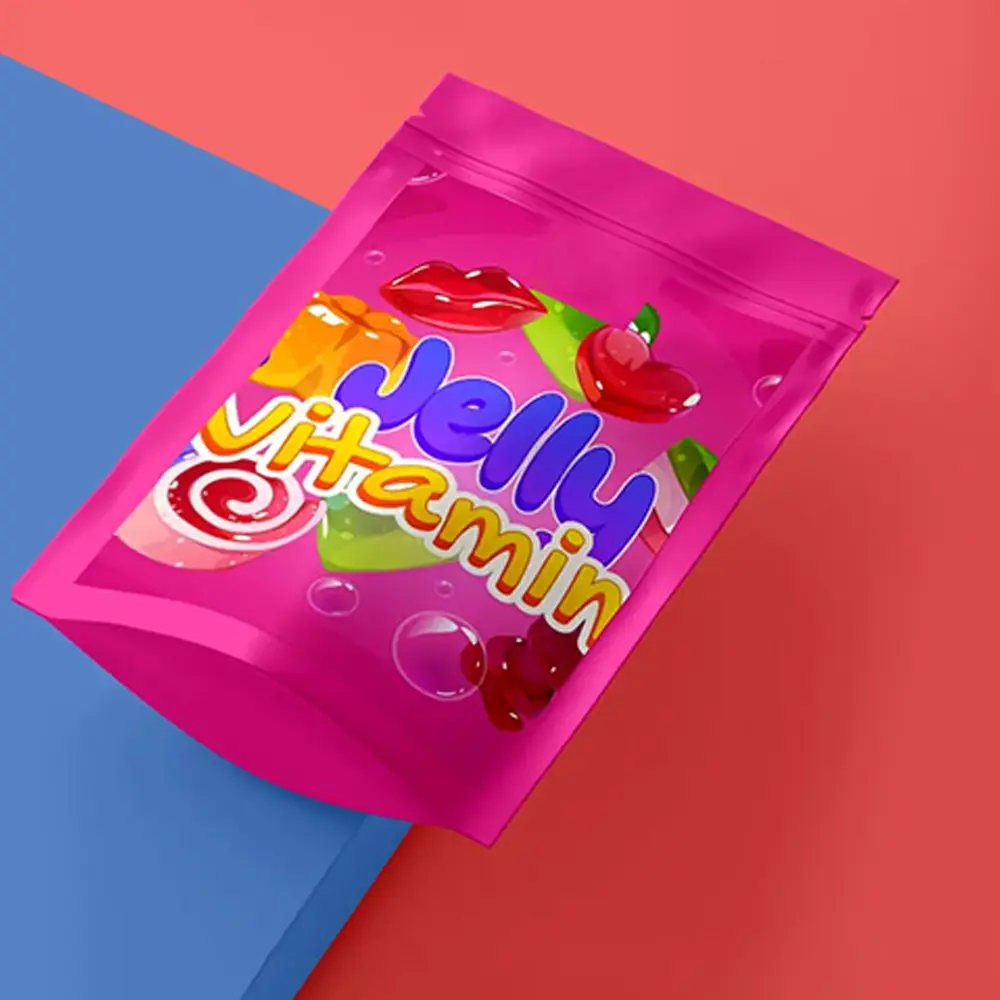
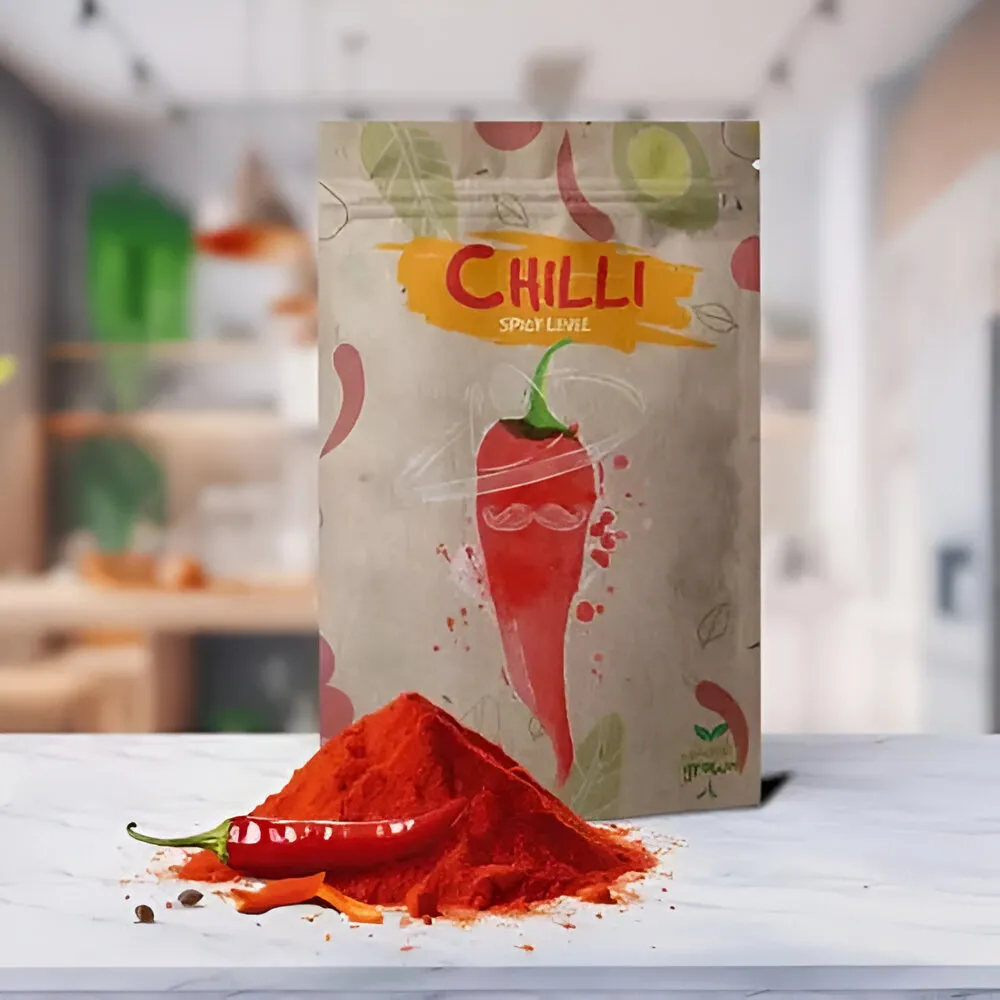
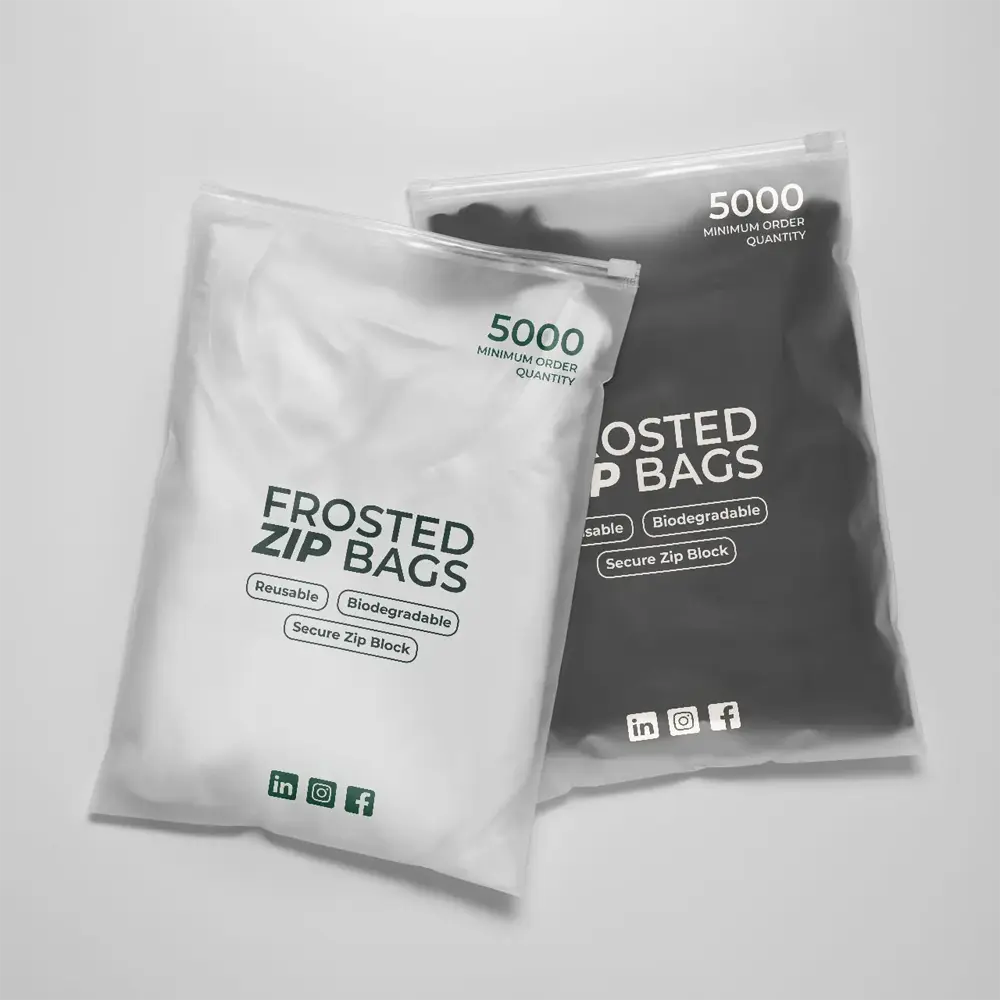
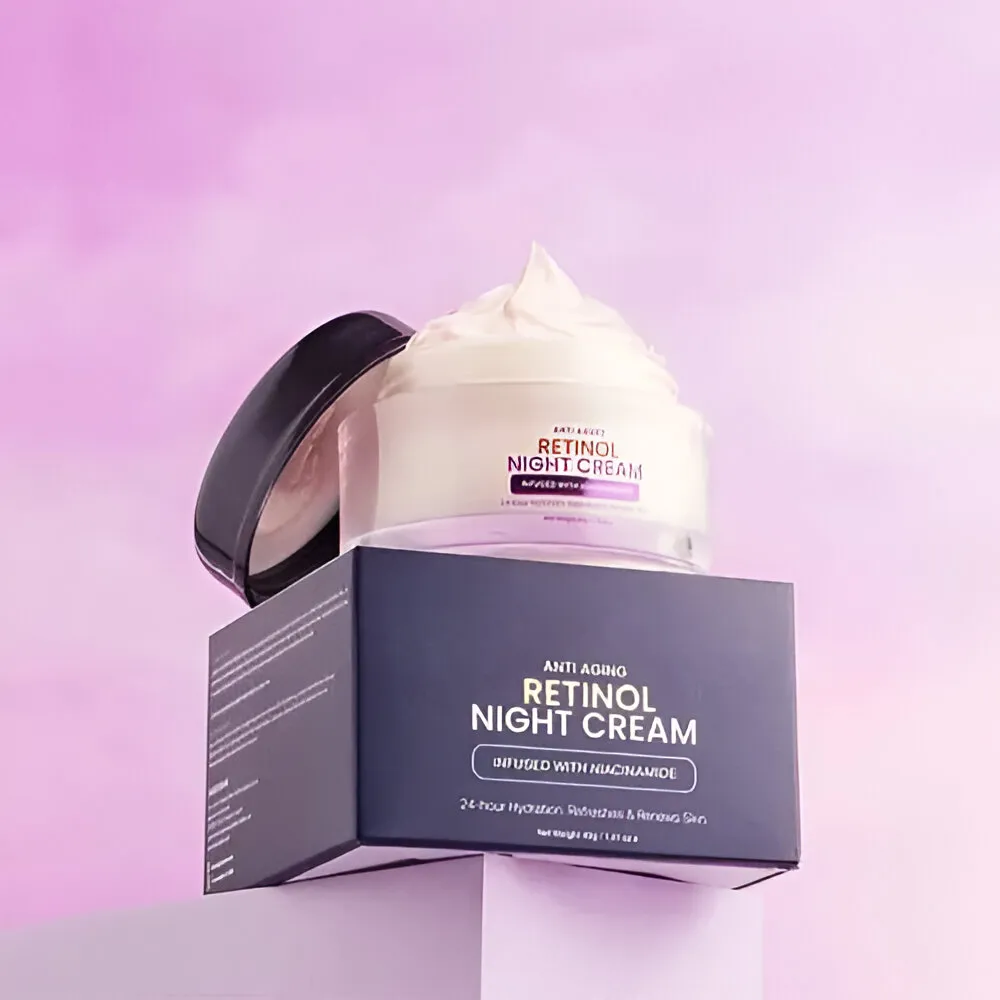
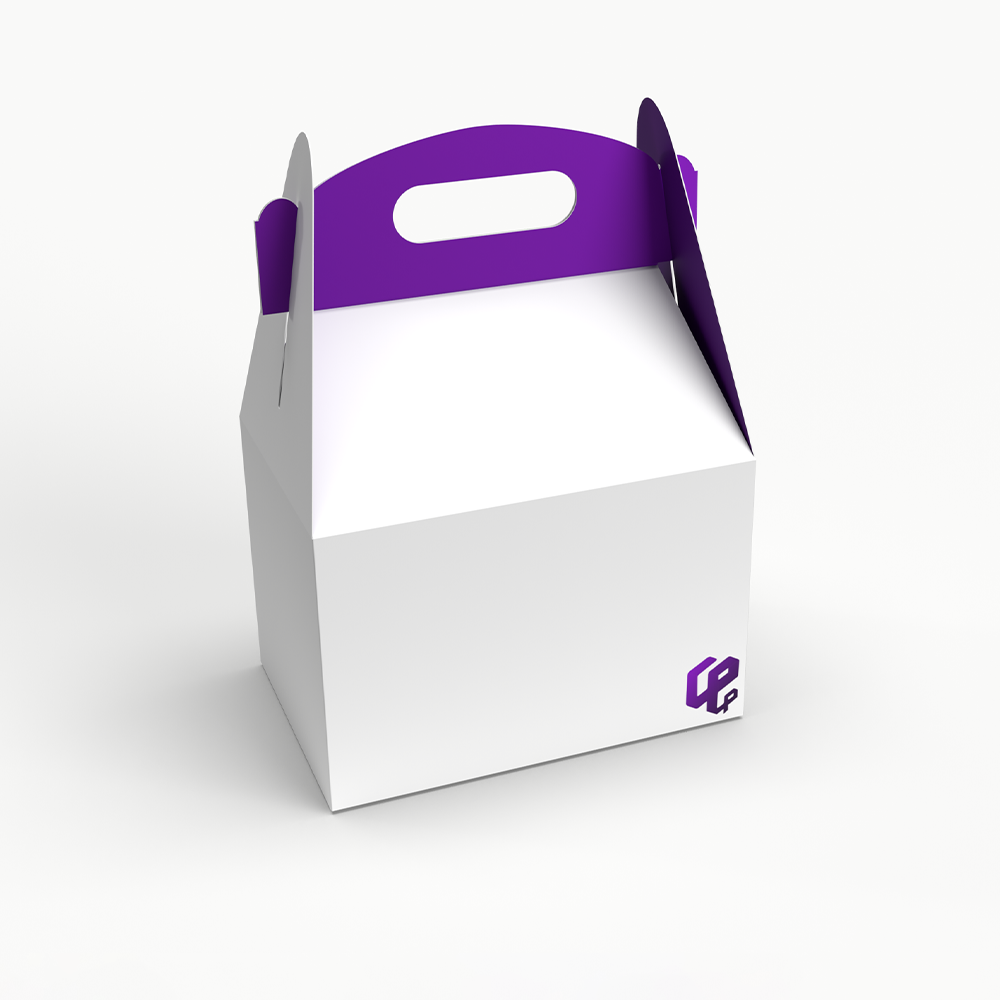
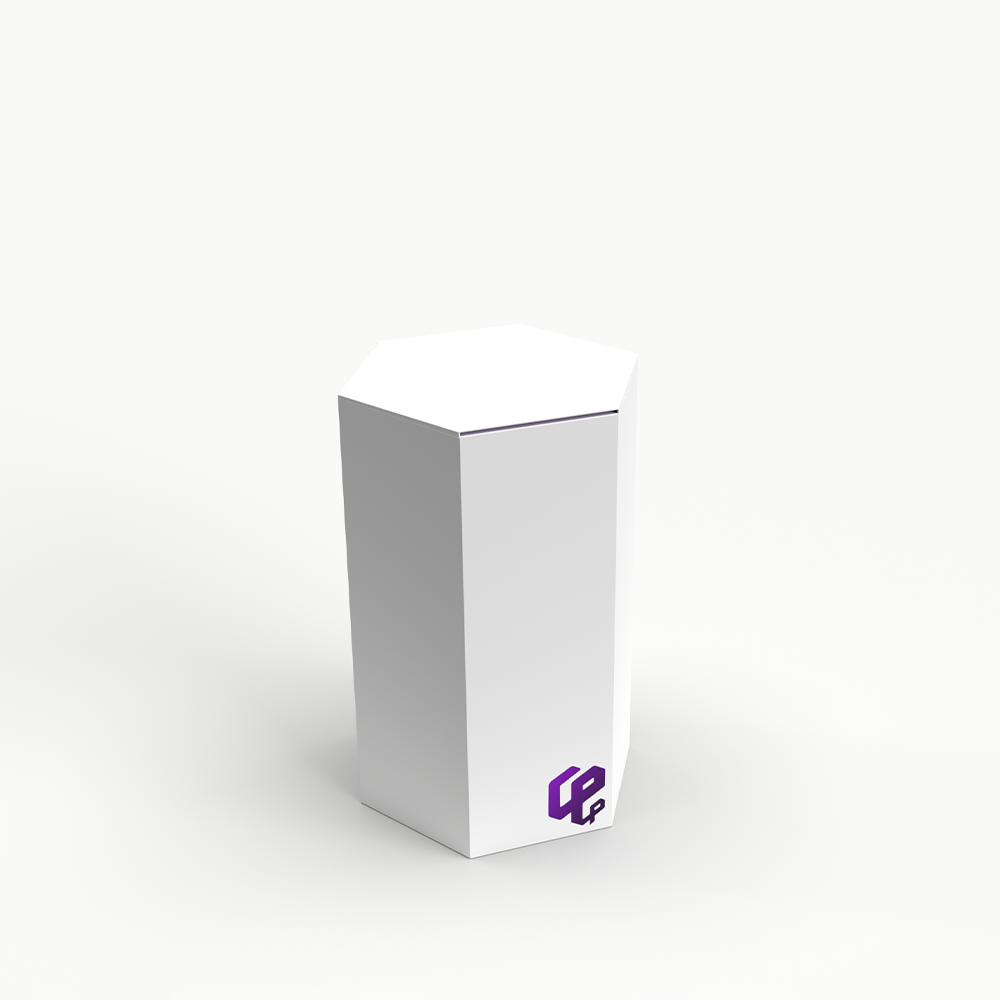
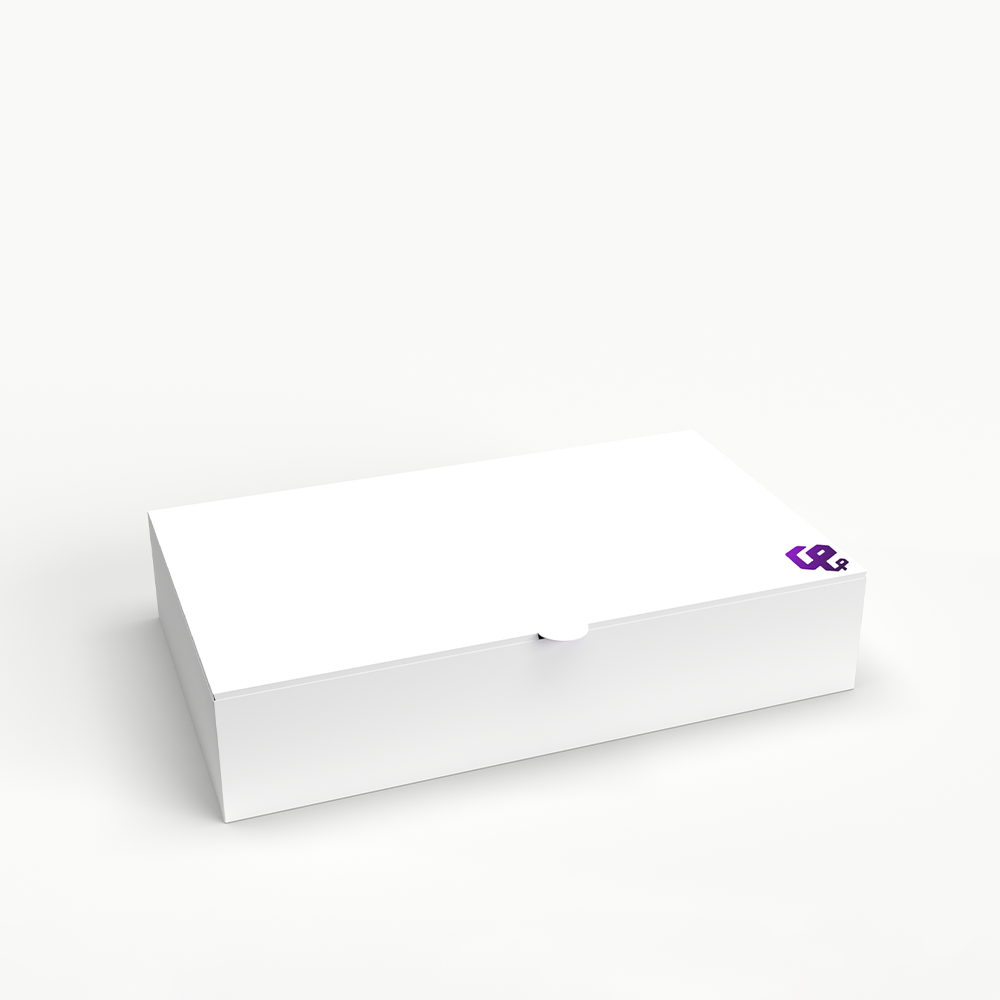
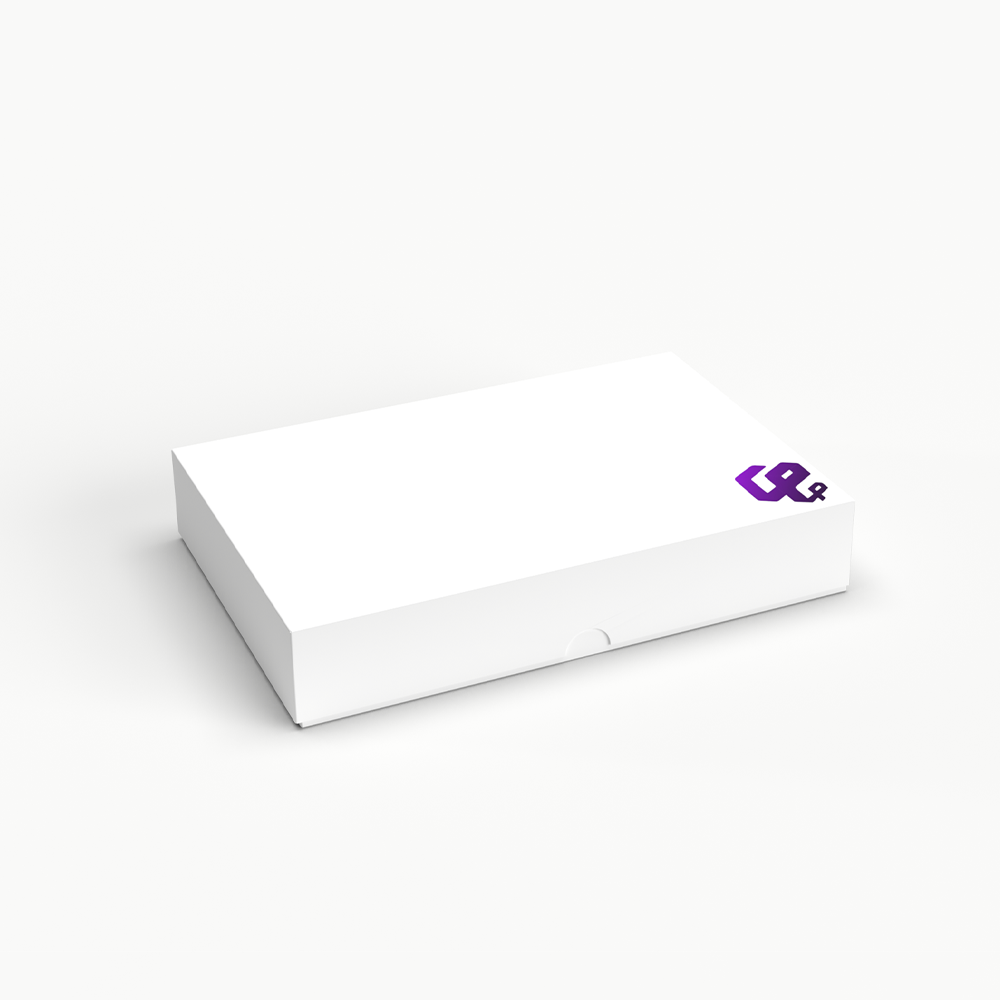
Packaging has the power to make or break a product’s success. In many cases, it becomes the deciding factor for a buyer. Customers often make purchase decisions within seconds, and packaging is usually the first thing they notice. This shows just how powerful custom packaging can be. At the same time, poorly designed custom packaging can also be the reason many retailers fail to connect with their product concept and target audience.
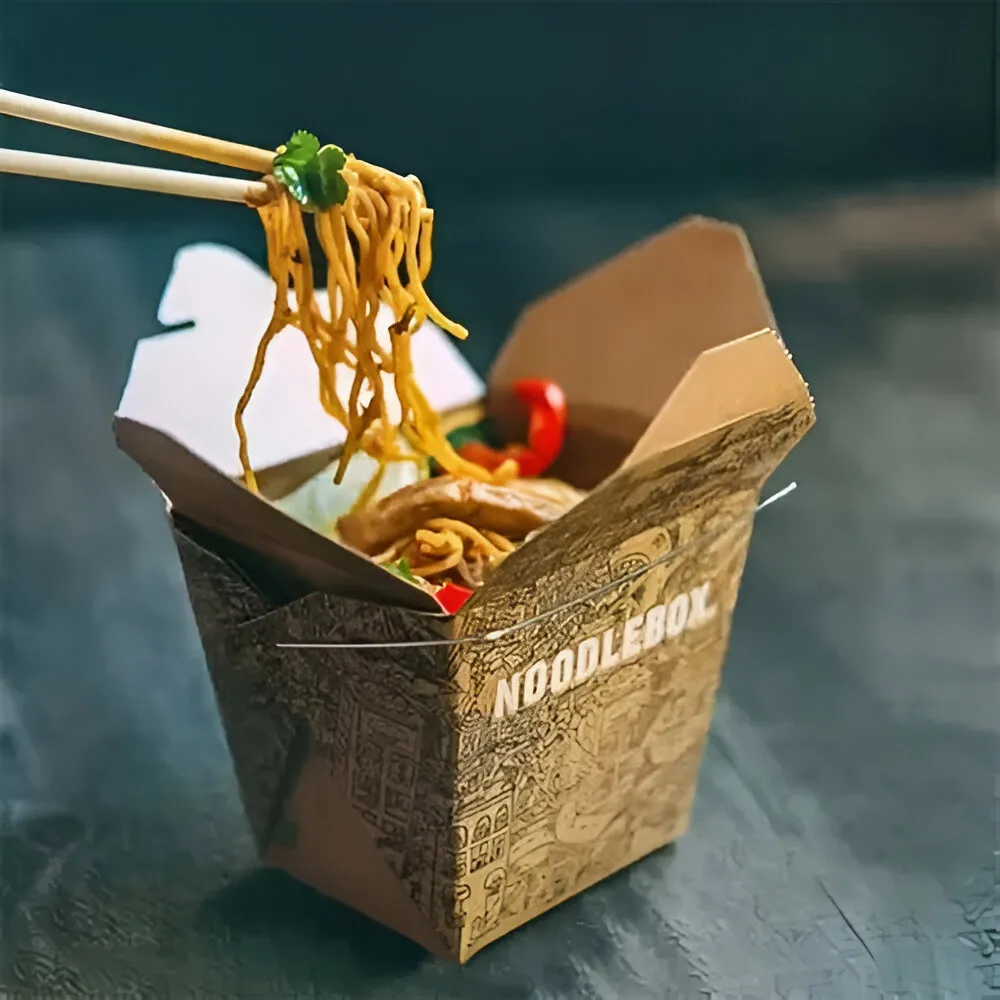
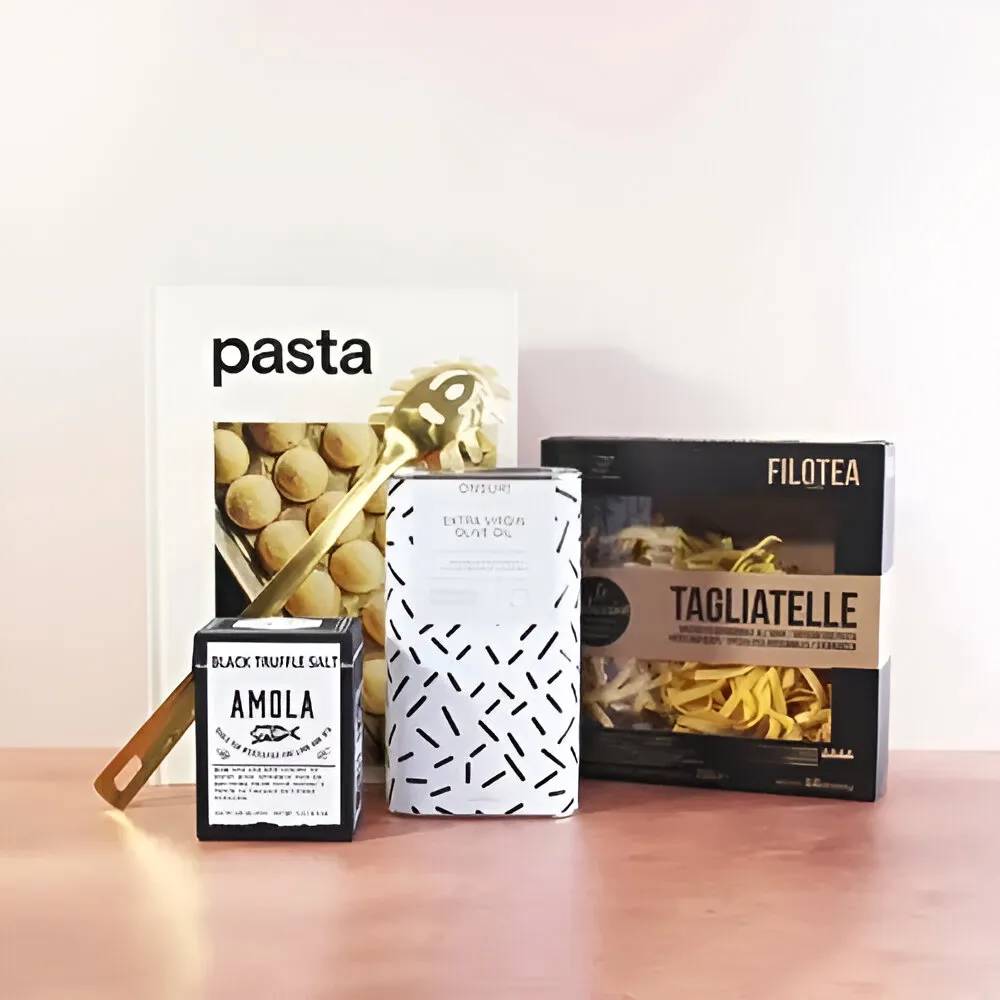
In the U.S. retail landscape, where competition is fierce and shelf space is limited, packaging is no longer optional—it is a critical branding and sales tool.

Custom Packaging: A Retailer’s Key Option for Success
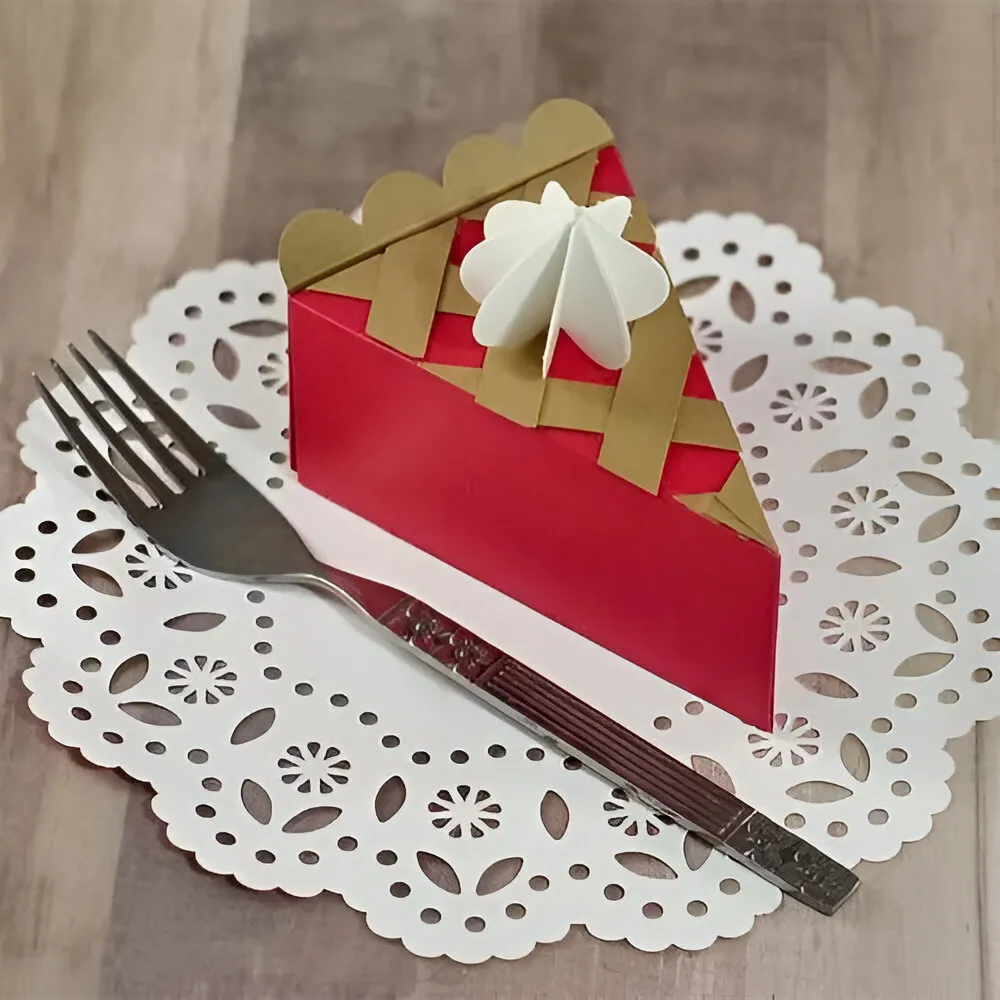
To understand the impact of packaging, think from a buyer’s point of view. When a customer walks into a retail store, what do they see first—the product or the packaging? In most cases, the packaging grabs attention before anything else, unless the product is fully transparent.

Now consider this: what happens if a customer looks at a package and finds it unappealing, confusing, or low quality? Do they pick it up and try to understand it further? Realistically, most customers don’t. Instead, they move on to another similar product with clearer, more attractive packaging.

The same applies if the packaging text is hard to read, the design feels cluttered, or the message is unclear. U.S. consumers value clarity, convenience, and trust. If your packaging fails to communicate these instantly, the chances of a sale drop dramatically. Simply put, people do not buy what does not appeal to their eyes or make sense at first glance.

This is why investing time and effort into custom packaging is essential for retail success. Businesses that want to outperform competitors must treat packaging as a strategic advantage, not an afterthought.

Three Essential Questions Every Retailer Must Ask

Finding out whether your packaging strategy is working can be challenging. However, the process becomes much easier if you ask yourself the following three critical questions while preparing packaging for your product.

1. Is Your Packaging Clear Enough to Deliver a Precise and Cohesive Message?

Take a close look at your packaging. Can you immediately understand what the product is and what it does? Is the purpose clear within the first few seconds? If the answer is not a confident “yes,” then there is a serious issue that needs immediate attention.

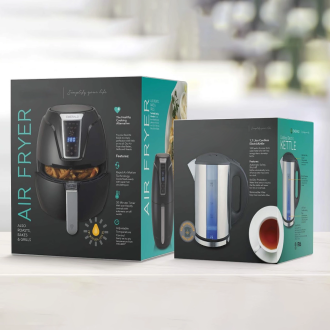
In the U.S. retail market, customers expect instant clarity. Your packaging should clearly communicate:

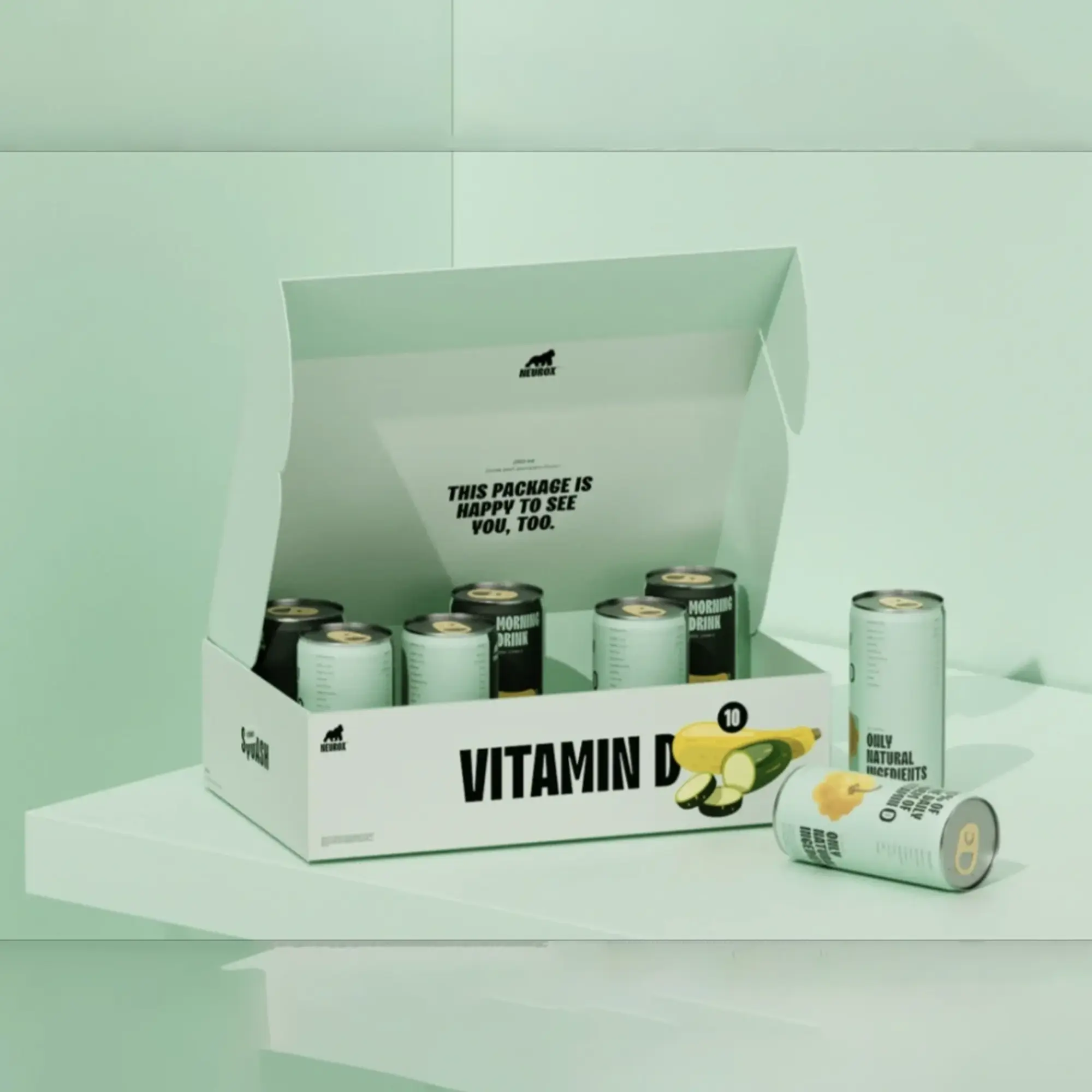
Everything—from typography and colors to icons and product descriptions—should be easy to read and visually balanced. Customers typically spend no more than two seconds deciding whether to engage with a product. If your packaging fails to deliver a clear message in that time, the opportunity is lost.

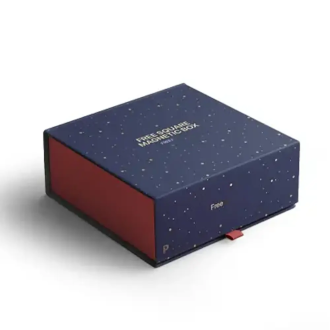
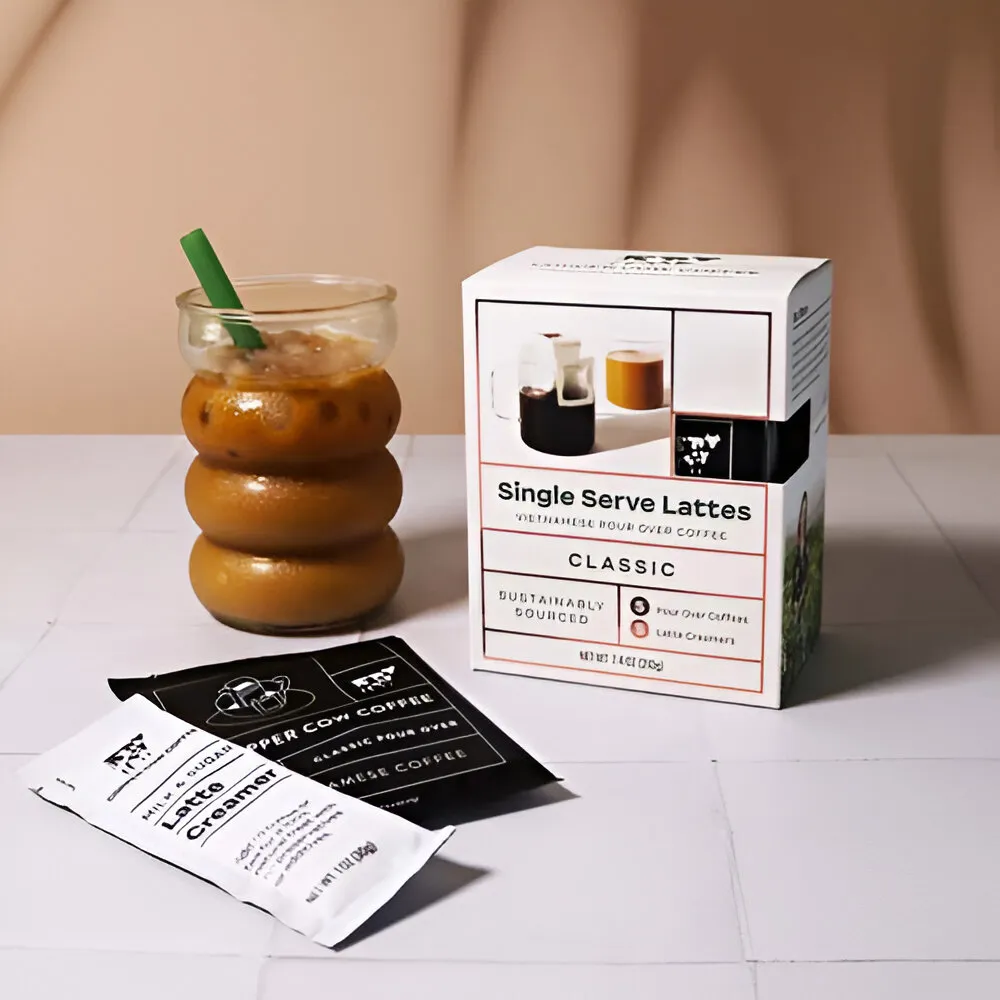
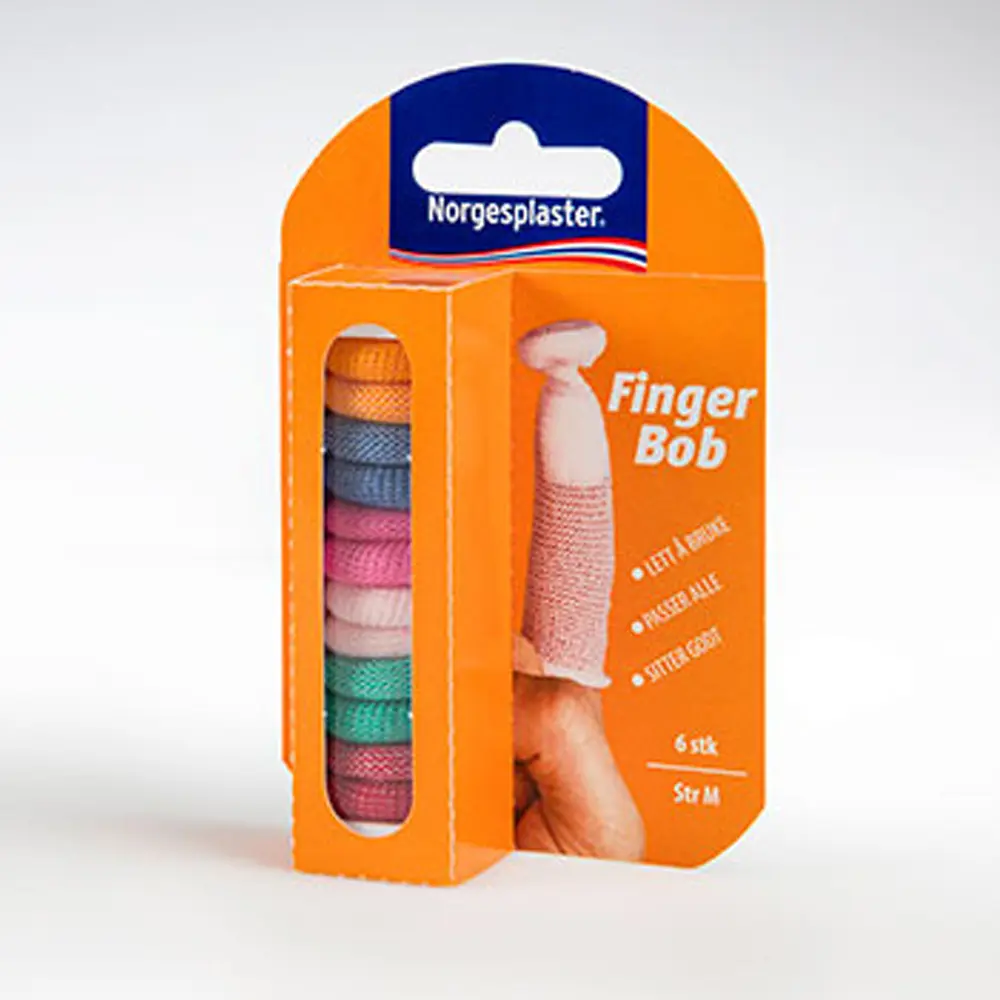
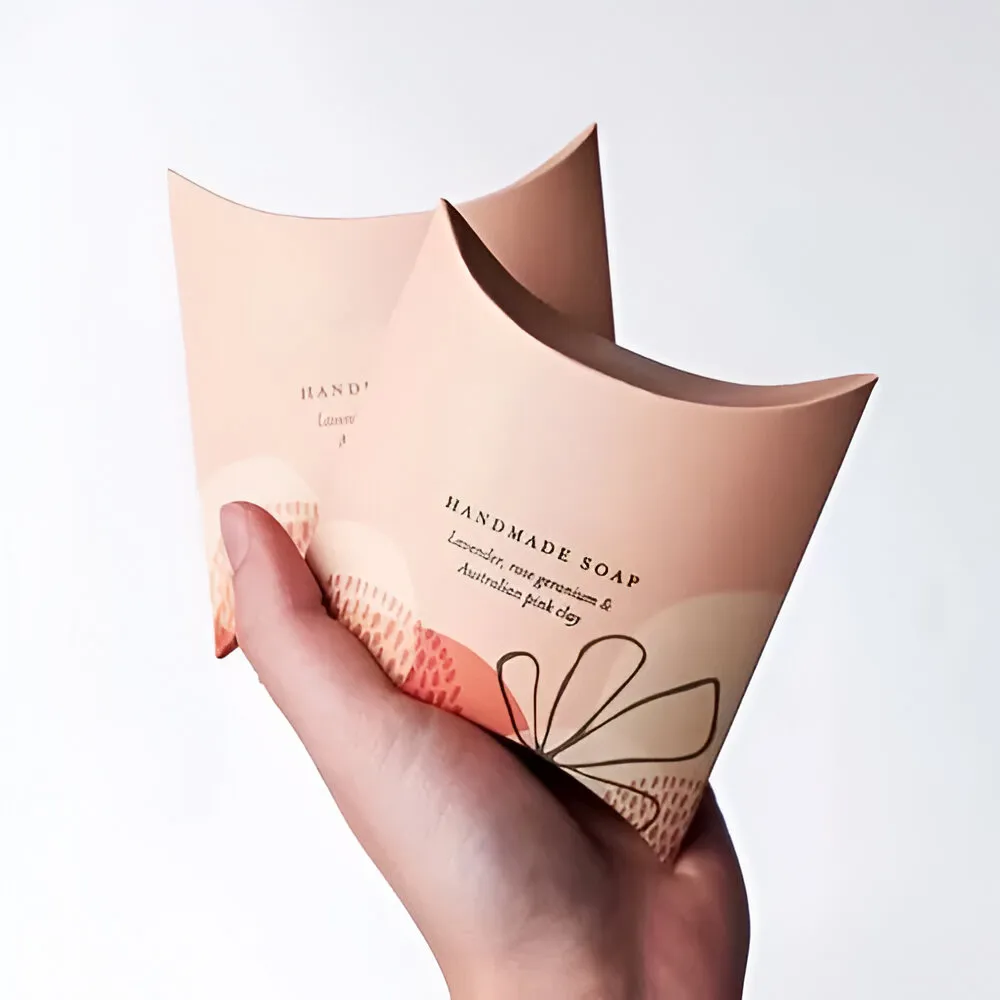
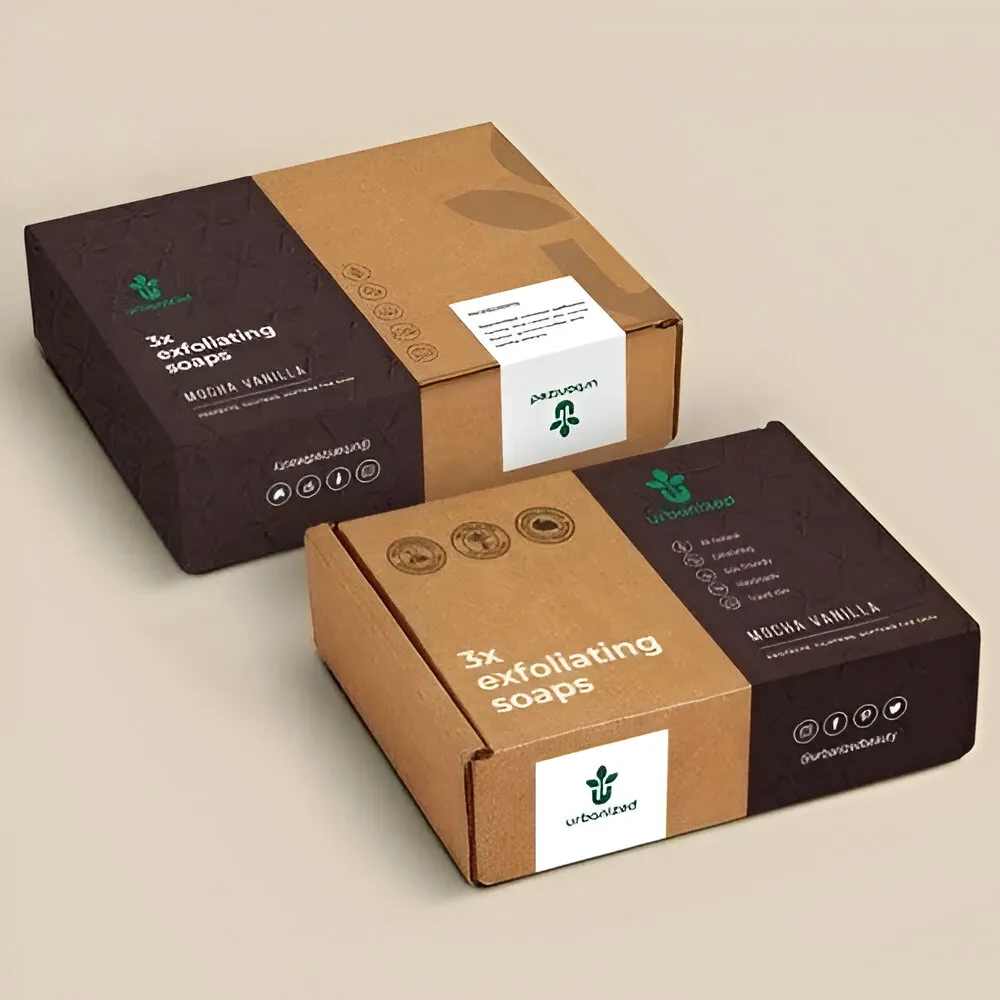
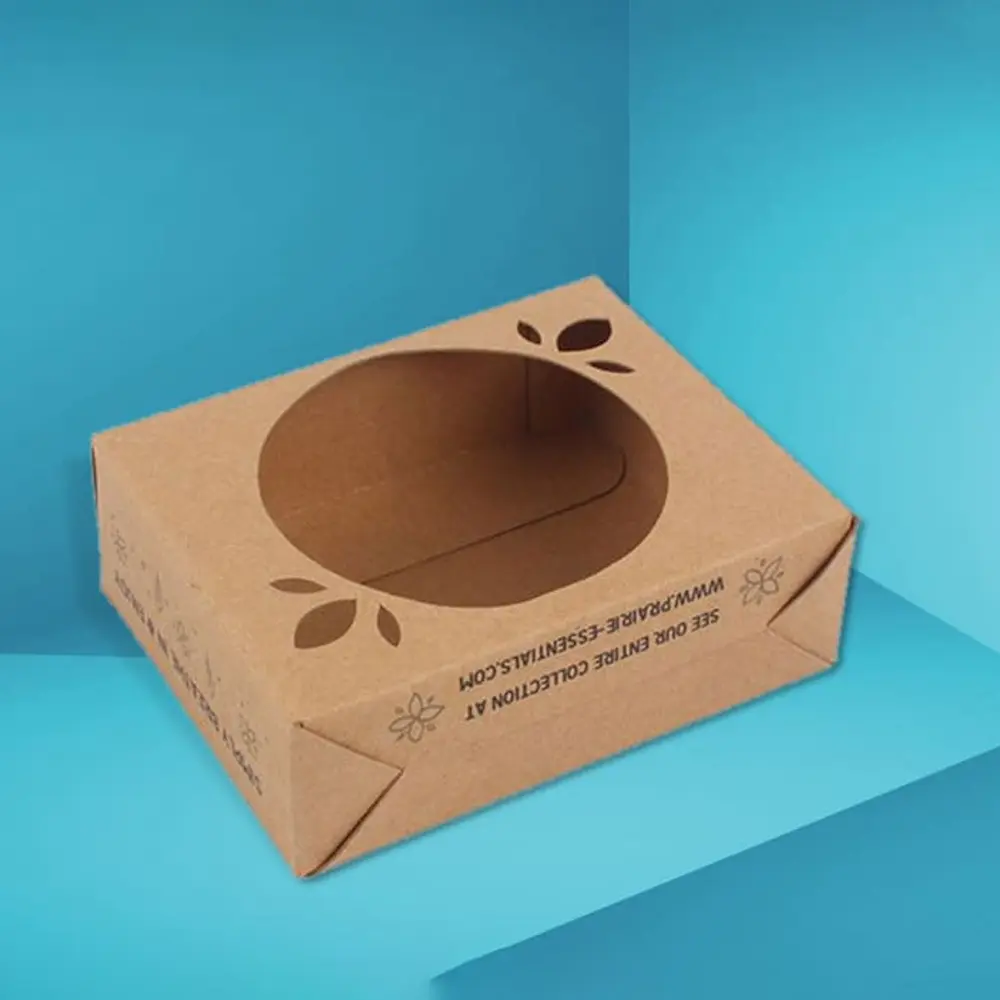
A strong visual hierarchy and simple messaging help customers feel confident about their purchase decision. When your customize packaging speaks clearly, it builds trust and encourages action.Customize Packaging

2. Is Your Packaging Attractive Enough to Encourage a Purchase?

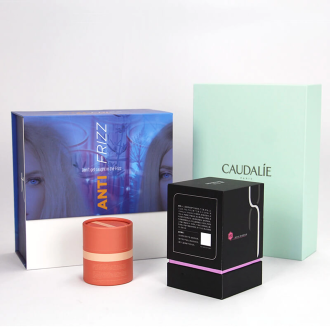
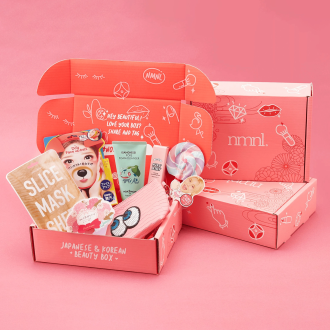
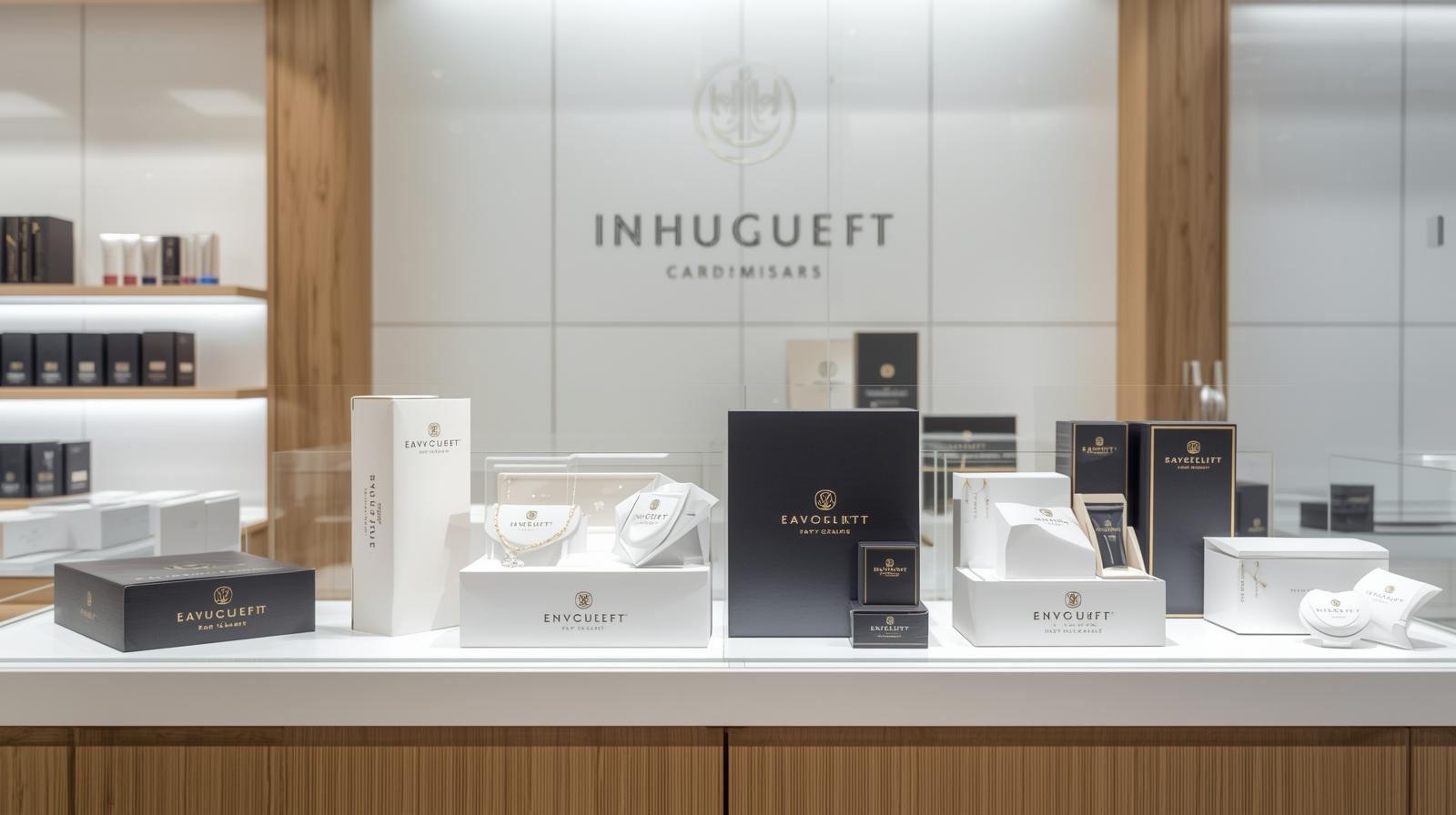
Visual appeal plays a major role in buying behavior, especially in the U.S., where consumers are exposed to thousands of products daily. While beauty is subjective, your goal should be to create a design that appeals to the majority of your target audience.

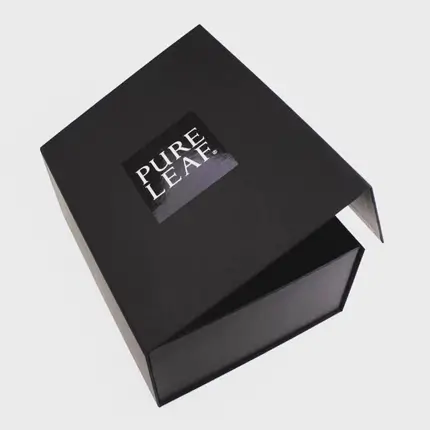
Colors, layout, fonts, and finishes all influence how your brand is perceived. A design that feels modern, premium, and intentional will always perform better than something that looks outdated or inconsistent.

The challenge is knowing whether your design works. One of the most effective ways to evaluate this is by gathering honest feedback. Ask friends, family members, colleagues, or even potential customers for their opinions. Honest criticism helps you identify weaknesses you may overlook.

You may not like all the feedback at first, but in the long run, it helps refine your packaging into something that truly resonates with U.S. consumers and retail buyers.

3. Is the Size of Your Packaging Consistent with Retail Standards and Competitors?

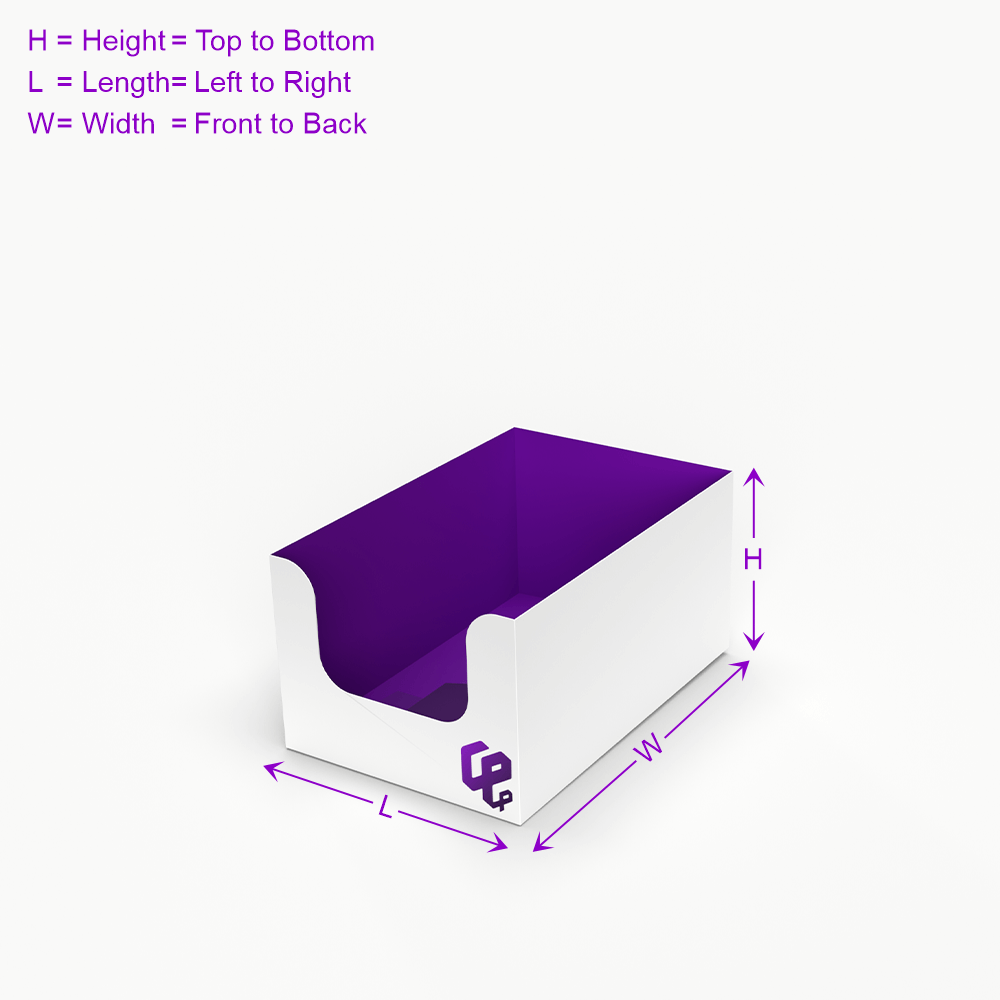
Packaging size is often overlooked, yet it plays a crucial role in retail success. Compare your packaging with your competitors’. Is your box significantly larger or smaller? Does it align with standard shelf dimensions used by U.S. retailers?

Retailers work with limited shelf space. If your packaging takes up more room than necessary, buyers may hesitate to stock it. Oversized packaging can increase shipping costs, reduce shelf efficiency, and hurt your chances of being selected.

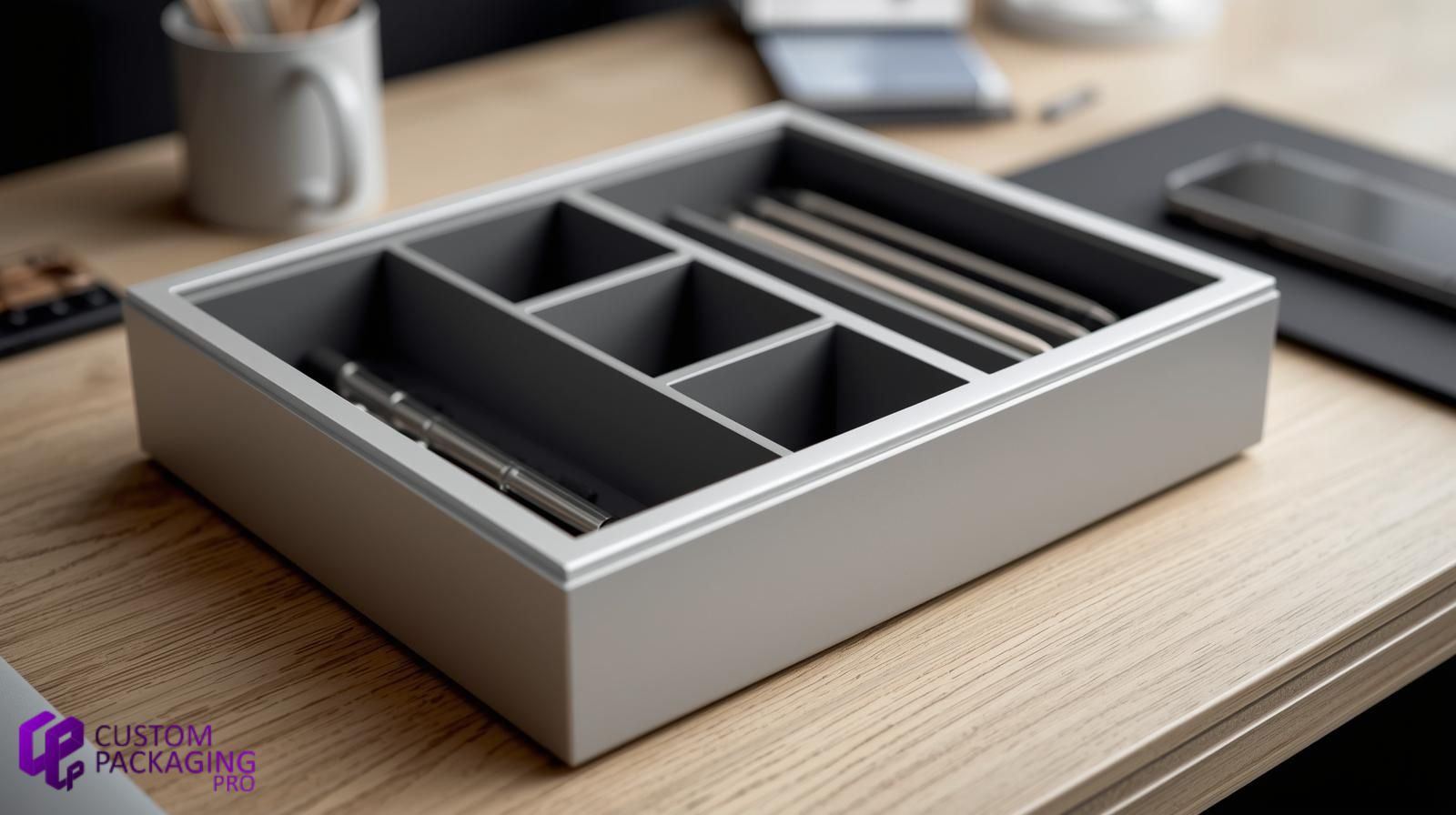
Even if your current packaging seems acceptable, professional guidance can help optimize size, structure, and material usage. Expert advice may feel like an added expense, but it often prevents costly mistakes in the long run and ensures your packaging meets U.S. retail and logistics standards.

Turning Custom Packaging into Consistent Sales

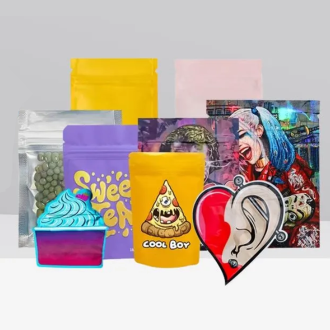
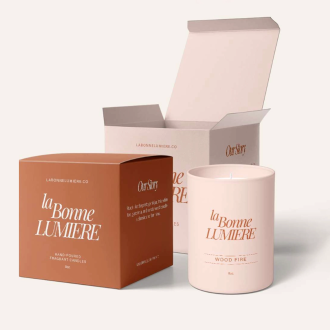
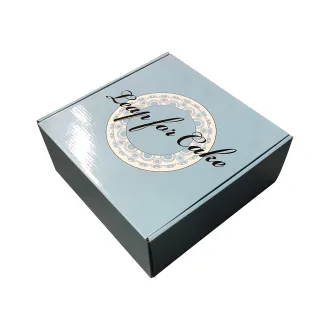
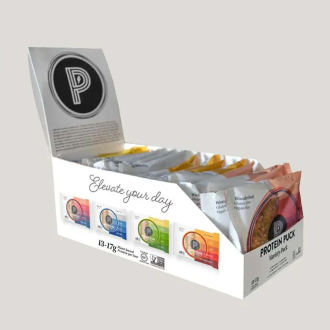
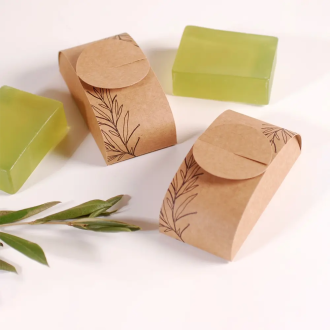
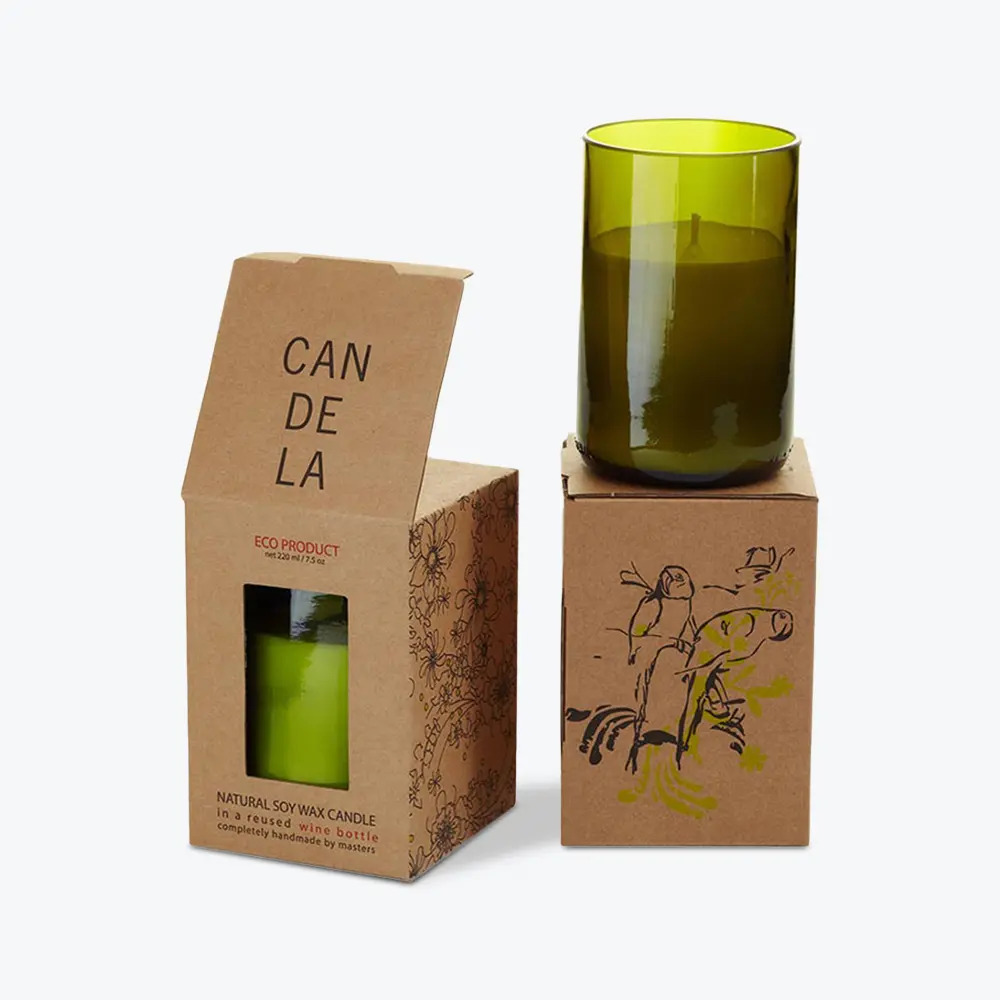
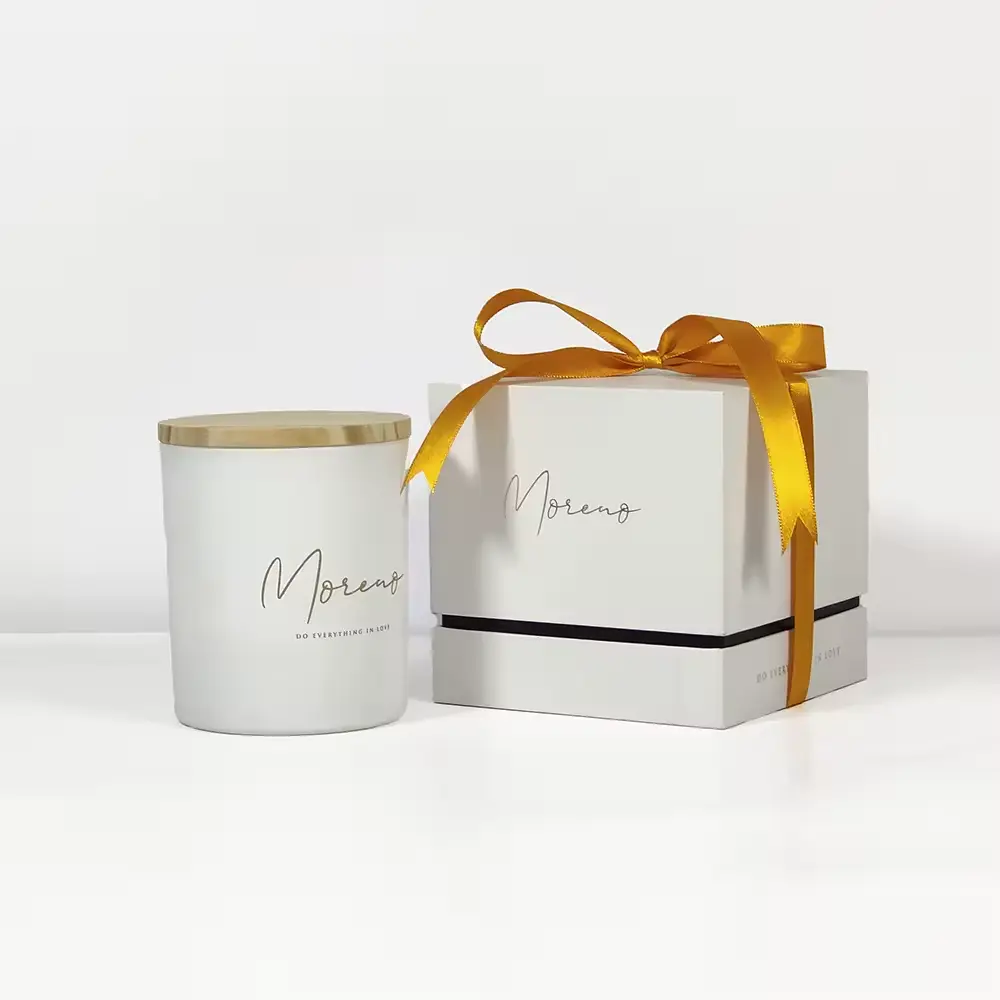
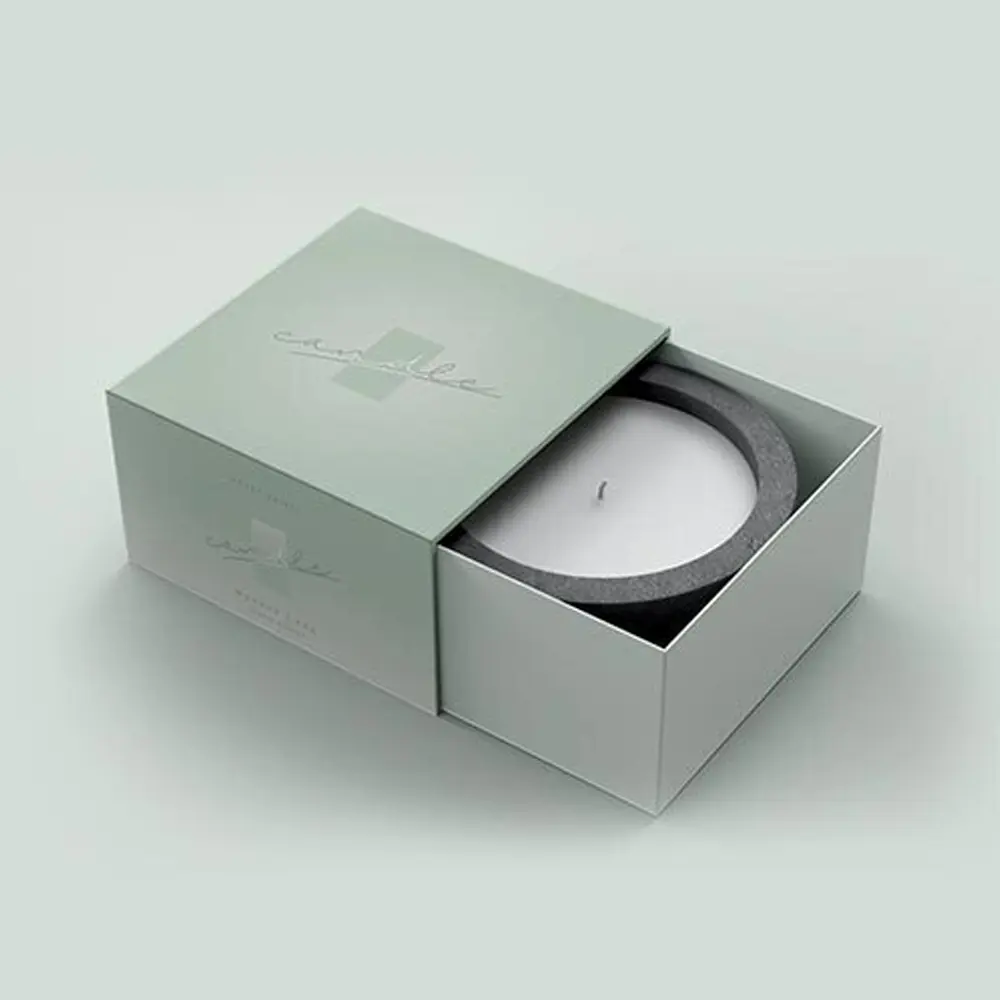
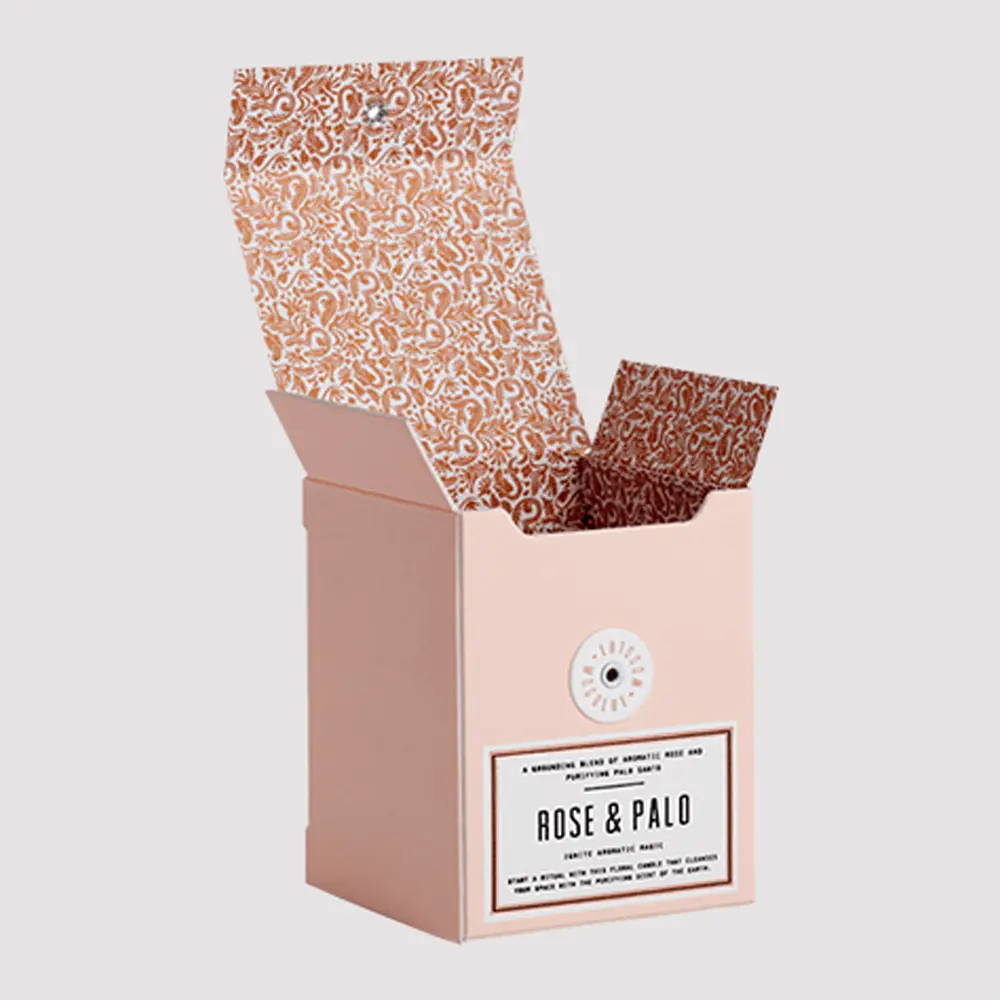
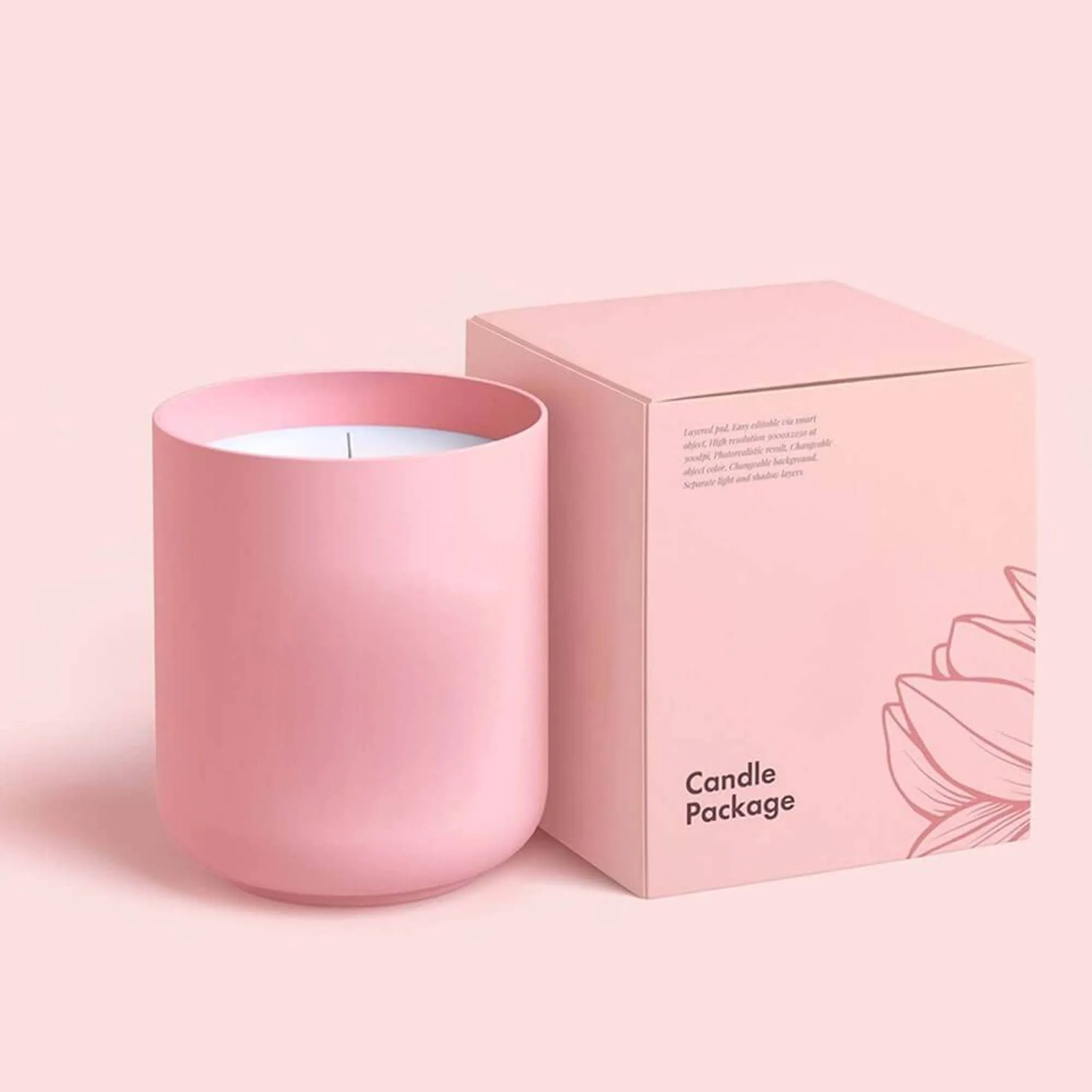
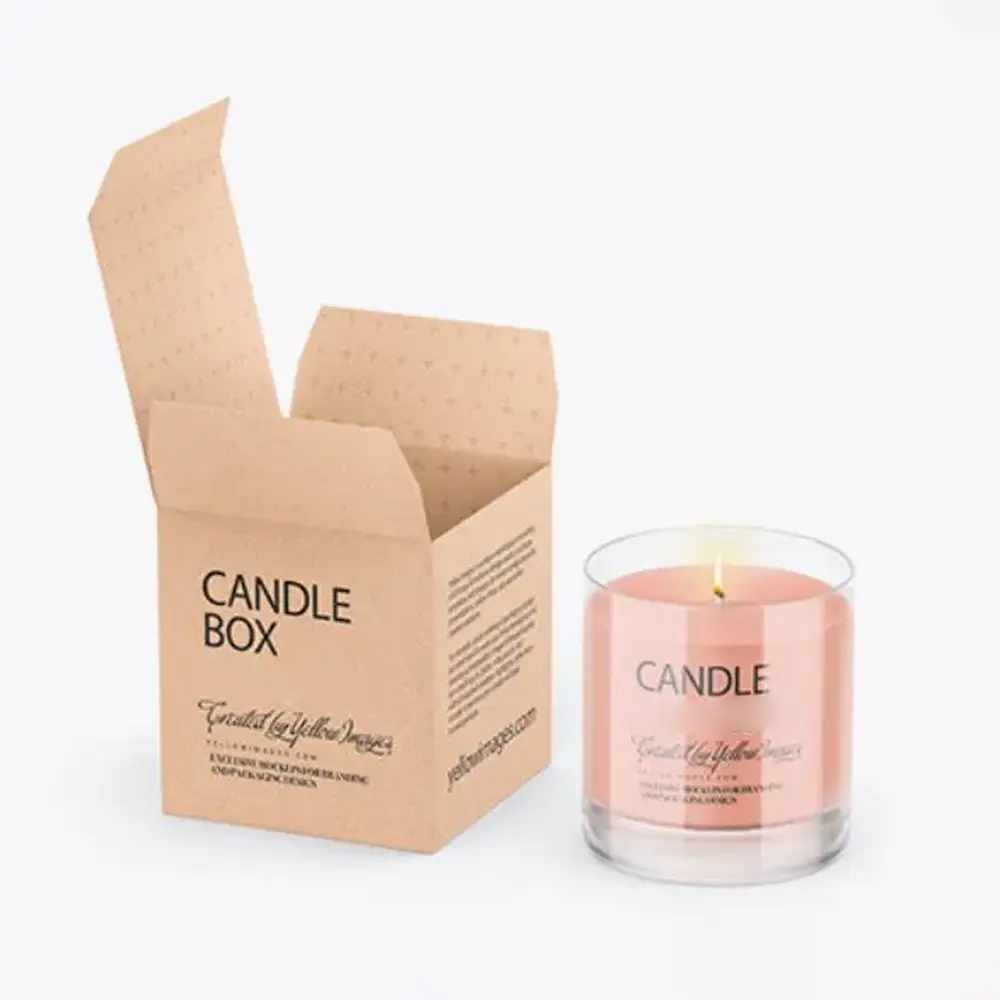
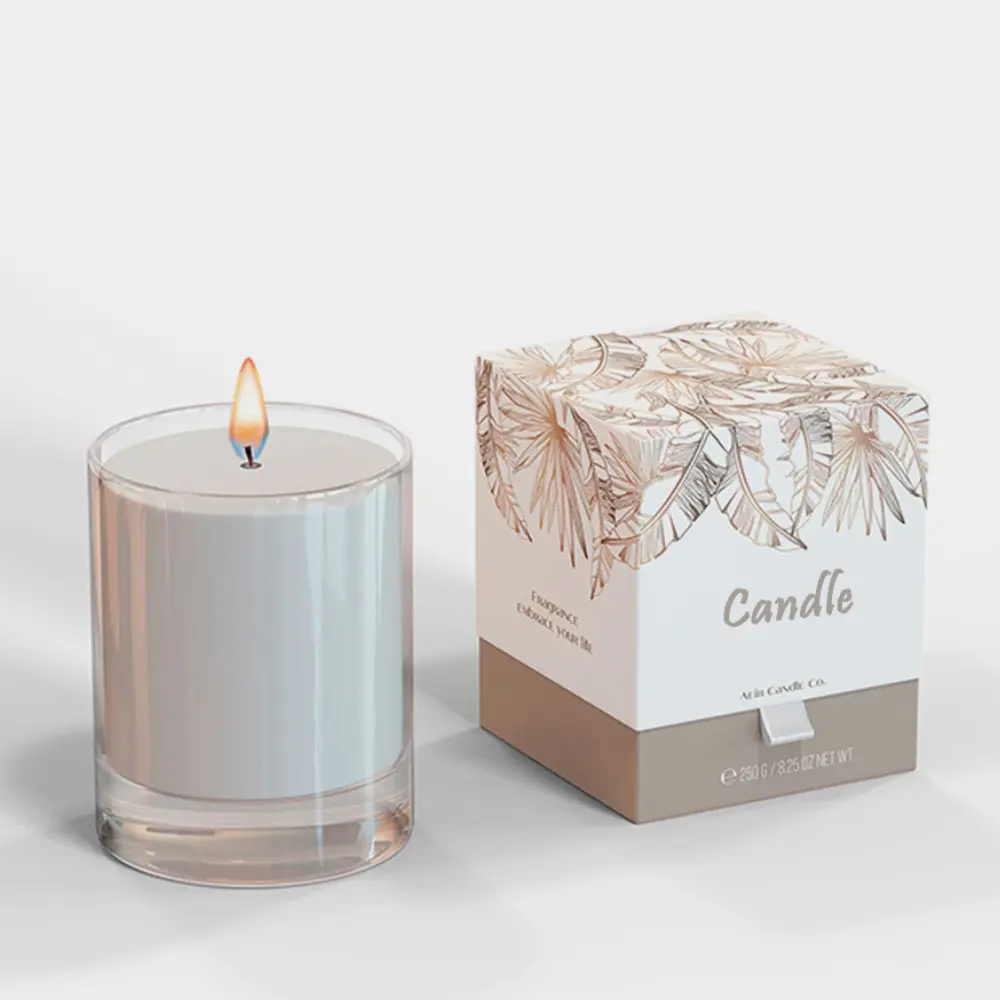
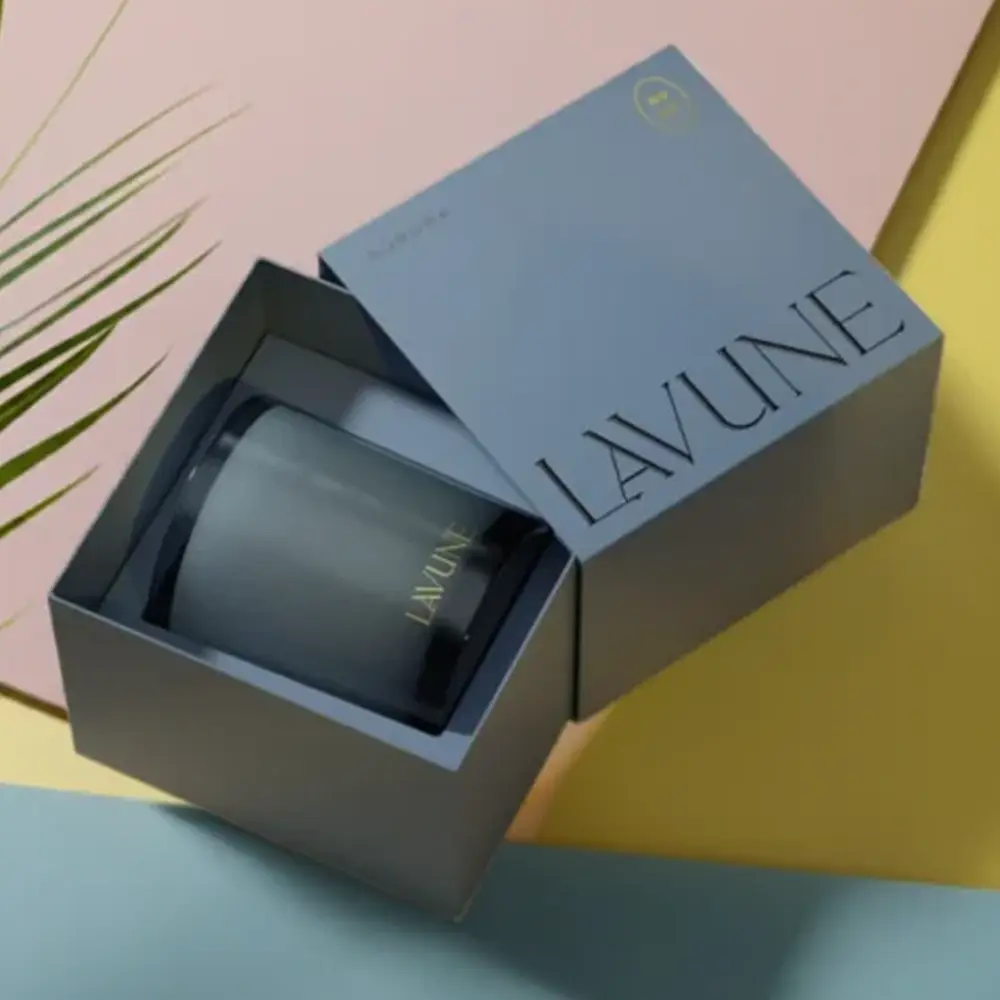
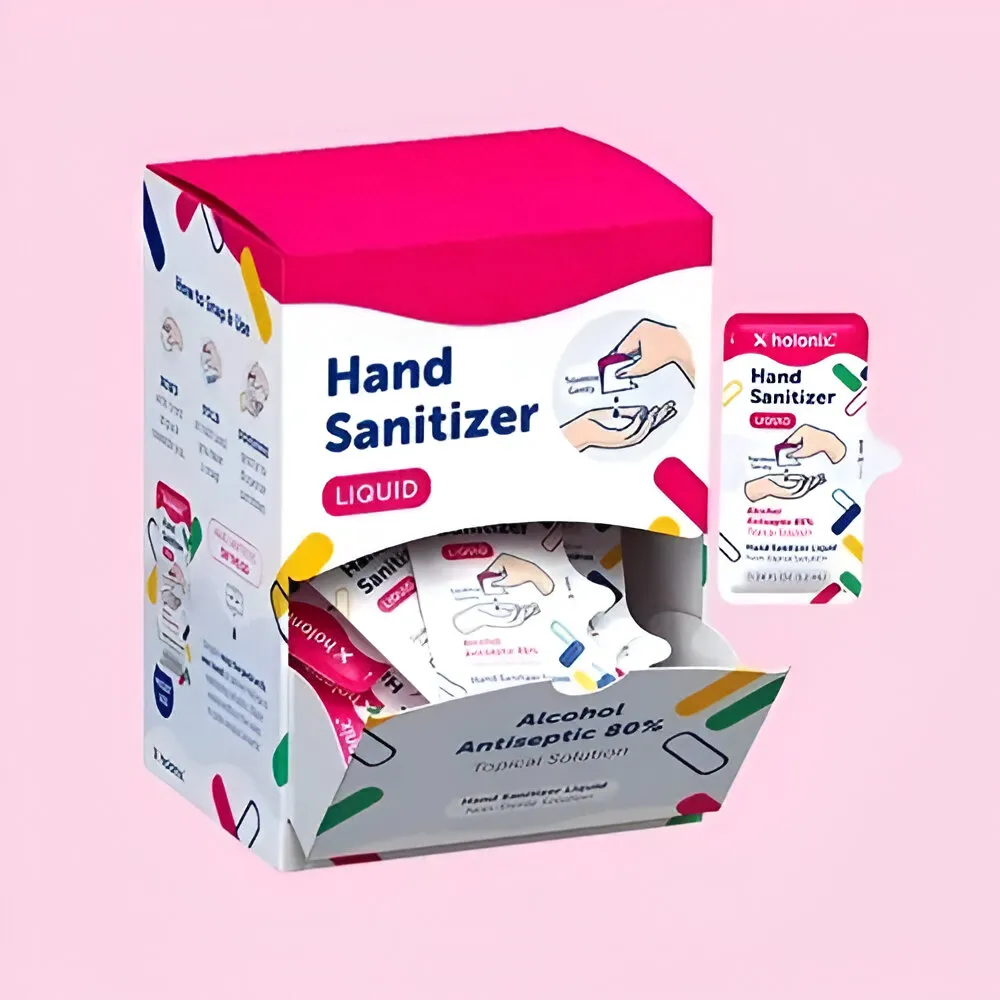
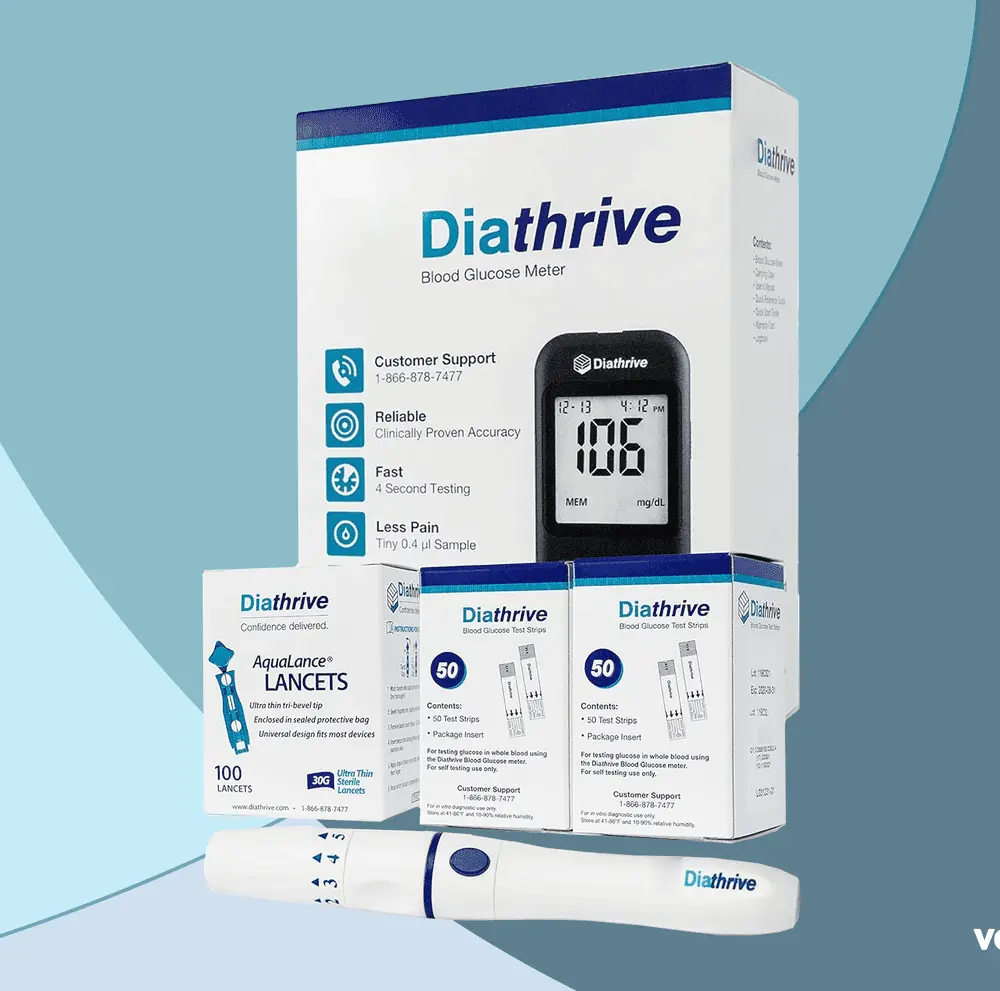
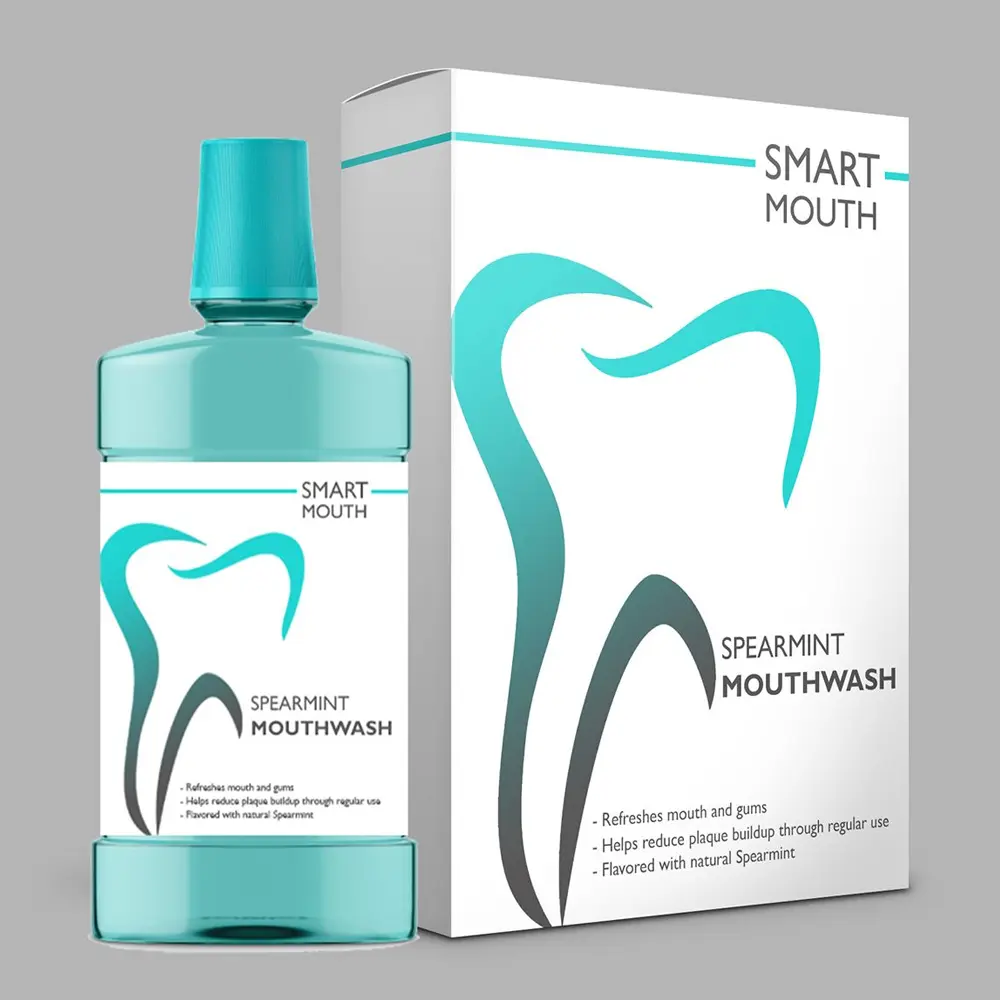
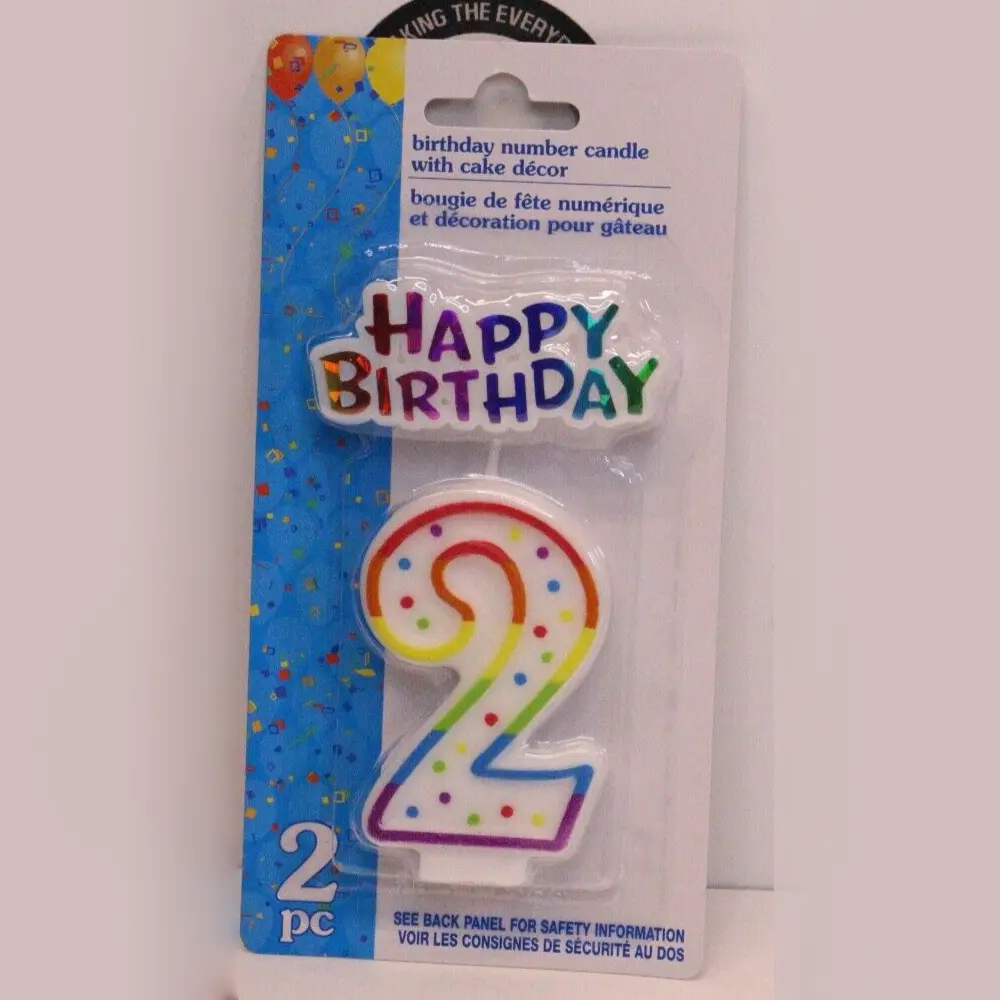
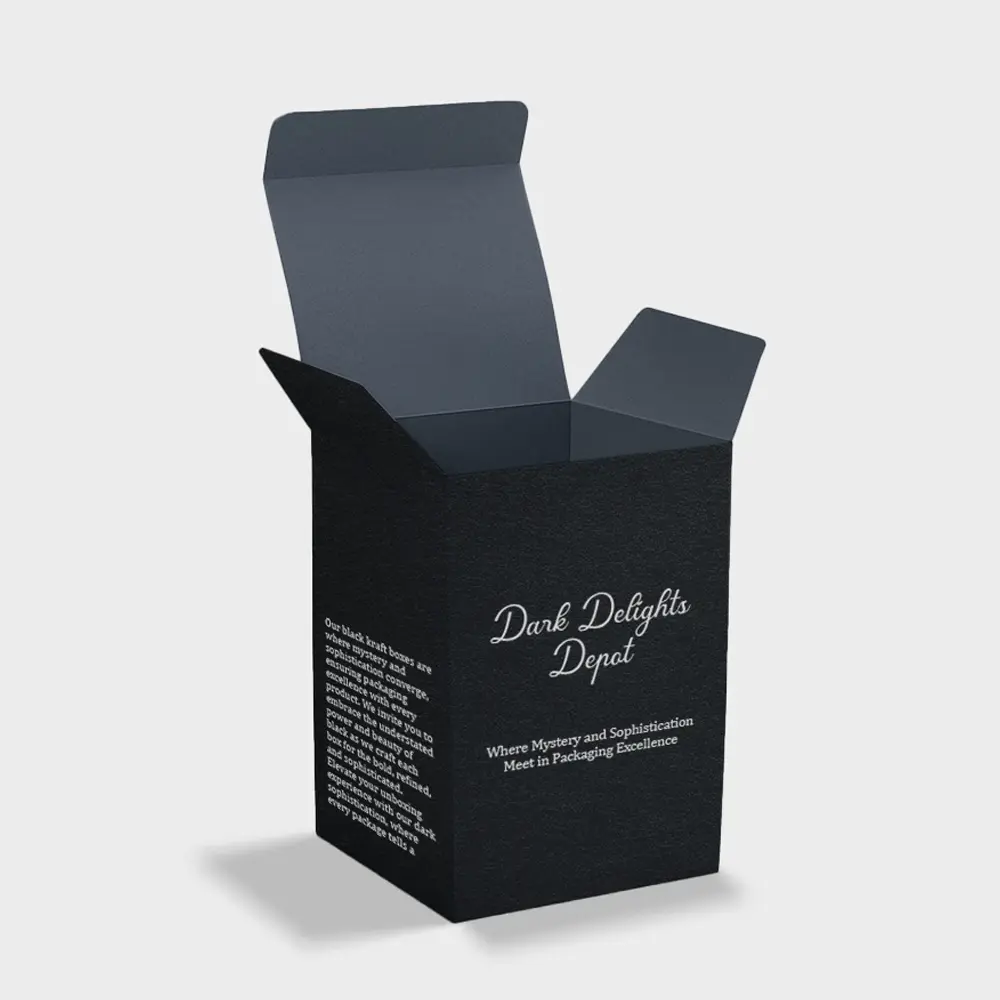
When all these factors—clarity, attractiveness, and size—are aligned, custom packaging becomes a powerful sales driver. Whether you are selling Custom Candle Boxes or any other retail product, well-designed packaging helps attract attention, communicate value, and convert interest into repeat sales.
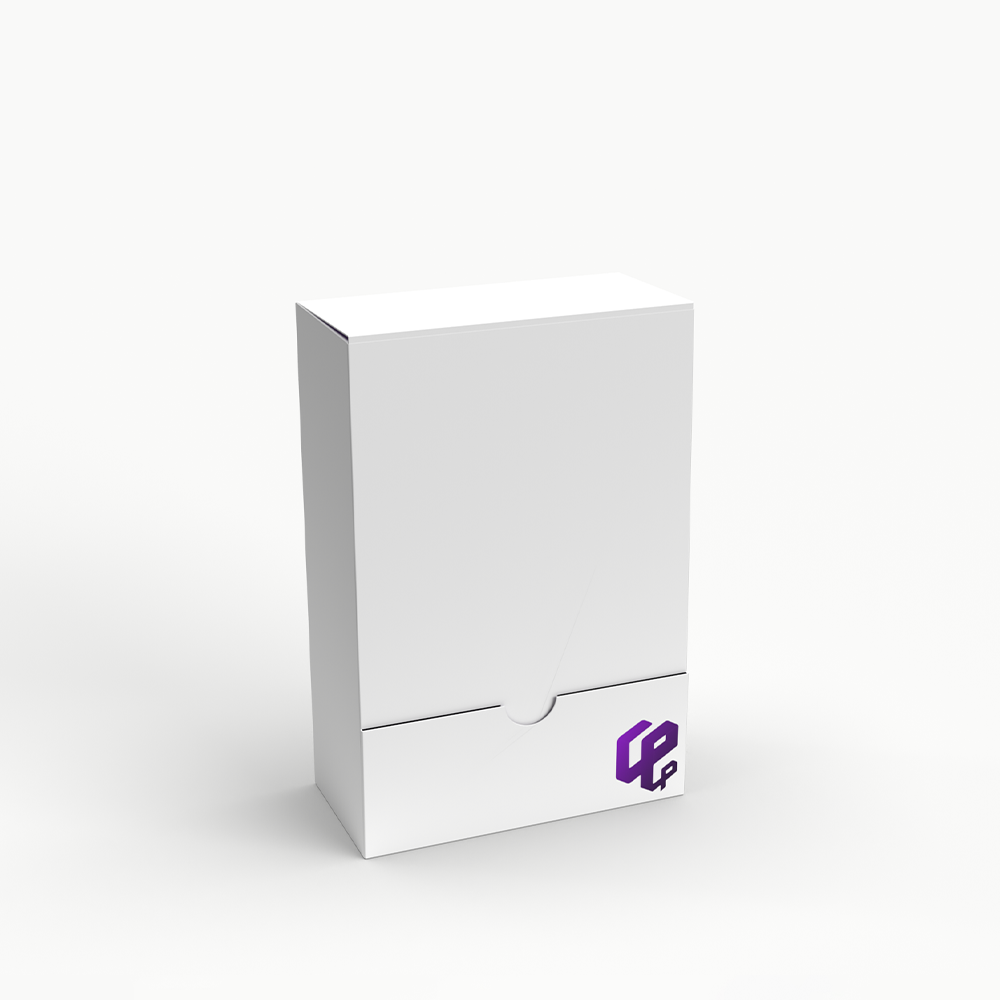
In the competitive U.S. retail environment, smart custom packaging is not just about looking good—it’s about selling better.

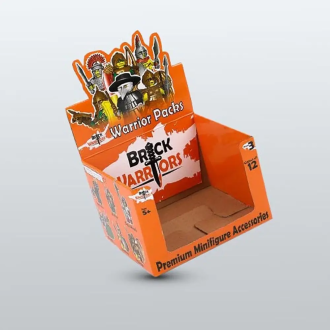
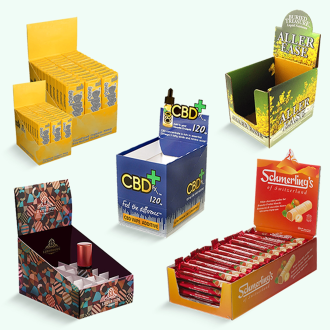
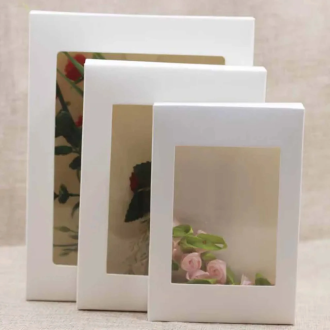
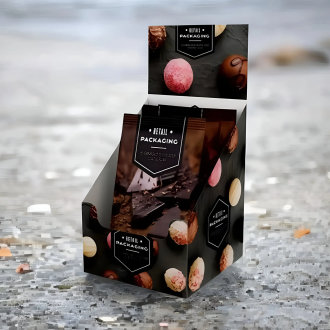
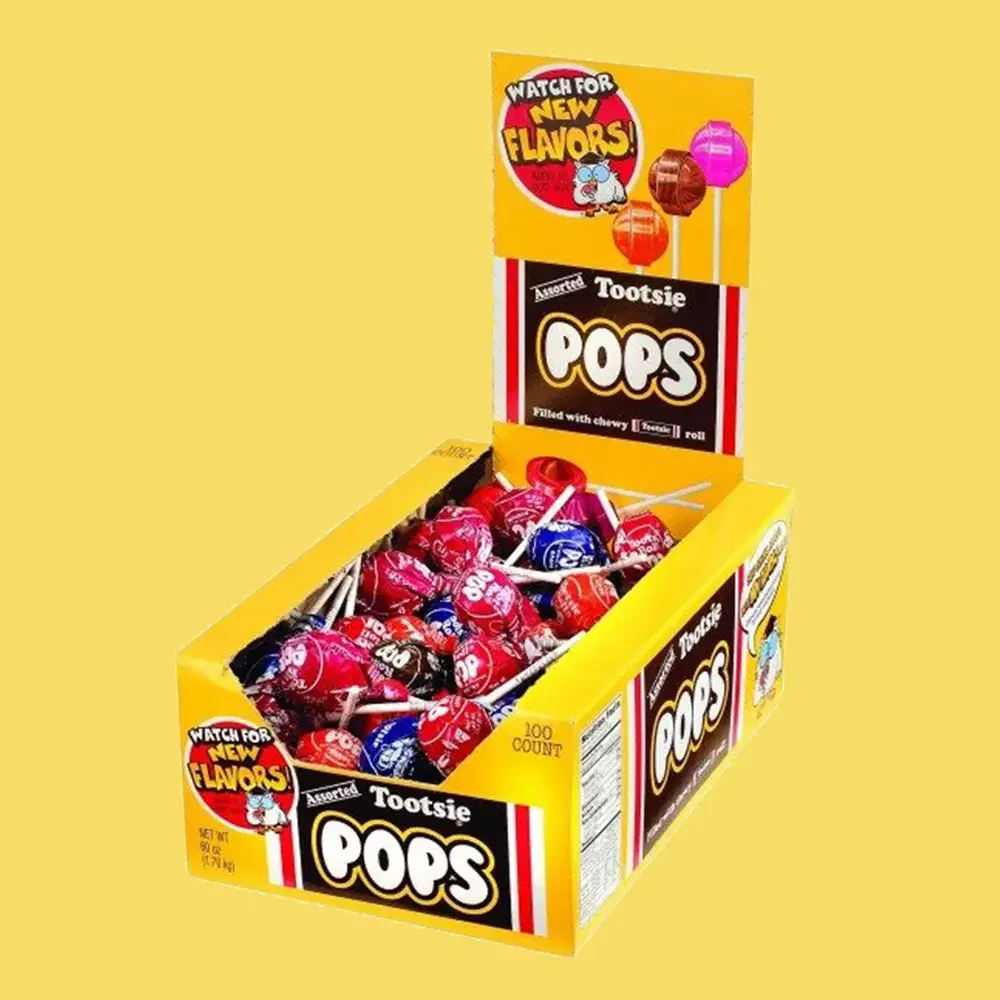
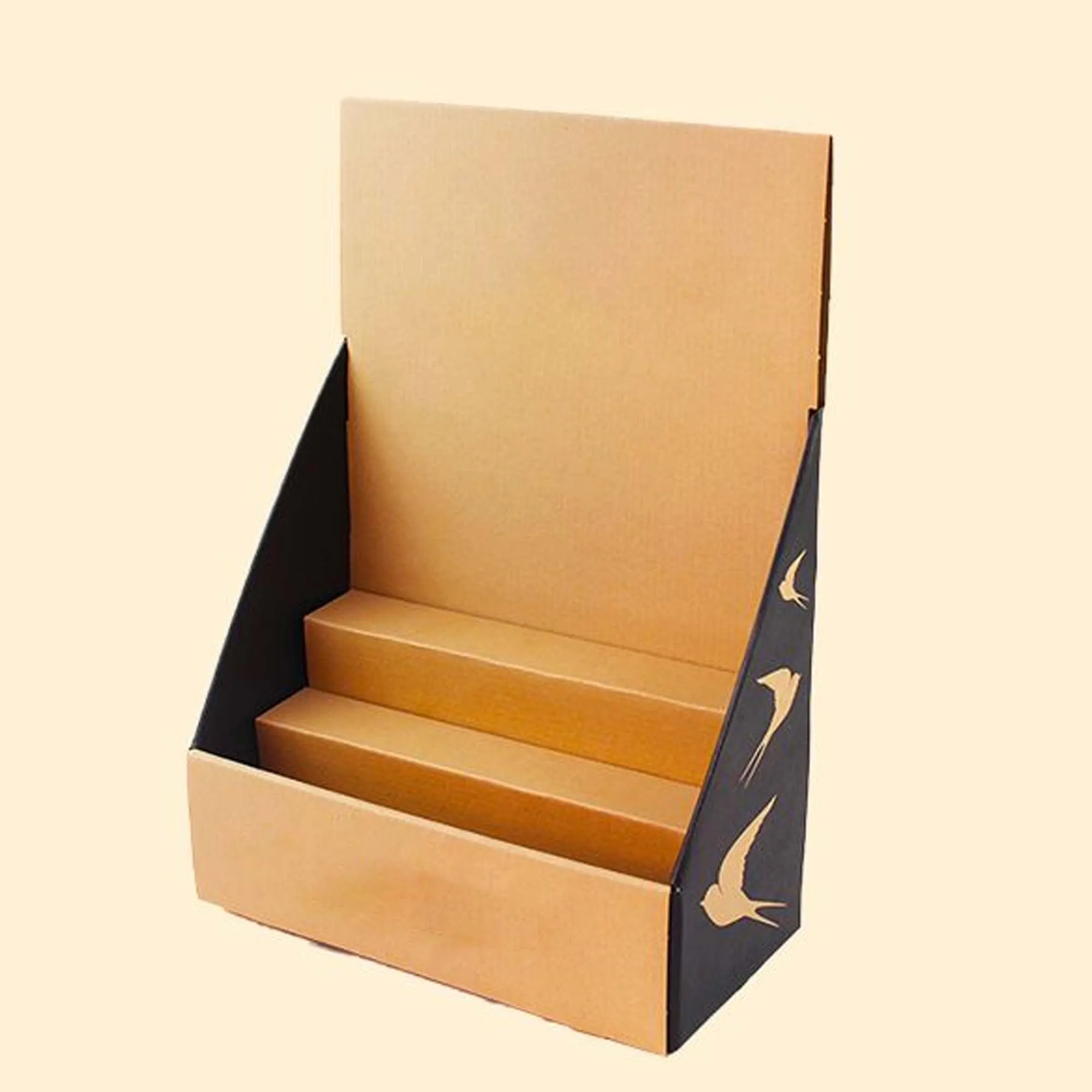
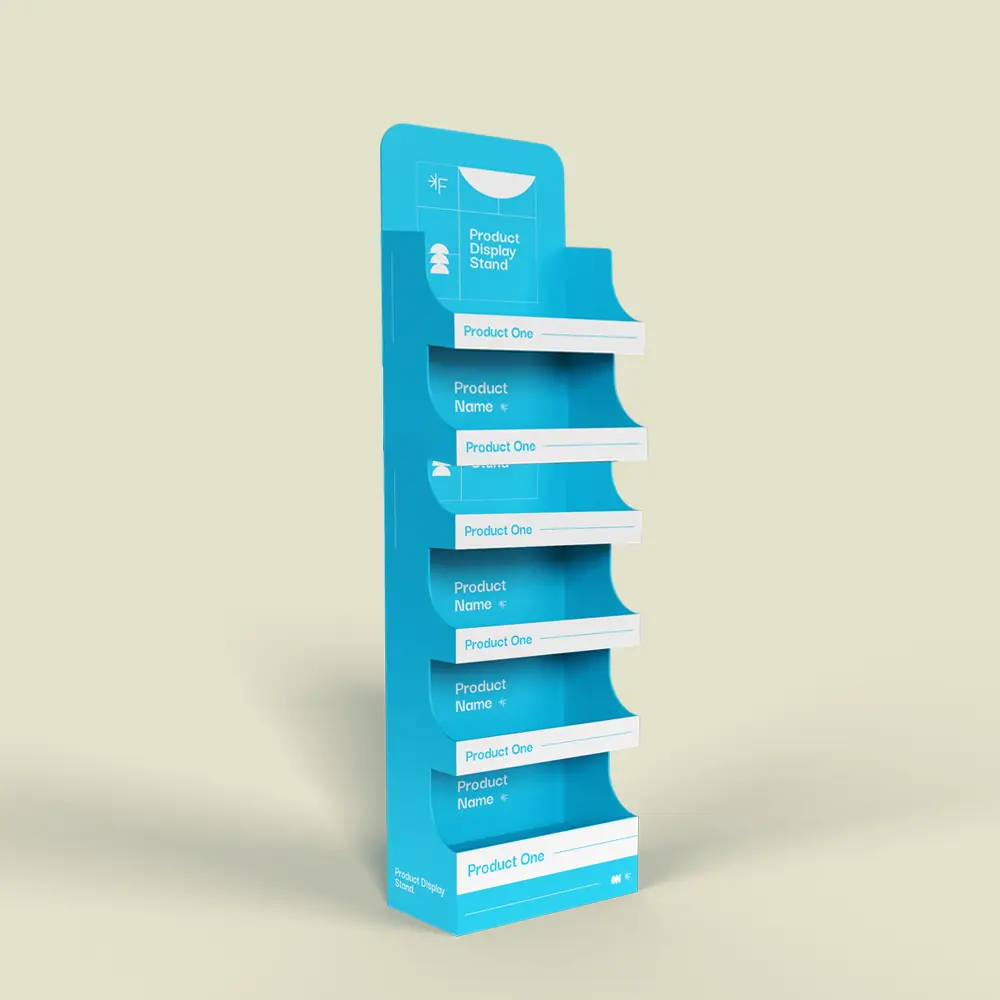
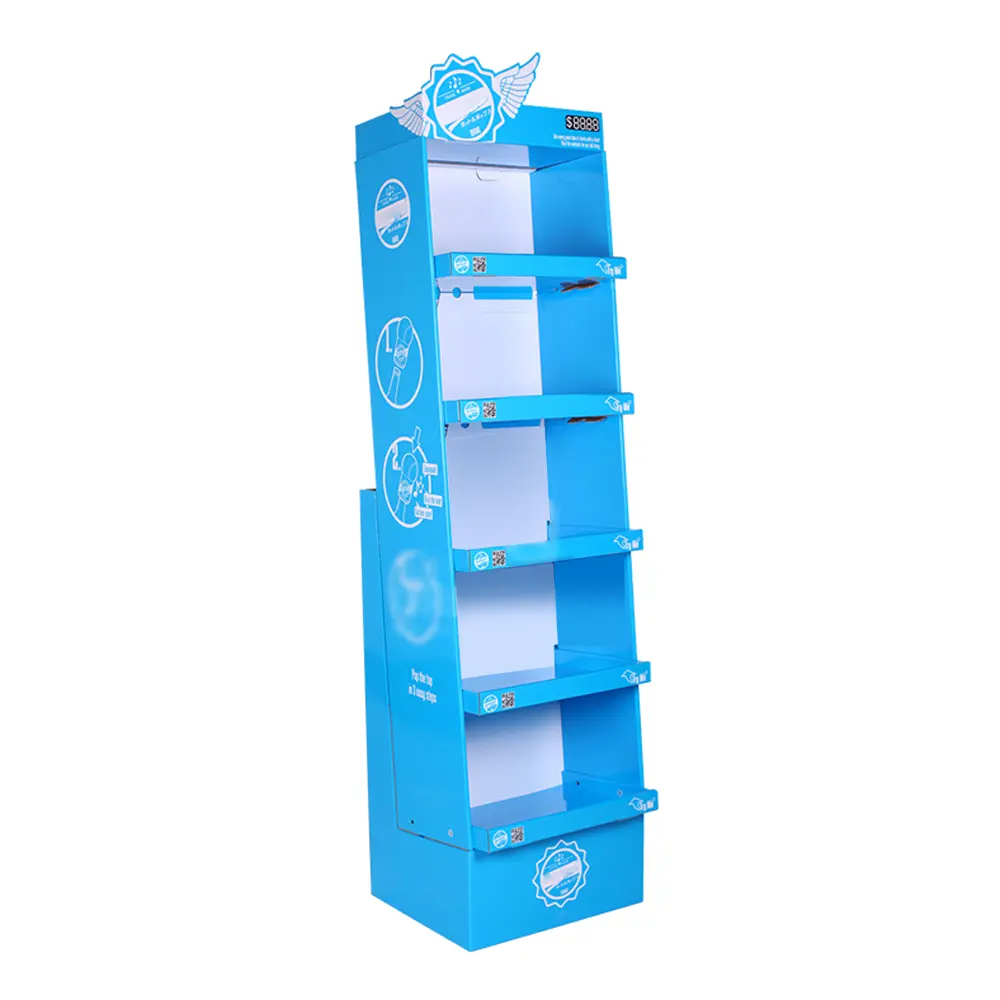
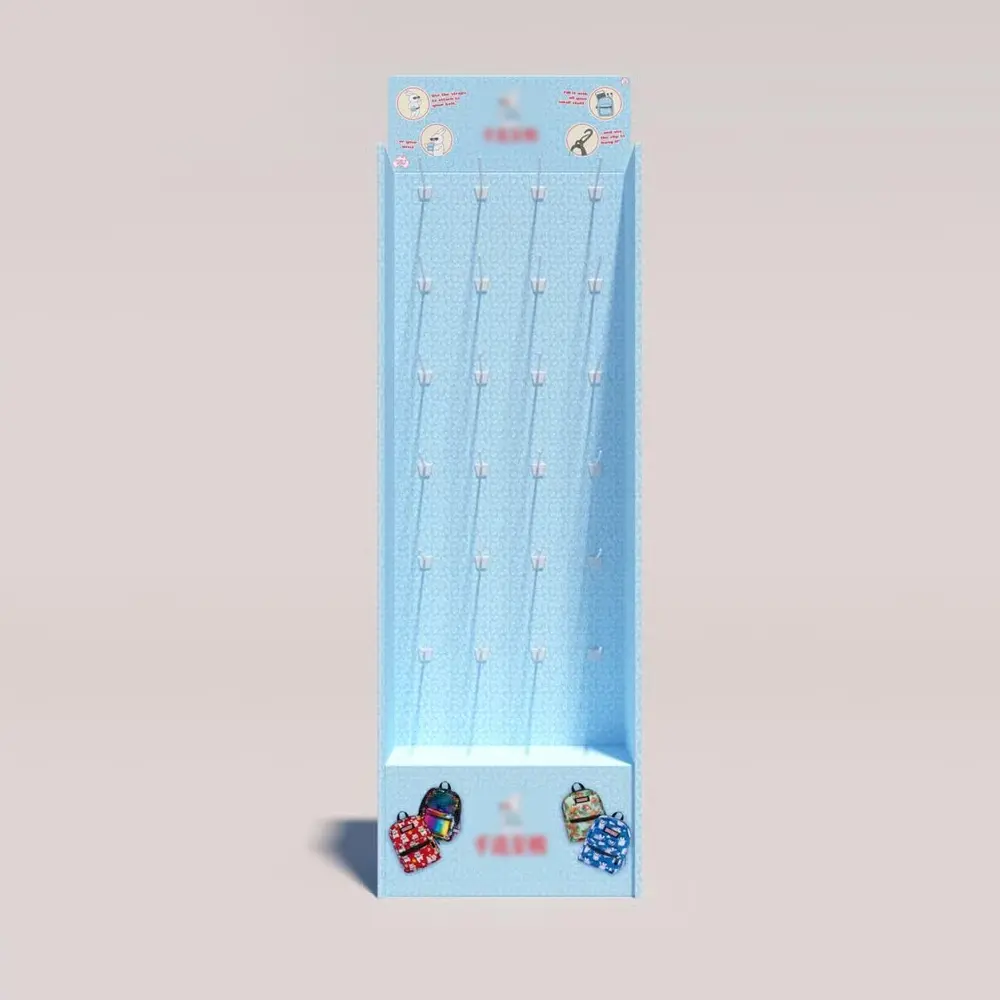
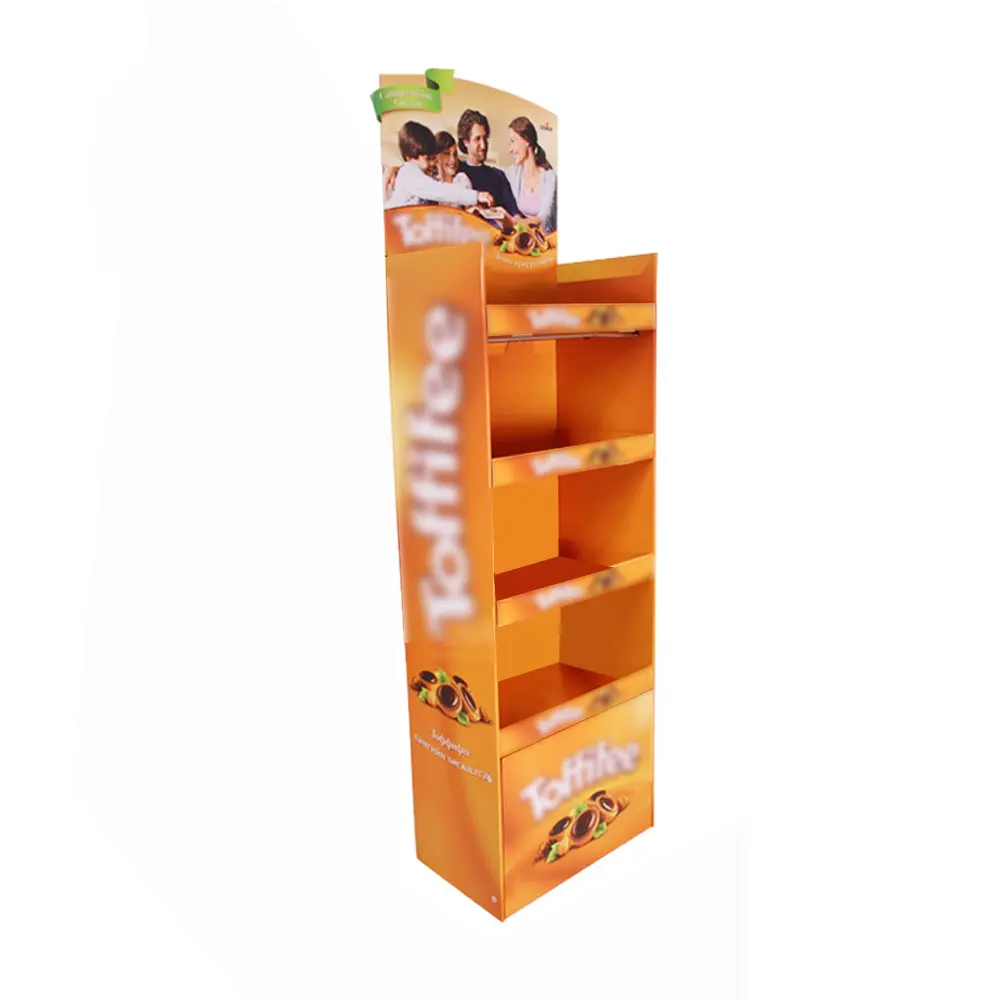
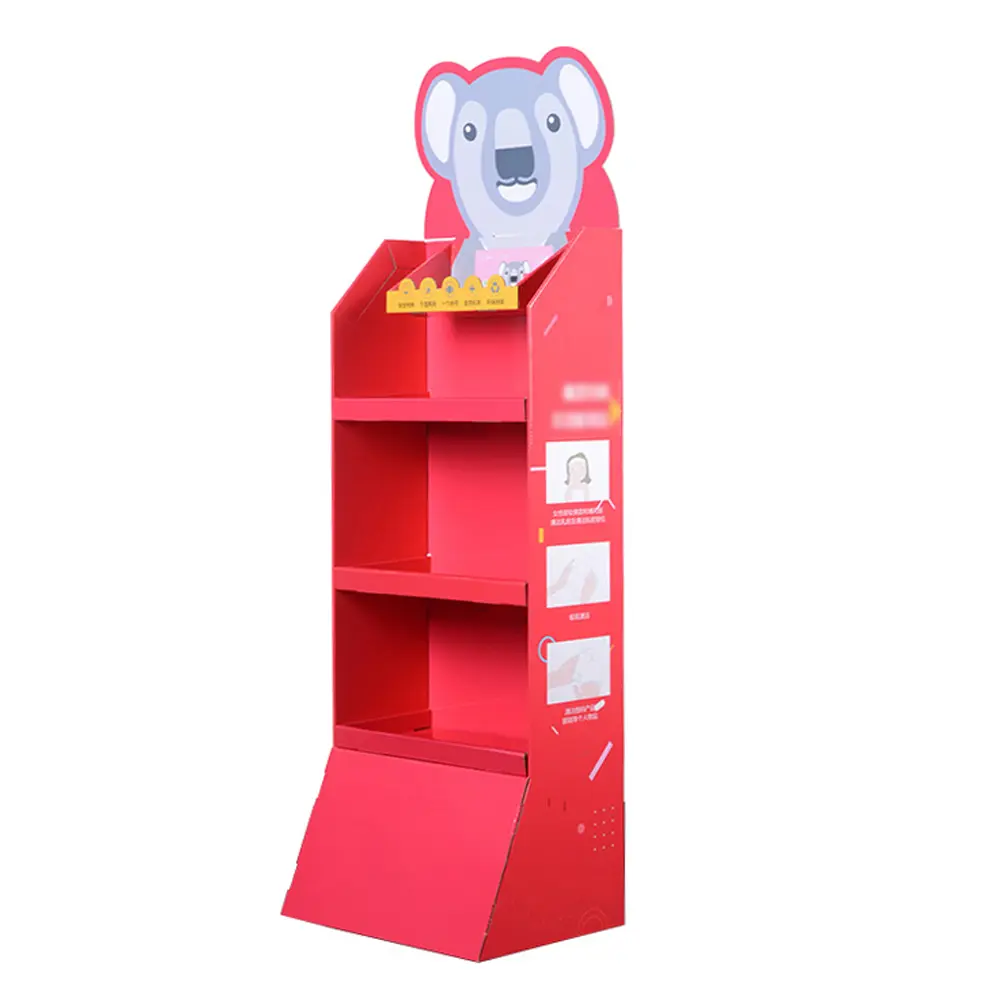
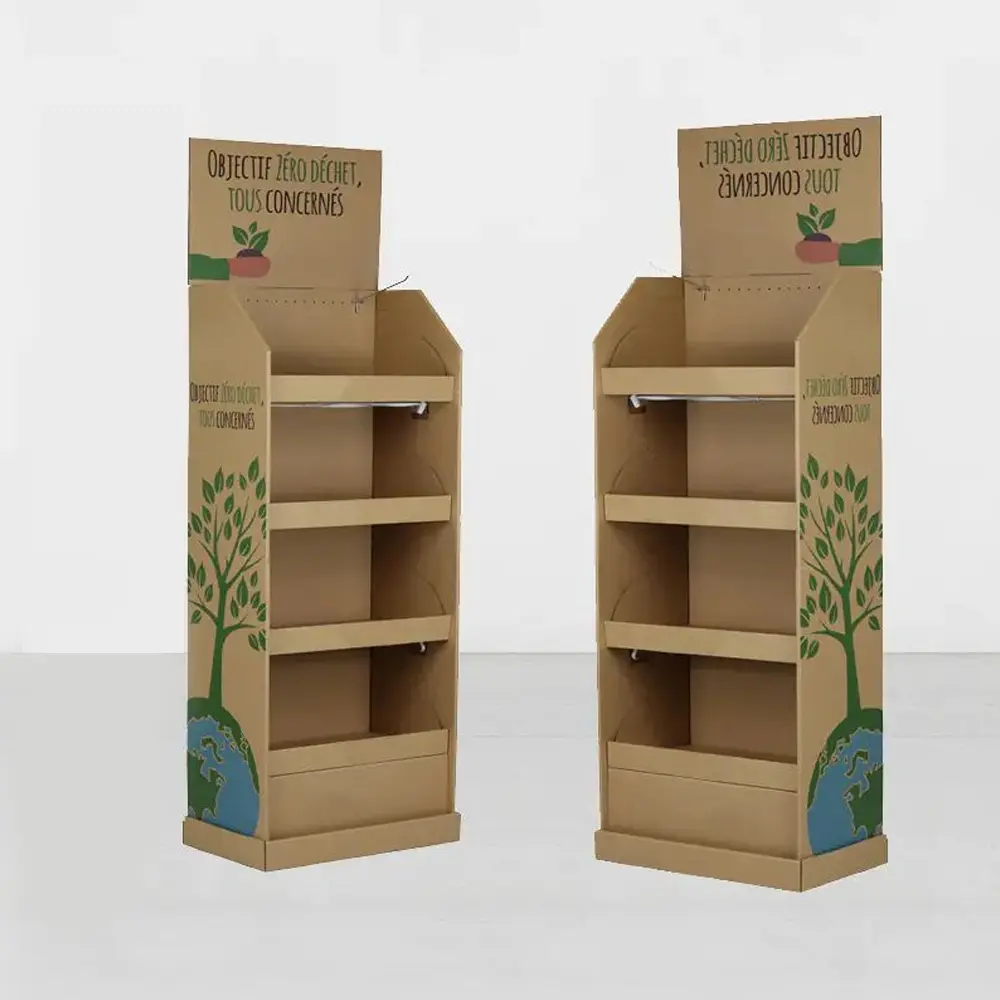
customize display boxes
FAQs

Why is custom packaging important for U.S. retailers?
Custom packaging helps products stand out on crowded shelves, builds brand recognition, and influences quick buying decisions.

How does packaging affect consumer trust?
Clear and professional packaging signals quality and reliability, making customers more confident in their purchase.

What mistakes should retailers avoid in packaging design?
Common mistakes include unclear messaging, hard-to-read text, oversized packaging, and inconsistent branding.

Does packaging size really matter in retail?
Yes. Retailers have limited shelf space, and inefficient packaging sizes can reduce your chances of being stocked.

Can expert packaging advice improve sales?
Absolutely. Professionals help optimize design, size, and materials, saving costs and improving retail performance.

Featured On:

Our Print Experts are Happy to Provide you with a Custom Quote for Just About Anything you Can Dream Up. It will Just Take your few Minutes.

Get Instant Quote