By Rai Haider

April 03, 2024

Improve Unboxing Experience through Butter Papers

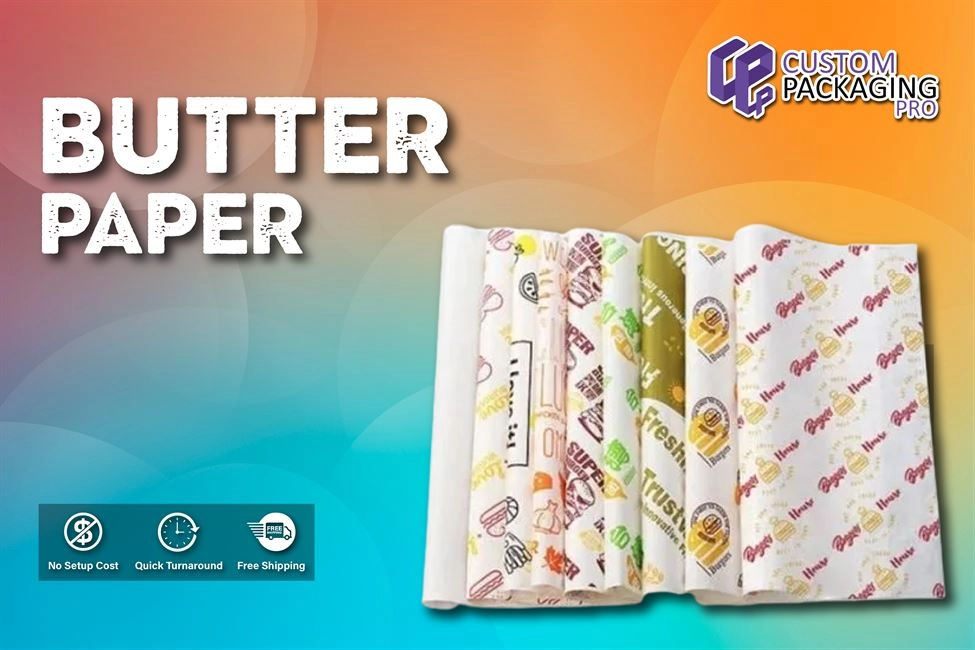
Butter Papers

Despite their straightforward appearance, these tiny sheets of paper are incredibly versatile and are essential for any culinary endeavor. Butter Papers are standard in kitchens worldwide, but their importance is frequently overlooked. They are also referred to as parchment paper and baking paper. They come mainly composed of wood pulp-derived cellulose fibers and have a non-stick surface on both sides. This quality is especially valued in baking, as keeping food from adhering to baking sheets and pans is essential.
Their non-stick qualities come from a silicone coating, as opposed to wax paper, which contains a wax coating on at least one side.

Quick Summary: Custom butter papers elevate product unboxing by combining protective grease resistance with premium aesthetic appeal. Integrating printed tissue wraps, parchment inner layers, and customized packaging boxes preserves product freshness, prevents surface sticking, and creates a memorable visual presentation that strengthens brand identity across apparel, bakery, and retail markets.

In the same way, they offer a spotless, non-stick surface for tempering and chilling for creating candies and chocolate delicacies. Their skill in making parchment packets—a cooking method that seals in flavors and moisture—sets them apart. Cooks can form a sealed pouch that retains steam and juices by folding and crimping their edges around the food, producing tasty and tender dishes. This technique is especially well-liked for cooking en papillae, a French cooking style in which meat, fish, and vegetables are cooked in parchment packets to retain their natural flavors and juices.

Add More Usefulness to Products through Butter Papers

Apart from their use in cooking, the paper has useful functions beyond the kitchen. Frequently employed in craft projects, they offer a shielding layer between surfaces while painting and applying adhesive. Butter Papers are ideal for various craft projects using adhesives and paints because of their non-stick qualities, making cleanup a breeze. They come from used in a variety of culinary uses outside of baking. In addition to being functional, they support environmental sustainability.

They are usually reusable instead of throwaway items like plastic wrap and aluminum foil, which produce waste after each use. One baking sheet may withstand several baking sessions and culinary attempts with adequate care, minimizing the demand for disposable alternatives and lowering the environmental effect.

Butter Papers That Come with Environmental Friendly Options

Compared to synthetic alternatives, papers are more environmentally friendly because they are biodegradable and compostable. After serving their purpose in the kitchen, they can remain disposed of at municipal composting facilities and compost bins, where they naturally decompose without harming the environment. Though they have many benefits, they do have some drawbacks. Butter Papers may brown and even burn at high temperatures, especially if they come into touch with oven heating components.
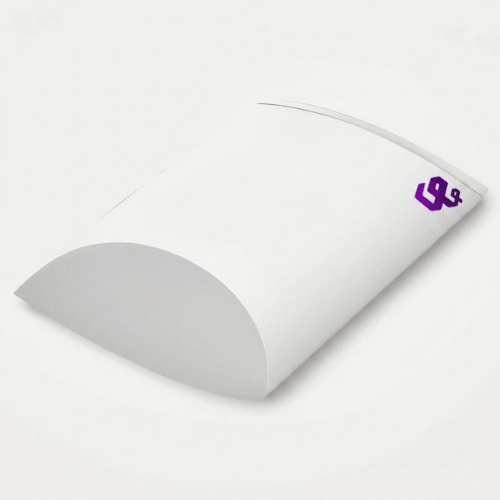
Following suggested temperature recommendations and keeping them away from heating elements is critical to reduce this risk. Furthermore, even though they are usually safe to use with food, it is essential to ensure they are free of toxins and impurities.

Beat the Market Competition through Custom Packaging

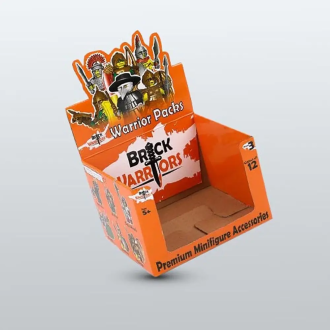
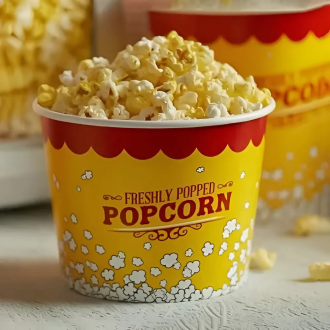
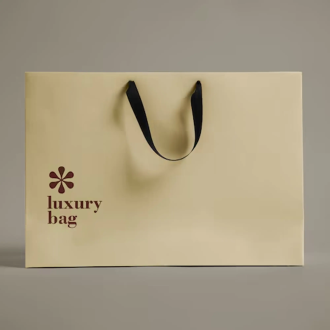
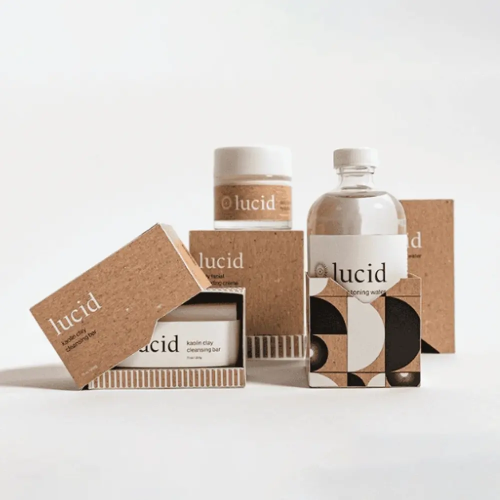
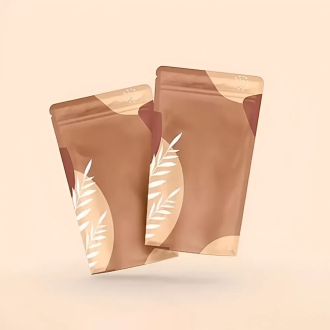
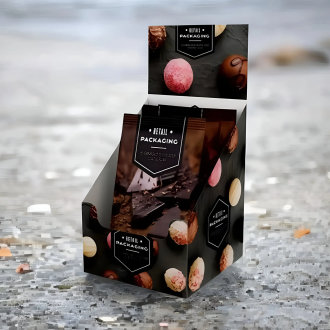
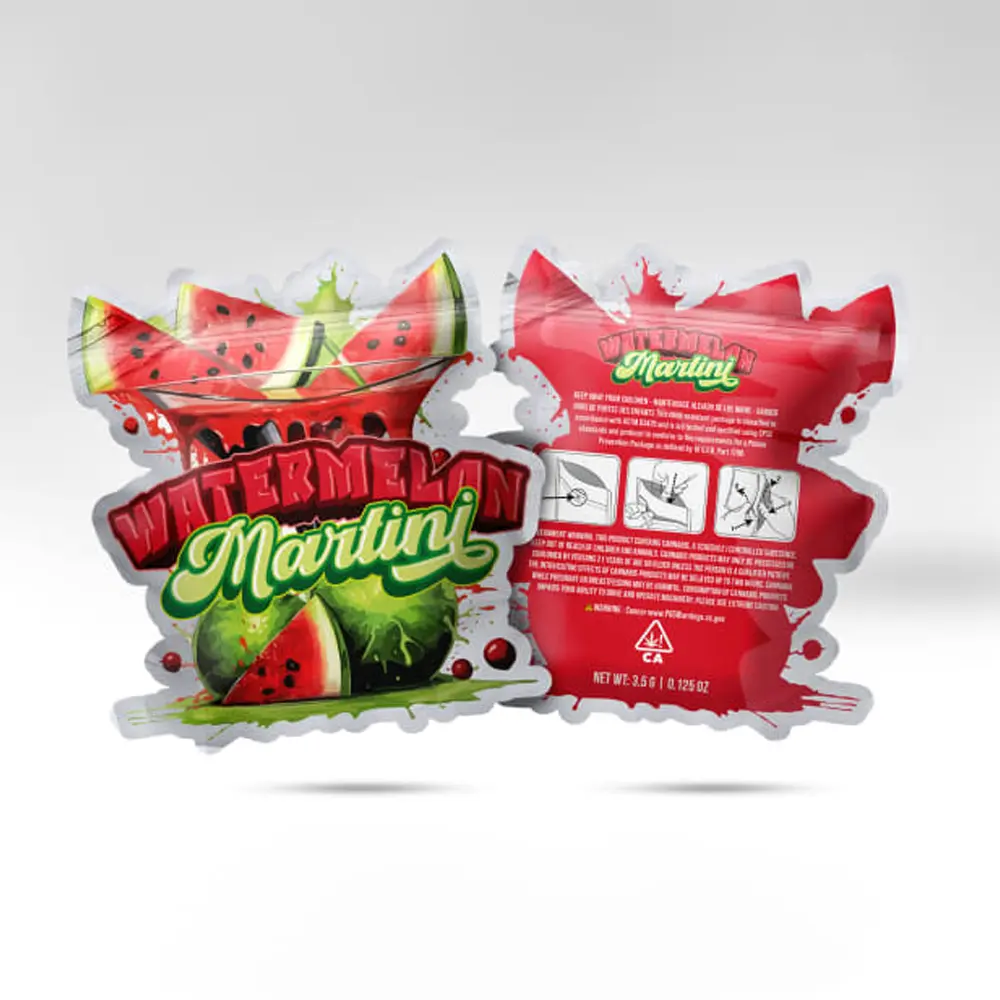
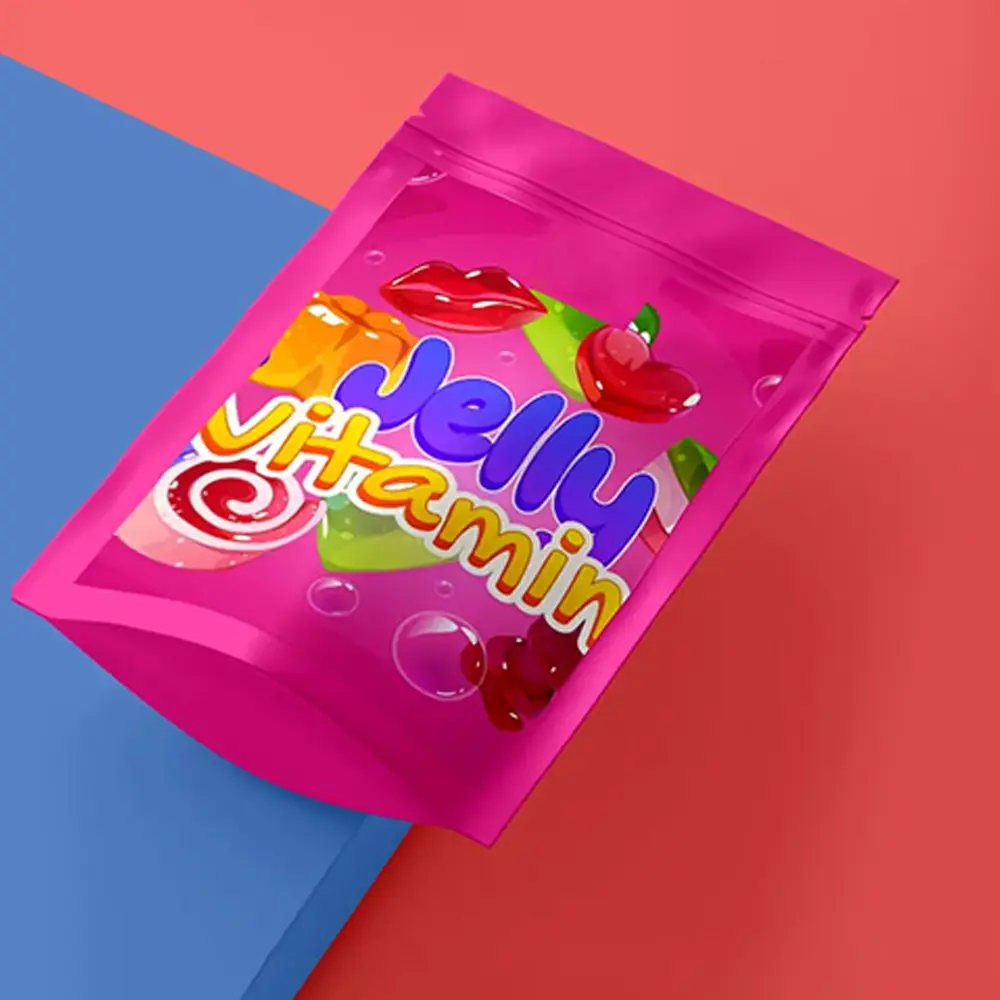
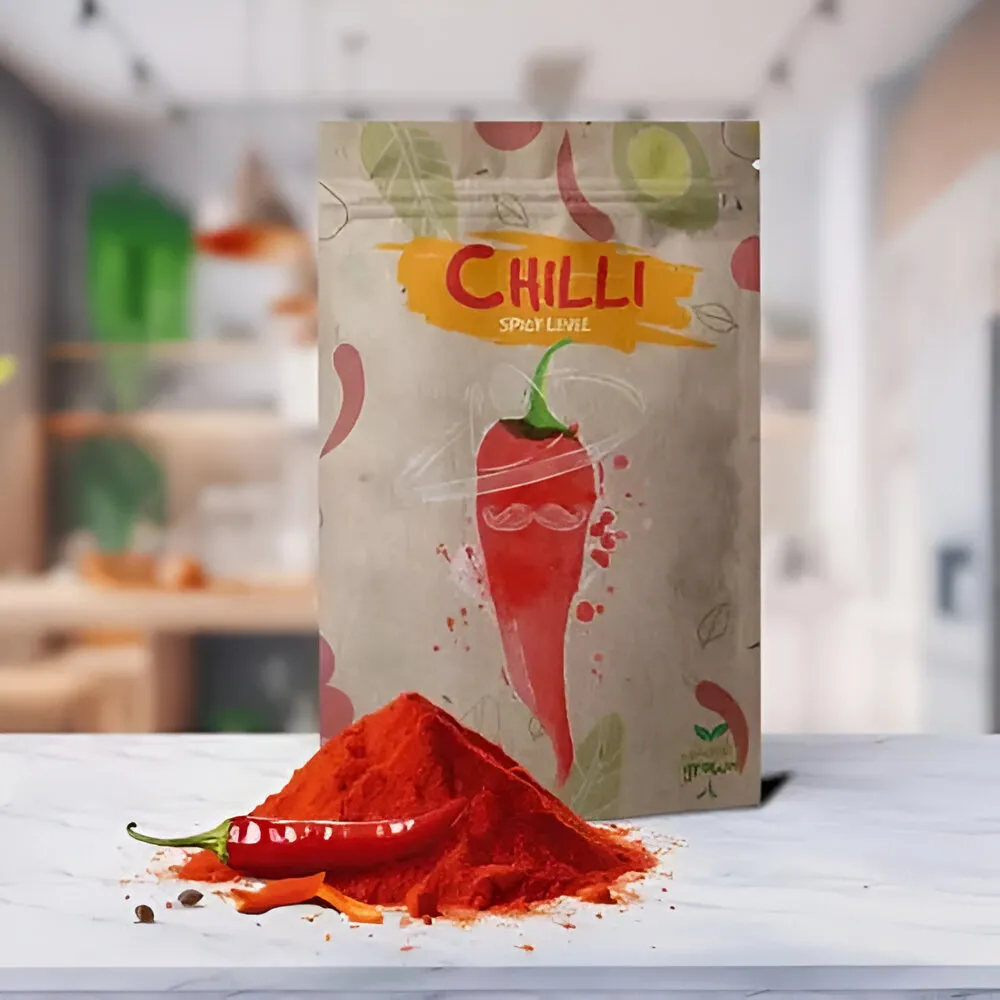
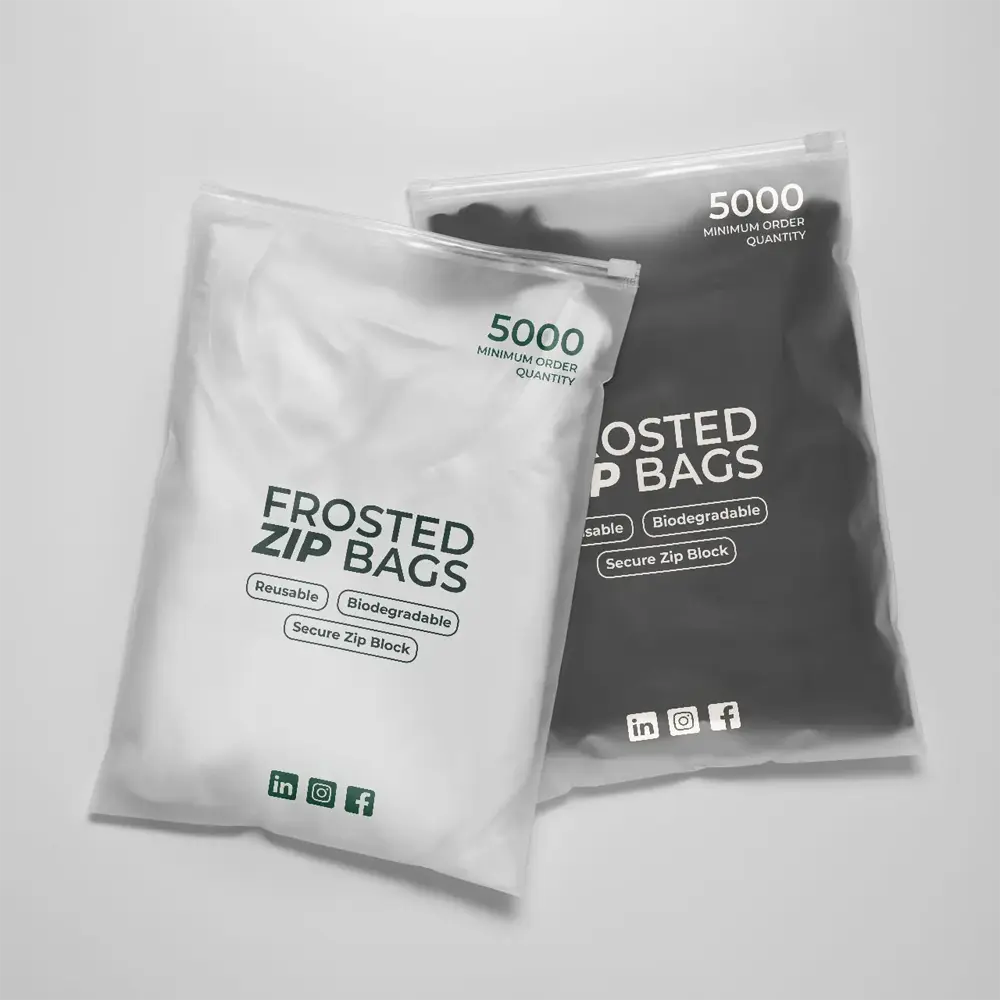
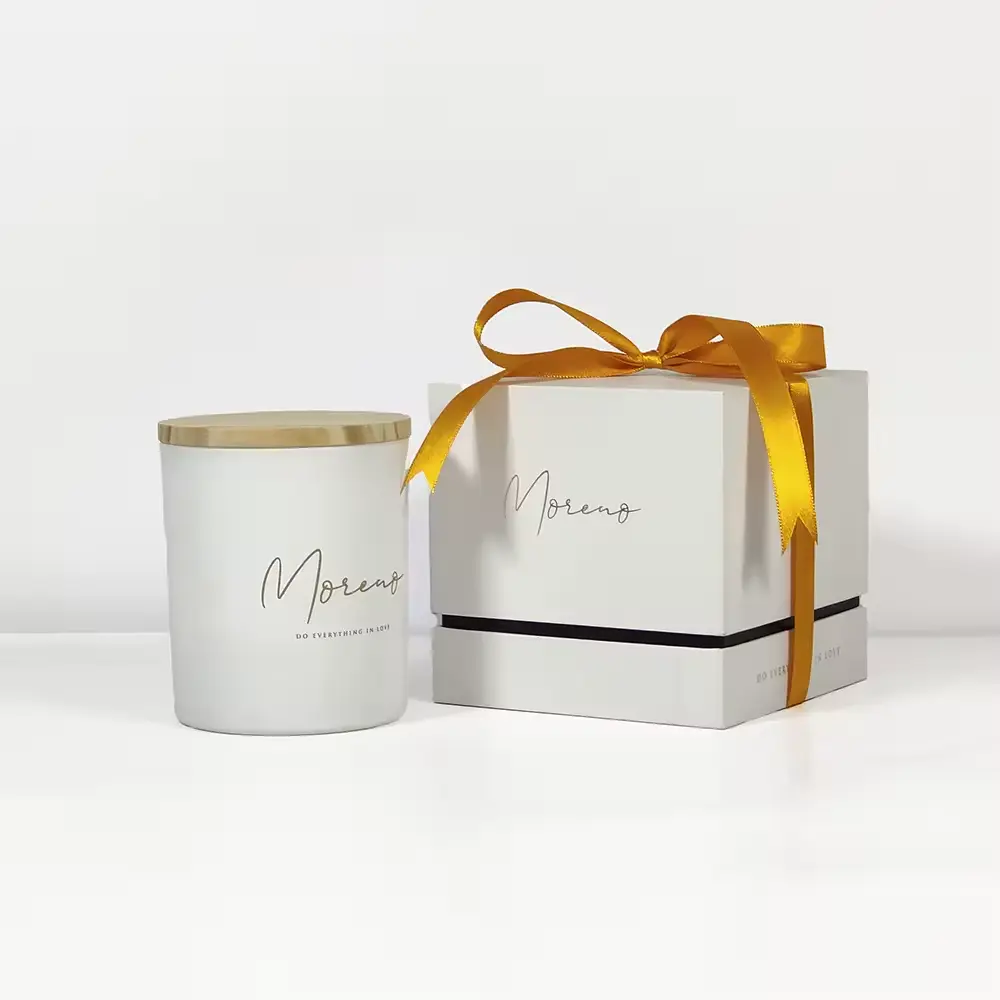
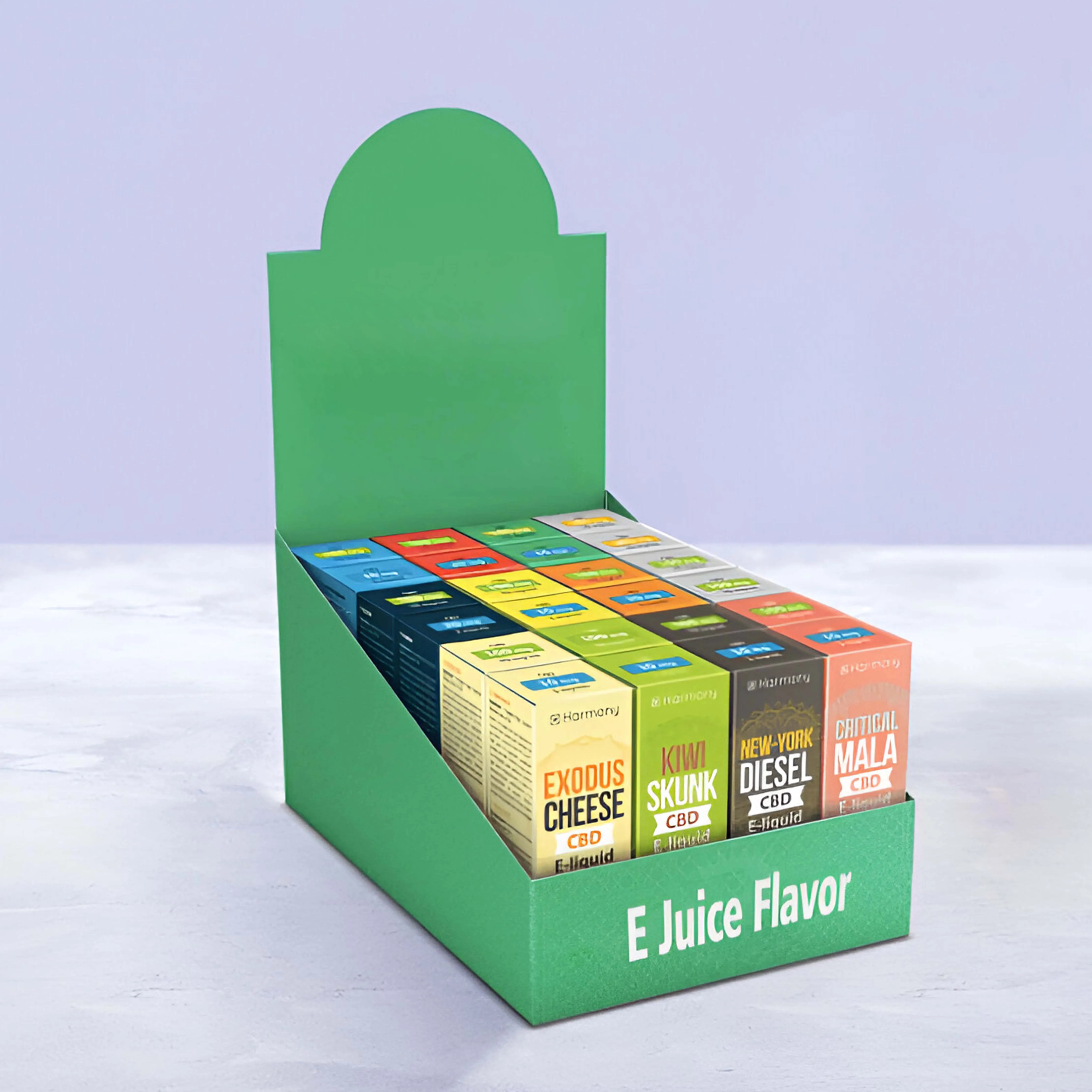
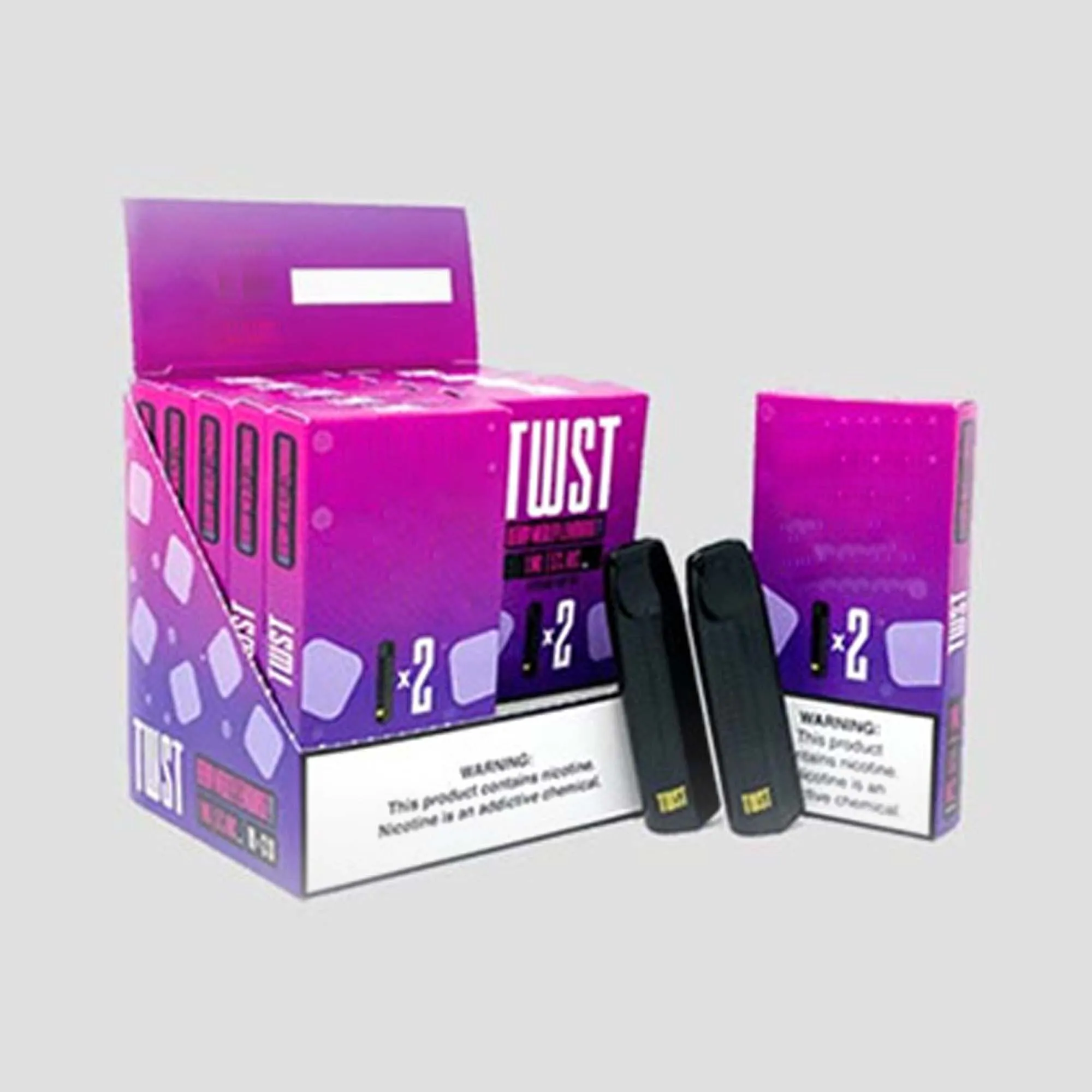
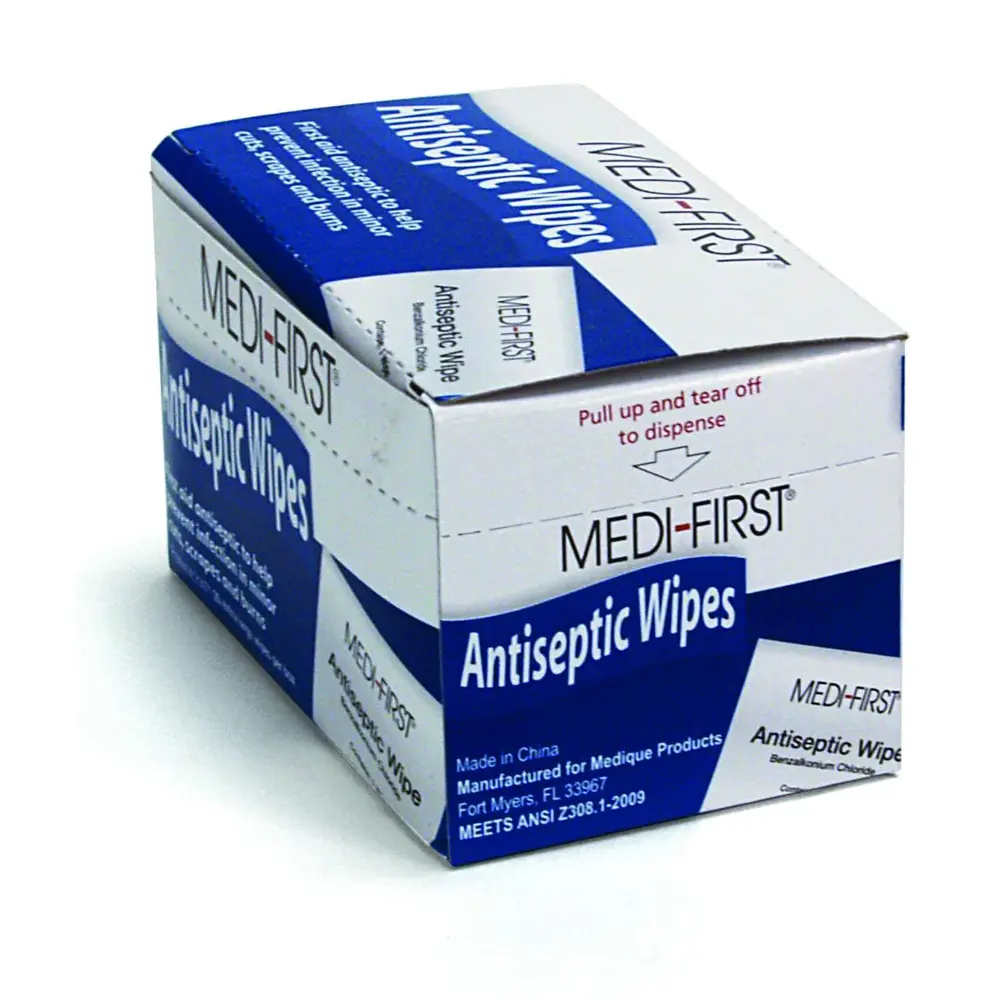
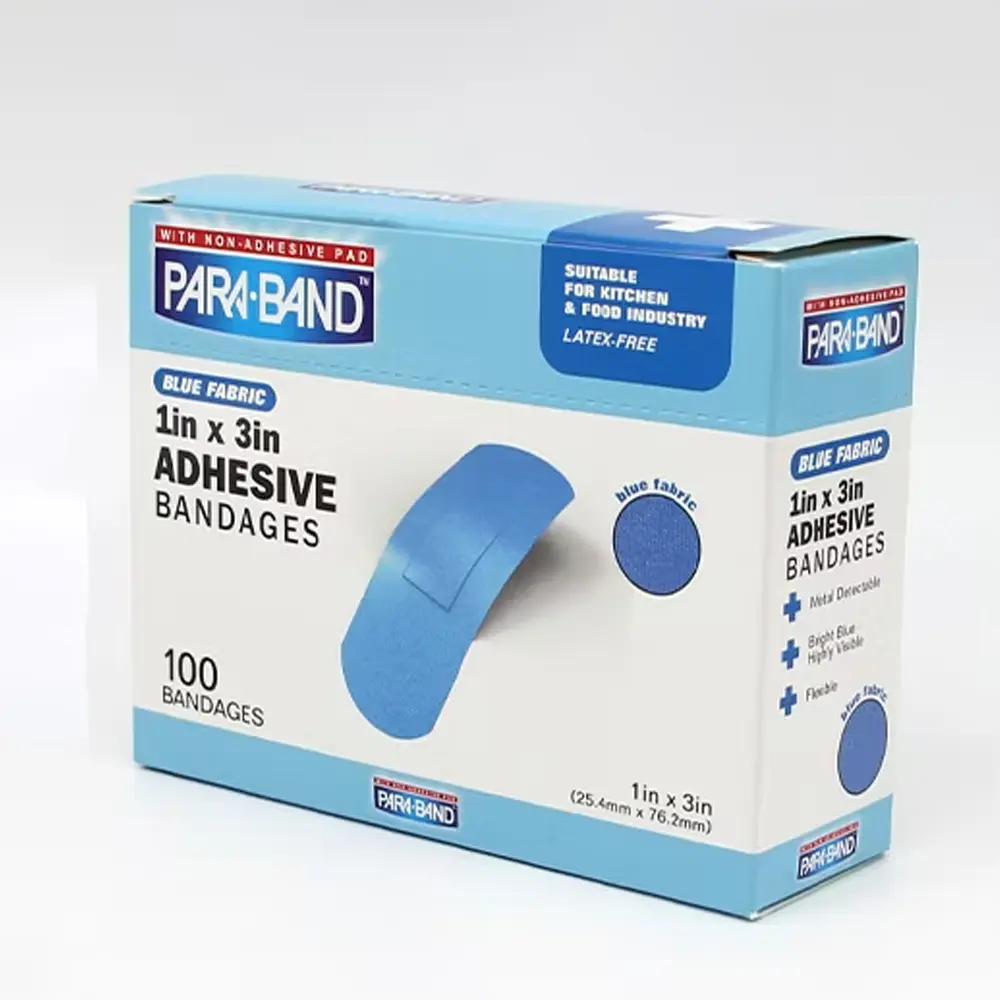
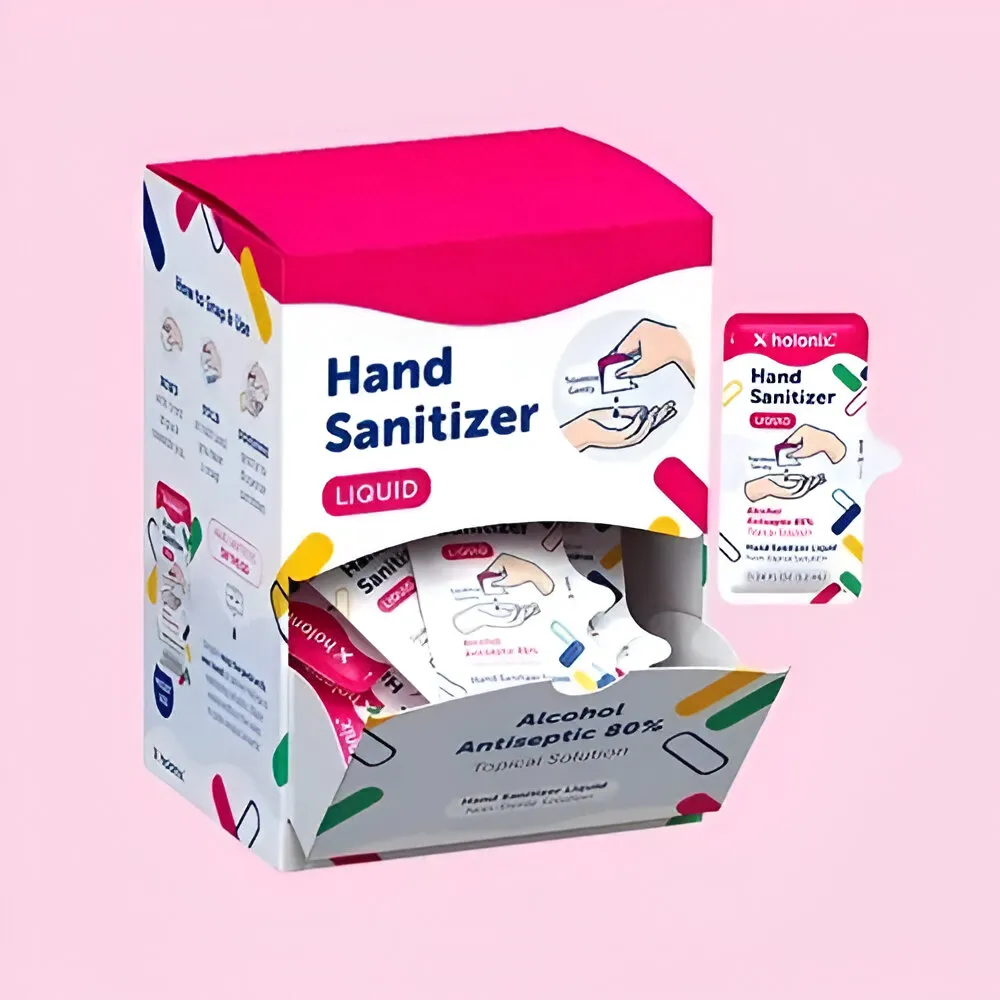
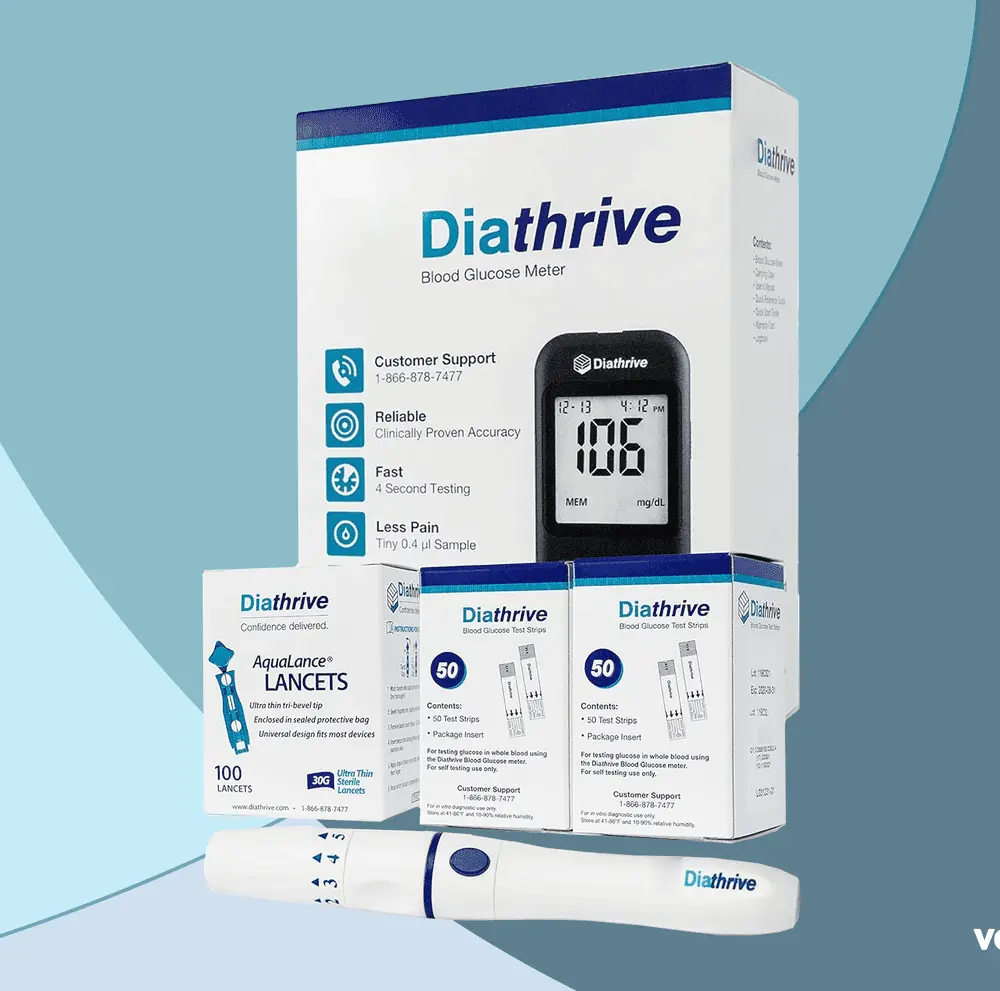
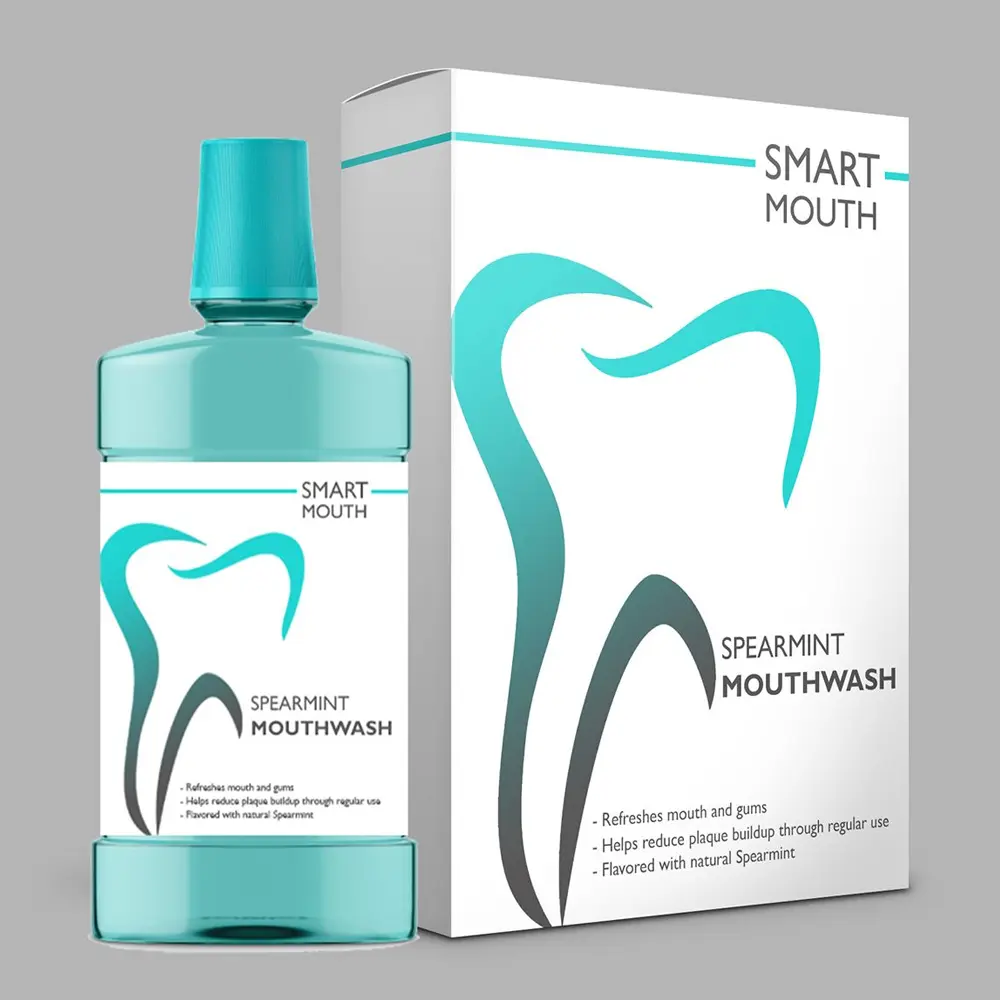
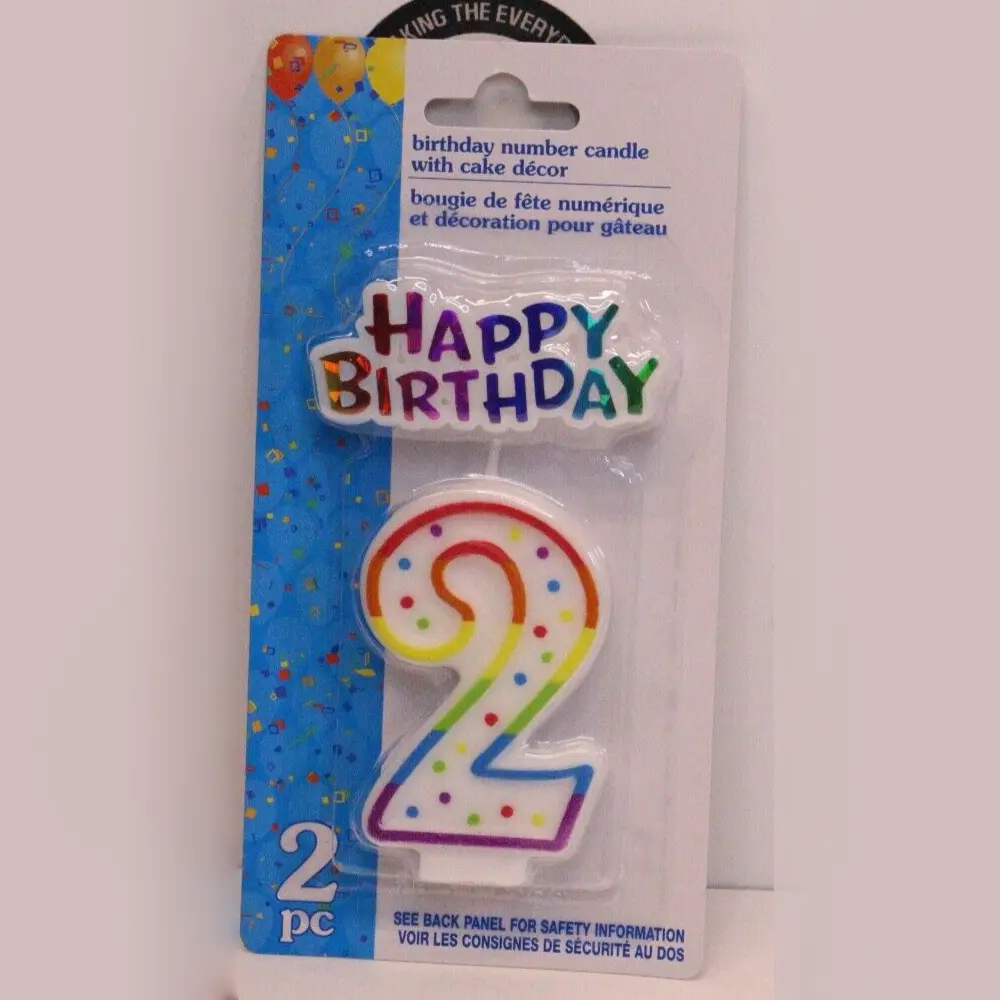
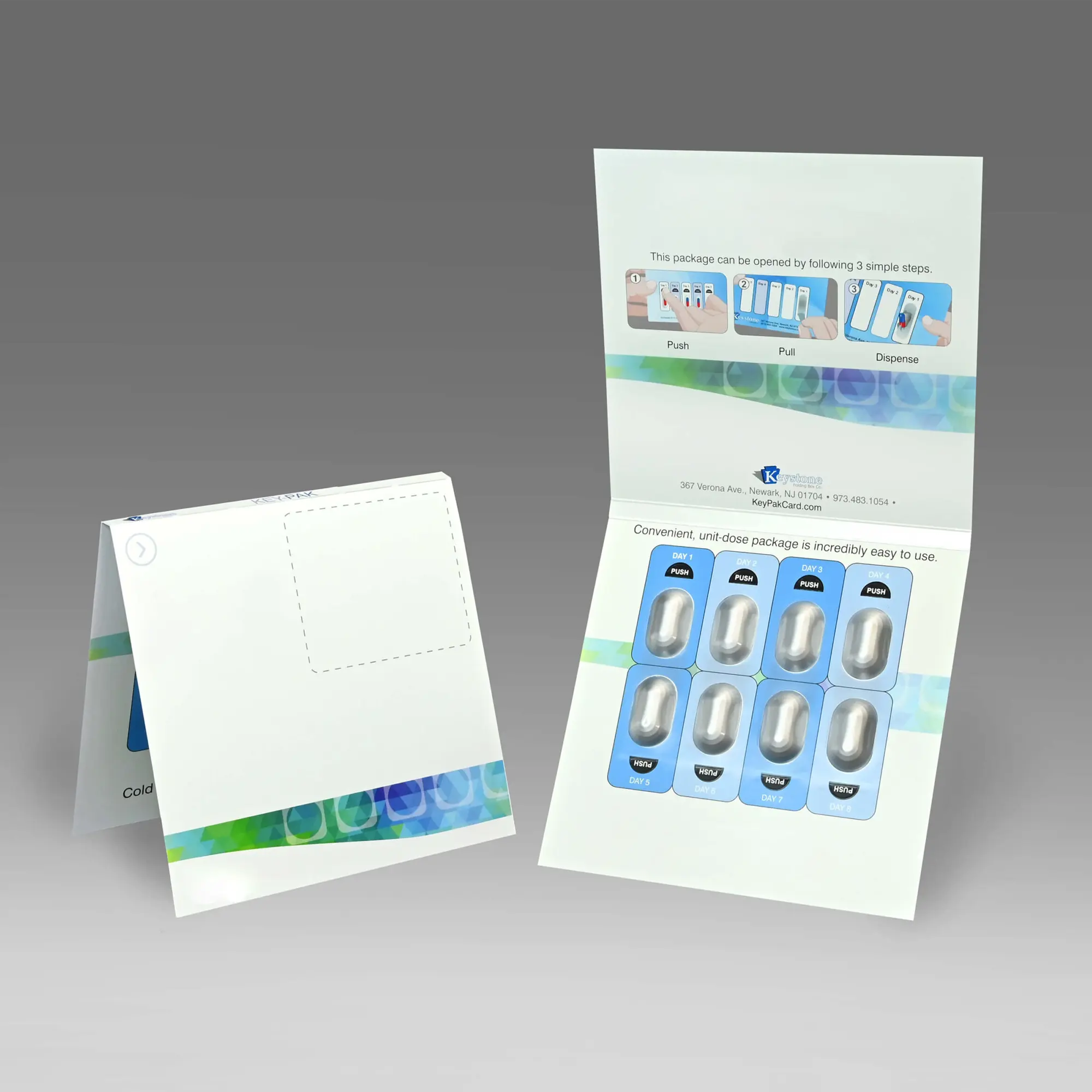
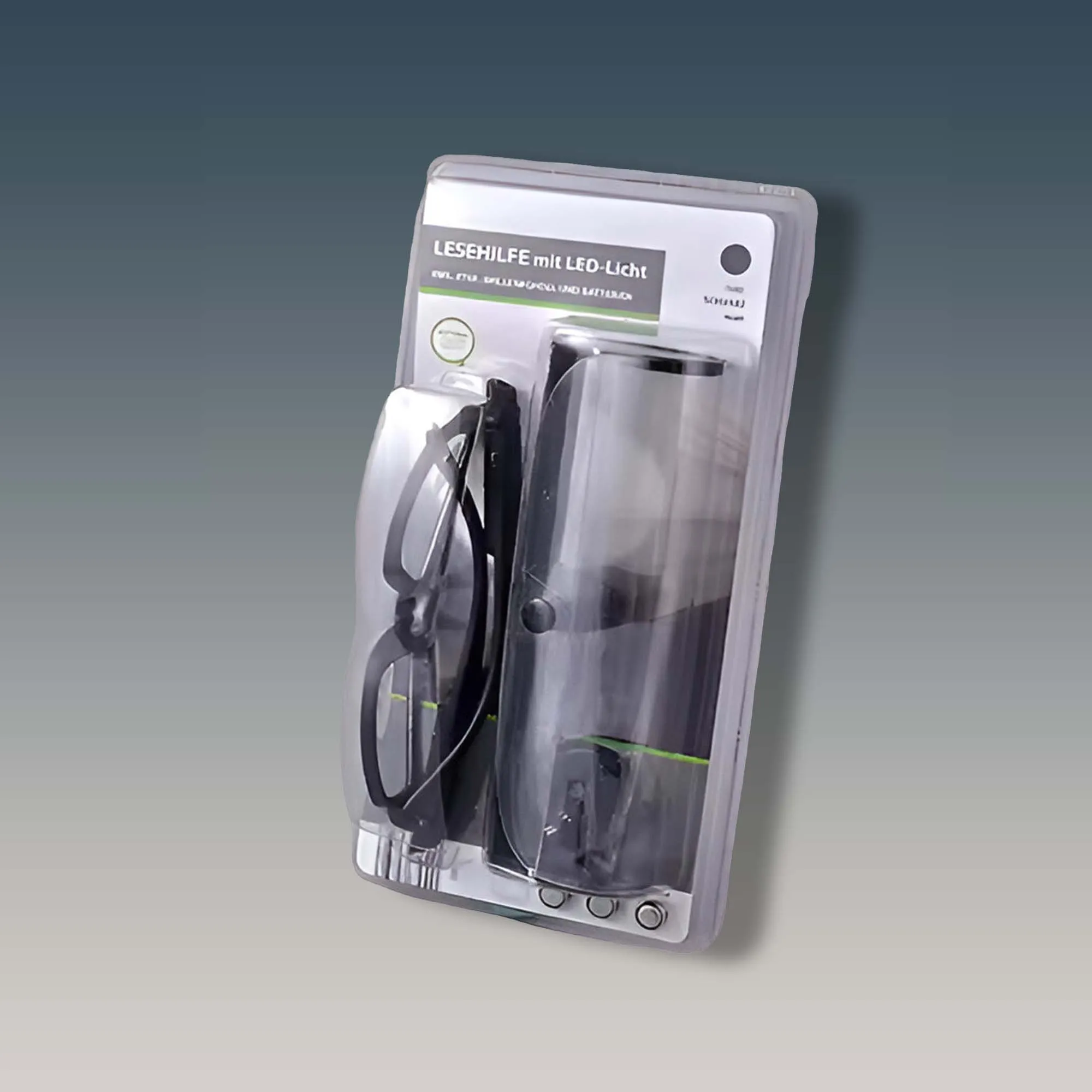
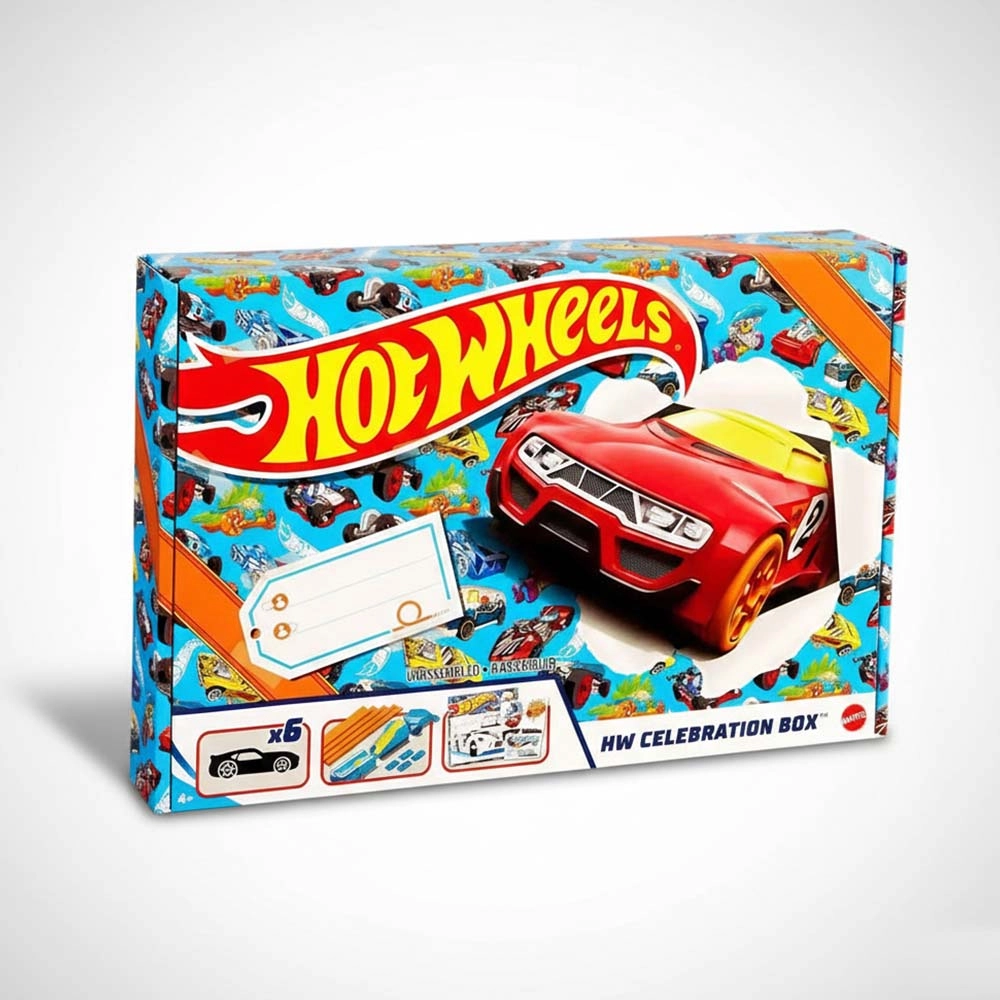
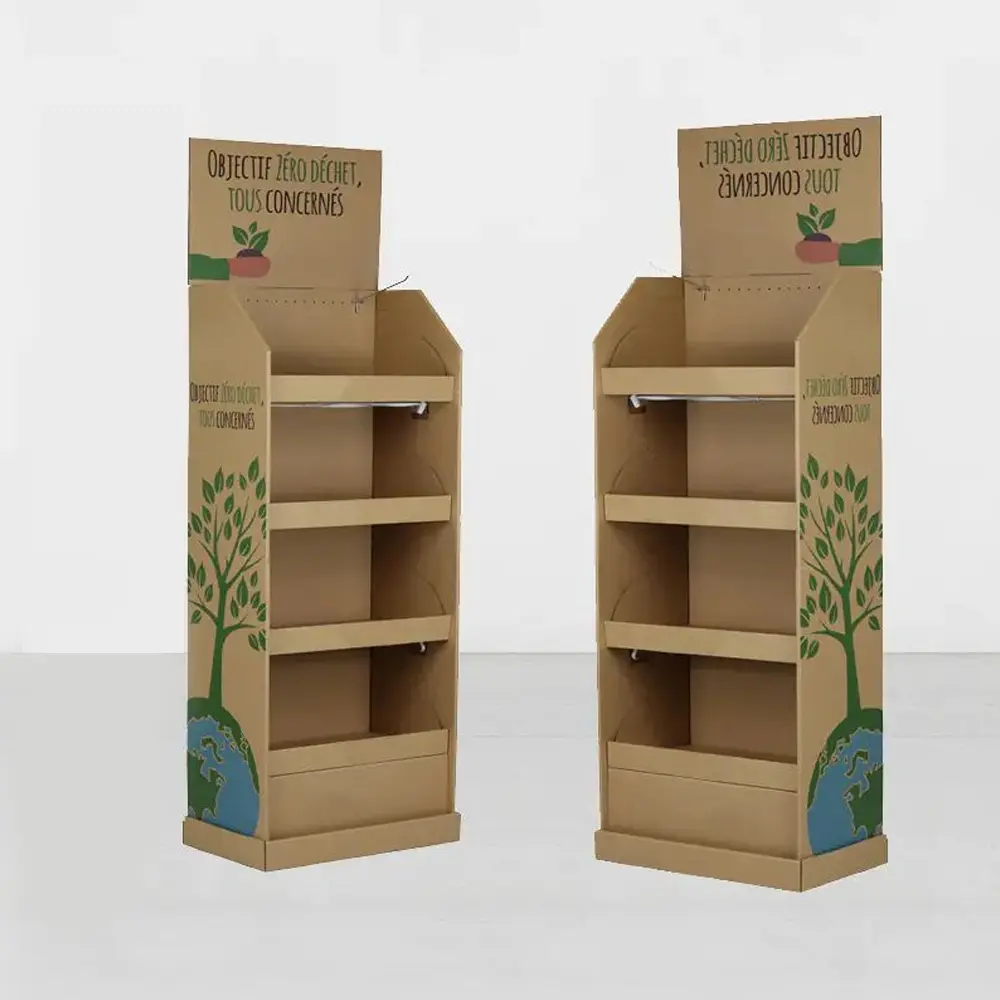
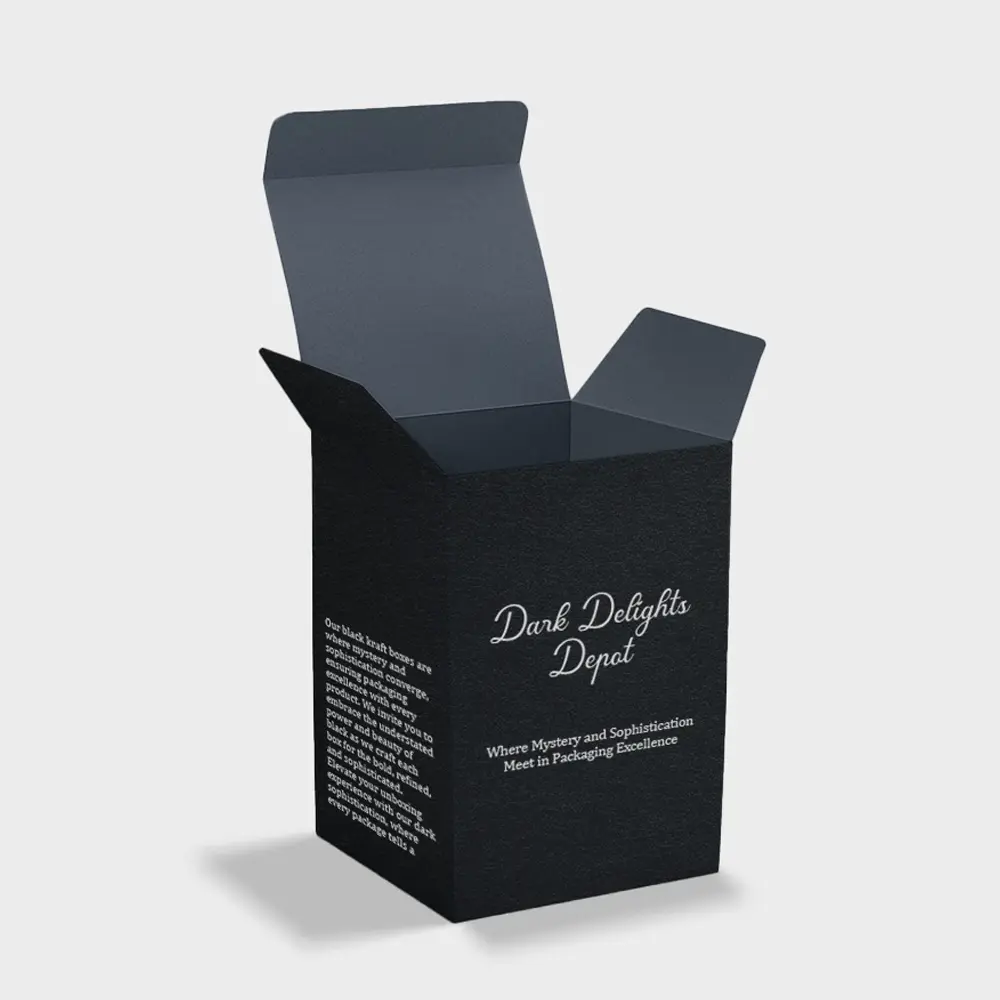
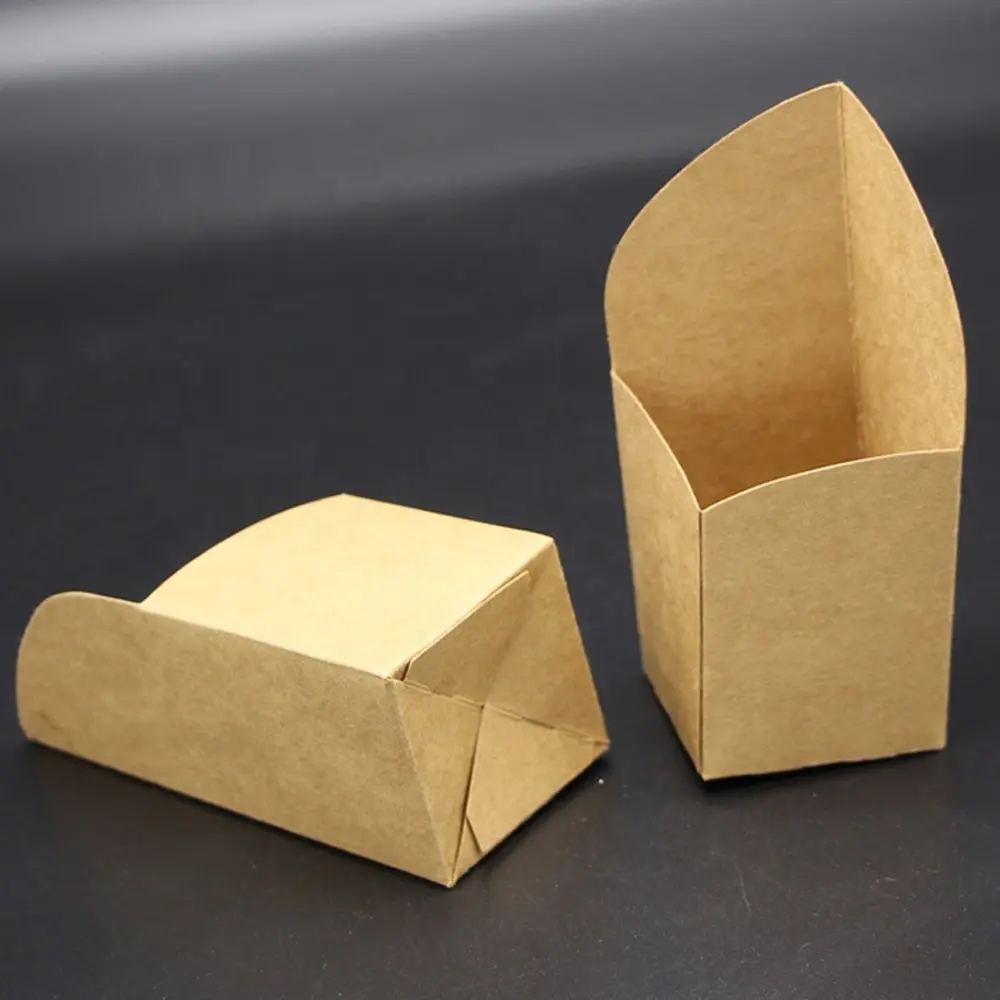
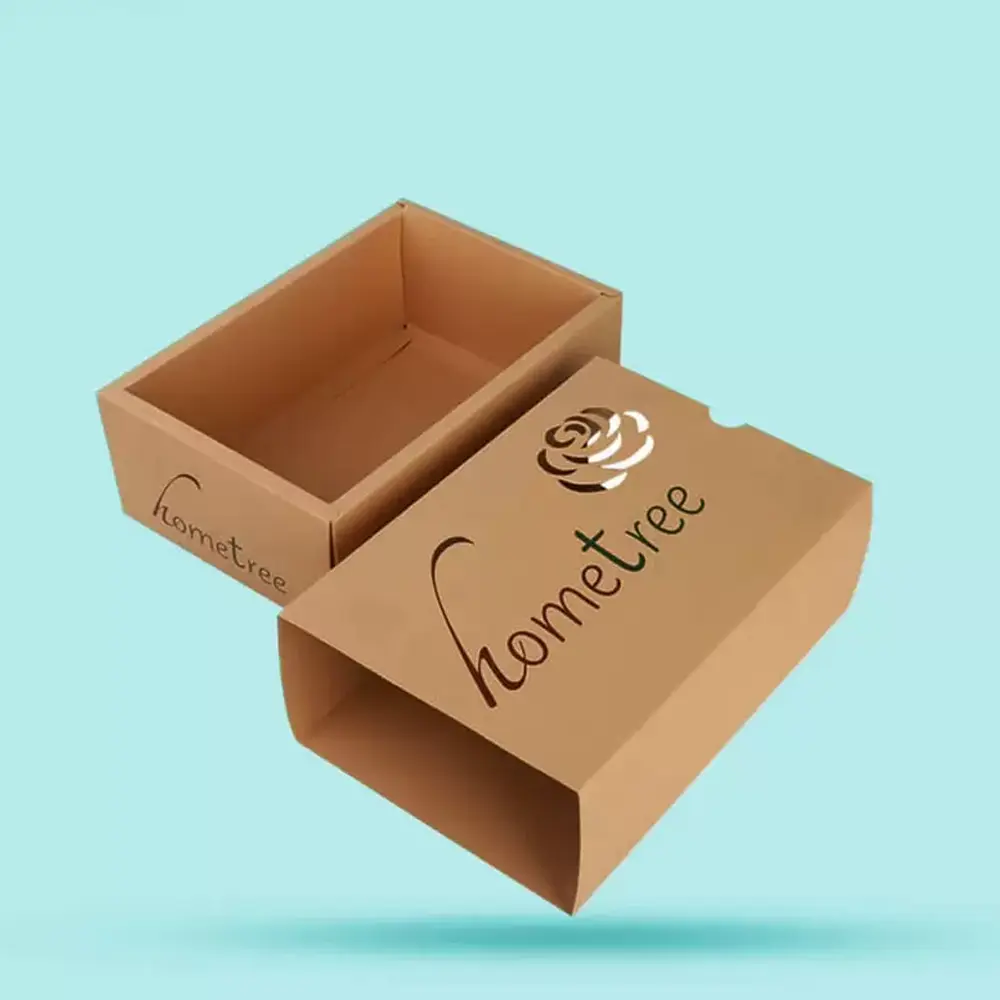
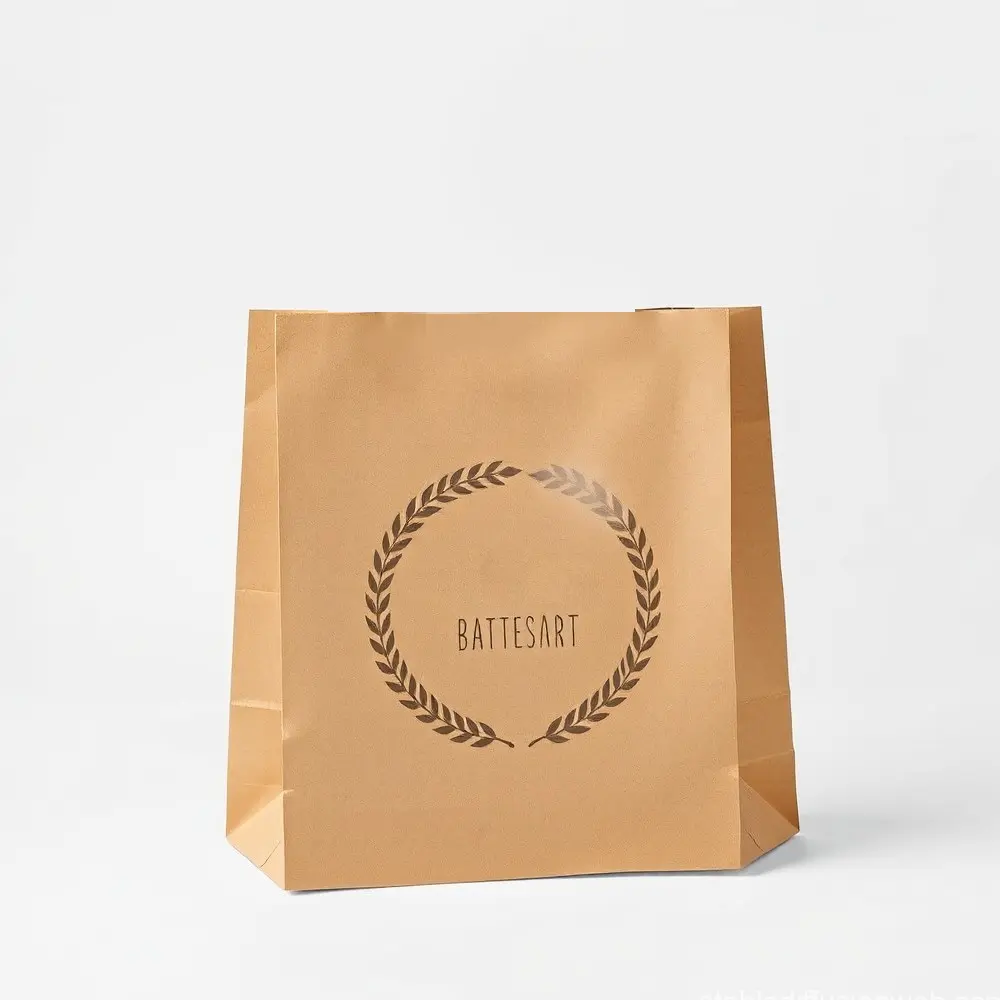
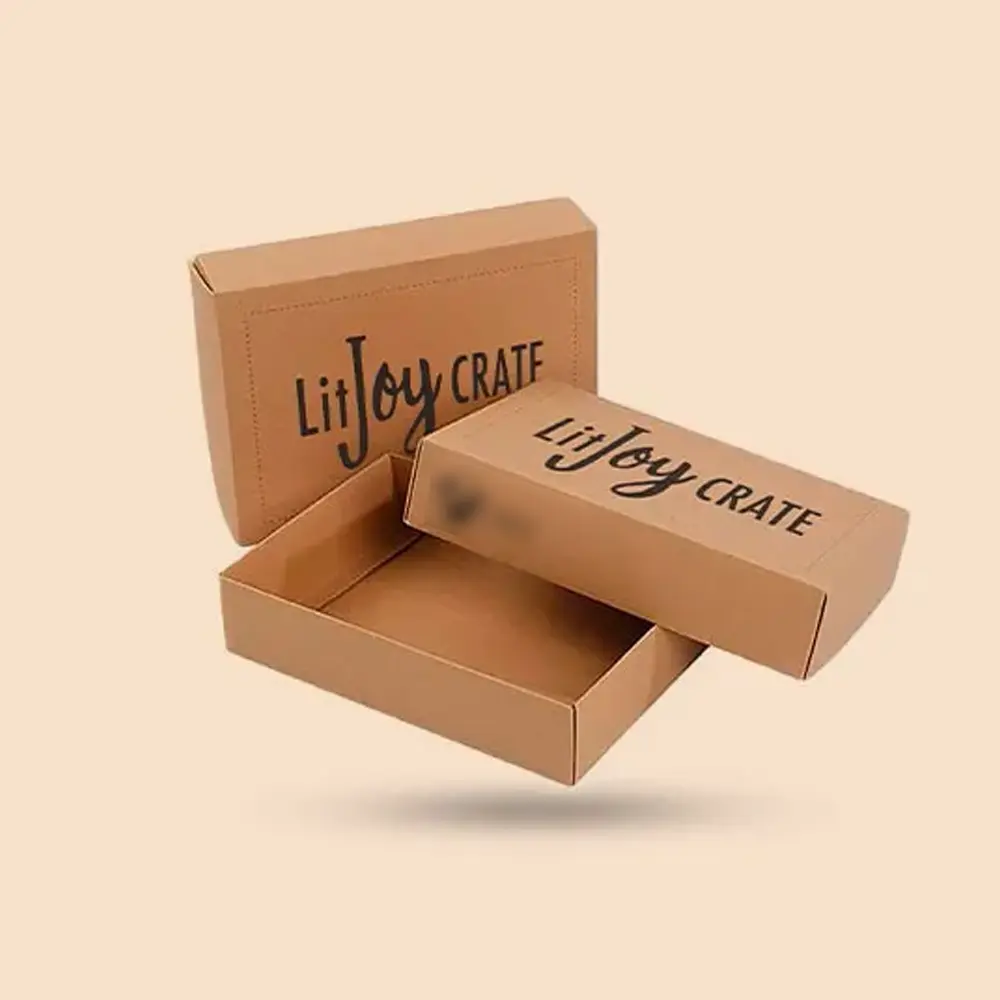
In the very competitive market environment, companies are always looking for novel approaches to differentiate themselves from the competition and make an impression on customers. Custom Packaging is now a crucial part of contemporary business plans as a vital instrument for customer interaction and brand distinction. It provides a unique chance to accomplish these goals by successfully communicating brand identity. They value while fusing practical utility with attractive design.

It is possible to customize every aspect of the packaging. It includes the materials and design to match the image and messaging of the business. This allows companies to communicate their character, principles, and narrative, strengthening customer bonds.

Custom Packaging to Add Curiosity and Excitement

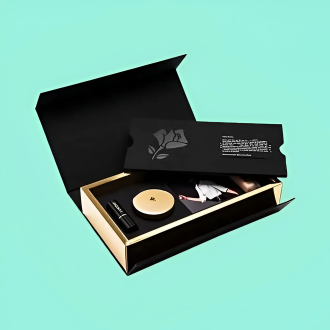
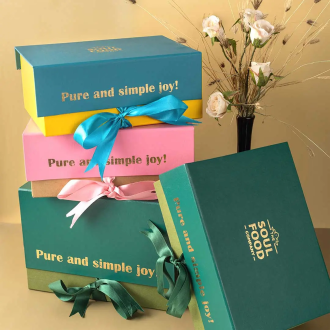
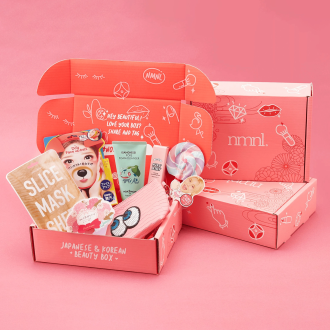
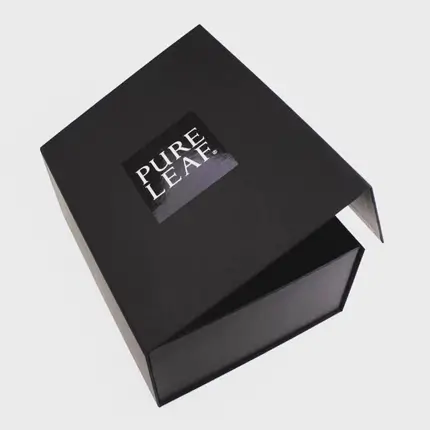
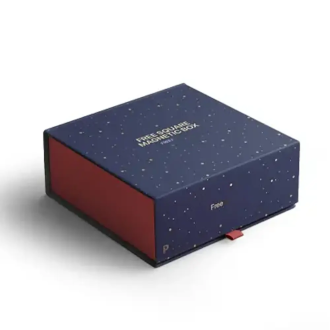
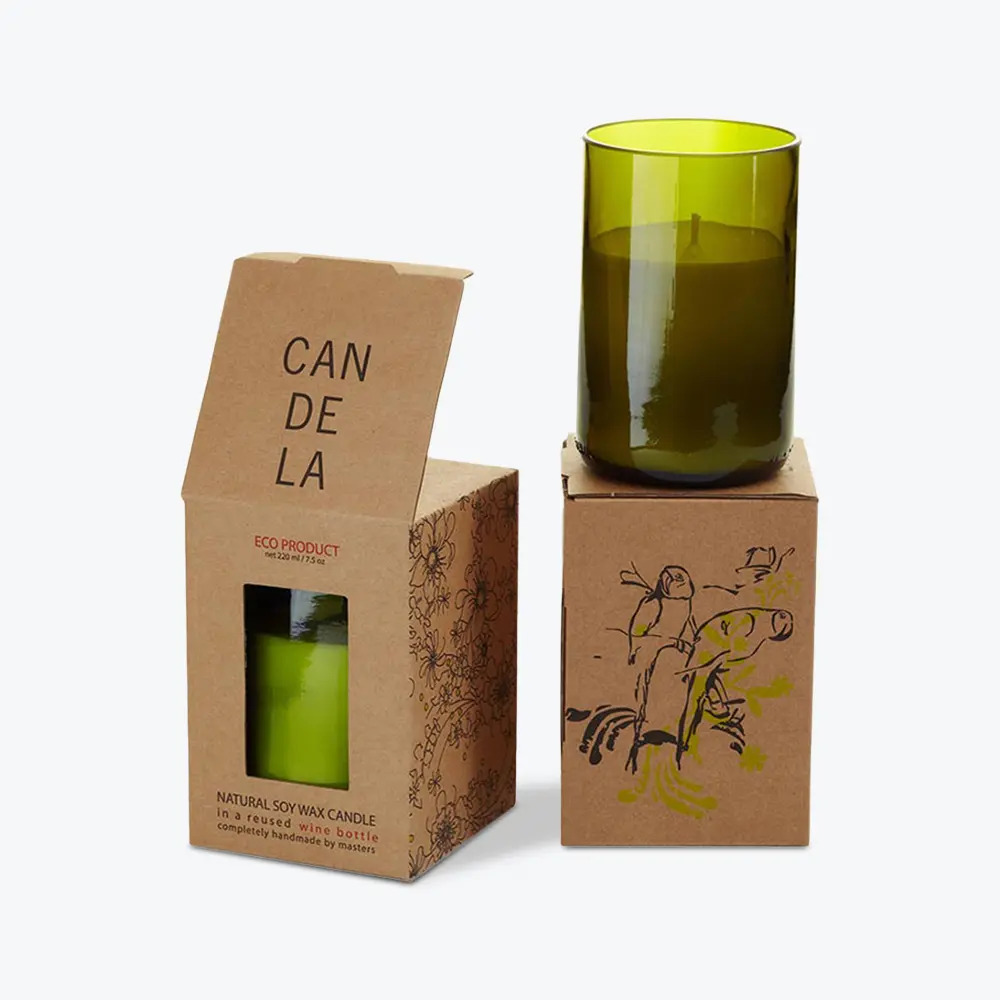
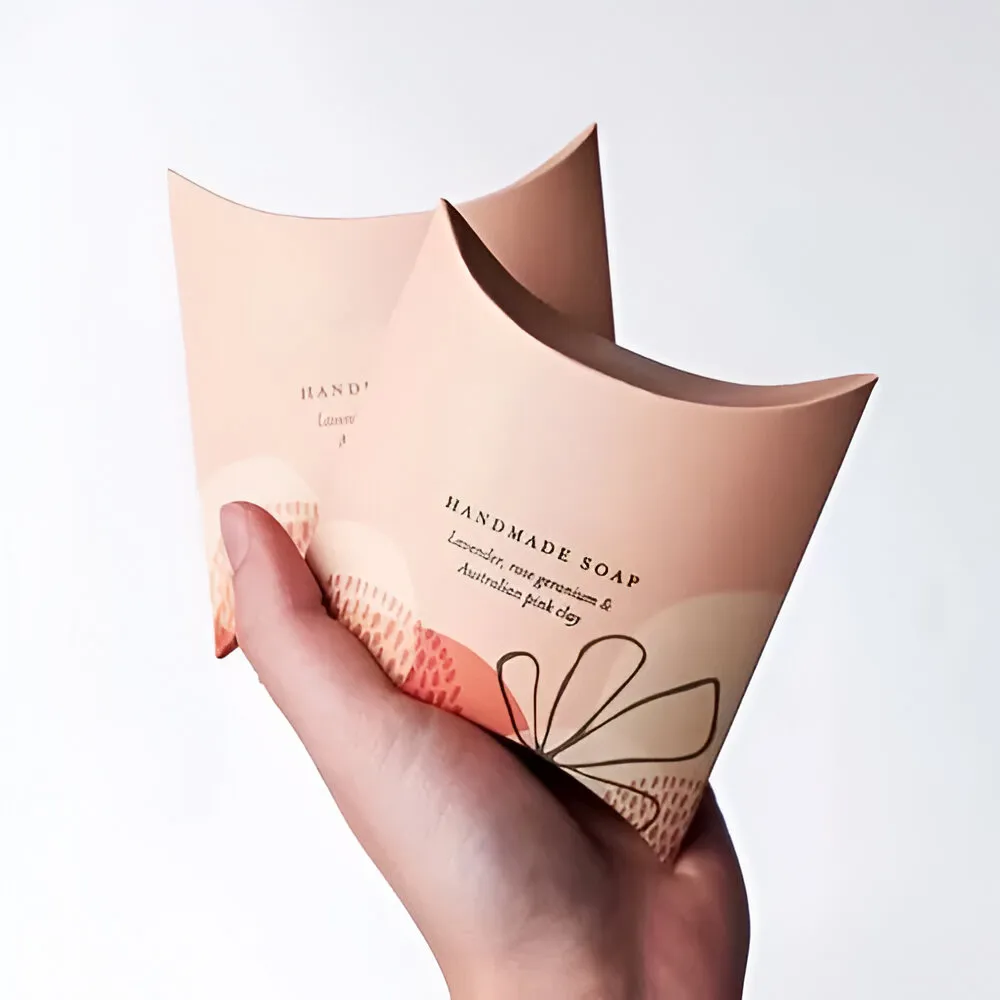
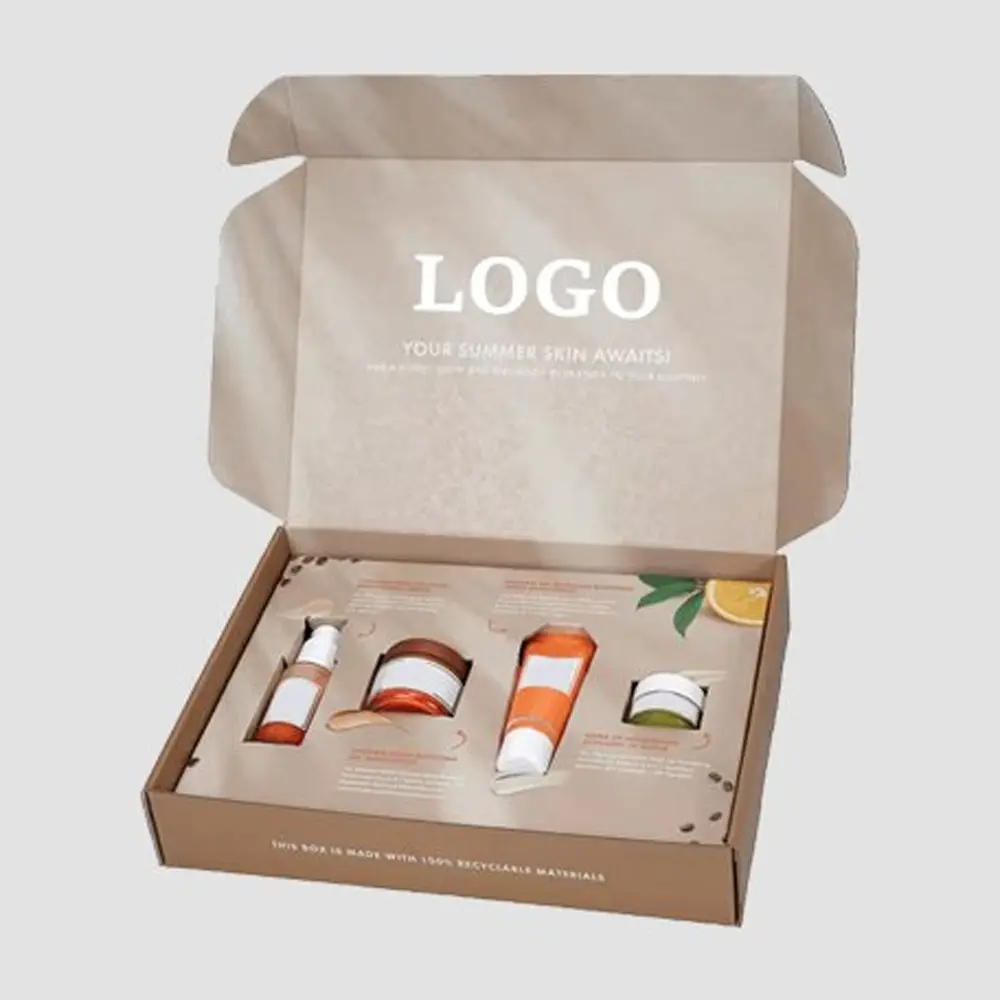
An important factor in improving the overall consumer experience is packaging. Custom Packaging is more than just a means of holding the goods. It is the initial point of interaction between the customer and the brand. A well-designed box creates curiosity and excitement and draws attention, which helps establish a good rapport.

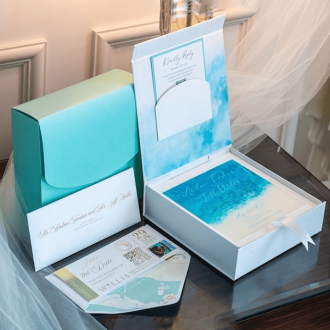
Businesses can build immersive experiences that excite and engage customers, encouraging repeat business. They loyalty by integrating interactive features, personalized messaging, and QR codes. Customers are left with a lasting image of the brand because of its tangible depiction of identity. They can remain achieved through eye-catching designs, colors, and environmentally responsible materials. It has practical benefits in addition to branding and experience benefits.

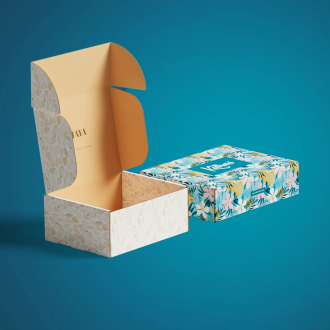
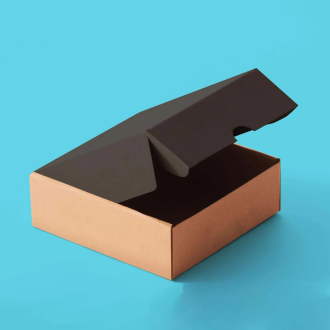
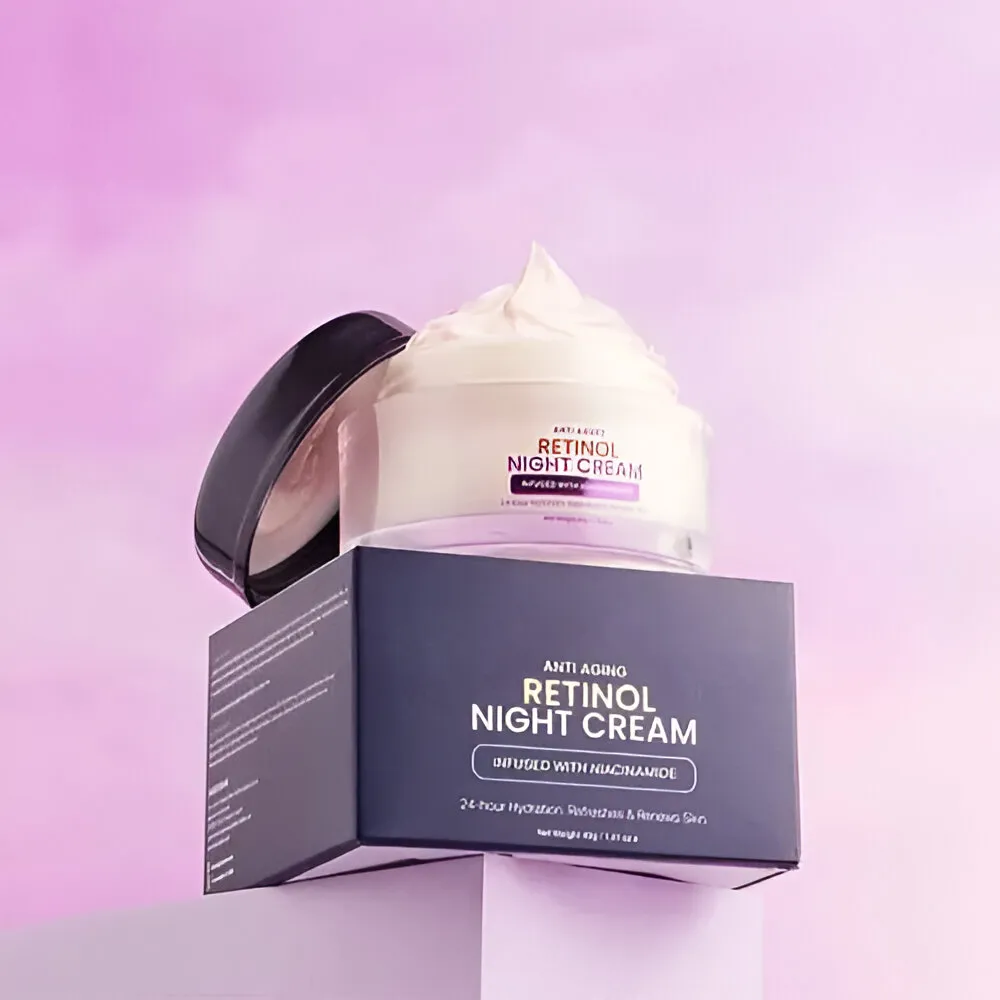
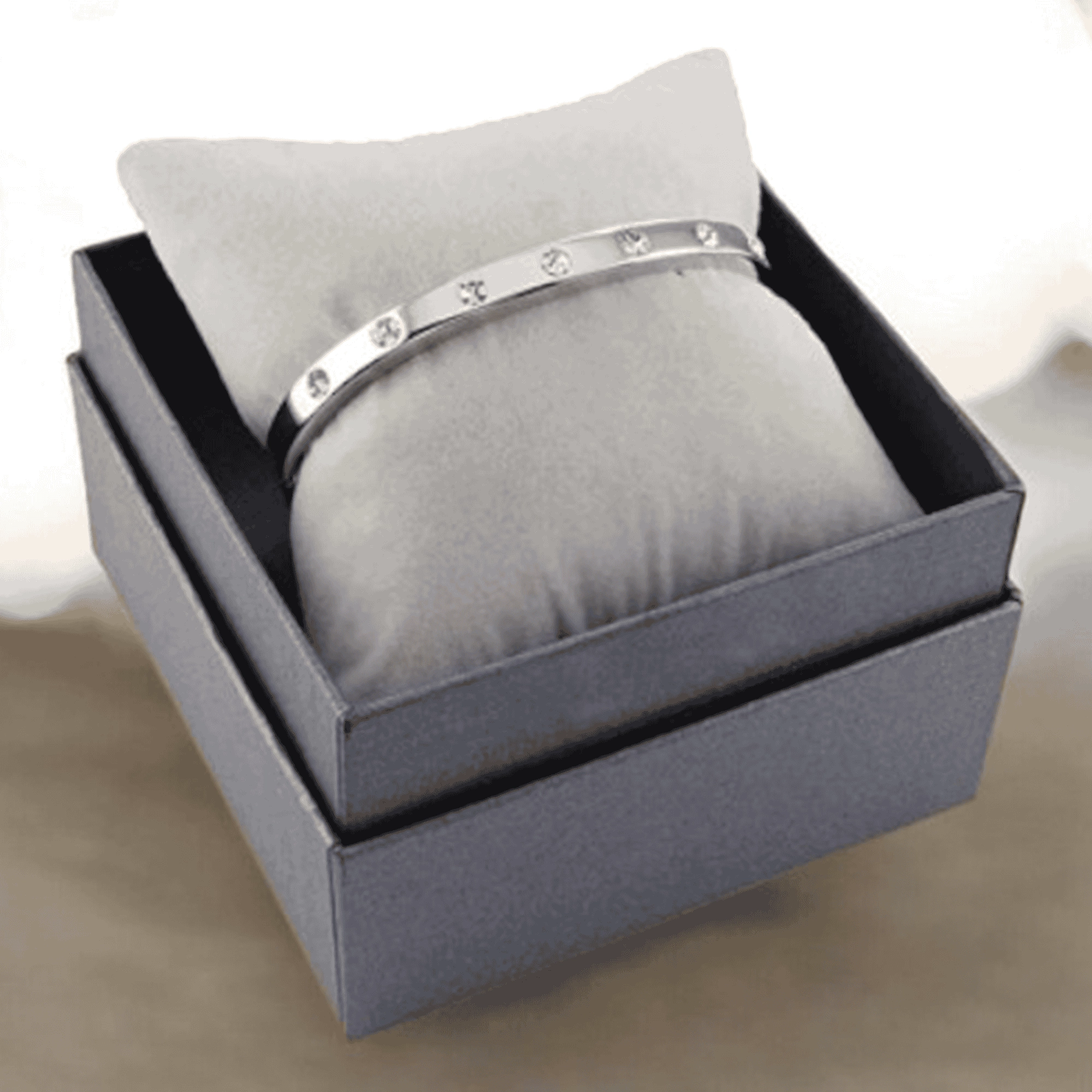
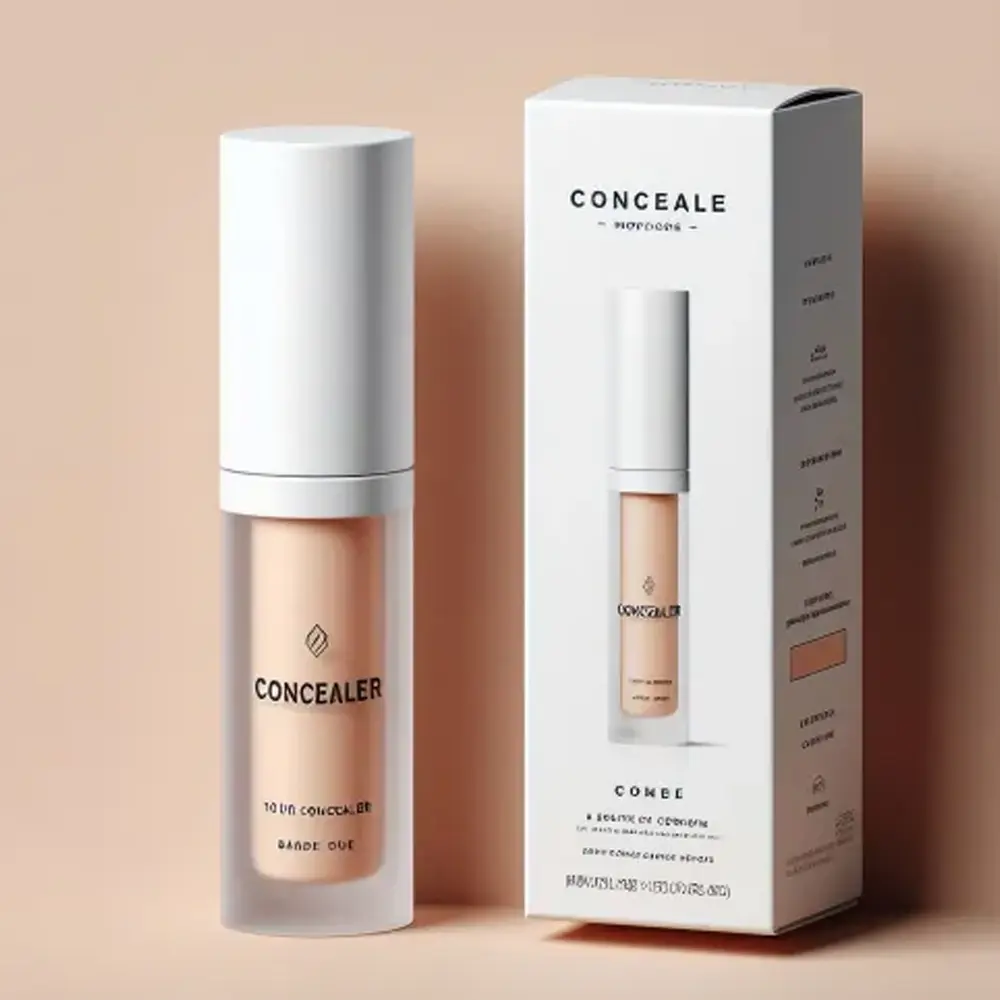
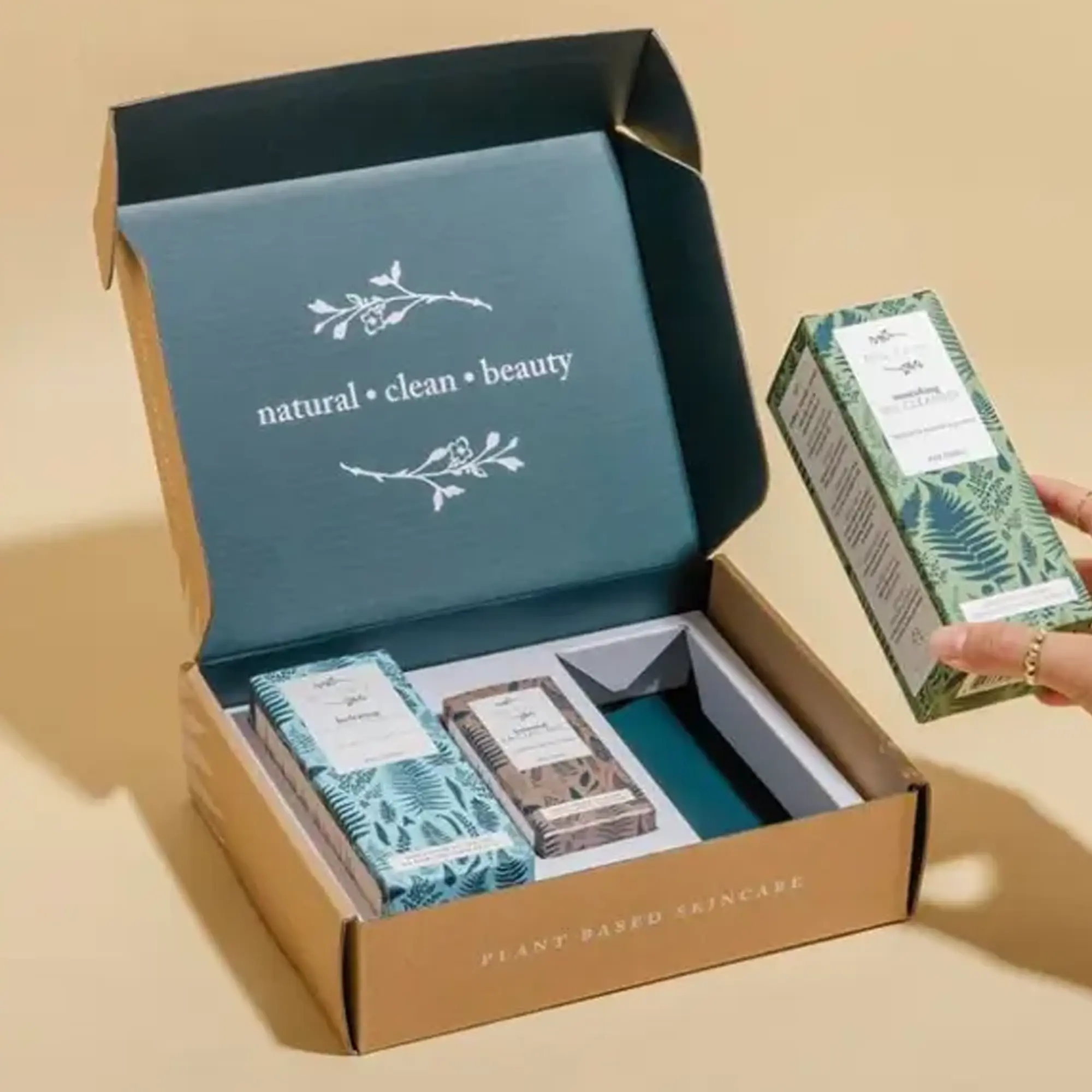
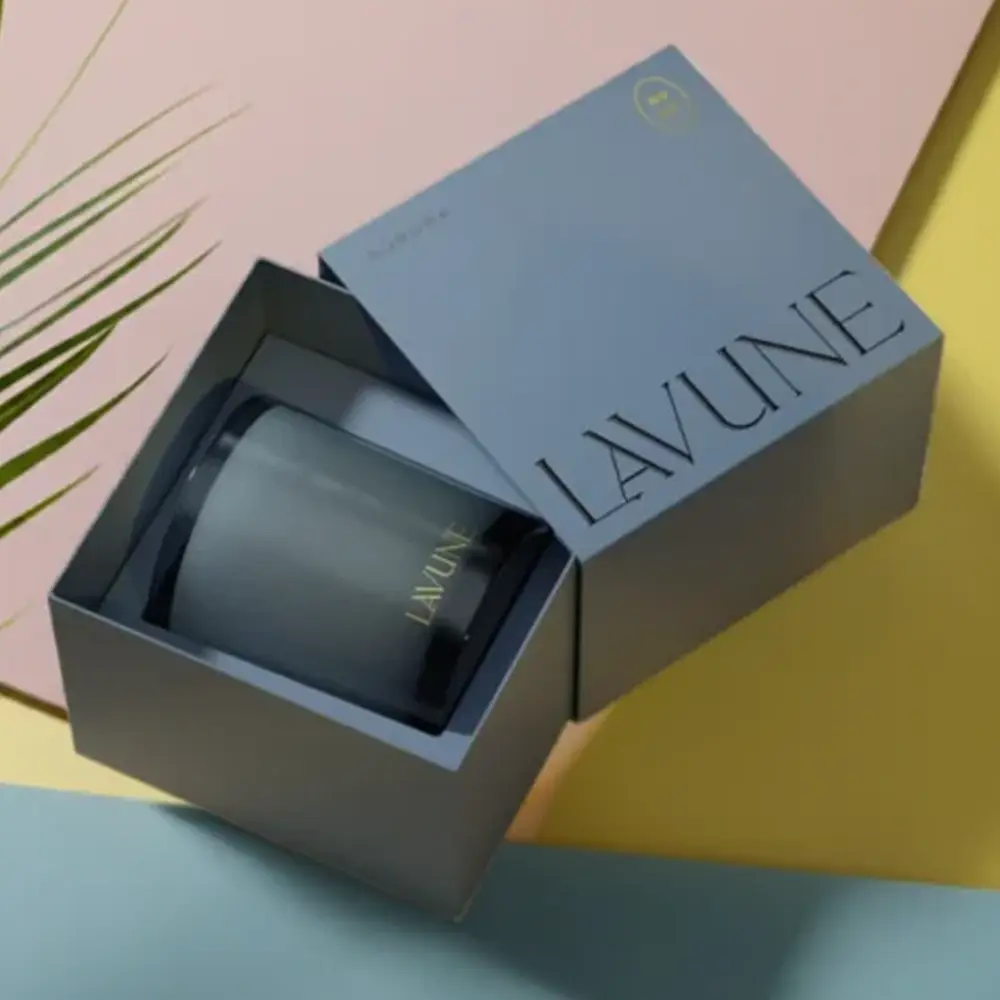
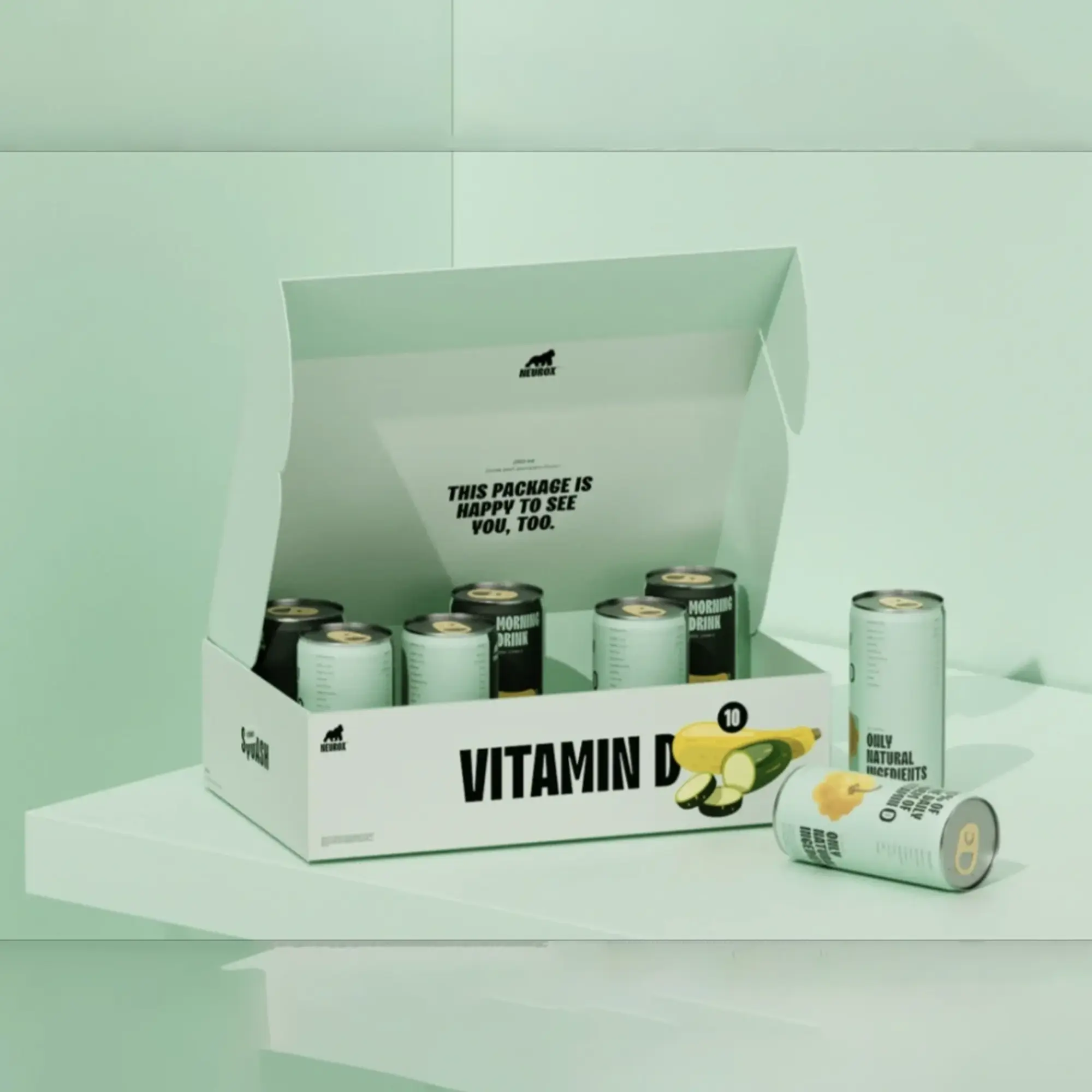
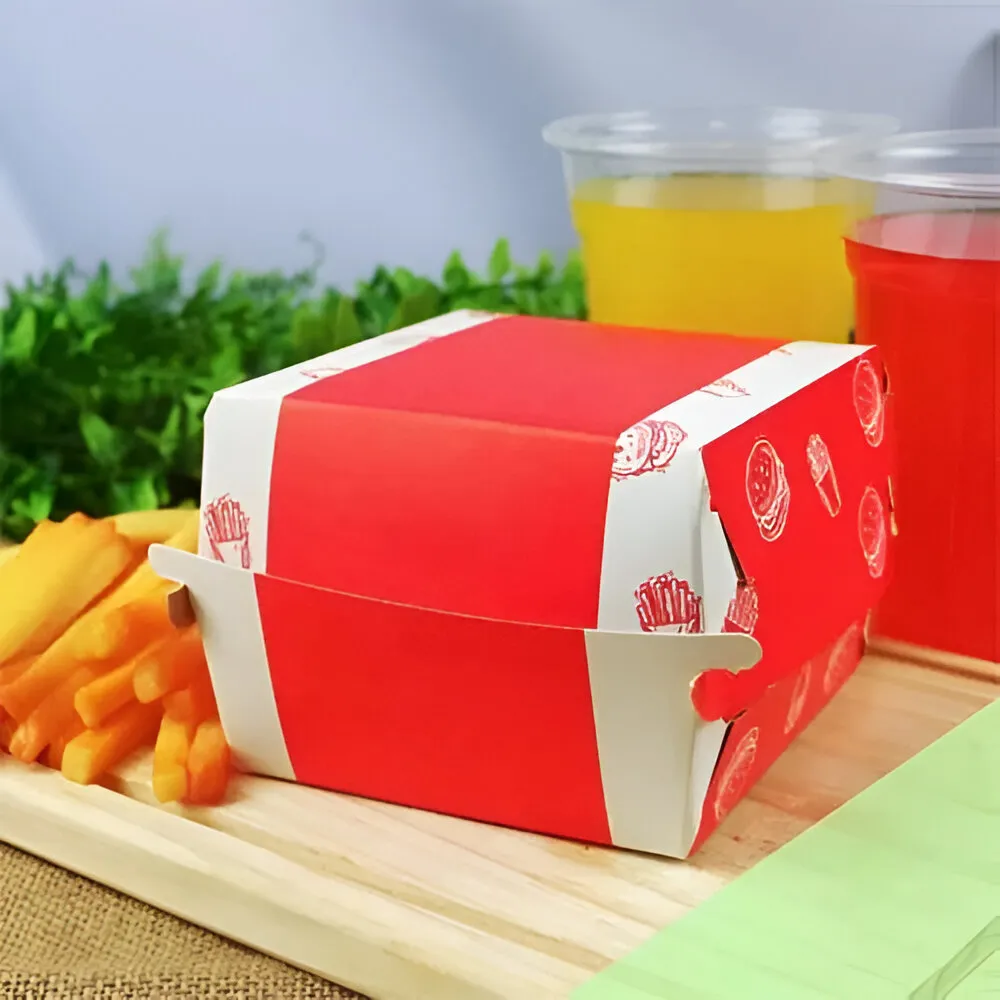
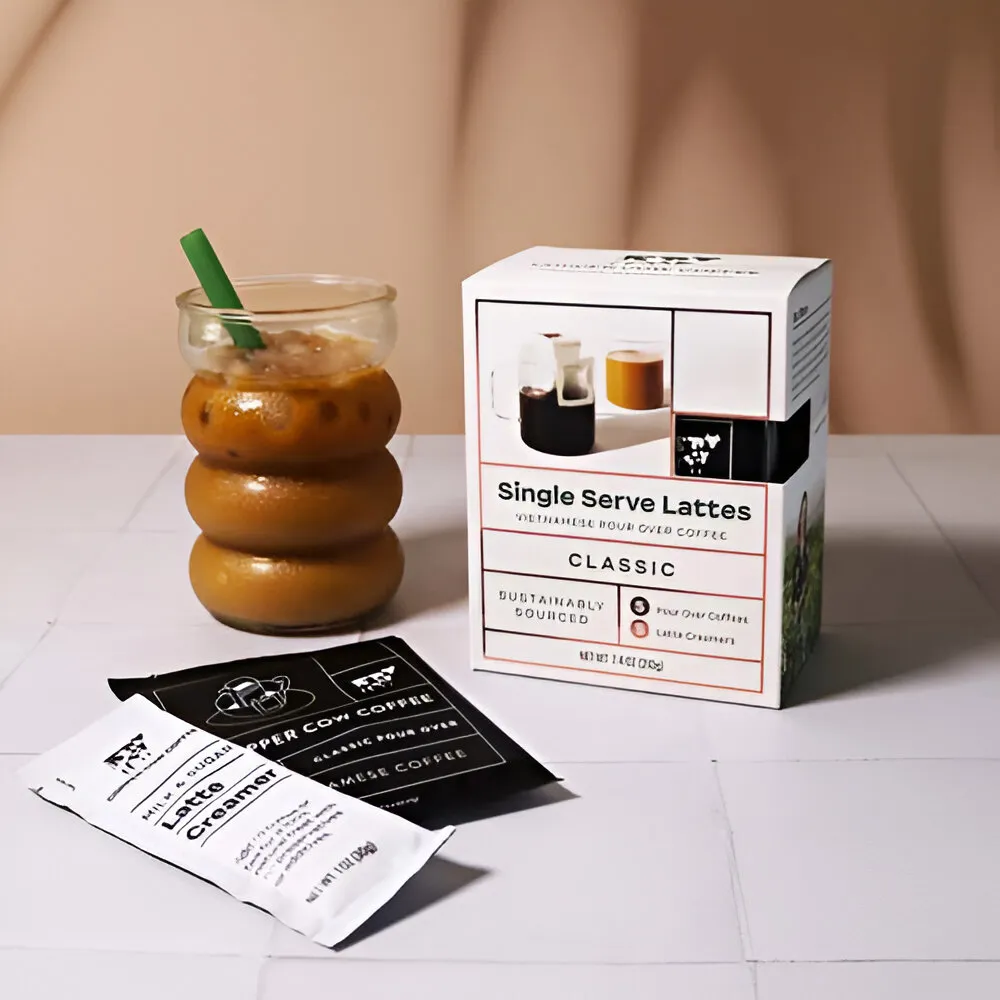
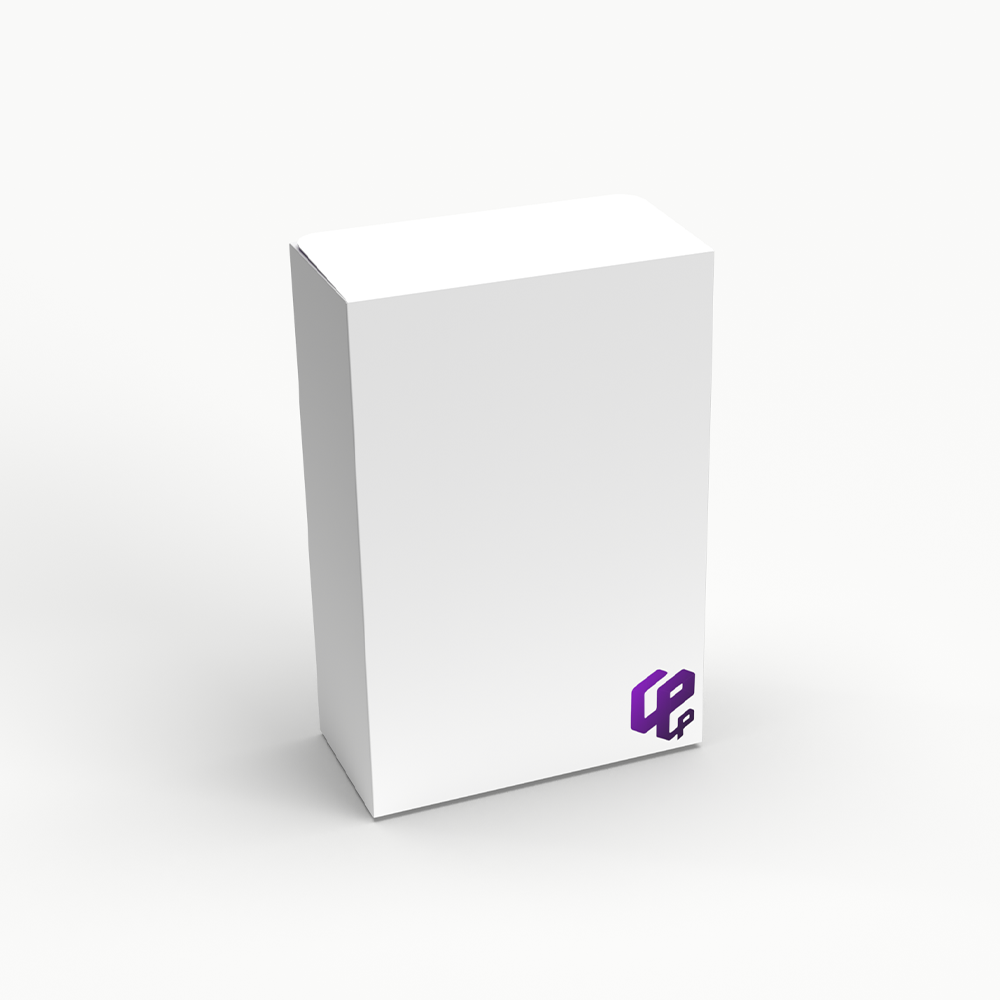
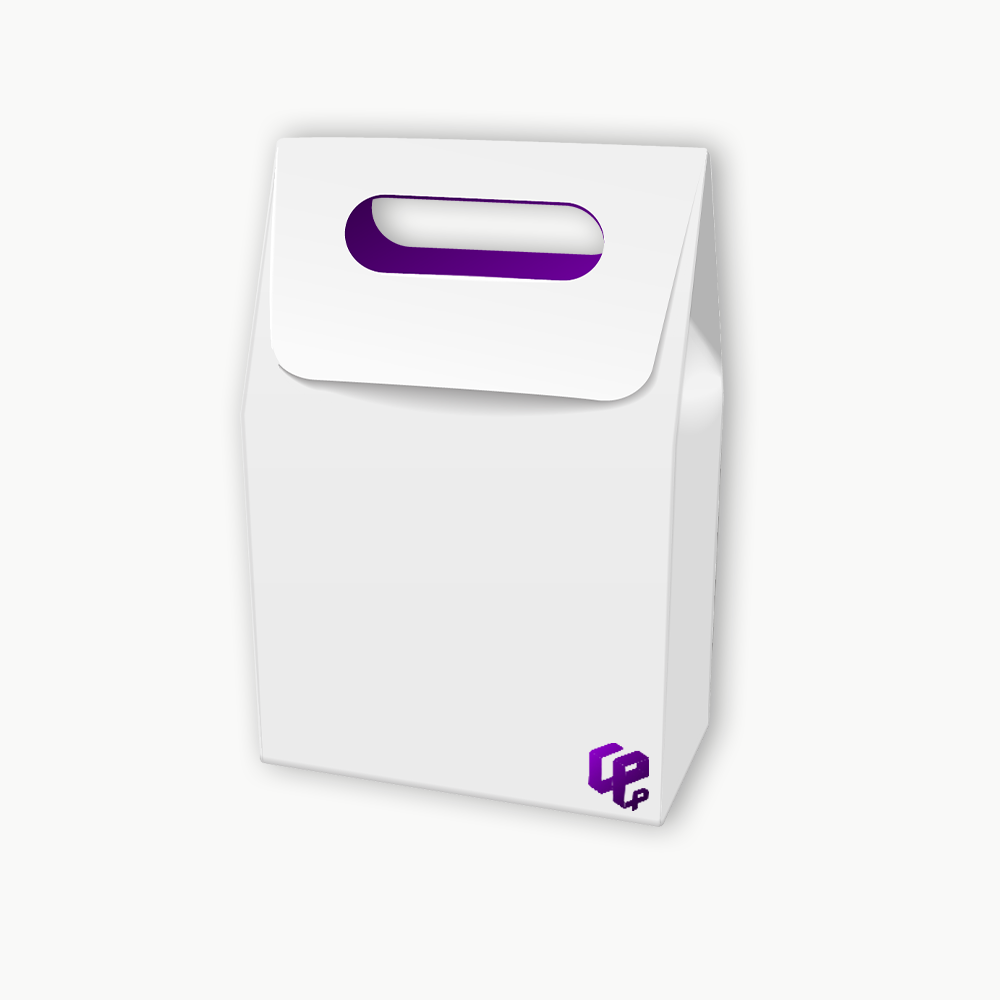
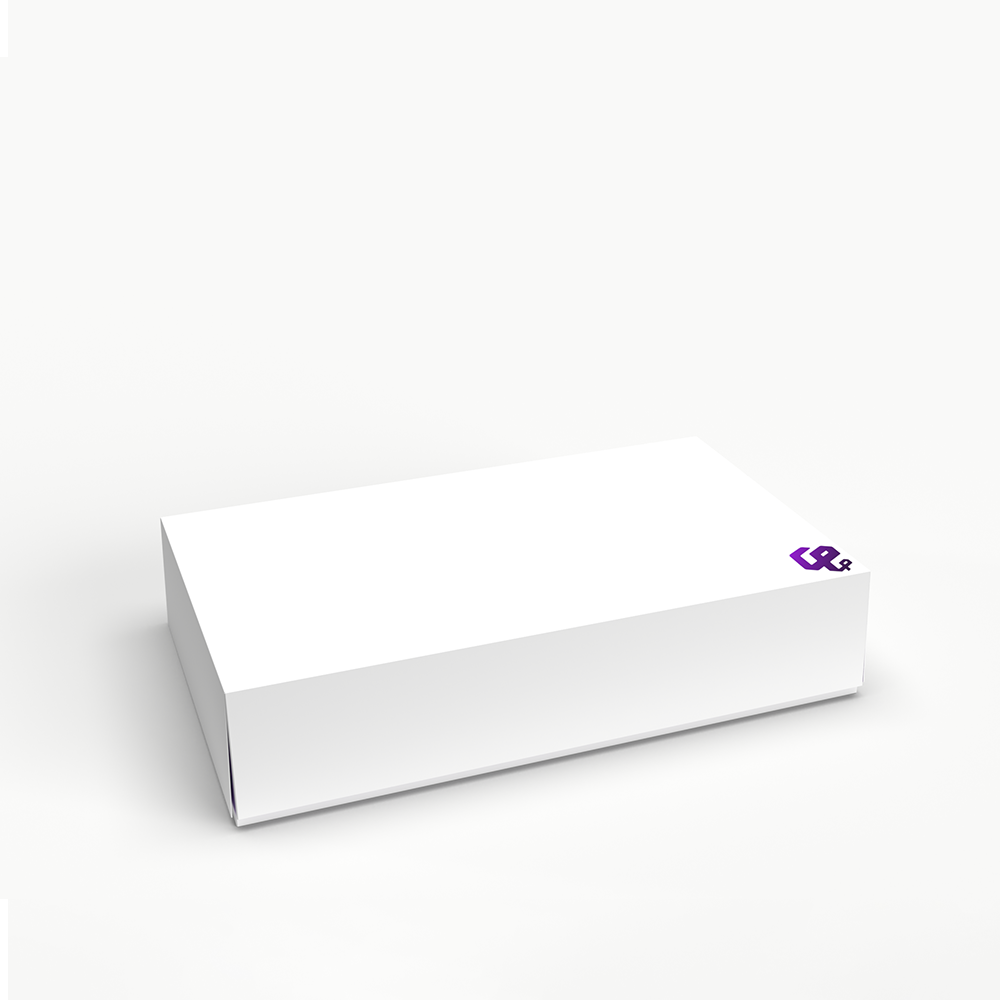
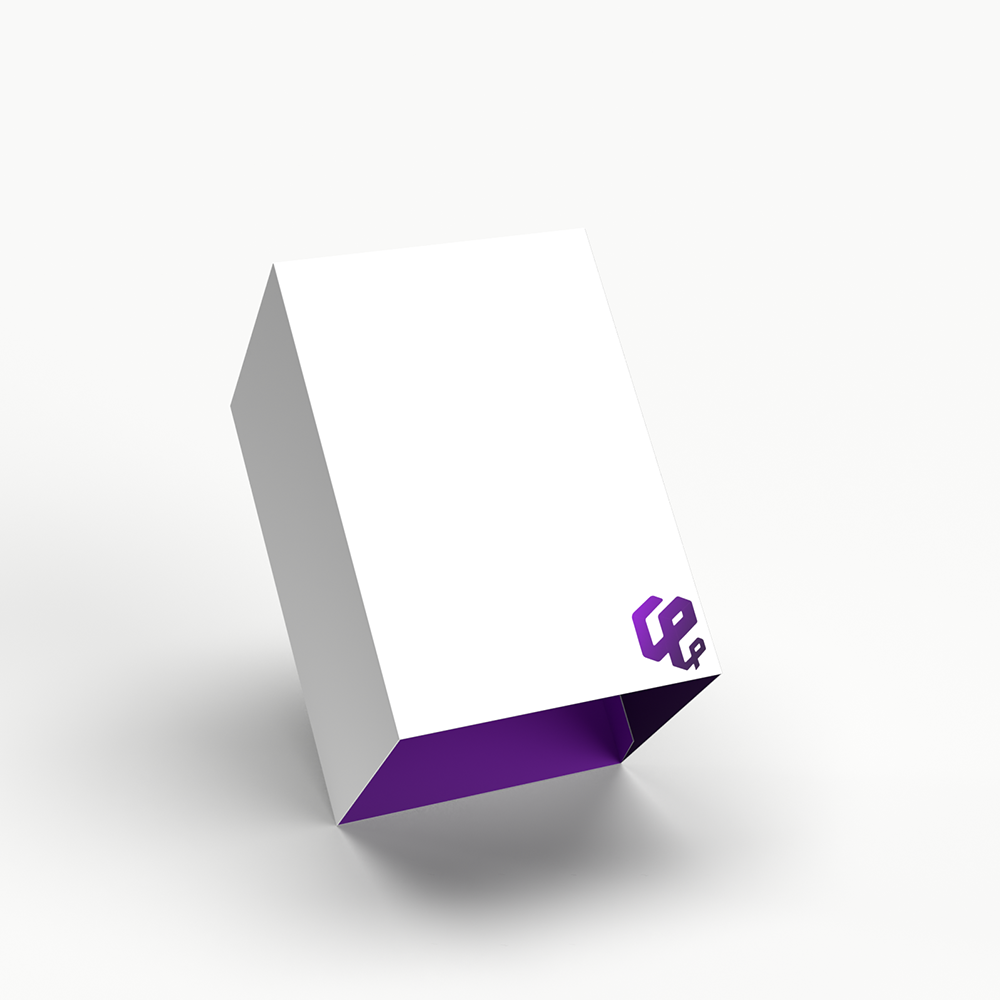
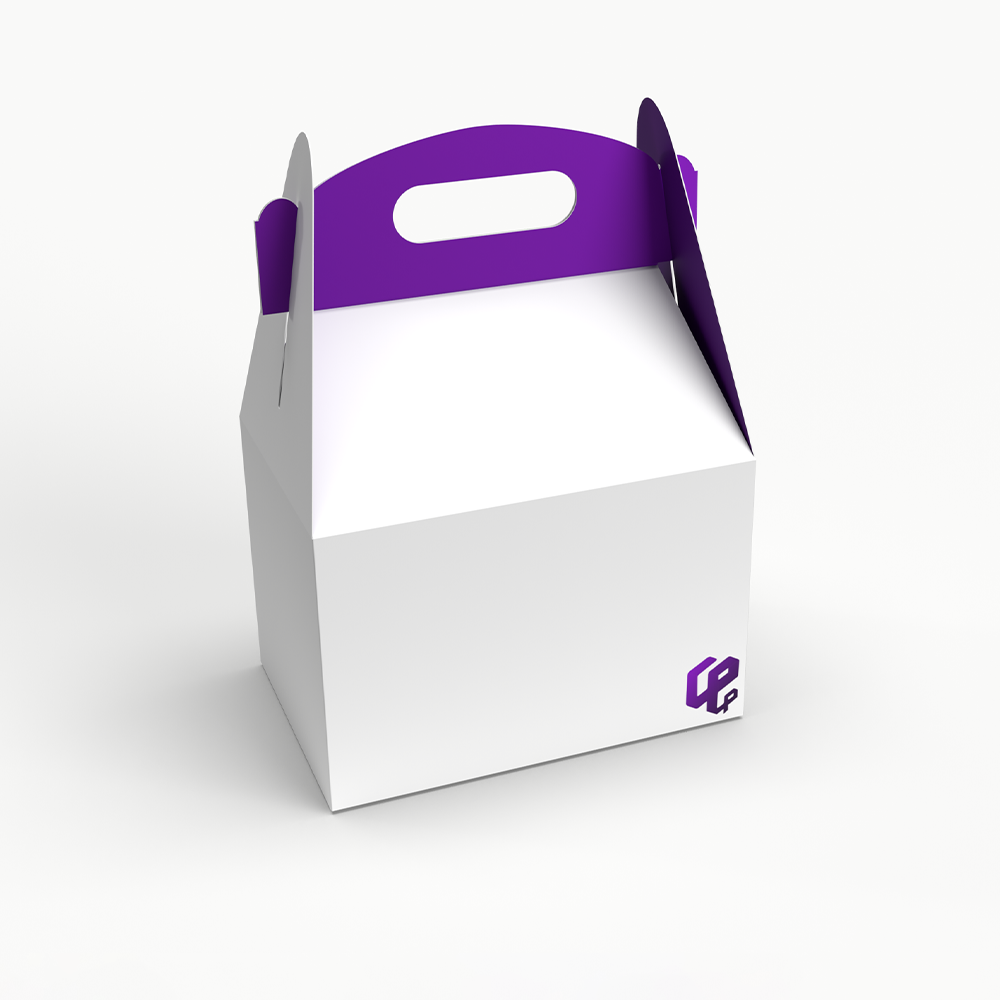
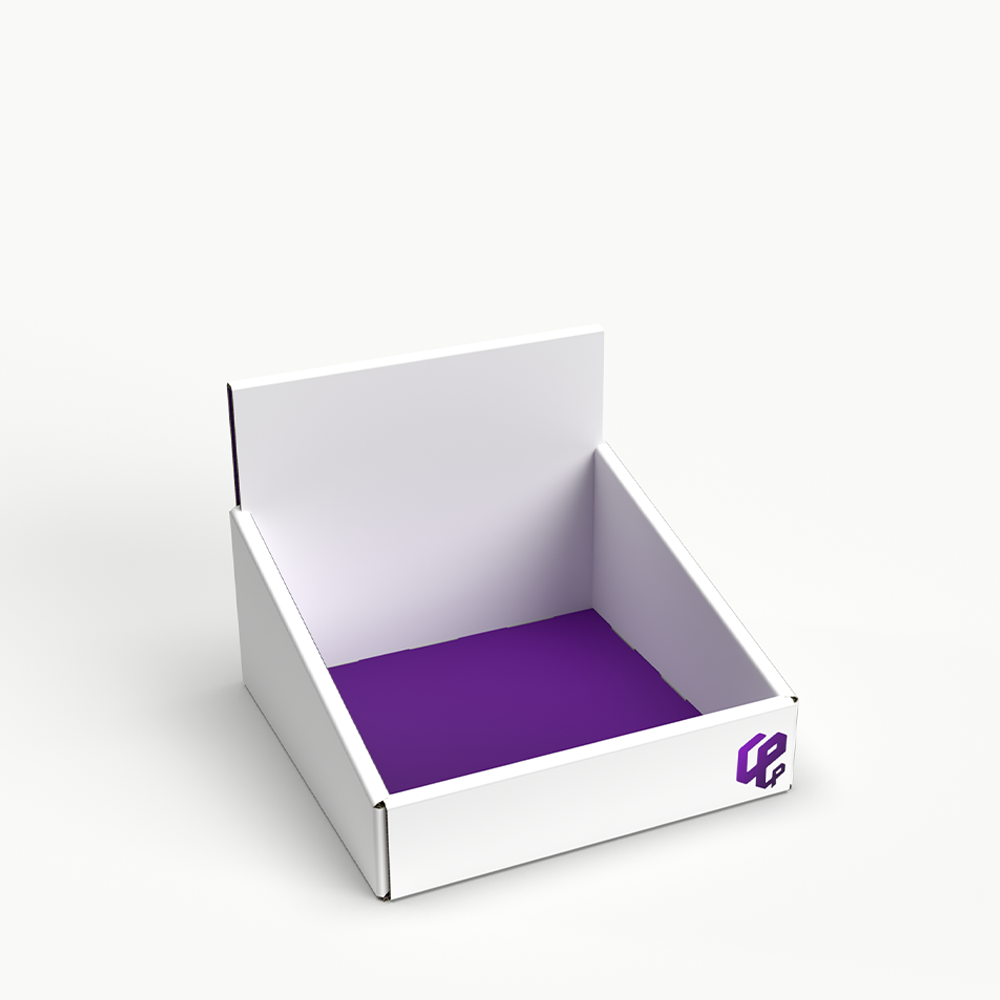
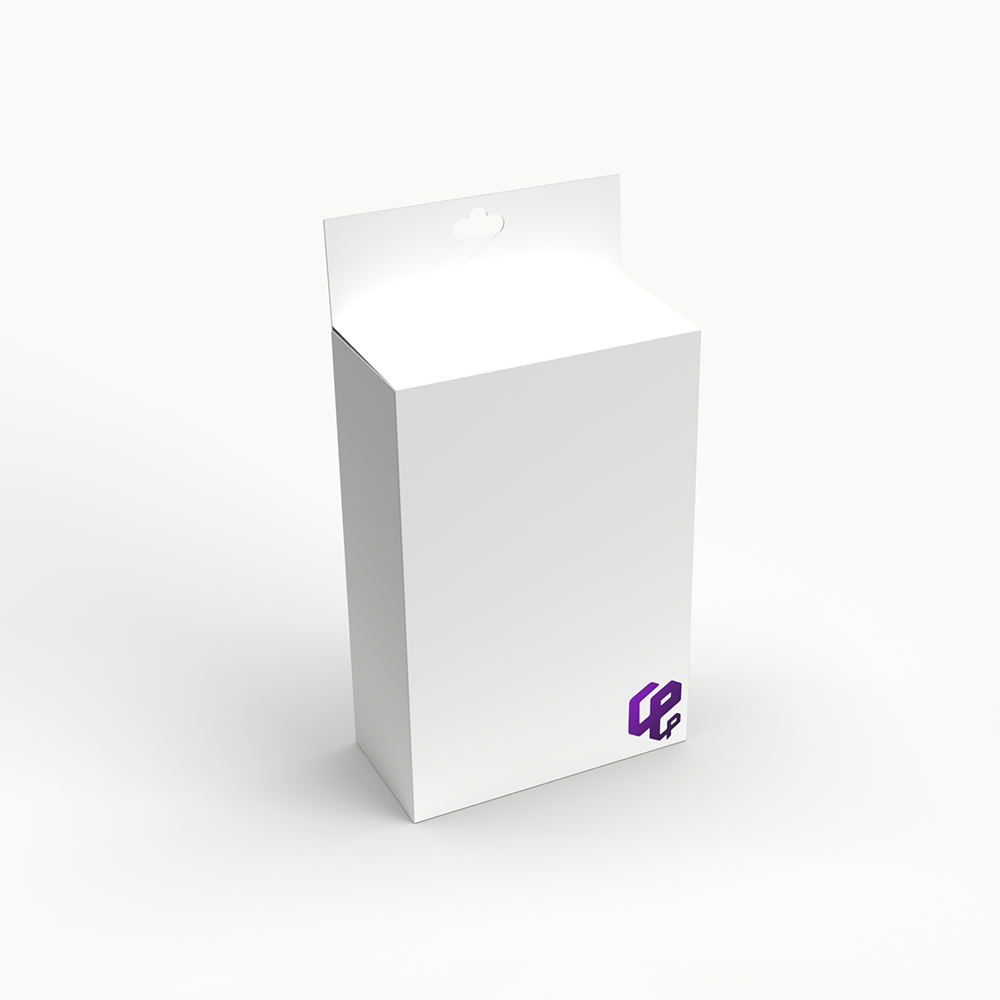
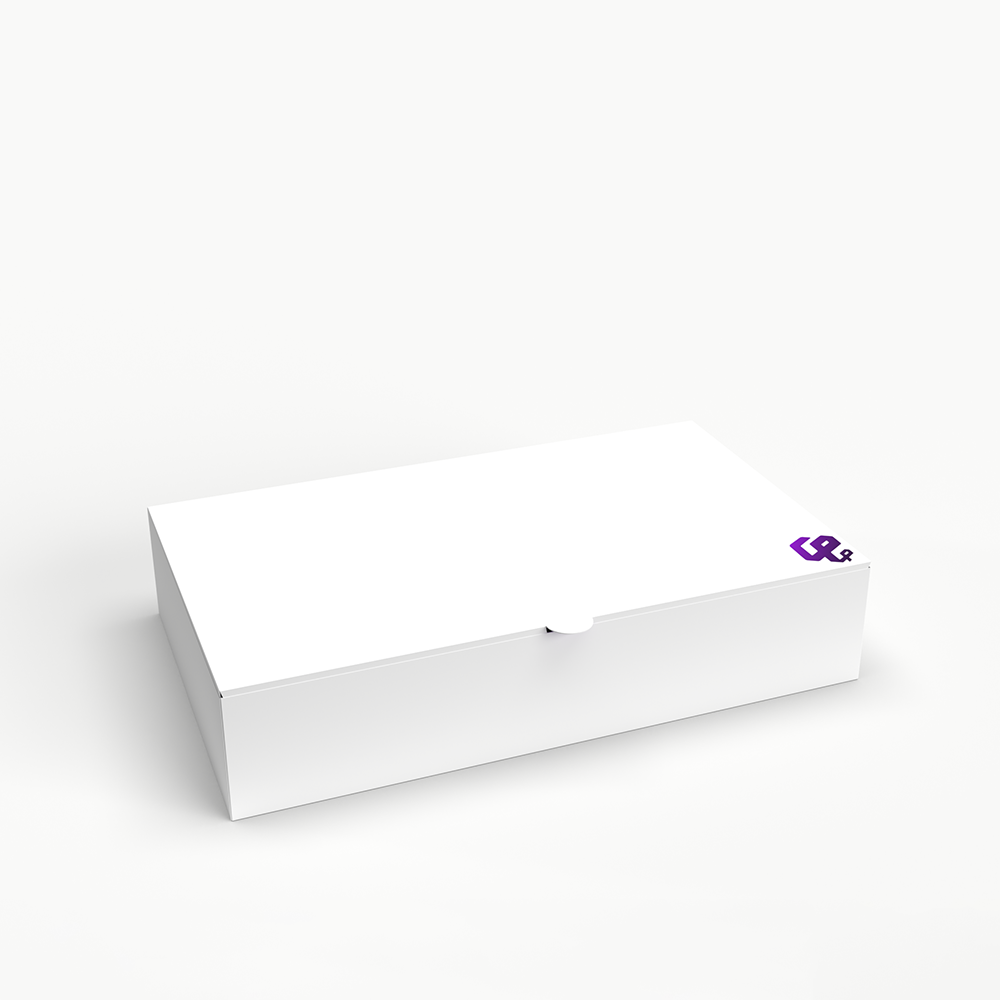
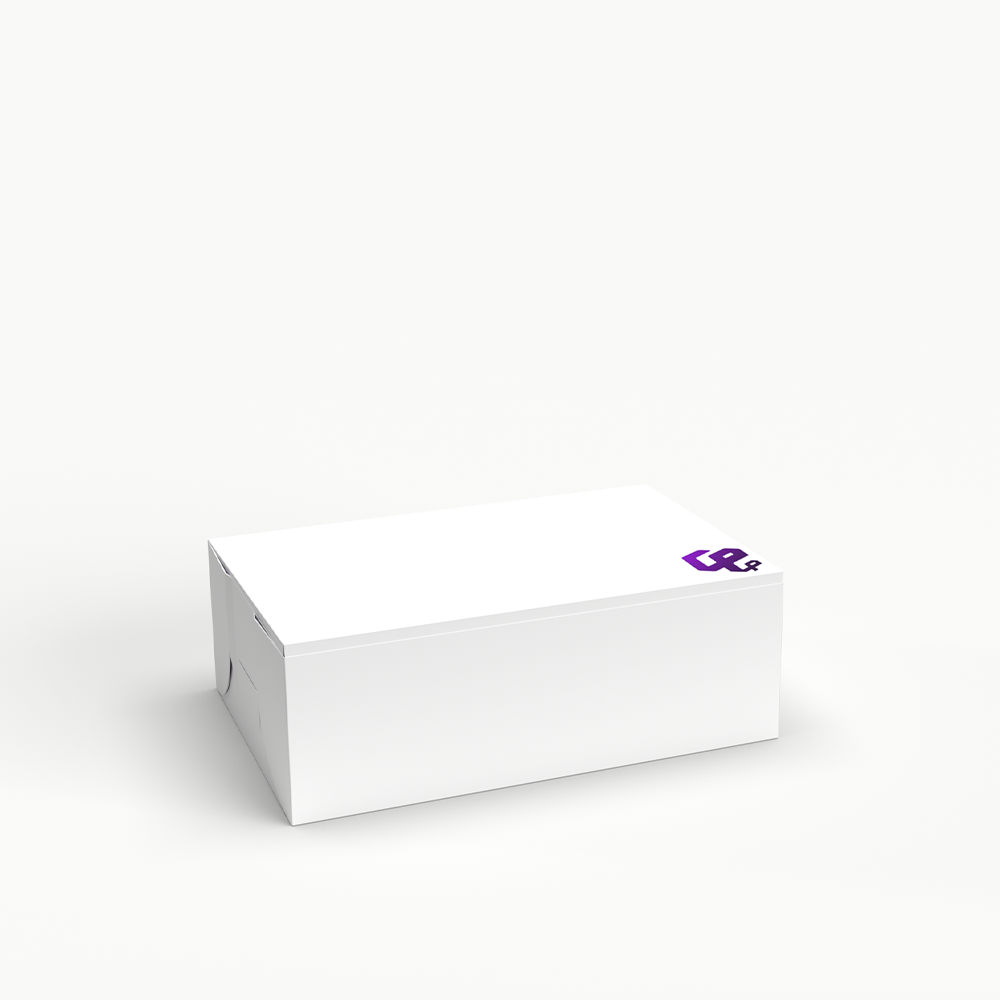
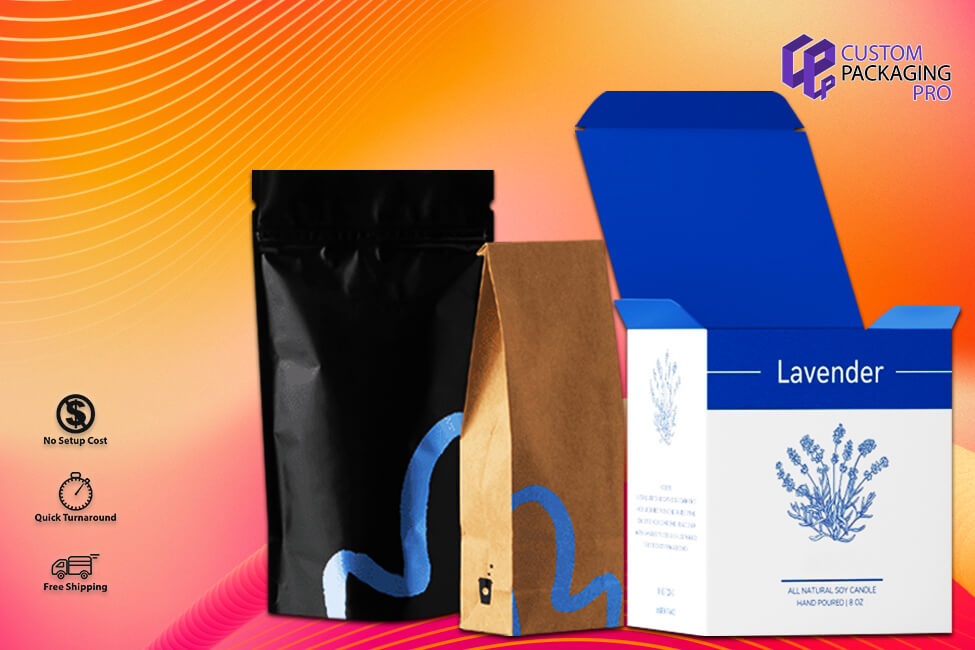
Custom Packaging

Improve Your Efficiency for Sustainability by Custom Packaging

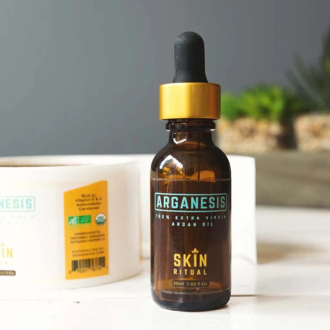
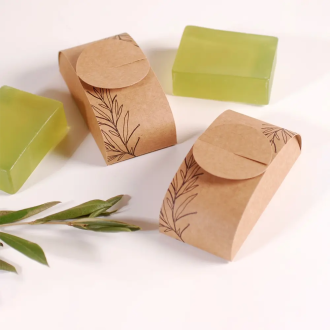
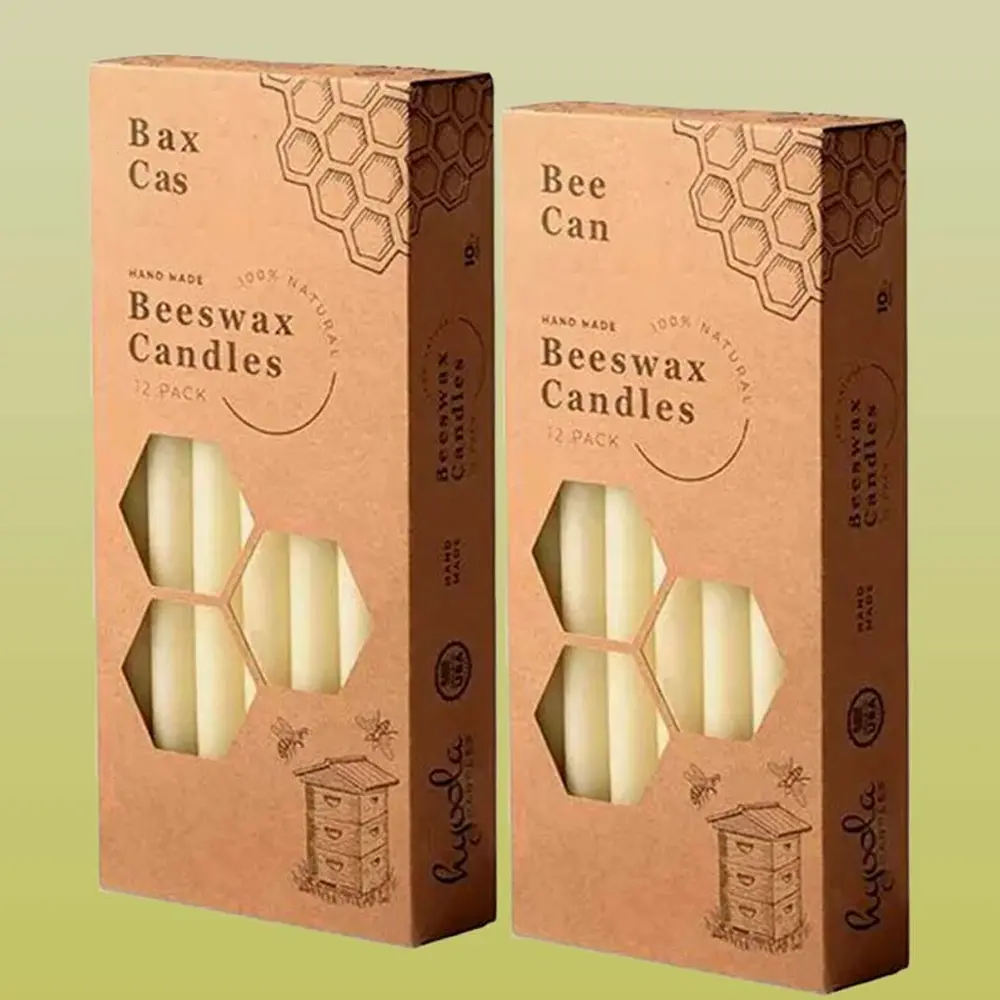
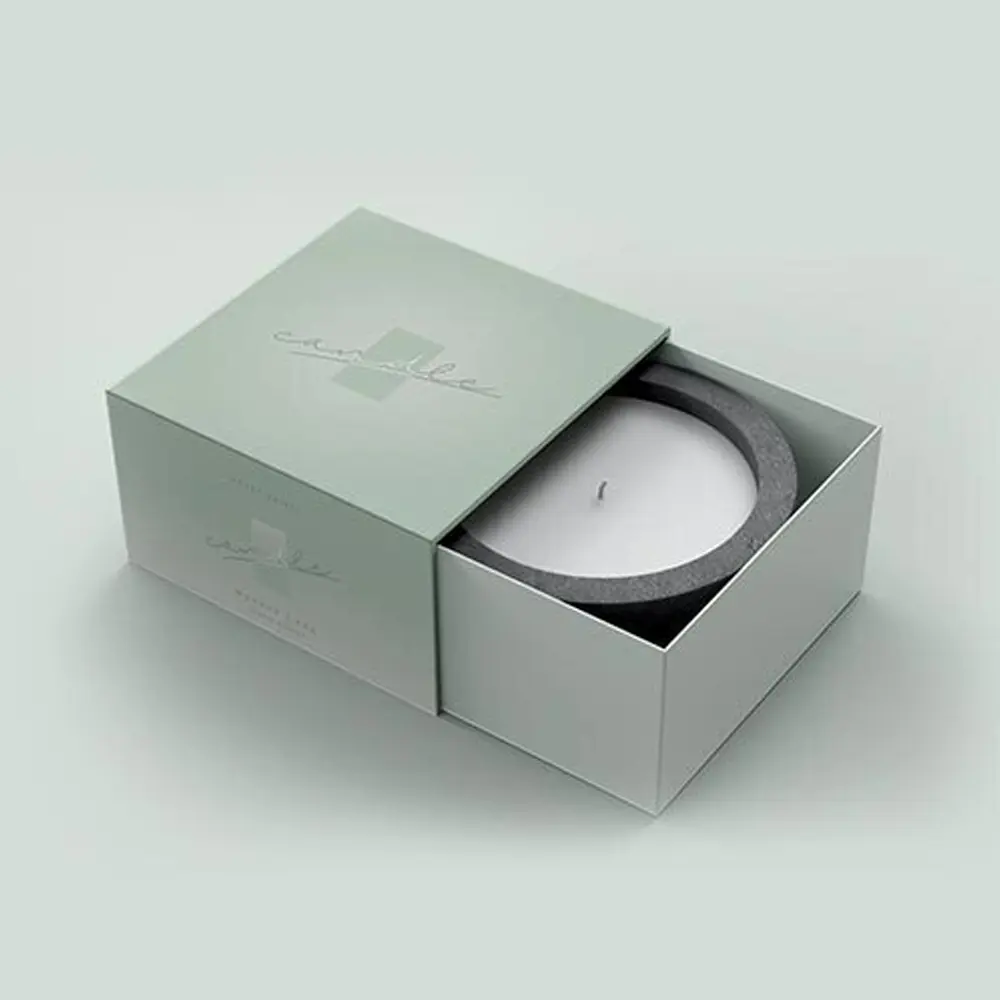
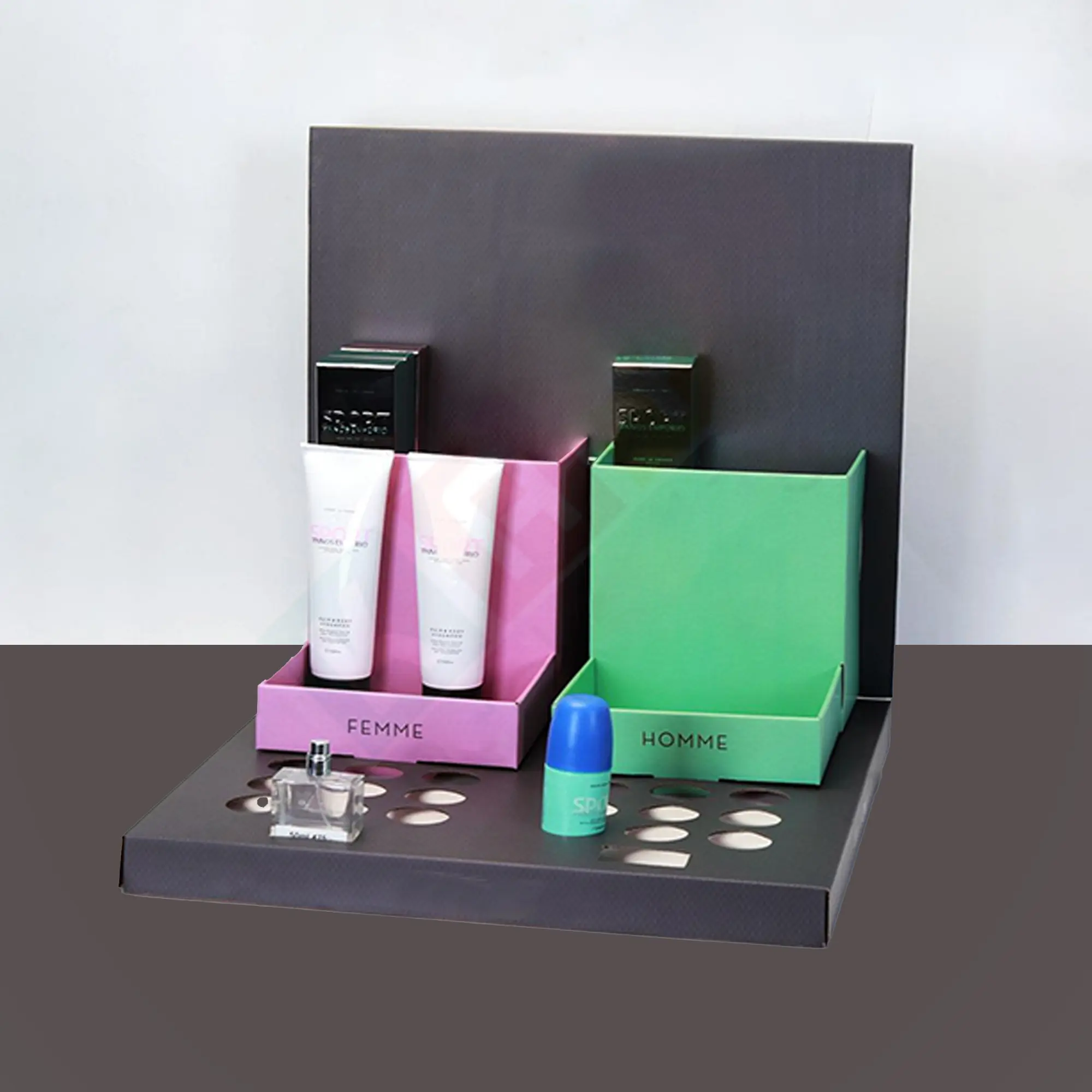
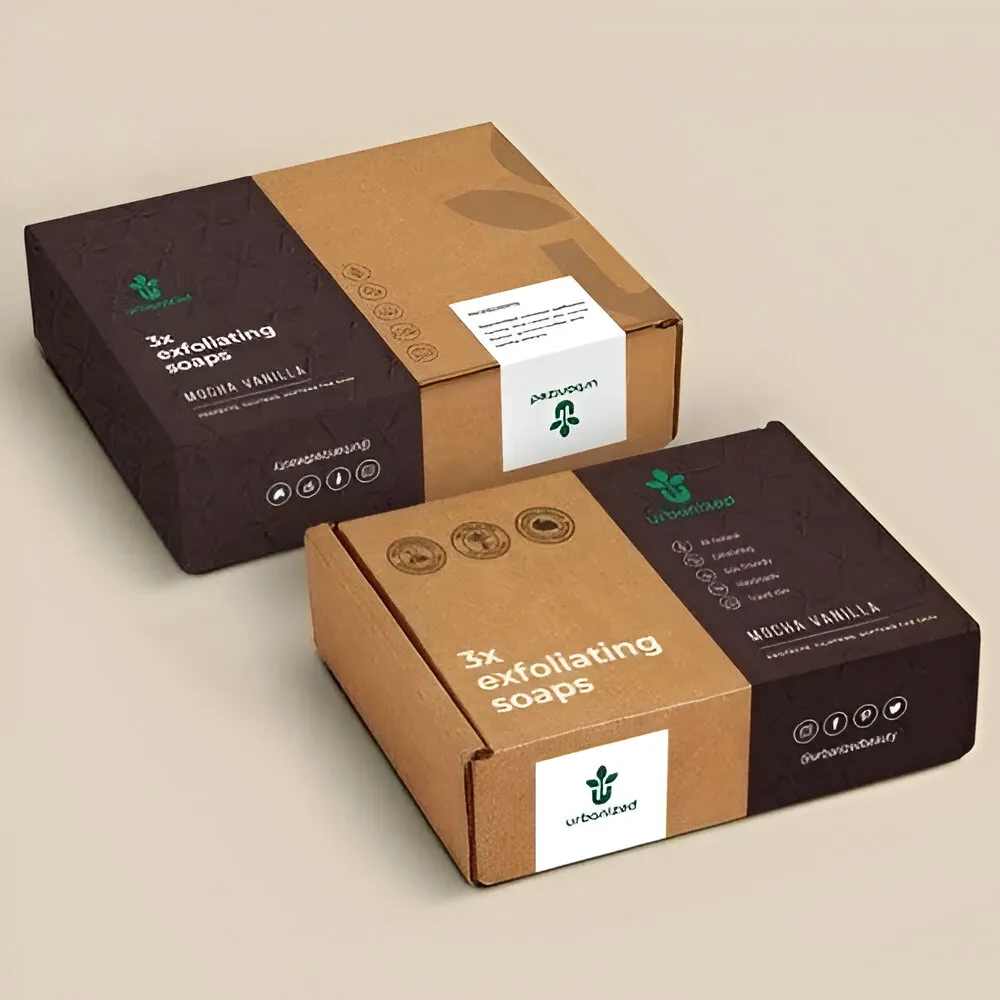
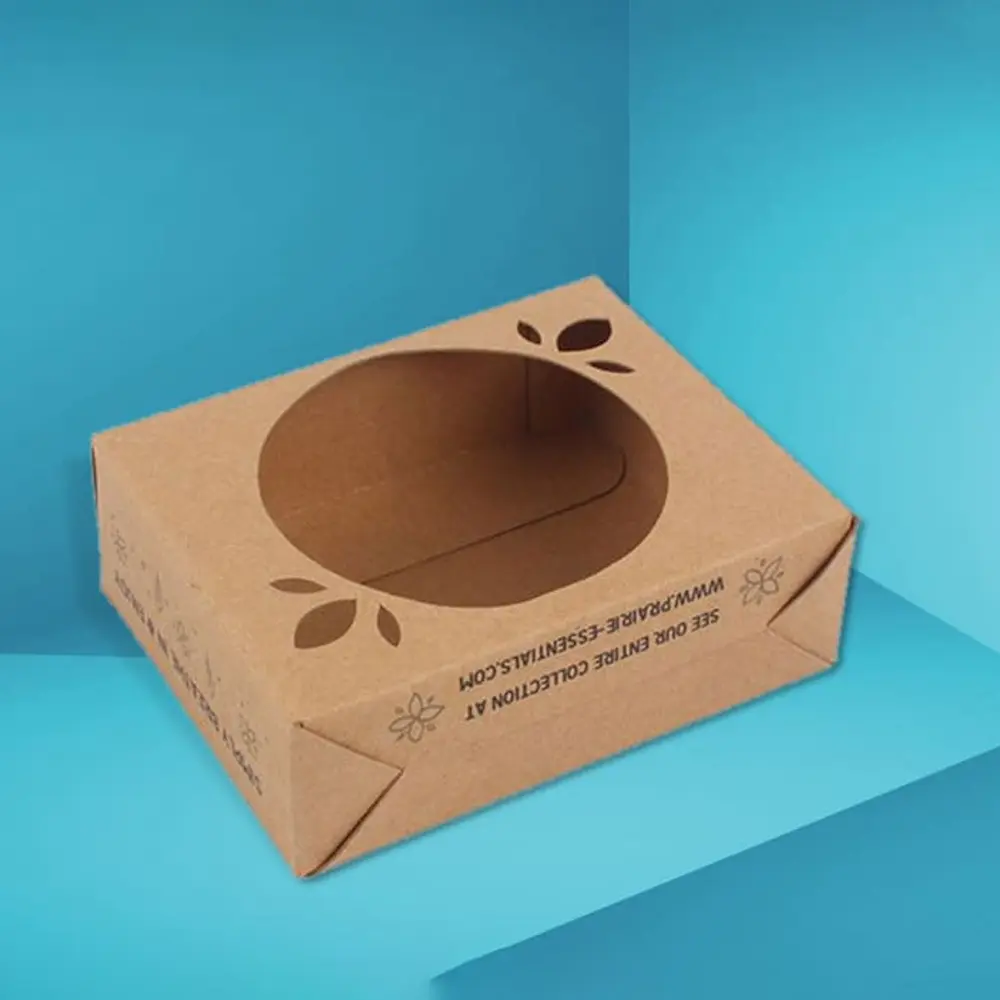
Businesses can improve efficiency and sustainability by minimizing waste and shipping costs by customizing the packaging dimensions to match the product. Custom Packaging can improve product protection by ensuring that things arrive undamaged and unspoiled. They lower the possibility of returns and raise customer happiness. Cosmetics, food and drink, technology, and luxury goods are just a few examples of products that can remain tailored to each needs.

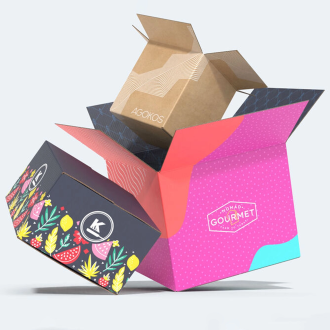
The options are endless, from elegant and straightforward designs for high-end goods to fun and vibrant packaging for toys. Because of its adaptability, companies can customize their packaging tactics to appeal to particular customer segments, market niches, and event types. This increases their relevance and resonance.

Essential Equipment and Production Machinery for Specialty Papers

Manufacturing high-grade custom printed butter paper and converting food-safe wrap requires specialized processing and printing machinery:

Scientific & Operational Considerations: Barrier Protection and Unboxing Aesthetics

Custom butter papers serve a dual purpose of technical protection and elevated visual presentation across retail industries:

  1. Moisture & Oil Resistance Barriers: Butter papers block moisture, grease, and essential oil transfer, preventing stains on outer boxes during shipping.
  2. Surface Protection Against Scratches: Soft parchment layers act as a non-abrasive barrier around delicate textiles, leather goods, and high-end cosmetics.
  3. Sensory Unboxing Experience: The crisp texture, sound, and visual layer of unwrapping custom printed butter paper create anticipation and luxury feel.

Material Selection & Sustainability Compliance in Custom Wrap Papers

Choosing eco-friendly substrates allows brands to meet strict environmental regulations while maintaining luxury standards:

Advanced Custom Printing & Surface Decorative Enhancements

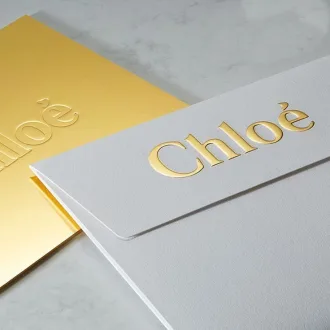
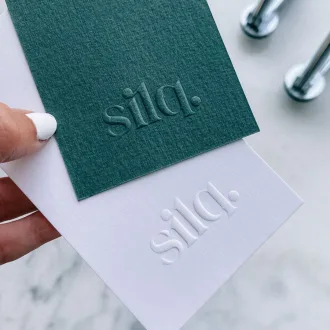
Upgrading plain tissue sheets with branded finishes transforms standard protection into a powerful marketing tool:

Strategic Procurement & Client Acquisition Blueprint

Follow this operational step-by-step checklist to source and supply custom butter papers efficiently:

  1. Step 1: Determine GSM Weight Requirements: Select between 30 GSM to 50 GSM weights based on whether the application requires soft flexibility or stiff protection.
  2. Step 2: Confirm Food Safety & Technical Certifications: Verify FDA compliance for direct food contact applications in bakery and confectionery sectors.
  3. Step 3: Test Color Transfer & Heat Resistance: Perform rub and heat tests to ensure custom inks do not bleed onto products or faint under heat.

butter paper is made from cellulose wood fibers and is fully biodegradable, recyclable, and compostable

FAQs

  1. What is custom butter paper used for in packaging?
    Butter paper is used as a protective and decorative inner wrapping for baked goods, apparel, cosmetics, and luxury gifts to protect products from grease, dust, and scratches.
  2. Is butter paper eco-friendly and compostable?
    Yes, high-quality butter paper is made from cellulose wood fibers and is fully biodegradable, recyclable, and compostable.
  3. What is the difference between wax paper and butter paper?
    Butter paper is silicone-coated and heat-resistant, making it safe for baking, whereas wax paper has a petroleum wax coating that melts under heat.
  4. Can custom logos be printed on butter paper?
    Yes, custom butter paper can be printed with continuous logo patterns using food-safe, water-based inks for strong brand recognition.
  5. How does butter paper improve the product unboxing experience?
    It adds a premium tactile and visual layer to retail packaging, creating a sense of luxury, care, and anticipation when customers unwrap their items.
  6. What paper weight (GSM) is recommended for wrapping luxury items?
    A range between 35 GSM and 45 GSM is ideal for providing flexible wrapping strength without adding bulk or tearing easily.
  7. Can butter paper be used for clothing and retail packaging?
    Yes, retail brands use custom printed butter paper to shield delicate apparel from moisture, dirt, and friction inside rigid or corrugated shipping boxes.
  • Delivery Box
    5,000+ Orders Delivered
  • Experience
    15+ Years Experience
  • Free Shipping
    Free Shipping
  • Free Shipping
    No Minimum

Our Print Experts are Happy to Provide you with a Custom Quote for Just About Anything you Can Dream Up. It will Just Take your few Minutes.

Get Instant Quote