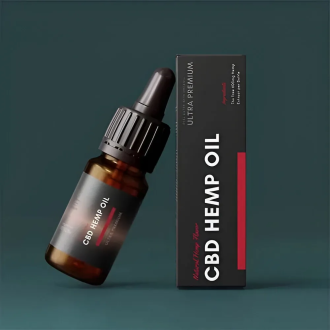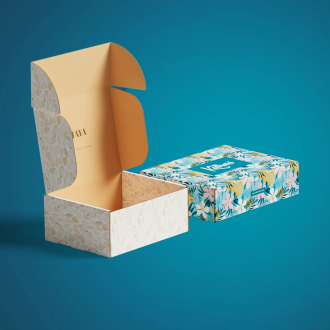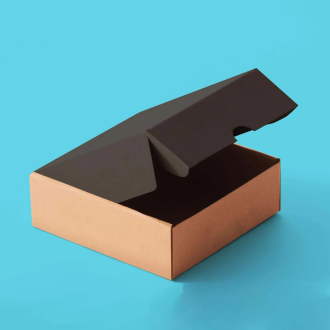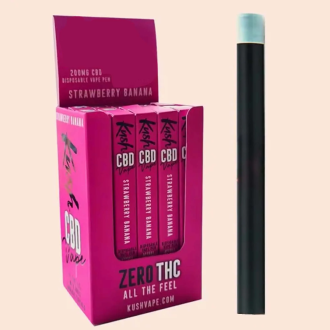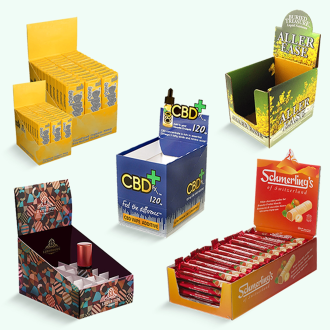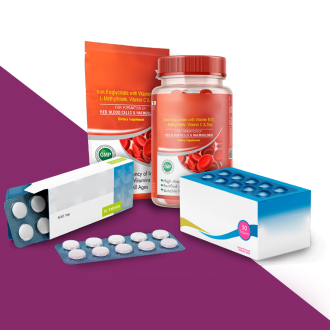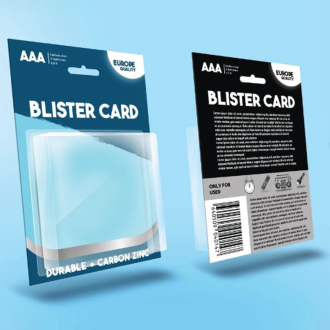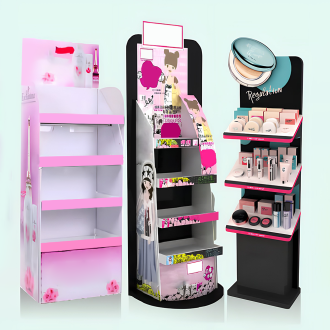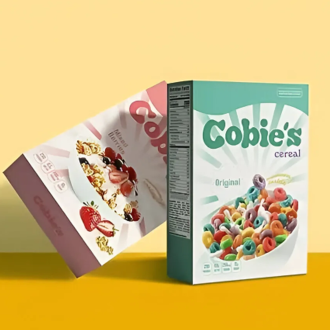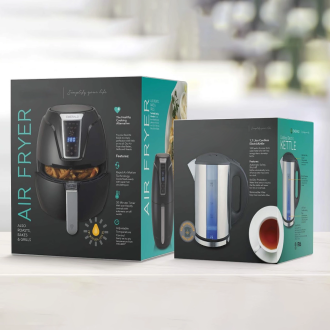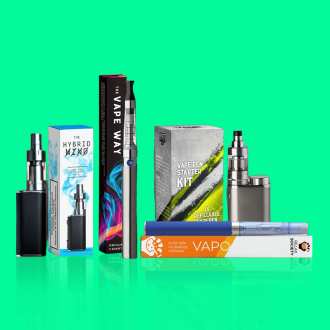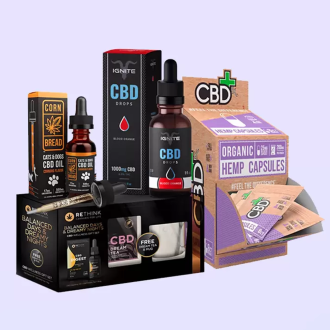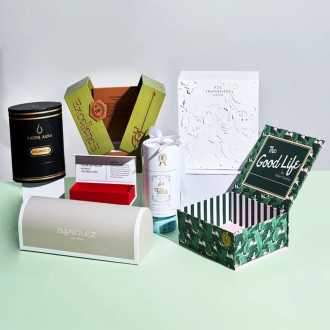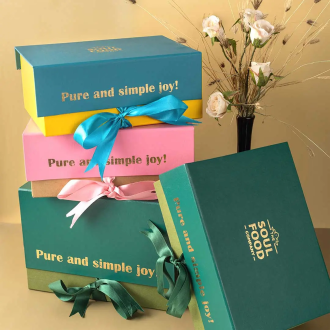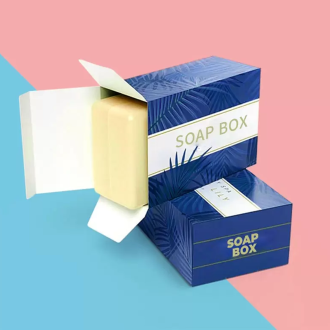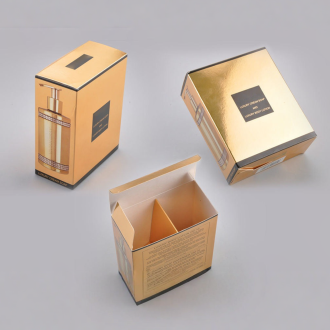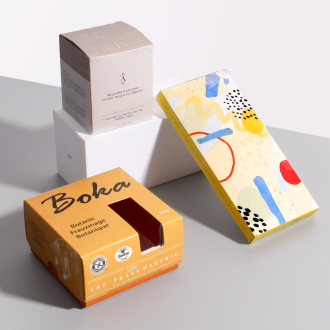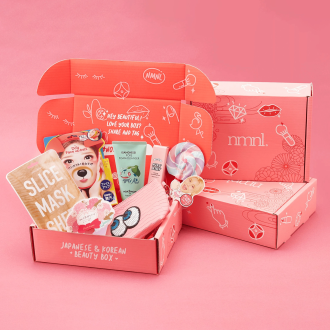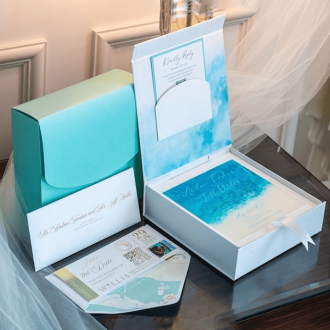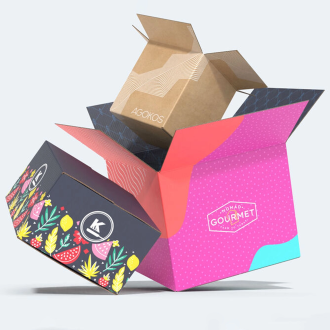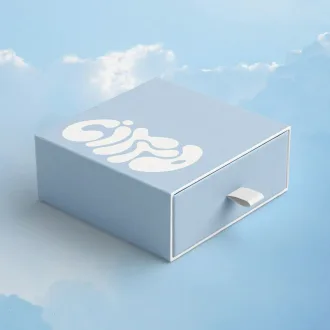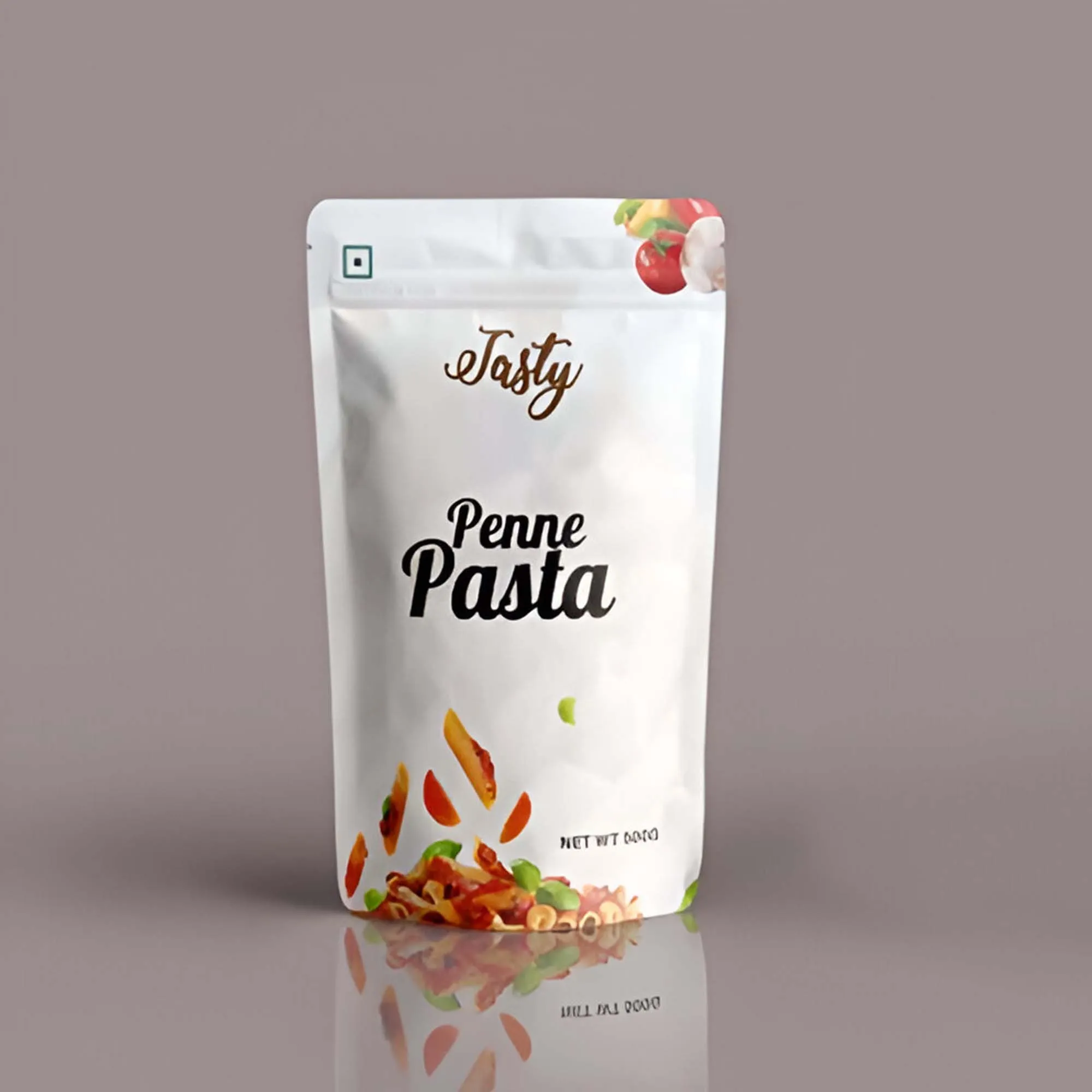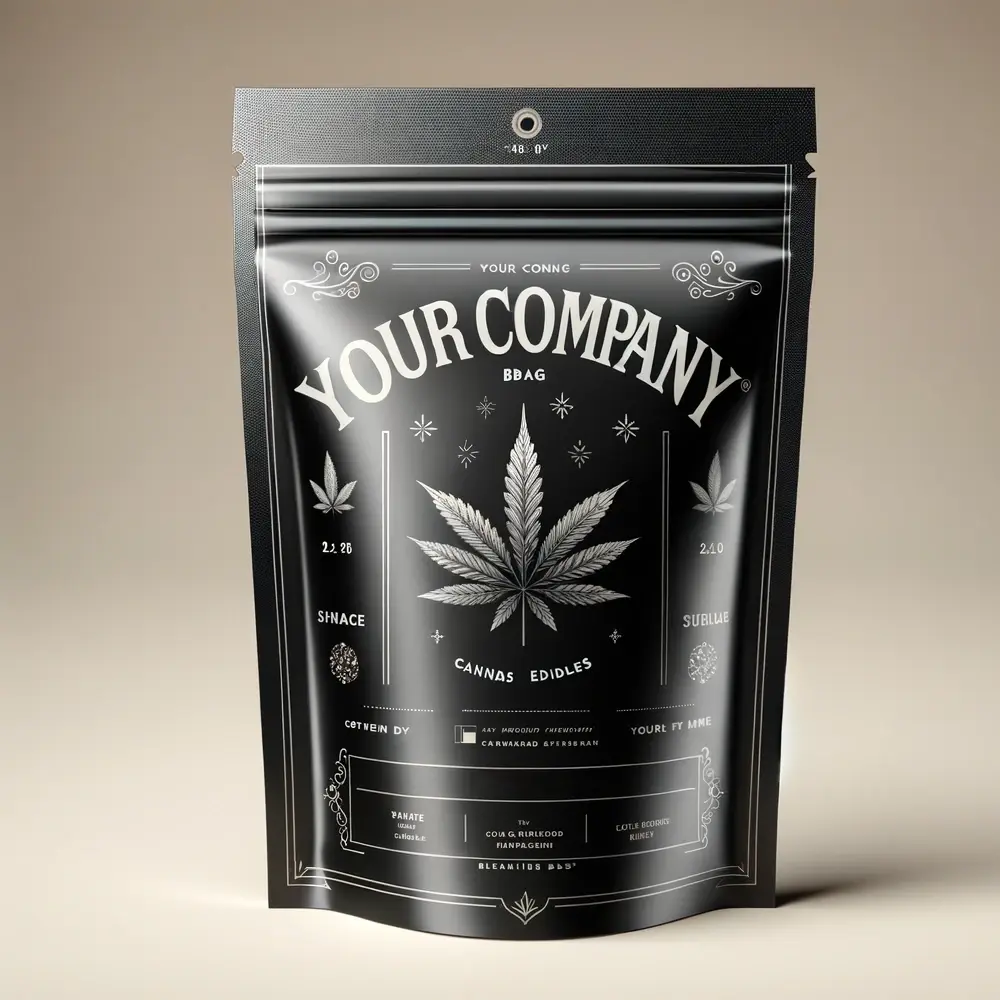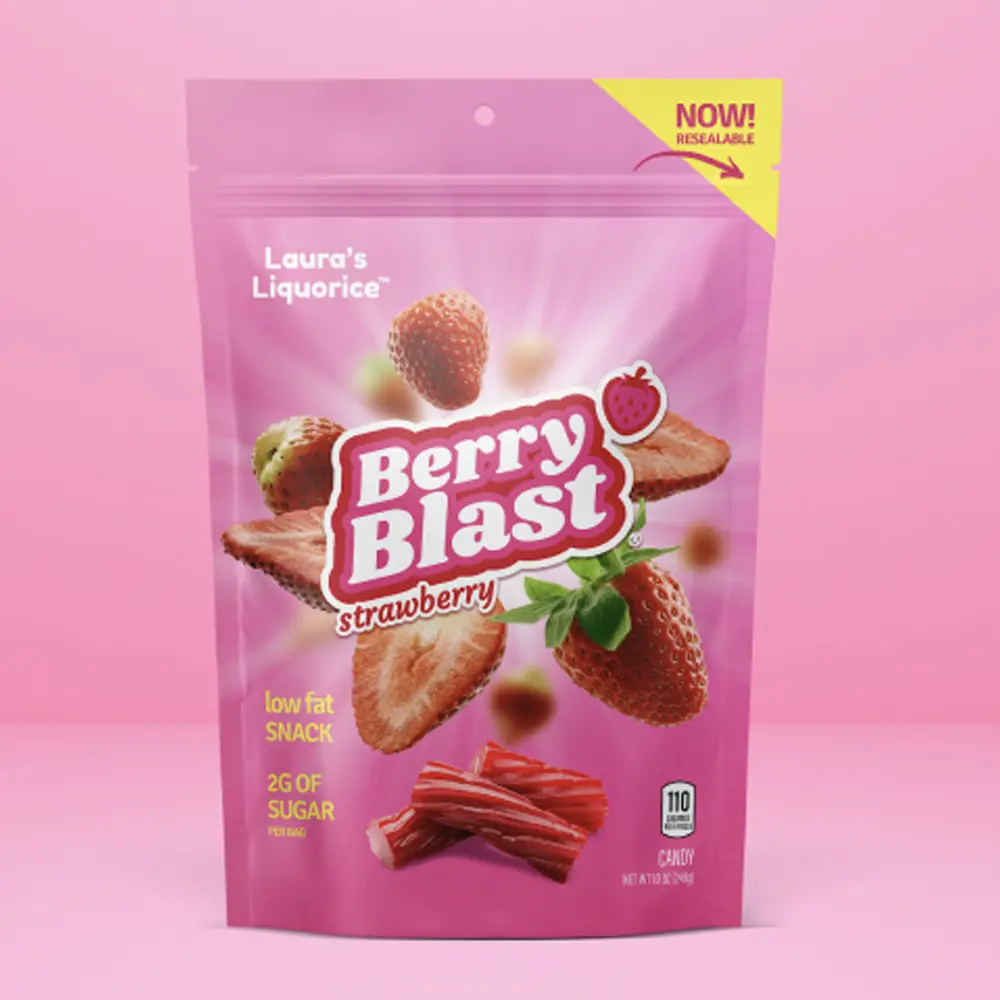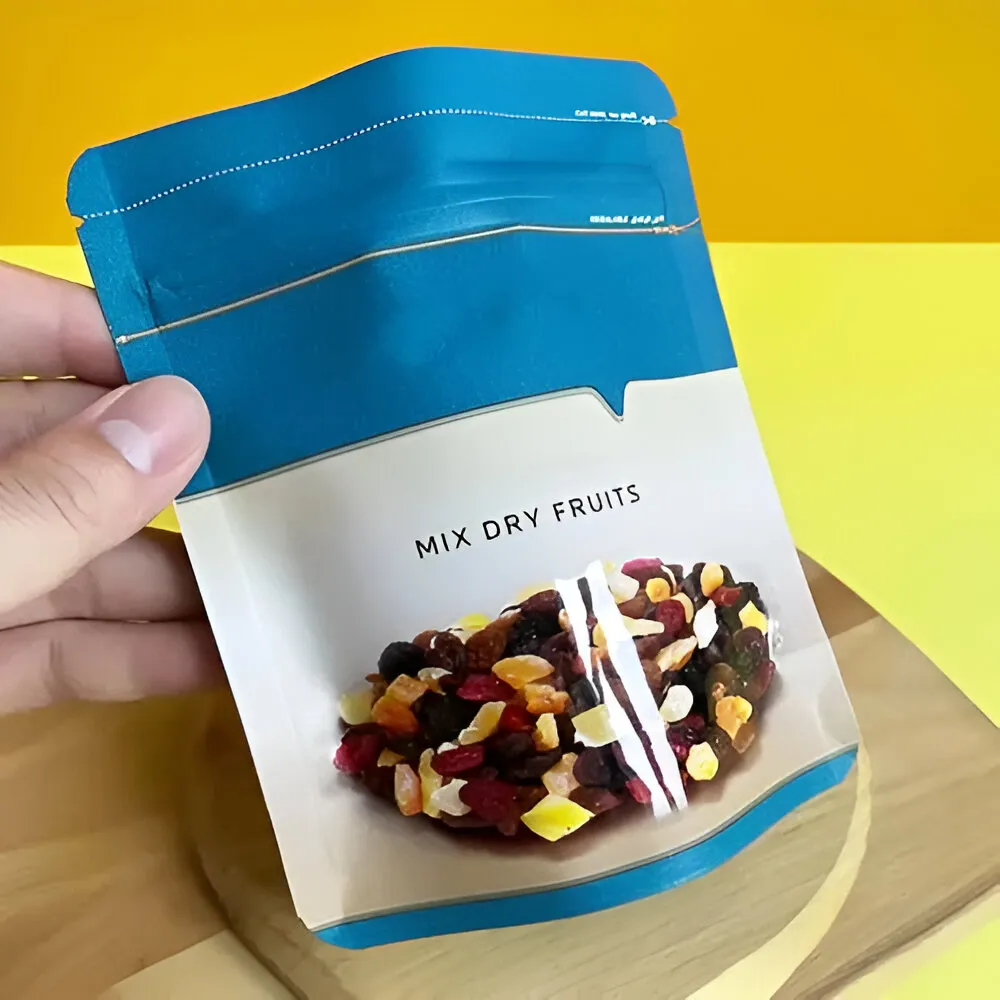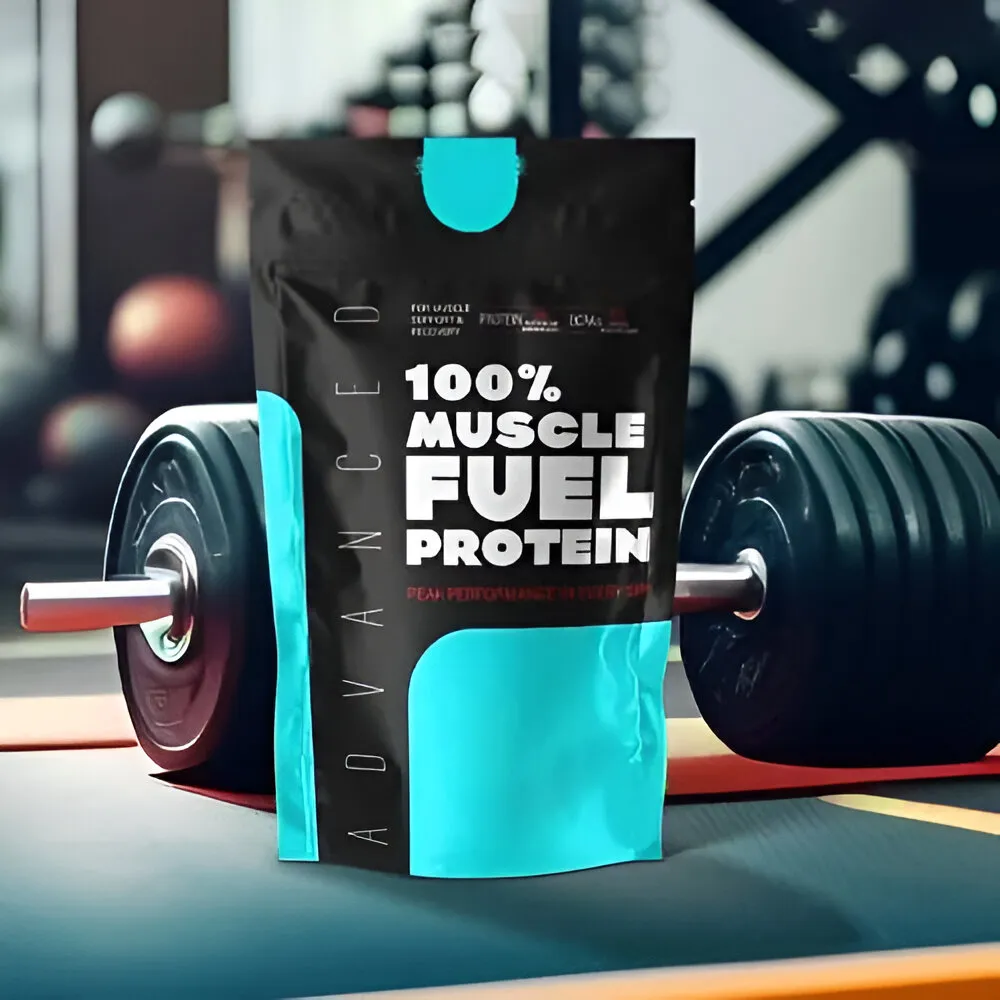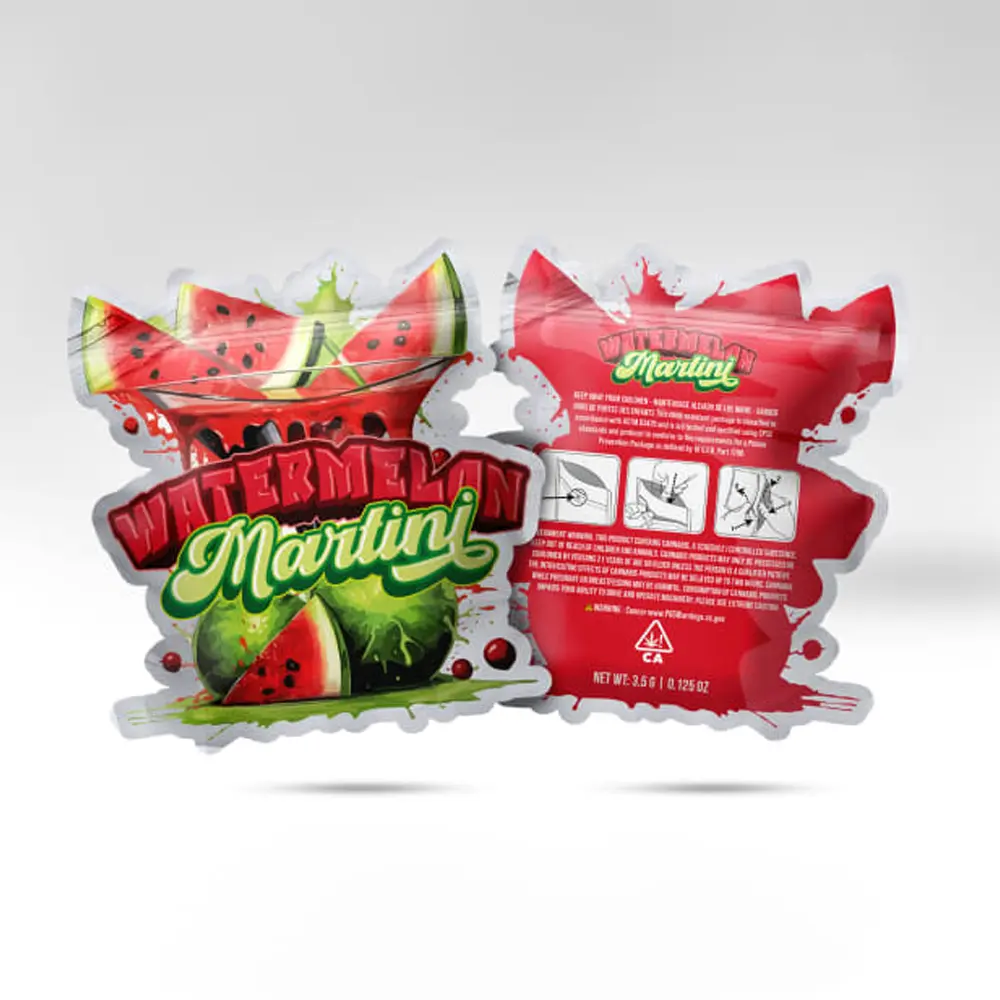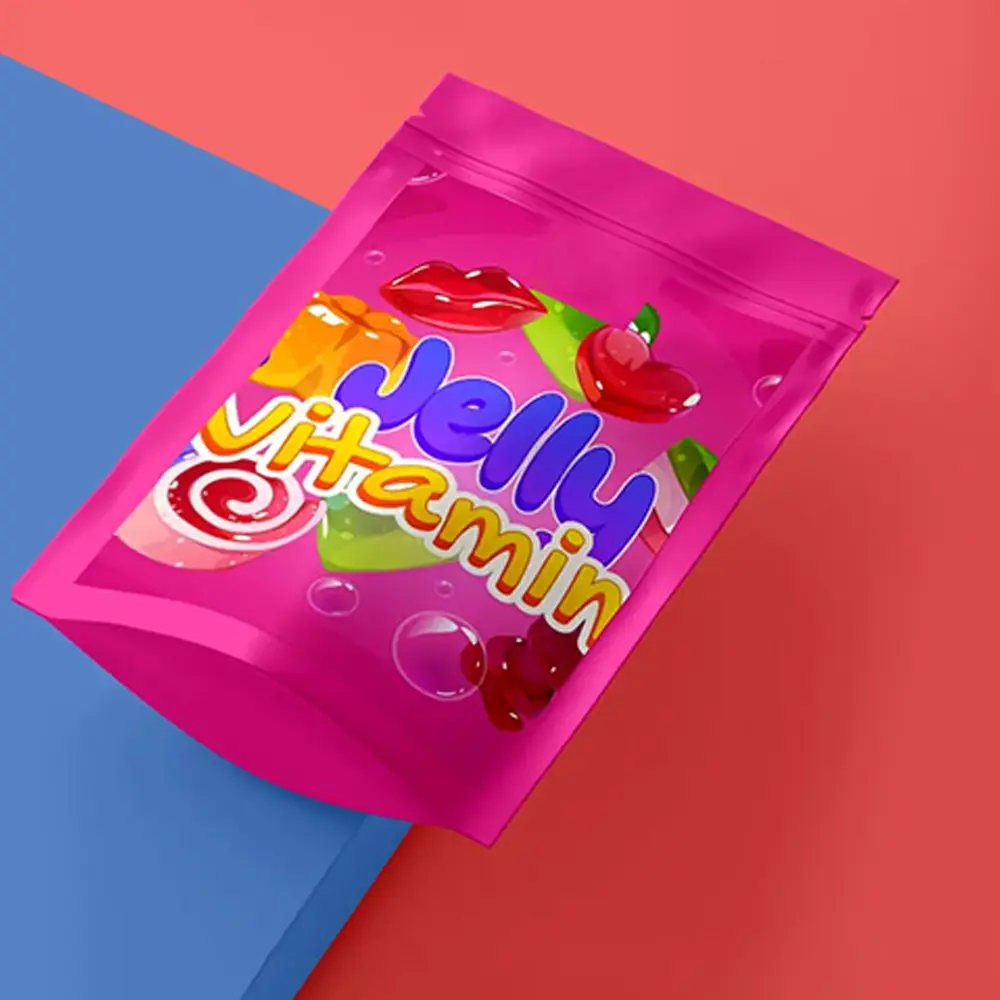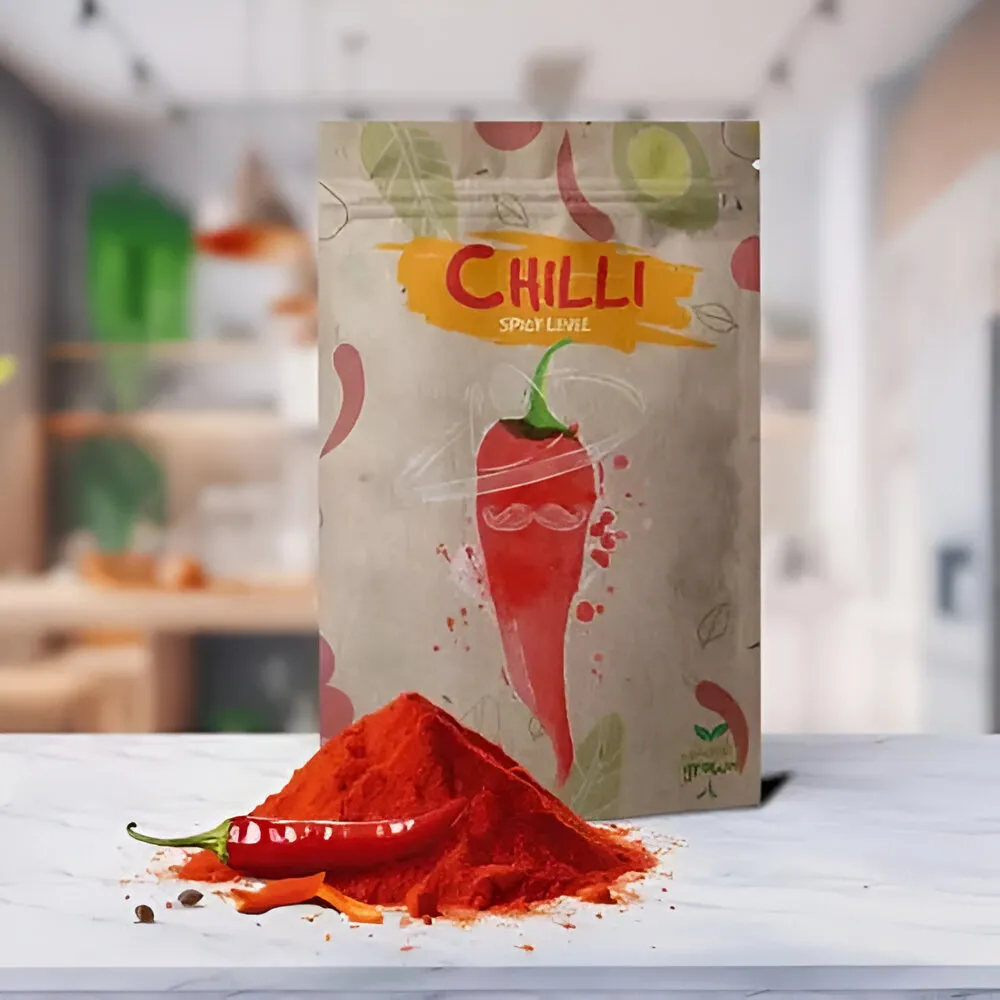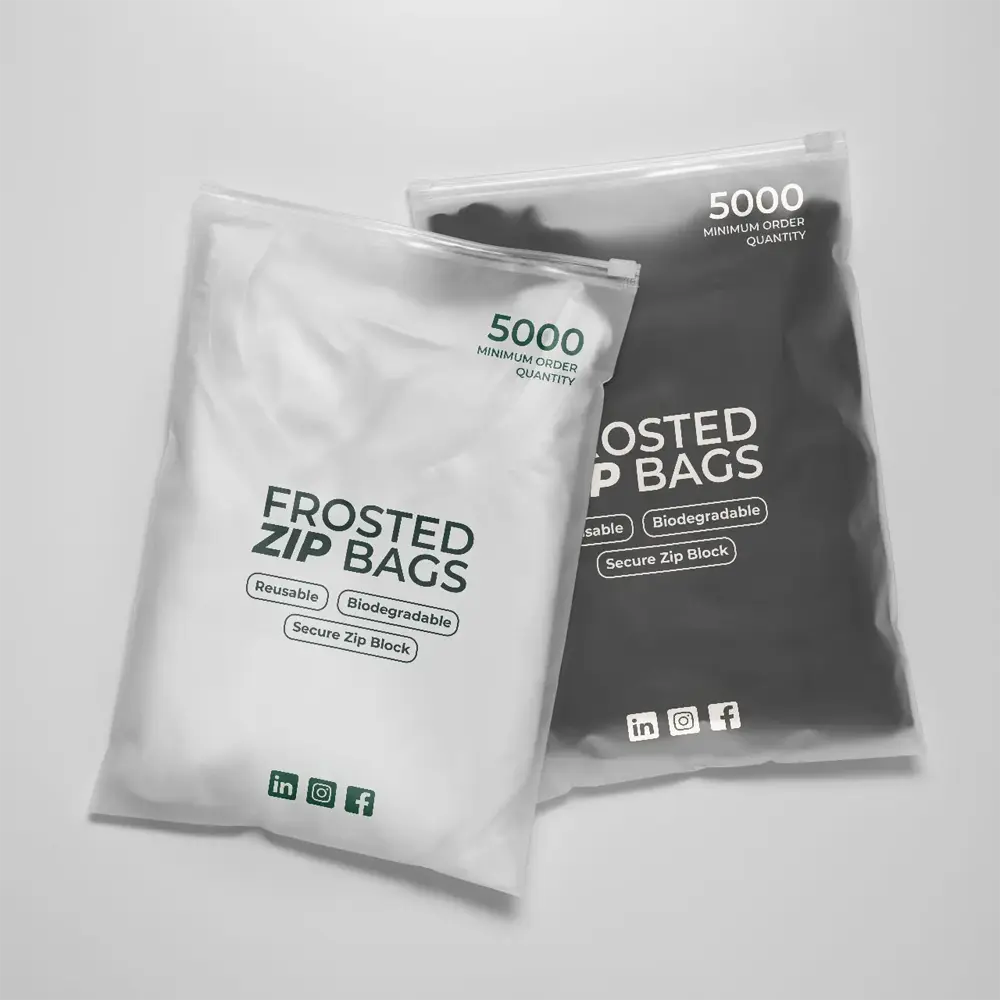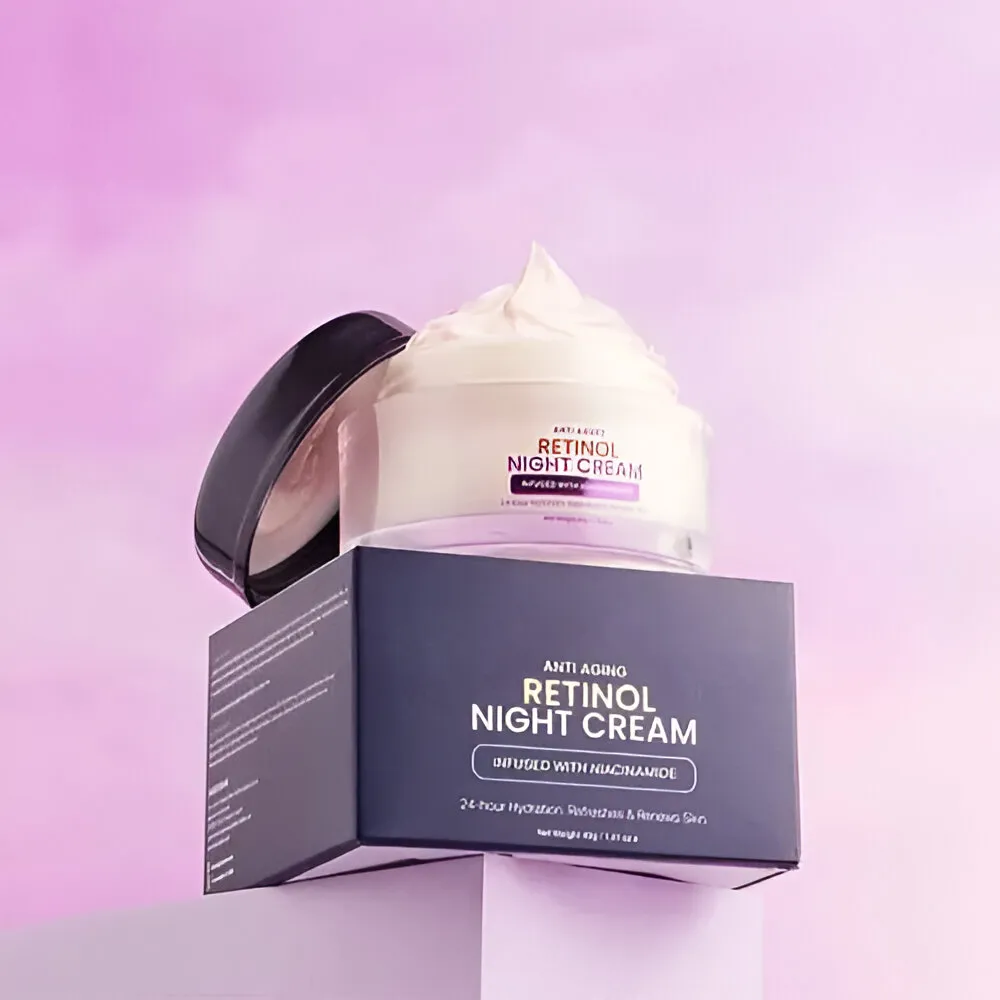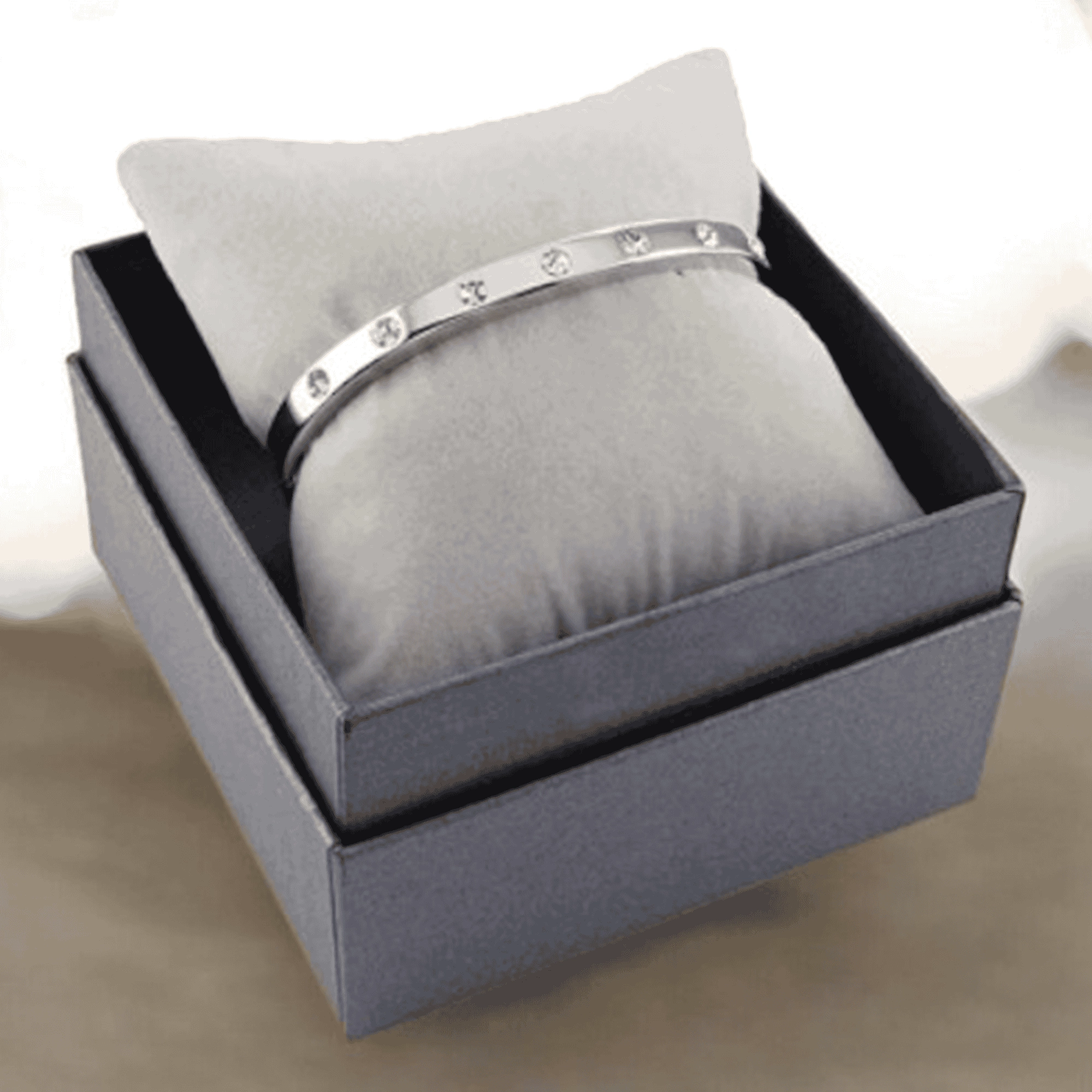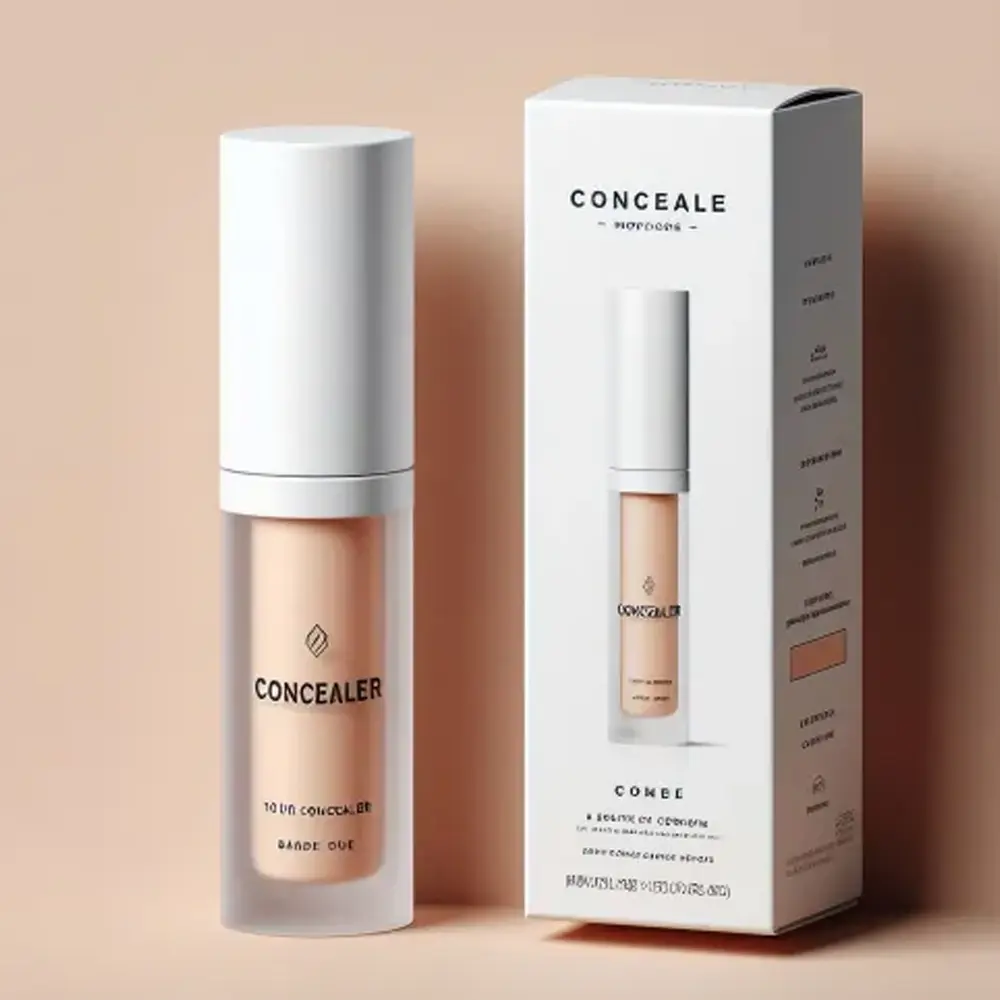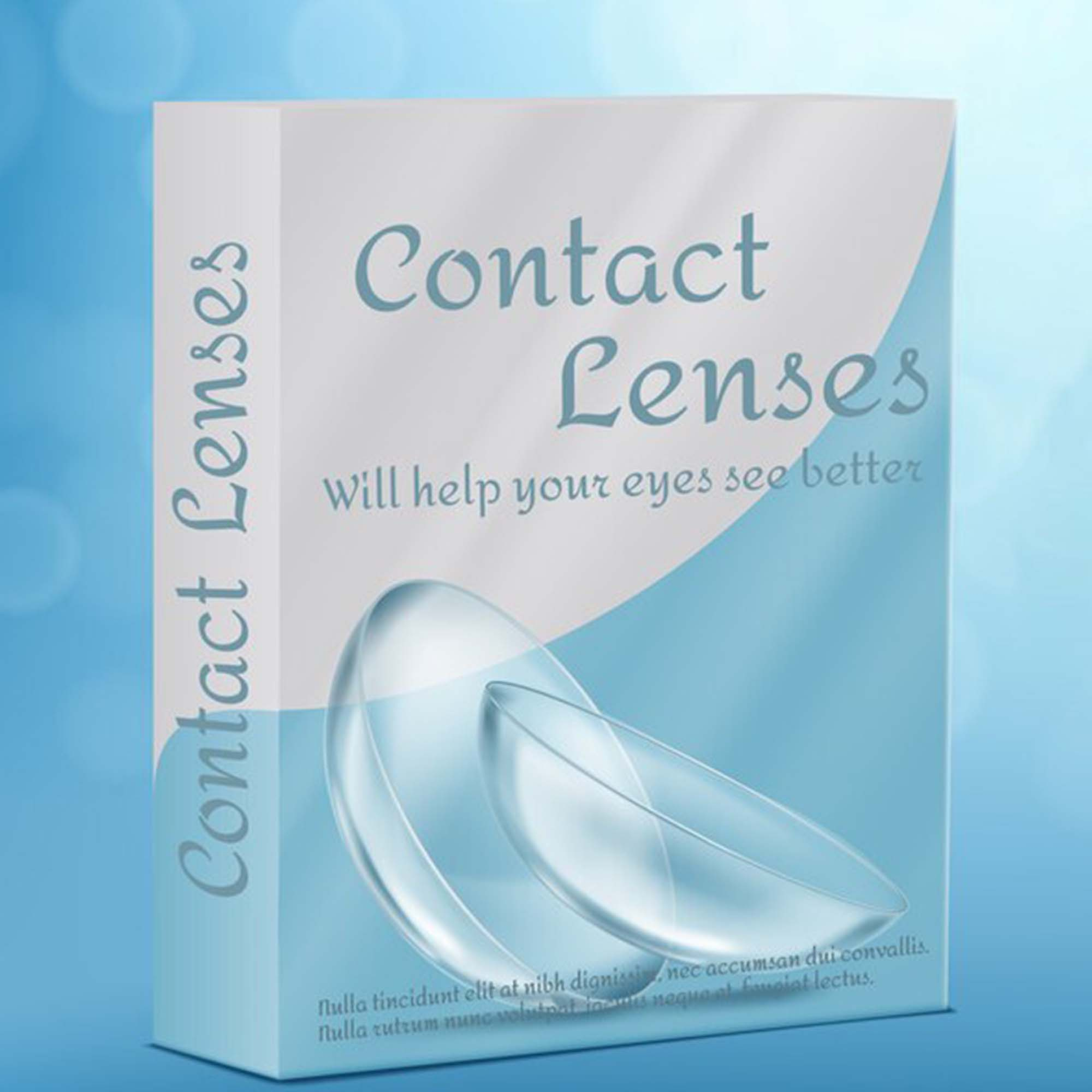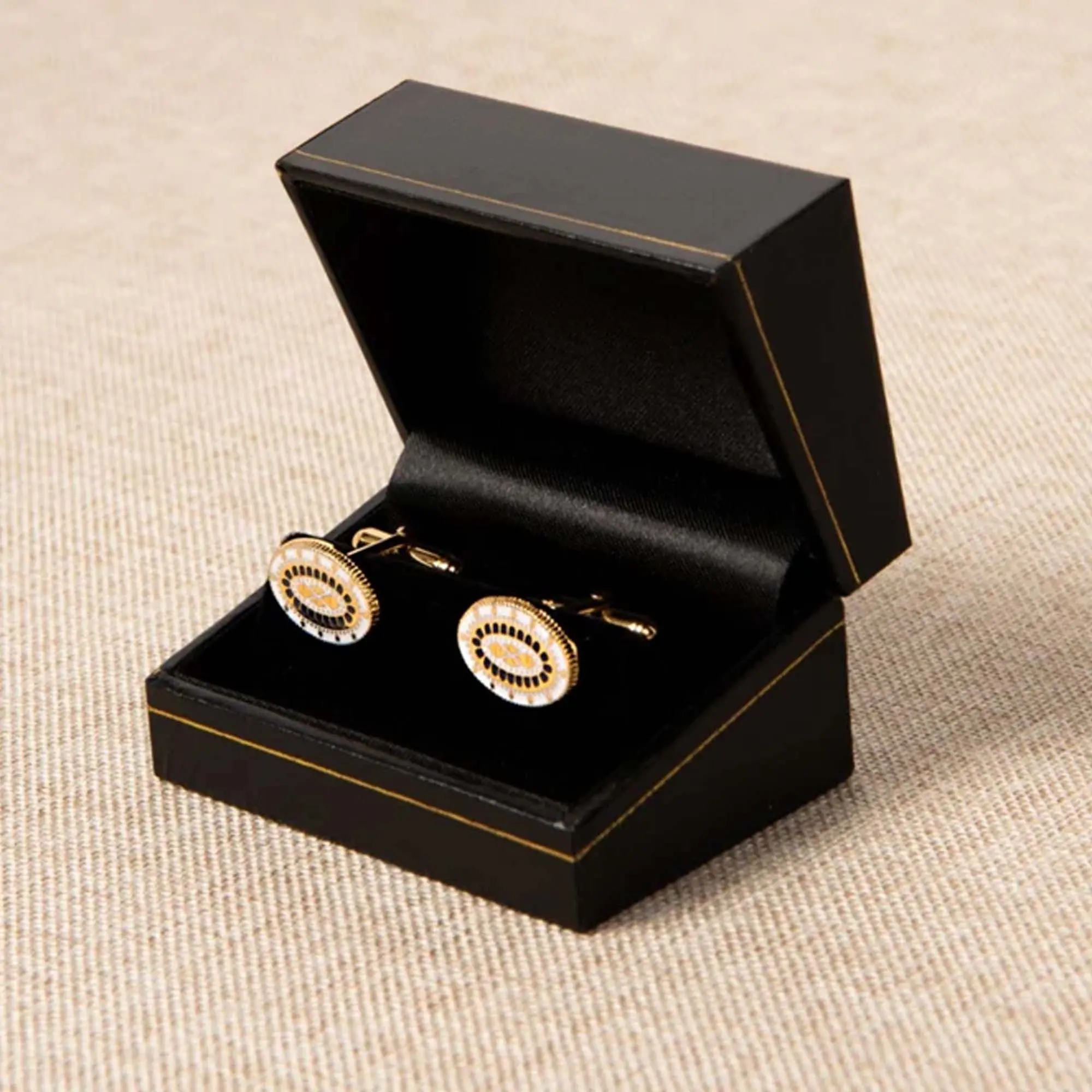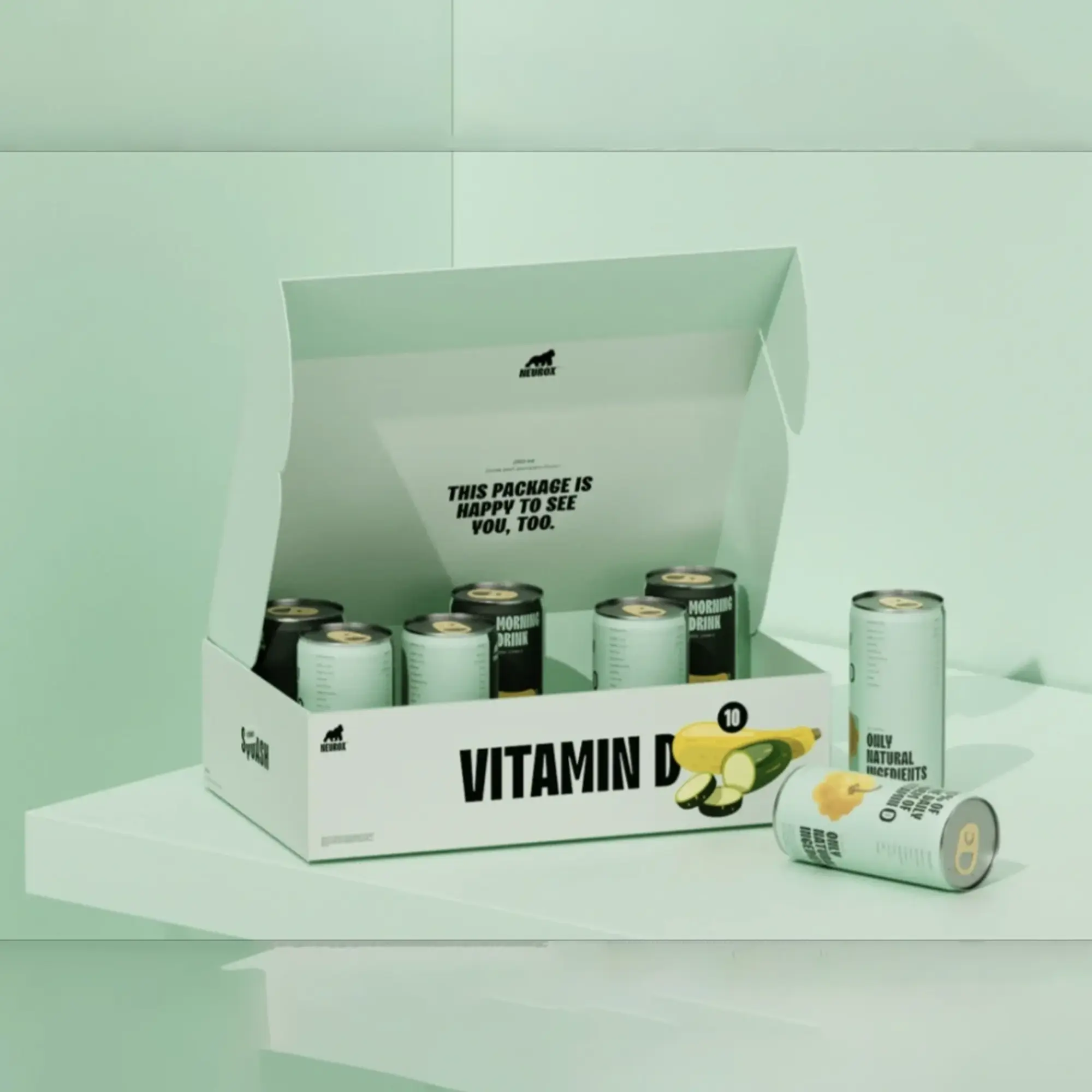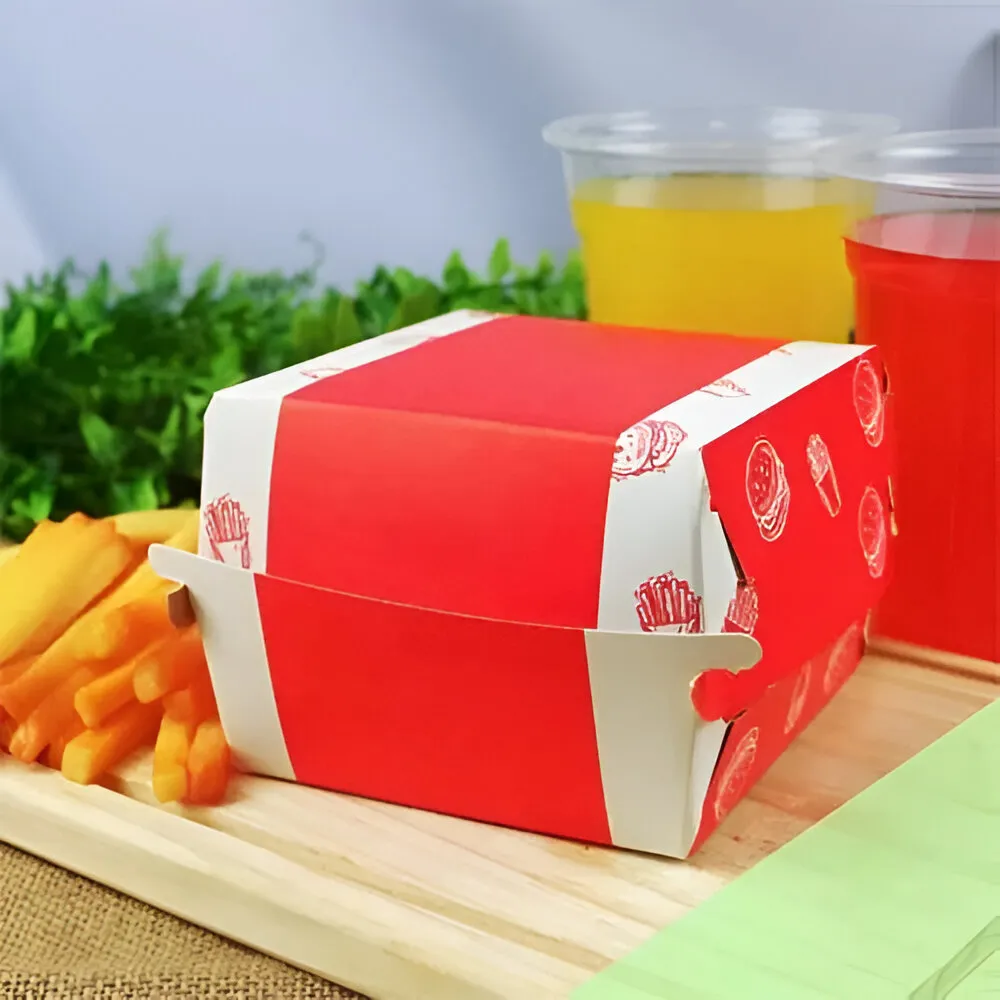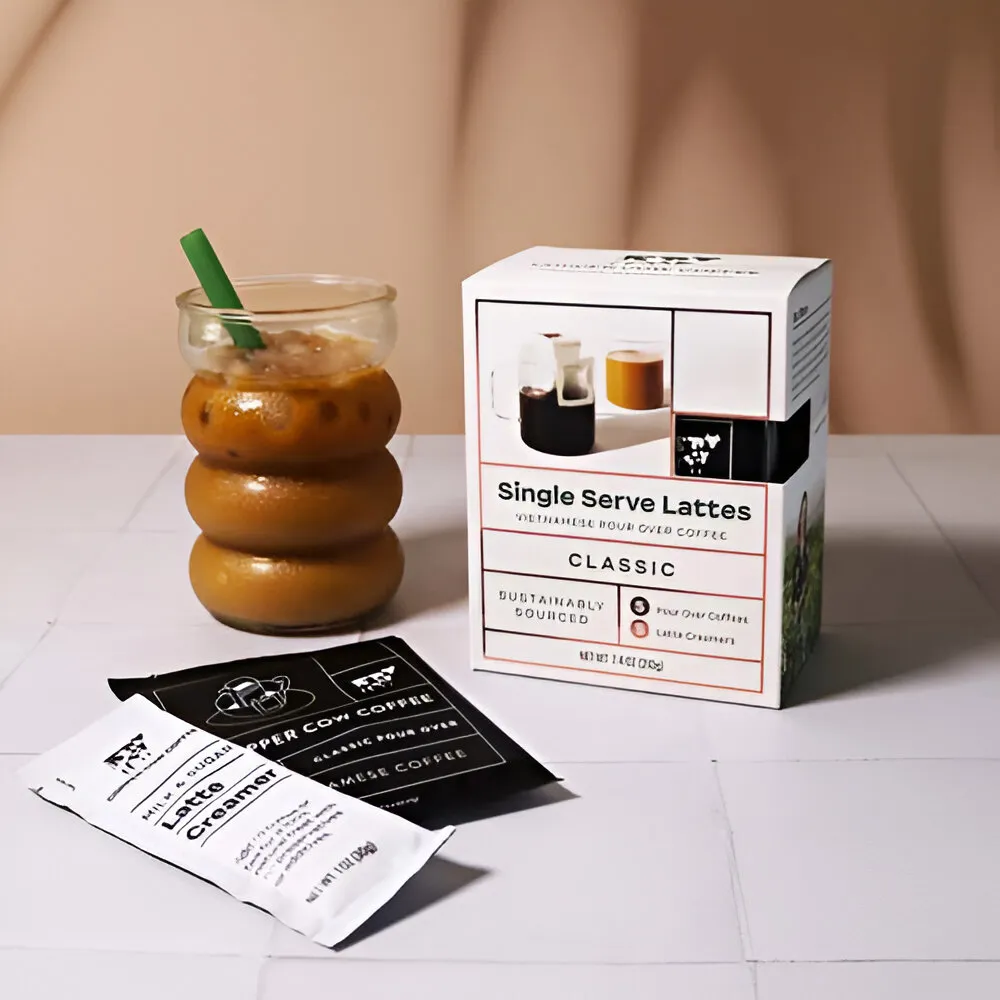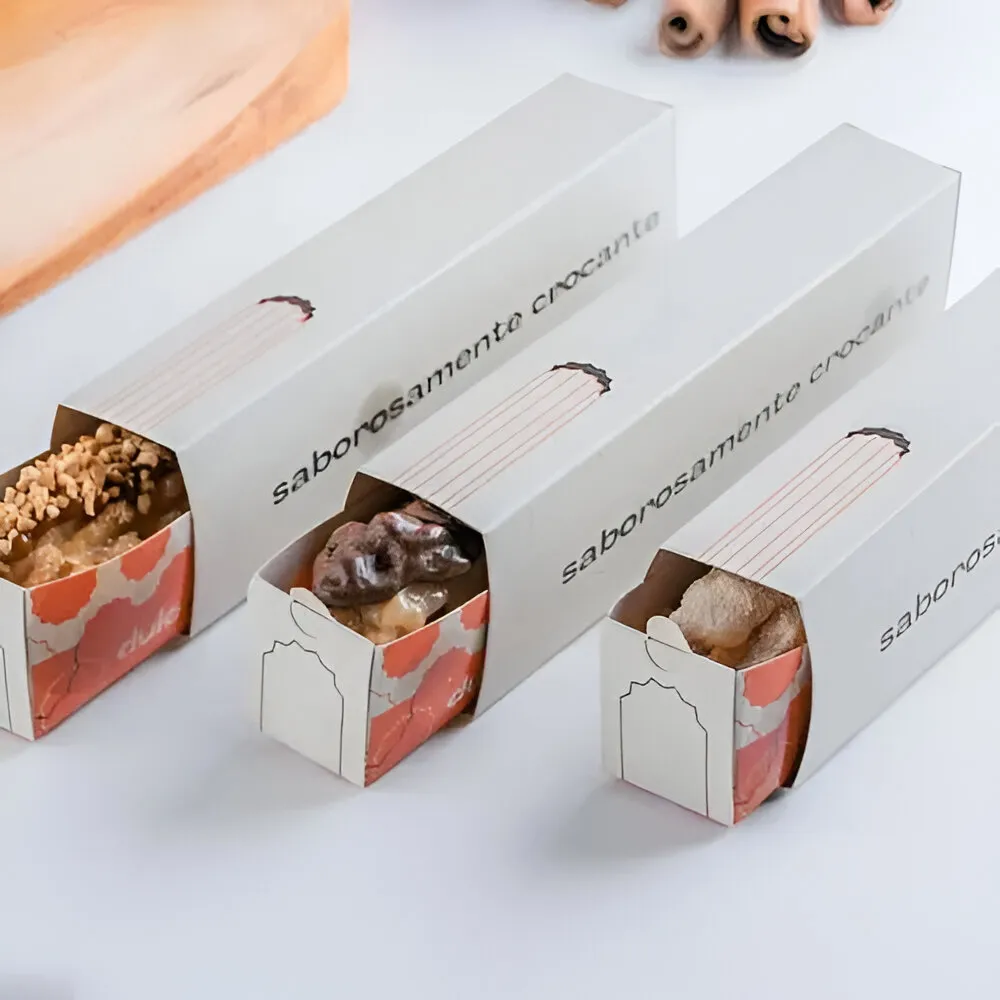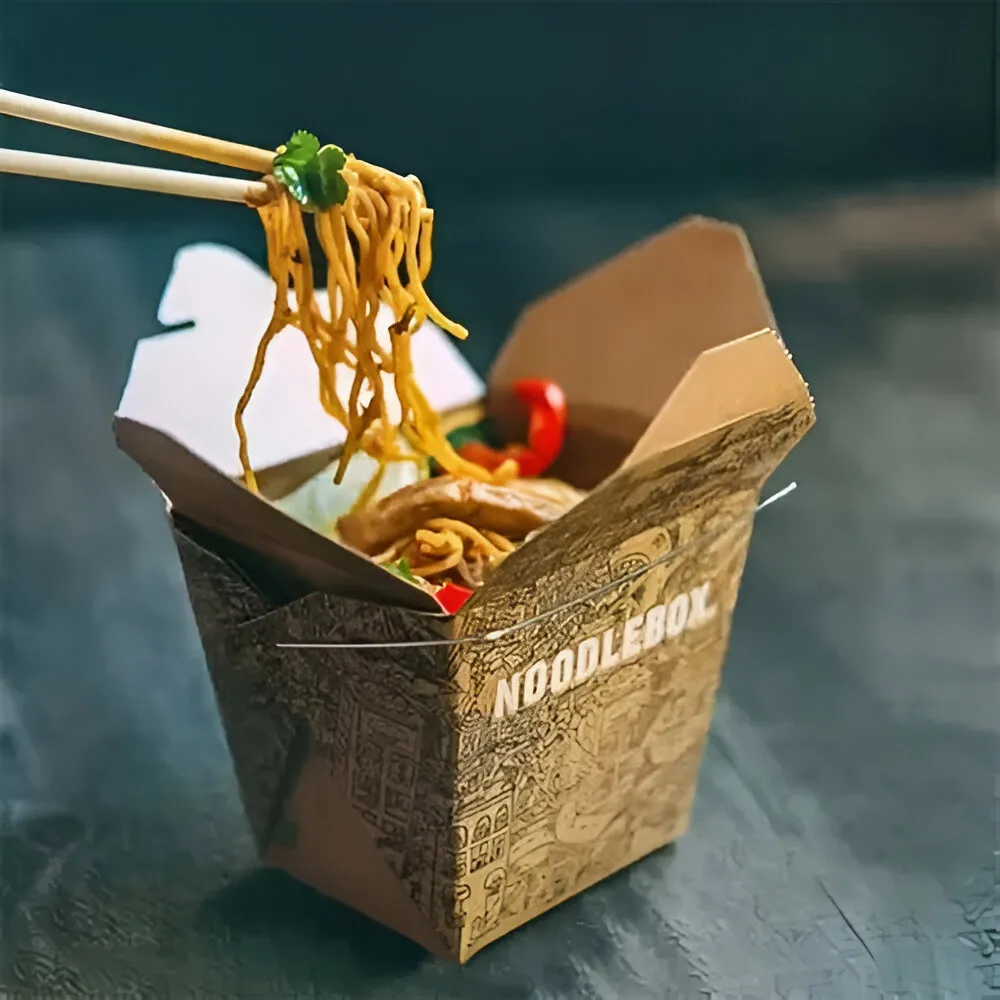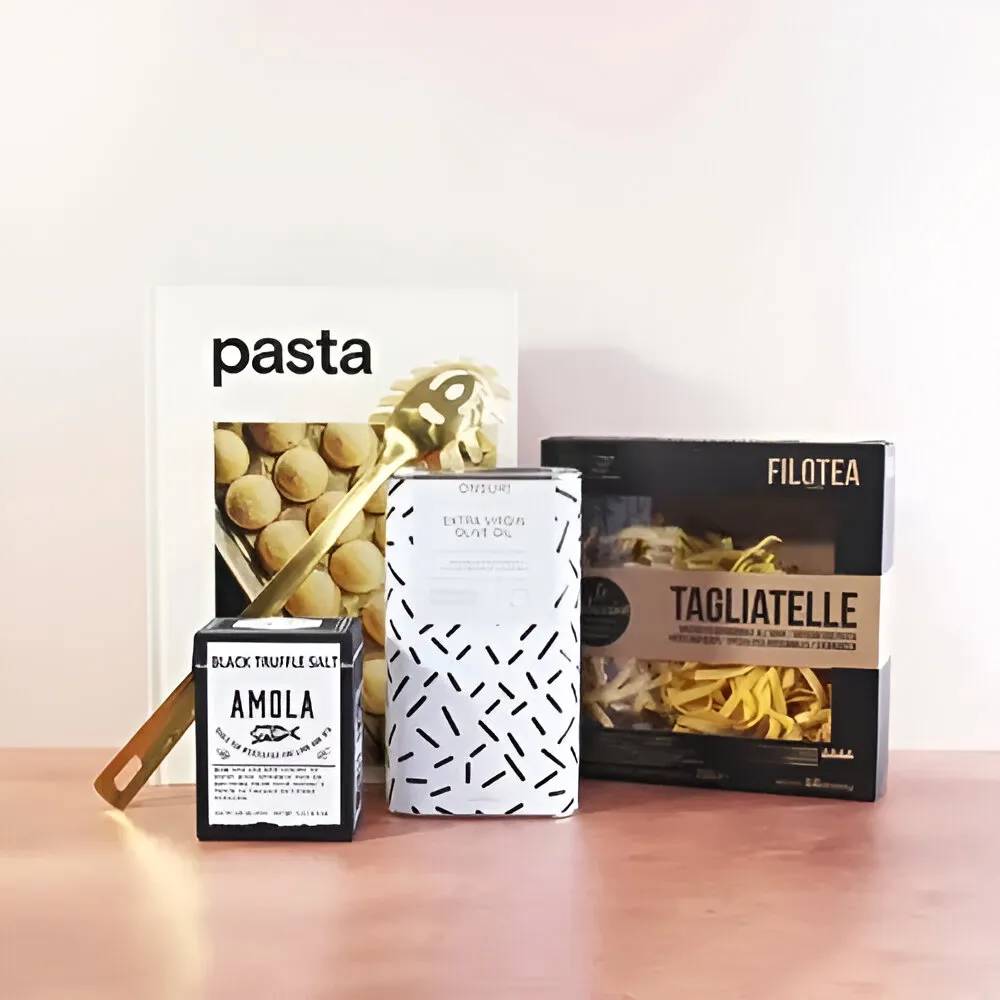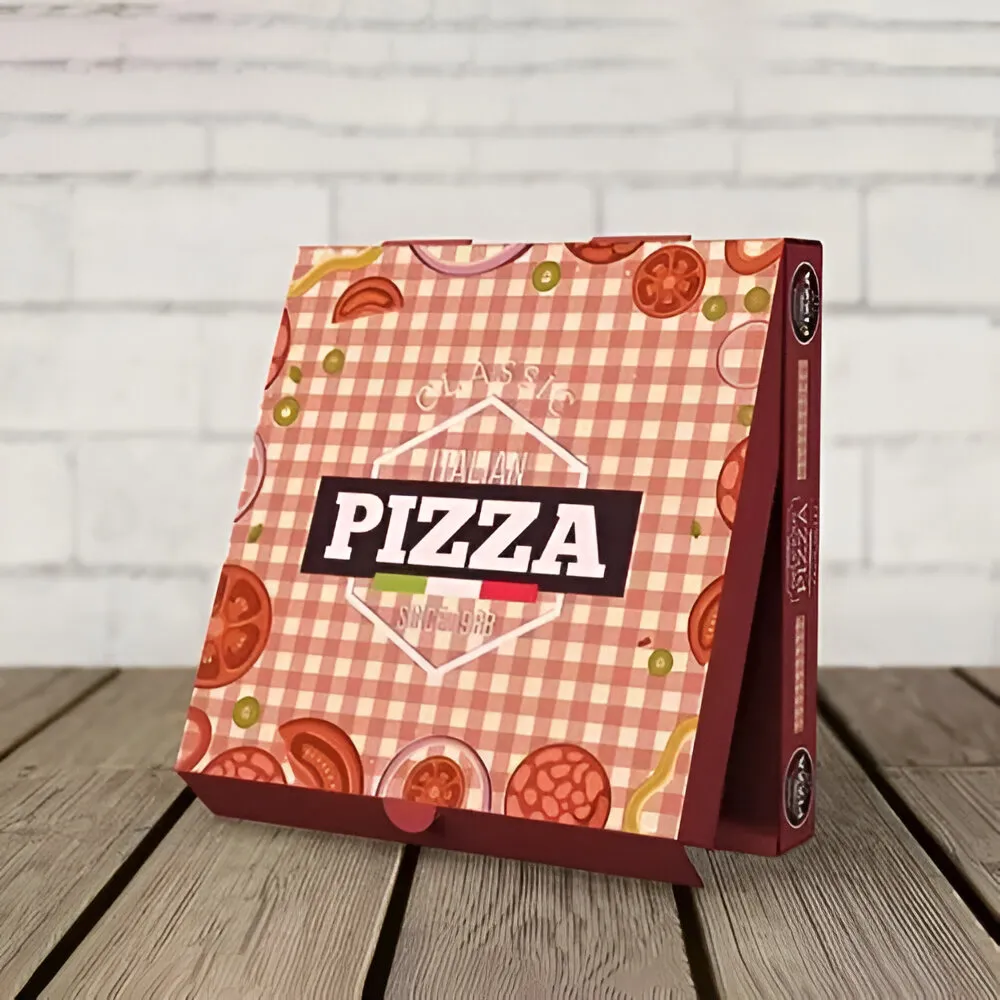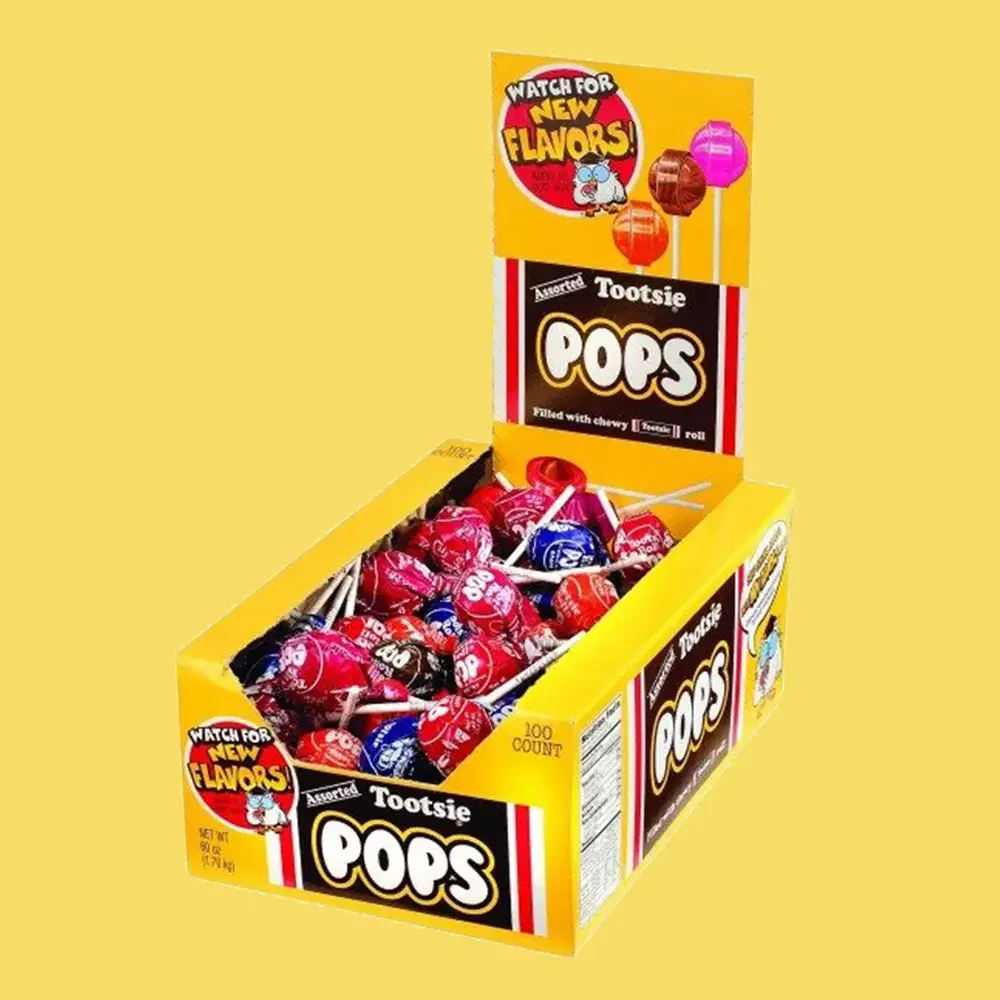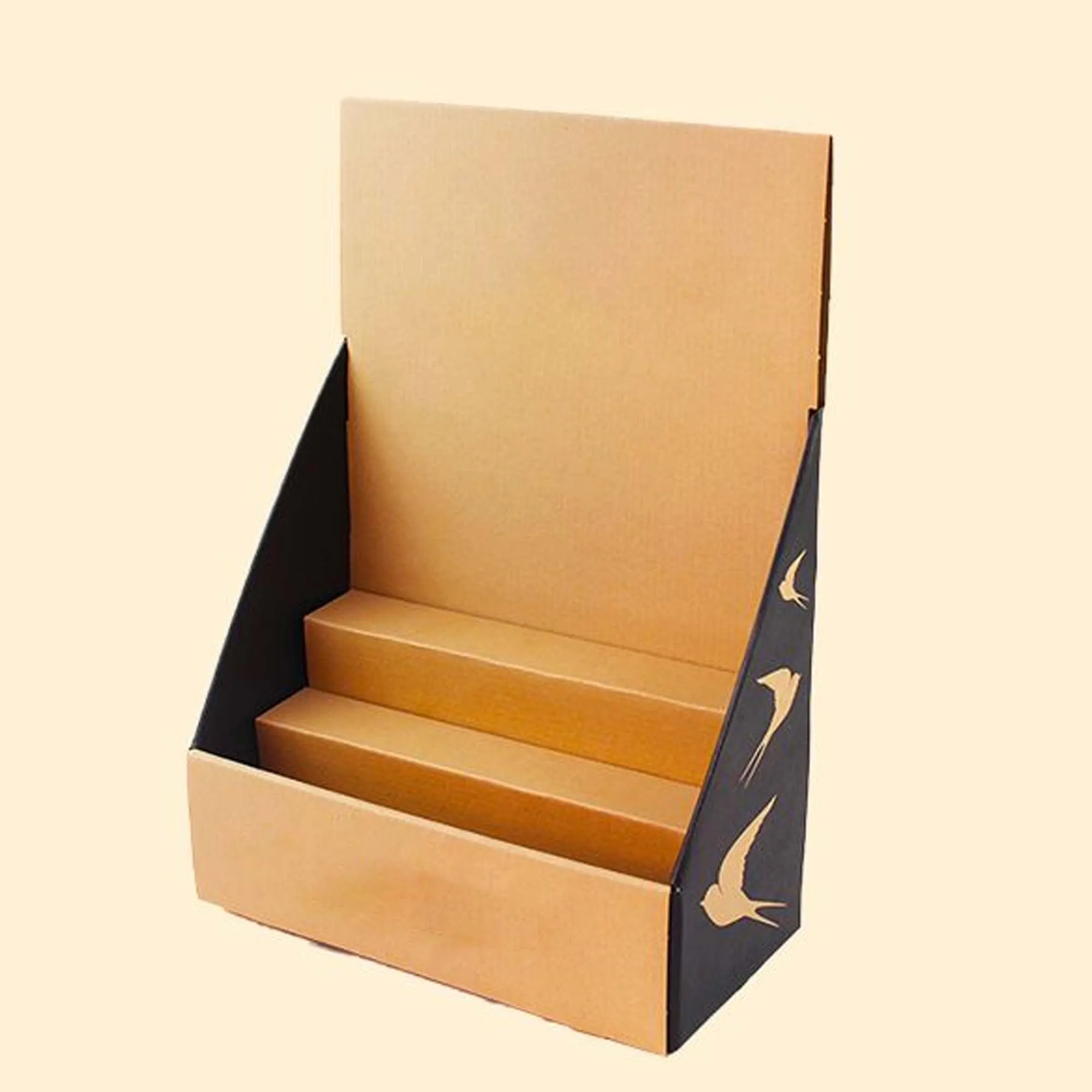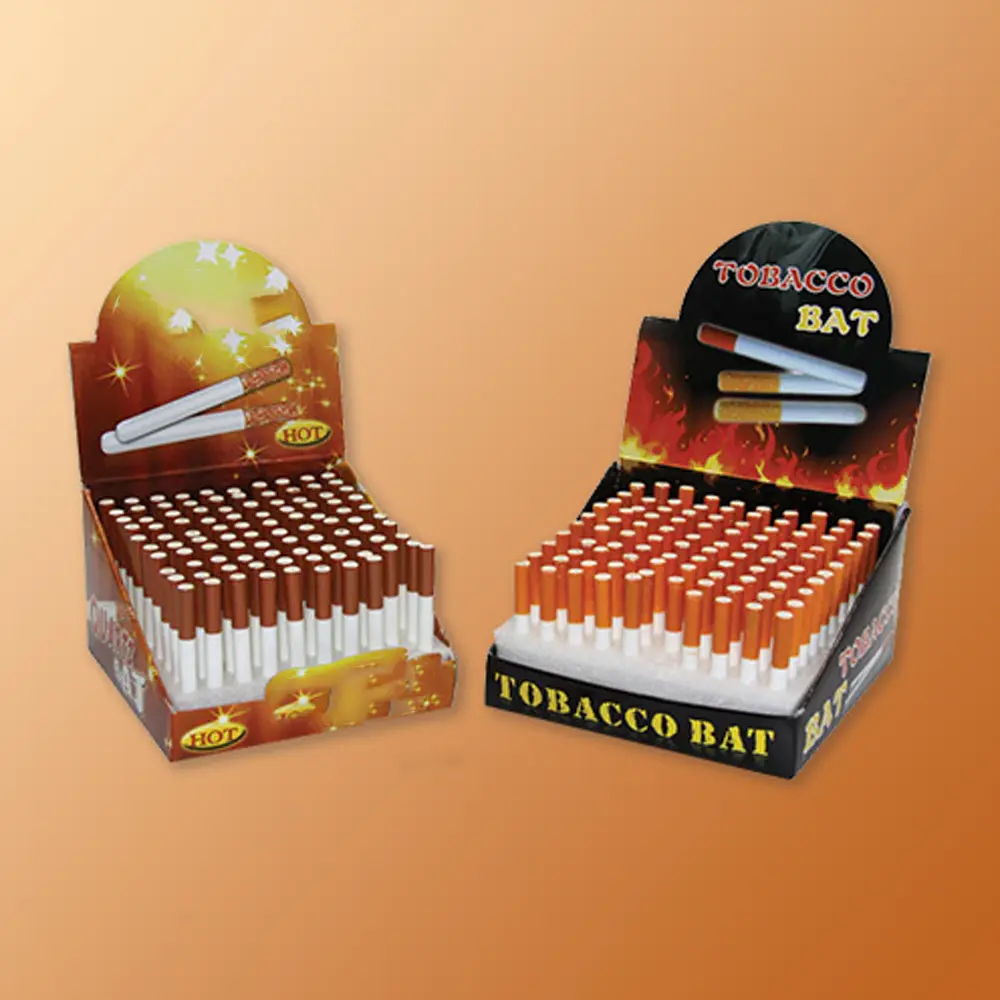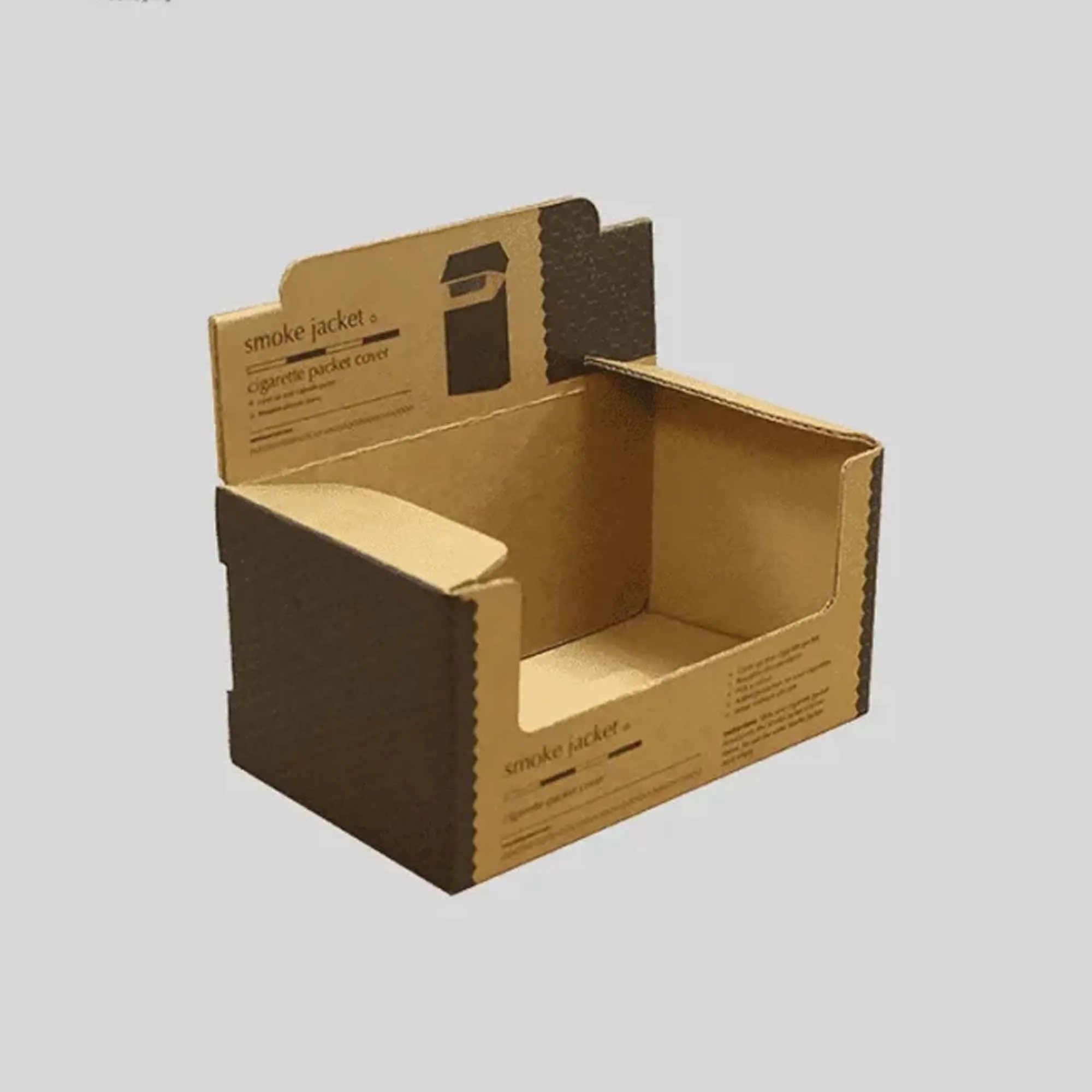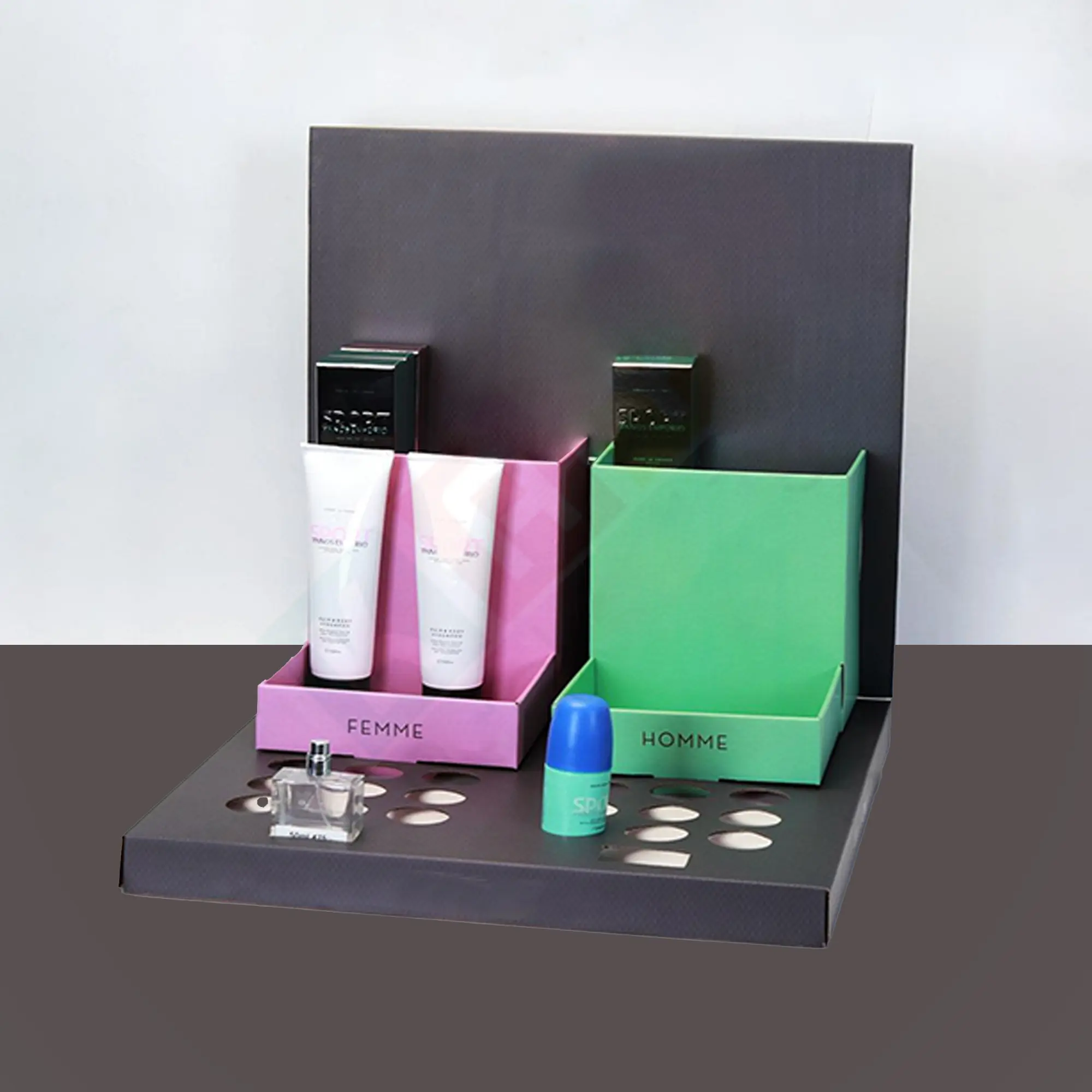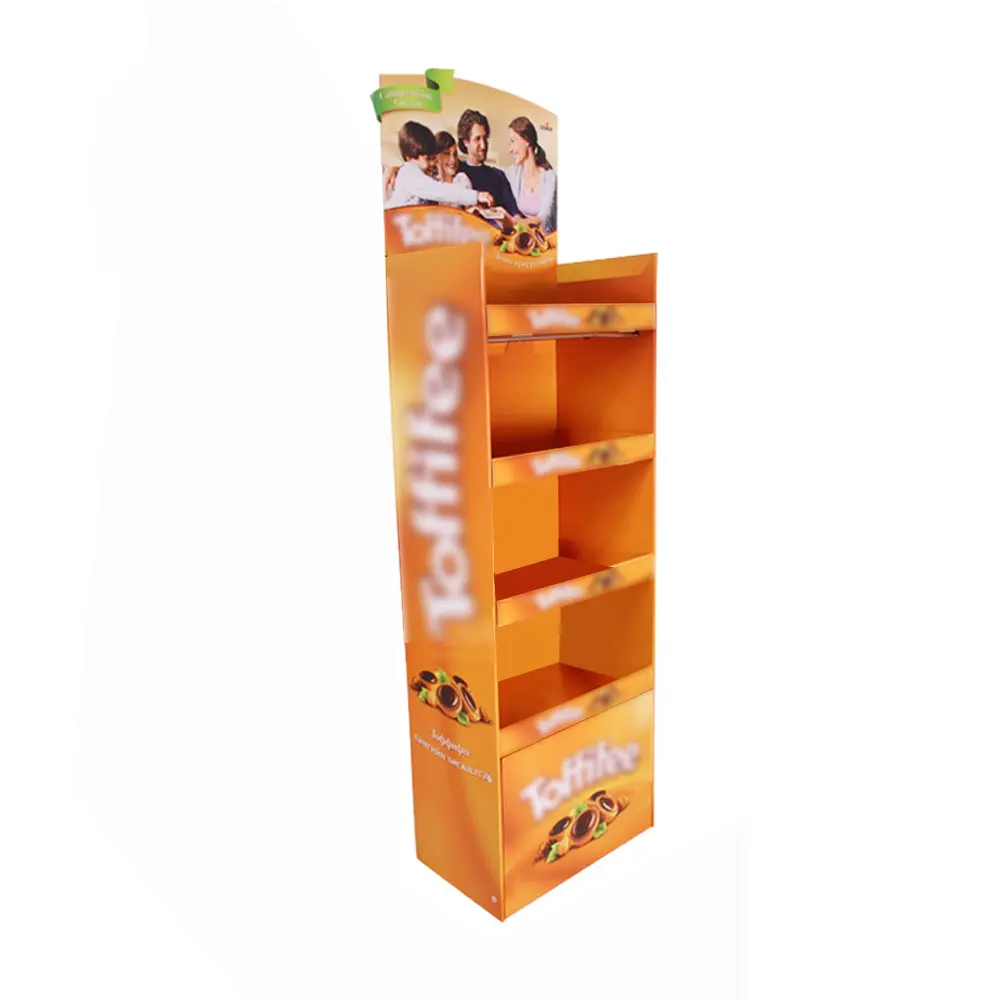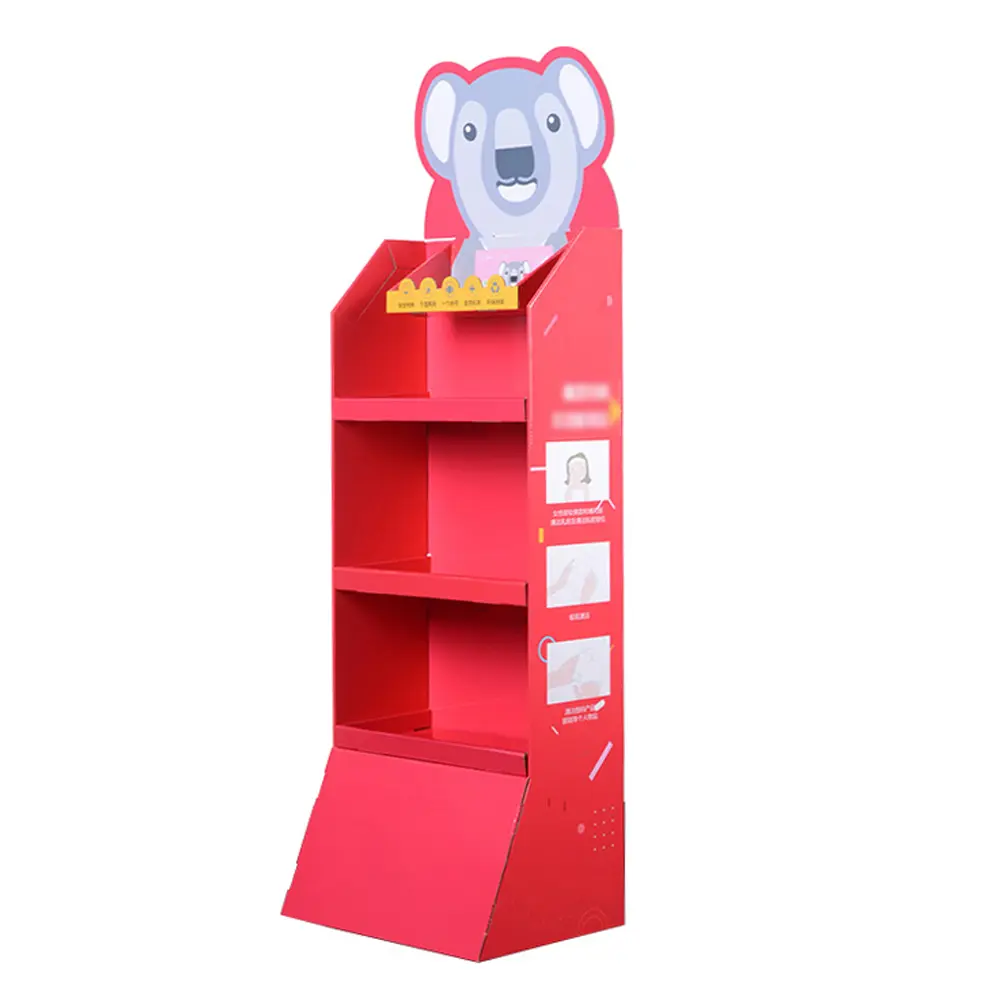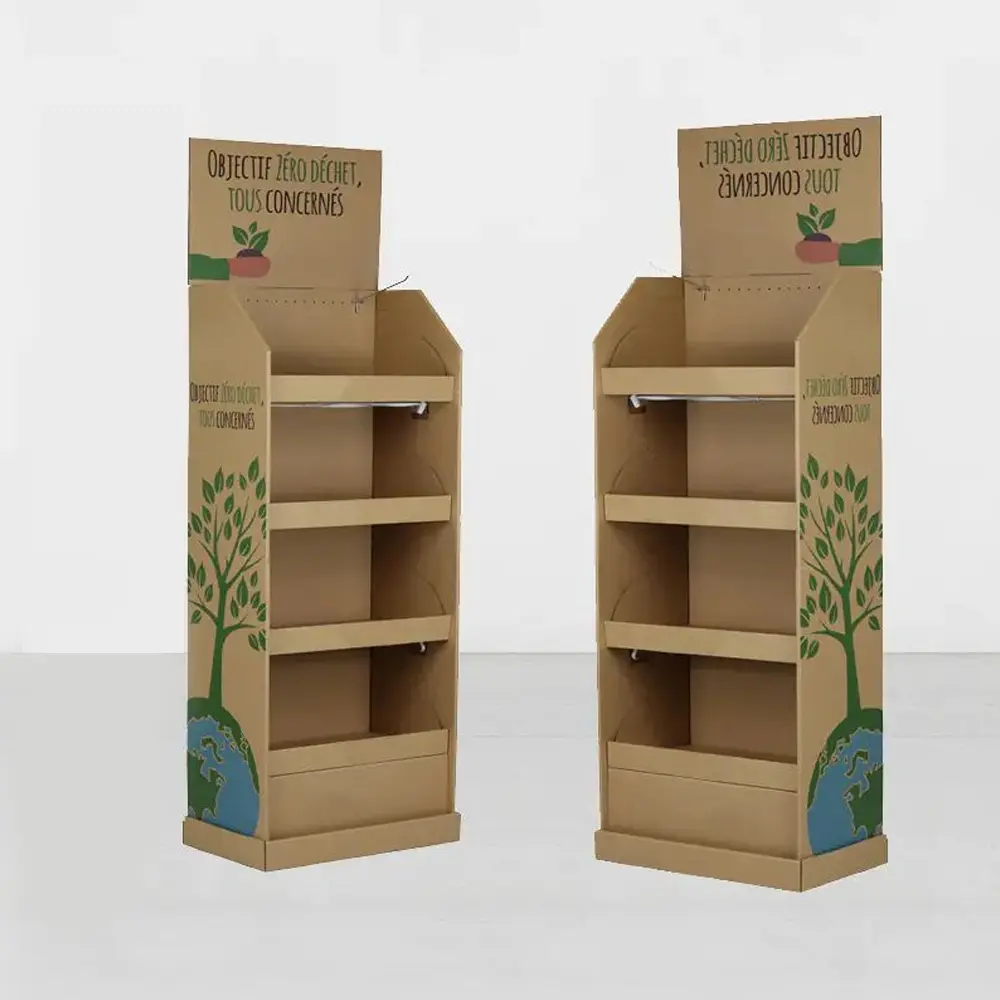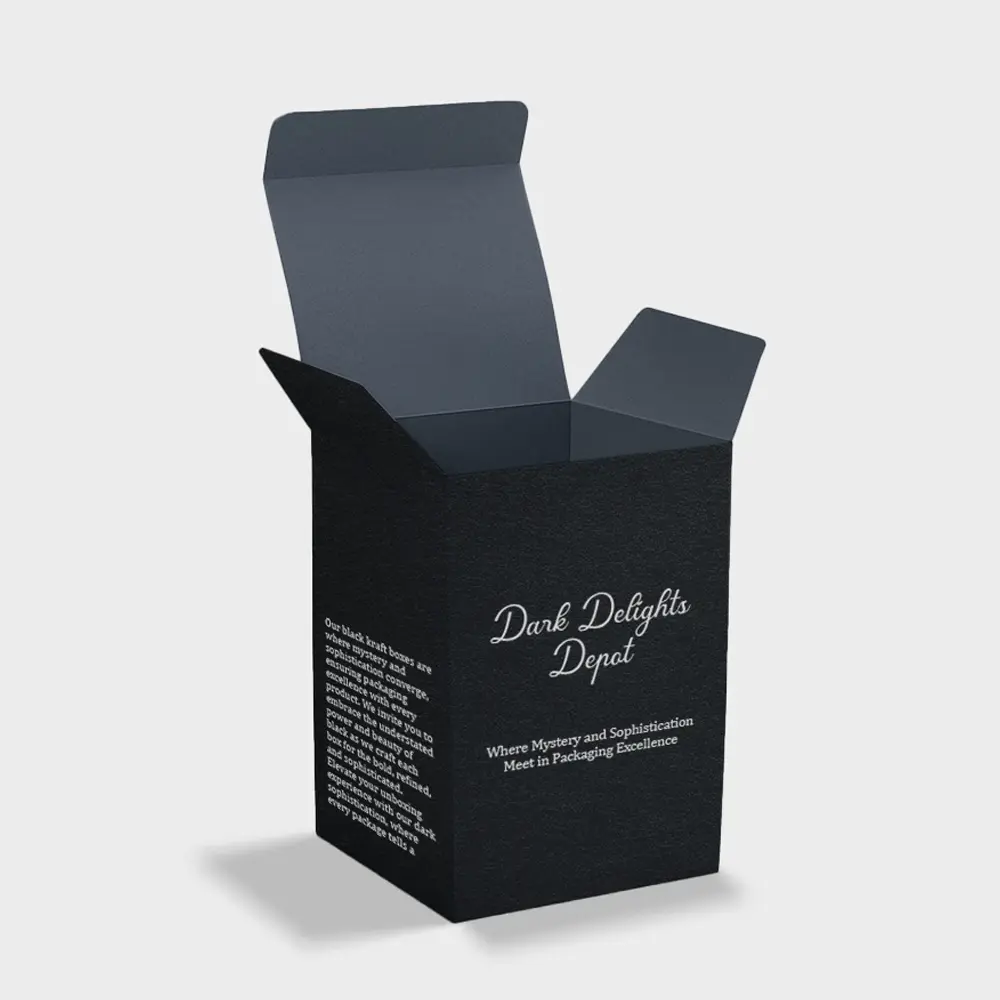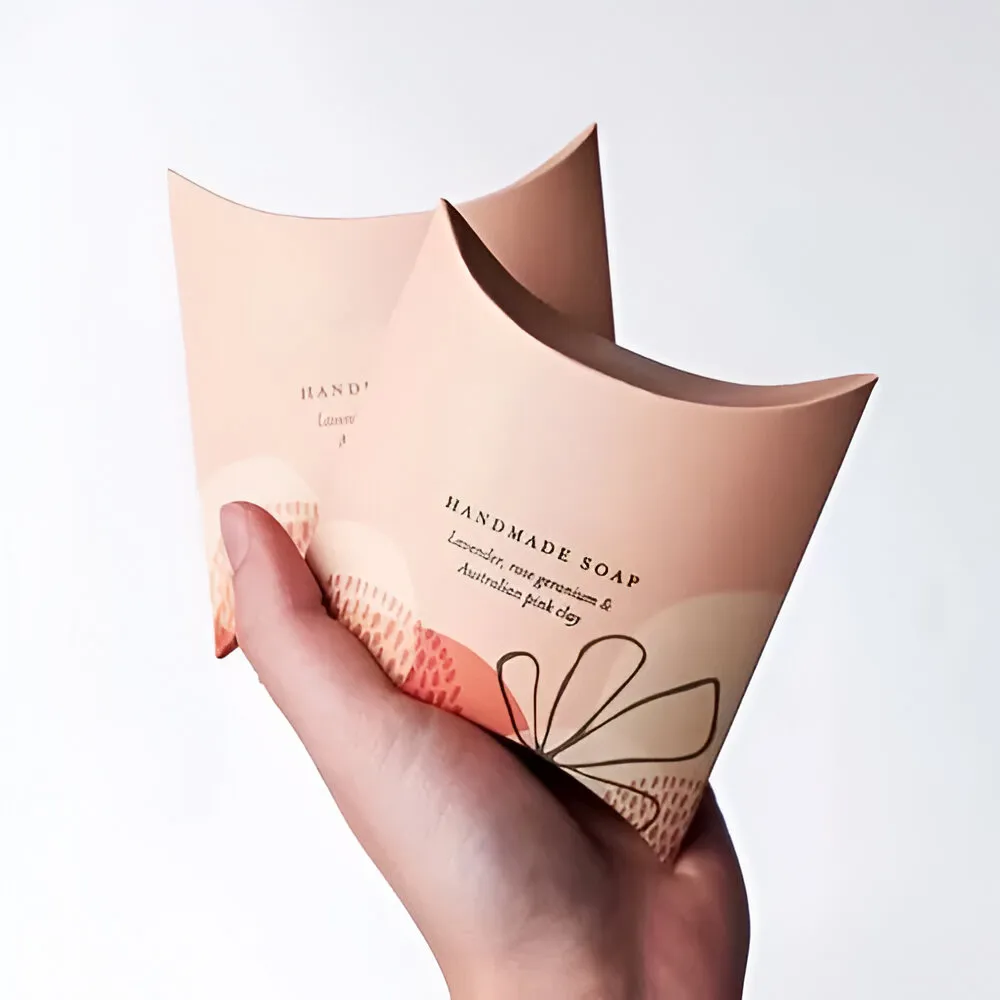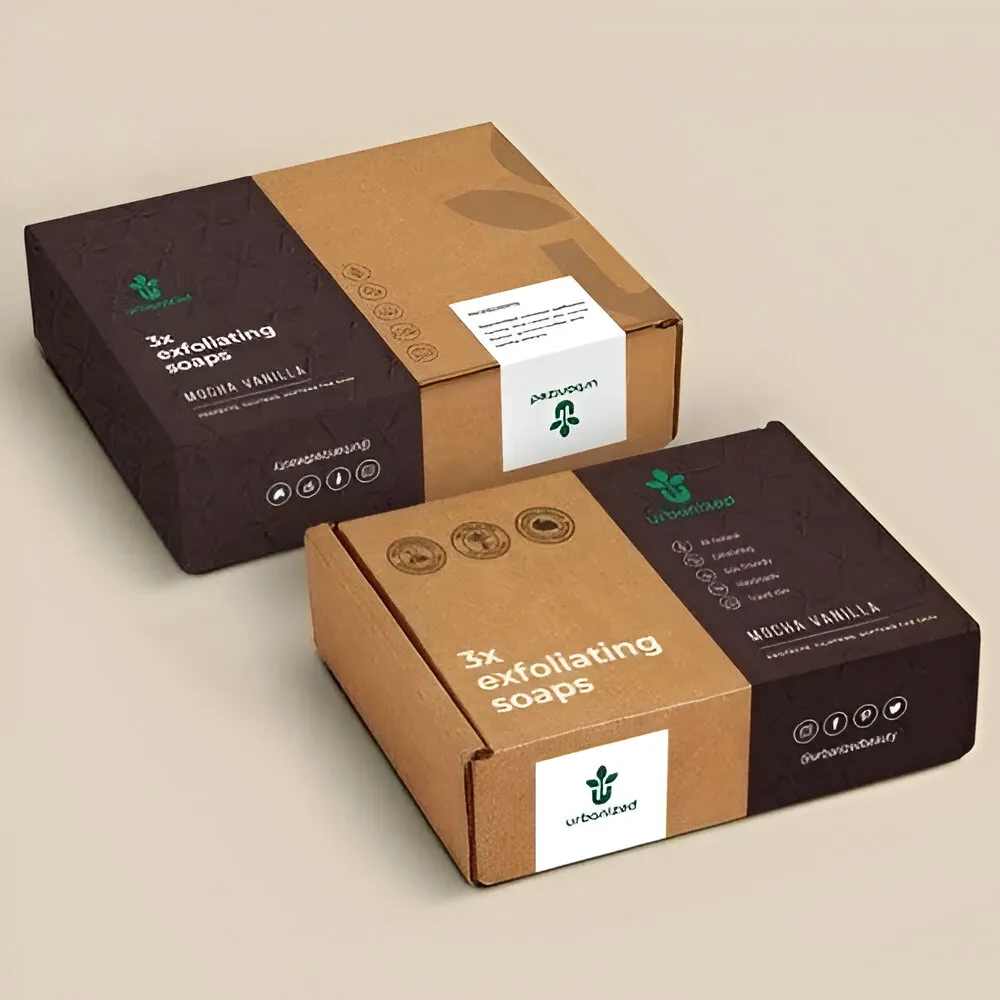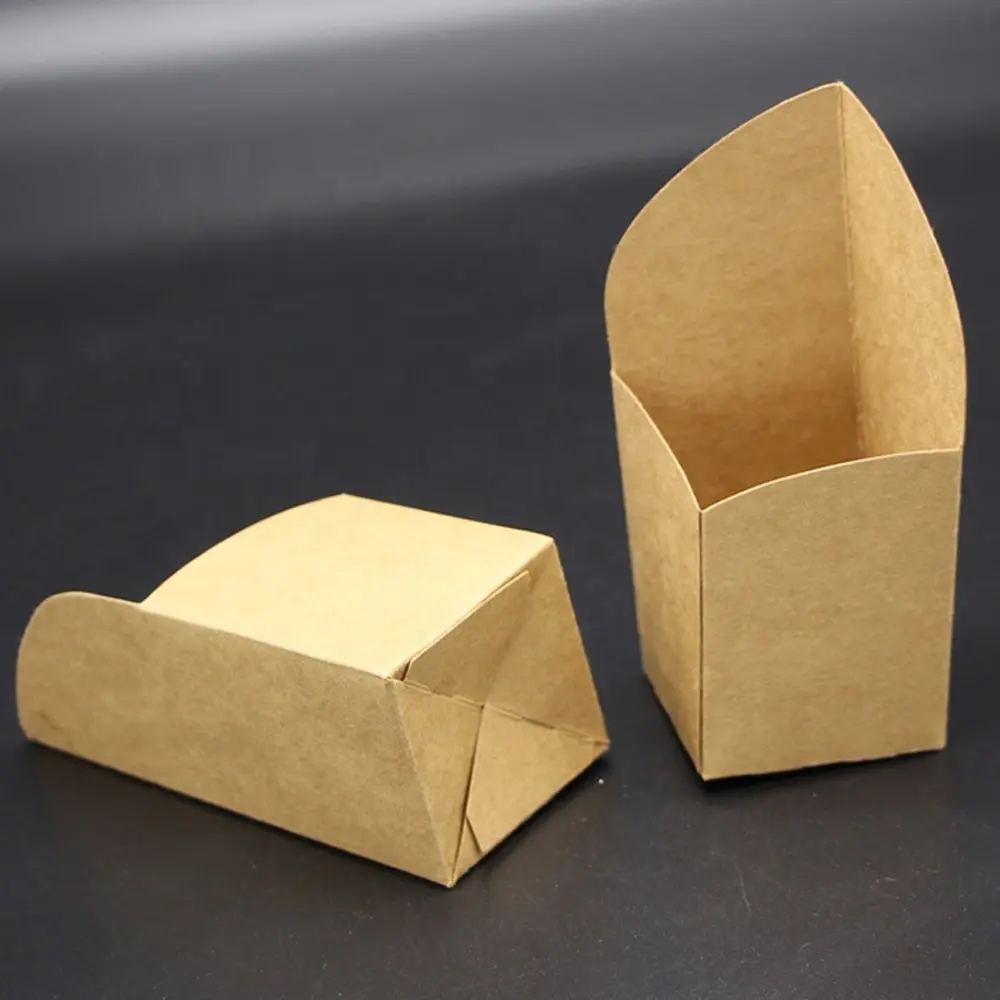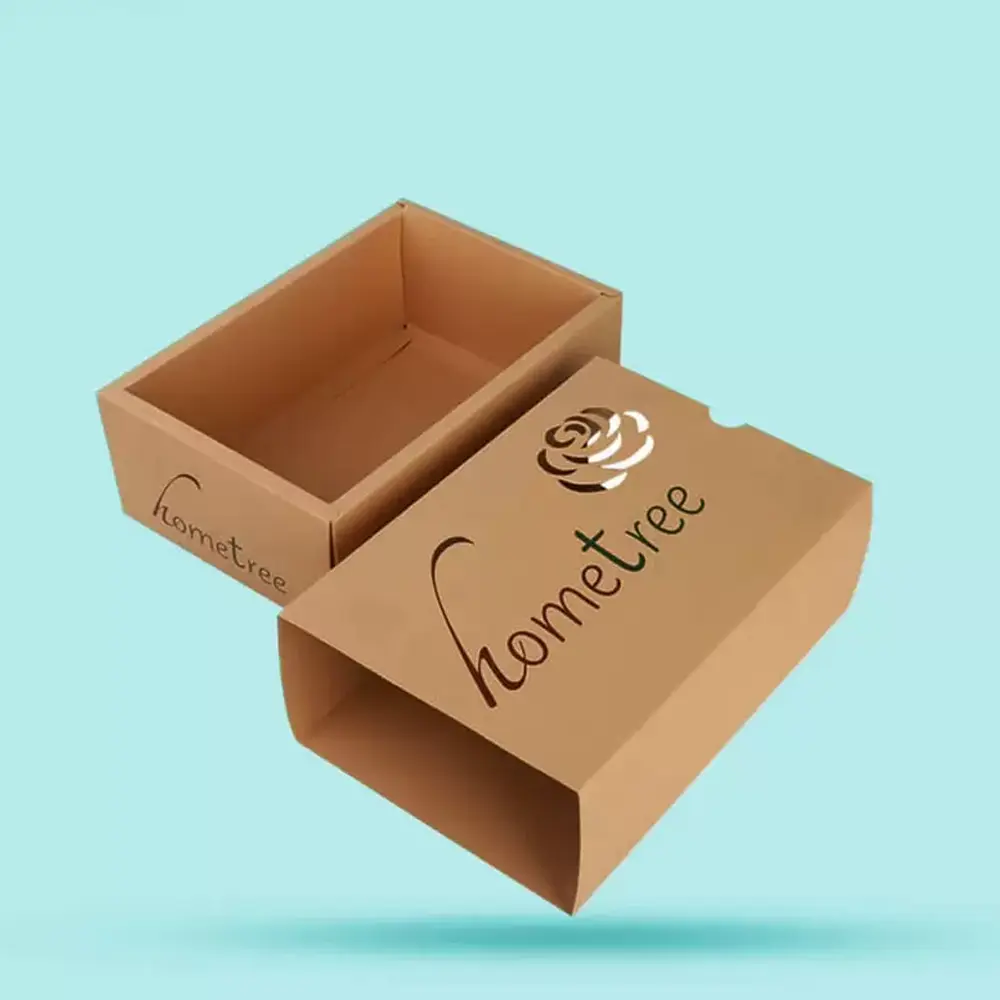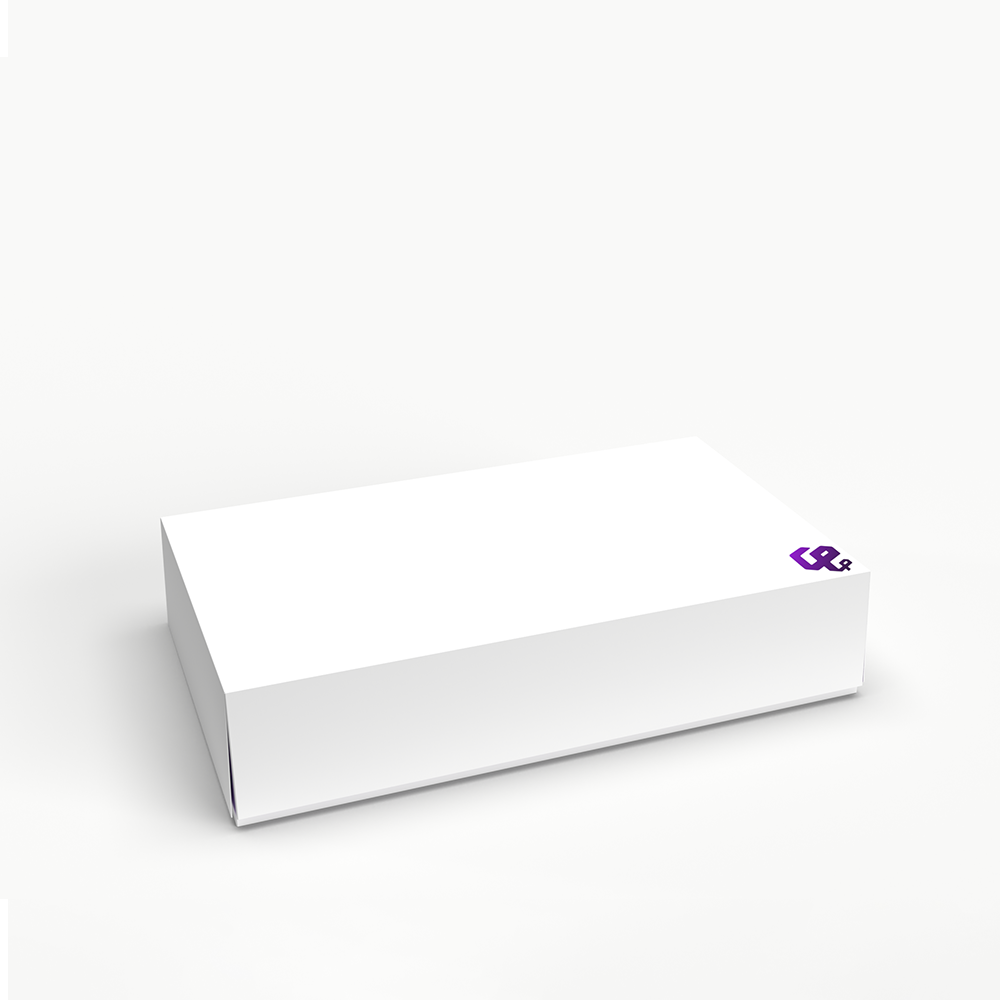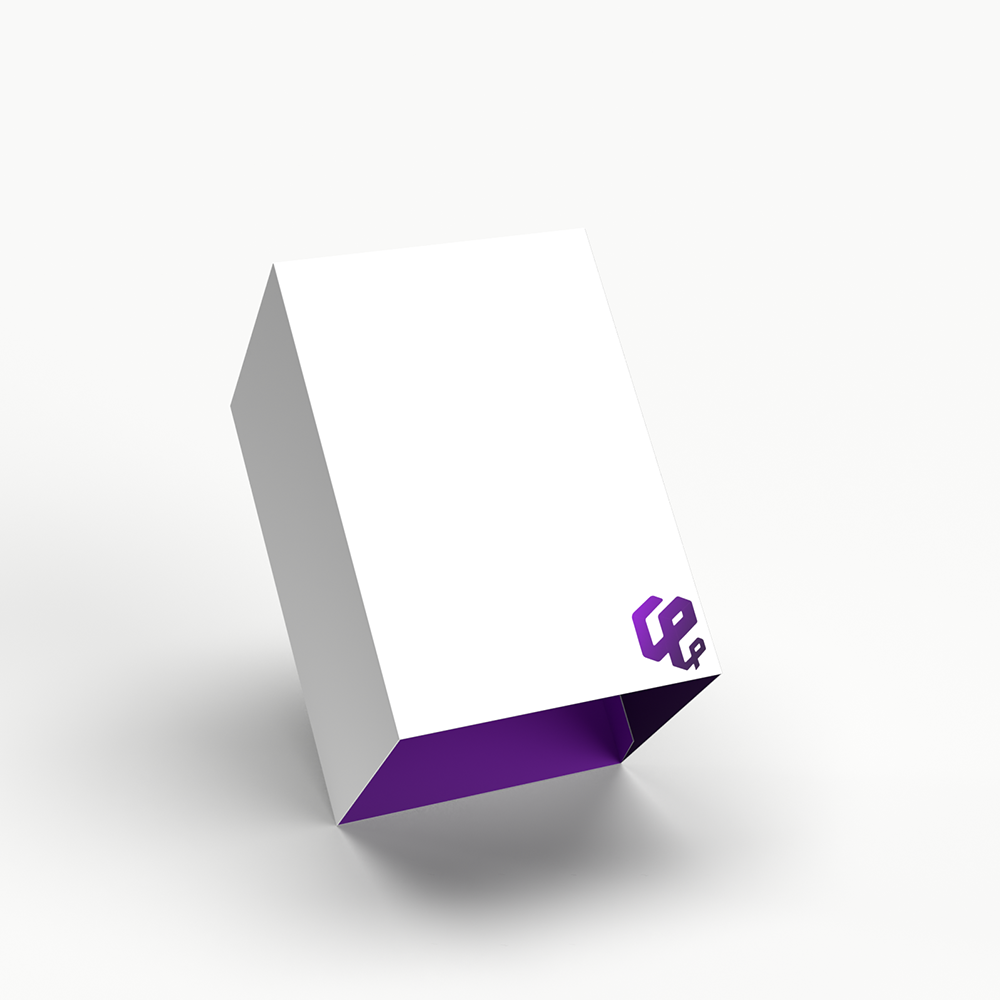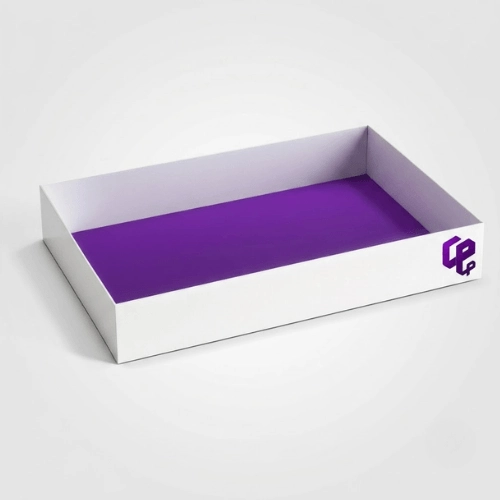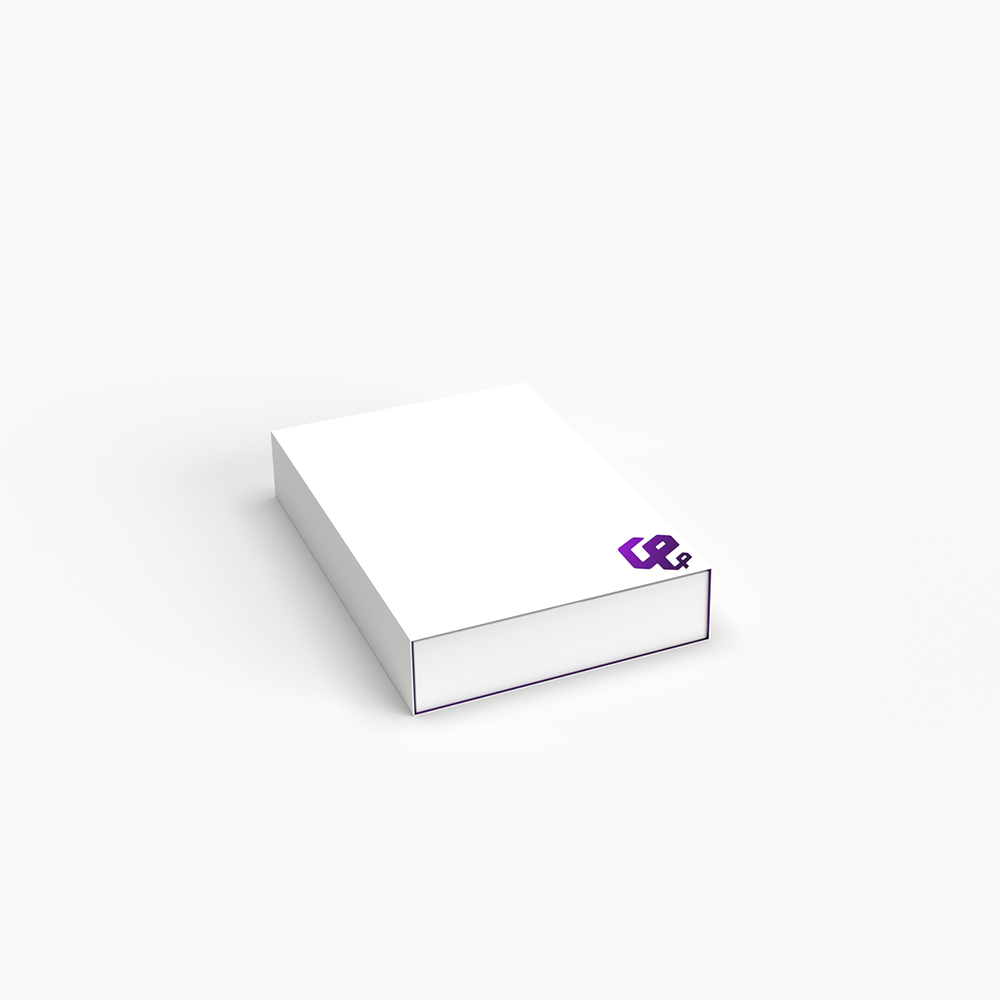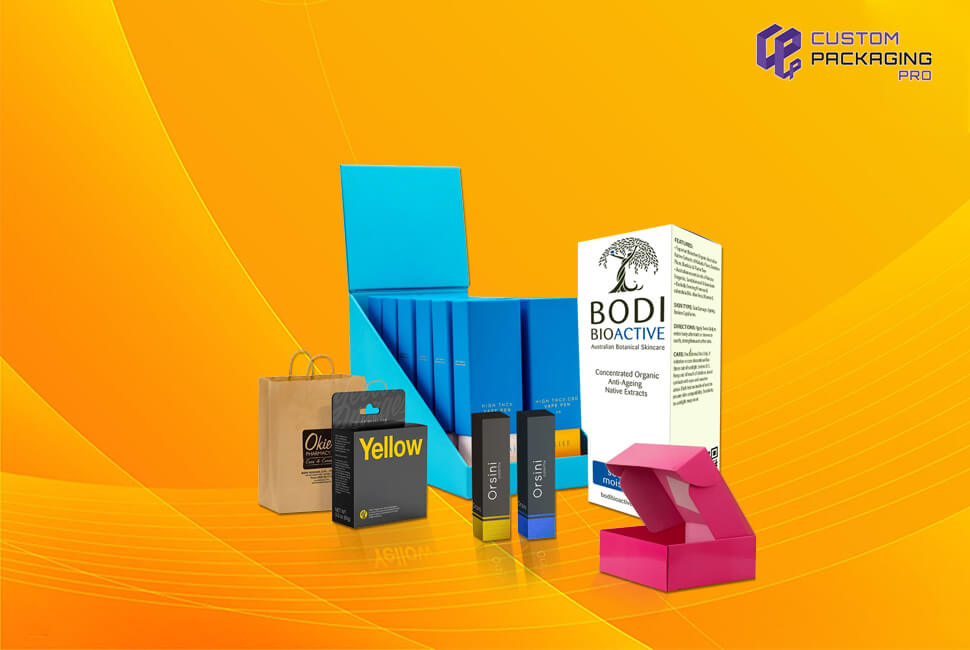
Packaging affects the sales of a trader immensely and thus should be designed with as much caution as the product itself. It is true that distinct articles demand different coverings: this ‘difference’ can be visualized in degrees of varying textures, colors, materiality, opacity, design language, sizes and shapes. When entering the competitive beauty market, your outer box serves as the initial physical touchpoint for potential buyers, establishing visual communication before the product is even tested.
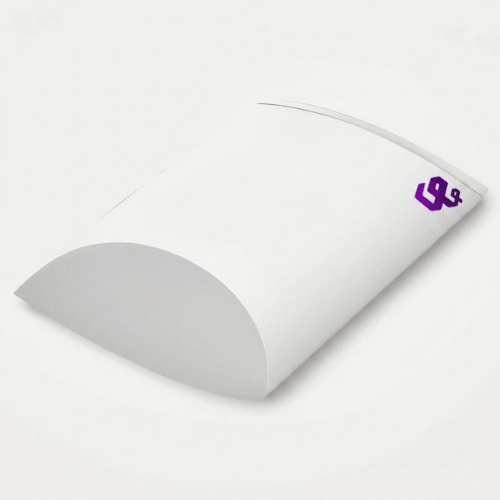
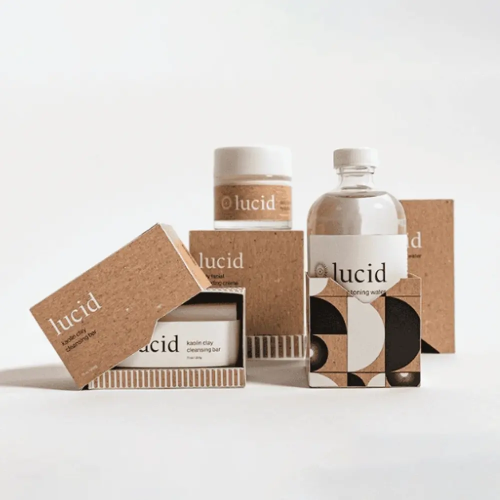
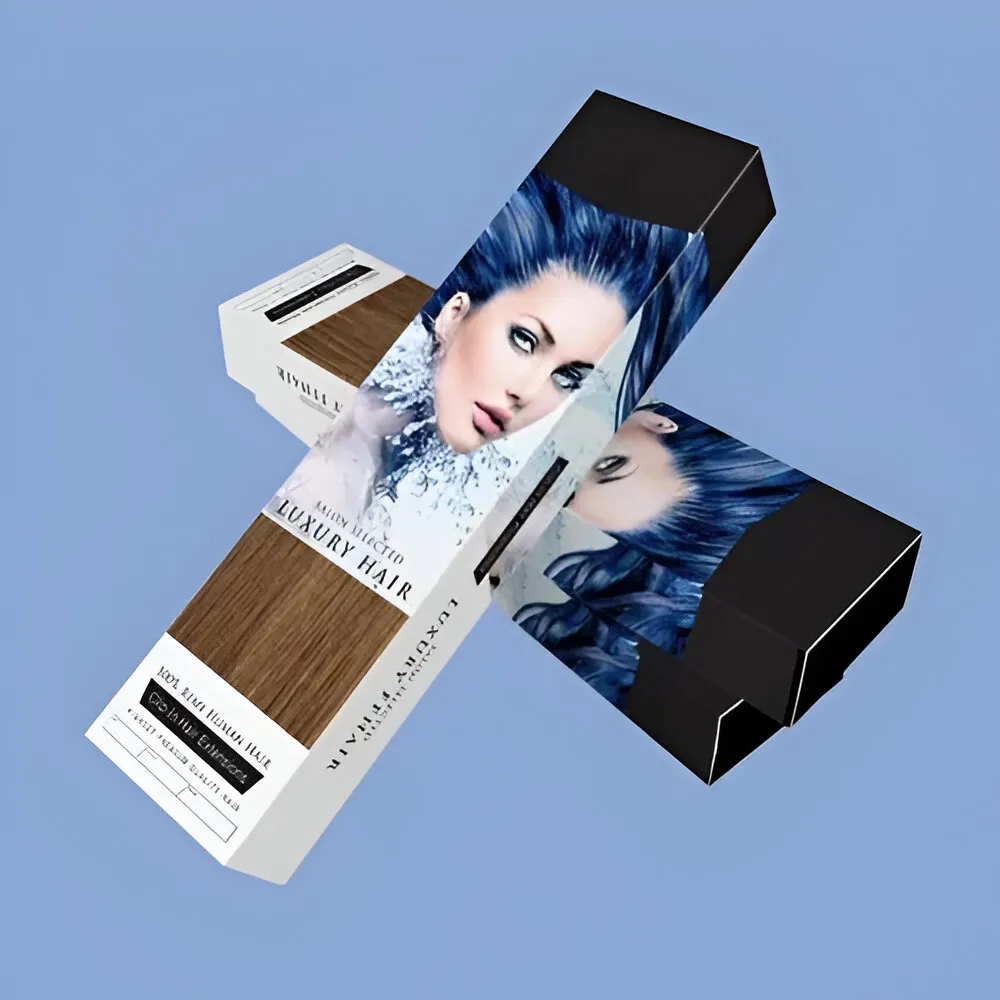
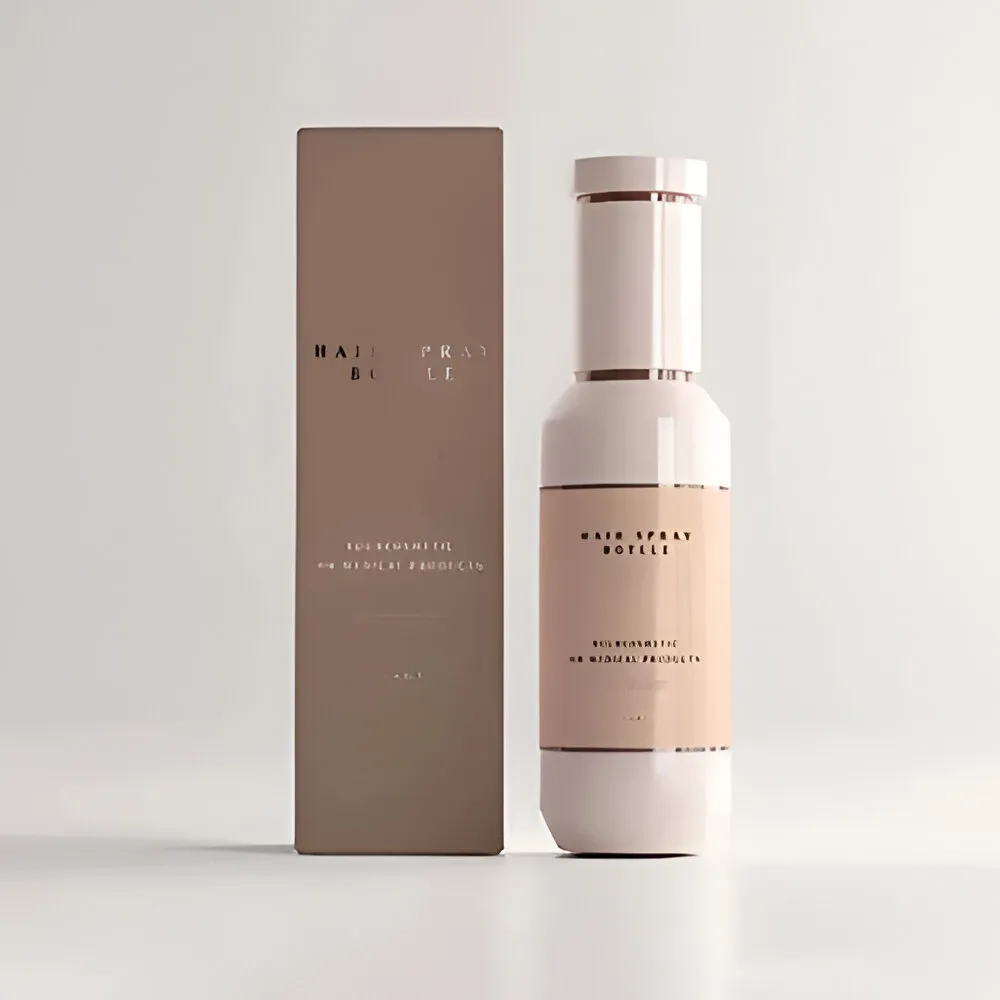
However, the distinction in articles can be done by generally categorizing them by either their use or manufacturing company; for instance, one way of classification could be all the makeup products packaged similarly or wrapped in accordance to the brand selling it. A cohesive packaging strategy helps consumers associate specific visual elements—such as signature color schemes, distinct typography, and premium textures—directly with your company's core values and prestige.
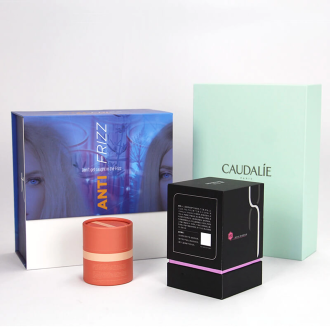
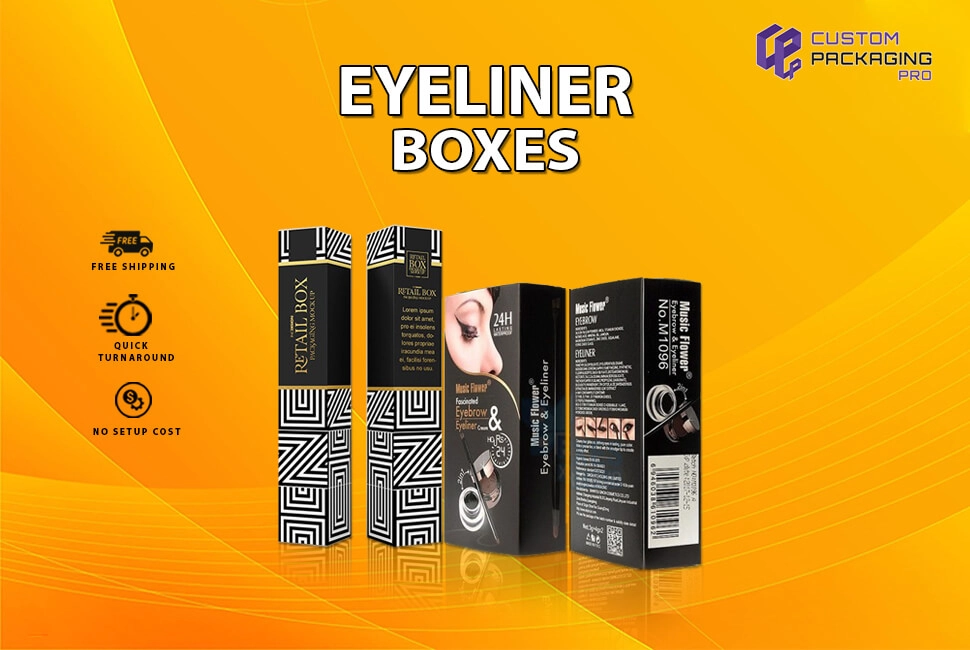
This ‘distinction’ is more evident in the outer packaging of products while the interior layer has a more edge. The interior/ primary wrapping solely adds to the unboxing experience of the client while securing the item inside while the exterior or secondary one plays a vital role in either attracting or repelling clients; the primary casing mostly contains the details essential to the article inside including directions and precautionary measures while the secondary sheathing like Eyeliner Boxes in case of eyeliners pack contains logos and primary information about distributors and addresses.
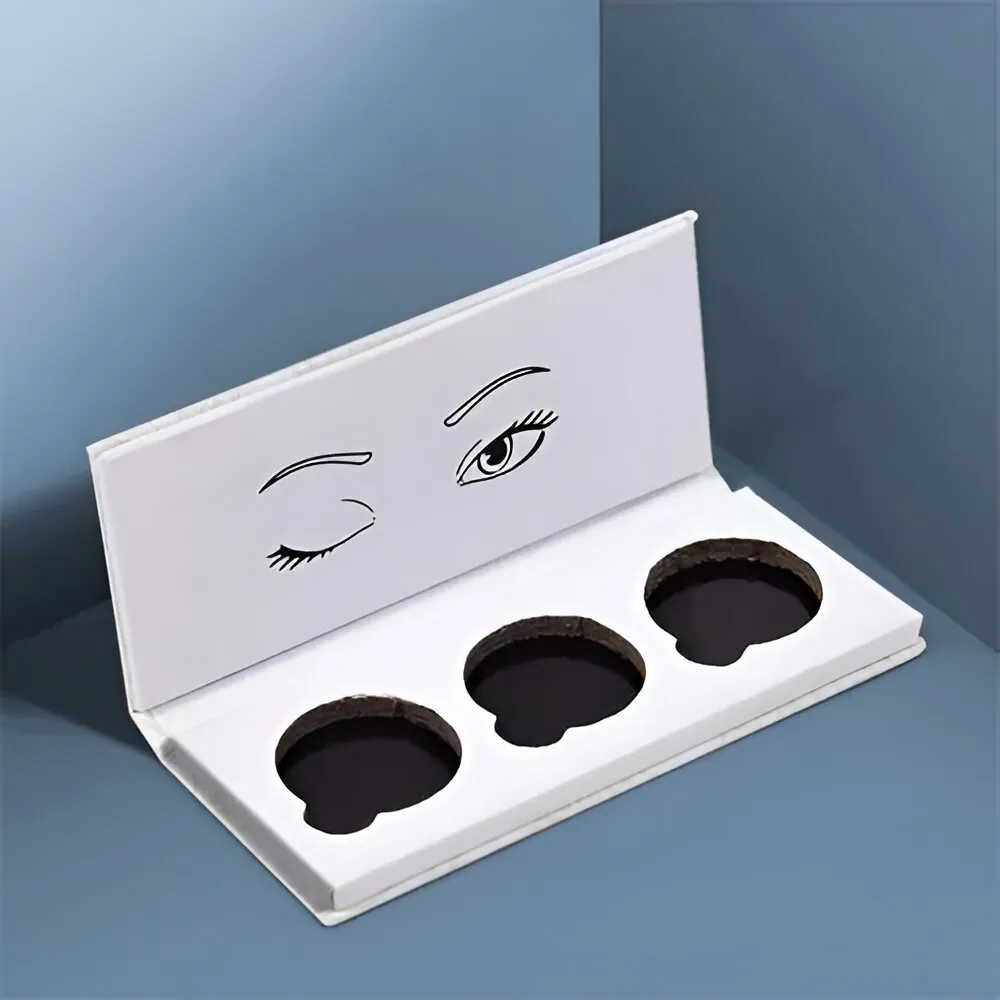
Cosmetic marketing is dependent on various factors, and the way a certain product is boxed constitutes a major part of it. Products such as foundations, lip tints and eyeliners comprise substantial portion of this industry. This is why eyeliner boxes are significant due to numerous reasons: they protect the liners inside hence increasing the product life, aids in advertising, avoids tampering with the product inside, stimulates interest of the viewer, and builds brand image.
Moreover, the boxing type of these products generally depends upon the shape of the interior packaging itself: some eyeliner comes in dip-lining tubes, some in pencil shapes and certain in palettes. This lays stress on the importance of understanding which boxing suits which shape. For example, similarly, to amplify rate of increasing sales, wrappings of eyeliners should be designed in accordance to the needs and demands of the product and user and the budget of the provider.
The points that contribute to the final result include:
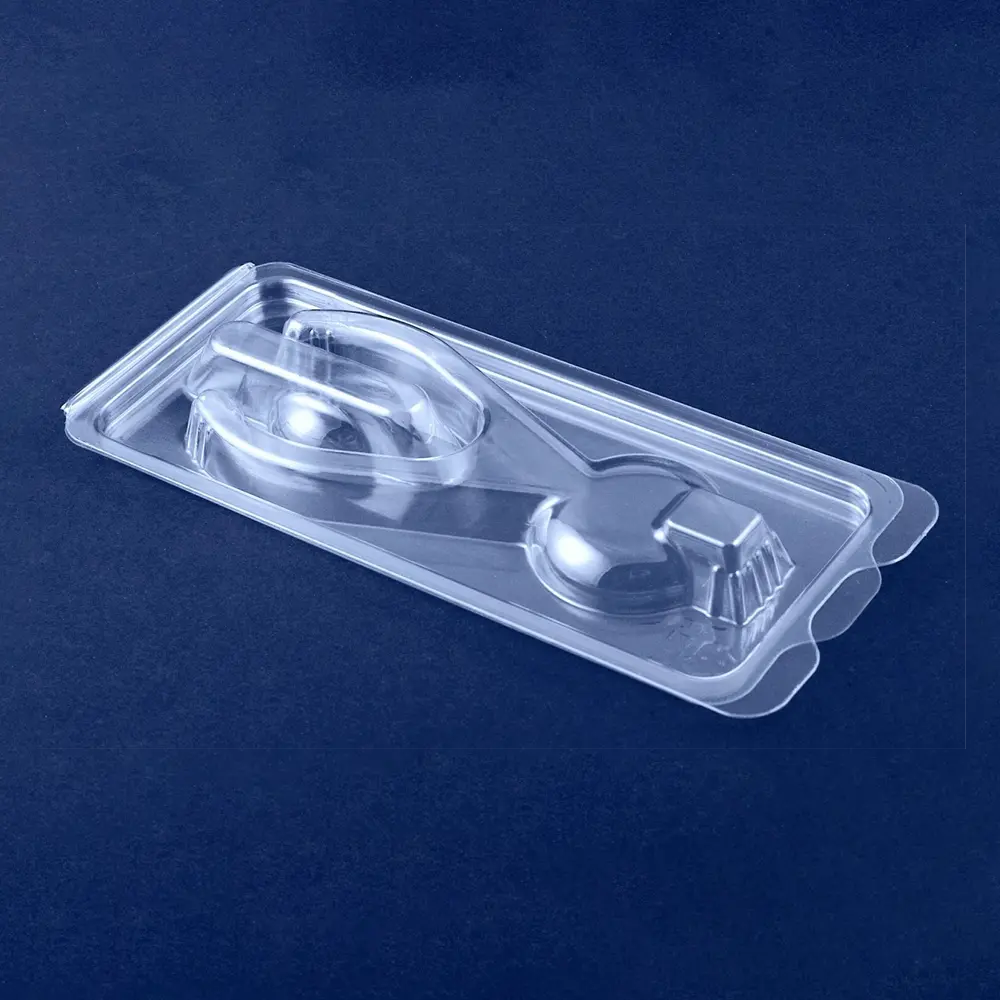
Eyeliners come in liquid pen applicators, gel pots, traditional wooden pencils, and retractable waterproof cartridges. Each formulation demands a specialized structural box layout. Pen-style eyeliners require slim, tall tuck-end boxes equipped with internal paperboard inserts to prevent rattle and tip damage. Gel pots demand sturdy cubical boxes with drop-in trays that cradle glass or acrylic jars. By matching the box architecture to the product mechanism, beauty brands eliminate product movement and reduce transit damages.
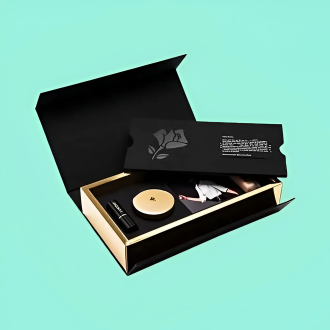
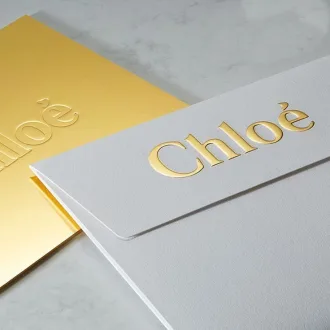
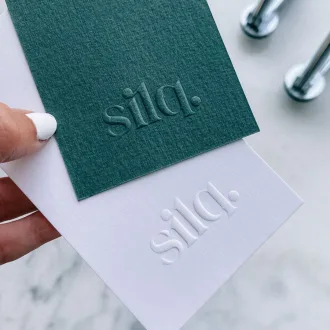
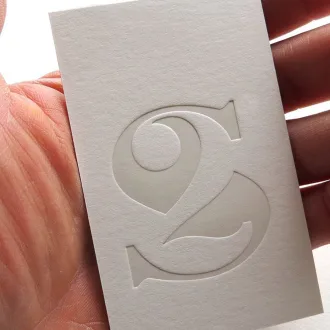
Building strong brand recall relies heavily on visual consistency across all product categories. Eyeliner boxes act as mini billboards on crowded retail displays. Utilizing foil stamping in gold, rose gold, or silver creates a metallic sheen that suggests luxury. Embossing or debossing your brand logo onto heavy cardboard stock gives customers a tactile sensation when picking up the box, reinforcing the impression of high quality before they even apply the makeup.
Color selection plays a critical role in consumer perception. Black and dark metallic shades evoke sophistication, night-time glamour, and professional artist quality. Bright pastels appeal to youthful demographics seeking daily wear and natural aesthetics. Metallic gold and deep jewel tones resonate with high-end luxury buyers. Using precise Pantone color matching ensures that your eyeliner boxes look identical across every production batch, solidifying your brand identity in retail stores nationwide.
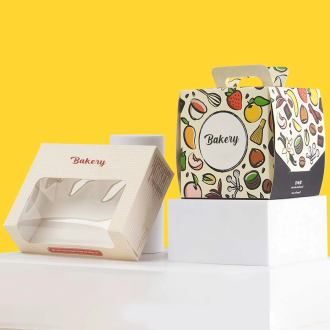
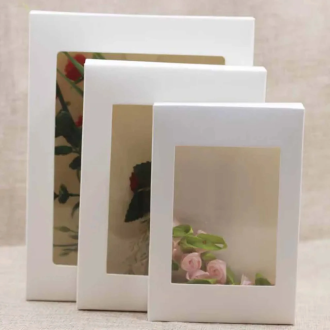
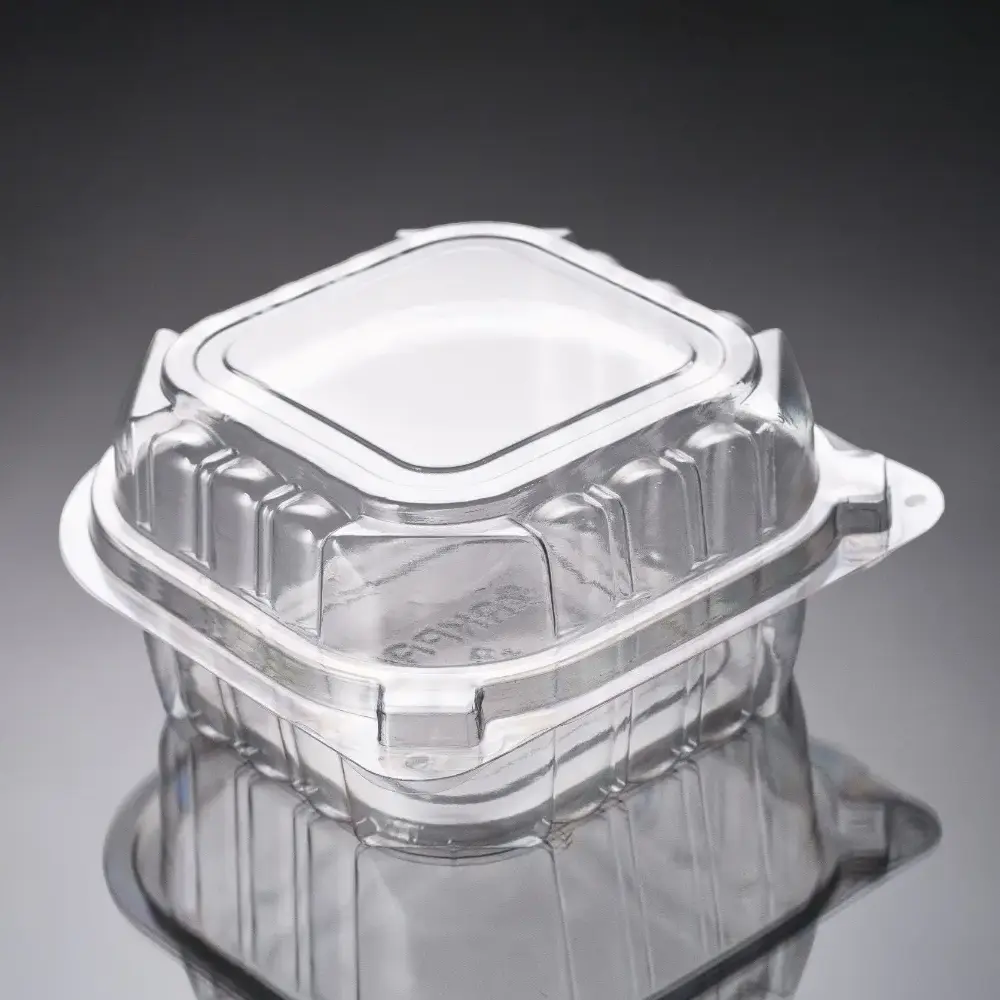
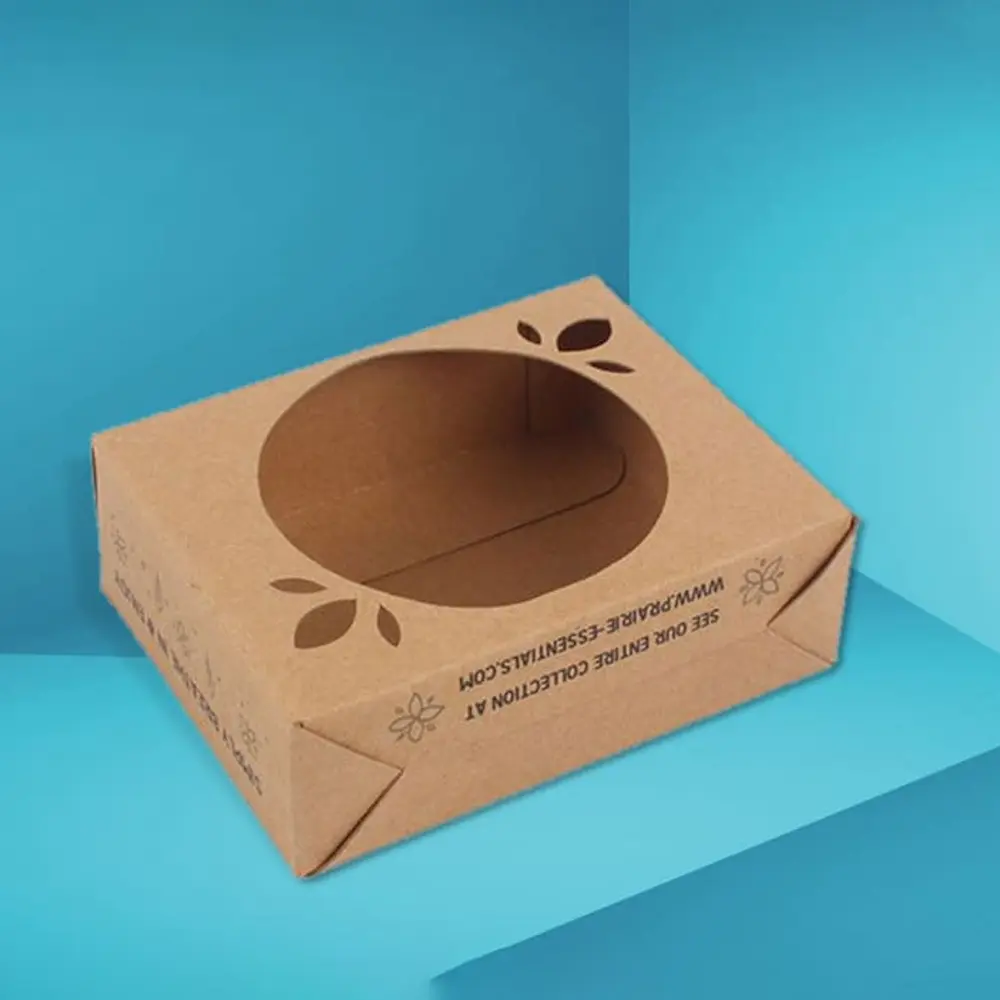
Modern consumers appreciate transparency. Adding custom die-cut PET windows allows shoppers to view the actual eyeliner tip, liquid color, or decorative cap without breaking the protective box seal. This design feature reduces store tampering while building trust, as buyers can verify shade accuracy instantly on retail shelves.
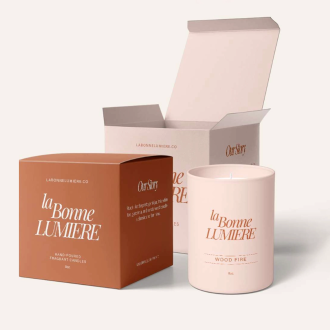
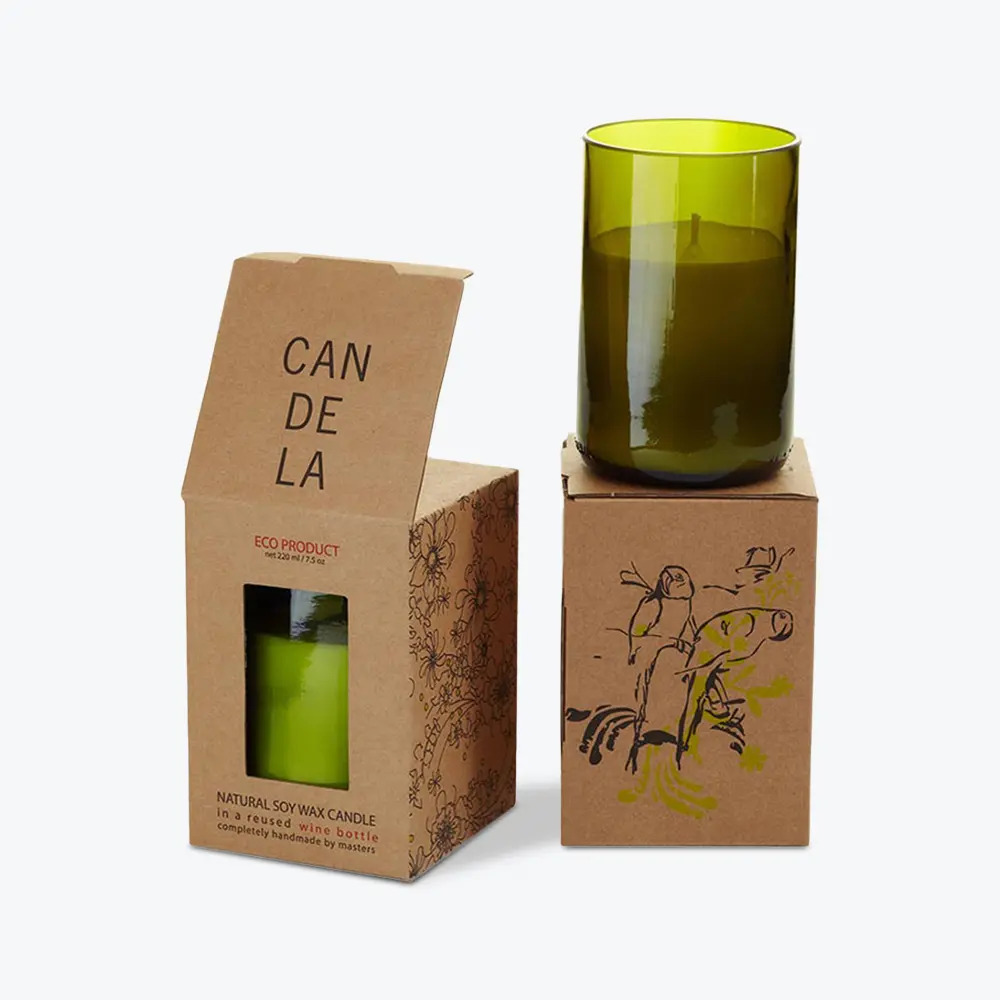
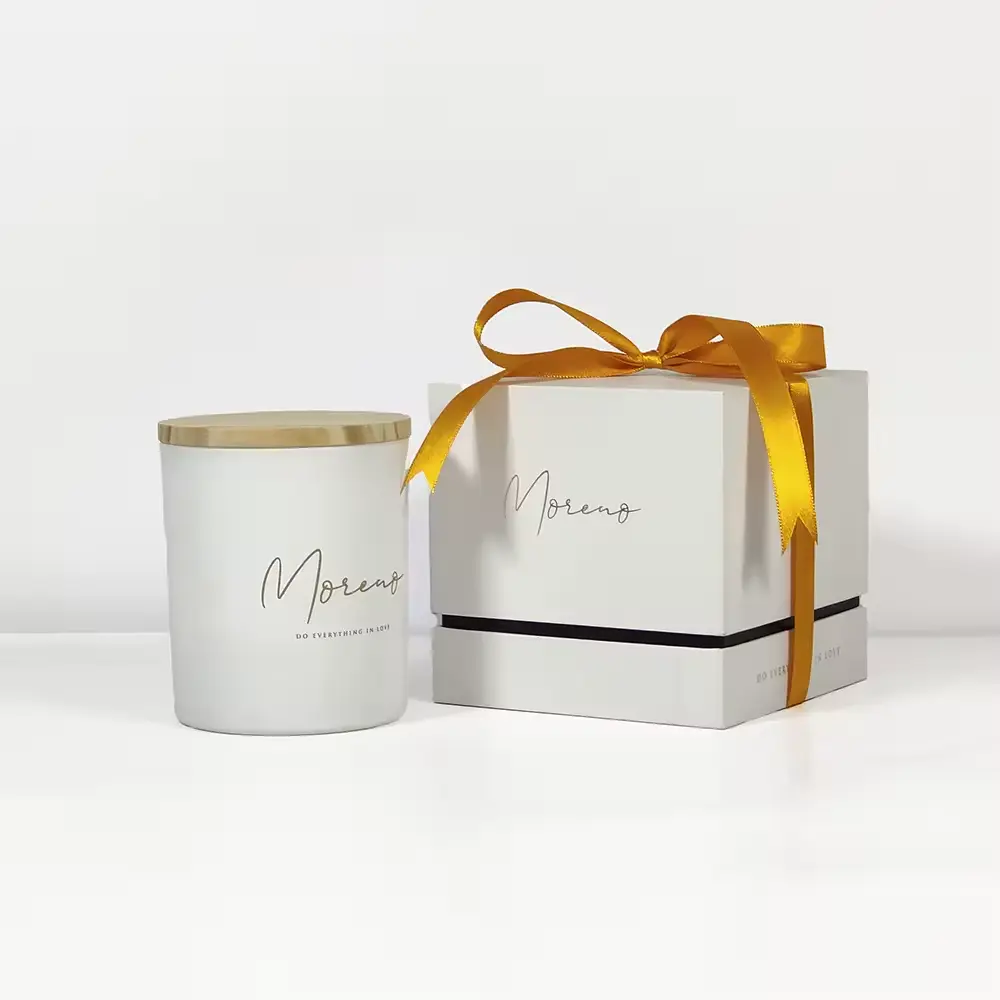
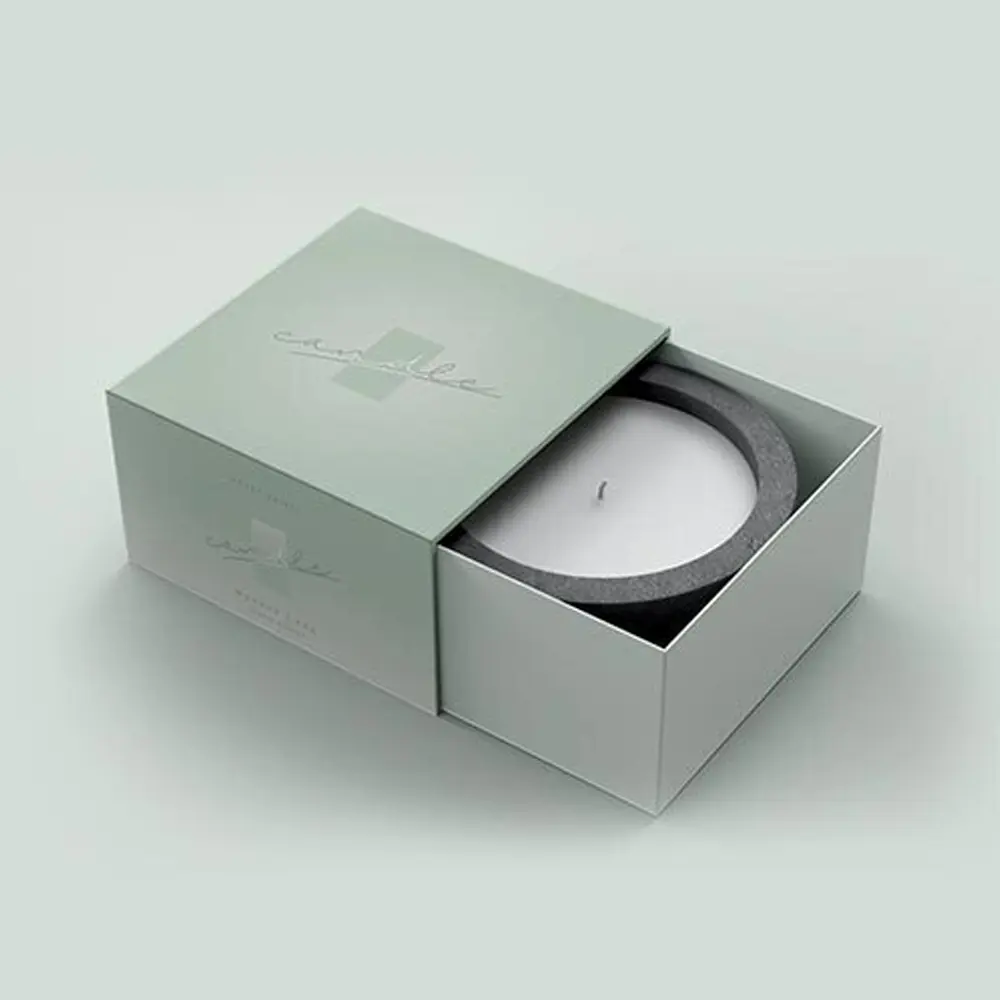
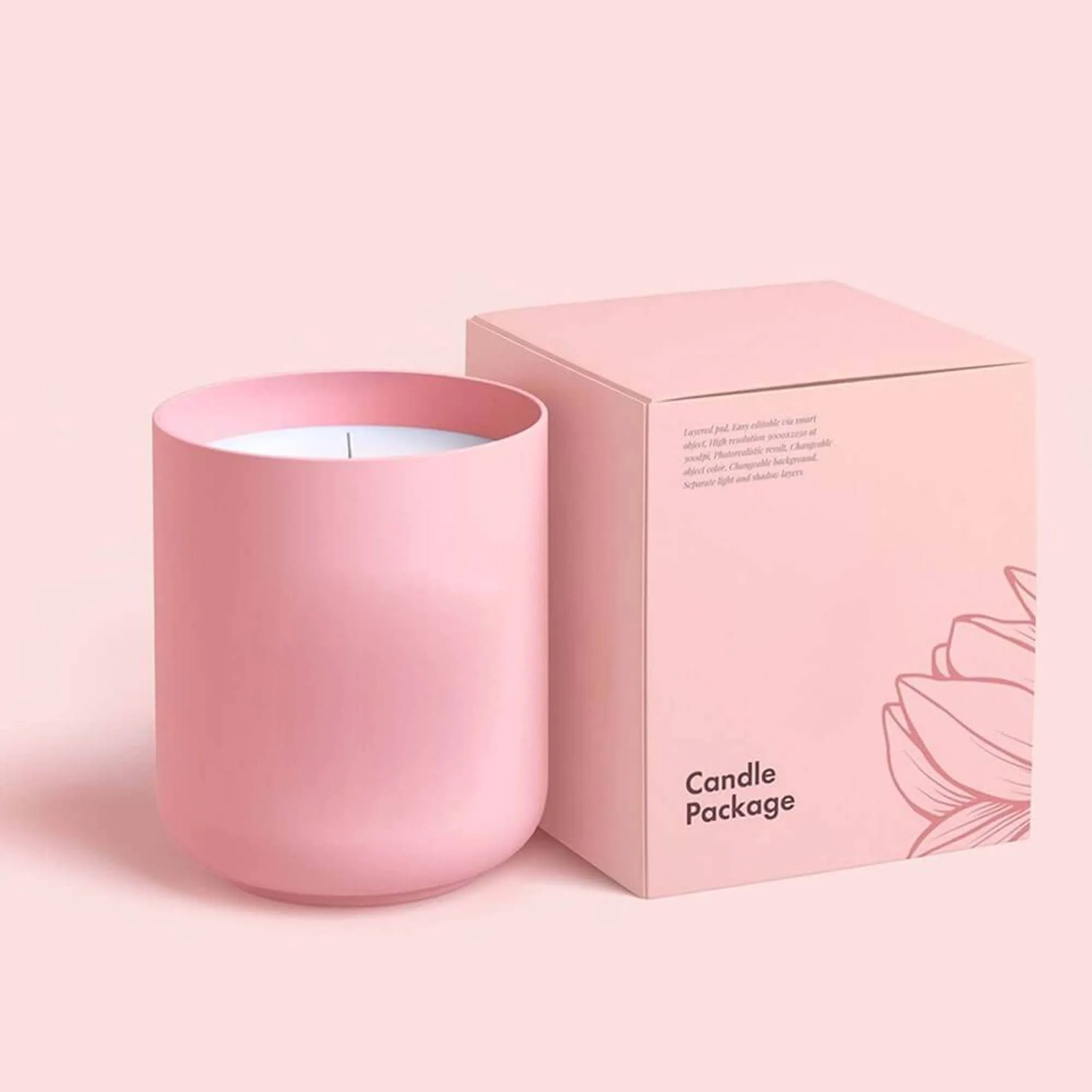
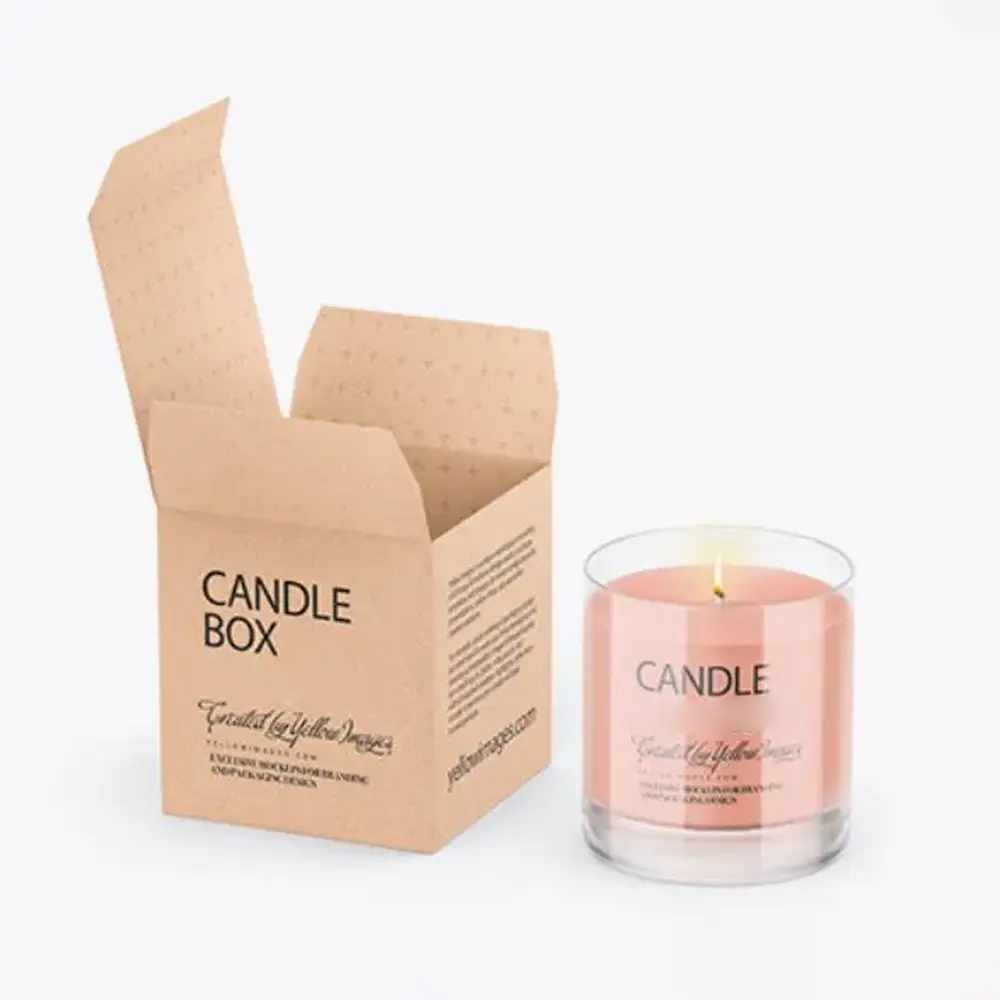
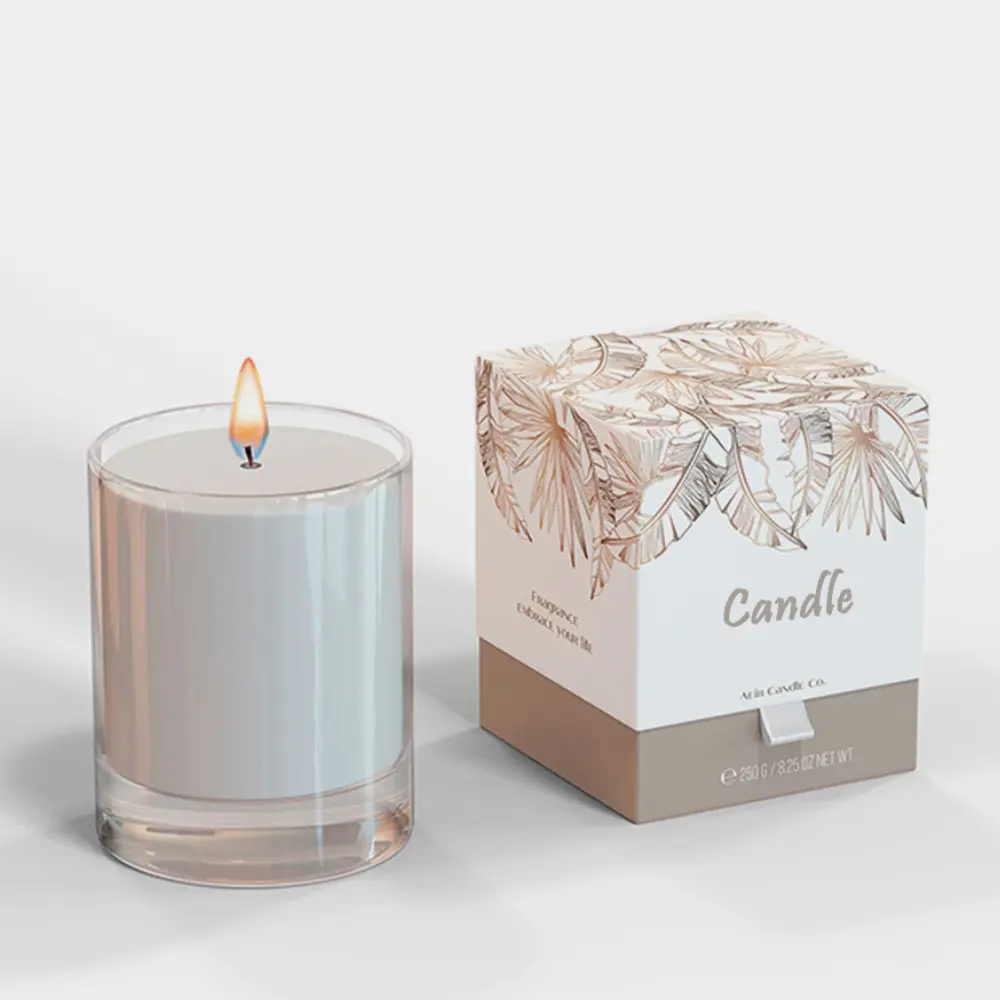
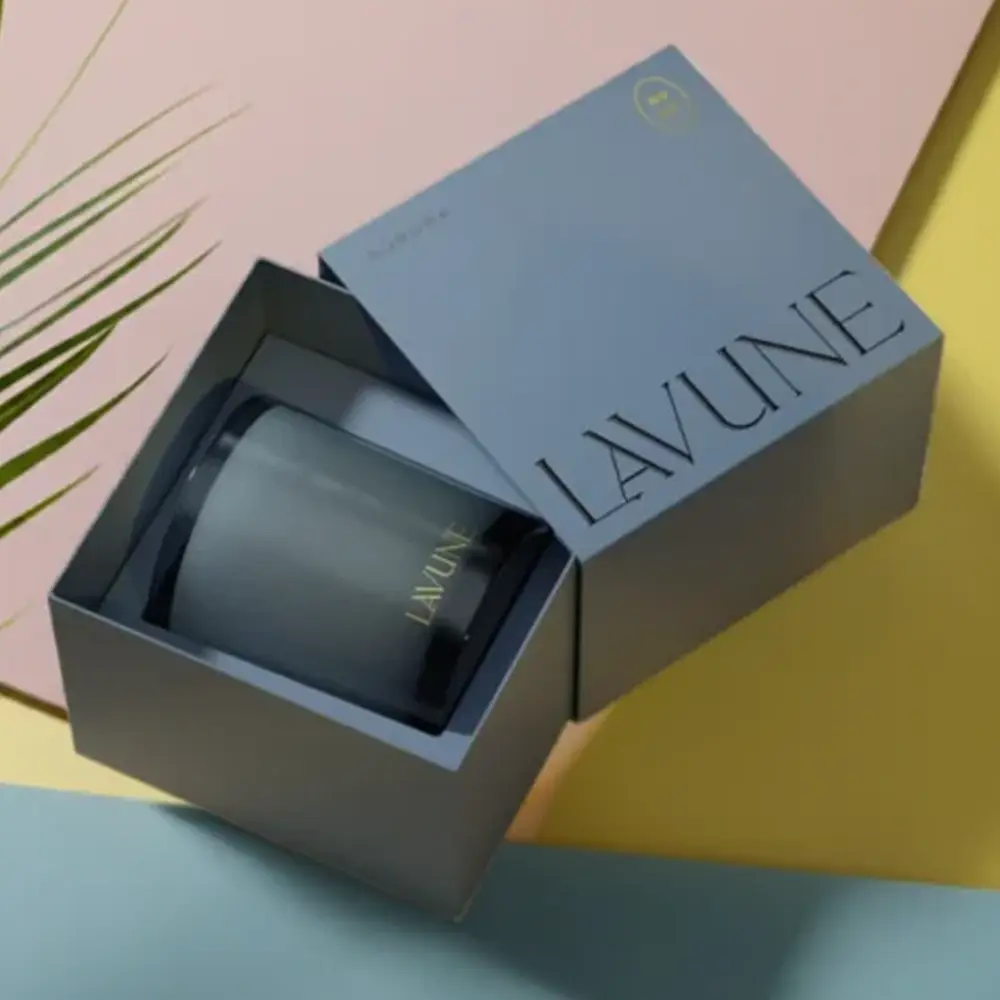
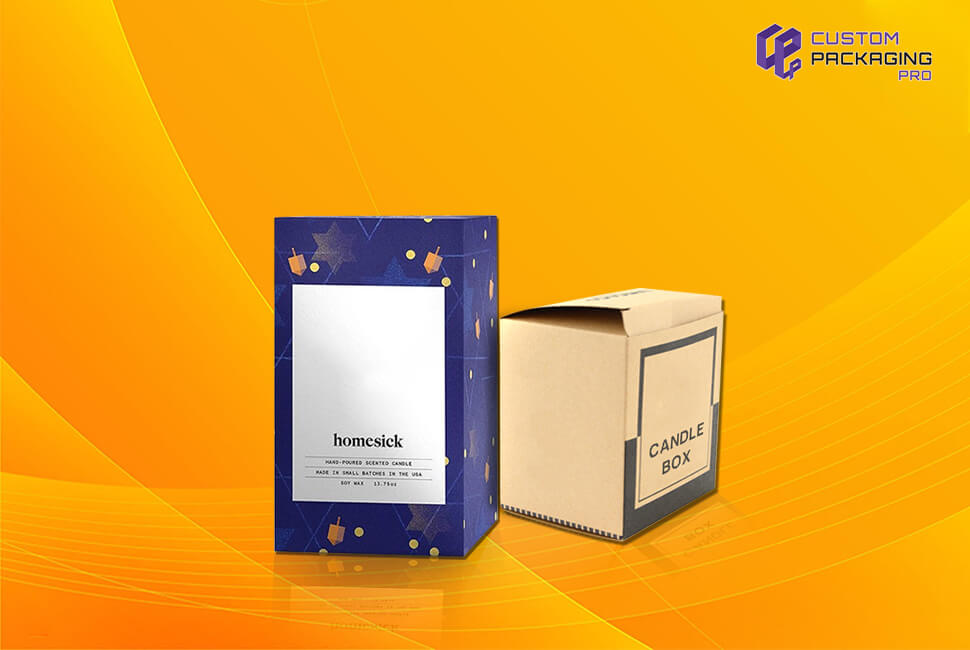
Apart from the cosmetic industry, another craft is that of candle making. Whether it is a simple candle or a scented one and constitutes of different ingredients, in the end they all melt and hence require a container for the wax to be collected in. This is why Candle Boxes are of immense importance. Similar to boxing of makeup items, these can also come in two layers of packaging, and although it is true that the exterior cover weighs more but in this case the secondary/ interior has more weightage. Typical types of coverings include aluminum and glass containers.
Deciding what type of packaging to choose depends on the following factors immensely:
Once the materiality is chosen, work on the appearance of the container can be done. One consideration can be given to how the candle will look once illuminated. This is because of the yellowish-flame that will interact with the color chosen for the covering and gives off the aura intended. A deciding method could be derived from analyzing the targeted community that purchases candles; most make purchases for relaxation, home decor, or aromatherapeutic benefits.
Hence, the resulting color scheme should evoke feelings of warmth, serenity, and calm. However, because individuals perceive color uniquely, introducing a versatile palette of box designs across seasonal collections allows companies to cater to varied customer preferences and boost overall sales volume.

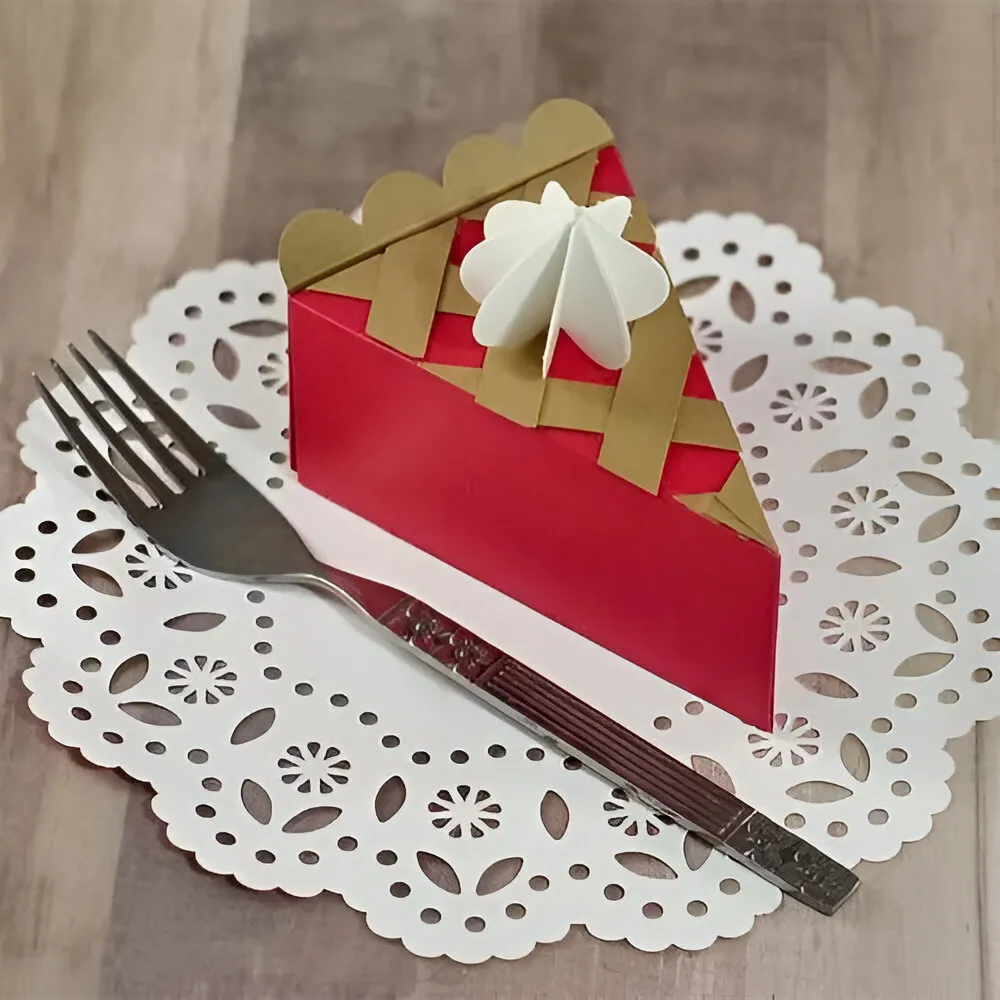
Furthermore, decision-making of wrapping can also be impacted by the characteristics that the article inside possesses. Since wax can be molded into whichever shape is desired, one way could be to take advantage of this trait in order to improve marketing. This aids in breaking away from traditional ways of candle wrapping and moving onto more modern and sustainable ways.
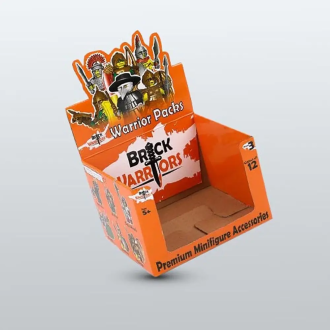
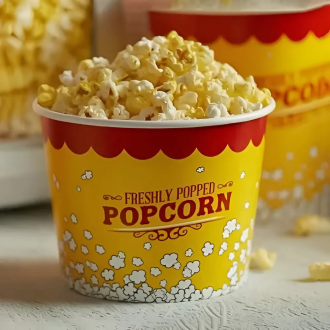
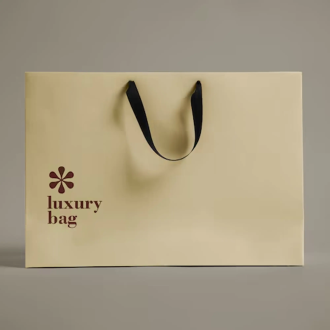
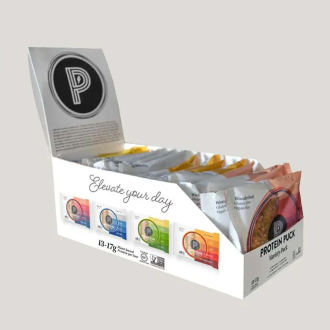
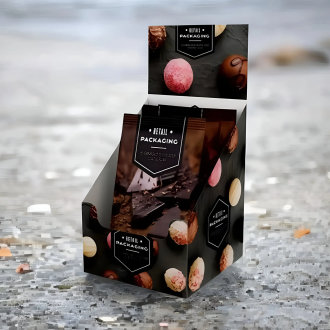
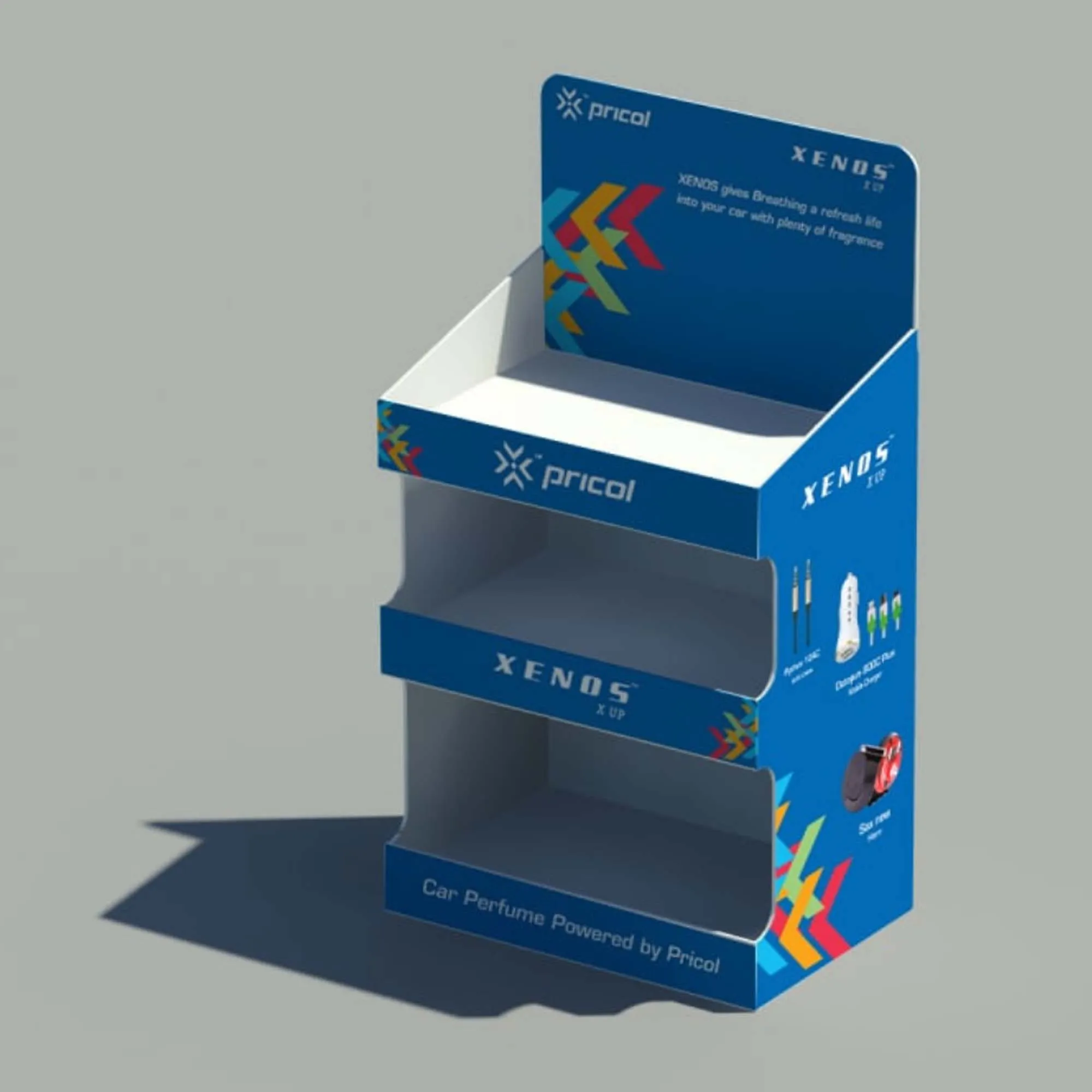
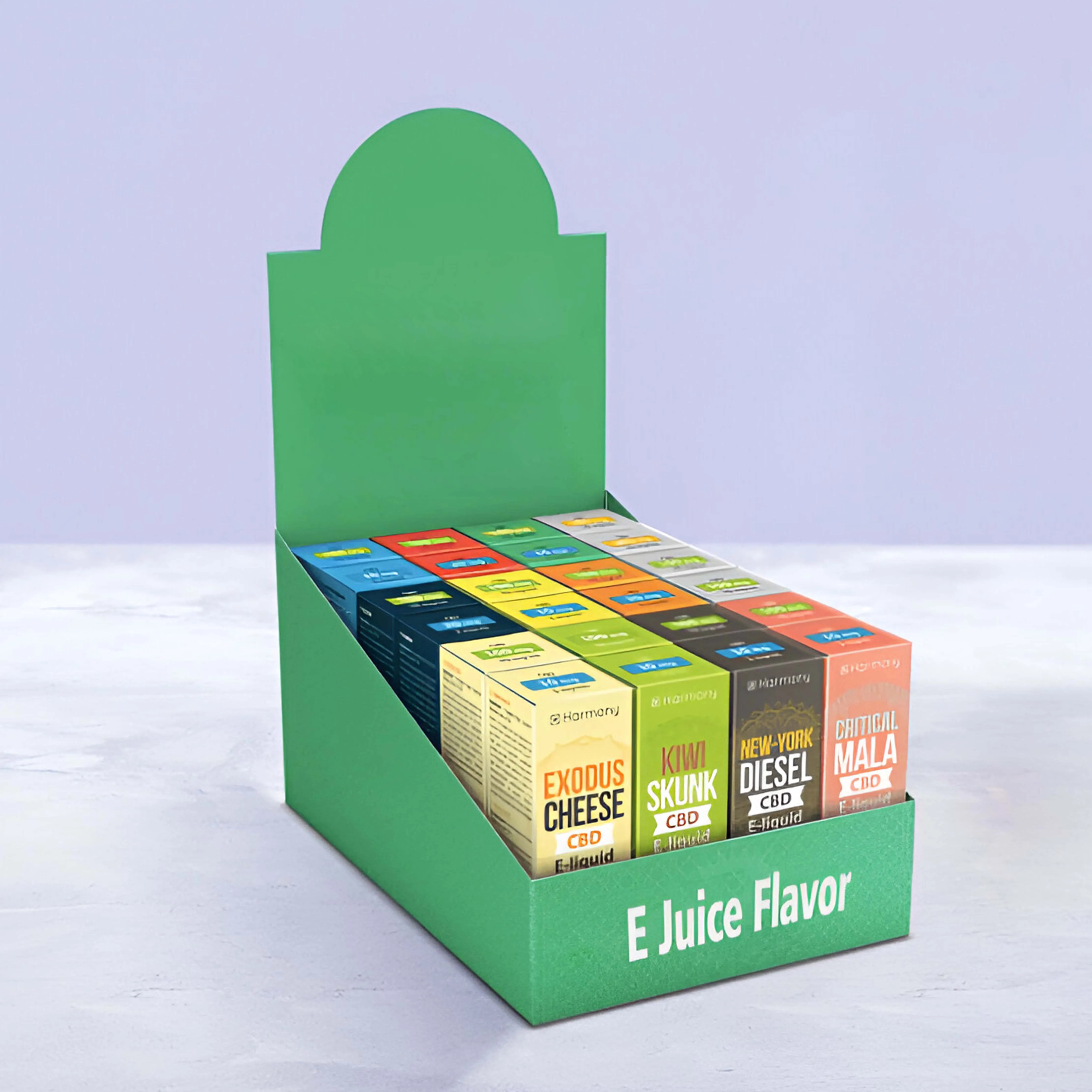
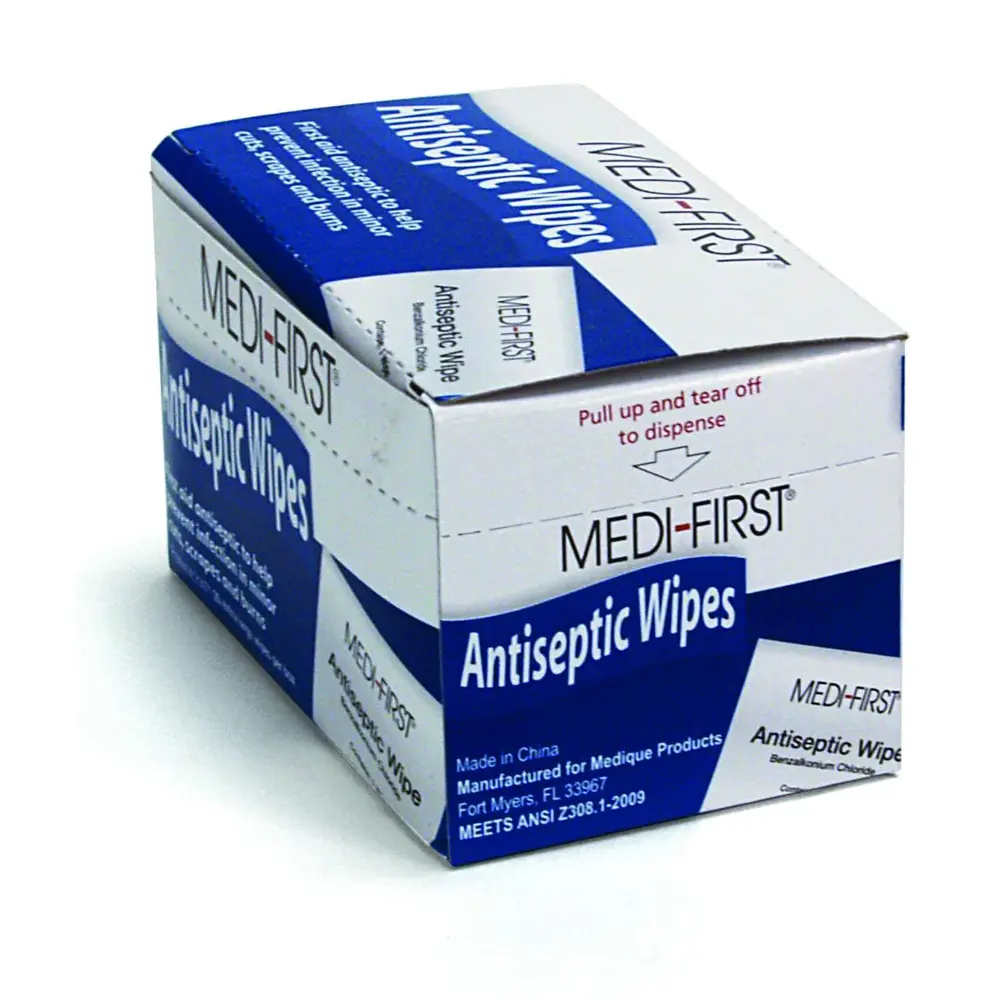
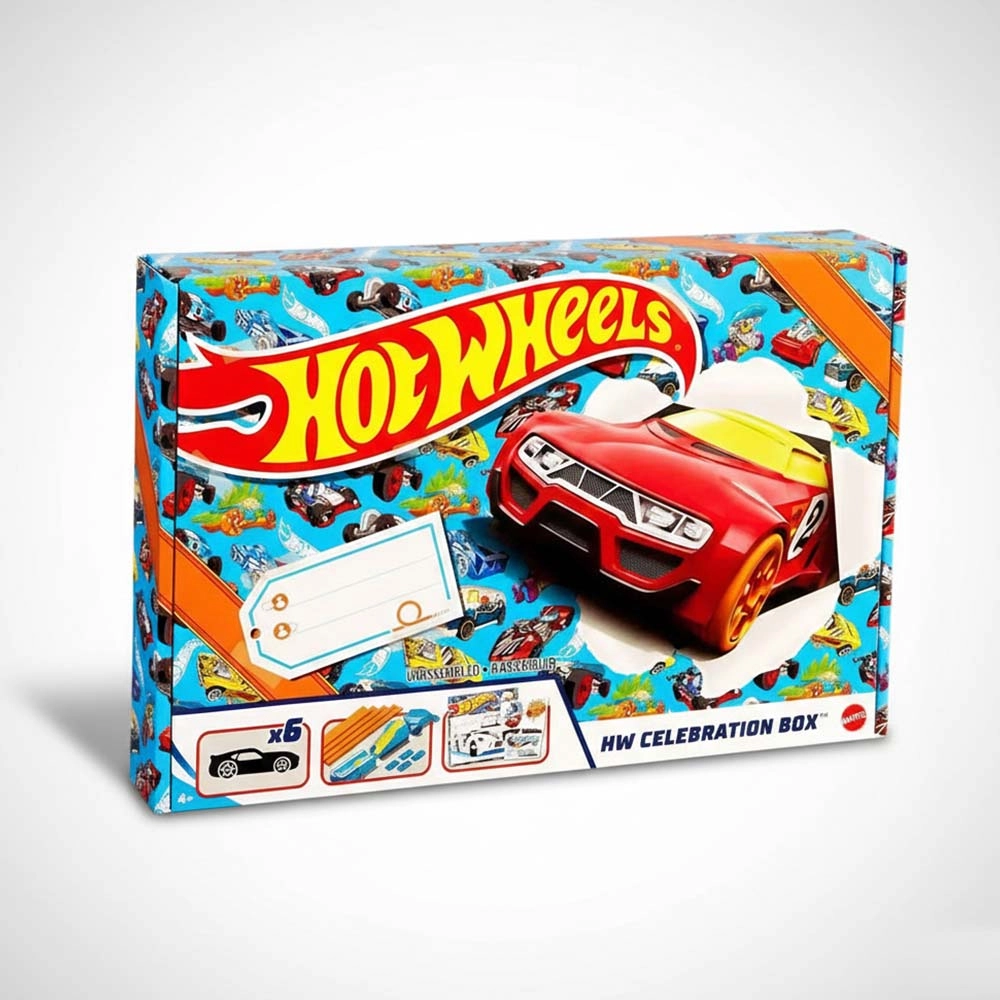
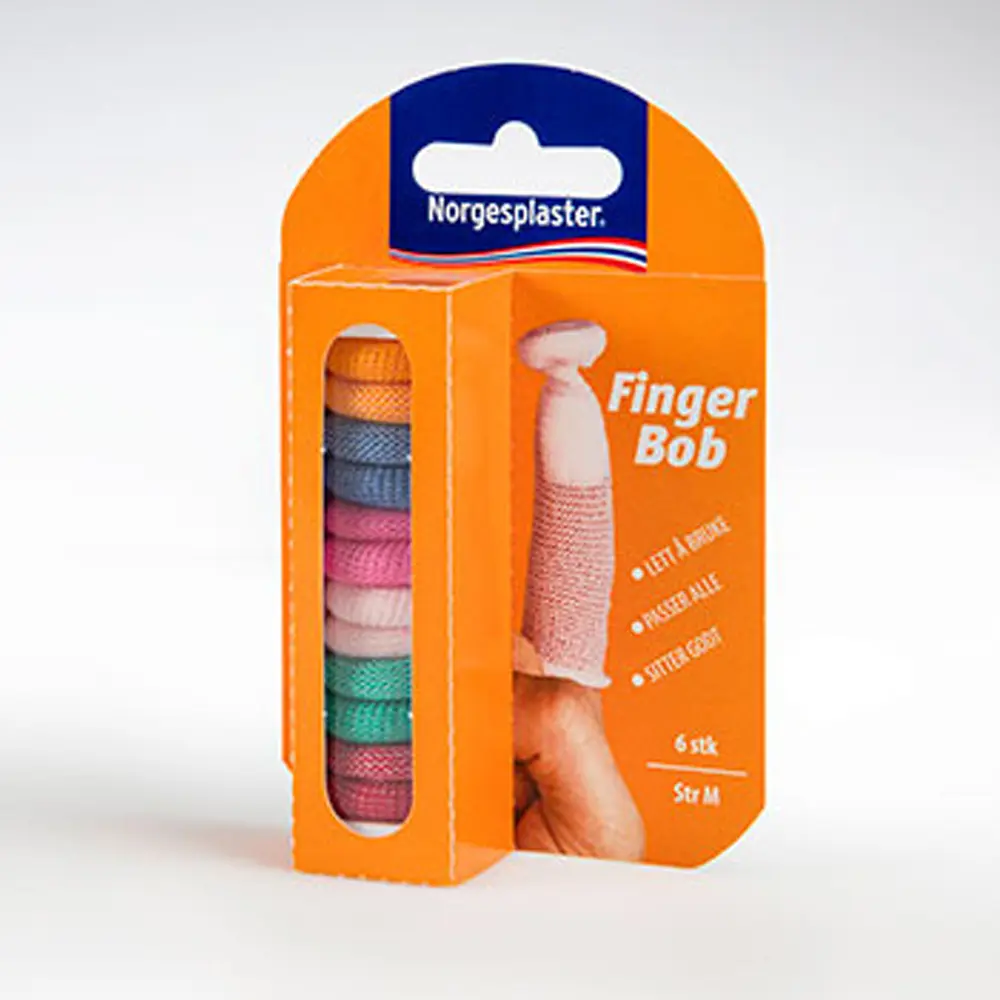
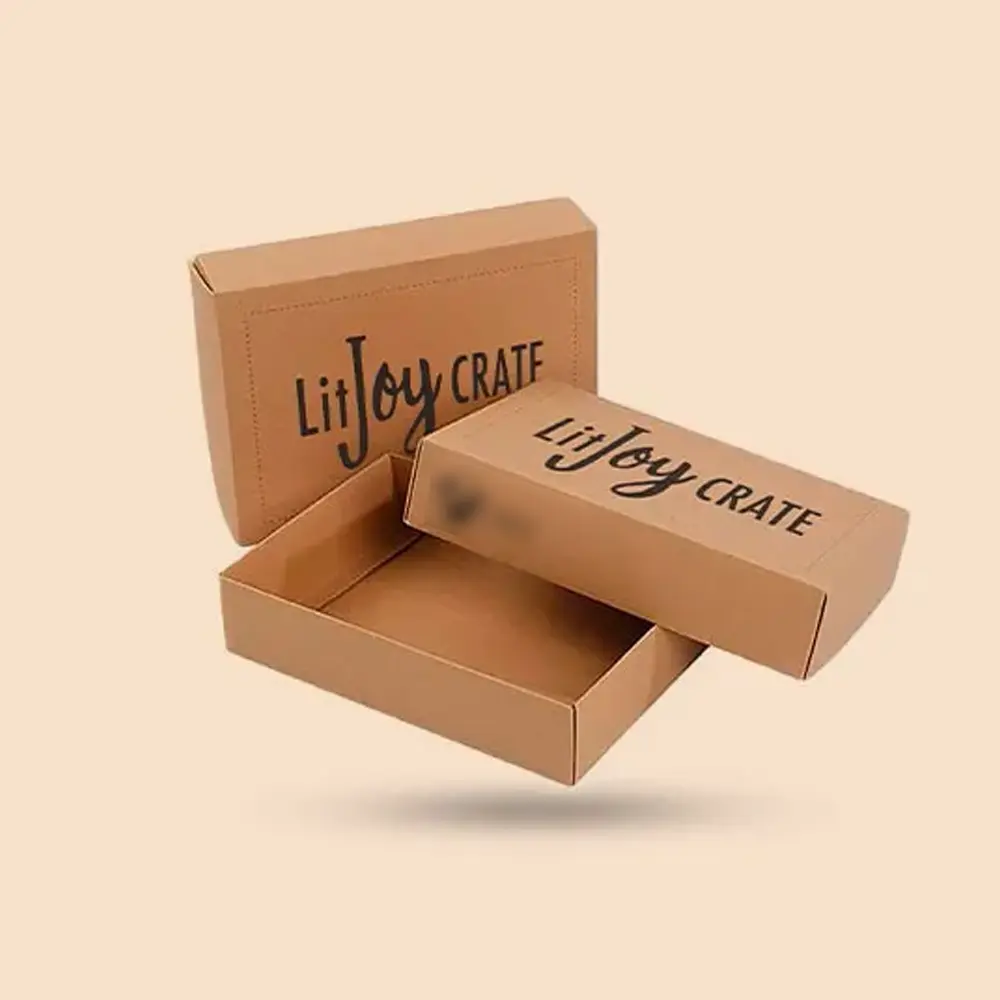
Nevertheless, another way could be to rethink conventional ways and combine them with modern techniques to gain a more postmodernist approach towards designing. In short, Retail Boxes are more crucial than they are perceived to be. Contributing to the overall unwrapping experience of the end customer, they are the main communicating tools for retailers.
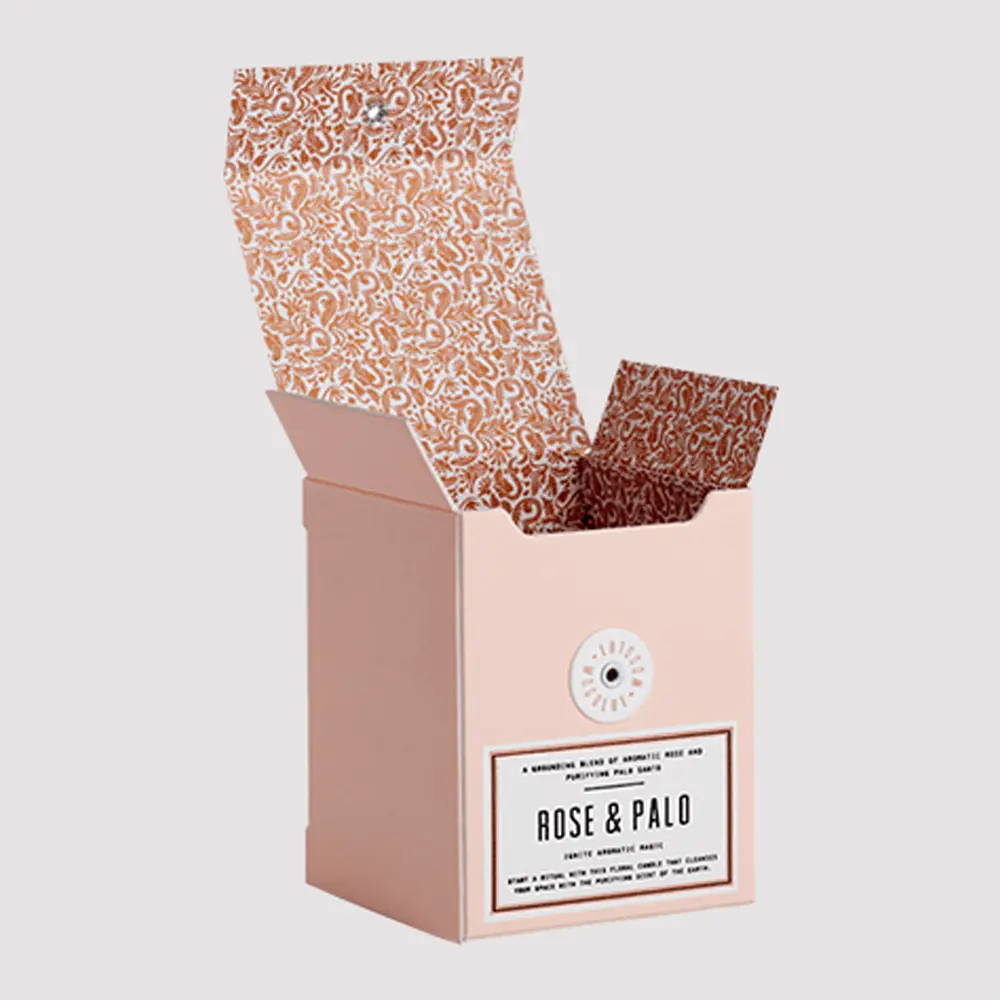
By choosing the right typography, color, texture, finish, size, and material, packaging either builds or breaks brand image. These packages can also be printed on the interior walls rather than being left plain, concentrating design effort on both exterior and interior surfaces. Although these details might seem small at first, when used correctly, they impact conversion rates and sales drastically.
Retail boxes can be constructed using various high-grade substrates depending on product weight and fragility requirements:
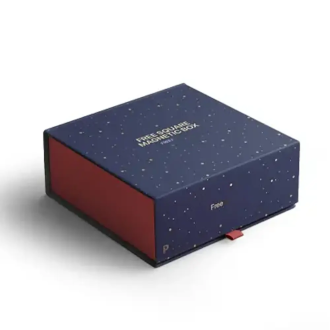
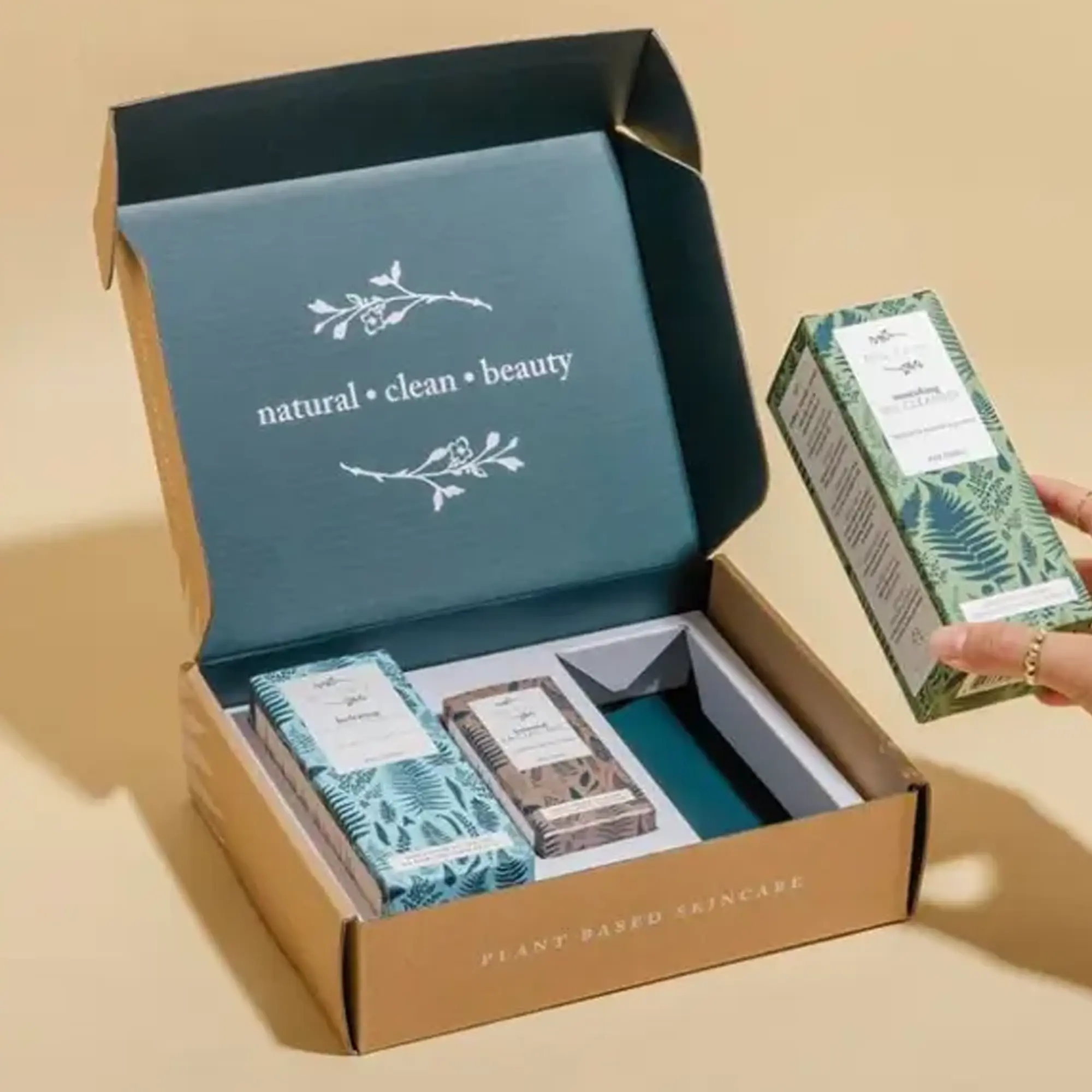
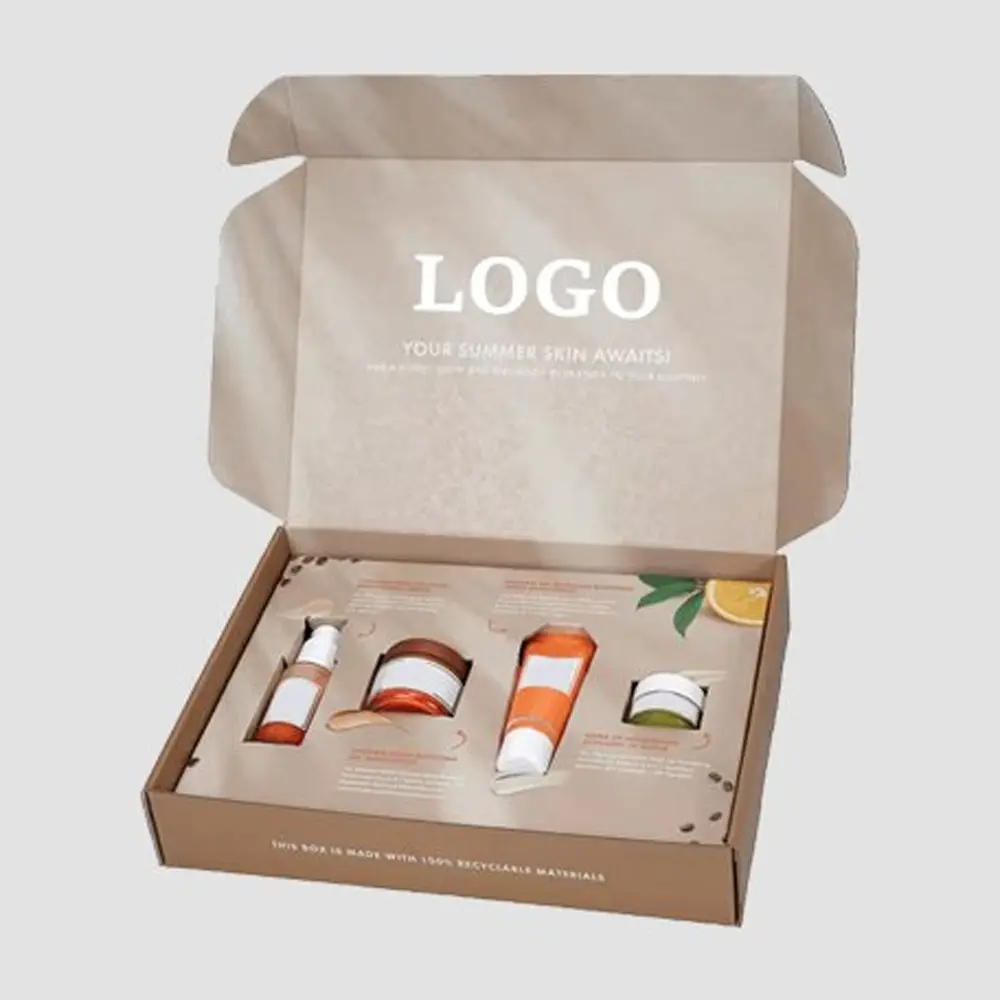
The consumer journey does not end at the retail checkout counter; it continues into the home during the unboxing moment. Custom printed interior linings, tissue wraps, personalized thank-you notes, and smooth magnetic closures transform a routine purchase into a memorable experience. Social media users frequently share visually appealing unboxing moments on platforms like Instagram and TikTok, providing organic user-generated marketing for your beauty brand.
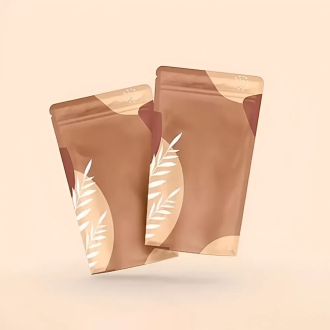
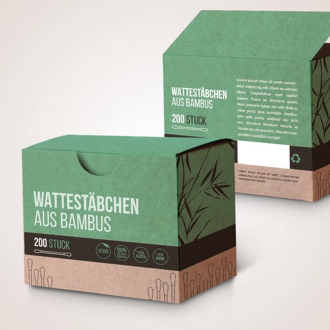
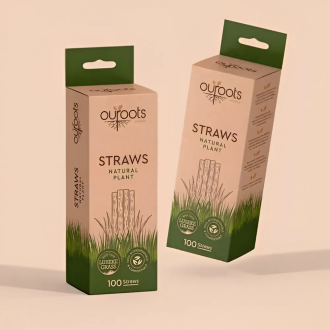
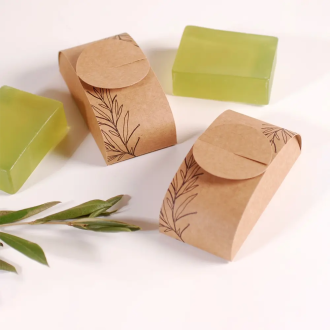
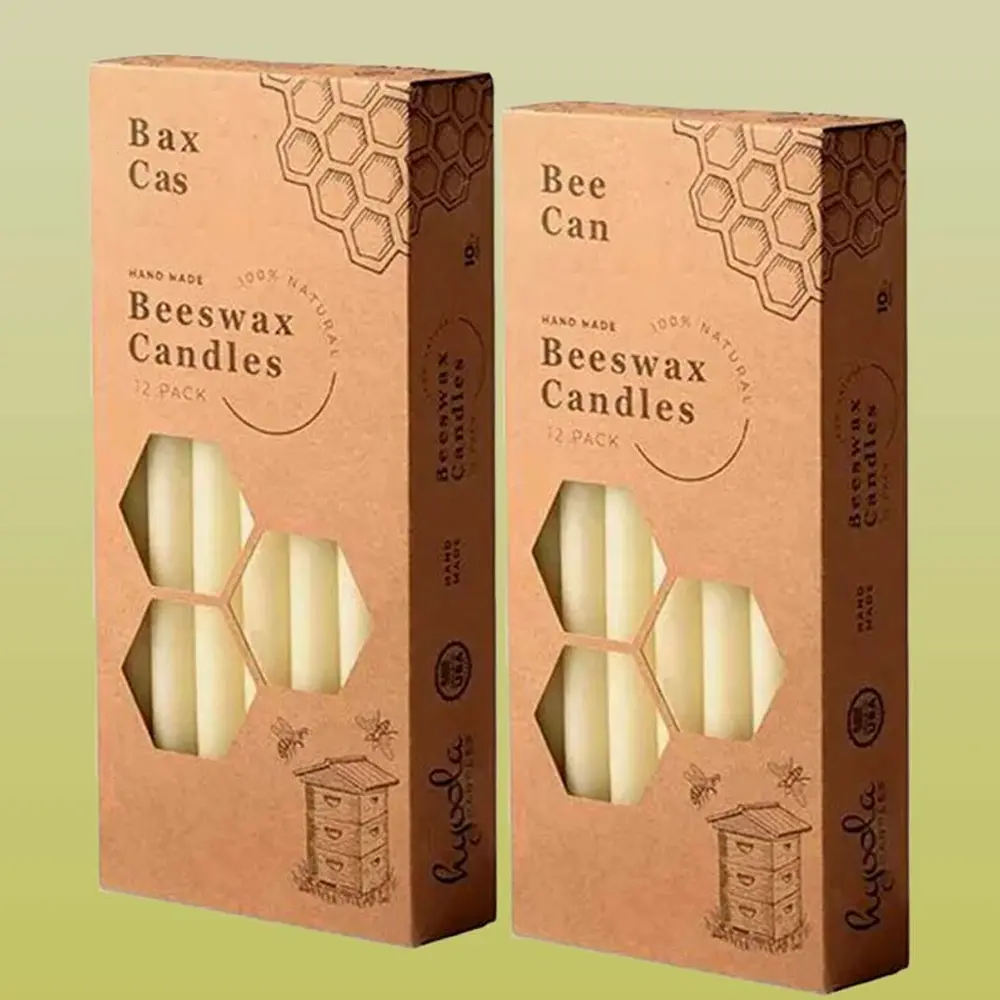
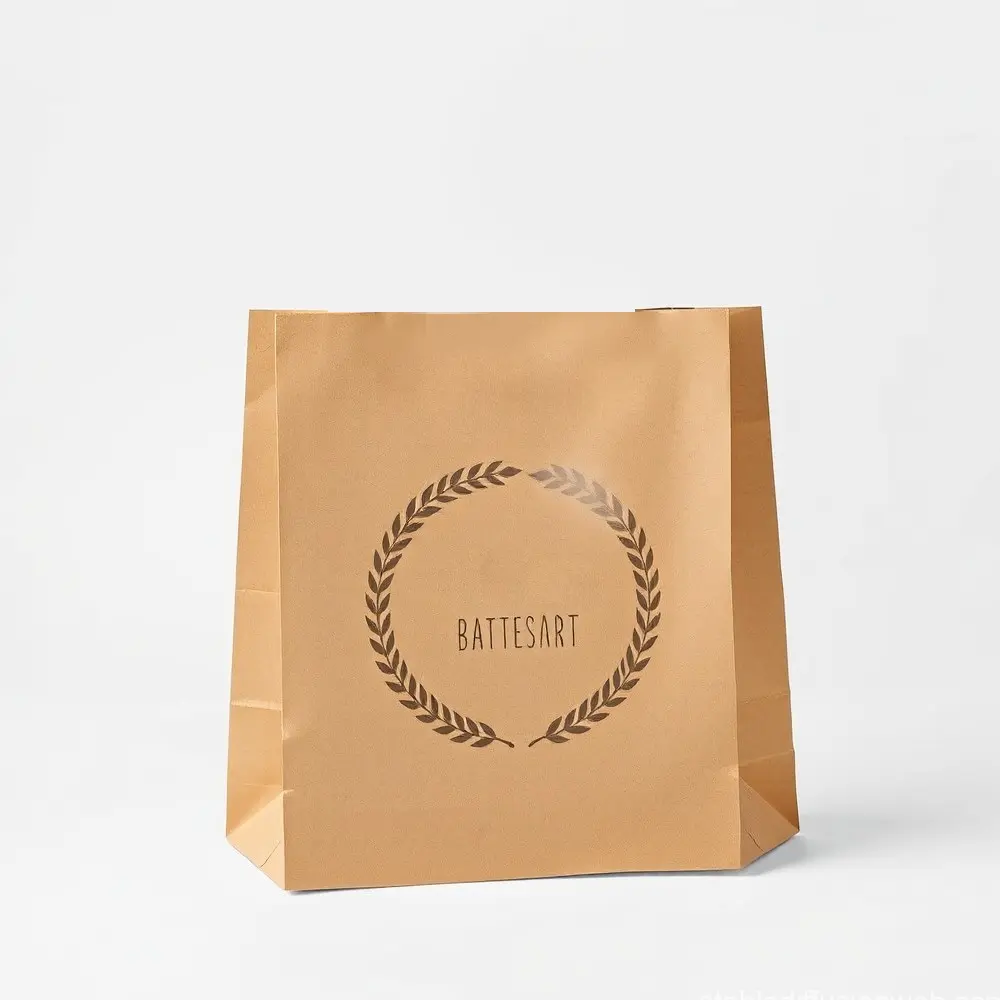
Sustainability is no longer an afterthought; it is a primary factor in purchasing decisions. Modern shoppers actively favor brands that use recyclable, biodegradable, or compostable packaging materials. Utilizing vegetable-based soy inks and water-based coatings on recyclable Kraft board allows beauty and retail brands to demonstrate environmental responsibility without sacrificing visual appeal or structural strength.
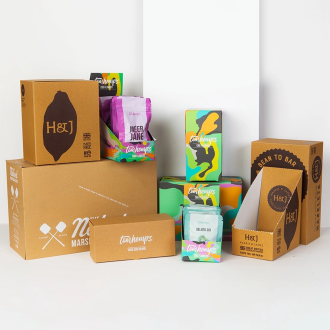
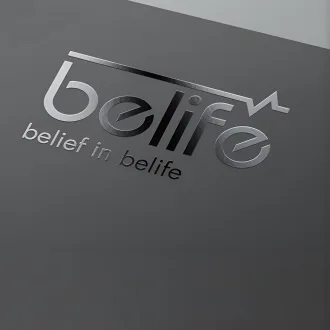
To maximize cost-efficiency when scaling production, brands can standardize box dimensions across product lines while varying artwork designs. High-speed digital and offset printing techniques deliver sharp graphic clarity, accurate pantone matching, and crisp barcode execution. Combining offset printing with targeted spot UV highlights or foil accents yields a luxury finish while keeping per-unit costs low.