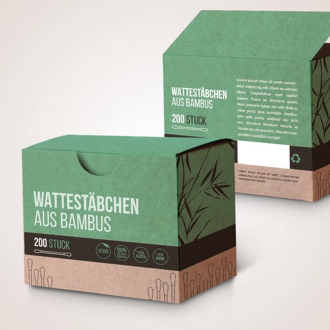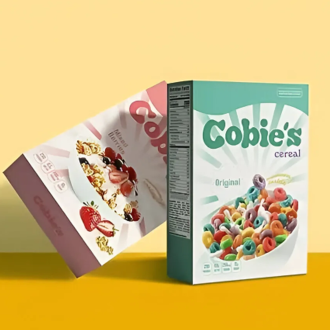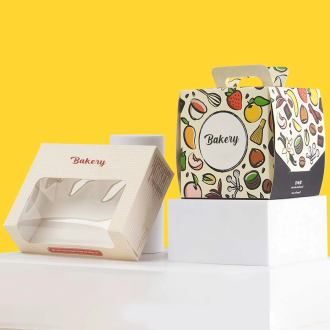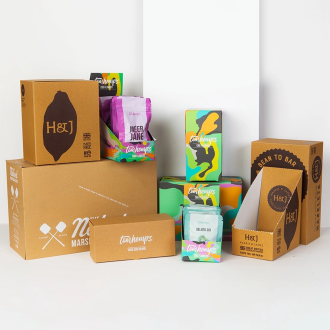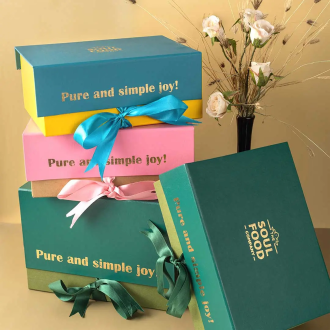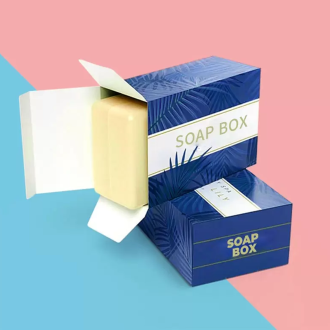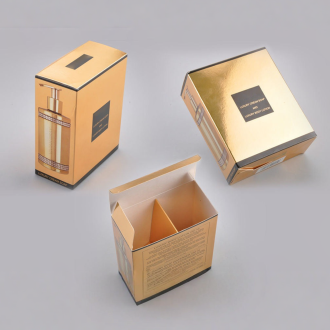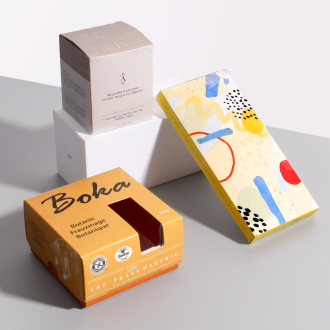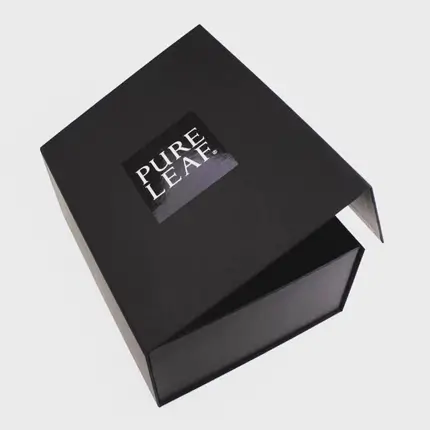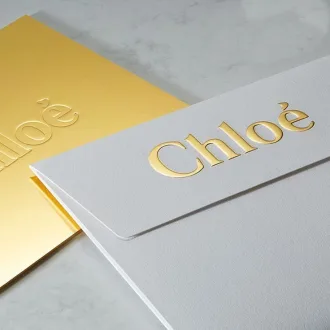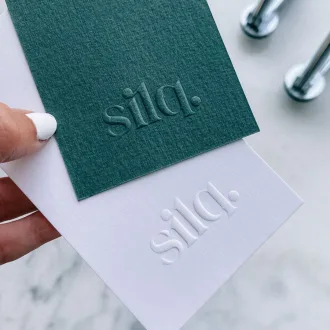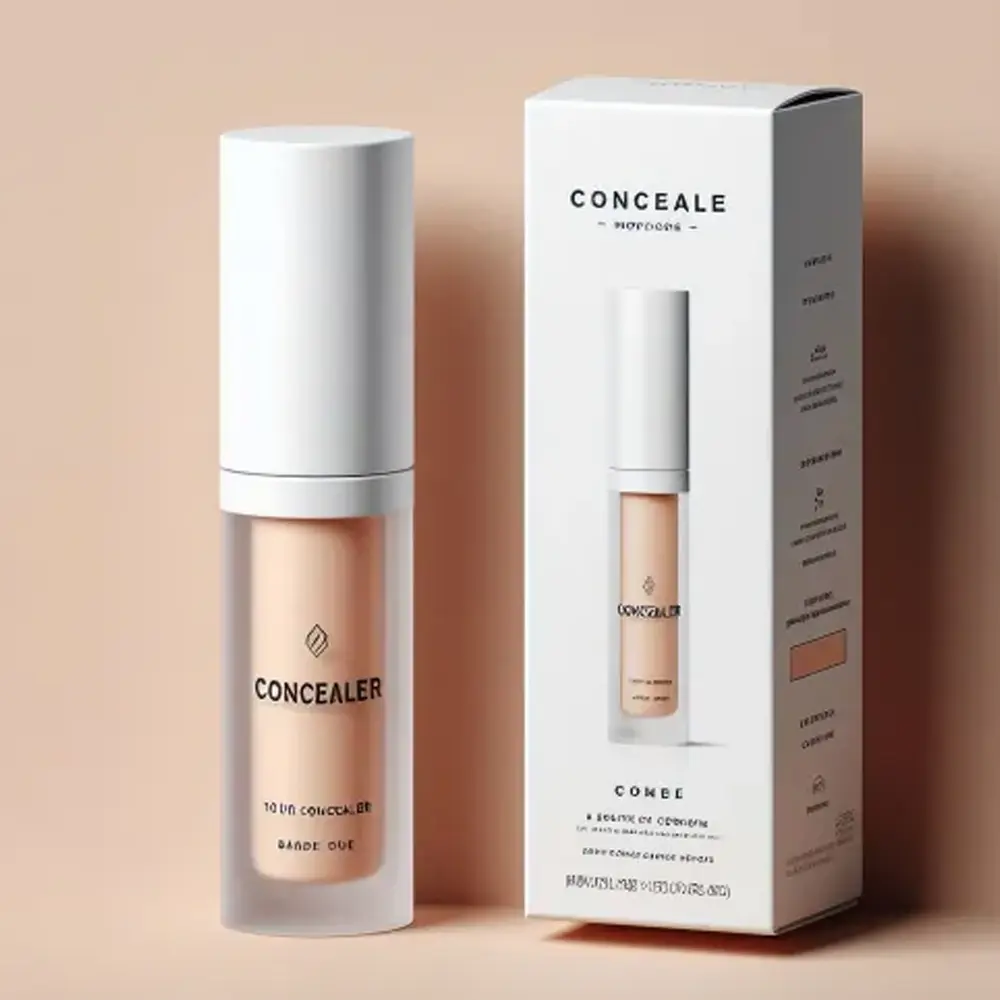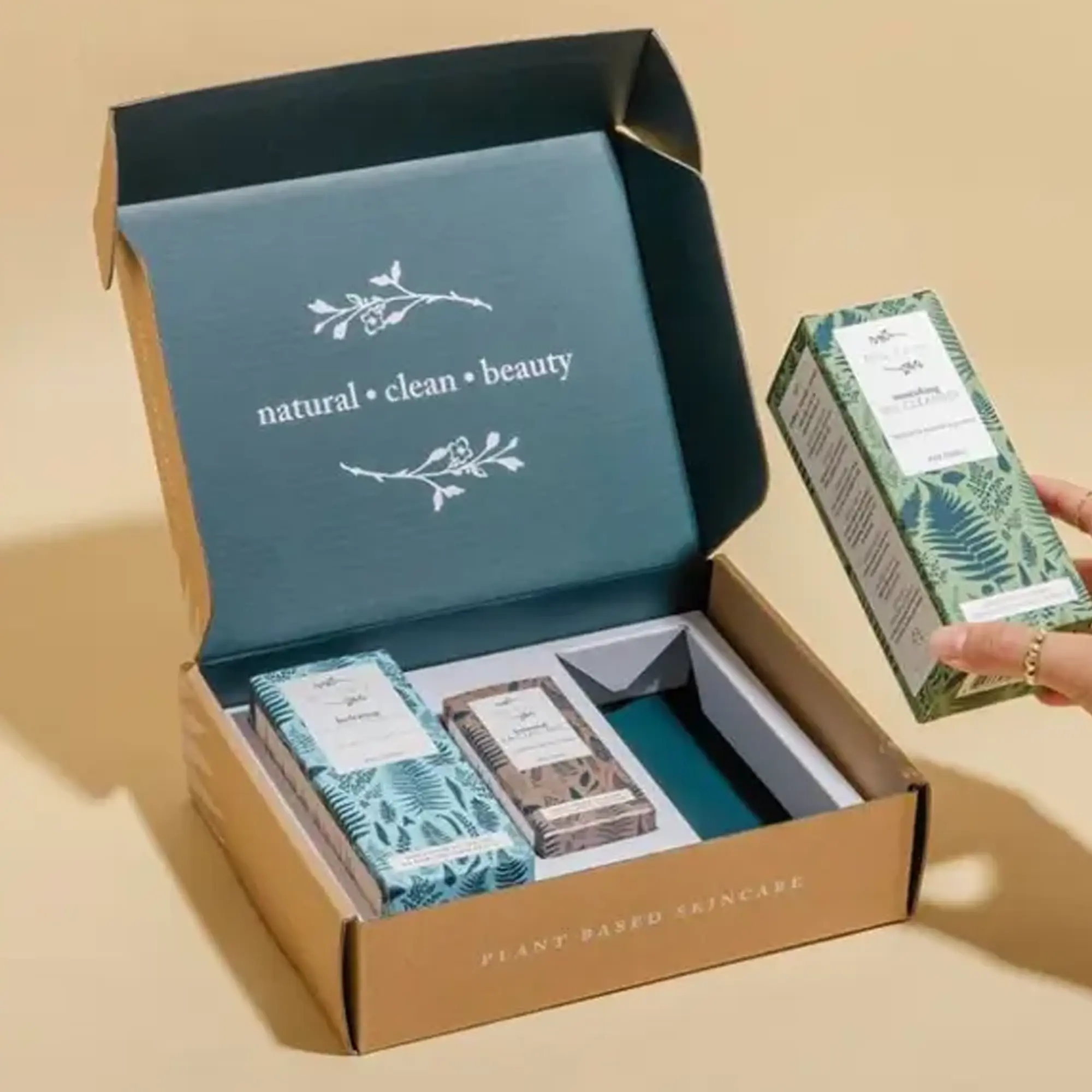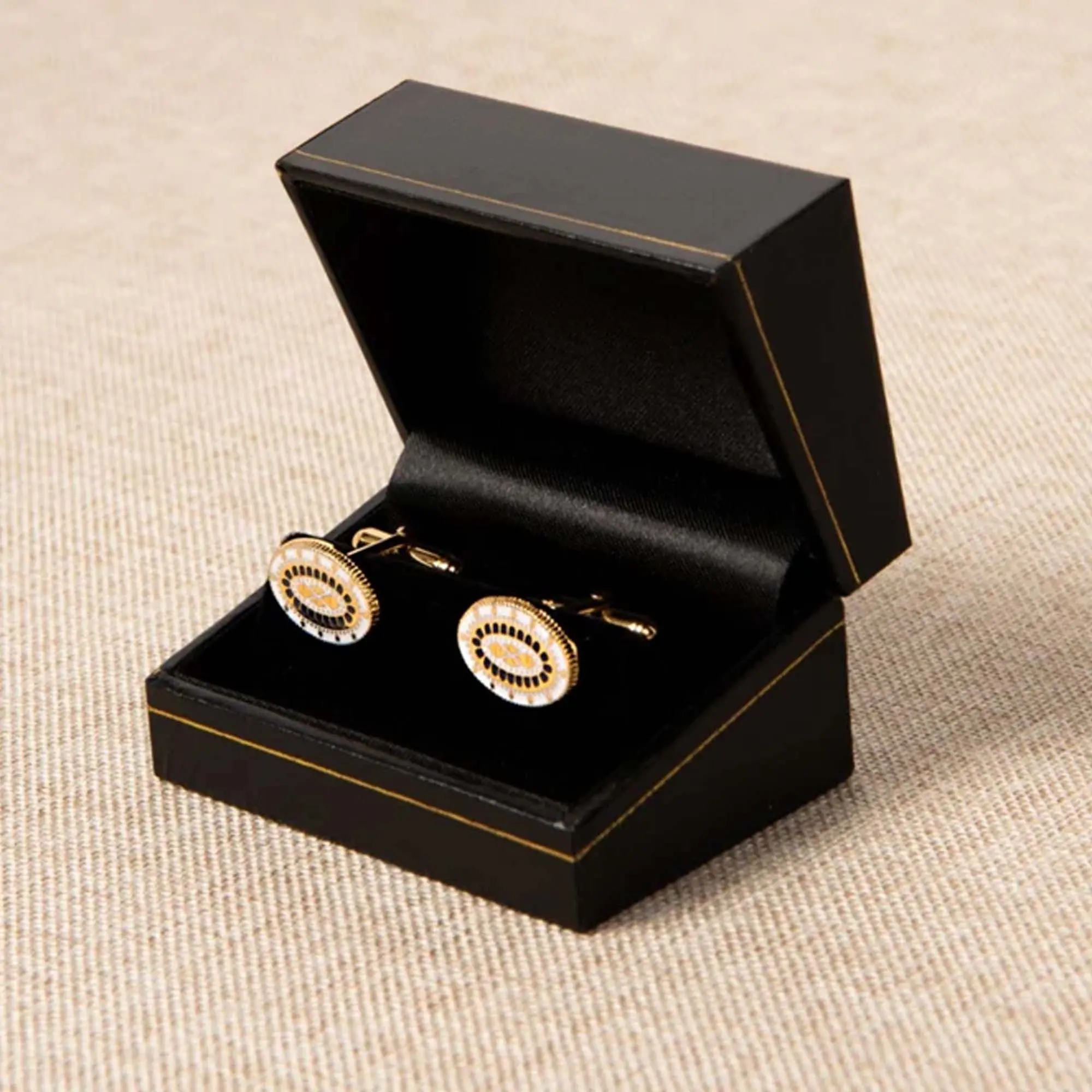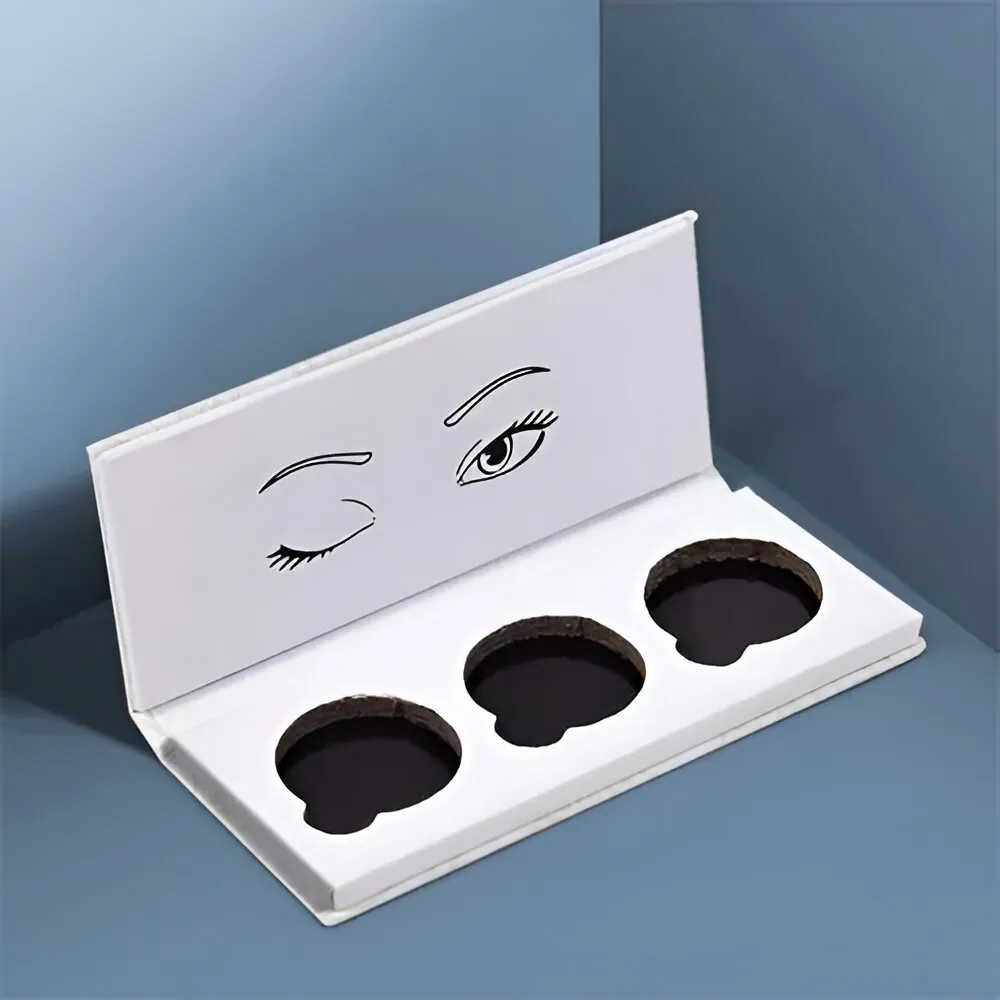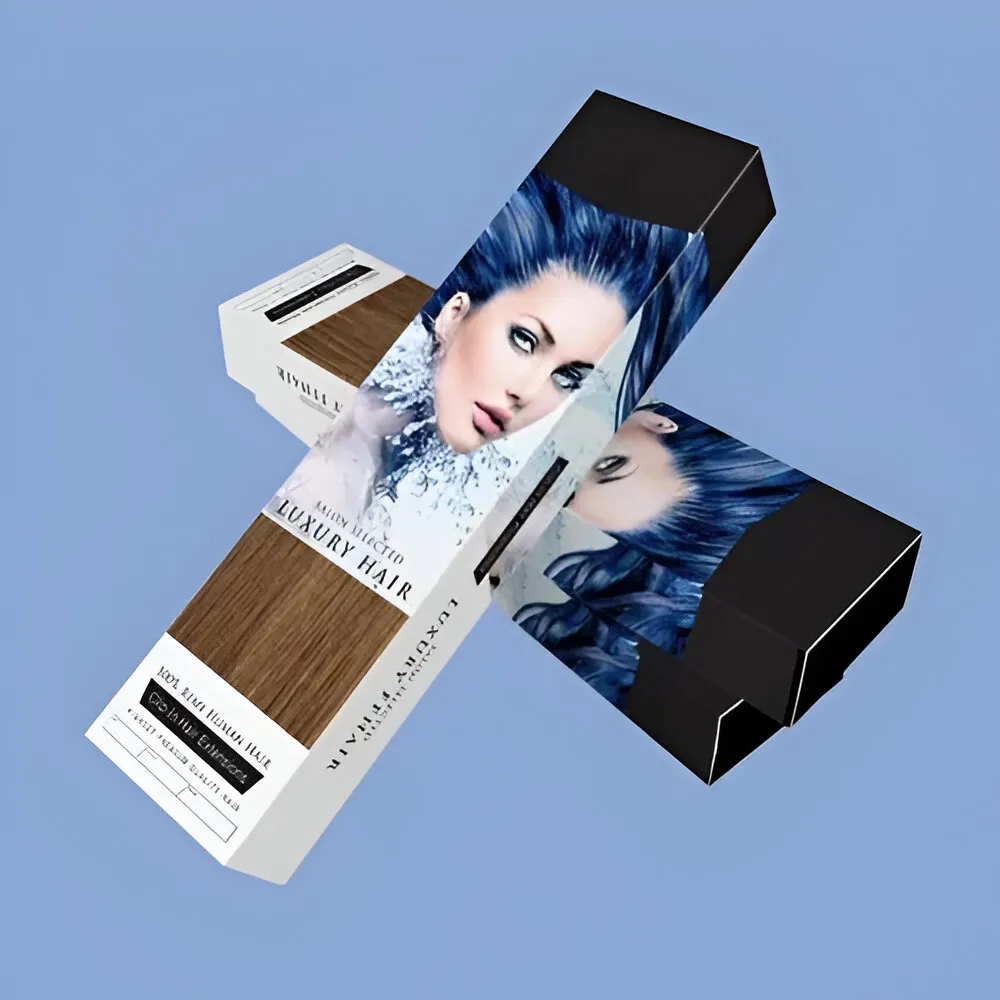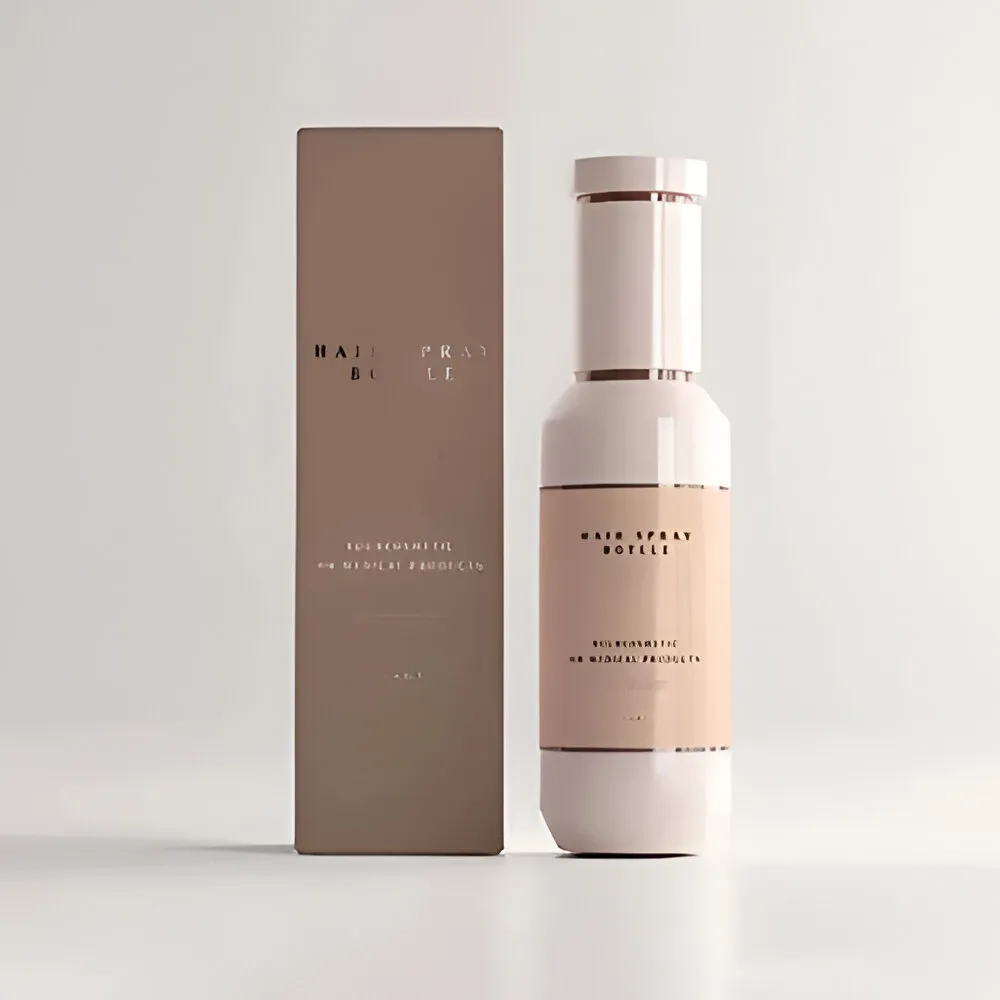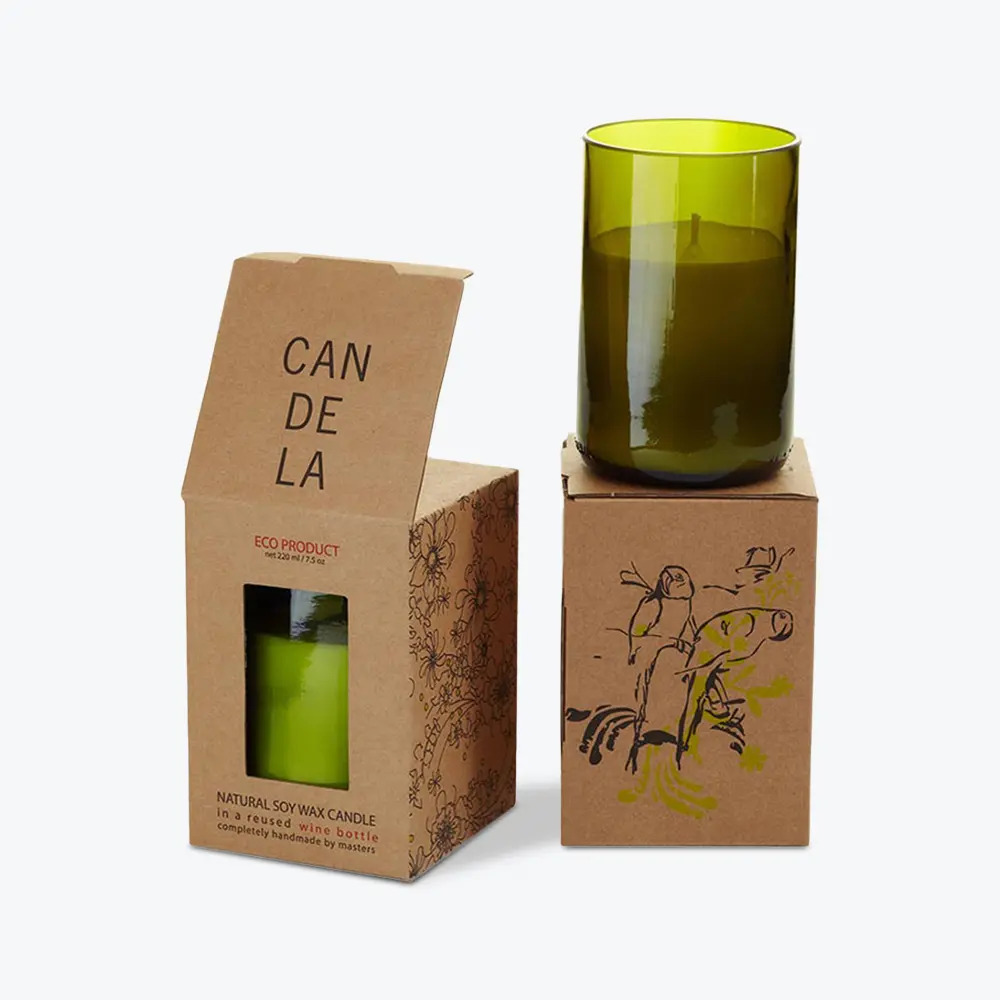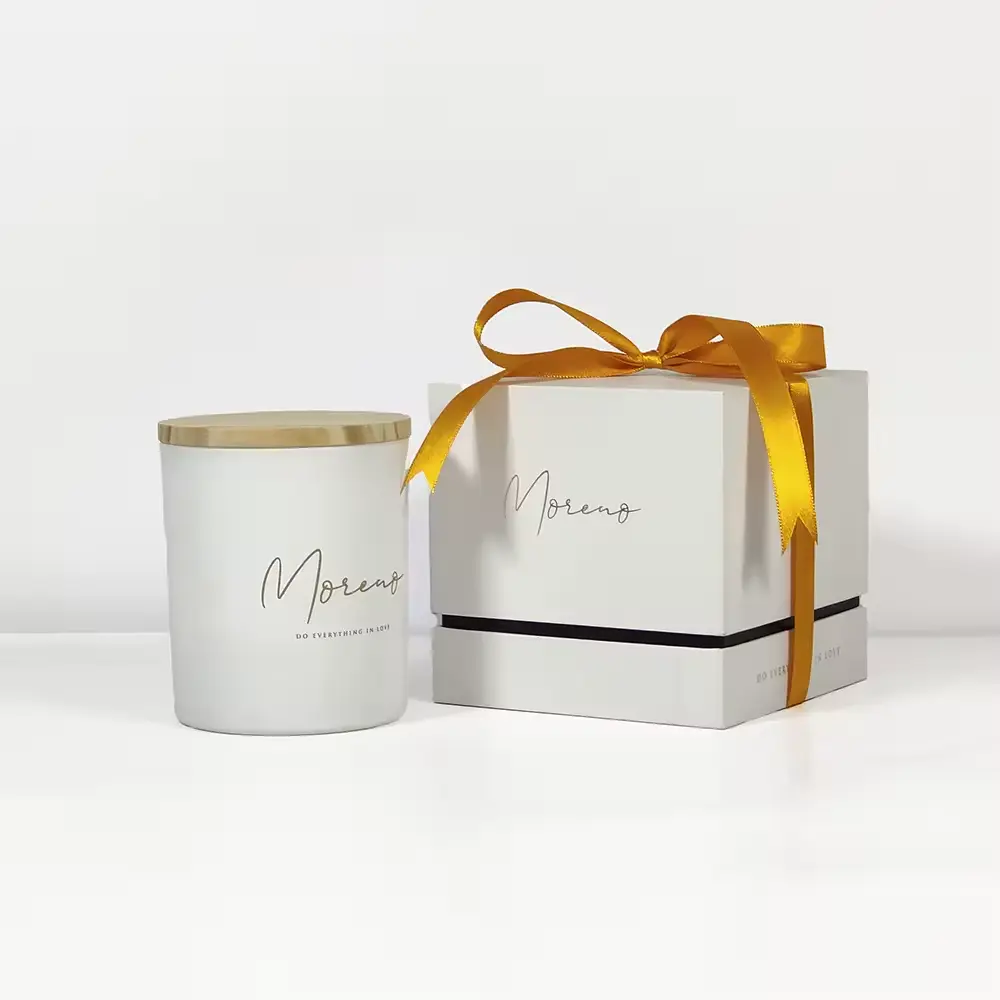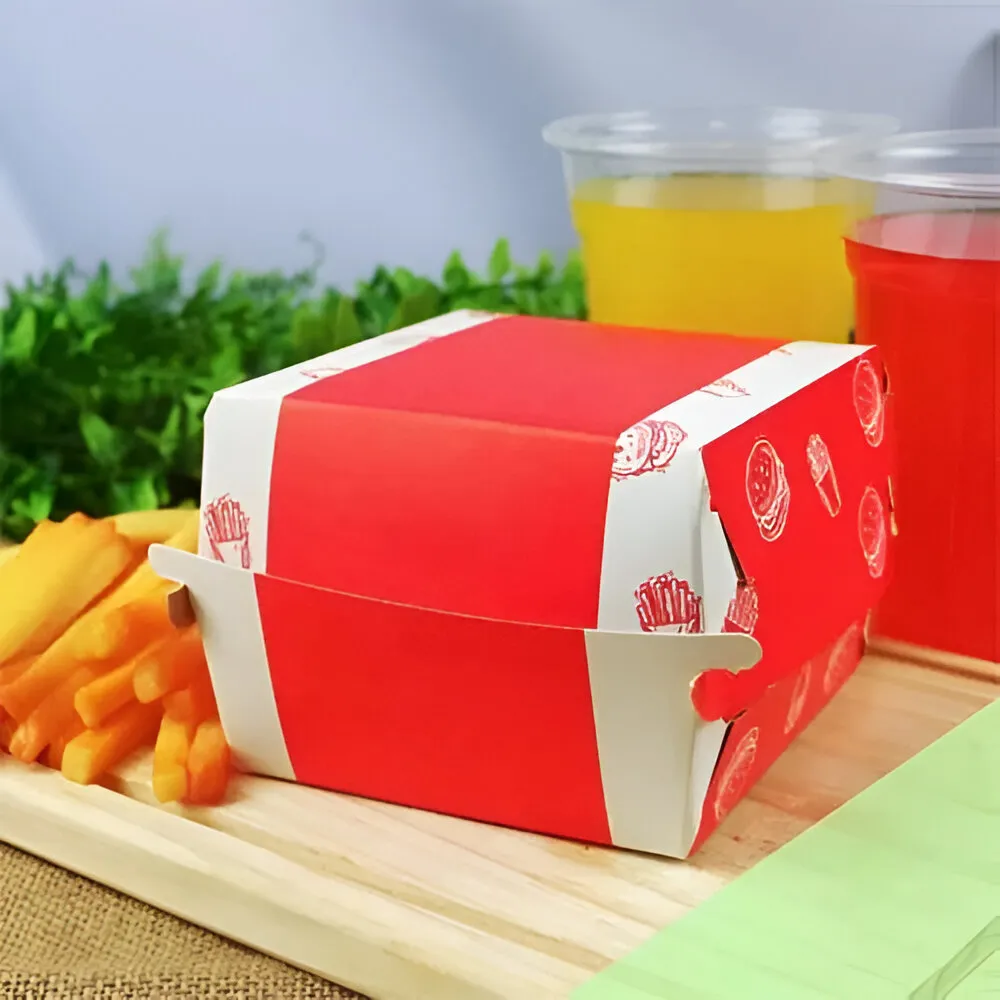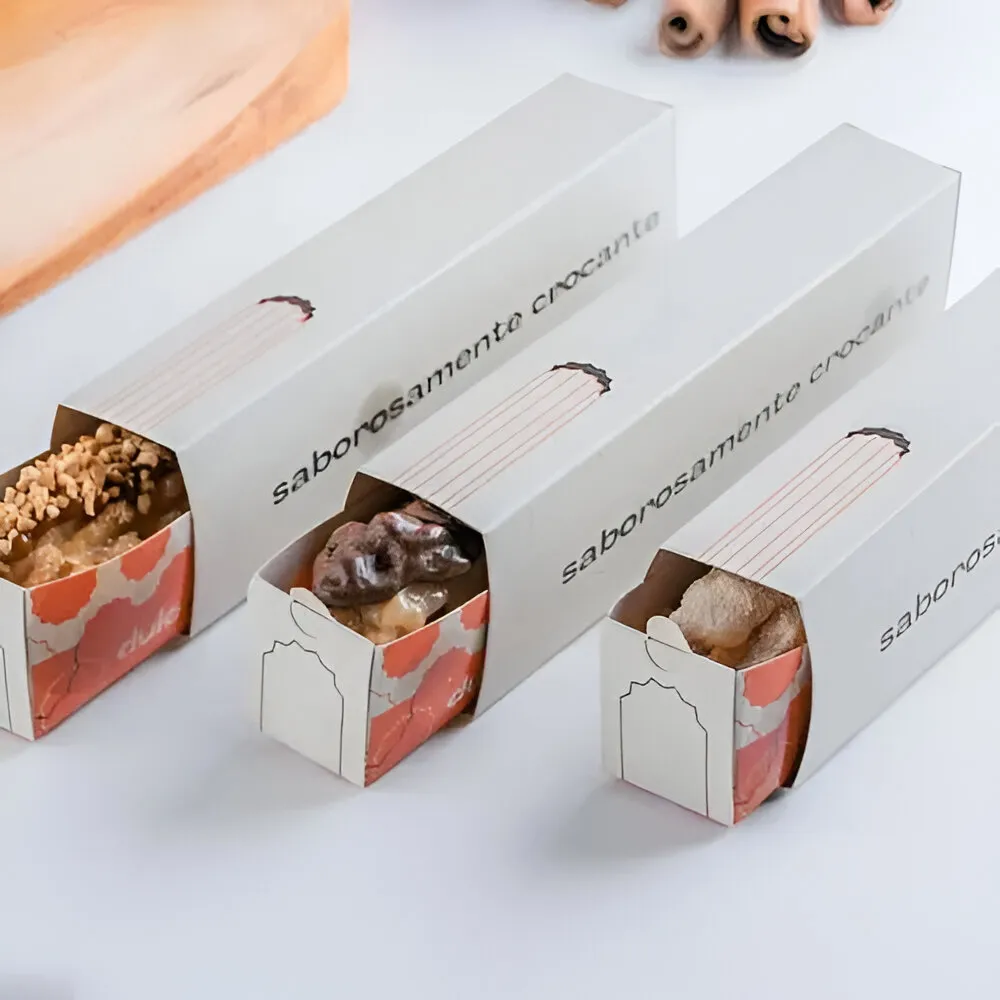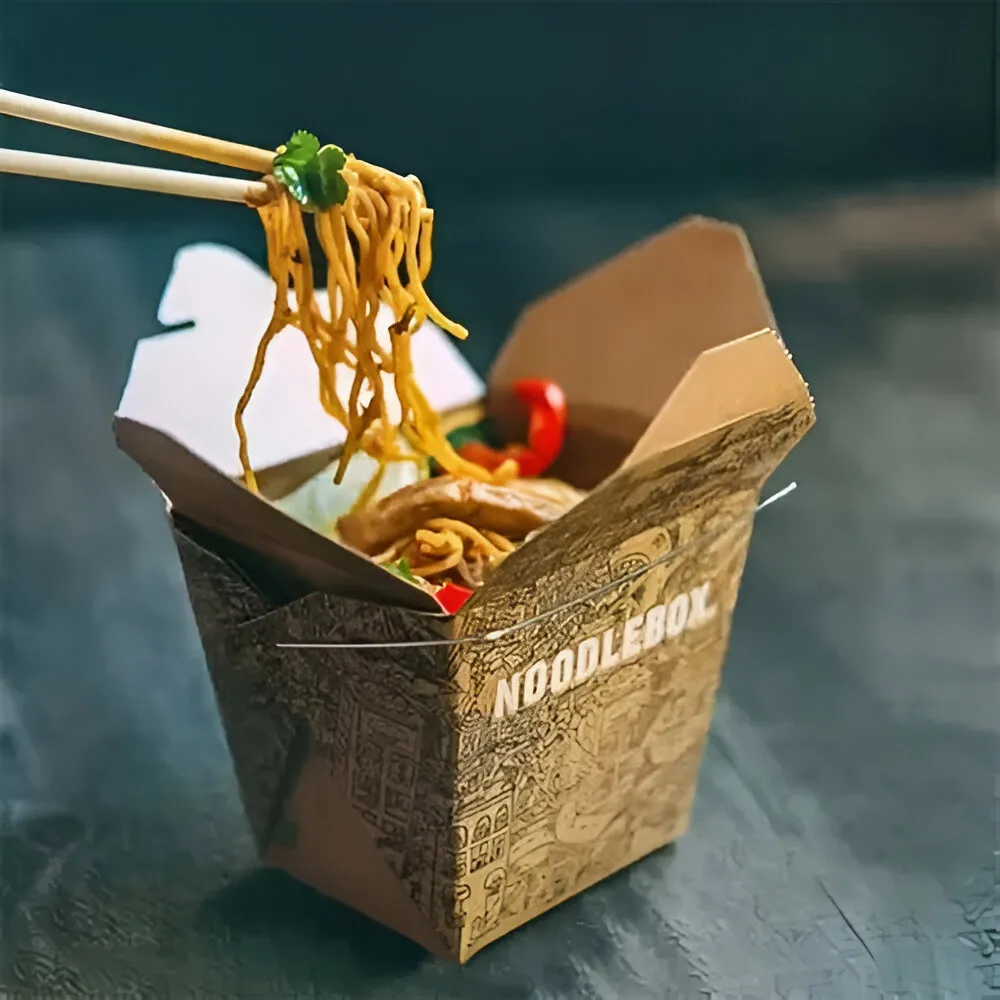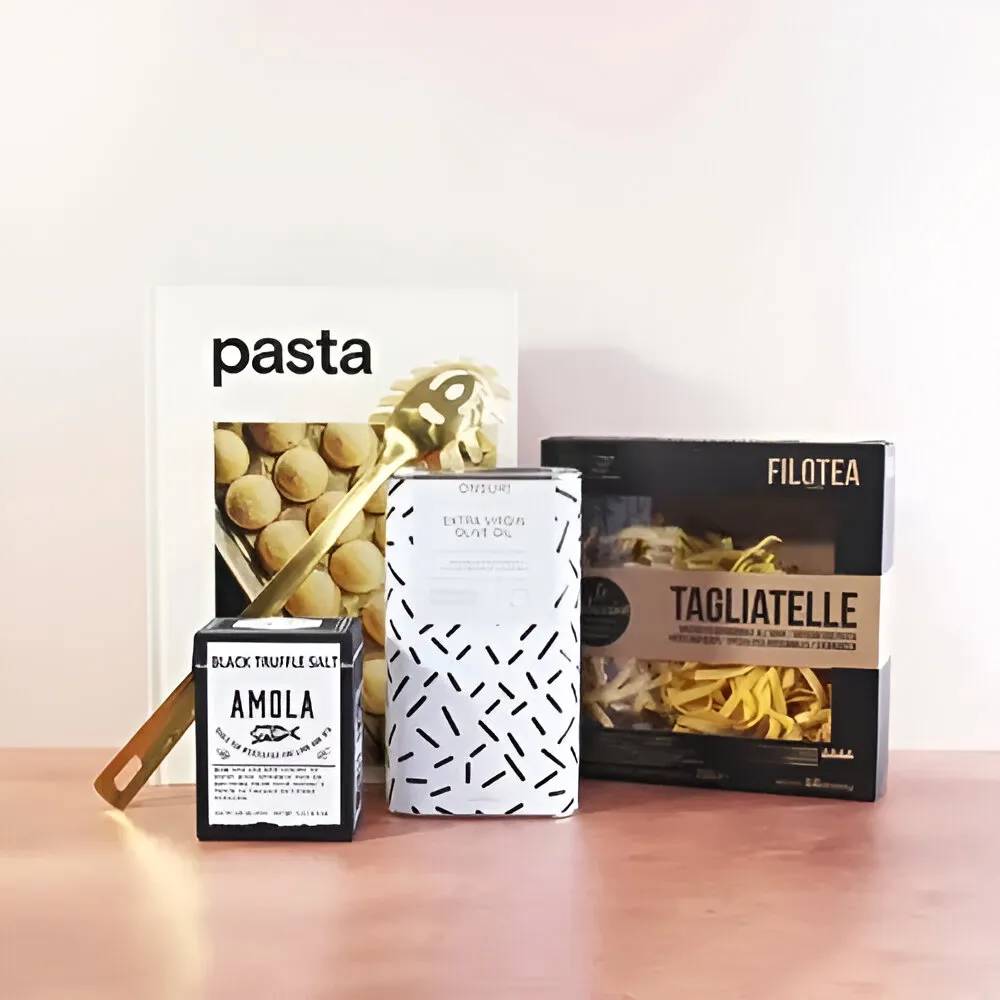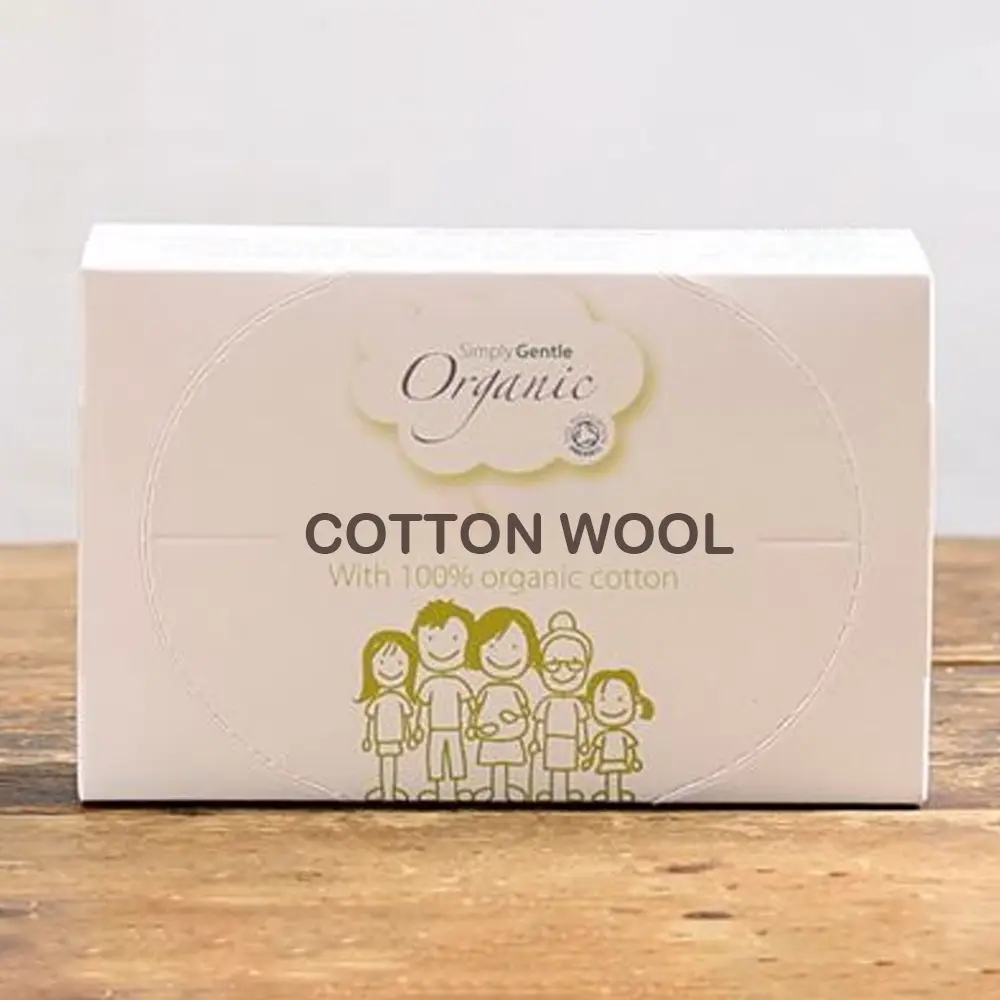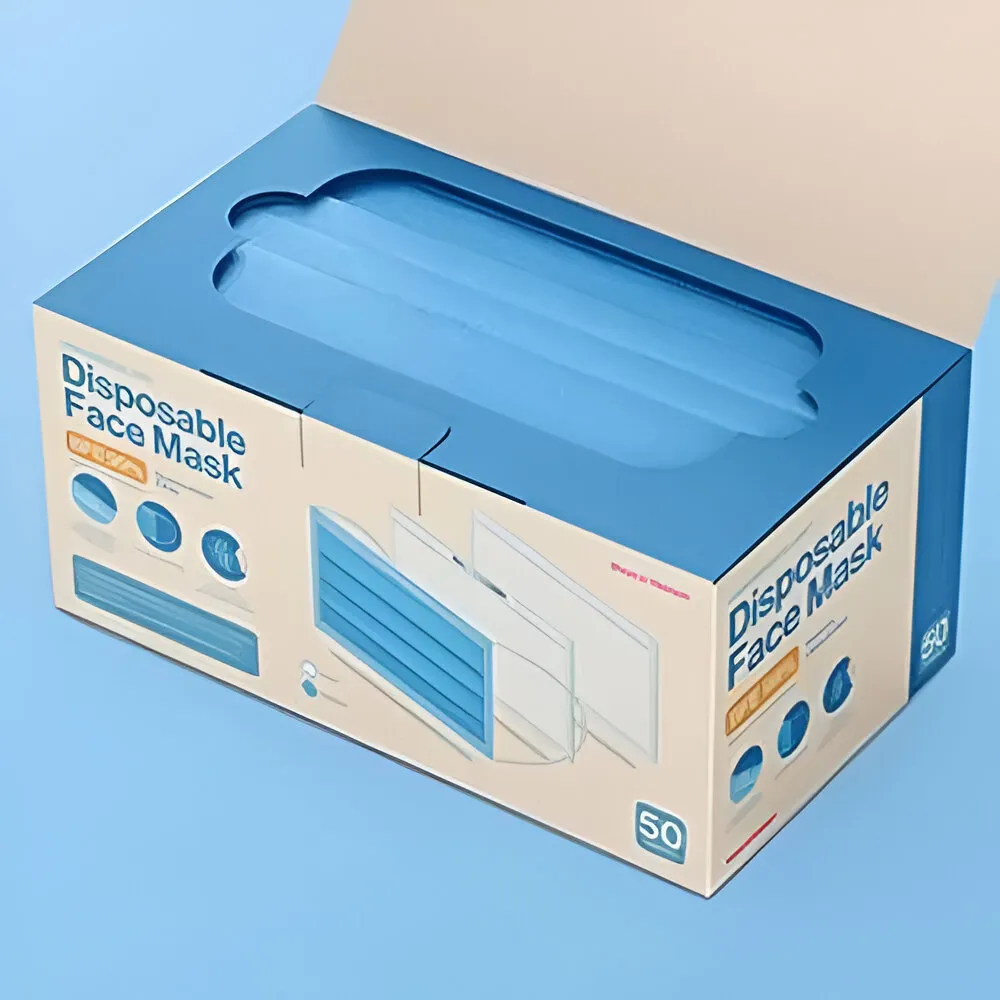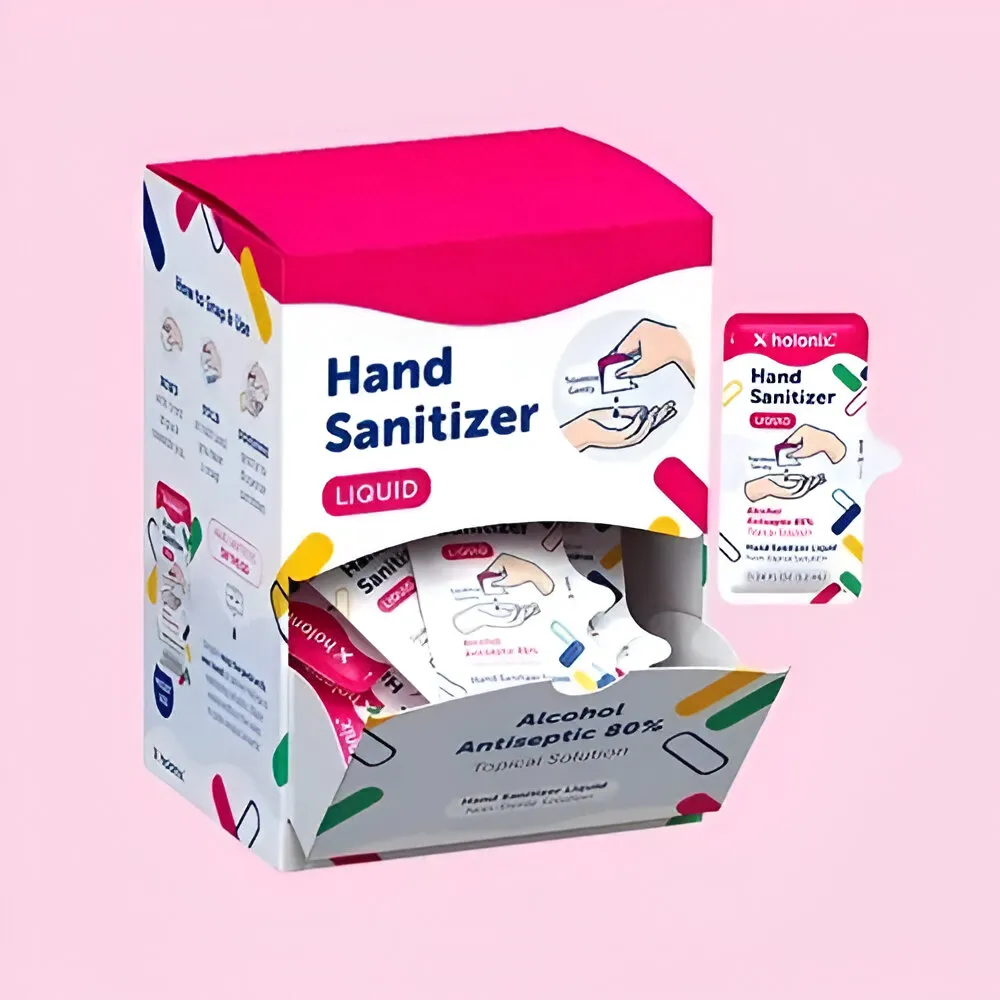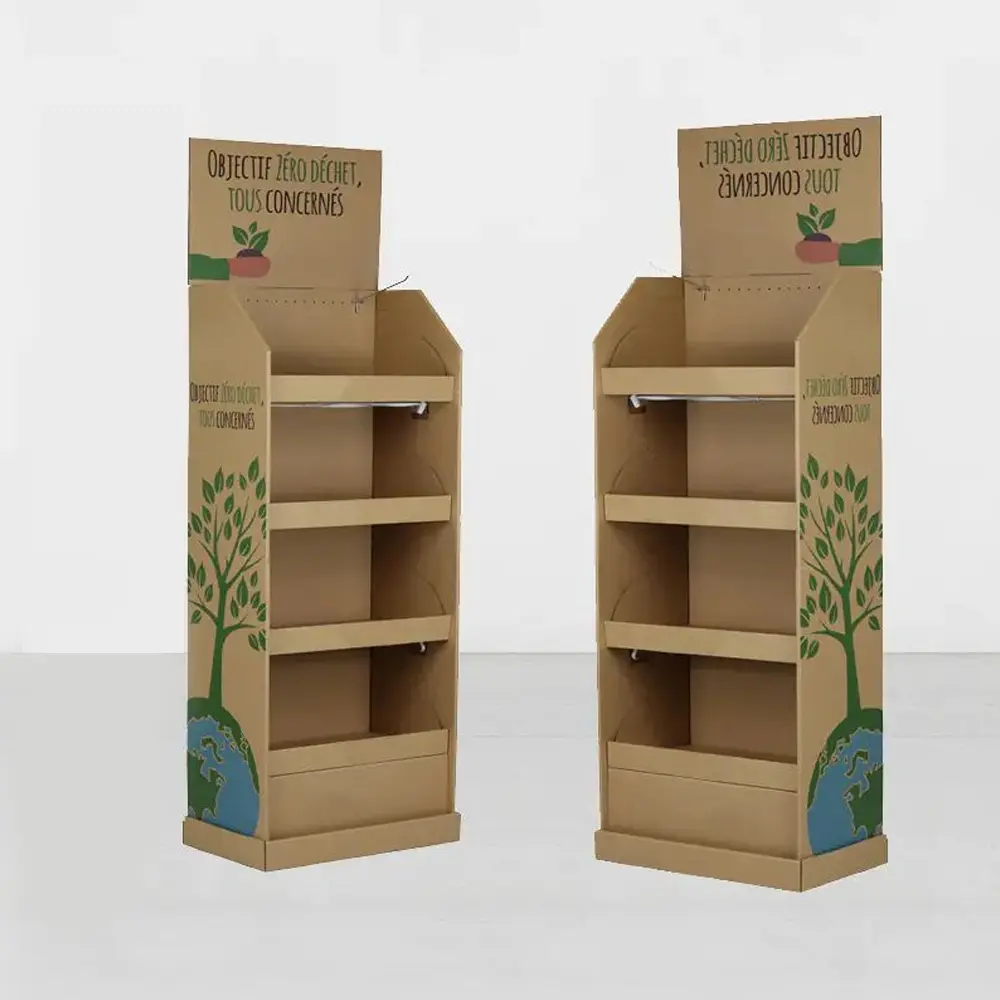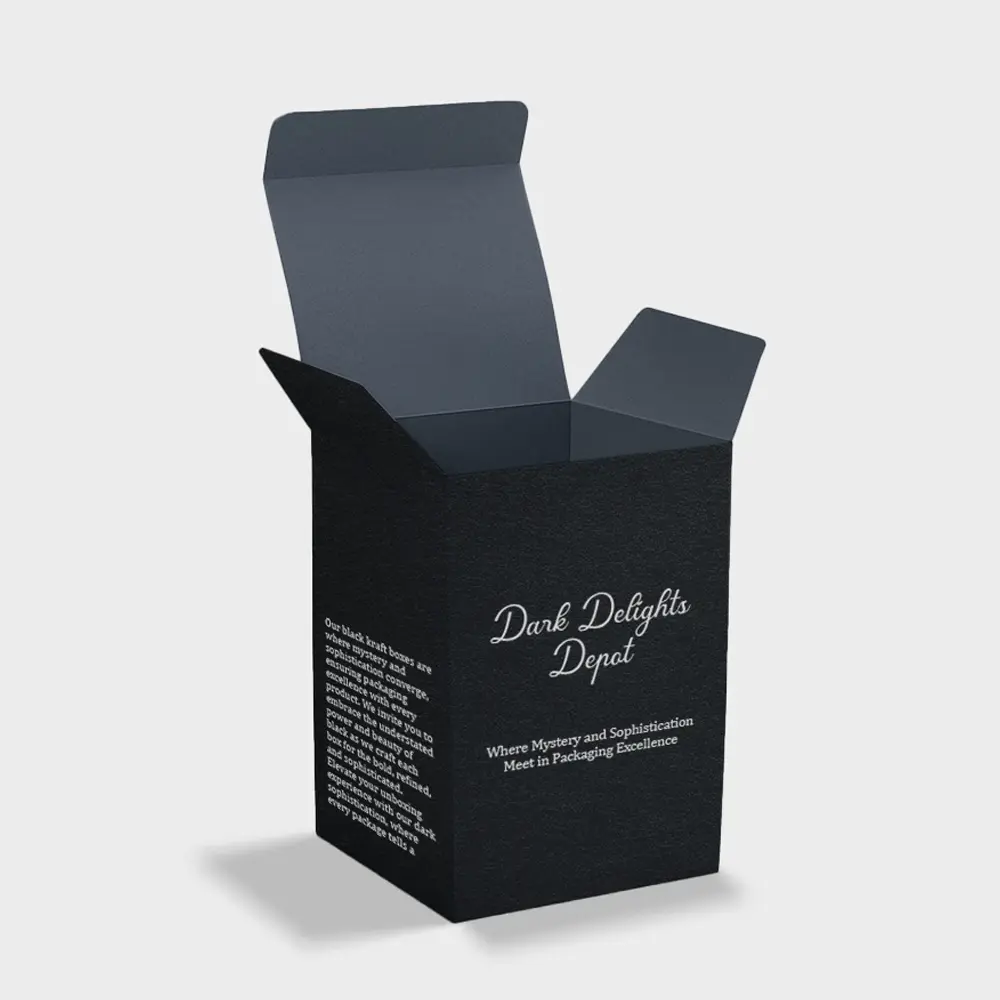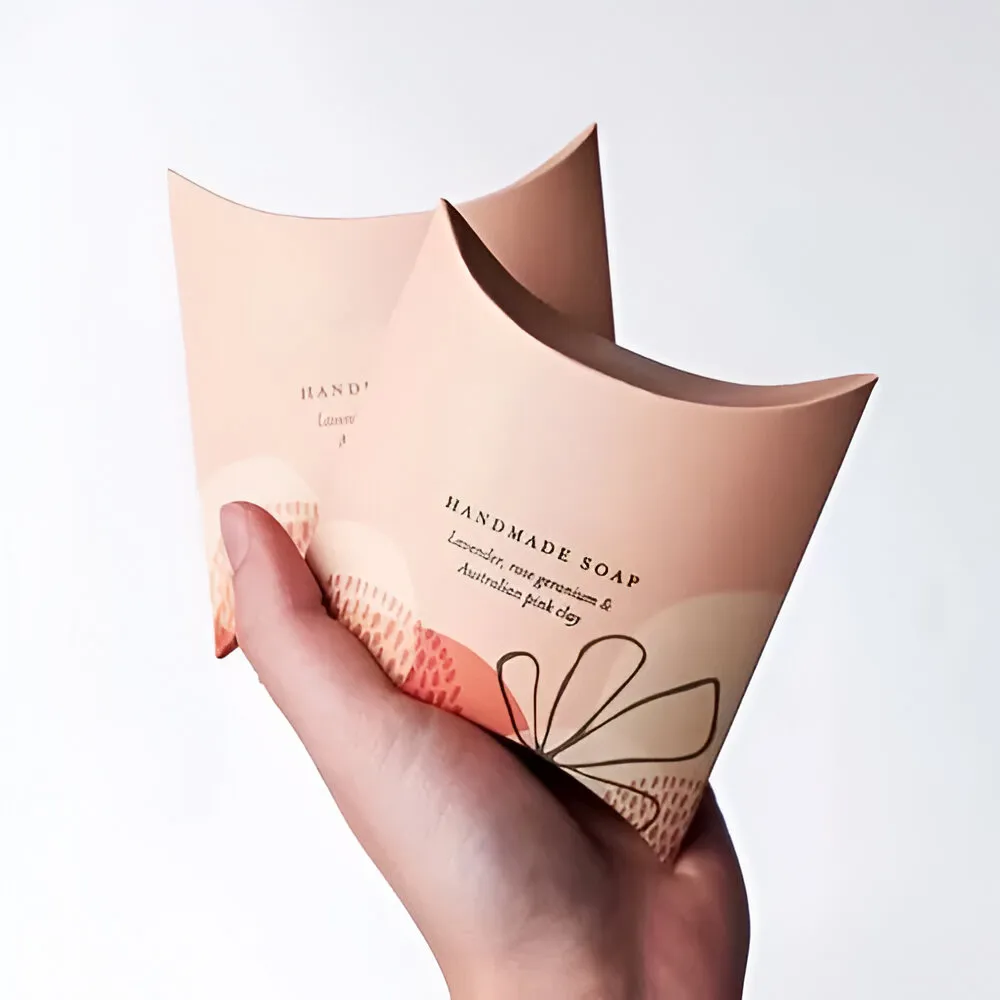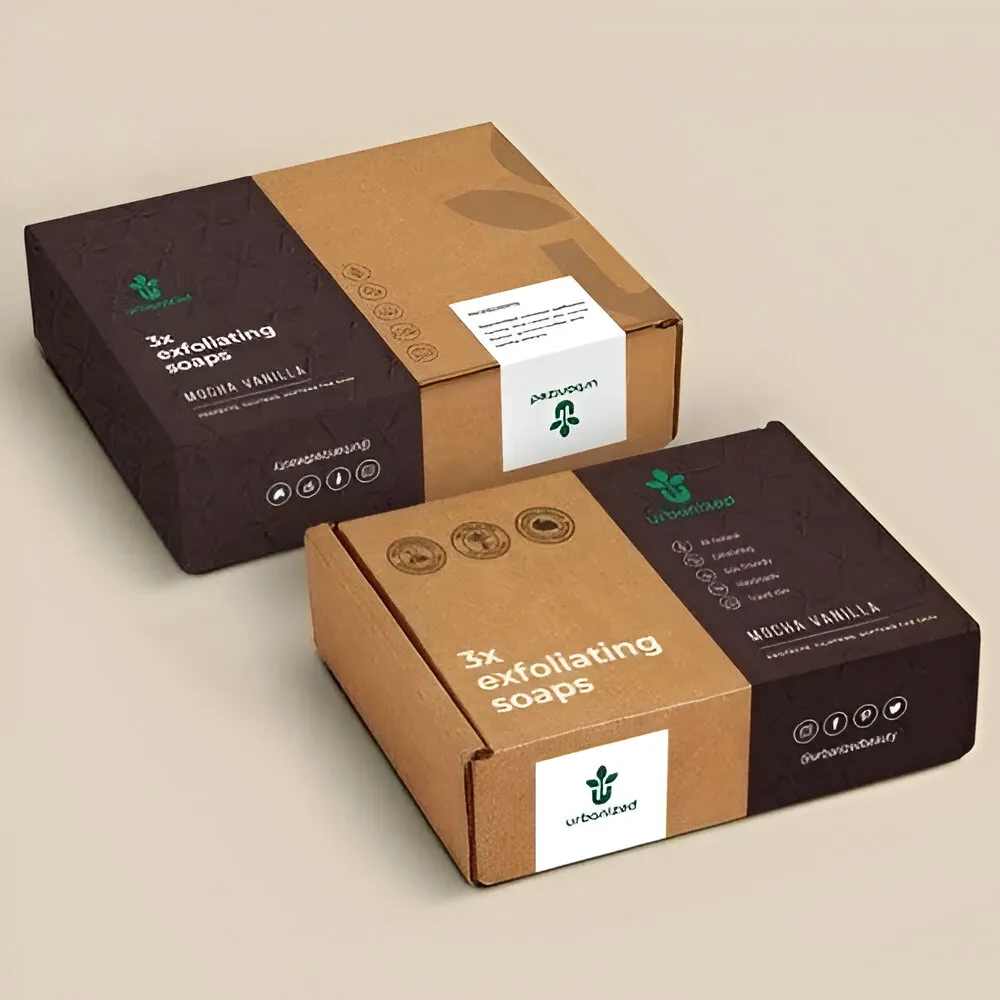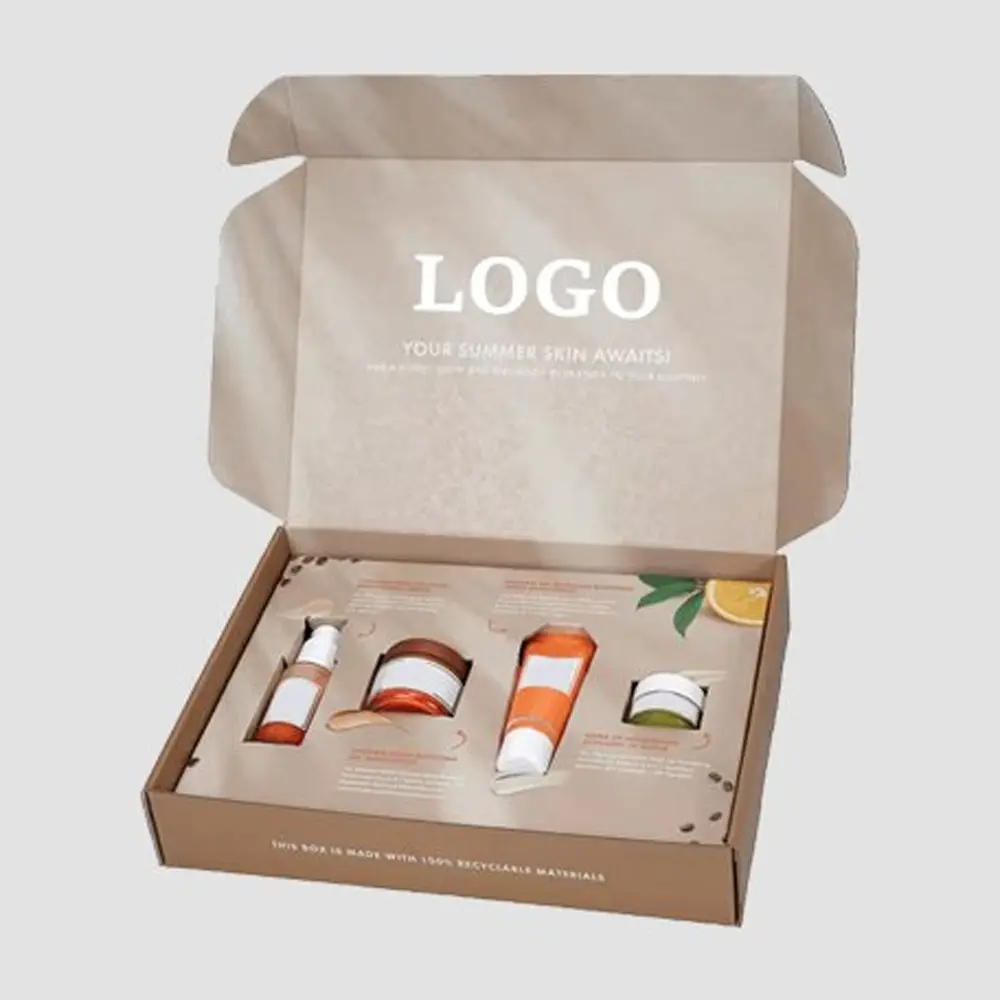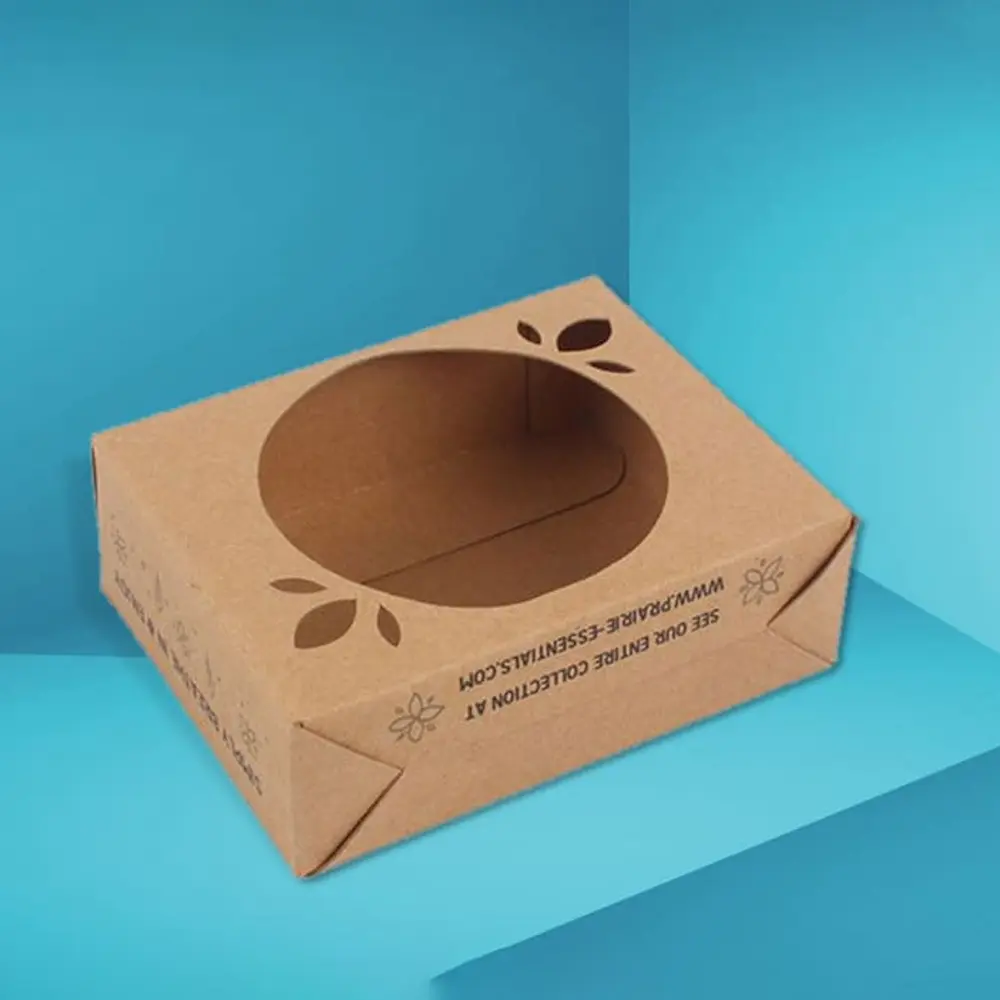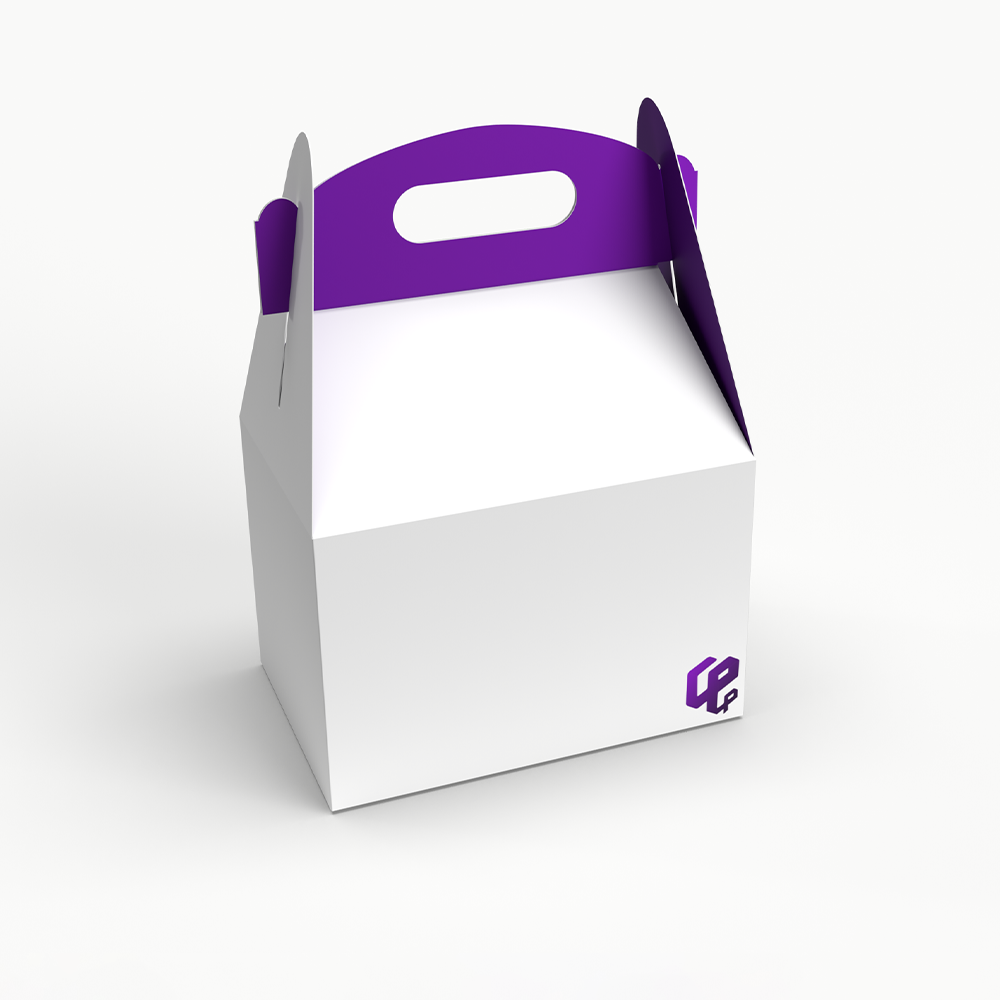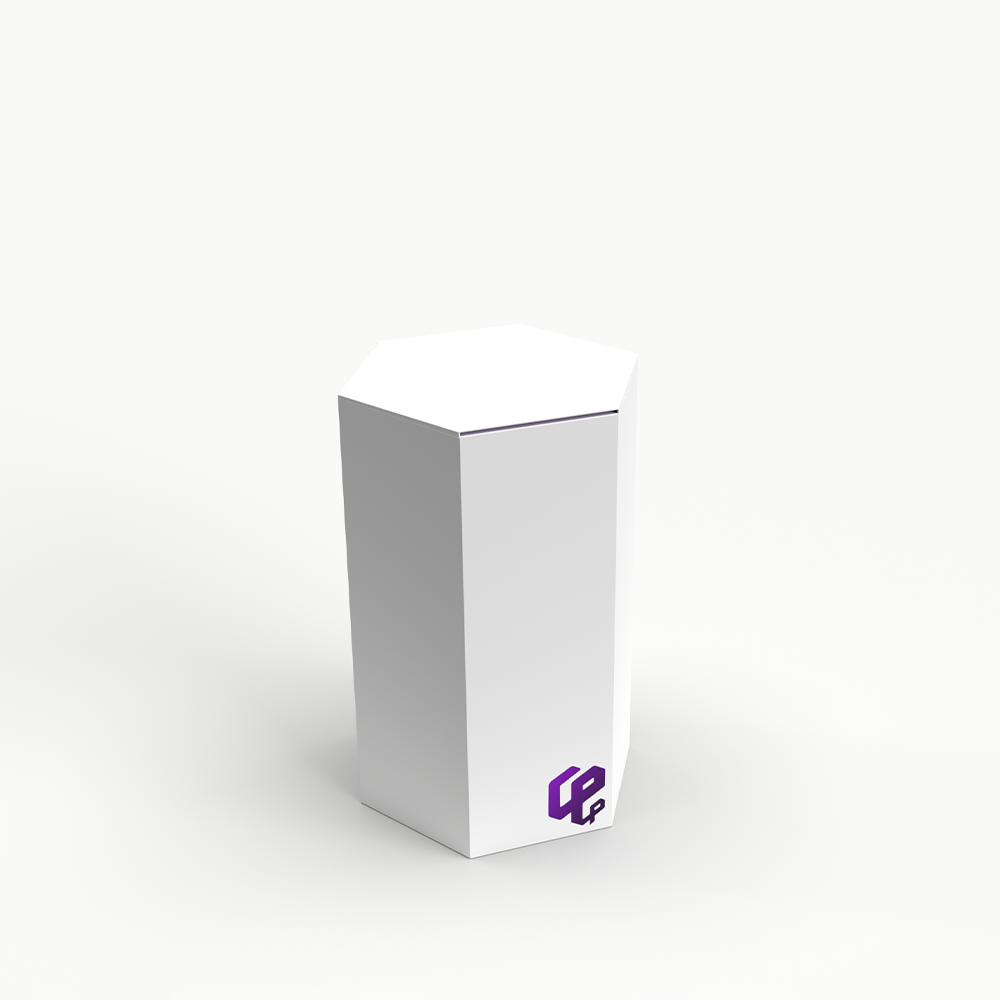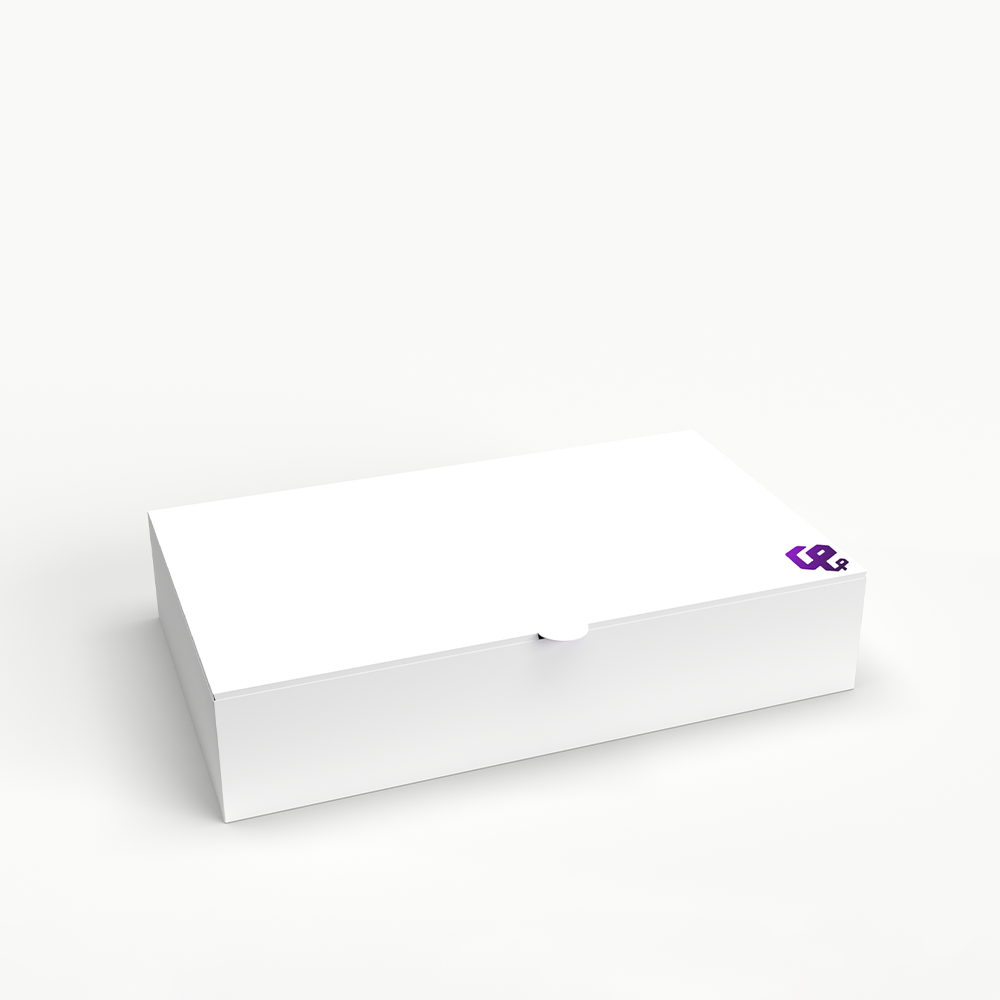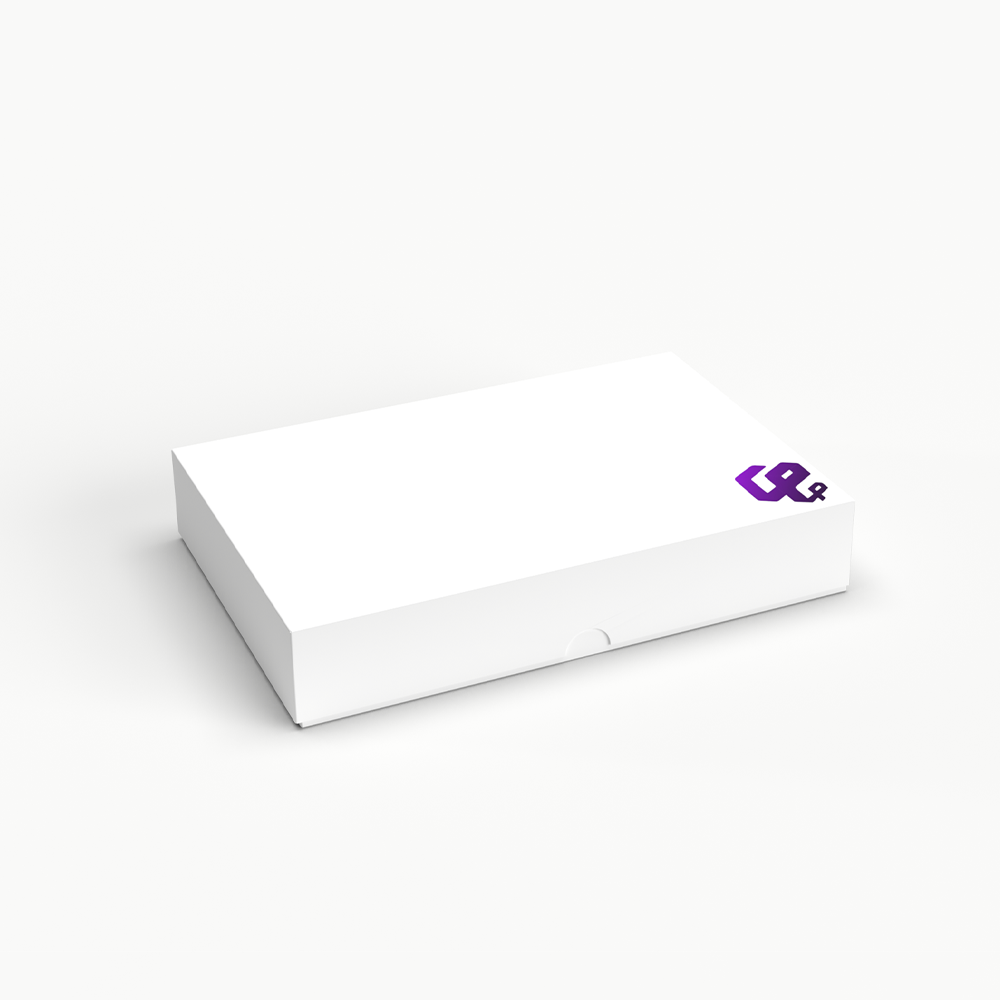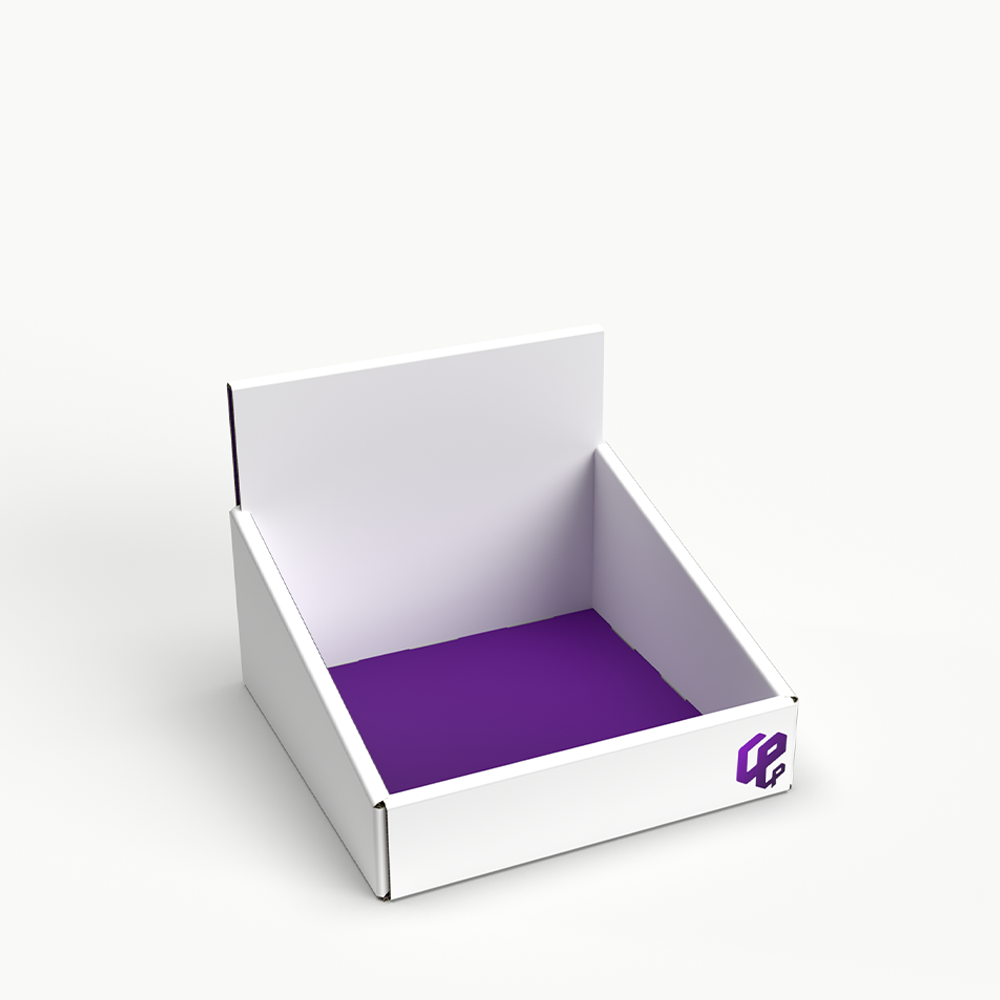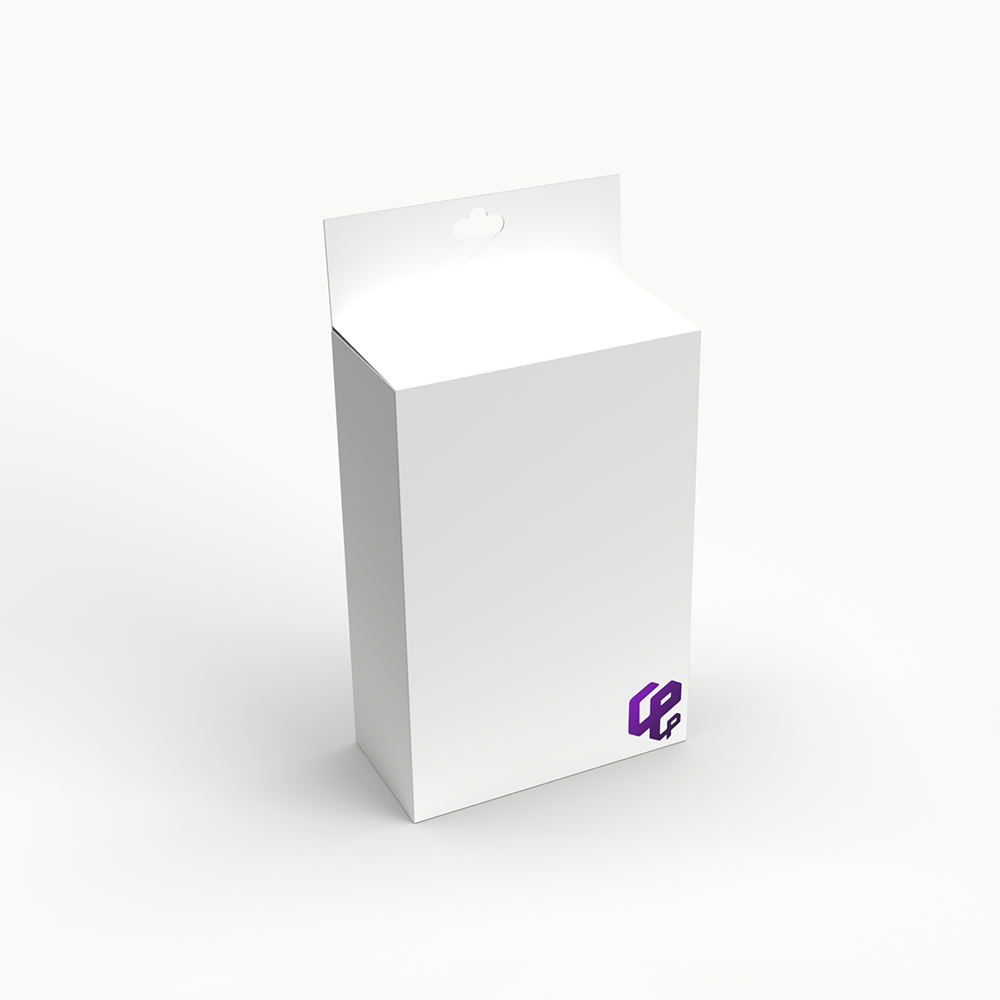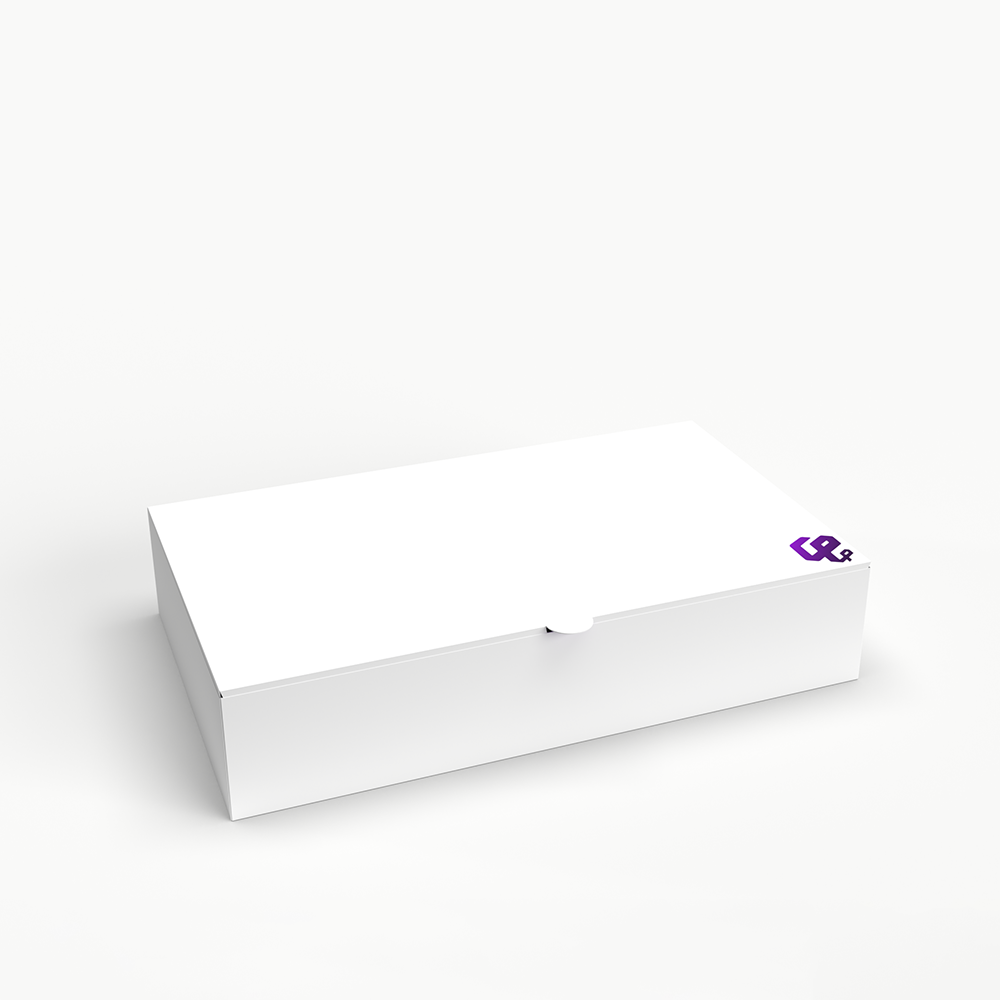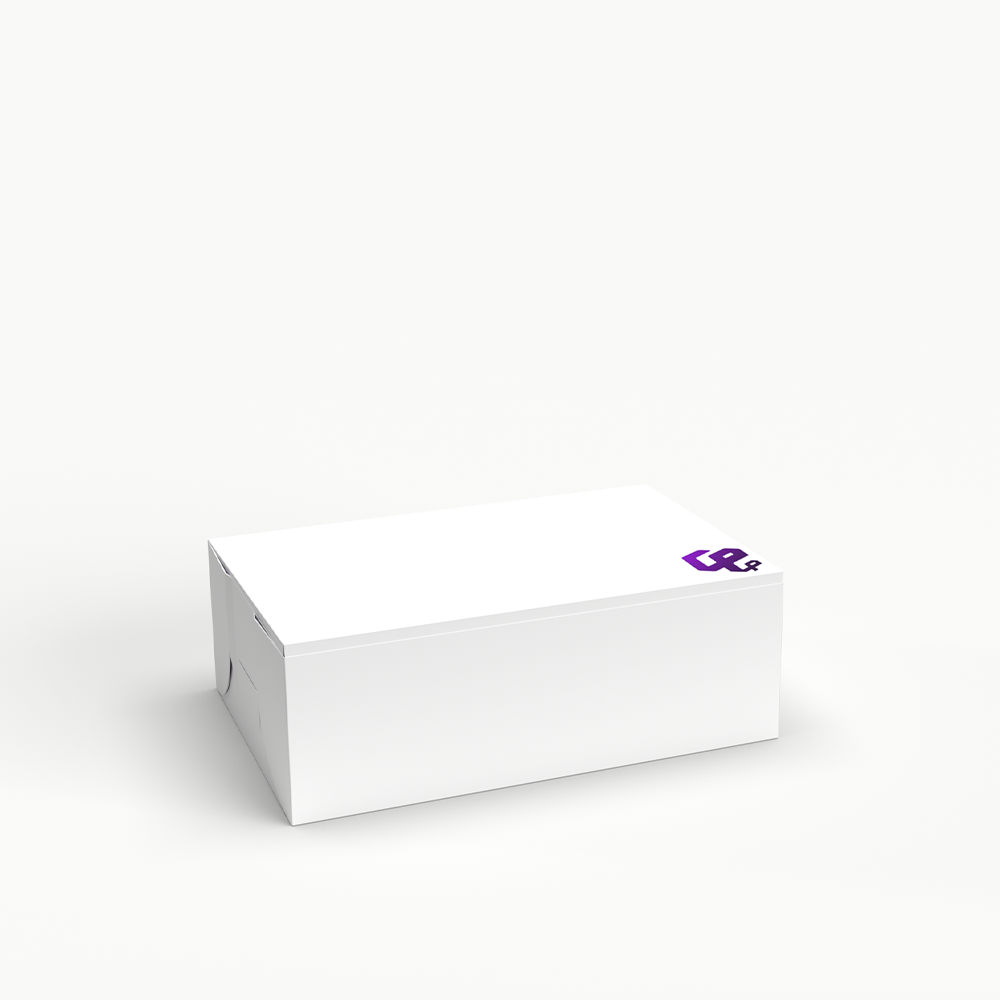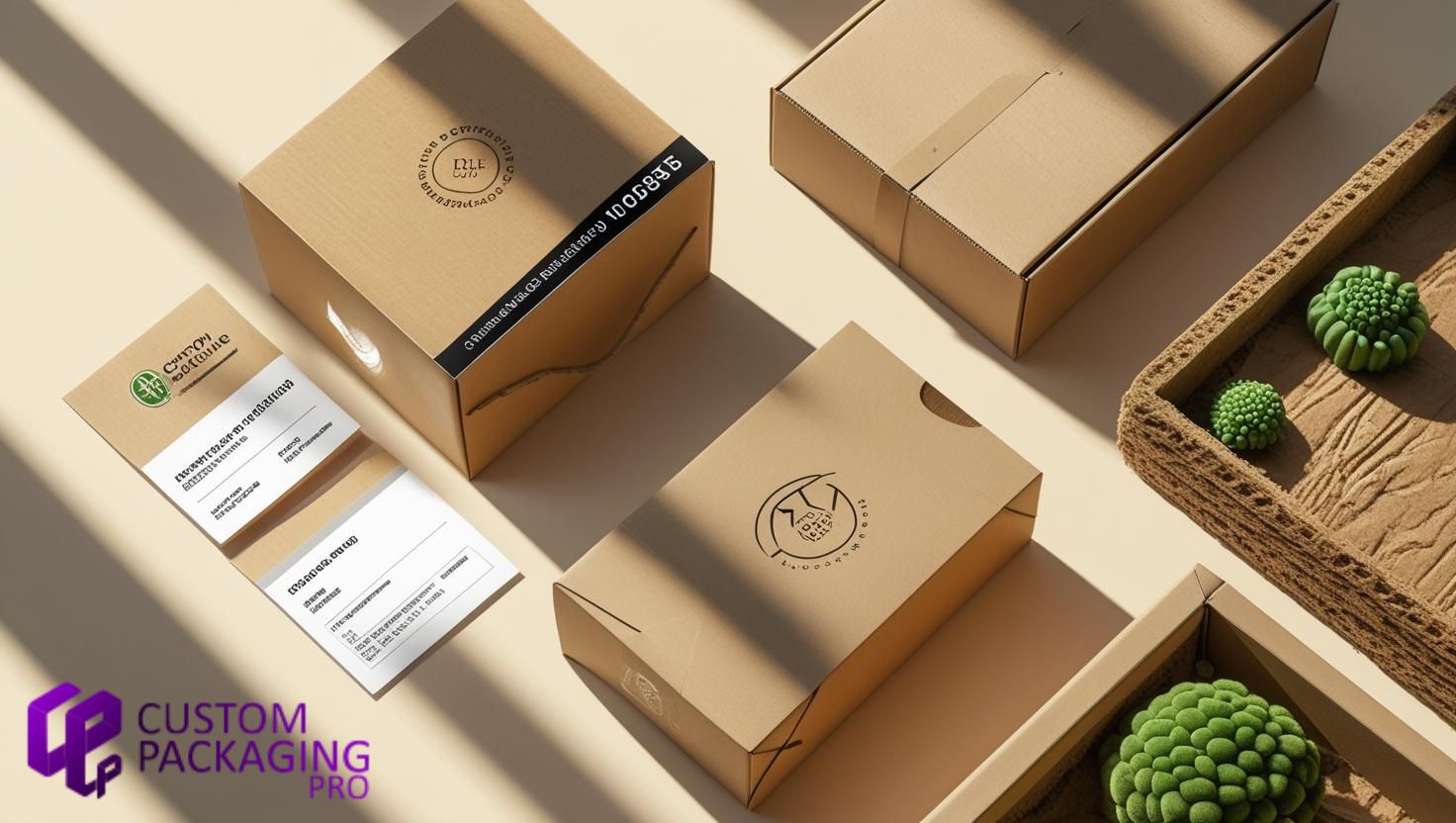
In today’s increasingly eco-conscious world, sustainability isn't just a buzzword—it’s a business imperative. For B2B brands, choosing eco friendly packaging is more than a responsible choice; it's a powerful strategy to align with customer demands, boost efficiency, and future‑proof operations. When that packaging is also custom, it becomes a brand differentiation tool as well as an environmental one.
Let’s explore why eco friendly packaging boxes are smart investments for B2B brands, supported with real-world context, benefits, and examples of sustainable innovation.
Consumers and businesses alike now actively seek sustainable partners. According to the Global Buying Green Report, a striking 82% of consumers are willing to pay more for products in eco-conscious packaging, and this rises to 90% among Gen Z shoppers. For B2B buyers whose purchasing decisions ripple through supply chains, those values matter even more.
Major brands are also driving the shift. Amazon, for example, has rolled out recyclable paper and cardboard packaging and shared the technology with suppliers via its sustainability exchange, removing over 3 million tonnes of unnecessary packaging since 2015. This momentum pushes entire industries toward greener packaging standards.
Switching to sustainable packaging—especially visible materials like custom eco friendly packaging boxes—communicates values that resonate with B2B buyers looking for responsible partners. Studies show that over 73% of consumers favor brands with sustainable packaging, and 85% expect businesses to adopt greener features . For B2B relationships, that translates to credibility, trust, and long-term loyalty.
While switchovers to eco materials might appear more costly upfront, they often yield long-term savings. Lightweight recycled materials reduce shipping costs, minimize waste disposal charges, and can qualify for tax incentives. Efficiently designed custom boxes also optimize packing and storage, cutting labor and transport expenses.
As regulations around packaging waste tighten globally, early adopters of sustainable materials reduce risk and avoid fines. Using recyclable or biodegradable packaging aligns with circular economy mandates and positions your company ahead of regulatory trends.
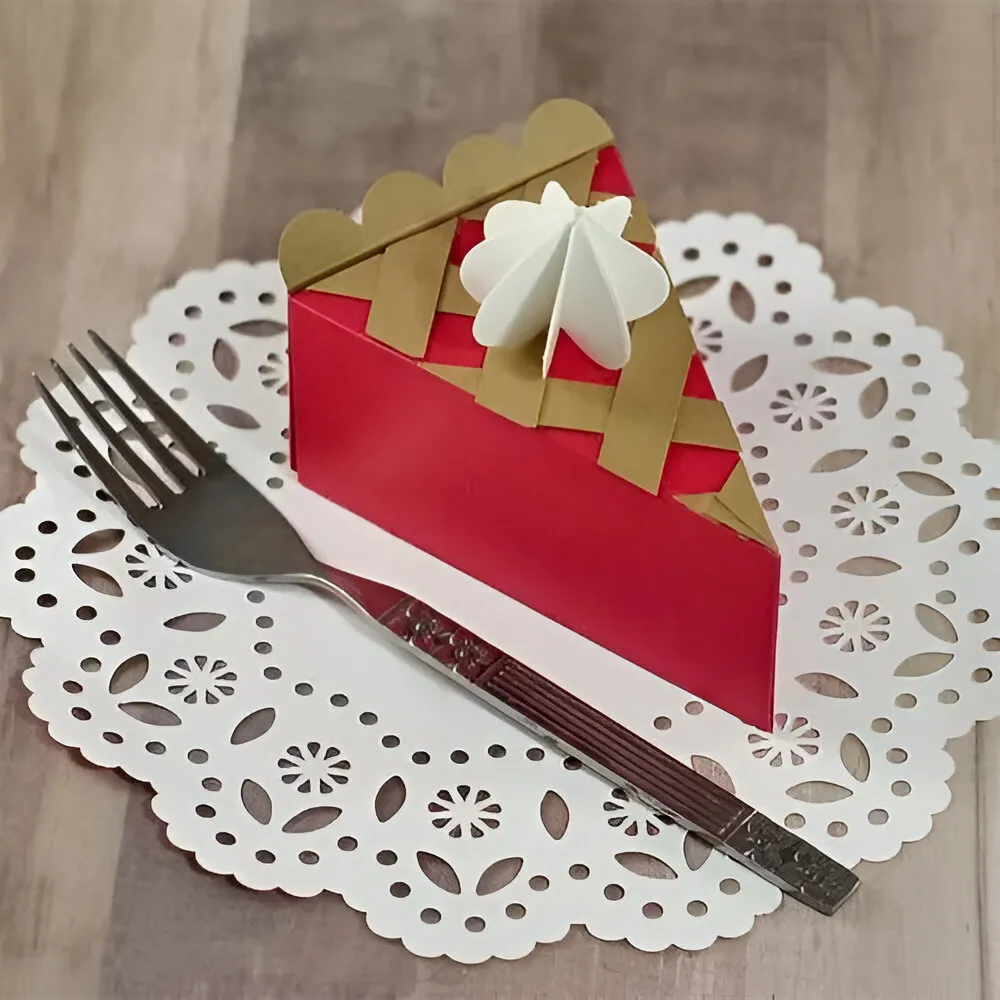
B2B buyers are drawn to innovation—and sustainable materials like mushroom‑based mycelium or seaweed-derived corrugate are gaining traction. These compostable alternatives offer durability, mold resistance, and biodegradability, reducing reliance on traditional plastics and foams. Brands using these materials stand out as pioneers.
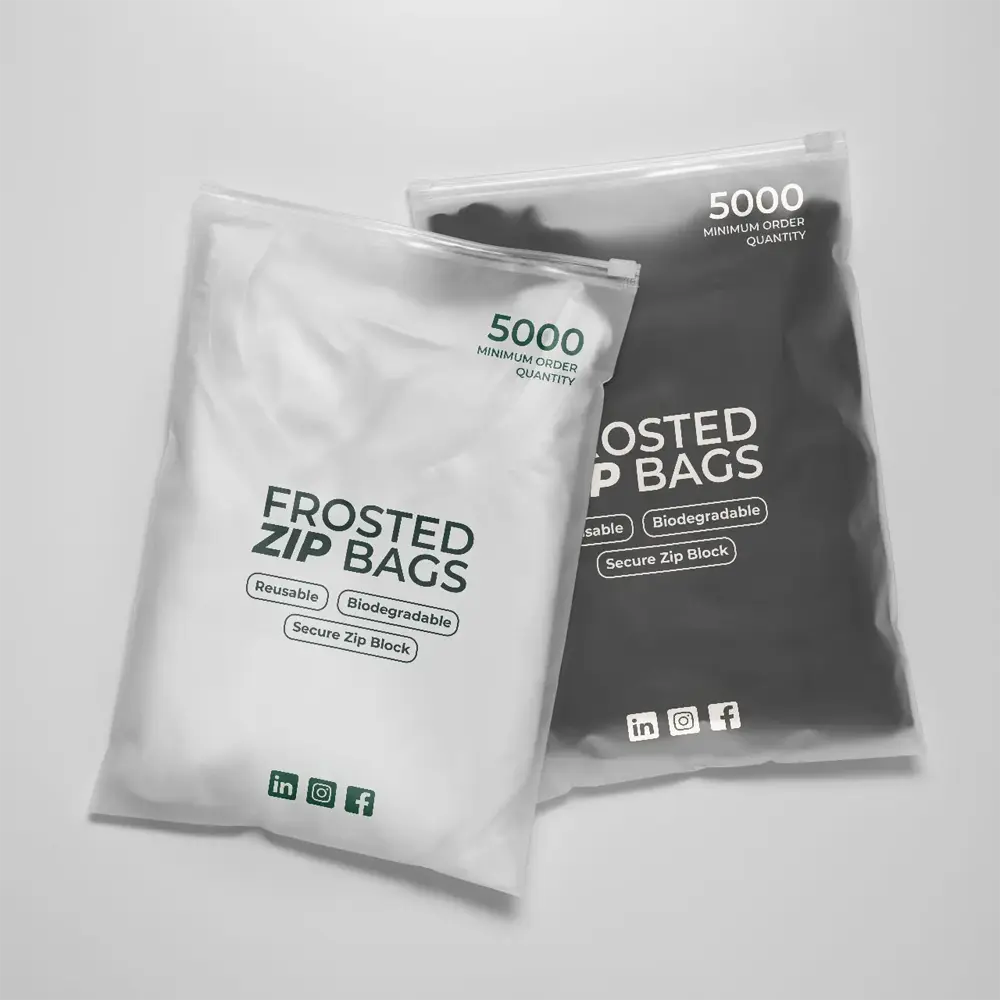
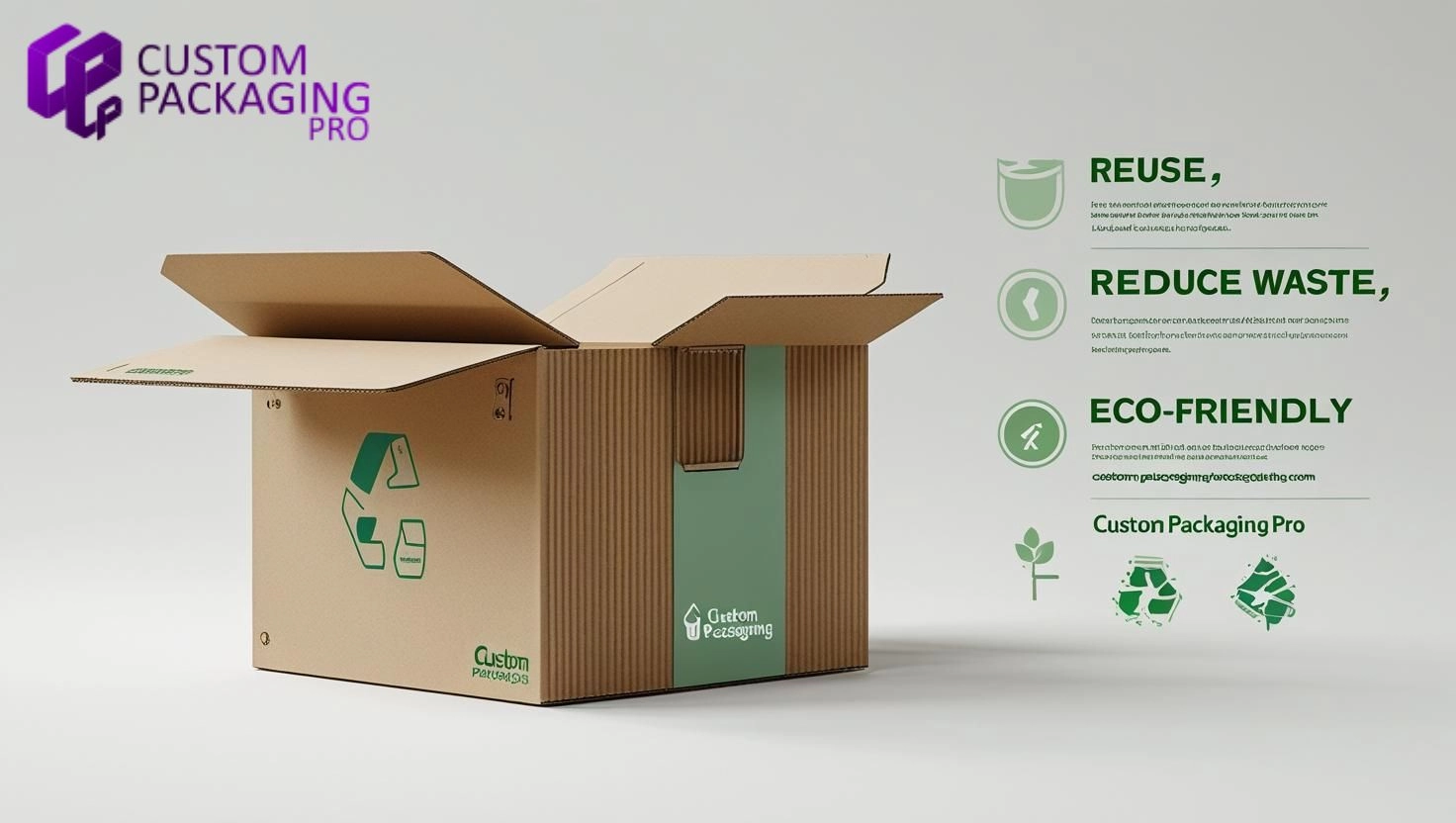
For long-term partnerships and repeat orders, consider reusable packaging. Closed-loop programs reuse corrugated or plastic boxes multiple times—reducing landfill waste and winning supplier loyalty through sustainability and cost control. Custom design ensures fit and function throughout multiple use cycles.
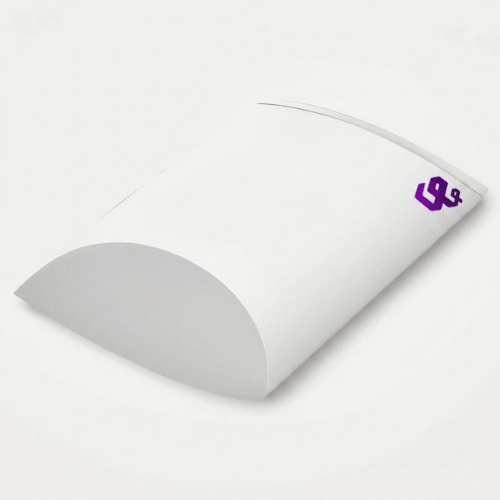
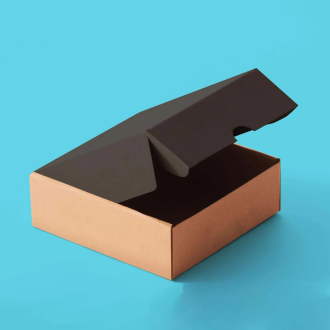
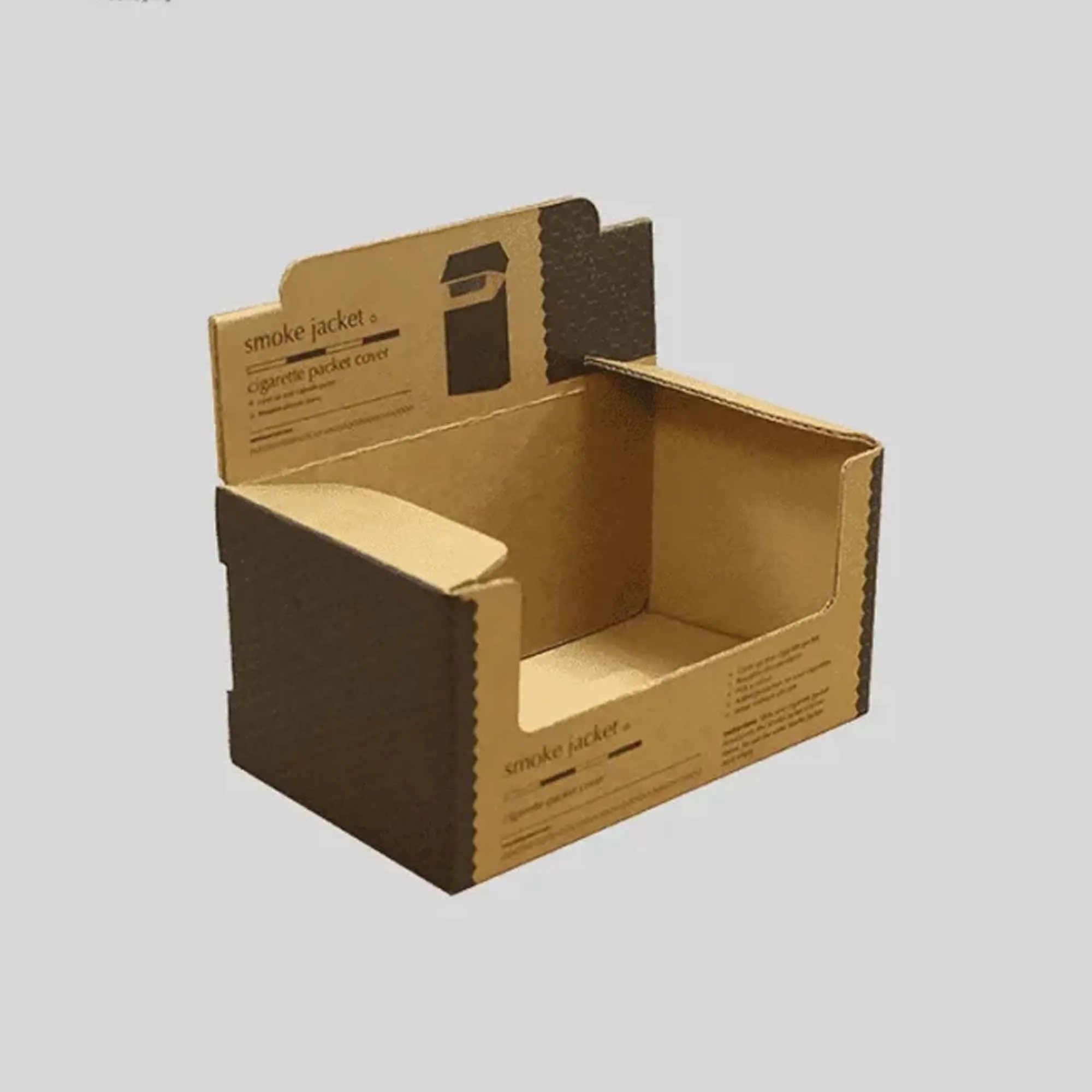
Recycled & Kraft Paper Boxes
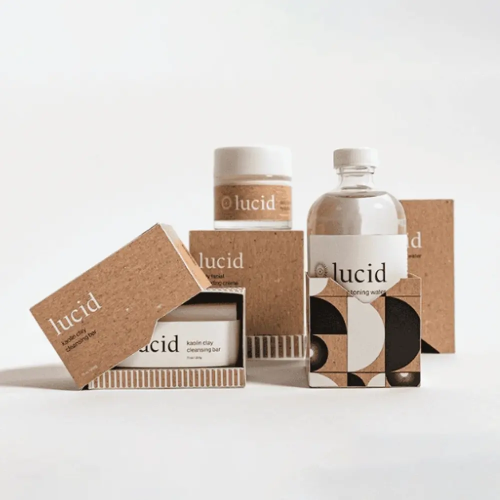
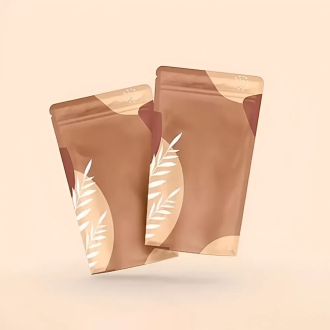
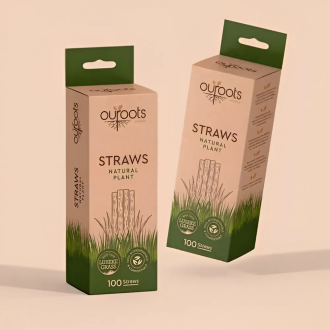
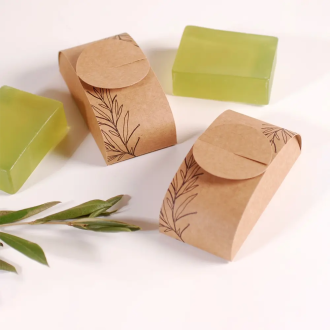
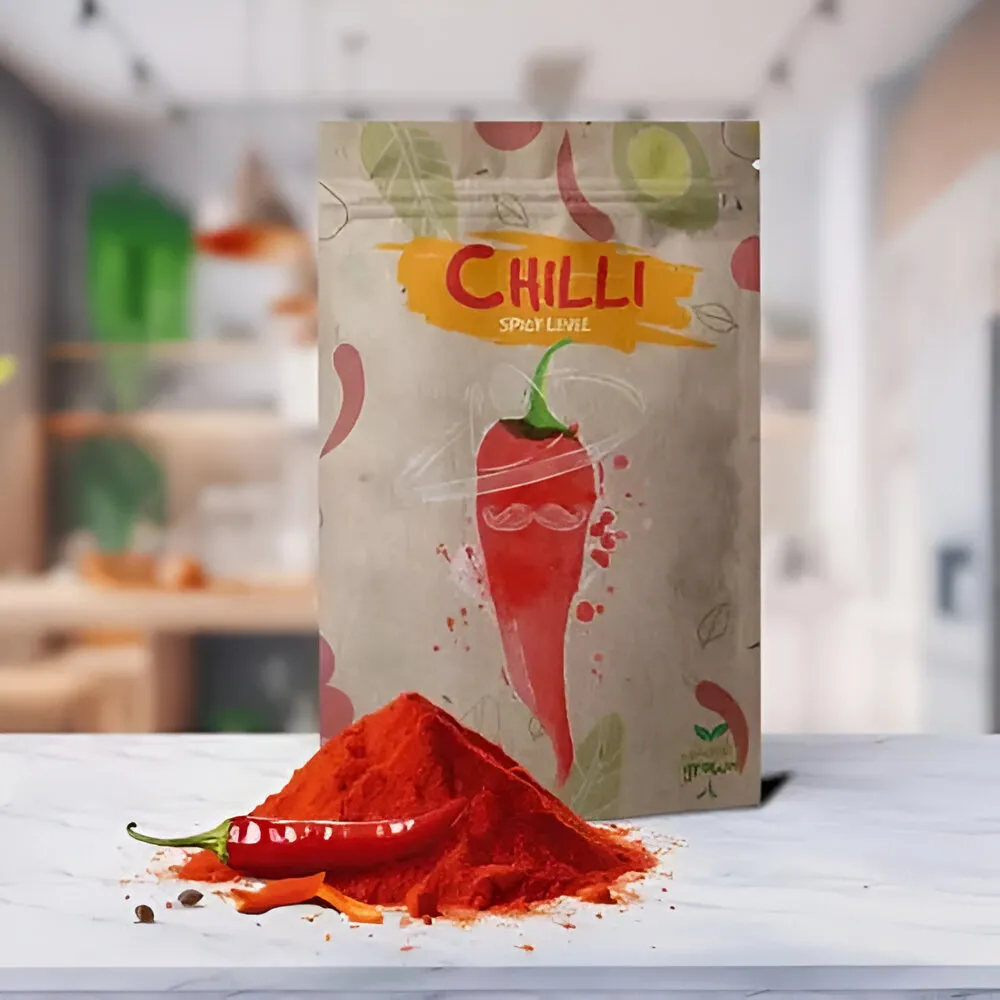
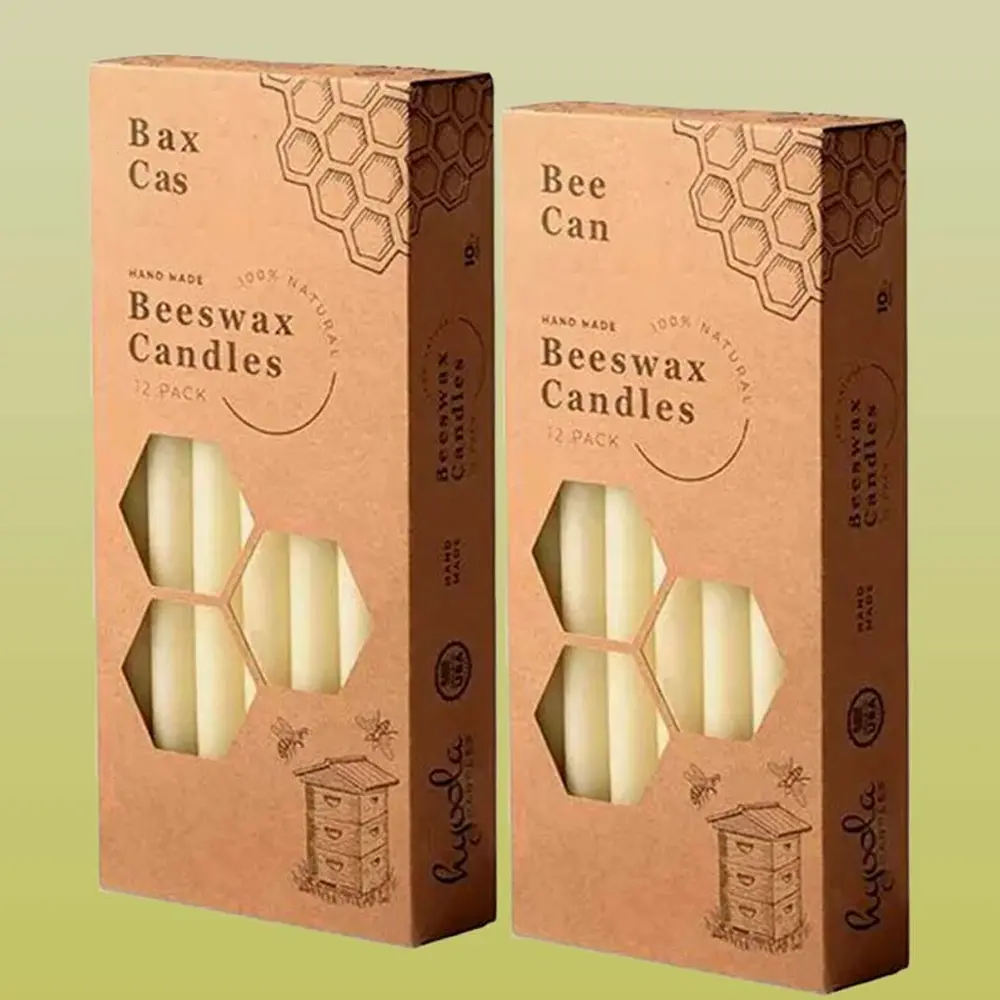
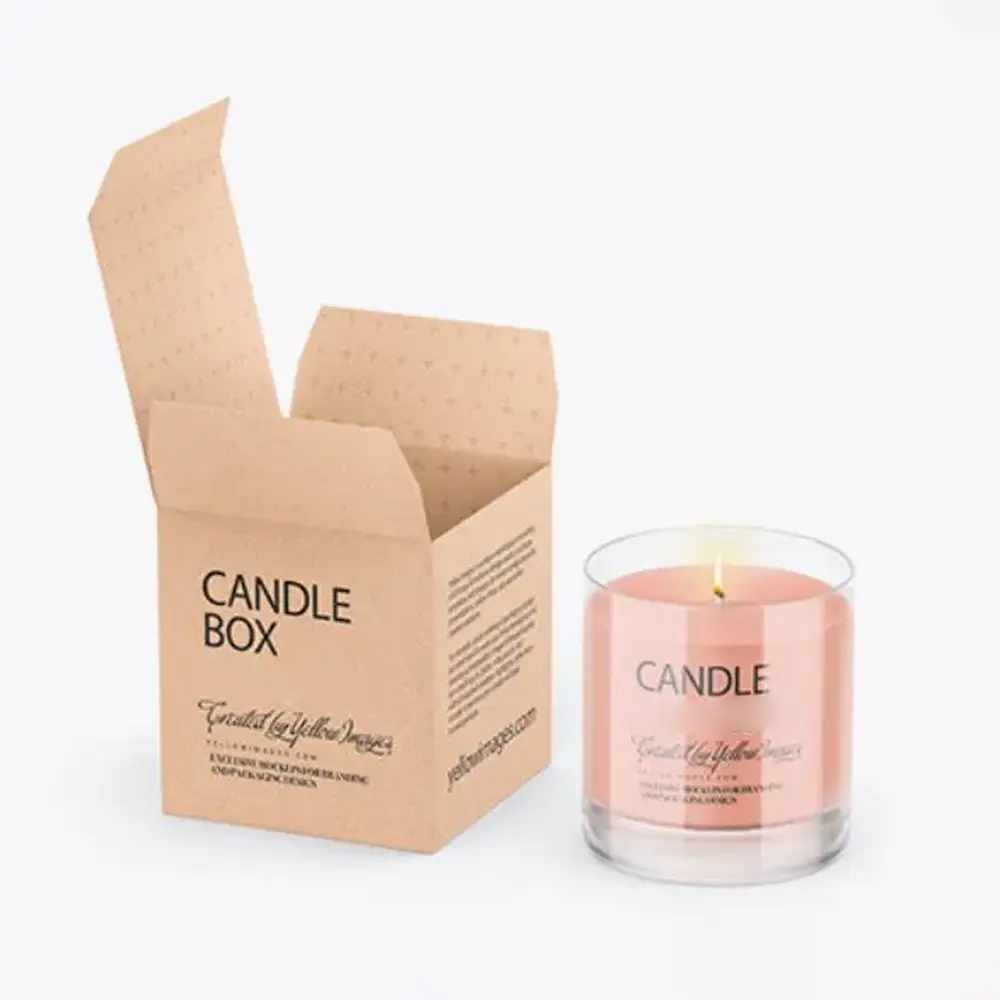
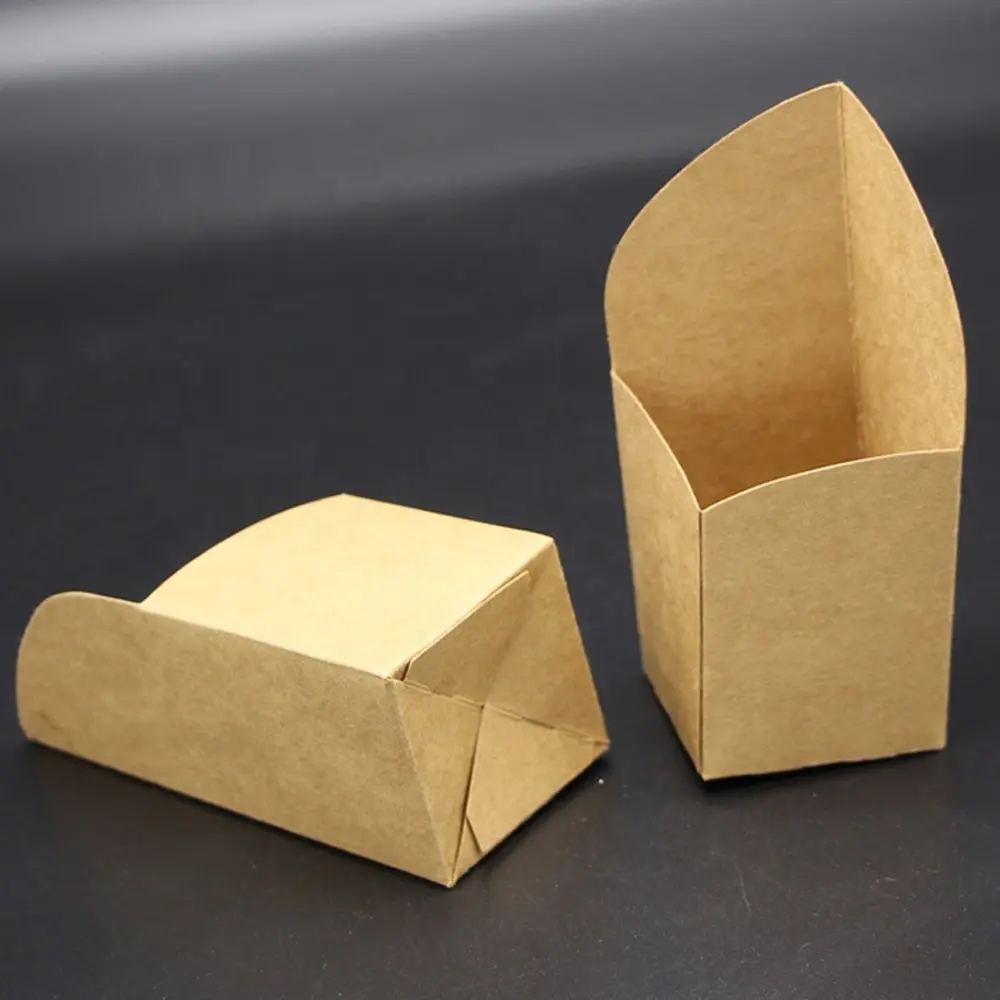
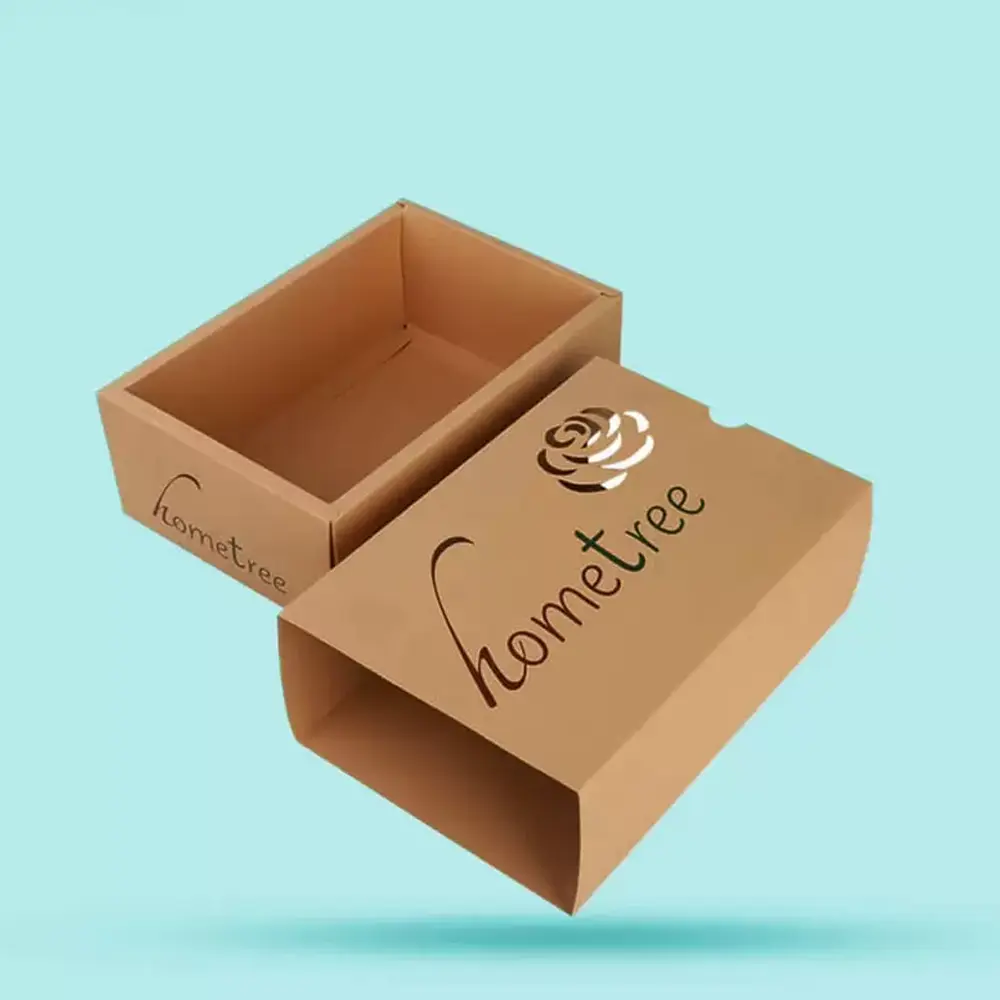
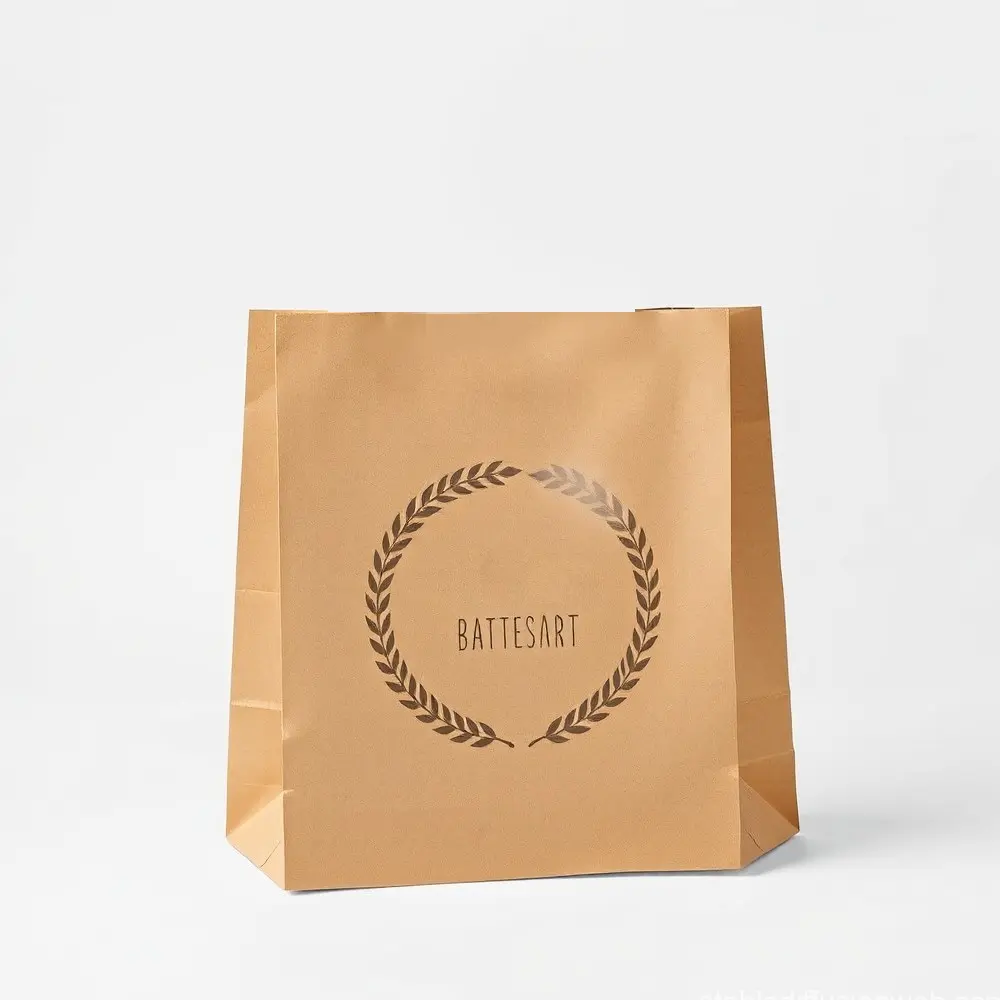
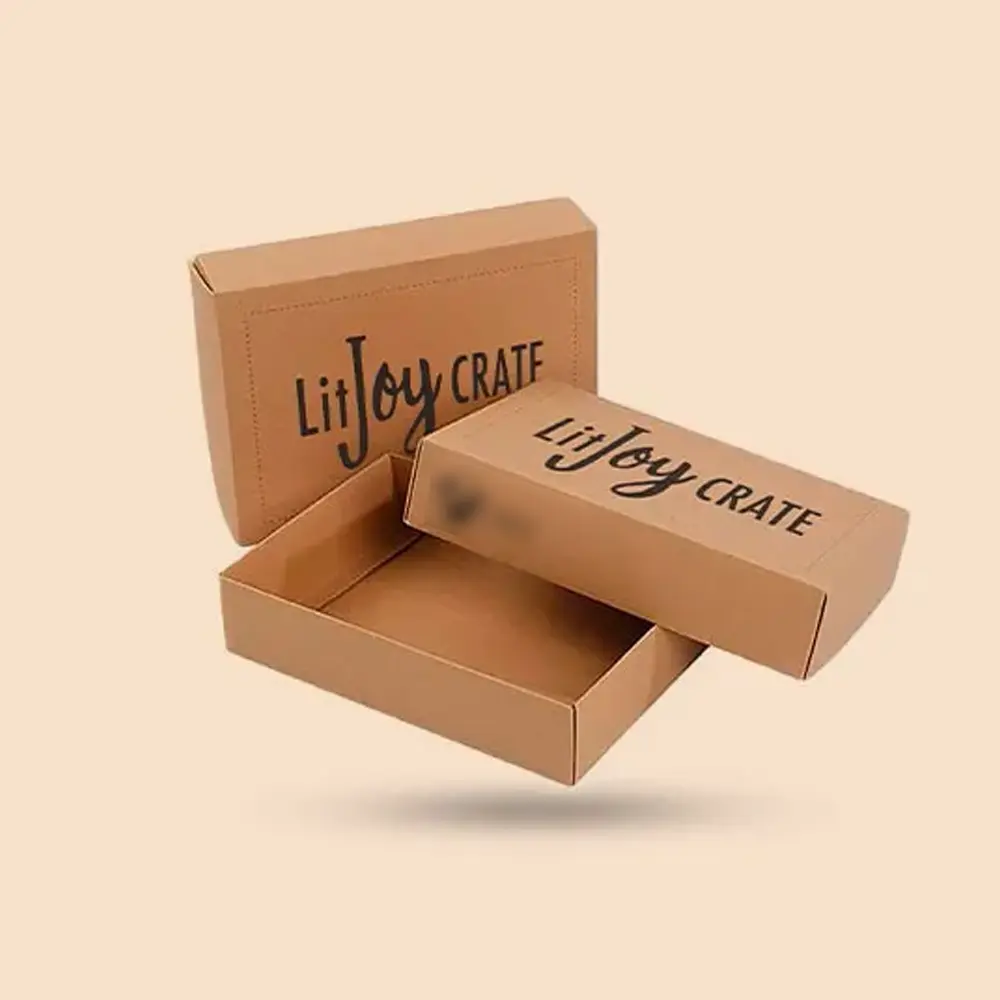
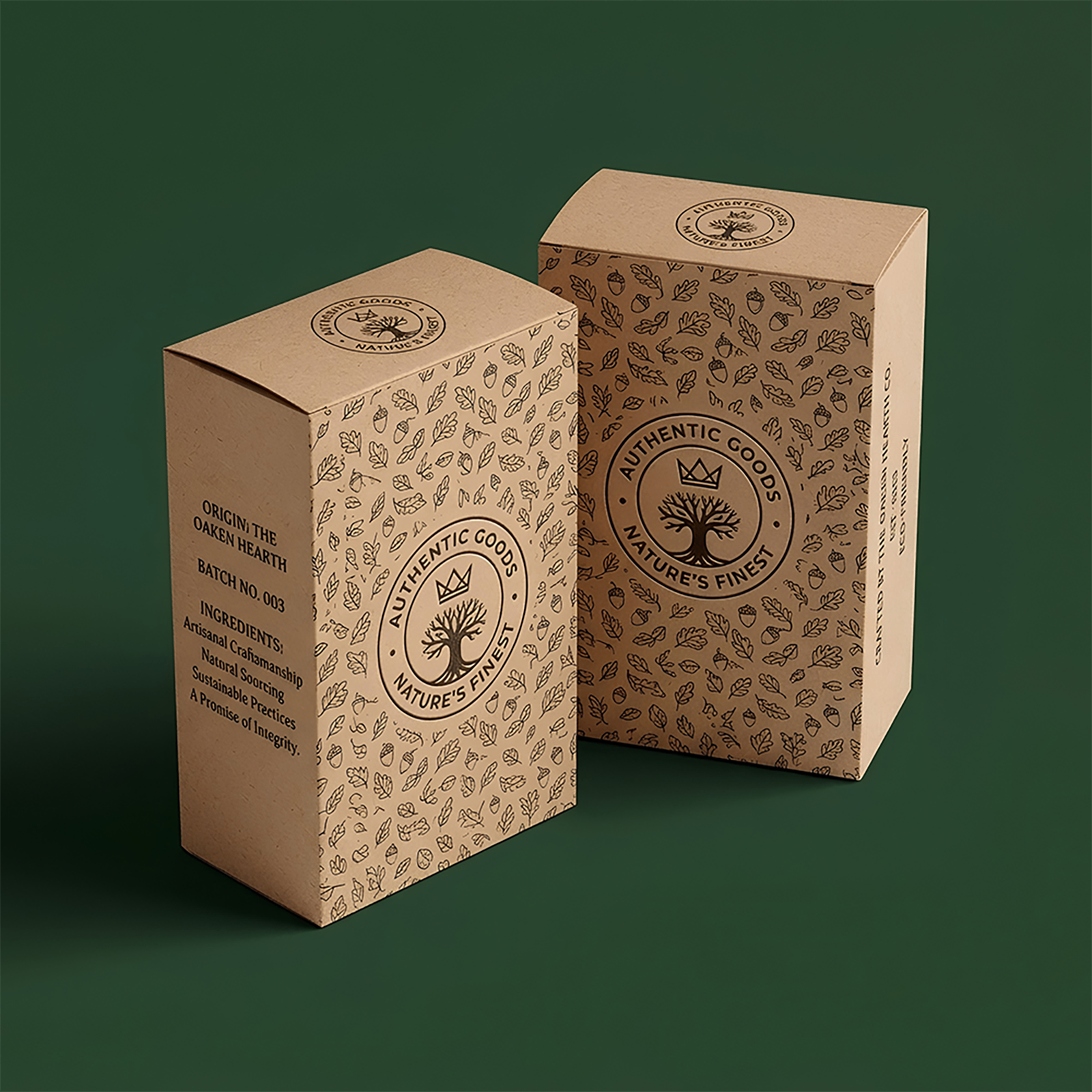
These kraft boxes are ideal for shipping, storage, and retail partners. Fully recyclable, they signal authenticity and sustainability. When customized with printing and eco finishes, they reinforce your brand’s values.
Compostable Inserts (Mushroom Mycelium, Plant-Based Foam)
Companies such as Ecovative produce mycelium-based protective packaging—an eco-friendly alternative to polystyrene that decomposes naturally.
Water-Based Coatings & Lignin Sealants
Innovative coatings, like Earthodic’s lignin-based finish, make cardboard water-resistant and strong without affecting recyclability—ideal for shipping and storage in humid environments.
Custom Inserts & Modular Designs
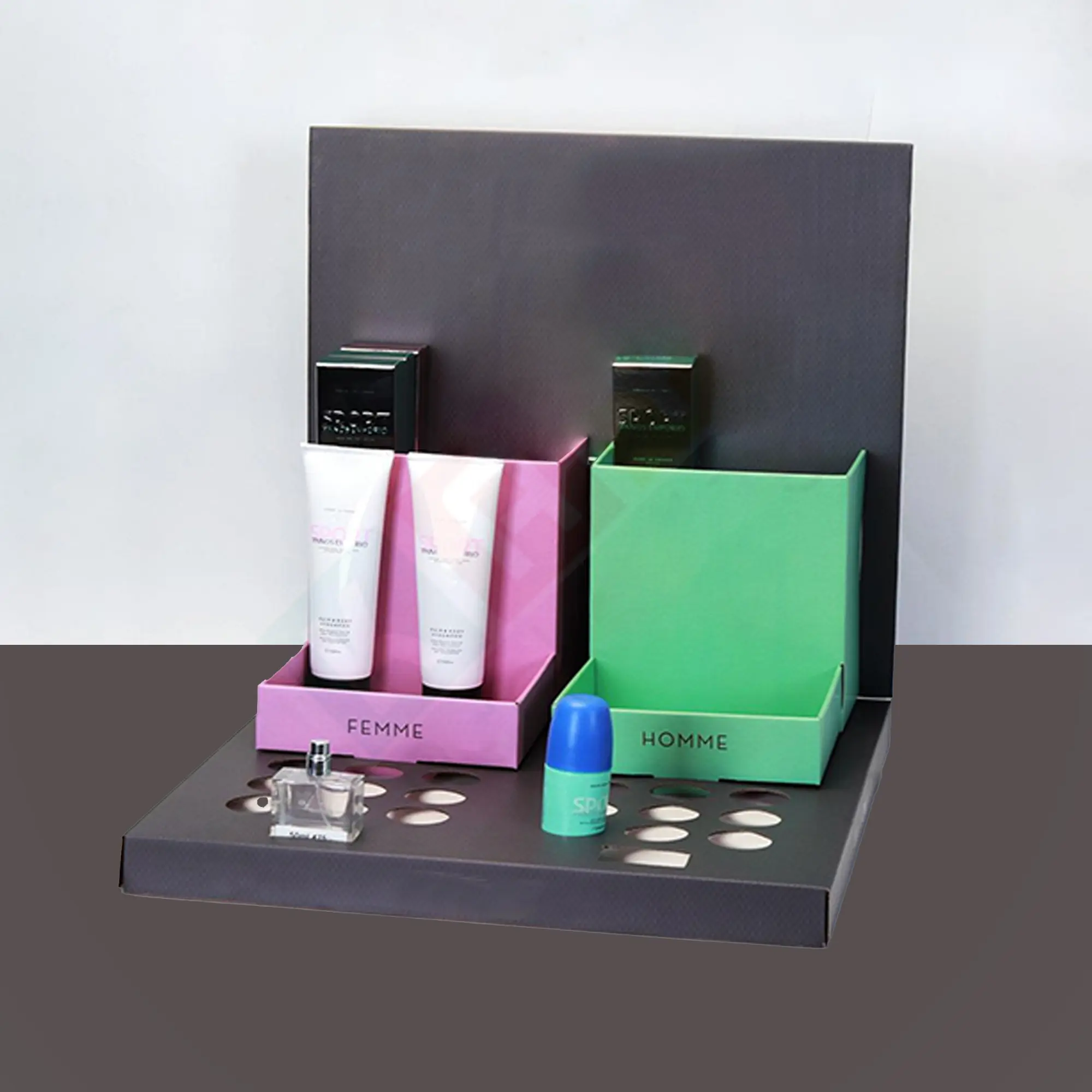
Structural design that fits your products snugly reduces material waste and improves protection. Custom inserts, compartments, and modular layouts ensure stability and reuse.
Reusable Corrugated Shipping Boxes
Use locking tabs or straps rather than tape to extend lifespan. Closed-loop reuse systems support reverse logistics and reduce recurring packaging spend.
At Custom Packaging Pro, we equip B2B brands with sustainable packaging solutions that scale. Our offerings include:
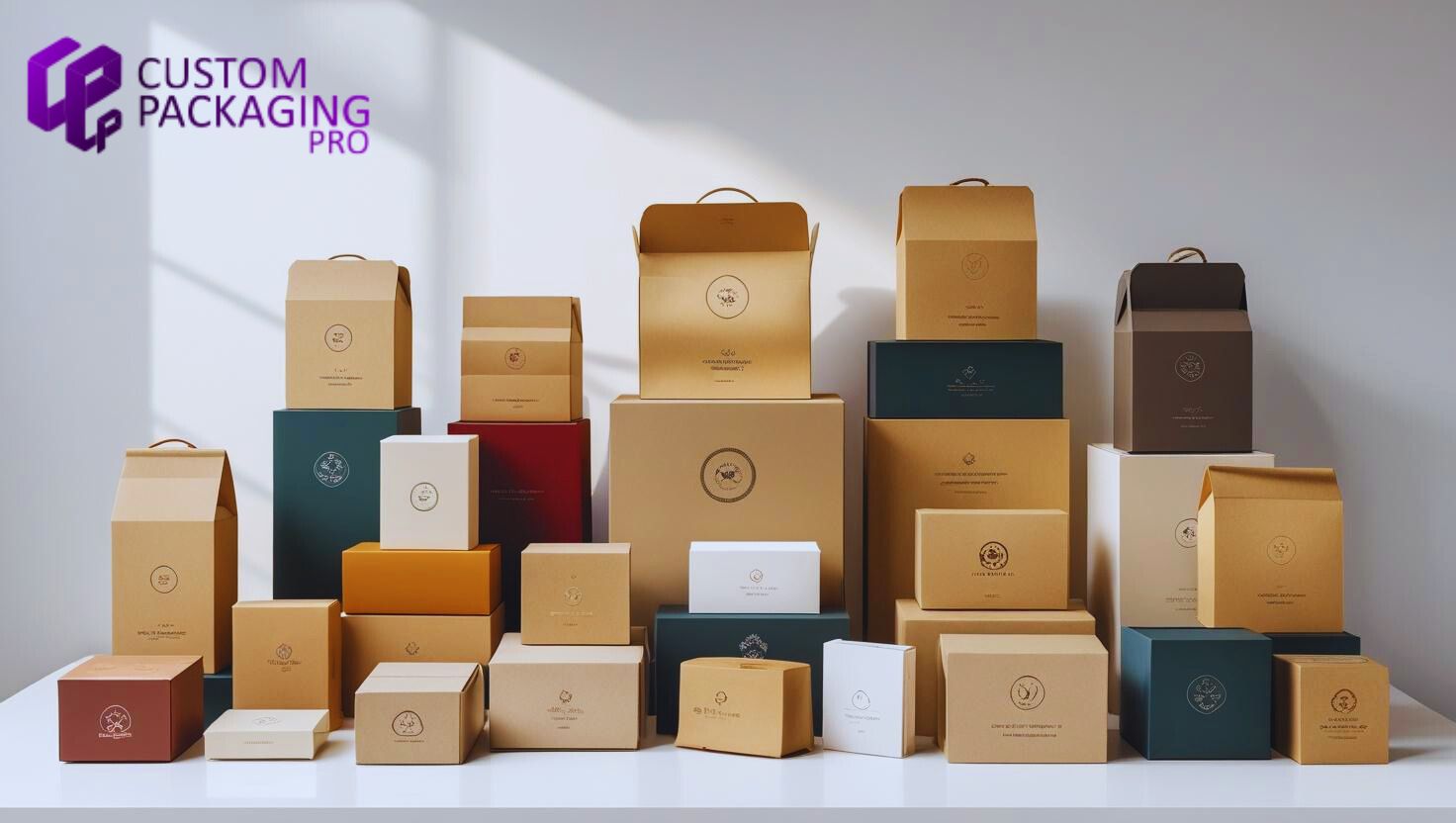
Whether you need retail-ready mailers, industrial shipping cartons, or internal protective inserts, we tailor your packaging to match sustainability, branding, and performance goals.
Ecovative Designs provides mycelium packaging to brands like Dell and Puma, replacing foam inserts with biodegradable, compostable molds.
Amazon's shift to recyclable paper-based shipping envelopes accelerated circular packaging practices across suppliers, saving millions of tons of plastic waste.
These trailblazers prove that sustainable packaging is scalable, innovative, and commercially viable—especially for businesses committed to long-term growth and responsibility.
Investing in eco friendly packaging boxes isn’t just good for the planet—it’s good business. For B2B brands looking to differentiate, reduce costs, and build brand equity, sustainable custom packaging is a smart strategic move.
If you're ready to:
then Custom Packaging Pro is your partner. We’re here to help you design, prototype, and deliver eco-forward packaging that aligns with your values and amplifies your brand.

Q1. What are eco friendly packaging boxes made of?
A. Eco friendly packaging boxes are typically made from sustainable materials like recycled cardboard, kraft paper, corrugated fiberboard, or biodegradable plant-based materials such as mycelium or seaweed. These materials reduce environmental impact and are often recyclable, compostable, or reusable.
Q2. Why should B2B brands switch to eco friendly packaging?
B2B brands benefit from eco friendly packaging by enhancing brand reputation, reducing shipping and waste disposal costs, and staying compliant with sustainability regulations. It also attracts environmentally conscious clients and supports long-term business partnerships built on shared values.
Q3. Is eco friendly packaging more expensive than traditional packaging?
A. While the initial cost of eco friendly packaging may be slightly higher, it often results in long-term savings. Lightweight, efficient designs reduce shipping costs, and some materials qualify for green tax incentives. Reusable options also lower repeat packaging expenses over time.
Q4. Can eco friendly packaging boxes be customized for branding?
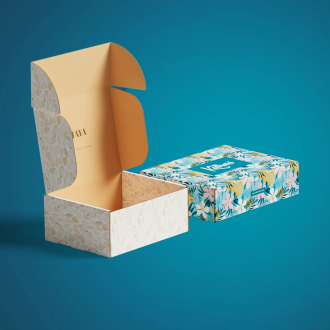
A. Yes, eco friendly packaging boxes can be fully customized with logos, colors, messaging, and structural designs. Sustainable printing methods such as soy-based inks and water-based coatings make it easy to maintain eco standards while still delivering strong brand visibility.
Q5. How does eco friendly packaging support a circular economy?
A. Eco friendly packaging supports a circular economy by minimizing waste and maximizing material reuse. Through recyclable and reusable packaging systems, businesses can reduce reliance on virgin materials, cut landfill contributions, and create closed-loop systems that are better for the planet and cost-effective for business.