By Rai Haider
June 17, 2025
Air Permeable Packaging: The Future of Smart, Sustainable Protection
In today’s fast-paced logistics and manufacturing industries, the demand for advanced packaging solutions has evolved far beyond the traditional box. One innovation reshaping how products are stored, shipped, and displayed is air permeable packaging. While most packaging aims to block air and moisture, air permeable options serve a different purpose—promoting airflow, maintaining product quality, and ensuring breathable conditions for items that need it.
For companies looking to maintain product integrity and embrace eco-conscious packaging, air permeable packaging presents a high-performing and sustainable choice.
Modern supply chain environments demand dynamic atmospheric regulation rather than static isolation. Traditional hermetic seals often trap volatile organic compounds, moisture condensation, and off-gassing byproducts inside containers, leading to accelerated biological decay or structural degradation. Air permeable systems revolutionize material protection by establishing controlled ambient exchange rates that equalize pressure differentials, reduce internal thermal spikes, and continuously purge trapped gases during global intermodal transit.
What is Air Permeable Packaging?
Air permeable packaging is a kind of packaging material that provides for a controlled passage of air or gas through the package. This type of package is one that finds a balance between protection and ventilation and is best suited for products that are sensitive to moisture build-up or need fresh air—like foodstuffs, pharmaceuticals, or chemical additives. This type of packaging is quite different from air tight boxes, which seal contents completely against the outside world.
Rather, air permeable formats are used to allow air passage while maintaining the strength and functionality necessary when being transported or stored.
At a molecular level, breathable packaging substrates utilize engineered micropores or semi-permeable polymer membranes. These specialized structures regulate Oxygen Transmission Rates (OTR) and Water Vapor Transmission Rates (WVTR). By precisely calibrating pore density and membrane thickness, packaging engineers create localized microclimates inside every container. This precise balance keeps harmful particulate contaminants out while giving internal organic or synthetic materials space to breathe naturally.
Furthermore, air permeable designs solve pressure differential challenges during high-altitude air freight or rapid temperature shifts. Traditional rigid or non-vented plastic containers often expand, burst, or collapse under changing barometric pressures. Micro-ventilated and air-permeable substrates automatically balance internal and external pressures. This structural stability protects product integrity and maintains clean box geometry throughout air cargo and long-distance shipping routes.
Understanding how these gaseous interactions occur allows packaging designers to craft specialized enclosures for volatile agricultural exports and delicate synthetic compounds. By managing gas exchange at the packaging interface, manufacturers prevent premature ripening, fungal growth, and material oxidation without relying on artificial chemical preservers.
Applications of Air Permeable Packaging
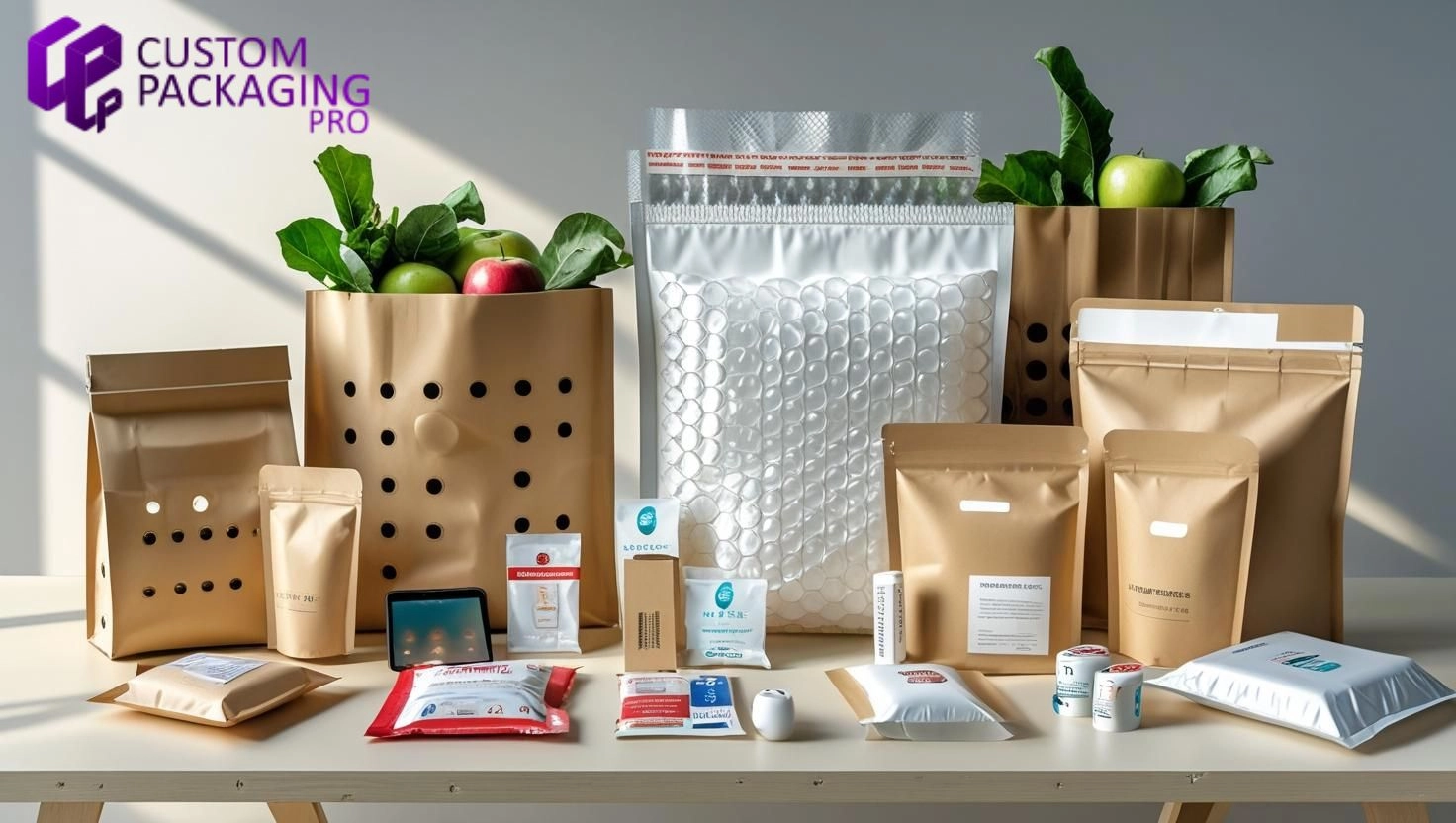
From sealed air protective packaging to flexible barrier materials, the uses for air permeable formats span many industries:
- Fresh produce & perishables: Helps reduce spoilage by maintaining air circulation.
- Medical devices: Prevents condensation while protecting against contamination.
- Textiles and garments: Maintains freshness and prevents mold during shipping.
- Electronics and components: Provides antistatic properties and controlled environments.
At Custom Packaging Pro, we understand the specific needs of each industry and deliver custom air permeable solutions that align with performance and branding.
Industrial chemical manufacturers also rely heavily on vented and air permeable packaging to prevent dangerous drum bloating and pressure buildup caused by chemical off-gassing. Similarly, specialty agricultural seed producers utilize breathable natural fiber bags and micro-perforated barrier wraps to preserve seed germination viability during long storage periods. Controlled atmospheric exchange prevents moisture buildup and protects sensitive biological products throughout the supply chain.
In the medical sector, sterile barrier systems demand materials that withstand steam or ethylene oxide gas sterilization while blocking airborne microbes. Permeable non-woven synthetic wraps allow sterilizing agents to penetrate and exit freely, leaving medical instruments sterile and dry inside securely sealed packages.
Technical Performance Matrix: Permeable vs. Non-Permeable Packaging
| Packaging Format |
Primary Ventilation Mechanism |
Optimal Industrial Application |
Key Environmental Advantage |
| Micro-Perforated Films |
Laser/Mechanical Micro-Pores |
Fresh Agricultural Produce & Florals |
Extends shelf life, 100% recyclable polyolefin options |
| Ventilated Kraft Board |
Custom Geometric Die-Cut Channels |
Organic Foods, Garments, & Bakery |
100% Biodegradable & curbside paper recyclable |
| Semi-Permeable Foams |
Open-Cell Polyurethane Matrix |
Sensitive Electronics & Medical Tools |
Reusable cushioning with built-in moisture dissipation |
| Hermetic Airtight Boxes |
Zero-Permeability Barrier Seals |
Sterile Pharma & Moisture-Critical Electronics |
Complete isolation against ambient water vapor and dust |
How Sealed Air Packaging Complements Permeable Design
When individuals hear Sealed Air packaging, they usually think of bubble wrap or foam inserts—and rightfully so. Sealed Air is a worldwide leader in creative protective packaging. Not all of their products, however, are totally air-tight. Several of their solutions, particularly in automated packaging machines and sealed air flexible packaging, offer choices that involve breathable membranes or vented structures.
Sealed Air Protective Packaging: Smarter and Safer
Combining sealed air protective packaging with air permeable technologies gives products the dual benefit of physical cushioning and ambient control. This is particularly useful for fragile goods like glassware, electronics, or temperature-sensitive products. Air-permeable layers can be included in:
- Foam pouches
- Bubble bags and envelopes
- Ventilated wraps
Automated Packaging Systems from Sealed Air
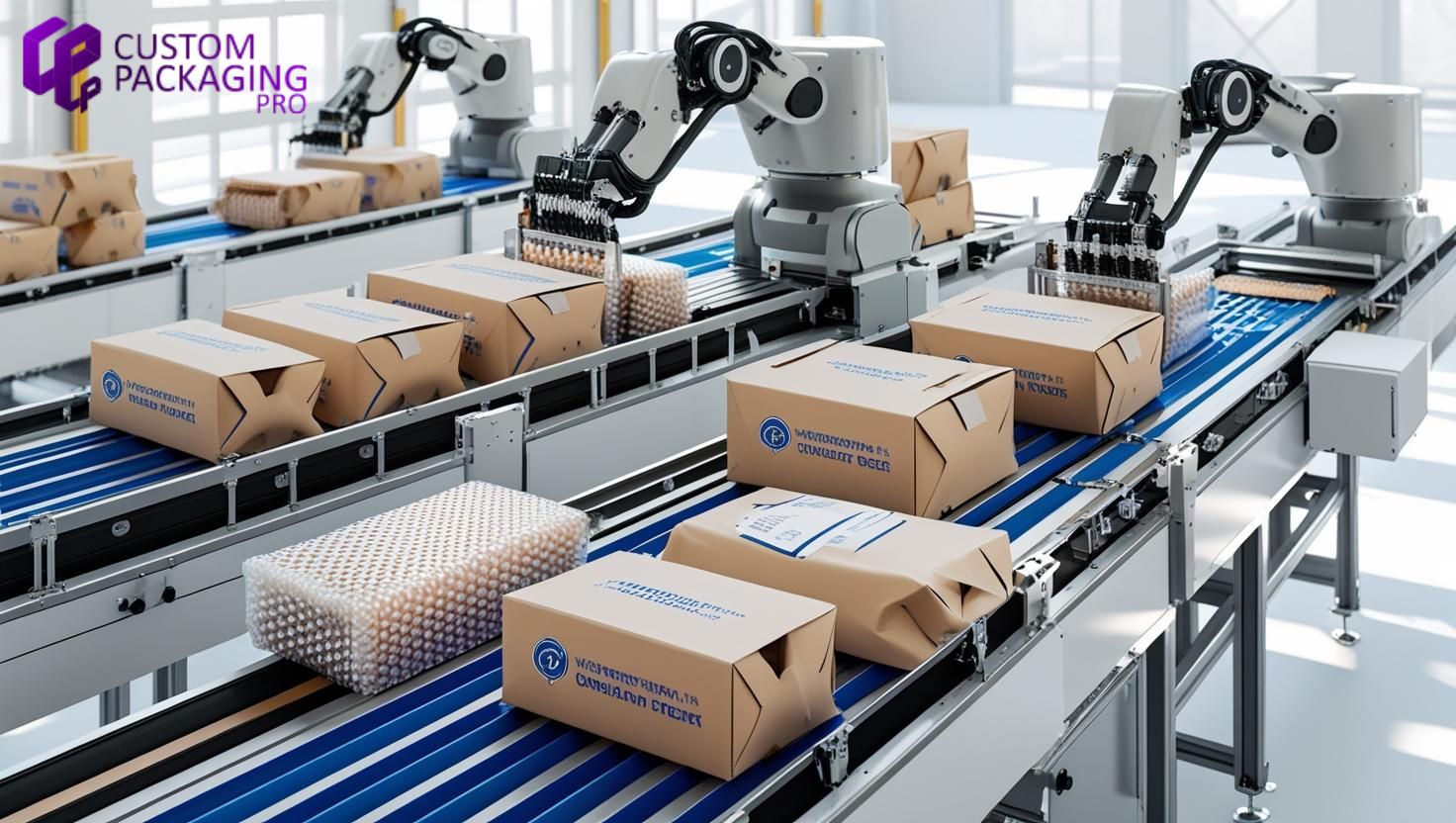
As for automated packaging machines, Sealed Air provides cutting-edge technology that can be configured to employ permeable or impermeable materials. Automation provides efficiency, saves labor, and guarantees consistency with thousands of packages per hour. Combining automated systems with air permeable packaging is particularly beneficial to food producers who need packaging that allows gases from ripening fruit, for instance, or to warehouses whose breathability of product adds shelf life.
Integrating automated packaging machinery with breathable roll-stock materials streamlines high-volume fulfillment while eliminating human error. Advanced sensors measure gas emission levels in real time, letting packaging systems adjust perforation patterns or sealing temperatures instantly. This automated precision ensures every unit gets optimal ventilation without sacrificing structural corner strength or stacking load capacity during palletization.
Modern automated systems also give warehouse managers precise control over atmospheric bag sealing speeds, reducing bottlenecks across busy distribution centers. By integrating smart sensor channels directly into automated packaging lines, businesses achieve consistent quality control across millions of shipped consumer packages.
Advantages of Air Permeable Packaging
Choosing air permeable solutions through Custom Packaging Pro opens up a range of benefits:
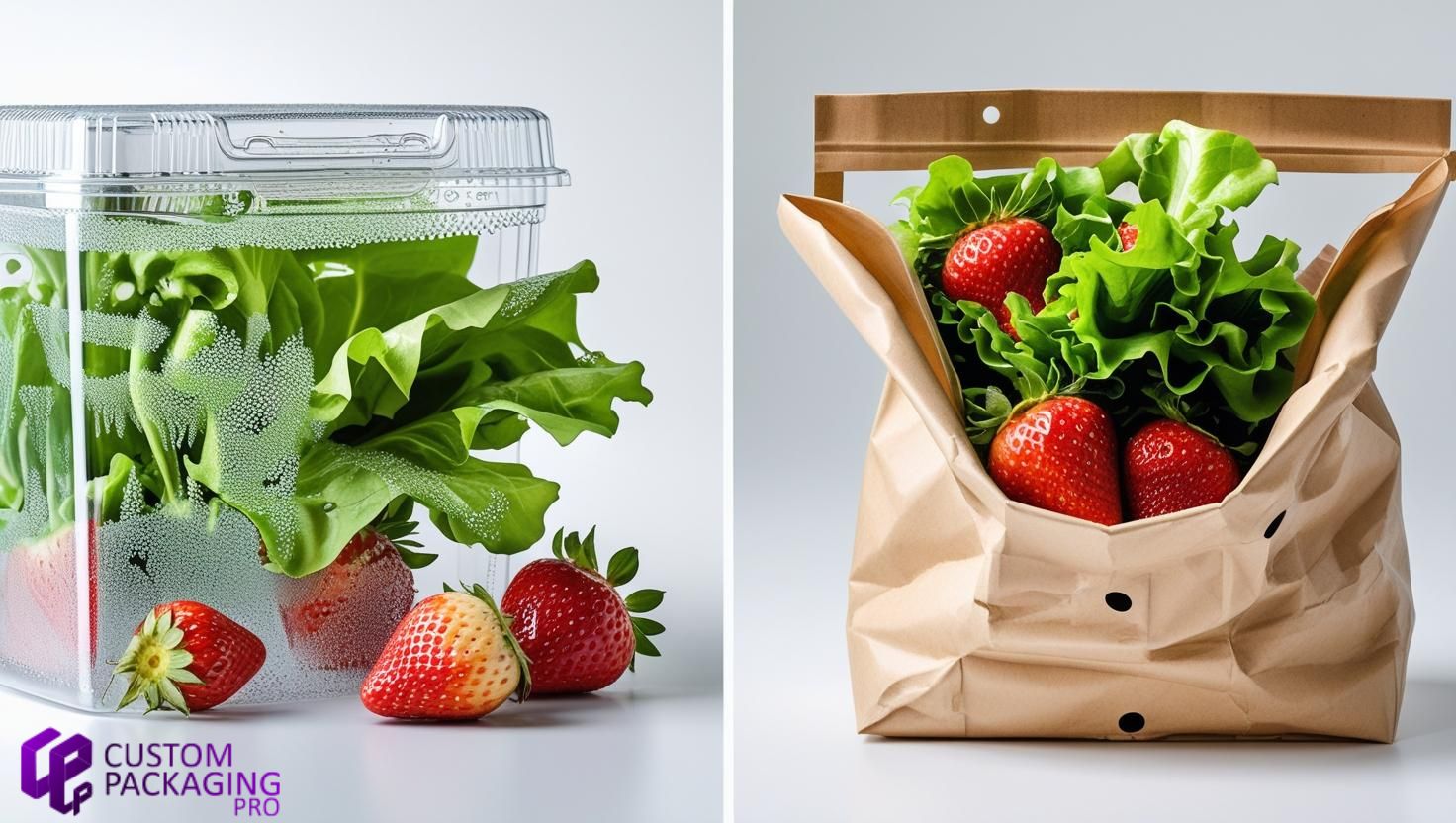
- Moisture Control
By allowing airflow, air-permeable materials reduce moisture buildup that can lead to mold, mildew, or spoilage.
- Product Freshness
Ventilation helps keep products—especially organic ones—fresh longer by preventing gas accumulation.
- Eco-Friendly Appeal
Most air permeable materials can be produced with biodegradable films or recyclable substrates, aligning with sustainability goals.
- Custom Branding
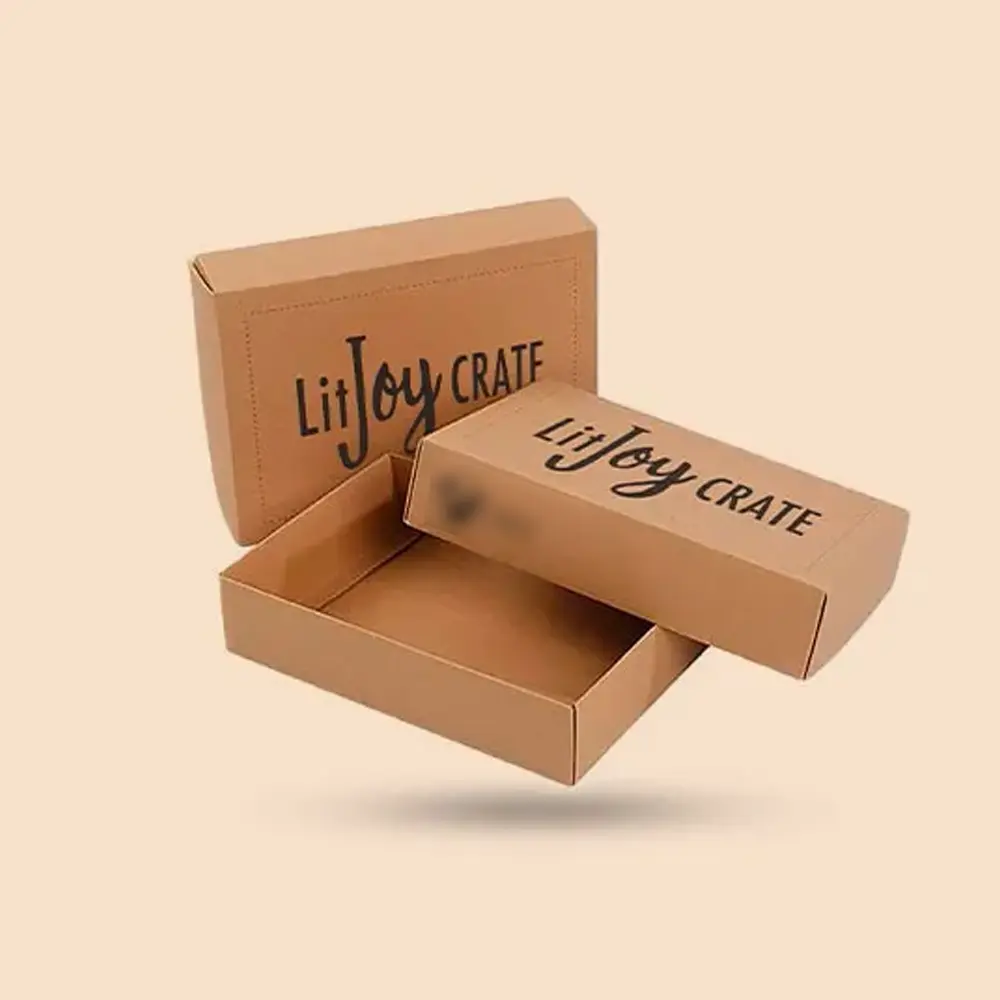
With our state-of-the-art printing services, CPP can apply your logo, design elements, and instructions directly onto kraft paper, bubble mailers, or flexible films—even when using breathable materials.
Controlled ambient airflow also prevents unpleasant odors from trapping inside sealed packages during long transit times. Products made from natural leather, treated fabrics, or rubber often emit volatile organic compounds (VOCs). Without adequate ventilation, trapped off-gassing can create harsh smells that diminish the customer's unboxing experience. Air permeable substrates gently disperse these odors, ensuring your products arrive fresh and ready for immediate display.
Furthermore, using natural permeable materials like unbleached kraft paper enhances brand perception among eco-conscious buyers. Consumers increasingly avoid non-recyclable multi-layer plastics, preferring breathable fiber packaging that decomposes naturally without leaving toxic residues in landfill ecosystems.
From Kraft Paper to Air Tight Boxes: A Range of Options
At CPP, we offer a spectrum of packaging materials, so whether you need kraft paper bags or a completely air tight box, we’ve got you covered. Sometimes, your packaging strategy may require a combination of both. For example:
- Kraft Paper Rolls – Breathable, recyclable, and perfect for wrapping.
- Sealed Air Foam Packaging – Provides cushioning with optional perforation for airflow.
- Custom Air Tight Boxes – Great for electronics or hardware when zero air exposure is needed.
Our team can help you determine which solution aligns with your product’s needs and shipping conditions.
Engineers evaluate several environmental factors before recommending a packaging design: destination climate zones, transit humidity levels, shelf-life needs, and structural stacking requirements. For example, fresh agricultural products traveling through humid tropical regions need higher airflow capacity than dry textiles shipped across temperate climates. Matching the substrate's gas transmission properties to your logistics route minimizes spoilage and extends retail display windows.
Innovation Meets Customization
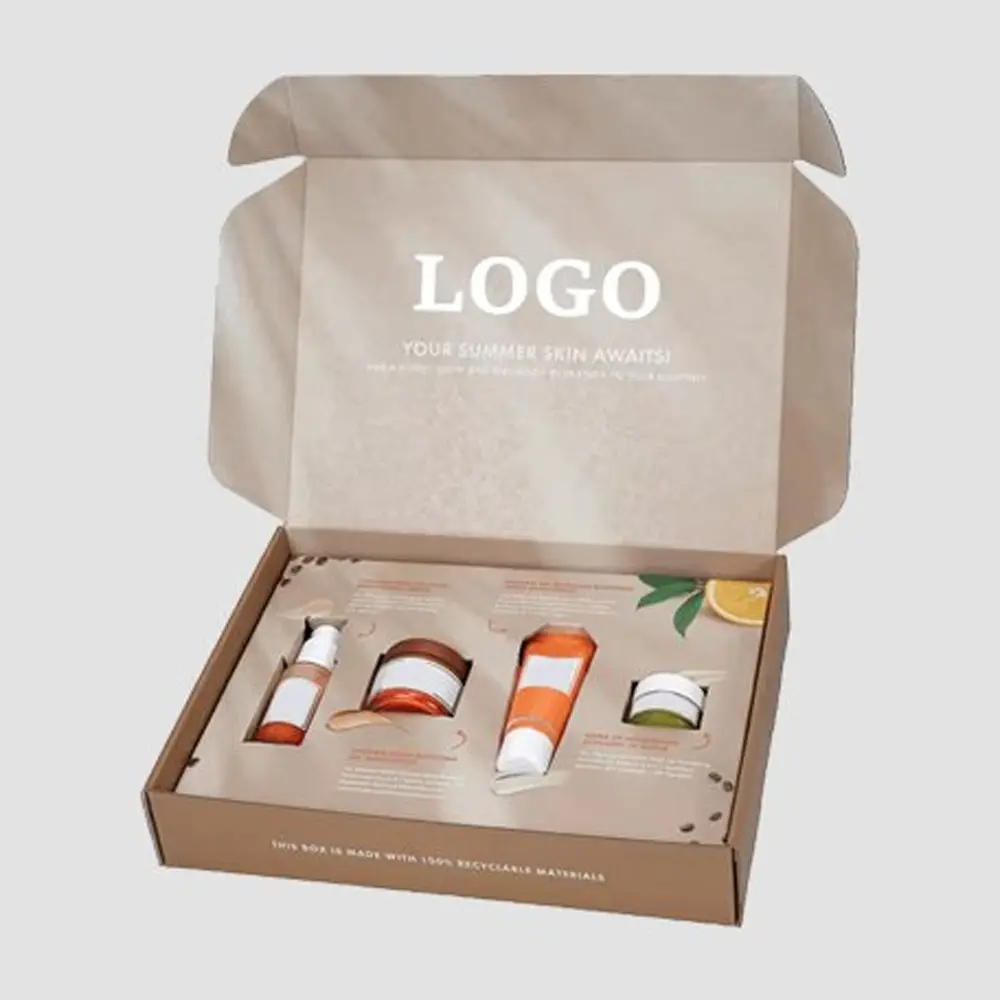
Adding air permeable packaging to your supply chain doesn't have to come at the expense of branding or aesthetics. Our design and development team can assist you in developing custom printed packaging through permeable films or ventilated kraft-based packaging structures. From gift wrap and kraft paper sheet options to sealed air flexible packaging, we simplify it for you to feature your brand and keep your product safe. We also have:
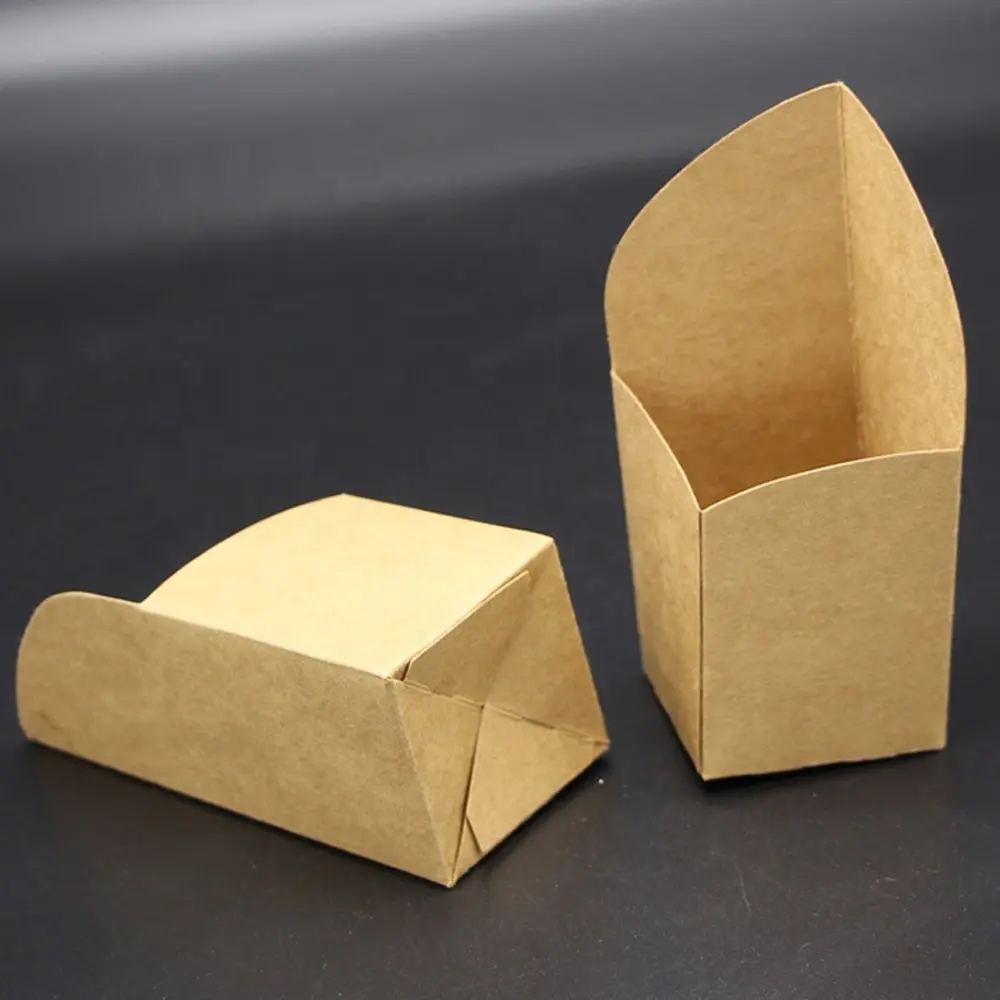
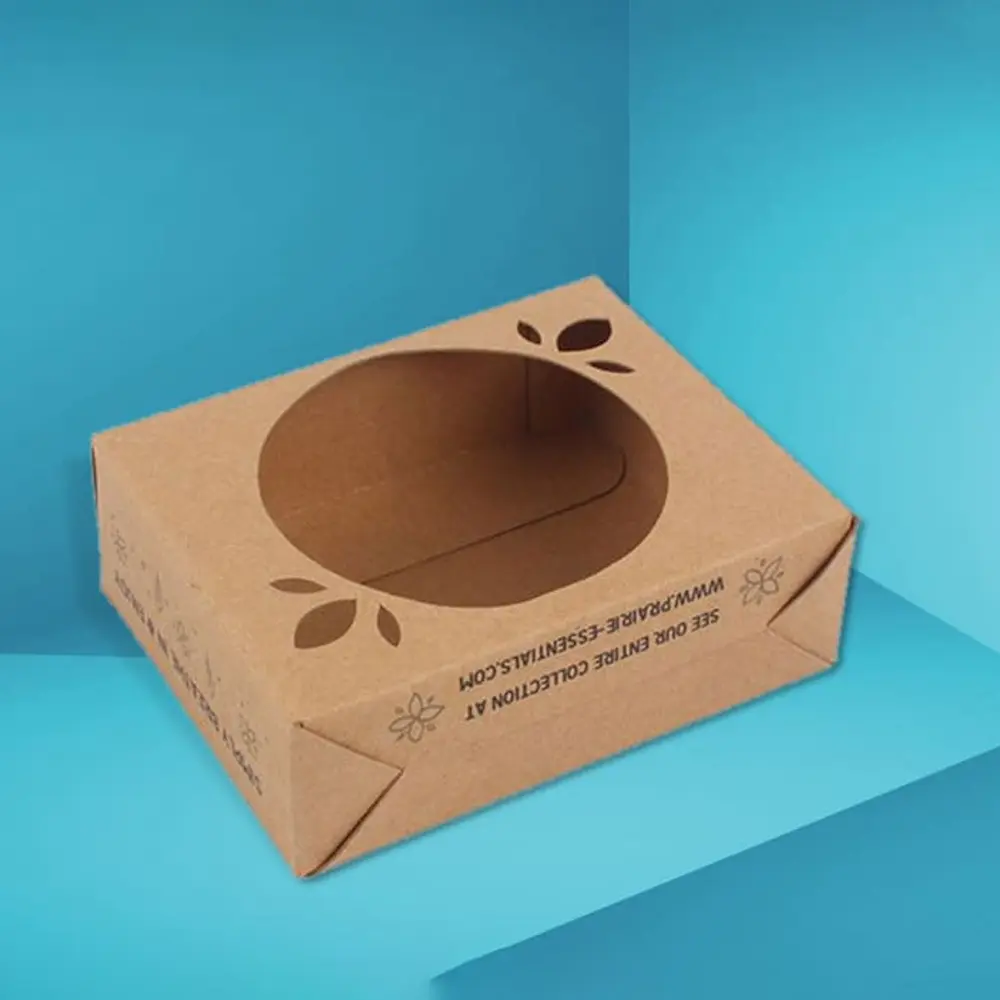
- Kraft paper boxes with die-cuts for airflow
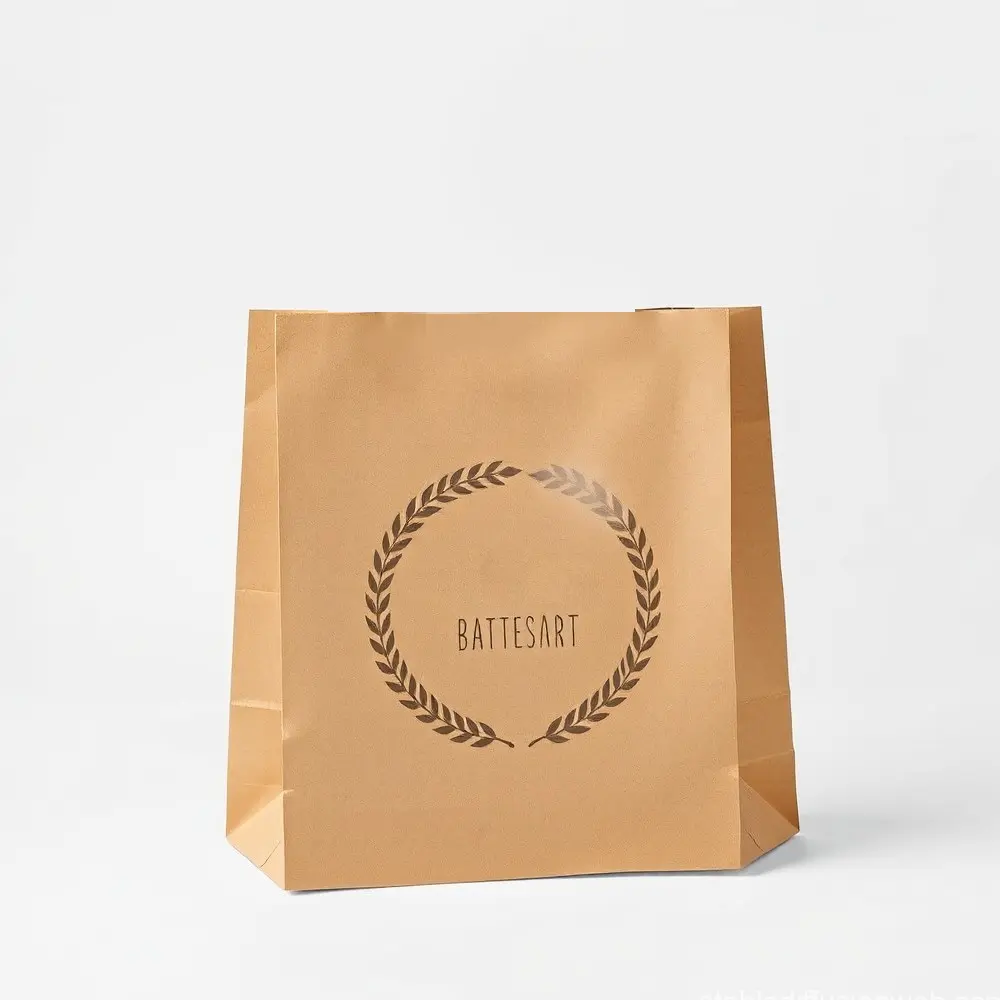
- Custom kraft paper bags with handles
- Black or brown kraft paper rolls for a rustic, eco-conscious look
Advanced flexographic and digital printing technologies allow high-resolution artwork, branding graphics, and regulatory notices to be printed directly onto breathable, micro-perforated surfaces. Specially formulated water-based inks adhere smoothly to porous papers and perforated films without clogging ventilation channels or blocking airflow. This ensures your custom packaging delivers full visual impact while retaining all of its functional breathability.
Why CPP for Air Permeable Packaging?
As a trusted leader in innovative packaging solutions, Custom Packaging Pro offers unmatched value in breathable and protective packaging. Whether you’re a small business shipping perishable goods or a large-scale manufacturer handling complex inventory, we bring:
- Tailored solutions
- State-of-the-art printing
- Eco-conscious materials
- Industry insight
Our goal is to help businesses reduce waste, improve product integrity, and elevate unboxing experiences—without compromising protection. Additionally, our dedicated material testing facilities subject every custom packaging run to rigorous quality control protocols. We test burst strength, edge-crush resistance, Oxygen Transmission Rates, and moisture barrier properties under controlled environmental chamber conditions. This technical validation guarantees that your custom-engineered breathable packaging will perform reliably across real-world commercial transport routes.
Final Thoughts
Air permeable packaging is no longer an afterthought. It's the future of intelligent, safe, and eco-friendly shipping. With the versatility of sealed air packaging, the efficiency of automated systems, and the innovation behind CPP's one-of-a-kind designs, companies can breathe easier—literally and figuratively. Whether you’re looking to enhance airflow, improve freshness, or go green with your packaging, Custom Packaging Pro has the technology, experience, and passion to deliver the perfect solution.
By investing in smart, micro-ventilated packaging solutions tailored to your unique product demands, your business reduces return rates, eliminates product damage, and drives long-term customer loyalty. Custom Packaging Pro remains your trusted partner for engineering high-performance, sustainable, breathable packaging that propels your brand forward in competitive markets.
Need breathable packaging?
Contact Custom Packaging Pro today to explore our full range of sealed air packaging, kraft bags, and air tight box alternatives—designed just for you.
FAQ
- What is air permeable packaging?
A. Air permeable packaging allows controlled airflow through the packaging material, ideal for products that need ventilation such as produce, textiles, or medical items.
- How is sealed air packaging different from air permeable packaging?
A. Sealed air packaging focuses on cushioning and protection with minimal airflow, while air permeable packaging balances protection with breathability.
- Can air permeable packaging be automated?
A. Yes, automated packaging systems from companies like Sealed Air can be configured for both breathable and airtight solutions depending on the material used.
- Is air permeable packaging recyclable?
A. Most air permeable packaging made from kraft paper or biodegradable films is recyclable, but composite materials may vary in recyclability.
- When should I use an air tight box instead?
A. Use an air tight box when your product requires complete protection from air, moisture, or contamination—such as electronics or pharmaceuticals.
- What products benefit most from air permeable packaging?
A. Fresh produce, baked goods, medical devices, and fabrics benefit most as the airflow prevents mold, condensation, and spoilage.
- Can sealed air foam packaging be made breathable?
A. Yes, sealed air foam packaging can include perforations or breathable layers to create hybrid protection with airflow features.

 Custom Boxes
 Mailer Boxes
 Shipping Boxes
 Display Boxes
 Product Boxes
 Retail Packaging
 Luxury Packaging
 Sustainable Packaging
 Mylar Bags
 Labels & Stickers
 Inserts & Dividers
 Acrylic Signs
 Mylar and Zipper Bags
 Cosmetic Boxes
 Custom Candle Packaging Boxes
 Food and Beverage
 Display Packaging
 Pharma Packaging
 Custom Blister Packaging
 Stand Up Displays
 Kraft Boxes
 Cereal Packaging Boxes
 Bakery Packaging Boxes
 Eco-Friendly Boxes
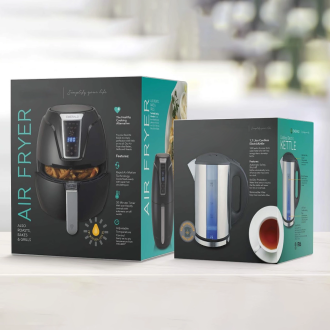 Electronics Packaging Boxes
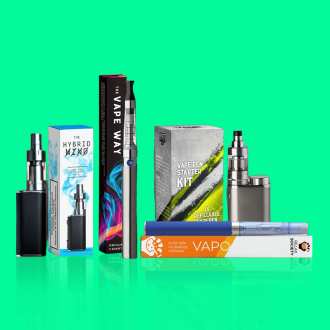 Custom Vape Boxes & Packaging
 CBD Packaging Boxes
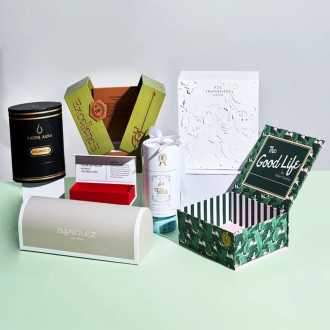 Rigid & Luxury Packaging Boxes
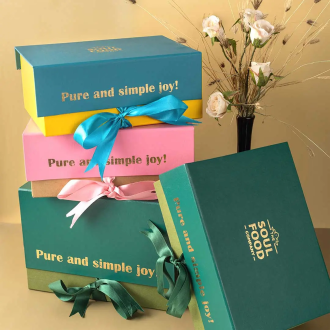 Gift Boxes
 Custom Soap Boxes & Packaging
 Metalized Boxes
 Retail Boxes
 Subscription Boxes
 Invitation Boxes
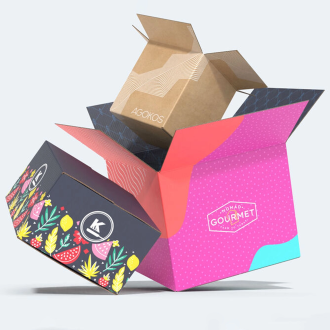 Corrugated Shipping Boxes
 Matte Finish
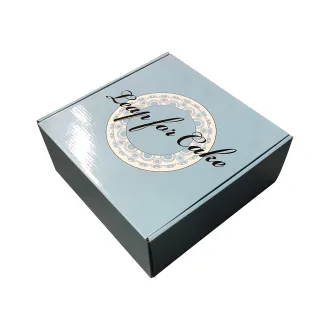 Gloss Finish
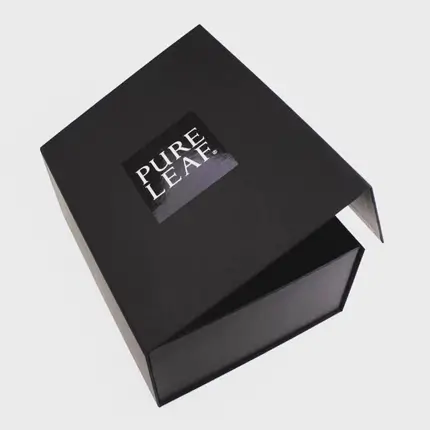 Soft Touch
 Foil Stamping
 Spot UV
 Embossing
 Debossing
 Window Cutouts