By Rai Haider
January 26, 2024
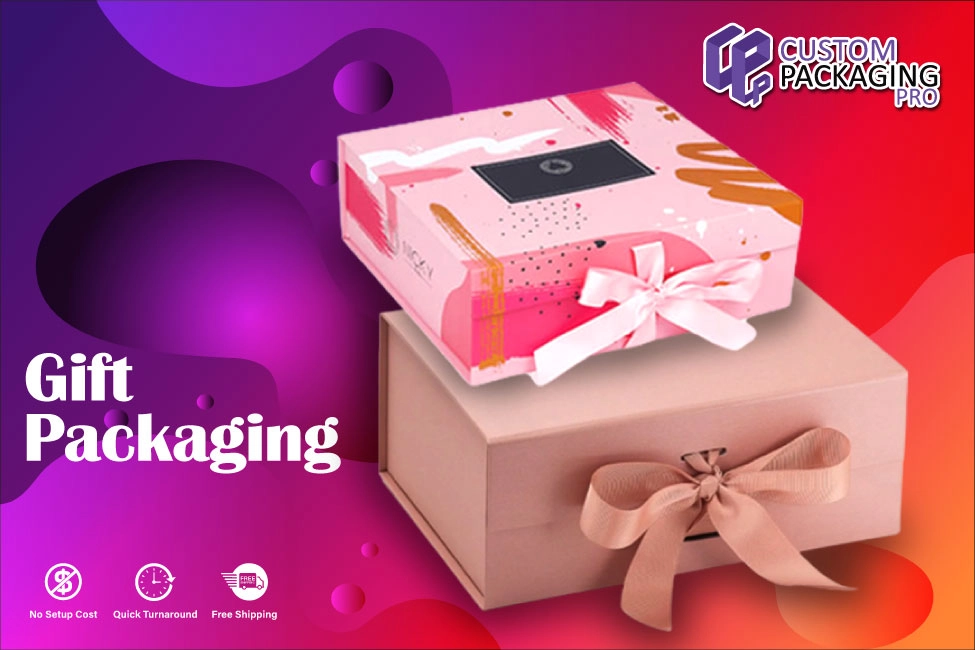
Add Colorful Ribbons and Painting on Gift Packaging
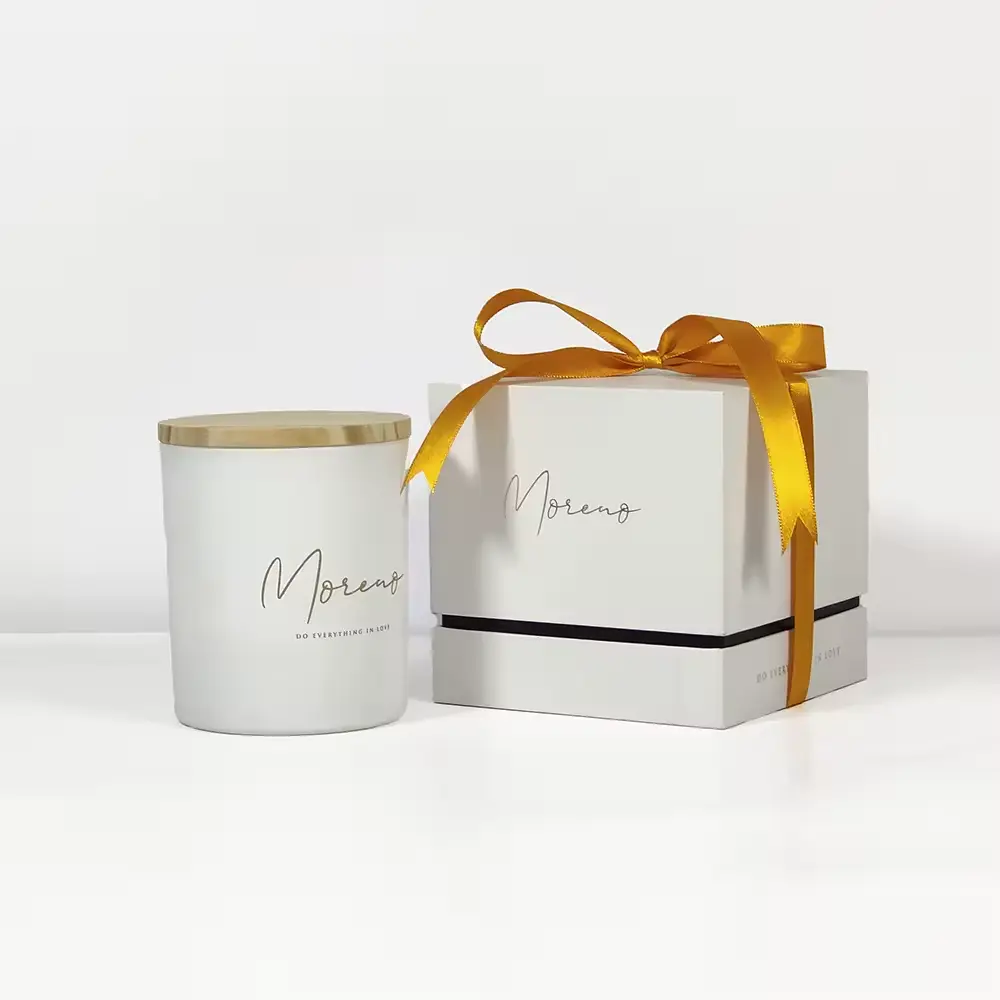
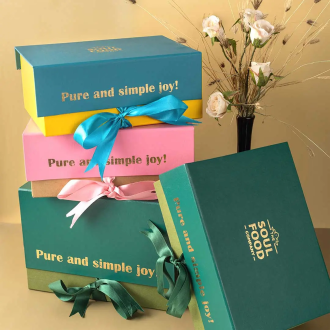
Finding creative ways to make gift packaging stand out is essential for retail brands, e-commerce stores, and specialty gift shops. While structural box strength protects the enclosed item, the visual presentation shapes the recipient's immediate emotional reaction. Elevating standard gift packaging with colorful satin ribbons, customized bow ties, and delicate hand-painted artwork transforms basic boxes into unboxing experiences that boost brand loyalty and social sharing.
In this comprehensive guide, we break down how blending artistic finishes—like custom painting and vibrant ribbon accents—with structural wholesale packaging creates memorable gift displays that drive sales, optimize logistics overhead, and elevate customer satisfaction across every channel.
The Visual Impact of Custom Ribbons and Hand-Painted Packaging
Gift wrapping serves as the very first physical touchpoint between a brand and its customer. Adding decorative ribbons and subtle hand-painted illustrations immediately elevates the perceived value of any product. Whether you are packaging luxury cosmetics, artisanal treats, or anniversary keepsakes, customized ribbon pulls and bespoke paint strokes communicate thoughtfulness and premium quality.
Key design elements that elevate visual presentation:
- Vibrant Ribbon Accents: Using grosgrain, satin, or organza ribbons adds rich tactile texture and rich color contrast to plain cardboard surfaces.
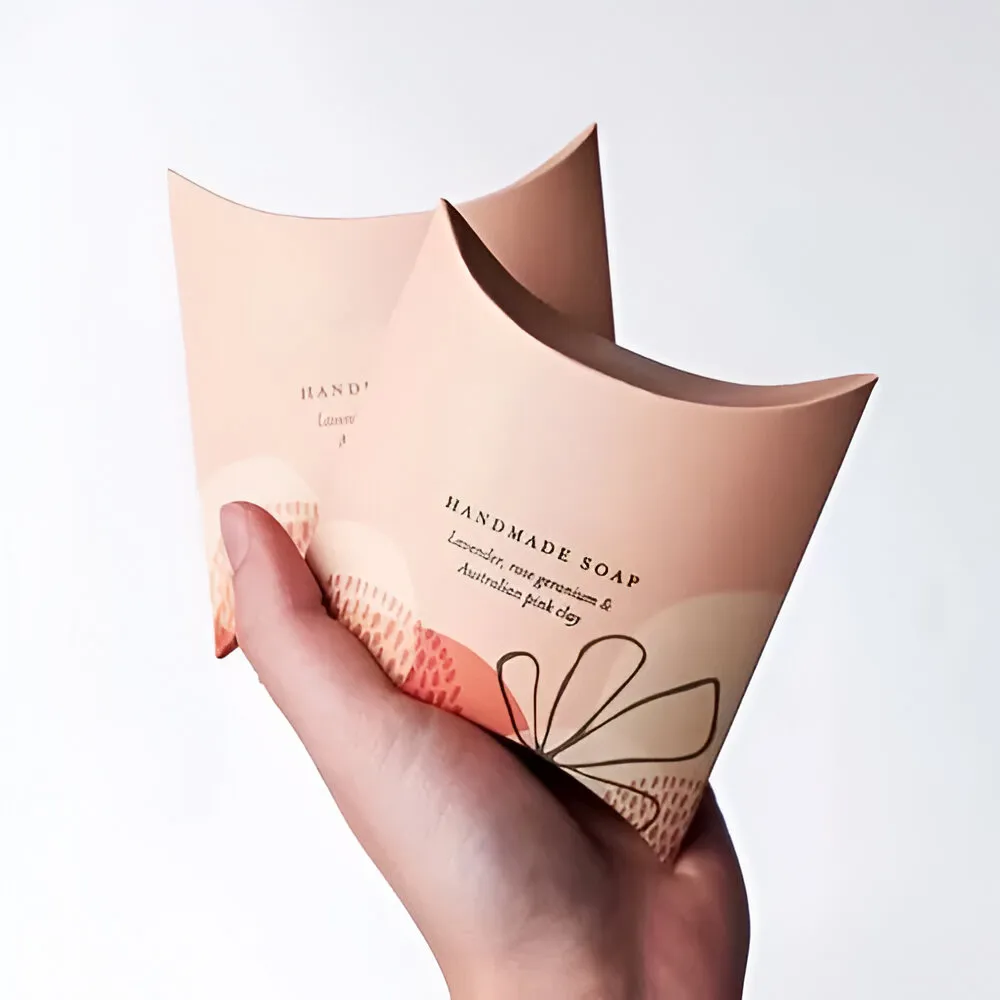
- Hand-Painted Motifs: Custom floral patterns, metallic brushstrokes, or minimalist geometric art turn simple unboxing into an artistic reveal.
- Branded Color Schemes: Matching ribbon colors to your brand palette builds instant recognition during seasonal sales campaigns.
Artistic Techniques: Hand-Painting vs. Digital Printing on Boxes
When customizing gift containers, choosing between manual artisan techniques and high-speed digital printing depends on your production scale and brand positioning. Hand-painted packaging offers an authentic, one-of-a-kind feel ideal for limited-edition product drops and luxury VIP gifts. Each brushstroke carries slight variations, making every package a collectible piece of art.
Conversely, modern digital and flexographic printing allows brands to replicate hand-painted aesthetics across thousands of boxes efficiently. Advanced printing technology can mirror the depth, texture, and metallic sheen of real acrylic or watercolor paint, allowing high-volume businesses to scale custom visual themes without slowing down production lines.
Selecting the Ideal Ribbon Materials for Gift Boxes
The choice of ribbon material plays a fundamental role in setting the tone for your gift presentation. Different fabrics convey different emotional messages and physical textures:
- Satin Ribbons: Known for their glossy finish and smooth texture, satin ribbons are ideal for luxury jewelry, bridal gifts, and high-end cosmetics.
- Grosgrain Ribbons: Featuring a ribbed texture, grosgrain ribbons offer durability and a sturdy hold, perfect for rustic or casual gift arrangements.
- Organza Ribbons: Sheer and lightweight, organza brings a delicate, ethereal charm to floral gifts, perfumes, and delicate accessories.
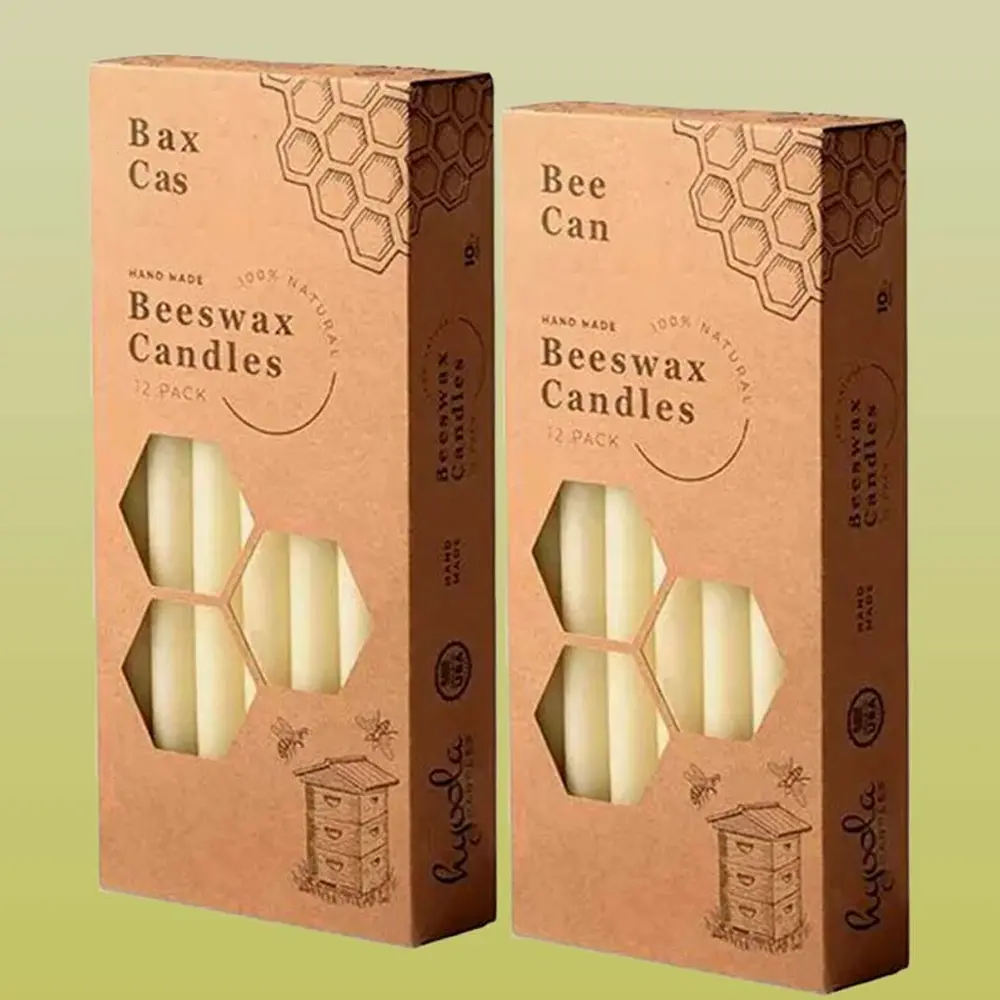
- Natural Jute & Twine: Excellent for organic, eco-friendly brands seeking an authentic, rustic aesthetic on kraft paperboard boxes.
How Wholesale Gift Packaging Adapts Across Age Groups
Every demographic responds differently to packaging aesthetics. Children and young adults often favor bold, cheerful primary colors with playful ribbon bows, while corporate clients and luxury shoppers prefer subdued tones, matte finishes, and understated silk ties. Sourcing versatility in your wholesale gift packaging line allows your brand to target distinct customer groups effectively.
Tailoring packaging dimensions and exterior graphics ensures that every age demographic enjoys an engaging unboxing experience. Smaller, tightly wrapped boxes display precision and luxury, whereas oversized decorated gift boxes generate anticipation and excitement.
Creating a Market Monopoly with Custom Packaging Solutions
In a saturated retail market, generic stock boxes quickly fade into the background. Investing in tailored custom packaging enables companies to stand out from competitors and establish a dominant market presence. Custom box engineering ensures your gift containers fit products snugly, eliminating loose rattling during shipping while presenting a polished, high-end look on store shelves.
Operational and marketing benefits of custom-engineered boxes:
- Optimized Interior Fit: Prevents product shifting, eliminating the need for excessive plastic void fill.
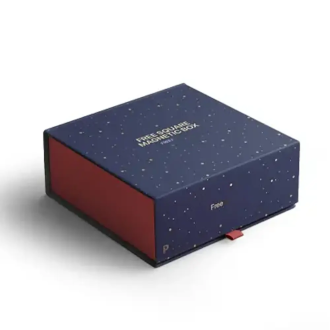
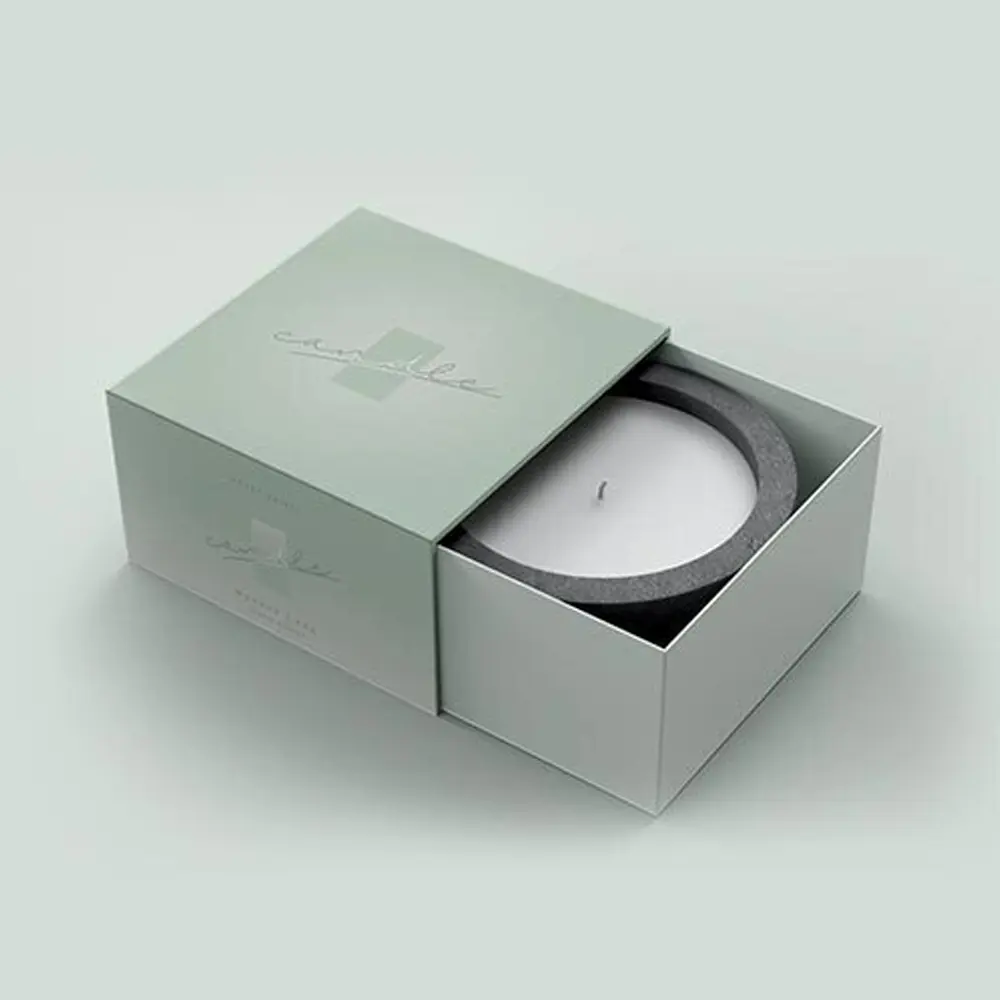
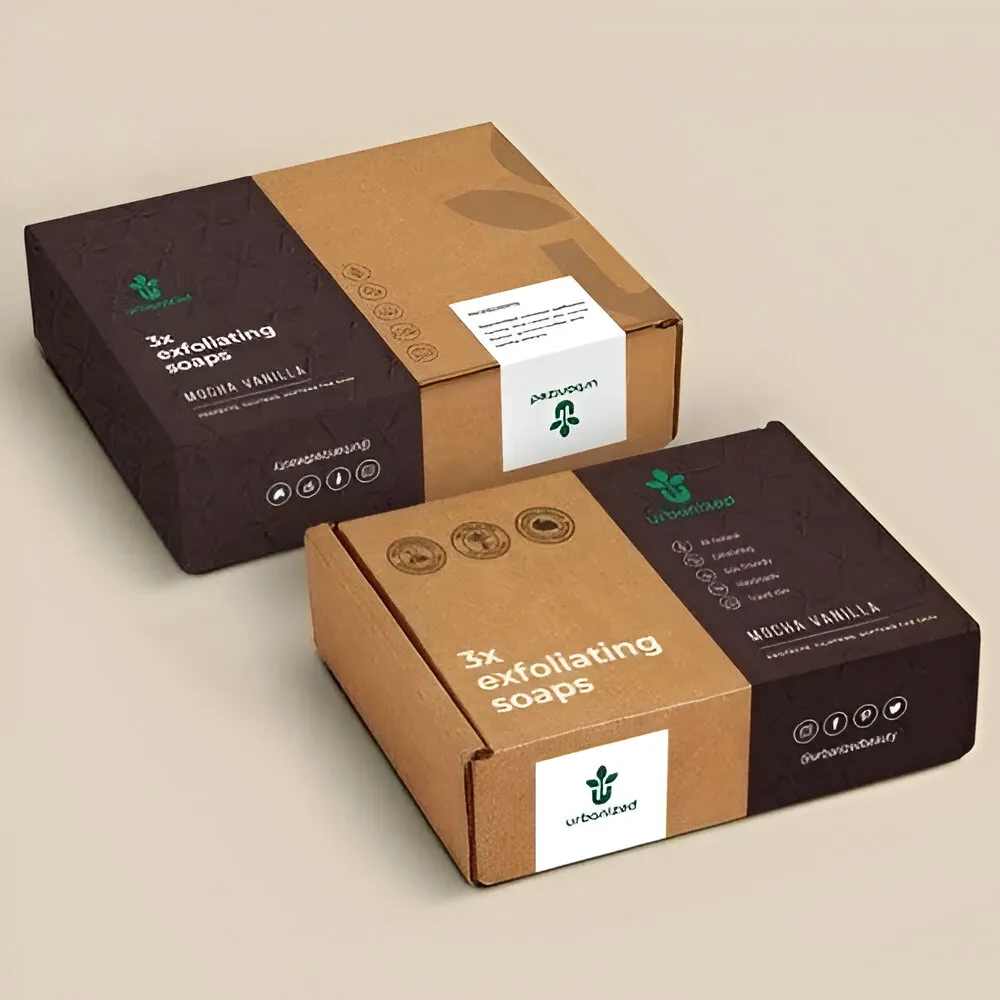
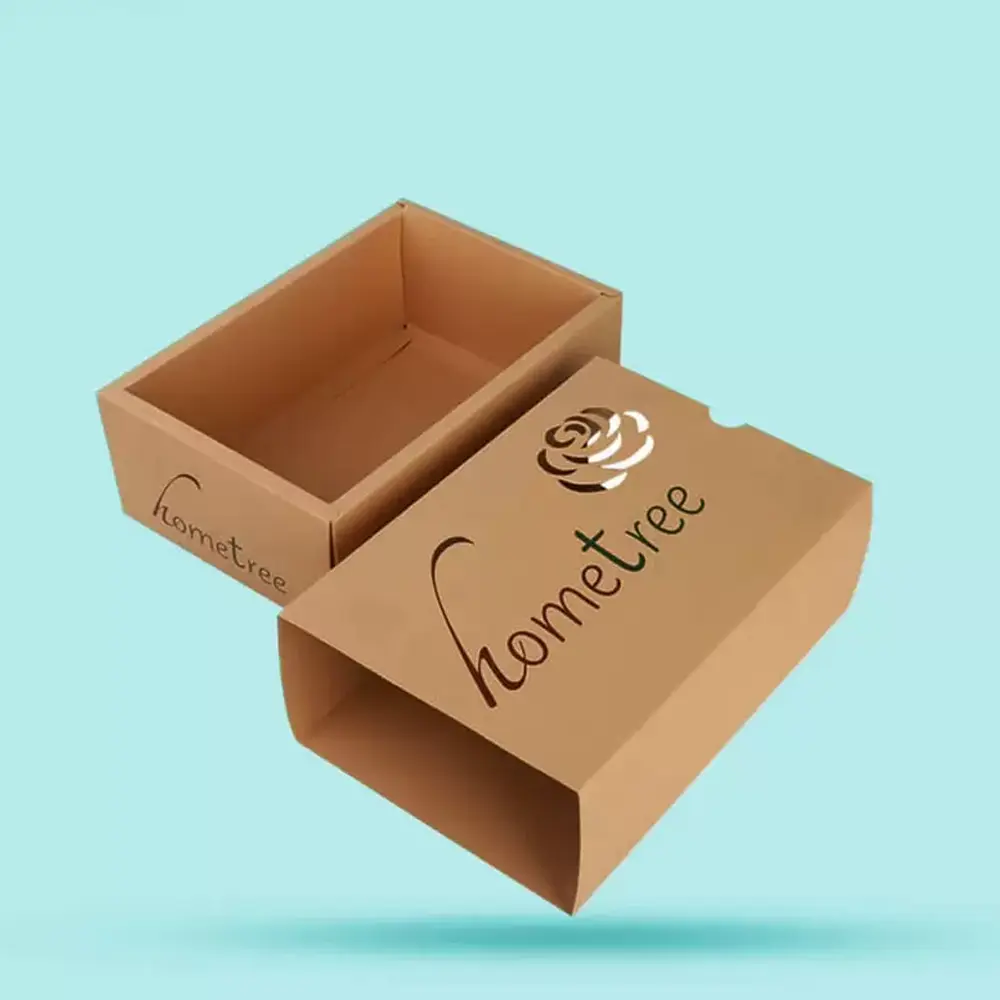
- Distinct Structural Profiles: Unique box shapes—such as magnetic closure boxes or slide-out drawers—create a proprietary brand look.
- Enhanced Retail Shelf Appeal: Bold exterior artwork grabs consumer attention in crowded retail aisles.
Unboxing Psychology: How Custom Cardboard Packaging Elevates Customer Experience
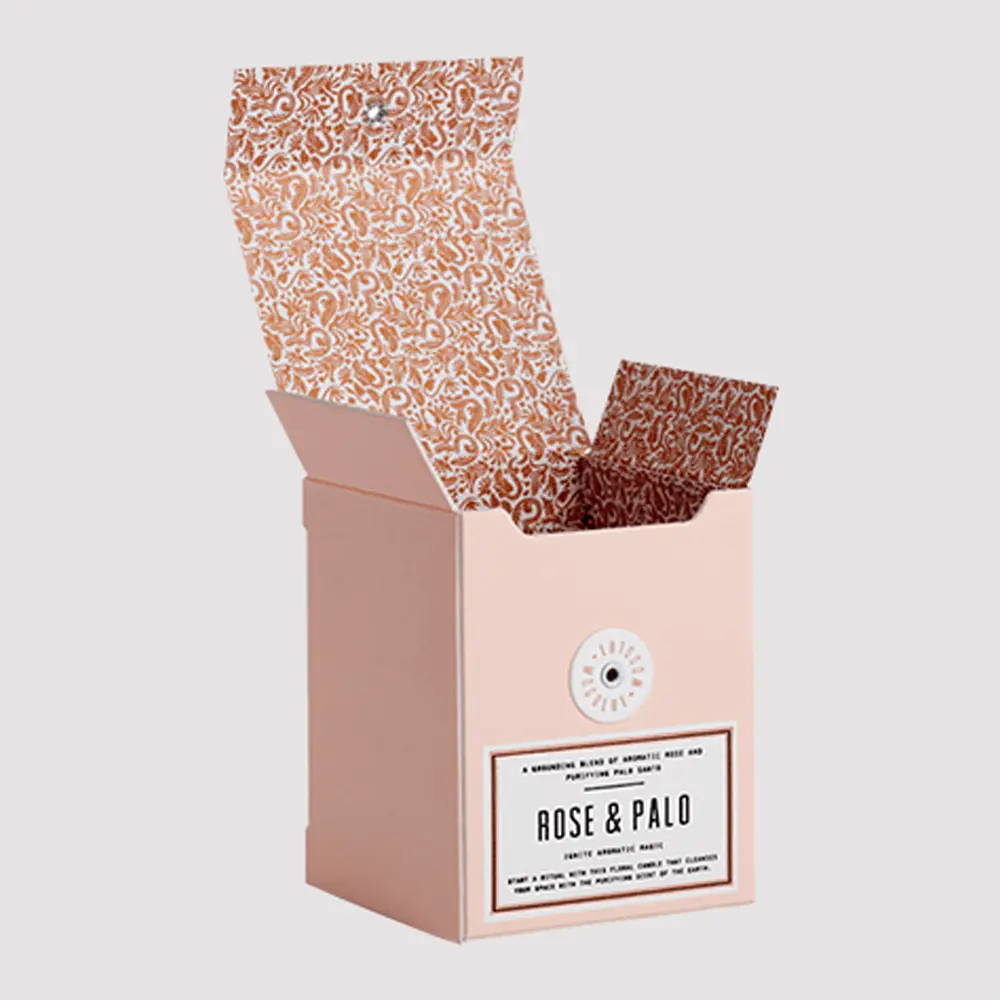
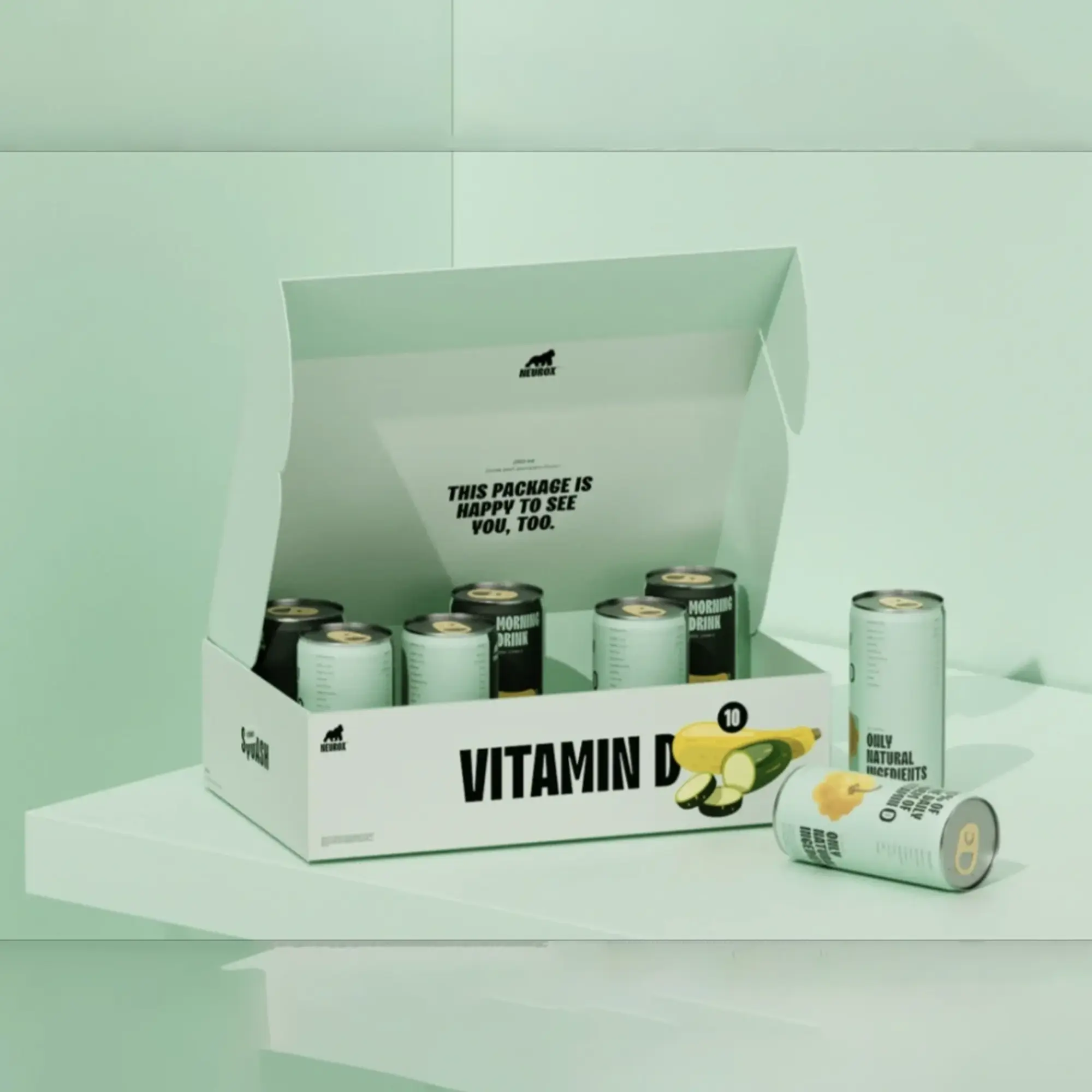
In modern e-commerce, the delivery package serves as the first physical touchpoint between a digital brand and its customers. The unboxing experience plays a critical role in shaping customer perception, driving emotional connection, and influencing long-term brand loyalty. When a customer receives an oversized, plain box filled with excess plastic peanuts, it creates immediate frustration. Conversely, receiving a custom-fitted cardboard box with crisp interior printing and clean organization elevates the perceived value of the product inside.
Key psychological benefits of an optimized unboxing experience:
- Perceived Value Enhancement: Premium packaging makes products feel more valuable, justifying higher retail prices and premium positioning.
- Emotional Anticipation: Opening a beautifully engineered package triggers positive emotional reactions, turning routine delivery into an enjoyable experience.
- Social Proof and Viral Sharing: Customers are far more likely to record unboxing videos, tag your brand on Instagram or TikTok, and provide free organic reach.
- Reduced Buyer's Remorse: Professional packaging reinforces the customer's purchase decision, leading to fewer order cancellations and higher satisfaction.
Investing in custom packaging transforms a simple shipping utility into a powerful retention tool. By paying attention to structural fit, interior graphics, and easy-open tearing strips, brands can create memorable experiences that turn first-time buyers into loyal brand advocates.
Eco-Friendly Custom Packaging: Sustainability Meets Style
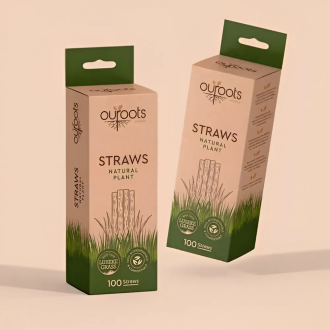
Modern consumers actively favor brands that align with environmental responsibility. Upgrading your gift boxes with sustainable materials—such as unbleached kraft paper, water-based paint inks, and biodegradable cotton ribbons—appeals directly to eco-conscious shoppers without compromising aesthetic beauty. Switching to recyclable packaging materials drastically reduces your brand's carbon footprint while serving as a powerful marketing asset.
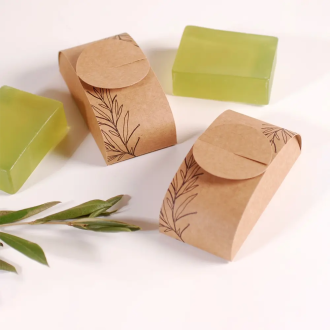
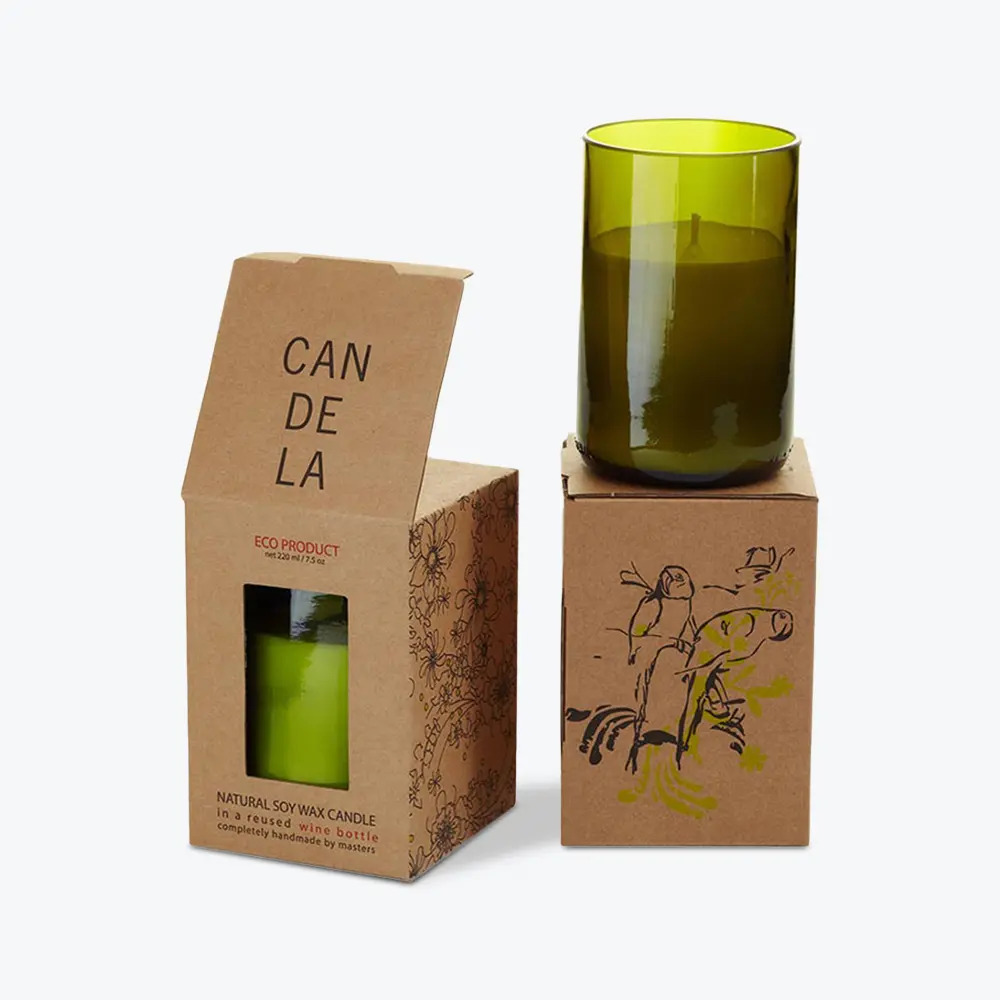
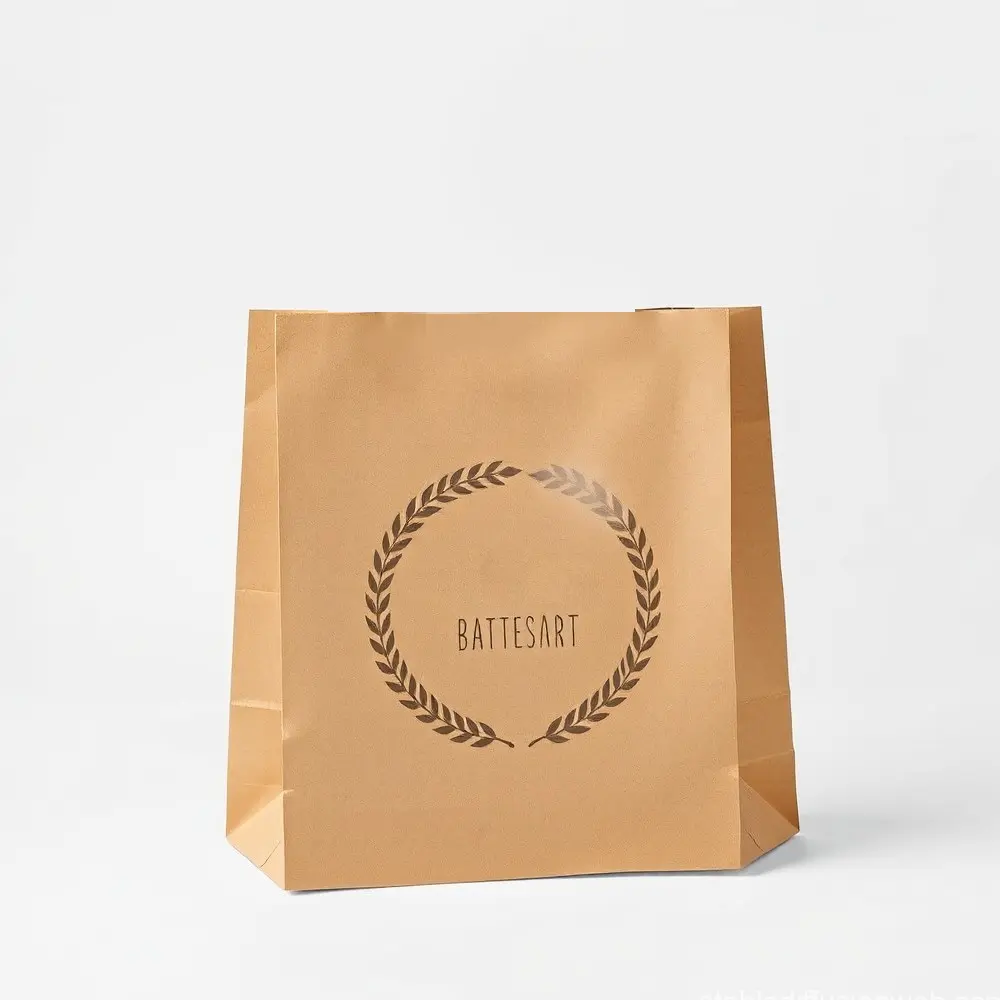
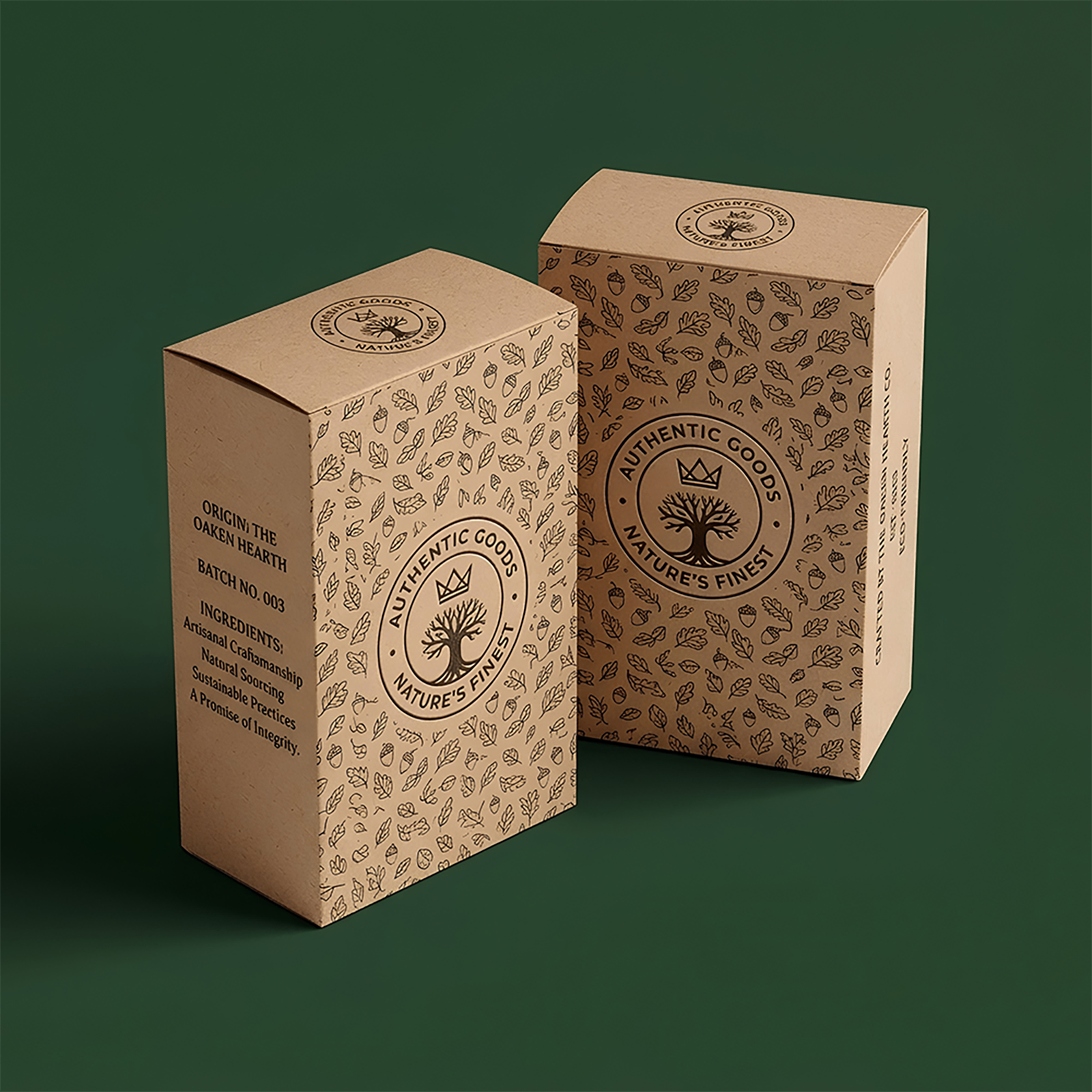
Using natural kraft gift boxes decorated with simple twine or eco-friendly painted designs communicates authenticity and corporate social responsibility.
The Role of Tactile Finishes: Combining Soft-Touch Laminates and Decorative Ribbons
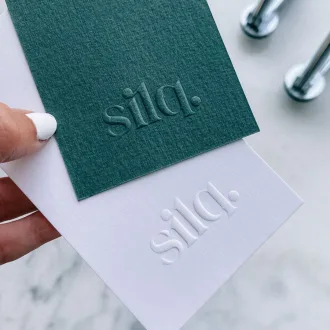
While visual appeal draws the initial eye, the physical sensation of holding a package heavily influences consumer perception. Integrating tactile surface treatments—such as soft-touch matte lamination, spot UV coating, and tactile embossing—creates a sensory contrast against the smooth glide of satin ribbons or the textured weave of grosgrain ties. When a customer runs their fingers across a velvety box surface accented by raised metallic artwork, the perceived luxury of the product inside instantly increases. These tactile elements turn routine handling into an immersive brand experience, reinforcing quality before the package is even opened.
Key benefits of integrating tactile packaging finishes:
- Enhanced Sensory Engagement: Soft-touch coatings provide a velvety feel that encourages recipients to hold and interact with the package longer.
- Improved Surface Protection: Premium laminates shield custom-painted artwork and foil stamping from scuffs, fingerprints, and moisture during handling.
- High-Contrast Aesthetics: Combining matte exterior finishes with glossy ribbon pulls or raised spot UV details creates striking visual and physical depth.
Applying advanced finishing techniques directly to your custom gift boxes bridges the gap between functional protection and high-end elegance. For luxury e-commerce retailers, these subtle tactile details communicate craftsmanship and attention to detail. Investing in sensory packaging ensures that every unboxing moment leaves a lasting, positive impression that sets your brand apart from standard retail alternatives.
Maximizing Revenue and Profit Margins through Premium Finishes
Higher perceived product value directly supports premium retail pricing. When customers receive gifts encased in sturdy, ribbon-adorned packaging, they view the enclosed product as more valuable. This enhanced perception allows retail brands to command higher profit margins, especially during peak gift-giving seasons like Christmas, Valentine's Day, and Mother's Day. Furthermore, visually striking gift packages trigger organic user-generated content (UGC).
Customers naturally record unboxing videos and post photographs on Instagram and TikTok, giving your brand free organic marketing and lowering overall customer acquisition costs.
Supply Chain Optimization: Streamlining E-Commerce Logistics with Custom Boxes
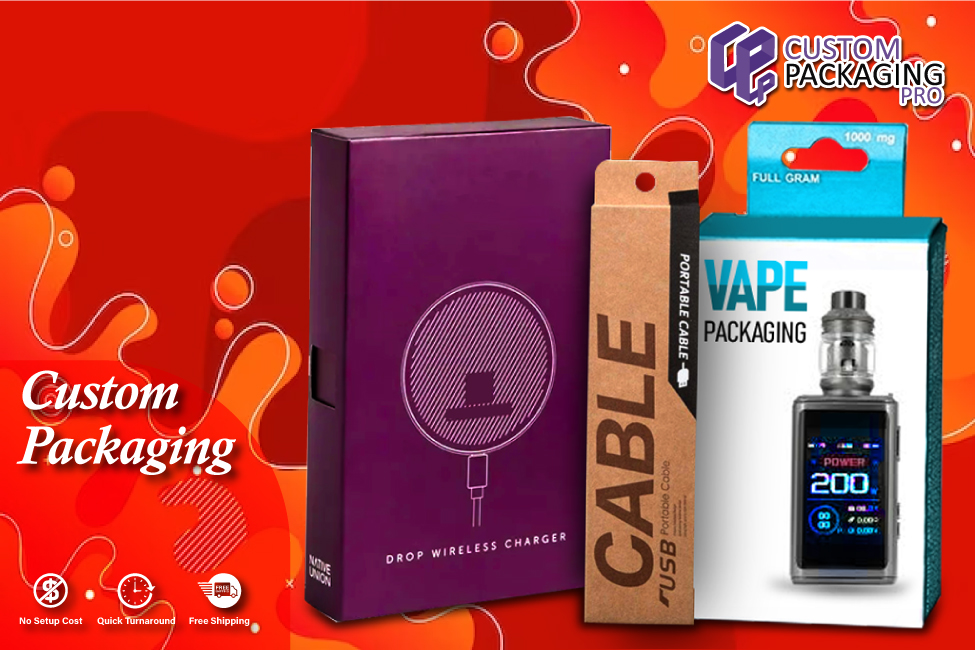
E-commerce fulfillment demands speed, efficiency, and accuracy across every stage of the warehouse supply chain. Standard stock boxes slow down fulfillment operations because warehouse workers must constantly measure items, select appropriate box sizes, and manually apply heavy amounts of protective void fill. Custom cardboard packaging streamlines fulfillment workflows by standardizing box dimensions tailored directly to your top-selling products or product bundles.
Operational advantages across the fulfillment pipeline:
- Accelerated Packing Speed: Warehouse staff can quickly pack items into custom-fit boxes without spending time wrapping, taping, or filling air gaps.
- Optimized Conveyor System Handling: Uniform box profiles pass smoothly through automated sorting systems, reducing conveyor jams and scan errors.
- Reduced Shipping Weight Variation: Standardized boxes and predictable void fill usage allow for precise weight estimates, speeding up automated label printing.
- Lower Freight Damage Rates: Engineered box structures ensure items remain stable during high-speed sorting and last-mile delivery handling.
By optimizing box dimensions for your logistics workflow, you reduce labor costs per order, increase daily order output, and eliminate unnecessary shipping bottlenecks. Custom cardboard packaging ultimately creates a leaner, more resilient supply chain that scales efficiently as your business grows.
Seasonal Customization Strategies for Gift Retailers
Adapting your packaging design to seasonal holidays allows your business to stay relevant and capture high retail demand throughout the calendar year:
- Holiday Season (Q4): Deep red and forest green ribbon accents paired with gold foil stamping and snowflake painted patterns.
- Valentine’s Day & Mother’s Day: Soft pastel palettes, pink satin ribbon closures, and delicate floral motifs.
- Corporate & Autumn Events: Warm earth tones, bronze metallic paint highlights, and structured grosgrain ties.
Using Rigid Packaging for Superior Product Protection and Elegance
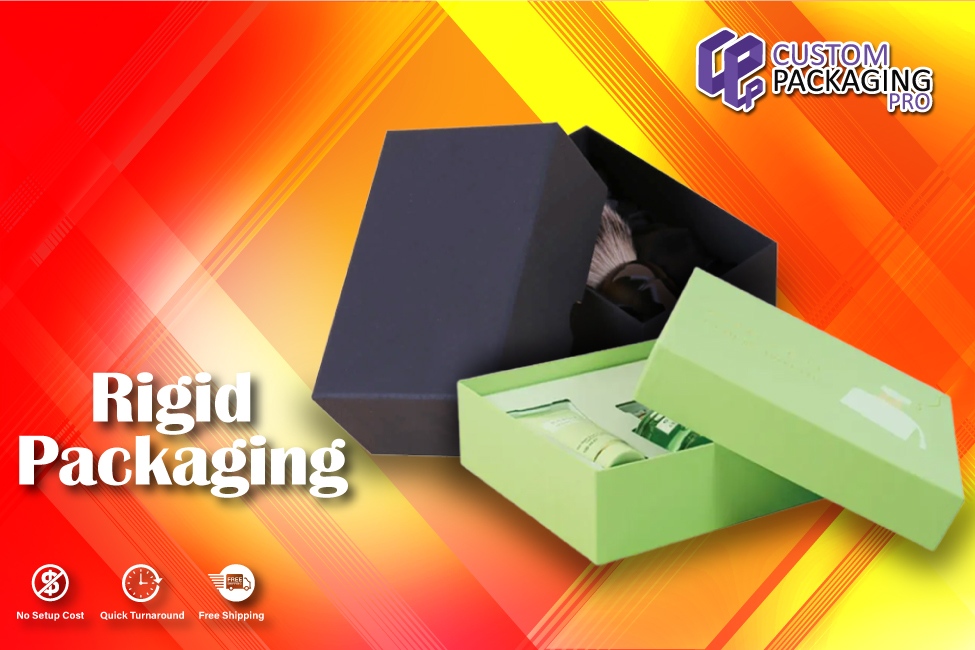
When packaging fragile, high-value, or luxury goods, standard paperboard often falls short. Heavy-duty rigid packaging provides exceptional structural integrity while offering a smooth, thick surface ideal for intricate painting, foil stamping, and ribbon attachments. Rigid luxury boxes protect fragile contents against rough handling and transit compression.
Popular applications for luxury rigid gift packaging:
- Cosmetics and Perfumes: High-density rigid boxes protect glass bottles and convey high-end luxury.
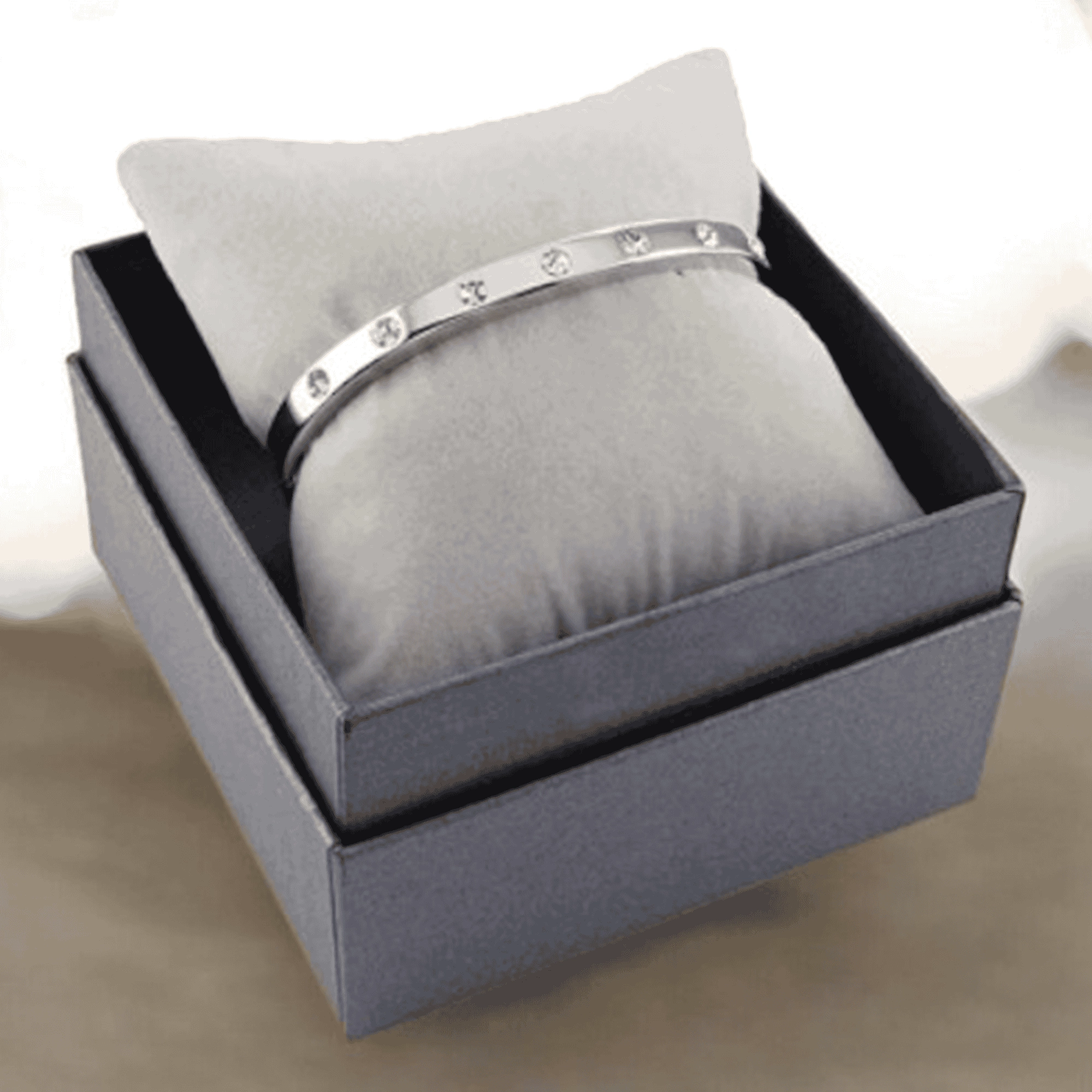
- Jewelry and Watches: Plush interior inserts combined with magnetic closures and ribbon pulls secure delicate accessories.
- Gourmet Confections and Spirits: Custom structural dividers keep fragile items safe while showcasing elegant presentation.
Rigid Packaging Structural Versatility for E-Commerce Logistics
The rapid expansion of online shopping requires gift packaging to be both visually alluring and structurally resilient during transit. Custom rigid boxes maintain their shape under stacking pressure across fulfillment warehouses, postal sorting machines, and last-mile delivery vans. By engineering precise internal box dimensions, brands eliminate internal product movement, reducing return rates caused by transit damage while delivering a flawless unboxing experience directly to the customer's doorstep.
Custom Inserts: Protecting Contents While Maintaining Beauty
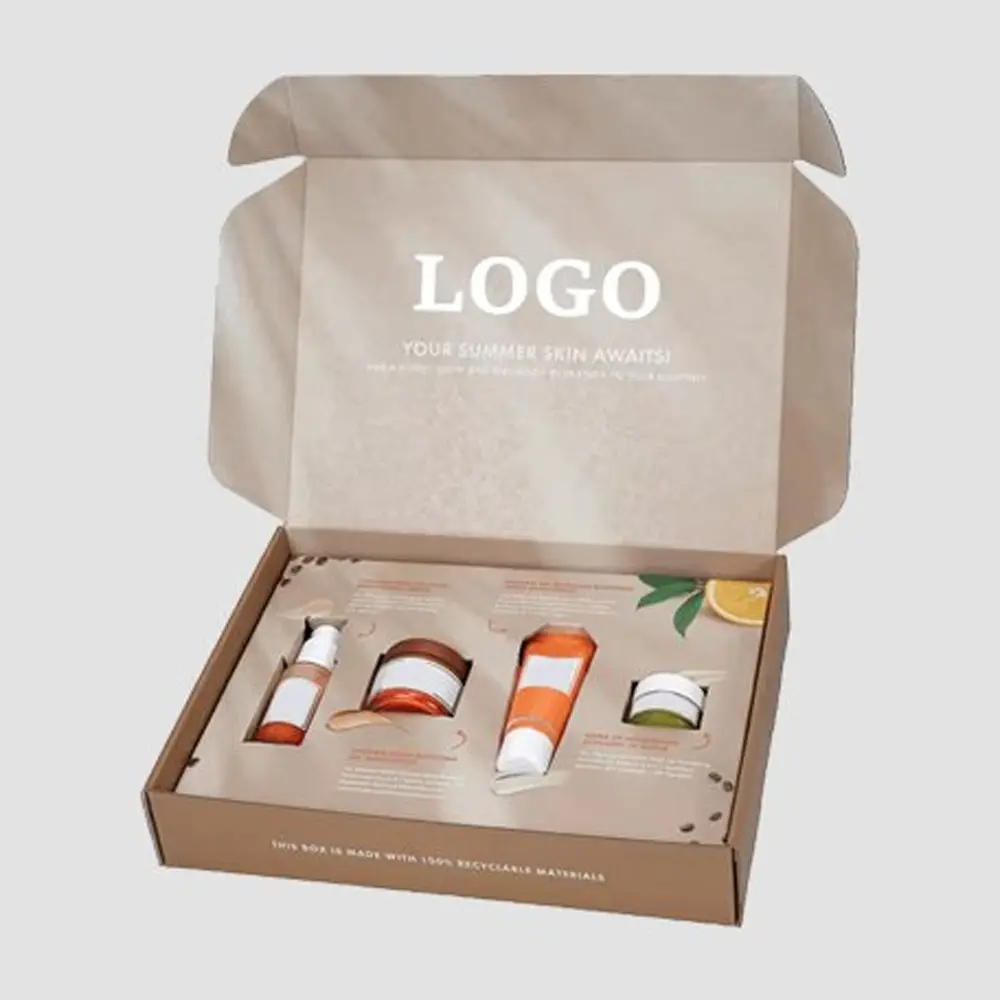
To ensure decorated gift boxes maintain their internal presentation during shipping, custom structural inserts are essential. Loose items shifting inside a box during transit ruin the unboxing presentation and risk product damage.
Common custom insert options include:
- Custom Molded Foam: High-density foam wrapped in velvet offers maximum protection for fragile glassware, tech items, and perfume bottles.
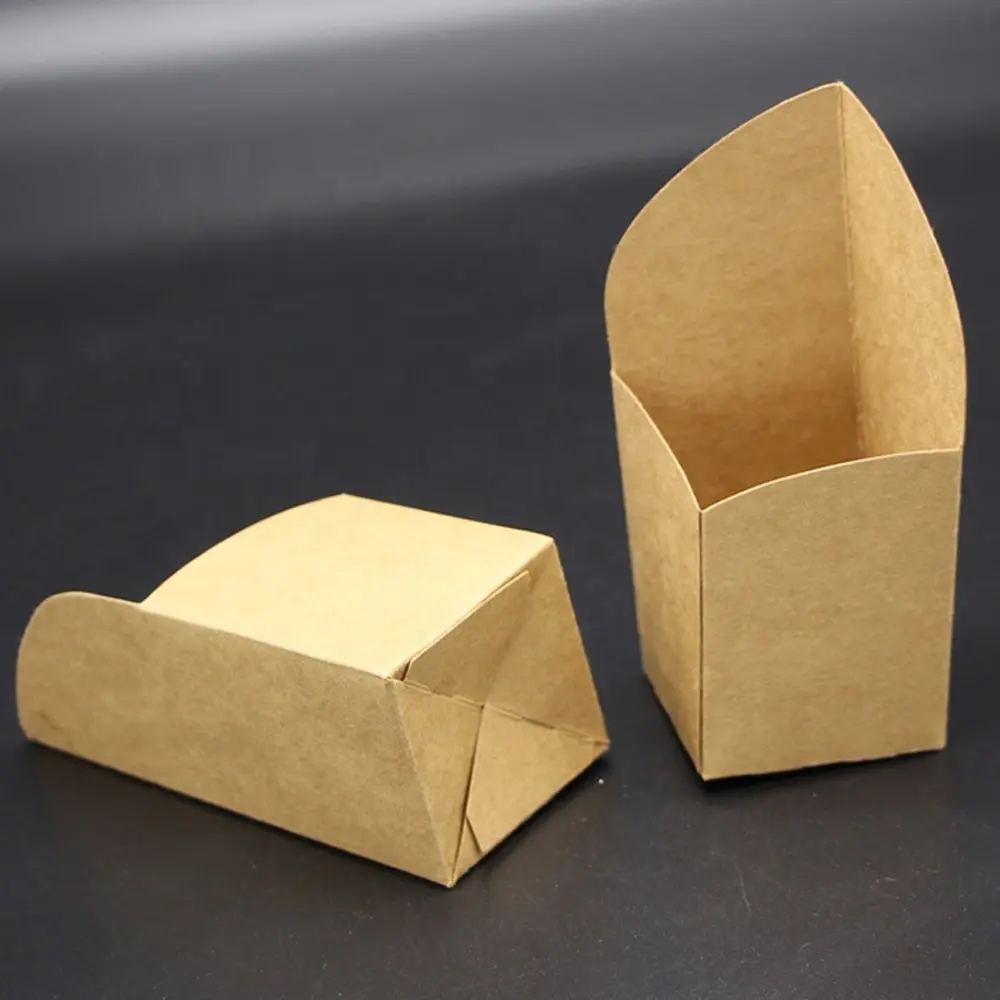
- Cardboard & Kraft Dividers: Recyclable die-cut inserts designed to keep multi-piece gift sets separated cleanly.
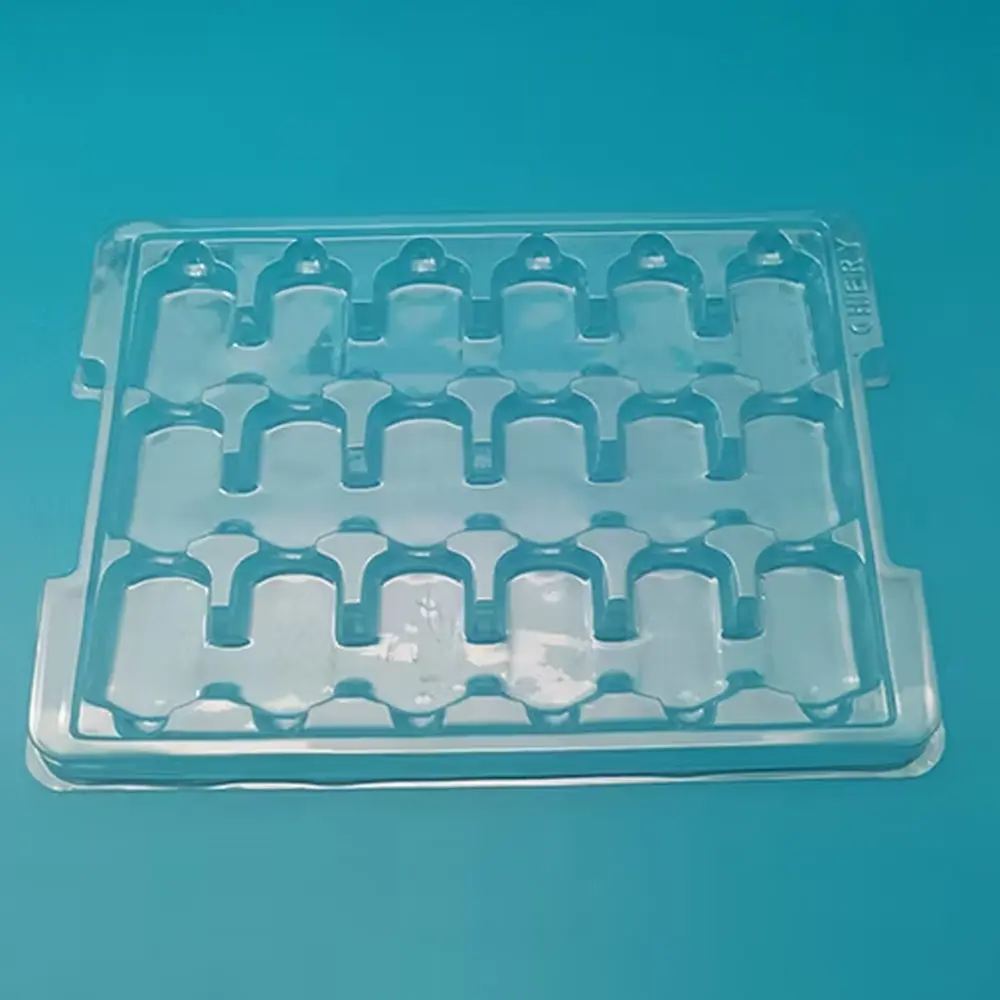
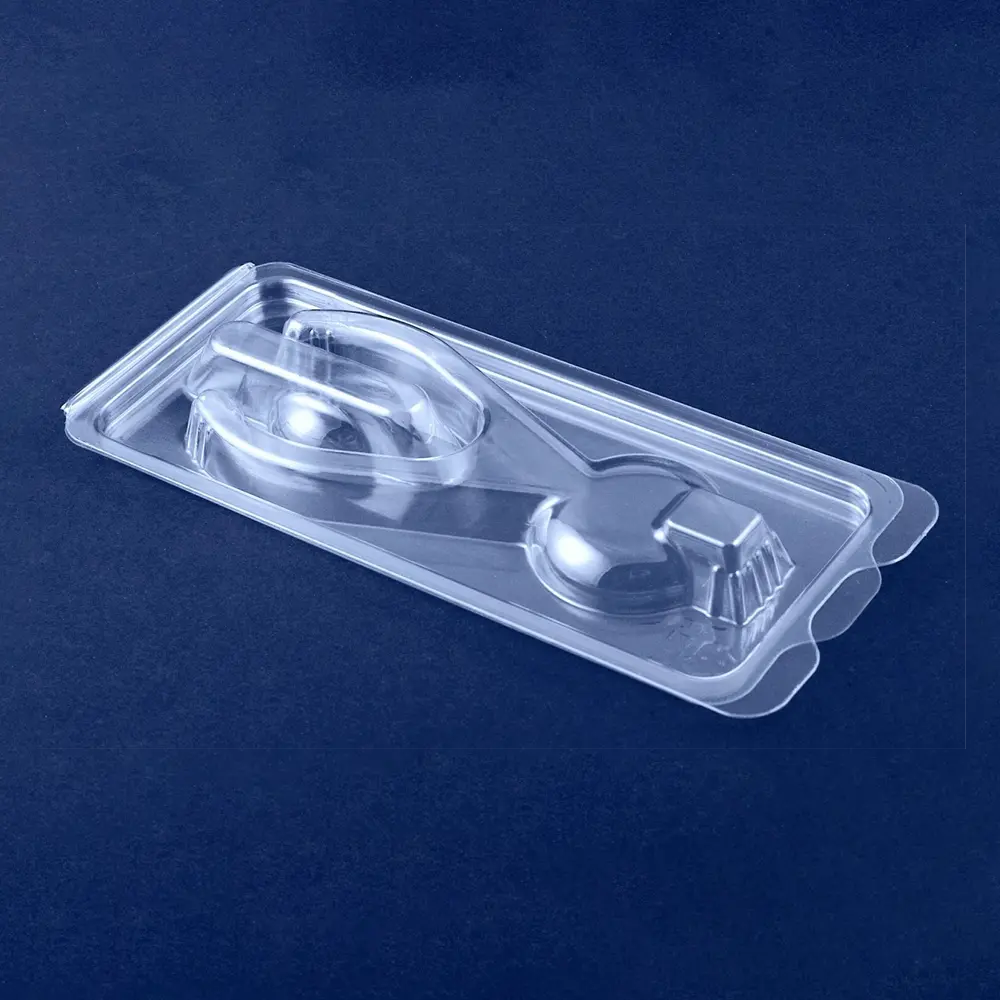
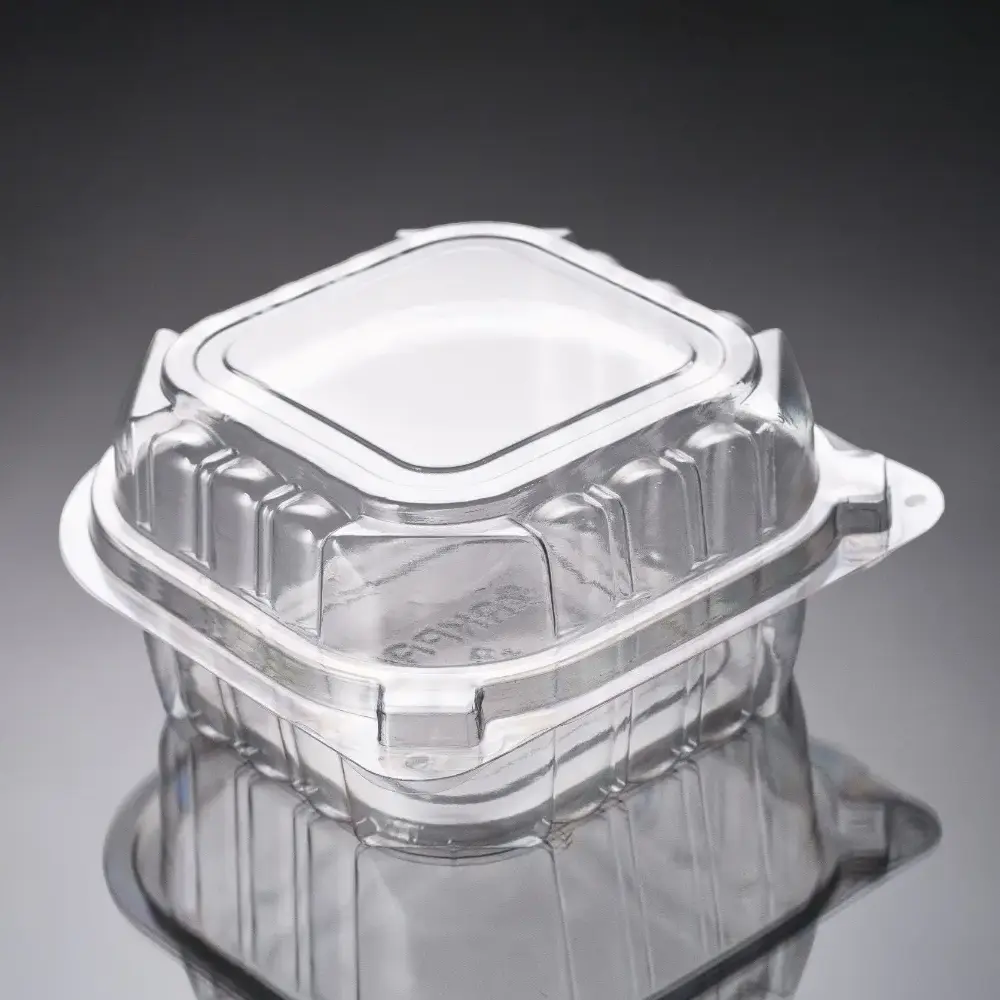
- Thermoformed Plastic Trays: Lightweight and clear, ideal for securing cosmetics and confectionery items.
Logistics Math: Reducing Freight Overhead with Precision Packaging
A crucial financial consideration for gift manufacturers and e-commerce sellers is the impact of packaging dimensions on freight charges. Major global carriers like FedEx, UPS, and DHL calculate costs using Dimensional (DIM) Weight pricing, charging based on total package volume rather than physical weight alone. Standard oversized gift boxes lead to massive DIM weight surcharges because you pay to ship trapped empty space.
Engineering a custom gift container that matches your product bundle dimensions slashes dimensional volume, dropping shipping costs per unit by 30% to 50%. Accumulating these savings across thousands of seasonal shipments vastly improves operational profit margins.
Best Practices for Ordering Wholesale Custom Gift Boxes
When sourcing bulk gift boxes, following industry best practices prevents costly production errors and delays:
- Verify Box Dimensions: Always measure the maximum height, width, and depth of your product set before finalizing die lines.
- Request Physical Samples: Inspect structural rigidity, print quality, and ribbon attachment strength before placing high-volume production orders.
- Plan Lead Times Carefully: Order seasonal packaging 8 to 12 weeks in advance to account for manufacturing, printing, and transit schedules.
Omnichannel Retail Integration: Unifying In-Store and Digital Packaging
Modern retail brands no longer operate through a single sales channel. Customers frequently interact with brands across physical storefronts, e-commerce websites, and social media marketplaces. Maintaining visual consistency across these diverse touchpoints is essential for building strong brand recall. Integrating customized gift packaging into an omnichannel retail strategy ensures that whether a customer purchases an item in a boutique store or receives it via home delivery, the sensory experience remains identical.
Strategies for unifying physical and digital packaging experiences:
- Standardized Decorative Elements: Using the exact same ribbon weights, foil accents, and painted motifs for both in-store gift wrapping and e-commerce mailers.
- Interactive Digital Touchpoints: Printing custom QR codes inside gift box lids that direct recipients to exclusive unboxing landing pages, tutorials, or brand stories.
- Multi-Functional Box Designs: Engineering rigid boxes that serve as attractive retail shelf displays in physical stores and durable shipping containers for online orders.
- Consistent Color Accuracy: Matching ink formulations across flat paperboard and corrugated shipping boxes to avoid brand dilution across sales channels.
Bridging the gap between offline and online retail through cohesive gift packaging strengthens customer trust. When recipients unwrap a package that mirrors the quality seen on your website or retail floor, it validates their purchase decision, encourages social media sharing, and drives higher long-term brand equity.
Frequently Asked Questions
- Why is gift packaging with ribbons and artwork important?
Adding ribbons and custom artwork elevates the presentation, boosts perceived product value, creates emotional anticipation, and turns basic gift-giving into a memorable unboxing experience.
- What are the main benefits of using custom packaging for retail gifts?
Custom packaging builds brand recognition, protects products during transit, minimizes material waste, and helps your brand stand out against competitors in physical and digital marketplaces.
- Can custom gift boxes be tailored for specific seasonal occasions?
Yes. Custom gift packaging can be tailored with specific color schemes, ribbon styles, printed artwork, and holiday themes for events like Christmas, weddings, corporate galas, and birthdays.
- Why is rigid packaging preferred for luxury gift items?
Rigid packaging offers maximum structural strength, superior protection against transit damage, and a heavy, high-end feel that enhances brand prestige and customer satisfaction.
- Are eco-friendly ribbon and gift packaging options available?
Yes. Many brands utilize recyclable kraft paperboard, water-based painting inks, and natural cotton or jute ribbons to create stylish, fully sustainable gift packaging.
- Which industries benefit most from rigid luxury gift boxes?
Industries shipping cosmetics, fine jewelry, electronics, luxury apparel accessories, premium confectionery, and corporate gift sets benefit heavily from rigid packaging.
- How does decorative gift packaging help increase repeat sales?
High-quality, beautifully designed gift packaging leaves a lasting positive impression, driving customer satisfaction, social media shares, and repeat purchases.

 Custom Boxes
 Mailer Boxes
 Shipping Boxes
 Display Boxes
 Product Boxes
 Retail Packaging
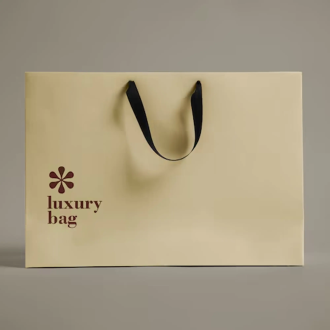 Luxury Packaging
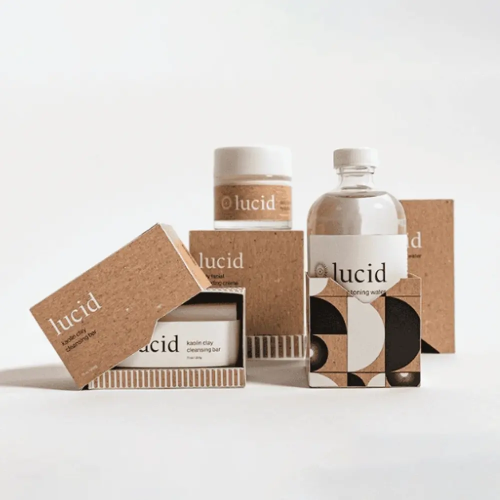 Sustainable Packaging
 Mylar Bags
 Labels & Stickers
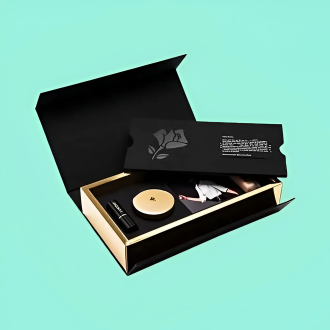 Inserts & Dividers
 Acrylic Signs
 Mylar and Zipper Bags
 Cosmetic Boxes
 Custom Candle Packaging Boxes
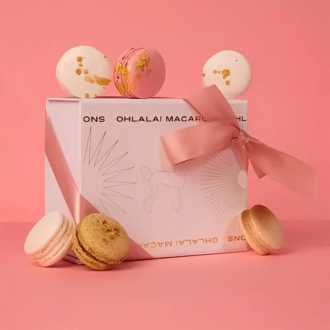 Food and Beverage
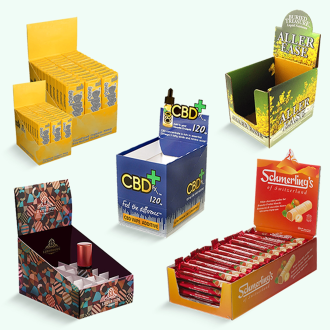 Display Packaging
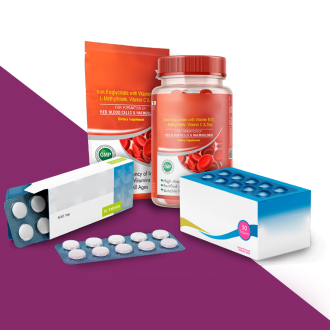 Pharma Packaging
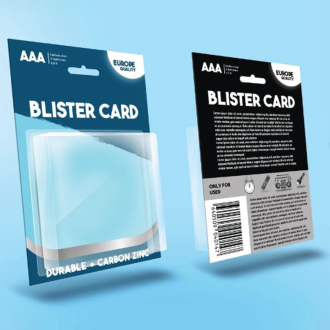 Custom Blister Packaging
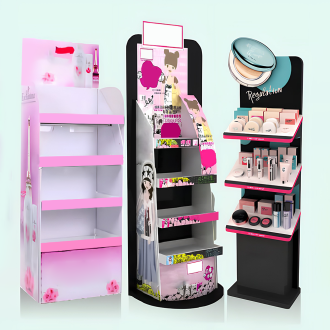 Stand Up Displays
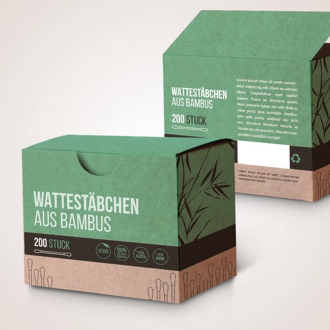 Kraft Boxes
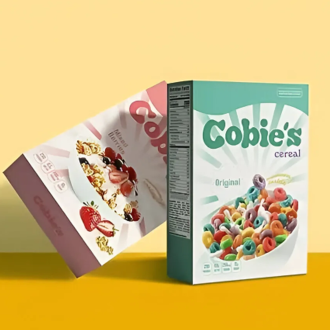 Cereal Packaging Boxes
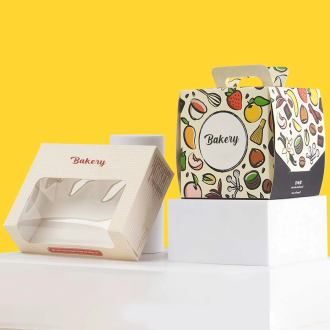 Bakery Packaging Boxes
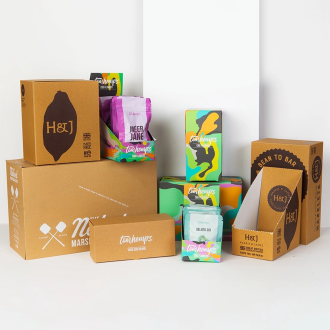 Eco-Friendly Boxes
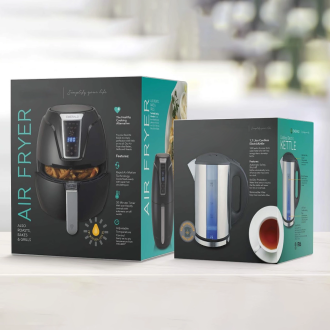 Electronics Packaging Boxes
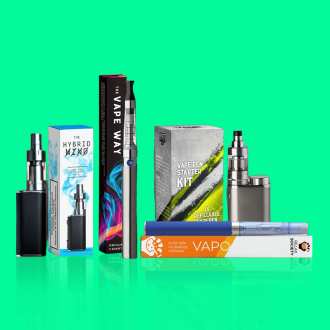 Custom Vape Boxes & Packaging
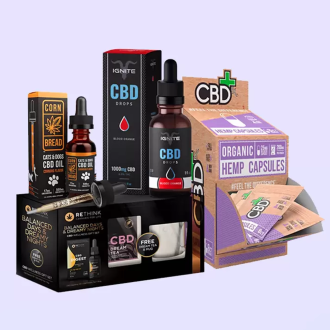 CBD Packaging Boxes
 Rigid & Luxury Packaging Boxes
 Gift Boxes
 Custom Soap Boxes & Packaging
 Metalized Boxes
 Retail Boxes
 Subscription Boxes
 Invitation Boxes
 Corrugated Shipping Boxes
 Matte Finish
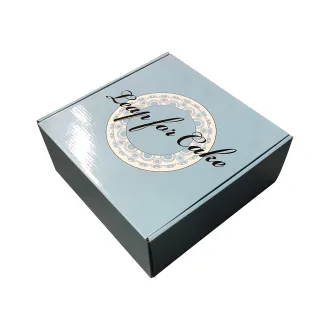 Gloss Finish
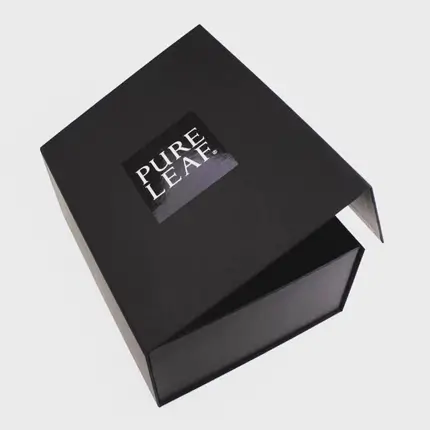 Soft Touch
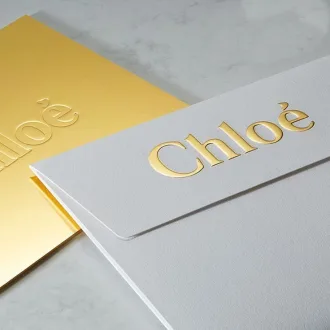 Foil Stamping
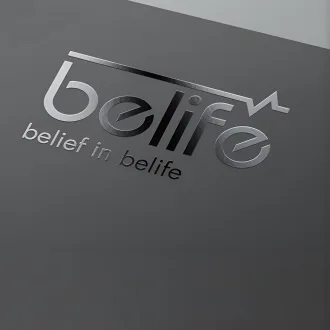 Spot UV
 Embossing
 Debossing
 Window Cutouts