By Rai Haider
December 12, 2019
4 Ways Custom Cardboard Boxes Can Save Your Money
Finding high-quality product packaging without overspending can be a constant challenge for growing retail and e-commerce businesses. Choosing cheap, low-grade boxes often leads to damaged goods, dissatisfied customers, and high return costs down the line. Investing in durable, custom-designed packaging is a far smarter long-term financial strategy. For a reliable and budget-friendly choice, custom cardboard boxes offer superior protection, lightweight handling, and exceptional value across every single stage of your commercial supply chain.
While custom packaging requires a thoughtful design phase upfront, it significantly cuts operational and logistics expenses over time. Tailored containers fit your products precisely, reduce dimensional shipping volume, eliminate excess void fill, and build lasting brand recognition. In this comprehensive guide, we explore the hidden costs of standard packaging, the exact mechanics of custom cardboard savings, and how optimized box engineering drives sustainable long-term profitability for your brand.
The Hidden Costs of Standard Off-the-Shelf Packaging
Many business owners start by purchasing off-the-shelf standard stock boxes to save money during the early stages of business. However, standard packaging often creates hidden operational expenses that quietly erode profit margins. When a box is not engineered specifically for your product, you end up paying for empty space, extra protective padding, and unnecessarily high freight carrier rates.
Common financial drawbacks of standard stock boxes include:
- Excessive Air Space: Paying inflated dimensional weight rates to ship empty air inside oversized containers.
- High Void Fill Consumption: Buying large quantities of bubble wrap, foam, or paper peanuts to stabilize loose items.
- Increased Product Breakage: Loose items shift during transit, resulting in higher return rates, replacement costs, and lost inventory.
- Poor Brand Perception: Plain, oversized boxes offer a generic unboxing experience that fails to build customer trust or brand loyalty.
- Warehouse Inefficiency: Storing dozens of mismatched stock box sizes clutters storage space and slows down order fulfillment teams.
Lowers Shipping and Freight Expenses via DIM Weight Optimization
Major global shipping carriers like FedEx, UPS, and DHL calculate shipping costs using Dimensional (DIM) weight pricing rather than gross weight alone. DIM weight assesses the total cubic volume a box occupies in a delivery vehicle. If you ship a small item inside an oversized stock box, you pay for the outer dimensions regardless of how light the package actually is.
How custom sizing optimizes shipping costs:
- Exact Product Dimensions: Custom boxes are engineered around your product's precise height, width, and depth to eliminate unused cubic space.
- Lower DIM Weight Charges: Reducing outer package dimensions drops your overall billing volume across every shipping carrier.
- Reduced Freight Overhead: Shorter box profiles allow logistics teams to consolidate cargo and lower total freight expenses on bulk shipments.
Real-World Example: DIM Weight Math
Consider a company shipping a 2 lb electronics item in a standard 12x12x12 inch stock box. Using a standard DIM factor of 139, the package's dimensional weight is calculated as (12 x 12 x 12) / 139 = 12.43 lbs. The business pays shipping fees for a 13 lb package instead of the actual 2 lb weight! By switching to a custom box measuring 8x6x4 inches for the exact same item, the dimensional weight drops to (8 x 6 x 4) / 139 = 1.38 lbs. The business now pays for the actual 2 lb weight, instantly cutting shipping charges by over 60% per shipment.
Maximizes Freight Density and Pallet Space Utilization
For businesses shipping wholesale inventory, bulk orders, or retail stock, logistics costs depend heavily on pallet utilization. Standard boxes leave awkward gaps on shipping pallets, forcing companies to pay for extra pallets and transport runs.
How custom boxes improve pallet efficiency:
- Tessellated Stacking: Custom boxes can be designed to stack perfectly onto standard shipping pallets without overhang or empty gaps.
- Increased Units Per Shipment: Fitting more units onto a single pallet lowers the average freight cost per individual product.
- Lower Warehouse Handling Fees: Efficiently organized pallets reduce warehouse labor hours and storage space requirements.
- Improved Transit Stability: Uniformly stacked pallets are less likely to tip or shift during freight transport, preventing bulk cargo damage.
Minimizes Damaged Goods and Expensive Return Processing
Receiving broken or dented merchandise destroys customer trust and impacts repeat sales. Handling customer refunds, paying return shipping charges, and sending replacement items drains company profits rapidly.
How tailored cardboard construction prevents damage:
- Restricted Movement: A precise box fit keeps items stationary, preventing internal collisions during transit.
- Custom Protective Inserts: Integrated cardboard dividers and inserts lock items in place without adding heavy weight.
- Engineered Compression Strength: Choosing the right single-wall or double-wall corrugated structure protects items against external stacking pressure.
Eliminates Excess Void Fill and Packaging Material Waste
Standard boxes require warehouse staff to stuff empty space with void fill materials like packing peanuts, air pillows, and bubble wrap. Purchasing these supplementary materials adds a continuous recurring cost to your fulfillment operations.
Financial benefits of minimizing void fill:
- Direct Material Cost Reduction: Eliminating plastic padding reduces overall packaging supply expenses.
- Faster Order Fulfillment: Packing teams spend less time wrapping items and sealing boxes, accelerating warehouse throughput.
- Reduced Overall Package Weight: Removing heavy protective layers keeps total shipping weights as low as possible.
- Eco-Friendly Advantage: Using minimal packaging materials appeals to environmentally conscious shoppers who dislike plastic waste.
Drives Free Organic Marketing and Customer Acquisition
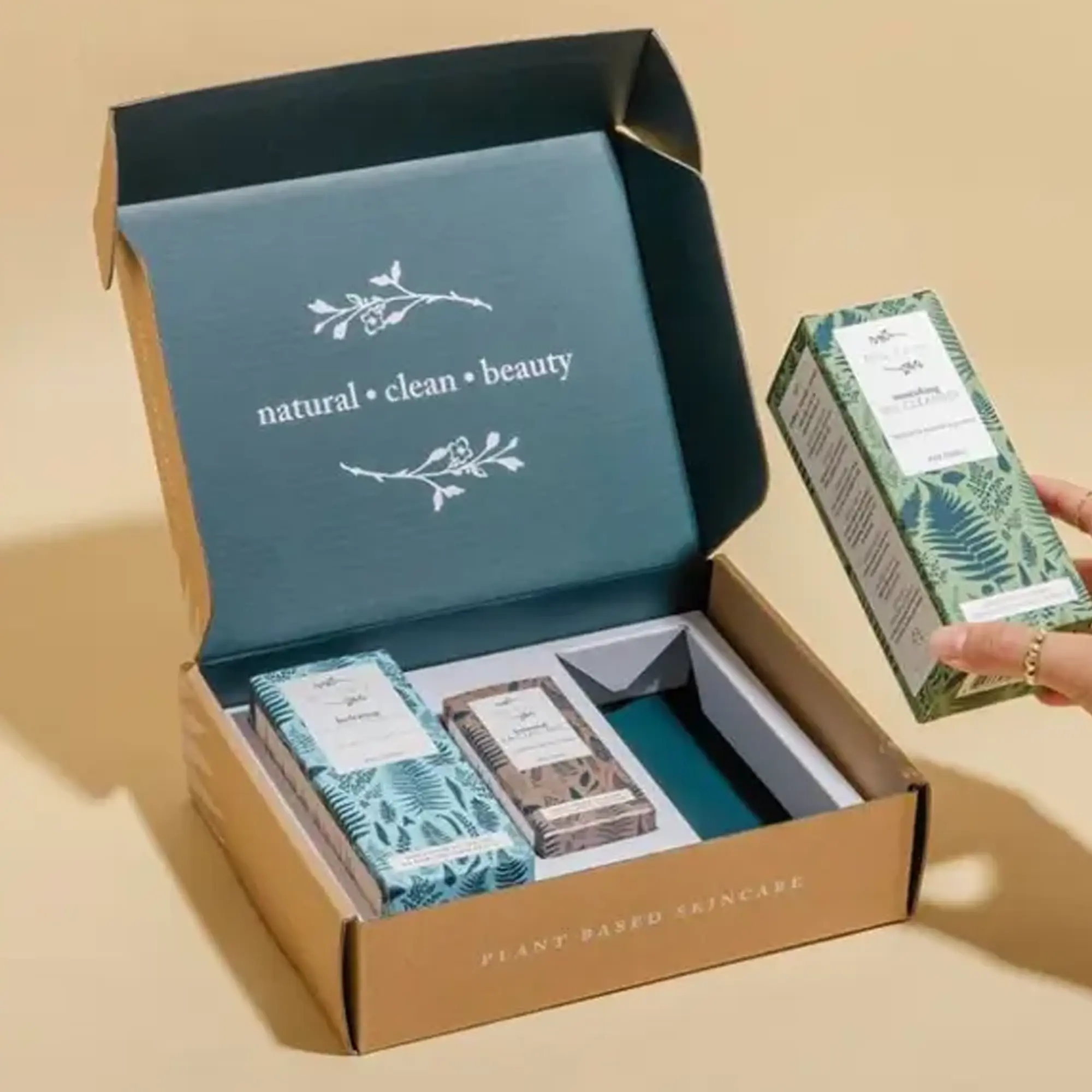
Paid digital marketing campaigns and print advertising can be expensive. Custom printed cardboard boxes act as high-impact mobile billboards that showcase your brand throughout the delivery journey, reaching carriers, handlers, and end consumers.
How custom packaging serves as an effective marketing tool:
- Instant Brand Recognition: Custom logos, brand colors, and slogans create a professional presentation during transit.
- Higher Customer Lifetime Value (LTV): High-quality packaging leaves a strong first impression, encouraging repeat orders.
- User-Generated Content (UGC): Attractive packaging inspires customers to record unboxing videos and share them on social media platforms for free reach.
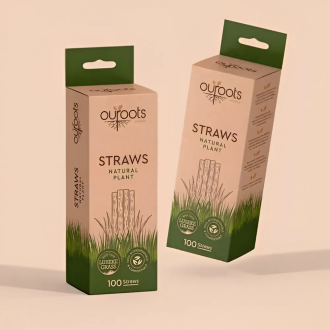
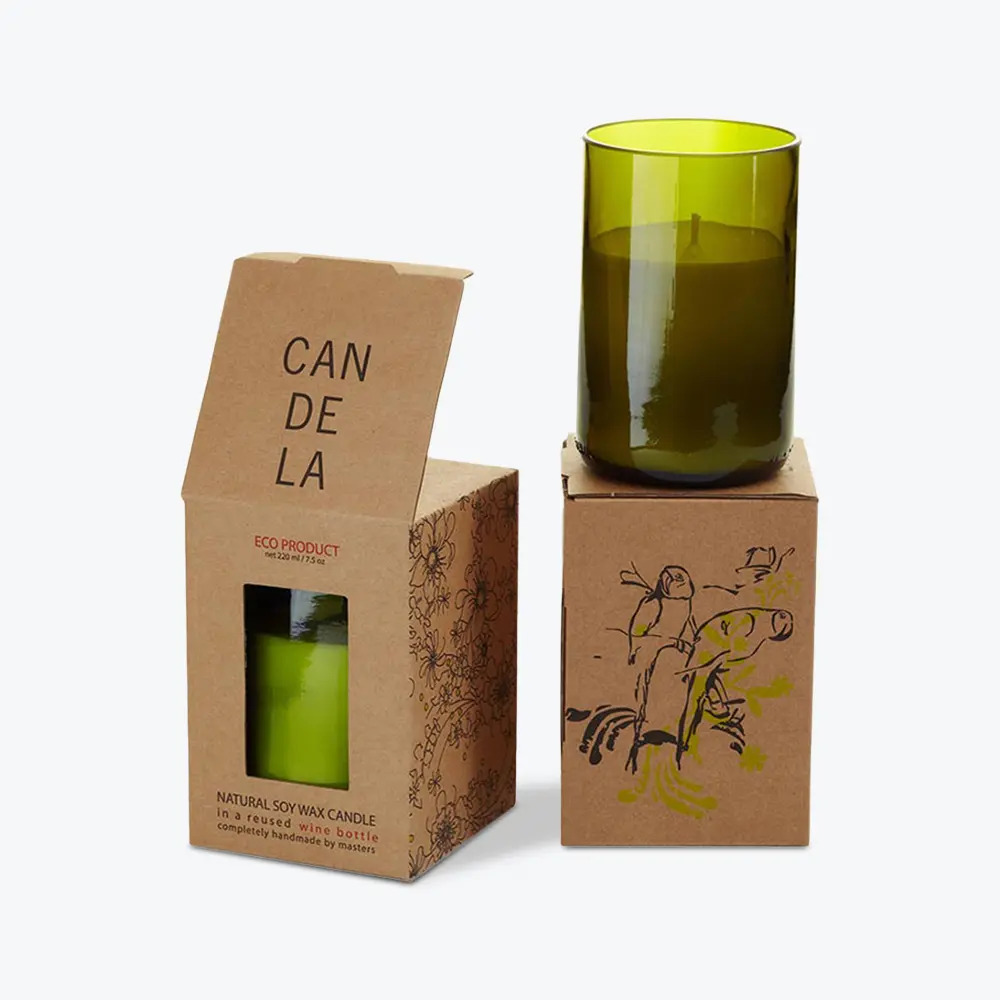
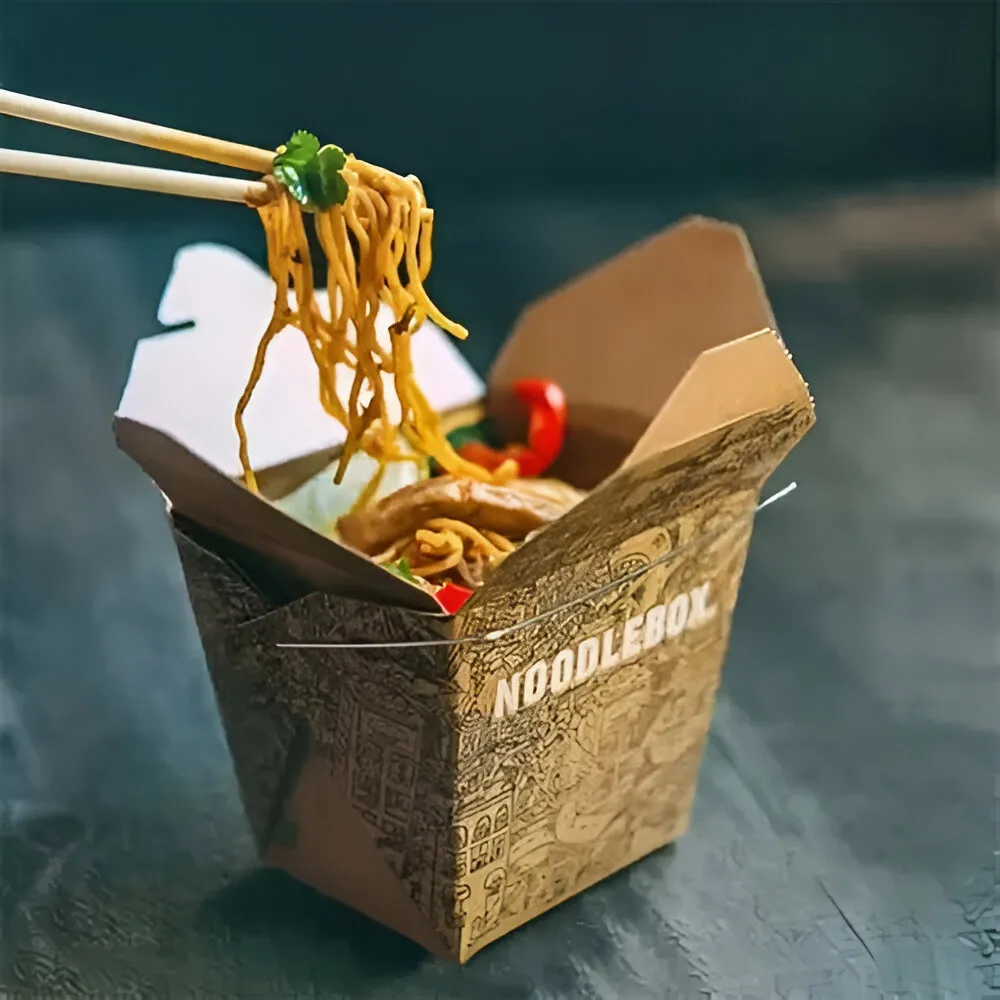
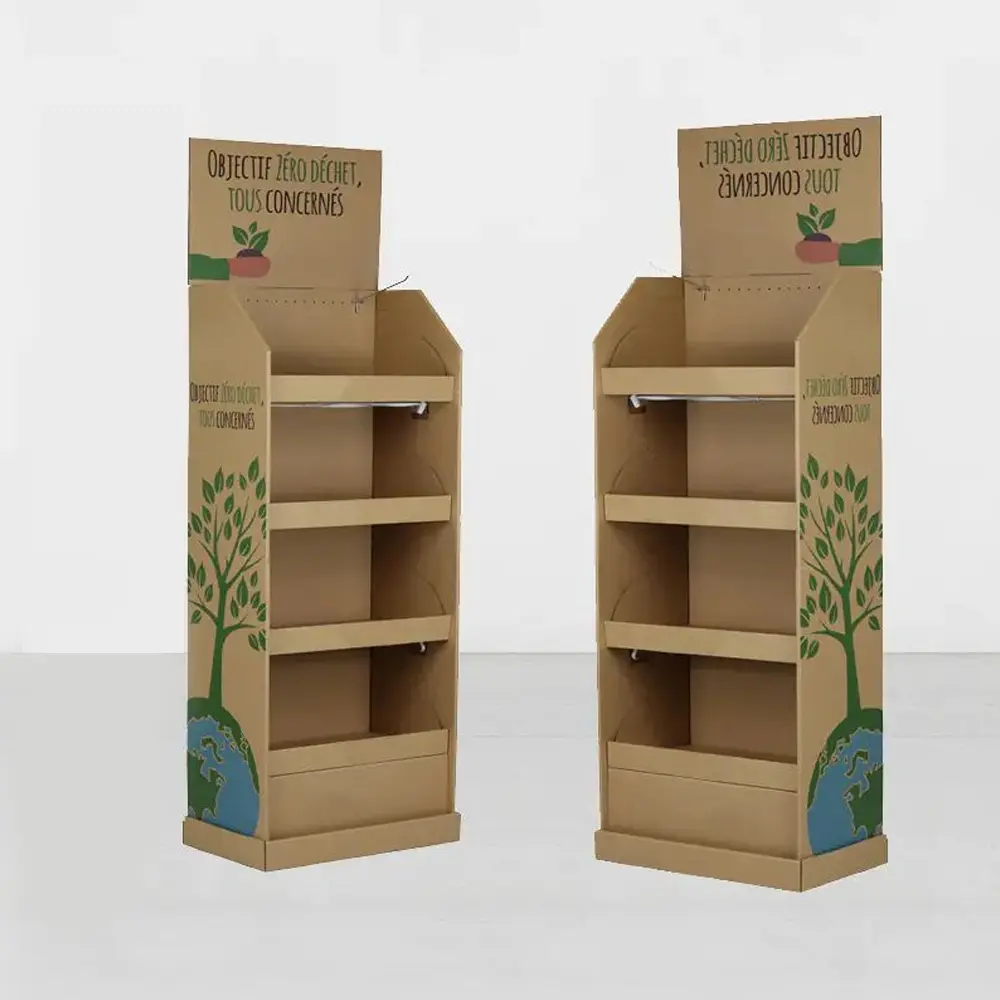
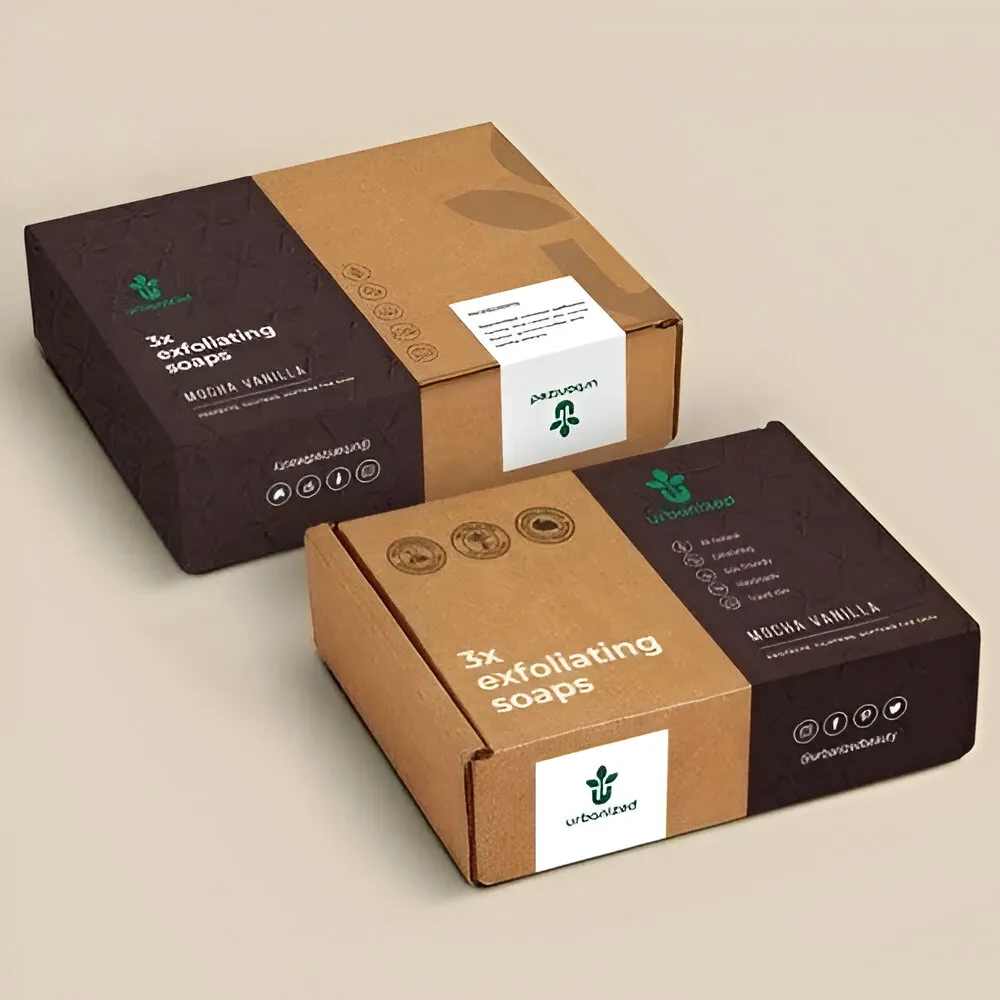
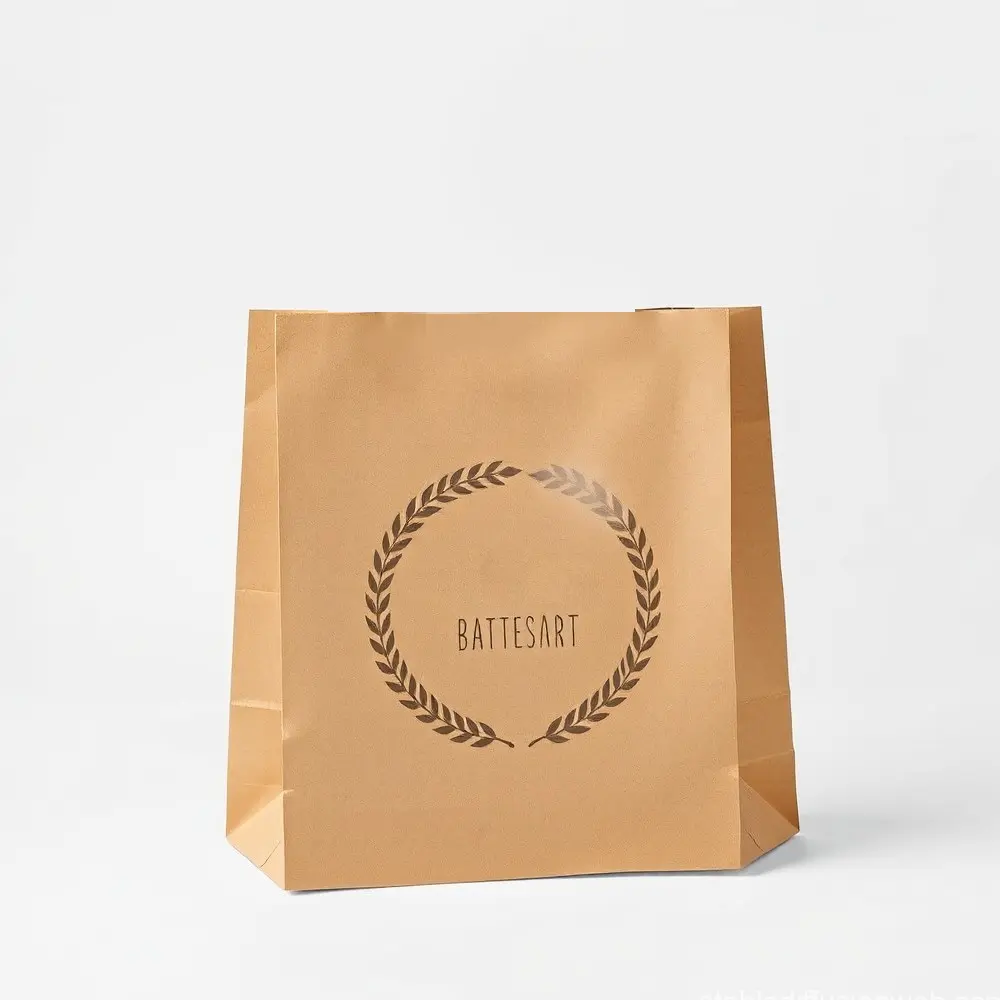
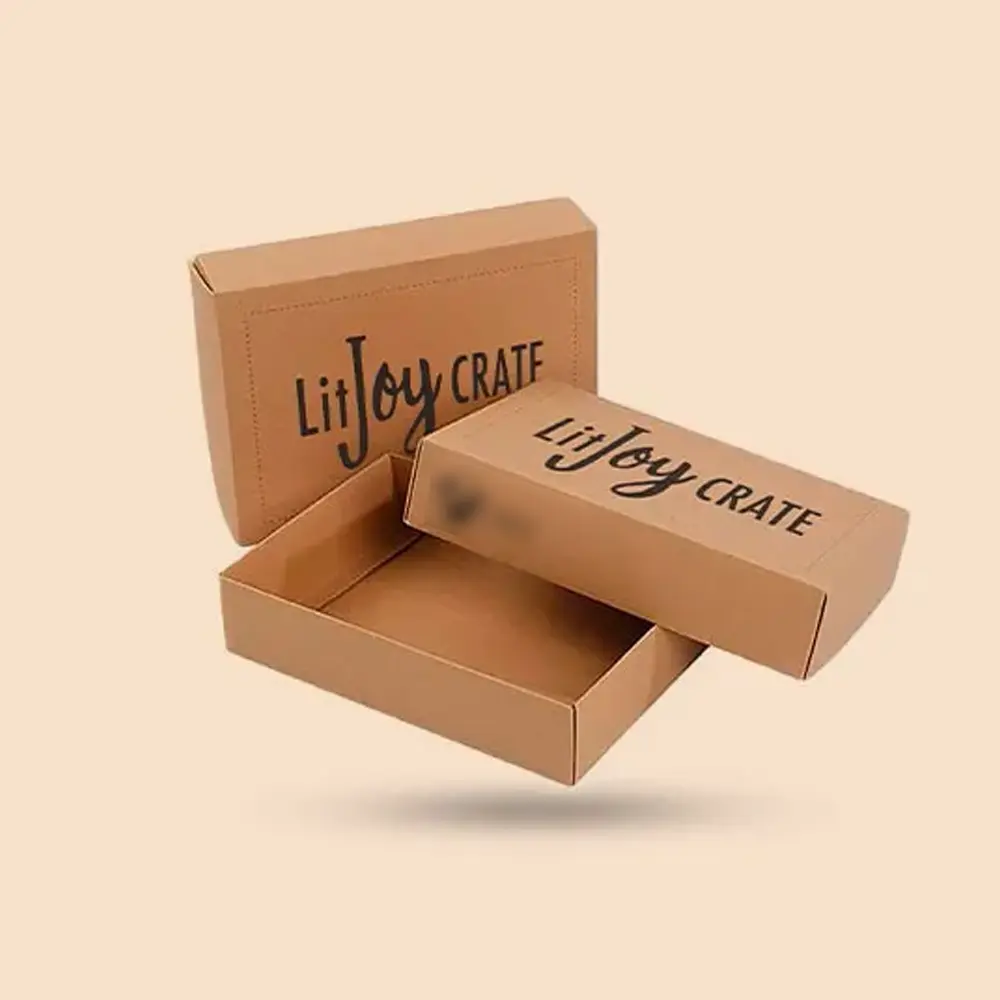
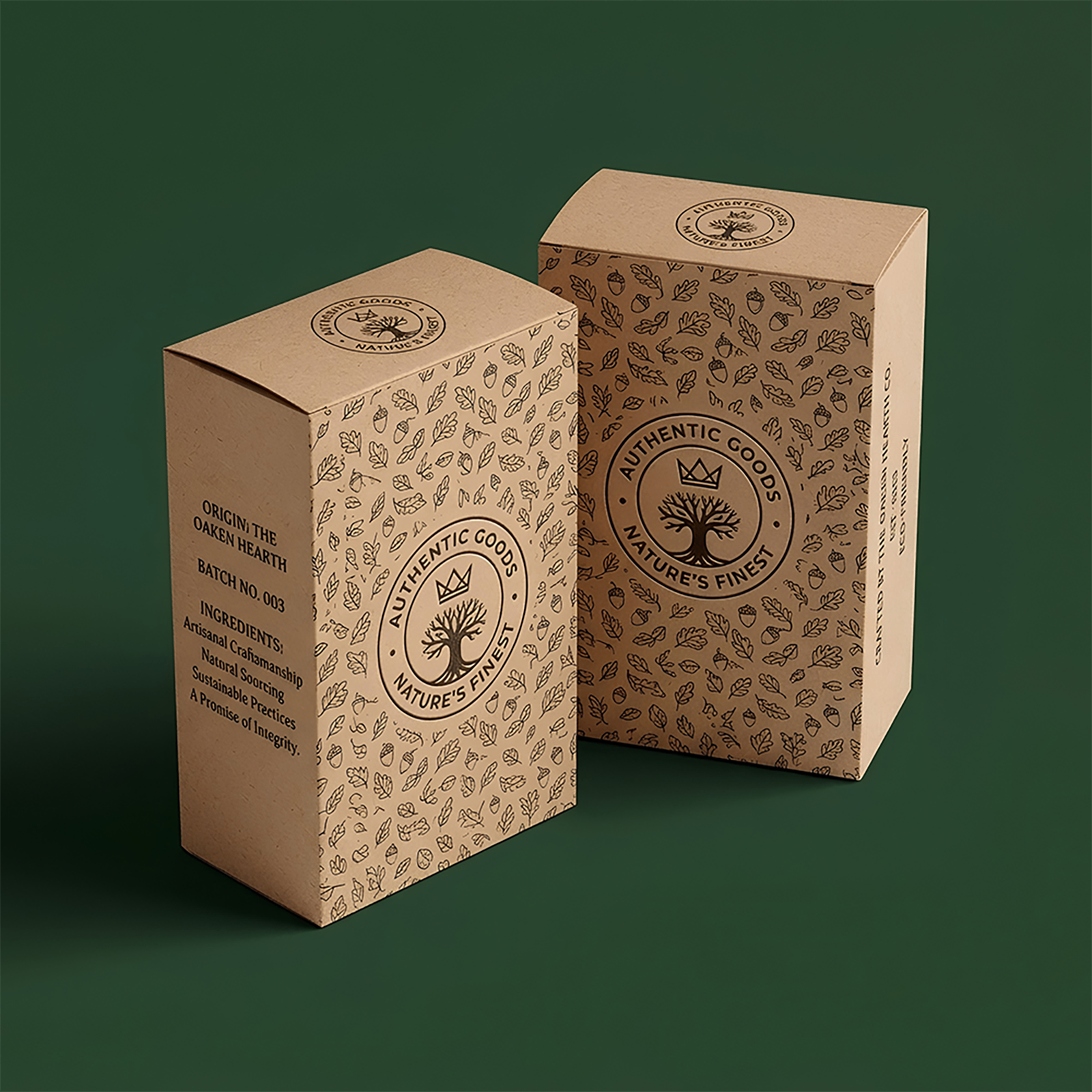
Brands seeking a rustic, natural aesthetic can also use sustainable kraft boxes, which offer high durability, eco-friendly appeal, and excellent cost efficiency for organic product lines.
Standardizes Inventory Management and Warehouse Operations
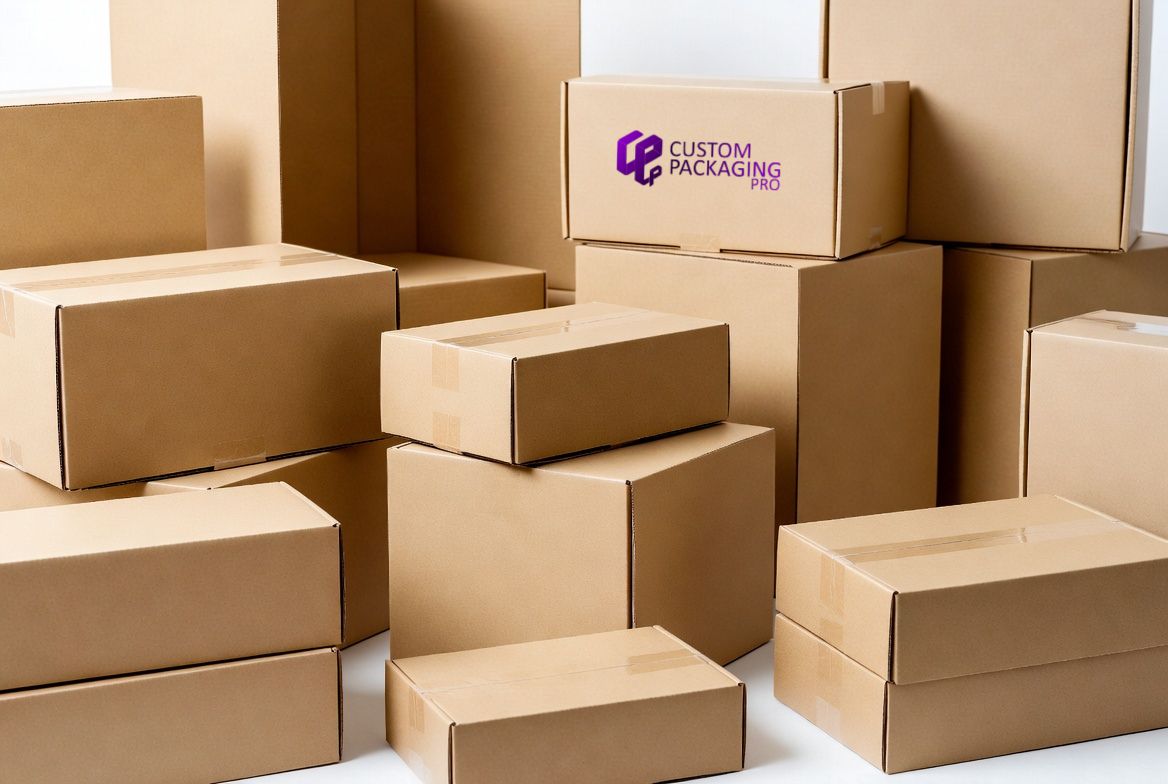
Managing dozens of different stock box sizes increases inventory management complexity and warehouse storage demands. Custom cardboard boxes streamline warehouse operations by creating uniform sizing across your product catalog.
How inventory standardization cuts costs:
- Reduced Storage Footprint: Uniform box sizes stack neatly on warehouse shelves, freeing up valuable storage space.
- Simplified Inventory Tracking: Standardized outer box dimensions make stock counting and inventory auditing faster and less error-prone.
- Bulk Purchase Savings: Consolidating your packaging needs into a few custom box sizes allows you to order higher volumes at discounted wholesale rates.
- Optimized Packing Workflows: Warehouse staff become faster at assembling and packing standardized box structures.
Understanding Corrugated Cardboard Technical Standards: ECT vs. Mullen Test
When sourcing custom cardboard packaging, understanding material strength ratings helps you avoid over-packaging while ensuring adequate product protection. Cardboard strength is typically evaluated using two industry-standard metrics.
Edge Crush Test (ECT)
The Edge Crush Test measures the compressive strength of corrugated cardboard along its edges. It indicates how much pressure a box can withstand before crushing when stacked vertically on a pallet. ECT-rated cardboard is ideal for businesses focused on optimizing box weight and shipping costs.
Mullen Burst Test
The Mullen Bursting Test measures the force required to puncture or burst the face of a corrugated board. Mullen-rated cardboard measures resistance to rough handling, punctures, and external impact during transit. It is recommended for shipping heavy, sharp, or fragile items.
Corrugated Flute Profiles: Choosing the Right Structure
Selecting the correct corrugated flute type is essential for balancing structural strength with material costs. Fluting refers to the wave-shaped cardboard layer sandwiched between outer linerboards.
Common corrugated flute profiles:
- E-Flute (1/16 inch): Excellent crush resistance and smooth surface for high-end graphic printing. Best for retail boxes, cosmetics, and small electronics.
- B-Flute (1/8 inch): Offers great puncture resistance and solid stacking strength. Commonly used for food packaging and custom mailer boxes.
- C-Flute (3/16 inch): The standard choice for shipping boxes. Provides outstanding cushioning and compression strength for heavier items.
- Double-Wall (BC or EB Flute): Combines two fluting layers for maximum protection. Essential for heavy machinery parts, fragile glass, or long-distance export goods.
Cost Comparison: Standard Stock Boxes vs. Custom Cardboard Boxes
To evaluate the true financial impact, consider how standard off-the-shelf boxes compare against custom-engineered packaging across major cost factors:
- Initial Box Unit Cost: Standard boxes have a low initial price, while custom boxes require a slightly higher initial design investment.
- Carrier Shipping Costs: Standard boxes cause high DIM weight charges due to excess air space. Custom boxes offer low shipping fees due to optimized dimensions.
- Void Fill Expenses: Standard boxes demand high recurring costs for bubble wrap and peanuts. Custom boxes require minimal to zero extra void fill.
- Product Breakage Rates: Standard boxes carry higher damage risk from internal movement. Custom boxes provide maximum safety through snug product fit.
- Marketing & Branding Impact: Standard boxes offer zero brand exposure. Custom boxes deliver high brand recognition and repeat customer growth.
Environmental Savings: Sustainable Packaging for Modern Brands
Modern consumers are actively choosing brands that prioritize sustainability. Custom cardboard boxes allow businesses to lower their environmental impact while reducing packaging waste.
Key sustainability advantages:
- Material Reduction: Custom-sized boxes eliminate excessive cardboard usage and plastic void fill.
- Recyclable Materials: Cardboard and kraft paper are 100% recyclable, biodegradable, and compostable.
- Lower Carbon Footprint: Shipping smaller, lighter packages reduces fuel consumption across transport networks.
Best Practices for Designing Low-Cost Custom Packaging
Creating custom packaging doesn't mean overspending on unnecessary decorative features. You can design stunning, high-performance boxes while keeping production costs low.
Money-saving design tips:
- Use Standard Die Lines: Ask your packaging provider if they have existing die lines that fit your product to avoid custom tooling fees.
- Optimize Print Coverage: 1-color or 2-color printing on natural kraft cardboard looks stylish while costing significantly less than full-color lithography.
- Order in Bulk Runs: Per-unit prices drop dramatically as order volumes increase due to setup cost distribution.
- Choose Right Material Thickness: Avoid over-engineering. Use single-wall cardboard unless your product is exceptionally heavy or fragile.
Buyer’s Checklist: Sourcing Custom Cardboard Boxes
Before placing a bulk order with a packaging manufacturer, run through this quick checklist to ensure maximum cost efficiency and quality:
- Exact Product Measurements: Have you measured your product's maximum height, width, and depth?
- Weight Limits: Is the selected cardboard wall thickness rated for your product's weight class?
- Carrier DIM Formulas: Have you tested your box dimensions against your shipping carrier’s DIM weight calculator?
- Sample Testing: Did you request a physical prototype or sample box to test fit and transit durability?
- Storage Conditions: Will the boxes be stored in humidity-controlled environments, or do they require moisture-resistant coatings?
Unboxing Psychology: How Custom Cardboard Packaging Elevates Customer Experience
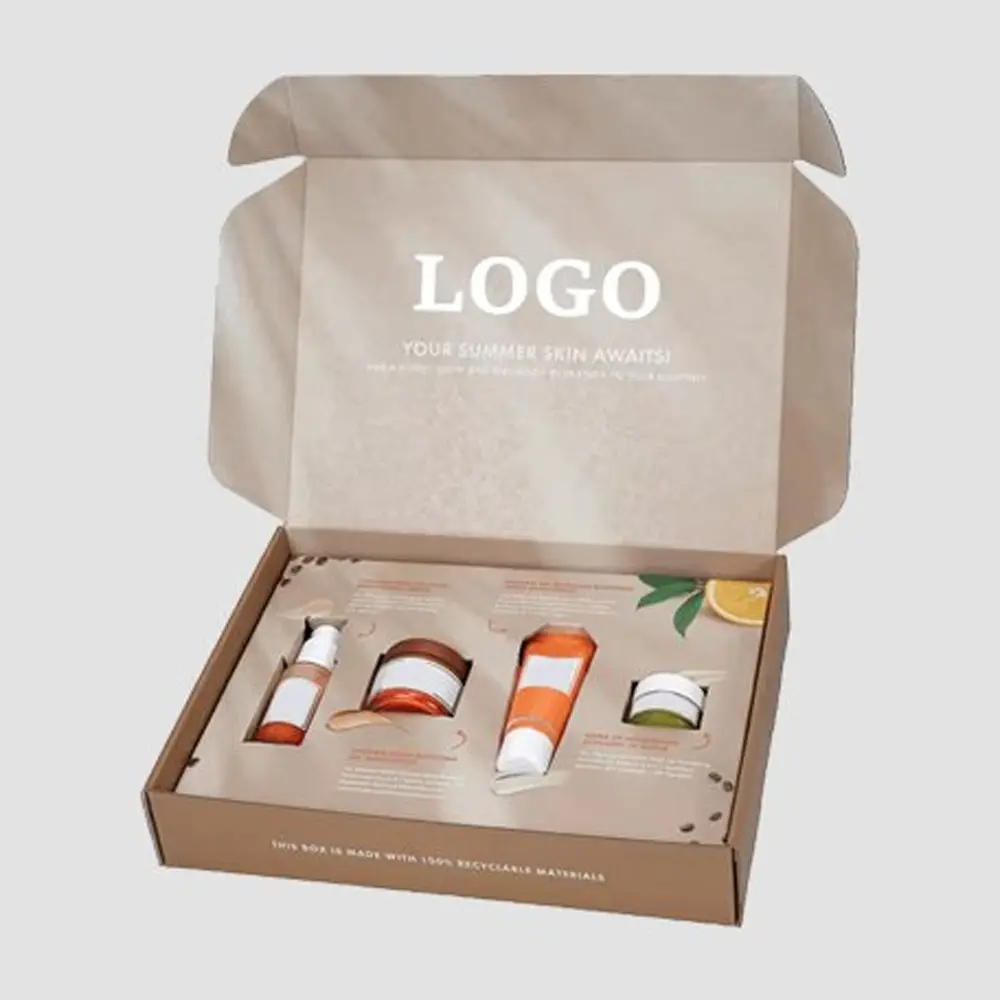
In modern e-commerce, the delivery package serves as the first physical touchpoint between a digital brand and its customers. The unboxing experience plays a critical role in shaping customer perception, driving emotional connection, and influencing long-term brand loyalty. When a customer receives an oversized, plain box filled with excess plastic peanuts, it creates immediate frustration. Conversely, receiving a custom-fitted cardboard box with crisp interior printing and clean organization elevates the perceived value of the product inside.
Key psychological benefits of an optimized unboxing experience:
- Perceived Value Enhancement: Premium packaging makes products feel more valuable, justifying higher retail prices and premium positioning.
- Emotional Anticipation: Opening a beautifully engineered package triggers positive emotional reactions, turning routine delivery into an enjoyable experience.
- Social Proof and Viral Sharing: Customers are far more likely to record unboxing videos, tag your brand on Instagram or TikTok, and provide free organic reach.
- Reduced Buyer's Remorse: Professional packaging reinforces the customer's purchase decision, leading to fewer order cancellations and higher satisfaction.
Investing in custom packaging transforms a simple shipping utility into a powerful retention tool. By paying attention to structural fit, interior graphics, and easy-open tearing strips, brands can create memorable experiences that turn first-time buyers into loyal brand advocates.
Supply Chain Optimization: Streamlining E-Commerce Logistics with Custom Boxes
E-commerce fulfillment demands speed, efficiency, and accuracy across every stage of the warehouse supply chain. Standard stock boxes slow down fulfillment operations because warehouse workers must constantly measure items, select appropriate box sizes, and manually apply heavy amounts of protective void fill. Custom cardboard packaging streamlines fulfillment workflows by standardizing box dimensions tailored directly to your top-selling products or product bundles.
Operational advantages across the fulfillment pipeline:
- Accelerated Packing Speed: Warehouse staff can quickly pack items into custom-fit boxes without spending time wrapping, taping, or filling air gaps.
- Optimized Conveyor System Handling: Uniform box profiles pass smoothly through automated sorting systems, reducing conveyor jams and scan errors.
- Reduced Shipping Weight Variation: Standardized boxes and predictable void fill usage allow for precise weight estimates, speeding up automated label printing.
- Lower Freight Damage Rates: Engineered box structures ensure items remain stable during high-speed sorting and last-mile delivery handling.
By optimizing box dimensions for your logistics workflow, you reduce labor costs per order, increase daily order output, and eliminate unnecessary shipping bottlenecks. Custom cardboard packaging ultimately creates a leaner, more resilient supply chain that scales efficiently as your business grows.
Frequently Asked Questions
- Why are custom cardboard boxes a cost-effective packaging solution?
Custom cardboard boxes are tailored to fit your exact product dimensions. This eliminates wasted space, lowers shipping fees, reduces the need for extra void fill, and minimizes product damage during shipping.
- How do custom cardboard boxes lower DIM weight shipping costs?
Carriers charge based on package volume. Custom boxes fit products precisely without extra bulk, reducing overall package dimensions and lowering dimensional weight charges on every shipment.
- Can custom cardboard boxes reduce warehouse fulfillment times?
Yes. Because custom boxes fit your products tightly, warehouse workers spend less time applying protective padding and void fill, leading to faster order packing and lower labor overhead.
- Are custom cardboard boxes strong enough for heavy items?
Yes. Custom corrugated boxes can be manufactured using heavier single-wall or double-wall structures to safely hold and protect heavy or fragile items during rough transit.
- How does custom printed packaging increase customer retention?
Custom printed boxes create a memorable unboxing experience that reflects product quality. Customers who receive well-packaged items are more likely to make repeat purchases and recommend your brand.
- Are cardboard boxes environmentally friendly and recyclable?
Yes. Cardboard packaging is made from natural wood fibers, making it fully recyclable, biodegradable, and reusable. Using properly sized boxes also reduces overall material waste.
- Why should businesses choose custom cardboard boxes over standard stock packaging?
Custom cardboard boxes provide superior product protection, lower total shipping expenses, streamline warehouse storage, and serve as an effective branding channel compared to basic stock packaging.

 Custom Boxes
 Mailer Boxes
 Shipping Boxes
 Display Boxes
 Product Boxes
 Retail Packaging
 Luxury Packaging
 Sustainable Packaging
 Mylar Bags
 Labels & Stickers
 Inserts & Dividers
 Acrylic Signs
 Mylar and Zipper Bags
 Cosmetic Boxes
 Custom Candle Packaging Boxes
 Food and Beverage
 Display Packaging
 Pharma Packaging
 Custom Blister Packaging
 Stand Up Displays
 Kraft Boxes
 Cereal Packaging Boxes
 Bakery Packaging Boxes
 Eco-Friendly Boxes
 Electronics Packaging Boxes
 Custom Vape Boxes & Packaging
 CBD Packaging Boxes
 Rigid & Luxury Packaging Boxes
 Gift Boxes
 Custom Soap Boxes & Packaging
 Metalized Boxes
 Retail Boxes
 Subscription Boxes
 Invitation Boxes
 Corrugated Shipping Boxes
 Matte Finish
 Gloss Finish
 Soft Touch
 Foil Stamping
 Spot UV
 Embossing
 Debossing
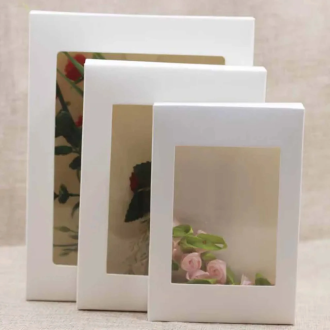 Window Cutouts